Category: Women’s Health

  • BP Normal Range for Female – Blood Pressure Readings

    BP Normal Range for Female – Blood Pressure Readings

    BP normal range for female image

    BP Normal Range for Female – The normal blood pressure range for females is typically defined as having a systolic pressure below 120 mmHg and a diastolic pressure below 80 mmHg. However, it’s essential to recognize that individual factors, including age, overall health, and lifestyle, can influence what is considered normal for a specific person.

    Maintaining a healthy lifestyle involves monitoring various aspects of our well-being, and one crucial parameter is blood pressure. Arterial pressure, commonly known as blood pressure, manifests as the dynamic force exerted by the flowing blood against the resilient confines of the arterial walls. It is a vital indicator of cardiovascular health and can help identify potential risks and prevent serious health issues.

    What is Blood Pressure?

    Blood pressure is measured in millimetres of mercury (mmHg) and is expressed as two numbers, such as 120/80 mmHg. The first number, known as systolic pressure, represents the force when the heart contracts and pumps blood into the arteries. The second numerical value, known as diastolic pressure, signifies the force exerted on the arterial walls during the heart’s resting phase between beats.
    BP Normal Range For Female image

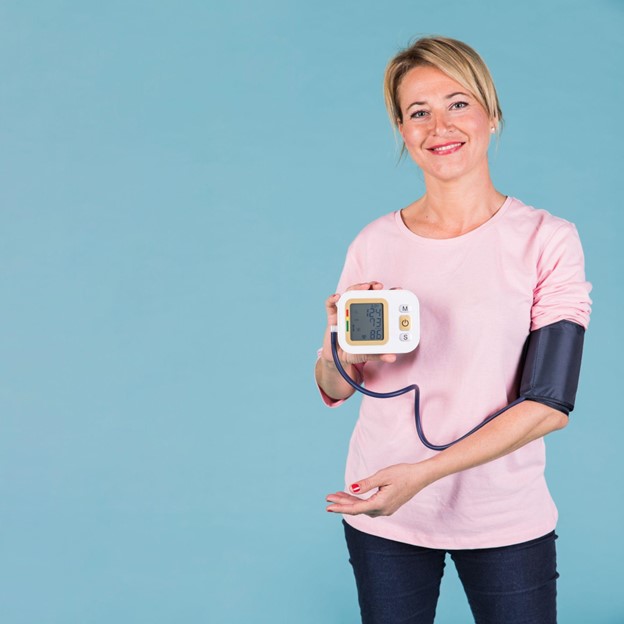
    BP Normal Range For Female

    1. Normal: Systolic < 120 mmHg and Diastolic < 80 mmHg
    2. Elevated: Systolic 120-129 mmHg and Diastolic < 80 mmHg
    3. Hypertension Stage 1: Systolic 130-139 mmHg or Diastolic 80-89 mmHg
    4. Hypertension Stage 2: Systolic ≥ 140 mmHg or Diastolic ≥ 90 mmHg
    5. Hypertensive Crisis: Systolic > 180 mmHg and/or Diastolic > 120 mmHg

    Why Monitoring Blood Pressure is Important?

    • Cardiovascular Health: High blood pressure is a major risk factor for heart disease and stroke. Monitoring blood pressure helps in the early detection and management of these conditions.
    • Preventive Health: Regular blood pressure checks can identify potential health issues, allowing for preventive measures before they escalate.
    • Overall Well-being: Maintaining a normal blood pressure range contributes to overall well-being, ensuring that organs receive an adequate supply of oxygen and nutrients.

    Also, Read:

    Tips for Maintaining Healthy Blood Pressure

    • Balanced Diet : Embrace a nutritional regimen abundant in a variety of fruits, vegetables, whole grains, and lean proteins to nourish your body with essential vitamins and minerals.
    • Regular Exercise : Engage in regular physical activity, such as brisk walking, jogging, or cycling, to promote cardiovascular fitness.
    • Maintain a Healthy Weight : Being overweight can contribute to high blood pressure. Losing excess weight through a combination of diet and exercise can be beneficial.
    • Limit Alcohol and Caffeine : Excessive alcohol and caffeine consumption can impact blood pressure. Moderation is key.
    • Stress Management : Practice stress-reducing techniques, such as meditation, yoga, or deep breathing exercises, to help maintain a healthy blood pressure level.

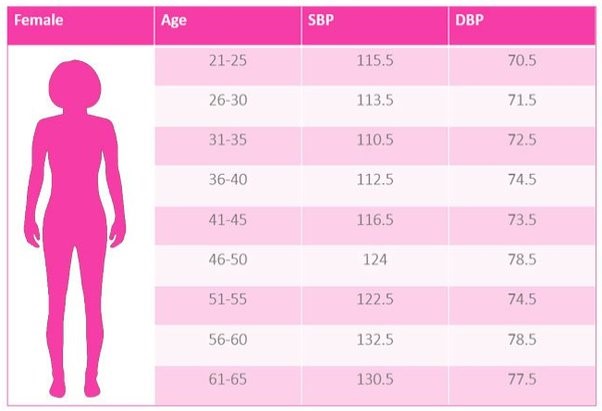
    BP Normal Range For Female Age Wise

    Blood pressure (BP) norms can vary with age, reflecting the physiological changes that occur throughout a woman’s life. Here’s an overview of the general blood pressure ranges for females across different age groups:

    1. Young Adults (18-30 years)

    • Normal Range: Systolic < 120 mmHg, Diastolic < 80 mmHg
    • Young females typically have lower blood pressure, and values within or close to the normal range are considered healthy.

    2. Adults (30-45 years)

    • Normal Range: Systolic < 120 mmHg, Diastolic < 80 mmHg
    • Maintaining blood pressure within the normal range is crucial during this stage to prevent the development of hypertension.

    3. Middle-aged adults (45-60 years)

    • Normal Range: Systolic < 120 mmHg, Diastolic < 80 mmHg
    • Blood pressure tends to gradually increase with age, making regular monitoring and healthy lifestyle choices even more important.

    4. Seniors (60+ years)

    • Normal Range: Systolic < 120 mmHg, Diastolic < 80 mmHg
    • While the general normal range remains the same, older females may see an increase in systolic pressure. Close monitoring and preventive measures are essential.
    BP Normal Range For Female Age Wise image

    It’s crucial to note that these age-wise guidelines are generalizations, and individual variations exist. Factors such as overall health, genetics, and existing medical conditions can influence blood pressure. Regular check-ups with healthcare professionals are vital to assess individual health status and make appropriate adjustments to lifestyle and treatment plans if needed.
    Consult a Doctor and Medkart will help you Order Medicines Online

    Conclusion

    Understanding the normal range of blood pressure for females is crucial for maintaining cardiovascular health. Regular monitoring, along with a healthy lifestyle, can significantly reduce the risk of hypertension and related complications. By making informed choices and adopting positive habits, females can take control of their cardiovascular well-being and lead a healthier, more fulfilling life.

    Read: What are Generic Medicines?

    FAQs on BP Normal Range for Female

    Q1. What is the BP Normal Range For Females?

    Answer : The typical normal blood pressure for females is below 120/80 mmHg, with systolic pressure under 120 mmHg and diastolic pressure under 80 mmHg.

    Q.2 How often should females check their blood pressure?

    Answer : It is recommended for females to check their blood pressure regularly, at least once a year during routine health check-ups, or more frequently if advised by a healthcare professional.

    Q.3 Can blood pressure vary based on age for females?

    Answer : Yes, blood pressure norms may vary with age. While the general target is below 120/80 mmHg, it’s essential to consider age-related factors and consult with a healthcare provider for personalized advice.

    Q.4 What lifestyle changes can help maintain a healthy blood pressure?

    Answer : Lifestyle changes include adopting a balanced diet low in sodium, engaging in regular physical activity, maintaining a healthy weight, limiting alcohol and caffeine intake, and practising stress management techniques like meditation or yoga.

    Related Links:
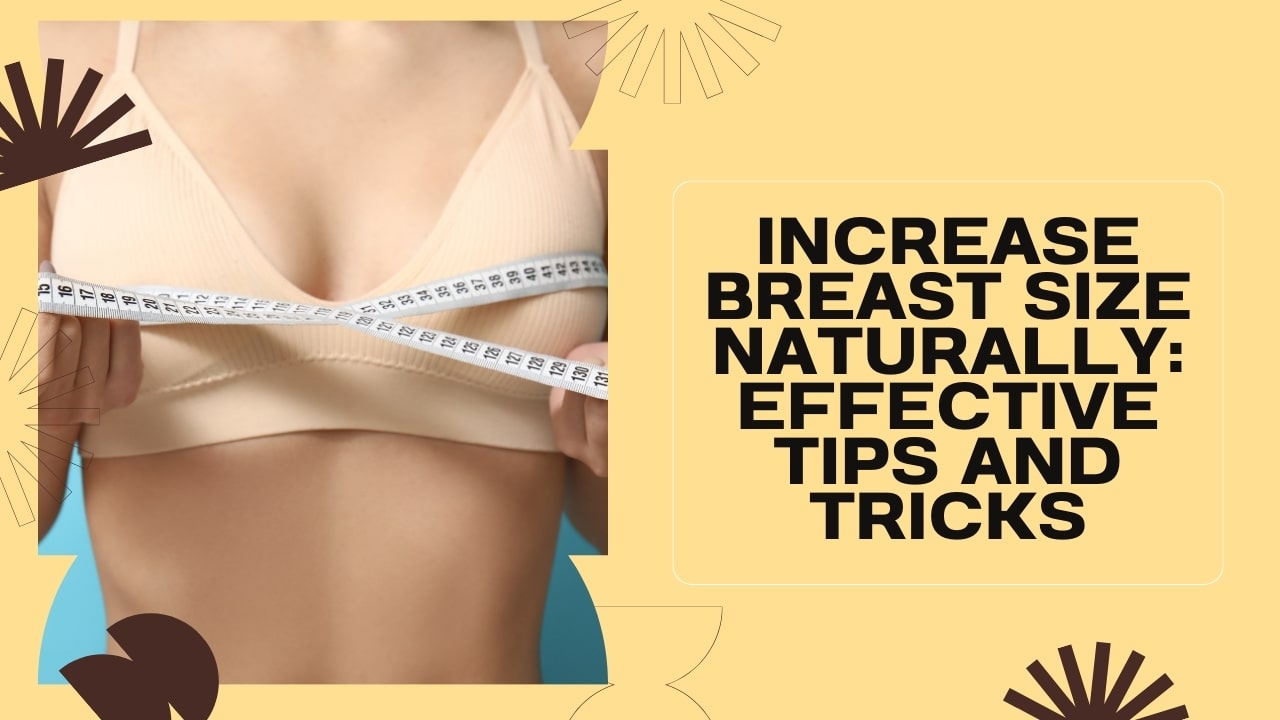
  • How to Increase Breast Size Naturally? Exercise to Increase Breast Size

    How to Increase Breast Size Naturally? Exercise to Increase Breast Size

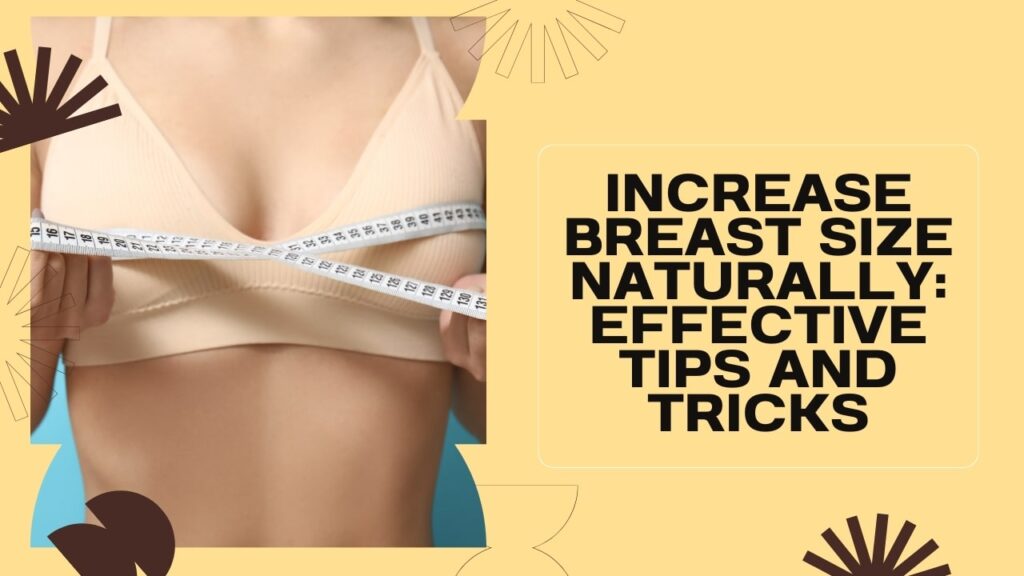
    increase breast size naturally imageWays to Increase Breast Size: Every woman is unique, and so are her body preferences. While there’s no one-size-fits-all definition of beauty, many women express a desire to enhance certain aspects of their appearance, such as breast size. It’s important to note that self-love and body positivity should always be at the forefront of any beauty journey.



    If you’re considering ways to increase your breast size, there are natural and holistic approaches that prioritize overall well-being. Let’s explore some healthy lifestyle choices and exercises that may contribute to a fuller bust.

    Natural Ways to Increase the Breast Size

    Eating a balanced and nutritious diet is essential for overall health, including breast health. Incorporate foods rich in estrogen, the hormone responsible for breast development. Soy products, flaxseeds, fenugreek, and fennel are known to contain phytoestrogens, which may contribute to breast enhancement. Include a variety of fruits, vegetables, whole grains, and lean proteins to support your body’s overall vitality.

    1. Essential Fats for Breast Tissue

    Including healthy fats in your diet is crucial for overall health and can potentially play a role in promoting breast fullness. Omega-3 fatty acids, found in fatty fish, flaxseeds, and walnuts, have anti-inflammatory properties that may benefit breast tissue. Avocado and olive oil are also excellent sources of monounsaturated fats that support skin elasticity.

    2. Protein for Muscle Support

    Breast tissue sits on the chest muscles, and ensuring these muscles are well-supported can contribute to a lifted and toned appearance. Incorporate lean protein sources such as chicken, turkey, tofu, and legumes into your diet. Protein is essential for muscle repair and development.

    3. Antioxidants for Skin Health

    The skin around the breasts plays a significant role in their appearance. Antioxidant-rich foods, such as berries, citrus fruits, and leafy greens, can help protect the skin from oxidative stress, promoting a healthy and youthful look.

    4. Vitamins and Minerals

    • Vitamin A: Found in sweet potatoes, carrots, and leafy greens, vitamin A supports skin health and may contribute to breast tissue integrity.
    • Vitamin C: Citrus fruits, strawberries, and bell peppers are rich in vitamin C, which supports collagen production and skin elasticity.
    • Vitamin E: Nuts, seeds, and spinach are sources of vitamin E, known for its skin-nourishing properties.
    • Zinc: Found in pumpkin seeds, chickpeas, and lentils, zinc supports the body’s natural collagen production.

    5. Hydration

    Maintaining optimal hydration levels is crucial for overall well-being, with a profound impact on the health of your skin. Drink an adequate amount of water throughout the day to keep your skin and body hydrated.

    Exercise to Increase Breast Size

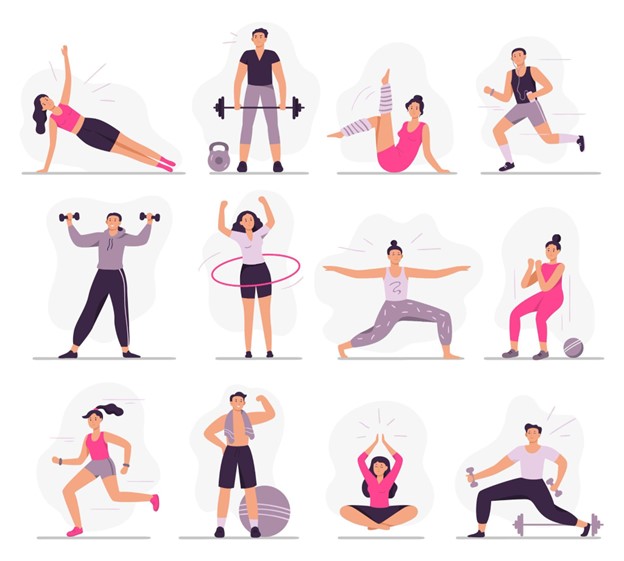
    While exercise won’t directly increase breast size, it can help tone and lift the chest muscles, providing a more defined and perky appearance. Focus on strength training exercises that target the chest muscles, such as chest presses, push-ups, and dumbbell flies. Additionally, maintaining good posture can create the illusion of a fuller bust.

    • Push-Ups: Push-ups are a classic and effective exercise that targets the chest muscles, particularly the pectoralis major. This compound movement engages the entire upper body, including the shoulders and triceps, promoting overall upper body strength.
    • Chest Press: The chest press, whether performed with dumbbells or a barbell, is an excellent isolation exercise that specifically targets the chest muscles.
    • Dumbbell Flyes: Dumbbell flyes are an isolation exercise that focuses on the chest muscles and helps improve the overall shape of the breasts.
    • Chest Dips: Chest dips are a bodyweight exercise that targets the chest, shoulders, and triceps.
    • Wall Press: Wall presses are a beginner-friendly exercise that provides a gentle yet effective workout for the chest muscles:

    Remember to include these exercises in your fitness routine at least two to three times per week, allowing for adequate rest between sessions. Additionally, maintaining good posture throughout your daily activities can further enhance the appearance of your chest.

    How to increase breast size?

    Also Read:

    How to Increase Breast Size?

    Various herbs have been traditionally used to support breast health and development. Fenugreek, fennel, and wild yam are popular choices. These herbs are often found in supplements or teas designed to promote breast enhancement. However, it’s crucial to consult with a healthcare professional before incorporating any new supplements into your routine.

    While scientific evidence on their efficacy is limited, some herbs are believed to have properties that could potentially support breast health and fullness.

    • Fenugreek: Fenugreek is often touted for its potential to increase estrogen levels in the body. This herb is commonly consumed in supplement form or as a tea. However, its effectiveness varies among individuals, and more research is needed to establish its impact on breast size.
    • Fennel: Fennel is another herb rich in phytoestrogens, which are plant compounds that mimic estrogen. Some people use fennel seeds or tea with the belief that it may contribute to breast enhancement. As with other herbs, individual responses may vary.
    • Saw Palmetto: Saw palmetto is derived from the berries of a small palm tree and is believed by some to have hormonal effects. It’s often used in supplements and creams, with some individuals claiming it supports breast growth. However, scientific evidence backing these assertions lacks conclusive support.
    • Wild Yam: Wild yam contains diosgenin, a compound that can be converted into estrogen in a laboratory setting. Some herbal remedies include wild yam extract with the belief that it may influence hormonal balance and promote breast health.
    • Red Clover: Red clover is rich in isoflavones, which are compounds with estrogen-like effects. While red clover supplements are sometimes used by individuals seeking natural breast enhancement, the evidence supporting their efficacy is limited.

    Best Breast Massage

    Breast massage is a non-invasive practice believed by some to enhance breast appearance and health. Advocates suggest that regular, gentle massages improve blood circulation and lymphatic drainage, promoting tissue elasticity and potentially contributing to a fuller look. Using natural oils like almond or olive oil, circular motions during massage may stimulate collagen production.

    While there’s limited scientific evidence supporting a direct increase in breast size, the practice is often embraced for its relaxing and self-care benefits. It’s essential to approach breast massage with realistic expectations and consider consulting with a healthcare professional before incorporating it into your routine.

    Wearing the Right Bra

    Choosing the right bra is a simple yet effective way to enhance the appearance of your breasts. A well-fitted bra provides essential support, shaping, and lift, creating a flattering silhouette. Bras with padding or push-up features can add volume and fullness, enhancing your natural curves. Additionally, wearing the correct size minimizes sagging and maintains proper posture, giving the illusion of a fuller bust.

    Prioritize comfort and fit, as an ill-fitted bra can lead to discomfort and affect your overall confidence. Invest in bras that celebrate your body’s unique shape, promoting self-assurance and highlighting your natural beauty.

    Consult a Doctor and Medkart will help you Order Medicines Online

    Conclusion

    Enhancing breast size naturally involves a combination of lifestyle choices, exercises, and self-care practices. It’s essential to approach this journey with a focus on overall well-being and self-love.

    Remember that beauty comes in various shapes and sizes, and the key is to embrace and celebrate your unique self. Before making significant changes to your lifestyle or considering supplements, it’s crucial to consult with a healthcare professional to ensure the safety and effectiveness of your chosen approach.

    Read: What are Generic Medicines?

    FAQs on How to Increase Breast Size?

    Q1. How to increase breast size?

    Enhance breast appearance by incorporating chest-focused exercises like push-ups, maintaining a balanced diet rich in nutrients, and wearing well-fitted bras that provide lift and support. However, note that natural methods may have limited impact, and individual results vary.

    Q2. Can exercises increase breast size?

    While exercises can’t directly increase breast size, they can strengthen chest muscles, providing lift and a more defined appearance. Incorporate chest-focused workouts like push-ups and chest presses for a toned look.

    Q3. Do herbal supplements work for breast enhancement?

    The efficacy of herbal supplements like fenugreek and fennel is inconclusive. Consult a healthcare professional before trying, as individual responses vary, and safety concerns may arise.

    Q3. Is there a specific diet to boost breast size?

    While no specific diet guarantees breast enlargement, a balanced diet rich in healthy fats, proteins, and antioxidants supports overall health, contributing to skin elasticity and breast health.

  • How to Lose Weight Fast? – Ways to Lose Weight Naturally And Permanently

    How to Lose Weight Fast? – Ways to Lose Weight Naturally And Permanently


    lose weight fast

    To lose weight fast a thorough and balanced approach is required that focuses on sustainable lifestyle changes. Instead of extreme diets, opt for a well-rounded diet rich in whole foods such as fruits, vegetables, lean proteins, and whole grains. Portion control, mindful eating, and staying hydrated are essential components. Combine this with regular exercise, including both cardiovascular activities and strength training, to create a calorie deficit and promote healthy weight loss.

    Losing weight quickly is a goal that many individuals aspire to achieve for various reasons, such as improving overall health, boosting confidence, or preparing for a special event. While it’s important to approach rapid weight loss with caution and prioritize health over speed, some strategies can help expedite the process. Keep in mind that extreme measures or crash diets are not sustainable in the long term and may have adverse effects on your health.

    Lose Weight Fast Naturally And Permanently

    Losing weight naturally and permanently involves adopting sustainable lifestyle changes that promote a healthy balance between diet, exercise, and overall well-being. Quick fixes and extreme measures are often temporary and can lead to health issues. Let’s discuss how to lose weight fast naturally and permanently:

    Create a Realistic Plan

    • Set achievable and realistic goals.
    • Understand that healthy weight loss typically ranges from 1 to 2 pounds per week.
    • Consider factors such as your starting point, target weight, and the time frame within which you want to achieve your goals.

    Revise Your Diet

    • Calorie Deficit: Weight loss fundamentally requires burning more calories than you consume. Aim for a moderate calorie deficit of about 500 calories per day.
    • Balanced Nutrition: Emphasize whole foods, including fruits, vegetables, lean proteins, and whole grains. These foods are filled with nutrients and can keep you feeling full for a longer period.

    Intermittent Fasting

    • Time-Restricted Eating: Consider adopting intermittent fasting, where you limit your eating window each day. One of the common methods is the 16/8 or the 5:2 approach.
    • Benefits: Intermittent fasting can help control calorie intake, improve insulin sensitivity, and promote fat loss.

    High-Protein Diet

    • Muscle Preservation: Increase your protein intake to support muscle preservation, which is crucial during weight loss.
    • Satiety: Protein-rich foods can help you feel full and satisfied, reducing the likelihood of overeating.

    Watch Your Portions

    • Mindful Eating: Pay attention to the portion sizes of your meals and practice mindful eating. Eating slowly and savouring your meals can help prevent overconsumption.

    Stay Hydrated

    • Water Intake: Stay adequately hydrated by consuming ample water throughout the day. Sometimes, feelings of hunger are signs of thirst and dehydration.
    • Substitute Sugary Drinks: Replace sugary beverages with water, herbal teas, or other low-calorie options.

    How To Lose Weight Fast

    Regular Exercise

    • Cardiovascular Exercise: Include moderate-intensity and high-intensity cardio workouts to burn calories and improve cardiovascular health.
    • Strength Training: Incorporate resistance training to build muscle, boost metabolism, and enhance overall body composition.

    High-Intensity Interval Training (HIIT)

    • Efficiency: HIIT workouts involve short bursts of intense exercise followed by brief rest periods. They can be time-efficient and effective for calorie burning.
    • Metabolic Boost: HIIT can elevate your metabolism, promoting continued calorie burning after the workout.

    Adequate Sleep

    • Hormonal Balance: Ensure you get enough quality sleep. Lack of sleep can disrupt hormones related to hunger and satiety, which could ultimately lead to overeating.
    • Recovery: Quality sleep is essential for muscle recovery, especially if you are engaging in regular exercise.

    Stress Management

    • Impact on Weight: Chronic stress can contribute to weight gain. We must practice stress-reducing activities daily such as meditation, yoga, or deep breathing exercises.
    • Mind-Body Connection: Building a positive mind-body connection is crucial for overall well-being.

    Professional Guidance

    • Consultation: Before embarking on any rapid weight loss plan, consult with healthcare professionals, registered dietitians, or fitness experts.
    • Individualized Approach: A personalized approach ensures that your plan aligns with your unique needs, health status, and any underlying medical conditions.

    Also, Know about:

    Steps to Lose Weight Fast at Home

    Losing weight at home offers the convenience of working towards your fitness goals in a familiar and comfortable environment. With dedication and the right strategies, you can achieve significant results. Let’s discuss on how to lose weight fast at home:

    Create a Dedicated Workout Space

    • Allocate a dedicated space within your living environment exclusively for physical activity.
    • You could choose a spare room, a corner of the living room, or even your backyard.
    • Having a dedicated space helps create a routine and mentally prepares you for your workout sessions.

    Bodyweight Exercises

    • Strength Training: Incorporate bodyweight exercises like squats, lunges, push-ups, and planks to build muscle and boost metabolism.
    • HIIT Workouts: High-intensity interval Training (HIIT) with exercises like burpees, mountain climbers, and jumping jacks can be done at home and is effective for burning calories.

    Cardiovascular Workouts

    • Jump Rope: A simple yet effective cardiovascular exercise that can be done indoors or in your backyard.
    • Dance Workouts: Follow online dance workout videos or apps for a fun and engaging way to burn calories at home.

    How To Lose Weight Fast

    Home-Friendly Equipment

    • Resistance Bands: Compact and versatile, resistance bands add intensity to strength training exercises.
    • Dumbbells: Invest in a set of dumbbells for various strength training exercises.
    • Yoga Mat: Useful for floor exercises, yoga, and stretching.

    Online Fitness Classes

    • Virtual Workouts: Many fitness instructors and platforms offer virtual classes, covering a range of exercises from yoga to high-intensity workouts.
    • Apps and YouTube: Utilize fitness apps and YouTube channels for guided workouts tailored to different fitness levels.

    Healthy Eating at Home

    • Meal Prep: Plan and prepare healthy meals at home to have more control over your food choices.
    • Portion Control: Be mindful of portion sizes to avoid overeating, even when enjoying homemade meals.

    Hydration

    • Water Intake: Stay hydrated throughout the day, as water can help control appetite and support overall health.
    • Herbal Teas: Enjoying herbal teas can be a comforting and low-calorie way to stay hydrated.

    Sleep Hygiene

    • Quality Sleep: Ensure you get adequate, quality sleep as it is crucial in weight management.
    • Establish a Routine: Create a consistent sleep schedule to optimise your body’s natural circadian rhythms.

    Daily Movement

    • Incorporate Activity: Find opportunities to move throughout the day. Simple activities like taking the stairs or doing household chores can contribute to your daily calorie expenditure.

    Mindful Eating

    • Eat Without Distractions: Avoid eating in front of the TV screen or computer. Instead, savour your meals and pay attention to your body’s hunger and fullness signals.
    • Plan Snacks: Have healthy snacks readily available to avoid reaching for less nutritious options.

    Track Your Progress

    • Keep a Journal: Record your workouts, meals, and any challenges you overcome. Tracking progress can provide motivation and insights into your habits.

    > Consult a Doctor and Medkart will help you Order Medicines Online

    Conclusion:

    Losing weight at home is achievable with the right mindset, dedication, and a well-rounded approach. By incorporating a mix of cardiovascular exercises, strength training, and healthy eating habits, you can make significant progress towards your weight loss goals without the need for a gym membership.

    Tailor your routine to your preferences and fitness level, making the process enjoyable and sustainable for the long term. Losing weight fast is possible through a combination of strategic dietary changes, regular exercise, and lifestyle modifications.

    Seek professional guidance, be patient with the process, and adopt sustainable habits that you can maintain in the long run. Remember, a healthy and balanced approach to weight loss is more likely to yield lasting results and contribute to a healthier lifestyle.

    Read: What are Generic Medicines?

    FAQs on How to Lose Weight Fast

    Q1. how to lose weight fast naturally and permanently?

    To lose weight fast, focus on a balanced diet with an emphasis on whole foods, control portion sizes, and stay hydrated. Integrate consistent physical activity into your routine, encompassing both aerobic exercises to enhance cardiovascular health and strength training to fortify your muscles. Prioritize adequate sleep and manage stress for optimal results. Recall that enduring success hinges on embracing sustainable lifestyle modifications.

    Q2. Can I lose weight fast without exercising at a gym?

    Absolutely! You can lose weight fast at home by incorporating bodyweight exercises, cardio workouts like jumping rope, and high-intensity interval training (HIIT). Consistency is key to achieving results without the need for a gym membership.

    Q3. Is it possible to lose weight fast without strict diets?

    Yes, you can lose weight quickly without resorting to extreme diets. Focus on a balanced, whole-foods-based diet with proper portion control. Emphasise nutrient-dense foods like fruits, vegetables, lean proteins, and whole grains for sustainable weight loss.

    Related Links:

  • IVF ट्रीटमेंट क्या है? IVF IVF का उपचार, IVF Treatment in Hindi

    IVF ट्रीटमेंट क्या है? IVF IVF का उपचार, IVF Treatment in Hindi

    IVF treatment in hindi

    IVF ट्रीटमेंट: इन-विट्रो फर्टिलाइजेशन या IVF ट्रीटमेंट एक अभूतपूर्व चिकित्सा प्रक्रिया है जिसने दुनिया भर में अनगिनत जोड़ों के जीवन को बदल दिया है। यह क्रांतिकारी ट्रीटमेंट बांझपन की समस्या का सामना कर रहे लोगों के लिए आशा और माता-पिता बनने का मार्ग प्रदान करता है।

    IVF ट्रीटमेंट क्या है?

    इन विट्रो निषेचन में आमतौर पर IVF के रूप में जाना जाता है, एक चिकित्सा प्रक्रिया है जो जोड़ों को बांझपन के मुद्दों पर काबू पाने में सहायता करती है. IVF शरीर के बाहर, प्रयोगशाला वातावरण में शुक्राणु द्वारा अंडे के निषेचन को प्रभावित करता है। एक बार निषेचित होने के बाद, भ्रूण को महिला के गर्भाशय में स्थानांतरित कर दिया जाता है, जहां उसके स्वस्थ गर्भावस्था में विकसित होने की क्षमता होती है।

    IVF ट्रीटमेंट प्रक्रिया

    इन-विट्रो फर्टिलाइजेशन (IVF) एक व्यापक और बहु-चरण प्रजनन ट्रीटमेंट है जो बांझपन से जूझ रहे व्यक्तियों और जोड़ों को आशा प्रदान करता है। इसमें मानव शरीर के बाहर एक व्यवहार्य भ्रूण के निर्माण और उसके बाद गर्भावस्था के अवसर के लिए गर्भाशय में स्थानांतरण की सुविधा के लिए सावधानीपूर्वक समन्वित कदमों की एक श्रृंखला शामिल है। यहां IVF ट्रीटमेंट प्रक्रिया का विस्तृत अवलोकन दिया गया है:

    चरण 1: ओव्यूलेशन प्रेरण

    IVF यात्रा आम तौर पर इलाज करा रही महिला को हार्मोनल दवाएं देने के साथ शुरू होती है। ये दवाएं उसके अंडाशय को मासिक धर्म चक्र के दौरान स्वाभाविक रूप से परिपक्व होने वाले एकल अंडे के बजाय कई अंडे पैदा करने के लिए उत्तेजित करने का काम करती हैं। लक्ष्य निषेचन के लिए कई स्वस्थ अंडे प्राप्त करने की संभावनाओं को अधिकतम करना है।

    चरण 2: अंडा पुनर्प्राप्ति

    एक बार जब परिपक्व अंडों वाले डिम्बग्रंथि रोम तैयार समझे जाते हैं, तो एक छोटी शल्य प्रक्रिया की जाती है जिसे अंडा पुनर्प्राप्ति के रूप में जाना जाता है। मरीज को आराम सुनिश्चित करने के लिए यह प्रक्रिया एनेस्थीसिया के तहत की जाती है। एक पतली सुई का उपयोग करके, प्रजनन विशेषज्ञ एक-एक करके अंडाशय से परिपक्व अंडे निकालते हैं। एकत्रित अंडों को संरक्षण के लिए तुरंत एक विशेष घोल में रखा जाता है।

    चरण 3: शुक्राणु संग्रह

    समवर्ती रूप से, एक शुक्राणु का नमूना एकत्र किया जाता है। यह नमूना पुरुष साथी या चुने हुए शुक्राणु दाता से आ सकता है। एकत्र किए गए शुक्राणु को निषेचन के लिए इसकी इष्टतम गुणवत्ता और तत्परता सुनिश्चित करने के लिए प्रयोगशाला में संसाधित और तैयार किया जाता है।

    चरण 4: निषेचन

    प्रयोगशाला में, एकत्रित अंडे और तैयार शुक्राणु को एक नियंत्रित वातावरण में एक साथ लाया जाता है। निषेचन आमतौर पर तब होता है जब शुक्राणु स्वाभाविक रूप से अंडे में प्रवेश करता है और उसे निषेचित करता है। यह प्रक्रिया गर्भधारण के शुरुआती चरणों को प्रतिबिंबित करती है जो आम तौर पर महिला प्रजनन प्रणाली के भीतर होती है, हालांकि अधिक नियंत्रित सेटिंग में।

    चरण 5: भ्रूण संवर्धन

    निषेचन के बाद, परिणामी भ्रूणों को सावधानीपूर्वक निगरानी वाले इनक्यूबेटर में संवर्धित किया जाता है। यहां, उन्हें निरंतर वृद्धि और विकास के लिए आदर्श स्थितियां प्रदान की जाती हैं। भ्रूणविज्ञानी यह सुनिश्चित करने के लिए नियमित रूप से भ्रूणों का मूल्यांकन करते हैं कि वे अपेक्षा के अनुरूप प्रगति कर रहे हैं।

    चरण 6: भ्रूण स्थानांतरण

    एक बार जब एक या अधिक स्वस्थ भ्रूण विकास के उचित चरण में पहुंच जाते हैं, आमतौर पर निषेचन के लगभग तीन से पांच दिन बाद, यह भ्रूण स्थानांतरण का समय होता है। यह कुछ हद तक सरल और दर्द रहित प्रक्रिया है जिसमें एनेस्थीसिया की आवश्यकता नहीं होती है। एक पतली कैथेटर का उपयोग करके, प्रजनन विशेषज्ञ चयनित भ्रूण को सावधानीपूर्वक महिला के गर्भाशय में स्थानांतरित करता है। स्थानांतरित किए गए भ्रूणों की संख्या महिला की उम्र और भ्रूण की गुणवत्ता जैसे कारकों के आधार पर निर्धारित की जाती है।

    चरण 7: गर्भावस्था परीक्षण

    भ्रूण स्थानांतरण के लगभग दो सप्ताह बाद, यह निर्धारित करने के लिए गर्भावस्था परीक्षण किया जाता है कि IVF प्रक्रिया सफल थी या नहीं। एक सकारात्मक परिणाम इंगित करता है कि आरोपण हो गया है, और महिला गर्भवती है। स्वस्थ गर्भावस्था सुनिश्चित करने के लिए आगे की निगरानी और देखभाल प्रदान की जाएगी।

    यह ध्यान रखना महत्वपूर्ण है कि IVF यात्रा हर व्यक्ति में अलग-अलग हो सकती है, और सभी मामले बिल्कुल उसी तरह से आगे नहीं बढ़ते हैं। कुछ व्यक्तियों को अतिरिक्त कदम या ट्रीटमेंट की आवश्यकता हो सकती है, जैसे प्री-इम्प्लांटेशन आनुवंशिक परीक्षण या जमे हुए भ्रूण स्थानांतरण। इसके अतिरिक्त, IVF के भावनात्मक और मनोवैज्ञानिक पहलू चुनौतीपूर्ण हो सकते हैं, और स्वास्थ्य देखभाल पेशेवरों और प्रियजनों का समर्थन आवश्यक है।

    ट्रीटमेंट प्रक्रिया बांझपन की चुनौतियों पर काबू पाने और स्वाभाविक रूप से गर्भधारण करने में कठिनाइयों का सामना करने वाले लोगों को माता-पिता बनने की संभावना प्रदान करने के लिए डिज़ाइन किए गए कदमों की एक सावधानीपूर्वक व्यवस्थित श्रृंखला है। प्रजनन चिकित्सा में प्रगति के साथ, IVF दुनिया भर के अनगिनत व्यक्तियों और जोड़ों के लिए आशा और खुशी ला रहा है।

    IVF Treatment in Hindi

    IVF ट्रीटमेंट के लिए कितने इंजेक्शन की आवश्यकता होती है?

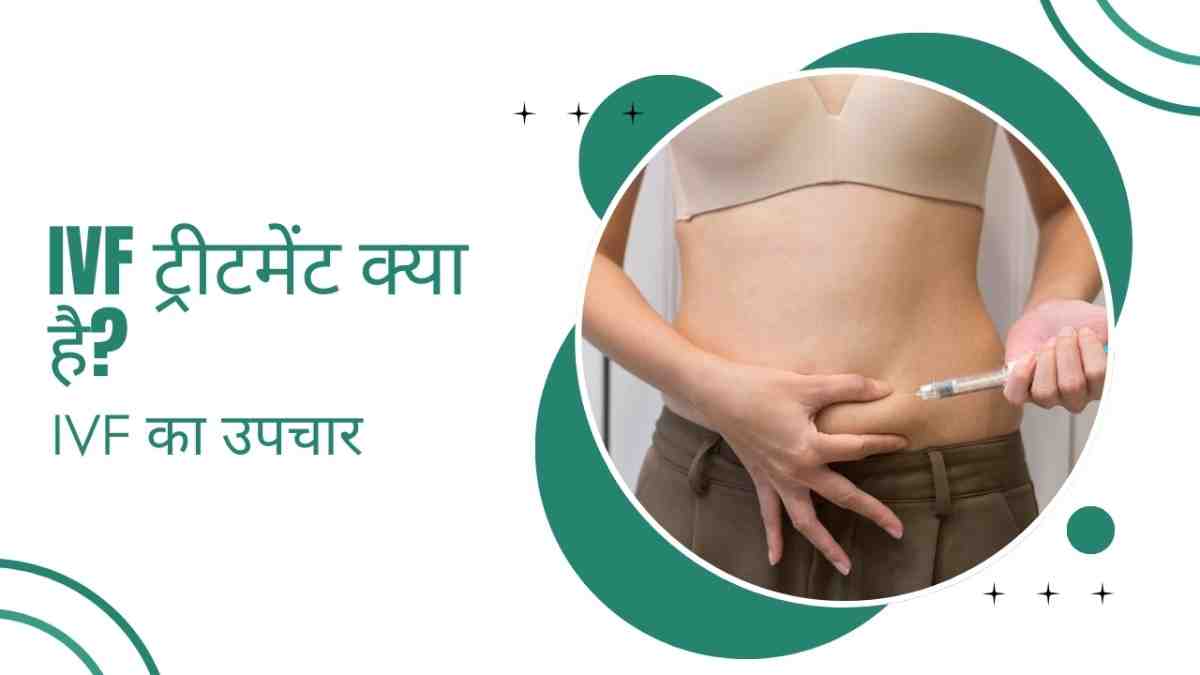
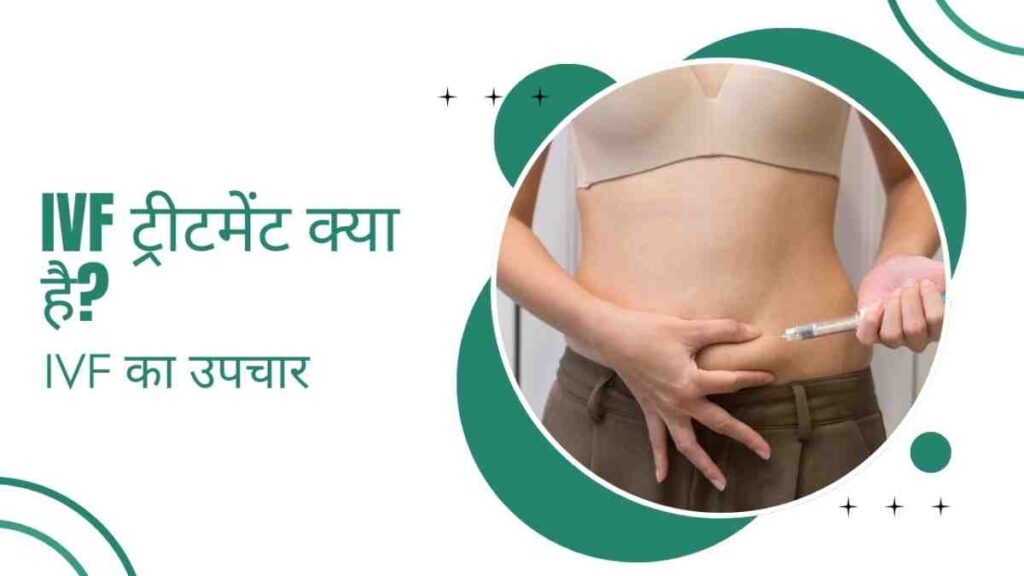
    IVF का उपचार के दौरान आवश्यक इंजेक्शनों की संख्या हर व्यक्ति में अलग-अलग होती है। औसतन, ज्यादातर महिलाएं अंडे के उत्पादन को प्रोत्साहित करने के लिए कई हफ्तों तक हार्मोन इंजेक्शन की एक श्रृंखला लगाने की उम्मीद कर सकती हैं। सटीक खुराक और अवधि व्यक्तिगत परिस्थितियों के आधार पर प्रजनन विशेषज्ञ द्वारा निर्धारित की जाएगी।

    ट्रीटमेंट उन अनगिनत जोड़ों को नई आशा प्रदान करता है जो माता-पिता बनने की खुशी का अनुभव करने के लिए उत्सुक हैं। यह एक चिकित्सा चमत्कार है जिसने दुनिया भर में कई घरों में खुशियाँ लायी हैं।

    Also Read: IVF Treatment

    IVF का उपचार से किसे लाभ होता है?

    IVF एक बहुमुखी ट्रीटमेंट है जो प्रजनन संबंधी चुनौतियों का सामना करने वाले विभिन्न व्यक्तियों और जोड़ों की मदद कर सकता है:

    • अस्पष्टीकृत बांझपन वाले जोड़े: जब बांझपन का कोई स्पष्ट कारण नहीं पहचाना जाता है, तो IVF एक व्यवहार्य विकल्प हो सकता है।
    • अवरुद्ध या क्षतिग्रस्त फैलोपियन ट्यूब वाली महिलाएं: IVF फैलोपियन ट्यूब की आवश्यकता को दरकिनार कर देता है, जिससे यह ट्यूबल समस्याओं वाली महिलाओं के लिए प्रभावी हो जाता है।
    • पुरुष बांझपन: IVF उन जोड़ों की सहायता कर सकता है जहां पुरुष साथी में शुक्राणुओं की संख्या कम है या गतिशीलता संबंधी समस्याएं हैं।
    • समान-लिंग वाले जोड़े: IVF ज़रूरत पड़ने पर दाता के शुक्राणु या अंडे की मदद से, समान-लिंग वाले जोड़ों को जैविक बच्चे पैदा करने का अवसर प्रदान करता है।
    • एकल माता-पिता: जो व्यक्ति एकल माता-पिता बनना चाहते हैं, वे दाता शुक्राणु या अंडे के साथ IVF का उपयोग कर सकते हैं।
    • आनुवंशिक विकार: आनुवंशिक विकारों के लिए भ्रूण की जांच करने के लिए IVF को प्री-इम्प्लांटेशन आनुवंशिक परीक्षण के साथ जोड़ा जा सकता है, जिससे बच्चे में उनके पारित होने का जोखिम कम हो जाता है।

    Read: What are Generic Medicines?

    निष्कर्ष:

    IVF ट्रीटमेंट ने बांझपन से जूझ रहे जोड़ों के लिए संभावनाओं की दुनिया खोल दी है। यह आशा की एक झलक और माता-पिता बनने की खुशियों का अनुभव करने का मौका प्रदान करता है। यदि आप IVF ट्रीटमेंट पर विचार कर रहे हैं, तो अपने विकल्पों का पता लगाने और अपने परिवार के निर्माण की दिशा में इस उल्लेखनीय यात्रा पर निकलने के लिए प्रजनन विशेषज्ञ से परामर्श लें। याद रखें, माता-पिता बनने की राह में बाधाएं हो सकती हैं, लेकिन IVF से उन बाधाओं को दूर किया जा सकता है।
    > Consult a Doctor and Medkart will help you Order Medicines Online

    FAQs on IVF Treatment in Hindi

    Q1. IVF ट्रीटमेंट क्या है?

    IVF (इन-विट्रो फर्टिलाइजेशन) एक प्रजनन ट्रीटमेंट है जिसमें गर्भधारण की सुविधा के लिए प्रयोगशाला में शरीर के बाहर एक अंडे और शुक्राणु का संयोजन किया जाता है और बाद में गर्भधारण के लिए भ्रूण को गर्भाशय में स्थानांतरित किया जाता है।

    Q2. IVF ट्रीटमेंट की सफलता दर क्या है?

    IVF ट्रीटमेंट की सफलता दर महिला की उम्र, समग्र स्वास्थ्य और मामले की विशिष्ट परिस्थितियों सहित कई कारकों के आधार पर काफी भिन्न हो सकती है। औसतन, 35 वर्ष से कम उम्र की महिलाओं के लिए IVF की सफलता दर अधिक है, जिनमें से लगभग 40% सफल गर्भावस्था प्राप्त करती हैं। सफलता की व्यक्तिगत संभावनाओं का आकलन करने के लिए प्रजनन विशेषज्ञ से परामर्श करना आवश्यक है।

    Q3. क्या IVF ट्रीटमेंट से कोई जोखिम या दुष्प्रभाव जुड़े हैं?

    किसी भी चिकित्सा प्रक्रिया की तरह, IVF में भी कुछ जोखिम और संभावित दुष्प्रभाव होते हैं। इनमें कई गर्भधारण (उदाहरण के लिए, जुड़वाँ या तीन बच्चे), डिम्बग्रंथि हाइपरस्टिम्यूलेशन सिंड्रोम (ओएचएसएस), और ट्रीटमेंट के सफल गर्भधारण न होने की संभावना शामिल हो सकती है। IVF ट्रीटमेंट के साथ आगे बढ़ने से पहले अपने स्वास्थ्य सेवा प्रदाता के साथ संभावित जोखिमों और दुष्प्रभावों पर चर्चा करना और उन पर सावधानीपूर्वक विचार करना महत्वपूर्ण है।
    Related Links:

  • What is IVF Treatment? IVF Treatment Process

    In-vitro fertilisation or IVF Treatment is a groundbreaking medical procedure that has transformed the lives of countless couples around the world. This revolutionary treatment offers hope and a pathway to parenthood for those facing infertility issues.

    In-vitro fertilisation, commonly known as IVF, is a medical procedure that assists couples in overcoming infertility issues. IVF affects the fertilization of an egg by sperm outside the body, in a laboratory environment. Once fertilized, the embryo is then transferred into the woman’s uterus, where it has the potential to develop into a healthy pregnancy.

    IVF Treatment Process

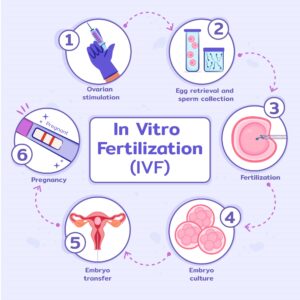
    In-vitro fertilisation (IVF) is a comprehensive and multi-stage fertility treatment that offers hope to individuals and couples struggling with infertility. It involves a series of meticulously coordinated steps to facilitate the creation of a viable embryo outside the human body and its subsequent transfer into the uterus for a chance at pregnancy. Here is a detailed overview of the IVF treatment process:

    Step 1: Ovulation Induction

    The IVF journey typically begins with the administration of hormonal medications to the woman undergoing treatment. These medications serve to stimulate her ovaries to produce multiple eggs, rather than the single egg that naturally matures during a menstrual cycle. The goal is to maximize the chances of obtaining multiple healthy eggs for fertilization.
    Read: What are Generic Medicines?

    Step 2: Egg Retrieval

    Once the ovarian follicles containing mature eggs are deemed ready, a minor surgical procedure known as egg retrieval is performed. This procedure is conducted under anaesthesia to ensure the patient’s comfort. Using a thin needle, the fertility specialist retrieves the mature eggs from the ovaries, one by one. The collected eggs are immediately placed in a special solution for preservation.

    Step 3: Sperm Collection

    Concurrently, a sperm sample is collected. This sample can come from the male partner or a chosen sperm donor. The collected sperm is then processed and prepared in the laboratory to ensure its optimal quality and readiness for fertilization.

    Step 4: Fertilization

    In the laboratory, the collected eggs and prepared sperm are brought together in a controlled environment. Fertilization typically occurs as the sperm naturally penetrates and fertilizes the egg. This process mirrors the initial stages of conception that normally take place within the female reproductive system, albeit in a more controlled setting.

    Step 5: Embryo Cultivation

    Following fertilization, the resulting embryos are cultured in a carefully monitored incubator. Here, they are provided with the ideal conditions for continued growth and development. The embryologists assess the embryos regularly to ensure they are progressing as expected.

    Step 6: Embryo Transfer

    Once one or more healthy embryos reach the appropriate stage of development, typically around three to five days after fertilization, it’s time for embryo transfer. This is a somewhat simple and painless process that does not require anaesthesia. Using a thin catheter, the fertility specialist carefully transfers the selected embryos into the woman’s uterus. The number of embryos transferred is determined based on factors such as the woman’s age and the embryo’s quality.

    Step 7: Pregnancy Test

    Approximately two weeks after the embryo transfer, a pregnancy test is performed to determine whether the IVF procedure was successful. A positive outcome indicates that implantation has happened, and the woman is pregnant. Further monitoring and care will be provided to ensure a healthy pregnancy.

    IVF Treatment

    IVF Journey

    It’s important to note that the IVF journey may vary from person to person, and not all cases progress exactly the same way. Some individuals may require additional steps or treatments, such as pre-implantation genetic testing or frozen embryo transfers. Additionally, the emotional and psychological aspects of IVF can be challenging, and support from healthcare professionals and loved ones is essential.

    The IVF treatment process is a carefully orchestrated series of steps designed to overcome infertility challenges and offer the possibility of parenthood to those who face difficulties conceiving naturally. With advancements in reproductive medicine, IVF continues to bring hope and joy to countless individuals and couples around the world.

    > Consult a doctor and Order Medicine Online

    How many injections are required for IVF treatment?

    The number of injections required during IVF treatment varies from person to person. On average, most women can expect to administer a series of hormone injections over several weeks to stimulate egg production. The exact dosage and duration will be determined by the fertility specialist based on individual circumstances.

    IVF treatment offers renewed hope to countless couples who yearn to experience the joys of parenthood. It’s a medical marvel that has brought happiness to many households across the globe.

    Who benefits from IVF treatment?

    IVF is a versatile treatment that can help various individuals and couples facing fertility challenges:

    • Couples with Unexplained Infertility: When no clear cause for infertility is identified, IVF can be a viable option.
    • Women with Blocked or Damaged Fallopian Tubes: IVF bypasses the need for the fallopian tubes, making it effective for women with tubal issues.
    • Male Infertility: IVF can assist couples where the male partner has low sperm count or motility issues.
    • Same-Sex Couples: IVF provides an avenue for same-sex couples to have biological children, with the help of donor sperm or eggs if needed.
    • Single Parents: Individuals who wish to become single parents can use IVF with donor sperm or eggs.
    • Genetic Disorders: IVF can be coupled with pre-implantation genetic testing to screen embryos for genetic disorders, reducing the risk of passing them on to the child.

    Conclusion:

    IVF treatment has opened up a world of possibilities for couples struggling with infertility. It offers a glimmer of hope and the chance to experience the joys of parenthood. If you are considering IVF treatment, consult with a fertility specialist to explore your options and embark on this remarkable journey toward building your family. Remember, the path to parenthood may have hurdles, but with IVF, those hurdles can be overcome.

    FAQs on IVF Treatment

    Q1. What is IVF Treatment?

    IVF (In-Vitro Fertilization) is a fertility treatment that involves combining an egg and sperm outside the body in a laboratory to facilitate conception and subsequent embryo transfer into the uterus for pregnancy.

    Q2. What is the success rate of IVF treatment?

    The success rate of IVF treatment can vary significantly based on several factors, including the woman’s age, overall health, and the specific circumstances of the case. On average, IVF success rates are higher for women under 35, with approximately 40% achieving a successful pregnancy. It’s essential to consult with a fertility specialist to assess individual chances of success.

    Q3. Are there any risks or side effects associated with IVF treatment?

    IVF does have some risks and potential side effects, like any medical procedure. These may include multiple pregnancies (e.g., twins or triplets), ovarian hyperstimulation syndrome (OHSS), and the possibility of the treatment not resulting in a successful pregnancy. It’s crucial to discuss potential risks and side effects with your healthcare provider and carefully consider them before proceeding with IVF treatment.

    Related Links:

  • PCOS Treatment – Symptoms, Medication, Diet, PCOS Treatment for unmarried

    PCOS Treatment – Symptoms, Medication, Diet, PCOS Treatment for unmarried

    PCOS Treatment Polycystic Ovary Syndrome (PCOS) is a complex hormonal disorder that affects millions of individuals, especially women of reproductive age. Managing PCOS requires a multifaceted approach that addresses various aspects of the condition. In this article, we delve into PCOS symptoms and treatment, including PCOS treatment for unmarried individuals, dietary strategies, and medication options. Let’s embark on a journey towards understanding and effectively managing PCOS.

    PCOS Treatment – Symptoms, Medication, Diet, PCOS Treatment for unmarried

    PCOS Symptoms

    PCOS often presents with a range of symptoms, which can vary in severity among individuals. Common signs of PCOS include irregular periods, excessive hair growth (hirsutism), acne, and weight gain. These symptoms can be distressing, but early recognition is crucial for effective management. Here are the symptoms of PCOS:

    • Irregular Menstrual Cycles: One of the hallmark symptoms of PCOS is irregular periods. This can include infrequent menstruation, heavy bleeding, or unpredictable cycles. These irregularities are often caused by hormonal imbalances.
    • Excessive Hair Growth (Hirsutism): PCOS can lead to hirsutism, a condition characterized by excessive hair growth in areas where men typically grow hair, such as the face, chest, and back. This occurs due to elevated levels of male hormones called androgens.
    • Acne and Oily Skin: Hormonal imbalances in PCOS can trigger acne and excessive oil production on the skin. Managing these skin issues often requires a combination of topical treatments and hormonal regulation.
    • Weight Gain and Difficulty Losing Weight: Many individuals with PCOS struggle with weight management. Insulin resistance, a common feature of PCOS, can make it challenging to lose weight, leading to obesity in some cases.
    • Fertility Problems: A leading cause of infertility in women is PCOS. Irregular ovulation or the absence of ovulation can make it difficult to conceive. However, fertility treatments are available to help those who wish to start a family.

    Approaches to PCOS Treatment

    The primary approaches to treatment for PCOS for unmarried are as follows:

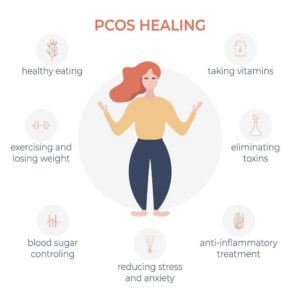
    1. Lifestyle Modifications

    Lifestyle changes are often the first line of defence in managing PCOS. These include:

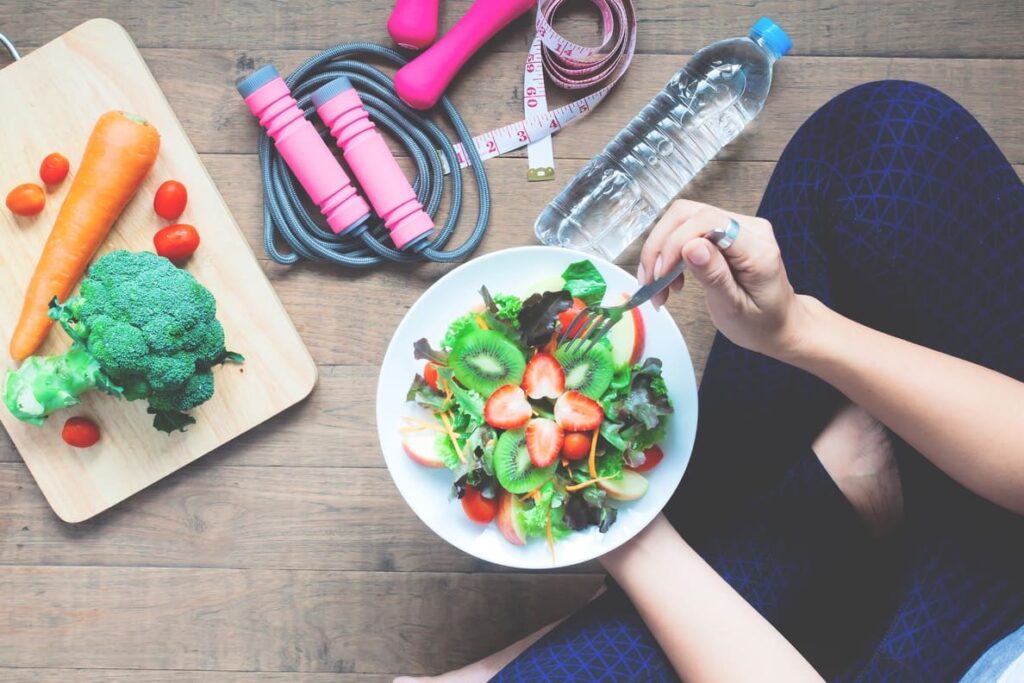
    • Regular Exercise: Engaging in physical activity improves insulin sensitivity, regulates hormones, and aids in weight management.
    • Dietary Changes: A balanced diet with an emphasis on whole grains, lean proteins, fruits, and vegetables can help control insulin levels and reduce symptoms.
    • Stress Management: Stress reduction techniques such as meditation, yoga, and deep breathing can help balance hormones and alleviate PCOS symptoms.

    Lifestyle Modifications in PCOS

    2. Hormonal Therapy

    For individuals with PCOS, hormonal therapy is frequently employed to regulate menstrual cycles and manage symptoms. Common treatments include:

    • Birth Control Pills: Oral contraceptives can regulate menstruation and reduce androgen levels, which helps control hirsutism and acne.
    • Anti-Androgen Medications: These medications block the effects of androgens and can help reduce hair growth and acne.

    3. Insulin-Sensitizing Medications

    In cases where there is insulin resistance, some medications like Metformin may be prescribed. These medications improve insulin sensitivity, helping to regulate blood sugar levels and reduce the risk of diabetes.

    4. Fertility Treatments

    For individuals struggling to conceive due to PCOS-related infertility, fertility treatments like ovulation induction and in vitro fertilization (IVF) may be recommended. These interventions increase the chances of successful pregnancy.

    > Consult a doctor and Order Medicine Online

    PCOS and Fertility

    It’s crucial to understand that PCOS affects each person differently. The symptoms can vary in type and severity, and what works for one individual may not be suitable for another. Therefore, PCOS treatment should be highly individualized and guided by a healthcare provider’s expertise.

    One of the significant concerns for unmarried individuals with PCOS is its impact on fertility. It can be challenging to conceive in irregular ovulation. Fortunately, various fertility treatments are available to help those who wish to start a family.

    PCOS Treatment

    PCOS Treatment for Unmarried Individuals

    • Lifestyle Modifications: Lifestyle changes play a pivotal role in managing PCOS, especially for unmarried individuals. Incorporating regular exercise, maintaining a balanced diet, and managing stress can help alleviate symptoms and improve overall well-being.
    • Support and Counseling: Dealing with PCOS can be emotionally taxing. Seeking support and counselling can provide invaluable assistance in coping with the condition, managing stress, and building resilience.

     Diet

    • Balanced Nutrition: A well-balanced diet is essential in PCOS management. Focus on whole grains, lean proteins, fruits, and vegetables. Avoid excessive consumption of processed foods and sugar, as they can exacerbate insulin resistance—a common feature of PCOS.
    • Importance of Hydration: Adequate hydration is often underestimated but is crucial in PCOS treatment. Water helps flush poisons from the body and sustains metabolic processes. Aim to drink at least eight glasses of water every day.

    Medication

    • Hormonal Therapy: Hormonal contraceptives are commonly prescribed to regulate menstrual cycles and manage symptoms like acne and hirsutism. Your healthcare provider will recommend the most suitable option based on your specific needs.
    • Insulin-Sensitizing Medications: For individuals with insulin resistance, medications like Metformin may be prescribed to improve insulin sensitivity and regulate blood sugar levels.

    PCOS Treatment

    PCOS Treatment at Home

    • Regular Exercise: Physical activity plays a vital role in controlling PCOS symptoms. Engaging in regular exercise helps improve insulin sensitivity, regulate hormones, and support weight management. Aim for at least 150 minutes of moderate to intensity exercise every week.
    • Stress Management: Stress can exacerbate PCOS symptoms. Practice stress-reduction techniques like mindfulness, meditation, or yoga to promote emotional well-being and hormonal balance.

    Read: What are Generic Medicines?

    Long-term Impact of PCOS

    • Risk of Complications: Untreated or poorly managed PCOS can lead to long-term health issues such as diabetes, cardiovascular disease, and endometrial cancer. Regular check-ups and adherence to treatment plans are essential to mitigate these risks.
    • Lifelong Management: PCOS is a lifelong condition, but with consistent management, individuals can lead healthy lives. It’s essential to stay informed, work closely with healthcare providers, and adapt your treatment plan as needed.

    Embracing a Positive Outlook

    • Self-Care and Self-Love: PCOS can challenge self-esteem, but remember that your worth is not defined by this condition. Engage in self-care activities that promote self-love and boost confidence.
    • Celebrating Small Victories: Every achievement in managing PCOS, no matter how small, deserves celebration. Recognize your efforts and progress along the way.

    The Future of PCOS Treatment

    • Ongoing Research: Advancements in medical research continue to shed light on PCOS. Stay informed about new treatment options and emerging therapies by consulting with your healthcare provider and keeping up with the latest developments in the field.
    • Advocacy and Awareness: As awareness of PCOS grows, advocacy efforts are gaining momentum. Support organizations and initiatives that aim to improve PCOS diagnosis, treatment, and public understanding.

    Conclusion

    PCOS is a complex condition that requires a multifaceted approach to treatment. By recognizing its symptoms, implementing lifestyle changes, considering medication options, and prioritizing mental and emotional well-being, individuals with PCOS can lead fulfilling lives. Remember that you are not alone in your PCOS journey, and seeking support from healthcare professionals, loved ones, and the PCOS community can make a significant difference.

    Embrace a positive outlook, stay informed, and never underestimate the power of self-care in managing PCOS effectively. The future holds promise for continued advancements in PCOS treatment, giving hope to those affected by this condition.

    FAQs on PCOS Treatment

    Q.1 What is PCOS treatment?

    PCOS treatment involves a multifaceted approach that includes lifestyle modifications like exercise and dietary changes to manage symptoms. Hormonal therapy, such as birth control pills and anti-androgen medications, can help regulate menstrual cycles and control hirsutism and acne. Doctors may prescribe insulin-sensitizing medications to treat insulin resistance, while fertility treatments can help those struggling with infertility due to PCOS.

    Q.2 Can PCOS be Cured?

    PCOS cannot be completely cured, but its symptoms can be effectively managed through lifestyle changes and medical interventions.

    Q.3 Is PCOS Treatment Effective for Everyone?

    The effectiveness of PCOS treatment can vary from person to person. It’s essential to work closely with a healthcare provider to find the right approach for your individual needs.

    Q.4 Can Unmarried Individuals with PCOS Have Children?

    Yes, with the appropriate medical interventions and fertility treatments, unmarried individuals with PCOS can conceive and have children.

    Related Links:

  • Hemorrhagic Ovarian Cysts – Left and Right Ovarian Hemorrhagic cyst

    Hemorrhagic Ovarian Cysts – Left and Right Ovarian Hemorrhagic cyst

    Hemorrhagic Ovarian Cysts image

    Women’s health and well-being are often impacted by ovarian cysts, which is an essential problem for them. These can include problems, with hemorrhagic ovarian cysts being the most noticeable. All the information you require to ensure that you are well-informed and ready for hemorrhagic ovarian cysts will be covered in this blog post, from types and symptoms to diagnosis and treatment.

    Types of Ovarian Cysts

    1. Cervical Cysts in Function

    During a woman’s period, functional cysts, the most prevalent kind of ovarian cysts, typically develop. Corpus luteum cysts and follicular cysts are two of them. When a follicle doesn’t release an egg, it grows and eventually forms a follicular cyst. Follicles release an egg, reseal, and fill with fluid to form corpus luteum cysts.

    2. Dermoid Cysts

    Teratomas, another name for dermoid cysts, are composed of dental, skin, and hair tissue. Generally benign, these cysts can develop into larger or burst ones that might lead to difficulties.

    3. Mastodystasis

    The painful and uncomfortable growth of cystadenomas, which are packed with mucus or watery fluid, can be highly noticeable. Surgery can be necessary to remove these cysts, which might be normal or malignant removal.

    Other Types of Ovarian Cysts

    1. Endometriomas in situ

    Endometriomas, also referred to as chocolate cysts, are masses made of the tissue inside the uterus and leftover blood. They are related to endometriosis, a condition where the lining of the uterus develops outside of it.

    2. The Ovaries’ Polycystic Nature

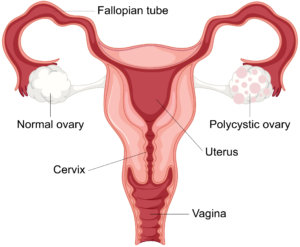
    One characteristic that distinguishes polycystic ovarian syndrome (PCOS) is the existence of several small cysts in the ovaries. PCOS can cause infertility, irregular periods, and other health issues.

    3. Hemorrhaging Cysts in the Ovaries

    Hemorrhagic ovarian cysts originate from inside, where a blood artery bursts and allows blood to enter the cyst. If you encounter any uncomfortable symptoms, you may need to contact a doctor because these cysts can be painful.

    What is a Hemorrhagic Ovarian Cyst?

    Blood pools inside an already-existing cyst when a tiny blood artery in the cyst wall bursts, resulting in the formation of a hemorrhagic ovarian cyst. Any kind of cyst can experience this, although functioning cysts experience it most frequently. Usually, a mixture of fluid and blood fills these cysts.

    Causes of Ovarian Cysts That Hemorrhage

    Numerous factors, such as hormone imbalances, ovarian trauma, or underlying health issues can cause hemorrhagic cysts to form. Sometimes they could form for no apparent reason at all. Issues with Hemorrhagic Ovarian Cysts

    Although hemorrhagic cysts usually go away on their own, problems might occasionally arise. The ovary may twist around its supporting tissues in ovarian torsion or rupture, which can result in internal bleeding and severe pain.

    Symptoms of Hemorrhagic Ovarian Cysts

    1. Pain and Unease

    Pelvic pain is among the hemorrhagic ovarian cyst’s most typical symptoms. This lower abdominal pain may be localized to one side and may be subtle or acute. Menstruation or physical exertion may make the pain worse.

    2. Menstrual Cycle irregularities

    Changes in your monthly cycle, such as more or lighter flow, irregular periods, and spotting between periods, might be brought on by hemorrhagic cysts.

    3. Stomach Bloating

    Some women may get a sense of fullness or bloating in their abdomens. This may be because the cyst is inflaming the surrounding organs or is putting pressure on them.

    Diagnosis of Hemorrhagic Cysts

    1. Sonography

    The most used diagnostic method for determining the presence of hemorrhagic ovarian cysts is ultrasonography. It can help identify the kind, size, and location of a cyst by using sound waves to produce images of the ovaries.

    2. The CT and MRI scans

    To obtain a closer look at the cyst and rule out other possible reasons of your symptoms, your doctor might occasionally advise an MRI or CT scan.

    3. Blood Tests

    testing on the Blood Hemorrhagic cysts may be caused by hormone imbalances or other underlying diseases that can be found with the use of blood testing.

    Hemorrhagic Cyst Treatment

    1. Cautious Awaiting

    Hemorrhagic cysts usually go away on their own in a few menstrual cycles for most women. Your physician could advise “watchful waiting,” which entails taking regular ultrasounds to check the cyst and treating any symptoms with analgesics.

    2. Hormonal Treatment

    Hormonal therapy can help control your menstrual cycle and stop new cyst formation. Examples of this include birth control tablets. If you experience recurring hemorrhagic cysts, this treatment might be suggested.

    3. Handling of Pain

    Hemorrhagic cyst discomfort can be lessened with over-the-counter analgesics such acetaminophen or ibuprofen. Your doctor might recommend stronger drugs in more serious situations.

    Hemorrhagic Ovarian Cysts Surgical Treatment

    1. Throughout the laparoscopy

    Cyst removal is possible via laparoscopy, a minimally invasive surgical method. A tiny incision is made in the belly, and a thin, illuminated tube called a laparoscope is inserted to view and remove the cyst. Comparing this kind of treatment to regular surgery, there are usually less adverse effects and a quicker recovery time.

    2. laparotomy

    In cases that are more difficult, a laparotomy might be required. The cyst must be removed with a more extensive abdominal incision. Larger cysts or the detection of malignancy may necessitate this operation, despite the lengthier recovery time.

    3. Cystectomy of the Ovaries:

    During an ovarian cystectomy, the ovary is kept intact while the cyst is excised. 

    Hemorrhagic Shock and Brain Hemorrhage Survival Rates

    1. Shock with Hemorrhage

    Significant blood loss can result in hemorrhagic shock, which lowers blood pressure and insufficient blood supply to essential organs. To reduce serious complications and raise survival rates, prompt medical attention is essential.

    2. Brain Damage

    A brain hemorrhage is a potentially fatal disorder that needs to be treated right away. The extent and site of the bleeding, together with the promptness of therapy, all affect the survival rate. Over time, improved medical treatment and early intervention have increased survival rates.

    3. The Value of Prompt Intervention

    Hemorrhagic cysts can be treated and diagnosed early to reduce problems and enhance results. Maintaining your health and well-being requires routine checkups and discussion with your healthcare professional.

    Consult a Doctor and Medkart will help you Order Medicines Online

    Prevention of Hemorrhagic Cysts

    1. Continual Examinations

    Cyst detection and change monitoring can be facilitated by routine gynecological examinations. This proactive strategy can guarantee prompt treatment and avert problems.

    2. A Healthful Way of Living

    You may control your menstrual cycle and lower your chance of cyst formation by leading a healthy lifestyle that includes a balanced diet, frequent exercise, and stress reduction.

    3. hormonal equilibrium

    Hemorrhagic cyst risk can be decreased and functional cyst formation can be stopped by correcting hormonal imbalances by lifestyle modifications or hormonal therapy.

    Conclusion

    Many women may be concerned about the health effects of hemorrhagic ovarian cysts, but by being aware of the symptoms, diagnosis, and available treatments, you can take charge of your own well-being. The best ways to avoid and treat these cysts are through routine examinations, a balanced diet, and clear contact with your doctor.

    Don’t be afraid to ask your healthcare physician any questions or concerns you may have regarding hemorrhagic ovarian cysts. Your general well-being can be greatly improved with early intervention and appropriate care.

    Take control of your wellness, remain educated, and maintain your health. Visit our associated articles for additional details and resources, and get in touch with our network of professionals in women’s health.

    Related Links:

  • What Every Woman Should Know About Heart Disease

    What Every Woman Should Know About Heart Disease

    woman heart diseaseWomen and heart health

    Did you know that some studies suggest that silent heart attacks may be more common in women than in men? Heart disease in women is often overlooked or ignored. Women are always on their toes; therefore, they consider unusual fatigue a regular part of their life. But should it be so? Read on.

    Understanding heart attacks

    Heart attacks or myocardial infarctions occur when the blood flow to the heart muscle is reduced or blocked completely. This usually happens because the arteries supplying the heart with blood slowly narrow from a build-up of fat, cholesterol, and plaque. If your heart is not receiving adequate blood, the affected heart tissue may be damaged.

    What are the pre-heart attack symptoms in women?

    Common pre-heart attack symptoms in women include:

    • Sharp or dull pain, discomfort, pressure, or heaviness in the chest
    • Sharp or dull pain in the neck, jaw, or throat
    • Pain or discomfort in the upper abdomen and back
    • Nausea
    • Extreme fatigue and general weakness
    • Shortness of breath

    Additional atypical pre-heart attack symptoms in women include:

    • Heart palpitations, faster heartbeat
    • A cold, clammy feeling
    • Pain in the left breast, back, or between shoulder blades, neck or throat, jaw, arms, top of shoulders
    • Pre-heart attack symptoms in women can also include changes in skin colour, such as greying, or profuse sweating

    What about a silent heart attack?

    As the name suggests, sometimes a heart attack creeps up on you. A silent heart attack has minimal and frequently ignored symptoms, like extreme fatigue. Women may experience this for months without realising that it may be among the signs of a heart attack in women. Watch out for this common pre-heart attack symptom in women.

    Risk factors for women’s heart disease and pre-heart attack symptoms in women

    With the ever-increasing stress in your daily life, the heart takes on a lot of trauma frequently. But there are some factors that predispose women to heart diseases, such as:

    Prevention of heart attacks and pre-heart attack symptoms in women

    While heart attacks are not as simple to prevent, some pre-emptive measures can be taken:

    • Know and understand your risk factors
    • Be aware of your blood pressure and cholesterol levels and follow treatment and medication plans if you have these conditions
    • Exercise regularly
    • Avoid smoking
    • Manage stress
    • Limit your alcohol intake
    • Most importantly, listen to your body and any early signs of discomfort

    prevention of heart attackConclusion

    The challenges of preventive measures for heart conditions are many. Mostly, pre-heart attack symptoms are difficult to recognise, more so because symptoms like fatigue are often overlooked.

    Chronic tiredness may be an early symptom of heart problems. One of the most common pre-heart attack symptoms in women is fatigue, a sign of heart valve problems or heart failure.

    Studies suggest that several people who experience chronic fatigue may have left ventricular dysfunction, a heart condition in which the left ventricle does not pump blood properly. The left ventricle pumps blood full of oxygen to the organs.

    While fatigue may seem an intrinsic part of women’s lives, it should be treated with caution. It is best to understand if you are at risk for heart disease and take adequate steps to prevent it. Exercising regularly is one of the key ways to prevent heart attacks. Taking your symptoms seriously, consulting a cardiologist, and taking tests regularly are other ways of preventing it. Look out for the pre-heart attack symptoms in women and take steps to prevent them.

    For more information on clinical conditions and to buy generic medicines at the best prices, do visit the Medkart website!

    FAQs related to women’s heart disease

    1. What are three pre-heart attack symptoms in women?

    The common heart problem symptoms in females are discomfort or pain in the chest, nausea and/or vomiting, and back or jaw pain.

    2. How are pre-heart attack symptoms in men and women?

    Pre-heart attack symptoms in women are different from those in men. While men tend to feel numbness in the left arm or side of the chest, one of the main pre-heart attack symptoms in women is pain and numbness only on the right side. Women may also experience extreme exhaustion.

    3. Can women experience pre-heart attack symptoms for several days?

    Yes, unusual and extreme fatigue, nausea, and weakness are often overlooked symptoms of heart attacks in women. Other heart attack symptoms include heart palpitations, flutter, a faster heartbeat, and pain in the left breast, back, between shoulder blades, neck, throat, jaw, arms, and on the top of shoulders.

    4. When to see a doctor for a heart attack?

    It’s easy to dismiss pre-heart attack symptoms such as fatigue and shortness of breath. Get in touch with a medical professional regarding heart disease if you think you may be at risk. The earlier these risk factors are treated or prevented, the less likely you are to develop heart disease or have heart attacks later in life. Doctors can help you with guidelines on prevention or if you are showing early heart problem symptoms.

  • જ્યારે તમે ગર્ભવતી હો ત્યારે તમારે જે વસ્તુઓ ચોક્કસપણે ન કરવી જોઈએ

    જ્યારે તમે ગર્ભવતી હો ત્યારે તમારે જે વસ્તુઓ ચોક્કસપણે ન કરવી જોઈએ

    જ્યારે તમે ગર્ભવતી હો ત્યારે તમારે જે વસ્તુઓ ચોક્કસપણે ન કરવી જોઈએ

    જ્યારે તમે ગર્ભવતી થાઓ છો, ત્યારે ક્યારેક બધા નિષ્ણાત બની જાય છે અને તમને યોગા પેન્ટ પહેરવા અથવા તમારા વાળને કલર કરવા અથવા અન્ય કંઈક જેવા નાના પગલાઓ વિશે સલાહ આપે છે. તેઓ માત્ર સહાયક બનવાનો પ્રયાસ કરી રહ્યાં છે, બીજું કંઈ નથી, પરંતુ હકીકત એ છે કે, ‘તમે ગર્ભવતી હો તે પહેલાં તમે જે મોટાભાગની વસ્તુઓ કરી શકો છો તે તમે જ્યારે ગર્ભવતી હો ત્યારે પણ કરી શકાય છે. જો કે, જ્યારે તમે સગર્ભા હોવ અને સ્તનપાન કરાવતા હોવ, ત્યારે તમારે તમારી પોતાની અને તમારા બાળકની સલામતી માટે ચોક્કસ પગલાં લેવા જોઈએ અથવા કેટલીક પ્રવૃત્તિઓ ટાળવી જોઈએ. અહીં એવી પાંચ મુખ્ય બાબતો છે જે ગર્ભવતી મહિલાએ ન કરવી જોઈએ

    1. આ ખાદ્ય પદાર્થો ખાશો કે પીશો નહીં:

    જ્યારે તમે ગર્ભવતી હો ત્યારે તમારે અમુક ખોરાક ન ખાવા જોઈએ કારણ કે તે તમને અથવા તમારા બાળકને નુકસાન પહોંચાડી શકે છે. તમે જે ખોરાક લો છો તેના વિશે સાવચેત રહો કારણ કે ગર્ભાવસ્થા દરમિયાન અમુક ખોરાકને ઝેર માનવામાં આવે છે. તાજો રાંધેલો અથવા તાજો બનાવેલો ખોરાક ખાવા માટે શ્રેષ્ઠ ખોરાક છે. સોફ્ટ ચીઝ, કાચું કે અધુરું રાંધેલું ઈંડું અથવા માંસ, સુશી, પાશ્ચરાઈઝ્ડ દૂધ વગેરે જેવા ખોરાકમાં લિસ્ટેરિયા હોય છે, જે બાળકમાં કસુવાવડ અથવા બીમારી માટે જવાબદાર ઝેરી બેક્ટેરિયમ છે. ઉપરાંત, મગફળીનું વધુ પડતું સેવન ટાળો કારણ કે તેનાથી બાળકને એલર્જી થઈ શકે છે. આ ઉપરાંત, પેકેજ્ડ ખોરાક અથવા વધુ પડતો ખાંડયુક્ત ખોરાક બ્લડ પ્રેશર અથવા ઇન્સ્યુલિન કરી શકે છે, જે તમારા સ્વાસ્થ્ય માટે હાનિકારક હશે.

    તદુપરાંત, કસુવાવડ, ઓછું જન્મ વજન અને મુશ્કેલ જન્મનું જોખમ ઉચ્ચ સ્તરના કેફીન દ્વારા વધી શકે છે. ચા, કોફી, ચોકલેટ, એનર્જી ડ્રિંક્સ અને સોફ્ટ ડ્રિંક્સ જેવા ઘણા ખોરાકમાં કેફીન હોય છે. ઉપરાંત, કેટલીક શરદી અને ફ્લૂની દવાઓમાં કેફીન હોય છે. તેથી, ખાતરી કરો કે તમે દરરોજ 300mg કરતાં વધુ કેફીનનું સેવન વધારશો નહીં, કારણ કે તે તમારા નવજાત બાળક માટે જોખમી હોઈ શકે છે.

    2. હોટ ટબ અને સોનાનો ઉપયોગ કરવાનું ટાળો:

    જ્યારે તમે સગર્ભાવસ્થા દરમિયાન પીડા અને અસ્વસ્થતા અનુભવો છો ત્યારે તમને ગરમ ટબમાં આરામ કરવો અથવા સૌના લેવાનું યોગ્ય લાગે છે. જો કે, આ જોખમી હોઈ શકે છે કારણ કે જ્યારે તમે હોટ ટબ અથવા સૌનામાં વધુ સમય પસાર કરો છો, ત્યારે તમારા શરીરનું તાપમાન 101 થી વધુ વધી શકે છે. આ ખાસ કરીને તમારી ગર્ભાવસ્થાના પહેલા ભાગમાં જોખમી છે, કારણ કે તે કસુવાવડની શક્યતાઓને વધારે છે.

    આમ, તમારી પીડા માટે અથવા આરામ અનુભવવા માટે, સગર્ભા સ્ત્રીઓએ ગરમ ટબ લેવું જોઈએ અને હોટ ટબ અથવા સોનાને બદલે ગરમ અને ઠંડા કોમ્પ્રેસનો ઉપયોગ કરવો જોઈએ.

    3. ધૂમ્રપાન અથવા પીશો નહીં:

    આલ્કોહોલ અથવા તમાકુના સેવન માટે કોઈ ઓછી મર્યાદા નથી કારણ કે થોડી માત્રા બાળક માટે જોખમી હોઈ શકે છે. ધૂમ્રપાન અને આલ્કોહોલના પ્રિનેટલ એક્સપોઝરને કારણે સડન ઇન્ફન્ટ ડેથ સિન્ડ્રોમનું જોખમ વધે છે. જ્યારે માતા આલ્કોહોલ પીવે છે, ત્યારે તે પ્લેસેન્ટાને પાર કરે છે અને વધતા ગર્ભ સુધી પહોંચે છે. વિકાસશીલ બાળકનું શરીર પુખ્ત વયની સરખામણીએ આલ્કોહોલને ખૂબ ધીમી રીતે તોડે છે, તેથી ગર્ભનું લોહીનું આલ્કોહોલ તેની માતાના સ્તર કરતાં ઘણું વધારે વધી શકે છે અને તેની માતા કરતાં વધુ લાંબું રહી શકે છે. આનાથી નુકસાન થાય છે જે માનસિક વિલંબથી લઈને હૃદયના નુકસાન સુધી લાંબા ગાળાના અને ગંભીર હોઈ શકે છે.

    એ જ રીતે, ધૂમ્રપાન તમારા અને તમારા બાળક માટે ભારે હાનિકારક છે. નિકોટિન, કાર્બન મોનોક્સાઇડ અને અન્ય ઘણા સિગારેટથી શ્વાસમાં લેવાયેલા ઝેર તમારા લોહીના પ્રવાહમાંથી પસાર થાય છે અને સીધા તમારા બાળક સુધી જાય છે. સગર્ભાવસ્થા દરમિયાન નિષ્ક્રિય ધૂમ્રપાન પણ ઓછું જન્મ વજન, પ્રારંભિક જન્મ અથવા જ્યારે તમારું બાળક વધે ત્યારે વર્તણૂકીય સમસ્યાઓનું કસુવાવડ તરફ દોરી શકે છે. આનું કારણ સેકન્ડ હેન્ડ સ્મોક છે સિગારેટના ધુમાડાનું ધુમ્રપાન કરનારાઓ દ્વારા ઉત્સર્જન કરવામાં આવતા ધુમાડા સાથેનું મિશ્રણ. સિગારેટના ધુમાડામાં સામાન્ય રીતે ધુમ્રપાન કરનાર શ્વાસમાં લીધેલા ધુમાડા કરતાં વધુ ઝેરી પદાર્થો (ટાર, કાર્બન મોનોક્સાઇડ, નિકોટિન વગેરે) ધરાવે છે. આ કારણે સેકન્ડ હેન્ડ સ્મોક વધુ ખતરનાક છે.

    No Smoking during Pregnancy

    4. બિલાડીના કચરાને સાફ કરશો નહીં:

    સગર્ભાવસ્થા દરમિયાન, જો તમે બિલાડીનો કચરા સાફ કરો છો, તો ટોક્સોપ્લાઝ્મોસીસ થવાની શક્યતાઓ વધી જાય છે કારણ કે બિલાડીના કચરા/મૂળમાં આવા ચેપ માટે જવાબદાર પરોપજીવી હોય છે. ટી. ગોંડી પરોપજીવી તમારા ગર્ભ સુધી પહોંચી શકે છે અને માનસિક મંદતા, અંધત્વ અને વાઈ સહિતની ગૂંચવણો ઊભી કરી શકે છે. ખૂબ જ દુર્લભ હોવા છતાં, જો તમે સગર્ભા થવાના થોડા મહિના પહેલા બિલાડીના મળના સંપર્કમાં આવો તો પણ ચેપ અજાત બાળકને ટ્રાન્સફર કરશે અને અસર કરશે. તેથી, જ્યારે તમે સગર્ભા હોવ અથવા ગર્ભાવસ્થાની યોજના બનાવો ત્યારે સાવચેત રહો.

    ગ્લોવ્ઝ, માસ્ક પહેરો અને પછીથી તમારા હાથને સારી રીતે ધોઈ લો જો તમારે બિલાડીનો કચરા સાફ કરવાનો હોય.

    5. પેઇન્ટ અને હેર ડાઇ ટાળો:

    તમારા બાળકને નુકસાન પહોંચાડતા આધુનિક ઘરગથ્થુ રંગો અથવા વાળના રંગોના ધૂમાડાનું જોખમ ઓછું છે, પરંતુ તમે જાણી શકતા નથી કે જોખમ કેટલું ઓછું છે. કારણ કે પેઇન્ટિંગ અથવા વાળ ડાઇંગ જેવી પ્રવૃત્તિઓ દરમિયાન તમારું શરીર જે પદાર્થો અને રસાયણોને શોષી લે છે તે માપવા ખૂબ મુશ્કેલ છે. વાળના રંગમાં રસાયણો આજકાલ ન્યૂનતમ છે; જો કે, તે કંપની ટુ કંપની પર આધાર રાખે છે; આમ, સગર્ભાવસ્થા દરમિયાન વાળને રંગવાનું ટાળવું વધુ સારું છે.

    ઘરના નવીનીકરણથી લીડ વધશે. ઉપરાંત, સીસા આધારિત પેઇન્ટ હવામાં અને ઘરમાં સીસાનું પ્રદૂષણ ફેલાવી શકે છે, જે બાળક માટે હાનિકારક હોઈ શકે છે. જ્યારે તમારા બાળકના અંગનો વિકાસ થવા લાગે છે, ત્યારે બાળક માટે કોઈ પણ પ્રકારનું જોખમ તમારા પ્રથમ અર્ધમાં સૌથી વધુ હોય છે. આ સમયે, હાનિકારક ધુમાડો અથવા રસાયણો તમારા બાળકને વધુ ગંભીર અસર કરી શકે છે. સાવચેતી તરીકે, તમારી ગર્ભાવસ્થાના 14મા અઠવાડિયા સુધી પેઇન્ટિંગ અને સુશોભન ટાળવું જોઈએ.

    સારાંશ માટે…

    ઉપર જણાવેલ બાબતો સિવાય, ગર્ભાવસ્થા દરમિયાન, વ્યક્તિએ સારી મૌખિક સ્વચ્છતા જાળવવી જોઈએ, હાઇડ્રેટેડ રહેવું જોઈએ, પુષ્કળ પ્રવાહી લેવું જોઈએ, માત્ર તાજો ખોરાક લેવો જોઈએ, અને અયોગ્ય તણાવ ન લેવો જોઈએ, ખુશ રહેવું જોઈએ અને સારી ઊંઘ લેવી જોઈએ. તમારું સ્વાસ્થ્ય જાળવવું એ શ્રેષ્ઠ ભેટ છે જે માતા બાળકને આપી શકે છે.

    ગર્ભાવસ્થા એ જવાબદારી સાથે આશીર્વાદ છે. તમારે હાનિકારક ખોરાક અને પીણાંથી દૂર રહીને, તમાકુ અને આલ્કોહોલથી દૂર રહીને અને તમારી જાતને પેઇન્ટ, વાળના રંગો, બિલાડીઓ અને સૌનાથી દૂર રાખીને તમારી અને તમારા નવજાત બાળકની સારી કાળજી લેવી જોઈએ. આમ, ગર્ભાવસ્થા દરમિયાન આ થોડી સાવચેતીઓ જરૂરી છે.

  • What are the signs and symptoms of HIV in women?

    What are the signs and symptoms of HIV in women?

    HIV in women

    Human immunodeficiency virus (HIV) is a virus that attacks your immune system. It is transmitted through sexual contact or body fluids, such as blood. HIV symptoms in women and men are mostly comparable. However, due to biological differences, women may experience some symptoms specific to them. In addition to flu-like symptoms and changes in the skin, signs and symptoms of HIV in women include irregular menstruation and more frequent vaginal infections. Let’s find out more about signs of HIV in women.

    Stages of HIV in women

    The stages of HIV are the same in men and women and are as follows.

    1. Acute Stage:

    This stage begins two to four weeks after you become infected with HIV. This stage is extremely contagious, implying that the risk of infection through sexual contact or exchange of body fluids (like blood) is the highest at this stage. In this stage, the symptoms are too subtle to be noticed. Due to the flu-like symptoms, you might think you have a cold. Other HIV symptoms in women include mouth ulcers, sore throat, body aches, night sweats, occasional fever, headache etc.

    2. Chronic stage:

    Although you don’t have any signs of HIV, the virus is still present in your body. You might occasionally experience symptoms like a high-grade fever, loss of weight, diarrhoea, etc. This stage continues for years.

    3. Acquired immunodeficiency syndrome (AIDS):

    In this stage, the body’s immune system has been severely compromised, making this the most severe of all.

    Symptoms of AIDS in women include severe opportunistic infections like tuberculosis, pneumonia, skin infections, and yeast infections; menstrual changes from light flow to very heavy flow, or no blood flow at all; and cancers like cervical cancer, Kaposi sarcoma, and non-Hodgkin’s lymphoma.

    What are the exclusive signs and symptoms of HIV/AIDS in women?

    There are various HIV symptoms in women that differ from those in men owing to biological differences. These can range from mild to severe and vary depending on the stage of infection. Some of the common HIV symptoms in women include:

    1. Changes in the menstrual cycle: lighter or heavier flow depending upon the stage of the disease.

    2. Sexually transmitted infections: Human papillomavirus (HPV) infections, sores on the vulva and vagina and frequent yeast infections.

    3. Pelvic inflammatory disease: PID, an infection of the uterus, fallopian tubes, and ovaries, that causes pain during penetrative sex and urinating. This is also accompanied by irregular bleeding and increased vaginal discharge.

    Early Signs of HIV Infection: What You Need to Know and Do

    HIV treatment in women

    Antiretroviral medications (ARTs) are used in combination therapy for HIV in women to lower virus levels in the blood and stop further immune system damage. The purpose is to suppress the virus to extremely low levels to improve HIV symptoms in women and their overall health and significantly lower the risk of transmission to others. However, since some ARVs can be harmful to a developing foetus or infant, women who are pregnant, planning a pregnancy, or who are nursing are given special consideration. Parallely, female HIV patients co-infected with other sexually transmitted infections (STIs), such as hepatitis C or syphilis, may also require testing and treatment.

    Conclusion

    HIV is a serious illness with no cure. However, HIV symptoms in women can be effectively managed with early detection and prompt treatment. It also helps to prolong your life and improve your quality of life. Therefore, it is important to be aware of the signs of HIV in women, which can differ from those in men. If you have symptoms, consult your doctor, get tested and get started on ART, as early diagnosis and treatment are critical in preventing serious health complications. Take preventive measures if you or your partner have a high risk of exposure. Use condoms during sex, avoid multiple sexual partners, avoid sharing needles, and get tested for HIV regularly. You can also take medications to prevent yourself from getting HIV if you are exposed to the virus, of ocurse, after you consult your doctor. Talk to your doctor to know more.

    For all your medical supplies, visit Medkart pharmacy, India’s most trusted medicine store.

    1. What are the symptoms of HIV in women?

    The early signs of HIV in women can vary, and some women may not experience any symptoms. However, as the disease progresses, HIV symptoms in women include menstrual changes, vaginal infections, PID, and cervical cancer.

    2. Can women transmit HIV to their unborn babies during pregnancy?

    Yes, HIV-positive women can pass the virus to their unborn children during pregnancy, childbirth, or breastfeeding. This is known as mother-to-child transmission (MTCT). However, the risk of mother-to-child HIV transmission can be significantly decreased with the right medical care and treatment. To lower the risk of MTCT, antiretroviral therapy (ART), which involves taking a combination of HIV medications, is advised for all pregnant women living with HIV.

    3. How can I prevent myself from getting HIV?

    There are several ways you can protect yourself from getting HIV. Use condoms during sex, avoid sharing needles, and get tested for HIV regularly if you are at risk. You can also take medications to prevent yourself from getting HIV if you are exposed to the virus. Talk to your doctor to know more.