Category: Women’s Health

  • Normal Hemoglobin Level in Female

    Normal Hemoglobin Level in Female

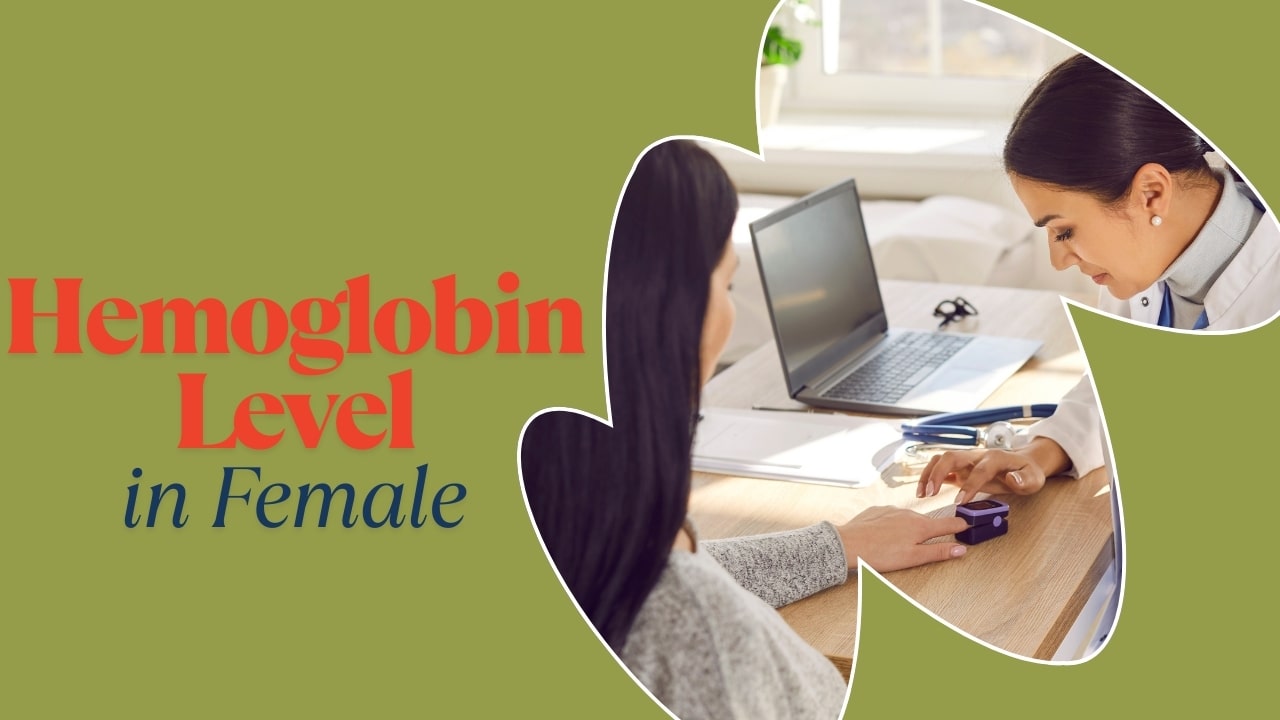
    hemoglobin level in femaleNormal Hemoglobin Level in Female: The normal range of hemoglobin levels can vary slightly depending on factors such as age, altitude, and individual health conditions. However, for adult females, the typical range of hemoglobin levels is approximately 12 to 16 grams per deciliter (g/dL) of blood. This range may slightly vary in different laboratories and medical guidelines, but it serves as a general reference point for assessing hemoglobin levels in females.

    Hemoglobin, often abbreviated as Hb, is a vital protein found in red blood cells (RBCs) that carries oxygen from the lungs to tissues throughout the body. It plays a crucial role in maintaining overall health and well-being. In females, understanding the normal range of hemoglobin levels is essential as it can indicate various health conditions and help in preventive healthcare measures.

    Normal Hemoglobin Level in Female

    Normal hemoglobin levels can vary across different age groups due to physiological changes that occur throughout a woman’s life span. Here’s an elaboration on normal hemoglobin levels by age in females:

    Infancy and Childhood (0-12 years)

    In newborns, hemoglobin levels are typically higher, ranging from 14 to 20 g/dL shortly after birth, gradually decreasing to around 11 to 13 g/dL by the age of six months.

    During infancy and childhood, hemoglobin levels continue to decrease slightly, with the normal range being approximately 11 to 13 g/dL by the age of one year and stabilizing around 11 to 12 g/dL throughout childhood.

    Adolescence (13-18 years)

    During puberty, hemoglobin levels in females may increase due to growth spurts and changes in hormonal balance.

    The normal range of hemoglobin levels during adolescence is similar to that of adult females, ranging from approximately 12 to 16 g/dL.

    Normal Hemoglobin Level in Female

    Reproductive Years (19-50 years)

    In reproductive-age females, hemoglobin levels can be influenced by factors such as menstrual blood loss, pregnancy, and hormonal fluctuations.

    The normal range of hemoglobin levels for adult females is typically between 12 to 16 g/dL, with variations depending on individual factors such as menstrual cycle regularity and iron status.

    Pregnancy

    During pregnancy, hemoglobin levels tend to decrease slightly due to hemodilution, where the plasma volume expands more rapidly than the increase in red blood cell mass.

    The normal range of hemoglobin levels during pregnancy is around 10.5 to 14 g/dL in the first trimester, 10 to 13.5 g/dL in the second trimester, and 10 to 13 g/dL in the third trimester.

    Perimenopause and Menopause (Late 40s to Early 50s)

    As women approach perimenopause and menopause, hormonal changes can affect hemoglobin levels.

    Hemoglobin levels may remain within the normal adult range of 12 to 16 g/dL during perimenopause and menopause unless influenced by other factors such as underlying health conditions or nutritional deficiencies.

    Postmenopausal Years (After 50 years)

    After menopause, hemoglobin levels typically stabilize and remain within the normal adult range, provided there are no underlying health issues.

    Regular monitoring of hemoglobin levels is recommended in postmenopausal women to detect and manage any abnormalities that may arise due to age-related changes or other health conditions.

    normal hemoglobin level in female

    Implications of Abnormal Hemoglobin Levels

    Abnormal hemoglobin levels can indicate various underlying health conditions or nutritional deficiencies. Here are some implications of abnormal hemoglobin levels in females:

    Anemia: Low hemoglobin levels (below the normal range) can indicate anemia, a condition characterized by a deficiency of red blood cells or hemoglobin in the blood. Anemia can result from nutritional deficiencies (such as iron, vitamin B12, or folate deficiency), chronic diseases, blood loss (due to menstruation or other causes), or bone marrow disorders. Symptoms of anemia may include fatigue, weakness, pale skin, dizziness, and shortness of breath.

    Polycythemia: High hemoglobin levels (above the normal range) can indicate polycythemia, a condition characterized by an excess of red blood cells in the blood. Polycythemia can be primary (due to bone marrow disorders) or secondary (resulting from factors such as chronic hypoxia, smoking, or certain medical conditions). Symptoms of polycythemia may include headache, dizziness, itching, and redness of the skin.

    Underlying Health Conditions: Abnormal hemoglobin levels may also be associated with underlying health conditions such as kidney disease, liver disease, thyroid disorders, or chronic inflammatory diseases. Monitoring hemoglobin levels can help identify and manage these underlying conditions effectively.

    > Consult a Doctor and Medkart will help you Order Medicines Online

    Conclusion:

    Understanding normal hemoglobin levels in females is essential for assessing overall health and identifying potential health issues. Regular monitoring of hemoglobin levels through blood tests can help detect abnormalities early and facilitate timely intervention and treatment.

    Maintaining a balanced diet rich in iron, vitamins, and minerals is crucial for supporting optimal hemoglobin levels and overall well-being. Consultation with healthcare professionals is recommended for proper evaluation and management of abnormal hemoglobin levels and associated health conditions.

    Read: What are Generic Medicines?

    FAQs on Normal Hemoglobin Level in Female

    Q1. What is the Normal Hemoglobin Level in Female?

    The normal range of hemoglobin levels for adult females is typically between 12 to 16 grams per deciliter (g/dL) of blood.

    Q2. What factors can influence hemoglobin levels in females?

    Hemoglobin levels can be influenced by factors such as age, altitude, menstrual cycle (due to blood loss during menstruation), pregnancy (hemodilution), nutritional status (iron deficiency), and underlying health conditions.

    Q3. What are the potential consequences of having abnormal hemoglobin levels?

    Abnormal hemoglobin levels can indicate health issues such as anemia (low levels) or polycythemia (high levels), which can lead to symptoms like fatigue, weakness, shortness of breath (anemia), or headache, itching (polycythemia). Monitoring and managing hemoglobin levels are crucial for maintaining overall health and well-being in females.

    Related Links:

  • How to use Menstrual Cups?

    How to use Menstrual Cups?

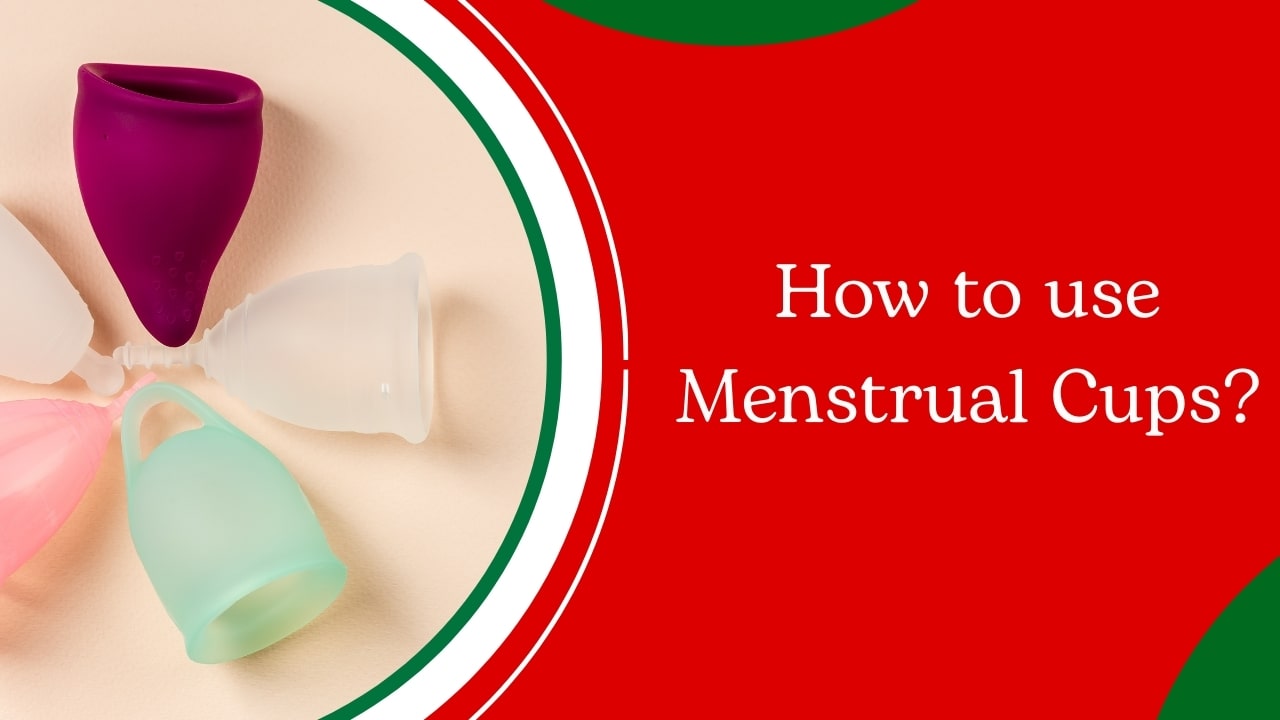
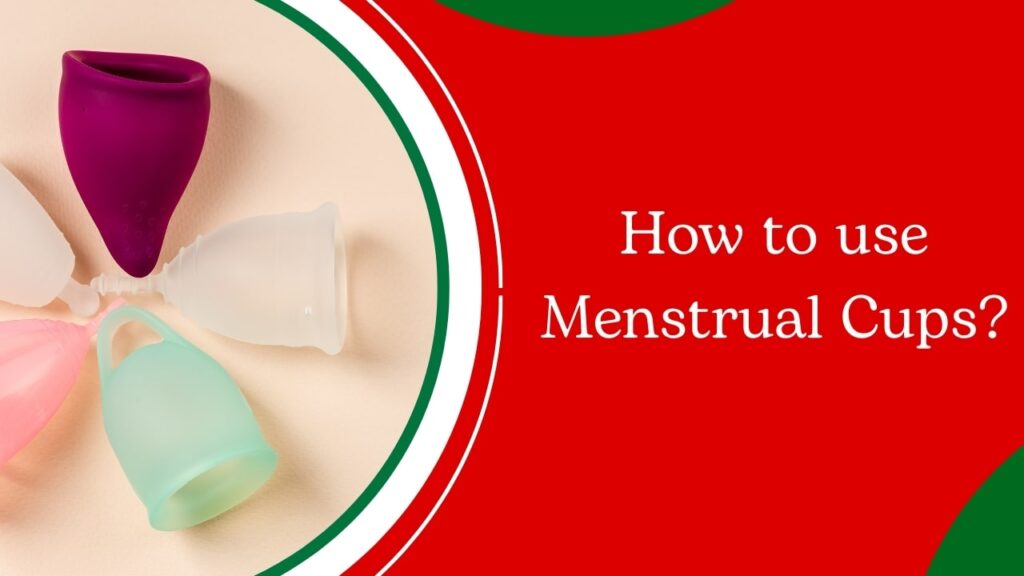
    how to use menstrual cupA menstrual cup is a flexible, bell-shaped device made of medical-grade silicone or latex rubber. It is designed to be inserted into the vagina during menstruation to collect menstrual fluid. Unlike tampons and pads, which absorb menstrual fluid, menstrual cups simply collect it, making them reusable and eco-friendly.
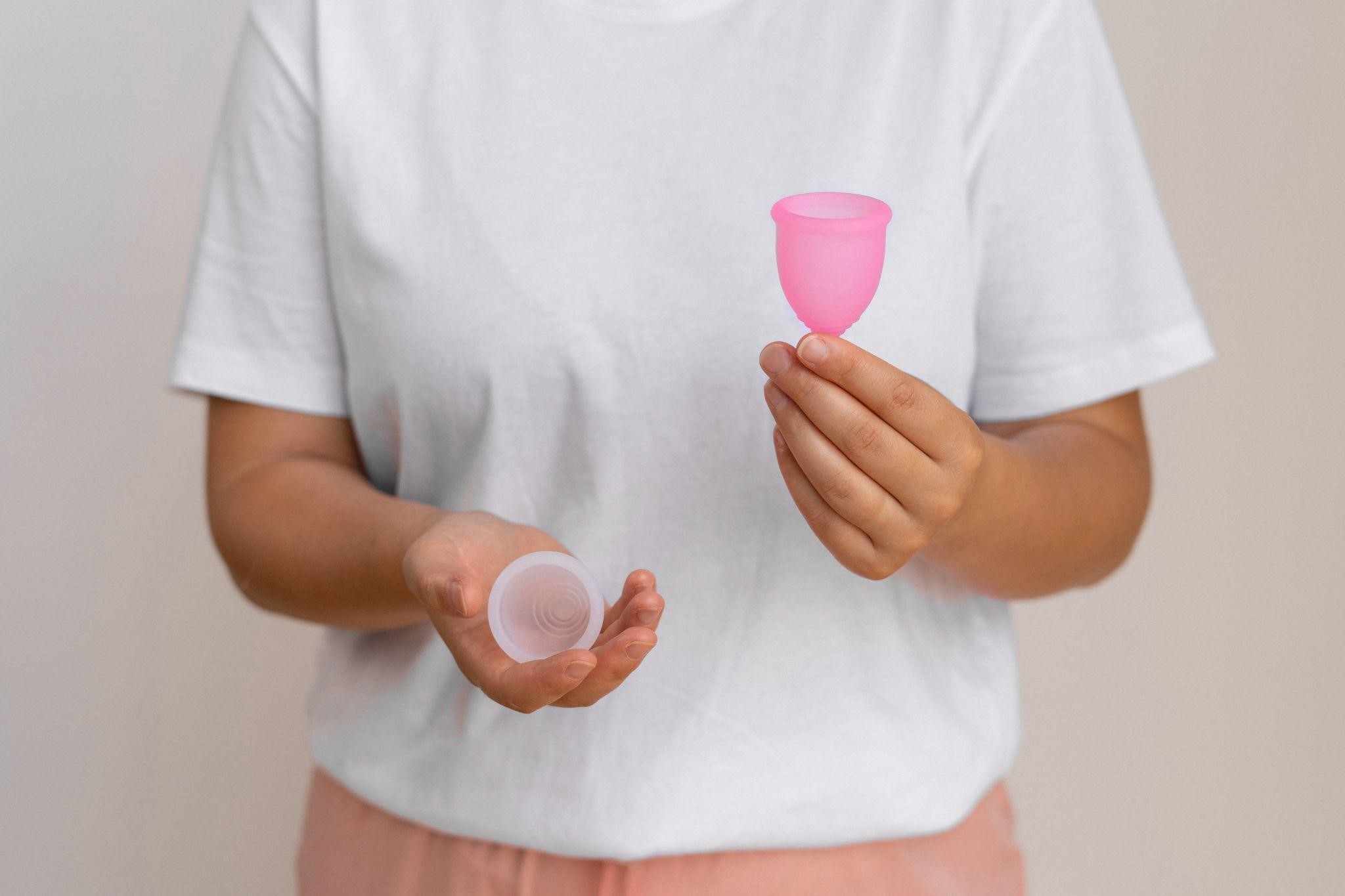
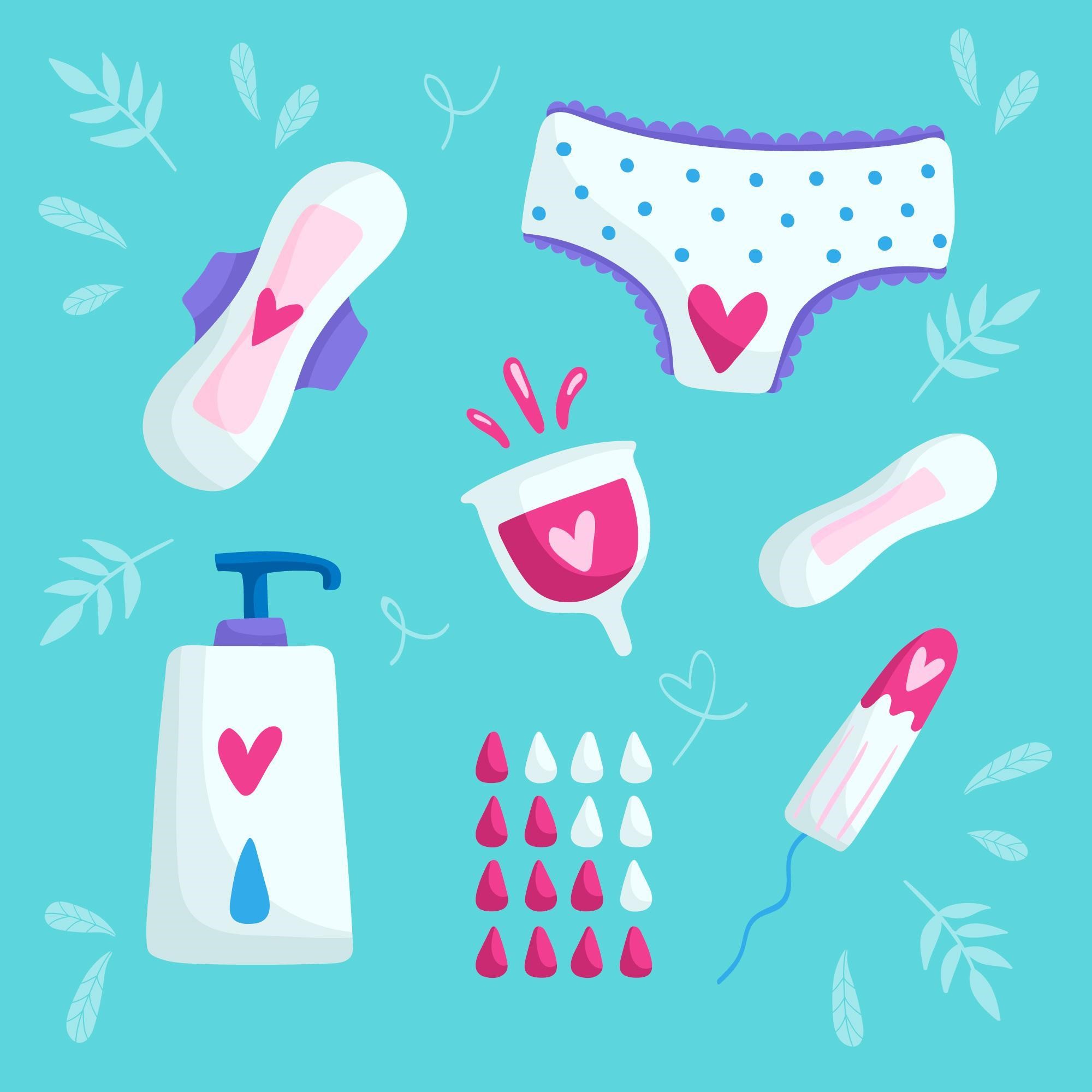
    Menstrual cups have gained immense popularity in recent years as an eco-friendly alternative to traditional menstrual products for their comfort, cost-effectiveness, and convenience. However, the idea of using menstrual cups might seem daunting for those new to menstrual cups.

    Why to Use Menstrual Cups?

    Eco-Friendly: Menstrual cups are reusable and can last for several years with proper care, reducing the environmental impact of disposable menstrual products.

    Cost-Effective: While the initial cost of a menstrual cup may seem high compared to pads or tampons, its durability means you’ll save money in the long run.

    Comfort: Menstrual cups are often more comfortable to wear than pads or tampons, as they don’t cause dryness or irritation.

    Longer Wear Time: Menstrual cups can typically be worn for up to 12 hours, depending on your flow, making them ideal for overnight use and busy lifestyles.

    How to Use Menstrual Cups

    How to use Menstrual Cup?

    Now, let’s walk through the step-by-step process of using a menstrual cup:

    • Wash Your Hands: Before handling your menstrual cup, always wash your hands thoroughly with soap and water to ensure cleanliness.
    • Fold the Cup: There are various folding techniques you can use to insert the menstrual cup. The most common folds include the C-fold, punch-down fold, and 7-fold. Experiment with different kinds of folds to find one that works best for you.
    • Relax: It’s important to relax your pelvic muscles before inserting the cup. Find a comfortable position, such as sitting on the toilet or maybe squatting.
    • Insert the Cup: Hold the folded menstrual cup firmly between your thumb and forefinger. Gently spread apart the folds of your labia using your spare hand, then carefully guide the cup into your vaginal canal at a slight downward angle. As it enters, the cup should unfurl and form a secure seal against the walls of your vagina.
    • Check the Seal: After inserting the cup, run your finger around the base to ensure it has fully opened and created a seal. You can also gently pull down on the stem to confirm that it is secure.
    • Wear the Cup: Once the cup is properly inserted and sealed, you can wear it for up to 12 hours, depending on your flow. You may need to empty it more frequently on heavier days.
    • Removal: To remove the menstrual cup, wash your hands and find a comfortable position. Gently grasp the bottom of the cup and squeeze gently to break the seal. Empty the contents into the toilet, wash the cup with mild soap and water, and reinsert it if needed.

    How to Use Menstrual Cups

    Tips for Using Menstrual Cups

    Practice Makes Perfect: It may take some time to get used to using a menstrual cup, so don’t be discouraged if it feels awkward at first. With practice, inserting and removing the cup will become easier.

    Choose the Right Size: Menstrual cups come in different sizes, so be sure to choose one that fits your body and flow. Many brands offer size guides to help you make the right choice.

    Keep It Clean: Proper hygiene is essential when using a menstrual cup. Be sure to wash your cup with mild soap and water before and after each use, and sterilize it between cycles by boiling it in water for a few minutes.

    Be Patient: It may take a few cycles to fully adjust to using a menstrual cup, so be patient with yourself and give your body time to adapt.

    > Consult a Doctor and Medkart will help you Order Medicines Online

    Conclusion:

    Menstrual cups provide a sustainable, economically sound, and supremely comfortable alternative to conventional menstrual products. By following the steps outlined in this guide and practicing proper hygiene, you can confidently use a menstrual cup and enjoy its many benefits. So why not make the switch today and experience the freedom and convenience that menstrual cups have to offer?

    Read: What are Generic Medicines?

    FAQs on Steps to use Menstrual Cups

    Q1. How to use menstrual cup?

    To use a menstrual cup, start by washing your hands thoroughly. Fold the cup and insert it into your vagina, ensuring it opens and creates a seal. Wear it for up to 12 hours, then remove, empty, wash, and reinsert as needed.

    Q2. How do I know if I’ve inserted the menstrual cup correctly?

    You can ensure proper insertion by feeling around the base of the cup to confirm it has fully opened and created a seal against the vaginal walls. You should also feel comfortable and not experience any leakage.

    Q3. Can I use a menstrual cup if I have a heavy flow?

    Yes, menstrual cups are suitable for all flow types, including heavy flow days. You may need to empty the cup more frequently on heavier days, but it can still provide leak-free protection for up to 12 hours.

    Q4. How do I clean and sterilize my menstrual cup?

    After each use, wash your menstrual cup with mild soap and water. To sterilize it between cycles, boil the cup in water for 5-10 minutes. Avoid using harsh chemicals or scented soaps, as they can damage the cup and cause irritation.

    Related Links:

  • How to Reduce Period Pain? – Quick and Natural Ways to Stop Period Cramps

    How to Reduce Period Pain? – Quick and Natural Ways to Stop Period Cramps

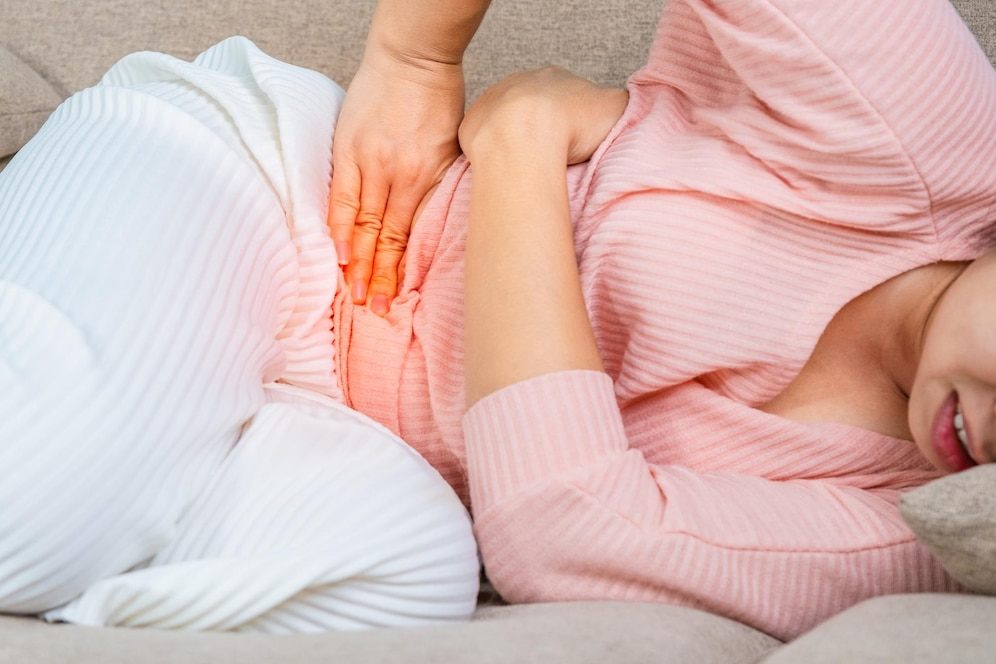
    how to reduce period painWays to Reduce Period Pain: For many individuals, menstruation brings not only a monthly shedding of the uterine lining but also a slew of discomforts, among them, the dreaded period pain. While experiencing pain during menstruation is common, it doesn’t have to be an inevitable part of the menstrual cycle.
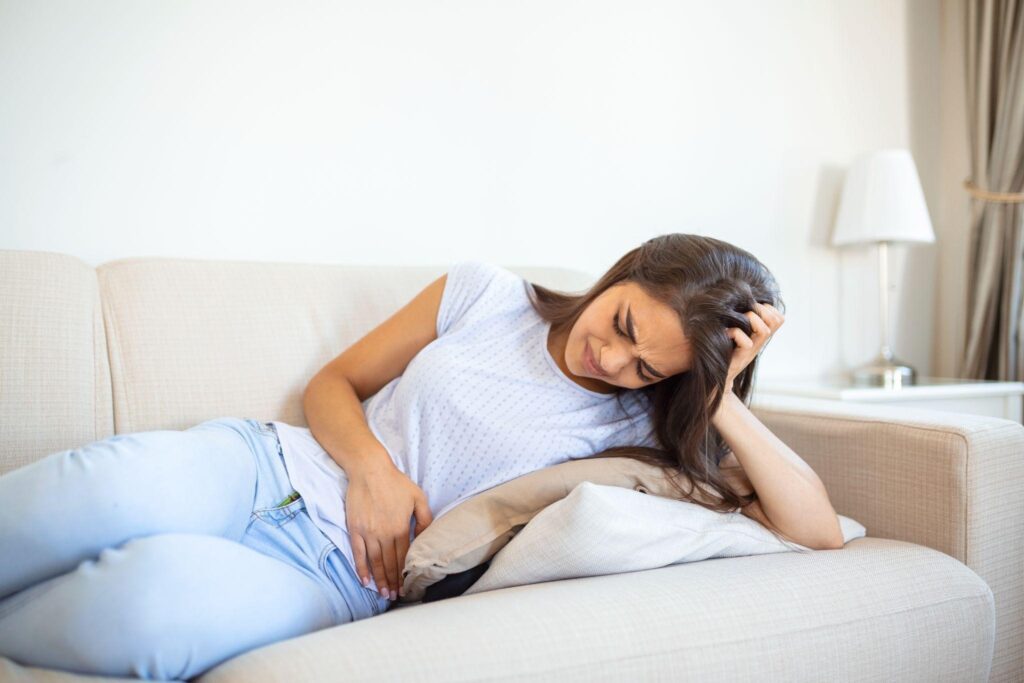
    Medically known as dysmenorrhea, period pain can manifest as cramping, aching, or sharp pains in the lower abdomen, back, and thighs. It typically occurs just before or during menstruation and can range from mild to severe, significantly impacting daily activities and overall well-being.

    While the exact cause of period pain isn’t fully understood, it’s believed to be primarily due to the release of prostaglandins—hormone-like substances that trigger uterine contractions to expel the uterine lining. Higher levels of prostaglandins can lead to stronger and more painful contractions, resulting in increased discomfort.

    How To Reduce Period Pain

    How to Reduce Period Pain?

    Now, let’s explore evidence-based strategies to reduce period pain and improve menstrual health:

    Lifestyle Modifications

    Regular Exercise: Engaging in physical activity can help reduce period pain by promoting blood circulation, releasing endorphins (natural painkillers), and reducing stress levels. Aim for at least 30 minutes of moderate exercise, such as walking, swimming, or yoga, several times a week.

    Healthy Diet: Incorporate foods rich in omega-3 fatty acids, such as fatty fish, flaxseeds, and walnuts, which possess anti-inflammatory properties and may help alleviate menstrual pain. Additionally, minimize consumption of caffeine, alcohol, and processed foods, as they can exacerbate inflammation and discomfort.

    Dietary Supplements

    Magnesium: Studies suggest that magnesium supplementation may help reduce period pain by relaxing uterine muscles and easing cramps. Consider adding magnesium-rich foods like leafy greens, nuts, and whole grains to your diet or taking a magnesium supplement under the guidance of a healthcare provider.

    Vitamin B6: Vitamin B6 has been shown to regulate hormonal activity and may alleviate premenstrual symptoms, including period pain. Include foods high in vitamin B6, such as poultry, fish, bananas, and chickpeas, in your diet.

    Heat Therapy

    Applying heat to the lower abdomen and back can provide quick and effective relief from menstrual cramps. Use a heating pad, hot water bottle, or warm towel and gently place it on the painful area for 15-20 minutes. Heat helps to relax the muscles, increase blood flow, and alleviate discomfort.

    Herbal Remedies

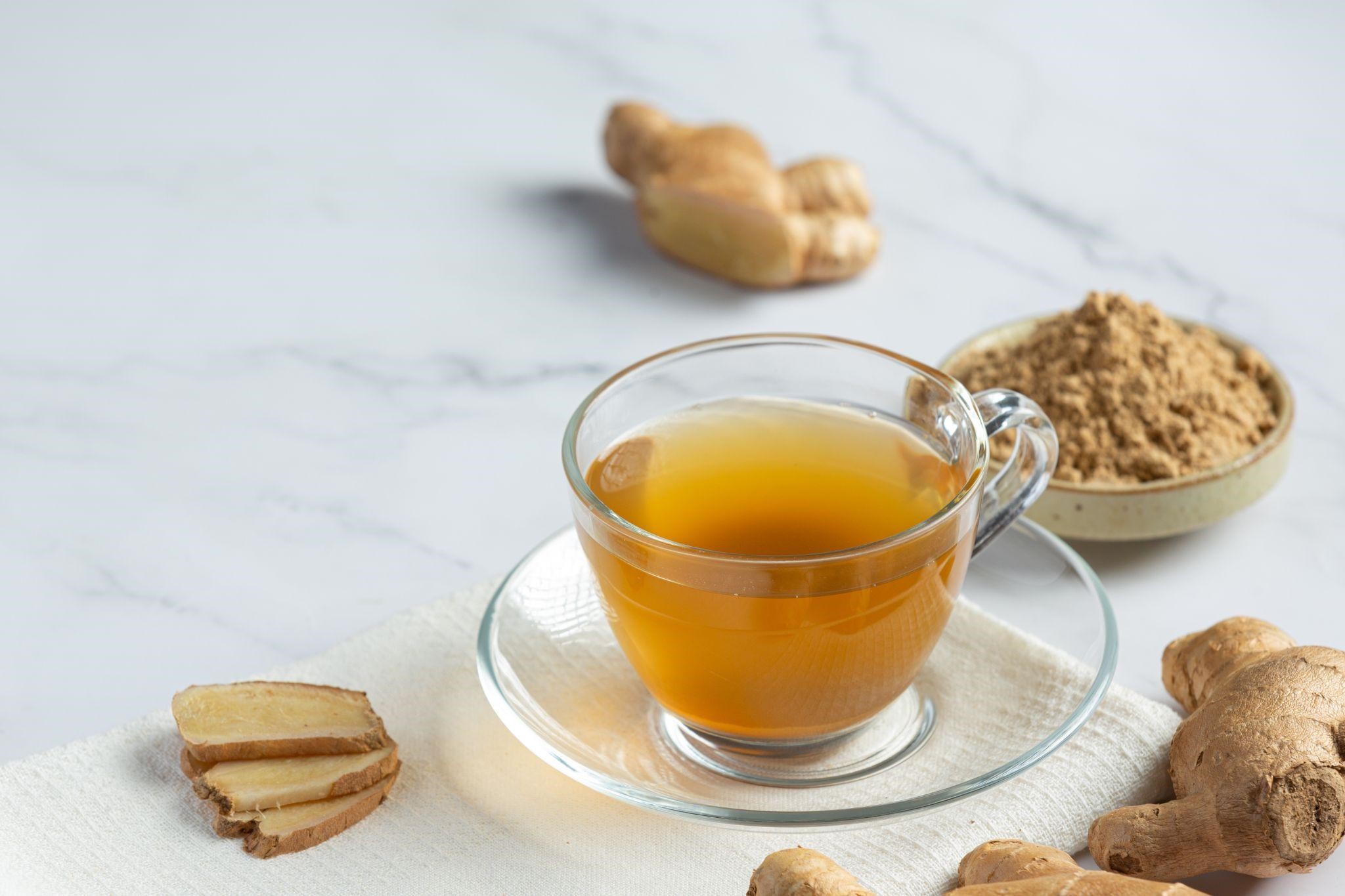
    Ginger: Known for its anti-inflammatory and analgesic properties, ginger may help reduce period pain and nausea associated with menstruation. Brew ginger tea by steeping fresh ginger slices in hot water or incorporate ginger into your meals and snacks.

    How To Reduce Period Pain

    Chamomile: Chamomile tea is prized for its calming effects and may help relieve muscle tension and menstrual cramps. Sip on a cup of chamomile tea throughout the day or before bedtime to promote relaxation and ease discomfort.

    Mind-Body Techniques

    Meditation and Deep Breathing: Practicing mindfulness meditation and deep breathing exercises can help reduce stress, promote relaxation, and alleviate menstrual pain. Find a quiet space, close your eyes, and focus on your breath, inhaling deeply through your nose and exhaling slowly through your mouth.

    Progressive Muscle Relaxation: This technique involves tensing and then relaxing different muscle groups in the body, promoting overall relaxation and reducing muscle tension. Start with your toes and work your way up to your neck and shoulders, releasing any tension as you go.

    Over-the-Counter Medications

    Nonsteroidal Anti-Inflammatory Drugs (NSAIDs): Ibuprofen, aspirin, and naproxen sodium are commonly used NSAIDs that can help relieve period pain by reducing inflammation and inhibiting prostaglandin production. Take these medications as directed on the package or as recommended by your healthcare provider.

    For moderate to severe menstrual cramps, some patients may benefit from combination pain relief medicines. In such cases, consulting a doctor about options like Ultracet Tablet, which combines paracetamol and tramadol, may offer effective relief.

    Hormonal Birth Control

    For individuals experiencing severe or persistent period pain, hormonal birth control methods, such as the pill, patch, or hormonal IUD, may be recommended. These methods work by regulating hormonal fluctuations, reducing the severity of menstrual cramps, and in some cases, eliminating periods altogether.

    > Consult a Doctor and Medkart will help you Order Medicines Online

    Conclusion:

    Period pain is a common yet manageable aspect of menstruation that affects individuals differently. By adopting a holistic approach that encompasses lifestyle modifications, dietary supplements, heat therapy, herbal remedies, mind-body techniques, over-the-counter medications, and hormonal birth control, individuals can find relief from menstrual discomfort and improve their overall quality of life.

    It’s essential to listen to your body, experiment with various remedies, and consult with a healthcare provider to develop a personalized plan that addresses your unique needs and preferences. Remember, menstrual health is an integral part of overall well-being, and prioritizing self-care during menstruation can lead to greater comfort, vitality, and empowerment.

    Read: What are Generic Medicines?

    FAQs on Ways to Reduce Period Pain

    Q1. How to reduce period pain?

    To reduce period pain, incorporate regular exercise into your routine, such as walking or yoga, to promote blood flow and release endorphins. Apply heat to the lower abdomen with a heating pad or hot water bottle to relax muscles and alleviate cramps.

    Additionally, consider incorporating magnesium-rich foods or supplements, like vitamin B6, into your diet to help regulate hormonal activity and ease discomfort.

    Q2. Can exercise help reduce period pain?

    Yes, regular exercise, such as walking, yoga, or swimming, can alleviate period pain by promoting blood circulation, releasing endorphins, and reducing stress levels.

    Q3. Is heat therapy effective for relieving menstrual cramps?

    Absolutely, applying heat to the lower abdomen and back with a heating pad or hot water bottle can relax muscles, increase blood flow, and provide quick relief from menstrual cramps.

    Q4. Are there any dietary supplements that can help ease period pain?

    Yes, supplements like magnesium and vitamin B6 have been shown to reduce period pain by relaxing uterine muscles and regulating hormonal activity. Incorporating magnesium-rich foods or taking a supplement under guidance can be beneficial.

    Related Links:

  • How to check Pregnancy at Home?

    How to check Pregnancy at Home?

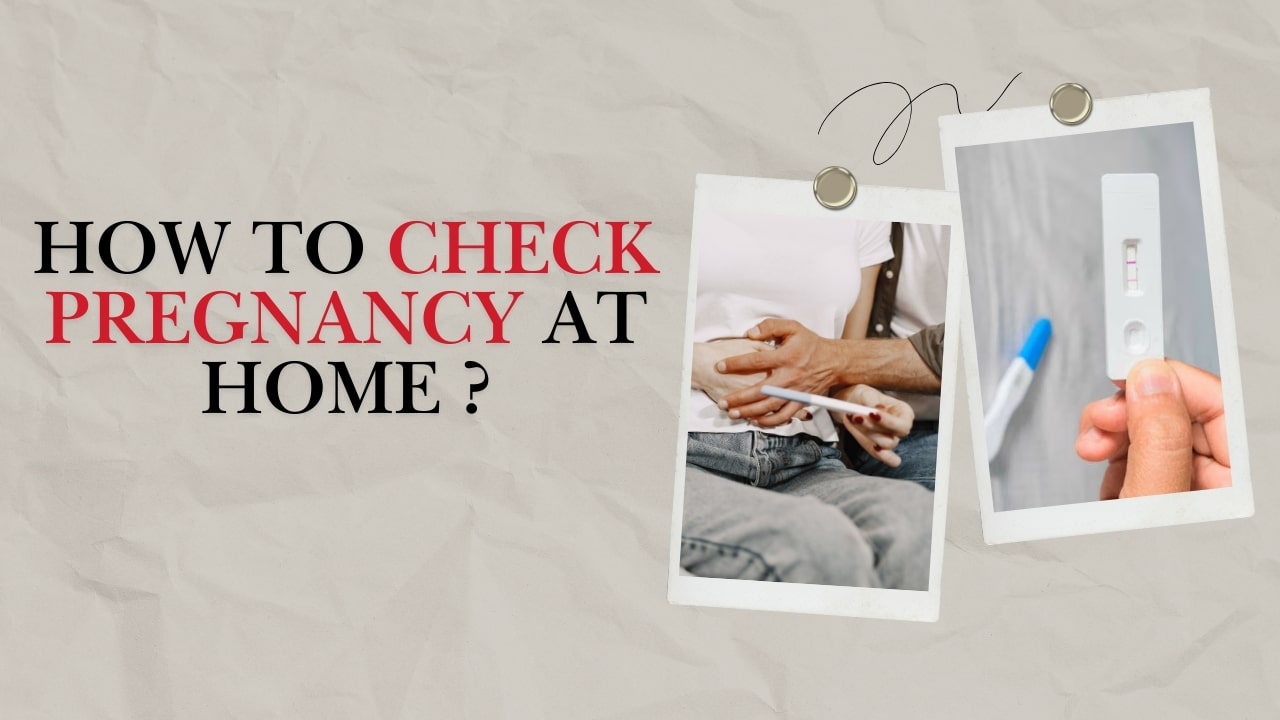
    how to check pregnancy at homeChecking for pregnancy at home has become a common practice for women seeking convenience and privacy in determining their reproductive status. With the availability of over-the-counter home pregnancy test kits, the process has become straightforward and accessible. These tests rely on detecting the presence of human chorionic gonadotropin (hCG), a hormone produced by the placenta shortly after conception.
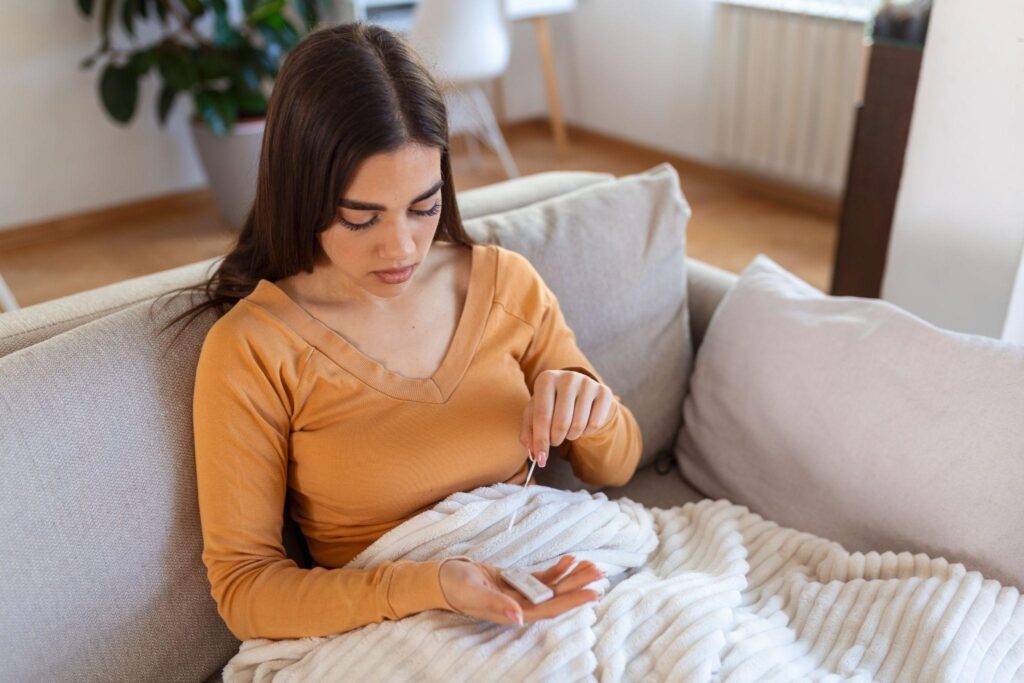

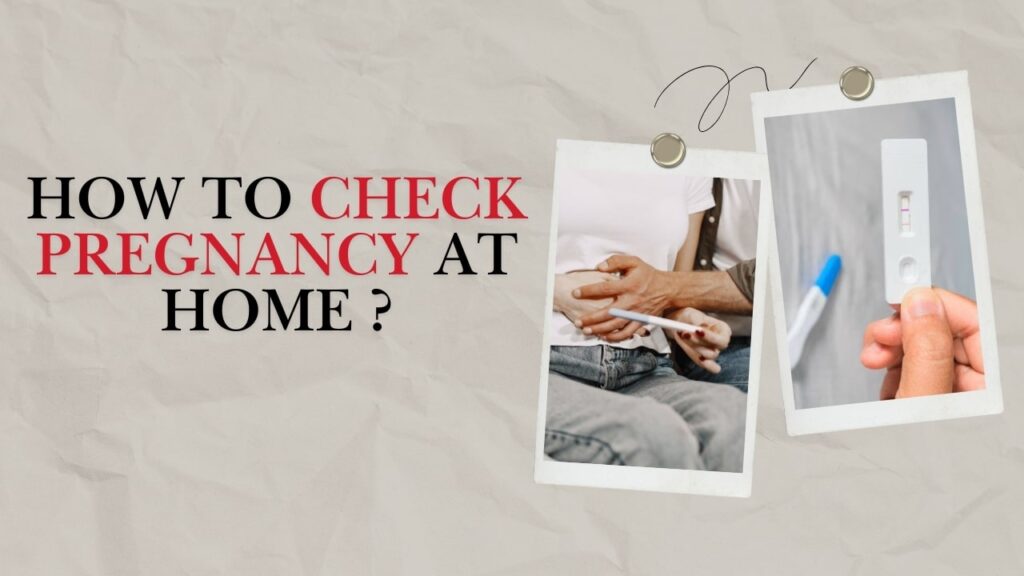
    Home pregnancy tests (HPTs) are designed to detect the presence of human chorionic gonadotropin (hCG), a hormone produced by the placenta shortly after a fertilized egg attaches to the uterine lining. Most HPTs are urine-based and come in various formats, including strips, midstream, and digital tests.

    When to Take a Home Pregnancy Test?

    The ideal time to take a home pregnancy test largely depends on the sensitivity of the test and your menstrual cycle. However, most tests recommend waiting until you’ve missed your period for the most accurate results.

    Some highly sensitive tests may be able to detect hCG levels even before your missed period, but it’s essential to follow the instructions carefully for reliable results.

    How to take a Home Pregnancy Test?

    Read the instructions carefully: Each home pregnancy test kit comes with specific instructions for use. Please ensure you thoroughly read and comprehend these guidelines before continuing.

    Collect a urine sample: Use a clean, dry container to collect your urine sample. Most tests recommend using the first urine of the day, as it tends to have the highest concentration of hCG.

    Perform the test: Depending on the type of test you’re using, you’ll either need to dip the test strip into the urine sample or hold the test stick under a stream of urine. Follow the instructions provided with your test kit for the correct procedure.

    Wait for the results: Most home pregnancy tests provide results within a few minutes. Avoid interpreting the results too early or too late, as this can lead to inaccurate readings.

    Interpret the results: Results are typically indicated by lines, symbols, or words. A positive result usually indicates pregnancy, while a negative result suggests that you’re not pregnant. In some cases, a test may produce an invalid result due to user error or a faulty test kit.

    How To Check Pregnancy At Home

    Natural ways to Check Pregnancy at Home

    Checking for pregnancy at home doesn’t always have to involve commercial test kits. Several natural methods can provide clues about pregnancy. While these methods are not as definitive as medical tests, they can offer initial indications worth exploring further. Here are some natural ways to check for pregnancy at home:

    Basal Body Temperature (BBT) Tracking

    Basal body temperature refers to your body’s temperature at rest, typically measured first thing in the morning before any activity.

    A sustained increase in basal body temperature over several days may indicate pregnancy, as it often remains elevated after ovulation when an embryo implants in the uterus.

    Observing Cervical Mucus Changes

    Changes in cervical mucus can provide insights into fertility and ovulation.

    Following ovulation, cervical mucus tends to become thick, sticky, and less abundant. However, if you’re pregnant, cervical mucus may remain abundant and have a thicker consistency due to increased blood flow to the cervix.

    Pregnancy Symptom Monitoring

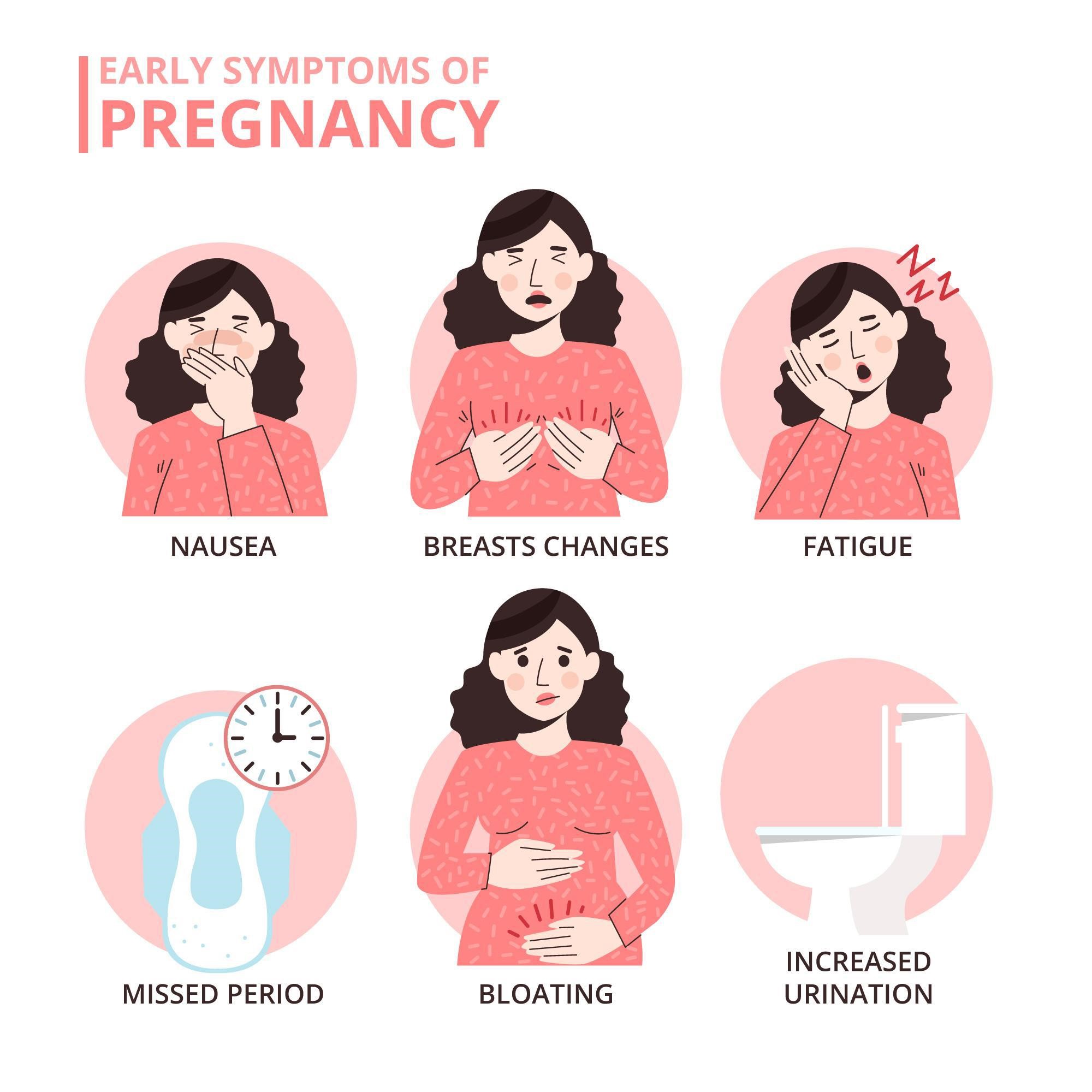
    Pay attention to early pregnancy symptoms such as fatigue, nausea, breast tenderness, frequent urination, and heightened sense of smell.

    While these symptoms are not exclusive to pregnancy and can mimic premenstrual symptoms, experiencing several of them together might warrant further investigation.

    DIY Pregnancy Tests

    While not as reliable as commercial tests, homemade pregnancy tests using household ingredients like sugar, toothpaste, or vinegar have been used by some individuals.

    These tests involve mixing urine with the designated substance and observing any changes, such as color or fizzing. However, their accuracy is questionable, and they should not be solely relied upon for confirmation.

    Observing Physical Changes

    Changes in the appearance of the breasts, such as darkening of the nipples, enlargement, or increased sensitivity, can sometimes indicate pregnancy.

    Some individuals may also notice changes in skin appearance, such as the development of a linea nigra (a dark vertical line on the abdomen) or the appearance of stretch marks.

    Medical Termination of Pregnancy (MTP):

    If your pregnancy test result is positive and you are considering options for medical termination (after medical consultation), medications like Misoprost 200 mcg Tablet are sometimes prescribed by doctors. This medicine contains Misoprostol, which is used under medical supervision for early-stage medical abortion. Do not self-medicate. Always consult a qualified gynecologist before using any such medication.

    How To Check Pregnancy At Home

    > Consult a Doctor and Medkart will help you Order Medicines Online

    Conclusion:

    Home pregnancy testing offers a convenient and reliable way to confirm pregnancy in the comfort of your own home. By understanding how these tests work and following the instructions carefully, you can obtain accurate results quickly and easily.

    While natural methods of checking for pregnancy at home can provide preliminary indications, they are not as reliable as medical tests. If you suspect you may be pregnant based on these methods, it’s essential to confirm the pregnancy with a medical professional through urine or blood tests. Additionally, early prenatal care is crucial for the health and well-being of both the mother and the developing baby.

    Read: What are Generic Medicines?

    FAQs on How to check Pregnancy at Home

    Q1. How to check pregnancy at home?

    To check for pregnancy at home, use a urine-based home pregnancy test kit. Collect a urine sample and follow the instructions to perform the test, typically by dipping a test strip or holding a test stick in the urine. Wait for the indicated time, usually a few minutes, and interpret the results based on the appearance of lines, symbols, or words provided by the test.

    Q2. How soon can I take a home pregnancy test after a missed period?

    Most home pregnancy tests recommend waiting at least a week after your missed period for accurate results. However, some highly sensitive tests may detect pregnancy hormone (hCG) levels a few days before your expected period.

    Q3. What time of day is best to take a home pregnancy test?

    The first urine of the day, typically upon waking, is the most concentrated and ideal for testing as it contains higher levels of pregnancy hormone (hCG). However, you can take a test at any time of day, ensuring you haven’t consumed excessive liquids beforehand for accurate results.

    Related Links:

    Blog | Medkart Pharmacy - Generic Medicine Online

  • Diet Chart for Weight Loss for Females – Best Diet Plan for Weight Loss

    Diet Chart for Weight Loss for Females – Best Diet Plan for Weight Loss

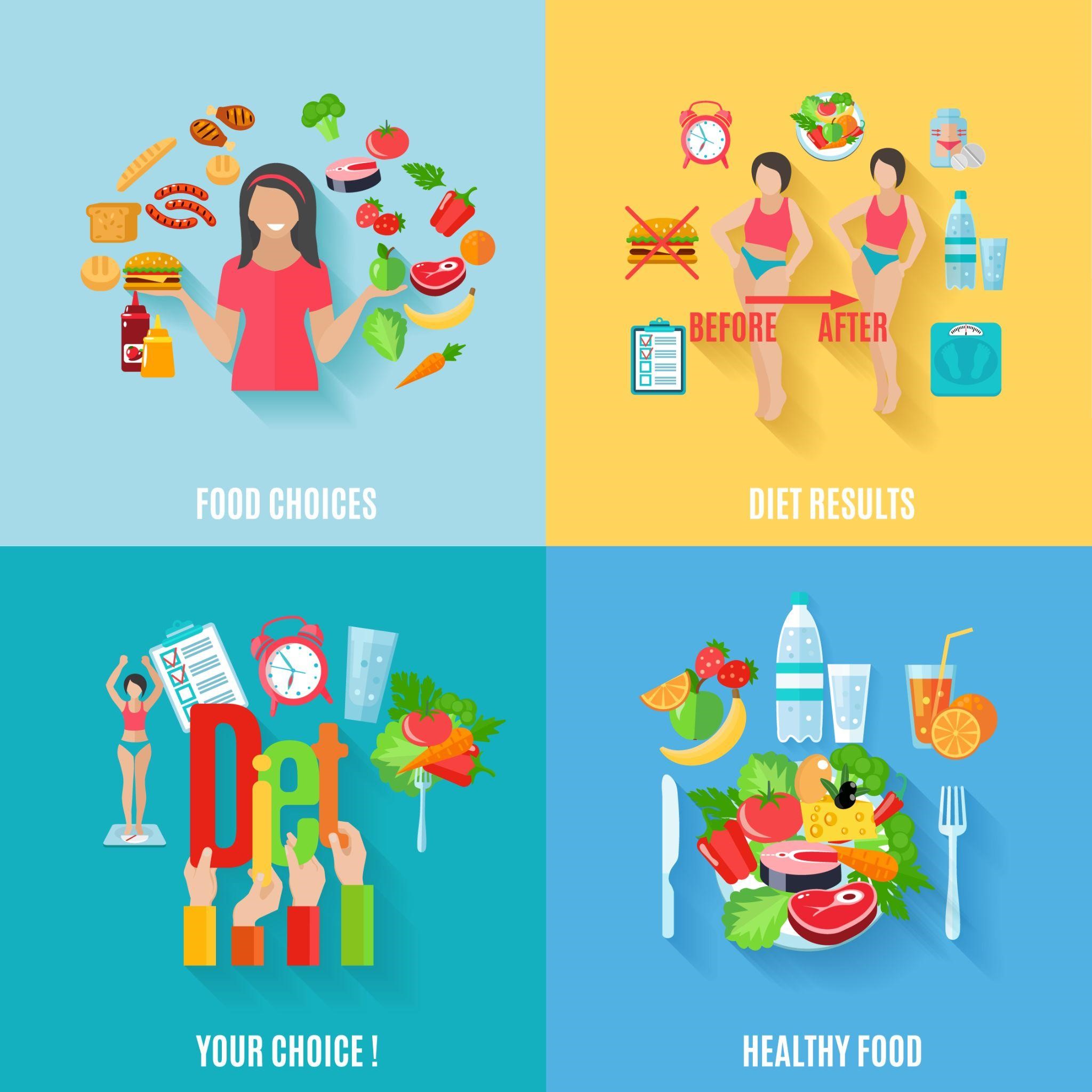
    diet chart for weight loss

    Diet Chart for Weight Loss for Females – Crafting a diet chart for weight loss tailored specifically for females involves emphasising balanced macronutrient intake with a focus on lean proteins, complex carbohydrates, and healthy fats. Portion control and mindful eating play crucial roles in managing calorie intake while staying hydrated and following regular mealtimes are essential to support weight loss efforts.

    Sample meal options include protein-rich breakfasts like Greek yoghurt with berries, wholesome lunches such as grilled chicken salads, and nutrient-dense dinners like baked salmon with steamed vegetables. Incorporating nutritious snacks between meals helps curb cravings and maintain energy levels throughout the day.

    Diet Chart for Weight Loss for Females

    Before diving into the diet chart, it’s crucial to understand the fundamental principles of weight loss. Ultimately, weight loss occurs when you consume fewer calories than you expend. However, it’s essential to strike a balance by nourishing your body with the right nutrients to support overall health and well-being. Below are the key components of a weight loss diet:

    1. Balanced Macronutrient Intake

    • Proteins: Incorporate lean protein sources such as chicken breast, fish, tofu, lentils, and Greek yoghurt. Protein aids in muscle repair and growth supports satiety, and helps preserve lean muscle mass during weight loss.
    • Carbohydrates: Concentrate on intricate carbohydrates such as whole grains, fruits, vegetables, and legumes for optimal nutrition. These provide sustained energy levels, fibre for digestive health, and essential vitamins and minerals.
    • Healthy Fats: Incorporate sources rich in healthy fats like avocados, nuts, seeds, and olive oil into your diet for optimal well-being and nutrition. These fats promote satiety, support hormone regulation, and are vital for overall health.

    2. Portion Control

    Pay attention to serving sizes to prevent excessive consumption, even when opting for nutritious options. Use visual cues or measuring tools to ensure appropriate portion sizes.

    3. Hydration

    Ensure proper hydration by drinking water consistently throughout the day. At times, the sensation of thirst may be confused with hunger, prompting unnecessary intake of calories.

    4. Meal Timing

    Strive for consistent meal schedules and steer clear of skipping meals, with particular emphasis on starting your day with breakfast. Eating smaller, frequent meals throughout the day can help stabilise blood sugar levels and prevent overeating.

    5. Mindful Eating

    Engage in mindful eating by tuning into your body’s signals for hunger and fullness, fostering a deeper connection with your food experience. Avoid distractions while eating, such as watching TV or scrolling through your phone, to prevent mindless overeating.

    Diet Chart for Weight Loss for Female image

    Sample – Diet Chart for Weight Loss for Females

    This diet chart is a general guideline. Individual calorie and nutrient needs may vary based on factors such as age, weight, height, activity level, and metabolic rate.

    1. Breakfast Options

    • Greek yoghurt topped with berries and a sprinkle of almonds.
    • Whole grain toast with mashed avocado and poached eggs.
    • Oatmeal cooked with almond milk, topped with sliced bananas and a drizzle of honey.

    2. Mid-Morning Snack Options

    • A petite apple paired with a dollop of almond butter on a teaspoon.
    • Carrot and cucumber sticks with hummus.
    • A cluster of assorted nuts and seeds nestled in the palm of my hand.

    Also Read :

    3. Lunch Options

    • A delectable grilled chicken salad adorned with an assortment of mixed greens, plump cherry tomatoes, and crisp cucumber slices, all drizzled with a tangy vinaigrette dressing.
    • Quinoa and black bean bowl with roasted vegetables and a squeeze of lime.
    • Whole grain wrap filled with tuna, spinach, shredded carrots, and avocado.

    4. Afternoon Snack Options

    • Greek yoghurt with a sprinkle of granola.
    • Cottage cheese with pineapple chunks.
    • Sliced bell peppers with guacamole.

    5. Dinner Options

    • Baked salmon with steamed broccoli and quinoa.
    • Stir-fried tofu with mixed vegetables served over brown rice.
    • Zucchini noodles tossed with grilled shrimp and marinara sauce.

    6. Evening Snack Options

    • A small serving of berries with a dollop of Greek yoghurt.
    • Air-popped popcorn sprinkled with nutritional yeast.
    • A slice of whole grain toast with mashed avocado.

    Consult a Doctor and Medkart will help you Order Medicines Online

    Conclusion

    Remember that consistency and patience are key when it comes to weight loss. While following a structured diet chart can be helpful, it’s essential to listen to your body’s needs and make adjustments accordingly. Additionally, complement your dietary efforts with regular physical activity, adequate sleep, and stress management techniques for optimal results.

    Consultation with a healthcare professional or a registered dietitian can provide personalized guidance tailored to your specific goals and requirements. With dedication and a balanced approach, achieving your weight loss goals is within reach.

    Read: What are Generic Medicines?

    FAQs on Diet Chart For Weight Loss For Females

    Q1. How do I determine the right portion sizes to follow on a weight loss diet chart for females?

    Portion control is essential for managing calorie intake and achieving weight loss goals. Using visual cues like comparing serving sizes to everyday objects or utilizing measuring tools can help ensure appropriate portion sizes. Additionally, focusing on filling half of your plate with vegetables, a quarter with lean protein, and a quarter with whole grains or healthy fats can serve as a helpful guideline for balanced meals.

    Q2. Is it necessary to eliminate carbohydrates completely from a diet chart for weight loss in females?

    While reducing refined carbohydrates like white bread, sugary snacks, and processed foods can be beneficial for weight loss, it’s not necessary to eliminate carbohydrates entirely. Opting for complex carbohydrates such as whole grains, fruits, vegetables, and legumes provides essential nutrients, fibre, and sustained energy levels. Moderation and balance are key, as incorporating carbohydrates into meals can support satiety and overall dietary adherence.

    Q3. Can I customize my diet chart for weight loss based on dietary preferences or restrictions as a female?

    Absolutely! It’s essential to tailor your diet chart to suit your individual preferences, dietary restrictions, and lifestyle factors. Whether you follow a vegetarian, vegan, gluten-free, or other specialized diet, there are plenty of options to incorporate nutrient-rich foods that support weight loss.

    Related Links:


  • How to get Periods immediately? Effective Tips to get Periods Early

    How to get Periods immediately? Effective Tips to get Periods Early


    how to get periods immediately

    Sometimes navigating the monthly cycle’s complexities might feel like a mystery, especially if your period decides to play hide-and-seek. Knowing how to advance your period can be very empowering, whether you’re preparing for a big event, organizing a trip, or taking care of health issues. We’ll look at practical advice and all-natural solutions in this blog post to help you get your period earlier. Our goal is to serve women’s health enthusiasts and wellness seekers with useful guidance and ideas.

    Understanding Menstrual Irregularities

    It’s important to understand the causes of unscheduled periods before delving into period induction treatments. A few things that can mess with your cycle are hormone swings, stress, and food. You can treat the problem and control your period more successfully if you determine the root causes of it.

    1. Anomalous Hormones

    Balancing your period is primarily based on hormones like progesterone and testosterone. Period delays or non-occurrence are possible when these hormones are out of balance. Hormonal imbalances can also be caused by conditions like Polycystic Ovary Syndrome (PCOS), so consultation with a healthcare professional is crucial for an accurate diagnosis and course of treatment.

    2. Variables related to stress and lifestyle

    Your periods may be delayed by a major component called stress. In a condition known as hypothalamic amenorrhea, the brain ceases telling the ovaries to release eggs in response to high levels of stress. This highlights the importance of leading a balanced lifestyle, as lifestyle issues like poor diet and excessive activity can potentially affect your periods.

    3. Medications and Health Issues

    Period irregularities can be a result of a number of medical illnesses, including thyroid issues and diabetes. Additionally, many medications such as depression and birth control pills can affect your periods. Prior to attempting to start your period, always get medical advice to rule out any medical reasons.

    Effective Tips to Get Periods Early

    Let’s look at some practical methods for starting your period now that we have a better knowledge of the variables controlling your periods.

    1. Add Vitamin C

    The period can be aided by vitamin C’s ability to boost estrogen levels in the body. Citrus fruits, strawberries, and spinach are examples of foods high in vitamin C that may be beneficial. After speaking with your doctor, you may also want to think about taking vitamin C pills.

    2. Herbal Treatments

    There is a long history of using specific herbs to control periods. The emmenagogue qualities of parsley, ginger, and turmeric promote blood flow in the female reproductive system and pelvic area. Taking herbal teas infused with these ingredients can assist in organically starting your periods.

    3. Regular Workout

    Endorphins, which are released when physical activity happens have the ability to lower stress levels and support hormonal equilibrium. Your period can be regulated by include regular activity in your schedule, such as yoga or walking quickly. On the other hand, stay away from extreme or too much exercise as it may have the opposite impact.

    How to Get Periods Immediately if Delayed

    1. Heating Treatment

    By boosting blood flow and relaxing the uterine muscles, applying heat to your lower belly may cause your period to start. This effect can be acquired by taking a warm bath or using a heating pad. increasing period with treatment with heat is an easy yet powerful treatment.

    2. Consumption of papayas

    One of the proteins found in papayas, termed papain, is thought to aid in controlling labor flow. You can start your period by eating ripe papaya, that boosts estrogen production. Eat papaya a few days ahead of your expected period for best effects.

    3. Methods of Relaxation

    Delays in periods are frequently caused by stress. Stress levels can be lowered and hormonal balance is possible by performing relaxation practices including deep

    Conclusion

    A sense of empowerment and control can be gained from knowing how to regulate and initiate your menstrual cycle. Although this blog post’s techniques and suggestions can help you get your period sooner, you should see a healthcare professional for more specific advice and direction. Being mindful of your menstrual health is important for your general health, and taking preventative measures can help a lot.
    A comprehensive strategy to controlling your menstrual cycle can be obtained by investigating these natural therapies and lifestyle modifications. Recall that every body is different and that what suits one individual could not suit another. Finding the ideal mix to meet your unique needs is the key.

    FAQs on Tips to Get Periods Immediately

    1. Can I miss my period because of stress?

    Answer : Actually, stress can have a big effect on your period. Stressful situations can cause hormonal abnormalities, which can cause missed or delayed periods. Including stress-reduction methods like exercise and meditation can help you control your cycle.

    2. Are there risks that are connected to period induction?

    Answer : Even though the majority of homemade remedies for starting a period are safe, it’s important to see a doctor before adopting any new treatments. Some medical issues or drugs may require professional assistance to avoid potential dangers.

    3. How long after using these methods should I see a doctor?

    Answer : It’s suggested to speak with a doctor if your period is delayed for more than a week and you’ve tried the natural treatments listed in this blog post without luck. They can offer suitable treatment alternatives and assist in recognizing any deeper causes.

    4. Can my period be affected by my diet?

    Answer : Yes, a key factor in controlling your period is your food. Hormonal balance and regular periods can be supported by a vitamin and mineral-rich, well-balanced diet. Certain plants and foods rich in vitamin C can be very helpful.

  • Yeast Infection Treatment – Remedies of Vaginal and Penis Yeast Infection

    Yeast Infection Treatment – Remedies of Vaginal and Penis Yeast Infection

    yeast infection treatment

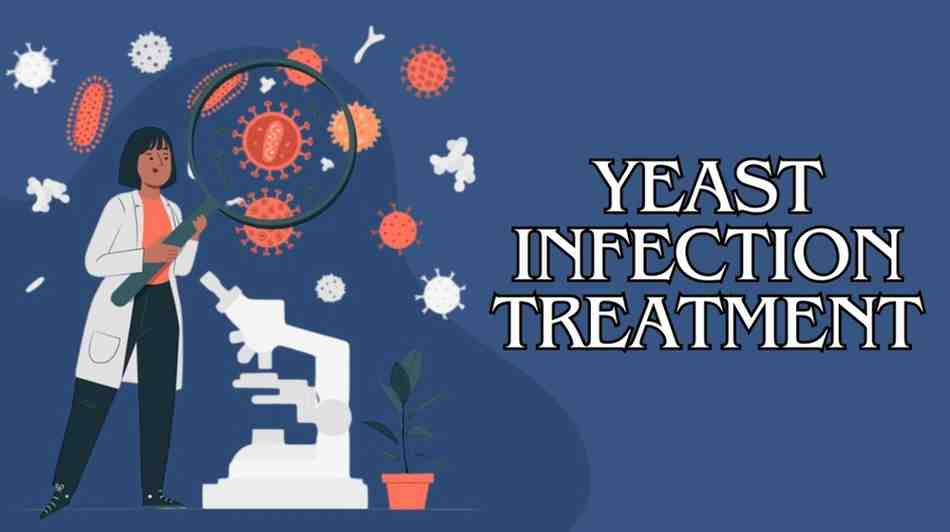
    Yeast infection treatment typically involves over-the-counter antifungal medications, such as creams, ointments, or suppositories containing active ingredients like clotrimazole or miconazole. These products are applied directly to the affected area, offering relief from symptoms like itching, redness, and discomfort. In more severe cases or for recurrent infections, healthcare providers may prescribe oral antifungal medications like fluconazole. Additionally, incorporating probiotics into the diet, maintaining good personal hygiene, and wearing breathable cotton underwear can contribute to prevention and recovery.

    Yeast infections, caused by the overgrowth of the Candida fungus, can be a source of discomfort and frustration for many individuals. Yeast infections, also known as candidiasis, commonly affect areas like the vagina, mouth, and skin folds. Candida is a naturally occurring fungus, but factors like a weakened immune system, antibiotic use, hormonal changes, and diabetes can lead to its overgrowth, causing infections.

    Recognizing Symptoms of Yeast Infection

    Before delving into yeast infection treatment options, it’s essential to recognize the symptoms of yeast infections. These may include:

    1. Vaginal itching and soreness
    2. Cottage cheese-like discharge in women
    3. Redness and swelling
    4. Burning sensation during urination or intercourse
    5. White patches in the mouth (oral thrush)

    Yeast Infection Treatment

    Yeast Infection Treatment

    The best types of treatment for yeast infection are mentioned below:

    Over-the-Counter Antifungal Medications

    For uncomplicated yeast infections, over-the-counter antifungal creams, ointments, or suppositories are often the first line of defence. Common active ingredients include clotrimazole, miconazole, and tioconazole. These medications are usually applied directly to the affected area and can provide relief within a few days.

    Prescription Medications

    For severe or recurrent infections, a healthcare provider may prescribe stronger antifungal medications in the form of oral pills, such as fluconazole/Vizylac Capsule. It’s crucial to follow the prescribed dosage and complete the entire course of medication, even if symptoms improve before the medication is finished.

    Alternative Therapies

    Certain alternative therapies, such as tea tree oil and coconut oil, have shown antifungal properties and may provide relief for some individuals. However, it’s essential to approach these with caution and consult with a healthcare professional before trying them.

    Home Remedies for Vaginal Yeast Infection

    Several home remedies and lifestyle changes may help alleviate symptoms and prevent recurrent yeast infections:

    • Probiotics: Consuming probiotics, either through supplements or fermented foods like yoghurt, can help restore the balance of good bacteria in the body, potentially reducing the risk of yeast overgrowth.
    • Maintaining Personal Hygiene: Keeping the genital area clean and dry can help prevent yeast infections. Avoiding scented soaps, douches, and feminine hygiene products is advisable.
    • Dietary Changes: Some individuals find relief by adopting a low-sugar diet, as sugar can promote the growth of yeast. Increasing intake of fiber-rich foods and staying hydrated also supports overall health.
    • Cotton Underwear: Wearing breathable cotton underwear can help reduce moisture and prevent the development of a conducive environment for yeast overgrowth.

    Also, Read:

    Vaginal Yeast Infection Treatment

    Vaginal yeast infection treatment commonly involves the use of over-the-counter antifungal medications, such as creams or suppositories, containing active ingredients like clotrimazole, miconazole, or tioconazole. These products target the overgrowth of the Candida fungus, alleviating symptoms like itching, burning, and abnormal discharge. Applying the medication directly to the affected area provides localized relief.

    In cases of persistent or recurrent infections, healthcare providers may prescribe stronger oral antifungal medications. Adopting healthy lifestyle practices, including the use of probiotics, maintaining proper hygiene, and wearing breathable cotton underwear, can complement medical treatments and contribute to the prevention of future infections.

    Yeast Infection Treatment

    Penis Yeast Infection Treatment

    Penis yeast infection treatment typically involves the use of antifungal medications to address the overgrowth of Candida, a fungus causing the infection. Over-the-counter antifungal creams, ointments, or powders containing active ingredients like clotrimazole or miconazole can be applied topically to the affected area. Maintaining proper hygiene, including regular washing and keeping the genital area dry, is crucial for effective treatment.

    In more severe cases or when the infection persists, healthcare professionals may prescribe oral antifungal medications. Individuals need to complete the entire course of prescribed treatment and refrain from sexual activity during the healing process to prevent the spread of the infection.

    > Consult a Doctor and Medkart will help you Order Medicines Online

    Conclusion:

    Understanding yeast infections and their treatment options empowers individuals to manage their symptoms effectively. While over-the-counter medications and prescription treatments play a crucial role, adopting healthy lifestyle practices and seeking professional advice when needed are integral components of a holistic approach to yeast infection treatment.

    Important Note: Many people wrongly take antibiotics for vaginal itching or discharge, assuming it’s always bacterial. While some bacterial infections may need prescription antibiotics like Nole Tablet, yeast infections require antifungal treatment instead. Always consult your doctor before starting any medicine.

    Read: What are Generic Medicines?

    FAQs On Yeast Infection Treatment

    Q1. What is Yeast Infection Treatment?

    Yeast infection treatment typically involves the use of over-the-counter antifungal medications, such as creams or suppositories, to address the overgrowth of the Candida fungus. In more severe cases, healthcare providers may prescribe oral antifungal medications. Lifestyle adjustments, including proper hygiene and dietary changes, can complement medical treatments for a comprehensive approach.

    Q2: Can I treat a yeast infection with over-the-counter medications?

    Yes, mild yeast infections can often be effectively treated with over-the-counter antifungal creams, ointments, or suppositories containing ingredients like clotrimazole or miconazole.

    Q3: How long does it take for yeast infection treatments to work?

    Over-the-counter treatments typically provide relief within a few days. However, prescription medications, if prescribed, may take longer, and it’s essential to complete the entire course as directed by a healthcare professional.

    Q4: Are there home remedies for yeast infections?

    Yes, some individuals find relief through home remedies such as probiotics, maintaining good hygiene practices, and incorporating a low-sugar diet. However, it’s advisable to consult with a healthcare provider before trying alternative therapies.

    Related Links:

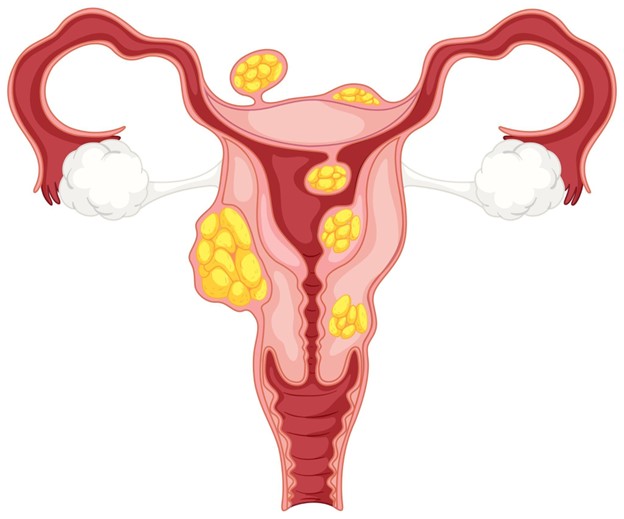
  • Uterine Fibroids Treatment: Causes, Symptoms & Best Treatment for Fibroids

    Uterine Fibroids Treatment: Causes, Symptoms & Best Treatment for Fibroids

    uterine fibroids treatment

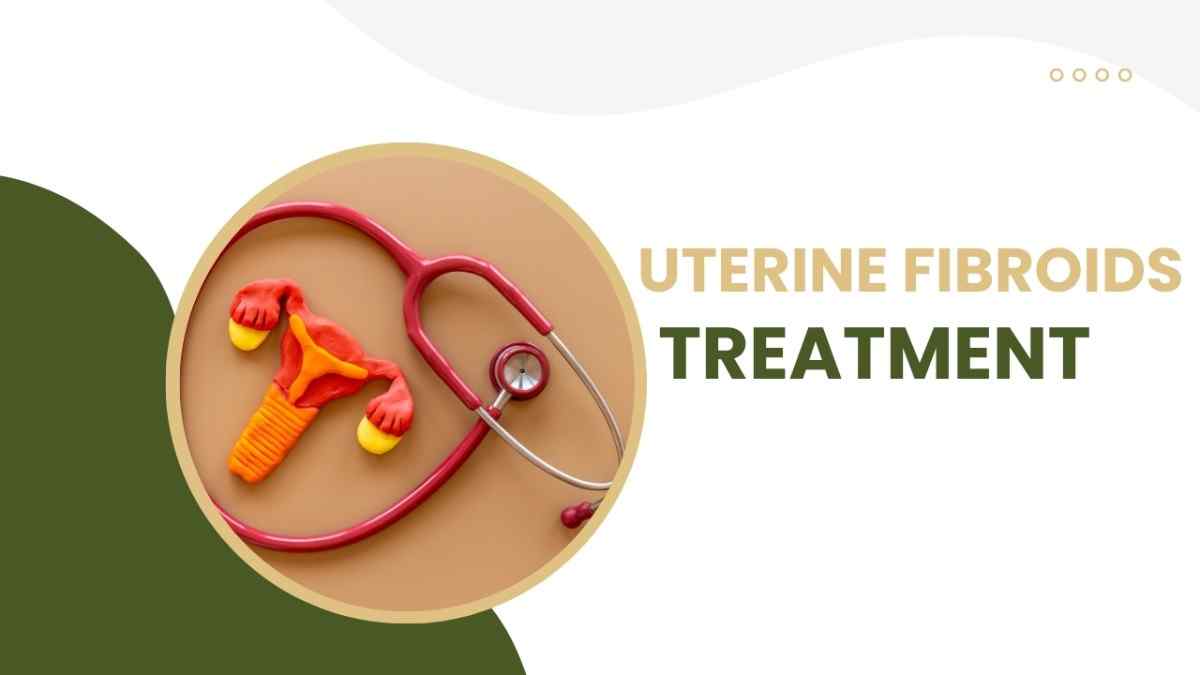
    Uterine fibroids, non-cancerous growths in the uterus, are a common health concern for many women worldwide. These benign tumours can vary in size and number, causing symptoms like heavy menstrual bleeding, pelvic pain, and fertility issues. Fortunately, there are several effective treatment options available to address uterine fibroids and improve a woman’s quality of life.

    These growths, also known as leiomyomas or myomas, develop from the smooth muscle tissue of the uterus. While the exact cause of fibroid formation is unclear, various factors like hormonal imbalances, genetics, and environmental influences may contribute to their development.

    Uterine Fibroids Treatment Common Symptoms

    Uterine fibroids can manifest with a range of symptoms, and their severity can vary from woman to woman. Common signs include:

    • Menstrual Changes: Heavy and prolonged menstrual bleeding is a frequent symptom of uterine fibroids, leading to anaemia in some cases.
    • Pelvic Pain and Pressure: Fibroids can cause discomfort and pressure in the pelvic region, often leading to lower back pain.
    • Frequent Urination: Large fibroids may press against the bladder, causing a frequent urge to urinate.
    • Painful Intercourse: Fibroids can interfere with sexual activity, causing pain or discomfort.
    • Infertility or Pregnancy Complications: Fibroids may affect fertility and can lead to complications during pregnancy, such as a higher risk of cesarean section.

    Uterine Fibroids Treatment

    Uterine Fibroids Treatment

    • Watchful Waiting: In some cases, especially if fibroids are small and asymptomatic, a “watchful waiting” approach may be recommended. Regular monitoring and lifestyle adjustments can be implemented to manage symptoms.
    • Medications: Hormonal medications, such as birth control pills, may help regulate menstrual bleeding and alleviate symptoms. GnRH agonists can also be prescribed to shrink fibroids temporarily by suppressing estrogen and progesterone production.

    > Consult a Doctor and Medkart will help you Order Medicines Online

    • Minimally Invasive Procedures: For women seeking non-surgical options, procedures like uterine artery embolization (UAE) or myomectomy may be considered. UAE blocks blood flow to the fibroids, while myomectomy involves the surgical removal of individual fibroids.
    • Endometrial Ablation: This procedure aims to destroy the uterine lining, reducing menstrual bleeding. While it doesn’t remove fibroids, it can provide relief from heavy periods.
    • Hysterectomy: In cases where fibroids are large, causing severe symptoms, or when fertility is not a concern, a hysterectomy (removal of the uterus) may be recommended as a definitive solution.

    Subserosal Uterine Fibroid Treatment

    Subserosal uterine fibroids are a type of fibroid that grows on the outer surface of the uterus. Unlike fibroids located within the uterine wall (intramural) or those protruding into the uterine cavity (submucosal), subserosal fibroids extend outward. Treatment options for subserosal uterine fibroids depend on factors such as the size of the fibroid, the severity of symptoms, and a woman’s reproductive goals.

    In many cases, watchful waiting may be considered if the fibroid is small and asymptomatic. However, if symptoms such as pelvic pain, pressure, or fertility issues arise, various interventions can be explored. Minimally invasive procedures, such as laparoscopic or robotic myomectomy, are common approaches for removing subserosal fibroids while preserving the uterus.

    For women who have completed their family planning or when the fibroids are huge or causing severe symptoms, a hysterectomy may be recommended as a definitive solution. Consulting with a healthcare provider is crucial to determine the most appropriate treatment strategy tailored to the woman’s individual needs.

    Also, Read:

    Uterine Fibroid Treatment In Ayurveda

    In Ayurveda, the traditional system of medicine rooted in ancient Indian philosophy, the treatment of uterine fibroids involves a holistic approach focusing on balancing the doshas (bioenergetic forces) and addressing the root cause. Ayurvedic treatments for uterine fibroids often include herbal formulations, dietary modifications, and lifestyle practices.

    Herbs like Ashoka, Lodhra, and Shatavari are commonly prescribed to regulate hormonal imbalances and reduce inflammation. Additionally, detoxification therapies such as Panchakarma may be recommended to eliminate toxins from the body. Ayurvedic practitioners emphasize personalized treatment plans tailored to an individual’s constitution, aiming to restore overall health and promote well-being while addressing the specific symptoms associated with uterine fibroids. It’s crucial for individuals considering Ayurvedic treatments to consult with qualified practitioners for a comprehensive and personalized approach.

    Empowering Women Through Education

    Knowledge is a powerful tool for women facing uterine fibroids. Understanding the available treatment options, their risks, and benefits empowers individuals to make informed decisions about their health. Women must consult healthcare professionals to determine the most suitable treatment plan based on their unique circumstances and goals.

    Uterine Fibroids Treatment

    Conclusion

    Uterine fibroids can significantly impact a woman’s quality of life, but there are various effective treatment options available. By staying informed, seeking medical advice, and actively participating in the decision-making process, women can navigate the journey of uterine fibroid treatment with confidence. Remember, each woman’s experience is unique, and the most appropriate approach will depend on individual factors, including symptoms, age, and future family planning goals.

    Read: What are Generic Medicines?

    FAQs on Uterine Fibroids Treatment

    Q1. What is Uterine fibroid treatment?

    Uterine fibroids treatment includes non-surgical options such as medications to manage symptoms, while minimally invasive procedures like myomectomy or uterine artery embolization can selectively remove or shrink fibroids. In severe cases or for those not considering future pregnancies, a hysterectomy may be recommended as a definitive solution.

    Q2. Can uterine fibroids be treated without surgery?

    Yes, non-surgical treatments for uterine fibroids include medications, such as hormonal therapy, and minimally invasive procedures like uterine artery embolization or endometrial ablation.

    Q3. Will treating uterine fibroids affect my fertility?

    It depends on the treatment. Minimally invasive procedures like myomectomy can preserve fertility by removing fibroids, while some medications may impact fertility temporarily.

    Q4. Is a hysterectomy the only solution for severe uterine fibroids?

    No, a hysterectomy (removal of the uterus) is one option, but less invasive procedures like myomectomy or uterine artery embolization can also be considered based on the severity of symptoms and a woman’s reproductive goals.

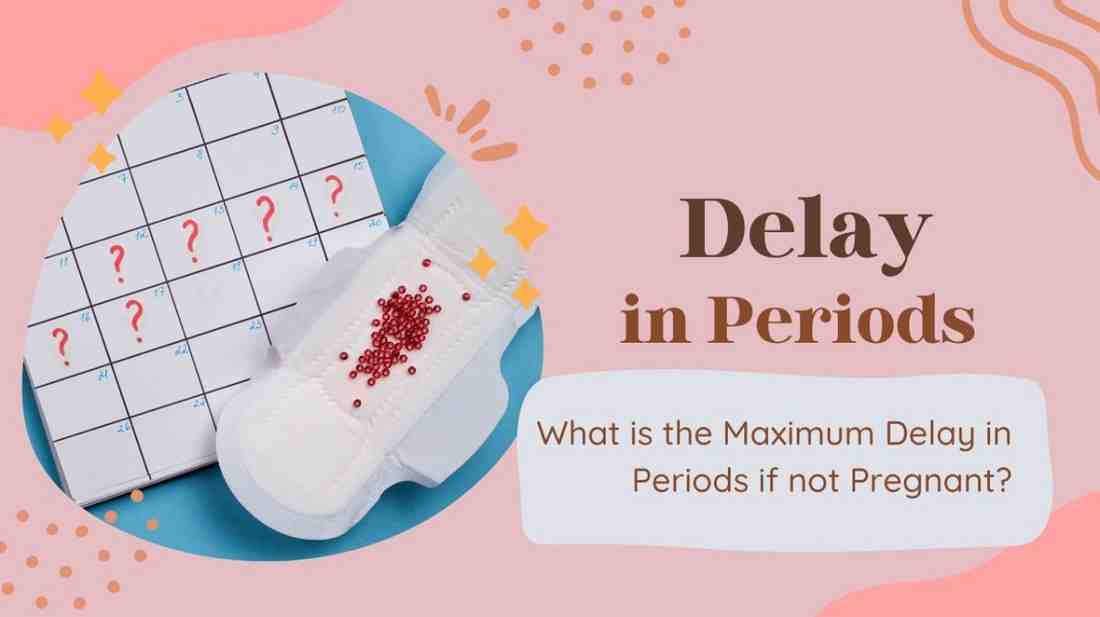
  • What is the Maximum Delay in Periods if not Pregnant?

    What is the Maximum Delay in Periods if not Pregnant?

    maximum delay in periods

    Maximum Delay In Periods If Not Pregnant

    First things first, let’s clarify what is meant by a “maximum delay.” The average menstrual cycle lasts between 21 and 35 days. But cycles can differ a lot from woman to woman and even month to month. A period of up to seven days behind schedule is often accepted as normal. There are a few additional possible causes if your menstruation is delayed by more than a week and pregnancy is not the cause.

    A number of things, such as stress, dietary modifications, hormone imbalances, and illnesses, might cause your period to arrive later than usual. You can identify potential reasons for late menstruation and take appropriate action by being aware of these variables.

    Stress and Lifestyle Factors

    Oftentimes, stress is the reason for a delayed length of time. Cortisol, a hormone that can disrupt the synthesis of other hormones, including those that control your menstrual cycle, is produced in greater quantities by your body during times of stress.

    Maximum Delay in Periods if not Pregnant
    Your menstrual period may be impacted by lifestyle changes as well. Your menstrual cycle may be impacted by significant weight gain or reduction, increased exercise, and altered sleep habits. To guarantee that your menstrual cycle is regular, it’s critical to keep a healthy lifestyle.
    Take a step back and assess your routine if you’ve been experiencing high amounts of stress or major changes in your lifestyle. Stress-relieving practices like yoga, meditation, or just spending some time for yourself can be quite beneficial.

    Hormonal Imbalances

    Your period may be significantly impacted by hormonal variations. Thyroid issues and Polycystic Ovary Syndrome (PCOS) are two conditions that can result in regular or delayed periods.
    Male sex hormones called androgens, which are typically present in small quantities in women, are produced abnormally by the ovaries in PCOS patients. Hormonal imbalances can result in irregular or absent periods as well as the development of several little stones in the ovaries.

    Your period may be impacted by thyroid conditions like hyperthyroidism and hypothyroidism. Your periods’ regularity might be affected by a difference in the hormones produced by the thyroid gland, which controls your body’s metabolism.
    It’s important to speak with a medical expert if you think you may have a hormone imbalance so they can make an accurate diagnosis and treatment recommendations.

    Medications

    A few medications may also cause your periods to arrive later than usual. The menstrual period is regulated by birth control tablets, for example, but they can occasionally result in irregular or absent periods, particularly during the initial weeks of treatment or if a dose is missed.

    The period delay can also result from other medications, including anti-psychotic medication for depression, and radiation therapy. See if there’s a relationship between a recent shift in your period’s duration and the medication you’re taking. Discuss this with your healthcare provider.

    It might be beneficial for you to better manage your health if you are aware of the adverse effects of the medications you take and how they might affect your periods.

    Perimenopause

    The phase of transition preceding menopause, known as perimenopause, typically affects women in their 40s and 50s. Your body experiences major hormonal changes during this time, which may result in irregular or absent menstruation.

    Although it varies from woman to woman, perimenopause usually lasts for a few years. You may also have other symptoms including mood swings, night sweats, and hot flashes during this period.

    See your healthcare practitioner if you think you may be approaching perimenopause. During this phase of transition, they can offer advice on how to keep your health and manage your symptoms.

    Medical Conditions

    Period delays can also be brought on by a number of medical issues.
    Here are a few of the most typical illnesses:
    Unexpected growths in the reproductive system that can lead to regular or heavy periods are called uterine fibroids.

    Pain and recurring periods are symptoms of this condition, a disorder in which the cells covering your uterus grow outside of it.

    Uncontrolled diabetes: Diabetes can cause irregular periods and interfere with your period.

    It is important to consult a physician if you believe a medical ailment may be the cause of your delayed period. Symptom management and quality of life can be enhanced by early diagnosis and treatment.

    Conclusion

    Essentially, if you’re not pregnant, there are a number of reasons why your periods may be delayed. Medications, a period called stress and lifestyle choices, hormonal imbalances, and illnesses can all affect your periods. You may improve your health management and, if needed, take the necessary action by being aware of these aspects.

    It’s wise to speak with a healthcare provider if you have any concerns about delayed periods. In addition to suggesting a suitable course of action, they can assist in determining the problem.
    You may better control your periods and general well-being by being knowledgeable and proactive about your health.


    FAQs On Maximum Delay In Periods If Not Pregnant

    How Much Time Can Pass Before a Period Ends Without Pregnancy?

    Without pregnancy, a woman’s cycle might be delayed by several days to a week. It’s important to take into account additional things that might be affecting your period, though, if it’s more than a week late.

    Is Stress Really Able to delay Your Period?

    In fact, stress can have a big effect on your period. Delays in the cycle can result from the stress hormone cortisol’s ability to interfere with the production of reproductive hormones.

    Is it Reason for Stress if I Miss My Period?

    Missed periods on occasion are usually not a reason for alarm. However, it’s crucial to see a doctor to rule out any root causes if you skip your periods frequently or enhance other symptoms.

    What Symptoms Are Generally Found in Hormonal Imbalance?

    Mood variations, weight gain, acne, hair loss, and irregular periods are typical indicators of hormonal imbalance. See a healthcare professional if you encounter these symptoms so that you can receive the proper testing and care.

  • Maximum How Many Days to confirm Pregnancy?

    Maximum How Many Days to confirm Pregnancy?


    maximum days to confirm pregnancy

    As quickly as we would all desire, pregnancy confirmation is not always possible. 8 to 10 days following ovulation is usually when the first indications of pregnancy are seen. This isn’t the longest amount of time that could be needed, though. A positive pregnancy test result may not appear for up to two weeks after the woman stops menstruating.

    It might be quite agonizing to wait for these days to pass. Noting that each person’s body is unique will help you understand that there is some variation in the duration needed to confirm pregnancy. A positive test result could come back sooner for some women than it would for others, and vice versa.

    The most important lesson to learn from this is patience. Knowing the schedule facilitates expectation management and eliminates needless stress.
    Maximum How Many Days to confirm Pregnancy

    Factors Influencing Pregnancy Confirmation

    The time it takes to confirm your pregnancy can vary depending on a number of factors. The time it takes for you to realize you are pregnant depends on each of these factors.

    1. Hormone The levels

    Pregnancy tests look for a hormone called human chorionic gonadotropin, or hCG. Different women have different amounts of hCG. This hormone is produced faster by some women, which can result in a faster positive test result. It could take longer for hCG to become visible in some individuals.

    A negative test may result even if you are pregnant if you are testing too early since the hCG levels may not be high enough to be detected. For this reason, it’s usually suggested against using a home pregnancy test prior to your missed period.

    2. What Kind of Pregnancy Test?

    When you can confirm pregnancy can also depend on how sensitive a particular pregnancy test is. Some tests are engineered to identify hCG levels below others. Pregnancy can sometimes be detected with early detection tests, but they are not always reliable.

    A negative result does not always indicate that you are not pregnant. It could indicate that the hCG levels aren’t elevated enough just yet. Retesting a few days later is advised in such instances.

    > Consult a Doctor and Medkart will help you  Order Medicines Online

    3. The Period Cycle

    It’s essential to understand your period. It may be more difficult for women with recurring periods to choose the ideal time to test. It can be more difficult to determine when is the best period to take a pregnancy test if your cycles are regular.

    Monitor your periods to help you decide when to get a pregnancy test. You can monitor your cycle and choose the best time to test with the help of pregnancy monitors and mobile applications.

    In cases where pregnancy is confirmed but is unplanned or poses health risks, medical termination may be considered within the first few weeks. Doctors often prescribe medications like Misoprost 200mcg Tablet to safely manage early pregnancy termination under supervision.

    You can order Misoprost 200mcg Tablet online from Medkart at genuine prices.

    Note: This medicine should only be taken after consultation with a qualified medical practitioner.

    Timing for Pregnancy Confirmation

    1. When to Take a Pregnancy Test for the First Time

    You may be inquiring when a pregnancy test can be taken. As soon as six to eight days following ovulation, healthcare providers can confirm pregnancy with blood testing. These tests can identify even very low levels of hCG and are more sensitive than home pregnancy tests.

    2. When Do-At-Home Exams Work Best

    Although the first day of your missed period is the earliest you can take a home pregnancy test, waiting a few extra days can result in more reliable results. A week following the missed period provides a balance between timeliness and accuracy for many women taking the test.

    3. Do Additional Testing to Verify

    If the results are negative but you are still suspicious of being pregnant, you might want to retest in a few days. Since hCG levels rise quickly, a follow-up test might verify your pregnancy. To guarantee accuracy, always follow up with a medical professional after a blood test.
    Maximum How Many Days to confirm Pregnancy

    Conclusion

    For new mothers and women who are concerned about their health, it is essential to comprehend the timeframe and variables that affect pregnancy confirmation. You can confidently confirm your pregnancy by identifying hormonal changes, choosing the appropriate pregnancy test, and timing your test.

    Read: What are Generic Medicines?

    FAQs on Maximum Days to Confirm Pregnancy

    1. How long before taking a pregnancy test?

    After the first day of your missed period is the ideal time to take a pregnancy test at home. Consider waiting a week following your missing period for the most reliable results.

    2. Can I get a pregnancy test done before I don’t get my period?

    The accuracy of sensitive tests improves considerably after a missed period because of increased hCG levels, despite several tests claiming to identify pregnancy faster.

    3. If I feel pregnant even after my test comes back negative, what should I do?

    Recheck in a few days if you feel pregnant symptoms even after receiving a negative result. See your doctor for additional testing if the outcome is still negative.

    4. Can home pregnancy tests be relied upon?

    While awareness varies, home pregnancy tests are generally dependable. If you receive an initial negative result, carefully follow the instructions and think about retesting.

    5. At what point should I see a doctor?

    Get professional advice and a blood test from a medical professional if you have doubts about your pregnancy or if you receive unexpected test results.

    Related Links: