Blog

  • Medication adherence and use of generic drug therapies

    Medication adherence and use of generic drug therapies

    use of generic drug therapies image

    Medication adherence and generic drug therapies are key components of effective health care. Both have the potential to benefit patients and reduce healthcare costs. This article will discuss the importance of medication adherence and how generic drug therapies play a crucial role.

    Medication adherence describes how well a patient follows their prescribed medical regimen. It refers to taking medications as prescribed in terms of dosage, frequency, and duration. Research shows that medication nonadherence significantly increases the risk of hospitalizations, emergency department visits, and deaths. Medication nonadherence is also associated with high healthcare costs and decreased quality of life.

    Medication adherence is a significant health outcome, but several factors can impact patients’ ability to adhere to prescription medications. These include inadequate understanding of the prescribed regimen and potential side effects; competing health issues; cost considerations; lifestyle factors; mental health issues; and forgetfulness. As such, providers should strive to ensure that patients have adequate education and support to adhere to their medication regimens.

    About generics

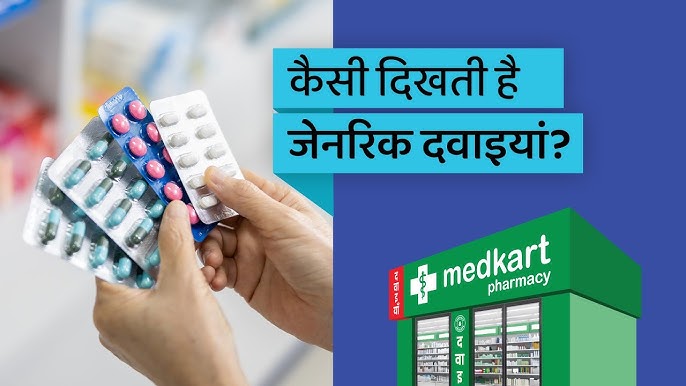
    Generic drugs are medications with the same active ingredients as their brand-name counterparts but at a reduced cost. Generic drugs effectively reduce healthcare costs, as they have the same therapeutic value as brand-name drugs but at lower prices.

    For greater health outcomes, patients can combine generic medicines with other therapies, including lifestyle changes and complementary therapies.

    Generic drug therapy can offer significant cost savings for patients and providers alike. However, provider education is critical to maximizing their cost-effectiveness. Providers should be familiar with the advantages and disadvantages of different generic drug therapies to leverage the best clinical decisions when prescribing them.

    Doctors must also ensure that patients are properly educated about their generic drug regimen to understand why it’s important to adhere to it.

    Use of generics to bring medical adherence

    Research has shown that generic medicines can help improve medication adherence, as they are often less expensive than brand-name drugs. This can make them more accessible and affordable for patients, leading to better treatment adherence.

    Also, these medicines have the same components as their brand-name counterparts, which means they can be just as effective in treating a patient’s condition.

    However, it is important to note that there can be some variations in the manufacturing process of generic drugs, which can lead to differences in the physical appearance of the drug. Hence it may be difficult for some patients to identify the generic drug, leading to decreased adherence.

    Here are some key reasons why generic medicines in India promote medication adherence among patients.

    1. Affordability:

    Generic medicines are significantly cheaper than their branded counterparts, making them more accessible to a larger population of patients in India. This ensures that patients can afford to purchase the necessary medicines, consume them regularly as advised, and adhere to the treatment routine.

    2. Wide availability:

    Generic medicines are widely available in India, both in the public and private sectors. For example, Medkart has 100+ stores pan India, while the government has over 8000 Jan Aushadhi stores. This makes it easy for patients to access the medicines they need, regardless of their location or socioeconomic status.

    3. Quality assurance:

    Generic medicines in India are subject to strict quality control measures per the GMP norms to ensure drug safety and effectiveness. This gives patients confidence in their medicines, which can help increase adherence to treatment regimens.

    4. Simplified dosage and administration:

    Generic medicines often come in simplified dosage forms, such as tablets or capsules, making it easy for patients to take their medications as prescribed. Pharmacists will label the dosage as directed by a doctor to ensure that the patient follows treatment schedules. This is especially for patients who may have difficulty remembering to take multiple medications at different times.

    5. Patient education:

    Many healthcare providers in India are trained to educate patients on the importance of adhering to their treatment schedules and the potential consequences of not doing so. This education can help patients understand the importance of taking their medications as prescribed, increasing the likelihood of adherence.

    Wrapping up

    At Medkart, we value patient education, enabling them to pick up generic alternatives of branded medicines. Our pharmacists across 100+ stores pan India provide a wealth of information to educate patients about generic medicines, including detailed descriptions of the various generic drugs available, their uses, and any potential side effects.

    Also, our website offers information through the medkart blog, enabling health and fitness enthusiasts to gain wider knowledge.

    In addition to educating patients about generic medicines, Medkart also offers an android and iOS app, allowing patients to order their medicines online easily. The app allows patients to search for generic drugs they need, view prices, upload a prescription, and place an order. Also, you can visit www.medkart.in/blog to order generic medicines online on a website.

  • શું ફાર્માસિસ્ટ માટે તકનીકી અને વિશ્લેષણાત્મક કુશળતા મહત્વપૂર્ણ છે?

    હા, ફાર્માસિસ્ટ માટે તકનીકી અને વિશ્લેષણાત્મક કુશળતા મહત્વપૂર્ણ છે. ફાર્માસિસ્ટ દવાઓનું સંચાલન અને વિતરણ કરવા માટે જવાબદાર છે, અને તેઓને દવાઓ કેવી રીતે કાર્ય કરે છે, તેનો ઉપયોગ વિવિધ તબીબી પરિસ્થિતિઓની સારવાર માટે કેવી રીતે થાય છે અને તેઓ એકબીજા સાથે અને અન્ય પદાર્થો સાથે કેવી રીતે ક્રિયાપ્રતિક્રિયા કરે છે તેની મજબૂત સમજ હોવી જરૂરી છે.

    તેમની નોકરીઓ અસરકારક રીતે કરવા માટે, ફાર્માસિસ્ટ પ્રિસ્ક્રિપ્શન્સ, દર્દીના તબીબી ઇતિહાસ અને લેબ પરીક્ષણ પરિણામો સહિત તબીબી માહિતીનું વિશ્લેષણ અને અર્થઘટન કરવા સક્ષમ હોવા જોઈએ. તેઓ આ માહિતીનો ઉપયોગ કરવા માટે પણ સક્ષમ હોવા જોઈએ કે કઈ દવાઓ લખવી અથવા વિતરિત કરવી તે વિશે જાણકાર નિર્ણયો લેવા અને કોઈપણ સંભવિત સમસ્યાઓ અથવા તકરારને ઓળખવા અને ઉકેલવા માટે.

    આ વિશ્લેષણાત્મક કૌશલ્યો ઉપરાંત, ફાર્માસિસ્ટ પાસે ફાર્મસીમાં ઉપયોગમાં લેવાતા વિવિધ સાધનો અને સાધનોનો ઉપયોગ કરવા માટે મજબૂત તકનીકી કુશળતા હોવી જરૂરી છે, જેમ કે કમ્પ્યુટર્સ, ઇલેક્ટ્રોનિક પ્રિસ્ક્રાઇબિંગ સિસ્ટમ્સ અને સ્વચાલિત ડિસ્પેન્સિંગ મશીનો. આ કૌશલ્યો ફાર્માસિસ્ટ માટે ચોક્કસ અને અસરકારક રીતે દવાઓ તૈયાર કરવા અને તેનું વિતરણ કરવા અને દર્દીઓને તેઓ જે દવાઓ પૂરી પાડે છે તેની સલામતી અને ગુણવત્તા સુનિશ્ચિત કરવા માટે જરૂરી છે.

    શીખવા અને વિકાસ માટે ઉત્તમ સાથે ફાર્મસીમાં દર્દીઓનો હીરો અને ઉજ્જવળ કારકિર્દી બનવાનું છે??? www.medkart.in/blog ની મુલાકાત લો અને ભારતના ટોચના જેનરિક ફાર્મસી રિટેલ સ્ટોરમાં શ્રેષ્ઠ તકો અને નવા ઓપનિંગ્સનું અન્વેષણ કરો. 

    વધુ જાણવા માટે જુઓ-  https://youtu.be/Y-nHH4f6fGA

  • Guide for Glaucoma | Types, Symptoms, Surgery and Medication

    Introduction to Glaucoma

    The optic nerve, which is essential for clear vision, is harmed by a series of eye diseases called glaucoma. An unusually high pressure in the eye frequently results in this injury.  Glaucoma has been called the “silent thief of sight” because it can cause vision loss without any noticeable symptoms until the disease has progressed quite far. It is one of the leading causes of blindness in the world, affecting millions of people. Early detection and intervention can stop or decrease the loss of vision. This article will provide a detailed exploration of the different types of glaucoma, their symptoms, as well as treatment options, including surgery and medication.


    The Different Types of Glaucoma

    Primary open-angle glaucoma (POAG) and angle-closure glaucoma (ACG) are the two most prevalent kinds of glaucoma. Other less common types include normal-tension glaucoma, congenital glaucoma, and secondary glaucoma.

    Primary Open-Angle (POAG):

    This is the most common form of glaucoma, accounting for around 90% of cases. It occurs when the eye’s drainage canals become partially blocked, causing a slow buildup of pressure in the eye. POAG develops gradually and is often painless, with no early warning signs.

    Angle-Closure  (ACG):

    This type of glaucoma, also known as closed-angle or narrow-angle glaucoma, occurs when the drainage angle in the eye narrows or becomes completely blocked. This can cause a sudden, painful increase in eye pressure. ACG can be either acute, with rapid onset and severe symptoms, or chronic, developing slowly over time.

    Normal-Tension:

    In this form of glaucoma, the optic nerve is damaged despite normal eye pressure. The exact cause is unknown, but factors such as reduced blood flow to the optic nerve may play a role.

    Congenital:

    This rare type of glaucoma is present at birth and is caused by an abnormal development of the eye’s drainage system. It can be inherited and usually requires prompt treatment to prevent vision loss.

    Secondary:

    This type of glaucoma develops as a result of another eye condition or disease, such as inflammation, injury, or tumor. The treatment for secondary glaucoma depends on the underlying cause.

    Symptoms of Glaucoma

    The symptoms of glaucoma can vary depending on the type and stage of the disease. In the early stages of primary open-angle glaucoma, there may be no noticeable symptoms at all. As the illness worsens, a person could go through:

    • Gradual loss of peripheral (side) vision, often in both eyes
    • Tunnel vision in the advanced stages

    Angle-closure glaucoma can have more noticeable symptoms, including:

    • Severe eye pain, often accompanied by nausea and vomiting
    • Sudden onset of blurred vision
    • Halos or rainbow-colored rings around lights
    • Reddening of the eye

    Normal-tension glaucoma and secondary glaucoma may present with similar symptoms to primary open-angle glaucoma, while congenital glaucoma can cause excessive tearing, sensitivity to light, and an enlarged, cloudy cornea in infants.

    Diagnosing: The Glaucoma Test

    Early detection of glaucoma is crucial for preventing vision loss. A comprehensive eye exam, including a glaucoma test, is the best way to diagnose the condition. The following tests may be performed during a glaucoma exam:

    • Tonometry: This examination gauges pressure within the eye. A small device called a tonometer is used to gently touch the surface of the eye, or a puff of air is blown onto the cornea.
    • Ophthalmoscopy: This examination allows the doctor to view the optic nerve and assess it for any signs of damage. The doctor will use a special magnifying lens and light to examine the back of the eye.
    • Gonioscopy: This test is used to examine the drainage angle of the eye, which is crucial for determining the type of glaucoma. A special contact lens with mirrors is placed on the eye to provide a clear view of the drainage angle.
    • Visual field test: This test evaluates the range of a person’s peripheral vision, which can be affected by glaucoma. The patient is asked to look straight ahead and indicate when they see a light in their peripheral vision.
    • Pachymetry: This test measures the thickness of the cornea, which can affect the accuracy of eye pressure readings. To take the measurement, a pachymeter is softly positioned on the cornea.

    Medications: An Overview of Glaucoma Drugs and Eye Drops

    The primary goal of glaucoma medications is to lower the pressure inside the eye, either by decreasing the amount of fluid produced or by improving the drainage. There are several different types of glaucoma eye drops and drugs available, including:

    • Prostaglandin analogs: These eye drops increase the outflow of fluid from the eye, effectively lowering eye pressure. Examples include latanoprost (Xalatan), bimatoprost (Lumigan), and travoprost (Travatan Z).
    • Beta-blockers: These medications reduce the production of fluid in the eye. Examples include timolol (Timoptic) and betaxolol (Betoptic).
    • Alpha-adrenergic agonists: These eye drops both reduce fluid production and increase drainage. Examples include brimonidine (Alphagan) and apraclonidine (Iopidine).
    • Rho kinase inhibitors: These newer glaucoma drugs lower eye pressure by improving fluid outflow through the trabecular meshwork, the eye’s main drainage channel. An example is netarsudil (Rhopressa).
    • Carbonic anhydrase inhibitors: These medications are available as eye drops or oral tablets and work by decreasing fluid production. Examples include dorzolamide (Trusopt) and acetazolamide (Diamox).
    • Miotic or cholinergic agents: These eye drops cause the pupil to constrict, which helps improve fluid drainage. An example is pilocarpine (Isopto Carpine).

    Non-Surgical Treatments for Glaucoma

    In addition to medications, there are several non-surgical treatments for glaucoma that can help lower eye pressure and preserve vision. These treatments may be used alone or in conjunction with glaucoma medications.

    • The treatment known as laser trabeculoplasty is used to treat open-angle glaucoma. A laser is used to create small burns in the trabecular meshwork, the eye’s drainage system, which helps improve fluid outflow.
    • Laser peripheral iridotomy: This procedure is used to treat angle-closure glaucoma. A laser is used to create a small hole in the iris, allowing fluid to flow more freely and reducing eye pressure.
    • Cyclophotocoagulation: This procedure is typically reserved for severe glaucoma cases that have not responded to other treatments. To lower eye pressure, a portion of the ciliary body—the portion of the eye that generates fluid—is destroyed using a laser.

    Glaucoma Surgery: Types and Procedures

    When medications and non-surgical treatments are not effective at controlling eyepressure, glaucoma surgery may be recommended. There are several types of glaucoma surgery, including:

    • The most frequent glaucoma operation is a trabeculectomy. In this procedure, a new drainage channel is created in the eye to allow fluid to flow out more easily. A small flap is made in the sclera (the white part of the eye), and a tiny tube is inserted to create a pathway for fluid to drain out.
    • ExPRESS shunt: This device is similar to a trabeculectomy but uses a small, permanent implant to create a pathway for fluid drainage rather than a flap.
    • Glaucoma drainage devices: These devices are also known as “tube shunts” or “aqueous shunts.” They are small tubes that are implanted in the eye to help drain excess fluid. The tube is connected to a small reservoir, which is implanted under the conjunctiva (the clear membrane that covers the white part of the eye).
    • Cyclophotocoagulation: This procedure can also be used as a surgical treatment for glaucoma. It involves using a laser to destroy a portion of the ciliary body, which reduces the amount of fluid produced by the eye.

    Post-Surgery Care and Recovery

    After glaucoma surgery, it is important to follow your doctor’s instructions for post-operative care. This may include:

    • using eye drops or other recommended drugs
    • Avoiding activities that may increase eye pressure, such as heavy lifting or bending over
    • Wearing an eye shield or patch to protect the eye
    • Avoiding getting water in the eye, including swimming or showering
    • Attending follow-up appointments with your doctor to monitor progress and check for any complications

    It may take several weeks or even months to fully recover from glaucoma surgery. During this time, it is important to be patient and take good care of your eyes.

    Also Read:- 

    Preventing Glaucoma: Tips for Maintaining Eye Health

    While not all cases of glaucoma can be prevented, there are several steps you can take to maintain good eye health and reduce your risk of developing the condition. These include:

    • Get regular eye exams: Regular eye exams are the best way to detect glaucoma early and prevent vision loss.
    • Know your family history: If you have a family history of glaucoma, you may be at higher risk for developing the condition. Be sure to inform your eye doctor so they can monitor your eye health more closely.
    • Maintain a healthy lifestyle: Eating a healthy diet, exercising regularly, and avoiding smoking can all help maintain good eye health.
    • Protect your eyes: Wear protective eyewear when playing sports or doing other activities that may cause eye injury. Also, be sure to wear sunglasses to protect your eyes from the sun’s harmful UV rays.

    Conclusion: Managing and Living with Glaucoma

    Glaucoma can be a serious condition that can lead to vision loss if left untreated. However, with early diagnosis and proper treatment, many people with glaucoma are able to maintain good vision and quality of life. It is important to work closely with your eye doctor to monitor your eye health and develop a treatment plan that is right for you.

    Whether you are living with glaucoma or simply want to maintain good eye health, following the tips outlined in this article can help keep your eyes healthy and prevent vision loss. Remember to get regular eye exams, know your family history, maintain a healthy lifestyle, and protect your eyes from injury and UV rays.

    If you have any concerns about your eye health or are experiencing symptoms of glaucoma, be sure to schedule an appointment with your eye doctor right away. Early detection and treatment are crucial for preventing vision loss and maintaining good eye health.

    Call To Action

    For access to more such interesting articles on healthcare, visit Medkart today!

  • શું ફાર્માસિસ્ટ માટે વાતચીત કૌશલ્ય મહત્વપૂર્ણ છે?

    હા, ફાર્માસિસ્ટ માટે કોમ્યુનિકેશન સ્કીલ્સ મહત્વપૂર્ણ છે. ફાર્માસિસ્ટ દર્દીઓ અને અન્ય હેલ્થકેર પ્રોફેશનલ્સને દવાઓ વિશે માહિતી અને સલાહ આપવા માટે જવાબદાર છે, અને તેઓ આ માહિતીને સ્પષ્ટ અને સચોટ રીતે સંચાર કરવામાં સક્ષમ હોવા જરૂરી છે.

    દર્દીઓ સાથે વિશ્વાસ અને તાલમેલ બનાવવા માટે અને દર્દીઓ તેમની દવાઓ કેવી રીતે સુરક્ષિત અને યોગ્ય રીતે લેવી તે સમજે છે તેની ખાતરી કરવા માટે અસરકારક સંચાર મહત્વપૂર્ણ છે. ફાર્માસિસ્ટ માટે દર્દીની સંભાળનું સંકલન કરવા અને દર્દીઓને સૌથી યોગ્ય સારવાર મળે તે સુનિશ્ચિત કરવા માટે આરોગ્યસંભાળ ટીમના અન્ય સભ્યો જેમ કે ડોકટરો, નર્સો અને અન્ય ફાર્માસિસ્ટ સાથે અસરકારક રીતે વાતચીત કરવામાં સક્ષમ હોવા પણ મહત્વપૂર્ણ છે.

    મૌખિક સંદેશાવ્યવહાર કૌશલ્ય ઉપરાંત, ફાર્માસિસ્ટ લેખિત સંદેશાવ્યવહારમાં પણ નિપુણ હોવા જોઈએ, કારણ કે તેમને પ્રિસ્ક્રિપ્શનો લખવાની, તબીબી રેકોર્ડ્સ ભરવા અથવા અહેવાલો તૈયાર કરવાની જરૂર પડી શકે છે. એકંદરે, દર્દીઓને ઉચ્ચ ગુણવત્તાની સંભાળ પૂરી પાડવા માટે ફાર્માસિસ્ટ માટે સારી સંચાર કૌશલ્ય આવશ્યક છે.

    શીખવા અને વિકાસ માટે ઉત્તમ સાથે ફાર્મસીમાં દર્દીઓનો હીરો અને ઉજ્જવળ કારકિર્દી બનવાનું છે??? www.medkart.in/blog ની મુલાકાત લો અને ભારતના ટોચના જેનરિક ફાર્મસી રિટેલ સ્ટોરમાં શ્રેષ્ઠ તકો અને નવા ઓપનિંગ્સનું અન્વેષણ કરો. 

    વધુ જાણવા માટે જુઓ- https://youtube.com/shorts/Kop2tfT1G4I 

  • What Is Medical Therapy? How Generic Medicines Work for Multiple Diseases

    What Is Medical Therapy? How Generic Medicines Work for Multiple Diseases

    Medical Therapy image

    What Is Medical Therapy?

    Medical therapy involves treatment for a medical condition, including medication, physical therapy, or other medical interventions. This is to help manage symptoms and improve overall health.

    Medical therapy works by treating the symptoms of a disease or condition to improve the patient’s quality of life. Usually, doctors recommend medicines and other treatments, such as surgery or lifestyle modifications. The goal of any medical therapy is to improve the patient’s overall health and to prevent further complications from arising.

    Medicines play an important role in medical therapy as they can help to treat, prevent, and manage medical conditions, such as pain, infections, and other illnesses. You can use generic medicines for therapies as they work by targeting specific areas of the body to reduce symptoms and can also help to slow down or prevent the progress of a disease.

    The need for medicines in medical treatment

    1. They help treat many illnesses and conditions. They help reduce or eliminate symptoms, treat underlying causes, and prevent further disease progression.
    2. Medicines reduce pain, fever, or other inflammation associated with a particular condition. They may also reduce the risk of complications from some medical treatments, such as chemotherapy and radiation therapy.
    3. You can consume medicine to slow the progression of certain illnesses or help the body fight off infections. They can help people with chronic conditions manage their symptoms and improve their quality of life.
    4. Useful in preventing certain illnesses or helping people recover quickly after an illness or injury. For example, they can be used as part of a comprehensive treatment plan to prevent heart attacks, stroke, and other types of cardiovascular disease.
    5. Make medicine a part of a preventive health care program as it protects from developing certain illnesses and reduces the risk of complications from existing illnesses.

    Generic drugs for medical treatments

    Generic drugs are medical treatments with patients consuming medicines that are the same as brand-name drugs in terms of dosage, safety, strength, quality, how it is taken, and intended use.

    Generic drugs typically cost lower than their brand-name counterparts and are approved by the CDSCO for treating the same medical conditions. Common types of generic drugs include antibiotics, antidepressants, blood pressure medications, cholesterol medications, and diabetes medications.

    As effective as branded: A generic medicine is a medicine that does hold a brand name but rather goes by its content. Often, the same manufacturer makes generic drugs as the brand name drug, but the brand name drug’s patent has expired, allowing generic makers to produce a generic version.

    While one of the primary advantages of generic medicines includes being less expensive than branded drugs, they are of the same quality. The maker of a generic medicine must demonstrate that the drug’s rate and extent of absorption into the body are not significantly different from those of the brand-name drug.

    Scientists test to quantify the difference, and the results are reported in percentages. Most researchers think that a 20% variation in medication absorption is tolerable.

    A cost-effective alternative: Generic medicines cost less, but they are equally effective as branded ones. Makers of these medicines do not spend money on clinical trials, marketing, and advertising. A non-generic medicine with an expired patent can apply for a licence to sell generic medicine. The Central Drugs Standard Control Organisation (CDSCO) is evaluated and approved if it meets safety and quality standards.

    The active component in generic drugs is identical to its non-generic counterparts. Both have been subjected to the same rigorous clinical investigations and quality tests throughout the patent period. This means they are risk-free to use.

    ​Researchers at pharmacovigilance centres keep an eye out for any unwanted drug effects. They ensure that people are receiving safe and effective medicines. They examine consumer complaints and provide solutions to producers, doctors, and patients.

    Easy availability: Drugstores in every city and state sell generic versions of brand-name medications. Jan Aushadhi Stores are part of the PMBJP (Pradhan Mantri Bhartiya Janaushadhi Pariyojna) effort to provide access to therapeutic drugs.

    Because of a constitutional amendment made by India’s Drugs Technical Advisory Board, pharmacists may now legally offer generic medications to customers even when the customers’ prescriptions call for name-brand alternatives.

    Consult your doctor or pharmacist about the medicine’s active component to identify a generic equivalent. You can also order generic medicines online at www.medkart.in/blog and get them delivered to your doorstep.

    Switch to generics with Medkart

    We have 107 stores across India with qualified pharmacists providing you with a generic version of a branded medication. If you are worried about substituting your prescribed medicines, then insist your doctor write “Do Not Substitute” on the prescription. This explicitly says that the doctor recommends the brand-name medicine despite the availability of a generic.

    Alternatively, you can visit our site www.medkart.in/blog or download Medkart mobile app for android or iOS to order generic medicines online.

  • Are generics available for    common cold, fever, body ache    etc.?

    Are generics available for common cold, fever, body ache etc.?

    generics available for common cold, fever, body ache

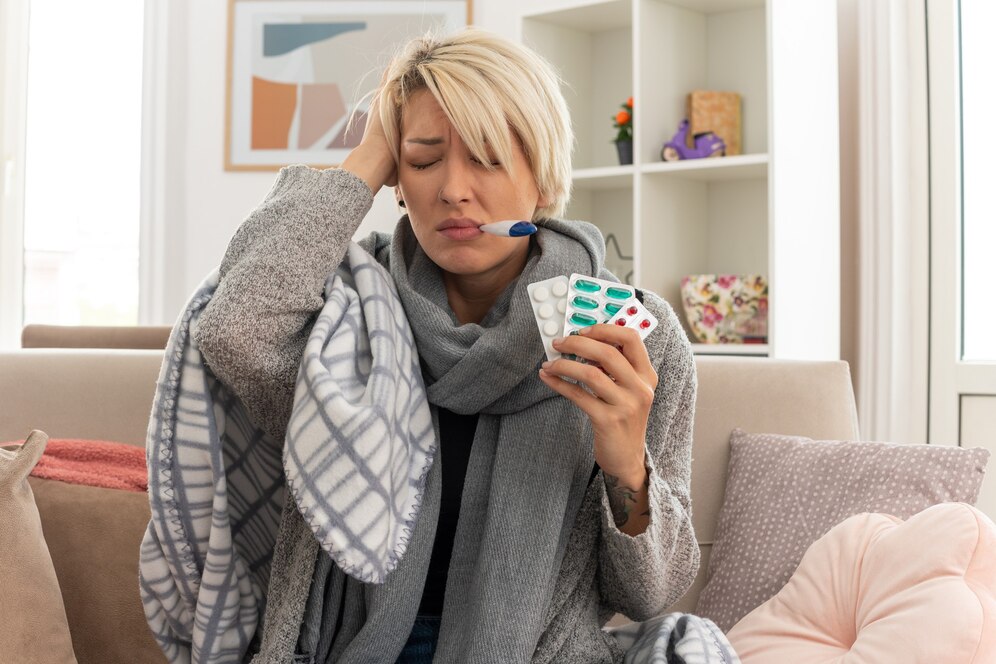
    Yes, there are a wide variety of generic medications available for the treatment of common conditions such as the common cold, fever, and body aches. These conditions are typically caused by viral infections and do not require treatment with antibiotics. Instead, they can be treated with over-the-counter (OTC) medications that can help to alleviate the symptoms.

    For the common cold, OTC medications such as decongestants, antihistamines, and pain relievers can be helpful in relieving symptoms such as congestion, sneezing, and headache. For fever and body aches, OTC pain relievers such as acetaminophen or ibuprofen can be effective in reducing fever and relieving muscle aches and pains. Looking for quality generics??? Find effective and cost-effective medicines at www.medkart.in/blog

    To know more watch – https://youtube.com/shorts/3fPk3iYF7Bw

  • Exercise: regularity versus intensity, and what works better

    Exercise: regularity versus intensity, and what works better

    regular exercise

    Inactivity can be a real enemy of health. Your body’s capacity to function will deteriorate if you lead a sedentary lifestyle. Many studies suggest that prolonged sitting or lying down is unhealthy. On the other end, regular physical activity and exercise have many positive health effects that are difficult to deny. Exercise is good for everyone, no matter their age or gender.

    Watching TV, using a computer, playing video games, driving short distances, and sitting down to read, converse, or listen to music are common sedentary behaviour. This behaviour is thought to raise your chance of gaining weight and becoming obese, as well as some chronic conditions like type 2 diabetes, heart disease, and stroke. The benefits of regular exercise are plenty, especially in preventing new-age habits resulting in chronic illnesses.

    Regular workouts

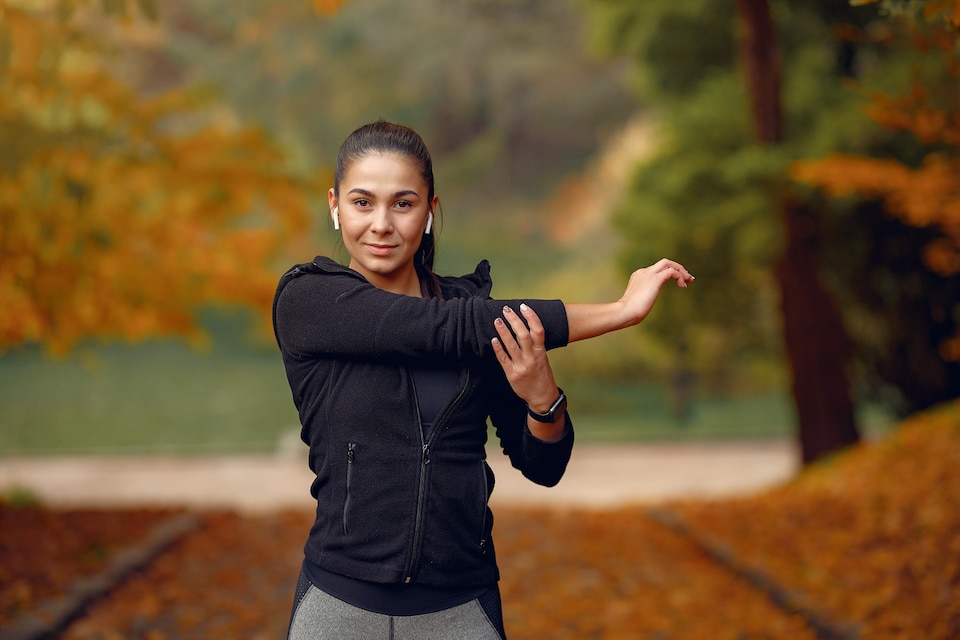
    Regular exercises are those that are performed at a relaxed pace. Some examples of regular exercises include walking, bicycling, swimming, rowing, yoga, tai chi, and resistance training. These exercises increase blood flow, stop muscle loss, and reduce the risk of falls and injuries.

    Although it takes longer to master the perfect way to do some workouts, go for those that pose minimal issues to your body. Consider taking up safe exercises like walking, bicycling, and yoga. The danger of damage is minimal, and the impact on joints is minimal. Numerous of these activities might be completed for little cost outside. Most of these hobbies are pleasurable, so you’ll remain with them longer.

    Why do you need to follow regular workouts?

    If you’re dealing with an injury or recovering from surgery, exercise could seem difficult, yet practically anyone can select exercises suitable for their fitness levels. Increase the intensity of activity gradually as you get used to it. Before beginning an exercise programme, talk to your doctor if you are suffering from chronic diseases.

    You’re more prone to get diabetes, arthritis, cancer, heart disease, or other chronic problems as you age. Therefore, exercise is a must to keep yourself fit and healthy. Exercise caution around exertion and injury while performing exercises. Some exercises are secure and simple for managing and preventing chronic diseases. Exercises that promote balance and muscle strength should gradually become part of your routine. Aim to complete at least 150 minutes of physical activity per week, as recommended.​

    Even if your health prevents you from engaging in vigorous exercise, prolonged inactivity harms your physical and emotional well-being. Low-intensity exercise can get you moving while boosting your confidence and attitude. Any amount of exercise lowers your risk of developing dementia, stress, depression, and Alzheimer’s disease.

    Remember, those with heart problems should avoid weightlifting and other strenuous exercises. Most people can safely engage in low-intensity exercise, but you must always talk to your doctor before beginning a new activity.

    High-intensity workouts

    High intensity refers to exercising at 75 to 100% of your maximum heart rate (MHR; the heart rate for a 40-year-old should be between 135 and 180 beats per minute). This form of heavy movement frequently involves brief, quick-burst workouts that require quick reflexes.

    You should exert a lot of effort, breathing quickly and heavily, sweating, and being unable to carry on a conversation. For instance, you might be running up and down stairs, jumping rope, participating in HIIT (high-intensity interval training), playing singles tennis, running, or cycling at a speed of 10 mph or more.

    Working out to your full capacity causes your body to respond optimally for muscle growth and fat reduction. It’s also a great strategy to retain muscle mass and enhance body composition.

    intense exerciseBenefits of physical activity

    Understanding the relationship between exercise and energy expenditure is necessary to know how exercise affects weight loss. Regular exercise will speed up your metabolism, enabling you to burn more calories and maintain or reach optimal weight.

    1. Reduces mental fatigue

    Stress reduction is one of the most significant advantages of exercising. You can manage your mental stress by engaging in regular physical activity. Norepinephrine, a hormone that might lessen your brain’s reaction to stress, is more prevalent when you exercise. Regular exercise can lift your spirits, lowering your risk of anxiety and depression.

    2. Boosts energy levels

    Your energy levels can be increased by exercising every day. A good workout releases a surge of hormones that significantly boosts energy and helps combat tiredness, so you can stay more active and fresh throughout the day. Exercise helps your circulatory system work more effectively and distributes nutrients and oxygen to your tissues.

    3. Better sleep cycle

    Exercise can help you sleep better and longer because it prevents insomnia by ensuring you are suitably exhausted before bed. Your body clock (an internal biological clock that regulates certain processes in the body in a 24-hour cycle. It regulates your sleep-wake cycle, energy levels, appetite, metabolism, and hormone production.) works correctly, helping you in digestion and leveraging nutrients you eat from food. Furthermore, it is believed that increased body temperature during exercise enhances sleep quality by lowering the same as you sleep.

    4. It helps you fight against diseases

    The two major causes of death are heart disease and stroke. You can reduce your risk of developing these diseases by engaging in routine, moderate-intensity exercise. Additionally, regular exercise can lower blood pressure and cholesterol levels.

    Exercise lowers harmful triglycerides and increases high-density lipoprotein cholesterol, or good cholesterol, which lowers the risk of cardiovascular disease.

    Numerous illnesses and disorders of the body and brain may have inflammation as an underlying cause. Many inflammatory indicators, including interleukin-6 (a cytokine, which is the protein produced by white blood cells and acts as a signalling molecule in the immune system) and C-reactive protein, which are connected to some disorders, are decreased by exercise.

    Exercise improves pancreatic function and increases insulin sensitivity in your cells. This helps to improve how your body processes sugar and delays the onset of type 2 diabetes.

    Bottomline

    Exercising regularly is an essential part of leading a healthy lifestyle. It can help improve physical and mental health and reduce the risk of many chronic diseases. It can also help improve mood and reduce stress and anxiety.

    Regular exercise can also increase energy levels and help maintain a healthy weight. So, make sure you make exercise a part of your daily routine.

    For more lifestyle articles, follow the Medkart blog.

  • જ્યારે તમે નિર્જલીકૃત હોવ ત્યારે શરીરને શું થાય છે? તે દીર્ઘકાલીન નિર્જલીકરણ માં ફેરવાય તે પહેલાં તેનું સંચાલન કેવી રીતે કરવું.

    નિર્જલીકરણ એ સૌથી સામાન્ય સ્વાસ્થ્ય સ્થિતિ છે, જેને ઘણી વખત અવગણવામાં આવે છે. ડિહાઇડ્રેશન ત્યારે થાય છે જ્યારે શરીર તેને બદલ્યા વિના પાણી અથવા પ્રવાહી ગુમાવે છે. પાણી શરીરમાં વિવિધ મહત્વપૂર્ણ કાર્યો કરે છે અને લુબ્રિકન્ટ, ચયાપચય અને કચરો દૂર કરવાનું માધ્યમ અને સતત તાપમાન નિયંત્રણ નિયમનકાર તરીકે કામ કરે છે. જો આપણે આપણા શરીરને પૂરતું પાણી ખવડાવીએ, તો આપણું શરીર સંતુલિત અને સંપૂર્ણ સ્થિતિમાં પુનઃસ્થાપિત થશે. આ સમજાવે છે કે આપણા શરીરના દરેક કોષને યોગ્ય રીતે કાર્ય કરવા માટે પાણીની જરૂર હોય છે, અને આપણા શરીરમાં દરરોજ જે ઝેરનો સામનો કરવો પડે છે તેનો સામનો કરવો પણ જરૂરી છે.
    નિર્જલીકરણ કોઈને પણ થઈ શકે છે; તે વય-વિશિષ્ટ સ્થિતિ નથી. જો કે, દીર્ઘકાલિન રોગો અથવા ડાયાબિટીસ ધરાવતા લોકોમાં, એડ્રેનલ ડિસઓર્ડર, રેનલ ડિસઓર્ડર અને સિસ્ટિક ફાઇબ્રોસિસ જેવી પરિસ્થિતિઓ, રમતવીરો અને વધુ ઊંચાઈએ રહેતા લોકો ડિહાઇડ્રેશન માટે વધુ સંવેદનશીલ હોય છે. લોકો ડિહાઇડ્રેશનને ગંભીરતાથી લેતા નથી. પરંતુ શું તમે જાણો છો કે ડિહાઇડ્રેશન માનવ શરીરમાં કેવા પ્રકારના ફેરફારો કરે છે? ડિહાઇડ્રેશન મગજની કામ કરવાની ક્ષમતા ઘટાડે છે અને કિડનીના કાર્યને પણ નબળી પાડે છે. જ્યારે ડિહાઇડ્રેશન દીર્ઘકાલીનમાં ફેરવાય છે, ત્યારે લોહીની સાંદ્રતા વધે છે, કિડનીના ચેપ અને પથરીની શક્યતા વધે છે, કબજિયાત, વારંવાર માથાનો દુખાવો, અતિશય શુષ્ક ત્વચા, અસામાન્ય ઇલેક્ટ્રોલાઇટ સ્તર, હોર્મોનલ વિક્ષેપ અને ઘણી બધી વસ્તુઓ સેલ્યુલર સ્તરે થાય છે.

    તદુપરાંત, તે ગંભીર આરોગ્ય સમસ્યાઓ તરફ દોરી શકે છે, જેમ કે લો બ્લડ પ્રેશર, કિડનીમાં પથરી, હીટસ્ટ્રોક, પેશાબની નળીઓનો વિસ્તાર અને મૂત્રપિંડની અપૂર્ણતા. શરીરના પેશીઓમાં ઓક્સિજનનો પુરવઠો ઓછો થવાને કારણે લોકો આત્યંતિક કેસોમાં હુમલા અથવા મૃત્યુ પણ અનુભવી શકે છે. આવું એટલા માટે થાય છે કારણ કે આપણું શરીર 70% પાણીથી બનેલું છે, જેનો અર્થ છે કે આપણે હંમેશા હાઇડ્રેટેડ રહેવું પડશે.

    તીવ્ર ડિહાઇડ્રેશનની કેટલીકવાર અવગણના કરવામાં આવે છે કારણ કે તે ગરમીના સંપર્કમાં અથવા લાંબા સમય સુધી શારીરિક પ્રવૃત્તિને કારણે થાય છે અને યોગ્ય માત્રામાં પાણી પીવાથી તેને ઠીક કરી શકાય છે. પરંતુ દીર્ઘકાલીન ડિહાઇડ્રેશન લાંબા સમય સુધી પ્રવાહીના નુકશાનનું પરિણામ છે. આ સામાન્ય રીતે ત્યારે થાય છે જ્યારે તમે દરરોજ પૂરતું પાણી પીતા નથી, અને તમારું શરીર નીચા પાણીના સ્તરે કામ કરવાનું શરૂ કરે છે. માનવ શરીર હંમેશા પરિસ્થિતિને અનુકૂલન કરવાનો પ્રયાસ કરે છે, અને સતત ઓછું પ્રવાહી શરીરને ઓછા પાણીથી કાર્ય કરે છે. છેવટે, શરીર અને આરોગ્યને નુકસાન થાય છે. તો, આપણે શરીરને હાઇડ્રેટેડ અને ડીહાઇડ્રેશનને કેવી રીતે દૂર રાખી શકીએ?

    પોતાને તરસ્યા રાખશો નહીં

    આ પહેલો નિયમ છે, પાણી પીવા માટે તરસ ન લાગવી. યાદ રાખો, જો તમને તરસ લાગે છે, તો તેનો અર્થ એ છે કે તમે પહેલેથી જ નિર્જલીકૃત છો. આમ, નિયમિત સમયાંતરે પાણી પીવું હંમેશા સારું છે. તેના માટે, તમે ઘણી વસ્તુઓ કરી શકો છો,પાણી પીવા માટે રીમાઇન્ડર સેટ કરો. આજકાલ ઘણી એપ્લિકેશનો દરરોજ પાણીના લક્ષ્યોને હાંસલ કરવામાં મદદ કરી રહી છે.શક્ય તેટલું પ્રવાહીનું સેવન વધારવું. રોજિંદા જીવનમાં પાણીની માત્રા વધુ હોય તેવા જ્યુસ અને કેટલાક ફળોનો સમાવેશ કરવાનો પ્રયાસ કરો.

    • દહીં અને કુટીર ચીઝ પણ શરીરને હાઇડ્રેટ રાખવામાં મદદ કરે છે કારણ કે તે સોડિયમ અને પોટેશિયમનો કુદરતી સ્ત્રોત છે.
    • થોડો મસાલેદાર ખોરાક લો, જેનાથી તમને તરસ લાગશે.
    • તમારી ત્વચા અને પેશાબનો રંગ તપાસો

    હા, ત્વચા અને પેશાબનો રંગ શરીરમાં પાણીનું સ્તર દર્શાવે છે. જો તમે ડિહાઇડ્રેટેડ છો અથવા પાણીનું સ્તર ઓછું છે, તો તમારા પેશાબનો રંગ ઘાટો હશે. તમારી ત્વચા થોડી નિસ્તેજ અને શુષ્ક હશે. નિષ્ણાતોના મતે, પેશાબનો રંગ આછો પીળો હોવો જોઈએ.

    તેથી, તમારી ત્વચાની રચના અને પેશાબનો રંગ તપાસો. જો તમને લાગે કે રંગ સામાન્ય કરતાં અસામાન્ય છે, તો તરત જ તમારી જાતને હાઇડ્રેટ કરો.

    તમારા પાણીને આનંદપ્રદ બનાવો

    કેટલીકવાર આખો દિવસ સાદું પાણી પીવું સહેલું નથી હોતું, તેથી હાઇડ્રેટેડ રહેવા માટે, તમે કેટલાક સ્વાદો ઉમેરીને પાણીને રસપ્રદ બનાવી શકો છો. લીંબુ પાણી, મધ પાણી, નારિયેળ પાણી, કેટલાક ફળોના રસ લઈ શકાય છે. તમારી જાતને હાઇડ્રેટેડ રાખવી જરૂરી છે, અલબત્ત, સાદા પાણી એ પ્રાથમિક સ્ત્રોત હોવો જોઈએ, પરંતુ તમે હાઇડ્રેટ રહેવા માટે કેટલાક જ્યુસ, કેફીન-મુક્ત ચા અને સ્વાદયુક્ત પાણી પણ લઈ શકો છો.

    ઉદાહરણ તરીકે, કેમોમાઈલ ચા પીવી શ્રેષ્ઠ છે કારણ કે તે કુદરતી દુખાવાને દૂર કરે છે, તેથી પેટના ખેંચાણ કે જે વારંવાર ડિહાઈડ્રેશનને અનુસરે છે તે પણ દૂર થઈ શકે છે. ઉપરાંત, દિવસમાં 3 થી 4 વખત થોડું સૂકું આદુ સાથે છાશ પીવાથી ફાયદો થાય છે.

    તમારી દૈનિક પ્રવૃત્તિઓ અને પાણીનું સેવન જુઓ

    જો કે શરીરની આદર્શ પાણીની જરૂરિયાત બે લીટરની છે, દરેક વ્યક્તિને તેમની રોજિંદી પ્રવૃત્તિઓ અનુસાર પાણીની જરૂર હોય છે. કારણ કે અમુક પ્રવૃત્તિઓ દરમિયાન શરીર પાણી ગુમાવે છે અને તે સમયે બે લિટર પાણી પૂરતું નથી. ઉદાહરણ તરીકે, રમતવીર અથવા વ્યક્તિ જે સૂર્યમાં વધુ કામ કરે છે તેને સામાન્ય કરતાં વધુ પાણીની જરૂર હોય છે.

    ઉપરાંત, કેટલીક દૈનિક પ્રવૃત્તિઓ જેમ કે શાવર, કસરત, ચાલવું, સાયકલ ચલાવવું, રસોઈ બનાવવી વગેરેથી પાણીની ખોટ થાય છે. તેથી, કોઈપણ પ્રવૃત્તિ કરતા પહેલા પાણી પીવું જોઈએ. તે માત્ર એક સારી આદત જ નહીં બનાવશે પણ તમને ઉર્જાવાન પણ બનાવશે. ઊંઘ દરમિયાન પણ આપણે પાણી ગુમાવીએ છીએ, તેથી જાગ્યા પછી તરત જ બે ગ્લાસ પાણી પીવાની હંમેશા સલાહ આપવામાં આવે છે.

    તમારા કેફીન અને આલ્કોહોલનું સેવન ઓછું કરો

    ચા, કોફી અથવા આલ્કોહોલનું વધુ પડતું સેવન શરીરને નિર્જલીકૃત બનાવી શકે છે. કેફીન અને આલ્કોહોલ મૂત્રવર્ધક પદાર્થ છે; તેઓ તમને તમારું પાણી ગુમાવી શકે છે. આમ, ખાતરી કરો કે તમે શરીરના હાઇડ્રેશનને સંતુલિત કરવા માટે ઓછામાં ઓછા સમાન પ્રમાણમાં H2O લો છો.

    છેલ્લે, જો તમારી પાસે કોઈ તબીબી સ્થિતિ છે જે તમને નિર્જલીકૃત રાખે છે, તો પછી તમારા ડૉક્ટરની સલાહ લો અને તે વધે તે પહેલાં સાવચેતી રાખો.

    અંતિમ વિચારો

    નિર્જલીકરણ ગંભીર છે, અને જો તે દીર્ઘકાલીન બની જાય છે, તો તે ઉચ્ચ સ્તરે શરીરમાં પાયમાલ કરશે. તેથી, હાઇડ્રેટેડ રહો અને તમારી જાતને સ્વસ્થ રાખો. પાણીની બોટલ, રીમાઇન્ડર એપ્સ, કેફીન અને આલ્કોહોલ ઓછું કરવું, પાણી ભરેલા ફળોનું સેવન વધારવું વગેરે રાખો. યાદ રાખો, વધુ પીવું અને ઓછું ખાવું એ સ્વસ્થ રહેવાનો શ્રેષ્ઠ માર્ગ છે.

  • Are generic near expiry    medicines?

    Are generic near expiry medicines?

    generic near expiry medicines

    Medications, both branded and generic, are manufactured according to strict guidelines and undergo thorough testing to ensure their safety and effectiveness. As part of this process, an expiration date is determined for each medication, based on data from stability studies that are conducted during the development of the medication.

    Expiration dates are determined based on the assumption that the medication will be stored under specified conditions (e.g., at a certain temperature, in a certain type of container). The expiration date reflects the point at which the medication is no longer expected to meet the quality standards that were established when it was manufactured.

    Looking for quality generics??? Find effective and cost-effective medicines atwww.medkart.in/blog

    To know more watch – https://youtube.com/shorts/TKFv5Ls3CEA

  • Sleep Paralysis- Symptoms, Causes, And Prevention

    Sleep Paralysis- Symptoms, Causes, And Prevention

    Symptoms Of Sleep Paralysis image

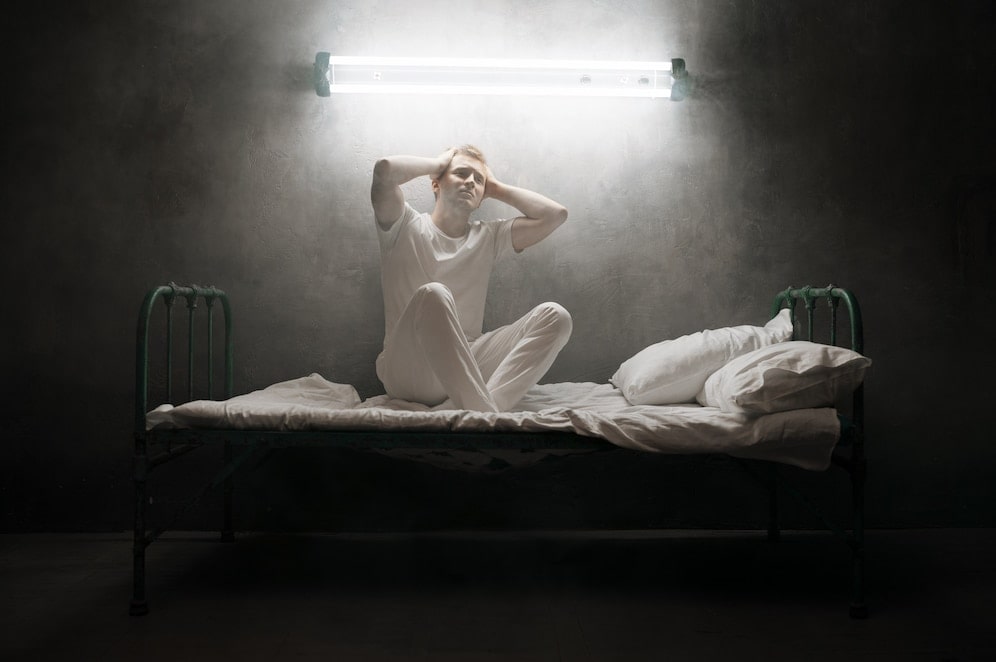
    That feeling of helplessness. You are awake but not really awake. You try to move your body, but it feels like the weight of the entire world is on you. You scream with all your might for help, you hear yourself, but only you can. Nobody else hears you because you actually did not scream out. Why is no one coming to your aid? Then, the fear registers. Could this be the end? Is this what death feels like? But you refuse to believe that and muster all the strength you can and eventually bring yourself back to life.

    You need not be scared if this has ever happened to you. This is known as sleep paralysis.

    Sleep paralysis is simply when you cannot move or speak as you are falling asleep or waking up. If it occurs while you are falling asleep, it’s called hypnagogic or predormital sleep paralysis. If it happens as you are waking up, it’s called hypnopompic or postdormital sleep paralysis.

    Symptoms Of Sleep Paralysis

    The main symptom of sleep paralysis is being temporarily unable to move or speak. Other symptoms include the following:

    • A feeling of anxiousness or fear.
    • Hallucination: hearing, seeing, or feeling things that are not really there.
    • A feeling that someone or something else is in the room.
    • A feeling of impending death.
    • A feeling of pressure on the chest as if you’re being crushed, leading to difficulty taking deep breaths.