
Blog

  • 12 High Protein Foods in Vitamin B12

    12 High Protein Foods in Vitamin B12

    high protein foods with vitamin b12

    Vitamin B12, or cobalamin, is a vital nutrient involved in the maintenance of healthy nerve cells, production of DNA, and facilitation of red blood cell formation. It is important for energy metabolism and brain function. Though vitamin B12 is naturally found in more abundant amounts in animal-based food products, vegetarians and vegans may often lack enough.

    Animal-Based Vitamin B12 Foods

    Eggs

    Eggs are an excellent source of protein and vitamin B12, particularly the yolk. They are versatile and can be included in various meals, from breakfast omelets to salads.
    B12 Content: 1.4 mcg per two large eggs (~25% of the daily requirement).

    Dairy Products

    Milk, cheese, and yogurt are among the best sources of vitamin B12 for vegetarians. Paneer (Indian cottage cheese) is a popular protein-rich choice in Indian diets.
    B12 Content: 1 cup of milk provides ~1.2 mcg of B12.

    Fish

    Fatty fish like salmon, trout, and tuna are rich in both protein and vitamin B12.
    B12 Content: A 3-ounce serving of salmon provides ~4.9 mcg of B12 (~200% of the daily value).

    Meat and Poultry

    Lean cuts of beef, chicken, and turkey offer significant amounts of protein and vitamin B12.
    B12 Content: A 3-ounce serving of beef liver has a whopping 70 mcg of B12 (~2,900% of the daily requirement).

    Shellfish

    Clams, mussels, and oysters are among the richest sources of B12.
    B12 Content: A 3-ounce serving of clams contains ~84 mcg of B12 (~3,500% of the daily value).

    Vitamin B12 Veg Foods and Plant-Based Options

    Fortified Foods

    Many plant-based milk alternatives (like soy, almond, and oat milk) and breakfast cereals are fortified with vitamin B12.
    B12 Content: A cup of fortified soy milk contains ~2.5 mcg of B12.

    Vitamin B12 Veg Foods

    Nutritional Yeast

    Popular among vegans, nutritional yeast is often fortified with vitamin B12 and provides a cheesy flavor to dishes.
    B12 Content: 2 tablespoons can provide up to 6 mcg of B12.

    Fermented Foods

    Certain fermented foods, like tempeh and miso, may contain trace amounts of B12 due to bacterial action, though they are not reliable sources.

    Seaweed and Algae

    Nori (used in sushi) and spirulina have some B12-like compounds. However, these are not biologically active forms suitable for human absorption.

    Vitamin B12 Rich Dry Fruits

    While dry fruits like almonds and walnuts are rich in protein, they are not natural vitamin B12 food sources. Pairing them with fortified foods can help maintain a balanced diet.
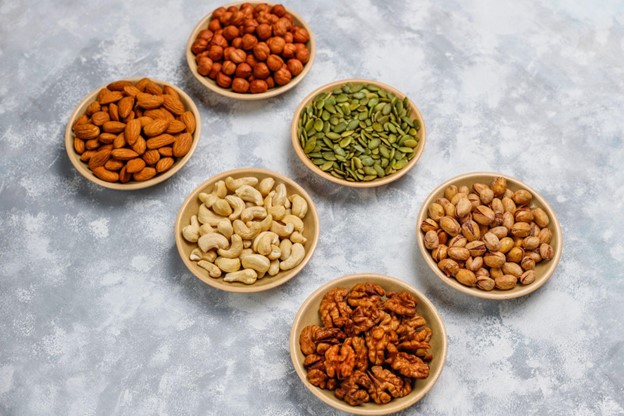
    vitamin b12 rich dry fruits

    Vitamin B12 Foods Vegetarian Indian Options

    Paneer and Yogurt

    These dairy products are staples in vegetarian Indian diets, offering protein and B12 in a culturally relevant way.

    Fortified Indian Staples

    Fortified wheat flour, rice, and nutritional supplements like malt-based health drinks are becoming common in India.

    How to Increase B12 Levels

    Vitamin B12 is essential for red blood cell production, nerve health, and DNA synthesis. Deficiency in B12 can lead to fatigue, memory issues, and anemia. Here’s how you can effectively boost your B12 levels:

    Incorporate B12-Rich Foods

    The best sources of vitamin B12 are animal-based foods like meat (especially liver), fish, eggs, and dairy products. For vegetarians, fortified foods such as plant-based milks, breakfast cereals, and nutritional yeast are excellent alternatives.

    Choose Supplements

    If your dietary intake is insufficient, vitamin B12 supplements in the form of tablets, sublingual drops, or sprays can help. These are particularly useful for vegans, older adults, or those with absorption issues.

    Consider Injections

    For severe deficiencies, especially in individuals with conditions like pernicious anemia or gastrointestinal disorders, doctors may recommend B12 injections for immediate replenishment.

    Focus on Gut Health

    A healthy digestive system is crucial for absorbing B12. Probiotics, fiber-rich foods, and addressing gut issues like IBS or gastritis can enhance absorption.

    Monitor Underlying Conditions

    Certain health problems, like Crohn’s disease, celiac disease, or prolonged use of antacids, can hinder B12 absorption. Addressing these conditions with medical guidance is essential.

    Regular Testing

    Regular blood tests to monitor B12 levels help ensure timely action if levels drop. The normal range for B12 is 190–950 pg/mL.

    Vitamin B12 Normal Range

    Vitamin B12 normal range is from 190 to 950 picograms per milliliter (pg/mL). Levels below 200 pg/mL indicate a deficiency.

    Vitamin B12 Fruits List

    Vitamin B12 is primarily found in animal-based food products, fortified foods, and little in fruits. Fruits do not produce vitamin B12 naturally because this is a nutrient synthesized by bacteria found in large amounts only in animal-derived or fortified products. However, some of these fruits can indirectly help in vitamin B12 management through general health conditions and better nutrient absorption.

    Fruits to Pair with Vitamin B12-Rich Foods

    Bananas

    Bananas are a rich source of folate, potassium, and fiber, supporting digestion and nutrient absorption. Pairing bananas with fortified cereals or plant-based milk enriched with vitamin B12 can create a balanced meal.

    Oranges

    Packed with vitamin C, oranges aid in iron absorption, which indirectly supports red blood cell production—a process linked to vitamin B12. Fortified orange juice can also provide B12, depending on the product.

    Apples

    High in antioxidants and fiber, apples are excellent for maintaining digestive health, which is crucial for absorbing vitamin B12 from food.

    Avocados

    Though technically a fruit, avocados are rich in healthy fats and B-complex vitamins, including small amounts of folate, complementing B12 in fortified foods.

    Berries (Strawberries, Blueberries, Raspberries)

    Berries are rich in antioxidants and vitamins like vitamin C. Consuming them with fortified breakfast cereals or yogurt can enhance the nutritional value of your diet.

    Fortified Fruit Juices: A Source of Vitamin B12

    Some fruit juices, particularly those targeted at health-conscious consumers, are fortified with vitamin B12. Examples include:

    • Fortified orange juice
    • Fortified apple juice
    • Fortified mixed fruit juices

    Always check the product label to confirm the addition of vitamin B12.

    Why Fruits Are Important in a Vitamin B12 Diet

    While fruits do not contain vitamin B12, they offer numerous benefits that indirectly support its absorption and utilization:

    Improved Digestion

    The fiber content in fruits like apples, bananas, and berries helps maintain a healthy digestive system, enabling efficient absorption of vitamin B12 from food.

    Antioxidant Support

    Fruits rich in antioxidants (like berries and oranges) protect the body from oxidative stress, supporting overall metabolic health.

    Enhanced Nutrient Synergy

    Vitamin C in fruits boosts iron absorption, which can help optimize red blood cell health alongside vitamin B12.

    Tips to Incorporate Fruits into a Vitamin B12-Rich Diet

    Smoothies with Fortified Milk

    Blend fruits like bananas, strawberries, and mangoes with fortified plant-based milk to create a B12-enriched smoothie.

    Fruit Salads with Yogurt

    Combine a variety of fruits with fortified yogurt for a nutritious snack.

    Fortified Juices as Refreshers

    Include fortified fruit juices in your daily routine to supplement your B12 intake.

    Fruits with B12 Supplements

    Take fruits alongside B12 supplements or fortified foods to create a balanced nutrient profile.

    Vitamin B12-Rich Diet

    Conclusion

    While there is no definitive “vitamin B12 fruits list,” fruits play an essential supporting role in maintaining overall health, aiding in nutrient absorption, and complementing a B12-rich diet. For those relying on vegetarian or vegan diets, fortified fruit juices and plant-based milk are valuable sources of vitamin B12. By pairing these fortified options with fresh fruits, you can enhance your diet and help maintain optimal levels of this vital nutrient.
    For individuals with confirmed vitamin B12 deficiency, consult a healthcare professional for appropriate supplementation and dietary adjustments to meet your nutritional needs.

    FAQs On 12 High-Protein Foods High in Vitamin B12

    1. Can Vitamin B12 Deficiency Be a Sign of Cancer?

    Vitamin B12 deficiency itself is not directly linked to cancer but may indicate underlying conditions like pernicious anemia, which is associated with stomach cancer. Persistent deficiency should be evaluated by a healthcare provider. Maintaining adequate vitamin B12 levels is essential for overall health. Whether through animal-based sources, fortified products, or supplements, ensure you meet your daily requirements to avoid potential health complications.

    2. Can Fruits Contain Vitamin B12?

    Fruits themselves do not naturally contain vitamin B12, but some fortified fruit juices and products may have added B12 to meet dietary needs. These fortified options are especially helpful for vegetarians, vegans, and individuals seeking plant-based alternatives.

    3. Which high-protein foods are the best sources of vitamin B12?

    Animal-based foods like fish (salmon, trout), meat (beef liver, chicken), eggs, and dairy products are excellent high-protein and B12-rich options. Fortified plant-based foods like soy milk and nutritional yeast are great for vegetarians.

    4. Are there any vitamin B12-rich foods for vegetarians?

    Yes, vegetarians can get vitamin B12 from dairy products like milk, yogurt, and paneer, as well as fortified foods like cereals and plant-based milks. Nutritional yeast is another vegetarian-friendly option.

    Related Links: 

    Monsoon season diet guide
    14 Healthy foods for healthy diet
    Top 7 Foods Good for Liver Health
    How to Gain Weight Fast and Naturally
    How to Cleanse Your Body with Home Remedies
    What foods should you avoid from cholesterol

  • Best High Protein Foods for Muscle Growth

    Best High Protein Foods for Muscle Growth

    high protein foods for muscle growth

    Building muscle is a science that takes dedication, proper training, and the right diet. In this equation, protein is an important pillar; it’s often referred to as the building block of muscle. Whether you’re a fitness enthusiast, an athlete, or someone trying to strengthen your muscles, knowing what the best high protein foods are is vital to helping fuel your muscle growth.
    Protein has a very important role in muscle repair and growth. When you do resistance training or intense exercise, your muscles tear microscopically. Protein gives you amino acids to repair these muscles, making them stronger and larger over time. This means that if you eat more protein foods, your body will have a constant flow of these essential nutrients.

    The other benefits of protein are the following:

    • Satiety: Protein keeps you full longer, so you do not overeat.
    • Metabolic Increase: Protein digestion requires much more energy, which increases the metabolic rate.
    • Support for Other Functions: Protein helps maintain hormone regulation, immune function, and overall recovery.

    Importance of Balanced Diet

    A balanced diet is the building block of good health. It plays a critical role in muscle growth, maintenance of energy, and prevention from diseases. It ensures that all the essential nutrients your body needs to function at optimum levels are received. In other words, a well-balanced diet is about not only the right quantity of food but also its quality and variety.

    Key Components of a Balanced Diet

    1. Macronutrients: A balanced diet should have the right amount of carbohydrates, proteins, and fats. Carbohydrates are energy providers, proteins are used to repair and build muscles, and fats are important for hormonal balance and general cell functions.
    2. Micronutrients: Vitamins and minerals such as iron, calcium, and vitamin D are important for immunity, bone health, and other physiological processes. Fruits, vegetables, and nuts are excellent sources of these.
    3. Hydration: Water is an essential part of a well-balanced diet. It helps hydrate the digestive system, absorb nutrients and maintain cellular health.

    Benefits of a Balanced Diet

    • Increased Energy: A balanced diet is rich in nutrient-dense foods that keep energy stable throughout the day, enabling productivity and performance.
    • Stronger Muscle Building and Recovery: Good quality protein with adequate carbohydrate intake supports muscle repair and building, especially for athletes and fitness enthusiasts.
    • Prevention of diseases: Balanced diets help decrease chronic conditions, such as diabetes and heart diseases, obesity by intake of proper nutrients while decreasing the negative components of added sugars and trans fats.

    Nutritional food leads to a better brain functioning capability and keeps mood stable without risk of mental disorder conditions.

    Balanced Diet Keeping Tips

    1. Incorporate Whole Foods: Focus on fresh fruits, vegetables, whole grains, and lean proteins instead of processed and packaged foods.
    2. Practice Portion Control: Balance your plate with appropriate portions of proteins, carbs, and fats.
    3. Plan Meals: Prepare meals in advance to avoid unhealthy snacking and ensure consistent nutrient intake.
    4. Stay Consistent: While occasional indulgence is fine, maintaining balance over the long term is key to reaping the full benefits.

    Best Protein Food For Muscle Gain

    Below, we are discussing the top 10 protein foods along with its content.

    1. Chicken Breast

    A staple in many diets, chicken breast is lean and loaded with protein. It’s a go-to option for those aiming to build muscle while keeping fat intake low.
    Protein Content: 31g per 100g

    2. Eggs

    Eggs are a complete protein source, meaning they contain all nine essential amino acids. The yolk also provides healthy fats and vitamins.
    Protein Content: 6g per large egg

    best protein food for muscle gain Eggs

    3. Greek Yogurt

    Packed with protein and probiotics, Greek yogurt is an excellent option for muscle recovery.
    Protein Content: 10g per 100g

    4. Fish (Salmon, Tuna)

    Fish like salmon and tuna not only provide protein but also omega-3 fatty acids, which reduce inflammation and improve recovery.
    Protein Content: 20-25g per 100g

    5. Lentils

    Lentils are among the best protein-rich foods for vegans and vegetarians. They’re also rich in fiber, which aids digestion.
    Protein Content: 9g per 100g (cooked)

    6. Paneer (Indian Cottage Cheese)

    Paneer is a high-protein Indian food that’s versatile and easy to prepare in various dishes.
    Protein Content: 18g per 100g

    7. Quinoa

    A complete protein and a gluten-free grain, quinoa is an excellent choice for those looking for plant-based protein sources.
    Protein Content: 4g per 100g (cooked)

    8. Chickpeas

    Rich in protein and fiber, chickpeas are a great option for vegans and vegetarians.
    Protein Content: 7g per 100g (cooked)

    9. Nuts and Seeds (Almonds, Chia Seeds, Flaxseeds)

    Nuts and seeds provide plant-based protein along with healthy fats.
    Protein Content:

    • Almonds: 21g per 100g
    • Chia Seeds: 17g per 100g
    • Flaxseeds: 18g per 100g

    10. Milk

    A simple yet effective source of protein, milk is also rich in calcium and vitamin D.
    Protein Content: 3.4g per 100ml

    High Protein Indian Foods

    India offers a treasure trove of high protein foods, suitable for vegetarians and non-vegetarians alike. Here’s a list of high protein Indian foods:

    1. Dal (Lentils) : Moong dal, toor dal, and masoor dal are rich in protein and widely consumed.
    2. Chana (Chickpeas) : Roasted chana is a high-protein snack.
    3. Paneer : A versatile ingredient used in many Indian dishes.
    4. Curd (Yogurt) : An excellent source of protein and probiotics.
    5. Sprouts : A nutrient-dense and high-protein option.
    6. Chicken Curry : Traditional Indian chicken curry combines protein with flavorful spices.
    7. Fish Curry : Coastal regions offer protein-rich fish-based dishes.
    8. Tempeh and Tofu : Used in fusion Indian dishes for vegans.

    High Protein Indian Food Chart

    Food Item Protein Content (per 100g)
    Moong Dal 24g
    Paneer 18g
    Chickpeas (Chana) 7g
    Sprouts 9g
    Fish 20-25g
    Chicken 31g
    Milk 3.4g
    Eggs 6g per egg

    High Protein Vegan Foods

    Vegans have numerous options to meet their protein needs, many of which are easy to incorporate into an Indian diet:

    1. Soy Products (Tofu, Tempeh, Edamame)
    2. Lentils and Legumes
    3. Chia Seeds and Flaxseeds
    4. Quinoa
    5. Nutritional Yeast : A unique vegan ingredient with a cheesy flavor.
    6. Oats : Excellent for breakfast or smoothies.
    7. Seitan : A high-protein meat substitute made from wheat gluten.
    8. Spirulina : A superfood loaded with protein and nutrients.

    Sample High Protein Meal Plan for Muscle Growth

    Breakfast

    • Scrambled eggs or tofu with whole-grain toast
    • A side of Greek yogurt or almond butter smoothie

    Mid-Morning Snack

    • Roasted chana or a handful of almonds and walnuts

    Lunch

    • Grilled chicken breast or paneer curry
    • Brown rice or quinoa with a side of green vegetables

    Evening Snack

    • Boiled eggs or sprout salad

    Dinner

    • Fish curry or lentil soup
    • Whole wheat roti or millets

    Post-Workout

    • A protein shake or a glass of milk with a banana

    high protein indian food chart | high protein vegan foods

    Conclusion

    Muscle growth relies on a consistent intake of high protein foods, coupled with the right training and recovery strategies. Whether you’re consuming high protein Indian foods or exploring vegan options, the key is to diversify your sources to ensure you’re getting all essential amino acids.
    Remember, a balanced diet that includes adequate carbohydrates, fats, and micronutrients is just as important as protein. With proper planning and commitment, you can achieve your muscle-building goals while enjoying a variety of delicious and nutritious meals.

    FAQs on Best High Protein Foods for Muscle Growth

    1. What are the best high-protein foods for muscle growth?

    The best high-protein foods for muscle growth include chicken breast, eggs, fish, Greek yogurt, lentils, paneer, and quinoa. These foods provide essential amino acids that repair and build muscle tissue effectively.

    2. Are there high-protein vegan foods suitable for muscle gain?

    Yes, vegans can build muscle with high-protein foods like tofu, tempeh, lentils, chickpeas, quinoa, chia seeds, and nutritional yeast. Combining these ensures a complete amino acid profile for optimal muscle repair.

    3. How much protein is needed daily for muscle growth?

    The recommended protein intake for muscle growth ranges from 1.6 to 2.2 grams of protein per kilogram of body weight. This can vary based on activity level and individual fitness goals.

    4. Can high-protein Indian foods support muscle gain?

    Absolutely, high-protein Indian foods like paneer, dals, chickpeas, and fish curry are excellent for muscle gain. Pairing them with whole grains and vegetables ensures a balanced diet for sustained energy and recovery.

    Related Links:

    Types of Cardio exercises
    9 Positive lifestyle changes for healthy life
    Role of sleep and workout in living a healthy life
    How to Gain Weight Fast and Naturally

  • How to Gain Weight Fast and Naturally ?

    How to Gain Weight Fast and Naturally ?

    how to gain weight fast

    Being underweight is often due to factors like genetics, high metabolism, or certain medical conditions. Gaining weight isn’t just about eating more; it’s about consuming the right nutrients to build lean mass, not just fat. For many, gaining weight can be as challenging as losing it. While numerous guides focus on weight loss, finding reliable information on how to gain weight naturally and sustainably can be tricky. To achieve a healthy weight, you need a combination of a calorie-rich diet, proper exercise, and consistency. Here’s how to get started.

    How to Gain Weight at Home: Tips and Strategies

    Increase Calorie Intake

    To gain weight fast, consume more calories than you burn. Calculate your daily calorie needs using an online calculator and add an additional 300–500 calories per day for steady weight gain.

    Eat Nutrient-Dense Foods

    Focus on high-calorie, nutrient-rich foods rather than junk food. Options include:

    • Whole grains (brown rice, quinoa, oats)
    • Lean proteins (chicken, eggs, fish)
    • Healthy fats (avocado, nuts, seeds)

    Meal Frequency

    Eat 5–6 smaller meals a day instead of three large ones. This approach ensures consistent calorie intake throughout the day.

    Weight Gain Smoothies

    Homemade smoothies are a great way to pack in calories. Use whole milk, fruits for weight gain like bananas and mangoes, and calorie boosters like peanut butter.

    What to Eat to Gain Weight Fast

    Here’s a breakdown of foods that can help you pack on pounds naturally:

    Proteins

    • Eggs: A rich source of high-quality protein and healthy fats.
    • Chicken and Fish: Excellent for building muscle.
    • Dairy: Whole milk, cheese, and yogurt are calorie-dense and nutritious.

    Carbohydrates

    • Oats: Is oats good for weight gain? Yes, oats are excellent, especially when combined with whole milk, nuts, and fruits.
    • Sweet Potatoes and Quinoa: Healthy carb sources with added nutrients.

    Fruits for Weight Gain

    • Bananas: High in calories and easy to digest.
    • Mangoes and Avocados: Both calorie-dense and nutrient-packed.

    Healthy Fats

    • Peanut Butter: Is peanut butter good for weight gain? Absolutely! It’s calorie-rich, nutritious, and easy to incorporate into meals.
    • Olive Oil and Ghee: Great for adding extra calories to your diet.

    is peanut butter good for weight gain

    Dry Fruits and Nuts

    • Which dry fruit is best for weight gain? Almonds, walnuts, cashews, and raisins are excellent choices. They’re calorie-dense, portable, and packed with healthy fats.

    Diet Chart for Weight Gain

    Here’s a simple diet chart for weight gain that you can follow at home:

    Morning:

    • 1 glass of whole milk with oats or granola.
    • Add a handful of nuts and a banana.

    Mid-Morning Snack:

    • A smoothie made with whole milk, peanut butter, and fruits like mangoes or berries.

    Lunch:

    • A bowl of brown rice or quinoa.
    • Grilled chicken or fish.
    • Steamed vegetables with olive oil.

    Evening Snack:

    • A handful of dry fruits like almonds and raisins.
    • A slice of whole-grain bread with avocado or peanut butter.

    Dinner:

    • Whole wheat pasta or sweet potatoes.
    • Lean protein like grilled fish or tofu.
    • A side of vegetables sautéed in ghee.

    Before Bed:

    • A glass of warm milk with honey or a small bowl of yogurt with nuts.

    Weight Gain Exercises: Build Muscle and Gain Healthy Weight Naturally

    While a calorie-rich diet is essential for gaining weight, combining it with the right exercises ensures that you gain lean muscle mass rather than accumulating fat. Weight gain exercises are designed to stimulate muscle growth, improve strength, and enhance overall fitness. This section explores effective exercises for gaining weight, tips to maximize results, and how to create a personalized workout plan.

    Why Exercise is Important for Weight Gain

    Exercise is a crucial component of a weight gain plan for several reasons:

    1. Stimulates Muscle Growth: Resistance training and weightlifting promote muscle hypertrophy, which increases muscle size.
    2. Improves Appetite: Intense workouts can boost your hunger, making it easier to consume the necessary calories.
    3. Enhances Metabolism: Regular exercise builds lean muscle, which burns more calories at rest, contributing to healthy weight gain.
    4. Improves Body Composition: Instead of gaining fat, exercise ensures your added weight comes from muscle.

    Types of Exercises for Weight Gain

    Here are the most effective types of exercises for gaining healthy weight:

    1. Strength Training Exercises

    Strength training involves lifting weights or using resistance to build muscle. These exercises are fundamental for anyone looking to gain weight.
    Compound Exercises:
    Compound movements target multiple muscle groups simultaneously, making them highly efficient for muscle growth. Examples include:

    • Squats: Build strength in your legs, glutes, and core.
    • Deadlifts: Work your back, legs, and core while improving overall strength.
    • Bench Press: Targets the chest, shoulders, and triceps.
    • Pull-Ups/Chin-Ups: Strengthen the back and biceps.
    • Overhead Press: Builds strong shoulders and arms.

    weight gain exercise

    Isolation Exercises:
    These focus on a single muscle group and are great for enhancing specific areas:

    • Bicep Curls: Strengthen and tone the arms.
    • Leg Curls: Target the hamstrings.
    • Tricep Extensions: Build stronger, toned triceps.

    2. Bodyweight Exercises

    Bodyweight exercises are excellent for beginners or those without access to a gym. They use your body as resistance to build strength and muscle.

    • Push-Ups: Strengthen the chest, shoulders, and triceps.
    • Planks: Improve core strength and stability.
    • Lunges: Build muscle in the legs and glutes while improving balance.
    • Dips: Work on chest, shoulders, and triceps.

    how to gain weight for females

    3. Yoga for Strength and Flexibility

    Yoga can help build strength, improve flexibility, and enhance muscle tone. Poses like the Warrior Pose, Downward Dog, and Plank Pose are excellent for strength-building and complement weight gain routines.

    4. Cardio in Moderation

    While cardio is often associated with weight loss, incorporating light to moderate cardio can enhance your fitness and support weight gain. Activities like walking or cycling improve cardiovascular health without burning excessive calories.

    Weight Gain Workout Plan for Beginners

    Here’s a sample weekly workout plan to help you gain weight effectively:

    Day 1: Full-Body Strength Training

    • Squats: 3 sets of 8–12 reps
    • Bench Press: 3 sets of 8–12 reps
    • Deadlifts: 3 sets of 8–12 reps
    • Pull-Ups or Lat Pulldowns: 3 sets of 8–12 reps

    Day 2: Active Rest or Light Cardio

    • Light jogging or yoga for 20–30 minutes.

    Day 3: Upper Body Focus

    • Push-Ups: 3 sets of 15 reps
    • Dumbbell Shoulder Press: 3 sets of 8–12 reps
    • Bicep Curls: 3 sets of 10 reps
    • Tricep Dips: 3 sets of 12 reps

    Day 4: Rest Day

    Day 5: Lower Body Focus

    • Lunges: 3 sets of 10 reps per leg
    • Leg Press: 3 sets of 10 reps
    • Romanian Deadlifts: 3 sets of 8–12 reps
    • Calf Raises: 3 sets of 15 reps

    Day 6: Core and Stability

    • Planks: 3 sets of 30–60 seconds
    • Russian Twists: 3 sets of 15 reps per side
    • Hanging Leg Raises: 3 sets of 12 reps

    Day 7: Rest or Light Activity

    Tips to Maximize Weight Gain with Exercise

    1. Progressive Overload
      Gradually increase the weight or resistance you use during workouts to continuously challenge your muscles, promoting growth.
    2. Adequate Protein Intake
      Ensure your diet includes enough protein to repair and grow muscles after workouts. Aim for 1.6–2.2 grams of protein per kilogram of body weight daily.
    3. Consistency is Key
      Stick to your workout schedule consistently for at least 8–12 weeks to see noticeable results.
    4. Get Enough Rest
      Muscles grow during rest, not during workouts. Aim for 7–9 hours of sleep per night and allow at least 48 hours of rest between training the same muscle group.
    5. Stay Hydrated
      Proper hydration is essential for muscle recovery and performance during workouts.

    Home vs. Gym: Where Should You Work Out?

    Home Workouts: Ideal if you’re a beginner or have limited access to equipment. Bodyweight exercises, resistance bands, and small weights are sufficient to start.
    Gym Workouts: Recommended for intermediate and advanced levels. Gyms offer a variety of equipment, such as barbells, dumbbells, and machines, to target different muscle groups effectively.

    How to Gain Weight at Home: Practical Tips

    1. Meal Prep

      Prepare your meals ahead of time to ensure you never miss a calorie-rich meal.

    2. Stay Consistent

      Gaining weight is a gradual process. Stick to your plan for at least 4–6 weeks to see results.

    3. Track Your Progress

      Monitor your weight weekly to adjust your calorie intake and exercise routine as needed.

    Conclusion

    Remember, gaining weight fast doesn’t mean resorting to unhealthy eating habits. Focus on nourishing your body and making sustainable changes. Stay patient, consistent, and celebrate small victories along the way. Knowing how to gain weight fast is about balancing calorie intake, nutrient quality, and exercise. Whether you’re aiming for muscle mass or just trying to reach a healthy weight, the tips above will set you on the right path. By incorporating the right foods, such as fruits, oats, and peanut butter, and following a structured exercise plan, you’ll be well-equipped to achieve your weight goals naturally and effectively.

    FAQs On How to Gain Weight Fast and Naturally

    1. How to Gain Weight Fast for Skinny People?

    Skinny individuals often have high metabolisms, making it harder to gain weight. Focus on calorie-dense foods, avoid skipping meals, and include protein and healthy fats in every meal.

    2. How to Gain Weight for Females?

    For women, weight gain may focus on specific areas like hips and thighs. Resistance training combined with a protein-rich diet can help build muscle in these areas.

    3. Is Oats Good for Weight Gain?

    Yes, oats are excellent for weight gain, especially when prepared with whole milk and topped with fruits and nuts.

    4. Is Peanut Butter Good for Weight Gain?

    Yes, peanut butter is a calorie-dense, nutritious food that’s easy to incorporate into snacks and meals. Spread it on bread, mix it in smoothies, or eat it with fruits.

    Related Links:

    Types of Cardio exercises
    9 Positive lifestyle changes for healthy life
    Role of sleep and workout in living a healthy life

  • Skin Care : 5 Tips for Healthy Skin

    Skin Care : 5 Tips for Healthy Skin

    healthy skincare tips

    Achieving radiant and healthy skin is not just about vanity—it’s a reflection of your overall well-being. Whether you’re crafting the perfect skin care routine or troubleshooting concerns like skin allergy, it’s essential to know what works for you. This blog will explore simple skin care strategies and share expert-backed healthy skin care tips that suit everyone, including skin care for men. So, let’s dive into the five pillars of healthy skin.

    1. Stay Hydrated Inside and Out

    Water is the foundation of life—and your skin’s best friend. Hydration plays a critical role in maintaining skin elasticity, texture, and radiance. Without adequate hydration, your skin can appear dull, feel dry, and even become prone to premature aging.

    Internal Hydration

    • Drink Adequate Amounts of Water : Try to drink at least 8 glasses of water a day. If plain water is boring, add some lemon, cucumber, or mint to it to make it more interesting. Herbal teas and water-rich fruits such as watermelon and cucumber also help increase hydration.
    • Reduce Dehydrating Drinks : Limit your intake of alcohol, coffee, and other sugary drinks since they dehydrate your body.

    Stay Hydrated Inside and Out for skin care

    External Hydration

    • Use a Good Moisturizer: Choose a moisturizer suited to your skin type. For oily skin, opt for a lightweight, non-comedogenic gel. If your skin is dry, look for rich creams or balms containing hydrating ingredients like hyaluronic acid, glycerin, and ceramides.
    • Incorporate Hydrating Masks: Weekly hydration masks can be a wonderful addition to your routine, especially during harsh weather conditions.

    Proper hydration creates a plump, smooth, and glowing complexion that resists environmental stressors and premature aging.

    2. Protect Against Environmental Aggressors

    The environment plays a significant role in skin health, and protecting your skin from external aggressors is non-negotiable. Here’s how:

    Sunscreen: Your Best Friend

    Sunscreen is the cornerstone of any skin care routine. It prevents premature aging, hyperpigmentation, and even skin cancer. Apply it generously and reapply every two hours, especially if you’re outdoors.

    Pollution Protection

    Air pollution can cause clogged pores and dullness. Antioxidant serums and consistent cleaning will counteract the damage.
    Seasonal Care

    • Winter : Use heavy moisturizers and hydrating masks to counteract dryness.
    • Summer : Use light products, and never skip sunscreen.

    Even for men, who are often outdoors more for work or other activities, this is a critical step. The skin does not discriminate between damage caused by the environment.

    3. Feed Your Skin with Nutrition

    What you eat has a huge impact on your skin. A diet rich in nutrients promotes collagen production, fights inflammation, and repairs cells.

    Supplements like Eqoq Tablet, Mibur Capsule, Nurokind Gold sachet, and Nurewire Capsule 10s rich in essential vitamins, can help maintain a healthy glow from within.

    Skin-Friendly Foods

    • Antioxidants : Berry, green tea, spinach, and nuts are filled with antioxidants that neutralize free radicals and slow signs of aging.
    • Omega-3 Fatty Acids : In fatty fish, such as salmon, chia seeds, and walnuts, omega-3s prevent water loss and keep the skin moist and pliable.
    • Vitamin C : Citrus fruits, strawberries, and bell peppers are rich in vitamin C, a critical nutrient for collagen synthesis.
    • Hydrating Foods : Watermelon, cucumber, and celery provide hydration and essential vitamins.

    Foods to Avoid

    • Processed Sugars and Refined Carbs : These can cause spikes in insulin levels, potentially leading to breakouts and inflammation.
    • Excess Dairy : For some, dairy may contribute to acne. Experiment to see if cutting back improves your skin.

    A balanced diet isn’t just great for your skin—it promotes overall wellness and vitality.

    Skin Tip: A balanced diet supports healthy skin, but if you’re missing key nutrients, a supplement like Briq Capsule/Haem UP Syrup can help. It provides essential vitamins and minerals to boost skin health, immunity, and overall wellness.

    4. Build a Consistent Skin Care Routine

    A structured skin care routine tailored to your skin type can address specific concerns and improve overall skin health.

    Basic Steps for All Skin Types

    • Cleansing : Use a gentle cleanser that will remove dirt, oil, and makeup without stripping the natural moisture barrier of your skin.
    • Toning : A toner balances the pH of your skin and readies it for other products. Look for alcohol-free options.
    • Treatment : Add serums or treatments that address specific concerns-such as vitamin C for brightening, retinol for anti-aging, or salicylic acid for acne.
    • Moisturizing : Seal in moisture with a moisturizer compatible with your skin type.
    • Sunscreen : Top off in the daytime with SPF.

    Tailoring Your Regimen

    • For Dry Skin : Emphasize hydrating and moisturizing products. Avoid abrasive cleansers or exfoliants.
    • For Oily Skin : Use lightweight, non-comedogenic products and may incorporate exfoliation to reduce sebum overproduction.
    • For Sensitive Skin : Use only fragrance-free and hypoallergenic products to not cause irritation if having sensitive skin.

    5. Don’t Neglect Rest and Stress Management

    Stress and lack of sleep can wreak havoc on your skin, leading to breakouts, dullness, and puffiness. Caring for your mind and body is an integral part of skin care.

    Prioritize Quality Sleep

    • Get 7-9 Hours of Sleep : During deep sleep, your body repairs itself, boosting collagen production and reducing inflammation.
    • Create a Bedtime Routine : Dim the lights, avoid screens an hour before bed, and practice relaxation techniques to improve sleep quality.

    Manage Stress Levels

    • Practice Mindfulness : Meditation, yoga, and deep breathing exercises can help lower stress levels.
    • Stay Active : Regular exercise promotes circulation, which nourishes your skin cells and gives your complexion a healthy glow.
    • Make Time for Hobbies : Engaging in activities you love can be an excellent stress reliever.

    When your body is well-rested and your stress levels are in check, your skin will thank you with a natural radiance.

    Bonus Skin Care Tips for Healthy Skin

    • Exfoliate Regularly : Exfoliation removes dead skin cells, allowing your other products to penetrate deeper. However, avoid over-exfoliating as it can irritate the skin.
    • Avoid Smoking : Smoking accelerates aging and depletes the skin’s oxygen and nutrients, leading to a dull complexion.
    • Stay Clean : Wash your makeup brushes regularly, change your pillowcases frequently, and avoid touching your face to reduce bacteria transfer.

    skin care routine

    Skin Care Routine

    Your skin care routine is the foundation for maintaining glowing, youthful skin. If you’re looking for a balanced supplement that supports skin health, Geomax Plus 4G Tablet offers a combination of omega-3, antioxidants, and multivitamins that help improve skin texture, reduce oxidative damage, and promote overall skin wellness.

    It doesn’t need to be complicated; even a simple skin care regimen, when done consistently, can yield impressive results. Here’s how to structure your routine effectively:

    Morning Skin Care Routine

    The morning routine is all about protection. Here’s a breakdown:

    1. Cleanse : Use a gentle cleanser to remove oil and sweat accumulated overnight.
    2. Tone : A toner balances the skin’s pH and prepares it for other products.
    3. Serum : Opt for a vitamin C serum for antioxidant protection.
    4. Moisturize : Hydrate your skin with a lightweight, non-greasy moisturizer.
    5. Sunscreen : Apply a broad-spectrum sunscreen (SPF 30 or higher) to shield against UV rays.

    Night Skin Care Routine

    At night, the focus shifts to repair and rejuvenation:

    1. Double Cleanse : Remove makeup and pollutants with an oil-based cleanser, followed by a water-based cleanser.
    2. Exfoliate : Use a chemical exfoliant 2-3 times a week to remove dead skin cells.
    3. Treat : Incorporate treatments like retinol or niacinamide for targeted concerns like acne or aging.
    4. Moisturize : Use a richer moisturizer or night cream to lock in hydration.
    5. Eye Cream : Don’t forget the delicate skin around your eyes—it needs extra care!

    Consistency is key. Skipping steps or neglecting your routine can hinder your progress, so stick to it for visible, long-lasting results.

    Address Skin Conditions Proactively

    Common skin conditions, such as acne, eczema, or skin allergy, require special attention. Ignoring these issues can lead to further complications.

    Acne Management

    • Use salicylic acid or benzoyl peroxide-based cleansers.
    • Incorporate non-comedogenic products to prevent clogged pores.
    • Avoid picking at acne to prevent scarring.

    Eczema and Allergies

    • Stick to fragrance-free and hypoallergenic products.
    • Moisturize frequently to maintain the skin barrier.
    • Consult a dermatologist if over-the-counter remedies don’t work.

    Anti-Aging Tips

    • Introduce retinol gradually into your routine.
    • Stay consistent with sunscreen and antioxidants.

    Early intervention can save time, money, and effort down the road. If you notice persistent issues, seek professional guidance rather than self-medicating.

    Skin Care for Men – Breaking Stereotypes

    Skin care for men has often been overlooked, but the tides are changing. Male skin is unique in its structure and needs:

    • Thicker Skin : Men’s skin is about 20% thicker and can tolerate stronger products.
    • Shaving Aftercare : Shaving can irritate the skin, so use soothing aftershave balms and moisturizing creams.
    • Simplified Routines : A simple skin care regimen can include cleansing, moisturizing, and sunscreen.

    Men should embrace a daily routine that fits their lifestyle, just as women do. The results are worth it.

    Skin Care for Men

    Conclusion

    Healthy skin is within the reach of everyone if approached properly. With a proper skincare routine, suitable products, and protection from external stressors, you will be able to enjoy radiant skin. Whether it’s men’s skin care, troubleshooting skin allergy, or healthy skin tips, it all starts with informed choices.
    Remember, healthy skin isn’t a luxury but a reflection of your care for yourself. Start today, stick to the basics, and watch your skin thrive!

    FAQs On Skin Care: 5 Tips for Healthy Skin

    1. How much water should I drink daily for healthy skin?

    Aim for at least 8 glasses (around 2 liters) of water per day to maintain skin hydration and elasticity. Staying hydrated helps prevent dryness and supports a glowing complexion. If plain water feels boring, try infused options or hydrating foods like watermelon and cucumber.

    2. Why is sunscreen important even on cloudy days?

    UV rays can penetrate clouds and cause skin damage, premature aging, and increase the risk of skin cancer. Applying a broad-spectrum sunscreen daily, even when it’s cloudy, ensures your skin is protected from these harmful rays. Make it a part of your morning skin care routine for consistent protection.

    3. How can I manage stress to improve my skin?

    Stress can lead to breakouts, dullness, and inflammation due to hormonal fluctuations. Practice mindfulness techniques like meditation, yoga, or deep breathing exercises, and ensure you get enough sleep. Engaging in enjoyable activities and regular exercise also helps maintain healthy, radiant skin.

    Related Links :

    Homemade Face Masks for Every Skin Type
    Caring for Sensitive Skin
    Sun Safety and Skin Cancer Prevention
    Oily Skin Cleanser right for you?
    Benefits of using Neem Soap
    Best Face Cream With Vitamin C
    Best Skin Whitening Treatment at Home
    Homemade Lip Care

  • Preventing Skin Infections: Tips for Healthy Skin

    Preventing Skin Infections: Tips for Healthy Skin

    how to prevent skin infection

    Our skin, the body’s largest organ, plays a critical role in protecting us from external threats. However, this vital barrier is also vulnerable to various infections caused by bacteria, viruses, fungi, and allergens. Maintaining healthy skin is essential not only for aesthetics but also for overall well-being. It’s important to know the types of skin infections, their causes, and effective strategies to prevent them, to address popular concerns such as skin allergies, fungal skin infections, and common skin diseases.
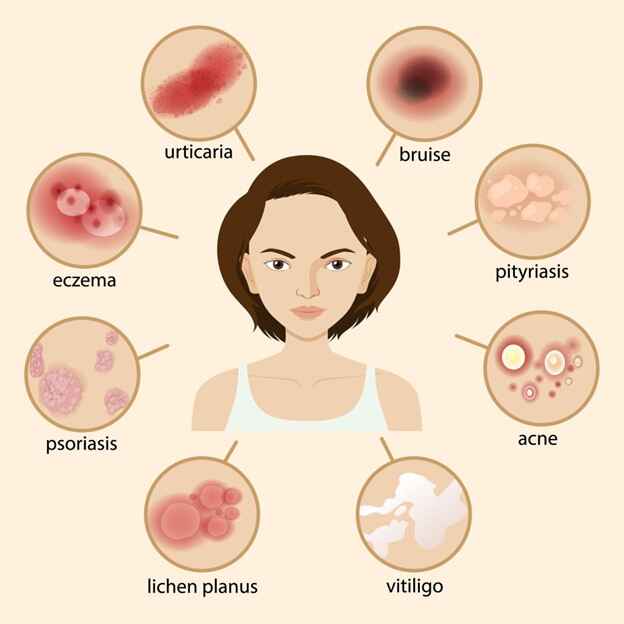
    Below is an image of types of skin infections with pictures

     types of skin infections with pictures

    Understanding Types of Skin Infections

    Skin infections can be broadly classified into four main categories :

    1. Bacterial Skin Infections

    Bacterial skin infections occur when bacteria enter the skin through cuts, scratches, or open wounds. Common examples include:

    • Impetigo : A contagious infection, often seen in children, characterized by red sores or blisters.
    • Cellulitis : A painful infection of deeper skin layers, causing redness and swelling.
    • Folliculitis : Inflammation of hair follicles, resulting in red, bumpy patches.

    Photos of bacterial skin infections often show redness, swelling, and pus-filled blisters. These symptoms require immediate medical attention.

    photos of bacterial skin infections

    2. Viral Skin Infections

    Viral infections are caused by viruses and can range from mild to severe. Examples include:

    • Warts: Caused by the human papillomavirus (HPV), warts are rough, raised bumps on the skin.
    • Herpes Simplex Virus (HSV): Known for causing cold sores or genital sores.
    • Chickenpox and Shingles: Resulting from the varicella-zoster virus, these conditions lead to itchy rashes and blisters.

    These infections are often contagious, highlighting the need for preventive measures like vaccination and hygiene practices.

    3. Fungal Skin Infections

    Fungi thrive in warm, moist environments, making areas like the feet and groin particularly vulnerable. Common fungal infections include:

    • Athlete’s Foot (Tinea Pedis) : Characterized by itching, burning, and peeling skin between the toes.
    • Ringworm (Tinea Corporis) : A circular, red, scaly rash with clear edges.
    • Candidiasis : A yeast infection that affects moist areas, such as the mouth or under the breasts.

    Regularly inspecting areas prone to moisture and maintaining cleanliness are key to preventing fungal skin infections.

    4. Allergic and Other Skin Conditions

    Allergic reactions can trigger skin issues ranging from mild irritation to severe rashes. Examples include:

    • Eczema (Atopic Dermatitis): A chronic condition leading to itchy, inflamed patches.
    • Contact Dermatitis: A reaction caused by allergens or irritants, such as cosmetics or poison ivy.
    • Hives (Urticaria): Raised, itchy welts often caused by food, medications, or environmental factors.

    Types of Skin Problems and Their Symptoms

    Understanding types of skin problems can help in identifying and addressing issues promptly. Below is a table summarizing some skin diseases names, their causes, and symptoms :

    Skin Disease Name Cause Symptoms
    Psoriasis Autoimmune Red, scaly patches
    Acne Bacterial/Hormonal Pimples, blackheads, cysts
    Scabies Parasitic Infestation Intense itching, rash
    Vitiligo Loss of pigment White patches on the skin

    Skin infections pictures can be helpful in visually recognizing these conditions, but always consult a dermatologist for an accurate diagnosis.

    types of skin infections with pictures

    Tips for Preventing Skin Infections

    Preventing skin infections is an essential part of maintaining overall health. Since your skin acts as a shield against harmful microbes, keeping it clean and healthy minimizes the risk of infections caused by bacteria, viruses, fungi, and allergens. Here’s an in-depth look at effective ways to protect your skin from infections and keep it functioning at its best.

    1. Prioritize Good Hygiene

    Hygiene is the cornerstone of preventing skin infections. Proper cleaning habits reduce the risk of bacteria and other microorganisms accumulating on your skin.

    • Wash Your Hands Frequently : Use soap and warm water to wash your hands for at least 20 seconds, especially after using the restroom, before eating, and after touching shared surfaces.
    • Shower Daily : Regular showers eliminate dirt, sweat, and bacteria. Shower within an hour after working out or having heavy sweating to avoid microbial multiplication.
    • Change your linen and towel frequently : Bacteria and fungi are left on damp or dirty fabric. Change your towels, pillowcases, and bedding regularly to limit exposure

    2. Keep your skin clean and dry

    Extra moisture in the skin makes a good setting for fungal infections like athlete’s foot and candidiasis.

    • Dry Thoroughly : Dry areas that are prone to moisture, such as between your toes, under your arms, and in skin folds, after bathing.
    • Wear Breathable Fabrics : Wear loose, moisture-wicking clothing made from cotton or synthetic materials designed to keep skin dry.
    • Avoid Prolonged Dampness : Change out of wet clothing or swimsuits as soon as possible to prevent fungal growth.

    3. Protect the Skin Barrier

    The skin barrier is one way to shield, and an impaired skin barrier increases infection.

    • Intact prevention : The importance is maintaining its integrity.
    • Moisturize regularly : Dry skin becomes prone to cracking for bacterial invasion. Use fragrance-free moisturizer daily to keep hydrated.
    • Use Sunscreen : Ultraviolet (UV) rays can weaken your skin’s defenses. Use broad-spectrum sunscreen with at least SPF 30 on exposed skin each day, even on cloudy days.
    • Avoid Over-Cleansing : Frequent washing or using harsh cleansers can strip your skin of its natural oils, compromising the protective barrier. Use gentle cleansers.

    4. Avoid Skin Injuries

    Open wounds are an entry route for bacteria and viruses. Take precautions for your skin against accidental injuries.

    • Be Careful with Sharp Instruments : While shaving or using tools, take your time to avoid cuts.
    • Wear Protective Clothing : Wearing gloves or proper clothing while gardening, cooking, or performing work that could cause scrapes or burns is advisable.
    • Treat minor injuries immediately : clean cuts and scrapes with soap and water, apply an antiseptic, and cover with a clean bandage to prevent infection.

    5. Manage Skin Allergies Proactively

    Allergic reactions can weaken the skin and lead to infections, especially if scratching occurs.

    • Identify Triggers : Common allergens include certain fabrics, fragrances, dyes, and cleaning products. Keep a diary to pinpoint and avoid irritants.
    • Perform Patch Tests : When using new skincare products or detergents, test them on a small patch of skin to check for allergic reactions before full use.
    • Use Hypoallergenic Products : Choose gentle, dermatologically tested products to minimize the risk of skin irritation.

    6. Healthy Lifestyle

    Your lifestyle goes a long way in supporting the immunity of your skin to disease.

    • Nutrient-Rich Diet : Eat foods rich in vitamins A, C, D, and E, along with zinc and omega-3 fatty acids, to help repair and defend your skin.
    • Hydrate : Drink plenty of water to keep your skin elastic and remove toxins.
    • Exercise Frequently : Exercise keeps the blood flow active, improving the transport of nutrients to skin and elimination of toxins.

    7. Do Not Share Personal Goods

    Microorganisms are quickly spread by sharing personal stuff. The following is to minimize the possibility:

    • Do Not Share Towel or Razor : These can be infected with bacteria and fungus. Use your own and regularly clean them.
    • Use Your Own Footwear : Avoid borrowing shoes, socks, or slippers to prevent fungal infections like athlete’s foot.
    • Carry Personal Items : If you’re visiting communal areas like gyms or pools, bring your own mat, towel, and toiletries.

    8. Be Mindful of Communal Environments

    Places like gyms, locker rooms, and swimming pools are breeding grounds for microbes.

    • Wear Foot Protection : Always wear flip-flops or shower shoes in communal areas to avoid fungal infections.
    • Clean Shared Equipment : Use disinfectant to clean gym equipment before and after use.
    • Do not Sit on Wet Surfaces : Have a clean towel or clothing barrier when sitting on public benches or chairs.

    9. Boost Your Immune System

    A strong immune system helps your body fight off infections effectively.

    • Get Enough Sleep : Aim for 7–9 hours of quality sleep each night to allow your body time to repair itself.
    • Reduce Stress : Chronic stress weakens the immune system. Practice mindfulness, yoga, or meditation to manage stress levels.
    • Stay Vaccinated : Vaccines like those for chickenpox or HPV can prevent certain viral skin infections.

    10. Know When to Seek Medical Help

    Despite your best efforts, some skin infections may still occur. Recognizing early signs of infection can prevent complications.

    • Watch for Symptoms : Redness, swelling, pain, warmth, and pus are common indicators of infection.
    • Seek Timely Treatment : If an infection worsens or spreads, consult a dermatologist or healthcare provider promptly.
    • Follow Medical Advice : Complete prescribed treatments, such as antibiotics or antifungal medications, to ensure full recovery.

    In cases where skin infections become chronic or cause severe inflammation, corticosteroids like Omnacortil Oral Solution may be prescribed to manage symptoms and reduce immune response. However, such medicines should be taken only under medical supervision.

    Also, in certain cases, infections are due to a weakened immune system or specific health conditions. EQOQ Tablet 10s can help support the immune response when recommended by a healthcare provider.

    Conclusion

    Skin infections are common but preventable with the right care and attention. By understanding the types of skin infections—whether viral, bacterial, or fungal—and adopting healthy habits, you can keep your skin radiant and infection-free.
    Preventing skin infections is about adopting consistent hygiene practices, protecting your skin barrier, and fostering a healthy lifestyle. By being proactive and attentive, you can minimize your risk and enjoy healthy, resilient skin. Your skin is your body’s first line of defense—give it the care it deserves !

    FAQs On Preventing Skin Infections: Tips for Healthy Skin

    1. How can I prevent skin infections caused by bacteria?

    Prevent bacterial skin infections by maintaining good hygiene, such as washing your hands regularly and keeping wounds clean and covered. Avoid sharing personal items like towels or razors, and treat cuts or scrapes promptly with antiseptic. Keeping your skin moisturized can also help maintain its natural barrier against bacteria.

    2. What steps can I take to avoid fungal skin infections?

    To prevent fungal infections, keep your skin clean and dry, especially in areas prone to moisture like between the toes or under skin folds. Wear breathable clothing and change out of sweaty or wet clothes promptly. Use antifungal powders or sprays in areas like your feet if you’re prone to fungal infections.

    3. How can I protect my skin if I have allergies or sensitive skin?

    Identify and avoid known allergens or irritants, such as certain fabrics, fragrances, or cleaning products. Use hypoallergenic, dermatologist-recommended skincare products and perform patch tests before trying anything new. Moisturize daily to strengthen your skin’s barrier and prevent cracking or irritation.

    Related Links : 

    Common Skin Infections
    Anti Allergy Medicine for Skin
    Home Remedies and Chickenpox Medication

  • Type 1 and Type 2 Diabetes: What’s the Difference?

    Type 1 and Type 2 Diabetes: What’s the Difference?

    type 1 & type 2 diabetes

    The moment the term “diabetes” is mentioned, we immediately associate it with all cases of diabetes. However, diabetes is not a one-size-fits-all condition. The truth is that there are different types of diabetes. The most common ones are Type 1 and Type 2. It is necessary to understand the difference between Type 1 and 2 diabetes in order to effectively manage the condition.

    What is Type 1 Diabetes?

    Type 1 diabetes is an autoimmune disease where the immune system mistakenly attacks the beta cells in the pancreas responsible for producing insulin. Insulin is the hormone that controls blood sugar levels, and without it, glucose builds up in the bloodstream instead of being used for energy.

    Type 1 Diabetes Causes

    The exact cause of Type 1 diabetes isn’t fully known, but the consensus among researchers is that this disease results from a complex interplay between genetic and environmental factors. For example, a virus or other environmental trigger could initiate an immune response in genetically predisposed individuals, causing them to attack pancreatic cells.

    Type 1 Diabetes Symptoms

    1. Excessive Thirst and Frequent Urination
      One of the defining symptoms of Type 1 diabetes is polydipsia-excessive thirst-and its association with polyuria-frequent urination. High blood sugar causes the kidneys to work extra time to filter and absorb this excess glucose. When the kidneys cannot keep up, it spills sugar into the urine. This sugar pulls fluids from your tissues, leading to dehydration and the feeling of increased thirst.
    2. Extreme Hunger
      Despite consuming more than usual, people with Type 1 diabetes may still feel hungry all the time, a condition called polyphagia. This is because the cells of the body are not receiving glucose, which is necessary for energy, because of a lack of insulin.
    3. Unexplained Weight Loss
      Without enough insulin, the body cannot use glucose for fuel and instead starts breaking down fat and muscle as sources of fuel. This can quickly cause unexplained weight loss despite a normal or even increased appetite.
    4. Fatigue and Weakness
      The shortage of energy available to the cells may make the people feel strangely tired and weak. The fatigue is systemic rather than just from the lack of energy: the body has failed to properly process and utilize glucose.
    5. Blurred Vision
      High blood sugar will swell the lenses of the eyes, which cause blur. However, the blurry condition will be alleviated when blood sugar is at stable level, but chronic hyperglycemia will lead to permanent damage in the eyes.
    6. Slow-Healing Wounds
      High blood sugar disrupts the blood circulation, thereby making it impossible for the body to heal. For example, cuts, sores, and bruises might take long time to heal on an undiagnosed or poorly controlled Type 1 diabetes patient.
    7. Frequent Infections
      The immune system is weakened in people with high blood sugar levels, and they are more prone to infections, especially yeast infections, urinary tract infections, and skin infections.
    8. Irritability or Mood Changes
      Sudden changes in mood, irritability, or difficulty concentrating can occur due to fluctuations in blood sugar levels.

    Type 1 Diabetes Treatment

    Type 1 diabetes has no cure, but it can be managed effectively. The primary treatment is daily insulin injections or an insulin pump. Regular blood sugar monitoring, a healthy diet, and exercise are also essential. Emerging treatments, such as artificial pancreas systems, are improving the lives of those with this condition.

    Type 1 Diabetes Treatment

    What is Type 2 Diabetes?

    While Type 1 is the result of genetic factors alone, Type 2 has a strong correlation with lifestyle choices, though there is genetic involvement. Here, the body either becomes resistant to using insulin or produces insufficient quantities to maintain blood sugar in the normal range. Typically, it occurs gradually, and it tends to happen more in adults, although it is now being seen much more in children due to obesity.

    Type 2 Diabetes Symptoms

    In this disorder, the type 2 diabetes symptoms often evolve slowly and may include, inter alia, the following: Increased Thirst and Polyuria High blood sugar triggers the kidneys to work so hard to filter and absorb excess glucose. This brings about increased urination called polyuria and dehydration causing excessive thirst known as polydipsia.
    Unexplained Fatigue
    Persistent tiredness is one of the common type 2 diabetes symptoms. This occurs because the cells of the body cannot use glucose as energy because of insulin resistance or lack of insulin.
    Blurry Vision
    High blood sugar creates swelling in the lenses of eyes, and this causes hazy vision. This should improve once the blood sugars are under control, although prolonged high blood sugar levels can cause permanent damage to the eyes.
    Increased hunger
    People with Type 2 diabetes may feel polyphagia, or excessive hunger, even though they are eating well. The cells in the body are not getting enough glucose, and this causes hunger signals even though the blood sugar is high.
    Slow Healing of Wounds
    High blood sugar causes poor circulation and damages nerves, slowing the healing of wounds in the body. This is particularly evident in injuries on the feet, legs, or other extremities.
    Frequent Infections
    People with Type 2 diabetes are more susceptible to infections, particularly:

    • Skin infections
    • Urinary tract infections
    • Yeast infections (common in both men and women)

    High blood sugar levels create an ideal environment for bacteria and fungi to thrive, weakening the immune response.

    Tingling, Numbness, or Pain in the Hands and Feet
    Prolonged high blood sugar may damage nerves and cause peripheral neuropathy. Symptoms may include tingling, numbness, or pain in the extremities.
    Darkened Skin Patches
    A condition called acanthosis nigricans may cause dark, velvety patches of skin. These often appear around the neck, armpits, or groin. It is often an early sign of insulin resistance.
    Unintended Weight Changes
    Some patients with Type 2 diabetes develop unintended weight gain, while others suffer from weight loss. These changes are due to the inability of the body to maintain blood sugar levels and energy use.

    type 1 vs type 2 diabetes

    Type 2 Diabetes Treatment

    Managing Type 2 diabetes requires a combination of lifestyle changes, medication, and regular monitoring to keep the blood sugar level within healthy ranges. The goal in managing Type 2 diabetes is to improve insulin sensitivity, lower blood sugar levels, and prevent complications from heart disease, nerve damage, and kidney issues.
    Lifestyle Changes
    Healthy Diet: It controls blood sugar by eating a balanced diet rich in whole grains, lean proteins, healthy fats, and non-starchy vegetables. Sugary foods and refined carbohydrates must be avoided.
    Exercise: Regular physical activity improves insulin sensitivity and helps manage weight. At least 150 minutes of moderate exercise should be done per week.
    Weight Management: Even losing a small percentage of body weight can improve blood sugar control significantly.
    Medications
    Metformin is the most commonly prescribed drug, which inhibits glucose production in the liver and enhances insulin sensitivity. For example, Sitamet 50/500mg Tablet/Linares E Tablet is effective against Type 2 Diabetes.
    Other drugs may be required depending on the case such as sulfonylureas, DPP-4 inhibitors, GLP-1 receptor agonists, or SGLT2 inhibitors.
    In some cases, insulin therapy may be required.

    Bonus tip: For diabetic patients, managing high blood pressure is a must; medications like Prestel 40mg Tablet, which contains telmisartan, can help reduce cardiovascular risks associated with both Type 1 and Type 2 diabetes.

    Generic Medicine for Diabetes

    Generic Medicine for Diabetes​

    There are many available and affordable generic medicine for diabetes​, thereby treating the disease in the majority. The most frequently prescribed generic drug is metformin, which works in the management of Type 2 diabetes by enhancing the body’s sensitivity to insulin and reducing glucose production. The other generic drugs include glimepiride, gliclazide, and pioglitazone, which help in controlling the level of blood sugar. In cases where advanced treatment is required, generic formulations of newer drugs such as Sitagliptin, Empagliflozin, and Dapagliflozin are also available.
    These drugs are manufactured by some of the well-known Indian pharmaceutical companies and are much cheaper than their branded counterparts, hence providing better affordability to the diabetic patients in the entire country. Always consult a doctor before starting any drug.

    Looking for trusted medicines to manage type 2 diabetes? View details and best prices for EMPAONE 25MG TABLET.

    Type 1 vs Type 2 Diabetes: A Side-by-Side Comparison

    Aspect Type 1 Diabetes Type 2 Diabetes
    Cause Autoimmune destruction of insulin-producing cells Insulin resistance or inadequate insulin production
    Age of Onset Usually in childhood or adolescence Usually in adulthood, but increasing in children
    Symptoms Sudden onset Gradual onset
    Risk Factors Genetic predisposition, environmental triggers Family history, obesity, sedentary lifestyle
    Treatment Insulin therapy Lifestyle changes, medications, sometimes insulin

    Conclusion

    Understanding the differences between Type 1 and Type 2 diabetes is what makes a difference in effectively managing and preventing the disease. Type 1 is an autoimmune condition that produces insulin deficiency, while in Type 2, a person is primarily diagnosed through insulin resistance, and factors like lifestyle play a predominant role. Early detection and right treatment can prevent complications with both types of diabetes in order to live a healthier life.

    FAQs on Type 1 and Type 2 Diabetes: What’s the Difference?

    1. What is the primary difference between Type 1 and 2 diabetes?

    Type 1 diabetes is an autoimmune condition where the body attacks insulin-producing cells, leading to no insulin production. Type 2 diabetes occurs when the body becomes resistant to insulin or doesn’t produce enough of it.

    2. Can lifestyle changes prevent Type 1 and Type 2 diabetes?

    Type 1 diabetes cannot be prevented as it’s primarily autoimmune and genetic. However, Type 2 diabetes can often be prevented or delayed through a healthy diet, regular exercise, and maintaining a healthy weight.

    3. Do Type 1 and Type 2 diabetes require different treatments?

    Yes, Type 1 diabetes requires insulin therapy as the body cannot produce insulin. Type 2 diabetes treatment typically begins with lifestyle changes, oral medications, and may progress to insulin if necessary.

    Related Links : 

    Are Generics available for Diabetes?
    What Are the Reasons for Diabetes in Children
    Why Symptoms of Diabetes are Not Detected Early
    Are Generics Available for Diabetes Treatment?
    Are You at Risk for Diabetes?
    Does smoking increase the risk of Gestational Diabetes
    How stress and mental health can lead to diabetes?
    Exercise for Diabetes
    Types of diabetes, Symptoms ,Treatment

  • Exercise for Diabetes: Moving Towards a Healthier You

    Exercise for Diabetes: Moving Towards a Healthier You

    exercise for diabetes

    Living with diabetes can feel like a perpetual balancing act. Between regulating blood sugar levels, on prescribed medicines, and getting accustomed to dietary changes, it is easy to be overwhelmed. But the bright side is that incorporating some form of exercise into daily life can be a huge game changer! Exercise does not necessarily mean losing weight or exercising. It can also be an important component in your diabetes management equipment.

    Types of Diabetes

    To understand how exercise can help, one needs to know the various types of diabetes :

    Type 1 Diabetes:

    An autoimmune disease, usually developing during childhood or early adulthood. Regular exercise can help in managing blood sugar fluctuations, but must be balanced with insulin therapy.

    Type 2 Diabetes :

    Is the most common, a type that is generally diagnosed based on lifestyle and inheritance. Exercise is excellent management for Type 2 diabetic patients because it improves body sensitivity to insulin and therefore promotes weight loss.

    Along with exercise, Dr’s recommend medications such as Sitamet 50/500mg Tablet/Empaone 25mg Tablet/Linares E Tablet to effectively control type 2 diabetes.

    Diabetes Gestational :

    Typically diagnosed during pregnancy. Because of this, its general management can be exercised together with diet, although supervision is necessary.

    Prediabetes :

    This is termed a warning sign, predicting the onset of Type 2 diabetes. Exercise is actually able to delay or prevent diabetes from occurring.

    Why is Exercise Important for Diabetic Patients?

    Diabetes is a condition in which your body fails to control blood sugar levels properly. It depends on the type of diabetes, whether it is type 1, type 2, or gestational diabetes. The reasons for this imbalance may vary, but one thing that remains constant is that regular exercise can improve blood sugar control. It promotes overall health and greatly reduces drug dependency.

    Here is how exercise benefits diabetic patients :

    • Increased Insulin Sensitivity : Exercise makes your cells sensitive to insulin, meaning your body will use glucose more effectively.
    • Lower Blood Sugar Levels : Muscles using glucose for energy can help improve blood sugar levels.
    • Improved Mental Health : Diabetes and mental health go hand in hand. Exercise stimulates endorphins, which helps eliminate stress, anxiety, and depression-all common problems for patients dealing with diabetes.
    • Weight Management : Maintaining a healthy weight can significantly improve blood sugar levels, especially for those with Type 2 diabetes.
    • Heart Health : Diabetes increases the risk of heart disease, and regular exercise strengthens your heart and improves circulation.

    Note: People with diabetes often have coexisting conditions like high blood pressure. Managing both through lifestyle and proper medication is key to long-term health. For those prescribed telmisartan, Prestel 40mg Tablet can help control blood pressure effectively alongside regular exercise and diet.

    Best Types of Exercise for Diabetic Patients

    A well-rounded exercise routine combines aerobic, resistance, and flexibility exercises. Let’s break down the best options for :

    1. Aerobic Exercises

    Aerobic exercises, also referred to as cardio, are an excellent way to improve heart health and increase insulin sensitivity.
    Examples :

    • Walking : Walking briskly for 30 minutes five days a week will greatly improve blood sugar. It is accessible and doesn’t require any equipment.
    • Cycling : Whether at home on a stationary bike or outdoors, cycling is a low-impact activity that raises your heart rate and burns calories.
    • Swimming : It is not stressful on the joints and is a full-body exercise that suits people with diabetes and those who have mobility issues.
    • Dancing : Zumba, ballroom dancing, and other fun activities serve as a good workout and stress reliever.

    Exercise for Diabetic Patients, swimming for diabatic patients

    2. Resistance Training

    Muscle building through resistance training helps your body to take up insulin better and also improves glucose uptake.
    Examples:

    • Bodyweight Exercises : Push-ups, squats, and lunges are simple yet effective exercises that can be done at home.
    • Resistance Bands : A cost-effective and portable resource for completing a wide range of exercises to build muscle strength
    • Weightlifting : Using dumbbells or working machines at a fitness center increases muscle mass, increases the metabolism.

    3. Exercises for Flexibility and Balance

    Exercises that contribute to flexibility and balance have been proven to help enhance mobility, avoid falls, and support total well-being.
    Examples :

    • Yoga : Combining stretch and strength and also incorporating the mindfulness, which proves beneficial for stress reduction and sugar management.
    • Tai Chi : This is an old practice that emphasizes slow, controlled movements that enhance balance and mental focus.
    • Stretching : A few minutes of stretching daily keeps muscles flexible and prevents stiffness.

    Yoga for diabetes

    Exercises For Diabetic Patients At Home

    Exercising at home is convenient and eliminates the need for expensive gym memberships. Here are simple yet effective exercises for diabetic patients at home :

    • Chair Exercises : Perfect for those with limited mobility. Try seated leg lifts, arm curls with light weights, or seated marches.
    • Step-Ups : Use a sturdy step or platform to step up and down, engaging your leg muscles and increasing your heart rate.
    • Planks : Strengthen your core and improve overall stability by holding a plank position for 20-30 seconds.
    • Wall Push-Ups : A beginner-friendly alternative to traditional push-ups, helping to build upper body strength.
    • Skipping Rope : Skipping is a wonderful activity combining cardio and coordination, if the joints can allow it.

    How to Start Your Exercise Journey

    Exercise routine is always difficult to start, especially for those who have been out of the game for some time. Here are a few tips to make it a little easier :

    • Consult Your Doctor : Before beginning any exercise, talk to your doctor. They can advise you on what to do and what not to, based on your health and medicines you are on.
    • Start Small : Begin with just 10-15 minutes a day and gradually increase your duration and intensity.
    • Monitor Blood Sugar Levels : Exercise can lower blood sugar, so check your levels before and after workouts. Keep snacks handy to prevent hypoglycemia.
    • Stay Consistent : Consistency is key. Aim to exercise at the same time each day to make it a habit.
    • Listen to Your Body : If you feel dizzy, extremely fatigued, or have any other type of unusual symptom, you must stop and consult your health care provider.

    Balancing Exercise with Medicine for Diabetic Patients

    Though exercise can decrease the medication, It cannot be replaced. Medicine for Diabetic Patients are still essential to keep the blood sugar level within limits. But exercise may enhance the efficiency of such drugs at a smaller dose in the long run. Always consult your doctor for adjustments.

    The Link Between Diabetes and Mental Health

    Diabetes is not just a physical disease but it also has deep linkages with mental health. People living with diabetes have to be vigilant all the time about blood sugar levels, strict diet, and taking medicine regularly. This can cause stress, anxiety, and even depression. Studies show that people with diabetes are at a higher risk of developing mental health problems than diabetic patients. 

    A key factor is the emotional burden of dealing with the disease, anxiety about long-term complications, feeling different from those around you Or the fear of hypoglycemia can have a huge impact. This often leads to a condition known as diabetic distress. It is a form of stress involved in managing diabetes and may affect your self-care routine. On the other hand, mental health disorders such as depression and anxiety worsen diabetes management. For instance, people who have depression find it challenging to maintain a healthy diet, be active, or keep a regular check on their blood sugar levels. This creates a vicious cycle in which poor mental health worsens physical symptoms and vice versa. 

    The link between diabetes and mental health points to the need for holistic care. While these all play a role, don’t forget to take good care of your emotional part of diabetes. Regular workout support groups, therapy sessions, and mindfulness practices ease and prevent much of the burden imposed upon mental health. Remember how managing diabetes requires taking care with the mind as much as the body. 

    Overcoming barriers to exercise

    It is normal to encounter challenges in the beginning. Here are some real-life solutions :

    • Time Constraints : Divide your workout into smaller sessions throughout the day.
    • Fatigue : On days when you feel tired, you can do low-intensity activities like yoga or stretching.
    • Lack of Motivation : You can find a workout buddy or join a community class to make exercise enjoyable.
    • Physical Limitations : If you have joint pain or mobility issues, you can do chair exercises or water aerobics.

    Conclusion

    Exercise doesn’t have to mean marathons or heavy weight lifting. It means doing things you like and can do regularly. Exercise is not just a recommendation but a lifeline for someone with diabetes.
    So, take the first step today. Be it a short walk or a few yoga stretches in your living room or dancing in it, every little bit counts. The journey to a healthier you starts with one step, and let’s move towards better health together!

    FAQs on Exercise for Diabetes: Moving Towards a Healthier You

    1. How does exercise help in managing diabetes?

    Exercise improves insulin sensitivity, helps lower blood sugar levels, and supports weight management. It also reduces the risk of diabetes-related complications like heart disease while boosting overall health and energy levels.

    2. What are the best exercises for diabetic patients at home?

    Simple activities like walking, yoga, bodyweight exercises (e.g., squats, lunges), or light resistance training are excellent for managing diabetes. These exercises are easy to perform at home and help regulate blood sugar effectively.

    3. Can exercise replace medication for diabetic patients?

    While exercise can reduce the need for medications by improving blood sugar control, it doesn’t replace them entirely. Always consult your doctor to adjust medication alongside a consistent exercise routine.

    Related Links :

    Benefits of cardio workout with tips
    Positive lifestyle changes for healthy life
    How to Cleanse Your Body with Home Remedies
    Home Remedies and Exercises for Plantar Fasciitis

  • Natural Detox: How to Cleanse Your Body with Home Remedies

    Natural Detox: How to Cleanse Your Body with Home Remedies

    natural detox with home remediesIn today’s fast-paced world, our bodies are constantly exposed to toxins—whether through the air we breathe, the food we eat, or the products we use daily. Over time, these toxins can build up, leaving us feeling sluggish, bloated, and generally unwell. The good news? A full body detox cleanse at home can help you reset and rejuvenate your body.



    How to Detox Body Naturally

    1. Start with Hydration: Detox Water

    Water is the cornerstone of any detox routine. Proper hydration helps flush out toxins from the body and helps the organs. Work efficiently Detox waters go a step further by adding fruits, vegetables, and herbs to provide additional benefits.
    Popular Detox Water Recipes :

    • Cucumber, Lemon, and Mint: Hydrates, boosts digestion, and refreshes your skin.
    • Strawberry and Basil: Packed with antioxidants and aids in fighting inflammation.
    • Apple and Cinnamon: Stabilizes blood sugar and enhances metabolism.

    Pro Tip : Let your detox water sit for at least 2 hours before drinking to allow the flavors and nutrients to infuse fully.

    2. Incorporate Detox Drinks

    Detox drinks can be as simple as herbal teas or as elaborate as homemade smoothies. They’re a quick way to replenish on vitamins, minerals, and antioxidants.
    Best Detox Drinks to Try :

    • Green Juice : Blend spinach, kale, cucumber, green apple, and ginger for a nutrient-packed drink.
    • Turmeric Tea : Combine hot water, turmeric, honey, and a pinch of black pepper for an anti-inflammatory boost.
    • Charcoal Lemonade : Activated charcoal can bind to toxins, helping your body expel them naturally. (Use sparingly and consult a doctor if unsure.)

    3. Adopt a Detox Diet

    A detox diet isn’t about starvation—it’s about nourishing your body with whole, unprocessed foods. Focus on high-fiber fruits and vegetables, lean proteins, and healthy fats.
    Foods to Include in a Detox Diet :

    • Leafy Greens : Kale, spinach, and Swiss chard aid in liver detoxification.
    • Citrus Fruits : Lemons, oranges, and grapefruits are rich in Vitamin C and boost the immune system.
    • Whole Grains : Brown rice, quinoa, and oats help regulate digestion.
    • Fermented Foods : Probiotic-rich foods like yogurt and kimchi improve gut health.

    4. Try Detox Tea for Relaxation

    Detox teas are a soothing way to cleanse your system. Look for teas that contain natural diuretics and detoxifying herbs.
    Best Herbs for Detox Tea :

    • Dandelion Root : Supports liver health.
    • Ginger : Aids in digestion and reduces inflammation.
    • Peppermint : Calms the stomach and relieves bloating.
    • Green Tea : Packed with antioxidants and boosts metabolism.

    You can soak these herbs in hot water and make your own brew at home. Or look for pre-made organic detox tea blends.

    Best Herbs for Detox Green Tea

    5. Detox Juice for a Nutritional Punch

    Freshly made detox juice can be a game-changer for your cleansing routine. They’re easy to digest and packed with nutrients.
    Simple Detox Juice Recipes :

    • Carrot, Ginger, and Orange Juice:  It boosts immunity and skin health.
    • Beet, Apple, and Celery Juice: It is great for liver detox and improved circulation.
    • Pineapple, Cucumber, and Mint Juice: Refreshing and hydrating with a natural diuretic effect.

    6. Exercise for a Full-Body Detox Cleanse at Home

    Physical activity plays a crucial role in detoxing your body.

    • Why exercise matters : Sweating during a workout helps eliminate toxins through the skin. Exercise also boosts circulation and stimulates the lymphatic system, which removes waste from the body.
    • What to do : Engage in activities like yoga, brisk walking, jogging, or strength training. Even 20-30 minutes a day can make a difference.

    Yoga particularly incorporates deep breathing, which enhances oxygen flow and supports detoxification at a cellular level.

    7. The Power of Quality Sleep

    Never underestimate the role of sleep in detoxification. During deep sleep, your brain clears out toxins, including those associated with aging and neurodegenerative diseases.

    • How to improve sleep : Create a calming nighttime routine, avoid screens before bed, and aim for 7-9 hours of quality sleep each night.
    • Detox sleep tip : Sip on a warm cup of detox tea like chamomile or lavender before bedtime to promote relaxation.

    Detox Water Benefits

    1. Boosts Hydration

    Staying hydrated is vital for your body to function optimally. Many people find plain water unappealing, which leads to inadequate hydration. Detox water, with its refreshing flavors, encourages you to drink more, ensuring your body gets the water it needs for digestion, circulation, and temperature regulation.

    Detox Water Benefits

    2. Aids in Weight Management

    If you’re looking to shed a few pounds, detox water can be your ally. It’s a low-calorie alternative to sugary beverages like sodas and juices. Certain ingredients, like lemon or ginger, can also help boost your metabolism and curb cravings, making it easier to manage your weight.
    Example : Lemon and cucumber detox water is a popular combination for promoting weight loss and flushing out toxins.

    3. Supports Digestion

    Detox water ingredients like mint, ginger, and citrus fruits have natural digestive properties. They help reduce bloating, promote better nutrient absorption, and keep your digestive system running smoothly.
    Key Ingredients for Digestive Health :

    • Mint: Soothes the stomach and improves digestion.
    • Ginger: Reduces bloating and supports gut health.
    • Cucumber: Hydrates and cools the digestive tract.

    4. Flushes Out Toxins

    While your liver and kidneys do most of the detoxifying work, staying hydrated helps them perform their functions more efficiently. Ingredients like lemon and apple cider vinegar can enhance this process by supporting the liver’s natural detox pathways.

    5. Improves Skin Health

    Hydration is key to glowing skin, and detox water takes it a step further. Antioxidant-rich ingredients like berries, citrus fruits, and mint help combat free radicals that cause skin aging. Over time, consistent consumption can reduce acne, improve elasticity, and give your skin a natural glow.
    Skin-Loving Ingredients :

    • Strawberries: Packed with antioxidants that fight skin damage.
    • Orange slices: High in Vitamin C for collagen production.
    • Mint: Reduces inflammation and refreshes the skin.

    6. Boosts Energy Levels

    Feeling sluggish? Detox water can be a natural pick-me-up. Infusing water with ingredients like lemon, cucumber, or a sprig of rosemary can give you a refreshing energy boost without relying on caffeine or sugar.
    Energy-Boosting Tip : Add a few slices of lemon and a pinch of Himalayan salt to your detox water to replenish electrolytes.

    7. Strengthens the Immune System

    The vitamins and minerals in detox water, especially Vitamin C from citrus fruits, help strengthen your immune system. Regular consumption can protect you from colds, flu, and other illnesses.
    Immune-Boosting Recipe : Combine lemon, ginger, and a touch of honey in your detox water for a powerful immunity boost.

    8. Reduces Inflammation

    Many detox water recipes include anti-inflammatory ingredients like ginger, turmeric, and berries. These ingredients can help reduce inflammation in the body, which is often linked to chronic illnesses like arthritis, heart disease, and diabetes.

    9. Curbs Appetite and Reduces Overeating

    Sipping on detox water throughout the day can help you feel fuller, reducing the urge to snack mindlessly. Ingredients like cucumber and chia seeds can enhance this effect, keeping you satisfied for longer.

    A Sample Daily Detox Routine

    1. Morning : Start with a glass of warm lemon detox water. Do light yoga or stretching.
    2. Breakfast : Enjoy a smoothie with spinach, banana, and a handful of berries.
    3. Midday : Sip on detox tea or detox juice made from carrots, celery, and oranges.
    4. Lunch : A salad loaded with greens, quinoa, and avocado.
    5. Evening : A light dinner with steamed veggies and a protein source.
    6. Before Bed : Relax with herbal tea and a few minutes of deep breathing.

    Conclusion

    Natural detoxification doesn’t have to be complicated or expensive. You can cleanse your body and feel better with simple home remedies like detox water, detox tea, and a well-planned detox diet. The important thing is consistency. Small, permanent changes to your daily routine can lead to significant improvements in your overall health. Remember that your body is designed to naturally detoxify. These measures are just the additional support he needs to continue his career at the top. So grab a glass of detox water. Sip on detox tea to relax or mix with concentrated detox water. And toast to your health—naturally!

    FAQs On Natural Detox: How to Cleanse Your Body with Home Remedies

    1. What is a natural detox, and why should I do it?

    Natural detoxification supports the body’s ability to eliminate toxins through methods such as healthy eating, hydration, and rest. It’s not about harsh cleaning. It’s about improving the health of your liver, kidneys, and digestive system. Benefits include increased energy, the digestive system is better and radiant skin.

    2. How can I do a full body detox cleanse at home?

    Start by drinking enough detox water. Eat whole, unprocessed foods and avoid sugar and processed foods. Include a detoxifying drink such as herbal tea or green juice, and emphasize rest and light exercise to stimulate circulation and detoxification routes.

    3. Are detox teas and detox juices effective for cleansing?

    Yes, when used as part of a balanced diet, detox teas such as ginger or dandelion root support digestion and liver function. While detox waters packed with fruits and vegetables provide essential nutrients and antioxidants. This will help enhance natural detoxification very well.

    Related Links :

    7 Day Diet Plan For Weight Loss
    Home Remedies and List of Ayurvedic Treatments
    Role of eating on time in controlling the body functions
    Top 7 Foods Good for Liver Health

  • Homemade Lip Care: Natural Ingredients for Soft, Healthy Lips

    Homemade Lip Care: Natural Ingredients for Soft, Healthy Lips

    homemade lip care routine

    Having smooth, soft lips isn’t just a matter of beauty. It is also a sign of good health. Unfortunately, the lips are one of the first areas to develop that show signs of dryness, dehydration, and exposure to extreme weather. That’s where a well-rounded lip care routine comes in. Although there are many lip care products available in the market, but a homemade lip scrub treatment can be a great way to make sure your lips get the good stuff naturally as they want without the need for unnecessary chemicals. Whether you are dealing with dark lips dryness or cracks, we have a homemade solution just for you.

    Why must you focus on nourishing your lips?

    Lips are unique compared to other skin on your body. There are no oil glands. This makes it prone to dryness and cracking. Especially during the colder months or inclement weather. Regular lip care not only protects your lips from drying out, but also protects them from dryness. It also removes dark pigmentation and makes it look smooth and soft. Plus, caring for your lips is quick, easy, and inexpensive. Especially homemade products!

    Creating a Basic Lip Care Routine

    For an effective lip care routine, You need to focus on three key steps: exfoliate, moisturize, and protect. Here are the details :
    1. Exfoliate : Regular exfoliation helps remove dead skin cells and leaves your lips feeling smoother.
    2. Moisturize : Moisturize your lips with natural ingredients that help retain moisture.
    3. Protect : Protect your lips from environmental damage by using a balm or oil as a shield.
    Each of these steps can be done with natural ingredients that you probably already have at home. Here’s how to use them in your routine.

    Step 1: Exfoliate – Homemade Lip Scrub

    Exfoliating the lips is important as it removes dead skin cells that cause dark circles or fine lines. You can make a lip scrub for dark lips. You can make it at home with simple ingredients like sugar, honey, and oil. Exfoliating not only improves texture, But it also helps fade dark lips over time if used regularly.

    Honey and Sugar lip scrub recipe

    Honey and Sugar lip scrub recipe

    One of the best DIY scrubs is the classic honey and sugar lip scrub. Honey is a natural moisturizer. This will help draw moisture into the skin. Meanwhile, sugar acts as a gentle exfoliator to remove dead cells.

    Ingredients :
    1 tablespoon honey
    1 tablespoon of granulated sugar

    Instructions :
    1. Mix honey and sugar in a small bowl until you have a coarse dough.
    2. Use your fingertips or a clean toothbrush. Apply the mixture to your lips.
    3. Massage gently in circular motion for about one minute.
    4. Rinse with warm water and pat dry. Honey and Sugar Lip Scrub can be used safely twice a week. And it’s a great way to keep your lips soft and supple. It’s also great for treating dark lips and giving them a natural glow.

    Step 2: Moisturize DIY Lip Balm and Treatment

    After exfoliating, your lips are now ready to receive some much-needed moisture. Natural ingredients such as coconut oil, shea butter, and almond oil are suitable for this step. These oils and butters penetrate deeply and provide long-lasting hydration. Makes your lips feel soft and nourished.

    Coconut and Almond Oil Treatment

    This combination is a great moisturizer for the lips. Coconut oil is known for its deeply moisturizing and healing properties. While almond oil helps to even out skin tone. This makes it suitable for anyone with dark skin and concerns.
    How ​​to use: Mix equal amounts of coconut oil and almond oil together in a small bowl. Dab some of the mixture on your lips and leave it on. There is no need to wash it. This treatment is ideal as part of your nighttime lip care routine. Because it helps repair and moisturize your lips while you sleep.

    Step 3: Protection – Seal in moisture.

    Protecting your lips from the elements helps prevent dry and cracked lips. Add a natural balm or oil layer after moisturizing to lock in moisture and protect from wind, sun or dry air.

    DIY Beeswax Lip Balm

    Beeswax is a great natural ingredient that creates a protective layer on your lips. This makes it suitable for extreme weather conditions. This is a simple recipe. Where you can try:

    Ingredients :
    1 tablespoon beeswax pellets.
    1 tablespoon coconut oil
    1-2 drops of your favorite essential oil (optional).

    Instructions :
    1. Melt beeswax and coconut oil in a double boiler until well combined.
    2. Remove from heat and add essential oil if desired.
    3. Pour the mixture into a small container and set aside to cool.
    This balm creates a barrier to lock in moisture in your lips. This ensures that your lips are soft and moisturized all day long.

    Lip Care For Men

    Yes, it’s important too! Lip care isn’t just for women. Men can also benefit from a good lip care routine. Dryness and cracking of men’s lips can be similar. Especially when exposed to sunlight, wind or temperatures that are too high. For lip care for men, focusing on simple, fragrance-free options can make it easy and practical.

    Using a lip scrub at home once a week, along with a daily balm, can work wonders for maintaining soft and healthy lips. Opting for a DIY lip scrub for dark lips can also be helpful for men who might experience pigmentation from sun exposure.

    Benefits of a Consistent Lip Care Routine

    Creating and following a regular lip care routine has several advantages :
    Prevents Cracks and Splits: By keeping lips moisturized, you reduce the risk of chapping.
    Improves Texture: Exfoliating removes dead skin cells, leading to smoother, softer lips.
    Lightens Pigmentation: Consistent use of natural ingredients like almond oil can gradually reduce darkness.
    Boosts Confidence: Healthy-looking lips can enhance your smile and give you a natural confidence boost.

    Benefits of a Lip Care Routine

    Conclusion

    Lip care doesn’t have to be complicated or expensive. With simple natural ingredients, you can make your lips look amazing. No matter whether you do lip scrub at home or homemade balm, your lips will thank you. And the best part? You avoid artificial ingredients and embrace a healthier, more natural approach to beauty. So try these tips! With a little time and care You will have soft, moisturized and healthy lips.

    FAQs On Homemade Lip Care: Natural Ingredients for Soft, Healthy Lips

    1. What are the benefits of homemade lip care over store-bought products?

    Homemade lip care products are free from harmful chemicals and artificial ingredients, making them safe and gentle for daily use. They’re budget-friendly and customizable based on your needs, such as hydration, exfoliation, or lightening dark lips. Natural ingredients like honey, sugar, and oils nourish and heal the lips effectively. Plus, they’re environmentally friendly, reducing packaging waste compared to commercial products.

    2. How often should I use a lip scrub at home?

    Lip scrubs should be used 1-2 times a week to gently remove dead skin cells without over-exfoliating. Overuse can cause irritation or dryness, so moderation is key. Follow up with a hydrating lip balm or oil after scrubbing to restore moisture. For dark lips, consistent exfoliation combined with moisturizing can help improve pigmentation over time.

    3. Can men benefit from homemade lip care routines?

    Absolutely! Lip care is essential for men, especially since their lips are equally prone to dryness, cracking, and sun damage. Simple routines using DIY scrubs and natural balms keep lips soft and healthy. Fragrance-free options like coconut oil and beeswax balms are great for those who prefer subtle or unscented solutions.

    4. Do homemade lip scrubs help with dark lips?

    Yes, homemade lip scrubs can help lighten dark lips by removing dead skin and promoting healthy cell renewal. Ingredients like sugar exfoliate, while honey and almond oil provide hydration and natural brightening effects. Consistent use, combined with sun protection and moisturizing, can gradually reduce pigmentation and enhance lip color.

    Related Links :

    Homemade Face Masks for Every Skin Type
    Caring for Sensitive Skin
    Sun Safety and Skin Cancer Prevention
    Neem Soap: Benefits and Uses for Skincare

  • Best Homemade Face Masks for Glowing Skin & All Skin Types

    Best Homemade Face Masks for Glowing Skin & All Skin Types

    homemade face masks

    In our journey towards healthy, radiant skin, it’s easy to feel overwhelmed by the sheer number of skincare products out there. But sometimes, the best remedies come straight from your kitchen, using ingredients you can trust. Homemade face masks are a natural, cost-effective way to pamper yourself while addressing your unique skin needs.

    1. Homemade Face Pack for Glowing Skin

    Achieving a natural glow is often the primary goal in skincare. Who doesn’t want that fresh, healthy look? When it comes to brightening your skin, certain natural ingredients stand out for their rich nutrients and gentle exfoliation properties.

    Turmeric & Yogurt Face Mask

    Ingredients:

    • 1 teaspoon turmeric powder
    • 1 tablespoon yogurt
    • 1 teaspoon honey

    Why it works: Turmeric is known for its anti-inflammatory and brightening properties. Yogurt contains lactic acid, which gently exfoliates dead skin cells, revealing fresh, glowing skin underneath. Honey, a natural humectant, locks in moisture, adding a dewy effect to the skin.

    How to use: Mix the ingredients in a bowl until smooth. Apply an even layer over your face and let it sit for about 15 minutes. Rinse with warm water and gently pat dry. Repeat twice a week for the best results.

    homemade face pack for glowing skin2. Face Mask for Oily Skin

    Oily skin can often feel heavy and clogged, leading to breakouts and blackheads. The key to balancing oily skin is using ingredients that help control excess sebum while keeping the skin hydrated.

    Clay & Tea Tree Oil Mask

    Ingredients:

    • 2 tablespoons bentonite or kaolin clay
    • A few drops of tea tree oil
    • Enough water or rosewater to form a paste

    Why it works : Clay has natural detoxifying properties, pulling out impurities and excess oils without being overly harsh. Tea tree oil is a natural antibacterial, ideal for acne-prone skin.

    How to use :Mix clay and water or rosewater to form a thick paste, then add 2–3 drops of tea tree oil. Apply evenly to your face, avoiding the eye area. Leave the mask on until it’s partially dry (around 10 minutes). Rinse with lukewarm water and pat dry. Use this mask once a week to keep oil and breakouts in check.

    Pro tip: Follow up with a lightweight, non-comedogenic moisturizer to keep the skin balanced.

    face mask for oily skin3. Face Pack for Dry Skin

    Dry skin often craves moisture and nourishment. Ingredients that provide hydration, vitamins, and fatty acids are excellent choices for restoring softness and resilience to parched skin.

    Avocado & Honey Face Pack

    Ingredients :

    • ¼ ripe avocado
    • 1 tablespoon honey
    • 1 teaspoon olive oil (optional, for extra hydration)

    Why it works : Avocado is rich in healthy fats, vitamins E and C, and antioxidants that nourish and deeply moisturize the skin. Honey is a natural humectant, drawing moisture to the skin, while olive oil adds an extra layer of hydration.

    How to use : Mash the avocado until smooth, then mix in honey and a little olive oil if desired. Apply the mixture to your face and let it sit for 15–20 minutes. Rinse with warm water and pat dry. Use this mask once a week for hydrated, supple skin.

    Pro tip : Make sure the avocado is ripe for a smoother consistency that’s easier to apply.

    face pack for dry skin4. Natural Face Pack for Combination Skin

    Combination skin, which has both oily and dry areas, benefits from a mask that balances hydration with oil control.

    Banana & Honey Face Mask

    Ingredients :

    • ½ ripe banana
    • 1 teaspoon honey
    • 1 teaspoon lemon juice (optional for oily T-zone areas)

    Why it works : Bananas are rich in vitamins and have soothing properties that can help balance combination skin. Honey hydrates without clogging pores, and lemon juice (optional) acts as a mild astringent for oily zones like the T-zone.

    How to use : Mash the banana and mix it with honey (and lemon juice, if needed). Apply an even layer across your face. Leave it on for 15 minutes, then rinse with warm water. Use twice a week to maintain balanced skin.

    Pro tip : You can apply lemon juice only to the oily areas if the rest of your skin is on the drier side.

    5. Best Face Mask for Sensitive Skin

    Sensitive skin needs the gentlest ingredients that nourish without causing irritation. Simple oat and chamomile face masks for skin that is sensitive can calm redness and provide comfort.

    Oatmeal & Chamomile Mask

    Ingredients :

    • 2 tablespoons ground oats
    • 1 tablespoon chamomile tea (cooled)
    • 1 teaspoon honey

    Why it works : Oats have anti-inflammatory and soothing properties, perfect for sensitive skin. Chamomile tea adds an extra soothing effect, reducing redness and irritation.

    How to use : Mix ground oats with chamomile tea and honey until it forms a thick paste. Apply gently to your face and let sit for 10–15 minutes. Rinse with cool water and pat dry. Use this mask once a week to keep sensitive skin calm and happy.

    Pro tip: Make sure the chamomile tea is cooled before mixing to avoid any irritation.

    Conclusion

    There’s something genuinely satisfying about creating a home made face pack tailored to your skin type. Not only do you have full control over the ingredients, but the experience itself feels nurturing and grounding. From a home made face pack for glowing skin to a face mask for oily skin or a face pack for dry skin, these recipes ensure you can tackle any skin need with nature’s finest ingredients.

    Incorporating these natural, simple recipes into your routine could be just the step your skin needs to look and feel its best! Remember, beautiful skin is about balance, so listen to your skin’s needs and enjoy the process of self-care.

    For long-term skin health, it’s also important to support your skin from within. Antioxidant-rich supplements like Eqoq Tablet 10s may help protect skin cells from oxidative stress, which contributes to dullness, dryness, and early signs of aging.

    FAQs On Homemade Face Masks for Every Skin Type

    1. How often can I use these home made face pack?

    Generally, it’s best to use a home made face pack once or twice a week. Overuse might irritate the skin, especially for those with sensitive or dry skin types.

    2. Are home made face pack effective for long-term skincare?

    While homemade face masks are excellent for an instant glow, soothing dryness, or controlling oil, they work best as a supplement to a regular skincare routine that includes cleansing, moisturizing, and sunscreen.

    3.Can I store these face for skin for future use?

    Most DIY face masks are best used immediately to preserve the freshness and potency of the ingredients. However, some, like honey-based masks, may last up to a week in the fridge.

    Related Links :