
Blog

  • How to Fix Sleep Disorders: From Insomnia to Oversleeping with home remedies

    How to Fix Sleep Disorders: From Insomnia to Oversleeping with home remedies

    home remedies for sleep disorders

    Natural Remedies for Better Sleep

    Sleep is essential to feeling your best. But millions of people face challenges in getting the quality rest they need. For some, it’s a night of throwing up and turning, while some people wake up feeling more tired than in bed. These sleep disturbances are not only frustrating; but it also affects our health, mood, and even our productivity throughout the day. Although medication is an option, many people prefer to try natural remedies first. Luckily, there are effective home remedies for sleep disorders that can help restore your sleep routine and relieve symptoms.

    Sleep Disorders Symptoms

    Here are some common types of sleep disorders and the symptoms you might experience:

    1. Insomnia

    Insomnia is one of the most common sleep disorders. It has the following characteristics:

    • Difficulty falling asleep: Struggling to fall asleep before bed can cause irritability and anxiety.
    • Persistent wakefulness: Waking up several times during the night. Often struggling to fall back asleep.
    • Waking up early in the morning: Waking up so early that you can’t fall back asleep.
    • Daytime fatigue: Not getting enough sleep at night can lead to tiredness or sleepiness during the day.

    2. Sleep apnea symptoms

    Sleep apnea is disrupted breathing during sleep. Its characteristics are:

    • Loud Snoring: Snoring is a symptom of sleep apnea. This is often accompanied by a temporary pause in breathing.
    • Panting or choking during sleep: Waking up suddenly with a feeling of choking or suffocation.
    • Excessive daytime sleepiness: Fatigue or drowsiness may occur during the day even after a good night’s sleep.
    • Morning headache: Waking up with a headache, which can be a sign of lack of oxygen during sleep.

    3. Narcolepsy

    Narcolepsy is a neurological disorder that affects the control of sleep and wakefulness. Its characteristics are:

    • Excessive daytime sleepiness: A strong need for daytime sleep. This often results in unplanned sleep.
    • Cataplexy: Sudden loss or weakness of muscles. This is most often caused by strong emotions, such as humor or surprise.
    • Sleep paralysis: Temporary inability to move or speak while asleep or awake.
    • Hallucinations: Vivid, often frightening, dreams or hallucinations that occur during sleep or wakefulness.

    4. Symptoms of Restless Legs Syndrome (RLS)

    RLS is characterized by an uncontrollable urge to move the legs. Especially in the evening or at night. Characteristics are:

    • Discomfort: crawling sensation Tingling or pain in the feet, which can make it difficult to relax.
    • Withdrawal from movement: Symptoms usually improve with movement. This results in restless behavior when trying to sleep.
    • Sleep disturbances: Difficulty falling asleep or staying asleep due to discomfort.

    5. Heart rhythm abnormalities

    Disturbances in the heart rhythm affect the duration of sleep.

    • Symptoms may include : Irregular sleep-wake pattern: Sleeping and waking up at irregular times, such as staying up all night and sleeping during the day.
    • Difficulty adapting to change : Struggling to adjust to changes in your sleep schedule, such as during shift work or traveling across time zones.
    • Daytime fatigue : Feeling constantly tired and sluggish during the day due to sleep disturbances.

    Why do I Sleep So Much?

    On the other side, some people experience problems with oversleeping and question “Why am I sleeping too much?” There can be several causes of excessive sleep, including depression and anxiety, certain medications, chronic fatigue syndrome, and sleep apnea.

    Pro Tip: MODALERT 100MG TABLET is a medication used to treat excessive sleepiness.

    why am I sleeping too muchHome Remedies To Improve Sleep

    Understanding the nature of sleep problems is important in order to receive appropriate sleep disorders treatments. Let’s explore some home remedies that can help improve the quality of our sleep.

    1. Set a sleep schedule:

    Creating a consistent sleep routine is important even on weekends. Try to go to bed and wake up at the same time every day. This helps regulate your body’s internal clock. Makes it easier to fall asleep and wake up refreshed.

    2. Create a comfortable bedtime routine:

    Engage in calming activities before bed, such as reading, taking a warm bath, or practicing mindfulness meditation. This signals your body that it’s time to doze off, reducing your chances that it is to sleep badly at night.

    3. Limit screen time:

    The blue light emitted by screens can interfere with the body’s production of melatonin, the sleep hormone. To reduce this impact, aim to turn off electronic devices at least an hour before bed.

    4. Create an environment that encourages sleep:

    Your bedroom should be a relaxing place to sleep. Make sure your room is dark, quiet, and cool. Consider using blackout curtains, earplugs, or noise canceling devices to create an optimal sleep environment.

    5. Watch your food:

    Remember what you consume, especially at bedtime. Heavy meals, caffeine, and alcohol should be avoided as they can disrupt your sleep cycle. Eat a light snack, such as a banana or a small bowl of oatmeal, which contains nutrients that help you sleep instead

    6. Herbal medicine:

    Certain herbs have been used for centuries to promote relaxation and improve sleep. Consider trying:

    • Chamomile Tea: Known for its calming properties.
    • Lavender: Aromatherapy using lavender essential oil can improve sleep quality.
    • Valerian Root: This herb has a sedative effect and can help you fall asleep faster.

    7. Exercise regularly:

    Exercising during the day helps you fall asleep faster and sleep deeper. Aim for at least 30 minutes of moderate exercise most days of the week. But try to avoid strenuous exercise near bedtime.

    While home remedies can work well for mild sleep issues, persistent insomnia or disturbed sleep patterns may need medical attention. In such cases, doctors may recommend medications like Placida Tablet, which not only helps manage sleep disturbances but also addresses underlying anxiety or mood imbalances that could be interfering with restful sleep.
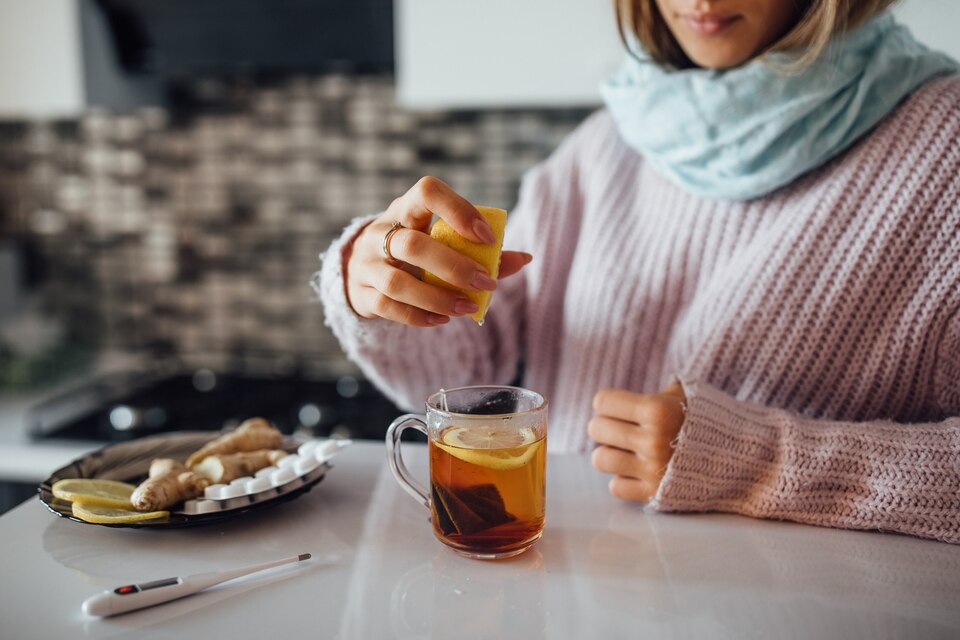
    home made remedies for sleep disorderHealthy Sleep Habits for lasting results

    Incorporating these home remedies into your daily routine can greatly improve the quality of your sleep. Additionally, adopting healthy sleep habits is important for long-term benefits:

    • Limit naps : Although naps are refreshing, but long or irregular naps can affect your nighttime sleep.
    • Stay away from stimulants: including caffeine and nicotine. Especially in the afternoon and evening.
    • Manage stress: Do stress-reducing activities like yoga, meditation, or deep breathing.

    Conclusion

    Sleep disorders can feel overwhelming. But by understanding the symptoms, types and possible causes you can take steps to improve the quality of your sleep. Home remedies for these sleep disorders combined with healthy habits can create a solid foundation for a restful night. Keep in mind that if sleep problems persist despite these remedies, it may be time to consult a health professional to further evaluate options and treatment. Embrace these changes, and soon you’ll say goodbye to restless nights and welcome restorative sleep into your life. Sweet dreams!

    FAQs on Home Remedies for Sleep Disorders

    1: What are some natural ways to fall asleep faster?

    Create a relaxing bedtime routine with reading or meditation. Limit screen time before bed. And try drinking chamomile tea. These habits signal the body that it’s time to relax and promote faster sleep.

    2: How can I naturally improve my sleep quality?

    Set a regular sleep schedule. Exercise regularly and create a cool and dark sleep environment. Avoid heavy meals and caffeine close to bedtime to promote deep, uninterrupted sleep.

    3: Are there any specific herbs that help you sleep?

    Yes, herbs such as valerian root, lavender, and chamomile have calming properties. Drinking herbal tea or using lavender essential oil before bed can help you relax naturally and improve the quality of your sleep.

    Related Links: 
  • Best Skincare Products & Routine for Sensitive Skin

    Best Skincare Products & Routine for Sensitive Skin

    caring for sensitive skin

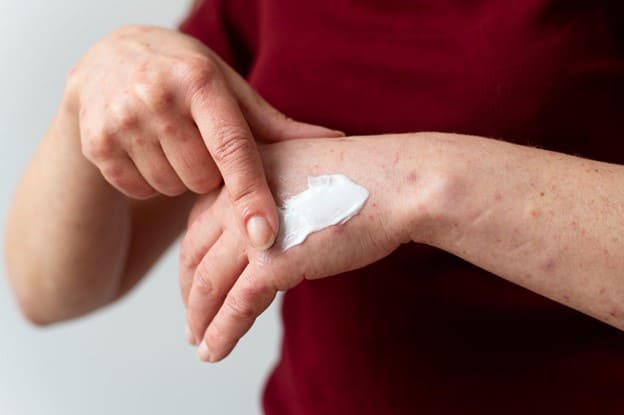
    If you’ve been blessed with sensitive skin, you know that while it may not come with a manual, it certainly comes with its challenges. From unpredictable breakouts to irritation from the gentlest of products, sensitive skin requires special attention and a curated routine with sensitive skin products.

    Sensitive skin can show up in different ways for different people. For some, it means dealing with redness and itching, while others might experience dryness, burning, or unexpected breakouts. It is a skin type that is easily affected by things like weather changes or certain skincare products. The secret to managing sensitive skin is figuring out what sets it off and building a gentle skincare routine that keeps your skin calm and protected.

    Sunscreen for Sensitive Skin

    In India, where the sun shines bright almost all year, sunscreen is a must—especially if you have sensitive skin type. Many people with sensitive skin find that chemical sunscreens can cause irritation, so it’s better to go for mineral-based sunscreens with ingredients like zinc oxide or titanium dioxide. These are gentler and still give excellent protection. Always choose formulas that are fragrance-free and hypoallergenic to avoid flare-ups.

    Brands like La Roche-Posay and Neutrogena have great options tailored for sensitive skin. Don’t forget to wear sunscreen daily, even on cloudy days, and reapply every two hours if you’re outside. This simple step can protect you from sunburn, pigmentation, and keep your sensitive skin calm and healthy.

    Face Wash for Sensitive Skin

    Choosing the right face wash for sensitive skin is especially important in India’s varied climate. Many cleansers can strip away your skin’s natural oils, leaving it dry and irritated. To avoid this, opt for gentle, sulfate-free face washes that clean without being harsh.

    Ingredients like chamomile or aloe Vera are great for soothing sensitive skin. Brands like Cetaphil and Himalaya Herbals offer mild yet effective options.

    If you’re in a humid area, gel-based cleansers can help manage oil without drying you out, while cream-based ones are better for drier regions. Always go for pH-balanced, fragrance-free products to avoid irritation, and use lukewarm water to wash your face twice a day for a calm, healthy glow.

    Moisturizer for Sensitive Skin

    If you have sensitive skin, finding the right moisturizer is key to keeping your skin hydrated and calm. Look for lightweight, non-comedogenic options that won’t clog pores. Ingredients like hyaluronic acid, glycerin, and ceramides are your skin’s best friends, as they hydrate and strengthen your skin’s barrier. Brands like Clinique and Neutrogena offer moisturizers tailored for sensitive skin.

    In India’s humid climate, gel-based moisturizers feel light and refreshing, while cream-based ones work better for drier areas. Always go for fragrance-free formulas to reduce the risk of irritation. Moisturizing regularly will soothe your skin, ease redness, and help you maintain a healthy, balanced glow.

    moisturizer for sensitive skinBuilding a Sensitive Skin Care Routine
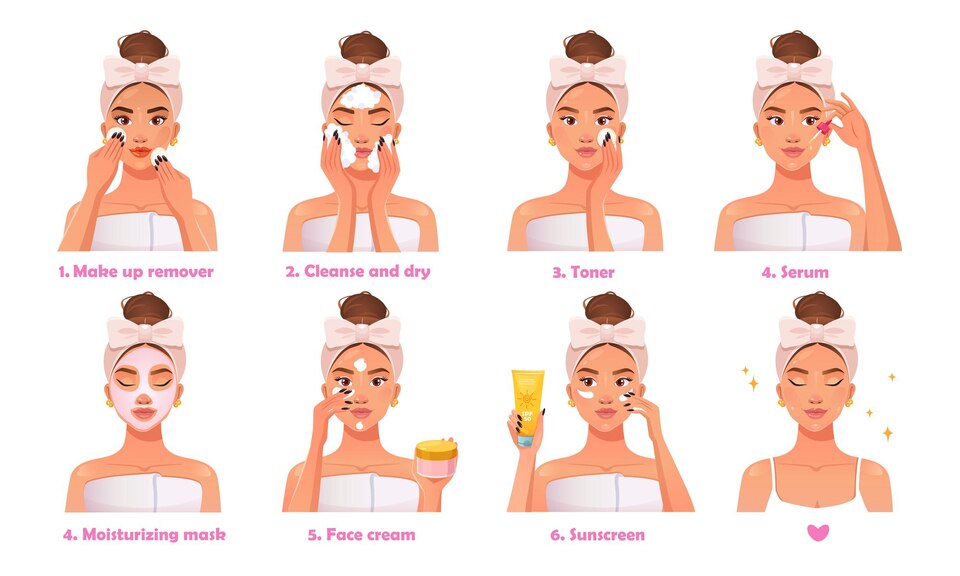
    Creating a sensitive skin care routine is all about selecting gentle, non-irritating products and ensuring that your skin is protected from potential irritants.

    1. Cleansing Gently

    Finding the right face wash for sensitive skin can feel like a challenge. You want a cleanser that removes dirt and oil but doesn’t strip your skin of its natural moisture. One great option is Cetaphil Oily Skin Cleanser. While it’s made for oily skin, it’s gentle enough for sensitive skin too, helping to control excess oil without causing irritation.

    It’s ideal if your skin tends to be both sensitive and oily. When washing your face, stick to lukewarm water—hot water can aggravate sensitivity. After cleansing, gently pat your skin dry instead of rubbing to keep irritation at bay.

    2. Moisturize to Maintain Your Barrier

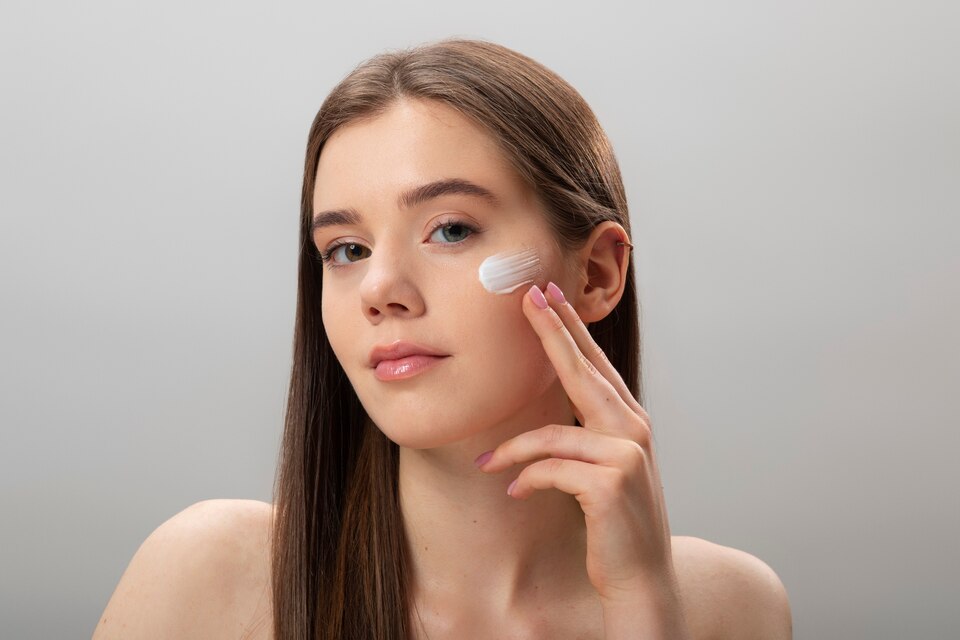
    After cleansing, it’s super important to lock in moisture with a gentle moisturizer that’s made for sensitive skin. Look for one that has ingredients like ceramides, hyaluronic acid, or glycerin—these help keep your skin barrier strong, locking in hydration and keeping irritants out.

    Sensitive skin can sometimes be tricky, feeling oily one minute and dry the next, so aim for a light, non-comedogenic formula that won’t clog your pores.

    Products like Vani cream or La Roche-Posay’s Toleriane Double Repair Moisturizer are great choices because they hydrate deeply without triggering breakouts, keeping your skin calm and balanced.

    3. Sun Protection is Non-Negotiable

    The sun can be a major culprit when it comes to irritating sensitive skin. That’s why wearing sunscreen daily, no matter the weather, is so important. If you have sensitive skin, it’s best to stick to mineral sunscreens with ingredients like zinc oxide or titanium dioxide—they’re much gentler than chemical ones.

    Brands like EltaMD and Blue Lizard make sunscreens specifically for sensitive skin, offering broad protection without clogging your pores or causing flare-ups. Consistent use of sunscreen not only helps keep redness and irritation in check but also protects your skin from long-term damage.

    4. Simplify Your Routine

    When it comes to sensitive skin, keeping things simple is key. Using too many products can actually do more harm than good, leading to irritation. Stick to a few reliable products that work for your skin’s specific needs. A basic routine of gentle cleansing, moisturizing, and applying sunscreen is often all you really need. If you want to try something extra, like a serum, always test it on a small patch of skin first to make sure it doesn’t cause any irritation. Less really is more when caring for sensitive skin!

    If you’re experiencing persistent sensitivity, inflammation, or itching, certain dermatologically recommended antihistamines like Evoq Tablet 10s and Eqoq Tablet 10s can help manage allergic reactions and reduce skin discomfort. However, always consult your doctor before starting any medication.

    Choosing the Right Sensitive Skin Products

    When it comes to sensitive skin, not all products are a good fit. It’s important to be selective and check labels for soothing ingredients like aloe Vera, chamomile, or colloidal oatmeal, which help calm irritation. Steer clear of harsh additives like alcohol, synthetic fragrances, sulfates, and parabens, as these can make sensitivity worse.

    The best skin care products for sensitive skin are often labeled hypoallergenic or non-comedogenic, meaning they’re less likely to cause breakouts or allergic reactions. Trusted brands like Cetaphil, La Roche-Posay, and Aveeno are frequently recommended by dermatologists because they’re specially designed for sensitive skin and can help keep irritation at bay.

    skin care routine

    “Need Extra Help for Irritated Skin?”

    Managing sensitive skin requires more than just avoiding harsh products. For targeted relief from redness, itching, or mild allergic reactions, 3D Skin Cream offers a balanced formula designed specifically for sensitive skin types.

    Crafting the Perfect Night Routine

    Your evening skincare routine for sensitive skin should focus on soothing and restoring balance. After a full day of exposure to pollution, makeup, and the sun, gently cleanse your skin to remove impurities without causing irritation. If your skin needs extra care, apply a calming serum to help soothe any redness or discomfort. Follow this up with a rich, nourishing moisturizer to lock in moisture and let your skin repair overnight.

    For extra-sensitive skin, try incorporating niacinamide—a powerful anti-inflammatory ingredient that helps calm irritation and strengthen the skin’s protective barrier. Don’t forget to extend the same care to your neck and décolletage, as these areas are just as sensitive and often overlooked!

    Conclusion

    Caring for sensitive skin can feel like a bit of a challenge, but with the right routine and products, you can keep your skin bright, hydrated, and calm. It’s essential to pay attention to how your skin reacts to new products—always patch-test first! Tune in to your skin’s needs, as it will often guide you toward what works best.

    If you’re ever in doubt or need personalized advice, don’t hesitate to consult a dermatologist. By being gentle and mindful of what your skin encounters daily, you’ll help ensure that your sensitive skin stays happy and healthy for years to come. Remember, you’re not alone on this journey; your skin deserves all the love and care!

    Tip: Sensitive skin often develops stubborn dark patches or melasma, particularly due to sun exposure or hormonal changes. If this happens, dermatologists sometimes recommend gentle, medicated creams like Tyromax Cream 20 gm, which helps lighten melasma without harsh bleaching agents.

    FAQs On Caring For Sensitive Skin

    1. How can I tell if I have sensitive skin?

    Sensitive skin often reacts to skincare products or environmental factors, causing redness, itching, or irritation. You may notice flare-ups after using certain cosmetics or when exposed to harsh weather conditions. A dermatologist can help confirm if you have sensitive skin and suggest a suitable care routine.

    2. What ingredients should I avoid in sensitive skin products?

    For sensitive skin, avoid ingredients like alcohol, synthetic fragrances, sulfates, and parabens, as they can trigger irritation. Look for hypoallergenic, fragrance-free products, and favor soothing ingredients like aloe vera and chamomile. Always patch-test new products before full use.

    3. Is sunscreen safe for sensitive skin?

    Yes, but it’s essential to choose the right type. Mineral-based sunscreens with zinc oxide or titanium dioxide are gentler and less likely to cause reactions. Avoid chemical sunscreens that can irritate sensitive skin, and opt for fragrance-free, hypoallergenic formulas.

    4. How often should I moisturize sensitive skin?

    Moisturizing sensitive skin twice a day—morning and night—is ideal. Use a gentle, non-comedogenic moisturizer to help maintain the skin barrier and keep your skin hydrated. Applying after cleansing helps lock in moisture and prevents dryness or irritation.

    Related Links : 

  • Common Skin Infections: Causes, Symptoms, and Treatment

    Common Skin Infections: Causes, Symptoms, and Treatment

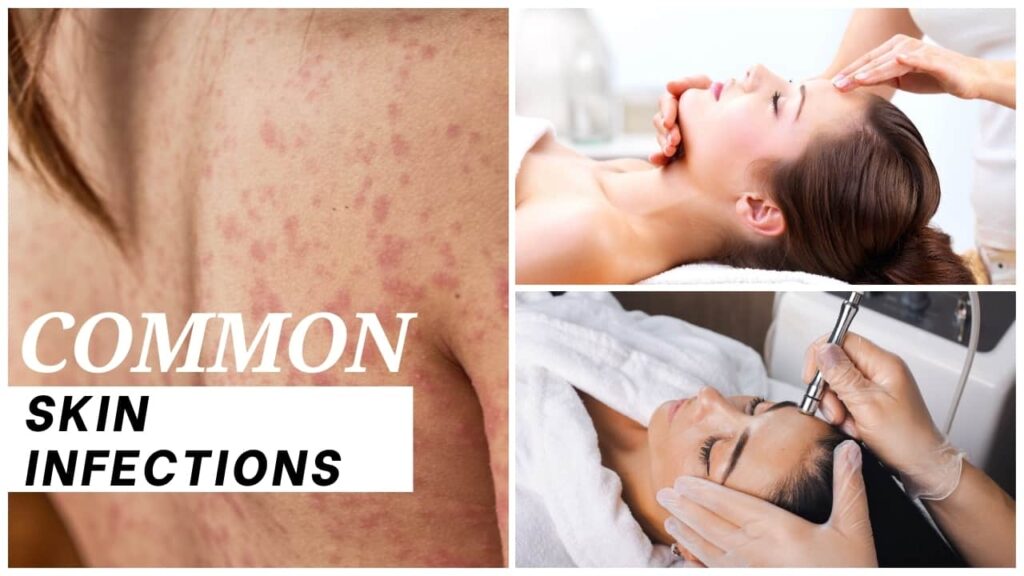
    common skin infections

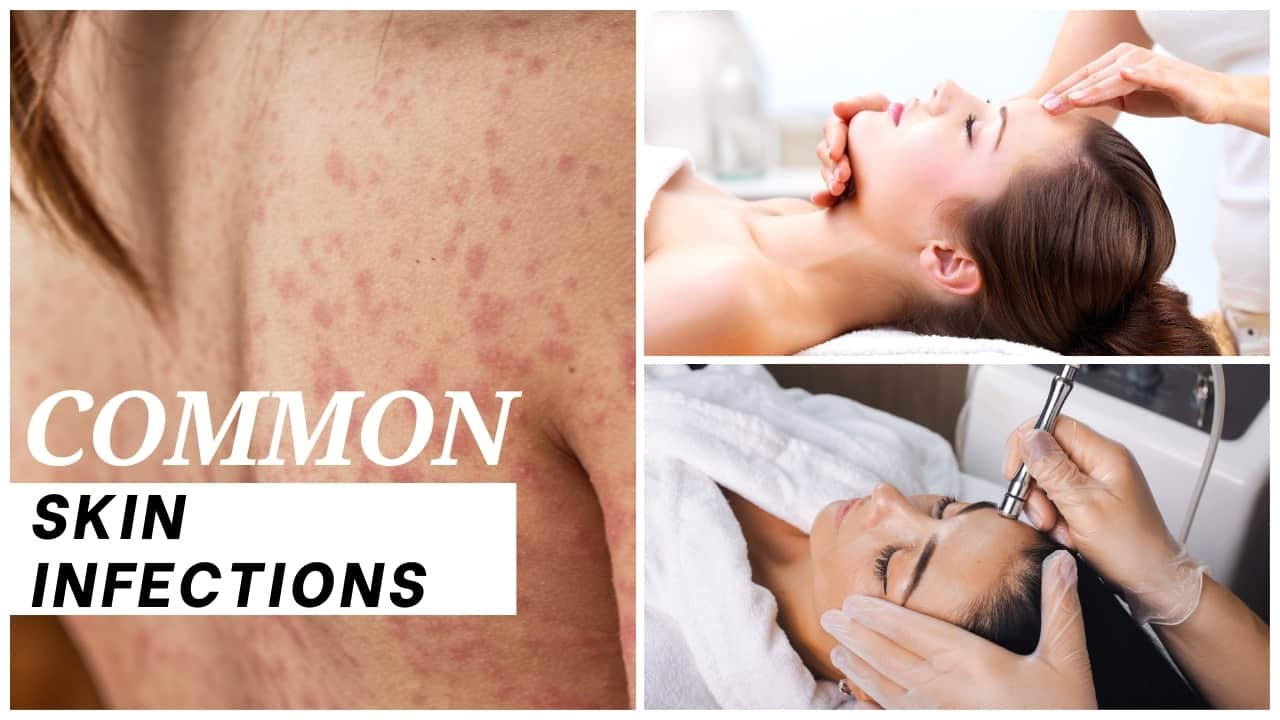
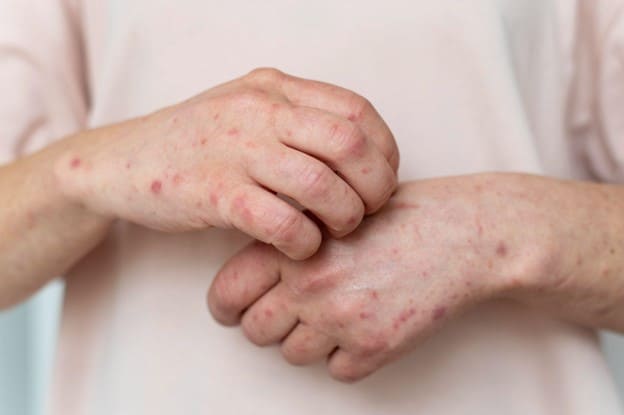
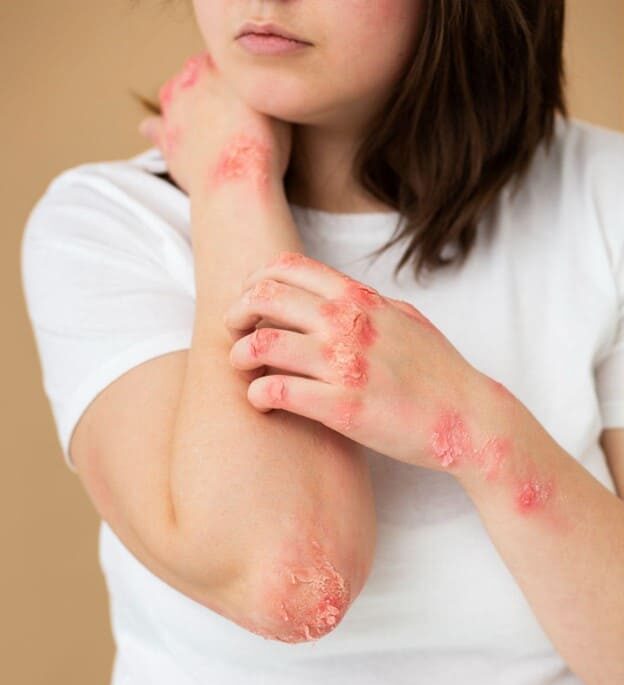
    Skin infections are widespread conditions caused by bacteria, viruses, fungi, or parasites, affecting people of all ages and skin types. The skin, as the body’s first line of defense, is constantly exposed to various pathogens, making it vulnerable to infections, especially when it is damaged or compromised. These infections can range from mild irritations to severe conditions that require medical attention. Common symptoms are redness, itching, rashes, swelling, and in some cases, blisters or pus-filled bumps.
    Factors like poor hygiene, weakened immune systems, excessive sweating, or exposure to contaminated environments can increase the risk. Whether it’s a viral wart, a fungal athlete’s foot, or a bacterial impetigo, recognizing the early signs of a skin infection is crucial for timely treatment. With proper care, most skin infections can be effectively managed, reducing the risk of complications or spreading to other parts of the body.

    Common Skin Infections

    Types of Skin Infections

    There are four main types of skin infections:

    1. Bacterial Skin Infections

    Bacterial infections often begin as small red bumps that resemble skin allergy and gradually increase in size. Examples include cellulitis, impetigo, and boils. These infections are usually caused by bacteria like Staphylococcus and Streptococcus.

    2. Viral Skin Infections

    Viral skin infections are caused by viruses like the herpes virus, human papillomavirus (HPV), and the poxvirus. Common viral skin infections include warts, cold sores, and shingles. These infections often have characteristic symptoms like blisters, itching, or painful sores.

    3. Fungal Skin Infections

    Fungal skin infections thrive in moist and warm environments, making areas like the feet, armpits, and groin particularly vulnerable. Fungal infections include athlete’s foot, ringworm, and yeast infections.

    4. Parasitic Skin Infections

    Parasitic infections are caused by tiny organisms like lice, mites, and bedbugs. They typically result in itching, rashes, and sometimes even allergic reactions. Examples include scabies and lice infestations.

    Fungal Skin Infections

    Fungal infections are among the most prevalent types of skin infections. Reason for fungal infection is that they invade the skin, thriving in areas that are damp and poorly ventilated. Some fungal infections can be superficial, while others may penetrate deeper into the skin.

    fungal skin infection

    Common Types of Fungal Skin Infections

    1. Ringworm (Tinea)

    This is a common fungal skin infection that presents with a circular, red rash. It can appear anywhere on the body, including the scalp, feet (athlete’s foot), or groin (jock itch).

    2. Candidiasis

    Caused by Candida yeast, this infection commonly occurs in moist areas of the body like the armpits, under the breasts, and the groin. It may also affect the mouth (oral thrush).

    3. Fungal Infection on Black Skin

    Fungal infections may present differently depending on skin tone. For instance, fungal infections on black skin often result in hyperpigmentation or hypopigmentation (lighter or darker skin patches). This can make fungal infections harder to diagnose visually on darker skin tones.

    Symptoms of Fungal Skin Infections

    Fungal skin infections can present a variety of symptoms depending on the type and location of the infection. Common symptoms include a red, scaly rash that may itch or burn. Infections like ringworm cause circular, raised patches with a clearer center, while athlete’s foot may result in cracked, peeling, or flaky skin between the toes. In areas such as the groin, fungal infections can appear as reddish or brownish patches with distinct edges. On black skin, infections can cause hyperpigmentation (darker patches) or hypopigmentation (lighter patches), making diagnosis more challenging.

    Other symptoms include:
    – Itching, often intense
    – Blisters or sores, especially in moist areas
    – Dry, flaky skin or scaling
    – White or discolored patches, especially in infections like tinea versicolor

    Yellow Fungus Symptoms

    Yellow fungus is a rare but severe fungal infection, often more dangerous than other fungal infections like white or black fungus. Its symptoms include extreme lethargy, loss of appetite, unexplained weight loss, and slow wound healing. In advanced stages, it can cause pus leakage, sunken eyes, and necrosis (tissue death), leading to severe internal damage. Unlike other fungal infections, yellow fungus starts internally, making early detection difficult. The infection requires immediate medical intervention, often with antifungal medications such as amphotericin B. Delayed treatment can result in life-threatening complications, making early diagnosis critical.

    Reason for Fungal Infection

    – Warm and humid environments
    – Sweating excessively
    – Poor hygiene
    – Wearing tight, damp clothing
    – Weak immune system
    – Using antibiotics, which can kill good bacteria and allow fungi to flourish

    Treatment for Fungal Infections

    The treatment for fungal infections depends on the type of fungus and its severity. Here are some options:

    1. Medicine for Fungal Infection on Skin

    Antifungal infection creams, powders, or oral medications are commonly used. Over-the-counter antifungal medications like clotrimazole or miconazole can help clear up mild infections. In more severe cases, doctors may prescribe stronger medications such as fluconazole or terbinafine.

    2. How to Cure Fungal Infection on Skin Naturally at Home

    Some natural remedies can help soothe and manage fungal infections at home:
    – Tea Tree Oil: Known for its antifungal properties, applying diluted tea tree oil can help reduce fungal infections.
    – Garlic: Garlic has natural antifungal properties. Crushing garlic and applying it to the infected area can help, although it might cause some irritation.
    – Apple Cider Vinegar: Soaking the infected area in diluted apple cider vinegar can help balance the skin’s pH and reduce fungal growth.
    – Aloe Vera: This soothing gel can reduce irritation and inflammation caused by fungal infections while also inhibiting fungal growth.

    Viral Skin Infections

    Viral skin infections are contagious and can range from mild to severe. These infections can affect different parts of the skin and are often accompanied by other symptoms such as fever or body aches.

    Common Types of Viral Skin Infections

    1. Herpes Simplex Virus (HSV)

    This virus causes cold sores (HSV-1) and genital herpes (HSV-2). It presents as fluid-filled blisters that are often painful and contagious.

    2. Human Papillomavirus (HPV)

    This virus causes warts, including common warts, plantar warts, and genital warts. Warts appear as rough, thickened areas of skin and can spread from person to person.

    3. Chickenpox and Shingles

    Both are caused by the varicella-zoster virus. Chickenpox is common in children, while shingles is a reactivation of the virus in older adults, causing painful blisters.

    Symptoms of Viral Skin Infections

    – Fluid-filled blisters or sores
    – Pain, itching, or burning sensations
    – Skin rashes
    – Fever or body aches (in more severe cases)

    Treatment for Viral Skin Infections

    Viral infections often clear up on their own, but antiviral medications may be prescribed to reduce the severity and duration of the infection. For instance, acyclovir is commonly used to treat HSV infections. Keeping the affected area clean and dry is also essential to prevent the spread of infection.

    Treatment for Viral Skin Infections

    Bacterial Skin Infections

    Bacterial skin infections occur when harmful bacteria, such as Staphylococcus or Streptococcus, invade the skin. Common causes include cuts, scrapes, insect bites, or other skin injuries that allow bacteria to enter. Poor hygiene, weakened immunity, or underlying health conditions also increase the risk. Symptoms of bacterial infections can range from redness, swelling, and warmth at the infection site to pus-filled bumps or sores. Examples include cellulitis, impetigo, and boils. Treatment typically involves antibiotics, either topical or oral, depending on the severity of the infection. Keeping the infected area clean and dry is crucial, and severe infections may require medical drainage or other interventions to prevent complications. Early treatment helps prevent the infection from spreading.

    In cases of severe skin inflammation caused by allergic reactions or autoimmune conditions, medications like Omnacortil Oral Solution 60 ml and Eqoq Tablet 10s may be prescribed to reduce inflammation and suppress immune response.

    Prevention Tips for Skin Infections

    Preventing skin infections involves practicing good hygiene and taking precautions in environments where infections are common, such as gyms and swimming pools.

    Here are some tips:
    – Wash your hands regularly with soap and water.
    – Keep your skin clean and dry, especially in areas prone to sweat.
    – Avoid sharing personal items like towels, razors, or clothing.
    – Wear loose-fitting clothing made of breathable materials.
    – Treat cuts, scrapes, and insect bites promptly to prevent infection.
    – Strengthen your immune system with a healthy diet and regular exercise.

    Conclusion

    Skin infections can range from mild annoyances to serious health issues, but most can be treated effectively with proper care. Recognizing the symptoms early and taking immediate steps—whether using antifungal medication, natural remedies, or antiviral treatments—can significantly improve recovery and prevent the spread of infection. Always consult with a healthcare professional for accurate diagnosis and appropriate treatment if symptoms persist or worsen.

    FAQs On Common Skin Infections: Causes, Symptoms, and Treatment

    1. What are the common causes of skin infections?

    Skin infections can be caused by bacteria, viruses, fungi, or parasites. Factors like poor hygiene, a weakened immune system, and prolonged exposure to damp environments increase the risk. Cuts, scrapes, or insect bites also provide entry points for pathogens.

    2. What is the best antifungal cream for private area?

    Clotrimazole-based creams, such as Canesten, are commonly recommended for treating fungal infections in private areas due to their broad-spectrum efficacy and availability. Miconazole nitrate creams, like Monistat, are also effective and widely used. It’s advisable to consult with a healthcare professional to determine the most suitable fungal infection cream based on the specific infection.

    3. How are skin infections treated?

    Treatment depends on the type of infection. Bacterial infections are typically treated with antibiotics, while antifungal creams or oral medications handle fungal infections. Viral infections usually resolve on their own, though antiviral drugs may be prescribed for more severe cases.

    4. What are the symptoms of White Fungus?

    White fungus infections can cause persistent cough, fever, chest pain, and breathing difficulties, especially if it spreads to the lungs. In severe cases, it may affect other organs, leading to symptoms like swelling, fatigue, and localized pain. The infection can also result in white patches on the skin or mucous membranes.

    Related Links :

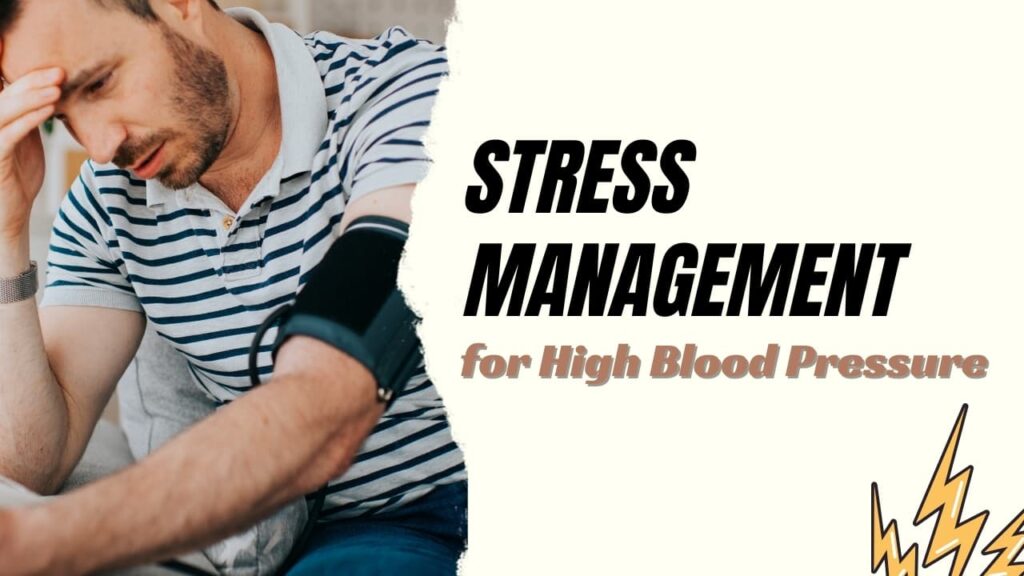
  • Stress Management for High Blood Pressure

    Stress Management for High Blood Pressure

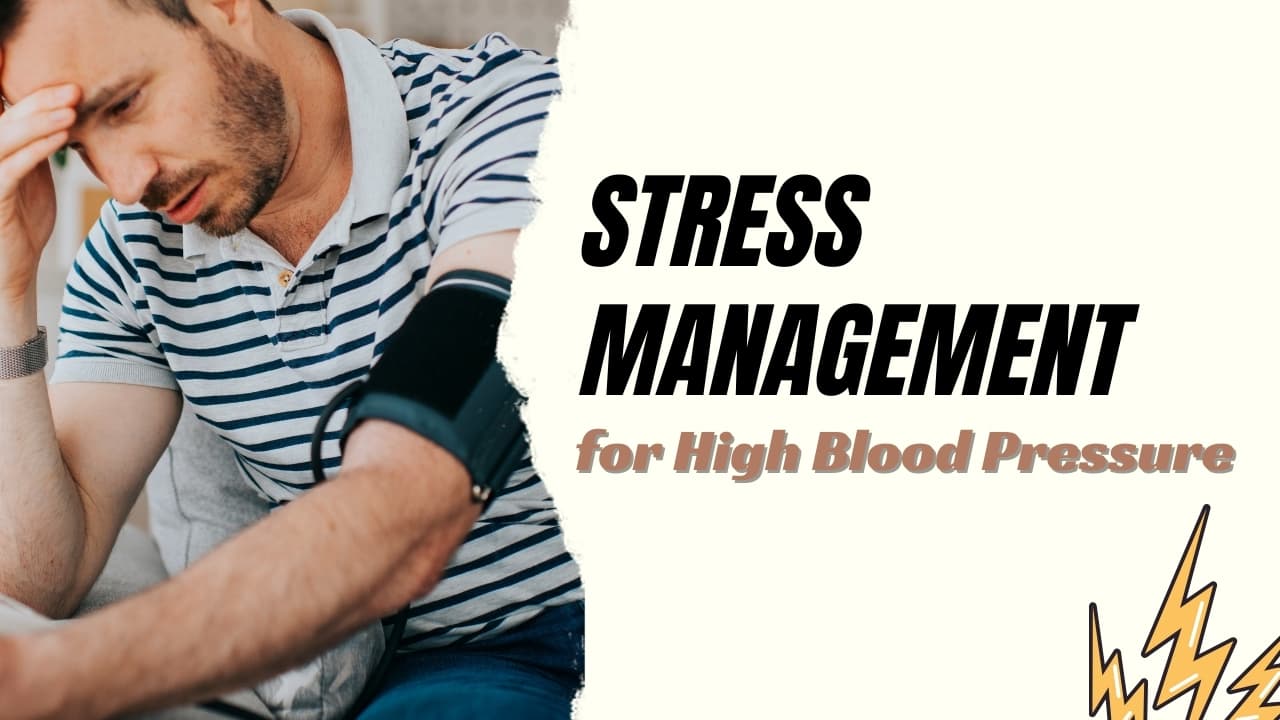
    stress management for high blood pressureStress has become very natural for many people as it is creeping into our daily lives through work pressures, family responsibilities, and the constant demands of modern living. While it’s normal to experience stress, chronic stress can be dangerous, especially for those with high blood pressure (hypertension). Stress not only impacts your mental well-being, but it can also be dangerous to your cardiovascular health, raising your blood pressure to risky levels.

    Understanding the Connection Between Stress and High Blood Pressure

    It is necessary to understand how stress affects blood pressure. When you’re stressed, your body responds by releasing hormones like adrenaline and cortisol. These hormones prepare your body for “fight or flight” by increasing your heart rate and narrowing your blood vessels. This temporary spike in blood pressure is normal. However, when stress becomes a regular phenomenon, these constant spikes can lead to long-term health problems like hypertension.

    Living with hypertension means your heart works harder to pump blood, which can strain your arteries and organs, increasing the risk of heart attack, stroke, and kidney disease. So, while stress alone might not directly cause it, but it is one of the significant causes of sudden high blood pressure​.

    Why Stress Management is Essential for Blood Pressure Control

    For individuals with high blood pressure, managing stress effectively is just as important as taking medication. Incorporating stress management techniques can complement medication to lower blood pressure and improve overall heart health. Additionally, practicing self-care through these methods can help reduce reliance on medications in the long term.

    Stress Management for High Blood Pressure

    1. Mindful Breathing and Meditation

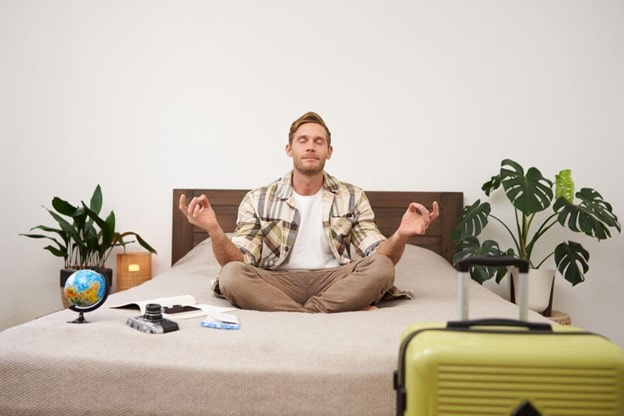
    Mindful breathing is one of the simplest and yet the most effective stress management techniques. When we are stressed, our breathing mostly becomes shallow, which can further increase tension. By practicing deep, slow breathing, we can activate our body’s parasympathetic nervous system, which promotes relaxation and blood pressure control.

    How to practice mindful breathing : Try inhaling slowly through your nose for four counts, holding your breath for four counts, and then exhaling for four counts. Repeat this cycle for five to ten minutes each day.

    Meditation: Regular meditation can also help. Studies show that regular meditation reduces stress and lowers our blood pressure. Even just 10 minutes of quiet, focused meditation can have a calming effect on your mind and body.

    2. Exercise: The Natural Blood Pressure Regulator

    Exercise is another powerful, natural way to lower your blood pressure. Regular physical activity not only reduces stress but also strengthens your heart, making it more efficient at pumping blood.

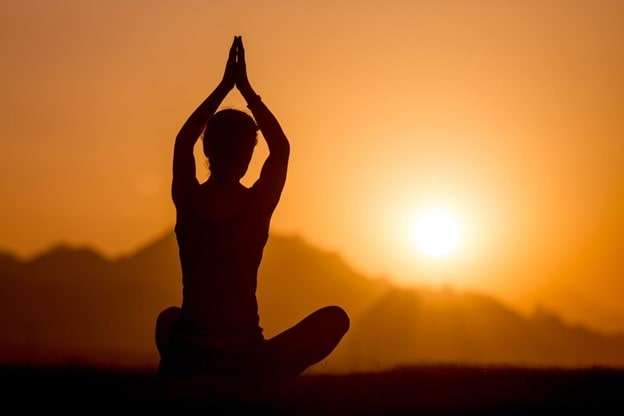
    Walking, Yoga, and Tai Chi: Walking is a simple, low-impact exercise that can reduce stress and hypertension. Similarly, practices like yoga and Tai Chi combine physical movement with mindfulness and deep breathing which makes them excellent for stress and blood pressure management.

    Aim for 30 minutes a day: Try to do some form of physical activity for at least 30 minutes each day. It doesn’t have to be intense—a brisk walk or a light yoga session can do wonders for your stress levels and blood pressure control.

    yoga for high blood pressure | Stress Management for High Blood Pressure

    3. Balanced Nutrition for Hypertension Self-Care

    Diet plays a critical role in high blood pressure stress management​. Eating a well-balanced diet which is rich in fruits, vegetables, whole grains, and lean proteins can naturally lower your blood pressure.

    Reduce sodium intake: One of the most important change in diet for blood pressure control is reducing sodium. Too much salt in our diet can raise blood pressure and strain your heart. Opt for fresh foods over processed ones and flavor your meals with herbs and spices instead of salt.

    Include stress-busting nutrients: Foods that are rich in magnesium, potassium, and antioxidants can help lower stress and blood pressure. Dark leafy greens, bananas, nuts, and seeds are great sources of these nutrients. Omega-3 fatty acids found in fish like salmon and flaxseeds are also known to reduce stress and promote heart health.

    4. Adequate Sleep: A Pillar of Stress Management

    Lack of sleep is a significant stressor and can exacerbate high blood pressure. Poor sleep disrupts the body’s ability to regulate stress hormones, leading to higher blood pressure.

    Establish a sleep routine : Aim for 7-9 hours of quality sleep each night. With a consistent bedtime along with dark and quiet room and limiting screen time before bed helps in improving sleep quality. We should remember, sleep is our body’s way of repairing itself, so we must prioritize rest as a part of hypertension self-care.

    5. Limit Alcohol and Caffeine

    Yes, it may be tempting to relax with a glass of wine or a strong coffee, alcohol and caffeine can raise your blood pressure. Both of these can increase stress levels and affect our blood pressure control.

    Moderation is key : Limit alcohol intake to one drink per day for women and two drinks per day for men. As for caffeine, be mindful of your intake and observe how it affects your blood pressure. For some of us may need to reduce or eliminate caffeine altogether as it helps in controlling high blood pressure.

    6. Social Support and Emotional Well-being

    Having a strong support system can make a world of difference when managing stress and high blood pressure. Connecting with friends, family, or even a therapist can help alleviate feelings of isolation and provide emotional relief. Don’t hesitate to reach out and share your feelings when you’re overwhelmed.

    Join a support group : For those struggling with hypertension, joining a support group where others understand your journey can offer comfort and practical advice. Sometimes, just knowing you’re not alone can lower stress levels significantly.

    7. Medication to Lower Blood Pressure: A Supplement to Self-Care

    While natural stress management techniques can be incredibly effective, medication to lower blood pressure is sometimes necessary, especially if your hypertension is severe or other hypertension treatments are not enough. Medications like ACE inhibitors, diuretics, and beta-blockers can help reduce blood pressure and prevent complications. However, these should always be used alongside lifestyle changes like stress management, healthy eating, and exercise.

    Vacation

    Taking a vacation can be an excellent way to high blood pressure stress management​. Time away from daily routines allows the mind and body to reset, reducing the chronic stress that contributes to high blood pressure. Vacations often provide an opportunity to relax, engage in enjoyable activities, and disconnect from work pressures, all of which help lower stress hormones like cortisol.

    Being in a new, tranquil environment—whether it’s a beach, mountains, or even a staycation—promotes physical and emotional relaxation. This downtime can improve sleep, boost mood, and reduce overall tension, leading to lower blood pressure.

    Additionally, vacations often encourage physical activity like walking or swimming, which naturally supports heart health. By taking time to recharge, you’re not just giving yourself a mental break, but also doing your heart a favor, making vacations a great tool for hypertension self-care and long-term health.

    hypertension self-care | Stress Management for High Blood Pressure

    Conclusion

    Take Charge of Your Blood Pressure, Naturally and Holistically. Stress management and high blood pressure go hand-in-hand. By incorporating natural ways to lower your blood pressure, such as mindful breathing, exercise, balanced nutrition, and adequate sleep, you can significantly improve your overall well-being. While medications may be part of your treatment plan, never underestimate the power of lifestyle changes and hypertension self-care. Take control of your stress today, and you’ll be on the path to a healthier heart and a more balanced life.

    Remember, managing high blood pressure is a marathon, not a sprint. Be kind to yourself, practice patience, and incorporate these techniques step by step for lasting change.

    FAQs On Stress Management for High Blood Pressure

    1. How does stress affect high blood pressure?

    Stress triggers the release of hormones like cortisol and adrenaline, which temporarily increase heart rate and constrict blood vessels. While short-term stress spikes are normal, chronic stress can lead to persistent high blood pressure, making it harder to manage hypertension in the long run.

    2. What are some effective stress management techniques for lowering blood pressure?

    Mindful breathing, regular exercise, meditation, and adequate sleep are excellent ways to manage stress and lower blood pressure. Additionally, engaging in relaxing hobbies and socializing with supportive people can help ease mental strain and promote heart health.

    3. Can managing stress alone lower my high blood pressure?

    While stress management is a powerful tool, it is usually most effective when combined with other strategies like healthy eating, exercise, and medication if necessary. Stress reduction can significantly improve blood pressure control but should be part of a holistic approach.

    4. How often should I practice stress management techniques for high blood pressure control?

    Ideally, stress management techniques should be practiced daily. Whether it’s through mindfulness exercises, physical activity, or relaxation practices, incorporating these into your daily routine can help maintain lower stress levels and better blood pressure control.

    Related Links :

  • Exercise for High Blood Pressure: A Beginner’s Guide

    Exercise for High Blood Pressure: A Beginner’s Guide

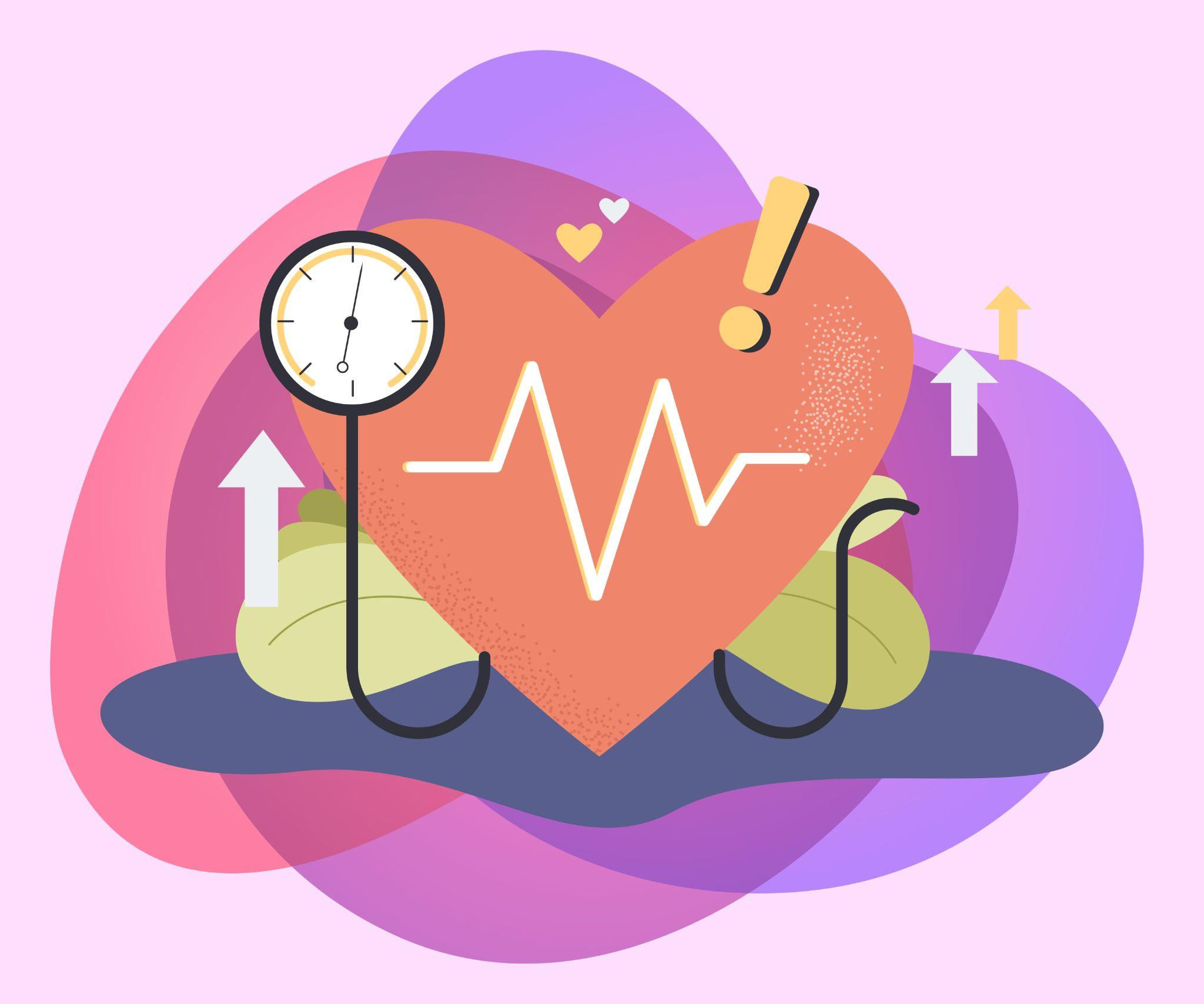
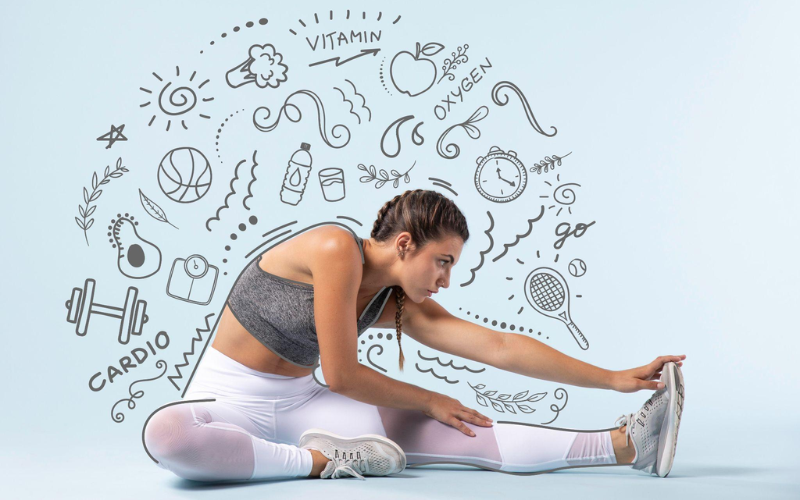
    exercise for high blood pressure

    High blood pressure (hypertension) is a common health condition that affects millions of people globally. Left unchecked, it can lead to serious complications, including heart disease, stroke, and kidney failure. While medications can be essential for managing hypertension, lifestyle changes—especially exercise—play a crucial role in lowering blood pressure naturally.  

    Exercise is a very helpful when trying to manage high blood pressure. Regular physical activity helps strengthen the heart, improve blood circulation, and reduce the force on your arteries, naturally lowering blood pressure levels. Those with hypertension, incorporating exercise into daily life routine can lead to significant health improvements by reducing the risk of heart disease, stroke, and other complications. Whether you’re a beginner or returning to fitness, the right exercises—such as walking, swimming, or yoga—can safely and effectively support your journey to better heart health.

    Why Exercise is Important for High Blood Pressure

    1. Improves Heart Health: Exercise strengthens your heart, making it more efficient at pumping blood. When your heart is stronger, it requires less effort to circulate blood, which helps in reducing the force on your arteries, lowering your blood pressure.

           2. Reduces Stress Hormones: Physical activity decreases stress hormones such as adrenaline and cortisol which cause your blood pressure to spike when                           they’re elevated, so keeping them in check through exercise helps stabilize your overall levels.

    hypertension exercise

           3. Aids in Weight Management: Excess weight can put strain on your cardiovascular system, increasing the chances of hypertension. Regular exercise helps                    with weight loss and maintaining a healthy weight, which impacts blood pressure control.

          4. Promotes Blood Vessel Health: Regular physical activity improves blood vessel flexibility, making it easier for your arteries to expand and contract as                          needed. This leads to better blood circulation and lower blood pressure levels.

          5. Improves Sleep: Poor sleep quality and insomnia can increase your risk of hypertension. Exercise helps regulate your sleep patterns, which in turn, supports                  heart health and blood pressure management.

    How Much Exercise Do You Need?

    It is recommended at least 150 minutes of moderate-intensity aerobic exercise or 75 minutes of vigorous exercise per week for adults. However, if you’re new to exercise, it’s important to start slow and gradually increase your activity level over time. 

    For individuals with high blood pressure, consistency is key. Small, regular bouts of exercise can be more beneficial than sporadic, intense sessions. Aim for 30 minutes of moderate exercise most days of the week. If 30 minutes seems overwhelming at first, break it into three 10-minute sessions.

    Best Exercise for High Blood Pressure

    Here are the top best exercises for high blood pressure:

    1. Aerobic Exercise (Cardio)

    Aerobic exercises are the best type of physical activity for lowering blood pressure. These exercises get your heart pumping, improve oxygen circulation, and enhance the efficiency of your cardiovascular system.

    Aerobic Exercise (Cardio)

    Examples of Aerobic Exercise:

    • Walking: One of the easiest and most effective exercises for people with high blood pressure. A brisk 30-minute walk five times a week can significantly lower        systolic pressure.
    • Jogging or Running: For those already in moderate fitness condition, jogging or running can enhance cardiovascular endurance and improve heart health.
    • Cycling: Whether on a stationary bike or riding outdoors, cycling is a low-impact exercise that strengthens the heart and reduces blood pressure.
    • Swimming: Swimming is a full-body workout that is gentle on the joints. It’s especially beneficial for people with arthritis or joint pain along with hypertension.
    • Dancing: Activities like Zumba, ballroom dancing, or even dancing around your living room can provide a fun way to keep your blood pressure under control.

    How It Works: Aerobic exercise improves the heart’s efficiency and lowers the resistance in blood vessels, helping to decrease blood pressure.

    2. Strength Training (Resistance Exercise)

    While aerobic exercises and strength training have the most significant impact on blood pressure. Building muscle mass helps boost metabolism and improves insulin sensitivity, which indirectly helps manage hypertension. Resistance exercise can be done with free weights, resistance bands, or bodyweight exercises like squats and push-ups.

    Examples of Strength Training Exercises:

    • Bodyweight Exercises: Squats, lunges, and push-ups are great for building muscle without needing equipment.
    • Free Weights: Dumbbell and barbell exercises like chest presses, rows, and bicep curls.
    • Resistance Bands: These versatile tools are great for low-impact strength training.
    • Machines: Gym machines can help you target specific muscles.

    How It Works: When combined with aerobic exercise, strength training helps lower both systolic and diastolic blood pressure, while also improving overall muscle and cardiovascular health.

    3. Yoga and Stretching

    Yoga offers more than just relaxation; it’s also a powerful tool for controlling blood pressure. Yoga combines physical postures, breathing exercises, and meditation, all of which have a calming effect our nervous system. This reduces stress, a common contributor to high blood pressure.

    Yoga and Stretching

    Examples of Yoga for High Blood Pressure:

    Child’s Pose (Balasana): This is a gentle resting posture that calms our nervous system.

    Seated Forward Bend (Paschimottanasana): This asana helps in relieving stress and stretches our back and legs.

    Legs Up the Wall (Viparita Karani): This asana promotes circulation and reduces our blood pressure.

    Corpse Pose (Savasana): This asana is often practiced at the end of a yoga session as it promotes deep relaxation and lowers our heart rate.

    How It Works: Yoga reduces stress hormones, improves breathing patterns, and promotes mindfulness, all these contribute in lowering our blood pressure.

    4. Pilates

    Pilates, like yoga, focuses on core strength, flexibility, and controlled breathing. It’s a low-impact exercise that helps with muscle toning, posture improvement, and relaxation, making it beneficial for people with high blood pressure.
    How It Works: Pilates focuses on breathing and core strength which helps in improving our blood circulation, reduces tension, and lowers stress which contributes to healthier blood pressure.

    5. Interval Training

    High-Intensity Interval Training (HIIT) involves alternating between short bursts of intense activity and periods of rest or lower-intensity movement. HIIT has been proven to be very effective in reducing blood pressure in people with higher systolic numbers.

    Examples of Interval Training:
    – Sprint-Walk Intervals: Alternate between 1-minute sprints and then 2 minutes of walking for 20-30 minutes.
    – Cycling Intervals: Alternate between fast-paced cycling with slower recovery periods.
    – Rowing Intervals: Row intensely for 30 seconds, followed by doing it slowly for 1 minute.

    How It Works: Interval training challenges your cardiovascular system, making your heart stronger and more efficient. The periods of high intensity help improve heart function and blood pressure more effectively than steady-state cardio for some individuals.

    6. Tai Chi

    Tai Chi is a form of martial arts known for its slow, graceful movements and deep breathing. It combines physical activity with mindfulness, reducing stress and improving cardiovascular health. Studies have shown that Tai Chi can help lower blood pressure in older adults.

    How It Works: The slow, deliberate movements and controlled breathing in Tai Chi calm the nervous system and improve circulation, leading to a decrease in blood pressure.

    Causes of sudden high blood pressure​

    Sudden high blood pressure, also known as a hypertensive crisis, can result from factors like intense stress, excessive salt intake, or chronic kidney disease. Lifestyle habits, such as alcohol bingeing, drug use (e.g., stimulants like cocaine), or skipping blood pressure medications, can also cause rapid spikes. Certain medications, pain relievers, or interactions between them may lead to sudden blood pressure elevations as well.

    Conclusion

    Exercise is one of the most effective natural ways to manage high blood pressure. For beginners, the key is to start slow, be consistent, and listen to your body. A combination of aerobic exercises like walking or cycling, strength training, and relaxation techniques like yoga can help you build a balanced fitness routine that supports your heart health.

    Remember, while exercise can significantly lower your blood pressure, it’s not a replacement for prescribed medications or professional medical advice. Work with your healthcare provider to create a comprehensive plan that includes exercise, diet, and stress management for long-term success in managing high blood pressure.

    By staying active and making gradual, healthy lifestyle changes, you can effectively lower your blood pressure and improve your overall well-being.

    FAQs On Exercise for High Blood Pressure

    1. How to control high BP?

    To manage high blood pressure you must focus on a balanced, low-salt diet, stay active with regular exercise for about 150 minutes of moderate activity per week, along with that also manage stress through relaxation techniques like deep breathing or yoga. You should avoid smoking, cut back on alcohol, and stick to your doctor’s medication plan if prescribed.

    2. How to lower blood pressure?

    To lower your blood pressure, regular aerobic exercise like walking or cycling for at least 150 minutes a week is advised. You should also follow a heart-healthy diet that’s low in salt and processed foods, and rich in fruits and vegetables. Reducing stress and limiting alcohol along with taking any prescribed medications play a big role in lowering your blood pressure.

    3. Does walking help lower blood pressure?

    Yes, walking is a great way to lower your blood pressure as it boosts circulation and strengthening your heart. You should aim for at least 30 minutes of brisk walking most days of the week to see the best results.

    4. Does exercise lower blood pressure?

    Absolutely! Regular exercise lowers blood pressure by making your heart stronger and improving blood flow. Aerobic exercises like walking, cycling, or swimming can particularly be highly effective for keeping blood pressure in check for a long-term.

    5. what is normal BP range for women?

    The normal blood pressure range for women is typically around 120/80 mm Hg. Values slightly below or above may still be considered normal, but consistent readings above 120/80 may require monitoring.

    Related Links: 

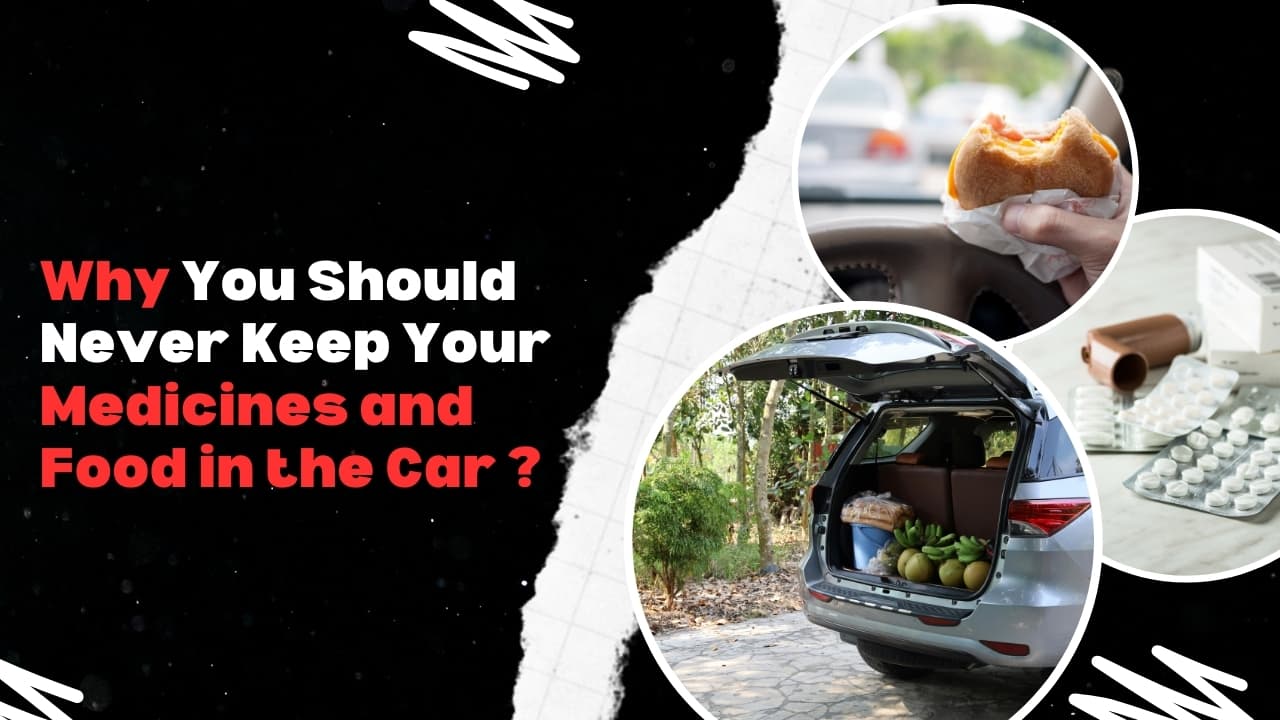
  • Why You Should Never Keep Your Medicines and Food in the Car

    Why You Should Never Keep Your Medicines and Food in the Car

    why not to keep medicines in carEver left food or medicines in your car? It might seem harmless, but it could seriously affect your health!

    A True Story:
    Imagine this – you’re driving back home after a long day. You bought some groceries, including fresh vegetables and your prescribed medicines. Tired, you decide to leave everything in the car, planning to get it later. Hours pass, and by the time you remember, the inside of the car is scorching. The food has spoiled, and your medicines? They’re not just sitting there harmlessly – the heat has likely destroyed their effectiveness. What seemed like a small oversight could now impact your health and safety.

    Here’s why you should always bring them inside with you.

    1. Extreme Temperatures Damage Medicine Potency

    • Heat Exposure: Even on a moderately warm day, cars can heat up quickly and reach temperatures of above 70°C (160°F). This is known as heat exposure. Many medications’ chemical makeup may be disrupted by this, rendering them hazardous or ineffective.
    • Cold Exposure: Conversely, freezing temperatures have the potential to solidify drugs, especially liquids or insulin, making them useless.
    • Solution: The recommended way to keep drugs effective is to store medicines in a dry, cold place, as instructed on the labels.

    2. Food Spoilage in High Heat

    • Bacterial Growth: The optimal temperature range for bacteria to grow is between 4°C and 60°C (40°F and 140°F). Perishable foods can quickly reach this temperature range in a heated car, leading to the risk of food poisoning and bacterial development.
    • Solution: Stay clear of keeping perishables in the car for a duration of two hours or more, especially meat, dairy, and packed lunches.

    3. Risk of Chemical Reactions in Medicines

    • Chemical Breakdown: Some medicines are heat-sensitive. Antibiotics, hormone supplements, and painkillers, for example, might change chemically when exposed to high temperatures over a long amount of time. These modifications can end up in toxic byproducts, making it dangerous to take the treatments.
    • Solution: Take care where you keep your drugs, especially in your automobile, to avoid this. The packaging of many drugs specifies the ideal temperature for storage. You can help to ensuring the efficacy and safety of your medications by sticking to these guidelines.

    4. Packaging Damage

    • Melted Packaging: The heat inside a car can melt plastic pill bottles, blister packs, or food containers, contaminating the contents with chemicals from the packaging.
    • Leaks and Spills: Liquid medicines or food items stored in non-durable containers may burst or leak in the heat, leading to mess and contamination.
    • Solution: Always store medicines and food in appropriate conditions to avoid damage to their packaging.

    5. Loss of Label Information

    • Fading Labels: Prolonged exposure to sunlight can cause medication labels to fade, making it difficult to read dosage or expiration details.
    • Solution: Keeping your medicines in proper storage ensures you always have clear, legible instructions.

    6. Reduced Shelf Life

    • Faster Expiration: Medicines and food exposed to improper storage conditions tend to degrade faster, leading to a shortened shelf life.
    • Spoiled Ingredients: In food, prolonged heat or cold can spoil even shelf-stable items like chips or cereal, altering taste and quality.
    • Solution: Check storage instructions carefully and keep your products at home in safe environments.

    7. Unpleasant Odor and Taste

    • Degraded Flavor: Hot or humid conditions can ruin the flavor and texture of both food and medicines, making them taste odd or smell bad.
    • Stale Smell: Food left in the car may develop a stale or sour odor, even if it’s pre-packaged.
    • Solution: Always take food and medicines out of the car to keep them fresh and pleasant.

    Conclusion: Keep Your Health Protected

    Your car is a convenience, but not a safe place for your medicines and food. Leaving them in a hot or cold car can lead to health risks, wasted products, and unpleasant surprises.

    Tip: Always take your food and medications with you or keep them in a safe, temperature-controlled environment to ensure their quality and your health.

    Remember: Storing your medicines and food correctly is essential for your safety. Follow Medkart Pharmacy for more health tips and product safety advice!

  • Top 7 Benefits of Telehealth Platforms for Primary Care

    Top 7 Benefits of Telehealth Platforms for Primary Care

    telehealth platforms for primary careTelehealth platforms represent a revolutionary advancement in the field of healthcare delivery, leveraging technology to facilitate remote access to medical services and information. At its core, telehealth encompasses a broad spectrum of services, ranging from virtual consultations with healthcare providers to remote monitoring of patient’s vital signs and symptoms.



    These platforms utilize various forms of communication technology, including video conferencing, mobile apps, secure messaging, and wearable devices, to connect patients with healthcare professionals. By transcending geographical barriers and overcoming traditional constraints associated with in-person healthcare visits, telehealth platforms offer unprecedented convenience and accessibility to individuals seeking medical care.


    All About Telehealth Platforms

    Telehealth platforms encompass a wide range of healthcare services, including primary care consultations, specialist referrals, mental health counseling, chronic disease management, medication management, and preventive care services. Patients can seek medical advice, receive diagnoses, discuss treatment options, and obtain prescriptions—all from the comfort of their homes or any location with internet access.

    The components of a typical telehealth platform often include:

    1. Virtual Consultations

    Patients can schedule appointments and conduct live video consultations with healthcare providers, replicating the experience of an in-person visit.

    2. Remote Monitoring

    Telehealth platforms enable the continuous monitoring of patients’ health parameters, such as blood pressure, blood glucose levels, heart rate, and activity levels, through connected devices and wearables. This allows healthcare providers to track patients’ progress remotely and intervene promptly if necessary.

    3. Secure Communication

    To ensure patient privacy and data security, telehealth platforms employ encrypted communication channels and adhere to strict regulatory standards, such as the Health Insurance Portability and Accountability Act (HIPAA) in the United States.

    4. Electronic Health Records (EHR) Integration

     Integration with electronic health record systems enables seamless documentation and sharing of patient information between healthcare providers, ensuring continuity of care.

    5. Patient Portals

     Patients can access their medical records, view test results, schedule appointments, and communicate with their healthcare team through secure online portals or mobile applications.

    Telehealth platforms offer numerous benefits to both patients and healthcare providers. Patients enjoy increased convenience, reduced travel time and expenses, timely access to care, and improved engagement in their healthcare journey. Healthcare providers benefit from enhanced efficiency, expanded reach, better patient outcomes, and reduced administrative burden.

    As technology continues to evolve and telehealth adoption grows, telehealth platforms are poised to play an increasingly integral role in modern healthcare delivery, transforming the way healthcare services are accessed and delivered across the globe.

    Top 7 Benefits of Telehealth Platforms for Primary Care

    1. Enhanced Accessibility

    Telehealth platforms transcend geographical barriers, enabling patients to access primary care services from the comfort of their homes. This is particularly beneficial for individuals residing in rural or underserved areas with limited access to healthcare facilities. By eliminating the need for in-person visits, telehealth ensures that patients can receive timely medical attention regardless of their location, thereby improving overall healthcare accessibility and equity.

    2. Convenience and Flexibility

     With telehealth, patients no longer need to contend with the inconvenience of scheduling appointments, commuting to healthcare facilities, and waiting in crowded waiting rooms. Telehealth platforms offer unparalleled convenience and flexibility, allowing patients to schedule virtual consultations at their convenience. This flexibility is especially valuable for individuals with busy schedules, mobility limitations, or chronic conditions that necessitate frequent follow-ups.

    Telehealth platforms

    3. Cost Savings

    Telehealth platforms have the potential to significantly reduce healthcare costs for both patients and providers. By minimizing the need for in-person visits, telehealth eliminates expenses associated with transportation, parking, and missed workdays. Additionally, telehealth consultations are often more time-efficient than traditional appointments, enabling providers to see more patients within a given timeframe and optimize their practice revenue.

    4. Improved Chronic Disease Management

    Telehealth plays a pivotal role in the effective management of chronic conditions such as diabetes, hypertension, and heart disease. Through remote monitoring tools and virtual check-ins, healthcare providers can closely monitor patients’ vital signs, medication adherence, and symptom progression. This proactive approach to chronic disease management not only enhances patient outcomes but also reduces the likelihood of costly hospitalizations and complications.

    5. Expanded Reach for Specialists

    Telehealth platforms facilitate collaboration and knowledge sharing among primary care providers and specialists, regardless of their geographical location. This enables primary care physicians to consult with specialists in real-time, seek second opinions, and access specialized expertise that may not be locally available. As a result, patients benefit from more comprehensive and coordinated care that is tailored to their unique needs.

    6. Patient Engagement and Empowerment

    Telehealth empowers patients to take an active role in managing their health by providing convenient access to medical advice, educational resources, and self-care tools. Through telehealth platforms, patients can engage in virtual consultations, access personalized treatment plans, and monitor their health metrics from the comfort of their homes. This fosters a sense of autonomy and empowerment, leading to improved health outcomes and patient satisfaction.

    7. Continuity of Care and Follow-up

    Telehealth platforms facilitate seamless communication and follow-up between patients and providers, ensuring continuity of care across the healthcare continuum. Following an initial consultation, patients can easily schedule follow-up appointments, receive medication refills, and seek medical advice as needed. This continuity of care is particularly valuable for individuals with chronic conditions or complex healthcare needs, as it reduces the risk of gaps in care and enhances care coordination.

    Conclusion:

    Telehealth platforms represent a paradigm shift in primary care, offering a multitude of benefits that enhance access, quality, and efficiency in healthcare delivery. As we look towards the future, further integration and optimization of telehealth services hold the potential to drive continued improvements in patient outcomes and healthcare accessibility. By embracing telehealth, we pave the way for a more patient-centered and resilient healthcare system that is equipped to meet the evolving needs of our communities.

    FAQs on Top 7 Benefits of Telehealth Platforms for Primary Care

    Q1. How does telehealth improve accessibility to primary care?

    Answer: Telehealth eliminates geographical barriers, allowing patients to access primary care services from any location with internet connectivity. This means individuals living in remote areas or with limited mobility can receive medical advice and treatment without the need for physical travel, ensuring equitable access to healthcare.

    Q2. Can telehealth platforms save time and costs for patients?

    Answer: Yes, telehealth platforms offer significant time and cost savings for patients. Avoiding commuting to a healthcare facility saves patients travel time and transportation expenses. Additionally, virtual appointments often require less waiting time, allowing patients to efficiently manage their schedules while receiving timely medical care.

    Q3. How does telehealth support continuity of care in primary care settings?

    Answer: Telehealth facilitates regular check-ups and follow-ups, enabling patients to maintain ongoing communication with their primary care providers. This ensures continuity of care by allowing for timely interventions, medication adjustments, and monitoring of chronic conditions. Moreover, telehealth enhances care coordination among healthcare providers, promoting a holistic approach to patient care.

    Q4. What are the benefits of telehealth platforms for improving health outcomes?

    Answer: Telehealth platforms contribute to improved health outcomes through early detection and intervention. By providing timely access to primary care services, telehealth enables healthcare providers to diagnose and treat medical conditions at an earlier stage, preventing complications and improving patient outcomes. Additionally, telehealth supports better management of chronic conditions by facilitating regular monitoring and proactive care strategies.

    Related Links:

    Normal Hemoglobin Level in Female

    Breast Cancer Treatment

    Healthy Lifestyle Choices

    How to eat Chia seeds?

    Binge Eating Disorder

    Nourishing Your Liver


  • What Causes Children’s Mental Health Issues? And How To Prevent It?

    What Causes Children’s Mental Health Issues? And How To Prevent It?

    causes of childrens mental health issuesChildren’s mental health issues have become a growing concern in today’s society. From anxiety and depression to behavioral disorders and attention deficits, the spectrum of challenges faced by children is vast and complex. Understanding the underlying causes of these issues and implementing effective prevention strategies is crucial for promoting the well-being of our younger generations.


    What Causes Children’s Mental Health Issues?

    Children’s mental health issues can stem from a variety of interconnected factors, spanning biological, environmental, psychological, and social domains. 

    1. Genetic and Biological Factors

     Genetics can play a significant role in predisposing children to mental health issues. Certain genetic variations and predispositions can increase susceptibility to conditions such as depression, anxiety disorders, bipolar disorder, and schizophrenia. For example, studies have shown that children with a family history of mental illness are at a higher risk of developing similar conditions themselves. Additionally, imbalances in brain chemistry, neurotransmitter function, and neural circuitry can contribute to the onset and manifestation of mental health disorders in children.

    2. Environmental Influences

    The environment in which a child grows and develops plays a critical role in shaping their mental health. Adverse childhood experiences (ACEs) such as trauma, abuse, neglect, or exposure to violence can have profound and long-lasting effects on a child’s psychological well-being. These experiences can disrupt normal development, leading to increased vulnerability to mental health issues later in life. Furthermore, socioeconomic factors, including poverty, housing instability, food insecurity, and lack of access to healthcare, can exacerbate stress and contribute to the development of mental health challenges in children.

    3. Psychological and Emotional Stressors

    Children are susceptible to various psychological and emotional stressors that can impact their mental health. High levels of academic pressure, bullying, social rejection or isolation, peer pressure, family conflicts, divorce, loss of a loved one, and exposure to chronic stress can all contribute to the development of mental health issues such as depression, anxiety, and post-traumatic stress disorder (PTSD). Additionally, unrealistic expectations from parents, caregivers, or societal norms can create undue pressure and negatively affect a child’s self-esteem and emotional well-being.

    4. Neurodevelopmental Factors

      Neurodevelopmental disorders such as autism spectrum disorder (ASD), attention-deficit/hyperactivity disorder (ADHD), and learning disabilities are characterized by atypical brain development and functioning. These conditions can significantly impact a child’s cognitive, social, and emotional functioning, leading to challenges in various areas of life. Children with neurodevelopmental disorders may experience difficulties with communication, social interaction, behavior regulation, attention, and academic performance, which can contribute to feelings of frustration, low self-esteem, and mental health issues if not properly addressed.

    5. Family Dynamics and Relationships

    Family dynamics and the quality of parent-child relationships can profoundly influence a child’s mental health. Children who grow up in nurturing, supportive, and emotionally responsive environments tend to have better psychological outcomes compared to those who experience family dysfunction, conflict, or instability. Positive parent-child relationships characterized by warmth, affection, effective communication, and consistent discipline can promote emotional security and resilience in children. Conversely, dysfunctional family dynamics, parental conflict, marital discord, parental substance abuse, or mental illness can increase a child’s risk of developing mental health issues.

    6. Social and Cultural Influences

    Social and cultural factors can also shape children’s mental health experiences. Cultural norms, beliefs, values, and attitudes toward mental health and help-seeking behavior can influence how children perceive and express their emotional distress. Stigma surrounding mental illness, discrimination, social marginalization, and lack of culturally sensitive mental health services can pose additional barriers to accessing care for children from diverse backgrounds. Furthermore, societal pressures related to body image, gender expectations, academic achievement, and social conformity can contribute to stress and mental health challenges in children.

    Mental Health Issues

    Prevention Strategies for Children’s Mental Health Issues

    Prevention strategies for children’s mental health issues encompass a broad range of approaches aimed at promoting healthy development, resilience, and well-being. Here’s an in-depth look at some key prevention strategies:

    1. Early Intervention and Screening

    Early intervention involves identifying and addressing mental health concerns in children as early as possible. Regular screenings for developmental delays, behavioral problems, and emotional disturbances can help detect issues at an early stage, allowing for timely intervention and support. Healthcare providers, educators, and parents play a crucial role in recognizing warning signs and seeking appropriate interventions.

    2. Promoting Resilience and Coping Skills

       Resilience denotes the capacity to rebound from adversity and flourish amidst challenges. Teaching children resilience-building skills equips them with the tools they need to cope effectively with stressors and setbacks. This includes teaching problem-solving skills, emotional regulation techniques, positive thinking patterns, and healthy coping mechanisms such as mindfulness, relaxation exercises, and engaging in hobbies and activities they enjoy.

    3. Creating Supportive Environments

    Creating supportive environments at home, school, and in the community is essential for promoting children’s mental health. Supportive environments are characterized by positive relationships, open communication, and a sense of safety and belonging. Parents, teachers, peers, and community members all play a role in creating environments that foster emotional well-being and resilience in children.

    4. Strengthening Family Relationships

       Strong and supportive family relationships serve as a protective factor against children’s mental health issues. Parents can promote positive parent-child relationships by providing love, support, and guidance, fostering open communication, setting clear boundaries, and being involved in their child’s life. Family therapy and parent training programs can also be beneficial in strengthening family relationships and addressing issues that may impact children’s mental health.

    Mental Health Issues

    5. Educating Parents and Caregivers

    Educating parents and caregivers about child development, positive parenting practices, and recognizing signs of mental health issues is essential for early intervention and prevention. Providing parenting classes, workshops, and support groups can help parents develop the knowledge and skills they need to support their children’s emotional and psychological well-being effectively. Parent education programs can also help reduce parental stress and improve parent-child relationships.

    6. Providing Access to Mental Health Services

    Ensuring access to mental health services and support resources is crucial for children who may be experiencing mental health challenges. This includes access to mental health professionals such as therapists, counselors, and psychiatrists, as well as community-based support programs and interventions. Schools can play a role in providing mental health services through school counselors, psychologists, and support groups.

    7. Addressing Bullying and Peer Relationships

    Bullying and peer relationships can have a significant impact on children’s mental health. Schools and communities can implement anti-bullying programs and initiatives to create safe and inclusive environments where children feel supported and valued. Teaching empathy, conflict resolution skills, and positive peer interaction can also help foster healthy peer relationships and reduce the risk of bullying.

    8. Reducing Stigma and Promoting Awareness

    Addressing stigma surrounding mental health issues is critical for promoting early intervention and support-seeking behaviors in children. Promoting awareness, challenging stereotypes, and fostering empathy and understanding can help reduce stigma and create a culture of acceptance and support for children facing mental health challenges. Schools, media, and community organizations can play a role in promoting mental health awareness and reducing stigma through education and advocacy efforts.

    Conclusion:

    Children’s mental health issues are influenced by a complex interplay of genetic, environmental, psychological, and social factors. By understanding the root causes of these issues and implementing effective prevention strategies, we can work towards promoting the mental health and well-being of children. Early intervention, resilience-building, supportive environments, access to services, and stigma reduction are key components of a comprehensive approach to preventing children’s mental health issues and fostering healthy development. As a society, it is our collective responsibility to prioritize the mental health needs of our younger generations and ensure that every child has the opportunity to thrive emotionally, psychologically, and socially.

    FAQs On What Causes Children’s Mental Health Issues? And How To Prevent It?

    Q1. What are the main causes of children’s mental health issues?

    Children’s mental health issues are caused by a combination of genetic, environmental, psychological, and neurodevelopmental factors. Genetics can predispose children to certain conditions, while adverse experiences such as trauma, abuse, and neglect play significant roles. Psychological stressors like academic pressure and social isolation also contribute to mental health challenges.

    Q2. How can early intervention help prevent mental health issues in children?

    Early intervention helps by identifying and addressing mental health concerns before they become severe, allowing for timely support and treatment. Regular screenings and early identification of behavioral and emotional issues can lead to better outcomes. Intervening early can reduce the long-term impact of mental health problems and promote healthier development.

    Q3. What role do parents play in preventing children’s mental health issues?

    Parents play a crucial role by creating a supportive and nurturing environment, fostering open communication, and modeling healthy coping mechanisms. Educating themselves on positive parenting practices and recognizing signs of mental health issues are vital steps. By being involved and supportive, parents can significantly contribute to their children’s emotional and psychological well-being.

    Related Links:

    9 Positive lifestyle changes for healthy life

    12 Healthy Sleep Habits for Adults

    Boost Your Gut Health

    Role of sleep and workout

    How to Cure Depression?

    Types of Cardio exercises


  • Sun Safety and Skin Cancer Prevention

    Sun Safety and Skin Cancer Prevention

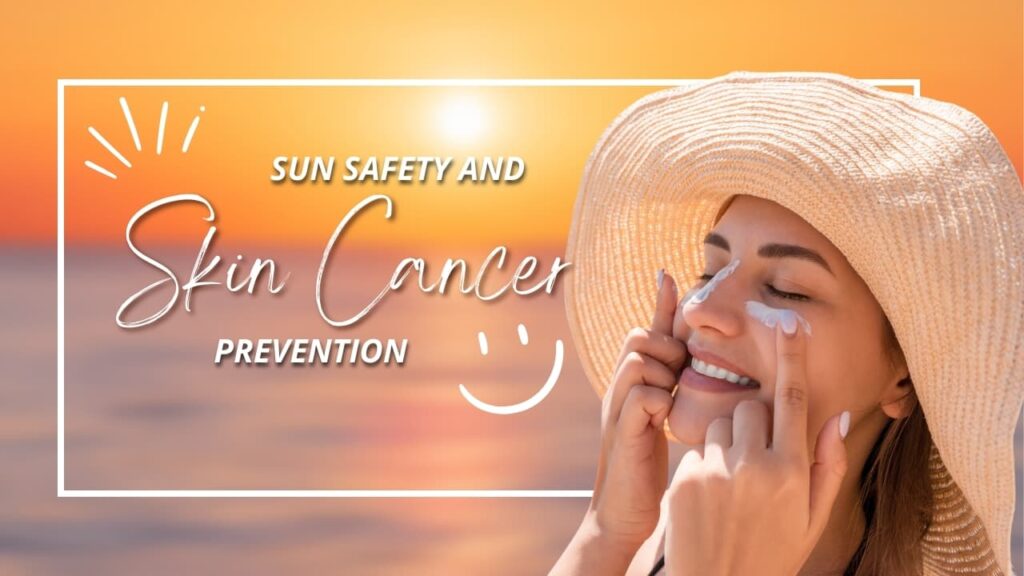
    how to prevent skin cancerThe warm embrace of the sun often beckons us outdoors, enticing us with its golden rays and promises of vitamin D. However, amidst this allure lies a potential danger: the risk of skin cancer. As summer approaches and outdoor activities become more appealing, it’s crucial to prioritize sun safety and educate ourselves on effective prevention measures. 

    Understanding Sun Exposure

    Before delving into prevention strategies, it’s essential to understand the dynamics of sun exposure. The sun emits ultraviolet (UV) radiation, consisting of UVA, UVB, and UVC rays. While UVC is largely absorbed by the ozone layer and doesn’t reach the Earth’s surface, UVA and UVB rays penetrate the atmosphere and can cause significant damage to the skin.

    UVA rays penetrate deep into the skin, contributing to premature aging, wrinkles, and suppression of the immune system. UVB rays primarily affect the outer layers of the skin, leading to sunburns and increasing the risk of skin cancer, including melanoma, the most deadly form of skin cancer.

    Skin Cancer: Types and Risk Factors

    Skin cancer occurs when skin cells undergo abnormal growth, typically triggered by UV radiation exposure. The three primary types of skin cancer are basal cell carcinoma (BCC), squamous cell carcinoma (SCC), and melanoma.

    Basal cell carcinoma and squamous cell carcinoma are more common and tend to develop on sun-exposed areas such as the face, ears, neck, and scalp. Although they are generally less aggressive than melanoma, early detection and treatment are crucial to prevent disfigurement and potential spread.

    Melanoma, while less common, is the most lethal form of skin cancer, with the potential to metastasize to other organs if not detected and treated early. It often manifests as an irregularly shaped mole with uneven borders, varying colors, and a diameter larger than a pencil eraser. Understanding the warning signs of melanoma through the ABCDE mnemonic (Asymmetry, Border irregularity, Color variation, Diameter larger than 6mm, Evolution or change in size, shape, or color) is vital for early detection.

    Risk factors for skin cancer include:

    1. Prolonged exposure to UV radiation, whether from the sun or tanning beds.
    2. Fair skin, light hair, and blue or green eyes, which are less equipped to handle UV exposure.
    3. Family history of skin cancer.
    4. Personal history of sunburns or excessive UV exposure.
    5. Weakened immune system due to medical conditions or medications.

    Sun safety

    Skin Cancer Prevention

    Skin cancer prevention is a vital aspect of maintaining skin health and reducing the risk of developing this potentially life-threatening condition. Skin cancer, including melanoma, basal cell carcinoma, and squamous cell carcinoma, is primarily caused by exposure to ultraviolet (UV) radiation from the sun and artificial sources like tanning beds. However, with the right preventive measures, you can significantly reduce your risk of developing skin cancer. 

    Sun Safety Practices

    Protecting yourself from the harmful effects of UV radiation is paramount for skin cancer prevention. Incorporating sun safety practices into your daily routine can significantly reduce your risk of skin cancer and premature aging. Here are some essential tips:

    1. Seek Shade

    Limit direct sun exposure, especially during peak hours between 10 a.m. and 4 p.m. When outdoors, find shelter under umbrellas, trees, or awnings to stay in the shade.

    2. Wear Protective Clothing

    Covering up with lightweight, long-sleeved shirts, pants, and wide-brimmed hats provides an additional barrier against UV radiation. Seek out clothing that has UPF (Ultraviolet Protection Factor) ratings for enhanced sun protection.

    3. Apply Broad-Spectrum Sunscreen

    Choose a broad-spectrum sunscreen with SPF (Sun Protection Factor) 30 or higher to protect against both UVA and UVB rays. Apply sunscreen generously to all exposed skin, including the face, neck, ears, and hands, at least 15 minutes before sun exposure. Reapply every two hours, or more often if you’re swimming or sweating.

    4. Protect Your Eyes

    Wear sunglasses that block 100% of UVA and UVB rays to protect your eyes from sun damage and reduce the risk of cataracts and macular degeneration.

    Sun safety

    5. Avoid Tanning Beds

    Tanning beds emit concentrated UV radiation, increasing the risk of skin cancer and premature aging. Opt for safer alternatives such as self-tanning lotions or spray tans for a sun-kissed glow.

    6. Perform Regular Skin Checks

    Conduct monthly self-examinations to monitor for any changes in moles, freckles, or skin growths. Use the ABCDE mnemonic (Asymmetry, Border irregularity, Color variation, Diameter larger than 6mm, Evolution or change in size, shape, or color) to identify suspicious lesions. If you notice any concerning changes or new growths, consult a dermatologist promptly for evaluation.

    7. Stay Hydrated

    Proper hydration is essential for maintaining skin health and resilience. Drink plenty of water to keep your skin hydrated, which can help minimize the risk of sun damage and promote faster recovery from sunburns.

    8. Be Mindful of Medications

    Some medications, such as certain antibiotics, diuretics, and acne treatments, can increase sensitivity to sunlight and heighten the risk of sunburn. Consult your healthcare provider or pharmacist for guidance on sun safety while taking these medications.

    9. Healthy Lifestyle Choices

    Adopting a healthy lifestyle can also contribute to skin cancer prevention. Consuming a well-rounded diet filled with fruits, vegetables, and antioxidants can enhance overall skin health. Additionally, avoiding tobacco products and excessive alcohol consumption can help reduce the risk of certain types of skin cancer.

    10. Regular Skin Cancer Screenings

     Routine skin cancer screenings by a dermatologist are crucial for early detection and treatment. Dermatologists can perform thorough skin examinations to identify suspicious lesions and recommend further evaluation or biopsy if necessary. Individuals with a family history of skin cancer or other risk factors may benefit from more frequent screenings.

    Skin Cancer Screening and Early Detection

    In addition to practicing sun safety, regular skin cancer screenings are essential for early detection and treatment. Dermatologists can perform thorough skin examinations to identify suspicious lesions and recommend further evaluation or biopsy if necessary. Individuals with a family history of skin cancer or other risk factors may benefit from more frequent screenings.

    For individuals who experience allergic reactions or skin sensitivity due to sun exposure, dermatologists may recommend antihistamines or anti-inflammatory treatments. In some cases, medications like Eqoq Tablet 10’s can help manage symptoms such as redness, itching, and rashes caused by UV-triggered skin responses.

    Conclusion:

    Prioritizing sun safety is crucial for protecting your skin from the harmful effects of UV radiation and reducing the risk of skin cancer. By incorporating sun-safe practices into your daily routine and staying vigilant about changes in your skin, you can enjoy the outdoors while safeguarding your skin health for years to come. Remember, prevention is key, and proactive measures today can lead to a lifetime of sun-safe enjoyment.

    FAQs on Sun Safety and Skin Cancer Prevention

    Q1. Why is sun protection important?

    Answer: Sun protection is crucial because exposure to ultraviolet (UV) radiation from the sun can damage the skin, leading to sunburns, premature aging, and an increased risk of skin cancer. By practicing sun safety measures such as wearing sunscreen, seeking shade, and wearing protective clothing, you can significantly reduce your risk of sun-related skin damage and maintain healthier skin in the long run.

    Q2. How often should I apply sunscreen?

    Answer: It’s recommended to apply sunscreen generously to all exposed skin, including the face, neck, ears, and hands, at least 15 minutes before sun exposure. Reapply sunscreen every two hours or more frequently if swimming or sweating, as water and sweat can reduce its effectiveness. Additionally, reapply sunscreen after toweling off or engaging in activities that may remove the sunscreen from your skin.

    Q3. What are the warning signs of skin cancer?

    Answer: The warning signs of skin cancer can vary depending on the type of cancer, but common signs include changes in the size, shape, color, or texture of moles, freckles, or skin lesions. It’s essential to be vigilant for any new growths or lesions that don’t heal, as well as existing moles or spots that exhibit characteristics such as asymmetry, irregular borders, uneven coloring, or enlargement. If you notice any concerning changes in your skin, consult a dermatologist for evaluation.

    Q4. Are tanning beds safe?

    Answer: No, tanning beds are not safe. Tanning beds emit concentrated ultraviolet (UV) radiation, which can damage the skin and increase the risk of skin cancer, including melanoma, the most deadly form of skin cancer. Using tanning beds also contributes to premature aging, including wrinkles, age spots, and loss of skin elasticity. It’s best to avoid tanning beds altogether and opt for safer alternatives such as sunless tanning products for a sun-kissed glow without the risk of UV exposure.

    Related Links:

    Neem Soap: Benefits and Uses

    Best Skin Whitening Treatment

    Sunscreen Stick Vs Lotion

    Skin Allergy

    Natural Hair Care

    Mahabringraj Oil

  • 12 Healthy Sleep Habits for Adults

    12 Healthy Sleep Habits for Adults

    healthy sleep habits for adultsSleep is a cornerstone of good health, affecting every aspect of our lives from cognitive function to physical health. Adequate sleep boosts memory, mood, and immune function while reducing the risk of chronic diseases like heart disease and diabetes. Despite its importance, many adults struggle with sleep issues such as insomnia, sleep apnea, and restless leg syndrome. In this blog, we’ll learn the importance of sleep and healthy sleep habits for adults. 

    Importance Of Sleep

    Sleep is a fundamental aspect of human health, integral to our physical, mental, and emotional well-being. Despite often being undervalued in our fast-paced society, adequate sleep is essential for maintaining optimal health and functioning.

    Physically, sleep plays a critical role in bodily restoration and repair. During sleep, the body heals tissues, builds muscle, and strengthens the immune system. It is also a crucial period for hormonal balance, affecting growth, appetite regulation, and stress response. Chronic sleep deprivation has been linked to an increased risk of numerous health issues, including heart disease, diabetes, obesity, and hypertension.

    Mentally, sleep is vital for cognitive processes such as memory consolidation, problem-solving, and learning. During sleep, particularly in the deep stages, the brain processes information from the day, forming new connections and retaining important data. Lack of sleep impairs attention, alertness, and reaction times, and it can significantly diminish cognitive performance and productivity.

    Emotionally, sleep profoundly affects mood regulation and mental health. Insufficient sleep can lead to irritability, anxiety, and depression. Studies have shown that sleep deprivation amplifies emotional reactions and reduces the ability to cope with stress. Moreover, it impacts decision-making and social interactions, making it harder to navigate daily challenges effectively.

    Sleep also helps maintain the body’s circadian rhythms, which govern our sleep-wake cycles and influence various bodily functions, including digestion, body temperature, and hormone release. Disruptions to these rhythms, often caused by irregular sleep patterns or exposure to artificial light, can lead to sleep disorders and other health problems.

    12 Healthy Sleep Habits for Adults

    Habit 1: Maintain a Consistent Sleep Schedule

    Keeping a regular sleep routine means going to bed and waking up at the same times daily, even on weekends. This consistency aids in synchronizing your body’s internal clock, also known as the circadian rhythm. When your sleep-wake cycle is in sync, you’ll find it easier to fall asleep and wake up naturally, leading to better overall sleep quality and daytime alertness.

    Healthy Sleep Habits

    Habit 2: Create a Relaxing Bedtime Routine

    Developing a calming bedtime routine can help signal to your body that it’s time to wind down. This might involve activities like reading a book, listening to calming music, or enjoying a warm bath. A consistent bedtime routine helps transition your mind and body from wakefulness to sleep. It reduces stress and anxiety, which are common barriers to falling asleep, and prepares your body for a restful night.

    Habit 3: Optimize Your Sleep Environment

    The quality of your sleep is significantly influenced by your sleep environment. A comfortable mattress, supportive pillows, and cozy bedding are essential. Keep your bedroom cool, dark, and quiet. Use blackout curtains to block out light, earplugs to reduce noise, or a white noise machine to create a soothing background sound. Ensure your bedroom is well-ventilated and free of clutter to create a peaceful atmosphere conducive to sleep.

    Habit 4: Limit Exposure to Blue Light Before Bed

    Blue light from electronic screens can interfere with the production of melatonin, the hormone that regulates sleep. Use blue light filters on your devices and try to turn off all screens at least an hour before bedtime. Instead, engage in relaxing activities like reading physical books or practicing mindfulness exercises. 

    Healthy Sleep Habits

    Habit 5: Be Mindful of Food and Drink Intake

    What and when you eat can significantly impact your sleep. Avoid large meals, caffeine, and alcohol close to bedtime. Opt for light snacks that promote sleep, such as those containing tryptophan (like turkey or nuts) or magnesium (like bananas or leafy greens). These foods can help facilitate the onset of sleep without causing discomfort.

    Habit 6: Get Regular Exercise

    Regular physical activity can improve sleep quality and help you fall asleep more quickly.Physical activity lowers stress and anxiety levels, both of which can disrupt sleep. While exercise is beneficial, vigorous workouts should be completed at least three hours before bedtime to avoid stimulating effects. Morning or early afternoon exercise is ideal for promoting better sleep.

    Habit 7: Manage Stress and Anxiety

    High levels of stress and anxiety pose substantial obstacles to achieving restful sleep. Techniques such as meditation, deep breathing exercises, and yoga can help manage these feelings. Practicing stress-reducing techniques regularly can lead to a calmer mind and better sleep patterns. Reducing stress and anxiety before bed can help you fall asleep faster and enjoy more restful sleep.

    Habit 8: Avoid Napping During the Day

    Napping, especially long or late-day naps, can interfere with your ability to fall asleep at night. If you need to nap, keep it short (20-30 minutes) and avoid napping late in the afternoon. This way, napping won’t significantly impact your nighttime sleep.

    Habit 9: Exposure to Natural Light

    Exposure to natural light during the day helps regulate your circadian rhythm by influencing melatonin production. Allocate time outdoors during daylight, especially in the morning hours. Keep curtains and blinds open to invite natural light indoors throughout the day. This helps keep your sleep-wake cycle in sync, promoting better sleep at night.

    Habit 10: Use Sleep Aids Wisely

    There are various sleep aids available, including over-the-counter medications, supplements like melatonin, and prescription drugs. Use sleep aids under a doctor’s supervision and be aware of potential side effects. Long-term reliance on sleep aids can lead to dependency and other health issues, so they should be used sparingly and only as a short-term solution.

    Habit 11: Keep a Sleep Diary

    A sleep diary can help you track your sleep patterns and identify issues that might be affecting your sleep quality. Note the time you go to bed, wake up, the number of awakenings during the night, and overall sleep quality. Reviewing this information can help you identify patterns and make informed adjustments to your sleep habits.

    Habit 12: Know When to Seek Professional Help

    Persistent insomnia, severe snoring, or symptoms of sleep disorders like sleep apnea are indicators that you might need to consult a sleep specialist. A qualified professional can diagnose and treat underlying sleep disorders. Expect a thorough evaluation, which may include a sleep study, to determine the best course of treatment. Seeking professional help can provide tailored solutions to improve your sleep.

    Consult a Doctor If Your Sleep Issues Persist

    If you’ve tried improving your sleep hygiene and still face excessive daytime sleepiness, you might be dealing with a sleep disorder like narcolepsy or shift work sleep disorder. In such cases, medications like Modalert 100mg Tablet or Placida Tablet are sometimes prescribed by healthcare professionals to help improve wakefulness.

    However, always consult a doctor before taking any medication, as these are not substitutes for good sleep habits but may be part of a larger treatment plan.

    Conclusion:

    Adopting these 12 healthy sleep habits can significantly improve your sleep quality and overall health. By maintaining a consistent sleep schedule, creating a relaxing bedtime routine, optimizing your sleep environment, and managing your diet, exercise, and stress levels, you can achieve better sleep. Remember, good sleep is vital for your long-term health and well-being. Start implementing these habits today to enjoy a healthier, more restful life.

    FAQs On 12 Healthy Sleep Habits for Adults

    Q1. Why is maintaining a consistent sleep schedule important?

    Answer: Maintaining a consistent sleep schedule helps regulate your body’s internal clock, known as the circadian rhythm. This regulation makes it easier to fall asleep and wake up naturally, improving overall sleep quality and ensuring you feel more refreshed during the day. Consistency in your sleep schedule also reduces the risk of sleep disorders and enhances cognitive and physical performance.

    Q2. How can I create an effective bedtime routine?

    Answer: An effective bedtime routine involves engaging in calming activities such as reading, listening to soothing music, or taking a warm bath. These activities help signal to your body that it’s time to wind down, reducing stress and preparing your mind and body for sleep. Consistently following a bedtime routine can improve the ease of falling asleep and enhance the overall quality of your sleep.

    Q3. What are the benefits of optimizing my sleep environment?

    Answer: Optimizing your sleep environment by keeping it cool, dark, and quiet can significantly improve your sleep quality. A comfortable mattress, supportive pillows, and blackout curtains help create a restful space that minimizes disturbances. A well-ventilated, clutter-free bedroom can also promote relaxation and better sleep, contributing to improved physical and mental health.

    Related Links:

    Understanding the Impact of Age Habits

    Healthy Lifestyle Choices You Need to Make Every Day

    How much Water should you drink every day?

    9 Positive lifestyle changes for healthy life

    Best Anti-Aging Wrinkle Creams Of 2024

    How to Reduce Face Fat?