Blog

  • ORS Powder: Composition, Uses and Benefits

    ORS Powder: Composition, Uses and Benefits

    benefits of ors powder, uses of ors powder

    Understanding Oral Rehydration Solution (ORS)

    What is an ORS?

    One kind of replacement for water used to treat and prevent dehydration is a drinking solution, or ORS. Its precise composition of salts, sugar, and necessary minerals combines to restore the water loss.

    The Principal Ingredients in ORS Powder

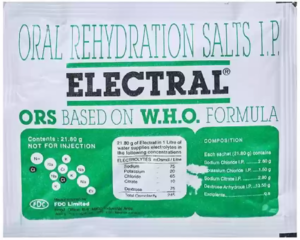
    Typically, ORS powder is composed of a balanced mixture of potassium, sodium, glucose, citrate, and chloride. Every element is essential to replenishing fluids:
    1. The body uses sodium to hold onto liquids.
    2. Water and sodium are better absorbed in the intestines when glucose is present.
    3. The electrolyte equilibrium of the body is corrected by potassium.
    4. To keep fluid balance, chloride and salt work together.
    5. One symptom that is frequently linked to extreme dehydration is metabolic acidosis, which citrate helps to relieve.

    How ORS Operates

    The powder known as ORS, when combined with water, helps the intestines absorb more water and electrolytes. This rapid rehydration method is especially helpful for ailments including diarrhoea, vomiting, and strenuous exercise that results in profuse perspiration.

    Uses of ORS Powder

    Application in Medicine

    When ORS was first created, it was intended to help the World Health Organization (WHO) fight dehydration brought on by diarrheal illnesses, particularly in underdeveloped nations. It is still a vital intervention for treating the symptoms of dehydration in both adults and children.

    Performance in Athletics

    ORS powder is used by athletes and fitness enthusiasts to stay properly hydrated throughout demanding practice sessions and tournaments. The well-balanced mixture lessens the possibility of cramping and weariness by replenishing lost electrolytes and sustaining optimal Performance.

    Everyday Use

    Use of ORS in Daily Life ORS is not just for athletic or medical emergencies. It can be utilized in regular scenarios where dehydration is an issue, such hot weather, lengthy flights, or even the aftermath of a night out on the town.

    Benefits of ORS Powder

    Oral Rehydration Solution (ORS) powder, often hailed as a medical marvel, offers a multitude of benefits that have revolutionized the management of dehydration and diarrheal diseases worldwide. From its rapid rehydration properties to its cost-effectiveness and role in reducing morbidity and mortality, ORS powder stands as a cornerstone of modern healthcare. Let’s delve into the myriad benefits it offers:

    Quick Rehydration

    The capacity of ORS powder to facilitate quick rehydration is among its main advantages. In contrast to ordinary water, ORS has important sugars and salts that hasten the body’s absorption of liquids.

    Prevents and Manages Hydration Loss

    Dehydration is a condition that ORS is very good at treating and avoiding. People who work in hot areas or elderly persons are two examples of people who might not recognize they’re dehydrated and could benefit from it in particular.

    Enhances Physical Performance

    Maintaining hydration is essential for athletes to function at their best. By preserving the proper electrolyte balance, ORS powder lowers the chance of weariness and cramping during demanding exercise. Oral Rehydration Solution
    Challenges and Future Perspectives

    Restrictions

    ORS powder has many drawbacks despite its remarkable effectiveness. People with specific medical disorders, such as hypertension or kidney issues, might not be able to use it. A healthcare provider should always be consulted before beginning a new supplement regimen.

    New Developments in ORS Formulations

    ORS has a bright future because research is being done to make it more convenient and effective. Flavored powders, pre-mixed mixes, and even ORS products fortified with extra nutrients are examples of innovations.

    Use of  Greater Range

    The uses of ORS are growing outside of sports and medicine due to growing understanding of its advantages. Future wellness trends might use ORS in regular routines, much to how multivitamins are utilized now.
    Conclusion:
    ORS powder is an adaptable and powerful hydration management tool, perfect for fighting off a cold, training to the maximum, or just getting through a sweltering summer day. It is a useful tool for anyone who is concerned about their health because of its composition, which has been supported by science, and its many applications. You may choose your level of hydration more wisely if you are aware of the uses and advantages of ORS powder. For fitness enthusiasts seeking to enhance their performance or nutritionists counseling clients, ORS powder provides an effective and dependable means of maintaining proper hydration.

    FAQs On ORS Powder: Composition, Uses and Benefits

    1. What is ORS powder used for primarily?

    Answer : By replacing lost fluids and electrolytes, ORS powder is mainly used to prevent and treat dehydration.

    2. Does ORS powder work for athletes?

    Answer : Without a doubt. When engaging in strenuous physical activity, athletes frequently utilize ORS powder to stay hydrated and maintain electrolyte balance.

    3. Is ORS powder suitable for daily use?

    Answer : Yes, however it’s advisable to speak with a medical expert before implementing it into your regular regimen, particularly if you have any underlying medical issues.

    4. How rapidly is ORS effective?

    Answer : Within a few hours of ingestion, ORS typically begins to rapidly replenish the body’s fluids.

    5. Do adverse consequences exist?

    Answer :Though typically harmless, ORS powder may cause mild adverse effects in certain people, such as bloating or nausea. Never deviate from the prescribed dosage, and get medical advice if you have any negative side effects.
    Related Links:
  • Difference between Vaccinations and Immunizations – Medkart

    Difference between Vaccinations and Immunizations – Medkart

    vaccination vs immunizationDifference between Vaccinations and Immunizations: Understanding the distinction between vaccinations and immunizations is crucial for grasping their roles in public health. Although often used interchangeably, these terms represent different concepts. Vaccination refers to the act of introducing a vaccine into the body to produce immunity to a specific disease. Immunization, on the other hand, is the process by which an individual becomes protected against a disease, often through vaccination. Recognizing these differences is vital for public health, education, and clear communication about disease prevention strategies. 

    The Concept of Vaccination

    The concept of vaccination dates back to Edward Jenner’s pioneering work in the late 18th century. Jenner developed the first smallpox vaccine using material from cowpox sores, laying the foundation for modern vaccine development. Since then, vaccines have evolved significantly, leading to the eradication or control of numerous infectious diseases.

    Vaccinations and Immunizations

    How Vaccinations Work

    Vaccinations are a cornerstone of modern medicine, playing a crucial role in the prevention and control of infectious diseases. Understanding how vaccinations work involves delving into the biological mechanisms that enable the immune system to recognize and combat pathogens effectively. This process hinges on the introduction of antigens into the body and the subsequent immune response. 

    Types of Vaccines in vaccinations

    Vaccines come in various forms, each using different methods to safely introduce antigens and stimulate immunity. The main types include:

    1. Live-Attenuated Vaccines

    These vaccines contain a weakened form of the live virus or bacteria that cannot cause disease in healthy individuals. Examples include the measles, mumps, and rubella (MMR) vaccine, and the varicella (chickenpox) vaccine. Because they closely mimic a natural infection, they typically provide strong and long-lasting immunity with just one or two doses.

    1. Inactivated Vaccines

    In these vaccines, the virus or bacteria is killed or inactivated so it cannot cause disease. Examples include the polio vaccine and the hepatitis A vaccine. Multiple doses may be necessary to achieve and maintain immunity.

    1. Subunit, Recombinant, Conjugate, and Polysaccharide Vaccines

    These vaccines use specific pieces of the germ (like its protein, sugar, or capsid) to provoke an immune response. Examples include the human papillomavirus (HPV) vaccine and the meningococcal vaccine. They are less likely to cause side effects and are often effective with fewer doses.

    1. mRNA Vaccines

    These vaccines use messenger RNA to instruct cells to produce a protein that triggers an immune response. The mRNA from the vaccine does not stay in the body but is broken down after the protein is made. Examples of this include the COVID-19 vaccines developed by Pfizer-BioNTech and Moderna. These vaccines are a newer technology that has proven highly effective in preventing disease.

    Immune System Response

    Once the vaccine introduces antigens into the body, the immune system responds in several stages:

    1. Antigen Presentation

    Antigen-presenting cells (APCs), such as dendritic cells, engulf the vaccine’s antigens and display fragments of them on their surface.

    1. Activation of Helper T Cells

    The APCs then travel to the lymph nodes, where they present the antigen fragments to helper T cells. These cells play a crucial role in orchestrating the immune response by activating other immune cells.

    1. B Cell Activation and Antibody Production

    Helper T cells activate B cells, which then differentiate into plasma cells that produce antibodies. These antibodies are specific to the antigen and can neutralize the pathogen if encountered again.

    1. Formation of Memory Cells

    Some B and T cells become memory cells, which remain in the body long after the initial infection has been cleared. These cells “remember” the pathogen and can mount a rapid and robust response if the body is exposed to the same pathogen in the future.

    Administration of Vaccines

    Vaccines are administered through various methods to ensure they effectively stimulate the immune system:

    • Injection: Most common, administered intramuscularly, subcutaneously, or intradermally.
    • Oral: Some vaccines, like the rotavirus vaccine, are given orally.
    • Nasal Spray: The live attenuated influenza vaccine (LAIV) is an example of a vaccine administered via nasal spray.

    Vaccinations and Immunizations

    Examples of Common Vaccines

    MMR (Measles, Mumps, Rubella): A combination vaccine protecting against three diseases.

    Influenza: An annual vaccine adapting to prevalent flu strains.

    COVID-19 vaccines: Recent mRNA vaccines have shown significant efficacy in preventing severe illness.

    The Process of Immunization

    Natural Immunization

    Immunity can be acquired through natural infection, where the body fights off the pathogen and develops memory cells. There are two types of natural immunity:

    1. Active immunity: Developed after recovering from an infection.
    2. Passive immunity: Acquired through antibodies passed from mother to child or through antibody-containing blood products.

    Induced Immunization via Vaccination

    Vaccines stimulate the immune system to produce memory cells without causing the disease itself. This process mimics natural infection and prepares the immune system to respond more effectively if exposed to the pathogen in the future.

    Examples of Immunization Outcomes

    Herd immunity: When a significant portion of the population is immune, reducing the spread of disease.

    Reduction in disease prevalence: Successful immunization programs have led to a significant decrease in diseases like polio and measles.

    Differences Between Vaccination And Immunization


    Aspect Vaccination Immunization
    Definition The act of introducing a vaccine into the body to produce immunity to a specific disease. The process by which an individual becomes protected against a disease, often through vaccination.
    Process Involves administering a substance (vaccine) that contains antigens to stimulate the immune system. Involves the body’s development of immunity either through vaccination or natural infection.
    Purpose To expose the body to antigens in a controlled manner to stimulate an immune response without causing disease. To develop immunity and protection against a specific disease, resulting in the body’s ability to fight off infection.
    Components Vaccines can contain live-attenuated, inactivated, subunit, conjugate, or mRNA components. Immunity involves the production of antibodies and memory cells that recognize and combat pathogens.
    Outcome A step towards achieving immunization by preparing the immune system to recognize and fight the pathogen. The end result where the individual has developed the capability to resist or fight the disease.
    Example Receiving the MMR (measles, mumps, rubella) vaccine. Developing immunity to measles after vaccination or recovering from measles infection.
    Failure Scenarios Vaccination may not always lead to immunization if the vaccine is not effective or the individual is immunocompromised. Immunization may not be achieved if the immune response is inadequate or if boosters are not administered as needed.
    Duration The act of vaccination is immediate, occurring at the time of administration. Immunization can be long-term or lifelong, depending on the disease and type of vaccine.
    Examples of Administration Injection, oral, nasal spray. Immunization occurs internally as the body responds to the vaccine or natural infection.
    Significance A critical public health measure to initiate the process of immunity. The ultimate goal of vaccination and natural infection processes, leading to reduced disease prevalence.


    Conclusion

    Understanding the distinction between vaccination and immunization is crucial for effective disease prevention. Both play vital roles in public health by reducing disease prevalence and enhancing community protection. Supporting vaccination and immunization efforts is essential for global health. Public education and policy support are necessary to overcome challenges and ensure the continued success of immunization programs. By clearly distinguishing between vaccinations and immunizations, we can better appreciate their individual contributions to public health and work towards a healthier future for all.

    FAQs on Differences Between Vaccination And Immunization

    1. What is the difference between vaccination and immunization?

    Answer: Vaccination is the act of administering a vaccine to stimulate the body’s immune system to produce immunity to a specific disease. Immunization refers to the process by which an individual becomes protected against a disease, often as a result of vaccination. While vaccination is the method, immunization is the desired outcome of that method.

    2. Can someone be immunized without vaccination?

    Answer: Yes, immunization can occur naturally through infection when the body successfully fights off a pathogen and develops immunity. However, vaccination is a safer and controlled way to achieve immunization without the risk of contracting the actual disease, which can have severe health consequences.

    3. Why might a vaccination not result in immunization?

    Answer: A vaccination might not result in immunization due to factors like improper storage or handling of the vaccine, individual variations in immune response, or an immunocompromised status. Additionally, some vaccines require multiple doses or boosters to achieve and maintain effective immunity.

    Also Read:- Are generic available in vaccines? Types of vaccines

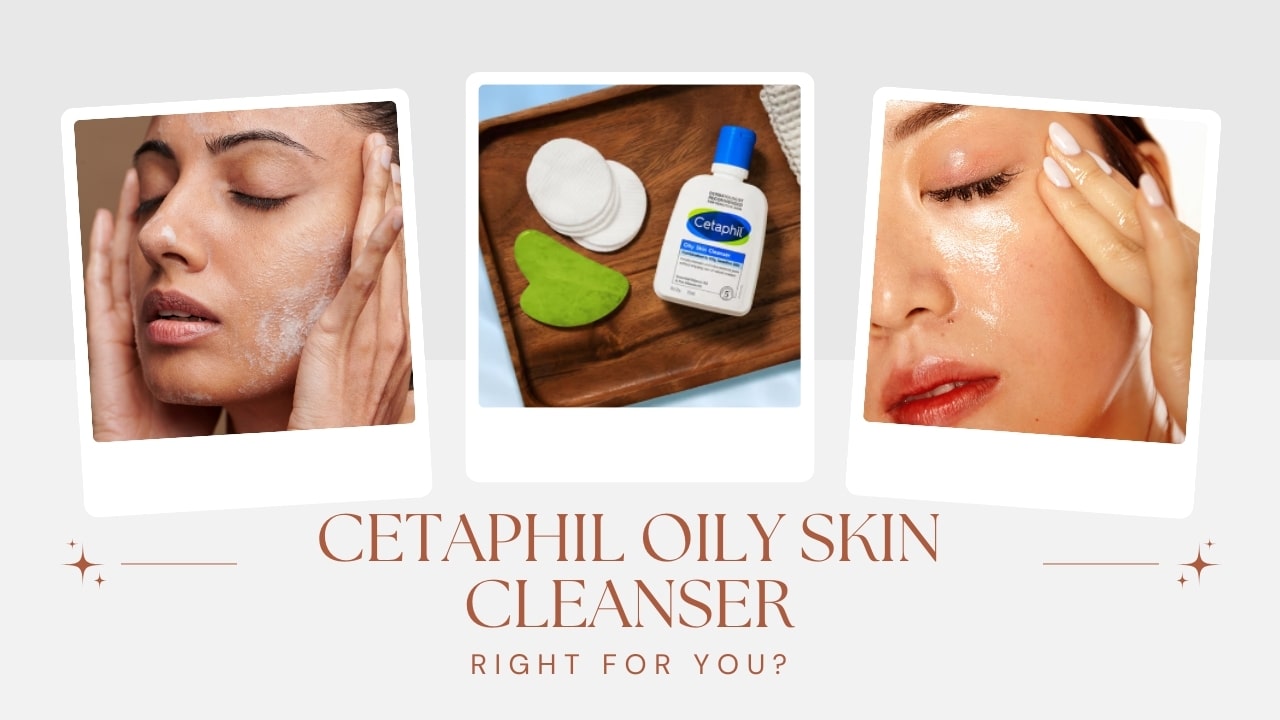
  • Is Cetaphil Oily Skin Cleanser right for you? – Buy Cetaphil Oily Skin Cleanser Online

    Is Cetaphil Oily Skin Cleanser right for you? – Buy Cetaphil Oily Skin Cleanser Online

    cetaphil oily skin cleanserCetaphil Oily Skin Cleanser has gained popularity as a go-to product for those battling oily skin. Introducing the quest for the perfect skincare regimen often begins with selecting the ideal cleanser, especially for those with oily skin. Among the array of options, Cetaphil Oily Skin Cleanser emerges as a standout choice, renowned for its gentle yet effective formula. Designed to tackle excess oil without compromising skin hydration, this cleanser has garnered attention from skincare enthusiasts worldwide. However, the significance of choosing the right cleanser for oily skin extends beyond mere cosmetic concerns. It plays a pivotal role in managing oil production, preventing breakouts, and maintaining skin health. 
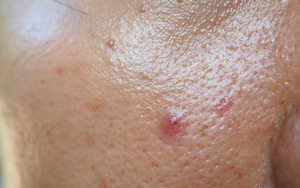
    Understanding Oily Skin

    Oily skin, a prevalent skin condition, manifests through an excess production of sebum, the body’s innate oil secretion. This excess oil can lead to a shiny complexion, enlarged pores, and a tendency to develop acne and blackheads. Oily skin often results from genetic predispositions, hormonal fluctuations, or environmental factors. Individuals with oily skin may experience challenges in managing shine throughout the day and maintaining a balanced complexion. Proper skincare, including regular cleansing and the use of oil-controlling products, is essential to manage oily skin and prevent associated concerns such as acne breakouts.

    What causes oily skin?

    Oily skin occurs when the sebaceous glands produce excess sebum, resulting in a shiny complexion and enlarged pores. Factors such as genetics, hormonal fluctuations, and environmental influences can contribute to this imbalance.

    Common issues faced by individuals with oily skin

    People with oily skin often struggle with acne breakouts, blackheads, and a greasy appearance throughout the day. Finding the right skincare routine is crucial to managing these concerns effectively.

    The importance of proper skincare routine for oily skin types

    A consistent skincare regimen tailored to oily skin can help regulate sebum production, minimize pore congestion, and maintain a healthy complexion. Cleansers play a pivotal role in this routine by removing excess oil, dirt, and impurities without stripping the skin’s natural moisture barrier.

    Cetaphil Oily Skin Cleanser

    Cetaphil Oily Skin Cleanser

    Cetaphil Oily Skin Cleanser is a gentle yet effective solution tailored specifically for those with oily and acne-prone skin. Its carefully formulated, non-comedogenic formula ensures thorough cleansing without stripping the skin’s natural moisture barrier. The cleanser is designed to remove excess oil, dirt, and impurities, leaving the skin feeling refreshed and balanced. With key ingredients like Zinc Coceth Sulfate and Zinc Gluconate, it helps regulate sebum production and control acne-causing bacteria without causing irritation. Dermatologist-recommended and hypoallergenic, It is suitable for daily use, providing a clean canvas for other skincare products while addressing the unique needs of oily skin types.

    Key ingredients and their benefits for oily skin

    Cetaphil Oily Skin Cleanser boasts a gentle yet effective formula, enriched with key ingredients tailored to address the unique needs of oily skin. Zinc Coceth Sulfate and Zinc Gluconate are pivotal components known for their sebum-regulating properties, helping to control excess oil production and prevent acne breakouts. These ingredients work synergistically to cleanse the skin without stripping its natural moisture barrier, leaving it feeling refreshed and balanced. With its non-comedogenic formulation, Cetaphil Oily Skin Cleanser offers a reliable solution for those seeking to manage oiliness and maintain a clear, healthy complexion.

    How does it work?

    Cetaphil Oily Skin Cleanser works by effectively removing excess oil, dirt, and impurities from the skin without stripping away its natural moisture. Its gentle yet potent formula contains ingredients like Zinc Coceth Sulfate and Zinc Gluconate, which help regulate sebum production and combat acne-causing bacteria. The cleanser’s non-comedogenic properties ensure that it won’t clog pores or exacerbate breakouts, making it suitable for oily, acne-prone skin. By providing a thorough yet gentle cleansing experience, Cetaphil Oily Skin Cleanser leaves the skin feeling refreshed, balanced, and free from excess shine.

    Specific claims or features touted by the brand

    Cetaphil emphasizes its dermatologist-recommended formula, hypoallergenic properties, and soap-free formulation as key selling points. These attributes appeal to individuals seeking a gentle yet effective cleanser for oily skin.

    Cetaphil Oily Skin Cleanser

    Cetaphil Oily Skin Cleanser: Pros and Cons

    Pros:

    1. Gentle yet effective cleansing action, suitable for daily use.
    2. Non-comedogenic formula helps prevent pore congestion and acne breakouts.
    3. Dermatologist-recommended for oily, acne-prone, and sensitive skin types.
    4. Free from harsh ingredients like soap and fragrance, reducing the risk of irritation.
    5. Helps control excess oil production without stripping the skin’s natural moisture barrier.

    Cons:

    1. May not effectively remove heavy makeup or sunscreen residue.
    2. Some users report minimal lathering, requiring additional product for thorough cleansing.
    3. While fragrance-free, it may have a slight medicinal scent that some individuals find off-putting.
    4. Not specifically formulated to address dry patches or provide intense hydration.
    5. Limited availability of larger bottle sizes may require frequent repurchasing for daily use.

    Is Cetaphil Oily Skin Cleanser Right for You?

    Consider your skin type, specific concerns (e.g., acne, sensitivity), and personal preferences when selecting a cleanser. Look for ingredients that address your primary skincare goals without causing irritation or exacerbating existing issues. Individuals with oily, acne-prone, or sensitive skin are likely to benefit from Cetaphil Oily Skin Cleanser’s gentle yet effective formula. It’s also suitable for those seeking a fragrance-free, dermatologist-recommended option. If you have extremely dry skin or require heavy-duty makeup removal, you may find Cetaphil Oily Skin Cleanser less effective. In such cases, a hydrating cleanser or double cleansing method may be more appropriate.

    Expert Opinions and Dermatological Insights

    Dermatologists often recommend Cetaphil Oily Skin Cleanser for its gentle formulation and effectiveness in managing oily skin. Their expertise can provide valuable guidance in selecting the right products for your skincare routine. Dermatologists may tailor their recommendations based on individual factors such as skin type, sensitivity, and existing skin conditions. Consultation with a skincare professional can help you navigate the vast array of products available and identify the most suitable options for your unique needs.

    Tips for Optimal Results

    Start by using the cleanser twice daily, morning and evening, as part of your skincare regimen. Apply a modest quantity onto moistened skin, then cleanse thoroughly with tepid water. Follow up with a lightweight, non-comedogenic moisturizer to lock in hydration without clogging pores. Consider incorporating targeted treatments such as salicylic acid or benzoyl peroxide to address acne and congestion. Prevent eye contact and cease usage if any irritation arises. Patch testing is recommended, especially for individuals with sensitive or reactive skin.

    Conclusion:

    Cetaphil Oily Skin Cleanser offers a gentle yet effective solution for managing oily, acne-prone skin. Its dermatologist-recommended formula and non-comedogenic properties make it a suitable choice for many individuals seeking a reliable cleanser. However, it’s essential to consider your specific skincare needs and consult with a dermatologist if you have any concerns. By understanding your skin type and preferences, you can make an informed decision about whether Cetaphil Oily Skin Cleanser is right for you. Remember, skincare is a journey, and finding the perfect products may require some trial and error. Stay consistent, listen to your skin, and don’t hesitate to seek professional advice along the way.

    If you’re dealing with persistent skin issues related to autoimmune conditions like lupus or rheumatoid arthritis, it’s important to know that certain medications, such as EQOQ Tablet, may be prescribed to manage underlying inflammation that contributes to skin sensitivity. Always consult your dermatologist or physician before combining medical treatment with over-the-counter skincare products.

    FAQs on ‘Is Cetaphil Oily Skin Cleanser Right for You?’

    Q1. Can Cetaphil Oily Skin Cleanser effectively control excess oil without over drying the skin?

    Answer: Yes, Cetaphil Oily Skin Cleanser is formulated specifically for oily skin types and effectively removes excess oil and impurities while maintaining the skin’s natural moisture balance. Its gentle yet thorough cleansing action helps control shine without stripping the skin of essential oils, leaving it feeling clean and refreshed.

    Q2. Is Cetaphil Oily Skin Cleanser suitable for individuals with sensitive skin?

    Answer: Absolutely, Cetaphil Oily Skin Cleanser is dermatologist-recommended and designed with sensitive skin in mind. Its gentle, soap-free formula is hypoallergenic and free from harsh ingredients, making it suitable for those with sensitive or easily irritated skin. Users with sensitive skin often report that it soothes and calms inflammation without causing redness or discomfort.

    Q3. Will Cetaphil Oily Skin Cleanser effectively address acne concerns?

    Answer: Yes, Cetaphil Oily Skin Cleanser contains key ingredients such as Zinc Coceth Sulfate and Zinc Gluconate, known for their acne-fighting properties. By removing excess oil and impurities, it helps prevent pore congestion and reduces the likelihood of acne breakouts. Many users with acne-prone skin find that incorporating this cleanser into their skincare routine helps improve the overall clarity and texture of their skin.

    Related Links: 

    Which Is The Best Cream To Remove Pigmentation?

    What Is The Most Effective Brightening Cream

    Best Face Cream With Vitamin C

    Best Open Pores Treatment

    Sunscreen Stick Vs Lotion

    Pimple Treatment


  • Sunscreen Stick Vs Lotion: Which is Right for You?

    Sunscreen Stick Vs Lotion: Which is Right for You?

    sunscreen stick vs sunscreen lotion

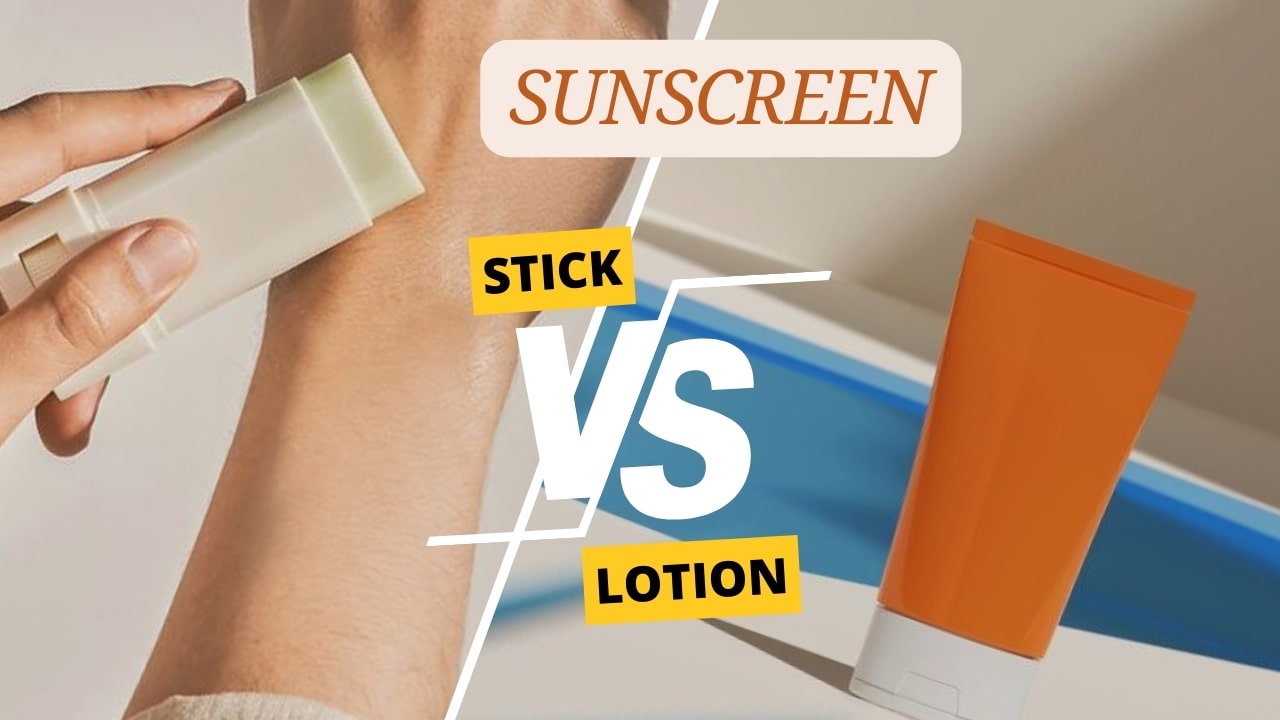
    Sunscreen Stick Vs Lotion – The scorching sun, while a source of warmth and light, can also pose a significant threat to our skin. With the rise in awareness of the dangers of UV radiation, sunscreen has become a non-negotiable part of skincare routines worldwide. However, the market offers an array of options, with sunscreen sticks and lotions being two popular choices. 

    Sunscreen Sticks

    Sunscreen sticks are solid formulations packaged in twist-up tubes, designed for targeted application on specific areas of the skin. Composed of active ingredients like zinc oxide and titanium dioxide, they offer convenience and portability, making them ideal for on-the-go use. Their mess-free application is particularly advantageous during outdoor activities. However, sunscreen sticks may pose challenges in achieving uniform coverage on larger body areas and can leave a waxy or greasy residue. Despite these limitations, they excel in precisely targeting facial areas, scars, or tattoos. Individuals with oily or acne-prone skin often favor sunscreen sticks for their non-greasy texture and ease of application. Overall, sunscreen sticks offer a convenient solution for quick touch-ups and targeted protection, complementing other forms of sun protection in your skincare routine.

    Advantages of Sunscreen Sticks

    1. Portability: Convenient twist-up tubes make sunscreen sticks easy to carry and apply on the go, fitting seamlessly into pockets or bags.   

    2. Mess-Free Application: Their solid formulation minimizes the risk of spills or leaks, making them ideal for outdoor activities and travel.

    3. Targeted Protection: Sunscreen sticks allow precise application, making it effortless to protect specific areas like the face, scars, or tattoos without spreading excess product.   

    4. Non-Greasy: With a lightweight texture, sunscreen sticks offer a non-greasy finish, making them suitable for individuals with oily or acne-prone skin.   

    5. Quick Touch-Ups: Perfect for quick touch-ups throughout the day, sunscreen sticks provide hassle-free reapplication without disrupting makeup or skincare routines.

    Limitations of Sunscreen Sticks

    1. Uneven Coverage: Due to their solid nature, sunscreen sticks may struggle to provide consistent coverage, particularly on larger areas of the body.

    2. Residue: Some users find that sunscreen sticks leave behind a waxy or greasy residue on the skin, which can feel uncomfortable and affect the application of other skincare products.

    3. Limited Application: While ideal for targeted areas like the face, scars, or tattoos, sunscreen sticks may not be practical for full-body coverage or hard-to-reach areas.

    4. Potential for Missed Spots: The solid form of sunscreen sticks makes it easier to miss spots during application, leaving areas of the skin vulnerable to sun damage.

    5. Less Hydration: Compared to lotions, sunscreen sticks often lack moisturizing ingredients, which may not be suitable for individuals with dry or sensitive skin.

    Suitable Skin Types And Scenarios For Sunscreen Sticks

    Sunscreen sticks offer unique benefits that make them particularly suitable for certain skin types and scenarios. Individuals with oily or acne-prone skin often prefer sunscreen sticks due to their non-greasy texture, which helps prevent clogged pores and breakouts. Additionally, their portability and mess-free application make them ideal for on-the-go use, making them a convenient option for outdoor activities such as hiking, swimming, or sports. Sunscreen sticks excel in targeted application, making them perfect for facial areas, scars, or tattoos that require precise coverage. Moreover, their solid formulation ensures minimal spillage, making them a preferred choice for travel or beach outings. Overall, sunscreen sticks are well-suited for those seeking quick and hassle-free sun protection, especially in scenarios where convenience and precise application are paramount.

    Sunscreen Stick Vs Lotion

    Sunscreen Lotions

    Sunscreen lotions are liquid or creamy formulations designed to provide broad-spectrum protection against harmful UV rays. Composed of active ingredients like zinc oxide and titanium dioxide, they offer versatility and ease of application. Their smooth texture allows for even coverage, making them ideal for all-over body use, including larger areas like arms, legs, and torso. Many sunscreen lotions also contain moisturizing ingredients, providing hydration while shielding the skin from the sun. However, they may require more time to apply compared to sunscreen sticks and can feel greasy or heavy on the skin, especially in hot and humid conditions. Despite these limitations, sunscreen lotions are well-suited for individuals with dry or sensitive skin and are essential for prolonged outdoor activities where full-body coverage is necessary.

    Advantages of Sunscreen Lotions

    1. Versatility: Suitable for all-over body application, providing comprehensive protection from UV radiation.

    2. Ease of Spreading: Smooth texture ensures effortless application, ensuring even coverage without leaving patches.

    3. Moisturization: Many lotions contain hydrating ingredients, nourishing the skin while offering sun protection.

    4. Customizable Coverage: Easily adjust the amount applied to meet individual needs, from a light layer for daily use to a thicker layer for extended outdoor activities.

    5. Compatibility: Suitable for various skin types, including dry and sensitive skin, due to their emollient-rich formulations.

    6. Long-lasting Protection: Provides enduring defense against harmful UVA and UVB rays, reducing the risk of sunburn, premature aging, and skin cancer.

    Limitations of Sunscreen Lotions

    1. Longer Application Time: Sunscreen lotions may require more time to apply compared to other forms, especially when covering larger areas of the body.

    2. Greasy Feel: In hot and humid conditions, sunscreen lotions can feel heavy or greasy on the skin, which may be uncomfortable for some individuals.

    3. Potential Staining: Some sunscreen lotions may leave white residue or stain clothing and fabrics, particularly those containing high levels of zinc oxide or titanium dioxide.

    4. Reapplication Challenges: Reapplying sunscreen lotions throughout the day, especially over makeup or other skincare products, can be cumbersome and may disrupt existing layers.

    5. Sensitivity: Certain individuals may experience skin irritation or allergic reactions to specific ingredients commonly found in sunscreen lotions, such as fragrances or preservatives.

    Suitable Skin Types And Scenarios For Sunscreen Lotions

    Sunscreen lotions are ideal for individuals with dry or sensitive skin due to their moisturizing properties, providing hydration while offering sun protection. They are particularly beneficial for beach days or prolonged outdoor activities where full-body coverage is necessary. Additionally, those who prefer a smooth, easy-to-spread texture will find sunscreen lotions favorable. However, individuals with oily or acne-prone skin may find some lotions too heavy or greasy, especially in hot and humid conditions. Overall, sunscreen lotions are versatile options suitable for various skin types and scenarios, offering comprehensive protection against harmful UV rays.

    Sunscreen Stick Vs Lotion

    Factors Influencing Choice

    Several factors should be considered when choosing between sunscreen sticks and lotions:

    Skin Type: Considerations for oily, dry, sensitive, or acne-prone skin.

    Activity Level: Assessing the need for water-resistant or sweat-proof formulas based on your lifestyle.

    Environmental Factors: Considering climate conditions and sun exposure intensity.

    Personal Preferences: Texture, scent, and ease of application are subjective factors to consider.

    Expert Recommendations: Insights from dermatologists or skincare specialists can help guide your decision.

    In making your decision, it’s essential to weigh the pros and cons outlined above and consider your individual needs and preferences. Experimenting with different products may be necessary to find the best fit for your skin type and lifestyle. Regardless of your choice, consistent sunscreen use is crucial for long-term skin health.

    Conclusion:

    Sunscreen plays a pivotal role in shielding our skin from the harmful effects of UV radiation, reducing the risk of sunburn, premature aging, and skin cancer. When deciding between sunscreen sticks and lotions, understanding their differences and considering your specific requirements is key. By prioritizing sun protection and making informed choices, you can safeguard your skin and enjoy the sun responsibly.

    FAQs on Sunscreen Stick Vs Lotion: Which is right for you?

    1. Can sunscreen sticks provide adequate protection for larger body areas?

    Answer: While sunscreen sticks offer convenience and targeted application, they may not provide as consistent coverage on larger body areas compared to lotions. It’s essential to ensure thorough application and reapplication to ensure comprehensive protection against UV rays.

    2. Are sunscreen lotions suitable for oily or acne-prone skin?

    Answer: Sunscreen lotions can be suitable for oily or acne-prone skin, depending on the formulation. Look for oil-free or non-comedogenic options to prevent clogging pores and minimize the risk of breakouts. However, individuals with very oily skin may find lotions too heavy, and sunscreen sticks may be a better alternative for targeted application.

    3. Which option is more convenient for reapplication throughout the day?

    Answer: Sunscreen sticks offer portability and mess-free application, making them convenient for quick touch-ups on the go. However, sunscreen lotions can also be easily reapplied throughout the day, especially if they come in travel-sized bottles. Ultimately, the choice depends on personal preference and lifestyle factors such as activity level and sun exposure duration.

    Related Links: 

    Skin Allergy

    Best Face Cream With Vitamin C And Suitable For All Skin Types

    Best Pimple Cream To Cure Acne

  • Neem Soap: Benefits and Uses for Skincare | Medkart

    Neem Soap: Benefits and Uses for Skincare | Medkart

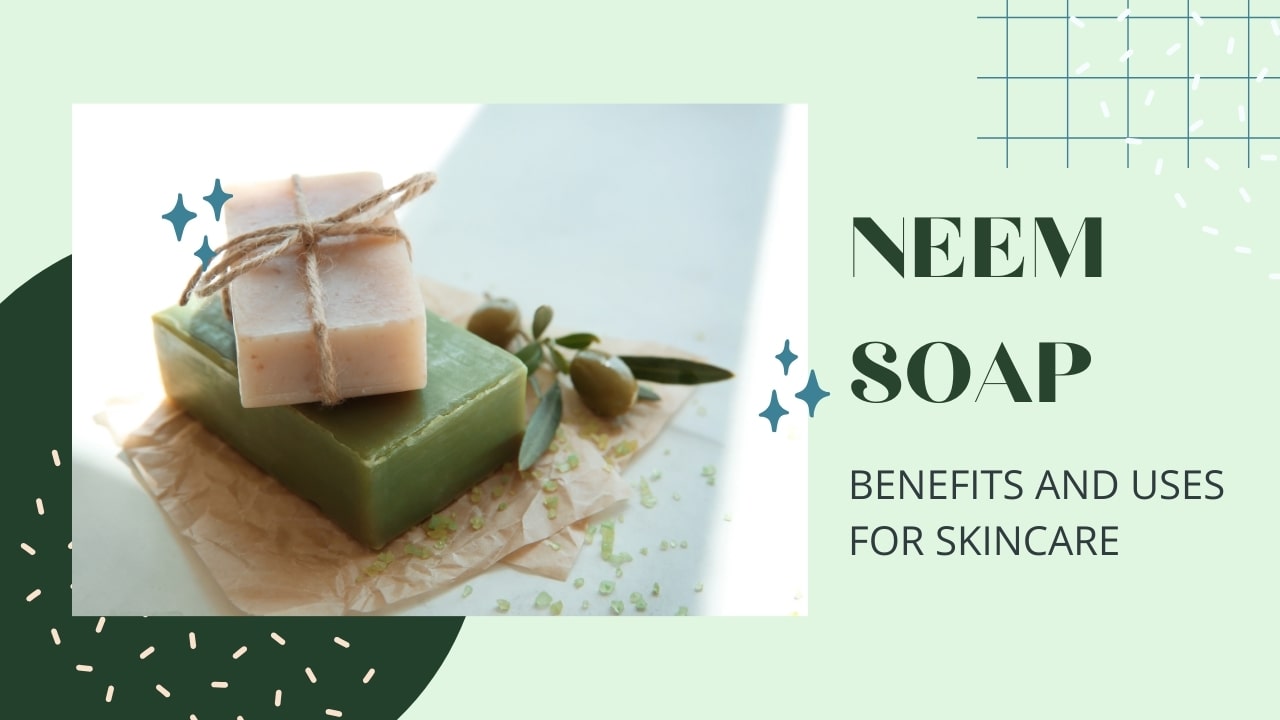
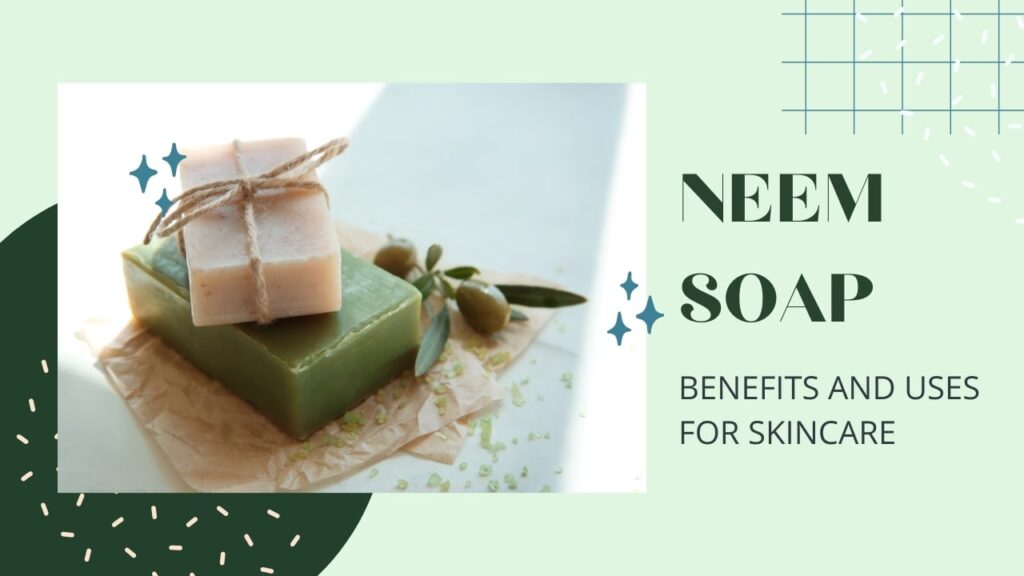
    uses of neem soap, benefits of neem soapAre you a skincare enthusiast trying to find safe, natural remedies? Should that be the case, you’re about to experience something truly wonderful. In the realm of skincare, neem soap has become a game-changer thanks to its many applications and advantages for a range of skin types. The definition of neem, its uses, how to choose the best kind, application advice, and safety measures will all be covered in this blog post. At the conclusion, you will possess all the necessary knowledge to integrate neem soap into your everyday skincare regimen for more radiant, healthier skin.
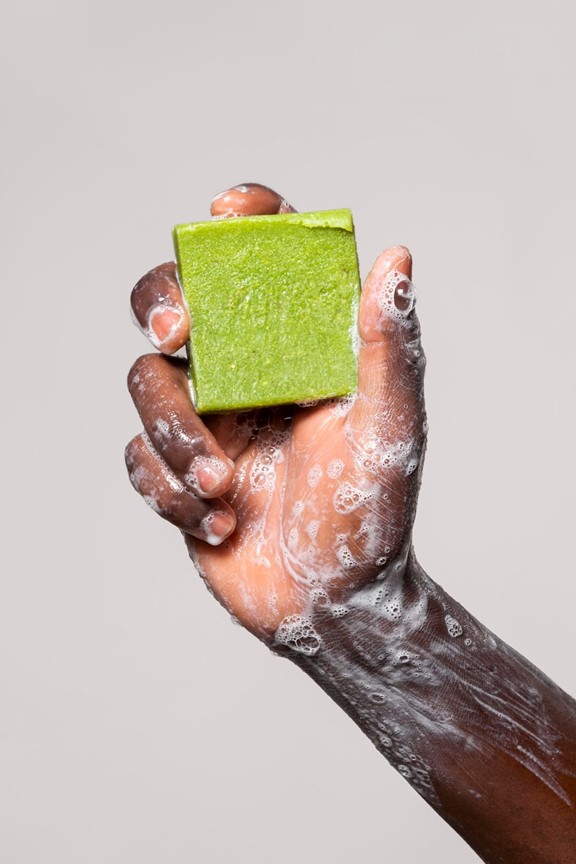
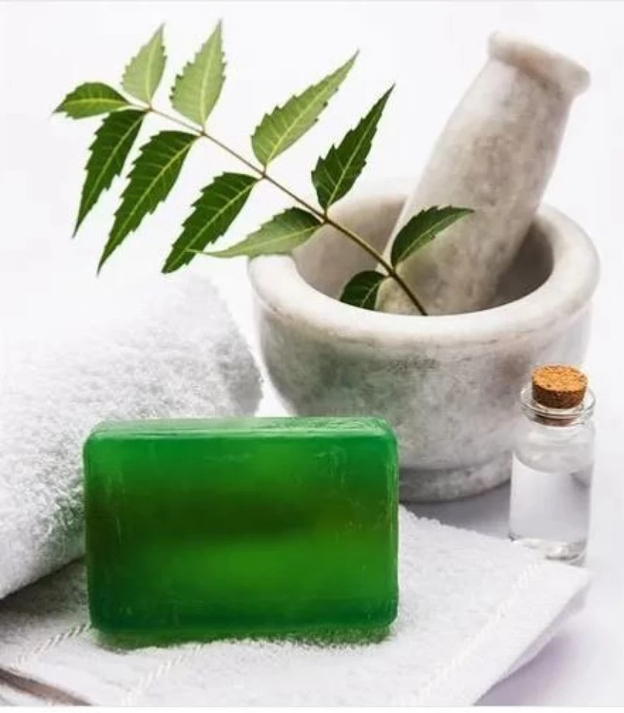
    What is Neem?

    The Indian subcontinent is home to the neem tree, scientifically known as Azadirachta indica. Because of its potent antibacterial, antifungal, and anti-inflammatory qualities, it has been utilized in traditional medicine for generations. The leaves and bark of the neem tree both contain medicinal substances that make the tree a useful tool for skincare and natural healing.

    Rich concentrations of bioactive chemicals such as nimbin, nimbidin, and a substance called make neem an outstanding plant. These substances support neem’s remarkable capacity to address a range of skin conditions. Neem can be quite helpful if you have acne, eczema, or just general dryness.

    In addition, neem is environmentally beneficial and sustainable. Because of its quick growth and low water requirements, this tree is a great option for anyone who are concerned about their environmental impact.

    Neem soap buy

    Benefits of using Neem Soap

    A variety of skin issues can be resolved by using neem soap, which has several advantages. The following are some key benefits:

    Properties that Are Antibacterial and Antifungal

    The power of neem soap for protection against bacteria and fungus is highly praised. For treating ailments like athlete’s foot, acne, and other fungal infections, it is very useful because of this. You can maintain clean, germ-free skin by using it on a regular basis.

    Beneficial and Regenerative Properties

    Occupied skin becomes less red and swollen as a result of neem’s anti-inflammatory qualities. Neem soap can be really helpful if you have sensitive skin or particular ailments like dermatitis. Even minor scrapes and bruises heal more quickly thanks to its healing qualities.

    Refreshing and hydrating

    Neem soap preserves moisture equilibrium in the skin, in contrast to many commercial soaps that can deplete your skin of its natural oils. Its high content of glycerides and fatty acids nourish and soften the skin. For people who have mixed or dry skin, this is quite helpful.

    Uses of Neem Soap for Skincare

    Using neem soap in diverse skincare regimes to suit different needs is possible due to its extreme versatility. You can include neem soap in your regular routine in the following ways:

    Regularly Used Face Wash

    Regularly cleansing your face with neem soap will help manage oil production, lessen acne, and maintain the youthful appearance of your skin. Your skin is free from dangerous microorganisms and pollutants thanks to its antibacterial qualities.

    Cleansing Body

    You can use neem soap as a body wash as well. It aids in the treatment and prevention of fungus infections, itching, and body acne. After each shower, your skin will feel refreshed and clean.

    Shave Soap

    Neem soap is beneficial for shaving for both men and women. Its calming qualities contribute to a smoother shave and softer skin by lessening irritation and razor burns.

    Benefits of neem

    How to Choose the Right Neem Soap

    Choosing the proper neem soap is essential to getting all of its advantages. Here are some pointers to help you:

    Analyze the contents.

    Verify the ingredient list to make sure that the neem soap actually contains neem leaf extract or pure neem oil. Steer clear of soaps that contain harmful chemicals or artificial perfumes that can irritate your skin.

    Take Into Consider Your Skin Type

    Choose neem soaps with additional components like aloe vera or tea tree oil if you have oily skin. If you have dry skin, choose neem soaps enhanced with hydrating ingredients such as coconut oil or shea butter.

    Read reviews :

    Customer testimonials might offer insightful information on how well the neem soap works. Look for evaluations from individuals who have relevant skin types and issues to your own.

    When choosing a neem soap, look for products that contain pure neem extract and are free from harsh chemicals and additives. Consider your specific skincare needs, such as dryness or acne, and choose a neem soap that is formulated to address those concerns. Opt for neem soaps that are certified organic and produced by reputable brands known for their commitment to quality and sustainability.

    Tips for Using Neem Soap Effectively

    The following advice will help you get the most out of your neem soap:

    Prioritize Patch Testing

    Conduct a patch test on a tiny section of your skin prior to using neem soap on your face or body. Identifying any allergic reactions or product sensitivities will be much easier with the use of this.

    Use  Lukewarm Water

    Use lukewarm water when using neem soap to wash your face and body. Lubrimate water helps preserve the moisture balance, but hot water can remove your skin of its natural oils.

    Relentless Use

    It’s important to be consistent. Frequent use of neem soap will enhance the texture and appearance of your skin. Include it in the routine you follow every day for skincare.

    Precautions and Potential Side Effects

    While most people can safely use neem soap, there are a few things you should know in advance:

    Reactions to Allergies

    Neem allergy responses are possible in certain individuals. Redness, itching, or swelling are examples of symptoms. If you see any of these indicators, discontinue use immediately.

    Consult a dermatologist.

    See a dermatologist if you have serious skin issues or if you have any doubts about using neem soap. Taking into account your skin type and problems, they can offer customized advise.

    Stay Out of Sensitive Areas

    Neem soap should not be applied to delicate regions like mucous membranes or the eyes. Rinse well with water if contact occurs.

    Conclusion

    Neem soap offers numerous benefits for skincare, including its antimicrobial, anti-inflammatory, and antioxidant properties. It can be used to cleanse, soothe, and moisturize the skin, making it a valuable addition to any skincare routine. As awareness of the benefits of natural skincare products grows, neem soap provides a safe and effective alternative to chemical-based products. Incorporating neem soap into your skincare routine can help promote healthy, radiant skin while minimizing the use of harsh chemicals and additives. Embrace the power of nature and discover the benefits of neem for your skin today.

    FAQs on Neem Soap: Benefits and Uses for Skincare

    1. Can any kind of skin type use neem soap?

    Answer : Sure, neem soap works well for all skin types in general, but you should always run a patch test beforehand.

    2. Do pimples respond well to neem soap?

    Answer : Indeed ! Acne can be effectively treated and prevented with neem soap thanks to its antibacterial qualities.

    3. For what purpose is neem soap intended?

    Answer : Include neem soap in your skincare routine every day for optimal benefits.

    The many advantages that neem soap provides can be yours if you adhere to these recommendations and include it in your routine. Bring on glowing, healthy skin and bid skin issues a fond farewell.

  • Natural Hair Care: Indigo Powder Benefits and Uses

    Natural Hair Care: Indigo Powder Benefits and Uses

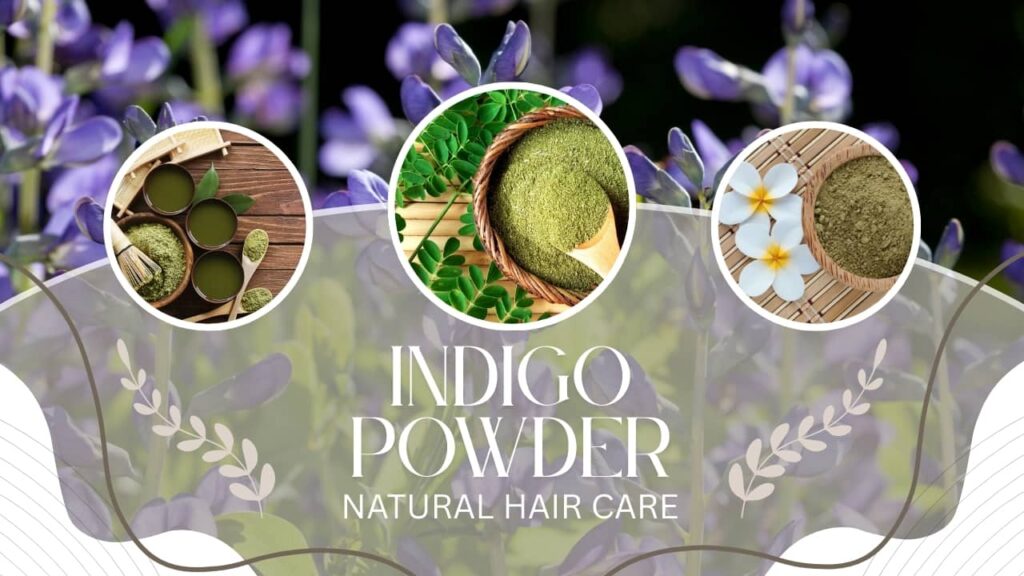
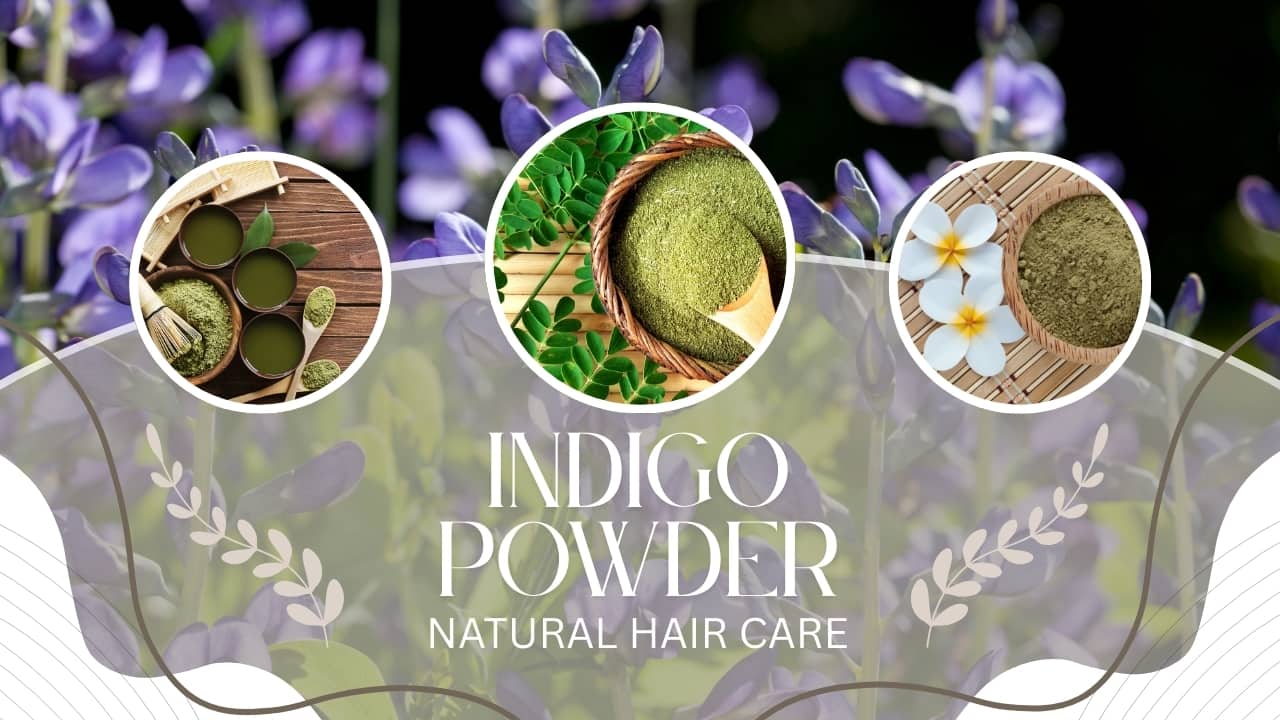
    benefits of indigo powder, uses of indigo powderNatural Hair Care: Indigo Powder In recent years, there has been a significant shift towards embracing natural ingredients in hair care routines. From coconut oil to aloe vera, people are increasingly turning to nature’s remedies for healthier, more vibrant hair. Among these natural wonders is indigo powder, an ancient hair care ingredient with a rich history and a plethora of benefits.

    Details About Indigo Powder

    Indigo powder is derived from the leaves of the indigofera tinctoria plant, a species native to India and other parts of Asia. It has been used for centuries as a natural dye for fabrics and hair. Indigo has a long-standing history, dating back to ancient civilizations such as the Egyptians and the Mesopotamians, who used it for dyeing textiles. In India, indigo has cultural significance and is often associated with traditional practices like Ayurveda. The production of indigo powder involves harvesting the leaves of the indigofera tinctoria plant, drying and pulverizing them into a fine powder. This powder is then used in various hair care formulations.

    Benefits of Using Indigo Powder for Hair Care

    1. Natural Coloring Properties

    Indigo powder boasts remarkable natural coloring properties, standing out as one of its primary advantages. When applied to the hair, it can impart a deep, rich color, ranging from blue-black to dark brown, depending on the original hair color and the method of application.

    2. Hair Strengthening and Nourishing Effects

    Indigo powder is known for its ability to strengthen hair strands, making them less prone to breakage and split ends. It also contains nutrients that nourish the hair follicles, promoting healthier growth.

    3. Scalp Health Benefits

    Indigo powder has soothing properties that can help alleviate scalp irritation and inflammation. It can also regulate sebum production, keeping the scalp balanced and moisturized.

    Natural remedies work best when supported by good nutrition. Nurokind Gold Sachet offers a balanced mix of vitamins that may help improve scalp circulation and support healthy hair growth from within.

    4. Comparison with Synthetic Hair Dyes

    Unlike synthetic hair dyes, which often contain harsh chemicals like ammonia and parabens, indigo powder is free from harmful additives, making it a safer alternative for those with sensitive skin or allergies.

    Hair Nutrition Insight: While indigo powder nourishes hair externally, your strands also need internal support to grow strong and healthy. A daily multivitamin like Briq Capsule/Heam UP Syrup can help by providing essential nutrients that promote hair growth, strengthen roots, and improve scalp health from within.

    benefits of indigo powder for hair

    How to Use Indigo Powder for Hair Care

    Using indigo powder for hair care requires careful preparation and application to achieve desired results. Here’s a detailed guide on how to use indigo powder effectively:

    1. Preparing Indigo Powder for Application:

    • Start with high-quality indigo powder from a reputable source. Ensure that the powder is finely ground and free from any contaminants.
    • Measure out the desired amount of indigo powder based on the length and thickness of your hair. For shorter hair, you’ll need less powder, while longer or thicker hair may require more.
    • Place the indigo powder in a non-metallic bowl. Metal can react with the indigo and affect the color outcome.
    • Gradually add warm water to the indigo powder, stirring continuously until you achieve a smooth, lump-free paste. The consistency should be similar to that of yogurt or pancake batter.

    2. Application Methods:

    • Before applying indigo powder to your hair, it’s essential to conduct a patch test to check for any allergic reactions or sensitivities. Apply a small amount of the mixture to a small area of skin and wait for 24 hours to observe any adverse reactions.
    • Begin with clean, dry hair. Indigo powder works best on hair that is free from styling products and natural oils.
    • Separate your hair into segments using either clips or hair bands. This will ensure even coverage and make the application process more manageable.
    • Using gloved hands or a brush, apply the indigo paste to each section of hair, starting from the roots and working your way down to the tips. Make sure to saturate the hair thoroughly, massaging the paste into the strands to ensure even distribution.
    • Once all sections of hair are coated with the indigo paste, cover your hair with a shower cap or plastic wrap to keep it moist and prevent the paste from drying out.
    • Leave the indigo paste on your hair for the recommended amount of time, usually between 1 to 3 hours, depending on the desired intensity of color. You can also wrap your head with a warm towel or use a hair dryer on low heat to help the color develop more quickly.
    • Once the timer ticks down, rinse your hair generously with lukewarm water, ensuring a thorough cleanse until the water flows crystal clear. Avoid using shampoo immediately after rinsing, as it can strip away the color. You can condition your hair if desired.

    3. Tips for Achieving Desired Results:

    • For a darker color, leave the indigo paste on your hair for a longer period of time. Keep in mind that indigo powder tends to darken over time, so the color may continue to deepen in the days following application.
    • If you’re looking to cover gray hair, you may need to pre-treat your hair with henna before applying the indigo paste. This two-step process, known as the henna-indigo method, helps achieve a more vibrant and long-lasting color.
    • Experiment with different indigo powder mixtures to customize the shade to your liking. You can mix indigo powder with other natural ingredients such as henna, amla, or cassia to achieve various shades of brown or black.

    4. Safety Precautions:

    • Always wear gloves when handling indigo powder to avoid staining your hands.
    • Protect your clothing and surroundings from potential stains by wearing old clothes and covering surfaces with towels or newspapers.
    • Avoid contact with the eyes and mucous membranes when applying indigo powder. In the event of contact, promptly flush with abundant water.
    • Perform a strand test before applying indigo powder to your entire head to ensure that you achieve the desired color outcome and to check for any adverse reactions.

    By following these steps and precautions, you can effectively use indigo powder to color and nourish your hair, achieving beautiful, natural-looking results while promoting overall hair health.

    Indigo Powder: Sustainability and Ethical Considerations

    1. Environmental Impact

    The cultivation and production of indigo powder have a relatively low environmental impact compared to synthetic dyes. However, it’s essential to consider factors such as water usage and land management practices.

    2. Fair Trade Practices and Sourcing

    When purchasing indigo powder, look for brands that prioritize fair trade practices and sustainable sourcing methods. This ensures that farmers and workers are paid fair wages and that the product is produced ethically.

    3. Alternatives and Eco-Friendly Options

    In addition to indigo powder, there are other natural alternatives for coloring and conditioning the hair, such as herbal hair rinses and plant-based hair dyes. These options are often more eco-friendly and biodegradable than their synthetic counterparts.

    Addressing Myths about Indigo Powder

    One common misconception is that indigo powder is damaging to the hair. However, when used correctly and in combination with other natural ingredients, indigo powder can actually strengthen and nourish the hair, promoting healthier strands.

    Another myth is that indigo powder is difficult to use or messy. While it does require careful preparation and application, following proper techniques and precautions can minimize any potential mess and ensure a smooth application process.

    Additionally, some people believe that indigo powder only produces a blue-black color, but in reality, it can create a range of shades, from dark brown to black, depending on factors such as hair type and the method of application. 

    Conclusion

    Indigo powder is a versatile and natural ingredient with numerous benefits for hair care. From its coloring properties to its nourishing effects on the hair and scalp, indigo powder offers a safe and effective alternative to synthetic hair dyes. By exploring the world of indigo powder, individuals can embrace a more sustainable and ethical approach to hair care, while also celebrating the rich history and cultural significance of this ancient remedy. 

    If you’re looking for a more targeted treatment for hair loss alongside herbal care, you may consider Mintop Forte 2% Solution—a trusted solution for promoting hair regrowth.

    If you’re facing persistent hair thinning or scalp issues, a supplement like Geomax Plus 4G Tablet can support hair strength from within.

    FAQs On Natural Hair Care: All About Indigo Powder

    1. Is indigo powder safe to use on all hair types, including chemically treated hair?

    Answer: Yes, indigo powder is generally safe for all hair types, including chemically treated hair. However, it’s essential to perform a patch test before full application to check for any adverse reactions.

    2. How long does the color from indigo powder last, and does it cover gray hair effectively?

    Answer: The longevity of indigo powder color can vary depending on factors such as hair porosity and maintenance routine, but it typically lasts several weeks to months. When used in combination with henna, indigo powder can effectively cover gray hair and provide long-lasting color.

    3. Can indigo powder be used on its own, or does it need to be mixed with other ingredients like henna?

    Answer: Indigo powder can be used on its own for a blue-black color, but for varying shades of brown or black, it’s often mixed with henna or other natural ingredients like amla or cassia. Mixing indigo powder with henna can also enhance its conditioning properties and improve color adherence.

    Buy Medicine – Upto 85% Discount

  • Boost Your Gut Health: A Guide To Pre And Probiotics

    Boost Your Gut Health: A Guide To Pre And Probiotics

    benefits of prebiotics and probioticsBoost Your Gut Health: A Guide To Pre And Probiotics: In the past few years, there has been a notable surge in awareness surrounding gut health within the realms of wellness and nutrition. Research has shown that a healthy gut microbiome, comprised of trillions of bacteria and other microorganisms, plays a crucial role in various aspects of our health, including digestion, immune function, mental well-being, and even weight management. One of the key ways to support a healthy gut is by incorporating prebiotics and probiotics into your diet.


    Understanding Prebiotics and Probiotics

    1. Prebiotics: Prebiotics are non-digestible fibers found in certain foods that serve as fuel for beneficial bacteria in the gut. While they remain undigested as they pass through the upper gastrointestinal tract, they reach the colon intact, where they are fermented by the gut microbiota. This fermentation process produces short-chain fatty acids, such as acetate, propionate, and butyrate, which are beneficial for gut health. Prebiotics essentially act as food for probiotics, promoting the growth and activity of beneficial bacteria in the gut. Common sources of prebiotics include fruits (e.g., bananas, apples), vegetables (e.g., onions, garlic), whole grains (e.g., oats, barley), and legumes (e.g., chickpeas, lentils). By nourishing the gut microbiome, prebiotics support digestive health, enhance immune function, and may even have positive effects on mental well-being.
    2. Probiotics: Probiotics are live microorganisms, primarily bacteria and some yeasts, that confer health benefits when consumed in adequate amounts. These beneficial bacteria colonize the gut and help maintain a diverse and balanced microbial environment. Probiotics can be found in certain fermented foods (e.g., yogurt, kefir, sauerkraut) as well as in supplement form. They work in various ways to support gut health, including competing with harmful bacteria for resources and adhesion sites, producing antimicrobial substances, and modulating immune responses. Probiotics have been studied for their role in improving digestion, enhancing immune function, supporting mental health, and aiding in weight management. Incorporating probiotic-rich foods into your diet or taking probiotic supplements can help optimize your gut microbiome and promote overall well-being.

    Benefits of Prebiotics and Probiotics

    The consumption of prebiotics and probiotics offers a multitude of benefits for overall health and well-being:

    1. Improved Digestive Health: Prebiotics and probiotics work synergistically to promote a healthy digestive system. Prebiotics help nourish the gut bacteria, while probiotics help maintain a balanced microbial environment, thereby aiding in digestion and reducing symptoms of digestive disorders such as bloating, gas, and constipation.
    2. Enhanced Immune Function: A notable fraction of the body’s immune defenses are situated within the gastrointestinal tract. By supporting a diverse and balanced gut microbiome, prebiotics and probiotics can help strengthen immune function, reducing the risk of infections and inflammatory conditions.
    3. Mental Health Support: Emerging research suggests a strong connection between gut health and mental well-being. The intricate gut-brain axis serves as a two-way communication pathway linking the gut and the brain, exerting profound effects on mood regulation, cognitive processes, and behavioral patterns.Consuming prebiotics and probiotics may help alleviate symptoms of stress, anxiety, and depression by modulating this gut-brain connection.
    4. Weight Management: Maintaining a healthy balance of gut bacteria is associated with better weight management and metabolism. Prebiotics and probiotics may help regulate appetite, reduce inflammation, and promote the breakdown of fats, contributing to a healthy body weight.

    Dietary Sources of Prebiotics and Probiotics

    Incorporating prebiotics and probiotics into your diet is relatively straightforward, thanks to the abundance of natural food sources:

    1. Prebiotic Foods:
    •     Chicory root
    •     Garlic
    •     Onions
    •     Leeks
    •     Asparagus
    •     Bananas
    •     Apples
    •     Oats
    •     Barley
    •     Legumes (beans, lentils, chickpeas)

    Prebiotics For healthy gut

    1. Probiotic Foods:
    •     Yogurt (with live active cultures)
    •     Kefir
    •     Fermented vegetables (sauerkraut, kimchi)
    •     Tempeh
    •     Miso
    •     Kombucha
    •     Pickles (naturally fermented)
    •     Traditional buttermilk
    •     Raw cheese

    Probiotics For healthy gut

    It’s important to note that not all fermented foods contain live probiotic cultures, so be sure to check labels for phrases like “live active cultures” or “contains probiotics.”

    Supplements to Boost Your Gut Health

    Supplements can be valuable additions to your regimen for boosting gut health through prebiotics and probiotics. Prebiotic supplements typically contain concentrated forms of fibers such as inulin, oligosaccharides, or fructooligosaccharides (FOS), which serve as nourishment for beneficial gut bacteria. These supplements can be particularly useful for individuals who struggle to consume sufficient prebiotic-rich foods in their diet. 

    Probiotic supplements such as Vizylac Capsule, on the other hand, offer specific strains of beneficial bacteria in high concentrations. They can be beneficial for those seeking targeted support for digestive issues, immune function, or overall gut health. When selecting probiotic supplements, it’s essential to choose those with strains that have been clinically studied for their efficacy and safety. Additionally, look for supplements with a diverse range of bacterial strains to support a healthy gut microbiome. Always consult with a healthcare professional before starting any new supplement regimen to ensure it’s appropriate for your individual health needs.

    How to Optimizing Gut Health ?

    To optimize your gut health and maximize the benefits of prebiotics and probiotics, consider the following tips:

    1. Diversify Your Diet: Consume a wide variety of prebiotic and probiotic-rich foods to promote a diverse gut microbiome.
    2. Minimize Processed Foods: Processed foods high in sugar, artificial additives, and preservatives can disrupt gut health. Focus on whole, nutrient-dense foods instead.
    3. Manage Stress: Prolonged stress has the potential to detrimentally affect the well-being of your gut. Incorporate stress-reducing practices such as mindfulness, meditation, and regular physical activity into your routine.
    4. Avoid Overuse of Antibiotics: Antibiotics can indiscriminately kill both harmful and beneficial bacteria in the gut. Use antibiotics only when necessary and consider taking probiotics alongside them to mitigate potential disruptions to gut flora.
    5. Listen to Your Body: Pay attention to how different foods and lifestyle factors affect your digestion and overall well-being. Adjust your diet and habits accordingly to support optimal gut health.

    Conclusion

    Incorporating prebiotics and probiotics into your diet is a proactive step towards improving your gut health and overall well-being. By nourishing the beneficial bacteria in your gut and maintaining a balanced microbial environment, you can experience digestive comfort, enhanced immunity, better mental health, and more efficient weight management. With a diverse array of dietary sources and supplements available, supporting your gut health has never been more accessible. Start small by incorporating a few prebiotic and probiotic-rich foods into your daily meals, and gradually expand your repertoire to reap the full benefits of a healthy gut microbiome. Your gut will thank you for it!


    FAQs on Boost Your Gut Health: A Guide to Pre and Probiotics

    1. What is pre and probiotics?

    Answer: Prebiotics are non-digestible fibers found in certain foods that fuel beneficial bacteria in the gut, supporting digestion and immune function. Probiotics are live microorganisms, primarily bacteria and some yeasts, that confer health benefits when consumed in adequate amounts. They colonize the gut and help maintain a diverse and balanced microbial environment, promoting overall gut health and well-being.

    2. Why are prebiotics important for gut health?

    Answer: Prebiotics are essential for gut health as they serve as food for beneficial bacteria in the gut microbiome. By nourishing these bacteria, prebiotics help maintain a diverse and balanced microbial environment, supporting digestion, immune function, and overall well-being.

    3. Can I get enough probiotics from food alone, or do I need supplements?

    Answer: While it’s possible to obtain probiotics from fermented foods like yogurt, kefir, and sauerkraut, some individuals may benefit from probiotic supplements, especially if they have specific health concerns or dietary restrictions. Supplements can provide a concentrated dose of beneficial bacteria to support gut health effectively.

    4. How long does it take to notice the benefits of prebiotics and probiotics?

    Answer: The timeframe for experiencing the benefits of prebiotics and probiotics can vary depending on factors such as individual gut health, diet, lifestyle, and the specific strains of bacteria consumed. While some people may notice improvements in digestion and overall well-being within a few days or weeks, it may take several weeks or even months for others to experience significant changes. Consistency is key, so aim to incorporate prebiotic and probiotic-rich foods into your diet regularly for long-term gut health benefits.

    Also Read:-

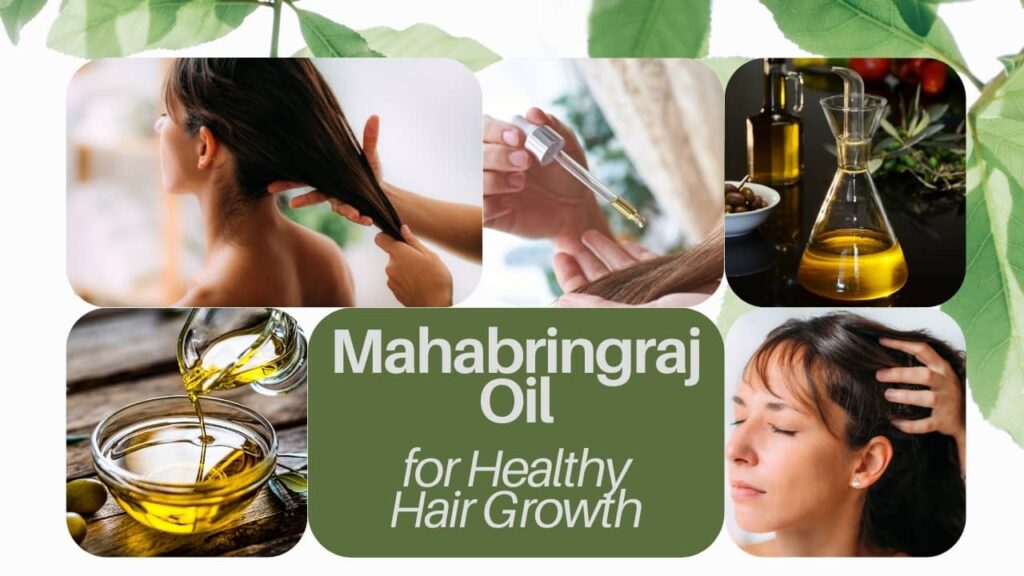
  • Mahabringraj Oil: The Natural Solution for Healthy Hair Growth

    Mahabringraj Oil: The Natural Solution for Healthy Hair Growth

    mahabringraj oil for hair growthMahabringraj Oil – In a world where hair care products promise miracles but often fall short, there exists a time-honored remedy deeply rooted in ancient Ayurvedic tradition. Derived from the potent herb Eclipta alba, also known as Bhringraj, this oil has been revered for centuries in India for its remarkable benefits for hair health and growth. 
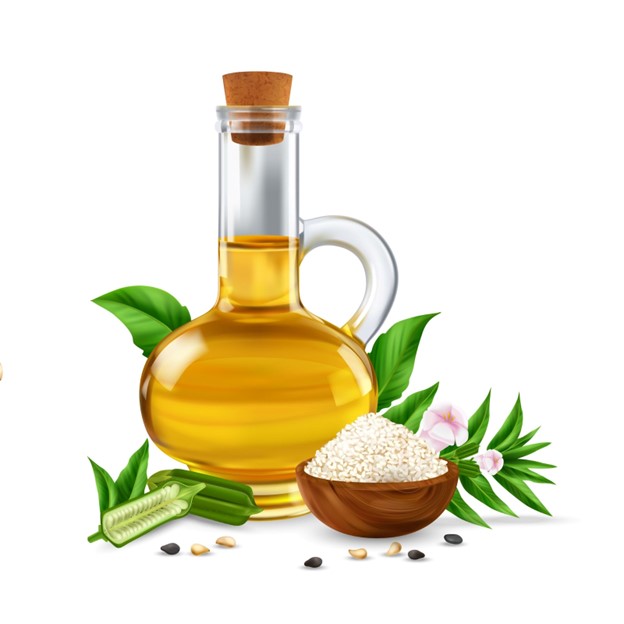
    Mahabringraj Oil traces its origins back to the ancient Indian system of medicine known as Ayurveda. 

    About Mahabringraj Oil

    Ayurveda, which translates to “the science of life,” emphasizes the holistic approach to health and wellness, focusing on the balance between mind, body, and spirit. Within Ayurveda, herbs hold significant importance, with each herb believed to possess unique healing properties. One such herb is Bhringraj, hailed as the “king of herbs for hair” in Ayurvedic texts. Eclipta alba, the botanical name for Bhringraj, thrives in the moist, tropical regions of India. Since time immemorial, Ayurvedic practitioners have recognized its ability to promote hair growth, prevent premature graying, and maintain overall scalp health. Harnessing the power of Bhringraj, Mahabringraj Oil emerged as a revered formulation, cherished for its efficacy in addressing various hair concerns.

    Mahabringraj Oil

    Ingredients and Preparation

    Mahabringraj Oil typically consists of a blend of herbs and botanical extracts, with Bhringraj being the primary ingredient. However, the exact formulation may vary based on traditional recipes and modern adaptations. Here are some common ingredients found in Mahabringraj Oil and their benefits:

    1. Bhringraj (Eclipta alba): Rich in nutrients such as iron, magnesium, and vitamin E, Bhringraj nourishes the scalp, strengthens hair follicles, and promotes hair growth. It also helps in preventing dandruff and scalp infections.
    2. Coconut Oil: Known for its moisturizing properties, coconut oil penetrates deep into the hair shaft, preventing protein loss and reducing damage. It also has antimicrobial properties that contribute to scalp health.
    3. Amla (Indian Gooseberry): Amla is a powerhouse of vitamin C and antioxidants, which help strengthen hair follicles, stimulate hair growth, and prevent premature graying.
    4. Brahmi (Bacopa monnieri): Brahmi is revered for its calming and rejuvenating effects on the scalp. It nourishes hair roots, reduces hair fall, and improves overall hair texture.
    5. Neem (Azadirachta indica): Neem is renowned for its antibacterial and antifungal properties, making it effective in treating dandruff, scalp infections, and other inflammatory conditions.

    The preparation of Mahabringraj Oil involves infusing these herbs and botanicals into a carrier oil, such as coconut oil or sesame oil, through a meticulous process of extraction and fermentation. This traditional method ensures that the oil retains the maximum potency of the herbs, delivering optimal results for hair care.

    Benefits of Mahabringraj Oil

    The efficacy of Mahabringraj Oil stems from the synergistic blend of its ingredients, each contributing to its wide range of benefits for hair health. Here are several notable benefits attributed to the utilization of Mahabringraj Oil::

    1. Promotes Hair Growth: Bhringraj, the star ingredient, stimulates hair follicles and encourages healthy hair growth. Regular massage with Mahabringraj Oil improves blood circulation to the scalp, ensuring better nutrient delivery to the hair roots.
    2. Strengthens Hair: The nutrient-rich composition of Mahabringraj Oil nourishes the hair shaft, making it stronger, thicker, and less prone to breakage. This helps in preventing split ends and promoting overall hair resilience.
    3. Prevents Premature Graying: The antioxidant properties of Amla and other herbs in Mahabringraj Oil combat oxidative stress, which is a common cause of premature graying. Regular application of the oil helps in maintaining the natural color of the hair.
    4. Nourishes the Scalp: Mahabringraj Oil has a cooling and soothing effect on the scalp, relieving dryness, itchiness, and inflammation. It also helps in controlling dandruff and other scalp conditions, promoting a healthy scalp environment for hair growth.
    5. Improves Hair Texture: With its conditioning properties, Mahabringraj Oil softens the hair, adds shine, and improves overall texture. It tames frizz and flyaways, leaving the hair looking smoother and more manageable.

    While Mahabhringraj oil offers nourishment and supports natural hair health, individuals experiencing progressive hair thinning or hereditary hair loss may also consider clinically approved topical solutions. One such option is Mintop Forte 2% Solution 60ml, which contains Minoxidil—a dermatologist-recommended treatment known to stimulate hair regrowth in cases of androgenetic alopecia.

    How to Use Mahabringraj Oil

    Incorporating Mahabringraj Oil into your hair care routine is simple and can yield significant benefits with regular usage. Here’s a step-by-step guide on how to use Mahabringraj Oil effectively:

    1. Warm the Oil: Place the bottle of Mahabringraj Oil in a bowl of warm water for a few minutes to gently heat it. Warm oil penetrates the scalp more effectively and enhances the absorption of nutrients.
    2. Massage the Scalp: Part your hair into sections and apply the warmed Mahabringraj Oil directly to the scalp. Use your fingertips to massage the oil in circular motions, ensuring even distribution and stimulating blood flow.
    3. Apply to Hair: Once the scalp is adequately covered, work the remaining oil through the lengths of your hair, focusing on the tips. This helps in nourishing and conditioning the hair shaft, preventing dryness and damage.
    4. Leave it On: Leave the oil on for at least 30 minutes to an hour, allowing it to deeply penetrate the hair and scalp. For best results, you can leave it overnight and wash it off in the morning.
    5. Shampoo and Rinse: After the recommended duration, shampoo your hair thoroughly to remove the oil buildup. You may need to shampoo twice to ensure all traces of oil are removed. Follow up with a conditioner if desired.
    6. Repeat Regularly: For optimal results, use Mahabringraj Oil at least once a week as part of your hair care routine. Consistency is key to experiencing the full benefits of this natural elixir.

    Mahabringraj Oil

    Conclusion

    In a world inundated with chemical-laden hair care products, Oil stands out as a beacon of purity and efficacy. Rooted in ancient Ayurvedic wisdom and enriched with the goodness of nature’s bounty, this time-honored remedy offers a holistic solution for healthy hair growth and maintenance. Whether you’re struggling with hair fall, dandruff, or dullness, Oil beckons as a natural ally on your journey to radiant, luscious locks. Embrace the tradition, indulge in self-care, and let the magic of Mahabringraj Oil transform your hair care regimen.

    Remember, the true beauty of Oil lies not just in its tangible benefits but in the reverence it evokes for the ancient wisdom that continues to enrich our lives today.


    FAQs On Mahabringraj Oil: The Natural Solution for Healthy Hair Growth

    1. How often should I use Mahabringraj Oil for optimal results?

    Answer: For optimal results, it is recommended to use Oil at least once a week as part of your hair care routine. Consistency is key to experiencing the full benefits of this natural solution for healthy hair growth. However, individuals with specific hair concerns or conditions may choose to use it more frequently under the guidance of a healthcare professional or Ayurvedic practitioner.

    2. Can Mahabringraj Oil be used on all hair types?

    Answer: Yes, it is suitable for all hair types, including oily, dry, and normal hair. Its nourishing and conditioning properties make it beneficial for improving the overall health and texture of the hair. However, individuals with specific scalp conditions or allergies should perform a patch test before using the oil extensively.

    3. Is it necessary to leave Mahabringraj Oil overnight, or can it be washed off after a shorter duration?

    Answer: While leaving  Oil on overnight can enhance its efficacy by allowing it to deeply penetrate the hair and scalp, it is not necessary for everyone. If time constraints or personal preferences prevent overnight application, you can still derive benefits by leaving the oil on for at least 30 minutes to an hour before washing it off. The warmth from the oil and the scalp massage during application contribute to better absorption of nutrients, promoting healthy hair growth and maintenance.

    Buy Medicines at – 15% Flat Discount

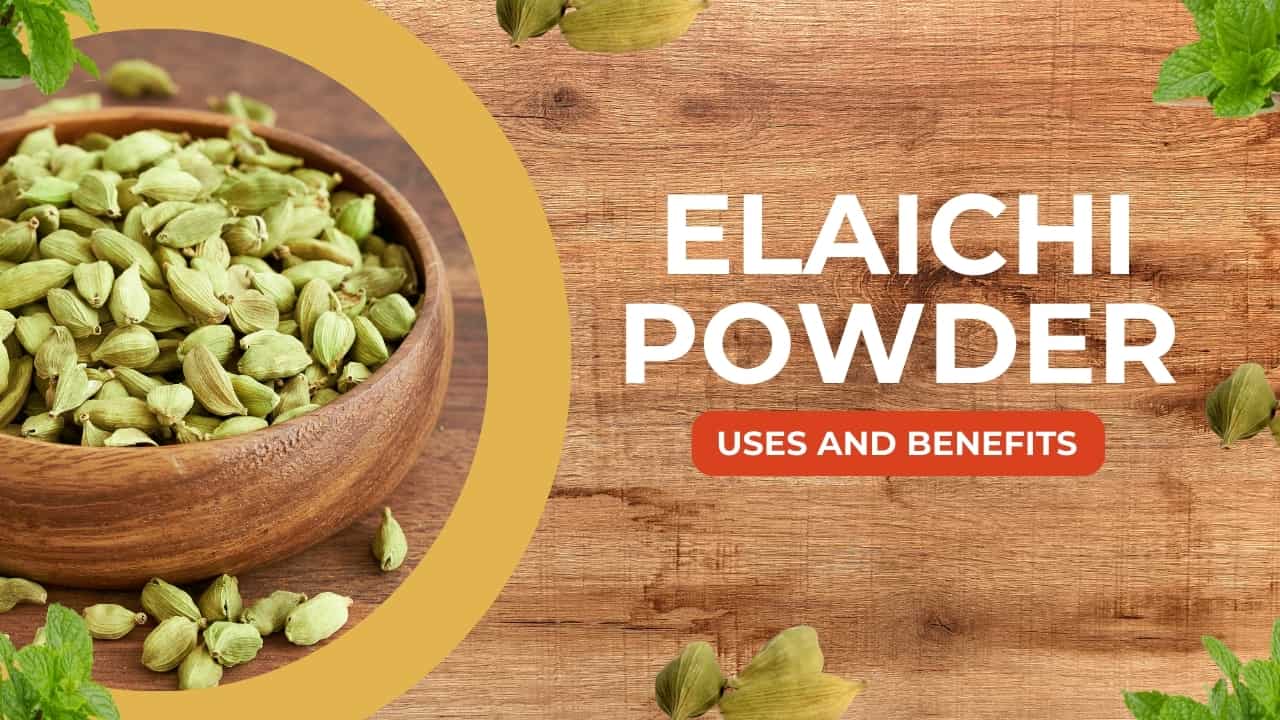
  • All About Elaichi Powder: Uses and Benefits | Cardamom

    All About Elaichi Powder: Uses and Benefits | Cardamom

    benefits of elaichi powderElaichi Powder or Cardamom is a powerful ingredient that has been cherished for centuries. This aromatic seed, native to the Indian subcontinent, carries within it a plethora of uses and benefits that extend far beyond just adding flavor to our dishes. 
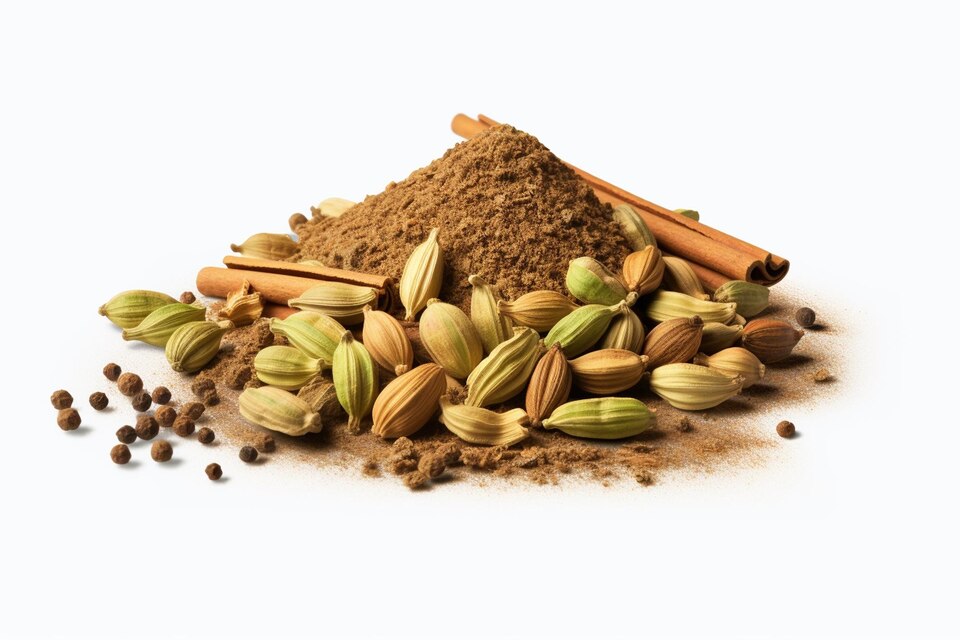
    Scientifically known as Elettaria cardamomum, Elaichi Powder belongs to the ginger family and is widely cultivated in tropical regions. It boasts a distinct sweet and floral aroma and a warm, slightly spicy flavor profile. Small pods encapsulate the seeds, which farmers harvest and dry before use. Elaichi is a common ingredient in culinary and medicinal practices due to its rich composition of essential oils, antioxidants, and other bioactive compounds.

    Culinary Applications

    1. Flavor Enhancer:

    Elaichi powder serves as a versatile flavor enhancer in various culinary creations, ranging from savory curries to indulgent desserts. Its unique blend of sweet and spicy notes adds depth and complexity to dishes, elevating the overall taste profile.

    2. Baking Ingredient:

    In the realm of baking, Elaichi powder finds its way into an array of confections, including cookies, cakes, and bread. It imparts a subtle yet distinct fragrance, transforming ordinary treats into aromatic delights.

    3. Beverage Infusion:

    Whether in traditional chai tea or exotic cocktails, Elaichi powder lends its aromatic essence to beverages, infusing them with warmth and sophistication. Its inclusion in hot drinks provides comfort during chilly evenings, while its presence in cold beverages offers a refreshing twist.

    Health Benefits of Elaichi Powder

    1. Digestive Aid:

    Elaichi powder is renowned for its digestive properties, helping to alleviate indigestion, bloating, and gas. It stimulates the secretion of digestive enzymes, promoting smoother digestion and relieving discomfort.

    2. Oral Health:

    The antimicrobial properties of Elaichi powder make it an effective remedy for oral health issues such as bad breath and cavities. Chewing on Elaichi seeds can freshen breath and inhibit the growth of bacteria in the mouth.

    3. Respiratory Support:

    Inhalation of the aromatic vapors from Elaichi powder can provide relief from respiratory ailments like coughs, colds, and congestion. Its expectorant properties help to loosen phlegm and clear the airways, facilitating easier breathing.

    4. Heart Health:

    Studies suggest that Elaichi powder may contribute to heart health by reducing blood pressure and cholesterol levels. Its antioxidant compounds help to protect against oxidative stress and inflammation, which are risk factors for cardiovascular disease.

    elaichi powder imageBeauty and Wellness

    1. Skin Care:

    Elaichi powder can be incorporated into homemade face masks and scrubs, offering nourishment and rejuvenation to the skin. Its antioxidant properties combat free radicals, promoting a youthful complexion and reducing signs of aging.

    2. Hair Care:

    When applied topically or consumed internally, Elaichi powder can enhance hair health by strengthening follicles, preventing hair loss, and imparting a natural shine. It is often included in hair masks and herbal remedies for its revitalizing effects.

    3. Stress Relief:

    The soothing aroma of Elaichi powder has a calming effect on the mind and body, making it a popular ingredient in aromatherapy. Its fragrance helps to alleviate stress, anxiety, and fatigue, promoting relaxation and mental well-being.

    How to Use Elaichi Powder

    1. Culinary Use

    • For culinary purposes, the dosage of elaichi powder can vary based on personal preference and recipe requirements.
    • Usually, 1/4 to 1/2 teaspoon of elaichi powder is enough to flavor dishes like curries, rice, desserts, and beverages.
    • Beginning with a modest quantity and fine-tuning to suit personal preferences is recommended.

    2. Medical Use

    • When using elaichi powder for its medicinal properties, such as digestive aid or oral health benefits, the dosage may vary.
    • Consult a healthcare provider before using elaichi powder, especially if taking medications or undergoing medical treatment, to ensure safety.
    • For oral health benefits, mixing a small amount of elaichi powder with water to form a paste and using it as a mouthwash or applying it directly to the gums can be effective.

    Consultation with a Healthcare Professional

    It’s important to consult with a healthcare professional or an Ayurvedic practitioner for personalized dosage recommendations, especially if using elaichi powder for specific health concerns or in conjunction with other medications. By following these dosage recommendations and precautions, individuals can safely incorporate elaichi powder into their culinary creations and enjoy its potential health benefits. However, it’s always wise to exercise caution, especially if using it medicinally or in higher doses, and consult with a healthcare professional when in doubt.

    Precautions and Potential Side Effects of Elaichi Powder

    1. Allergic Reactions

    • While elaichi is generally considered safe for most people when consumed in moderate amounts, allergic reactions can occur in some individuals.
    • Symptoms of an allergic reaction may include itching, swelling, hives, difficulty breathing, or dizziness. Should you experience any of these indications, cease usage immediately and consult with a medical professional.

    2. Gastrointestinal Upset

    • Excessive consumption of elaichi powder may lead to gastrointestinal upset, including stomach pain, nausea, or diarrhea.
    • Individuals with pre-existing gastrointestinal conditions should consume elaichi powder in moderation and monitor their tolerance.

    3. Drug Interactions

    • Elaichi powder may interact with certain medications, including anticoagulants, antiplatelet drugs, and medications metabolized by the liver.
    • Consult a healthcare provider before using elaichi powder, especially if taking medications or undergoing medical treatment, to ensure safety.

    4. Pregnancy and Breastfeeding

    • Pregnant and breastfeeding women should exercise caution when using elaichi powder.
    • Use small amounts in cooking, but avoid excessive consumption or medicinal use without consulting a healthcare professional.

    5. Children and Infants

    • Care should be taken when giving elaichi powder to children and infants, as their tolerance may differ from adults.
    • Consult a pediatrician before giving elaichi powder to a child or using it for medicinal purposes.

    6. Quality and Purity

    • Ensure that the elaichi powder is of high quality and free from contaminants or adulterants.
    • Purchasing elaichi powder from reputable sources and checking for certifications can help ensure its safety and efficacy.

    Conclusion:

    Elaichi powder stands as a testament to the remarkable synergy between flavor and function, offering a myriad of uses and benefits that span culinary, medicinal, and wellness domains. Whether sprinkled into a simmering curry, brewed into a comforting cup of tea, or infused into a rejuvenating skincare routine, this aromatic treasure continues to captivate hearts and minds around the world, enriching lives one seed at a time.

    FAQs on Elaichi Powder: Uses and Benefits

    Q1. What are the main culinary uses of elaichi powder?

    Derived from the seeds of the green cardamom plant, elaichi powder finds wide usage in culinary applications, imparting a distinctive and fragrant essence to both desserts and savory creations. Common culinary uses include flavoring desserts such as rice puddings, kheer (Indian rice pudding), and gulab jamun (a popular Indian sweet). It is also employed in curries, biryanis, teas, and beverages like chai (spiced tea) and lassi (yogurt drink).

    Q2. What are the potential health benefits of consuming elaichi powder?

    Elaichi powder is not only prized for its culinary versatility but also offers potential health benefits due to several bioactive compounds, including antioxidants and essential oils, contributing to its medicinal properties. Some of the potential health benefits associated with elaichi powder include aiding digestion, relieving gastrointestinal discomfort, freshening breath, promoting oral health, and potentially supporting cardiovascular health. Additionally, some research suggests that elaichi powder may have antimicrobial and anti-inflammatory properties, although further studies are needed to confirm these effects.

    Q3. How can one incorporate elaichi powder into skincare and beauty routines?

    Beyond its culinary and medicinal uses, elaichi powder has also found its way into skincare and beauty routines. Its aromatic properties and beneficial compounds make it a popular ingredient in homemade face masks, scrubs, and hair treatments. Elaichi powder helps cleanse and exfoliate the skin, promotes a healthy complexion, and adds shine to hair. In skincare, one can mix it with other natural ingredients like honey, yogurt, or rose water to create nourishing face packs or toners. In haircare, combining elaichi powder with oils or herbal extracts makes conditioning treatments that may help strengthen hair follicles and improve scalp health.

    Buy Generic Medicines – Upto 85% Off

  • Best Face Cream With Vitamin C And Suitable For All Skin Types – Buy Face Cream Online

    Best Face Cream With Vitamin C And Suitable For All Skin Types – Buy Face Cream Online

    best vitamin c face creamIn the pursuit of flawless, radiant skin, one ingredient stands out as a powerhouse: Vitamin C. Known for its brightening, antioxidant, and anti-aging properties, Vitamin C has become a staple in skincare routines worldwide. In India, where diverse skin types are prevalent, finding the perfect face cream with Vitamin C that suits all skin types can be a daunting task. However, fear not! We’ve curated a comprehensive list of the best Vitamin C face creams suitable for all skin types, to help you achieve that coveted glow.

    Understanding Vitamin C and Its Benefits

    Face creams enriched with Vitamin C offer a plethora of benefits that can transform your skin’s health and appearance. Let’s delve into the elaborate details of these benefits:

    1. Powerful Antioxidant Protection:

      Vitamin C is a potent antioxidant that helps neutralize free radicals generated by exposure to environmental stressors such as UV radiation, pollution, and cigarette smoke. Free radicals have the potential to harm skin cells, resulting in premature aging, the formation of fine lines, and wrinkles. By scavenging these free radicals, Vitamin C protects the skin from oxidative stress and maintains its youthful vitality.

    2. Boosts Collagen Production:

      Collagen is a protein that provides structural support to the skin, keeping it firm, plump, and elastic.As individuals progress through life, the body’s natural collagen synthesis diminishes over time, resulting in a loss of skin elasticity and the emergence of wrinkles and sagging. Vitamin C plays a crucial role in collagen synthesis by stimulating the activity of collagen-producing cells called fibroblasts. By promoting collagen production, Vitamin C helps maintain skin firmness and resilience, reducing the appearance of wrinkles and fine lines.

    3. Brightens Skin Tone:

      One of the most sought-after benefits of Vitamin C is its ability to brighten and even out the skin tone. Vitamin C has been shown to effectively impede the production of melanin, the natural pigment responsible for the formation of dark spots, hyperpigmentation, and irregular skin tone. By regulating melanin production, Vitamin C helps fade dark spots, reduce discoloration, and promote a more radiant complexion. Regular use of Vitamin C face cream can impart a healthy, luminous glow to dull, tired-looking skin.

    4. Fades Dark Spots and Pigmentation:

      Sun exposure, hormonal changes, and acne can often result in the formation of dark spots, age spots, and post-inflammatory hyperpigmentation. Vitamin C possesses skin-lightening properties that can effectively fade these unwanted pigmentation marks over time. By inhibiting tyrosinase, the enzyme responsible for melanin synthesis, Vitamin C helps diminish the appearance of dark spots and achieve a more even skin tone.

      For those struggling with persistent acne and hyperpigmentation, pairing a gentle Vitamin C cream with dermatologist-recommended treatments like Tretin 0.025% Cream can significantly improve results.

    5. Enhances Skin Hydration:

      Vitamin C face creams often contain moisturizing ingredients such as hyaluronic acid or glycerin, which help attract and retain moisture in the skin. Hydrated skin appears plump, supple, and youthful, with reduced fine lines and wrinkles. By providing intense hydration, Vitamin C face creams replenish the skin’s moisture barrier, improving its texture and overall health.

    6. Protects Against Sun Damage:

      While Vitamin C itself does not offer significant sun protection, it can complement the efficacy of sunscreen in preventing sun damage. Vitamin C neutralizes free radicals generated by UV radiation, reducing oxidative stress and inflammation in the skin. When used in conjunction with a broad-spectrum sunscreen, Vitamin C enhances the skin’s defense mechanisms against harmful UV rays, minimizing the risk of sunburn, premature aging, and skin cancer.

    7. Promotes Healing and Repair:

      Vitamin C accelerates the skin’s natural healing process by promoting the synthesis of collagen and elastin fibers. It helps repair damaged skin cells, diminish scars, and improve overall skin texture. Whether you’re dealing with acne scars, wounds, or sunburns, Vitamin C aids in tissue regeneration, allowing the skin to recover faster and maintain its resilience.

    8. Suitable for All Skin Types:

      Unlike some skincare ingredients that may be harsh or irritating for certain skin types, Vitamin C is generally well-tolerated by all skin types, including sensitive skin. It is non-comedogenic, meaning it won’t clog pores or exacerbate acne. Moreover, Vitamin C offers anti-inflammatory properties, making it beneficial for calming redness, soothing irritation, and reducing skin sensitivity.

    Choosing the Right Face Cream for All Skin Types

    When selecting a Vitamin C face cream, it’s essential to consider various factors such as skin type, formulation, concentration of Vitamin C, additional ingredients, and budget. Opting for a product suitable for all skin types ensures inclusivity and caters to the diverse needs of individuals.

    Best Face Cream With Vitamin C And Suitable For All Skin Types

    1. The Body Shop Vitamin C Glow Boosting Moisturiser:

    • Suitable for all skin types, especially dull and tired-looking skin.
    • Enriched with Amazonian Camu Camu berries, known for their high Vitamin C content.
    • Lightweight, non-greasy formula that provides hydration and radiance.
    • Helps revive the skin’s natural glow and improve texture over time.

    Body Shop Vitamin C Glow Boosting Moisturiser:- Buy Now at 15%

    1. WOW Skin Science Vitamin C Face Cream:

       – Formulated with 20% Vitamin C, hyaluronic acid, and sunflower oil.

       – Ideal for normal to oily skin types, offering hydration without clogging pores.

       – Fades pigmentation, reduces fine lines, and promotes an even skin tone.

       – Free from harmful chemicals such as parabens, sulfates, and mineral oils.

    1. L’Oreal Paris Revitalift Crystal Micro-Essence:

       – Combines the power of brightening actives with 92% pure Centella Asiatica.

       – Suitable for all skin types, including sensitive skin.

       – Lightweight, water-like texture that penetrates deeply to hydrate and rejuvenate the skin.

       – Visibly reduces dark spots, evens out skin tone, and enhances skin clarity.

    1. Plum Bright Years All-Day Defence Cream:

       – Infused with Kakadu plum, the richest natural source of Vitamin C.

       – Designed for all skin types, including sensitive and acne-prone skin.

       – Provides broad-spectrum SPF 45 PA+++ protection against UVA and UVB rays.

       – Fights environmental aggressors, reduces dullness, and prevents premature aging.

    1. Mamaearth Skin Illuminate Vitamin C Face Cream:

       – Contains pure Vitamin C, turmeric, and saffron extracts for glowing skin.

       – Suitable for normal to dry skin types, offering intense hydration and nourishment.

       – Lightens dark spots, evens skin tone, and boosts collagen production.

       – Dermatologically tested, hypoallergenic, and free from harmful chemicals.

    Tips for Incorporating Vitamin C Face Cream into Your Routine

    1. Perform a patch test before using any new product to check for allergic reactions.
    2. Apply Vitamin C face cream onto clean, dry skin, preferably in the morning for added protection against environmental stressors.
    3. Follow up with a broad-spectrum sunscreen during the day to prevent sun damage.
    4. Consistency is key! Incorporate Vitamin C face cream into your daily skincare routine for optimal results.
    5. Store the product in a cool, dark place away from direct sunlight to maintain its potency.

    Conclusion

    Achieving radiant, youthful-looking skin is within reach with the right Vitamin C face cream. By considering factors such as formulation, skin type, and additional benefits, you can select a product that caters to your specific skincare needs. Whether you’re battling dark spots, dullness, or fine lines, these top picks for the best Vitamin C face creams in India offer effective solutions for all skin types. So, embrace the glow and unveil your skin’s luminous potential with Vitamin C-infused skincare delights!

    FAQs On Best Face Cream With Vitamin C And Suitable For All Skin Types

    1. Which is the best face cream with vitamin c and suitable for all skin types?

    Answer: In India, the best face cream with Vitamin C suitable for all skin types is The Body Shop Vitamin C Glow Boosting Moisturiser. Enriched with Amazonian Camu Camu berries, it revitalizes dull skin, promotes radiance, and provides lightweight hydration without clogging pores. Its potent antioxidant properties and gentle formulation make it an ideal choice for achieving luminous, healthy-looking skin for all skin types.

    2. Is Vitamin C face cream suitable for oily or acne-prone skin?

    Answer: Yes, many Vitamin C face creams are formulated to be lightweight and non-comedogenic, making them suitable for oily and acne-prone skin types. Look for oil-free formulations and avoid heavy creams that may exacerbate oiliness or clog pores.

    3. How long does it take to see results from using Vitamin C face cream?

    Answer: Results from using Vitamin C face cream may vary depending on individual skin concerns and consistency of use. However, many users report noticing improvements in skin tone, texture, and overall radiance within a few weeks of regular application. For optimal results, incorporate Vitamin C face cream into your daily skincare regimen and be patient with the process.