
Blog

  • Diet Chart for Weight Loss for Females – Best Diet Plan for Weight Loss

    Diet Chart for Weight Loss for Females – Best Diet Plan for Weight Loss

    diet chart for weight loss

    Diet Chart for Weight Loss for Females – Crafting a diet chart for weight loss tailored specifically for females involves emphasising balanced macronutrient intake with a focus on lean proteins, complex carbohydrates, and healthy fats. Portion control and mindful eating play crucial roles in managing calorie intake while staying hydrated and following regular mealtimes are essential to support weight loss efforts.

    Sample meal options include protein-rich breakfasts like Greek yoghurt with berries, wholesome lunches such as grilled chicken salads, and nutrient-dense dinners like baked salmon with steamed vegetables. Incorporating nutritious snacks between meals helps curb cravings and maintain energy levels throughout the day.

    Diet Chart for Weight Loss for Females

    Before diving into the diet chart, it’s crucial to understand the fundamental principles of weight loss. Ultimately, weight loss occurs when you consume fewer calories than you expend. However, it’s essential to strike a balance by nourishing your body with the right nutrients to support overall health and well-being. Below are the key components of a weight loss diet:

    1. Balanced Macronutrient Intake

    • Proteins: Incorporate lean protein sources such as chicken breast, fish, tofu, lentils, and Greek yoghurt. Protein aids in muscle repair and growth supports satiety, and helps preserve lean muscle mass during weight loss.
    • Carbohydrates: Concentrate on intricate carbohydrates such as whole grains, fruits, vegetables, and legumes for optimal nutrition. These provide sustained energy levels, fibre for digestive health, and essential vitamins and minerals.
    • Healthy Fats: Incorporate sources rich in healthy fats like avocados, nuts, seeds, and olive oil into your diet for optimal well-being and nutrition. These fats promote satiety, support hormone regulation, and are vital for overall health.

    2. Portion Control

    Pay attention to serving sizes to prevent excessive consumption, even when opting for nutritious options. Use visual cues or measuring tools to ensure appropriate portion sizes.

    3. Hydration

    Ensure proper hydration by drinking water consistently throughout the day. At times, the sensation of thirst may be confused with hunger, prompting unnecessary intake of calories.

    4. Meal Timing

    Strive for consistent meal schedules and steer clear of skipping meals, with particular emphasis on starting your day with breakfast. Eating smaller, frequent meals throughout the day can help stabilise blood sugar levels and prevent overeating.

    5. Mindful Eating

    Engage in mindful eating by tuning into your body’s signals for hunger and fullness, fostering a deeper connection with your food experience. Avoid distractions while eating, such as watching TV or scrolling through your phone, to prevent mindless overeating.
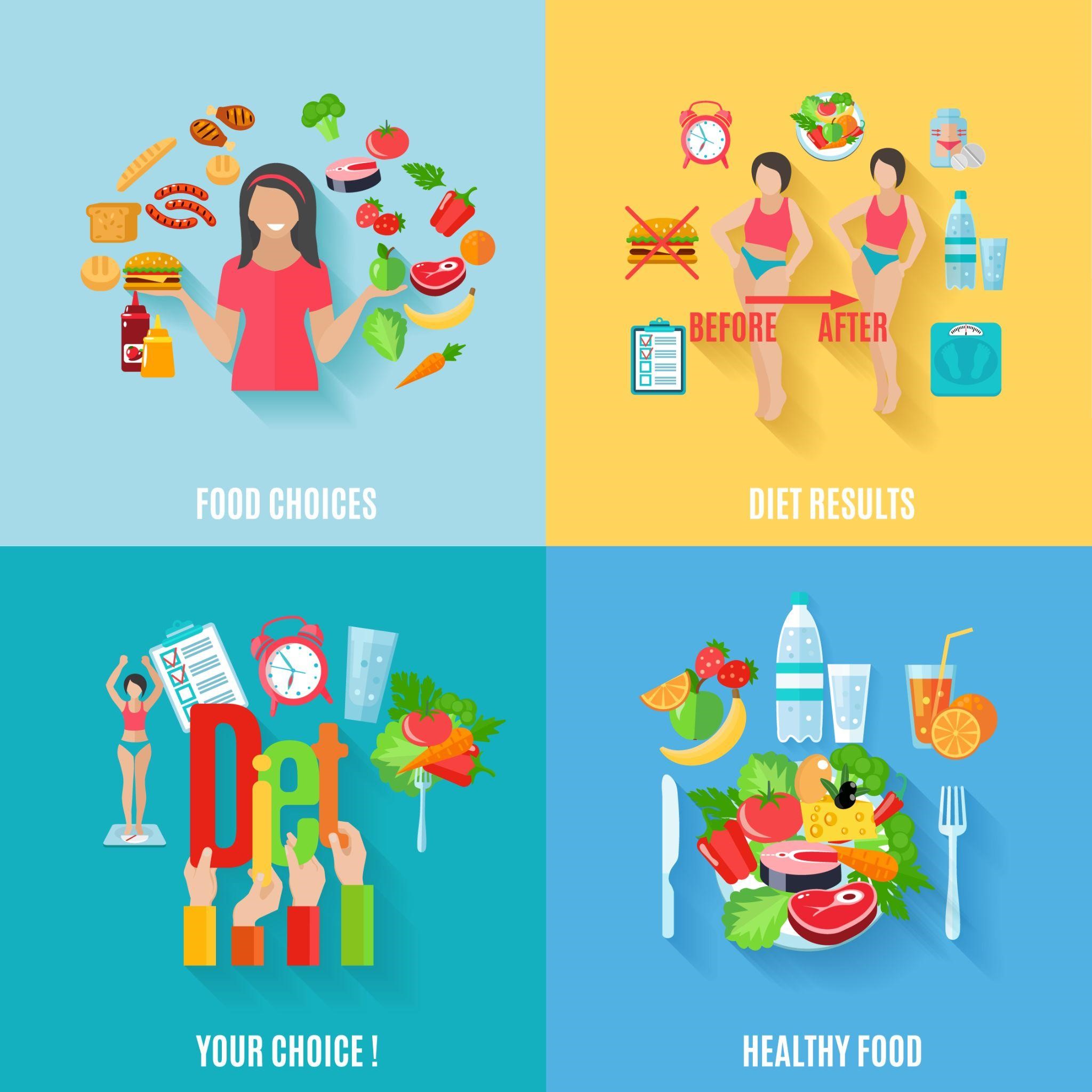
    Diet Chart for Weight Loss for Female image

    Sample – Diet Chart for Weight Loss for Females

    This diet chart is a general guideline. Individual calorie and nutrient needs may vary based on factors such as age, weight, height, activity level, and metabolic rate.

    1. Breakfast Options

    • Greek yoghurt topped with berries and a sprinkle of almonds.
    • Whole grain toast with mashed avocado and poached eggs.
    • Oatmeal cooked with almond milk, topped with sliced bananas and a drizzle of honey.

    2. Mid-Morning Snack Options

    • A petite apple paired with a dollop of almond butter on a teaspoon.
    • Carrot and cucumber sticks with hummus.
    • A cluster of assorted nuts and seeds nestled in the palm of my hand.

    Also Read :

    3. Lunch Options

    • A delectable grilled chicken salad adorned with an assortment of mixed greens, plump cherry tomatoes, and crisp cucumber slices, all drizzled with a tangy vinaigrette dressing.
    • Quinoa and black bean bowl with roasted vegetables and a squeeze of lime.
    • Whole grain wrap filled with tuna, spinach, shredded carrots, and avocado.

    4. Afternoon Snack Options

    • Greek yoghurt with a sprinkle of granola.
    • Cottage cheese with pineapple chunks.
    • Sliced bell peppers with guacamole.

    5. Dinner Options

    • Baked salmon with steamed broccoli and quinoa.
    • Stir-fried tofu with mixed vegetables served over brown rice.
    • Zucchini noodles tossed with grilled shrimp and marinara sauce.

    6. Evening Snack Options

    • A small serving of berries with a dollop of Greek yoghurt.
    • Air-popped popcorn sprinkled with nutritional yeast.
    • A slice of whole grain toast with mashed avocado.

    Consult a Doctor and Medkart will help you Order Medicines Online

    Conclusion

    Remember that consistency and patience are key when it comes to weight loss. While following a structured diet chart can be helpful, it’s essential to listen to your body’s needs and make adjustments accordingly. Additionally, complement your dietary efforts with regular physical activity, adequate sleep, and stress management techniques for optimal results.

    Consultation with a healthcare professional or a registered dietitian can provide personalized guidance tailored to your specific goals and requirements. With dedication and a balanced approach, achieving your weight loss goals is within reach.

    Read: What are Generic Medicines?

    FAQs on Diet Chart For Weight Loss For Females

    Q1. How do I determine the right portion sizes to follow on a weight loss diet chart for females?

    Portion control is essential for managing calorie intake and achieving weight loss goals. Using visual cues like comparing serving sizes to everyday objects or utilizing measuring tools can help ensure appropriate portion sizes. Additionally, focusing on filling half of your plate with vegetables, a quarter with lean protein, and a quarter with whole grains or healthy fats can serve as a helpful guideline for balanced meals.

    Q2. Is it necessary to eliminate carbohydrates completely from a diet chart for weight loss in females?

    While reducing refined carbohydrates like white bread, sugary snacks, and processed foods can be beneficial for weight loss, it’s not necessary to eliminate carbohydrates entirely. Opting for complex carbohydrates such as whole grains, fruits, vegetables, and legumes provides essential nutrients, fibre, and sustained energy levels. Moderation and balance are key, as incorporating carbohydrates into meals can support satiety and overall dietary adherence.

    Q3. Can I customize my diet chart for weight loss based on dietary preferences or restrictions as a female?

    Absolutely! It’s essential to tailor your diet chart to suit your individual preferences, dietary restrictions, and lifestyle factors. Whether you follow a vegetarian, vegan, gluten-free, or other specialized diet, there are plenty of options to incorporate nutrient-rich foods that support weight loss.

    Related Links:


  • Diet Chart for Diabetic Patient: Best Diabetic Diet Chart

    Diet Chart for Diabetic Patient: Best Diabetic Diet Chart

    diabetic diet chart

    A diet chart for diabetic patients should prioritize nutrient-dense foods and mindful eating habits. Emphasize complex carbohydrates like whole grains, lean proteins such as poultry and fish, and healthy fats from sources like avocados and nuts.

    Incorporate plenty of fibre-rich foods like fruits, vegetables, and legumes to aid in digestion and stabilize blood sugar levels. Portion control is crucial to prevent overeating and avoid spikes in blood sugar. Regular monitoring of blood sugar levels, along with consultation with a healthcare professional or registered dietitian, can help tailor the diet chart to individual needs and preferences.

    By making smart food choices and staying consistent with portion sizes, diabetic patients can effectively manage their condition and improve overall health.

    Diet Chart For Diabetic Patient

    Diabetes is a metabolic disorder characterized by elevated blood sugar levels, which can lead to serious health complications if not managed properly. Diet plays a pivotal role in diabetes management, as certain foods can cause blood sugar spikes, while others help maintain stable levels.

    Key Components of a Diabetic Diet Chart

    • Carbohydrates: Focus on complex carbohydrates with a low glycemic index (GI), such as whole grains, legumes, and non-starchy vegetables. These foods are digested slowly, preventing rapid increases in blood sugar levels.
    • Protein: Incorporate lean sources of protein into each meal, such as poultry, fish, tofu, and legumes. Proteins play a crucial role in stabilizing blood sugar levels and fostering a sense of fullness, aiding in satiety.
    • Healthy Fats: Choose unsaturated fats, such as those found in avocados, nuts, seeds, and olive oil. These fats support heart health and can improve insulin sensitivity.
    • Fiber: Include plenty of high-fiber foods like fruits, vegetables, whole grains, and legumes in the diet. Fiber aids in digestion, slows down the absorption of glucose, and promotes feelings of fullness.
    • Portion Control: Pay attention to portion sizes to avoid overeating, which can lead to spikes in blood sugar levels. Use measuring cups, food scales, or visual cues to gauge appropriate serving sizes.

    Sample Diet Chart for Diabetic Patients

    Here’s a sample diet chart to illustrate how meals and snacks can be structured throughout the day:

    Breakfast:

    • 1/2 cup of cooked oatmeal topped with sliced strawberries and almonds
    • 1 hard-boiled egg
    • 1 cup of unsweetened almond milk

    Mid-Morning Snack: Greek yogurt with a handful of mixed berries

    Lunch: Grilled chicken salad with mixed greens, cherry tomatoes, cucumber, and vinaigrette dressing 1 small whole-grain roll

    Afternoon Snack: Carrot sticks with hummus

    Dinner: Baked salmon with quinoa and roasted vegetables (such as broccoli, bell peppers, and zucchini), Steamed asparagus spears.

    Evening Snack (if needed): Popcorn popped in the air, delicately seasoned with a whisper of cinnamon.

    Also Read:

    Tips for Success

    • Stay hydrated by drinking plenty of water throughout the day.
    • Limit intake of sugary beverages and processed foods.
    • Monitor blood sugar levels regularly and adjust the diet as needed in consultation with a healthcare provider or dietitian.
    • Incorporate physical activity into your daily routine to further enhance blood sugar control and overall health.

    > Consult a Doctor and Medkart will help you Order Medicines Online

    Conclusion:

    Creating a diet chart tailored to the specific needs of diabetic patients is essential for effective blood sugar management and overall well-being. By focusing on nutrient-dense foods, portion control, and regular monitoring, individuals with diabetes can enjoy delicious and satisfying meals while keeping their condition under control.

    Always consult with a healthcare professional or registered dietitian to develop a personalized diet plan that meets your individual needs and preferences. With dedication and mindful eating habits, maintaining a healthy lifestyle with diabetes is entirely achievable.

    Read: What are Generic Medicines?

    FAQs on Diet Chart For Diabetic Patient

    Q1. What is a diet chart for a diabetic patient?

    A diet chart for a diabetic patient typically includes balanced portions of complex carbohydrates, lean proteins, and healthy fats. It emphasizes whole grains, fruits, vegetables, and low-fat dairy while limiting sugar, processed foods, and excessive sodium. Portion control and regular monitoring of blood sugar levels are essential for effective management.

    Q2. Can I still enjoy carbohydrates in my diet as a diabetic patient?

    Yes, you can include carbohydrates in your diet, but focus on complex carbohydrates with a low glycemic index, such as whole grains, legumes, and non-starchy vegetables, to help maintain stable blood sugar levels.

    Q3. How important is portion control in managing diabetes through diet?

    Portion control is crucial for diabetic patients to prevent overeating and avoid spikes in blood sugar levels. Measuring serving sizes and using visual cues can help regulate portions effectively.

    Q4. Are there specific foods I should avoid in a diabetic diet chart?

    Yes, it’s important to limit or avoid sugary beverages, processed foods, and foods high in refined carbohydrates, saturated fats, and sodium, as these can negatively impact blood sugar control and overall health.


  • How to Increase Platelet Count? Ways to Increase Platelet Count Naturally

    How to Increase Platelet Count? Ways to Increase Platelet Count Naturally

    how to increase platelet countTo increase platelet count naturally, focus on incorporating a balanced diet rich in foods known to support platelet production, such as leafy greens, citrus fruits, and foods high in folate and omega-3 fatty acids. Additionally, staying hydrated, managing stress levels through relaxation techniques like meditation or yoga, and maintaining a regular exercise routine can promote optimal blood circulation and platelet function.
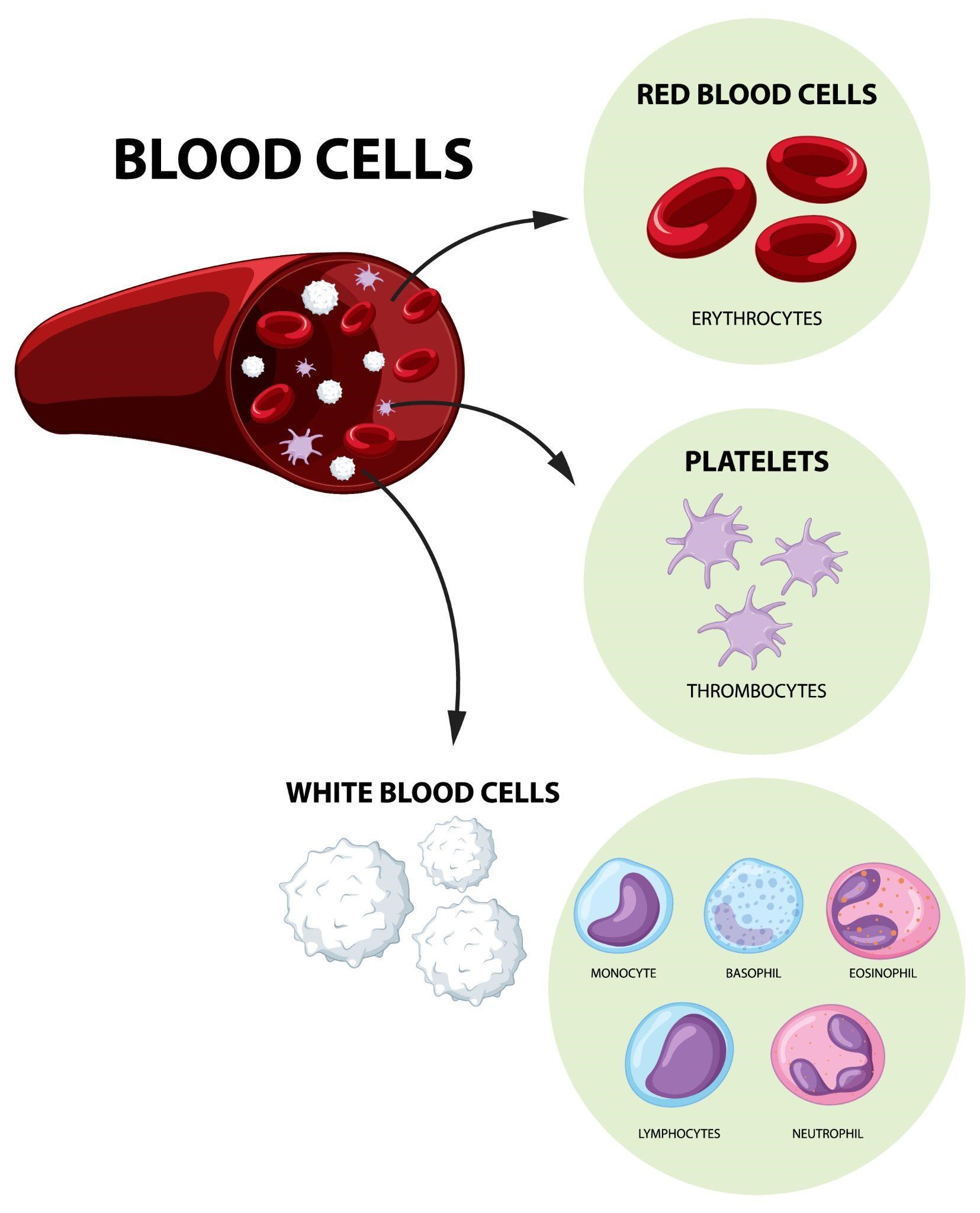

    Herbal remedies like papaya leaf extract or turmeric may also be beneficial, but it’s essential to consult with a healthcare professional before incorporating them into your routine, especially If you have preexisting health conditions or are currently on any medications, please make sure to disclose this information.

    By adopting these lifestyle changes and dietary modifications, you can help increase your platelet count naturally and support overall well-being.

    What are Platelets?

    Platelets are tiny cell fragments in our blood that play a crucial role in clotting and stopping bleeding. When our platelet count drops too low, it can lead to excessive bleeding and bruising, a condition known as thrombocytopenia. Low platelet count can result from various factors such as certain medications, medical conditions, or even lifestyle choices.

    Platelet levels in the bloodstream typically fall within the range of 150,000 to 450,000 platelets per microliter, constituting a normal count. Values below 150,000 are considered low and may require medical attention, especially if they drop significantly.

    How to Increase Platelet Count

    How To Increase Platelet Count Naturally

    The best ways to increase platelet count naturally are mentioned below:

    Diet Modification

    • Incorporate foods rich in vitamins and minerals essential for platelet production, such as:
    • Leafy greens like spinach and kale, which are high in vitamin K.
    • Citrus fruits like oranges and lemons, which provide vitamin C necessary for platelet function.
    • Foods rich in folate, such as lentils, beans, and fortified grains.
    • Omega-3 fatty acids are plentiful in fatty fish such as salmon, as well as in sources like flaxseeds.
    • Avoid excessive consumption of alcohol and foods high in saturated fats, which can hinder platelet production.

    Omega-3 fatty acids

    Herbal Remedies

    Certain herbs and spices are believed to boost platelet count. These include:

    • Papaya leaf extract: Studies suggest that papaya leaf extract may stimulate platelet production.
    • Turmeric: Known for its anti-inflammatory properties, turmeric may help increase platelet count.
    • Ginseng: This traditional herb has been associated with increased platelet count in some studies.

    It’s crucial to consult with a healthcare professional before using herbal remedies, as they may interact with medications or have side effects.

    Hydration

    Staying hydrated is essential for overall health and can indirectly affect platelet count. Adequate hydration ensures proper blood flow and supports optimal blood cell function.

    Lifestyle Changes

    • Manage stress: Chronic stress can suppress the immune system and affect platelet production. Integrate calming practices like meditation, yoga, or deep breathing exercises into your daily regimen to alleviate stress.
    • Exercise regularly: Regular physical activity promotes circulation and overall cardiovascular health, which can contribute to optimal platelet function.
    • Quit smoking: Smoking not only damages blood vessels but also impairs platelet function. Quitting smoking can improve overall health and potentially increase platelet count.

    Medical Treatment

    In cases of severe thrombocytopenia or underlying medical conditions, medical intervention may be necessary. This can include prescription medications, platelet transfusions, or other treatments prescribed by a healthcare professional.

    Also Read:

    Fruits to Increase Platelets

    Here’s a concise overview of fruits known to help increase platelet count:

    • Papaya: Rich in vitamins A, C, and E, as well as folate, papaya is believed to aid in boosting platelet production.
    • Pomegranate: Packed with antioxidants and vitamin C, pomegranate may help increase platelet count and improve overall blood circulation.
    • Kiwi: High in vitamin C and antioxidants, kiwi fruit can support healthy platelet function and enhance immune system function.
    • Berries (Strawberries, Blueberries, Blackberries): These fruits are excellent sources of antioxidants and vitamin C, which can aid in increasing platelet count and improving overall blood health.
    • Oranges: Rich in vitamin C, oranges are known to support collagen production and enhance platelet function.

    Incorporating these fruits into your diet can contribute to overall health and help promote optimal platelet production.

    > Consult a Doctor and Medkart will help you Order Medicines Online

    Conclusion

    Increasing platelet count naturally involves adopting a holistic approach that includes dietary modifications, lifestyle changes, and possibly herbal remedies.

    While these strategies can support platelet production and overall health, it’s essential to consult with a healthcare professional, especially if you have a pre-existing medical condition or are taking medications.By prioritizing a balanced diet, staying hydrated, managing stress, and making healthy lifestyle choices, you can optimize your platelet count and promote overall well-being.

    Read: What are Generic Medicines?

    FAQs on Ways to Increase Platelet Count

    Q1. How to increase platelet count?

    Answer : To increase platelet count, focus on consuming foods rich in vitamin C and K, staying hydrated, managing stress, and incorporating herbal remedies like papaya leaf extract or turmeric, but consult a healthcare professional for personalized advice.

    Q2. What foods can help increase platelet count?

    Answer : Foods rich in vitamin C, such as citrus fruits (oranges, lemons), leafy greens (spinach, kale), and berries (strawberries, blueberries), along with those high in vitamin K (like broccoli and Brussels sprouts), are known to support platelet production.

    Q3. Are there any lifestyle changes that can boost platelet count?

    Answer : Yes, staying hydrated, managing stress levels through relaxation techniques like yoga or meditation, and engaging in regular exercise can promote optimal blood circulation and platelet function, contributing to an increase in platelet count.

    Related Links:

    Blog | Medkart Pharmacy - Generic Medicine Online

  • How to get Rid of Pimples? – Quick and Natural Ways to get Rid of Pimples

    How to get Rid of Pimples? – Quick and Natural Ways to get Rid of Pimples

    how to get rid of pimplesPimples, acne, breakouts – whatever you call them, can be a nuisance and even a source of frustration for many people. Whether you’re a teenager or an adult, dealing with pimples can impact your confidence and self-esteem. Fortunately, there are various methods and strategies you can employ to effectively get rid of pimples and achieve clearer, healthier skin.

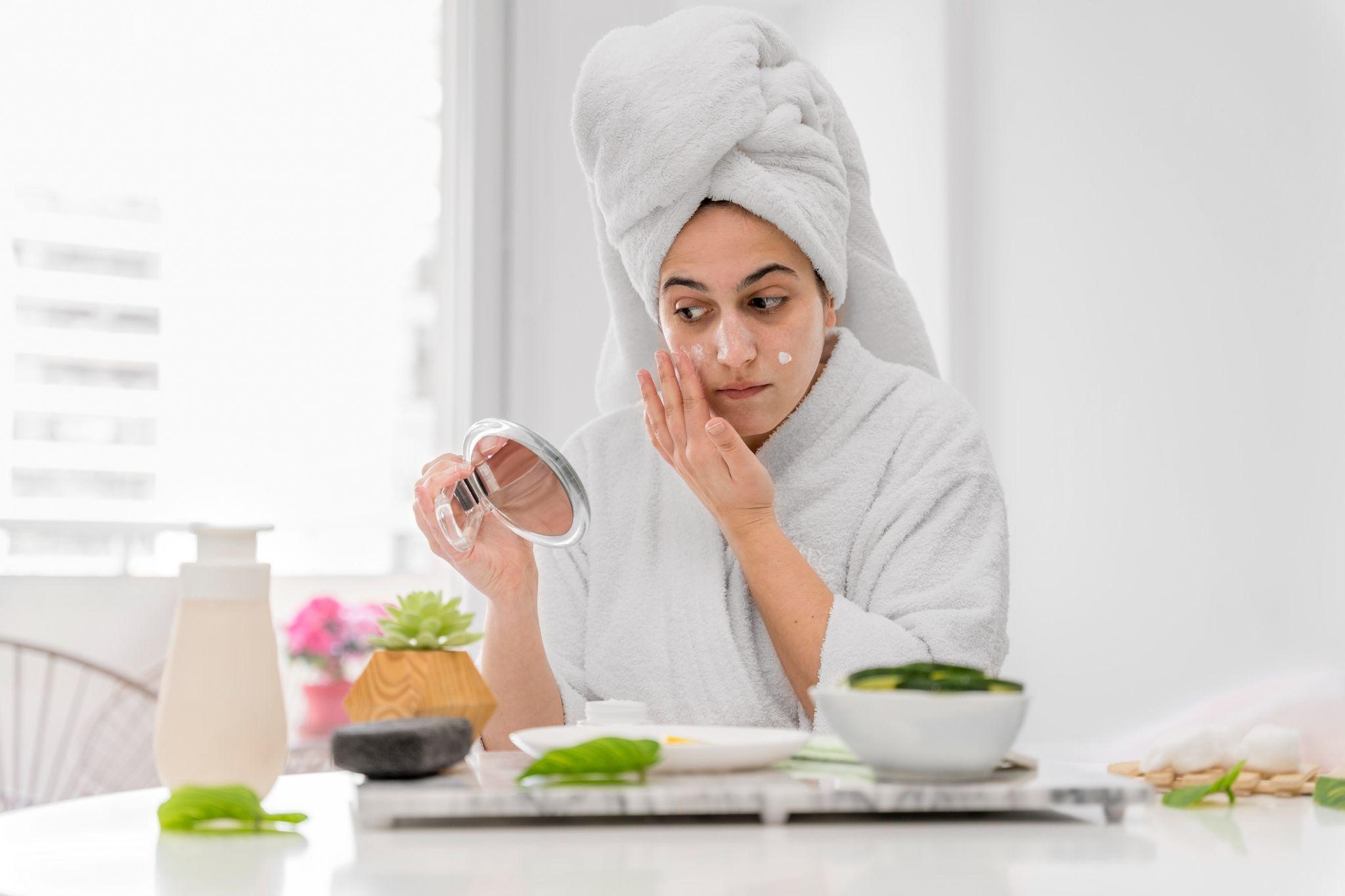

    Pimples typically occur when pores become clogged with oil, dead skin cells, and bacteria. Factors such as hormonal changes, genetics, diet, stress, and skin care products can contribute to the development of pimples. Identifying the underlying causes can help tailor your approach to treating and preventing them.

    How to get Rid of Pimples?

    Cleanse Regularly: Keeping your skin clean is crucial for preventing and treating pimples. Cleanse your face twice daily using a mild cleanser to eliminate dirt, excess oil, and impurities that may congested pores. Avoid harsh scrubbing, as it can irritate the skin and exacerbate acne.

    Use Non-Comedogenic Products: Opt for skincare and makeup products labeled as non-comedogenic, meaning they are formulated not to clog pores. Look for ingredients like salicylic acid or benzoyl peroxide, which can help unclog pores and reduce inflammation.

    Moisturize: Even if you have oily or acne-prone skin, moisturizing is essential to maintain skin health. Choose oil-free, non-comedogenic moisturizers to hydrate your skin without worsening acne. Hydration helps balance oil production and prevent excess sebum buildup.

    Spot Treatments: For individual pimples, consider using spot treatments containing ingredients like benzoyl peroxide, salicylic acid, or tea tree oil. These products can help reduce inflammation, kill bacteria, and speed up the healing process. Apply them directly to the affected area as directed.

    How to get Rid of Pimples

    Manage Stress: Stress can contribute to hormonal fluctuations that may trigger breakouts. Practice stress-reducing activities such as yoga, meditation, deep breathing exercises, or hobbies you enjoy. Getting adequate sleep is also crucial for skin health and overall well-being.

    Hands Off: Avoid touching your face, picking, or squeezing pimples, as this can introduce bacteria and lead to further inflammation and scarring. Keep your hands clean and resist the temptation to pop pimples, as it can prolong the healing process and increase the risk of infection.

    Also Read:

    Natural ways to get Rid of Pimples

    Natural remedies can be effective in treating pimples without harsh chemicals. Here are some short tips on natural ways to get rid of pimples:

    Tea Tree Oil: Recognized for its natural antibacterial qualities, tea tree oil is renowned for its ability to diminish inflammation and combat acne-causing bacteria effectively. To harness its benefits, it’s advisable to dilute it with a carrier oil before gently applying it to the affected areas.

    Honey: With its antimicrobial and soothing properties, honey can help heal pimples and reduce redness. Apply a thin layer of raw honey to the affected areas and leave it on for 10-15 minutes before rinsing off.

    Aloe Vera: Aloe vera has anti-inflammatory and healing properties that can help reduce inflammation and promote skin healing. Apply fresh aloe vera gel directly to the pimples or use products containing aloe vera extract.

    Apple Cider Vinegar: Dilute apple cider vinegar with water and apply it to the skin using a cotton ball. Its acidic nature helps to exfoliate the skin, unclog pores, and kill bacteria.

    Turmeric: Turmeric contains curcumin, which has anti-inflammatory and antimicrobial properties. Make a paste using turmeric powder and water or honey, and apply it to the pimples. Allow it to remain for a span of 10 to 15 minutes before proceeding to rinse it off thoroughly.

    Green Tea: Green tea is rich in antioxidants that can help reduce inflammation and fight acne-causing bacteria. Apply cooled green tea to the skin using a cotton ball or drink it regularly for internal benefits.

    Ice: Applying ice to pimples can help reduce inflammation and swelling. Wrap ice cubes in a cloth and apply them to the affected areas for a few minutes at a time.

    Healthy Diet: Eating a balanced diet rich in fruits, vegetables, whole grains, and lean proteins can help promote healthy skin. Avoid sugary and processed foods, as they may exacerbate acne.

    How to get Rid of Pimples

    Remember, consistency is key when using natural remedies, and it may take some time to see results. Additionally, it’s essential to patch test any new ingredients to ensure they don’t cause irritation or allergic reactions.

    Conclusion:

    Dealing with pimples can be frustrating, but with the right approach and consistency, you can achieve clearer, healthier skin. By following these effective strategies, you can banish pimples and boost your confidence. Remember to be patient and gentle with your skin, as it may take time to see results.

    > Consult a Doctor and Medkart will help you Order Medicines Online

    Natural remedies can be effective alternatives to conventional acne treatments, providing gentle yet potent solutions for treating pimples and achieving clearer, healthier skin. Incorporate these natural ingredients into your skincare routine to combat acne and promote skin health without the use of harsh chemicals.

    Read: What are Generic Medicines?

    FAQs on Quick Remedies for Pimples

    Q1. How to get rid of pimples?

    To effectively get rid of pimples, start by cleansing your face twice daily with a gentle cleanser to remove dirt and oil. Use spot treatments containing ingredients like benzoyl peroxide or salicylic acid to target individual pimples. Additionally, maintain a healthy diet, manage stress, and avoid picking or squeezing pimples to prevent further inflammation and scarring.

    Q2. Can I pop my pimples to get rid of them?

    No, popping pimples can worsen inflammation, introduce bacteria, and lead to scarring. It’s best to avoid picking or squeezing pimples.

    Q3. How often should I wash my face to prevent pimples?

    Wash your face twice daily with a gentle cleanser to remove dirt, oil, and impurities. Over-washing can strip the skin of natural oils and aggravate acne.

    Q4. Are there any dietary changes I can make to help clear my skin?

    Yes, maintaining a balanced diet rich in fruits, vegetables, lean proteins, and whole grains can support skin health. Limiting intake of processed foods and sugary snacks may also help reduce acne.

    Related Links:

    Blog | Medkart Pharmacy - Generic Medicine Online

  • How to get Rid of Dandruff? Home Remedies to get Rid of Dandruff Naturally

    How to get Rid of Dandruff? Home Remedies to get Rid of Dandruff Naturally

    home remedies for dandruffTo effectively get rid of dandruff, start by using an anti-dandruff shampoo containing active ingredients like pyrithione zinc, selenium sulfide, ketoconazole, or coal tar. Wash your hair regularly with lukewarm water, gently massaging your scalp to loosen dead skin cells. Additionally, maintain scalp hydration by using a moisturizing conditioner and avoiding hot water.


    Make dietary adjustments by incorporating foods rich in vitamins, minerals, and omega-3 fatty acids, while also managing stress levels through relaxation techniques. Consider natural remedies like tea tree oil or apple cider vinegar for added relief.

    Effective Strategies to Combat Dandruff

    Dandruff can be an irritating and embarrassing problem for many people. Those pesky white flakes not only affect our appearance but can also lead to discomfort and self-consciousness. While the exact cause of dandruff isn’t fully understood, factors such as an overgrowth of yeast-like fungus, dry skin, sensitivity to hair care products, and certain medical conditions can contribute to its development.

    1. Proper Hair Care Routine

    Use a gentle, pH-balanced shampoo: Choose a shampoo specifically formulated to combat dandruff. Look for active ingredients such as pyrithione zinc, selenium sulfide, ketoconazole, or coal tar, which help to control dandruff-causing fungus and reduce flaking.

    Wash your hair regularly: Regular shampooing helps to remove excess oil, dead skin cells, and buildup of product residue, preventing dandruff formation. However, avoid overwashing, as it can strip the scalp of natural oils, leading to dryness and exacerbating dandruff.

    Massage your scalp: While shampooing, gently massage your scalp with your fingertips to loosen dead skin cells and improve blood circulation, promoting a healthier scalp.

    How to get Rid of Dandruff

    2. Maintain Scalp Hydration

    Condition your hair: Use a moisturizing conditioner after shampooing to keep your scalp and hair hydrated. Look for conditioners containing ingredients such as glycerin, panthenol, or natural oils like coconut oil or argan oil, which help to nourish and hydrate the scalp.

    Avoid hot water: Washing your hair with hot water can strip the scalp of its natural oils, leading to dryness and exacerbating dandruff. Opt for lukewarm or cool water instead to maintain scalp hydration.

    Also, Read:

    How to get Rid Of Dandruff Naturally?

    Getting rid of dandruff naturally involves utilizing ingredients and methods that are gentle yet effective in addressing the underlying causes of flaky scalp. Here are several natural approaches:

    • Tea Tree Oil: Renowned for its antifungal and antibacterial properties, tea tree oil can combat the fungus responsible for dandruff. Blend a small quantity of tea tree oil with a carrier oil such as coconut or olive oil and gently massage it onto your scalp. Allow it to sit for approximately 30 minutes before proceeding with your regular shampoo routine.
    • Apple Cider Vinegar: The acidity of apple cider vinegar helps restore the scalp’s pH balance and prevent the growth of dandruff-causing yeast. Mix equal parts of apple cider vinegar and water, then apply the mixture to your scalp after shampooing. Allow a brief interval for it to settle before proceeding to thoroughly rinse.
    • Coconut Oil: Coconut oil is an excellent natural moisturizer that can help soothe dry, flaky scalp. Warm up a small amount of coconut oil and massage it into your scalp, focusing on areas with dandruff. Allow it to remain overnight and cleanse your hair the following morning.
    • Aloe Vera: Aloe vera possesses anti-inflammatory and moisturizing properties that can alleviate itching and reduce dandruff. Apply fresh aloe vera gel directly to your scalp, leave it on for about 30 minutes, then rinse off with lukewarm water.
    • Baking Soda: Baking soda exfoliates the scalp, removing dead skin cells and reducing dandruff. Mix a tablespoon of baking soda with water to form a paste, then massage it into your scalp. Rinse thoroughly and follow up with a mild shampoo.
    • Probiotics: Consuming probiotic-rich foods like yogurt and kefir can help restore the balance of beneficial bacteria in your gut, which may indirectly improve dandruff symptoms by strengthening the immune system.
    • Essential Oils: In addition to tea tree oil, other essential oils like lavender, rosemary, and peppermint have antimicrobial properties that can help combat dandruff. Dilute a few drops of your chosen essential oil in a carrier oil and massage it into your scalp.

    > Consult a Doctor and Medkart will help you Order Medicines Online

    Consistency is key when using natural remedies for dandruff. Experiment with different methods to find what works best for your scalp, and be patient as it may take time to see significant improvements.

    How to get Rid of Dandruff

    Conclusion:

    Dandruff may be a common scalp condition, but it’s certainly not something you have to live with indefinitely. By adopting a comprehensive approach that includes proper hair care, scalp hydration, dietary and lifestyle changes, and occasional use of natural remedies, you can effectively manage and even banish dandruff for a healthier, flake-free scalp. Remember, consistency and patience are key, so stick to your dandruff-fighting routine, and you’ll soon enjoy the confidence of a scalp that’s free from flakes.

    Read: What are Generic Medicines?

    FAQs on How to get Rid of Dandruff

    Q1. How to get rid of dandruff?

    To get rid of dandruff, use an anti-dandruff shampoo containing active ingredients like ketoconazole or zinc pyrithione at least three times a week. Additionally, maintain a balanced diet rich in vitamins, minerals, and omega-3 fatty acids to promote scalp health and reduce inflammation. Incorporating natural remedies such as tea tree oil, apple cider vinegar, or coconut oil can also effectively combat dandruff.

    Q2. How often should I wash my hair to get rid of dandruff?

    Washing your hair at least three times a week with an anti-dandruff shampoo containing active ingredients like ketoconazole or zinc pyrithione can help effectively reduce dandruff.

    Q3. Can diet influence dandruff?

    Yes, consuming a balanced diet rich in vitamins, minerals, and omega-3 fatty acids can promote scalp health and reduce inflammation, potentially minimizing dandruff flare-ups.

    Related Links:

    Blog | Medkart Pharmacy - Generic Medicine Online

  • How much Water should you drink every day?

    How much Water should you drink every day?

    how much water per dayWhile there isn’t a one-size-fits-all recommendation, a general guideline is to aim for around 8 glasses of water a day, which is roughly 64 ounces or about 2 litres. Determining how much water to drink per day is essential for maintaining proper hydration levels and supporting overall health. However, individual hydration needs can vary based on factors such as body weight, activity level, climate, and health conditions.
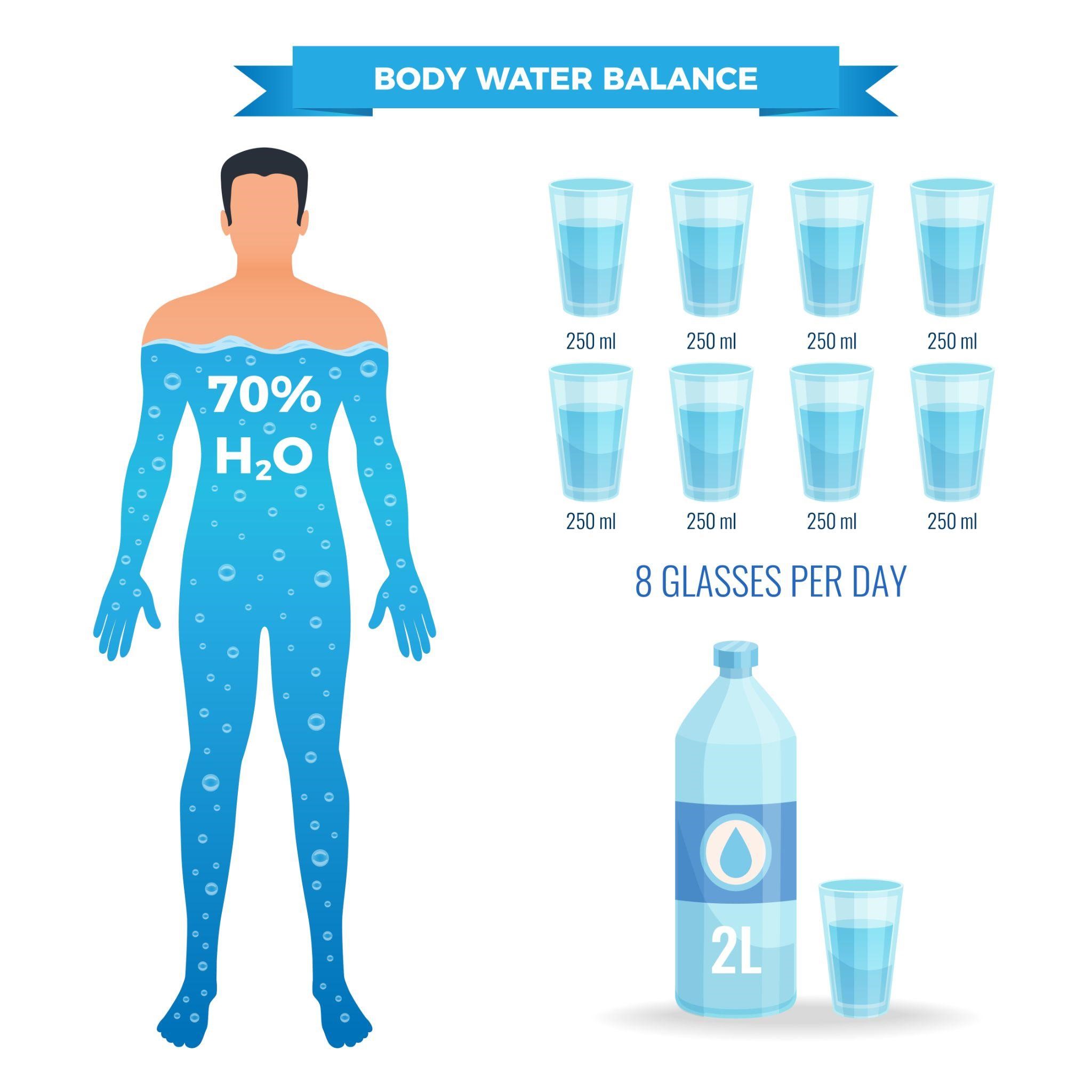


    Paying heed to your body’s signals for thirst is crucial, adapting your water consumption accordingly. Factors like physical activity, exposure to heat, or certain medical conditions may require you to consume more water to replenish fluids lost through sweat or other means.

    Importance of Hydration – Quantity of Water Required for the Human Body

    Water is the elixir of life, essential for our survival and well-being. We’re often reminded to drink enough water daily, but how much is “enough”? The answer isn’t one-size-fits-all; it depends on various factors such as age, weight, activity level, climate, and overall health. In this blog, we’ll delve into the science behind hydration and explore how much water you should aim to drink daily to maintain optimal health.

    Water plays a crucial role in the functioning of virtually every physiological process within the human body. It helps regulate body temperature, aids in digestion, flushes out toxins, cushions joints, and keeps our skin supple and radiant. Without an adequate intake of water, our bodies can’t function optimally, leading to dehydration, fatigue, headaches, and other health issues.

    How much Water should you drink every day

    Factors Affecting Daily Water Needs

    • Body Weight: Generally, the larger you are, the more water you need. As a rule of thumb, experts suggest consuming around 0.5 to 1 ounce of water per pound of body weight. For example, a person weighing 150 pounds should aim for 75 to 150 ounces of water per day.
    • Activity Level: Physical activity increases water loss through sweat, so those who exercise regularly or have active lifestyles need to replenish fluids more frequently. It’s recommended to drink extra water before, during, and after exercise to stay properly hydrated.
    • Climate: Hot and humid weather can cause increased sweating, leading to higher fluid loss. In such conditions, it’s essential to drink more water to prevent dehydration. Similarly, individuals living at high altitudes may experience increased respiratory water loss and should adjust their fluid intake accordingly.
    • Age: Children, elderly individuals, and pregnant or breastfeeding women have unique hydration needs. Infants and young children have higher water requirements relative to their body weight, while older adults may have reduced thirst perception, making it crucial for them to drink water regularly. Pregnant and breastfeeding women also require additional fluids to support fetal development and milk production.
    • Health Conditions: Certain medical conditions such as diabetes, kidney disease, and gastrointestinal disorders can affect fluid balance and necessitate adjustments in water intake. It’s important for individuals with such conditions to consult their healthcare providers for personalized hydration recommendations.

    Signs of Dehydration

    It’s essential to recognize the signs of dehydration to prevent its adverse effects. Common symptoms include:

    • Thirst
    • Dry mouth and lips
    • Dark-colored urine
    • Fatigue
    • Headache
    • Dizziness
    • Reduced urine output
    • Confusion or irritability
    • Sunken eyes
    • Rapid heartbeat

    Also Read:

    Calculating your Daily Water Intake

    While there isn’t a one-size-fits-all recommendation for daily water intake, you can use the following general guidelines to calculate your hydration needs:

    1. Convert your weight to pounds (if not already in pounds).
    2. Multiply your weight by 0.5 to 1 to determine the ounces of water you should aim to drink per day.
    3. Adjust your intake based on factors such as activity level, climate, and health conditions.

    How much Water should you drink every day

    Tips for Increasing Your Daily Water Intake

    • Keep a refillable water bottle handy all day long as a visual cue to stay hydrated.
    • Set hourly hydration goals, aiming to consume a certain amount of water by specific times.
    • Eat water-rich foods such as fruits and vegetables, which contribute to your overall fluid intake.
    • Enhance your water’s taste by infusing it with refreshing lemon, crisp cucumber, or invigorating mint for a delightful drinking experience.
    • Drink water before meals to help control appetite and aid digestion.
    • Limit consumption of caffeinated and alcoholic beverages, as they can have diuretic effects.
    • Monitor urine color; pale yellow or straw-colored urine indicates adequate hydration, while darker urine may signal dehydration.

    > Consult a Doctor and Medkart will help you Order Medicines Online

    Conclusion:

    Proper hydration is fundamental for upholding optimal health and vitality. By understanding your body’s unique hydration needs and adopting healthy habits, you can ensure you’re getting enough water each day. Remember to listen to your body’s thirst cues, stay mindful of environmental factors, and prioritize hydration as an integral part of your daily routine. Cheers to a hydrated and healthier you!

    Read: What are Generic Medicines?

    FAQs on Water to Drink in a Day

    Q1. How much Water should you drink every day?

    The recommended daily intake of water varies depending on factors such as age, weight, activity level, and climate. As a general guideline, aiming for around 8 glasses of water a day, or approximately 64 ounces (about 2 liters), is often recommended. However, individual hydration needs may differ, so it’s essential to listen to your body’s thirst signals and adjust your water intake accordingly.

    Q2. Does my water intake need to change based on my activity level?

    Yes, your water intake should be adjusted based on your activity level. When you’re more active or engaging in exercise, you lose fluids through sweat, so it’s crucial to drink extra water to replenish what’s lost. It’s recommended to drink water before, during, and after physical activity to maintain proper hydration levels and support optimal performance.

    Q3. Are there any specific health conditions that may require me to drink more water?

    Certain health conditions, such as kidney stones, urinary tract infections, or gastrointestinal disorders, may necessitate increased water intake. Additionally, individuals with diabetes may need to monitor their water intake closely to help manage blood sugar levels. Pregnant or breastfeeding women also require additional fluids to support fetal development or milk production. It’s important to consult with a healthcare professional to determine if any specific health conditions warrant adjustments in your daily water intake.

    Related Links:

    Blog | Medkart Pharmacy - Generic Medicine Online

  • International Epilepsy Day – What day is World Epilepsy Day?

    International Epilepsy Day – What day is World Epilepsy Day?

    international epilepsy dayInternational Epilepsy Day is observed annually on the second Monday of February, to raise awareness, challenge misconceptions, and offer support to those living with epilepsy. This year, on February 12th, 2024, we raise our voices to spread awareness, challenge stigma, and advocate for a better future for those living with epilepsy. This global initiative brings together individuals, communities, and organizations to foster understanding and promote a more inclusive society.

    Epilepsy, a neurological condition marked by recurring seizures, impacts millions globally. Epilepsy is a condition marked by unpredictable seizures, which can vary in intensity and manifestation. Contrary to common myths, epilepsy is not a single disorder but a spectrum of conditions affecting people of all ages, backgrounds, and walks of life. The root cause of epilepsy can be attributed to various factors, including genetic predisposition, brain injury, infections, or developmental disorders.

    What is World Epilepsy Day?

    Living with epilepsy presents unique challenges, not only due to the unpredictable nature of seizures but also because of the social stigma associated with the condition. Many individuals with epilepsy face discrimination, misunderstanding, and exclusion from various aspects of life, such as education, employment, and social activities.

    International Epilepsy Day serves as a platform to challenge and dispel the myths and stigmas surrounding epilepsy. Education is key in fostering a more compassionate and informed society. Understanding that epilepsy is not contagious and that individuals with epilepsy can lead fulfilling lives with proper management is crucial.

    International Epilepsy Day

    International Epilepsy Day – Reason of Celebration

    The day is an opportunity for individuals, healthcare professionals, and organizations to come together and raise awareness about epilepsy. Initiatives such as community events, educational seminars, and social media campaigns play a significant role in disseminating accurate information, sharing personal stories, and dispelling misconceptions.

    International Epilepsy Day also highlights the importance of providing support to individuals living with epilepsy and their families. Access to proper medical care, medication, and emotional support are vital components in managing the challenges associated with the condition. Advocacy for better healthcare policies and increased research funding is essential for improving the quality of life for those affected by epilepsy.

    Empowering Epilepsy Warriors

    The day is an opportunity to celebrate the resilience and strength of individuals with epilepsy, often referred to as “epilepsy warriors.” By sharing their stories and accomplishments, these individuals contribute to changing societal perceptions and inspiring others to embrace life without fear or prejudice.

    International Epilepsy Day Theme 2024

    The 2024 theme, “Zero Epilepsy,” reflects the collective aspiration to create a world free from epilepsy. While a complete cure may seem distant, significant advancements in diagnosis, treatment, and research are bringing us closer than ever. International Epilepsy Day serves as a reminder of this progress and mobilizes efforts towards our shared goal.

    How can you be a part of the Epilepsy Day?

    • Educate yourself: Learn about epilepsy, its causes, symptoms, and treatment options. Dispelling myths and misinformation is crucial in breaking down stigma.
    • Spread awareness: Share information about International Epilepsy Day and epilepsy resources with your family, friends, and community. You can participate in online campaigns, attend local events, or simply have conversations about epilepsy.
    • Advocate for change: Support organizations working towards improving the lives of people with epilepsy. You can donate, volunteer, or contact your elected officials to advocate for better access to healthcare, education, and employment opportunities.
    • Show your support: Use the #EpilepsyDay hashtag on social media to share your stories, messages of encouragement, and calls for action.

    Together, we can make a difference. Let’s use International Epilepsy Day as a springboard to create a more inclusive and supportive world for people with epilepsy. By shining a light on epilepsy, we can help build a brighter future for them and for all.

    > Consult a Doctor and Medkart will help you Order Medicines Online

    Conclusion:

    International Epilepsy Day is a call to action for communities, healthcare professionals, and individuals to join forces in creating a world that understands and supports those living with epilepsy. By dispelling myths, promoting awareness, and fostering inclusivity, we can contribute to a society where individuals with epilepsy can thrive and lead fulfilling lives. Let us unite on this day to break stigmas, offer support, and spread hope for a future free from the constraints of epilepsy.

    Read: What are Generic Medicines?

    FAQs On International Epilepsy Day

    Q1. What is International Epilepsy Day?

    International Epilepsy Day is a global initiative observed on the second Monday of February to raise awareness about epilepsy, challenge stigmas, and offer support to individuals living with the condition. It aims to dispel misconceptions, promote understanding, and empower those affected by epilepsy to live fulfilling lives. Through education, advocacy, and community engagement, International Epilepsy Day strives to create a more inclusive and compassionate society.

    Q2. What is the purpose of International Epilepsy Day?

    International Epilepsy Day aims to raise awareness about epilepsy, challenge misconceptions, and provide support to individuals living with the condition and their families. It seeks to promote understanding and inclusivity while advocating for better healthcare policies and research funding.

    Q3. How can I get involved in International Epilepsy Day?

    You can participate in various ways, such as organizing or attending community events, sharing educational resources on social media, wearing purple (the color associated with epilepsy awareness), or donating to organizations supporting epilepsy research and advocacy efforts.

    Q4. What can I do to support someone with epilepsy on International Epilepsy Day?

    Show your support by listening to their experiences, educating yourself and others about epilepsy, offering assistance during seizures if needed, and advocating for their rights and inclusion in society.

    Related Links:

  • World Cancer Day 2024: When is the World Cancer Day?

    World Cancer Day 2024: When is the World Cancer Day?

    world cancer day

    World Cancer Day is marked on February 4th of every year and people around the globe come together to observe it. This day is dedicated to raising awareness about cancer, promoting its prevention, detection, and treatment, and ultimately working towards a world where the burden of cancer is reduced.

    World Cancer Day is a powerful reminder of the need for collective action to tackle this global health challenge. Cancer is a leading cause of death worldwide, with millions of lives affected each year. It knows no boundaries, affecting people of all ages, races, and socioeconomic backgrounds.

    The disease takes a heavy toll not only on individuals but also on families, communities, and healthcare systems. World Cancer Day serves as a platform to highlight the global impact of cancer and emphasize the importance of concerted efforts to address it.

    World Cancer Day Theme 2024

    The theme for the 2022-2024 World Cancer Day campaign is “Close the Care Gap”. This theme focuses on addressing the disparities in cancer care that exist around the world. Individuals within specific geographic areas, diverse socioeconomic strata, and marginalized populations frequently encounter significant obstacles in obtaining high-quality cancer prevention, diagnosis, and treatment services.

    World Cancer Day

    2022: Understanding and Recognizing the Equity Gap

    This year focused on raising awareness about the inequities in cancer care and their impact on individuals and communities. It aimed to educate people about the different factors contributing to these disparities, such as:

    • Geographic location: People living in remote areas or developing countries often have limited access to healthcare facilities and trained professionals.
    • Socioeconomic status: Income, education, and insurance coverage can significantly impact access to preventative measures, screenings, and treatment options.
    • Discrimination: Certain groups may face discrimination based on race, ethnicity, gender, sexual orientation, or other factors, leading to delayed diagnoses and inadequate care.

    2023: Celebrating Progress and Enabling Access

    This year shifted the focus to celebrating the progress made in addressing the care gap and showcasing initiatives that are enabling more people to access the care they need. This included highlighting:

    • Increased access to screening and early detection programs: Early detection is crucial for successful treatment, and ensuring wider access to screenings can significantly improve outcomes.
    • Developments in affordable and accessible treatment options: Advancements in cancer research are leading to more effective and affordable treatment options, making them more accessible to individuals previously facing financial barriers.
    • Community-based initiatives: Local organizations and grassroots efforts play a vital role in providing support, education, and resources to underserved communities.

    2024: Together, We Challenge Those in Power

    This final year aims to amplify the call for action and hold government leaders accountable for closing the care gap. The campaign urges individuals and organizations to:

    • Advocate for policy changes: This includes advocating for increased funding for cancer research, healthcare infrastructure development, and programs that address the social determinants of health.
    • Hold leaders accountable: Demand transparency and action from policymakers to ensure equitable access to quality cancer care for all.
    • Raise awareness and educate others: Continue to spread awareness about the care gap and its impact, encouraging others to get involved in advocacy efforts.
    Key Takeaways:
    • Closing the care gap requires a multifaceted approach that addresses various factors contributing to the disparities.
    • Individual and collective action are crucial for holding leaders accountable and driving change.
    • World Cancer Day serves as a platform to unite individuals, organizations, and governments in the fight for a world where everyone has access to the cancer care they deserve.

    Understanding the theme and its different phases, we can effectively contribute to creating a more equitable and cancer-free world.

    Related:

    Raising Awareness – International Cancer Day

    World Cancer Day plays a crucial role in raising awareness about cancer and dispelling myths and misconceptions surrounding the disease. By fostering a better understanding of the risk factors, early warning signs, and available preventive measures, the global community can work together to reduce the incidence of cancer.

    Prevention is a key aspect of the battle against cancer. Promoting healthy lifestyle choices, such as regular exercise, a balanced diet, and avoiding tobacco and excessive alcohol consumption, can significantly reduce the risk of developing certain types of cancer. World Cancer Day serves as an opportunity to educate the public about these preventive measures and empower individuals to take control of their health.

    Supporting Cancer Research

    Scientific research is pivotal in advancing our understanding of cancer and developing new and improved treatments. On World Cancer Day, there is a heightened focus on supporting cancer research initiatives, raising funds for ongoing studies, and fostering collaboration among researchers and institutions. The ultimate goal is to discover innovative therapies, improve survival rates, and enhance the overall quality of life for individuals affected by cancer.

    While World Cancer Day is a designated day of awareness, the fight against cancer requires sustained efforts throughout the year. Individuals, communities, healthcare professionals, and policymakers must unite to take meaningful action. This includes advocating for policy changes, supporting cancer patients and survivors, and contributing to organizations dedicated to cancer research and support.

    > Consult a Doctor and Medkart will help you Order Medicines Online

    Conclusion:

    On February 4th of every year World Cancer Day is celebrated and serves as a powerful reminder that the global community must join forces to overcome the challenges posed by cancer. By raising awareness, promoting prevention, and closing the care gap, we can move closer to a world where cancer is not only treatable but ultimately preventable. On this day, let us commit to taking collective action to ensure that no one faces the burden of cancer alone, and together, we can strive for a cancer-free world.
    Read: What are Generic Medicines?

    Blog | Medkart Pharmacy - Generic Medicine Online

    Related Links:

  • How to get Periods immediately? Effective Tips to get Periods Early

    How to get Periods immediately? Effective Tips to get Periods Early


    how to get periods immediately

    Sometimes navigating the monthly cycle’s complexities might feel like a mystery, especially if your period decides to play hide-and-seek. Knowing how to advance your period can be very empowering, whether you’re preparing for a big event, organizing a trip, or taking care of health issues. We’ll look at practical advice and all-natural solutions in this blog post to help you get your period earlier. Our goal is to serve women’s health enthusiasts and wellness seekers with useful guidance and ideas.

    Understanding Menstrual Irregularities

    It’s important to understand the causes of unscheduled periods before delving into period induction treatments. A few things that can mess with your cycle are hormone swings, stress, and food. You can treat the problem and control your period more successfully if you determine the root causes of it.

    1. Anomalous Hormones

    Balancing your period is primarily based on hormones like progesterone and testosterone. Period delays or non-occurrence are possible when these hormones are out of balance. Hormonal imbalances can also be caused by conditions like Polycystic Ovary Syndrome (PCOS), so consultation with a healthcare professional is crucial for an accurate diagnosis and course of treatment.

    2. Variables related to stress and lifestyle

    Your periods may be delayed by a major component called stress. In a condition known as hypothalamic amenorrhea, the brain ceases telling the ovaries to release eggs in response to high levels of stress. This highlights the importance of leading a balanced lifestyle, as lifestyle issues like poor diet and excessive activity can potentially affect your periods.

    3. Medications and Health Issues

    Period irregularities can be a result of a number of medical illnesses, including thyroid issues and diabetes. Additionally, many medications such as depression and birth control pills can affect your periods. Prior to attempting to start your period, always get medical advice to rule out any medical reasons.

    Effective Tips to Get Periods Early

    Let’s look at some practical methods for starting your period now that we have a better knowledge of the variables controlling your periods.

    1. Add Vitamin C

    The period can be aided by vitamin C’s ability to boost estrogen levels in the body. Citrus fruits, strawberries, and spinach are examples of foods high in vitamin C that may be beneficial. After speaking with your doctor, you may also want to think about taking vitamin C pills.

    2. Herbal Treatments

    There is a long history of using specific herbs to control periods. The emmenagogue qualities of parsley, ginger, and turmeric promote blood flow in the female reproductive system and pelvic area. Taking herbal teas infused with these ingredients can assist in organically starting your periods.

    3. Regular Workout

    Endorphins, which are released when physical activity happens have the ability to lower stress levels and support hormonal equilibrium. Your period can be regulated by include regular activity in your schedule, such as yoga or walking quickly. On the other hand, stay away from extreme or too much exercise as it may have the opposite impact.

    How to Get Periods Immediately if Delayed

    1. Heating Treatment

    By boosting blood flow and relaxing the uterine muscles, applying heat to your lower belly may cause your period to start. This effect can be acquired by taking a warm bath or using a heating pad. increasing period with treatment with heat is an easy yet powerful treatment.

    2. Consumption of papayas

    One of the proteins found in papayas, termed papain, is thought to aid in controlling labor flow. You can start your period by eating ripe papaya, that boosts estrogen production. Eat papaya a few days ahead of your expected period for best effects.

    3. Methods of Relaxation

    Delays in periods are frequently caused by stress. Stress levels can be lowered and hormonal balance is possible by performing relaxation practices including deep

    Conclusion

    A sense of empowerment and control can be gained from knowing how to regulate and initiate your menstrual cycle. Although this blog post’s techniques and suggestions can help you get your period sooner, you should see a healthcare professional for more specific advice and direction. Being mindful of your menstrual health is important for your general health, and taking preventative measures can help a lot.
    A comprehensive strategy to controlling your menstrual cycle can be obtained by investigating these natural therapies and lifestyle modifications. Recall that every body is different and that what suits one individual could not suit another. Finding the ideal mix to meet your unique needs is the key.

    FAQs on Tips to Get Periods Immediately

    1. Can I miss my period because of stress?

    Answer : Actually, stress can have a big effect on your period. Stressful situations can cause hormonal abnormalities, which can cause missed or delayed periods. Including stress-reduction methods like exercise and meditation can help you control your cycle.

    2. Are there risks that are connected to period induction?

    Answer : Even though the majority of homemade remedies for starting a period are safe, it’s important to see a doctor before adopting any new treatments. Some medical issues or drugs may require professional assistance to avoid potential dangers.

    3. How long after using these methods should I see a doctor?

    Answer : It’s suggested to speak with a doctor if your period is delayed for more than a week and you’ve tried the natural treatments listed in this blog post without luck. They can offer suitable treatment alternatives and assist in recognizing any deeper causes.

    4. Can my period be affected by my diet?

    Answer : Yes, a key factor in controlling your period is your food. Hormonal balance and regular periods can be supported by a vitamin and mineral-rich, well-balanced diet. Certain plants and foods rich in vitamin C can be very helpful.

  • Doctors must mention Reason while Prescribing Antibiotics – says Health Ministry

    Doctors must mention Reason while Prescribing Antibiotics – says Health Ministry

    reason for prescribing antibiotics

    Doctors must mention Reason while Prescribing Antibiotics – For many years, antibiotics have been our heroes, fighting off nasty bacteria like brave soldiers. But just like war can make things worse, using antibiotics too much has changed these miracle drugs into dangerous threats. In India, where lots of people get sick, doctors giving out antibiotics for everything has made the germs super strong, so the drugs don’t work anymore. Now, even a small cold could become a big problem, and new, unstoppable super-germs could take over!

    To stop this scary future, India has made a new rule: doctors have to explain why they give someone antibiotics. This helps them use these powerful weapons carefully, only when they’re really needed. It’s like a new strategy in the fight against germs, one that can keep these amazing drugs working for everyone.

    Statement by Health Ministry – Doctors Must Mention Reason While Prescribing Antibiotics

    The Indian Health Ministry’s intervention acts as a much-needed course correction. By requiring doctors to document the reason for every antibiotic prescription, it injects a dose of accountability. This compels healthcare professionals to critically assess each case, reserving these powerful weapons for when they truly matter. It’s a shift from a prescription-centric approach to a patient-centric one, ensuring antibiotics are wielded strategically, not reflexively. This move towards transparency holds further benefits.

    Patients, better informed about the rationale behind their prescriptions, become partners in their own healthcare. It disrupts the dynamic of unnecessary pressure on doctors to prescribe for viral infections like the common cold, fostering open communication and informed decision-making.

    But the responsibility doesn’t solely rest on doctors’ shoulders. We, the patients, must become active participants in this fight. It’s time to shed the “antibiotic for everything” mentality and understand that these drugs are not cure-alls for every sniffle or scratch. Trusting doctors’ expertise in determining when and what to prescribe, adhering to prescribed dosages, and avoiding self-medication are crucial steps in combating resistance.

    Doctors must mention Reason while Prescribing Antibiotics

    India’s New Prescribing Antibiotics Rule

    India’s new rule is a significant step, but it’s only the first dose in a long-term treatment plan. Continuous awareness campaigns, educational programs for both doctors and patients and stricter monitoring of antibiotic prescriptions are essential next steps. We need a multi-pronged approach, a united front against the rising tide of resistance.

    Let’s make India a champion of responsible antibiotic use, setting an example for the world to follow. Let’s choose informed decisions over quick fixes, knowledge over blind trust, and collective action over individual indulgence. Together, we can rewrite the narrative, ensuring that antibiotics remain potent weapons in our arsenal, not fuel for the future’s superbugs. This is a revolution, not just in medicine, but in our relationship with health itself. Let’s choose wisely, one prescription at a time.

    > Consult a Doctor and Medkart will help you Order Medicines Online

    State reason for prescribing antimicrobials, Health Ministry tells doctors

    India’s recent directive requiring doctors to document reasons for antibiotic prescriptions isn’t just about paperwork; it’s about rethinking how we fight infections. Here are some key considerations under the new mandate:

    1. Is it bacterial? Antibiotics target bacteria, not viruses. Differentiate between symptoms like fever, cough, and sore throat, which can be viral, and assess specific signs suggesting bacterial infection, like purulent discharge.
    2. Does it warrant antibiotics? Many acute infections, like upper respiratory tract infections, resolve on their own. Consider the severity and duration of symptoms before reaching for antibiotics.
    3. Narrow spectrum vs. broad spectrum: Choose a narrow-spectrum antibiotic that targets the most likely culprit to minimize collateral damage to good bacteria and reduce resistance risk.
    4. Local resistance patterns: Understand which bacteria are common in your area and their resistance profiles. Consult local antibiograms to guide your choice.
    5. Patient factors: Consider allergies, kidney function, and interactions with other medications when choosing and dosing antibiotics.
    6. Alternatives explored: Non-antibiotic strategies like pain relievers, hydration, and rest can be effective for viral infections. Discuss non-antibiotic options with patients before reaching for the stronger weapons.
    7. Duration matters: Prescribe the shortest effective course of treatment to minimize side effects and resistance development. Review and adjust based on response.
    8. Transparency and communication: Explain to patients why or why not an antibiotic is needed, fostering informed decision-making and reducing pressure for unnecessary prescriptions.

    By following these considerations, healthcare professionals can be strong stewards of antibiotics under the new mandate, safeguarding this precious resource for generations to come.
    Read: What are Generic Medicines?

    Conclusion:

    Remember, this fight against antibiotic resistance demands not just a policy change, but a change in mindset. We all have a role to play, and by acting responsibly, we can ensure that these precious drugs continue to be lifesavers, not harbingers of a bleak future. So, let’s join hands, share knowledge, and together, rewrite the prescription for a healthier tomorrow.

    Also, Read:

    FAQs on Doctors Must Mention Reason While Prescribing Antibiotics

    Q1. Why are doctors now explaining why they prescribe antibiotics?

    India’s new rule requires doctors to justify antibiotic prescriptions because overuse has created dangerous “superbugs” resistant to these drugs. Explaining the reason for each script ensures antibiotics are used wisely, only when truly needed, protecting this vital resource from future infections. It’s not just about paperwork, it’s about safeguarding our health for generations to come.

    Q2. Does this mean I won’t get antibiotics for my next cold?

    Not necessarily! If your doctor thinks your cold is caused by bacteria (not a virus), they’ll still prescribe antibiotics. But they’ll carefully choose the right one and only for as long as needed. This helps your body fight off the infection while protecting the effectiveness of antibiotics for later.

    Q3. How can I be part of the solution?

    Don’t pressure doctors for antibiotics if you suspect a viral infection like a cold. Trust their advice on non-antibiotic options like rest and fluids. And finish your whole course if prescribed, even if you feel better, to ensure the bacteria is truly gone.

    Related Links: