
Blog

  • Pimple Treatment – How to Treat Acne?

    Pimple Treatment – How to Treat Acne?

    acne treatmentPimple treatment involves a targeted skincare routine comprising gentle cleansing, exfoliation, and the application of topical treatments containing ingredients like benzoyl peroxide or salicylic acid. Adopting a balanced diet, staying hydrated, and managing stress contribute to overall skin health and aid in preventing pimples. In severe cases, dermatologists may recommend prescription medications, chemical peels, or laser therapy for effective and personalized solutions.

    Pimples, those pesky little eruptions on our skin, can be a source of frustration and self-consciousness for many. While they are a common part of life, understanding the causes and adopting effective pimple treatment strategies can help manage and prevent them.

    Pimple Treatment

    Pimples, colloquially referred to as acne, manifest when hair follicles undergo obstruction due to the accumulation of oil and deceased skin cells. The primary factors contributing to pimple formation include excess oil production, bacteria, and inflammation. Hormonal changes, diet, stress, and genetics can also play a role in the development of pimples.

    Pimple Treatment

    Skincare Routine for Pimple Treatment

    Gentle Cleansing: Initiate your skincare regimen by using a mild cleanser designed to effectively eliminate surplus oil, grime, and impurities from your skin. It’s crucial to avoid harsh cleansers, as they can excessively deplete the skin’s essential oils, leading to an escalation in oil production. Opt for a gentle, fragrance-free cleanser tailored to your specific skin type for optimal results.

    Exfoliation: Frequent exfoliation aids in the elimination of lifeless skin cells, thwarting their potential to congest pores. Use a mild exfoliant containing salicylic acid or glycolic acid a few times a week to keep the skin’s surface smooth.

    Pimple Treatment

    Topical Treatments: Incorporate topical treatments containing benzoyl peroxide or salicylic acid to target acne-causing bacteria and reduce inflammation. These instructions are designed to be directly implemented in the areas that are impacted.

    Moisturization: Contrary to common belief, moisturizing is essential for all skin types, even oily or acne-prone skin. Choose a non-comedogenic, oil-free moisturizer to maintain skin hydration without clogging pores.

    Sun Protection: Always use a broad-spectrum sunscreen with an SPF of 30 or higher, especially when using acne treatments. Sunscreen prevents hyperpigmentation and protects the skin from UV damage.

    Lifestyle Changes for Pimple Prevention

    Balanced Diet: Maintain a well-balanced diet rich in fruits, vegetables, whole grains, and lean proteins. Avoid excessive consumption of dairy, sugary foods, and high-glycemic-index items, as they may contribute to acne development.

    Hydration: Drink plenty of water to keep the skin hydrated and help flush out toxins. Proper hydration supports overall skin health and can aid in preventing pimples.

    Stress Management: Chronic stress can trigger hormonal imbalances leading to acne. Practice stress-reduction techniques such as meditation, yoga, or deep breathing exercises to promote both mental and skin well-being.

    Regular Exercise: Physical activity improves blood circulation and promotes healthy skin. Aim for approximately 30 minutes of moderate exercise most days of the week.

    Pimple Professional Treatments

    For persistent or severe acne, consider seeking advice from a dermatologist who can recommend more advanced treatments, such as:

    Prescription Medications: Dermatologists may prescribe topical or oral medications like retinoids, antibiotics, or birth control pills to address the underlying causes of acne.

    Chemical Peels: Chemical peels can help improve skin texture and reduce acne by removing the outer layer of skin.

    Laser Therapy: Laser treatments target bacteria and reduce inflammation, offering an effective solution for severe acne cases.

    Also, Read:

    Scalp Pimples Treatment

    Scalp blemishes, commonly recognized as scalp acne or folliculitis, can be an unpleasant and irritating condition. Treating these pesky bumps on the scalp requires a specialized approach to ensure relief and prevent recurrence.

    Scalp pimples, much like facial acne, occur when hair follicles become clogged with oil, dead skin cells, or bacteria. They can be triggered by factors such as excess oil production, poor hygiene, sweat, or even the use of certain hair products.

    Pimple Treatment

    Scalp Pimple Treatment Strategies

    Gentle Cleansing: Start by washing your hair regularly with a mild, sulfate-free shampoo. This helps remove excess oil, dirt, and product build-up without stripping the scalp of its natural oils. Avoid harsh, drying shampoos, as they may worsen the condition.

    Antibacterial Shampoos: Choose a medicated shampoo containing ingredients like salicylic acid, tea tree oil, or ketoconazole. These help combat bacteria, fungi, and inflammation, providing relief from scalp pimples. Use the shampoo as directed on the packaging.

    Avoiding Irritating Hair Products: Opt for hair care products labelled as non-comedogenic, meaning they won’t clog pores. Avoid heavy conditioners and styling products that may contribute to pore blockage. It’s also advisable to keep hairstyles loose to allow the scalp to breathe.

    Topical Treatments: In more stubborn cases, consider applying over-the-counter spot treatments or medicated ointments directly to the affected areas. Look for products containing benzoyl peroxide or salicylic acid.

    Healthy Scalp Habits: Sustain your well-being by ensuring adequate hydration, embracing a diverse and nutritious diet, and effectively navigating stressors to maintain a wholesome lifestyle. These factors contribute to overall skin health, including the scalp.

    When to Seek Professional Help

    If scalp pimples persist or become severe, consult a dermatologist. They can provide a more accurate diagnosis and recommend prescription-strength shampoos, topical treatments, or antibiotics if the condition is bacterial in nature.
    > Consult a Doctor and Medkart will help you Order Medicines Online

    Conclusion:

    Achieving clear skin involves a holistic approach that combines a consistent skincare routine, healthy lifestyle choices, and professional guidance when necessary. By understanding the causes of pimples and adopting a tailored treatment plan, you can take control of your skin health and embrace a radiant complexion.

    Scalp pimples can be effectively managed with a combination of proper hygiene, targeted treatments, and lifestyle adjustments. By incorporating these strategies into your routine, you can promote a healthy scalp and enjoy relief from the discomfort of scalp pimples. If issues persist, seeking professional guidance ensures a more tailored and effective approach to treatment.

    Read: What are Generic Medicines?

    FAQs on Pimple Treatment

    Q1. What is pimple treatment?

    Pimple treatment involves a targeted skincare routine, including gentle cleansing, topical treatments, and lifestyle adjustments to address factors such as diet and stress, aiming to reduce inflammation and prevent future breakouts. In severe cases, dermatologists may recommend prescription medications or advanced procedures like chemical peels or laser therapy for effective management.

    Q2. Can I use toothpaste to treat pimples?

    While toothpaste may contain ingredients that can temporarily dry out a pimple, it’s not recommended as a long-term solution. Specialized acne treatments with ingredients like benzoyl peroxide or salicylic acid are more effective and less likely to irritate the skin.

    Q3. How long does it take for pimple treatments to show results?

    Results vary, but consistent use of skincare products may show improvement in a few weeks. For prescription medications or professional treatments, it may take several weeks to months to see significant changes, depending on the severity of the acne.

    Related Links:

  • મેડિકલમાં BD નો અર્થ શું છે? – BD Meaning in Medical Term in Gujarati

    મેડિકલમાં BD નો અર્થ શું છે? – BD Meaning in Medical Term in Gujarati

    BD meaning in medical term in gujarati

    મેડિકલમાં બીડીનો અર્થ – દવાની જટિલ ભાષામાં, જ્યાં ચોકસાઇ અને સ્પષ્ટતા સર્વોચ્ચ મહત્વ ધરાવે છે, જરૂરી માહિતીને અસરકારક રીતે સંચાર કરવા માટે વિવિધ સંક્ષેપો અને સંક્ષિપ્ત શબ્દોનો ઉપયોગ કરવામાં આવે છે. આ પૈકી, સંક્ષેપ BD એક નોંધપાત્ર સ્થાન ધરાવે છે, જે ડોઝિંગ રેજીમેન્સ, સારવારના સમયપત્રક અને રોગનિવારક માર્ગદર્શિકા સંબંધિત સંક્ષિપ્ત દિશા પ્રદાન કરે છે.

    બી.ડી મેડિકલમાં સંપૂર્ણ ફોર્મ

    BD પૂર્ણ સ્વરૂપ લેટિન શબ્દસમૂહ “bis in die” પરથી ઉદ્દભવે છે, જેનો અંગ્રેજીમાં અનુવાદ “દિવસમાં બે વાર” થાય છે. તબીબી ભાષામાં, આ સંક્ષેપનો ઉપયોગ દર્દીની અસરકારક સંભાળમાં ફાળો આપતી દવાઓ અથવા સારવારની આવર્તનને દર્શાવવા માટે કરવામાં આવે છે.

    મેડિકલમાં બીડીનો અર્થ

    જ્યારે કોઈ હેલ્થકેર પ્રોફેશનલ દવા સૂચવે છે અને તેને “1 ટેબ્લેટ BD લો” તરીકે નિયુક્ત કરે છે, ત્યારે નિર્દેશ સૂચવે છે કે દર્દીએ સૂચવવામાં આવેલી દવાની એક ટેબ્લેટ દિવસમાં બે વખત લેવી જરૂરી છે, આદર્શ રીતે આશરે 12 કલાકના અંતરે. આવા સંક્ષેપનો ઉપયોગ કરવા પાછળનો ઉદ્દેશ્ય સ્પષ્ટ અને સંક્ષિપ્ત સૂચનો આપવાનો છે જે તબીબી પ્રેક્ટિશનરો અને દર્દીઓ બંને દ્વારા સરળતાથી સમજી શકાય છે, તેની ખાતરી કરીને દવાની ઇચ્છિત ઉપચારાત્મક અસર પ્રાપ્ત થાય છે.

    જ્યારેબી.ડીતબીબી દ્રષ્ટિએ ઐતિહાસિક રીતે વ્યાપકપણે માન્ય સંક્ષેપ છે, તાજેતરના વર્ષોમાં તેના ઉપયોગની તપાસમાં વધારો થયો છે. દર્દીઓ અથવા આરોગ્યસંભાળ પ્રદાતાઓ દ્વારા ખોટી અર્થઘટન અથવા મૂંઝવણની સંભવિતતાને લગતી ચિંતાઓ ઊભી થઈ છે. અસ્પષ્ટ સંક્ષિપ્ત શબ્દોથી ઉદ્દભવતી ભૂલોના જોખમે તબીબી સંચાર પ્રથાઓનું પુનઃમૂલ્યાંકન કર્યું છે. પરિણામે, હેલ્થકેર પ્રોફેશનલ્સને વધુ સ્પષ્ટ સૂચનાઓ આપવા માટે વધુને વધુ પ્રોત્સાહિત કરવામાં આવે છે, જેનાથી ગેરસમજ થવાની સંભાવના ઓછી થાય છે અને દર્દીની સલામતી વધે છે.

    Read: What are Generic Medicines?

    મેડિકલમાં BD નો અર્થ શું છે?

    બી.ડી તબીબી પ્રિસ્ક્રિપ્શનમાં

    બીડી જેવા સંક્ષિપ્ત શબ્દો પરની નિર્ભરતાને ઘટાડવાની ચળવળ દર્દીની સુખાકારીને પ્રાથમિકતા આપવા અને ટાળી શકાય તેવા જોખમોને ઘટાડવા માટે આરોગ્યસંભાળમાં વ્યાપક પ્રયાસો સાથે સંરેખિત કરે છે. ડોઝિંગ ફ્રિકવન્સી સંબંધિત ગેરસંચારનું પરિણામ ખોટી દવાઓના વહીવટમાં પરિણમી શકે છે, સારવારના પરિણામોને જોખમમાં મૂકે છે અથવા, આત્યંતિક કિસ્સામાં, દર્દીના સ્વાસ્થ્ય સાથે ચેડાં કરી શકે છે. સ્પષ્ટ સંદેશાવ્યવહાર વ્યૂહરચના અપનાવીને, તબીબી પ્રેક્ટિશનરો ભૂલ માટેના માર્જિનને ઘટાડવાનું અને ખાતરી કરે છે કે દર્દીઓને તેમને જરૂરી યોગ્ય કાળજી મળે છે.

    વધુમાં, આધુનિક ટેક્નોલોજી અને ઈલેક્ટ્રોનિક હેલ્થ રેકોર્ડ્સના આગમનથી મેડિકલ કોમ્યુનિકેશનને રિફાઈન કરવા માટે નવા રસ્તાઓ રજૂ થયા છે. ઇલેક્ટ્રોનિક પ્રિસ્ક્રાઇબિંગ સિસ્ટમ્સમાં ઘણીવાર બિલ્ટ-ઇન સેફગાર્ડ્સનો સમાવેશ થાય છે જે સંભવિત રૂપે અસ્પષ્ટ અથવા જોખમી સંક્ષેપોને ફ્લેગ કરે છે, જે પ્રિસ્ક્રિપ્શન પ્રક્રિયામાં સલામતીનું વધારાનું સ્તર ઉમેરે છે. આ પ્રગતિ ટેક્નોલોજી અને પુરાવા-આધારિત પ્રથાઓના સંકલન દ્વારા દર્દીની સંભાળને ઑપ્ટિમાઇઝ કરવા માટે તબીબી સમુદાયના સમર્પણને રેખાંકિત કરે છે.

    નિષ્કર્ષ:

    તબીબી પરિભાષામાં BD એ “bis in die” ના સંક્ષેપ તરીકે વપરાય છે, જે “દિવસમાં બે વાર” સૂચવે છે. લેટિનમાં મૂળ, આ સંક્ષેપનો ઉપયોગ દવાઓ અથવા સારવારની આવર્તન દર્શાવવા માટે થાય છે. ઐતિહાસિક રીતે પ્રચલિત હોવા છતાં, સંભવિત ખોટા અર્થઘટન વિશેની ચિંતાઓએ તબીબી સંદેશાવ્યવહારમાં વધુ સ્પષ્ટ સૂચનાઓ તરફ પાળીને પ્રોત્સાહન આપ્યું છે.

    ઉદ્દેશ્ય દર્દીની સલામતીને ઉત્તેજન આપવાનો, સારવારની અસરકારકતા વધારવાનો અને ડોઝની ભૂલોની સંભવિતતાને ઘટાડવાનો છે. જેમ જેમ દવાનો વિકાસ થતો જાય છે તેમ, ચોક્કસ અને અસ્પષ્ટ સંદેશાવ્યવહાર પર ભાર ઉચ્ચ-ગુણવત્તાવાળી આરોગ્યસંભાળ વિતરણનો પાયાનો પથ્થર છે.

    પ્તબીબી શરતો માં BD

    1. તબીબી પરિભાષામાં BD નો અર્થ શું છે?

    BD નો અર્થ “bis in die”, લેટિન શબ્દ છે જેનો અંગ્રેજીમાં અનુવાદ “દિવસમાં બે વાર” થાય છે.. તેનો ઉપયોગ સામાન્ય રીતે તબીબી સંદર્ભોમાં સૂચવવા માટે થાય છે કે દવા અથવા સારવાર દિવસમાં બે વખત લેવી અથવા સંચાલિત કરવી જોઈએ, ડોઝ વચ્ચે આશરે 12 કલાકના અંતરાલ સાથે.

    2. તબીબી પ્રિસ્ક્રિપ્શનમાં BD નો ઉપયોગ કેવી રીતે થાય છે?

    તબીબી પ્રિસ્ક્રિપ્શનોમાં,દવાના ડોઝિંગ આવર્તનને સ્પષ્ટ કરવા માટે BD નો સમાવેશ થાય છે. દાખલા તરીકે, જો કોઈ ડૉક્ટર “1 ટેબ્લેટ BD લો” ની સૂચના સાથે દવા લખે છે, તો તેનો અર્થ એ છે કે દર્દીએ દિવસમાં બે વાર દવાની એક ગોળી લેવી જોઈએ, ખાસ કરીને સવારે અને સાંજે.

    3. તબીબી સંદેશાવ્યવહારમાં BD અને સમાન સંક્ષિપ્ત શબ્દોનો ઉપયોગ ઘટાડવાની ચળવળ શા માટે છે?

    તબીબી સમુદાયમાં દવાઓની ભૂલોને રોકવા અને દર્દીની સલામતી સુધારવા માટે BD જેવા અસ્પષ્ટ સંક્ષિપ્ત શબ્દોનો ઉપયોગ ઘટાડવા માટે દબાણ કરવામાં આવ્યું છે. આ સંક્ષિપ્ત શબ્દોનો ખોટો અર્થઘટન અથવા મૂંઝવણ થઈ શકે છે, જે ખોટી માત્રા અને સંભવિત નુકસાનકારક પરિણામો તરફ દોરી જાય છે. પરિણામે, આરોગ્યસંભાળ પ્રદાતાઓને વધુ સ્પષ્ટ સૂચનાઓનો ઉપયોગ કરવા માટે પ્રોત્સાહિત કરવામાં આવે છે, જેમ કે દવાના વહીવટ માટેના વાસ્તવિક સમયનો ઉલ્લેખ કરવો, ચોક્કસ સમજ અને સુરક્ષિત દર્દીની સંભાળ સુનિશ્ચિત કરવા.

    Related Links:

  • શું છે મેડિકલમાં  MD નો ફુલ ફોર્મ? – MD Full Form in Gujarati

    શું છે મેડિકલમાં MD નો ફુલ ફોર્મ? – MD Full Form in Gujarati

    md full form in gujaratiમેડિકલમાં MD નો ફુલ ફોર્મ “ડૉક્ટર ઑફ મેડિસિન,” એક પ્રતિષ્ઠિત અને આવશ્યક તબીબી ડિગ્રી છે જે વર્ષોના સખત શિક્ષણ, તાલીમ અને સમર્પણની પરાકાષ્ઠા દર્શાવે છે. આ ડિગ્રી જ્ઞાન, કૌશલ્ય અને સત્તા ધરાવતી વ્યક્તિઓને તબીબી સંભાળ પૂરી પાડવા, બીમારીઓનું નિદાન કરવા અને દર્દીઓની સુખાકારીમાં યોગદાન આપવા માટે સક્ષમ બનાવે છે.


    મેડિકલમાં MD નો ફુલ ફોર્મ

    ડૉક્ટર ઑફ મેડિસિન એ તબીબી પરિભાષામાં એમડીનું પૂર્ણ સ્વરૂપ છે.MD ડિગ્રીને વૈશ્વિક સ્તરે દવાના ક્ષેત્રમાં નિપુણતાના પ્રતીક તરીકે ઓળખવામાં આવે છે.MD બનવાની સફરમાં વિવિધ તબક્કાઓનો સમાવેશ કરતી બહુપક્ષીય શૈક્ષણિક પ્રક્રિયાનો સમાવેશ થાય છે:

    1. પૂર્વ-તબીબી શિક્ષણ: મહત્વાકાંક્ષી ડોકટરો સામાન્ય રીતે બાયોલોજી, કેમિસ્ટ્રી અથવા બાયોકેમિસ્ટ્રી જેવા વિજ્ઞાન-સંબંધિત ક્ષેત્રમાં, સ્નાતકની ડિગ્રી પૂર્ણ કરીને શરૂઆત કરે છે. આ પાયાનું શિક્ષણ પછીના તબક્કામાં વધુ અદ્યતન તબીબી ખ્યાલો શીખવા માટેનો પાયો નાખે છે.
    1. મેડિકલ સ્કૂલ: તેમની અંડરગ્રેજ્યુએટ ડિગ્રી પૂર્ણ કર્યા પછી, તબીબી શાળામાં સ્વીકૃત વ્યક્તિઓ તબીબી વિજ્ઞાન અને ક્લિનિકલ કૌશલ્યો પર કેન્દ્રિત શિક્ષણના સઘન તબક્કામાં પ્રવેશ કરે છે. તબીબી શાળાના કાર્યક્રમો લંબાઈમાં બદલાય છે, પરંતુ તે સામાન્ય રીતે ચાર વર્ષ ચાલે છે. વિદ્યાર્થીઓ એનાટોમી અને ફિઝિયોલોજીથી લઈને ફાર્માકોલોજી અને મેડિકલ એથિક્સ સુધીના વિષયોનો અભ્યાસ કરે છે.
    1. ક્લિનિકલ પરિભ્રમણ: મેડિકલ સ્કૂલના પછીના વર્ષોમાં, વિદ્યાર્થીઓ ક્લિનિકલ પરિભ્રમણમાં પ્રવેશ કરે છે, જેને ક્લર્કશિપ તરીકે પણ ઓળખવામાં આવે છે. આ પરિભ્રમણ દરમિયાન, વિદ્યાર્થીઓ વિવિધ તબીબી વિશેષતાઓમાં અનુભવી ચિકિત્સકોની દેખરેખ હેઠળ કામ કરે છે, જેમ કે આંતરિક દવા, શસ્ત્રક્રિયા, બાળરોગ, પ્રસૂતિશાસ્ત્ર અને સ્ત્રીરોગવિજ્ઞાન, મનોરોગવિજ્ઞાન અને વધુ. આ પરિભ્રમણ વાસ્તવિક આરોગ્યસંભાળ સેટિંગ્સમાં મૂલ્યવાન અનુભવ પ્રદાન કરે છે.
    1. રેસીડેન્સી તાલીમ: તબીબી શાળામાંથી સ્નાતક થયા પછી, મહત્વાકાંક્ષી ડોકટરો રેસીડેન્સી તાલીમ કાર્યક્રમોમાં પ્રવેશ કરે છે. રેસીડેન્સી એ એક નિર્ણાયક તબક્કો છે જ્યાં સ્નાતકો ચોક્કસ તબીબી વિશેષતા પર ધ્યાન કેન્દ્રિત કરે છે, તેમની કુશળતાને વધારે છે અને તેમની ક્લિનિકલ કુશળતાને સન્માનિત કરે છે. પસંદગીની વિશેષતાના આધારે રહેઠાણ સામાન્ય રીતે ત્રણથી સાત વર્ષ સુધી ચાલે છે. આ સમય દરમિયાન, રહેવાસીઓ હોસ્પિટલો, ક્લિનિક્સ અને અન્ય તબીબી સેટિંગ્સમાં કામ કરે છે, દર્દીની સંભાળમાં વ્યવહારુ અનુભવ મેળવે છે.
    1. લાઇસન્સિંગ અને બોર્ડ પ્રમાણપત્ર: રેસીડેન્સી પૂર્ણ કર્યા પછી, ડોકટરોએ કાયદેસર રીતે દવાની પ્રેક્ટિસ કરવા માટે તબીબી લાઇસન્સ મેળવવું આવશ્યક છે. તેમની પાસે તેમની પસંદ કરેલી વિશેષતામાં બોર્ડ સર્ટિફિકેશન મેળવવાનો વિકલ્પ પણ છે, જેમાં તેમનું જ્ઞાન અને યોગ્યતા દર્શાવવા માટે વ્યાપક પરીક્ષાઓ પાસ કરવી સામેલ છે.
    1. સતત તબીબી શિક્ષણ: દવા એ સતત વિકસતું ક્ષેત્ર છે, જેમાં નવી શોધો અને તકનીકો નિયમિતપણે ઉભરી રહી છે. પરિણામે, MDs પરિષદો, સેમિનાર, સંશોધન અને તબીબી વિજ્ઞાન અને દર્દીની સંભાળમાં નવીનતમ પ્રગતિઓ સાથે અદ્યતન રહેવાની અન્ય તકો દ્વારા ચાલુ શિક્ષણમાં જોડાય છે.શું છે મેડિકલમાં MD નો ફુલ ફોર્મ?

    Read: What are Generic Medicines?

    ડોક્ટર ઓફ મેડિસિન (MD)

    MDs બીમારીઓનું નિદાન અને સારવાર કરીને, નિવારક સંભાળ પૂરી પાડીને, સંશોધન કરીને અને જાહેર આરોગ્યની હિમાયત કરીને સમાજમાં નિર્ણાયક ભૂમિકા ભજવે છે. તેઓ હોસ્પિટલો, ક્લિનિક્સ, સંશોધન સંસ્થાઓ, શૈક્ષણિક સંસ્થાઓ અને ખાનગી પ્રેક્ટિસ સહિત વિવિધ સેટિંગ્સમાં કામ કરે છે. MDs દર્દીઓને વ્યાપક અને કરુણાપૂર્ણ સંભાળ પહોંચાડવા માટે અન્ય હેલ્થકેર પ્રોફેશનલ્સ સાથે સહયોગ કરે છે.

    નિષ્કર્ષ:

    નિષ્કર્ષમાં,MD ડિગ્રી કુશળ અને જાણકાર તબીબી વ્યાવસાયિક બનવાની વ્યક્તિની સફરની પરાકાષ્ઠા દર્શાવે છે. તે આજીવન શિક્ષણ, નૈતિક તબીબી પ્રેક્ટિસ અને દર્દીઓની સુખાકારી માટે પ્રતિબદ્ધતા દર્શાવે છે. MDs તબીબી નવીનતામાં મોખરે છે અને સમગ્ર વિશ્વમાં વ્યક્તિઓ અને સમુદાયો માટે જીવનની ગુણવત્તા સુધારવામાં નોંધપાત્ર યોગદાન આપે છે.

    MD શું છે તેના પર વારંવાર પૂછાતા પ્રશ્નોમેડિકલમાં MD ફુલ ફોર્મ?

    પ્ર: શું છે મેડિકલમાં MD નો ફુલ ફોર્મ?

    આ મેડિકલમાં MD ફુલ ફોર્મ ડોક્ટર ઓફ મેડિસિન છે. તે એક વ્યાવસાયિક તબીબી ડિગ્રી છે જે તે વ્યક્તિઓને આપવામાં આવે છે જેમણે લાઇસન્સ પ્રાપ્ત તબીબી ડોકટરો બનવા માટે જરૂરી શિક્ષણ અને તાલીમ પૂર્ણ કરી છે. MDs ને તબીબી પરિસ્થિતિઓનું નિદાન અને સારવાર કરવા, દવાઓ લખવા અને દર્દીઓને તબીબી સંભાળ પૂરી પાડવા માટે અધિકૃત છે.

    પ્ર: વ્યક્તિ MD ડિગ્રી કેવી રીતે મેળવે છે?

    MD ડિગ્રી મેળવવા માટે, વ્યક્તિઓ સામાન્ય રીતે માળખાગત શૈક્ષણિક માર્ગને અનુસરે છે. આમાં સ્નાતકની ડિગ્રી પૂર્ણ કરવી, તબીબી શાળામાં હાજરી આપવી અને પછી ચોક્કસ તબીબી વિશેષતામાં રહેઠાણની તાલીમ લેવાનો સમાવેશ થાય છે. શૈક્ષણિક પ્રવાસમાં તબીબી વિજ્ઞાનમાં અભ્યાસક્રમ, ક્લિનિકલ પરિભ્રમણ અને અનુભવી ચિકિત્સકોની દેખરેખ હેઠળ હાથ પરની તાલીમનો સમાવેશ થાય છે.

    પ્ર: MD ડિગ્રી ધરાવતી વ્યક્તિઓ હેલ્થકેરમાં કઈ ભૂમિકા ભજવે છે?

    MD ડિગ્રી ધરાવનાર વ્યક્તિઓ, જેને મેડિકલ ડોકટરો અથવા ફિઝિશિયન તરીકે પણ ઓળખવામાં આવે છે, તેઓ આરોગ્યસંભાળની જોગવાઈમાં મોખરે છે. તેઓ તબીબી પરિસ્થિતિઓનું નિદાન અને સારવાર કરે છે, નિવારક સંભાળ પૂરી પાડે છે, લાંબી માંદગીનું સંચાલન કરે છે અને તબીબી પ્રક્રિયાઓ કરે છે. MDs ઘણીવાર પ્રાથમિક સંભાળ પ્રદાતાઓ તરીકે સેવા આપે છે અથવા સર્જરી, આંતરિક દવા, બાળરોગ અને વધુ જેવી વિવિધ તબીબી શાખાઓમાં નિષ્ણાત હોય છે.

    Related Links:

  • મેડિકલ પરિભાષામાં ESR શું છે? – ESR in Medical Terms in Gujarati

    મેડિકલ પરિભાષામાં ESR શું છે? – ESR in Medical Terms in Gujarati


    ESR in medical terms in gujarati

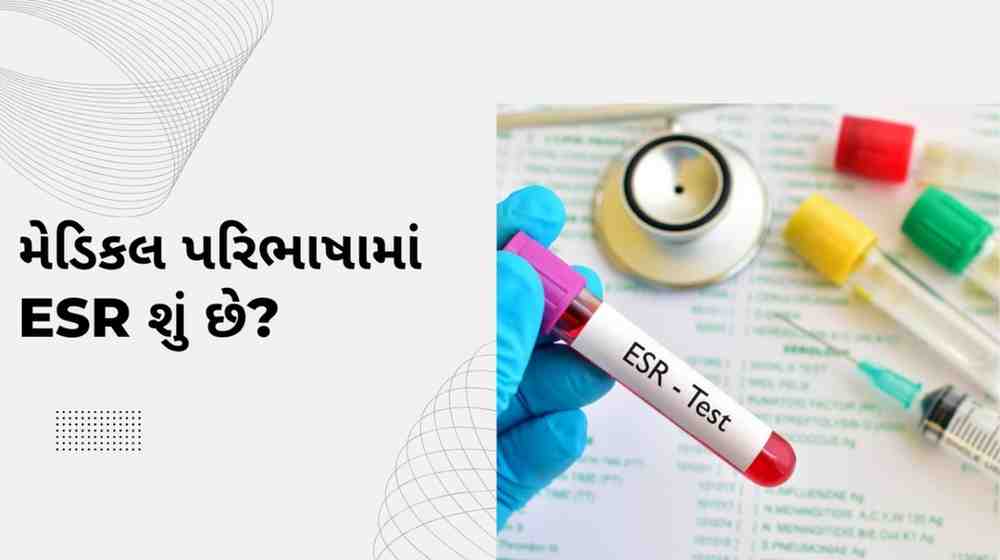
    ESR નું  પૂર્ણ સ્વરૂપ છે એરિથ્રોસાઇટ સેડિમેન્ટેશન રેટ. તબીબી પરિભાષામાં ESR નો અર્થ એ છે કે જે દરે એરિથ્રોસાઇટ્સ, સામાન્ય રીતે લાલ રક્ત કોશિકાઓ તરીકે ઓળખાય છે, ચોક્કસ સમયગાળા દરમિયાન ઊભી નળીમાં સ્થાયી થાય છે. તે એક મૂળભૂત ડાયગ્નોસ્ટિક સાધન છે જેનો ઉપયોગ તબીબી ક્ષેત્રમાં શરીરમાં બળતરાની હાજરી અને ગંભીરતાને માપવા માટે થાય છે.

    એરિથ્રોસાઇટ સેડિમેન્ટેશન રેટ ટેસ્ટના મૂળ સિદ્ધાંતને સ્પષ્ટ કરે છે. પ્રક્રિયામાં ટ્યુબની અંદર લાલ રક્ત કોશિકાઓના ક્રમશઃ અવક્ષેપનું અવલોકન શામેલ છે. આ કોષો જે દરે નીચે આવે છે તે માપવામાં આવે છેમિલીમીટર પ્રતિ કલાક (mm/hr). આ મેટ્રિક શરીરમાં હાજર બળતરાના સ્તર માટે પરોક્ષ માર્કર તરીકે કામ કરે છે.

    મેડિકલ પરિભાષામાં ESR નો અર્થ

    મેડિકલ પરિભાષામાં ESR નો અર્થ નિર્ણાયક ભૂમિકા ભજવે છે. એલિવેટેડ ESR મૂલ્યો ઘણીવાર બળતરાના ઉચ્ચ સ્તર સાથે સંબંધ ધરાવે છે. જો કે, તે છેએ વાત પર ભાર મૂકવો મહત્વપૂર્ણ છે કે ESR પરીક્ષણ બળતરાના ચોક્કસ કારણ અથવા સ્થાનને નિર્ધારિત કરતું નથી.

    તેના બદલે, તે તેની હાજરી અને ગંભીરતાનો સામાન્ય સંકેત પૂરો પાડે છે. વિવિધ પરિસ્થિતિઓ, જેમ કે ચેપ, સ્વયંપ્રતિરક્ષા રોગો, ક્રોનિક ઇનફ્લેમેટરી ડિસઓર્ડર (દા.ત., સંધિવા, લ્યુપસ), અને અમુક કેન્સર, એલિવેટેડ ESR સ્તર તરફ દોરી શકે છે.

    ESR અને CRP પરીક્ષણોનો ઉપયોગ ઘણીવાર શરીરમાં બળતરા પ્રક્રિયાઓની વધુ વ્યાપક સમજ પૂરી પાડવા માટે કરવામાં આવે છે.

    “મેડિકલ પરિભાષામાં ESR નો અર્થ શું છે” પર વિચાર કરતી વખતે, અન્ય ડાયગ્નોસ્ટિક સાધનોની સાથે તેની ભૂમિકાને ઓળખવી મહત્વપૂર્ણ છે. આવું એક સાધન સી-રિએક્ટિવ પ્રોટીન (CRP) ટેસ્ટ છે, જે ચોક્કસ પ્રોટીનને માપે છે જે બળતરા દરમિયાન વધે છે.


    ESR in Medical Terms in Gujarati

    ESR કેવી રીતે કામ કરે છે અને તેનું મહત્વ

    એરિથ્રોસાઇટ સેડિમેન્ટેશન રેટ પરીક્ષણ કેવી રીતે કાર્ય કરે છે અને તે શું સૂચવે છે તે અહીં છે:

    1. પરીક્ષણ પ્રક્રિયા: પરીક્ષણ દરમિયાન, દર્દીની નસમાંથી લોહીની થોડી માત્રા લેવામાં આવે છે, સામાન્ય રીતે હાથમાંથી. ત્યારબાદ લોહીને એક સાંકડી, ઊભી નળીમાં મૂકવામાં આવે છે, જ્યાં તેને અમુક ચોક્કસ સમય માટે, સામાન્ય રીતે એક કલાક સુધી ખલેલ વિના ઊભા રહેવાની મંજૂરી આપવામાં આવે છે. આ સમય દરમિયાન, લાલ રક્ત કોશિકાઓ (એરિથ્રોસાઇટ્સ) તેમના વજનને કારણે ધીમે ધીમે ટ્યુબના તળિયે સ્થાયી થાય છે.

    2. સેડિમેન્ટેશન પ્રક્રિયા: બળતરા અમુક પ્રોટીન, ખાસ કરીને ફાઈબ્રિનોજેન અને અન્ય એક્યુટ-ફેઝ રિએક્ટન્ટ્સને લોહીના પ્રવાહમાં છોડવાનું કારણ બની શકે છે. આ પ્રોટીન લાલ રક્ત કોશિકાઓ એકસાથે ગંઠાઈ જાય છે અને ભારે બની શકે છે, જે ઝડપી સેડિમેન્ટેશન દર તરફ દોરી જાય છે. લાલ રક્ત કોશિકાઓ જે દરે સ્થાયી થાય છે તે માપવામાં આવે છેમિલીમીટર પ્રતિ કલાક (mm/hr).

    3. અર્થઘટન: ઉચ્ચ ESR મૂલ્ય સામાન્ય રીતે શરીરમાં બળતરાની મોટી માત્રા સૂચવે છે. જો કે, એ નોંધવું અગત્યનું છે કે પરીક્ષણ બળતરાના કારણ અથવા સ્થાન વિશે ચોક્કસ માહિતી પ્રદાન કરતું નથી. વિવિધ પરિસ્થિતિઓ એલિવેટેડ ESR સ્તર તરફ દોરી શકે છે, જેમાં ચેપ, સ્વયંપ્રતિરક્ષા રોગો, ક્રોનિક બળતરા રોગો (જેમ કે રુમેટોઇડ સંધિવા અથવા લ્યુપસ) અને કેટલાક પ્રકારના કેન્સરનો પણ સમાવેશ થાય છે. તેનાથી વિપરિત, સામાન્ય ESR આવશ્યકપણે અંતર્ગત સ્વાસ્થ્ય સમસ્યાની હાજરીને નકારી શકતું નથી.

    4. મર્યાદાઓ: ESR ને ડાયગ્નોસ્ટિક ટૂલ તરીકે કેટલીક મર્યાદાઓ છે. તે એક બિન-વિશિષ્ટ પરીક્ષણ છે, જેનો અર્થ છે કે તે વિવિધ કારણોસર એલિવેટેડ થઈ શકે છે. વધુમાં, ESR મૂલ્યો વય, લિંગ અને અમુક દવાઓ જેવા પરિબળોથી પ્રભાવિત થઈ શકે છે. તેથી, ESR પરિણામો ઘણીવાર અન્ય ક્લિનિકલ અને લેબોરેટરી તારણો સાથે જોડાણમાં અર્થઘટન કરવામાં આવે છે.

    5. અન્ય પરીક્ષણો સાથે સરખામણી: C-રિએક્ટિવ પ્રોટીન (CRP) ટેસ્ટ એ અન્ય સામાન્ય રીતે ઉપયોગમાં લેવાતી કસોટી છે જે બળતરાનું મૂલ્યાંકન કરે છે. જ્યારે ESR રેડ બ્લડ સેલ સેડિમેન્ટેશનના દરને માપે છે, ત્યારે CRP ચોક્કસ પ્રોટીનને માપે છે જે બળતરાના પ્રતિભાવમાં વધે છે. ESR અને CRP બંને પરીક્ષણો બળતરાની હાજરી અને ડિગ્રી વિશે મૂલ્યવાન માહિતી પ્રદાન કરી શકે છે, અને આરોગ્યસંભાળ પ્રદાતાઓ ઘણીવાર વધુ સંપૂર્ણ ચિત્ર મેળવવા માટે તેનો એકસાથે ઉપયોગ કરે છે.

    Read: What are Generic Medicines?

    નિષ્કર્ષ

    સારાંશમાં, ESR પરીક્ષણ એ એક સરળ અને ખર્ચ-અસરકારક સાધન છે જે આરોગ્યસંભાળ વ્યવસાયિકોને શરીરમાં બળતરાની હાજરીનું મૂલ્યાંકન કરવામાં મદદ કરે છે. જ્યારે તે ચોક્કસ નિદાન પ્રદાન કરતું નથી, તે મૂલ્યવાન માહિતી પ્રદાન કરી શકે છે જે વધુ તબીબી તપાસ અને સારવારના નિર્ણયોને માર્ગદર્શન આપે છે.

    મેડિકલ પરિભાષામાં ESR પર FAQs?

    પ્રશ્ન: 1. શું છે તબીબી દ્રષ્ટિએ ESR?

    ESR એ તબીબી પરિભાષામાં “એરિથ્રોસાઇટ સેડિમેન્ટેશન રેટ” માટે વપરાય છે. તે ચોક્કસ સમયગાળા દરમિયાન ઊભી નળીના તળિયે જે દરે લાલ રક્ત કોશિકાઓ સ્થાયી થાય છે તેનો ઉલ્લેખ કરે છે, સામાન્ય રીતે માપવામાં આવે છેમિલીમીટર પ્રતિ કલાક (mm/hr).

    પ્રશ્ન: 2. મેડિકલ પરિભાષામાં ESR નું શું મહત્વ છે?

    ESR એ શરીરમાં બળતરાનું બિન-વિશિષ્ટ સૂચક છે. એલિવેટેડ ESR મૂલ્ય બળતરાની હાજરી અને સંભવિત ગંભીરતા સૂચવે છે, જો કે તે અંતર્ગત કારણને નિર્ધારિત કરતું નથી. તેનો ઉપયોગ ઘણીવાર અન્ય ક્લિનિકલ અને લેબોરેટરી તારણો સાથે આરોગ્યસંભાળ પ્રદાતાઓને વિવિધ પરિસ્થિતિઓના નિદાન અને દેખરેખમાં મદદ કરવા માટે થાય છે, જેમ કે ચેપ, સ્વયંપ્રતિરક્ષા રોગો અને બળતરા વિકૃતિઓ.

    Related Links:


  • Normal Heart Rate by Age – Resting Heart Rate Chart

    Normal Heart Rate by Age – Resting Heart Rate Chart

    normal heart rate

    Normal heart rate varies across age groups, reflecting the dynamic nature of cardiovascular health throughout a person’s life. In infants (0-12 months), a resting heart rate of 100 to 160 beats per minute (bpm) is typical, gradually decreasing as they grow. Children (1-10 years) usually have a heart rate between 70 and 120 bpm, while pre-teens and teens (11-17 years) exhibit rates of 60 to 100 bpm, influenced by factors like puberty and physical activity.

    Adults (18-64 years) generally fall within the 60 to 100 bpm range, though fitness levels may influence these values. Seniors (65 years and older) typically have a resting heart rate of 60 to 100 bpm, with considerations for individual health and medications. Monitoring heart rate by age provides a useful benchmark for assessing cardiovascular well-being and adapting lifestyle choices accordingly.

    Normal Heart Rate By Age

    The human heart is a remarkable organ that tirelessly pumps blood, ensuring the circulation of oxygen and nutrients throughout the body. Monitoring heart rate is a key aspect of maintaining cardiovascular health. A normal heart rate varies with age, and understanding these age-specific ranges is crucial for assessing overall well-being.

    Normal Heart Rate by Age

    1. Infants (0-12 months)

    In the first year of life, a baby’s heart rate is generally higher compared to older children and adults. A normal resting heart rate for infants ranges from 100 to 160 beats per minute (bpm). As the cardiovascular system develops, the heart rate gradually decreases.

    2. Children (1-10 years)

    For children aged 1 to 10, the average resting heart rate is between 70 and 120 bpm. As children grow, their heart becomes more efficient at pumping blood, resulting in a lower resting heart rate compared to infancy.

    3. Pre-teens and Teens (11-17 years)

    As adolescents go through puberty, hormonal changes and increased physical activity can influence heart rate. The normal resting heart rate for this age group is typically between 60 and 100 bpm. Regular physical activity, diet, and overall health can impact these values.

    4. Adults (18-64 years)

    For adults, a normal resting heart rate falls within the range of 60 to 100 bpm. However, athletic individuals, especially those engaged in regular cardiovascular exercise, may have lower resting heart rates, sometimes below 60 bpm. Physical fitness, genetics, and lifestyle choices all play a role in determining an adult’s heart rate.

    5. Seniors (65 years and older)

    As individuals age, the cardiovascular system undergoes changes, and the heart may not beat as efficiently. A normal resting heart rate for seniors is generally between 60 and 100 bpm. However, individual health, pre-existing medical conditions, and medications can influence heart rate in the elderly.

    Factors Influencing Heart Rate

    • Physical Fitness: Regular exercise improves cardiovascular efficiency, resulting in a lower resting heart rate.
    • Stress: Emotional and psychological stress can temporarily elevate heart rate. Acquiring skills in stress management proves advantageous for one’s well-being and overall resilience.
    • Medications: Certain medications, such as beta-blockers or stimulants, can impact heart rate. It’s important to be aware of the side effects of prescribed drugs.
    • Medical Conditions: Conditions like hypertension, thyroid disorders, and heart disease can affect heart rate.

    > Consult a Doctor and Medkart will help you Order Medicines Online

    Normal Heart Rate For Women By Age

    Normal heart rate for women varies based on age, reflecting the physiological changes that occur throughout their lives. In general, infants (0-12 months) typically have a resting heart rate of 100 to 160 beats per minute (bpm), gradually decreasing as they grow. For children (1-10 years), the average heart rate is between 70 and 120 bpm.

    As girls enter adolescence, pre-teens and teens (11-17 years) often exhibit a heart rate of 60 to 100 bpm, influenced by factors like puberty and physical activity. Adult women (18-64 years) generally fall within the 60 to 100 bpm range, but individual variations may occur based on fitness levels and overall health. Postmenopausal women and seniors (65 years and older) typically maintain a resting heart rate of 60 to 100 bpm.

    Also, Read:

    Normal Heart Rate For Men By Age

    The normal heart rate for men varies across different age groups, providing valuable insights into cardiovascular health. In the first year of life, infants generally have a resting heart rate of 100 to 160 beats per minute (bpm), gradually decreasing as they grow. For children aged 1 to 10, the average heart rate falls between 70 and 120 bpm.

    As boys transition through puberty, pre-teens and teens (11-17 years) often exhibit a heart rate of 60 to 100 bpm, influenced by factors like physical activity and hormonal changes. Adult men (18-64 years) generally maintain a resting heart rate within the range of 60 to 100 bpm, though individual variations may be influenced by fitness levels and overall health. Men aged 65 and older typically have a resting heart rate of 60 to 100 bpm, with considerations for factors such as medication and existing health conditions.

    Conclusion

    Understanding normal heart rate by age is a valuable tool for assessing cardiovascular health. Regularly monitoring heart rate, especially during periods of rest, can provide insights into overall well-being. However, individual variations exist, and factors like physical fitness and stress can influence heart rate. It’s crucial to maintain a healthy lifestyle, seek medical advice when necessary, and prioritize heart health throughout all stages of life.

    Read: What are Generic Medicines?

    FAQs on Normal Heart Rate By Age

    Q1. What is a good heart rate for my age?

    Normal heart rate varies by age. Infants (0-12 months) typically have a resting heart rate of 100-160 bpm, decreasing with age. For adults (18-64 years), the range is 60-100 bpm, influenced by factors like fitness, while seniors (65 years and older) maintain a similar range with considerations for individual health and medications.

    Q2. What is the normal heart rate for infants?

    The normal heart rate for infants (0-12 months) ranges between 100 and 160 beats per minute (bpm), gradually decreasing as they grow.

    Q3. What is the average heart rate for adults?

    For adults (18-64 years), a normal resting heart rate typically falls within the range of 60 to 100 bpm, with individual variations influenced by factors such as fitness levels and overall health.

    Q4. How does age impact heart rate in seniors?

    Seniors (65 years and older) generally maintain a normal resting heart rate of 60 to 100 bpm, with considerations for individual health, medications, and existing medical conditions. Regular monitoring is crucial for assessing cardiovascular well-being in this age group.

  • What is the Maximum Delay in Periods if not Pregnant?

    What is the Maximum Delay in Periods if not Pregnant?

    maximum delay in periods

    Maximum Delay In Periods If Not Pregnant

    First things first, let’s clarify what is meant by a “maximum delay.” The average menstrual cycle lasts between 21 and 35 days. But cycles can differ a lot from woman to woman and even month to month. A period of up to seven days behind schedule is often accepted as normal. There are a few additional possible causes if your menstruation is delayed by more than a week and pregnancy is not the cause.

    A number of things, such as stress, dietary modifications, hormone imbalances, and illnesses, might cause your period to arrive later than usual. You can identify potential reasons for late menstruation and take appropriate action by being aware of these variables.

    Stress and Lifestyle Factors

    Oftentimes, stress is the reason for a delayed length of time. Cortisol, a hormone that can disrupt the synthesis of other hormones, including those that control your menstrual cycle, is produced in greater quantities by your body during times of stress.

    Maximum Delay in Periods if not Pregnant
    Your menstrual period may be impacted by lifestyle changes as well. Your menstrual cycle may be impacted by significant weight gain or reduction, increased exercise, and altered sleep habits. To guarantee that your menstrual cycle is regular, it’s critical to keep a healthy lifestyle.
    Take a step back and assess your routine if you’ve been experiencing high amounts of stress or major changes in your lifestyle. Stress-relieving practices like yoga, meditation, or just spending some time for yourself can be quite beneficial.

    Hormonal Imbalances

    Your period may be significantly impacted by hormonal variations. Thyroid issues and Polycystic Ovary Syndrome (PCOS) are two conditions that can result in regular or delayed periods.
    Male sex hormones called androgens, which are typically present in small quantities in women, are produced abnormally by the ovaries in PCOS patients. Hormonal imbalances can result in irregular or absent periods as well as the development of several little stones in the ovaries.

    Your period may be impacted by thyroid conditions like hyperthyroidism and hypothyroidism. Your periods’ regularity might be affected by a difference in the hormones produced by the thyroid gland, which controls your body’s metabolism.
    It’s important to speak with a medical expert if you think you may have a hormone imbalance so they can make an accurate diagnosis and treatment recommendations.

    Medications

    A few medications may also cause your periods to arrive later than usual. The menstrual period is regulated by birth control tablets, for example, but they can occasionally result in irregular or absent periods, particularly during the initial weeks of treatment or if a dose is missed.

    The period delay can also result from other medications, including anti-psychotic medication for depression, and radiation therapy. See if there’s a relationship between a recent shift in your period’s duration and the medication you’re taking. Discuss this with your healthcare provider.

    It might be beneficial for you to better manage your health if you are aware of the adverse effects of the medications you take and how they might affect your periods.

    Perimenopause

    The phase of transition preceding menopause, known as perimenopause, typically affects women in their 40s and 50s. Your body experiences major hormonal changes during this time, which may result in irregular or absent menstruation.

    Although it varies from woman to woman, perimenopause usually lasts for a few years. You may also have other symptoms including mood swings, night sweats, and hot flashes during this period.

    See your healthcare practitioner if you think you may be approaching perimenopause. During this phase of transition, they can offer advice on how to keep your health and manage your symptoms.

    Medical Conditions

    Period delays can also be brought on by a number of medical issues.
    Here are a few of the most typical illnesses:
    Unexpected growths in the reproductive system that can lead to regular or heavy periods are called uterine fibroids.

    Pain and recurring periods are symptoms of this condition, a disorder in which the cells covering your uterus grow outside of it.

    Uncontrolled diabetes: Diabetes can cause irregular periods and interfere with your period.

    It is important to consult a physician if you believe a medical ailment may be the cause of your delayed period. Symptom management and quality of life can be enhanced by early diagnosis and treatment.

    Conclusion

    Essentially, if you’re not pregnant, there are a number of reasons why your periods may be delayed. Medications, a period called stress and lifestyle choices, hormonal imbalances, and illnesses can all affect your periods. You may improve your health management and, if needed, take the necessary action by being aware of these aspects.

    It’s wise to speak with a healthcare provider if you have any concerns about delayed periods. In addition to suggesting a suitable course of action, they can assist in determining the problem.
    You may better control your periods and general well-being by being knowledgeable and proactive about your health.


    FAQs On Maximum Delay In Periods If Not Pregnant

    How Much Time Can Pass Before a Period Ends Without Pregnancy?

    Without pregnancy, a woman’s cycle might be delayed by several days to a week. It’s important to take into account additional things that might be affecting your period, though, if it’s more than a week late.

    Is Stress Really Able to delay Your Period?

    In fact, stress can have a big effect on your period. Delays in the cycle can result from the stress hormone cortisol’s ability to interfere with the production of reproductive hormones.

    Is it Reason for Stress if I Miss My Period?

    Missed periods on occasion are usually not a reason for alarm. However, it’s crucial to see a doctor to rule out any root causes if you skip your periods frequently or enhance other symptoms.

    What Symptoms Are Generally Found in Hormonal Imbalance?

    Mood variations, weight gain, acne, hair loss, and irregular periods are typical indicators of hormonal imbalance. See a healthcare professional if you encounter these symptoms so that you can receive the proper testing and care.

  • Understanding Normal Range: Random Blood Sugar Levels Explained

    Understanding Normal Range: Random Blood Sugar Levels Explained

    normal blood sugar levels

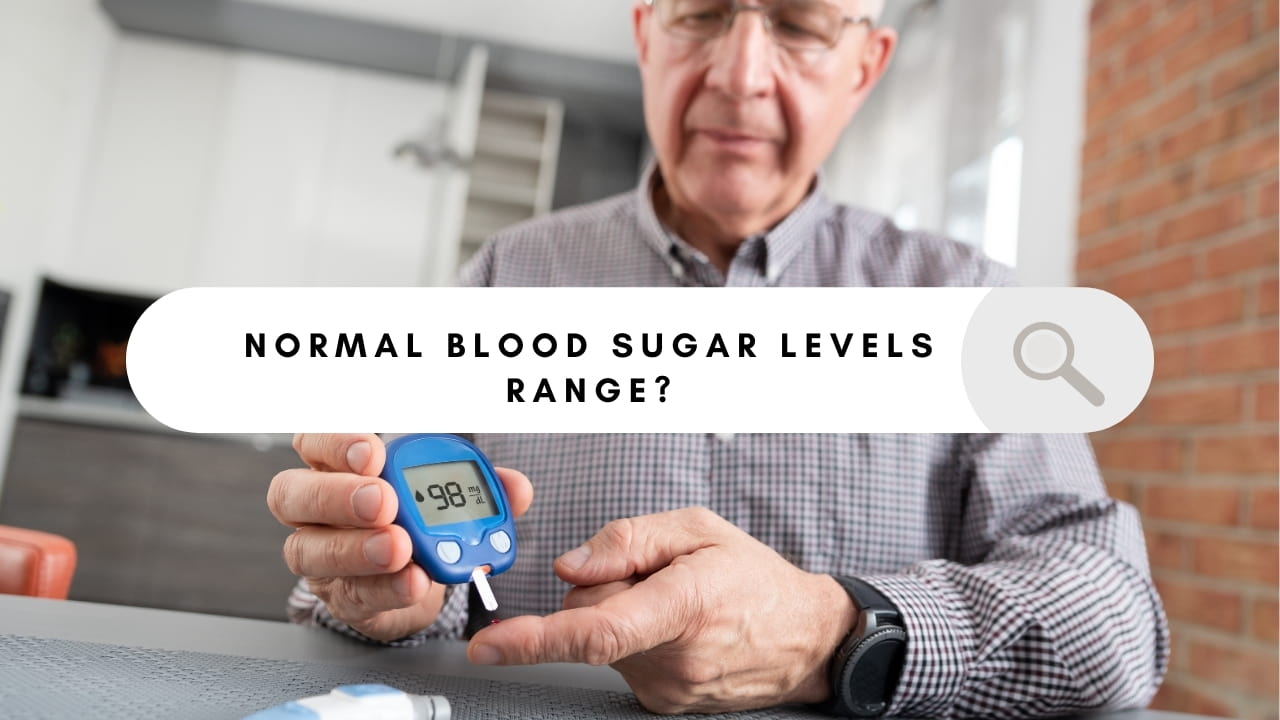
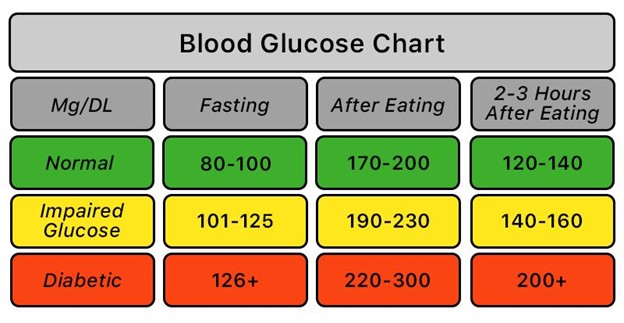
    The random blood sugar normal range typically falls between 70 and 140 milligrams per deciliter (mg/dL), this range provides a snapshot of blood glucose concentration at any given time, without the need for fasting. The normal range for random blood sugar levels serves as a critical benchmark in assessing an individual’s immediate glucose regulation. Maintaining blood sugar within this range is indicative of effective glucose control and a lower risk of diabetes-related complications.

    Monitoring random blood sugar levels is essential for early detection of potential issues, allowing for timely intervention and lifestyle adjustments. Understanding this normal range is pivotal in promoting overall health and well-being, enabling individuals to make informed decisions about their diet, exercise, and overall lifestyle choices. Regular monitoring, along with consultation with healthcare professionals, ensures proactive management of blood sugar levels for long-term health.

    Normal Range

    Random blood sugar, also known as casual blood glucose, measures the glucose levels in your blood at any given time, regardless of when you last ate. Unlike fasting blood sugar tests, which require you to abstain from eating for a specific period, random blood sugar tests provide a snapshot of your blood sugar levels without any prior fasting.

    The normal range for random blood sugar levels can vary slightly between individuals and may be influenced by factors such as age, health conditions, and lifestyle. However, in general, a random blood sugar level between 70 and 140 milligrams per deciliter (mg/dL) is considered normal for most people.

    Random Blood Sugar Normal Range image

    1. Normal Range (70-140 mg/dL)

    A random blood sugar level within this range indicates that your body is effectively regulating glucose, and your risk of developing diabetes or related complications is relatively low.

    2. Elevated Levels (140-200 mg/dL)

    If your random blood sugar levels consistently fall within this range, it may suggest insulin resistance or impaired glucose tolerance. It is essential to consult with a healthcare professional to further evaluate your risk of developing diabetes.

    3. High Levels (Above 200 mg/dL)

    Random blood sugar levels exceeding 200 mg/dL may indicate diabetes. A diagnosis may require additional testing, such as fasting blood sugar tests or oral glucose tolerance tests, to confirm the presence of diabetes.

    Also, Read:

    Factors Influencing Random Blood Sugar Levels

    Several factors can impact random blood sugar levels, and understanding these variables is crucial for accurate interpretation:

    • Recent Food Intake: Consuming carbohydrates, especially simple sugars, can cause a temporary spike in blood sugar levels.
    • Physical Activity: Regular exercise can improve insulin sensitivity and help maintain healthy blood sugar levels.
    • Stress Levels: Stress can elevate blood sugar levels, making it important to manage stress through relaxation techniques.
    • Medications: Certain medications, such as corticosteroids or antipsychotics, may affect blood sugar levels.

    > Consult a Doctor and Medkart will help you Order Medicines Online

    Conclusion

    Monitoring random blood sugar levels provides valuable insights into your body’s glucose regulation, aiding in the early detection and management of diabetes. While a range of 70-140 mg/dL is generally considered normal, it’s crucial to consult with a healthcare professional to interpret your results in the context of your overall health and individual circumstances. By staying informed and proactive, you can take steps to maintain optimal blood sugar levels and promote a healthier, more balanced lifestyle.

    Monitoring your random blood sugar is essential for long-term health. For those already experiencing early signs of nerve-related issues, Nurewire Capsule 10’s may be helpful in supporting nerve health as part of a broader diabetes care plan.

    Read: What are Generic Medicines?

    FAQs on Random Blood Sugar Normal Range

    Q1. What is the random blood sugar normal range?

    The normal range for random blood sugar levels is typically between 70 and 140 milligrams per deciliter (mg/dL). This range provides a snapshot of your blood glucose at any given time, irrespective of fasting.

    Q2. Why is it important to know your random blood sugar level?

    Knowing your random blood sugar level helps monitor your immediate glucose regulation. It aids in the early detection of potential issues, such as insulin resistance or diabetes, allowing for timely intervention and management.

    Q3. Can factors like recent meals affect random blood sugar results?

    Yes, recent food intake can influence random blood sugar levels. Consuming carbohydrates, especially simple sugars, may cause a temporary spike. It’s essential to consider lifestyle factors when interpreting these results.

    Q4. When should I be concerned about random blood sugar levels?

    Consistent readings above 140 mg/dL may raise concerns, indicating potential issues with glucose tolerance or insulin resistance. If levels exceed 200 mg/dL, it’s crucial to consult a healthcare professional for further evaluation and appropriate guidance.

    Related Links:

  • How to Reduce Face Fat? – Effective Tips to Lose Fat in Your Face

    How to Reduce Face Fat? – Effective Tips to Lose Fat in Your Face

    reduce face fat

    Reducing face fat involves a multifaceted approach that combines healthy lifestyle choices and targeted exercises. Firstly, staying adequately hydrated is crucial as it helps flush out toxins and prevents water retention, reducing facial puffiness. A balanced diet rich in fruits, vegetables, lean proteins, and whole grains is essential for overall weight management and can impact the distribution of fat in the face.

    Incorporating facial exercises, such as cheek lifts and jaw stretches, helps tone and strengthen facial muscles, contributing to a more sculpted appearance. Engaging in regular cardiovascular exercises, such as running or cycling, aids in overall weight loss, which includes reducing face fat. Additionally, limiting alcohol and caffeine intake, ensuring quality sleep, practising mindful eating, and maintaining a consistent skincare routine can collectively contribute to a slimmer and more defined facial profile.

    How to Reduce Face Fat

    How to Reduce Face Fat Naturally?

    Achieving a well-defined and sculpted face is a goal for many individuals, and while spot reduction is not entirely possible, there are natural and effective ways to reduce face fat. In this blog, we will explore specific strategies tailored to target face fat and help you achieve a more contoured and youthful appearance.

    Stay Hydrated

    One of the simplest yet often overlooked methods to reduce face fat is to stay adequately hydrated. Water helps flush out toxins from your body and keeps your skin and facial tissues healthy. Strive for a daily intake of a minimum of 8 glasses of water to sustain optimal hydration levels.

    Healthy Diet Choices

    Adopting a balanced and nutritious diet is crucial for overall weight management, including the face. Integrate an abundance of fruits, vegetables, lean proteins, and whole grains into your daily meals for a well-rounded and nutritious diet. Reduce your intake of processed foods, sugary drinks, and excessive sodium, as these can contribute to water retention and facial bloating.

    Cardiovascular Exercise to Reduce Face Fat

    Incorporate regular cardiovascular exercises into your routine to burn overall body fat, which will naturally contribute to a slimmer face. Activities like running, cycling, or brisk walking for at least 30 minutes a day can be effective.

    Limit Alcohol and Caffeine Intake

    Excessive alcohol and caffeine consumption can lead to dehydration and bloating, which may affect the appearance of your face. Moderation is key, so be mindful of your intake and opt for water or herbal teas as alternatives.

    > Consult a Doctor and Medkart will help you Order Medicines Online

    Adequate Sleep

    Ensure you get enough quality sleep, as lack of sleep can contribute to weight gain and fluid retention, leading to a puffy face. Aim for 7-9 hours of sleep per night to support overall health and well-being.

    Massage and Facial Tools

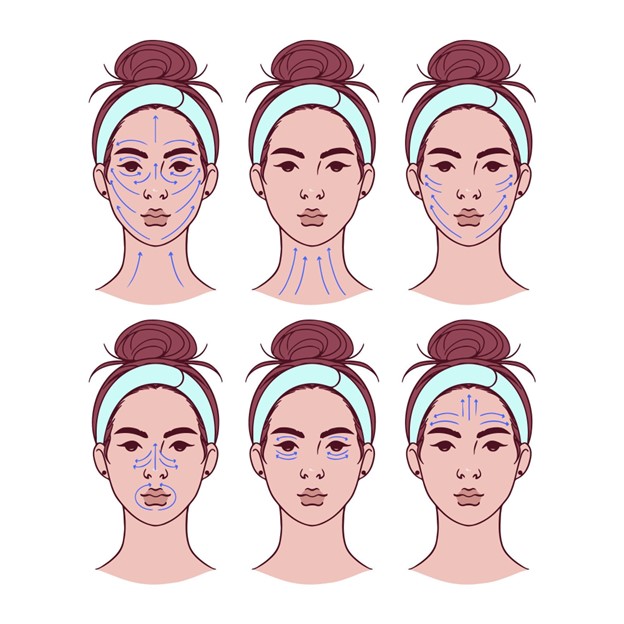
    Facial massages and the use of facial tools like jade rollers can help stimulate blood circulation, reduce fluid retention, and promote lymphatic drainage. Gently massage your face in upward motions to enhance the effectiveness of these tools.

    Mindful Chewing – Does Chewing Gum Reduce Face Fat?

    Slow down and be mindful while eating. Chewing food thoroughly not only aids digestion but also engages facial muscles, potentially contributing to a more toned appearance over time.

    Also, Read:

    Facial Exercises to Reduce Face Fat

    Engage in facial exercises to target specific muscles and promote facial toning. Some effective exercises include:

    • Jaw exercises: Gently move your jaw in circular motions, both clockwise and counterclockwise.
    • Cheek lifts: Smile as widely as possible while keeping your lips closed, then push your cheeks up with your fingers.
    • Chin lifts: Tilt your head back and look at the ceiling, extending your jaw forward to feel a stretch in your neck and chin.

    How to Reduce Face Fat

    Conclusion:

    Reducing face fat naturally involves a holistic approach that combines healthy lifestyle choices, targeted exercises, and self-care practices. By staying hydrated, adopting a balanced diet, engaging in facial exercises, incorporating cardiovascular activities, and practising other healthy habits, you can achieve a slimmer and more defined face over time. Remember, consistency is key, and gradual progress is more sustainable than quick fixes. Embrace these natural methods to enhance both your physical appearance and overall well-being.

    Read: What are Generic Medicines?

    FAQs on Steps to Reduce Face Fat

    Q1. How To Reduce Face Fat?

    To reduce face fat, adopt a balanced diet rich in fruits, vegetables, and lean proteins while minimizing processed foods. Incorporate regular cardiovascular exercises to promote overall weight loss, including fat reduction in the face. Stay hydrated, practice facial exercises, and ensure sufficient sleep for a holistic approach to achieve a more sculpted facial appearance.

    Q2. Can facial exercises alone help reduce face fat?

    Facial exercises can help tone and strengthen muscles, but overall fat reduction requires a combination of healthy eating, cardiovascular exercise, and a well-rounded lifestyle approach.

    Q3. Does drinking more water specifically target face fat?

    While staying hydrated is essential for overall health, it indirectly aids in reducing face fat by preventing water retention and promoting a more sculpted facial appearance.

    Q4. Is spot reduction effective for face fat?

    Spot reduction is generally not effective. To reduce face fat, focus on a comprehensive approach, including a balanced diet, regular exercise, and lifestyle habits that promote overall weight loss.

  • Maximum How Many Days to confirm Pregnancy?

    Maximum How Many Days to confirm Pregnancy?


    maximum days to confirm pregnancy

    As quickly as we would all desire, pregnancy confirmation is not always possible. 8 to 10 days following ovulation is usually when the first indications of pregnancy are seen. This isn’t the longest amount of time that could be needed, though. A positive pregnancy test result may not appear for up to two weeks after the woman stops menstruating.

    It might be quite agonizing to wait for these days to pass. Noting that each person’s body is unique will help you understand that there is some variation in the duration needed to confirm pregnancy. A positive test result could come back sooner for some women than it would for others, and vice versa.

    The most important lesson to learn from this is patience. Knowing the schedule facilitates expectation management and eliminates needless stress.
    Maximum How Many Days to confirm Pregnancy

    Factors Influencing Pregnancy Confirmation

    The time it takes to confirm your pregnancy can vary depending on a number of factors. The time it takes for you to realize you are pregnant depends on each of these factors.

    1. Hormone The levels

    Pregnancy tests look for a hormone called human chorionic gonadotropin, or hCG. Different women have different amounts of hCG. This hormone is produced faster by some women, which can result in a faster positive test result. It could take longer for hCG to become visible in some individuals.

    A negative test may result even if you are pregnant if you are testing too early since the hCG levels may not be high enough to be detected. For this reason, it’s usually suggested against using a home pregnancy test prior to your missed period.

    2. What Kind of Pregnancy Test?

    When you can confirm pregnancy can also depend on how sensitive a particular pregnancy test is. Some tests are engineered to identify hCG levels below others. Pregnancy can sometimes be detected with early detection tests, but they are not always reliable.

    A negative result does not always indicate that you are not pregnant. It could indicate that the hCG levels aren’t elevated enough just yet. Retesting a few days later is advised in such instances.

    > Consult a Doctor and Medkart will help you  Order Medicines Online

    3. The Period Cycle

    It’s essential to understand your period. It may be more difficult for women with recurring periods to choose the ideal time to test. It can be more difficult to determine when is the best period to take a pregnancy test if your cycles are regular.

    Monitor your periods to help you decide when to get a pregnancy test. You can monitor your cycle and choose the best time to test with the help of pregnancy monitors and mobile applications.

    In cases where pregnancy is confirmed but is unplanned or poses health risks, medical termination may be considered within the first few weeks. Doctors often prescribe medications like Misoprost 200mcg Tablet to safely manage early pregnancy termination under supervision.

    You can order Misoprost 200mcg Tablet online from Medkart at genuine prices.

    Note: This medicine should only be taken after consultation with a qualified medical practitioner.

    Timing for Pregnancy Confirmation

    1. When to Take a Pregnancy Test for the First Time

    You may be inquiring when a pregnancy test can be taken. As soon as six to eight days following ovulation, healthcare providers can confirm pregnancy with blood testing. These tests can identify even very low levels of hCG and are more sensitive than home pregnancy tests.

    2. When Do-At-Home Exams Work Best

    Although the first day of your missed period is the earliest you can take a home pregnancy test, waiting a few extra days can result in more reliable results. A week following the missed period provides a balance between timeliness and accuracy for many women taking the test.

    3. Do Additional Testing to Verify

    If the results are negative but you are still suspicious of being pregnant, you might want to retest in a few days. Since hCG levels rise quickly, a follow-up test might verify your pregnancy. To guarantee accuracy, always follow up with a medical professional after a blood test.
    Maximum How Many Days to confirm Pregnancy

    Conclusion

    For new mothers and women who are concerned about their health, it is essential to comprehend the timeframe and variables that affect pregnancy confirmation. You can confidently confirm your pregnancy by identifying hormonal changes, choosing the appropriate pregnancy test, and timing your test.

    Read: What are Generic Medicines?

    FAQs on Maximum Days to Confirm Pregnancy

    1. How long before taking a pregnancy test?

    After the first day of your missed period is the ideal time to take a pregnancy test at home. Consider waiting a week following your missing period for the most reliable results.

    2. Can I get a pregnancy test done before I don’t get my period?

    The accuracy of sensitive tests improves considerably after a missed period because of increased hCG levels, despite several tests claiming to identify pregnancy faster.

    3. If I feel pregnant even after my test comes back negative, what should I do?

    Recheck in a few days if you feel pregnant symptoms even after receiving a negative result. See your doctor for additional testing if the outcome is still negative.

    4. Can home pregnancy tests be relied upon?

    While awareness varies, home pregnancy tests are generally dependable. If you receive an initial negative result, carefully follow the instructions and think about retesting.

    5. At what point should I see a doctor?

    Get professional advice and a blood test from a medical professional if you have doubts about your pregnancy or if you receive unexpected test results.

    Related Links:

  • What is the Fasting Blood Sugar Normal Range?

    What is the Fasting Blood Sugar Normal Range?

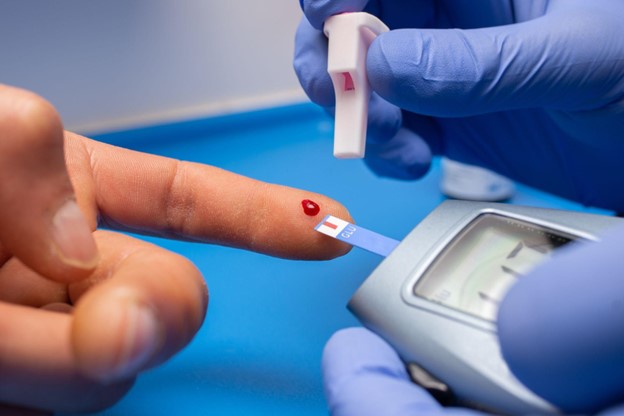
    fasting blood sugar normal range The normal range for fasting blood sugar, a key indicator of glucose regulation, typically falls between 70 to 100 milligrams per deciliter (mg/dL). This measurement is obtained after an overnight fast and serves as a crucial baseline for assessing one’s metabolic health. Values within this range indicate effective glucose control, while consistently elevated levels may suggest conditions such as insulin resistance or diabetes. Regular monitoring, coupled with a healthy lifestyle emphasizing balanced nutrition and physical activity, is essential for maintaining optimal fasting blood sugar levels and preventing potential health complications. If values deviate from this range, consultation with a healthcare professional is recommended for further evaluation and personalized guidance.

    Regular Blood Sugar Range in Fasting

    Maintaining a healthy lifestyle involves keeping a close eye on various health indicators, and one crucial parameter is fasting blood sugar levels. Fasting blood sugar (FBS) is a measure of the amount of glucose present in your blood after an overnight fast. Understanding the normal range of fasting blood sugar is essential for monitoring your overall health and preventing the onset of conditions like diabetes. Fasting blood sugar is a key indicator of your body’s ability to regulate glucose levels. Glucose, derived from the food we eat, serves as the primary source of energy for our cells. The hormone insulin, produced by the pancreas, facilitates the uptake of glucose into cells, maintaining blood sugar within a normal range. A fasting blood sugar test is typically done after an overnight fast or at least 8 hours without food. This baseline measurement provides valuable insights into your body’s glucose regulation and helps identify potential issues such as insulin resistance or diabetes. Fasting Blood Sugar Normal Range

    Classification

    The normal levels can vary slightly among different healthcare organizations, but they generally fall within the range of 70 to 100 milligrams per deciliter (mg/dL). Here’s a breakdown of the classifications:
    1. Normal : 70-100 mg/dL
    2. Prediabetes (impaired fasting glucose) : 101-125 mg/dL
    3. Diabetes : 126 mg/dL or higher
    It’s important to note that these values are general guidelines, and individual variations may exist. Additionally, factors such as age, medical history, and other health conditions can influence fasting blood sugar levels. Also, Read:

    Significance of Monitoring Fasting Blood Sugar

    Maintaining fasting blood sugar within the normal range is crucial for overall health. Consistently elevated levels may indicate insulin resistance or diabetes, both of which can lead to serious health complications such as cardiovascular disease, kidney problems, and nerve damage. Regular monitoring of fasting blood sugar is especially important for individuals with a family history of diabetes, those who are overweight, and individuals with sedentary lifestyles. Early detection of abnormal levels allows for timely intervention, often through lifestyle changes like adopting a healthier diet, increasing physical activity, and, in some cases, medication.

    Tips for Maintaining Healthy Fasting Blood Sugar Range

    The tips and tricks for maintaining a healthy fasting blood sugar level normal range are mentioned below:

    1. Balanced Diet

    Consume a well-balanced diet rich in whole grains, fruits, vegetables, and lean proteins. Limit the intake of refined sugars and processed foods.

    2. Regular Exercise

    Incorporate consistent physical activity into your routine to enhance insulin sensitivity and maintain optimal blood sugar levels. Strive for a minimum of 150 minutes per week of moderate-intensity exercise to promote overall well-being.

    3. Maintain a Healthy Weight

    Achieving and maintaining a healthy weight can significantly contribute to optimal blood sugar control.

    4. Regular Monitoring

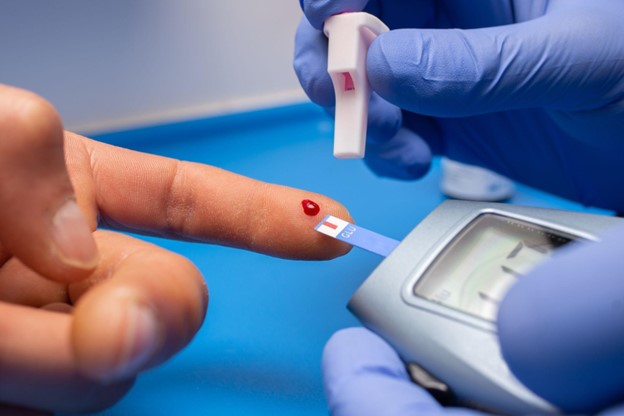
    If you have risk factors for diabetes or other metabolic conditions, discuss regular blood sugar monitoring with your healthcare provider. Fasting Blood Sugar test image

    Conclusion

    Understanding the normal range of fasting blood sugar is essential for maintaining overall health and preventing the development of chronic conditions like diabetes. Regular monitoring, coupled with a healthy lifestyle, can contribute to optimal blood sugar control and reduce the risk of complications. If you have concerns about your fasting blood sugar levels, consult with your healthcare provider for personalized guidance and recommendations tailored to your individual health needs.

    FAQs on Fasting Blood Sugar Normal Range

    Q1. What is the blood sugar normal range while fasting?

    The normal range for fasting blood sugar is typically between 70 to 100 milligrams per deciliter (mg/dL). Values below 70 mg/dL may indicate hypoglycemia, while levels above 100 mg/dL may suggest impaired fasting glucose or diabetes. Regular monitoring and maintaining levels within this range are crucial for overall health.

    Q2. What is considered a normal fasting blood sugar range?

    The normal range for fasting blood sugar is generally between 70 to 100 milligrams per deciliter (mg/dL). Values outside this range may indicate potential health concerns.

    Q3. What should I do if my fasting blood sugar levels are consistently high?

    Consult with a healthcare professional if your fasting blood sugar consistently exceeds 100 mg/dL, as it could indicate conditions like insulin resistance or diabetes. Lifestyle changes and medical intervention may be recommended. Related Links: