Blog

  • Generic Product Development Process – Phases and Stages

    Generic Product Development Process – Phases and Stages

    generic product development process

    In medicine, the generic product development process follows a meticulous journey from ideation to market introduction. The initial stages involve identifying healthcare needs and conducting feasibility analyses to ensure both efficacy and cost-effectiveness. Collaborative efforts between medical experts, researchers, and pharmaceutical developers lead to the design and prototyping of medications.

    Rigorous testing for safety and effectiveness ensues, followed by regulatory compliance procedures. Marketing strategies tailored to the medical community and patients are devised, and post-launch support includes ongoing monitoring and potential adjustments based on patient outcomes and feedback. The process is a comprehensive endeavour, aiming to deliver accessible and high-quality pharmaceutical solutions to address healthcare challenges.

    Generic Product Development Process

    In the dynamic world of medicine, the development of generic drugs plays a crucial role in providing affordable and accessible healthcare solutions. The generic product development process is a complex journey that involves various stages, from conceptualization to market release.

    1. Conceptualization and Research

    The journey begins with identifying the need for a generic drug. Researchers delve into the existing medications, analyzing their efficacy, safety, and market demand. This phase involves an in-depth study of the molecular structure of the original drug, identifying its active ingredients, and understanding its therapeutic effects. The goal is to create a generic version that mirrors the original drug’s performance.

    Generic Product Development Process

    2. Regulatory Compliance

    One of the critical aspects of generic product development in medicine is adhering to stringent regulatory guidelines. Developers must navigate through the regulatory landscape, ensuring that the generic drug meets the required standards for safety, efficacy, and quality. This phase involves extensive documentation, submission of data to regulatory bodies, and obtaining approval before proceeding to the next stages.

    3. Formulation and Development

    Once regulatory approval is secured, the formulation and development phase begins. Scientists work on developing a formulation that replicates the active ingredients and performance of the original drug. This stage involves rigorous testing, optimization, and fine-tuning of the formula to ensure consistency and efficacy.

    4. Clinical Trials

    Clinical trials are a pivotal stage in the generic product development process. Rigorous testing is conducted to evaluate the generic drug’s safety and effectiveness compared to the original medication. These trials involve different phases, including testing on healthy volunteers and later on individuals with the target medical condition. The data collected during clinical trials is crucial for obtaining final regulatory approvals.

    5. Manufacturing and Quality Control

    Once the generic drug successfully passes clinical trials, it moves into the manufacturing phase. Pharmaceutical companies scale up production, adhering to Good Manufacturing Practices (GMP). Stringent quality control measures are implemented to ensure that each batch of the generic drug meets the required standards of purity, potency, and consistency.

    Generic Product Development Process

    6. Market Approval and Launch

    After successfully navigating through regulatory approvals, the generic drug is ready for market release. Marketing strategies are developed, and the drug is introduced to healthcare professionals and consumers. The generic drug’s affordability becomes a key selling point, making it an attractive alternative to the original medication.

    7. Post-Market Surveillance

    The journey doesn’t end with the market launch. Post-market surveillance is a continuous process where the generic drug’s performance is monitored. This phase involves tracking adverse effects, conducting further research, and making necessary adjustments to ensure ongoing safety and efficacy.

    > Consult a Doctor and Medkart will help you Order Medicines Online

    Challenges of Phases of Generic Product Development Process

    • Communication and Collaboration: Effective communication and collaboration between cross-functional teams are critical at every stage.
    • Market Research: Continuous market research is necessary to stay attuned to changing customer needs and market dynamics.
    • Risk Management: Proactively identifying and managing risks ensures that unforeseen challenges are addressed promptly.
    • Agility: Adopting agile methodologies allows for flexibility and responsiveness to evolving requirements and market conditions.

    Also, Read:

    Conclusion

    The generic product development process in medicine is a meticulous and multifaceted journey, requiring collaboration between researchers, regulatory bodies, and pharmaceutical companies.

    From conceptualization to post-market surveillance, each stage plays a vital role in bringing affordable and accessible healthcare solutions to individuals worldwide. As the pharmaceutical landscape continues to evolve, the development of generic drugs remains a cornerstone in the pursuit of better and more accessible healthcare for all.

    Read: What are Generic Medicines?

    FAQs on the Generic Product Development Process

    Q1. What is the generic product development process?

    The generic product development process in medicine involves creating and manufacturing pharmaceuticals that are equivalent to brand-name drugs, typically after the expiration of patent protection. This includes comprehensive research, formulation, clinical trials, and regulatory approval to ensure safety and efficacy. Generic drugs provide cost-effective alternatives, maintaining the same active ingredients as their branded counterparts.

    Q2. What role does regulatory compliance play in the product development process, especially in the context of medicine?

    Regulatory compliance is paramount in medicine development. It ensures adherence to safety and efficacy standards set by health authorities, safeguarding patient well-being and facilitating market approval.

    Q3. How does the iterative process of prototyping contribute to the development of medical products?

    Prototyping in medicine allows for testing and refining product designs, helping to identify and rectify potential flaws early in the development cycle. This iterative approach ensures the final product meets stringent quality and safety standards.

    Q4. How does post-launch support differ in the context of pharmaceuticals and medical devices?

    Post-launch support for pharmaceuticals focuses on monitoring and addressing any adverse effects or unexpected outcomes. For medical devices, it includes ongoing maintenance, updates, and adherence to evolving regulatory requirements to ensure continued safety and effectiveness.

    Related Links:

  • Acupuncture Treatment – Side Effects, Benefits of Acupuncture Treatment

    Acupuncture Treatment – Side Effects, Benefits of Acupuncture Treatment

    acupuncture treatment

    Acupuncture Treatment – Acupuncture is a traditional Chinese healing art dating back over two millennia, involves the insertion of thin needles into specific points on the body to promote the flow of vital energy, known as Qi. Rooted in the belief that disruptions in this energy flow can lead to various health issues, acupuncture aims to restore balance by stimulating specific meridian points.

    The process is generally painless, with the fine needles causing minimal discomfort. Widely recognized for its versatility, acupuncture has been employed to alleviate a spectrum of conditions, ranging from chronic pain and stress to digestive disorders and women’s health issues. Its increasing popularity in the West has spurred scientific research, shedding light on potential mechanisms underlying its effectiveness.

    Acupuncture stands as a holistic approach, offering individuals a unique avenue for healing and well-being that integrates ancient wisdom with contemporary understanding.

    What is Acupuncture?

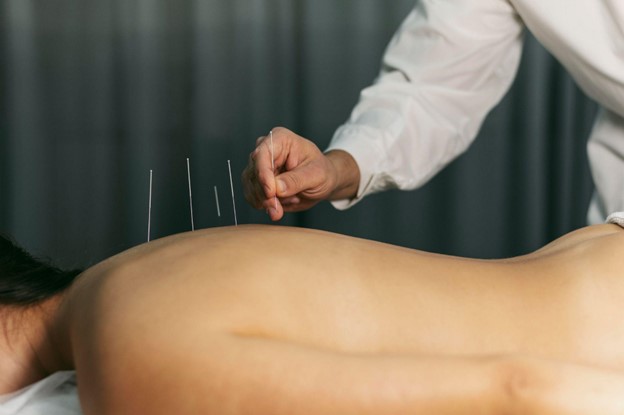
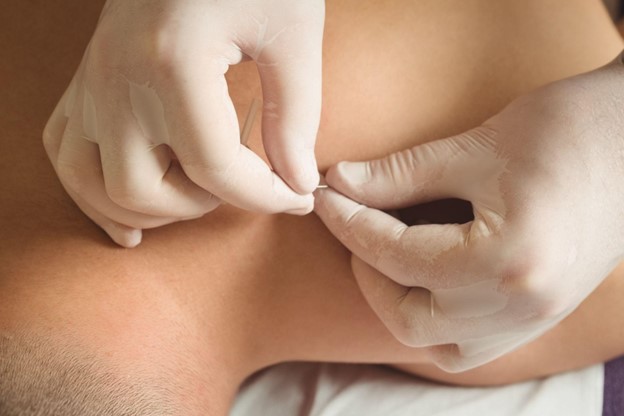
    Acupuncture is based on the belief that the body’s vital energy, Qi, flows through a network of meridians. The practitioner identifies specific points on these meridians, each associated with a particular organ or bodily function. By inserting thin needles into these points, the practitioner seeks to correct imbalances in Qi, restore energy flow, and alleviate various health issues.

    The needles used in acupuncture are extremely thin, typically causing minimal discomfort. The process is generally painless, and many individuals find the experience relaxing. Acupuncture sessions can last anywhere from 20 minutes to an hour, depending on the specific needs and conditions of the individual.

    Acupuncture Treatment

    Treatment of Acupuncture

    Acupuncture is renowned for its versatility in addressing a wide range of health conditions. While it should not replace conventional medical treatments for serious illnesses, acupuncture can complement standard care and provide relief for various issues, including:

    • Pain Management: Acupuncture is often sought for the alleviation of chronic pain conditions such as back pain, migraines, and arthritis.
    • Stress and Anxiety: Many individuals turn to acupuncture as a natural way to reduce stress, and anxiety, and promote relaxation.
    • Digestive Disorders: Acupuncture may help with digestive issues like irritable bowel syndrome (IBS) and indigestion.
    • Sleep Disorders: By promoting relaxation and balancing energy, acupuncture may contribute to improved sleep quality for those with insomnia or other sleep disorders.
    • Women’s Health: Acupuncture is commonly used to address menstrual disorders, fertility issues, and the symptoms of menopause.

    Benefits of Acupuncture Treatment

    As acupuncture gains popularity in the West, scientific research is increasingly exploring its mechanisms and efficacy. Numerous studies have been conducted to investigate acupuncture’s impact on various conditions, shedding light on its potential benefits.

    • Pain Relief: Research suggests that acupuncture may influence the release of endorphins, the body’s natural painkillers, providing effective pain relief.
    • Neurological Effects: Acupuncture has been shown to affect the central nervous system, modulating neurotransmitters and promoting a sense of well-being.
    • Inflammation Reduction: Some studies indicate that acupuncture may have anti-inflammatory effects, which could contribute to its efficacy in managing conditions involving inflammation.

    Also, Read:

    Side Effects of Acupuncture Treatment

    Acupuncture is generally considered safe, with minimal side effects when administered by trained practitioners. Common side effects may include temporary soreness, bruising, or bleeding at needle insertion sites. In rare cases, individuals may experience dizziness, fatigue, or mild pain during or after a session. Serious complications are extremely uncommon, but improper needle placement or unsterilized needles could lead to infection.

    Acupuncture Treatment

    It’s crucial to seek acupuncture from qualified professionals to mitigate potential risks. Pregnant individuals should inform their acupuncturist, as certain points are contraindicated. Overall, acupuncture’s side effects are typically mild and transient, emphasizing its safety in the hands of skilled practitioners.
    > Consult a Doctor and Medkart will help you Order Medicines Online

    Conclusion:

    Acupuncture continues to captivate individuals seeking holistic approaches to health and wellness. While its mechanisms are not fully understood from a Western medical perspective, the growing body of research and positive anecdotal evidence underscores its potential as a complementary therapy. As with any form of healthcare, individuals considering acupuncture should consult with qualified practitioners and, when necessary, integrate it into a comprehensive treatment plan in collaboration with conventional medicine.

    Whether seeking relief from pain, stress, or specific health conditions, acupuncture offers a time-tested, gentle approach to healing that resonates with both ancient wisdom and modern understanding.
    Read: What are Generic Medicines?

    FAQs on Acupuncture Treatment

    Q1. What is Acupuncture Treatment?

    Acupuncture treatment is a traditional Chinese therapeutic practice involving the insertion of thin needles into specific points on the body. The goal is to stimulate energy flow, known as Qi, and restore balance to address various health concerns. This ancient technique is widely used for pain management, stress reduction, and promoting overall well-being.

    Q2. Is acupuncture treatment painful?

    Acupuncture treatment is generally not painful. The needles used are extremely thin, causing minimal discomfort. Many people find the sessions relaxing and often report a sensation of warmth or mild tingling.

    Q3. How long does an acupuncture session last?

    The duration of an acupuncture session can vary, but it typically lasts between 20 minutes to an hour. The length depends on the specific condition being treated and the practitioner’s approach to individualized care.

    Q4. How many sessions are needed for noticeable results?

    The number of sessions required varies based on the individual’s health concerns. While some people experience relief after just one session, a series of sessions, usually spaced out initially, may be recommended for optimal and lasting results. The acupuncturist will tailor the treatment plan based on the individual’s response and the nature of the condition.

    Related Links:

  • Yeast Infection Treatment – Remedies of Vaginal and Penis Yeast Infection

    Yeast Infection Treatment – Remedies of Vaginal and Penis Yeast Infection

    yeast infection treatment

    Yeast infection treatment typically involves over-the-counter antifungal medications, such as creams, ointments, or suppositories containing active ingredients like clotrimazole or miconazole. These products are applied directly to the affected area, offering relief from symptoms like itching, redness, and discomfort. In more severe cases or for recurrent infections, healthcare providers may prescribe oral antifungal medications like fluconazole. Additionally, incorporating probiotics into the diet, maintaining good personal hygiene, and wearing breathable cotton underwear can contribute to prevention and recovery.

    Yeast infections, caused by the overgrowth of the Candida fungus, can be a source of discomfort and frustration for many individuals. Yeast infections, also known as candidiasis, commonly affect areas like the vagina, mouth, and skin folds. Candida is a naturally occurring fungus, but factors like a weakened immune system, antibiotic use, hormonal changes, and diabetes can lead to its overgrowth, causing infections.

    Recognizing Symptoms of Yeast Infection

    Before delving into yeast infection treatment options, it’s essential to recognize the symptoms of yeast infections. These may include:

    1. Vaginal itching and soreness
    2. Cottage cheese-like discharge in women
    3. Redness and swelling
    4. Burning sensation during urination or intercourse
    5. White patches in the mouth (oral thrush)

    Yeast Infection Treatment

    Yeast Infection Treatment

    The best types of treatment for yeast infection are mentioned below:

    Over-the-Counter Antifungal Medications

    For uncomplicated yeast infections, over-the-counter antifungal creams, ointments, or suppositories are often the first line of defence. Common active ingredients include clotrimazole, miconazole, and tioconazole. These medications are usually applied directly to the affected area and can provide relief within a few days.

    Prescription Medications

    For severe or recurrent infections, a healthcare provider may prescribe stronger antifungal medications in the form of oral pills, such as fluconazole/Vizylac Capsule. It’s crucial to follow the prescribed dosage and complete the entire course of medication, even if symptoms improve before the medication is finished.

    Alternative Therapies

    Certain alternative therapies, such as tea tree oil and coconut oil, have shown antifungal properties and may provide relief for some individuals. However, it’s essential to approach these with caution and consult with a healthcare professional before trying them.

    Home Remedies for Vaginal Yeast Infection

    Several home remedies and lifestyle changes may help alleviate symptoms and prevent recurrent yeast infections:

    • Probiotics: Consuming probiotics, either through supplements or fermented foods like yoghurt, can help restore the balance of good bacteria in the body, potentially reducing the risk of yeast overgrowth.
    • Maintaining Personal Hygiene: Keeping the genital area clean and dry can help prevent yeast infections. Avoiding scented soaps, douches, and feminine hygiene products is advisable.
    • Dietary Changes: Some individuals find relief by adopting a low-sugar diet, as sugar can promote the growth of yeast. Increasing intake of fiber-rich foods and staying hydrated also supports overall health.
    • Cotton Underwear: Wearing breathable cotton underwear can help reduce moisture and prevent the development of a conducive environment for yeast overgrowth.

    Also, Read:

    Vaginal Yeast Infection Treatment

    Vaginal yeast infection treatment commonly involves the use of over-the-counter antifungal medications, such as creams or suppositories, containing active ingredients like clotrimazole, miconazole, or tioconazole. These products target the overgrowth of the Candida fungus, alleviating symptoms like itching, burning, and abnormal discharge. Applying the medication directly to the affected area provides localized relief.

    In cases of persistent or recurrent infections, healthcare providers may prescribe stronger oral antifungal medications. Adopting healthy lifestyle practices, including the use of probiotics, maintaining proper hygiene, and wearing breathable cotton underwear, can complement medical treatments and contribute to the prevention of future infections.

    Yeast Infection Treatment

    Penis Yeast Infection Treatment

    Penis yeast infection treatment typically involves the use of antifungal medications to address the overgrowth of Candida, a fungus causing the infection. Over-the-counter antifungal creams, ointments, or powders containing active ingredients like clotrimazole or miconazole can be applied topically to the affected area. Maintaining proper hygiene, including regular washing and keeping the genital area dry, is crucial for effective treatment.

    In more severe cases or when the infection persists, healthcare professionals may prescribe oral antifungal medications. Individuals need to complete the entire course of prescribed treatment and refrain from sexual activity during the healing process to prevent the spread of the infection.

    > Consult a Doctor and Medkart will help you Order Medicines Online

    Conclusion:

    Understanding yeast infections and their treatment options empowers individuals to manage their symptoms effectively. While over-the-counter medications and prescription treatments play a crucial role, adopting healthy lifestyle practices and seeking professional advice when needed are integral components of a holistic approach to yeast infection treatment.

    Important Note: Many people wrongly take antibiotics for vaginal itching or discharge, assuming it’s always bacterial. While some bacterial infections may need prescription antibiotics like Nole Tablet, yeast infections require antifungal treatment instead. Always consult your doctor before starting any medicine.

    Read: What are Generic Medicines?

    FAQs On Yeast Infection Treatment

    Q1. What is Yeast Infection Treatment?

    Yeast infection treatment typically involves the use of over-the-counter antifungal medications, such as creams or suppositories, to address the overgrowth of the Candida fungus. In more severe cases, healthcare providers may prescribe oral antifungal medications. Lifestyle adjustments, including proper hygiene and dietary changes, can complement medical treatments for a comprehensive approach.

    Q2: Can I treat a yeast infection with over-the-counter medications?

    Yes, mild yeast infections can often be effectively treated with over-the-counter antifungal creams, ointments, or suppositories containing ingredients like clotrimazole or miconazole.

    Q3: How long does it take for yeast infection treatments to work?

    Over-the-counter treatments typically provide relief within a few days. However, prescription medications, if prescribed, may take longer, and it’s essential to complete the entire course as directed by a healthcare professional.

    Q4: Are there home remedies for yeast infections?

    Yes, some individuals find relief through home remedies such as probiotics, maintaining good hygiene practices, and incorporating a low-sugar diet. However, it’s advisable to consult with a healthcare provider before trying alternative therapies.

    Related Links:

  • Varicocele Treatment: Ayurveda, Home Remedies and Best Cure for Varicocele

    Varicocele Treatment: Ayurveda, Home Remedies and Best Cure for Varicocele


    varicocele treatment

    Varicocele treatment options vary based on the severity of symptoms and the impact on fertility. In cases where varicocele causes minimal discomfort and doesn’t affect fertility, a watchful waiting approach may be adopted. Lifestyle changes, such as wearing supportive underwear and avoiding prolonged periods of standing, can be recommended to alleviate symptoms. Medications, such as pain relievers and anti-inflammatories, may be prescribed to manage pain and reduce swelling. However, when varicocele significantly impacts fertility or causes persistent discomfort, surgical intervention may be considered.

    Varicocelectomy, the most common surgical procedure, involves tying off the dilated veins to redirect blood flow. Microsurgery, which uses a microscope for precise ligation of veins, is a minimally invasive option. Ultimately, the choice of varicocele treatment depends on individual circumstances, and consultation with a healthcare professional is essential to determine the most appropriate course of action.

    Causes of Varicocele Treatment

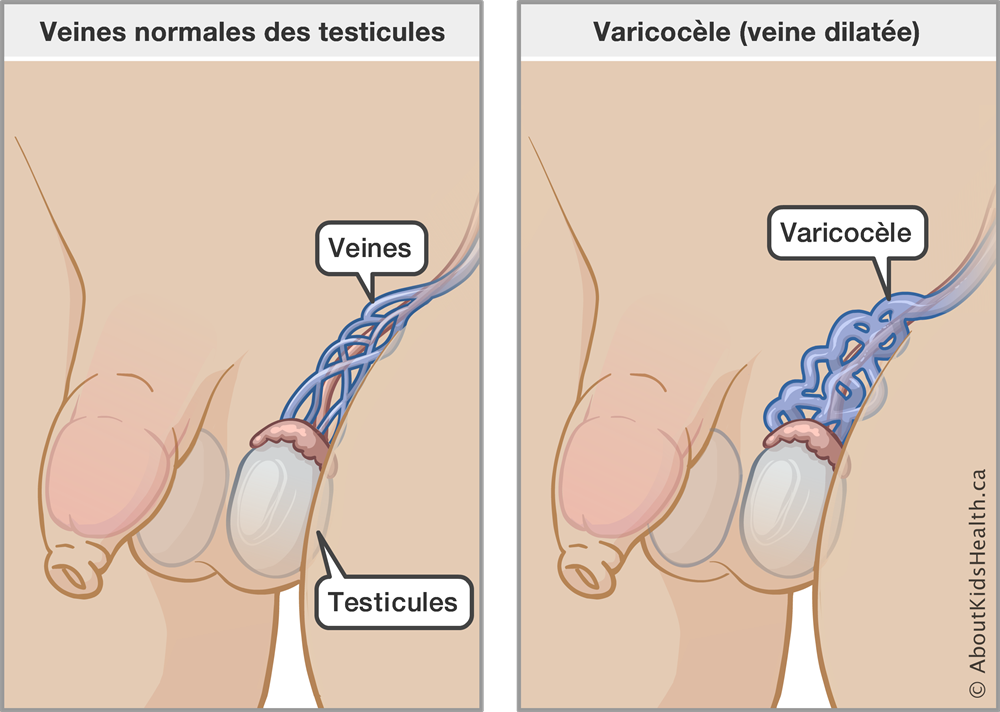
    Varicocele is a common condition characterized by the enlargement of veins within the scrotum. While it often doesn’t cause serious health problems, it can lead to discomfort and fertility issues in some cases. Fortunately, various treatment options are available to address varicocele and alleviate associated symptoms.

    Varicocele occurs when the veins in the spermatic cord, which supports the testicles, become dilated or enlarged. The exact cause is not always clear, but it is believed that issues with blood flow regulation or faulty valves within the veins may contribute to the condition.

    Varicocele Treatment

    Symptoms of Varicocele

    • Pain or Discomfort: Varicocele may cause a dull, aching pain in the scrotum, particularly after long periods of standing or physical activity.
    • Infertility: In some cases, varicocele can affect sperm production and quality, leading to male infertility.
    • Visible Swelling: The enlargement of veins may be visible or palpable, often described as feeling like a bag of worms.

    Varicocele Treatment

    The list of best treatments for varicocele is mentioned below:

    1. Observation

    Not all varicoceles require active treatment. In cases where the condition is asymptomatic and does not impact fertility, a watch-and-wait approach may be recommended.

    2. Lifestyle Changes

    Making certain lifestyle adjustments can help manage varicocele symptoms. These may include wearing supportive underwear, avoiding prolonged periods of standing, and practising regular exercise.

    3. Medication

    While there is no specific medication to cure varicocele, pain relievers may be prescribed to manage discomfort. Anti-inflammatory drugs can also help alleviate swelling.

    > Consult a Doctor and Medkart will help you Order Medicines Online

    4. Surgical Intervention

    • Varicocelectomy: This is the most common surgical procedure for treating varicocele. It involves tying off the dilated veins to redirect blood flow. The surgery can be done through an open procedure or using minimally invasive techniques such as laparoscopy or embolization.
    • Microsurgery: Using a microscope, a surgeon can precisely identify and ligate the dilated veins. Microsurgery is considered a highly effective and minimally invasive option.

    5. Assisted Reproductive Techniques (ART)

    In cases where varicocele is associated with male infertility, ART methods such as in vitro fertilization (IVF) or intrauterine insemination (IUI) may be considered.

    Cure for Varicocele – Considerations and Conclusion

    Before deciding on a treatment approach, it is essential to consider factors such as the severity of symptoms, impact on fertility, and the overall health of the individual. Consulting with a urologist or a reproductive specialist is crucial to assess the specific situation and determine the most suitable course of action.

    Varicocele treatment aims to relieve symptoms, improve fertility, and enhance overall quality of life. With advancements in surgical techniques and the availability of non-invasive options, individuals facing varicocele can explore various avenues for effective management and resolution of this common condition. Always consult with a healthcare professional to determine the most appropriate treatment plan based on individual circumstances.

    Also, Read:

    Varicocele Treatment in Ayurveda

    In Ayurveda, the traditional Indian system of medicine, the treatment of varicocele focuses on restoring the balance of the three doshas – Vata, Pitta, and Kapha – within the body. Ayurvedic practitioners often recommend a combination of dietary modifications, lifestyle changes, and herbal remedies to address varicocele symptoms.

    Herbs like Ashwagandha, Guggul, and Shatavari are commonly used for their purported anti-inflammatory and rejuvenating properties. Additionally, practices such as Panchakarma, a detoxification procedure, are sometimes employed to eliminate toxins believed to contribute to the condition. Ayurvedic treatments aim to not only alleviate pain and discomfort associated with varicocele but also enhance overall reproductive health.

    However, it’s crucial for individuals considering Ayurvedic varicocele treatment to consult with a qualified practitioner who can provide personalized guidance based on their specific health needs and the severity of the varicocele.

    Read: What are Generic Medicines?

    FAQs on Varicocele Treatment?

    Q1. What is varicocele treatment?

    Varicocele treatment options include lifestyle changes, medications for pain relief, and surgical interventions such as varicocelectomy or microsurgery. The choice of treatment depends on the severity of symptoms and their impact on fertility. Consulting with a healthcare professional is crucial for personalized guidance and decision-making.

    Q2. Can varicoceles be treated without surgery?

    Yes, lifestyle changes and medications can be effective in managing varicocele symptoms; however, surgical interventions may be necessary in cases of persistent discomfort or fertility issues.

    Q3. Is varicocele surgery a common procedure?

    Yes, varicocelectomy is a common surgical intervention for varicocele, involving the ligation of dilated veins to improve blood flow and alleviate symptoms.

    Q4. Can varicocele treatment improve fertility?

    Yes, addressing varicocele through surgery or other interventions can enhance fertility by improving sperm quality and count, but the extent of improvement varies for each individual.

    Related Links:

  • Uterine Fibroids Treatment: Causes, Symptoms & Best Treatment for Fibroids

    Uterine Fibroids Treatment: Causes, Symptoms & Best Treatment for Fibroids

    uterine fibroids treatment

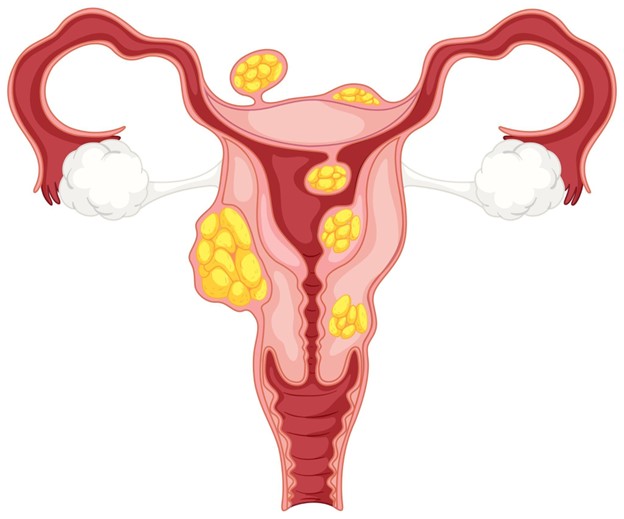
    Uterine fibroids, non-cancerous growths in the uterus, are a common health concern for many women worldwide. These benign tumours can vary in size and number, causing symptoms like heavy menstrual bleeding, pelvic pain, and fertility issues. Fortunately, there are several effective treatment options available to address uterine fibroids and improve a woman’s quality of life.

    These growths, also known as leiomyomas or myomas, develop from the smooth muscle tissue of the uterus. While the exact cause of fibroid formation is unclear, various factors like hormonal imbalances, genetics, and environmental influences may contribute to their development.

    Uterine Fibroids Treatment Common Symptoms

    Uterine fibroids can manifest with a range of symptoms, and their severity can vary from woman to woman. Common signs include:

    • Menstrual Changes: Heavy and prolonged menstrual bleeding is a frequent symptom of uterine fibroids, leading to anaemia in some cases.
    • Pelvic Pain and Pressure: Fibroids can cause discomfort and pressure in the pelvic region, often leading to lower back pain.
    • Frequent Urination: Large fibroids may press against the bladder, causing a frequent urge to urinate.
    • Painful Intercourse: Fibroids can interfere with sexual activity, causing pain or discomfort.
    • Infertility or Pregnancy Complications: Fibroids may affect fertility and can lead to complications during pregnancy, such as a higher risk of cesarean section.

    Uterine Fibroids Treatment

    Uterine Fibroids Treatment

    • Watchful Waiting: In some cases, especially if fibroids are small and asymptomatic, a “watchful waiting” approach may be recommended. Regular monitoring and lifestyle adjustments can be implemented to manage symptoms.
    • Medications: Hormonal medications, such as birth control pills, may help regulate menstrual bleeding and alleviate symptoms. GnRH agonists can also be prescribed to shrink fibroids temporarily by suppressing estrogen and progesterone production.

    > Consult a Doctor and Medkart will help you Order Medicines Online

    • Minimally Invasive Procedures: For women seeking non-surgical options, procedures like uterine artery embolization (UAE) or myomectomy may be considered. UAE blocks blood flow to the fibroids, while myomectomy involves the surgical removal of individual fibroids.
    • Endometrial Ablation: This procedure aims to destroy the uterine lining, reducing menstrual bleeding. While it doesn’t remove fibroids, it can provide relief from heavy periods.
    • Hysterectomy: In cases where fibroids are large, causing severe symptoms, or when fertility is not a concern, a hysterectomy (removal of the uterus) may be recommended as a definitive solution.

    Subserosal Uterine Fibroid Treatment

    Subserosal uterine fibroids are a type of fibroid that grows on the outer surface of the uterus. Unlike fibroids located within the uterine wall (intramural) or those protruding into the uterine cavity (submucosal), subserosal fibroids extend outward. Treatment options for subserosal uterine fibroids depend on factors such as the size of the fibroid, the severity of symptoms, and a woman’s reproductive goals.

    In many cases, watchful waiting may be considered if the fibroid is small and asymptomatic. However, if symptoms such as pelvic pain, pressure, or fertility issues arise, various interventions can be explored. Minimally invasive procedures, such as laparoscopic or robotic myomectomy, are common approaches for removing subserosal fibroids while preserving the uterus.

    For women who have completed their family planning or when the fibroids are huge or causing severe symptoms, a hysterectomy may be recommended as a definitive solution. Consulting with a healthcare provider is crucial to determine the most appropriate treatment strategy tailored to the woman’s individual needs.

    Also, Read:

    Uterine Fibroid Treatment In Ayurveda

    In Ayurveda, the traditional system of medicine rooted in ancient Indian philosophy, the treatment of uterine fibroids involves a holistic approach focusing on balancing the doshas (bioenergetic forces) and addressing the root cause. Ayurvedic treatments for uterine fibroids often include herbal formulations, dietary modifications, and lifestyle practices.

    Herbs like Ashoka, Lodhra, and Shatavari are commonly prescribed to regulate hormonal imbalances and reduce inflammation. Additionally, detoxification therapies such as Panchakarma may be recommended to eliminate toxins from the body. Ayurvedic practitioners emphasize personalized treatment plans tailored to an individual’s constitution, aiming to restore overall health and promote well-being while addressing the specific symptoms associated with uterine fibroids. It’s crucial for individuals considering Ayurvedic treatments to consult with qualified practitioners for a comprehensive and personalized approach.

    Empowering Women Through Education

    Knowledge is a powerful tool for women facing uterine fibroids. Understanding the available treatment options, their risks, and benefits empowers individuals to make informed decisions about their health. Women must consult healthcare professionals to determine the most suitable treatment plan based on their unique circumstances and goals.

    Uterine Fibroids Treatment

    Conclusion

    Uterine fibroids can significantly impact a woman’s quality of life, but there are various effective treatment options available. By staying informed, seeking medical advice, and actively participating in the decision-making process, women can navigate the journey of uterine fibroid treatment with confidence. Remember, each woman’s experience is unique, and the most appropriate approach will depend on individual factors, including symptoms, age, and future family planning goals.

    Read: What are Generic Medicines?

    FAQs on Uterine Fibroids Treatment

    Q1. What is Uterine fibroid treatment?

    Uterine fibroids treatment includes non-surgical options such as medications to manage symptoms, while minimally invasive procedures like myomectomy or uterine artery embolization can selectively remove or shrink fibroids. In severe cases or for those not considering future pregnancies, a hysterectomy may be recommended as a definitive solution.

    Q2. Can uterine fibroids be treated without surgery?

    Yes, non-surgical treatments for uterine fibroids include medications, such as hormonal therapy, and minimally invasive procedures like uterine artery embolization or endometrial ablation.

    Q3. Will treating uterine fibroids affect my fertility?

    It depends on the treatment. Minimally invasive procedures like myomectomy can preserve fertility by removing fibroids, while some medications may impact fertility temporarily.

    Q4. Is a hysterectomy the only solution for severe uterine fibroids?

    No, a hysterectomy (removal of the uterus) is one option, but less invasive procedures like myomectomy or uterine artery embolization can also be considered based on the severity of symptoms and a woman’s reproductive goals.

  • Tinnitus Treatment – Diagnosis and Best Treatment for Tinnitus

    Tinnitus Treatment – Diagnosis and Best Treatment for Tinnitus

    tinnitus treatment

    Tinnitus treatment involves a multifaceted approach aimed at managing the symptoms of persistent ringing, buzzing, or humming in the ears. While there is no universal cure for tinnitus, various strategies can help individuals cope with and alleviate its impact. Medical interventions may include the use of hearing aids for associated hearing loss, sound therapy to mask internal noise, and, in some cases, medications to address emotional distress.

    Holistic approaches, such as cognitive behavioural therapy (CBT) and mindfulness techniques, focus on changing thought patterns and reducing stress. Lifestyle adjustments, like maintaining a balanced diet and practising relaxation exercises, can contribute to overall well-being. Emerging technologies and ongoing research into neuromodulation and pharmacotherapy offer promise for future advancements in tinnitus treatment.

    Tinnitus Treatment

    Tinnitus, often described as a persistent ringing, buzzing, or humming sound in the ears, affects millions of people worldwide. This condition can significantly impact one’s quality of life, leading to stress, anxiety, and sleep disturbances. Tinnitus is not a disease but a symptom of an underlying issue, such as age-related hearing loss, exposure to loud noises, earwax blockage, or even certain medications.

    Tinnitus Treatment

    Medical Interventions

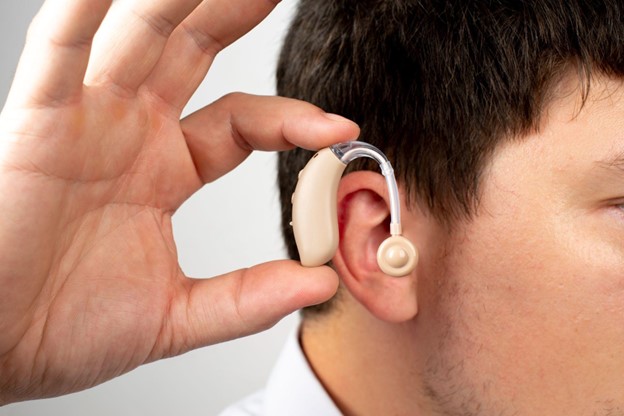
    • Hearing Aids: For individuals with tinnitus associated with hearing loss, hearing aids can be a game-changer. These devices amplify external sounds, making it easier for the brain to focus on them rather than the internal noise caused by tinnitus.
    • Sound Therapy: White noise machines, nature sounds, or specially designed tinnitus masking devices can help individuals habituate to the constant ringing. By introducing pleasant background sounds, the brain can learn to filter out or ignore the tinnitus noise over time.
    • Medications: In some cases, medications such as antidepressants or anti-anxiety drugs may be prescribed to alleviate the emotional toll of tinnitus. However, the effectiveness of medications varies from person to person, and potential side effects should be considered.

    > Consult a Doctor and Medkart will help you Order Medicines Online

    Holistic Approaches

    • Cognitive Behavioral Therapy (CBT): CBT can be beneficial in managing the psychological impact of tinnitus. By helping individuals change their thought patterns and reactions to sound, Cognitive Behavioral Therapy can reduce the distress associated with tinnitus.
    • Mindfulness and Relaxation Techniques: Stress and anxiety can exacerbate tinnitus symptoms. Mindfulness meditation, yoga, and deep-breathing exercises can promote relaxation and alleviate the emotional burden of tinnitus.
    • Dietary Changes: Some individuals report improvements in their tinnitus symptoms by making dietary adjustments. Cutting down on caffeine, alcohol, and salty foods, while ensuring a balanced diet rich in vitamins and minerals, may positively impact tinnitus.

    Emerging Technologies

    • Neuromodulation: Innovative techniques such as transcranial magnetic stimulation (TMS) and transcranial direct current stimulation (tDCS) are being explored for their potential to modulate the neural activity associated with tinnitus.
    • Pharmacotherapy and Clinical Trials: Ongoing research is focused on developing drugs specifically targeting the neural pathways involved in tinnitus. Participation in clinical trials may provide access to cutting-edge treatments.

    Tinnitus Treatment

    Tinnitus Home Treatment

    Tinnitus home treatment often involves adopting lifestyle changes and implementing simple yet effective strategies to alleviate symptoms. One commonly recommended approach is sound therapy, where individuals use background noise, such as a fan, soothing music, or nature sounds, to mask the persistent ringing in their ears.

    Additionally, practising relaxation techniques, such as deep-breathing exercises and mindfulness meditation, can help manage stress and reduce the perceived severity of tinnitus. Maintaining a healthy lifestyle through regular exercise, a balanced diet, and sufficient sleep can contribute to overall well-being and potentially improve tinnitus symptoms. While tinnitus home treatment may not provide a cure, they offer accessible and cost-effective ways for individuals to better cope with the challenges posed by tinnitus within the comfort of their own homes.

    Also, Read:

    Ayurvedic Treatment For Tinnitus

    Ayurvedic treatment for tinnitus is rooted in the ancient holistic healing system of Ayurveda, aiming to restore balance to the body and mind. Ayurveda views tinnitus as a manifestation of an underlying imbalance in the doshas, particularly Vata, and often recommends a combination of dietary modifications, herbal remedies, and lifestyle practices. Medicinal herbs such as Ashwagandha, Brahmi, and Ginkgo Biloba are commonly used to strengthen the nervous system and improve circulation to the ears.

    Ayurvedic therapies like Nasya (nasal administration of herbal oils), Shirodhara (pouring of warm oil on the forehead), and Panchakarma (detoxification procedures) may also be recommended to address imbalances and promote overall well-being. Additionally, adhering to a Vata-pacifying diet that includes warm, nourishing foods and avoiding excessive intake of cold or raw foods is often suggested. It’s important for individuals considering Ayurvedic treatment for tinnitus to consult with a qualified Ayurvedic practitioner who can tailor a holistic approach based on their unique constitution and specific imbalances.

    Conclusion:

    While tinnitus may not have a one-size-fits-all cure, the diverse range of treatment options offers hope for individuals seeking relief. Consulting with healthcare professionals and exploring a combination of medical, holistic, and emerging therapies can help individuals manage their symptoms effectively and enhance their overall quality of life. As research continues, the future holds promise for more advanced and tailored approaches to address the complex nature of tinnitus.

    Read: What are Generic Medicines?

    FAQs On Tinnitus Treatment

    Q1. What is Tinnitus Treatment?

    Tinnitus treatment involves managing persistent ear noises like ringing or buzzing. Strategies include sound therapy, medical interventions such as hearing aids, and holistic approaches like mindfulness and relaxation techniques. While there’s no universal cure, personalized combinations of these methods aim to alleviate symptoms and improve overall well-being.

    Q2. Can tinnitus be cured?

    Currently, there is no universal cure for tinnitus. However, various treatments aim to manage symptoms and improve quality of life.

    Q3. What are common tinnitus management strategies?

    Common strategies include sound therapy, such as white noise or nature sounds, medical interventions like hearing aids, and holistic approaches like mindfulness and relaxation techniques.

    Q4. Is medication effective in treating tinnitus?

    Medications may be prescribed to alleviate emotional distress associated with tinnitus, but their effectiveness varies.

    Related Links:

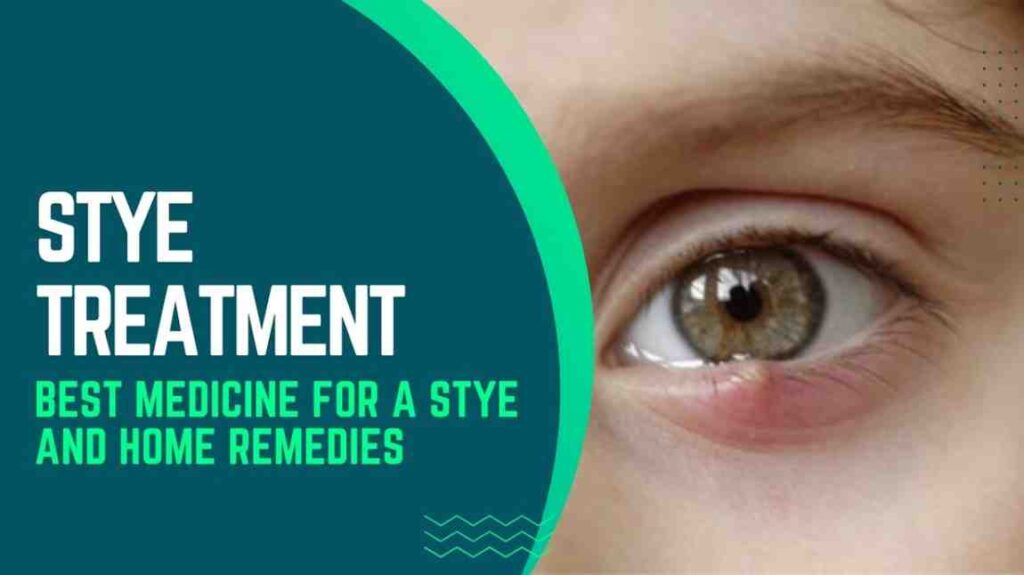
  • Stye Treatment – Best Medicine for a Stye and Home Remedies

    Stye Treatment – Best Medicine for a Stye and Home Remedies

    stye treatment

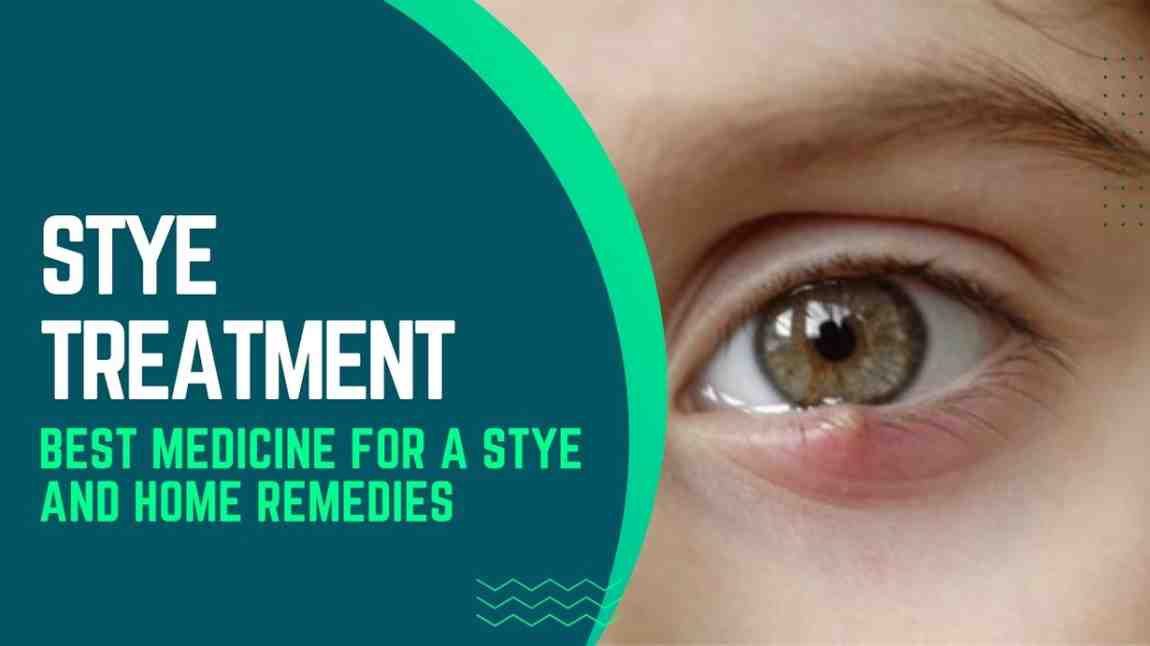
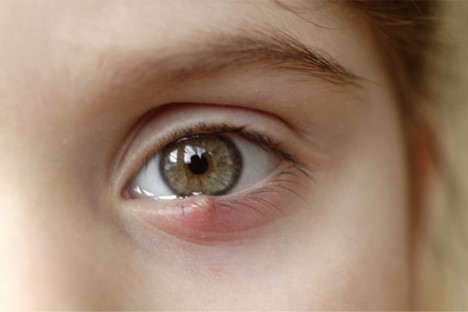
    Stye Treatment – A hordeolum, commonly referred to as a stye, represents a prevalent and frequently uncomfortable infection affecting the eyelid. It occurs when one or more oil glands at the base of an eyelash become blocked, leading to the development of a red, tender bump. While styes are generally harmless, they can be uncomfortable and aesthetically displeasing. In this blog post, we will explore the causes, symptoms, and various effective treatments for styes.

    Styes are typically caused by a bacterial infection, commonly Staphylococcus aureus. These bacteria are naturally present on the skin and can enter the oil glands through small cuts or abrasions. Other contributing factors to stye treatment include poor eyelid hygiene, using expired or contaminated cosmetics, and frequently rubbing the eyes with dirty hands.

    Symptoms of Styes

    Identifying a stye early on can help in implementing effective treatment. Common symptoms include:

    1. Redness and Swelling: The affected area of the eyelid becomes red and swollen.
    2. Pain: Styes are often tender and painful, especially when touched.
    3. Watering of the Eye: Excessive tearing may occur due to irritation.
    4. Blurred Vision: In some cases, vision may be temporarily affected.

    Stye Treatment

    Stye Treatment

    The best and most effective treatment of stye is mentioned below:

    • Warm Compresses: Applying a warm compress to the affected eye several times a day helps promote drainage and relieve pain. Soak a clean cloth in warm water and gently place it over the closed eye for 10-15 minutes.
    • Eyelid Hygiene: Keep the affected eye clean by using a mild, fragrance-free soap or baby shampoo to cleanse the eyelids. Be sure to wash your hands thoroughly before touching the infected area.
    • Avoid Squeezing: Resist the urge to squeeze or pop the stye, as this can lead to further infection or the formation of a more severe condition called a chalazion.
    • Antibiotic Ointments: Over-the-counter antibiotic ointments, such as bacitracin or erythromycin, can be applied to the eyelid to help eliminate bacterial infection. It’s crucial to follow the instructions provided and consult a healthcare professional if the condition persists.
    • Oral Antibiotics: In more severe cases, oral antibiotics may be prescribed by a doctor to combat the infection. This is usually reserved for styes that do not respond to topical treatments.
    • Pain Relievers: Over-the-counter pain relievers such as ibuprofen or acetaminophen are effective in alleviating pain and mitigating inflammation. Also, Andre, I kul eye drops is effective against eye discomfort, redness, swelling, and irritation.
    • Contact Lens Consideration: If you wear contact lenses, temporarily switch to glasses until the stye heals. Contact lenses may exacerbate the irritation and hinder the healing process.

    Also, Check:

    When to Seek Medical Attention for Stye Treatment

    While most styes can be effectively treated at home, it’s essential to consult a healthcare professional if:

    • The stye persists or worsens after a week of home treatment.
    • Vision is significantly affected.
    • The stye is recurrent or accompanied by other symptoms like fever.

    > Consult a Doctor and Medkart will help you Order Medicines Online

    Internal Stye Treatment

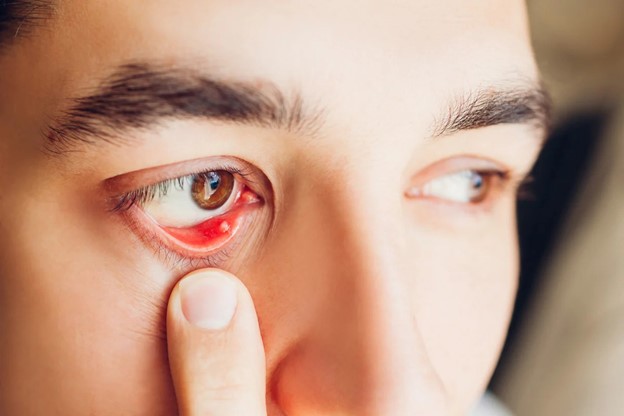
    While external styes are commonly visible on the eyelid, internal styes, also known as internal hordeolums, develop inside the eyelid. These can be more challenging to identify and treat due to their location. Similar to external styes, internal styes are primarily caused by a bacterial infection, often Staphylococcus aureus.

    • Avoid Eye Makeup: Refrain from using eye makeup until the internal stye has healed to prevent further irritation and contamination.
    • Topical Antibiotics: Your healthcare professional may recommend topical antibiotics in the form of ointments or drops to combat the bacterial infection. Follow the prescribed instructions carefully.
    • Oral Antibiotics: In more severe cases or if the internal stye does not respond to topical treatments, oral antibiotics may be prescribed to address the infection systemically.
    • Incision and Drainage (if necessary): In rare cases, a healthcare professional may need to perform a minor incision to drain the internal stye if it doesn’t respond to conservative treatments.
    • Pain Relief Medications: Over-the-counter pain relievers such as ibuprofen or acetaminophen can help manage pain and reduce inflammation.

    Stye Treatment

    Conclusion:

    Styes are common eye infections that can be managed effectively with proper hygiene and home treatments. By incorporating warm compresses, maintaining good eyelid hygiene, and using appropriate medications, individuals can relieve symptoms and facilitate the healing process. However, if the condition persists or worsens, seeking professional medical advice is crucial to prevent potential complications. Remember, early intervention and consistent care are key to a speedy recovery from styes.

    Read: What are Generic Medicines?

    FAQs on Stye Treatment

    Q1. What is Stye Treatment?

    Stye treatment typically involves warm compress application to reduce inflammation, maintaining good eyelid hygiene, and using over-the-counter or prescribed antibiotics to address bacterial infection. In more severe cases, oral antibiotics or professional drainage procedures may be recommended.

    Q2. Can I treat a stye at home?

    Yes, home treatment includes applying warm compresses, practising good eyelid hygiene, and using over-the-counter antibiotic ointments to alleviate symptoms.

    Q3. Should I pop or squeeze a stye?

    No, attempting to pop or squeeze a stye can worsen the infection and lead to complications. It’s best to apply warm compresses and seek professional advice if needed.

    Q4. When should I see a doctor for a stye?

    Consult a doctor if the stye persists after a week of home treatment, if vision is affected, or if the stye is accompanied by fever. Professional guidance ensures appropriate intervention if required.

    Related Links:

  • Stomach Ulcer Treatment – Natural and Home Remedies for Stomach Ulcer

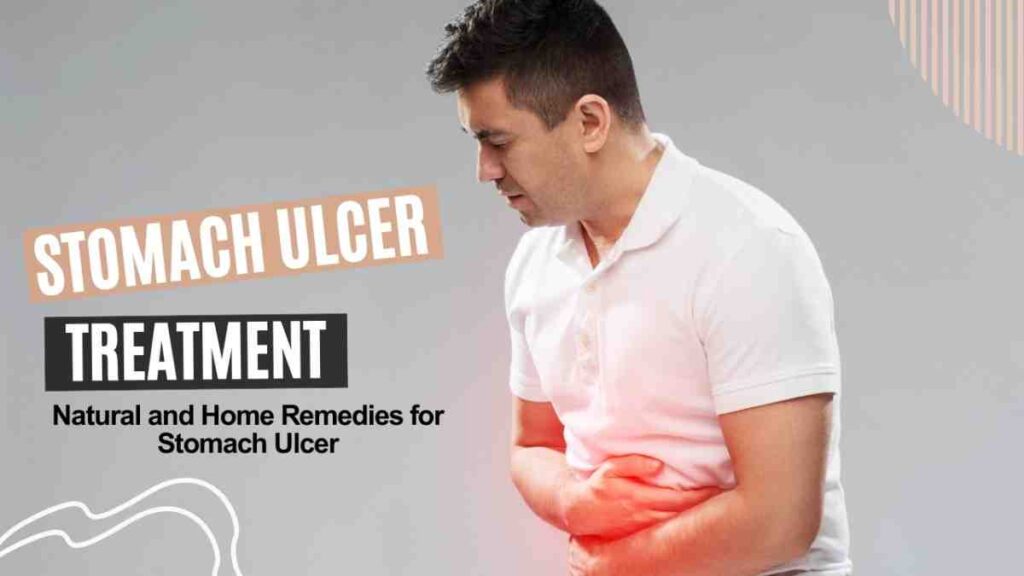
    Stomach Ulcer Treatment – Natural and Home Remedies for Stomach Ulcer

    stomach ulcer treatment

    Stomach ulcer treatment typically involves a multifaceted approach aimed at relieving symptoms, promoting healing, and preventing recurrence. Medications play a central role, with proton pump inhibitors (PPIs) and H2 blockers effectively reducing stomach acid production. Antibiotics for stomach ulcer treatment may be prescribed in cases where Helicobacter pylori infection is identified. Antacids provide quick relief by neutralizing acid, while cytoprotective agents form a protective barrier over the ulcer.

    Lifestyle modifications, such as dietary changes to avoid trigger foods and the cessation of smoking, contribute to the healing process. Stress management through techniques like meditation or yoga is also recommended, as chronic stress can exacerbate symptoms. In severe cases or instances of complications, surgical intervention may be necessary.

    What are Stomach Ulcers?

    Gastric ulcers, commonly referred to as stomach ulcers, are characterized by the presence of open sores that form on the inner lining of the stomach. These ulcers can cause pain, discomfort, and various complications if left untreated. Stomach ulcers primarily result from the erosion of the stomach lining, often caused by the imbalance between stomach acid and the protective mucous layer.

    The major factors contributing to ulcer development include:

    • Helicobacter pylori (H. pylori) Infection: This bacterium is a common culprit behind stomach ulcers. It weakens the protective mucous layer, making the stomach more susceptible to damage from stomach acid.
    • Nonsteroidal Anti-Inflammatory Drugs (NSAIDs): Regular use of NSAIDs, such as aspirin and ibuprofen, can increase the risk of developing stomach ulcers by irritating the stomach lining.
    • Excessive Stomach Acid Production: Conditions like hyperacidity can lead to an excess of stomach acid, contributing to the erosion of the stomach lining.

    Stomach Ulcer Treatment

    Stomach Ulcer Symptoms Treatment

    Recognizing the symptoms of stomach ulcers is crucial for timely intervention. Common signs include:

    1. Burning pain in the abdomen, often between meals or during the night.
    2. Nausea and vomiting.
    3. Indigestion and bloating.
    4. Dark or bloody stools.
    5. Unexplained weight loss.

    Stomach Ulcer Treatment

    Stomach Ulcer Treatment

    The features of the treatment of stomach ulcers are mentioned below:

    Medications:

    • Proton Pump Inhibitors (PPIs): These drugs reduce stomach acid production, promoting healing of the ulcer. Examples include omeprazole and lansoprazole.
    • H2 Blockers: Drugs like ranitidine and famotidine also help decrease stomach acid production.
    • Antibiotics: If H. pylori infection is identified, a combination of antibiotics is often prescribed to eradicate the bacteria.

    > Consult a Doctor and Medkart will help you Order Medicines Online

    Medicines like Misoprostol, especially in the form of Misoprost 200mcg Tablet, are also prescribed in certain cases to protect the stomach lining, particularly for patients at risk of NSAID-induced ulcers.

    Antacids: Over-the-counter antacids provide quick relief by neutralizing stomach acid. However, they do not promote ulcer healing and are typically used in conjunction with other medications.

    Cytoprotective Agents: Medications like sucralfate create a protective barrier over the ulcer, shielding it from the corrosive effects of stomach acid.

    Lifestyle Changes:

    • Dietary Modifications: Avoiding spicy foods, caffeine, and alcohol can help reduce stomach acid production.
    • Quitting Smoking: Smoking can delay ulcer healing and increase the risk of complications.

    Stress Management: Chronic stress can exacerbate stomach ulcer symptoms. Practising relaxation techniques like meditation or yoga may help manage stress levels.

    Surgery: In severe cases or if complications arise, surgery may be necessary to repair the ulcer or remove the affected portion of the stomach.

    Also, Read:

    Stomach Ulcer Treatment Diet

    Adopting a stomach ulcer treatment diet is essential for managing symptoms and promoting healing. Key dietary considerations include:

    • Avoiding Trigger Foods: Spicy foods, acidic fruits, caffeine, and alcohol can irritate the stomach lining. Limiting or avoiding these items can help reduce discomfort.
    • Opting for a Low-Acidity Diet: Choose foods that are less acidic to minimize stomach irritation. Choose lean proteins, opt for whole grains, and include non-citrus fruits in your dietary selection.
    • Incorporating Fiber-Rich Foods: High-fiber foods, such as fruits, vegetables, and whole grains, can help maintain a healthy digestive system and prevent constipation.
    • Including Probiotics: Probiotics, found in yoghurt and fermented foods, promote a healthy gut environment and may aid in the healing process.
    • Small, Frequent Meals: Eating smaller, more frequent meals throughout the day instead of large meals can help manage stomach acid levels and reduce irritation.
    • Hydration: Drinking plenty of water helps maintain mucous production, providing a protective barrier for the stomach lining.

    It’s crucial to note that individual responses to foods can vary, and individuals with stomach ulcers should consult with a healthcare professional or a registered dietitian to craft an individualized dietary regimen that caters to unique needs and preferences.

    Conclusion:

    Stomach Ulcer treatment is a combination of medications, lifestyle changes, and, in some cases, surgery. Early detection and intervention are essential for preventing complications and promoting optimal healing. If you suspect you have a stomach ulcer or experience persistent symptoms, consult a healthcare professional for a proper diagnosis and personalized treatment plan.

    Read: What are Generic Medicines?

    FAQs on Stomach Ulcer Treatment

    Q1. What is stomach ulcer treatment?

    Stomach ulcer treatment involves a combination of medications, such as proton pump inhibitors and antibiotics for H. pylori eradication. Implementing alterations to one’s lifestyle, encompassing dietary adjustments and effective stress management strategies assumes a pivotal role in overall well-being. In severe cases, surgery may be considered to address complications or non-responsive ulcers.

    Q2. Can stomach ulcers heal on their own without treatment?

    In some cases, small ulcers may heal without specific treatment. However, seeking medical advice is crucial to prevent complications and ensure effective management.

    Q3. What over-the-counter medications can help with stomach ulcer symptoms?

    Antacids, such as Tums or Maalox, provide quick relief by neutralizing stomach acid. However, they should be used in conjunction with prescribed medications for long-term ulcer healing.

    Q4. Is surgery always required for treating stomach ulcers?

    Surgery is not always necessary. Most ulcers can be effectively managed with medications, lifestyle changes, and when applicable treatment for underlying causes like H. pylori infection. Surgical intervention is generally reserved for instances of heightened severity or the emergence of complications.

    Related Links:


  • Schizophrenia Treatment – How to Cure Schizophrenia Permanently?

    Schizophrenia Treatment – How to Cure Schizophrenia Permanently?

    schizophrenia treatment

    Schizophrenia treatment typically involves a multifaceted approach aimed at managing symptoms and improving overall well-being. Medication, particularly antipsychotics, is commonly prescribed to address the distorted thinking and hallucinations characteristic of the disorder. Psychotherapy, such as cognitive-behavioral therapy, plays a crucial role in helping individuals cope with and modify negative thought patterns.

    Social support is emphasized, involving family, friends, and support groups to provide understanding and encouragement. Lifestyle modifications, including regular exercise, a balanced diet, and adequate sleep, contribute to holistic well-being.

    Vocational and educational support programs assist individuals in maintaining employment or pursuing education, fostering a sense of purpose. In acute phases or crises, hospitalization and crisis intervention teams may be necessary. The collaborative effort between individuals, healthcare providers, and support networks is key to tailoring an effective and personalized treatment plan.

    Schizophrenia Treatment

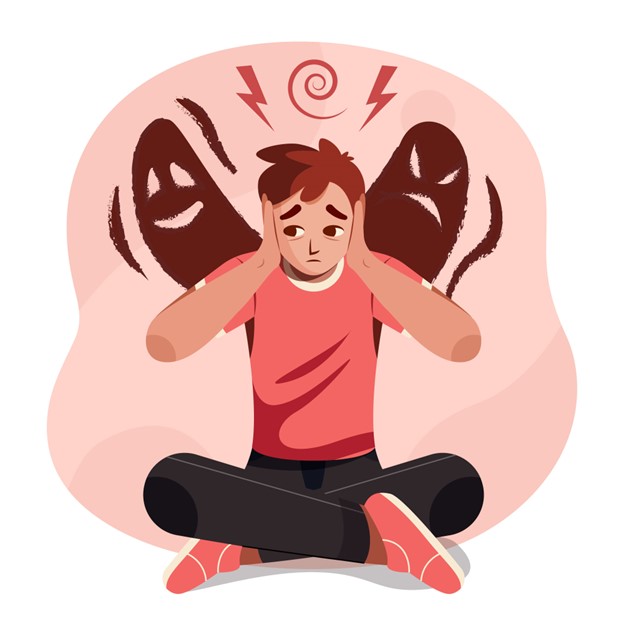
    Schizophrenia is a complex mental health condition that affects millions of individuals worldwide. Characterized by distorted thinking, hallucinations, and impaired social functioning, schizophrenia requires a multifaceted approach to treatment. While there is no cure for this chronic disorder, advancements in research and understanding have led to various effective strategies to manage symptoms and improve the quality of life for those affected.

    Schizophrenia Treatment

    Medication

    Antipsychotic medications form the cornerstone of schizophrenia treatment. These drugs help manage the symptoms of the disorder, primarily by altering the effects of neurotransmitters in the brain. Individuals with schizophrenia must work closely with their healthcare providers to find the most suitable medication and dosage. Regular monitoring and adjustments may be necessary to minimize side effects and optimize effectiveness.

    One commonly prescribed medicine in the management of schizophrenia is Placida Tablet. It helps reduce symptoms such as delusions, aggression, restlessness, and mood disturbances. It may also be used in treating bipolar disorder and other psychotic conditions under medical supervision.

    > Consult a Doctor and Medkart will help you Order Medicines Online

    Psychotherapy

    Therapeutic interventions play a pivotal role in helping individuals with schizophrenia cope with their symptoms and improve their daily functioning. Cognitive-behavioural therapy (CBT) is particularly beneficial, helping individuals identify and change negative thought patterns and behaviours. Other therapeutic approaches, such as family therapy and supportive psychotherapy, can also contribute to a comprehensive treatment plan.

    Schizophrenia Treatment

    Social Support

    Building a strong support system is essential for individuals with schizophrenia. Family, friends, and support groups can provide emotional support, encouragement, and understanding. Social connections contribute to a sense of belonging and reduce feelings of isolation, which are common challenges for those with schizophrenia.

    Lifestyle Modifications

    A holistic approach to schizophrenia treatment includes lifestyle adjustments that promote overall well-being. Regular exercise, a balanced diet, and sufficient sleep can positively impact both physical and mental health. Substance abuse can exacerbate symptoms, so avoiding drugs and alcohol is crucial. Integrating stress-management techniques, such as mindfulness and relaxation exercises, can also be beneficial.

    Vocational and Educational Support

    Maintaining employment or pursuing education can be challenging for individuals with schizophrenia, but it is an essential aspect of their overall well-being. Vocational and educational support programs help individuals develop skills, build confidence, and find meaningful activities that contribute to a sense of purpose and achievement.

    Hospitalization and Crisis Intervention

    In some cases, hospitalization may be necessary during acute phases of schizophrenia or in times of crisis. Crisis intervention teams, often consisting of mental health professionals, can provide immediate assistance and support during challenging situations.

    Also, Read:

    Paranoid Schizophrenia Treatment

    Treatment for paranoid schizophrenia, a subtype of schizophrenia characterized by prominent delusions and hallucinations, typically involves a combination of medication, psychotherapy, and support. Antipsychotic medications, such as risperidone or olanzapine, are commonly prescribed to alleviate symptoms and stabilize mood.

    Psychotherapy, particularly cognitive-behavioural therapy (CBT), aims to help individuals challenge and modify paranoid thoughts, enhance coping strategies, and improve overall functioning. Additionally, building a strong support system, including family and friends, is crucial to provide understanding and encouragement throughout the treatment process.

    Regular monitoring and adjustments to the treatment plan are essential to address individual needs and optimize the management of paranoid schizophrenia.

    Schizophrenia Treatment

    How to Cure Schizophrenia Permanently? – Latest Treatment For Schizophrenia

    The latest treatment for Schizophrenia often involves a combination of traditional antipsychotic medications, second-generation antipsychotics with improved side effect profiles, and psychosocial interventions. Long-acting injectable formulations of antipsychotics have gained popularity for enhancing medication adherence.

    Emerging research is exploring novel therapeutic strategies, including glutamatergic modulators and targeted cognitive enhancers, aiming to address cognitive deficits associated with schizophrenia. Additionally, advancements in digital health technologies, such as mobile apps for symptom monitoring and virtual therapy platforms, are being integrated into treatment plans.

    Conclusion:

    Schizophrenia treatment is a dynamic and ongoing process that requires a collaborative effort between individuals, healthcare providers, and support networks. While there is no one-size-fits-all approach, a combination of medication, psychotherapy, social support, lifestyle adjustments, and vocational assistance can significantly improve the lives of those affected by schizophrenia.

    Individuals and their loved ones need to work closely with healthcare professionals to tailor a treatment plan that addresses their unique needs and challenges, fostering a path towards stability, independence, and a better quality of life.

    Read: What are Generic Medicines?

    FAQs on Schizophrenia Treatment

    Q1. What is Schizophrenia Treatment?

    Schizophrenia treatment involves a multifaceted approach, combining antipsychotic medications to manage symptoms, psychotherapy to address distorted thought patterns, and social support to enhance overall well-being. The goal is to tailor a comprehensive plan that supports individuals in managing their condition, improving daily functioning, and fostering a better quality of life.

    Q2. How effective are antipsychotic medications in treating schizophrenia?

    Antipsychotic medications are a cornerstone of schizophrenia treatment, effectively managing symptoms by altering neurotransmitter effects in the brain. While individual responses vary, many people experience significant improvement in their quality of life with proper medication management.

    Q3. Can therapy help individuals with schizophrenia?

    Yes, therapy, particularly cognitive-behavioural therapy (CBT), can be beneficial for individuals with schizophrenia. CBT helps identify and modify negative thought patterns, improving coping strategies and overall functioning in daily life.

    Q4. Is social support important in the treatment of schizophrenia?

    Absolutely. Building a strong support system, including family, friends, and support groups, is crucial for individuals with schizophrenia. Social connections provide emotional support, reduce isolation, and contribute to an improved sense of well-being.

    Related Links:

  • Best Plantar Fasciitis Treatment – Home Remedies and Exercises for Plantar Fasciitis

    Best Plantar Fasciitis Treatment – Home Remedies and Exercises for Plantar Fasciitis

    best plantar fasciitis treatment

    Plantar fasciitis, a prevalent foot ailment characterized by heel pain and inflammation, demands a multifaceted approach to treatment. Initial measures often involve rest, ice application, and the integration of stretching exercises to alleviate tension in the plantar fascia. Suitable footwear with proper arch support and cushioning are crucial in minimizing strain, while night splints can aid in preventing the tightening of the fascia during sleep.

    For more advanced cases, professional interventions like physical therapy, orthotics, and corticosteroid injections may be recommended. Shockwave therapy, a non-invasive procedure, has also shown promise in stimulating healing. Adopting preventive measures such as gradual exercise progression, maintaining a healthy weight, and proper warm-up routines can further contribute to long-term relief from plantar fasciitis. Seeking advice from healthcare professionals ensures a tailored treatment plan, facilitating a more effective and sustainable recovery.

    Plantar Fasciitis Treatment

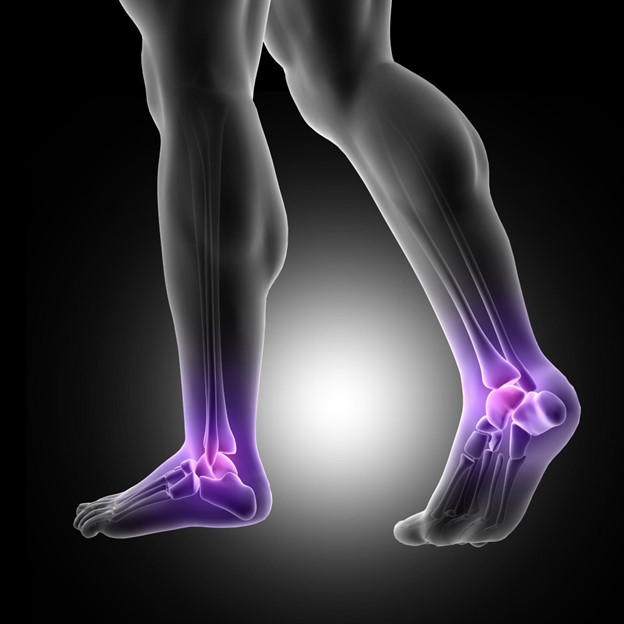
    Before delving into treatment options, it’s essential to understand what plantar fasciitis is and how it develops. The plantar fascia is a thick band of tissue that connects the heel bone to the toes, providing support to the arch of the foot.

    When this tissue becomes strained or inflamed, it leads to plantar fasciitis. Common causes include overuse, improper footwear, high-impact activities, and underlying foot conditions.

    Plantar Fasciitis image

    Best Exercises for Plantar Fasciitis Treatment

    The best exercises for plantar fasciitis treatment are mentioned below:

    Calf Stretches

    • Stand facing a wall with hands placed on it.
    • Extend one leg straight back while keeping the heel on the ground.
    • Bend the front knee, feeling a stretch in the calf of the extended leg.
    • Hold for 15-30 seconds and switch legs.

    Towel Stretch

    • Sit on the floor with your legs extended.
    • Loop a towel around the ball of one foot.
    • Gently pull the towel towards you, keeping the knee straight.
    • Hold for 15-30 seconds and repeat on the other foot.

    Toe Scrunches

    • Sit comfortably and place a small towel on the floor in front of you.
    • Use your toes to scrunch the towel towards you.
    • Repeat for 2-3 sets of 15 repetitions.

    Rolling Massage

    • Freeze a water bottle or a golf ball.
    • While seated, roll the frozen object under the arch of your foot for 5-10 minutes.
    • This helps reduce inflammation and soothes the affected area.

    Rolling Massage image

    Plantar Fasciitis Home Treatment

    The best home remedies for the plantar fasciitis treatment are mentioned below:

    Proper Footwear

    • Choose your shoes which has good arch support and cushioning.
    • Avoid high-heeled footwear and shoes lacking proper support to safeguard your feet.

    Icing

    • Apply an ice pack to the impacted region for a duration of 15-20 minutes at intervals of 2-3 hours.
    • Icing helps reduce inflammation and provides relief.

    Rest and Elevation

    • Rest your feet, especially after activities that exacerbate the pain.
    • Elevate your feet when possible to minimize swelling.

    Night Splints

    • Wear night splints to keep the foot in a dorsiflexed position while sleeping.
    • This helps stretch the plantar fascia during the night.

    Over-the-Counter Supports

    • Consider using arch supports or orthotic insoles to provide additional support to the foot.

    Other Approaches

    • Footwear: Wear supportive shoes with proper arch support and cushioning to minimize strain on the plantar fascia.
    • Night Splints: Night splints can be worn to keep the foot flexed, preventing the plantar fascia from tightening during sleep.

    Professional Interventions

    • Physical Therapy: A physical therapist can guide you through targeted exercises to strengthen the muscles supporting the foot and improve flexibility.
    • Orthotics: Custom-made or over-the-counter orthotic insoles can provide additional support and help distribute pressure evenly across the foot.
    • Medications: Nonsteroidal anti-inflammatory drugs (NSAIDs) may be recommended by a healthcare professional to alleviate pain and reduce inflammation.
    • Corticosteroid Injections: In severe cases, corticosteroid injections may be administered to reduce inflammation and provide short-term relief.
    • Shockwave Therapy: This non-invasive treatment involves using shockwaves to stimulate healing and reduce pain in the affected area.

    Preventive Measures for Plantar Fasciitis

    • Proper Warm-up: Always warm up before engaging in physical activities, especially high-impact exercises.
    • Gradual Progression: If starting a new exercise routine, progress gradually to avoid overloading the plantar fascia.
    • Maintain a Healthy Weight: Excess weight puts additional strain on the feet, contributing to plantar fasciitis.

    Consult a Doctor and Medkart will help you Order Medicines Online

    Conclusion

    In conclusion, plantar fasciitis can be a painful and debilitating condition, but with the right approach, many individuals can find relief through plantar fasciitis treatment exercises and home remedies. Incorporating these exercises into your routine and adopting healthy habits can contribute to the long-term well-being of your feet. If in doubt, always consult with a healthcare professional for personalized advice and treatment.

    Read: What are Generic Medicines?

    FAQs on Plantar Fasciitis Treatment

    Q1. What is Plantar Fasciitis Treatment?

    Plantar fasciitis treatment involves a combination of exercises, lifestyle modifications, and self-care measures to alleviate pain and promote healing in the inflamed plantar fascia. This may include stretching exercises, proper footwear, ice application, and, in some cases, the use of night splints or orthotic inserts.

    Q2. Can I treat plantar fasciitis at home?

    Yes, many cases of plantar fasciitis can be effectively managed at home. Simple exercises like calf stretches, toe scrunches, and rolling massages, along with lifestyle adjustments such as proper footwear and rest, can contribute to relief.

    Q3. How long does it take for plantar fasciitis to heal with exercises?

    The healing time varies, but consistent implementation of plantar fasciitis exercises may show improvement in a few weeks to a few months. It’s important to be patient and maintain a regular exercise routine for optimal results.

    Q4. Are there any immediate relief measures for plantar fasciitis?

    Yes, there are immediate relief measures. Applying ice to the affected area, wearing supportive footwear, and taking over-the-counter anti-inflammatory medications can help alleviate pain. However, for long-term relief, it’s advisable to incorporate a comprehensive treatment plan including exercises and lifestyle changes.