Blog

  • Laser Treatment: Acne Scars, Pigmentation, Laser Treatment For Face

    Laser Treatment: Acne Scars, Pigmentation, Laser Treatment For Face

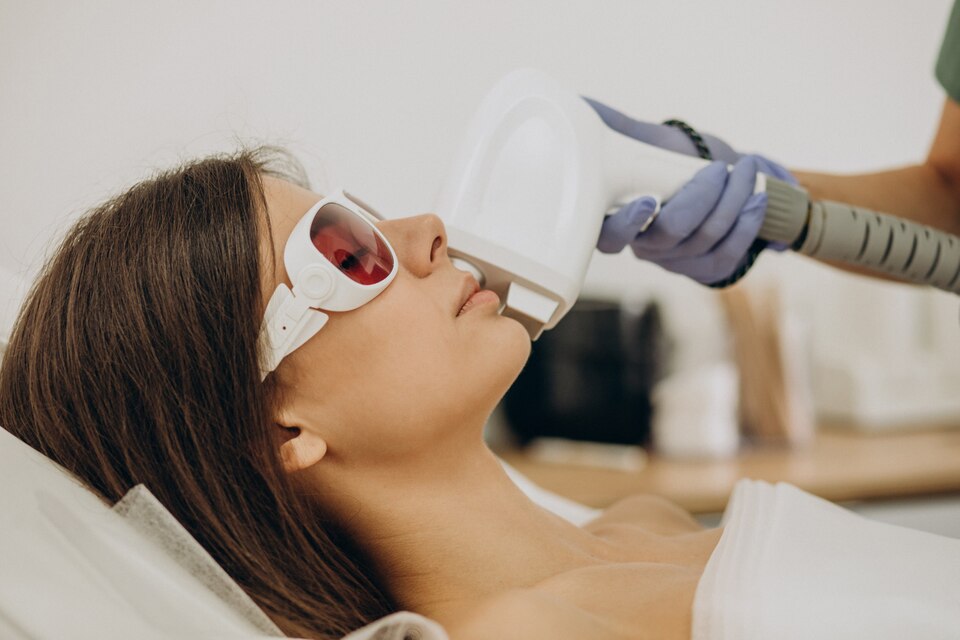
    laser treatment for acne scarsLaser treatment, short for “Light Amplification by Stimulated Emission of Radiation” treatment, is a medical and cosmetic procedure that uses concentrated beams of intense light, known as lasers, to target specific tissues or skin issues.

    This precise and controlled application of laser energy can be used for various purposes, such as medical treatments like eye surgery, cancer therapy, or the removal of kidney stones, as well as cosmetic treatments like hair removal, skin rejuvenation, and tattoo removal.

    Laser Treatment

    The principle behind treatment involves harnessing the unique properties of laser light to interact with specific cells or tissues in the body. Different types of lasers are used depending on the desired outcome, and they can either remove or reshape tissue, stimulate collagen production, or even ablate tumors with remarkable precision. Laser treatment is valued for its accuracy, reduced invasiveness, and ability to achieve diverse therapeutic and aesthetic results.

    Laser Treatment for Face

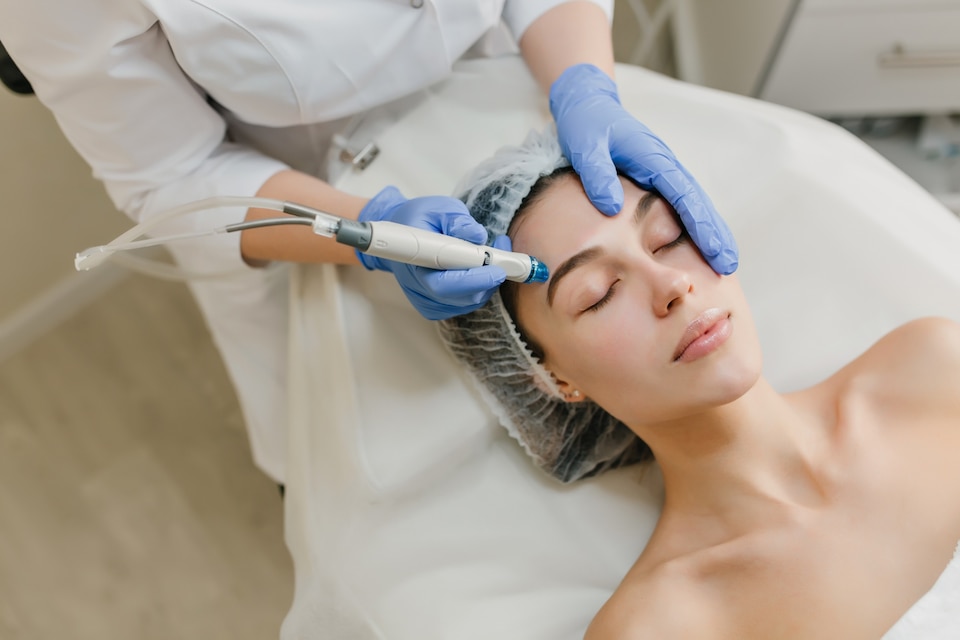
    The face is a cutting-edge cosmetic procedure that utilizes advanced laser technology to address a wide range of skin concerns, providing individuals with the opportunity to rejuvenate their appearance. This non-invasive or minimally invasive approach works by delivering concentrated beams of laser light to target specific issues, such as fine lines, wrinkles, age spots, acne scars, and uneven skin texture.

    During the procedure, the laser stimulates collagen production in the skin, which is essential for maintaining its elasticity and youthful appearance. As the skin heals, it becomes softer, healthier, and more glowing. The treatment is highly precise, allowing for the removal of damaged tissue while leaving surrounding healthy skin intact.

    One of the key advantages of laser treatment for the face is its ability to provide remarkable results with minimal downtime. Patients can often return to their daily routines shortly after the completion procedure. This transformative technology has redefined how we approach facial aesthetics, offering a non-surgical solution for achieving a more youthful and rejuvenated appearance.
    laser treatment for faceLaser Treatment for Acne Scars

    Acne scars, the unwelcome souvenirs of past breakouts, can deeply affect one’s self-confidence. Laser treatment for acne scars, however, provides a promising solution. This procedure targets and improves the appearance of scars with remarkable precision.

    By stimulating collagen production and encouraging the skin’s natural healing processes, laser therapy works to fill in depressions, reduce the depth of scars, and smoothen the skin’s surface. It’s a journey towards clearer, more even-toned skin, where scars are no longer a dominating feature.

    > Consult a doctor and Order Medicine Online

    Laser Treatment for Pigmentation

    Uneven skin tone and pigmentation irregularities can hinder your skin’s radiance. Laser treatment for pigmentation is a transformative solution that addresses the overproduction and distribution of melanin, the pigment responsible for skin color.

    Whether it’s sunspots, age spots, melasma, or other pigment-related concerns, treatment of laser targets these issues precisely, breaking down excess melanin and encouraging collagen production. This dual-action approach not only reduces pigmentation but also enhances the overall texture and tone of your skin, unveiling a more radiant you.


    Benefits that Illuminate Your Skin’s Beauty

    Laser treatment offers a multitude of benefits that have made it a sought-after skincare solution:

    • Effective: Laser technology is highly effective in addressing a wide range of skin concerns, providing visible results.
    • Precise: The precision ensures that only the targeted areas are affected, leaving surrounding healthy skin intact.
    • Minimal Downtime: Most laser treatments have minimal downtime, allowing individuals to quickly return to their daily routines.
    • Non-Invasive: It is non-surgical, reducing the risk and recovery time associated with invasive procedures.
    • Stimulated Collagen Production: Laser therapy promotes collagen production, enhancing skin texture, firmness, and elasticity.

    Conclusion:

    As technology and techniques continue to advance, the possibilities with laser treatment are limitless. Whether you seek to rejuvenate your face, bid farewell to acne scars, or address pigmentation concerns, it has emerged as a beacon of hope for those yearning to unlock their skin’s potential.

    The journey towards radiant, flawless skin begins with a consultation with a qualified dermatologist or skincare specialist who can assess your unique needs and guide you towards the right laser treatment path. In skincare, treatment is the guiding light towards a more beautiful and confident you.

    Read: What are Generic Medicines?

    How to find Substitute Generic Medicine?

    To find substitute generic medicine, start by consulting your healthcare provider or pharmacist. They can recommend CDSCO-approved generic versions of your prescribed brand-name medication.

    Additionally, you can compare prices and availability at different pharmacies or online retailers. Look for medications with the same active ingredient and strength as your prescribed drug.

    Generic medicines are equally safe and effective as their brand-name counterparts, but they often come at a lower cost, providing a more affordable option for your healthcare needs.

    FAQs on Laser Treatment

    Q1. What is laser treatment?

    Laser treatment is a medical or cosmetic procedure that uses focused beams to target specific tissues or skin concerns. It works by delivering concentrated light energy to the target area, which can stimulate collagen production, remove or reshape tissue, and address various skin issues.

    Q2. Is laser treatment safe for all skin types?

    Laser treatments are generally safe for many skin types but may carry a higher risk of complications for individuals with darker skin tones. It’s crucial to consult with a qualified practitioner who can assess your skin type and recommend the most suitable treatment.

    Q3. Are there any side effects or downtime associated with laser treatment?

    The side effects may include redness, swelling, and temporary discomfort, which usually subside within a few days. Downtime can vary depending on the type and extent of the treatment but is often minimal, allowing most individuals to resume their normal activities relatively quickly.

    Q4. How many laser treatment sessions are typically needed to see results?

    The number of sessions required varies depending on the specific treatment and individual factors. Some treatments, like laser hair removal, may require multiple sessions spaced several weeks apart for optimal results, while others, such as skin rejuvenation, may show improvement after just one therapy.

    Q5. Is laser treatment painful?

    The level of discomfort during laser treatment can vary depending on the individual’s pain tolerance and the specific procedure. However, most treatments of laser are well-tolerated, with minimal discomfort. Topical anaesthetics or cooling methods are often used to enhance comfort during the procedure.

    Related Links:
  • Hyperthyroidism Treatment: Medication, Symptoms, Treatment for Hyperthyroidism

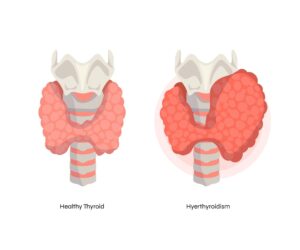
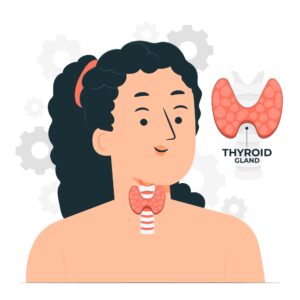
    Hyperthyroidism treatment involves methods to regulate the overproduction of thyroid hormones. The thyroid, a butterfly-shaped gland in the neck, plays a vital role in regulating various bodily functions, including metabolism, energy production, and body temperature.

    When this gland goes into overdrive, producing an excess of thyroid hormones, it can lead to a range of distressing symptoms and potential health complications. Fortunately, there are several effective treatment options available to restore balance to the body and alleviate the burdens of hyperthyroidism.

    Hyperthyroidism Treatment

    Before delving into hyperthyroidism treatment options, it’s essential to grasp the fundamentals of hyperthyroidism. This condition, also known as overactive thyroid or thyrotoxicosis, occurs when the thyroid gland produces an excessive amount of thyroid hormones, primarily thyroxine (T4) and triiodothyronine (T3).

    These hormones play a central role in regulating the metabolism of the body. When their levels are too high, it sets off a chain reaction that can affect nearly every system in the body.

    > Consult a doctor and Order Medicine Online

    Symptom of Hyperthyroidism

    The most common cause of hyperthyroidism is an autoimmune disorder called Graves’ disease, in which the immune system mistakenly attacks the thyroid gland, stimulating it to produce more hormones. Other potential causes include thyroid nodules or goitres, excessive iodine intake, and certain medications.

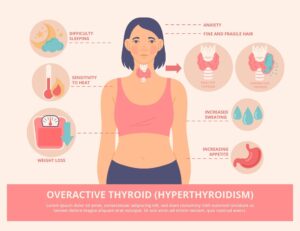
    Hyperthyroidism manifests with a range of symptoms stemming from the overproduction of thyroid hormones. Common signs include rapid heart rate, weight loss despite increased appetite, anxiety, tremors, and excessive sweating.

    Patients often experience fatigue, muscle weakness, and heat intolerance. Other symptoms may involve mood swings, insomnia, and changes in menstrual patterns. Additionally, hyperthyroidism can lead to physical manifestations such as bulging eyes (Graves’ ophthalmopathy) and a swollen, tender thyroid gland (goitre). Recognizing these symptoms is crucial for early diagnosis and effective management of this thyroid disorder.

    Hyperthyroidism Treatment

    Hyperthyroidism Diagnosis and Treatment

    Diagnosing hyperthyroidism involves a series of medical assessments. Typically, blood tests measuring levels of thyroid hormones (T4 and T3) and thyroid-stimulating hormone (TSH) are conducted. Elevated T4 and T3 with suppressed TSH levels indicate hyperthyroidism.

    A physical examination may reveal symptoms such as a swollen thyroid gland (goitre) or eye changes in Graves’ disease. Additionally, radioactive iodine uptake tests can pinpoint the cause, as different patterns of iodine absorption are associated with various thyroid conditions.

    Hyperthyroidism Treatment

    Hyperthyroidism Insomnia Treatment

    Thyroid ultrasound and fine-needle aspiration may be used to evaluate nodules or goitres. Accurate diagnosis is pivotal in formulating an effective treatment for hyperthyroidism insomnia treatment

    Hyperthyroidism treatment aims to reduce the production of thyroid hormones and alleviate the associated symptoms. The choice of treatment depends on various factors, including the underlying cause, the severity of symptoms, and the patient’s age and overall health. Here are some of the primary approaches to managing hyperthyroidism:

    • Antithyroid Medications: Methimazole and propylthiouracil (PTU) are commonly prescribed medications that work by blocking the thyroid gland’s ability to produce hormones. These drugs are often used as initial treatment to control symptoms while the underlying cause is addressed. It’s essential to monitor thyroid hormone levels closely during this treatment.
    • Radioactive Iodine (RAI) Therapy: This treatment involves ingesting a radioactive form of iodine, which is absorbed by the overactive thyroid gland. The radiation gradually shrinks the gland and reduces hormone production. RAI therapy is highly effective but may lead to hypothyroidism (an underactive thyroid) in the long term, necessitating lifelong thyroid hormone replacement therapy.
    • Thyroidectomy: In cases where medications and RAI therapy are ineffective or not recommended, surgical removal of the thyroid gland, known as a thyroidectomy, may be necessary. This procedure stops hormone production but needs lifelong thyroid hormone replacement.
    • Beta-Blockers: These medications, such as propranolol, help manage hyperthyroidism symptoms like rapid heart rate, tremors, and anxiety. They do not address the underlying cause but provide symptomatic relief.

    Hyperthyroidism Treatment

    Conclusion:

    Hyperthyroidism treatment offers hope to those dealing with the challenges of an overactive thyroid gland. With the right approach, it is possible to restore balance to the body and improve the quality of life for individuals affected by this condition.

    If you suspect you have hyperthyroidism or are currently undergoing treatment, consult with a healthcare professional to ensure you receive the most appropriate and effective care for your specific needs.

    Read: What are Generic Medicines?

    Difference Between Patent And Generic Medicine

    The primary distinction between patent and generic medicines lies in their exclusivity and cost. A patent medicine is developed by a pharmaceutical company, offering them exclusive rights to sell it for a specified period, often around 20 years.

    During this time, no other company can build the same drug. In contrast, generic medicines are identical copies of patent-expired drugs, offering the same quality and efficacy but at a lower cost since they can be produced by various manufacturers. This competition ultimately makes healthcare more affordable for consumers.

    FAQs on Hyperthyroidism Treatment

    Q1. What is hyperthyroidism treatment?

    Hyperthyroidism treatment aims to reduce excessive thyroid hormone production. It includes antithyroid medications to inhibit hormone synthesis, radioactive iodine therapy to shrink the thyroid gland, or surgical removal of the thyroid (thyroidectomy) in severe cases. Treatment choice depends on factors like the underlying cause and individual health considerations.

    Q2. What are the primary treatment options for hyperthyroidism?

    The main treatment approaches include antithyroid medications to reduce hormone production, radioactive iodine therapy to shrink the thyroid gland and surgical removal of the thyroid (thyroidectomy) in severe cases.

    Q3. Is hyperthyroidism treatment permanent, or will I need lifelong care?

    The need for lifelong care depends on the chosen treatment method. Medications may require long-term use, while radioactive iodine treatment can lead to hypothyroidism, necessitating lifelong thyroid hormone replacement.

    Q4. Are there natural remedies or lifestyle changes that can complement hyperthyroidism treatment?

    While medication, radioiodine, or surgery are the primary treatments, lifestyle changes like stress management, a balanced diet, and avoiding excessive iodine intake can support overall thyroid health and complement medical interventions.

    Related Links:
  • Hernia Treatment: Inguinal Hernia Diagnosis and Treatment

    Hernia Treatment: Inguinal Hernia Diagnosis and Treatment

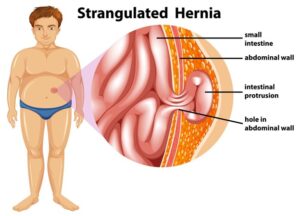
    hernia treatmentHernia treatment involves repairing the weakened abdominal wall or muscle through which an organ or tissue protrudes. This can be achieved through surgical procedures like laparoscopic or open surgery. The primary goal is to reposition the herniated tissue back into its proper place and reinforce the weakened area to prevent a recurrence. The choice of hernia treatment depends on factors like the type of hernia, its size, and the patient’s overall health.

    Proper Treatment for Hernia aims to alleviate symptoms, prevent complications, and improve the patient’s quality of life. Effective hernia treatment options are crucial for alleviating discomfort, preventing complications, and ensuring a patient’s overall well-being.

    Hernia Treatment

    The Treatment for Hernia is as follows:

    1. Watchful Waiting:

    In some cases, especially with small, asymptomatic hernias, doctors may recommend a “watchful waiting” approach. Regular monitoring is essential to detect any changes in the hernia’s size or symptoms. This approach is often suitable for elderly or high-risk patients.

    2. Hernia Trusses:

    Hernia trusses are supportive belts or devices designed to temporarily hold the hernia in place. However, they are typically not a permanent solution and may not be recommended for larger hernias. They can offer temporary relief for patients awaiting surgery or those who are not good candidates for surgery.

    3. Laparoscopic Hernia Repair:

    Minimally invasive laparoscopic surgery has become a popular choice for hernia repair. It involves making small incisions and using a camera and specialized instruments to repair the hernia. Laparoscopic surgery typically results in shorter recovery times, reduced post-operative pain, and smaller scars compared to open surgery.

    4. Open Hernia Repair:

    In cases where laparoscopic repair is not feasible, open surgery remains a viable option. This approach involves making a larger incision at the hernia site, pushing the herniated tissue back into place, and reinforcing the abdominal wall with sutures or mesh. Open surgery is often used for complex hernias or in patients who may not tolerate laparoscopic procedures.

    5. Hiatal Hernia Surgery:

    Hiatal hernia repair aims to reposition the stomach and close the diaphragmatic opening. This can be done through open surgery or laparoscopically, depending on the patient’s condition and surgeon’s preference.

    > Consult a doctor and Order Medicine Online

    Types of Hernias

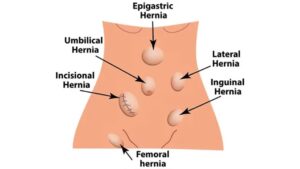
    Hernias come in various forms, each characterized by its location and underlying cause. The most common types include inguinal hernias, which occur in the groin, and femoral hernias, located lower in the thigh.

    Incisional hernias develop at prior surgical incision sites, while hiatal hernias involve the stomach pushing through the diaphragm into the chest cavity. Umbilical hernias manifest near the navel, particularly in infants.

    These hernias can vary in severity, with some causing mild discomfort and others requiring surgical intervention to prevent complications. Proper diagnosis and understanding of the type are essential for effective hernia treatment.

    Hernia Treatment

    Causes of Hernias

    Hernias have multiple causes, often involving a combination of factors. Weakness in the abdominal muscles due to age, genetics, or prior surgeries can create openings for hernias to occur. Heavy lifting, especially when done improperly, can strain the abdominal wall, increasing the risk of herniation.

    Chronic constipation, which involves frequent straining during bowel movements, may stress abdominal muscles and contribute to hernias. Additionally, pregnancy can exert pressure on the abdominal wall, making women more susceptible.

    Obesity, with its elevated intra-abdominal pressure, and persistent coughing or sneezing are other factors that can trigger hernias. Understanding these causes is crucial for prevention and timely Treatment of Hernia.

    Hernia Treatment

    Inguinal Hernia Diagnosis And Treatment

    Diagnosing an inguinal hernia typically involves a combination of medical history, physical examination, and imaging studies. Patients often report a visible or palpable bulge or discomfort in the groin area.

    A healthcare provider will perform a thorough examination, asking the patient to cough or strain, which can make the hernia more noticeable. In some cases, additional tests such as ultrasound or MRI may be ordered to confirm the diagnosis or assess the hernia’s size and severity.

    The inguinal hernias treatment generally involves surgical intervention, as they do not tend to resolve on their own. The two primary approaches to hernia repair are open surgery and laparoscopic (minimally invasive) surgery.

    The choice of surgical technique depends on the patient’s circumstances, the hernia’s size and location, and the surgeon’s expertise. Prompt diagnosis and treatment of inguinal hernias are essential to prevent complications such as strangulation, where the blood supply to the herniated tissue is compromised, which can be a medical emergency.

    Conclusion:

    Hernia treatment is not a one-size-fits-all approach. It requires a tailored strategy based on factors like hernia type, individual health, and surgeon expertise. With advances in surgical techniques and ongoing medical research, hernia treatment continues to evolve, offering patients improved outcomes and a quicker return to their normal lives. Consulting with a healthcare professional is the first step in finding the most suitable treatment plan for hernia management.

    Read: What are Generic Medicines?

    Difference Between Generic and non generic Medicine

    Generic medicines are equivalent to brand-name drugs but are typically more affordable. They contain the same active ingredients, dosage, and quality as their brand-name counterparts.

    Non-generic or brand-name medicines, are often the original drugs developed by pharmaceutical companies and are usually more expensive due to research and marketing costs. The key distinction lies in the price and branding; generic drugs offer a cost-effective alternative without compromising on efficacy or safety.

    FAQs on Hernia Treatment

    Q1. What is hernia treatment?

    Hernia treatment involves repairing the weakened muscle or tissue through which an organ protrudes. This can be achieved through surgical techniques, such as laparoscopic or open surgery, to reposition the herniated tissue and reinforce the abdominal wall. The choice of treatment depends on factors like hernia type, size, and the patient’s overall health.

    Q2. Can hernias go away without treatment?

    No, hernias do not typically resolve on their own. They often require surgical intervention to prevent complications.

    Q3. What is the recovery time after hernia surgery?

    Recovery time varies, but patients can usually return to light activities within a few weeks after laparoscopic surgery and several weeks after open surgery.

    Q4. Are there non-surgical alternatives for Treatment for Hernia?

    While hernia trusses can provide temporary support, they are not a long-term solution. Surgical repair remains the primary treatment for hernias.

    Related Links:
  • Hepatitis B Treatment and Diagnosis: Virus Treatment of Hepatitis B

    Hepatitis B Treatment and Diagnosis: Virus Treatment of Hepatitis B

    Hepatitis B treatment

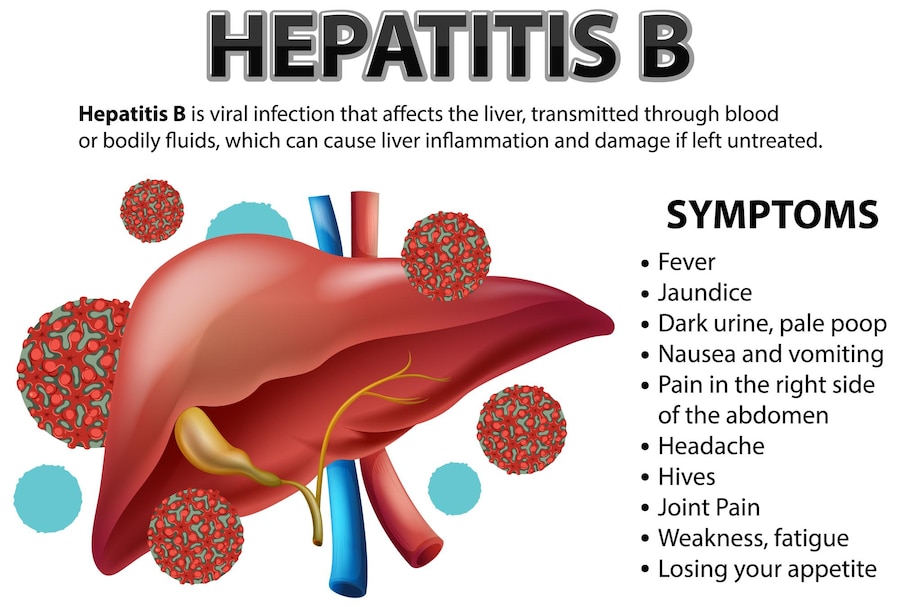
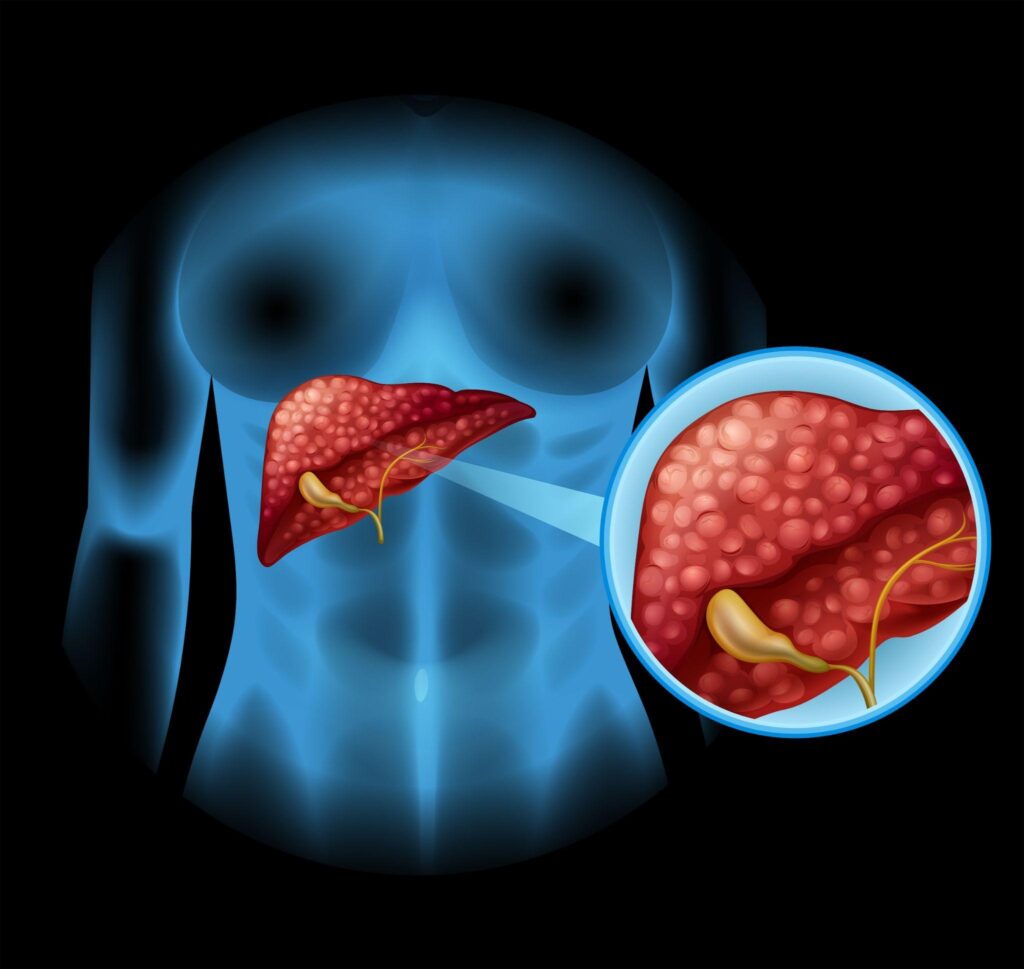
    Hepatitis B treatment aims to manage the viral infection, reduce its activity in the body, and prevent liver damage and complications. Hepatitis B is a viral infection that affects the liver, often causing acute or chronic liver inflammation. Effective hepatitis B treatment is essential to manage the infection, reduce viral activity, and prevent the progression of liver-related complications.

    The choice of hepatitis B treatment strategy depends on several factors, including the patient’s age, overall health, the stage of the disease, and the presence of underlying liver conditions.

    Hepatitis B Diagnosis

    Hepatitis B diagnosis typically involves a series of essential steps. It begins with a thorough medical history and physical examination to assess risk factors and symptoms.

    Blood tests are pivotal, with the hepatitis B surface antigen (HBsAg) being the primary marker for active infection. Other tests, like hepatitis B core antibody (anti-HBc) and hepatitis B DNA, aid in determining the infection’s status and severity.

    Additionally, liver function tests and imaging studies may be conducted to assess liver health and detect any damage. Accurate diagnosis is crucial for guiding treatment decisions and preventing the progression of hepatitis B-related liver diseases.

    Hepatitis B Treatment

    The Treatment for Hepatitis B are as follows:

    Antiviral Medications: Antiviral drugs are the primary tools in hepatitis B treatment. They work by inhibiting the replication of the hepatitis B virus (HBV) within the body. Some commonly prescribed antiviral medications for chronic hepatitis B include entecavir, tenofovir disoproxil fumarate (TDF), and tenofovir alafenamide (TAF). These medications are typically taken orally and are highly effective at reducing the viral load in the blood. The goal of antiviral therapy is to achieve sustained viral suppression, which can lead to improved liver function and a reduced risk of liver-related complications.

    Interferon Therapy: Interferon-based treatments are another option, particularly for individuals with specific circumstances. Interferons are proteins that stimulate the body’s immune response to fight the virus. This therapy is administered by injection and may be recommended for individuals who don’t respond well to antiviral drugs or when finite treatment duration is preferred.

    Monitoring and Regular Check-ups: Hepatitis B treatment requires ongoing monitoring. Patients undergo regular blood tests to assess liver function, measure viral load, and check for any potential side effects of medications. These check-ups help healthcare providers gauge the effectiveness of the treatment and make necessary adjustments.

    Lifestyle Modifications: Patients are often advised to make lifestyle changes that support liver health. This includes abstaining from alcohol, maintaining a healthy diet, and avoiding activities that may expose them to additional risk factors for liver disease.

    Liver Transplantation: In advanced cases, doctors may consider a liver transplant for conditions like cirrhosis or liver cancer caused by chronic hepatitis B. However, they typically reserve this option for individuals with end-stage liver disease, especially when other treatments prove ineffective or the liver is severely damaged.

    Vaccination: Preventing new hepatitis B infections is crucial. Healthcare workers, family members of infected individuals, and individuals travelling to high-prevalence areas should consider vaccination against hepatitis B, as it is highly effective and recommended for those at risk of virus exposure.

    Remedies for Hepatitis B

    It’s important to note that not all individuals with hepatitis B require treatment. Some may have inactive or low-replicating forms of the virus and may only require monitoring. Treatment decisions should be individualized, and healthcare providers work closely with patients to develop the most suitable treatment plan.

    Overall, early diagnosis, timely intervention, and adherence to prescribed treatments are crucial for effectively managing hepatitis B and minimizing the risk of long-term liver-related complications.

    > Consult a doctor and Order Medicine Online

    Hepatitis B Virus Treatment

    Hepatitis B virus treatment primarily involves antiviral medications, such as entecavir, tenofovir disoproxil fumarate (TDF), and tenofovir alafenamide (TAF), which work to inhibit viral replication. These drugs aim to reduce the viral load in the body, improve liver function, and minimize the risk of complications.

    Treatment plans are tailored to the patient’s specific condition, considering factors like the disease’s stage and overall health. Regular monitoring of liver function and viral load is essential for assessing treatment efficacy and making necessary adjustments.

    While there is no complete cure, hepatitis B virus treatment can effectively manage the infection, enhancing the patient’s quality of life and reducing liver-related risks. Early diagnosis is critical for optimal outcomes.

    Conclusion:

    Early diagnosis, appropriate medical care, and adherence to prescribed treatments are essential to effectively manage hepatitis B and reduce the risk of liver-related complications. Regular follow-up appointments help monitor the progress of the disease and make necessary adjustments to the treatment strategy.

    Read: What are Generic Medicines?

    Advantages of Generic Medicines

    Generic medicines offer several advantages, including affordability, accessibility, and safety. They are significantly cheaper than their brand-name counterparts, making healthcare more cost-effective for patients.

    Generic drugs also undergo rigorous testing to ensure they are as safe and effective as their brand-name equivalents. Additionally, the availability of generic options increases competition in the pharmaceutical market, driving down prices and improving overall healthcare affordability and access for a broader population.

    FAQs on Hepatitis B Treatment

    Q1. What is Hepatitis B treatment?

    Hepatitis B treatment involves the use of antiviral medications, such as entecavir or tenofovir, to suppress the replication of the hepatitis B virus (HBV) in the body. The goal is to reduce the viral load, improve liver function, and minimize the risk of liver-related complications.

    Q2. What is hepatitis B reactive treatment?

    Hepatitis B reactive treatment involves interventions for individuals who test positive for hepatitis B infection, aiming to manage the active virus, reduce its replication, and prevent liver damage. Antiviral medications, regular monitoring, and lifestyle adjustments are key components of this treatment strategy. Early diagnosis and timely initiation of reactive treatment can improve outcomes and minimize the risk of complications.

    Q3. Is there a cure for Hepatitis B?

    While there is no complete cure, antiviral medications can effectively manage Hepatitis B, reducing viral activity and the risk of complications.

    Q4. How long does Hepatitis B treatment typically last?

    Treatment duration varies but often extends for several years or even indefinitely to maintain viral suppression and liver health.

  • Glaucoma Treatment: Laser Treatment Side Effects, Ayurvedic Treatment for Glaucoma

    Glaucoma Treatment: Laser Treatment Side Effects, Ayurvedic Treatment for Glaucoma

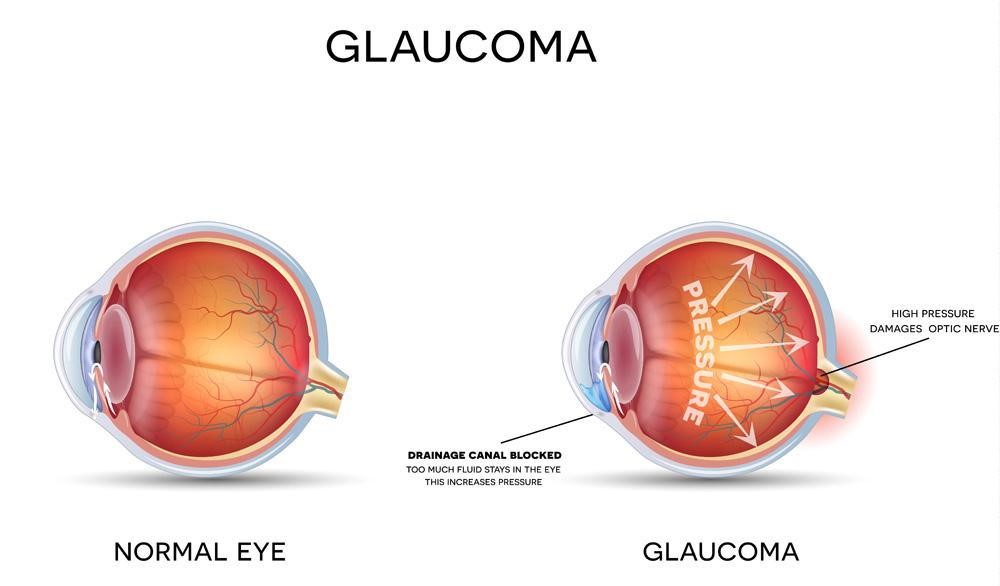
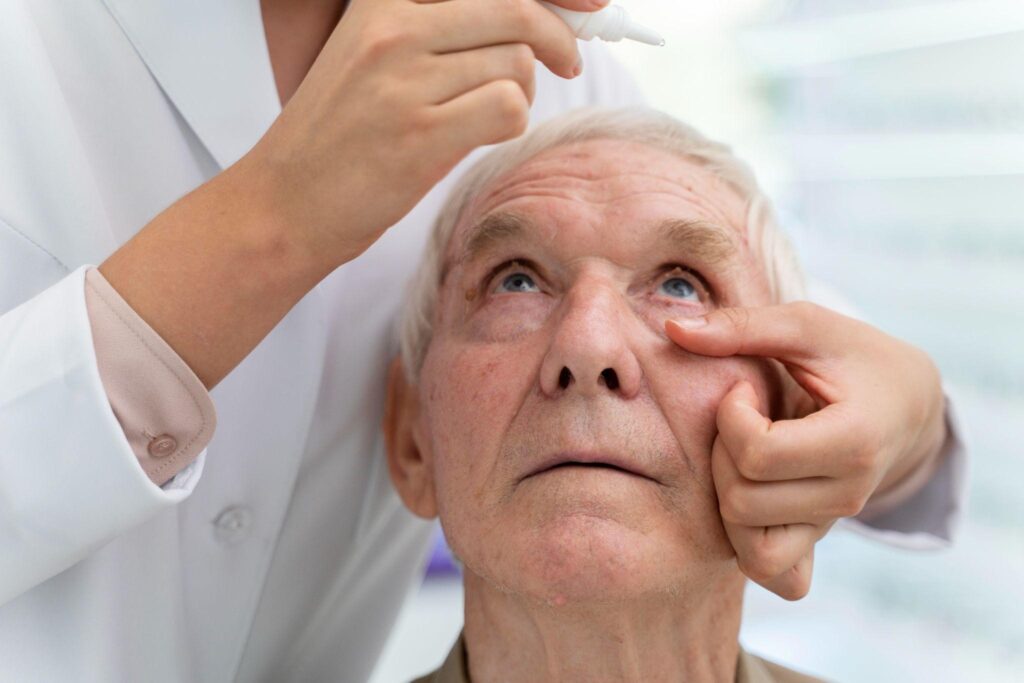
    Glaucoma treatment represents a critical frontier in the realm of eye care, as it endeavors to combat one of the leading causes of irreversible blindness worldwide. Glaucoma is a progressive eye disease that affects the optic nerve, leading to vision loss if left untreated.

    People often call it the “silent thief of sight” because it typically progresses to an advanced stage without noticeable symptoms. Therefore, early diagnosis and prompt treatment are crucial to preserving vision and maintaining a good quality of life for individuals affected by glaucoma.

    From medical therapies, and laser procedures, to surgical interventions, glaucoma treatment options have evolved significantly, offering patients a spectrum of choices tailored to their unique needs.

    Glaucoma Diagnosis and Treatment

    Early diagnosis of glaucoma is crucial, as the disease often progresses without noticeable symptoms until significant vision loss has occurred. The diagnostic process typically involves:

    • Eye Examination: An initial comprehensive eye examination includes measuring intraocular pressure (IOP), examining the optic nerve, and assessing the angle in the eye where the cornea and iris meet.
    • Visual Field Testing: This test assesses peripheral vision and helps identify any areas of vision loss.
    • Gonioscopy: Gonioscopy allows the ophthalmologist to examine the drainage angle of the eye to determine the type of glaucoma (open-angle or angle-closure).
    • Optical Coherence Tomography (OCT): OCT is a non-invasive imaging technique that provides detailed cross-sectional images of the optic nerve, aiding in the early detection of glaucomatous damage.
    • Pachymetry: Measurement of corneal thickness, as thinner corneas can influence IOP readings.

    Glaucoma Treatment

    Glaucoma Treatment

    The primary goal of glaucoma treatment is to reduce intraocular pressure (IOP) within the eye, as elevated pressure is a major risk factor for optic nerve damage. There are several treatments for glaucoma options available, which can be broadly categorized into medical, surgical, and laser therapies:

    1. Medication

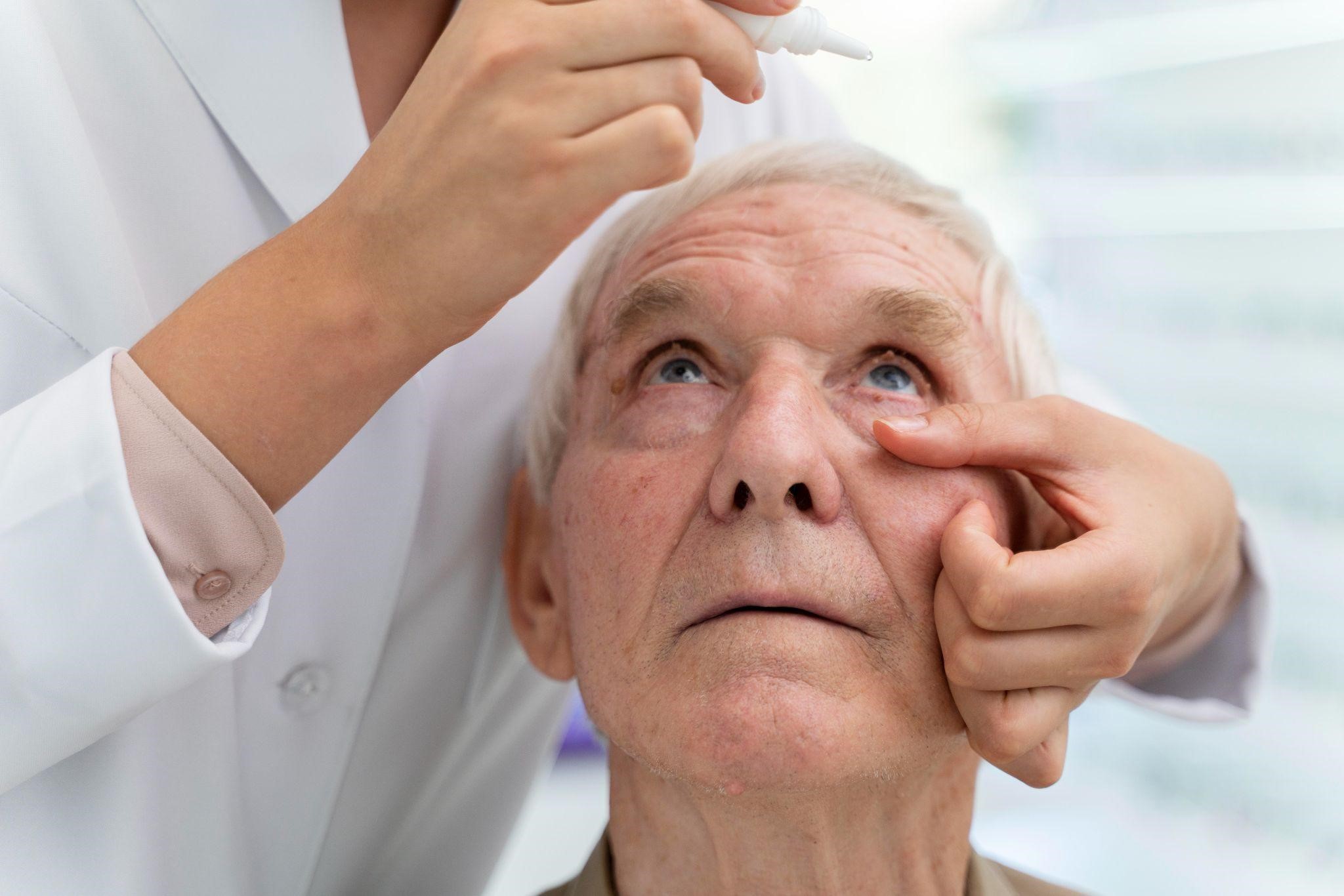
    • Eye Drops: These are the most common initials for glaucoma treatment. They work by either reducing the production of aqueous humour (the clear fluid in the eye) or increasing its outflow to lower intraocular pressure.
    • Oral Medications: In some cases, oral medications may be prescribed to complement eye drops or as an alternative when eye drops are not effective.

    > Consult a doctor and Order Medicine Online

    2. Laser Therapy

    • Selective Laser Trabeculoplasty (SLT): SLT is a minimally invasive procedure that uses a laser to target specific cells in the trabecular meshwork, which is responsible for draining aqueous humour from the eye. By enhancing drainage, SLT helps lower intraocular pressure.
    • Laser Peripheral Iridotomy (LPI): LPI is used for narrow-angle glaucoma and involves creating a small hole in the iris to improve the flow of aqueous humour.
    • Cyclophotocoagulation: This laser procedure reduces intraocular pressure by targeting the ciliary body, which produces aqueous humour.

    3. Surgical Interventions

    • Trabeculectomy: In this surgery, a drainage channel (bleb) is created to allow excess aqueous humour to drain out of the eye, thus lowering IOP.
    • Glaucoma Drainage Devices (Implants): These are small devices implanted into the eye to facilitate the drainage of aqueous humour.
    • Minimally Invasive Glaucoma Surgery (MIGS): MIGS procedures are less invasive than traditional surgeries and are typically used for mild to moderate glaucoma. They aim to improve aqueous humour outflow.

    Glaucoma Treatment

    Ayurvedic Treatment for Glaucoma

    Ayurvedic treatment for glaucoma focuses on balancing doshas and improving eye health through holistic approaches. Herbal remedies like Triphala and Amla are believed to enhance eye function. Netra Tarpana, a treatment involving medicated ghee in an eye well, may help reduce intraocular pressure.

    Ayurvedic practitioners also emphasize dietary modifications, stress reduction, and yoga asanas like Trataka to support overall eye wellness. While Ayurveda can complement conventional treatments, it’s essential to consult with a qualified Ayurvedic practitioner and an ophthalmologist to ensure safe and effective glaucoma management.

    Laser Treatment for Glaucoma Side Effects

    In general, doctors consider laser treatments for glaucoma, such as Selective Laser Trabeculoplasty (SLT) or Laser Peripheral Iridotomy (LPI), to be safe and minimally invasive. However, just like any medical intervention, it can potentially result in adverse effects.

    Common side effects can include temporary discomfort, redness, and mild vision blurring immediately after the procedure. In rare cases, more severe side effects like increased intraocular pressure or infection can occur.

    It’s essential for patients to discuss potential risks with their ophthalmologist before undergoing laser treatment and to promptly report any unusual symptoms post-procedure to ensure timely intervention if needed. Overall, laser treatment remains a valuable option in glaucoma management with a low risk of side effects.

    Conclusion:

    Doctors employ a multi-faceted approach in treating glaucoma, focusing on lowering intraocular pressure and preserving vision. Advances in medical, surgical, and laser therapies enable many individuals with glaucoma to effectively manage the disease, maintain their eyesight and enjoy a good quality of life. However, early detection and ongoing care are crucial components of successful glaucoma management.
    Read: What are Generic Medicines?

    Examples of Generic Medicines

    Generic medicines are identical to brand-name drugs in terms of active ingredients, quality, and effectiveness. Some common examples include generic versions of well-known medications like ibuprofen (instead of Advil or Motrin), metformin (rather than Glucophage), and amoxicillin (substitute for Amoxil).

    These generics offer cost-effective alternatives while maintaining the same therapeutic benefits as their brand-name counterparts. Health authorities rigorously test and regulate these generics to ensure that they meet the same safety and efficacy standards as brand-name medications.

    FAQs on Glaucoma Treatment

    Q1. What is glaucoma treatment?

    Glaucoma treatment encompasses various approaches, including medications, laser therapy, and surgery, all aimed at lowering intraocular pressure and preserving vision in individuals with this progressive eye disease. The specific treatment chosen depends on the type and severity of glaucoma, tailored to the patient’s needs.

    Q2. What is the best treatment for glaucoma?

    The best treatment for glaucoma depends on the individual’s condition and can vary. In managing glaucoma and reducing intraocular pressure while preserving vision, doctors often find a combination of eye drops, laser therapy (such as SLT), and surgical procedures (like trabeculectomy) to be effective.

    Q3. Are there any side effects associated with glaucoma medications?

    Yes, some side effects may occur with glaucoma eye drops, such as stinging, redness, or changes in eye colour. Consult your doctor if you experience any damaging effects.

    Q4. Is surgery always necessary for glaucoma treatment?

    Not all cases necessitate surgery; doctors can often manage them with medication and laser therapy. Surgery becomes an option when other treatments prove ineffective or unsuitable for the individual’s condition

    Related Links:

  • Home Remedies Gallbladder Stones Treatment

    Home Remedies Gallbladder Stones Treatment

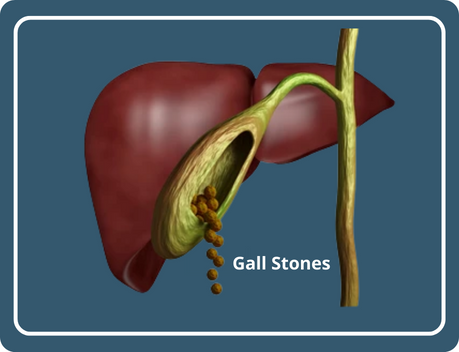
    Gallbladder stone treatment is a procedure operated gallstones, which are hardened deposits of digestive fluid that form in the gallbladder. It is also known as gallstones, and can lead to excruciating pain and digestive issues.

    Gallbladder stones can range in size from tiny grains of sand to larger, marble-sized stones. The options vary depending on the severity of symptoms and the specific circumstances of the patient.

    Gallbladder Stone Symptoms

    Gallbladder stone symptoms often include severe abdominal pain, nausea, and vomiting, particularly after consuming fatty foods. Treatment options range from lifestyle changes and medications to surgical procedures.

    For mild cases, dietary adjustments and pain management may suffice. Medications like ursodeoxycholic acid can dissolve small stones. However, when symptoms persist or worsen, surgical removal of the gallbladder (laparoscopic cholecystectomy) is the most common and effective treatment.

    It offers a quick recovery and eliminates the risk of recurrent gallstones. The choice of treatment depends on the severity of symptoms and the patient’s overall health.

    Gallbladder Stone Treatment

    Gallbladder Stone Treatment

    The Treatment for Gallstones is as follows:

    • Watchful Waiting: In cases where gallstones are small and asymptomatic, doctors may adopt a “wait and see” approach. This means monitoring the patient’s condition without immediate intervention. Asymptomatic gallstones may not require treatment unless they start causing problems.
    • Lifestyle Changes: Making dietary and lifestyle modifications can help manage gallstone symptoms. Reducing the intake of fatty and fried foods can ease discomfort. Regular exercise and maintaining a healthy weight can also reduce the risk of gallstone formation.
    • Endoscopic Procedures: For patients who cannot tolerate surgery or have specific medical conditions, endoscopic procedures may be recommended. One common procedure is endoscopic retrograde cholangiopancreatography (ERCP) with sphincterotomy and stone removal. During ERCP, a tiny camera is inserted through the mouth and into the small intestine to locate and remove gallstones from the bile ducts.
    • Laparoscopic Cholecystectomy: The most common and effective treatment for gallstones is surgical removal of the gallbladder, known as a laparoscopic cholecystectomy. This minimally invasive procedure involves making small incisions and using specialized tools to remove the gallbladder. Patients typically recover quickly and can return to their normal activities within a few weeks.
    • Open Cholecystectomy: In some cases, open surgery may be necessary, especially if there are complications or if the surgeon cannot safely perform a laparoscopic cholecystectomy. This involves a larger incision and a longer recuperation period.
    • Laser Lithotripsy: This procedure involves the use of lasers to break up gallstones, making them easier to remove. It’s often used in conjunction with other methods, such as ERCP.
    • Extracorporeal Shock Wave Lithotripsy (ESWL): ESWL uses shock waves to break up gallstones, allowing them to pass naturally. This method is typically reserved for specific situations and is less common than other treatments.

    Gallbladder Stone Treatment

    Gallbladder Stone Treatment Medication

    In some cases, doctors may prescribe medications to dissolve gallstones. Ursodeoxycholic acid (ursodiol) can dissolve small cholesterol gallstones over the course of several months or even years. However, this approach does not always prove effective, and gallstones may reappear once the treatment is discontinued.

    > Consult a doctor and Order Medicine Online

    Gallbladder Stone Ayurvedic Treatment

    Managing gallbladder stones at home primarily involves symptom relief and dietary adjustments. To alleviate discomfort, over-the-counter pain relievers can help, but consult a healthcare professional first. Dietary changes are crucial; opt for a low-fat diet rich in fibre, fruits, and vegetables to reduce the risk of triggering painful symptoms.

    Some suggest natural remedies like apple cider vinegar or lemon juice, though their efficacy varies. However, it’s essential to consult a healthcare provider for a personalized approach, as home treatments may not be sufficient for severe cases, and complications can arise without proper medical guidance.

    apple cider vinegar uses

    Home Remedies of Gallbladder Stones

    Gallbladder stone treatment at home involves symptom relief and dietary adjustments. To alleviate discomfort, over-the-counter pain relievers can help, but consult a healthcare professional first. Dietary changes are crucial; opt for a low-fat diet rich in fibre, fruits, and vegetables to reduce the risk of triggering painful symptoms.

    Drinking plenty of water and maintaining a healthy weight are also beneficial. Some suggest natural remedies like apple cider vinegar or lemon juice, though their efficacy varies. However, it’s essential to consult a healthcare provider for a personalized approach, as home treatments may not be sufficient for severe cases, and complications can arise without proper medical guidance.

    Conclusion:

    The choice of gallbladder stone treatment depends on various factors, including the size and type of gallstones, the patient’s overall health, and the severity of symptoms. Individuals with gallbladder stones must consult with a healthcare professional to determine the most appropriate course of action.

    Untreated gallstones can lead to complications such as gallbladder inflammation, infection, or bile duct blockage, so seeking timely treatment is essential to prevent these issues.

    Read: What are Generic Medicines?

    Do Generic Medicines work the same?

    Yes, generic medicines work the same as their brand-name counterparts. They contain the same active ingredients, undergo rigorous testing for safety and effectiveness, and meet the same quality standards as brand-name drugs.

    Generic medications are more affordable because they don’t require the same research and development costs. The CDSCO ensures their equivalence to brand-name drugs, providing a cost-effective option for consumers while maintaining high standards of efficacy and safety.

    FAQs on Treatment of Gallbladder Stones

    Q1. What is gallbladder stone treatment?

    Gallbladder stone treatment typically involves dietary changes, pain management, and, in severe cases, surgical removal of the gallbladder (laparoscopic cholecystectomy). Lifestyle modifications, such as a low-fat diet, can help alleviate symptoms. Surgery is often recommended to prevent recurrent gallstones and associated complications.

    Q2. Can gallbladder stone treatment be done without surgery?

    Small cholesterol stones may be dissolved with medication, but surgery is often the most effective and permanent solution.

    Q3. What are the dietary recommendations for gallbladder stone management?

    A low-fat diet with increased fibre, fruits, and vegetables is advised to minimize symptoms and reduce the risk of stone formation.

    Q4. Is there any gallbladder stone natural treatment?

    Some people try apple cider vinegar or lemon juice, but their effectiveness varies, and it’s important to consult a healthcare provider for guidance on such remedies.

    Related Links:

  • Constipation Treatment: Home Remedies of Constipation

    Constipation Treatment: Home Remedies of Constipation

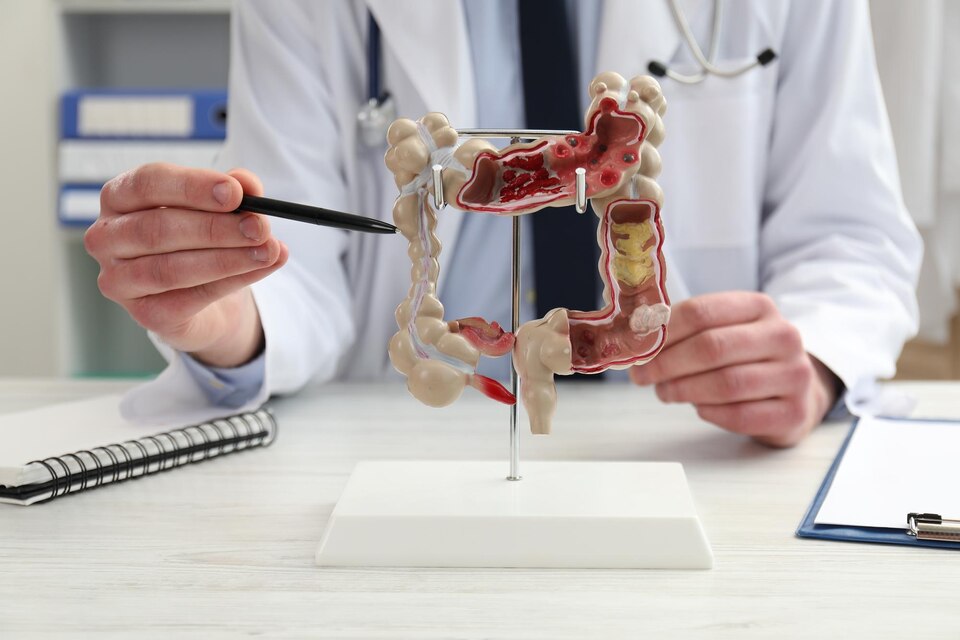
    constipation treatmentConstipation treatment encompasses a range of strategies and remedies aimed at relieving the discomfort and inconvenience associated with this common gastrointestinal issue. When bowel movements become infrequent or difficult, it can lead to various health concerns and discomfort.

    Constipation stands as a prevalent gastrointestinal issue, impacting individuals across all age groups. While occasional constipation is normal, chronic or severe cases can lead to discomfort and health complications. Fortunately, various treatments and lifestyle changes can help alleviate and prevent constipation.

    Constipation Treatment

    The Treatment of Constipation is as follows:

    1. Dietary Modifications:

    • Increase Fiber Intake: Embracing a diet abundant in fiber is a surefire way to encourage consistent bowel movements. opt for nourishing choices like whole grains, fruits, veggies, and legumes, as they stand as superb sources of dietary fiber.
    • Stay Hydrated: Drinking an adequate amount of water is essential to maintain healthy bowel function. Dehydration can lead to dry stools, making them harder to pass.

    2. Over-the-counter (OTC) Medications:

    • Fiber Supplements: If you’re not getting enough fiber from your diet, consider taking OTC fiber supplements like psyllium husk or methylcellulose.
    • Stool Softeners: These medications help soften the stool, making it easier to pass. They are often recommended for short-term use.
    • Laxatives: Laxatives should only be used as a last resort, and it’s essential to consult a healthcare professional before using them regularly. There are various types of laxatives, including osmotic, stimulant, and lubricant laxatives.

    3. Prescription Medications:

    In some cases, when lifestyle changes and OTC treatments do not provide relief, a doctor may prescribe medication to address the underlying causes of chronic constipation. These may include medications that increase intestinal motility or draw water into the intestines.

    Consult a doctor and Order Medicine Online

    4. Biofeedback Therapy:

    Biofeedback therapy involves using sensors to monitor muscle activity in the rectum. This information can help individuals learn how to better coordinate their muscles during bowel movements, potentially improving their ability to pass stools.

    5. Surgery:

    Surgery for constipation is typically considered a last resort and is reserved for severe cases that do not respond to other treatments. Surgical options may include removing a portion of the colon or rectum.

    Constipation Oil Treatment

    Constipation oil treatment, often referred to as “constipation oils” or “laxative oils,” involves the use of certain oils to relieve constipation and promote bowel movements. It involves the use of specific oils to alleviate constipation symptoms and promote smoother bowel movements.

    Olive oil is a common choice due to its lubricating properties. Consuming one to two tablespoons of extra-virgin olive oil on an empty stomach can help soften stool and aid its passage through the intestines. Castor oil, while effective, should be used cautiously and under medical guidance, as it has potent laxative effects. It stimulates intestinal contractions, facilitating bowel movements. Mineral oil is another option, acting as a stool softener by lubricating the intestines.

    Coconut oil, rich in medium-chain fatty acids, can also help soften stool and support regular bowel habits when consumed moderately. Essential oils like peppermint oil may provide relief when diluted and massaged onto the abdomen. However, it’s essential to use constipation oils judiciously and seek medical advice, especially for chronic constipation, as over-reliance on laxatives can lead to dependency and should not replace a balanced diet and healthy lifestyle for long-term digestive health.

    Home Remedies To Constipation

    Home remedies to constipation offer practical and natural ways to alleviate this common digestive issue without the need for medications. Here are effective home remedies for constipation:

    1. Dietary Fiber:

    Increase your fiber intake by including whole grains, fruits (like prunes and apples), vegetables, and legumes in your diet. Fiber adds bulk to stool and promotes regular bowel movements.

    2. Hydration:

    Drink plenty of water throughout the day. Proper hydration softens stool, making it easier to pass.

    3. Prunes:

    Prunes are a natural laxative due to their fiber and sorbitol content. Eat a few prunes or drink prune juice to relieve constipation.

    4. Olive Oil:

    Consume one to two tablespoons of extra-virgin olive oil on an empty stomach in the morning to lubricate the intestines and aid bowel movements.

    5. Lemon Water:

    Start your day with warm lemon water to stimulate digestion and act as a gentle laxative.

    6. Yogurt and Probiotics:

    Incorporate yogurt with active cultures or take probiotic supplements to maintain a healthy gut and regular bowel habits.

    7. Regular Exercise:

    Physical activity helps stimulate intestinal muscles, facilitating the movement of stool through the digestive tract.

    8. Warm Bath or Heating Pad:

    Apply heat to your abdomen through a warm bath or heating pad to relax muscles and alleviate discomfort associated with constipation.

    9. Establish a Routine:

    Try to have a consistent schedule for bowel movements, as regularity can help train your body for predictable bowel habits.

    Conclusion:

    Preventing constipation is often the best approach. Maintaining a healthy lifestyle that includes a balanced diet, regular exercise, and proper hydration can go a long way in promoting regular bowel movements and overall digestive health.

    It’s essential to consult a healthcare provider if you experience chronic or severe constipation, especially if it’s accompanied by symptoms such as blood in the stool, unexplained weight loss, or severe abdominal pain, as these could be signs of a more serious underlying condition.

    Read: What are Generic Medicines?

    Definition of Generic Medicine

    Generic medicine refers to a pharmaceutical product that is bioequivalent to a brand-name or reference medication. These drugs contain the same active ingredients, have the same dosage form and strength, and are administered in the same way as the original branded drug.

    Generic medicines offer a cost-effective alternative, as they typically come to market after the patent protection for the brand-name drug expires, making them more affordable for consumers while maintaining equivalent therapeutic effects.

    FAQs on Constipation Treatment

    Q1. What is constipation treatment?

    Constipation treatment involves lifestyle modifications like increasing dietary fiber and fluid intake, along with regular exercise to promote healthy bowel movements. Over-the-counter medications, such as stool softeners or laxatives, may be used for short-term relief, but their prolonged use should be supervised by a healthcare professional.

    Q2. What dietary changes can help alleviate constipation?

    Increasing fiber intake by consuming more fruits, vegetables, and whole grains can promote regular bowel movements and relieve constipation.

    Q3. Is it safe to use over-the-counter laxatives for constipation?

    OTC laxatives are generally safe for short-term use, but it’s advisable to consult a healthcare professional before prolonged or frequent use to avoid dependency.

    Q4. Can exercise help with constipation?

    Yes, regular physical activity stimulates intestinal muscles, facilitating the passage of stool through the digestive tract and helping to alleviate constipation.

    Related Links:

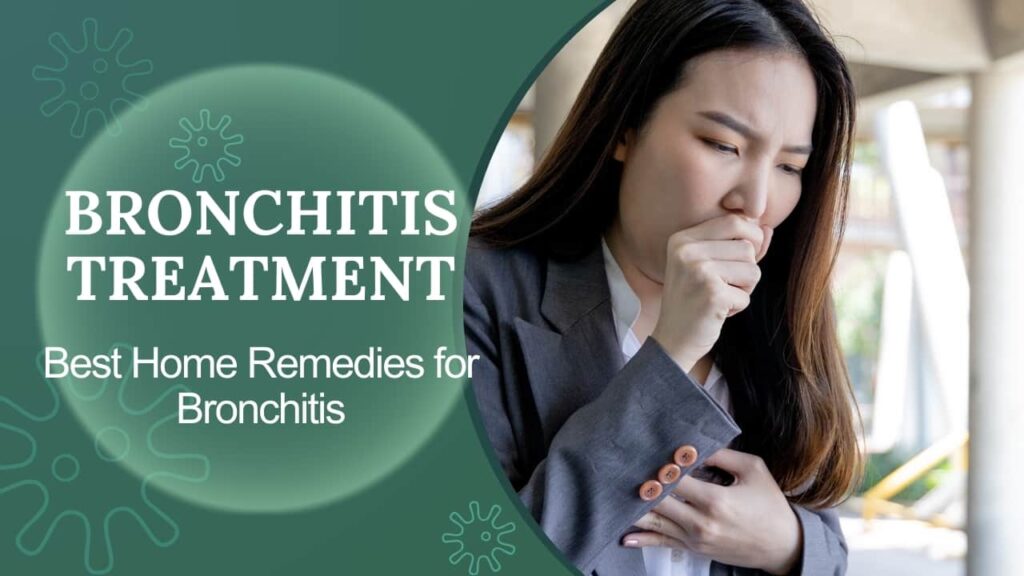
  • Bronchitis Treatment: Best Home Remedies for Bronchitis, Prednisone for Bronchitis

    Bronchitis Treatment: Best Home Remedies for Bronchitis, Prednisone for Bronchitis

    bronchitis treatment

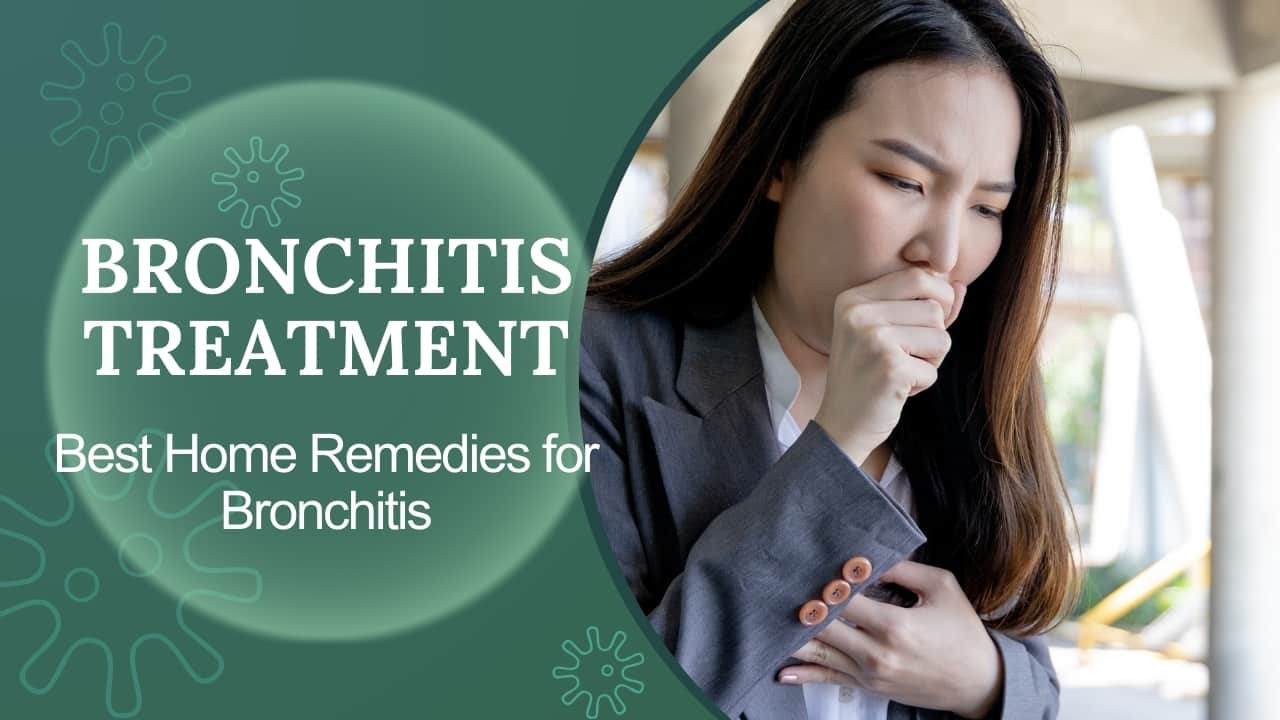
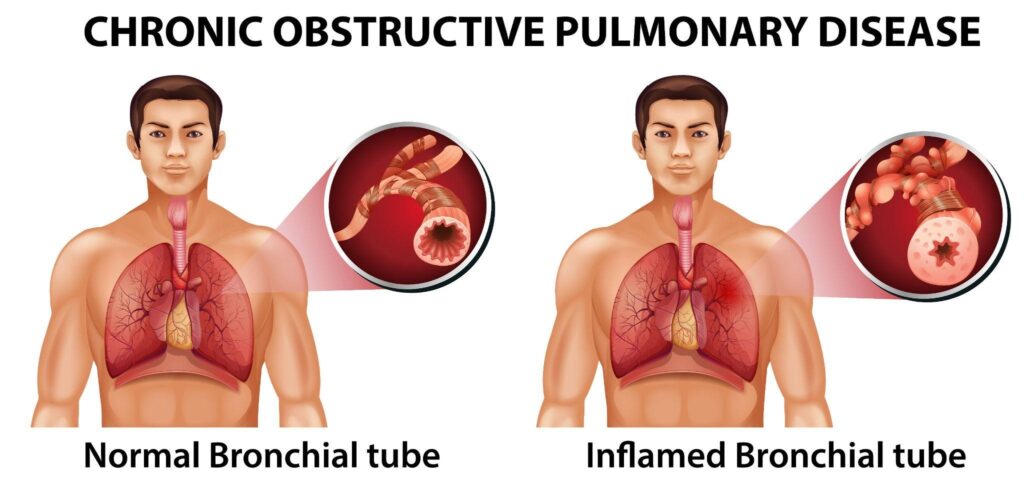
    Bronchitis causes inflammation in the bronchial tubes, leading to persistent coughing, mucus buildup, and breathing difficulties. It is classified into acute bronchitis treatment and chronic bronchitis treatment, each requiring specific treatments.

    This nasty situation messes with your bronchial tube, blocking the air you need and making every breath feel like an exercise. Doctors divide this hassle into two types: the acute bronchitis treatment kind and the long-haul version, chronic bronchitis. They each get their battle plan depending on how bad they are and what symptoms they throw at you.

    Managing chronic bronchitis treatment requires long-term treatment, including inhalers, lifestyle modifications, and medications, and switching up your lifestyle and various treatments. If some annoying bacteria crash the body, doctors might throw antibiotics into the mix to show them the door.

    Dealing with allergic bronchitis treatment is a different story — avoid those allergens and pop a few antihistamines or use inhalers to calm the flames.

    Now, kiddos with bronchitis — they need few gentle, yet tough love with treatments built for the little individuals.

    Looking to expose analyses about bronchitis? This guide’s got your back with the scoop on kicking back at home, when to bring in prednisone, and other med-based game plans to get your lungs back in best form.

    Bronchitis Diagnosis & Treatment

    Before starting bronchitis cough treatment, it’s essential to determine whether you have acute or chronic bronchitis. Doctors analyse bronchitis through:

    • Physical Examination: Checking for coughing, mucus production, and respiratory patterns.
    • Chest X-rays: To exclude pneumonia or other bronchial diseases.
    • Sputum Tests: Identifying bacterial diseases that require medicines.
    • Pulmonary Function Tests: Assessing breath control, especially in chronic bronchitis cough treatment.

    acute bronchitis treatment

    Bronchitis Treatment Options

    1. Acute Bronchitis Treatment

    • Rest & Hydration: Helps thin muck for effortless exclusion.
    • Over-the-counter (OTC) Medications: Pain relievers and cough suppressants are indicative of relaxation.
    • Bronchodilators: Open airways for better respiration.
    • Humidifiers & Steam Therapy: Keep airways moist and relieve syndromes.

    2. Chronic Bronchitis Treatment

    • Inhalers: Reduce ventilating pipe irritation and improve respiration.
    • Oxygen Therapy: Used in serious cases accompanying poor oxygen levels.
    • Pulmonary Rehabilitation: An organized program to build up lung function
    • Lifestyle Changes: Avoiding cigarettes, pollution, and cold air prevents flare-ups.

    3. Allergic Bronchitis Treatment

    • Antihistamines: Reduce hypersensitive responses that provoke bronchitis.
    • Allergy Immunotherapy: Helps dull the immune system.
    • Avoiding Triggers: Identifying and stopping apart allergic reactions.

    4. Prednisone for Bronchitis Treatment

    Prednisone is a corticosteroid that helps break down inflammation in the bronchial tubes, making the respiratory system relaxed. It is typically recommended for serious or deep-rooted bronchitis cases where infection leads to important ventilating pipe obstruction.

    How Prednisone Helps:

    • Reduces swelling in the airways
    • Lowers mucus production
    • Enhances lung function for easier breathing

    Possible Side Effects of Prednisone:

    Prednisone should only be taken under pharmaceutical surveillance due to potential side effects.

    Need Medications for Bronchitis?

    Medkart offers a wide range of medicines for bronchitis, including trusted cough syrups like Ascoril LS.
    Order Ascoril LS Syrup 100ml/Relent Plus Syrup now, and get doorstep delivery at affordable rates.

    Home Remedies for Bronchitis

    If you choose organic therapies, various home remedies can help manage bronchitis symptoms and treatment effectively:

    1. Acute Bronchitis Treatment at Home

    • Ginger & Honey Tea: Soothes throat sensitivity and reduces pain.
    • Steam Inhalation: Helps loosen muck for smooth discharge.
    • Turmeric Milk: Acts as an anti-provocative power.

    2. Allergic Bronchitis Home Treatment

    • Saltwater Gargle: Reduces throat sensitivity.
    • Essential Oils (Eucalyptus, Peppermint): Provide relief from blockage.
    • Probiotics: Support immune function to prevent flare-ups.

    3. Bronchitis Natural Treatment

    • Vitamin C-rich foods: Restore immunity.
    • Hydration: Drinking warm fluids helps in muck pruning.
    • Rest & Proper Sleep: Helps in speedy improvement.

    home remedies for bronchitis treatment

    Preventive Measures for Bronchitis

    While bronchitis may be medicated efficiently, stopping it is a high-quality approach. Follow these deterrent measures:

    • Quit Smoking: Smoking damages the bronchial tubes and increases contamination risk.
    • Get Vaccinated: Flu and pneumonia vaccines help counter contaminations superior than bronchitis.
    • Maintain Good Hygiene: Frequent handwashing reduces the spread of disease.
    • Avoid Pollutants: Curtail exposure to dust, fumes, plus allergens.
    • Strengthen Your Immune System: Exercise with proper sleep, and a healthy diet support ward off diseases.

    When to Seek Medical Attention

    Bronchitis syndromes generally resolve with home care, but medical care is necessary if you occur:

    • High fever everlasting for three days as well.
    • Severe deficiency of breath or coughing.
    • Coughing up blood or yellow-green muck.
    • Symptoms everlasting more than three weeks.
    • Recurring bronchitis episodes may indicate a chronic condition.

    Conclusion

    Bronchitis may be effectively controlled accompanying the right hospitalization, either through medications like prednisone, bronchitis treatment antibiotics for bacterial infections, or natural home remedies. If you experience persistent bronchitis symptoms and treatment, consult a healthcare specialist for the best medication.

    Find the Best Bronchitis Medicines at Medkart Pharmacy

    Delve into Medkart Pharmacy’s selection of bronchitis medicines for effective relaxation and better respiratory strength.

    Shop Now for Affordable Bronchitis Medications!

    FAQs on Bronchitis Treatment

    1. What are the symptoms and treatment of bronchitis?

    Bronchitis symptoms include a persistent cough, chest congestion, mucus production, shortness of breath, mild fever, and fatigue. Treatment depends on the type—acute bronchitis may improve with rest, fluids, and cough medicines, while chronic bronchitis often requires inhalers, medications, and long-term lifestyle changes.

    2. How is chronic bronchitis managed?

    Managing chronic bronchitis involves a combination of daily inhalers, prescribed medications, lifestyle changes like quitting smoking, and routine checkups to keep symptoms under control.

    3. What is the treatment for allergic bronchitis?

    Treatment usually includes avoiding allergens, taking antihistamines, and using inhalers or bronchodilators to ease breathing.

    4. Can acute bronchitis be treated at home?

    Yes, home treatment like staying hydrated, using steam inhalation, and taking non-prescription medicines can help manage symptoms effectively.

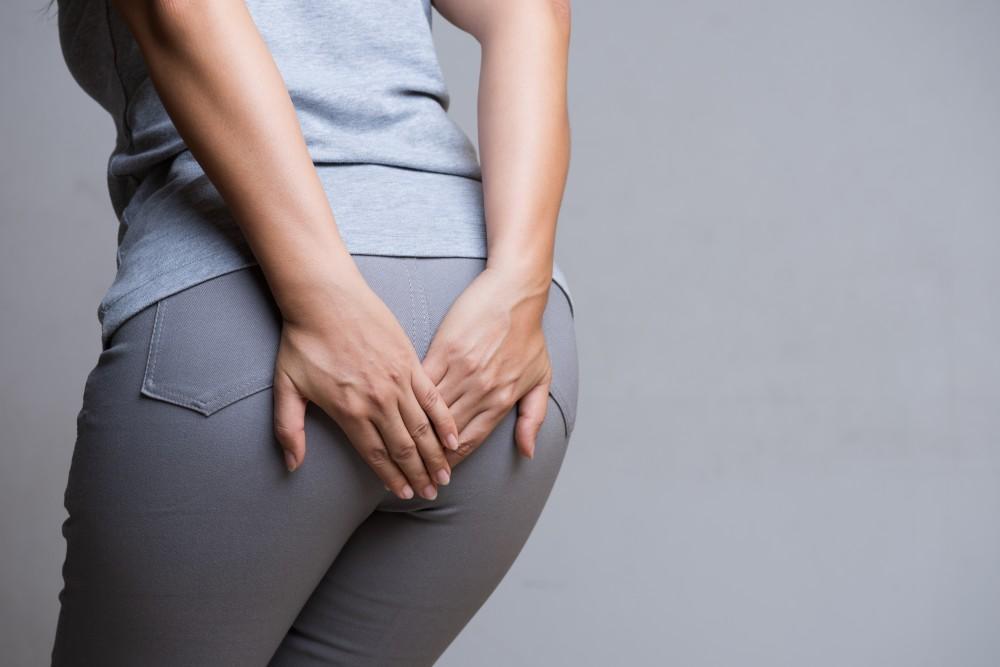
  • Anal Fissure Treatment: Yoga for Fissure, Anal Fissure Treatment at Home

    Anal Fissure Treatment: Yoga for Fissure, Anal Fissure Treatment at Home

    Anal Fissure Treatment

    Anal fissure treatment refers to the medical care and interventions aimed at healing small tears or cracks in the lining of the anal canal. This treatment can encompass various approaches, including dietary modifications to soften stools, the use of topical medications for pain relief and inflammation reduction, as well as surgical procedures in cases where conservative methods are ineffective.

    Effective anal fissure treatment is crucial in alleviating pain and discomfort, promoting healing, and preventing the condition from worsening or becoming chronic.

    Anal Fissure Diagnosis

    Diagnosing an anal fissure typically involves a medical examination and discussion of symptoms. Healthcare providers will inquire about pain during bowel movements, bleeding, and discomfort. They may conduct a physical examination of the anal area to identify fissures or other potential issues.

    In some cases, a digital rectal exam or anoscopy may be performed to get a closer look. While diagnosis is often straightforward based on symptoms and examination, further tests like colonoscopy may be recommended if there are concerns about underlying conditions.

    Anal Fissure Treatment

    The Treatment of Anal Fissure are mentioned below:

    Dietary and Lifestyle Changes

    For many individuals with anal fissures, the first step in treatment involves making dietary and lifestyle adjustments. Increasing fibre intake through a diet rich in fruits, vegetables, whole grains, and legumes can soften stools and make bowel movements smoother and less painful. Drinking plenty of water is also essential to prevent constipation and maintain regular, soft stools.

    Topical Medications

    Over-the-counter or prescription topical medications can provide relief from anal fissure symptoms. These medications often contain ingredients like hydrocortisone, lidocaine, or nitroglycerin.

    Hydrocortisone can help reduce inflammation, lidocaine can numb the area, and nitroglycerin relaxes the anal sphincter muscles, promoting healing by improving blood flow. These creams or ointments are typically applied directly to the affected area as directed by a healthcare provider.

    > Consult a Doctor and Medkart will help you Order Medicines Online

    Stool Softeners and Laxatives

    In some cases, healthcare providers may recommend stool softeners or laxatives to prevent constipation and reduce strain during bowel movements. This can be particularly helpful when dietary changes alone are insufficient.

    Botulinum Toxin (Botox) Injection

    For individuals with chronic fissures that do not respond to other treatments, a botox injection into the anal sphincter muscle may be considered. Botox can temporarily relax the sphincter muscle, reducing spasms and promoting healing.

    Prescription Medications

    Calcium channel blockers like diltiazem or nifedipine can be prescribed to relax the anal sphincter muscle, reducing pressure on the fissure and promoting healing. These medications are typically applied topically or in an ointment form.

    Surgery

    In cases where conservative treatments and medications do not provide relief, surgery may be necessary. Lateral internal sphincterotomy is the most common surgical procedure for anal fissures treatment. During this procedure, a small portion of the anal sphincter muscle is cut to reduce pressure on the fissure. Other surgical options include advanced techniques like anal advancement flaps, which involve repositioning nearby tissue to cover the fissure.

    Anal Fissure Treatment at Home

    Here are some effective anal fissure treatments at home:

    • Dietary Changes: Start by adjusting your diet to include more fiber-rich foods like fruits, vegetables, whole grains, and legumes. Fibre softens stools and makes bowel movements smoother, reducing the risk of further irritation and tearing.
    • Hydration: Maintain optimal hydration by ensuring you consume an ample amount of water throughout the day. This helps maintain soft stools and prevents constipation, which can exacerbate fissure symptoms.
    • Warm Sitz Baths: Soaking in a warm sitz bath for 15-20 minutes several times a day can provide relief from pain and discomfort. The warm water helps relax the anal muscles and promotes blood flow to the area, aiding in healing.
    • Topical Ointments: Over-the-counter creams containing ingredients like hydrocortisone or lidocaine can be applied to the anal area to reduce inflammation and numb pain. Follow your healthcare provider’s recommendations.
    • Proper Hygiene: After bowel movements, gently clean the anal area with mild, unscented wipes or water to avoid further irritation. Pat the area dry rather and avoid rubbing it.
    • Avoid Straining: Make an effort to avoid straining during bowel movements. You can achieve this by not delaying bathroom trips when you feel the urge, and using a footstool to elevate your knees slightly when on the toilet to help facilitate easier bowel movements.

    Anal Fissure Treatment

    Fissure Treatment by Yoga

    Yoga can be a valuable complementary approach in the treatment of anal fissures. Specific yoga postures and practices can help alleviate symptoms and promote healing. Asanas like the Pavanamuktasana (Wind-Relieving Pose) and Malasana (Squat Pose) can aid in relieving constipation and reducing pressure on the anal area.

    Stress reduction through mindfulness and deep breathing techniques can also play a crucial role, as stress can exacerbate fissure discomfort. While yoga can be a helpful part of a holistic approach to fissure management, it should be practised in conjunction with other medical treatments and under the guidance of a qualified instructor to ensure safety and effectiveness.

    Conclusion:

    It’s crucial to consult with a healthcare provider if you suspect you have an anal fissure or if you experience persistent symptoms such as pain, bleeding, or discomfort during bowel movements.

    Timely and appropriate anal fissure treatment can not only alleviate symptoms but also help prevent the condition from becoming chronic. Additionally, healthcare professionals can tailor treatment plans to meet individual needs and promote a quicker and more comfortable recovery.

    Read: What are Generic Medicines?

    Benefits of Generic Medicine

    Generic medicines offer several benefits, including cost savings for consumers due to their lower prices compared to brand-name equivalents. They are subject to rigorous regulatory standards, ensuring their safety, efficacy, and quality.

    Generic medications provide the same active ingredients as brand-name drugs, making them equally effective. Additionally, their widespread availability enhances access to essential treatments, promoting better healthcare affordability and accessibility for individuals and healthcare systems.

    FAQs on Anal Fissure Treatment

    Q1. What is anal fissures treatment?

    Anal fissure treatment involves addressing small tears or cracks in the anal lining. It typically includes dietary adjustments to soften stools, topical medications for pain relief, and, in severe cases, surgical options to promote healing and reduce discomfort.

    Q2. Can anal fissures heal on their own without treatment?

    Yes, some anal fissures may heal naturally with dietary and lifestyle changes, but treatment can help speed up the healing process and alleviate symptoms.

    Q3. Is surgery always required for anal fissure treatment?

    No, surgery is typically considered when conservative treatments and medications fail. Many anal fissures can be successfully managed with dietary modifications, topical ointments, and other non-invasive approaches.

    Related Links:

    Blog | Medkart Pharmacy - Generic Medicine Online

  • Urticaria Treatment: Best Cream, Hives, Urticaria Ayurvedic Medicine

    Urticaria Treatment: Best Cream, Hives, Urticaria Ayurvedic Medicine

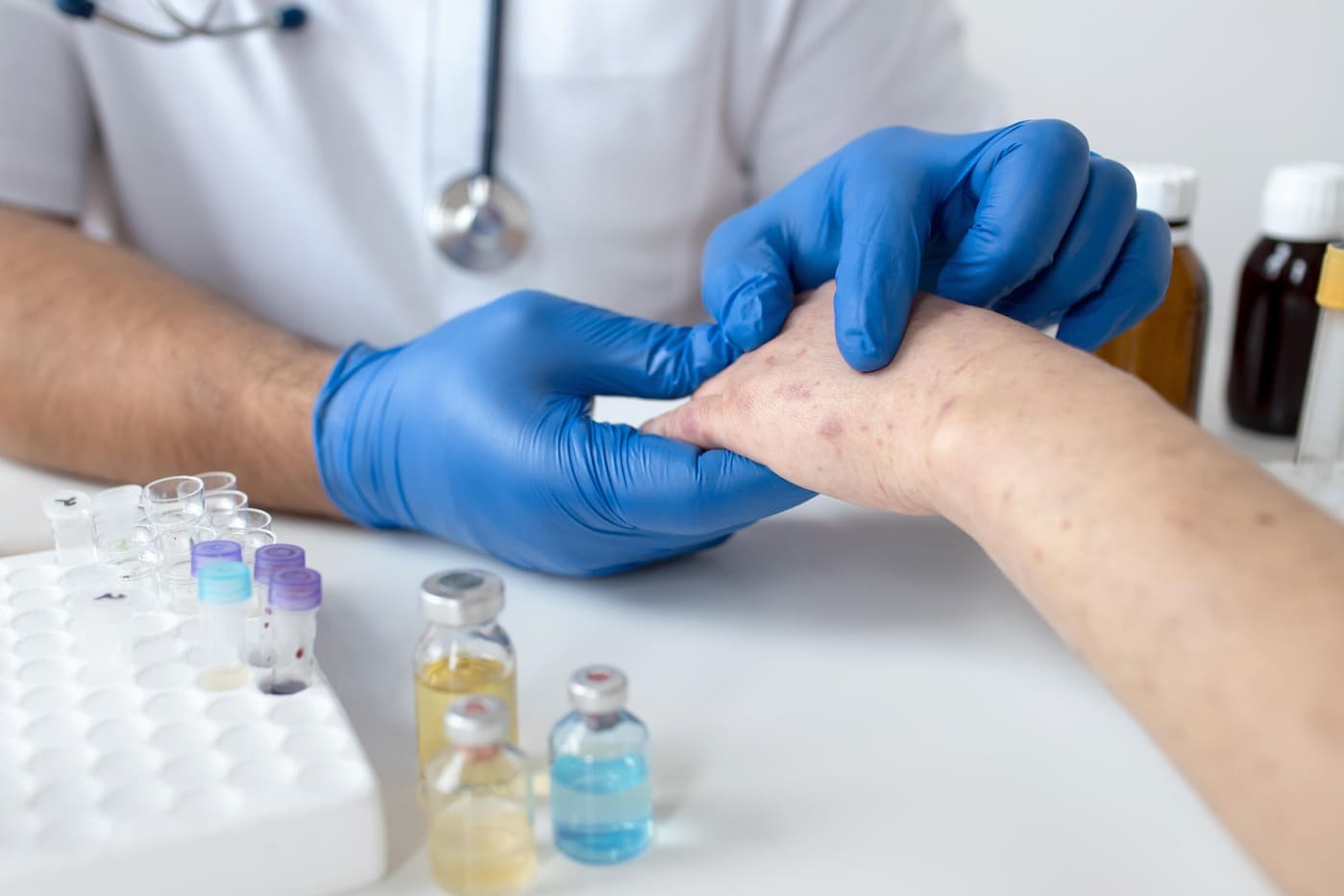
    Urticaria Treatment

    Urticaria treatment involves the use of medications, primarily antihistamines, to alleviate symptoms like itching and hives. Urticaria, commonly known as hives, can be a maddening condition characterized by itchy, raised welts on the skin. Finding the right urticaria (hives) treatment is crucial for anyone dealing with this annoying and often uncomfortable skin ailment.

    Whether you’re struggling with chronic urticaria or experiencing occasional flare-ups, various approaches for urticaria treatment can help alleviate symptoms and provide much-needed relief.

    Urticaria Treatment

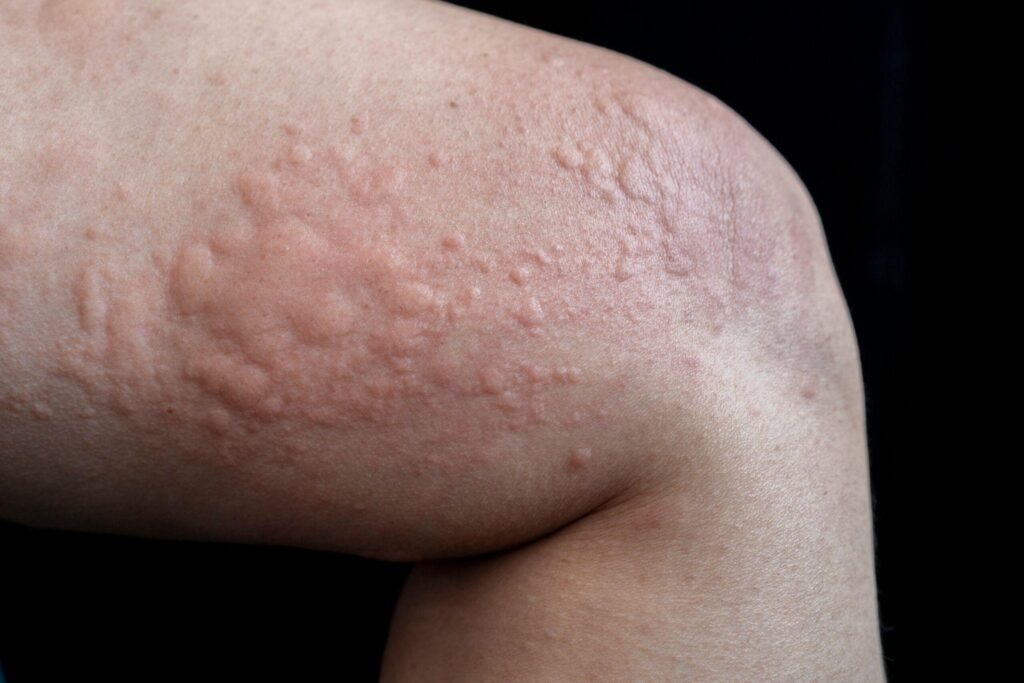
    Urticaria, or hives, manifests as red, itchy welts on the skin’s surface. These welts can vary in size and shape and often appear suddenly, causing discomfort and frustration. The root cause of urticaria is an immune response that triggers the release of histamines, leading to the characteristic skin rash.

    Common triggers for urticaria include certain foods, medications, insect stings, pollen, stress, and physical stimuli like heat, cold, or pressure. In some cases, the exact cause remains unknown, which is referred to as chronic idiopathic urticaria. However, effective urticaria treatment can help manage symptoms regardless of the cause.

    Best Hives Treatment

    The best remedies for Urticaria treatment (hives) treatment are as follows:

    1. Over-the-counter (OTC) Medications

    For mild cases of urticaria, OTC antihistamines like cetirizine (Zyrtec) or loratadine (Claritin) can provide relief from itching and reduce the severity of hives. These medications work by blocking the effects of histamine and are generally safe for short-term use. However, it’s essential to follow the dosing instructions and consult with a healthcare provider if symptoms persist.

    > Consult a Doctor and Medkart will help you Order Medicines Online

    2. Prescription Medications

    In more severe cases or chronic urticaria, prescription medications may be necessary. These may include:

    • Prescription-strength antihistamines: When OTC antihistamines don’t provide sufficient relief, a healthcare provider may prescribe stronger versions.
    • Corticosteroids: In cases of acute urticaria, a short course of oral or topical corticosteroids may be prescribed to reduce inflammation and itching.
    • Immunosuppressants: For chronic urticaria that doesn’t respond to other treatments, immunosuppressant medications like cyclosporine may be considered. These drugs help suppress the immune response that leads to hives.
    • Biologics: Recently, biologic drugs like omalizumab (Xolair) have shown promise in treating chronic idiopathic urticaria by targeting specific immune system pathways involved in the condition.

    Alternate Remedies of Urticaria

    In addition to medications, some individuals find relief through alternative therapies, such as:

    • Light Therapy: Phototherapy, or light therapy, exposes the skin to controlled amounts of ultraviolet (UV) light to reduce inflammation and itching.
    • Herbal Remedies: Certain herbs, such as nettle leaf, have been used traditionally to alleviate hives. However, the efficacy of herbal remedies varies, and it’s essential to consult with a healthcare provider before trying them.
    • Acupuncture: Some individuals report relief from urticaria symptoms after acupuncture sessions, although scientific evidence supporting its effectiveness is limited.

    Urticaria Treatment

    Urticaria Cream Treatment

    Urticaria cream treatment involves the application of topical creams or ointments specifically formulated to relieve the itching and inflammation associated with hives. These creams often contain antihistamines or corticosteroids, which work to block histamine responses and reduce skin irritation.

    Urticaria cream treatment is effective for localized hives, providing fast relief directly to the affected area. It is a convenient and non-invasive option for managing the discomfort of urticaria, particularly in cases of mild to moderate outbreaks. However, for chronic or severe urticaria, consultation with a healthcare provider for a comprehensive treatment plan may be necessary.

    Urticaria Ayurvedic Treatment

    Urticaria Ayurvedic treatment is an alternative approach to managing hives using principles from the ancient Indian system of Ayurveda. This holistic system focuses on achieving balance in the body, mind, and spirit, aiming to address the root causes of ailments rather than just their symptoms.

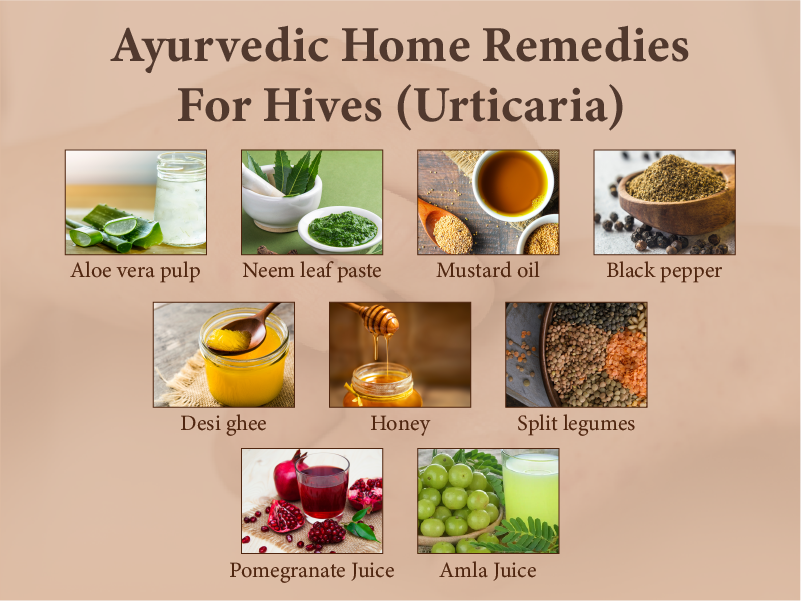
    In the context of urticaria, Ayurvedic treatment involves a personalized approach that considers an individual’s constitution (dosha), diet, lifestyle, and overall health. Common Ayurvedic remedies for urticaria include the use of natural ingredients like neem, turmeric, and aloe vera. Neem, with its anti-inflammatory and antimicrobial properties, can help soothe skin irritation.

    Turmeric’s anti-inflammatory and antioxidant qualities make it a popular choice for managing hives. Aloe vera may be used topically to relieve itching and reduce inflammation.

    Urticaria Treatment

    Symptoms of Hives

    Hives caused by stress, known as stress-induced urticaria, can be managed through stress reduction techniques and medical interventions. Stress management strategies include mindfulness, meditation, yoga, and deep breathing exercises, which can help minimize the emotional and physiological triggers for hives.

    Additionally, relaxation techniques and a balanced lifestyle may reduce the frequency and severity of stress-related hives.

    Conclusion

    Urticaria treatment can vary depending on the severity and underlying causes of hives. Finding the right approach may involve a combination of urticaria cream treatment, antihistamines, stress management, and identifying triggers. By working closely with a healthcare provider and implementing these strategies, individuals dealing with urticaria can find relief and regain control over their skin health, ultimately leading to a more comfortable and itch-free life.
    Read: What are Generic Medicines?

    Information about Generic Medicines

    Generic medicines are identical to brand-name drugs in terms of quality, safety, and efficacy. They contain the same active ingredients and meet rigorous standards set by health authorities.

    Generic drugs are typically more affordable, making healthcare more accessible. They undergo thorough testing to ensure they provide the same therapeutic benefits as their brand-name counterparts, offering a cost-effective option for consumers while maintaining the same high standards of quality and safety.

    FAQs on Urticaria Treatment

    Q1. What is urticaria treatment?

    Urticaria treatment typically involves the use of antihistamines to relieve itching and inflammation caused by hives. In more severe cases, prescription medications or addressing underlying triggers may be necessary.

    Q2. Can over-the-counter antihistamines effectively treat urticaria?

    Yes, over-the-counter antihistamines like cetirizine and loratadine can provide relief from urticaria symptoms by blocking histamine receptors and reducing itching and hives.

    Q3. Are there natural remedies for urticaria treatment?

    Yes, some individuals find relief with natural remedies like applying aloe vera or taking nettle supplements. However, consult a healthcare provider before trying these options for safety and efficacy.

    Related Links:

    Blog | Medkart Pharmacy - Generic Medicine Online