Blog

  • Electroconvulsive Therapy: Definition, Side Effects, Procedure

    Electroconvulsive Therapy: Definition, Side Effects, Procedure

    Electroconvulsive Therapy

    Electroconvulsive Therapy (ECT), also known as electroshock therapy, is a medical procedure that involves inducing controlled seizures in the brain to treat certain mental illnesses, particularly severe depression and some forms of schizophrenia. Despite its controversial history, ECT has evolved over the years to become a safer and more controlled therapeutic option for individuals who do not respond well to other treatments.

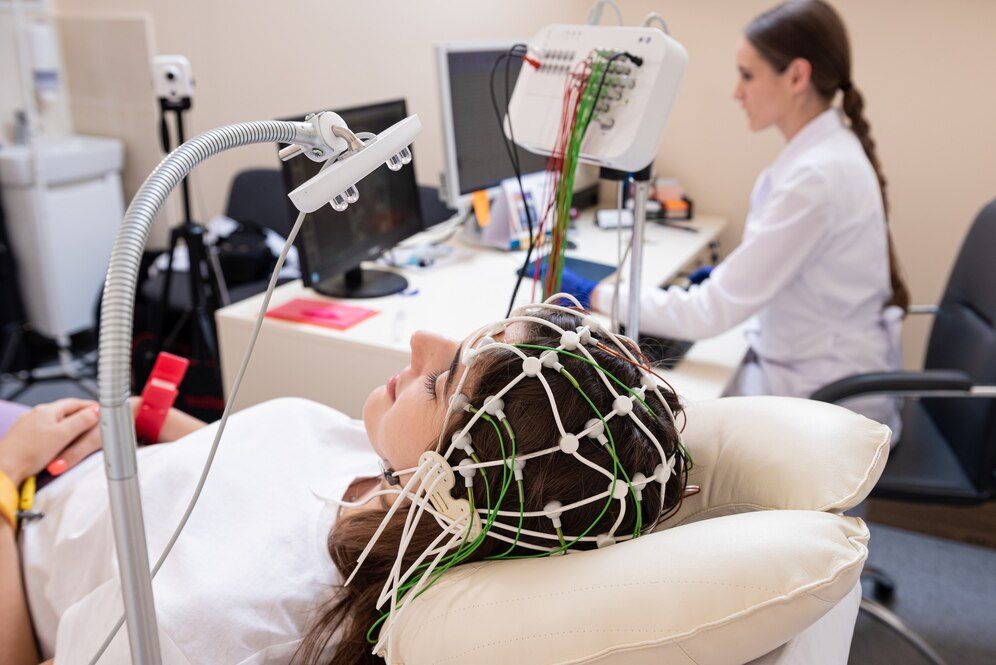
    Electroconvulsive Therapy (ECT) sessions are typically administered under anaesthesia, and muscle relaxants are used to prevent the intense muscle contractions that can occur during a seizure. During the procedure, electrodes are placed on the patient’s scalp, and an electrical current is passed through the brain, inducing a brief seizure that lasts for about 20 to 60 seconds. The specific mechanism through which ECT exerts its therapeutic effects is not fully understood, but it is believed to involve neurotransmitter changes and alterations in brain circuitry.

    ECT is usually administered in a series of treatments, with several sessions taking place over a few weeks. The number of sessions required varies depending on the individual’s response to treatment and the severity of their condition. In some cases, maintenance ECT sessions may be recommended to prevent relapse.

    Electroconvulsive Therapy

    Electroconvulsive Therapy (ECT) has a complex history that dates back to the early 20th century. It was first introduced in the 1930s as a treatment for various psychiatric disorders. However, its early use lacked the safety measures and ethical considerations that are standard in modern medical practice. ECT was portrayed negatively in popular culture and media, leading to a stigmatized perception.

    Read: What is Generic Medicine?

    Modern Advancements

    Over the decades, ECT has evolved significantly in terms of safety, administration, and patient care. Advances in medical technology, anaesthesia, and monitoring techniques have transformed ECT into a safer and more controlled procedure. Today, ECT is conducted in specialized medical settings by trained professionals, and stringent protocols are in place to ensure patient safety and well-being.

    Electroconvulsive Therapy Procedure and Mechanism

    During an Electroconvulsive Therapy (ECT) session, the patient is given a general anaesthetic to ensure they are unconscious and do not experience any pain. Additionally, muscle relaxants are administered to prevent the intense convulsions that historically caused physical injuries. Electrodes are placed on specific locations on the patient’s scalp, typically on both sides of the head, and a carefully controlled electrical current is applied for a brief period.

    This stimulation triggers a seizure that lasts for about 20 to 60 seconds. The exact mechanism by which ECT exerts its therapeutic effects is not fully understood, but several theories exist. It is believed that the induced seizure affects neurotransmitter levels in the brain, particularly serotonin, norepinephrine, and dopamine, which play vital roles in mood regulation. ECT may also influence the neuroplasticity of the brain, leading to changes in neural circuits and connectivity.

    Electroconvulsive Therapy Indications and Effectiveness

    ECT is primarily used to treat severe depressive disorders, especially when they are accompanied by symptoms such as suicidal tendencies, severe agitation, or psychosis. It is also considered for individuals with treatment-resistant bipolar disorder and certain forms of schizophrenia.

    ECT is usually recommended when other treatment options, including medication and psychotherapy, have not provided significant relief. Research suggests that ECT can lead to rapid improvements in severe psychiatric symptoms. It is particularly effective in cases where urgent intervention is needed or when individuals are unable to tolerate the side effects of medications.

    > Consult a doctor and Order Medicine Online

    Side Effects of Electroconvulsive Therapy

    While modern ECT procedures are safer than their historical counterparts, they can still cause certain side effects. Temporary memory loss and confusion are common, especially immediately following the treatment. However, these side effects tend to improve as the patient recovers from the procedure. More serious side effects, such as cardiovascular complications or permanent memory impairment, are rare due to advancements in anaesthesia and monitoring.

    Side Effects of Electroconvulsive Therapy

    Ethical and Societal Concerns

    Ethical concerns have historically surrounded ECT due to its portrayal in media, historical misuse, and the stigma attached to mental health treatments. However, contemporary ECT practices prioritize patient safety, informed consent, and a careful evaluation of risks and benefits. Mental health professionals ensure that patients fully understand the procedure before giving their consent.

    Conclusion:

    Electroconvulsive Therapy, while historically controversial, has evolved into a medical procedure that offers relief to individuals suffering from severe mental health disorders. Under the guidance of trained professionals, modern ECT can provide rapid symptom improvement and an improved quality of life for those who have not responded well to other treatments. The ongoing advancements in psychiatric care and research continue to shape the understanding and application of ECT as a therapeutic option.

    FAQs on Electroconvulsive Therapy

    Q1. What is Electroconvulsive Therapy?

    Electroconvulsive therapy (ECT) is a medical procedure used to treat severe mental health conditions, particularly major depressive disorder, bipolar disorder, and some forms of schizophrenia. During ECT, controlled electric currents are applied to the brain, inducing a brief seizure. The procedure is typically administered under general anaesthesia and muscle relaxants to minimize discomfort and prevent physical convulsions. ECT is considered when other treatment options have been ineffective or when rapid intervention is necessary due to the severity of the illness.

    Q2. How does electroconvulsive therapy work?

    The exact mechanism of action of ECT is not fully understood, but it is believed to involve changes in brain chemistry and neural pathways. The induced seizure is thought to impact neurotransmitter levels, such as serotonin and dopamine, which play a significant role in mood regulation. Additionally, ECT may influence brain circuitry and neuroplasticity, leading to alterations in neural connections. These changes are believed to contribute to the therapeutic effects of ECT on severe psychiatric symptoms.

    Q3. What conditions is ECT used to treat?

    ECT is primarily used to treat severe mental health conditions that have not responded well to other treatments. These conditions include severe depressive disorders, especially those with features like suicidality, psychosis, or agitation. ECT is also considered for individuals with treatment-resistant bipolar disorder and certain types of schizophrenia. Mental health professionals carefully assess each case to determine if ECT is an appropriate treatment option based on the individual’s medical history, symptom severity, and treatment goals.

    Q4. What are the potential side effects and risks of ECT?

    ECT, like any medical procedure, carries potential risks and side effects. Common side effects include short-term memory loss and confusion immediately after the procedure, which usually resolves in the days or weeks following treatment. More serious side effects, such as cardiovascular complications, permanent memory impairment, or fractures due to muscle contractions, are rare but possible. Advances in anaesthesia and monitoring techniques have minimized the risk of severe adverse events. The benefits and risks of ECT are carefully evaluated by medical professionals before recommending the treatment.

    Related Links:

  • What is Medical Scribe? Definition, Meaning, Medical Scribe Interview Questions

    A Medical Scribe is a professional who works closely with healthcare providers, such as physicians, nurse practitioners, or physician assistants, to assist in the documentation and administrative aspects of patient care. The term “scribe” historically referred to a person who wrote down important information on behalf of others, and in the medical context, a medical scribe takes on a similar role by accurately recording patient interactions and medical details.

    The primary purpose of a medical scribe is to ensure comprehensive and accurate documentation of patient encounters, which includes recording medical histories, physical examinations, treatments, diagnoses, and other pertinent information. Handling the documentation process, enables healthcare providers to focus more on direct patient care and clinical decision-making.

    Medical Scribe Roles and Responsibilities

    Key aspects of the role of a medical scribe include:

    Accurate Documentation: It is responsible for accurately recording and transcribing the details of patient encounters, which include medical histories, physical examinations, treatments, prescriptions, and any other pertinent information. Their precise documentation contributes to maintaining comprehensive and up-to-date medical records.

    Electronic Health Records (EHRs): Scribes input patient data into electronic health record systems, ensuring that information is organized, accessible, and compliant with medical coding and terminology standards.

    Real-time Assistance: During patient appointments, medical scribes work in real-time, capturing important information as healthcare providers interact with patients. This immediate documentation ensures that nothing important is overlooked, contributing to the accuracy of patient records.

    Medical Terminology: Scribes are trained in medical terminology and abbreviations, which allows them to effectively transcribe complex medical information. This proficiency ensures that accurate and meaningful information is recorded in the patient’s medical record.

    Chart Review: Scribes may assist healthcare providers by reviewing past medical records and relevant patient history. This helps providers make informed decisions about treatment plans and care strategies.

    Time Management: By handling documentation and administrative tasks, medical scribes enable healthcare providers to optimize their time and dedicate more attention to patient-centred activities, ultimately enhancing patient outcomes and satisfaction.

    Confidentiality and Compliance: Scribes are well-versed in patient privacy laws and regulations, ensuring that patient information is managed securely and in accordance with legal and ethical standards.

    Read: What is Generic Medicine?

    What is a Medical Scribe?

    Medical scribes are commonly found in various healthcare settings, including hospitals, clinics, emergency departments, and speciality practices. They play a critical role in supporting healthcare providers, especially in the context of electronic health records, where accurate and timely documentation is essential. It’s important to clarify that it does not provide direct medical care, make diagnoses, or offer medical advice. Instead, their primary focus is on capturing and recording patient information to aid in the delivery of effective and comprehensive healthcare services. The presence of scribes contributes to improved workflow efficiency, reduced provider burnout, and overall enhanced patient care.

    Medical Scribe Interview Questions

    Certainly, here are a few frequently asked medical scribe interview questions:

    1. Why do you want to become a medical scribe?
    2. What experience do you have with medical terminology and abbreviations? Can you provide examples?
    3. How do you manage your time and prioritize tasks, especially in a fast-paced healthcare environment?
    4. Are you familiar with electronic health record (EHR) systems? Could you share your experience with using them?
    5. Tell us about a situation where you had to handle sensitive or confidential patient information. How did you ensure privacy?
    6. Can you describe your typing speed and accuracy when entering patient information?
    7. During a busy patient encounter, how would you ensure accurate documentation without disrupting the flow of the appointment?
    8. How comfortable are you adapting to different healthcare providers’ preferences for documentation styles?
    9. What strategies do you use to maintain patient confidentiality while accurately documenting information?
    10. How do you handle situations where there’s a potential conflict between accurately documenting information and ensuring a smooth patient-provider interaction?

    > Consult a doctor and Order Medicine Online

    In conclusion, a medical scribe serves as a vital bridge between healthcare providers and accurate documentation. This profession plays a significant role in easing the administrative burden on healthcare professionals, allowing them to dedicate more time to direct patient care and critical medical decision-making. By capturing intricate patient details, transcribing medical histories, and managing electronic health records, it contribute to the seamless flow of information in healthcare settings.

    Their adeptness in medical terminology, attention to detail, and commitment to patient confidentiality make them integral to maintaining comprehensive and up-to-date medical records. As the healthcare industry continues to evolve, the role of the medical scribe continues to gain importance in optimizing patient care, enhancing healthcare provider efficiency, and ensuring the highest standards of documentation accuracy.

    FAQs on Medical Scribe

    Q.1 What is a medical scribe?

    A medical scribe is a trained professional who works alongside healthcare providers, such as physicians, nurse practitioners, and physician assistants, to assist in documenting patient encounters and managing medical records. Their primary role involves accurately recording medical histories, physical examinations, diagnoses, treatments, and other important details during patient appointments.

    Q.2 What are the key responsibilities of a medical scribe?

    The main responsibilities of a medical scribe include accurately transcribing patient information into electronic health record (EHR) systems or other documentation platforms. They record medical histories, symptoms, physical exam findings, laboratory results, prescriptions, and treatment plans.

    Q.3 How does a medical scribe contribute to healthcare settings?

    It plays a crucial role in enhancing the efficiency and quality of patient care. By managing documentation and administrative tasks, they allow healthcare providers to spend more time interacting with patients and making well-informed medical decisions.

    Related Links:

  • How many Types of Injection – Uses and Injection Sites

    How many Types of Injection – Uses and Injection Sites

    Types of Injections image

    In the medical field, the capacity to precisely and effectively administer injections is essential. Knowing the many injectable kinds, their applications, and the proper injection sites is crucial for delivering top-notch patient care, regardless of experience level or interest level in the medical field. You can choose the most appropriate techniques for various clinical scenarios with more ease if you follow this thorough guide, which will take you through all you need to know about injection kinds.

    Understanding Different Types of Injections

    1. Subcutaneous Injections (IM)

    Intramuscular injections are injected directly into the muscle. Vaccinations, hormone therapy, and some rapidly absorbed medications are among their common use. The muscle provides a large surface area where medication can be rapidly absorbed for several therapies.

    2. Subcutaneous (SC) Injections

    are administered into the layer of tissue that lies between the muscle and the skin beneath the skin. Typically, these injections are used to give anticoagulants and insulin. Drug absorption occurs more slowly and at a longer rate because to the subcutaneous tissue.

    3. Injections given intravenously (IV)

    During intravenous injections, medicine is injected right into a vein. This technique is widely utilized for providing anesthetic, replacing fluids, and ensuring a prompt initiation of action in emergency situations.

    4. Intradermal (ID) Substances

    Just beneath the skin’s surface, intradermal injections are given. Tests for allergies and TB frequently employ this method. It’s perfect for diagnostics because of its sluggish absorption rate.

    5. Injections into the joints

    With intra-articular injections, medicine is injected right into the joint. Common uses for these include treating inflammatory diseases like arthritis and relieving pain. This technique works very well for targeted treatment because of its exact location.

    Types of Insulin Injections

    1. Fast-Acting Insulin

    It is recommended to take rapid-acting insulin either right before or right after meals. After eating, it helps regulate blood sugar rises. Insulin lispro and insulin aspart are two such. Managing Type 1 and gestational diabetes requires these kinds of care.

    2. Insulin with a Short Acting Chain

    While it takes longer to take effect than rapid-acting insulin, short-acting insulin has a longer half-life. It is often taken half an hour before eating. One typical example is regular insulin. It is frequently used with long-acting or intermediate-acting insulin.

    3. Insulin with an intermediate-acting molecule

    Overnight or for almost half a day, intermediate-acting insulin provides the necessary insulin. Insulin that acts quickly or briefly is frequently coupled with it. This is a popular usage for NPH (Neutral Protamine Hagedorn) insulin. Throughout the day, it aids in blood sugar regulation.

    4. Prolonged-Acting Insulin

    Long-acting insulin lasts longer and supplies a constant amount of insulin day and night. Examples of insulins are glargine and detemir. For people with chronic diabetes, these kinds are crucial for preserving basal insulin levels.

    Types of Insulin Injection

    Exploring Types of Injection Sites

    1. Intramuscular Points of Injection

    The gluteus maximus in the buttocks, the vastus lateralis in the thigh, and the deltoid muscle in the arm are common intramuscular injection sites. Each site has benefits and potential drawbacks, therefore therapy effectiveness depends on the selection made.

    2. Sites of Subcutaneous Injections

    Subcutaneous injections are frequently administered to the upper arm, thigh, and abdomen. The location selection may have an effect on patient comfort and absorption rate. Rotating sites is necessary to maintain constant absorption rates and prevent harm to the tissue.

    3. Areas of Intravenous Injections

    The veins in the arms—the basilic, cephalic, and median cubital veins in particular—are common locations for intravenous injections. The patient’s overall experience and the convenience of administration can both be impacted by the vein selection.

    4. Injectable Sites Intradermally

    For intradermal injections, especially for allergy and tuberculosis tests, the inner forearm is the ideal location. It is simple to keep an eye on reactions in this region. Accurate outcomes depend on using the right technique.

    5. Intra-articular Sites of Injection

    Intra-articular injection locations include the knees, shoulders, and hips. Depending on the joint being treated and the severity of the problem, a specific site may be chosen. For the greatest therapeutic result, positioning must be precise.

    Choosing the Best Injection Site

    1. Considerations for Factors

    A number of criteria need to be taken into account while selecting the optimal injection location, such as the kind of medication, the patient’s age, and their physical condition. For example, subcutaneous fat and muscular mass can affect the site preference.

    2. Patient Security and Comfort

    Safety and patient comfort should always come first. It is possible to improve the patient experience by making sure they are comfortable and explaining the operation to them. Infections and other issues can be avoided with careful practice and hygiene.

    3. Turning Points for Injection

    Rotating injection sites is important, particularly for individuals with diabetes who need injections frequently. This procedure guarantees steady drug absorption and helps avoid lipodystrophy. Effective management of site rotation can be aided by keeping a log.

    Wide Range of Insulin Injections image

    Consult a Doctor and Medkart will help you Order Medicines Online

    Conclusion

    For healthcare workers, knowing the different kinds of injections and where to administer them is essential. This information guarantees safe and efficient treatment administration in addition to improving patient care. You can make choices that are best for your patients by being aware of the subtle differences between each injection method and site.

    If you want to expand your knowledge, you might want to take advanced classes or look for mentorship from more seasoned professionals. Maintaining proficiency in these fundamental abilities requires constant learning and practice.

    FAQs on Types of Injections

    1. Which kind of injection is most popular?

    Answer: When administering immunizations or drugs that must be absorbed quickly, intramuscular injections are among the most popular.

    2. How can I pick the ideal injection location?

    Answer: A patient’s age, physical condition, and type of injection all play a role in selecting the best injection site. Constantly keep patient safety and comfort in mind.

    3. Why is rotating injection sites important?

    Answer: Injecting at different locations minimizes tissue bruising and guarantees uniform drug absorption. For individuals who need injections frequently, it’s very crucial. You can become much more proficient and give your patients better care if you can master these strategies. Always put the safety and comfort of your patients first, be informed, and never stop learning.

  • Medical Coding – Meaning, Definition, Importance, Medical Coding Examples

    Medical Coding – Meaning, Definition, Importance, Medical Coding Examples

    Medical CodingPrecise documentation is essential in the complex field of healthcare. A crucial part of this procedure is played by medical coding, which is sometimes regarded as the unsung hero of efficient medical procedures. In-depth explanations of medical coding’s significance, uses, and meaning are provided in this blog post, along with practical examples to help healthcare professionals and aspiring coders a like.

    What is Medical Coding ?

    The conversion of medical diagnoses, treatments, equipment, and services into universal medical alphanumeric codes is the fundamental process of medical coding. These codes are obtained from data found in medical records, including reports from radiologic tests, laboratory results, and doctor’s notes.

    The three main coding systems in use are HCPCS (Healthcare Common Procedure Coding System), CPT (Current Procedural Terminology), and ICD (International Classification of Diseases). In the context of healthcare, each has a distinct function and makes sure that every facet of patient care is carefully recorded.

    Medical Coding

    Why Medical Coding Matters ?

    Medical coding reduces complex medical information to a language that is easily understood by all. Accurate billing and effective patient care management are only two of the many reasons why this conversion is crucial. 

    Knowing coding entails knowing a critical facet of the healthcare system for medical professionals and students. The acquisition of specific expertise by aspiring coders opens doors to a multitude of job prospects in the medical industry.

    The ICD, CPT, and HCPCS Codes

    ICD codes are used to specify the patient’s diagnosis and state. While HCPCS codes include goods and services not covered by CPT, CPT codes relate to medical operations and services. Medical documentation is accurate and trustworthy because each code set guarantees thorough coverage of every facet of healthcare.

    Importance and Applications of Medical Coding

    Medical coding goes well beyond straightforward record-keeping. Its importance transcends the healthcare industry, promoting accuracy, efficiency, and transparency.

    1. Improving Medical Practice Operations

    Simplifying healthcare procedures is one of the main advantages of medical coding. Coding enables smooth communication between healthcare professionals, insurers, and patients by standardizing the terminology used throughout the medical industry. Better patient outcomes and more efficiently coordinated treatment are the results of this transparency.

    2. Making Sure Bills Are Correct

    In the billing process, accuracy in medical coding is essential. To process claims and calculate payout amounts, insurance firms rely on these codes. Claims denials and financial losses for healthcare providers can result from inaccurate or missing coding. Good coding is therefore essential to keeping medical facilities financially stable.

    3. Encouraging the Investigation and Progress

    In research and development, medical coding is equally essential. Researchers can detect patterns, monitor health crises, and assess the efficacy of therapeutic interventions through the examination of coded data. Medical research and public health programs will benefit greatly from this knowledge.

    4. Improving Medical Care

    Ultimately, medical coding promotes patient care. Accurate documentation guarantees that patients receive the right care after their initial therapy. Since all medical personnel involved in a patient’s care have access to the same precise information, it also helps prevent medical errors.

    Also Read:

    Medical Coding Examples

    Let’s look at a few actual cases to have an improved awareness of the effects of medical coding. These examples show how coding translates comprehensive medical data into clear, useful information.

    Example 1: Making a diabetes diagnosis

    Think about a patient who has been given a Type 2 diabetes diagnosis. E11.9 is the ICD code for this diagnosis. A multitude of details are contained in this one code, which shows that the patient has diabetes and is not experiencing any problems. It facilitates the prompt understanding of the patient’s state by healthcare professionals and the planning of suitable treatment.

    Example 2: Performing a Regular Audit

    A doctor may examine the patient physically, take blood samples, and talk about their overall health during a standard check-up. For the preventive check-up, the CPT codes may be 99395, and for the blood draw, 36415. These codes guarantee that the healthcare professional is paid fairly for the services they perform.

    Example 3: Giving the Influenza Vaccine

    Both the injection technique and the vaccine itself are used in the administration of the flu shot. The flu vaccine may have the HCPCS number Q2038 and the CPT code 90471 for administration. These codes make ensuring that healthcare practitioners are fairly compensated and assist in tracking vaccination rates.

    > Consult a Doctor and Medkart will help you Order Medicines Online

    Conclusion

    One essential component of contemporary healthcare is medical coding. It facilitates effective communication, proper invoicing, and improved patient care by converting complicated medical data into standardized codes. Knowing medical coding helps that healthcare systems run smoothly and opens up a world of options for medical professionals, aspiring coders, and students.

    Acquiring this ability will pay off whether your goal is to improve your healthcare practice or pursue a career in medical coding. Continue learning about the intriguing field of medical coding, be knowledgeable, and maintain your curiosity.

    Read: What are Generic Medicines?

    FAQs on Medical Coding

    1. In order to become a medical coder, what qualifications are required ?

    Answer : Most companies seek accreditation from accredited associations such as the American Academy of Professional Coders (AAPC) or the American Health Information Management Association (AHIMA). Understanding physiology and medical terminology well is also beneficial.

    2. To become skilled in medical coding, how long does it take ?

    Answer : Depending on their experience and level of commitment, different amounts of time are required. Usually taking six months to a year, certification programs are completed. Experience and on-going education are necessary for continuing skills.

    3. How may medical coders pursue a career in this field ?

    Answer : Healthcare facilities such as hospitals, clinics, and insurance companies have a great need for medical coders. Coders who gain expertise can go on to become compliance officers, auditors, or coding supervisors.

    Medical coding is an essential competency that keeps healthcare systems running smoothly. Learning it improves patient care’s general efficacy and efficiency while also providing access to profitable employment options.

    Related Links:

    Blog | Medkart Pharmacy - Generic Medicine Online

  • What are the Insulin Injection Sites? – Medkart Guide

    What are the Insulin Injection Sites? – Medkart Guide

    Insulin Injection

    For individuals with diabetes who require insulin injections, proper injection site rotation is crucial for maintaining effective treatment and avoiding potential complications. At Medkart, we recognize the significance of recording the injection site and promoting site rotation as part of the Medication Management System.

    Our newly introduced Insulin Site Rotation Label offers a convenient way to track and manage injection sites on a body map within the Medication Chart. This blog will discuss the importance of insulin rotation, and its advantages, and provide helpful tips for successful site rotation.

    Steps to use Medkart’s Insulin site rotation guide

    English:

    Step 1 – Get the insulin ready for injecting.

    Step 2 – Place the rotation guide such that centre of the circle is at the navel.

    Step 3 – Next, select the day of the month for the injection.

    Hindi:

    स्टेप 1 – इंजेक्शन के लिए इंसुलिन तैयार करें।

    स्टेप 2 – रोटेशन गाइड को ऐसे रखें की उसका केंद्र नाभि पर हो।

    स्टेप 3 – फिर, इंजेक्शन के लिए महीने का उचित दिन चुनें।

    Gujarati:

    સ્ટેપ 1 – ઇન્જેક્શન માટે ઇન્સ્યુલિન તૈયાર કરો.

    સ્ટેપ 2 – રોટેશન ગાઇડને એવી રીતે મૂકો કે જેથી તેનું કેન્દ્ર નાભિ પર હોય.

    સ્ટેપ 3 – પછી, ઈન્જેક્શન માટે મહિનાનો યોગ્ય દિવસ પસંદ કરો.

    > Consult a doctor and Order Medicine Online.

    Importance of Insulin Site Rotation

    Preventing Lipohypertrophy: Lipohypertrophy refers to the accumulation of fatty tissue at injection sites. Regularly injecting insulin in the same area can lead to this condition, which affects insulin absorption and blood glucose control. By rotating injection sites, you can reduce the risk of developing lipohypertrophy.

    Enhancing Insulin Absorption: Injection site rotation helps maintain consistent insulin absorption rates. Different areas of the body have varying rates of insulin absorption, and rotating sites ensure that insulin is delivered effectively, leading to more predictable blood glucose levels.

    Advantages of Insulin Site Rotation

    Improved Insulin Absorption: When injection sites are rotated, the body has a chance to recover from the previous injection. This allows for better insulin absorption, ensuring that the medication functions optimally and maintains glucose control.

    Reduced Risk of Complications: Lipohypertrophy not only affects insulin absorption but can also cause unpredictable blood glucose levels and insulin resistance. By practising proper site rotation, you minimize the risk of developing complications associated with lipohypertrophy.

    Increased Injection Site Options: Regularly rotating injection sites expand the available areas for administering injections. This offers more flexibility and comfort for patients, as they can choose different locations while still maintaining the effectiveness of their treatment.

    Read: What is Autism spectrum disorder?

    Tips for Successful Insulin Site Rotation

    Follow the Medkart Insulin Site Rotation Guide: Place the Medkart Insulin site rotation guide on your body, aligning the centre of the circle with your navel. This guide will help you accurately record and track the injection sites on the body map within your Medication Chart.

    Rotate Injection Sites and Areas: It is important to vary both the injection sites (such as the abdomen, thigh, buttock, or upper arm) and the specific areas within those sites. This helps distribute the impact of injections across different regions, reducing the risk of lipohypertrophy.

    Regularly Check for Lipohypertrophy: Stay vigilant and monitor your injection sites for any signs of lipohypertrophy, such as lumps, bumps, or changes in the skin’s texture. If you notice any anomalies, promptly contact your physician for evaluation and guidance.

    Conclusion:

    Insulin site rotation is an essential practice for diabetic patients who rely on insulin injections to manage their condition. By using the Medkart Insulin Site Rotation Guide and adhering to proper rotation techniques, you can promote effective insulin absorption, reduce the risk of complications like lipohypertrophy, and maintain predictable blood glucose levels. Remember to consult with your healthcare provider for personalized guidance on insulin injection site rotation. With careful management and adherence to best practices, you can ensure the success of your insulin therapy and lead a healthy life with diabetes.

    Also Read:

    FAQs on Insulin Injection Sites

    Q.1. How often to change the Insulin Pump Site?

    To maintain proper insulin delivery and minimize complications, it’s advisable to change insulin pump sites approximately every 2-3 days. Keep in mind that individual routines might differ.

    Q.2. Where can I put my Insulin Pump Site?

    You can position your insulin pump site in regions containing fatty tissue like the abdomen, thighs, or buttocks, ensuring rotation to prevent irritation.

    For access to more such interesting articles on healthcare, visit Medkart today!

  • What happens if we take Dolo 650 without Fever? Side Effect, Dolo 650 Uses

    What happens if we take Dolo 650 without Fever? Side Effect, Dolo 650 Uses

    what is dolo 650 image

    In today’s fast-paced world, people often look for quick solutions to alleviate their discomforts. One such commonly used medication is Dolo 650, which is primarily prescribed for fever and pain relief. However, there is a growing concern among people about whether it is safe to take Dolo 650 when not experiencing a fever. This article aims to provide comprehensive information about Dolo and its uses, side effects, alternatives available in the market and what happens if we take Dolo 650 without fever.

    What is Dolo 650?

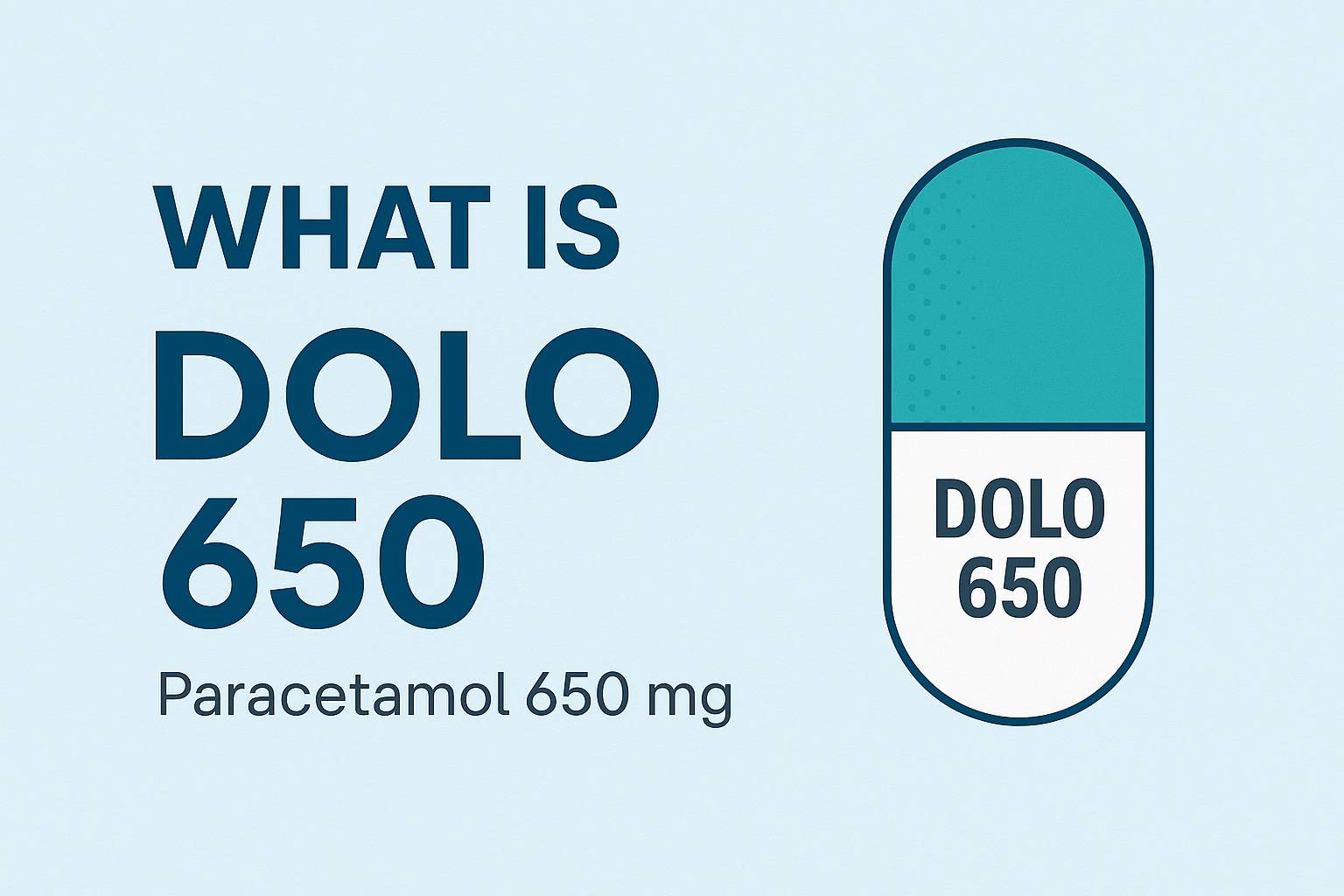
    Dolo 650 is a widely popular over-the-counter analgesic and antipyretic medication. It is primarily used to manage fever, headaches, and mild to moderate pain. Acetaminophen, usually referred to as paracetamol, is the primary component of Dolo 650. Paracetamol is a well-tolerated and effective drug used worldwide for its analgesic and antipyretic properties.

    Doctors often recommend Dolo 650 for temporary relief from conditions such as fever, headache, toothache, menstrual cramps, and musculoskeletal pain. The drug is known for its fast action and minimal side effects when taken as prescribed. However, it is essential to understand the composition and workings of Dolo 650 before exploring its usage in various situations.

    Composition

    As mentioned earlier, Dolo 650 composition is Paracetamol. The class of medications known as analgesics (pain relievers) and antipyretics (fever reducers) includes paracetamol. It functions by preventing the body from producing prostaglandins, which are responsible for inflammation and discomfort. Moreover, it acts on the hypothalamus, the part of the brain responsible for regulating body temperature, to reduce fever.

    Dolo 650 tablets contain 650 mg of Paracetamol, which is the maximum strength available for over-the-counter purchase. This makes it a potent medication for managing fever and pain. However, it is crucial to understand its various uses and potential side effects to ensure safe consumption.

    Uses

    Dolo 650 is a versatile medication with numerous applications. Doctors primarily prescribe it for the following conditions:

    • Fever: Dolo 650 acts as an antipyretic, effectively reducing fever by acting on the hypothalamus in the brain.
    • Headache: As an analgesic, Dolo 650 can provide relief from headaches, including tension headaches and migraines.
    • Toothache: The medication can alleviate the pain associated with toothaches, dental procedures, or gum infections.
    • Menstrual cramps: Dolo 650 can help relieve pain and discomfort during menstruation.
    • Musculoskeletal pain: It can provide relief from muscle aches, sprains, and other minor injuries.

    While Dolo 650 is an effective remedy for these conditions, it is essential to be aware of its potential side effects and the precautions to be taken while consuming it.

    Also Read: What is Generic Medicine?

    Side Effects

    Dolo 650 is generally considered safe when taken as prescribed. However, some people may experience negative effects, just like with any drug. The common Dolo 650 side effects include:

    • Nausea
    • Vomiting
    • Stomach pain
    • Allergic symptoms like hives, swelling, and rash

    In rare cases, severe side effects like liver damage, kidney problems, and blood disorders can occur. It is crucial to consult a doctor immediately if any of these side effects persist or worsen.

    Related Important Things to Know :

    What happens if we take Dolo 650 without fever?

    The primary purpose of Dolo 650 is to manage fever and pain. However, people often wonder if it is safe to take the medication without experiencing a fever. The answer to this question depends on the individual’s condition and the symptoms they are experiencing.

    In general, it is safe to take Dolo 650 for pain relief even if you do not have a fever. However, it is essential to follow the prescribed dosage and consult a doctor if the pain persists or worsens.

    Dolo 650 for Headache

    Headaches can be caused by various factors, including stress, tension, dehydration, and lack of sleep. Dolo 650 for headaches is an effective remedy due to its analgesic properties. It is safe to take the medication for headache relief, even in the absence of a fever.

    However, it is crucial to remember that Dolo 650 only temporarily relieves headaches and does not treat the underlying cause. If headaches persist or become more frequent, it is essential to consult a doctor for proper diagnosis and treatment.

    If your symptoms include a cold, cough, or nasal congestion along with a mild fever, a combination medicine like Cheston Cold Tablet may be more effective than Dolo 650 alone, as it helps target multiple symptoms at once. Always consult a doctor before switching or combining medications.

    > Consult a doctor and Order Medicine Online.

    Dosage and Precautions

    As with any medication, it is crucial to follow the prescribed dosage and precautions while consuming Dolo 650. The recommended dosage for adults and children above 12 years is one tablet every 4-6 hours, not exceeding four tablets in 24 hours.

    For children below 12 years, the dosage should be adjusted according to their weight and age, as a doctor prescribes. Some essential precautions to be taken while consuming Dolo 650 include:

    • Do not exceed the recommended dosage, as it can lead to severe side effects like liver damage.
    • Avoid consuming alcohol while taking Dolo 650, as it can increase the risk of liver damage.
    • Consult a doctor if you are pregnant, breastfeeding, or have pre-existing health conditions like liver or kidney problems.
    • Always inform your doctor about any other medications you are taking to avoid potential drug interactions.

    Generic Alternatives to Dolo 650

    While Dolo 650 is an effective and widely used medication for fever and pain relief, there are several alternatives available in the market. Some popular alternatives include:

    • Ibuprofen: A nonsteroidal anti-inflammatory drug (NSAID) used for pain relief, fever reduction, and inflammation management.
    • Naproxen: Another NSAID effective in managing pain, fever, and inflammation.
    • Aspirin: A salicylate drug often used for pain relief, fever reduction, and as an anti-inflammatory agent.

    It is essential to consult a doctor before switching to an alternative medication, as each drug has its unique properties, side effects, and interactions.

    Comparion of Dolo & Paracip image

    Conclusion

    Dolo 650 is an effective and widely used medication for managing fever and pain. It is generally safe to take Dolo 650 without experiencing a fever, especially for conditions like headaches, toothaches, and menstrual cramps. However, it is crucial to follow the recommended dosage and precautions while consuming the medication.

    Always consult a doctor before starting, changing, or stopping any medication, and seek medical advice if you experience any side effects or persistent pain. Remember that medications like Dolo 650 only provide temporary relief and do not treat the underlying cause of the pain or discomfort. It is essential to address the root cause to ensure overall health and well-being.

    Related Links:

  • Binge Eating Disorder: Symptoms, Treatment, Definition and Health Risks

    Binge Eating Disorder: Symptoms, Treatment, Definition and Health Risks

    binge eating disorder treatmentBinge Eating Disorder (BED) is characterized by recurring episodes of consuming large amounts of food in a short period, often accompanied by a sense of loss of control. Symptoms include rapid consumption, discomfort after eating, and feelings of guilt. Treatment for BED may involve therapy, counseling, and support groups. It’s important to address the underlying emotional triggers and develop healthy eating patterns to manage this disorder effectively.

    Introduction to Eating Disorders

    Eating disorders are complex and serious mental health conditions that affect millions of individuals worldwide. They involve disturbances in eating habits and often result in severe consequences to an individual’s physical and emotional well-being. Eating disorders can be life-threatening, and it is crucial for anyone affected by them to seek professional help and support.

    The prevalence and impact of eating disorders cannot be underestimated. According to the National Eating Disorders Association (NEDA), approximately 30 million Americans will experience an eating disorder at some point in their lives. Eating disorders can affect people of all ages, genders, and ethnicities, and they carry the highest mortality rate of any mental health disorder.

    Awareness and understanding of eating disorders are essential for early intervention, prevention, and treatment. In this article, we will explore binge eating disorder, a type of eating disorder that is often misunderstood and underdiagnosed. We will discuss its types, symptoms, causes, and effective treatment options, as well as how to help someone who may be struggling with this condition.

    What is Binge Eating Disorder?

    Binge eating disorder is a severe and potentially life-threatening eating disorder characterized by recurrent episodes of eating large quantities of food, often quickly and to the point of discomfort. Individuals with binge eating disorder often feel a loss of control during these episodes and experience feelings of shame, guilt, and distress afterwards.

    Binge eating disorder is the most common eating disorder in the United States, affecting approximately 2.8 million people. It is more prevalent among women, but it affects a significant number of men as well. Binge eating disorder can develop at any age, but it is most common in late adolescence and early adulthood.

    Although binge eating disorder has only recently been recognized as a distinct condition in the Diagnostic and Statistical Manual of Mental Disorders (DSM-5), it has long been recognized as a serious and debilitating condition. It is often associated with other mental health conditions such as depression, anxiety, and substance abuse, and it can lead to severe physical health problems if left untreated.

    14 Healthy foods to add in your diet to make healthy diet | Types of Diets

    Types of Binge Eating Disorder

    There are several types of eating disorders, each with its unique characteristics and symptoms. Among the most prevalent eating problems are:

    • Anorexia Nervosa: Anorexia nervosa is characterized by extreme restriction of food intake, an intense fear of gaining weight, and a distorted body image. Individuals with anorexia often have a significantly low body weight and may engage in excessive exercise, vomiting, or the use of laxatives to prevent weight gain.
    • Bulimia Nervosa: Bulimia nervosa is characterized by recurrent episodes of binge eating followed by purging behaviors such as self-induced vomiting, excessive exercise, or the use of laxatives to compensate for the binge eating. Individuals with bulimia may maintain a normal body weight but often struggle with feelings of guilt, shame, and low self-esteem.
    • Binge Eating Disorder: As previously discussed, binge eating disorder involves recurrent episodes of eating large quantities of food in a short period, often accompanied by feelings of shame, guilt, and a loss of control.
    • Other Specified Feeding or Eating Disorders (OSFED): OSFED is a category for individuals who exhibit disordered eating behaviors and symptoms but do not meet the specific criteria for anorexia, bulimia, or binge eating disorder. Some examples of OSFED include atypical anorexia nervosa, purging disorder, and night eating syndrome.

    Anorexia Definition and Symptoms

    Anorexia nervosa is a potentially life-threatening eating disorder characterized by self-imposed starvation, an intense fear of weight gain, and a distorted body image. The term “anorexia” is derived from the Greek words “an” (without) and “orexis” (appetite), which reflect the core features of this disorder: a refusal to maintain a healthy body weight and a relentless pursuit of thinness.

    Anorexia nervosa symptoms can vary, but they generally include:

    • Severe restriction of food intake, leading to significantly low body weight
    • Intense fear of gaining weight or becoming fat, even when underweight
    • Distorted perception of one’s body weight, shape, or size
    • Denial of the seriousness of the low body weight
    • In females, the absence of menstrual periods (amenorrhea)

    Anorexia nervosa can have severe consequences on an individual’s physical and emotional health, including heart problems, osteoporosis, kidney damage, and an increased risk of suicide.

    Binge Eating Disorder Symptoms

    Binge eating disorder is characterized by recurrent episodes of eating large quantities of food in a short period, often to the point of discomfort. Symptoms of binge eating disorder include:

    • Eating unusually large amounts of food in a short period (within 2 hours)
    • Feeling a lack of control during binge episodes
    • Eating rapidly during binge episodes
    • Eating until uncomfortably full or beyond satiety
    • Eating large amounts of food even when not physically hungry
    • Eating alone or in secret due to embarrassment
    • Feeling shame, guilt, or distress after binge eating

    Binge eating disorder is often associated with other mental health conditions such as depression, anxiety, and substance abuse. It can also lead to severe physical health problems, including obesity, type 2 diabetes, cardiovascular disease, and certain types of cancer.

    Causes of Binge Eating Disorder

    The exact causes of binge eating disorder are not fully understood, but it is believed to be a complex interplay of genetic, biological, psychological, and environmental factors. Some potential contributing factors include:

    • Genetics: Research suggests that binge eating disorder may have a genetic component, with individuals who have a family history of eating disorders being at a higher risk of developing the condition.
    • Brain Chemistry: Imbalances in certain neurotransmitters, such as serotonin and dopamine, may contribute to the development of binge eating disorder. These chemicals play a role in regulating mood, appetite, and impulse control.
    • Psychological Factors: Individuals with binge eating disorder often struggle with low self-esteem, feelings of shame, and a negative body image. Emotional stress, depression, and anxiety can also trigger binge eating episodes.
    • Environmental Factors: Cultural pressures to conform to an idealized body shape and size, as well as exposure to dieting and weight loss messages, may contribute to the development of binge eating disorder. Additionally, traumatic events or a history of abuse may increase an individual’s risk of developing the condition.

    Health Risks Associated with Binge Eating Disorder

    Binge eating disorder can have severe consequences for an individual’s physical and emotional health. Some of the potential health risks associated with binge eating disorder include:

    • Cardiovascular Disease: Individuals with binge eating disorder may be at an increased risk of developing cardiovascular disease, due to factors such as high blood pressure, high cholesterol levels, and obesity.
    • Type 2 Diabetes: Binge eating disorder can contribute to the development of type 2 diabetes, as the condition is often associated with insulin resistance and obesity.
    • Gastrointestinal Problems: Binge eating large quantities of food can cause various gastrointestinal issues, such as acid reflux, constipation, and irritable bowel syndrome.
    • Depression, anxiety, and other mental health issues are frequently associated to binge eating disorder. The emotional distress associated with binge eating can create a vicious cycle, with individuals using food as a coping mechanism for negative emotions.

    Effective Treatment Options for Binge Eating Disorder

    There are various treatment options available for binge eating disorder, and the most effective approach often involves a combination of therapies. Among the most popular forms of treatment are:

    • Psychotherapy: Commonly referred to as talk therapy, is frequently an essential part of the treatment of binge eating disorders. Cognitive-behavioral therapy (CBT), interpersonal psychotherapy (IPT), and dialectical behavior therapy (DBT) are some of the most effective forms of psychotherapy for binge eating disorder.
    • Medication: Antidepressant and anti-anxiety medications may be prescribed to help manage the symptoms of binge eating disorder, particularly if the individual is struggling with co-occurring mental health conditions such as depression or anxiety.
    • Nutritional Counseling: A registered dietitian can help individuals with binge eating disorder develop a healthy relationship with food and learn how to eat in a balanced and nourishing way. Nutritional counseling may also involve developing meal plans and identifying triggers that may lead to binge eating episodes.
    • Support Groups: Support groups can provide a safe and supportive environment for individuals with binge eating disorder to share their experiences and receive encouragement and accountability from others who understand what they are going through.
    • Family Therapy: Family therapy can be beneficial for individuals with binge eating disorder who have strained relationships with family members or who may need additional support and understanding from loved ones.

    The most effective treatment approach for binge eating disorder will depend on the individual’s unique needs and circumstances. Seeking professional help and support is essential for managing binge eating disorder and reducing the risk of long-term health consequences.

    How to Help Someone with Binge Eating Disorder

    If you know someone who may be struggling with binge eating disorder, there are several ways you can offer support and encouragement:

    • Educate Yourself: Learn as much as you can about binge eating disorder to better understand what your loved one is going through. Avoid making assumptions or judgments, and be open and empathetic.
    • Encourage Professional Help: Encourage your loved one to seek professional help from a qualified mental health provider who specializes in eating disorders. Offer to help them research treatment options and provide emotional support throughout the process.
    • Be Supportive: Let your loved one know that you are there for them and that you care about their well-being. Avoid criticizing or shaming them for their behavior, and offer a listening ear without judgment.
    • Be Patient: Recovery from binge eating disorder can be a long and challenging process. Be patient and understanding, and offer continued support and encouragement even if progress is slow.

    Frequently asked Question for Binge eating disorder

    Q1: What is Binge Eating Disorder (BED)?

    Binge Eating Disorder (BED) is a mental health condition characterized by recurrent episodes of consuming excessive amounts of food within a discrete period, accompanied by a lack of control during these episodes.

    Q2: What are the common symptoms of BED?

    Common symptoms of Binge Eating Disorder include consuming large quantities of food rapidly, feeling distressed or guilty after bingeing, and eating even when not physically hungry.

    Q3: What causes Binge Eating Disorder?

    While the exact cause is not fully understood, factors such as genetics, psychological factors (stress, depression), and societal pressures may contribute to the development of BED.

    Q4: How is Binge Eating Disorder treated?

    Treatment for BED typically involves a combination of psychotherapy (such as cognitive-behavioral therapy), nutritional counseling, and support groups. Medications may also be considered in some cases.

    Q5: Can Binge Eating Disorder be prevented?

    There is no guaranteed way to prevent BED, but early intervention, fostering a healthy relationship with food, and addressing emotional and psychological triggers may help reduce the risk of developing this disorder.

    Conclusion

    Binge eating disorder is a serious and potentially life-threatening eating disorder that affects millions of individuals worldwide. It is often associated with other mental health conditions and can lead to severe physical health problems if left untreated. Early intervention and effective treatment are crucial for managing binge eating disorder and reducing the risk of long-term consequences.

    If you or someone you know is struggling with binge eating disorder, seek professional help and support. With the right treatment approach and support network, it is possible to manage binge eating disorder and achieve lasting recovery.

  • Difference Between Anxiety and Depression: Symptoms, treatment, and more

    Difference Between Anxiety and Depression: Symptoms, treatment, and more

    Difference Between Anxiety and Depression

    In today’s fast-paced world, mental health issues such as anxiety and depression are prevalent. It is crucial to understand the difference between anxiety and depression in order to effectively manage and treat these conditions. This article will provide a comprehensive guide to understanding the symptoms and causes of anxiety and depression, the key differences between the two, and how they can coexist.

    Furthermore, it will explore various treatment options and self-help strategies for managing these mental health issues. Lastly, it will provide guidance on seeking professional help for anxiety and depression.

    Anxiety Symptoms and Causes

    Anxiety is a normal and often healthy emotion, characterized by feelings of worry, uneasiness, or fear. However, when these feelings persist and become overwhelming, they can interfere with daily activities, leading to a condition known as an anxiety disorder. Millions of people throughout the world suffer from anxiety disorders, which are among the most prevalent mental health problems.

    The symptoms of anxiety can manifest in various forms, including physical, emotional, and cognitive symptoms. Physically, a person experiencing anxiety might feel rapid heartbeats, shortness of breath, sweating, trembling, or gastrointestinal problems. Emotionally, they may experience feelings of fear, irritability, or excessive worry. Cognitively, anxiety can cause difficulty concentrating, racing thoughts, or a constant sense of impending doom.

    There are several factors that can contribute to the development of anxiety disorders. These may include genetic predisposition, brain chemistry, personality traits, and environmental factors. Stressful life events, such as moving, job loss, or traumatic experiences, can also trigger anxiety disorders in susceptible individuals.

    Depression Symptoms and Causes

    Conversely, depression is a mood illness marked by a lack of interest or pleasure in activities and enduring emotions of despair and hopelessness. Like anxiety, depression can have a detrimental impact on a person’s daily life, making it difficult to work, study, eat, sleep, or enjoy time with loved ones.

    The symptoms of depression can vary widely but generally include persistent feelings of sadness, emptiness, or hopelessness; loss of interest in activities once enjoyed; changes in appetite and weight; sleep issues, exhaustion or a lack of energy, trouble concentrating or making decisions, feelings of shame or worthlessness, and persistent thoughts of suicide or death.

    The causes of depression are complex and multifaceted, involving a combination of genetic, biochemical, environmental, and psychological factors. A family history of depression may increase one’s risk, as can imbalances in brain chemistry or hormonal changes. Stressful life events, such as the loss of a loved one, relationship difficulties, financial strain, or trauma, can also contribute to the onset of depression.

    Also Read: What are Generic Medicine?

    Anxiety vs Depression

    While there is some overlap in the symptoms of anxiety and depression, it is important to recognize the key differences between the two in order to seek appropriate treatment. The primary difference between anxiety and depression lies in the nature of the emotions experienced. Anxiety is characterized by excessive worry, fear, or nervousness, while depression is marked by persistent feelings of sadness, hopelessness, and a lack of interest in activities.

    Another key difference between anxiety and depression is the way in which these emotions affect a person’s daily life. Anxiety typically causes a heightened state of arousal, making it difficult to relax or concentrate. In contrast, depression often leads to a decreased level of energy, making it challenging to engage in everyday activities or find motivation.

    Finally, the thought patterns associated with anxiety and depression differ significantly. Stress is often characterized by racing thoughts and constant worry about the future, whereas depression is marked by persistent negative thoughts about oneself, one’s life, and the world in general.

    > Consult a doctor and Order Medicine Online

    How do Anxiety and Depression Coexist?

    It is not uncommon for individuals to experience both anxiety and depression concurrently. In fact, nearly half of those diagnosed with depression also have an anxiety disorder. This coexistence can make it difficult to differentiate between the two conditions, as symptoms may overlap and exacerbate one another.

    When anxiety and depression coexist, it can create a vicious cycle in which the symptoms of one condition worsen the symptoms of the other. For example, the constant worry and fear associated with anxiety can lead to feelings of hopelessness and despair, characteristic of depression. Conversely, the persistent sadness and lack of motivation experienced in depression can cause increased worry and nervousness, exacerbating anxiety.

    Diagnosing Anxiety and Depression

    In order to receive appropriate treatment, it is essential to obtain an accurate diagnosis of anxiety and depression. A mental health professional, such as a psychologist or psychiatrist, can evaluate an individual’s symptoms, medical history, and family history to determine the presence of an anxiety disorder, depressive disorder, or both.

    Diagnosing anxiety and depression typically involves the use of standardized questionnaires and clinical interviews to assess the severity, frequency, and duration of symptoms. In some cases, additional medical tests may be conducted to rule out underlying physical conditions that can contribute to symptoms of anxiety or depression.

    Anxiety and Depression Treatment

    Fortunately, various treatment options are available for individuals experiencing anxiety, depression, or both. These may include psychotherapy, medication, or a combination of both. The most effective treatment plan will depend on the specific needs and preferences of the individual.

    Psychotherapy, such as cognitive-behavioural therapy (CBT), has been proven effective in treating both anxiety and depression. CBT helps individuals identify and challenge negative thought patterns, develop coping skills, and improve overall mental well-being.

    Medication, including antidepressants and anti-anxiety medications, can also be beneficial in managing the symptoms of anxiety and depression. Selective serotonin reuptake inhibitors (SSRIs) are commonly prescribed for both conditions, as they can help to regulate mood and alleviate anxiety.

    In some cases, doctors may recommend combination treatments like Placida Tablet, which supports mood stabilization, reduces restlessness, and helps manage co-occurring symptoms of anxiety and depression

    It is important to work closely with a healthcare professional to find the most suitable medication and dosage for one’s individual needs.

    Anxiety and Depression

    In addition to seeking professional treatment, there are numerous self-help strategies that can help individuals manage their anxiety and depression. These may include:

    • Engaging in regular physical activity, can release endorphins and improve mood.
    • Practising relaxation techniques, such as deep breathing, meditation, or progressive muscle relaxation, to reduce stress and anxiety.
    • Establishing a regular sleep schedule and maintaining a healthy diet to promote overall well-being.
    • Participating in social activities and connecting with supportive friends and family members.
    • Setting realistic goals and breaking tasks into smaller, manageable steps to build a sense of accomplishment.
    • Seeking self-help resources, such as books, articles, or support groups, to gain insight and learn coping strategies.

    Seeking Professional Help for Anxiety and Depression

    If you or someone you know is struggling with anxiety, depression, or both, it is important to seek professional help. A mental health professional can provide a thorough assessment, accurate diagnosis, and tailored treatment plan to help individuals manage their symptoms and improve their overall quality of life.

    In certain cases, doctors may also prescribe medications like Modalert 100mg Tablet to help manage symptoms such as fatigue or excessive daytime sleepiness that can accompany anxiety disorders.

    To find a mental health professional, consider asking for recommendations from friends, family, or your primary care physician. You can also search for licensed therapists or psychiatrists in your area through online directories or mental health organizations.

    It is important to note that seeking professional help for anxiety and depression is not a sign of weakness or failure. It takes strength and courage to acknowledge and address mental health concerns, and seeking help is a crucial step towards healing and recovery.

    Watch Video: Difference Between Anxiety and Depression

    Conclusion:

    In conclusion, anxiety and depression are common mental health issues that can have a significant impact on one’s daily life. While they share some similarities, it is important to recognize the critical differences between the two in order to seek appropriate treatment. Treatment options for anxiety and depression may include psychotherapy, medication, or a combination of both, and there are also numerous self-help strategies that can be effective in managing symptoms.

    If you or someone you know is struggling with anxiety, depression, or both, it is important to seek professional help. Remember that there is no shame in seeking help, and with the right support and treatment, it is possible to overcome these mental health issues and improve overall well-being.

    Related Links:

    Call To Action:

    For access to more such interesting articles on healthcare, visit Medkart today!

  • Hemorrhagic Stroke Paralysis: Causes, Symptoms, Treatment

    Hemorrhagic Stroke Paralysis: Causes, Symptoms, Treatment

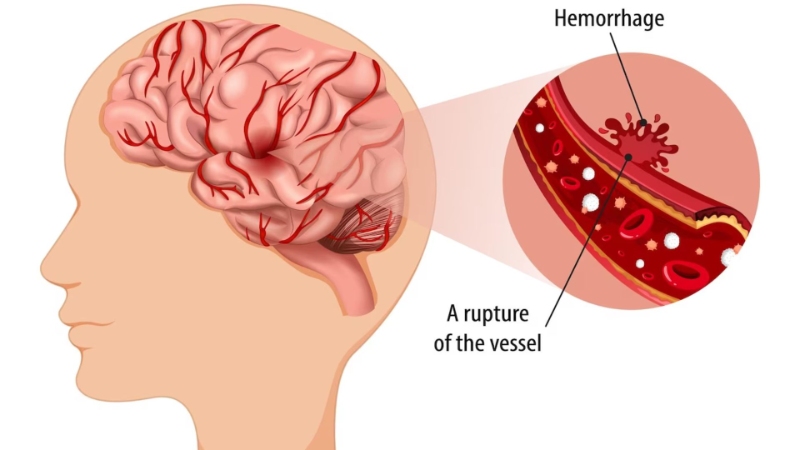
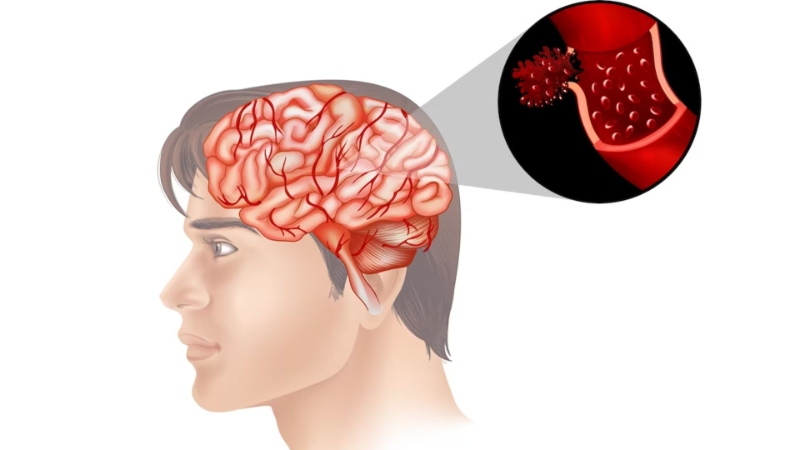
    Hemorrhagic stroke paralysis – A stroke, also known as a cerebrovascular accident, occurs when blood flow to the brain is interrupted, causing brain cells to die due to a lack of oxygen and nutrients. There are two main types of stroke: ischemic and hemorrhagic. Ischemic strokes are caused by a blockage in an artery supplying blood to the brain, while hemorrhagic strokes result from the rupture of a blood vessel in or around the brain.

    Stroke paralysis occurs when the brain’s nerve cells controlling muscles are damaged or destroyed as a result of the stroke. This damage can lead to various degrees of paralysis, ranging from mild weakness to complete loss of muscle function. Paralysis severity depends on the extent of brain damage and the specific area of the brain affected.

    What is Hemorrhagic Stroke Paralysis

    What is Hemorrhagic Stroke Paralysis?

    Hemorrhagic stroke paralysis refers to the paralysis that occurs as a result of a hemorrhagic stroke. A ruptured blood vessel can damage brain cells controlling muscle movement by leaking blood into the brain or surrounding tissues. This damage can cause paralysis on one or both sides of the body, depending on its location and severity.

    The paralysis experienced by an individual after a hemorrhagic stroke can be temporary or permanent. In some cases, the brain can recover and regain control over the paralyzed muscles, while in other cases, the damage may be too severe for any significant recovery to occur.

    Causes of Hemorrhagic Stroke

    Causes of Hemorrhagic Stroke

    Hemorrhagic strokes can be caused by various factors, including:

    1. High blood pressure: Chronic high blood pressure can weaken the walls of blood vessels, making them more susceptible to rupture and bleeding.
    2. Aneurysm: An aneurysm is a weakened, bulging area in a blood vessel that can rupture and cause a hemorrhagic stroke.
    3. Arteriovenous malformation (AVM): AVM is an abnormal tangle of blood vessels connecting arteries and veins, which can rupture and cause a hemorrhagic stroke.
    4. Blood vessel abnormalities: Some individuals are born with abnormalities that increase their risk of experiencing a hemorrhagic stroke.
    5. Blood-thinning medications: Blood-thinning medications like warfarin or aspirin increase the risk of bleeding in the brain. 

    Symptoms of Hemorrhagic Stroke

    The symptoms of hemorrhagic stroke paralysis can vary depending on the location and severity of the brain damage. Common symptoms include:

    1. Sudden weakness/numbness: This can occur on one or both sides of the body, including the face, arm, or leg.
    2. Difficulty speaking or understanding speech: Some individuals may experience slurred speech or difficulty understanding others.
    3. Vision problems: Hemorrhagic strokes can cause sudden vision loss, blurred vision, or double vision.
    4. Severe headache: A sudden, severe headache with no known cause is a common symptom of a hemorrhagic stroke.
    5. Loss of balance or coordination: Some individuals may experience difficulty walking, dizziness, or a sudden loss of balance.

    > Consult a doctor and Order Medicine Online

    Diagnoses and Treatment of Hemorrhagic Stroke

    Early diagnosis and treatment are crucial for improving the chances of recovery and minimizing the risk of long-term complications. The diagnostic process for hemorrhagic stroke paralysis typically involves a physical examination, medical history review, and imaging tests such as a computed tomography (CT) scan or magnetic resonance imaging (MRI) to determine the location and extent of the bleeding in the brain.

    Once a hemorrhagic stroke has been diagnosed, the primary goal of treatment is to stop the bleeding and minimize brain damage. This may involve medications to lower blood pressure and prevent seizures, as well as surgical interventions to repair damaged blood vessels or remove blood clots. In some cases, a ventriculostomy may be performed to drain excess fluid from the brain and relieve pressure.

    Rehabilitation is a critical component of hemorrhagic stroke treatment, as it can help individuals regain lost function and improve their quality of life. Rehabilitation may involve physical therapy, occupational therapy, and speech therapy, depending on the specific needs of the individual.

    Post-Stroke Care and Support

    Following a hemorrhagic stroke, individuals may require ongoing care and support to manage their symptoms and maximize their recovery. This can include regular check-ups with healthcare providers, medications to control blood pressure and prevent seizures, and support services such as home care or assisted living facilities.

    Family and caregivers aid recovery with emotional support, encouragement, and daily assistance, playing crucial roles in the process. It’s essential for caregivers to educate themselves about hemorrhagic stroke paralysis and the available resources to ensure they can provide the best possible care.

    Prevention

    Not all hemorrhagic stroke paralysis can be prevented, but lifestyle changes can reduce the risk of some cases. These include:

    • Managing blood pressure: Regular check-ups and prescribed medications can help keep blood pressure within a healthy range
    • Eating a healthy diet: Consuming a diet rich in fruits, vegetables, whole grains, and lean protein can help lower the risk of high blood pressure and other stroke risk factors.
    • Exercising regularly: Engaging in regular physical activity can help maintain a healthy weight and reduce the risk of high blood pressure, diabetes, and other stroke risk factors.
    • Not smoking: Smoking increases the risk of stroke by damaging blood vessels and increasing blood pressure. Quitting smoking can significantly reduce the risk of stroke.
    • Limiting alcohol consumption: Excessive alcohol consumption can increase blood pressure and the risk of stroke. It’s essential to limit alcohol intake to moderate levels – up to one drink per day for women and up to two drinks per day for men.

    Also Read: What are Generic Medicine?

    Recovery

    Recovery after hemorrhagic stroke paralysis varies highly based on brain damage severity and individual’s overall health. Some improve, others remain paralyzed, needing continuous care and support.

    Individuals and caregivers must maintain realistic recovery expectations and prepare for potential challenges that may arise during the process. By working closely with healthcare providers and rehabilitation specialists, individuals can maximize their chances of recovery and improve their quality of life.

    Conclusion:

    Hemorrhagic stroke paralysis can be a life-altering event, causing significant physical and emotional challenges for individuals and their families. By understanding the causes, symptoms, and treatments, individuals can navigate the recovery process, enabling informed decisions by both individuals and caregivers. Additionally, by adopting healthy lifestyle habits and working closely with healthcare providers, individuals can reduce their risk of experiencing a hemorrhagic stroke and improve their chances of recovery should a stroke occur.

    Related Links:

    For access to more such interesting articles on healthcare, visit Medkart today!

  • Top Home Remedies for Acidity – How to Cure Acidity at Home?

    Top Home Remedies for Acidity – How to Cure Acidity at Home?

    home remedies for acidity image

    Acidity, also known as indigestion or acid reflux, is a common digestive issue that affects a large portion of the global population. Whether it’s led to spicy foodstuff, stress, or a sick lifestyle, the flaming sensitivity in your chest and stomach is possibly uncommonly upset.

    While over-the-counter medications can help, many people choose home remedies for acidity on account of their unaffected and side-effect-free approach.

    In this blog, we’ll delve into effective home remedies for gastric and acidity, containing explanations of acid reflux during pregnancy, gas trouble remedies, and more. These remedies are easy to available, profitable, and can provide instant relief from acidity pain. let’s delve into it!

    What Causes Acidity?

    Before we explain the remedies, it’s a key point to learn the universal causes of acidity:

    • Overeating or Eating Too Quickly: Large food or consumption excessively fast can overwhelm your digestive structure.
    • Spicy, Oily, or Fried Foods: This can aggravate the stomach covering and cause acid management.
    • Excessive Caffeine or Alcohol: Both can ease the lower oesophagal sphincter (LES), causing stomach acid to rise.
    • Stress and Lack of Sleep: High-stress levels can increase stomach acid construction.
    • Pregnancy: Hormonal changes and pressure on the stomach can cause a burning sensation.
    • Certain Medications: Some drugs, like painkillers or medicines, can increase astringency.

    Acknowledging the root cause can ultimately help you prevent acidity.

    Acidity Symptoms: Recognizing the Signs of Acid Reflux and Heartburn

    Acidity happens when extreme stomach acid flows back into the neck, provoking discomfort. Common syndromes have:

    • Heartburn: A burning sensitivity in the chest or throat, repeatedly after consumption.
    • Sour or Bitter Taste: Acid reflux can leave a sour or bitter taste in the mouth.
    • Bloating: A sense of wholeness or deficiency in the stomach.
    • Nausea: An awkward feeling that grants permission causes one to vomit in serious cases
    • Burping or Belching: Frequent burping, generally with a sour taste.
    • Difficulty Swallowing: A perception of meat stuck in the throat or chest.
    • Indigestion: Discomfort or pain in the above belly
    • Regurgitation: Stomach acid or undigested feed soaring into the throat.

    If syndromes continue or damage, ask a healthcare professional to prevent and treat GERD (Gastroesophageal Reflux Disease). Lifestyle changes, such as avoiding cause meals and consuming tinier food, can help control acidity completely.

    Top Home Remedies for Acidity and Gas Problems

    Here are a few of the best impactful home remedies for acidity and gas trouble that you can try at home:

    1. Cold Milk

    • How It Helps: Milk balances stomach acid and softens the fiery feeling. It’s one of the best home remedies for acidity.
    • How to Use: Drink a cup of cold milk when you experience acidity syndromes. Avoid consuming excessive carbohydrates or sugar.

    2. Ginger Tea

    • How It Helps: Ginger has antipathetic-instigative characteristics that defeat indigestion and enhance metabolism.
    • How to use: Boil a narrow piece of ginger in water, strain it, and drink it warm.

    3. Apple Cider Vinegar

    • How It Helps: Despite its acidity, apple cider marinade balances stomach acid levels.
    • How to Use: Mix 1-2 teaspoons of apple cider marinade in a cup of water and drink before food consumption.

    4. Fennel Seeds (Saunf)

    • How It Helps: Fennel seeds cool the stomach covering and decrease gastric
      trouble.
    • How to Use: Chew a teaspoon of plant seeds following in position or time food or brew authority into a tea.

    5. Bananas

    • How It Helps: Bananas are rich in potassium and organic soluble bases that counterbalance stomach acid.
    • How to Use: Eat a ripe banana day-to-day to avoid tartness.

    6. Coconut Water

    • How It Helps: Coconut water is soluble and helps balance stomach acid.
    • How to Use: Drink a cup of healthy coconut water every day.

    7. Baking Soda

    • How It Helps: Baking soda acts as a natural antacid.
      How to Use: Mix 1 teaspoon of baking soda in a cup of water and drink it for instant acidity relief.

    8. Aloe Vera Juice

    • How It Helps: Aloe vera eases the digestive area and reduces infection.
    • How to Use: Drink a quarter drink of aloe vera extract before food.

    9. Buttermilk

    • How It Helps: Buttermilk controls lactic acid, normalising stomach acid levels.
    • How to Use: Drink a cup of buttermilk accompanying a pinch of black spice and cumin later in the food.

    10. Tulsi (Holy Basil) Leaves

    • How It Helps: Tulsi reduces stomach acid and raises metabolism.
    • How to Use: Chew 4-5 tulsi leaves regularly or boil them in water to make a drink.

    gas trouble remedies image

    Home Remedies for Acid Reflux During Pregnancy

    Pregnancy can usually provoke a burning sensation due to hormonal changes and pressure on the stomach. Here are a few harmless home remedies for acid reflux during pregnancy:

    1. Almonds

    • How It Helps: Almonds counteract stomach acid and support relaxation.
    • How to Use: Chew 4-5 saturated almonds every day.

    2. Papaya

    • How It Helps: Papaya holds enzymes that aid metabolism and decrease acidity.
    • How to Use: Eat a limited bowl of ripe fruit every day.

    3. Small, Frequent Meals

    • How It Helps: Eating tinier food reduces pressure on the stomach.
    • How to Use: Divide your food into 5-6 tinier portions during the whole day.

    4. Elevate Your Head While Sleeping

    • How It Helps: Elevating your head counters stomach acid from increasing.
    • How to Use: Use an extra cushion or a chunk cushion while asleep.

    Homeopathic Medicine for Acidity

    Acidity, accompanying syndromes like heartburn and bloating, can upset regular history. Homeopathy offers a moderate, natural approach to remedy. As a knowledgeable doctor, I usually recommend remedies for established individual symptoms:

    • Nux Vomica: Best for acidity from spicy foods, liquor, or stress.
    • Pulsatilla: Ideal for acidity and subsequently oily foods, accompanying an intense taste.
    • Robinia: Effective for extreme burning sensation and sour burps, especially every night.
    • Carbo Vegetabilis: Relieves bloating and a severe stomach ache.
    • Arsenicum Album: Helps burning pain and restlessness.
    • Lycopodium: For completeness after quantity food and evening spread-elevates.

    Homeopathy treats the root cause, but remedies are considered to be personalized. Consult a qualified homoeopath for tailored guidance. Pair these remedies with a healthful lifestyle for long-term relaxation.

    Note: Homeopathy complements but doesn’t change healing treatment for deep-rooted conditions.

    Lifestyle Changes to Prevent Acidity

    While home remedies can determine relaxation, making tiny lifestyle changes can help counter acidity in the long term:

    1. Avoid Trigger Foods

    Stay away from spicy, oiled, and deep-fried meals, in addition to citrus fruits and sparkling drinks.

    2. Eat Slowly and Mindfully

    Chew your foodstuff accurately and avoid overeating.

    3. Stay Hydrated

    Drink a quantity of water all the time of the day to reduce stomach acid.

    4. Exercise Regularly

    Light exercises like walking or yoga can boost digestion and decrease stress.

    5. Manage Stress

    Practice self-examination, deep respiratory, or care to decrease stress-linked acidity.

    6. Avoid Late-Night Meals

    Finish your feast slightly 2-3 hours before time for bed to prevent indigestion.

    When to See a Doctor

    While home remedies for acidity or gastric are useful for gentle cases, ask a doctor if you occur:

    • Frequent or serious acidity syndromes
    • Difficulty absorption
    • Unexplained heaviness loss
    • Persistent chest pain

    These are perhaps signs of a more crucial condition like GERD (Gastroesophageal Reflux Disease) or a stomach ulcer.

    Final Thoughts

    Acidity may be painful, but accompanying the right home remedies for gas troubles and acidity, you can discover remedies easily. From cold milk to ginger beverages and fennel seeds, these remedies are easy to keep and remarkably effective. For pregnant women, secure alternatives like almonds and fruit can help control acid reflux during pregnancy.

    Remember, prevention is key. By making small habits changes and preventing caused meals, You can manage acidity effectively with the right precautions and remedies. Try these instant home remedies for acidity and leave to that burning sensation!

    FAQs About Acidity

    1. What is the best home remedy for acidity?

    Cold milk, ginger drink, and baking soda are a few of the best home remedies for acidity.

    2. Are home remedies safe during pregnancy?

    Yes, remedies like almonds, papaya, and small food are harmless for acid reflux during pregnancy.

    3. How can I get instant relief from acidity?

    Baking soda mixed with water or a glass of cold milk can support instant acidity relief.

    4. What foods should I avoid to prevent acidity?

    Avoid spicy, oily, and sautéed meals, further hot beverages made from beans of a tree, alcohol, and sparkling drinks.