
Blog

  • Skin Allergy: Cream, Ointment, Skin Allergy Medicine, Anti Allergy Medicine for Skin

    Skin Allergy: Cream, Ointment, Skin Allergy Medicine, Anti Allergy Medicine for Skin

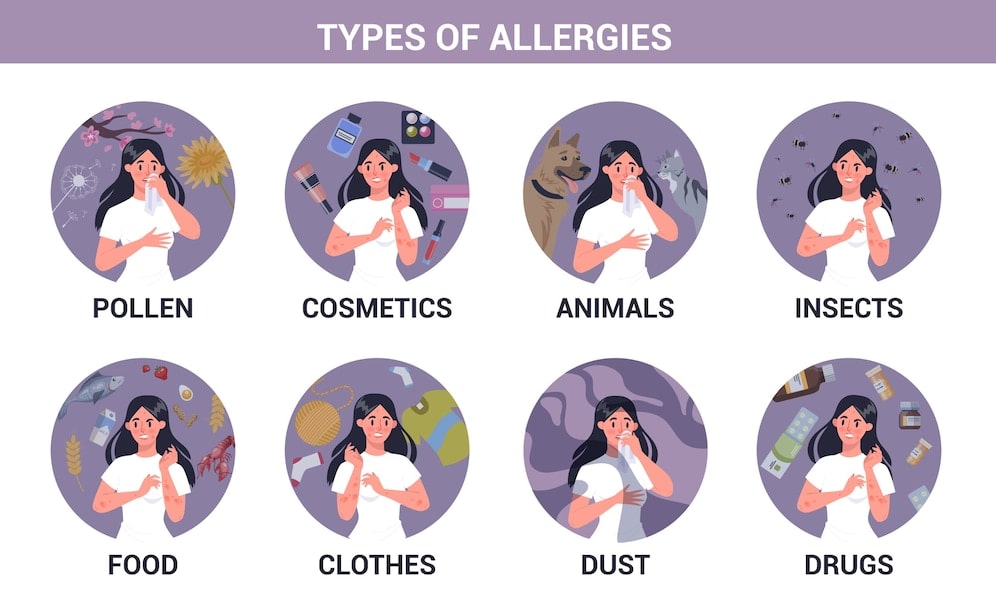
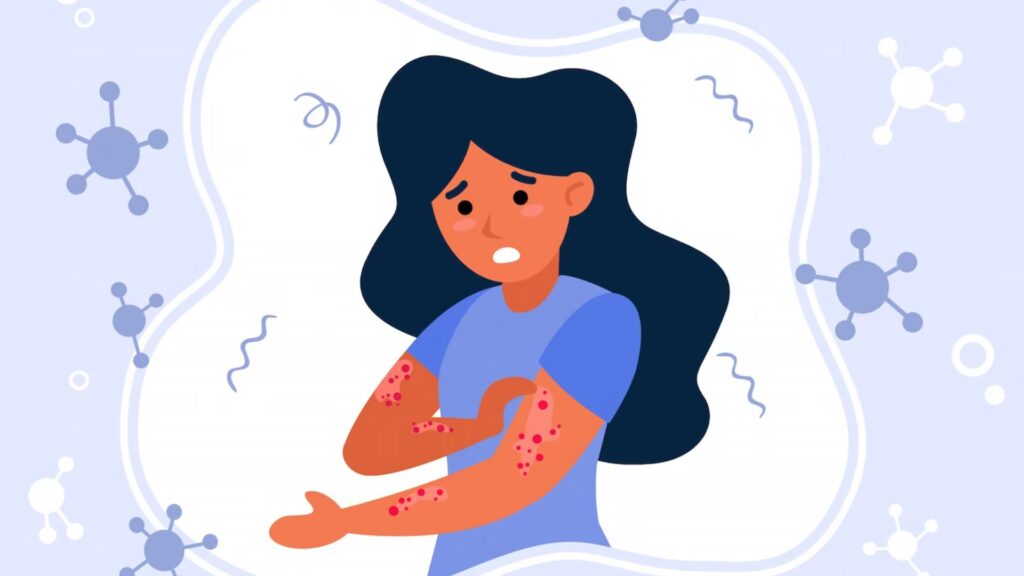
    skin allergy, cream, ointment, & medicineSkin Allergy is a common and frustrating problem that affects millions of people worldwide. They occur when the immune system overreacts to a substance called allergen, that comes into contact with the skin. This overreaction can cause symptoms such as redness, itching, swelling, and even blisters. Skin allergies may result from various triggers like foods, meds, insect bites, and chemicals in personal care items. It’s essential to understand the different skin allergy types to effectively manage and treat these conditions.

    Some skin allergies are mild, causing temporary discomfort, while others, if not addressed, can lead to chronic skin problems. By knowing the various skin allergy types and the best treatments available, individuals can make informed decisions to keep their skin healthy and allergy-free. Moreover, it is crucial to recognize the signs and symptoms of a skin allergy, as this can help a person determine whether they are dealing with an allergic reaction or another skin condition.

    Symptoms of skin allergies can include redness, itching, swelling, and rash, and may vary in severity depending on the individual and the allergen involved. If a person suspects they have a skin allergy, they should consult with a healthcare professional to receive an accurate diagnosis and determine the best course of treatment.

    Types of Skin Allergy

    There are several common skin allergy types that individuals should be aware of. One of the most prevalent types is contact dermatitis, which occurs when the skin comes into direct contact with an allergen. This can be further divided into irritant contact dermatitis, which is caused by harsh chemicals or substances, and allergic contact dermatitis, which is an immune system reaction to a specific allergen. Common allergens that can cause contact dermatitis include nickel, poison ivy, and certain fragrances and preservatives found in personal care products.

    Another common skin allergy type is atopic dermatitis, also known as eczema. This is a chronic skin condition characterized by itchy, red, and inflamed skin. Atopic dermatitis is often caused by a combination of genetic and environmental factors and can be triggered by allergens such as pollen, pet dander, and certain foods.

    Urticaria, or hives, presents as sudden, itchy, red welts on the skin, indicative of yet another type of skin allergy. Hives can be triggered by various allergens, including medications, insect bites, and exposure to heat or cold temperatures. In some cases, the cause of hives may be unknown, and the condition can be chronic and difficult to manage.

    Ointment and Treatment

    Skin allergy creams and ointments are topical treatments that can help alleviate the symptoms of skin allergies, such as itching, redness, and inflammation. They work by delivering active ingredients directly to the affected area of the skin, providing targeted relief and promoting healing. For skin allergies, different creams are recommended based on type and severity to address symptoms and underlying causes effectively.

    For eg, corticosteroid creams ease skin allergies by lessening inflammation and itching, serving as common remedies for such conditions. These medications work by suppressing the immune system’s response to allergens, thereby reducing the symptoms of an allergic reaction. Corticosteroid creams and ointments are available in various strengths and should be used as directed by a healthcare professional.

    Antihistamine creams and ointments are another option for treating skin allergies. These medications work by blocking the action of histamine released during an allergic reaction that causes itching and inflammation. By inhibiting the effects of histamine, antihistamine creams and ointments can help reduce the symptoms of skin allergies. In addition to corticosteroid and antihistamine creams and ointments, there are also topical immunomodulators and emollients available for skin allergy treatment.

    Topical immunomodulators, such as tacrolimus and pimecrolimus, work by suppressing the immune system’s overreaction to allergens, while emollients help to soothe and moisturize the skin, relieving dryness and itching.

    Skin Allergy Medicines

    Selecting the appropriate skin allergy cream or ointment depends on several factors, including the specific skin allergy type, the severity of symptoms, and individual preferences. It’s essential to consult with a healthcare professional before starting any new treatment, as they can help determine the best course of action based on the patient’s unique needs. When choosing the best cream for skin allergy or ointment, one should consider the active ingredients and their potential side effects.

    For example, corticosteroid creams and ointments can be very effective in treating skin allergies, but they can also cause thinning of the skin and other side effects if used for extended periods. Therefore, it’s important to follow the healthcare professional’s recommendations and use these medications as directed to minimize potential risks.

    Another factor to consider when selecting a skin allergy cream or ointment is the product’s consistency and ease of application. Some prefer thick, rich ointments for lasting moisture; others favor light creams for quick absorption into the skin.

    Personal preferences and the specific needs of the affected skin area can help guide this decision. Additionally, individuals with skin allergies should always choose fragrance-free and hypoallergenic creams and ointments, as these products are less likely to cause further irritation or trigger an allergic reaction.

    What is the Skin Allergy Tablet’s Name?

    In some cases, skin allergy tablets may be recommended as part of a comprehensive treatment plan. Oral meds manage skin allergies by addressing internal causes, alleviating symptoms from within the body, tackling allergic reactions. Skin allergy tablets typically fall into two main categories: antihistamines and corticosteroids.

    Antihistamine tablets are one of the most common types of skin allergy tablets. As mentioned earlier, these medications work by blocking the action of histamine, thereby reducing the symptoms of an allergic reaction. Oral antihistamines can be particularly useful for individuals with skin allergies who do not respond well to topical treatments or who experience symptoms over a large area of the body. Corticosteroid tablets, on the other hand, are generally reserved for severe skin allergies or cases where other treatments have proven ineffective.

    These medications work by suppressing the immune system’s response to allergens, reducing inflammation and relieving symptoms. However, due to the potential side effects associated with long-term corticosteroid use, these medications are typically prescribed for short periods and under the close supervision of a healthcare professional. While skin allergy tablets can be an effective treatment option, it’s essential to remember that they may not be suitable for everyone, and their use should be guided by the advice of a healthcare professional.
    Skin Allergy images

    Treatment at Home

    For those seeking more natural alternatives to skin allergy treatment, several home remedies may help alleviate symptoms and promote healing. These remedies aren’t substitutes for professional medical advice but can complement conventional therapies for additional relief if used wisely.

    One popular natural remedy for skin allergies is aloe vera. This plant has long been used for its soothing and anti-inflammatory properties, making it an excellent choice for treating skin irritation and inflammation caused by allergies. To use aloe vera for skin allergies, one can apply pure aloe vera gel directly to the affected area or choose a hypoallergenic and fragrance-free aloe vera-based cream or ointment.

    Natural Remedy for Skin Allergies

    A natural remedy for skin allergies is oatmeal. Oatmeal contains avenanthramides, compounds with anti-inflammatory and skin-soothing properties. An oatmeal bath or paste made from ground oatmeal and water can help relieve itching/inflammation associated with skin allergies. Simply mix one cup of ground oatmeal with warm water to create a paste and apply it to the affected area for 10-15 minutes before rinsing off with cool water.

    Tea tree oil is another natural remedy that has been shown to have anti-inflammatory and antimicrobial properties, making it an ideal choice for treating skin allergies. One can mix a few drops of tea tree oil with a carrier oil, such as coconut oil, and apply it to the affected area for relief. Finally, chamomile is a natural anti-inflammatory and antihistamine, making it an effective treatment for skin allergies. One can brew a cup of chamomile tea and apply the cooled tea bags directly to the affected area, or make a chamomile-infused oil or cream for topical application.

    Also Read: What is Generic Medicine?

    Anti Allergy Medicine for Skin

    For individuals with severe or chronic skin allergies, anti-allergy medicine may be necessary to manage symptoms effectively. These medications work by blocking the immune system’s response to allergens, reducing inflammation and relieving symptoms. One common type of anti-allergy medicine for skin allergies is oral antihistamines. These medications can help relieve itching, redness, and swelling by blocking the action of histamine.

    Antihistamines are available OTC or by prescription, chosen based on individual needs, symptoms, and availability. Corticosteroids are another type of anti-allergy medicine that can be effective in treating skin allergies. These medications work by reducing inflammation and suppressing the immune system’s response to allergens. Corticosteroids come in oral tablets, creams, and ointments, and must be used only as directed by a healthcare professional.

    In some cases, immunomodulators may be prescribed to treat skin allergies. These medications work by suppressing the immune system’s overreaction to allergens, reducing inflammation and relieving symptoms. Topical immunomodulators require close healthcare supervision for safe use and are available in creams or ointments.

    Tips for Managing Skin Allergies

    In addition to medical treatments, there are several lifestyle changes and tips that individuals can implement to manage their skin allergies effectively:

    • Avoid known allergens: It’s essential to identify and avoid allergens that trigger skin allergies. This may involve reading labels, changing personal care products, and avoiding certain foods or medications.
    • Moisturize regularly: Keeping the skin moisturized can help prevent dryness and reduce the risk of allergic reactions. Choosing fragrance-free and hypoallergenic moisturizers can help minimize the risk of further irritation.
    • Wear protective clothing: Wearing gloves or long sleeves reduces skin contact with allergens, helping minimize potential allergic reactions from exposure.
    • Keep the skin clean: Regularly washing skin with gentle, fragrance-free soap can remove allergens and prevent irritation
    • Manage stress: Stress can exacerbate skin allergies, so implementing stress-reducing techniques, such as meditation or yoga, can help manage symptoms.

    Consult a doctor and Order Medicine Online for less contact with the skin allergy disease.

    Best Skin Allergy Creams and Ointments

    When it comes to choosing the best skin allergy creams and ointments, there are several options available. Some popular choices include:

    • Hydrocortisone cream: This over-the-counter cream contains a mild corticosteroid that can help reduce inflammation and relieve itching.
    • Calamine lotion: Zinc oxide and ferric oxide mixture soothes irritated skin with cooling relief, making it an effective topical treatment.
    • Eucerin cream: This fragrance-free and hypoallergenic cream contains oatmeal and can help relieve itching and inflammation associated with skin allergies.
    • Aveeno eczema therapy cream: This cream contains colloidal oatmeal and ceramides and can help soothe and moisturize dry, itchy skin.
    • Cetaphil restoraderm lotion: This lotion is formulated for individuals with eczema and can help restore the skin’s natural barrier function.
    • TRETIN 0.025% CREAM 30 GM: TRETIN 0.025% CREAM is a derivative used to treat acne, fine lines, uneven skin tone, and sun damage.
    • EQOQ TABLET 10’S: EQOQ Tablet 10’s is a nutritional supplement containing L-Ergothioneine and Nicotinamide (Vitamin B3). It helps support cellular health, enhances antioxidant defense, and may improve skin repair and energy metabolism. Often used in managing fatigue, oxidative stress, and skin-related concerns.
    • 3D SKIN CREAM 10 GM: 3D SKIN CREAM 10 GM treats skin infection effectively.

    It’s essential to consult a healthcare professional before trying new skin allergy creams to find the best product.

    Conclusion

    Skin allergies are frustrating, but with proper treatment, they can be managed effectively, improving comfort and quality of life. Understanding the different skin allergy types, choosing the right skin allergy cream or ointment, and implementing lifestyle changes can all help reduce the risk of allergic reactions and promote healthy skin.

    One should consult a healthcare professional before starting any new treatment for personalized guidance based on individual needs and symptoms. However, with the right approach, individuals can say goodbye to skin allergies and enjoy healthy, allergy-free skin.

    Related Links:
  • Hemorrhagic Ovarian Cysts – Left and Right Ovarian Hemorrhagic cyst

    Hemorrhagic Ovarian Cysts – Left and Right Ovarian Hemorrhagic cyst

    Hemorrhagic Ovarian Cysts image

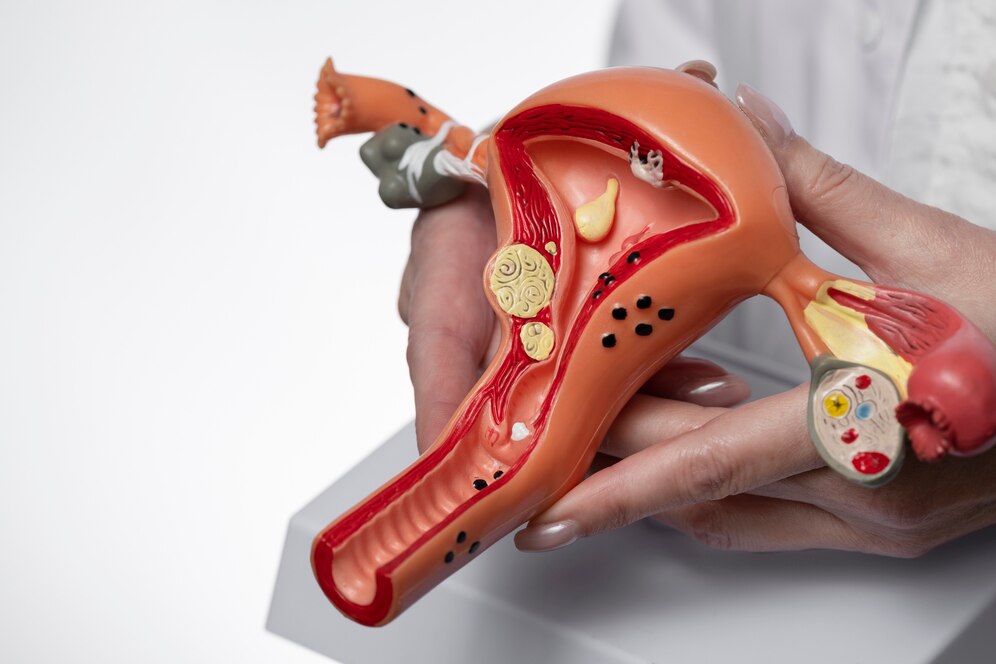
    Women’s health and well-being are often impacted by ovarian cysts, which is an essential problem for them. These can include problems, with hemorrhagic ovarian cysts being the most noticeable. All the information you require to ensure that you are well-informed and ready for hemorrhagic ovarian cysts will be covered in this blog post, from types and symptoms to diagnosis and treatment.

    Types of Ovarian Cysts

    1. Cervical Cysts in Function

    During a woman’s period, functional cysts, the most prevalent kind of ovarian cysts, typically develop. Corpus luteum cysts and follicular cysts are two of them. When a follicle doesn’t release an egg, it grows and eventually forms a follicular cyst. Follicles release an egg, reseal, and fill with fluid to form corpus luteum cysts.

    2. Dermoid Cysts

    Teratomas, another name for dermoid cysts, are composed of dental, skin, and hair tissue. Generally benign, these cysts can develop into larger or burst ones that might lead to difficulties.

    3. Mastodystasis

    The painful and uncomfortable growth of cystadenomas, which are packed with mucus or watery fluid, can be highly noticeable. Surgery can be necessary to remove these cysts, which might be normal or malignant removal.

    Other Types of Ovarian Cysts

    1. Endometriomas in situ

    Endometriomas, also referred to as chocolate cysts, are masses made of the tissue inside the uterus and leftover blood. They are related to endometriosis, a condition where the lining of the uterus develops outside of it.

    2. The Ovaries’ Polycystic Nature

    One characteristic that distinguishes polycystic ovarian syndrome (PCOS) is the existence of several small cysts in the ovaries. PCOS can cause infertility, irregular periods, and other health issues.

    3. Hemorrhaging Cysts in the Ovaries

    Hemorrhagic ovarian cysts originate from inside, where a blood artery bursts and allows blood to enter the cyst. If you encounter any uncomfortable symptoms, you may need to contact a doctor because these cysts can be painful.

    What is a Hemorrhagic Ovarian Cyst?

    Blood pools inside an already-existing cyst when a tiny blood artery in the cyst wall bursts, resulting in the formation of a hemorrhagic ovarian cyst. Any kind of cyst can experience this, although functioning cysts experience it most frequently. Usually, a mixture of fluid and blood fills these cysts.

    Causes of Ovarian Cysts That Hemorrhage

    Numerous factors, such as hormone imbalances, ovarian trauma, or underlying health issues can cause hemorrhagic cysts to form. Sometimes they could form for no apparent reason at all. Issues with Hemorrhagic Ovarian Cysts

    Although hemorrhagic cysts usually go away on their own, problems might occasionally arise. The ovary may twist around its supporting tissues in ovarian torsion or rupture, which can result in internal bleeding and severe pain.

    Symptoms of Hemorrhagic Ovarian Cysts

    1. Pain and Unease

    Pelvic pain is among the hemorrhagic ovarian cyst’s most typical symptoms. This lower abdominal pain may be localized to one side and may be subtle or acute. Menstruation or physical exertion may make the pain worse.

    2. Menstrual Cycle irregularities

    Changes in your monthly cycle, such as more or lighter flow, irregular periods, and spotting between periods, might be brought on by hemorrhagic cysts.

    3. Stomach Bloating

    Some women may get a sense of fullness or bloating in their abdomens. This may be because the cyst is inflaming the surrounding organs or is putting pressure on them.

    Diagnosis of Hemorrhagic Cysts

    1. Sonography

    The most used diagnostic method for determining the presence of hemorrhagic ovarian cysts is ultrasonography. It can help identify the kind, size, and location of a cyst by using sound waves to produce images of the ovaries.

    2. The CT and MRI scans

    To obtain a closer look at the cyst and rule out other possible reasons of your symptoms, your doctor might occasionally advise an MRI or CT scan.

    3. Blood Tests

    testing on the Blood Hemorrhagic cysts may be caused by hormone imbalances or other underlying diseases that can be found with the use of blood testing.

    Hemorrhagic Cyst Treatment

    1. Cautious Awaiting

    Hemorrhagic cysts usually go away on their own in a few menstrual cycles for most women. Your physician could advise “watchful waiting,” which entails taking regular ultrasounds to check the cyst and treating any symptoms with analgesics.

    2. Hormonal Treatment

    Hormonal therapy can help control your menstrual cycle and stop new cyst formation. Examples of this include birth control tablets. If you experience recurring hemorrhagic cysts, this treatment might be suggested.

    3. Handling of Pain

    Hemorrhagic cyst discomfort can be lessened with over-the-counter analgesics such acetaminophen or ibuprofen. Your doctor might recommend stronger drugs in more serious situations.

    Hemorrhagic Ovarian Cysts Surgical Treatment

    1. Throughout the laparoscopy

    Cyst removal is possible via laparoscopy, a minimally invasive surgical method. A tiny incision is made in the belly, and a thin, illuminated tube called a laparoscope is inserted to view and remove the cyst. Comparing this kind of treatment to regular surgery, there are usually less adverse effects and a quicker recovery time.

    2. laparotomy

    In cases that are more difficult, a laparotomy might be required. The cyst must be removed with a more extensive abdominal incision. Larger cysts or the detection of malignancy may necessitate this operation, despite the lengthier recovery time.

    3. Cystectomy of the Ovaries:

    During an ovarian cystectomy, the ovary is kept intact while the cyst is excised. 

    Hemorrhagic Shock and Brain Hemorrhage Survival Rates

    1. Shock with Hemorrhage

    Significant blood loss can result in hemorrhagic shock, which lowers blood pressure and insufficient blood supply to essential organs. To reduce serious complications and raise survival rates, prompt medical attention is essential.

    2. Brain Damage

    A brain hemorrhage is a potentially fatal disorder that needs to be treated right away. The extent and site of the bleeding, together with the promptness of therapy, all affect the survival rate. Over time, improved medical treatment and early intervention have increased survival rates.

    3. The Value of Prompt Intervention

    Hemorrhagic cysts can be treated and diagnosed early to reduce problems and enhance results. Maintaining your health and well-being requires routine checkups and discussion with your healthcare professional.

    Consult a Doctor and Medkart will help you Order Medicines Online

    Prevention of Hemorrhagic Cysts

    1. Continual Examinations

    Cyst detection and change monitoring can be facilitated by routine gynecological examinations. This proactive strategy can guarantee prompt treatment and avert problems.

    2. A Healthful Way of Living

    You may control your menstrual cycle and lower your chance of cyst formation by leading a healthy lifestyle that includes a balanced diet, frequent exercise, and stress reduction.

    3. hormonal equilibrium

    Hemorrhagic cyst risk can be decreased and functional cyst formation can be stopped by correcting hormonal imbalances by lifestyle modifications or hormonal therapy.

    Conclusion

    Many women may be concerned about the health effects of hemorrhagic ovarian cysts, but by being aware of the symptoms, diagnosis, and available treatments, you can take charge of your own well-being. The best ways to avoid and treat these cysts are through routine examinations, a balanced diet, and clear contact with your doctor.

    Don’t be afraid to ask your healthcare physician any questions or concerns you may have regarding hemorrhagic ovarian cysts. Your general well-being can be greatly improved with early intervention and appropriate care.

    Take control of your wellness, remain educated, and maintain your health. Visit our associated articles for additional details and resources, and get in touch with our network of professionals in women’s health.

    Related Links:

  • What is Allergy? – Testing, Types of Allergies and Symptoms

    What is Allergy? – Testing, Types of Allergies and Symptoms

    Millions of individuals worldwide suffer from allergies, a widespread health problem. These hypersensitive reactions occur when the immune system overreacts to certain substances, known as allergens, which can include pollen, dust, pet dander, and food among others. Allergy types vary in severity and can manifest in various ways, such as skin rashes, respiratory issues, and digestive problems. This comprehensive guide focuses on two specific allergy types: eye and throat allergies. By understanding the symptoms, causes, and treatments related to these conditions, individuals can better manage their allergies and improve their overall quality of life.

    Allergies can be categorized into several different types based on the allergen, the affected body part, or the mechanism by which the immune system reacts. For example, food allergies involve an abnormal immune response to certain foods, while contact dermatitis occurs when the skin comes into direct contact with an allergen. In this article, the focus will be on allergy types that primarily affect the eyes and throat, as well as the various symptoms, treatments, and preventive measures that can help individuals manage these conditions.

    It is important to note that allergies can have a significant impact on daily life, causing discomfort, inconvenience, and even serious health complications in some cases. As such, gaining a thorough understanding of the different allergy types, their triggers, and their symptoms is crucial for those who suffer from these conditions. With the right knowledge and tools, individuals can effectively manage their allergies and enjoy a healthier, more comfortable existence.

    What are Eye Allergies?

    Eye allergies, also known as allergic conjunctivitis, are a common type of allergy that affects the eyes. They occur when the immune system overreacts to allergens in the environment, causing inflammation and irritation of the conjunctiva – the translucent layer that protects the inner surface of the eyelids and the white area of the eye. Common allergens that can cause eye allergies include pollen, dust mites, pet dander, and mold spores.

    There are two main types of eye allergies: seasonal allergic conjunctivitis (SAC) and perennial allergic conjunctivitis (PAC). SAC is the most common type and is typically triggered by pollen from trees, grasses, and weeds during the spring, summer, and fall seasons. PAC, on the other hand, occurs year-round and is usually caused by indoor allergens such as dust mites, pet dander, and mould.

    Eye allergies can affect people of all ages, although they are more common in children and young adults. Additionally, individuals with a family history of allergies or those who have other types of allergies, such as hay fever or asthma, are at an increased risk of developing eye allergies.

    Symptoms and Treatment for Eye Allergies

    The symptoms of eye allergies can vary in severity and may include itchiness, redness, swelling, tearing, and a burning sensation in the eyes. Some people may also experience sensitivity to light, blurred vision, or a gritty feeling in the eyes. In severe cases, eye allergies can interfere with daily activities and affect an individual’s quality of life.

    To diagnose eye allergies, a healthcare professional will typically examine the eyes and review the patient’s medical history, symptoms, and potential allergen exposure. In some cases, additional tests may be needed to confirm the diagnosis, such as a skin prick test, blood test, or conjunctival allergen challenge test.

    Treatment for eye allergies typically involves a combination of medication and self-care measures. Over-the-counter (OTC) or prescription antihistamine eye drops, mast cell stabilizers, or corticosteroid eye drops may be recommended to relieve symptoms and reduce inflammation. In addition to medication, individuals with eye allergies can take several steps to manage their condition, such as:

    • Avoiding allergens by staying indoors when pollen counts are high, using air purifiers, and regularly cleaning the home to reduce dust and pet dander
    • Applying a cold compress to the eyes to help alleviate itching and swelling
    • Wearing sunglasses to protect the eyes from pollen and other airborne allergens
    • Washing hands frequently and avoiding rubbing the eyes to prevent the spread of allergens

    Types of Allergy Coughs

    Allergy coughs are another common manifestation of allergies and can be caused by various allergens, such as pollen, dust, pet dander, and mould spores. These coughs occur when the immune system overreacts to allergens, leading to inflammation and irritation of the respiratory tract.

    There are several types of allergy coughs, including:

    Postnasal drip cough

    •  This type of cough occurs when excess mucus from the nasal passages drips down the back of the throat, irritating the airways and causing a cough reflex.

    Asthmatic cough

    • This cough is associated with allergic asthma and is triggered by allergens that cause inflammation and constriction of the airways, leading to coughing, wheezing, and shortness of breath.

    Chronic cough

    • This type of cough lasts for more than eight weeks and may be caused by a variety of factors, including allergies, asthma, or other respiratory conditions.
    • Several Medications like Ascoril D Plus Syrup are used to treat chronic cough.

    types of allergies

    Common Allergy Cough Symptoms

    Allergy cough symptoms can vary depending on the type of cough and the specific allergen involved. However, some common symptoms associated with allergy coughs include:

    • Persistent coughing, often worse at night or when lying down
    • Itchy, watery eyes
    • Sneezing
    • Runny or stuffy nose
    • Postnasal drip
    • Wheezing or shortness of breath (in cases of asthmatic cough)

    In some cases, allergy cough symptoms may be accompanied by other signs of an allergic reaction, such as skin rashes, digestive problems, or fatigue.

    Also Read: What are Generic Medicine?

    Allergy Test Names and How They Work

    To accurately diagnose and treat allergy types, healthcare professionals may recommend allergy testing. There are several types of allergy tests that can help identify specific allergens and determine the most appropriate treatment plan.

    Some common allergy test names and their methods include:

    • Skin prick test: Also known as a puncture or scratch test, this test involves placing a small amount of a suspected allergen on the skin and then pricking the skin with a needle to introduce the allergen into the body. If the individual is allergic to the substance, a red, itchy bump will form within 15-20 minutes.
    • Intradermal test: This test involves injecting a small amount of the suspected allergen into the skin. Similar to a skin prick test, if the individual is allergic to the substance, a red, itchy bump will form within a short period of time.
    • Patch test: This test applies a small amount of the suspected allergen to a patch, which is then placed on the skin for 48 hours to identify contact allergens, such as those causing contact dermatitis. If the individual is allergic to the substance, a skin reaction will occur at the site of the patch.
    • Blood test: Also known as a radioallergosorbent test (RAST), this test measures the amount of allergy-specific antibodies in the blood. The test can identify allergens that may be causing allergic reactions and can be useful for individuals who cannot undergo skin testing.

    Allergy tests are typically performed by healthcare professionals in a clinical setting, such as an allergist’s office. They are generally safe and well-tolerated, although some individuals may experience mild itching, swelling, or redness at the site of the test.

    What are Throat Allergies?

    Throat allergies, also known as allergic pharyngitis, occur when the immune system reacts to allergens in the environment, leading to inflammation and irritation of the throat. Common allergens that can cause throat allergies include pollen, dust mites, pet dander, and mold.

    Throat allergies can affect people of all ages, although they are more common in individuals with a history of allergies or asthma. Additionally, factors such as exposure to air pollution, smoking, or changes in weather can exacerbate throat allergies.

    > Consult a doctor and Order Medicine Online

    Symptoms and Treatment for Throat Allergies

    The symptoms of throat allergies can vary in severity and may include:

    • Sore throat
    • Itchy throat
    • Difficulty swallowing
    • Hoarseness or loss of voice
    • Coughing

    In some cases, individuals with throat allergies may also experience other symptoms, such as nasal congestion, sneezing, or itchy eyes.

    To diagnose throat allergies, a healthcare professional will typically examine the throat and review the patient’s medical history, symptoms, and potential allergen exposure. Additional tests, such as a skin prick test or blood test, may be necessary to confirm the diagnosis.

    Treatment for throat allergies typically involves a combination of medication and self-care measures. Over-the-counter antihistamines, decongestants, or nasal corticosteroids may be recommended to relieve symptoms and reduce inflammation.

    For symptomatic relief from throat discomfort associated with an allergic cold, Cheston Cold Tablet 10s is a commonly recommended medicine. It contains a combination of ingredients that help reduce sneezing, runny nose, and congestion caused by seasonal allergies or infections.

    In addition to medication, individuals with throat allergies can take several steps to manage their condition, such as:

    • Avoiding allergens by staying indoors when pollen counts are high, using air purifiers, and regularly cleaning the home to reduce dust and pet dander
    • Drinking plenty of fluids to soothe the throat and prevent dehydration
    • Gargling with warm salt water to alleviate soreness and irritation
    • Using a humidifier to add moisture to the air and reduce throat dryness

    Tips for Managing Allergies

    In addition to the specific treatments outlined above, there are several general tips that can help individuals manage their allergies and reduce the risk of allergic reactions. These include:

    • Identifying and avoiding allergens: By understanding the specific triggers that cause allergic reactions, individuals can take steps to avoid or minimize exposure to these substances.
    • Keeping a clean home: Regular cleaning, vacuuming, and dusting can help reduce the amount of allergens in the home and improve air quality.
    • Using air purifiers: Air purifiers can help filter out allergens and improve indoor air quality.
    • Monitoring pollen counts: By keeping track of local pollen counts, individuals can plan outdoor activities when pollen levels are lower and take preventive measures, such as wearing sunglasses and using nasal sprays.
    • Seeking medical help: Individuals with severe or chronic allergies may benefit from working with an allergist or other healthcare professional to develop a comprehensive treatment plan.

    Conclusion: How to Live with Allergies

    Allergies can be a frustrating and uncomfortable health issue, but with the right knowledge and tools, individuals can effectively manage their symptoms and improve their quality of life. Understanding the different types of allergies, their symptoms, and their triggers is the first step in developing an effective treatment plan.

    For individuals with eye allergies, treatment may involve medication, self-care measures, and avoidance of allergens such as pollen, dust, and pet dander. Those with allergy coughs may require medication to relieve symptoms and reduce inflammation, as well as preventive measures to avoid triggers such as air pollution and allergens in the home.

    For individuals with throat allergies, treatment may involve medication, self-care measures, and avoiding allergens such as pollen, dust, and mold. Additionally, drinking plenty of fluids and using a humidifier can help soothe the throat and reduce dryness.

    By following these tips and working with a healthcare professional as needed, individuals can effectively manage their allergies and live a healthier, more comfortable life.

    FAQs on Types of Allergy

    Q.1. How many Types of Allergy?

    Answer: There are several types of allergies, including food allergies, pollen allergies, pet allergies, drug allergies, and more. Each triggers specific symptoms and reactions.

    Q.2. How many Types of Skin Allergy?

    Answer: There are numerous types of skin allergies, including hives, eczema, contact dermatitis, and psoriasis, each displaying unique symptoms and triggers.

    Read: Skin Allergy

    Call To Action

    For access to more such interesting articles on healthcare, visit Medkart today!

  • Acid Reflux – Home Remedies for Acid Reflux

    Acid Reflux – Home Remedies for Acid Reflux

    Acid Reflux image

    Acid reflux, also known as gastroesophageal reflux (GERD), occurs when stomach acid flows back into the esophagus, causing irritation and discomfort. This backflow can be a result of a weakened lower esophageal sphincter (LES), which is responsible for keeping stomach contents in place. When this muscle is weakened, it allows stomach acid to seep into the esophagus, leading to the painful sensation known as heartburn.

    Gastroesophageal reflux disease, or GERD, is a chronic and more severe form of acid reflux. It is characterized by frequent episodes of acid reflux, which can cause damage to the esophagus and lead to complications such as esophagitis, esophageal ulcers, and even esophageal cancer. It is important to properly manage acid reflux and GERD to prevent these complications and maintain a healthy digestive system.

    The first step in managing acid reflux and GERD is understanding the causes and symptoms of these conditions. This knowledge will help individuals identify triggers and make informed decisions about their diet and lifestyle.

    એસિડ રિફ્લક્સ માટે કેટલીક જેનરિક દવાઓ શું છે?

    Causes of Acid Reflux

    There are numerous factors that can contribute to acid reflux, including both genetic and lifestyle factors. Some common causes of acid reflux include:

    • Hiatal hernia: This occurs when the upper part of the stomach bulges through the diaphragm, which can weaken the LES and cause acid reflux.
    • Obesity: Excess weight puts pressure on the abdomen, potentially forcing stomach acid into the esophagus.
    • Pregnancy: Hormonal changes and increased abdominal pressure during pregnancy can lead to acid reflux.
    • Diet: Consuming high-fat foods, spicy foods, caffeine, and alcohol can all contribute to acid reflux.
    • Smoking: Nicotine can weaken the LES, increasing the likelihood of acid reflux.

    Identifying the causes of acid reflux can help individuals determine the necessary steps to manage their symptoms effectively.

     Acid Reflux Symptoms

    People can experience different acid reflux symptoms, however, some frequent ones include:

    • Heartburn: A burning sensation in the chest, often accompanied by a sour taste in the mouth.
    • Regurgitation: The sensation of stomach contents or acid flowing back into the throat or mouth.
    • Dysphagia: Difficulty swallowing or a sensation of food being stuck in the throat.
    • Chest pain: A feeling of discomfort or pain that may occasionally be mistaken for a heart attack.
    • A persistent cough that is not brought on by a respiratory infection is referred to as chronic.

    Recognizing these symptoms can help individuals seek appropriate treatment and make necessary lifestyle changes to manage their acid reflux.

    Acid Reflux Foods to Avoid

    Managing acid reflux and GERD often begins with making changes to one’s diet. Understanding which foods trigger symptoms is crucial for effective management. Some common acid reflux foods to avoid include:

    • High-fat foods: Foods high in fat, such as fried foods, fast food, and fatty cuts of meat, can slow digestion and cause acid reflux.
    • Spicy foods: Spicy dishes, such as those containing chilli peppers, can irritate the esophagus and trigger acid reflux symptoms.
    • Citrus fruits: Oranges, grapefruits, and other citrus fruits are highly acidic and can exacerbate acid reflux symptoms.
    • Tomato-based products: Tomatoes and tomato-based sauces can cause acid reflux due to their acidity.
    • Garlic and onions: These pungent foods can trigger acid reflux in some individuals.
    • Chocolate: Chocolate contains compounds that can relax the LES, increasing the likelihood of acid reflux.
    • Peppermint: While often used to soothe an upset stomach, peppermint can actually worsen acid reflux by relaxing the LES.
    • Caffeine: Coffee, tea, and other caffeinated beverages can relax the LES and trigger acid reflux.

    Eliminating or reducing the consumption of these trigger foods can greatly improve acid reflux symptoms and overall digestive health.

    Foods to Eat for Acid Reflux and GERD

    While there are certain foods to avoid, there are also many foods that can help manage acid reflux and GERD. Some beneficial foods include:

    • Whole grains: Whole grains, such as oatmeal, brown rice, and whole wheat bread, can help absorb stomach acid and reduce acid reflux symptoms.
    • Lean proteins: Choose lean cuts of meat, such as chicken or turkey, and plant-based proteins like tofu to avoid excess fat that can trigger acid reflux.
    • Non-citrus fruits: Apples, bananas, and other non-citrus fruits can help neutralize stomach acid and soothe the digestive system.
    • Vegetables: Green vegetables, such as broccoli, asparagus, and leafy greens, can help reduce stomach acidity and minimize acid reflux symptoms.
    • Ginger: This root has natural anti-inflammatory properties and can help soothe the digestive system.

    Incorporating these foods into one’s diet can help manage acid reflux and GERD symptoms effectively.​

    Drinks to Avoid for Acid Reflux and GERD

    In addition to avoiding certain foods, it’s also important to consider what to drink for acid reflux. Some common drinks that can exacerbate symptoms include:

    • Alcoholic beverages: Alcohol can relax the LES and increase stomach acid production, leading to acid reflux.
    • Carbonated beverages: The bubbles in carbonated drinks can cause bloating and increase pressure on the LES, leading to acid reflux.
    • Caffeinated beverages: As mentioned earlier, caffeine can relax the LES and trigger acid reflux symptoms.
    • Citrus juices: The high acidity of citrus juices can worsen acid reflux symptoms.

    Choosing water, herbal teas, or non-citrus juices can help prevent acid reflux symptoms and maintain a healthy digestive system.

    Lifestyle Changes to Manage Acid Reflux and GERD

    In addition to dietary changes, making certain lifestyle adjustments can also help manage acid reflux and GERD. Some effective changes include:

    • Maintain a healthy weight: Losing excess weight can reduce pressure on the abdomen and LES, helping to prevent acid reflux.
    • Eat smaller meals: Consuming smaller, more frequent meals can help prevent the stomach from becoming too full and reduce the risk of acid reflux.
    • Avoid lying down after eating: Waiting at least two to three hours after eating before lying down can help prevent stomach acid from flowing back into the esophagus.
    • Elevate the head of the bed: Using a wedge pillow or elevating the head of the bed by six to eight inches can help prevent acid reflux during sleep.
    • Quit smoking: As mentioned earlier, nicotine can weaken the LES and contribute to acid reflux. Quitting smoking can help strengthen the LES and reduce symptoms.

    Implementing these lifestyle changes can significantly improve the management of acid reflux and GERD.

    Acid Reflux Medicine and Treatment

    In addition to making dietary and lifestyle changes, there are several natural remedies that can help manage acid reflux and GERD. Some effective options include:

    • ​Chewing gum: Chewing gum can increase saliva production and help neutralize stomach acid.
    • Aloe vera: Drinking aloe vera juice can help soothe the digestive system and reduce inflammation.
    • Slippery elm: This herb can be taken in supplement form or as a tea to coat and soothe the digestive tract.
    • Apple cider vinegar: While it may seem counterintuitive, some people find that taking a small amount of apple cider vinegar diluted in water can help balance stomach acid levels and reduce acid reflux symptoms.

    Before trying any natural remedy, it’s important to consult with a healthcare professional to ensure it’s safe and appropriate for individual needs.

    Also Read: What are Generic Medicine?

    Medications to Manage Acid Reflux and GERD

    For some individuals, lifestyle and dietary changes may not be enough to manage acid reflux and GERD symptoms effectively. In these cases, medications may be necessary. Some common medications used to treat acid reflux and GERD include:

    • Antacids: Over-the-counter antacids can help neutralize stomach acid and provide temporary relief from acid reflux symptoms.
    • H2 blockers: These medications work by reducing the production of stomach acid, which can help alleviate acid reflux symptoms.
    • Proton pump inhibitors (PPIs): PPIs are more potent than H2 blockers and can provide long-lasting relief by blocking the production of stomach acid.

    It’s important to consult with a healthcare professional before starting any new medication to ensure it’s appropriate for individual needs and to discuss potential side effects.

    Conclusion

    Managing acid reflux and GERD requires a multifaceted approach, including dietary changes, lifestyle modifications, natural remedies, and potential medications. By understanding the causes and symptoms of these conditions, individuals can make informed decisions about their treatment and effectively manage their symptoms.

    Living with acid reflux and GERD doesn’t have to be a constant struggle. With the right guidance and support, individuals can take control of their digestive health and enjoy a better quality of life.

    Related Links:

  • How to cure Sinus Headache with Home Remedies and Medicines?

    How to cure Sinus Headache with Home Remedies and Medicines?

    sinus treatmentHow to Cure Sinus Headache? Sinus headaches are a common ailment that many people experience at some point in their lives. In this article, we’ll explore sinus headaches, their causes, and how to permanently cure them using home remedies and medicines. We will also discuss sinus surgery, chronic sinusitis, nasal spray treatment, and DIY options for sinus treatment at home.

    What is Sinus Headaches?

    Sinus headaches result from inflammation or congestion in the air-filled sinus cavities within the bones of the face. These cavities produce mucus that helps keep the nasal passages moist and free from bacteria. When the sinus cavities become inflamed or blocked, pressure can build up, leading to a sinus headache.

    Several factors can contribute to the development of a sinus headache, including allergies, infections, and environmental irritants. It is important to understand the symptoms and causes of the sinus to treat them effectively and prevent their recurrence.

    Symptoms of a Sinus Headache

    Sinus headache symptoms can vary depending on the severity of the inflammation and congestion in the sinus cavities. Some common symptoms include:

    • Headache or pressure in the cheekbones, eyes, or forehead
    • Nasal congestion or discharge
    • Fatigue or difficulty concentrating
    • Sensitivity to light or noise
    • Facial swelling or tenderness

    Sometimes, a sinus may be accompanied by other symptoms such as fever, cough, or sore throat. These additional symptoms may indicate the presence of a more serious infection or illness that requires medical attention.

    Causes of Sinus Headaches

    Several factors can contribute to the development of a sinus headache. These may include:

    • Allergies: Seasonal or year-round allergies can cause inflammation and congestion in the sinus cavities
    • Infections: Viral, bacterial, or fungal infections can lead to sinus inflammation and congestion
    • Environmental factors: Exposure to pollutants, smoke, or strong odours can irritate the sinuses and lead to inflammation
    • Nasal polyps or structural abnormalities: These can block the sinus passages and cause congestion and inflammation
    • Immune system disorders: Certain conditions, such as autoimmune disorders, can cause chronic sinus inflammation

    Understanding the underlying cause of a sinus headache is crucial for developing an effective treatment plan.

    Home Remedies for Sinus Headaches

    For those seeking to cure sinus permanently with home remedies, there are several options available. These remedies can provide temporary relief from sinus symptoms and may help to reduce inflammation and congestion.

    1. Warm compresses

    Applying a warm compress to the affected areas of the face can help alleviate pain and pressure associated with sinus headaches. A warm compress can be made by soaking a clean cloth in warm water and placing it over the forehead, cheeks, or eyes for several minutes.

    2. Steam inhalation

    Inhaling steam can help to moisten and soothe the nasal passages, which may help to relieve sinus congestion and pressure. To perform steam inhalation, fill a bowl with hot water and lean over it with a towel draped over the head to trap the steam. Take a few minutes to breathe in the steam.

    3. Saline nasal spray

    Using a saline nasal spray can help to flush out mucus and bacteria from the nasal passages, which may help to alleviate sinus congestion and reduce inflammation. Saline nasal sprays can be purchased over the counter or made at home using a mixture of salt and water.

    4. Hydration

    Staying well-hydrated can help to thin mucus in the sinuses and promote drainage, which may help to alleviate sinus headache symptoms. Drinking plenty of water, herbal tea, or clear broth can help to maintain hydration levels.

    5. Humidifiers

    Using a humidifier in the home can help to maintain moisture levels in the air, which may help to prevent sinus congestion and inflammation. Be sure to clean the humidifier regularly to prevent the growth of bacteria and mould.

    Medicines for Sinus Headache Relief

    There are several sinus medicines available that can help to relieve sinus headache symptoms. These medicines can be divided into two main categories: over-the-counter remedies and prescription medications.

    Over-the-counter Remedies for Sinus Pain

    Over-the-counter sinus medicines can help to provide temporary relief from sinus headache symptoms. Some common over-the-counter remedies include:

    • Pain relievers: Nonsteroidal anti-inflammatory drugs (NSAIDs) such as ibuprofen or aspirin can help to reduce pain and inflammation associated with sinus headaches.
    • Decongestants: Oral decongestants can help to relieve sinus congestion by narrowing blood vessels in the nasal passages. Nasal decongestant sprays provide short-term relief but should not be used for more than three days to prevent rebound congestion.
    • Antihistamines: These medications can help alleviate allergy-related sinus symptoms by blocking the action of histamine, a chemical involved in the allergic response.

    Sinus discomfort doesn’t always stay in the sinuses—it can trigger full-body fatigue. Rumanil Tablet and Ibugesic plus suspension are commonly used to address such minor aches.

    Prescription Medications for Sinus Headache Relief

    In some cases, a healthcare provider may prescribe medications to treat sinus symptoms. These may include:

    • Antibiotics: A bacterial sinus infection may be treated with antibiotics to relieve inflammation and congestion, prescribed by a healthcare provider.
    • Corticosteroids: These medications reduce inflammation in the sinus cavities and may be prescribed as a nasal spray or oral medication.
    • Antifungal medications: If a fungal infection is causing sinus inflammation and congestion, a healthcare provider may prescribe antifungal medications to treat the infection.

    It is important to follow the healthcare provider’s instructions for taking prescription medications and to complete the full course of treatment to ensure the best possible outcome.

    > Consult a Doctor, and Medkart will help you Order Medicines Online

    medicines for sinusWhen to Consider Sinus Surgery

    In some cases, sinus surgery may be necessary to treat chronic sinusitis or persistent sinus headaches that do not respond to other treatments. Sinus surgery may involve the removal of nasal polyps, the correction of structural abnormalities, or the widening of the sinus passages to promote drainage.

    Before sinus surgery, explore all treatment options and discuss the risks and benefits of the procedure with a healthcare provider.

    Chronic Sinusitis and Its Impact on Sinus Headaches

    Chronic sinusitis is a condition in which the sinuses remain inflamed and congested for an extended period, often lasting three months or longer. This condition can have a significant impact on an individual’s quality of life, leading to persistent sinus headaches, fatigue, and difficulty concentrating.

    The treatment of chronic sinusitis typically involves a combination of medications, home remedies, and lifestyle modifications. In some cases, sinus surgery may be necessary to address the underlying cause of the chronic inflammation and congestion.

    Frontal Sinus Treatment Options

    The frontal sinuses are located above the eyes and are one of the four sets of sinuses in the face. Inflammation and congestion in the frontal sinuses can cause sinus headaches, resulting in pain and pressure in the forehead.

    Treatment options for frontal sinus may include over-the-counter or prescription medications, home remedies, and lifestyle modifications. In some cases, sinus surgery may be necessary to address the underlying cause of the inflammation and congestion in the frontal sinuses.

    Nasal Spray for Sinus Headaches

    Nasal sprays can effectively treat sinus headaches by reducing congestion and inflammation in the nasal passages, providing relief from discomfort.

    There are several types of nasal sprays available, including:

    • Saline nasal sprays: As mentioned earlier, saline nasal sprays can help flush out mucus and bacteria from the nasal passages, which may help to alleviate sinus congestion and reduce inflammation.
    • Steroid nasal sprays: These prescription nasal sprays contain corticosteroids that can help to reduce inflammation in the sinus cavities, which may help to alleviate sinus headache symptoms.
    • Antihistamine nasal sprays: These prescription nasal sprays contain antihistamines that can help to alleviate allergy-related sinus headache symptoms.

    It is important to follow the instructions for using nasal sprays and to consult with a healthcare provider if symptoms do not improve or worsen after using the spray.

    Buy Nasal Sprays – Order Medicine

    Sinus Treatment at Home: DIY Remedies

    In addition to the home remedies mentioned earlier, several other DIY sinus treatments can help to alleviate sinus headache symptoms and promote healing. These may include:

    • Essential oils: Some essential oils, such as eucalyptus and peppermint, have anti-inflammatory and decongestant properties that may help to alleviate sinus headache symptoms. These oils can be added to a bowl of hot water for steam inhalation or used in a diffuser to create a soothing atmosphere.
    • Apple cider vinegar: Diluting a small amount of apple cider vinegar in water and sipping it throughout the day may help to thin mucus and promote sinus drainage, which may help alleviate sinus symptoms.
    • Herbal teas: Drinking herbal teas, such as ginger or chamomile, can help to soothe inflammation and promote relaxation, which may help to alleviate headache symptoms.

    sinus treatment at home

    Prevention of Sinus Headaches

    Preventing sinus involves addressing the underlying causes of sinus inflammation and congestion. Some strategies for preventing sinus headaches include:

    • Avoiding allergens: If allergies contribute to sinus headaches, reducing exposure to allergens is crucial for minimizing discomfort and managing symptoms. This may involve using air purifiers or hypoallergenic bedding and keeping windows closed during peak allergy seasons.
    • Practising good hygiene: Washing hands frequently and avoiding close contact with individuals who have colds or other respiratory infections can help to reduce the risk of developing sinus infections that can lead to sinus headaches.
    • Maintaining a healthy lifestyle: Eating a balanced diet, exercising regularly, and getting enough sleep can help support a healthy immune system and reduce the risk of developing sinus infections and headaches.

    Conclusion

    Sinus headaches can be a painful and debilitating condition, but there are numerous treatment options available to provide relief and promote healing. By understanding the causes and symptoms of sinus headaches, individuals can work with their healthcare providers to develop a comprehensive treatment plan that may involve home remedies, over-the-counter or prescription medications, or even sinus surgery in some cases. Furthermore, taking steps to prevent sinus by addressing underlying causes and maintaining a healthy lifestyle can help to reduce the frequency and severity of these headaches in the future.

    Read: What are Generic Medicines?

    FAQs on How to Cure Sinus Headache

    1. How to get rid of a sinus headache instantly?

    For quick relief from sinus headaches, try steam inhalation, warm compress, hydration, and consult a doctor before using pain relievers.

    2. How to cure Sinus Headache?

    To relieve a sinus headache, attempt steam inhalation, warm compresses, hydration, and use of OTC pain relievers with medical approval. Consult a healthcare provider for persistent symptoms.

    3. How to reduce Sinus Headache?

    To ease a sinus headache, you can try breathing in steam, placing warm clothes on your face, drinking enough water, and using over-the-counter pain relief after consulting a doctor. If the headache persists, it’s a good idea to talk to a healthcare professional.

  • ADHD in Children – Types, Symptoms, Treatment

    ADHD in Children – Types, Symptoms, Treatment

    ADHD in Children image
    Globally, a large number of youngsters suffer with Attention-Deficit/Hyperactivity Disorder, or ADHD. To properly assist and treat children with ADHD, parents and clinicians must have a thorough grasp of the disorder. By guiding you through its forms, symptoms, diagnosis, treatment options, and management measures, this blog article seeks to shed light on the numerous facets of ADHD in children.

    ADHD Full Form

    Let us first define ADHD before we go anymore. Attention-Deficit/Hyperactivity Disorder is known by its abbreviation, ADHD. This name encapsulates the main difficulties that people with this illness have, which include issues with impulsivity, hyperactivity, and sustained concentration.

    What is ADHD?

    The most common symptoms of ADHD, a developmental condition, are impulsivity, hyperactivity, and persistent patterns of inattention that impede development or functioning. Even though it is frequently diagnosed in children, ADHD can persist into maturity. Children diagnosed with ADHD may face difficulties in the classroom, difficulty socially with their peers, and display actions that are out of character for their age.

    ADHD in Children

    unknown to most, ADHD in children occurs frequently. Approximately 6.1 million children in the United States have been identified as having ADHD, according to the Centers for Disease Control and Prevention (CDC). The first step to supporting your patient or kid in leading a happy life is understanding this condition.

    Types of ADHD

    There is not a single treatment plan for ADHD. There are three primary varieties, each with unique traits:

    1. Inattentive Individual

    This kind kid usually has trouble paying attention. They could struggle to maintain concentrate, follow to directions, or plan activities. They could come out as careless in day-to-day tasks because they are frequently easily distracted.

    2. Impulsive-hyperactive type

    Although not always inattentive, this kind of behavior is marked by high levels of impulsivity and hyperactivity. Children may have trouble waiting their turn, be consistently nervously find it difficult to stay sitting, and talk excessively.

    3. Combination Type

    Both hyperactivity-impulsivity and inattentional symptoms are present in the mixed kind. This is the most prevalent type of ADHD, and it comes with a wide range of difficulties for those who have it.

    ADHD Symptoms

    Timely intervention for ADHD requires an understanding of its symptoms. Consider looking out for the following typical signs:

    1. Carelessness

    • Inability to focus during games or other duties
    • Repeated errors brought on by negligence in assignments or other tasks
    • Having trouble planning assignments and activities

    2. Over-reactivity

    • Erratic hand and foot tapping or fidgeting
    • Incapacity to stay seated when it is anticipated
    • Running or scaling in an unsuitable environment

    3. Leniency

    • cutting people off in games or chats
    • Waiting for their time is tough.
    • Before a question is fully asked, providing an answer

    ADHD Symptoms image

    ADHD Diagnosis

    ADHD diagnosis requires a thorough assessment by a medical specialist. This procedure consists of:

    1. Health History

    A comprehensive examination of the your kid’s medical history, family background, and developmental milestones is necessary. It is helpful to exclude other potential answers of the kid’s conduct by knowing the context of it.

    2. Behavior Evaluations

    Parents, teachers, and occasionally kids actually fill out standard surveys and behavior rating scales, which offer valuable information about the frequency and intensity of symptoms.

    3. Clinical Evaluation

    It is essential to have a clinical examination conducted by an ADHD-specialized physician, psychologist, or psychiatrist. This could entail conducting interviews and watching the child’s behavior in various contexts.

    ADHD Treatment in Children

    Behavioral therapy, medication, and educational activities are commonly used in the treatment of ADHD:

    1. Counseling for Behaviors

    The goal of behavioral treatment is to provide kids new behaviors and skills to help them control their symptoms. Commonly employed strategies include time management, organizing abilities, and encouragement from others.

    2. Prescription drugs

    The medication and substances are examples of stimulant drugs that are frequently administered to assist manage symptoms. When stimulants are ineffective or have negative side effects, non-stimulant drugs can also be employed.

    Educational Support 504 Plans or Individualized Education Programs (IEPs) can offer adjustments in the classroom, like more time for exams, a quiet area to work in, and breaks to control hyperactivity.

    ADHD Treatment in Children image

    Strategies for Managing ADHD in Children

    A comprehensive strategy is needed to manage ADHD. These are a few successful tactics:

    1. Customs and Organization

    Creating a regular daily schedule eases anxiety and enhances focus in children with ADHD by letting them know what to expect.

    2. Clear Expectations

    Children are better equipped to accept expectations when they are given clear, attainable guidelines for behavior and work.

    3. Inspiring Incentives

    When youngsters receive praise or tiny prizes for good behavior, it may encourage them to repeat similar actions.

    Impact of ADHD on Children’s Live


    A child’s life is impacted by ADHD in a number of ways, such as

    1. Academic Achievements

    Students with ADHD may find it difficult to stay focused during class, finish assignments, and obey directions.

    2. interpersonal connections

    Children who struggle with impulse control and hyperactivity may find it difficult to establish and sustain friendships.

    3. Dynamics of Families

    Family ties may be strained by the demands of controlling ADHD. Parents could feel worn out and frustrated, while siblings might feel ignored

    Supporting Children with ADHD in School

    When it comes to helping kids with ADHD, teachers and other school personnel are essential. Among the successful tactics are:

    1. Facilities for Classrooms

    Academic success for children can be facilitated by offering accommodations such special seats, visual aids, and adapted assignments.

    2. Working together

    It is ensured that all parties are collaborating to assist the child’s needs when parents, educators, and healthcare providers have regular communication.

    3. Social Skills Training

    Programs that teach social skills can aid children with ADHD in comprehending and navigating social situations more effectively..

    Hyperactive Child vs Hyperactive Behavior

    It’s critical to differentiate between a child who is merely acting hyperactively and one who has ADHD:

    1. Time and Predictability

    The symptoms of ADHD are widespread and persistent. They need to have a major influence on the child’s life and stay there for at least six months.

    2. Situational

    Children with attention deficit hyperactivity disorder (ADHD) exhibit symptoms in a variety of contexts, including social settings, schools, and homes.

    3. Level of severity

    Compared to typical children of the same age and developmental stage, the symptoms of ADHD are more severe.

    Conclusion

    Although children with ADHD present special challenges, parents and pediatricians can effectively support affected children if they have the necessary information and resources. Fostering a positive outcome requires an understanding of the types, symptoms, and available treatments. We can assist students with ADHD in realizing their full potential by putting management solutions for ADHD into practice and offering support in the classroom. See a healthcare provider about customized tactics for your child or patient if you’re in need of more direction.
    Never forget that children with ADHD can have a major improvement in their lives with early intervention and ongoing assistance.

  • Healthy Diet and Exercise for improving health of Asthma patient

    Healthy Diet and Exercise for improving health of Asthma patient

    Healthy Diet and Exercise for Asthma patient

    ​Understanding Asthma

    Millions of individuals throughout the world suffer with asthma, a chronic respiratory disease. It is characterised by episodes of coughing, wheezing, and shortness of breath, caused by inflammation and narrowing of the airways. Asthma can be a debilitating condition, impacting daily life and overall quality of life for those who suffer from it. The severity of asthma symptoms can vary greatly from person to person, and while there is no cure for the condition, there are various treatment options available to help manage and control symptoms.

    The primary goal in treating asthma is to reduce the frequency and severity of symptoms, as well as improve overall lung function. This is typically achieved through a combination of medications, lifestyle changes, and avoidance of known triggers. Asthma triggers can vary greatly between individuals, and it is essential for those living with the condition to identify and minimise their exposure to these triggers as part of their overall treatment plan.

    In recent years, there has been a growing interest in the relationship between diet, exercise, and asthma control. This article will explore the connection between these factors, as well as provide guidance on creating an asthma-friendly lifestyle that incorporates proper nutrition and physical activity.

    Asthma Triggers

    Asthma triggers can be categorised into two main types: allergens and irritants. Allergens are substances that cause an allergic reaction in some people, while irritants are substances that can trigger asthma symptoms in both allergic and non-allergic individuals. Common allergens include pollen, mold spores, dust mites, and pet dander, while common irritants include tobacco smoke, air pollution, and strong odours.

    In addition to allergens and irritants, there are several other factors that can contribute to asthma symptoms, including infections, cold air, exercise, and even emotional stress. Identifying and avoiding these triggers is an important aspect of asthma management and can help to reduce the frequency and severity of symptoms.

    Diet and Asthma Control

    There is increasing evidence to suggest that diet plays a role in the development and severity of asthma symptoms. A diet rich in fruits, vegetables, whole grains, and lean protein sources has been associated with improved lung function and reduced asthma symptoms. This is likely due in part to the anti-inflammatory properties of many of these foods, which can help to reduce airway inflammation and improve overall lung health.

    Conversely, a diet high in processed foods, saturated fats, and sugars has been linked to increased inflammation and a higher risk of developing asthma. While more research is needed to fully understand the relationship between diet and asthma, there is enough evidence to support the recommendation of a healthy, balanced diet for those living with the condition.

    Worst Foods for Asthma Patients

    While it is important for asthma patients to focus on consuming a healthy diet that includes a variety of fruits, vegetables, whole grains, and lean protein sources, there are also certain foods that may be particularly detrimental to asthma control. Some of the worst foods for asthma patients include:

    • Processed foods: Foods high in additives, preservatives, and artificial ingredients can trigger asthma symptoms in some individuals. This may be due to the increased inflammation associated with consuming these foods, as well as the potential for certain additives to directly irritate the airways.
    • Dairy products: Some asthma patients may find that dairy products, particularly those high in fat, can exacerbate their symptoms. This may be due to the production of excess mucus associated with the consumption of dairy, which can lead to increased coughing and wheezing.
    • Sulfite-containing foods: Sulfites are a common food preservative, found in foods such as dried fruits, wine, and pickled vegetables. Some individuals with asthma may be sensitive to sulfites and experience a worsening of symptoms after consuming foods containing these preservatives.
    • Saturated fats: A diet high in saturated fats, such as those found in red meat and full-fat dairy products, has been associated with increased inflammation and a higher risk of asthma. Reducing consumption of these foods may help to improve asthma control in some individuals.
    • Sugary foods and beverages: Consuming excess sugar can contribute to increased inflammation, which may worsen asthma symptoms. Limiting the intake of sugary foods and beverages, such as soda and candy, can help to reduce inflammation and improve asthma control.

    Importance of Exercise for Asthma Patients

    While exercise has long been recognized as a potential trigger for asthma symptoms, it is also an important component of overall asthma management. Regular physical activity can help to improve lung function, reduce inflammation, and increase overall fitness levels. In fact, a sedentary lifestyle has been associated with a higher risk of developing asthma, as well as increased severity of symptoms in those who already have the condition.

    It is important for asthma patients to work with their healthcare provider to develop an appropriate exercise plan that takes into consideration their individual needs and limitations. This may involve starting with low-intensity activities, such as walking or swimming, and gradually increasing the intensity and duration of exercise as tolerated.

    Yoga for Asthma Control

    One form of exercise that has gained popularity among asthma patients is yoga. This ancient practice combines physical postures, breath control, and meditation to improve overall health and well-being. Several studies have shown that practicing yoga for asthma can help to improve lung function, reduce the frequency and severity of symptoms, and improve overall quality of life.

    Yoga may be particularly beneficial for asthma patients due to its emphasis on deep, controlled breathing. This can help to strengthen the respiratory muscles, increase lung capacity, and improve overall lung function. Additionally, the relaxation and stress-reduction aspects of yoga may help to alleviate the emotional stress that can sometimes trigger asthma symptoms.

    Other Exercises for Asthma Patients

    In addition to yoga, there are several other forms of exercise that can be beneficial for asthma patients. These include:

    Swimming: The warm, humid environment of an indoor pool can help to soothe the airways and reduce the risk of exercise-induced asthma symptoms. Swimming is also a low-impact activity that can help to improve cardiovascular fitness and overall strength.

    Walking: Walking is a low-intensity, low-impact activity that can be easily adapted to suit the individual needs and limitations of asthma patients. Regular walking can help to improve lung function, reduce inflammation, and increase overall fitness levels.

    Cycling: Cycling, either on a stationary bike or outdoors, is another low-impact exercise option for asthma patients. This activity can help to improve cardiovascular fitness, strengthen the muscles of the lower body, and improve overall endurance.

    Strength training: Incorporating strength training exercises into an overall fitness routine can help to improve muscle strength, increase bone density, and reduce the risk of injury. Strength training exercises can be adapted to suit the individual needs and limitations of asthma patients and should be performed under the guidance of a healthcare provider or fitness professional.

    Creating an Asthma-Friendly Exercise Routine

    When developing an exercise routine for an individual with asthma, there are several factors that should be considered to ensure a safe and effective program. These include:

    Consulting with a healthcare provider: Before beginning any exercise program, it is essential for asthma patients to consult with their healthcare provider to discuss their individual needs and limitations. This may involve undergoing a physical examination, lung function testing, and the development of an asthma action plan that includes guidance on managing exercise-induced symptoms.

    Choosing appropriate activities: Asthma patients should choose activities that they enjoy and that can be easily adapted to suit their individual needs and limitations. This may involve starting with low-intensity activities, such as walking or swimming, and gradually increasing the intensity and duration of exercise as tolerated.

    Warming up and cooling down: Proper warm-up and cool-down routines are essential for preventing exercise-induced asthma symptoms. Asthma patients should spend at least 5-10 minutes warming up with low-intensity activities, such as walking or gentle stretching, before gradually increasing the intensity of their chosen exercise. A similar cool-down routine should be followed after exercise to gradually return the body to its resting state.

    Monitoring symptoms: Asthma patients should closely monitor their symptoms during and after exercise, and be prepared to adjust their routine as needed to prevent exacerbations. This may involve using a peak flow meter to track lung function, as well as keeping a record of any symptoms experienced during exercise.

    Using appropriate medications: In some cases, asthma patients may need to use medications, such as short-acting bronchodilators, before exercise to prevent symptoms. It is important for individuals to work closely with their healthcare provider to determine the appropriate use of medications and ensure that they have a plan in place for managing symptoms during exercise.

    Finding the Right Balance Between Exercise and Diet

    While both diet and exercise can play an important role in managing asthma symptoms, it is essential to find the right balance between the two. For some individuals, a healthy diet alone may be enough to achieve good asthma control, while for others, regular exercise may be the key to improving lung function and reducing symptoms.

    It is important to remember that every individual with asthma is unique, and there is no one-size-fits-all approach to managing the condition. Working closely with a healthcare provider to develop an individualized treatment plan that takes into consideration lifestyle factors such as diet and exercise is essential for achieving optimal asthma control.

    Conclusion

    Millions of individuals throughout the world suffer with asthma, a chronic respiratory disease. While there is no cure for the condition, there are various treatment options available to help manage and control symptoms. In recent years, there has been growing interest in the relationship between diet, exercise, and asthma control.

    A healthy, balanced diet that includes a variety of fruits, vegetables, whole grains, and lean protein sources is important for overall lung health and asthma control. In addition, regular exercise can help to improve lung function, reduce inflammation, and increase overall fitness levels. Yoga and other low-impact exercises can be particularly beneficial for asthma patients.

    When developing an exercise routine for an individual with asthma, it is important to work closely with a healthcare provider to ensure that the program is safe and effective. By finding the right balance between diet and exercise, asthma patients can achieve optimal symptom control and improve their overall quality of life.

    Call To Action

    For access to more such interesting articles on healthcare, visit Medkart today!

  • How to Cure Mouth Ulcers? Best Ointment for Mouth Ulcer

    How to Cure Mouth Ulcers? Best Ointment for Mouth Ulcer

    Mouth Ulcers image

    Mouth ulcers, also known as canker sores, are painful lesions inside the mouth that make eating, sipping, and talking painful. If you are curious for advantageous medication for mouth ulcers, different mouth ulcer antibiotics, creams, and ointments can help remedy them. From antiseptic gels to medicines for mouth ulcer treatment. the right approach can help recover from mouth ulcers fast. If you’re awestruck by what method to cure mouth ulcers temporarily or by what method to cure mouth ulcers fast, this guide covers everything you need to know about effective mouth ulcer treatments.

    What are Mouth Ulcers?

    Mouth ulcers are injurious, painful sores that look inside the mouth, on the tongue, or simultaneously the paste line. They are probably incensed by miscellaneous conditions, containing stress, wounds, vitamin deficiencies, or illnesses. While most mouth ulcers heal inside one to two weeks, timely therapy can step up the medicinal process and lower discomfort.

    Common Causes of Mouth Ulcers

    Understanding what causes mouth ulcers can help in preventing and treating them perfectly. Some common provokes contain:

    • Injury or Trauma: Accidentally biting your cheek, handling a hard-fumed toothbrush, or absorbing hard food can stimulate ulcers.
    • Nutritional Deficiencies: Lack of essential vitamins like B12, iron, and folic acid can reinforce reappearing ulcers.
    • Stress and Hormonal Changes: Emotional stress and hormonal differences can decline safeguard, increasing the risk of ulcers.
    • Food Sensitivities: Spicy, acidic, or tangy food can upset the mouth covering, chief to ulcer improvement.
    • Underlying Medical Conditions: Conditions like stomach contamination, Crohn’s disease, and metallic mineral use disorders can cause endless mouth ulcers.
    • Bacterial or Viral Infections: Infections like herpes simplex virus (HSV) can provoke frightful sore in the audacity.

    Types of Mouth Ulcer Treatments

    Mouth ulcer treatment fluctuates based on the cause and severity of the condition. Standard medication options contain:

    1. Topical Gels & Ointments – These help defeat pain and inflammation while encouraging healing.
    2. Oral Medications – In severe cases, doctors grant permission to prescribe prescriptions to relieve symptoms.
    3. Antiseptic Mouthwashes – Help prevent diseases and advance curative.
    4. Home Remedies – Natural medications that offer a comforting remedy and boost restorative.
    5. Antibiotics for Mouth Ulcer Treatment – Used when ulcers are provoked by bacterial infections.

    Types of Mouth Ulcer Treatments image

    The Benefits of Using Mouth Ulcer Gels

    A fast-relaxation mouth ulcer gel or ointment offers various benefits, in the way that:

    • Pain relief – Ingredients like lidocaine and benzocaine numb the region for fast relief.
    • Faster restorative – Promotes tissue transformation and reduces soreness.
    • Prevents infection – Antiseptic components help safeguard against bacterial growth.
    • Long-lasting belongings – Gels comply well with the ulcer for expanded relaxation.
    • Easy use – Convenient and non-nosy treatment for recent relaxation.

    Factors to Consider When Choosing a Mouth Ulcer Gel

    Selecting best choice of ointment for mouth ulcers necessitates accurate awareness of various aspects:

    • Active ingredients – Look for antiseptic and pain-curing elements such as lidocaine, chlorhexidine, or choline salicylate.
    • Effectiveness – Choose a gel that supplies an instantaneous remedy and a long-lasting restorative.
    • Ease of use – A gel that stays available offers better results.
    • Suitability – Ensure the production is safe for kids and those accompanying allergies.
    • Doctor Recommendations – Consult a pharmacist or doctor for expert guidance.

    Home Remedies for Mouth Ulcers

    If you choose organic treatments, acknowledge these useful home remedies:

    1. Saltwater rinse – Reduces bacteria and speeds up healing.
    2. Honey treatment – Offers decontaminating and anti-inflammatory benefits.
    3. Coconut oil – Acts as an unrefined antiseptic and relieves irritation.
    4. Aloe vera gel – Provides calming relaxation and HIV in faster recovery.
    5. Turmeric paste – An organic antiseptic that helps reduce swelling and pain.
    6. Baking soda rinse – Helps compensate for acids and weaken irritation.
    7. Clove oil – Has organic pain remover and antimicrobial features to reduce pain and infection.
    8. Chamomile tea rinse – Contains anti-irritating compounds that encourage restorative.

    Home Remedies for Mouth Ulcers image

    Best Ointment for Mouth Ulcers

    The best remedy for mouth ulcers includes topical cures like:

    • Choline Salicylate Gel – Reduces redness and supplies pain relaxation.
    • Lidocaine Gel – Offers instant numbing to lower discomfort.
    • Chlorhexidine Gel – Prevents contamination and steps up healing.
    • Triamcinolone Acetonide Paste – Used for serious ulcers to decrease sore.
    • Benzocaine Gel – Numbs the damaged area and eases pain speedily.
    • Hydrocortisone Oral Paste – Reduces redness and pain in extreme cases.
    • Oralbase Protective Paste – Forms a securing coating over the sore, preventing further inflammation.

    Read: What are Generic Medicines?

    Antibiotic for Mouth Ulcer Treatment

    Severe or contaminated mouth ulcers may demand antibiotic medication. Some commonly recommended medicines contain:

    1. Tetracycline – Reduces bacterial infection and redness.
    2. Amoxicillin – Treats bacterial contaminations that cause or worsen ulcers.
    3. Doxycycline – Effective in treating repeated ulcers provoked by bacterial contamination.
    4. Metronidazole – Used when ulcers are linked to bacterial overgrowth.
    5. Erythromycin – Prescribed when bacterial contamination causes persistent sores.

    Other Tips for Managing Mouth Ulcers

    To prevent and treat mouth ulcers completely, follow these tips:

    1. Maintain oral sanitation by brushing and flossing day-to-day.
    2. Avoid spicy, acidic, and harsh cooking that can inflame ulcers.
    3. Stay hydrated and eat a diet rich in vitamins and minerals.
    4. Reduce stress through pleasure methods such as meditation.
    5. Use a soft-fumed toothbrush to prevent paste sensitivity.
    6. Avoid excessive use of caffeinated or alcoholic liquor.
    7. Apply ice or cold compresses to numb pain and decrease swelling.
    8. Rinse your mouth accompanying medicated mouthwashes to prevent infections.
    9. Avoid smoking and liquor drinking, that can delay restorative.
    10. Consider taking mineral B12, iron, and folic acid supplements if you have imperfections.

    Conclusion

    Mouth ulcers may be awful, but accompanying the right treatment, you can find fast relaxation. Whether you pick a mouth ulcer ointment, home remedies, or medicines, proper care assures speedy healing. If your ulcers persist for two weeks or commonly reappear, ask a healthcare professional for further evaluation. Explore Medkart Pharmacy’s selection of mouth ulcer medicines to find the best medicine for your needs.

    Related Links:

  • The Facts About Chancroid: Its Causes and Implications for Your Health

    The Facts About Chancroid: Its Causes and Implications for Your Health

    Chancroid treatment Introduction to Chancroid 

    Chancroid is a sexually transmitted infection (STI) that is relatively rare in developed countries but more common in certain regions of Africa, Asia, and Latin America. This bacterial infection is characterized by painful genital sores and is caused by the bacterium Haemophilus ducreyi. It is important to be aware of the signs and symptoms of this infection, as well as its implications for your health and the public health sector. In this article, we will discuss what chancroid is, its causes, symptoms, diagnosis, complications, and treatment options. Additionally, we will explore chancroid’s meaning in the context of public health and compare it to other STIs.

    What is Chancroid and How is it Caused?

    Bacterial infection known as chancroid is spread via sexual contact. It is caused by the bacterium Haemophilus ducreyi, which is a gram-negative coccobacillus. This bacterium invades the skin and mucous membranes of the genital area, leading to the formation of painful ulcers known as chancres. Chancroid is highly contagious, and the transmission risk increases when there are open sores or breaks in the skin.

    The transmission of chancroid usually occurs through vaginal, anal, or oral sex with an infected person. It is important to note that the infection can also be spread through non-sexual contact if there is a break in the skin or mucous membrane, although this is less common. In some cases, the infection can be transmitted from mother to child during childbirth, resulting in neonatal chancroid.

    Symptoms of Chancroid

    Chancroid symptoms typically appear within 4-10 days after exposure to the bacterium. The primary symptom of chancroid is the presence of one or more painful genital ulcers or sores on the genitals, anus, or mouth. These sores are usually soft, irregularly shaped, and have a gray or yellowish-gray base with a red border. They may bleed or produce a fluid that can be contagious.

    Other symptoms may include:

    • Swollen lymph nodes in the groin region, which may be painful and may feel like lumps or bumps
    • Painful urination or defecation
    • Painful intercourse
    • In women, vaginal discharge, bleeding between periods, or pain during sex

    In addition to the genital ulcers, individuals with chancroid may also experience painful and enlarged lymph nodes, known as buboes, in the groin area. These swollen lymph nodes can sometimes rupture and produce pus. Other symptoms of chancroid may include pain during urination, pain during sexual intercourse, and a general feeling of discomfort in the genital area. It is important to seek medical attention if you suspect that you have chancroid, as early diagnosis and treatment can help prevent complications and further transmission of the infection.

    How is Chancroid Diagnosed?

    Diagnosing chancroid typically involves a combination of physical examination, laboratory tests, and assessment of the patient’s sexual history. During the physical examination, a healthcare provider will examine the genital sores and assess the presence of swollen lymph nodes in the groin area. They may also take a sample of the pus from the ulcer for laboratory testing.

    Laboratory tests for chancroid include the culture of Haemophilus ducreyi, polymerase chain reaction (PCR), and Gram staining. The culture of the bacterium is considered the gold standard for diagnosing chancroid, although it can be challenging due to the fastidious nature of the organism. PCR testing is a highly sensitive and specific method for detecting chancroid but may not be widely available. Gram staining can provide rapid results but has lower sensitivity and specificity compared to the other tests.

    It is important to rule out other STIs that can cause similar symptoms, such as syphilis and herpes. This may involve additional laboratory tests, such as serologic testing for syphilis and viral cultures or PCR for herpes.

    Complications and Implications for Public Health

    If left untreated, chancroid can lead to various complications, including the formation of abscesses in the genital area, scarring, and the spread of the infection to other parts of the body. In some cases, chancroid can also increase the risk of contracting other STIs, such as HIV. This is because the presence of genital ulcers can facilitate the entry of HIV and other pathogens into the body.

    From a public health perspective, chancroid is a significant concern because it is a highly contagious infection that can spread rapidly within communities. The presence of chancroid in a population can also serve as an indicator of risky sexual behaviors and inadequate access to healthcare services. Furthermore, chancroid can contribute to the overall burden of STIs and their associated health complications, which can strain healthcare systems and have long-term consequences for individuals and communities.

    Treatment Options for Chancroid

    The primary treatment for chancroid involves the use of antibiotics to target the Haemophilus ducreyi bacterium. The most commonly prescribed antibiotics for chancroid include azithromycin, ceftriaxone, ciprofloxacin, and erythromycin. The choice of antibiotic and the duration of treatment depend on the severity of the infection, the presence of complications, and the patient’s overall health status.

    In addition to antibiotic therapy, individuals with chancroid should also practise good hygiene and avoid sexual contact until the infection has been treated and the sores have healed. In some cases, patients with large or painful buboes may require additional interventions, such as needle aspiration or surgical drainage, to relieve pain and prevent complications.

    Preventing Chancroid

    Preventing chancroid involves adopting safe sexual practices, such as using condoms consistently and correctly during sexual activity. Regular STI testing and prompt treatment of infections can also help reduce the risk of chancroid transmission. It is important to discuss sexual health with your partner(s) and to seek medical attention if you suspect that you have been exposed to an STI.

    In some regions where chancroid is more prevalent, public health interventions such as STI education, condom distribution, and improved access to healthcare services can help reduce the incidence of chancroid and its associated complications.

    how to prevent chancroid

    Chancroid vs. Other Sexually Transmitted Infections

    While chancroid shares some similarities with other STIs, there are key differences that set it apart. For example, unlike syphilis and herpes, chancroid is caused by a bacterium and can be effectively treated with antibiotics. Additionally, chancroid typically presents with painful genital ulcers, while syphili s can cause painless sores, and herpes lesions are often described as burning or itching.

    Understanding the differences between chancroid and other STIs is essential for accurate diagnosis and appropriate treatment. It is important to consult with a healthcare provider if you suspect that you have an STI, as they can help determine the cause of your symptoms and recommend the best course of action.

    The Meaning of Chancroid in Public Health

    In the context of public health, chancroid serves as a reminder of the importance of safe sexual practices, STI education, and access to healthcare services. The presence of chancroid in a population can be indicative of underlying issues related to sexual health and healthcare access, and addressing these issues can help improve overall public health outcomes.

    Chancroid also highlights the need for continued research and development of new diagnostic tools and treatment options for STIs. By increasing our understanding of chancroid and other STIs, we can work towards more effective prevention and control measures, ultimately reducing the burden of these infections on individuals and communities.

    Conclusion

    A sexually transmitted infection called chancroid is brought on by the bacterium Haemophilus ducreyi. It is characterized by painful genital ulcers and can lead to various complications if left untreated. Understanding the causes, symptoms, diagnosis, and treatment options for chancroid is essential for maintaining sexual health and preventing the spread of this infection. By adopting safe sexual practices and seeking medical attention when necessary, individuals can minimize their risk of chancroid and contribute to the overall improvement of public health outcomes.

  • How to Cure Genital Herpes with Effective Ointments and Vaccines

    How to Cure Genital Herpes with Effective Ointments and Vaccines

    Cure Genital Herpes

    Introduction to Gential Herpes

    A widespread and extremely contagious STI, genital herpes is brought on by the herpes simplex virus (HSV). The condition is characterised by the appearance of genital ulcers, which can cause significant discomfort and emotional distress. Although there is currently no cure for genital herpes, advancements in medical research have led to the development of effective treatment options, such as ointments and vaccines, to help manage the symptoms and prevent the spread of the virus.

    In the United States alone, an estimated one in six people between the ages of 14 and 49 have genital herpes. The condition is more prevalent among women, as they are more likely to contract the virus during sexual intercourse. It is important to note that many individuals with genital herpes may not experience any symptoms, which makes it even more crucial to practice safe sex and get regularly tested for STIs.

    Causes of genital herpes

    Genital herpes is primarily caused by two types of herpes simplex viruses: HSV-1 and HSV-2. HSV-1 is commonly associated with oral herpes, which causes cold sores around the mouth. However, it can also lead to genital infections when transmitted through oral sex. HSV-2 is the primary cause of genital herpes and is typically transmitted through sexual contact.

    The virus enters the body through small breaks in the skin, such as mucous membranes in the genitals or mouth. Once inside, it travels along nerve pathways and settles in nerve cells, where it can remain dormant for long periods. The virus can reactivate and cause recurrent outbreaks of genital ulcers, often triggered by factors such as stress, illness, or a weakened immune system.

    Symptoms of genital herpes

    The initial outbreak of genital herpes usually occurs within two weeks of exposure to the virus. The following symptoms, which range in severity from mild to severe:

    • Painful genital ulcers or blisters on the genitals, buttocks, or thighs
    • Around the affected area, there may be burning or itching
    • fever, aches in the muscles, and weariness that are similar to the flu
    • Swollen lymph nodes in the groin
    • Painful urination

    It is important to note that some individuals may not experience any symptoms or may have such mild symptoms that they remain unnoticed. However, even asymptomatic carriers can still transmit the virus to their sexual partners.

    Diagnosis of genital herpes through testing

    A timely and accurate diagnosis of genital herpes is essential to ensure appropriate treatment and prevent the spread of the virus. Healthcare professionals can diagnose the condition by performing a physical examination and taking a sample from the genital ulcers for laboratory testing. Additional tests, such as blood tests and viral cultures, may also be conducted to confirm the presence of the herpes simplex virus.

    In the absence of visible symptoms or if the herpes on skin is mild, a herpes test can still detect the presence of the virus in the body. Regular testing for STIs is recommended for sexually active individuals, especially those with multiple partners or who engage in high-risk sexual behaviors.

    Treatment options for genital herpes


    While there is no genital herpes cure, several treatment options can help manage the symptoms and reduce the frequency of outbreaks. Antiviral medications, such as acyclovir, valacyclovir, and famciclovir, are commonly prescribed to suppress the virus and alleviate the symptoms. These medications can be taken orally or applied topically as a herpes ointment.

    In addition to antiviral medications, individuals with genital herpes can also take steps to manage their symptoms at home. This may include keeping the affected area clean and dry, wearing loose-fitting clothing to reduce irritation, and applying over-the-counter pain-relieving creams or ointments to alleviate discomfort.

    Importance of early treatment for genital herpes

    Early treatment for genital herpes is crucial to minimize the severity and duration of symptoms, reduce the risk of complications, and prevent transmission of the virus to sexual partners. Antiviral drugs work best when used within 72 hours of the appearance of symptoms. Prompt treatment can also help reduce the frequency and severity of recurrent outbreaks.

    Individuals who experience frequent or severe outbreaks may benefit from suppressive therapy, which involves taking antiviral medications daily to prevent or reduce the frequency of outbreaks. This approach can also help decrease the risk of transmitting the virus to uninfected sexual partners.

    Topical ointments for genital herpes – effectiveness and side effects

    Topical ointments containing antiviral medications are an effective option for treating genital herpes. These ointments can provide relief from itching, pain, and discomfort caused by genital ulcers while also helping to speed up the healing process. Some commonly used topical antiviral ointments include acyclovir and penciclovir.

    While generally considered safe, topical herpes ointments may cause some side effects, such as skin irritation, redness, or swelling at the application site. It is important to follow the instructions provided by the healthcare professional and apply the ointment only to the affected areas as directed.

    Vaccines for genital herpes – current research and development

    In recent years, there has been significant progress in the development of vaccines for genital herpes. Several experimental vaccines are currently being researched and tested in clinical trials, with promising results. While there is no herpes vaccine currently available on the market, these advancements offer hope for a future solution to prevent and potentially cure genital herpes.

    It is important to stay informed about the latest developments in herpes vaccine research and clinical trials. In the meantime, practicing safe sex, getting regularly tested for STIs, and seeking prompt treatment for genital herpes remain the best strategies for preventing the spread of the virus and managing its symptoms.

    Preventing the spread of genital herpes

    Preventing the spread of genital herpes is essential to protect oneself and one’s sexual partners from this highly contagious STI. Some effective strategies for prevention include:

    • Practicing safe sex by using condoms and dental dams during sexual activities
    • Getting regularly tested for STIs, especially if sexually active with multiple partners or engaging in high-risk behaviors
    • Avoiding sexual contact during active outbreaks of genital herpes
    • Informing sexual partners about one’s genital herpes status and discussing strategies for prevention
    • Seeking prompt treatment for genital herpes to reduce the risk of transmission and manage symptoms

    Living with genital herpes – coping strategies and support

    Living with genital herpes can be challenging, both physically and emotionally. However, with proper management and support, individuals with genital herpes can lead healthy, fulfilling lives. Some coping strategies and resources to consider include:

    • Educating oneself about genital herpes, its symptoms, treatment options, and prevention strategies
    • Establishing a support network of friends, family, or support groups to discuss experiences and emotions related to genital herpes
    • Practicing stress management techniques, such as mindfulness, meditation, or exercise, as stress can trigger outbreaks
    • Communicating openly and honestly with sexual partners about one’s genital herpes status and taking necessary precautions to prevent transmission
    • Seeking professional help from a healthcare provider or therapist to address physical and emotional concerns related to genital herpes

    Conclusion – hope for a future cure

    While there is currently no genital herpes cure, the development of effective ointments and promising research on herpes vaccines offer hope for a future solution to this common and often distressing STI. In the meantime, individuals with genital herpes can take steps to manage their symptoms, prevent the spread of the virus, and maintain their overall well-being by seeking prompt treatment, practicing safe sex, and accessing support from healthcare professionals and support networks.

    Call To Action


     Visit Medkart to get the best generic medicines at the lowest prices, today!