Blog

  • What is ESR in medical terms?

    What is ESR in medical terms?

    The ESR full form is the Erythrocyte Sedimentation Rate. The meaning of ESR in medical terms is the rate at which erythrocytes, commonly known as red blood cells, settle in a vertical tube over a specific period. It is a fundamental diagnostic tool utilized in the medical field to gauge the presence and severity of inflammation within the body.

    Erythrocyte Sedimentation Rate elucidates the underlying principle of the test. The process involves observing the gradual sedimentation of red blood cells within a tube. The rate at which these cells descend is measured in millimetres per hour (mm/hr). This metric serves as an indirect marker for the level of inflammation present in the body.

    Meaning of ESR in Medical Terms

    The meaning of ESR in medical terms takes on a crucial role. Elevated ESR values often correlate with higher levels of inflammation. However, it is important to emphasize that the ESR test does not pinpoint the exact cause or location of the inflammation. Instead, it provides a general indication of its presence and severity. Various conditions, such as infections, autoimmune diseases, chronic inflammatory disorders (e.g., rheumatoid arthritis, lupus), and certain cancers, can lead to elevated ESR levels.

    When contemplating “what does ESR stand for in medical terms,” it’s crucial to recognize its role alongside other diagnostic tools. One such tool is the C-reactive protein (CRP) test, which measures a specific protein that increases during inflammation. ESR and CRP tests are often used in conjunction to provide a more comprehensive understanding of inflammatory processes within the body.

    What is ESR in medical terms

    How Does ESR Work And Its Significance

    Here’s how the ESR test works and what it signifies:

    Test Procedure: During the test, a small amount of blood is drawn from the patient’s vein, usually from the arm. The blood is then placed in a narrow, vertical tube, where it is allowed to stand undisturbed for a certain amount of time, usually an hour. During this time, red blood cells (erythrocytes) gradually settle to the bottom of the tube due to their weight.

    Sedimentation Process: Inflammation can cause certain proteins, particularly fibrinogen and other acute-phase reactants, to be released into the bloodstream. These proteins can cause the red blood cells to clump together and become heavier, leading to a faster sedimentation rate. The rate at which the red blood cells settle is measured in millimetres per hour (mm/hr).

    Interpretation: A higher ESR value typically indicates a greater degree of inflammation in the body. However, it is important to note that the test doesn’t provide specific information about the cause or location of the inflammation. Various conditions can lead to elevated ESR levels, including infections, autoimmune diseases, chronic inflammatory diseases (like rheumatoid arthritis or lupus), and even some types of cancer. Conversely, a normal ESR doesn’t necessarily rule out the presence of an underlying health issue.

    Read: What is Generic Medicine?

    Limitations: ESR has some limitations as a diagnostic tool. It is a non-specific test, meaning that it can be elevated for a wide range of reasons. Additionally, ESR values can be influenced by factors such as age, gender, and certain medications. Therefore, ESR results are often interpreted in conjunction with other clinical and laboratory findings.

    Comparison with Other Tests: The C-reactive protein (CRP) test is another commonly used test that assesses inflammation. While ESR measures the rate of red blood cell sedimentation, CRP measures a specific protein that increases in response to inflammation. Both ESR and CRP tests can provide valuable information about the presence and degree of inflammation, and healthcare providers often use them together to get a more complete picture.

    Conclusion:

    In summary, the ESR test is a simple and cost-effective tool that helps healthcare professionals evaluate the presence of inflammation in the body. While it doesn’t provide a definitive diagnosis, it can provide valuable information that guides further medical investigations and treatment decisions.

    > Consult a doctor and Order Medicine Online

    FAQs On ESR in medical terms?

    Q1: What is ESR in medical terms?

    ESR stands for “Erythrocyte Sedimentation Rate” in medical terminology. It refers to the rate at which red blood cells settle at the bottom of a vertical tube over a specific period, usually measured in millimetres per hour (mm/hr).

    Q2: What is the significance of ESR in medical diagnosis?

    ESR is a non-specific indicator of inflammation in the body. An elevated ESR value suggests the presence and potential severity of inflammation, although it does not pinpoint the underlying cause. It is often used alongside other clinical and laboratory findings to aid healthcare providers in diagnosing and monitoring various conditions, such as infections, autoimmune diseases, and inflammatory disorders.

    Related Links:

  • What is Medical Representative? Role of Medical Representative

    What is Medical Representative? Role of Medical Representative

    role of medical representative

    A medical representative, often referred to as a pharmaceutical sales representative or simply a sales rep, is a professional responsible for promoting and selling pharmaceutical products and medical devices to healthcare professionals, such as doctors, druggists, and hospitals.

    The medical representative role is crucial in bridging the gap between pharmaceutical companies and the medical community, ensuring that medical professionals are informed about the latest advancements, products, and treatment options available in the market.

    Medical Representative

    The role of the medical representative is integral to the healthcare and pharmaceutical industry, encompassing a diverse range of responsibilities that bridge the gap between medical science and commercial promotion.

    These professionals are essential in disseminating information about pharmaceutical products, medical devices, and treatment options to healthcare professionals.

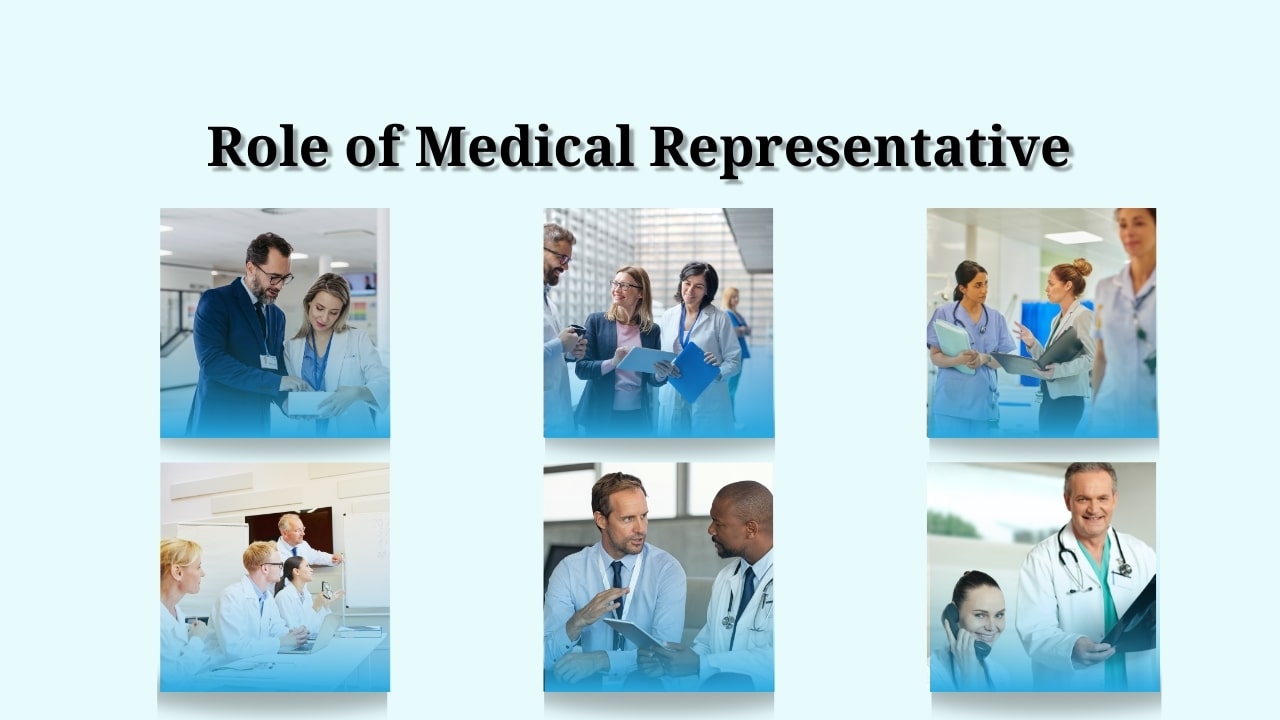
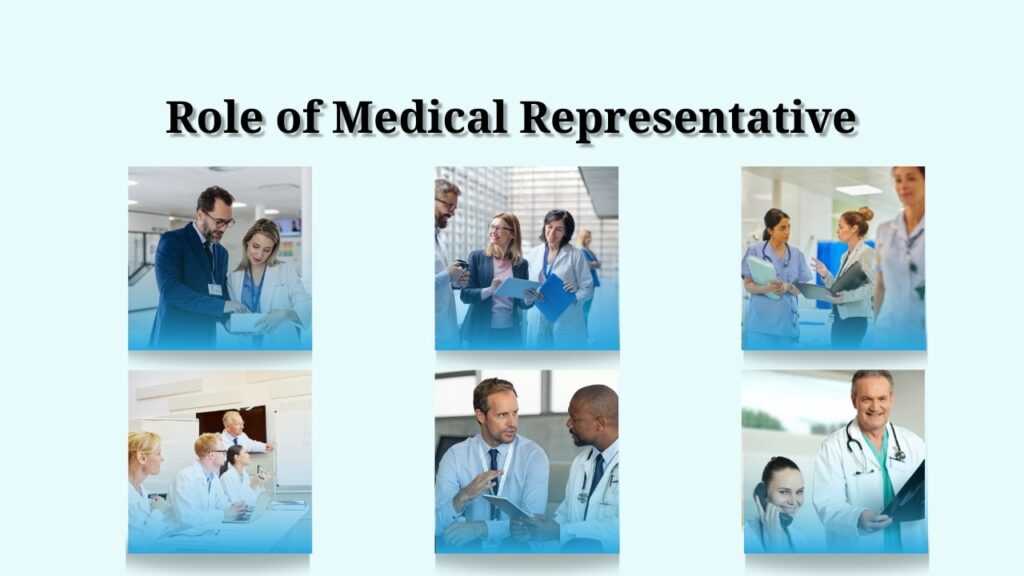
    Role of Medical Representative image

    Role of Medical Representative

    Let’s delve into the key aspects of the roles and responsibilities of a medical representative:

    1. Product Knowledge and Expertise

    A fundamental requirement for a medical representative is an in-depth understanding of the products they represent. They need to comprehend the scientific aspects, mechanisms of action, benefits, and potential side effects of these products. This expertise enables them to provide accurate information to healthcare professionals and address any inquiries or concerns.

    2. Communication and Relationship Building

    Effective communication is at the core of the role of a medical representative. They engage with healthcare professionals, including doctors, pharmacists, and hospital staff, to convey the value of the products they promote. By fostering meaningful relationships, they establish credibility and trust, which can influence healthcare professionals’ decision-making.

    3. Promotion and Sales

    Medical representatives are tasked with promoting pharmaceutical products and medical devices to healthcare professionals. This involves presenting the features, benefits, and evidence supporting the efficacy of these products. Through persuasive communication, they aim to secure product prescriptions or recommendations from healthcare professionals.

    4. Market Insights and Feedback

    They are on the frontline of the pharmaceutical industry, interacting with healthcare professionals regularly. They gather valuable insights into market trends, competitor activities, and healthcare professionals’ preferences. This feedback is relayed to the pharmaceutical company, guiding strategic decisions and product enhancements.

    5. Continuous Education

    Staying updated with the latest medical advancements, clinical studies, and industry regulations is crucial for a medical representative. They often engage in ongoing training to enhance their knowledge and ensure they can address any queries posed by healthcare professionals.

    Related:

    6. Ethical Considerations

    Upholding ethical standards is paramount for medical representatives. They must provide accurate and unbiased information about products, avoiding exaggerated claims or misinformation. Ethical conduct ensures that healthcare professionals receive reliable information for their decision-making processes.

    7. Time Management and Planning

    Medical representatives typically manage a diverse territory, which requires effective time management and planning skills. They schedule visits to various healthcare facilities, ensuring they can engage with a wide range of professionals within their assigned area.

    8. Data Collection and Reporting

    Keeping detailed records of interactions, feedback, and the impact of their efforts is essential. Medical representatives compile data that provides insights into the effectiveness of their strategies and the reception of products by healthcare professionals.

    9. Adapting to Industry Trends

    The pharmaceutical industry is dynamic, with constant advancements and changes. It needs to adapt to evolving industry trends, regulations, and innovations to effectively communicate the value of new products and treatment options.

    In essence, the medical representative is multifaceted, requiring a blend of scientific knowledge, interpersonal skills, ethical considerations, and business acumen. Their contributions bridge the divide between medical innovation and healthcare practice, ultimately impacting patient care through informed decision-making by healthcare professionals.

    > Consult a Doctor and Medkart will help you Order Medicines Online

    Conclusion

    In the realm of healthcare and pharmaceuticals, the roles and responsibilities of Medical representatives stand as a vital link between medical innovation and practical application. Armed with comprehensive product knowledge, effective communication skills, and unwavering ethical standards, these professionals play a pivotal role in educating, engaging, and influencing healthcare practitioners.

    By facilitating the exchange of information, fostering relationships, and contributing to informed decision-making, medical representatives contribute significantly to the advancement of patient care and the growth of the pharmaceutical industry as a whole.

    Read: What are Generic Medicines?

    FAQs on Medical Representative

    1. What is a Medical Representative?

    A medical representative, also known as a pharmaceutical sales representative, is a professional who promotes and sells pharmaceutical products and medical devices to healthcare professionals. They serve as a crucial bridge between pharmaceutical companies and the medical community, providing information about products, fostering relationships, and influencing prescribing decisions.

    2. What are the key roles of medical representatives?

    The main roles and responsibilities of Medical Representatives include gaining in-depth knowledge of the products they represent, building relationships with healthcare professionals, promoting products through informative presentations, gathering market insights, adhering to ethical guidelines, and contributing to the overall success of the pharmaceutical company’s sales and marketing strategies.

    Related Links:

  • What are Brain Stimulation Therapy?

    Brain stimulation therapies encompass a range of medical interventions that involve directly modulating neural activity within the brain. These therapies hold significant promise in treating various neurological and psychiatric disorders by targeting specific brain regions or neural circuits. One prominent form of this therapy is deep brain stimulation therapy (DBS).

    Brain Stimulation Therapies

    Brain stimulation therapies are medical procedures designed to alter the activity of neural circuits within the brain. These therapies involve the application of controlled electrical, magnetic, or other forms of energy to specific brain regions, with the intention of either enhancing or inhibiting neuronal activity.

    > Consult a doctor and Order Medicine Online

    The goal is to alleviate symptoms and improve the overall functioning of individuals with neurological or psychiatric conditions. There are several types of brain stimulation therapies, each with its own mechanisms and applications:

    • Deep Brain Stimulation (DBS): Deep Brain Stimulation therapy involves the surgical implantation of a small device, often referred to as a neurostimulator or brain pacemaker, into precise areas of the brain. Electrical pulses generated by the neurostimulator regulate the abnormal patterns of neuronal firing associated with conditions like Parkinson’s disease, essential tremor, and dystonia.
    • Transcranial Magnetic Stimulation (TMS): TMS utilizes electromagnetic coils placed on the scalp to generate magnetic fields that can penetrate the skull and stimulate targeted brain regions. TMS is often used in the treatment of depression, offering a non-invasive alternative for individuals who don’t respond well to traditional antidepressant medications.
    • Transcranial Direct Current Stimulation (tDCS): tDCS involves applying a low electrical current to the scalp using electrodes. This technique is believed to modulate brain excitability and has been explored as a potential treatment for conditions like depression, anxiety, and even cognitive enhancement.
    • Vagus Nerve Stimulation (VNS): VNS involves the implantation of a device around the vagus nerve in the neck. The device delivers intermittent electrical signals to the nerve, which then travel to the brainstem and influence various brain regions. VNS has been approved for treating epilepsy and depression.
    • Electroconvulsive Therapy (ECT): ECT is a well-established therapy for severe depression and certain psychiatric disorders. It involves inducing controlled seizures through electrical currents delivered to the brain while the patient is under general anaesthesia.
    • Responsive Neurostimulation (RNS): RNS is a newer approach that involves implanting a device in the brain to monitor neural activity and deliver responsive electrical stimulation to prevent seizures in individuals with epilepsy.

    Deep Brain Stimulation Therapy for Parkinson’s Disease

    Deep Brain Stimulation therapy is a well-established brain stimulation technique used primarily to manage symptoms of Parkinson’s disease, a progressive neurological disorder characterized by motor impairments such as tremors, rigidity, and bradykinesia. This therapy is typically considered for individuals whose symptoms have become resistant to conventional medication or have resulted in significant motor fluctuations.

    Read: What are Generic Medicines?

    Deep Brain Stimulation therapy involves the surgical implantation of a small device, often referred to as a neurostimulator or brain pacemaker, into specific regions of the brain that control movement. These regions include the subthalamic nucleus, the globus pallidus, and the thalamus. The neurostimulator delivers electrical pulses to these brain areas, modulating their activity and thereby reducing the motor symptoms associated with Parkinson’s disease.

    How Does Deep Brain Stimulation Therapy Work for Parkinson’s Disease?

    In Parkinson’s disease, there is a disruption in the balance of neurotransmitters, particularly dopamine, which plays a crucial role in regulating movement. Deep Brain Stimulation therapy helps to restore this balance by altering the abnormal patterns of neuronal firing in the targeted brain regions. The electrical pulses from the neurostimulator effectively “override” the irregular activity, leading to improved motor control and reduced tremors, stiffness, and other symptoms.

    Deep brain stimulation therapy offers several advantages, such as adjustability of stimulation parameters post-implantation, reversibility, and the potential to significantly enhance the patient’s quality of life. It is important to note, however, that deep brain stimulation therapy does not cure Parkinson’s disease; rather, it provides symptomatic relief and can improve a patient’s ability to perform daily activities.

    Conclusion:

    Brain stimulation therapies, including deep brain stimulation therapy, represent a remarkable advancement in the treatment of neurological and psychiatric disorders. For individuals with Parkinson’s disease, Deep Brain Stimulation therapy has emerged as a valuable tool for managing motor symptoms that may not respond adequately to medication alone.

    As research in this field continues, it is likely that brain stimulation therapies will continue to evolve, offering hope to those living with complex neurological conditions.

    FAQs on Brain Stimulation Therapies

    Q.1 What is Brain Stimulation Therapy?

    Brain stimulation therapies are treatments that use electricity, magnets, or other methods to stimulate the brain and improve symptoms of mental and neurological disorders.

    Q.2 How do Brain Stimulation Therapies work?

    Brain stimulation therapies work by directly affecting the electrical activity of neurons in targeted brain regions. By introducing controlled electrical or magnetic stimuli, these therapies can either enhance or inhibit neural firing, aiming to restore balanced brain function. This modulation can help manage symptoms in conditions like Parkinson’s disease, depression, epilepsy, and more.

    Q.3 Which neurological disorders can benefit from brain stimulation therapies?

    Brain stimulation therapies have shown efficacy in treating a range of neurological disorders, including Parkinson’s disease, essential tremor, dystonia, epilepsy, and chronic pain syndromes. They are also being investigated for conditions like Alzheimer’s disease, obsessive-compulsive disorder (OCD), and traumatic brain injuries.

    Related Links:

  • Top 9 Ways to Prevent a Deadly Drug Interaction

    Top 9 Ways to Prevent a Deadly Drug Interaction

    Ways to Control Drug InteractionA deadly drug interaction occurs when two or more substances, such as medications, supplements, or even certain foods, interact in a way that results in severe or life-threatening consequences. These interactions can lead to unexpected side effects, diminished effectiveness of one or both substances or the creation of harmful compounds within the body.

    It’s essential to be aware of these interactions to prevent serious health risks. Preventing deadly drug interactions is crucial to ensure your health and well-being. Mixing certain medications or combining medications with certain foods, beverages, or supplements can lead to serious consequences.

    Best Ways to Control a Deadly Drug Interaction

    Here are the best 9 ways to prevent a deadly drug interaction:

    1. Communication with Healthcare Providers

    Always keep your healthcare providers informed about all the medications you’re taking, including prescription drugs, over-the-counter medications, herbal supplements, and vitamins. This helps them identify potential interactions and adjust their treatment plan accordingly.

    2. Pharmacist Consultation

    Consult your pharmacist when picking up new medications. They can provide valuable information about potential interactions and offer guidance on how to take your medications safely.

    3. Maintain a Medication List

    Keep an up-to-date list of all your medications, including dosage, frequency, and any special instructions. Share this list with your doctors, pharmacists, and caregivers.

    4. Research Interactions

    Use reputable sources or consult with healthcare professionals to research potential interactions between your medications. Be cautious of websites or sources that lack credibility.

    5. Read Labels and Instructions

    Carefully read the labels and instructions for all medications and supplements. Pay attention to warnings about potential interactions with other drugs, alcohol, or specific foods.

    6. Avoid Alcohol and Grapefruit Juice

    Alcohol can intensify the effects of certain medications and increase the risk of side effects. Grapefruit and grapefruit juice can interfere with the metabolism of many drugs, leading to potentially dangerous levels in your bloodstream.

    7. Be Cautious with Herbal Supplements

    Herbal supplements can interact with medications. Always inform your healthcare provider about any herbal supplements you’re taking to ensure there are no adverse interactions.

    8. Separate Timing of Medications

    Some medications need to be taken on an empty stomach, while others should be taken with food. Follow the instructions provided by your healthcare provider to avoid interactions caused by the timing of your medications.

    9. Educate Yourself

    Take the time to learn about the medications you’re prescribed. Understand their potential side effects, interactions, and contraindications. This empowers you to make informed decisions and ask relevant questions during medical appointments. Remember, preventing deadly drug interactions requires vigilance and an open line of communication with your healthcare team.

    If you ever suspect that you’re experiencing an adverse reaction due to a medication interaction, seek medical attention immediately. Your health and security should always be the top priority.

    Ways to Prevent a Deadly Drug Interaction

    > Consult a doctor and Order Medicine Online

    Deadly Drug Interactions in Emergency Medicine

    Emergency medicine presents unique challenges and requires swift and precise action to ensure patient safety and positive outcomes. Emergency medical professionals are often faced with time-sensitive decisions, and their knowledge of potential drug interactions can be critical in preventing harm. To mitigate deadly drug interactions in emergency medicine:

    • Prioritize Patient Assessment: Rapidly assess the patient’s medical history, including medications, allergies, and conditions, if possible.
    • Use Clinical Resources: Utilize drug interaction databases, clinical guidelines, and decision support tools to quickly identify potential interactions.
    • Consult Pharmacists: Involve pharmacists in the decision-making process, especially when dealing with complex cases or unfamiliar medications.
    • Monitor Closely: Regularly monitor the patient’s vital signs and response to treatment. Be prepared to adjust treatment plans if unexpected reactions occur.
    • Documentation: Thoroughly document all medications administered, including dosages, routes, and times. This record helps prevent duplication or unnecessary interactions.
    • Patient Education: Whenever possible, provide patients with information about the medications they’ve received, potential interactions, and what to watch for in terms of side effects.

    In the high-stress environment of emergency medicine, preventing it requires a combination of quick thinking, effective communication, and a solid foundation of medical knowledge. By fostering open dialogues between patients, healthcare providers, and pharmacists, potential risks can be unearthed and mitigated.

    Also Read: What is Generic Medicine?

    Equally crucial is the role of technology, offering valuable insights and real-time support. As we navigate a world of ever-evolving medical advancements, the commitment to preventing deadly drug interactions remains unwavering, ensuring that patient safety and well-being remain at the forefront of medical practice.

    FAQs on Prevent a Deadly Drug Interaction

    Q1: How can I prevent deadly drug interactions?

    To prevent deadly drug interactions, maintain an up-to-date list of all medications, including prescription drugs, supplements, and over-the-counter medications. Regularly communicate with your healthcare provider and pharmacist about your medication regimen. Avoid mixing alcohol with drugs and be cautious with herbal supplements.

    Q2: Can over-the-counter medications cause deadly interactions?

    Yes, over-the-counter medications can interact with other medications or medical conditions, leading to harmful effects. It’s important to inform your healthcare provider about all medications you’re taking, including over-the-counter ones. Some seemingly harmless OTC drugs can interact with prescription medications, exacerbating risks. Always read labels and consult with a pharmacist or healthcare professional if you’re unsure about potential interactions.

    Related Links:

  • Are Expired Drugs Still Safe to Take?

    Are Expired Drugs Still Safe: The topic of using expired drugs raises questions about their safety and effectiveness. Many people wonder whether medications past their expiration dates can still be taken without adverse effects. This article will explore the common concerns and considerations surrounding expired drugs to help individuals make informed decisions about their health and well-being.

    Is Expired Medicine Safe?

    The simple answer is that it’s not guaranteed that expired medicine is safe. Drug manufacturers are required by law to stamp an expiration date on their products. This date is determined through rigorous testing by the manufacturer to ensure the medication’s potency and safety up to that point. After the expiration date, the factory can no longer secure the drug’s efficacy or safety.

    > Consult a doctor and Order Medicine Online

    Factors Affecting Stability – How does a Medication degrade over time?

    Several factors influence how a medication degrades over time, potentially affecting its safety and potency. These factors include:

    • Storage Conditions: The way a medication is stored can significantly impact its stability. Exposure to heat, light, humidity, and temperature fluctuations can accelerate the breakdown of active ingredients, rendering the drug less effective or even harmful.
    • Drug Formulation: Different types of medications (tablets, liquids, creams, etc.) have varying rates of degradation. Liquid medications, for instance, might be more susceptible to degradation due to their composition.
    • Container Integrity: Properly sealed and airtight containers can help prevent moisture and oxygen from entering, which can extend a medication’s shelf life. Harmed or compromised packaging can accelerate the degradation process.
    • Active Ingredients: Some active ingredients degrade more quickly than others. This can impact the medication’s effectiveness and, in some cases, lead to potentially harmful breakdown products.

    Safety Considerations on Expired Drugs

    While it’s generally advised to avoid using expired drugs, there are certain situations where the risk might be lower:

    • Over-the-counter (OTC) Medications: Expired OTC medications, such as pain relievers or antacids, might have reduced effectiveness, but they’re less likely to cause harm compared to prescription medications.
    • Lifesaving Medications: In urgent situations, expired medications like EpiPens (used for severe allergic reactions) might still provide some level of relief, although their effectiveness is diminished.
    • Short-Term vs. Long-Term Expired: Medications that are just a few months past their expiration date are less likely to be significantly degraded compared to those expired for several years.

    Read: What is Generic Medicine?

    Consult a Healthcare Professional

    The best course of action when faced with expired medications is to consult a healthcare professional. Pharmacists and doctors can offer guidance based on the specific medication, its intended use, and the individual’s health condition. They can recommend proper disposal methods and alternative treatments if needed.

    Conclusion:

    In the debate about whether expired drugs are still safe to take, it’s essential to prioritize safety and consult professionals when in doubt. While some expired medications might not pose an immediate threat, their effectiveness cannot be guaranteed. Storing and using medications properly, and adhering to expiration dates, can help ensure optimal treatment outcomes and safeguard your health.

    FAQs on Is Expired Medicine Safe

    Q1. Can I still take medication after its expiration date?

    Expiration dates on medications are set by manufacturers based on their potency and safety testing. While some drugs might still be safe a short time after the expiration date, it’s generally recommended to avoid using them. Over time, medications can degrade and become less effective or potentially harmful. Consult a healthcare professional before taking expired drugs.

    Q2. Are there any situations where taking expired medication is acceptable?

    In rare cases, such as emergencies, expired medications might be better than no medication at all. For instance, expired EpiPens could offer some relief during a severe allergic reaction. However, it’s essential to understand that their effectiveness is compromised. Always seek medical advice and consider alternatives whenever possible.

    Q3. How should I dispose of expired medications?

    Proper disposal of expired medications is crucial to prevent accidental consumption or environmental contamination. Most medications can be disposed of in household trash, mixed with undesirable substances like coffee grounds or kitty litter to deter misuse. Some communities also have drug take-back programs that offer a safe way to dispose of medications. It’s generally not recommended to flush medications down the toilet or drain unless specifically instructed to do so by a healthcare professional or authorized program.

    Related Links:

  • Why do generic and brand name drugs look different?

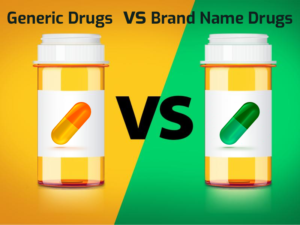
    Generic and brand medicines play a pivotal role in healthcare by providing patients with effective treatment options for various medical conditions. However, a notable difference often observed between these two types of medications is their appearance. Generic drugs and brand-name drugs can often look distinct from each other, raising questions about why this visual dissimilarity exists.

    Reason for Generic and Brand Medicines having a different look

    These two types of medicines often appear different due to a combination of factors related to their production, regulations, and marketing strategies. Here are the key reasons why these two types of drugs may have distinct appearances:

    • Regulatory Requirements: Generic drugs are required to demonstrate bioequivalence to their brand name counterparts. This means that they must have the same active ingredient, strength, dosage form, and route of administration as the brand name drug. However, they are not required to replicate the exact appearance, colour, or shape of the brand name drug. Regulatory agencies, such as the Central Drugs Standard Control Organisation(CDSCO), focus more on ensuring that the generic medicine performs in the same way as the brand name drug, rather than on its physical appearance.
    • Patents and Intellectual Property: Brand name drugs are often protected by patents that grant the original pharmaceutical company exclusive rights to produce and market the drug for a certain period. During this time, the brand name drug’s appearance is carefully crafted to reflect the company’s branding and image. Once the patent expires, other manufacturers can produce generic versions of the drug. While these generics must meet the same quality and efficacy standards, they can have different appearances as long as they meet regulatory requirements.

    "</p

    • Manufacturing Processes: Generic drug manufacturers may use different processes and formulations to create drugs with the same active ingredient as the brand name drug. These variations can lead to differences in the final product’s appearance, such as colour, shape, size, and markings. These changes do not affect the drug’s safety or effectiveness, as long as the generic drug meets bioequivalence standards.
    • Cost Considerations: One of the main advantages of generic drugs is their cost-effectiveness compared to brand name drugs. Generic medicine manufacturers often aim to minimize production costs, which can influence their choices in terms of appearance. They might opt for simpler and more cost-efficient production methods, which could result in variations in appearance.
    • Consumer Perception and Marketing: Brand name drugs often invest in elaborate branding and marketing efforts to establish a recognizable and appealing appearance. This can influence patients’ perceptions of the drug’s quality and efficacy. Generic drugs, on the other hand, might have a less distinct appearance to emphasize their focus on affordability and accessibility rather than branding.
    • Differences in Inactive Ingredients: While generic drugs must have the same active ingredient as the brand name drug, they might contain different inactive ingredients. These inactive components can affect the appearance, taste, texture, and overall presentation of the drug.

    > Consult a doctor and Order Medicine Online

    Generic vs Brand Name Medicines

    The differences in appearance between generic and brand-name medicines, often referred to as Generic vs brand-name medicines, are primarily driven by regulatory requirements, manufacturing processes, intellectual property considerations, cost factors, and marketing strategies. While these visual differences can sometimes lead to questions or concerns among patients, it’s important to recognize that generic medicines are rigorously tested and approved by regulatory agencies to ensure their safety, quality, and effectiveness.

    Read: What is Generic Medicine?

    FAQs on Generic and Brand Medicines

    Q1. Why do generic and brand name medicines have different appearances?

    Generic and brand medicines often have different appearances due to several factors. Generic drugs are developed and approved once the patent protection for the original brand-name drug expires. While both types of medications contain the same active ingredient, they might differ in inactive ingredients, formulations, and manufacturing processes.

    These variations are permissible as long as the generic medicine meets strict regulatory guidelines for safety, efficacy, and quality. Additionally, branding and marketing strategies influence the visual design of brand-name drugs, leading to differences in colour, shape, and packaging when compared to their generic counterparts.

    Q2. Are the visual differences between generic and brand medicines significant in terms of effectiveness?

    No, the visual differences between generic and brand medicines do not significantly impact their effectiveness. Regulatory agencies, such as the CDSCO, require generic drugs to demonstrate bioequivalence to the brand-name drugs, meaning they deliver the same therapeutic effect in the body. While generic drugs may have distinct appearances due to variations in inactive ingredients and manufacturing processes, these differences have no bearing on their safety, quality, or efficacy.

    Patients can trust that generic medicines, despite their visual dissimilarities, have undergone rigorous testing and approval processes to ensure their equivalence to brand-name medicines.

    Related Links:

  • Are Generic Medicines as Safe as Brand Name Drugs?

    Are Generic Medicines as Safe as Brand Name Drugs?

    Are Generic Medicines as Safe as Brand Name Drugs

    Are Generic Medicines as Safe as Brand Name Drugs: Generic medicines are pharmaceutical products designed to be nearly identical to brand-name drugs in terms of their active ingredients, dosage form, strength, route of administration, and intended use. They offer a cost-effective alternative to the more expensive brand-name medications while maintaining the same therapeutic effects and safety profile.

    The concept behind generic medicines revolves around making essential healthcare treatments accessible to a broader population without compromising on quality or efficacy.

    Importance of Generic Medicines

    The importance of generic medicines cannot be overstated, as they play a pivotal role in providing affordable and accessible healthcare solutions to individuals worldwide. Generic medicines offer a cost-effective alternative to brand-name drugs, making essential treatments more attainable for diverse socioeconomic groups. This affordability is particularly vital in ensuring that patients from all walks of life can access the medications they need without financial strain.

    The importance of medicines extends beyond cost savings. Global healthcare systems benefit from the availability of generic drugs. In both developed and developing nations, they contribute to effective disease management, improved public health outcomes, and equitable healthcare access. By reducing healthcare costs, governments and healthcare providers can allocate resources more efficiently, supporting comprehensive healthcare initiatives.

    > Consult a doctor and Order Medicine Online

    In essence, the importance of generic medicine lies in its ability to bridge the gap between quality healthcare and affordability. They stand as a cornerstone of modern medicine, exemplifying how innovation, accessibility, and patient well-being can harmoniously intersect.

    Generic Medicines Facts

    Generic medicines are generally considered to be as safe as brand-name drugs. Here are some key reasons why generic drugs are considered safe:

    • Bioequivalence: Regulatory agencies, such as The Central Drugs Standard Control Organisation(CDSCO), require that generic medicines demonstrate bioequivalence to their brand-name counterparts. This means that generic drugs must contain the same active ingredient in the same amount and be absorbed into the bloodstream at a similar rate as the brand-name drug. This ensures that the generic drug will produce the same therapeutic effects as the original drug.
    • Stringent Approval Process: Generic medicines go through a thorough review process by regulatory authorities before they are approved for sale. The manufacturers of generic drugs must provide data to demonstrate that their products are equivalent to the brand-name drugs in terms of safety, efficacy, and quality.
    • Quality Control: Generic drug manufacturers are required to follow strict quality control standards, known as Good Manufacturing Practices (GMPs), to ensure that their products are consistently produced to high standards. This includes rigorous testing of the active ingredients, as well as the overall formulation of the drug.
    • Post-Market Surveillance: After a generic drug is approved and available on the market, regulatory agencies continue to monitor its safety. Reports of adverse events or side effects are collected and analyzed to identify any potential safety concerns. If safety issues arise, regulatory agencies can take action to ensure patient safety.
    • Labeling and Information: Generic medicines are required to have the same labelling and information as brand-name drugs. Patients and healthcare providers have access to the same information for both generic and brand-name drugs.

    While generic medicines are designed to be as safe and effective as brand-name drugs, it’s important to note that individual responses to medications can vary. Some patients may have allergies or sensitivities to specific ingredients, including inactive components in the drug formulation. If you have concerns about switching from a brand-name drug to a generic version, or vice versa, it’s advisable to discuss your concerns with your healthcare provider.

    Read: What are Generic Medicines?

    Conclusion:

    Generic medicines stand as a testament to the remarkable progress of modern medicine, embodying the principles of affordability, accessibility, and reliability. Their equivalence to brand-name drugs in terms of safety, efficacy, and quality signifies a triumph in pharmaceutical innovation and regulatory oversight.

    The availability of generic medicines not only alleviates the financial burdens faced by patients but also bolsters healthcare systems worldwide, enabling them to extend their reach to broader populations and ultimately improve public health outcomes. As the healthcare landscape continues to evolve, the enduring importance of generic medicines remains undeniable.

    FAQs on Generic Medicines

    Q1. Are generic medicines as safe as brand name drugs?

    Yes, generic medicines are generally considered to be as safe as brand name drugs. Regulatory agencies, such as the CDSCO, require that generic medicines demonstrate bioequivalence to brand-name drugs, ensuring that they have the same active ingredients, strength, dosage form, and route of administration. It also undergoes rigorous testing and quality control processes to ensure its safety and effectiveness. However, individual responses to medications can vary, so it’s important to consult your healthcare provider if you have any concerns.

    Q2. How do regulatory agencies ensure the safety of generic medicines?

    Regulatory agencies, such as the CDSCO, have strict guidelines and standards in place to ensure the safety and efficacy of generic medicines. Before a generic drug can be approved for sale, it must demonstrate bioequivalence to the brand-name drug through thorough testing.

    The manufacturing facilities producing generic medicines must adhere to Good Manufacturing Practices (GMPs) to maintain consistent quality. Additionally, post-market surveillance allows regulatory agencies to monitor and investigate any reported adverse events associated with generics.

    Q3. Can I switch from a brand name drug to a generic version without worry?

    In most cases, yes. Switching from a brand name drug to a generic version should not pose a safety concern. However, it’s a good practice to communicate with your healthcare provider before making any changes to your medication regimen.

    Related Links:

  • Genital Herpes – Medication, Symptoms of Herpes Treatment

    Genital Herpes – Medication, Symptoms of Herpes Treatment

    Genital Herpes Treatment

    Genital herpes is a widely prevalent but often misunderstood sexually transmitted infection (STI) that affects millions of individuals worldwide. Despite its common occurrence, it remains a topic that carries stigma and misconceptions.

    Genital herpes is caused by the herpes simplex virus (HSV), primarily HSV-2 but occasionally HSV-1. This virus infects the genital and anal areas, leading to various symptoms that can significantly impact an individual’s life.

    Genital Herpes Symptoms

    It’s crucial to understand the common signs of this infection to seek proper medical attention, manage symptoms, and reduce the risk of transmission. Here’s a comprehensive overview of genital herpes symptoms:

    1. Painful Sores: The most recognizable symptom is the appearance of painful sores, small red bumps, or clusters of fluid-filled blisters in the genital or anal region.
    2. Itching and Burning: Many individuals experience itching, tingling, or a burning sensation before the sores develop.
    3. Flu-like Symptoms: During the initial outbreak, some may also suffer from flu-like symptoms such as fever, headache, muscle aches, and swollen lymph nodes.
    4. Painful Urination: Urinating when sores are present can be painful and uncomfortable.
    5. Vaginal Discharge: Women may notice an increase in vaginal discharge during an outbreak.
    6. Nerve Pain: After the sores have healed, some individuals may experience neuralgia, which is persistent nerve pain in the affected area.

    > Consult a doctor and Order Medicine Online

    Genital Herpes Treatment

    While there is no cure for genital herpes, effective genital herpes treatment options are available to manage symptoms, reduce the frequency and severity of outbreaks, and minimize the risk of transmitting the virus to sexual partners.

    The primary goal of genital herpes treatment is to enhance the quality of life, alleviate discomfort, and promote responsible sexual health practices. Here’s a comprehensive look at genital herpes treatment approaches:

    1. Episodic Treatment:

    Episodic treatment involves taking antiviral medication at the first signs of an outbreak or when symptoms are most pronounced. This approach helps reduce the severity and duration of the outbreak, providing relief from discomfort and pain.

    1. Suppressive Therapy:

    Suppressive therapy entails taking antiviral medication daily, even when no symptoms are present. This proactive approach helps minimize the frequency of outbreaks and significantly decreases the risk of viral shedding and transmission to sexual partners.

    1. Pain Management:

    Over-the-counter pain relievers, such as acetaminophen or ibuprofen, can help manage pain, fever, and discomfort associated with genital herpes outbreaks.

    1. Topical Creams:

    Topical creams containing ingredients like lidocaine can provide temporary relief from itching, burning, and pain caused by sores and ulcers. These creams are applied directly to the affected area.

    1. Hygiene and Self-Care:

    Maintaining good hygiene and keeping the affected area clean and dry can help prevent secondary infections and promote healing.

    1. Lifestyle Factors:

    A healthy lifestyle, including proper nutrition, stress management, regular exercise, and adequate sleep, can contribute to a stronger immune system and potentially reduce the frequency of outbreaks.

    Genital herpes treatment should be individualized, taking into account factors such as outbreak frequency, severity of symptoms, and the individual’s overall health. Genital herpes treatment, when combined with responsible sexual health practices, empowers individuals to lead fulfilling lives while minimizing the impact of the infection.

    Genital Herpes

    Genital Herpes Medication

    There is no cure for genital herpes but several medications are available to manage symptoms, alleviate discomfort, and reduce the risk of transmitting the virus to sexual partners.

    Tip for Women: Recurring genital herpes or frequent antiviral use may sometimes disrupt the balance of natural vaginal flora, increasing the risk of other infections. Many doctors recommend probiotic supplements like Vizylac Capsule to help restore healthy bacteria, boost immunity, and support overall vaginal health.

    Antiviral Medications:

    Antiviral drugs are the mainstay of genital herpes treatment. They work by inhibiting the replication of the herpes simplex virus, thereby controlling outbreaks and decreasing viral shedding – the process through which the virus can be transmitted to others. The most commonly prescribed antiviral medications for genital herpes include:

    Acyclovir: Acyclovir is one of the oldest and most widely used antiviral drugs for treating genital herpes. It is available in various forms, including oral tablets, topical creams, and intravenous injections. Acyclovir helps reduce the severity and duration of outbreaks.

    Valacyclovir: Valacyclovir is a prodrug of acyclovir, which means it gets converted into acyclovir in the body. Valacyclovir is known for its better bioavailability and convenient dosing. It is often preferred for both episodic treatment (treating individual outbreaks) and suppressive therapy (daily use to reduce outbreaks and transmission risk).

    Famciclovir: Similar to acyclovir and valacyclovir, famciclovir effectively controls genital herpes outbreaks. It can be used for both episodic and suppressive therapy, offering flexibility in treatment approaches.

    Read: What are Generic Medicines?

    Conclusion:

    Genital herpes is a manageable condition that, with the right treatment and responsible practices, can be integrated into a healthy and fulfilling life. Understanding its symptoms, treatment options, and the importance of awareness and open communication can empower individuals to navigate genital herpes with confidence and make informed decisions about their sexual health.

    FAQs on Genital Herpes

    Q1: What is Genital Herpes?

    Genital herpes is a sexually transmitted infection caused by the herpes simplex virus (HSV), specifically HSV-1 or HSV-2. It primarily affects the genital and anal areas, leading to symptoms such as painful sores, blisters, and ulcers.

    Q2: How is genital herpes transmitted?

    Genital herpes is mainly transmitted through sexual contact, including vaginal, anal, or oral sex, with an infected partner. The virus can be shed even when no visible symptoms are present, making it possible to transmit the infection unknowingly. Skin-to-skin contact in the genital area, including contact with the surrounding skin and mucous membranes, can also lead to transmission. Using condoms, practising safe sex, and avoiding sexual contact during outbreaks can help reduce the risk of transmission.

    Q3: Is there a cure for genital herpes?

    As of now, there is no cure for genital herpes. However, there are effective treatments available to manage the symptoms and reduce the frequency and severity of outbreaks. Antiviral medications like acyclovir, valacyclovir, and famciclovir are commonly prescribed to control outbreaks, alleviate discomfort, and decrease the risk of transmitting the virus to sexual partners.

  • Cognitive Behavioural Therapy: Meaning, Definition, Uses, Techniques

    Cognitive Behavioural Therapy: Meaning, Definition, Uses, Techniques


    cognitive behavioural therapy

    Cognitive Behavioural Therapy (CBT) is a widely practised and scientifically grounded psychotherapeutic approach that addresses the complicated relationship between our thoughts, emotions, and behaviours. Grounded in the understanding that our perceptions influence our feelings and actions, CBT equips individuals with tools to identify and modify unhealthy thought patterns and behaviours, promoting positive mental and emotional well-being.

    What is Cognitive Behavioural Therapy?

    At the core of CBT lies the belief that our interpretations of events, rather than the events themselves, shape our emotional responses. Distorted or irrational thoughts can lead to negative emotions and dysfunctional behaviours. CBT seeks to untangle these interconnected components, helping individuals gain insight into their cognitive processes and empowering them to create healthier cognitive and behavioural patterns.

    > Consult a doctor and Order Medicine Online

    Uses of Cognitive Behaviour Therapy

    Cognitive Behaviour Therapy (CBT) is a widely acclaimed psychotherapeutic approach that has found diverse applications in addressing a multitude of mental health challenges. Grounded in the idea that our thoughts, feelings, and actions are interconnected, CBT empowers individuals to understand and reshape their cognitive patterns, resulting in improved emotional well-being and adaptive behaviours.

    Cognitive Behaviour Therapy is Used in

    • Anxiety Disorders: CBT is highly effective in treating various anxiety disorders such as generalised anxiety disorder, social anxiety disorder, and specific phobias. By identifying and challenging irrational thought patterns, individuals can learn to manage excessive worries and alleviate anxiety symptoms.
    • Depression: CBT has proven efficacy in treating depression by addressing negative thought cycles that perpetuate feelings of hopelessness and despair. By replacing negative self-perceptions with more balanced and positive ones, individuals can experience relief from depressive symptoms.
    • Obsessive-Compulsive Disorder (OCD): CBT, particularly exposure and response prevention, is a cornerstone in treating OCD. Through gradual exposure to triggers and preventing compulsive behaviours, individuals can gain control over obsessive thoughts and compulsions.
    • Post-Traumatic Stress Disorder (PTSD): CBT techniques like cognitive restructuring and exposure therapy are used to address traumatic experiences and their associated distress. This empowers individuals to confront and process traumatic memories, reducing their impact on daily life.
    • Eating Disorders: CBT is applied to address distorted body image, unhealthy eating habits, and self-esteem issues associated with disorders like anorexia nervosa, bulimia nervosa, and binge-eating disorder.
    • Substance Abuse and Addiction: CBT helps individuals identify triggers and modify thought patterns that contribute to addictive behaviours. It also equips individuals with coping strategies to prevent relapse.
    • Insomnia: CBT for insomnia focuses on improving sleep habits, addressing thoughts that contribute to sleep difficulties, and promoting better sleep hygiene.
    • Anger Management: Individuals struggling with anger issues can benefit from CBT techniques that help identify triggers, evaluate thought patterns, and develop healthier ways to manage anger.
    • Stress Management: CBT equips individuals with practical tools to identify stressors, challenge distorted thinking related to stress, and develop effective coping strategies.
    • Relationship Issues: CBT can be used to improve communication skills, address distorted perceptions in relationships, and help individuals navigate conflicts more constructively.
    • Self-Esteem Enhancement: By identifying and altering negative self-perceptions, CBT promotes improved self-esteem and self-confidence.

    Cognitive Behavioural Therapy Techniques

    CBT employs a range of techniques that aim to restructure dysfunctional thought processes and modify associated behaviours. Some key CBT techniques include:

    • Cognitive Restructuring: This technique involves identifying and challenging negative or distorted thought patterns. Individuals learn to replace irrational beliefs with more rational and balanced ones, leading to healthier emotional responses.
    • Behavioural Activation: Often employed in cases of depression, this technique focuses on encouraging individuals to engage in activities that bring them pleasure and a sense of accomplishment. By breaking the cycle of inactivity and isolation, individuals can experience improved mood and motivation.
    • Exposure Therapy: Primarily used in anxiety disorders, exposure therapy gradually exposes individuals to feared situations or stimuli in a controlled manner. Over time, this desensitizes them to their anxieties and helps them develop healthier coping mechanisms.
    • Thought Records: Thought records involve jotting down negative thoughts, identifying associated emotions, and analyzing the evidence for and against those thoughts. This process helps individuals gain a clearer perspective on their thinking patterns.
    • Problem-Solving Skills: CBT equips individuals with effective problem-solving skills, enabling them to approach challenges in a systematic and rational manner. This can help reduce feelings of helplessness and anxiety.
    • Relaxation Techniques: Techniques such as deep breathing, progressive muscle relaxation, and mindfulness are integrated into CBT to manage stress, improve emotional regulation, and increase self-awareness.

    Advantages of Cognitive Behavioural Therapy

    CBT stands out for its evidence-based nature and structured approach. It empowers individuals by providing them with practical tools to actively participate in their own healing process. The techniques learned during CBT are not only applicable during therapy sessions but can also be integrated into daily life, promoting long-term mental well-being.

    Conclusion:

    Cognitive Behavioural Therapy (CBT) serves as a beacon of empowerment and transformation in the realm of mental health treatment. By shining a light on the intricate interplay between thoughts, emotions, and behaviours, CBT provides individuals with a roadmap to self-discovery, healing, and personal growth. Its emphasis on practical techniques and evidence-based strategies makes it a versatile and valuable tool in enhancing mental and emotional well-being, ultimately guiding individuals toward more fulfilling and adaptive ways of living.

    Also Read: What is Generic Medicine?

    FAQs on Cognitive Behavioural Therapy (CBT)

    Q1. What is Cognitive Behavioural Therapy (CBT), and how does it work?

    Cognitive Behavioural Therapy (CBT) is a goal-oriented psychotherapy that focuses on the relationship between thoughts, emotions, and behaviours. It aims to help individuals identify and modify negative thought patterns and behaviours that contribute to distress or psychological difficulties.

    Q2. What are the specific areas where cognitive behaviour therapy is used?

    Cognitive Behaviour Therapy (CBT) is employed across a broad range of psychological issues. It is commonly used to treat anxiety disorders, depression, obsessive-compulsive disorder (OCD), post-traumatic stress disorder (PTSD), and eating disorders. Beyond clinical settings, CBT techniques are also valuable for stress management, anger management, relationship issues, substance abuse, and enhancing self-esteem.

    Q3. What are some joint cognitive behavioural therapy (CBT) techniques used in sessions?

    Cognitive Behavioural Therapy (CBT) employs several techniques to facilitate change and growth. Some common techniques include Cognitive Restructuring, Behavioural Activation, Exposure Therapy, Thought Records, Mindfulness and Relaxation, Problem-Solving Skills, and Homework Assignments.

    Related Links:

  • Medical Conversion: Meaning, Significance, Medical Conversation Examples

    Medical Conversion: Meaning, Significance, Medical Conversation Examples

    In the realm of healthcare and medicine, precise measurements and conversions are crucial for accurate diagnosis, treatment, and research. Medical conversions play a pivotal role in this process, ensuring that medical professionals can effectively communicate and interpret measurements regardless of the unit system being used.

    Medical Conversions Meaning

    It refers to the process of converting measurements from one unit of measurement to another within the context of healthcare and medicine. The need for modifications arises due to the existence of multiple measurement systems, such as the metric system (SI units) and the imperial system, and the global nature of medical practices.

    The accurate interpretation of measurements is crucial to ensure proper patient care, accurate drug administration, and valid research outcomes.

    Significance of Medical Conversions

    The significance of Medical Conversation is evident in various aspects of healthcare:

    • Clinical Practice: Medical professionals need to convert measurements for patient assessment, diagnosis, and treatment. For instance, converting a patient’s weight from pounds to kilograms or height from inches to centimetres is essential for determining appropriate drug dosages and assessing growth.
    • Drug Administration: Medication dosages are often specified in one unit system, but healthcare providers might be accustomed to another system. Converting dosages accurately ensures that patients receive the correct amount of medication.
    • Laboratory Testing: Medical tests might yield results in different units. Converting these results ensures consistency and facilitates accurate interpretation by healthcare professionals.
    • Research and Publications: In medical research, global collaboration is common. Converting measurements to a universally understood unit system ensures the clarity and consistency of research findings.

    Medical Conversion Meaning

    Read: What are Generic Medicines?

    Medical Conversation Examples

    Here are some examples that highlight the practical applications of medical conversions:

    • Temperature Conversion: Converting a patient’s body temperature from Fahrenheit to Celsius or vice versa is vital for assessing fever or hypothermia accurately.
    • Weight Conversion: Converting a newborn’s weight from grams to pounds or an adult’s weight from kilograms to pounds is necessary for determining proper dosages and monitoring nutritional needs.
    • Height Conversion: Converting a person’s height from centimetres to feet and inches is crucial for clinical evaluations, such as assessing growth charts for children.
    • Blood Pressure Conversion: Converting blood pressure readings from millimetres of mercury (mmHg) to other units helps ensure consistency in patient records and research data.
    • Lab Results Conversion: Converting laboratory values such as blood glucose levels from milligrams per deciliter (mg/dL) to millimoles per litre (mmol/L) allows for better comparison and interpretation of results.

    Medical Conversion: Meaning

    Conclusion:

    Medical Conversation play a pivotal role in the accurate interpretation of measurements within the healthcare and medical field. They facilitate clear communication among healthcare professionals worldwide and contribute to improved patient care, effective drug administration, and reliable medical research. Understanding the meaning and examples of Medical Conversation underscores their importance in ensuring the precision and consistency of medical practices across different unit systems.

    > Consult a Doctor and Medkart will help you Order Medicines Online

    FAQs on Medical Conversions

    Q1: What is medical conversion?

    Medical conversions refer to the process of converting measurements from one unit of measurement to another within the context of healthcare and medicine.

    Q2: How many millilitres are there in a teaspoon?

    There are approximately 5 millilitres (ml) in a standard teaspoon.

    Q3: What are some common measurement systems used in medical conversion?

    Medical professionals often work with the metric system (SI units) and the imperial system. Converting between these systems is a common application of medical modifications.

    Q4: How does medical conversion impact medication dosages?

    Medication dosages might be specified in one unit system, but healthcare providers might use a different system. Accurate conversions ensure patients receive the correct dosage based on their weight and other factors.

    Related Links: