Blog

  • કોલેસ્ટ્રોલ

    કોલેસ્ટ્રોલ

    પરિચય

    કોલેસ્ટ્રોલ એ તમારા લોહીમાં જોવા મળતો મીણવાળો પદાર્થ છે જે રક્તવાહિનીઓને બંધ કરી શકે છે, જેનાથી સ્વાસ્થ્ય પર હાનિકારક અસરો થાય છે. તમારા કોલેસ્ટ્રોલનું સ્તર નક્કી કરવા માટે, તમે રક્ત પરીક્ષણ કરાવી શકો છો. આ લેખ કોલેસ્ટ્રોલના પ્રકારો, શરીર પર તેની અસરો, ઉચ્ચ કોલેસ્ટ્રોલ સ્તરની સારવાર કેવી રીતે કરવી અને કોલેસ્ટ્રોલ વિશેની કેટલીક માન્યતાઓ અને હકીકતો પર વધુ પ્રકાશ પાડશે. વધુ જાણવા માટે આગળ વાંચો.

    કોલેસ્ટ્રોલના પ્રકારો

    સેન્ટર્સ ફોર ડિસીઝ કંટ્રોલ (CDC) મુજબ, વિવિધ પ્રકારના કોલેસ્ટ્રોલ નીચે મુજબ છે.

    ઉચ્ચ ઘનતાવાળા લિપોપ્રોટીન (HDL કોલેસ્ટ્રોલ) જેને “સારા કોલેસ્ટ્રોલ” તરીકે પણ ઓળખવામાં આવે છે, તે સુનિશ્ચિત કરે છે કે શરીરમાં વધારાનું કોલેસ્ટ્રોલ યકૃત દ્વારા બહાર નીકળી જાય છે.

    લો-ડેન્સિટી લિપોપ્રોટીન્સ (LDL કોલેસ્ટ્રોલ) જેને “ખરાબ કોલેસ્ટ્રોલ” પણ કહેવાય છે, તે સ્ટ્રોક અને હૃદય રોગની શક્યતાઓ વધારે છે.

    ખૂબ જ ઓછી ઘનતાવાળા લિપોપ્રોટીન (VLDL કોલેસ્ટ્રોલ)- અન્ય પ્રકારનું “ખરાબ કોલેસ્ટ્રોલ”, તે ટ્રાઈગ્લિસરાઈડના સ્તરમાં વધારો અને તકતીના નિર્માણ તરફ દોરી જાય છે.

    ટ્રિગ્લિસરાઈડ્સ- તમારા શરીરમાં જરૂરી ચરબીનો એક પ્રકાર. જો કે, ઉચ્ચ સ્તર તમારા શરીર પર પ્રતિકૂળ અસરો પેદા કરી શકે છે.

    કોલેસ્ટ્રોલનું સ્તર કેવી રીતે તપાસવું?

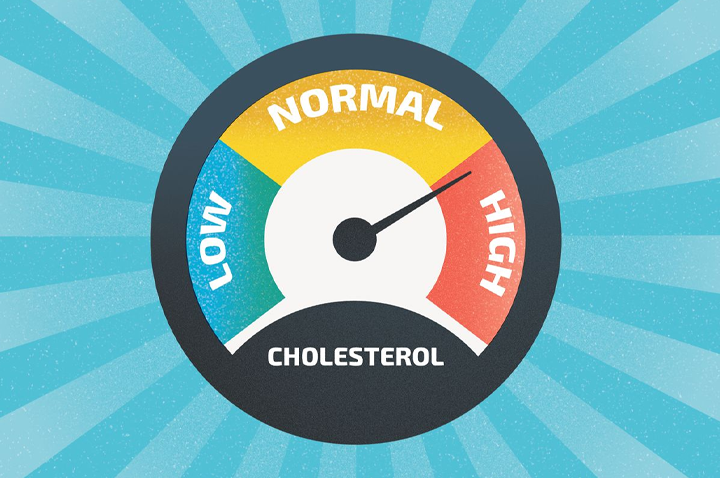
    તમારા કોલેસ્ટ્રોલના સ્તરને તપાસવા માટે, એક સરળ રક્ત પરીક્ષણ કે જેમાં ઓછામાં ઓછા 12 કલાકના ઉપવાસની જરૂર હોય તે કરવાની જરૂર છે. નીચેનું કોષ્ટક રક્તના કોલેસ્ટ્રોલના સ્તરો વિશે વધુ વિગતો પ્રદાન કરે છે જે રક્તના ડેસિલિટર દીઠ મિલિગ્રામ કોલેસ્ટ્રોલ (mg/dL) માં માપવામાં આવે છે.

    LDL હેઠળ 100-159 160 ડોલર અને તેથી વધુ

    કુલ કોલેસ્ટરોલ 200 200-239 240 અને તેથી વધુ હેઠળ

    ઉચ્ચ કોલેસ્ટ્રોલનું કારણ શું છે?

    હાઈ બ્લડ કોલેસ્ટ્રોલની સ્થિતિને હાઈપરકોલેસ્ટેરોલેમિયા તરીકે ઓળખવામાં આવે છે. અમુક કારણો તમારા નિયંત્રણમાં છે (સુધારી શકાય તેવા) જ્યારે અન્યમાં ફેરફાર કરી શકાતા નથી. ઉચ્ચ કોલેસ્ટ્રોલના કારણો નીચે મુજબ છે.

    સુધારી શકાય તેવા કારણો

    • નિષ્ક્રિયતા અથવા બેઠાડુ જીવનશૈલી

    • સ્થૂળતા

    • અસ્વસ્થ આહાર

    • ધૂમ્રપાન

    • દારૂ

    બિન-સુધારી શકાય તેવા કારણો

    • પારિવારિક ઇતિહાસ

    • આનુવંશિક મેકઅપ

    • ઉંમર – 40 વર્ષથી ઉપર

    • ડાયાબિટીસ

    • ક્રોનિક કિડની રોગ

    • HIV/AIDS

    • હાઇપોથાઇરોડિઝમ

    • લ્યુપસ

    કેન્સર, ખીલ, હાઈ બ્લડ પ્રેશર, HIV/AIDS, અનિયમિત હૃદયની લય અને અંગ પ્રત્યારોપણ જેવા રોગો માટે લેવામાં આવતી દવાઓ પણ હાયપરકોલેસ્ટેરોલેમિયા તરફ દોરી શકે છે.

    શરીરમાં ઉચ્ચ કોલેસ્ટ્રોલના ચિહ્નો અને લક્ષણો

    હાયપરકોલેસ્ટેરોલેમિયા એક શાંત રોગ છે. તેથી, તમારું કોલેસ્ટ્રોલનું સ્તર ઊંચું છે કે કેમ તે ઓળખવા માટે નિયમિત રક્ત પરીક્ષણ એ સૌથી સલામત રીત છે. જો કે, ઉચ્ચ કોલેસ્ટ્રોલ સ્તરના ચોક્કસ સંકેતો ધ્યાનપાત્ર હોઈ શકે છે. વહેલામાં વહેલી તકે પગલાં લેવા માટે તેમના વિશે જાગૃત રહેવું આવશ્યક છે.

    ચહેરા પર કોલેસ્ટ્રોલના ચિહ્નો

    • તમારી આંખોની આસપાસ પીળાશ પડતાં સોફ્ટ પેચ, મોટાભાગે ઉપલા પોપચાં પર જોવા મળે છે, જેને ઝેન્થેલાસ્મા કહેવાય છે.

    • તમારા કોર્નિયાની આસપાસ હળવા રંગની, પીળી રંગની વીંટીનો દેખાવ જેને કોર્નિયલ આર્કસ કહેવાય છે.

    ત્વચા પર કોલેસ્ટ્રોલના ચિહ્નો

    • ત્વચાની નીચે ફેટી જમા થવાથી તમારા હાથપગ પર બમ્પ્સ, નરમ પીળી ત્વચાના ધબ્બા અથવા વિકૃતિકરણ થાય છે, જેને ઝેન્થોમાસ કહેવાય છે.

    • સૉરાયિસસ – એક બળતરા ત્વચા સ્થિતિ

    • ચામડીની જાળી જેવી વાદળી-લાલ ચીકણીને લિવડો રેટિક્યુલરિસ કહેવાય છે.

    શરીર પર ઉચ્ચ કોલેસ્ટ્રોલની અસરો

    ઉચ્ચ કોલેસ્ટ્રોલ સ્તર તમારા શરીરમાં નીચેની પ્રણાલીગત અસરો તરફ દોરી શકે છે.

    • મગજની ધમનીઓમાં અવરોધ

    • મેમરી પર પ્રતિકૂળ અસરો

    • સ્ટ્રોક

    • જડબામાં દુખાવો

    • છાતીનો દુખાવો

    • હૃદયરોગનો હુમલો

    • પિત્તાશયની પથરી

    • પગમાં નિષ્ક્રિયતા આવે છે

    ઉચ્ચ કોલેસ્ટ્રોલ સારવાર અને સાવચેતીઓ

    જો તમારું કોલેસ્ટ્રોલનું સ્તર ઊંચું હોય, તો તમે નીચેની સાવચેતીઓ લઈ શકો છો અને નીચેની સારવારનો લાભ લઈ શકો છો (ફક્ત નિષ્ણાતની સલાહ લીધા પછી).

    ઉચ્ચ કોલેસ્ટ્રોલ અટકાવો

    • ફાઇબરથી ભરપૂર અને ઓછી સંતૃપ્ત ચરબી અને શર્કરા ધરાવતા ખોરાકનો સમાવેશ કરીને સ્વસ્થ આહારની પસંદગી કરો.

    • તમારા આહાર અને શારીરિક પ્રવૃત્તિનું નિરીક્ષણ કરીને સ્વસ્થ વજન જાળવી રાખો.

    • નિયમિત શારીરિક પ્રવૃત્તિમાં વ્યસ્ત રહો.

    • ધૂમ્રપાન અને આલ્કોહોલનું સેવન ટાળો.

    • તણાવનું સંચાલન કરો

    કોલેસ્ટ્રોલ દવા

    તમારા ડૉક્ટર દ્વારા સૂચવવામાં આવેલી અમુક કોલેસ્ટ્રોલ ગોળીઓ જીવનશૈલીમાં ફેરફાર સાથે કોલેસ્ટ્રોલનું સ્તર ઘટાડવામાં મદદ કરી શકે છે. કોલેસ્ટ્રોલની ગોળીઓમાં કોલેસ્ટ્રોલ ઘટાડતી દવાઓનો સમાવેશ થાય છે જેમ કે સ્ટેટિન્સ, બાઈલ એસિડ સિક્વેસ્ટ્રન્ટ્સ, ફાઈબ્રેટ્સ અને નિકોટિનિક એસિડ.

    નીચા કોલેસ્ટ્રોલનું કારણ શું છે?

    લોહીમાં કોલેસ્ટ્રોલનું ઓછું સ્તર હાયપોલિપિડેમિયા તરીકે ઓળખાય છે. કુલ કોલેસ્ટ્રોલ સ્તર 120 mg/dl કરતાં ઓછું અથવા 50 mg/dl કરતાં ઓછું LDL હાયપોલિપિડેમિયા તરીકે ગણવામાં આવે છે. ઓછા કોલેસ્ટ્રોલના કારણોમાં નીચેનાનો સમાવેશ થાય છે.

    • નબળું પોષણ

    • પોષક તત્વોને શોષવામાં અસમર્થતા

    • ક્રોનિક ચેપ

    • ક્રોનિક સોજા

    • અમુક આનુવંશિક વિકૃતિઓ

    • ડૉક્ટર સાથે યોગ્ય ફોલો-અપ કર્યા વિના કોલેસ્ટ્રોલ ઘટાડતી દવાઓ લેવી

    શરીરમાં ઓછા કોલેસ્ટ્રોલના ચિહ્નો અને લક્ષણો

    શરીરમાં કોલેસ્ટ્રોલ ઓછું થવાના લક્ષણો નીચે મુજબ છે.

    • ડિપ્રેસિવ લક્ષણો

    • ચિંતા

    • મૂંઝવણ

    • નર્વસનેસ

    • વ્યક્તિના મૂડ, ઊંઘ અથવા ખાવાની રીતમાં ફેરફાર

    • મગજમાં રક્તસ્ત્રાવ

    લો કોલેસ્ટ્રોલ સારવાર અને સાવચેતીઓ

    નીચા કોલેસ્ટ્રોલનું સ્તર મોડું ન થાય ત્યાં સુધી દેખાતું નથી, તેથી તમારા કોલેસ્ટ્રોલના સ્તરની નિયમિત તપાસ કરાવવી એ તેને ઓળખવાની શ્રેષ્ઠ રીત છે. નીચા કોલેસ્ટ્રોલની સારવાર કારણ પર આધારિત છે. એ યાદ રાખવું અગત્યનું છે કે માત્ર કોલેસ્ટ્રોલ વધારે હોય તેવો ખોરાક ખાવાથી સમસ્યા હલ નહીં થાય. કોઈપણ સારવાર શરૂ કરતા પહેલા તમારા હેલ્થકેર પ્રેક્ટિશનરની સલાહ લો.

    નીચા કોલેસ્ટ્રોલના સ્તરને રોકવાની કેટલીક શ્રેષ્ઠ રીતો નીચે મુજબ છે.

    • સ્વસ્થ ખોરાક લો

    • નિયમિતપણે કોલેસ્ટ્રોલનું સ્તર તપાસો

    • સક્રિય જીવનશૈલી જાળવો

    • ચિંતા અને તણાવના લક્ષણો પ્રત્યે સચેત રહો.

    કોલેસ્ટ્રોલ વિશે દંતકથાઓ અને તથ્યો

    કોલેસ્ટ્રોલ વિશેની કેટલીક માન્યતાઓને હકીકતો સાથે દૂર કરવાથી તમને કોલેસ્ટ્રોલ વિશે જ્ઞાન પ્રાપ્ત કરવામાં મદદ મળી શકે છે.

    માન્યતા: બધા કોલેસ્ટ્રોલ ખરાબ છે.

    હકીકત: HDL કોલેસ્ટ્રોલ સારું કોલેસ્ટ્રોલ છે અને તમારા શરીરમાંથી વધારાનું ખરાબ કોલેસ્ટ્રોલ દૂર કરવામાં મદદ કરે છે.

    માન્યતા: હું ઉચ્ચ કોલેસ્ટ્રોલ લેવલ અનુભવી શકું છું.

    હકીકત: ઉચ્ચ કોલેસ્ટ્રોલનું સ્તર માત્ર રક્ત પરીક્ષણ દ્વારા ઓળખવામાં આવે છે. સામાન્ય રીતે, ઉચ્ચ કોલેસ્ટ્રોલના ચિહ્નો જ્યાં સુધી વધતા ન જાય ત્યાં સુધી તેને પકડવાનું મુશ્કેલ હોય છે.

    માન્યતા: ઉચ્ચ કોલેસ્ટ્રોલવાળા ખોરાક ખાવાથી મારા કોલેસ્ટ્રોલના સ્તરને અસર થશે નહીં.

    હકીકત: લાલ માંસ, પનીર અને માખણ જેવા ઉચ્ચ કોલેસ્ટ્રોલ ખોરાકમાં સંતૃપ્ત ચરબી હોય છે જે તમારા કોલેસ્ટ્રોલનું સ્તર વધારે છે. તેનાથી વિપરિત, ઓટમીલ, કઠોળ, આખા અનાજ વગેરે જેવા ફાઈબરથી ભરપૂર ખોરાક લેવાથી કોલેસ્ટ્રોલનું સામાન્ય સ્તર જાળવવામાં મદદ મળી શકે છે.

    નિષ્કર્ષ

    કોલેસ્ટ્રોલનું સ્તર, જો ઊંચું હોય, તો લાંબા સમય સુધી કોઈનું ધ્યાન ન જાય. દર 5 વર્ષે તમારા કોલેસ્ટ્રોલનું સ્તર તપાસવા માટેનું એક સરળ રક્ત પરીક્ષણ આ સ્થિતિને રોકવા અને તેનું સંચાલન કરવામાં મદદ કરી શકે છે. તંદુરસ્ત જીવનશૈલી, આહાર અને કસરતને અનુસરવા જેવી જરૂરી સાવચેતીઓ લેવાથી તમારા કોલેસ્ટ્રોલના સ્તરને જાળવી રાખવામાં મદદ મળી શકે છે.

  • How lack of sleep affects your heart

    How lack of sleep affects your heart

    ack of sleep affects your heart

    Overview

    Good sleep is essential for your health. You need 7 to 8 hours of uninterrupted sleep to feel energetic throughout the day and help your body function at its optimum. While a balanced diet and a healthy lifestyle are vital for your overall well-being, good sleep is also crucial.

    Lack of sleep can cause serious health problems over time. These include heart disease, kidney disease, obesity, diabetes, stroke and depression.

    Read this article to understand how sleep deprivation can affect your heart.

    Effects of Sleep Deprivation

    The effects of sleep deprivation include:

    High blood pressure

    When you sleep, your blood pressure drops by 10 to 20%. Sleep deprivation causes your blood pressure to stay high throughout the night. Such elevated blood pressure at night is linked to hypertension.

    High blood pressure increases the risk of a heart attack. It also causes reduced blood flow to the brain, which could lead to a stroke. People who work long hours, struggle to deal with stress or find it difficult to fall asleep are more prone to hypertension.

    Diabetes

    Diabetes occurs when the blood glucose (or blood sugar) levels are too high for the body to process. Sleep deprivation affects blood glucose metabolism. The body finds it difficult to process the food you eat and convert it into energy.

    Lack of sleep impacts the effective management of blood glucose levels. And high blood sugar damages the arteries and affects your heart health.

    Heart disease

    Sleep and heart disease are closely linked. High blood pressure due to sleep deprivation causes chest pain. Poor sleep also affects the immune system and leads to chronic inflammation. Inflammation causes plaques to form in the arteries. The plaque hardens the arteries, hampers blood flow to the heart, and leads to coronary heart disease.

    Heart attack

    A heart attack occurs when the flow of oxygen-rich blood is hampered due to blocked arteries. Sleep deprivation and sleep disturbance also cause a sharp rise in the heart rate and blood pressure upon waking up.

    NREM (non-rapid eye movement) sleep allows the heart to slow down. In contrast, REM (rapid eye movement) sleep involves a heightened sense of activity and stress. Sleep deprivation can disturb the balance between these two stages and increase the chances of a heart attack.

    Sleep conditions that affect heart health

    Sleep apnea

    Sleep apnea and heart disease are interlinked. This sleep condition usually affects people with obesity.

    Sleep apnea occurs when your airways get repeatedly blocked while sleeping. This causes you to stop breathing for short periods of time. It affects the amount of oxygen your body gets when you sleep.

    Lack of oxygen increases the risk of heart attack and irregular heartbeats. If you already have heart disease, multiple periods of low blood oxygen can cause sudden death due to irregular heartbeat.

    Tips for better sleep

    Sleep deprivation has negative effects on your heart health. Sleeping less than six hours at night increases your chances of a heart attack by 20%.

    Sleep interruption and sleep disturbance cause a sudden rise in heart rate and blood pressure, both of which are linked to heart attacks.

    Here’s how you can improve the quality of your sleep and minimize the chances of heart problems:

    • Switch off all electronic devices 30 minutes before bedtime.

    • Follow a consistent sleep and wake-up schedule.

    • Practice deep breathing and meditation before bedtime.

    • Maintain a comfortable sleeping environment.

    • Avoid caffeine and alcohol before bedtime, as they can disturb your sleep.

    • Finish your dinner at least two hours before bedtime.

    • Avoid intense exercise in the evening, as it can raise your heart rate and affect your sleep.

    Keep your heart healthy

    Many people suffer from heart problems, irrespective of age and gender. An unhealthy lifestyle and sleep deprivation are common causes of heart disease.

    Consult a sleep specialist or your family physician, who will recommend medical treatment or therapy for stress management to help you sleep better. Switch to a low-fat, plant-based diet and regular exercise, and seek medical help to manage blood sugar and cholesterol to ensure a healthy heart.

    For more information on clinical conditions and access to a wide range of generic medicines delivered to your doorstep, visit the Medkart website today!

    FAQs

    How many hours of sleep is good for heart health?

    The need for sleep differs from person to person. While kids need more sleep, older people need less. However, six to eight hours of uninterrupted sleep is ideal for a healthy heart.

    Which is the ideal side to sleep on?

    Sleeping on the left side is ideal, as it opens up your airways and helps you breathe easily. It also helps those with sleep apnea reduce snoring and breathe comfortably.

    What is the best way to nap during the daytime?

    Napping after 3 pm interferes with nighttime sleep. If you want to nap in the afternoons, aim to nap for not more than 10 to 20 minutes. If you nap for longer, you will find it difficult to sleep at night.

  • પ્રારંભિક તબક્કામાં રોઝોલાને સમજવું અને તેની સારવાર કરવી

    રોઝોલા એ વાયરલ ચેપ છે જે અણધારી રીતે ઊંચા તાપમાનથી શરૂ થાય છે અને ગુલાબી રંગના ફોલ્લીઓ તરફ આગળ વધે છે. કારણ કે તે છઠ્ઠી સ્થિતિ છે જે સામાન્ય રીતે બાળકોમાં ફોલ્લીઓનું કારણ બને છે, તેને અગાઉ છઠ્ઠી રોગ તરીકે ઓળખવામાં આવતી હતી.

    રોઝોલાની મોટાભાગની ઘટનાઓ, બાળરોગનો ચેપ, બે વર્ષની ઉંમર પહેલા થાય છે. પુખ્ત વયના લોકો આ વાયરલ બીમારીને સંક્રમિત કરી શકે છે. જો કે, તે પછીના જીવનમાં ભાગ્યે જ આવું કરે છે. રસપ્રદ રીતે, કોઈ માન્ય કારણો અસ્તિત્વમાં નથી.

    તે એક નાનો અને ક્ષણિક ચેપ છે પરંતુ બાળકોમાં સામાન્ય દીર્ઘકાલીન બિમારી છે. શરીર બીમારીનો ઇલાજ કરી શકે છે, સામાન્ય શરદીની જેમ. જો તમે તેને પૂરતો આરામ અને પાણી આપો છો તો તમારા બાળકનું શરીર ચેપથી છુટકારો મેળવી શકશે.

    લક્ષણો

    જો તમારું બાળક Roseola વાળા કોઈના સંપર્કમાં આવ્યું હોય અને વાયરસનું સંક્રમણ કરે તો બીમારીના લક્ષણોમાં કદાચ 1 થી 2 અઠવાડિયાનો સમય લાગશે. કોઈપણ લક્ષણો દર્શાવતા ન હોય ત્યારે રોઝોલાનું સંકોચન શક્ય છે.

    રોઝોલા વારંવાર 103 F. (39.4 C) કરતા વધારે તાવ સાથે શરૂ થાય છે. તે 3 થી 5 દિવસ સુધી ચાલે છે અને અનપેક્ષિત રીતે શરૂ થાય છે. તાવની સાથે અથવા તે પહેલાં, કેટલાક બાળકો ગળામાં દુખાવો, વહેતું નાક અથવા ઉધરસ પણ અનુભવી શકે છે. વધુમાં, તમારું બાળક ગરદનમાં વિસ્તૃત લસિકા ગાંઠો વિકસાવી શકે છે.

    તાવને કેવી રીતે કાબૂમાં રાખવો?

    જો રૂમ આરામદાયક હોય, તો તમારા બાળકને કપડાંના કોઈપણ વધારાના સ્તરો દૂર કરવા કહો. હળવા સુતરાઉ કપડાં પહેરો અથવા સૂઈ જાઓ. જ્યારે જરૂરી હોય ત્યારે, બારીઓ ખોલો અથવા જગ્યામાં પંખાનો ઉપયોગ કરો. જે બાળકને તાવ આવે છે તેને ઠંડો ન હોવો જોઈએ. તે એક સમયે સામાન્ય હતું, પરંતુ હવે તેની ભલામણ કરવામાં આવતી નથી. આવું એટલા માટે થાય છે કારણ કે જો પાણી વધુ પડતું ઠંડુ હોય તો ત્વચાની નીચેની રક્તવાહિનીઓ સાંકડી (સંકુચિત) થઈ જાય છે. આ ગરમીનું નુકશાન ઘટાડે છે અને શરીરના ઊંડા વિસ્તારોમાં ગરમી જાળવી શકે છે. લક્ષણો વધુ ખરાબ થઈ શકે છે. વધુમાં, ઘણા બાળકો માટે કોલ્ડ-સ્પોંગિંગ અસ્વસ્થતા છે અને તે કિસ્સામાં, રોઝોલા તાવની ફોલ્લીઓની સારવાર શરૂ કરવાની સલાહ આપવામાં આવે છે.

    પાણી પીવાથી શરીરને બહુ ઓછું પ્રવાહી (ડિહાઇડ્રેશન) ટાળવામાં મદદ મળે છે. જો બાળક એટલું ઉત્તેજિત ન હોય, તો તમે શોધી શકો છો કે તેઓ સ્વાદિષ્ટ પીણાનો આનંદ માણવા વધુ ઉત્સુક છે. તેથી, જો તેઓ પીવા માટે અનિચ્છા ધરાવતા હોય તો તેમને થોડું પેરાસિટામોલ આપવું મદદરૂપ થઈ શકે છે. જ્યારે બાળકનું તાપમાન સંભવતઃ ઘટી ગયું હોય ત્યારે તેને લગભગ 30 મિનિટ પછી પીણું આપવું જોઈએ. તમને તાવ ઘટાડવા માટે રોઝોલાની દવા મળશે.

    જ્યારે તાવ ઓછો થાય છે ત્યારે ફોલ્લીઓ વારંવાર ઉદ્ભવે છે. અસંખ્ય નાના બિંદુઓ અથવા પેચો રોઝોલા ફોલ્લીઓ બનાવે છે. આ વિસ્તારો વારંવાર લેવલ હોય છે. અન્ય લક્ષણો જેવા દેખાઈ શકે છે;

    ● સોજો લસિકા ગાંઠો

    ● અસ્વસ્થ પેટ અથવા ઝાડા

    ● વહેતું નાક

    ● સહેજ ઉધરસ

    ● ગળું

    હાથ અને ગરદન તરફ જતા પહેલા ફોલ્લીઓ વારંવાર છાતી, પીઠ અને પેટ પર શરૂ થાય છે. પગ અને ચહેરાને અસર થઈ શકે છે. તે અસંભવિત છે કે ફોલ્લીઓ ખંજવાળ અથવા નુકસાન કરશે. તમે ખંજવાળવાળા રોઝોલા ફોલ્લીઓ માટે સારવાર શરૂ કરી શકો છો. તે દરમિયાન કલાકો કે દિવસો પસાર થઈ શકે છે. ફોલ્લીઓ તાવ વિના શરૂ થઈ શકે છે.

    કારણો

    એ જ વાયરલ ફેમિલી જે અછબડા અને દાદરનું કારણ બને છે તે રોઝોલાનું પણ કારણ બને છે, જે બાળકોની વારંવારની બિમારી છે. જ્યારે ચેપગ્રસ્ત વ્યક્તિ વાત કરે છે, ખાંસી કરે છે, હસે છે અથવા છીંક ખાય છે ત્યારે હવામાં પ્રવાહીના નાના ટીપાં આ વાયરસ ફેલાવી શકે છે. ચેપગ્રસ્ત વ્યક્તિઓ સામાન્ય રીતે લક્ષણો દર્શાવતા પહેલા આનો અનુભવ કરે છે.

    જે લોકો ટીપું શ્વાસમાં લે છે અથવા તેમને સ્પર્શ કરે છે અને પછી તેમના મોં કે નાકને સ્પર્શ કરે છે તેઓ વાયરસ ફેલાવશે. વાયરસને અન્ય લોકોમાં ફેલાતો અટકાવવા માટે, મોટા બાળકો અને પુખ્ત વયના લોકોએ ખાંસી અથવા છીંક આવે ત્યારે તેમના મોં અથવા નાકને ઢાંકવા જોઈએ.

    જોખમ પરિબળો

    વૃદ્ધ શિશુઓમાં, રોઝોલાનું જોખમ સૌથી વધુ છે. મોટેભાગે, તે 6 થી 15 મહિનાની વચ્ચે થાય છે. વૃદ્ધ નવજાત શિશુમાં રોઝોલાનું સંક્રમણ થવાનું જોખમ વધારે છે કારણ કે તેમની પાસે અસંખ્ય વાયરસ માટે એન્ટિબોડીઝ બનાવવા માટે પૂરતો સમય નથી. ગર્ભાવસ્થા દરમિયાન માતાઓ દ્વારા હસ્તગત એન્ટિબોડીઝ નવજાત શિશુનું રક્ષણ કરે છે. પરંતુ સમય જતાં, આ રોગપ્રતિકારક શક્તિ ઘટી જાય છે.

    રોઝોલા (ફેબ્રીલ સીઝર) વાળા યુવાનમાં ઝડપી તાવ ક્યારેક-ક્યારેક હુમલાનું કારણ બની શકે છે. જો આવું થાય, તો તમારું બાળક અસ્થાયી રૂપે ચેતના ગુમાવી શકે છે, જમીન પર પડી શકે છે અને થોડી સેકંડથી મિનિટ સુધી હાથ અને પગને ધક્કો મારી શકે છે.

    જો તમારા બાળકને આંચકી આવી રહી હોય તો કટોકટીનું ધ્યાન રાખવું જોઈએ. ભયાનક હોવા છતાં, અન્યથા તંદુરસ્ત બાળકોમાં તાવના હુમલા સામાન્ય રીતે ટૂંકા અને ભાગ્યે જ જોખમી હોય છે.

    નબળા રોગપ્રતિકારક તંત્ર માટે ગૂંચવણો

    નબળી રોગપ્રતિકારક શક્તિ ધરાવતા લોકો માટે રોઝોલા વધુ જોખમી છે. જો તમે હમણાં જ બોન મેરો ટ્રાન્સપ્લાન્ટ કરાવ્યું હોય તો તમારી રોગપ્રતિકારક શક્તિ નબળી પડી શકે છે. નબળી રોગપ્રતિકારક શક્તિ ધરાવતા લોકો વાયરલ ચેપ માટે વધુ સંવેદનશીલ હોય છે. તેઓ વારંવાર ન્યુમોનિયા અથવા એન્સેફાલીટીસ અથવા રોઝોલાના ગંભીર કેસો જેવા પરિણામોનો અનુભવ કરે છે. કદાચ જીવલેણ મગજની બળતરાને એન્સેફાલીટીસ કહેવાય છે.

    નિદાન

    તમારા બાળકને રોઝોલા છે કે કેમ તે ઓળખવા અને અન્ય સંભવિત કારણોને નકારી કાઢવા માટે, તમારા ડૉક્ટર તેમની ત્વચાનું નિરીક્ષણ કરશે અને તેમના લક્ષણો વિશે તેમની સાથે વાત કરશે. તમે સ્થાનિક ડૉક્ટરની સલાહ લઈને રોઝોલા ત્વચા ફોલ્લીઓની સારવાર શરૂ કરી શકો છો. નિદાન સામાન્ય રીતે ઓળખી શકાય તેવા ફોલ્લીઓના દેખાવના આધારે કરવામાં આવે છે, પરંતુ લોહીના નમૂનામાં રોઝોલા એન્ટિબોડીઝની તપાસ કરીને તેની ચકાસણી કરવાની જરૂર પડી શકે છે. હાલમાં, રોઝોલા ફોલ્લીઓની કોઈ નક્કર સારવાર અસ્તિત્વમાં નથી પરંતુ લક્ષણો દૂર કરવા માટેની દવાઓ છે.

    રોઝોલાને કેવી રીતે અટકાવવું?

    રોઝોલા સામે રક્ષણ આપવા માટે કોઈ રસીકરણ અસ્તિત્વમાં નથી. જ્યાં સુધી તાવ 24 કલાક ઓછો ન થાય ત્યાં સુધી તમે તાવવાળા યુવાનને ઘરે રાખીને અન્ય લોકોને સુરક્ષિત કરી શકો છો. જો રોઝોલા ફોલ્લીઓ હાજર હોય તો પણ સ્થિતિ ચેપી નથી.

    તેઓ શાળાની ઉંમરે પહોંચે ત્યાં સુધીમાં, મોટાભાગના લોકોમાં રોઝોલા સામે એન્ટિબોડીઝ હોય છે, જે તેમને પછીના ચેપ સામે પ્રતિરોધક બનાવે છે. રોગપ્રતિકારક ન હોય તેવા કોઈપણ વ્યક્તિમાં બીમારી ફેલાતી અટકાવવા માટે, ખાતરી કરો કે પરિવારમાં દરેક વ્યક્તિ વારંવાર તેમના હાથ ધોવે. એકવાર તમે તેને શોધી લો, પછી રોઝોલાની સારવાર વહેલી શરૂ કરવી વધુ સારું છે.

    મેડકાર્ટ ક્યાં આવે છે?

    અમારી પાસે રોઝોલા માટે જેનરિક દવાઓની શ્રેણી છે, જેમાં એસાયક્લોવીર અથવા વેલાસાયક્લોવીર જેવી એન્ટિવાયરલ દવાઓનો સમાવેશ થાય છે. આ દવાઓ લક્ષણોની તીવ્રતા ઘટાડવા અથવા બીમારીનો સમયગાળો ઘટાડવામાં મદદ કરવા માટે સૂચવવામાં આવે છે. તાવ અને અસ્વસ્થતા ઘટાડવા માટે આઇબુપ્રોફેન અથવા એસિટામિનોફેન પણ સૂચવવામાં આવી શકે છે. આવી બધી દવાઓ માટે, અમારી પાસે વિવિધ જેનરિક વિકલ્પો છે.

    તદુપરાંત, ફોલ્લીઓ સાથે સંકળાયેલ અસ્વસ્થતાને ઘટાડવા માટે, બળતરા વિરોધી અથવા ખંજવાળ વિરોધી ઘટકો ધરાવતી સ્થાનિક ક્રીમ અથવા મલમ સૂચવવામાં આવી શકે છે. ખંજવાળ ઘટાડવા અને ફોલ્લીઓને ઝડપથી મટાડવામાં મદદ કરવા માટે એન્ટિહિસ્ટેમાઈન્સ પણ સૂચવવામાં આવી શકે છે.

    મેડકાર્ટ પાસે 107 સ્ટોર્સ છે જે રોઝોલા અને અન્ય રોગો માટે બ્રાન્ડેડ અને જેનરિક દવાઓ ઓફર કરે છે. તમારું પ્રિસ્ક્રિપ્શન લાવો અને જેનરિક દવા મેળવવા અને પૈસા બચાવવા માટે અમારા ફાર્માસિસ્ટ સાથે વાત કરો. વૈકલ્પિક રીતે, તમે અમારી www.medkart.in/blog વેબસાઈટ જોઈ શકો છો અને રોઝોલાની સારવાર માટે જેનરિક દવાઓનો ઓર્ડર આપી શકો છો.

    દવાઓનો ઓર્ડર આપવા માટે તમે મેડકાર્ટ iOS એપ અને મેડકાર્ટ એન્ડ્રોઇડ એપ પણ જોઈ શકો છો. આ એપ્લિકેશનોનો ઉપયોગ કરીને પ્રિસ્ક્રિપ્શન અપલોડ કરો અને રોઝોલાના લક્ષણોની સારવાર માટે જેનરિક વિકલ્પો શોધો. એકવાર તમે દવા પસંદ કરી લો, પછી તેને ફક્ત ઓનલાઈન ઓર્ડર કરો અને તેને તમારા ઘરના ઘર સુધી પહોંચાડો.

  • This is How a Healthy Heart Diet Looks Like

    This is How a Healthy Heart Diet Looks Like


    Healthy Heart Diet image

    Introduction

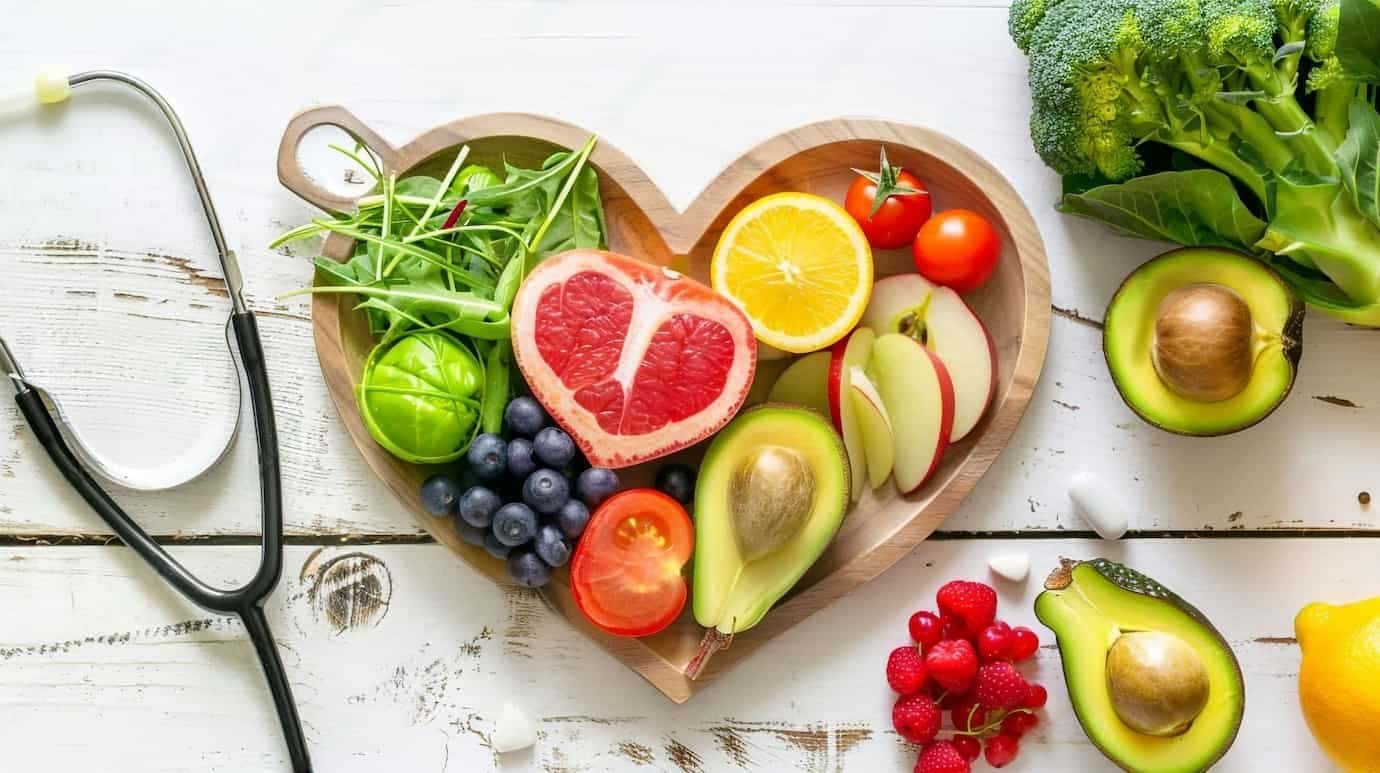
    Your diet plays a significant role in managing heart health and preventing cardiovascular disease. Food groups containing trans and saturated fats, such as deep-fried foods, processed milk products and meats are bad for the heart and are best avoided. Foods high in salt content must also be avoided.

    At the same time, some food groups are extremely beneficial for heart health and can be called heart-healthy foods. They are an integral part of a healthy heart diet. Here, you will get to know more about such foods that benefit your heart health.

    Extra virgin olive oil

    Extra virgin olive oil is frequently regarded as one of the healthiest cooking oils. It is considered the best food for the heart as it has several benefits for the cardiovascular system. It is a great anti-oxidant that protects the layer of heart vessels, reduces the oxidation of bad cholesterol and also prevents blood clotting, which in turn prevents stroke. You must include this in your healthy heart diet plan.

    Whole grains like oats and barley

    Whole grains are one of the most heart-healthy foods. Studies have reported that the consumption of whole grains reduces total cholesterol especially low-density lipoproteins (LDL) or bad cholesterol. Whole grains like Oats and barley in particular are found to have a beneficial effect on the heart by lowering cholesterol levels in the blood. Moreover, whole grains are nutrient-dense and rich in fibre and can be made a part of your daily healthy heart diet.

    Dry fruits and nuts

    ​Increasing your nut intake may help you maintain a healthy body weight and lower your risk of developing heart disease. Nuts like almonds, walnuts, pistachios, and macadamia nuts can be a part of a healthy heart diet. They can be incorporated into heart-healthy meals, such as salads, snacks, and smoothies. Nuts significantly lower the bad cholesterol in the body and help keep the blood sugar levels stable. They are packed with vitamins, minerals, and fibre, all of which are good for your health in general.

    Fish and fish oil supplements

    Fatty fish like salmon, sardine, cod and fish oil supplements are the richest source of omega-3 fatty acids, which makes them the best food for the heart. They lower blood pressure, reduce the level of triglycerides and decrease the risk of a heart attack. Include fish twice a week in your healthy-heart diet for better heart health.

    Seeds like flax, chia, and hemp

    Heart-healthy foods also include seeds like chia, flax, and hemp, which are rich sources of omega-3. They have anti-inflammatory properties, lower blood pressure, and protect those who have high blood pressure. In some cases, doctors may also prescribe Prestel 40mg Tablet to support blood pressure management alongside dietary changes.

    If you are a vegetarian or vegan, you can include them in your healthy-heart diet. Add them to your flours, soups, and salads, or simply snack on them.

    Alongside a heart-friendly diet, daily habits matter too. Choosing herbal supplements like Kushal Kanthil Tablets can support your throat and oral health naturally without the hidden sugars found in typical lozenges.

    Conclusion

    A healthy heart diet can bring about a significant improvement in your heart health if consumed regularly along with your medications for your underlying heart conditions. Consume whole grains, seeds, nuts, and fatty fish for a healthy heart. Green leafy vegetables, fresh fruits, legumes, pulses, and low-fat dairy are some other foods that are good for the heart. Reduce your salt intake, quit alcohol and smoking, and start exercising regularly for optimum cardiovascular health.

    If you have a heart condition, you should see a cardiologist and take your medications as prescribed, in addition to following a healthy heart diet.

    For your medicines, visit Medkart, India’s most trusted generic medical store that offers low prices on top-notch generic drugs. Find out more about your medicines on Medkart | Generic Medicines Online – Best Online Pharmacy App and compare the costs of your prescription drugs there.

    FAQs

    1. Which type of diet is best for maintaining heart health?

    Heart-healthy foods include those that are low in trans and saturated fat and are nutrient-dense, such as whole grains, legumes, fruits, vegetables, fatty fish, seeds and nuts. Include these in your diet and keep your intake of salt, sugar, alcohol, and processed foods to a minimum as these harm heart health.

    2. What do you mean by healthy fats and unhealthy fats?

    Healthy fats are those fats that decrease your bad cholesterol levels and increase the levels of good cholesterol. Thus, they help reduce the risk of heart disease. Unhealthy fats, on the other side, increase bad cholesterol in your body, which gets deposited in your arteries and causes heart problems. Saturated and trans fats are unhealthy fats.

    3. What can you do to reduce your salt intake?

    You can follow these steps to minimize your salt consumption:

    • Avoid pickles and sauces as they are high in salt.

    • Do not consume processed or packed foods.

    • Reduce eating out in restaurants and prefer to eat home-cooked meals with less salt.

    • Opt for heart-healthy foods like vegetables, fruits, and whole grains instead of chips, biscuits, and other packed snacks as they are high in salt.

  • Who will tell you the truth about buying generics? Should You buy generics?

    Who will tell you the truth about buying generics? Should You buy generics?

    Who will tell you the truth about buying generics?

    In India, almost all of the general physicians will prescribe only the branded medicines. When we say branded – we mean doctors are prescribing you with Lariago® by IPCA Laboratories instead of Chloroquine Phosphate. Remember, the doctors benefit from such recommendations as you are likely to visit the nearest pharma store who will have the tie-up with the doctor. Moreover, the whole nexus in the pharma industry is such that no one will dare speak the truth about generics because it is not in anyone’s interest. It brings us the fundamental question of how and when the customers will ever know that something like ‘generics’ exists and that it can help save their precious money?

    One needs to understand that the contents know generic medicines they carry instead of any branded name. They are made in the same facility as the branded ones as more than 70% of the companies that manufactures branded medicines also produces generic ones. The only difference is the packaging and the way the how branded drugs are marketing, which brings benefits to everyone in the ecosystem – doctors who prescribe it, pharma companies who manufacture it, and medical stores who sell it.

    Do Generic medicines work the same as brand-name medicines and give same effects ?

    To know about generics is a little too tricky for a novice since they are trapped by the mighty powers who bombard them with the branded medicines. In such cases, we already discussed how creating patients awareness can kickstart the cycle of consciousness. Many such awareness sources include news channels, newspapers, government decisions, etc. which points to generics, but unfortunately, those voices are too low and scattered. Therefore, we, as a chain of generic pharma stores, are promoting awareness in our full capacity. The idea behind this is first to let people know that the ‘generics’ exists. And second, run ground activations by guerrilla marketing in small centers and tier-III cities where niche media reach is nearly impossible.

    about buying generics medkart

    Let Medkart tell you how we are driving the truth about generics

    1) Customer Touchbase:

    We have 30+ stores across cities in Gujarat, Rajasthan, and Maharashtra. Many customers come to us to buy generics, but they consider it as ‘cheap replacements’ of what their doctors suggest. For instance, for a city like Valsad in Gujarat, we can’t make the people understand real differences, unlike what we do in Mumbai. The only currency to deal with the customers there is to inform that these are less-priced alternatives to the ones prescribed by the doctor. Here, our store staff tells the truth about buying generics.

    2) Through Ads: 

    In the past, we have run ads and campaigns on radio and newspapers informing the audience about generics. We ran a few snippets on the local TV channels about how generic medicine is for the betterment of society. Our sole intent was to spill out the truth, which is not limited to the price difference.

    3) Online Features:

    We have been featured in media when we started with selling the cheapest generic options to draw attention. To date, we hold the truth that medicines are expensive, but they are made so by the pharma companies.

    Should You buy generics?

    Whether or not to buy generic medications depends on several factors, including the individual’s medical condition, financial situation, and personal preferences.

    Generics are often cheaper than brand-name medications because they don’t have to go through the same development and marketing costs. In terms of safety and effectiveness, generic medications must meet the same standards as brand-name drugs.

    However, some people may prefer brand-name medications because they believe they are of higher quality or are more effective. Additionally, some medications may not have generic equivalents available.

    Ultimately, the decision to buy generic or brand-name medications should be made in consultation with a healthcare provider. They can provide guidance on which medications are appropriate for the individual’s medical condition and help weigh the potential benefits and risks of each option.

    The Bottomline
    Time and again, we have put down the efforts to be a whistle-blower and hold the truth about the generics. What the ecosystem lack is the dominant players who are vocal, authoritative, and consistent with the voice around generics. For example, a small news show of Aamir Khan promoting generics does no good if he doesn’t support it now and then. The key is to be consistent with the truth because we are collectively fighting the battle to punch down the ages of ignorance, and it requires patience like no other.

    Frequently Searched for generic medicines

    • problems with generic drugs
    • why generic drugs don’t work?
    • why do generic drugs cost less?
    • are generic drugs less effective?
    • are generic medicines safe in india?
    • generic medicine list
    • generic medicine example
    • importance of generic medicine
  • 4 Heart Related Blood Tests for  Heart Disease: Assess your Heart  Health

    4 Heart Related Blood Tests for Heart Disease: Assess your Heart Health

    4 Heart Related Blood Tests for Heart Disease

    Heart tests: the progress

    The first electrocardiogram from the intact human heart was recorded with a mercury capillary electrometer in 1887 in London. Since then, the techniques and blood tests for the detection of heart disease have improved by leaps and bounds. Heart screenings, check-ups, and tests have saved millions of lives worldwide.

    Blood tests for heart attack can tell you whether you have heart disease or are at risk for developing it. Blood tests for heart function and heart attack detect substances that should not be present or measure the levels of such substances to ensure they are at optimal concentrations.

    What is heart disease and why is a blood test for heart attack important?

    Heart disease or coronary heart disease occurs when plaque builds up in arteries and prevents oxygen from reaching the heart. Without blood, tissues lose oxygen and die. Blood tests for heart attack, heart disease, heart function, or cardiac profile can tell if you are at risk for heart disease. That way, you can take steps in prevention.

    Risk factors for heart disease

    There are several risk factors for heart disease — obesity, family history of heart disease, inactive lifestyle, smoking, unhealthy food habits, high cholesterol, blood pressure, and clinical depression. Keep in mind that most of these are lifestyle-related and preventable. If you believe you are at risk, get a blood test for a heart attack and put your mind at ease.

    Why are heart health check-ups and screening important?

    Whether you are at risk for heart disease or not, regular heart screenings and check-ups can help prevent or lower the risk of cardiovascular disease. Get a blood test for heart attack or blood test for heart function regularly.

    What are four heart-related blood tests?

    • Cholesterol test: It is also known as a lipid panel or lipid profile test. This blood test for heart disease measures fat levels in the blood. Here are some of the evaluations from this blood test for heart attack.

    Total cholesterol: a high level can increase the risk of heart disease. The total cholesterol level should be below 200 milligrams per deciliter (mg/dL) or 5.2 millimoles per litre (mmol/L).

    Low-density lipoprotein (LDL) cholesterol: high values could indicate a plaque build-up in the arteries. LDL cholesterol should be less than 130 mg/dL (3.4 mmol/L) and under 100 mg/dL (2.6 mmol/L) if you have diabetes or a history of a heart attack. In those with the highest risk of heart attacks, LDL levels should be below 70 mg/dL (1.8 mmol/L).

    High-density lipoprotein (HDL) cholesterol needs to be over 40 mg/dL or 1.0 mmol/L in men and over 50 mg/dL or 1.3 mmol/L in women. This component is good for the body as it helps keep arteries open and blood flowing freely.

    Triglycerides are fat molecules present in the blood. Their high levels indicate a greater risk of heart disease. Their levels should be less than 150 mg/dL or 1.7 mmol/L.

    • C-reactive protein test: C-reactive protein is produced by the liver as a part of the body’s response to injury or infection. If it exceeds 2.0 milligrams per litre, it indicates a higher risk of heart disease

    • Lipoprotein (a): This component is more genetic and is not related to or affected by lifestyle. But high levels of Lp(a) may indicate that you are at increased risk of heart disease. Your doctor may want this blood test for heart attack done in case you have atherosclerosis, heart disease, or a family history of stroke.

    • Plasma ceramides: This blood test for heart attack measures the levels of ceramides in the blood, which are synthesized by all cells for tissue growth. Certain ceramides point to plaque buildup in the arteries and insulin resistance. High levels of these ceramides are a red flag for a higher risk of cardiovascular disease.

    Conclusion

    Around 17.9 million lives are lost every year globally to heart disease. This brings to the fore the importance of blood tests for heart attacks. Regular check-ups, tests, and screening can go a long way in preventing heart disease by setting you on the right path to keeping this vital organ healthy. Also, maintain a healthy lifestyle with a good diet and regular exercise.

    In cases of emergency, medicines play a critical role. For access to generic medicines at the best prices, visit the Medkart website today!

    FAQs

    1. How do I check if my heart is healthy?

    The best test to check if your heart is healthy is an electrocardiogram. This painless test records the heart’s electrical activity and gives an idea of what is happening in different areas of the heart. It helps identify problems with heart rhythm.

    2. What are the signs of a heart problem?

    The common signs of a heart problem include:

    • Chest pain, tightness, numbness, and discomfort.

    • Feeling out of breath.

    • Pain in the throat, neck, jaw, upper abdomen, or back.

    • Weakness or coldness in the limbs if the blood vessels in those body areas are narrowed.

    3. What are some of the common heart problems?

    Heart attack, stroke, heart failure, arrhythmia, and heart valve complications are among the most common heart problems.

    4. What are ways to keep the heart healthy?

    Here are some simple tips for maintaining heart health:

    • Eat healthy food.

    • Stay active.

    • Maintain a healthy body weight.

    • Quit smoking.

    • Control your cholesterol, blood sugar, and blood pressure.

    • Drink alcohol in moderation.

    • Manage stress.

    • Sleep well.

  • Things to consider before buying medicines in India | Medicine buying guide

    Things to consider before buying medicines in India | Medicine buying guide

    Things to consider before buying medicines

    Medicines have played an evolutionary role by changing the vicissitudes of human life. Now for every medical problem, be it minor or significant, medicines are available. Actually, in India, buying medicine has become a mundane job of a transaction than an awareness activity like buying other stuff. Also, you need to be extra careful when buying medicines online in India.

    Buy Medicine Online

    Ensure you check out these things before you buy medicine online or from a store.

    A.   Shop from a pharmacy directly:

    1. Match the medicines with a prescription:

    We are indoctrinated to buy only the prescribed medicines as a part of following the doctor-written prescription. It is because the doctors diagnose us and the prescription is written according to our body’s conditions. When you go to the pharmacy to buy any medicine, check the following;

    • Is medicine the same as written in a prescription? Ask the contents and brand to the shop dealer.
    • Is the medicine pharmacist giving has the same dosage as it is written in a prescription?
    • Do not buy more than it is written; for example, if ten tablets are needed, then buy only ten pills, not more.

    2. See if generic medicine available:

    Certain medical conditions become part of routine life such as diabetes, cholesterol, blood pressure, and so on. And drugs for these have become essential human requirements. But not all can afford branded drugs medicines because of cost. So to curb this, one should always ask for generic medicine.

    • A generic medicine is not only cheaper but also safe because a generic drug meets the high standards by receiving regulatory approval. It includes those from the CDSCO, ICMR, etc. proving it works in the same way and provides the same clinical benefit as its brand-name version.
    • While buying medicine replace branded prescribed medicine with a generic one
    • Also, check for the content and dosage while shifting to generic medication, it has to be the same. You can research little before purchasing it directly.

    3. Check for labelling & packaging:

    Medicines are also like our food, they have some labeling like manufacturing date, expiry date or a word like best before, how to store instructions, and so on. So when you buy a drug, not randomly purchase it. Check these things:

    • Packaging of medicine- whether it is torn or dirty? If yes then buy a new one.
    • Take a packet that has all the instructions. Sometimes a portion of expiry date has been cut, so at that time, ask for expiry date or buy medicine which has that portion.
    • Take new medicine, check the manufacture date.a
    • Check for expiry date- it is the most crucial thing, but still, many people just blindly purchase it in a hurry. Once medicine crosses its expiry date, it is not at all useful, or it may develop some unwanted or adverse effects in the human body. Although you buy from a trustworthy pharmacy, it is our responsibility to check before you purchase it.
    • If the expiry date is near, then don’t buy it and ask for a new one. Given climatic conditions or storage conditions, there’s every possibility the drug is not safe to consume closer to its expiry. If you want only 4/5 tablets, then ask them to write an expiry date on it after cutting it.
    • See the instructions on how to store medicine, if it is mentioned store in a cool place and pharmacist have not done it, or your notice that drugs were not stores as mentioned then don’t buy it at all. Because it does affect the components of medicines.

    B. If you are opting for online medicine purchase:

    1. Check for license/ certificate:

    It is the first and most important thing you should do before any online drug purchase. No one can sell medicine online without government approval. It would appear like all websites are trustworthy, but only handfuls of them are valid.

    – Check for what kind of certificates website or application holds

    – Ask for license

    – Don’t only rely on them, search for the site from which you want to buy medicines.

    2. Be aware of fake medicines:

    This happens when you purchase drug randomly from any online store and don’t check whether it is legitimate or not. Stores sell counterfeit drugs in the name of real drugs and could be harmful to you or create a negative effect on the body. Mentioned earlier, do a proper checking before you buy it.

    Check the following details and format of the site

    – Excellent and authentic sites have specific policies to follow before buying a medicine. So check which pharmacy provides that.

    – A good pharmacy will always ask for a prescription before they sell. Remember, buy online only from those portals that demand prescription before making a purchase.

    – Also, check whether they have qualified staff to solve your queries. Certain companies provide pop up chat in which 24*7 service available.

    – Also, check the details of each drug that includes its contents, manufacture date, expiry date, usage, dose, and so on. And counter checks it with authentic sites to validate your online site.

    3. Check for available brands or generic drugs:

    • This can be the best check for authentication. A good website will provide you options like comparing medicine with other brands or replace medicine with a generic one.
    • So here you can ask or filter for a generic medicine and in low cost get your dose.

    The Bottomline

    Now that you know the precautions you need to take before you buy medicine, better step out or surf a site for prescription and follow this. It is best to consider drugs as lifelines and if you mess up in this, the consequences can be irreversible.

    So now onwards invest little extra time in medicine shopping!

    1) why is it important to bring the prescription when buying medicines?

    Bringing the prescription when buying medicines is crucial to ensure that the medication is used safely and effectively. The prescription contains important information about the medication, such as the dose, frequency, and duration of treatment. It can also alert the pharmacist to any potential drug interactions or allergies. Failing to bring the prescription can result in medication errors, adverse reactions, and other health risks. Patients should always follow the instructions on the prescription and consult with their healthcare provider or pharmacist if they have any questions or concerns.

    2) What things you should check before purchasing a medicine?

    Before purchasing a medicine, it is important to check several things to ensure its safety and effectiveness. These include the name and strength of the medication, expiration date, dosage form, manufacturer and batch number, packaging, price, and prescription requirement. It is also important to consult with your healthcare provider or pharmacist if you have any questions or concerns about the medication, including its safety, effectiveness, and potential side effects. Taking these steps can help ensure that you get the right medication and use it safely.

    3) How to check quality of medicine in India?

    To check the quality of medicine in India, there are a few things you can do. First, make sure that the medicine is from a reputable manufacturer and that it has been approved by the Central Drugs Standard Control Organization (CDSCO). Look for the drug’s registration number and the manufacturing and expiry dates. Additionally, check the packaging for signs of tampering or damage. You can also look for certifications such as ISO, GMP, or WHO-GMP, which indicate that the manufacturer follows good manufacturing practices. 

    4) What factors are important in choosing a medication?


    5) Is it safe to buy medicine from online? 

    Buying medicine from a reputable online pharmacy that is licensed and regulated can be safe and convenient. However, there are risks associated with purchasing medicine online, such as the possibility of receiving counterfeit or substandard products. It is important to only purchase medicine from a reputable source like MEDKART and to check the credentials of the online pharmacy before making a purchase.

  • Heart Attack Testing- Are You at  Risk?

    Heart Attack Testing- Are You at Risk?

    Heart Attack Testing

    If you or your loved one experiences symptoms of a heart attack or suspect a heart condition, consulting your doctor is crucial. Lack of oxygen-rich blood supply for an extended duration can cause damage. Timely treatment can save the heart and give a second chance to live a healthy and an active life.

    Doctors use several blood tests for heart attack to establish if a heart attack has occurred, how much your heart is damaged, and the stage of the coronary artery disease you may have.

    These tests help doctors provide you with the necessary treatment and recommend lifestyle changes to help improve your heart condition and prevent a heart attack in the future.

    Here’s a list of blood tests for heart attack that doctors use to diagnose your heart condition and determine a heart attack.

    Tests for heart attack

    1. Cholesterol test or lipid panel test:

    This blood test for heart attack is part of a routine health check up. It helps check for fatty deposits in your arteries or narrowed arteries. Your doctor will recommend this test if you are overweight or have a family history of heart disease.

    This test checks for the following fats in your blood:

    • Total cholesterol (should be below 200 milligrams per deciliter (mg/dL) or 5.2 millimoles per litre (mmol/L)

    • Low-density lipoprotein (LDL) cholesterol (should be less than 130 mg/dL (3.4 mmol/L)

    • High-density lipoprotein (HDL) cholesterol (over 40 mg/dL (1.0 mmol/L in men and over 50 mg/dL (1.3 mmol/L in women)

    • Triglycerides (less than 150 mg/dL (1.7 mmol/L); non-HDL cholesterol

    2. C-reactive protein (CRP):

    This is a simple blood test that your doctor will advise to check for your risk of heart disease.

    CRP is a protein that the liver makes in response to injury or infection. A CRP level above 2.0 milligrams per litre (mg/L) indicates a higher risk of heart disease.

    3. Plasma ceramides test:

    This is a blood test for heart attack that measures the levels of ceramides in the blood. Ceramides play an important role in the growth and functioning of tissues.

    Higher levels of ceramides are indicative of a higher risk of cardiovascular disease.

    4. Natriuretic peptides:

    This test is ordered if you are diagnosed with heart failure. It helps check the severity of your condition and determine the plan of treatment.

    Also called B-type natriuretic peptide (BNP), it is a protein that the heart and blood vessels make to help the body eliminate fluids and move sodium into the urine. This is another effective blood test for heart attack.

    5. Troponin T:

    This blood test for heart attack is advised if you have chest pain or if your chest pain (angina) is getting worse, and to check for signs of a heart attack.

    Troponin T is a protein that is made in the heart muscle. Measuring troponin T using a high-sensitivity troponin T test can help diagnose a heart attack and determine the risk of heart disease. An increased level of troponin T is linked to a higher risk of heart disease.

    6. Cardiac enzyme test:

    This is another important blood test for heart attack. It is recommended if you have symptoms of a heart condition, such as chest pain, difficulty in breathing, dizziness or nausea.

    It measures specific biomarkers in the blood. It is also referred to as heart attack enzyme test. High levels of cardiac enzymes may indicate a heart attack or heart disease.

    Bonus tip: Managing high blood pressure is one of the most important steps in reducing your risk of heart attack. Medications like Prestel 40mg Tablet, which contain telmisartan, are commonly prescribed to help control hypertension and protect heart health when lifestyle changes alone aren’t enough.

    Other tests for heart disease

    • Electrocardiogram (ECG, EKG): This test helps record the heart’s electrical activity, rate, and rhythm.

    • Exercise cardiac stress test: It helps assess the heart’s response to physical stress.

    • Echocardiogram: It helps identify the area in the heart that has been damaged.

    • Nuclear stress test: This test helps determine the blood flow.

    • Cardiac CT scan: This test is used for calcium scoring and Coronary CT angiography to check for plaque buildup in coronary arteries

    • Coronary catheter angiography: This test helps evaluate if arteries are narrowed or blocked.

    Conclusion

    Regular cardiovascular screening is crucial as it helps detect risk factors in the early stages. Blood tests for heart attack help your doctor determine your heart condition and prescribe an ideal treatment. Consult your family physician at the earliest if you observe symptoms of a heart condition. Follow a balanced diet consisting of fruits, vegetables, whole grains, and healthy fats. Incorporate a fitness routine in your daily schedule. Keep a close watch on your blood glucose, cholesterol and blood pressure.

    One of the most important things your doctor would recommend is quitting smoking and reducing alcohol consumption.

    A prompt response can be critical when it comes to your health. For access to a vast number of generic medicines for different conditions at competitive prices, visit the Medkart website today!

    FAQs

    1. Is there a quick test for a heart attack?

    The Troponin blood test for heart attack is among the fastest tests for a suspected heart attack. Troponin is a protein released into the blood when the heart muscle is damaged.

    2. Can I get a heart attack test at home?

    Comprehensive home tests for a heart attack are yet to be popularised. Signs of a heart attack include pain or discomfort in one or both arms, back, neck, jaw, and shortness of breath. Breaking out in a cold sweat, nausea, or lightheadedness are other signs one may be experiencing. If you experience any of these symptoms, you should consult your physician immediately or get a blood test for heart attack.

    3. Can ECG rule out a heart attack?

    An ECG shows a heart attack in progress or if you had one earlier. The patterns on the ECG can help determine which part of the heart has been damaged by the attack.

  • What happens when body is dehydrated? Follow 5 steps to rehydrate | Chronic and Accute Dehydration

    Introduction to Dehydration: Chronic and Acute 
    Dehydration is the most common health condition, which is often neglected by many. Dehydration occurs when the body loses water or fluid without replacing it. Water performs different vital tasks in the body and acts as lubricant, a metabolism and waste removal medium, and a constant temperature control regulator. If we feed our bodies with enough water, our bodies will restore to a balanced and complete state. This explains that every cell in our bodies requires water to function correctly, and it is also necessary to deal with the toxins our bodies encounter each day.

    Dehydration can occur to anyone, it is not an age-specific condition. However, in people with chronic diseases or diabetes, adrenal disorders, renal disorders, and cystic fibrosis like conditions, athletes, and those residing at higher altitudes are more prone to dehydration. People don’t take dehydration seriously. But do you know what kind of changes dehydration makes in human bodies? Dehydration reduces brain capacity to work and also impairs kidney function. When dehydration turns into a chronic one, then bloods concentration increases, chances of kidney stones and infections increase, constipation, frequent headaches, excessively dry skin, abnormal electrolyte levels, hormonal disturbances, and many more things happen at a cellular level.

    Moreover, it can lead to serious health problems, such as low blood pressure, kidney stones, heatstroke, inflammation of the urinary tract, and renal insufficiency. People can even experience seizures or even death in extreme cases due to the reduced oxygen supply to the body’s tissues. This happens because our body is made up of 70% of water, which means we have to stay hydrated all the time.

    Chronic dehydration:

    Chronic dehydration occurs when the body consistently loses more fluids than it takes in over an extended period of time. This can happen when a person does not drink enough water or loses excessive amounts of fluids through sweat, urine, or other bodily fluids. Chronic dehydration can cause a variety of health problems over time, such as kidney stones, constipation, and even cognitive impairment.

    Acute dehydration:

    Acute dehydration, on the other hand, occurs when the body rapidly loses fluids in a short period of time. This can happen due to sweating excessively during exercise or hot weather, vomiting or diarrhea, or not drinking enough fluids when sick. Acute dehydration can cause symptoms such as thirst, dry mouth, dizziness, confusion, and in severe cases, organ failure or even death if left untreated.

    Read – Why Essential minerals are required for body | List of essential Minerals

    Acute dehydration is sometimes neglected as it happens because of heat exposure or prolonged physical activity and can be cured by drinking the right amount of water. But chronic dehydration is a result of prolonging fluid loss. This usually occurs when you do not drink enough water every day, and your body starts functioning at a low water level. The human body always tries to adapt to the situation, and constant low fluids make the body function with less water. Ultimately, body and health suffer.

    So, how can we keep body hydrated and dehydration away?

    Ways to rehydrate body and stay away from dehydration

    1) Do not keep yourself thirsty

    This is the first rule, not to be thirsty to drink water. Remember, if you are feeling thirsty, that means you are already dehydrated. Thus, it is always better to drink water at regular intervals. For that, you can do many things,

    • Set a reminder to drink water. Many apps are nowadays helping to achieve per day water goals.
    • Increase fluid intake as much as possible. Try to incorporate juices and some fruits with high water content in daily life.
    • Yogurt and cottage cheese also help keep the body hydrated as it is a natural source of sodium and potassium.
    • Eat some spicy food, which will make you thirsty.

    2) Check your skin and urine colour

    Yes, skin and urine colour show the water level in the body. If you are dehydrated or the water level is low, then your urine colour will be dark. Your skin will be a little pale and dry. According to experts, the urine colour should be light yellow.

    Therefore, keep a check on your skin texture and the urine colour. If you find that colour is unusual than usual, immediately hydrate yourself.

    3) Make your water enjoyable

    Sometimes it isn’t easy to drink plain water all day, so to keep hydrated, you can make water interesting by adding some flavours. One can have lemon water, honey water, coconut water, some fruit juices. Keeping yourself hydrated is essential, of course, plain water should be the primary source, but you can also take some juices, caffeine-free tea, and flavoured waters to stay hydrated.

    For example, Chamomile tea is best to have as it is a natural pain alleviator, so the stomach cramps that frequently follow dehydration may also be alleviated. Also, drinking buttermilk with some dry ginger 3 to 4 times a day is useful.

    4) Watch your daily activities and water intake

    Although the body’s ideal water requirement is two litter, everyone needs water according to their daily activities. Because during certain activities’ body loses water and at that time two litter water is not enough. For example, a sportsperson or person who works more in the sun needs more water than usual. Also, some daily activities like shower, exercise, walking, cycling, cooking, and so on cause water loss. So, one should drink water before doing any activity. It will not only build a good habit but also make you energetic. Even during sleep, we lose water, so it is always advisable to immediately drink two glasses of water after waking up.

    5) Cut-down your caffeine and alcohol intake

    Excessive intake of tea, coffee, or alcohol can make body dehydrated. Caffeine and alcohol are diuretics; they can make you lose your water. Thus, make sure you take at least the same amount of H2O to balance the body’s hydration.

    Lastly, if you have any medical conditions which keep you dehydrated, then consult your doctor and take precautionary care before it aggravates.

    Frequently Asked Questions for Dehydration and Rehydration

    1) What happens when body is dehydrated?

    Dehydration occurs when the body loses more water than it takes in, leading to a range of negative effects on the body. Dehydration can cause fatigue, weakness, and decreased blood pressure due to a reduction in blood volume. It can also impair kidney function and lead to a buildup of waste products in the body. It is important to drink enough fluids and replenish lost fluids during exercise or when sick to avoid dehydration and its associated health problems.

    2) Symptoms of severe dehydration in adults 

    Severe dehydration is a life-threatening condition that requires immediate medical attention. The symptoms of severe dehydration in adults include:

    Extreme thirst, Dry or sticky mouth and tongue, Sunken eyes, Shrinking or less elastic skin, Rapid heartbeat, Rapid breathing, Low blood pressure, Dark urine or no urine output, Confusion or irritability, Dizziness or fainting, Seizures

    3) How do you test for dehydration?

    There are several ways to test for dehydration, including:

    • Urine color and output: Dark yellow or amber urine and reduced urine output can indicate dehydration.
    • Skin turgor: Dehydration can cause the skin to lose its elasticity, resulting in skin that stays tented after being pinched or pulled.
    • Blood tests: Blood tests can measure electrolyte levels, kidney function, and blood sugar levels, which can all be affected by dehydration.
    • Physical examination: A healthcare provider may examine the eyes, mouth, and skin for signs of dehydration, such as sunken eyes, dry mouth, or reduced skin turgor.
    • Body weight: Rapid weight loss can indicate fluid loss due to dehydration.

    4) Dehydration meaning in hindi?

    Dehydration का हिंदी में अर्थ होता है “जलोदरण”।

    Final Thoughts

    Dehydration is severe, and if it becomes chronic, it will create havoc in the body at higher levels. So, stay hydrated and keep yourself healthy. Keep a water bottle, reminder apps, reduce caffeine and alcohol, increase intake of water-filled fruits, and so on. Remember, drink more and eat less is the best way to stay healthy.

  • Increasing Trend of Heart Attacks Among Youngsters

    Increasing Trend of Heart Attacks Among Youngsters

    Introduction

    Myocardial infarction is another name for a heart attack. The major reason for heart attack is the lack of sufficient blood flow to the heart. Coronary artery disease (CAD) is one of the leading causes of a heart attack. This usually occurs when a coronary artery closes suddenly due to blockage or has a severe spasm. As a result, the heart muscle doesn’t receive enough oxygen and nutrients. A weakened heart may lead to a fall in blood pressure, which can further compromise the flow of blood to the heart. If blood flow to the heart is not restored for a long time, the heart muscles suffer further damage.

    Risk of heart attack by age

    Risk of heart attack by age

    Women over the age of 55 and men over the age of 45 have a risk of suffering a heart attack. Those under the age of 40 may also suffer a heart attack. The reasons for heart attack at such a young age include smoking, following an unhealthy lifestyle, having excess body fat, and suffering from long-term conditions, like high blood pressure and diabetes.

    Signs and symptoms of a potential heart attack

    Heart attacks often occur suddenly and without any prior symptoms. The following is a list of symptoms that may indicate a heart attack

    • Pain in the left side or middle of the chest that may radiate to jaws, arms, or back.

    • Breathing difficulty.

    • Weakness, lightheadedness, or fainting.

    • Nausea and vomiting

    • Sweating

    • Discomfort or pain in one or both arms or shoulders.

    Risk factors for heart attack at a young age

    The following are some of the factors that increase the risk of heart attacks in youngsters.

    1. Hypertension or high blood pressure causes heart attacks as it damages your blood vessels and heart muscles over time. Unfortunately, the number of hypertension cases in young adults is on the rise owing to unhealthy food habits and sedentary lifestyles.

    2. Being overweight or obese is a major cause of heart attacks. Carrying extra weight puts stress on your heart because it has to work harder. Even if you are healthy in other ways, if your body mass index (BMI) is high, you are more likely to have a heart attack.

    3. One of the main reasons for heart attacks in young-age people is smoking. There is a direct link between smoking and an increased risk of heart attacks and other diseases. Smoking makes you more than twice as likely to have a heart attack

    4. Abuse of drugs or alcohol is harmful to your cardiovascular system. Researchers are trying to pin down how marijuana affects the cardiovascular system. However, they do know that it elevates the heart rate and increases the possibility of a heart attack. Cocaine also has damaging effects on the heart. It causes heart attacks because it increases your heart rate, constricts your blood vessels, and elevates your blood pressure.

    Conclusion

    If you identify yourself with any of the risk factors mentioned above, do not worry. It is never too late to change. You can start making changes in your diet, habit, and lifestyle.

    Try to remain active, exercise moderately, eat heart-healthy foods, and quit drinking and smoking. If you are suffering from any chronic health issues, take your medicines on time and consult your doctor regularly. If you or your loved ones have any of the symptoms of a heart attack seek emergency medical help immediately.

    Order your medicines online from Medkart,India’s most trusted generic medical store that offers low prices on top-notch generic drugs.

    FAQs

    1. Can heart attacks occur in your 20s?

    Though heart attack is common in people above the age of 40, nowadays at least 1 in 5 heart attacks occurs in people in their 20s and early 30s.

    2. What is the biggest contributor to the rise of heart attack cases at a young age?

    Many research studies have linked unhealthy lifestyles and poor diets followed over the past few years to be directly related to the increase in the number of heart attacks in young people.

    3. Can I reduce my risk of a heart attack?

    Yes, even if you are at a high risk of heart attack, you can reduce your risk by following a healthy and active lifestyle, a heart-healthy diet, and good habits.