
Blog

  • Candid B Antifungal Cream: How to Use and Safety Tips

    Candid B Antifungal Cream: How to Use and Safety Tips

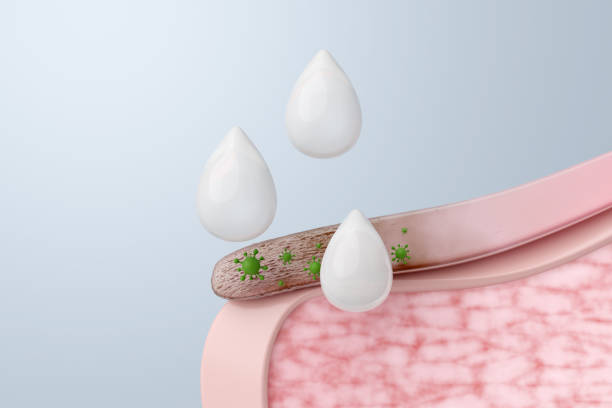
    Candid-B Cream is a combination medication commonly prescribed to manage various types of fungal skin infections. This topical cream helps alleviate symptoms such as itching, swelling, and redness, while targeting the fungi responsible for the infection. It is intended for external use only and should be applied strictly according to your doctor’s instructions. In this guide, we will cover the uses of Candid B, how it works, when to apply it, possible side effects, and essential safety tips for its effective and safe use. Candid B Antifungal Cream

    What is Candid B Antifungal Cream?

    Candid B is a topical cream used to treat fungal skin infections and provide relief from associated irritation, such as itching, redness, and swelling. It contains two active ingredients: Clotrimazole and Beclometasone. Together, these ingredients help manage the infection and ease discomfort. Key Ingredients and Their Role
    • Clotrimazole (1%): Clotrimazole is a broad-spectrum antifungal that works by disrupting the cell membrane of fungi, which inhibits their growth and prevents the spread of infection. It is commonly used to treat conditions like athlete’s foot, ringworm, and jock itch.
    • Beclometasone (0.05%): Beclometasone is a corticosteroid that helps reduce inflammation and relieve symptoms like swelling, redness, and itching. It works to make the skin more comfortable during the treatment process by reducing the inflammatory response.

    Candid B Uses

    • Ringworm: A contagious fungal infection that typically appears as a red, circular rash with raised edges. It spreads through direct skin contact or contaminated surfaces. Candid B cream helps manage the fungal infection, reduces redness, and relieves persistent itching.
    • Athlete’s Foot: A common fungal infection that affects the feet, especially between the toes. It can cause itching, dryness, and cracking, often worsening in warm, damp environments like locker rooms or sweaty shoes. Candid B cream helps manage the infection, reduces irritation, and prevents further damage to the skin.
    • Jock Itch: A fungal infection that occurs in warm, moist areas such as the groin, inner thighs, and buttocks. It causes symptoms like redness, itching, and discomfort. Candid B cream helps manage the infection, reduces swelling, and may lower the risk of recurrence.
    • Sweat Rash: A rash that develops in skin folds due to moisture and friction, which can lead to fungal overgrowth and irritation. Candid B cream helps manage fungal growth, alleviates symptoms, and provides relief from inflammation.
    • Dermatitis and Eczema with Fungal Involvement: In individuals with eczema or dermatitis, fungal infections can worsen inflammation and cause persistent itching. Candid B cream can help manage the fungal component of these conditions, reducing discomfort, redness, and irritation.

    How to Use Candid B Antifungal Cream

    • Follow your doctor’s instructions: Always apply Candid B cream exactly as prescribed by your healthcare provider. Do not exceed the recommended dosage or duration of use.
    • External use only: This cream is for topical use on the skin only. Do not apply it to mucous membranes, including the eyes, mouth, or genital area, unless directed by your doctor.
    • Clean and dry the affected area: Before applying the cream, clean and dry the area where you plan to use it. Ensure the skin is free from cuts, wounds, or abrasions to avoid irritation or contamination.
    • Wash your hands: Always wash your hands before and after applying the cream to prevent spreading the infection and ensure proper hygiene.
    • Eye contact: If the cream accidentally comes in contact with your eyes, immediately rinse them thoroughly with clean water. If irritation persists, seek medical attention.

    Safety Tips While Using Candid B Cream

    Candid B antifungal cream should be used carefully. Here are some important safety tips: 
    • Follow your doctor’s instructions. Prolonged use may lead to skin thinning or other side effects.
    • Do not apply to the eyes, mouth, face, or genital areas unless instructed by a healthcare provider.
    • Do not wrap or bandage the treated area, as it can trap moisture and worsen irritation.
    • If you experience increased burning, stinging, or worsening symptoms, stop using the cream and contact your doctor.

    Possible Side Effects

    • Skin Thinning: Prolonged use may cause thinning of the skin.
    • Acne: May cause acne or pimples.
    • Increased Hair Growth: Rarely, may lead to increased hair at the application site.
    • Skin Irritation: Redness, burning, or irritation may occur.
    • Allergic Reactions: Swelling, rash, or itching may occur.
    • Infection: May increase the risk of skin infections.

    Closing Thoughts

    Candid B Antifungal Cream is an effective option for managing fungal skin infections, offering quick relief from symptoms like irritation, redness, and itching. However, successful treatment depends not only on correct usage of the cream but also on maintaining good hygiene and preventing reinfection. When it comes to affordable medicines, Medkart ensures you can access safe and effective care without the added stress. Take control of your health with confidence, knowing you’re getting high-quality generic medicines at the best prices. Switch to Medkart today because affordable care should be accessible to everyone.

    FAQs

    1. How long can I use Candid Cream?
    You should use Candid B cream for the duration recommended by your doctor, typically 1–2 weeks. Do not stop using the cream early or use it for longer than prescribed. If the infection persists or worsens, consult your healthcare provider.
    1. Is it okay to use Candid-B Cream?
    Yes, Candid B cream is generally safe when used as prescribed by a healthcare provider. It is typically used for short-term treatment (1-2 weeks) for fungal infections. Some patients may experience mild side effects, such as temporary burning, stinging, or irritation at the site of application. If any side effects are severe or prolonged, stop use and consult your doctor.
    1. Is it okay to self-medicate with Candid-B cream?
    No, it is not advisable to self-medicate with Candid B cream. This cream should only be used after a proper diagnosis by a healthcare provider to ensure it’s the appropriate treatment for your condition. Self-diagnosis and treatment can lead to complications or misuse of the medication.
    1. Is it okay to put Candid B cream on your face?
    Candid B cream should not be applied to the face unless your doctor has specifically recommended it. The skin on your face is more sensitive, and using corticosteroids (like Beclometasone in Candid B) on the face can increase the risk of side effects like skin thinning or delayed healing. Always follow your doctor’s guidance.
    1. Does Candid b cream work for ringworm?
    Yes, Candid B cream can be effective for treating ringworm, as it combines an antifungal (Clotrimazole) and a corticosteroid (Beclometasone), which helps manage fungal infections and the associated inflammation. However, it’s important to follow the doctor’s recommended dosage and duration of treatment. Do not use it for longer than prescribed.
  • Zincovit Syrup for Children: Benefits and Correct Dosage Guide

    Zincovit Syrup for Children: Benefits and Correct Dosage Guide

    Kids’ bodies grow fast, and they need an adequate amount of essential vitamins and minerals to be healthy, active little Bodies. But unhealthy food choices, frequent bouts of illness, and picky eating can bring about nutritional deficiencies. This is where supplements like Zincovit syrup come in. Zincovit provides a balanced mix of vitamins and minerals essential for healthy growth and overall well-being.

    In this guide, we’ll explore the benefits of Zincovit syrup, the correct dosage for children, and essential safety information to help you make informed, responsible choices for your child’s health.

    Zincovit Syrup for Children

    What is Zincovit Syrup?

    Zincovit syrup is a multimineral and multivitamin syrup that is made to help address nutritional deficiencies in children. It has a blend of essential nutrients, including:

    • L-Lysine: L-Lysine is an essential amino acid that supports healthy tissue growth, immune function, and calcium absorption. L-Lysine plays a role in wound healing and maintaining skin health. Since the body cannot produce L-Lysine naturally, it must be obtained from the diet or supplements like Zincovit syrup.
    • Mineral Blend (Iodine, Selenium, Copper, Iron, Zinc): Zincovit Syrup contains essential minerals, including Iodine, Selenium, Copper, Iron, and Zinc. These play vital roles in supporting overall health:
    • Zinc supports immune function, wound healing, and contributes to normal growth and development.
    • Iron is necessary for hemoglobin formation and oxygen transport in the blood, which helps maintain energy levels.
    • Iron is also essential for hemoglobin formation and oxygen transport in the blood, which increases energy levels.
    • Copper is useful for iron metabolism, maintaining neurotransmitters and healthy bones.
    • Selenium is an antioxidant that may help prevent cell damage.
    • Iodine is necessary for the production of thyroid hormone at every stage of life, from regulating metabolism to maintaining normal brain development in children.
    • Vitamin Blend: Zincovit Syrup consists of a combination of essential vitamins such as Vitamin A, E and B-complex. Vitamin A boosts the immune system and promotes good vision. The B-complex group contains vitamins that help boost energy production through aiding the conversion of food into fuel for cells in our bodies, aiding brain function, helping form red blood cells, enhancing vision and supporting hair and skin health. Vitamin E is an antioxidant that helps protect cells from damage caused by oxidative stress.

    Zincovit Benefits for Children

    Here’s how Zincovit syrup supports children’s health:

    1. Boosts Immunity: Children’s immune systems are still developing, making them more vulnerable to infections. Zinc and vitamin C in Zincovit contribute to normal immune function but do not prevent or cure infections.
    2. Promotes Healthy Growth: Growing children require the right amount of minerals and vitamins for normal physical growth and development. It supports but does not directly cause growth.
    3. Improves Appetite: Many parents complain that their child refuses to eat properly. Zinc helps to improve their taste buds, which may help improve a child’s appetite.
    4. Supports Brain Function: B-vitamins and minerals in Zincovit contribute to normal cognitive function, including memory and concentration.
    5. Helps Combat Oxidative Stress: Antioxidants like selenium and vitamin E help protect cells from oxidative damage by neutralizing free radicals, which supports overall cell health.

    Safety Information  

    • Always read the instructions carefully before use.
    • Keep out of the reach of pets and kids.
    • Store in a dry and cool place away from heat, moisture, and direct sunlight.
    • Do not surpass the suggested dosage.
    • Not for therapeutic use.
    • Shake well before use.

    Side Effects

    Zincovit syrup may sometimes cause common side effects like: 

    • Allergic reactions 
    • Diarrhoea or nausea (if consumed on an empty stomach)
    • Mild stomach upset

    If you notice severe reactions, stop using it right away and consult your doctor.

    How to Give Zincovit Syrup to Children

    Here are some helpful tips for parents:

    • Give after meals to improve absorption and reduce the risk of stomach upset.
    • Ensure your child stays well-hydrated, as proper hydration supports the effectiveness of vitamins and minerals.
    • Maintain a consistent routine by administering the syrup at the same time each day to encourage adherence.

    Who Should Avoid Zincovit Syrup?

    Zincovit may not be suitable for:

    • Kids with allergies or hypersensitivity to any of its ingredients.
    • Kids who are already on other mineral or multivitamin supplements (to prevent overdose).
    • Kids with certain medical conditions (such as kidney issues).

    Always talk to a paediatrician before giving any supplement to your child.

    Why Select Zincovit Syrup Over Other Supplements?

    Since there are so many syrups available on the market, parents usually wonder why to pick Zincovit. Here are some reasons: 

    • It contains balanced amounts of essential minerals and vitamins tailored for children.
    • It is approved by the DCGI, ensuring safety and quality standards.
    • Many doctors recommend it to support growth, immunity, and appetite in children.

    Closing Thoughts

    Zincovit syrup is a reliable supplement to support children’s nutritional needs by filling dietary gaps, promoting healthy growth, and boosting immunity. When used at the recommended dosage, it can positively impact your child’s health. However, it should not replace a balanced diet rich in proteins, fruits, and vegetables. Always seek your doctor’s advice before giving any supplement or medicine to your child. At Medkart, we believe healthcare should be affordable and accessible. If Zincovit syrup or similar supplements are recommended by your doctor, you can find quality, safe, and cost-effective options.

    FAQs

    1. Can Zincovit syrup be given daily to children?

    Yes, it can be taken daily, but only in the dosage advised by a doctor to avoid overdose.

    2. Does Zincovit syrup improve appetite in kids?

    Yes, zinc in the syrup helps stimulate appetite, which may encourage children to eat better.

    3. Are there any side effects of Zincovit Syrup?

    Zincovit Syrup is usually safe to consume; however, excessive consumption can cause digestive discomfort. In case of any side effects, stop using it and visit your doctor. 

    4. Can Zincovit syrup replace a balanced diet?

    No, Zincovit is a supplement and should not replace a balanced diet rich in proteins, vegetables, and fruits.

    5. Can I give Zincovit Syrup to my child with other medications?

    It is important to consult your paediatrician before giving Zincovit syrup alongside other medications.

  • Tretinoin Cream: Benefits, Dosage and Side Effect Considerations

    Tretinoin Cream: Benefits, Dosage and Side Effect Considerations

    Tretinoin is a topical retinoid derived from vitamin A that is commonly used in dermatology. It is most often prescribed to help manage acne by promoting faster skin cell turnover and preventing the formation of clogged pores.

    In addition to acne, tretinoin is also used to improve the appearance of photoaged skin, including fine lines, uneven skin tone, and surface-level pigmentation issues caused by prolonged sun exposure. While tretinoin does not “cure” these concerns, it may contribute to visible improvement with consistent use under medical supervision.

    This guide will help you understand how tretinoin works, its potential benefits, safe application practices, and possible side effects.

    Tretinoin Cream

    What is Tretinoin Cream?

    Tretinoin cream is a topical prescription treatment commonly used in dermatology. It helps manage acne and improve the appearance of uneven skin texture and fine lines. The active ingredient, tretinoin, is a vitamin A derivative that works by increasing skin cell turnover. This process promotes the shedding of older skin cells and the emergence of fresher skin, which makes the cream effective for anti-ageing and acne treatment.

    How Tretinoin Cream Works

    Tretinoin promotes faster skin cell turnover, encouraging the shedding of older skin cells and the replacement with newer, healthier ones. This mechanism helps to manage acne by unclogging pores, which may reduce active breakouts and help prevent new ones from forming.

    At the same time, it supports collagen synthesis,  which can improve the appearance of fine lines and uneven skin texture over time. While not a cure, it is frequently used to manage signs of photoaging, such as pigmentation irregularities and surface roughness. With consistent, medically guided use, tretinoin can help even out skin tone and refine skin texture, contributing to healthier-looking skin.

    Key Benefits of Tretinoin Cream

    Tretinoin cream offers several clinically supported benefits for skin health, particularly in the management of acne, photoaging, and textural concerns:

    • Acne Treatment: Tretinoin increases skin cell turnover, helping to prevent clogged pores and reduce the frequency and severity of acne outbreaks.
    • Reduces Fine Lines and Wrinkles: It promotes collagen production and skin renewal, which may reduce the appearance of fine lines and wrinkles.
    • Improves Skin Texture: It helps fade hyperpigmentation and evens out skin tone and texture.
    • Enhances Skin Radiance: Tretinoin promotes exfoliation, leading to a fresher, more youthful appearance over time.

    Recommended Dosage and Application

    Tretinoin is a potent topical medication, so use it cautiously:

    • Start gradually: Apply every other night initially, increasing frequency as your skin tolerates it.
    • Use a small amount: A pea-sized quantity is sufficient; applying more will not improve results.
    • Apply only at night: Tretinoin degrades in sunlight and can increase skin sensitivity to UV rays.
    • Moisturize regularly: Helps minimize dryness and irritation often caused by tretinoin.
    • Use sunscreen daily: Essential to protect skin from UV damage while using tretinoin.
    • Strength varies: Doctors typically prescribe concentrations ranging from 0.025% to 0.1%, depending on individual skin needs.

    Tretinoin helps manage acne and skin aging by promoting skin renewal and collagen production but does not cure underlying causes. Proper use supports skin improvement over time.

    Tretinoin Cream Side Effects

    Tretinoin is very effective, but it can cause some temporary side effects, especially during the first few weeks of use. These can include:

    • Dry or peeling skin 
    • Redness and irritation 
    • A mild burning or stinging feeling 
    • Increased sensitivity to sunlight

    These effects are generally mild and tend to decrease as your skin adjusts. If side effects become severe or persistent, consult your doctor.

    Long-Term Considerations

    With proper use under medical supervision, tretinoin is safe for long-term use. Consistency is important, though overuse can cause irritation without improving outcomes.

    Who Should Avoid Tretinoin Cream?

    Avoid using it if: 

    • You have skin conditions like eczema or sensitive skin, because tretinoin may cause significant irritation.
    • You are pregnant or breastfeeding, unless advised by your doctor, as safety is not well-established.
    • You are using other topical treatments that can increase skin irritation unless directed by your healthcare provider.

    Tips for Using Tretinoin Cream Safely

    1. Moisturise generously to reduce dryness.
    2. Use gentle cleansers in place of harsh soaps.
    3. Do not combine with other strong actives (such as salicylic acid or benzoyl peroxide) unless advised.
    4. Be patient: results often take 8–12 weeks.
    5. Follow your routine.

    Closing Thoughts

    Tretinoin can be an effective treatment for acne and may help reduce the appearance of dark spots and fine lines caused by sun damage. While it may cause initial skin irritation and results can take several weeks to appear, consistent use can promote healthier, smoother skin. Thus, you must consult your dermatologist or doctor to determine if tretinoin is appropriate for your skin needs.

    Medkart is here to help you find cheap, high-quality tretinoin cream or any other medicine that your doctor has prescribed. Why spend more on name-brand creams when generic ones work just as well?

    FAQs

    1. What should I do if I experience severe irritation from tretinoin cream?

    If irritation is severe, reduce the frequency of use or pause application temporarily. Always consult your dermatologist before making any changes.

    2. Can tretinoin cream be used daily?

    Most doctors recommend using tretinoin cream once daily, at night. But how frequently you do it depends on your skin type and tolerance. So follow your dermatologist’s advice.

    3. What are the common tretinoin cream side effects?

    Mild redness, peeling, dryness, or a stinging sensation are common tretinoin cream side effects, especially in the first few weeks. These usually improve when your skin adjusts.

    4. How long does it take to see results with tretinoin cream?

    Results differ, but after 8–12 weeks of regular use, most people see a noticeable difference in their acne or skin texture. Patience and regular application are key.

    5. Can tretinoin cream remove deep wrinkles permanently?

    Tretinoin can improve fine lines and skin texture, but it does not permanently remove deep wrinkles. It is most effective as part of a long-term skincare routine.

  • Best Cough Syrups for Kids: Top Options for Safe Relief

    Best Cough Syrups for Kids: Top Options for Safe Relief

    Coughing is a common symptom in children, often caused by respiratory infections, allergies, or colds. For parents, finding effective remedies to soothe a child’s cough can be challenging. With many options available in the market, it’s important to understand which ingredients in cough syrups provide symptom relief. In this guide, we will outline some commonly used cough syrups for children and offer tips to help you make a safe and informed choice.

    Best Cough Syrups for Kids

    Why Choosing the Right Cough Syrup Matters

    Children are more sensitive to medicines, and not all cough syrups suit them. Some cough syrups are made to relieve dry coughs (non-productive coughs), whereas others help loosen phlegm in wet coughs (productive coughs). Giving the wrong cough syrup may worsen symptoms or delay recovery.
    That’s why it is important to:

    • Understand the type of cough your child has.
    • Select the right formulation that suits their condition.
    • Follow dosage instructions strictly according to weight and age.

    With this clarity, you can use cough syrups as a helpful tool in managing symptoms of mild coughs while ensuring your child’s safety.

    Best Cough Syrups for Kids

    Here’s a list of commonly recommended and safe options. Remember: these should only be given under a doctor’s advice.

    1. Dextromethorphan Syrups

    Dextromethorphan is a common active ingredient in many over-the-counter cough syrups formulated for children. It acts as a cough suppressant by helping to reduce the frequency and intensity of coughing. This effect manages the symptom of cough but does not treat the underlying cause. Many brands offer child-friendly formulations with flavors designed to improve acceptance. It is essential to follow the prescribed dosage carefully, as side effects like drowsiness and dizziness may occur. Always consult your paediatrician before administering cough syrup to ensure it is appropriate for your child’s age and health condition.

    1. Honey-Based Syrups

    Honey is commonly used as a natural remedy to help manage cough symptoms. Research indicates that honey may be as effective as some over-the-counter cough syrups in reducing cough frequency and severity, especially by soothing throat irritation. Honey-based syrups are often helpful for easing nighttime coughs. However, honey should never be given to children under 1 year old due to the risk of infant botulism. For older children, honey can be a safe and effective option to help manage cough symptoms, but it should be used under medical guidance.

    1. Guaifenesin Syrups

    Guaifenesin is commonly recommended for children experiencing a wet cough. It is an expectorant that works by thinning and loosening mucus in the airways, which helps children clear mucus more easily through coughing. Many reputable brands provide child-safe formulations. Adequate hydration is important when using guaifenesin, as fluids assist in thinning mucus and facilitating its removal. Guaifenesin helps manage mucus buildup and improve symptoms, but does not cure the underlying infection or cause of the cough.

    Important Safety Precautions

    Choosing a suitable cough syrup for children can be challenging, but knowing the available options helps in managing symptoms effectively. Whether using guaifenesin, dextromethorphan, or honey-based syrups, these treatments can help relieve cough but do not cure underlying causes. Natural remedies like herbal treatments and steam inhalation may provide soothing relief without medication side effects. Always consult your doctor if your child’s cough worsens, persists beyond a few days, or if you notice any other concerning symptoms.

    When to See a Doctor Immediately

    It is important to seek medical attention if your child’s cough persists for more than a week, causes significant discomfort, or is accompanied by a high fever. You should also consult a doctor if the cough is severe, produces yellow or green mucus, or is associated with difficulty breathing, as these may indicate a more serious condition.

    Note any additional symptoms to help the doctor identify the cause. For example, wheezing or tightness in your chest may suggest asthma or other allergic hypersensitivities. If the cough is persistent, it doesn’t matter if swelling and/or rash are present or not; it indicates that an allergic response is happening, or you may have an infectious process that needs medical care. 

    Find trusted, affordable cough syrups for kids at Medkart.

    Closing Thoughts

    The best cough syrups are those that are safe, appropriate, and help manage your child’s specific type of cough. Since children respond differently, it is important to seek medical advice before giving any medication. Always follow your doctor’s recommendation when choosing a cough syrup for kids. Remember, medications help manage symptoms, but proper nutrition, hydration, and rest are essential for recovery. At Medkart, we offer quality generic medicines at affordable prices, providing safe and accessible options for families.

    FAQs 

    1. Can I give adult cough syrup to my child in a smaller dose?

    No. Children’s formulations are specially made for their needs. Adult cough syrups are not safe for children, even in smaller amounts.

    2. Which is better for kids, herbal or allopathic syrups?

    Both can be effective. Allopathic syrups generally work faster to relieve symptoms, while herbal syrups are often gentler. Your child’s health and the doctor’s advice should guide the choice.

    3. Can cough syrups get rid of infections?

    No. Cough syrups only help manage symptoms. If a cough is caused by a bacterial infection, the doctor may prescribe antibiotics.

    4. How long should I give my child cough syrup?

    Usually for 3–5 days, or as advised by the doctor. Do not continue longer than recommended without consulting a healthcare professional.

    5. Are there any natural options kids can try along with syrups?

    Yes. Warm liquids, honey (for kids over 1 year), gargling with salt water, and breathing in steam can all help with pain.

  • i-pill Emergency Contraceptive: How It Works and Possible Side Effects

    i-pill Emergency Contraceptive: How It Works and Possible Side Effects

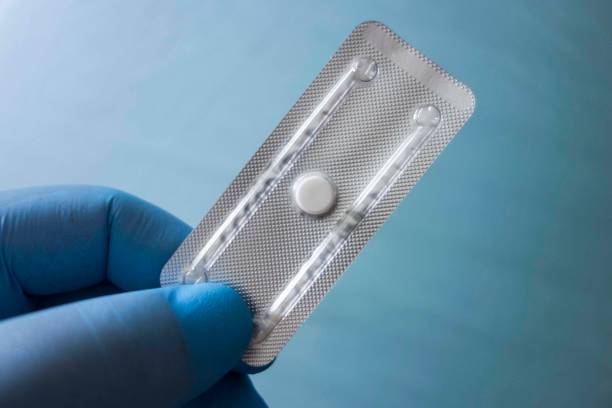
    The i-pill is an emergency contraceptive designed to reduce the risk of unintended pregnancy after contraceptive failure or unprotected sex. The active ingredient, levonorgestrel, works primarily by delaying or preventing ovulation, or by altering the uterine lining to prevent implantation. While it is generally safe when used correctly, some women may experience temporary side effects. This guide provides clear, reliable, and compassionate information to help you use the i-pill responsibly.

    i-pill Emergency Contraceptive

    What is the i-pill Emergency Contraceptive?

    i-pill is an emergency contraceptive that contains levonorgestrel, a synthetic hormone. It is designed to lower the chance of pregnancy after contraceptive failure (such as a condom breaking), missed contraceptive pills, or unprotected sex. i-pill is not the same as birth control pills, which should be taken regularly, and is meant for occasional use only.

    It’s worth noting that i-pill does not serve as ongoing pregnancy protection, nor does it serve as a substitute for standard long-acting birth control methods. It acts as a backup method by delaying ovulation or preventing fertilization and is effective only if taken as soon as possible after contraceptive failure or unprotected sex.

    How Does the i-pill Work?

    The i-pill emergency contraceptive contains levonorgestrel, a synthetic hormone that works primarily in two ways: by preventing or delaying ovulation (the release of an egg from the ovary) and by altering the cervical mucus, making it harder for sperm to reach the egg.

    The i-pill may also change the uterine lining in some cases, which would prevent a fertilized egg from implanting. It is important to note that the i-pill does not work if implantation has occurred; it will not be an abortion method. For best results, take it as soon as possible; best if taken within the first 12 hours after unprotected sex or contraceptive failure but must be taken within 72 hours (3 days) at most.

    How Effective is the i-pill?

    The i-pill is most effective when taken as soon as possible after unprotected sex or contraceptive failure. Studies suggest it can reduce the risk of pregnancy by up to 95% if taken within the first 24 hours. However, its effectiveness decreases over time, and it is still effective if taken within 72 hours (3 days) of the incident, but with reduced efficacy.

    It should be noted that the closer you are to ovulation when you take the i-pill, the less effective it is likely to be. This is why timing is extremely important, and it needs to be done to ensure its effectiveness. The i-pill is not 100% effective and should not be used as a main method of contraception.

    Common i-pill Side Effects

    Here are some common side effects: 

    • Breakthrough bleeding or spotting is one of the most frequently reported side effects. This refers to light vaginal bleeding that can occur between menstrual periods.
    • After taking the pill, you might experience mild nausea. This is typically temporary and tends to resolve on its own within a few hours.
    • The hormones in the i-pill (levonorgestrel) can sometimes trigger headaches or migraines, especially in individuals sensitive to hormonal changes.
    • Some women may notice changes in their menstrual cycle, including earlier, delayed, or irregular periods after taking the i-pill. This usually settles in the following cycle.
    • Other possible side effects include fatigue, breast tenderness, mood changes, or changes in vaginal discharge. A temporary dip in sexual desire may also occur in some cases.

    If you notice anything unusual or symptoms that concern you, consult your doctor for proper evaluation and guidance.

    Medicinal Benefits

    • The i-pill Emergency Contraceptive Tablet contains Levonorgestrel, a progestin hormone that helps prevent pregnancy when taken within 12 hours and no later than 72 hours after unprotected sex or contraceptive failure.
    • It works primarily by delaying or inhibiting ovulation. It may also alter the uterine lining, making it less likely for a fertilised egg to implant.
    • The i-pill does not work if pregnancy has already occurred and is not an abortion pill.
    • The i-pill is designed for single-use emergencies and not for continuous use. Levonorgestrel is also used in hormonal IUDs, but those are not i-pills. 

    Safety Precautions with the i-pill

    • Do not exceed the prescribed dosage.
    • Store in a cool, dry place away from sunlight and moisture.
    • Use the i-pill only in emergencies, as it contains a higher dose of hormones compared to regular contraceptives.
    • Do not confuse emergency contraceptive pills like the i-pill with regular birth control pills or abortion pills – they serve different purposes.

    i-pill vs. Regular Contraceptive Pills

    It’s important to understand the difference between emergency and regular contraception:

    • i-pill (Emergency Contraceptive): A one-time, high-dose pill used only after unprotected sex or contraceptive failure.

    • Regular Contraceptive Pills: Taken daily to maintain consistent hormone levels and prevent pregnancy over time.

    The i-pill is not a replacement for regular contraceptive methods.

    Closing Thoughts 

    The i-pill emergency contraceptive offers a safe and effective option to help reduce the risk of pregnancy following unprotected sex or contraceptive failure. Understanding its mechanism, potential side effects, and safety precautions is important for responsible use. At Medkart, we believe healthcare should be both accessible and affordable. That’s why we provide high-quality, DCGI-approved generic medicines that offer reliable protection at lower costs because your health should always be within reach.

    FAQs

    1. Is it safe to take an i-pill once?

    Yes. Taking the i-pill once, as directed, is generally safe as an emergency contraceptive. It is intended to reduce the chance of unplanned pregnancy after unprotected intercourse, and it is not for regular use.

    2. How effective is the i-pill if taken after 72 hours?

    It is effective if you take it in the first 24 hours after unprotected sex, but effectiveness rapidly decreases after 72 hours, and it is not recommended again after 72 hours. If more than 72 hours since unprotected sex have elapsed, see a healthcare provider for other options.

    3. Does the i-pill cause infertility in the future?

    No. When used occasionally and as directed, the i-pill does not affect long-term fertility or the ability to conceive in the future.

    4. What if I vomit after taking the i-pill?

    If you vomit within two hours of taking i-pill, the medicine may not have been absorbed. You should consult your health care provider to determine if you should take another dose.

    5. Can the i-pill protect against STIs or sexually transmitted infections?

    No. The i-pill only reduces the risk of pregnancy and does not provide any protection against HIV or other sexually transmitted infections. Condoms are the best way to reduce the risk of STIs.

  • Augmentin 625: Uses, Dosage and Safety Precautions

    Augmentin 625: Uses, Dosage and Safety Precautions

    Augmentin 625 is an antibiotic medicine that helps your body fight bacterial infections. This medicine is used to treat infections of the soft tissue, skin, urinary tract, nasal sinuses, ears, and lungs (such as pneumonia). It is not effective for viral infections like the common cold. This guide will explain how Augmentin 625 works, when it is prescribed, and what precautions you should follow. Augmentin 625

    What is Augmentin 625?

    Augmentin 625 is a combination antibiotic that contains two active ingredients: amoxicillin and clavulanic acid.
    • Amoxicillin: A penicillin-class antibiotic that works by inhibiting the synthesis of bacterial cell walls, which leads to bacterial cell lysis, particularly in actively growing bacteria.
    • Clavulanic acid:  This is a beta-lactamase inhibitor. It blocks specific bacterial enzymes (called beta-lactamases) that can inactivate amoxicillin, allowing the antibiotic to remain effective against resistant strains.
    Together, these two components form a broad-spectrum antibiotic combination. Augmentin 625 is used to treat a variety of bacterial infections, including those affecting the skin, urinary tract, respiratory tract, and more.

    Augmentin 625 Uses

    Augmentin 625 is prescribed by doctors to treat a wide range of bacterial infections caused by susceptible organisms. Some of the most common medical indications include:
    • Respiratory Tract Infections: Used to treat conditions like pneumonia, bronchitis, sinusitis, and tonsillitis.
    • ENT ( Ear, Nose, and Throat) Infections: Used to treat sinus infections, throat infections, and otitis media (middle ear infection).
    • Urinary Tract Infections (UTIs): Used to treat bacterial UTIs that cause symptoms like frequent or painful urination.
    • Soft and Skin Tissue Infections: Used to treat bacterial infections such as infected wounds, cellulitis, boils, and abscesses.
    • Joint and Bone Infections: Used to treat infections like septic arthritis and osteomyelitis caused by susceptible bacteria.
    • Dental Infections: Used to treat bacterial gum infections and tooth abscesses.

    How Does Augmentin 625 Work?

    Augmentin 625 works through the combination of amoxicillin and clavulanic acid. Amoxicillin inhibits the synthesis of bacterial cell walls, leading to bacterial death. Clavulanic acid inhibits beta-lactamase enzymes produced by some bacteria that would otherwise inactivate amoxicillin. This dual action makes Augmentin 625 effective even against resistant bacteria.

    Recommended Dosage of Augmentin 625

    The dosage of Augmentin 625 differs according to age, medical history, severity of infection, and weight. You must always follow your doctor’s prescription. Do not self-medicate. 
    • Adults and Adolescents (above 12 years): Usually, one tablet of Augmentin 625 is taken every 8-12 hours with food.
    • Children: Dosage is based on age and weight. Liquid suspensions are often preferred over tablets.
    • Elderly Patients: The dosage may be modified depending on kidney function.

    Important Tips for Taking Augmentin 625:

    • Take the tablet after meals to reduce stomach upset.
    • Do not miss doses, as irregular dosing can promote bacterial resistance.
    • Take the tablet whole with water.
    • Even if symptoms improve sooner, complete the entire prescribed course.

    Safety Precautions with Augmentin 625

    Augmentin 625 is generally safe when prescribed, but certain precautions should be considered:
    1. Allergy Check: Do not take this medication if you are allergic to amoxicillin, clavulanic acid, or other penicillins.
    2. Pre-existing Conditions: Inform your doctor if you have liver disease, kidney problems, or a history of jaundice.
    3. Breastfeeding and Pregnancy: Use only if prescribed by your doctor after carefully weighing risks and benefits.
    4. Drug Interactions: Augmentin 625 may interact with medicines such as allopurinol, methotrexate, or anticoagulants. Always share your full medical history with your doctor.
    5. Alcohol: Avoid alcohol, as it may increase side effects like stomach upset or dizziness.
    6. Diarrhoea Precaution: Antibiotics can disrupt normal gut bacteria, causing diarrhoea. Inform your doctor if diarrhoea is severe or watery.

    Possible Side Effects

    Augmentin 625 side effects may include: Common Side Effects 
    • Stomach Pain
    • Vomiting
    • Nausea
    • Diarrhoea
    These side effects are usually mild and temporary. If they persist or worsen, consult your doctor. Serious Side Effects  Though rare, Augmentin 625 can cause serious side effects, including:
    • Clostridioides difficile (C. diff) infection
    • Severe skin reactions
    • Liver problems
    If you experience any of these symptoms, seek medical assistance immediately. Allergic Reactions  Augmentin 625 may cause allergic reactions, which can include:
    • Difficulty breathing or shortness of breath
    • Swelling of the face, lips, tongue, or throat (angioedema)
    • Skin rash or hives
    • Severe itching
    • Fever (may indicate a more serious immune reaction)

    Why Doctors Prefer Augmentin 625

    Augmentin 625 is frequently prescribed by doctors because: 
    • It is effective against a wide variety of bacterial infections caused by susceptible organisms.
    • It works in situations where antibiotics like amoxicillin alone may not be effective due to bacterial resistance.
    • It is available in multiple forms (tablets, syrups, injections) suitable for patients of all ages.
    Find trusted Augmentin 625 and other quality medicines conveniently at Medkart.

    Augmentin 625 vs Other Antibiotics

    Augmentin 625 contains a unique combination of amoxicillin and clavulanic acid. Amoxicillin works by inhibiting the synthesis of bacterial cell walls, which helps eliminate susceptible bacteria. Clavulanic acid inhibits bacterial beta-lactamase enzymes that would otherwise degrade amoxicillin, thereby extending the antibiotic’s effectiveness. This combination allows Augmentin 625 to manage infections caused by bacteria that produce these enzymes.

    Closing Thoughts

    Augmentin 625 has been a reliable medication for decades to manage various bacterial infections. By understanding its correct dosage, usage, and precautions, you can use this medicine safely and effectively. Always take antibiotics only under proper medical supervision. When prescribed, it is important to complete the full course to help prevent antibiotic resistance and support recovery. At Medkart, we believe everyone deserves access to affordable and safe medicines. With quality generic options, you don’t have to compromise your health due to high prices.

    FAQs 

    1. Can Augmentin 625 be chewed or crushed?

    No. You should not chew or crush this tablet unless your doctor advises otherwise, as this may affect the medicine’s release and effectiveness. It is best to swallow the tablet whole with water.

    2. Can I take Augmentin 625 without a prescription?

    No. Augmentin 625 is an antibiotic. You should take it only if your doctor prescribes it. Self-medication may cause side effects or antibiotic resistance. 

    3. How long should I take Augmentin 625?

    The duration depends on the specific infection and the doctor’s instructions. The usual course lasts between 5 and 14 days. You should always finish the whole course, even if you start to feel better early. 

    4. Is Augmentin 625 safe during pregnancy?

    It may be advised during pregnancy if the benefits outweigh the risks. Always consult your gynecologist before taking this medicine.

    5. What should I do if I miss a dose of Augmentin 625?

    Take the missed dose as soon as you remember. If it is almost time for your next scheduled dose, skip the missed one and continue with your regular dosing schedule. Do not double the dose to make up for the missed one.
  • Vitamin E for Hair: Benefits, How to Use & Side Effects

    Vitamin E for Hair: Benefits, How to Use & Side Effects

    Looking for healthy, luscious locks? Vitamin E for hair might be all you need. This potent antioxidant is gaining a lot of attention for its potential to improve hair health. In this guide, we will explore vitamin E for hair benefits, how to use it effectively, plus the possible side effects to consider. 

    Vitamin E for Hair

    What Is Vitamin E?

    Vitamin E is a collection of 8 fat-soluble mixtures with potent antioxidant properties. It safeguards cells from oxidative harm caused by free radicals and perilous molecules that can lead to different diseases and cell ageing. Alpha-tocopherol is the most biologically active type of Vitamin E in humans.

    The antioxidant nature of vitamin E is especially helpful in hair care. It aids in fighting oxidative stress, which is a major factor in premature greying and hair fall. Vitamin E capsules for hair have become famous as topical treatments and dietary supplements.

    Benefits of Vitamin E for Hair

    Vitamin E capsules for hair can help in many ways. They feed your hair with nutrients and also take care of your scalp. Let’s see how they can make your hair healthier and stronger.

    1. May Help Reduce Hair Damage

    Daily environmental factors like heat styling, UV rays, and pollution can toll on your hair, which leads to split ends and breakage. The antioxidant properties of vitamin E may assist in protecting hair from this damage and keep it resilient and strong.  

    1. Prevents Premature Greying

    While more research is required in this zone, some studies indicate that vitamin E may aid in stopping premature greying of hair by safeguarding hair follicles from damage.

    1. Improves Scalp Health

    A healthy scalp is the basis for shiny, strong hair. Vitamin E can aid in maintaining the oil balance on the scalp, stopping it from becoming too oily or too dry. Also, it has anti-inflammatory properties that may lower flakiness, itchiness, and irritation. Applying Vitamin E to the scalp can dampen the scalp, calm inflammation, and improve follicle function.

    1. Adds Natural Shine

    Vitamin E restores the natural shine of damaged, dull hair by repairing the hair cuticle and enhancing hydration. Frequent use of Vitamin E capsules can give smoother and visibly glossier hair strands, which makes them look more vibrant and healthier.  

    1. Reduces Inflammation

    Vitamin E capsules are also anti-inflammatory. This property of the vitamin may relieve an aggravated scalp and ease conditions like scalp dermatitis.

    How to use vitamin E for your hair

    Vitamin E is easy to receive from a balanced diet. A lack of vitamin E is very rare because most people get enough during the day from enriched and whole foods. But if you want to target only your hair, you can apply vitamin E topically with oil, mask, conditioner, or shampoo.

    Topical Application

    Here are some steps on how to use a vitamin E capsule on hair: 

    • Pierce a vitamin E capsule with a needle and remove the oil.
    • Wash your hair with water using a gentle shampoo to clean the oil.
    • Mix vitamin E oil with any carrier oil like argan, olive, or coconut oil. This aids in spreading it evenly and improves absorption.
    • Now apply this solution to your hair and scalp, and massage gently using your fingertips.
    • Leave it there for a minimum of 30 minutes. You can also leave it overnight for a deeper treatment.

    Oral Consumption

    You can consume vitamin E capsules as a dietary supplement for supporting your overall hair health. It is crucial to talk to your doctor about the suggested dosage, because excessive intake can have side effects.

    Vitamin E Capsule for Hair: Side Effects

    Vitamin E capsules are usually safe when you use them correctly. But its excessive usage can cause certain problems. The side effects of Vitamin E capsule include:

    • Skin irritation: Applying vitamin E oil directly to the scalp can cause allergic reactions or irritation. Thus, you should always dilute it with any of your preferred carrier oils.
    • Allergic reactions: Some people may be allergic to vitamin E. Thus, you should perform a patch test on a small portion of your skin before directly applying it to your scalp. 
    • Oral consumption side effects: Consuming higher doses of vitamin E can cause headaches, blurred vision, weakness, fatigue, stomach cramps, diarrhoea, and nausea. It can also interact with certain medicines, thus always talk to your doctor before consuming vitamin E supplements.

    Closing Thoughts

    Vitamin E for hair is a natural way to support scalp health, strengthen strands, and improve shine. While there are various benefits of vitamin E, it is also important to use it safely. Consume vitamin E through dietary sources, use a topical solution, and get medical guidance before taking and using supplements. Hair health is not only about exterior care; it is also about nurturing your body from the inside. With the right balance of nutrients and reasonable access to medications at Medkart, you can look after your health with ease. Medkart has an extensive range of quality generic medicines that are available at low cost.

    FAQs

    1. Is vitamin E good for hair?

    Yes. Vitamin E is excellent for hair! Since it is a potent antioxidant, it safeguards your hair from damage and improves scalp circulation. It may also promote growth and lead to shinier, stronger, and healthier hair.

    2. Can vitamin E prevent hair loss?

    According to some research, vitamin E may aid in encouraging hair growth and stopping hair loss because of its potential to improve scalp circulation and antioxidant properties.

    3. How frequently should I use vitamin E on my hair?

    You can use it once or twice every week. For conditioners and shampoos containing vitamin E, you can use them more often. 

    4. Can I consume vitamin E capsules orally for hair growth?

    Yes. You can eat vitamin E capsules orally, but you should consult your doctor first for the right dosage. Absurd intake of vitamin E can have side effects.

  • Neurobion Forte: Benefits for Nerve Health & Vitamin Deficiency

    Neurobion Forte: Benefits for Nerve Health & Vitamin Deficiency

    Our bodies depend on a constant supply of minerals and vitamins to work properly. When there is a lack, even simple tasks like digesting food, focusing, or walking can feel challenging. One of the most common deficiencies people face is a lack of B vitamins. This is where  Neurobion Forte comes in. In this guide, we’ll explain what Neurobion Forte is, outline its benefits, and help you understand how it supports your overall and nerve health. Neurobion Forte

    What is Neurobion Forte?

    Neurobion Forte has a combination of 6 B vitamins:
    • Thiamine (vitamin B1)
    • Riboflavin (vitamin B2)
    • Nicotinamide (vitamin B3)
    • Calcium pantothenate (vitamin B5)
    • Pyridoxine (vitamin B6)
    • Cobalamin (vitamin B12)
    B vitamins are a bunch of water-soluble vitamins that are naturally present in different foods. Water-soluble implies that when your body absorbs what it can use of a vitamin, it expels the rest via your urine. Supplements that have this group of B vitamins are sometimes known as B-complex vitamins. 

    Neurobion Forte Benefits Backed by Science

    Here are some important Neurobion benefits that make it a trusted supplement:
    1. Supports Nerve Health
    Vitamins B12, B6, and B1 are important for nerve function. A deficiency may cause burning sensations, numbness, or tingling in the feet and hands. Neurobion Forte assists in restoring balance and supports healthy nerve signalling.
    1. Reduces Fatigue and Weakness 
    Feeling exhausted all the time can sometimes lead to low vitamin B levels. These vitamins are helpful to convert your food into energy, which ensures that your body works with less fatigue.
    1. Helps in Vitamin B Deficiency
    Poor diet, certain medical conditions, or stress can deplete vitamin B levels. Neurobion Forte replenishes these vitamins and reduces the risk of deficiency-related complications.
    1. Supports Brain Function
    Vitamins B6 and B12 are closely linked with brain health. They support neurotransmitter production, which can improve memory, focus, and overall mental clarity.
    1. Aids in Red Blood Cell Formation
    Vitamin B12 plays an important role in making healthy red blood cells. Low levels can cause anaemia, leading to pale skin, weakness, and shortness of breath.
    1. Boosts Immunity
    The blend of B vitamins strengthens your body’s defence system, helping it fight infections more effectively.
    1. Improves Skin and Hair Health
    Riboflavin, Niacin, and Biotin support skin repair, hair growth, and reduce dryness or irritation, giving you a healthier appearance.
    1. Reduces Stress and Improves Mood
    B vitamins support the production of “feel-good” brain chemicals like serotonin, which may ease stress and support emotional well-being.
    1. Promotes Overall Metabolism
    B vitamins help break down proteins, fats, and carbohydrates to support energy release and proper metabolism.

    When Do You Need Neurobion Forte?

    Not everyone needs supplements, but Neurobion Forte may be recommended if you experience:
    • Persistent fatigue or weakness
    • Tingling or numbness in the hands and feet
    • Poor concentration or memory issues
    • Stress-related vitamin depletion
    • Vitamin B deficiency confirmed by your doctor
    It is important to remember that while Neurobion Forte helps with vitamin replenishment, it should be taken under medical advice, especially if you are pregnant, breastfeeding, or on long-term medication.

    How to Take Neurobion Forte Safely

    • Dosage: Usually 1 tablet daily or as directed by your doctor.
    • Best Time: It can be taken after meals for better absorption.
    • Precaution: Never exceed the prescribed dose, as excessive intake of B vitamins may cause side effects like stomach upset or nerve irritation.
    • Always follow your doctor’s advice for safe use.

    Possible Side Effects

    Neurobion is usually safe when a person reads the label on the packaging. But, consuming higher amounts of B vitamins can lead to:
    • nerve damage
    • diarrhea
    • vomiting
    • nausea
    Extremely high amounts of B6 may lead to painful skin lesions, heartburn, and sensitivity to light. Allergic reactions are also a periodic side effect of B vitamin supplements. Any person who experiences the signs of an allergic reaction while consuming Neurobion should get medical attention immediately.

    Neurobion Forte vs. Natural Sources

    Supplements like Neurobion Forte are helpful, but a balanced diet is still the best way to get vitamins. Natural sources of B vitamins include:
    • Whole grains (brown rice, oats)
    • Leafy greens (spinach, kale)
    • Eggs and dairy products
    • Fish and lean meats
    • Nuts and seeds
    Think of supplements as support, not a replacement for nutritious food.

    Safe Use Tips

    • Do not self-medicate. Always talk to your doctor first.
    • Always take the prescribed dosage. 
    • Keep tablets in a dry, cool place. 
    • Pair with a balanced meal for optimum results.
    • Store below or at 25°C.
    • Do not overdose on the recommended dosage.
    • Keep it away from heat, moisture, and direct sunlight.
    • Keep the medicine out of reach of kids.
    • Read the label cautiously before use.

    Closing Thoughts

    Neurobion Forte is a reliable multivitamin that supports nerve health, prevents vitamin B deficiency, and improves energy. While it is effective and safe when you use it correctly, the best outcomes come from mixing it with a balanced diet and a healthy lifestyle. Keep in mind that your health is your choice, and having the right information aids you in making confident decisions. Medkart understands that health costs can feel overwhelming. That’s why we offer quality generic medicines at reasonable prices -without sacrificing on safety. Visit Medkart and check out reasonable choices like Neurobion Forte and other vital medicines.

    FAQs

    1. Can I take Neurobion Forte daily?

    Yes, but only as advised by your doctor. Do not exceed the prescribed dose.

    2. Is Neurobion Forte safe during pregnancy?

    It may be prescribed by a doctor if needed. Always consult your healthcare provider first.

    3. Does Neurobion Forte improve memory?

    It supports brain function and nerve health, which may improve focus and memory in cases of deficiency.

    4. Can Neurobion Forte cause side effects?

    Most people tolerate it well. Rarely, mild digestive issues or skin rashes may occur.

    5. Is Neurobion Forte a painkiller?

    No, it is not a painkiller. It is a vitamin supplement that supports nerve and overall health.
  • Vitamin E Capsules: 9 Health Benefits Backed by Science

    Vitamin E Capsules: 9 Health Benefits Backed by Science

    Vitamin E is a vitamin that is soluble in fat. It is naturally occurring in several foods like fruits, eggs, poultry, meat, cereals, and vegetable oils. This vitamin is needed for the proper functioning of several organs in the body. Also, it is an antioxidant. Vitamin E occurring naturally in food is dissimilar from synthetic vitamin E that is found in supplements. For many people, it can become challenging to get enough vitamin E via diet. That’s where vitamin E capsules come in. This guide will walk you through the top 9 vitamin E benefits supported by science. 

    Vitamin E Capsules

    9 Health Benefits of Vitamin E Capsules

    The benefits of vitamin E capsules include:

    1. Improved eye health

    Vitamin E plays a crucial role in guarding the cells in your eyes. Getting an adequate amount of vitamin E may support eye health as part of antioxidant intake. Just like the other body parts, your eyes require various nutrients and vitamins to work at their best. If you lack vitamin E, you may have a potential risk of certain eye conditions. In case of AMD (age-related macular degeneration), your eye doctor may suggest vitamins for eye health that comprise vitamin E and other vital nutrients.

    1. Supports the immune system

    You require immunity to combat sicknesses varying from the frequent cold to cancer. Vitamin E contributes to cellular antioxidant protection, which may support immune function. 

    1. Guarding against blood clots

    Vitamin E is usually considered a natural blood thinner. It may aid in lowering the chances of blood clot formation that could cause heart attacks. But this doesn’t imply that it should substitute prescribed blood-thinning medicines. Vitamin E capsules may help support heart health and could play a role in reducing the risk of clots, but their use should be guided by a doctor. If you want to prevent blood clotting, you should consult your doctor and get the right vitamin E capsules.   

    1. Brightening your skin

    There is a reason you find vitamin E listed on sunscreens, moisturisers and other skin care products. The vitamin is present in our natural skin oil or sebum and protects our skin cells from harm. Topical vitamin E nourishes you from the outside; however, eating foods rich in vitamin E can aid your skin from the inside. Vitamin E may work externally and internally to help your skin look great. 

    1. Powerful Antioxidant Support 

    Vitamin E is a strong fat-soluble antioxidant that protects your body from oxidative stress. It neutralises free radicals, which are nothing but unstable molecules that can harm cells, accelerate ageing, and cause different health problems. By protecting against cellular harm, Vitamin E aids in maintaining resilience and long-term health. Daily consumption of vitamin E capsules can help maintain healthy skin, may reduce the risk of chronic conditions, and boost the immune system, which makes it a vital nutrient for overall vitality and well-being.

    1. Supports Scalp Health and Hair Growth 

    Vitamin E capsules are recommended to boost hair health. They may help reduce dandruff or dryness, strengthen follicles, and improve scalp blood circulation. With daily use, they promote stronger, thicker, and shinier hair. An effective and simple way to naturally support healthy hair growth and preserve overall scalp nourishment.

    1. Improves Brain Function

    Many studies have shown that Vitamin E promotes better cognitive health and may decrease age-related memory decline. Its antioxidant properties safeguard brain cells from damage, which makes it advantageous for long-term mental wellness.

    1. Anti-Inflammatory Properties

    Vitamin E has natural anti-inflammatory effects, which can be advantageous for people suffering from chronic inflammatory conditions or arthritis. It aids in reducing cellular inflammation and oxidative stress and improving overall health and comfort.

    1. Supports Heart Health

    Vitamin E plays a role in protecting your heart by neutralising free radicals that can harm blood vessels. Some studies suggest that adequate vitamin E intake may help maintain healthy cholesterol levels and reduce oxidative stress, factors important for cardiovascular health. However, vitamin E supplements should never replace prescribed heart medications, and you should consult your healthcare provider before starting supplementation.

    Who should avoid taking vitamin E supplements?

    You must avoid taking vitamin E capsules if you are taking: 

    • Blood thinners: If you are taking an anticoagulant or blood thinner, additional vitamin E can increase your risk of bleeding.
    • Cholesterol medicines: Some research has discovered that an antioxidant supplement that has vitamin E can interfere with cholesterol-lowering medications, including niacin and statins.

    Also, it’s best not to consume vitamin E capsules if you are undergoing radiation therapy or chemotherapy, because the dosage may interfere with the efficiency of the cancer treatments.

    Closing Thoughts

    Vitamin E is more than a beauty nutrient – it’s an essential antioxidant that protects your cells, boosts immunity, supports heart and eye health, and promotes overall vitality. While a balanced diet should always be your foundation, vitamin E capsules can help fill nutritional gaps when needed. Armed with clear, science-backed knowledge, you now know how to choose wisely and use supplements safely. Remember: informed choices are powerful choices. Ready to make an informed choice for your health? Visit Medkart today to explore safe, affordable, and high-quality vitamin E capsules – and take a step toward better well-being without overspending.

    FAQs

    1. Can I take vitamin E capsules daily?

    Yes, but always follow the recommended dosage. Excess intake can lead to side effects.

    2. Do vitamin E capsules really help with skin health?

    Yes, they improve skin elasticity and reduce oxidative stress, especially when combined with a healthy lifestyle.

    3. Can vitamin E capsules improve fertility?

    Vitamin E supports reproductive health by protecting cells from oxidative damage, which may improve fertility.

    4. Are there side effects of vitamin E capsules?

    High doses may cause nausea, headaches, or bleeding issues. Stick to prescribed limits.

    5. Where can I buy affordable vitamin E capsules?

    You can find quality, DCGI-approved options at Medkart at much lower prices compared to branded versions.

  • Vitamin B12 Tablets: Top 10 Brands & How They Help Boost Energy

    Vitamin B12 Tablets: Top 10 Brands & How They Help Boost Energy

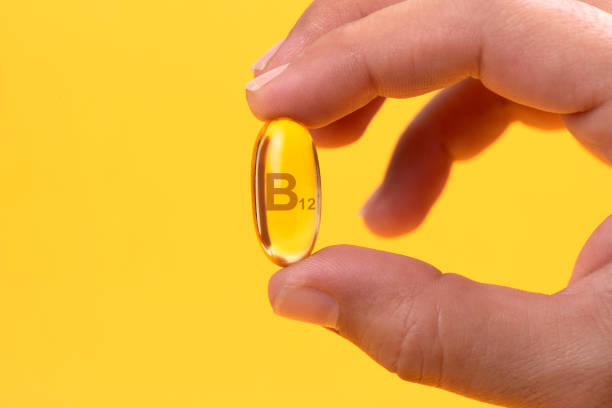
    Are you feeling low on energy, constantly tired or struggling with concentration? The reason for these conditions could be a Vitamin B12 deficiency. To support your health with vital nutrients, you should consume vitamin B12 tablets. These tablets play a crucial role in forming red blood cells and maintaining nerve health, while also helping to produce energy.

    These supplements restore your body’s reserves, support your health, and improve energy. With many options present in the market, it can feel overwhelming to choose the correct one. But don’t worry. This guide explains what vitamin B12 does, when you may require it, plus a list of the top 10 best vitamin B12 supplements.

    Vitamin B12 Tablets


    Why Vitamin B12 Matters for Energy & Health

    Vitamin B12 is an essential nutrient that your body cannot produce on its own. It should come from supplements or food. It supports:

    • DNA synthesis: Supports cell growth and repair.
    • Mood regulation: Vitamin B12 aids in reducing stress and improving focus.
    • Nervous system health: Vitamin B12 assists in keeping your brain and nerves working properly.
    • Energy production: Vitamin B12 also assists in converting your food into fuel for your body. 
    • Red blood cell formation: It helps prevent weakness and anaemia.

    When the level of Vitamin B12 drops in your body, you can experience symptoms like mood swings, poor memory, tingling feet or hands, fatigue and even shortness of breath.

    Signs You May Require Vitamin B12 Tablets

    You should consider vitamin B12 tablets if you: 

    • Take certain medicines (like antacids or metformin) that decrease absorption.
    • Have digestive problems like IBS, celiac disease, or gastritis.
    • You are above 50, because absorption lowers with age.
    • Follow a vegan or vegetarian diet (because B12 is mainly found in animal foods).
    • Experience pale skin or frequent dizziness.
    • Frequently feel tired or weak despite taking enough rest.

    If you experience any of these symptoms, you should check your B12 levels before taking supplements.

    Forms of Vitamin B12 in Supplements

    Not all vitamin B12 tablets are the same. They usually come in different forms:

    • Cyanocobalamin: The most common, effective, and affordable form.
    • Methylcobalamin: A naturally active form that is often used for nerve-related problems.
    • Hydroxocobalamin & Adenosylcobalamin: Less common, but sometimes prescribed for specific conditions.

    Each form is effective, but the best choice depends on your doctor’s advice and your body’s needs.

    Top 10 Vitamin B12 Tablets & Supplements

    Here’s a look at some of the most popular and trusted options. Remember, while brands differ, generic medicines provide the same effectiveness at a much lower cost.

    • Neurobion Forte – A well-known brand combining B12 with other B vitamins for nerve health.
    • Bevon Capsules – Contains B12 along with antioxidants and vitamins for overall energy support.
    • Mecobalamin Tablets (Generic B12) – Affordable and equally effective option available at Medkart.
    • Nurokind Plus – Often prescribed for weakness and nerve-related issues.
    • Healthvit Vitamin B12 – A vegetarian-friendly supplement option.
    • Revital H Woman with Vitamin B12 – Combines multivitamins with B12 for women’s health.
    • Cynocobalamin Tablets – Generic version that is safe and budget-friendly.
    • Evion with B12 – Popular for energy and skin health support.
    • Methylcobalamin Capsules – Commonly used for diabetic neuropathy and fatigue.
    • Supradyn with B12 – A daily multivitamin with added B12 for overall wellness.

    Benefits of Taking Vitamin B12 Tablets

    Vitamin B12 is a crucial nutrients that play a crucial role in maintaining your health. 

    • Energy Production: Vitamin B12 converts your food into energy and supports metabolic processes.
    • Brain Health: Vitamin B12 may improve cognitive function and lower cognitive decline.
    • Formation of red blood cells: Vitamin B12 prevents anaemia. It supports the formation of healthy blood cells.
    • Nervous System Health: Vitamin B12 helps healthy nerve cells and stops neuropathy.
    • Mental Health and Mood: Vitamin B12 reduces stress, enhances mood, and eases symptoms of anxiety and depression.
    • Heart Health: Vitamin B12 supports your cardiovascular health by increasing blood circulation.

    Possible Side Effects of Vitamin B12 Tablets

    Vitamin B12 is well-tolerated in recommended doses, but some people may experience mild side effects, such as:

    • Dizziness or Headache 
    • Upset stomach or nausea 
    • Mild diarrhea
    • Skin rash (rare)

    These are usually temporary. Always follow the advised dosage and talk to your doctor before starting.

    How to Select the Best Vitamin B12 Supplements

    When picking a vitamin B12 tablet, keep these factors in mind:

    • The first step is to always get the doctor’s recommendation 
    • Cyanocobalamin is affordable and effective. Methylcobalamin may be chosen for nerve-related issues.
    • Vegans or vegetarians may need daily supplementation.
    • Generic vitamin B12 tablets work great, like the branded ones, but cost less. 

    Closing Thoughts

    Vitamin B12 is vital for nerve health, energy, and overall health. Not getting enough vitamin B12 can make you feel tired, while the right B12 tablets can help restore energy and keep you balanced. With numerous options available, knowing the differences between generics and brands helps you make the best choice for your health. By getting DCGI-approved and trusted generics from Medkart, you can look after your health and save money. With Medkart, you will find budget-friendly, effective, and safe medications and supplements because your savings and health matter equally. 

    FAQs

    1. What is Soframycin Cream used for?

    Soframycin Cream is mainly used to treat skin infections, wounds, burns, ulcers, and minor cuts. It helps prevent bacterial growth and promotes faster healing.

    2. Can Soframycin Cream be applied to the face?

    Yes, it can be applied to the face for bacterial infections, but only under medical guidance. Avoid using it on large areas or for acne without a doctor’s recommendation.

    3. Are there any side effects of Soframycin Cream?

    Most people tolerate it well, but in rare cases, it may cause redness, irritation, or an allergic reaction. If these symptoms persist, consult your doctor.

    4. How often should I apply Soframycin Cream?

    The application depends on the severity of the infection. Generally, it is applied 2–3 times a day or as prescribed by your doctor.

    5. Can Soframycin Cream be used for fungal infections?

    No, Soframycin is an antibiotic cream effective against bacterial infections, not fungal ones. For fungal infections, your doctor may prescribe an antifungal cream.