Blog

  • Why is obesity considered as a lifestyle chronic disease ? |Chronic Disease

    Why is obesity considered as a lifestyle chronic disease ? |Chronic Disease

    what is obesityObesity – Lifestyle Chronic Disease

    Obesity is a complex condition that affects millions of people worldwide. This condition is caused by a combination of factors related to genetics, metabolism and the environment, and can lead to serious health problems if left untreated. But, by understanding what makes obesity a disease, you can take control of your health and work towards a healthier future.

    What Is Obesity and Why Is It Considered a Disease?

    Obesity is defined as an abnormal or excessive accumulation of fat that may impair health. Doctors use the Body Mass Index (BMI) to calculate body fat based on the height and weight of a person. If you have a BMI of 30 or higher, you are considered obese. Obesity is considered a disease due to the following reasons:

    Reasons why Obesity is considered a disease

    • Health problems: Obesity is a major risk factor for heart disease, stroke, type 2 diabetes and some forms of cancer.
    • Mental health impact: Studies have shown that people who are obese are more likely to suffer from depression, anxiety and low self-esteem.
    • Complex condition: Obesity is not only simply a result of overeating or a lack of physical activity. It is also influenced by a number of factors such as genetics, metabolism and the environment.

    Obesity Disease image

    Childhood Obesity: Understanding Obesity and its implications on Children

    Causes of Obesity (Lifestyle Condition)

    Some of the factors that lead to obesity include the following:

    • Genetics: Evidence shows that obesity can have genetic roots.
    • Metabolism issues: Some people may have a slower metabolism, which can make it difficult for them to burn calories effectively.
    • Unhealthy eating habits: Consuming an excessive amount of high-calorie foods and drinks can lead to weight gain.
    • Lack of physical activity: Leading a sedentary lifestyle can contribute to weight gain and increase the risk of obesity.
    • Environmental factors: The environment can play a role in the development of obesity. For example, the availability of unhealthy food options and the lack of time or place to exercise can contribute to weight gain.
    • Medications: Certain medications can lead to weight gain, such as some antidepressants and steroid medications.
    • Medical conditions: Some medical conditions, such as hypothyroidism, can slow metabolism and lead to weight gain.

    Symptoms of Obesity

    • Excess body fat: The most obvious symptom of obesity is the accumulation of excess body fat, especially around the waist and upper body.
    • Weight gain: A noticeable increase in body weight over time is a symptom of obesity.
    • Shortness of breath: Excess body fat can make it difficult to breathe, causing shortness of breath.
    • Fatigue: Obesity can cause a lack of energy and difficulty in staying active, resulting in fatigue.
    • Joint pain: Excess body weight can put pressure on the joints, causing pain and discomfort.
    • Type 2 diabetes: Obesity is a major risk factor for the development of type 2 diabetes.
    • High blood pressure: Obesity can increase the risk of developing high blood pressure, which can lead to heart disease and stroke.

    How to Control Obesity?

    Some of the lifestyle changes to control obesity are listed below:

    1. Healthy eating:

    Making changes to your diet is crucial in controlling obesity. Focus on eating whole, unprocessed foods and reducing your intake of high-fat and high-sugar foods.

    2. Increased physical activity:

    Regular exercise is an essential component of weight management. You should aim for at least 30 minutes of moderate-intensity physical activity, such as brisk walking, 5 days a week.

    3. Sleep:

    Getting enough sleep is important for maintaining a healthy weight. You should aim for 7 to 9 hours of sleep per night.

    4. Stress management:

    High levels of stress can lead to overeating and weight gain. You can try practicing stress-reduction techniques such as yoga, meditation or deep breathing.

    Although obesity is considered a disease because of its associated health problems requiring medical attention, it can be managed significantly with diet and weight loss, among other lifestyle changes. With more therapeutic options available now, obesity and its related conditions are easily manageable.

    Know more about my Medicines at Medkart, which is an online pharmacy platform that makes buying medicines easier and more convenient. Upload your prescriptions to the website, and Medkart will deliver quality generic medicines to your doorstep. To place your orders, download the app today!

    1. Why are people tentative about calling Obesity a disease?

    In general, obesity is considered a disease as it results in a condition that may add emphasis towards treatment with surgery or medications. However, obesity can be prevented by lifestyle changes, diet and exercise.

    2. What is morbid obesity?

    People with a BMI above 40 are considered to have morbid obesity. If someone’s BMI lies between 35 and 39.9, they may have a severe health condition and are considered morbidly obese.

    3. What are the common causes of childhood obesity?

    Lifestyle factors such as consuming too many calories from food and insufficient physical exercise are the main causes of childhood obesity.

  • Childhood Obesity – What is the impact of obesity on children’s health?

    Childhood Obesity – What is the impact of obesity on children’s health?

    Childhood Obesity

    Overview – Childhood Obesity 

    Childhood obesity is a global issue. By 2030, India is expected to have 27 million children with obesity. The effects of obesity on the body can be quite harmful. Obesity can cause health conditions such as diabetes, high blood pressure, and high cholesterol. These were earlier considered adult health problems. Sadly, that’s no longer the case.

    However, the good news is that obesity is a lifestyle disease and thus can be prevented and controlled with the right steps. Changes in dietary styles and lifestyle habits can keep children healthy, active, and away from obesity. Also, greater awareness about health can help parents make better choices for keeping their children healthy and avoid future health problems.

    Read on to learn about the effects of childhood obesity and how to prevent it.

    What is childhood obesity?

    Obesity is when the body stores excessive fat. The Body Mass Index helps determine if one is obese. If the BMI crosses 25, a person is considered overweight. If it crosses 30, the person is considered to have obesity.

    Obesity has proven to pose several health complications. Some of the primary issues are related to the heart and hormones. This is for both adults and children. But obesity among children is more concerning since their body is in the developing stage. Thus, hormonal disbalance in children can cause greater health risks.

    The effects of obesity on the body and the mind can impact your child’s overall well-being. Obesity is also a leading concern for teenage depression, body dysmorphia, and poor self-esteem.

    What causes childhood obesity?

    Childhood Obesity is a lifestyle disease. Several lifestyle factors contribute to this issue.

    1) Diet:

    The excessive consumption of high-calorie foods can lead to childhood obesity. Some examples are burgers, pizzas, cakes, pastries, cookies, and candies. Unfortunately, these have gained extreme popularity among children today.

    2) Lack of exercise:

    Lack of participation in sports or an active lifestyle is another cause of this lifestyle disease. Children spend more time indoors, glued to their screens. This lack of activity leads to childhood obesity and mental health issues.

    3) Family environment:

    Children whose parents and siblings are overweight or have obesity are likely to put on weight. Moreover, an environment where high-calorie food is preferred and physical activity is not encouraged increases the possibility of children developing weight issues.

    4) Environmental factors:

    Feeding practices at home influence a child’s eating habits. Increased consumption of processed food at home and proximity to food outlets and supermarkets increase the risk of obesity among children.

    5) Psychological factors:

    Stress owing to parental and study issues can leave the children emotionally disturbed. It can lead to anxiety, depression, or boredom. To cope with such difficult feelings, children often tend to overeat, which can cause excess weight gain, and eventually obesity.

    What are the effects of childhood obesity?

    The impact of obesity on children can be a major one. Some of them are as follows:

    1) Type 2 diabetes:

    Excessive body fat makes muscles and tissues resistant to insulin and increases the risk of diabetes. Diabetes is the body’s inability to process glucose. It is a harmful effect of obesity on the body and can lead to eye disease, nerve damage, and kidney disease.

    2) High cholesterol and blood pressure:

    Earlier considered adult health problems, high cholesterol and high blood pressure are now frequent among children with obesity. Foods high in fat and salt cause an increase in blood pressure and cholesterol levels. Cholesterol leads to the development of fatty deposits in the arteries, which blocks blood flow and leads to heart disease.

    3) Breathing problems:

    Asthma is common among children with obesity. Extra fat around the abdomen and the chest restricts the airway causing difficulty in breathing. The fat tissue produces inflammatory substances that affect the lungs and increase the risk of asthma.

    4) Joint pain:

    Excess weight puts pressure on the joints and causes stiffness and pain. It also limits the child’s movement, damages the cartilage early in life, and leads to arthritis.

    5) Menstrual issues:

    Girls with obesity may attain puberty at a comparatively earlier age. Obesity may also cause uterine fibroids and menstrual irregularities in the future.

    Summing up

    Parents are the best role models for children as they can inspire their children to follow a healthy lifestyle. Increase awareness among your children regarding their health and teach them the importance of staying physically fit and active. To start with, instilling healthy eating habits in children can prevent the effects of obesity on the body. Preventing weight gain in childhood goes a long way in ensuring your child’s physical, mental, and emotional well-being.

    Visit Medkart for more such interesting reads today!

    FAQs related Childhood Obesity

    1. How does childhood obesity affect the quality of life?

    Childhood obesity causes chronic health problems. Furthermore, it affects the emotional and mental health of children. Children suffer from poor self-image and self-esteem. They may also experience bullying, depression, and loneliness.

    2. How early does obesity start in childhood?

    Obesity in children begins between 2 and 6 years. A study shows how most adolescents become overweight and develop obesity by age 5.

    3. How can obesity in childhood be prevented?

    Obesity in childhood can be prevented by following a healthy diet and lifestyle. This would include,

    • Limiting high-calorie and high-fat foods
    • Including fruits, vegetables, whole grains, pulses, and nuts.
    • Staying well-hydrated
    • Engage in regular physical activity for at least 60 minutes every day.
    • Replace sugary drinks with homemade milkshakes or smoothies.
    • Reducing screen time to ensure proper sleep
  • Tips To Control Your Blood Pressure Or Lower Risk Of Hypertension

    What is hypertension?

    High blood pressure, or hypertension, is a health condition that requires attention as it can increase your risk of heart attack and stroke. It is important to consult your doctor to determine if your blood pressure is too high, as ideal blood pressure values are ≥140/90 mmHg.

    Fortunately, you can make many lifestyle changes and take natural remedies to reduce your risk of hypertension. Here is a guide on how to lower blood pressure and reduce the risk of hypertension.

    1. Exercise regularly

    Regular exercise is one of the easiest and most effective ways to reduce your risk of hypertension. Aim for at least 30 minutes of exercise daily, and stay active throughout the day. This can include walking, jogging, swimming, or any other activity that increases your heart rate. Inactive individuals should gradually increase their physical activity intensity and duration to minimize the risk of injury and cardiac events.

    2. Reduce sodium intake

    Consuming a high amount of salt can result in elevated sodium levels, leading to high blood pressure. You should decrease your salt intake to a daily maximum of 5 grams or less. Avoid processed and packaged foods, which may contain large amounts of sodium. You should also reduce your intake of salty snacks and savoury foods, such as papads, chips, chutneys, dips, and packaged pickles. Instead, opt for fresh, whole foods like fruits, vegetables, lean proteins, and whole grains.

    3. Limit alcohol and avoid tobacco

    Both alcohol and tobacco use can raise blood pressure and increase the risk of hypertension. Smoking and smokeless tobacco use contribute to elevated blood pressure. If you’re trying to lower your blood pressure, avoiding tobacco entirely is advisable. Daily alcohol consumption should be limited as much as possible, with no more than one drink per day.

    Get adequate sleep

    Getting enough sleep is an important part of managing your blood pressure. Rotating and night shifts at work are linked to hypertension, as they can worsen the impact of insufficient sleep on blood pressure. Aim for seven to eight hours of uninterrupted sleep each night. You can improve sleep by following a consistent sleep schedule, engaging in physical activity, not consuming food/drink before bed, and creating a cool, dark, and quiet sleep environment.

    Eat healthy fats

    Omega-3 fatty acids can help lower your blood pressure. Sources of omega-3s include fish, flaxseed, canola oil and walnuts. Incorporating heart-healthy options like non-fat dairy, fish, poultry, beans, nuts, and vegetable oils into your diet can make a big difference. On the other hand, steer clear of high-saturated fat foods such as fatty meats, full-fat dairy and tropical oils like coconut, palm kernel, and palm oils for a happier, healthier heart.

    Your blood pressure can be managed

    High blood pressure affects millions of people in India. Therefore, it is important to know how to lower blood pressure. Fortunately, you can take some steps, such as eating a healthy and balanced diet, avoiding alcohol and smoking, and getting regular physical activity.

    Additionally, natural remedies such as meditation, yoga, and other relaxation techniques can help to reduce stress and blood pressure.

    Frequently, hypertension requires medical intervention before it can be controlled solely through lifestyle interventions. This is because the heart is a critical organ and needs safeguarding from hypertension. It is important to consult a doctor to determine the best treatment plan to reduce your risk of medical issues associated with high blood pressure. Subsequently, with the right lifestyle changes, lowering your blood pressure and reducing the risk of hypertension is possible.

    Know more about your Medicines at Medkart, which is an online pharmacy platform that makes buying medicines convenient & cost-effective. To place your orders, download the app today!

    FAQs

    How to lower blood pressure by changing my diet and cooking practices?

    Studies have shown that consuming five portions of fruits and vegetables daily and low-fat dairy can help lower your blood pressure. It is also important to limit food high in sodium, saturated fats, trans fats, sugar or preservatives.

    You should utilize healthy oils such as sunflower, mustard, or groundnut oil. You can make alterations to cooking methods, such as removing fatty parts of meat, using vegetable oil, boiling, steaming, or baking instead of frying, and limiting the reuse of oil for frying.

    Can natural remedies such as meditation help lower blood pressure?

    Yes. Meditation, yoga, deep breathing and other relaxation techniques can help to reduce stress and blood pressure.

    How to lower blood pressure by monitoring weight?

    Maintaining a healthy weight is crucial for managing blood pressure, as being overweight can increase blood pressure and cholesterol levels. The body mass index (BMI) calculates a person’s weight relative to height. A high BMI may indicate excessive body fat. In Asian populations, people with a BMI of 23.0 kg/m2 or higher are considered overweight, and people with a BMI of 25.0kg/m2 or higher are considered obese, which is lower than WHO standards.

  • जीवनशैली में 5 बदलाव जो आज आप स्वस्थ जीवन के लिए ला सकते हैं

    जीवनशैली में 5 बदलाव जो आज आप स्वस्थ जीवन के लिए ला सकते हैं

    आज की भागदौड़ भरी जिंदगी में तनाव मानव जीवन का एक अनिवार्य पहलू है। लगातार व्यस्त जीवन, जंक फूड का सेवन, चिंता और नींद की कमी प्रचलित हो गई है, जिससे अस्वास्थ्यकर जीवन या बीमारियों से भरा जीवन हो गया है। भले ही पुराने रीति-रिवाजों से छुटकारा पाना चुनौतीपूर्ण हो, लेकिन एक स्वस्थ जीवनशैली आपको अधिक ऊर्जा, बीमारियों से लड़ने की क्षमता और बेहतर मानसिक स्वास्थ्य प्रदान कर सकती है। यदि आप अपने स्वास्थ्य की बेहतर देखभाल करने की कोशिश करते हैं या स्वस्थ जीवन शैली अपनाने के लिए खुद को अडिग बनाते हैं, तो आप अपनी उत्पादकता बढ़ाएंगे और बेहतर महसूस करेंगे। अपने आज और भविष्य को बेहतर बनाने के लिए एक स्वस्थ जीवन शैली को एक आदत बनाएं। बेशक! कोई भी अपने बुढ़ापे में बिस्तर पर नहीं रहना चाहता। इसलिए, एक स्वस्थ जीवन शैली पाने के लिए, इन पांच जीवनशैली में बदलाव करने चाहिए।

    1. खुद को पोषण दें:

    अच्छे भोजन और उचित पोषण में बहुत बड़ा अंतर है। आप परिष्कृत खाद्य पदार्थों को समाप्त करके और ताजे फल और सब्जियों, साबुत अनाज, हर्बल प्रोटीन और स्वस्थ पॉलीअनसेचुरेटेड वसा के साथ शरीर को पोषण देकर अपने स्वास्थ्य और जीवन की समग्र गुणवत्ता को बढ़ा सकते हैं। जब आप खुद को ठीक से खाते हैं, संसाधित भोजन का सेवन कम करते हैं, और हाइड्रेटेड रहते हैं, तो आपका शरीर एक मजबूत प्रतिरक्षा प्रणाली विकसित करता है, उत्पादकता बढ़ाता है और आपको चार्ज रखता है।

    खुद को पोषण देने के लिए रोजाना अपने शरीर को नीचे दिए गए खाद्य पदार्थ दें।

    • नाश्ता कभी न छोड़ें; नाश्ते में फल और प्रोटीन लें, अपने दिन की शुरुआत ऊर्जा के साथ करें।

    • मौसमी फल और सब्जियां तब खाएं जब उनका पोषण स्तर चरम पर हो। इसके अलावा, फलों और सब्जियों का सेवन बढ़ाएं क्योंकि वे विटामिन, खनिज, एंटीऑक्सिडेंट और फाइबर की शरीर की आवश्यकताओं को पूरा करते हैं।

    • ओमेगा-3 खाद्य पदार्थ जैसे सूखे मेवे, ग्राउंड फ्लैक्स, चिया सीड्स, समुद्री शैवाल, और सैल्मन शामिल करें।

    • दुबले और उच्च गुणवत्ता वाले प्रोटीन जैसे दाल, बीन्स, क्विनोआ, सोया उत्पाद, नट्स, अंडे का सफेद भाग, इत्यादि चुनें।

    • सुबह की सूरज की किरणों या सप्लीमेंट्स से अपने शरीर को विटामिन डी दें।

    • आंतों के माइक्रोफ्लोरा को उत्कृष्ट पूर्व और प्रोबायोटिक्स जैसे दही, सुसंस्कृत सब्जियां, प्रीबायोटिक खाद्य पदार्थ जैसे लहसुन, प्याज, मटर, साबुत अनाज, आदि प्रदान करके पोषण दें।

    • पानी अपने वजन और चिकित्सकीय स्थिति के अनुसार पिएं। पानी शरीर के विषाक्त पदार्थों को साफ कर सकता है; मस्तिष्क समारोह में वृद्धि; मांसपेशियों को सक्रिय करें; वजन नियंत्रित करें, और शरीर के तापमान और तरल पदार्थों को संतुलित करें। आमतौर पर प्रति दिन लगभग 8 कप या 64 औंस पानी पीने की सलाह दी जाती है।

    2. सक्रिय रहें:

    आप कितना व्यायाम करते हैं इसके साथ ही शारीरिक रूप से सक्रिय होना भी उतना ही आवश्यक है। इसलिए, सुबह कड़ी मेहनत करने के बाद, अपने डेस्क, अपनी कार या सोफे पर लंबे समय तक बैठने की दिनचर्या का पालन न करें। परिसंचरण को बढ़ाने, तनाव के स्तर को कम करने और तंदुरूस्ती की भावना में सुधार करने के लिए चलते रहें। बेशक, व्यायाम आपके स्वास्थ्य को बेहतर बनाने, दीर्घायु और सामान्य रूप से भलाई को बढ़ावा देने का एक सही तरीका है। लेकिन गतिहीन गतिविधियों को शारीरिक गतिविधियों से बदलकर, आप अपने जीवन में अधिक गति जोड़ सकते हैं।

    • कॉफी ब्रेक में पावर वॉक करें; टहलना आखिरकार सबसे अच्छा व्यायाम है

    • काम से हर 60 से 90 मिनट में ब्रेक लें और इसी तरह कुछ स्ट्रेचिंग करें।

    • जब भी समय मिले स्क्वैट्स या प्लैंक करें। लिफ्ट की जगह सीढ़ियों का इस्तेमाल करें।

    • रोज सुबह 30 मिनट व्यायाम करें।

    • खेलकूद खेलें या ज़ुम्बा, एरोबिक्स, दौड़ना, लंबी पैदल यात्रा, नृत्य आदि जैसे कुछ ऊर्जावान व्यायाम करें।

    Active Lifestyle

    3. नींद को दें प्राथमिकता

    शोध के अनुसार, 40% महिलाएं और 50% पुरुष नींद की कमी या अनिद्रा से पीड़ित हैं। कारण तनाव या कुछ भी हो सकता है, लेकिन आपको यह समझने की जरूरत है कि नींद स्वस्थ रहने का सबसे शक्तिशाली साधन है। क्‍योंकि अच्‍छी नींद तनाव को दूर करने में मदद कर सकती है, आपको बेहतर शारीरिक और मानसिक स्‍वास्‍थ्‍य प्रदान करती है, आपकी कार्यकुशलता और उत्‍पादकता को बढ़ाती है, और प्रतिरक्षा को भी बढ़ाती है। इसके अलावा, यह भी देखा गया है कि जो व्यक्ति हर रात अच्छी नींद लेता है वह दूसरों की तुलना में अधिक खुश महसूस करता है।

    • नींद को प्राथमिकता दें, सोने का शेड्यूल बनाएं और चाहे जो भी हो हर दिन उस समय सोएं।

    • कैफ़ीन, निकोटिन और अल्कोहल से दूर रहें। ये सभी आपकी नींद में खलल डाल सकते हैं।

    • अपने कंप्यूटर, टैबलेट, फोन, या ई-रीडर को डिस्कनेक्ट करें और सोने से पहले स्नान या हल्की रीडिंग के साथ आराम करें।

    • शांत नींद का प्रयास करें क्योंकि यह शरीर के नींद चक्र को रीसेट करने में मदद करती है और अस्थायी रूप से आराम को बढ़ावा देती है।

    5. धूम्रपान और शराब छोड़ें या कम करें:

    शायद आप व्यायाम करते हैं और नियमित रूप से स्वस्थ भोजन करते हैं। क्या आप जानते थे कि धूम्रपान और शराब पीने जैसी गलत आदतों से आप उन अच्छी आदतों को पूर्ववत कर सकते हैं? धूम्रपान या बहुत अधिक शराब का सेवन छोड़ना आसान नहीं है लेकिन इसे कम करने की कोशिश करें। तम्बाकू या शराब से संबंधित स्वास्थ्य संबंधी खतरे बाद के जीवन तक स्पष्ट नहीं होते हैं। नियमित रूप से धूम्रपान और शराब पीने से कैंसर का खतरा बढ़ जाता है, अच्छा कोलेस्ट्रॉल कम होता है, आपकी रक्त वाहिकाएं सिकुड़ जाती हैं, आपको सांस की बीमारियां होती हैं, इत्यादि। आपके शरीर को होने वाले नुकसान की शुरुआत सिर्फ एक सिगरेट पीने से होती है। कुछ लोगों का मानना ​​है कि शराब दिल के लिए अच्छी होती है, लेकिन ऐसा नहीं है। रेड वाइन में प्राकृतिक एंटीऑक्सीडेंट होने के बावजूद यह कम मात्रा में ही फायदेमंद होता है। अत्यधिक शराब के सेवन से उत्पादकता में कमी, खतरनाक नशे में ड्राइविंग व्यवहार और यहां तक ​​कि हिंसक व्यवहार भी हो सकता है।

    • प्रतिदिन एक कम सिगरेट लेकर धूम्रपान कम करने का प्रयास करें।

    • जब आप धूम्रपान या शराब पीने की इच्छा महसूस करें तो कुछ खेल खेलें।

    • निकोटीन रिप्लेसमेंट थेरेपी लें।

    • शराब के सेवन की सीमा निर्धारित करें।

    • अपने दोस्त या कॉलेज से धूम्रपान या शराब पीने के लिए ना कहना सीखें।

    Avoid Smoking and  Drinking

    सार

    याद रखें, अपनी जीवनशैली को बदलना आसान नहीं है। अचानक, आप नई आदतें नहीं बनाने जा रहे हैं, और इसमें समय लगेगा। धैर्य रखें और ऊपर बताए गए बदलावों को जीवन में लाने की कोशिश करें। यह न भूलें कि जीवन को स्वस्थ बनाना दीर्घकालिक प्रतिबद्धता है, और स्वस्थता और जीवन की गुणवत्ता के प्रति दीर्घकालिक समर्पण के बिना, आप स्वस्थ परिवर्तन नहीं कर सकते। इसलिए खुद पर भरोसा रखें और चलते रहें। स्वस्थ रहें!

  • 10 Ways to Prevent High Blood Pressure (Hypertension) |Generic Medicine for Hypertension

    10 Ways to Prevent High Blood Pressure (Hypertension) |Generic Medicine for Hypertension

    Prevent High Blood Pressure

    Hypertension or high blood pressure is very common in the adult population. It can result in potentially fatal conditions like a heart attack or stroke. Since there are typically no symptoms, you may be unaware of the condition. However, the good news is that you can prevent hypertension by making healthy lifestyle changes. The preventive measures for hypertension are categorised into two types: Primary prevention of hypertension and Secondary prevention of hypertension. Let’s read further about the preventive measures for hypertension.

    Primary prevention of High Blood Pressure (hypertension)

    It involves making simple changes to your lifestyle and eating habits to prevent hypertension. The most effective strategies include:

    1) Physical activity:

    Regular physical activity, such as brisk walking, jogging, cycling, and swimming, can help lower your blood pressure and keep it under control. Aim to get at least 30 minutes of moderate-intensity exercise most days of the week.

    2) Maintaining a healthy diet:

    Eating a diet that is low in salt, fat, and cholesterol can help lower your blood pressure. Focus on eating fresh fruits and vegetables, whole grains, lean protein, and low-fat dairy products.

    3) Maintaining the right emotion:

    Every disorder has its roots in the mind. Likewise, in some cases, high blood pressure can be a psychosomatic disorder. Some common characteristics include aggressive behaviour and becoming upset, angry, or anxious when things do not go as planned. Try to control your emotions by practicing mindfulness, meditation, yoga, and breathing techniques. This will help prevent hypertension.

    4) Keeping your weight in check:

    Being overweight or obese can increase your risk of developing hypertension. Maintaining a healthy weight through diet and physical activity can help lower your risk.

    5) Getting proper sleep:

    Proper sleep every night can reduce the risk of hypertension, diabetes, heart disease, and stroke. Sleep helps prevent hypertension by relaxing your senses.

    6) Avoiding stress:

    Stress can wreak havoc on your health. Overall, it can increase your heart rate and your risk of developing hypertension. Practice mind relaxation techniques and meditation to avoid stress.

    7) Quitting smoking:

    Smoking is a major risk factor for developing hypertension, as well as other serious health problems. Quitting smoking can help prevent hypertension.

    8) Reducing alcohol intake:

    Drinking too much alcohol can cause your blood pressure to increase. Reduce your intake of alcohol to keep your blood pressure under control.

    9) Cutting back on salt intake and processed foods:

    The more salt you consume, the higher your blood pressure. Avoiding high-sodium packaged and processed foods helps maintain weight and prevent hypertension.

    10) Monitoring your blood pressure and heart health markers regularly:

    One of the most critical aspects of maintaining stable blood pressure is regular monitoring. At times, sudden stress can lead to spikes in our blood pressure. However, consistently high blood pressure is different from a one-time spike and should be monitored closely. Also, if you experience symptoms like neck pain, restlessness, or mild to moderate breathing issues, monitoring your blood pressure regularly could be life-saving.

    Secondary prevention of hypertension

    Secondary prevention of hypertension is for people who have been diagnosed with the condition. It involves taking antihypertensive medications to lower blood pressure levels and maintain them within the normal range. If you are hypertensive, you must take your medications exactly as prescribed and follow up with your doctor frequently to prevent the risk of complications, such as heart disease and kidney disease. In addition, follow the primary prevention strategies to maintain your blood pressure levels.

    Conclusion

    Hypertension is a serious condition and should not be taken lightly. Fortunately, you can take measures to prevent hypertension and reduce your risk of complications. Try to avoid the risk factors of high blood pressure, such as obesity, a sedentary lifestyle, unhealthy eating habits, drinking, smoking, and stress. Cut down on high-sodium and processed foods. Engage in moderate physical activity and get a good night’s sleep. If your blood pressure still does not improve, consult a doctor to prevent hypertension and take medications as prescribed.

    Visit Medkart Pharmacy, India’s most reputable pharmacy, for all of your medical needs.

    FAQs related to High Blood Pressure (Hypertension)

    1. What are the signs of hypertension?

    Hypertension may not lead to specific symptoms in some people and can go unnoticed. Some symptoms of severe hypertension may include:

    • Double vision or blurred vision
    • Lightheadedness/Fainting
    • Fatigue
    • Headache
    • Palpitations in the heart

    2. What are the stages of hypertension?

    To prevent hypertension, know these stages of hypertension:

    • Normal BP: Less than 120 (systolic) and 80 (diastolic)
    • Elevated BP: 120 to 129 (systolic) and below 80 (diastolic)
    • Stage 1 hypertension: 130 to 139 (systolic) or 80 to 89 (diastolic)
    • Stage 2 hypertension: 140 or higher (systolic) or 90 (diastolic)
    • Hypertensive crisis: A reading higher than 180 (systolic) and/or 120 (diastolic)

    3. At what time of the day is our blood pressure the highest?

    A person’s blood pressure typically starts to increase a few hours before they wake up. It peaks at around noon. Blood pressure typically drops in the late afternoon and evening.

  • Is there any Ayurvedic treatment available for HIV? | Ayurvedic Medicine for HIV

    Is there any Ayurvedic treatment available for HIV? | Ayurvedic Medicine for HIV

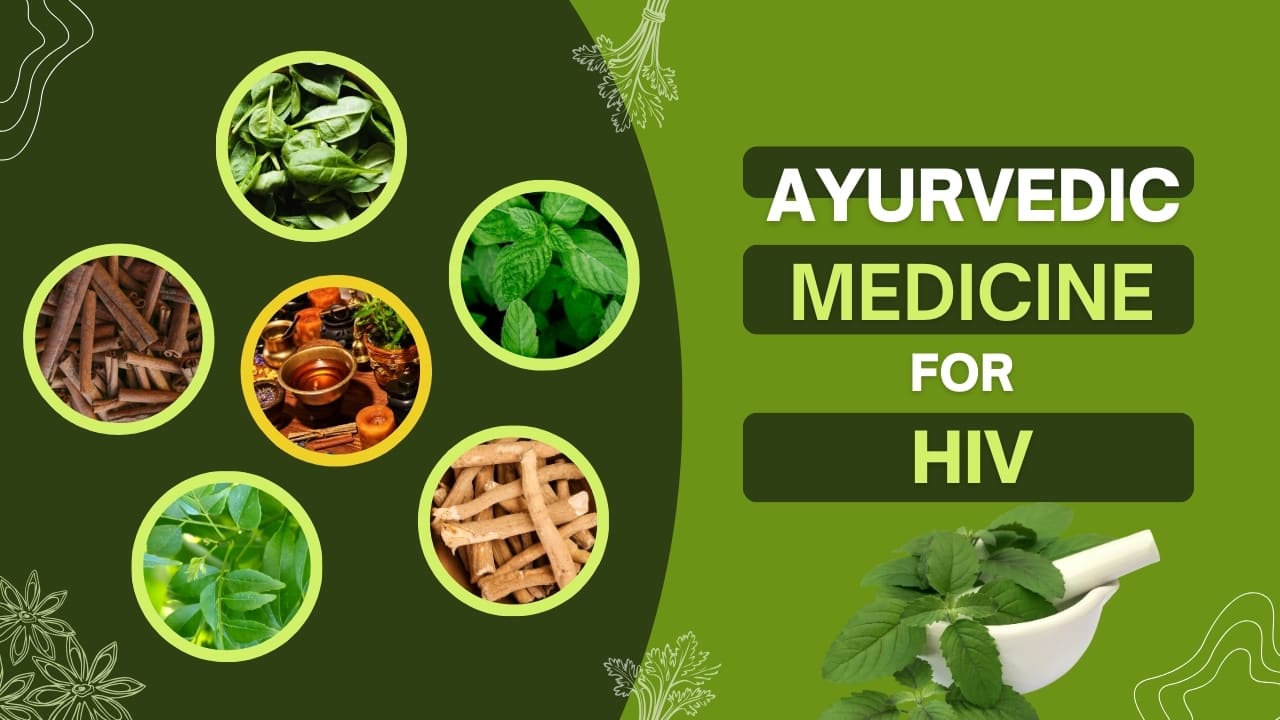
    ayurvedic medicine for HIV imageAyurvedic Treatment for HIV : Scientists believe that the human immunodeficiency virus (HIV) traces its origins to a virus seen in chimpanzees in Africa during the 1930s. They believe it was originally transmitted to humans through blood perhaps during hunts. In the 1980s, when certain types of pneumonia were being reported, the world became more aware of the disease.

    In 1982, the disease was renamed Acquired Immune Deficiency Syndrome (AIDS). World over, HIV infection has claimed 40 million lives so far. There is no cure for HIV infection though there is HIV Treatment. In India, the number of People Living with HIV (PLHIV) is around 24 lakhs.

    What is HIV?

    HIV is a virus. It attacks the body’s immune system, and if left untreated can lead to AIDS. There is currently no effective cure, but proper medical care can help control HIV.

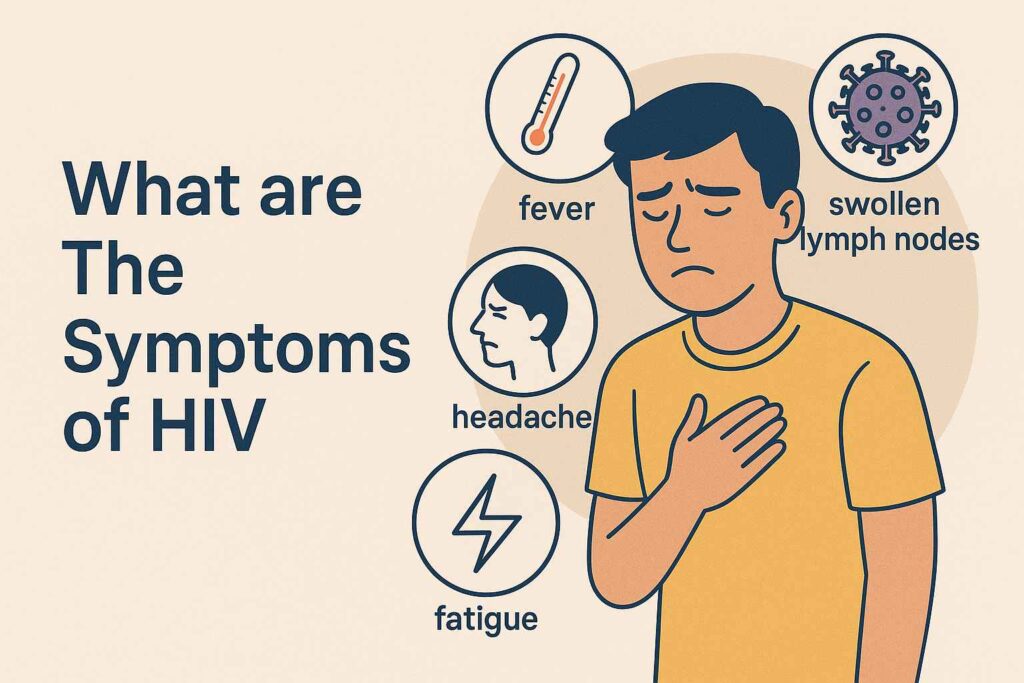
    What are HIV Symptoms?

    The HIV Symptoms are:

    • Fever
    • Night sweats
    • Chills
    • Rash
    • Muscle aches
    • Sore throat
    • Fatigue
    • Swollen lymph nodes

    How do people get or transmit HIV?

    You can get HIV by coming into direct contact with body fluids from a person who is HIV positive and who has a detectable viral load. The HIV in these fluids gets into the bloodstream of an HIV-negative person through the mucous membrane of the rectum/mouth/vagina/anus through cuts or sores or by a syringe.

    The fluids through which HIV is transmitted are

    • Blood
    • Semen and pre-seminal fluid
    • Rectal fluids
    • Vaginal fluids
    • Breast milk

    Is there an HIV Cure In Ayurveda?

    Ayurveda practitioners are experimenting with ways to tackle HIV and they have been reported periodically in the media. Some Ayurvedic hospitals are following an approach where they allow the virus to remain in the patient’s body but work on increasing tolerance to the virus. But it is still not certain if there is an HIV Cure In Ayurveda.

    What are Ayurvedic immuno-stimulants?

    Some Ayurveda practitioners claim certain plants can help boost the body’s immunity. They are classified as immuno-stimulants. They are listed as ashwagandha (Withania somnifera), satawar (Asparagus racemosus), kohka (Semecarpus anacardium), and patal kunda (Pueraria tuberosa). Ayurvedic practitioners claim that using plants to create a certain formulaic Ayurvedic Medicine For HIV would help build immunity against the virus.

    The bottom line though is that none of the results has been proven and there is no scientifically reported evidence of Ayurvedic Medicine For HIV. HIV continues to remain incurable. A word of caution: Do consult a medical doctor before embarking on Ayurvedic Treatment For HIV or stopping any treatment you are currently on for HIV.

    Also Read:

    What are some of the reported Ayurvedic treatments for HIV?

    There are certain precautions that Ayurvedic practitioners suggest as a treatment for HIV. They are:

    • Provide patients with a healthy living environment
    • Give the patient easily digestible food
    • Eliminate toxins using shodhana techniques such as purgation and enemas
    • Stick to a diet that includes ghee and soups
    • In the diet, avoid oily, spicy, and acidic food items

    > Consult a Doctor and Medkart will help you Order Medicines Online

    Is Chyawanprash an effective Ayurvedic Treatment For HIV?

    Several practitioners suggest Chyawanprash as an Ayurvedic Treatment For HIV. Chyawanprash is a rejuvenation tonic. It contains 35 Ayurvedic herbs as well as Indian gooseberry, which is rich in vitamin C and naturally occurring antioxidants and is therefore antifungal, antiviral and antibacterial. Chyawanprash has no side effects, say the practitioners. But if you are HIV positive and wish to make modifications or additions to your diet, do so in consultation with a doctor. This is possibly the most propagated Ayurvedic Treatment For HIV.

    Conclusion

    HIV targets the body’s immune system and is today considered a major global public health issue. But keep in mind HIV though not curable is preventable. If you think you are at risk, get yourself tested. Did you find this blog useful? Explore the world of health at Medkart, the country’s most trusted medical store.

    Read: What are Generic Medicines?

    FAQs on Ayurvedic Medicine for HIV

    1. What should I do if I think I have HIV?

    The first step is to get tested. If you are positive, you can tackle the illness early and therefore have better chances at leading a more fulfilling life. HIV tests are relatively painless. If you test negative, then educate yourself on how HIV can be prevented and how your risk of getting HIV in the future can be minimized.

    2. How does HIV not spread?

    HIV does not spread through:

    • Air
    • Water
    • Insect bites
    • Mosquito bites
    • Saliva
    • Tears
    • Sweat
    • Urine
    • Faeces
    • Shaking hands
    • Drinking fountains

    3. What are some herbs from Ayurveda that can help build immunity?

    Three herbs used in Ayurveda to build immunity and in the management of HIV are:

    • Shatavari: Also called the Indian asparagus, it is believed to stimulate immune cells
    • Guduchi: Its scientific name is Tinospora cordifolia and is supposed to help maintain sufficient levels of white blood corpuscles
    • Kalmegh: Its scientific name is Andrographis paniculata, and it is known for its immunomodulatory properties.

    Related Links:

  • Types of Cardio exercises and 5 health benefits of cardio workout with tips

    Types of Cardio exercises and 5 health benefits of cardio workout with tips

    Nowadays, many youngsters hit the gym to get a desire body. Exercise becomes a part of those people’s life who wants to get in shape. But anyone knows that other than a sculptural building, physical activity provides fitness and health too. People who are thin or have an excellent body naturally do not prefer to do exercise as they believe they do not need it. But every one of us since birth needs muscle movements for growth and healthy blood circulation. For example, small babies get full body massage immediately after some days of birth so their bodies can grow better and blood reaches to every corner of the body quickly. Even in specific injuries, people are being recommended to perform physiotherapy. So from infants to older people, everyone has to do exercise for good health.

    benefits of cardio workout

    Types of cardio workout for healthy life 

    1) Running

    Running is a popular form of cardio exercise that can be done almost anywhere. It’s a high-impact exercise that can help to improve cardiovascular health, burn calories, and improve endurance.

    2) Cycling

    Cycling is a low-impact exercise that can be done indoors or outdoors. It’s a great way to improve cardiovascular health, burn calories, and tone the lower body.

    3) Swimming

    Swimming is a low-impact exercise that can help to improve cardiovascular health, build endurance, and tone the entire body. It’s also a great option for people with joint pain or injuries.

    4) Jumping Rope

    Jumping rope is a high-impact exercise that can help to improve cardiovascular health, burn calories, and improve coordination. It’s a great option for people who want to exercise at home and don’t have access to a gym.

    5) High-Intensity Interval Training (HIIT)

    High-intensity interval training (HIIT) is a form of cardio exercise that involves short bursts of high-intensity exercise followed by periods of rest. It’s a great way to burn calories and improve cardiovascular health in a short amount of time.

    High-Intensity Interval Training

    Benefits of cardio exercises 

    Regular exercises maximize not only breathing but also heart rate and, ultimately, it leads to increased blood flow and oxygen to muscles and heart. Also, gradually, the capacity of our heart increases to pump faster, which makes the heart strong. Blood vessels of the body widen to supply more blood towards muscles and the heart. Certain hormones start to release and keep the body healthy.

    Simple walking cannot do the changes mentioned above; an exercise that increases heart rate and breathing can make us healthy. They are known as cardio exercises that can be Aerobic, Zumba, gym workout, jogging, swimming, dancing, and so on. There are many key benefits of being active:

    1. Improves immunity and endurance:

    Cardio, in any form, helps to enhance the immune system. Regular exercise improves lymphatic drainage, which is responsible for removing toxins from the body, ultimately resulting in a good immune system. Also, regular physical activities increase immunoglobulins in the body which are antibodies that strengthen the immune system. Make you less prone to viral diseases like cold and flu.

    Besides, regular exercise releases hormones called endorphins into the blood and energize your body for the whole day. This energy improves the strength and stamina of the body. When one exercise regularly, after specific periods, total body endurance improves. The capacity to work for long hours increases without feeling tired as lung capacity also increases.

    2. Reduces the risk of diseases/ manage diseases:

    Nowadays, many of us suffer from BP, diabetes, cholesterol, and other age-related or stress-related medical problems. However, with the help of cardio, one can not only control the advancement of such diseases but also reduce the risk of developing them in healthy bodies. For example, regular exercise enhances insulin release and sugar digestion. It also lowers blood pressure by making the heart strong. Healthy people who have not yet become the victim of such diseases can keep them at bay by doing cardio.

    Additionally, constant exercise improves bone density, which, in return, reduces the risk of osteoporosis. Exercise improves pain tolerance which becomes beneficial for arthritis patients. Physiotherapy is always recommended to arthritis patients as it helps them to deal with chronic pain. Also, skin health improvement has been noticed due to cardio. So this way, exercise helps in combating many diseases.

    3. Improves mental health:

    Cardio acts as tranquilizer to many people, as it increases happy hormones called serotonin and epinephrine. So exercise regularly can cure depression, relieve anxiety issues, and make a happier mental state.

    Exercise has been proven vital for patients with Alzheimer’s disease and schizophrenia. This is because exercise increases blood flow and oxygen supply to the brain which enhances brain cell growth hormones, especially the hippocampus. This way, it improves memory and brainpower. Also, daily physical activity boosts cognitive performance. If one does cardio regularly, he or she can not only make a peaceful mental state but also keep away her/himself from stress-related diseases.

    4. Strengthens Cardiovascular health:

    Cardiovascular health is directly related to the heart. The heart is the most important muscle of the body. Cardio, as the name suggests, is most advantageous to the heart muscle. Regular cardio makes a heart strong to pump more blood without fatigue or increased heart rate.

    Also, exercise helps to clear plaque accumulation by raising good/HDL cholesterol levels. It also reduces bad/LDL levels and makes the cardiovascular system healthy.

    5. Promotes Quality Sleep:

    If someone has a problem with sleep, doctors always advise them to do cardio during the day or at least two to three hours before bedtime. Exercise reduces stress levels and anxiety. It makes the body relax lowers cortisol levels and helps you to fall asleep faster.

    Daytime exercise makes you tired at the end of the day and gives you deep sleep. Also, cardio is done two hours before sleeping causing a temperature rise at the moment, and after two, a drop in temperature triggers sleepiness. This way, the quality of sleep improves which is beneficial to overall wellbeing.

    Role of good sleep, workout and healthy diet in living a healthy life

    How to Perform Cardio Workouts Easily

    1) Choose the Right Exercise

    The first step in performing a cardio workout is to choose the right exercise. There are many different types of cardio exercises, Some popular cardio exercises include running, cycling, swimming, and jumping rope.

    2) Warm Up

    Before you start your cardio workout, it’s important to warm up your muscles. A good warm-up should last between 5 and 10 minutes and should include dynamic stretching exercises such as jumping jacks, lunges, or leg swings. A warm-up helps to increase blood flow and oxygen to the muscles, making them more pliable and less prone to injury.

    3) Set a Goal

    Setting a goal is important for any workout, including cardio workouts. Having a goal in mind can help you stay motivated and focused during your workout. Your goal may be to run a certain distance, cycle for a certain amount of time, or burn a certain number of calories.

    4) Start Slow

    It’s important to start slow when performing cardio workouts, especially if you’re new to exercise or haven’t worked out in a while. Begin at a low intensity and gradually increase your speed and intensity as your fitness level improves.

    5) Incorporate Intervals

    Interval training is a great way to boost your cardio workout’s intensity and burn more calories. Interval training involves alternating between high-intensity exercise and low-intensity exercise. For example, you might sprint for 30 seconds and then walk for 30 seconds.

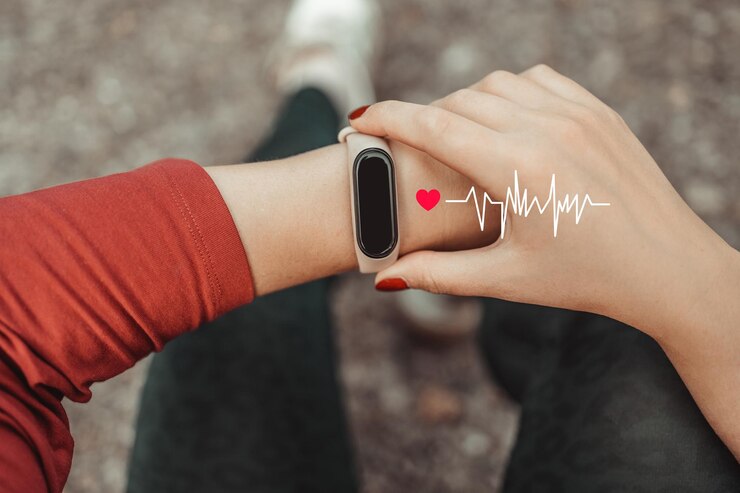
    6) Monitor Your Heart Rate

    Monitoring your heart rate during a cardio workout is essential to ensure that you’re exercising at the right intensity. Your target heart rate should be between 50% and 85% of your maximum heart rate. To calculate your maximum heart rate, subtract your age from 220.

    7) Cool Down

    After you’ve completed your cardio workout, it’s important to cool down your muscles. A good cool-down should last between 5 and 10 minutes and should include static stretching exercises such as hamstring stretches
    Monitor Your Heart Rate

    Tips for Success in exercise routine

    1) Consistency is Key

    Consistency is the key to success when it comes to cardio workouts. Engaging in regular cardio workouts, at least three to four times a week, is essential to see results.

    2) Mix It Up

    Mixing up your cardio workouts can help to prevent boredom and keep your body challenged. Try different exercises, intensity levels, and durations to keep your workouts interesting and effective.

    3) Listen to Your Body

    Listening to your body is essential when performing cardio workouts. If you feel pain or discomfort, stop and rest. It’s also important to stay hydrated and fuel your body with healthy foods.

    4) Set Realistic Goals

    Setting realistic goals is important to stay motivated and achieve success. Start with small, achievable goals and gradually increase the intensity and duration of your workouts as your fitness level improves.

    Conclusion

    Exercise provides fantastic benefits to the body from the inner level to the pouter levels. Regular cardio, in any form- sports, aerobics, cycling, and jogging can give you a happy, healthy, active, and successful life by making the above-mentioned healthy changes to the body.

    1) benefits of doing cardio exercise every day.

    Regular cardio exercise, done daily, offers a multitude of benefits such as improved heart health, weight loss, reduced stress levels, boosted energy levels, and improved lung function. It also helps to increase endurance, improve sleep, reduce the risk of chronic diseases, and promote overall physical and mental wellbeing.

    2) why is cardio good for your heart?

    Cardio exercises increase the heart rate, which in turn improves blood flow and strengthens the heart muscle. This helps to reduce the risk of heart disease, lower blood pressure, and improve cholesterol levels. It also increases the heart’s ability to pump oxygen and nutrients to the body’s tissues.

    3) what does cardio do to your muscles?

    Cardio exercises primarily target the cardiovascular system, but they also have an impact on muscles. It improves endurance, increases oxygen and nutrient delivery to muscles, and enhances the ability to use stored energy. It can also lead to a reduction in muscle mass if combined with a calorie deficit diet. However, resistance training is more effective in building and maintaining muscle mass.

    4) benefits of cardio during weight loss

    Cardio exercises are beneficial during weight loss as they burn calories and promote fat loss. It also helps to maintain muscle mass, increases metabolism, reduces appetite, and improves mood. Regular cardio workouts can lead to sustainable weight loss and a healthy body composition.

    5) 10 benefits of aerobic exercise?

    • Improves Heart Health – Aerobic exercise strengthens the heart, improving its ability to pump blood and reducing the risk of heart disease.
    • Weight Loss – Aerobic exercise burns calories, aiding in weight loss and promoting a healthy body composition.
    • Increased Stamina – Regular aerobic exercise improves endurance, making daily activities easier.
    • Reduced Stress – Aerobic exercise releases endorphins, reducing stress and promoting a better mood.
    • Improved Lung Function – Regular aerobic exercise strengthens the lungs, increasing oxygen delivery to the body.
    • Better Sleep – Aerobic exercise promotes better sleep quality, improving overall health.
    • Reduced Risk of Chronic Diseases – Regular aerobic exercise can reduce the risk of chronic diseases such as diabetes, obesity, and hypertension.
    • Increased Immune Function – Aerobic exercise can improve immune function, helping to fight off infections.
    • Enhanced Cognitive Function – Regular aerobic exercise can improve cognitive function, including memory and attention.
    • Longer Life – Studies have shown that regular aerobic exercise can increase lifespan by reducing the risk of chronic diseases and promoting overall health.

  • High Blood Pressure(Hypertension) in Young | Reasons and Treatment

    High Blood Pressure(Hypertension) in Young | Reasons and Treatment

    High Blood Pressure in Young

    High Blood Pressure (Hypertension)

    Hypertension is a medical term used to describe high blood pressure. It is a common condition that affects millions of people around the world. It can affect people of all ages, including young adults and children.

    Many factors can contribute to hypertension, including lifestyle choices, genetics, and underlying health conditions. In some cases, it can be challenging to determine the causes of high blood pressure in young adults. However, treatments available can help lower blood pressure and reduce the risk of complications.

    What is hypertension and how does it affect young adults?

    The main difference between high blood pressure in young adults and older adults is that in the case of high blood pressure at a young age, diastolic BP (lower BP) is greater in contrast to systolic BP (upper BP), whereas in older adults, it is the opposite. Hypertension in young adults is frequently considered dangerous because it typically develops over time without warning signs.

    7 High blood pressure facts you should be aware about | Hypertension

    Symptoms of hypertension in young people

    Several symptoms can be seen due to hypertension in young adults, which can vary depending on the severity of the condition. In some cases, young people with hypertension may experience no symptoms. In other cases, the following symptoms may be present:

    • Headaches
    • Dizziness
    • Nausea or vomiting
    • Vision problems
    • Fatigue or weakness
    • Chest pain or tightness

    If you are experiencing any of these symptoms, it is essential to see your doctor so that they can properly diagnose and treat your condition.

    Generic Medicines in India and How to Identify Generics

    Causes of high blood pressure in young adults

    Causes of hypertension in young adults include the following:

    • Genetics: High blood pressure can be hereditary.
    • Obesity: Being obese or overweight can increase the risk of developing high blood pressure.
    • Poor diet: A diet low in fruits and vegetables and high in salt can lead to hypertension. Obesity and a high-calorie diet lead to artery narrowing, high blood pressure, and high blood sugar and cholesterol deposits.
    • Lack of exercise: A sedentary lifestyle (i.e., lack of movement) raises the risk of developing hypertension.
    • Substance abuse: Using illegal drugs, alcohol, and smoking tobacco can all increase the risk of developing high blood pressure.
    • Chronic stress: Long-term stress can cause blood pressure to rise.

    High blood pressure can be brought on by sleep apnea, a sleeping disorder in which your breathing repeatedly pauses and resumes.

    Disorders of the adrenal glands: The adrenal gland produces hormones that control bodily functions such as heart rate, metabolism, and stress management. Disorders of the adrenal gland, like primary aldosteronism (i.e., overproduction of aldosterone), lead to an imbalance of potassium levels in the body and causes hypertension.

    How is hypertension treated in the young?

    Young adults with hypertension should aim for similar treatments as other age groups. Hypertension in young adults can be treated in several ways, including lifestyle changes, medications, or a combination of both.

    Some of the lifestyle changes for hypertension in young adults include :

    • Maintaining a healthy diet that includes plenty of fruits, vegetables, and whole grains
    • Exercising regularly
    • Maintaining a healthy body weight
    • Limiting alcohol consumption
    • Quitting smoking
    • Reducing stress
    • Medication may be prescribed if lifestyle modifications are insufficient to control blood pressure. Drug classes frequently prescribed include beta-blockers, calcium channel blockers, ACE inhibitors, and diuretics.

    Conclusion

    Hypertension, or high blood pressure, can occur in people of any age, including young adults. However, the causes of hypertension in young patients can differ from those in older patients. It is important to check your blood pressure regularly if hypertension is a common lifestyle disease in your family. Also, avoid excess salt and processed food and maintain an active lifestyle. Working with your doctor to create a treatment plan that works for you is also important. Understanding the causes of high blood pressure in young adults is the first step toward managing the condition.

    Medkart pharmacy is India’s most trusted medicine store to buy generic medicines at competitive prices. Log on to Medkart for all your medicines today!

    FAQs related high blood pressure in young

    1. What are the symptoms of hypertension in young adults?

    The symptoms of hypertension in young adults can vary depending on the severity of the condition. In some cases, young people with hypertension may experience no symptoms. In other cases, symptoms such as headaches, dizziness, nausea or vomiting, vision problems, fatigue or weakness, and chest pain or tightness may be present.

    2. What are the reasons why young people are at risk for hypertension?

    There are many causes of high blood pressure in young adults. Genetic factors, increasing obesity due to poor lifestyle factors such as processed foods, and alcohol consumption put you at risk of hypertension.

    4. What are the complications of hypertension?

    In many cases, hypertension has no symptoms and is only discovered during a routine medical checkup. However, if left untreated, high blood pressure at a young age can lead to serious health complications such as heart disease, stroke, and kidney failure.

  • Can Thyroid Disorders Be Managed By Lifestyle Changes?

    Can Thyroid Disorders Be Managed By Lifestyle Changes?

    Thyroid Disorders image

    Thyroid disorders are prevalent across the world. They make up a significant portion of all endocrine conditions. Research says thyroid diseases affect nearly 42 million people in India. The common causes of thyroid-related health conditions are – lifestyle, diet, eating habits, stress, iodine deficiency, autoimmune diseases, etc.

    ​Studies suggest that making lifestyle changes, such as maintaining a healthy body weight, exercising, eating right, and sleeping well, play a crucial role in thyroid management. Although thyroid disorders are often lifelong, you can manage them by modifying your diet and lifestyle alongside medication.

    Read on to learn about the changes you can incorporate into your daily routine to keep thyroid issues at bay. However, before moving on, let us get to know more about the thyroid gland.

    The thyroid gland and its function

    The thyroid gland is a butterfly-shaped gland that sits at the base of your neck. It constitutes a significant part of your endocrine system and produces three vital hormones T3, T4, and calcitonin. These hormones regulate your metabolism and other bodily functions.

    When this gland secretes too little or too high amounts of these hormones and develops inflammation or outgrowths, it may indicate thyroid disorders.

    List of Thyroid disorders

    Some of the most common thyroid-related conditions include the following:

    1. Hypothyroidism: The thyroid gland produces less than normal amounts of hormones
    2. Hyperthyroidism: The thyroid gland releases excess amounts of hormones
    3. Thyroid tumours: Non-cancerous outgrowths on the thyroid gland
    4. Hashimoto’s thyroiditis: An autoimmune condition that damages the thyroid gland leading to hypothyroidism and goitre (enlarged thyroid gland).

    Lifestyle changes to incorporate For Proper Management of thyroid disorders

    Lifestyle changes to manage thyroid disorders

    1. Tame your stress levels.

    Your thyroid works as a team with your adrenal gland (located on the top of your kidneys). When you are stressed, the adrenal gland releases cortisol, a stress hormone. When cortisol level goes up in your blood, it is likely to interfere with thyroid hormone secretion. Thus, to keep thyroid disorders at bay, it is crucial to manage your stress and anxiety levels. Including activities like yoga, meditation, and morning or evening walks can help.

    2. Too much sugar can be bitter on your thyroid gland.

    Excessive sugar intake may cause inflammation in your body, which eventually affects the conversion of T4 to T3. To kick-start your metabolism, your body needs to convert T4, the inactive hormone, to T3, the active one. When you have inflammation, the conversion of T4 to T3 slows down. This worsens the signs and symptoms of hypothyroidism. Therefore, cut down on your sugar intake to ensure a healthy thyroid gland.

    3. A healthy and iodine-rich diet can help maintain your thyroid gland function

    Your thyroid function largely relies on iodine. If your diet does not contain adequate iodine, you may develop hypothyroidism or goitre. Therefore, you need to include iodine-rich foods in your diet. These include dairy products, seaweed, shrimp, tuna, etc. However, if you suffer from hyperthyroidism, you may be prescribed a low-iodine diet. To help you maintain a healthy weight, eat fresh fruits, vegetables, whole grains, and lean protein. If you suffer from hypothyroidism, avoid soy-based foods; vegetables like cabbage, cauliflower, and broccoli; and frozen and processed food.

    4. Physical fitness is the way to good health

    Physical fitness is an important aspect of maintaining your health. So, whether you have a thyroid disorder or not, regular exercise can be beneficial. It helps improve your muscle mass, strength, cardiovascular health, and mood. When it comes to managing symptoms of a thyroid-related condition, cardio exercises are the safest bet. However, make sure to consult your doctor before starting any particular workout regime.

    To sum up

    If you have been diagnosed with thyroid disease, which is a chronic condition, do not worry. You can control your symptoms and lead a healthy and happy life with proper medication and lifestyle changes. Follow a healthy diet, exercise in moderation but regularly, and manage your stress levels with yoga and meditation. Consult your doctor routinely and take your prescribed medicines at the same time each day.

    To order your thyroid medications online, visit Medkart, India’s leading and most trusted online pharmacy that sells generic medicines at competitive prices. Visit their website to Know more about my Medicines and place your orders on the Medkart App.

    Frequently Asked Questions related Thyroid disorders

    1. What foods to steer away from if you have a thyroid disorder?

    If you suffer from hypothyroidism, to manage the health of your thyroid gland, you need to avoid certain food products. These include the following:

    • Cruciferous vegetables
    • Soy-based foods
    • Frozen meats
    • Processed foods

    If you suffer from hyperthyroidism you may have to follow a low-iodine diet and avoid foods like:

    • cheese
    • milk
    • eggs
    • iodized salt
    • saltwater fish

    2. Is drinking alcohol advisable if you have a thyroid disorder?

    Excessive alcohol intake can affect your thyroid function to a great extent. Therefore, it is wise to avoid it and drink occasionally in moderation if you have to.

    3. Which gland produces the Thyroid Stimulating Hormone (TSH)?

    Your pituitary gland produces the TSH. As the name suggests, it stimulates your thyroid gland to secrete T4 and T3 hormones.

  • What are The Symptoms of HIV? When Do They First Appear?

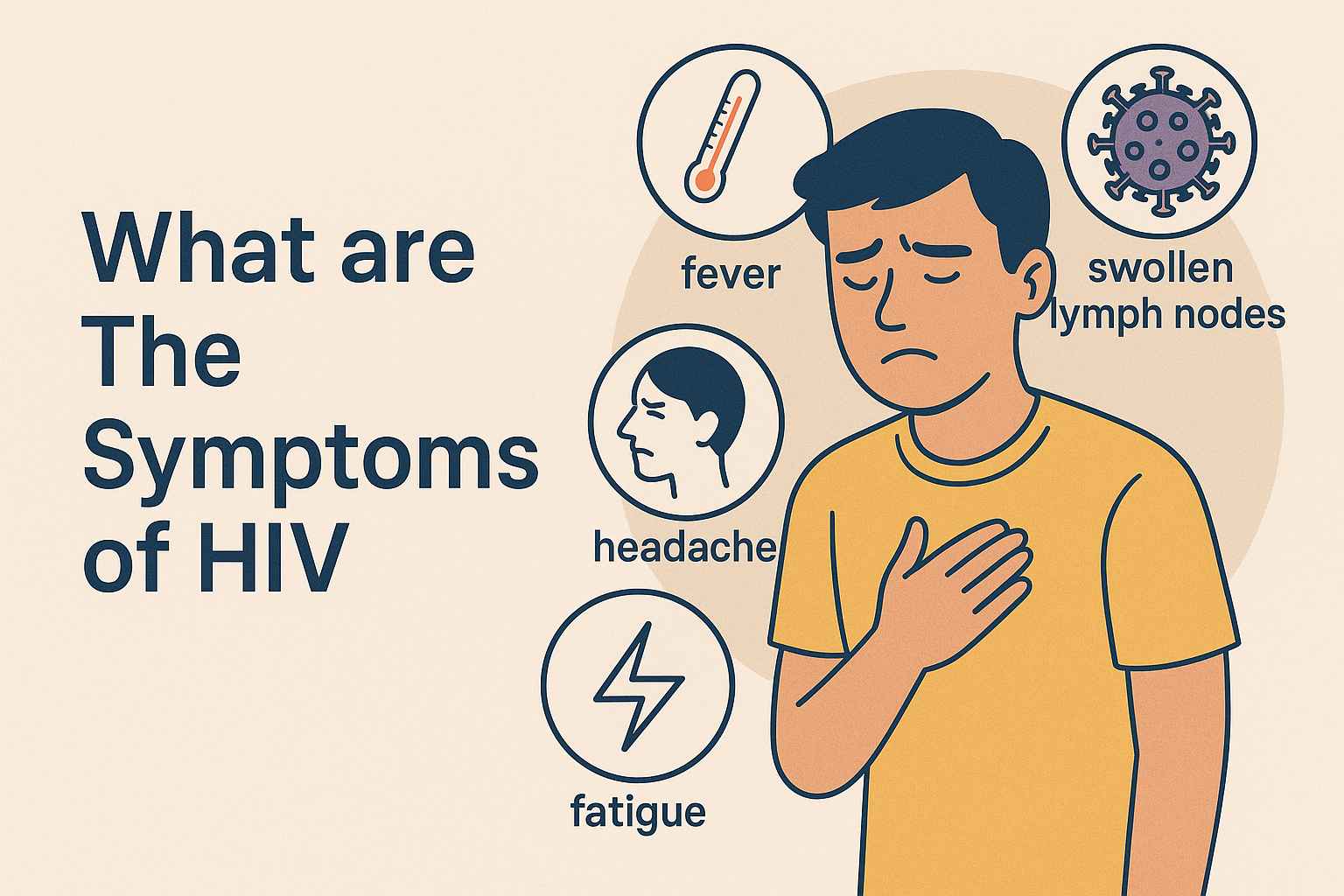
    What are The Symptoms of HIV? When Do They First Appear?

    Symptoms of HIV image

    What is HIV or human immunodeficiency virus?

    Human immunodeficiency virus (HIV) has infected millions of people around the world. HIV infection causes the immune system to deteriorate continuously, eventually leading to acquired immunodeficiency syndrome (AIDS).

    HIV, a type of RNA virus, on entering the body, attacks and destroys CD4 T lymphocytes. CD4 cells help fight against infection. The average CD4 cell count is 500-1500 cells/mm3. When the CD4 cell count decreases below 200 cells/mm3, it can indicate AIDS.

    How does HIV pass from one person to another?

    • Unprotected sexual intercourse
    • Infected blood through infected needles, infected syringes, and rarely through blood transfusion
    • Organ transplant
    • Mother to infant during pregnancy, delivery or breastfeeding
    • How does the body react to HIV infection?

    The virus has a varied effect on each person’s body. Some people may not have any symptoms. Symptoms of HIV vary depending on the stage of infection. The presence of HIV does not always imply the existence of AIDS.

    Stages of HIV symptoms

    Stage 1: Acute HIV infection

    During this time, the infection is contagious. In the initial 2 to 4 weeks of infection, the symptoms of HIV may resemble flu-like symptoms:

    • Fever
    • Fatigue
    • Body ache
    • Sore throat
    • Chills
    • Mouth ulcers
    • Rashes
    • Night sweats
    • Swollen glands
    • Nausea
    • Vomiting

    Stage 2: Asymptomatic stage

    After the initial stage, you may not show any symptoms of HIV for years. You can feel healthy throughout this time. As a result, you may be unaware that you have been infected. During this phase, however, the virus will continue to multiply and impair the immune system. If the prescribed HIV treatment regimen is followed, you may never reach Stage 3.

    Stage 3: Acquired immunodeficiency syndrome (AIDS)

    HIV infection affects your immune system and makes you susceptible to opportunistic infections or other serious illnesses. Harmful bacteria, fungi and viruses can cause more frequent and severe infections.

    Symptoms of HIV in this stage include:

    • Rapid weight loss, greater than 10% from baseline
    • Fever that lasts over a month
    • Diarrhoea that lasts over a week
    • Night sweats
    • Recurrent infections: bacterial, viral and fungal
    • Cough
    • Mouth ulcers
    • Oral thrush, or white patches in the mouth
    • White patches on the tongue
    • Skin problems: red, purple, brown or pinkish marks on or under the skin, warts, impetigo (red, itchy sores that form yellow scabs), shingles (painful rashes in groups)
    • Loss of memory
    • Depression
    • Pneumonia
    • Life-threatening conditions: tuberculosis, cryptococcus meningitis, serious bacterial infections, cancer

    Many people do not progress to this stage with timely and appropriate treatment. Without HIV medication, people with AIDS usually live for three years or less.

    Is there a difference between symptoms and signs of HIV between genders?

    Although most of the symptoms of HIV are similar in men and women, some are gender-specific.

    HIV symptoms in women

    • The symptoms are noted in the later stages of the condition.
    • Changes in the menstrual cycle: lighter or more bleeding, skip cycles, severe PMS
    • Belly pain
    • Pain during penetrative sex
    • Unusual discharge from the vagina

    HIV symptoms in men

    • Reduced sex drive
    • Ulcers on the penis and anus
    • Burning sensation while urinating
    • Belly and lower back pain
    • Bloody urine
    • Pain during ejaculation

    HIV testing

    Given that symptoms of HIV may not manifest for several years, an HIV test is the only way to determine if you are infected. If you suspect HIV exposure, seek medical attention as soon as possible. Post-exposure prophylaxis can be started immediately as soon as you get diagnosed.

    There are various tests with a specific window for testing. Your doctor will determine which test is best for you.

    How to live healthy with HIV?

    The human body cannot remove the HIV virus. Fortunately, anti-retroviral therapy (ART) can lower the viral load in your body. You can stay healthy if you combine this with a healthy lifestyle.

    Consultation with a doctor is a must if you experience symptoms of HIV infection. An early consultation with the right medication may help prevent extreme outcomes of HIV infection as well.

    Buying medicines is now simpler. With Medkart, you get the best prices and doorstep delivery! Visit Medkart today!

    FAQs related to HIV

    1. Does HIV spread by being around an infected person?

    No, it doesn’t. You can only contract the HIV virus by having unprotected sex with someone who has the virus or by sharing a needle with them.

    2. How do I deal with being HIV positive?

    Follow your doctor’s advice and medications. Talk to friends and family and join self-help groups.

    3. Do symptoms of HIV develop immediately after infection?

    No, HIV infection can remain latent for several years. As a result, symptoms of HIV may not develop immediately after infection.