Blog

  • Types, Causes and Treatment for Obesity

    Obesity can be defined as excessive body mass. It is a major cause of disabilities and has been linked to various illnesses and conditions, including osteoarthritis, type 2 diabetes, obstructive sleep apnea, certain types of cancer, and cardiovascular disease.

    Types of obesity

    Obesity in the general population is commonly classified by medical professionals using body mass index (BMI). BMI is calculated by dividing your body weight by your height. You are considered overweight if your BMI is between 25.0 and 29.9 kg/m².

    Three broad categories of obesity are:

    • Class I obesity with BMI 30 to <35 kg/m²

    • Class II obesity with BMI 35 to <40 kg/m²

    • Class III obesity with BMI 40+ kg/m²

    Causes of obesity

    Obesity can develop over time if you consume more calories than you use through regular exercise and daily activity. These extra calories accumulate over time and lead to weight gain. However, there are many other causes, such as:

    • Genetics: Genes affect how your body processes food. You are probably more likely to gain weight if your parents are obese.

    • Unhealthy eating habits: Consuming fast or processed foods that are rich in sugars, unhealthy fats, and low in nutrients.

    • Sedentary lifestyles: Lack of physical activity is one of the major causes of obesity, next to unhealthy eating habits.

    • Hormones: Polycystic ovary syndrome (PCOS) is a condition that disrupts the balance of female reproductive hormones in women, causing weight gain.

    • Hypothyroidism: It leads to a low metabolic rate and causes weight gain

    • Cushing syndrome: It causes high cortisol levels in the body, which cause an increase in appetite, leading to weight gain.

    • Certain medications: Steroids, anti-depressants, and birth control pills, for example, can increase your risk of weight gain.

    • Eating conditions such as binge eating and night eating syndrome.

    Diagnosis of obesity

    Healthcare professionals frequently use BMI to classify obesity in the general population. Despite its shortcomings, BMI is a simple indicator that can help you identify the health risks associated with obesity.

    Other precise methods of calculating body fat and body fat distribution include:

    • Skinfold thickness test: measures the distance between the underlying muscle and the fat layer.

    • Waist-to-hip measurements: the circumference of the waist is divided by the circumference of the hips to obtain a ratio. The ratio should be 0.8 or less for women and 1.0 or less for men.

    • Screening procedures like MRIs, CT scans, and ultrasounds: also determine the fat content in the body

    To diagnose the health risks associated with obesity, your doctor might also recommend a few tests, such as:

    • Blood tests to measure sugar and cholesterol levels

    • Liver function tests

    • A diabetes examination

    • Thyroid test

    • hormone screening, especially in women

    • Heart examinations, like an electrocardiogram (ECG or EKG)

    Precautions and treatment of obesity

    Treatment methods for obesity differ from person to person, focus on various issues, and are typically dependent on underlying medical conditions. Some lifestyle changes can help you lose weight in a healthy manner and significantly improve this complex disease. If you have a high BMI, you should prioritise your health by choosing a healthy lifestyle.

    Lifestyle changes

    • Eating a healthy diet: Discarding all processed and high-carb foods is important to lose weight. Focus on including proteins and healthy fats with minimal carbs when starting a weight loss journey.

    • Keeping track of calories: You must consume fewer calories than you burn to lose weight.

    • Exercise regime: Exercise is a crucial part of leading a healthy lifestyle. To get started with a healthy lifestyle, walk 5,000 steps or do 15 minutes of exercise each day to start. Include weight training to prevent the loss of muscle mass that occurs while dieting.

    Medications

    In some cases, medications are recommended to combat obesity. Remember that not everyone should take these medications. A few of them have adverse effects. You must also continue the diet and exercise changes mentioned above.

    Appetite suppressants like phentermine, diethylpropion, and semaglutide and medications for binge eating disorders like lisdexamfetamine dimesylate are usually recommended in some cases.

    Weight loss surgery

    If you are diagnosed with class III obesity, you may consider bariatric surgery. It is a drastic but incredibly effective way to lose significant amounts of weight over the long term. This procedure involves cutting the stomach to create a pouch that can only hold a small amount of food. This surgery is not recommended frequently and is only considered in certain exceptional conditions, which include:

    1. When your BMI is greater than 35

    2. When you have severe type 2 diabetes

    3. In certain cases in which dietary modifications haven’t worked

    Bariatric surgery includes sleeve gastrectomy, laparoscopic gastric band, and gastric bypass.

    Myths related to obesity

    Obesity is a disease of lethargic people.

    To some extent, obesity occurs due to poor lifestyle choices, but it is often a symptom or a cause of an underlying disease. Factors including stress, poor sleep quality, hormonal changes, and underlying health conditions like thyroid disease, medications, genetics, and others, have also been linked to an increase in obesity.

    Weight loss will cure obesity.

    Losing weight too quickly slows your metabolism and increases muscle loss. Additionally, it may result in nutrient deficiencies, sleep disorders, gallstones, and other health problems. One must always focus on fat loss rather than simply losing weight.

    Complications of obesity

    Various health issues, some of which can be fatal if untreated, have been connected to obesity:

    • Cardiovascular diseases like coronary artery disease, heart attack, and hypertension.

    • Type 2 diabetes

    • A fatty liver disease that can progress to cirrhosis

    • Chronic kidney disease

    • Gall bladder stones

    • Osteoarthritis

    • Chronic back pain

    • Some cancers like breast, endometrial, and colon cancers

    • Infertility

    • Psychological issues like depression

    Numerous diseases have obesity as a cause as well as a symptom. To manage this condition, lifestyle changes, surgical procedures, and occasionally medications are used.

    Medkart pharmacy is India’s most trusted medicine store where you can buy quality generic medicines at competitive prices. Don’t believe us; log on to Medkart | Generic Medicines Online – Best Online Pharmacy Appand compare the prices of your medicines.
  • Coronary Heart Disease: Types, Symptoms, Treatment

    Coronary Heart Disease: Types, Symptoms, Treatment

    Coronary Heart Disease

    What is coronary heart disease?

    Coronary heart disease (CHD) occurs when the heart’s arteries cannot supply the organ with enough oxygen-rich blood. It is also known as coronary artery disease (CAD) or ischaemic heart disease (IHD). It is one of the most common heart conditions. With a heart-healthy lifestyle, CAD can be prevented quite easily.

    Types of coronary artery disease

    Coronary artery disease or coronary heart disease is of three types:

    Obstructive coronary artery disease:

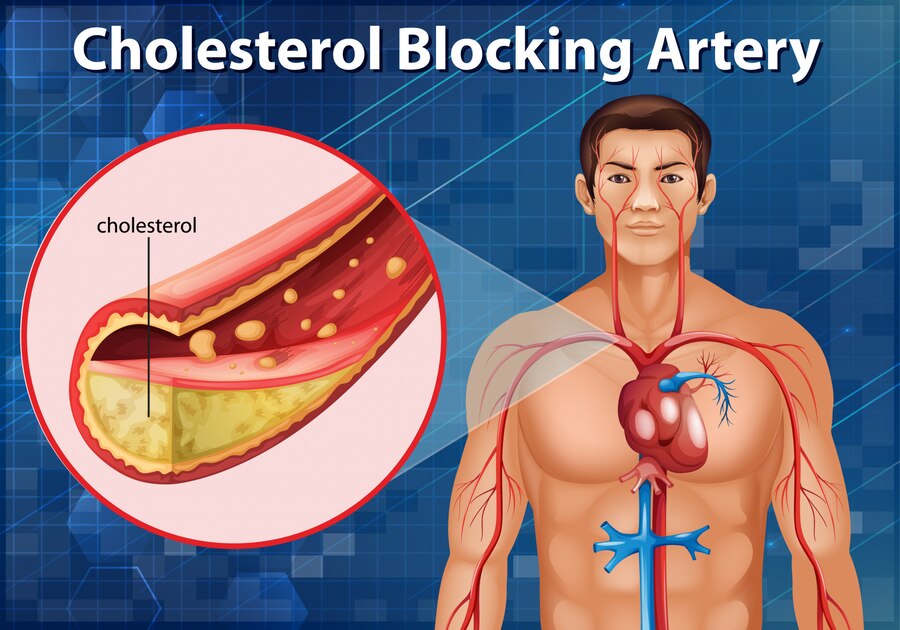
    Plaque buildup causes the coronary arteries to narrow gradually. It is the most typical and well-known form of CAD. Narrowing arteries may eventually block your heart’s blood supply.

    Nonobstructive coronary artery disease:

    It refers to various forms of coronary artery dysfunction other than atherosclerosis, such as damage to one or more coronary artery endothelial layers (i.e., inner lining of the vessels) or sudden coronary artery contractions.

    Spontaneous coronary artery dissection (SCAD):

    It is a rare but dangerous condition in which a blood clot, or hematoma, spontaneously forms within one of the artery walls. It obstructs blood flow to the heart, leading to a heart attack or sudden death. SCAD can strike men or women at any age but is common in women in their 40s and 50s.

    Causes of coronary artery disease

    It often takes years for CAD to occur. The symptoms might go unnoticed before a significant blockage causes problems or a heart attack.

    In coronary artery disease, fats, cholesterol, and other substances build up on the inner walls of the coronary arteries, which causes atherosclerosis. The arteries may narrow due to fat buildup (plaque), thus hindering coronary circulation or blood flow to the heart muscles. This leads to a lack of blood supply to the heart muscle and eventually results in death.

    Symptoms of coronary artery disease

    Even though two people may have the same type of coronary heart disease, their symptoms may vary. However, in general, coronary artery disease symptoms or ischemic heart disease symptoms may include:

    • Chest pain (angina) or a feeling of tightness on the middle or left side of the heart
    • Breathlessness
    • Profuse sweating
    • Nausea and vomiting
    • Burning pain that travels upwards towards the jaws, especially in women.

    Risk factors of coronary artery disease

    Common risk factors of coronary artery disease include:

    • Age above 45
    • Men are at a higher risk of developing CAD after their late 40s.
    • Women are at high risk after their 50s, most likely during menopause.
    • A family history of coronary heart disease
    • Uncontrolled blood pressure or hypertension
    • Too many low-density lipoproteins or bad cholesterol in the blood
    • Diabetes
    • Smoking and alcohol intake
    • Lack of physical activity
    • Psychological stress
    • Consuming foods high in salt, sugar, trans fat, and saturated fats

    Precautions for coronary artery disease

    You can prevent up to 90% of cardiovascular diseases by avoiding known risk factors. Maintaining a healthy and active lifestyle can decrease the chances of developing coronary disease in people. Regular exercising, refraining from alcohol and tobacco, and eating healthy are key factors in improving heart health.

    Myths related to coronary artery disease

    1. You can eat anything if you take a cholesterol-lowering medication.
    2. Cholesterol in the blood comes from the liver and fatty foods we eat. Cholestrol-lowering medications (statins) reduce liver-manufactured cholesterol only. If you take a statin and continue to consume foods high in saturated fat and cholesterol, the medication will not work as well as it should.
    3. Avoid fats if you have heart disease.
    4. This one is the biggest myth surrounding heart disease. In fact, one should only avoid saturated fats (animal fats, trans fats) and consume polyunsaturated fats to keep the heart healthy.

    Diagnosis of coronary artery disease

    Various tests are employed to diagnose coronary heart disease. They include:

    • Electrocardiogram (ECG)
    • Echocardiogram
    • Coronary angiography or coronary catheterisation, wherein a dye is inserted into blood vessels via a catheter to look for blockages
    • Exercise stress test
    • Cardiac CT scans
    • Lipid profile

    Treatment of coronary artery disease

    Lifestyle changes like exercising and dietary patterns in the early stages can significantly reduce the risk of CAD. CAD is treated both via medications and surgery. Medications like statins (reduce cholesterol) and anti-platelet therapy, including clopidogrel and aspirin, nitrates (dilate arteries), beta-blockers, calcium channel blockers, and others, help treat CAD.

    However, in advanced stages, surgical intervention is necessary, which involves:

    • Coronary angioplasty and stent placement: Also known as percutaneous coronary intervention (PCI). A small, flexible tube(catheter) is inserted into the heart’s narrow artery. A tiny balloon is inflated to help widen the narrowed artery and enhance blood flow. During coronary angioplasty, a tiny wire-mesh tube (stent) may be inserted into the artery. The artery is kept open by the stent. It reduces the possibility of the artery narrowing again.

    • Coronary artery bypass surgery or graft (CABG) or cardiac bypass surgery: In coronary bypass surgery, a new blood vessel is grafted to make a new pathway for blood flow in the heart. It is done to relieve angina and prevent the progression of ischemic heart disease.

    Conclusion

    Coronary artery disease is a lifestyle disorder that can be prevented and controlled by altering one’s lifestyle and regularly taking the right medications. With the right choices, you can avoid any major heart health crisis.

    Log on to Medkart | Generic Medicines Online – Best Online Pharmacy App to purchase quality medicines with transparent pricing.

    Also Read:

  • Arthritis

    Arthritis

    What is arthritis

    What is arthritis?

    Do you or a loved one experience stiff and painful joints? Does the stiffness affect your movement? Stiffness and tenderness of joints are symptoms of arthritis. Timely medical treatment and therapy will help control your pain and improve your strength and mobility.

    Arthritis is a disorder of the joints. It causes pain, swelling, and stiffness, which makes movement difficult. Although there is no cure for arthritis, early detection will help you find relief from the symptoms.

    Read on to learn more about arthritis, types of arthritis, and arthritis treatment.

    What are the types of arthritis?

    The term arthritis describes several joint conditions. The common types of arthritis are:

    • Osteoarthritis

    • Rheumatoid arthritis

    • Ankylosing spondylitis

    • Gout

    • Psoriatic arthritis

    • Juvenile arthritis

    What causes arthritis?

    Factors that increase the risk of arthritis are:

    Heredity: If your parents have the disorder, you, too, may develop arthritis.

    Obesity: Excess weight puts pressure on your knees, hips and spine. So, people with obesity are at a higher risk of getting arthritis.

    Sedentary lifestyle: Lack of physical activity can cause weight gain. It also causes weak muscles and joints. This further increases the chances of stiffness, fractures and decreased mobility in your limbs, leading to arthritis.

    Arthritis causes depend upon the type of arthritis.

    • Osteoarthritis: This condition occurs due to the wear and tear of the joint cartilage from long-term stress. Cartilage is the tissue that protects your joints and bones. But, with prolonged pressure on the joints, the cartilage gets damaged and affects your movement.

    • Rheumatoid arthritis: It occurs when the immune system attacks the membrane surrounding the joint.

    • Gout: This condition occurs due to excess uric acid in your body.

    • Fibromyalgia: It causes pain all over the body, leading to sleep problems, exhaustion, and mental and emotional distress.

    • Childhood arthritis: Also called Juvenile Arthritis, it affects children and causes permanent damage to the joints.

    • Lupus: It causes inflammation in the joints apart from stiffness, tenderness and swelling.

    Other causes of arthritis are:

    • An activity, like a job or a sport, requires you to put pressure on your joints due to repeated movements.

    • Autoimmune diseases, where the immune system attacks the lining of your joints.

    • Viral infections where the infection causes pain, inflammation and swelling in your joints.

    What are the symptoms of arthritis?

    Arthritis symptoms can be mild or severe, depending upon the type of arthritis. These are:

    • Pain

    • Stiffness

    • Redness

    • Swelling

    • Tenderness

    • Decrease range of motion

    What are the arthritis treatment options?

    Arthritis treatment consists of medications and therapy that help manage your symptoms. Your doctor will recommend an arthritis treatment after studying your laboratory and imaging test results. They will create a treatment program that helps relieve your symptoms, improves your joint function, and suits you best.

    Arthritis treatment consists of-

    Medications:

    • NSAIDs (nonsteroidal anti-inflammatory drugs): These relieve pain and reduce inflammation.

    • Steroids, like corticosteroids: These medications reduce inflammation, slow joint damage, and relieve pain.

    • DMARDs (disease-modifying antirheumatic drugs): These drugs slow the progress of rheumatoid arthritis and save the joints from further damage.

    Physical therapy:

    Physical therapy helps improve your strength and your mobility. Your therapist will help you learn to adjust your daily activities to reduce the pain and discomfort.

    Surgery:

    Your doctor will suggest surgery only if you don’t get relief from the medications and therapy and your arthritis worsens. Surgery includes:

    • Joint repair: This surgery involves smoothening or realigning the joints to lessen the pain and improve mobility.

    • Joint replacement: This procedure is used for hips and knees. It consists of removing the damaged joint and replacing it with an artificial one.

    • Fusion: This procedure is used for smaller joints, such as the wrist, fingers, and ankles. It consists of removing the ends of the two bones in a joint and locking them together to help them heal into one fixed unit.

    What precautions can we take to reduce the risk of arthritis?

    You can reduce your risk of arthritis by:

    • Staying fit with regular exercise to keep the joints flexible.

    • Eating healthy fats, like Omega-3 fatty acids and unsaturated fats found in olive oil, nuts and seeds

    • Maintaining a healthy body weight.

    • Quitting smoking.

    • Reducing the risk of joint injuries by wearing protective gear while playing sports and lifting weights with the knees and hips, not the back.

    Home remedies for arthritis

    You can try the following home remedies for arthritis to control the symptoms:

    • Exercise regularly to strengthen the muscles around the joints and improve joint flexibility.

    • Try hot and cold therapy. This includes warm showers to help relieve the pain and stiffness and ice packs to reduce swelling and inflammation.

    • Get a body massage to improve blood circulation and relieve pain.

    • Practice yoga to keep the joints supple and improve flexibility.

    • Follow a plant-based diet for its antioxidant properties that help fight inflammation.

    • Include turmeric in your cooking. Its antioxidant and anti-inflammatory properties help reduce arthritic pain and inflammation.

    Myths and facts

    Here are some common myths about arthritis and facts that can help you understand the condition better.

    Myth: Arthritis occurs only in older people.

    Fact: The risk of arthritis increases with age. However, 3 out of 5 people who have arthritis are below 65 years. Arthritis also affects children and teenagers in the form of juvenile rheumatoid arthritis.

    Myth: Joints with arthritis need ample rest.

    Fact: Lack of exercise can weaken muscles and increase pain and stiffness. Regular exercise is a crucial aspect of an arthritis treatment plan. It helps maintain weight, reduces stiffness and pain, and improves strength and mobility. You may try yoga, walking, or cycling to improve physical and cardiovascular health and well-being.

    Myth: Arthritis can’t be managed.

    Fact: Timely diagnosis and treatment can help manage the disorder, relieve the symptoms and improve your quality of life. Staying physically active, maintaining your weight, following a plant-based diet, medications, and therapy can help you manage pain and stiffness and lead a normal life.

    Takeaway

    Medical treatment, changes in lifestyle, and adjusting daily activities to help ease tasks will help you manage your arthritis better. Home remedies also prove to be helpful. However, please consult your doctor before buying herbal supplements to reduce joint pain and stiffness.

    For your convenience, we bring you the Medkart online pharmacy. Here, with a click of a button, you can buy the generic medicines or supplements of your choice and save money. Your order will be delivered to your doorstep.

  • Cholesterol

    Cholesterol

    Cholesterol

    Introduction

    Cholesterol is the waxy substance found in your blood that can clog the blood vessels, leading to detrimental health effects. To determine your cholesterol levels, you can get a blood test. This article will shed more light on the types of cholesterol, their effects on the body, how to treat high cholesterol levels, and certain myths and facts about cholesterol. Read on to know more.

    Types of cholesterol

    According to the Centers for Disease Control (CDC), the various types of cholesterol are as follows.

    • High-density lipoproteins (HDL cholesterol) – Also called “good cholesterol,” it ensures that extra cholesterol in the body is flushed out via the liver.

    • Low-density lipoproteins (LDL cholesterol) – also called “bad cholesterol,” it increases the chances of stroke and heart disease.

    • Very low-density lipoproteins (VLDL cholesterol)- Another type of “bad cholesterol,” it leads to an increase in triglyceride levels and plaque buildup.

    • Triglycerides- A type of fat that is required in your body. However, high levels can cause adverse effects on your body.

    How to check cholesterol levels?

    To check your cholesterol levels, a simple blood test that needs minimum fasting of 12 hours needs to be done. The following table provides further details on blood cholesterol levels measured in milligrams of cholesterol per deciliter of blood (mg/dL).

    CHOLESTEROL LEVELS

    HEART HEALTHY AT-RISK DANGEROUS

    HDL

    Male

    Female

    60 and higher

    40-59

    50-59

    Under 40

    Under 50

    LDL Under 100 100-159 160 and higher

    TOTAL CHOLESTEROL Under 200 200-239 240 and higher

    What causes high cholesterol?

    The condition with high blood cholesterol levels is known as hypercholesterolemia. Certain causes are within your control (modifiable) while others cannot be modified. The causes of high cholesterol levels are as follows.

    Modifiable causes

    • Inactivity or sedentary lifestyle

    • Obesity

    • Unhealthy diet

    • Smoking

    • Alcohol

    Non-modifiable causes

    • Family history

    • Genetic makeup

    • Age – above 40 years

    • Diabetes

    • Chronic kidney disease

    • HIV/AIDS

    • Hypothyroidism

    • Lupus

    • Medications taken for diseases like cancer, acne, high blood pressure, HIV/AIDS, irregular heart rhythm, and organ transplantation can also lead to hypercholesterolemia.

    Signs and symptoms of high cholesterol in the body

    Hypercholesterolemia is a silent disease. Therefore, a routine blood test is the safest way to identify if your cholesterol levels are high. However, certain signs of high cholesterol levels may be noticeable. It is vital to be aware of them to take action at the earliest.

    Signs of cholesterol on the face

    • Soft patches of yellowish bumps around your eyes, mostly seen on the upper eyelid, called xanthelasma.

    • Appearance of a light-coloured, yellowish ring around your cornea called corneal arcus.

    Signs of cholesterol on the skin

    • Fatty deposits under the skin lead to an unexplained set of bumps, patches of soft yellowish skin, or discolouration on your extremities, called xanthomas.

    • Psoriasis – an inflammatory skin condition

    • Net-like bluish-red mottling of the skin called livedo reticularis.

    Effects of high cholesterol on the body

    High cholesterol levels can lead to the following systemic effects within your body.

    • Blockage in the arteries of the brain

    • Adverse effects on memory

    • Stroke

    • Pain in the jaw

    • Chest pain

    • Heart attacks

    • Gallstones

    • Numbness in the legs

    High cholesterol treatment and precautions

    If your cholesterol levels are high, you can take the following precautions and avail the following treatments (only after expert consultation).

    Prevent high cholesterol

    • Make healthy eating choices by including foods rich in fibre and low in saturated fats and sugars.

    • Maintain a healthy weight by monitoring your diet and physical activity.

    • Engage in regular physical activity.

    • Avoid smoking and alcohol intake.

    • Manage stress

    Cholesterol medicine

    Certain cholesterol tablets prescribed by your doctor can help reduce cholesterol levels, along with lifestyle changes. Cholesterol tablets include cholesterol-lowering medicines such as statins, bile acid sequestrants, fibrates, and nicotinic acid.

    What causes low cholesterol?

    Low cholesterol levels in the blood are known as hypolipidemia. A total cholesterol level of less than 120 mg/dl or an LDL of less than 50 mg/dl is considered as hypolipidemia. Causes of low cholesterol include the following.

    • Poor nutrition

    • Inability to absorb nutrients

    • Chronic infections

    • Chronic inflammation

    • Certain genetic disorders

    • Taking cholesterol-lowering medications without appropriate follow-up with the doctor

    Signs and symptoms of low cholesterol in the body

    Symptoms of low cholesterol in the body are as follows.

    • Depressive symptoms

    • Anxiety

    • Confusion

    • Nervousness

    • Changes in one’s mood, sleep or eating patterns

    • Bleeding in the brain

    Low cholesterol treatment and precautions

    Since low cholesterol levels do not show up until it is too late, getting your cholesterol levels checked regularly is the best way to identify it. Treating low cholesterol levels depends on the cause. It is important to remember that simply eating a diet high in cholesterol will not solve the problem. Consult your healthcare practitioner before initiating any treatment.

    Some of the best ways to prevent low cholesterol levels are as follows.

    • Eat healthy food

    • Check cholesterol levels regularly

    • Maintain an active lifestyle

    • Be attentive to symptoms of anxiety and stress.

    Myths and facts about cholesterol

    Dispelling certain myths about cholesterol with facts can help you acquire knowledge about cholesterol.

    Myth: All cholesterol is bad.

    Fact: HDL cholesterol is good cholesterol and helps in eliminating excess bad cholesterol from your body.

    Myth: I can feel high cholesterol levels.

    Fact: High cholesterol levels are identified only through a blood test. Usually, the signs of high cholesterol are difficult to pick up till they are advanced.

    Myth: Eating high-cholesterol foods will not affect my cholesterol levels.

    Fact: High-cholesterol foods like red meat, cheese, and butter contain saturated fats that increase your cholesterol levels. Contrarily, consuming foods rich in fibre like oatmeal, beans, whole grains, etc. can help maintain normal cholesterol levels.

    Conclusion

    Cholesterol levels, if high, may go unnoticed for a long time. A simple blood test to check your cholesterol levels every 5 years can help prevent and manage this condition. Taking necessary precautions like following a healthy lifestyle, diet, and exercise can help maintain your cholesterol levels.

  • Hypertension causes -What leads to sudden high blood pressure

    Hypertension causes -What leads to sudden high blood pressure

    Hypertension causes

    Introduction to High Blood Pressure

    What exactly is blood pressure? When the heart pumps blood, the blood exerts a force against the artery walls. You have high blood pressure when the force of blood against the walls of your blood vessels is considerably strong. Hypertension is the medical term for High blood pressure.

    Studies show that about 200 million people in India have hypertension, yet only 12% of people have their blood pressure under control. Needless to say, persistently high blood pressure can be damaging to the heart and other vital organs.

    Understanding the reasons for high blood pressure may help you maintain normal blood pressure levels and live a healthy lifestyle.

    Understanding blood pressure

    Here are some key pointers for you to better understand what

    • A normal blood pressure reading is typically less than 120/80 mmHg.
    • Hypertension is diagnosed when your blood pressure consistently measures 140/90 mmHg or higher.
    • Secondary hypertension is high blood pressure caused by an underlying medical condition or medication. Complications like kidney problems, adrenal gland tumors, sleep apnea, obesity, and some medications can lead to secondary hypertension.

    Causes of high blood pressure

    Some common causes of sudden high blood pressure include:

    • Stress: Physical or emotional stress can cause a temporary increase in blood pressure.
    • Caffeine: Consuming caffeine, such as coffee or tea, can temporarily increase blood pressure.
    • Alcohol: Drinking alcohol can also cause a temporary increase in blood pressure.
    • Tobacco use: Nicotine, the active ingredient in tobacco, can cause a temporary increase in blood pressure.
    • Certain medications: Some medications, such as decongestants, can raise blood pressure.
    • Illnesses: Certain illnesses, such as pneumonia, kidney disease, or adrenal gland tumors, can cause sudden increases in blood pressure.
    • Hormonal changes: Hormonal changes during pregnancy, menopause, or thyroid problems can cause sudden increases in blood pressure.

    Symptoms of high blood pressure

    Here are some common symptoms of high blood pressure:

    • Headaches
    • Dizziness or lightheadedness
    • Nausea or vomiting
    • Shortness of breath
    • Chest pain or discomfort
    • Visual disturbances, such as blurred vision
    • Ringing in the ears (tinnitus)
    • Fatigue or confusion
    • Nosebleeds
    • Flushing of the face

    Complications of sudden high blood pressure

    If left untreated, high blood pressure can lead to serious health problems, including:

    • Heart attack: High blood pressure can damage your blood vessels and increase your risk of a heart attack.
    • Stroke: High blood pressure can increase your risk of stroke, which occurs when a blood clot blocks the flow of blood to your brain.
    • Kidney disease: High blood pressure can damage your kidneys, leading to kidney disease or kidney failure.
    • Vision loss: High blood pressure can cause damage to the blood vessels in your eyes, leading to vision loss or blindness.

    Ways to manage and prevent high blood pressure

    Here are some tips for managing hypertension.

    1. Maintaining a healthy lifestyle:

    Adopting a healthy lifestyle can go a long way in managing and preventing high blood pressure. This includes eating a balanced diet rich in fruits and vegetables, exercising regularly, maintaining a healthy weight, and quitting smoking and excessive alcohol consumption.

    2. Monitoring blood pressure regularly:

    Regular monitoring of blood pressure can help detect any changes in BP levels and take appropriate precautionary measures. You can either monitor it at home with a BP monitoring device or get it checked by a doctor.

    3. Managing stress:

    Chronic stress can lead to high blood pressure. Thus, it is essential to manage it through meditation, deep breathing, and exercise.

    4. Taking prescribed medications:

    If lifestyle changes are not enough, medications prescribed by your doctor can help manage and prevent high blood pressure.

    Conclusion

    Sudden increases in blood pressure can be concerning and potentially dangerous.

    So, it is important to take care of your health by changing your lifestyle and food habits. Consulting a medical professional can also be beneficial in managing high blood pressure and avoiding potential health risks. Small changes in your daily routine, like exercising regularly, eating a balanced diet, and reducing stress, can help maintain healthy blood pressure levels. Taking control of your health today can ensure a healthy and happy tomorrow.

    Buying medicines is now simpler. With Medkart, you get the best prices and doorstep delivery! Visit Medkart today!

    FAQs related to hypertension

    1. What is hypertension?

    Hypertension is a medical condition characterized by consistently high blood pressure levels.

    2. What are the common causes of high blood pressure?

    The common causes of high blood pressure include stress, obesity, tobacco use, excessive alcohol consumption, and certain medications.

    3. How can hypertension be prevented and managed?

    Prevention and management of hypertension involve lifestyle changes such as regular exercise, a healthy diet, stress management, and medication as prescribed by a doctor.

    4. What is secondary hypertension?

    Secondary hypertension (high blood pressure) is high blood pressure caused by a medical condition.

  • HIV

    HIV

    HIV

    HIV attacks your immune system

    HIV is a dangerous virus that attacks your immune system and can cause AIDS. It spreads via sexual contact, needle sharing, and from mother to child during pregnancy. HIV causes many infections and cancers in affected people by breaking down their immune systems. The virus is transmitted via semen, vaginal fluid, blood, and pre-cum. There is no cure for HIV yet except for antiretroviral therapy (ART), which can help manage the severity of HIV symptoms.

    Types of HIV variants

    HIV-1: The main HIV sub-type that affects most people.

    ​HIV-2: This variant is restricted to West Africa and is not transmissible. It has slow progression and is also resistant to some ARTs.

    Causes of HIV infection

    The causes of HIV include:

    • Any sexual contact (vaginal, oral or anal) with an HIV-infected person.

    • Sharing needles with HIV-infected people.

    • Transfusion of HIV-contaminated blood.

    • Passed down from mother to child during pregnancy, childbirth, or breastfeeding.

    Signs and symptoms of HIV-AIDS

    Initially, HIV/AIDS symptoms appear as viral or flu-like symptoms. As the disease progresses, the following HIV symptoms can appear:

    • Frequent fevers with chills

    • Sweating at night

    • Swollen lymph nodes

    • Sore throat

    • Chronic fatigue

    • Abrupt weight loss

    • Frequent skin infections

    • Diarrhoea

    In the early symptoms of HIV, some people may not feel ill. In most cases, there are no HIV symptoms at the beginning of the illness. It gradually progresses and ultimately breaks down immunity, a stage known as AIDS. Getting tested is the only way to detect early symptoms of HIV.

    Early signs of HIV in men

    While most HIV symptoms or AIDS symptoms are the same for both sexes, there are a few HIV symptoms in men that differ because of differences in the male reproductive system. These include:

    • Pain during intercourse or ejaculation

    • Erectile dysfunction

    • Ulcers on and around the penis, testicles or anal area

    • Discharge from penis

    • Infertility

    HIV symptoms in women

    HIV symptoms in women include:

    • Foul-smelling vaginal discharge

    • Pain during sex and while passing urine

    • Pelvic inflammatory disease

    • Irregular menstrual cycle

    • Heavy bleeding

    • Human papilloma virus (HPV) infection

    • Infertility

    HIV precautions

    While there is no cure for AIDS, there are ways to prevent getting HIV and spreading the disease. Some HIV precautions you must follow include:

    • Choosing less dangerous sexual practices: Keeping fewer sexual partners and using latex condoms each time you engage in sex.

    • Using preexposure prophylaxis (PrEP): PrEP is intended for those with a very high risk of contracting it. The daily use of PrEP can lower this risk.

    • Use post-exposure prophylaxis (PEP) if you’ve been exposed to HIV: In case of unsafe sexual contact and accidental needle prick injury, take PEP within 72 hours.

    • Using a clean, sterilized needle while injecting drugs.

    • Getting all the antenatal checkups before pregnancy.

    HIV related myths

    1. You can catch HIV by sitting with an HIV-infected person

    Hugging, kissing, dancing, or shaking hands with an infected person doesn’t cause HIV. Only unsafe sex causes HIV.

    2. HIV infections always lead to AIDS.

    No, HIV infection does not always lead to AIDS. With early diagnosis and treatment, one can prevent its progression to AIDS.

    3. Those who test HIV-negative are permitted to engage in unprotected sex.

    In the early infection, HIV remains latent and doesn’t manifest itself in the test. Therefore, one must always use condoms while engaging in sex for HIV prevention.

    HIV-AIDS treatment

    Currently, there is no treatment for HIV/AIDS. However, antiretroviral therapy (ART) is a combination of HIV tablets that can prevent the severity of the infection and prolong life. It has to be taken regularly and throughout life.

    These HIV tablets protect CD4 cells and maintain the immune system’s capacity to combat disease. ART is an effective HIV and AIDS treatment that helps patients live normal, healthy lives.

    Medkart pharmacy is India’s most trusted medicine store where you can buy quality generic medicines at competitive prices. Don’t believe us? Log on to Medkart | Generic Medicines Online – Best Online Pharmacy App and compare your medicine prices.

    FAQs

    Can I get HIV by sharing food with HIV positive person?

    No, you cannot get HIV by having simple social contact with an HIV-infected person. HIV spreads through unprotected sexual contact via bodily fluids.

    Can you get HIV through oral sex?

    Yes, oral sex can lead to HIV infection, but research indicates that this risk is much lower than vaginal or anal sex.

    How can I know that I have HIV?

    The only way to know whether you have HIV is to get yourself tested. If you suspect you may have contracted HIV during unprotected sex or a blood transfusion, you may talk to your doctor and get yourself tested for it.

  • Cancer

    Cancer

    Cancer

    The mental and emotional stress caused by a cancer diagnosis is usually a result of its fatal nature. Recently, there has been a rise in the number of people suffering from cancer. It is the second leading cause of death across the world.

    Are you aware that there are more than a hundred different cancers, and any organ can get affected? Let us learn more.

    What is cancer?

    Cancer is a disease where normal cells somehow alter their usual course of growth. As a result, cells multiply in an uncontrolled manner, leading to the formation of a tumour. A tumour is an abnormal growth caused by a collection of abnormal cells in the body. However, there are two types of tumours: benign (non-cancerous) and malignant (cancerous).

    Types of cancer

    A tumour can arise from many specialized cells or tissues throughout the body. Based on the origin, cancerous tumours can be broadly classified as follows:

    • Carcinoma: Cancer cells arise in the skin or tissues that line or cover internal organs, for example, lung cancer.

    • Sarcoma: Cancer cells develop in bone, fat, muscle, cartilage, blood vessel, or other connective tissue, for example, osteosarcoma.

    • Leukaemia: Cancer cells are created from white blood cells (WBC), for example, acute myeloid leukaemia (AML).

    • Lymphoma and Myeloma: Cancer cells grow in immune system cells, for example, Hodgkin’s lymphoma and multiple myeloma.

    • Central Nervous System Cancer: Cancer cells that arise in the spinal cord or brain, for example, glioma.

    Stages of cancer

    Oncologists determine the stages of cancer using various staging systems. These staging systems provide relevant information like the size, location, cell type, grade, and metastasis (extent of spread) of the tumour.

    Here are the different stages of cancer:

    • Stage 0: Abnormal cells are present that haven’t spread extensively, but they have the potential to turn into cancer.

    • Stage 1: Cancer is visible in a small area of the organ and hasn’t spread to nearby tissues.

    • Stages 2 and 3: Cancer has developed further and is affecting the surrounding tissues and lymph nodes.

    • Stage 4: Advanced stage tumour that spreads to multiple organs.

    How does cancer develop?

    The causes of cancer depend on the type of cancer. However, some common aspects can increase your risk of developing cancer.

    Mentioned below are the most common causes of cancer:

    • Genes: If you have a family history of cancer, it may increase your chances of developing it. Research suggests that nearly 5-10% of cancers are hereditary (transferred from parent to child)

    • Lifestyle: 30- 40% of cancer cases globally are caused by unhealthy lifestyles or obesity. Certain unhealthy habits, such as excessive alcohol consumption, smoking, a sedentary lifestyle, and poor nutrition, can lead up to the development of many cancers.

    • Environment: Prolonged exposure to UV radiation can cause skin cancer. Apart from that, exposure to chemicals and pollutants can also lead to various types of cancer.

    • Hormonal imbalance: Researchers suggest that hormonal imbalance is associated with an increased risk of certain cancers, such as ovarian and prostate cancer.

    Key symptoms of cancer

    Cancer cannot be detected based on any one symptom. It comes with various symptoms, depending on the part of the body that is affected.

    Below are some common symptoms linked with, but not specific to, cancer:

    • Extreme fatigue (tiredness)

    • Presence of lumps under the skin

    • Unexplained loss or gain of weight

    • Digestive or bladder issues

    • Breathlessness or difficulty in swallowing

    • Hoarseness or prolonged cough

    • Muscle soreness or joint pain

    • Recurrent fevers and heavy night sweats

    • Unusual bruising or bleeding

    • Yellowing or redness of the skin

    • Noticing new moles or changes in existing moles

    How can you prevent cancer?

    The key to preventing cancer is being aware of the various factors that cause it and avoiding them as much as possible for healthy living. Prevention is possible by taking a few precautions for cancer:

    • Quit smoking

    • Eat a healthy diet

    • Be physically active

    • Limit your alcohol intake

    • Maintain a stress-free lifestyle

    • Avoid exposure to chemicals and pollutants

    • Ensure to get cancer vaccines that are available for specific types of cancers

    Treatment of cancer

    Although cancer cannot be cured completely, you can stop it from spreading by using certain cancer drugs and therapies. Doctors often employ particular cancer medicines and treatments for the patient, depending on the health condition and disease progression.

    The following are the different cancer treatment options:

    • Immunotherapy

    • Chemotherapy

    • Hormonal therapy

    • Surgery

    • Radiation

    Newer cancer treatments

    • Stem cell transplant

    • Targeted therapies (small-molecule drugs and monoclonal antibodies)

    Corticosteroids like prednisolone are sometimes prescribed during cancer treatment to reduce inflammation and suppress the immune system. In such cases, your doctor may recommend solutions like Omnacortil Oral Solution 60ml, which contains prednisolone as the active ingredient.

    Myths related to cancer

    Myth: Eating sugar and artificial sweeteners can cause cancer and worsen it.

    Fact: Sugar and artificial sweeteners have no relation with cancer.

    Myth: Cancer is infectious and can spread by touch.

    Fact: Cancer is a non-infectious condition confined to the body of the affected person. It cannot spread via touch.

    Myth: Cancer surgery can cause cancer to spread.

    Fact: Cancer surgeries usually control the spread of cancer.

    Myth: Herbal medicines can cure cancer.

    Fact: Cancer treatments do not include herbal medicines. Surgery, cancer vaccines, radiation therapy, and chemotherapy are the right choices for cancer treatment.

    Cancer can be treated.

    Cancer is a life-threatening disease. Though it cannot be cured, the evolution of medical science has helped increase the survival rates of many types of cancer. Progress is possible with appropriate screening, advanced cancer treatments, and preventive care. A positive mindset is another critical component in the battle against cancer.

    Visit the Medkart website to avail cost-effective generic medicines. Our pharmacists will recommend you the best generic substitutes for prescribed medicine across our 107+ stores in India. You can also consult with our expert doctors for suggestions before purchasing medication.

  • Blood Pressure / Hyper Tension

    Blood Pressure / Hyper Tension


    high blood pressure imagesWhat is blood pressure?

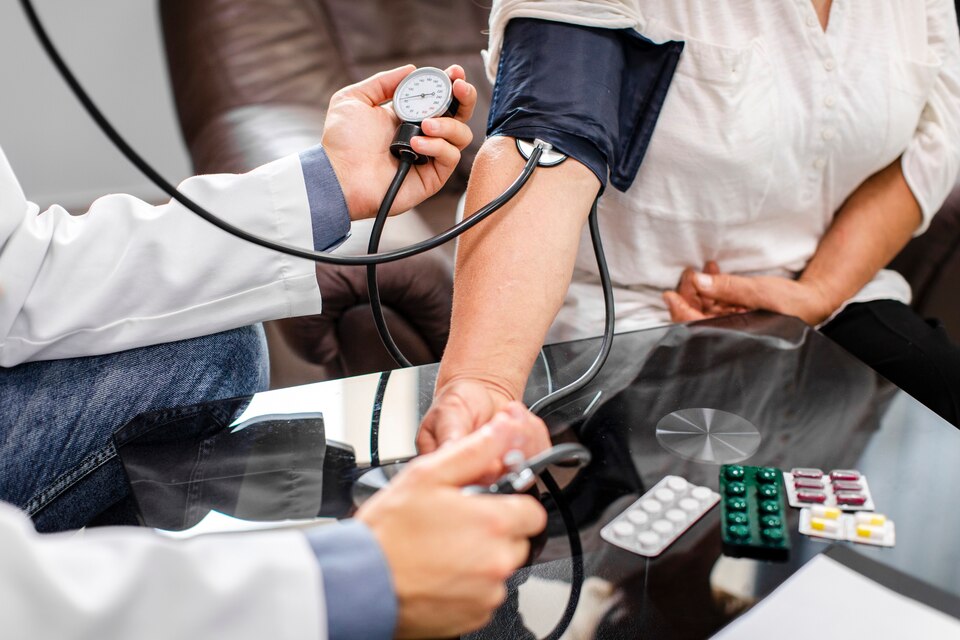
    Blood pressure (BP) is the pressure applied by the blood on the arteries. Normal blood pressure is essential as it indicates that blood is properly flowing from the heart to your organs. By understanding blood pressure, and its various aspects, you can manage it well and stay healthy.

    Measuring blood pressure

    • Blood pressure is measured as systolic and diastolic pressure.
    • Systolic Blood Pressure is the pressure in your arteries when the heart muscles contract.
    • Diastolic Blood Pressure is the pressure in your arteries when the heart muscles relax.
    • Category Systolic (mmHg) Diastolic (mmHg) What does it mean?
    • Normal blood pressure Below 120 Below 80 You have healthy blood pressure.
    • Elevated blood pressure 120 to 129 Below 80 You need to follow a healthy lifestyle to prevent the risk of high bp and heart disorders.

    Stage 1- Hypertension 130 to 139 80 to 89 Your risk of heart disorders and stroke is high. Your doctor will suggest lifestyle changes and/or bp medicine.

    Stage 2 – Hypertension 140 or more 90 or more To reduce the risk of heart disorders and stroke your doctor will prescribe blood pressure medicines plus lifestyle changes.

    Hypertensive crisis Above 180 Above 120 This is a critical condition. Consult your physician immediately.

    Low blood pressure Below 90 Below 60 Not a condition of concern but you could have other health issues.

    Symptoms of blood pressure

    High blood pressure usually shows no symptoms. But in hypertensive crises, you would experience:

    • Change in vision
    • Chest pain
    • Dizziness
    • Numbness
    • Shortness of breath
    • Back pain
    • Difficulty to speak

    Blood pressure precautions

    Precautions for high BP;

    • Healthy diet: Include foods high in nutrition and low in calories, like fruits, vegetables etc. Reduce your salt intake.
    • Healthy weight: Obesity increases the chances of having high blood pressure and heart disorders.
    • Exercise: it makes the heart strong and maintains a healthy weight.
    • Avoid smoking: Smoking increases the risk of heart disorders, stroke and high blood pressure.
    • Limit your alcohol intake: Too much alcohol can increase blood pressure.
    • Reduce stress: By reducing stress, you can lower blood pressure.
    • Regularly monitor blood pressure: High blood pressure can be known only by measuring it, so you should get it measured at regular intervals.

    Blood pressure myths

    Myth: You do not have high blood pressure when feeling fine.
    Fact: Blood pressure usually shows no symptoms, so you might feel fine even though you have it.

    Myth: If high blood pressure runs in your family, you cannot prevent it.
    Fact: Though you have a family history of high bp, you can prevent it by following a healthy lifestyle.

    Myth: Blood pressure can be controlled by avoiding salt.
    Fact: There is a high amount of salt in pickles, papads, sauces, soups etc. Limit their intake.

    Myth: If your blood pressure is normal, you can stop taking medicines.
    Fact: You do so only if your doctor tells you to stop your medications. Stopping these medicines can raise your blood pressure and put you at high risk of heart disease or stroke.

    Myth: If you take blood pressure medications, you don’t need to follow a healthy lifestyle
    Fact: Maintaining a healthy lifestyle is mandatory to manage high blood pressure.

    High Blood pressure is manageable

    High blood pressure is a common problem that is easily avoidable. High blood pressure raises your chance of developing heart problems in the future and treating it will help you keep excellent heart health. You may easily control your high blood pressure with good medication and lifestyle modifications.

    You can order your medicines from the comfort of your home by using the Medkart Website: https://www.medkart.in/blog/.

    FAQs

    1. How can you know if you have high blood pressure?

    High blood pressure usually shows no symptoms; hence, you must check your blood pressure regularly.

    2. How can you manage blood pressure?

    You can manage blood pressure with healthy lifestyle changes like consuming a healthy diet, exercising, etc. If needed, you will be prescribed blood pressure medicines.

    3. Why is blood pressure a concern?

    Blood pressure could lead to other serious complications like heart attack, stroke and kidney disorders.

  • વ્યાયામ નિયમિતતા વિરુદ્ધ તીવ્રતા,  અને શું વધુ સારું કામ કરે છે

    વ્યાયામ નિયમિતતા વિરુદ્ધ તીવ્રતા, અને શું વધુ સારું કામ કરે છે

    વ્યાયામ નિયમિતતા વિરુદ્ધ તીવ્રતા

    નિષ્ક્રિયતા આરોગ્યની વાસ્તવિક દુશ્મન બની શકે છે. જો તમે બેઠાડુ જીવનશૈલી જીવશો તો તમારા શરીરની કાર્ય કરવાની ક્ષમતા બગડશે. ઘણા અભ્યાસો સૂચવે છે કે લાંબા સમય સુધી બેસવું અથવા સૂવું અનિચ્છનીય છે. બીજી તરફ, નિયમિત શારીરિક પ્રવૃત્તિ અને વ્યાયામથી ઘણી હકારાત્મક સ્વાસ્થ્ય અસરો હોય છે જેને નકારવી મુશ્કેલ છે. વ્યાયામ દરેક માટે સારી છે, પછી ભલે તેની ઉંમર કે લિંગ હોય.

    ટીવી જોવું, કોમ્પ્યુટરનો ઉપયોગ કરવો, વિડીયો ગેમ્સ રમવી, ઓછા અંતરે વાહન ચલાવવું અને વાંચવા, વાતચીત કરવા અથવા સંગીત સાંભળવા બેસી રહેવું એ સામાન્ય બેઠાડુ વર્તન છે. આ વર્તણૂક તમને વજન વધારવાની અને મેદસ્વી બનવાની તકો તેમજ ટાઇપ 2 ડાયાબિટીસ, હ્રદયરોગ અને સ્ટ્રોક જેવી કેટલીક દીર્ઘકાલીન પરિસ્થિતિઓને વધારવાનું માનવામાં આવે છે. નિયમિત વ્યાયામના ફાયદા પુષ્કળ છે, ખાસ કરીને નવી ઉંમરની આદતોને રોકવામાં જેના પરિણામે લાંબી બીમારીઓ થાય છે.

    નિયમિત વર્કઆઉટ્સ

    નિયમિત કસરતો તે છે જે હળવા ગતિએ કરવામાં આવે છે. નિયમિત કસરતોના કેટલાક ઉદાહરણોમાં ચાલવું, સાયકલ ચલાવવું, સ્વિમિંગ, રોઇંગ, યોગ, તાઈ ચી અને પ્રતિકારક તાલીમનો સમાવેશ થાય છે. આ કસરતો રક્ત પ્રવાહમાં વધારો કરે છે, સ્નાયુઓની ખોટ અટકાવે છે અને પડી જવા અને ઇજાઓ થવાનું જોખમ ઘટાડે છે.

    જો કે કેટલાક વર્કઆઉટ્સ કરવાની સંપૂર્ણ રીતમાં નિપુણતા મેળવવામાં વધુ સમય લાગે છે, તે માટે જાઓ જે તમારા શરીરને ન્યૂનતમ સમસ્યાઓ ઊભી કરે છે. ચાલવું, સાયકલ ચલાવવું અને યોગ જેવી સલામત કસરતો કરવાનું વિચારો. નુકસાનનું જોખમ ન્યૂનતમ છે, અને સાંધા પર અસર ન્યૂનતમ છે. આમાંની અસંખ્ય પ્રવૃત્તિઓ બહારના ઓછા ખર્ચે પૂર્ણ થઈ શકે છે. આમાંના મોટાભાગના શોખ આનંદદાયક છે, તેથી તમે તેમની સાથે લાંબા સમય સુધી રહેશો.

    તમારે શા માટે નિયમિત વર્કઆઉટ્સને અનુસરવાની જરૂર છે?

    જો તમે ઈજાનો સામનો કરી રહ્યાં હોવ અથવા સર્જરીમાંથી સાજા થઈ રહ્યાં હોવ, તો કસરત કરવી મુશ્કેલ લાગી શકે છે, છતાં વ્યવહારીક રીતે કોઈપણ વ્યક્તિ તેમના ફિટનેસ સ્તર માટે યોગ્ય કસરત પસંદ કરી શકે છે. જેમ જેમ તમને તેની આદત પડી જાય તેમ તેમ પ્રવૃત્તિની તીવ્રતા ધીમે ધીમે વધારવી. વ્યાયામ કાર્યક્રમ શરૂ કરતા પહેલા, જો તમે ક્રોનિક રોગોથી પીડાતા હોવ તો તમારા ડૉક્ટર સાથે વાત કરો.

    જેમ જેમ તમારી ઉંમર વધે તેમ તમને ડાયાબિટીસ, સંધિવા, કેન્સર, હૃદય રોગ અથવા અન્ય ક્રોનિક સમસ્યાઓ થવાની સંભાવના રહે છે. તેથી, તમારી જાતને ફિટ અને સ્વસ્થ રાખવા માટે કસરત કરવી જરૂરી છે. કસરત કરતી વખતે શ્રમ અને ઈજાની આસપાસ સાવધાની રાખો. દીર્ઘકાલિન રોગોના સંચાલન અને નિવારણ માટે કેટલીક કસરતો સુરક્ષિત અને સરળ છે. સંતુલન અને સ્નાયુઓની મજબૂતાઈને પ્રોત્સાહન આપતી કસરતો ધીમે ધીમે તમારી દિનચર્યાનો ભાગ બનવી જોઈએ. ભલામણ મુજબ દર અઠવાડિયે ઓછામાં ઓછી 150 મિનિટની શારીરિક પ્રવૃત્તિ પૂર્ણ કરવાનું લક્ષ્ય રાખો.

    જો તમારું સ્વાસ્થ્ય તમને જોરશોરથી કસરત કરવાથી રોકે છે, તો પણ લાંબા સમય સુધી નિષ્ક્રિયતા તમારી શારીરિક અને ભાવનાત્મક સુખાકારીને નુકસાન પહોંચાડે છે. ઓછી-તીવ્રતાની કસરત તમારા આત્મવિશ્વાસ અને વલણમાં વધારો કરતી વખતે તમને હલનચલન કરાવી શકે છે. કોઈપણ માત્રામાં કસરત ડિમેન્શિયા, તણાવ, હતાશા અને અલ્ઝાઈમર રોગ થવાનું જોખમ ઘટાડે છે.

    યાદ રાખો, જેમને હૃદયની સમસ્યા હોય તેમણે વેઈટ લિફ્ટિંગ અને અન્ય સખત કસરત ટાળવી જોઈએ. મોટાભાગના લોકો ઓછી-તીવ્રતાની કસરતમાં સુરક્ષિત રીતે જોડાઈ શકે છે, પરંતુ તમારે નવી પ્રવૃત્તિ શરૂ કરતા પહેલા હંમેશા તમારા ડૉક્ટર સાથે વાત કરવી જોઈએ.

    ઉચ્ચ-તીવ્રતા વર્કઆઉટ્સ

    ઉચ્ચ તીવ્રતા એ તમારા મહત્તમ હૃદય દરના 75 થી 100% (MHR; 40 વર્ષના હૃદયના ધબકારા પ્રતિ મિનિટ 135 અને 180 ધબકારા વચ્ચે હોવા જોઈએ) પર કસરત કરવાનો ઉલ્લેખ કરે છે. ભારે હિલચાલના આ સ્વરૂપમાં વારંવાર સંક્ષિપ્ત, ઝડપી-બર્સ્ટ વર્કઆઉટ્સનો સમાવેશ થાય છે જેને ઝડપી પ્રતિબિંબની જરૂર હોય છે.

    તમારે ઘણા પ્રયત્નો કરવા જોઈએ, ઝડપથી અને ભારે શ્વાસ લેવો જોઈએ, પરસેવો થવો જોઈએ અને વાતચીત ચાલુ રાખવામાં અસમર્થ હોવો જોઈએ. દાખલા તરીકે, તમે સીડી ઉપર અને નીચે દોડતા હશો, દોરડા કૂદતા હશો, HIIT (હાઇ-ઇન્ટેન્સિટી ઇન્ટરવલ ટ્રેઇનિંગ), સિંગલ્સ ટેનિસ રમી રહ્યા છો, દોડી રહ્યા છો અથવા 10 mph કે તેથી વધુની ઝડપે સાઇકલ ચલાવી રહ્યા છો.

    તમારી સંપૂર્ણ ક્ષમતા સાથે કામ કરવાથી તમારું શરીર સ્નાયુઓની વૃદ્ધિ અને ચરબી ઘટાડવા માટે શ્રેષ્ઠ પ્રતિસાદ આપે છે. તે સ્નાયુ સમૂહને જાળવી રાખવા અને શરીરની રચનાને વધારવા માટે પણ એક સરસ વ્યૂહરચના છે.

    શારીરિક પ્રવૃત્તિના ફાયદા

    વ્યાયામ અને ઉર્જા ખર્ચ વચ્ચેના સંબંધને સમજવું જરૂરી છે કે કસરત કેવી રીતે વજન ઘટાડવા પર અસર કરે છે. નિયમિત કસરત તમારા ચયાપચયને ઝડપી બનાવશે, તમને વધુ કેલરી બર્ન કરવા અને શ્રેષ્ઠ વજન જાળવવા અથવા પહોંચવામાં સક્ષમ બનાવશે.

    માનસિક થાક ઘટાડે છે

    તણાવ ઘટાડવો એ કસરતનો સૌથી મહત્વપૂર્ણ ફાયદો છે. તમે નિયમિત શારીરિક પ્રવૃત્તિમાં વ્યસ્ત રહીને તમારા માનસિક તણાવને નિયંત્રિત કરી શકો છો. નોરેપીનેફ્રાઇન, એક હોર્મોન કે જે તમારા મગજની તાણ પ્રત્યેની પ્રતિક્રિયાને ઘટાડી શકે છે, જ્યારે તમે કસરત કરો છો ત્યારે તે વધુ પ્રચલિત છે. નિયમિત વ્યાયામ તમારા આત્માને ઉત્થાન આપી શકે છે, તમારા ચિંતા અને હતાશાનું જોખમ ઘટાડે છે.

    એનર્જી લેવલ વધારે છે

    દરરોજ વ્યાયામ કરીને તમારી ઉર્જાનું સ્તર વધારી શકાય છે. સારી વર્કઆઉટ હોર્મોન્સનો વધારો કરે છે જે નોંધપાત્ર રીતે ઊર્જાને વેગ આપે છે અને થાક સામે લડવામાં મદદ કરે છે જેથી તમે દિવસભર વધુ સક્રિય અને તાજા રહી શકો. વ્યાયામ તમારી રુધિરાભિસરણ તંત્રને વધુ અસરકારક રીતે કામ કરવામાં મદદ કરે છે અને તમારા પેશીઓમાં પોષક તત્વો અને ઓક્સિજનનું વિતરણ કરે છે.

    સારી ઊંઘ ચક્ર

    વ્યાયામ તમને સારી અને લાંબી ઊંઘમાં મદદ કરી શકે છે કારણ કે તે સુનિશ્ચિત કરીને અનિદ્રાને અટકાવે છે કે તમે સુતા પહેલા યોગ્ય રીતે થાકી ગયા છો. તમારી બોડી ક્લોક (એક આંતરિક જૈવિક ઘડિયાળ જે 24-કલાકના ચક્રમાં શરીરમાં અમુક પ્રક્રિયાઓને નિયંત્રિત કરે છે. તે તમારી ઊંઘ-જાગવાની ચક્ર, ઉર્જા સ્તર, ભૂખ, ચયાપચય અને હોર્મોન ઉત્પાદનને નિયંત્રિત કરે છે.) યોગ્ય રીતે કામ કરે છે, તમને પાચનમાં મદદ કરે છે અને તમે ખોરાકમાંથી ખાઓ છો તે પોષક તત્વોનો લાભ લેવો. વધુમાં, તે છે

    એવું માનવામાં આવે છે કે વ્યાયામ દરમિયાન શરીરના તાપમાનમાં વધારો થવાથી ઊંઘની ગુણવત્તામાં વધારો થાય છે.

    તે તમને રોગો સામે લડવામાં મદદ કરે છે

    મૃત્યુના બે મુખ્ય કારણો હૃદય રોગ અને સ્ટ્રોક છે. તમે નિયમિત, મધ્યમ-તીવ્રતાની કસરતમાં સામેલ થવાથી આ રોગો થવાનું જોખમ ઘટાડી શકો છો. વધુમાં, નિયમિત કસરત બ્લડ પ્રેશર અને કોલેસ્ટ્રોલનું સ્તર ઘટાડી શકે છે.

    વ્યાયામ હાનિકારક ટ્રિગ્લાઇસેરાઇડ્સ ઘટાડે છે અને ઉચ્ચ ઘનતાવાળા લિપોપ્રોટીન કોલેસ્ટ્રોલ અથવા સારા કોલેસ્ટ્રોલને વધારે છે, જે કાર્ડિયોવેસ્ક્યુલર રોગનું જોખમ ઘટાડે છે.

    શરીર અને મગજની અસંખ્ય બીમારીઓ અને વિકૃતિઓ અંતર્ગત કારણ તરીકે બળતરા હોઈ શકે છે. ઇન્ટરલ્યુકિન-6 (એક સાયટોકિન, જે શ્વેત રક્ત કોશિકાઓ દ્વારા ઉત્પાદિત પ્રોટીન છે અને રોગપ્રતિકારક તંત્રમાં સિગ્નલિંગ પરમાણુ તરીકે કામ કરે છે) અને સી-રિએક્ટિવ પ્રોટીન સહિત ઘણા બળતરા સૂચકાંકો, જે અમુક વિકૃતિઓ સાથે જોડાયેલા છે, કસરત દ્વારા ઘટે છે.

    વ્યાયામ સ્વાદુપિંડના કાર્યમાં સુધારો કરે છે અને તમારા કોષોમાં ઇન્સ્યુલિનની સંવેદનશીલતા વધારે છે. આ તમારું શરીર ખાંડની પ્રક્રિયા કેવી રીતે કરે છે અને ટાઇપ 2 ડાયાબિટીસની શરૂઆતમાં વિલંબ કરે છે તે સુધારવામાં મદદ કરે છે.

    નીચે લીટી

    નિયમિત વ્યાયામ એ તંદુરસ્ત જીવનશૈલી જીવવાનો એક આવશ્યક ભાગ છે. તે શારીરિક અને માનસિક સ્વાસ્થ્યને સુધારવામાં અને ઘણા ક્રોનિક રોગોના જોખમને ઘટાડવામાં મદદ કરી શકે છે. તે મૂડને સુધારવામાં અને તણાવ અને ચિંતા ઘટાડવામાં પણ મદદ કરી શકે છે.

    નિયમિત વ્યાયામ પણ ઉર્જાનું સ્તર વધારી શકે છે અને તંદુરસ્ત વજન જાળવવામાં મદદ કરી શકે છે. તેથી, ખાતરી કરો કે તમે કસરતને તમારી દિનચર્યાનો એક ભાગ બનાવો છો.

    વધુ જીવનશૈલી લેખો માટે, મેડકાર્ટ બ્લોગને અનુસરો.

  • સ્ક્રીનના ઉપયોગની શરીર અને મન પર શું અસર થાય છે?

    થોડા દાયકાઓ પહેલા, સ્ક્રીનનો વધુ પડતો ઉપયોગ અને સોશિયલ મીડિયાનું વ્યસન એ એવા મુદ્દા નહોતા જે આપણને પરેશાન કરે. ઈન્ડિયન પેડિયાટ્રિક્સમાં પ્રકાશિત થયેલા એક અભ્યાસમાં જાણવા મળ્યું છે કે 53% બાળકોએ સરેરાશ દરરોજ 2 કલાકથી ઓછો સ્ક્રીન ટાઈમ જોયો હોવાનું નોંધ્યું છે. અને લગભગ 37% માતાપિતા માને છે કે તેમના બાળકોની વર્તણૂક, સામાજિક ક્રિયાપ્રતિક્રિયાઓ, શૈક્ષણિક કામગીરી અને ખાવાની ટેવ વધુ પડતી મીડિયા એક્સપોઝરને કારણે પીડાય છે.

    આપણે સ્ક્રીનના અતિશય ઉપયોગના સંકેતો અને ચેતવણીના સંકેતોનું ઉલ્લંઘન કરવાના જોખમોથી વાકેફ હોવા જોઈએ કારણ કે આપણો ડિજિટલ-પ્રથમ સમાજ શીખવા, કામ કરવા અને પરિવાર સાથે જોડાવા માટે સ્ક્રીન પર વધુને વધુ આધાર રાખે છે.

    અમે હાલમાં અમારા માટે સ્ક્રીન સમય કેટલો ખરાબ છે તે અંગેના વાસ્તવિક વિશ્વના પ્રયોગમાં ભાગ લઈ રહ્યા છીએ. નવા યુગની ઘણી આદતો બાળકોમાં લાંબી માંદગીમાં પરિણમી રહી છે.

    વધુ પડતા સ્ક્રીનના ઉપયોગના ચેતવણી ચિહ્નો અને લક્ષણોની નીચેની સૂચિમાં માનસિક અને શારીરિક અભિવ્યક્તિઓનો સમાવેશ થાય છે.

    ઊંઘની ખરાબ ગુણવત્તા

    સ્ક્રીનમાંથી વાદળી પ્રકાશના સંપર્કમાં આવવાથી આપણી ઊંઘમાં ખલેલ પડે છે કારણ કે તે આપણી સર્કેડિયન રિધમને ફેંકી દે છે, ખાસ કરીને રાત્રે. વાદળી પ્રકાશનો પ્રાથમિક સ્ત્રોત સૂર્ય છે જે દિવસ દરમિયાન આપણી સચેતતાના સ્તરને નિયંત્રિત કરે છે. જો કે, જ્યારે દિવસનો સમય ન હોય ત્યારે આ પણે વાદળી પ્રકાશના સંપર્કમાં આવીએ છીએ, ત્યારે આપણું શરીર મેલાટોનિનને દબાવી દે છે – એક હોર્મોન જે ઊંઘને નિયંત્રિત કરે છે. અને અમે પુનઃસ્થાપન REM ઊંઘથી વંચિત છીએ. બીજા શબ્દોમાં કહીએ તો, પુખ્ત વયના લોકો અને બાળકો માટે મોડી-રાત્રિના સંક્ષિપ્ત સ્ક્રીન સમયના સત્રો પણ અમારી સિસ્ટમોને ઓછા મેલાટોનિન ઉત્પન્ન કરવામાં મૂંઝવણમાં મૂકે છે, જેનાથી અમારા માટે ઊંઘવું મુશ્કેલ બને છે.

    વધુમાં, આપણા શરીરમાં આ ચેતવણી અને જાગૃત અવસ્થા જાળવવાથી તણાવ હોર્મોન કોર્ટિસોલના પ્રકાશનને ઉત્તેજિત કરી શકાય છે, જે શરીરમાં તણાવને વધારે છે. જેમ જેમ આપણે આપણા ઇનબોક્સ અને સોશિયલ મીડિયા એકાઉન્ટ્સમાંથી સ્ક્રોલ કરીએ છીએ તેમ, આપણા મગજમાં વિદ્યુત પ્રવૃત્તિ ઓવરડ્રાઇવ પર હોય છે, જે આપણા શરીર અને મનને ઊંઘ માટે શાંત સ્થિતિમાં મૂકવાનું મુશ્કેલ બનાવે છે.

    અહીં સ્ક્રીન સમયની કેટલીક નકારાત્મક અસરો છે;

    ● માનસિક ધુમ્મસ

    ● નીચું ઉર્જા સ્તર

    ● માનસિક સમસ્યાઓ

    ● ઘટાડી ધ્યાન અવધિ વગેરે.

    લાંબા ગાળે દ્રષ્ટિને નુકસાન

    અધ્યયનોની વધતી જતી સંખ્યા અનુસાર, મ્યોપિયા અને સ્ક્રીનના ઉપયોગ સાથે જોડાયેલા છે. જ્યારે આનુવંશિકતા બાળકો અને પુખ્ત વયના લોકોની દ્રષ્ટિને નિઃશંકપણે અસર કરે છે, ત્યારે અન્ય અકાટ્ય પરિબળો સ્ક્રીનના વપરાશ અને બહાર વિતાવેલા ઓછા સમય વિશે ચિંતા પેદા કરે છે.

    ટૂંકા ગાળાની દ્રષ્ટિની ક્ષતિ અને બળતરા

    કોઈપણ જે સ્ક્રીનની સામે ઘણો સમય વિતાવે છે જ્યારે તેમની આંખો બળે છે અને માથાનો દુખાવો, નબળી દ્રષ્ટિ અને પ્રકાશની સંવેદનશીલતાની કાળજી લેવી જોઈએ. લગભગ 3/4 કમ્પ્યુટર વપરાશકર્તાઓ કમ્પ્યુટર વિઝન સિન્ડ્રોમથી પીડાય છે. સ્ક્રીન પર ધ્યાન કેન્દ્રિત કરતી વખતે, લોકો 66% ઓછા ઝબકતા હોય છે, જેના કારણે શુષ્કતા, લાલાશ, આંખોમાં ખેંચાણ, અસ્પષ્ટ દ્રષ્ટિ વગેરેના સંકેતો થાય છે.

    વજન અને ડાયાબિટીસ વધારો

    ઘણા લાંબા ગાળા માટે, સ્ક્રીનનો સમય બાળકો અને પુખ્ત વયના બંનેમાં સ્થૂળતા સાથે જોડાયેલો છે. દેખીતી કારણ વધુ બેઠાડુ જીવનશૈલી છે, પરંતુ તે ખૂબ ઓછી ઊંઘ લેવાનું પણ પરિણામ છે, જે તમને ભૂખ્યા બનાવી શકે છે અને જંક ફૂડની ઇચ્છા કરી શકે છે. વધુ પડતું બેઠાડુ હોવું એ ડાયાબિટીસ થવાના ઊંચા જોખમ સાથે સંકળાયેલું છે, અને સ્ક્રીનનો વધુ પડતો ઉપયોગ વારંવાર બેસીને આરામ કરવાની સ્થિતિમાં રહે છે.

    સ્ક્રીન ટાઈમના નકારાત્મક પરિણામો વધુ દીર્ઘકાલીન બીમારીઓમાં વધારો કરી શકે છે. મસ્ક્યુલોસ્કેલેટલ સમસ્યાઓ વધુ પડતી બેઠક દ્વારા લાવવામાં આવે છે અને પીડા અને પીડા પેદા કરીને આપણા રોજિંદા સ્વાસ્થ્ય અને આનંદને પણ અસર કરી શકે છે.

    પરંતુ તે જીવનની એક બેઠાડુ રીત કરતાં વધુ છે. મોટાભાગની પરિસ્થિતિઓમાં, સ્ક્રીન સમય વધારવાનો અર્થ એ છે કે ખરાબ ટેવોને પ્રોત્સાહન આપતી જાહેરાતો અને ડિજિટલ માર્કેટિંગ સામગ્રીનો વધુ સંપર્ક. લોકોના વધુ સારા જ્ઞાન હોવા છતાં, આ ચિત્રો અને સંદેશાવ્યવહારનો સતત સંપર્ક માનવ માનસ પર અસર કરે છે અને ખાવાની પસંદગીઓ અને વર્તનની પેટર્ન બદલી શકે છે. જો તે પૂરતું ન હોય તેમ, સ્ક્રીન સમય કેન્સરનું ગૌણ કારણ હોવાનું માનવામાં આવે છે કારણ કે વજનમાં વધારો એ ઓછામાં ઓછા 12 વિવિધ પ્રકારના કેન્સર સાથે સંકળાયેલ છે.

    ભાવનાત્મક સ્વને બગાડે છે

    વધુ પડતા સ્ક્રીન સમયની નકારાત્મક અસરો તમારા ભાવનાત્મક સ્વને બગાડી શકે છે. માતાપિતા વારંવાર તેમના બાળકોને મનોરંજન માટે અથવા તેમને વ્યસ્ત રાખવા માટે સ્ક્રીનનો ઉપયોગ કરવાની મંજૂરી આપે છે. ભલે થોડી મિનિટો વધુ ન હોય, પણ એવી દલીલ કરવી સલામત છે કે આપણે બધા તેનાથી વધુ સમય માટે સ્ક્રીનનો ઉપયોગ કરીએ છીએ.

    આ પ્રકારનું વિક્ષેપ બાળકો માટે અન્ય લોકો સાથે સંલગ્ન થવાની શક્યતા ઓછી બનાવે છે, જે સૂચવે છે કે સ્ક્રીનનો સમય બાળકોની સામાજિક કૌશલ્યોમાં ઘટાડો થવાનું કારણ બને છે. તેઓને પુખ્ત વયના લોકો અને તેમના સહપાઠીઓ સાથે સંલગ્ન અને સામાજિક બનાવવા વધુ મુશ્કેલ લાગે છે. સામાજિક વિકાસમાં લાંબા ગાળે વિલંબ થાય છે.

    સામાજિક સમસ્યાઓ સાથે, સ્ક્રીન પર વહેલા સંપર્કમાં આવવાથી ભાવનાત્મક મુશ્કેલીઓ અને કૌટુંબિક સમસ્યાઓ સંકળાયેલી છે. જે બાળકો ભાવનાત્મક અને સામાજિક રીતે ઓછા સક્ષમ છે તેઓ મહત્વપૂર્ણ વિકાસલક્ષી કૌશલ્ય-નિર્માણની તકો ચૂકી જાય છે.

    નિષ્કર્ષ

    જો તમને અનિદ્રા, નબળી ટૂંકા ગાળાની યાદશક્તિ, ચિંતા, બગડતી દ્રષ્ટિ, માથાનો દુખાવો અથવા મગજમાં ધુમ્મસ જેવા લક્ષણોનો અનુભવ થાય તો નિદાન માટે તમારા ડૉક્ટરની સલાહ લો. આ દરમિયાન, તમારો દૈનિક સ્ક્રીન સમય છ કલાક રાખો, સૂવાના ઓછામાં ઓછા એક કલાક પહેલાં તમામ સ્ક્રીનને ટાળો અને સપ્તાહના અંતે સોશિયલ મીડિયાનો ઉપયોગ કરવાનું ટાળો. જો તમને તરત જ સારું લાગે તો તમે સ્પષ્ટપણે કહી શકો છો કે ડિસ્પ્લે તમારા પર કેવી અસર કરે છે.

    Medkart.in અથવા Medkart એપ્લિકેશન (iOS અને android) ની મુલાકાત લેતા રહો જે આરોગ્ય અને જીવનશૈલી સંબંધિત તથ્યો માટે જ્ઞાનનો અવિશ્વસનીય સ્ત્રોત છે. તે વપરાશકર્તાઓને તંદુરસ્ત જીવન જીવવા માટે પોષણ, જીવનશૈલી અને એકંદર સુખાકારી વિશે વ્યાપક માહિતી પ્રદાન કરે છે.

    મેડકાર્ટ બ્લોગ પર સબ્સ્ક્રાઇબ કરો અને જેનરિક દવાઓ, રોગોને દૂર કરવા અને તેમના પ્રિયજનોના સ્વાસ્થ્યને સંબોધવા યોગ્ય પગલાં લેવા સંબંધિત માહિતી સાથે અપડેટ રહો.