Search results for: “all”

  • Uterine Fibroids Treatment: Causes, Symptoms & Best Treatment for Fibroids

    Uterine Fibroids Treatment: Causes, Symptoms & Best Treatment for Fibroids

    uterine fibroids treatment

    Uterine fibroids, non-cancerous growths in the uterus, are a common health concern for many women worldwide. These benign tumours can vary in size and number, causing symptoms like heavy menstrual bleeding, pelvic pain, and fertility issues. Fortunately, there are several effective treatment options available to address uterine fibroids and improve a woman’s quality of life.

    These growths, also known as leiomyomas or myomas, develop from the smooth muscle tissue of the uterus. While the exact cause of fibroid formation is unclear, various factors like hormonal imbalances, genetics, and environmental influences may contribute to their development.

    Uterine Fibroids Treatment Common Symptoms

    Uterine fibroids can manifest with a range of symptoms, and their severity can vary from woman to woman. Common signs include:

    • Menstrual Changes: Heavy and prolonged menstrual bleeding is a frequent symptom of uterine fibroids, leading to anaemia in some cases.
    • Pelvic Pain and Pressure: Fibroids can cause discomfort and pressure in the pelvic region, often leading to lower back pain.
    • Frequent Urination: Large fibroids may press against the bladder, causing a frequent urge to urinate.
    • Painful Intercourse: Fibroids can interfere with sexual activity, causing pain or discomfort.
    • Infertility or Pregnancy Complications: Fibroids may affect fertility and can lead to complications during pregnancy, such as a higher risk of cesarean section.
    Uterine Fibroids Treatment

    Uterine Fibroids Treatment

    • Watchful Waiting: In some cases, especially if fibroids are small and asymptomatic, a “watchful waiting” approach may be recommended. Regular monitoring and lifestyle adjustments can be implemented to manage symptoms.
    • Medications: Hormonal medications, such as birth control pills, may help regulate menstrual bleeding and alleviate symptoms. GnRH agonists can also be prescribed to shrink fibroids temporarily by suppressing estrogen and progesterone production.

    > Consult a Doctor and Medkart will help you Order Medicines Online

    • Minimally Invasive Procedures: For women seeking non-surgical options, procedures like uterine artery embolization (UAE) or myomectomy may be considered. UAE blocks blood flow to the fibroids, while myomectomy involves the surgical removal of individual fibroids.
    • Endometrial Ablation: This procedure aims to destroy the uterine lining, reducing menstrual bleeding. While it doesn’t remove fibroids, it can provide relief from heavy periods.
    • Hysterectomy: In cases where fibroids are large, causing severe symptoms, or when fertility is not a concern, a hysterectomy (removal of the uterus) may be recommended as a definitive solution.

    Subserosal Uterine Fibroid Treatment

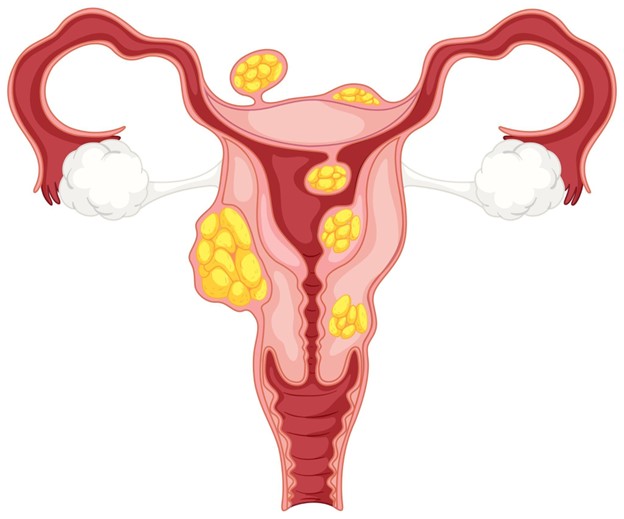
    Subserosal uterine fibroids are a type of fibroid that grows on the outer surface of the uterus. Unlike fibroids located within the uterine wall (intramural) or those protruding into the uterine cavity (submucosal), subserosal fibroids extend outward. Treatment options for subserosal uterine fibroids depend on factors such as the size of the fibroid, the severity of symptoms, and a woman’s reproductive goals.

    In many cases, watchful waiting may be considered if the fibroid is small and asymptomatic. However, if symptoms such as pelvic pain, pressure, or fertility issues arise, various interventions can be explored. Minimally invasive procedures, such as laparoscopic or robotic myomectomy, are common approaches for removing subserosal fibroids while preserving the uterus.

    For women who have completed their family planning or when the fibroids are huge or causing severe symptoms, a hysterectomy may be recommended as a definitive solution. Consulting with a healthcare provider is crucial to determine the most appropriate treatment strategy tailored to the woman’s individual needs.

    Also, Read:

    Uterine Fibroid Treatment In Ayurveda

    In Ayurveda, the traditional system of medicine rooted in ancient Indian philosophy, the treatment of uterine fibroids involves a holistic approach focusing on balancing the doshas (bioenergetic forces) and addressing the root cause. Ayurvedic treatments for uterine fibroids often include herbal formulations, dietary modifications, and lifestyle practices.

    Herbs like Ashoka, Lodhra, and Shatavari are commonly prescribed to regulate hormonal imbalances and reduce inflammation. Additionally, detoxification therapies such as Panchakarma may be recommended to eliminate toxins from the body. Ayurvedic practitioners emphasize personalized treatment plans tailored to an individual’s constitution, aiming to restore overall health and promote well-being while addressing the specific symptoms associated with uterine fibroids. It’s crucial for individuals considering Ayurvedic treatments to consult with qualified practitioners for a comprehensive and personalized approach.

    Empowering Women Through Education

    Knowledge is a powerful tool for women facing uterine fibroids. Understanding the available treatment options, their risks, and benefits empowers individuals to make informed decisions about their health. Women must consult healthcare professionals to determine the most suitable treatment plan based on their unique circumstances and goals.

    Uterine Fibroids Treatment

    Conclusion

    Uterine fibroids can significantly impact a woman’s quality of life, but there are various effective treatment options available. By staying informed, seeking medical advice, and actively participating in the decision-making process, women can navigate the journey of uterine fibroid treatment with confidence. Remember, each woman’s experience is unique, and the most appropriate approach will depend on individual factors, including symptoms, age, and future family planning goals.

    Read: What are Generic Medicines?

    FAQs on Uterine Fibroids Treatment

    Q1. What is Uterine fibroid treatment?

    Uterine fibroids treatment includes non-surgical options such as medications to manage symptoms, while minimally invasive procedures like myomectomy or uterine artery embolization can selectively remove or shrink fibroids. In severe cases or for those not considering future pregnancies, a hysterectomy may be recommended as a definitive solution.

    Q2. Can uterine fibroids be treated without surgery?

    Yes, non-surgical treatments for uterine fibroids include medications, such as hormonal therapy, and minimally invasive procedures like uterine artery embolization or endometrial ablation.

    Q3. Will treating uterine fibroids affect my fertility?

    It depends on the treatment. Minimally invasive procedures like myomectomy can preserve fertility by removing fibroids, while some medications may impact fertility temporarily.

    Q4. Is a hysterectomy the only solution for severe uterine fibroids?

    No, a hysterectomy (removal of the uterus) is one option, but less invasive procedures like myomectomy or uterine artery embolization can also be considered based on the severity of symptoms and a woman’s reproductive goals.
  • Tinnitus Treatment – Diagnosis and Best Treatment for Tinnitus

    Tinnitus Treatment – Diagnosis and Best Treatment for Tinnitus

    tinnitus treatment

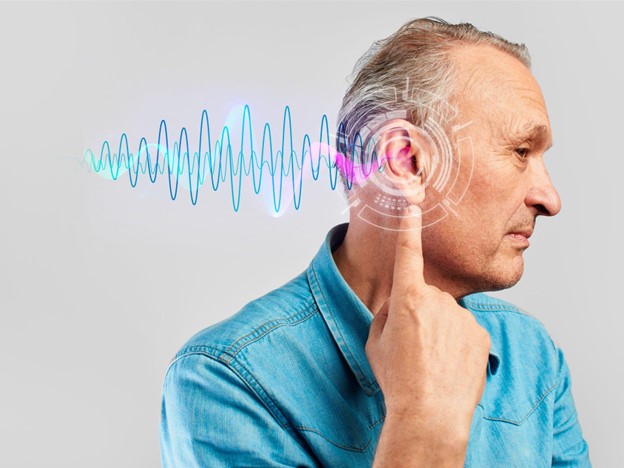
    Tinnitus treatment involves a multifaceted approach aimed at managing the symptoms of persistent ringing, buzzing, or humming in the ears. While there is no universal cure for tinnitus, various strategies can help individuals cope with and alleviate its impact. Medical interventions may include the use of hearing aids for associated hearing loss, sound therapy to mask internal noise, and, in some cases, medications to address emotional distress.

    Holistic approaches, such as cognitive behavioural therapy (CBT) and mindfulness techniques, focus on changing thought patterns and reducing stress. Lifestyle adjustments, like maintaining a balanced diet and practising relaxation exercises, can contribute to overall well-being. Emerging technologies and ongoing research into neuromodulation and pharmacotherapy offer promise for future advancements in tinnitus treatment.

    Tinnitus Treatment

    Tinnitus, often described as a persistent ringing, buzzing, or humming sound in the ears, affects millions of people worldwide. This condition can significantly impact one’s quality of life, leading to stress, anxiety, and sleep disturbances. Tinnitus is not a disease but a symptom of an underlying issue, such as age-related hearing loss, exposure to loud noises, earwax blockage, or even certain medications.

    Tinnitus Treatment

    Medical Interventions

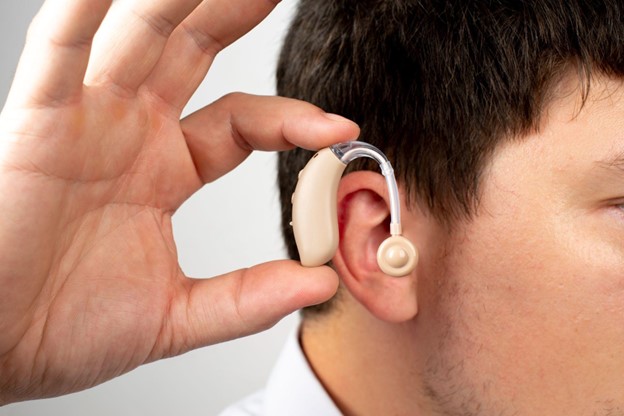
    • Hearing Aids: For individuals with tinnitus associated with hearing loss, hearing aids can be a game-changer. These devices amplify external sounds, making it easier for the brain to focus on them rather than the internal noise caused by tinnitus.
    • Sound Therapy: White noise machines, nature sounds, or specially designed tinnitus masking devices can help individuals habituate to the constant ringing. By introducing pleasant background sounds, the brain can learn to filter out or ignore the tinnitus noise over time.
    • Medications: In some cases, medications such as antidepressants or anti-anxiety drugs may be prescribed to alleviate the emotional toll of tinnitus. However, the effectiveness of medications varies from person to person, and potential side effects should be considered.

    > Consult a Doctor and Medkart will help you Order Medicines Online

    Holistic Approaches

    • Cognitive Behavioral Therapy (CBT): CBT can be beneficial in managing the psychological impact of tinnitus. By helping individuals change their thought patterns and reactions to sound, Cognitive Behavioral Therapy can reduce the distress associated with tinnitus.
    • Mindfulness and Relaxation Techniques: Stress and anxiety can exacerbate tinnitus symptoms. Mindfulness meditation, yoga, and deep-breathing exercises can promote relaxation and alleviate the emotional burden of tinnitus.
    • Dietary Changes: Some individuals report improvements in their tinnitus symptoms by making dietary adjustments. Cutting down on caffeine, alcohol, and salty foods, while ensuring a balanced diet rich in vitamins and minerals, may positively impact tinnitus.

    Emerging Technologies

    • Neuromodulation: Innovative techniques such as transcranial magnetic stimulation (TMS) and transcranial direct current stimulation (tDCS) are being explored for their potential to modulate the neural activity associated with tinnitus.
    • Pharmacotherapy and Clinical Trials: Ongoing research is focused on developing drugs specifically targeting the neural pathways involved in tinnitus. Participation in clinical trials may provide access to cutting-edge treatments.

    Tinnitus Treatment

    Tinnitus Home Treatment

    Tinnitus home treatment often involves adopting lifestyle changes and implementing simple yet effective strategies to alleviate symptoms. One commonly recommended approach is sound therapy, where individuals use background noise, such as a fan, soothing music, or nature sounds, to mask the persistent ringing in their ears.

    Additionally, practising relaxation techniques, such as deep-breathing exercises and mindfulness meditation, can help manage stress and reduce the perceived severity of tinnitus. Maintaining a healthy lifestyle through regular exercise, a balanced diet, and sufficient sleep can contribute to overall well-being and potentially improve tinnitus symptoms. While tinnitus home treatment may not provide a cure, they offer accessible and cost-effective ways for individuals to better cope with the challenges posed by tinnitus within the comfort of their own homes.

    Also, Read:

    Ayurvedic Treatment For Tinnitus

    Ayurvedic treatment for tinnitus is rooted in the ancient holistic healing system of Ayurveda, aiming to restore balance to the body and mind. Ayurveda views tinnitus as a manifestation of an underlying imbalance in the doshas, particularly Vata, and often recommends a combination of dietary modifications, herbal remedies, and lifestyle practices. Medicinal herbs such as Ashwagandha, Brahmi, and Ginkgo Biloba are commonly used to strengthen the nervous system and improve circulation to the ears.

    Ayurvedic therapies like Nasya (nasal administration of herbal oils), Shirodhara (pouring of warm oil on the forehead), and Panchakarma (detoxification procedures) may also be recommended to address imbalances and promote overall well-being. Additionally, adhering to a Vata-pacifying diet that includes warm, nourishing foods and avoiding excessive intake of cold or raw foods is often suggested. It’s important for individuals considering Ayurvedic treatment for tinnitus to consult with a qualified Ayurvedic practitioner who can tailor a holistic approach based on their unique constitution and specific imbalances.

    Conclusion:

    While tinnitus may not have a one-size-fits-all cure, the diverse range of treatment options offers hope for individuals seeking relief. Consulting with healthcare professionals and exploring a combination of medical, holistic, and emerging therapies can help individuals manage their symptoms effectively and enhance their overall quality of life. As research continues, the future holds promise for more advanced and tailored approaches to address the complex nature of tinnitus.

    Read: What are Generic Medicines?

    FAQs On Tinnitus Treatment

    Q1. What is Tinnitus Treatment?

    Tinnitus treatment involves managing persistent ear noises like ringing or buzzing. Strategies include sound therapy, medical interventions such as hearing aids, and holistic approaches like mindfulness and relaxation techniques. While there’s no universal cure, personalized combinations of these methods aim to alleviate symptoms and improve overall well-being.

    Q2. Can tinnitus be cured?

    Currently, there is no universal cure for tinnitus. However, various treatments aim to manage symptoms and improve quality of life.

    Q3. What are common tinnitus management strategies?

    Common strategies include sound therapy, such as white noise or nature sounds, medical interventions like hearing aids, and holistic approaches like mindfulness and relaxation techniques.

    Q4. Is medication effective in treating tinnitus?

    Medications may be prescribed to alleviate emotional distress associated with tinnitus, but their effectiveness varies.

    Related Links:

  • Stye Treatment – Best Medicine for a Stye and Home Remedies

    Stye Treatment – Best Medicine for a Stye and Home Remedies

    stye treatment

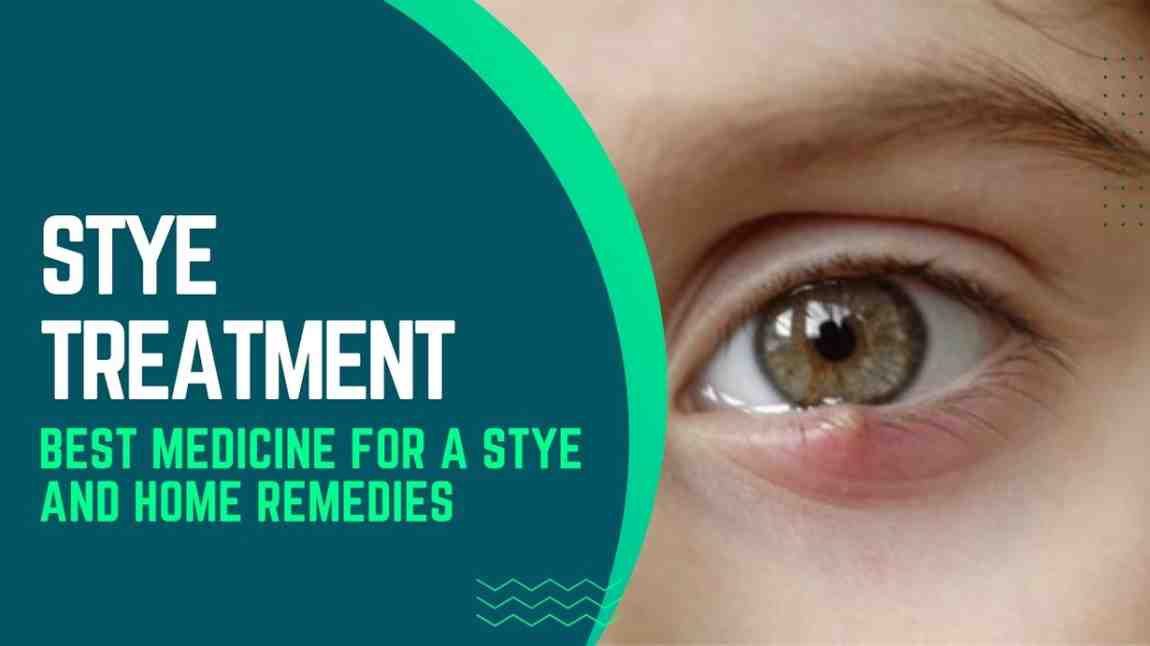
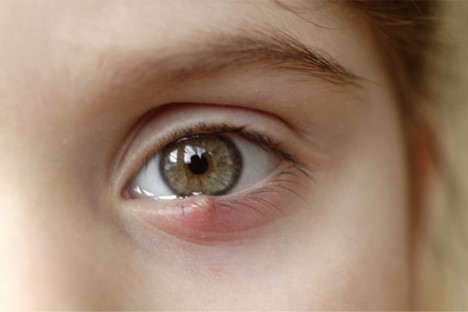
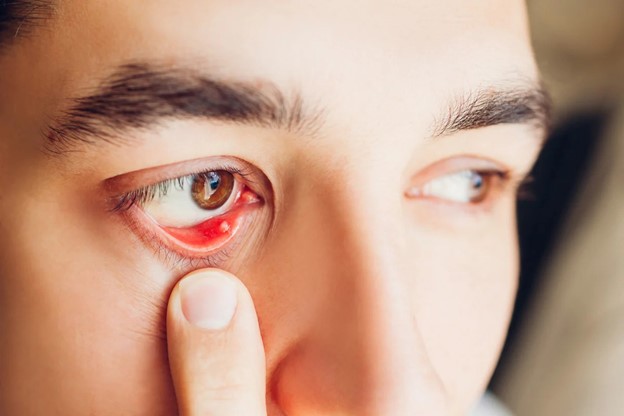
    Stye Treatment – A hordeolum, commonly referred to as a stye, represents a prevalent and frequently uncomfortable infection affecting the eyelid. It occurs when one or more oil glands at the base of an eyelash become blocked, leading to the development of a red, tender bump. While styes are generally harmless, they can be uncomfortable and aesthetically displeasing. In this blog post, we will explore the causes, symptoms, and various effective treatments for styes.

    Styes are typically caused by a bacterial infection, commonly Staphylococcus aureus. These bacteria are naturally present on the skin and can enter the oil glands through small cuts or abrasions. Other contributing factors to stye treatment include poor eyelid hygiene, using expired or contaminated cosmetics, and frequently rubbing the eyes with dirty hands.

    Symptoms of Styes

    Identifying a stye early on can help in implementing effective treatment. Common symptoms include:

    1. Redness and Swelling: The affected area of the eyelid becomes red and swollen.
    2. Pain: Styes are often tender and painful, especially when touched.
    3. Watering of the Eye: Excessive tearing may occur due to irritation.
    4. Blurred Vision: In some cases, vision may be temporarily affected.

    Stye Treatment

    Stye Treatment

    The best and most effective treatment of stye is mentioned below:

    • Warm Compresses: Applying a warm compress to the affected eye several times a day helps promote drainage and relieve pain. Soak a clean cloth in warm water and gently place it over the closed eye for 10-15 minutes.
    • Eyelid Hygiene: Keep the affected eye clean by using a mild, fragrance-free soap or baby shampoo to cleanse the eyelids. Be sure to wash your hands thoroughly before touching the infected area.
    • Avoid Squeezing: Resist the urge to squeeze or pop the stye, as this can lead to further infection or the formation of a more severe condition called a chalazion.
    • Antibiotic Ointments: Over-the-counter antibiotic ointments, such as bacitracin or erythromycin, can be applied to the eyelid to help eliminate bacterial infection. It’s crucial to follow the instructions provided and consult a healthcare professional if the condition persists.
    • Oral Antibiotics: In more severe cases, oral antibiotics may be prescribed by a doctor to combat the infection. This is usually reserved for styes that do not respond to topical treatments.
    • Pain Relievers: Over-the-counter pain relievers such as ibuprofen or acetaminophen are effective in alleviating pain and mitigating inflammation. Also, Andre, I kul eye drops is effective against eye discomfort, redness, swelling, and irritation.
    • Contact Lens Consideration: If you wear contact lenses, temporarily switch to glasses until the stye heals. Contact lenses may exacerbate the irritation and hinder the healing process.

    Also, Check:

    When to Seek Medical Attention for Stye Treatment

    While most styes can be effectively treated at home, it’s essential to consult a healthcare professional if:

    • The stye persists or worsens after a week of home treatment.
    • Vision is significantly affected.
    • The stye is recurrent or accompanied by other symptoms like fever.

    > Consult a Doctor and Medkart will help you Order Medicines Online

    Internal Stye Treatment

    While external styes are commonly visible on the eyelid, internal styes, also known as internal hordeolums, develop inside the eyelid. These can be more challenging to identify and treat due to their location. Similar to external styes, internal styes are primarily caused by a bacterial infection, often Staphylococcus aureus.

    • Avoid Eye Makeup: Refrain from using eye makeup until the internal stye has healed to prevent further irritation and contamination.
    • Topical Antibiotics: Your healthcare professional may recommend topical antibiotics in the form of ointments or drops to combat the bacterial infection. Follow the prescribed instructions carefully.
    • Oral Antibiotics: In more severe cases or if the internal stye does not respond to topical treatments, oral antibiotics may be prescribed to address the infection systemically.
    • Incision and Drainage (if necessary): In rare cases, a healthcare professional may need to perform a minor incision to drain the internal stye if it doesn’t respond to conservative treatments.
    • Pain Relief Medications: Over-the-counter pain relievers such as ibuprofen or acetaminophen can help manage pain and reduce inflammation.

    Stye Treatment

    Conclusion:

    Styes are common eye infections that can be managed effectively with proper hygiene and home treatments. By incorporating warm compresses, maintaining good eyelid hygiene, and using appropriate medications, individuals can relieve symptoms and facilitate the healing process. However, if the condition persists or worsens, seeking professional medical advice is crucial to prevent potential complications. Remember, early intervention and consistent care are key to a speedy recovery from styes.

    Read: What are Generic Medicines?

    FAQs on Stye Treatment

    Q1. What is Stye Treatment?

    Stye treatment typically involves warm compress application to reduce inflammation, maintaining good eyelid hygiene, and using over-the-counter or prescribed antibiotics to address bacterial infection. In more severe cases, oral antibiotics or professional drainage procedures may be recommended.

    Q2. Can I treat a stye at home?

    Yes, home treatment includes applying warm compresses, practising good eyelid hygiene, and using over-the-counter antibiotic ointments to alleviate symptoms.

    Q3. Should I pop or squeeze a stye?

    No, attempting to pop or squeeze a stye can worsen the infection and lead to complications. It’s best to apply warm compresses and seek professional advice if needed.

    Q4. When should I see a doctor for a stye?

    Consult a doctor if the stye persists after a week of home treatment, if vision is affected, or if the stye is accompanied by fever. Professional guidance ensures appropriate intervention if required.

    Related Links:

  • Stomach Ulcer Treatment – Natural and Home Remedies for Stomach Ulcer

    Stomach Ulcer Treatment – Natural and Home Remedies for Stomach Ulcer

    stomach ulcer treatment

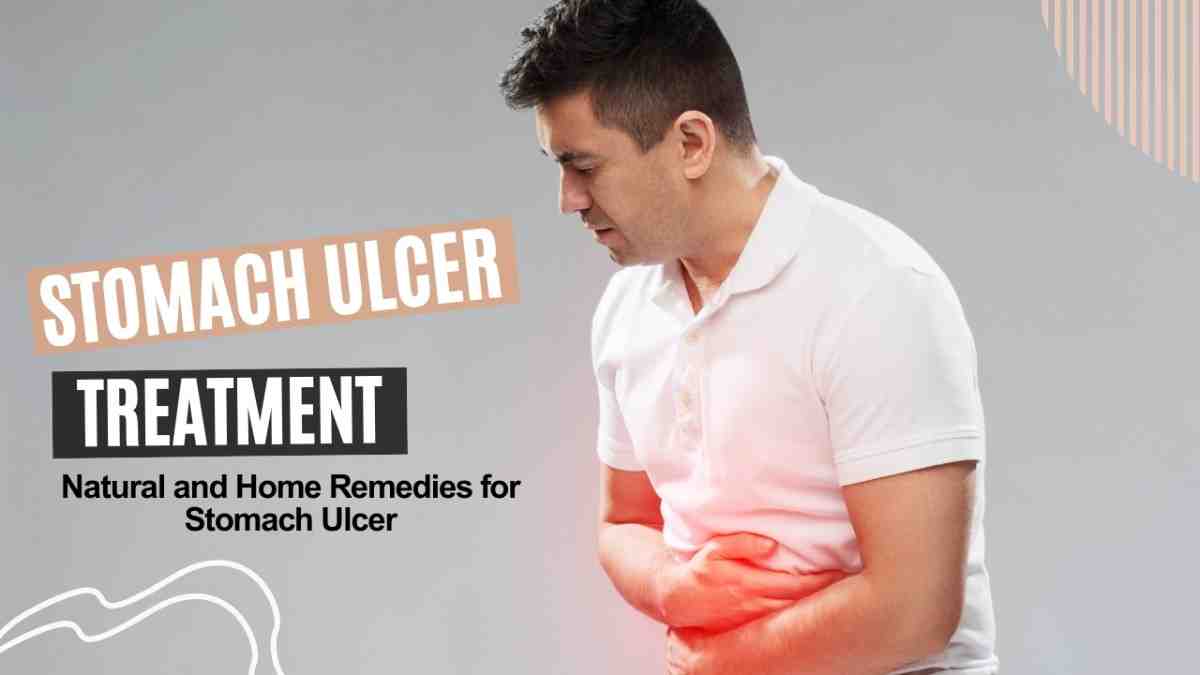
    Stomach ulcer treatment typically involves a multifaceted approach aimed at relieving symptoms, promoting healing, and preventing recurrence. Medications play a central role, with proton pump inhibitors (PPIs) and H2 blockers effectively reducing stomach acid production. Antibiotics for stomach ulcer treatment may be prescribed in cases where Helicobacter pylori infection is identified. Antacids provide quick relief by neutralizing acid, while cytoprotective agents form a protective barrier over the ulcer.

    Lifestyle modifications, such as dietary changes to avoid trigger foods and the cessation of smoking, contribute to the healing process. Stress management through techniques like meditation or yoga is also recommended, as chronic stress can exacerbate symptoms. In severe cases or instances of complications, surgical intervention may be necessary.

    What are Stomach Ulcers?

    Gastric ulcers, commonly referred to as stomach ulcers, are characterized by the presence of open sores that form on the inner lining of the stomach. These ulcers can cause pain, discomfort, and various complications if left untreated. Stomach ulcers primarily result from the erosion of the stomach lining, often caused by the imbalance between stomach acid and the protective mucous layer.

    The major factors contributing to ulcer development include:

    • Helicobacter pylori (H. pylori) Infection: This bacterium is a common culprit behind stomach ulcers. It weakens the protective mucous layer, making the stomach more susceptible to damage from stomach acid.
    • Nonsteroidal Anti-Inflammatory Drugs (NSAIDs): Regular use of NSAIDs, such as aspirin and ibuprofen, can increase the risk of developing stomach ulcers by irritating the stomach lining.
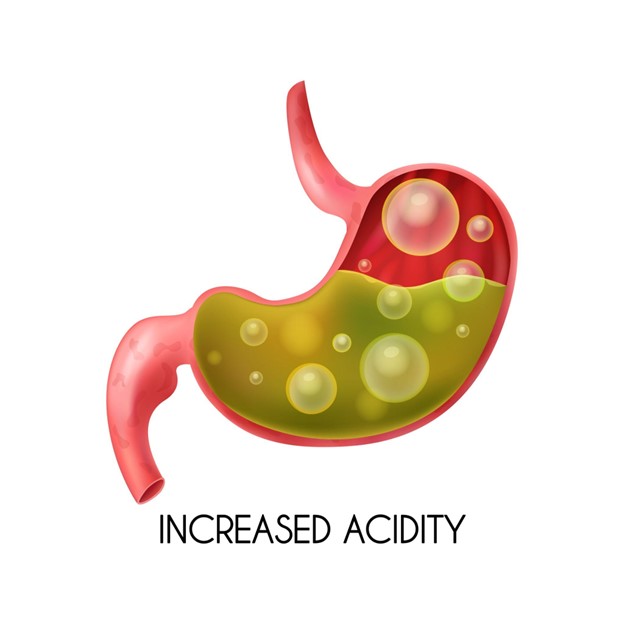
    • Excessive Stomach Acid Production: Conditions like hyperacidity can lead to an excess of stomach acid, contributing to the erosion of the stomach lining.

    Stomach Ulcer Treatment

    Stomach Ulcer Symptoms Treatment

    Recognizing the symptoms of stomach ulcers is crucial for timely intervention. Common signs include:

    1. Burning pain in the abdomen, often between meals or during the night.
    2. Nausea and vomiting.
    3. Indigestion and bloating.
    4. Dark or bloody stools.
    5. Unexplained weight loss.

    Stomach Ulcer Treatment

    Stomach Ulcer Treatment

    The features of the treatment of stomach ulcers are mentioned below:

    Medications:

    • Proton Pump Inhibitors (PPIs): These drugs reduce stomach acid production, promoting healing of the ulcer. Examples include omeprazole and lansoprazole.
    • H2 Blockers: Drugs like ranitidine and famotidine also help decrease stomach acid production.
    • Antibiotics: If H. pylori infection is identified, a combination of antibiotics is often prescribed to eradicate the bacteria.

    > Consult a Doctor and Medkart will help you Order Medicines Online

    Medicines like Misoprostol, especially in the form of Misoprost 200mcg Tablet, are also prescribed in certain cases to protect the stomach lining, particularly for patients at risk of NSAID-induced ulcers.

    Antacids: Over-the-counter antacids provide quick relief by neutralizing stomach acid. However, they do not promote ulcer healing and are typically used in conjunction with other medications.

    Cytoprotective Agents: Medications like sucralfate create a protective barrier over the ulcer, shielding it from the corrosive effects of stomach acid.

    Lifestyle Changes:

    • Dietary Modifications: Avoiding spicy foods, caffeine, and alcohol can help reduce stomach acid production.
    • Quitting Smoking: Smoking can delay ulcer healing and increase the risk of complications.

    Stress Management: Chronic stress can exacerbate stomach ulcer symptoms. Practising relaxation techniques like meditation or yoga may help manage stress levels.

    Surgery: In severe cases or if complications arise, surgery may be necessary to repair the ulcer or remove the affected portion of the stomach.

    Also, Read:

    Stomach Ulcer Treatment Diet

    Adopting a stomach ulcer treatment diet is essential for managing symptoms and promoting healing. Key dietary considerations include:

    • Avoiding Trigger Foods: Spicy foods, acidic fruits, caffeine, and alcohol can irritate the stomach lining. Limiting or avoiding these items can help reduce discomfort.
    • Opting for a Low-Acidity Diet: Choose foods that are less acidic to minimize stomach irritation. Choose lean proteins, opt for whole grains, and include non-citrus fruits in your dietary selection.
    • Incorporating Fiber-Rich Foods: High-fiber foods, such as fruits, vegetables, and whole grains, can help maintain a healthy digestive system and prevent constipation.
    • Including Probiotics: Probiotics, found in yoghurt and fermented foods, promote a healthy gut environment and may aid in the healing process.
    • Small, Frequent Meals: Eating smaller, more frequent meals throughout the day instead of large meals can help manage stomach acid levels and reduce irritation.
    • Hydration: Drinking plenty of water helps maintain mucous production, providing a protective barrier for the stomach lining.

    It’s crucial to note that individual responses to foods can vary, and individuals with stomach ulcers should consult with a healthcare professional or a registered dietitian to craft an individualized dietary regimen that caters to unique needs and preferences.

    Conclusion:

    Stomach Ulcer treatment is a combination of medications, lifestyle changes, and, in some cases, surgery. Early detection and intervention are essential for preventing complications and promoting optimal healing. If you suspect you have a stomach ulcer or experience persistent symptoms, consult a healthcare professional for a proper diagnosis and personalized treatment plan.

    Read: What are Generic Medicines?

    FAQs on Stomach Ulcer Treatment

    Q1. What is stomach ulcer treatment?

    Stomach ulcer treatment involves a combination of medications, such as proton pump inhibitors and antibiotics for H. pylori eradication. Implementing alterations to one’s lifestyle, encompassing dietary adjustments and effective stress management strategies assumes a pivotal role in overall well-being. In severe cases, surgery may be considered to address complications or non-responsive ulcers.

    Q2. Can stomach ulcers heal on their own without treatment?

    In some cases, small ulcers may heal without specific treatment. However, seeking medical advice is crucial to prevent complications and ensure effective management.

    Q3. What over-the-counter medications can help with stomach ulcer symptoms?

    Antacids, such as Tums or Maalox, provide quick relief by neutralizing stomach acid. However, they should be used in conjunction with prescribed medications for long-term ulcer healing.

    Q4. Is surgery always required for treating stomach ulcers?

    Surgery is not always necessary. Most ulcers can be effectively managed with medications, lifestyle changes, and when applicable treatment for underlying causes like H. pylori infection. Surgical intervention is generally reserved for instances of heightened severity or the emergence of complications.

    Related Links:


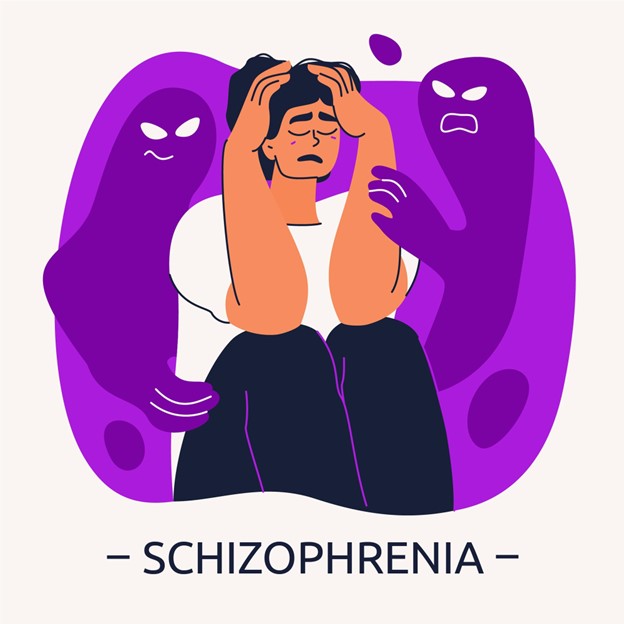
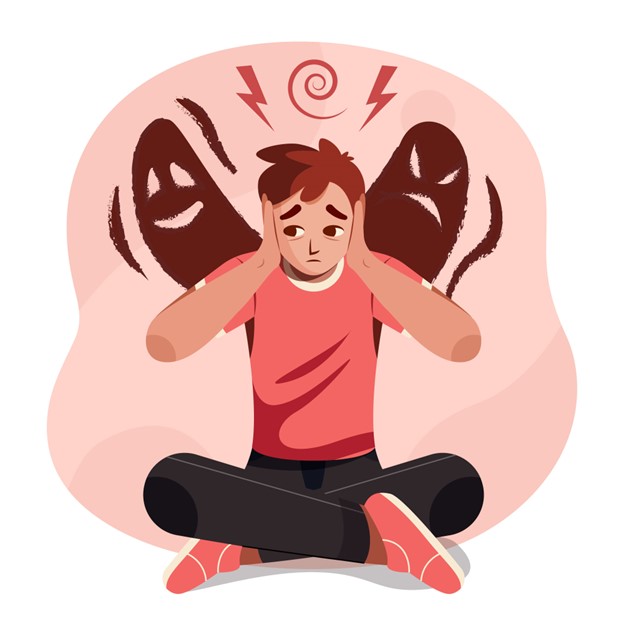
  • Schizophrenia Treatment – How to Cure Schizophrenia Permanently?

    Schizophrenia Treatment – How to Cure Schizophrenia Permanently?

    schizophrenia treatment

    Schizophrenia treatment typically involves a multifaceted approach aimed at managing symptoms and improving overall well-being. Medication, particularly antipsychotics, is commonly prescribed to address the distorted thinking and hallucinations characteristic of the disorder. Psychotherapy, such as cognitive-behavioral therapy, plays a crucial role in helping individuals cope with and modify negative thought patterns.

    Social support is emphasized, involving family, friends, and support groups to provide understanding and encouragement. Lifestyle modifications, including regular exercise, a balanced diet, and adequate sleep, contribute to holistic well-being.

    Vocational and educational support programs assist individuals in maintaining employment or pursuing education, fostering a sense of purpose. In acute phases or crises, hospitalization and crisis intervention teams may be necessary. The collaborative effort between individuals, healthcare providers, and support networks is key to tailoring an effective and personalized treatment plan.

    Schizophrenia Treatment

    Schizophrenia is a complex mental health condition that affects millions of individuals worldwide. Characterized by distorted thinking, hallucinations, and impaired social functioning, schizophrenia requires a multifaceted approach to treatment. While there is no cure for this chronic disorder, advancements in research and understanding have led to various effective strategies to manage symptoms and improve the quality of life for those affected.

    Schizophrenia Treatment

    Medication

    Antipsychotic medications form the cornerstone of schizophrenia treatment. These drugs help manage the symptoms of the disorder, primarily by altering the effects of neurotransmitters in the brain. Individuals with schizophrenia must work closely with their healthcare providers to find the most suitable medication and dosage. Regular monitoring and adjustments may be necessary to minimize side effects and optimize effectiveness.

    One commonly prescribed medicine in the management of schizophrenia is Placida Tablet. It helps reduce symptoms such as delusions, aggression, restlessness, and mood disturbances. It may also be used in treating bipolar disorder and other psychotic conditions under medical supervision.

    > Consult a Doctor and Medkart will help you Order Medicines Online

    Psychotherapy

    Therapeutic interventions play a pivotal role in helping individuals with schizophrenia cope with their symptoms and improve their daily functioning. Cognitive-behavioural therapy (CBT) is particularly beneficial, helping individuals identify and change negative thought patterns and behaviours. Other therapeutic approaches, such as family therapy and supportive psychotherapy, can also contribute to a comprehensive treatment plan.

    Schizophrenia Treatment

    Social Support

    Building a strong support system is essential for individuals with schizophrenia. Family, friends, and support groups can provide emotional support, encouragement, and understanding. Social connections contribute to a sense of belonging and reduce feelings of isolation, which are common challenges for those with schizophrenia.

    Lifestyle Modifications

    A holistic approach to schizophrenia treatment includes lifestyle adjustments that promote overall well-being. Regular exercise, a balanced diet, and sufficient sleep can positively impact both physical and mental health. Substance abuse can exacerbate symptoms, so avoiding drugs and alcohol is crucial. Integrating stress-management techniques, such as mindfulness and relaxation exercises, can also be beneficial.

    Vocational and Educational Support

    Maintaining employment or pursuing education can be challenging for individuals with schizophrenia, but it is an essential aspect of their overall well-being. Vocational and educational support programs help individuals develop skills, build confidence, and find meaningful activities that contribute to a sense of purpose and achievement.

    Hospitalization and Crisis Intervention

    In some cases, hospitalization may be necessary during acute phases of schizophrenia or in times of crisis. Crisis intervention teams, often consisting of mental health professionals, can provide immediate assistance and support during challenging situations.

    Also, Read:

    Paranoid Schizophrenia Treatment

    Treatment for paranoid schizophrenia, a subtype of schizophrenia characterized by prominent delusions and hallucinations, typically involves a combination of medication, psychotherapy, and support. Antipsychotic medications, such as risperidone or olanzapine, are commonly prescribed to alleviate symptoms and stabilize mood.

    Psychotherapy, particularly cognitive-behavioural therapy (CBT), aims to help individuals challenge and modify paranoid thoughts, enhance coping strategies, and improve overall functioning. Additionally, building a strong support system, including family and friends, is crucial to provide understanding and encouragement throughout the treatment process.

    Regular monitoring and adjustments to the treatment plan are essential to address individual needs and optimize the management of paranoid schizophrenia.

    Schizophrenia Treatment

    How to Cure Schizophrenia Permanently? – Latest Treatment For Schizophrenia

    The latest treatment for Schizophrenia often involves a combination of traditional antipsychotic medications, second-generation antipsychotics with improved side effect profiles, and psychosocial interventions. Long-acting injectable formulations of antipsychotics have gained popularity for enhancing medication adherence.

    Emerging research is exploring novel therapeutic strategies, including glutamatergic modulators and targeted cognitive enhancers, aiming to address cognitive deficits associated with schizophrenia. Additionally, advancements in digital health technologies, such as mobile apps for symptom monitoring and virtual therapy platforms, are being integrated into treatment plans.

    Conclusion:

    Schizophrenia treatment is a dynamic and ongoing process that requires a collaborative effort between individuals, healthcare providers, and support networks. While there is no one-size-fits-all approach, a combination of medication, psychotherapy, social support, lifestyle adjustments, and vocational assistance can significantly improve the lives of those affected by schizophrenia.

    Individuals and their loved ones need to work closely with healthcare professionals to tailor a treatment plan that addresses their unique needs and challenges, fostering a path towards stability, independence, and a better quality of life.

    Read: What are Generic Medicines?

    FAQs on Schizophrenia Treatment

    Q1. What is Schizophrenia Treatment?

    Schizophrenia treatment involves a multifaceted approach, combining antipsychotic medications to manage symptoms, psychotherapy to address distorted thought patterns, and social support to enhance overall well-being. The goal is to tailor a comprehensive plan that supports individuals in managing their condition, improving daily functioning, and fostering a better quality of life.

    Q2. How effective are antipsychotic medications in treating schizophrenia?

    Antipsychotic medications are a cornerstone of schizophrenia treatment, effectively managing symptoms by altering neurotransmitter effects in the brain. While individual responses vary, many people experience significant improvement in their quality of life with proper medication management.

    Q3. Can therapy help individuals with schizophrenia?

    Yes, therapy, particularly cognitive-behavioural therapy (CBT), can be beneficial for individuals with schizophrenia. CBT helps identify and modify negative thought patterns, improving coping strategies and overall functioning in daily life.

    Q4. Is social support important in the treatment of schizophrenia?

    Absolutely. Building a strong support system, including family, friends, and support groups, is crucial for individuals with schizophrenia. Social connections provide emotional support, reduce isolation, and contribute to an improved sense of well-being.

    Related Links:

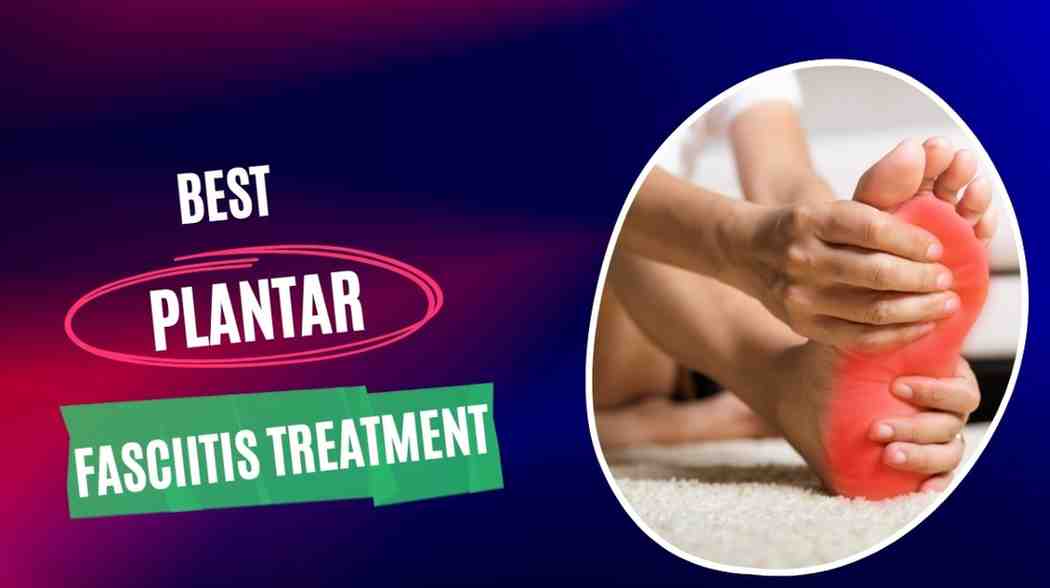
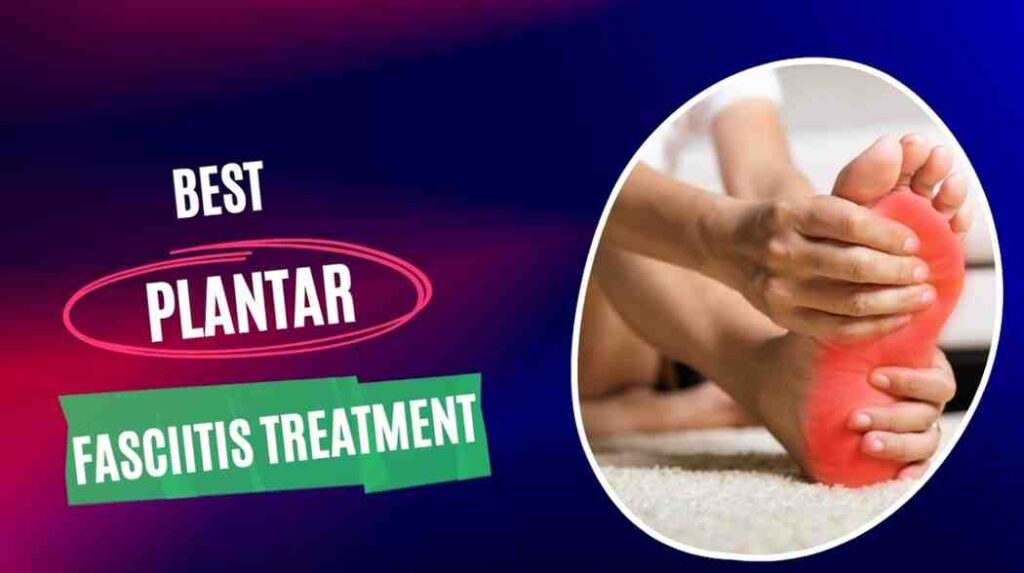
  • Best Plantar Fasciitis Treatment – Home Remedies and Exercises for Plantar Fasciitis

    Best Plantar Fasciitis Treatment – Home Remedies and Exercises for Plantar Fasciitis

    best plantar fasciitis treatment

    Plantar fasciitis, a prevalent foot ailment characterized by heel pain and inflammation, demands a multifaceted approach to treatment. Initial measures often involve rest, ice application, and the integration of stretching exercises to alleviate tension in the plantar fascia. Suitable footwear with proper arch support and cushioning are crucial in minimizing strain, while night splints can aid in preventing the tightening of the fascia during sleep.

    For more advanced cases, professional interventions like physical therapy, orthotics, and corticosteroid injections may be recommended. Shockwave therapy, a non-invasive procedure, has also shown promise in stimulating healing. Adopting preventive measures such as gradual exercise progression, maintaining a healthy weight, and proper warm-up routines can further contribute to long-term relief from plantar fasciitis. Seeking advice from healthcare professionals ensures a tailored treatment plan, facilitating a more effective and sustainable recovery.

    Plantar Fasciitis Treatment

    Before delving into treatment options, it’s essential to understand what plantar fasciitis is and how it develops. The plantar fascia is a thick band of tissue that connects the heel bone to the toes, providing support to the arch of the foot.

    When this tissue becomes strained or inflamed, it leads to plantar fasciitis. Common causes include overuse, improper footwear, high-impact activities, and underlying foot conditions.

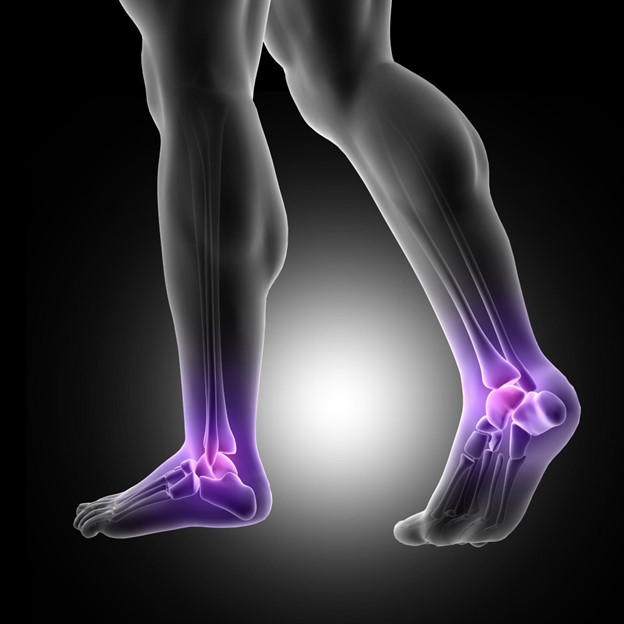
    Plantar Fasciitis image

    Best Exercises for Plantar Fasciitis Treatment

    The best exercises for plantar fasciitis treatment are mentioned below:

    Calf Stretches

    • Stand facing a wall with hands placed on it.
    • Extend one leg straight back while keeping the heel on the ground.
    • Bend the front knee, feeling a stretch in the calf of the extended leg.
    • Hold for 15-30 seconds and switch legs.

    Towel Stretch

    • Sit on the floor with your legs extended.
    • Loop a towel around the ball of one foot.
    • Gently pull the towel towards you, keeping the knee straight.
    • Hold for 15-30 seconds and repeat on the other foot.

    Toe Scrunches

    • Sit comfortably and place a small towel on the floor in front of you.
    • Use your toes to scrunch the towel towards you.
    • Repeat for 2-3 sets of 15 repetitions.

    Rolling Massage

    • Freeze a water bottle or a golf ball.
    • While seated, roll the frozen object under the arch of your foot for 5-10 minutes.
    • This helps reduce inflammation and soothes the affected area.

    Rolling Massage image

    Plantar Fasciitis Home Treatment

    The best home remedies for the plantar fasciitis treatment are mentioned below:

    Proper Footwear

    • Choose your shoes which has good arch support and cushioning.
    • Avoid high-heeled footwear and shoes lacking proper support to safeguard your feet.

    Icing

    • Apply an ice pack to the impacted region for a duration of 15-20 minutes at intervals of 2-3 hours.
    • Icing helps reduce inflammation and provides relief.

    Rest and Elevation

    • Rest your feet, especially after activities that exacerbate the pain.
    • Elevate your feet when possible to minimize swelling.

    Night Splints

    • Wear night splints to keep the foot in a dorsiflexed position while sleeping.
    • This helps stretch the plantar fascia during the night.

    Over-the-Counter Supports

    • Consider using arch supports or orthotic insoles to provide additional support to the foot.

    Other Approaches

    • Footwear: Wear supportive shoes with proper arch support and cushioning to minimize strain on the plantar fascia.
    • Night Splints: Night splints can be worn to keep the foot flexed, preventing the plantar fascia from tightening during sleep.

    Professional Interventions

    • Physical Therapy: A physical therapist can guide you through targeted exercises to strengthen the muscles supporting the foot and improve flexibility.
    • Orthotics: Custom-made or over-the-counter orthotic insoles can provide additional support and help distribute pressure evenly across the foot.
    • Medications: Nonsteroidal anti-inflammatory drugs (NSAIDs) may be recommended by a healthcare professional to alleviate pain and reduce inflammation.
    • Corticosteroid Injections: In severe cases, corticosteroid injections may be administered to reduce inflammation and provide short-term relief.
    • Shockwave Therapy: This non-invasive treatment involves using shockwaves to stimulate healing and reduce pain in the affected area.

    Preventive Measures for Plantar Fasciitis

    • Proper Warm-up: Always warm up before engaging in physical activities, especially high-impact exercises.
    • Gradual Progression: If starting a new exercise routine, progress gradually to avoid overloading the plantar fascia.
    • Maintain a Healthy Weight: Excess weight puts additional strain on the feet, contributing to plantar fasciitis.

    Consult a Doctor and Medkart will help you Order Medicines Online

    Conclusion

    In conclusion, plantar fasciitis can be a painful and debilitating condition, but with the right approach, many individuals can find relief through plantar fasciitis treatment exercises and home remedies. Incorporating these exercises into your routine and adopting healthy habits can contribute to the long-term well-being of your feet. If in doubt, always consult with a healthcare professional for personalized advice and treatment.

    Read: What are Generic Medicines?

    FAQs on Plantar Fasciitis Treatment

    Q1. What is Plantar Fasciitis Treatment?

    Plantar fasciitis treatment involves a combination of exercises, lifestyle modifications, and self-care measures to alleviate pain and promote healing in the inflamed plantar fascia. This may include stretching exercises, proper footwear, ice application, and, in some cases, the use of night splints or orthotic inserts.

    Q2. Can I treat plantar fasciitis at home?

    Yes, many cases of plantar fasciitis can be effectively managed at home. Simple exercises like calf stretches, toe scrunches, and rolling massages, along with lifestyle adjustments such as proper footwear and rest, can contribute to relief.

    Q3. How long does it take for plantar fasciitis to heal with exercises?

    The healing time varies, but consistent implementation of plantar fasciitis exercises may show improvement in a few weeks to a few months. It’s important to be patient and maintain a regular exercise routine for optimal results.

    Q4. Are there any immediate relief measures for plantar fasciitis?

    Yes, there are immediate relief measures. Applying ice to the affected area, wearing supportive footwear, and taking over-the-counter anti-inflammatory medications can help alleviate pain. However, for long-term relief, it’s advisable to incorporate a comprehensive treatment plan including exercises and lifestyle changes.

  • Pimple Treatment – How to Treat Acne?

    Pimple Treatment – How to Treat Acne?

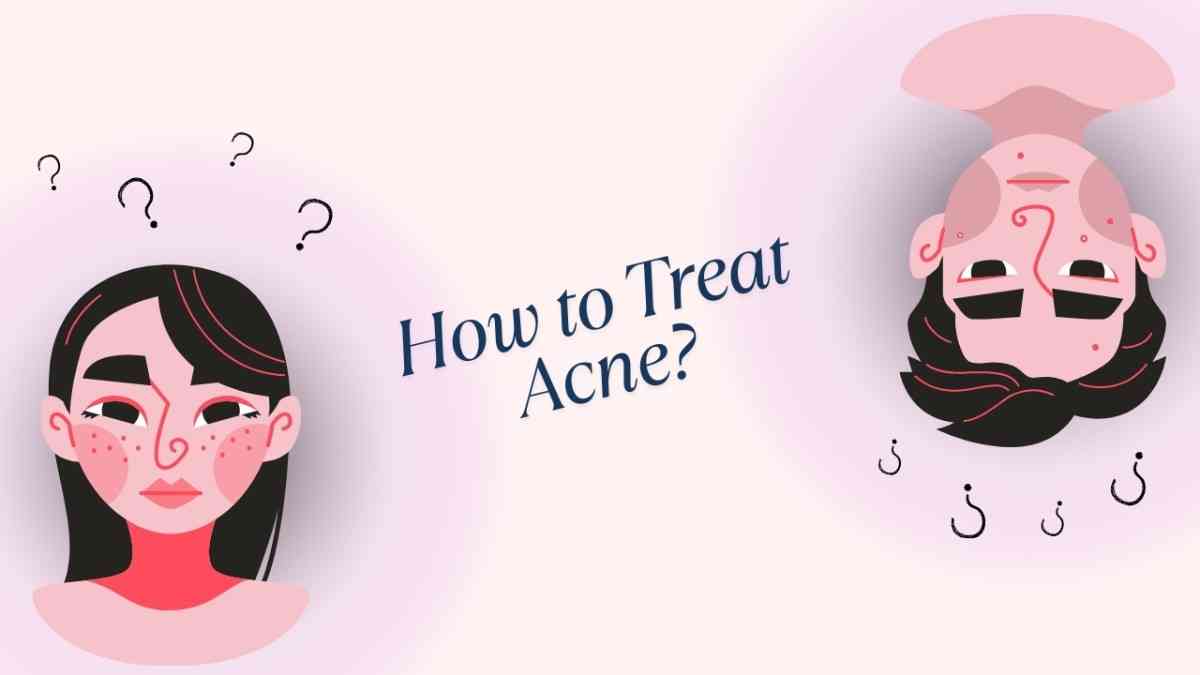
    acne treatmentPimple treatment involves a targeted skincare routine comprising gentle cleansing, exfoliation, and the application of topical treatments containing ingredients like benzoyl peroxide or salicylic acid. Adopting a balanced diet, staying hydrated, and managing stress contribute to overall skin health and aid in preventing pimples. In severe cases, dermatologists may recommend prescription medications, chemical peels, or laser therapy for effective and personalized solutions.
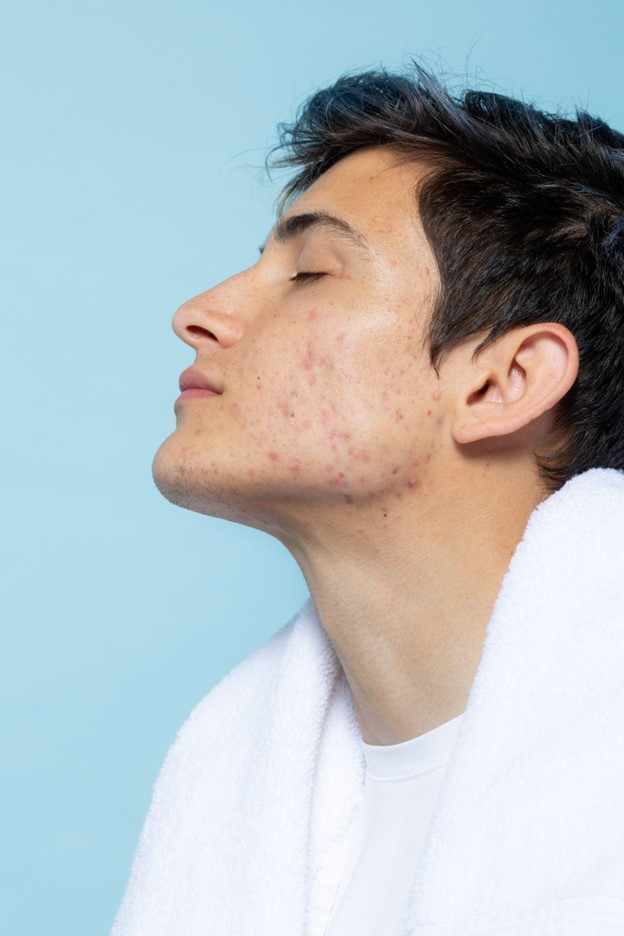
    Pimples, those pesky little eruptions on our skin, can be a source of frustration and self-consciousness for many. While they are a common part of life, understanding the causes and adopting effective pimple treatment strategies can help manage and prevent them.

    Pimple Treatment

    Pimples, colloquially referred to as acne, manifest when hair follicles undergo obstruction due to the accumulation of oil and deceased skin cells. The primary factors contributing to pimple formation include excess oil production, bacteria, and inflammation. Hormonal changes, diet, stress, and genetics can also play a role in the development of pimples.

    Pimple Treatment

    Skincare Routine for Pimple Treatment

    Gentle Cleansing: Initiate your skincare regimen by using a mild cleanser designed to effectively eliminate surplus oil, grime, and impurities from your skin. It’s crucial to avoid harsh cleansers, as they can excessively deplete the skin’s essential oils, leading to an escalation in oil production. Opt for a gentle, fragrance-free cleanser tailored to your specific skin type for optimal results.

    Exfoliation: Frequent exfoliation aids in the elimination of lifeless skin cells, thwarting their potential to congest pores. Use a mild exfoliant containing salicylic acid or glycolic acid a few times a week to keep the skin’s surface smooth.

    Pimple Treatment

    Topical Treatments: Incorporate topical treatments containing benzoyl peroxide or salicylic acid to target acne-causing bacteria and reduce inflammation. These instructions are designed to be directly implemented in the areas that are impacted.

    Moisturization: Contrary to common belief, moisturizing is essential for all skin types, even oily or acne-prone skin. Choose a non-comedogenic, oil-free moisturizer to maintain skin hydration without clogging pores.

    Sun Protection: Always use a broad-spectrum sunscreen with an SPF of 30 or higher, especially when using acne treatments. Sunscreen prevents hyperpigmentation and protects the skin from UV damage.

    Lifestyle Changes for Pimple Prevention

    Balanced Diet: Maintain a well-balanced diet rich in fruits, vegetables, whole grains, and lean proteins. Avoid excessive consumption of dairy, sugary foods, and high-glycemic-index items, as they may contribute to acne development.

    Hydration: Drink plenty of water to keep the skin hydrated and help flush out toxins. Proper hydration supports overall skin health and can aid in preventing pimples.

    Stress Management: Chronic stress can trigger hormonal imbalances leading to acne. Practice stress-reduction techniques such as meditation, yoga, or deep breathing exercises to promote both mental and skin well-being.

    Regular Exercise: Physical activity improves blood circulation and promotes healthy skin. Aim for approximately 30 minutes of moderate exercise most days of the week.

    Pimple Professional Treatments

    For persistent or severe acne, consider seeking advice from a dermatologist who can recommend more advanced treatments, such as:

    Prescription Medications: Dermatologists may prescribe topical or oral medications like retinoids, antibiotics, or birth control pills to address the underlying causes of acne.

    Chemical Peels: Chemical peels can help improve skin texture and reduce acne by removing the outer layer of skin.

    Laser Therapy: Laser treatments target bacteria and reduce inflammation, offering an effective solution for severe acne cases.

    Also, Read:

    Scalp Pimples Treatment

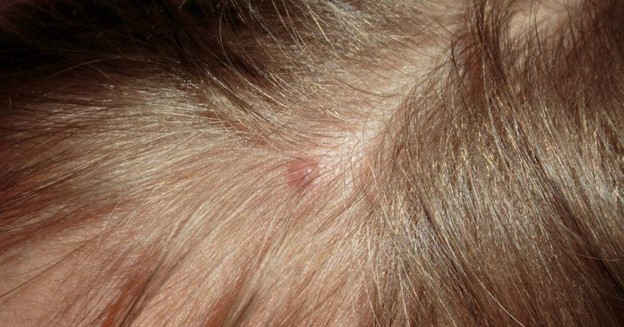
    Scalp blemishes, commonly recognized as scalp acne or folliculitis, can be an unpleasant and irritating condition. Treating these pesky bumps on the scalp requires a specialized approach to ensure relief and prevent recurrence.

    Scalp pimples, much like facial acne, occur when hair follicles become clogged with oil, dead skin cells, or bacteria. They can be triggered by factors such as excess oil production, poor hygiene, sweat, or even the use of certain hair products.

    Pimple Treatment

    Scalp Pimple Treatment Strategies

    Gentle Cleansing: Start by washing your hair regularly with a mild, sulfate-free shampoo. This helps remove excess oil, dirt, and product build-up without stripping the scalp of its natural oils. Avoid harsh, drying shampoos, as they may worsen the condition.

    Antibacterial Shampoos: Choose a medicated shampoo containing ingredients like salicylic acid, tea tree oil, or ketoconazole. These help combat bacteria, fungi, and inflammation, providing relief from scalp pimples. Use the shampoo as directed on the packaging.

    Avoiding Irritating Hair Products: Opt for hair care products labelled as non-comedogenic, meaning they won’t clog pores. Avoid heavy conditioners and styling products that may contribute to pore blockage. It’s also advisable to keep hairstyles loose to allow the scalp to breathe.

    Topical Treatments: In more stubborn cases, consider applying over-the-counter spot treatments or medicated ointments directly to the affected areas. Look for products containing benzoyl peroxide or salicylic acid.

    Healthy Scalp Habits: Sustain your well-being by ensuring adequate hydration, embracing a diverse and nutritious diet, and effectively navigating stressors to maintain a wholesome lifestyle. These factors contribute to overall skin health, including the scalp.

    When to Seek Professional Help

    If scalp pimples persist or become severe, consult a dermatologist. They can provide a more accurate diagnosis and recommend prescription-strength shampoos, topical treatments, or antibiotics if the condition is bacterial in nature.
    > Consult a Doctor and Medkart will help you Order Medicines Online

    Conclusion:

    Achieving clear skin involves a holistic approach that combines a consistent skincare routine, healthy lifestyle choices, and professional guidance when necessary. By understanding the causes of pimples and adopting a tailored treatment plan, you can take control of your skin health and embrace a radiant complexion.

    Scalp pimples can be effectively managed with a combination of proper hygiene, targeted treatments, and lifestyle adjustments. By incorporating these strategies into your routine, you can promote a healthy scalp and enjoy relief from the discomfort of scalp pimples. If issues persist, seeking professional guidance ensures a more tailored and effective approach to treatment.

    Read: What are Generic Medicines?

    FAQs on Pimple Treatment

    Q1. What is pimple treatment?

    Pimple treatment involves a targeted skincare routine, including gentle cleansing, topical treatments, and lifestyle adjustments to address factors such as diet and stress, aiming to reduce inflammation and prevent future breakouts. In severe cases, dermatologists may recommend prescription medications or advanced procedures like chemical peels or laser therapy for effective management.

    Q2. Can I use toothpaste to treat pimples?

    While toothpaste may contain ingredients that can temporarily dry out a pimple, it’s not recommended as a long-term solution. Specialized acne treatments with ingredients like benzoyl peroxide or salicylic acid are more effective and less likely to irritate the skin.

    Q3. How long does it take for pimple treatments to show results?

    Results vary, but consistent use of skincare products may show improvement in a few weeks. For prescription medications or professional treatments, it may take several weeks to months to see significant changes, depending on the severity of the acne.

    Related Links:

  • Normal Heart Rate by Age – Resting Heart Rate Chart

    Normal Heart Rate by Age – Resting Heart Rate Chart

    normal heart rate

    Normal heart rate varies across age groups, reflecting the dynamic nature of cardiovascular health throughout a person’s life. In infants (0-12 months), a resting heart rate of 100 to 160 beats per minute (bpm) is typical, gradually decreasing as they grow. Children (1-10 years) usually have a heart rate between 70 and 120 bpm, while pre-teens and teens (11-17 years) exhibit rates of 60 to 100 bpm, influenced by factors like puberty and physical activity.

    Adults (18-64 years) generally fall within the 60 to 100 bpm range, though fitness levels may influence these values. Seniors (65 years and older) typically have a resting heart rate of 60 to 100 bpm, with considerations for individual health and medications. Monitoring heart rate by age provides a useful benchmark for assessing cardiovascular well-being and adapting lifestyle choices accordingly.

    Normal Heart Rate By Age

    The human heart is a remarkable organ that tirelessly pumps blood, ensuring the circulation of oxygen and nutrients throughout the body. Monitoring heart rate is a key aspect of maintaining cardiovascular health. A normal heart rate varies with age, and understanding these age-specific ranges is crucial for assessing overall well-being.

    Normal Heart Rate by Age

    1. Infants (0-12 months)

    In the first year of life, a baby’s heart rate is generally higher compared to older children and adults. A normal resting heart rate for infants ranges from 100 to 160 beats per minute (bpm). As the cardiovascular system develops, the heart rate gradually decreases.

    2. Children (1-10 years)

    For children aged 1 to 10, the average resting heart rate is between 70 and 120 bpm. As children grow, their heart becomes more efficient at pumping blood, resulting in a lower resting heart rate compared to infancy.

    3. Pre-teens and Teens (11-17 years)

    As adolescents go through puberty, hormonal changes and increased physical activity can influence heart rate. The normal resting heart rate for this age group is typically between 60 and 100 bpm. Regular physical activity, diet, and overall health can impact these values.

    4. Adults (18-64 years)

    For adults, a normal resting heart rate falls within the range of 60 to 100 bpm. However, athletic individuals, especially those engaged in regular cardiovascular exercise, may have lower resting heart rates, sometimes below 60 bpm. Physical fitness, genetics, and lifestyle choices all play a role in determining an adult’s heart rate.

    5. Seniors (65 years and older)

    As individuals age, the cardiovascular system undergoes changes, and the heart may not beat as efficiently. A normal resting heart rate for seniors is generally between 60 and 100 bpm. However, individual health, pre-existing medical conditions, and medications can influence heart rate in the elderly.

    Factors Influencing Heart Rate

    • Physical Fitness: Regular exercise improves cardiovascular efficiency, resulting in a lower resting heart rate.
    • Stress: Emotional and psychological stress can temporarily elevate heart rate. Acquiring skills in stress management proves advantageous for one’s well-being and overall resilience.
    • Medications: Certain medications, such as beta-blockers or stimulants, can impact heart rate. It’s important to be aware of the side effects of prescribed drugs.
    • Medical Conditions: Conditions like hypertension, thyroid disorders, and heart disease can affect heart rate.

    > Consult a Doctor and Medkart will help you Order Medicines Online

    Normal Heart Rate For Women By Age

    Normal heart rate for women varies based on age, reflecting the physiological changes that occur throughout their lives. In general, infants (0-12 months) typically have a resting heart rate of 100 to 160 beats per minute (bpm), gradually decreasing as they grow. For children (1-10 years), the average heart rate is between 70 and 120 bpm.

    As girls enter adolescence, pre-teens and teens (11-17 years) often exhibit a heart rate of 60 to 100 bpm, influenced by factors like puberty and physical activity. Adult women (18-64 years) generally fall within the 60 to 100 bpm range, but individual variations may occur based on fitness levels and overall health. Postmenopausal women and seniors (65 years and older) typically maintain a resting heart rate of 60 to 100 bpm.

    Also, Read:

    Normal Heart Rate For Men By Age

    The normal heart rate for men varies across different age groups, providing valuable insights into cardiovascular health. In the first year of life, infants generally have a resting heart rate of 100 to 160 beats per minute (bpm), gradually decreasing as they grow. For children aged 1 to 10, the average heart rate falls between 70 and 120 bpm.

    As boys transition through puberty, pre-teens and teens (11-17 years) often exhibit a heart rate of 60 to 100 bpm, influenced by factors like physical activity and hormonal changes. Adult men (18-64 years) generally maintain a resting heart rate within the range of 60 to 100 bpm, though individual variations may be influenced by fitness levels and overall health. Men aged 65 and older typically have a resting heart rate of 60 to 100 bpm, with considerations for factors such as medication and existing health conditions.

    Conclusion

    Understanding normal heart rate by age is a valuable tool for assessing cardiovascular health. Regularly monitoring heart rate, especially during periods of rest, can provide insights into overall well-being. However, individual variations exist, and factors like physical fitness and stress can influence heart rate. It’s crucial to maintain a healthy lifestyle, seek medical advice when necessary, and prioritize heart health throughout all stages of life.

    Read: What are Generic Medicines?

    FAQs on Normal Heart Rate By Age

    Q1. What is a good heart rate for my age?

    Normal heart rate varies by age. Infants (0-12 months) typically have a resting heart rate of 100-160 bpm, decreasing with age. For adults (18-64 years), the range is 60-100 bpm, influenced by factors like fitness, while seniors (65 years and older) maintain a similar range with considerations for individual health and medications.

    Q2. What is the normal heart rate for infants?

    The normal heart rate for infants (0-12 months) ranges between 100 and 160 beats per minute (bpm), gradually decreasing as they grow.

    Q3. What is the average heart rate for adults?

    For adults (18-64 years), a normal resting heart rate typically falls within the range of 60 to 100 bpm, with individual variations influenced by factors such as fitness levels and overall health.

    Q4. How does age impact heart rate in seniors?

    Seniors (65 years and older) generally maintain a normal resting heart rate of 60 to 100 bpm, with considerations for individual health, medications, and existing medical conditions. Regular monitoring is crucial for assessing cardiovascular well-being in this age group.

  • What is the Maximum Delay in Periods if not Pregnant?

    What is the Maximum Delay in Periods if not Pregnant?

    maximum delay in periods

    Maximum Delay In Periods If Not Pregnant

    First things first, let’s clarify what is meant by a “maximum delay.” The average menstrual cycle lasts between 21 and 35 days. But cycles can differ a lot from woman to woman and even month to month. A period of up to seven days behind schedule is often accepted as normal. There are a few additional possible causes if your menstruation is delayed by more than a week and pregnancy is not the cause.

    A number of things, such as stress, dietary modifications, hormone imbalances, and illnesses, might cause your period to arrive later than usual. You can identify potential reasons for late menstruation and take appropriate action by being aware of these variables.

    Stress and Lifestyle Factors

    Oftentimes, stress is the reason for a delayed length of time. Cortisol, a hormone that can disrupt the synthesis of other hormones, including those that control your menstrual cycle, is produced in greater quantities by your body during times of stress.

    Maximum Delay in Periods if not Pregnant
    Your menstrual period may be impacted by lifestyle changes as well. Your menstrual cycle may be impacted by significant weight gain or reduction, increased exercise, and altered sleep habits. To guarantee that your menstrual cycle is regular, it’s critical to keep a healthy lifestyle.
    Take a step back and assess your routine if you’ve been experiencing high amounts of stress or major changes in your lifestyle. Stress-relieving practices like yoga, meditation, or just spending some time for yourself can be quite beneficial.

    Hormonal Imbalances

    Your period may be significantly impacted by hormonal variations. Thyroid issues and Polycystic Ovary Syndrome (PCOS) are two conditions that can result in regular or delayed periods.
    Male sex hormones called androgens, which are typically present in small quantities in women, are produced abnormally by the ovaries in PCOS patients. Hormonal imbalances can result in irregular or absent periods as well as the development of several little stones in the ovaries.

    Your period may be impacted by thyroid conditions like hyperthyroidism and hypothyroidism. Your periods’ regularity might be affected by a difference in the hormones produced by the thyroid gland, which controls your body’s metabolism.
    It’s important to speak with a medical expert if you think you may have a hormone imbalance so they can make an accurate diagnosis and treatment recommendations.

    Medications

    A few medications may also cause your periods to arrive later than usual. The menstrual period is regulated by birth control tablets, for example, but they can occasionally result in irregular or absent periods, particularly during the initial weeks of treatment or if a dose is missed.

    The period delay can also result from other medications, including anti-psychotic medication for depression, and radiation therapy. See if there’s a relationship between a recent shift in your period’s duration and the medication you’re taking. Discuss this with your healthcare provider.

    It might be beneficial for you to better manage your health if you are aware of the adverse effects of the medications you take and how they might affect your periods.

    Perimenopause

    The phase of transition preceding menopause, known as perimenopause, typically affects women in their 40s and 50s. Your body experiences major hormonal changes during this time, which may result in irregular or absent menstruation.

    Although it varies from woman to woman, perimenopause usually lasts for a few years. You may also have other symptoms including mood swings, night sweats, and hot flashes during this period.

    See your healthcare practitioner if you think you may be approaching perimenopause. During this phase of transition, they can offer advice on how to keep your health and manage your symptoms.

    Medical Conditions

    Period delays can also be brought on by a number of medical issues.
    Here are a few of the most typical illnesses:
    Unexpected growths in the reproductive system that can lead to regular or heavy periods are called uterine fibroids.

    Pain and recurring periods are symptoms of this condition, a disorder in which the cells covering your uterus grow outside of it.

    Uncontrolled diabetes: Diabetes can cause irregular periods and interfere with your period.

    It is important to consult a physician if you believe a medical ailment may be the cause of your delayed period. Symptom management and quality of life can be enhanced by early diagnosis and treatment.

    Conclusion

    Essentially, if you’re not pregnant, there are a number of reasons why your periods may be delayed. Medications, a period called stress and lifestyle choices, hormonal imbalances, and illnesses can all affect your periods. You may improve your health management and, if needed, take the necessary action by being aware of these aspects.

    It’s wise to speak with a healthcare provider if you have any concerns about delayed periods. In addition to suggesting a suitable course of action, they can assist in determining the problem.
    You may better control your periods and general well-being by being knowledgeable and proactive about your health.


    FAQs On Maximum Delay In Periods If Not Pregnant

    How Much Time Can Pass Before a Period Ends Without Pregnancy?

    Without pregnancy, a woman’s cycle might be delayed by several days to a week. It’s important to take into account additional things that might be affecting your period, though, if it’s more than a week late.

    Is Stress Really Able to delay Your Period?

    In fact, stress can have a big effect on your period. Delays in the cycle can result from the stress hormone cortisol’s ability to interfere with the production of reproductive hormones.

    Is it Reason for Stress if I Miss My Period?

    Missed periods on occasion are usually not a reason for alarm. However, it’s crucial to see a doctor to rule out any root causes if you skip your periods frequently or enhance other symptoms.

    What Symptoms Are Generally Found in Hormonal Imbalance?

    Mood variations, weight gain, acne, hair loss, and irregular periods are typical indicators of hormonal imbalance. See a healthcare professional if you encounter these symptoms so that you can receive the proper testing and care.

  • Understanding Normal Range: Random Blood Sugar Levels Explained

    Understanding Normal Range: Random Blood Sugar Levels Explained

    normal blood sugar levels

    The random blood sugar normal range typically falls between 70 and 140 milligrams per deciliter (mg/dL), this range provides a snapshot of blood glucose concentration at any given time, without the need for fasting. The normal range for random blood sugar levels serves as a critical benchmark in assessing an individual’s immediate glucose regulation. Maintaining blood sugar within this range is indicative of effective glucose control and a lower risk of diabetes-related complications.

    Monitoring random blood sugar levels is essential for early detection of potential issues, allowing for timely intervention and lifestyle adjustments. Understanding this normal range is pivotal in promoting overall health and well-being, enabling individuals to make informed decisions about their diet, exercise, and overall lifestyle choices. Regular monitoring, along with consultation with healthcare professionals, ensures proactive management of blood sugar levels for long-term health.

    Normal Range

    Random blood sugar, also known as casual blood glucose, measures the glucose levels in your blood at any given time, regardless of when you last ate. Unlike fasting blood sugar tests, which require you to abstain from eating for a specific period, random blood sugar tests provide a snapshot of your blood sugar levels without any prior fasting.

    The normal range for random blood sugar levels can vary slightly between individuals and may be influenced by factors such as age, health conditions, and lifestyle. However, in general, a random blood sugar level between 70 and 140 milligrams per deciliter (mg/dL) is considered normal for most people.

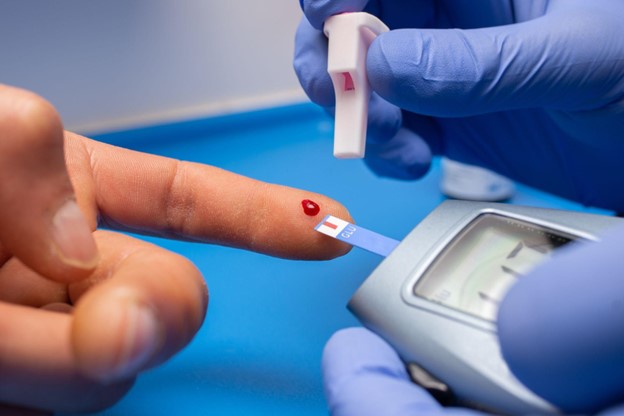
    Random Blood Sugar Normal Range image

    1. Normal Range (70-140 mg/dL)

    A random blood sugar level within this range indicates that your body is effectively regulating glucose, and your risk of developing diabetes or related complications is relatively low.

    2. Elevated Levels (140-200 mg/dL)

    If your random blood sugar levels consistently fall within this range, it may suggest insulin resistance or impaired glucose tolerance. It is essential to consult with a healthcare professional to further evaluate your risk of developing diabetes.

    3. High Levels (Above 200 mg/dL)

    Random blood sugar levels exceeding 200 mg/dL may indicate diabetes. A diagnosis may require additional testing, such as fasting blood sugar tests or oral glucose tolerance tests, to confirm the presence of diabetes.

    Also, Read:

    Factors Influencing Random Blood Sugar Levels

    Several factors can impact random blood sugar levels, and understanding these variables is crucial for accurate interpretation:

    • Recent Food Intake: Consuming carbohydrates, especially simple sugars, can cause a temporary spike in blood sugar levels.
    • Physical Activity: Regular exercise can improve insulin sensitivity and help maintain healthy blood sugar levels.
    • Stress Levels: Stress can elevate blood sugar levels, making it important to manage stress through relaxation techniques.
    • Medications: Certain medications, such as corticosteroids or antipsychotics, may affect blood sugar levels.

    > Consult a Doctor and Medkart will help you Order Medicines Online

    Conclusion

    Monitoring random blood sugar levels provides valuable insights into your body’s glucose regulation, aiding in the early detection and management of diabetes. While a range of 70-140 mg/dL is generally considered normal, it’s crucial to consult with a healthcare professional to interpret your results in the context of your overall health and individual circumstances. By staying informed and proactive, you can take steps to maintain optimal blood sugar levels and promote a healthier, more balanced lifestyle.

    Monitoring your random blood sugar is essential for long-term health. For those already experiencing early signs of nerve-related issues, Nurewire Capsule 10’s may be helpful in supporting nerve health as part of a broader diabetes care plan.

    Read: What are Generic Medicines?

    FAQs on Random Blood Sugar Normal Range

    Q1. What is the random blood sugar normal range?

    The normal range for random blood sugar levels is typically between 70 and 140 milligrams per deciliter (mg/dL). This range provides a snapshot of your blood glucose at any given time, irrespective of fasting.

    Q2. Why is it important to know your random blood sugar level?

    Knowing your random blood sugar level helps monitor your immediate glucose regulation. It aids in the early detection of potential issues, such as insulin resistance or diabetes, allowing for timely intervention and management.

    Q3. Can factors like recent meals affect random blood sugar results?

    Yes, recent food intake can influence random blood sugar levels. Consuming carbohydrates, especially simple sugars, may cause a temporary spike. It’s essential to consider lifestyle factors when interpreting these results.

    Q4. When should I be concerned about random blood sugar levels?

    Consistent readings above 140 mg/dL may raise concerns, indicating potential issues with glucose tolerance or insulin resistance. If levels exceed 200 mg/dL, it’s crucial to consult a healthcare professional for further evaluation and appropriate guidance.

    Related Links: