Search results for: “all”

  • Best Open Pores Treatment: Creams, Medications, and Home Remedies

    Best Open Pores Treatment: Creams, Medications, and Home Remedies

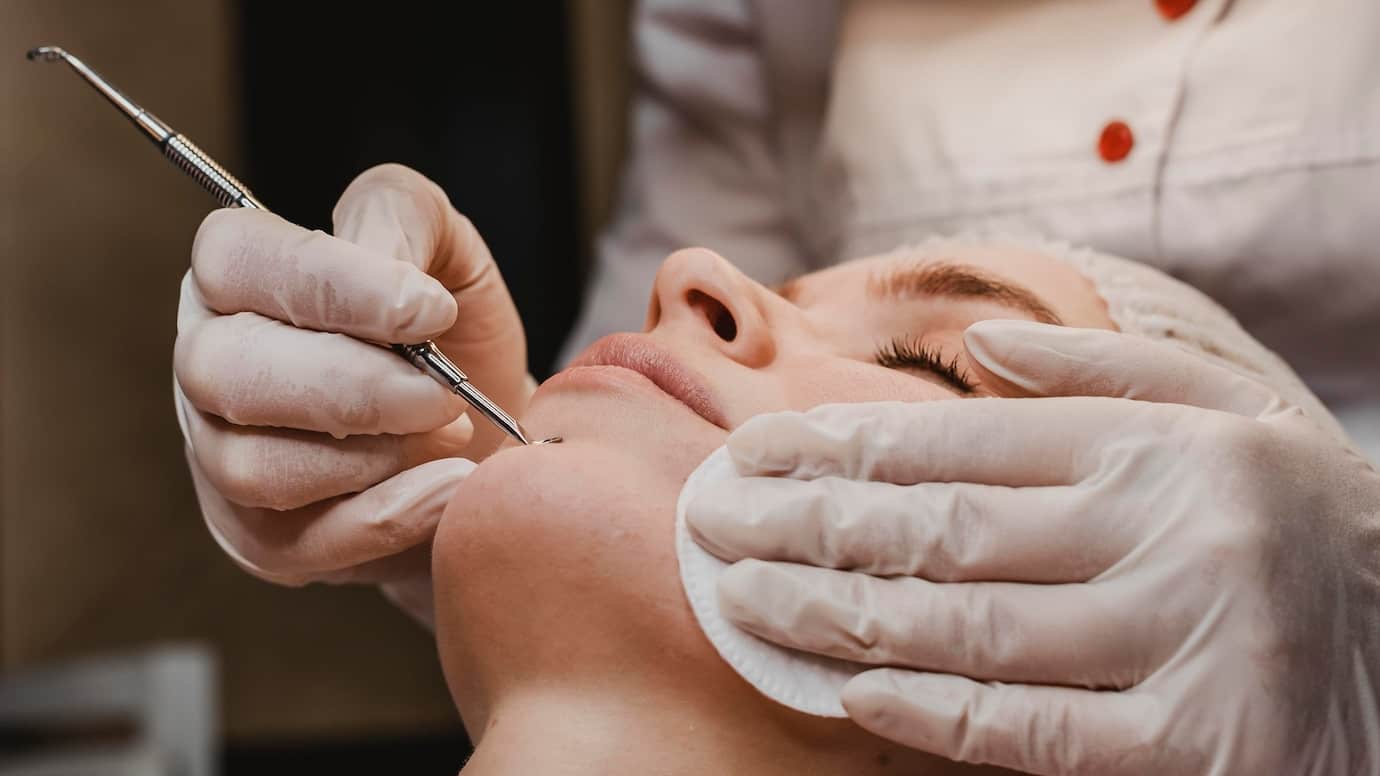
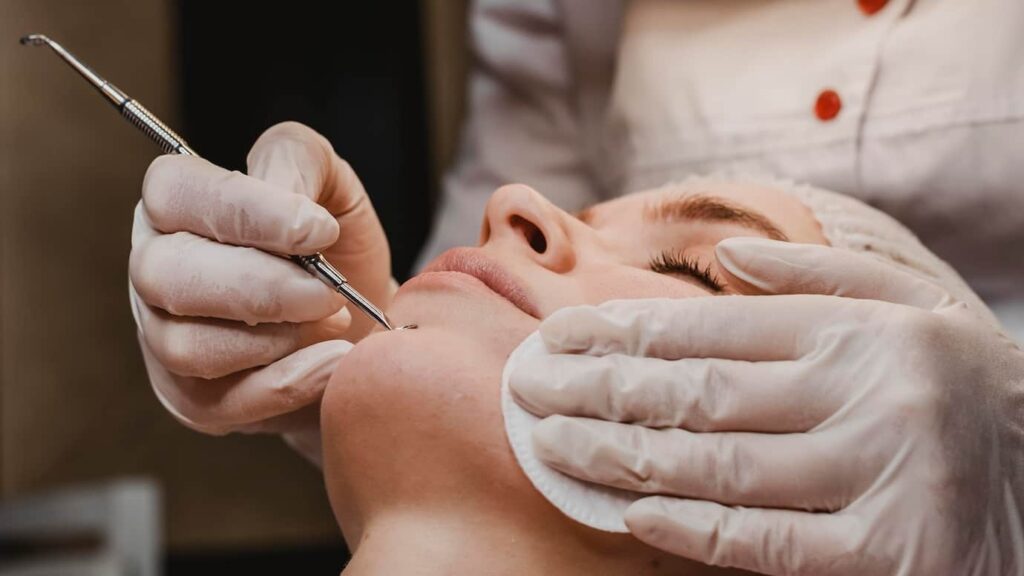
    Open Pores Treatment image

    Open pores treatment refers to a range of procedures and skincare practices aimed at minimizing the appearance of enlarged or open pores on the skin. Open pores, also known as enlarged pores, can be caused by factors like genetics, excess sebum production, ageing, and environmental factors. These treatments can include skincare routines involving cleansing, exfoliation, and the use of specific products like serums and retinoids.

    Pores are minuscule apertures found on the surface of the skin, serving as dwellings for hair follicles and sebaceous glands. Within these glands, sebum, an oily secretion, is generated to maintain the skin’s natural lubrication. When excess sebum production, dead skin cells, and debris accumulate within the pores, they can become stretched and enlarged, giving rise to what we commonly refer to as open pores.

    Open Pores Treatment

    The primary treatments for open pores on the face are mentioned below:

    1. Skincare Routine

    • Cleansing: Start with a gentle, sulfate-free cleanser to remove dirt and excess oil from your face. Avoid harsh scrubbing, as it can irritate the skin and make pores appear larger.
    • Exfoliation: Incorporate chemical exfoliants like alpha hydroxy acids (AHAs) or beta hydroxy acids (BHAs) into your skincare routine to help remove dead skin cells and prevent pore blockages.
    • Serums: Look for serums containing niacinamide, which can help reduce the appearance of pores and regulate sebum production.
    • Sunscreen: Always wear sunscreen to protect your skin from UV damage, which can exacerbate open pores.

    2. Professional Treatments

    • Chemical Peels: Dermatologists can perform chemical peels to exfoliate the skin deeply, reducing the appearance of open pores.
    • Microdermabrasion: This non-invasive procedure involves exfoliating the top layer of skin, which can improve the texture and minimize the look of pores.
    • Laser Therapy: Laser treatments can stimulate collagen production, which tightens the skin and reduces pore size.
    • Microneedling: Tiny needles create micro-injuries in the skin, promoting collagen production and reducing pore size.

    > Consult a Doctor and Medkart will help you Order Medicines Online

    3. Topical Retinoids

    • Prescription-strength retinoids like tretinoin can help increase collagen production and improve skin texture, making pores appear smaller.

    Topical retinoids that contain tretinoin and are effective for treating acne, fine lines, uneven skin tone, and sun damage: TRETIN 0.025% CREAM

    4. Facial Masks

    • Clay masks can temporarily tighten the skin and reduce the appearance of pores when used regularly.

    5. Cosmetic Procedures

    • Makeup: High-quality makeup primers and pore-minimizing products can create a smoother appearance.
    • Fillers: In some cases, dermal fillers may be used to plump the skin around enlarged pores, making them less noticeable.


    Natural Open Pores Treatment at Home

    While there are various commercial products and professional treatments available, you might be interested in exploring natural home remedies for open pores. These open pores treatments at home are not only cost-effective but also often gentler on the skin.

    1. Ice Cubes

    • Ice cubes are a simple and quick remedy to temporarily shrink pores and tighten the skin.
    • Wrap an ice cube in a clean cloth and gently press it against your face for 15-20 seconds.
    • Do this every morning to help reduce the appearance of open pores and soothe your skin.

    2. Apple Cider Vinegar (ACV)

    • ACV is known for its astringent properties, which can help tighten the skin and reduce pore size.
    • Mix equal parts of water and ACV and apply it to your face using a cotton ball.
    • Allow it to remain for a brief period, then cleanse using refreshing cold water.
    • Do this a few times a week for best results, but be cautious if you have sensitive skin, as ACV can be strong.

    3. Egg White Mask

    • Egg whites can help tighten and tone the skin, making pores appear smaller.
    • Whisk an egg white and apply it to your face.
    • Allowing it to air dry for approximately 15 minutes before gently rinsing it with warm water is recommended.
    • Use this mask once a week, or if desired, use it twice weekly to experience significant improvements.

    4. Baking Soda Scrub

    • Baking soda serves as a natural exfoliating agent, effectively eliminating expired skin cells and opening up pores.
    • Combine a single tablespoon of baking soda with an adequate amount of water to achieve a paste-like consistency.
    • Gently massage the paste onto your face in circular motions and rinse thoroughly.
    • Limit this treatment to once a week, as frequent use can be harsh on the skin.

    5. Tomato Pulp

    • Tomatoes are rich in natural astringents and antioxidants that can tighten the skin and reduce the appearance of open pores.
    • Mash a ripe tomato and apply the pulp to your face.
    • Leave it on for about 15 minutes before rinsing with cool water.
    • For optimal outcomes, use this solution several times weekly.

    6. Honey and Lemon Mask

    • Honey is a natural humectant, while lemon juice has astringent properties. Together, they can help tighten pores and improve skin texture.
    • Mix equal parts honey and fresh lemon juice and apply it to your face.
    • Leave it on for about 10-15 minutes before rinsing with warm water.
    • Apply this mask weekly for optimal results.

    Open Pores Treatment at Home image

    Conclusion

    While open pores can be a cosmetic concern, there are numerous treatment options available to address this issue. It’s important to remember that results may vary from person to person, and consistency in your skincare routine is key.

    By following a personalized regimen and making healthy lifestyle choices, you can achieve smoother, more refined skin and regain your confidence in no time. Remember, everyone’s skin is unique, and embracing your natural beauty is just as important as treating any imperfections.

    Read: What are Generic Medicines?

    What is Generic Medicine?

    Generic medicine is a cost-effective alternative to brand-name drugs. It contains the same active ingredients, dosage, and quality as its branded counterpart, but it is typically more affordable because it doesn’t involve the research and marketing expenses of the original manufacturer.

    Generic medicines are rigorously tested and approved by regulatory authorities to ensure their safety and efficacy. They offer consumers access to equivalent treatments while reducing healthcare costs.

    FAQs on Open Pores Treatment

    Q1. What is open pores treatment?

    Open pores treatment involves various methods to reduce the appearance of enlarged pores on the skin’s surface. These treatments can include skincare routines, such as cleansing, exfoliation, and serums, as well as professional procedures like chemical peels, microdermabrasion, and laser therapy. The goal is to minimize pore size and improve overall skin texture.

    Q2. What causes open pores, and can they be prevented?

    Open pores can result from factors like genetics, excess sebum production, and ageing. While they can’t be entirely prevented, a good skincare routine, including regular cleansing, exfoliation, and sun protection, can help minimize their appearance.

    Q3. Are there any natural Open Pores Treatments at Home, and do they work?

    Yes, the natural open pores treatment at home is ice cubes, egg white masks, and apple cider vinegar. While these can temporarily reduce the appearance of open pores, results may vary, and consistency is essential. Professional treatments may be more effective for long-term results.

    Related Links:

  • Best Treatment of Obsessive Compulsive Disorder – OCD Treatment

    Best Treatment of Obsessive Compulsive Disorder – OCD Treatment

    Obsessive Compulsive Disorder

    OCD treatment refers to the various therapeutic approaches and interventions such as primarily psychotherapy, specifically Cognitive-Behavioral Therapy (CBT) with a focus on Exposure and Response Prevention (ERP). The OCD medication, such as Selective Serotonin Reuptake Inhibitors (SSRIs), may also be prescribed.

    OCD (Obsessive-Compulsive Disorder) treatment involves various approaches aimed at reducing the distressing obsessions and compulsions that characterize the condition. It is characterized by intrusive, distressing thoughts (obsessions) and repetitive, ritualistic behaviours (compulsions). Fortunately, there are various effective treatments available to help individuals manage their OCD symptoms and regain control of their lives.

    OCD Treatment

    The primary treatments for OCD include:

    1. Psychotherapy

    Psychotherapy, specifically Cognitive-Behavioral Therapy (CBT), is often the first line of treatment for OCD. Cognitive Behavioral Therapy (CBT) for OCD generally consists of two primary elements:

    • Exposure and Response Prevention (ERP): ERP is considered the gold standard for OCD treatment. It involves exposing individuals to their obsessions (usually through imagination or real-life situations) while preventing them from engaging in compulsive behaviours. Over time, this helps individuals reduce the anxiety associated with their obsessions and decrease compulsive responses.
    • Cognitive Restructuring: CBT also focuses on identifying and challenging irrational thoughts and beliefs that contribute to OCD symptoms. By changing thought patterns, individuals can develop healthier responses to their obsessions.

    2. OCD Treatment Medication

    Medications can be a valuable addition to OCD treatment, especially when used in conjunction with psychotherapy. Selective Serotonin Reuptake Inhibitors (SSRIs), such as fluoxetine (Prozac) and sertraline (Zoloft), are commonly prescribed for OCD.

    These medications help regulate serotonin levels in the brain, which can reduce obsessive thoughts and compulsive behaviours. In some cases, psychiatrists may also prescribe other medications, such as antipsychotics or benzodiazepines, to manage specific symptoms or provide short-term relief.

    > Consult a doctor and Order Medicine Online

    3. Lifestyle Modifications

    Incorporating healthy lifestyle changes can complement formal OCD treatments. These modifications include:

    • Regular Exercise: Physical activity has been shown to reduce anxiety and stress, which can help manage OCD symptoms.
    • Balanced Diet: Eating nutritious foods can support overall mental health. Avoiding excessive caffeine and alcohol can also benefit those with OCD.
    • Adequate Sleep: Quality sleep is essential for mental well-being. Establishing a consistent sleep schedule can help manage OCD symptoms.
    • Stress Reduction Techniques: Practicing relaxation techniques such as mindfulness meditation, deep breathing, and yoga can reduce anxiety and improve coping skills.

    4. Self-Help Strategies

    Individuals with OCD can also implement self-help strategies to manage their symptoms. These include:

    • Keeping a Journal: Recording obsessive thoughts and compulsions can help identify patterns and triggers, aiding in their management.
    • Setting Realistic Goals: Breaking down tasks into smaller, manageable steps can reduce the sense of being overwhelmed.
    • Gradual Exposure: Gradually exposing oneself to feared situations or objects can help desensitize the anxiety associated with them.
    • Self-Compassion: Being kind to oneself and acknowledging the challenges of living with OCD can reduce self-criticism.

    OCD Treatment without Medication

    OCD treatment without medication focuses on psychotherapy, particularly Cognitive-Behavioral Therapy (CBT). This approach involves Exposure and Response Prevention (ERP), where individuals confront their obsessions and gradually reduce compulsive behaviours.

    Therapy helps individuals develop coping strategies and challenge irrational thoughts. Support from therapists and support groups is crucial in this process. Additionally, adopting a healthy lifestyle with regular exercise, stress reduction techniques, and self-help strategies like journaling can enhance treatment efficacy. While medication can be helpful, non-medication approaches are often effective in managing OCD and improving overall quality of life.

    OCD Treatment at HomeOCD Treatment at Home

    OCD treatment at home can be a valuable supplement to professional therapy. Self-help strategies like journaling, maintaining a structured routine, and practising relaxation techniques, such as mindfulness and deep breathing, can help individuals manage OCD symptoms in their daily lives.

    Setting small, achievable goals and gradually facing fears through exposure exercises can also be done at home. Moreover, online support groups and educational resources can provide valuable insights and a sense of community. While home-based strategies are beneficial, it’s essential to consult a mental health professional to establish a comprehensive treatment plan tailored to individual needs and monitor progress effectively.

    Conclusion:

    Living with OCD can be challenging, but effective treatments are available to help individuals lead fulfilling lives. A combination of psychotherapy, medication, support groups, lifestyle modifications, and self-help strategies can provide the tools needed to manage and mitigate OCD symptoms.

    It’s important to remember that recovery is a journey, and seeking professional help and support from loved ones are crucial steps toward finding relief from OCD. With the right treatment and support, individuals with OCD can regain control of their lives and achieve improved mental well-being.

    Read: What are Generic Medicines?

    How to find substitute Generic Medicine?

    Finding substitute generic medicine can be a cost-effective way to manage healthcare expenses. To do so, start by consulting your healthcare provider or pharmacist, who can recommend generic equivalents for your prescribed medications. Check with your health insurance provider for a list of covered generic options.

    Online resources and mobile apps can also help you compare prices and find reputable pharmacies offering generic alternatives, ensuring you get the same quality treatment at a lower cost. Always consult with a healthcare professional before making any medication changes.

    FAQs on OCD Treatment

    Q1. What is OCD treatment?

    OCD treatment typically involves psychotherapy, particularly Cognitive-Behavioral Therapy (CBT) with a focus on Exposure and Response Prevention (ERP). In some cases, medication, lifestyle modifications, and support groups are also utilized to help individuals manage obsessive thoughts and compulsive behaviours, aiming for symptom reduction and improved daily functioning.

    Q2. What is the best treatment for OCD?

    The best treatment for OCD often involves a combination of psychotherapy, particularly Cognitive-Behavioral Therapy (CBT) with Exposure and Response Prevention (ERP), and medication, typically Selective Serotonin Reuptake Inhibitors (SSRIs). However, the ideal treatment plan may vary from person to person, and it’s essential to consult with a mental health professional to determine the most suitable approach for individual needs.

    Q3. Is medication always necessary for treating OCD?

    No, medication is not always necessary for treating OCD. Cognitive-behavioural therapy (CBT), particularly Exposure and Response Prevention (ERP), is a highly effective non-medication treatment option for OCD. Many individuals find relief through therapy alone, while medication may be considered in more severe cases or as an adjunct to therapy.

    Q4. Can OCD be completely cured with treatment?

    While OCD cannot always be completely cured, it can be effectively managed with treatment. Many individuals experience significant symptom reduction and improved quality of life through psychotherapy, medication, or a combination of both. Long-term management and support are often required to maintain symptom control.

    Related Links:

  • Treatment of Myositis: Antibiotics, Medication, Natural Home remedies

    Treatment of Myositis: Antibiotics, Medication, Natural Home remedies

    Myositis treatment refers to the medical interventions and therapies used to manage and alleviate the symptoms of myositis, a group of rare autoimmune diseases characterized by inflammation of the muscles.

    While there is no cure for myositis, treatment aims to reduce muscle inflammation, improve muscle strength, and enhance the overall quality of life for individuals affected by the condition.

    Myositis is a group of rare autoimmune diseases characterized by inflammation of the muscles, which can lead to muscle weakness and pain. While there is no cure for myositis, several treatment options are available to manage the condition and improve the quality of life for those affected.

    Myositis Treatment

    The viral myositis treatments are mentioned below:

    1. Medications

    The primary approach to treating myositis involves the use of medications to reduce inflammation, suppress the immune system, and manage symptoms. The specific medication regimen may vary depending on the type and severity of myositis. Some common medications used in myositis treatment include:

    • Corticosteroids: Prednisone or prednisolone is often the first-line treatment for myositis. These drugs help reduce inflammation and control symptoms. However, long-term use can lead to side effects, such as weight gain, bone thinning, and increased infection risk.
    • Immunosuppressants: In cases where corticosteroids alone are not sufficient, immunosuppressive drugs like methotrexate, azathioprine, or mycophenolate mofetil may be prescribed to dampen the immune system’s response.
    • Biologics: Some patients with myositis may benefit from biologic drugs like rituximab or tocilizumab, which target specific immune system components involved in inflammation.

    > Consult a doctor and Order Medicine Online

    2. Physical Therapy

    Physical therapy plays a crucial role in myositis treatment. A trained physical therapist can design a personalized exercise program to help maintain muscle strength and mobility.

    This can include gentle stretching exercises, aerobic activities, and resistance training. Physical therapy also helps improve posture and can alleviate pain associated with myositis.

    Therapy in Myositis

    3. Occupational Therapy

    Occupational therapy can assist individuals with myositis in adapting to daily activities and maintaining independence. It can recommend assistive devices and techniques to make tasks like dressing, cooking, and bathing easier. They also provide strategies to conserve energy and reduce fatigue.

    4. Lifestyle Changes

    Making certain lifestyle modifications can complement medical treatments for myositis:

    • Rest and pacing: Adequate rest and pacing of activities can help manage fatigue and prevent muscle overuse.
    • Diet and nutrition: A balanced diet can support overall health and potentially reduce inflammation. Some people with myositis may benefit from dietary modifications, such as avoiding trigger foods.
    • Stress management: Stress can exacerbate myositis symptoms. Techniques like relaxation exercises, meditation, and counselling can help manage stress.
    • Smoking cessation: Smoking can worsen myositis symptoms and reduce the effectiveness of treatment. Giving up smoking is a pivotal move in effectively handling the situation.

    5. Research and Emerging Treatments

    Ongoing research efforts are exploring new treatment options for myositis. Some promising areas of research include:

    • Targeted therapies: Researchers are investigating medications that target specific molecules involved in myositis, potentially offering more effective and safer treatment options.
    • Stem cell therapy: Some studies are exploring the use of stem cell transplantation to reset the immune system in severe cases of myositis.
    • Gene therapies: Genetic factors may play a role in myositis. Researchers are investigating gene therapies to modify or regulate the immune system’s response.

    Myositis Treatment

    Viral Myositis Treatment

    Viral myositis, caused by viral infections like the flu or Coxsackievirus, usually does not require specific antiviral medications. Instead, treatment focuses on managing symptoms. Rest, hydration, and over-the-counter pain relievers can help alleviate muscle pain and fever.

    In the event of extreme cases, hospitalization might become essential to provide essential supportive care. It’s important to consult a healthcare professional for an accurate diagnosis and tailored treatment plan, as viral myositis symptoms can mimic those of other conditions, and the specific approach may vary depending on the virus involved and the patient’s overall health.

    Conclusion:

    Myositis is a complex autoimmune condition that requires a multidimensional approach to treatment. While there is no cure, a combination of medications, physical therapy, lifestyle changes, and ongoing research efforts can help manage the disease and improve the quality of life for those affected.

    It is crucial for individuals with myositis to work closely with healthcare professionals to develop a tailored treatment plan that addresses their specific needs and goals. As research continues, the hope for more effective and targeted treatments for myositis remains strong.

    Read: What are Generic Medicines?

    Advantages of Generic Medicines

    Generic medicines offer several advantages. First, they are more affordable than brand-name counterparts, making healthcare more accessible and cost-effective for patients. Second, they are rigorously tested and regulated for safety and efficacy, ensuring that they provide the same therapeutic benefits as brand-name drugs.

    Additionally, the availability of generic versions encourages competition in the pharmaceutical market, driving down overall drug prices. This affordability and reliability make generic medicines a crucial option for many people, especially in managing chronic conditions and reducing healthcare costs.

    FAQs on Myositis Treatment

    Q1. What is myositis treatment?

    Myositis treatment involves the use of medications, such as corticosteroids and immunosuppressants, to reduce muscle inflammation and manage symptoms. Physical therapy plays a crucial role in maintaining muscle strength and mobility, while lifestyle adjustments like rest, stress management, and a balanced diet can complement medical therapy to improve the quality of life for individuals with myositis.

    Q2. Can antibiotics be used in myositis treatment?

    No, antibiotics are generally not used as a primary treatment for myositis. Myositis is an autoimmune disease involving inflammation of the muscles, and antibiotics are designed to treat bacterial infections. Treatment for myositis typically involves immunosuppressive medications, physical therapy, and other supportive measures to manage the condition and its symptoms.

    Q3. Is there a cure for myositis?

    Currently, there is no cure for myositis. However, various treatment options, including medications and physical therapy, can help manage the condition, reduce inflammation, and improve muscle strength and quality of life.

    Q4. Are there alternative treatments, like herbal remedies or acupuncture, for myositis?

    While some individuals with myositis may explore complementary therapies like herbal remedies or acupuncture to manage symptoms, these approaches are not proven to be effective as primary treatments. It’s crucial to consult with a healthcare professional for evidence-based myositis treatment options.

    Related Links:

  • Best Leprosy Treatment: Drugs, Medication, Guidelines and Regimen

    Best Leprosy Treatment: Drugs, Medication, Guidelines and Regimen

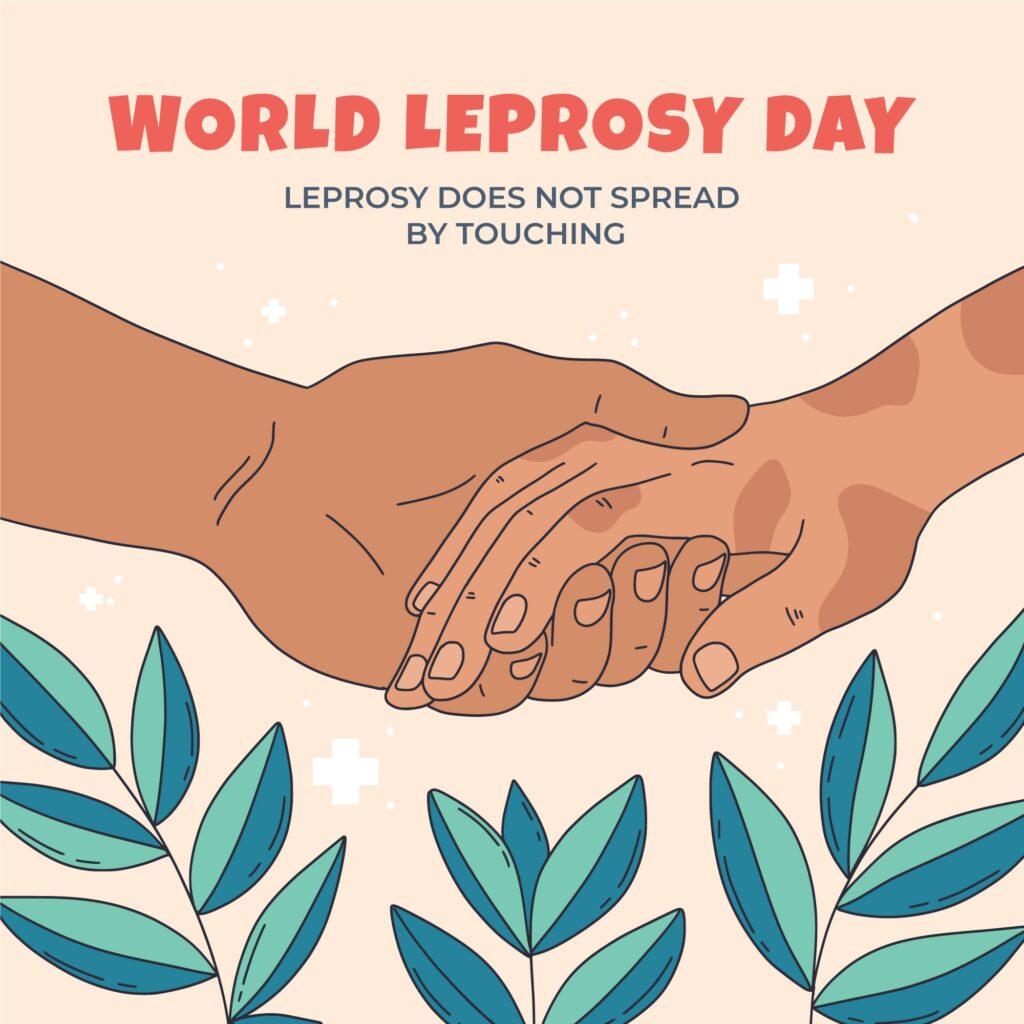
    Leprosy treatment involves the use of a combination of antibiotics to combat the bacterial infection caused by Mycobacterium leprae. The primary drugs used in leprosy treatment are dapsone, rifampicin, and clofazimine, administered in a regimen known as Multidrug Therapy (MDT). Leprosy, also known as Hansen’s disease, is one of the oldest and most stigmatized diseases in human history.

    Leprosy, an enduring infectious condition, is the consequence of an insidious invader known as Mycobacterium leprae, a cunning bacterium. It primarily affects the skin and nerves, leading to a wide range of symptoms, including skin lesions, numbness, and muscle weakness. If left untreated, leprosy can cause deformities and disabilities, which is why early diagnosis and treatment are crucial.

    Leprosy Treatment

    The primary therapy approach for leprosy is known as Multidrug Therapy (MDT), which is endorsed by the World Health Organization (WHO) as the most effective and widely used leprosy treatment regimen. Here’s an overview of leprosy treatment:

    Multidrug Therapy (MDT):

    MDT is the cornerstone of leprosy treatment. It involves the use of a combination of antibiotics to target and eliminate the M. leprae bacteria. The core components of leprosy treatment drugs are:

    • Dapsone (DDS): Dapsone is an antibacterial medication that inhibits the growth of M. leprae. It is usually taken in the form of oral tablets, typically once a day.
    • Rifampicin (RIF): Rifampicin is a potent antibiotic that kills M. leprae bacteria. It is administered once a month, often under direct observation by healthcare providers.
    • Clofazimine (CFZ): Clofazimine has both antibacterial and anti-inflammatory properties, helping control the symptoms of leprosy. It is taken once a month, usually in combination with rifampicin.

    Best Leprosy Treatment

    Leprosy Treatment Duration:

    The duration of MDT varies based on the type and severity of leprosy:

    • Paucibacillary (PB) Leprosy: For PB leprosy, which has a lower bacterial load, the standard MDT regimen lasts for six months and includes dapsone and rifampicin, without clofazimine.
    • Multibacillary (MB) Leprosy: MB leprosy, with a higher bacterial load, requires a longer treatment course. The standard MDT regimen for MB leprosy comprises 12 months of rifampicin, dapsone, and clofazimine.

    Nerve Damage Management:

    Leprosy can cause nerve damage, leading to loss of sensation and muscle weakness. Physiotherapy and rehabilitation programs help individuals regain function and prevent further disabilities.

    Surgery:

    In cases where leprosy has caused significant deformities, reconstructive surgery may be necessary. This can include procedures to correct clawed hands, foot drop, and facial deformities.

    Psychosocial Support:

    Leprosy not only affects the body but also the mental and emotional well-being of individuals. Psychosocial support is essential to help patients cope with the stigma and discrimination associated with the disease.

    Preventive Measures:

    Preventive measures, such as contact tracing and providing prophylactic remedies to close contacts of leprosy patients, are essential to halt the spread of the disease.

    Challenges and Stigma in Leprosy Treatment

    Despite significant progress in leprosy treatment, challenges remain. Stigma and discrimination against leprosy-affected individuals persist in many parts of the world. Addressing these social issues is just as crucial as providing medical treatment to combat the disease effectively.

    > Consult a doctor and Order Medicine Online

    Leprosy Treatment In Ayurveda

    Ayurveda, the traditional Indian system of medicine, it revolves around a holistic approach that aims to balance the body’s doshas (vata, pitta, and kapha). We employ herbal remedies, dietary modifications, and detoxification therapies to enhance immunity and eliminate toxins.

    Herbs like Neem, Manjistha, and Bakuchi are commonly used. Ayurvedic therapies like Panchakarma, which includes detoxifying treatments, play a crucial role in managing the condition. While Ayurveda can provide symptomatic relief and improve overall health, it is often used as a complementary therapy alongside modern medical treatment for leprosy to achieve comprehensive care.

    Leprosy

    Conclusion:

    Leprosy treatment has come a long way from the days of isolation and fear. Modern approaches, such as multidrug therapy, early diagnosis, and comprehensive care, have transformed the outlook for individuals affected by leprosy.

    While challenges and stigma persist, ongoing efforts to raise awareness, provide support, and improve access to treatment are essential to eradicate this ancient disease once and for all. With continued research, education, and compassion, we can move closer to a world free from the burden of leprosy.

    Read: What are Generic Medicines?

    Information about Generic Medicines

    Generic medicines are identical copies of brand-name drugs, containing the same active ingredients, dosage, safety, and efficacy. They offer a cost-effective alternative as they don’t involve the research and marketing expenses of brand-name drugs.

    Regulated by health authorities, generics must meet rigorous quality standards to ensure their safety and effectiveness. They have become an essential component of healthcare systems worldwide, making essential medications more affordable and accessible to patients while maintaining the same therapeutic benefits as their brand-name counterparts.

    FAQs on Leprosy Treatment

    Q1. What is leprosy treatment?

    Leprosy treatment involves a combination of antibiotics, primarily dapsone, rifampicin, and clofazimine, to cure the Mycobacterium leprae bacteria. The therapy duration varies based on the type and severity of leprosy, typically lasting six months for paucibacillary (PB) leprosy and 12 months for multibacillary (MB) leprosy. Regular monitoring, rehabilitation, and psychosocial support are essential components of leprosy remedy to prevent disability and address the associated stigma.

    Q2. What is the best leprosy treatment?

    The best leprosy medicine is Multidrug Therapy (MDT), a combination of antibiotics including dapsone, rifampicin, and clofazimine, recommended by the World Health Organization (WHO). MDT has proven highly effective in curing leprosy, preventing transmission, and minimizing complications when administered according to the prescribed regimen.

    Q3. Can leprosy be completely cured with treatment?

    Yes, early diagnosis and treatment with MDT can completely cure leprosy, preventing further progression of the disease and related complications.

    Related Links:

  • Best Laser Treatment for Eyes

    Best Laser Treatment for Eyes

    Laser Treatment for Eyes

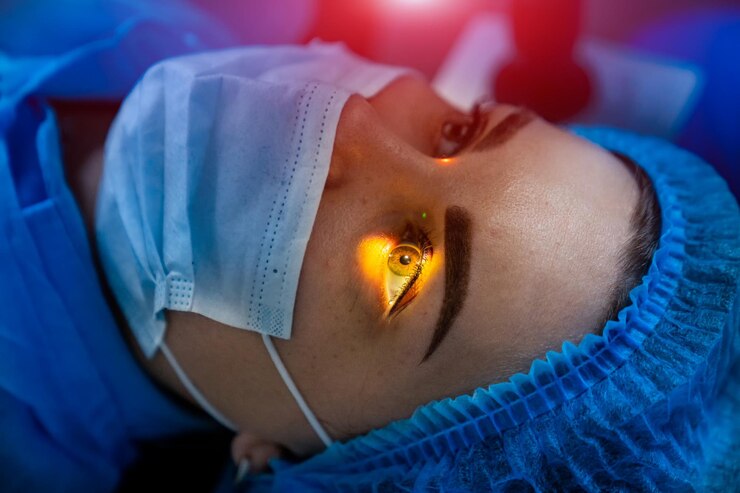
    Laser treatment for eyes also known as laser vision correction, is a medical procedure designed to improve a person’s vision by reshaping the cornea, the clear front surface of the eye. This reshaping is done using a highly focused laser beam, which corrects common vision problems such as nearsightedness (myopia), farsightedness (hyperopia), and astigmatism.

    There are two primary types of laser eye treatment: LASIK (Laser-Assisted In Situ Keratomileusis) and PRK (Photorefractive Keratectomy). Both procedures achieve the same goal but differ in their approach.

    Laser Treatment For Eyes

    The best treatments for Laser Eye Surgery are as follows:

    1. LASIK (Laser-Assisted In Situ Keratomileusis):

    LASIK is the most common and well-known laser eye treatment. It involves creating a thin flap on the cornea’s surface, lifting the flap, and using a laser to reshape the underlying corneal tissue. The flap is then repositioned, serving as a natural bandage, and typically heals without the need for stitches.

    2. PRK (Photorefractive Keratectomy):

    PRK is an alternative to LASIK and is suitable for individuals with thinner corneas or specific eye conditions. Instead of creating a corneal flap, PRK removes the corneal epithelium (outer layer) entirely before reshaping the cornea with a laser. The epithelium naturally regenerates over time.

    Laser Treatment For Eyes

    Benefits of Laser Eye Treatment

    The primary advantages of Laser Eye Treatment are mentioned below:

    • Improved Vision: The most obvious benefit of laser eye treatment is significantly improved vision. Many patients experience 20/20 vision or better after the procedure, reducing or eliminating the need for glasses or contact lenses.
    • Quick Recovery: Most people resume normal activities within 1–2 days after LASIK and about a week after PRK. After surgery, doctors often recommend eye drops to alleviate dryness and promote healing. Andre I Kul Eye Drops 10 ml may be prescribed to support recovery. Use as directed and avoid touching your eyes.
    • Long-Lasting Results: The effects of laser eye treatment are typically permanent, providing a lasting solution to vision problems.
    • Safety: Laser eye treatment is considered safe and highly effective when performed by experienced and qualified ophthalmologists.
    • Convenience: Freedom from glasses or contact lenses can enhance one’s quality of life, making activities like sports and travel more convenient.

    > Consult a doctor and Order Medicine Online

    Laser Treatment for Eyes – Considerations and Precautions

    While laser eye treatment offers numerous benefits, it’s essential to consider some important factors:

    • Eligibility: Not everyone is a suitable candidate for laser eye treatment. Factors such as age, corneal thickness, and eye health play a role in determining eligibility.
    • Potential Risks: As with any medical procedure, there are risks associated with laser eye treatment, including dry eyes, night vision issues, and glare sensitivity. Consultation with an eye specialist is crucial to understanding these risks.
    • Cost: Laser eye treatment is an investment in your vision. It’s crucial to take into account the expense and determine if it aligns with your financial plan.
    • Choosing a Surgeon: Selecting an experienced and reputable ophthalmologist or eye surgeon is critical to the success of the procedure. Research potential providers thoroughly and ask for recommendations.

    Laser eye surgery’s benefits include improved vision, quick recovery, and the potential for permanent results, making it a convenient alternative to traditional eyewear. However, potential candidates should carefully consider factors like eligibility, cost, and choosing a skilled surgeon. With the right precautions and professional guidance, laser eye surgery can provide a clearer, more liberated perspective on the world.

    Conclusion:

    Laser eye treatment has transformed the lives of countless individuals, offering a path to clearer vision and greater freedom from glasses and contact lenses. While it’s not a one-size-fits-all solution and requires careful consideration, the benefits of improved vision and enhanced quality of life are undeniable.

    If you’re tired of relying on corrective eyewear, consult with an eye specialist to determine whether laser eye treatment is the right choice for you. The world may soon become a much clearer and more vibrant place.

    Tip for long-term eye health: Beyond corrective procedures, maintaining healthy vision also depends on balanced nutrition. Supplements like Haem Up Syrup 200 ml, rich in iron and essential vitamins, can help support eye health and reduce the risk of nutritional deficiencies that may affect vision over time.

    Read: What are Generic Medicines?

    Difference Between Patent And Generic Medicine

    Patent medicine and generic medicine differ primarily in terms of brand exclusivity and cost. A patent medicine is the original, brand-name drug developed by a pharmaceutical company, protected by a patent for a certain period, usually around 20 years.

    During this time, only the patent holder can produce and sell the medication, often at a higher price. In contrast, generic medicines are copies of the patent-expired drug, typically more affordable, with the same active ingredients, quality, and effectiveness, though they may have different names and packaging.

    FAQs on Laser Treatment for Eyes

    Q1. What is laser treatment for the eyes?

    Laser treatment for the eyes is a medical procedure that uses a focused laser beam to reshape the cornea, which is the clear front surface of the eye. This reshaping corrects common vision problems like nearsightedness, farsightedness, and astigmatism, reducing or eliminating the need for glasses or contact lenses.

    Q2. What does laser treatment for eyes cost in India?

    The cost of laser treatment for eyes in India can vary widely depending on the type of procedure, location, and the specific clinic or hospital. On average, LASIK surgery can cost anywhere from INR 20,000 to INR 50,000 per eye, while PRK may range from INR 15,000 to INR 35,000 per eye. It’s essential to consult with eye care centres for accurate pricing details and potential additional charges for pre-operative and post-operative care.

    Q3. What is the laser treatment for eyes age limit?

    The age limit for laser treatment for eyes typically ranges from 18 to 45 years old. However, eligibility depends on individual factors such as eye health, stability of vision prescription, and overall health. Consultation with an eye specialist is essential to determine if the procedure is suitable for a specific person.

    Q4. Is laser eye treatment painful?

    No, laser eye treatment is typically not painful. Patients may experience minor discomfort or a burning sensation for a short time during the procedure, but it is usually well-tolerated with the use of numbing eye drops.

    Related Links:

  • Irritable Bowel Syndrome Treatment: IBS Treatment at Home

    Irritable Bowel Syndrome Treatment: IBS Treatment at Home

     irritable bowel syndrome treatmentIBS treatment typically involves a combination of lifestyle modifications, dietary changes, medications, and, in some cases, psychological interventions. The primary goals of IBS treatment are to alleviate symptoms, improve quality of life, and help individuals better manage their condition.

    Irritable Bowel Syndrome (IBS) is a common gastrointestinal disorder. It is characterized by a variety of symptoms, including abdominal pain, bloating, diarrhoea, and constipation. While IBS is a chronic condition with no known cure, several treatment strategies can help manage and alleviate its symptoms.

    IBS Treatment

    The Treatment for Irritable Bowel Syndrome is mentioned below with a deep explanation:

    1. Lifestyle Modifications

    One of the first steps in managing IBS is making lifestyle changes that can help reduce symptoms and improve overall quality of life. Here are some key lifestyle modifications to consider:

    1. Dietary Changes: Many individuals with IBS find relief by identifying and avoiding trigger foods. Typical suspects often involve dairy items, gluten-containing foods, caffeine, and artificial sweeteners. Keeping a food diary can help track which foods exacerbate symptoms.
    2. Fiber Intake: Adequate dietary fibre can help regulate bowel movements. However, it’s essential to choose soluble fibre sources like oats and psyllium rather than insoluble fibres, which may worsen symptoms.
    3. Stress Management: High levels of stress can exacerbate IBS symptoms. Relaxation techniques such as deep breathing, meditation, and yoga can help reduce stress and promote symptom relief.
    4. Regular Exercise: Physical activity can help improve digestive function and reduce IBS symptoms. Aim for at least 30 minutes of mild activity most days of the week.


    2. IBS Treatment Medicine

    In some cases, lifestyle modifications alone may not be sufficient to manage IBS symptoms. Doctors may prescribe medications to help alleviate specific symptoms. Common medications for IBS include:

    1. Antispasmodic Drugs: These medications help relax the muscles in the intestines, reducing abdominal pain and cramping.
    2. Anti-diarrheal Medications: For individuals with IBS-D (diarrhoea-predominant IBS), medications like loperamide can help control diarrhoea.
    3. Laxatives: Constipation-predominant IBS (IBS-C) may require the use of laxatives to promote regular bowel movements.
    4. Probiotics: Some individuals find relief from IBS symptoms by taking probiotic supplements, which can help balance the gut microbiome.

    > Consult a doctor and Order Medicine Online

    3. Cognitive Behavioral Therapy (CBT)

    CBT, or Cognitive-Behavioral Therapy, represents a therapeutic method centred on the transformation of both thought processes and behaviours. It is effective in treating IBS, particularly for those with a strong psychological component to their symptoms.

    CBT can help individuals better manage stress, anxiety, and the emotional impact of IBS, which, in turn, can lead to symptom improvement.

    4. Low FODMAP Diet

    FODMAPs, which stands for Fermentable Oligosaccharides, Disaccharides, Monosaccharides, and Polyols, represent a group of specific carbohydrates that have the potential to induce symptoms associated with Irritable Bowel Syndrome (IBS) in certain individuals.

    A low FODMAP diet involves temporarily eliminating high-FODMAP foods and then systematically reintroducing them to identify specific triggers. This approach is effective in managing IBS symptoms, but it should be done under the guidance of a registered dietitian.

    5. Alternative Therapies

    Some people with IBS explore alternative therapies such as acupuncture, herbal remedies, and hypnotherapy. While the effectiveness of these treatments can vary from person to person, some individuals report relief from their IBS symptoms with these approaches.


    irritable bowel syndrome medicineIBS Treatment at Home

    Managing Irritable Bowel Syndrome (IBS) at home involves several self-care strategies. Dietary adjustments, like avoiding trigger foods and increasing soluble fibre intake, can help alleviate symptoms. Stress reduction through relaxation techniques, exercise, and meditation plays a crucial role in IBS management. Over-the-counter medications like antispasmodics or laxatives can provide temporary relief.

    Probiotics and a food diary may aid in identifying problem foods. Maintaining a balanced lifestyle and seeking guidance from healthcare professionals ensure effective home-based IBS treatment. Always consult with a doctor for personalized advice and to rule out any underlying conditions.

    Conclusion:

    Irritable Bowel Syndrome is a complex and often frustrating condition, but it is manageable with the right treatment strategies. It’s important to work closely with a healthcare provider to create a personalized treatment plan tailored to your specific symptoms and needs.

    By making lifestyle modifications, considering medication options, exploring therapeutic approaches, and identifying trigger foods, individuals with IBS can significantly improve their quality of life and better manage their symptoms.

    Always consult with a healthcare professional before starting any new treatment for IBS to ensure it is safe and appropriate for your specific situation.

    Read: What are Generic Medicines?

    Difference Between Ethical And Generic Medicine

    The primary difference between ethical and generic medicines lies in their branding and pricing. Ethical medicines are brand-name drugs marketed by pharmaceutical companies. They are typically more expensive because they involve research, development, and marketing costs.

    In contrast, generic medicines contain the same active ingredients as their brand-name counterparts but are sold under their chemical names. Generics are more affordable as they don’t incur branding expenses.

    FAQs on IBS Treatment

    Q1. What is IBS treatment?

    IBS treatment involves a multifaceted approach that includes dietary modifications, lifestyle changes, and, if necessary, medications. It aims to alleviate symptoms such as abdominal pain, bloating, and irregular bowel movements, with a focus on individualized management tailored to the specific subtype of IBS. Psychological interventions like cognitive behavioural therapy may also be beneficial in addressing the emotional impact of the condition.

    Q2. Can I manage my IBS symptoms with diet alone?

    While dietary changes can be helpful, many individuals with IBS may require a combination of dietary modifications, medications, and lifestyle adjustments for effective symptom management.

    Q3. Is there a specific medication that works for all types of IBS?

    No, there isn’t a one-size-fits-all medication for IBS. Treatment varies depending on the predominant symptoms (constipation, diarrhoea, or mixed) and individual responses.

    Q4. Can stress reduction techniques like meditation help with IBS?

    Yes, stress management techniques like meditation, yoga, and deep breathing exercises can significantly improve IBS symptoms, as stress is known to exacerbate the condition.

    Related Links:

  • Best Treatment of HIV AIDS – Longest HIV Survivor without Treatment

    Best Treatment of HIV AIDS – Longest HIV Survivor without Treatment

    Best Treatment of HIV AIDS imageTreatment of AIDs – Medical interventions and therapies are used to manage and control HIV (Human Immunodeficiency Virus) infection and its progression to AIDS (Acquired Immunodeficiency Syndrome, in HIV AIDS treatment.
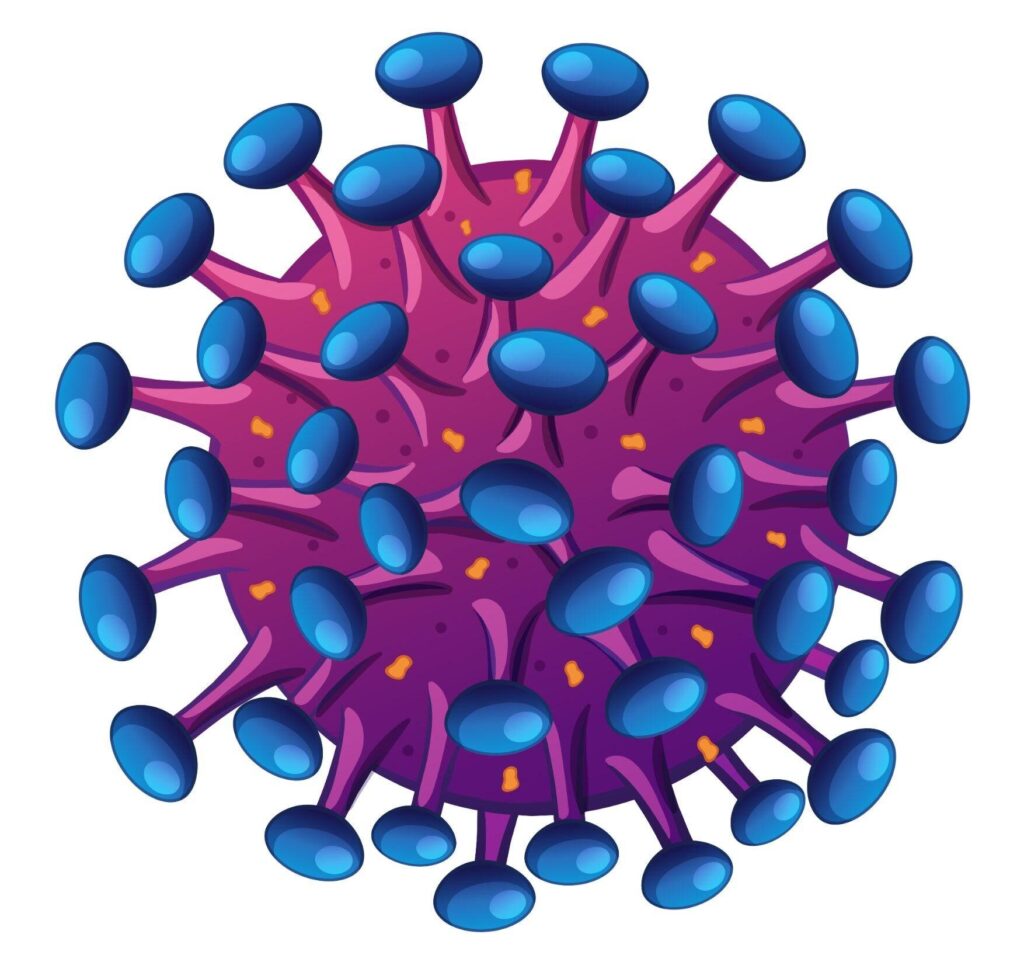
    HIV, a virus that specifically targets CD4 cells (T cells) crucial for the body’s ability to fight off infections, attacks the immune system. If left untreated, HIV can lead to a weakened immune system, making individuals more susceptible to opportunistic infections and certain cancers, defining the condition as AIDS.

    Treatment of AIDs

    Antiretroviral therapy, or ART, remains the cornerstone of HIV/AIDS treatment. This approach involves using a combination of different medications to suppress the virus, allowing individuals with HIV to lead longer and healthier lives. Over the years, ART has seen significant improvements in both effectiveness and tolerability.

    • Single-Pill Regimens: One of the most notable developments is the advent of single-pill regimens. Instead of taking multiple medications at different times, individuals can take a single pill daily, making adherence to the treatment regimen much more manageable.
    • Fewer Side Effects: Modern ART regimens are associated with fewer side effects than earlier versions, which often cause discomfort and reduce the quality of life for those living with HIV. Improved formulations have reduced the risk of adverse reactions, making treatment more tolerable.
    • Pre-Exposure Prophylaxis (PREP): In addition to treatment for HIV-positive individuals, there are now preventive measures available. PREP involves taking a daily pill to reduce the risk of contracting HIV, making it a vital tool in HIV prevention efforts.
    • Post-Exposure Prophylaxis (PEP): PEP is a short-term treatment option for individuals who have been exposed to HIV. When taken promptly after potential exposure, it can significantly reduce the risk of infection.

    Immune-Based Therapies

    While antiretroviral therapy effectively controls HIV replication, it does not cure the virus. Researchers have been exploring immune-based therapies to complement existing treatments and potentially lead to a functional cure or sustained remission.

    • Monoclonal Antibodies: Monoclonal antibodies have shown promise in suppressing HIV and enhancing the immune response. They can be used in conjunction with antiretroviral therapy to improve viral suppression.
    • Therapeutic Vaccines: Research into therapeutic vaccines aims to train the immune system to control the virus without needing ongoing medication. While this field is still in its infancy, it holds great potential for the future.

    HIV AIDS image

    Gene Therapy

    Another groundbreaking area of HIV/AIDS research is gene therapy. Scientists are investigating gene-editing techniques such as CRISPR-Cas9 to modify the DNA of cells in a way that makes them resistant to HIV infection. While this approach is still experimental and faces significant challenges, it represents a promising avenue for a potential cure.

    Read: HIV AIDS Treatment in Hindi

    Latest HIV Treatment

    The latest HIV treatments continue to build upon decades of research and innovation, offering hope for better outcomes and quality of life for individuals living with the virus. As of my last knowledge update in September 2021, here are some of the recent advancements in HIV treatment:

    • Long-Acting Medications: Researchers have developed long-acting antiretroviral drugs that can be administered through injections, allowing for less frequent dosing. This reduces the burden of daily pill regimens and improves treatment adherence.
    • Broadly Neutralizing Antibodies (bNAbs): bNAbs are a promising addition to HIV treatment. They can be infused periodically and have shown the potential to control the virus more effectively, even in cases of drug resistance.
    • Two-Drug Regimens: Simplified two-drug regimens are being explored as alternatives to the standard three-drug therapies. These regimens may offer similar viral suppression with potentially fewer side effects.
    • Personalized Medicine: Tailoring HIV treatment to an individual’s specific genetic and viral characteristics is becoming more common. This personalized approach enhances treatment effectiveness and minimizes side effects.
    • Gene Editing and Cure Research: Cutting-edge gene-editing techniques, such as CRISPR-Cas9, are being investigated for their potential to eradicate HIV from the body, offering the possibility of a functional cure.

    HIV AIDS Treatment

    It’s important to note that while these advancements are promising, HIV remains a complex virus, and a cure has not yet been achieved. Regular medical supervision and adherence to prescribed treatment plans remain crucial for individuals living with HIV. Additionally, it’s advisable to consult with a healthcare provider for the most up-to-date information on HIV treatment as new developments may have emerged since my last update.

    HIV After 5 Years Without Treatment

    Without treatment, HIV (Human Immunodeficiency Virus) can significantly weaken the immune system over five years. Typically, in this timeframe, HIV progresses through various stages, leading to a lower count of CD4 cells, vital for immune function.

    Without intervention, individuals may develop symptoms, such as frequent infections, weight loss, fatigue, and night sweats. Over time, HIV can advance to AIDS (Acquired Immunodeficiency Syndrome), making the person highly susceptible to life-threatening infections and cancers.

    Regular medical monitoring and antiretroviral treatment are crucial to slow or prevent this progression, maintaining better health and extending life expectancy for those with HIV.

    Consult a Doctor and Medkart will help you Order Medicines Online

    Conclusion

    The landscape of HIV/AIDS treatments has evolved significantly over the years, offering new hope and improved outcomes for individuals living with the virus. From more convenient antiretroviral therapies to innovative immune-based treatments and gene-editing approaches, the future of HIV/AIDS management looks promising.

    However, challenges remain, including ensuring equitable access to these treatments and continuing research efforts to find a cure. With continued dedication, collaboration, and investment in research and healthcare infrastructure, we can look forward to a future where HIV/AIDS is no longer a global pandemic but a manageable and ultimately eradicated disease.

    Do Generic Medicines work the same?

    Regulatory agencies require generic medicines to be bioequivalent to their brand-name counterparts, meaning they have the same active ingredients and meet the same quality and safety standards. As a result, they work the same way as brand-name drugs and are equally effective in treating medical conditions.

    The main difference is the cost, as generics are typically more affordable due to lower research and development expenses. Choosing generics can be a cost-effective way to access high-quality medications without compromising on efficacy.

    Read: What are Generic Medicines?

    FAQs on HIV AIDS Treatment

    Q1. What is HIV AIDS treatment?

    Treatments for HIV/AIDS are known as antiretroviral therapy (ART). It involves a combination of medications that suppress HIV, allowing individuals to lead healthier lives. It aims to reduce the viral load, boost the immune system, and prevent transmission. While it doesn’t cure HIV, effective treatment enables long-term viral control.

    Q2. What is the longest HIV survivor without treatment?

    Loreen Willenberg, who has been living with HIV for over 30 years without the need for antiretroviral therapy, is believed to be the longest-recorded HIV survivor without treatment.

    Q3. Can HIV/AIDS be cured with current treatments?

    No, current treatments cannot cure HIV/AIDS, but they can effectively control the virus, allowing individuals to lead healthy lives with suppressed viral loads.

    Q4. Are there any side effects associated with HIV/AIDS treatments?

    Yes, but modern regimens are designed to minimize side effects, some HIV/AIDS medications can have them. Regular monitoring and communication with healthcare providers help manage side effects effectively.

    Related Links:

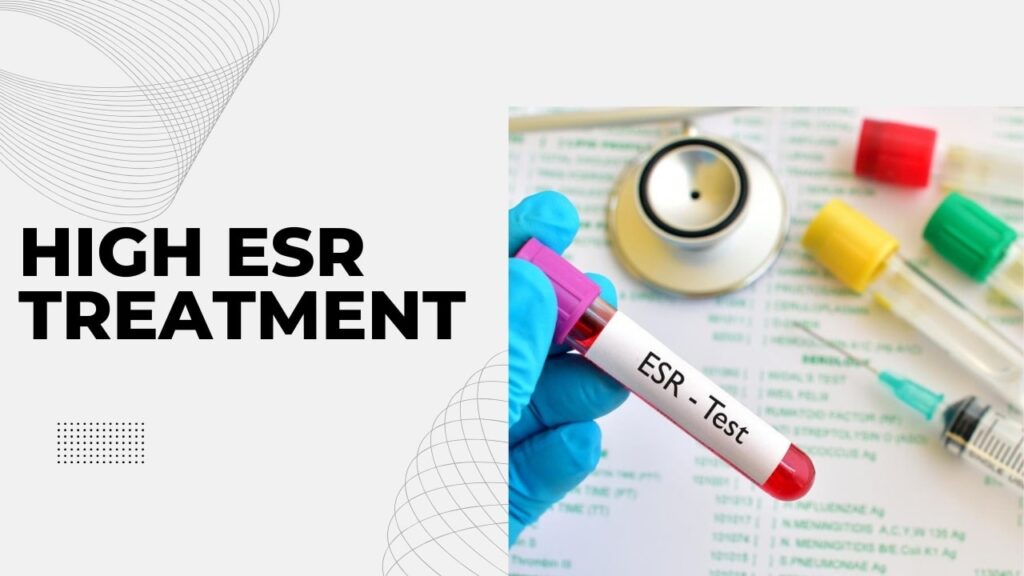
  • High ESR Treatment: Erythrocyte Sedimentation Rate Treatment

    High ESR Treatment: Erythrocyte Sedimentation Rate Treatment

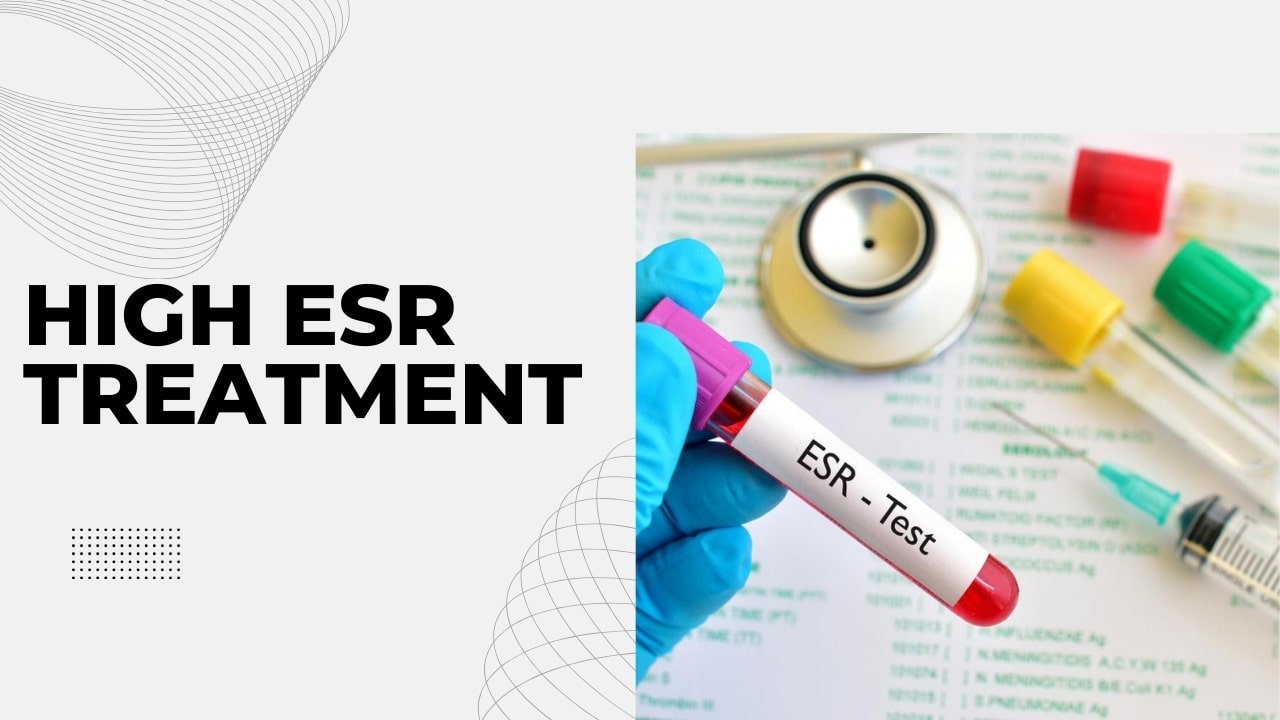
    high esr treatment image

    If you’ve just detected that your Erythrocyte Sedimentation Rate (ESR) is extreme, you’re no doubt curious, “What does this mean, and what bear I do next?” Don’t worry—you’re more than one, and we’re in this place to help you find out it all. Let’s make it easy in a manner that’s easy to use and litigable.

    The ESR ancestry test measures how quickly your red ancestry cells fall being the reason for a pipe. When your ESR is above the ESR common range, it’s generally a sign of redness or a fundamental condition. But attending’s authoritative book: an extreme ESR isn’t a diagnosis—it’s a clue. Your doctor will use it to resolve what’s honestly going ahead, whether it’s an epidemic, an autoimmune condition, or unusual.

    In this site, we’ll describe the causes and treatment of high ESR, the syndromes to anticipate, and the best choice of high ESR treatment. You’ll have a clear plan to address it efficiently by the end. Let’s dive in!

    What is the Erythrocyte Sedimentation Rate (ESR)?

    Let’s start accompanying the fundamentals. ESR, or Erythrocyte Sedimentation Rate, is a plain blood test that checks how fast your maroon blood units fall being the reason for a test pipe. Think of it so: if your units are immersing faster than the ESR normal range, it’s repeatedly a sign that something’s up in your body—like redness, contamination, or even an autoimmune condition.

    But here’s the current fashion: extreme ESR isn’t a disease on its own. It’s more like a clue that helps your doctor play a police officer. For example, if your ESR ancestry test shows exalted levels, it indicates issues like rheumatoid arthritis, lupus, or even natural contamination. The key search is to resolve the reason behind the extreme ESR—whether it’s on account of redness, never-ending affliction, or extraordinary completely.

    So, if your ESR is extreme, don’t panic. It’s just the beginning of revealing what’s continuing in your material. Let’s dive deeper to believe the causes, manifestations, and by what method to lead it back to the rational range.

    What’s the ESR Normal Range?

    Before we dive into extreme ESR, let’s be concerned with what’s deliberately normal. The ESR normal range can fluctuate contingent on your age, gender, and even the testing room that processes your test. Here’s a smart disintegration:

    • Male under 50: 0–15 mm/hr.
    • Male over 50: 0–20 mm/hr.
    • Female under 50: 0–20 mm/hr.
    • Female over 50: 0–30 mm/hr.

    If your ESR is above these numbers, it’s thought-out elevated. But don’t panic—extreme ESR doesn’t repeatedly affect crucial. It’s just a sign that your physique possibly managing infection or another fundamental issue.

    What Does High ESR Mean?

    When your ESR is extreme, it’s like your physique is waving a warning signal. It’s a proverb, “Hey, something’s unsound in this place!” But what accurately does that mean? Here are a few ordinary reasons for extreme ESR:

    • Infections: From a natural cold to more severe diseases like infection.
    • Autoimmune Diseases: Conditions like rheumatoid arthritis, lupus, or vasculitis.
    • Chronic Conditions: Kidney ailment, thyroid disorders, or even anemia.
    • Pregnancy: Yep, being meaningful can temporarily raise your ESR.
    • Other Causes: Aging, sure cures, or even tumors in excellent cases.

    The key search is to resolve what’s generating your high ESR so you can address the root trouble.

    High ESR Symptoms: What to Look Out For

    High ESR itself doesn’t cause syndromes, but the condition behind it ability. Here are a few signs to assume:

    • Fatigue: Feeling exhausted during the whole of, even after a good night’s sleep.
    • Fever: Unexplained or determined fever.
    • Joint Pain: Stiffness or lump in your joints.
    • Weight Loss: Loss of weight without trouble.
    • General Malaise: Just sensation “off” or sick.

    If you’re suffering from one of these, it’s a good suggestion to consult your doctor. They’ll help you link the dots and solve what’s occurring.

    How is High ESR Diagnosed?

    Diagnosing high ESR is pretty straightforward- it’s just a blood test. But here’s the catch: your doctor will likely order further tests to predict the reason your ESR is extreme.

    This might cover:

    • Infection Tests: To check for bacteria or viruses.
    • Autoimmune Markers: Like rheumatoid consideration or ANA (antinuclear antitoxin).
    • Imaging Studies: X-rays, MRIs, or ultrasounds to demand irritation or damage.
      Think of it as a complicated. The ESR blood test is just an individual piece—your doctor will use more tests to complete the diagnosis.

    high esr causes image

    High ESR Treatment: How to Bring It Down

    Now, let’s get to the good stuff: how to treat high ESR. The treatment depends on the underlying cause, but here are some common approaches:

    1. Treat the Root Cause

    • Infections: Antibiotics or antivirals can help clear things up.
    • Autoimmune Diseases: Medications like corticosteroids or immunosuppressants might be prescribed.
    • Chronic Conditions: Managing these with the right treatment plan can bring your ESR down.

    2. Lifestyle Changes

    Sometimes, small tweaks can make a big difference:

    • Anti-Inflammatory Diet: Load up on fruits, veggies, whole grains, and omega-3-rich foods like salmon.
    • Exercise: Gentle activities like walking or yoga can help reduce inflammation.
    • Stress Management: Practices like meditation or deep breathing can keep stress and inflammation in check.

    3. Medications

    If inflammation is the main culprit, your doctor might recommend:

    • NSAIDs: Like ibuprofen to reduce pain and inflammation.
    • Corticosteroids: For more severe inflammation.

    4. Alternative Therapies

    Some people find relief with:

    • Herbal Remedies: Like turmeric or ginger, which have natural anti-inflammatory properties.
    • Acupuncture: Acupuncture is an ancient practice which might help with pain and inflammation.

    Prevention and Long-Term Management

    While you can’t continually prevent extreme ESR, you can do something to maintain your body healthful:

    • Regular Check-Ups: Stay on top of your fitness accompanying routine visits to your doctor.
    • Healthy Habits: Eat well, move your body, and get enough sleep.
    • Monitor Chronic Conditions: If you have a condition like arthritis, understand your medicine plan firmly.

    When to See a Doctor?

    If you’ve existed reported your ESR is extreme, don’t forget it. While it’s not regularly severe, it’s mainly to diagnose what’s proceeding. Reach out to your doctor if:

    • You have persistent syndromes like fatigue, fever, or pain.
    • Your high ESR is followed by alternative uncommon test results.
    • You’re just sense “off” and can’t set your finger on reason.

    Remember, your doctor is your companion in well-being. They’re skillful to help you feel your best.

    FAQs About High ESR

    1. What happens if the erythrocyte sedimentation rate is high?

    A high ESR usually signifies infection or a basic condition like disease, autoimmune sickness, or continuous disease. It’s not risky on its own, but it’s mainly to find and treat the root cause.

    2. What is the erythrocyte sedimentation rate?

    ESR is a blood test that measures in what way or manner immediately red blood cells resolve being the reason for a test tube. It’s used to diagnose inflammation in the human body.

    3. How to reduce erythrocyte sedimentation rate?

    To lower ESR, treat the underlying cause (for example, diseases, and autoimmune illnesses). Lifestyle changes like an antagonistic-inflammatory diet, exercise, and stress oversight can further help.

    4. Why is ESR high in females?

    ESR may be larger in women on account of hormonal changes, pregnancy, or conditions like anemia or autoimmune sicknesses. The normal range for females is too somewhat above for males.

  • Steps to Rid of Hiccups – Hiccups Treatment and Home Remedies

    Steps to Rid of Hiccups – Hiccups Treatment and Home Remedies

    Hiccups treatment encompasses a range of simple remedies aimed at disrupting the hiccup reflex. Common approaches include holding your breath, drinking cold water slowly, sipping a teaspoon of sugar, or applying pressure to certain points.

    Hiccups, those involuntary contractions of the diaphragm muscle followed by a sudden closure of the vocal cords, are not only annoying but can also be embarrassing when they strike at the wrong moment. While hiccups are usually harmless and tend to go away on their own, they can become persistent and bothersome.

    Hiccups Treatment

    The best treatments for hiccups are mentioned below:

    1. Hold Your Breath

    One of the oldest and most commonly used methods for hiccup relief is to hold your breath. Here’s how to do it:

    • Inhale deeply, embrace the air’s gentle embrace and maintain this tranquil breath within as long as your comfort allows.
    • Exhale slowly and repeat the process a few times if necessary.

    This method helps increase the carbon dioxide levels in your blood, which can interrupt the hiccup reflex.

    Hiccups Treatment

    2. Sip Cold Water

    Sipping cold water slowly is another effective way to stop hiccups. Here’s how it works:

    • Take small sips of ice-cold water.
    • The shock of cold can stimulate your vagus nerve and help put an end to those hiccups.

    3. Swallow a Teaspoon of Sugar

    Sugar might be the sweet solution to your hiccup troubles. Here’s what you need to do:

    • Take a teaspoon of granulated sugar and swallow it dry.
    • The grainy texture and the sudden change in taste can stimulate your throat and put an end to the hiccups.

    4. Try the Paper Towel Method

    The paper towel method is a lesser-known hiccup remedy but can be surprisingly effective. Follow these steps:

    • Take a single-ply paper towel and fold it up.
    • Place it on your tongue and let it soak up some saliva.
    • Swallow the paper towel slowly.

    This technique may stimulate your throat and help alleviate hiccups.

    5. Use the “Suprahyoid Breath Hold” Technique

    The Suprahyoid Breath Hold technique is a bit more complex but has been reported to be effective in stopping hiccups:

    • Inhale deeply.
    • Hold your breath and swallow twice.
    • While holding your breath, tilt your head back as if you were looking at the ceiling.
    • Swallow one more time.
    • Repeat this process as necessary until the hiccups stop.

    6. Breathe into a Paper Bag

    Breathing into a paper bag can help regulate your breathing and possibly put an end to hiccups:

    • Place a paper bag over your mouth and nose.
    • Inhale and exhale slowly and deeply into the bag for a few minutes.
    • The increased carbon dioxide levels from your exhalations can help alleviate hiccups.

    7. Acupressure

    Some individuals find relief from hiccups through acupressure. Apply gentle pressure to the area between your upper lip and nose, known as the “Philtrum.” Use your thumb or the rounded end of a spoon to apply the pressure.

    Hiccups Treatment

    Hiccups Treatment Medication

    Hiccups are generally short-lived and often resolve on their own. However, in cases of persistent or severe hiccups that disrupt daily life or are accompanied by underlying medical conditions, medical treatment may be necessary.

    Medications can be prescribed to alleviate chronic or severe hiccups. Here are some common medications used for hiccups treatment:

    • Chlorpromazine: This antipsychotic medication is known to have hiccup-suppressing properties. It affects the brain’s neurotransmitters and can help reduce the frequency and intensity of hiccups.
    • Metoclopramide: Often used to treat gastrointestinal disorders, metoclopramide can also be effective in stopping hiccups by affecting the digestive tract and the central nervous system.
    • Baclofen: This muscle relaxant may be prescribed to alleviate hiccups, particularly in cases where the diaphragm muscle is involved. It acts on the nervous system to reduce muscle spasms.
    • Gabapentin: Although primarily used to manage seizures and neuropathic pain, gabapentin is helpful in some cases of chronic hiccups. It works on the central nervous system to reduce nerve-related symptoms.
    • Haloperidol: Another antipsychotic medication, haloperidol, has been used to treat severe and persistent hiccups when other methods fail to provide relief.

    > Consult a doctor and Order Medicine Online

    Conclusion:

    Hiccups may be an annoyance, but there are several simple and effective hiccup treatments you can try before seeking medical attention. Most hiccups go away on their own, but if they persist for more than 48 hours or are accompanied by other concerning symptoms, it’s essential to consult a healthcare professional.

    In most cases, the hiccup remedies mentioned in this blog should provide you with relief and help you put an end to those pesky reflexes. Remember to stay calm, try these methods, and give them a chance to work before seeking further assistance.

    Read: What are Generic Medicines?

    Examples of Generic Medicines

    Generic medicines are cost-effective alternatives to brand-name drugs, containing the same active ingredients, safety, and efficacy. Examples include:

    1. Ibuprofen: A generic version of Advil, used for pain and inflammation.
    2. Metformin: A generic alternative for Glucophage, treating type 2 diabetes.
    3. Lisinopril: A generic counterpart of Prinivil, used to manage hypertension.
    4. Omeprazole: A generic form of Prilosec, used to reduce stomach acid.
    5. Simvastatin: A generic version of Zocor, prescribed for cholesterol control.
    6. Amoxicillin: A widely-used generic antibiotic, equivalent to Amoxil.
    7. Citalopram: A generic for Celexa, used in the treatment of depression and anxiety.

    FAQs on Hiccups Treatment

    Q1. What is Hiccups treatment?

    Hiccup treatment typically involves simple home remedies such as holding your breath, drinking cold water, or swallowing a teaspoon of sugar. If hiccups persist for an extended period or become severe, medical intervention may include medications like chlorpromazine or metoclopramide. In rare cases, a doctor may recommend further investigations or therapies for underlying causes of chronic hiccups.

    Q2. How to Get Rid of Hiccups?

    To get rid of hiccups, try holding your breath, sipping cold water slowly, or swallowing a teaspoon of sugar. These simple remedies can often interrupt the hiccup reflex. If hiccups persist for an extended period, consult a healthcare professional for further evaluation and treatment options.

    Q3. Can holding my breath stop hiccups?

    Yes, holding your breath can help stop hiccups by increasing carbon dioxide levels in your bloodstream, interrupting the hiccup reflex.

    Q4. Is it safe to use sugar as a hiccup remedy?

    Yes, swallowing a teaspoon of sugar can be a safe and effective home remedy for hiccups, as it stimulates the throat and may help stop the reflex.

    Related Links:

  • Gout Treatment: Home Remedies, Medication and Diagnosis, Treatment Gout

    Gout Treatment: Home Remedies, Medication and Diagnosis, Treatment Gout

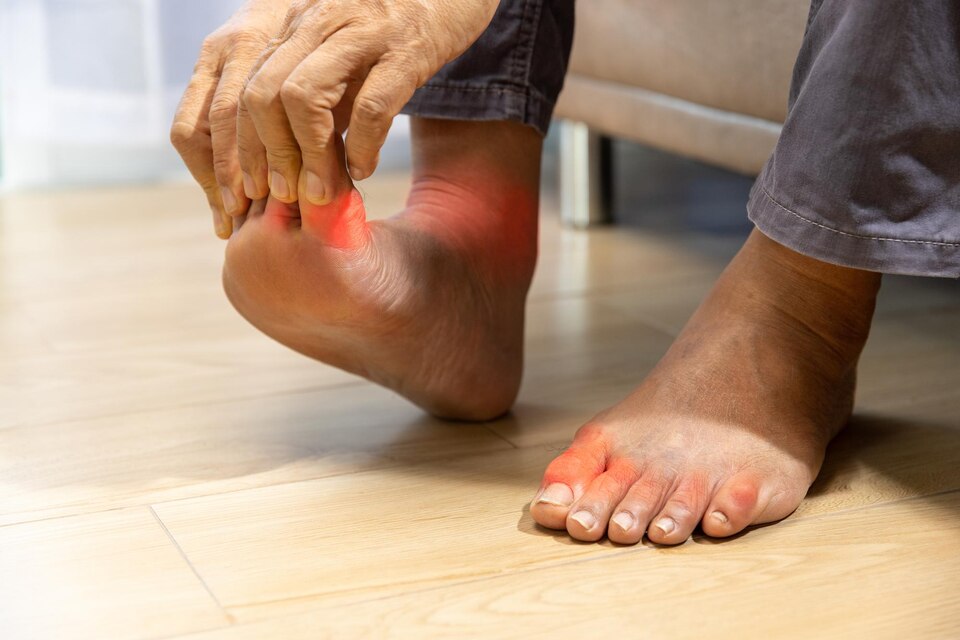
    gout treatmentGout treatment lifestyle changes such as dietary adjustments to reduce purine intake, increased water consumption, weight management, and avoiding alcohol. Medications such as nonsteroidal anti-inflammatory drugs (NSAIDs), colchicine, corticosteroids, and uric acid-lowering drugs are prescribed to manage pain, inflammation, and uric acid levels.

    The choice of Gout Treatment depends on the severity of the condition and should be discussed with a healthcare provider. Gout, often referred to as the “disease of kings” or “rich man’s disease,” is a painful and potentially debilitating condition caused by the buildup of uric acid crystals in the joints.

    It commonly affects the big toe but can also affect other joints in the body. Gout occurs when uric acid, a waste product formed during the breakdown of purines (substances found in foods and naturally occurring in the body), accumulates in the blood. When uric acid levels become too high, crystals can form in joints, leading to inflammation, swelling, and excruciating pain.

    Gout Treatment

    The best treatments for Gout are as follows:

    1. Lifestyle Changes:

    • Diet: One of the primary causes of elevated uric acid levels is an unhealthy diet. Limiting purine-rich foods, such as red meat, organ meats, seafood, and alcohol, can help reduce the risk of gout attacks. Prioritize the importance of maintaining a well-rounded diet by incorporating a variety of fruits, vegetables, whole grains, and lean sources of protein into your daily meals.
    • Hydration: Staying well-hydrated can help flush excess uric acid out of your body. Strive to drink a minimum of 8 to 10 glasses of water every day.
    • Weight Management: Maintaining a healthy weight can decrease the risk of gout and improve its management. Weight loss can also reduce the severity and frequency of gout attacks.

    2. Medications:

    • Nonsteroidal Anti-Inflammatory Drugs (NSAIDs): NSAIDs like ibuprofen and naproxen can provide relief from pain and inflammation during gout attacks.
    • Colchicine: Colchicine is an anti-inflammatory medication used to prevent and treat gout attacks. It can be particularly effective when taken at the first sign of an attack.
    • Corticosteroids: In cases where NSAIDs or colchicine are ineffective, corticosteroids can be prescribed to reduce inflammation and pain.
    • Uric Acid-Lowering Medications: These drugs, such as allopurinol and febuxostat, are used to lower uric acid levels in the blood, preventing future gout attacks. They need to be taken consistently and monitored by a healthcare provider.

    > Consult a doctor and Order Medicine Online

    3. Holistic Approaches:

    • Cherry Juice: Some studies suggest that cherry juice may help reduce the frequency and severity of gout attacks due to its anti-inflammatory properties.
    • Dietary Supplements: Certain supplements, such as vitamin C and fish oil, may help lower uric acid levels and reduce the risk of gout attacks.
    • Herbal Remedies: Herbs like turmeric and ginger possess anti-inflammatory properties and can be incorporated into your diet or taken as supplements to help manage gout symptoms.
    • Lifestyle Modifications: Stress management techniques, regular exercise, and adequate sleep can all contribute to overall health and may help reduce the frequency of gout attacks.


    Gout Treatment Diet

    A crucial aspect of gout treatment is maintaining a gout-friendly diet. This means avoiding purine-rich foods like red meat, organ meats, seafood, and alcohol, which can elevate uric acid levels. Instead, focus on a diet rich in vegetables, whole grains, fruits, and lean proteins.

    Cherries and cherry juice may help reduce gout attacks due to their anti-inflammatory properties. Adequate hydration and weight management are also essential. Consult a healthcare professional or registered dietitian for personalized dietary recommendations to effectively manage gout symptoms and reduce the risk of painful flare-ups.

    diet for gout treatmentAyurvedic Treatment for Gout

    Ayurvedic treatment for gout focuses on balancing the body’s doshas (energies) to alleviate symptoms and prevent flare-ups. It typically includes dietary modifications, the use of herbal remedies like guggul, ashwagandha, and Triphala, as well as detoxification therapies such as Panchakarma.

    Ayurvedic Gout Treatment aims to reduce uric acid levels, control inflammation, and promote overall wellness. Ayurvedic practitioners also stress the importance of lifestyle changes, stress management, and maintaining a healthy weight.

    While Ayurveda can be a complementary approach to managing gout, it’s crucial to consult with a qualified Ayurvedic practitioner for personalized treatment plans and guidance.


    Conclusion:

    Gout can be a painful and disruptive condition, but with proper treatment and lifestyle modifications, it can be effectively managed. Remember that gout treatment should be personalized to your specific needs and monitored by a healthcare professional.

    By making dietary changes, staying hydrated, and taking medications as prescribed, you can reduce the frequency and severity of gout attacks, allowing you to live a more comfortable and active life.

    Additionally, holistic approaches can complement conventional treatment and contribute to your overall well-being. If you or someone you know is dealing with gout, consult a healthcare provider to develop a comprehensive treatment plan tailored to your needs.

    Read: What are Generic Medicines?

    How to find substitute Generic Medicine?

    To find substitute generic medicine, start by consulting your healthcare provider or pharmacist. They can recommend cost-effective generic alternatives with the same active ingredients as the brand-name medication.

    You can also check online resources and drug price comparison websites to identify generic options. Additionally, ask your healthcare provider if they can provide you with a prescription for a generic medication, which can often be more affordable than brand-name drugs.

    Always ensure that any generic medicine you consider is approved by regulatory agencies to guarantee safety and effectiveness.

    FAQs on Gout Treatment

    Q1. What is Gout treatment?

    Gout treatment typically involves lifestyle changes like diet modification to reduce purine intake and alcohol consumption, medication to manage pain and inflammation during attacks, and uric acid-lowering drugs to prevent future flare-ups. Hydration and weight management are essential components of gout management.

    Q2. What is the best natural treatment for gout?

    The best natural treatment for gout includes maintaining a gout-friendly diet low in purine-rich foods and increasing water intake to help reduce uric acid levels. Incorporating anti-inflammatory foods like cherries and managing stress can also aid in gout symptom relief.

    Q3. Can gout be managed without medication?

    While lifestyle changes like diet modification and weight management play a crucial role, many individuals with gout may require medication to control symptoms and prevent future attacks.

    Q4. Are there any dietary supplements that can help with gout?

    Some dietary supplements, like vitamin C and fish oil, have shown potential in lowering uric acid levels and reducing the risk of gout attacks, but consult a healthcare provider before adding them to your regimen.

    Related Links: