Search results for: “all”

  • Keratin Treatment – Steps for Keratin Treatment at Home

    Keratin Treatment – Steps for Keratin Treatment at Home

    keratin treatment at homeKeratin is a naturally occurring protein in our hair, responsible for its strength and structure. Keratin hair treatment involves applying a specialized formula that usually contains a high concentration of keratin along with other ingredients. This formula is then sealed into the hair using heat, typically from a flat iron.

    The treatment aims to infuse the hair with keratin, making it smoother, more manageable, and less prone to frizz. In the realm of Benefits of Keratin Treatments of hair care, the term “keratin treatment” has gained significant prominence recently. These treatments, often referred to as “keratin hair treatment,” are designed to transform frizzy, unruly hair into smoother, shinier locks. They have garnered a reputation for being a game-changer in the world of hair care.

    Keratin Treatment at Home

    Keratin Treatment at Home typically involves using a kit that includes a keratin-infused formula, along with the necessary tools and instructions for application. These kits cater to individuals who desire smoother, more manageable hair without the expense of salon treatments.

    Benefits of Keratin Treatment at Home

    The benefits of Keratin Treatment at Home are as follows:

    • Convenience: At-home treatments offer the flexibility of scheduling the treatment at your convenience. You won’t need to make an appointment or travel to a salon.
    • Cost Savings: At-home kits are generally more affordable than professional salon treatments, making them an appealing option for those on a budget.
    • Privacy: Some individuals prefer the privacy of their own space when undergoing a beauty treatment, making at-home options more appealing.


    Tips for a Successful Keratin Treatment at Home

    The important tips and tricks for a Keratin Treatment at Home are as follows:

    • Research Products: Choose a reputable and well-reviewed keratin treatment at-home kit. Look for formaldehyde-free products that contain quality ingredients to ensure the best results and minimize potential side effects.
    • Read Instructions Thoroughly: Carefully read and understand the instructions provided with the kit.
    • Patch Test: Before applying the treatment to your entire head of hair, perform a patch test on a small, hidden section to check for any adverse reactions or allergies.
    • Gather Tools: Make sure you have all the tools you’ll need, including gloves, a comb, a flat iron, and clips.
    • Preparation is Key: Shampoo your hair with a clarifying shampoo to remove any buildup and open the hair cuticles, allowing the treatment to penetrate effectively. Towel-dry your hair before applying the treatment.
    • Application Technique: Divide your hair into sections and apply the treatment evenly, focusing on the mid-lengths to ends. Avoid applying the treatment directly to the scalp to prevent irritation.
    • Follow Processing Time: Stick to the recommended processing time mentioned in the instructions. Overexposure to the treatment can lead to damage or undesirable results.
    • Rinse and Seal: After processing, rinse the treatment thoroughly with water. Follow up by sealing the treatment into the hair using a flat iron set to the appropriate temperature.
    • Post-Treatment Care: Be mindful of post-treatment care instructions, which may include using sulfate-free shampoos and conditioners to extend the longevity of the treatment.

    > Consult a doctor and Order Medicine Online

    Keratin Considerations and Cautions

    • Skill Level: Applying a keratin treatment at home requires a certain level of skill and attention to detail.
    • Results May Vary: The results of at-home treatments may not be as consistent or as long-lasting as those from professional salon treatments. Be prepared for some variation in outcomes.
    • Potential Challenges: Achieving salon-quality results at home might be challenging, especially if you’re new to the process. Professional stylists have experience and training that can be difficult to replicate at home.

    Keratin Treatment At Home offers a convenient and cost-effective way to achieve smoother, more manageable hair. By researching products, following instructions meticulously, and being mindful of potential challenges, you can enhance your chances of a successful keratin treatment at home experience.

    However, if you’re seeking more complex results or have concerns about the application process, consulting a professional stylist might be a wise choice to ensure the best outcome for your hair.

    Is Keratin Hair Treatment Good for Hair?

    Keratin Hair treatment can indeed offer positive results, especially for those with frizzy or unmanageable hair. However, they might not be suitable for everyone. People with naturally straight hair might not experience as dramatic a transformation as those with curly or wavy hair.

    Benefits of Keratin Treatment

    Keratin treatments have emerged as a transformative solution in the realm of hair care, promising to bestow a range of benefits upon those seeking to tame frizz, enhance manageability, and achieve sleek, glossy locks. These treatments, revered for their ability to revolutionize hair texture, come with a host of advantages that have captured the attention of hair enthusiasts and professionals alike.

    1. Frizz Control and Smoothing:

    One of the most celebrated benefits of keratin treatments is their remarkable frizz-controlling prowess. For individuals grappling with unmanageable, frizzy hair, these treatments can work wonders. The infusion of keratin into the hair shaft helps to seal the cuticles, creating a smoother surface that resists humidity-induced frizz. This results in effortlessly sleek and polished hair, even in challenging weather conditions.


    2. Enhanced Manageability:

    Keratin treatments bring about a marked improvement in hair manageability. Treated hair becomes more pliable, making styling a breeze. The reduced frizz and increased flexibility mean less time spent taming your locks and more time enjoying your preferred style.

    3. Reduced Styling Time and Heat Damage:

    With the smoothing effect and increased manageability, you’ll find that your hairstyling routine becomes more efficient. The need for extensive heat styling tools decreases, leading to a reduction in heat-related damage. This can contribute to the overall health and vitality of your hair, as it’s exposed to less stress from heat.

    4. Long-Lasting Results:

    A significant allure of keratin treatments is their longevity. Depending on factors such as hair type and maintenance routine, the results of a keratin treatment can last for several weeks. This extended period of sleek, shiny hair eliminates the need for daily styling struggles and frequent touch-ups.

    4. Restoration of Hair Health:

    Keratin, being a natural protein found in hair, plays a pivotal role in maintaining hair health and strength. Keratin treatments help restore depleted protein levels, addressing issues like hair breakage and damage. This restoration can leave your hair looking and feeling healthier, shinier, and more resilient.

    benefits of keratin treatment

    Keratin Treatment Side Effects

    The following pointers are the side effects of Keratin Treatment:

    • Formaldehyde Concerns: Some keratin treatments contain formaldehyde or release it during the application process. Formaldehyde is a known irritant and can be harmful when inhaled in significant amounts. Many modern treatments are formaldehyde-free, but it’s essential to ensure the product being used is safe.
    • Temporary Nature: Keratin treatments are not permanent and gradually wash out over time. Frequent treatments can potentially lead to over-processing and damage.
    • Expense: Professional salon keratin treatments can be quite expensive, and the cost might not be justifiable for everyone.

    Also Read: What is Generic Medicine?

    Best Keratin Treatment for You

    The “best” keratin treatment depends on various factors, including hair type, budget, and desired results. Consulting with a professional stylist can help determine the most suitable treatment for your hair’s unique needs.

    Conclusion:

    Keratin Treatment offers a solution for achieving smoother, more manageable hair. While there are benefits to these treatments, it’s essential to weigh them against potential drawbacks and side effects. Careful consideration, research, and consultation with a hairstylist can help you decide whether a keratin treatment is the right choice for your hair care routine.

    FAQs About Keratin Treatments

    Q1. What is a keratin treatment, and how does it work?

    A keratin treatment is a hair care procedure that aims to make hair smoother, more manageable, and less prone to frizz. It involves applying a specialized keratin-infused formula to the hair and then sealing it in using heat, typically from a flat iron. This process reduces frizz, enhances shine, and can make the hair easier to style.

    Q2. Are keratin treatments suitable for all hair types?

    Keratin treatments are suitable for a variety of hair types, including curly, wavy, and frizzy hair. They are particularly effective for those seeking to reduce frizz and achieve a sleeker look. However, the results can vary based on the individual’s natural hair texture. People with very straight hair might find that the treatment makes their hair excessively flat, while those with extremely curly hair might experience some reduction in curl, though the degree of straightening can be customized based on the treatment chosen.

    Q3. Are there any potential side effects or risks associated with keratin treatments?

    While keratin treatments offer numerous benefits, it’s important to be aware of potential side effects and risks. Some older formulations of keratin treatments contain formaldehyde-releasing chemicals, which can lead to eye, nose, and throat irritation, as well as respiratory issues if inhaled in significant amounts.

    However, many modern treatments are formaldehyde-free or have reduced levels of the chemical. Other potential side effects include scalp sensitivity, allergic reactions to the treatment products, and alterations in hair texture. Consulting with a professional stylist can also help you make an informed decision about the treatment’s suitability for your hair and preferences.

    Related Links:

  • Difference Between Generic and Branded Medicine

    Difference Between Generic and Branded Medicine

    Difference Between Generic and Branded Medicine

    Difference Between Generic and Branded Medicine -In pharmaceuticals, generic and branded medicines stand out, offering varied treatment options. While effective, they diverge in composition, development, pricing, and market presence. Understanding these differences empowers both healthcare professionals and consumers to make informed treatment decisions.

    Generic Medicine vs Branded Medicine

    Branded medicines, also known as innovator or originator drugs, are pharmaceutical products developed and marketed by pharmaceutical companies after extensive research, development, and clinical trials.

    These medications are the initial versions of a particular drug introduced into the market and are protected by patents, which grant the manufacturer exclusive rights to produce and sell the drug for a specific period (usually almost 20 years). Branded drugs are often the result of years of scientific research and innovation.

    Generic medicines are equivalent alternatives to branded drugs that become available once the patent protection for the original branded drug expires.

    Generic drugs contain the same active ingredients, strength, dosage form, and intended use as the branded drug. However, they may have minor differences in inactive ingredients (such as fillers and binders) and appearance due to variations in manufacturing processes.

    Difference between generic and branded medicine

    The primary differences between generic and branded medicine are as follows in tabular form:

    Aspect Generic Medicines Branded Medicines
    Composition Same active ingredients as a branded drug; may have different inactive ingredients Developed by pharmaceutical companies after extensive research, development, and clinical trials
    Pricing More affordable due to lower development costs Often more expensive due to R&D, clinical trials, and marketing
    Regulatory Approval Required to demonstrate bioequivalence to branded drug Undergo rigorous clinical trials and regulatory approval process before being marketed
    Patent Protection Not protected by patents Protected by patents, granting exclusivity for a certain period
    Appearance May look different in terms of packaging and colour, but have the same therapeutic effect Often recognizable due to specific packaging, colour, and branding
    Brand Recognition Lack of unique branding and packaging Distinct brand name, logo, and appearance
    Manufacturer’s Choice Manufacturers can produce generic versions after patent expiration The original manufacturer retains exclusive production rights
    Interchangeability Can often be used interchangeably with branded drugs under supervision May need a healthcare professional’s approval before switching

    Also Read: Difference Between Generic and Branded Medicine in Hindi

    Characteristics of Branded Medicines

    • Research and Development: Pharmaceutical companies invest significant resources in research and development (R&D) to discover and develop new medications. This involves identifying potential drug candidates, conducting preclinical studies, and carrying out clinical trials to assess safety and efficacy.
    • Clinical Trials: Before a branded drug can be approved for use, it undergoes a series of clinical trials involving human participants. These trials follow a rigorous protocol to evaluate the drug’s safety, effectiveness, dosages, and potential side effects.
    • Patent Protection: Upon successful clinical trials and regulatory approval, the pharmaceutical company is granted a patent that provides exclusive rights to manufacture and market the drug for a specified period. This exclusivity helps companies recoup the substantial costs associated with R&D and clinical testing.
    • Higher Costs: The costs incurred during the research, development, clinical trials, and marketing of branded drugs contribute to their higher pricing. Patients often pay more for branded medications to cover the expenses invested in bringing these drugs to the market.
    • Brand Recognition: Branded drugs are associated with specific names, packaging, and sometimes even colours. The branding helps distinguish the drug in the market and aids patients in identifying their prescribed medication.

    Characteristics of Generic Medicines

    • Bioequivalence: Generic drugs must demonstrate bioequivalence to the branded drug, indicating they perform in the body similarly to the original. Regulatory agencies mandate that generic drugs show equal absorption rates and extents as the branded drug.
    • Regulatory Approval: Generic drugs undergo a regulatory approval process that involves demonstrating their bioequivalence and safety through studies and testing. Because the efficacy of the active ingredient has already been established by the original drug, the approval process for generic drugs is generally less extensive than that for branded drugs.
    • Affordability: One of the main advantages of generic drugs is their lower cost compared to branded drugs. Since generic manufacturers do not need to invest in extensive research and development, their production costs are lower, leading to more affordable pricing for consumers.
    • Interchangeability: In many cases, generic drugs can be used interchangeably with branded drugs under the supervision of a healthcare professional. However, in some cases, patients might need to consult their doctors before switching between the two.
    • Packaging and Appearance: While generic drugs must have the same active ingredients as the branded drug, they might look different due to variations in packaging and colour. However, these differences do not affect the drug’s therapeutic effects.

    Also Read: What is Generic Medicine?

    Conclusion:

    The primary differences between generic and branded medicines lie in their composition, pricing, development process, and marketing. While branded medications are the result of extensive research and development and often come at a higher cost, generic medicines offer a more affordable alternative with equivalent therapeutic effects.

    Patients should consult their healthcare providers before switching between generic and branded medications to ensure that their treatment remains effective and safe.

    > Consult a Doctor and Medkart will help you Order Medicines Online

    FAQs on the Difference Between Generic and Branded Medicine

    Q1. What is the main difference between generic and branded medicines?

    The primary difference between generic and branded medicines lies in their development and pricing. Pharmaceutical companies develop branded medicines through extensive research, clinical trials, and innovation, protecting them with patents and resulting in higher costs. On the other hand, generic medicines are equivalent alternatives to branded drugs, available after the patent protection expires. They have the same active ingredients and intended use as the branded drug but are more affordable due to lower development costs.

    Q2. Are generic medicines as effective as branded ones?

    Yes, generic medicines are required to be bioequivalent to the branded drug. This means they contain the same active ingredients in the same dosage form, strength, and route of administration as the original drug. Regulatory agencies ensure that generic drugs perform similarly in the body and produce the same therapeutic effects.

    Q3. Why are branded medicines more expensive than generics?

    Branded medicines incur substantial costs in research, development, clinical trials, and marketing efforts. Pharmaceutical companies invest in these aspects to bring innovative treatments to the market. The high price of branded drugs helps manufacturers recover these costs during the exclusivity period granted by patents. In contrast, generic drugs come to call after the patent protection has expired, and their manufacturers do not have the same development expenses.

    Q4. Can I switch from a branded medication to its generic counterpart?

    In many cases, patients can often switch safely from branded to generic drugs with healthcare professional approval. Generic drugs, being bioequivalent to branded ones, should offer comparable therapeutic effects. Consulting your healthcare provider before altering medication ensures safety and effectiveness, given individual variability.

    Related Links:

    Blog | Medkart Pharmacy - Generic Medicine Online

  • What is BD Means in Medical? – BD Full Form

    What is BD Means in Medical? – BD Full Form

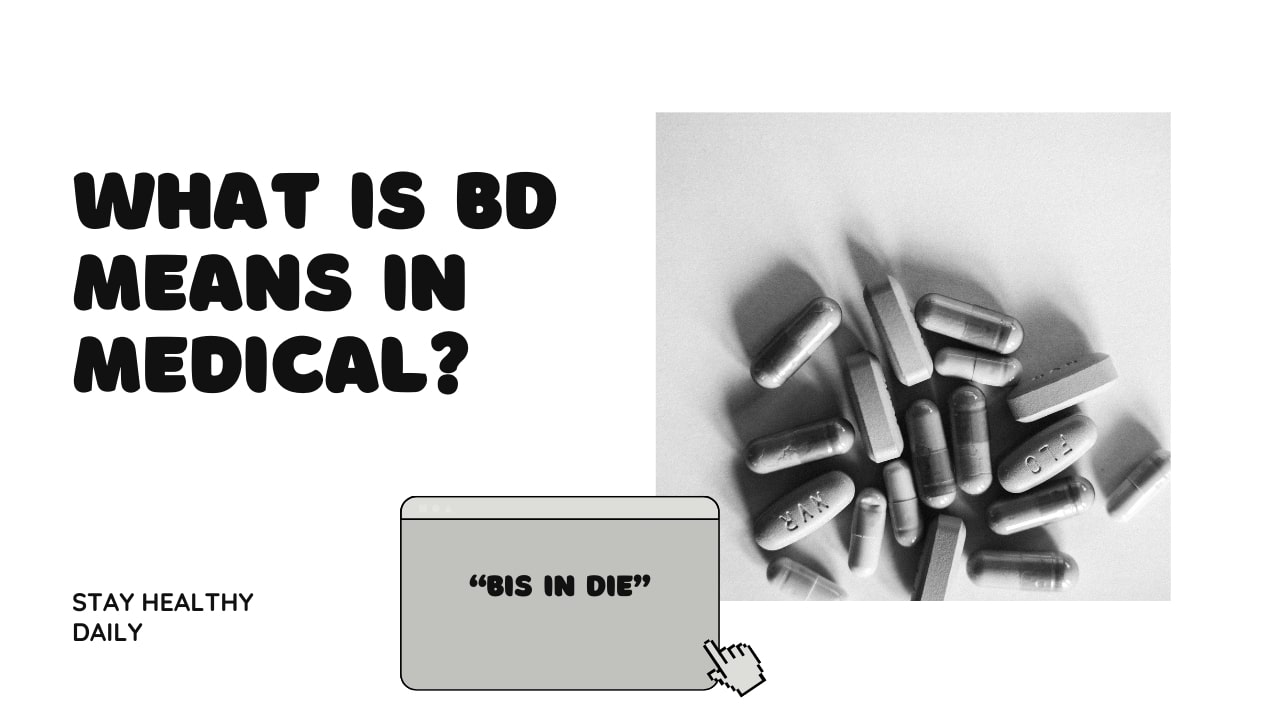
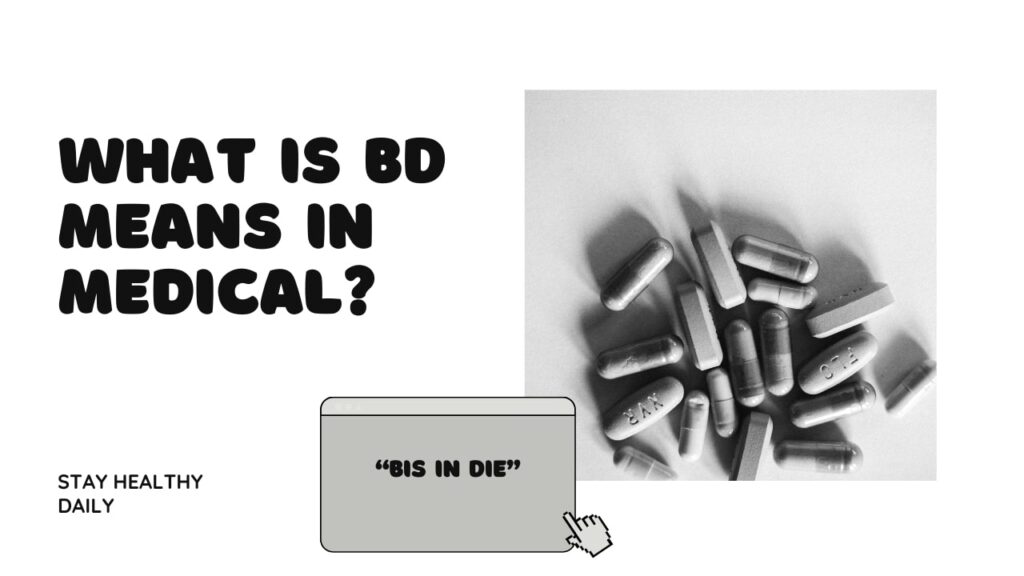
      BD meaning in medical image BD meaning in Medical – The intricate language of medicine, where precision and clarity are crucial, relies heavily on abbreviations and acronyms to efficiently communicate essential information. Among these, the abbreviation BD holds a significant place, providing succinct direction regarding dosing regimens, treatment schedules, and therapeutic guidelines.

    BD Full Form in Medical

    The BD full form originates from the Latin phrase “bis in die,” which translates to “twice a day” in English. Doctors use this abbreviation to tell patients how often to take medication or receive treatment. This helps ensure patients get the right care. When a healthcare professional prescribes a medication and designates it as “take 1 tablet BD,” the directive signifies that the patient must ingest one tablet of the prescribed medicine two times a day, ideally spaced approximately 12 hours apart. The objective behind using such an abbreviation is to furnish clear and concise instructions that can be readily comprehended by both medical practitioners and patients, ensuring the medication’s intended therapeutic impact is achieved.

    BD Means in Medical

    While BD means in medical terms has historically been a widely recognized abbreviation, its usage has garnered increased scrutiny in recent years. Therefore, concerns have arisen regarding the potential for misinterpretation or confusion by patients or healthcare providers. The risk of errors stemming from ambiguous abbreviations has prompted a reevaluation of medical communication practices. Healthcare professionals should strive to provide clearer instructions in order to bolster patient safety. BD Means in Medical image

    BD meaning in Medical Prescription

    The movement to diminish the reliance on abbreviations like BD aligns with broader efforts in healthcare to prioritize patient well-being and mitigate avoidable risks. Additionally, miscommunication related to dosing frequencies could result in incorrect medication administration, jeopardizing treatment outcomes or, in extreme cases, compromising patient health. By embracing clearer communication strategies, medical practitioners aim to reduce the margin for error and ensure that patients receive the appropriate care they require. Furthermore, the advent of modern technology and electronic health records has introduced new avenues for refining medical communication. Electronic prescribing systems often include built-in safeguards that flag potentially ambiguous or risky abbreviations, adding an additional layer of safety to the prescription process. This advancement underscores the medical community’s dedication to optimizing patient care through the integration of technology and evidence-based practices. Read: What are Generic Medicines?

    Conclusion

    BD in medical terms stands as an abbreviation for “bis in die,” indicating “twice a day.” Rooted in Latin, this abbreviation is utilized to signify the frequency at which medications or treatments should be administered. While historically prevalent, concerns about potential misinterpretations have spurred a shift towards more explicit instructions in medical communication. The objective is to foster patient safety, enhance treatment effectiveness, and minimize the potential for dosing errors. As medicine continues to evolve, the emphasis on precise and unambiguous communication remains a cornerstone of high-quality healthcare delivery. Consult a Doctor and Medkart will help you Order Medicines Online

    FAQs on BD Means in Medical

    Q1. What does BD stand for in medical terms?

    BD meaning in Medical stands for “bis in die,” a Latin term that translates to “twice a day” in English. In medical contexts, practitioners commonly prescribe taking or administering a medication or treatment two times a day, with an approximate interval of 12 hours between doses.

    Q2. How is BD used in medical prescriptions?

    Medical prescriptions include BD to specify the dosing frequency of a medication. For instance, if a doctor prescribes a medication with the instruction “take 1 tablet BD,” it means that the patient should take one tablet of the medication twice a day, typically in the morning and evening.

    Q3. Why is there a movement to reduce the use of BD and similar abbreviations in medical communication?

    There has been a push within the medical community to minimize the use of ambiguous abbreviations like BD to prevent medication errors and improve patient safety. Misinterpreting these abbreviations can lead to incorrect dosing and potentially harmful consequences. As a result, healthcare providers are encouraged to use more explicit instructions, such as specifying the actual times for medication administration, to ensure accurate understanding and safer patient care. Related Links:
  • What is an MD Full Form in Medical?

    What is an MD Full Form in Medical?

    The MD Full Form in Medical “Doctor of Medicine,” is a prestigious and essential medical degree that marks the culmination of years of rigorous education, training, and dedication. This degree empowers individuals with the knowledge, skills, and authority to provide medical care, diagnose illnesses, and contribute to the well-being of patients.

    MD Full Form in Medical

    Doctor of Medicine is the MD Full Form in medical terms. The MD degree is recognized globally as a symbol of expertise in the field of medicine. The journey to becoming an MD involves a multi-faceted educational process, encompassing various stages:

    • Pre-Medical Education: Aspiring doctors usually start by completing a bachelor’s degree, often in a science-related field like biology, chemistry, or biochemistry. This foundational education lays the groundwork for the more advanced medical concepts to be learned in the subsequent stages.
    • Medical School: After completing their undergraduate degree, individuals accepted into medical school embark on an intensive phase of education focused on medical science and clinical skills. Medical school programs vary in length, but they generally last four years. Students study subjects ranging from anatomy and physiology to pharmacology and medical ethics.
    • Clinical Rotations: In the later years of medical school, students enter clinical rotations, also known as clerkships. During these rotations, students work under the supervision of experienced physicians in various medical specialities, such as internal medicine, surgery, paediatrics, obstetrics and gynaecology, psychiatry, and more. These rotations provide valuable hands-on experience in real healthcare settings.

    What is an MD Full Form in Medical?

    • Residency Training: Upon graduation from medical school, aspiring doctors enter residency training programs. Residency is a critical phase where graduates focus on a specific medical speciality, deepening their expertise and honing their clinical skills. Residencies typically last from three to seven years, depending on the chosen speciality. During this time, residents work in hospitals, clinics, and other medical settings, gaining practical experience in patient care.
    • Licensing and Board Certification: After completing residency, doctors must obtain a medical license to practice medicine legally. They also have the option to pursue board certification in their chosen speciality, which involves passing comprehensive exams to demonstrate their knowledge and competence.
    • Continuing Medical Education: Medicine is a constantly evolving field, with new discoveries and technologies emerging regularly. As a result, MDs engage in ongoing learning through conferences, seminars, research, and other opportunities to stay up-to-date with the latest advancements in medical science and patient care.

    > Consult a doctor and Order Medicine Online

    Doctor of Medicine (MD)

    MDs play a crucial role in society by diagnosing and treating illnesses, providing preventive care, conducting research, and advocating for public health. They work in diverse settings, including hospitals, clinics, research institutions, academia, and private practice. MDs collaborate with other healthcare professionals to deliver comprehensive and compassionate care to patients.

    Conclusion:

    The MD degree represents the culmination of an individual’s journey to becoming a skilled and knowledgeable medical professional. It signifies a commitment to lifelong learning, ethical medical practice, and the well-being of patients. MDs are at the forefront of medical innovation and contribute significantly to improving the quality of life for individuals and communities around the world.

    Also Read: What is Generic Medicine?

    FAQs on MD Full Form

    Q1: What is MD Full Form in Medical?

    The MD Full Form in Medical is Doctor of Medicine. It is a professional medical degree awarded to individuals who have completed the required education and training to become licensed medical doctors. MDs are authorized to diagnose and treat medical conditions, prescribe medications, and provide medical care to patients.

    Q2: How does one earn an MD degree?

    To earn an MD degree, individuals typically follow a structured educational path. This includes completing a bachelor’s degree, attending medical school, and then undergoing residency training in a specific medical speciality. The educational journey includes coursework in medical sciences, clinical rotations, and hands-on training under the supervision of experienced physicians.

    Q3: What roles do individuals with MD degrees play in healthcare?

    Individuals with MD degrees, also known as medical doctors or physicians, are at the forefront of healthcare provision. They diagnose and treat medical conditions, provide preventive care, manage chronic illnesses, and perform medical procedures. MDs often serve as primary care providers or specialize in various medical disciplines such as surgery, internal medicine, paediatrics, and more.

    Related Links:

  • What is ESR in medical terms?

    What is ESR in medical terms?

    The ESR full form is the Erythrocyte Sedimentation Rate. The meaning of ESR in medical terms is the rate at which erythrocytes, commonly known as red blood cells, settle in a vertical tube over a specific period. It is a fundamental diagnostic tool utilized in the medical field to gauge the presence and severity of inflammation within the body.

    Erythrocyte Sedimentation Rate elucidates the underlying principle of the test. The process involves observing the gradual sedimentation of red blood cells within a tube. The rate at which these cells descend is measured in millimetres per hour (mm/hr). This metric serves as an indirect marker for the level of inflammation present in the body.

    Meaning of ESR in Medical Terms

    The meaning of ESR in medical terms takes on a crucial role. Elevated ESR values often correlate with higher levels of inflammation. However, it is important to emphasize that the ESR test does not pinpoint the exact cause or location of the inflammation. Instead, it provides a general indication of its presence and severity. Various conditions, such as infections, autoimmune diseases, chronic inflammatory disorders (e.g., rheumatoid arthritis, lupus), and certain cancers, can lead to elevated ESR levels.

    When contemplating “what does ESR stand for in medical terms,” it’s crucial to recognize its role alongside other diagnostic tools. One such tool is the C-reactive protein (CRP) test, which measures a specific protein that increases during inflammation. ESR and CRP tests are often used in conjunction to provide a more comprehensive understanding of inflammatory processes within the body.

    What is ESR in medical terms

    How Does ESR Work And Its Significance

    Here’s how the ESR test works and what it signifies:

    Test Procedure: During the test, a small amount of blood is drawn from the patient’s vein, usually from the arm. The blood is then placed in a narrow, vertical tube, where it is allowed to stand undisturbed for a certain amount of time, usually an hour. During this time, red blood cells (erythrocytes) gradually settle to the bottom of the tube due to their weight.

    Sedimentation Process: Inflammation can cause certain proteins, particularly fibrinogen and other acute-phase reactants, to be released into the bloodstream. These proteins can cause the red blood cells to clump together and become heavier, leading to a faster sedimentation rate. The rate at which the red blood cells settle is measured in millimetres per hour (mm/hr).

    Interpretation: A higher ESR value typically indicates a greater degree of inflammation in the body. However, it is important to note that the test doesn’t provide specific information about the cause or location of the inflammation. Various conditions can lead to elevated ESR levels, including infections, autoimmune diseases, chronic inflammatory diseases (like rheumatoid arthritis or lupus), and even some types of cancer. Conversely, a normal ESR doesn’t necessarily rule out the presence of an underlying health issue.

    Read: What is Generic Medicine?

    Limitations: ESR has some limitations as a diagnostic tool. It is a non-specific test, meaning that it can be elevated for a wide range of reasons. Additionally, ESR values can be influenced by factors such as age, gender, and certain medications. Therefore, ESR results are often interpreted in conjunction with other clinical and laboratory findings.

    Comparison with Other Tests: The C-reactive protein (CRP) test is another commonly used test that assesses inflammation. While ESR measures the rate of red blood cell sedimentation, CRP measures a specific protein that increases in response to inflammation. Both ESR and CRP tests can provide valuable information about the presence and degree of inflammation, and healthcare providers often use them together to get a more complete picture.

    Conclusion:

    In summary, the ESR test is a simple and cost-effective tool that helps healthcare professionals evaluate the presence of inflammation in the body. While it doesn’t provide a definitive diagnosis, it can provide valuable information that guides further medical investigations and treatment decisions.

    > Consult a doctor and Order Medicine Online

    FAQs On ESR in medical terms?

    Q1: What is ESR in medical terms?

    ESR stands for “Erythrocyte Sedimentation Rate” in medical terminology. It refers to the rate at which red blood cells settle at the bottom of a vertical tube over a specific period, usually measured in millimetres per hour (mm/hr).

    Q2: What is the significance of ESR in medical diagnosis?

    ESR is a non-specific indicator of inflammation in the body. An elevated ESR value suggests the presence and potential severity of inflammation, although it does not pinpoint the underlying cause. It is often used alongside other clinical and laboratory findings to aid healthcare providers in diagnosing and monitoring various conditions, such as infections, autoimmune diseases, and inflammatory disorders.

    Related Links:

  • What is Medical Representative? Role of Medical Representative

    What is Medical Representative? Role of Medical Representative

    role of medical representative

    A medical representative, often referred to as a pharmaceutical sales representative or simply a sales rep, is a professional responsible for promoting and selling pharmaceutical products and medical devices to healthcare professionals, such as doctors, druggists, and hospitals.

    The medical representative role is crucial in bridging the gap between pharmaceutical companies and the medical community, ensuring that medical professionals are informed about the latest advancements, products, and treatment options available in the market.

    Medical Representative

    The role of the medical representative is integral to the healthcare and pharmaceutical industry, encompassing a diverse range of responsibilities that bridge the gap between medical science and commercial promotion.

    These professionals are essential in disseminating information about pharmaceutical products, medical devices, and treatment options to healthcare professionals.

    Role of Medical Representative image

    Role of Medical Representative

    Let’s delve into the key aspects of the roles and responsibilities of a medical representative:

    1. Product Knowledge and Expertise

    A fundamental requirement for a medical representative is an in-depth understanding of the products they represent. They need to comprehend the scientific aspects, mechanisms of action, benefits, and potential side effects of these products. This expertise enables them to provide accurate information to healthcare professionals and address any inquiries or concerns.

    2. Communication and Relationship Building

    Effective communication is at the core of the role of a medical representative. They engage with healthcare professionals, including doctors, pharmacists, and hospital staff, to convey the value of the products they promote. By fostering meaningful relationships, they establish credibility and trust, which can influence healthcare professionals’ decision-making.

    3. Promotion and Sales

    Medical representatives are tasked with promoting pharmaceutical products and medical devices to healthcare professionals. This involves presenting the features, benefits, and evidence supporting the efficacy of these products. Through persuasive communication, they aim to secure product prescriptions or recommendations from healthcare professionals.

    4. Market Insights and Feedback

    They are on the frontline of the pharmaceutical industry, interacting with healthcare professionals regularly. They gather valuable insights into market trends, competitor activities, and healthcare professionals’ preferences. This feedback is relayed to the pharmaceutical company, guiding strategic decisions and product enhancements.

    5. Continuous Education

    Staying updated with the latest medical advancements, clinical studies, and industry regulations is crucial for a medical representative. They often engage in ongoing training to enhance their knowledge and ensure they can address any queries posed by healthcare professionals.

    Related:

    6. Ethical Considerations

    Upholding ethical standards is paramount for medical representatives. They must provide accurate and unbiased information about products, avoiding exaggerated claims or misinformation. Ethical conduct ensures that healthcare professionals receive reliable information for their decision-making processes.

    7. Time Management and Planning

    Medical representatives typically manage a diverse territory, which requires effective time management and planning skills. They schedule visits to various healthcare facilities, ensuring they can engage with a wide range of professionals within their assigned area.

    8. Data Collection and Reporting

    Keeping detailed records of interactions, feedback, and the impact of their efforts is essential. Medical representatives compile data that provides insights into the effectiveness of their strategies and the reception of products by healthcare professionals.

    9. Adapting to Industry Trends

    The pharmaceutical industry is dynamic, with constant advancements and changes. It needs to adapt to evolving industry trends, regulations, and innovations to effectively communicate the value of new products and treatment options.

    In essence, the medical representative is multifaceted, requiring a blend of scientific knowledge, interpersonal skills, ethical considerations, and business acumen. Their contributions bridge the divide between medical innovation and healthcare practice, ultimately impacting patient care through informed decision-making by healthcare professionals.

    > Consult a Doctor and Medkart will help you Order Medicines Online

    Conclusion

    In the realm of healthcare and pharmaceuticals, the roles and responsibilities of Medical representatives stand as a vital link between medical innovation and practical application. Armed with comprehensive product knowledge, effective communication skills, and unwavering ethical standards, these professionals play a pivotal role in educating, engaging, and influencing healthcare practitioners.

    By facilitating the exchange of information, fostering relationships, and contributing to informed decision-making, medical representatives contribute significantly to the advancement of patient care and the growth of the pharmaceutical industry as a whole.

    Read: What are Generic Medicines?

    FAQs on Medical Representative

    1. What is a Medical Representative?

    A medical representative, also known as a pharmaceutical sales representative, is a professional who promotes and sells pharmaceutical products and medical devices to healthcare professionals. They serve as a crucial bridge between pharmaceutical companies and the medical community, providing information about products, fostering relationships, and influencing prescribing decisions.

    2. What are the key roles of medical representatives?

    The main roles and responsibilities of Medical Representatives include gaining in-depth knowledge of the products they represent, building relationships with healthcare professionals, promoting products through informative presentations, gathering market insights, adhering to ethical guidelines, and contributing to the overall success of the pharmaceutical company’s sales and marketing strategies.

    Related Links:

  • What are Brain Stimulation Therapy?

    Brain stimulation therapies encompass a range of medical interventions that involve directly modulating neural activity within the brain. These therapies hold significant promise in treating various neurological and psychiatric disorders by targeting specific brain regions or neural circuits. One prominent form of this therapy is deep brain stimulation therapy (DBS).

    Brain Stimulation Therapies

    Brain stimulation therapies are medical procedures designed to alter the activity of neural circuits within the brain. These therapies involve the application of controlled electrical, magnetic, or other forms of energy to specific brain regions, with the intention of either enhancing or inhibiting neuronal activity.

    > Consult a doctor and Order Medicine Online

    The goal is to alleviate symptoms and improve the overall functioning of individuals with neurological or psychiatric conditions. There are several types of brain stimulation therapies, each with its own mechanisms and applications:

    • Deep Brain Stimulation (DBS): Deep Brain Stimulation therapy involves the surgical implantation of a small device, often referred to as a neurostimulator or brain pacemaker, into precise areas of the brain. Electrical pulses generated by the neurostimulator regulate the abnormal patterns of neuronal firing associated with conditions like Parkinson’s disease, essential tremor, and dystonia.
    • Transcranial Magnetic Stimulation (TMS): TMS utilizes electromagnetic coils placed on the scalp to generate magnetic fields that can penetrate the skull and stimulate targeted brain regions. TMS is often used in the treatment of depression, offering a non-invasive alternative for individuals who don’t respond well to traditional antidepressant medications.
    • Transcranial Direct Current Stimulation (tDCS): tDCS involves applying a low electrical current to the scalp using electrodes. This technique is believed to modulate brain excitability and has been explored as a potential treatment for conditions like depression, anxiety, and even cognitive enhancement.
    • Vagus Nerve Stimulation (VNS): VNS involves the implantation of a device around the vagus nerve in the neck. The device delivers intermittent electrical signals to the nerve, which then travel to the brainstem and influence various brain regions. VNS has been approved for treating epilepsy and depression.
    • Electroconvulsive Therapy (ECT): ECT is a well-established therapy for severe depression and certain psychiatric disorders. It involves inducing controlled seizures through electrical currents delivered to the brain while the patient is under general anaesthesia.
    • Responsive Neurostimulation (RNS): RNS is a newer approach that involves implanting a device in the brain to monitor neural activity and deliver responsive electrical stimulation to prevent seizures in individuals with epilepsy.

    Deep Brain Stimulation Therapy for Parkinson’s Disease

    Deep Brain Stimulation therapy is a well-established brain stimulation technique used primarily to manage symptoms of Parkinson’s disease, a progressive neurological disorder characterized by motor impairments such as tremors, rigidity, and bradykinesia. This therapy is typically considered for individuals whose symptoms have become resistant to conventional medication or have resulted in significant motor fluctuations.

    Read: What are Generic Medicines?

    Deep Brain Stimulation therapy involves the surgical implantation of a small device, often referred to as a neurostimulator or brain pacemaker, into specific regions of the brain that control movement. These regions include the subthalamic nucleus, the globus pallidus, and the thalamus. The neurostimulator delivers electrical pulses to these brain areas, modulating their activity and thereby reducing the motor symptoms associated with Parkinson’s disease.

    How Does Deep Brain Stimulation Therapy Work for Parkinson’s Disease?

    In Parkinson’s disease, there is a disruption in the balance of neurotransmitters, particularly dopamine, which plays a crucial role in regulating movement. Deep Brain Stimulation therapy helps to restore this balance by altering the abnormal patterns of neuronal firing in the targeted brain regions. The electrical pulses from the neurostimulator effectively “override” the irregular activity, leading to improved motor control and reduced tremors, stiffness, and other symptoms.

    Deep brain stimulation therapy offers several advantages, such as adjustability of stimulation parameters post-implantation, reversibility, and the potential to significantly enhance the patient’s quality of life. It is important to note, however, that deep brain stimulation therapy does not cure Parkinson’s disease; rather, it provides symptomatic relief and can improve a patient’s ability to perform daily activities.

    Conclusion:

    Brain stimulation therapies, including deep brain stimulation therapy, represent a remarkable advancement in the treatment of neurological and psychiatric disorders. For individuals with Parkinson’s disease, Deep Brain Stimulation therapy has emerged as a valuable tool for managing motor symptoms that may not respond adequately to medication alone.

    As research in this field continues, it is likely that brain stimulation therapies will continue to evolve, offering hope to those living with complex neurological conditions.

    FAQs on Brain Stimulation Therapies

    Q.1 What is Brain Stimulation Therapy?

    Brain stimulation therapies are treatments that use electricity, magnets, or other methods to stimulate the brain and improve symptoms of mental and neurological disorders.

    Q.2 How do Brain Stimulation Therapies work?

    Brain stimulation therapies work by directly affecting the electrical activity of neurons in targeted brain regions. By introducing controlled electrical or magnetic stimuli, these therapies can either enhance or inhibit neural firing, aiming to restore balanced brain function. This modulation can help manage symptoms in conditions like Parkinson’s disease, depression, epilepsy, and more.

    Q.3 Which neurological disorders can benefit from brain stimulation therapies?

    Brain stimulation therapies have shown efficacy in treating a range of neurological disorders, including Parkinson’s disease, essential tremor, dystonia, epilepsy, and chronic pain syndromes. They are also being investigated for conditions like Alzheimer’s disease, obsessive-compulsive disorder (OCD), and traumatic brain injuries.

    Related Links:

  • Top 9 Ways to Prevent a Deadly Drug Interaction

    Top 9 Ways to Prevent a Deadly Drug Interaction

    Ways to Control Drug InteractionA deadly drug interaction occurs when two or more substances, such as medications, supplements, or even certain foods, interact in a way that results in severe or life-threatening consequences. These interactions can lead to unexpected side effects, diminished effectiveness of one or both substances or the creation of harmful compounds within the body.

    It’s essential to be aware of these interactions to prevent serious health risks. Preventing deadly drug interactions is crucial to ensure your health and well-being. Mixing certain medications or combining medications with certain foods, beverages, or supplements can lead to serious consequences.

    Best Ways to Control a Deadly Drug Interaction

    Here are the best 9 ways to prevent a deadly drug interaction:

    1. Communication with Healthcare Providers

    Always keep your healthcare providers informed about all the medications you’re taking, including prescription drugs, over-the-counter medications, herbal supplements, and vitamins. This helps them identify potential interactions and adjust their treatment plan accordingly.

    2. Pharmacist Consultation

    Consult your pharmacist when picking up new medications. They can provide valuable information about potential interactions and offer guidance on how to take your medications safely.

    3. Maintain a Medication List

    Keep an up-to-date list of all your medications, including dosage, frequency, and any special instructions. Share this list with your doctors, pharmacists, and caregivers.

    4. Research Interactions

    Use reputable sources or consult with healthcare professionals to research potential interactions between your medications. Be cautious of websites or sources that lack credibility.

    5. Read Labels and Instructions

    Carefully read the labels and instructions for all medications and supplements. Pay attention to warnings about potential interactions with other drugs, alcohol, or specific foods.

    6. Avoid Alcohol and Grapefruit Juice

    Alcohol can intensify the effects of certain medications and increase the risk of side effects. Grapefruit and grapefruit juice can interfere with the metabolism of many drugs, leading to potentially dangerous levels in your bloodstream.

    7. Be Cautious with Herbal Supplements

    Herbal supplements can interact with medications. Always inform your healthcare provider about any herbal supplements you’re taking to ensure there are no adverse interactions.

    8. Separate Timing of Medications

    Some medications need to be taken on an empty stomach, while others should be taken with food. Follow the instructions provided by your healthcare provider to avoid interactions caused by the timing of your medications.

    9. Educate Yourself

    Take the time to learn about the medications you’re prescribed. Understand their potential side effects, interactions, and contraindications. This empowers you to make informed decisions and ask relevant questions during medical appointments. Remember, preventing deadly drug interactions requires vigilance and an open line of communication with your healthcare team.

    If you ever suspect that you’re experiencing an adverse reaction due to a medication interaction, seek medical attention immediately. Your health and security should always be the top priority.

    Ways to Prevent a Deadly Drug Interaction

    > Consult a doctor and Order Medicine Online

    Deadly Drug Interactions in Emergency Medicine

    Emergency medicine presents unique challenges and requires swift and precise action to ensure patient safety and positive outcomes. Emergency medical professionals are often faced with time-sensitive decisions, and their knowledge of potential drug interactions can be critical in preventing harm. To mitigate deadly drug interactions in emergency medicine:

    • Prioritize Patient Assessment: Rapidly assess the patient’s medical history, including medications, allergies, and conditions, if possible.
    • Use Clinical Resources: Utilize drug interaction databases, clinical guidelines, and decision support tools to quickly identify potential interactions.
    • Consult Pharmacists: Involve pharmacists in the decision-making process, especially when dealing with complex cases or unfamiliar medications.
    • Monitor Closely: Regularly monitor the patient’s vital signs and response to treatment. Be prepared to adjust treatment plans if unexpected reactions occur.
    • Documentation: Thoroughly document all medications administered, including dosages, routes, and times. This record helps prevent duplication or unnecessary interactions.
    • Patient Education: Whenever possible, provide patients with information about the medications they’ve received, potential interactions, and what to watch for in terms of side effects.

    In the high-stress environment of emergency medicine, preventing it requires a combination of quick thinking, effective communication, and a solid foundation of medical knowledge. By fostering open dialogues between patients, healthcare providers, and pharmacists, potential risks can be unearthed and mitigated.

    Also Read: What is Generic Medicine?

    Equally crucial is the role of technology, offering valuable insights and real-time support. As we navigate a world of ever-evolving medical advancements, the commitment to preventing deadly drug interactions remains unwavering, ensuring that patient safety and well-being remain at the forefront of medical practice.

    FAQs on Prevent a Deadly Drug Interaction

    Q1: How can I prevent deadly drug interactions?

    To prevent deadly drug interactions, maintain an up-to-date list of all medications, including prescription drugs, supplements, and over-the-counter medications. Regularly communicate with your healthcare provider and pharmacist about your medication regimen. Avoid mixing alcohol with drugs and be cautious with herbal supplements.

    Q2: Can over-the-counter medications cause deadly interactions?

    Yes, over-the-counter medications can interact with other medications or medical conditions, leading to harmful effects. It’s important to inform your healthcare provider about all medications you’re taking, including over-the-counter ones. Some seemingly harmless OTC drugs can interact with prescription medications, exacerbating risks. Always read labels and consult with a pharmacist or healthcare professional if you’re unsure about potential interactions.

    Related Links:

  • Are Expired Drugs Still Safe to Take?

    Are Expired Drugs Still Safe: The topic of using expired drugs raises questions about their safety and effectiveness. Many people wonder whether medications past their expiration dates can still be taken without adverse effects. This article will explore the common concerns and considerations surrounding expired drugs to help individuals make informed decisions about their health and well-being.

    Is Expired Medicine Safe?

    The simple answer is that it’s not guaranteed that expired medicine is safe. Drug manufacturers are required by law to stamp an expiration date on their products. This date is determined through rigorous testing by the manufacturer to ensure the medication’s potency and safety up to that point. After the expiration date, the factory can no longer secure the drug’s efficacy or safety.

    > Consult a doctor and Order Medicine Online

    Factors Affecting Stability – How does a Medication degrade over time?

    Several factors influence how a medication degrades over time, potentially affecting its safety and potency. These factors include:

    • Storage Conditions: The way a medication is stored can significantly impact its stability. Exposure to heat, light, humidity, and temperature fluctuations can accelerate the breakdown of active ingredients, rendering the drug less effective or even harmful.
    • Drug Formulation: Different types of medications (tablets, liquids, creams, etc.) have varying rates of degradation. Liquid medications, for instance, might be more susceptible to degradation due to their composition.
    • Container Integrity: Properly sealed and airtight containers can help prevent moisture and oxygen from entering, which can extend a medication’s shelf life. Harmed or compromised packaging can accelerate the degradation process.
    • Active Ingredients: Some active ingredients degrade more quickly than others. This can impact the medication’s effectiveness and, in some cases, lead to potentially harmful breakdown products.

    Safety Considerations on Expired Drugs

    While it’s generally advised to avoid using expired drugs, there are certain situations where the risk might be lower:

    • Over-the-counter (OTC) Medications: Expired OTC medications, such as pain relievers or antacids, might have reduced effectiveness, but they’re less likely to cause harm compared to prescription medications.
    • Lifesaving Medications: In urgent situations, expired medications like EpiPens (used for severe allergic reactions) might still provide some level of relief, although their effectiveness is diminished.
    • Short-Term vs. Long-Term Expired: Medications that are just a few months past their expiration date are less likely to be significantly degraded compared to those expired for several years.

    Read: What is Generic Medicine?

    Consult a Healthcare Professional

    The best course of action when faced with expired medications is to consult a healthcare professional. Pharmacists and doctors can offer guidance based on the specific medication, its intended use, and the individual’s health condition. They can recommend proper disposal methods and alternative treatments if needed.

    Conclusion:

    In the debate about whether expired drugs are still safe to take, it’s essential to prioritize safety and consult professionals when in doubt. While some expired medications might not pose an immediate threat, their effectiveness cannot be guaranteed. Storing and using medications properly, and adhering to expiration dates, can help ensure optimal treatment outcomes and safeguard your health.

    FAQs on Is Expired Medicine Safe

    Q1. Can I still take medication after its expiration date?

    Expiration dates on medications are set by manufacturers based on their potency and safety testing. While some drugs might still be safe a short time after the expiration date, it’s generally recommended to avoid using them. Over time, medications can degrade and become less effective or potentially harmful. Consult a healthcare professional before taking expired drugs.

    Q2. Are there any situations where taking expired medication is acceptable?

    In rare cases, such as emergencies, expired medications might be better than no medication at all. For instance, expired EpiPens could offer some relief during a severe allergic reaction. However, it’s essential to understand that their effectiveness is compromised. Always seek medical advice and consider alternatives whenever possible.

    Q3. How should I dispose of expired medications?

    Proper disposal of expired medications is crucial to prevent accidental consumption or environmental contamination. Most medications can be disposed of in household trash, mixed with undesirable substances like coffee grounds or kitty litter to deter misuse. Some communities also have drug take-back programs that offer a safe way to dispose of medications. It’s generally not recommended to flush medications down the toilet or drain unless specifically instructed to do so by a healthcare professional or authorized program.

    Related Links:

  • Why do generic and brand name drugs look different?

    Generic and brand medicines play a pivotal role in healthcare by providing patients with effective treatment options for various medical conditions. However, a notable difference often observed between these two types of medications is their appearance. Generic drugs and brand-name drugs can often look distinct from each other, raising questions about why this visual dissimilarity exists.

    Reason for Generic and Brand Medicines having a different look

    These two types of medicines often appear different due to a combination of factors related to their production, regulations, and marketing strategies. Here are the key reasons why these two types of drugs may have distinct appearances:

    • Regulatory Requirements: Generic drugs are required to demonstrate bioequivalence to their brand name counterparts. This means that they must have the same active ingredient, strength, dosage form, and route of administration as the brand name drug. However, they are not required to replicate the exact appearance, colour, or shape of the brand name drug. Regulatory agencies, such as the Central Drugs Standard Control Organisation(CDSCO), focus more on ensuring that the generic medicine performs in the same way as the brand name drug, rather than on its physical appearance.
    • Patents and Intellectual Property: Brand name drugs are often protected by patents that grant the original pharmaceutical company exclusive rights to produce and market the drug for a certain period. During this time, the brand name drug’s appearance is carefully crafted to reflect the company’s branding and image. Once the patent expires, other manufacturers can produce generic versions of the drug. While these generics must meet the same quality and efficacy standards, they can have different appearances as long as they meet regulatory requirements.

    "</p

    • Manufacturing Processes: Generic drug manufacturers may use different processes and formulations to create drugs with the same active ingredient as the brand name drug. These variations can lead to differences in the final product’s appearance, such as colour, shape, size, and markings. These changes do not affect the drug’s safety or effectiveness, as long as the generic drug meets bioequivalence standards.
    • Cost Considerations: One of the main advantages of generic drugs is their cost-effectiveness compared to brand name drugs. Generic medicine manufacturers often aim to minimize production costs, which can influence their choices in terms of appearance. They might opt for simpler and more cost-efficient production methods, which could result in variations in appearance.
    • Consumer Perception and Marketing: Brand name drugs often invest in elaborate branding and marketing efforts to establish a recognizable and appealing appearance. This can influence patients’ perceptions of the drug’s quality and efficacy. Generic drugs, on the other hand, might have a less distinct appearance to emphasize their focus on affordability and accessibility rather than branding.
    • Differences in Inactive Ingredients: While generic drugs must have the same active ingredient as the brand name drug, they might contain different inactive ingredients. These inactive components can affect the appearance, taste, texture, and overall presentation of the drug.

    > Consult a doctor and Order Medicine Online

    Generic vs Brand Name Medicines

    The differences in appearance between generic and brand-name medicines, often referred to as Generic vs brand-name medicines, are primarily driven by regulatory requirements, manufacturing processes, intellectual property considerations, cost factors, and marketing strategies. While these visual differences can sometimes lead to questions or concerns among patients, it’s important to recognize that generic medicines are rigorously tested and approved by regulatory agencies to ensure their safety, quality, and effectiveness.

    Read: What is Generic Medicine?

    FAQs on Generic and Brand Medicines

    Q1. Why do generic and brand name medicines have different appearances?

    Generic and brand medicines often have different appearances due to several factors. Generic drugs are developed and approved once the patent protection for the original brand-name drug expires. While both types of medications contain the same active ingredient, they might differ in inactive ingredients, formulations, and manufacturing processes.

    These variations are permissible as long as the generic medicine meets strict regulatory guidelines for safety, efficacy, and quality. Additionally, branding and marketing strategies influence the visual design of brand-name drugs, leading to differences in colour, shape, and packaging when compared to their generic counterparts.

    Q2. Are the visual differences between generic and brand medicines significant in terms of effectiveness?

    No, the visual differences between generic and brand medicines do not significantly impact their effectiveness. Regulatory agencies, such as the CDSCO, require generic drugs to demonstrate bioequivalence to the brand-name drugs, meaning they deliver the same therapeutic effect in the body. While generic drugs may have distinct appearances due to variations in inactive ingredients and manufacturing processes, these differences have no bearing on their safety, quality, or efficacy.

    Patients can trust that generic medicines, despite their visual dissimilarities, have undergone rigorous testing and approval processes to ensure their equivalence to brand-name medicines.

    Related Links: