Search results for: “all”

  • Are Generic Medicines as Safe as Brand Name Drugs?

    Are Generic Medicines as Safe as Brand Name Drugs?

    Are Generic Medicines as Safe as Brand Name Drugs

    Are Generic Medicines as Safe as Brand Name Drugs: Generic medicines are pharmaceutical products designed to be nearly identical to brand-name drugs in terms of their active ingredients, dosage form, strength, route of administration, and intended use. They offer a cost-effective alternative to the more expensive brand-name medications while maintaining the same therapeutic effects and safety profile.

    The concept behind generic medicines revolves around making essential healthcare treatments accessible to a broader population without compromising on quality or efficacy.

    Importance of Generic Medicines

    The importance of generic medicines cannot be overstated, as they play a pivotal role in providing affordable and accessible healthcare solutions to individuals worldwide. Generic medicines offer a cost-effective alternative to brand-name drugs, making essential treatments more attainable for diverse socioeconomic groups. This affordability is particularly vital in ensuring that patients from all walks of life can access the medications they need without financial strain.

    The importance of medicines extends beyond cost savings. Global healthcare systems benefit from the availability of generic drugs. In both developed and developing nations, they contribute to effective disease management, improved public health outcomes, and equitable healthcare access. By reducing healthcare costs, governments and healthcare providers can allocate resources more efficiently, supporting comprehensive healthcare initiatives.

    > Consult a doctor and Order Medicine Online

    In essence, the importance of generic medicine lies in its ability to bridge the gap between quality healthcare and affordability. They stand as a cornerstone of modern medicine, exemplifying how innovation, accessibility, and patient well-being can harmoniously intersect.

    Generic Medicines Facts

    Generic medicines are generally considered to be as safe as brand-name drugs. Here are some key reasons why generic drugs are considered safe:

    • Bioequivalence: Regulatory agencies, such as The Central Drugs Standard Control Organisation(CDSCO), require that generic medicines demonstrate bioequivalence to their brand-name counterparts. This means that generic drugs must contain the same active ingredient in the same amount and be absorbed into the bloodstream at a similar rate as the brand-name drug. This ensures that the generic drug will produce the same therapeutic effects as the original drug.
    • Stringent Approval Process: Generic medicines go through a thorough review process by regulatory authorities before they are approved for sale. The manufacturers of generic drugs must provide data to demonstrate that their products are equivalent to the brand-name drugs in terms of safety, efficacy, and quality.
    • Quality Control: Generic drug manufacturers are required to follow strict quality control standards, known as Good Manufacturing Practices (GMPs), to ensure that their products are consistently produced to high standards. This includes rigorous testing of the active ingredients, as well as the overall formulation of the drug.
    • Post-Market Surveillance: After a generic drug is approved and available on the market, regulatory agencies continue to monitor its safety. Reports of adverse events or side effects are collected and analyzed to identify any potential safety concerns. If safety issues arise, regulatory agencies can take action to ensure patient safety.
    • Labeling and Information: Generic medicines are required to have the same labelling and information as brand-name drugs. Patients and healthcare providers have access to the same information for both generic and brand-name drugs.

    While generic medicines are designed to be as safe and effective as brand-name drugs, it’s important to note that individual responses to medications can vary. Some patients may have allergies or sensitivities to specific ingredients, including inactive components in the drug formulation. If you have concerns about switching from a brand-name drug to a generic version, or vice versa, it’s advisable to discuss your concerns with your healthcare provider.

    Read: What are Generic Medicines?

    Conclusion:

    Generic medicines stand as a testament to the remarkable progress of modern medicine, embodying the principles of affordability, accessibility, and reliability. Their equivalence to brand-name drugs in terms of safety, efficacy, and quality signifies a triumph in pharmaceutical innovation and regulatory oversight.

    The availability of generic medicines not only alleviates the financial burdens faced by patients but also bolsters healthcare systems worldwide, enabling them to extend their reach to broader populations and ultimately improve public health outcomes. As the healthcare landscape continues to evolve, the enduring importance of generic medicines remains undeniable.

    FAQs on Generic Medicines

    Q1. Are generic medicines as safe as brand name drugs?

    Yes, generic medicines are generally considered to be as safe as brand name drugs. Regulatory agencies, such as the CDSCO, require that generic medicines demonstrate bioequivalence to brand-name drugs, ensuring that they have the same active ingredients, strength, dosage form, and route of administration. It also undergoes rigorous testing and quality control processes to ensure its safety and effectiveness. However, individual responses to medications can vary, so it’s important to consult your healthcare provider if you have any concerns.

    Q2. How do regulatory agencies ensure the safety of generic medicines?

    Regulatory agencies, such as the CDSCO, have strict guidelines and standards in place to ensure the safety and efficacy of generic medicines. Before a generic drug can be approved for sale, it must demonstrate bioequivalence to the brand-name drug through thorough testing.

    The manufacturing facilities producing generic medicines must adhere to Good Manufacturing Practices (GMPs) to maintain consistent quality. Additionally, post-market surveillance allows regulatory agencies to monitor and investigate any reported adverse events associated with generics.

    Q3. Can I switch from a brand name drug to a generic version without worry?

    In most cases, yes. Switching from a brand name drug to a generic version should not pose a safety concern. However, it’s a good practice to communicate with your healthcare provider before making any changes to your medication regimen.

    Related Links:

  • Genital Herpes – Medication, Symptoms of Herpes Treatment

    Genital Herpes – Medication, Symptoms of Herpes Treatment

    Genital Herpes Treatment

    Genital herpes is a widely prevalent but often misunderstood sexually transmitted infection (STI) that affects millions of individuals worldwide. Despite its common occurrence, it remains a topic that carries stigma and misconceptions.

    Genital herpes is caused by the herpes simplex virus (HSV), primarily HSV-2 but occasionally HSV-1. This virus infects the genital and anal areas, leading to various symptoms that can significantly impact an individual’s life.

    Genital Herpes Symptoms

    It’s crucial to understand the common signs of this infection to seek proper medical attention, manage symptoms, and reduce the risk of transmission. Here’s a comprehensive overview of genital herpes symptoms:

    1. Painful Sores: The most recognizable symptom is the appearance of painful sores, small red bumps, or clusters of fluid-filled blisters in the genital or anal region.
    2. Itching and Burning: Many individuals experience itching, tingling, or a burning sensation before the sores develop.
    3. Flu-like Symptoms: During the initial outbreak, some may also suffer from flu-like symptoms such as fever, headache, muscle aches, and swollen lymph nodes.
    4. Painful Urination: Urinating when sores are present can be painful and uncomfortable.
    5. Vaginal Discharge: Women may notice an increase in vaginal discharge during an outbreak.
    6. Nerve Pain: After the sores have healed, some individuals may experience neuralgia, which is persistent nerve pain in the affected area.

    > Consult a doctor and Order Medicine Online

    Genital Herpes Treatment

    While there is no cure for genital herpes, effective genital herpes treatment options are available to manage symptoms, reduce the frequency and severity of outbreaks, and minimize the risk of transmitting the virus to sexual partners.

    The primary goal of genital herpes treatment is to enhance the quality of life, alleviate discomfort, and promote responsible sexual health practices. Here’s a comprehensive look at genital herpes treatment approaches:

    1. Episodic Treatment:

    Episodic treatment involves taking antiviral medication at the first signs of an outbreak or when symptoms are most pronounced. This approach helps reduce the severity and duration of the outbreak, providing relief from discomfort and pain.

    1. Suppressive Therapy:

    Suppressive therapy entails taking antiviral medication daily, even when no symptoms are present. This proactive approach helps minimize the frequency of outbreaks and significantly decreases the risk of viral shedding and transmission to sexual partners.

    1. Pain Management:

    Over-the-counter pain relievers, such as acetaminophen or ibuprofen, can help manage pain, fever, and discomfort associated with genital herpes outbreaks.

    1. Topical Creams:

    Topical creams containing ingredients like lidocaine can provide temporary relief from itching, burning, and pain caused by sores and ulcers. These creams are applied directly to the affected area.

    1. Hygiene and Self-Care:

    Maintaining good hygiene and keeping the affected area clean and dry can help prevent secondary infections and promote healing.

    1. Lifestyle Factors:

    A healthy lifestyle, including proper nutrition, stress management, regular exercise, and adequate sleep, can contribute to a stronger immune system and potentially reduce the frequency of outbreaks.

    Genital herpes treatment should be individualized, taking into account factors such as outbreak frequency, severity of symptoms, and the individual’s overall health. Genital herpes treatment, when combined with responsible sexual health practices, empowers individuals to lead fulfilling lives while minimizing the impact of the infection.

    Genital Herpes

    Genital Herpes Medication

    There is no cure for genital herpes but several medications are available to manage symptoms, alleviate discomfort, and reduce the risk of transmitting the virus to sexual partners.

    Tip for Women: Recurring genital herpes or frequent antiviral use may sometimes disrupt the balance of natural vaginal flora, increasing the risk of other infections. Many doctors recommend probiotic supplements like Vizylac Capsule to help restore healthy bacteria, boost immunity, and support overall vaginal health.

    Antiviral Medications:

    Antiviral drugs are the mainstay of genital herpes treatment. They work by inhibiting the replication of the herpes simplex virus, thereby controlling outbreaks and decreasing viral shedding – the process through which the virus can be transmitted to others. The most commonly prescribed antiviral medications for genital herpes include:

    Acyclovir: Acyclovir is one of the oldest and most widely used antiviral drugs for treating genital herpes. It is available in various forms, including oral tablets, topical creams, and intravenous injections. Acyclovir helps reduce the severity and duration of outbreaks.

    Valacyclovir: Valacyclovir is a prodrug of acyclovir, which means it gets converted into acyclovir in the body. Valacyclovir is known for its better bioavailability and convenient dosing. It is often preferred for both episodic treatment (treating individual outbreaks) and suppressive therapy (daily use to reduce outbreaks and transmission risk).

    Famciclovir: Similar to acyclovir and valacyclovir, famciclovir effectively controls genital herpes outbreaks. It can be used for both episodic and suppressive therapy, offering flexibility in treatment approaches.

    Read: What are Generic Medicines?

    Conclusion:

    Genital herpes is a manageable condition that, with the right treatment and responsible practices, can be integrated into a healthy and fulfilling life. Understanding its symptoms, treatment options, and the importance of awareness and open communication can empower individuals to navigate genital herpes with confidence and make informed decisions about their sexual health.

    FAQs on Genital Herpes

    Q1: What is Genital Herpes?

    Genital herpes is a sexually transmitted infection caused by the herpes simplex virus (HSV), specifically HSV-1 or HSV-2. It primarily affects the genital and anal areas, leading to symptoms such as painful sores, blisters, and ulcers.

    Q2: How is genital herpes transmitted?

    Genital herpes is mainly transmitted through sexual contact, including vaginal, anal, or oral sex, with an infected partner. The virus can be shed even when no visible symptoms are present, making it possible to transmit the infection unknowingly. Skin-to-skin contact in the genital area, including contact with the surrounding skin and mucous membranes, can also lead to transmission. Using condoms, practising safe sex, and avoiding sexual contact during outbreaks can help reduce the risk of transmission.

    Q3: Is there a cure for genital herpes?

    As of now, there is no cure for genital herpes. However, there are effective treatments available to manage the symptoms and reduce the frequency and severity of outbreaks. Antiviral medications like acyclovir, valacyclovir, and famciclovir are commonly prescribed to control outbreaks, alleviate discomfort, and decrease the risk of transmitting the virus to sexual partners.

  • Cognitive Behavioural Therapy: Meaning, Definition, Uses, Techniques

    Cognitive Behavioural Therapy: Meaning, Definition, Uses, Techniques


    cognitive behavioural therapy

    Cognitive Behavioural Therapy (CBT) is a widely practised and scientifically grounded psychotherapeutic approach that addresses the complicated relationship between our thoughts, emotions, and behaviours. Grounded in the understanding that our perceptions influence our feelings and actions, CBT equips individuals with tools to identify and modify unhealthy thought patterns and behaviours, promoting positive mental and emotional well-being.

    What is Cognitive Behavioural Therapy?

    At the core of CBT lies the belief that our interpretations of events, rather than the events themselves, shape our emotional responses. Distorted or irrational thoughts can lead to negative emotions and dysfunctional behaviours. CBT seeks to untangle these interconnected components, helping individuals gain insight into their cognitive processes and empowering them to create healthier cognitive and behavioural patterns.

    > Consult a doctor and Order Medicine Online

    Uses of Cognitive Behaviour Therapy

    Cognitive Behaviour Therapy (CBT) is a widely acclaimed psychotherapeutic approach that has found diverse applications in addressing a multitude of mental health challenges. Grounded in the idea that our thoughts, feelings, and actions are interconnected, CBT empowers individuals to understand and reshape their cognitive patterns, resulting in improved emotional well-being and adaptive behaviours.

    Cognitive Behaviour Therapy is Used in

    • Anxiety Disorders: CBT is highly effective in treating various anxiety disorders such as generalised anxiety disorder, social anxiety disorder, and specific phobias. By identifying and challenging irrational thought patterns, individuals can learn to manage excessive worries and alleviate anxiety symptoms.
    • Depression: CBT has proven efficacy in treating depression by addressing negative thought cycles that perpetuate feelings of hopelessness and despair. By replacing negative self-perceptions with more balanced and positive ones, individuals can experience relief from depressive symptoms.
    • Obsessive-Compulsive Disorder (OCD): CBT, particularly exposure and response prevention, is a cornerstone in treating OCD. Through gradual exposure to triggers and preventing compulsive behaviours, individuals can gain control over obsessive thoughts and compulsions.
    • Post-Traumatic Stress Disorder (PTSD): CBT techniques like cognitive restructuring and exposure therapy are used to address traumatic experiences and their associated distress. This empowers individuals to confront and process traumatic memories, reducing their impact on daily life.
    • Eating Disorders: CBT is applied to address distorted body image, unhealthy eating habits, and self-esteem issues associated with disorders like anorexia nervosa, bulimia nervosa, and binge-eating disorder.
    • Substance Abuse and Addiction: CBT helps individuals identify triggers and modify thought patterns that contribute to addictive behaviours. It also equips individuals with coping strategies to prevent relapse.
    • Insomnia: CBT for insomnia focuses on improving sleep habits, addressing thoughts that contribute to sleep difficulties, and promoting better sleep hygiene.
    • Anger Management: Individuals struggling with anger issues can benefit from CBT techniques that help identify triggers, evaluate thought patterns, and develop healthier ways to manage anger.
    • Stress Management: CBT equips individuals with practical tools to identify stressors, challenge distorted thinking related to stress, and develop effective coping strategies.
    • Relationship Issues: CBT can be used to improve communication skills, address distorted perceptions in relationships, and help individuals navigate conflicts more constructively.
    • Self-Esteem Enhancement: By identifying and altering negative self-perceptions, CBT promotes improved self-esteem and self-confidence.

    Cognitive Behavioural Therapy Techniques

    CBT employs a range of techniques that aim to restructure dysfunctional thought processes and modify associated behaviours. Some key CBT techniques include:

    • Cognitive Restructuring: This technique involves identifying and challenging negative or distorted thought patterns. Individuals learn to replace irrational beliefs with more rational and balanced ones, leading to healthier emotional responses.
    • Behavioural Activation: Often employed in cases of depression, this technique focuses on encouraging individuals to engage in activities that bring them pleasure and a sense of accomplishment. By breaking the cycle of inactivity and isolation, individuals can experience improved mood and motivation.
    • Exposure Therapy: Primarily used in anxiety disorders, exposure therapy gradually exposes individuals to feared situations or stimuli in a controlled manner. Over time, this desensitizes them to their anxieties and helps them develop healthier coping mechanisms.
    • Thought Records: Thought records involve jotting down negative thoughts, identifying associated emotions, and analyzing the evidence for and against those thoughts. This process helps individuals gain a clearer perspective on their thinking patterns.
    • Problem-Solving Skills: CBT equips individuals with effective problem-solving skills, enabling them to approach challenges in a systematic and rational manner. This can help reduce feelings of helplessness and anxiety.
    • Relaxation Techniques: Techniques such as deep breathing, progressive muscle relaxation, and mindfulness are integrated into CBT to manage stress, improve emotional regulation, and increase self-awareness.

    Advantages of Cognitive Behavioural Therapy

    CBT stands out for its evidence-based nature and structured approach. It empowers individuals by providing them with practical tools to actively participate in their own healing process. The techniques learned during CBT are not only applicable during therapy sessions but can also be integrated into daily life, promoting long-term mental well-being.

    Conclusion:

    Cognitive Behavioural Therapy (CBT) serves as a beacon of empowerment and transformation in the realm of mental health treatment. By shining a light on the intricate interplay between thoughts, emotions, and behaviours, CBT provides individuals with a roadmap to self-discovery, healing, and personal growth. Its emphasis on practical techniques and evidence-based strategies makes it a versatile and valuable tool in enhancing mental and emotional well-being, ultimately guiding individuals toward more fulfilling and adaptive ways of living.

    Also Read: What is Generic Medicine?

    FAQs on Cognitive Behavioural Therapy (CBT)

    Q1. What is Cognitive Behavioural Therapy (CBT), and how does it work?

    Cognitive Behavioural Therapy (CBT) is a goal-oriented psychotherapy that focuses on the relationship between thoughts, emotions, and behaviours. It aims to help individuals identify and modify negative thought patterns and behaviours that contribute to distress or psychological difficulties.

    Q2. What are the specific areas where cognitive behaviour therapy is used?

    Cognitive Behaviour Therapy (CBT) is employed across a broad range of psychological issues. It is commonly used to treat anxiety disorders, depression, obsessive-compulsive disorder (OCD), post-traumatic stress disorder (PTSD), and eating disorders. Beyond clinical settings, CBT techniques are also valuable for stress management, anger management, relationship issues, substance abuse, and enhancing self-esteem.

    Q3. What are some joint cognitive behavioural therapy (CBT) techniques used in sessions?

    Cognitive Behavioural Therapy (CBT) employs several techniques to facilitate change and growth. Some common techniques include Cognitive Restructuring, Behavioural Activation, Exposure Therapy, Thought Records, Mindfulness and Relaxation, Problem-Solving Skills, and Homework Assignments.

    Related Links:

  • Medical Conversion: Meaning, Significance, Medical Conversation Examples

    Medical Conversion: Meaning, Significance, Medical Conversation Examples

    In the realm of healthcare and medicine, precise measurements and conversions are crucial for accurate diagnosis, treatment, and research. Medical conversions play a pivotal role in this process, ensuring that medical professionals can effectively communicate and interpret measurements regardless of the unit system being used.

    Medical Conversions Meaning

    It refers to the process of converting measurements from one unit of measurement to another within the context of healthcare and medicine. The need for modifications arises due to the existence of multiple measurement systems, such as the metric system (SI units) and the imperial system, and the global nature of medical practices.

    The accurate interpretation of measurements is crucial to ensure proper patient care, accurate drug administration, and valid research outcomes.

    Significance of Medical Conversions

    The significance of Medical Conversation is evident in various aspects of healthcare:

    • Clinical Practice: Medical professionals need to convert measurements for patient assessment, diagnosis, and treatment. For instance, converting a patient’s weight from pounds to kilograms or height from inches to centimetres is essential for determining appropriate drug dosages and assessing growth.
    • Drug Administration: Medication dosages are often specified in one unit system, but healthcare providers might be accustomed to another system. Converting dosages accurately ensures that patients receive the correct amount of medication.
    • Laboratory Testing: Medical tests might yield results in different units. Converting these results ensures consistency and facilitates accurate interpretation by healthcare professionals.
    • Research and Publications: In medical research, global collaboration is common. Converting measurements to a universally understood unit system ensures the clarity and consistency of research findings.

    Medical Conversion Meaning

    Read: What are Generic Medicines?

    Medical Conversation Examples

    Here are some examples that highlight the practical applications of medical conversions:

    • Temperature Conversion: Converting a patient’s body temperature from Fahrenheit to Celsius or vice versa is vital for assessing fever or hypothermia accurately.
    • Weight Conversion: Converting a newborn’s weight from grams to pounds or an adult’s weight from kilograms to pounds is necessary for determining proper dosages and monitoring nutritional needs.
    • Height Conversion: Converting a person’s height from centimetres to feet and inches is crucial for clinical evaluations, such as assessing growth charts for children.
    • Blood Pressure Conversion: Converting blood pressure readings from millimetres of mercury (mmHg) to other units helps ensure consistency in patient records and research data.
    • Lab Results Conversion: Converting laboratory values such as blood glucose levels from milligrams per deciliter (mg/dL) to millimoles per litre (mmol/L) allows for better comparison and interpretation of results.

    Medical Conversion: Meaning

    Conclusion:

    Medical Conversation play a pivotal role in the accurate interpretation of measurements within the healthcare and medical field. They facilitate clear communication among healthcare professionals worldwide and contribute to improved patient care, effective drug administration, and reliable medical research. Understanding the meaning and examples of Medical Conversation underscores their importance in ensuring the precision and consistency of medical practices across different unit systems.

    > Consult a Doctor and Medkart will help you Order Medicines Online

    FAQs on Medical Conversions

    Q1: What is medical conversion?

    Medical conversions refer to the process of converting measurements from one unit of measurement to another within the context of healthcare and medicine.

    Q2: How many millilitres are there in a teaspoon?

    There are approximately 5 millilitres (ml) in a standard teaspoon.

    Q3: What are some common measurement systems used in medical conversion?

    Medical professionals often work with the metric system (SI units) and the imperial system. Converting between these systems is a common application of medical modifications.

    Q4: How does medical conversion impact medication dosages?

    Medication dosages might be specified in one unit system, but healthcare providers might use a different system. Accurate conversions ensure patients receive the correct dosage based on their weight and other factors.

    Related Links:

  • Electroconvulsive Therapy: Definition, Side Effects, Procedure

    Electroconvulsive Therapy: Definition, Side Effects, Procedure

    Electroconvulsive Therapy

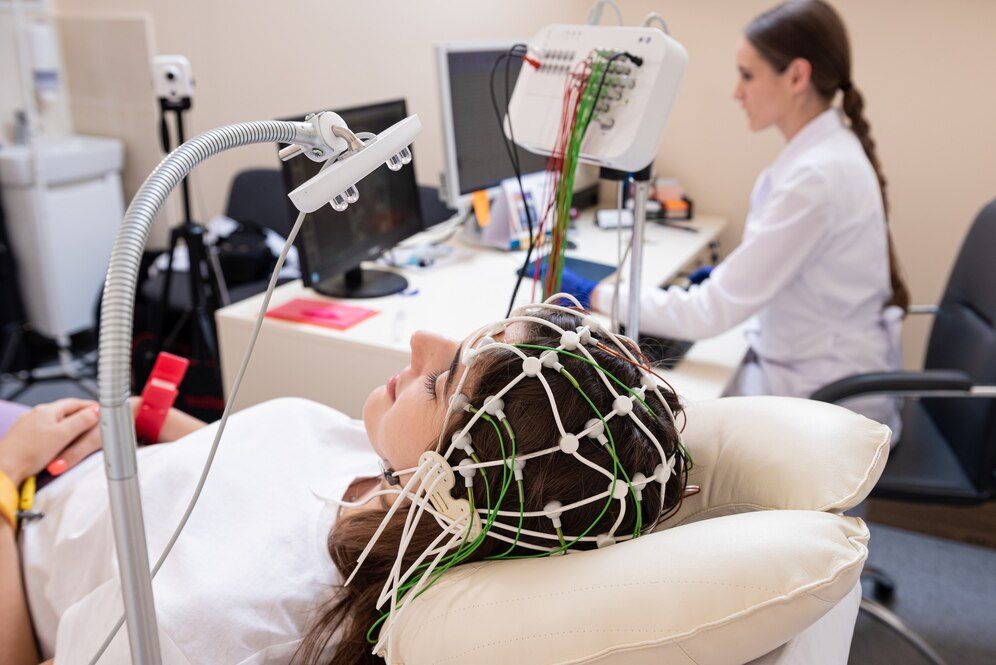
    Electroconvulsive Therapy (ECT), also known as electroshock therapy, is a medical procedure that involves inducing controlled seizures in the brain to treat certain mental illnesses, particularly severe depression and some forms of schizophrenia. Despite its controversial history, ECT has evolved over the years to become a safer and more controlled therapeutic option for individuals who do not respond well to other treatments.

    Electroconvulsive Therapy (ECT) sessions are typically administered under anaesthesia, and muscle relaxants are used to prevent the intense muscle contractions that can occur during a seizure. During the procedure, electrodes are placed on the patient’s scalp, and an electrical current is passed through the brain, inducing a brief seizure that lasts for about 20 to 60 seconds. The specific mechanism through which ECT exerts its therapeutic effects is not fully understood, but it is believed to involve neurotransmitter changes and alterations in brain circuitry.

    ECT is usually administered in a series of treatments, with several sessions taking place over a few weeks. The number of sessions required varies depending on the individual’s response to treatment and the severity of their condition. In some cases, maintenance ECT sessions may be recommended to prevent relapse.

    Electroconvulsive Therapy

    Electroconvulsive Therapy (ECT) has a complex history that dates back to the early 20th century. It was first introduced in the 1930s as a treatment for various psychiatric disorders. However, its early use lacked the safety measures and ethical considerations that are standard in modern medical practice. ECT was portrayed negatively in popular culture and media, leading to a stigmatized perception.

    Read: What is Generic Medicine?

    Modern Advancements

    Over the decades, ECT has evolved significantly in terms of safety, administration, and patient care. Advances in medical technology, anaesthesia, and monitoring techniques have transformed ECT into a safer and more controlled procedure. Today, ECT is conducted in specialized medical settings by trained professionals, and stringent protocols are in place to ensure patient safety and well-being.

    Electroconvulsive Therapy Procedure and Mechanism

    During an Electroconvulsive Therapy (ECT) session, the patient is given a general anaesthetic to ensure they are unconscious and do not experience any pain. Additionally, muscle relaxants are administered to prevent the intense convulsions that historically caused physical injuries. Electrodes are placed on specific locations on the patient’s scalp, typically on both sides of the head, and a carefully controlled electrical current is applied for a brief period.

    This stimulation triggers a seizure that lasts for about 20 to 60 seconds. The exact mechanism by which ECT exerts its therapeutic effects is not fully understood, but several theories exist. It is believed that the induced seizure affects neurotransmitter levels in the brain, particularly serotonin, norepinephrine, and dopamine, which play vital roles in mood regulation. ECT may also influence the neuroplasticity of the brain, leading to changes in neural circuits and connectivity.

    Electroconvulsive Therapy Indications and Effectiveness

    ECT is primarily used to treat severe depressive disorders, especially when they are accompanied by symptoms such as suicidal tendencies, severe agitation, or psychosis. It is also considered for individuals with treatment-resistant bipolar disorder and certain forms of schizophrenia.

    ECT is usually recommended when other treatment options, including medication and psychotherapy, have not provided significant relief. Research suggests that ECT can lead to rapid improvements in severe psychiatric symptoms. It is particularly effective in cases where urgent intervention is needed or when individuals are unable to tolerate the side effects of medications.

    > Consult a doctor and Order Medicine Online

    Side Effects of Electroconvulsive Therapy

    While modern ECT procedures are safer than their historical counterparts, they can still cause certain side effects. Temporary memory loss and confusion are common, especially immediately following the treatment. However, these side effects tend to improve as the patient recovers from the procedure. More serious side effects, such as cardiovascular complications or permanent memory impairment, are rare due to advancements in anaesthesia and monitoring.

    Side Effects of Electroconvulsive Therapy

    Ethical and Societal Concerns

    Ethical concerns have historically surrounded ECT due to its portrayal in media, historical misuse, and the stigma attached to mental health treatments. However, contemporary ECT practices prioritize patient safety, informed consent, and a careful evaluation of risks and benefits. Mental health professionals ensure that patients fully understand the procedure before giving their consent.

    Conclusion:

    Electroconvulsive Therapy, while historically controversial, has evolved into a medical procedure that offers relief to individuals suffering from severe mental health disorders. Under the guidance of trained professionals, modern ECT can provide rapid symptom improvement and an improved quality of life for those who have not responded well to other treatments. The ongoing advancements in psychiatric care and research continue to shape the understanding and application of ECT as a therapeutic option.

    FAQs on Electroconvulsive Therapy

    Q1. What is Electroconvulsive Therapy?

    Electroconvulsive therapy (ECT) is a medical procedure used to treat severe mental health conditions, particularly major depressive disorder, bipolar disorder, and some forms of schizophrenia. During ECT, controlled electric currents are applied to the brain, inducing a brief seizure. The procedure is typically administered under general anaesthesia and muscle relaxants to minimize discomfort and prevent physical convulsions. ECT is considered when other treatment options have been ineffective or when rapid intervention is necessary due to the severity of the illness.

    Q2. How does electroconvulsive therapy work?

    The exact mechanism of action of ECT is not fully understood, but it is believed to involve changes in brain chemistry and neural pathways. The induced seizure is thought to impact neurotransmitter levels, such as serotonin and dopamine, which play a significant role in mood regulation. Additionally, ECT may influence brain circuitry and neuroplasticity, leading to alterations in neural connections. These changes are believed to contribute to the therapeutic effects of ECT on severe psychiatric symptoms.

    Q3. What conditions is ECT used to treat?

    ECT is primarily used to treat severe mental health conditions that have not responded well to other treatments. These conditions include severe depressive disorders, especially those with features like suicidality, psychosis, or agitation. ECT is also considered for individuals with treatment-resistant bipolar disorder and certain types of schizophrenia. Mental health professionals carefully assess each case to determine if ECT is an appropriate treatment option based on the individual’s medical history, symptom severity, and treatment goals.

    Q4. What are the potential side effects and risks of ECT?

    ECT, like any medical procedure, carries potential risks and side effects. Common side effects include short-term memory loss and confusion immediately after the procedure, which usually resolves in the days or weeks following treatment. More serious side effects, such as cardiovascular complications, permanent memory impairment, or fractures due to muscle contractions, are rare but possible. Advances in anaesthesia and monitoring techniques have minimized the risk of severe adverse events. The benefits and risks of ECT are carefully evaluated by medical professionals before recommending the treatment.

    Related Links:

  • What is Medical Scribe? Definition, Meaning, Medical Scribe Interview Questions

    A Medical Scribe is a professional who works closely with healthcare providers, such as physicians, nurse practitioners, or physician assistants, to assist in the documentation and administrative aspects of patient care. The term “scribe” historically referred to a person who wrote down important information on behalf of others, and in the medical context, a medical scribe takes on a similar role by accurately recording patient interactions and medical details.

    The primary purpose of a medical scribe is to ensure comprehensive and accurate documentation of patient encounters, which includes recording medical histories, physical examinations, treatments, diagnoses, and other pertinent information. Handling the documentation process, enables healthcare providers to focus more on direct patient care and clinical decision-making.

    Medical Scribe Roles and Responsibilities

    Key aspects of the role of a medical scribe include:

    Accurate Documentation: It is responsible for accurately recording and transcribing the details of patient encounters, which include medical histories, physical examinations, treatments, prescriptions, and any other pertinent information. Their precise documentation contributes to maintaining comprehensive and up-to-date medical records.

    Electronic Health Records (EHRs): Scribes input patient data into electronic health record systems, ensuring that information is organized, accessible, and compliant with medical coding and terminology standards.

    Real-time Assistance: During patient appointments, medical scribes work in real-time, capturing important information as healthcare providers interact with patients. This immediate documentation ensures that nothing important is overlooked, contributing to the accuracy of patient records.

    Medical Terminology: Scribes are trained in medical terminology and abbreviations, which allows them to effectively transcribe complex medical information. This proficiency ensures that accurate and meaningful information is recorded in the patient’s medical record.

    Chart Review: Scribes may assist healthcare providers by reviewing past medical records and relevant patient history. This helps providers make informed decisions about treatment plans and care strategies.

    Time Management: By handling documentation and administrative tasks, medical scribes enable healthcare providers to optimize their time and dedicate more attention to patient-centred activities, ultimately enhancing patient outcomes and satisfaction.

    Confidentiality and Compliance: Scribes are well-versed in patient privacy laws and regulations, ensuring that patient information is managed securely and in accordance with legal and ethical standards.

    Read: What is Generic Medicine?

    What is a Medical Scribe?

    Medical scribes are commonly found in various healthcare settings, including hospitals, clinics, emergency departments, and speciality practices. They play a critical role in supporting healthcare providers, especially in the context of electronic health records, where accurate and timely documentation is essential. It’s important to clarify that it does not provide direct medical care, make diagnoses, or offer medical advice. Instead, their primary focus is on capturing and recording patient information to aid in the delivery of effective and comprehensive healthcare services. The presence of scribes contributes to improved workflow efficiency, reduced provider burnout, and overall enhanced patient care.

    Medical Scribe Interview Questions

    Certainly, here are a few frequently asked medical scribe interview questions:

    1. Why do you want to become a medical scribe?
    2. What experience do you have with medical terminology and abbreviations? Can you provide examples?
    3. How do you manage your time and prioritize tasks, especially in a fast-paced healthcare environment?
    4. Are you familiar with electronic health record (EHR) systems? Could you share your experience with using them?
    5. Tell us about a situation where you had to handle sensitive or confidential patient information. How did you ensure privacy?
    6. Can you describe your typing speed and accuracy when entering patient information?
    7. During a busy patient encounter, how would you ensure accurate documentation without disrupting the flow of the appointment?
    8. How comfortable are you adapting to different healthcare providers’ preferences for documentation styles?
    9. What strategies do you use to maintain patient confidentiality while accurately documenting information?
    10. How do you handle situations where there’s a potential conflict between accurately documenting information and ensuring a smooth patient-provider interaction?

    > Consult a doctor and Order Medicine Online

    In conclusion, a medical scribe serves as a vital bridge between healthcare providers and accurate documentation. This profession plays a significant role in easing the administrative burden on healthcare professionals, allowing them to dedicate more time to direct patient care and critical medical decision-making. By capturing intricate patient details, transcribing medical histories, and managing electronic health records, it contribute to the seamless flow of information in healthcare settings.

    Their adeptness in medical terminology, attention to detail, and commitment to patient confidentiality make them integral to maintaining comprehensive and up-to-date medical records. As the healthcare industry continues to evolve, the role of the medical scribe continues to gain importance in optimizing patient care, enhancing healthcare provider efficiency, and ensuring the highest standards of documentation accuracy.

    FAQs on Medical Scribe

    Q.1 What is a medical scribe?

    A medical scribe is a trained professional who works alongside healthcare providers, such as physicians, nurse practitioners, and physician assistants, to assist in documenting patient encounters and managing medical records. Their primary role involves accurately recording medical histories, physical examinations, diagnoses, treatments, and other important details during patient appointments.

    Q.2 What are the key responsibilities of a medical scribe?

    The main responsibilities of a medical scribe include accurately transcribing patient information into electronic health record (EHR) systems or other documentation platforms. They record medical histories, symptoms, physical exam findings, laboratory results, prescriptions, and treatment plans.

    Q.3 How does a medical scribe contribute to healthcare settings?

    It plays a crucial role in enhancing the efficiency and quality of patient care. By managing documentation and administrative tasks, they allow healthcare providers to spend more time interacting with patients and making well-informed medical decisions.

    Related Links:

  • How many Types of Injection – Uses and Injection Sites

    How many Types of Injection – Uses and Injection Sites

    Types of Injections image

    In the medical field, the capacity to precisely and effectively administer injections is essential. Knowing the many injectable kinds, their applications, and the proper injection sites is crucial for delivering top-notch patient care, regardless of experience level or interest level in the medical field. You can choose the most appropriate techniques for various clinical scenarios with more ease if you follow this thorough guide, which will take you through all you need to know about injection kinds.

    Understanding Different Types of Injections

    1. Subcutaneous Injections (IM)

    Intramuscular injections are injected directly into the muscle. Vaccinations, hormone therapy, and some rapidly absorbed medications are among their common use. The muscle provides a large surface area where medication can be rapidly absorbed for several therapies.

    2. Subcutaneous (SC) Injections

    are administered into the layer of tissue that lies between the muscle and the skin beneath the skin. Typically, these injections are used to give anticoagulants and insulin. Drug absorption occurs more slowly and at a longer rate because to the subcutaneous tissue.

    3. Injections given intravenously (IV)

    During intravenous injections, medicine is injected right into a vein. This technique is widely utilized for providing anesthetic, replacing fluids, and ensuring a prompt initiation of action in emergency situations.

    4. Intradermal (ID) Substances

    Just beneath the skin’s surface, intradermal injections are given. Tests for allergies and TB frequently employ this method. It’s perfect for diagnostics because of its sluggish absorption rate.

    5. Injections into the joints

    With intra-articular injections, medicine is injected right into the joint. Common uses for these include treating inflammatory diseases like arthritis and relieving pain. This technique works very well for targeted treatment because of its exact location.

    Types of Insulin Injections

    1. Fast-Acting Insulin

    It is recommended to take rapid-acting insulin either right before or right after meals. After eating, it helps regulate blood sugar rises. Insulin lispro and insulin aspart are two such. Managing Type 1 and gestational diabetes requires these kinds of care.

    2. Insulin with a Short Acting Chain

    While it takes longer to take effect than rapid-acting insulin, short-acting insulin has a longer half-life. It is often taken half an hour before eating. One typical example is regular insulin. It is frequently used with long-acting or intermediate-acting insulin.

    3. Insulin with an intermediate-acting molecule

    Overnight or for almost half a day, intermediate-acting insulin provides the necessary insulin. Insulin that acts quickly or briefly is frequently coupled with it. This is a popular usage for NPH (Neutral Protamine Hagedorn) insulin. Throughout the day, it aids in blood sugar regulation.

    4. Prolonged-Acting Insulin

    Long-acting insulin lasts longer and supplies a constant amount of insulin day and night. Examples of insulins are glargine and detemir. For people with chronic diabetes, these kinds are crucial for preserving basal insulin levels.

    Types of Insulin Injection

    Exploring Types of Injection Sites

    1. Intramuscular Points of Injection

    The gluteus maximus in the buttocks, the vastus lateralis in the thigh, and the deltoid muscle in the arm are common intramuscular injection sites. Each site has benefits and potential drawbacks, therefore therapy effectiveness depends on the selection made.

    2. Sites of Subcutaneous Injections

    Subcutaneous injections are frequently administered to the upper arm, thigh, and abdomen. The location selection may have an effect on patient comfort and absorption rate. Rotating sites is necessary to maintain constant absorption rates and prevent harm to the tissue.

    3. Areas of Intravenous Injections

    The veins in the arms—the basilic, cephalic, and median cubital veins in particular—are common locations for intravenous injections. The patient’s overall experience and the convenience of administration can both be impacted by the vein selection.

    4. Injectable Sites Intradermally

    For intradermal injections, especially for allergy and tuberculosis tests, the inner forearm is the ideal location. It is simple to keep an eye on reactions in this region. Accurate outcomes depend on using the right technique.

    5. Intra-articular Sites of Injection

    Intra-articular injection locations include the knees, shoulders, and hips. Depending on the joint being treated and the severity of the problem, a specific site may be chosen. For the greatest therapeutic result, positioning must be precise.

    Choosing the Best Injection Site

    1. Considerations for Factors

    A number of criteria need to be taken into account while selecting the optimal injection location, such as the kind of medication, the patient’s age, and their physical condition. For example, subcutaneous fat and muscular mass can affect the site preference.

    2. Patient Security and Comfort

    Safety and patient comfort should always come first. It is possible to improve the patient experience by making sure they are comfortable and explaining the operation to them. Infections and other issues can be avoided with careful practice and hygiene.

    3. Turning Points for Injection

    Rotating injection sites is important, particularly for individuals with diabetes who need injections frequently. This procedure guarantees steady drug absorption and helps avoid lipodystrophy. Effective management of site rotation can be aided by keeping a log.

    Wide Range of Insulin Injections image

    Consult a Doctor and Medkart will help you Order Medicines Online

    Conclusion

    For healthcare workers, knowing the different kinds of injections and where to administer them is essential. This information guarantees safe and efficient treatment administration in addition to improving patient care. You can make choices that are best for your patients by being aware of the subtle differences between each injection method and site.

    If you want to expand your knowledge, you might want to take advanced classes or look for mentorship from more seasoned professionals. Maintaining proficiency in these fundamental abilities requires constant learning and practice.

    FAQs on Types of Injections

    1. Which kind of injection is most popular?

    Answer: When administering immunizations or drugs that must be absorbed quickly, intramuscular injections are among the most popular.

    2. How can I pick the ideal injection location?

    Answer: A patient’s age, physical condition, and type of injection all play a role in selecting the best injection site. Constantly keep patient safety and comfort in mind.

    3. Why is rotating injection sites important?

    Answer: Injecting at different locations minimizes tissue bruising and guarantees uniform drug absorption. For individuals who need injections frequently, it’s very crucial. You can become much more proficient and give your patients better care if you can master these strategies. Always put the safety and comfort of your patients first, be informed, and never stop learning.

  • Medical Coding – Meaning, Definition, Importance, Medical Coding Examples

    Medical Coding – Meaning, Definition, Importance, Medical Coding Examples

    Medical CodingPrecise documentation is essential in the complex field of healthcare. A crucial part of this procedure is played by medical coding, which is sometimes regarded as the unsung hero of efficient medical procedures. In-depth explanations of medical coding’s significance, uses, and meaning are provided in this blog post, along with practical examples to help healthcare professionals and aspiring coders a like.

    What is Medical Coding ?

    The conversion of medical diagnoses, treatments, equipment, and services into universal medical alphanumeric codes is the fundamental process of medical coding. These codes are obtained from data found in medical records, including reports from radiologic tests, laboratory results, and doctor’s notes.

    The three main coding systems in use are HCPCS (Healthcare Common Procedure Coding System), CPT (Current Procedural Terminology), and ICD (International Classification of Diseases). In the context of healthcare, each has a distinct function and makes sure that every facet of patient care is carefully recorded.

    Medical Coding

    Why Medical Coding Matters ?

    Medical coding reduces complex medical information to a language that is easily understood by all. Accurate billing and effective patient care management are only two of the many reasons why this conversion is crucial. 

    Knowing coding entails knowing a critical facet of the healthcare system for medical professionals and students. The acquisition of specific expertise by aspiring coders opens doors to a multitude of job prospects in the medical industry.

    The ICD, CPT, and HCPCS Codes

    ICD codes are used to specify the patient’s diagnosis and state. While HCPCS codes include goods and services not covered by CPT, CPT codes relate to medical operations and services. Medical documentation is accurate and trustworthy because each code set guarantees thorough coverage of every facet of healthcare.

    Importance and Applications of Medical Coding

    Medical coding goes well beyond straightforward record-keeping. Its importance transcends the healthcare industry, promoting accuracy, efficiency, and transparency.

    1. Improving Medical Practice Operations

    Simplifying healthcare procedures is one of the main advantages of medical coding. Coding enables smooth communication between healthcare professionals, insurers, and patients by standardizing the terminology used throughout the medical industry. Better patient outcomes and more efficiently coordinated treatment are the results of this transparency.

    2. Making Sure Bills Are Correct

    In the billing process, accuracy in medical coding is essential. To process claims and calculate payout amounts, insurance firms rely on these codes. Claims denials and financial losses for healthcare providers can result from inaccurate or missing coding. Good coding is therefore essential to keeping medical facilities financially stable.

    3. Encouraging the Investigation and Progress

    In research and development, medical coding is equally essential. Researchers can detect patterns, monitor health crises, and assess the efficacy of therapeutic interventions through the examination of coded data. Medical research and public health programs will benefit greatly from this knowledge.

    4. Improving Medical Care

    Ultimately, medical coding promotes patient care. Accurate documentation guarantees that patients receive the right care after their initial therapy. Since all medical personnel involved in a patient’s care have access to the same precise information, it also helps prevent medical errors.

    Also Read:

    Medical Coding Examples

    Let’s look at a few actual cases to have an improved awareness of the effects of medical coding. These examples show how coding translates comprehensive medical data into clear, useful information.

    Example 1: Making a diabetes diagnosis

    Think about a patient who has been given a Type 2 diabetes diagnosis. E11.9 is the ICD code for this diagnosis. A multitude of details are contained in this one code, which shows that the patient has diabetes and is not experiencing any problems. It facilitates the prompt understanding of the patient’s state by healthcare professionals and the planning of suitable treatment.

    Example 2: Performing a Regular Audit

    A doctor may examine the patient physically, take blood samples, and talk about their overall health during a standard check-up. For the preventive check-up, the CPT codes may be 99395, and for the blood draw, 36415. These codes guarantee that the healthcare professional is paid fairly for the services they perform.

    Example 3: Giving the Influenza Vaccine

    Both the injection technique and the vaccine itself are used in the administration of the flu shot. The flu vaccine may have the HCPCS number Q2038 and the CPT code 90471 for administration. These codes make ensuring that healthcare practitioners are fairly compensated and assist in tracking vaccination rates.

    > Consult a Doctor and Medkart will help you Order Medicines Online

    Conclusion

    One essential component of contemporary healthcare is medical coding. It facilitates effective communication, proper invoicing, and improved patient care by converting complicated medical data into standardized codes. Knowing medical coding helps that healthcare systems run smoothly and opens up a world of options for medical professionals, aspiring coders, and students.

    Acquiring this ability will pay off whether your goal is to improve your healthcare practice or pursue a career in medical coding. Continue learning about the intriguing field of medical coding, be knowledgeable, and maintain your curiosity.

    Read: What are Generic Medicines?

    FAQs on Medical Coding

    1. In order to become a medical coder, what qualifications are required ?

    Answer : Most companies seek accreditation from accredited associations such as the American Academy of Professional Coders (AAPC) or the American Health Information Management Association (AHIMA). Understanding physiology and medical terminology well is also beneficial.

    2. To become skilled in medical coding, how long does it take ?

    Answer : Depending on their experience and level of commitment, different amounts of time are required. Usually taking six months to a year, certification programs are completed. Experience and on-going education are necessary for continuing skills.

    3. How may medical coders pursue a career in this field ?

    Answer : Healthcare facilities such as hospitals, clinics, and insurance companies have a great need for medical coders. Coders who gain expertise can go on to become compliance officers, auditors, or coding supervisors.

    Medical coding is an essential competency that keeps healthcare systems running smoothly. Learning it improves patient care’s general efficacy and efficiency while also providing access to profitable employment options.

    Related Links:

    Blog | Medkart Pharmacy - Generic Medicine Online

  • How to cure Sinus Headache with Home Remedies and Medicines?

    How to cure Sinus Headache with Home Remedies and Medicines?

    sinus treatmentHow to Cure Sinus Headache? Sinus headaches are a common ailment that many people experience at some point in their lives. In this article, we’ll explore sinus headaches, their causes, and how to permanently cure them using home remedies and medicines. We will also discuss sinus surgery, chronic sinusitis, nasal spray treatment, and DIY options for sinus treatment at home.

    What is Sinus Headaches?

    Sinus headaches result from inflammation or congestion in the air-filled sinus cavities within the bones of the face. These cavities produce mucus that helps keep the nasal passages moist and free from bacteria. When the sinus cavities become inflamed or blocked, pressure can build up, leading to a sinus headache.

    Several factors can contribute to the development of a sinus headache, including allergies, infections, and environmental irritants. It is important to understand the symptoms and causes of the sinus to treat them effectively and prevent their recurrence.

    Symptoms of a Sinus Headache

    Sinus headache symptoms can vary depending on the severity of the inflammation and congestion in the sinus cavities. Some common symptoms include:

    • Headache or pressure in the cheekbones, eyes, or forehead
    • Nasal congestion or discharge
    • Fatigue or difficulty concentrating
    • Sensitivity to light or noise
    • Facial swelling or tenderness

    Sometimes, a sinus may be accompanied by other symptoms such as fever, cough, or sore throat. These additional symptoms may indicate the presence of a more serious infection or illness that requires medical attention.

    Causes of Sinus Headaches

    Several factors can contribute to the development of a sinus headache. These may include:

    • Allergies: Seasonal or year-round allergies can cause inflammation and congestion in the sinus cavities
    • Infections: Viral, bacterial, or fungal infections can lead to sinus inflammation and congestion
    • Environmental factors: Exposure to pollutants, smoke, or strong odours can irritate the sinuses and lead to inflammation
    • Nasal polyps or structural abnormalities: These can block the sinus passages and cause congestion and inflammation
    • Immune system disorders: Certain conditions, such as autoimmune disorders, can cause chronic sinus inflammation

    Understanding the underlying cause of a sinus headache is crucial for developing an effective treatment plan.

    Home Remedies for Sinus Headaches

    For those seeking to cure sinus permanently with home remedies, there are several options available. These remedies can provide temporary relief from sinus symptoms and may help to reduce inflammation and congestion.

    1. Warm compresses

    Applying a warm compress to the affected areas of the face can help alleviate pain and pressure associated with sinus headaches. A warm compress can be made by soaking a clean cloth in warm water and placing it over the forehead, cheeks, or eyes for several minutes.

    2. Steam inhalation

    Inhaling steam can help to moisten and soothe the nasal passages, which may help to relieve sinus congestion and pressure. To perform steam inhalation, fill a bowl with hot water and lean over it with a towel draped over the head to trap the steam. Take a few minutes to breathe in the steam.

    3. Saline nasal spray

    Using a saline nasal spray can help to flush out mucus and bacteria from the nasal passages, which may help to alleviate sinus congestion and reduce inflammation. Saline nasal sprays can be purchased over the counter or made at home using a mixture of salt and water.

    4. Hydration

    Staying well-hydrated can help to thin mucus in the sinuses and promote drainage, which may help to alleviate sinus headache symptoms. Drinking plenty of water, herbal tea, or clear broth can help to maintain hydration levels.

    5. Humidifiers

    Using a humidifier in the home can help to maintain moisture levels in the air, which may help to prevent sinus congestion and inflammation. Be sure to clean the humidifier regularly to prevent the growth of bacteria and mould.

    Medicines for Sinus Headache Relief

    There are several sinus medicines available that can help to relieve sinus headache symptoms. These medicines can be divided into two main categories: over-the-counter remedies and prescription medications.

    Over-the-counter Remedies for Sinus Pain

    Over-the-counter sinus medicines can help to provide temporary relief from sinus headache symptoms. Some common over-the-counter remedies include:

    • Pain relievers: Nonsteroidal anti-inflammatory drugs (NSAIDs) such as ibuprofen or aspirin can help to reduce pain and inflammation associated with sinus headaches.
    • Decongestants: Oral decongestants can help to relieve sinus congestion by narrowing blood vessels in the nasal passages. Nasal decongestant sprays provide short-term relief but should not be used for more than three days to prevent rebound congestion.
    • Antihistamines: These medications can help alleviate allergy-related sinus symptoms by blocking the action of histamine, a chemical involved in the allergic response.

    Sinus discomfort doesn’t always stay in the sinuses—it can trigger full-body fatigue. Rumanil Tablet and Ibugesic plus suspension are commonly used to address such minor aches.

    Prescription Medications for Sinus Headache Relief

    In some cases, a healthcare provider may prescribe medications to treat sinus symptoms. These may include:

    • Antibiotics: A bacterial sinus infection may be treated with antibiotics to relieve inflammation and congestion, prescribed by a healthcare provider.
    • Corticosteroids: These medications reduce inflammation in the sinus cavities and may be prescribed as a nasal spray or oral medication.
    • Antifungal medications: If a fungal infection is causing sinus inflammation and congestion, a healthcare provider may prescribe antifungal medications to treat the infection.

    It is important to follow the healthcare provider’s instructions for taking prescription medications and to complete the full course of treatment to ensure the best possible outcome.

    > Consult a Doctor, and Medkart will help you Order Medicines Online

    medicines for sinusWhen to Consider Sinus Surgery

    In some cases, sinus surgery may be necessary to treat chronic sinusitis or persistent sinus headaches that do not respond to other treatments. Sinus surgery may involve the removal of nasal polyps, the correction of structural abnormalities, or the widening of the sinus passages to promote drainage.

    Before sinus surgery, explore all treatment options and discuss the risks and benefits of the procedure with a healthcare provider.

    Chronic Sinusitis and Its Impact on Sinus Headaches

    Chronic sinusitis is a condition in which the sinuses remain inflamed and congested for an extended period, often lasting three months or longer. This condition can have a significant impact on an individual’s quality of life, leading to persistent sinus headaches, fatigue, and difficulty concentrating.

    The treatment of chronic sinusitis typically involves a combination of medications, home remedies, and lifestyle modifications. In some cases, sinus surgery may be necessary to address the underlying cause of the chronic inflammation and congestion.

    Frontal Sinus Treatment Options

    The frontal sinuses are located above the eyes and are one of the four sets of sinuses in the face. Inflammation and congestion in the frontal sinuses can cause sinus headaches, resulting in pain and pressure in the forehead.

    Treatment options for frontal sinus may include over-the-counter or prescription medications, home remedies, and lifestyle modifications. In some cases, sinus surgery may be necessary to address the underlying cause of the inflammation and congestion in the frontal sinuses.

    Nasal Spray for Sinus Headaches

    Nasal sprays can effectively treat sinus headaches by reducing congestion and inflammation in the nasal passages, providing relief from discomfort.

    There are several types of nasal sprays available, including:

    • Saline nasal sprays: As mentioned earlier, saline nasal sprays can help flush out mucus and bacteria from the nasal passages, which may help to alleviate sinus congestion and reduce inflammation.
    • Steroid nasal sprays: These prescription nasal sprays contain corticosteroids that can help to reduce inflammation in the sinus cavities, which may help to alleviate sinus headache symptoms.
    • Antihistamine nasal sprays: These prescription nasal sprays contain antihistamines that can help to alleviate allergy-related sinus headache symptoms.

    It is important to follow the instructions for using nasal sprays and to consult with a healthcare provider if symptoms do not improve or worsen after using the spray.

    Buy Nasal Sprays – Order Medicine

    Sinus Treatment at Home: DIY Remedies

    In addition to the home remedies mentioned earlier, several other DIY sinus treatments can help to alleviate sinus headache symptoms and promote healing. These may include:

    • Essential oils: Some essential oils, such as eucalyptus and peppermint, have anti-inflammatory and decongestant properties that may help to alleviate sinus headache symptoms. These oils can be added to a bowl of hot water for steam inhalation or used in a diffuser to create a soothing atmosphere.
    • Apple cider vinegar: Diluting a small amount of apple cider vinegar in water and sipping it throughout the day may help to thin mucus and promote sinus drainage, which may help alleviate sinus symptoms.
    • Herbal teas: Drinking herbal teas, such as ginger or chamomile, can help to soothe inflammation and promote relaxation, which may help to alleviate headache symptoms.

    sinus treatment at home

    Prevention of Sinus Headaches

    Preventing sinus involves addressing the underlying causes of sinus inflammation and congestion. Some strategies for preventing sinus headaches include:

    • Avoiding allergens: If allergies contribute to sinus headaches, reducing exposure to allergens is crucial for minimizing discomfort and managing symptoms. This may involve using air purifiers or hypoallergenic bedding and keeping windows closed during peak allergy seasons.
    • Practising good hygiene: Washing hands frequently and avoiding close contact with individuals who have colds or other respiratory infections can help to reduce the risk of developing sinus infections that can lead to sinus headaches.
    • Maintaining a healthy lifestyle: Eating a balanced diet, exercising regularly, and getting enough sleep can help support a healthy immune system and reduce the risk of developing sinus infections and headaches.

    Conclusion

    Sinus headaches can be a painful and debilitating condition, but there are numerous treatment options available to provide relief and promote healing. By understanding the causes and symptoms of sinus headaches, individuals can work with their healthcare providers to develop a comprehensive treatment plan that may involve home remedies, over-the-counter or prescription medications, or even sinus surgery in some cases. Furthermore, taking steps to prevent sinus by addressing underlying causes and maintaining a healthy lifestyle can help to reduce the frequency and severity of these headaches in the future.

    Read: What are Generic Medicines?

    FAQs on How to Cure Sinus Headache

    1. How to get rid of a sinus headache instantly?

    For quick relief from sinus headaches, try steam inhalation, warm compress, hydration, and consult a doctor before using pain relievers.

    2. How to cure Sinus Headache?

    To relieve a sinus headache, attempt steam inhalation, warm compresses, hydration, and use of OTC pain relievers with medical approval. Consult a healthcare provider for persistent symptoms.

    3. How to reduce Sinus Headache?

    To ease a sinus headache, you can try breathing in steam, placing warm clothes on your face, drinking enough water, and using over-the-counter pain relief after consulting a doctor. If the headache persists, it’s a good idea to talk to a healthcare professional.

  • Acid Reflux – Home Remedies for Acid Reflux

    Acid Reflux – Home Remedies for Acid Reflux

    Acid Reflux image

    Acid reflux, also known as gastroesophageal reflux (GERD), occurs when stomach acid flows back into the esophagus, causing irritation and discomfort. This backflow can be a result of a weakened lower esophageal sphincter (LES), which is responsible for keeping stomach contents in place. When this muscle is weakened, it allows stomach acid to seep into the esophagus, leading to the painful sensation known as heartburn.

    Gastroesophageal reflux disease, or GERD, is a chronic and more severe form of acid reflux. It is characterized by frequent episodes of acid reflux, which can cause damage to the esophagus and lead to complications such as esophagitis, esophageal ulcers, and even esophageal cancer. It is important to properly manage acid reflux and GERD to prevent these complications and maintain a healthy digestive system.

    The first step in managing acid reflux and GERD is understanding the causes and symptoms of these conditions. This knowledge will help individuals identify triggers and make informed decisions about their diet and lifestyle.

    એસિડ રિફ્લક્સ માટે કેટલીક જેનરિક દવાઓ શું છે?

    Causes of Acid Reflux

    There are numerous factors that can contribute to acid reflux, including both genetic and lifestyle factors. Some common causes of acid reflux include:

    • Hiatal hernia: This occurs when the upper part of the stomach bulges through the diaphragm, which can weaken the LES and cause acid reflux.
    • Obesity: Excess weight puts pressure on the abdomen, potentially forcing stomach acid into the esophagus.
    • Pregnancy: Hormonal changes and increased abdominal pressure during pregnancy can lead to acid reflux.
    • Diet: Consuming high-fat foods, spicy foods, caffeine, and alcohol can all contribute to acid reflux.
    • Smoking: Nicotine can weaken the LES, increasing the likelihood of acid reflux.

    Identifying the causes of acid reflux can help individuals determine the necessary steps to manage their symptoms effectively.

     Acid Reflux Symptoms

    People can experience different acid reflux symptoms, however, some frequent ones include:

    • Heartburn: A burning sensation in the chest, often accompanied by a sour taste in the mouth.
    • Regurgitation: The sensation of stomach contents or acid flowing back into the throat or mouth.
    • Dysphagia: Difficulty swallowing or a sensation of food being stuck in the throat.
    • Chest pain: A feeling of discomfort or pain that may occasionally be mistaken for a heart attack.
    • A persistent cough that is not brought on by a respiratory infection is referred to as chronic.

    Recognizing these symptoms can help individuals seek appropriate treatment and make necessary lifestyle changes to manage their acid reflux.

    Acid Reflux Foods to Avoid

    Managing acid reflux and GERD often begins with making changes to one’s diet. Understanding which foods trigger symptoms is crucial for effective management. Some common acid reflux foods to avoid include:

    • High-fat foods: Foods high in fat, such as fried foods, fast food, and fatty cuts of meat, can slow digestion and cause acid reflux.
    • Spicy foods: Spicy dishes, such as those containing chilli peppers, can irritate the esophagus and trigger acid reflux symptoms.
    • Citrus fruits: Oranges, grapefruits, and other citrus fruits are highly acidic and can exacerbate acid reflux symptoms.
    • Tomato-based products: Tomatoes and tomato-based sauces can cause acid reflux due to their acidity.
    • Garlic and onions: These pungent foods can trigger acid reflux in some individuals.
    • Chocolate: Chocolate contains compounds that can relax the LES, increasing the likelihood of acid reflux.
    • Peppermint: While often used to soothe an upset stomach, peppermint can actually worsen acid reflux by relaxing the LES.
    • Caffeine: Coffee, tea, and other caffeinated beverages can relax the LES and trigger acid reflux.

    Eliminating or reducing the consumption of these trigger foods can greatly improve acid reflux symptoms and overall digestive health.

    Foods to Eat for Acid Reflux and GERD

    While there are certain foods to avoid, there are also many foods that can help manage acid reflux and GERD. Some beneficial foods include:

    • Whole grains: Whole grains, such as oatmeal, brown rice, and whole wheat bread, can help absorb stomach acid and reduce acid reflux symptoms.
    • Lean proteins: Choose lean cuts of meat, such as chicken or turkey, and plant-based proteins like tofu to avoid excess fat that can trigger acid reflux.
    • Non-citrus fruits: Apples, bananas, and other non-citrus fruits can help neutralize stomach acid and soothe the digestive system.
    • Vegetables: Green vegetables, such as broccoli, asparagus, and leafy greens, can help reduce stomach acidity and minimize acid reflux symptoms.
    • Ginger: This root has natural anti-inflammatory properties and can help soothe the digestive system.

    Incorporating these foods into one’s diet can help manage acid reflux and GERD symptoms effectively.​

    Drinks to Avoid for Acid Reflux and GERD

    In addition to avoiding certain foods, it’s also important to consider what to drink for acid reflux. Some common drinks that can exacerbate symptoms include:

    • Alcoholic beverages: Alcohol can relax the LES and increase stomach acid production, leading to acid reflux.
    • Carbonated beverages: The bubbles in carbonated drinks can cause bloating and increase pressure on the LES, leading to acid reflux.
    • Caffeinated beverages: As mentioned earlier, caffeine can relax the LES and trigger acid reflux symptoms.
    • Citrus juices: The high acidity of citrus juices can worsen acid reflux symptoms.

    Choosing water, herbal teas, or non-citrus juices can help prevent acid reflux symptoms and maintain a healthy digestive system.

    Lifestyle Changes to Manage Acid Reflux and GERD

    In addition to dietary changes, making certain lifestyle adjustments can also help manage acid reflux and GERD. Some effective changes include:

    • Maintain a healthy weight: Losing excess weight can reduce pressure on the abdomen and LES, helping to prevent acid reflux.
    • Eat smaller meals: Consuming smaller, more frequent meals can help prevent the stomach from becoming too full and reduce the risk of acid reflux.
    • Avoid lying down after eating: Waiting at least two to three hours after eating before lying down can help prevent stomach acid from flowing back into the esophagus.
    • Elevate the head of the bed: Using a wedge pillow or elevating the head of the bed by six to eight inches can help prevent acid reflux during sleep.
    • Quit smoking: As mentioned earlier, nicotine can weaken the LES and contribute to acid reflux. Quitting smoking can help strengthen the LES and reduce symptoms.

    Implementing these lifestyle changes can significantly improve the management of acid reflux and GERD.

    Acid Reflux Medicine and Treatment

    In addition to making dietary and lifestyle changes, there are several natural remedies that can help manage acid reflux and GERD. Some effective options include:

    • ​Chewing gum: Chewing gum can increase saliva production and help neutralize stomach acid.
    • Aloe vera: Drinking aloe vera juice can help soothe the digestive system and reduce inflammation.
    • Slippery elm: This herb can be taken in supplement form or as a tea to coat and soothe the digestive tract.
    • Apple cider vinegar: While it may seem counterintuitive, some people find that taking a small amount of apple cider vinegar diluted in water can help balance stomach acid levels and reduce acid reflux symptoms.

    Before trying any natural remedy, it’s important to consult with a healthcare professional to ensure it’s safe and appropriate for individual needs.

    Also Read: What are Generic Medicine?

    Medications to Manage Acid Reflux and GERD

    For some individuals, lifestyle and dietary changes may not be enough to manage acid reflux and GERD symptoms effectively. In these cases, medications may be necessary. Some common medications used to treat acid reflux and GERD include:

    • Antacids: Over-the-counter antacids can help neutralize stomach acid and provide temporary relief from acid reflux symptoms.
    • H2 blockers: These medications work by reducing the production of stomach acid, which can help alleviate acid reflux symptoms.
    • Proton pump inhibitors (PPIs): PPIs are more potent than H2 blockers and can provide long-lasting relief by blocking the production of stomach acid.

    It’s important to consult with a healthcare professional before starting any new medication to ensure it’s appropriate for individual needs and to discuss potential side effects.

    Conclusion

    Managing acid reflux and GERD requires a multifaceted approach, including dietary changes, lifestyle modifications, natural remedies, and potential medications. By understanding the causes and symptoms of these conditions, individuals can make informed decisions about their treatment and effectively manage their symptoms.

    Living with acid reflux and GERD doesn’t have to be a constant struggle. With the right guidance and support, individuals can take control of their digestive health and enjoy a better quality of life.

    Related Links: