Search results for: “all”

  • The Facts About Chancroid: Its Causes and Implications for Your Health

    The Facts About Chancroid: Its Causes and Implications for Your Health

    Chancroid treatment Introduction to Chancroid 

    Chancroid is a sexually transmitted infection (STI) that is relatively rare in developed countries but more common in certain regions of Africa, Asia, and Latin America. This bacterial infection is characterized by painful genital sores and is caused by the bacterium Haemophilus ducreyi. It is important to be aware of the signs and symptoms of this infection, as well as its implications for your health and the public health sector. In this article, we will discuss what chancroid is, its causes, symptoms, diagnosis, complications, and treatment options. Additionally, we will explore chancroid’s meaning in the context of public health and compare it to other STIs.

    What is Chancroid and How is it Caused?

    Bacterial infection known as chancroid is spread via sexual contact. It is caused by the bacterium Haemophilus ducreyi, which is a gram-negative coccobacillus. This bacterium invades the skin and mucous membranes of the genital area, leading to the formation of painful ulcers known as chancres. Chancroid is highly contagious, and the transmission risk increases when there are open sores or breaks in the skin.

    The transmission of chancroid usually occurs through vaginal, anal, or oral sex with an infected person. It is important to note that the infection can also be spread through non-sexual contact if there is a break in the skin or mucous membrane, although this is less common. In some cases, the infection can be transmitted from mother to child during childbirth, resulting in neonatal chancroid.

    Symptoms of Chancroid

    Chancroid symptoms typically appear within 4-10 days after exposure to the bacterium. The primary symptom of chancroid is the presence of one or more painful genital ulcers or sores on the genitals, anus, or mouth. These sores are usually soft, irregularly shaped, and have a gray or yellowish-gray base with a red border. They may bleed or produce a fluid that can be contagious.

    Other symptoms may include:

    • Swollen lymph nodes in the groin region, which may be painful and may feel like lumps or bumps
    • Painful urination or defecation
    • Painful intercourse
    • In women, vaginal discharge, bleeding between periods, or pain during sex

    In addition to the genital ulcers, individuals with chancroid may also experience painful and enlarged lymph nodes, known as buboes, in the groin area. These swollen lymph nodes can sometimes rupture and produce pus. Other symptoms of chancroid may include pain during urination, pain during sexual intercourse, and a general feeling of discomfort in the genital area. It is important to seek medical attention if you suspect that you have chancroid, as early diagnosis and treatment can help prevent complications and further transmission of the infection.

    How is Chancroid Diagnosed?

    Diagnosing chancroid typically involves a combination of physical examination, laboratory tests, and assessment of the patient’s sexual history. During the physical examination, a healthcare provider will examine the genital sores and assess the presence of swollen lymph nodes in the groin area. They may also take a sample of the pus from the ulcer for laboratory testing.

    Laboratory tests for chancroid include the culture of Haemophilus ducreyi, polymerase chain reaction (PCR), and Gram staining. The culture of the bacterium is considered the gold standard for diagnosing chancroid, although it can be challenging due to the fastidious nature of the organism. PCR testing is a highly sensitive and specific method for detecting chancroid but may not be widely available. Gram staining can provide rapid results but has lower sensitivity and specificity compared to the other tests.

    It is important to rule out other STIs that can cause similar symptoms, such as syphilis and herpes. This may involve additional laboratory tests, such as serologic testing for syphilis and viral cultures or PCR for herpes.

    Complications and Implications for Public Health

    If left untreated, chancroid can lead to various complications, including the formation of abscesses in the genital area, scarring, and the spread of the infection to other parts of the body. In some cases, chancroid can also increase the risk of contracting other STIs, such as HIV. This is because the presence of genital ulcers can facilitate the entry of HIV and other pathogens into the body.

    From a public health perspective, chancroid is a significant concern because it is a highly contagious infection that can spread rapidly within communities. The presence of chancroid in a population can also serve as an indicator of risky sexual behaviors and inadequate access to healthcare services. Furthermore, chancroid can contribute to the overall burden of STIs and their associated health complications, which can strain healthcare systems and have long-term consequences for individuals and communities.

    Treatment Options for Chancroid

    The primary treatment for chancroid involves the use of antibiotics to target the Haemophilus ducreyi bacterium. The most commonly prescribed antibiotics for chancroid include azithromycin, ceftriaxone, ciprofloxacin, and erythromycin. The choice of antibiotic and the duration of treatment depend on the severity of the infection, the presence of complications, and the patient’s overall health status.

    In addition to antibiotic therapy, individuals with chancroid should also practise good hygiene and avoid sexual contact until the infection has been treated and the sores have healed. In some cases, patients with large or painful buboes may require additional interventions, such as needle aspiration or surgical drainage, to relieve pain and prevent complications.

    Preventing Chancroid

    Preventing chancroid involves adopting safe sexual practices, such as using condoms consistently and correctly during sexual activity. Regular STI testing and prompt treatment of infections can also help reduce the risk of chancroid transmission. It is important to discuss sexual health with your partner(s) and to seek medical attention if you suspect that you have been exposed to an STI.

    In some regions where chancroid is more prevalent, public health interventions such as STI education, condom distribution, and improved access to healthcare services can help reduce the incidence of chancroid and its associated complications.

    how to prevent chancroid

    Chancroid vs. Other Sexually Transmitted Infections

    While chancroid shares some similarities with other STIs, there are key differences that set it apart. For example, unlike syphilis and herpes, chancroid is caused by a bacterium and can be effectively treated with antibiotics. Additionally, chancroid typically presents with painful genital ulcers, while syphili s can cause painless sores, and herpes lesions are often described as burning or itching.

    Understanding the differences between chancroid and other STIs is essential for accurate diagnosis and appropriate treatment. It is important to consult with a healthcare provider if you suspect that you have an STI, as they can help determine the cause of your symptoms and recommend the best course of action.

    The Meaning of Chancroid in Public Health

    In the context of public health, chancroid serves as a reminder of the importance of safe sexual practices, STI education, and access to healthcare services. The presence of chancroid in a population can be indicative of underlying issues related to sexual health and healthcare access, and addressing these issues can help improve overall public health outcomes.

    Chancroid also highlights the need for continued research and development of new diagnostic tools and treatment options for STIs. By increasing our understanding of chancroid and other STIs, we can work towards more effective prevention and control measures, ultimately reducing the burden of these infections on individuals and communities.

    Conclusion

    A sexually transmitted infection called chancroid is brought on by the bacterium Haemophilus ducreyi. It is characterized by painful genital ulcers and can lead to various complications if left untreated. Understanding the causes, symptoms, diagnosis, and treatment options for chancroid is essential for maintaining sexual health and preventing the spread of this infection. By adopting safe sexual practices and seeking medical attention when necessary, individuals can minimize their risk of chancroid and contribute to the overall improvement of public health outcomes.

  • How to Cure Mouth Ulcers? Best Ointment for Mouth Ulcer

    How to Cure Mouth Ulcers? Best Ointment for Mouth Ulcer

    Mouth Ulcers image

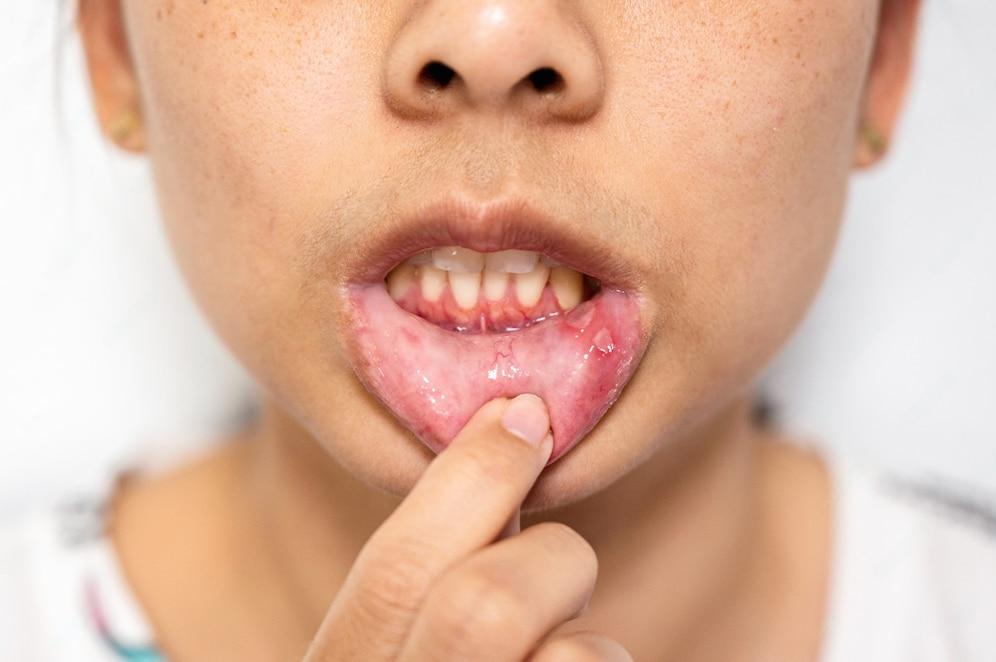
    Mouth ulcers, also known as canker sores, are painful lesions inside the mouth that make eating, sipping, and talking painful. If you are curious for advantageous medication for mouth ulcers, different mouth ulcer antibiotics, creams, and ointments can help remedy them. From antiseptic gels to medicines for mouth ulcer treatment. the right approach can help recover from mouth ulcers fast. If you’re awestruck by what method to cure mouth ulcers temporarily or by what method to cure mouth ulcers fast, this guide covers everything you need to know about effective mouth ulcer treatments.

    What are Mouth Ulcers?

    Mouth ulcers are injurious, painful sores that look inside the mouth, on the tongue, or simultaneously the paste line. They are probably incensed by miscellaneous conditions, containing stress, wounds, vitamin deficiencies, or illnesses. While most mouth ulcers heal inside one to two weeks, timely therapy can step up the medicinal process and lower discomfort.

    Common Causes of Mouth Ulcers

    Understanding what causes mouth ulcers can help in preventing and treating them perfectly. Some common provokes contain:

    • Injury or Trauma: Accidentally biting your cheek, handling a hard-fumed toothbrush, or absorbing hard food can stimulate ulcers.
    • Nutritional Deficiencies: Lack of essential vitamins like B12, iron, and folic acid can reinforce reappearing ulcers.
    • Stress and Hormonal Changes: Emotional stress and hormonal differences can decline safeguard, increasing the risk of ulcers.
    • Food Sensitivities: Spicy, acidic, or tangy food can upset the mouth covering, chief to ulcer improvement.
    • Underlying Medical Conditions: Conditions like stomach contamination, Crohn’s disease, and metallic mineral use disorders can cause endless mouth ulcers.
    • Bacterial or Viral Infections: Infections like herpes simplex virus (HSV) can provoke frightful sore in the audacity.

    Types of Mouth Ulcer Treatments

    Mouth ulcer treatment fluctuates based on the cause and severity of the condition. Standard medication options contain:

    1. Topical Gels & Ointments – These help defeat pain and inflammation while encouraging healing.
    2. Oral Medications – In severe cases, doctors grant permission to prescribe prescriptions to relieve symptoms.
    3. Antiseptic Mouthwashes – Help prevent diseases and advance curative.
    4. Home Remedies – Natural medications that offer a comforting remedy and boost restorative.
    5. Antibiotics for Mouth Ulcer Treatment – Used when ulcers are provoked by bacterial infections.

    Types of Mouth Ulcer Treatments image

    The Benefits of Using Mouth Ulcer Gels

    A fast-relaxation mouth ulcer gel or ointment offers various benefits, in the way that:

    • Pain relief – Ingredients like lidocaine and benzocaine numb the region for fast relief.
    • Faster restorative – Promotes tissue transformation and reduces soreness.
    • Prevents infection – Antiseptic components help safeguard against bacterial growth.
    • Long-lasting belongings – Gels comply well with the ulcer for expanded relaxation.
    • Easy use – Convenient and non-nosy treatment for recent relaxation.

    Factors to Consider When Choosing a Mouth Ulcer Gel

    Selecting best choice of ointment for mouth ulcers necessitates accurate awareness of various aspects:

    • Active ingredients – Look for antiseptic and pain-curing elements such as lidocaine, chlorhexidine, or choline salicylate.
    • Effectiveness – Choose a gel that supplies an instantaneous remedy and a long-lasting restorative.
    • Ease of use – A gel that stays available offers better results.
    • Suitability – Ensure the production is safe for kids and those accompanying allergies.
    • Doctor Recommendations – Consult a pharmacist or doctor for expert guidance.

    Home Remedies for Mouth Ulcers

    If you choose organic treatments, acknowledge these useful home remedies:

    1. Saltwater rinse – Reduces bacteria and speeds up healing.
    2. Honey treatment – Offers decontaminating and anti-inflammatory benefits.
    3. Coconut oil – Acts as an unrefined antiseptic and relieves irritation.
    4. Aloe vera gel – Provides calming relaxation and HIV in faster recovery.
    5. Turmeric paste – An organic antiseptic that helps reduce swelling and pain.
    6. Baking soda rinse – Helps compensate for acids and weaken irritation.
    7. Clove oil – Has organic pain remover and antimicrobial features to reduce pain and infection.
    8. Chamomile tea rinse – Contains anti-irritating compounds that encourage restorative.

    Home Remedies for Mouth Ulcers image

    Best Ointment for Mouth Ulcers

    The best remedy for mouth ulcers includes topical cures like:

    • Choline Salicylate Gel – Reduces redness and supplies pain relaxation.
    • Lidocaine Gel – Offers instant numbing to lower discomfort.
    • Chlorhexidine Gel – Prevents contamination and steps up healing.
    • Triamcinolone Acetonide Paste – Used for serious ulcers to decrease sore.
    • Benzocaine Gel – Numbs the damaged area and eases pain speedily.
    • Hydrocortisone Oral Paste – Reduces redness and pain in extreme cases.
    • Oralbase Protective Paste – Forms a securing coating over the sore, preventing further inflammation.

    Read: What are Generic Medicines?

    Antibiotic for Mouth Ulcer Treatment

    Severe or contaminated mouth ulcers may demand antibiotic medication. Some commonly recommended medicines contain:

    1. Tetracycline – Reduces bacterial infection and redness.
    2. Amoxicillin – Treats bacterial contaminations that cause or worsen ulcers.
    3. Doxycycline – Effective in treating repeated ulcers provoked by bacterial contamination.
    4. Metronidazole – Used when ulcers are linked to bacterial overgrowth.
    5. Erythromycin – Prescribed when bacterial contamination causes persistent sores.

    Other Tips for Managing Mouth Ulcers

    To prevent and treat mouth ulcers completely, follow these tips:

    1. Maintain oral sanitation by brushing and flossing day-to-day.
    2. Avoid spicy, acidic, and harsh cooking that can inflame ulcers.
    3. Stay hydrated and eat a diet rich in vitamins and minerals.
    4. Reduce stress through pleasure methods such as meditation.
    5. Use a soft-fumed toothbrush to prevent paste sensitivity.
    6. Avoid excessive use of caffeinated or alcoholic liquor.
    7. Apply ice or cold compresses to numb pain and decrease swelling.
    8. Rinse your mouth accompanying medicated mouthwashes to prevent infections.
    9. Avoid smoking and liquor drinking, that can delay restorative.
    10. Consider taking mineral B12, iron, and folic acid supplements if you have imperfections.

    Conclusion

    Mouth ulcers may be awful, but accompanying the right treatment, you can find fast relaxation. Whether you pick a mouth ulcer ointment, home remedies, or medicines, proper care assures speedy healing. If your ulcers persist for two weeks or commonly reappear, ask a healthcare professional for further evaluation. Explore Medkart Pharmacy’s selection of mouth ulcer medicines to find the best medicine for your needs.

    Related Links:

  • Healthy Diet and Exercise for improving health of Asthma patient

    Healthy Diet and Exercise for improving health of Asthma patient

    Healthy Diet and Exercise for Asthma patient

    ​Understanding Asthma

    Millions of individuals throughout the world suffer with asthma, a chronic respiratory disease. It is characterised by episodes of coughing, wheezing, and shortness of breath, caused by inflammation and narrowing of the airways. Asthma can be a debilitating condition, impacting daily life and overall quality of life for those who suffer from it. The severity of asthma symptoms can vary greatly from person to person, and while there is no cure for the condition, there are various treatment options available to help manage and control symptoms.

    The primary goal in treating asthma is to reduce the frequency and severity of symptoms, as well as improve overall lung function. This is typically achieved through a combination of medications, lifestyle changes, and avoidance of known triggers. Asthma triggers can vary greatly between individuals, and it is essential for those living with the condition to identify and minimise their exposure to these triggers as part of their overall treatment plan.

    In recent years, there has been a growing interest in the relationship between diet, exercise, and asthma control. This article will explore the connection between these factors, as well as provide guidance on creating an asthma-friendly lifestyle that incorporates proper nutrition and physical activity.

    Asthma Triggers

    Asthma triggers can be categorised into two main types: allergens and irritants. Allergens are substances that cause an allergic reaction in some people, while irritants are substances that can trigger asthma symptoms in both allergic and non-allergic individuals. Common allergens include pollen, mold spores, dust mites, and pet dander, while common irritants include tobacco smoke, air pollution, and strong odours.

    In addition to allergens and irritants, there are several other factors that can contribute to asthma symptoms, including infections, cold air, exercise, and even emotional stress. Identifying and avoiding these triggers is an important aspect of asthma management and can help to reduce the frequency and severity of symptoms.

    Diet and Asthma Control

    There is increasing evidence to suggest that diet plays a role in the development and severity of asthma symptoms. A diet rich in fruits, vegetables, whole grains, and lean protein sources has been associated with improved lung function and reduced asthma symptoms. This is likely due in part to the anti-inflammatory properties of many of these foods, which can help to reduce airway inflammation and improve overall lung health.

    Conversely, a diet high in processed foods, saturated fats, and sugars has been linked to increased inflammation and a higher risk of developing asthma. While more research is needed to fully understand the relationship between diet and asthma, there is enough evidence to support the recommendation of a healthy, balanced diet for those living with the condition.

    Worst Foods for Asthma Patients

    While it is important for asthma patients to focus on consuming a healthy diet that includes a variety of fruits, vegetables, whole grains, and lean protein sources, there are also certain foods that may be particularly detrimental to asthma control. Some of the worst foods for asthma patients include:

    • Processed foods: Foods high in additives, preservatives, and artificial ingredients can trigger asthma symptoms in some individuals. This may be due to the increased inflammation associated with consuming these foods, as well as the potential for certain additives to directly irritate the airways.
    • Dairy products: Some asthma patients may find that dairy products, particularly those high in fat, can exacerbate their symptoms. This may be due to the production of excess mucus associated with the consumption of dairy, which can lead to increased coughing and wheezing.
    • Sulfite-containing foods: Sulfites are a common food preservative, found in foods such as dried fruits, wine, and pickled vegetables. Some individuals with asthma may be sensitive to sulfites and experience a worsening of symptoms after consuming foods containing these preservatives.
    • Saturated fats: A diet high in saturated fats, such as those found in red meat and full-fat dairy products, has been associated with increased inflammation and a higher risk of asthma. Reducing consumption of these foods may help to improve asthma control in some individuals.
    • Sugary foods and beverages: Consuming excess sugar can contribute to increased inflammation, which may worsen asthma symptoms. Limiting the intake of sugary foods and beverages, such as soda and candy, can help to reduce inflammation and improve asthma control.

    Importance of Exercise for Asthma Patients

    While exercise has long been recognized as a potential trigger for asthma symptoms, it is also an important component of overall asthma management. Regular physical activity can help to improve lung function, reduce inflammation, and increase overall fitness levels. In fact, a sedentary lifestyle has been associated with a higher risk of developing asthma, as well as increased severity of symptoms in those who already have the condition.

    It is important for asthma patients to work with their healthcare provider to develop an appropriate exercise plan that takes into consideration their individual needs and limitations. This may involve starting with low-intensity activities, such as walking or swimming, and gradually increasing the intensity and duration of exercise as tolerated.

    Yoga for Asthma Control

    One form of exercise that has gained popularity among asthma patients is yoga. This ancient practice combines physical postures, breath control, and meditation to improve overall health and well-being. Several studies have shown that practicing yoga for asthma can help to improve lung function, reduce the frequency and severity of symptoms, and improve overall quality of life.

    Yoga may be particularly beneficial for asthma patients due to its emphasis on deep, controlled breathing. This can help to strengthen the respiratory muscles, increase lung capacity, and improve overall lung function. Additionally, the relaxation and stress-reduction aspects of yoga may help to alleviate the emotional stress that can sometimes trigger asthma symptoms.

    Other Exercises for Asthma Patients

    In addition to yoga, there are several other forms of exercise that can be beneficial for asthma patients. These include:

    Swimming: The warm, humid environment of an indoor pool can help to soothe the airways and reduce the risk of exercise-induced asthma symptoms. Swimming is also a low-impact activity that can help to improve cardiovascular fitness and overall strength.

    Walking: Walking is a low-intensity, low-impact activity that can be easily adapted to suit the individual needs and limitations of asthma patients. Regular walking can help to improve lung function, reduce inflammation, and increase overall fitness levels.

    Cycling: Cycling, either on a stationary bike or outdoors, is another low-impact exercise option for asthma patients. This activity can help to improve cardiovascular fitness, strengthen the muscles of the lower body, and improve overall endurance.

    Strength training: Incorporating strength training exercises into an overall fitness routine can help to improve muscle strength, increase bone density, and reduce the risk of injury. Strength training exercises can be adapted to suit the individual needs and limitations of asthma patients and should be performed under the guidance of a healthcare provider or fitness professional.

    Creating an Asthma-Friendly Exercise Routine

    When developing an exercise routine for an individual with asthma, there are several factors that should be considered to ensure a safe and effective program. These include:

    Consulting with a healthcare provider: Before beginning any exercise program, it is essential for asthma patients to consult with their healthcare provider to discuss their individual needs and limitations. This may involve undergoing a physical examination, lung function testing, and the development of an asthma action plan that includes guidance on managing exercise-induced symptoms.

    Choosing appropriate activities: Asthma patients should choose activities that they enjoy and that can be easily adapted to suit their individual needs and limitations. This may involve starting with low-intensity activities, such as walking or swimming, and gradually increasing the intensity and duration of exercise as tolerated.

    Warming up and cooling down: Proper warm-up and cool-down routines are essential for preventing exercise-induced asthma symptoms. Asthma patients should spend at least 5-10 minutes warming up with low-intensity activities, such as walking or gentle stretching, before gradually increasing the intensity of their chosen exercise. A similar cool-down routine should be followed after exercise to gradually return the body to its resting state.

    Monitoring symptoms: Asthma patients should closely monitor their symptoms during and after exercise, and be prepared to adjust their routine as needed to prevent exacerbations. This may involve using a peak flow meter to track lung function, as well as keeping a record of any symptoms experienced during exercise.

    Using appropriate medications: In some cases, asthma patients may need to use medications, such as short-acting bronchodilators, before exercise to prevent symptoms. It is important for individuals to work closely with their healthcare provider to determine the appropriate use of medications and ensure that they have a plan in place for managing symptoms during exercise.

    Finding the Right Balance Between Exercise and Diet

    While both diet and exercise can play an important role in managing asthma symptoms, it is essential to find the right balance between the two. For some individuals, a healthy diet alone may be enough to achieve good asthma control, while for others, regular exercise may be the key to improving lung function and reducing symptoms.

    It is important to remember that every individual with asthma is unique, and there is no one-size-fits-all approach to managing the condition. Working closely with a healthcare provider to develop an individualized treatment plan that takes into consideration lifestyle factors such as diet and exercise is essential for achieving optimal asthma control.

    Conclusion

    Millions of individuals throughout the world suffer with asthma, a chronic respiratory disease. While there is no cure for the condition, there are various treatment options available to help manage and control symptoms. In recent years, there has been growing interest in the relationship between diet, exercise, and asthma control.

    A healthy, balanced diet that includes a variety of fruits, vegetables, whole grains, and lean protein sources is important for overall lung health and asthma control. In addition, regular exercise can help to improve lung function, reduce inflammation, and increase overall fitness levels. Yoga and other low-impact exercises can be particularly beneficial for asthma patients.

    When developing an exercise routine for an individual with asthma, it is important to work closely with a healthcare provider to ensure that the program is safe and effective. By finding the right balance between diet and exercise, asthma patients can achieve optimal symptom control and improve their overall quality of life.

    Call To Action

    For access to more such interesting articles on healthcare, visit Medkart today!

  • ADHD in Children – Types, Symptoms, Treatment

    ADHD in Children – Types, Symptoms, Treatment

    ADHD in Children image
    Globally, a large number of youngsters suffer with Attention-Deficit/Hyperactivity Disorder, or ADHD. To properly assist and treat children with ADHD, parents and clinicians must have a thorough grasp of the disorder. By guiding you through its forms, symptoms, diagnosis, treatment options, and management measures, this blog article seeks to shed light on the numerous facets of ADHD in children.

    ADHD Full Form

    Let us first define ADHD before we go anymore. Attention-Deficit/Hyperactivity Disorder is known by its abbreviation, ADHD. This name encapsulates the main difficulties that people with this illness have, which include issues with impulsivity, hyperactivity, and sustained concentration.

    What is ADHD?

    The most common symptoms of ADHD, a developmental condition, are impulsivity, hyperactivity, and persistent patterns of inattention that impede development or functioning. Even though it is frequently diagnosed in children, ADHD can persist into maturity. Children diagnosed with ADHD may face difficulties in the classroom, difficulty socially with their peers, and display actions that are out of character for their age.

    ADHD in Children

    unknown to most, ADHD in children occurs frequently. Approximately 6.1 million children in the United States have been identified as having ADHD, according to the Centers for Disease Control and Prevention (CDC). The first step to supporting your patient or kid in leading a happy life is understanding this condition.

    Types of ADHD

    There is not a single treatment plan for ADHD. There are three primary varieties, each with unique traits:

    1. Inattentive Individual

    This kind kid usually has trouble paying attention. They could struggle to maintain concentrate, follow to directions, or plan activities. They could come out as careless in day-to-day tasks because they are frequently easily distracted.

    2. Impulsive-hyperactive type

    Although not always inattentive, this kind of behavior is marked by high levels of impulsivity and hyperactivity. Children may have trouble waiting their turn, be consistently nervously find it difficult to stay sitting, and talk excessively.

    3. Combination Type

    Both hyperactivity-impulsivity and inattentional symptoms are present in the mixed kind. This is the most prevalent type of ADHD, and it comes with a wide range of difficulties for those who have it.

    ADHD Symptoms

    Timely intervention for ADHD requires an understanding of its symptoms. Consider looking out for the following typical signs:

    1. Carelessness

    • Inability to focus during games or other duties
    • Repeated errors brought on by negligence in assignments or other tasks
    • Having trouble planning assignments and activities

    2. Over-reactivity

    • Erratic hand and foot tapping or fidgeting
    • Incapacity to stay seated when it is anticipated
    • Running or scaling in an unsuitable environment

    3. Leniency

    • cutting people off in games or chats
    • Waiting for their time is tough.
    • Before a question is fully asked, providing an answer

    ADHD Symptoms image

    ADHD Diagnosis

    ADHD diagnosis requires a thorough assessment by a medical specialist. This procedure consists of:

    1. Health History

    A comprehensive examination of the your kid’s medical history, family background, and developmental milestones is necessary. It is helpful to exclude other potential answers of the kid’s conduct by knowing the context of it.

    2. Behavior Evaluations

    Parents, teachers, and occasionally kids actually fill out standard surveys and behavior rating scales, which offer valuable information about the frequency and intensity of symptoms.

    3. Clinical Evaluation

    It is essential to have a clinical examination conducted by an ADHD-specialized physician, psychologist, or psychiatrist. This could entail conducting interviews and watching the child’s behavior in various contexts.

    ADHD Treatment in Children

    Behavioral therapy, medication, and educational activities are commonly used in the treatment of ADHD:

    1. Counseling for Behaviors

    The goal of behavioral treatment is to provide kids new behaviors and skills to help them control their symptoms. Commonly employed strategies include time management, organizing abilities, and encouragement from others.

    2. Prescription drugs

    The medication and substances are examples of stimulant drugs that are frequently administered to assist manage symptoms. When stimulants are ineffective or have negative side effects, non-stimulant drugs can also be employed.

    Educational Support 504 Plans or Individualized Education Programs (IEPs) can offer adjustments in the classroom, like more time for exams, a quiet area to work in, and breaks to control hyperactivity.

    ADHD Treatment in Children image

    Strategies for Managing ADHD in Children

    A comprehensive strategy is needed to manage ADHD. These are a few successful tactics:

    1. Customs and Organization

    Creating a regular daily schedule eases anxiety and enhances focus in children with ADHD by letting them know what to expect.

    2. Clear Expectations

    Children are better equipped to accept expectations when they are given clear, attainable guidelines for behavior and work.

    3. Inspiring Incentives

    When youngsters receive praise or tiny prizes for good behavior, it may encourage them to repeat similar actions.

    Impact of ADHD on Children’s Live


    A child’s life is impacted by ADHD in a number of ways, such as

    1. Academic Achievements

    Students with ADHD may find it difficult to stay focused during class, finish assignments, and obey directions.

    2. interpersonal connections

    Children who struggle with impulse control and hyperactivity may find it difficult to establish and sustain friendships.

    3. Dynamics of Families

    Family ties may be strained by the demands of controlling ADHD. Parents could feel worn out and frustrated, while siblings might feel ignored

    Supporting Children with ADHD in School

    When it comes to helping kids with ADHD, teachers and other school personnel are essential. Among the successful tactics are:

    1. Facilities for Classrooms

    Academic success for children can be facilitated by offering accommodations such special seats, visual aids, and adapted assignments.

    2. Working together

    It is ensured that all parties are collaborating to assist the child’s needs when parents, educators, and healthcare providers have regular communication.

    3. Social Skills Training

    Programs that teach social skills can aid children with ADHD in comprehending and navigating social situations more effectively..

    Hyperactive Child vs Hyperactive Behavior

    It’s critical to differentiate between a child who is merely acting hyperactively and one who has ADHD:

    1. Time and Predictability

    The symptoms of ADHD are widespread and persistent. They need to have a major influence on the child’s life and stay there for at least six months.

    2. Situational

    Children with attention deficit hyperactivity disorder (ADHD) exhibit symptoms in a variety of contexts, including social settings, schools, and homes.

    3. Level of severity

    Compared to typical children of the same age and developmental stage, the symptoms of ADHD are more severe.

    Conclusion

    Although children with ADHD present special challenges, parents and pediatricians can effectively support affected children if they have the necessary information and resources. Fostering a positive outcome requires an understanding of the types, symptoms, and available treatments. We can assist students with ADHD in realizing their full potential by putting management solutions for ADHD into practice and offering support in the classroom. See a healthcare provider about customized tactics for your child or patient if you’re in need of more direction.
    Never forget that children with ADHD can have a major improvement in their lives with early intervention and ongoing assistance.

  • What is good cholesterol? | HDL cholesterol range for Male and Female

    What is good cholesterol? | HDL cholesterol range for Male and Female

    cholesterol image

    About cholesterol

    Numerous compounds present in food perform various functions for your body. One of those is called cholesterol, which is a greasy component. It is also produced by your liver and is essential for your body’s functions. The increase in cholesterol beyond normal levels leads to heart-related disease.

    The body’s cholesterol level is assessed by measuring several types of cholesterols. They are total cholesterol, HDL cholesterol, LDL cholesterol, VLDL cholesterol, and triglyceride.

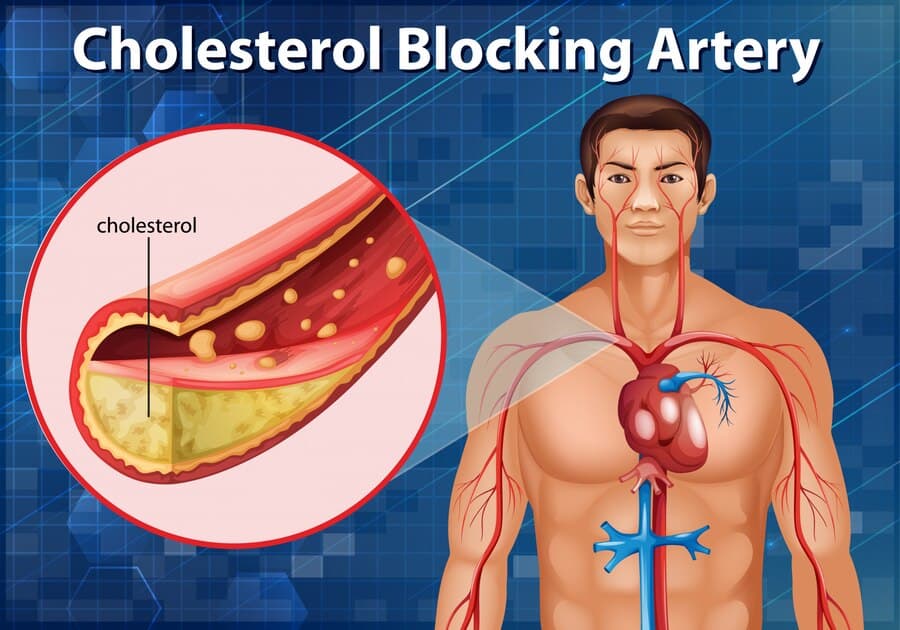
    If the levels of any of these are not normal, then it causes dyslipidemia. This condition can lead to atherosclerosis, which is the deposition of fat, cholesterol, and other substances in the blood vessels, narrowing and obstructing the blood flow.

    That brings us to the question – what do the different forms of cholesterol do?

    Types of Cholesterol

    First-what is total cholesterol, HDL cholesterol, LDL cholesterol, VLDL cholesterol and triglyceride?

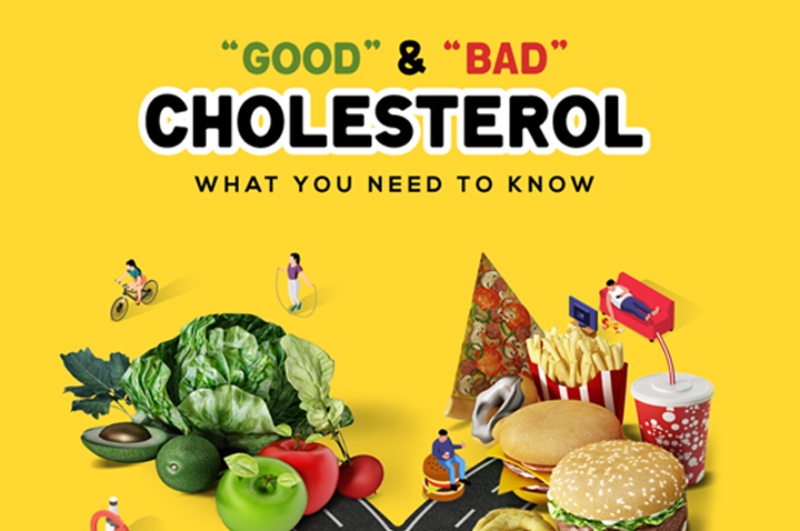
    1. HDL Cholesterol: Also called “good cholesterol”, it transfers excess cholesterol from your bloodstream to your liver. This prevents cholesterol deposition in the arteries or blood vessels and keeps them clear.
    2. LDL Cholesterol: It is the “bad cholesterol” that aids in cholesterol deposition in the arteries, thus leading to the narrowing of arteries. When your arteries are narrowed, it can restrict blood flow, thus disrupting the blood supply to the heart muscles and initiating a heart attack.
    3. VLDL Cholesterol: It is also a “bad” cholesterol that contributes to fat deposition and narrowing of the arteries.
    4. Triglycerides: It is a type of fat that your body uses for producing energy at the cellular level.
    5. Total cholesterol: It is the total amount of cholesterol present in your blood. It is the sum of HDL + LDL + 20% triglycerides.

    How do I know my levels of good cholesterol?

    You can get your cholesterol levels checked by undergoing a lipid profile test. It is a simple blood test. You should be fasting for at least 8-12 hours before giving the blood sample for analysis.

    Top 8 medicines for treatment of High cholesterol | Generic Medicines list

    What is considered a good HDL level?

    The cutoff for good cholesterol or HDL is different for males and females.

    Good HDL levels For males:

    • If your levels are more than 60 milligrams of cholesterol per deciliter (mg/dL) of blood, then you are in the heart-healthy zone.
    • If your levels are between 40-59 mg/dL of blood then you are at risk.
    • If your levels are less than 40 mg/dL of blood, then you are in the dangerous zone.

    Good HDL levels For females:

    • If your levels are more than 60 mg/dL of blood, then you are in the heart-healthy zone.
    • If your levels are between 50-59 mg/dL of blood, then you are at risk.
    • If your levels are less than 50 mg/dL of blood, then you are in the dangerous zone.

    How can I boost my HDL levels?

    You can boost your HDL levels by:

    1. Being physically active and going for regular exercise: Exercise increases good cholesterol levels in the body.
    2. Keeping your body weight in check: Maintaining a healthy weight keeps your HDL levels in the desired range.
    3. Decrease your alcohol intake: Excessive alcohol intake can increase triglycerides. It also leads to weight gain, leading to a fall in HDL.
    4. Avoiding tobacco and smoking: Smoking has a direct risk of causing heart disease. In addition to a lot of other things, it also causes a decrease in HDL levels.
    5. Avoiding and managing stress: Indulge in activities that help minimise stress. This helps in keeping the lipid profile within the normal range.
    6. Consuming foods to increase HDL levels: Eating more beans, legumes, and salmon fish, along with whole grains and nuts, will help increase your HDL levels naturally.

    How can I boost my HDL levels

    Are there any factors that decrease good cholesterol levels?

    Some medicines can bring your HDL levels down. They are the following:

    • Beta-blockers: A group of medicines prescribed for controlling blood pressure.
    • Certain steroidal and hormonal medicines used for contraception or other hormone-related disorders
    • Certain sedatives used for anxiety and sleep disorders
    • Uncontrolled diabetes can also lower your HDL levels

    Conclusion

    HDL or “good cholesterol” has a very important role in the management of blood cholesterol. It is the only form of cholesterol that works towards getting rid of extra cholesterol from the body, while all other types of cholesterol contribute towards increasing blood cholesterol and thus increasing the risk of future heart disease.

    You can boost your HDL cholesterol level and keep other cholesterol levels in check by leading a healthy lifestyle.

    At some point, the right medicines can be necessary for treating health conditions. For access to a vast range of generic medicines at the best prices, visit the Medkart website today!

    1. What are the risks of low HDL levels?

    HDL helps in transferring cholesterol molecules from your blood to the liver, where they are broken down and flushed out from the body. In the absence of HDL, cholesterol gets deposited in the arteries, which can lead to atherosclerosis, increasing the risk of heart disease.

    2. How can I increase my HDL levels?

    You can increase your HDL levels by

    • Being physically active,
    • Monitoring your weight and keeping it in the normal range,
    • Reducing your alcohol intake,
    • Giving up smoking and
    • Managing stress levels.

    3. What is a lipid profile test and when should I get it done?

    A lipid profile is a test where a group of entities forming the complete category of cholesterol in the body is measured.

    You should get it done after consulting your doctor as it depends on several factors like

    • Age: In case of old age, you should get it done more frequently.
    • Gender: Males should get it done more often than females, as they are at a higher risk.
    • n case of a family history of heart disease or pre-existing heart disease, you should get the test done more frequently.
  • The Differences Between Good and Bad Cholesterol | HDL vs LDL

    The Differences Between Good and Bad Cholesterol | HDL vs LDL

    differences-between-good-and-bad-cholesterol imageAbout Cholesterol ( HDL and LDL)

    Are you confused about good and bad cholesterol? You’re not alone. Cholesterol is a waxy, fat-like substance that’s found in all cells of the body, and it’s essential for many bodily functions.

    You might have heard how having high levels of cholesterol can cause heart disease, but this isn’t always true. In fact, cholesterol is vital to your body and helps it to function correctly.

    However, it can become a problem if you don’t have enough good cholesterol and have too much of bad cholesterol. Too much of bad cholesterol can lead to heart disease, stroke, and other health problems, while good cholesterol helps to remove bad cholesterol from the body.

    So what’s the difference between good and bad cholesterol? Keep reading to find out.

    The differences between good(HDL) and bad(LDL) cholesterol

    It’s clear that we need to lower bad cholesterol levels and increase good ones, but it’s not as simple as it sounds. Both good and bad cholesterol have very important roles in the body and cannot be ignored.

    The two most commonly discussed lipoproteins are low-density lipoprotein (LDL) and high-density lipoprotein (HDL). Both of these lipoproteins carry cholesterol throughout the body, and the amounts of each in your body will impact your risk for heart disease.

    1. Low-density lipoprotein (LDL)

    LDL is considered bad cholesterol because it can build up in arteries and lead to heart disease. It accumulates in the arteries and increases your risk for atherosclerosis, peripheral artery disease, and other related conditions.

    2. High-density lipoprotein (HDL)

    HDL is considered good cholesterol because it helps remove plaque from arteries. A healthy level of HDL can help you protect yourself from stroke and heart attack.

    This is because HDL helps carry the bad cholesterol away from the arteries and towards the liver. Once in the liver, LDL gets metabolised and processed into useful components that are absorbed and waste that gets rejected by the body.

    However, all LDL cholesterol cannot get eliminated by HDL. Only about 25% to 35% of LDL can be carried by good cholesterol. Therefore, as important as it is to consume good cholesterol foods to balance out your LDL levels, it is just as important to avoid LDL foods to prevent their storage in the body.

    3. Triglycerides

    There is also a third component of cholesterol that often gets ignored. Triglycerides are the most common type of fat in our bodies. All excess food gets stored in the form of triglycerides. This includes all unused calories from the food you consume, as well as the components of good and bad cholesterol in your diet.

    A high triglyceride concentration in your body, however, is often related to a high level of LDL in the body. This is because triglycerides often deposit as fatty build-ups in the arteries, increasing your risk for stroke, heart attack, and atherosclerosis.

    3 THINGS YOU SHOULD KNOW ABOUT CHOLESTEROL LEVELS IN YOUR BODY

    What are the levels of good and bad cholesterol to maintain?

    Despite an insight into good and bad cholesterol, it can be confusing to understand how to maintain a balance between the two.

    Most of the time, the cholesterol we hear about is total cholesterol, which is a sum of LDL, HDL, and triglycerides. The types of cholesterol that are most important to consider are both good and bad cholesterol. The ratio of LDL to HDL is a far better predictor for heart disease than total cholesterol alone.

    The cholesterol ratio is calculated by dividing the individual’s HDL level by their LDL level. If the ratio is 3 or higher, there is a lower risk of heart disease. If the ratio is less than 3, there is a higher risk. A ratio of 3:1 or lower is considered ideal.

    Conclusion

    There are a lot of myths surrounding cholesterol, which can make it difficult to understand and impede effective treatment.

    The most common misconceptions about cholesterol are that it is a simple, one-dimensional measurement that is either good or bad. In reality, cholesterol is a complicated mix of many different types of lipoproteins, each of which has different functions in the body. All of these lipoproteins carry cholesterol throughout the body, and the amounts of each in your body will impact your risk for heart disease.

    We hope this blog post has helped you learn more about good and bad cholesterol, and what you can do to keep your cholesterol in check.

    Know more about your Medicines at Medkart, which is an online pharmacy platform that makes buying medicines convenient & cost-effective. To place your orders, download the app today!

    FAQs related to good and bad cholesterol

    1. Is it better to have high HDL or low HDL?

    For HDL, it is considered better to have a higher level. As a standalone, HDL levels should be at least 40 mg/dL for males and 50 mg/dL for females.

    2. What should my LDL levels be?

    The lower your LDL levels, the lesser your risk for heart disease. An LDL level of less than 100 mg/dL is considered healthy. Couple it with high HDL, and your risk is even lower.

    3. How can I lower my LDL levels fast?

    You can lower your LDL levels by making adequate lifestyle changes. Eating good cholesterol foods, exercising, increasing fibre intake, eating more protein, etc, are some of the easiest ways to reduce your LDL levels.

  • Patients should have the right to choose their medicine brands |Choose Generic

    Patients should have the right to choose their medicine brands |Choose Generic

    know about generic medicinesDoes your doctor follow the Ethics of MCI (Medical Council of India), and write the generic name of drugs and not Brand names on the prescription? 

    99% of practicing doctors write brand names in illegible handwriting which is in clear violation of the code.

    Generic Prescription Mandate Under MCI Ethics

    On May 13, 2016, the Drugs Technical Advisory Board (DTAB) of the Union health ministry had turned down a proposal by the ministry to amend Rule 65 of the Drugs and Cosmetics Rules, 1945 to provide that the chemist may offer for supply a drug formulation containing the same ingredients but in generic or other cheaper brand name. 

    It felt that there is no guarantee that the bioavailability of the generic medicine so offered by the chemist will be the same as prescribed by the physician and the lack of same effectiveness of the generic medicine may lead to harmful effect on the patient.

    This, however, is in complete contradiction to the MCI Code of ethics which says “Every physician should, as far as possible, prescribe drugs with generic names and he / she shall ensure that there is a rational prescription and use of drugs”. 

    The FDCA however continues to approve drugs according to the generic names and their quality standards prescribed.

    How the US FDA Regulates Generics for Quality and Efficacy

    Globally, the US FDA notes: “Any generic drug modeled after a single, brand name drug must perform approximately the same in the body as the brand name drug. There will always be a slight, but not medically important, level of natural variability just as there is for one batch of brand name drug compared to the next batch of brand name product.

    This amount of difference would be expected and acceptable, whether for one batch of brand name drug tested against another batch of the same brand, or for a generic tested against a brand name drug.”

    All this are not coherent and forces us to believe that there are vested interests behind such decisions. A recent book “Dissenting Diagnostics” talks about the ill-practices and its origin in a profession which is portrayed closest to GOD.

    The Human Angle: 

    According to an official Government of Gujarat release: 

    • WHO says that 65% of the Indian population still lacks regular access to essential medicines.
    • Over 23% of the sick don’t seek treatment because they are not having enough money to spend
    • A World Bank study shows that as a result of single hospitalization 24% of people fall below poverty line. 
    • 74% of total private out of pocket expenses are on drugs.
    • Drug prices have risen sharply in recent decades

    Rajasthan High Court on the Right to Affordable Medicines

    High Court of Rajasthan has taken a note of the same and in it’s judgment supported the patients case: “No person and particularly, the have-nots cannot be made to suffer as they cannot afford the luxury of purchasing the branded medicines at much more cost than generic medicines.

    The right to obtain treatment is tacit of Article 21 of the Constitution of India and right to obtain treatment at affordable prices of medicines is one of the concomitant of the same. Not prescribing the medicines in generic names may in given facts tantamount to violation of Article 21 of the Constitution of India.

    The combination of drugs and life saving drugs which are available in generic names, have to be prescribed in generic names otherwise the action would amount to violation to right to life itself”
    But, ground reality is that the patients are being denied their RIGHT TO LIVE!! As they cannot afford expensive medicines in most cases but can easily afford the cheaper alternatives known as generics.

    It gives all the information needed to make a strong case for scrapping self regulation for doctors and making them responsible and accountable to their patients. Patients in the developed countries have the right to choose their brands as the doctors’ prescribe generic names so why not in India. 

    The Future of Ethical Prescriptions in India

    Framing rules for them to make sure patients are not shortchanged. France on the other hand took 7-10 years for this transition to happen which was particularly painful but rewarding in the end. The strong grip by the pharmaceutical companies on the entire chain from doctors to hospitals needs to end for the patient to benefit.

  • 6 Numbers You Must Know for a  Healthy Heart

    6 Numbers You Must Know for a Healthy Heart

    6 Numbers You Must Know for a Healthy Heart

    Overview

    Many people develop heart disease as they age. But did you know you can prevent heart disease, too? For an accurate understanding of your heart and to take better care, doctors suggest six numbers you need to track regularly. Do you know what these numbers are?

    Six numbers to know for a healthy heart

    LDL cholesterol

    Excess LDL (low-density lipoproteins) accumulate in the walls of your arteries in the form of plaque. This plaque causes the arteries to harden and narrow, which affects the blood flow to your heart. As the blood flow gets blocked, your heart does not receive enough oxygen. If the blood flow gets completely blocked, it leads to chest pain and increases your chances of a heart attack.

    Low LDL or bad cholesterol and a cardiac diet ensure a healthy heart. The ideal numbers for LDL are less than 100 mg/dL (milligrams per deciliter).

    HDL cholesterol

    HDL (high-density lipoproteins) is good cholesterol. It takes LDL to your liver, from where it is flushed out of your body and, thus, ensures a healthy heart.

    Higher levels of HDL lower the risk of heart disease. A heart-healthy diet will help you increase your HDL levels and reduce your LDL levels.

    The ideal numbers for HDL are:

    Desirable: 60 mg/dL or above

    Acceptable: 40 – 60 mg/dL

    Triglycerides

    Triglycerides are a type of fat found in your blood. Your body converts calories into triglycerides and stores them in your fat cells for energy. When you consume extra calories and do not burn them, it leads to a rise in triglycerides.

    High levels of triglycerides harden the walls of your arteries. This affects the blood flow to the heart and increases your risk of heart attack and heart disease.

    Desirable triglyceride numbers for a healthy heart are less than 150 mg/dL.

    Blood glucose

    Glucose comes from carbohydrates in the food you eat. Your body uses it for energy. However, when blood glucose levels increase, it affects every part of your body. It hardens your arteries and increases your risk of heart disease due to restricted blood flow to the heart.

    Maintaining normal blood glucose levels is crucial for a healthy heart.

    Desirable glucose numbers are:

    Before meals: 70 to 130 mg/dL

    After meals: Less than 180 mg/dL

    Blood pressure

    High blood pressure does not show symptoms but damages your body from within.

    High blood pressure, if left untreated, can cause stroke and heart attack. Knowing your blood pressure numbers will help you get the necessary medical treatment and make lifestyle changes to ensure a healthy heart.

    Your blood pressure consists of systolic (top number) and diastolic (bottom number) blood pressure. Ideal blood pressure numbers are below 130/80 mmHg (millimetres of mercury).

    Waist-to-hip ratio

    Abdominal obesity is a result of excessive fat around your stomach. It increases the risk of heart disease, diabetes and blood pressure. The waist-to-hip ratio helps you understand your abdominal obesity. It is calculated as waist measurement divided by hip measurement. Knowing your waist-to-hip ratio and following a cardiac diet is crucial for maintaining a healthy heart.

    Ideal waist-to-hip numbers are:

    >0.9 for men

    >0.85 for women

    Takeaway

    Annual health checks will help you stay aware of these numbers. If you are diagnosed with a health condition, such as diabetes, cholesterol or high blood pressure, your doctor will recommend these tests every three months. They will also prescribe an ideal treatment plan and advise you on a fitness regimen and heart-healthy diet. This will help manage your condition and improve your chances of a healthy heart.

    India’s trusted generic medical store, Medkart, brings quality generic medicines to your doorstep. With a click of a button, you can upload your prescriptions to place your order and save time and money.

    FAQs

    1. At what age should I begin screening for heart health?

    20 is the recommended age for checking cholesterol, blood pressure and waist circumference. You can start blood glucose screenings at around 45. If your numbers fall within the desirable range, you can repeat the tests every 2 to 3 years or as recommended by your doctor. If you are diagnosed with a health condition, your doctor will advise these tests every three months and then every six months after they are stabilized.

    2. How can I lower my triglycerides?

    To lower your triglyceride levels, avoid simple carbs, like sugary, fried foods, and switch to complex carbs, like whole grains and vegetables. Choose heart-healthy fats like olive oil and fish instead of trans fats and saturated fats. And most importantly, exercise at least 30 minutes a day, five days a week, quit smoking and limit your alcohol intake.

    3. What are the signs of heart disease?

    Chest pain, fatigue, difficulty breathing, dizziness, swelling in the legs, sweating, heartburn, and indigestion are signs of heart disease. Cholesterol, diabetes, high blood pressure, obesity, unhealthy diet and lack of exercise increase the risk of heart disease. Regular tests can help in timely diagnosis and treatment.

  • 5 Diseases that you can avoid by following a dental hygiene

    5 Diseases that you can avoid by following a dental hygiene

    Diseases that you can avoid by following a dental hygiene

    Importance of Oral Hygiene 

    People in India often neglect dental hygiene, as many of us don’t know how important it is to keep your teeth, tongue, and gums clean. The oral cavity of mouth is the primary point of entrance in the body. It is directly connected to the stomach and respiratory system, so avoidance of good hygiene in the mouth can cause sickness of these parts of the body.  Oral cleanliness is not only good for oral health but also overall health. The human oral cavity contains lots of microorganisms –good and bad. When one does not take care of his/her oral hygiene, these microbes, along with food or water, enter the body and create many diseases. Poor dental health means bleeding or inflammatory gums, tooth cavities, or loss. This means the oral cavity is contaminated with harmful microbes that ultimately responsible for overall well being. Here we will see what kind of diseases are results of avoidance of oral hygiene,

    Diseases you can avoid by following dental hygiene

    1. Cardiovascular disease:

    Gum disease or periodontitis results from poor oral care; this leads to the accumulation of bacteria responsible for cardiovascular disease. These microbes pass into the bloodstream and cause inflammation of blood vessels. As a result, blood flow into the heart impairs, and chances of heart attack increases. Also, the same bacterium causes gum diseases, is responsible for atherosclerosis as they build up plaque and harden arteries. Ultimately, it results in low blood flow and heart failure. Such damage is also accountable for hypertension or stroke.

    Endocarditis is the heart’s fatal condition, and it happens when infectious bacteria from other body parts come to the heart and accumulate in different parts of the heart. Microorganisms from the oral cavity can easily contaminate the inner lining of the heart chamber and put you at lethal risk. you can avoid cardio vascular disease by maintaining good oral hygiene.

    2.Respiratory infection:

    The mouth is directly connected to the respiratory tract.  So, poor oral health puts a person at risk of respiratory infection, especially bacterial pneumonia. When the oral cavity is contaminated, for example, having tooth caries or gum disease at that time, bacteria are being breathed from throat and mouth to the lung and cause bacterial pneumonia. Also, the chances of COPD, acute bronchitis, tonsillitis, and other respiratory infections increase.

    Research for the connection between oral hygiene and respiratory infection concluded that a person who does not maintain good dental hygiene practice is more prone to infections than others. People with existing lung disease can aggravate conditions if not take care of their mouths. you can avoid respiratory infections by maintaining good oral hygiene.

    3.Preterm birth:

    Low birth weight infants or premature babies are due to periodontal disease. Yes, the most common factor for toxicity is gum diseases. Very few people know about this fact. During pregnancy, a massive level of hormonal changes occurs. These changes are responsible for gingival changes and make gums vulnerable to infection.

    If during pregnancy, the mother does not take care of oral health, then bacteria responsible for gum disease go into the bloodstream and reach the cervical fluid. After that, toxins of these bacteria cross the placenta and cause fetal toxicity, which results in preterm or premature birth. Sometimes, if a mother’s immunity is low, then a chance of miscarriage is also there. So, one should not neglect oral health at this time. you can avoid pre-term birth by maintaining good oral hygiene.

    4Rheumatoid Arthritis:

    It is an inflammatory disease that is not limited to joints, but it spreads throughout the body. Numerous research studies have shown result that a person who has gingivitis (gum inflammation) or any gum disease is at a higher risk of arthritis.

    The oral bacteria which cause inflammation of gingival are also responsible for inflammation of joints. They travel via the blood to the joints and other parts of the body and develop a painful disease called rheumatoid arthritis. you can avoid rheumatoid arthritis by maintaining good oral hygiene.

    5Diabetes complication:

    A diabetic person is always vulnerable to infections. When one is suffering from diabetes, he should maintain good oral hygiene because he is more prone to gum diseases and, ultimately, other diseases. Also, infections of the oral cavity increase the risk of diabetes complications. It makes diabetes uncontrollable. When our body suffers from infection to fight against it, blood glucose levels usually rise, which makes diabetes unmanageable. Also, dental issues lead to less or limited food intake that again causes problems for diabetic patients.

    Other than these diseases, certain brain diseases such as dementia, Alzheimer’s, kidney disease, and cancer are results of poor oral care. So, now we all know how dangerous it can be if we avoid an oral hygiene practiceYou can avoid diabetes complications by maintaining good oral hygiene.

    ​Ways to ensure good oral health

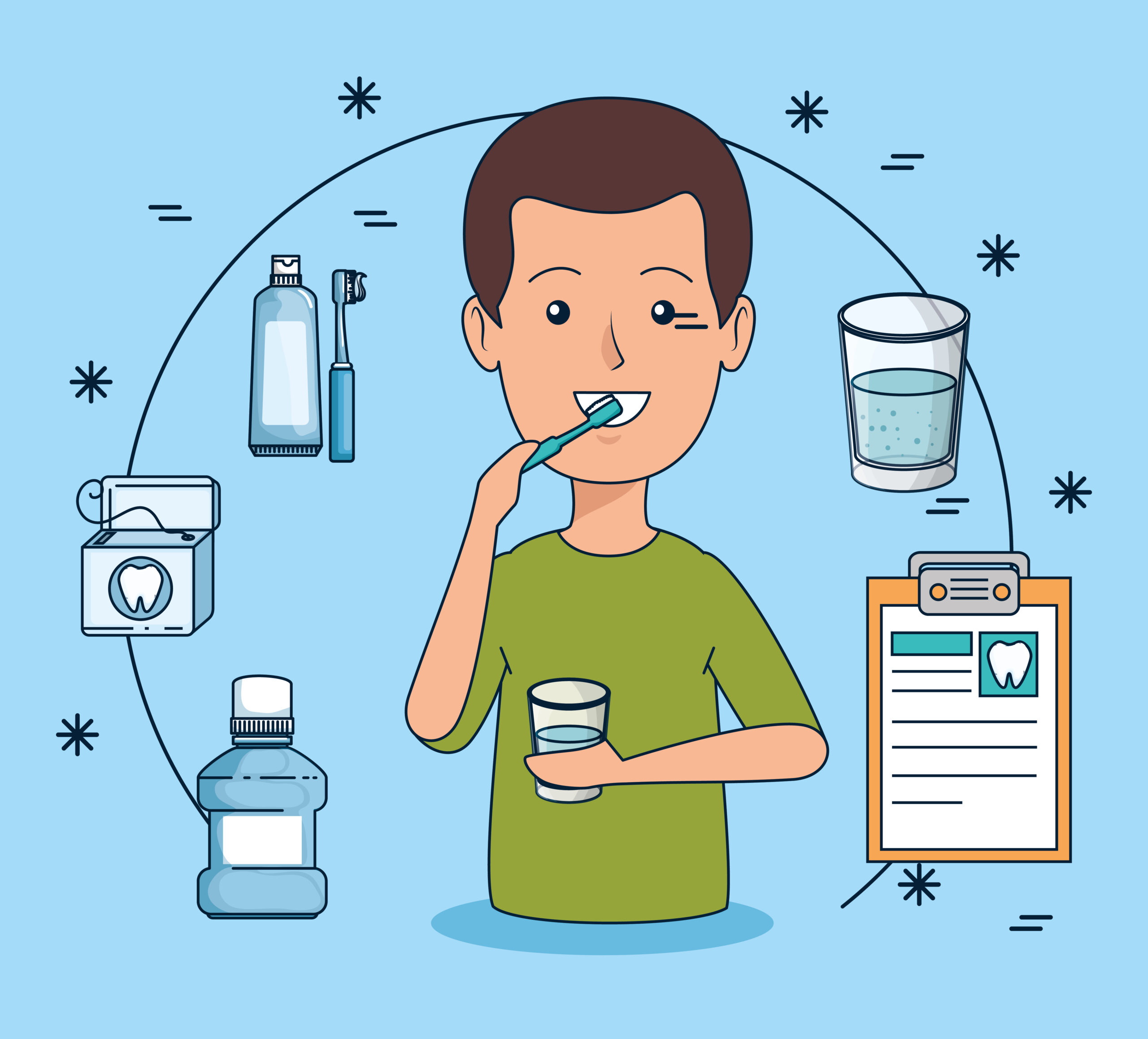
    • Brush twice a day and floss at least once a day.
    • Go for a dental check-up every six months.
    • Use mouthwash every day. Use a toothpaste and mouthwash that has good fluoride content.
    • Do not try any dental remedies at home; consult your dentist for any problems.
    • Limit consumption of sugar and opt for a healthy diet.
    • Ask your dentist brushing technique, Change your brush every three months, and never brush for more than 3 minutes or with too much pressure.

    1) Signs of poor oral hygiene

    Poor oral hygiene can lead to a variety of dental problems, such as gum disease, tooth decay, and bad breath. Here are some signs that may indicate poor oral hygiene:

    • Bad breath: This is often caused by bacteria that accumulate in the mouth due to poor oral hygiene.
    • Tooth decay: Cavities are a result of bacteria in the mouth that feed on sugar and produce acid, which erodes tooth enamel.
    • Gum disease: This is caused by bacteria that build up along the gum line, leading to inflammation and infection.
    • Yellow or discolored teeth: Poor oral hygiene can lead to the buildup of plaque, which can cause teeth to become discolored or yellow.
    • Bleeding or swollen gums: This is a common sign of gingivitis, an early stage of gum disease.
    • Tooth sensitivity: This can be caused by a variety of factors, including tooth decay and gum recession, both of which are often caused by poor oral hygiene.
    • Painful or loose teeth: This is a sign of advanced gum disease or tooth decay, which may require extensive dental treatment.

    2) Risk factors associated with poor oral hygiene

    • Several risk factors are associated with poor oral hygiene, including:
    • Poor brushing and flossing habits
    • High sugar or carbohydrate intake
    • Smoking and tobacco use
    • Aging and hormonal changes
    • Medications that reduce saliva flow or cause dry mouth
    • Genetics and family history
    • Poor access to dental care and limited knowledge about proper oral hygiene practices

    These risk factors can increase the likelihood of developing dental problems such as cavities, gum disease, and bad breath. It is important to maintain good oral hygiene habits and visit a dentist regularly to prevent these issues.

    3) Long-term effects of poor oral hygiene

    Poor oral hygiene can have several long-term effects on your dental health and overall well-being, including:

    • Gum disease: Untreated gum disease can progress and cause irreversible damage to the gums and bones that support teeth, leading to tooth loss.
    • Tooth decay: Cavities that are left untreated can grow and cause infection, which may require a root canal or extraction.
    • Bad breath: Chronic bad breath can negatively impact your social life and self-confidence.
    • Oral cancer: Poor oral hygiene has been linked to an increased risk of developing oral cancer.
    • Cardiovascular disease: The bacteria in the mouth can enter the bloodstream and contribute to the development of heart disease.
    • Respiratory infections: Poor oral hygiene can lead to the growth of bacteria that cause respiratory infections like pneumonia.
    • Diabetes: Gum disease can make it harder to control blood sugar levels in people with diabetes.

    Winding Up

    Please do not neglect your teeth and gums as they are the primary source of your well being. If you become irresponsible for your mouth, then you will end up in life with full of ailments. Keeping your oral health care is an investment of your overall health. Practicing some simple and regular dental care can keep a person away from unwanted diseases.

  • Why should you prefer Medkart for generic medicines? | Trusted generics provider

    Why should you prefer Medkart for generic medicines?

    When was the last time you remember having a detailed conversation about medicines at the pharmacy store? 

    No one does that because buying medicines in India is no less than a transaction. Buyers go with prescription without reading it much and pharma store owners sell the medicines without informing them what the medicine consists. The only thing they do is labeling the dosage (only in some cases) and exchanging money for medicines. At Medkart, we are totally against such transaction-based buying and instead promote education-based buying because we are the one and only trusted generic providers.

    In truth, all the doctors in government hospitals are advised to prescribe only the generic medicines. This is to ensure that the government remains impartial and people are availed affordable medication. Affordable, because we already discussed how medicines are usually cheap but made expensive {link to T.L. Blog 1}. The branded one goes through the whole retail cycle right from manufacturing to distributors and then to retailers via M.R. channel. Everyone earns their bit of share when a single medicine is sold at a pharma store. This includes your doctors, pharma store owner, and M.R. So, when you go to a medical store and buy a branded medicine as per the prescription, you end up paying more for the same content that would cost you 5 to 10 times less if you opt for generic medicines.

    Who will tell you the truth about buying generics? Should You buy generics ?

    When you come to Medkart to buy medicine with a prescription would mean knowing precisely what you purchase and how much you save. We have a 5-step process at Medkart stores to facilitate buyers with the right medicines at cheaper rates.

    Process of buying generic medicines from Medkart

    Step 1: Give us the prescription or tell us a branded medicine name in OTC’s case.

    Step 2: Our store team would help you navigate the content of the branded/prescribed medicines

    Step 3: Providing you with the best possible replacement of branded medicines that will cost less.

    Step 4: Also, help you check the rates of branded medicines to validate the same. You can check out on our website as well. Click here to compare branded with generics.

    Step 5: Educating customers about generics and promoting cost-saving techniques without compromising health.

    Medkart has 30+ stores in India across 9 cities in 3 states of Rajasthan, Gujarat, and Maharashtra. Medkart is one of the trusted store which provides generics at affordable cost. Walk to our store even if you want to get information about generics and assurance about its safety standards, quality, and effectiveness. We believe that only way to eradicate the evil of branded medicine exploiting people for years is through education. The more people know about generics and its relative benefits, the awareness will spread amongst other people through networking. We want to tell them the difference in cost and their savings if someone walks into our store and asks for a branded medicine. For those bound to take daily pills as a routine, the savings are enormous. We promote generics, not for the selfish benefit but to benefit people, to help them save more on medicines.

    Time and again, we have encountered people spending thousands of rupees in branded medicines and totally unaware of generics. It is only when they talk to us that they could have saved more had they visited the store earlier. The idea is to spread the word to the extent that it reaches as many people as possible to cut down on medical expenses. Even if you visit Medkart to buy over the counter drug, we will offer the generic replacement. Our goal to promote better health cost-effectively and we are going strong so far in realizing it.

    About your trusted generic provider – Medkart

    Medkart is a trusted generic provider that offers a wide range of affordable and high-quality medications. As a trusted generic provider, Medkart ensures that all medications are sourced from reputable manufacturers and meet strict quality standards. With a commitment to customer satisfaction, Medkart provides a convenient and reliable way to access essential medications at affordable prices.

    As a trusted generic provider, Medkart offers a range of medications for various health conditions, including diabetes, hypertension, and cholesterol. The medications are available in different strengths and formulations, allowing customers to find the right treatment for their needs.

    Customers can trust Medkart to provide safe and effective medications, as all products are thoroughly tested and approved by regulatory authorities. With a user-friendly website and a team of knowledgeable customer service representatives, Medkart ensures that customers have a hassle-free shopping experience.

    In addition to offering generic medications, Medkart also provides a range of health and wellness products, including vitamins, supplements, and personal care items. This makes it a one-stop-shop for all your health and wellness needs.

    Overall, Medkart is a trusted generic provider that prioritizes customer satisfaction and quality medications. With a commitment to affordability and accessibility, Medkart ensures that customers can access essential medications without breaking the bank.