Search results for: “all”

  • Understanding the Impact of Age Habits Leading To Chronic Illness and Precautions to Consider

    Understanding the Impact of Age Habits Leading To Chronic Illness and Precautions to Consider

    Age Habits Leading To Chronic Illness

    Age, genetics of the family, and gender make it extremely difficult for older persons to escape chronic illness. Almost 80% of older persons (aged 65 and above) have at most one ailment, and 68% have two or more. You likely have a parent or grandparent currently managing a condition, or you may be managing one yourself.

    Many studies have looked at the impact of lifestyle variables on overall life expectancy and the risk of chronic illnesses, including diabetes, cardiovascular disease, and cancer. Also, only some have examined the effects of lifestyle factors on disease-free life expectancy.

    All lifestyle-related decisions can impact our physical and mental well-being daily. This might include making healthy life choices, such as what we eat, how often we exercise, and even what we do for a living.

    Many people are unaware that a shift in one’s way of life is a major contributor to the rise of chronic illnesses as major killers. Let’s find out more about chronic diseases and their appropriate treatment.

    Common major lifestyle diseases

    1) Cardiovascular Diseases (CVDs)

    Cardiovascular diseases are a group of illnesses caused by long-term issues with the cardiovascular system (CVDs). More than 17 million people each year lose their lives to cardiovascular disease, making it the leading cause of mortality worldwide. This figure will likely be over 23 million annually by the year 2030. Risk factors for cardiovascular disorders such as hypertension, arteriosclerosis, heart attacks, and strokes may be affected by a person’s way of life.

    Cardiovascular disease can be diagnosed using various techniques, including electrocardiography (EKG), ultrasound, and angiography. Cardiovascular diseases can be treated in a variety of ways, such as through a healthy diet, exercise, medication, or surgery.

    Eating sensibly, avoiding cigarettes, exercising, and having blood pressure and cholesterol checked regularly.

    How to prevent Cardiovascular Diseases (CVDs)?

    Protecting your heart and blood arteries while you are young is the preferred approach of cardiologists and surgeons who treat CVD. Considering the onset of CVD may occur as early as infancy, protecting one’s future health requires proactive measures, such as engaging in healthy activity. The following recommendations will assist you in decreasing your probability of developing cardiovascular disease.

    a) Trim the fat and hold the salt: We should all try to reduce our intake of salt, saturated fats, and cholesterol. Eat many fruits and vegetables, lean meats, and whole grain foods instead.

    b) Keep your weight near recommended levels: Overweight people are at a higher risk for cardiovascular diseases. Maintain a healthy body mass index by adhering to the weight guidelines that apply to your height and build.

    c) Don’t smoke: Atherosclerosis and the risk of stroke and heart attack are made worse by smoking. Do not take up smoking if you are not a smoker. And, if you are, quitting is the ideal way to begin living a healthy life.

    d) Get moving: Your cardiovascular system will benefit from a regular workout routine in many ways. It’s a great approach to maintaining a healthy weight while helping you deal with the stresses of everyday life.

    e) Watch your Blood Pressure & Cholesterol: Regularly monitoring your blood pressure and cholesterol levels is recommended. It is best to run blood tests (lipid profile) if your family has a history of cardiovascular disease. Even at this early stage, starting a regimen to manage your cholesterol may be advisable.

    f) Relax: Increased risk of cardiovascular disease has been linked to emotional factors such as stress, aggression, hostility, and anger. Physical effects of stress, such as elevated blood pressure, or unhealthy coping mechanisms, such as smoking, drinking, or poor eating, may contribute to the increased risk. 

    2. Cancer

    Unchecked cell development is the underlying cause of cancer. Every year, cancer affects over a million individuals in the United States alone. Cancer is defined by the fast proliferation of aberrant cells in the affected organ or tissue and may spread to other organs or tissues. In a world where over 7 million people lose their lives to cancer yearly, studies have linked unhealthy lifestyles to at least 30 percent of cases.

    Cancer develops when cell division becomes unchecked. An increased risk of developing cancer is associated with the presence of certain ‘damaged’ genes. Environmental factors, including viruses, radioactivity, ultraviolet light, and tobacco can cause genital harm. The term “cancer” describes a broad spectrum of diseases. There are distinguishing features for each category.

    In most cases, a patient’s prognosis may be improved with early diagnosis and treatment of cancer. As discussed below, the risk of acquiring cancer may be lowered by taking preventative measures.

    How to prevent Cancer?

    If you’re concerned about acquiring cancer, you may take responsibility for five preventable risk factors.

    a) Do not smoke: Tobacco use is responsible for the deaths of about 13.50 lakh people annually in India. People who use tobacco are prone to mouth, throat, esophagus, pancreas, and colon cancers. Despite what we might hear, there is no safe form of tobacco.

    b)Safeguard your skin: Limit exposure to the damaging UV radiation that causes skin cancer. One can do so by protecting exposed areas of skin with sunscreen and clothing, even on cloudy days. Avoid sunbathing, and do not use tanning beds or sunlamps.

    c) Eat more vegetables and cut the fat: No diet guarantees one won’t get cancer. However, people who eat large amounts of saturated fat are more likely to get cancer of the colon and rectum. Studies suggest that people who eat fruits, vegetables, and foods high in fiber have a lower risk of some cancers.

    d) Stay active and maintain a healthy weight: Studies have shown that regular physical activity helps protect against some types of cancers. Exercising also helps prevent obesity, another risk factor for developing cancer. Teens should get at least 60 minutes of activity daily.

    e) Get regular medical checkups: Your doctor can answer questions about cancer risk factors, prevention, and treatments. They will also be able to advise you on self-examinations and when to begin regular cancer screening tests. When we make positive choices regarding these controllable risk factors, we can work towards a healthy future for ourselves.

    3) Diabetes

    Having diabetes hinders your body’s ability to convert nutrients into usable energy and slows your rate of physical development. When the body’s cells cannot take in glucose from the blood, a condition known as diabetes develops. Diabetes affects around 77 million individuals in India.

    There are 4 types of diabetes — Type 1 and Type 2, latent autoimmune diabetes in adults (LADA), and gestational.

    Type 1 diabetes is believed to be caused by an autoimmune response. Type- 2 is the most common diabetes worldwide and is caused by modifiable behavioral risk factors.

    How to prevent diabetes ?

    The disease cannot be cured, but it may be managed with diet, exercise, and medication. Managing modifiable risk factors for diabetes, such as food, activity, and weight, is the most effective method to prevent the disease.

    Type 1 diabetes cannot be avoided in its early stages. A person with diabetes can still live a normal life with the help of regular exercise, a balanced diet, and insulin injections.

    a) Maintain a healthy weight

    Get plenty of exercise and eat right on a regular basis. People who are overweight have a much lower risk of developing type 2 diabetes if they engage in regular physical activity and make healthy dietary choices.

    b) Reduce the amount of stress in your life

    For older women, stress has been proven to increase the chance of developing type 2 diabetes. Nonetheless, males are vulnerable as well. There is a correlation between stress and an increased chance of developing type 2 diabetes or experiencing a worsening of existing diabetes.

    General causes of lifestyle diseases

    a) Too little exercise

    One simplest but most effective ways to maintain good health is by moving around. Because of the prevalence of computers and the accepted norm of sedentary work environments, it can be challenging to get up and move around as much as we should during the workday.

    Simply put, this means that 41.3% of Indian adults are not getting the 150 minutes of moderate-intensity exercise per week that the World Health Organization (WHO) recommends. This has made us more likely to experience the negative health effects of a sedentary lifestyle, such as the increased risk of obesity, bone and muscle loss, and poor blood flow.

    b) Increased stress

    Many people nowadays suffer from stress and exhaustion because of their modern way of life. There are several contributing factors, chief among them the prevalence of always-on digital connections and the mounting demands for continuous productivity. Worldwide events, such as the epidemic and economic instability, have also become major causes of strain. As a result, our country is in the midst of what the American Psychological Association is calling a “national mental health crisis.”

    The Centers for Disease Control and Prevention estimate that half of all Americans will be treated for a mental health disorder over their lifetime, which has dire repercussions. Stress has been linked to numerous negative health outcomes, including cardiovascular disease, hypertension, and even diabetes if left unchecked for too long. You can confidently say that stress is an extremely underappreciated root of many health issues.

    c) Too little sleep

    Many professionals believe that chronic lack of sleep is another major problem. Aiming for seven or more hours of sleep every night is recommended for adults, as it is one of the most important factors that may contribute to good health. As a result, our minds and bodies are better able to recharge and rejuvenate overnight. However, as reported by the CDC, one-third of individuals may not be getting enough sleep.

    Many contemporary elements are to blame for this, including prolonged screen time, excessive coffee or alcohol use, unpredictable schedules at work, and stress. Conditions including obesity, diabetes, high blood pressure,heart disease and stroke may be made worse by a lack of quality sleep over time.
    Poor nutrition Without question, the food we consume directly impacts our health. Meals should ideally consist of extremely nutrient-dense, well-balanced, whole foods with the correct quantity of calories for metabolic health. Despite this goal, the pressures of our contemporary way of life might make it impossible to achieve.

    Unfortunately, only some have the time or expertise to eat all the time healthily. Instead, we often resort to eating on the go or selecting low-quality processed meals that are low in price but high in calories and nutritional value. Long-term, serious health consequences are possible. Poor diets are linked to various health problems, including obesity, cardiovascular disease, diabetes, and cancer, and may be responsible for as much as 22% of all adult deaths.

    Bottomline

    Lifestyle habits can significantly impact overall health and increase the risk of developing chronic illnesses. Healthy lifestyle choices, such as eating a balanced diet, exercising regularly, getting enough sleep, and avoiding smoking and excessive alcohol consumption, can help reduce the risk of developing chronic conditions.

    Adopt a regime of physical activity, sound sleeping, eating a healthy diet, and taking dietary supplements if needed. You can choose generic supplements for minerals and vitamins as well. For that, you can do any of the following.

    – visit www.medkart.in/blog, search for supplements that the doctor recommends (based on your blood tests), order those, and get them delivered to your doorstep

    – Download Medkart’s android app to order minerals and vitamin supplements online from mobile.

    – Download Medkart’s iOS app to order the same.

    These lifestyle factors can also increase the risk of developing mental health problems such as depression and anxiety. Therefore, people must be mindful of their lifestyle choices to reduce their risk of developing chronic illnesses.

     

  • How parenting affects child development? 7 ways to improve parenting skills

    How parenting affects child development? 7 ways to improve parenting skills

    ways to improve parenting skills

    How parenting affects child development?

    The bond between child and parent has a significant influence on most aspects of child growth. Although many factors affect the development of a child, parents play a vital role in child development. Experts are saying it is essential to ensure your parenting style encourages healthy growth and development as you have a lifetime effect on the way you communicate with your child and discipline. Parental capacity and behaviour have a positive impact on child self-esteem, school achievement, cognitive growth, and attitude.

    Parents’ disrespectful behaviour, such as physical violence, screaming, violent threats, or child abuse can badly hamper a child’s growth. The research found that harsh parenting will make kids inclined to their peers in contrast with their parents. The children’s mentality later culminated in excessive aggressive behaviour, which forced them to rob, commit minor crimes, and recurrent sexual inclination. This adds to the children’s psychological instability, which is why they are diverted from education and then pushed into violence.

    So, it is just simple logic, positive parenting leads to proper development, and negative one leads to evil. No parents want that their kids become evil or unsuccessful. So, how to improve parenting skills to make children a good human.

    7 ways to improve parenting skills

    1. Boost self-confidence of your kid

    Children begin to develop their self-esteem as infants by looking through their parents’ eyes: your voice tone, body language, and any word your children will absorb. Your words and behaviour as a parent, more than anything else, impact their self-esteem. Whichever small successes they accomplish, make them feel proud; encouraging children to do things independently will make them feel confident and strong. In contrast, misrepresentations or negative associations between a child and another may make children feel insignificant. Choose the terms carefully. Words such as “What a dumb thing to do!” or “You do more like a kid than a little brother!” hurt the same way that physical blows do. Make your children understand that everyone makes mistakes, and even though you don’t like their actions, you still love them.

    2. Be a good role model

    Kids, especially young ones, learn a lot from watching their parents. The younger they are, the more they imitate. Only think about it before you burst out or blow your top in front of your kids. You don’t want your kids to behave like this when they are angry. Be mindful that your children are always watching you. Studies have shown that children who typically hit others must have seen home violence. Model the qualities that you want to see in your children: empathy, friendliness, fairness, kindness, and tolerance.

    • Show unselfish behaviour.
    • Do things without seeking a reward for anything.
    • Show gratitude and congratulations.

    Above all, treat your children the way you want to be treated by others. When you have an attitude that you don’t want your child to imitate, then that is a sign that you can change how you respond in such circumstances. It is hard to achieve perfection; however, you can teach them hard work, integrity, and love by becoming a good role model.

    3. Control your emotions

    Your children might be afraid of you if you lose your control quickly. Do not get angry on small things; otherwise, your kids will not share thoughts with you and, eventually, suffer from mental issues such as depression, personality disorders and so on. If you lose control and yell or disagree with others, it reveals how people respond when things get rough. Instead, show good parental skills by demonstrating how you can keep yourself calm and solve problems patiently. Tell them all about emotional intelligence. When you lose your coolness, apologize, and teach them how to correct mistakes.

    4. Do not slap

    No doubt, slapping or hitting will offer short-term obedience. This approach, however, does not teach the child correctly. Instead, this motivates the child to stop being captured or tell a lie to avoid punishment. Children who are scattered, smacked or hit, more likely to clash with other people. They are more likely to become bullies to settle conflicts through verbal/physical violence. These will also contribute later in life to delinquency and antisocial behaviour, poor parent-child relations, mental health problems, and victims of domestic violence or abusers. Therefore, do not hit or slap your kid frequently.

    5. Listen and communicate actively

    Communication and careful listening are the best skills parents can have for their children’s development. When you give freedom of open communication, you will develop a stronger relationship with your child, and when a problem occurs, your child will come to you. Talk to your child and listen carefully to them. Give them your full attention and make good eye contact. When they know they’re being heard, they will feel love and care. This will ultimately boost confidence in them.

    6. Practice positive discipline

    It seems impossible to stay optimistic when it comes to discipline. Yet positive training can be applied, and punitive measures can be avoided. To be a good parent means showing your child what is right and wrong. The secret to good discipline is to set boundaries and be consistent. Be respectful and firm when applying these rules. Concentrate on the reason behind the behaviour of the child. A positive disciplinary approach will work best and provide a path of success for the future.

    7. Show love to them

    Show your kids love, real love. Many parents think excessive love can spoil children, but there is no word like extreme love exist. Usually, in the name of love, parents give over protection, extremely supportive and pampering behaviour, materialistic indulgence, feeding every demand, and so on. No! This is not loving. Loving kids should be giving them attention, giving hugs, proper care, showing concern towards their small things, spending time with them, and listening to them every day. Such real love can cause the release of hormones in children and provide a sense of calm, good self-esteem, emotional warmth, and satisfaction.

    Wrapping up

    No one is a perfect parent, which means, everyone has room for improvement. Observe your child and parenting methods and see how you can improve to become the best parent. Do not copy. Every kid is different, and so the parents. So, observe, implement, and give real love to them.

    Happy parenting!!

    People also seraches for 

    • parenting skills psychology
    • parenting tips for new parents
    • why are parenting skills important
    • parenting tips for toddlers
    • examples of good parenting
    • how should parents treat their child
    • 5 parenting skills
    • parenting skills training
  • Heart Attack: Causes, Symptoms, Prevention, and Treatment

    Heart Attack: Causes, Symptoms, Prevention, and Treatment

    Causes of a heart attack

    Heart attacks (myocardial infarction) happen when a part of the heart muscle does not receive enough blood flow due to a blocked artery. This damages or destroys that part of the heart. Early intervention is crucial in the event of a heart attack. Hence, it’s critical to understand and recognize the symptoms of a heart attack.

    Causes of a heart attack

    A blockage in one or more of the heart’s arteries typically causes a heart attack. This blockage is caused by plaque (atherosclerosis), a sticky substance that can accumulate on the insides of your arteries. Plaque can rupture, form clots and get lodged within the artery. This restricts blood and oxygen supply to the heart muscle, resulting in a heart attack. If blood flow is not rapidly restored, a heart attack can result in permanent heart damage and death.

    Another cause of heart attack is spasms (sudden muscle contractions) of the coronary artery.

    Risk factors

    The following are some of the most common risk factors for a heart attack:

    • Increased low-density lipoprotein (LDL) cholesterol

    • Diabetes

    • Unhealthy lifestyle

    • Smoking

    • Obesity

    • High blood pressure

    • Family history of heart attack

    • Age above 45 years (high risk)

    Symptoms of a heart attack

    Symptoms may vary from person to person. For some, it may be mild symptoms, and for others, severe. Some people might have no symptoms of a heart attack at all.

    Here are some common symptoms:

    • Chest pain (Angina)/discomfort: Pain/discomfort that lasts over a few minutes in the centre or left side of the chest. It may feel like squeezing, pressure, gripping pain, tightness/heaviness/fullness.

    • Pain may extend to the lower jaw, neck, throat, arm and/or neck.

    • Feeling faint and nauseous

    • Sweating

    • Increased heartbeat

    • Nausea, vomiting

    • Anxiety

    • Difficulty in breathing

    • Indigestion

    Men and women can experience different symptoms of a heart attack. Chest pain may not be the most typical symptom in women. Other symptoms of a heart attack, like shortness of breath, nausea, vomiting, and back or jaw pain, may predominate.

    Prevention

    Never hesitate to call for emergency help if you are experiencing symptoms of a heart attack.

    You can lower the chances of having a heart attack by:

    • Quitting smoking

    • Managing your weight

    • Following a healthy lifestyle

    • Regularly exercising: 2.5 hours of moderate-intensity exercise per week for adults and one hour of physical activity per day for children and adolescents.

    • Reducing foods high in trans fats, such as fried foods, cakes, cookies, etc.

    • Consuming foods rich in fibre, like whole grains, fruits and vegetables.

    • Limiting alcohol consumption

    • Reducing salt

    • Controlling sugar intake

    • Following the healthcare advisor’s guidelines

    • Taking medicines and following lifestyle modifications

    • Monitoring cholesterol, blood pressure and blood sugar.

    Treatment

    A heart attack is a medical emergency that requires quick attention. Thanks to modern treatment, many people today survive heart attacks. Oxygen is administered right away. Treatment includes medications and/or surgical intervention depending on the extent of the block.

    Medications that are usually administered include:

    • Anti-clotting medications: Aspirin, anti-platelet agents/blood thinners, heparin, thrombolytics, pain killers, morphine, and nitroglycerine, which increase blood artery width to facilitate easy blood flow

    • Blood pressure-reducing medicines: Beta-blockers, ACE inhibitors, and statins to lower cholesterol.

    Surgery or other interventions may be performed to open blocked arteries.

    • Coronary angioplasty and stent

    • Coronary artery bypass surgery

    In some cases, heart attacks can lead to complications such as heart failure, which may require long-term management. Evion LC Tablet and Prestel 40mg Tablet, containing Vitamin E and L-carnitine, is often prescribed to help treat heart failure by reducing oxidative stress and improving energy metabolism in heart muscles. Always consult your cardiologist before starting any new medication or supplement.

    Create a preventive strategy that is effective for you. You can minimize the risk of heart attack by leading a healthy lifestyle, which will also assist in maintaining normal blood pressure, cholesterol, and blood sugar levels.

    FAQs

    1. How can I get well after having a heart attack?

    Since every heart attack case is unique, your care team will create a thorough treatment strategy. Adapt a healthy lifestyle, and you could be back on your feet in two weeks to three months.

    2. What types of tests are used in heart attack diagnosis?

    Depending on the symptoms of a heart attack, blood tests and tests like ECG, ECHO, chest x-ray, angiogram, cardiac CT, or MRI may be advised.

    3. If I’ve already had a heart attack, am I more likely to have another one?

    Yes. You will need to take action to help lower your chance of experiencing another heart attack if the blockage in one or more of your coronary arteries has progressed to the point where it results in a heart attack.

  • 5 Ways to spot harmfulingredients on food labels | Read Food labels carefully

    5 Ways to spot harmfulingredients on food labels | Read Food labels carefully

    5 Ways to spot harmful ingredients on food labels

    Read Food labels carefully

    Not every food package you buy is healthy as it seems on the label. Yes, this is true; food items with labels such as “heart-healthy” and “all-natural,” are available in almost every supermarket, and it seems healthy on the first go. But in many cases, those front labels are to make their products sound better, which is not the case.

    Most of these dried, packaged foods are filled with salt, sugar, factory fats, artificial flavors, food coloring, and preservatives. When these are applied, and the essential nutrients required to protect your wellbeing are taken off. The food is nothing but the mess with all of the chemicals in it. Also, many companies do not directly label sugar as sugar or fat as fat. Instead, they surrender to cheap marketing gimmick of altering their names to sell more products.

    Examples of misleading food labels

    1.Trans-fat-free labels:

    In reality, a food that promises to be trans-fat-free may include a source of trans fat such as 0.5gms of hydrogenated or partially hydrogenated oil.

    2. Natural labels:

    This label can be deceptive because the term “natural” is not well-defined and can be used to describe a wide variety of ingredients, including those that are heavily processed.

    3. Gluten-free labels:

    While these labels are helpful for those with gluten intolerance or celiac disease, some gluten-free products may contain high amounts of sugar, salt, and fat.

    4. Organic labels:

    While organic foods may be grown without the use of synthetic pesticides or fertilizers, they can still be high in calories, sugar, or fat.

    5. Whole-grain labels:

    These labels can be misleading because some products that claim to be whole-grain may actually contain very little whole grain and may be high in refined flour and sugar.

    Thus, learning precisely about ingredient lists will make you understand what packaged food contains. However, the ingredients are described in a primarily descending order. The components that matter the most are the first two or three ingredients; after that, elements will appear in very tiny quantities at the bottom of the list.

    Now, when you go sprawling the supermarket the next time, check labels. Here are 5 top ways to spot harmful food packaging labels in the supermarket.

    5 Ways to spot harmful ingredients on food labels

    1. Whole grain/whole wheat on food label:

    Nowadays, people are looking for whole grain or whole wheat. But are they really whole grains? Or just a percentage of it? Whole grains foods usually have a refined grain, which is very harmful to our body as refined grains cause high sugar, blood pressure, belly fat, etc. Eating whole wheat bread can create havoc in the body if it has refined flour. But then, the question arises – how whole wheat can contain refined flour? It is illegal. Unfortunately, according to the Whole Grains Council, food can be labeled whole grain if it has at least 8 grams of whole grain, but it doesn’t mean 100% whole grain. That food may still be mostly refined fine flour.

    So, now onwards, when you pick bread, cereals, pasta, or cookies, check the first or second ingredient. It should be whole wheat, oats, rye, or another grain. If you see bran high up on the list of ingredients, this is a great option. But if it has “refined grain” or “enriched flour” or “bleached meal” as a first or second ingredient, then do not buy it. It is not healthy.

    2. Sodium Nitrite on food label

    Sodium nitrite acts as a preservative in many package foods. To prevent bacterial growth, food manufacturers add sodium nitrate to deliver meats, Salami, Ham, Hot dogs, Bacon, Sausage, Corned beef, any salted, cured or smoked meats, and so on.

    This drug has been linked with heart disease, atherosclerosis, high blood pressure, and cancer. It influences energy metabolism in the long run and reduces the body’s ability to digest carbohydrates, contributing to diabetes. So, avoid foods that have this ingredient.

    3. Spot the Hidden Sugar on food label

    To avoid sugar, we usually buy food packages which labeled as no added sugar or zero sugar. But they are more harmful than routine food with sugar. This is because we eat more as we think it’s okay, and certain types of sugars are detrimental to the body than the usual ones. Usually, sugar masquerades under different names when it comes to labeling the packages. So, instead of the word ‘sugar’ one should watch for ingredients like dextrose, fructose, galactose, glucose, lactose, levulose, maltose, sucrose, mannitol, sorbitol, xylitol, beet sugar, maize sugar, corn sweetener, high fructose maize syrup, invert sugar, isomaltose, maltodextrins, maple sugar, sorghum or turbinate sugar.

    You might even find more than one mentioned here. These are all just variations on low-nutrient, high-calorie added sugars. Eating foods with these ingredients can spike blood sugar too much and can be detrimental to health.

    Also, a food sweetened with “sugar alcohols” on the nutritional label can say 0 grams of sugar, ‘sugar-free’ or ‘no added sugar.’ However, sugar alcohols deserve special mention as they are acting like sugar only. There are several different varieties, including some of the most common: sorbitol, mannitol, and maltitol. In general, the body is not entirely consuming sugar alcohol, which means it will have less of an effect on blood sugar. That’s usually positive, but the side effects are intestinal pain, bloating, and gas. Also, to soft drinks, soda, frozen sweets, baked goods, chewing gum, and so on, artificial sweeteners such as aspartame, sucralose, and saccharin are added. Those are used to mimic sugar’s sweetness, but it does more harm than good. Artificial sweetener intake can interrupt your metabolic system and trick your brain to have more sweetness, which increases sugar cravings.

    4. Watch out for the kind of fat on food label

    Most foods contain fat, but we need to spot what kind of fat food packages have? Foods with trans fats or saturated fats are harmful. So, go for unsaturated such as monounsaturated and polyunsaturated fats that support health. Products with a high amount of bad fat or trans fats are crackers, popcorn, fries, bakery products such as muffins, cakes, pastries, doughnuts, etc. Hunt for the foods containing zero trans fats, but be careful, since zero trans-fat means a product containing less than 1 gram of trans fat per serving. When you eat several portions a day, these small quantities will add up.

    Nowadays, many companies do not show word trans-fat; instead, they use words like partially hydrogenated oil or vegetable oil or palm oil. Be aware of that as all these are primary sources of trans fat though it is derived naturally. Food that has used sunflower, grapeseed, olive oil, or nut oil or nut butter is always healthier. Thus, opt for less trans-fat and more unsaturated fats.

    5. Artificial colors on food label

    Artificial colors are used to improve the color of the food and make it look a lot more attractive. These colors contain various risks: some of them have been related to multiple health conditions, such as allergic reactions, nausea, asthma, skin rashes, hyperactivity, headaches, and are also associated with different types of cancers.

    Many packaged foods, such as candies, sweets, pet food, baked goods, cereals, and even medications, contain artificial colors. Natural food colors are always better than artificial ones. Even products labeled as all-natural include artificial colors. Before purchasing, read the label of the product to see if it contains artificial or natural colors.

    Conclusion:

    Now, you have enough information to know what to check before purchasing any food package. Instead of trusting front labels, check the ingredients list. After all, health matters the most. So, a little bit of hard work during shopping can go a long way.

  • Understanding and Treating Roseola in the Early Stages | Symptoms and Causes

    Understanding and Treating Roseola in the Early Stages | Symptoms and Causes

    Roseola treatmentUnderstanding Roseola

    Roseola is a viral infection that starts with an unexpectedly high temperature and progresses to a rose-coloured rash. Because it is the sixth condition that typically causes a rash in children, it was formerly referred to as the sixth disease.

    Most incidences of Roseola, a pediatric infection, happen before age two. Adults can contract this viral illness. However, it seldom does so later in life. Interestingly, no recognized causes exist.

    It is a minor and transient infection but remains a common chronic ailment among children. The body can cure the illness, much like a typical cold can. Your child’s body will be able to rid itself of the infection if you give them enough rest and water.

    Symptoms of Roseola

    It will probably take 1 to 2 weeks for symptoms of illness to show if your kid is exposed to someone with Roseola and contracts the virus. It is possible to contract Roseola while not displaying any symptoms.

    Roseola frequently begins with a high fever greater than 103 F. (39.4 C). It lasts 3 to 5 days and begins unexpectedly. Along with or before the fever, some children may also experience a sore throat, runny nose, or cough. Additionally, your child could develop enlarged lymph nodes in the neck.

    How to control fever?

    If the room is comfortable, have your child remove any additional layers of clothing. Wear or sleep in light cotton clothing. When necessary, open the windows or utilize the fan in the space. A child who has a fever shouldn’t be cold-spattered. It was once common, but it is now not recommended. This occurs because if the water is excessively cold, the blood vessels under the skin narrow (constrict). This lessens heat loss and can keep heat in the body’s deeper regions. Symptoms can become worse. Additionally, cold-sponging is uncomfortable for many kids and in that case, it is advisable to start Roseola fever rash treatment.

    Drinking water helps to avoid the body having too little fluid (dehydration). If a kid is not as agitated, you can find that they are more eager to enjoy a delicious drink. Therefore, giving them some paracetamol may be helpful if they are reluctant to drink. The youngster should be given beverages around 30 minutes later when their temperature has probably decreased. You will find Roseola’s medication to reduce fever.

    A rash frequently emerges when the fever subsides. Numerous little dots or patches make up a Roseola rash. These areas are frequently level. Other symptoms might appear like;

    • Swollen lymph nodes
    • Upset stomach or diarrhea
    • Runny nose
    • Slight cough
    • Sore throat

    The rash frequently begins on the chest, back, and belly before moving to the arms and neck. The legs and face might be affected. It is unlikely that the rash will itch or hurt. You can start the treatment for an itchy Roseola rash. Hours or days may pass during it. The rash can start without a fever.

    Roseola imageCauses of Roseola

    The same viral family that causes chickenpox and shingles also causes Roseola, a frequent pediatric ailment. Tiny fluid droplets released into the air when an infected person talks, coughs, laughs, or sneezes might spread this virus. Infected individuals typically experience this before showing symptoms.

    People who inhale the droplets or touch them and then touch their mouth or nose will spread the virus. To hamper the virus from spreading to others, older kids and adults should cover their mouths or noses when coughing or sneezing.

    Is it better to purchase a generic over a branded medicine

    Risk factors associated with Roseola

    In older infants, the risk of Roseola is greatest. Most frequently, it occurs between 6 and 15 months. The risk of contracting Roseola is greater in older newborns since they haven’t had enough time to create antibodies to numerous viruses. Antibodies acquired by moms during pregnancy protect newborns. But over time, this immunity wanes.

    A rapid fever can occasionally cause a seizure in a youngster with Roseola (febrile seizure). If this occurs, your child may temporarily lose consciousness, fall to the ground, and jerk arms and legs for a few seconds to minutes.

    Emergency attention should be sought if your child is having a seizure. Although terrifying, febrile seizures in otherwise healthy children are typically brief and rarely dangerous.

    Complications for a weak immune system

    Roseola is more dangerous for those with weakened immune systems. You can have a weakened immune system if you just had a bone marrow transplant. People with compromised immune systems are more susceptible to viral infections. They frequently experience consequences like pneumonia or encephalitis or even severe cases of Roseola. A possibly fatal brain inflammation is called encephalitis.

    Diagnosis for Roseola

    To identify whether your child has Roseola and to rule out other potential causes, your doctor will inspect their skin and talk to them about their symptoms. You can start the Roseola skin rash treatment by consulting a local doctor. A diagnosis is typically made based on the appearance of the recognizable rash, but it might need to be verified by checking for Roseola antibodies in a blood sample. Currently, no concrete Roseola rash treatment exists but medicines to relieve symptoms.

    How to prevent Roseola?

    No vaccination exists to protect against Roseola. You can protect other people by keeping a feverish youngster at home until the fever has subsided for 24 hours. The condition isn’t contagious, even if a Roseola rash is present.

    By the time they reach school age, most people have antibodies against Roseola, making them resistant to a subsequent infection. To stop the illness from spreading to anyone who isn’t immune, ensure that everyone in the family washes their hands frequently. Once you spot it, it is better to start Roseola treatment early.

    Where does Medkart come in?

    We have a range of generic medicines for Roseola, including antiviral medications such as acyclovir or valacyclovir. These medications are prescribed to reduce the severity of symptoms or to help shorten the duration of the illness. Ibuprofen or acetaminophen may also be prescribed to reduce fever and discomfort. For all such medicines, we have different generic alternatives.

    Moreover, topical creams or ointments containing anti-inflammatory or anti-itch ingredients may be prescribed to reduce the discomfort associated with the rash. Antihistamines may also be prescribed to reduce itching and help the rash heal faster.

    Medkart has 107 stores offering branded and generic medicines for Roseola and other diseases. Bring in your prescription and speak to our pharmacist to avail yourself of generic medicine and save money. Alternatively, you can check out our www.medkart.in/blog website and order generic medicines to treat Roseola.

    You can also check out Medkart iOS app and Medkart Android app to order medicines. Upload the prescription using these applications, and search for generic alternatives for treating Roseola symptoms. Once you choose the medicine, simply order it online and deliver it to your doorstep. 

  • Nourishing Your Liver: Top 7 Foods Good for Liver Health

    Nourishing Your Liver: Top 7 Foods Good for Liver Health

    Healthy Liver

    As a vital organ in the body, the liver plays a crucial role in filtering toxins and waste products from the bloodstream, regulating hormones, and producing bile that helps digest fat. However, poor diet and lifestyle choices can take a toll on this important organ, leading to liver disease and other health problems. In this blog post, I will discuss the importance of liver healthy foods and how diet affects it, as well as the top 7 foods good for liver health, including leafy greens, berries, nuts and seeds, fatty fish, garlic, and turmeric.

    The Importance of Liver Health

    The liver is responsible for numerous functions that keep the body healthy. It helps remove harmful substances from the bloodstream, such as drugs, alcohol, and toxins from food. Additionally, it produces enzymes and proteins that are important for blood clotting, fighting infections, and regulating hormones. When the liver is damaged or not functioning properly, it can lead to a variety of health problems, including liver disease, autoimmune disorders, and even cancer. Therefore, it is crucial to take care of your liver and maintain its health through a healthy diet and lifestyle.

    How Diet Affects Liver Health

    The food you eat has a direct impact on your liver health. A diet high in processed foods, sugar, and unhealthy fats can cause inflammation and damage to the liver, leading to liver disease over time. On the other hand, a diet rich in whole foods, fiber, and nutrients can help support liver health and prevent disease. In particular, certain foods are known to be especially beneficial for liver health, as they contain compounds that help protect and regenerate liver cells.

    Top 7 Foods Good for Liver Health

    1. Leafy Greens

    What foods are good for liver repair? Here’s the first one Leafy greens, such as spinach, kale, and arugula, are packed with antioxidants and nutrients that help protect the liver from damage. They are also high in fiber, which helps promote healthy digestion and elimination of toxins from the body. Additionally, leafy greens contain chlorophyll, a compound that can help detoxify the liver and improve its function.

    2. Berries

    Berries, such as strawberries, blueberries, and raspberries, are rich in antioxidants and anti-inflammatory compounds that help protect the liver from damage. They also contain fiber, which helps regulate blood sugar levels and prevent the buildup of fat in the liver. Additionally, some studies have found that berries may help reduce the risk of liver cancer and other liver diseases.

    3. Nuts and Seeds

    Nuts and seeds, such as almonds, walnuts, and chia seeds, are a great source of healthy fats, fiber, and nutrients that help support liver health. They also contain antioxidants and anti-inflammatory compounds that can help reduce inflammation and oxidative stress in the liver. Additionally, some studies have found that nuts and seeds may help improve liver function and reduce the risk of liver disease.

    4. Fatty Fish

    Foods good for liver repair also includes Fatty fish, such as salmon, mackerel, and sardines, are rich in omega-3 fatty acids, which are essential for liver health. Omega-3s help reduce inflammation and improve liver function, as well as lower the risk of liver disease. Additionally, fatty fish are a good source of vitamin D, which is important for overall health and can help prevent liver damage.

    5. Garlic

    Garlic is a potent antioxidant and anti-inflammatory food that has numerous health benefits, including for the liver. It contains compounds that help protect the liver from damage and improve its function. Additionally, garlic can help lower cholesterol levels and reduce the risk of fatty liver disease.

    6. Turmeric

    For its therapeutic qualities, the spice turmeric has been used for centuries. It contains a compound called curcumin, which has powerful anti-inflammatory and antioxidant effects. Curcumin has been shown to help protect the liver from damage and improve its function, as well as reduce the risk of liver cancer and other liver diseases.

    top foods for good liverIncorporating These Foods into Your Diet
    Incorporating these foods good for liver nto your diet is easy and delicious. You can add leafy greens to your salads, smoothies, or stir-fries, snack on berries and nuts, and include fatty fish in your meals a few times a week. Garlic and turmeric can be added to soups, stews, and curries for extra flavor and health benefits. Additionally, it is important to avoid processed foods, sugar, and unhealthy fats, which can contribute to liver damage and disease.

    Other Lifestyle Changes for Liver Health

    In addition to these foods good for liver, there are other lifestyle changes you can make to support liver health. These include limiting alcohol consumption, quitting smoking, maintaining a healthy weight, and exercising regularly. Getting enough sleep and managing stress are also important for liver health, as stress and lack of sleep can contribute to liver damage and disease.

    Conclusion

    The liver is an important organ that plays a crucial role in keeping the body healthy. A healthy diet rich in liver healthy foods, such as leafy greens, berries, nuts and seeds, fatty fish, garlic, and turmeric, can help support liver health and prevent disease. Additionally, making lifestyle changes, such as limiting alcohol consumption and exercising regularly, can also help protect the liver and promote overall health. By taking care of your liver, you can enjoy optimal health and well-being for years to come.

  • How Serious is Latent Tuberculosis? -Symptoms, Risk Factors

    How Serious is Latent Tuberculosis? -Symptoms, Risk Factors

    Latent Tuberculosis

    Introduction to Latent Tuberculosis

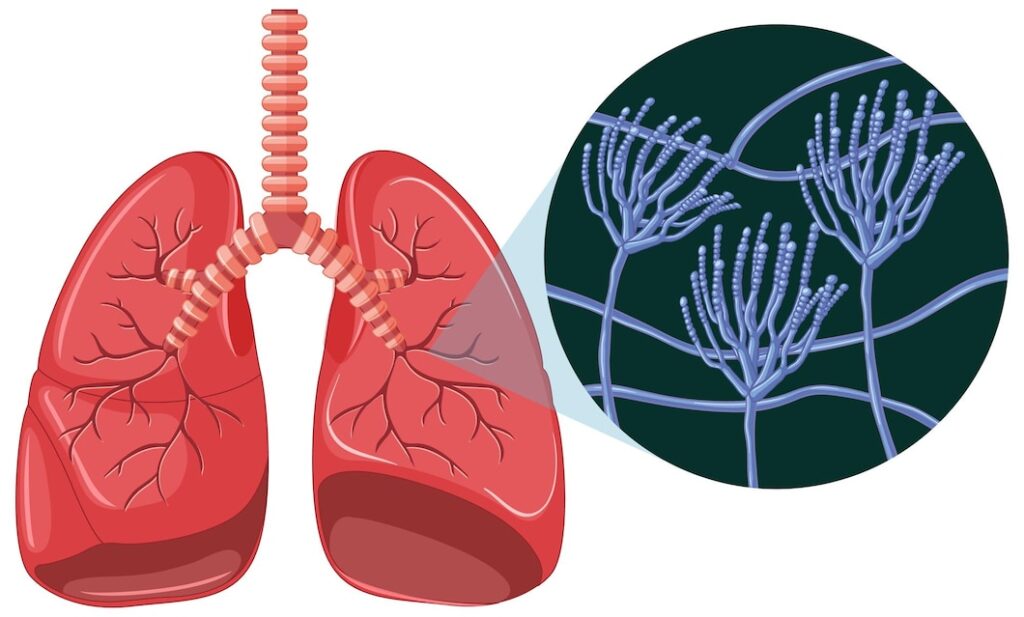
    Tuberculosis (TB) is a contagious and life-threatening infection that primarily affects the lungs. It can also impact other organs in the body, such as the brain, kidneys, and spine. This disease is caused by the bacterium Mycobacterium tuberculosis. While most people are familiar with active TB, there is another form of the disease that often goes unnoticed and undiscussed – latent tuberculosis. Latent tuberculosis is a condition where the TB bacteria are present in the body but are inactive, meaning the person infected does not exhibit any symptoms of the disease. However, the bacteria can become active later on, leading to the development of active TB.

    In this comprehensive guide, we will discuss the causes, symptoms, and risk factors of latent tuberculosis, as well as diagnosis, treatment options, and the effectiveness of the TB vaccine. Additionally, we will debunk myths and misconceptions about latent TB, compare it to active TB, and offer tips and advice for living with this condition. Lastly, we will emphasize the importance of early detection and treatment in combating this global health issue.

    Understanding Latent Tuberculosis – Causes, Symptoms, and Risk Factors

    Causes of Latent Tuberculosis

    Latent tuberculosis occurs when a person has been infected with TB bacteria, but their immune system is effectively keeping the bacteria under control. This means that the bacteria are present, but they are not replicating or causing any harm to the body. The bacteria can remain dormant for many years, and in some cases, a person may never develop active TB. However, if the immune system weakens, the bacteria can become active and cause active TB disease.

    Symptoms of Latent Tuberculosis

    People with latent tuberculosis do not exhibit any symptoms because the bacteria are inactive. They do not feel sick and cannot spread the bacteria to others. However, it is still essential to identify and treat latent TB, as the bacteria can become active later on and cause serious health issues.

    Risk Factors of Latent Tuberculosis

    • Several factors can increase the risk of developing latent tuberculosis. These include:
    • Close contact with someone who has active TB
    • Living or working in a region with high TB rates
    • Having a weakened immune system due to conditions such as HIV/AIDS, diabetes, or undergoing treatment for cancer
    • Taking medications that suppress the immune system, such as corticosteroids or TNF-alpha inhibitors

    Diagnosis and Testing for Latent Tuberculosis

    Diagnosis of Latent Tuberculosis

    Diagnosing latent tuberculosis can be challenging, as there are no visible symptoms. Health professionals typically rely on tests that detect the presence of TB bacteria or an immune response to the bacteria in the body.

    Testing for Latent Tuberculosis

    There are two primary tests used to detect latent tuberculosis:

    Tuberculin Skin Test (TST) – Also known as the Mantoux test, this test involves injecting a small amount of tuberculin (a protein derived from TB bacteria) into the skin on the forearm. If the person has been exposed to TB bacteria, a raised, hard bump will appear at the injection site within 48-72 hours, indicating a positive result.

    Interferon Gamma Release Assay (IGRA) – This blood test measures the immune system’s response to TB bacteria. It is more specific than the TST and can differentiate between TB infection and vaccination with the Bacille Calmette-Guérin (BCG) vaccine.

    Both tests have their advantages and limitations, and healthcare professionals may use one or both tests to determine if a person has latent tuberculosis.

    Latent Tuberculosis Treatment Options

    Treatment for latent tuberculosis aims to prevent the development of active TB by eliminating the dormant bacteria in the body. The decision to treat latent TB depends on the person’s risk factors and the likelihood of developing active TB. There are several treatment options available, including:

    • Isoniazid (INH) – This is the most common medication used to treat latent tuberculosis. The treatment typically lasts for 9 months, during which the patient takes the medication daily.
    • Rifampin (RIF) – This medication is an alternative to isoniazid and is taken daily for four months.
    • INH and Rifapentine – This combination therapy is taken once a week for 12 weeks under the direct supervision of a healthcare professional.

    Treatment duration and medication combinations may vary depending on the patient’s age, medical history, and other factors.

    TB Vaccine – How Effective is it?

    The Bacille Calmette-Guérin (BCG) vaccine is the only vaccine available for tuberculosis. It is derived from a weakened strain of Mycobacterium bovis, a bacterium closely related to Mycobacterium tuberculosis. The BCG vaccine is primarily used in countries with high TB rates to protect young children from severe forms of TB, such as TB meningitis and miliary TB.

    The effectiveness of the BCG vaccine in preventing TB varies widely. It has been shown to be more effective in children than in adults, and its efficacy tends to decline over time. The vaccine is not routinely recommended for use in countries with low TB rates, as the risk of side effects may outweigh the potential benefits.

    Myths and Misconceptions about Latent Tuberculosis

    There are many misconceptions surrounding latent tuberculosis. Some common myths include:

    Myth: Latent TB is not a serious condition.

    ·    Fact: While people with latent TB do not exhibit symptoms and cannot transmit the bacteria, the condition can potentially develop into active TB, which is a severe and life-threatening disease.

    Myth: Having latent TB means you are immune to future TB infections.

    ·    Fact: Having latent TB does not provide immunity against future infections. In fact, individuals with latent TB have an increased risk of developing active TB if exposed to the bacteria again.

    Myth: There is no treatment for latent TB.

    ·      Fact: There are several effective treatment options available for latent TB, which can significantly reduce the risk of developing active TB.

    Latent Tuberculosis vs Active Tuberculosis – What’s the Difference?

    Latent tuberculosis and active tuberculosis are two different stages of TB infection. The following are the main variations between the two:

    Symptoms: People with latent TB do not exhibit any symptoms, while those with active TB experience coughing, fever, weight loss, and other symptoms.

    Transmission: Latent TB is not contagious, whereas active TB can be transmitted through the air when an infected person coughs, sneezes, or talks.

    Treatment: Both latent and active TB can be treated with medication, but the treatment regimens and durations differ. Active TB typically requires a combination of medications taken over a longer period.

    Prevention and Control of Latent Tuberculosis

    Preventing the spread of tuberculosis is crucial in controlling the disease. Key strategies for preventing and controlling latent TB include:

    Identification and treatment: Early identification and treatment of individuals with latent TB can help prevent the development of active TB and reduce transmission.

    Education: Public awareness campaigns and educational programs can help people understand the risks associated with TB and the importance of early detection and treatment.

    Infection control: Implementing effective infection control measures in healthcare settings, including proper ventilation, personal protective equipment, and isolation of patients with active TB, can help prevent the spread of the bacteria.

    Vaccination: The BCG vaccine can help protect young children from severe forms of TB in countries with high TB rates.

    Living with Latent Tuberculosis – Tips and Advice

    Living with latent tuberculosis can be challenging, but with proper management and care, individuals can lead healthy, normal lives. Some tips and advice for living with latent TB include:

    Follow treatment recommendations: Adhering to the prescribed treatment regimen is crucial in preventing the development of active TB.

    Stay informed: Educate yourself about latent TB, its risk factors, and potential complications to better understand your condition and how to manage it.

    Maintain a healthy lifestyle: Eating a healthy diet, getting regular exercise, and managing stress can help boost your immune system and reduce the risk of developing active TB.

    Avoid exposure to TB: If you are at a higher risk of developing active TB, take precautions to avoid exposure to the bacteria. This may include avoiding close contact with people who have active TB, staying away from crowded indoor spaces, and wearing a mask in public places.

    Seek medical care if symptoms develop: If you begin to experience symptoms of TB, such as coughing, fever, or weight loss, seek medical attention immediately.

    Frequently Asked Question 

    Q1: What is latent tuberculosis (TB)?

    A1: Latent tuberculosis is a condition where an individual has been infected with the tuberculosis bacteria (Mycobacterium tuberculosis), but the bacteria are in an inactive state. This means the person does not feel sick and cannot spread TB to others.

    Q2: What are the symptoms of latent tuberculosis?

    A2: Unlike active tuberculosis, latent TB does not usually cause any symptoms. People with latent TB are generally not contagious and do not experience the typical cough, fever, weight loss, or fatigue associated with active TB.

    Q3: What are the risk factors for developing latent tuberculosis?

    A3: Risk factors for latent TB include close contact with someone who has active TB, living in or traveling to areas with high TB prevalence, having a weakened immune system (due to HIV, certain medications, or medical conditions), being a healthcare worker, or having recently immigrated from a country with high TB rates.

    Q4: How is latent tuberculosis diagnosed?

    A4: Latent TB is usually diagnosed through a tuberculin skin test (TST) or a blood test called an interferon-gamma release assay (IGRA). These tests determine if a person has been exposed to TB bacteria by measuring the immune response to TB proteins.

    Q5: Is latent tuberculosis a serious condition that requires treatment?

    A5: While latent TB does not cause immediate illness, it can progress to active TB in some cases, especially if the person’s immune system becomes weakened. Treatment for latent TB involves taking a course of antibiotics to prevent the bacteria from becoming active. It is important to treat latent TB to prevent the development of active disease and its potential complications.


    Conclusion – The Importance of Early Detection and Treatment of Latent Tuberculosis

    Latent tuberculosis is a significant global health issue that often goes undetected and untreated. While people with latent TB do not exhibit symptoms and cannot transmit the bacteria, the condition can potentially develop into active TB, which is a severe and life-threatening disease. Early detection and treatment of latent TB are crucial in preventing the development of active TB and reducing transmission.

    If you have been diagnosed with latent TB, it is essential to follow the prescribed treatment regimen and take steps to maintain a healthy lifestyle. Avoiding exposure to TB and seeking medical care if symptoms develop can also help prevent the development of active TB.

    In conclusion, while latent tuberculosis may not exhibit any visible symptoms, it is a serious condition that requires attention and care. By understanding the causes, symptoms, and risk factors of latent TB, seeking early diagnosis and treatment, and following preventive measures, we can work together to control and ultimately eradicate this global health issue.

    Call To Action

    For access to more such interesting articles on healthcare, visit Medkart today!

  • Glaucoma vs Cataract: Which Eye Condition Deserves More Attention?

    Glaucoma vs Cataract: Which Eye Condition Deserves More Attention?

    Glaucoma vs Cataract

    Introduction to Glaucoma and Cataract

    Vision is an essential aspect of human life, and maintaining the health of our eyes should be a priority. However, many people are unaware of common eye conditions that can significantly impact their vision, such as glaucoma and cataract. These eye conditions, although different, are often confused with each other due to the similarities in their symptoms, causes, and risk factors. In this article, we will explore the difference between glaucoma and cataract, their symptoms, causes, risk factors, diagnosis, treatment, prevention tips, and the impact of these conditions on daily life. Ultimately, we’ll determine which condition deserves more attention.

    Understanding the Difference between Glaucoma and Cataract

    Glaucoma and cataract are two distinct eye conditions, with the primary difference being the part of the eye that they affect. Glaucoma affects the optic nerve and is a group of eye conditions that can lead to vision loss through damage to the optic nerve, which is responsible for transmitting visual information from the eye to the brain. The most common form of glaucoma, known as open-angle glaucoma, is characterised by increased pressure within the eye due to a buildup of fluid. Loss of eyesight may result from this elevated pressure harming the optic nerve.

    On the other hand, cataract affects the eye’s lens, which is the clear, flexible structure responsible for focusing light on the retina to create images. Cataract occurs when the proteins in the lens clump together, causing cloudiness and impairing vision. Unlike glaucoma, which often develops gradually and without symptoms, cataract typically leads to a progressive and noticeable decline in vision quality. The primary difference between glaucoma and cataract is that glaucoma affects the optic nerve, whereas cataract affects the lens.

    Symptoms of Glaucoma and Cataract

    The symptoms of glaucoma and cataract can vary depending on the specific type of each condition. There may be no symptoms at all in the early stages of glaucoma. However, if the illness worsens, these signs and symptoms could appear:

    • Gradual loss of peripheral (side) vision
    • Tunnel vision in the advanced stages
    • Blurred or hazy vision
    • Severe headache and nausea, particularly in cases of acute angle-closure glaucoma

    In contrast, the symptoms of cataract tend to be more noticeable and can include:

    • Blurred, cloudy, or dim vision
    • identifying difficulties at night or in low light
    • Sensitivity to light and glare
    • Seeing halos around lights
    • prescription for glasses or contacts changing frequently

    While both conditions can cause vision difficulties, the primary difference between glaucoma and cataract symptoms is that glaucoma typically begins with peripheral vision loss, whereas cataract causes an overall decline in vision quality.

    Causes of Glaucoma and Cataract

    The causes of glaucoma and cataract are different, although both conditions can result from a combination of genetic, environmental, and lifestyle factors. Glaucoma is primarily caused by increased pressure within the eye, which can occur due to:

    • Blocked or impaired drainage of fluid within the eye (aqueous humor)
    • Overproduction of fluid within the eye
    • Decreased blood flow to the optic nerve

    Cataract, on the other hand, is primarily caused by the natural aging process, during which the proteins in the lens break down and clump together. Other factors that can contribute to the development of cataract include:

    • Prolonged exposure to ultraviolet (UV) light
    • Use of certain medications, such as corticosteroids
    • Previous eye injury or surgery

    Understanding the difference between glaucoma and cataract causes is essential for determining the appropriate course of treatment and prevention strategies for each condition.

    Risk Factors for Glaucoma and Cataract

    There are several risk factors for both glaucoma and cataract, with some overlap between the two conditions. Common risk factors for glaucoma include:

    • Age: The risk of glaucoma increases with age, particularly after age 60.
    • Family history: Having a family member with glaucoma increases your risk of developing the condition.
    • High intraocular pressure (IOP): Elevated IOP is a significant risk factor for glaucoma.
    • Race: People of African, Asian, or Hispanic descent have a higher risk of developing glaucoma.

    Risk factors for cataract include:

    • Age: The risk of cataract increases with age, particularly after age 60.
    • Family history: Having a family member with cataract increases your risk of developing the condition.
    • Smoking: Smokers are more likely to develop cataract than non-smokers.
    • Prolonged use of certain medications: Long-term use of corticosteroids or other medications can increase the risk of cataract.

    While there is some overlap in risk factors, the primary difference between glaucoma and cataract risk factors lies in the specific medical conditions and lifestyle factors that can contribute to each condition.

    Diagnosis and Treatment of Glaucoma and Cataract

    The diagnosis and treatment of glaucoma and cataract differ significantly. Usually, glaucoma is identified with a thorough eye examination, which could include:

    • Measuring intraocular pressure (IOP) with a tonometer
    • Inspecting the drainage angle of the eye with a gonioscope
    • Evaluating the optic nerve for damage through ophthalmoscopy
    • Assessing the visual field through perimetry testing

    Treatment for glaucoma primarily focuses on lowering IOP to prevent further optic nerve damage. This may involve the use of prescription eye drops, oral medications, laser treatment, or surgery.

    In contrast, cataract is diagnosed through a comprehensive eye exam, which may include:

    • Visual acuity testing to assess the sharpness of vision
    • Slit-lamp examination to inspect the lens and other structures of the eye
    • Retinal examination to evaluate the health of the retina

    Treatment for cataract primarily involves surgical removal of the cloudy lens and replacement with an artificial lens (intraocular lens, or IOL). This surgery is generally safe and effective, with a high success rate in improving vision.

    Prevention Tips for Glaucoma and Cataract

    While it may not be possible to completely prevent glaucoma or cataract, there are several steps that individuals can take to reduce their risk of developing these conditions. Some prevention tips for glaucoma include:

    • Regular eye exams: Glaucoma can be treated and detected early to help avoid vision loss.
    • Exercise: Regular physical activity can help lower intraocular pressure and improve overall health.
    • Maintain a healthy weight: Obesity is a risk factor for glaucoma, so maintaining a healthy weight can reduce the risk.
    • Quit smoking: Smoking can increase the risk of glaucoma, so quitting smoking can lower the risk.

    Prevention tips for cataract include:

    • Wear sunglasses: Protecting your eyes from UV light can reduce the risk of cataract.
    • Quit smoking: Smoking is a significant risk factor for cataract, so quitting smoking can lower the risk.
    • Eat a healthy diet: A diet rich in antioxidants and nutrients can reduce the risk of cataract.
    • Limit alcohol consumption: Excessive alcohol consumption can increase the risk of cataract, so limiting alcohol intake can reduce the risk.

    While there is some overlap in prevention tips for glaucoma and cataract, the emphasis is on maintaining a healthy lifestyle and protecting the eyes from environmental factors that can contribute to these conditions.

    Living with Glaucoma and Cataract

    Living with glaucoma or cataract can be challenging, particularly if the condition is advanced and has already caused significant vision loss. However, there are several strategies that individuals can use to adapt to these conditions and maintain their quality of life. For example, individuals with glaucoma can:

    • Use assistive devices: Devices such as magnifiers or telescopes can help compensate for vision loss.
    • Reduce glare: Glare can exacerbate vision difficulties, so reducing glare through proper lighting or anti-glare glasses can be helpful.
    • Practice stress reduction techniques: Stress can increase intraocular pressure, so practicing relaxation techniques such as meditation or deep breathing can be beneficial.

    Similarly, individuals with cataract can adapt to vision changes by:

    • Ensuring adequate lighting: Good lighting can help compensate for the cloudiness of the lens.
    • Using magnifiers: Magnifying glasses can help with reading or other close-up tasks.
    • Wearing glasses or contact lenses: Proper eyewear can help compensate for vision changes.

    Adapting to the changes caused by glaucoma or cataract can be challenging, but with the right strategies and support, individuals can maintain their independence and quality of life.

    Impact of Glaucoma and Cataract on Daily Life

    The impact of glaucoma and cataract on daily life can be significant, particularly if the condition is advanced and has already caused significant vision loss. Individuals with these conditions may experience difficulties with daily tasks such as reading, driving, or even recognizing faces. This can lead to a reduced quality of life and increased dependence on others for assistance.

    In addition to the physical impact, glaucoma and cataract can also have emotional and psychological effects. Individuals with these conditions may experience anxiety, depression, or other mental health concerns related to their vision loss.

    Conclusion: Which Condition Deserves More Attention?

    Both glaucoma and cataract are significant eye conditions that can impact an individual’s quality of life. However, the condition that deserves more attention may depend on several factors, such as the severity of the condition, the impact on daily life, and the effectiveness of available treatments. While cataract can cause a noticeable decline in vision quality, it is generally treatable with surgery and has a high success rate. In contrast, glaucoma can lead to irreversible vision loss, particularly if left untreated, and requires ongoing management to prevent further damage to the optic nerve.

    Ultimately, both conditions require attention and prompt treatment, particularly in the early stages. Regular eye exams and lifestyle modifications can help reduce the risk of developing these conditions and catch them early when treatment is most effective. If you are experiencing vision changes, consult with your eye doctor to determine the appropriate course of action and maintain your eye health.

    Call To Action

    For access to more such interesting articles on healthcare, visit Medkart today!

  • Early Stages of Cataracts: How to Recognize the Symptoms and Types

    Early Stages of Cataracts: How to Recognize the Symptoms and Types

    Early Stages of Cataracts

    Introduction to Cataracts

    Cataracts are a common age-related eye condition that affects millions of people worldwide. They happen when the eye’s natural lens becomes cloudy or opaque, which causes a progressive deterioration in vision quality. Although cataracts are often associated with older adults, they can develop at any age, even in young children. The good news is that cataract surgery is a highly effective treatment, and early detection can significantly improve the outcome. In this article, we will discuss the early stages of cataracts and the types. We will also explore the symptoms, causes, diagnosis, and treatment options for early cataracts, as well as the effectiveness of cataract eye drops and lifestyle changes to prevent or slow down the progression of this eye condition.

    What are Early Stages of Cataracts?

    The early stages of cataracts are the initial phase of the condition where the lens of the eye begins to become cloudy or less transparent. This stage is also known as the “incipient” stage, and it may not cause any noticeable vision problems. However, as the cataract continues to develop, the lens becomes more opaque, and the symptoms worsen. It is crucial to recognize the early signs of cataracts to seek appropriate treatment and maintain good eye health.

    Symptoms of Early Cataracts

    In the early stages of cataract development, the symptoms may be subtle and not immediately noticeable. Some common signs of early cataracts include:

    • Blurred or hazy vision: One of the first symptoms of early cataracts is a slight blurring or haziness in your vision. The inability to read, drive, or recognise faces may result from this.
    • Increased glare and sensitivity to light: As cataracts develop, the lens becomes less transparent, causing light to scatter within the eye. This can result in increased glare and sensitivity to bright lights, especially at night.
    • Difficulty seeing in low light conditions: Early cataracts may cause you to struggle with seeing clearly in dimly lit environments, such as reading in a dim room or navigating at night.
    • Changes in color perception: can cause colors to appear duller or less vibrant, making it difficult to distinguish between similar shades.
    • Frequent changes in eyeglass prescription: If you notice that your eyeglass prescription is changing more frequently than usual, it could be a sign of early.

    cataracts symptomsTypes of Cataracts – Immature Cataract, Complicated Cataract, Cataract Lens
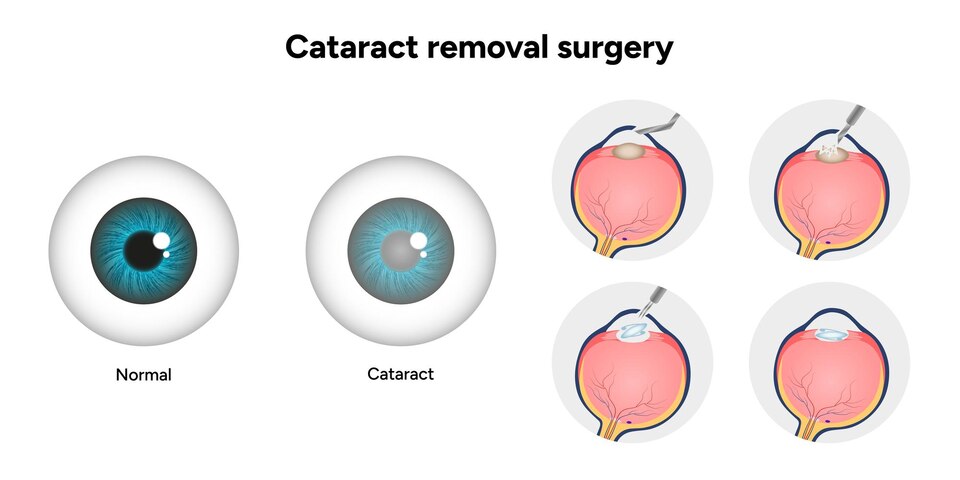
    There are several types of cataract, and each has its unique characteristics and symptoms. Some common types  include:

    • Immature Cataract: In the early stages of cataract development, the lens is only partially opaque. This is called an immature cataract. The symptoms of an immature cataract are typically mild and may not significantly impact your daily activities.
    • Complicated Cataract: A complicated cataract is a type of cataract that develops as a result of another eye condition or disease, such as uveitis, glaucoma, or diabetic retinopathy. Complicated cataracts often develop more rapidly and may cause more severe vision problems than other types of cataracts.
    • Cataract Lens: A cataract lens refers to the cloudy lens within the eye that is causing the vision problems. There are different types of cataract lenses based on the location and severity of the lens opacification. These include nuclear cataracts (which affect the central part of the lens), cortical cataracts (which affect the outer edges of the lens), and posterior subcapsular cataracts (which develop at the back of the lens).

    Glaucoma vs Cataract: Which Eye Condition Deserves More Attention?

    Causes of Early Cataracts

    There are several factors that can contribute to the development of early cataracts. Some common causes include:

    • Aging: As we age, the proteins in the lens of the eye can begin to break down, causing the lens to become less transparent and more susceptible to cataract formation.
    • Genetics: A family history of cataracts can increase your risk of developing the condition.
      Ultraviolet (UV) radiation exposure: Prolonged exposure to the sun’s UV rays can damage the proteins in the lens, leading to the development of cataracts.
    • Diabetes: People with diabetes are at a higher risk of developing cataracts due to high blood sugar levels, which can damage the lens of the eye.
    • Smoking: Cigarette smoke contains harmful chemicals that can damage the lens, increasing the risk of cataract development.
    • Eye injuries or surgeries: Trauma to the eye or previous eye surgeries can cause damage to the lens, making it more likely for cataracts to form.

    Diagnosis and Treatment Options for Early Cataracts

    If you suspect that you may have early cataracts, it is essential to consult an eye care professional for a comprehensive eye exam. During the examination, your eye doctor will assess your lens for signs of cataract development and determine the severity of the condition.

    In the early stages of cataracts, treatment may not be necessary, as the symptoms may be mild and not significantly impact your daily activities. However, your eye doctor may recommend certain lifestyle changes or specific eyeglass lenses to help improve your vision and reduce glare.

    If the cataract progresses and significantly impacts your vision, your eye doctor may recommend cataract surgery. This procedure involves removing the cloudy lens and replacing it with a clear, artificial lens called an intraocular lens (IOL). Cataract surgery is a highly effective treatment with a high success rate and a low risk of complications.

    cataracts treatmentPrevention of Early Cataracts

    While the development of cataracts is often a natural part of the aging process, there are steps you can take to reduce your risk and potentially slow down the progression of the condition:

    • Protect your eyes from UV exposure: Wearing sunglasses with 100% UV protection can help shield your eyes from harmful UV rays and reduce your risk of cataract development.
    • Manage diabetes: If you have diabetes, maintaining healthy blood sugar levels and regularly monitoring your eye health can help prevent cataract formation.
    • Quit smoking: Giving up smoking can significantly reduce your risk of cataract development and improve your overall health.
    • Eat a healthy diet: Consuming a diet rich in antioxidants, such as vitamins C and E, can help protect your eyes from damage and reduce your risk of cataracts.
    • Limit alcohol consumption: Excessive alcohol consumption can increase your risk of cataracts, so it’s essential to drink in moderation.

    Cataract Eye Drops and Their Effectiveness

    There are several over-the-counter cataract eye drops available that claim to dissolve or reduce the size of cataracts. These drops typically contain a compound called N-Acetylcarnosine (NAC), which is thought to have antioxidant properties that may help break down the proteins causing the lens opacity.

    However, the effectiveness of cataract eye drops is still a topic of debate among eye care professionals. While some studies have shown promising results, others have found little to no improvement in cataract size or vision after using these drops. As a result, cataract eye drops should not be considered a substitute for a comprehensive eye exam and professional treatment.

    Lifestyle Changes for Early Cataracts

    In addition to the prevention strategies mentioned earlier, making certain lifestyle changes can help improve your overall eye health and potentially slow down the progression of early cataracts:

    • Regular exercise: Engaging in regular physical activity can help improve overall health, reduce the risk of chronic diseases, and promote healthy blood circulation, which is essential for maintaining good eye health.
    • Sleep: Ensuring that you get enough quality sleep each night can help promote good eye health, as the eyes repair and regenerate during sleep.
    • Manage stress: Chronic stress can negatively impact your overall health, including your eyes. Practicing stress reduction techniques, such as meditation, deep breathing exercises, or yoga, can help reduce stress and promote good eye health.
    • Healthy diet: Consuming a diet rich in fruits, vegetables, and omega-3 fatty acids can help promote good eye health and reduce the risk of cataract development.
    • Regular eye exams: Regular comprehensive eye exams can help detect early signs of cataracts and other eye conditions, allowing for prompt treatment and better outcomes.

    Conclusion – Takeaway Tips for Early Cataracts

    In summary, early cataracts are the initial phase of cataract development, where the lens of the eye becomes cloudy or opaque, leading to a gradual decline in vision quality. Recognizing the symptoms and types of cataracts is crucial to seek appropriate treatment and maintain good eye health. While cataract surgery is a highly effective treatment for advanced cataracts, early stages of the condition may not require treatment, and certain lifestyle changes and prevention strategies can help slow down the progression of the condition. If you suspect you may have early cataracts, it is essential to consult an eye care professional for a comprehensive eye exam.

    Takeaway tips for early cataracts:

    • Recognize the symptoms of early cataracts, such as blurred vision, increased glare, and difficulty seeing in low-light conditions.
    • Understand the types, including immature, complicated, and cataract lenses.
    • Know the causes of early cataracts, such as aging, genetics, UV radiation exposure, diabetes, and smoking.
    • Seek professional diagnosis and treatment options, such as lifestyle changes or cataract surgery.
    • Practice prevention strategies, such as wearing sunglasses, managing diabetes, quitting smoking, eating a healthy diet, and limiting alcohol consumption.
    • Consider regular comprehensive eye exams to detect early signs of cataracts and other eye conditions.

    In conclusion, early detection and treatment of cataracts are essential for maintaining good eye health and quality of life. By understanding the symptoms, types, causes, and prevention strategies of early cataracts, individuals can take proactive steps to protect their eyes and potentially slow down the progression of this common eye condition.

    Also Read: Must follow Precautions for before and after of a laser cataract surgery

    Call To Action

    For access to more such interesting articles on healthcare, visit Medkart today!

  • Must follow Precautions for before and after of a laser cataract surgery

    Cataract Surgery image

    Introduction

    Cataract surgery is a common and effective procedure that helps restore vision in individuals suffering from cataracts. During the procedure, the eye’s clouded natural lens is removed, and a synthetic intraocular lens is put in its place. With advancements in technology and surgical techniques, cataract surgery has become safer and more efficient than ever before. However, taking proper precautions after cataract surgery is crucial in ensuring a smooth recovery and optimal results. This article will discuss the different types of cataract surgery, what to expect before and after the procedure, essential precautions to take, medications required, common complications, and follow-up appointments.

    What is Cataract Surgery?

    Cataract surgery is a procedure performed to remove the clouded lens of the eye, which can impair vision and cause other eye-related issues. The natural lens is made up of water and proteins, and over time, these proteins can clump together, creating a cloudy area known as a cataract. Cataracts can cause blurry vision, difficulty seeing at night, glare, and halos around lights. The only way to treat a cataract is through surgery.

    There are two main types of cataract surgery: phacoemulsification and extracapsular cataract extraction. Phacoemulsification is the most common type of cataract surgery and involves the use of ultrasound waves to break up the cloudy lens into smaller pieces, which are then removed through a small incision. Extracapsular cataract extraction involves making a larger incision and removing the entire lens in one piece.

    Laser Cataract Surgery

    Laser cataract surgery is an advanced form of cataract treatment that uses a femtosecond laser to make precise incisions in the eye. The laser is used to create a circular opening in the front of the lens capsule, allowing the surgeon to access the cataract. The laser also softens the cataract, making it easier to remove using ultrasound waves.

    Laser cataract surgery offers several advantages over traditional cataract surgery, such as increased precision, reduced risk of complications, and faster recovery time. However, it is not suitable for everyone and may not be covered by insurance, so it is essential to discuss the options with an eye doctor.

    Before and After Cataract Surgery: What to Expect

    Before cataract surgery, patients will undergo a thorough eye examination to determine the type and severity of the cataract and discuss the appropriate treatment options. The eye doctor will also measure the shape and size of the eye to select the correct intraocular lens. Patients may be advised to stop taking certain medications, such as blood thinners, before the surgery to reduce the risk of complications.

    After cataract surgery, patients will be given a protective shield to wear over the operated eye to prevent infection and injury. Vision might be blurry at first, but it will gradually improve over the next few days. Most patients can resume their regular activities within a day or two after surgery, but it is essential to follow the doctor’s instructions and take the necessary precautions to ensure a smooth recovery.

    Essential Precautions to Take After Cataract Surgery

    Proper care and precautions after cataract surgery are crucial in ensuring a successful recovery and preventing complications. Here are some essential precautions to take after cataract surgery:

    • Avoid rubbing or touching the operated eye. The eye may feel itchy or irritated after surgery, but it is essential to resist the urge to rub or touch it, as this can introduce bacteria and cause infection.
    • Wear the protective eye shield as instructed. The eye shield helps protect the eye from injury and infection and should be worn while sleeping and during any activities that pose a risk to the eye, such as vigorous exercise or outdoor activities.
    • Avoid heavy lifting and strenuous activities. Engaging in activities that increase pressure on the eyes can delay healing and increase the risk of complications. Patients should avoid heavy lifting, bending over, and strenuous exercise for at least a week after surgery.
    • Keep the eye clean and dry. It is essential to keep the operated eye clean and free from debris. Patients should avoid using eye makeup, swimming in pools or hot tubs, and exposing the eye to dust or dirt for at least a week after surgery.
    • Follow the prescribed medication regimen. Patients will be given prescription eye drops to use after cataract surgery to help prevent infection and reduce inflammation. It is crucial to follow the doctor’s instructions and use the eye drops as prescribed.

    Medications After Cataract Surgery

    After cataract surgery, patients will be prescribed several eye drops to help with the healing process and prevent infection. The eye drops typically include an antibiotic to prevent infection, a steroid to reduce inflammation, and a nonsteroidal anti-inflammatory drug (NSAID) to manage pain and swelling. It is essential to follow the doctor’s instructions and use the eye drops as prescribed to ensure a successful recovery.

    Cataract Surgery Steps

    Cataract surgery is typically performed as an outpatient procedure and takes about 30 minutes to complete. The surgery’s steps are as follows:

    • Administering anesthesia. Patients will be given local anesthesia to numb the eye and may also be given a sedative to help them relax.
    • Making the incision. The surgeon will make a small incision in the cornea using a scalpel or a laser.
    • Removing the cloudy lens. The surgeon will use an ultrasound probe to break up the cataract and remove the lens fragments through the incision.
    • Inserting the intraocular lens. The surgeon will insert the artificial lens into the empty lens capsule and position it correctly.
    • Closing the incision. The incision may be closed with stitches or left to heal on its own, depending on the surgeon’s preference and the patient’s specific needs.

    Common Complications After Cataract Surgery

    While cataract surgery is generally safe and effective, complications can occur. Among the frequent side effects following cataract surgery are:

    • Infection
    • Inflammation
    • increased eye pressure- Corneal or retinal swelling
    • Bleeding in the eye
    • Retinal detachment
    • Secondary cataract

    It is essential to contact the doctor immediately if any of these symptoms occur after cataract surgery. With prompt medical attention, most complications can be effectively treated.

    Follow-up Appointments After Cataract Surgery

    After cataract surgery, patients will need to attend follow-up appointments with the doctor to monitor the healing process and ensure that the eye is healing correctly. The doctor may check the eye pressure, examine the incision site, and evaluate the vision. Patients will also be advised on when to resume driving, work, and other activities.

    It is crucial to attend all follow-up appointments and notify the doctor if any unusual symptoms occur, such as increased pain, redness, or vision changes.

    Frequently Asked Questions

    Q1: What precautions should I take before laser cataract surgery?

    A1: Before laser cataract surgery, it’s important to follow these precautions:

    1. Medication Review: Inform your doctor about all medications you’re taking, including prescription and over-the-counter drugs, as some might need to be adjusted or temporarily stopped.

    2. Fasting: Follow the fasting guidelines provided by your surgeon. Typically, you’ll need to avoid food and drink for a certain period before the surgery.

    3. Eye Drops: Use the prescribed eye drops as directed to prepare your eye for surgery and reduce the risk of infection.

    4. Hygiene: Maintain good hygiene by washing your face and eyelids thoroughly on the day of surgery to minimize the risk of infection.

    5. Transportation: Arrange for someone to drive you to and from the surgical center, as your vision may be temporarily blurry after the procedure.

    Q2: What precautions should I take after laser cataract surgery?

    A2: After laser cataract surgery, follow these precautions:

    1. Eye Shield: Wear the protective eye shield provided by your surgeon, especially while sleeping, to prevent accidental rubbing or pressure on the treated eye.

    2. Medications: Use prescribed eye drops as instructed to aid healing and prevent infection. Follow the recommended schedule and dosage.

    3. Avoid Rubbing: Refrain from touching or rubbing your eyes, as this can disrupt the healing process and increase the risk of infection.

    4. Rest: Rest and limit physical activities for a few days post-surgery to allow your eye to heal properly.

    5. Follow-up Appointments: Attend all scheduled follow-up appointments with your surgeon to monitor your progress and address any concerns.

    Q3: Can I drive myself home after laser cataract surgery?

    A3: No, you should not drive yourself home after laser cataract surgery. Your vision might be blurry, and you may experience discomfort immediately after the procedure. It’s crucial to have someone accompany you to drive you home safely.

    Q4: When can I resume normal activities after laser cataract surgery?

    A4: You can usually resume normal, non-strenuous activities within a day or two after laser cataract surgery. However, it’s advisable to avoid strenuous activities, heavy lifting, and swimming for at least a week to allow your eye to heal properly.

    Q5: How can I prevent infection after laser cataract surgery?

    A5: To prevent infection after laser cataract surgery:

    1. Follow Medication Instructions: Use prescribed eye drops as directed by your surgeon to prevent infection and aid in healing.

    2. Avoid Touching: Refrain from touching your eye with dirty hands, and avoid rubbing your eye.

    3. Hygiene: Maintain good facial hygiene and wash your hands thoroughly before using eye drops.

    4. Protect from Dust and Water: Wear protective eyewear, such as sunglasses, to shield your eyes from dust and water, especially during the early stages of healing.

    5. Follow Surgeon’s Advice: Attend all follow-up appointments and adhere to any additional guidelines provided by your surgeon to minimize infection risk.

    Conclusion

    Cataract surgery is a common and effective procedure that helps restore vision in individuals suffering from cataracts. Taking proper precautions after cataract surgery is crucial in ensuring a smooth recovery and optimal results. Patients should avoid rubbing or touching the operated eye, wear the protective eye shield as instructed, avoid heavy lifting and strenuous activities, keep the eye clean and dry, and follow the prescribed medication regimen.

    It is also essential to attend all follow-up appointments and notify the doctor of any unusual symptoms. With proper care and precautions, cataract surgery can help restore clear vision and improve overall quality of life.

    Call To Action

    For access to more such interesting articles on healthcare, visit Medkart today!