Search results for: “all”

  • Generic Medicines – Frequently Asked Questions | Trusted Generic Provider – Medkart

    1. Does a generic medicine have any side effects?

    Well, when one decides to switch from branded to generic medicines, the question arises on safety that does a generic drug have side effects? Will it be allergic to me? But, the answer is no.
    Generic drugs are made to work like branded drugs. Drug manufacturers must show that generic medicines can be substituted for brand-name products and give the same benefits as their brand-name equivalents. After that, only the government will allow them to sell in the market. WHO-GMP and CDSCO, these firms ensure the quality, dosage, route of administration, and side effects of the generic drug are the same as its branded drug. For example, Metformin is a Glucophage’s approved generic version, a drug used for type 2 diabetes. These are prescription drugs and available in the same strengths. They are also prescribed in the same quantity and have the same instructions for taking them. So, like a branded one, generic drugs do not have any extra side effects. They both are similar in all aspects.

    So, as mentioned above, generic drugs do not have any other side effects. It has the same side effects as the branded drug you take. But exceptions are always there:

    These include,

    1. Allergy to inactive ingredients. In generic medicines, inactive ingredients are different from branded ones, and a few people sometimes allergic to that. So they can develop unwanted effects in the body. So before you switch, you should check it.

    2. When you are on the narrow therapeutic index, you are taking a drug that has particular concentration, and minor change in that concentration can create significant differences. Small variations in dosage or blood concentration can create serious problems. Well, this is also rare. 

    Thyroid drugs are usually told to be specific; a minor change in it can be hazardous. So for everyone, it is advisable to ask the doctor before you switch the medicine.

    2. For you did generic medications actually work better than the name brands you used?

    It depends. Let me tell you why.
    Generic medicines are copies of a branded one. It is cheaper just because it is a copy, not the original one. But many of us think it may not work the way branded drug works. But this is not true. Generic drugs are being made when branded drugs become successful. So when generic drug made, government ensure that generic drugs are bioequivalent, that means, generic medicine has the same effect as the branded ones.

    There is barely a 5-10% difference between the development of a generic drug and the advertised one. Both types of medications have the same key ingredients, formulations, safety precautions, dosage and route of administration, power, secondary effects, and expiry date to ensure the safety and effectiveness of both medications. Packaging, color, size, and shape may differ due to the difference in an inactive ingredient and modulation. So this difference may change the absorption of the drug, but the rate is not more than 5 percent. Yet the main active ingredient is still the same. So, as they make generic medicine bioequivalent, they work equally. Whether you take branded or non-branded drugs, effectiveness will be the same. It is just a matter of price. So, yes, generic drugs work equally, not less, or more than name brands one uses.

    3. Is there any risk associated with generic medicines?

    Less cost of generic drugs usually raises the question that is there any risk with generic medicine? But the answer is No. generic medicines have the same quality, effectiveness, and reliability as a branded one.

    A generic drug is a drug with the same active ingredient as the brand drug. Yes, this is true. Both drugs contain an exact active ingredient which is responsible for disease cure. The reason for its fewer prices is that generic drugs are copies and do not have to pass through clinical trials, research, sales, and manufacturing cost, like branded drugs. But that does not mean it makes generic drugs less effective.

    Generic medicines also have to pass through certain protocols before coming into the market, like branded ones. Once the manufacturer makes generic medicines, he has to prove that generic is bioequivalent to the branded drug. The standards of generic pharmaceutical products are assured by rigorous inspection of WHO-GMP, CDSCO (Central Drug Standard and Control Organization), and other state regulatory bodies.

    So, before coming into the market, efficiency, strength, reliability, dosage, route of administration, safety, quality, and expiry date have been measured; if it is proved that it is the same as the branded drug, then only it can be sold into the market. Therefore, whatever generic medicine you buy from the market has no risk; however, one should always take care of fraud or fake pharmaceutical products.

    4. What do people think about generic medicine and what the Indian government is dispending with the Jan Aushadhi initiative?

    Even after providing enough knowledge, people still believe generic medicines are not as effective as the branded ones. So they do not opt for a generic one and spend money to get a branded one. Also, many doctors do not recommend or prescribe generic medicines to their patients. The government has taken the initiative to increase the usage of generic drugs and make people aware of generic medications.

    This campaign is known as Jan Aushadhi Yojana or Pradhan Mantri Bhartiya Jan Aushadhi Pariyojana Kendra (PMBJP). This campaign’s main motive is to supply generic medicine at a lower price but with the same quality and effectiveness as expensive branded drugs. The government of the Department of Pharmaceuticals has established BPPI (India’s Bureau of Pharmaceutical Public Sector Enterprises) through the Jan Aushadhi Stores, with the assistance of all CPSUs to organize purchase and supply and marketing of generic drugs. Nowadays, almost every third or a fourth person suffers from one or other diseases, be it cholesterol, cancer, or any other medical condition. Medications are so expensive that almost 50 to 60% of income is wasted into it. So to curb this problem government has initiated this program. It is claimed that this campaign saves roughly 43 percent of income per person.

    For example, many cancer drugs in branded categories cost up to Rs 6500 but are available at Rs 850 in Jan Aushadhi Kendras. Almost Rs 2,000 to Rs 2,500 crore are saved by purchasing generic drugs for the ordinary man. The goal of the scheme is to minimize out-of-pocket health care expenses by offering high-quality generic medicines at rates that are affordable to the customer.

    At the start, the Jan Aushadhi Kendra or outlet was dispensing only a few generic therapeutic medicines, but now it has expanded to almost all kinds of drugs and surgical equipment. Now nearly every state has JAS (Jan Aushadhi Store) to help poor people and give them medicine at a low cost. To expand this campaign, the government provides financial support up to 2.50 lakhs rupees to open Jan Aushadhi Stores; however, the condition is that one has to employ a pharma degree holder as a pharmacist.

    This way, the Jan Aushadhi initiative is making people aware of generic medicines by giving at the best-tested quality and cheaper rate, especially the poor person. Besides, the government is also offering financial assistance to expand this campaign more and more.

    5. What is generic medicine?

    A generic drug is a replica of branded medicines that have the same active component, exact dosage, and therapeutic effect, route of administration, safety, strength, and risk as to the original drug.
    In the market, two types of medicines are available: branded and non-branded/ generic. Branded medicines are made after several clinical trials, research, and approval. After several clinical trials over the years, patented drugs (branded drugs) are produced. When a company produces a new drug, a patent may be requested. Only that particular company will manufacture the drug before the expiry of the patent period. Any other company cannot replicate it. When the patent expires, other companies, along with that company, will produce the same medicine with some differences. Such drugs are called GENERIC MEDICINES.

    In generic medicines, the main active or therapeutic ingredients are the same as branded ones; however, change in inactive ingredients is there, which is why only generic drugs look different from those of the branded drug. The generic drug effect is the same as the branded one because, before coming into the market, generic has to pass through the bioequivalence test done by WHO_GMP and CDCSO. By this, they check whether drugs are the same as branded one or not and also ensure its safety. This suggests that the main ingredients, applications, safety protocols, dosage, and route of administration, strength, side effects, and expiry date are the same as a branded drug that maintains the efficacy and reliability of the generic drug.

    The main difference between both drugs is cost. Generic medicines are cheaper than the branded one because generic does not have to compensate for the cost of marketing and sales or clinical trials and research, like branded one. All these have already done before for the original drug.
    So, Generic medicines are a bioequivalent version of branded one, available at a cheaper rate.

    6. What is the difference between generic and normal medicine?

    Nowadays, everywhere we listen about generic medicines, even the government also asking us to use generic drugs. But many of us don’t know what it is. So, what is the difference between generic and normal medicine? 

    Pharmaceutical companies make two types of drug one is a patent branded drug, and the other is a generic drug. However, both drugs are similar in all manners except cost and external appearance. Yes, generic drugs are the same as branded ones but available at low cost and in different shapes, sizes, and colors. Otherwise, the drugs have the same active chemical component, dosage, safety, risk, side effects, expiry date, route of administration, and strength. In generic medicines, inactive ingredients and modulation are different from the branded drug, which causes differences in color, size, shape, or packaging of both products.

    The difference in cost is due to its working process; the branded drugs come into the market after years of clinical trials and research followed by lots of sales and marketing that make them costly. But generic medicines are made when branded medicine’s patent expires at that time manufacturers make copies of the branded drug, keeping the main ingredient the same, and they do not have to do any research or clinical trial.

    Also, branded medicines are already established, so very little marketing needed for their generic drugs. Consequently, lots of copies are made and sold at a cheaper rate.

    Thus, it can be said that there is no difference between these two drugs; generic medicine is bioequivalent to the original one only.

    7. What is the working process of generic medicine?

    Like non-generic or branded medicine, generic medicine has to go through several protocols. However, as they are copies of already established drugs, specific procedures are not needed in it. The difference between making a branded and generic medicine is not more than 5% to 10%.

    Usually, generic drugs come into the market when the patent of its original drug expires. That means, when a company launches a new drug, the firm has already spent money on research, development, effectiveness, results, marketing, and promotion of products. After lots of clinical trials, the drug gets a patent. Drug Controller General of India (DCGI) runs under CDSCO. It has the primary responsibility of regulating clinical trials, look into matters such as product approval and standards, the introduction of new drugs, and import licenses for new medicines. Once a patent is granted, the company gets the rights to sell the drugs into the market. This can be done as long as the license is valid. 

    Once the patent expires, the manufacturer again gets approval to make copies of drugs from the original, known as “generic drugs.” But in this, lengthy clinical trials are not needed as the active chemical component is the same in generic drugs. Before coming into the market, generic drugs also have to pass through specific protocols, not as extensive as branded ones. Manufacturers have to prove the bioequivalence of generic medicine. Then the quality of generic drugs is ensured by WHO-GAMP and CDSCO and state regulatory authorities via thorough inspections. 

    Generic medicines can only be launched if they have the same efficiency, main active ingredients, strength, dosage, and route of administration.

    So this is the working procedure of generic medicine.

    Buy Generic Medicines Here – Buy
     

  • 3 THINGS YOU SHOULD KNOW ABOUT CHOLESTEROL LEVELS IN YOUR BODY

    3 THINGS YOU SHOULD KNOW ABOUT CHOLESTEROL LEVELS IN YOUR BODY

    What is Cholesterol

    About Cholesterol

    Like blood pressure and diabetes, cholesterol has also taken place in human life. Every third or fourth, people today suffer from high cholesterol levels. There are many myths about cholesterol, such as cholesterol is related to obese people; it is a disease; the human body does not need cholesterol, and so on. However, these are all false statements. Cholesterol is not a disease; it’s s level of cholesterol which plays a role in our health. Also, it can be present in anyone irrespective of body fat or age.

    Top 8 medicines for treatment of High cholesterol | Generic Medicines list

    What is Cholesterol?

    Cholesterol is a fatty substance which presents in every cell of the body. So that means everyone has cholesterol in her body. Yes, it is present in every human body. Everyone needs cholesterol for body functions.

    Let’s discuss how it is essential and types of it that affects the body.

    How Cholesterol Affects the Body

    1. Production and importance of cholesterol

    Cholesterol is a fat-like substance produces by the liver and cells of humans. We do not need to take it from outside like minerals and vitamins. So it is present in every human body in specific amounts. This is the necessity of our body, as many important functions are done with the help of cholesterol.

    • It is essential in vitamin D formation.
    • It helps in cell membrane structure development.
    • Hormone productions such as estrogen, testosterone, and adrenal hormones.
    • For metabolism by producing bile acids.Our body has a transport system for cholesterol movement in blood, which is known as LDL (low-density lipoprotein) cholesterol and HDL (High-density lipoprotein) cholesterol. Both have different functions, and the level of these substances in the body creates problems. When we eat fatty food, the liver processes cholesterol and fat together and transports into bloodstream. Excess of this causes high levels of cholesterol n the body.We know that the two types of cholesterol are there- a good one and a bad one. But why they are essential and what is the optimal level of these types in the body is essential to know.

    2. About good Cholesterol

    HDL is called good cholesterol because it helps to remove excess fat, including bad cholesterol from arteries. It clears the arteries, brings back fats to the liver. After that, these fats excreted out of the body. So this way, HDL helps to maintain cholesterol levels in our body and decrease the risk of heart diseases.

    Everyone has to maintain a minimum 40mg/dl level in the body as below this level, chances of heart disease increased. When you have less HDL, the body will not be able to eliminate the bad cholesterol, and ultimately, deposition of bad cholesterol will take place, which can be life-threatening. Optimal level is 60mg/dl. At this level, it is known as a heart protector. After 40 mg/dl to 60 mg/dl, every 10 point increase reduces the risk of stock by half.. However, more than 90mg/dl consider bad. Anything in excess is harmful though it is good. Excessive HDL can also cause heart issues as after a certain level higher amount won’t work as efficiently.

    It acts as extra cholesterol. So the maintenance of a good cholesterol level is necessary for a healthy heart.

    Moderate exercise can boost HDL levels.

    Eat green leafy vegetables and fruits, and avoid unhealthy fats.
    Reduce the amount of alcohol, and zero smoking can raise good cholesterol.
    Lastly, if you are overweight, then try to lose extra pounds as it will be beneficial in many ways.

    3. Important things about bad cholesterol

    LDL is a bad cholesterol as it functions oppositely. It carries cholesterol to the cells and arteries. So LDL causes cholesterol deposition on artery walls. An excessive amount of LDL is dangerous for the body as it increases the risk of heart failure.

    One has to maintain a low LDL level. Failure to do so can risk the life of one. LDL less than 100 mg/dl is excellent. However, between 100 to 129 mg/dl also considered good. But when you see a report with LDL level between 130 mg/dl-159 mg/dl, then it’s an alarming sign that one has to take care now; otherwise, chances of cardiac attack will increase. A level above 190 mg/dl is too dangerous. Risk factors that elevates LDL levels:

    • Existing medical conditions like diabetes, liver issues, heart problems, so on.
    • High intake of red meat, sugar, processed foods, transfats, full-fat dairy products.
    • Obesity and lack of physical activity
    • Excessive smoking can also aggravate the condition.
    • Menopauses can even one of the risk factors.

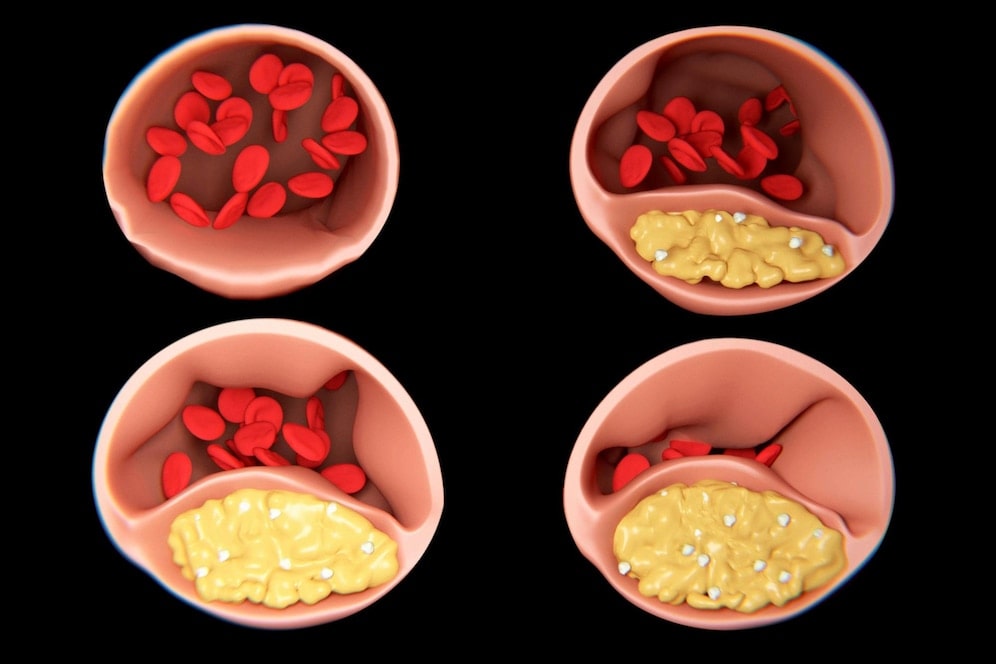
    One should maintain HDL and LDL ratio by eliminating risk factors and incorporating a healthy lifestyle. Because when an excessive amount of LDL present in the body (more than work efficiency of good cholesterol) in other words when there are high LDL and low HDL present in the blood, bad cholesterol will accumulate in the form of plaque on artery walls. As a result, this plaque accumulation will obstruct blood flow to the brain, heart, and peripheral organs (hand and legs). This will increase the risk of stroke cardiac attack and the numbness of specific body organs.

    Sometimes this plaque disintegrates from the wall and in the form of clot moves in blood and creates conditions like heart failure or brain damage.

    Also Read:-

    What is good cholesterol? | HDL cholesterol range for Male and Female

    The Differences Between Good and Bad Cholesterol | HDL vs LDL

    What foods should you avoid and consume to stay away from cholesterol at a young age?

    Conclusion:

    This is how cholesterol works in our body, and one should keep these important things about cholesterol levels in mind. Such awareness will not only help you to keep yourself healthy but also provide you knowledge that can help your loved one too. One should incorporate healthy food and physical activities in daily life to avoid any health problems.

  • How stress and mental health can lead to diabetes?

    Stress and Mental Health have been linked to various health conditions, including Diabetes. Diabetes is an increasingly common medical condition, and research has shown how stress and mental health can influence the onset and progression of this serious metabolic disorder. This article will discuss how stress and mental health can lead to Diabetes, as well as some potential treatments for managing Diabetes.

    Diabetes is a chronic metabolic disorder in which the body’s blood sugar levels become too high due to a lack of insulin or impaired use of insulin. Insulin is a hormone that helps the body process sugar, and a lack of insulin or impaired use of insulin can lead to high blood sugar levels (hyperglycemia). If left untreated, diabetes can cause long-term complications, including organ damage, nerve damage, and stroke.

    How Can Stress and Mental Health Lead to Diabetes?

    Stress is one of the primary factors that can lead to the onset of diabetes. New age habits also contribute to chronic illnesses like diabetes, blood pressure, etc. And stress also has become a part of modern-day living.

    The body responds to stress by releasing hormones such as cortisol, which can increase blood sugar levels. People with an already weakened immune system are more likely to experience increased stress hormones, resulting in higher glucose levels in the bloodstream over time. Mental health problems can also be a factor in the development of diabetes.

    The effects of stress on diabetes are both physical and psychological. Stress can directly impact glucose levels and insulin resistance and increase the risk of developing diabetes. People living with diabetes can experience an increased risk of complications if their stress levels remain too high for extended periods.

    Diabetes has been linked to stress long before the disease was even discovered. Stress can cause diabetes by leading the body to produce hormones such as cortisol and adrenaline, leading to elevated glucose levels in the bloodstream. When these hormones are produced for extended periods, it can cause the cells of the body to become resistant to insulin, a condition known as insulin resistance.

    This can cause glucose levels to remain high, putting people living with diabetes at greater risk for developing dangerous and potentially fatal complications, including heart disease and stroke. The psychological effects of stress can also have a significant impact on diabetes. People under high stress levels may find it more difficult to manage their diabetes effectively.

    Stress may make people forget to take medication or follow important dietary guidelines. Additionally, stress can affect the ability to make sound decisions and take necessary steps to prevent future complications. It is possible to reduce stress in several ways.

    Regular exercise is a great way to reduce stress as it releases chemicals known as endorphins into the bloodstream, which can help reduce feelings of anxiety. Relaxation techniques such as yoga and meditation may also be beneficial in reducing stress levels.

    Additionally, it may be helpful for people with diabetes to seek support from friends, family members or other healthcare professionals who can provide guidance and reassurance during difficult times.

    Depression and anxiety can cause changes in appetite and metabolism, resulting in weight gain. This weight gain can lead to difficulty managing blood sugar levels since excess weight makes it harder for the body to use insulin efficiently. Additionally, depression and anxiety can lead to unhealthy lifestyle choices such as overeating or not exercising regularly, which further increases the risk of developing diabetes.

    Treatments for Diabetes

    Various treatments are available for people with diabetes, including lifestyle changes, medications, and insulin therapy. Lifestyle changes such as following a healthy diet and regular exercise routine can help manage blood sugar levels and reduce the risk of developing diabetes-related complications. A physician can also prescribe medications such as metformin and sulfonylureas to help manage blood sugar levels, while insulin therapy may be necessary if medications are ineffective.
    Medicines like Sitamet 50/500 mg tablet/Empaone 25mg Tablet can help in the treatment of type-2 diabetes.

    Living with diabetes

    Living with diabetes is no easy feat, but with the right strategies and tools, managing your condition can be easier. One of the best ways to manage diabetes is through diet and exercise. Healthy foods and regular physical activity can help check your blood sugar levels. Your food choices should be low in fat and sugar, high in fibre and include foods from all the food groups. Look for ways to make healthy swaps – such as substituting whole-wheat bread for white bread – when possible.

    Exercise is especially important for people with diabetes, as it helps your body utilize glucose for energy. Not only does exercise help manage weight, but it also decreases insulin resistance and helps improve your mood.

    Another way to stay on top of your diabetes is to monitor your blood sugar levels closely. Regularly testing and tracking your blood sugar levels can help you identify trends in how food or activities affect your condition. Also, eating meals on time can bring significant benefits for anyone suffering from diabetes it can regulate blood sugar.

    It’s also important to take all your medications as prescribed and remain proactive with any medical treatments prescribed by your doctor. If you have trouble taking pills or remembering to take them on time, talk to your doctor about other options, such as insulin injections or other medications that are taken in different ways, such as through inhalers or injections. Take time to learn about the side effects of any medications you are taking so you know what to expect.

    In addition to managing your diabetes through diet and exercise, you can make a few other changes, such as quitting smoking and reducing alcohol intake, that may benefit your overall health. Smoking increases your risk of complications from diabetes, such as heart disease, stroke, eye damage, and even limb amputations.

    Conclusion

    At Medkart, we educate customers on diabetes and provide them with generic medicines based on their prescriptions. Our team of pharmacists across 100+ stores pan India constantly provides diabetes support and knowledge and helps live healthy life. The knowledgeable staff provides education on how to manage diabetes and how to live a healthier lifestyle effectively.

    Follow the Medkart blog to learn more about managing diabetes and controlling the factors that affect it, including stress. You can purchase medications online from www.medkart.in/blog or download the iOS and Android applications.

    As such, Medkart provides excellent educational resources for customers, making it easier for them to understand and manage their diabetes and purchase the necessary medications at an affordable cost.

  • Early Signs of HIV Infection: What You Need to Know and Do

    Early Signs of HIV Infection: What You Need to Know and Do

    Early Signs of HIV Infection

    Know about HIV/AIDS

    It is important to be aware of the early signs of HIV infection to seek treatment as soon as possible. Early symptoms of HIV resemble those of other flu-like illnesses. Without treatment, it can progress to AIDS, which is the most severe stage of HIV infection. Unfortunately, AIDS completely breaks down the immune system.

    Thus, you must be aware of your HIV status especially if you are in a high-risk group. High-risk populations are people who have multiple sex partners, sex workers, transgenders, people infected with sexually transmitted diseases, and healthcare professionals.

    Early diagnosis and treatment are essential for managing HIV and preventing its progression to AIDS. If you have early signs and symptoms of HIV, you must see a doctor immediately for testing and treatment.

    Is there any Ayurvedic treatment available for HIV? | Ayurvedic Herbs

    Stages of HIV progression

    • Stage 1 (acute HIV): Early signs of HIV include flu-like symptoms. These symptoms can last from a few weeks to a few months. Even at this stage, the disease can be transmitted to another person through body fluids, such as blood, or via sexual contact.
    • Stage 2 (chronic HIV): This stage is a latent stage and you may not have many symptoms. However, the virus remains inside the body and you can spread the infection. If you are diagnosed at this stage, treatment can stop its progression to stage 3.
    • Stage 3 (HIV stage 3): This stage is known as AIDS and is accompanied by a severe compromise in immunity and opportunistic infections like tuberculosis, pneumonia, and cancers.

    Early signs of an HIV Infection

    There are a few early signs of HIV infection that may appear within a few weeks after exposure. Some people experience HIV symptoms that are akin to a flu-like illness within two to four weeks of becoming infected. This illness is called acute retroviral syndrome (ARS). It is often mistaken for the flu or another viral infection. HIV symptoms/ARS symptoms include:

    • Persistent fever
    • Swollen lymph nodes
    • Chills
    • Muscles and joint pains
    • Profuse night sweats
    • Rashes
    • Headache
    • Fatigue
    • Nausea
    • Diarrhoea
    • Sore throat

    Early signs of HIV specific to males include:

    • Discomfort during ejaculation or sexual contact
    • Erectile dysfunction
    • Genital symptoms include sores on and around the penis, testicles, or anal region.
    • Discharge from the penis
    • Chest tissue swelling
    • Infertility

    Early signs of HIV specific to females include:

    • Yeast infections in the vagina with foul-smelling discharge
    • Pelvic inflammatory disease
    • Pain during sex or while passing urine
    • Menstrual irregularities with either heavy flow or light flow
    • Human papilloma virus (HPV) infection
    • Infertility

    What can you do if you have early signs of an HIV infection?

    Early diagnosis and treatment of HIV can help prevent the development of AIDS and improve your overall health. You can do a few things if you have signs and symptoms of an HIV infection.

    • Get tested for HIV as soon as possible: Consult a doctor if you have early symptoms of HIV. They may ask for an HIV blood test or a swab test from a pathology lab.
    • Start antiretroviral therapy: If you are diagnosed with HIV infection, your doctor may prescribe antiretroviral therapy (ART). This treatment helps keep the virus under control. It can also prevent the virus from damaging your immune system.

    What can you do to prevent HIV infection?

    You can take several precautions to lower your risk of contracting HIV. They are as follows.

    • Safe sex practices: Every time you have sex, use a condom to lower your risk of contracting HIV and other sexually transmitted diseases (STDs).
    • Reduce the number of sexual partners you have: Your risk of contracting HIV and other sexually transmitted infections (STIs) rises with the number of partners you have. Limit your number of sexual partners or use condoms every time you have sex.
    • Take a test: To determine your HIV status and begin treatment if necessary, routine testing is crucial, especially if you belong to a high-risk group population.
    • Pre-exposure prevention (PrEP): PrEP is a drug that can be taken every day to lower the risk of contracting HIV in those who are at high risk.
    • Never exchange needles: Never share needles, syringes, or other supplies if you inject drugs.
    • Know whether your partner has HIV: To lessen your risk of contracting HIV, ask your partner to get tested and take extra precautions if you are having sex with an HIV-positive person.

    Note: People living with HIV can become more prone to other infections. Doctors may prescribe antibiotics like Nole Tablet to treat certain bacterial or protozoal infections, but these do not act against the HIV virus itself.

    Conclusion

    If you are experiencing early signs and symptoms of HIV, consult your doctor, get tested, and start treatment immediately. Take your medications as prescribed, routinely follow up with your doctor, and follow safe sex practices to prevent transmitting the disease. If you fall into the high-risk population, get tested routinely, follow safe sex practices, LIMIT YOUR NUMBER OF SEXUAL PARTNERS, AND NEVER EXCHANGE NEEDLES FOR TAKING DRUGS.

    Know more about your Medicines at Medkart, which is an online pharmacy platform that makes buying medicines convenient & cost-effective. To place your orders, download the app today!

    FAQs related to HIV

    1. Is HIV related to other sexually transmitted diseases?

    Yes, certain STIs can raise the risk of HIV infection if not diagnosed and treated on time. STIs like gonorrhoea, syphilis and herpes are closely associated with high-risk behaviour. If you are getting frequent STIs, you must get yourself tested for HIV.

    2. How soon will HIV symptoms show up after exposure to the infection?

    HIV symptoms usually appear within 2-4 weeks after exposure to the virus. However, symptoms can take up to 6 months to appear.

    3. What is occasional exposure to HIV?

    HIV can spread through unintentional workplace injuries like cuts and needle stick injuries. The likelihood of this type of transmission occurring is extremely unlikely, but healthcare professionals are at risk for such incidents.

  • Role of sleep and workout in living a healthy life

    Role of sleep and workout in living a healthy life

    benefits of sleepingHow good Sleep and Workout helps in living healthy life

    Living a healthy life sounds easy, but it is equally difficult considering the discipline and commitment it requires. Everybody encounters challenges in life, and we always need more time to genuinely care for our mental, emotional, and physical well-being. But we are only as healthy as we choose to be.

    The new age habits and lifestyle is leading to chronic illnesses. Therefore, the right amount of water intake, sleep, and healthy lifestyle exercise are essential for physical and mental health. In this article, we’ll explore the role of sleep and workout in living a healthy life.

    Role of sleep and workout in living a healthy life

    Circadian rhythm and sleep cycle

    The circadian rhythm plays a vital role in our daily lives, especially when it comes to the role of sleep in life. It regulates our sleep-wake cycle, which is crucial for overall physical and mental health. By following a regular sleep schedule, we can ensure that our body produces hormones like melatonin and cortisol in the right amounts, leading to restorative sleep that helps us maintain our motivation and focus. Regular sleep also enhances our immune system and helps us better deal with stress and anxiety, highlighting the essential role of sleep in life. So, it’s important to prioritize our sleep and maintain a consistent sleep schedule to reap the many benefits it offers for a healthy life.

    The circadian rhythms keep us awake during the day and asleep at night, so our body’s essential functions can take place.

    This rhythm is linked to certain hormones, such as melatonin and cortisol, which play an important role in our physical and mental health. By following a regular sleep schedule, we can ensure that our body produces these hormones in the right amounts, allowing us to get adequate rest and remain alert during the day.

    Additionally, regular sleep can enhance our immune system and help us better deal with stress and anxiety.

    In this way, the rhythm establishes a consistent pattern of restorative sleep that enables us to maintain our motivation and focus. The numerous health benefits of sleep can help you lead a healthy life.

    What Happens When You Don’t Sleep Enough?

    Consistent lack of sleep not only affects your physical strength and workout recovery but also leads to excessive daytime drowsiness, brain fog, and reduced alertness. In certain cases, individuals experiencing conditions like shift work sleep disorder or narcolepsy may require prescribed medications to help them stay awake and alert during the day. One such commonly recommended medicine is Modalert 100mg Tablet, which helps promote wakefulness under a doctor’s guidance.

    Benefits and role of getting enough sleep in making our life healthy

    1) Cellular restoration

    Our cells grow and repair themselves. And when we are asleep, the body carries out tasks, including repairing muscles, growing tissues, releasing hormones and synthesizing proteins (when our cells make proteins to function). this way getting good sleep impacts in good way in our life and makes life healthy.

    2) Emotional well-being

    Our emotional well-being is significantly impacted by sleep. It is one of the best benefits of good sleep since it works in the areas of our brains that control emotions. They work particularly hard while we sleep, maintaining normal functioning and fostering emotional stability.

    We are more prone to emotionally overreact, feel angry or inferior, or exhibit fear response when we are sleep deprived. Because the emotional center in our brain struggles to adjust to and comprehend novel stimuli (fight or flight). All of this could leave oneself emotionally spent.

    3) Insulin function

    Our cells use glucose (sugar) as fuel, thanks to insulin. However, if we have insulin resistance, our cells won’t react to the hormone as they should, which raises blood sugar levels and puts us at risk for Type 2 diabetes. Because it enables cell renewal and repair, sleep is believed to help protect us against insulin resistance. This indicates that they are more likely to operate regularly and collaborate with our insulin hormones to convert glucose to energy effectively.

    Lack of sleep can seriously impact insulin function and produce more stress hormones, such as cortisol. And this can increase blood sugar levels. In addition, lack of sleep can also lead to an increase in appetite and cravings, which can further exacerbate the effects of diabetes. Therefore, getting enough restful sleep every night is important to maintain healthy insulin function.

    4) Immunity

    Our bodies produce antibodies and release cytokines when we sleep, which are crucial for controlling our immune system. Lack of sleep frequently results in more severe or persistent diseases or high-stress levels since we need additional cytokines when we are ill or under a lot of stress. It’s also why we usually need extra sleep when we are sick.

    When you sleep, your body produces the hormones and proteins needed to fight off infection and illness. Studies have shown that people who don’t get enough sleep are more likely to catch a cold or other illnesses.

    Additionally, those who don’t get enough sleep have been found to have lower levels of certain antibodies that help protect the body from infection. Therefore, getting enough good quality sleep is important for maintaining a strong immune system and preventing illness.

    5) Healthy heart

    Lack of sleep is believed to be linked to several risk factors for heart disease like high blood pressure, increased inflammation, raised cortisol levels, obesity, and insulin resistance.

    6) Helps in weight loss

    The greatest approach to reducing weight is exercise and a healthy diet. You will have to start physical activity to lose weight. Transforming extra calories into useful energy, which you need to breathe, talk, walk, exercise, and do cellular operations, will assist you in losing extra weight.

    Getting enough sleep helps to regulate hormones, such as leptin and ghrelin, which control hunger and appetite. When we don’t get enough sleep, our bodies produce more of the hormone ghrelin, leading to increased hunger. Sleep deprivation also disrupts the hormones that control our energy levels, making us more likely to reach for unhealthy snacks for a quick energy boost.

    People who get adequate sleep are less likely to overeat and are more likely to make healthier food choices. Good sleeping habits can help promote weight loss by increasing energy levels, regulating hormones, and reducing cravings.

    Benefits and role of doing good workout

    1) Strengths muscles and bones

    Your bones and muscles must be in good shape. After 30 years, you normally start losing bone density and muscle mass as you age. And as a result, a large number of women over 30 get loose skin, joint pain, and osteoporosis. By increasing the mineral density of your bones through strength training, you can stave off osteoporosis. Strength training enhances muscle strength, muscle mass, and muscle endurance.

    2) Reduces stress

    If you’re stressed out, you should exercise. Stress not only makes it difficult to fall asleep at night, but it impairs your immune system. A key advantage of exercise is stress reduction. If you’re feeling worried, go for a stroll or jog; you’ll notice a difference in mood.

    3) Lowers high blood pressure

    Heart attack, stroke, and even death can result from high blood pressure (BP). Furthermore, it is primarily brought on by unhealthful eating patterns, a sedentary lifestyle, and hereditary genes.

    Regular exercise is one of the most effective ways to lower high blood pressure. Exercise helps your heart use oxygen more efficiently, so it doesn’t have to work harder to pump blood. This can reduce strain on your cardiovascular system and lower blood pressure. Exercise can also help you manage your weight and stress, two factors contributing to high blood pressure.

    You should aim for at least 30 minutes of physical activity each day. Examples of aerobic exercises that can help lower blood pressure include walking, running, swimming, and biking. Strength-training exercises, such as weightlifting, can also help.

    4) Lowers risk of cancer

    One of the main causes that lead to death is cancer. It results from defective genes producing defective proteins, which causes unregulated cell division. When the cells spread to other body parts, it becomes harmful. Regular exercise lowers cancer risk and benefits those receiving cancer treatment.

    5) Reduces lower back pain

    In the entire world, 540 million people suffer from low back discomfort. And frequent exercise is the only way to get rid of it. Exercises that stretch the muscles and bones in the lower back are beneficial. According to studies, 10 and 50 percent of people with low back pain found relief with exercise. Avoid workouts requiring the lower back to continually change positions from anterior to posterior.

    Workouts can reduce low back pain by strengthening the muscles that support the spine, increasing flexibility, and improving posture. Strengthening the core muscles, such as the abdominal and back muscles, can help reduce the strain on the spine and provide stability and support. Stretching can help improve flexibility, reducing pressure on the spine and increasing the range of motion in the lower back. Maintaining good posture can also reduce pressure on the spine and help prevent low back pain.

    6) Makes you flexible

    Your bones and muscles are more flexible when you exercise. In a study involving collegiate athletes, American researchers discovered that individuals who practiced yoga were more flexible than those who didn’t. The range of motion in older individuals’ muscles and bones can be increased with exercise. For older persons, just thirty minutes of exercise, three to five days per week, can increase flexibility and provide several health advantages.

    benefits of exerciseConclusion

    Due to their busy schedules and lack of outdoor time, many people lead a sedentary lifestyle (which involves less to no physical activity and more sitting) and don’t set aside enough time for exercise. But scheduling regular, at least modest, exercise offers various health advantages. Exercise and a healthy lifestyle is the key to a long and happy life.

    Sleep is an essential part of a healthy lifestyle. Getting enough sleep every night helps to improve cognitive function, reduce stress, boost mental and physical health, and improve overall well-being. Restore the body’s energy level, unlock your best sports performance, and improve your concentration throughout the day with good sleep. Not having enough sleep makes your body less able to cope with the demands of everyday life. This can lead to health problems such as obesity, diabetes, and heart disease. Regular exercise is also important for maintaining a healthy lifestyle. Ongoing workouts help reduce stress, boost energy and mood, and improve physical and mental health. Make exercises your daily regime to reduce the risk of developing chronic health conditions.

    Choose Medkart for healthy supplements

    Supplements can play an important role in promoting a healthy lifestyle. They can help to fill any nutritional gaps that may be present in the diet and help to provide essential vitamins, minerals, and other components that cannot be obtained from food alone.

    Regular supplements can also provide additional energy and help to support a healthy immune system. Additionally, some supplements may help to reduce inflammation, improve cognitive function, and reduce the risk of certain chronic diseases.

    Medkart is the perfect destination to buy generic supplements. We offer high-quality, cost-effective supplements at unbeatable prices to help fuel your body for ever-demanding life. All the supplements are clinically tested and meet WHO-GMP standards

    Order supplements online on www.medkart.in/blog, Android, and iOS applications to get delivered to your doorstep.

    Frequently Asked Questions regarding good sleep and workout

    1) what is the relationship between sleep and exercise?

    Sleep and exercise have a close relationship. Regular exercise can help improve sleep quality and duration, while getting enough sleep can enhance athletic performance and aid in muscle recovery. Adequate sleep is essential to replenish energy stores, repair muscle tissue, and consolidate memories related to physical activity. On the other hand, regular exercise can reduce the time it takes to fall asleep, improve sleep quality, and increase the amount of deep sleep. However, it’s important to balance exercise and sleep, as overtraining or exercising too close to bedtime can disrupt sleep patterns. Overall, getting enough sleep and exercise is crucial for optimal physical and mental health.

    2) why does exercise improve sleep?

    Exercise can improve sleep quality and duration in several ways. It can increase the amount of deep sleep, which is essential for physical restoration and repair. Exercise also reduces stress and anxiety, which can interfere with sleep. Additionally, it can help regulate the body’s circadian rhythm, promoting a regular sleep-wake cycle. Exercise also increases body temperature, which can then drop as the body cools down after exercise, signaling the brain that it’s time to sleep. Finally, regular exercise can help establish healthy sleep habits, making it easier to fall asleep and stay asleep.

    3) best time to exercise for good sleep?

    The best time to exercise for good sleep is in the morning or early afternoon. Exercising too close to bedtime can increase heart rate, body temperature, and stimulate the release of hormones like cortisol, making it difficult to fall asleep. However, morning exercise can help regulate the body’s circadian rhythm, leading to better sleep quality and duration. Additionally, exercising in the morning can help increase energy levels and promote alertness throughout the day. Ultimately, finding the best time to exercise depends on individual factors such as work schedule and personal preference, but it’s essential to avoid exercising too close to bedtime to support good sleep.

  • Different Types of Hypertension You Must know About | High Blood Pressure

    Different Types of Hypertension You Must know About | High Blood Pressure

    Types of Hypertension

    Introduction to High Blood Pressure (Hypertension)

    According to the World Health Organisation (WHO), approximately 220 million people in the country live with different types of hypertension. Hypertension or high blood pressure is a condition in which your blood pressure (BP) is higher than normal.

    This blog will take you through the various types of hypertension, which include primary and secondary hypertension. These can also have further subtypes. Let’s delve deeper into the types of high blood pressure.

    Different Types of Hypertension (High Blood Pressure)

    There are two main types of hypertension – primary or essential and secondary.

    1) Primary hypertension:

    When the cause of high blood pressure is unidentifiable, it is called primary or essential hypertension. This condition develops over the years. In India, one in four individuals has hypertension. Most of them have the primary type.

    A combination of various factors, such as smoking, alcoholism, stress, obesity/overweight, excessive salt intake, and a sedentary lifestyle, leads to hypertension. Lifestyle and food habit modification may help lower your BP and prevent possible risks and complications.

    2) Secondary hypertension:

    This type of hypertension occurs when there is an underlying cause behind elevated blood pressure. It accounts for only 10% of all types of hypertension in India. Some of the potential reasons for secondary hypertension include the following:

    • Renal artery stenosis (narrowing of the arteries of your kidney)
    • Adrenal gland tumours
    • Obstructive sleep apnea
    • Hormonal imbalance
    • Issues with the thyroid gland
    • Kidney disease
    • Congenital heart defects
    • Certain medications such as antidepressants, birth control pills, painkillers
    • Substance addiction involving amphetamines and cocaine

    Subtypes of Hypertension

    Other than primary and secondary high blood pressure, there are various other types of hypertension. These are different subtypes of hypertension based on the origin of the condition or the cause of development.

    Pulmonary hypertension: Pulmonary hypertension may be a subtype of primary or secondary hypertension depending upon the causes. It refers to high blood pressure in the pulmonary arteries that carry oxygen-deficient blood from the heart to the lungs. It is caused due to heart disease or lung disease. There are several types of pulmonary hypertension. These include:

    1) Pulmonary arterial hypertension:

    This is caused due to birth defects in the heart, heredity, use of certain drugs, and diseases, such as HIV, liver cirrhosis, and lupus.

    2) Pulmonary hypertension due to left-sided heart disease:

    This is caused by disease in the left-sided heart valve or failure of the left lower heart chamber.

    3) Pulmonary hypertension due to lung disease: 

    This occurs due to sleep apnea, scarring of lung tissue, and chronic obstructive pulmonary disease (COPD).

    4) Pulmonary hypertension due to a blood clot in the lung: 

    This occurs due to clotting disorders or blood clots in the lungs.

    5) Pulmonary hypertension due to other disorders: 

    This occurs due to inflammatory and metabolic disorders, kidney disease, tumours, and blood disorders.

    6) Resistant hypertension: 

    When your blood pressure is difficult to control, even with three types of high blood pressure medications and a diuretic, it is called resistant hypertension. According to the Journal of the Association of Physicians of India (JAPI), this type of hypertension affects one in five people with high blood pressure in India. It is a subtype of secondary hypertension with the cause yet to be identified. Once the underlying cause is evident, the condition may be reversed with multiple drugs.

    7) Malignant hypertension:

    When high BP happens to cause adverse effects on your organs, it indicates malignant hypertension. In this condition, your blood pressure ranges between or more than 180/120-130 mm Hg with multiple organ damage. It is one of the rarest types of hypertension. However, it could be a health emergency requiring immediate medical attention.

    8) Isolated systolic hypertension: 

    As per the Journal of Clinical Hypertension, isolated systolic hypertension or ISH is a subtype of primary hypertension that mainly affects young adults and the elderly. This type of hypertension occurs when your systolic blood pressure spikes above 140 mm Hg while your diastolic reading is below 90 mm Hg. Hardening of arteries with increasing age is one of the possible causes of ISH. Your doctor may prescribe different types of high blood pressure medications, such as diuretics, beta-blockers, and angiotensin-converting enzyme (ACE) inhibitors to treat ISH.

    The bottom line

    High blood pressure is infamous as a silent killer because its symptoms often go unnoticed. However, if diagnosed on time, all types of hypertension can be managed successfully with medications and lifestyle changes. So, see your doctor and get your BP checked once a month or as advised.

    Visit MedKart, India’s most trusted generic medicine online pharmacy, to Know more about your Medicines and order your medicines at the best prices.

    FAQs related Hypertension (High Blood Pressure)

    1. What is a normal blood pressure level?

    The American Heart Association (AHA) and the American College of Cardiology (ACC) have categorised blood pressure stages as mentioned below:

    Normal BP: A blood pressure of 120/80 mm Hg.

    Elevated BP: A systolic pressure between 120 and 129 mm Hg, and a diastolic reading below 80 mm Hg.

    Stage-1 hypertension: A systolic reading between 130 and 139 mm Hg, and a diastolic reading between 80 and 89 mm Hg.

    Stage-2 hypertension: A systolic reading o around 140 mm Hg, and a diastolic reading of 90 mm Hg or more.

    2. What are the symptoms of hypertension?

    The common symptoms of hypertension include:

    • Headaches in the morning
    • Nose bleeds
    • Irregular heartbeats
    • Changes in vision
    • Buzzing in the ears
    • Fatigue
    • Nausea
    • Vomiting
    • Confusion
    • Anxiety
    • Chest pain
    • Muscle tremors

    3. How can you prevent hypertension?

    Here are some preventive measures for hypertension:

    • Consume less salt (less than 5 g daily)
    • Eat more vegetables and fruits
    • Have a regular physical activity schedule
    • Avoid tobacco use
    • Lower alcohol intake
    • Consume fewer foods high in saturated fat
    • Decrease or eliminate trans fats from the diet

    Hypertension causes – What leads to sudden high blood pressure

  • What are the major supplements you can take to avoid chronic illness?

    What are the major supplements you can take to avoid chronic illness?

    chronic illness image

    We all know that eating a balanced diet is important for maintaining good health. But what if you’re looking for an extra boost to help protect against chronic illnesses?

    Living a healthy life involves more than just eating right. As new age habits impact the lifestyle, it becomes necessary to take the right supplements. This ensures that your body has all the nutrients it needs for optimal functioning. Taking the right supplements can help improve your overall health, keep diseases at bay, boost immunity, reduce inflammation, promote bone health, regulate blood pressure, increase energy levels, and improve digestion. Ensure to include essential supplements in your daily routine if you want to live a long, healthy life.

    A wide range of supplements, from vitamins and minerals to herbal remedies, promises increased energy and improved immunity. But with so many out there, it can be difficult to know which ones are most beneficial for helping to avoid chronic illnesses.

    To make things easier, here’s a look at some of the major supplements you should consider taking to help reduce your risk of developing a chronic illness:

    1. Omega-3 fatty acids

    Omega-3 fatty acids are essential for your body’s overall health and wellness. They have been found to reduce inflammation in the body, which can help prevent and manage chronic illnesses such as heart disease, stroke, and arthritis. You can find omega-3 fatty acids in fish oil supplements, flaxseed oil, and krill oil.

    2. Vitamin D

    Vitamin D is a fat-soluble vitamin that helps your body absorb calcium, phosphorus, and magnesium. It’s also important for maintaining strong bones and teeth. Studies have shown that low vitamin D levels are associated with an increased risk of certain chronic illnesses such as type 2 diabetes, heart disease, and osteoporosis. Many people don’t get enough vitamin D from sunlight alone, so it’s important to supplement with a daily multivitamin or fish liver oil capsule.

    3. Probiotics

    Probiotics are live bacteria that can help maintain the balance of bacteria in your gut. This can improve digestion and reduce inflammation in the body. Studies have shown that probiotics can reduce the risk of developing chronic illnesses like irritable bowel syndrome (IBS), inflammatory bowel disease (IBD), and allergies. You can find probiotics in yoghurt or capsule form.

    4. Magnesium

    Magnesium is an essential mineral that helps regulate blood sugar levels and supports nerve and muscle function. Low magnesium levels are linked to an increased risk of developing high blood pressure, cardiovascular disease, diabetes, and osteoporosis. Some good sources of magnesium include green leafy vegetables like spinach, legumes like beans and lentils, nuts like almonds and cashews, seeds like pumpkin seeds, and dark chocolate.

    5. Calcium

    Calcium is an essential mineral in maintaining strong bones and teeth. Low calcium intake is associated with an increased risk of developing osteoporosis later in life. Good sources of calcium include dairy products like milk and cheese. Calcium supplements are also available if you don’t get enough from food alone.

    These are just some of the major supplements you should consider to help reduce your risk of developing a chronic illness such as heart disease or cancer. Always talk with your doctor before taking any supplement to ensure it’s safe for you based on your medical history and current health condition.

    6. Curcumin

    Curcumin is a compound found in turmeric that has powerful anti-inflammatory properties as well as antioxidant benefits. It can help reduce joint pain associated with arthritis, support brain health, and improve digestion. A curcumin supplement can easily get all these benefits without consuming large amounts of turmeric.

    7. Zinc

    Zinc plays an important role in immune system function and can help with wound healing and healthy skin, hair, nails, and eyesight maintenance. If you don’t eat enough zinc-rich foods like seafood or nuts, a supplement may be beneficial for optimal health and wellness benefits.

    8. Multivitamins

    Multivitamins are a must for any health-conscious individual. They provide your body with essential vitamins and minerals for optimal functioning. When choosing a multivitamin, ensure it contains the recommended daily allowance (RDA) of all major vitamins and minerals.

    9. B vitamins

    B vitamins are important for energy production, metabolism, cell growth, and more. B6, B12, and folate are particularly important for optimal health, so it may be worth taking a B vitamin complex supplement containing all three essential nutrients in one pill or capsule form.

    Conclusion

    Living a healthy life involves more than just eating right. It requires taking the right supplements to ensure your body has all the nutrients it needs to keep functioning at the top level. Taking the right supplements can help improve your overall health, keep diseases at bay, boost immunity, reduce inflammation, promote bone health, regulate blood pressure, increase energy levels, improve digestion, etc. So make sure you include these essential supplements into your daily routine if you want to live a long, healthy life.

    Before starting any new supplement, you should look for potential side effects or interactions with other medications. Additionally, it’s always best to try to get most of your nutrients from whole food sources rather than relying solely on supplements, especially when it comes to vitamins and minerals. Eating various fruits, vegetables, whole grains, nuts, seeds, legumes, lean proteins, and healthy fats should form the foundation of any healthy diet plan.

    Choosing Medkart for supplements is a wise decision since we offer generic supplements that are of high quality and are priced lower than branded ones. You can order generic supplements online on www.medkart.in/blog, our iOS app or Android app. With the convenience of online shopping and fast delivery, it’s easy to see why Medkart is becoming one of the preferred brands for people in India to buy supplements easily.

  • What is Diabetes? – Types of diabetes, Symptoms ,Treatment | Diabetes Guide

    What is Diabetes? – Types of diabetes, Symptoms ,Treatment | Diabetes Guide

    what is diabetes?

    What is diabetes mellitus?

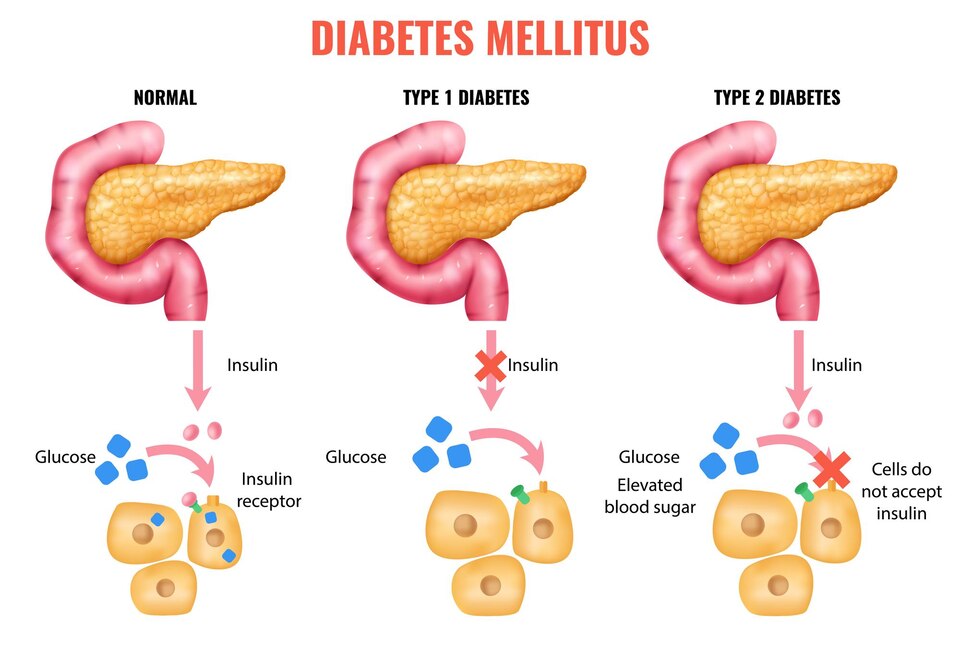
    Diabetes mellitus, commonly referred to as diabetes, is a chronic disorder that affects the body’s ability to metabolise glucose. Glucose is a type of sugar that the body uses for energy.

    Insulin, a hormone produced by the pancreas, helps the body use glucose for energy. People with diabetes either do not produce enough insulin or their bodies do not respond appropriately to insulin. As a result, glucose builds up in the blood, leading to serious health problems.

    The food you eat is digested by enzymes and converted into glucose. Insulin is required for glucose uptake by the cells, which in turn provides energy to your body. Lack of insulin or insulin resistance causes the blood sugar levels to rise, leading to hyperglycemia (high blood sugar).

    In the long run, untreated diabetes can lead to kidney failure, heart disease, and other ailments.

    5 rules Diabetic patients must follow – Diabetes care guide

    Types of diabetes

    There are three main types of diabetes: Type 1, Type 2, and gestational diabetes.

    1. Type 1 diabetes

    Type 1 diabetes, also known as juvenile diabetes, is an autoimmune disease that occurs when your body’s immune system attacks and destroys the cells that produce insulin in your pancreas. It usually develops in children and young adults, but can occur at any age. Type 1 diabetes accounts for only 5-10% of all diabetes cases.

    2. Type 2 diabetes

    Type 2 diabetes is the most common type of diabetes, accounting for 90-95% of all diabetes cases. It usually develops in people over the age of 40, but it can occur at any age. In Type 2 diabetes, your body becomes resistant to the effects of insulin, or your pancreas does not produce enough insulin to regulate your blood sugar levels.

    3. Gestational diabetes

    Gestational diabetes is a type of diabetes that occurs during pregnancy. It usually develops in the second or third trimester and goes away after delivery. However, women with gestational diabetes are at higher risk of developing Type 2 diabetes later in life.

    types of diabetesSymptoms of diabetes

    The symptoms of diabetes can vary depending on the type of diabetes and the severity of the condition. However, some common symptoms include the following:

    • Frequent urination
    • Increased thirst
    • Extreme hunger
    • Fatigue
    • Blurry vision
    • Slow-healing sores or cuts
    • Tingling or numbness in the hands or feet

    If you are experiencing any of these symptoms, it is essential to see a doctor immediately for a proper diagnosis.

    Diagnosing diabetes

    Diabetes can be diagnosed through a simple blood test that measures blood glucose levels. If your blood glucose level exceeds normal, your doctor may recommend further tests to confirm the diagnosis. If you are diagnosed with diabetes, your doctor will work with you to develop a treatment plan to manage your blood glucose levels and prevent complications.

    Reference range for Diabetes

    The normal fasting blood sugar level range is between 70 and 100 mg/dL.

    Fasting blood sugar levels of 100-125mg/dL indicate the onset of prediabetes. It means that your blood sugar levels are higher than the normal range. However, this level is not high enough to be diagnosed as type 2 diabetes

    A higher than 126mg/dL indicates a high blood sugar level. This can lead to several health problems, including diabetes.

    Treatment and management of diabetes

    There are several treatments available for diabetes, which include:

    1. Lifestyle changes:

    This includes making changes in your diet and exercising regularly. Eating a healthy and balanced diet with low amounts of sugar and carbohydrates can help manage blood sugar levels. Regular physical activity can also improve insulin sensitivity and lower blood sugar levels.

    2. Medications:

    There are various medications available for diabetes, including insulin, oral medications such as Sitamet 50/500mg Tablet/Empaone 25mg Tablet/Linares E Tablet, as well as injectable medications. These medications work by lowering blood sugar levels and helping the body use insulin more effectively.

    Managing diabetes often includes addressing related conditions such as high blood pressure. Medications like Prestel 40mg Tablet are commonly used to support heart and kidney health in diabetic patients with hypertension.

    3. Insulin therapy:

    Insulin therapy is a treatment option for people with type 1 diabetes or type 2 diabetes who require insulin to manage their blood sugar levels. Insulin is usually injected into the body, but there are also insulin pumps available that can deliver insulin continuously.

    4. Blood sugar monitoring:

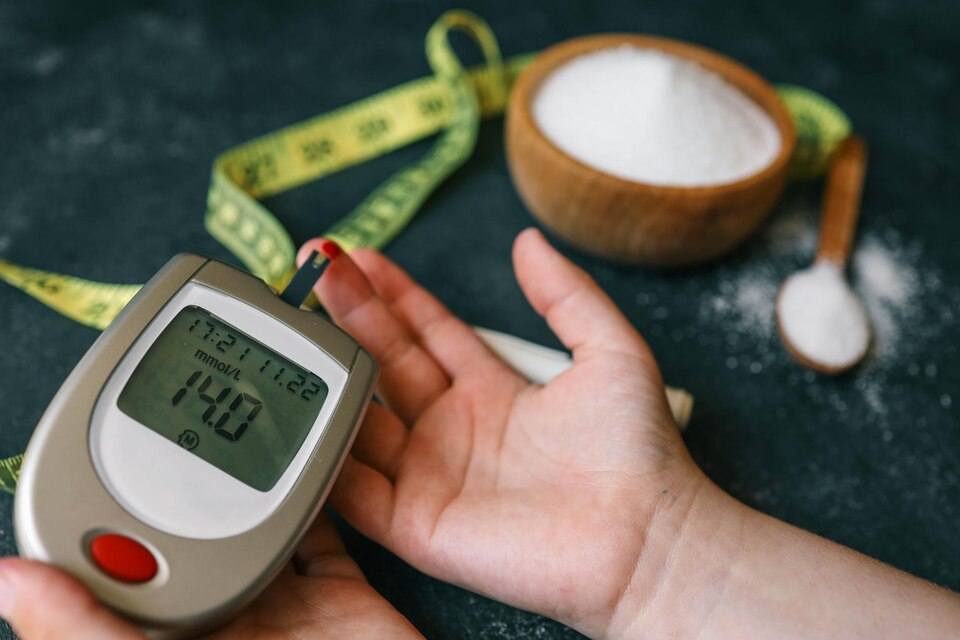
    Regular monitoring of blood sugar levels is essential in managing diabetes. Self-monitoring of blood glucose can help people with diabetes adjust their treatment plan to keep their blood sugar levels within a target range.

    5. Bariatric surgery:

    This is an option for individuals with obesity and type 2 diabetes who have not achieved good blood sugar control with other treatments. Bariatric surgery can lead to weight loss and improved blood sugar control.

    It is important to work closely with your healthcare provider to determine the best treatment plan for your individual needs.

    diabetes treatmentSumming up

    Do not let diabetes scare you. Making healthy lifestyle changes is one of the best ways to manage this disorder. So, aspire to achieve an overall healthy lifestyle. This will help drastically reduce the progression of diabetes and allow you to live your life to the fullest.

    If you have any doubts, consult a healthcare professional. A doctor will help you figure out the best treatment and medication options for you.

    Know more about your medicines at Medkart, an online pharmacy platform that makes buying medicines convenient and cost-effective. To place your orders, download the app today!

    FAQs Related to Diabetes

    1. Are fruits good for people with diabetes?

    Fruits are an essential part of a healthy diet. People with diabetes should choose fruits with a low glycemic index, such as apples, and control the portion size to stabilise their blood glucose levels.

    2. What foods should you avoid?

    People with diabetes should stay away from sugar-rich and processed foods. Also, avoid simple carbohydrates such as white flour, potatoes, and white rice.

    3. How to manage diabetes?

    One of the most effective ways to manage diabetes is through lifestyle changes. Eat nutritious, low glycemic index foods and have a consistent exercise regimen.

  • Tips on how to prevent heart disease

    Heart disease: where we stand

    Did you know that India’s age-standardised cardiovascular death rate (272 per 100,000) is higher than the global average of 235 per 100,000? Heart disease is the leading cause of death globally, taking around 17.9 million lives each year. Heart attack prevention must be among our top priorities to lead a healthy life. So, let’s look at some ways to prevent and reverse heart disease.

    What is heart disease?

    Heart disease or coronary heart disease occurs when plaque develops in arteries and blocks oxygen from reaching the heart.

    Risk factors for heart disease

    The biggest behavioural risk factors of heart disease are an unhealthy diet, an inactive lifestyle, tobacco use, and excessive use of alcohol. These, individually and collectively, can result in elevated blood pressure (hypertension), raised blood glucose levels (leading to diabetes), raised blood lipids, and excess body weight. These also indicate an increased risk of heart attack, stroke, heart failure, and other complications. So, let’s look at ways of heart attack prevention.

    Ways to prevent heart disease

    Quit smoking

    The most crucial step anyone can take to lower their heart disease risk is quitting smoking. Smoking is among the leading risk factors for coronary heart disease, stroke, and heart attacks. It results in the accumulation of plaque in the arteries, which can lead to the hardening of the arteries, otherwise known as atherosclerosis.

    Smoking tends to damage organs as well and forces them to function less efficiently, putting pressure on your heart. So, in short, quit smoking for heart attack prevention.

    Pay attention to your nutrition

    Maintaining a healthy, nutritious diet can help heart attack prevention. The best diet is high in whole grains, raw vegetables and fruits, and omega-3 fatty acids (present in fish).

    Focus on eating nuts as well. Limit or avoid processed foods or those containing high amounts of sugar, salt, and partially hydrogenated vegetable oil, as these tend to worsen heart disease. Nuts contain healthy monounsaturated fats that help reduce cholesterol in the blood. Most vegetables and fruits are rich in vitamin C, which is a great antioxidant that works to prevent atherosclerosis. Omega 3 reportedly reduces the risk of developing irregular heartbeat and prevents plaque build-up. This is an efficient way to prevent heart disease.

    Along with a balanced diet, certain antioxidants and nutrients can support long-term heart health by protecting cells from oxidative damage. Evion LC Tablet and Prestel 40mg Tablet, which contains Vitamin E and L-carnitine, is known to promote cardiovascular wellness and may be used under medical guidance as part of a preventive approach for those at risk of heart conditions.

    Get moving

    With exercise, 30 is the magic number you are looking at. Get at least 30 minutes of exercise daily and aim for 60 minutes a few days of the week. The key is staying active because this will help maintain a healthy weight. Here are some exercises recommended to maintain a healthy heart — brisk walking, running, swimming, and cycling.

    You need to focus on keeping your heart pumping. Weight training can help build muscles and boost your heart to do its job better. Yoga helps to get your heart rate up while helping you manage stress.

    Get regular health checkups

    You may need to manage diabetes with medications. You can limit the effects of diabetes and reduce your risk of heart disease by choosing a healthy lifestyle. Regular cardiovascular screening helps detect risk factors in the earliest stages.

    Many heart conditions tend to go undetected without regular heart check-ups. Health checkups help with early detection, improve overall health, reduce healthcare costs, and help lower blood pressure. Regular check-ups can also help detect and treat other problems like hypertension and diabetes, which can lead to heart disease. This is one of the simplest measures for heart attack prevention.

    Manage stress

    There’s a link between high stress levels and heart disease. Stress tends to cause sleep loss and headaches and increases the stress on the heart. Try breathing exercises and yoga to alleviate stress. This is also one of the most effective measures for heart attack prevention.

    Conclusion

    There are several risk factors for heart disease, such as obesity, high cholesterol, high blood pressure, family history of heart disease, being inactive, smoking, eating unhealthily, and clinical depression. But most of these can be prevented with the right lifestyle choices. Learn to stay active and eat healthy, as this can go a long way in helping maintain heart health and heart attack prevention.

    Buying medicines has never been simpler. To get access to the best generic medicines at competitive prices, visit the Medkart website today!

    FAQs

    1. What are five foods that can prevent heart disease?

    Garlic, oranges, sardines, walnuts, and prunes are heart-healthy foods. The regular consumption of these food items helps with heart attack prevention.

    2. Which drink is good for the heart?

    Water is the best drink for your heart. Our bodies are mostly made up of water; water is needed for cells to function and for our blood to carry nutrients to various body parts. Besides, nutritious juices, like pomegranate juice and green juices, can also be ideal for staying healthy and aiding heart attack prevention.

    3. What are the signs of a weak heart?

    If you experience the following, chances are your heart is weak and needs attention:

    • Fatigue and weakness

    • Swelling in the legs

    • Rapid, irregular heartbeat

    • Being out of breath

    • Persistent cough or wheezing

    • Swelling of the abdomen

    4. Can stress cause heart disease?

    Stress often leads to hypertension or elevated blood pressure, which poses a risk for heart attack. Doctors believe that chronic stress is associated with increased cardiovascular events.

  • Increasing Trend of Heart Attacks Among Youngsters

    Increasing Trend of Heart Attacks Among Youngsters

    Introduction

    Myocardial infarction is another name for a heart attack. The major reason for heart attack is the lack of sufficient blood flow to the heart. Coronary artery disease (CAD) is one of the leading causes of a heart attack. This usually occurs when a coronary artery closes suddenly due to blockage or has a severe spasm. As a result, the heart muscle doesn’t receive enough oxygen and nutrients. A weakened heart may lead to a fall in blood pressure, which can further compromise the flow of blood to the heart. If blood flow to the heart is not restored for a long time, the heart muscles suffer further damage.

    Risk of heart attack by age

    Risk of heart attack by age

    Women over the age of 55 and men over the age of 45 have a risk of suffering a heart attack. Those under the age of 40 may also suffer a heart attack. The reasons for heart attack at such a young age include smoking, following an unhealthy lifestyle, having excess body fat, and suffering from long-term conditions, like high blood pressure and diabetes.

    Signs and symptoms of a potential heart attack

    Heart attacks often occur suddenly and without any prior symptoms. The following is a list of symptoms that may indicate a heart attack

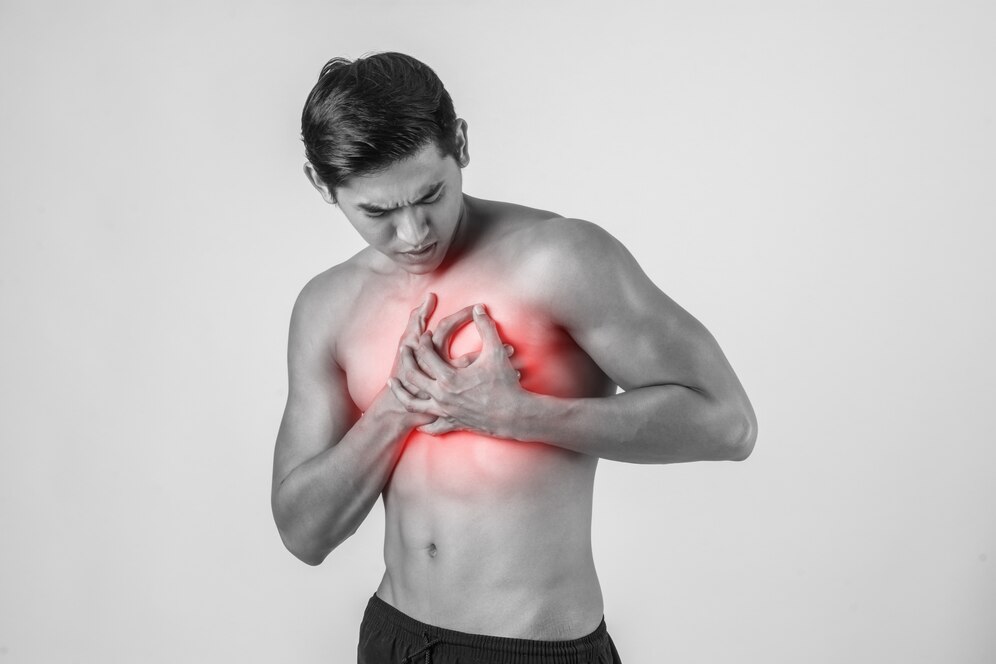
    • Pain in the left side or middle of the chest that may radiate to jaws, arms, or back.

    • Breathing difficulty.

    • Weakness, lightheadedness, or fainting.

    • Nausea and vomiting

    • Sweating

    • Discomfort or pain in one or both arms or shoulders.

    Risk factors for heart attack at a young age

    The following are some of the factors that increase the risk of heart attacks in youngsters.

    1. Hypertension or high blood pressure causes heart attacks as it damages your blood vessels and heart muscles over time. Unfortunately, the number of hypertension cases in young adults is on the rise owing to unhealthy food habits and sedentary lifestyles.

    2. Being overweight or obese is a major cause of heart attacks. Carrying extra weight puts stress on your heart because it has to work harder. Even if you are healthy in other ways, if your body mass index (BMI) is high, you are more likely to have a heart attack.

    3. One of the main reasons for heart attacks in young-age people is smoking. There is a direct link between smoking and an increased risk of heart attacks and other diseases. Smoking makes you more than twice as likely to have a heart attack

    4. Abuse of drugs or alcohol is harmful to your cardiovascular system. Researchers are trying to pin down how marijuana affects the cardiovascular system. However, they do know that it elevates the heart rate and increases the possibility of a heart attack. Cocaine also has damaging effects on the heart. It causes heart attacks because it increases your heart rate, constricts your blood vessels, and elevates your blood pressure.

    Conclusion

    If you identify yourself with any of the risk factors mentioned above, do not worry. It is never too late to change. You can start making changes in your diet, habit, and lifestyle.

    Try to remain active, exercise moderately, eat heart-healthy foods, and quit drinking and smoking. If you are suffering from any chronic health issues, take your medicines on time and consult your doctor regularly. If you or your loved ones have any of the symptoms of a heart attack seek emergency medical help immediately.

    Order your medicines online from Medkart,India’s most trusted generic medical store that offers low prices on top-notch generic drugs.

    FAQs

    1. Can heart attacks occur in your 20s?

    Though heart attack is common in people above the age of 40, nowadays at least 1 in 5 heart attacks occurs in people in their 20s and early 30s.

    2. What is the biggest contributor to the rise of heart attack cases at a young age?

    Many research studies have linked unhealthy lifestyles and poor diets followed over the past few years to be directly related to the increase in the number of heart attacks in young people.

    3. Can I reduce my risk of a heart attack?

    Yes, even if you are at a high risk of heart attack, you can reduce your risk by following a healthy and active lifestyle, a heart-healthy diet, and good habits.