Search results for: “all”

  • Why company like Cipla have 2 paracetamols with different name one branded and other Generics?

    Why company like Cipla have 2 paracetamols with different name one branded and other Generics?

    Why Cipla have 2 Paracetamols

    There are certain behaviors in the pharmaceutical industry that cause medical professionals to scoff and argue about them. The selling of two paracetamols by Cipla, the same business, under separate names—one branded and one generic—is one example of this practice. This blog post seeks to explain the rationale behind this tactic, its ramifications, and the distinctions between branded and generic drugs.

    Why Cipla have 2 Paracetamols?

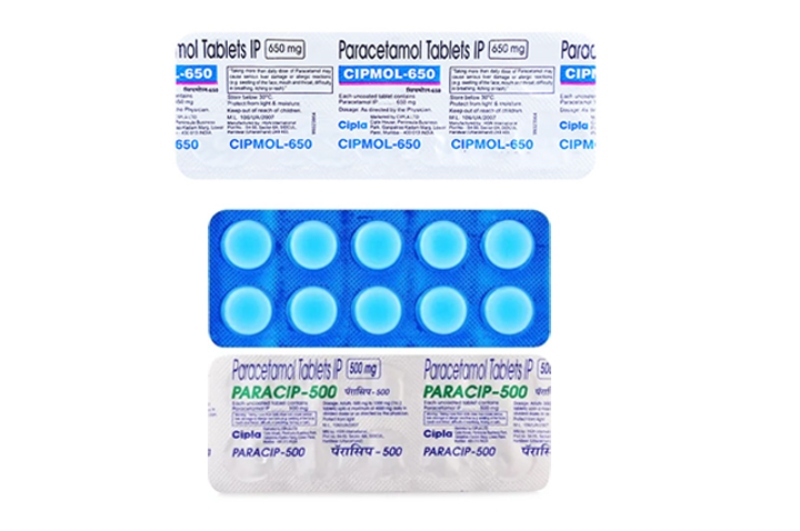
    Cipla, like with numerous other pharmaceutical behemoths, distributes paracetamol under both brand and generic names. Market segmentation is one of the causes of this. Cipla is able to serve a variety of customer bases by providing both choices, including those who are looking for affordable alternatives as well as those who trust well-known brands.

    Requirements related to regulations are another factor. There are situations when branded medications need to fulfill stricter regulatory requirements than generic medications. As a result, healthcare professionals may view the branded version as more trusted.

    Finally, there is a big impact from brand loyalty. Despite its higher cost, the branded version is a more alluring choice since patients tend to stick with what they know and are comfortable with.

    Difference Between Branded and Generic

    It’s essential to understand the core distinctions between branded and generic drugs in order to completely comprehend Cipla’s approach.

    1. Content and Performance

    The active component of both branded and generic paracetamol is the same: paracetamol. They share the same safety and efficacy characteristics, making them similar. Excipients, or inactive substances, can vary, though, and this could have an impact on the drug’s taste, color, or shelf life.

    2. cost

    The price gap between the two is the most visible. Because of the expenses involved in marketing, development, and research, branded drugs are typically more costly. Conversely, because they do not incur these front expenditures, generics are less expensive.

    3. Branding and Packaging

    Consumer trust is increased when branded medications are packaged elegantly with the company’s symbol and branding components. Typically, generics are packaged more simply and emphasize functionality over form.

    Cipla not only offers standalone paracetamol tablets but also markets combination medications that include paracetamol along with other active ingredients for symptomatic relief. One such example is Cheston Cold Tablet 10s and Ultracet tablet 15s, that combines paracetamol with other agents to help treat cold, cough, and related symptoms effectively.

    Read: Why so much Price difference in branded and generic?

    Medkart Pharmacy best Offer

    To know more watch – https://youtube.com/shorts/9H0LpXB_GFM

    FAQs on Why Cipla have 2 Paracetamols

    1. Does Branded and Generic Paracetamol Have Different Qualities?

    Answer: No, the regulatory bodies’ quality standards are met by both versions. The primary differences are seen in the packaging and inactive substances.

    2. Why Do Some Patients Think Branded Is Better Than Generic?

    Answer: The perception of quality and brand loyalty are important variables. Generic drugs are bioequivalent, although some patients think branded drugs are more potent.

    3. How Do Medical Professionals Choose Which Prescriptions to Write?

    Answer: Healthcare providers take into account many aspects, such as the patient’s financial status, brand allegiance, and any possible sensitivities to inactive components in the drug.

    Related Links:

  • Is there any guarantee about the quality of generics in India?

    In India, the quality of generic medicines is regulated by the Central Drugs Standard Control Organization (CDSCO), which is the national regulatory authority for pharmaceuticals and medical devices in India. The CDSCO is responsible for ensuring that all medicines, including generic medicines, sold in India meet appropriate standards of quality, safety, and efficacy.

    To be approved for sale in India, generic medicines must meet the same standards of quality, safety, and efficacy as their brand-name counterparts. This includes demonstrating that the generic medicine is the same as the brand-name medicine in terms of its active ingredient, dosage form, strength, intended use, and the conditions it is used to treat.

    In addition to this regulatory process, generic medicines are also subject to ongoing quality control measures to ensure that they continue to meet these standards throughout their shelf life. This includes testing to ensure that the active ingredients are present in the correct amounts and that the medicine meets other quality standards.

    Overall, there are robust systems in place to ensure the quality of generic medicines in India, and they can be a safe and effective treatment option for many people.

    Check WHO-GMP certified best quality generics at Medkart app and website.

    To know more watch – https://youtube.com/shorts/-WGV5fzWs7g

  • Is generic written on generic medicine?

    Is generic written on generic medicine?

    generic written on generic medicine image

    In many cases, the word “generic” will be included in the name of a generic medicine. For example, a generic version of a medication called “Lipitor” might be called “generic Lipitor” or “atorvastatin,” which is the active ingredient in Lipitor.

    However, it is important to note that the labeling of generic medicines may vary depending on the country in which the medicine is sold. In some cases, the word “generic” may not be included in the name of the medicine on the label. Instead, the label may list the active ingredient(s) of the medicine and the dosage form, strength, and intended use.

    At Medkart find WHO-GMP certified generics in your prescription.

    To know more watch –  https://youtube.com/shorts/TKFv5Ls3CEA

  • What is the fastest way to cure arthritis? | FAQ about arthritis

    What is the fastest way to cure arthritis? | FAQ about arthritis

    arthritis image

    What is arthritis?

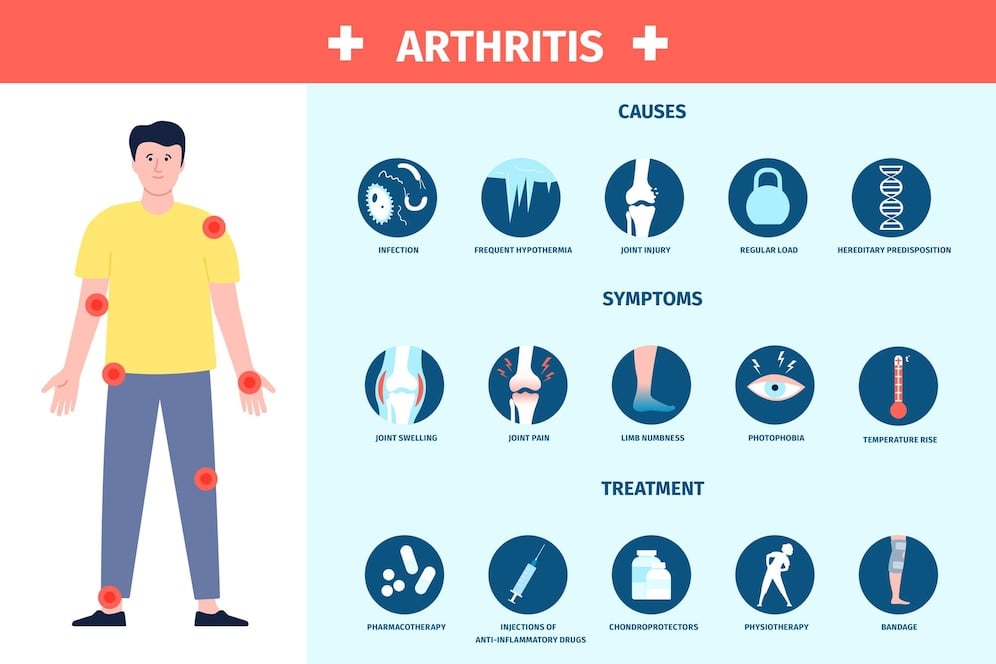
    Arthritis is a very common condition characterized by swelling and tenderness in the joints. People affected may have stiffness and pain in the joints that worsens with age.

    Arthritis can affect everyone , even children. Osteoarthritis and rheumatoid arthritis are the two most common types. Depending on the type of arthritis you have, the symptoms can vary.

    Anti-inflammatory drugs are often used for arthritis treatment. However, you can alleviate the symptoms by natural methods as well.

    Types of arthritis

    The Three Most Common Types of Arthritis | Diagnosis – FAQ about Arthritis

    There is hard tissue covering the ends of your bones near the joints. Osteoarthritis is a condition that causes the breakdown of this slippery tissue. When the cartilage gets roughened, the body goes into repair mode, resulting in any of the following:

    • Osteophytes or tiny bits of extra bone can develop at the end of the joint.
    • The thick fluid present in the joint can increase.
    • The joint may lose shape as the joint capsule stretches.

    1) Rheumatoid arthritis

    This condition occurs when the body’s immune system attacks the lining of the joints, causing inflammation. Extra fluids and blood are sent to the area to fight infection. This results in the following:

    • Painful joint movement.
    • The joints can get damaged due to chemicals in the fluid.
    • The extra fluid in the joints stretches the joint capsule.
    • The chemicals in the fluid can cause irritation and pain.
    • When too much uric acid is in your blood, crystals can form, causing gout. This common and painful form of arthritis is characterized by swelling and intense pain in the affected area.

    Medications are the best option for rheumatoid arthritis cure.

    2) Arthritis treatment

    A few lifestyle changes and the right diet can help you lead a more comfortable and pain-free life, depending on the severity of your arthritis.

    -Weight management

    The more you weigh, the more weight your joints have to support. This makes weight management crucial for the treatment of arthritis. So, how does weight reduction help your arthritis treatment?

    • Your mobility increases as there is less weight to carry.
    • The pain decreases.
    • You can prevent further damage to the joints.
    • You can increase activity.
    • Exercises such as cycling, walking, swimming or water aerobics help manage weight, strengthen your joints and give your joints flexibility. The feel-good factor after exercise also helps in arthritis cure.

    -Alternate hot and cold compresses

    • Hot and cold treatments are popular ways to ease the pain of arthritis.
    • Forms of hot treatment such as hot baths, warm showers, moist heating pads, or an electric blanket are good treatments for arthritis.
    • Forms of cold treatment, such as cold packs, can reduce the swelling and inflammation associated with arthritis. A bag of frozen peas can do the trick if you don’t have an ice pack. Wrap the ice or frozen peas in a towel before application for the treatment of arthritis.

    -Ancient Chinese acupuncture treatment

    Acupuncture is a traditional Chinese treatment that uses fine needles to remove blockages in the body. These needles improve the flow of qi to reduce pain. However, it’s best to consult a licensed acupuncturist for your treatment. This is considered a natural cure for arthritis in the fingers and other joints.

    -Healthy diet

    A diet of fresh fruits, vegetables, whole foods and nuts can go a long way in arthritis cure. A plant-based diet reduces inflammation as the antioxidants eliminate the free radicals. In comparison, red meat and processed food, excess sugar and salt aggravate the inflammation in arthritis patients.

    Risk factors of arthritis

    What are the risk factors of arthritis?

    • Family history
    • Age
    • Women are more likely to get arthritis than men
    • Obesity increases the risk of arthritis

    Arthritis can be treated

    While there is no cure for arthritis, treatment and lifestyle changes can give you a lot of relief from pain and also increase your mobility. For the best results, consider consulting your doctor as soon as possible. At times, the right medication and lifestyle changes can make arthritis easier to manage.

    Know more about your Medicines at Medkart, which is an online pharmacy platform that makes buying medicines convenient & cost-effective. To place your orders, download the app today!

    FAQs related to arthritis

    1. Does meditation help manage arthritis pain?

    ​A great way to deal with arthritis pain is meditation. The relaxation methods reduce stress and thereby lower pain and inflammation. Studies have shown the benefits of meditation for the treatment of arthritis.

    2. Is turmeric beneficial for arthritis?

    ​Turmeric contains curcumin, an antioxidant and an anti-inflammatory. This can help with the pain associated with arthritis.

    3. Which herbal supplements can help reduce joint pain?

    Herbs such as ginkgo, stinging nettle, devil’s claw, Boswellia, and bromelain are said to be good for the treatment of arthritis.

  • The Three Most Common Types of Arthritis | Diagnosis – FAQ about Arthritis

    The Three Most Common Types of Arthritis | Diagnosis – FAQ about Arthritis

    The Three Most Common Types of Arthritis

    What is arthritis?

    Arthritis is a condition that affects the joints. Different types of arthritis affect different joints, bones, tendons and cartilage. It mainly affects the elderly, but youngsters can also be affected.

    What does one experience?

    Arthritis symptoms include joint pain, redness, swelling, soreness, and stiffness, along with reduced joint movement. Symptoms can vary in severity and frequency. This can make simple tasks challenging. Arthritis can also cause permanent joint changes. It can affect the heart, eyes, lungs, kidneys, and skin.

    Why does Arthritis happens?

    The primary cause of different types of arthritis is weakened cartilage. This can be a result of genes and some environmental influences.

    How is Arthritis diagnosed?

    Your doctor will be able to make a diagnosis based on your symptoms, physical examination, and laboratory results. X-rays. Investigations like a CT or MRI also may be suggested.

    What are the different types of arthritis?

    Osteoarthritis, rheumatoid arthritis, psoriatic arthritis, gout, juvenile arthritis, and infectious arthritis are some of the different types of arthritis.

    Types of arthritis

    1) Osteoarthritis (OA):

    OA is the most commonly noted type. It is an age-related degenerative, progressive joint disease where bone and cartilage are affected. This leads to joint stiffness and discomfort. Types of joint pain can vary according to the joint affected. The joints affected are the hand, spine, knee, foot and hip.

    Who is at risk for OA?

    People who have joint injuries, overuse joints, women, who are over 50 years old, obese, and have a family history of arthritis

    What are the treatment options?

    Even though there is no cure, pain medications, moderate physical activity (at least 150 minutes per week), physiotherapy, weight control, and avoiding joint damage can all assist. Surgery is also an option.

    2) Rheumatoid arthritis (RA)

    This type of arthritis is brought on by an immune system attack on the lining of the joint. Bones, cartilage, and other tissues may be affected. Two types of rheumatoid arthritis exist –

    One which affects adults – commences in middle age. It is prevalent in the elderly and women.

    Juvenile idiopathic arthritis – affects children and younger teenagers

    Arthritis symptoms include discomfort, oedema, fatigue, fever, loss of joint function, and appetite. These could include a symmetrical progression pattern affecting various joints. Pain and stiffness, especially in the morning or after prolonged rest, may last for at least 30 minutes. Symptoms can last for years with periods of worsening and remission. This may be accompanied by anaemia, dry mouth and eyes, depression, and anxiety.

    What causes RA?

    Genetic, environmental factors and changes in certain sex hormones

    How can RA patients improve their quality of life?

    Early diagnosis, treatment and adequate rest are crucial. Moderate physical activity is also a must. Pain medications and disease-modifying anti-rheumatic drugs may be advised.

    3) Psoriatic arthritis (PA)

    Of the different types of arthritis, this type is seen in people with a skin condition called psoriasis. Here, the skin becomes painful, red and scaly.

    It impacts people in their 30s to 50s frequently. The wrists, knees, ankles, heel, and lower back all exhibit the sporadic type of joint pain, discomfort, swelling, and red, warm joints. It involves joints at the ends of the fingers and toes. Swollen and sausage-like fingers and/or toes are a possibility. It is possible to see signs of fatigue, eye infections, and nail pitting. Nails and the nail bed might detach.

    What causes PA?

    It is unknown why PA develops. The condition may have both genetic and environmental factors.

    How is PA treated?

    No cure exists for this. So early diagnosis is important. Painkillers and disease-modifying anti-rheumatic medications are administered.

    To sum it up

    You are not alone if you have arthritis. There are 210 million people with different types of arthritis in India. https://www.arthritis-india.com/

    The key to management is early diagnosis. Don’t overlook any type of joint pain. Lifestyle modifications, a balanced diet, medications, surgery, exercise, and therapies all help in making life easier with arthritis. Buying medicines is now simpler. With Medkart, you get the best prices and doorstep delivery. Visit Medkart today.

    FAQs related Arthritis

    1. I have joint pain; does this mean I have arthritis?

    Ans: Most cases of joint pain and stiffness are caused by one of the different types of arthritis. However, joint pain can occur owing to many other causes. Injury to the joint is the most common.

    2. How do I proceed if I believe I have arthritis?

    Ans: If you have any symptoms of arthritis, such as pain, stiffness, or swelling in or around one or more of your joints, consult your doctor immediately.

    3. How does exercise help with arthritis?

    Ans: Exercise helps mobilize the joints and keep them supple, thus reducing swelling. Consult your doctor before starting.

    4. Can I prevent arthritis?

    Ans: Although if you cannot stop arthritis from developing, lifestyle modifications can lower the risk

    5. What can happen if I don’t take early treatment for arthritis?

    Ans: If left untreated, it can result in serious and frequently irreversible damage to your joints, as well as to your skin, organs, and other parts of your body

  • Types of Obesity and its Complications – Defining Adult Overweight & Obesity

    Types of Obesity and its Complications – Defining Adult Overweight & Obesity

    Types of obesity based on BMI image

    Obesity is a chronic health condition. It is defined as the abnormal accumulation of fat that leads to several other health complications. Worldwide, obesity is considered an epidemic, with over 4.7 million deaths being recorded every year. Excessive calorie consumption can lead to obesity.

    Over time, it affects the vital organs in your body and gives rise to chronic health conditions like type 2 diabetes, high blood pressure, high cholesterol, heart disease, kidney disease, sleep apnea, and cancer.

    Types of Obesity (BMI Range)

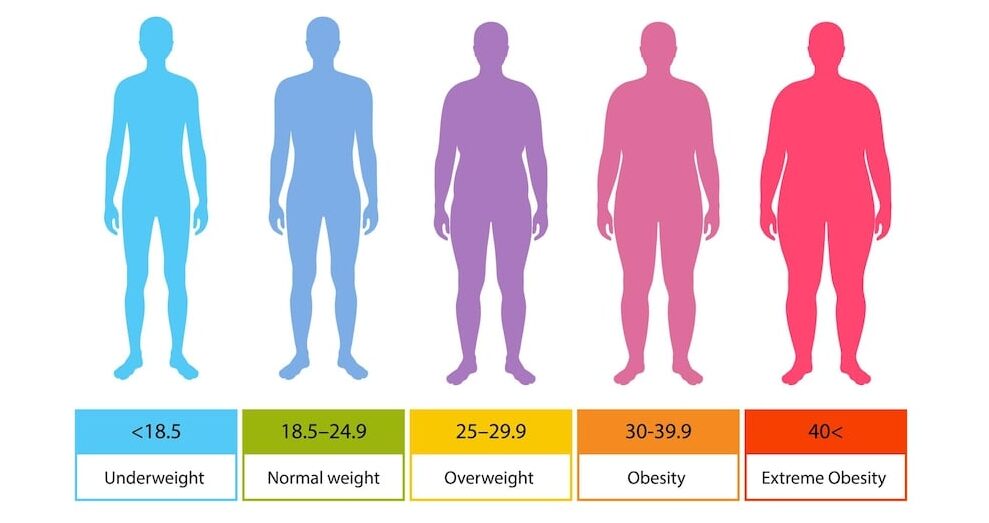
    Doctors measure Body Mass Index (BMI) to determine the types of obesity.

    BMI = weight (kg) divided by height (meters squared)

    • Optimal weight = BMI 18.5  to  24.9 kg/m2
    • Overweight = BMI 25  to  29.9 kg/m2
    • Obese = BMI 30 kg/m2 and above

    Types of obesity based on BMI

    There are three classes of obesity based on BMI. These are:

    • Class 1 Obesity = BMI 30 to 35 kg/m2
    • Class 2 Obesity = BMI 35 to 40 kg/m2
    • Class 3 Obesity = BMI 40 kg/m2 and above

    Class 3 obesity is also known as morbid or severe obesity. Three forms of obesity are based on the area of fat distribution.

    Types of Obesity image

    Types of obesity based on the area of fat distribution

    Peripheral obesity: Excessive fat accumulation in the hips, thighs and buttocks

    Central obesity: Excessive fat accumulation around the abdomen. It increases the risk factors of obesity, such as diabetes, high blood pressure, heart disease, kidney disease and some cancers. Combination obesity: Accumulation of excess fat in the peripheral and central regions.

    Obesity types that occur due to diseases

    Obesity is also classified based on its association with other diseases:

    Type 1 obesity

    This type of obesity is caused more commonly due to the excessive intake of calories and a lack of physical activity.

    Type 2 obesity

    This type of obesity is a result of diseases such as hypothyroidism (a condition characterised by an underactive thyroid), Cushing’s syndrome (a condition associated with high cortisol levels), polycystic ovary syndrome (an imbalance of female reproductive hormones) and insulinoma (a type of pancreatic tumour).

    Obesity based on the size and number of fat cells

    The types of obesity based on the characteristics of fat cells are:

    • Hypertrophic obesity: This type of obesity occurs due to the increase in the size of adipose cells (fat cells). It usually occurs in adults.
    • Hyperplastic obesity: This type of obesity occurs due to an increase in the number of fat cells. This type is predominant among children.

    Complications of obesity

    Different types of obesity increase the risk of several chronic diseases. These are:

    • Type 2 diabetes: Excess fat makes the body resistant to insulin, which leads to high blood sugar levels or type 2 diabetes.
    • Heart disease and stroke: Obesity raises blood sugar, blood pressure and cholesterol levels. It leads to narrowed or hardened arteries that block the blood flow and increase your risk of heart disease and stroke.
    • Sleep apnea: Excess fat makes your airways small. This causes your breathing to stop for short periods during sleep. Low blood oxygen can cause an irregular heartbeat.
    • Kidney disease: Obesity and type 2 diabetes, besides high blood pressure, directly impact your kidneys and put you at risk of kidney disease.
    • Liver disease: Excess fat build-up around the liver leads to liver damage or failure.
    • Gallbladder disease: Obesity increases your risk of gallstones due to high cholesterol levels in the bile.
    • Osteoarthritis: Excess weight due to obesity puts pressure on your joints, like knees, hips and ankles, and causes pain, swelling and stiffness.
    • Cancers: An accumulation of visceral fat around your vital organs increases your risk of developing cancer of the uterus, cervix, breast, ovary, colon, rectum, esophagus, gallbladder, kidney, liver, pancreas and prostate.
    • Infertility: Different types of obesity can lead to hormonal imbalances. It disrupts the menstrual cycle and ovulation and leads to reduced fertility.

    RelatedWhy is obesity considered as a lifestyle chronic disease? | Chronic Disease

    How to Treat obesity today

    The different types of obesity impact your overall health and quality of life. Consult your family physician for help with your diet and lifestyle habits to reduce your weight. Even a modest weight loss can help prevent the complications associated with the different types of obesity. For more informative articles on chronic health conditions, visit Medkart today! You can now upload your prescriptions to the website and have quality generic medicines delivered to your doorstep.

    sugar free ayurvedic product dicounts image

    Read: What are Generic Medicines?

    FAQs on Types of Obesity

    Q1. What are the treatment options for morbid obesity?

    A combination of physical activity, medical treatment, dietary changes, behavioral modifications and counselling is prescribed. Bariatric surgery is reserved for those who fail to achieve their weight loss goals despite several attempts.

    Q2. Can fad diets help me achieve my weight loss goals?

    Fad diets or crash diets impact your overall health. They cause nutritional deficiencies, dehydration, fatigue, nausea and weakness as they restrict certain food groups and nutrients. A balanced diet that includes all the food groups is a better and healthier option for losing weight.

    Q3. Will obesity pose a risk during pregnancy?

    Hypertension, gestational diabetes and blood clots due to obesity can cause complications during pregnancy. Obesity can also lead to preterm birth. Such babies are often born with short-term or long-term health conditions.

    Related Links:

  • How to compare the price of medicine at home? | Medicine Comparison Tool

    How to compare the price of medicine at home? | Medicine Comparison Tool

    Medicine Comparison Tool

    Compare Price of Medicines – Compare

    There are several ways you can compare the price of medication at home:

    Use an online price comparison tool: (Medkart)

    There are several websites and apps that allow you to compare the prices of medication at different pharmacies. You can visit www.medkart.in/blog or download Medkart pharmacy app and can compare your medicines

    Consider generic options:

    Generic medications are typically less expensive than brand-name medications, so it can be helpful to ask your healthcare provider if a generic option is available for the medication you need. Keep in mind that generic medications are generally considered safe and effective, and they can be an affordable treatment option for many people. Visit Medkart pharmacy or visit www.medkart.in/blog and get up to 85% discounts on quality generics.

    To know more watch – https://youtube.com/shorts/Kop2tfT1G4I

  • Are generics available in capsules and syrup forms?

    Are generics available in capsules and syrup forms?

    generics available in capsules and syrup forms

    Yes, generic medications are available in a wide range of dosage forms, including capsules and syrup. Capsules are a common dosage form for medications and are typically made of a hard or soft outer shell that encloses the active ingredient of the medication. Syrup is a liquid dosage form that is typically used to administer medications to children or to adults who have difficulty swallowing pills.

    Like branded medications, generic medications are available in a variety of dosage forms to suit the needs of different patients. In addition to capsules and syrup, generic medications may also be available in other forms such as tablets, suspensions, and creams. The specific dosage form that is used for a particular medication will depend on the nature of the active ingredient, the desired route of administration, and the needs of the patient.

    Generic alternative is an option for patients who want to save money on their medication costs. Patients should discuss the availability of generic alternatives with their healthcare team, including their doctor and pharmacist.  At Medkart you can find Generic & Branded over the counter toiletries.

    To know more watch – https://youtube.com/shorts/3fPk3iYF7Bw

  • Is there any quality mark on medicines in India?

    Is there any quality mark on medicines in India?

    Yes, medications, including both branded and generic medications, may have a quality mark on them in India. In India, one of the most common quality marks that is found on medications is the “AYUSH” mark, which stands for “Ayurveda, Yoga and Naturopathy, Unani, Siddha, and Homeopathy.” The AYUSH mark is a quality mark that is used to indicate that a medication has been approved by the Central Council of Indian Medicine (CCIM) or the Central Council of Homoeopathy (CCH), both of which are government agencies responsible for regulating the quality and safety of traditional medicines in India

    In addition to the AYUSH mark, some medications in India may also have other quality marks on them, such as the “IS” mark, which stands for “Indian Standard.” The IS mark is a quality mark that is used to indicate that a medication has been manufactured according to good manufacturing practices (GMPs) and meets the standards for quality and purity set by the Bureau of Indian Standards (BIS), a government agency responsible for setting standards for a wide range of products in India.

    Quality Marks Available on Medicines

    Quality Marks Available on Medicines

    Here are some examples of quality marks that can be found on medicines:

    FDA Approval: 

    In the United States, the Food and Drug Administration (FDA) is responsible for regulating the quality, safety, and efficacy of medicines. Medicines that have been approved by the FDA typically carry an FDA-approved label or mark on their packaging, indicating that they have met the FDA’s standards for safety and effectiveness.

    European Medicines Agency (EMA) Approval: 

    In Europe, the European Medicines Agency (EMA) is responsible for evaluating and approving medicines for use in the European Union (EU). Medicines that have been approved by the EMA may carry an EMA-approved label or mark on their packaging.

    Good Manufacturing Practices (GMP) Certification: 

    GMP is a set of quality standards that are followed by pharmaceutical manufacturers to ensure that medicines are consistently produced and controlled to meet quality standards. Medicines manufactured in facilities that have been certified to comply with GMP may carry a GMP certification mark on their packaging. 

    Pharmacopeial Standards: 

    Pharmacopeial standards, such as the United States Pharmacopeia (USP) or the European Pharmacopoeia (Ph. Eur.), provide quality standards for medicines, including specifications for their identity, strength, purity, and quality. Medicines that comply with pharmacopeial standards may carry a pharmacopeial mark or monograph reference on their packaging.

    Quality Certification from International Organizations: 

    Some medicines may carry quality certification marks from international organizations such as ISO (International Organization for Standardization) or WHO (World Health Organization), indicating that they have met certain quality standards.

    It’s important to note that the presence of a quality mark on a medicine does not guarantee its safety or efficacy. It’s still important to use medicines as directed by a qualified healthcare professional and follow appropriate dosage instructions and precautions.

    Looking for WHO-GMP-approved quality generics???  Visit www.medkart.in/blog

    To know more watch – https://youtube.com/shorts/KecDZZ81MFE

  • What is Rickets: Symptoms, Causes, and How to Manage it

    What is Rickets: Symptoms, Causes, and How to Manage it

    Rickets image

    What is Rickets?

    Rickets is a disorder that affects children and causes their bones to become soft and weak. It can cause serious health problems, including impaired growth, bowed legs, and delayed development. Vitamin D deficiency or inadequate sunlight exposure can cause rickets, but it’s preventable with proper nutrition and supplementation of essential vitamins to avoid chronic illnesses.

    Treatment for rickets typically involves increasing vitamin D intake, getting adequate amounts of calcium and phosphorus (through diet), and supplementing it with calcium and vitamin D.

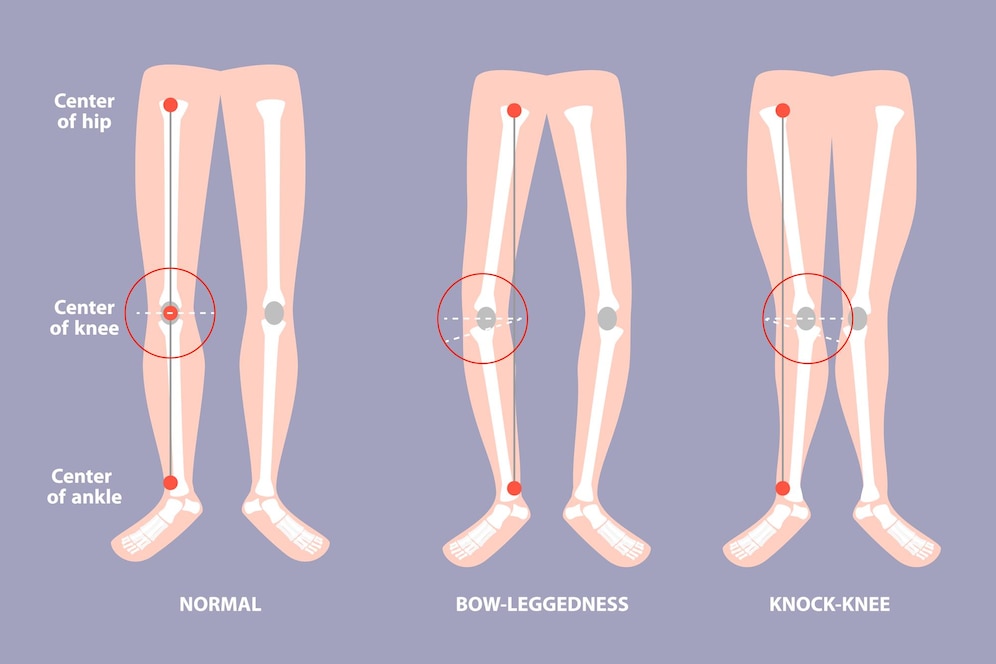
    Rickets disease can affect the entire skeleton. The bones become soft and bend easily under pressure, leading to deformities such as bow legs and knocked knees. This can cause problems with walking, running and other physical activities. In extreme cases, it can lead to fractures or other complications such as stunted growth.

    Common symptoms of rickets disease amongst children

    One of the most common symptoms associated with rickets is delayed growth, leading to significantly shorter stature in affected children compared to their unaffected peers.

    This is due to weak bones that don’t grow as fast as normal ones. In severe cases, it can even cause stunted growth in children. Deformities in the legs, arms and spine are another common symptom of rickets. The bones may become curved or bent out of shape due to weakened structures. This can lead to an S-shaped spine or bowed legs that turn outwards at the knees instead of pointing straight forward.

    Thickened wrists and ankles may also be present along with a hung-out chest (a condition where the cartilage between the ribs and the breastbone, or sternum, grows too much) due to weak ribs that no longer support its structure properly. In addition to these physical signs of rickets, children may also experience joint pain due to weakened cartilage.

    They may also experience muscle weakness, leading to difficulty walking or climbing stairs. Fever and fatigue may also be present due to infections caused by weakened immune systems resulting from vitamin D deficiency.

    Measures for rickets disease

    If you’re worried your child may have rickets, it’s important to seek medical help immediately for an accurate diagnosis before any permanent damage is done to their bones or teeth. Treatment for rickets typically involves supplements such as calcium or vitamin D and lifestyle changes such as more sun exposure if your child isn’t getting enough from food sources alone. In severe cases, surgery may be necessary to repair some of the deformities caused by the disease.

    Rickets is a serious condition that needs prompt diagnosis and treatment so children can get back on track with their normal growth rate without suffering from painful symptoms or disfigurement from skeletal deformities associated with this illness.

    Prevention is key — maintaining healthy diets for all family members, including adequate sunlight exposure during summer months and regular physical activity, will go a long way towards avoiding this condition in our young ones!

    How to effectively manage rickets | Treatment of rickets

    New age habits can impact chronic illnesses in children. And many kids grew up during the Covid-19 staying confined into their houses — depriving them of vitamin D. Therefore, parents should focus on managing rickets and correcting the underlying nutrient deficiencies causing the condition. Here are some of the rickets treatments you must ensure to control its further impact on children.

    1) Focus on nutrients

    Once your child has been diagnosed with rickets, there are several steps you can take to manage their condition. First and foremost, ensuring your child receives adequate nutrition that includes plenty of calcium-rich foods such as dairy products and dark leafy greens like spinach and kale is important.

    A balanced diet should also include foods rich in vitamin D, such as fatty fish like salmon and tuna, egg yolks, fortified milk or breakfast cereals, and mushrooms exposed to UV light. If your child does not consume non-vegetarian food, consider its replacement like Almonds, Paneer, Quinoa, Tofu, etc. Depending on your doctor’s recommendation, dietary supplements may also be necessary if you cannot get sufficient quantities of these essential vitamins through food alone.

    2) Sunlight exposure

    Apart from introducing dietary changes, children with rickets must receive adequate sunlight exposure each day – at least twenty minutes a day if possible. This can help provide the body with vitamin D, which helps strengthen bones. If direct sunlight exposure isn’t available, then a sunlamp can also help increase vitamin D levels in the body. If not, consider consuming Vitamin D capsules as per the doctor’s recommendation.

    3) Physical therapy

    Physiotherapy exercises can help strengthen weakened muscles caused by rickets. Simultaneously, doctors may apply bracing techniques to severely affected limbs to correct any skeletal deformities caused by the condition over time. It is advisable for patients to have regular visits with their doctor for monitoring progress toward treatment goals.

    Generic medicines for rickets

    Generic medicines utilize existing formulations for active ingredients but are not produced by or associated with the original brand manufacturers. They have the same active ingredients, purity, strength and quality as their brand-name counterparts but usually cost much less. This makes them a viable option for many individuals and healthcare systems worldwide, which may otherwise be unable to afford treatment due to financial constraints.

    Parents can administer generic vitamin D and calcium supplements to children with Rickets at significantly lower prices than their brand-name counterparts.

    Generic medicines can play an important role in treating rickets because they offer an affordable option for people who may not otherwise be able to afford treatment due to financial constraints or lack of access to resources. Even the affluent can consider generic medicines for rickets as they can reduce overall patient and healthcare systems costs.

    Medkart is an online pharmacy that provides generic medicines for Rickets. All the medicines sold at Medkart are WHO-GMP certified. You can visit any of our pharma stores and ask for generic medicines for rickets, or you may order it online on www.medkart.in/blog. Moreover, we have Android and iOS mobile applications that help order generic medicines on the go.