Search results for: “all”

  • Guide for Glaucoma | Types, Symptoms, Surgery and Medication

    Introduction to Glaucoma

    The optic nerve, which is essential for clear vision, is harmed by a series of eye diseases called glaucoma. An unusually high pressure in the eye frequently results in this injury.  Glaucoma has been called the “silent thief of sight” because it can cause vision loss without any noticeable symptoms until the disease has progressed quite far. It is one of the leading causes of blindness in the world, affecting millions of people. Early detection and intervention can stop or decrease the loss of vision. This article will provide a detailed exploration of the different types of glaucoma, their symptoms, as well as treatment options, including surgery and medication.


    The Different Types of Glaucoma

    Primary open-angle glaucoma (POAG) and angle-closure glaucoma (ACG) are the two most prevalent kinds of glaucoma. Other less common types include normal-tension glaucoma, congenital glaucoma, and secondary glaucoma.

    Primary Open-Angle (POAG):

    This is the most common form of glaucoma, accounting for around 90% of cases. It occurs when the eye’s drainage canals become partially blocked, causing a slow buildup of pressure in the eye. POAG develops gradually and is often painless, with no early warning signs.

    Angle-Closure  (ACG):

    This type of glaucoma, also known as closed-angle or narrow-angle glaucoma, occurs when the drainage angle in the eye narrows or becomes completely blocked. This can cause a sudden, painful increase in eye pressure. ACG can be either acute, with rapid onset and severe symptoms, or chronic, developing slowly over time.

    Normal-Tension:

    In this form of glaucoma, the optic nerve is damaged despite normal eye pressure. The exact cause is unknown, but factors such as reduced blood flow to the optic nerve may play a role.

    Congenital:

    This rare type of glaucoma is present at birth and is caused by an abnormal development of the eye’s drainage system. It can be inherited and usually requires prompt treatment to prevent vision loss.

    Secondary:

    This type of glaucoma develops as a result of another eye condition or disease, such as inflammation, injury, or tumor. The treatment for secondary glaucoma depends on the underlying cause.

    Symptoms of Glaucoma

    The symptoms of glaucoma can vary depending on the type and stage of the disease. In the early stages of primary open-angle glaucoma, there may be no noticeable symptoms at all. As the illness worsens, a person could go through:

    • Gradual loss of peripheral (side) vision, often in both eyes
    • Tunnel vision in the advanced stages

    Angle-closure glaucoma can have more noticeable symptoms, including:

    • Severe eye pain, often accompanied by nausea and vomiting
    • Sudden onset of blurred vision
    • Halos or rainbow-colored rings around lights
    • Reddening of the eye

    Normal-tension glaucoma and secondary glaucoma may present with similar symptoms to primary open-angle glaucoma, while congenital glaucoma can cause excessive tearing, sensitivity to light, and an enlarged, cloudy cornea in infants.

    Diagnosing: The Glaucoma Test

    Early detection of glaucoma is crucial for preventing vision loss. A comprehensive eye exam, including a glaucoma test, is the best way to diagnose the condition. The following tests may be performed during a glaucoma exam:

    • Tonometry: This examination gauges pressure within the eye. A small device called a tonometer is used to gently touch the surface of the eye, or a puff of air is blown onto the cornea.
    • Ophthalmoscopy: This examination allows the doctor to view the optic nerve and assess it for any signs of damage. The doctor will use a special magnifying lens and light to examine the back of the eye.
    • Gonioscopy: This test is used to examine the drainage angle of the eye, which is crucial for determining the type of glaucoma. A special contact lens with mirrors is placed on the eye to provide a clear view of the drainage angle.
    • Visual field test: This test evaluates the range of a person’s peripheral vision, which can be affected by glaucoma. The patient is asked to look straight ahead and indicate when they see a light in their peripheral vision.
    • Pachymetry: This test measures the thickness of the cornea, which can affect the accuracy of eye pressure readings. To take the measurement, a pachymeter is softly positioned on the cornea.

    Medications: An Overview of Glaucoma Drugs and Eye Drops

    The primary goal of glaucoma medications is to lower the pressure inside the eye, either by decreasing the amount of fluid produced or by improving the drainage. There are several different types of glaucoma eye drops and drugs available, including:

    • Prostaglandin analogs: These eye drops increase the outflow of fluid from the eye, effectively lowering eye pressure. Examples include latanoprost (Xalatan), bimatoprost (Lumigan), and travoprost (Travatan Z).
    • Beta-blockers: These medications reduce the production of fluid in the eye. Examples include timolol (Timoptic) and betaxolol (Betoptic).
    • Alpha-adrenergic agonists: These eye drops both reduce fluid production and increase drainage. Examples include brimonidine (Alphagan) and apraclonidine (Iopidine).
    • Rho kinase inhibitors: These newer glaucoma drugs lower eye pressure by improving fluid outflow through the trabecular meshwork, the eye’s main drainage channel. An example is netarsudil (Rhopressa).
    • Carbonic anhydrase inhibitors: These medications are available as eye drops or oral tablets and work by decreasing fluid production. Examples include dorzolamide (Trusopt) and acetazolamide (Diamox).
    • Miotic or cholinergic agents: These eye drops cause the pupil to constrict, which helps improve fluid drainage. An example is pilocarpine (Isopto Carpine).

    Non-Surgical Treatments for Glaucoma

    In addition to medications, there are several non-surgical treatments for glaucoma that can help lower eye pressure and preserve vision. These treatments may be used alone or in conjunction with glaucoma medications.

    • The treatment known as laser trabeculoplasty is used to treat open-angle glaucoma. A laser is used to create small burns in the trabecular meshwork, the eye’s drainage system, which helps improve fluid outflow.
    • Laser peripheral iridotomy: This procedure is used to treat angle-closure glaucoma. A laser is used to create a small hole in the iris, allowing fluid to flow more freely and reducing eye pressure.
    • Cyclophotocoagulation: This procedure is typically reserved for severe glaucoma cases that have not responded to other treatments. To lower eye pressure, a portion of the ciliary body—the portion of the eye that generates fluid—is destroyed using a laser.

    Glaucoma Surgery: Types and Procedures

    When medications and non-surgical treatments are not effective at controlling eyepressure, glaucoma surgery may be recommended. There are several types of glaucoma surgery, including:

    • The most frequent glaucoma operation is a trabeculectomy. In this procedure, a new drainage channel is created in the eye to allow fluid to flow out more easily. A small flap is made in the sclera (the white part of the eye), and a tiny tube is inserted to create a pathway for fluid to drain out.
    • ExPRESS shunt: This device is similar to a trabeculectomy but uses a small, permanent implant to create a pathway for fluid drainage rather than a flap.
    • Glaucoma drainage devices: These devices are also known as “tube shunts” or “aqueous shunts.” They are small tubes that are implanted in the eye to help drain excess fluid. The tube is connected to a small reservoir, which is implanted under the conjunctiva (the clear membrane that covers the white part of the eye).
    • Cyclophotocoagulation: This procedure can also be used as a surgical treatment for glaucoma. It involves using a laser to destroy a portion of the ciliary body, which reduces the amount of fluid produced by the eye.

    Post-Surgery Care and Recovery

    After glaucoma surgery, it is important to follow your doctor’s instructions for post-operative care. This may include:

    • using eye drops or other recommended drugs
    • Avoiding activities that may increase eye pressure, such as heavy lifting or bending over
    • Wearing an eye shield or patch to protect the eye
    • Avoiding getting water in the eye, including swimming or showering
    • Attending follow-up appointments with your doctor to monitor progress and check for any complications

    It may take several weeks or even months to fully recover from glaucoma surgery. During this time, it is important to be patient and take good care of your eyes.

    Also Read:- 

    Preventing Glaucoma: Tips for Maintaining Eye Health

    While not all cases of glaucoma can be prevented, there are several steps you can take to maintain good eye health and reduce your risk of developing the condition. These include:

    • Get regular eye exams: Regular eye exams are the best way to detect glaucoma early and prevent vision loss.
    • Know your family history: If you have a family history of glaucoma, you may be at higher risk for developing the condition. Be sure to inform your eye doctor so they can monitor your eye health more closely.
    • Maintain a healthy lifestyle: Eating a healthy diet, exercising regularly, and avoiding smoking can all help maintain good eye health.
    • Protect your eyes: Wear protective eyewear when playing sports or doing other activities that may cause eye injury. Also, be sure to wear sunglasses to protect your eyes from the sun’s harmful UV rays.

    Conclusion: Managing and Living with Glaucoma

    Glaucoma can be a serious condition that can lead to vision loss if left untreated. However, with early diagnosis and proper treatment, many people with glaucoma are able to maintain good vision and quality of life. It is important to work closely with your eye doctor to monitor your eye health and develop a treatment plan that is right for you.

    Whether you are living with glaucoma or simply want to maintain good eye health, following the tips outlined in this article can help keep your eyes healthy and prevent vision loss. Remember to get regular eye exams, know your family history, maintain a healthy lifestyle, and protect your eyes from injury and UV rays.

    If you have any concerns about your eye health or are experiencing symptoms of glaucoma, be sure to schedule an appointment with your eye doctor right away. Early detection and treatment are crucial for preventing vision loss and maintaining good eye health.

    Call To Action

    For access to more such interesting articles on healthcare, visit Medkart today!

  • Medication adherence and use of generic drug therapies

    Medication adherence and use of generic drug therapies

    use of generic drug therapies image

    Medication adherence and generic drug therapies are key components of effective health care. Both have the potential to benefit patients and reduce healthcare costs. This article will discuss the importance of medication adherence and how generic drug therapies play a crucial role.

    Medication adherence describes how well a patient follows their prescribed medical regimen. It refers to taking medications as prescribed in terms of dosage, frequency, and duration. Research shows that medication nonadherence significantly increases the risk of hospitalizations, emergency department visits, and deaths. Medication nonadherence is also associated with high healthcare costs and decreased quality of life.

    Medication adherence is a significant health outcome, but several factors can impact patients’ ability to adhere to prescription medications. These include inadequate understanding of the prescribed regimen and potential side effects; competing health issues; cost considerations; lifestyle factors; mental health issues; and forgetfulness. As such, providers should strive to ensure that patients have adequate education and support to adhere to their medication regimens.

    About generics

    Generic drugs are medications with the same active ingredients as their brand-name counterparts but at a reduced cost. Generic drugs effectively reduce healthcare costs, as they have the same therapeutic value as brand-name drugs but at lower prices.

    For greater health outcomes, patients can combine generic medicines with other therapies, including lifestyle changes and complementary therapies.

    Generic drug therapy can offer significant cost savings for patients and providers alike. However, provider education is critical to maximizing their cost-effectiveness. Providers should be familiar with the advantages and disadvantages of different generic drug therapies to leverage the best clinical decisions when prescribing them.

    Doctors must also ensure that patients are properly educated about their generic drug regimen to understand why it’s important to adhere to it.

    Use of generics to bring medical adherence

    Research has shown that generic medicines can help improve medication adherence, as they are often less expensive than brand-name drugs. This can make them more accessible and affordable for patients, leading to better treatment adherence.

    Also, these medicines have the same components as their brand-name counterparts, which means they can be just as effective in treating a patient’s condition.

    However, it is important to note that there can be some variations in the manufacturing process of generic drugs, which can lead to differences in the physical appearance of the drug. Hence it may be difficult for some patients to identify the generic drug, leading to decreased adherence.

    Here are some key reasons why generic medicines in India promote medication adherence among patients.

    1. Affordability:

    Generic medicines are significantly cheaper than their branded counterparts, making them more accessible to a larger population of patients in India. This ensures that patients can afford to purchase the necessary medicines, consume them regularly as advised, and adhere to the treatment routine.

    2. Wide availability:

    Generic medicines are widely available in India, both in the public and private sectors. For example, Medkart has 100+ stores pan India, while the government has over 8000 Jan Aushadhi stores. This makes it easy for patients to access the medicines they need, regardless of their location or socioeconomic status.

    3. Quality assurance:

    Generic medicines in India are subject to strict quality control measures per the GMP norms to ensure drug safety and effectiveness. This gives patients confidence in their medicines, which can help increase adherence to treatment regimens.

    4. Simplified dosage and administration:

    Generic medicines often come in simplified dosage forms, such as tablets or capsules, making it easy for patients to take their medications as prescribed. Pharmacists will label the dosage as directed by a doctor to ensure that the patient follows treatment schedules. This is especially for patients who may have difficulty remembering to take multiple medications at different times.

    5. Patient education:

    Many healthcare providers in India are trained to educate patients on the importance of adhering to their treatment schedules and the potential consequences of not doing so. This education can help patients understand the importance of taking their medications as prescribed, increasing the likelihood of adherence.

    Wrapping up

    At Medkart, we value patient education, enabling them to pick up generic alternatives of branded medicines. Our pharmacists across 100+ stores pan India provide a wealth of information to educate patients about generic medicines, including detailed descriptions of the various generic drugs available, their uses, and any potential side effects.

    Also, our website offers information through the medkart blog, enabling health and fitness enthusiasts to gain wider knowledge.

    In addition to educating patients about generic medicines, Medkart also offers an android and iOS app, allowing patients to order their medicines online easily. The app allows patients to search for generic drugs they need, view prices, upload a prescription, and place an order. Also, you can visit www.medkart.in/blog to order generic medicines online on a website.

  • Bipolar Disorder Treatment: Effective Ways to Manage Bipolar Disorder

    Bipolar Disorder Treatment: Effective Ways to Manage Bipolar Disorder

    Bipolar Disorder Treatment

    Bipolar disorder is a mental health condition characterized by extreme mood swings, which include emotional highs (mania or hypomania) and lows (depression). This article aims to provide a comprehensive understanding of bipolar disorder, its symptoms, causes, and diagnosis, as well as effective ways to manage the condition. By exploring various treatment options, therapy approaches, lifestyle changes, and support groups, individuals living with bipolar disorder can find the right path to manage their symptoms and lead a fulfilling life.

    What is Bipolar Disorder?

    Extreme mood fluctuations are a symptom of the mental health disease bipolar disorder, formerly known as manic depression. These mood swings can be so intense that they interfere with an individual’s daily life, relationships, and ability to function. The condition is generally divided into three primary types: Bipolar I Disorder, Bipolar II Disorder, and Cyclothymic Disorder.

    Bipolar I Disorder is diagnosed when a person experiences at least one manic episode, which may be preceded or followed by a depressive episode. Bipolar II Disorder is characterized by at least one depressive episode and one hypomanic episode, but no full-blown manic episodes. Cyclothymic Disorder involves periods of hypomanic symptoms and periods of depressive symptoms that do not meet the criteria for a major depressive episode.

    The exact cause of bipolar disorder is not yet known, but it is believed to be a combination of genetic, environmental, and neurological factors. It is important to recognize the symptoms of bipolar disorder and seek professional help, as early diagnosis and intervention can lead to more effective management of the condition.

    Symptoms of Bipolar Disorder

    The symptoms of bipolar disorder can be different for each individual, and they often change over time. The primary symptoms are divided into two categories: manic or hypomanic symptoms and depressive symptoms.

    During a manic or hypomanic episode, an individual may experience increased energy, restlessness, and irritability. They may also have an inflated sense of self-esteem, a decreased need for sleep, and engage in impulsive or risky behaviors. In severe cases, a person may experience psychosis, which can include hallucinations or delusions.

    Depressive episodes, on the other hand, are characterized by persistent feelings of sadness, hopelessness, and a loss of interest in activities previously enjoyed. An individual may also experience changes in appetite, sleep patterns, and difficulty concentrating. In extreme cases, thoughts of suicide may occur.

    It is crucial to remember that not everyone with bipolar disorder experiences all of these symptoms or at the same intensity. The severity and duration of symptoms can vary greatly, making it essential for individuals to work closely with their healthcare providers to identify their unique symptoms and find the most appropriate treatment.

    Bipolar Disorder Causes

    Although the exact cause of bipolar disorder remains unclear, research suggests that it is likely due to a combination of genetic, environmental, and neurological factors. It is believed that certain genes may make an individual more susceptible to developing the condition, but not everyone with these genes will develop bipolar disorder.

    Environmental factors, such as high levels of stress or trauma, may trigger the onset of bipolar disorder in those who are genetically predisposed. Additionally, imbalances in brain chemicals called neurotransmitters, which play a crucial role in mood regulation, are thought to contribute to the development of bipolar disorder.

    It is important to note that bipolar disorder is not caused by personal weakness or a lack of willpower. Rather, it is a complex mental health condition that requires professional intervention and ongoing management.

    Bipolar Disorder Test and Diagnosis

    Diagnosing bipolar disorder can be challenging, as its symptoms often overlap with those of other mental health conditions, such as major depressive disorder and borderline personality disorder. A healthcare professional will typically conduct a thorough evaluation, which may include a physical examination, blood tests, and a review of the individual’s medical history.

    A crucial component of the diagnostic process is a detailed discussion of the individual’s mood episodes, including their frequency, duration, and severity. This information can help a healthcare professional differentiate between the various types of bipolar disorder and rule out other potential causes of the symptoms.

    In some cases, a healthcare professional may also use standardized assessment tools, such as questionnaires or rating scales, to further evaluate an individual’s symptoms. It is crucial for individuals to be open and honest about their experiences during this process, as accurate diagnosis is essential for receiving appropriate bipolar disorder treatment.

    bipolar disorder treatment

    Bipolar Disorder Treatment

    There is no cure for bipolar disorder, but with appropriate treatment and ongoing management, many individuals can lead fulfilling and productive lives. Bipolar disorder treatment typically involves a combination of medications, therapy, lifestyle changes, and support from loved ones.

    Medications for Bipolar Disorder Treatment

    Medications play a critical role in stabilizing mood and managing the symptoms of bipolar disorder. Some of the most commonly prescribed bipolar disorder medications include:

    • Mood stabilizers, such as lithium, valproic acid, and carbamazepine, which help to prevent extreme mood swings.
    • Antipsychotics, such as olanzapine, quetiapine, and risperidone, which can help to manage manic or mixed episodes.
    • Antidepressants, such as fluoxetine, sertraline, and bupropion, can be used in conjunction with mood stabilizers to treat depressive symptoms.
    • Antianxiety medications, such as benzodiazepines, can help to relieve anxiety and agitation during manic episodes.

    It is crucial for individuals to work closely with their healthcare providers to find the most appropriate Bipolar disorder medication regimen for their unique needs. This may involve trying several different medications, like Placida Tablet, or adjusting dosages until the desired effect is achieved. It is also essential to continue taking medications as prescribed, even when symptoms have improved, to prevent relapse and maintain stability.

    Bipolar Disorder Therapy

    In addition to medications, therapy can be a valuable component of bipolar disorder treatment. Some of the most common therapy approaches for bipolar disorder include:

    • Cognitive-behavioral therapy (CBT), helps individuals identify and change negative thought patterns and behaviors that may contribute to mood instability.
    • Psychoeducation, involves learning about bipolar disorder, its symptoms, and treatment options, empowering individuals to take an active role in their care.
    • Family-focused therapy, aims to improve communication, problem-solving, and coping skills within the family unit to better support the individual with bipolar disorder.
    • Interpersonal and social rhythm therapy (IPSRT), focuses on establishing and maintaining daily routines and healthy relationships to promote mood stability.

    By participating in therapy, individuals can gain valuable skills and insights that can help them better manage their symptoms and improve their overall quality of life.

    Lifestyle changes to manage bipolar disorder

    Making certain lifestyle changes can also significantly impact an individual’s ability to manage their bipolar disorder. Among the most successful way-of-life adjustments are:

    • Establishing regular sleep patterns, as sleep disturbances can trigger mood episodes or exacerbate existing symptoms. This may involve going to bed and waking up at the same time each day, creating a relaxing bedtime routine, and avoiding stimulants, such as caffeine and nicotine, before bedtime.
    • Engaging in regular physical activity, such as exercise has been shown to improve mood and decrease anxiety. This can include activities such as walking, swimming, or yoga, depending on the individual’s preferences and abilities.
    • Eating a balanced diet, as proper nutrition can help to support mood stability and overall wellbeing. This may involve consuming a variety of fruits, vegetables, whole grains, lean proteins, and healthy fats, as well as avoiding excessive sugar, caffeine, and alcohol.
    • Managing stress, as high levels of stress can trigger mood episodes or worsen existing symptoms. This can be achieved through various techniques, such as meditation, deep breathing exercises, or progressive muscle relaxation.

    By incorporating these lifestyle changes, individuals with bipolar disorder can further support their treatment and improve their overall well-being.

    Support groups for bipolar disorder patients

    Support groups can be an invaluable resource for individuals living with bipolar disorder, as they provide a safe and supportive environment in which to share experiences, learn from others, and develop coping strategies. Support groups can be found through local mental health organizations, hospitals, or online communities.

    In addition to attending support groups, it is essential for individuals with bipolar disorder to maintain open communication with their friends and family members. Educating loved ones about the condition can help to foster understanding and empathy, creating a strong support network that can promote recovery and stability.

    Conclusion

    Living with bipolar disorder can be challenging, but with the right treatment and support, individuals can manage their symptoms and lead fulfilling lives. It is crucial for individuals to work closely with their healthcare providers to find the most appropriate treatment plan for their unique needs. This may involve a combination of medications, therapy, lifestyle changes, and support from loved ones.

    It is also important for individuals to prioritize self-care and take an active role in their treatment. This may involve keeping a mood journal to track symptoms, attending therapy regularly, and practicing healthy habits, such as regular exercise and good sleep hygiene.

    In addition to these strategies, it is essential for individuals with bipolar disorder to maintain hope and optimism. With the right treatment and support, many individuals with bipolar disorder are able to manage their symptoms and lead fulfilling lives. By seeking out resources and building a strong support network, individuals with bipolar disorder can find the help they need to thrive.

    If you or someone you know is struggling with bipolar disorder, it is important to seek professional help. Contact your healthcare provider or local mental health organization for more information and support.

    FAQs on Bipolar Disorder Treatment

    Q.1. What are the common challenges in finding the right medication regimen for bipolar disorder treatment, and how can they be overcome?

    Navigating Medication Challenges: Establishing an effective medication regimen for bipolar disorder can be intricate due to individual variability and potential side effects. Close collaboration with a psychiatrist and maintaining patience throughout the adjustment process is vital. Open communication regarding changes or concerns assists in refining the treatment approach over time.

    Q.2. How does psychotherapy, such as cognitive-behavioral therapy (CBT), play a role in the comprehensive treatment of bipolar disorder?

    Integral Role of Psychotherapy: Psychotherapy, notably cognitive-behavioral therapy (CBT), is a fundamental element of bipolar disorder treatment. CBT aids individuals in identifying and addressing mood fluctuations, developing coping techniques, and enhancing problem-solving skills. It operates synergistically with medications, offering comprehensive support for symptom control and preventing relapses.

    Q.3. Are there any alternative or complementary treatments that individuals with bipolar disorder may consider alongside conventional medical approaches?

    Exploring Complementary Approaches: Alongside medication and psychotherapy, some individuals explore supplementary practices such as mindfulness meditation, yoga, and dietary modifications. While these techniques may contribute to stress reduction and overall well-being, it’s imperative to consult a medical professional before integrating any alternative methods into your bipolar disorder management strategy.

    Related Links:

    Call To Action:

    For access to more such interesting articles on healthcare, visit Medkart today!

  • What key skills are you expecting from a pharmacist

    There are several key skills that are important for pharmacists to possess in order to be effective in their roles. These include:

    Knowledge of pharmacology and pharmaceutical science: As a pharmacist, you will need to have a strong foundation in the principles of pharmacology and pharmaceutical science, including how medications work, how they are administered, and how they interact with other drugs and medical conditions.

    Attention to detail: Pharmacists must be extremely detail-oriented, as they are responsible for ensuring that patients receive the correct medications in the right doses at the right times.

    Communication skills: Pharmacists must be able to communicate effectively with patients, other healthcare professionals, and members of the public. This includes being able to explain how to take medications properly, answer questions about side effects and drug interactions, and provide counsel to patients on the safe and effective use of medications.

    Interpersonal skills: As a pharmacist, you will be working with people from all walks of life and with a wide range of medical conditions. It is important to be able to establish rapport with patients and other healthcare professionals, and to be able to work effectively as part of a team.

    Problem-solving skills: Pharmacists may encounter a variety of challenges in their work, including medication errors, prescribing issues, and complex patient cases. It is important to be able to identify and resolve problems quickly and effectively.

    Adaptability: The field of pharmacy is constantly evolving, with new medications and treatments being developed all the time. Pharmacists must be able to adapt to changes in the field and stay up-to-date on the latest developments in pharmacology and pharmaceutical science.

    Looking to be a hero of patients and a bright career in pharmacy??? Visit www.medkart.in/blog and explore best opportunities and new openings in India’s top Generic pharmacy retail store.

    To know more watch – https://youtube.com/shorts/9H0LpXB_GFM

  • Top Homeopathic Medicine for Insomnia | Homeopathy Medicine for Sleep

    Top Homeopathic Medicine for Insomnia | Homeopathy Medicine for Sleep

    homeopathic medicine for insomnia

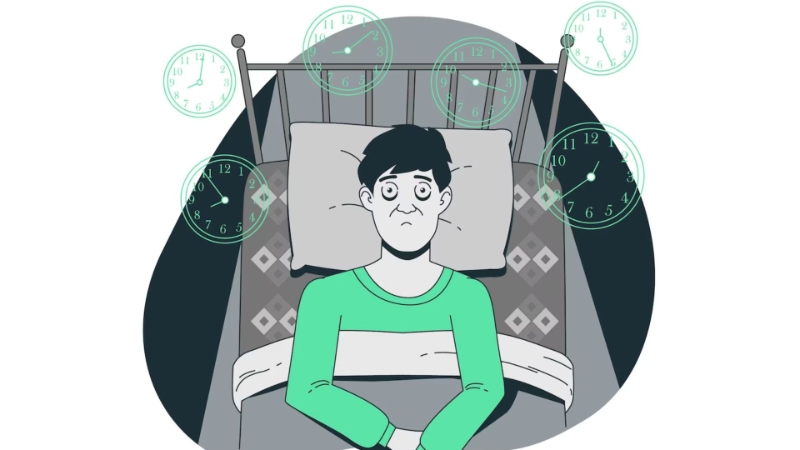
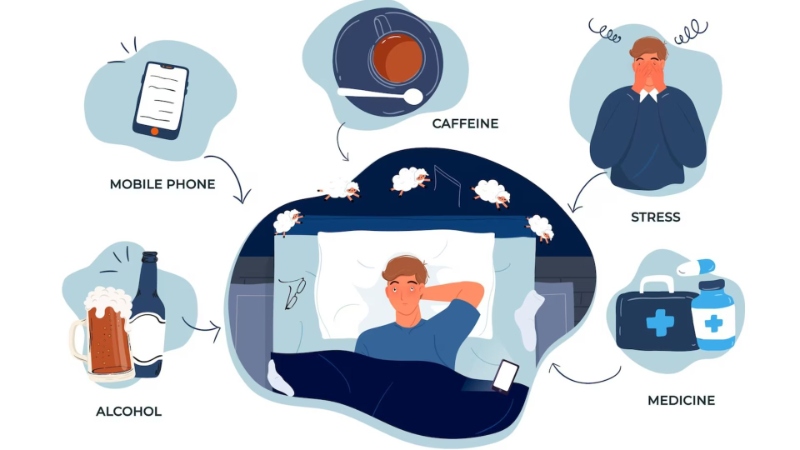
    Homeopathic Medicine for Insomnia: Insomnia is a common sleep disorder characterized by difficulty falling asleep, staying asleep, or both. It can result in poor sleep quality, leaving individuals feeling tired, irritable, and unrefreshed during the day. The causes of insomnia vary and can include stress, anxiety, depression, medical conditions, medications, and lifestyle factors. Understanding the specific causes and symptoms of insomnia is essential for finding the most effective treatment options.

    Insomnia symptoms can vary between individuals but often include difficulty falling asleep, frequent waking during the night, waking up too early in the morning, and not feeling refreshed after sleep. Daytime symptoms may include fatigue, difficulty concentrating, irritability, and an increased risk of accidents or errors at work. Chronic insomnia can lead to more severe health problems, such as obesity, diabetes, heart disease, and a weakened immune system.

    Insomnia affects people of all ages, genders, and backgrounds, but it tends to be more prevalent in older adults, women, and those with chronic medical conditions. Insomnia can be classified as acute (short-term) or chronic (long-term), with acute insomnia often resulting from temporary stressors, while chronic insomnia may have more deep-rooted causes.

    Conventional Treatments for Insomnia

    Conventional treatment options for insomnia typically focus on addressing the underlying causes of the sleep disorder, such as stress or medical conditions, and using medications to help improve sleep quality. Doctors often prescribe prescription medications, such as benzodiazepines and non-benzodiazepine sedative-hypnotics, to help individuals fall asleep and stay asleep throughout the night. However, these medications can have side effects, including dependence, drowsiness, and memory problems.

    People may also use over-the-counter sleep aids, such as antihistamines and melatonin, to help alleviate insomnia symptoms. While effective for some, these medications can cause side effects like dizziness, dry mouth, and daytime drowsiness in others. Furthermore, long-term use of sleep aids can lead to dependence and may not address the underlying causes of insomnia.

    Cognitive-behavioural therapy (CBT) for insomnia is another conventional treatment option that focuses on addressing the thoughts and behaviours contributing to sleep problems. CBT for insomnia can help individuals establish healthy sleep habits, identify and change unhelpful thoughts about sleep, and learn relaxation techniques to help them fall asleep more easily. While CBT for insomnia can be effective, it may not be suitable for everyone, especially those with more severe sleep disorders or medical conditions.

    Best Homeopathic Medicine for Sleep

    Homeopathic medicine offers an alternative treatment option for those seeking relief from insomnia symptoms without the potential side effects associated with conventional medications. Homeopathy is a holistic system of medicine that aims to stimulate the body’s natural healing processes by using highly diluted substances derived from plants, minerals, and animal products. According to the fundamental tenet of homeopathy, “like cures like,” a chemical that can create symptoms in a healthy person can also treat those same symptoms in a sick person.

    Homeopathic medicine for insomnia focuses on addressing the root causes of the sleep disorder, such as stress, anxiety, or hormonal imbalances, and aims to restore balance within the body to promote a good night’s sleep. Homeopathic practitioners select remedies based on the specific symptoms and characteristics of each individual, making it a personalized and tailored treatment option.

    Dream Rest

    Top 10 Homeopathic Medicine for Insomnia

    1. Coffea Cruda

    Homeopaths derive this remedy from unroasted coffee beans and often use it to treat insomnia caused by an overactive mind, racing thoughts, or excessive mental activity. Coffea Cruda may help those who frequently wake at night and struggle to fall back asleep.

    2. Aconitum Napellus

    The homeopathic remedy Aconitum Napellus, derived from the plant monkshood, often treats insomnia related to anxiety, fear, or panic. This remedy can be particularly helpful for those who experience restless sleep, nightmares, or night sweats.

    3. Nux Vomica

    Doctors often use this homeopathic remedy derived from the seeds of the Strychnos nux-vomica tree to treat insomnia caused by overindulgence in stimulants, such as caffeine, alcohol, or nicotine. Nux Vomica may also be helpful for those who have difficulty falling asleep due to an overactive mind or work-related stress.

    4. Passiflora Incarnata

    Also known as passionflower, Passiflora Incarnata is a homeopathic remedy that has sedative and calming properties. Doctors often use it to treat insomnia related to anxiety, restlessness, or nervous exhaustion.

    5. Ignatia Amara

    St. Ignatius bean seeds produce Ignatia Amara, a homeopathic remedy often used to treat insomnia related to grief, emotional stress, or depression. This remedy may be particularly helpful for those who experience frequent waking, vivid dreams, or difficulty falling asleep due to a racing mind.

    6. Arsenicum Album

    Doctors often use the homeopathic remedy derived from the element arsenic to treat insomnia related to anxiety, restlessness, or fear. Arsenicum Album may be particularly helpful for those who experience difficulty falling asleep or staying asleep, as well as those who wake up feeling unrefreshed.

    7. Pulsatilla Nigricans

    Derived from the windflower plant, Pulsatilla Nigricans is a homoeopathic remedy often used to treat insomnia related to hormonal imbalances or emotional stress. This remedy may be particularly helpful for women, as it can help to address the causes of insomnia in females, such as premenstrual syndrome (PMS) or menopause.

    8. Calcarea Carbonica

    Also known as calcium carbonate, Calcarea Carbonica is a homeopathic remedy often used to treat insomnia related to physical exhaustion or overwork. This remedy can be particularly helpful for those who have difficulty falling asleep, wake frequently during the night, or experience sleepwalking.

    9. Lycopodium Clavatum

    Homeopaths often use Lycopodium Clavatum, derived from the club moss plant, to treat insomnia related to digestive issues or liver problems. This remedy may be particularly helpful for those who experience bloating, indigestion, or gas that contributes to their sleep problems.

    10. Silicea

    Also known as silicon dioxide, Silicea is a homeopathic remedy often used to treat insomnia related to anxiety or nervousness. This remedy may be particularly helpful for those who experience difficulty falling asleep due to an overactive mind or fear of the dark.

    Homeopathic Medicine for Insomnia

    Best Homeopathy Medicine for Anxiety and Sleeplessness

    When using homoeopathic medicines for insomnia, it is essential to follow the guidance of a qualified homoeopath or healthcare professional. Patients typically take homoeopathic remedies in the form of small pellets or tablets that dissolve under the tongue. The dosage and frequency of use will vary depending on the specific remedy and the individual’s needs. To ensure optimal absorption, avoid eating or drinking for at least 15 minutes before and after taking homeopathic remedies

    Homeopathic medicines are generally considered safe and have few side effects, but it is important to consult with a healthcare professional if you are pregnant, nursing, or taking any prescription medications. Additionally, if your insomnia symptoms persist or worsen, it is essential to consult a healthcare professional.

    Consult a Doctor and Medkart will help you Order Medicines Online

    Home Remedies for Insomnia: Lifestyle Changes to Improve Sleep

    In addition to using homoeopathic medicine for insomnia, there are various home remedies and lifestyle changes that can help improve sleep quality. These may include:

    • Establishing a regular sleep schedule that includes going to bed and rising at the same time each day, including on the weekends.
    • Creating a relaxing bedtime routine that includes activities such as reading, listening to calming music, or taking a warm bath.
    • Limiting exposure to screens, such as phones, tablets, and televisions, at least one hour before bedtime.
    • Ensuring your sleep environment is comfortable, quiet, and dark, with a comfortable mattress and pillows.
    • Limiting caffeine, alcohol, and nicotine intake, especially in the hours leading up to bedtime.
    • Incorporating regular exercise into your daily routine, but avoiding vigorous activity close to bedtime.
    • Practicing relaxation techniques, such as deep breathing, progressive muscle relaxation, or meditation, helps calm the mind and body before sleep.

    Homeopathic Medicine for Insomnia

    Causes of Insomnia in Females: Understanding Gender-Specific Factors

    While insomnia can affect individuals of all genders, some gender-specific factors may contribute to the development of insomnia in females. These factors can include hormonal fluctuations, such as those experienced during menstruation, pregnancy, and menopause, which can disrupt sleep patterns and contribute to insomnia. Additionally, women may be more prone to stress, anxiety, and depression, which are known causes of insomnia.

    Understanding the specific causes of insomnia in females is crucial for identifying effective treatment options. Studies have shown that homoeopathic remedies, such as Pulsatilla Nigricans, can help address hormonal imbalances and emotional stressors that can lead to insomnia in women. Additionally, incorporating lifestyle changes, such as relaxation techniques and regular exercise, can help to reduce stress levels and promote better sleep quality.

    Home Remedies for Homeopathic Medicine for Insomnia

    While homeopathic medicine and home remedies can be effective in treating insomnia, combining these approaches may offer the most significant benefit. For example, incorporating relaxation techniques, such as meditation or deep breathing, alongside homeopathic remedies, such as Coffea Cruda or Ignatia Amara, can help to calm the mind and promote better sleep quality.

    Additionally, incorporating lifestyle changes, such as establishing a regular sleep schedule and creating a relaxing bedtime routine, can help support the body’s natural sleep-wake cycle and promote better sleep quality.

    Insomnia the Enemy of Sleep Reading Answers: What Science Tells Us

    In recent years, there has been an increasing amount of research into the causes and treatment of insomnia. One area of research has focused on the impact of technology on sleep quality. Studies have shown that exposure to blue light emitted by electronic devices, such as smartphones and tablets, can disrupt the body’s natural sleep-wake cycle and lead to difficulty falling asleep.

    Other research has explored the relationship between diet and sleep quality. Studies have shown that a diet high in sugar and processed foods can lead to poor sleep quality, while a diet rich in whole foods, such as fruits, vegetables, and lean protein, can promote better sleep quality.

    Additionally, research has shown that mindfulness practices, such as meditation and yoga, can help to reduce stress and anxiety levels, leading to better sleep quality. These practices can also help to improve overall mental health and well-being.

    Read: What are Generic Medicines?

    Conclusion

    Insomnia can be frustrating and exhausting, but a variety of natural solutions are available to help promote better sleep quality. Homeopathic medicine offers a personalized and tailored approach to treating insomnia, while lifestyle changes, such as relaxation techniques and regular exercise, can help to support overall sleep health. By working with a qualified healthcare professional and exploring a range of treatment options, individuals can find the best solution for their insomnia and achieve a good night’s sleep.

    FAQs on Homeopathy Medicine for Sleep

    1. What is homeopathy and how does it approach treating sleeplessness or insomnia?

    Homeopathy is holistic medicine system that treats the underlying causes of health issues by stimulating the body’s natural healing mechanisms. Homeopathy focuses on identifying the individual’s unique symptoms and prescribing remedies that match those symptoms in the case of sleeplessness or insomnia.

    2. What are some common symptoms that might lead to the selection of a homeopathic medicine for sleeplessness?

    Homeopathic remedies are chosen based on a person’s specific symptoms, which can include restlessness, anxiety, racing thoughts, difficulty falling asleep, waking up frequently during the night, and exhaustion despite lack of sleep.

    3. Can you provide an example of a homeopathic remedy that is often recommended for sleeplessness and its corresponding symptoms?

    Coffea cruda, a homeopathic remedy derived from coffee, is used for sleeplessness caused by an overactive and restless mind. The person might experience heightened sensitivity and alertness, and their thoughts might be racing.

    4. How does a person take homeopathic medicines for sleeplessness?

    Homeopathic medicines are typically available in the form of small pellets or liquid solutions. They should be taken under the tongue or dissolved in a small amount of water. The frequency of dosing and potency will be determined by a qualified homeopathic practitioner based on the individual’s symptoms.

    5. Are there any potential side effects or interactions to be aware of when using homeopathic medicines for sleeplessness?

    When used as directed, people generally consider homeopathic medicines safe because they are highly diluted substances, which reduces the risk of side effects. However, it’s important to consult with a qualified homeopathic practitioner before using any remedy, especially if you are already taking other medications or have underlying health conditions.

    Related Links:

  • Role of eating on time in controlling the body functions

    Role of eating on time in controlling the body functions

    Role of eating on time image

    We continually struggle with work, personal, and social lives since we live in a hectic society. And this leads to frequently neglecting the most valuable resource—our health—as we become caught up in daily chores and work.

    Role of eating on time

    Skipping meals or not eating meals on time throws off our body’s circadian cycle — a natural, roughly 24-hour cycle of biological processes in living organisms, including animals, plants, and even some bacteria, is driven by an internal body clock and regulated by external cues, such as sunlight and temperature. During the cycle, the body performs functions such as sleeping, eating, and producing hormones.

    This can interfere with our bodily systems’ harmony. A full stomach prevents mood swings and keeps you in good spirits. Therefore, it is important to schedule your meal times to make your life easier and healthier.

    The three meals we need to eat daily for a healthy existence are breakfast, lunch, and dinner. We all talk about nutrient-rich our food is but overlook the value of eating food on time. Skipping meals or eating them at the wrong times leads to health issues and even chronic illnesses in children.

    1) Regulates the body cycle

    The forces under our control—proper nutrition, a healthy sleep schedule, and regulated meal timing—must all be maintained. These routines help the body adapt to a cyclical rhythm. Thus, following a strict eating schedule is crucial to keep the body in its proper order.

    2) Detoxifies the body

    When you eat food on time, your body obtains various nutrients. The liver performs detoxification, which is a key function. It causes stress on your body when you consume a meal at 10 o’clock or later, which is quite close to when you go to bed because the liver detoxifies while you sleep. You should eat dinner promptly to prevent the detoxification process from being hampered.

    3) Boosts metabolism

    Metabolism refers to changes that happen chemically within a living cell or organism. The resources and energy required for cell growth, reproduction, and health are produced by metabolism changes.

    Your metabolism is also influenced by the time you eat. Our metabolism is at its maximum when we first wake up. Eating breakfast two hours after waking up is advised. Your body can only maintain the metabolic rate if you feel it now. Your metabolism slows down during the day.

    4) Healthy eating schedule

    A healthy food schedule is essential. It takes 3–4 hours to digest a meal properly. It’s ideal not to keep a gap of more than 4 hours between the two meals. Fruits and snacks must be consumed in between meals. The breakfast, lunch, and dinner intervals should include at least two snacks.

    5) The ideal time for breakfast, lunch and dinner

    Experts recommend eating breakfast within two hours of waking up. Your metabolism will slow down if you don’t. The better it is for your metabolism and general health, the sooner you have breakfast after waking up.

    From 12 to 2 o’clock, our digestive power is at its peak. Here, the body will digest all the nutrients from the meal, which are then absorbed by the body.

    Maintaining a 4-hour window between lunch and dinnertime, one should consume their dinner by 8 p.m. Additionally, there should be a 2-hour window between dinner and bedtime. This gap aids in better digestion and restful sleep.

    Having regular eating habits aids kids in developing without any illnesses. It enables kids to keep a sufficient supply of calcium, vitamins, and other minerals crucial for their growth. For instance, a lack of Vitamin D can cause rickets disease in children. A healthy meal is full of nutrients and can keep children active throughout the day. Also, it helps children to focus on schoolwork without being concerned about hunger.

    Adult chronic diseases such as type 2 diabetes, hypertension, osteoporosis, heart conditions, and other types of cancer are less likely to occur with a proper nutritional diet. It lowers the dangers to one’s health that can lead to disease and death. Eating meals on time can help keep a body healthy, maintain body weight, and you’ll have fewer health issues.

    Conclusion

    Your body has an inbuilt intelligence that can direct your eating throughout the day; all we need to do is cultivate and fortify our capacity to hear it. In our previous blog post, we described the various forms of hunger and various treatments for it. Our bodies build those dependable hunger cues with the aid of regular meal timing, making it easier for us to recognize and react to them in a way that benefits our bodies.

    Our ability to recognize our hunger and fullness cues will improve as we do, and we’ll begin to notice minor daily variations. It’s okay if we eat more frequently and in larger portions on some days and less frequently on others. It is best to stick to food timings to live a healthy life.

    Bottom line: Do not forget to include nutrition supplements

    Vitamins and supplements are essential to keeping your body healthy and well-nourished. Medkart helps with the vitamins and supplements you need without paying the high costs associated with brand-name products.

    Generic supplements are just as effective as their brand-name counterparts but are much more affordable. With Medkart, you can get the vitamins and supplements you need to stay healthy and save money simultaneously.

    To avail of generic supplements, visit www.medkart.in/blog and find the right supplements that help fuel your body. Alternatively, you can order it through our iOS and android applications.

  • What Is the Impact of Screen Usage on the Body and Mind?

    A few decades ago, excessive screen usage and social media addiction were not issues that bothered us. One study published in Indian Pediatrics found that 53% of children reported watching less than 2 hours of screen time per day on average. And nearly 37% of parents believed their children’s behaviour, social interactions, academic performance, and eating habits suffered because of excessive media exposure.

    We must be aware of the signals of excessive screen usage and the dangers of disobeying the warning signs as our digital-first society increasingly relies on screens for learning, working, and connecting with family.

    We are currently participating in a real-world experiment regarding how bad screen time is for us. Many of the new age habits are resulting in chronic illness among children.

    The following list of warning signs and symptoms of excessive screen usage includes mental and physical manifestations.

    Bad quality of sleep

    Our sleep is disturbed by blue light exposure from screens because it throws off our circadian rhythm, especially at night. The primary source of blue light is the sun which controls our level of attentiveness during the day. However, when we are exposed to blue light when it is not daytime, our bodies suppress melatonin — a hormone that regulates sleep. And we are deprived of restorative REM sleep. In other words, even brief late-night screen time sessions for adults and kids confuse our systems into producing less melatonin, making it harder for us to fall asleep.

    Additionally, maintaining this alert and awake state in our bodies might trigger the release of the stress hormone cortisol, which heightens tension in the body. As we scroll through our inboxes and social media accounts, the electrical activity in our brains is on overdrive, making it harder to put our bodies and minds into a calm state for sleep.

    Here are some of the negative effects of screen time;

    ● Mental fog

    ● Lower energy levels

    ● Mental problems

    ● Reduced attention span etc.

    Vision damage in long-term

    According to an increasing number of studies, myopia and screen usage are linked. While genetics unquestionably affect children’s and adults’ vision, other irrefutable factors raise concerns about screen usage and less time spent outdoors.

    Short-term vision impairment and irritation

    Anyone who spends a lot of time in front of a screen should be concerned when their eyes burn and take care of headaches, impaired vision, and light sensitivity. Almost 3/4th of computer users suffer from computer vision syndrome. When focusing on a screen, people blink 66% less, causing telltale signs of dryness, redness, eyestrain, blurred vision, and so forth.

    Increase weight and diabetes

    For a very long period, screen time has been linked to obesity in both children and adults. The apparent cause is a more sedentary lifestyle, but it’s also a result of getting too little sleep, which can make you hungry and crave junk food. Being overly sedentary is associated with a higher risk of developing diabetes, and excessive screen usage frequently entails sitting and remaining in a resting condition.

    The negative consequences of screen time can add up to more chronic illnesses. Musculoskeletal problems brought on by excessive sitting can also affect our daily health and enjoyment by creating aches and pains.

    But it’s more than just a sedentary way of life. In most situations, increased screen time means more exposure to advertisements and digital marketing content that encourage bad habits. Despite people’s knowledge of better, ongoing exposure to these pictures and messaging impacts the human psyche and can change eating preferences and behavioural patterns. As if that weren’t enough, screen time is believed to be a secondary cause of cancer because weight gain is causally linked to at least 12 different types of cancers.

    Degrades emotional self

    The negative effects of too much screen time can degrade your emotional self. Parents frequently allow their kids to use screens for entertainment or to keep them busy. Even though a few minutes isn’t much, it’s safe to argue that we all use screens for longer than that.

    This kind of distraction makes it less likely for kids to engage with others, which suggests screen time is causing kids’ social skills to decline. They find it more difficult to engage and socialize with adults and their classmates. Social development is delayed in the long run.

    Along with social problems, early exposure to screens is associated with emotional troubles and family problems. Children who are less emotionally and socially capable miss out on important developmental skill-building opportunities.

    Conclusion

    Consult your doctor for a diagnosis if you experience symptoms like insomnia, poor short-term memory, anxiety, worsening vision, headaches, or brain fog. In the meantime, keep your daily screen time to six hours, avoid all screens at least an hour before bed, and refrain from using social media on the weekends. You may tell how displays are impacting you clearly if you feel better right away.

    Keep visiting Medkart.in or the Medkart app (iOS & android) which is an incredible source of knowledge for health and lifestyle-related facts. It provides users comprehensive information on nutrition, lifestyle, and overall wellness to lead a healthy life.

    Subscribe to the Medkart blog and stay updated with information regarding generic medicines, addressing diseases, and taking the right measures to address the health of their loved ones.

  • Asthma vs. COPD: How to Identify the Difference | Symptoms, Diagnosis, Treatment

    Asthma vs. COPD: How to Identify the Difference | Symptoms, Diagnosis, Treatment

    Asthma vs. COPD

    Introduction to Asthma and COPD

    Asthma and chronic obstructive pulmonary disease (COPD) are two common respiratory conditions that affect millions of people worldwide. Both of these conditions have similar symptoms, such as shortness of breath, wheezing, and coughing. However, they have different causes, treatments, and prognoses. This article will discuss the difference between asthma and COPD, their symptoms, diagnosis, treatment, and prevention strategies. Understanding the distinctions between these two conditions can help individuals and healthcare professionals manage and treat them more effectively.

    What is Asthma?

    Asthma is a chronic inflammatory lung disease that is characterized by airway constriction and obstruction. It affects the bronchial tubes, which are the small airways in the lungs responsible for carrying air in and out. When an asthma attack occurs, the muscles around the airways constrict, the lining of the airways swells, and excess mucus is produced. This leads to difficulty breathing, wheezing, coughing, and chest tightness. Asthma affects people of all ages, although it often starts in childhood. It is a manageable condition, and with proper treatment, individuals with asthma can lead a normal, active life.

    What is COPD?

    Chronic bronchitis and emphysema are two lung conditions that are a part of chronic obstructive pulmonary disease, or COPD. COPD is primarily caused by long-term exposure to lung irritants, such as cigarette smoke, air pollution, and certain chemicals. The damage caused by these irritants leads to inflammation and narrowing of the airways, making it difficult for air to flow in and out of the lungs. COPD is a life-threatening condition and is the third leading cause of death worldwide. Although there is no cure for COPD, treatments can help manage the symptoms and slow down the progression of the disease.

    Symptoms of Asthma

    Asthma symptoms can vary from person to person and may change over time. Some people with asthma may experience mild symptoms, while others may have severe and life-threatening asthma attacks. The most common symptoms of asthma include:

    • Shortness of breath, especially during physical activity or at night
    • Wheezing, which is a high-pitched, whistling sound when breathing
    • Coughing, which is frequently worse at night or in the morning
    • Chest tightness or pain
    • Fatigue due to difficulty breathing

    Asthma symptoms can be triggered by various factors such as allergens, respiratory infections, cold air, exercise, and strong odors. It is essential to identify and avoid these triggers to prevent asthma attacks and manage the condition effectively.

    Symptoms of COPD

    COPD symptoms often start gradually and become worse over time. In the early stages of the disease, symptoms may be mild and go unnoticed. As the disease progresses, symptoms become more severe and disabling. The most common symptoms of COPD include:

    • Persistent cough, often with mucus production
    • Shortness of breath, especially during physical activity
    • Wheezing, similar to asthma
    • Chest tightness or discomfort
    • Fatigue and difficulty performing daily activities

    COPD symptoms can be exacerbated by respiratory infections, exposure to lung irritants, and cold weather. It is crucial to take steps to minimize exposure to these factors to manage COPD symptoms and slow down the progression of the disease.

    Childhood Obesity – What is the impact of obesity on children’s health?

    Diagnosis of Asthma

    To diagnose asthma, a healthcare professional will take a detailed medical history, perform a physical examination, and conduct lung function tests. The medical history will include questions about symptoms, family history of asthma or allergies, and potential triggers. A physical examination will focus on the respiratory system, listening for wheezing or other abnormal breathing sounds.

    Lung function tests are essential for diagnosing asthma and determining its severity. These tests measure how well the lungs are working and include:

    • Spirometry: This test measures the amount of air a person can breathe in and out and how quickly they can do so. It can help determine the degree of airway obstruction and response to treatment.
    • Peak flow monitoring: This test measures the maximum speed at which a person can exhale. A decrease in peak flow may indicate worsening asthma, while an increase may indicate improved control.
    • Bronchoprovocation testing: This test involves inhaling a substance that causes the airways to narrow, allowing the healthcare professional to assess the sensitivity of the airways.

    Additional tests, such as allergy tests, chest X-ray, or blood tests, may be conducted to rule out other conditions or identify potential triggers.

    Diagnosis of COPD

    The diagnosis of COPD is based on a combination of medical history, physical examination, and lung function tests. A healthcare professional will ask about symptoms, smoking history, exposure to lung irritants, and family history of lung disease. A physical examination will focus on the respiratory system, looking for signs of COPD such as wheezing, crackles, or barrel chest.

    Lung function tests are crucial for diagnosing COPD and determining its severity. The primary test for COPD is spirometry, which measures the amount of air a person can breathe in and out and how quickly they can do so. A reduced airflow that does not improve significantly after inhaling a bronchodilator medication indicates the presence of COPD.

    Additional tests, such as chest X-ray, computed tomography (CT) scan, or blood tests, may be conducted to rule out other conditions or assess the extent of lung damage.

    The Differences Between Asthma and COPD

    While asthma and COPD share some similarities in terms of symptoms and airway obstruction, there are several key differences between these two conditions:

    • Age of onset: Asthma often begins in childhood, whereas COPD typically develops in adults over the age of 40.
    • Cause: Asthma is usually caused by an overactive immune response to allergens or irritants, while COPD is primarily caused by long-term exposure to lung irritants such as cigarette smoke.
    • Reversibility: Asthma symptoms and airway obstruction are generally reversible with appropriate treatment, whereas COPD symptoms and airway obstruction are progressive and not fully reversible.
    • Inflammation: The inflammation in asthma mainly affects the bronchial tubes, while in COPD, the inflammation affects the bronchial tubes and lung tissue, leading to permanent damage.

    Understanding the difference between asthma and COPD is critical for proper diagnosis, treatment, and management of these conditions.

    Why It Matters to Know the Difference

    Knowing the difference between asthma and COPD is essential for several reasons:

    • Accurate diagnosis: Differentiating between asthma and COPD is crucial for accurate diagnosis and appropriate treatment. Misdiagnosis can lead to inadequate treatment, worsening symptoms, and increased healthcare costs.
    • Treatment options: Asthma and COPD require different treatment approaches. Using the wrong treatment can be ineffective or even harmful.
    • Prognosis: Asthma is generally a manageable condition with proper treatment, while COPD is a progressive and life-threatening disease. Knowing the difference can help individuals understand the severity of their condition and set appropriate expectations for the future.
    • Prevention strategies: Identifying the specific condition allows for targeted prevention strategies, such as avoiding allergens in asthma or quitting smoking in COPD.

    Treatment for Asthma

    The primary goal of asthma treatment is to control symptoms, prevent asthma attacks, and maintain normal lung function. Treatment options for asthma include:

    • Medications: Asthma medications are generally divided into two categories – long-term control medications and quick-relief medications. Long-term control medications, such as inhaled corticosteroids and long-acting bronchodilators, help prevent symptoms and reduce inflammation. Quick-relief medications, such as short-acting bronchodilators and oral corticosteroids, provide rapid relief of symptoms during an asthma attack.
    • Allergy management: Identifying and avoiding allergens can help prevent asthma symptoms and attacks. Allergy medications or immunotherapy may also be recommended for individuals with allergic asthma.
    • Asthma action plan: An asthma action plan is a personalized guide that outlines how to manage asthma, including medications, triggers, and what to do during an asthma attack. Following this plan can help individuals maintain better control over their asthma.
    • Regular follow-up: Regular check-ups with a healthcare professional can help monitor asthma control, adjust treatment as needed, and prevent complications.

    Treatment for COPD

    The main goals of COPD treatment are to relieve symptoms, slow down the progression of the disease, and improve overall quality of life. Treatment options for COPD include:

    • Medications: COPD medications include bronchodilators, inhaled corticosteroids, and phosphodiesterase-4 inhibitors. Bronchodilators help relax the airway muscles and improve breathing, while corticosteroids reduce inflammation. Phosphodiesterase-4 inhibitors reduce inflammation and improve lung function in people with severe COPD.
    • Oxygen therapy: Oxygen therapy may be recommended for people with severe COPD who have low oxygen levels in their blood. It can help reduce shortness of breath and improve exercise tolerance.
    • Pulmonary rehabilitation: Pulmonary rehabilitation is a comprehensive program that includes exercise training, breathing techniques, nutritional counseling, and education about COPD. It can help improve symptoms, reduce hospitalizations, and improve quality of life.
    • Surgery: In severe cases of COPD, surgery may be recommended to remove damaged lung tissue or to perform a lung transplant.

    Preventing Asthma and COPD

    Preventing asthma and COPD involves minimizing exposure to risk factors and maintaining a healthy lifestyle. Here are some strategies for preventing these conditions:

    • Avoiding tobacco smoke: Tobacco smoke is a significant risk factor for both asthma and COPD. Quitting smoking or avoiding exposure to secondhand smoke can help prevent these conditions.
    • Minimizing exposure to lung irritants: Exposure to lung irritants, such as air pollution, chemicals, dust, and fumes, can increase the risk of developing asthma and COPD. Taking steps to minimize exposure to these irritants can help prevent these conditions.
    • Managing allergies: Allergies can trigger asthma symptoms in some people. Identifying and avoiding allergens, taking allergy medications, or undergoing immunotherapy can help prevent asthma attacks.
    • Maintaining a healthy lifestyle: Eating a healthy diet, getting regular exercise, managing stress, and getting enough sleep can help maintain overall health and reduce the risk of developing respiratory conditions.

    Frequently Asked Question about Asthma and COPD

    1.What is the difference between asthma and COPD?

    – Asthma and COPD are both chronic respiratory conditions, but they have distinct characteristics. Asthma is often triggered by allergies and is reversible, while COPD is typically caused by long-term exposure to irritants like smoking and is generally not reversible. The symptoms and management strategies for these conditions also differ.

    2. What are the common symptoms of asthma and COPD?

    – Both asthma and COPD share symptoms such as shortness of breath, coughing, and wheezing. However, asthma symptoms tend to come and go, while COPD symptoms are more persistent and progressive. People with asthma might experience symptom-free periods, while those with COPD often have a gradual worsening of symptoms over time.

    3. Can asthma turn into COPD?

    – While asthma and COPD are distinct conditions, some individuals with long-term, uncontrolled asthma may develop COPD-like symptoms over time. This is more likely in individuals who smoke or are exposed to other lung irritants. Proper management and treatment of asthma can help reduce the risk of it progressing to COPD.

    4. What are common triggers for asthma and COPD exacerbations?

    – Asthma exacerbations can be triggered by allergens (pollen, pet dander), respiratory infections, exercise, cold air, and irritants like smoke. COPD exacerbations are often triggered by respiratory infections, air pollution, and exposure to tobacco smoke. Avoiding these triggers and following a personalized management plan is crucial for both conditions.

    5. How are asthma and COPD treated?

    – Asthma treatment typically involves bronchodilators (inhalers) to open airways and anti-inflammatory medications to reduce inflammation. Management may also include identifying and avoiding triggers. COPD treatment often includes bronchodilators and inhaled corticosteroids to manage symptoms. Lifestyle changes, such as quitting smoking and pulmonary rehabilitation, are also important for COPD management.

    Remember, if you have concerns about asthma, COPD, or any other health condition, it’s important to consult a medical professional for accurate information and personalized guidance.

    Conclusion

    Asthma and COPD are two respiratory conditions that have similar symptoms but different causes, treatments, and prognoses. Understanding the difference between these two conditions is crucial for accurate diagnosis, appropriate treatment, and effective management. If you experience symptoms such as shortness of breath, wheezing, coughing, or chest tightness, it is essential to seek medical attention promptly. With proper diagnosis and treatment, individuals with asthma and COPD can lead a normal, active life and prevent complications. By taking steps to prevent these conditions, such as avoiding tobacco smoke and minimizing exposure to lung irritants, individuals can maintain good respiratory health and prevent respiratory diseases.

    Call To Action

    For access to more such interesting articles on healthcare, visit Medkart today!

  • Is Asthma Curable? Homeopathic Nebulizer Medicine for Asthma

    Is Asthma Curable? Homeopathic Nebulizer Medicine for Asthma


    Is Asthma Curable? Homeopathic Nebulizer Medicine for Asthma

    Is Asthma Curable – Millions of people worldwide suffer from asthma, a chronic respiratory disease. It is characterized by inflammation and narrowing of the airways, leading to symptoms such as wheezing, coughing, shortness of breath, and chest tightness. The prevalence of asthma has been on the rise in recent years, with the World Health Organization (WHO) estimating that it affects over 339 million people globally. The question of whether asthma is curable is a common one, as many individuals living with this condition seek ways to manage their symptoms and achieve a better quality of life.

    The severity of asthma can vary greatly from person to person, with some individuals experiencing mild, infrequent symptoms, while others suffer from severe and persistent symptoms that can be life-threatening. Asthma can be triggered by various factors, including allergens, irritants, infections, exercise, and stress. Due to its chronic nature, asthma often requires long-term management, which typically involves a combination of medications, lifestyle changes, and self-monitoring.

    Understanding the question of “Is asthma curable?” is essential for those living with this condition and their healthcare providers, as it can help guide treatment decisions and set realistic expectations for symptom management. The answer to this question is complex, as there is currently no known cure for asthma. However, there are many treatment options available that can help individuals achieve better control over their symptoms and improve their quality of life.

    Homeopathic Medicine for Asthma

    Homeopathic medicine is an alternative treatment approach that has been used for centuries to treat various health conditions, including asthma. Homeopathy is based on the principle of “like cures like,” meaning that a substance that causes symptoms in a healthy person can be used to treat similar symptoms in a sick person when given in small, diluted doses. Homeopathic remedies for asthma aim to stimulate the body’s natural healing response and reduce the frequency and severity of symptoms.

    Some commonly used homeopathic remedies for asthma include Arsenicum album, Natrum sulphuricum, and Pulsatilla. These remedies are often chosen based on the specific symptoms and individual characteristics of the person with asthma. Homeopathic asthma treatment may be used alongside conventional medical treatments or as part of a comprehensive asthma care plan.

    While some studies have suggested that homeopathic medicine may be beneficial for asthma, the overall evidence is limited and of low quality. As a result, many healthcare professionals are sceptical about the effectiveness of homeopathy for asthma and recommend that individuals continue to use conventional treatments. However, some people with asthma may find relief from their symptoms through homeopathic treatment, and it is essential to discuss all treatment options with a healthcare provider.

    Ayurvedic medicine for Asthma: An ancient approach to relief

    Ayurveda is an ancient system of medicine originating in India, which focuses on achieving balance in the body and mind through diet, lifestyle, and herbal remedies. Ayurvedic medicine for asthma seeks to address the root cause of the condition and restore balance to the body’s systems. Treatment approaches may include dietary modifications, herbal supplements, breathing exercises, and meditation.

    Some common Ayurvedic herbs used to treat asthma include liquorice, turmeric, and ginger. These herbs are believed to have anti-inflammatory, bronchodilatory, and immune-modulating properties, which may help alleviate asthma symptoms. Ayurvedic treatment for asthma may also involve the use of herbal formulations such as Chyawanprash, a jam-like mixture of herbs, fruits, and spices that are believed to support lung health and improve respiratory function.

    Like homeopathy, the evidence supporting the effectiveness of Ayurvedic medicine for asthma is limited. However, some individuals with asthma may find relief from their symptoms through Ayurvedic treatment. As with any alternative treatment, it is essential to discuss the use of Ayurvedic medicine with a healthcare provider before incorporating it into an asthma care plan.

    Asthma Care Plan – Importance of having a Plan in Place

    An asthma care plan is a critical component of effective asthma management. It is a personalized, written document that outlines the steps an individual with asthma should take to prevent and manage their symptoms. Asthma care plans are typically developed in collaboration with a healthcare provider and are tailored to the specific needs and goals of the person with asthma.

    A comprehensive asthma care plan should include information on the individual’s asthma triggers, medications, and self-monitoring techniques, as well as an action plan for managing asthma exacerbations. The plan should be reviewed and updated regularly to ensure that it remains relevant to the individual’s changing needs and circumstances.

    Having an asthma care plan in place can help individuals with asthma achieve better control over their symptoms, reduce the risk of exacerbations, and improve their overall quality of life. It can also facilitate communication between the person with asthma and their healthcare provider, ensuring that they receive the appropriate care and support.

    Related:

    Asthma Drugs Classification: Conventional Medical Treatments

    Conventional medical treatments for asthma can be broadly classified into two categories: controller medications and rescue medications. Controller medications are used on a long-term basis to reduce inflammation and prevent asthma symptoms, while rescue medications provide rapid relief during an asthma exacerbation.

    Controller medications include inhaled corticosteroids, which are the cornerstone of asthma treatment, as well as long-acting beta-agonists, leukotriene modifiers, and theophylline. These medications work in different ways to reduce airway inflammation and improve lung function, and they are often used in combination to achieve optimal asthma control.

    Rescue medications include short-acting beta-agonists, which are bronchodilators that provide rapid relief from asthma symptoms by relaxing the muscles around the airways. These medications are typically used on an as-needed basis and should not be relied upon for long-term asthma control.

    In addition to these medications, some individuals with severe asthma may require other treatments, such as biologic therapies or oral corticosteroids. The choice of medication and treatment approach will depend on the severity of the individual’s asthma and their response to treatment.

    Homeopathic Nebulizer Medicine for Asthma: How they work and their benefits

    The use of nebulizers allows for the direct inhalation of liquid asthma treatments into the lungs. They are often used for individuals who have difficulty using inhalers or who require higher doses of medication to manage their asthma symptoms. Nebulizers can be used with both controller and rescue medications, making them a versatile tool in asthma management.

    Using a nebulizer to treat asthma has many advantages. The fine mist delivered by the nebulizer allows for more efficient delivery of medication to the lungs, which can result in faster symptom relief and improved lung function. Nebulizers can also be used by individuals of all ages, including young children and older adults, who may have difficulty using inhalers.

    While nebulizers can be an effective treatment option for some individuals with asthma, they may not be suitable for everyone. Nebulizers can be more time-consuming to use than inhalers and may require more maintenance and cleaning. Additionally, some individuals may find the noise produced by the nebulizer to be bothersome. It is essential to discuss the use of a nebulizer with a healthcare provider to determine if it is the right treatment option.


    Top Nebulizers for Effective Asthma Relief

    There are many different nebulizer models available on the market, each with its own features and benefits. Some of the top nebulizers for effective asthma relief include:

    1. PARI Vios Pro Nebulizer System

    This high-performance nebulizer is designed for heavy-duty use and delivers consistent, efficient aerosol delivery. It features a powerful compressor and is compatible with a wide range of medications.

    2. Omron NE-C801 Compair Nebulizer System

    This compact, lightweight nebulizer is designed for portability and ease of use. It features a quiet operation and a short treatment time, making it ideal for use at home or on the go.

    3. Philips Respironics InnoSpire Essence Nebulizer System

    This reliable nebulizer system features a compact, easy-to-use design and delivers consistent aerosol delivery. It is compatible with a variety of medications and includes a reusable nebulizer for long-term use.

    4. MedPro Nebulizer with Compressor

    This affordable, easy-to-use nebulizer system is designed for home use and provides efficient aerosol delivery. It features a powerful compressor and is compatible with most medications.

    > Consult a Doctor and Buy Nebulizers for Asthma from here – Order Medicines Online

    When choosing a nebulizer, it is essential to consider factors such as the type of medication being used, the individual’s needs and preferences, and the device’s features and performance. A healthcare provider can help determine the best nebulizer for an individual’s needs.

    Lifestyle changes to support Asthma Management

    In addition to medications and treatments, lifestyle changes can play an essential role in asthma management. Some lifestyle changes that may help support asthma management include:

    • Identifying and avoiding asthma triggers: Becoming aware of the specific factors that trigger asthma symptoms can help individuals reduce their exposure and minimize the risk of exacerbations.
    • Maintaining a healthy weight: Obesity has been linked to increased asthma severity, and losing weight can help improve lung function and reduce the need for medication.
    • Practising good hygiene: Regular handwashing and cleaning of the home can help reduce exposure to allergens and irritants that can trigger asthma symptoms.
    • Engaging in regular physical activity: Regular exercise can help improve lung function and reduce the frequency and severity of asthma symptoms. Before beginning an exercise programme, you should speak with a healthcare professional.
    • Managing stress: Stress can trigger asthma symptoms in some individuals, so it is important to find healthy ways to manage stress, such as relaxation techniques, meditation, or counselling.
    • Getting enough sleep: Poor sleep quality or insufficient sleep can worsen asthma symptoms, so it is important to aim for 7-9 hours of sleep per night and practice good sleep hygiene.

    By incorporating these lifestyle changes into an asthma care plan, individuals with asthma can take a proactive approach to symptom management and improve their overall quality of life.

    Is Asthma Curable? Homeopathic Nebulizer Medicine for Asthma

    Read: What are Generic Medicines?

    Conclusion: Is Asthma Curable

    While there is currently no known cure for asthma, there are many treatment options available that can help individuals achieve better control over their symptoms and improve their quality of life. Alternative treatments such as homoeopathic and Ayurvedic medicine may be beneficial for some individuals, but the evidence supporting their effectiveness is limited.

    Conventional medical treatments, including controller and rescue medications, are the cornerstone of asthma management and should be used in combination with an asthma care plan that includes self-monitoring, trigger avoidance, and lifestyle modifications. Nebulizers can be an effective treatment option for some individuals with asthma, but it is important to discuss their use with a healthcare provider.

    By working with a healthcare provider to develop a personalized asthma care plan and incorporating lifestyle changes into daily routines, individuals with asthma can achieve better control over their symptoms and lead a full, active life.

    FAQs on the Curability of Asthma

    Q1: Is asthma curable?

    While asthma is a chronic condition with no known cure, it can be effectively managed and controlled through proper medical treatment and lifestyle changes. Homoeopathic medicines and nebulizers can play a role in symptom relief and management.

    Q2: Can homeopathic medicines help with asthma?

    Some individuals may find relief from asthma symptoms through homeopathic treatments. However, it’s important to note that scientific evidence supporting the efficacy of homeopathy for asthma is limited. Consult a qualified healthcare professional before considering homeopathic remedies.

    Q3: What are homeopathic nebulizer medicines and how do they work for asthma?

    Nebulizers are medical devices that convert liquid medication into a fine mist, allowing patients to inhale the medication directly into their lungs. This can provide quick relief by delivering bronchodilators and anti-inflammatory drugs to reduce asthma symptoms and improve breathing.

    Q4: What are the top nebulizers recommended for asthma relief?

    Some top nebulizers for asthma relief include brands like Philips Respironics, Omron, and Pari. The choice of nebulizer depends on individual preferences, portability needs, and the specific medication prescribed by a healthcare provider.

    Q5: How should I use a nebulizer effectively for asthma management?

    To use a nebulizer effectively, follow these steps:

    • Wash your hands before assembling the nebulizer.
    • Measure the prescribed medication and add it to the nebulizer cup.
    • Assemble the nebulizer and connect it to the compressor.
    • Sit upright, place the mouthpiece or mask over your mouth and nose, and start the nebulizer.
    • Breathe slowly and deeply through the mouthpiece or mask until the medication is completely gone, usually around 5-10 minutes.
    • Clean and store the nebulizer after each use as per the manufacturer’s instructions.

    Related Links:

    Call to Action:

    For access to more such interesting articles on healthcare, visit Medkart today!
  • Do I need to take 2 doses of medicine in generic for same effect as branded?

    Do I need to take 2 doses of medicine in generic for same effect as branded?

     doses of medicine in generic

    It is generally not necessary to take a higher dose of a generic medication in order to achieve the same therapeutic effect as a branded medication.

    The active ingredient in a generic medication is the same as the active ingredient in the corresponding branded medication, and the dosages of these medications are typically equivalent.

    Have doubts regarding your Generics??? Visit www.medkart.in/blog and clear all your doubts.

    To know more watch – https://youtube.com/shorts/TKFv5Ls3CEA