Tag: Blood pressure

  • BP Normal Range for Female – Blood Pressure Readings

    BP Normal Range for Female – Blood Pressure Readings

    BP normal range for female image

    BP Normal Range for Female – The normal blood pressure range for females is typically defined as having a systolic pressure below 120 mmHg and a diastolic pressure below 80 mmHg. However, it’s essential to recognize that individual factors, including age, overall health, and lifestyle, can influence what is considered normal for a specific person.

    Maintaining a healthy lifestyle involves monitoring various aspects of our well-being, and one crucial parameter is blood pressure. Arterial pressure, commonly known as blood pressure, manifests as the dynamic force exerted by the flowing blood against the resilient confines of the arterial walls. It is a vital indicator of cardiovascular health and can help identify potential risks and prevent serious health issues.

    What is Blood Pressure?

    Blood pressure is measured in millimetres of mercury (mmHg) and is expressed as two numbers, such as 120/80 mmHg. The first number, known as systolic pressure, represents the force when the heart contracts and pumps blood into the arteries. The second numerical value, known as diastolic pressure, signifies the force exerted on the arterial walls during the heart’s resting phase between beats.
    BP Normal Range For Female image

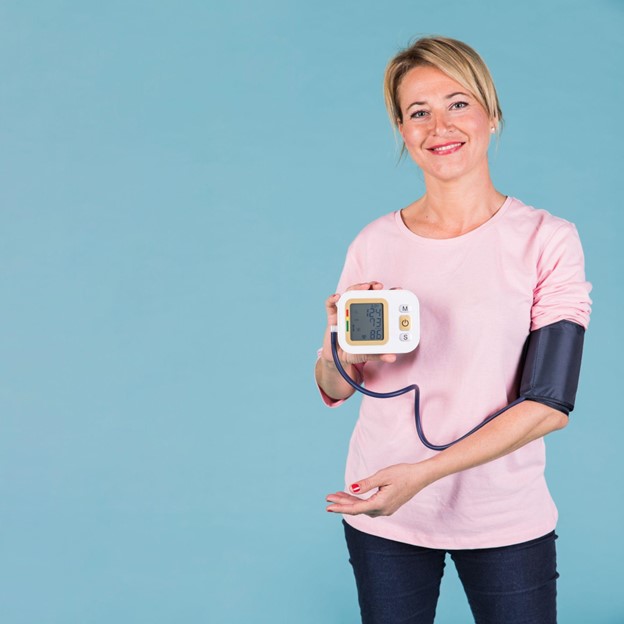
    BP Normal Range For Female

    1. Normal: Systolic < 120 mmHg and Diastolic < 80 mmHg
    2. Elevated: Systolic 120-129 mmHg and Diastolic < 80 mmHg
    3. Hypertension Stage 1: Systolic 130-139 mmHg or Diastolic 80-89 mmHg
    4. Hypertension Stage 2: Systolic ≥ 140 mmHg or Diastolic ≥ 90 mmHg
    5. Hypertensive Crisis: Systolic > 180 mmHg and/or Diastolic > 120 mmHg

    Why Monitoring Blood Pressure is Important?

    • Cardiovascular Health: High blood pressure is a major risk factor for heart disease and stroke. Monitoring blood pressure helps in the early detection and management of these conditions.
    • Preventive Health: Regular blood pressure checks can identify potential health issues, allowing for preventive measures before they escalate.
    • Overall Well-being: Maintaining a normal blood pressure range contributes to overall well-being, ensuring that organs receive an adequate supply of oxygen and nutrients.

    Also, Read:

    Tips for Maintaining Healthy Blood Pressure

    • Balanced Diet : Embrace a nutritional regimen abundant in a variety of fruits, vegetables, whole grains, and lean proteins to nourish your body with essential vitamins and minerals.
    • Regular Exercise : Engage in regular physical activity, such as brisk walking, jogging, or cycling, to promote cardiovascular fitness.
    • Maintain a Healthy Weight : Being overweight can contribute to high blood pressure. Losing excess weight through a combination of diet and exercise can be beneficial.
    • Limit Alcohol and Caffeine : Excessive alcohol and caffeine consumption can impact blood pressure. Moderation is key.
    • Stress Management : Practice stress-reducing techniques, such as meditation, yoga, or deep breathing exercises, to help maintain a healthy blood pressure level.

    BP Normal Range For Female Age Wise

    Blood pressure (BP) norms can vary with age, reflecting the physiological changes that occur throughout a woman’s life. Here’s an overview of the general blood pressure ranges for females across different age groups:

    1. Young Adults (18-30 years)

    • Normal Range: Systolic < 120 mmHg, Diastolic < 80 mmHg
    • Young females typically have lower blood pressure, and values within or close to the normal range are considered healthy.

    2. Adults (30-45 years)

    • Normal Range: Systolic < 120 mmHg, Diastolic < 80 mmHg
    • Maintaining blood pressure within the normal range is crucial during this stage to prevent the development of hypertension.

    3. Middle-aged adults (45-60 years)

    • Normal Range: Systolic < 120 mmHg, Diastolic < 80 mmHg
    • Blood pressure tends to gradually increase with age, making regular monitoring and healthy lifestyle choices even more important.

    4. Seniors (60+ years)

    • Normal Range: Systolic < 120 mmHg, Diastolic < 80 mmHg
    • While the general normal range remains the same, older females may see an increase in systolic pressure. Close monitoring and preventive measures are essential.
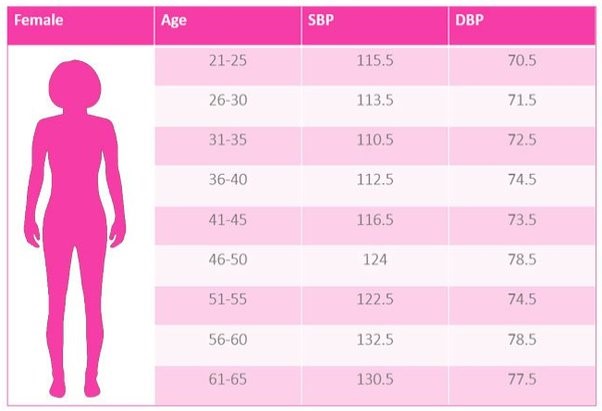
    BP Normal Range For Female Age Wise image

    It’s crucial to note that these age-wise guidelines are generalizations, and individual variations exist. Factors such as overall health, genetics, and existing medical conditions can influence blood pressure. Regular check-ups with healthcare professionals are vital to assess individual health status and make appropriate adjustments to lifestyle and treatment plans if needed.
    Consult a Doctor and Medkart will help you Order Medicines Online

    Conclusion

    Understanding the normal range of blood pressure for females is crucial for maintaining cardiovascular health. Regular monitoring, along with a healthy lifestyle, can significantly reduce the risk of hypertension and related complications. By making informed choices and adopting positive habits, females can take control of their cardiovascular well-being and lead a healthier, more fulfilling life.

    Read: What are Generic Medicines?

    FAQs on BP Normal Range for Female

    Q1. What is the BP Normal Range For Females?

    Answer : The typical normal blood pressure for females is below 120/80 mmHg, with systolic pressure under 120 mmHg and diastolic pressure under 80 mmHg.

    Q.2 How often should females check their blood pressure?

    Answer : It is recommended for females to check their blood pressure regularly, at least once a year during routine health check-ups, or more frequently if advised by a healthcare professional.

    Q.3 Can blood pressure vary based on age for females?

    Answer : Yes, blood pressure norms may vary with age. While the general target is below 120/80 mmHg, it’s essential to consider age-related factors and consult with a healthcare provider for personalized advice.

    Q.4 What lifestyle changes can help maintain a healthy blood pressure?

    Answer : Lifestyle changes include adopting a balanced diet low in sodium, engaging in regular physical activity, maintaining a healthy weight, limiting alcohol and caffeine intake, and practising stress management techniques like meditation or yoga.

    Related Links:
  • The Differences Between Good and Bad Cholesterol | HDL vs LDL

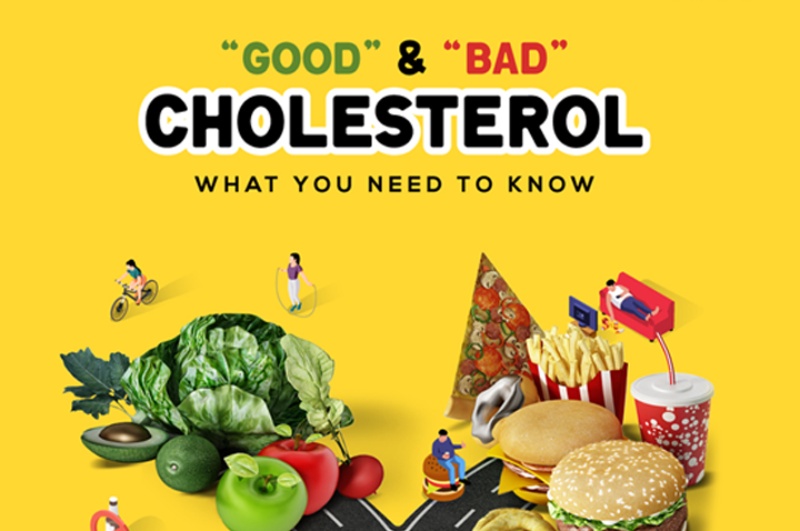
    The Differences Between Good and Bad Cholesterol | HDL vs LDL

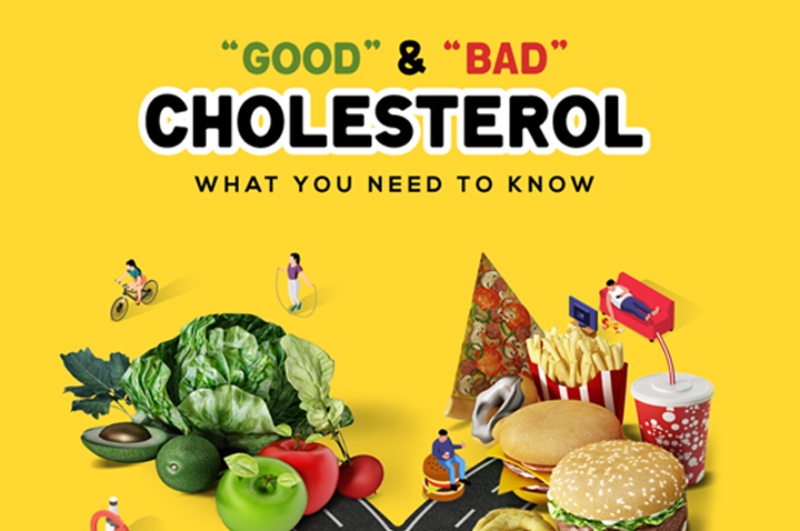
    differences-between-good-and-bad-cholesterol imageAbout Cholesterol ( HDL and LDL)

    Are you confused about good and bad cholesterol? You’re not alone. Cholesterol is a waxy, fat-like substance that’s found in all cells of the body, and it’s essential for many bodily functions.

    You might have heard how having high levels of cholesterol can cause heart disease, but this isn’t always true. In fact, cholesterol is vital to your body and helps it to function correctly.

    However, it can become a problem if you don’t have enough good cholesterol and have too much of bad cholesterol. Too much of bad cholesterol can lead to heart disease, stroke, and other health problems, while good cholesterol helps to remove bad cholesterol from the body.

    So what’s the difference between good and bad cholesterol? Keep reading to find out.

    The differences between good(HDL) and bad(LDL) cholesterol

    It’s clear that we need to lower bad cholesterol levels and increase good ones, but it’s not as simple as it sounds. Both good and bad cholesterol have very important roles in the body and cannot be ignored.

    The two most commonly discussed lipoproteins are low-density lipoprotein (LDL) and high-density lipoprotein (HDL). Both of these lipoproteins carry cholesterol throughout the body, and the amounts of each in your body will impact your risk for heart disease.

    1. Low-density lipoprotein (LDL)

    LDL is considered bad cholesterol because it can build up in arteries and lead to heart disease. It accumulates in the arteries and increases your risk for atherosclerosis, peripheral artery disease, and other related conditions.

    2. High-density lipoprotein (HDL)

    HDL is considered good cholesterol because it helps remove plaque from arteries. A healthy level of HDL can help you protect yourself from stroke and heart attack.

    This is because HDL helps carry the bad cholesterol away from the arteries and towards the liver. Once in the liver, LDL gets metabolised and processed into useful components that are absorbed and waste that gets rejected by the body.

    However, all LDL cholesterol cannot get eliminated by HDL. Only about 25% to 35% of LDL can be carried by good cholesterol. Therefore, as important as it is to consume good cholesterol foods to balance out your LDL levels, it is just as important to avoid LDL foods to prevent their storage in the body.

    3. Triglycerides

    There is also a third component of cholesterol that often gets ignored. Triglycerides are the most common type of fat in our bodies. All excess food gets stored in the form of triglycerides. This includes all unused calories from the food you consume, as well as the components of good and bad cholesterol in your diet.

    A high triglyceride concentration in your body, however, is often related to a high level of LDL in the body. This is because triglycerides often deposit as fatty build-ups in the arteries, increasing your risk for stroke, heart attack, and atherosclerosis.

    3 THINGS YOU SHOULD KNOW ABOUT CHOLESTEROL LEVELS IN YOUR BODY

    What are the levels of good and bad cholesterol to maintain?

    Despite an insight into good and bad cholesterol, it can be confusing to understand how to maintain a balance between the two.

    Most of the time, the cholesterol we hear about is total cholesterol, which is a sum of LDL, HDL, and triglycerides. The types of cholesterol that are most important to consider are both good and bad cholesterol. The ratio of LDL to HDL is a far better predictor for heart disease than total cholesterol alone.

    The cholesterol ratio is calculated by dividing the individual’s HDL level by their LDL level. If the ratio is 3 or higher, there is a lower risk of heart disease. If the ratio is less than 3, there is a higher risk. A ratio of 3:1 or lower is considered ideal.

    Conclusion

    There are a lot of myths surrounding cholesterol, which can make it difficult to understand and impede effective treatment.

    The most common misconceptions about cholesterol are that it is a simple, one-dimensional measurement that is either good or bad. In reality, cholesterol is a complicated mix of many different types of lipoproteins, each of which has different functions in the body. All of these lipoproteins carry cholesterol throughout the body, and the amounts of each in your body will impact your risk for heart disease.

    We hope this blog post has helped you learn more about good and bad cholesterol, and what you can do to keep your cholesterol in check.

    Know more about your Medicines at Medkart, which is an online pharmacy platform that makes buying medicines convenient & cost-effective. To place your orders, download the app today!

    FAQs related to good and bad cholesterol

    1. Is it better to have high HDL or low HDL?

    For HDL, it is considered better to have a higher level. As a standalone, HDL levels should be at least 40 mg/dL for males and 50 mg/dL for females.

    2. What should my LDL levels be?

    The lower your LDL levels, the lesser your risk for heart disease. An LDL level of less than 100 mg/dL is considered healthy. Couple it with high HDL, and your risk is even lower.

    3. How can I lower my LDL levels fast?

    You can lower your LDL levels by making adequate lifestyle changes. Eating good cholesterol foods, exercising, increasing fibre intake, eating more protein, etc, are some of the easiest ways to reduce your LDL levels.

  • Increasing Trend of Heart Attacks Among Youngsters

    Increasing Trend of Heart Attacks Among Youngsters

    Introduction

    Myocardial infarction is another name for a heart attack. The major reason for heart attack is the lack of sufficient blood flow to the heart. Coronary artery disease (CAD) is one of the leading causes of a heart attack. This usually occurs when a coronary artery closes suddenly due to blockage or has a severe spasm. As a result, the heart muscle doesn’t receive enough oxygen and nutrients. A weakened heart may lead to a fall in blood pressure, which can further compromise the flow of blood to the heart. If blood flow to the heart is not restored for a long time, the heart muscles suffer further damage.

    Risk of heart attack by age

    Risk of heart attack by age

    Women over the age of 55 and men over the age of 45 have a risk of suffering a heart attack. Those under the age of 40 may also suffer a heart attack. The reasons for heart attack at such a young age include smoking, following an unhealthy lifestyle, having excess body fat, and suffering from long-term conditions, like high blood pressure and diabetes.

    Signs and symptoms of a potential heart attack

    Heart attacks often occur suddenly and without any prior symptoms. The following is a list of symptoms that may indicate a heart attack

    • Pain in the left side or middle of the chest that may radiate to jaws, arms, or back.

    • Breathing difficulty.

    • Weakness, lightheadedness, or fainting.

    • Nausea and vomiting

    • Sweating

    • Discomfort or pain in one or both arms or shoulders.

    Risk factors for heart attack at a young age

    The following are some of the factors that increase the risk of heart attacks in youngsters.

    1. Hypertension or high blood pressure causes heart attacks as it damages your blood vessels and heart muscles over time. Unfortunately, the number of hypertension cases in young adults is on the rise owing to unhealthy food habits and sedentary lifestyles.

    2. Being overweight or obese is a major cause of heart attacks. Carrying extra weight puts stress on your heart because it has to work harder. Even if you are healthy in other ways, if your body mass index (BMI) is high, you are more likely to have a heart attack.

    3. One of the main reasons for heart attacks in young-age people is smoking. There is a direct link between smoking and an increased risk of heart attacks and other diseases. Smoking makes you more than twice as likely to have a heart attack

    4. Abuse of drugs or alcohol is harmful to your cardiovascular system. Researchers are trying to pin down how marijuana affects the cardiovascular system. However, they do know that it elevates the heart rate and increases the possibility of a heart attack. Cocaine also has damaging effects on the heart. It causes heart attacks because it increases your heart rate, constricts your blood vessels, and elevates your blood pressure.

    Conclusion

    If you identify yourself with any of the risk factors mentioned above, do not worry. It is never too late to change. You can start making changes in your diet, habit, and lifestyle.

    Try to remain active, exercise moderately, eat heart-healthy foods, and quit drinking and smoking. If you are suffering from any chronic health issues, take your medicines on time and consult your doctor regularly. If you or your loved ones have any of the symptoms of a heart attack seek emergency medical help immediately.

    Order your medicines online from Medkart,India’s most trusted generic medical store that offers low prices on top-notch generic drugs.

    FAQs

    1. Can heart attacks occur in your 20s?

    Though heart attack is common in people above the age of 40, nowadays at least 1 in 5 heart attacks occurs in people in their 20s and early 30s.

    2. What is the biggest contributor to the rise of heart attack cases at a young age?

    Many research studies have linked unhealthy lifestyles and poor diets followed over the past few years to be directly related to the increase in the number of heart attacks in young people.

    3. Can I reduce my risk of a heart attack?

    Yes, even if you are at a high risk of heart attack, you can reduce your risk by following a healthy and active lifestyle, a heart-healthy diet, and good habits.

  • Tips To Control Your Blood Pressure Or Lower Risk Of Hypertension

    What is hypertension?

    High blood pressure, or hypertension, is a health condition that requires attention as it can increase your risk of heart attack and stroke. It is important to consult your doctor to determine if your blood pressure is too high, as ideal blood pressure values are ≥140/90 mmHg.

    Fortunately, you can make many lifestyle changes and take natural remedies to reduce your risk of hypertension. Here is a guide on how to lower blood pressure and reduce the risk of hypertension.

    1. Exercise regularly

    Regular exercise is one of the easiest and most effective ways to reduce your risk of hypertension. Aim for at least 30 minutes of exercise daily, and stay active throughout the day. This can include walking, jogging, swimming, or any other activity that increases your heart rate. Inactive individuals should gradually increase their physical activity intensity and duration to minimize the risk of injury and cardiac events.

    2. Reduce sodium intake

    Consuming a high amount of salt can result in elevated sodium levels, leading to high blood pressure. You should decrease your salt intake to a daily maximum of 5 grams or less. Avoid processed and packaged foods, which may contain large amounts of sodium. You should also reduce your intake of salty snacks and savoury foods, such as papads, chips, chutneys, dips, and packaged pickles. Instead, opt for fresh, whole foods like fruits, vegetables, lean proteins, and whole grains.

    3. Limit alcohol and avoid tobacco

    Both alcohol and tobacco use can raise blood pressure and increase the risk of hypertension. Smoking and smokeless tobacco use contribute to elevated blood pressure. If you’re trying to lower your blood pressure, avoiding tobacco entirely is advisable. Daily alcohol consumption should be limited as much as possible, with no more than one drink per day.

    Get adequate sleep

    Getting enough sleep is an important part of managing your blood pressure. Rotating and night shifts at work are linked to hypertension, as they can worsen the impact of insufficient sleep on blood pressure. Aim for seven to eight hours of uninterrupted sleep each night. You can improve sleep by following a consistent sleep schedule, engaging in physical activity, not consuming food/drink before bed, and creating a cool, dark, and quiet sleep environment.

    Eat healthy fats

    Omega-3 fatty acids can help lower your blood pressure. Sources of omega-3s include fish, flaxseed, canola oil and walnuts. Incorporating heart-healthy options like non-fat dairy, fish, poultry, beans, nuts, and vegetable oils into your diet can make a big difference. On the other hand, steer clear of high-saturated fat foods such as fatty meats, full-fat dairy and tropical oils like coconut, palm kernel, and palm oils for a happier, healthier heart.

    Your blood pressure can be managed

    High blood pressure affects millions of people in India. Therefore, it is important to know how to lower blood pressure. Fortunately, you can take some steps, such as eating a healthy and balanced diet, avoiding alcohol and smoking, and getting regular physical activity.

    Additionally, natural remedies such as meditation, yoga, and other relaxation techniques can help to reduce stress and blood pressure.

    Frequently, hypertension requires medical intervention before it can be controlled solely through lifestyle interventions. This is because the heart is a critical organ and needs safeguarding from hypertension. It is important to consult a doctor to determine the best treatment plan to reduce your risk of medical issues associated with high blood pressure. Subsequently, with the right lifestyle changes, lowering your blood pressure and reducing the risk of hypertension is possible.

    Know more about your Medicines at Medkart, which is an online pharmacy platform that makes buying medicines convenient & cost-effective. To place your orders, download the app today!

    FAQs

    How to lower blood pressure by changing my diet and cooking practices?

    Studies have shown that consuming five portions of fruits and vegetables daily and low-fat dairy can help lower your blood pressure. It is also important to limit food high in sodium, saturated fats, trans fats, sugar or preservatives.

    You should utilize healthy oils such as sunflower, mustard, or groundnut oil. You can make alterations to cooking methods, such as removing fatty parts of meat, using vegetable oil, boiling, steaming, or baking instead of frying, and limiting the reuse of oil for frying.

    Can natural remedies such as meditation help lower blood pressure?

    Yes. Meditation, yoga, deep breathing and other relaxation techniques can help to reduce stress and blood pressure.

    How to lower blood pressure by monitoring weight?

    Maintaining a healthy weight is crucial for managing blood pressure, as being overweight can increase blood pressure and cholesterol levels. The body mass index (BMI) calculates a person’s weight relative to height. A high BMI may indicate excessive body fat. In Asian populations, people with a BMI of 23.0 kg/m2 or higher are considered overweight, and people with a BMI of 25.0kg/m2 or higher are considered obese, which is lower than WHO standards.