
Tag: high cholesterol

  • The Differences Between Good and Bad Cholesterol | HDL vs LDL

    The Differences Between Good and Bad Cholesterol | HDL vs LDL

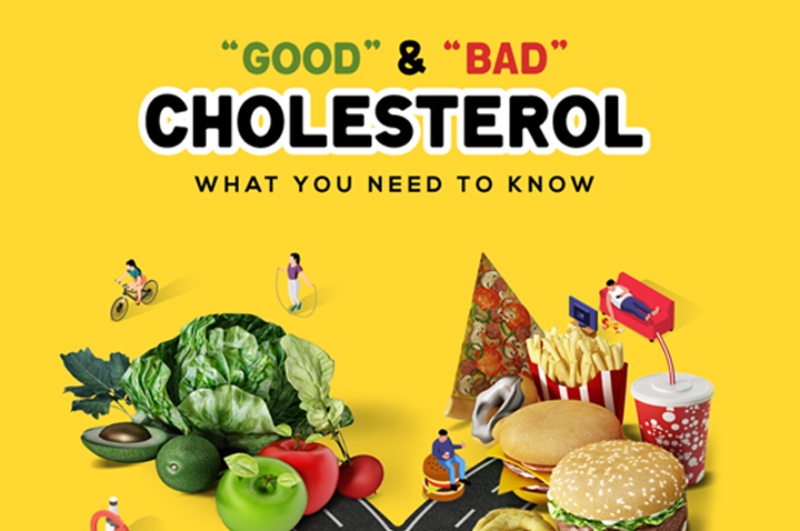
    differences-between-good-and-bad-cholesterol imageAbout Cholesterol ( HDL and LDL)

    Are you confused about good and bad cholesterol? You’re not alone. Cholesterol is a waxy, fat-like substance that’s found in all cells of the body, and it’s essential for many bodily functions.

    You might have heard how having high levels of cholesterol can cause heart disease, but this isn’t always true. In fact, cholesterol is vital to your body and helps it to function correctly.

    However, it can become a problem if you don’t have enough good cholesterol and have too much of bad cholesterol. Too much of bad cholesterol can lead to heart disease, stroke, and other health problems, while good cholesterol helps to remove bad cholesterol from the body.

    So what’s the difference between good and bad cholesterol? Keep reading to find out.

    The differences between good(HDL) and bad(LDL) cholesterol

    It’s clear that we need to lower bad cholesterol levels and increase good ones, but it’s not as simple as it sounds. Both good and bad cholesterol have very important roles in the body and cannot be ignored.

    The two most commonly discussed lipoproteins are low-density lipoprotein (LDL) and high-density lipoprotein (HDL). Both of these lipoproteins carry cholesterol throughout the body, and the amounts of each in your body will impact your risk for heart disease.

    1. Low-density lipoprotein (LDL)

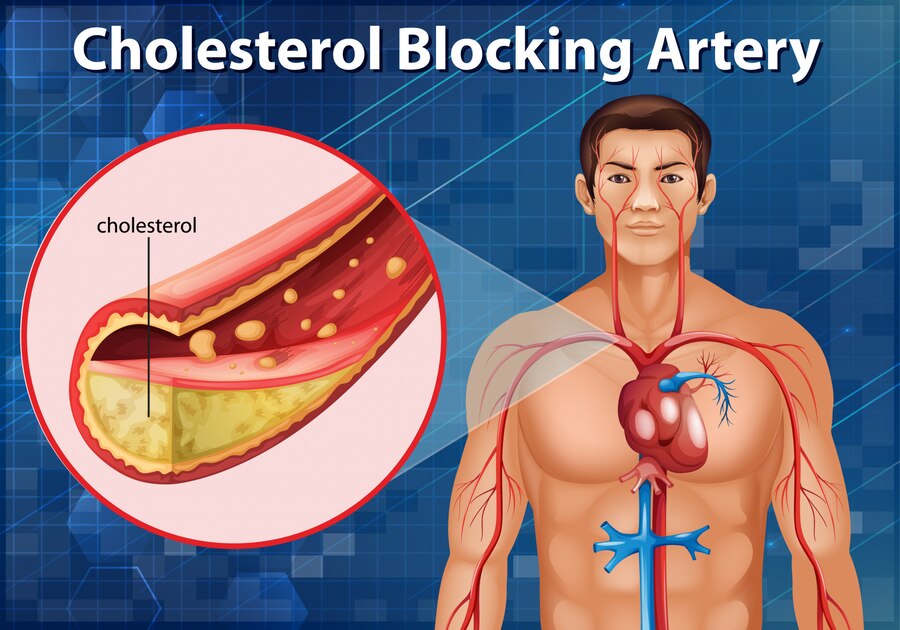
    LDL is considered bad cholesterol because it can build up in arteries and lead to heart disease. It accumulates in the arteries and increases your risk for atherosclerosis, peripheral artery disease, and other related conditions.

    2. High-density lipoprotein (HDL)

    HDL is considered good cholesterol because it helps remove plaque from arteries. A healthy level of HDL can help you protect yourself from stroke and heart attack.

    This is because HDL helps carry the bad cholesterol away from the arteries and towards the liver. Once in the liver, LDL gets metabolised and processed into useful components that are absorbed and waste that gets rejected by the body.

    However, all LDL cholesterol cannot get eliminated by HDL. Only about 25% to 35% of LDL can be carried by good cholesterol. Therefore, as important as it is to consume good cholesterol foods to balance out your LDL levels, it is just as important to avoid LDL foods to prevent their storage in the body.

    3. Triglycerides

    There is also a third component of cholesterol that often gets ignored. Triglycerides are the most common type of fat in our bodies. All excess food gets stored in the form of triglycerides. This includes all unused calories from the food you consume, as well as the components of good and bad cholesterol in your diet.

    A high triglyceride concentration in your body, however, is often related to a high level of LDL in the body. This is because triglycerides often deposit as fatty build-ups in the arteries, increasing your risk for stroke, heart attack, and atherosclerosis.

    3 THINGS YOU SHOULD KNOW ABOUT CHOLESTEROL LEVELS IN YOUR BODY

    What are the levels of good and bad cholesterol to maintain?

    Despite an insight into good and bad cholesterol, it can be confusing to understand how to maintain a balance between the two.

    Most of the time, the cholesterol we hear about is total cholesterol, which is a sum of LDL, HDL, and triglycerides. The types of cholesterol that are most important to consider are both good and bad cholesterol. The ratio of LDL to HDL is a far better predictor for heart disease than total cholesterol alone.

    The cholesterol ratio is calculated by dividing the individual’s HDL level by their LDL level. If the ratio is 3 or higher, there is a lower risk of heart disease. If the ratio is less than 3, there is a higher risk. A ratio of 3:1 or lower is considered ideal.

    Conclusion

    There are a lot of myths surrounding cholesterol, which can make it difficult to understand and impede effective treatment.

    The most common misconceptions about cholesterol are that it is a simple, one-dimensional measurement that is either good or bad. In reality, cholesterol is a complicated mix of many different types of lipoproteins, each of which has different functions in the body. All of these lipoproteins carry cholesterol throughout the body, and the amounts of each in your body will impact your risk for heart disease.

    We hope this blog post has helped you learn more about good and bad cholesterol, and what you can do to keep your cholesterol in check.

    Know more about your Medicines at Medkart, which is an online pharmacy platform that makes buying medicines convenient & cost-effective. To place your orders, download the app today!

    FAQs related to good and bad cholesterol

    1. Is it better to have high HDL or low HDL?

    For HDL, it is considered better to have a higher level. As a standalone, HDL levels should be at least 40 mg/dL for males and 50 mg/dL for females.

    2. What should my LDL levels be?

    The lower your LDL levels, the lesser your risk for heart disease. An LDL level of less than 100 mg/dL is considered healthy. Couple it with high HDL, and your risk is even lower.

    3. How can I lower my LDL levels fast?

    You can lower your LDL levels by making adequate lifestyle changes. Eating good cholesterol foods, exercising, increasing fibre intake, eating more protein, etc, are some of the easiest ways to reduce your LDL levels.
  • Cholesterol

    Cholesterol

    Cholesterol

    Introduction

    Cholesterol is the waxy substance found in your blood that can clog the blood vessels, leading to detrimental health effects. To determine your cholesterol levels, you can get a blood test. This article will shed more light on the types of cholesterol, their effects on the body, how to treat high cholesterol levels, and certain myths and facts about cholesterol. Read on to know more.

    Types of cholesterol

    According to the Centers for Disease Control (CDC), the various types of cholesterol are as follows.

    • High-density lipoproteins (HDL cholesterol) – Also called “good cholesterol,” it ensures that extra cholesterol in the body is flushed out via the liver.

    • Low-density lipoproteins (LDL cholesterol) – also called “bad cholesterol,” it increases the chances of stroke and heart disease.

    • Very low-density lipoproteins (VLDL cholesterol)- Another type of “bad cholesterol,” it leads to an increase in triglyceride levels and plaque buildup.

    • Triglycerides- A type of fat that is required in your body. However, high levels can cause adverse effects on your body.

    How to check cholesterol levels?

    To check your cholesterol levels, a simple blood test that needs minimum fasting of 12 hours needs to be done. The following table provides further details on blood cholesterol levels measured in milligrams of cholesterol per deciliter of blood (mg/dL).

    CHOLESTEROL LEVELS

    HEART HEALTHY AT-RISK DANGEROUS

    HDL

    Male

    Female

    60 and higher

    40-59

    50-59

    Under 40

    Under 50

    LDL Under 100 100-159 160 and higher

    TOTAL CHOLESTEROL Under 200 200-239 240 and higher

    What causes high cholesterol?

    The condition with high blood cholesterol levels is known as hypercholesterolemia. Certain causes are within your control (modifiable) while others cannot be modified. The causes of high cholesterol levels are as follows.

    Modifiable causes

    • Inactivity or sedentary lifestyle

    • Obesity

    • Unhealthy diet

    • Smoking

    • Alcohol

    Non-modifiable causes

    • Family history

    • Genetic makeup

    • Age – above 40 years

    • Diabetes

    • Chronic kidney disease

    • HIV/AIDS

    • Hypothyroidism

    • Lupus

    • Medications taken for diseases like cancer, acne, high blood pressure, HIV/AIDS, irregular heart rhythm, and organ transplantation can also lead to hypercholesterolemia.

    Signs and symptoms of high cholesterol in the body

    Hypercholesterolemia is a silent disease. Therefore, a routine blood test is the safest way to identify if your cholesterol levels are high. However, certain signs of high cholesterol levels may be noticeable. It is vital to be aware of them to take action at the earliest.

    Signs of cholesterol on the face

    • Soft patches of yellowish bumps around your eyes, mostly seen on the upper eyelid, called xanthelasma.

    • Appearance of a light-coloured, yellowish ring around your cornea called corneal arcus.

    Signs of cholesterol on the skin

    • Fatty deposits under the skin lead to an unexplained set of bumps, patches of soft yellowish skin, or discolouration on your extremities, called xanthomas.

    • Psoriasis – an inflammatory skin condition

    • Net-like bluish-red mottling of the skin called livedo reticularis.

    Effects of high cholesterol on the body

    High cholesterol levels can lead to the following systemic effects within your body.

    • Blockage in the arteries of the brain

    • Adverse effects on memory

    • Stroke

    • Pain in the jaw

    • Chest pain

    • Heart attacks

    • Gallstones

    • Numbness in the legs

    High cholesterol treatment and precautions

    If your cholesterol levels are high, you can take the following precautions and avail the following treatments (only after expert consultation).

    Prevent high cholesterol

    • Make healthy eating choices by including foods rich in fibre and low in saturated fats and sugars.

    • Maintain a healthy weight by monitoring your diet and physical activity.

    • Engage in regular physical activity.

    • Avoid smoking and alcohol intake.

    • Manage stress

    Cholesterol medicine

    Certain cholesterol tablets prescribed by your doctor can help reduce cholesterol levels, along with lifestyle changes. Cholesterol tablets include cholesterol-lowering medicines such as statins, bile acid sequestrants, fibrates, and nicotinic acid.

    What causes low cholesterol?

    Low cholesterol levels in the blood are known as hypolipidemia. A total cholesterol level of less than 120 mg/dl or an LDL of less than 50 mg/dl is considered as hypolipidemia. Causes of low cholesterol include the following.

    • Poor nutrition

    • Inability to absorb nutrients

    • Chronic infections

    • Chronic inflammation

    • Certain genetic disorders

    • Taking cholesterol-lowering medications without appropriate follow-up with the doctor

    Signs and symptoms of low cholesterol in the body

    Symptoms of low cholesterol in the body are as follows.

    • Depressive symptoms

    • Anxiety

    • Confusion

    • Nervousness

    • Changes in one’s mood, sleep or eating patterns

    • Bleeding in the brain

    Low cholesterol treatment and precautions

    Since low cholesterol levels do not show up until it is too late, getting your cholesterol levels checked regularly is the best way to identify it. Treating low cholesterol levels depends on the cause. It is important to remember that simply eating a diet high in cholesterol will not solve the problem. Consult your healthcare practitioner before initiating any treatment.

    Some of the best ways to prevent low cholesterol levels are as follows.

    • Eat healthy food

    • Check cholesterol levels regularly

    • Maintain an active lifestyle

    • Be attentive to symptoms of anxiety and stress.

    Myths and facts about cholesterol

    Dispelling certain myths about cholesterol with facts can help you acquire knowledge about cholesterol.

    Myth: All cholesterol is bad.

    Fact: HDL cholesterol is good cholesterol and helps in eliminating excess bad cholesterol from your body.

    Myth: I can feel high cholesterol levels.

    Fact: High cholesterol levels are identified only through a blood test. Usually, the signs of high cholesterol are difficult to pick up till they are advanced.

    Myth: Eating high-cholesterol foods will not affect my cholesterol levels.

    Fact: High-cholesterol foods like red meat, cheese, and butter contain saturated fats that increase your cholesterol levels. Contrarily, consuming foods rich in fibre like oatmeal, beans, whole grains, etc. can help maintain normal cholesterol levels.

    Conclusion

    Cholesterol levels, if high, may go unnoticed for a long time. A simple blood test to check your cholesterol levels every 5 years can help prevent and manage this condition. Taking necessary precautions like following a healthy lifestyle, diet, and exercise can help maintain your cholesterol levels.