
Prescription Required

Authentic Product

India's Leading Generic Pharmacy

Secure Payment

By ZYDUS LIFESCIENCES LIMITED
MRP
₹
202.54
₹172.16
15 % OFF
₹11.48 Only /
Tablet
Check Delivery
--

Composition

Content Reviewed By:
Dr. Rajesh Sharma
, (MBBS)
Written By:
Ms. Priyanka Shah
, (B.Pharm)
Most side effects do not require any medical attention and disappear as your body adjusts to the medicine. Consult your doctor if they persist or if you’re worried about them.

Muscle Disorders and Myopathy Risk
Monitor closelyAtorva, like other statins, can rarely cause myopathy and rhabdomyolysis, particularly at higher exposures or when combined with interacting medicines.
Cholesterol is a type of fat present in your blood. Total cholesterol is determined by the total amount of LDL and HDL cholesterol in the body. LDL cholesterol is called “bad” cholesterol. Bad cholesterol can build up in the wall of your blood vessels and slow or obstruct blood flow to your heart, brain, and other organs. This can cause heart disease and stroke. HDL cholesterol is called “good” cholesterol as it prevents the bad cholesterol from building up in the blood vessels. High levels of triglycerides are also harmful to you.
Yes, taking ATORVA 20MG TABLET 15'S can cause muscle problems or muscle injury. This is because of the reduced oxygen supply to the muscle cells which leads to fatigue, muscle pain, tenderness, or muscle weakness. The soreness may be significant enough to interfere with your daily activities. Do not take it lightly and consult your doctor to know about ways to prevent this and to avoid making it worse.
ATORVA 20MG TABLET 15'S belongs to a group of medicines known as statins, which lowers the level of lipids or fats. ATORVA 20MG TABLET 15'S is used to lower lipids known as cholesterol and triglycerides in the blood when a low-fat diet and lifestyle changes fail to lower the levels of cholesterol and triglycerides. If you are at an increased risk of heart disease, ATORVA 20MG TABLET 15'S can also be used to reduce such risk even if your cholesterol levels are normal. You should maintain a standard cholesterol-lowering diet during treatment.
ATORVA 20MG TABLET 15'S is for adults and children aged 10 years or more whose cholesterol levels do not come down enough with exercise and a low-fat diet. It is not approved for use in patients younger than 10 years old.
No, ATORVA 20MG TABLET 15'S is not a blood thinner. It is a cholesterol-lowering medicine. It works by slowing down the production of cholesterol in the body. This further decreases the amount of cholesterol that may build up on the walls of the arteries and block blood flow to the part of the body. By lowering the levels of cholesterol and triglycerides it prevents the chances of stroke and heart attack.
If you are at high risk of developing type 2 diabetes, taking ATORVA 20MG TABLET 15'S may increase this risk slightly. This is because ATORVA 20MG TABLET 15'S can raise your blood sugar a little. If you already have type 2 diabetes, your doctor may advise monitoring your blood sugar levels more closely for the first few months. Tell your doctor if you find it harder to control your blood sugar.
You may need to take ATORVA 20MG TABLET 15'S life long or for the duration prescribed by your doctor. The benefits will only continue for as long as you take it. If you stop taking ATORVA 20MG TABLET 15'S without starting a different treatment, your cholesterol levels may rise again. It is considered to be safe and has few side effects if taken as directed by the doctor.
No, ATORVA 20MG TABLET 15'S has not been reported to cause weight loss. However, weight gain has been reported as an uncommon side effect. Please consult your doctor if you experience weight loss while taking ATORVA 20MG TABLET 15'S.
No, you should not stop taking ATORVA 20MG TABLET 15'S without consulting your doctor. If you think that ATORVA 20MG TABLET 15'S is causing side effects, you should consult your doctor who may accordingly lower your dose or change your medicine.
No, it is not advised to take alcohol with ATORVA 20MG TABLET 15'S. This is because the risk of developing liver problems increases if you drink alcohol while taking this medicine. Moreover, there is a significant increase in the triglyceride levels if ATORVA 20MG TABLET 15'S is taken along with alcohol. This can further lead to liver damage and also worsen some of the side effects such as muscle pain, muscle weakness, and tenderness. People with liver problems are therefore advised, not to take ATORVA 20MG TABLET 15'S without consulting the doctor. They should also refrain from consuming alcohol while taking this medicine to get maximum benefit.
Memory loss may occur with ATORVA 20MG TABLET 15'S in very rare cases. This is generally non-serious and may occur as early as 1 day or may take years to appear. These symptoms may disappear within about 3 weeks of discontinuing ATORVA 20MG TABLET 15'S. However, you should consult your doctor if you experience this side effect as it could be due to some other reason.
ATORVA 20MG TABLET 15'S is generally taken once a day. It can be taken in the morning or night or at any time of the day, with or without food. Try taking this medicine at the same time every day to help remember when to take it.
Yes, ATORVA 20MG TABLET 15'S can make you feel tired. This is because they reduce the energy supply to the muscles in the body. However, the exact reason behind the phenomenon is unknown and needs more research. Tiredness usually occurs after exertion. Generalized fatigue is more often seen in people with heart disease or those suffering from liver illness. ATORVA 20MG TABLET 15'S also causes muscle damage which further worsens the tiredness. Therefore, you must consult your doctor if you feel tired while taking ATORVA 20MG TABLET 15'S.
The common side effects of ATORVA 20MG TABLET 15'S include nausea, indigestion, constipation, flatulence, diarrhea, headache, and aches and pains in your back and joints. It may also cause nosebleeds, sore throat, and cold-like symptoms, such as a runny nose, blocked nose, or sneezing.
Atorva is a brand of atorvastatin, a statin medicine used to lower elevated cholesterol and triglyceride levels and to reduce the risk of cardiovascular events such as heart attack and stroke. It is commonly prescribed for people with high LDL cholesterol, mixed dyslipidemia, or certain inherited lipid disorders, and for those at increased risk of atherosclerotic cardiovascular disease.
Atorva contains atorvastatin, which inhibits HMG‑CoA reductase, a key enzyme in the liver responsible for cholesterol synthesis. By blocking this enzyme, the liver produces less cholesterol and increases the uptake of LDL cholesterol from the blood. This leads to lower total cholesterol, LDL cholesterol, and triglycerides, and a modest increase in HDL cholesterol, thereby helping to slow the progression of atherosclerosis.
A measurable reduction in cholesterol levels is usually seen within 2 weeks of starting Atorva, with the maximum effect typically achieved within 4 to 6 weeks. Lipid levels are often checked after this period to assess response and guide any adjustment of therapy. Continued use is generally required to maintain the cholesterol‑lowering effect.
Atorva is usually intended as long‑term therapy. If it is stopped, cholesterol levels often return toward baseline over time, which may increase cardiovascular risk again. Any decision to stop or change treatment should be made in consultation with your healthcare provider, who will consider your overall risk profile, lipid levels, and tolerance of the medicine.
Common side effects of Atorva include headache, nausea, abdominal pain, indigestion, constipation, diarrhea, and muscle aches or weakness. These are often mild and may improve as treatment continues. However, persistent or bothersome symptoms should be discussed with a healthcare professional, as they may require evaluation or adjustment of therapy.
Serious but uncommon side effects include myopathy and rhabdomyolysis (severe muscle breakdown), which can present with unexplained muscle pain, tenderness, or weakness, often with dark‑colored urine or fever. Liver problems can present with unusual fatigue, loss of appetite, right‑sided upper abdominal pain, dark urine, or yellowing of the skin or eyes. If any of these occur, Atorva should be stopped and urgent medical advice sought.
Atorva (atorvastatin) is contraindicated during pregnancy because cholesterol and other products of the cholesterol pathway are important for fetal development, and statin exposure may pose a risk to the fetus. Women who are pregnant, planning pregnancy, or not using reliable contraception should not take Atorva. If pregnancy occurs while taking Atorva, the medicine should be discontinued and medical advice obtained promptly.
Moderate alcohol intake may be permissible for some patients, but excessive or chronic alcohol consumption increases the risk of liver problems, which can be further increased by statins such as Atorva. People with a history of heavy alcohol use or liver disease require particular caution. It is advisable to discuss your alcohol intake with your healthcare provider before or during treatment.
Yes. Atorva is metabolized mainly by the CYP3A4 enzyme system, so strong CYP3A4 inhibitors (such as certain azole antifungals, macrolide antibiotics, HIV protease inhibitors, and some antivirals) can increase atorvastatin levels and the risk of muscle toxicity. Some other lipid‑lowering agents, such as fibrates, and medicines like ciclosporin can also increase the risk of muscle‑related side effects. Grapefruit juice in large amounts may increase atorvastatin exposure. Always inform your healthcare provider and pharmacist about all medicines and supplements you are taking.
Yes. Baseline lipid profile and liver function tests are usually obtained before starting Atorva. Lipid levels are typically rechecked after several weeks to assess response, and periodically thereafter. Liver enzymes may be monitored, especially in the early phase of treatment or if clinically indicated. Additional tests, such as creatine kinase, may be ordered if you develop muscle symptoms or if you have risk factors for muscle toxicity.
Atorvastatin is not primarily eliminated by the kidneys, so mild to moderate renal impairment usually does not require major adjustment of therapy. However, patients with significant kidney disease may have an increased risk of muscle‑related side effects, particularly at higher statin exposures or when combined with interacting drugs. Such patients should be monitored closely, and dosing decisions should be made by a healthcare professional familiar with their renal status.
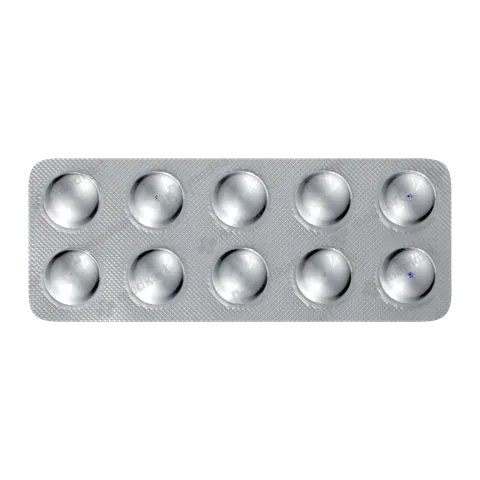
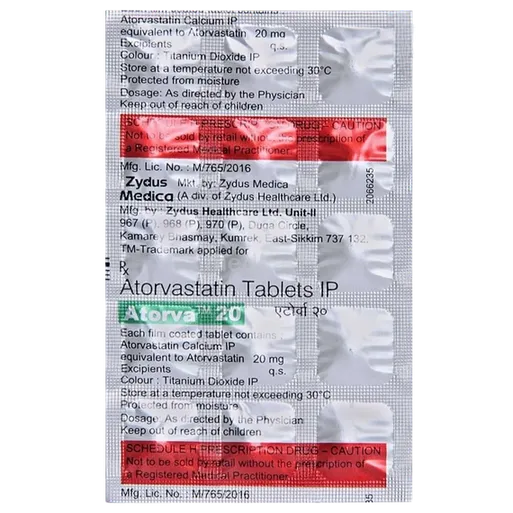
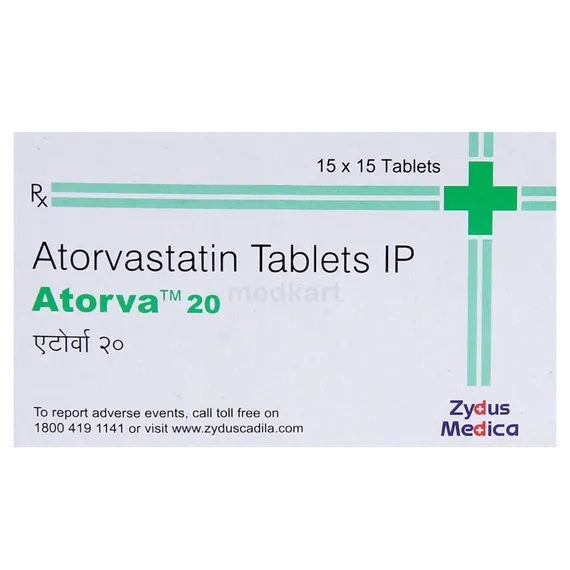
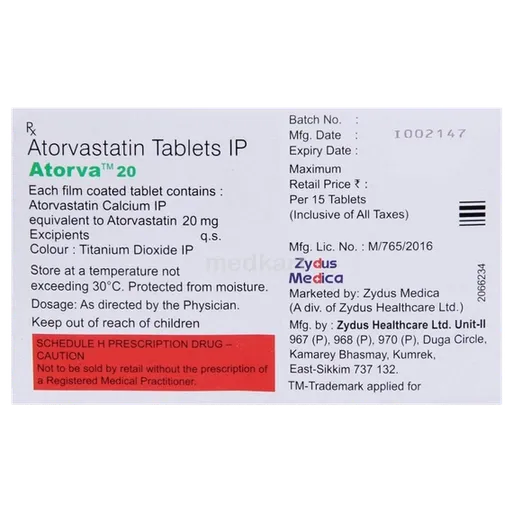
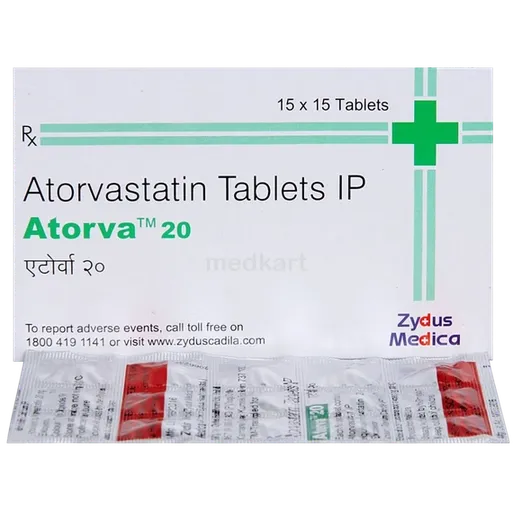
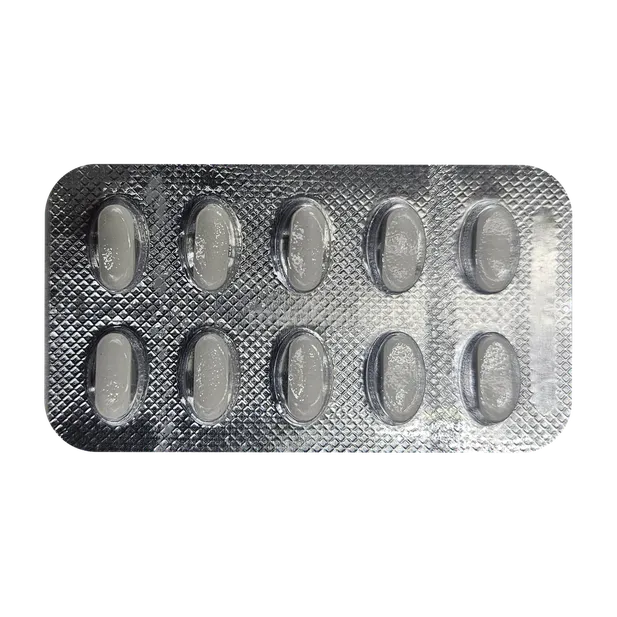
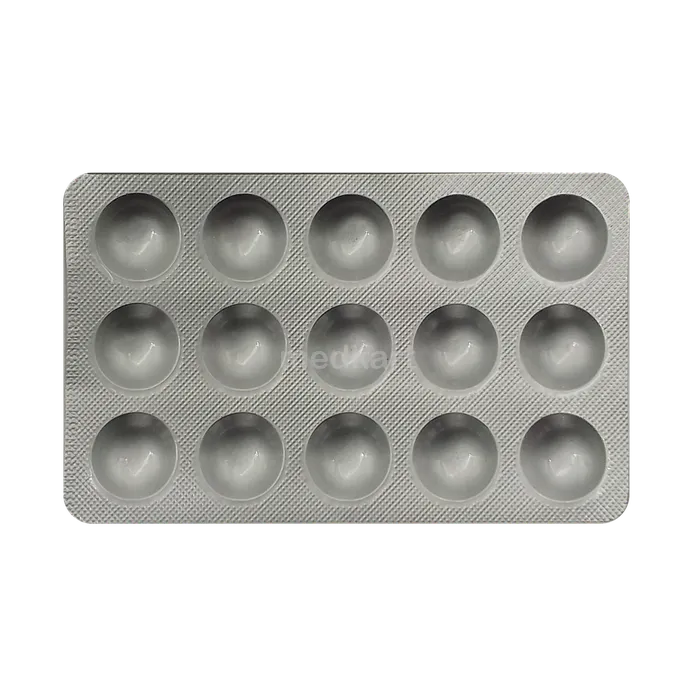
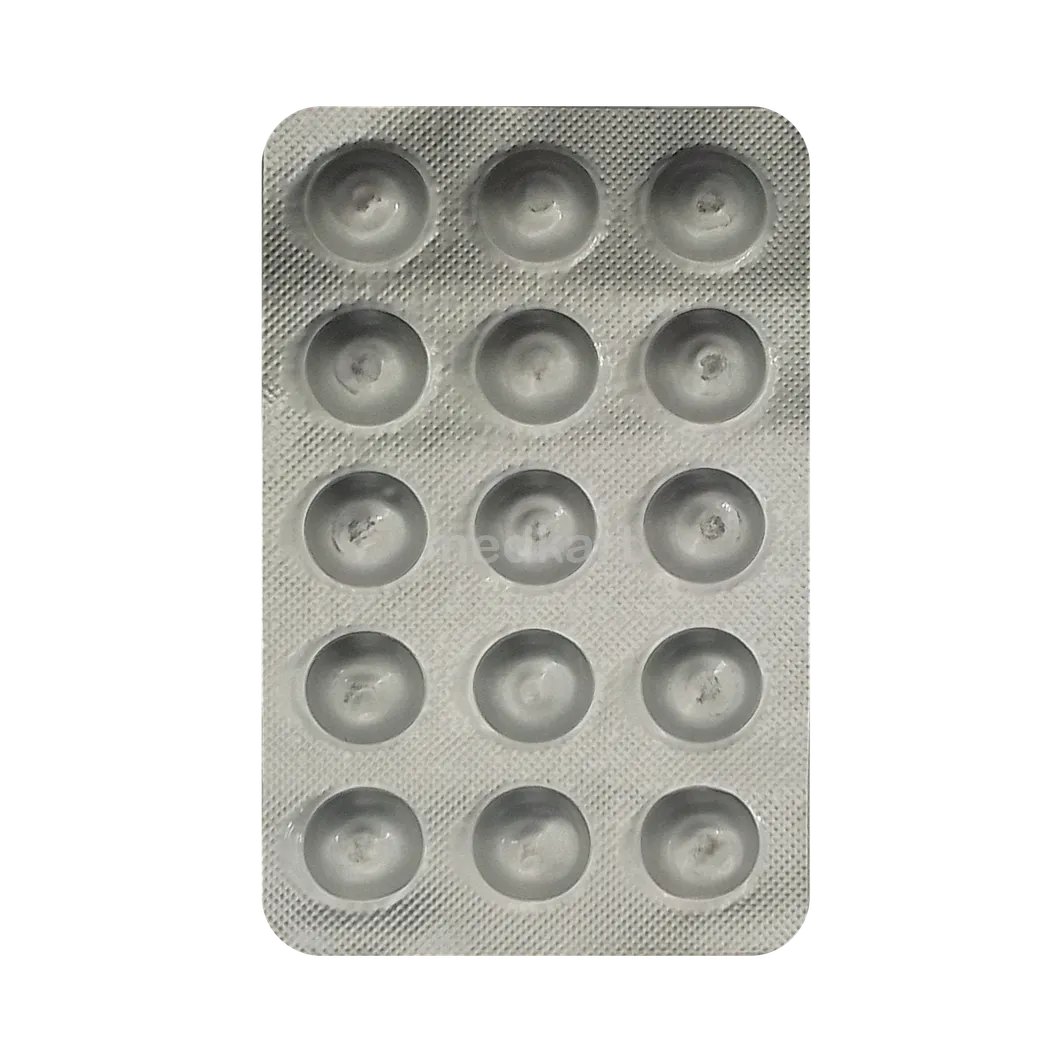
Atorva 20MG Tablet 15's is used for lowering LDL cholesterol; prevention of cardiovascular events, alongside diet. Atorva 20MG Tablet 15's contains Atorvastatin 20 MG. Always use Atorva 20MG Tablet 15's as advised by your doctor.
Atorva 20MG Tablet 15's contains Atorvastatin 20 MG. It is a HMG-CoA reductase inhibitor (statin).
Commonly reported side effects of Atorva 20MG Tablet 15's include muscle aches, headache, nausea, diarrhoea, raised liver enzymes, raised blood sugar. Not everyone gets side effects. Tell your doctor or pharmacist if any effect persists or worries you.
Atorva 20MG Tablet 15's is listed at Rs. 171.06 on Medkart. Prices can change — check the product page for the current price and pack size.
Report unexplained muscle pain, tenderness or weakness — rare risk of myopathy and rhabdomyolysis. Tell your doctor about all other medicines you take before starting Atorva 20MG Tablet 15's.
The dose of Atorva 20MG Tablet 15's depends on your condition, age, weight and other medicines you take, so it must be decided by your doctor. Follow the dose and duration on your prescription and do not change it on your own.
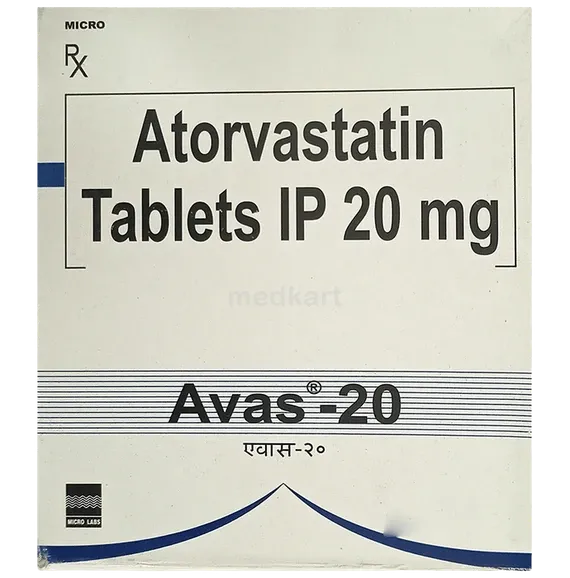
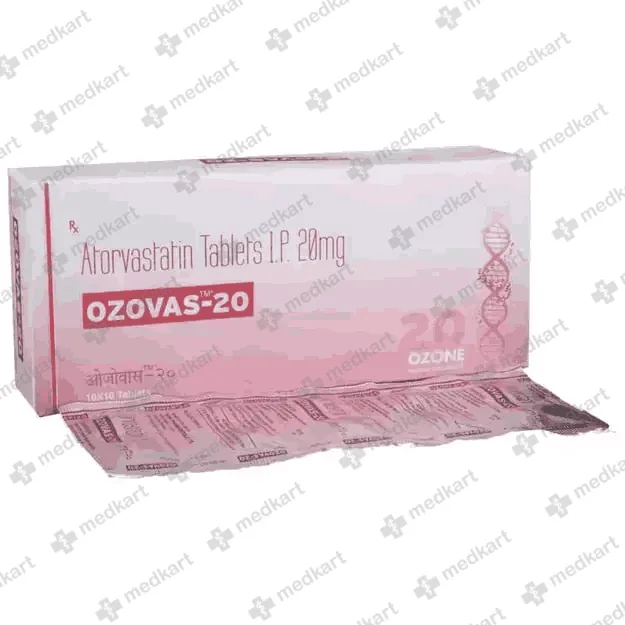
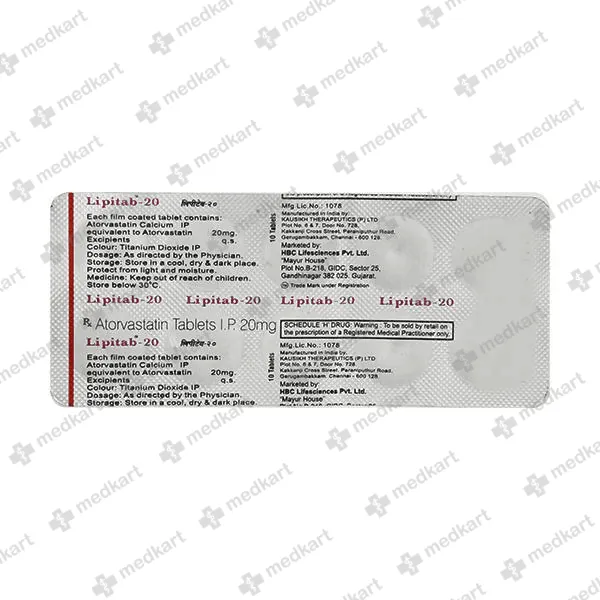
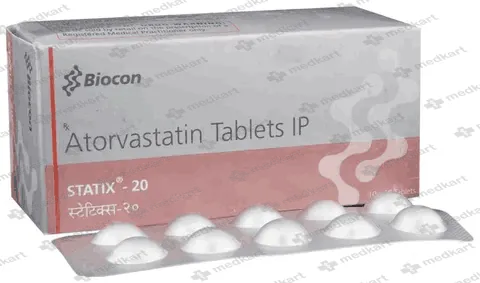
A generic medicine is one with the same active composition as the branded product — for Atorva 20MG Tablet 15's that is Atorvastatin 20 MG. Medkart lists generic options by composition so you can compare. Ask your doctor or pharmacist before switching from Atorva 20MG Tablet 15's.
Atorva 20MG Tablet 15's contains Atorvastatin 20 MG, a HMG-CoA reductase inhibitor (statin). It is used for lowering LDL cholesterol.
Yes. Atorva 20MG Tablet 15's requires a valid doctor's prescription.
Atorva 20MG Tablet 15's is manufactured by Zydus Lifesciences Limited.
Atorva 20MG Tablet 15's is supplied as a tablet and is taken by the oral route.
Atorva 20MG Tablet 15's contains Atorvastatin 20 MG. It is used for lowering LDL cholesterol; prevention of cardiovascular events, alongside diet. The benefit you get depends on the condition your doctor prescribed Atorva 20MG Tablet 15's for.
Whether Atorva 20MG Tablet 15's can be taken daily, and for how long, depends on your condition and must be decided by your doctor. Do not start, extend or repeat a course of Atorva 20MG Tablet 15's on your own.
The timing of Atorva 20MG Tablet 15's depends on the dose your doctor prescribes and on the other medicines you take. Follow the timing on your prescription or ask your pharmacist.
No. Atorva 20MG Tablet 15's is a prescription medicine and should only be taken on a doctor's advice.
Do not take Atorva 20MG Tablet 15's during pregnancy or while breastfeeding without asking your doctor. Safety depends on the medicine, the stage of pregnancy and your own health.
Check with your doctor before drinking alcohol while taking Atorva 20MG Tablet 15's. Alcohol can add to side effects such as drowsiness and can affect how some medicines work.
Store Atorva 20MG Tablet 15's in its original pack, below 25°C unless the pack states otherwise, away from direct sunlight and moisture, and out of the reach of children. Do not use it after the expiry date on the pack.


Good Medicines at affordable price. And good pharmacist who guide you with smile on their face.
Kaushal Parekh
•
Reviewed on 18-01-2024

(5/5)
Best service always... Best staff ..thank u being over life part
Nisha Khan
•
Reviewed on 01-07-2023
(5/5)
Quality products and services offered. 🥰
ALIMAMY ABDULAI JALLOH
•
Reviewed on 08-02-2024
(5/5)
It's a seamless experience.
Mitula Patel
•
Reviewed on 08-01-2024
(5/5)
Nice service All required drugs are available 😊
Meet Dobariya
•
Reviewed on 13-01-2024
(5/5)
ZYDUS LIFESCIENCES LIMITED
Country of Origin -
India
Medkart's sole intention is to ensure that its consumers get information that is expert-reviewed, accurate and trustworthy. However, the information contained herein should NOT be used as a substitute for the advice of a qualified physician. The information provided here is for informational purposes only. This may not cover everything about particular health conditions, medicines, generic alternatives, all possible side effects, drug interactions, warnings, alerts, lab tests, etc. Please consult your doctor and discuss all your queries related to any disease or medicine. We intend to support, not replace, the doctor-patient relationship.
10 Lakh+
Happy customers
35000+
Pin-codes Covered
75 Lakh+
Orders Delivered

Authentic Products
All WHO-GMP Certified Medicines






©2025 Medkart Pharmacy. All Rights Reserved







 10's_1.webp)