
Category: Generic Medicine

  • Ciprofloxacin: Uses, Dosage, Side Effects & Precautions

    Ciprofloxacin: Uses, Dosage, Side Effects & Precautions

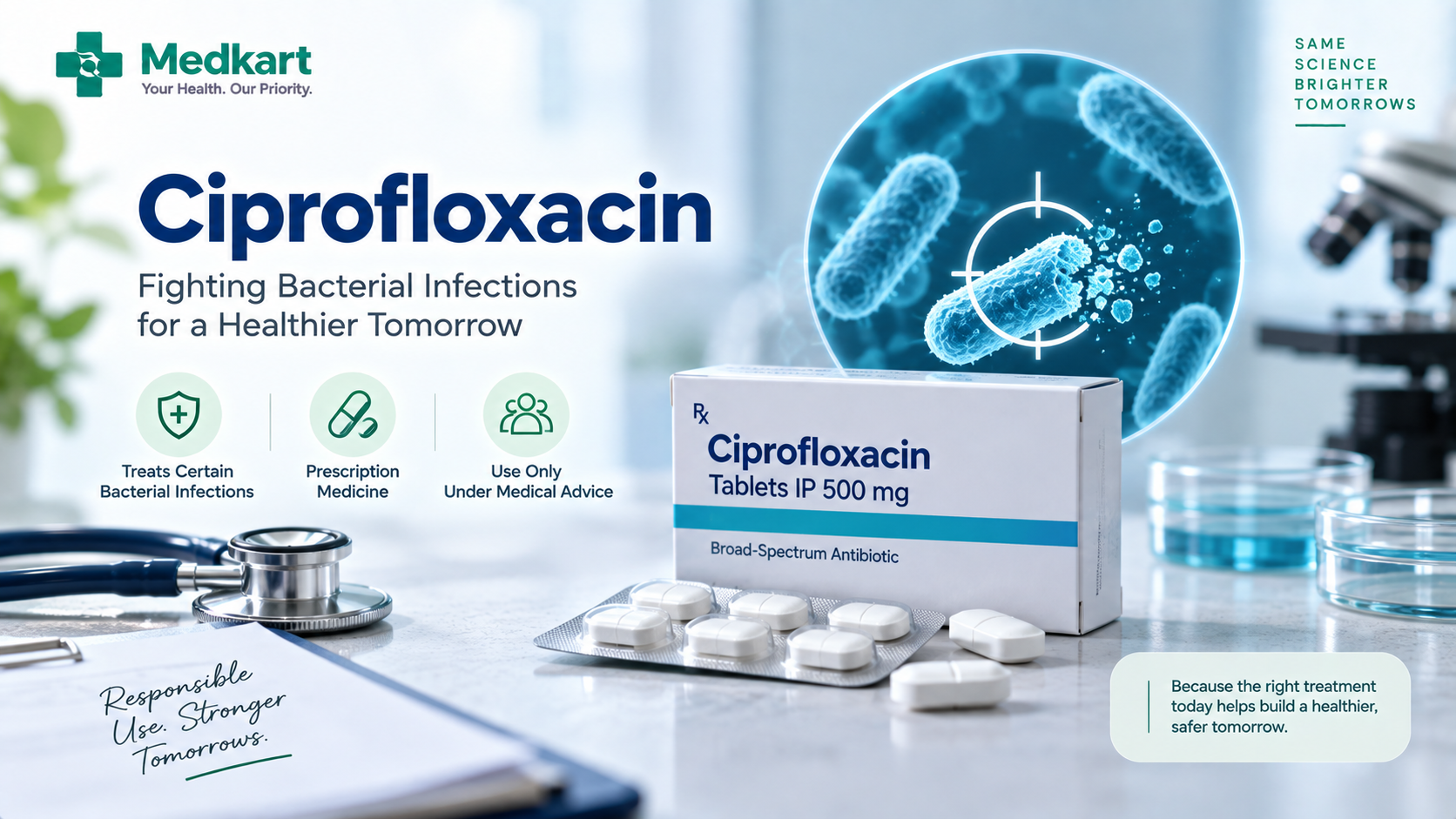
    Ciprofloxacin is the generic name of an antibiotic used for certain bacterial infections. It is a prescription medicine in India, sold under several brand names as tablets and as a liquid.

    Those tablets are made by many different companies. The active ingredient is the same across them, but the strength, pack size and price are not.

    What is ciprofloxacin? 
    Ciprofloxacin

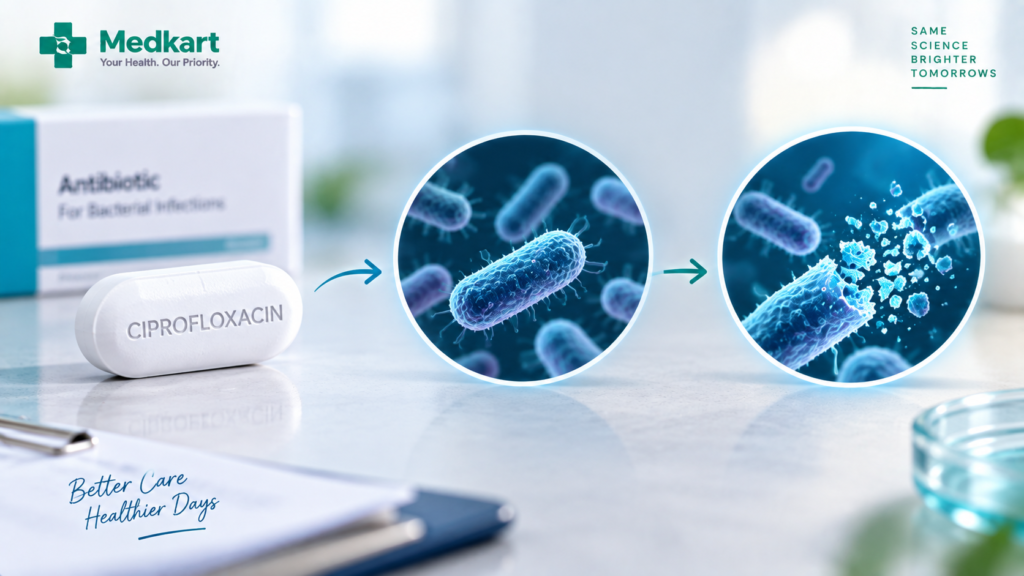
    Ciprofloxacin is an antibiotic. MedlinePlus[1] places it in a class of antibiotics called fluoroquinolones and explains that it works by killing bacteria that cause infections.

    The NHS[2] describes it as a broad-spectrum antibiotic available only on prescription. The same page says the tablets and liquid are used only when no other antibiotic is suitable, because of a risk of serious and long-term side effects.

    Its status in India is set by the Drugs Rules, 1945[3]. Ciprofloxacin hydrochloride appears at entry 113 in Schedule H, the schedule of prescription drugs. Rule 97 requires the pack to carry the symbol Rx and a warning against retail sale without a doctor’s prescription.

    What are the main ciprofloxacin uses? 
     ciprofloxacin uses

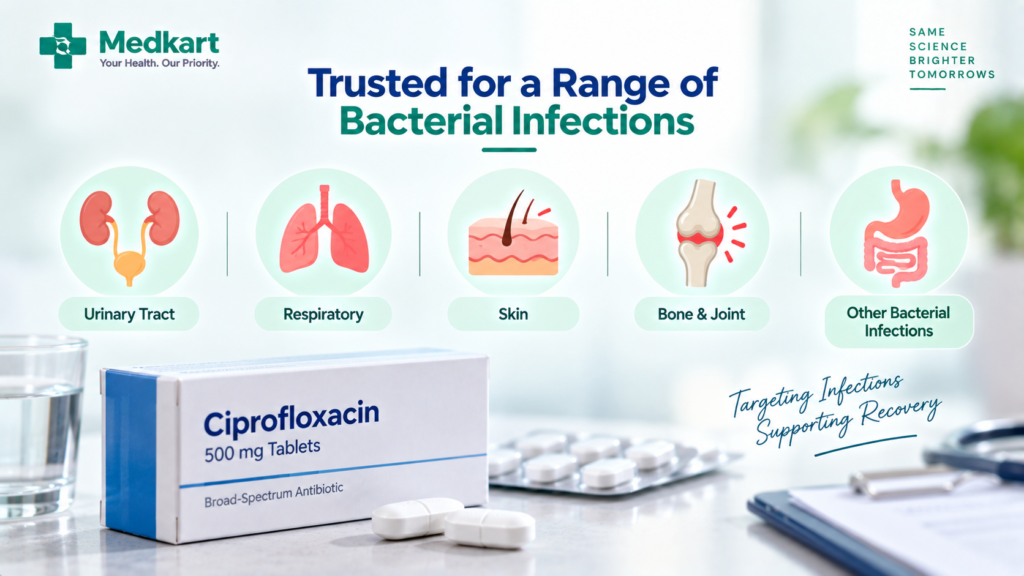
    Ciprofloxacin is used for certain bacterial infections. MedlinePlus says it treats or prevents them, and names plague and inhalation anthrax among the infections covered.

    DailyMed’s label[4] lists a long set of approved adult uses. They include urinary tract infections, lower respiratory tract infections, acute sinusitis, skin infections, bone and joint infections, infectious diarrhoea and typhoid fever.

    The NHS names urinary tract infections, chest infections including pneumonia, skin and bone infections, sexually transmitted infections, and eye and ear infections.

    Popular brands containing ciprofloxacin 

    Several ciprofloxacin brands are sold in India. The company names below are those shown on the Medkart listing for each pack.

    Brand Name Active Ingredient Available Strengths / Forms* Manufacturer / Company
    Ciplox Ciprofloxacin 250 mg and 500 mg tablets Cipla Pharmaceutical Company Limited
    Cifran Ciprofloxacin 500 mg tablets Sun Pharmaceutical Industries Ltd
    Ciprobid Ciprofloxacin 500 mg tablets Cadila Pharmaceuticals Private Limited
    Ciprodac Ciprofloxacin 500 mg tablets Cadila Pharmaceuticals Private Limited
    Alcipro Ciprofloxacin 500 mg tablets Alkem Laboratories Limited
    Zoxan Ciprofloxacin 500 mg tablets F D C India Limited

    Examples of listed strengths and forms, not a complete catalogue. Product ranges can change.

    Availability and pack size differ between products. The range sold under any one brand can change.

    How is ciprofloxacin dosage decided? 

    There is no one dose that applies to every ciprofloxacin prescription. The infection, its severity and kidney function all come into it.

    NHS guidance on how and when to take ciprofloxacin[5] describes tablets of 100 mg, 250 mg, 500 mg and 750 mg. There is also a liquid containing 250 mg in 5 ml. It gives a usual range of 250 mg to 750 mg twice a day. Children and people with kidney problems take lower amounts.

    A strength such as ciprofloxacin 500 mg describes the amount of active ingredient in that product. It is product information, not a dosing instruction.

    DailyMed sets different amounts and durations for each infection. For an acute uncomplicated urinary tract infection it gives 250 mg every 12 hours for three days. What applies to one person is a decision for the prescriber.

    Why does antibiotic resistance matter?
    ciprofloxacin antibiotic resistance 

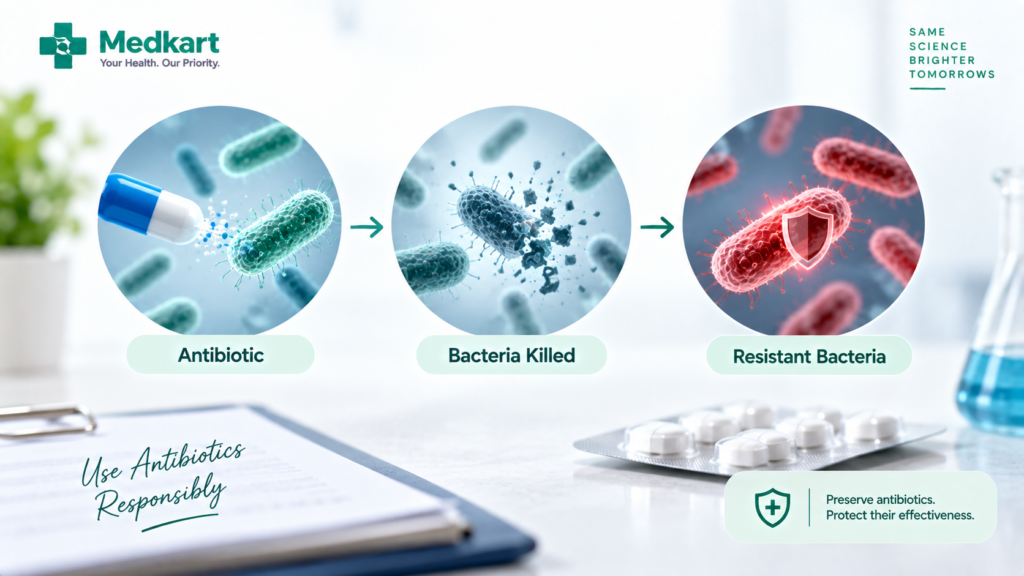
    Resistance grows when antibiotics are used where they are not needed. DailyMed states that using ciprofloxacin only for infections that are proven or strongly suspected to be bacterial reduces the development of drug-resistant bacteria.

    MedlinePlus states that antibiotics such as ciprofloxacin will not work for colds, flu or other viral infections. It advises taking the medicine until the prescription is finished, even when the person feels better.

    NHS guidance on common questions about ciprofloxacin[6] says it is very important to keep taking it until the course is finished. It also says a doctor should be told if there is no improvement after two to three days, or if things get worse at any point.

    Also Read: Doctors must mention Reason while Prescribing Antibiotics

    What are the common ciprofloxacin side effects? 
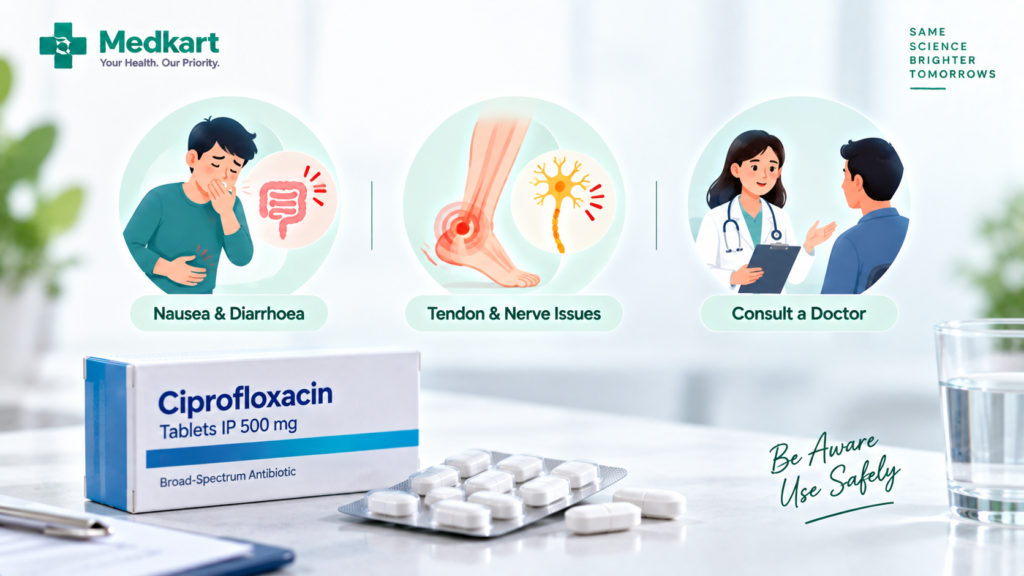
    ciprofloxacin side effects

    Feeling sick and diarrhoea are the most commonly reported effects. NHS guidance on ciprofloxacin side effects[7] reports them in more than 1 in 100 people, along with a bad taste in the mouth.

    MedlinePlus lists nausea, vomiting, diarrhoea, stomach pain, heartburn, pale skin and unusual tiredness among its common effects.

    The NHS lists serious effects that happen in less than 1 in 100 people, and says to stop the medicine and contact a doctor about any of them, including:

    • Pain or swelling in joints or tendons, often starting in the ankle or calf
    • Pins and needles, tingling, numbness or burning pain, especially in the legs or arms
    • Mood or behaviour changes, confusion, or problems with memory
    • Diarrhoea with blood or mucus
    • An irregular or fast heartbeat, or sudden breathlessness

    DailyMed adds that diarrhoea caused by Clostridioides difficile can appear months after treatment ends, and that skin can react strongly to sun or ultraviolet light during treatment.

    Why the fluoroquinolone warnings matter 

    Ciprofloxacin carries a boxed warning covering four risks. DailyMed names tendinitis and tendon rupture, peripheral neuropathy, central nervous system effects, and worsening of muscle weakness in myasthenia gravis.

    MedlinePlus states that the tendon risk runs during treatment and for up to several months afterwards. It adds that nerve damage may not go away after the medicine is stopped. DailyMed advises avoiding ciprofloxacin in anyone with a known history of myasthenia gravis.

    The European Medicines Agency[8] restricted this class of antibiotics after reviewing disabling and potentially long-lasting side effects. It advises stopping a fluoroquinolone and contacting a doctor at once at the first sign of tendon pain, joint swelling or nerve symptoms. The NHS states that ciprofloxacin is not prescribed for more than three months at a time.

    Who should be careful with ciprofloxacin? 

    Most people can take it, but several situations need raising first. NHS guidance on who can and cannot take ciprofloxacin[9] says most adults and children aged 1 year and over can take or use it.

    Situation What to do
    A previous reaction to a fluoroquinolone The NHS says to speak to a doctor first after any allergic reaction to ciprofloxacin, or any serious side effect with ciprofloxacin or another fluoroquinolone. DailyMed contraindicates it after hypersensitivity to ciprofloxacin or any quinolone.
    Myasthenia gravis DailyMed’s boxed warning covers worsening muscle weakness, and it says ciprofloxacin should be avoided in anyone with a known history of the condition.
    Aorta problems The NHS says to speak to a doctor first about an abdominal aortic aneurysm or another aorta problem, including where a family member has had one.
    Heart rhythm problems The NHS lists a fast, pounding or irregular heartbeat among the situations to raise before starting.
    Mental health conditions The NHS says to mention depression, anxiety, suicidal feelings or any other mental health condition first.
    Epilepsy, kidney problems or diabetes The NHS lists all three, and notes that ciprofloxacin can affect blood sugar.
    Tendon or connective tissue disorders The NHS lists previous tendon problems, rheumatoid arthritis, Behcet’s disease and Marfan syndrome among the situations to raise first.

    The NHS also says to mention pregnancy, plans to become pregnant, or breastfeeding. DailyMed contraindicates ciprofloxacin alongside tizanidine.

    Generic ciprofloxacin vs brand-name ciprofloxacin 
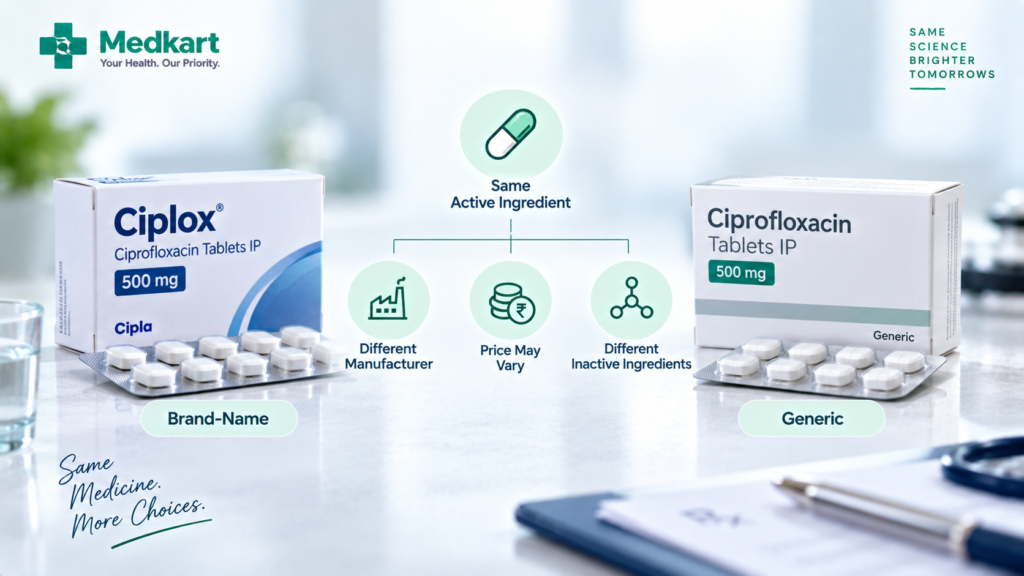
     Generic ciprofloxacin vs brand-name ciprofloxacin

    Generic and branded ciprofloxacin contain the same active ingredient. The US FDA[10] states that a generic medicine matches the brand-name medicine on active ingredient, strength, dosage form and route of administration, and is bioequivalent to it.

    The FDA adds that approved generics provide the same clinical benefit and risks as their brand-name counterparts. That is the U.S. FDA standard, and an India-specific regulatory source is needed before making the same claim about an Indian product.

    Products can still differ in manufacturer, inactive ingredients, appearance and price. The same active ingredient and strength alone do not prove that two products are interchangeable. A doctor or pharmacist should confirm any switch between brands.

    Buy or compare ciprofloxacin tablets on Medkart 

    Medkart sells ciprofloxacin products online from several manufacturers and lists them as prescription items. Its composition listings for ciprofloxacin 500 mg and ciprofloxacin 250 mg show what is stocked at each strength. Medkart states that the medicines it sells are sourced from WHO-GMP certified manufacturers.

    Medkart’s medicine comparison tool places products side by side, and the medicines index lists what is in stock. The details a reader can compare include:

    • Active ingredient
    • Strength
    • Dosage form
    • Manufacturer
    • Pack size
    • Current price

    Any suggested alternative should be discussed with a doctor or pharmacist before changing a prescribed antibiotic.

    Key takeaways 

    • Ciprofloxacin is an antibiotic in the fluoroquinolone group and works by killing bacteria.
    • Ciprofloxacin hydrochloride is listed at entry 113 in Schedule H of India’s Drugs Rules, 1945, which makes it a prescription drug.
    • The NHS states that ciprofloxacin tablets and liquid are used only when no other antibiotic is suitable.
    • A strength such as ciprofloxacin 500 mg is product information, not an instruction about how much to take.
    • Feeling sick and diarrhoea are among the most commonly reported side effects.
    • The boxed warning covers tendinitis and tendon rupture, nerve damage, central nervous system effects and worsening of myasthenia gravis.
    • Tendon pain, joint swelling or nerve symptoms are a reason to stop the medicine and contact a doctor at once.
    • Antibiotics do not work for colds, flu or other viral infections, and a prescribed course is meant to be finished.

    FAQs: Common Questions About Ciprofloxacin 

    Q. How quickly does ciprofloxacin start working? 

    Most people feel better within a few days. NHS guidance on common questions says how quickly it works depends on the infection. A bone infection can take a week or longer before there is any improvement. A doctor is the right person to tell if progress is slower than expected.

    Q. What happens if a dose of ciprofloxacin is missed? 

    It depends on how close the next dose is. NHS guidance on how and when to take ciprofloxacin says a missed dose should be taken as soon as it is remembered, unless the next one is nearly due. In that case the missed dose is skipped and the normal schedule resumes. The same guidance says never to take a double dose to catch up.

    Q. Why should dairy products be avoided around a dose? 

    Because they can stop the medicine working properly. NHS guidance on how and when to take ciprofloxacin says to avoid dairy products such as milk, cheese and yoghurt, because they affect how the medicine works. The same guidance says the tablets should be swallowed whole with plenty of water rather than chewed.

    Q. Is it safe to drink alcohol while taking ciprofloxacin? 

    Yes. NHS guidance on common questions about ciprofloxacin states that alcohol can be drunk while taking it. Anyone unsure how that sits with their other medicines should ask a pharmacist.

    Q. Can ciprofloxacin be given to a child? 

    Sometimes, and only on a prescription. The NHS says most adults and children aged 1 year and over can take or use ciprofloxacin. DailyMed approves it for children aged 1 to 17 years for complicated urinary tract infections and kidney infections. It notes a higher rate of joint and tissue problems in children. A doctor decides whether it is the right choice.

    Q. What happens if too much ciprofloxacin is taken? 

    It can cause harm. The NHS says taking too much ciprofloxacin can cause feeling sick, being sick, diarrhoea, an irregular heartbeat, or seizures in people with epilepsy. Anyone who has taken more than the prescribed amount should contact a doctor, a pharmacist or a hospital straight away.

    References 

    Medical disclaimer: This article provides general information and does not replace advice from a doctor or pharmacist. Ciprofloxacin is an antibiotic listed in Schedule H of India’s Drugs Rules, 1945, so ciprofloxacin products in India are prescription medicines. Brands with the same composition should only be substituted under the guidance of a healthcare professional or pharmacist because product details and approved indications can differ.

  • Creatine Monohydrate: Benefits, Safety & Side Effects

    Looking to boost your athletic performance, build muscle, or support overall health? Creatine monohydrate is one of the most researched and trusted supplements available. Used by athletes, fitness enthusiasts, and even those seeking cognitive benefits, creatine monohydrate offers a wide range of advantages. Let’s explore the science-backed benefits, safety guidelines, and potential side effects of creatine monohydrate.

    What Is Creatine Monohydrate?

    Creatine monohydrate is a naturally occurring compound found in small amounts in foods like meat and fish. It is also produced by the body, primarily in the liver, kidneys, and pancreas. Creatine plays a crucial role in energy production, particularly during short bursts of high-intensity activity. As a supplement, creatine monohydrate is widely used to enhance athletic performance, increase muscle mass, and support overall health.

    • Creatine monohydrate is a naturally occurring compound found in foods and produced by the body.
    • It plays a crucial role in energy production during high-intensity activity.
    • Creatine monohydrate is widely used to enhance athletic performance, increase muscle mass, and support overall health.

    How Creatine Monohydrate Works

    Creatine monohydrate works by increasing the availability of phosphocreatine in the muscles. Phosphocreatine helps regenerate ATP (adenosine triphosphate), the primary energy currency of the body, during high-intensity exercise. This leads to improved performance, increased strength, and faster recovery.

    • Creatine monohydrate increases the availability of phosphocreatine in the muscles.
    • Phosphocreatine helps regenerate ATP during high-intensity exercise.
    • This leads to improved performance, increased strength, and faster recovery.

    Benefits of Creatine Monohydrate

    Creatine monohydrate offers several benefits for athletes, fitness enthusiasts, and those seeking overall health improvements. Its multi-faceted approach addresses both symptoms and underlying causes, providing effective relief.

    • Boosts Athletic Performance: Creatine monohydrate helps increase strength, power, and endurance during high-intensity exercise.
    • Increases Muscle Mass: It supports muscle growth and helps build lean muscle mass.
    • Improves Recovery: Creatine monohydrate helps reduce muscle soreness and speeds up recovery after exercise.
    • Supports Brain Health: Some studies suggest that creatine may improve cognitive function and memory.
    • Enhances Overall Health: Creatine monohydrate supports overall health by improving energy levels and reducing fatigue.

    Dosage and Usage Guidelines

    It is crucial to follow the recommended dosage and usage instructions for creatine monohydrate to ensure safety and effectiveness.

    • The typical dosage is 3-5 grams per day, taken with water or a carbohydrate-rich drink.
    • Some people choose to do a loading phase, taking 20 grams per day for 5-7 days, followed by a maintenance phase of 3-5 grams per day.
    • Take creatine monohydrate at the same time each day for consistency.
    • Stay hydrated and drink plenty of water to support overall health.
    • Monitor your progress with periodic blood tests as recommended by your healthcare provider.

    Safety and Precautions

    Creatine monohydrate is generally safe when used as directed. However, there are some precautions to keep in mind to ensure optimal safety.

    • Consult a healthcare professional before using creatine monohydrate, especially for children, elderly patients, or those with underlying health conditions.
    • Do not use creatine monohydrate if you are allergic to any of its ingredients.
    • Be aware of potential side effects, such as mild stomach upset, nausea, or allergic reactions.
    • Seek medical advice if side effects persist or worsen.
    • Store creatine monohydrate in a cool, dry place, away from direct sunlight.
    • Keep it out of reach of children.
    • Do not take more than the prescribed amount, as this may lead to overdose and other complications.
    • Inform your doctor about all the medicines you use, including prescription, over-the-counter medications, and herbal supplements.

    When to See a Doctor

    While creatine monohydrate can help manage many symptoms of athletic performance and muscle growth, it is important to see a doctor if your symptoms are severe, persistent, or accompanied by other concerning signs. A healthcare professional can provide additional treatment options and help you manage your health.

    By understanding the benefits and usage instructions for creatine monohydrate, you can support better management of athletic performance and muscle growth and improve your overall health. For more information and trusted supplements, visit MedKart and explore solutions that work for your needs.

  • Gripe Water for Babies: Benefits & Safety Guidelines

    Is your little one fussy, gassy, or struggling with colic? Gripe water is a popular remedy used by parents to soothe digestive discomfort in babies. Made from a blend of water, herbs, and sometimes sodium bicarbonate, gripe water is believed to help relieve gas, colic, and other tummy troubles. Let’s explore the benefits, safety guidelines, and what you need to know before giving gripe water to your baby.

    What Is Gripe Water?

    Gripe water is an over-the-counter liquid supplement given to infants to ease symptoms of stomach discomfort, gas, colic, and hiccups. It typically contains a combination of herbal extracts such as fennel, ginger, chamomile, and lemon, and sometimes sodium bicarbonate, a mild antacid that helps neutralize stomach acid. Modern formulations are alcohol-free and have reduced sugar content to ensure the safety of babies.

    • Gripe water is a liquid supplement for infants.
    • It contains herbal extracts and sometimes sodium bicarbonate.
    • Modern formulations are alcohol-free and have reduced sugar content.

    How Gripe Water Works

    Gripe water works by using herbal extracts that have carminative properties, which means they help relieve gas and bloating. The soothing properties of certain herbs can help ease digestive discomfort and calm a fussy baby. While gripe water can provide temporary relief for babies, it’s essential to consult with your paediatrician before using it to ensure it’s suitable for your baby’s specific needs.

    • Gripe water uses herbal extracts with carminative properties.
    • It helps relieve gas and bloating.
    • It can ease digestive discomfort and calm a fussy baby.

    Benefits of Gripe Water for Babies

    Gripe water offers several potential benefits for babies experiencing digestive discomfort. Its multi-faceted approach addresses both symptoms and underlying causes, providing effective relief.

    • Eases Colic and Digestive Discomfort: Gripe water ingredients like dill oil, fennel, and ginger are traditionally used to ease digestive problems by relaxing the gastrointestinal muscles and alleviating colic symptoms.
    • Reduction in Excessive Gas and Bloating: Gripe water can be effective in reducing gas-related issues by relaxing the muscles in the baby’s digestive tract. It helps to relieve trapped gas and allows for easier passage of gas, thus providing relief from bloating.
    • Facilitates Better Sleep Patterns: Babies experiencing discomfort due to gas or indigestion can have disrupted sleep patterns. While there is anecdotal evidence suggesting that gripe water may help babies sleep better, there is a lack of scientific studies to support this claim. It’s important to consult with your paediatrician before using gripe water solely for improving sleep.
    • Relieves Teething Discomfort: Teething in babies can cause symptoms such as drooling, irritability, swollen gums, and discomfort. Some babies may also experience pain and inflammation during this time. Gripe water is believed to relieve teething discomfort; however, you must consult your paediatrician for safe and effective options.

    When to Give Gripe Water to a Baby

    You can offer gripe water when your baby seems uncomfortable due to gas, bloating, hiccups, or general fussiness. Many parents give gripe water shortly after feedings to help digestion and prevent gas. Others use it before bedtime to help their baby settle. However, there are no strict guidelines around timing. It’s crucial to talk to your paediatrician before starting gripe water and follow dosing instructions carefully.

    • Give gripe water when your baby seems uncomfortable due to gas, bloating, hiccups, or general fussiness.
    • Many parents give gripe water shortly after feedings to help digestion and prevent gas.
    • Others use it before bedtime to help their baby settle.
    • Talk to your paediatrician before starting gripe water and follow dosing instructions carefully.

    Safety and Precautions

    Gripe water is generally considered safe for babies over 2 weeks old. However, check with your paediatrician before giving it to a newborn, especially if they are premature or have any health concerns. Gripe water is not recommended for newborns as their digestive systems are still developing. It’s best to consult a paediatrician for appropriate remedies.

    • Gripe water is generally considered safe for babies over 2 weeks old.
    • Check with your paediatrician before giving it to a newborn, especially if they are premature or have any health concerns.
    • Gripe water is not recommended for newborns as their digestive systems are still developing.
    • Consult a paediatrician for appropriate remedies.

    When to See a Doctor

    While gripe water can help manage many symptoms of digestive discomfort, it is important to see a doctor if your symptoms are severe, persistent, or accompanied by other concerning signs. A healthcare professional can provide additional treatment options and help you manage your health.

    By understanding the benefits and safety guidelines for gripe water, you can support better management of digestive discomfort in your baby. For more information and trusted remedies, visit MedKart and explore solutions that work for your needs.

  • Omega-3 Rich Foods: Top 10 Sources for Better Health

    Want to boost your heart, brain, and overall health? Omega-3 fatty acids are essential nutrients that play a vital role in supporting your body’s functions. Found in a variety of foods, omega-3s help reduce inflammation, support brain health, and promote heart wellness. Let’s explore the top 10 omega-3-rich foods and how you can include them in your diet for better health.

    Why Omega-3 Fatty Acids Matter

    Omega-3 fatty acids are essential fats that your body cannot produce on its own. They must be obtained through your diet. Omega-3s are crucial for maintaining heart health, reducing inflammation, supporting brain function, and promoting overall well-being. There are three main types of omega-3s: ALA (alpha-linolenic acid), EPA (eicosapentaenoic acid), and DHA (docosahexaenoic acid). ALA is found in plant sources, while EPA and DHA are found in fatty fish and seafood.

    • Omega-3s are essential for heart health, brain function, and reducing inflammation.
    • They must be obtained through your diet.
    • ALA is found in plant sources, while EPA and DHA are found in fatty fish and seafood.

    Top 10 Omega-3 Rich Foods

    Here are the top 10 omega-3-rich foods, chosen for their high omega-3 content and health benefits.

    1. Mackerel

    Best for: Heart and brain health
    Omega-3 Content: 4,580 mg per 100 g
    Why we recommend it: Mackerel is one of the richest sources of omega-3 fatty acids. It is also high in protein, vitamin B12, and selenium. Mackerel can be grilled, baked, or smoked and is delicious in salads, sandwiches, or as a main dish.

    2. Salmon

    Best for: Heart and brain health
    Omega-3 Content: 2,150 mg per 100 g
    Why we recommend it: Salmon is a nutrient-dense food that is rich in omega-3s, protein, vitamin D, and selenium. It can be grilled, baked, or poached and is great in salads, sandwiches, or as a main dish.

    3. Cod Liver Oil

    Best for: Heart and brain health
    Omega-3 Content: 2,438 mg per tablespoon
    Why we recommend it: Cod liver oil is a concentrated source of omega-3s, vitamin A, and vitamin D. It is available as a supplement and can be taken daily to support heart and brain health.

    4. Herring

    Best for: Heart and brain health
    Omega-3 Content: 2,150 mg per 100 g
    Why we recommend it: Herring is a small, oily fish that is rich in omega-3s, protein, and vitamin D. It can be grilled, baked, or smoked and is delicious in salads, sandwiches, or as a main dish.

    5. Sardines

    Best for: Heart and brain health
    Omega-3 Content: 1,463 mg per 100 g
    Why we recommend it: Sardines are small, oily fish that are rich in omega-3s, protein, and vitamin B12. They can be grilled, baked, or canned and are great in salads, sandwiches, or as a main dish.

    6. Anchovies

    Best for: Heart and brain health
    Omega-3 Content: 1,400 mg per 100 g
    Why we recommend it: Anchovies are small, oily fish that are rich in omega-3s, protein, and vitamin B12. They can be grilled, baked, or canned and are great in salads, sandwiches, or as a main dish.

    7. Caviar

    Best for: Heart and brain health
    Omega-3 Content: 1,046 mg per tablespoon
    Why we recommend it: Caviar is a luxury food item that is rich in omega-3s, choline, and vitamin B12. It is typically used in small quantities as an appetizer, taster, or garnish.

    8. Flaxseeds

    Best for: Heart and brain health
    Omega-3 Content: 5,050 mg per 28 g
    Why we recommend it: Flaxseeds are a plant-based source of omega-3s, fiber, and protein. They can be ground and added to smoothies, oatmeal, or baked goods.

    9. Chia Seeds

    Best for: Heart and brain health
    Omega-3 Content: 5,050 mg per 28 g
    Why we recommend it: Chia seeds are a plant-based source of omega-3s, fiber, and protein. They can be added to smoothies, oatmeal, or baked goods.

    10. Walnuts

    Best for: Heart and brain health
    Omega-3 Content: 2,570 mg per 28 g
    Why we recommend it: Walnuts are a plant-based source of omega-3s, fiber, and protein. They can be eaten on their own, in granola, or in a trail mix, snack bar, yogurt, salad, or cooked dish.

    How to Include Omega-3 Rich Foods in Your Diet

    Incorporating omega-3-rich foods into your diet is simple and delicious. Here are some practical tips:

    • Add fatty fish like salmon, mackerel, and sardines to your meals at least twice a week.
    • Use flaxseeds, chia seeds, and walnuts in smoothies, oatmeal, or baked goods.
    • Include cod liver oil as a supplement if you don’t eat fish.
    • Use mustard oil in cooking or as a salad dressing for a vegetarian source of omega-3s.
    • Add spinach, cauliflower, and rajma to your meals for a boost of omega-3s.

    Benefits of Omega-3 Rich Foods

    Omega-3-rich foods offer several benefits for your health. Their multi-faceted approach addresses both symptoms and underlying causes, providing effective relief.

    • Supports Heart Health: Omega-3s help reduce inflammation and lower the risk of heart disease.
    • Boosts Brain Function: Omega-3s support brain health and cognitive function.
    • Reduces Inflammation: Omega-3s help reduce inflammation in the body.
    • Supports Eye Health: Omega-3s support eye health and reduce the risk of age-related macular degeneration.
    • Improves Mood: Omega-3s support mood and emotional well-being.

    When to See a Doctor

    While omega-3-rich foods can help manage many symptoms of heart and brain health, it is important to see a doctor if your symptoms are severe, persistent, or accompanied by other concerning signs. A healthcare professional can provide additional treatment options and help you manage your health.

    By understanding the benefits and ways to include omega-3-rich foods in your diet, you can support better management of heart and brain health and improve your overall well-being. For more information and trusted nutritional products, visit MedKart and explore solutions that work for your needs.

  • Dapoxetine Tablet: Benefits, Dosage & Side Effect Profile

    Struggling with premature ejaculation? Dapoxetine Tablet is a trusted medication designed to help men gain better control over ejaculation and improve sexual satisfaction. Let’s explore the benefits, recommended dosage, and side effect profile of Dapoxetine Tablet to help you make informed decisions about your sexual health.

    What Is Dapoxetine Tablet?

    Dapoxetine Tablet is a selective serotonin reuptake inhibitor (SSRI) specifically designed for the treatment of premature ejaculation (PE) in adult men. It works by increasing serotonin levels in the nervous system, which helps delay ejaculation and improve control over sexual activity. Dapoxetine is taken on demand, meaning it is only used when sexual activity is anticipated, rather than as a daily medication.

    • Dapoxetine Tablet is an SSRI for premature ejaculation.
    • It increases serotonin levels to delay ejaculation.
    • Dapoxetine is taken on demand, not daily.

    How Dapoxetine Tablet Works

    Dapoxetine Tablet works by enhancing the communication between nerve cells in the brain by preventing serotonin from being rapidly reabsorbed. This leads to improved control over ejaculation and helps prolong the time before climax. The effects of Dapoxetine are usually noticeable within 1 to 3 hours after taking the tablet, making it an effective on-demand treatment for premature ejaculation.

    • Dapoxetine enhances nerve communication by preventing serotonin reabsorption.
    • It improves control over ejaculation and prolongs the time before climax.
    • Effects are noticeable within 1 to 3 hours.

    Benefits of Dapoxetine Tablet

    Dapoxetine Tablet offers several benefits for men dealing with premature ejaculation. Its multi-faceted approach addresses both symptoms and underlying causes, providing effective relief.

    • Improves Control Over Ejaculation: Dapoxetine helps men gain better control over ejaculation, leading to increased sexual satisfaction.
    • Extends Time Before Ejaculation: The medication helps prolong the time before ejaculation, reducing performance anxiety.
    • Boosts Confidence: By improving control and extending time, Dapoxetine can boost confidence and reduce stress related to sexual performance.
    • Non-Daily Use: Dapoxetine is taken on demand, making it convenient for men who do not want to take a daily medication.
    • Safe and Effective: When used as directed, Dapoxetine is a safe and effective option for managing premature ejaculation.

    Dosage and Usage Guidelines

    It is crucial to follow the recommended dosage and usage instructions for Dapoxetine Tablet to ensure safety and effectiveness.

    • The usual starting dose is 30 mg, taken 1 to 3 hours before sexual activity.
    • If well tolerated but not sufficiently effective, the dosage may be increased to 60 mg as per a doctor’s recommendation.
    • Dapoxetine should only be taken when sexual activity is anticipated and not more frequently than once every 24 hours.
    • Do not exceed the recommended dosage.
    • Swallow the tablet whole with water. Do not crush or chew the tablet.
    • Take the tablet at the same time each day for consistency.
    • Stay hydrated and drink plenty of water to support overall health.
    • Monitor your progress with periodic blood tests as recommended by your healthcare provider.

    Side Effect Profile of Dapoxetine Tablet

    Dapoxetine Tablet is generally safe when used as directed. However, there are some potential side effects to be aware of.

    • Nausea
    • Diarrhoea
    • Headache
    • Dizziness
    • Fatigue
    • Insomnia
    • Increased Blood Pressure
    • Allergic Reactions (rare)

    Safety and Precautions

    Dapoxetine Tablet is generally safe when used as directed. However, there are some precautions to keep in mind to ensure optimal safety.

    • Consult a healthcare professional before using Dapoxetine Tablet, especially for children, elderly patients, or those with underlying health conditions.
    • Do not use Dapoxetine Tablet if you are allergic to dapoxetine or any of its ingredients.
    • Be aware of potential side effects, such as nausea, diarrhoea, headache, dizziness, fatigue, insomnia, increased blood pressure, and allergic reactions.
    • Seek medical advice if side effects persist or worsen.
    • Store Dapoxetine Tablet in a cool, dry place, away from direct sunlight.
    • Keep the tablet out of reach of children.
    • Do not take more than the prescribed amount, as this may lead to overdose and other complications.
    • Inform your doctor about all the medicines you use, including prescription, over-the-counter medications, and herbal supplements.

    When to See a Doctor

    While Dapoxetine Tablet can help manage many symptoms of premature ejaculation, it is important to see a doctor if your symptoms are severe, persistent, or accompanied by other concerning signs. A healthcare professional can provide additional treatment options and help you manage your health.

    By understanding the benefits and usage instructions for Dapoxetine Tablet, you can support better management of premature ejaculation and improve your overall sexual health. For more information and trusted sexual health products, visit MedKart and explore solutions that work for your needs.

  • Unwanted Tablet: How It Works, Dosage & Side Effects

    Unwanted Tablet is a widely used emergency contraceptive pill designed to prevent pregnancy after unprotected sex or contraceptive failure. It is a safe and effective option for women who need quick action to avoid an unplanned pregnancy. Let’s explore how Unwanted Tablet works, its recommended dosage, and important safety information to help you make informed decisions about your reproductive health.

    What Is Unwanted Tablet?

    Unwanted Tablet is an emergency contraceptive pill that contains levonorgestrel, a synthetic hormone similar to progesterone. It is designed to prevent pregnancy after unprotected sex or contraceptive failure. Unwanted Tablet is not intended for regular use as a birth control method, but is a reliable option for emergency situations. It is available over the counter and can be taken without a prescription in many countries.

    • Unwanted Tablet contains levonorgestrel, a synthetic hormone similar to progesterone.
    • It is designed to prevent pregnancy after unprotected sex or contraceptive failure.
    • Unwanted Tablet is not intended for regular use as a birth control method.

    How Unwanted Tablet Works

    Unwanted Tablet works by preventing ovulation, fertilisation, or implantation of a fertilised egg. Levonorgestrel, the active ingredient, delays or inhibits ovulation, making it less likely for an egg to be released from the ovary. If ovulation has already occurred, levonorgestrel can prevent fertilisation by altering the cervical mucus, making it difficult for sperm to reach the egg. If fertilisation has already occurred, levonorgestrel can prevent implantation of the fertilised egg in the uterus.

    • Unwanted Tablet prevents ovulation, fertilisation, or implantation of a fertilised egg.
    • Levonorgestrel delays or inhibits ovulation.
    • Levonorgestrel alters cervical mucus, making it difficult for sperm to reach the egg.
    • Levonorgestrel can prevent implantation of a fertilised egg in the uterus.

    Benefits of Unwanted Tablet

    Unwanted Tablet offers several benefits for women seeking emergency contraception. Its multi-faceted approach addresses both symptoms and underlying causes, providing effective relief.

    • Prevents Pregnancy: Unwanted Tablet is effective in preventing pregnancy after unprotected sex or contraceptive failure.
    • Convenience: It is available over-the-counter and can be taken without a prescription in many countries.
    • Non-Invasive: Unwanted Tablet is a non-invasive method of emergency contraception.
    • Safe and Effective: When used correctly, Unwanted Tablet is a safe and effective option for emergency contraception.

    Dosage and Usage Guidelines

    It is crucial to follow the recommended dosage and usage instructions for Unwanted Tablet to ensure safety and effectiveness.

    • Take Unwanted Tablet as soon as possible after unprotected sex or contraceptive failure, ideally within 72 hours (3 days).
    • Swallow the tablet whole with water. Do not crush or chew the tablet.
    • Take the tablet at the same time each day for consistency.
    • Do not exceed the recommended dosage.
    • If you vomit within 2 hours of taking the tablet, take another dose.
    • Use a backup method of contraception, such as condoms, for the rest of your cycle.

    Side Effects of Unwanted Tablet

    Unwanted Tablet is generally safe when used as directed. However, there are some potential side effects to be aware of.

    • Nausea
    • Vomiting
    • Headache
    • Dizziness
    • Fatigue
    • Breast Tenderness
    • Irregular Bleeding
    • Allergic Reactions (rare)

    Safety and Precautions

    Unwanted Tablet is generally safe when used as directed. However, there are some precautions to keep in mind to ensure optimal safety.

    • Consult a healthcare professional before using Unwanted Tablet, especially for children, elderly patients, or those with underlying health conditions.
    • Do not use Unwanted Tablet if you are allergic to levonorgestrel or any of its ingredients.
    • Be aware of potential side effects, such as nausea, vomiting, headache, dizziness, fatigue, breast tenderness, and irregular bleeding.
    • Seek medical advice if side effects persist or worsen.
    • Store Unwanted Tablet in a cool, dry place, away from direct sunlight.
    • Keep the tablet out of reach of children.
    • Do not take more than the prescribed amount, as this may lead to overdose and other complications.
    • Inform your doctor about all the medicines you use, including prescription, over-the-counter medications, and herbal supplements.

    When to See a Doctor

    While Unwanted Tablet can help manage many symptoms of emergency contraception, it is important to see a doctor if your symptoms are severe, persistent, or accompanied by other concerning signs. A healthcare professional can provide additional treatment options and help you manage your health.

    By understanding the benefits and usage instructions for Unwanted Tablet, you can support better management of emergency contraception and improve your overall health. For more information and trusted emergency contraception products, visit MedKart and explore solutions that work for your needs.

  • Allergy Relief Tablets: Top Options for Fast Results

    Struggling with sneezing, itchy eyes, or a runny nose? Allergy relief tablets can offer fast, effective relief from common allergy symptoms. Whether you’re dealing with seasonal allergies, dust, pet dander, or food sensitivities, the right tablet can make a big difference in how you feel. Let’s explore the top allergy relief tablets available, their benefits, and how to choose the best one for your needs.

    Why Choose Allergy Relief Tablets?

    Allergy relief tablets are a convenient and effective way to manage allergy symptoms. They work by blocking the effects of histamine, a substance released by the body during an allergic reaction. This helps reduce symptoms such as sneezing, a runny nose, itchy eyes, and congestion. Allergy tablets are available in various forms, including tablets, capsules, and chewables, making them easy to use for people of all ages.

    • Allergy relief tablets block the effects of histamine.
    • They help reduce symptoms such as sneezing, runny nose, itchy eyes, and congestion.
    • Allergy tablets are available in various forms, including tablets, capsules, and chewables.

    How Allergy Relief Tablets Work

    Allergy relief tablets work by blocking the effects of histamine, a substance released by the body during an allergic reaction. Histamine is responsible for many allergy symptoms, including sneezing, runny nose, itchy eyes, and congestion. By blocking histamine, allergy tablets help reduce these symptoms and provide relief.

    • Allergy relief tablets block the effects of histamine.
    • They help reduce symptoms such as sneezing, runny nose, itchy eyes, and congestion.
    • By blocking histamine, allergy tablets provide relief from allergy symptoms.

    Top Allergy Relief Tablets for Fast Results

    Here are some of the top allergy relief tablets available, chosen for their effectiveness, safety, and fast-acting results.

    1. Cetirizine Tablets

    Best for: Allergy symptoms such as sneezing, runny nose, itchy eyes, and congestion.
    Key Ingredients: Cetirizine
    Why we recommend it: Cetirizine is a non-drowsy antihistamine that provides fast relief from allergy symptoms. It is effective for both seasonal and year-round allergies and is suitable for adults and children over 6 years old.

    Buy Cetirizine Tablets at MedKart

    2. Levocetirizine Tablets

    Best for: Allergy symptoms such as sneezing, runny nose, itchy eyes, and congestion.
    Key Ingredients: Levocetirizine
    Why we recommend it: Levocetirizine is a non-drowsy antihistamine that provides fast relief from allergy symptoms. It is effective for both seasonal and year-round allergies and is suitable for adults and children over 6 years old.

    Buy Levocetirizine Tablets at MedKart

    3. Fexofenadine Tablets

    Best for: Allergy symptoms such as sneezing, runny nose, itchy eyes, and congestion.
    Key Ingredients: Fexofenadine
    Why we recommend it: Fexofenadine is a non-drowsy antihistamine that provides fast relief from allergy symptoms. It is effective for both seasonal and year-round allergies and is suitable for adults and children over 6 years old.

    Buy Fexofenadine Tablets at MedKart

    4. Loratadine Tablets

    Best for: Allergy symptoms such as sneezing, runny nose, itchy eyes, and congestion.
    Key Ingredients: Loratadine
    Why we recommend it: Loratadine is a non-drowsy antihistamine that provides fast relief from allergy symptoms. It is effective for both seasonal and year-round allergies and is suitable for adults and children over 6 years old.

    Buy Loratadine Tablets at MedKart

    5. Desloratadine Tablets

    Best for: Allergy symptoms such as sneezing, runny nose, itchy eyes, and congestion.
    Key Ingredients: Desloratadine
    Why we recommend it: Desloratadine is a non-drowsy antihistamine that provides fast relief from allergy symptoms. It is effective for both seasonal and year-round allergies and is suitable for adults and children over 6 years old.

    Buy Desloratadine Tablets at MedKart

    6. Montelukast Tablets

    Best for: Allergy symptoms such as sneezing, runny nose, itchy eyes, and congestion.
    Key Ingredients: Montelukast
    Why we recommend it: Montelukast is a leukotriene receptor antagonist that provides fast relief from allergy symptoms. It is effective for both seasonal and year-round allergies and is suitable for adults and children over 6 years old.

    Buy Montelukast Tablets at MedKart

    7. Azelastine Tablets

    Best for: Allergy symptoms such as sneezing, runny nose, itchy eyes, and congestion.
    Key Ingredients: Azelastine
    Why we recommend it: Azelastine is a non-drowsy antihistamine that provides fast relief from allergy symptoms. It is effective for both seasonal and year-round allergies and is suitable for adults and children over 6 years old.

    Buy Azelastine Tablets at MedKart

    8. Rupatadine Tablets

    Best for: Allergy symptoms such as sneezing, runny nose, itchy eyes, and congestion.
    Key Ingredients: Rupatadine
    Why we recommend it: Rupatadine is a non-drowsy antihistamine that provides fast relief from allergy symptoms. It is effective for both seasonal and year-round allergies and is suitable for adults and children over 6 years old.

    Buy Rupatadine Tablets at MedKart

    9. Bilastine Tablets

    Best for: Allergy symptoms such as sneezing, runny nose, itchy eyes, and congestion.
    Key Ingredients: Bilastine
    Why we recommend it: Bilastine is a non-drowsy antihistamine that provides fast relief from allergy symptoms. It is effective for both seasonal and year-round allergies and is suitable for adults and children over 6 years old.

    Buy Bilastine Tablets at MedKart

    10. Ebastine Tablets

    Best for: Allergy symptoms such as sneezing, runny nose, itchy eyes, and congestion.
    Key Ingredients: Ebastine
    Why we recommend it: Ebastine is a non-drowsy antihistamine that provides fast relief from allergy symptoms. It is effective for both seasonal and year-round allergies and is suitable for adults and children over 6 years old.

    Buy Ebastine Tablets at MedKart

    How to Choose the Right Allergy Relief Tablet

    When choosing an allergy relief tablet, consider your specific symptoms and needs. Look for products with ingredients that target your type of allergy, such as cetirizine for general allergies and montelukast for asthma-related allergies. Always read the label and follow the instructions for use.

    • Consider your specific symptoms and needs.
    • Look for products with ingredients that target your type of allergy.
    • Always read the label and follow the instructions for use.

    Additional Tips for Allergy Relief

    In addition to using allergy tablets, there are several lifestyle changes that can help relieve allergy symptoms.

    • Stay hydrated and drink plenty of water.
    • Use a humidifier to keep the air moist.
    • Avoid irritants such as smoke and dust.
    • Get plenty of rest and sleep.
    • Practice good hygiene to prevent the spread of germs.

    When to See a Doctor

    While allergy tablets can help manage many symptoms of allergies, it is important to see a doctor if your symptoms are severe, persistent, or accompanied by other concerning signs. A healthcare professional can provide additional treatment options and help you manage your health.

    By understanding the benefits and usage instructions for the top allergy relief tablets, you can support better management of allergy symptoms and improve your overall health. For more information and trusted allergy relief products, visit MedKart and explore solutions that work for your needs.

  • Hepatoglobine Syrup: Benefits for Liver Health

    Worried about liver health or recovering from liver stress? Hepatoglobine Syrup is a nutritional formula trusted to support the body’s most vital organ-the liver. With a blend of proven ingredients designed to nourish, detoxify, and repair, Hepatoglobine Syrup may offer real help for those looking to restore their energy, improve metabolism, or supplement recovery from illness. Let’s explore how this unique syrup can help your liver and promote wellness for the whole body, at any age or stage of life.

    What Is Hepatoglobine Syrup?

    Hepatoglobine Syrup is a liquid dietary supplement formulated primarily for liver support and regeneration. It typically contains a blend of liver extract, peptones (broken-down proteins for easy absorption), iron (from peptonised iron and iron ammonium citrate), folic acid, and an array of nutrients designed to optimise blood health and overall vitality. Unlike standard vitamin syrups, Hepatoglobine targets both liver function and energy restoration by supporting healthy red blood cell production and detoxification processes in the body.

    • Contains proteolysed (hydrolyzed) liver extract-a source of amino acids, B vitamins, and growth factors for regenerating liver tissue.
    • Rich in peptones and iron compounds, which help boost red blood cell count and combat anaemia.
    • Includes folic acid (vitamin B9) to support cell regeneration and rapid tissue repair.
    • May include minerals and plant extracts (e.g., milk thistle, dandelion) for added antioxidant and detox benefits.

    How Hepatoglobine Syrup Benefits Liver Health

    Hepatoglobine Syrup is formulated to address multiple aspects of liver health-from cell repair to detoxification:

    • Liver Regeneration: The proteolyzed liver content provides nutrients and growth factors to stimulate the creation of new liver cells and aid recovery from damage.
    • Improved Detoxification: Ingredients like liver extract, peptones, and plant-derived antioxidants help the liver neutralise and eliminate toxins more efficiently.
    • Boosts Red Blood Cells and Oxygen Transport: Iron and folic acid in the formula support the production of haemoglobin, enhancing oxygen delivery and restoring energy-especially after illness or in chronic fatigue.
    • Energy and Fatigue Reduction: By replenishing nutrients that support liver metabolism and combating anaemia, the syrup helps revive energy and reduce tiredness.
    • Enhances Overall Vitality: A healthier liver means better hormone regulation, digestion, nutrient absorption, and immunity-all of which contribute to a sense of wellness.

    Who Can Benefit from Hepatoglobine Syrup?

    This supplement may be especially beneficial for:

    • People recovering from liver stress (such as after hepatitis, infections, medication overuse, or fatty liver).
    • Those with anaemia, nutritional deficiencies, or fatigue related to poor liver or blood health.
    • Individuals experiencing loss of appetite, slow recovery from illness, or weakness due to chronic health conditions.
    • Adults over 40, especially those at increased risk of liver issues due to alcohol, medications, or metabolic disease.
    • Anyone seeking a gentle but comprehensive supplement to preserve liver health and support natural detoxification.

    Key Ingredients in Hepatoglobine Syrup and How They Work

    • Proteolysed (Hydrolyzed) Liver Extract: Naturally rich in iron, B vitamins, amino acids, and growth factors. Inspires the liver’s natural repair mechanisms, supports cell regeneration, and provides nutrients lost in chronic illness.
    • Peptones and Peptonised Iron: Easily absorbed proteins and iron forms help correct anaemia, boost oxygen transport, and deliver nutrients directly to regenerating tissues.
    • Iron Ammonium Citrate: A highly bioavailable source of iron, crucial for red blood cell growth and overall energy.
    • Folic Acid (Vitamin B9): Essential in DNA formation, repair of tissues, and the synthesis of new cells-including liver and blood cells.
    • Milk Thistle Extract: Many variants include milk thistle (silymarin), a plant extract famous for its antioxidant, anti-inflammatory, and cell-protective properties in the liver.
    • N-acetylcysteine (NAC): Increases glutathione, a powerful antioxidant that defends the liver from toxins and supports repair.
    • Dandelion Root: Stimulates bile production, aiding digestion, toxin breakdown, and direct elimination via the gut.
    • Artichoke Extract: Promotes bile production and protects hepatocytes (liver cells) from toxic damage, further supporting the natural detox cycle.

    Broader Health Benefits of Hepatoglobine Syrup

    Liver function is tied to nearly every aspect of well-being. Hepatoglobine Syrup’s rich nutrient and antioxidant profile can impact:

    • Enhanced Metabolism: A healthy liver metabolises nutrients, drugs, and hormones properly-boosting metabolic efficiency.
    • Better Immunity: The liver is a key player in immune function, producing proteins needed for the body’s defences against infection.
    • Skin and Digestive Health: Nutrient-rich blood and efficient toxin removal benefit the complexion and enhance gut function.
    • Mood and Cognitive Clarity: Chronic fatigue, brain fog, and low mood are often tied to poor liver health-addressing deficiencies can bring mental clarity and emotional balance.
    • Faster Recovery from Illness or Surgery: Supporting anabolic recovery pathways with easy-to-absorb nutrients helps the body restore quickly.

    How to Use Hepatoglobine Syrup

    • Adults: Standard dosage is 10 ml twice daily (morning and evening).
    • Children (above 6 years): 5 ml twice daily. Always consult a paediatrician for specific guidance.
    • How to take: Shake the bottle well before use. Use the provided measuring cup for accuracy. Syrup can be taken with or without food, but sticking to the same schedule daily is ideal.
    • Medical supervision: Always check with your doctor for dosage unless your condition has clearly improved and you’ve completed the recommended duration.

    Safety, Precautions, and Possible Side Effects

    • Generally safe when taken as directed by a healthcare provider or as per label instructions.
    • Occasional mild side effects may include stomach upset, nausea, constipation, loose stools, or dark stools (due to iron).
    • Rarely, allergic reactions or skin rashes may occur-seek medical help if you suspect a reaction.
    • Consult your doctor before starting the syrup if you have chronic liver/chronic kidney disease, a history of iron overload, or specific food allergies.
    • If you are pregnant, breastfeeding, or on long-term medication, discuss use with your health provider.

    Additional Tips for Liver Health

    • Limit alcohol intake; avoid binge drinking and unnecessary painkillers or antibiotics.
    • Eat a nutrient-dense diet with vegetables, fruits, lean protein, and healthy fats.
    • Stay active – daily exercise helps liver circulation and metabolism.
    • Avoid exposure to chemicals or toxins where possible, including certain plastics and air pollution.
    • Stay hydrated to support detox pathways.
    • Get regular health checkups, especially if you have risk factors for liver disease.

    When to See a Doctor about Liver Health

    If you notice persistent fatigue, yellowing of the eyes (jaundice), unexplained swelling, severe abdominal pain, or dark urine, see your doctor urgently-these may be signs of advanced liver disease. Hepatoglobine Syrup is meant as a supportive supplement, not a substitute for medical treatment of severe or acute liver conditions.

    By understanding the benefits and best practices for using Hepatoglobine Syrup, you can take positive, proactive steps towards supporting your liver and your overall vitality. For trusted supplements and wellness solutions, visit MedKart.

  • Dapoxetine Tablet: Dosage, Uses & Precautions for Premature Ejaculation

    Struggling with premature ejaculation? Dapoxetine Tablet is a trusted medication designed to help men gain better control over ejaculation and improve sexual satisfaction. Let’s explore how Dapoxetine works, its recommended dosage, uses, and important precautions to ensure safe and effective use.

    What Is Dapoxetine Tablet?

    Dapoxetine Tablet is a selective serotonin reuptake inhibitor (SSRI) specifically designed for the treatment of premature ejaculation (PE) in adult men. It works by increasing serotonin levels in the nervous system, which helps delay ejaculation and improve control over sexual activity. Dapoxetine is taken on demand, meaning it is only used when sexual activity is anticipated, rather than as a daily medication.

    • Dapoxetine Tablet is an SSRI for premature ejaculation.
    • It increases serotonin levels to delay ejaculation.
    • Dapoxetine is taken on demand, not daily.

    How Dapoxetine Tablet Works

    Dapoxetine Tablet works by enhancing the communication between nerve cells in the brain by preventing serotonin from being rapidly reabsorbed. This leads to improved control over ejaculation and helps prolong the time before climax. The effects of Dapoxetine are usually noticeable within 1 to 3 hours after taking the tablet, making it an effective on-demand treatment for premature ejaculation.

    • Dapoxetine enhances nerve communication by preventing serotonin reabsorption.
    • It improves control over ejaculation and prolongs the time before climax.
    • Effects are noticeable within 1 to 3 hours.

    Uses of Dapoxetine Tablet

    Dapoxetine Tablet is primarily used for the treatment of premature ejaculation in adult men. It helps improve control over ejaculation and extend the time before ejaculation, leading to increased sexual satisfaction and reduced performance anxiety.

    • Treatment of premature ejaculation.
    • Improves control over ejaculation.
    • Extends the time before ejaculation.
    • Reduces performance anxiety.

    Dosage and Usage Guidelines

    It is crucial to follow the recommended dosage and usage instructions for Dapoxetine Tablet to ensure safety and effectiveness.

    • The usual starting dose is 30 mg, taken 1 to 3 hours before sexual activity.
    • If well tolerated but not sufficiently effective, the dosage may be increased to 60 mg as per a doctor’s recommendation.
    • Dapoxetine should only be taken when sexual activity is anticipated and not more frequently than once every 24 hours.
    • Do not exceed the recommended dosage.

    Safety and Precautions

    Dapoxetine Tablet is generally safe when used as directed. However, there are some precautions to keep in mind to ensure optimal safety.

    • Consult a healthcare professional before using Dapoxetine Tablet, especially for children, elderly patients, or those with underlying health conditions.
    • Do not use Dapoxetine Tablet if you are allergic to dapoxetine or any of its ingredients.
    • Be aware of potential side effects, such as nausea, diarrhoea, headache, and dizziness.
    • Seek medical advice if side effects persist or worsen.
    • Store Dapoxetine Tablet in a cool, dry place, away from direct sunlight.
    • Keep the tablet out of reach of children.
    • Do not take more than the prescribed amount, as this may lead to overdose and other complications.
    • Inform your doctor about all the medicines you use, including prescription, over-the-counter medications, and herbal supplements.

    When to See a Doctor

    While Dapoxetine Tablet can help manage many symptoms of premature ejaculation, it is important to see a doctor if your symptoms are severe, persistent, or accompanied by other concerning signs. A healthcare professional can provide additional treatment options and help you manage your health.

    By understanding the benefits and usage instructions for Dapoxetine Tablet, you can support better management of premature ejaculation and improve your overall sexual health. For more information and trusted sexual health products, visit MedKart and explore solutions that work for your needs.

  • Zincovit Tablet Dosage & Usage Guidelines

    Looking for a simple way to support your overall health and immunity? Zincovit Tablet is a popular multivitamin and mineral supplement that provides essential nutrients to help maintain energy, immunity, and general well-being. Let’s explore the recommended dosage, usage guidelines, and important tips for getting the most out of Zincovit Tablet.

    What Is Zincovit Tablet?

    Zincovit Tablet is a multivitamin and mineral supplement that contains a combination of essential nutrients, including zinc, vitamins, and minerals. It is designed to support overall health and well-being, particularly in individuals with nutritional deficiencies. Zincovit Tablet is available in various forms and is widely used to address nutritional deficiencies and support general health.

    • Zincovit Tablet contains a combination of essential nutrients, including zinc, vitamins, and minerals.
    • It is designed to support overall health and well-being, particularly in individuals with nutritional deficiencies.
    • Zincovit Tablet is available in various forms and is widely used to address nutritional deficiencies and support general health.

    How Zincovit Tablet Works

    Zincovit Tablet works by providing the body with essential nutrients that are often lacking in the diet. These nutrients help support various bodily functions, including energy production, immune function, and cellular health. By addressing nutritional deficiencies, Zincovit Tablet can help maintain vitality and support overall health.

    • Zincovit Tablet provides essential nutrients that are often lacking in the diet.
    • These nutrients support energy production, immune function, and cellular health.
    • By addressing nutritional deficiencies, Zincovit Tablet helps maintain vitality and supports overall health.

    Benefits of Zincovit Tablet

    Zincovit Tablet offers several benefits for those looking to support their health and immunity. Its multi-faceted approach addresses both symptoms and underlying causes, providing effective relief.

    • Boosts Energy Levels: Zincovit Tablet helps increase energy levels by providing essential nutrients that support energy production.
    • Supports Immune Function: The vitamins and minerals in Zincovit Tablet help support immune function, reducing the risk of infections and illnesses.
    • Improves Cognitive Function: Zincovit Tablet contains nutrients that support cognitive function, helping to maintain mental clarity and focus.
    • Supports Bone Health: The calcium and vitamin D in Zincovit Tablet help support bone health, reducing the risk of osteoporosis and fractures.
    • Enhances Skin Health: The antioxidants in Zincovit Tablet help protect the skin from damage caused by free radicals and environmental stressors.
    • Supports Heart Health: The vitamins and minerals in Zincovit Tablet help support heart health, reducing the risk of cardiovascular diseases.
    • Improves Mood: Zincovit Tablet contains nutrients that support mood and emotional well-being, helping to reduce stress and anxiety.

    Key Nutrients in Zincovit Tablet

    Zincovit Tablet contains a variety of essential nutrients that are important for overall health. Here are some of the key nutrients and their benefits:

    • Zinc: Supports immune function and wound healing.
    • Vitamin B Complex: Supports energy production, cognitive function, and mood.
    • Vitamin C: Supports immune function and acts as an antioxidant.
    • Vitamin D: Supports bone health and immune function.
    • Calcium: Supports bone health and muscle function.
    • Iron: Supports energy production and prevents anaemia.
    • Antioxidants: Protect the body from damage caused by free radicals and environmental stressors.

    Dosage and Usage Guidelines

    Using Zincovit Tablet is simple and straightforward. Follow these steps to get the best results:

    • Take Zincovit Tablet as directed by your healthcare provider, typically once a day with a meal.
    • Swallow the tablet whole with water. Do not crush or chew the tablets.
    • Take Zincovit Tablet at the same time each day for consistency.
    • Stay hydrated and drink plenty of water to support overall health.
    • Monitor your progress with periodic blood tests as recommended by your healthcare provider.

    Safety and Precautions

    Zincovit Tablet is generally safe when used as directed. However, there are some precautions to keep in mind to ensure optimal safety.

    • Consult a healthcare professional before using Zincovit Tablet, especially for children, elderly patients, or those with underlying health conditions.
    • Do not use Zincovit Tablet if you are allergic to any of its ingredients.
    • Be aware of potential side effects, such as mild stomach upset or allergic reactions.
    • Seek medical advice if side effects persist or worsen.
    • Store Zincovit Tablet in a cool, dry place, away from direct sunlight.
    • Keep it out of the reach of children.
    • Do not take more than the prescribed amount, as this may lead to overdose and other complications.
    • Inform your doctor about all the medicines you use, including prescription, over-the-counter medications, and herbal supplements.

    Extra Tips for Healthy Living

    In addition to using Zincovit Tablet, there are several lifestyle changes that can help support overall health.

    • Eat a balanced diet rich in fruits, vegetables, and whole grains.
    • Stay hydrated and drink plenty of water throughout the day.
    • Avoid processed foods, sugary snacks, and high-fat foods.
    • Get regular exercise to improve circulation and overall health.
    • Get enough sleep and manage stress.
    • Practice mindful eating and chew your food thoroughly.

    When to See a Doctor

    While Zincovit Tablet can help manage many symptoms of nutritional deficiencies, it is important to see a doctor if your symptoms are severe, persistent, or accompanied by other concerning signs. A healthcare professional can provide additional treatment options and help you manage your health.

    By understanding the benefits and usage instructions for Zincovit Tablet, you can support better management of nutritional deficiencies and improve your overall health. For more information and trusted nutritional products, visit MedKart and explore solutions that work for your needs.