Category: Health & Wellness

  • Best Parkinson’s Disease Treatment

    Best Parkinson’s Disease Treatment

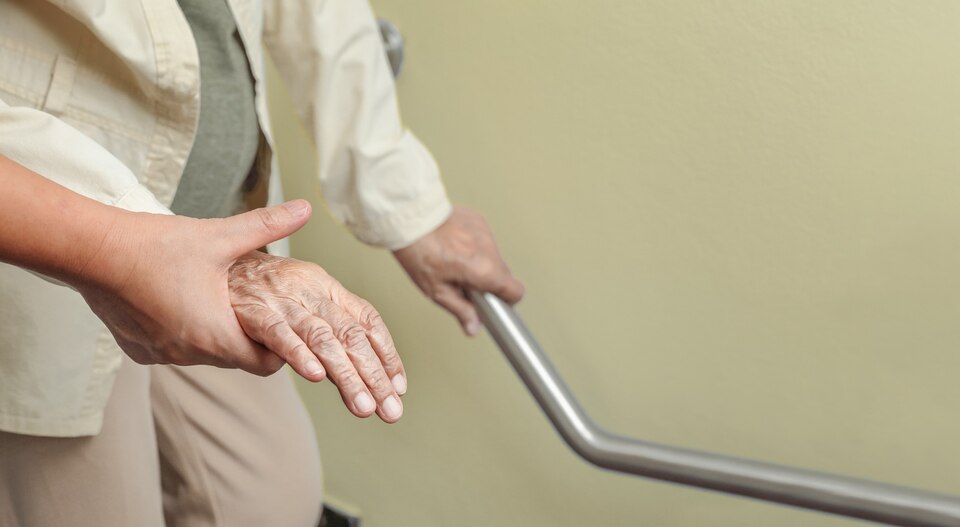
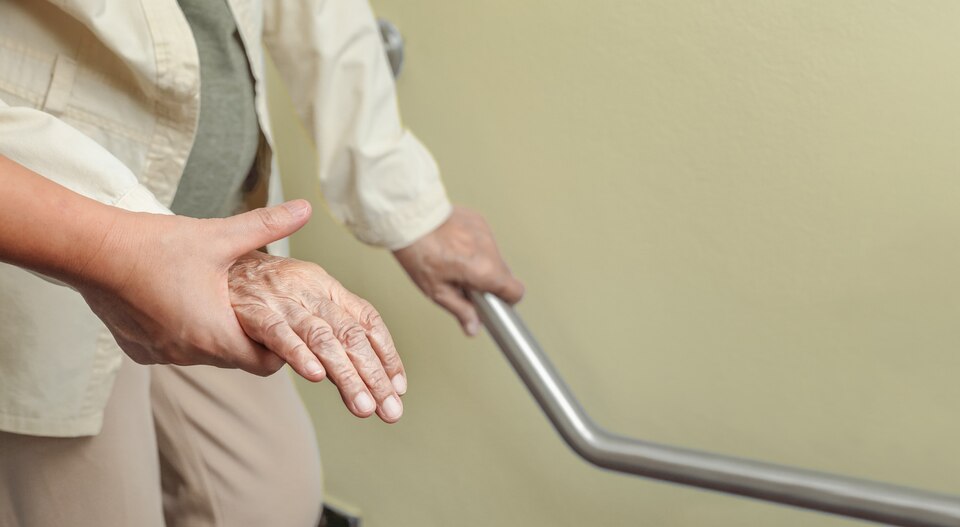
    best parkinsons disease treatmentParkinson’s disease treatment involves a multifaceted approach aimed at managing the symptoms and improving the quality of life for individuals with this neurodegenerative disorder. Parkinson’s disease affects a person’s movement. It is characterized by a gradual loss of dopamine-producing cells in the brain, particularly in a region called the substantia nigra.

    Dopamine is a neurotransmitter that plays a crucial role in controlling muscle movement and coordination. While there is no cure, significant progress has been made in Parkinson’s disease treatment and diagnosis over the years, offering hope and improved quality of life for those affected.

    Parkinson’s Disease Diagnosis

    Diagnosing accurately is the first crucial step in providing effective Parkinson’s disease treatment. Physicians rely on a combination of clinical assessments, neurological examinations, and patient history to make a diagnosis.

    Neuroimaging techniques such as MRI and DaTscan can help rule out other conditions and provide supportive evidence for Parkinson’s disease.

    Read: What are Generic Medicines?

    Parkinson’s Disease Treatment

    Once diagnosed, the focus shifts to managing the symptoms and enhancing the patient’s overall well-being. Here are some key aspects of Parkinson’s disease treatment:

    1. Medications:

    The primary treatment for Parkinson’s disease involves medications aimed at increasing dopamine levels in the brain, as dopamine deficiency is a hallmark of the disease. Levodopa and carbidopa are commonly prescribed to alleviate motor symptoms like tremors, rigidity, and bradykinesia. Other drugs, such as dopamine agonists and MAO-B inhibitors, can also be used alone or in combination with levodopa.

    2. Deep Brain Stimulation (DBS):

    In cases where medication alone cannot adequately control symptoms or causes significant side effects, deep brain stimulation surgery may be considered. This procedure involves implanting electrodes in specific brain regions to regulate abnormal brain activity, effectively reducing motor symptoms. Deep Brain Stimulation (DBS) has the potential to usher in remarkable enhancements in motor function and overall quality of life.

    3. Physical Therapy:

    Physical therapy, including exercises and mobility training, plays a vital role in managing Parkinson’s disease. It helps improve flexibility, balance, and coordination, reducing the risk of falls and enhancing the patient’s ability to carry out daily activities.

    4. Occupational Therapy:

    Occupational therapists work with patients to develop strategies for performing daily tasks and maintaining independence. They focus on improving fine motor skills and adapting the environment to better suit the individual’s needs.

    5. Speech and Swallowing Therapy:

    Speech and swallowing difficulties are common non-motor symptoms of Parkinson’s disease. Speech therapists can help patients regain their ability to speak clearly and safely swallow food and liquids.

    6. Experimental Therapies:

    Ongoing research is exploring potential disease-modifying therapies and novel treatments, such as gene therapy and stem cell therapy, which hold promise for slowing down or even halting disease progression in the future.
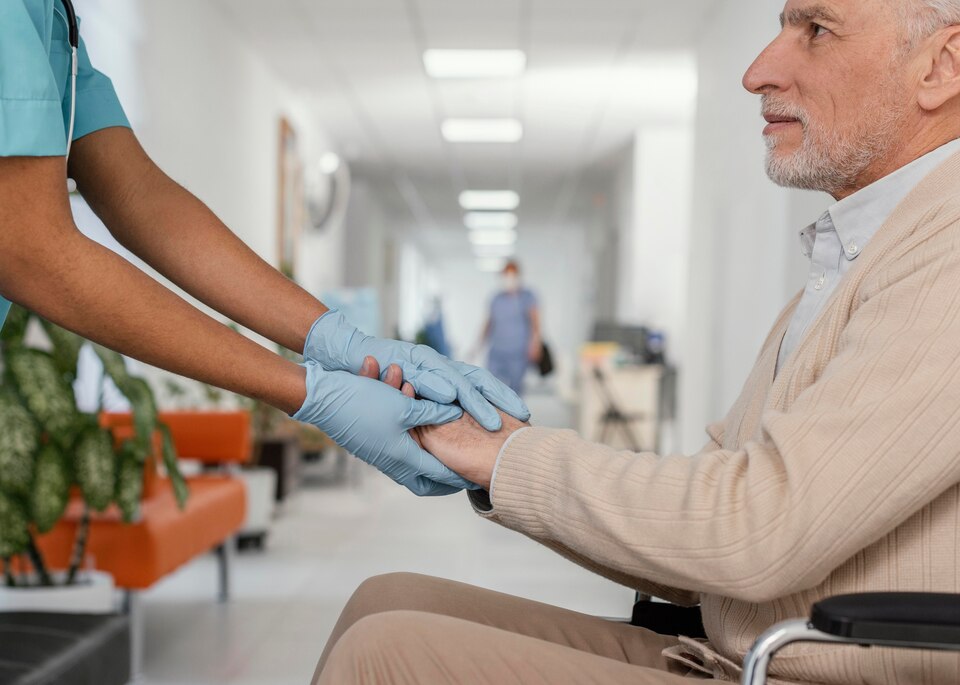
    parkinsons disease treatment

    Alternative Treatment for Parkinson’s Disease

    Here are some alternative treatments for Parkinson’s disease:

    1. Acupuncture:

    Acupuncture is an age-old practice rooted in the rich traditions of Chinese medicine, which entails the delicate insertion of fine needles into precise locations on the body. While the evidence for its effectiveness is mixed, many find acupuncture to be a relaxing and potentially beneficial addition to their treatment plan.

    2. Massage Therapy:

    Massage therapy can help alleviate muscle stiffness, reduce pain, and promote relaxation. It may be particularly beneficial for individuals experiencing muscle tension and discomfort associated with Parkinson’s disease. Massage can also help improve circulation and reduce stress, which can have a positive impact on overall well-being.

    3. Yoga and Tai Chi:

    These mind-body practices focus on balance, flexibility, and relaxation. They can help improve posture, reduce muscle rigidity, and enhance mobility. Regular participation in yoga or Tai Chi classes may also help manage stress and anxiety, which are common in Parkinson’s disease.

    4. Diet and Nutrition:

    Some individuals explore dietary changes and nutritional supplements to manage Parkinson’s symptoms. Antioxidants like Coenzyme Q10, omega-3 fatty acids, and vitamin E are examples of supplements that have been studied for their potential benefits.

    5. Cannabidiol (CBD):

    CBD, a non-psychoactive compound derived from cannabis, has gained attention for its potential to alleviate symptoms such as pain, anxiety, and sleep disturbances in individuals with Parkinson’s disease.

    6. Herbal Remedies:

    Some herbal supplements, such as ginkgo biloba and ginseng, have been explored for their potential to improve cognitive function and energy levels in people with Parkinson’s disease.

    7. Mindfulness Meditation:

    Mindfulness meditation practices can help individuals with Parkinson’s disease manage stress and anxiety, which can exacerbate symptoms. Meditation may also improve focus and emotional well-being.

    8. Music and Art Therapy:

    Engaging in creative activities like music and art therapy can provide emotional and psychological support. These therapies can enhance mood, reduce anxiety, and foster self-expression.


    Conclusion:

    While Parkinson’s disease remains a challenging condition to manage, the evolving landscape of diagnosis and treatment offers hope for better outcomes and improved quality of life for patients and their families.

    Continued research and collaboration among healthcare professionals, researchers, and patients are essential to further enhance our understanding of this complex disorder and develop more effective treatments in the years to come.

    > Consult a doctor and Order Medicine Online

    Advantages of Generic Medicines

    Generic medicines offer several advantages. They are more affordable than their brand-name counterparts, making healthcare more accessible and reducing the financial burden on patients. Generic drugs must meet the same stringent quality and safety standards as brand-name drugs, ensuring their effectiveness and safety.

    Moreover, a wider availability of generic options promotes competition, further lowering drug prices. This affordability and accessibility enhance patient adherence to prescribed treatments, ultimately leading to better health outcomes.

    FAQs on Parkinson’s Disease Treatment

    Q.1 What is Parkinson’s disease treatment?

    Parkinson’s disease treatment typically involves medications to increase dopamine levels in the brain, which helps alleviate motor symptoms. Physical therapy and lifestyle modifications, including exercise and a balanced diet, are essential for managing the disease. In advanced cases, Deep Brain Stimulation (DBS) surgery may be considered to improve symptom control.

    Q.2 What is Parkinson’s hallucination disease treatment?

    Treatment for Parkinson’s disease hallucinations typically involves adjusting medications, particularly those affecting dopamine levels, under medical supervision. In some cases, antipsychotic medications may be prescribed to manage severe hallucinations, although they should be used cautiously due to potential side effects on motor symptoms.

    Q.3 Are there surgical options for Parkinson’s disease treatment?

    Yes, Deep Brain Stimulation (DBS) is a surgical procedure that can be considered when medications alone are insufficient in controlling symptoms.

    Related Links:

  • Best Low Blood Pressure Treatment – Low BP Treatment

    Low blood pressure (hypotension) treatment involves various strategies aimed at raising and stabilizing blood pressure levels to alleviate symptoms. While it may not be as widely recognized as high blood pressure, low blood pressure can have a significant impact on an individual’s health and daily life.

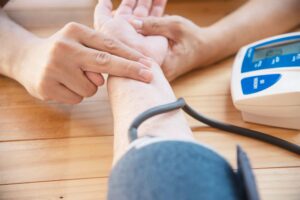
    Blood pressure is a measurement of the force exerted by blood against the walls of arteries as it flows through the circulatory system. It is typically expressed in two numbers: systolic pressure (the higher number) and diastolic pressure (the lower number).

    Normal blood pressure is considered to be around 120/80 mm Hg, with variations being common among individuals. Hypotension is generally defined as a blood pressure reading consistently below 90/60 mm Hg. When blood pressure falls below these levels, it can lead to various symptoms and health complications, necessitating appropriate treatment.

    Low Blood Pressure Diagnosis and Treatment

    Low blood pressure diagnosis and treatment, or hypotension, is essential to alleviate symptoms and prevent potential complications. To diagnose the underlying cause, healthcare providers may perform blood pressure measurements in various positions (lying down, sitting, and standing) to identify conditions like orthostatic hypotension. Additionally, blood tests, electrocardiograms (ECG or EKG), and other diagnostic tools may be utilized to assess potential underlying medical conditions.

    Low BP Treatment

    Low BP Treatment

    Once the cause is determined, a tailored low BP treatment plan can be developed:

    • Lifestyle Adjustments: For mild cases, lifestyle changes like increasing fluid and salt intake, wearing compression stockings, and adopting a regular exercise routine can help manage low blood pressure effectively.
    • Dietary Modifications: A healthcare provider or dietitian may recommend dietary changes, including salt-rich foods, to raise blood pressure safely.
    • Medications: In severe cases or when lifestyle modifications are insufficient, medications such as fludrocortisone, midodrine, or others may be prescribed to elevate blood pressure. Close monitoring by a healthcare provider is essential for these drugs as they may give rise to possible adverse reactions.
    • Underlying Condition Management: If low blood pressure is a symptom of an underlying medical issue, like heart problems or endocrine disorders, addressing the primary condition is essential for effective treatment.

    > Consult a doctor and Order Medicine Online

    Low BP Treatment Food

    Diet plays a pivotal role in low BP treatment or hypotension. Here are some essential dietary considerations:

    • Salt: Increasing salt intake can be beneficial for individuals with low blood pressure, as salt helps the body retain fluids and raise blood pressure.
    • Fluids: Staying well-hydrated is essential to prevent dehydration, a common cause of low blood pressure. Strive to maintain proper hydration by consistently consuming an appropriate quantity of water throughout the day. Herbal teas, fruit juices, and electrolyte-rich beverages can also contribute to fluid balance.
    • Caffeine: Beverages like coffee and tea, which contain caffeine, can temporarily raise blood pressure. However, excessive caffeine consumption can lead to dehydration, so moderation is key.
    • High-Sodium Foods: Incorporate foods naturally rich in sodium, such as pickles, olives, salted nuts, and certain canned soups, into your diet in moderation.
    • Fruits and Vegetables: Consuming a diet rich in fruits and vegetables provides essential vitamins, minerals, and antioxidants that support overall cardiovascular health. Potassium-rich foods, like bananas and oranges, can help maintain healthy blood pressure levels.
    • Small, Frequent Meals: Eating smaller, more frequent meals throughout the day can prevent sudden drops in blood pressure, particularly after large meals.

    Read: What are Generic Medicines?

    Low BP Treatment at Home

    Low blood pressure, or hypotension, can often be effectively managed at home through simple yet impactful measures. Staying well-hydrated by drinking an adequate amount of water throughout the day is crucial, as dehydration can exacerbate low blood pressure.

    Consuming smaller, more frequent meals can help stabilize blood pressure, preventing post-meal drops. Compression stockings can aid individuals prone to orthostatic hypotension, especially when rising from a sitting or lying position. Regular, gentle aerobic exercises such as walking and cycling can improve circulation, gradually raising blood pressure.

    Avoiding triggers like excessive alcohol consumption and prolonged standing further supports home-based low-blood pressure management. Monitoring symptoms and seeking medical advice when needed ensures a proactive approach to your health.

    Low BP Treatment

    Low BP Ayurvedic Treatment

    Low BP Ayurvedic treatment involves holistic approaches to address hypotension, aiming to restore balance in the body. It often includes herbal remedies like ashwagandha and liquorice, which are believed to help regulate blood pressure. Dietary adjustments focus on warming foods and spices like ginger and black pepper to enhance circulation.

    Yoga and pranayama (breathing exercises) aid in improving blood flow and energy balance. Lifestyle changes such as maintaining a consistent daily routine, proper sleep, and stress management through meditation contribute to managing low blood pressure. Ayurveda offers a comprehensive approach to promoting overall well-being and balancing blood pressure naturally.

    Conclusion:

    Low BP treatment encompasses a range of strategies, from lifestyle adjustments to medications, all aimed at improving an individual’s quality of life and alleviating the symptoms associated with hypotension. By working closely with healthcare providers and making informed choices, individuals with low blood pressure can effectively manage their condition and enjoy better health and well-being.

    FAQs on Low BP Treatment

    Q:1 What is low BP treatment?

    Low blood pressure treatment involves lifestyle adjustments, dietary changes, and, in some cases, medications to raise and stabilize blood pressure levels, alleviating associated symptoms and improving overall well-being. Treatment is tailored to the individual’s specific condition and health needs.

    Q:2 Can lifestyle changes alone effectively manage low blood pressure?

    In many cases, yes. Simple lifestyle adjustments like increasing fluid and salt intake, wearing compression stockings, and staying hydrated can help manage mild to moderate low blood pressure.

    Q:3 Are there specific foods that can help raise low blood pressure naturally?

    Yes, certain foods like pickles, olives, salted nuts, and potassium-rich fruits such as bananas and oranges can be incorporated into the diet to help increase salt intake and support blood pressure regulation.

    Q:4 Is medication always necessary for low blood pressure treatment?

    No, medications are typically reserved for severe cases or when lifestyle changes alone are insufficient. Your healthcare provider will assess your condition and recommend treatment accordingly.

    Related Links:

  • Hypothyroidism Treatment: Natural Remedies for Hypothyroidism

    Hypothyroidism treatment typically involves the use of synthetic thyroid hormone medication, such as levothyroxine, to replace the deficient thyroid hormones in the body. This medication helps restore normal thyroid hormone levels, alleviating symptoms and promoting overall well-being. Additionally, lifestyle modifications like dietary changes and stress management can complement medication for optimal management of the condition.

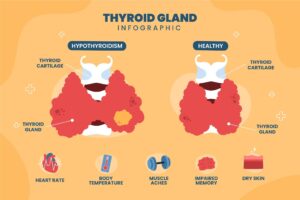
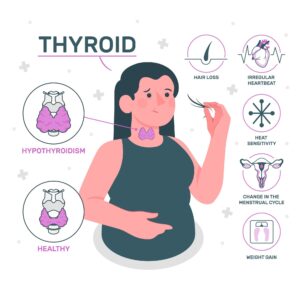
    Hypothyroidism, a common thyroid disorder, occurs when the thyroid gland doesn’t produce enough thyroid hormones to meet the body’s needs. These hormones play a vital role in regulating metabolism, energy production, and various bodily functions. When they’re in short supply, a range of symptoms can emerge, affecting overall health and well-being.

    Symptoms of Hypothyroidism

    The symptoms of hypothyroidism can vary widely in severity and may develop gradually, making them easy to overlook. Some of the common hypothyroidism symptoms are as follows:

    1. Fatigue
    2. Weight Gain
    3. Cold Sensitivity
    4. Dry Skin and Hair
    5. Muscle and Joint Pain
    6. Constipation
    7. Depression and Mood Changes
    8. Menstrual Irregularities
    9. Hoarseness and Swelling in the Neck
    10. High Cholesterol Levels
    11. Memory and Concentration Problems

    Hypothyroidism Treatment

    Hypothyroidism Treatment

    Fortunately, hypothyroidism treatment is available. The primary treatment goal is to replace the deficient thyroid hormones and restore normal bodily functions. Here are the key treatment of hypothyroidism options:

    • Thyroid Hormone Replacement: The most common and effective treatment for hypothyroidism is a medication that provides synthetic thyroid hormones, typically levothyroxine (T4). This medication comes in various brand names such as Synthroid and Levoxyl. It helps replenish the missing thyroid hormones, alleviating symptoms and restoring metabolic balance. Your healthcare provider will prescribe the appropriate dosage based on your specific needs.
    • Regular Monitoring: After starting thyroid hormone replacement therapy, it’s essential to undergo regular blood tests to check thyroid hormone levels. Adjustments to medication dosage may be necessary to ensure that hormone levels remain within the normal range. Typically, once the right dosage is established, these tests are done less frequently.
    • Lifestyle Modifications: Alongside medication, lifestyle changes can enhance the effectiveness of treatment and improve overall well-being. These changes include maintaining a well-balanced diet, incorporating regular physical activity, managing stress, and avoiding excessive consumption of goitrogenic foods, which can interfere with thyroid function.

    Read: What are Generic Medicines?

    Hypothyroidism Natural Treatment

    Hypothyroidism, characterized by an underactive thyroid gland that produces insufficient thyroid hormones, is a condition that affects millions of people worldwide. While conventional medication, typically synthetic thyroid hormone replacement, is the standard treatment, some individuals seek complementary and natural approaches to manage their hypothyroidism.

    Hypothyroidism is important to note that these natural treatments should not replace medical advice or prescribed medications but can be used as supportive measures to promote overall well-being. In this article, we’ll delve into some of the natural treatments and lifestyle adjustments that may complement conventional hypothyroidism management.

    Hypothyroidism Treatment

    Hypothyroidism Treatment Diet

    The diet for the treatment of hypothyroidism is mentioned below:

    • Iodine: Iodine is a crucial component of thyroid hormones, and inadequate intake can contribute to thyroid dysfunction. However, most individuals in developed countries have sufficient iodine intake through their diets. Excessive iodine intake can also be detrimental, so it’s essential to strike a balance.
    • Selenium: Selenium is another mineral essential for thyroid health. It helps convert inactive thyroid hormone (T4) into the active form (T3). Foods rich in selenium include Brazil nuts, sunflower seeds, and seafood.
    • Antioxidant-Rich Foods: Including plenty of fruits and vegetables in your diet can provide antioxidants that may help reduce inflammation and support overall health.
    • Gluten and Dairy: Some individuals with hypothyroidism report feeling better when they reduce or eliminate gluten and dairy from their diets. This may be due to improved gut health and reduced inflammation.

    > Consult a doctor and Order Medicine Online

    Home Remedies for Hypothyroidism

    The primary home remedies for curing hypothyroidism are listed below:

    Stress Management: Chronic stress can negatively affect thyroid function. Implementing stress reduction techniques such as mindfulness, meditation, yoga, or deep breathing exercises can be beneficial. A calm and stress-free lifestyle can support overall health and well-being.

    Exercise: Regular physical activity can help boost metabolism and improve mood, both of which can benefit individuals with hypothyroidism. Consult with your healthcare provider to create a safe and appropriate exercise plan tailored to your needs and fitness level.

    Supplements: While it’s important to consult with a healthcare professional before taking any supplements, some natural supplements may support thyroid health. These include:

    1. Ashwagandha
    2. Bladderwrack
    3. L-tyrosine

    Mindful Eating and Portion Control

    For those who struggle with weight gain due to hypothyroidism, adopting mindful eating habits and portion control can help manage weight.

    Goitrogenic Foods: Certain foods, often referred to as goitrogens, have the potential to disrupt thyroid function if consumed in significant quantities. These encompass cruciferous veggies such as broccoli, cabbage, and kale. While they are healthy foods, it’s essential to consume them in moderation, especially when raw.

    Conclusion:

    Hypothyroidism treatment is available along with proper lifestyle adjustments. If you suspect you have hypothyroidism or are experiencing symptoms, don’t hesitate to consult a healthcare professional for a thorough evaluation. With the right hypothyroidism treatment and ongoing care, individuals with hypothyroidism can regain their vitality and lead healthy, fulfilling lives. Remember that treatment is personalized, and regular communication with your healthcare provider is essential to achieving optimal thyroid function and well-being.

    How to find substitute Generic Medicine?

    To find substitute generic medicine, consult your healthcare provider or pharmacist. They can recommend affordable generic alternatives to brand-name medications. Generic drugs contain the same active ingredients and are equally effective but usually cost less.

    You can also check online resources and ask your healthcare provider if they offer samples or patient assistance programs to help reduce medication costs further. Always consult a healthcare professional before making any changes to your prescribed medications.

    FAQs on Hypothyroidism Treatment

    Q:1 What is hypothyroidism treatment?

    Hypothyroidism treatment involves the use of synthetic thyroid hormone replacement medication, such as levothyroxine, to restore normal thyroid hormone levels in the body. This medication is typically taken daily and requires regular monitoring to adjust dosage as needed. Lifestyle modifications, including a balanced diet and stress management, can support treatment effectiveness.

    Q:2 Can hypothyroidism be cured with treatment?

    Hypothyroidism is typically managed rather than cured. Treatment involves lifelong medication to replace missing thyroid hormones.

    Q:3 Are there natural remedies that can replace medication for hypothyroidism?

    While natural approaches like dietary changes and stress management can complement treatment, they are not a substitute for thyroid hormone replacement medication prescribed by a healthcare provider.

    Related Links:

  • Hypertension Treatment – High Blood Pressure Treatment

    Hypertension treatment is a critical aspect of maintaining good health, as high blood pressure, often referred to as the “silent killer,” can lead to severe health complications if left unmanaged. Millions of people around the world suffer from hypertension, and understanding how to effectively treat and control it is paramount to a longer and healthier life.

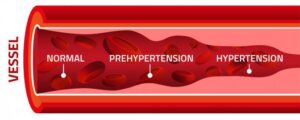
    Before delving into hypertension treatment options, it’s essential to grasp the significance of high blood pressure. Hypertension is a condition in which the force of blood against the walls of your arteries is consistently too high. This excessive pressure can damage your arteries and increase your risk of developing various cardiovascular diseases, such as heart attacks, strokes, and kidney problems.

    Hypertension (High Blood Pressure) Treatment

    The best treatments for Hypertension are mentioned below in detail:

    Lifestyle Modifications: The Foundation of Hypertension Treatment

    In many cases, the initial approach to hypertension treatment involves lifestyle modifications. Here are some crucial lifestyle adjustments to consider:

    • Dietary Changes: Adopting a heart-healthy diet low in salt, saturated fats, and processed foods can help lower blood pressure. The DASH (Dietary Approaches to Stop Hypertension) diet is a popular choice, emphasizing fruits, vegetables, whole grains, lean proteins, and low-fat dairy products.
    • Regular Exercise: Engaging in regular physical activity, such as brisk walking, swimming, or cycling, can contribute to lower blood pressure. Strive to accumulate a minimum of 150 minutes weekly engaged in moderate-intensity physical activity.
    • Stress Management: Persistent stress has the potential to heighten blood pressure levels. Practice stress-reduction techniques like meditation, yoga, or deep breathing exercises to help keep stress levels in check.
    • Limit Alcohol and Caffeine: Excessive intake of alcohol and caffeine has the potential to elevate blood pressure levels. If you choose to consume these substances, do so in moderation.
    • Quit Smoking: Smoking stands out as a prominent contributor to the development of hypertension, posing a substantial risk factor for this medical condition. Quitting smoking can lead to a substantial reduction in blood pressure and lower your risk of heart disease.

    Hypertension Treatment

    Medications for Hypertension Treatment

    While lifestyle modifications can be highly effective, some individuals may require medication as part of their hypertension treatment plan. Several classes of medications are available to help lower blood pressure:

    • Diuretics: These medications, also known as water pills, help the body eliminate excess sodium and water, reducing blood volume and pressure.
    • ACE Inhibitors and ARBs: Angiotensin-converting enzyme (ACE) inhibitors and angiotensin II receptor blockers (ARBs) relax blood vessels, making it easier for blood to flow.
    • Calcium Channel Blockers: These medications relax blood vessels and reduce the heart’s workload, resulting in lower blood pressure.
    • Beta-Blockers: These drugs slow the heart rate and reduce the force of the heart’s contractions, which can lower blood pressure.
    • Alpha-Blockers and Central Agonists: These medications work to relax blood vessels or decrease nerve signals that cause blood vessels to constrict.
    • Combination Medications: In some cases, a combination of different classes of medications may be prescribed to achieve optimal blood pressure control.

    Hypertension Treatment

    Regular Monitoring and Follow-Up

    Regardless of the hypertension treatment plan chosen, regular monitoring and follow-up with a healthcare provider are essential. Blood pressure should be checked regularly, and medication adjustments may be necessary to achieve and maintain target levels.

    Pulmonary Hypertension Treatment

    Pulmonary hypertension (PH) is a complex and often progressive condition characterized by high blood pressure in the pulmonary arteries, which are responsible for carrying oxygen-poor blood from the heart to the lungs for oxygenation. This condition can lead to a variety of symptoms, such as shortness of breath, fatigue, and chest pain, and if left untreated, it can severely impact a person’s quality of life and lead to life-threatening complications. Fortunately, advances in medical science have provided several treatment options to manage pulmonary hypertension effectively.

    Pulmonary hypertension treatment focuses on alleviating symptoms, improving quality of life, and slowing the progression of this potentially life-threatening condition. It approach varies depending on the underlying cause and severity of PH.

    Pulmonary Hypertension Medication

    Medications are a cornerstone of PH management. Vasodilators, such as prostacyclin analogues, endothelin receptor antagonists, and phosphodiesterase-5 inhibitors, help relax and widen the pulmonary arteries, reducing blood pressure. Anticoagulants may be prescribed to prevent blood clots in cases of chronic thromboembolic pulmonary hypertension (CTEPH).

    Oxygen therapy is often used to enhance oxygen delivery to vital organs, easing symptoms like breathlessness. Lifestyle modifications, including avoiding strenuous activity, maintaining a heart-healthy diet, and staying well-hydrated, can help manage symptoms and improve overall well-being.

    Read: What are Generic Medicines?

    In some cases, surgery may be necessary for pulmonary hypertension treatment. Pulmonary thromboendarterectomy (PTE) is performed to remove chronic blood clots in CTEPH patients, while lung or heart-lung transplantation may be considered for severe cases.

    Conclusion:

    Hypertension treatment is a multifaceted approach that involves lifestyle modifications, medication when needed, and ongoing monitoring. By actively managing high blood pressure, individuals can reduce their risk of severe complications and enjoy a healthier, longer life.

    Remember that hypertension is a chronic condition, and consistency in treatment and lifestyle choices is key to success in keeping it under control. If you have concerns about your blood pressure, consult with a healthcare professional to develop a personalized hypertension treatment plan tailored to your needs.

    > Consult a doctor and Order Medicine Online

    Benefits Of Generic Medicine

    Generic medicines offer several key benefits. They are typically more affordable than brand-name equivalents, making healthcare more accessible. Generics undergo rigorous testing to ensure they are as safe and effective as their brand-name counterparts.

    This affordability and reliability allow more people to access essential medications, improving overall healthcare affordability and reducing the financial burden on individuals and healthcare systems alike.

    FAQs on Hypertension Treatment

    Q:1 What is hypertension treatment?

    Hypertension treatment typically involves lifestyle modifications like dietary changes and exercise, along with medications when necessary, to lower high blood pressure and reduce the risk of related health complications. Regular monitoring and follow-up with a healthcare provider are crucial for effective management.

    Q:2 Can lifestyle changes alone effectively treat hypertension?

    Lifestyle changes, such as a healthy diet, regular exercise, and stress management, can help manage hypertension, but some individuals may also require medication for optimal control.

    Q:3 What are common medications for hypertension treatment?

    Common hypertension medications include diuretics, ACE inhibitors, ARBs, beta-blockers, calcium channel blockers, and combination drugs tailored to individual needs.

    Q:4 Is hypertension treatment lifelong?

    Hypertension is a chronic condition, and treatment is often required for life. Regular monitoring and adherence to treatment plans are essential for long-term blood pressure control and overall health.

    Related Links:

  • Best Hair Loss Treatment for Male and Female

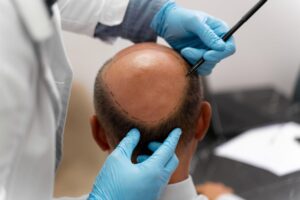
    Hair loss treatment refers to a range of medical and cosmetic interventions aimed at preventing, slowing down, or reversing hair loss and promoting the growth of new hair. From a cosmetic concern to a matter of personal confidence, the health and appearance of our hair play a significant role in our self-esteem and overall well-being.

    Hair loss is a common and often distressing condition that can affect both men and women at various stages of life. While it’s natural to shed some hair daily, excessive hair loss can lead to thinning or bald patches, causing self-esteem issues and emotional distress. Fortunately, there are numerous hair loss treatments available today, ranging from lifestyle changes and topical solutions to surgical procedures.

    Hair Loss Treatment

    The best treatments for hair loss are as follows:

    1. Lifestyle Modifications

    Diet and Nutrition: A well-balanced diet rich in vitamins and minerals like iron, biotin, and zinc is crucial for hair health. Foods like lean meats, fish, leafy greens, and nuts can support hair growth.

    Stress Reduction: Prolonged and persistent stress has the potential to be a contributing factor in the onset of hair loss. Practicing stress management techniques such as yoga, meditation, or mindfulness can help alleviate this factor.

    Regular Exercise: Engaging in regular physical activity enhances blood circulation, offering potential advantages for the health of your hair follicles.

    Hair Care Practices: Avoid harsh treatments like tight hairstyles, excessive heat styling, and aggressive brushing, as they can damage your hair and exacerbate hair loss.

    2. Over-the-Counter Products

    Minoxidil: Available as a topical solution or foam, minoxidil is a widely used over-the-counter treatment for hair loss. It’s known to stimulate hair follicles and promote hair growth. Consistent and steady utilization is imperative for achieving the best possible outcomes.

    Recommended Product: For patients considering Minoxidil-based options, Mintop Forte 2% Solution is a commonly prescribed topical solution that helps reduce hair fall and promote regrowth. It is available in a 60 ml bottle and suitable for long-term use under medical guidance.

    Caffeine-Based Shampoos: Some shampoos contain caffeine, which can stimulate hair follicles and improve hair thickness and density.

    Nutritional Supplements: Biotin, vitamins (particularly B-complex vitamins), and minerals are often available as supplements and can help support healthy hair growth.

    3. Prescription Medications

    Finasteride: This prescribed medication is primarily employed to address male pattern baldness. It works by inhibiting the hormone dihydrotestosterone (DHT), which is a key factor in hair loss. It’s essential to consult a healthcare provider before using finasteride, as it may have side effects and is not suitable for everyone.

    4. Low-Level Laser Therapy (LLLT)

    LLLT devices emit low-energy laser light to stimulate hair follicles, potentially promoting hair growth. They are available as combs, helmets, or caps for home use.

    Read: What are Generic Medicines?

    5. Platelet-Rich Plasma (PRP) Therapy

    PRP therapy involves drawing a small amount of your blood, processing it to concentrate the platelets, and then injecting the PRP into your scalp. Platelets are rich reservoirs of growth factors that possess the remarkable potential to activate hair follicles and encourage the growth of lustrous locks. While still an emerging treatment, PRP has shown promise in clinical studies.

    6. Hair Transplantation

    Hair transplantation is a surgical procedure that involves relocating hair follicles from donor areas (typically the back of the head) to areas with thinning or no hair. Techniques like Follicular Unit Extraction (FUE) and Follicular Unit Transplantation (FUT) offer natural-looking results. It’s a more permanent solution but comes with a higher cost and potential risks.

    7. Wigs and Hairpieces

    For those seeking a non-surgical and immediate solution, wigs and hairpieces can provide a realistic appearance. They come in various styles, materials, and price ranges to suit individual preferences.

    8. Scalp Micropigmentation (SMP)

    SMP is a non-invasive procedure that involves tattooing tiny dots on the scalp to create the illusion of a shaved head or denser hair. It’s an option for those looking for a low-maintenance solution.

    > Consult a doctor and Order Medicine Online

    9. Cosmetic Camouflage

    Hair fibres, sprays, and concealers can temporarily mask thinning areas, giving the illusion of fuller hair. They are easy to apply and can boost confidence in social settings.

    10. Experimental and Emerging Treatments

    Ongoing research is exploring novel approaches like stem cell therapy and gene therapy to address hair loss. While these treatments are still in the experimental stage, they hold promise for the future of hair restoration.

    Hair Loss Treatment For Women

    Hair loss in women can be emotionally distressing, affecting self-esteem and confidence. While the causes may vary, including hormonal changes, genetics, or stress, several treatment options are available. Topical solutions like minoxidil, prescription medications, and lifestyle changes can help combat hair loss effectively. Platelet-rich plasma (PRP) therapy and Low-Level Laser Therapy (LLLT) have also gained popularity for their potential to stimulate hair follicles and promote growth.

    Hair transplantation, cosmetic options like wigs or extensions, and scalp micro pigmentation offer more permanent or immediate solutions. Consulting a healthcare provider or dermatologist is essential to identify the underlying cause and determine the most suitable treatment plan for women experiencing hair loss.

    Hair Loss Treatment

    Hair Loss Treatment for Men

    Hair loss treatment for men primarily targets male pattern baldness, characterized by receding hairlines and crown thinning. Minoxidil, available as a topical solution or foam, stimulates hair follicles and can slow hair loss. Finasteride, a prescription medication, inhibits DHT, a hormone linked to hair loss, and promotes regrowth. Surgical options like hair transplantation, using techniques like FUE or FUT, offer more permanent solutions for advanced hair loss.

    Hair Loss Treatment

    Low-level laser therapy and platelet-rich plasma (PRP) treatments have also gained popularity among men seeking to restore thicker, healthier hair. Lifestyle changes, such as a balanced diet and stress management, further complement these treatments. Consulting a healthcare provider is crucial to determine the most suitable approach for individual cases of male hair loss.

    Conclusion:

    Remember that the effectiveness of hair loss treatments can vary from person to person. It’s essential to consult with a healthcare provider or dermatologist to identify the cause of your hair loss and determine the most suitable treatment plan.

    Combining treatments, addressing underlying health issues, and maintaining a healthy lifestyle can maximize your chances of regaining a lush head of hair and confidence in your appearance. Whether you choose non-invasive solutions or opt for surgical procedures, the key to successful hair loss treatment lies in informed decisions and patience on your journey to hair restoration.

    Do Generic Medicines work the same?

    Generic medicines are designed to work the same as their brand-name counterparts. They contain the same active ingredients, have the same dosage forms and strengths, and meet the same quality and safety standards. The only difference may be in the inactive ingredients, which don’t affect the medication’s efficacy.

    Generic drugs undergo rigorous testing by regulatory authorities to ensure their effectiveness and safety. While they are more affordable, they are equally reliable, making them a cost-effective option for many patients.

    FAQs on Hair Loss Treatment

    Q:1 What is hair loss treatment?

    Hair loss treatment refers to the diverse set of methods and interventions aimed at preventing, reversing, or managing hair loss and promoting the growth of healthy hair. These treatments range from topical applications and medications to surgical procedures and lifestyle adjustments.

    Q:2 Can over-the-counter hair loss treatments like minoxidil be used by both men and women?

    Yes, minoxidil is approved for use by both men and women as an over-the-counter hair loss treatment, but it’s essential to follow the recommended guidelines for each gender.

    Q:3 Are there any permanent solutions for hair loss?

    Hair transplantation is a permanent solution for hair loss, as it involves the surgical relocation of hair follicles from donor areas to thinning or balding areas, providing long-lasting results.

    Related Links:

  • Latest Erectile Dysfunction Treatment

    Erectile dysfunction treatment refers to the medical and lifestyle interventions aimed at improving or restoring a man’s ability to achieve and sustain an erection sufficient for sexual intercourse. These erectile dysfunction treatments may include medications, therapy, lifestyle changes, or surgical procedures, depending on the specific needs and preferences of the individual.

    Erectile dysfunction, commonly known as ED, is a prevalent but often stigmatized issue that can significantly impact a man’s self-esteem, relationships, and overall quality of life.

    Before delving into the Treatment of Erectile dysfunction, it’s essential to grasp what this condition entails. Erectile dysfunction refers to the consistent or recurrent inability to achieve and maintain an erection sufficient for sexual intercourse. Occasional difficulty with erections is normal, but when it becomes a persistent problem, it can lead to anxiety, depression, and strained relationships.

    Erectile Dysfunction Treatment

    While erectile dysfunction can affect men of all ages, it is more common in older individuals due to factors like reduced blood flow and hormonal changes. However, it’s crucial to recognize that erectile dysfunction is not an inevitable part of ageing, and effective treatments are available regardless of age.

    > Consult a doctor and Order Medicine Online

    Lifestyle Changes as a First Step

    When confronted with ED, the initial approach often involves making lifestyle changes. These changes can address underlying causes and, in some cases, significantly improve erectile function without the need for medications or other interventions.

    • Diet and Exercise: A healthy diet that includes fruits, vegetables, whole grains, and lean proteins can promote cardiovascular health, which is closely linked to erectile function. Regular exercise can also enhance blood flow, helping to combat ED.
    • Stress Management: Chronic stress and anxiety can contribute to ED. Engaging in relaxation practices like meditation, yoga, or deep breathing exercises can play a pivotal role in alleviating stress levels, consequently fostering an enhancement in sexual performance.
    • Smoking and Alcohol: Quitting smoking and limiting alcohol intake can have a positive impact on erectile function. Both smoking and excessive alcohol consumption can impair blood flow, which is essential for achieving and maintaining an erection.
    • Weight Management: Maintaining a healthy weight can reduce the risk of ED. Obesity is associated with various health issues, including diabetes and high blood pressure, which can contribute to erectile dysfunction.
    • Sleep Hygiene: Ensuring you get adequate, restful sleep can also play a role in erectile function. Sleep is essential for overall health, and it can help regulate hormones and reduce stress.

    While lifestyle changes can be effective, they may not provide a complete solution for everyone. In such cases, medical interventions become a viable option.

    Medical Treatments for Erectile Dysfunction

    The key medical treatments for Erectile Dysfunction are as follows:

    • Oral Medications: The introduction of oral medications like sildenafil (Viagra), tadalafil (Cialis), and vardenafil (Levitra) revolutionized erectile dysfunction treatment. These medications function by enhancing blood circulation to the penile region, which in turn promotes the occurrence of an erection when aroused sexually. They are generally safe and effective, although they may have side effects for some individuals.
    • Penile Injections: For those who don’t respond well to oral medications, penile injections are another option. These injections deliver medication directly into the penis, resulting in a more rapid and reliable erection. While it may sound intimidating, most men find that the process is relatively painless and well-tolerated.
    • Penile Implants: In cases where other treatments are ineffective, or when physical factors severely limit erectile function, penile implants can provide a long-term solution. There exist two fundamental categories of penile prostheses: inflatable and malleable implants. These devices are surgically implanted into the penis and can be inflated or adjusted to achieve an erection.
    • Vacuum Erection Devices: A vacuum erection device (VED) is a non-invasive option that uses a vacuum to draw blood into the penis, creating an erection. A constriction ring is then placed at the base of the penis which helps in maintaining the erection. VEDs can be a suitable choice for men who want to avoid medications or surgical procedures.
    • Testosterone Replacement Therapy: In cases where low testosterone levels contribute to ED, testosterone replacement therapy (TRT) may be recommended. This treatment involves the administration of testosterone, typically through injections, gels, or patches, to raise hormone levels to normal ranges.

    Prescription Medications for ED

    One of the most common treatment options for erectile dysfunction is the use of oral medications called PDE5 inhibitors. These medications work by increasing blood flow to the penis, helping achieve and maintain an erection during sexual stimulation. Vigora 100mg Tablet/Tadacip 20mg Tablet is one such PDE5 inhibitor that is widely prescribed. It should be taken approximately 30 minutes before planned sexual activity and only under medical supervision, especially if you are taking other medications like nitrates.

    Conclusion:

    Erectile dysfunction treatment has come a long way, offering hope and effective solutions to men facing this common condition. From lifestyle changes to medications, injections, and advanced surgical options, there is a wide array of treatments available to restore confidence and intimacy.

    The key lies in recognizing the issue, seeking professional help, and being open to exploring the options that can best address individual needs. With the right approach and support, men can regain control of their sexual health and enjoy fulfilling relationships once again.

    Read: What are Generic Medicines?

    Why do generic and brand name drugs look different?

    Generic and brand name drugs may look different due to variations in their appearance, such as colour, shape, or packaging. However, this doesn’t affect their effectiveness or safety. The differences stem from trademark regulations that allow generic manufacturers to create distinct appearances for their products.

    These variations help patients and healthcare providers distinguish between different medications while ensuring that generics maintain the same active ingredients and therapeutic effects as their brand name counterparts, offering cost-effective alternatives.

    FAQs on Erectile Dysfunction Treatment

    Q1. What is erectile dysfunction treatment?

    Treatment of Erectile dysfunction refers to the various methods and therapies used to address the consistent or recurrent inability to achieve and maintain an erection sufficient for sexual intercourse in men. These treatments can range from lifestyle modifications and medications to more invasive options like surgery, depending on the underlying causes and individual preferences.

    Q2. Are oral medications like Viagra safe for the Treatment of Erectile dysfunction?

    Yes, oral medications like Viagra are generally safe and effective for many men with ED, but it’s essential to consult a healthcare professional for a proper evaluation and prescription.

    Q3. Is it possible to treat erectile dysfunction without medication or surgery?

    Yes, lifestyle changes such as a healthy diet, regular exercise, stress management, and adequate sleep can improve erectile function in some cases without the need for medication or surgery.

    Q4. What is the success rate of penile implants in treating severe erectile dysfunction?

    Penile implants have a high success rate, with most men reporting satisfaction and improved sexual function. They are typically recommended when other treatments have proven ineffective or when physical factors severely limit erectile function.

    Related Links:

  • Top Typhoid Home Remedies: Typhoid Fever Supportive Therapy and Treatment

    Top Typhoid Home Remedies: Typhoid Fever Supportive Therapy and Treatment

    Typhoid Fever Diagnosis

    Typhoid fever treatment involves a combination of antibiotics to target and eliminate the Salmonella Typhi bacteria, which cause the illness. Supportive care, including hydration, fever management, and proper nutrition, is also provided to alleviate symptoms and prevent complications.

    Completing the prescribed antibiotic course is essential for a full recovery. Typhoid fever is a serious infectious disease that primarily spreads through contaminated food and water. Without prompt and appropriate treatment, it can lead to severe complications and even prove fatal.

    Typhoid Fever Diagnosis

    The journey to effective treatment begins with a proper diagnosis. The symptoms of typhoid fever can be quite non-specific, often resembling other common infections. These symptoms may include a high fever, headache, abdominal pain, weakness, and a distinctive rose-coloured rash.

    Given the overlap with other illnesses, it’s crucial to consult a healthcare professional for accurate diagnosis. Diagnostic tests such as blood cultures and stool cultures are vital in confirming the presence of Salmonella Typhi in the body.

    Typhoid Fever Treatment

    Once diagnosed, the cornerstone of typhoid fever treatment is the administration of antibiotics. Antibiotics are highly effective in killing the Salmonella Typhi bacteria, reducing the severity of symptoms, and shortening the duration of the illness. Commonly prescribed antibiotics for typhoid fever include ciprofloxacin, ceftriaxone, and azithromycin.

    Effective medication for reducing pain & fever – RUMANIL TABLET and IBUGESIC PLUS SUSPENSION.

    The choice of antibiotic may depend on factors like the patient’s age, local antibiotic resistance patterns, and individual medical history. It is crucial to complete the full course of antibiotics as prescribed by a healthcare provider to ensure complete eradication of the bacteria.

    Typhoid Fever Treatment

    Typhoid Fever Supportive Therapy

    In addition to antibiotics, typhoid fever supportive therapy often includes supportive care aimed at managing symptoms and preventing complications. Some of the key elements of supportive care are as follows:

    • Hydration: Typhoid fever can lead to significant fluid loss due to diarrhoea and vomiting. Rehydration is essential to prevent dehydration. Patients may be encouraged to drink oral rehydration solutions or receive intravenous fluids.
    • Nutrition: Maintaining proper nutrition is vital for a speedy recovery. Patients are advised to follow a balanced diet that is gentle on the digestive system. Dietary restrictions may be recommended in some cases.
    • Fever Management: High fever is a hallmark symptom of typhoid fever and can be uncomfortable. Over-the-counter fever-reducing medications like acetaminophen (paracetamol) can help alleviate this symptom.
    • Rest: Adequate rest is crucial during the recovery period. It allows the body’s immune system to better combat the infection.

    Monitoring and Follow-up Care

    Throughout typhoid fever treatment, healthcare providers closely monitor patients. This includes tracking the response to antibiotics, assessing hydration levels, and promptly addressing any potential complications. Even after completing the antibiotic course and feeling better, it is essential to attend follow-up appointments to confirm that the infection has been completely cleared from the body.

    Read: What happens if we take Dolo 650 without Fever?

    How long does Typhoid Fever last after treatment?

    After receiving treatment, the duration of the illness can vary from person to person. In general, the course of typhoid fever after treatment typically follows a specific pattern:

    • Early Improvement: Within a few days of starting antibiotic treatment, most patients experience an improvement in their symptoms. Fever tends to subside, and other symptoms such as abdominal pain and weakness begin to lessen. This initial progress is an encouraging indication that the therapy is having a beneficial impact.
    • Full Recovery: The total duration of typhoid fever after treatment can range from about 7 to 14 days, depending on factors like the severity of the infection and the choice of antibiotics.Certain people might experience a swifter recuperation, whereas others might require an extended period for their recovery. It’s crucial to complete the full course of antibiotics as prescribed by a healthcare provider to ensure that the infection is completely eradicated from the body.
    • Follow-up: Even after recovery from acute typhoid symptoms, patients should attend follow-up appointments with their healthcare provider. These visits help ensure that the infection has been fully cleared and that there are no lingering complications.

    It’s important to note that while antibiotic treatment is highly effective in treating the acute phase of typhoid fever, individuals may continue to shed the bacteria in their stool for several weeks after recovery. This underscores the importance of maintaining good hygiene practices and following any additional guidance provided by healthcare professionals to prevent the spread of the disease to others.

    > Consult a Doctor and Medkart will help you Order Medicines Online

    Conclusion:

    Typhoid fever treatment combines antibiotics and supportive care to combat this potentially life-threatening illness effectively. Early diagnosis, appropriate antibiotics, and diligent monitoring are key to a successful recovery. Nevertheless, prevention through good hygiene practices and vaccination remains the most effective approach to safeguard yourself and your loved ones from this infectious threat.

    FAQs on Typhoid Fever Treatment

    Q1. What is typhoid fever treatment?

    Typhoid fever treatment typically involves a course of antibiotics to kill the Salmonella Typhi bacteria and supportive care to manage symptoms and prevent complications. Timely and complete antibiotic treatment is crucial for a full recovery.

    Q2. How long does typhoid fever treatment usually last?

    Typhoid fever treatment typically lasts for about 7 to 14 days, depending on the severity of the infection and the choice of antibiotics.

    Q3. Can I stop antibiotics once my symptoms improve?

    No, it’s essential to complete the full course of antibiotics as prescribed by your healthcare provider to ensure the complete eradication of the bacteria.

    Q4. Is supportive care necessary during typhoid fever treatment?

    Yes, supportive care, including hydration, fever management, and proper nutrition, is often needed to manage symptoms and prevent complications during typhoid fever treatment.

    Related Links:

  • Sinusitis Treatment: Home Remedies for Sinus Infection Treatment

    Sinusitis treatment involves a range of approaches to alleviate the symptoms and address the underlying causes of sinus inflammation and infection. This may include home remedies like steam inhalation and saline nasal rinses, over-the-counter medications such as decongestants and pain relievers, prescription drugs like antibiotics or corticosteroids for severe cases, and, in some instances, surgical procedures to improve sinus drainage or correct structural issues.

    The specific sinusitis treatment plan is determined based on the severity and duration of the condition. Sinusitis, also known as a sinus infection, occurs when the lining of the sinuses becomes inflamed.

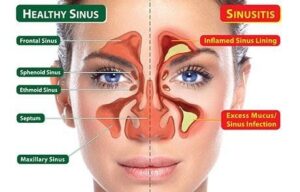
    These small, air-filled cavities are located in the bones of the face and skull, and they are essential for draining mucus and facilitating airflow. When they become blocked due to inflammation, mucus accumulates, leading to infection and the unpleasant symptoms that come with it.

    Symptoms of Sinusitis

    Sinusitis can manifest in various ways, and its symptoms may range from mild to severe. Common symptoms of sinusitis include:

    1. Facial pain or pressure
    2. Nasal congestion
    3. Discolored nasal discharge
    4. Cough
    5. Headache
    6. Fatigue

    Sinusitis Treatment

    Sinusitis Treatment

    Let’s explore the various sinus infection treatment options available to alleviate these distressing symptoms.

    1. Home Remedies for Sinusitis Treatment

    For mild cases of sinusitis, home remedies can often provide relief. These include:

    • Steam inhalation: Inhaling steam can help soothe your sinuses and relieve congestion. You can achieve this by inclining over a vessel of warm water while ensconced under a cloth.
    • Nasal irrigation: Using a saline solution to flush out your nasal passages can help remove mucus and reduce congestion. Neti pots and saline nasal sprays are frequently used for this specific intent.
    • Hydration: Staying well-hydrated by drinking plenty of fluids can help keep mucus thin and easier to expel.
    • Rest: Getting adequate rest allows your body to heal more effectively and can help speed up your recovery.

    Home remedies are often the first line of defence against sinusitis, especially when the symptoms are mild. However, if your symptoms persist or worsen, it’s essential to consult a healthcare professional for further evaluation and treatment.

    Read: What are Generic Medicines?

    2. Over-the-Counter Medications

    Over-the-counter (OTC) medications can be effective in managing sinusitis symptoms. These include:

    • Decongestants: Oral decongestants like pseudoephedrine can help reduce nasal congestion by narrowing blood vessels in the nasal passages.
    • Antihistamines: These can be helpful if allergies are contributing to your sinusitis symptoms, as they can reduce allergic reactions and alleviate congestion.
    • Pain relievers: Non-prescription pain relievers like ibuprofen or acetaminophen can help reduce headache and facial pain associated with sinusitis.

    It’s important to follow the recommended dosages and consult a healthcare professional if you have any underlying medical conditions or are taking other medications to avoid potential interactions.

    3. Prescription Medications for Sinus Infection treatment

    In cases of severe or chronic sinusitis, a healthcare provider may prescribe specific medications to address the underlying infection and inflammation. These may include:

    • Antibiotics: If the sinusitis is caused by a bacterial infection, a course of antibiotics may be necessary to clear the infection.
    • Corticosteroids: These anti-inflammatory medications can be prescribed as nasal sprays or oral tablets to reduce inflammation in the nasal passages and sinuses.
    • Nasal corticosteroid sprays: These are often used to manage chronic sinusitis and can help reduce inflammation and control symptoms.
    • Immunotherapy: In cases where allergies contribute to chronic sinusitis, immunotherapy may be recommended to desensitize the immune system to specific allergens.

    Sinusitis Treatment

    4. Surgical Interventions

    When other treatments fail to provide relief, or if structural issues within the sinuses are causing recurrent infections, surgery may be necessary. Some common surgical options for sinus infection treatment include:

    • Endoscopic sinus surgery: This minimally invasive procedure involves the insertion of a thin, flexible tube with a camera (endoscope) into the nasal passages to remove blockages and improve drainage.
    • Balloon sinuplasty: This procedure uses a small, balloon-like device to open blocked sinus passages and is less invasive than traditional sinus surgery.
    • Sinus surgery: In more severe cases, traditional sinus surgery may be required to remove obstructions, correct structural issues, or open up the sinus cavities.

    It’s important to note that surgery is usually considered a last resort when other sinus infection treatments have been ineffective, and it should only be performed by an experienced ENT (ear, nose, and throat) surgeon.

    > Consult a doctor and Order Medicine Online

    Conclusion:

    Sinus infection treatment options vary depending on the severity and underlying cause of your sinus infection. While many cases can be managed effectively with home remedies and over-the-counter medications, it’s crucial to consult a healthcare professional if your symptoms persist, worsen, or if you have a history of chronic sinusitis.

    By seeking appropriate sinusitis treatment, you can find relief from the discomfort of sinusitis and improve your quality of life.

    Are generic drugs as safe as brand name drugs?

    Yes, generic drugs are generally as safe and effective as their brand-name counterparts. They contain the same active ingredients, are regulated by the same strict standards from health authorities, and must meet rigorous quality and safety criteria.

    The main difference is the price, as generic drugs are typically more affordable due to lower research and development costs. Patients can often save money without compromising on safety or effectiveness by opting for generic versions of their medications when available.

    FAQs on Sinusitis Treatment

    Q1: What is sinusitis treatment?

    Sinusitis treatment involves relieving symptoms and addressing the underlying cause, which may include home remedies, over-the-counter or prescription medications, and, in severe cases, surgical interventions to improve sinus drainage and reduce inflammation.

    Q2: What are the main over-the-counter medications for sinusitis treatment?

    Over-the-counter options include decongestants to relieve congestion, antihistamines for allergy-related symptoms, and pain relievers like ibuprofen or acetaminophen.

    Q3: When should I consider seeing a doctor for sinusitis treatment?

    Consult a doctor if your symptoms persist beyond 10 days, worsen, or if you have a history of chronic sinusitis, as you may need prescription medications or further evaluation.

    Q4: Are there surgical options for sinusitis treatment?

    Yes, surgical interventions like endoscopic sinus surgery or balloon sinuplasty may be considered in cases of recurrent or severe sinusitis when other treatments have failed.

    Related Links:

  • Lipoma Treatment: Fatty Tumors, Lipoma Treatment without Surgery

    Lipoma Treatment: Fatty Tumors, Lipoma Treatment without Surgery

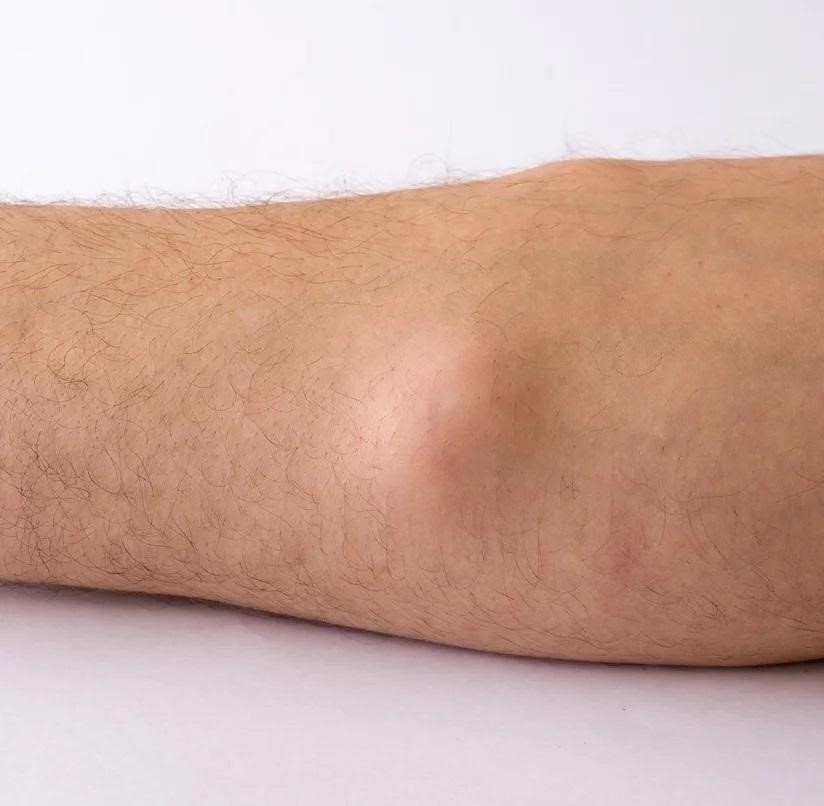
    Lipoma treatment refers to the medical procedures and interventions aimed at managing or removing benign fatty tumours known as lipomas, typically found under the skin’s surface. Treatment options include surgical excision, non-surgical approaches like steroid injections and liposuction, or simply monitoring the lipoma if it is asymptomatic.

    Lipomas are benign, fatty lumps that develop beneath the skin’s surface, and while they are generally harmless, lipoma treatment may be sought for various reasons, including discomfort or cosmetic concerns. Lipoma treatment options vary, with surgical removal being the most common approach.

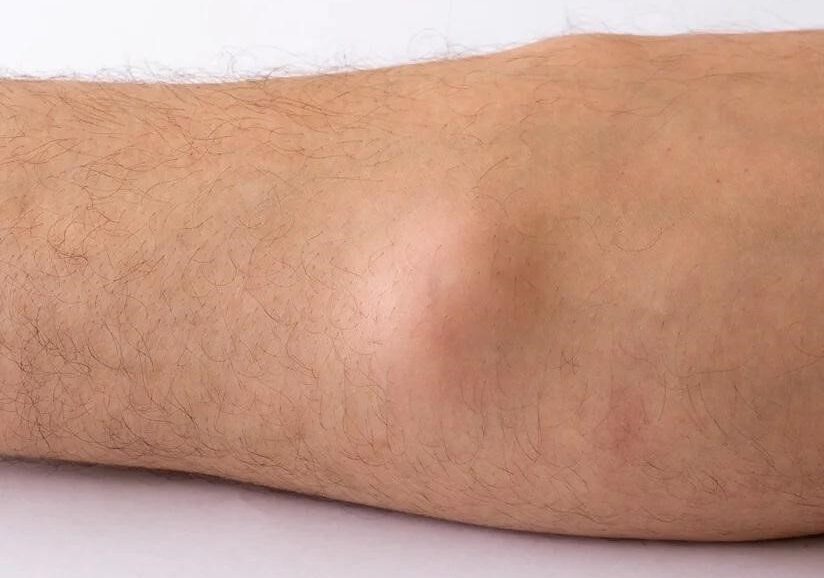
    Lipomas are slow-growing, non-cancerous tumours composed of fat cells. They typically appear as soft, rubbery lumps under the skin and can vary in size. These growths are usually painless and can develop anywhere on the body.

    Lipoma Treatment with Surgical

    Lipoma treatment through surgical removal, also known as excision, is the most common and effective method for addressing lipomas. It involves making a small incision over the lipoma, extracting the fatty tissue, and then suturing the incision. This procedure is typically performed in an outpatient setting under local anaesthesia, and recovery is usually quick.

    Surgical removal is often recommended when:

    • The lipoma is causing discomfort or pain.
    • The lipoma is growing rapidly.
    • The lipoma is in a location where it is cosmetically bothersome.
    • There is uncertainty about the diagnosis, and a biopsy is required.

    One of the significant advantages of surgical removal is that it provides a definitive solution, with a minimal risk of recurrence in most cases. However, it may leave a scar, which can be a concern for some patients.

    Lipoma Treatment image

    Lipoma Treatment without Surgery

    While surgical removal is the most common treatment for lipomas, it is not the only option. In fact, there are several non-surgical methods available for those looking to manage or eliminate lipomas without going under the knife.

    Liposuction: Liposuction is another option for lipoma treatment. This procedure involves making a small incision near the lipoma and using a thin tube (cannula) to remove the fatty tissue. Liposuction is particularly suitable for larger lipomas and offers the advantage of minimal scarring compared to traditional excision.

    Read: Lipoma Treatment in Hindi

    Advantages of liposuction for lipoma treatment

    The key benefits of liposuction for lipoma treatment include:

    • Reduced scarring.
    • Faster recovery compared to excision.
    • Effective removal of larger lipomas.
    • While liposuction can be an excellent choice for certain lipomas, it may not be suitable for all cases, such as those located near vital structures.

    1. Steroid Injections

    For individuals who prefer non-surgical options, steroid injections can be considered for lipoma treatment. In this approach, a healthcare provider injects a corticosteroid medication directly into the lipoma. The steroid can help shrink the lipoma over time.

    It’s important to note that steroid injections may not provide permanent results, and multiple sessions may be necessary to achieve the desired reduction in size. This method is often chosen when surgery is not a viable option due to factors like the lipoma’s location or the patient’s overall health.

    2. Laser Therapy

    Advancements in medical technology have introduced laser therapy as a non-invasive option for lipoma treatment. It uses focused laser energy to break down the fatty tissue within the lipoma, causing it to gradually shrink and be absorbed by the body.

    Laser therapy offers several advantages, including:

    • Minimal scarring.
    • Less pain and discomfort compared to surgery.
    • The potential for outpatient treatment.

    While this method is less invasive, it may require multiple sessions to achieve the desired results. Laser therapy is a promising option for individuals who prefer non-surgical approaches.

    3. Observation

    In some cases, especially when the lipoma is small, asymptomatic, or not causing cosmetic concerns, a “wait-and-see” approach may be appropriate. Your healthcare provider may recommend periodic monitoring to ensure the lipoma does not change in size or become symptomatic.

    Herbal Remedies – New Treatment for Lipoma

    For those who prefer natural alternatives, herbal remedies and supplements are also available for lipoma treatment. While scientific evidence on their effectiveness is limited, some individuals have reported positive results with herbs like turmeric, chickweed, and flaxseed oil. It’s essential to consult with a healthcare professional before trying any herbal remedies to ensure they are safe and suitable for your specific case.

    > Consult a Doctor and Medkart will help you Order Medicines Online

    1. Dietary Changes

    Some lipomas are associated with dietary factors. Making healthy dietary choices by reducing your intake of saturated fats and processed foods can potentially help prevent the development of lipomas or slow their growth. Incorporating more fruits, vegetables, and lean proteins into your diet can contribute to overall health and well-being.

    2. Weight Management

    Maintaining a healthy weight through regular exercise and a balanced diet may also be beneficial in managing lipomas. Obesity and lipoma development are often linked, so achieving and maintaining a healthy weight can reduce the risk of new lipomas forming and may even help shrink existing ones.

    Conclusion

    When it comes to lipoma treatment, there are several options to consider, ranging from surgical procedures like excision and liposuction to non-invasive methods like steroid injections and laser therapy. The choice of treatment should be based on various factors, including the lipoma’s size, location, and the patient’s preferences.

    It’s crucial to consult with a healthcare professional to evaluate your specific case and determine the most suitable approach for your lipoma treatment. Whether you choose surgical or non-surgical options, the goal is to provide relief from discomfort, improve cosmetic appearance, and ultimately ensure your well-being.

    How to find a substitute for Generic Medicine?

    To find substitute generic medicine, consult your healthcare provider or pharmacist. They can recommend cost-effective generic alternatives with the same active ingredients as brand-name medications. Additionally, you can research online or use pharmacy apps to compare prices and availability.

    Always ensure that the generic medicine is approved by regulatory authorities for safety and effectiveness. Discuss any concerns or potential side effects with your healthcare professional before making the switch.

    Read: What are Generic Medicines?

    FAQs on Lipoma Treatment without Surgery

    Q1. What is lipoma treatment?

    Lipoma treatment involves the removal or management of benign fatty lumps that develop beneath the skin. It can include surgical excision, non-surgical methods like steroid injections or liposuction, or observation when the lipoma is asymptomatic.

    Q2. Is surgical removal the only option for lipoma treatment?

    No, there are non-surgical options like steroid injections, liposuction, and laser therapy available for lipoma treatment.

    Q3. Are lipomas always a cause for concern?

    Lipomas are generally benign and not a serious health risk; however, treatment may be considered for cosmetic or discomfort-related reasons.

    Related Links:

  • What is IUI Treatment? Procedure, Side Effects, Success Rate

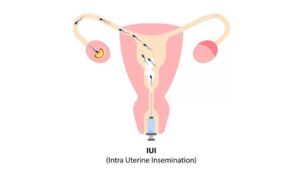
    IUI treatment (Intrauterine Insemination treatment) is a fertility procedure in which specially prepared sperm is directly placed into a woman’s uterus during her fertile period. This method is employed to enhance the chances of fertilization and pregnancy, making it a common choice for couples experiencing infertility, especially in cases of mild fertility issues, male infertility, or unexplained infertility.

    IUI treatment, often referred to as artificial insemination, is a fertility treatment that involves placing sperm directly into a woman’s uterus during her fertile window. This process aims to increase the chances of fertilization by bringing sperm closer to the egg. It offers a less invasive and more cost-effective option compared to more complex treatments like IVF (In Vitro Fertilization).

    IUI Treatment

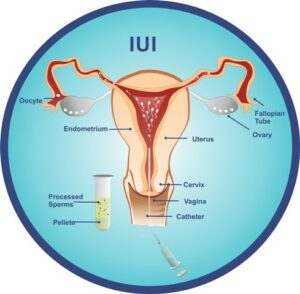
    IUI treatment is a relatively straightforward procedure that can be performed in a doctor’s office or fertility clinic. Here’s a step-by-step overview of what to expect:

    • Ovulation Monitoring: Before beginning the IUI treatment, your doctor will closely monitor your menstrual cycle to pinpoint the most fertile days. This often involves tracking hormone levels and conducting ultrasounds to determine when you are about to ovulate.
    • Sperm Preparation: On the day of the IUI procedure, the male partner will provide a semen sample. This sample is then processed in a lab to separate healthy sperm from the rest. The concentrated sperm sample is used for insemination.

    Read: What are Generic Medicines?

    • Insemination: Using a thin, flexible catheter, the doctor will insert the prepared sperm directly into the woman’s uterus. This process is painless and usually takes only a few minutes.
    • Rest and Observation: After the procedure, you will be advised to rest for a short period. There are usually no restrictions on normal daily activities following IUI.
    • Pregnancy Test: About two weeks after the procedure, a pregnancy test will be performed to determine whether the IUI treatment was successful.

    IUI Treatment

    IUI Treatment Medicine: Medications to Enhance Success

    IUI treatment often involves the use of medications to enhance the chances of success. The choice of medication may vary depending on the specific circumstances of the couple. Here are some commonly prescribed medications associated with IUI treatment:

    • Ovulation-Stimulating Medications: For women with irregular or infrequent ovulation, medications such as Clomiphene citrate or Letrozole may be prescribed to stimulate the ovaries and induce the release of eggs.
    • Follicle-Stimulating Hormone (FSH): In some cases, FSH injections may be administered to encourage the development of multiple follicles, increasing the chances of fertilization.
    • Human Chorionic Gonadotropin (hCG): This hormone is often used to trigger ovulation, ensuring that the eggs are released at the optimal time for IUI.
    • Progesterone: After the IUI procedure, progesterone supplements may be recommended to support the uterine lining, making it more receptive to implantation.

    > Consult a doctor and Order Medicine Online

    It’s essential to note that the choice and combination of medications will be tailored to each individual’s unique circumstances. Your fertility specialist will determine the most suitable approach based on your medical history and fertility evaluation.

    IUI Treatment

    Effectiveness of IUI Treatment

    The effectiveness of IUI treatment can vary depending on several factors, including the cause of infertility, the woman’s age, and the quality of the sperm. However, on average, the success rate of IUI treatment falls in the range of 10% to 20% per cycle. This means that, while IUI can be highly successful for some couples, it may require multiple cycles to achieve a pregnancy.

    IUI is often recommended as a first-line treatment for couples with specific infertility issues, especially when the cause is known to be related to sperm quality or mild ovulatory problems. However, for couples facing more complex fertility challenges, such as severe male infertility or tubal factor infertility, other assisted reproductive technologies like IVF may be more suitable.

    Conclusion:

    IUI treatment, along with the associated medications (commonly referred to as “IUI treatment medicine”), offers a promising path to parenthood for many couples struggling with infertility. Its relatively non-invasive nature, coupled with reasonable success rates, makes it an attractive option.

    Remember that each individual’s fertility journey is unique, and what works for one may not work for another. Stay informed, seek support, and most importantly, never lose sight of your dream of starting a family. With the advancements in fertility treatments, there is always hope on the horizon, and IUI treatment is undoubtedly one of the stars guiding the way.

    Advantages of Generic Medicines

    Generic medicines offer several advantages, including cost-effectiveness, as they are typically more affordable than brand-name counterparts. They undergo rigorous testing to ensure safety and efficacy, providing reliable alternatives. Moreover, their wide availability makes them accessible to a broader population.

    Generic drugs contribute to reducing overall healthcare costs, allowing patients to receive quality treatment without financial burden, and often have the same therapeutic benefits as brand-name medications.

    FAQs on IUI Treatment

    Q1. What is IUI treatment?

    IUI treatment, or Intrauterine Insemination, is a fertility procedure where carefully prepared sperm is placed directly into the uterus to enhance the chances of pregnancy. It is often used to address male infertility, unexplained fertility issues, or as a less invasive fertility treatment option.

    Q2. What is the Success Rate of IUI Treatment?

    The success rate of IUI treatment can vary depending on several factors, including the cause of infertility, the woman’s age, and the quality of sperm. On average, it falls in the range of 10% to 20% per cycle. Success rates may improve with multiple cycles.

    Q3. Is IUI Painful or Invasive?

    No, IUI is generally not painful or invasive. The procedure is relatively simple and painless, similar to a Pap smear. It is typically performed in a doctor’s office or fertility clinic, and patients can resume their daily activities immediately afterwards.

    Q4. How Many IUI Cycles are Recommended?

    The number of recommended IUI cycles varies from patient to patient. Some may achieve pregnancy in the first cycle, while others may require multiple attempts. Fertility specialists usually assess the individual’s response to treatment and adjust the plan accordingly, typically considering up to six cycles before exploring other options.

    Related Links: