

Category: Mental Health

  • Vajrasana: A Simple Pose with Powerful Health Benefits

    Vajrasana: A Simple Pose with Powerful Health Benefits

    vajrasana benefits, picture of vajrasana, supta vajrasana benefits, vajrasana position

    Yoga is an ancient practice known for deep effects on the mind, body and soul. Between many of its postures (pose), Vajrasana stands as an unreliable yet as an incredibly beneficial currency. This seated posture, also known as Thunderbolt Pose or Diamond Pose, is one of some yoga poses, which can be practiced immediately after meals.

    What is Vajrasana?

    Vajrasana is a knee -leaving yoga asana in which the body remains straight while the legs bends down. The name “Vajrasana” is derived from Sanskrit words:

    Vajra (per) – meaning “Thunderbolt” or “Diamond”

    Asana (Asana) – meaning “pose”.

    This yoga posture is asked to strengthen the body like diamonds, which is both physically and mentally. Unlike most yoga posture, which is practiced on an empty stomach, can be performed immediately after eating vajrasana, making it an excellent assistance for digestion.

    Vajrasana Position: Understanding the Posture

    The Vajrasana posture involves sitting on the heel with knees and legs bent while keeping the spine straight and resting on the thighs. This position promotes stability, mindfulness, and overall welfare.

    Here is the breakdown of Vajrasana position:

    • The knees are folded and placed together.
    • The legs are deployed under the buttocks, in which the soles are facing upward.
    • The back remains straight, relaxed shoulders, and the hands relax on the thighs.
    • Taking a deep breath, the body remains upright and relaxed.

    How to Sit in Vajrasana: Step-by-Step Guide

    For beginners, it is essential to follow the correct vajrasana steps to perform the pose effectively and reap its benefits. Here’s a simple guide on how to do vajrasana step by step:

    Step 1: Find a Comfortable Place

    • Choose a quiet and clean surface to practice. A yoga mat is recommended.

    Step 2: Kneel Down

    • Sit on your knees, keeping your legs close together.
    • Your feet should be flat on the floor with toes pointing backward.

    Step 3: Lower Your Body

    • Gently sit on your heels while keeping your back straight.
    • Ensure that the weight is evenly distributed between both legs.

    Step 4: Position Your Hands

    • Place your palms on your thighs with fingers pointing forward.
    • Keep your arms relaxed but firm.

    Step 5: Maintain an Upright Posture

    • Keep your spine straight, shoulders relaxed, and chin parallel to the ground.

    Step 6: Breathe and Hold the Pose

    • Close your eyes and take deep, slow breaths.
    • Hold the position for 5-10 minutes (or as long as comfortable).

    Step 7: Release the Pose

    • Slowly return to a kneeling position and then stretch your legs forward.
    • Shake your legs gently to relax them.

    vajrasana pose

    Practicing this pose regularly can help improve flexibility and strengthen muscles around the knees and thighs.

    Vajrasana Benefits: Why You Should Practice It Daily

    Vajrasana is a deceptively simple posture that has intensive benefits. Some major vajrasna benefits include:

    1. Boosts Digestion and Relieves Acidity

    One of the most famous Vajrasana benefits is the ability to aid in digestion. When you sit in this position, you experience soft compression, including your digestive organs, stomach and intestines, which helps:

    • Stimulate digestion and prevent inflammation.
    • Reduce acid reflux and heartburn.
    • Improve the absorption of nutrients from food.
    • Eliminates constipation by regulating intestinal movements.

    Unlike other yoga, those who require an empty stomach, Vajrasna is safe to practice after meals and can significantly increase digestion.

    2. Strengthens the Spine and Improves Posture

    Vajrasana posture promotes spinal alignment and strengthens the lower back, which is important to maintain good currency. Regular practice helps:

    • Reduce lower back pain.
    • Strengthen the spinal column and prevent sluting.
    • Reduce stress on the neck and shoulders.
    • Improve balance and body alignment.

    For those who spend longer sitting on a desk, Vajrasna can help correct poor posture and relieve stress in the back and shoulders.

    3. Enhances Blood Circulation

    Sitting in Vajrasana encourages better blood flow throughout the body, especially in pelvic and abdominal areas. Goes to better circulation:

    • Reduced risk of varicose veins.
    • Better oxygen supply, vigilance to the brain.
    • Healthy skin and hair due to the absorption of better nutrients.
    • Low risk of numbness or tingling in organs.
    • Increased blood flow also supports heart health and overall physical functions.

    4. Helps in Weight Loss and Metabolism Regulation

    Vajrasana practice regularly helps in promoting metabolism and supports weight management:

    • Increase digestion and absorption of nutrients.
    • Prevent fat accumulation in the abdominal area.
    • Regulating hunger and reducing tendency.
    • Activating the lower abdominal muscles, helping tone the stomach.

    While Vajrasana alone cannot burn a significant number of calories, when combined with a balanced diet and other exercises, it contributes to effective weight loss.

    5. Reduces Stress, Anxiety, and Promotes Mental Clarity

    Vajrasna is beneficial not only for the body but also for the mind. The attention of this posture helps:

    • Calm the nervous system and reduce the level of stress.
    • Low cortisol in the body (stress hormone).
    • Increase focus, concentration and mental clarity.
    • Improve emotional stability and mindfulness.

    By sitting in Vajrasana, by involving controlled breathing, one can achieve a deep position of relaxation, making it an excellent posture for meditation and mental welfare.

    6. Helps Manage Diabetes by Controlling Blood Sugar Levels

    Studies show that the practice of Vajrasana can be beneficial for diabetic persons. this is because:

    • It stimulates the pancreas, improves insulin production.
    • It increases digestion, prevents blood sugar spikes.
    • It improves overall metabolism, reduces insulin resistance.

    For diabetic patients, Vajrasana can be a valuable addition to its lifestyle, which naturally helps managing blood sugar levels.

    7. Alleviates Joint and Knee Pain (With Proper Practice)

    While Vajrasana involves kneeling, it can help improve joint health when actually practiced correctly. It benefits the knees, ankles and hip joints:

    • Increase flexibility and mobility.
    • Strengthen ligaments and muscles around the joints.
    • Reducing stiffness in the lower body.

    However, people with severe knee or ankle injuries should consult a yoga instructor or physiotherapist before practicing Vajrasana.

    8. Supports Women’s Health and Eases Menstrual Discomfort

    For women, Vajrasana provides specific benefits related to reproductive health. It helps:

    • Reduce menstrual cramps by improving pelvic blood flow.
    • Regulating hormonal balance, reducing the symptoms of PMS.
    • Strengthen pelvic muscles, beneficial for postpartum recovery.
    • Improve overall breeding organ function.

    Women who experience irregular periods or discomfort during menstruation can provide relief by practicing regular vajrasana.

    9. Improves Flexibility and Strengthens Lower Body Muscles

    Despite being a simple currency, Vajrasana works on many muscle groups in the lower body, including:

    • The thighs and quadriseps.
    • Glutes and hip flexors.
    • Ankle and calves.

    By sitting in this posture regularly, you improve flexibility, strengthen these muscles, and reduce the risk of hardness in the lower body.

    10. Aids in Detoxification and Internal Cleansing

    Vajrasana indirectly supports detoxification:

    • To increase digestion, promote intestinal movements, and eliminate toxins.
    • Improving kidney function and reducing water retention.
    • Stimulating the liver, helping fat metabolism and toxin break.

    By keeping digestive and emission systems healthy, Vajrasana plays an important role in the body’s natural toxic process.

    Supta Vajrasana Benefits: A Deeper Variation

    Supta Vajrasana, or reclined Thunderbolt pose, is an advanced variation of Vajrasana. In this posture, the body reclines the backward, rests on the back, while the legs are bent in the state.

    Key Benefits of Supta Vajrasana

    • The spinal cord deepens and strengthens the back.
    • Improves lung capacity and breathing efficiency.
    • Stimulates the abdominal organs, further enhances digestion.
    • Reduces the inconvenience of menstruation in women.
    • Increases overall flexibility in thighs and hips.

    supta vajrasana benefits

    Common Mistakes to Avoid in Vajrasana Yoga

    1. Slouching the back – Always keep your spine straight.
    2. Knees too far apart – Keep them close together for proper alignment
    3. Feet improperly placed – the soles should face upwards, touch the buttocks with the heel.
    4. Holding breath – Maintain slow, controlled breathing for maximum profit.

    Precautions and Contraindications

    While Vajrasna Yoga is safe for most people, avoid practicing it if you have:

    • Severe knee or ankle injuries.
    • Problems of sciatica or spinal disc.
    • Recent surgery in the feet or stomach.
    • Excessive stiffness in the legs (starting with short duration).

    If you experience discomfort, use a pillow under your buttocks or practice under specialist guidance.

    Conclusion

    Vajrasana is a simple but powerful yoga asana that increases digestion, improves posture, and promotes mental well-being. Whether you are a beginner or an experienced yogi, inclusion of this pose in your routine can lead to deep health benefits. By practicing vajrasna yoga with proper alignment and mindfulness, you can use its full potential for a healthy and more balanced life. Therefore, take a few minutes each day to sit in Vajrasana and experience changes in your body and mind!

    FAQs On Vajrasana: A Simple Pose with Powerful Health Benefits

    1.   How to do Vajrasana?

    Answer: Knee on the floor with your feet and point backwards to your feet. Sit on your heel, keeping your spine straight and hands are resting on your thighs. Close your eyes, take deep breaths, and hold the position for 5–10 minutes.

    2.   How to sit in vajrasana?

    Answer: Start together in the knee position with your knees and align the legs under your buttocks. Sit back on your heels, make sure that your back remains straight and your hands are resting on your thighs. To stay comfortable, keep a relaxed posture while breathing deeply.

    3.   How to Step Vajrasana?

    Answer: Step by Step Knee knees on a yoga mat with knees and flat the feet behind you. Sit on your heel, keep your back straight and place your hands on your thighs. Close your eyes, breathe slow deep, and hold for 5–10 minutes.


  • Exercise for Diabetes: Moving Towards a Healthier You

    Exercise for Diabetes: Moving Towards a Healthier You

    exercise for diabetes

    Living with diabetes can feel like a perpetual balancing act. Between regulating blood sugar levels, on prescribed medicines, and getting accustomed to dietary changes, it is easy to be overwhelmed. But the bright side is that incorporating some form of exercise into daily life can be a huge game changer! Exercise does not necessarily mean losing weight or exercising. It can also be an important component in your diabetes management equipment.

    Types of Diabetes

    To understand how exercise can help, one needs to know the various types of diabetes :

    Type 1 Diabetes:

    An autoimmune disease, usually developing during childhood or early adulthood. Regular exercise can help in managing blood sugar fluctuations, but must be balanced with insulin therapy.

    Type 2 Diabetes :

    Is the most common, a type that is generally diagnosed based on lifestyle and inheritance. Exercise is excellent management for Type 2 diabetic patients because it improves body sensitivity to insulin and therefore promotes weight loss.

    Along with exercise, Dr’s recommend medications such as Sitamet 50/500mg Tablet/Empaone 25mg Tablet/Linares E Tablet to effectively control type 2 diabetes.

    Diabetes Gestational :

    Typically diagnosed during pregnancy. Because of this, its general management can be exercised together with diet, although supervision is necessary.

    Prediabetes :

    This is termed a warning sign, predicting the onset of Type 2 diabetes. Exercise is actually able to delay or prevent diabetes from occurring.

    Why is Exercise Important for Diabetic Patients?

    Diabetes is a condition in which your body fails to control blood sugar levels properly. It depends on the type of diabetes, whether it is type 1, type 2, or gestational diabetes. The reasons for this imbalance may vary, but one thing that remains constant is that regular exercise can improve blood sugar control. It promotes overall health and greatly reduces drug dependency.

    Here is how exercise benefits diabetic patients :

    • Increased Insulin Sensitivity : Exercise makes your cells sensitive to insulin, meaning your body will use glucose more effectively.
    • Lower Blood Sugar Levels : Muscles using glucose for energy can help improve blood sugar levels.
    • Improved Mental Health : Diabetes and mental health go hand in hand. Exercise stimulates endorphins, which helps eliminate stress, anxiety, and depression-all common problems for patients dealing with diabetes.
    • Weight Management : Maintaining a healthy weight can significantly improve blood sugar levels, especially for those with Type 2 diabetes.
    • Heart Health : Diabetes increases the risk of heart disease, and regular exercise strengthens your heart and improves circulation.

    Note: People with diabetes often have coexisting conditions like high blood pressure. Managing both through lifestyle and proper medication is key to long-term health. For those prescribed telmisartan, Prestel 40mg Tablet can help control blood pressure effectively alongside regular exercise and diet.

    Best Types of Exercise for Diabetic Patients

    A well-rounded exercise routine combines aerobic, resistance, and flexibility exercises. Let’s break down the best options for :

    1. Aerobic Exercises

    Aerobic exercises, also referred to as cardio, are an excellent way to improve heart health and increase insulin sensitivity.
    Examples :

    • Walking : Walking briskly for 30 minutes five days a week will greatly improve blood sugar. It is accessible and doesn’t require any equipment.
    • Cycling : Whether at home on a stationary bike or outdoors, cycling is a low-impact activity that raises your heart rate and burns calories.
    • Swimming : It is not stressful on the joints and is a full-body exercise that suits people with diabetes and those who have mobility issues.
    • Dancing : Zumba, ballroom dancing, and other fun activities serve as a good workout and stress reliever.

    Exercise for Diabetic Patients, swimming for diabatic patients

    2. Resistance Training

    Muscle building through resistance training helps your body to take up insulin better and also improves glucose uptake.
    Examples:

    • Bodyweight Exercises : Push-ups, squats, and lunges are simple yet effective exercises that can be done at home.
    • Resistance Bands : A cost-effective and portable resource for completing a wide range of exercises to build muscle strength
    • Weightlifting : Using dumbbells or working machines at a fitness center increases muscle mass, increases the metabolism.

    3. Exercises for Flexibility and Balance

    Exercises that contribute to flexibility and balance have been proven to help enhance mobility, avoid falls, and support total well-being.
    Examples :

    • Yoga : Combining stretch and strength and also incorporating the mindfulness, which proves beneficial for stress reduction and sugar management.
    • Tai Chi : This is an old practice that emphasizes slow, controlled movements that enhance balance and mental focus.
    • Stretching : A few minutes of stretching daily keeps muscles flexible and prevents stiffness.

    Yoga for diabetes

    Exercises For Diabetic Patients At Home

    Exercising at home is convenient and eliminates the need for expensive gym memberships. Here are simple yet effective exercises for diabetic patients at home :

    • Chair Exercises : Perfect for those with limited mobility. Try seated leg lifts, arm curls with light weights, or seated marches.
    • Step-Ups : Use a sturdy step or platform to step up and down, engaging your leg muscles and increasing your heart rate.
    • Planks : Strengthen your core and improve overall stability by holding a plank position for 20-30 seconds.
    • Wall Push-Ups : A beginner-friendly alternative to traditional push-ups, helping to build upper body strength.
    • Skipping Rope : Skipping is a wonderful activity combining cardio and coordination, if the joints can allow it.

    How to Start Your Exercise Journey

    Exercise routine is always difficult to start, especially for those who have been out of the game for some time. Here are a few tips to make it a little easier :

    • Consult Your Doctor : Before beginning any exercise, talk to your doctor. They can advise you on what to do and what not to, based on your health and medicines you are on.
    • Start Small : Begin with just 10-15 minutes a day and gradually increase your duration and intensity.
    • Monitor Blood Sugar Levels : Exercise can lower blood sugar, so check your levels before and after workouts. Keep snacks handy to prevent hypoglycemia.
    • Stay Consistent : Consistency is key. Aim to exercise at the same time each day to make it a habit.
    • Listen to Your Body : If you feel dizzy, extremely fatigued, or have any other type of unusual symptom, you must stop and consult your health care provider.

    Balancing Exercise with Medicine for Diabetic Patients

    Though exercise can decrease the medication, It cannot be replaced. Medicine for Diabetic Patients are still essential to keep the blood sugar level within limits. But exercise may enhance the efficiency of such drugs at a smaller dose in the long run. Always consult your doctor for adjustments.

    The Link Between Diabetes and Mental Health

    Diabetes is not just a physical disease but it also has deep linkages with mental health. People living with diabetes have to be vigilant all the time about blood sugar levels, strict diet, and taking medicine regularly. This can cause stress, anxiety, and even depression. Studies show that people with diabetes are at a higher risk of developing mental health problems than diabetic patients. 

    A key factor is the emotional burden of dealing with the disease, anxiety about long-term complications, feeling different from those around you Or the fear of hypoglycemia can have a huge impact. This often leads to a condition known as diabetic distress. It is a form of stress involved in managing diabetes and may affect your self-care routine. On the other hand, mental health disorders such as depression and anxiety worsen diabetes management. For instance, people who have depression find it challenging to maintain a healthy diet, be active, or keep a regular check on their blood sugar levels. This creates a vicious cycle in which poor mental health worsens physical symptoms and vice versa. 

    The link between diabetes and mental health points to the need for holistic care. While these all play a role, don’t forget to take good care of your emotional part of diabetes. Regular workout support groups, therapy sessions, and mindfulness practices ease and prevent much of the burden imposed upon mental health. Remember how managing diabetes requires taking care with the mind as much as the body. 

    Overcoming barriers to exercise

    It is normal to encounter challenges in the beginning. Here are some real-life solutions :

    • Time Constraints : Divide your workout into smaller sessions throughout the day.
    • Fatigue : On days when you feel tired, you can do low-intensity activities like yoga or stretching.
    • Lack of Motivation : You can find a workout buddy or join a community class to make exercise enjoyable.
    • Physical Limitations : If you have joint pain or mobility issues, you can do chair exercises or water aerobics.

    Conclusion

    Exercise doesn’t have to mean marathons or heavy weight lifting. It means doing things you like and can do regularly. Exercise is not just a recommendation but a lifeline for someone with diabetes.
    So, take the first step today. Be it a short walk or a few yoga stretches in your living room or dancing in it, every little bit counts. The journey to a healthier you starts with one step, and let’s move towards better health together!

    FAQs on Exercise for Diabetes: Moving Towards a Healthier You

    1. How does exercise help in managing diabetes?

    Exercise improves insulin sensitivity, helps lower blood sugar levels, and supports weight management. It also reduces the risk of diabetes-related complications like heart disease while boosting overall health and energy levels.

    2. What are the best exercises for diabetic patients at home?

    Simple activities like walking, yoga, bodyweight exercises (e.g., squats, lunges), or light resistance training are excellent for managing diabetes. These exercises are easy to perform at home and help regulate blood sugar effectively.

    3. Can exercise replace medication for diabetic patients?

    While exercise can reduce the need for medications by improving blood sugar control, it doesn’t replace them entirely. Always consult your doctor to adjust medication alongside a consistent exercise routine.

    Related Links :

    Benefits of cardio workout with tips
    Positive lifestyle changes for healthy life
    How to Cleanse Your Body with Home Remedies
    Home Remedies and Exercises for Plantar Fasciitis

  • What Causes Children’s Mental Health Issues? And How To Prevent It?

    What Causes Children’s Mental Health Issues? And How To Prevent It?

    causes of childrens mental health issuesChildren’s mental health issues have become a growing concern in today’s society. From anxiety and depression to behavioral disorders and attention deficits, the spectrum of challenges faced by children is vast and complex. Understanding the underlying causes of these issues and implementing effective prevention strategies is crucial for promoting the well-being of our younger generations.


    What Causes Children’s Mental Health Issues?

    Children’s mental health issues can stem from a variety of interconnected factors, spanning biological, environmental, psychological, and social domains. 

    1. Genetic and Biological Factors

     Genetics can play a significant role in predisposing children to mental health issues. Certain genetic variations and predispositions can increase susceptibility to conditions such as depression, anxiety disorders, bipolar disorder, and schizophrenia. For example, studies have shown that children with a family history of mental illness are at a higher risk of developing similar conditions themselves. Additionally, imbalances in brain chemistry, neurotransmitter function, and neural circuitry can contribute to the onset and manifestation of mental health disorders in children.

    2. Environmental Influences

    The environment in which a child grows and develops plays a critical role in shaping their mental health. Adverse childhood experiences (ACEs) such as trauma, abuse, neglect, or exposure to violence can have profound and long-lasting effects on a child’s psychological well-being. These experiences can disrupt normal development, leading to increased vulnerability to mental health issues later in life. Furthermore, socioeconomic factors, including poverty, housing instability, food insecurity, and lack of access to healthcare, can exacerbate stress and contribute to the development of mental health challenges in children.

    3. Psychological and Emotional Stressors

    Children are susceptible to various psychological and emotional stressors that can impact their mental health. High levels of academic pressure, bullying, social rejection or isolation, peer pressure, family conflicts, divorce, loss of a loved one, and exposure to chronic stress can all contribute to the development of mental health issues such as depression, anxiety, and post-traumatic stress disorder (PTSD). Additionally, unrealistic expectations from parents, caregivers, or societal norms can create undue pressure and negatively affect a child’s self-esteem and emotional well-being.

    4. Neurodevelopmental Factors

      Neurodevelopmental disorders such as autism spectrum disorder (ASD), attention-deficit/hyperactivity disorder (ADHD), and learning disabilities are characterized by atypical brain development and functioning. These conditions can significantly impact a child’s cognitive, social, and emotional functioning, leading to challenges in various areas of life. Children with neurodevelopmental disorders may experience difficulties with communication, social interaction, behavior regulation, attention, and academic performance, which can contribute to feelings of frustration, low self-esteem, and mental health issues if not properly addressed.

    5. Family Dynamics and Relationships

    Family dynamics and the quality of parent-child relationships can profoundly influence a child’s mental health. Children who grow up in nurturing, supportive, and emotionally responsive environments tend to have better psychological outcomes compared to those who experience family dysfunction, conflict, or instability. Positive parent-child relationships characterized by warmth, affection, effective communication, and consistent discipline can promote emotional security and resilience in children. Conversely, dysfunctional family dynamics, parental conflict, marital discord, parental substance abuse, or mental illness can increase a child’s risk of developing mental health issues.

    6. Social and Cultural Influences

    Social and cultural factors can also shape children’s mental health experiences. Cultural norms, beliefs, values, and attitudes toward mental health and help-seeking behavior can influence how children perceive and express their emotional distress. Stigma surrounding mental illness, discrimination, social marginalization, and lack of culturally sensitive mental health services can pose additional barriers to accessing care for children from diverse backgrounds. Furthermore, societal pressures related to body image, gender expectations, academic achievement, and social conformity can contribute to stress and mental health challenges in children.

    Mental Health Issues

    Prevention Strategies for Children’s Mental Health Issues

    Prevention strategies for children’s mental health issues encompass a broad range of approaches aimed at promoting healthy development, resilience, and well-being. Here’s an in-depth look at some key prevention strategies:

    1. Early Intervention and Screening

    Early intervention involves identifying and addressing mental health concerns in children as early as possible. Regular screenings for developmental delays, behavioral problems, and emotional disturbances can help detect issues at an early stage, allowing for timely intervention and support. Healthcare providers, educators, and parents play a crucial role in recognizing warning signs and seeking appropriate interventions.

    2. Promoting Resilience and Coping Skills

       Resilience denotes the capacity to rebound from adversity and flourish amidst challenges. Teaching children resilience-building skills equips them with the tools they need to cope effectively with stressors and setbacks. This includes teaching problem-solving skills, emotional regulation techniques, positive thinking patterns, and healthy coping mechanisms such as mindfulness, relaxation exercises, and engaging in hobbies and activities they enjoy.

    3. Creating Supportive Environments

    Creating supportive environments at home, school, and in the community is essential for promoting children’s mental health. Supportive environments are characterized by positive relationships, open communication, and a sense of safety and belonging. Parents, teachers, peers, and community members all play a role in creating environments that foster emotional well-being and resilience in children.

    4. Strengthening Family Relationships

       Strong and supportive family relationships serve as a protective factor against children’s mental health issues. Parents can promote positive parent-child relationships by providing love, support, and guidance, fostering open communication, setting clear boundaries, and being involved in their child’s life. Family therapy and parent training programs can also be beneficial in strengthening family relationships and addressing issues that may impact children’s mental health.

    Mental Health Issues

    5. Educating Parents and Caregivers

    Educating parents and caregivers about child development, positive parenting practices, and recognizing signs of mental health issues is essential for early intervention and prevention. Providing parenting classes, workshops, and support groups can help parents develop the knowledge and skills they need to support their children’s emotional and psychological well-being effectively. Parent education programs can also help reduce parental stress and improve parent-child relationships.

    6. Providing Access to Mental Health Services

    Ensuring access to mental health services and support resources is crucial for children who may be experiencing mental health challenges. This includes access to mental health professionals such as therapists, counselors, and psychiatrists, as well as community-based support programs and interventions. Schools can play a role in providing mental health services through school counselors, psychologists, and support groups.

    7. Addressing Bullying and Peer Relationships

    Bullying and peer relationships can have a significant impact on children’s mental health. Schools and communities can implement anti-bullying programs and initiatives to create safe and inclusive environments where children feel supported and valued. Teaching empathy, conflict resolution skills, and positive peer interaction can also help foster healthy peer relationships and reduce the risk of bullying.

    8. Reducing Stigma and Promoting Awareness

    Addressing stigma surrounding mental health issues is critical for promoting early intervention and support-seeking behaviors in children. Promoting awareness, challenging stereotypes, and fostering empathy and understanding can help reduce stigma and create a culture of acceptance and support for children facing mental health challenges. Schools, media, and community organizations can play a role in promoting mental health awareness and reducing stigma through education and advocacy efforts.

    Conclusion:

    Children’s mental health issues are influenced by a complex interplay of genetic, environmental, psychological, and social factors. By understanding the root causes of these issues and implementing effective prevention strategies, we can work towards promoting the mental health and well-being of children. Early intervention, resilience-building, supportive environments, access to services, and stigma reduction are key components of a comprehensive approach to preventing children’s mental health issues and fostering healthy development. As a society, it is our collective responsibility to prioritize the mental health needs of our younger generations and ensure that every child has the opportunity to thrive emotionally, psychologically, and socially.

    FAQs On What Causes Children’s Mental Health Issues? And How To Prevent It?

    Q1. What are the main causes of children’s mental health issues?

    Children’s mental health issues are caused by a combination of genetic, environmental, psychological, and neurodevelopmental factors. Genetics can predispose children to certain conditions, while adverse experiences such as trauma, abuse, and neglect play significant roles. Psychological stressors like academic pressure and social isolation also contribute to mental health challenges.

    Q2. How can early intervention help prevent mental health issues in children?

    Early intervention helps by identifying and addressing mental health concerns before they become severe, allowing for timely support and treatment. Regular screenings and early identification of behavioral and emotional issues can lead to better outcomes. Intervening early can reduce the long-term impact of mental health problems and promote healthier development.

    Q3. What role do parents play in preventing children’s mental health issues?

    Parents play a crucial role by creating a supportive and nurturing environment, fostering open communication, and modeling healthy coping mechanisms. Educating themselves on positive parenting practices and recognizing signs of mental health issues are vital steps. By being involved and supportive, parents can significantly contribute to their children’s emotional and psychological well-being.

    Related Links:

    9 Positive lifestyle changes for healthy life

    12 Healthy Sleep Habits for Adults

    Boost Your Gut Health

    Role of sleep and workout

    How to Cure Depression?

    Types of Cardio exercises


  • Schizophrenia Treatment – How to Cure Schizophrenia Permanently?

    Schizophrenia Treatment – How to Cure Schizophrenia Permanently?

    schizophrenia treatment

    Schizophrenia treatment typically involves a multifaceted approach aimed at managing symptoms and improving overall well-being. Medication, particularly antipsychotics, is commonly prescribed to address the distorted thinking and hallucinations characteristic of the disorder. Psychotherapy, such as cognitive-behavioral therapy, plays a crucial role in helping individuals cope with and modify negative thought patterns.

    Social support is emphasized, involving family, friends, and support groups to provide understanding and encouragement. Lifestyle modifications, including regular exercise, a balanced diet, and adequate sleep, contribute to holistic well-being.

    Vocational and educational support programs assist individuals in maintaining employment or pursuing education, fostering a sense of purpose. In acute phases or crises, hospitalization and crisis intervention teams may be necessary. The collaborative effort between individuals, healthcare providers, and support networks is key to tailoring an effective and personalized treatment plan.

    Schizophrenia Treatment

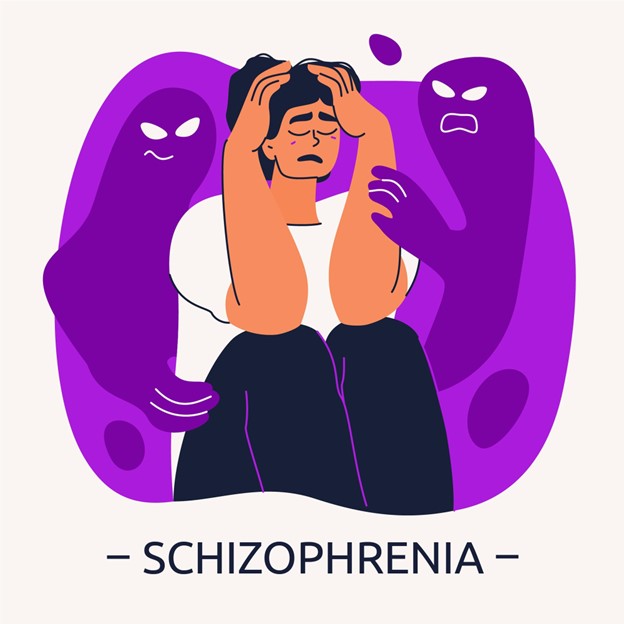
    Schizophrenia is a complex mental health condition that affects millions of individuals worldwide. Characterized by distorted thinking, hallucinations, and impaired social functioning, schizophrenia requires a multifaceted approach to treatment. While there is no cure for this chronic disorder, advancements in research and understanding have led to various effective strategies to manage symptoms and improve the quality of life for those affected.

    Schizophrenia Treatment

    Medication

    Antipsychotic medications form the cornerstone of schizophrenia treatment. These drugs help manage the symptoms of the disorder, primarily by altering the effects of neurotransmitters in the brain. Individuals with schizophrenia must work closely with their healthcare providers to find the most suitable medication and dosage. Regular monitoring and adjustments may be necessary to minimize side effects and optimize effectiveness.

    One commonly prescribed medicine in the management of schizophrenia is Placida Tablet. It helps reduce symptoms such as delusions, aggression, restlessness, and mood disturbances. It may also be used in treating bipolar disorder and other psychotic conditions under medical supervision.

    > Consult a Doctor and Medkart will help you Order Medicines Online

    Psychotherapy

    Therapeutic interventions play a pivotal role in helping individuals with schizophrenia cope with their symptoms and improve their daily functioning. Cognitive-behavioural therapy (CBT) is particularly beneficial, helping individuals identify and change negative thought patterns and behaviours. Other therapeutic approaches, such as family therapy and supportive psychotherapy, can also contribute to a comprehensive treatment plan.

    Schizophrenia Treatment

    Social Support

    Building a strong support system is essential for individuals with schizophrenia. Family, friends, and support groups can provide emotional support, encouragement, and understanding. Social connections contribute to a sense of belonging and reduce feelings of isolation, which are common challenges for those with schizophrenia.

    Lifestyle Modifications

    A holistic approach to schizophrenia treatment includes lifestyle adjustments that promote overall well-being. Regular exercise, a balanced diet, and sufficient sleep can positively impact both physical and mental health. Substance abuse can exacerbate symptoms, so avoiding drugs and alcohol is crucial. Integrating stress-management techniques, such as mindfulness and relaxation exercises, can also be beneficial.

    Vocational and Educational Support

    Maintaining employment or pursuing education can be challenging for individuals with schizophrenia, but it is an essential aspect of their overall well-being. Vocational and educational support programs help individuals develop skills, build confidence, and find meaningful activities that contribute to a sense of purpose and achievement.

    Hospitalization and Crisis Intervention

    In some cases, hospitalization may be necessary during acute phases of schizophrenia or in times of crisis. Crisis intervention teams, often consisting of mental health professionals, can provide immediate assistance and support during challenging situations.

    Also, Read:

    Paranoid Schizophrenia Treatment

    Treatment for paranoid schizophrenia, a subtype of schizophrenia characterized by prominent delusions and hallucinations, typically involves a combination of medication, psychotherapy, and support. Antipsychotic medications, such as risperidone or olanzapine, are commonly prescribed to alleviate symptoms and stabilize mood.

    Psychotherapy, particularly cognitive-behavioural therapy (CBT), aims to help individuals challenge and modify paranoid thoughts, enhance coping strategies, and improve overall functioning. Additionally, building a strong support system, including family and friends, is crucial to provide understanding and encouragement throughout the treatment process.

    Regular monitoring and adjustments to the treatment plan are essential to address individual needs and optimize the management of paranoid schizophrenia.

    Schizophrenia Treatment

    How to Cure Schizophrenia Permanently? – Latest Treatment For Schizophrenia

    The latest treatment for Schizophrenia often involves a combination of traditional antipsychotic medications, second-generation antipsychotics with improved side effect profiles, and psychosocial interventions. Long-acting injectable formulations of antipsychotics have gained popularity for enhancing medication adherence.

    Emerging research is exploring novel therapeutic strategies, including glutamatergic modulators and targeted cognitive enhancers, aiming to address cognitive deficits associated with schizophrenia. Additionally, advancements in digital health technologies, such as mobile apps for symptom monitoring and virtual therapy platforms, are being integrated into treatment plans.

    Conclusion:

    Schizophrenia treatment is a dynamic and ongoing process that requires a collaborative effort between individuals, healthcare providers, and support networks. While there is no one-size-fits-all approach, a combination of medication, psychotherapy, social support, lifestyle adjustments, and vocational assistance can significantly improve the lives of those affected by schizophrenia.

    Individuals and their loved ones need to work closely with healthcare professionals to tailor a treatment plan that addresses their unique needs and challenges, fostering a path towards stability, independence, and a better quality of life.

    Read: What are Generic Medicines?

    FAQs on Schizophrenia Treatment

    Q1. What is Schizophrenia Treatment?

    Schizophrenia treatment involves a multifaceted approach, combining antipsychotic medications to manage symptoms, psychotherapy to address distorted thought patterns, and social support to enhance overall well-being. The goal is to tailor a comprehensive plan that supports individuals in managing their condition, improving daily functioning, and fostering a better quality of life.

    Q2. How effective are antipsychotic medications in treating schizophrenia?

    Antipsychotic medications are a cornerstone of schizophrenia treatment, effectively managing symptoms by altering neurotransmitter effects in the brain. While individual responses vary, many people experience significant improvement in their quality of life with proper medication management.

    Q3. Can therapy help individuals with schizophrenia?

    Yes, therapy, particularly cognitive-behavioural therapy (CBT), can be beneficial for individuals with schizophrenia. CBT helps identify and modify negative thought patterns, improving coping strategies and overall functioning in daily life.

    Q4. Is social support important in the treatment of schizophrenia?

    Absolutely. Building a strong support system, including family, friends, and support groups, is crucial for individuals with schizophrenia. Social connections provide emotional support, reduce isolation, and contribute to an improved sense of well-being.

    Related Links:

  • ब्रेन स्टिमुलेशन थेरेपी क्या है? Brain Stimulation Therapy in Hindi

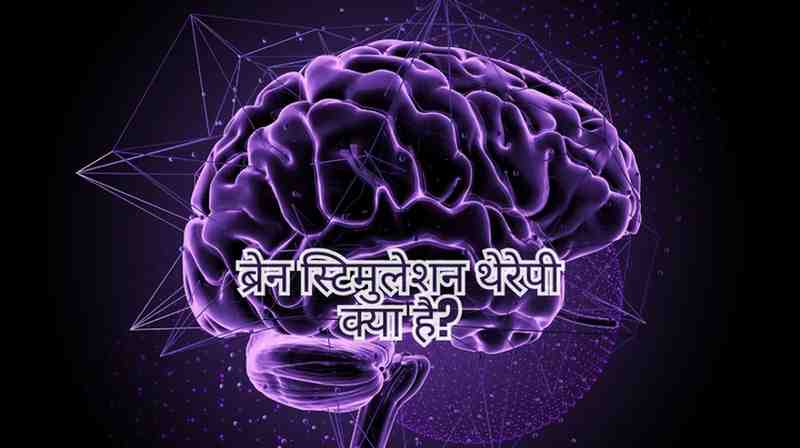
    ब्रेन स्टिमुलेशन थेरेपी क्या है? Brain Stimulation Therapy in Hindi

    brain stimulation therapy in hindi

    ब्रेन स्टिमुलेशन उपचारों में कई प्रकार के चिकित्सीय हस्तक्षेप शामिल हैं इसमें ब्रेन स्टिमुलेशन के भीतर तंत्रिका गतिविधि को सीधे नियंत्रित करना शामिल है. ये उपचार विशिष्ट ब्रेन स्टिमुलेशन क्षेत्रों या तंत्रिका सर्किट को लक्षित करके विभिन्न न्यूरोलॉजिकल और मनोरोग विकारों के इलाज में महत्वपूर्ण वादा करते हैं। इस थेरेपी का एक प्रमुख रूप डीप ब्रेन स्टिमुलेशन थेरेपी (डीबीएस) है।

    ब्रेन स्टिमुलेशन उपचार

    ये उपचार चिकित्सा प्रक्रियाएं हैं जो ब्रेन स्टिमुलेशन के भीतर तंत्रिका सर्किट की गतिविधि को बदलने के लिए डिज़ाइन की गई हैं। इन उपचारों में न्यूरोनल गतिविधि को बढ़ाने या बाधित करने के इरादे से विशिष्ट ब्रेन स्टिमुलेशन क्षेत्रों में नियंत्रित विद्युत, चुंबकीय या ऊर्जा के अन्य रूपों का अनुप्रयोग शामिल होता है। लक्ष्य लक्षणों को कम करना और न्यूरोलॉजिकल या मनोरोग स्थितियों वाले व्यक्तियों के समग्र कामकाज में सुधार करना है।

    ब्रेन स्टिमुलेशन उपचारों के प्रकार

    वहाँ कई हैं ब्रेन स्टिमुलेशन उपचारों के प्रकार, प्रत्येक के अपने तंत्र और अनुप्रयोग हैं:

    1. डीप ब्रेन स्टिमुलेशन(DBS): डीप ब्रेन स्टिमुलेशन थेरेपी में ब्रेन स्टिमुलेशन के सटीक क्षेत्रों में एक छोटे उपकरण का सर्जिकल प्रत्यारोपण शामिल होता है, जिसे अक्सर न्यूरोस्टिम्यूलेटर या ब्रेन स्टिमुलेशन पेसमेकर के रूप में जाना जाता है। न्यूरोस्टिम्यूलेटर द्वारा उत्पन्न विद्युत पल्स पार्किंसंस रोग, आवश्यक कंपकंपी और डिस्टोनिया जैसी स्थितियों से जुड़े न्यूरोनल फायरिंग के असामान्य पैटर्न को नियंत्रित करते हैं।
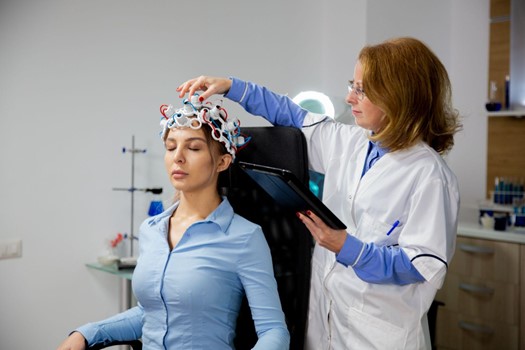
    2. ट्रान्स्क्रनिअल मैग्नेटिक स्टिमुलेशन(TMS):TMS चुंबकीय क्षेत्र उत्पन्न करने के लिए खोपड़ी पर लगाए गए विद्युत चुम्बकीय कॉइल का उपयोग करता है जो खोपड़ी में प्रवेश कर सकता है और लक्षित ब्रेन स्टिमुलेशन क्षेत्रों को उत्तेजित कर सकता है।TMS का उपयोग अक्सर अवसाद के उपचार में किया जाता है, जो उन व्यक्तियों के लिए एक गैर-आक्रामक विकल्प प्रदान करता है जो पारंपरिक अवसादरोधी दवाओं पर अच्छी प्रतिक्रिया नहीं देते हैं।
    3. ट्रांसक्रानियल डायरेक्ट करंट स्टिमुलेशन (DCS): DCS में इलेक्ट्रोड का उपयोग करके खोपड़ी पर कम विद्युत धारा लगाना शामिल है। माना जाता है कि यह तकनीक ब्रेन स्टिमुलेशन की को नियंत्रित करती है और इसे अवसाद, चिंता और यहां तक कि संज्ञानात्मक वृद्धि जैसी स्थितियों के लिए संभावित उपचार के रूप में खोजा गया है।
    4. वेगस स्टिमुलेशन (VNS): VNS में गर्दन में वेगस तंत्रिका के चारों ओर एक उपकरण का प्रत्यारोपण शामिल होता है। उपकरण तंत्रिका को रुक-रुक कर विद्युत संकेत भेजता है, जो फिर ब्रेन स्टिमुलेशन तक जाता है और ब्रेन स्टिमुलेशन के विभिन्न क्षेत्रों को प्रभावित करता है। VNS को मिर्गी और अवसाद के इलाज के लिए मंजूरी दी गई है।
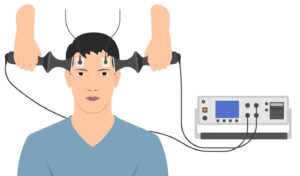
    5. एलेक्ट्रोकॉनवुल्सिव थेरेपी (ECT): ECT गंभीर अवसाद और कुछ मानसिक विकारों के लिए एक अच्छी तरह से स्थापित चिकित्सा है। इसमें रोगी को सामान्य एनेस्थीसिया के तहत ब्रेन स्टिमुलेशन तक पहुंचाई गई विद्युत धाराओं के माध्यम से नियंत्रित दौरे उत्पन्न करना शामिल है।
    6. रिस्पॉन्सिव न्यूरोस्टिम्यूलेशन (RNS): RNS एक नया दृष्टिकोण है जिसमें तंत्रिका गतिविधि की निगरानी करने और मिर्गी से पीड़ित व्यक्तियों में दौरे को रोकने के लिए प्रतिक्रियाशील विद्युत प्रदान करने के लिए ब्रेन स्टिमुलेशन में एक उपकरण प्रत्यारोपित करना शामिल है।

    Brain Stimulation Therapy in Hindi

    पार्किंसंस रोग के लिए डीप ब्रेन स्टिमुलेशन थेरेपी – Deep Brain Stimulation Therapy

    डीप ब्रेन स्टिमुलेशन थेरेपी एक अच्छी तरह से स्थापित ब्रेन स्टिमुलेशन तकनीक है जिसका उपयोग मुख्य रूप से पार्किंसंस रोग के लक्षणों को प्रबंधित करने के लिए किया जाता है, जो एक प्रगतिशील न्यूरोलॉजिकल विकार है जो कंपकंपी, कठोरता और ब्रैडीकिनेसिया जैसी मोटर हानि की विशेषता है। इस थेरेपी को आम तौर पर उन व्यक्तियों के लिए माना जाता है जिनके लक्षण पारंपरिक दवा के प्रति प्रतिरोधी हो गए हैं या जिसके परिणामस्वरूप महत्वपूर्ण मोटर उतार-चढ़ाव हुआ है।

    डीप ब्रेन स्टिमुलेशन थेरेपी में एक छोटे उपकरण का सर्जिकल प्रत्यारोपण शामिल होता है, जिसे अक्सर न्यूरोस्टिम्यूलेटर या ब्रेन स्टिमुलेशन पेसमेकर के रूप में जाना जाता है, ब्रेन स्टिमुलेशन के विशिष्ट क्षेत्रों में जो गति को नियंत्रित करते हैं। इन क्षेत्रों में सबथैलेमिक न्यूक्लियस, ग्लोबस पैलिडस और थैलेमस शामिल हैं। न्यूरोस्टिम्युलेटर ब्रेन स्टिमुलेशन के इन क्षेत्रों में विद्युत तरंगें पहुंचाता है, उनकी गतिविधि को नियंत्रित करता है और इस तरह पार्किंसंस रोग से जुड़े मोटर लक्षणों को कम करता है।

    पार्किंसंस रोग के लिए डीप ब्रेन स्टिमुलेशन थेरेपी कैसे काम करती है?

    पार्किंसंस रोग में, न्यूरोट्रांसमीटर, विशेष रूप से डोपामाइन के संतुलन में व्यवधान होता है, जो आंदोलन को विनियमित करने में महत्वपूर्ण भूमिका निभाता है। डीप ब्रेन स्टिमुलेशन थेरेपी लक्षित ब्रेन स्टिमुलेशन क्षेत्रों में न्यूरोनल फायरिंग के असामान्य पैटर्न को बदलकर इस संतुलन को बहाल करने में मदद करती है। न्यूरोस्टिम्यूलेटर से विद्युत तरंगें अनियमित गतिविधि को प्रभावी ढंग से “ओवरराइड” करती हैं, जिससे मोटर नियंत्रण में सुधार होता है और कंपकंपी, कठोरता और अन्य लक्षण कम हो जाते हैं।

    डीप ब्रेन स्टिमुलेशन थेरेपी कई फायदे प्रदान करती है, जैसे इम्प्लांटेशन के बाद मापदंडों का समायोजन, प्रतिवर्तीता, और रोगी के जीवन की गुणवत्ता में उल्लेखनीय वृद्धि करने की क्षमता। हालाँकि, यह ध्यान रखना महत्वपूर्ण है कि गहरी ब्रेन स्टिमुलेशन चिकित्सा पार्किंसंस रोग का इलाज नहीं करती है; बल्कि, यह रोगसूचक राहत प्रदान करता है और रोगी की दैनिक गतिविधियों को करने की क्षमता में सुधार कर सकता है।
    Read: What are Generic Medicines?

    निष्कर्ष:

    ब्रेन स्टिमुलेशन चिकित्सा, जिसमें गहरी ब्रेन स्टिमुलेशन चिकित्सा भी शामिल है, न्यूरोलॉजिकल और मानसिक विकारों के उपचार में उल्लेखनीय प्रगति का प्रतिनिधित्व करती है। पार्किंसंस रोग वाले व्यक्तियों के लिए, डीप ब्रेन स्टिमुलेशन थेरेपी मोटर लक्षणों के प्रबंधन के लिए एक मूल्यवान उपकरण के रूप में उभरी है जो अकेले दवा के लिए पर्याप्त रूप से प्रतिक्रिया नहीं कर सकते हैं। जैसे-जैसे इस क्षेत्र में शोध जारी है, यह संभावना है कि ब्रेन स्टिमुलेशन उपचारों का विकास जारी रहेगा, जो जटिल न्यूरोलॉजिकल स्थितियों के साथ रहने वाले लोगों के लिए आशा प्रदान करेगा।

    FAQs on Deep Brain Stimulation Therapies in Hindi

    Q.1 क्या है ब्रेन स्टिमुलेशन थेरेपी?

    ब्रेन स्टिमुलेशन थेरेपी ऐसे उपचार हैं जो बिजली, चुंबक का उपयोग करते हैं, या ब्रेन स्टिमुलेशन को उत्तेजित करने और मानसिक और तंत्रिका संबंधी विकारों के लक्षणों में सुधार करने के अन्य तरीके।

    Q.2 ब्रेन स्टिमुलेशन उपचार कैसे काम करते हैं?

    ब्रेन स्टिमुलेशन उपचार लक्षित ब्रेन स्टिमुलेशन क्षेत्रों में न्यूरॉन्स की विद्युत गतिविधि को सीधे प्रभावित करके काम करते हैं. नियंत्रित विद्युत या चुंबकीय ओं को शुरू करके, ये उपचार या तो तंत्रिका फायरिंग को बढ़ा सकते हैं या रोक सकते हैं, जिसका लक्ष्य संतुलित ब्रेन स्टिमुलेशन समारोह को बहाल करना है। यह मॉड्यूलेशन पार्किंसंस रोग, अवसाद, मिर्गी और अन्य स्थितियों में लक्षणों को प्रबंधित करने में मदद कर सकता है।

    Q.3 ब्रेन स्टिमुलेशन उपचारों से कौन से तंत्रिका संबंधी विकार लाभान्वित हो सकते हैं?

    ब्रेन स्टिमुलेशन उपचारों ने पार्किंसंस रोग, आवश्यक कंपकंपी, डिस्टोनिया, मिर्गी और क्रोनिक दर्द सिंड्रोम सहित कई प्रकार के न्यूरोलॉजिकल विकारों के इलाज में प्रभावकारिता दिखाई है। अल्जाइमर रोग, जुनूनी-बाध्यकारी विकार (ओसीडी), और दर्दनाक ब्रेन स्टिमुलेशन की चोटों जैसी स्थितियों के लिए भी उनकी जांच की जा रही है।
    Related Links:

  • કૉંગ્નેટિવે બિહેવિયરલ થેરાપી: અર્થ, વ્યાખ્યા, ઉપયોગો, તકનીકો, Cognitive Behavioural Therapy in Gujarati

    કૉંગ્નેટિવે બિહેવિયરલ થેરાપી: અર્થ, વ્યાખ્યા, ઉપયોગો, તકનીકો, Cognitive Behavioural Therapy in Gujarati

    cognitive behavioural therapy in gujarati

    કૉંગ્નેટિવે બિહેવિયરલ થેરાપી (CBT) વ્યાપકપણે છેપ્રેક્ટિસ કરી અને વૈજ્ઞાનિક રીતે આધારીત સાયકોથેરાપ્યુટિક અભિગમ જે સંબોધે છેજટિલઆપણા વિચારો, લાગણીઓ અને વર્તન વચ્ચેનો સંબંધ. આપણી ધારણાઓ આપણી લાગણીઓ અને ક્રિયાઓને પ્રભાવિત કરે છે તે સમજણના આધારે, CBT વ્યક્તિઓને બિનઆરોગ્યપ્રદ વિચારોની પેટર્ન અને વર્તણૂકોને ઓળખવા અને સુધારવા માટે સાધનોથી સજ્જ કરે છે,પ્રોત્સાહનહકારાત્મક માનસિક અને ભાવનાત્મક સુખાકારી.

    જ્ઞાનાત્મક બિહેવિયરલ થેરાપી શું છે? Cognitive Behavioural Therapy in Gujarati

    CBT ના મૂળમાં એવી માન્યતા રહેલી છે કે ઘટનાઓનાં આપણા અર્થઘટન, ઘટનાઓને બદલે, આપણા ભાવનાત્મક પ્રતિભાવોને આકાર આપે છે. વિકૃત અથવા અતાર્કિક વિચારો નકારાત્મક લાગણીઓ અને નિષ્ક્રિય વર્તન તરફ દોરી શકે છે.

    CBT આ એકબીજા સાથે જોડાયેલા ઘટકોને ગૂંચ કાઢવા માંગે છે, વ્યક્તિઓને તેમની જ્ઞાનાત્મક પ્રક્રિયાઓમાં આંતરદૃષ્ટિ મેળવવામાં મદદ કરે છે અને તેમને તંદુરસ્ત જ્ઞાનાત્મક અને વર્તણૂકીય પેટર્ન બનાવવા માટે સશક્તિકરણ કરે છે.

    > Consult a doctor and Order Medicine Online

    જ્ઞાનાત્મક બિહેવિયર થેરાપીના ઉપયોગો

    કોગ્નિટિવ બિહેવિયર થેરાપી (CBT) એ વ્યાપકપણે વખાણાયેલ મનોરોગ ચિકિત્સા અભિગમ છે જેણે માનસિક સ્વાસ્થ્ય પડકારોના સમૂહને સંબોધવા માટે વિવિધ એપ્લિકેશનો શોધી કાઢ્યા છે. આપણા વિચારો, લાગણીઓ અને ક્રિયાઓ એકબીજા સાથે જોડાયેલા છે તે વિચાર પર આધારિત, CBT વ્યક્તિઓને તેમના જ્ઞાનાત્મક પેટર્નને સમજવા અને તેને ફરીથી આકાર આપવા માટે સક્ષમ બનાવે છે, જેના પરિણામે ભાવનાત્મક સુખાકારી અને અનુકૂલનશીલ વર્તણૂકોમાં સુધારો થાય છે.

    Cognitive Behavioural Therapy in Gujarati

    જ્ઞાનાત્મક બિહેવિયર થેરપીનો ઉપયોગ કરવામાં આવે છે

    • ગભરાટના વિકાર: સીબીટી વિવિધ ગભરાટના વિકારની સારવારમાં અત્યંત અસરકારક છે જેમ કેસામાન્યકૃત ચિંતા ડિસઓર્ડર, સામાજિક અસ્વસ્થતા ડિસઓર્ડર, અને ચોક્કસ ફોબિયા. અતાર્કિક વિચારોના દાખલાઓને ઓળખવા અને પડકારવાથી, વ્યક્તિઓ વધુ પડતી ચિંતાઓનું સંચાલન કરવાનું અને ચિંતાના લક્ષણોને દૂર કરવાનું શીખી શકે છે.
    • હતાશા: CBT એ નિરાશા અને નિરાશાની લાગણીઓને કાયમી રાખતા નકારાત્મક વિચાર ચક્રને સંબોધીને હતાશાની સારવારમાં અસરકારકતા સાબિત કરી છે. નકારાત્મક સ્વ-ભાવનાઓને વધુ સંતુલિત અને સકારાત્મક સાથે બદલીને, વ્યક્તિઓ ડિપ્રેસિવ લક્ષણોમાંથી રાહત અનુભવી શકે છે.
    • ઓબ્સેસિવ-કમ્પલ્સિવ ડિસઓર્ડર (OCD): CBT, ખાસ કરીને એક્સપોઝર અને રિસ્પોન્સ પ્રિવેન્શન, OCD ની સારવારમાં પાયાનો પથ્થર છે. ટ્રિગર્સ અને અનિવાર્ય અટકાવવા માટે ધીમે ધીમે એક્સપોઝર દ્વારાવર્તન, વ્યક્તિઓ બાધ્યતા વિચારો અને મજબૂરીઓ પર નિયંત્રણ મેળવી શકે છે.
    • પોસ્ટ ટ્રોમેટિક સ્ટ્રેસ ડિસઓર્ડર (PTSD): CBT તકનીકો જેમ કે જ્ઞાનાત્મક પુનર્ગઠન અને એક્સપોઝર થેરાપીનો ઉપયોગ આઘાતજનક અનુભવો અને તેમની સાથે સંકળાયેલ તકલીફોને સંબોધવા માટે થાય છે. આ વ્યક્તિઓને આઘાતજનક સ્મૃતિઓનો સામનો કરવા અને પ્રક્રિયા કરવાની શક્તિ આપે છે, દૈનિક જીવન પર તેમની અસર ઘટાડે છે.
    • ખાવાની વિકૃતિઓ: CBT શરીરની વિકૃત છબી, બિનઆરોગ્યપ્રદ આહાર, અને એનોરેક્સિયા નર્વોસા, બુલીમીયા નર્વોસા અને અતિશય આહારની વિકૃતિ જેવા વિકારો સાથે સંકળાયેલા આત્મસન્માનના મુદ્દાઓને સંબોધવા માટે લાગુ કરવામાં આવે છે.
    • પદાર્થનો દુરુપયોગ અને વ્યસન: CBT વ્યક્તિઓને ટ્રિગર્સને ઓળખવામાં અને વ્યસનમાં ફાળો આપતી વિચારસરણીમાં ફેરફાર કરવામાં મદદ કરે છે.વર્તન. તે વ્યક્તિઓને ફરીથી થવાની વ્યૂહરચનાથી પણ સજ્જ કરે છે.
    • અનિદ્રા: અનિદ્રા માટે CBT ઊંઘની આદતોમાં સુધારો કરવા, ઊંઘની મુશ્કેલીઓમાં ફાળો આપતા વિચારોને સંબોધિત કરવા અને સારી ઊંઘની સ્વચ્છતાને પ્રોત્સાહન આપવા પર ધ્યાન કેન્દ્રિત કરે છે.
    • ગુસ્સાનું સંચાલન: ક્રોધની સમસ્યાઓ સાથે સંઘર્ષ કરતી વ્યક્તિઓ CBT તકનીકોથી લાભ મેળવી શકે છે જે ટ્રિગર્સને ઓળખવામાં, વિચારોની પેટર્નનું મૂલ્યાંકન કરવામાં અને ગુસ્સાને નિયંત્રિત કરવાની તંદુરસ્ત રીતો વિકસાવવામાં મદદ કરે છે.
    • સ્ટ્રેસ મેનેજમેન્ટ: CBT વ્યક્તિઓને તણાવને ઓળખવા, તણાવ સંબંધિત વિકૃત વિચારસરણીને પડકારવા અને અસરકારક સામનો કરવાની વ્યૂહરચના વિકસાવવા માટે વ્યવહારુ સાધનોથી સજ્જ કરે છે.
    • સંબંધોના મુદ્દાઓ: CBT નો ઉપયોગ સંચાર કૌશલ્યો સુધારવા, સંબંધોમાં વિકૃત ધારણાઓને દૂર કરવા અને વ્યક્તિઓને તકરાર વધુ રચનાત્મક રીતે નેવિગેટ કરવામાં મદદ કરવા માટે થઈ શકે છે.
    • સ્વ-સન્માન ઉન્નતીકરણ: નકારાત્મક સ્વ-ધારણાઓને ઓળખીને અને બદલીને, CBT સુધારેલ આત્મસન્માન અને આત્મવિશ્વાસને પ્રોત્સાહન આપે છે.

    Cognitive Behavioural Therapy in Gujarati

    જ્ઞાનાત્મક બિહેવિયરલ થેરાપી તકનીકો

    CBT વિવિધ તકનીકોનો ઉપયોગ કરે છે જેનો ઉદ્દેશ નિષ્ક્રિય વિચાર પ્રક્રિયાઓનું પુનર્ગઠન કરવાનો અને સંકળાયેલ વર્તણૂકોને સંશોધિત કરવાનો છે. કેટલીક મુખ્ય સીબીટી તકનીકોમાં શામેલ છે:

    • જ્ઞાનાત્મક પુનર્ગઠન: આ તકનીકમાં નકારાત્મક અથવા વિકૃત વિચારોના દાખલાઓને ઓળખવા અને પડકારવાનો સમાવેશ થાય છે. વ્યક્તિઓ અતાર્કિક માન્યતાઓને વધુ તર્કસંગત અને સંતુલિત માન્યતાઓ સાથે બદલવાનું શીખે છે, જે તંદુરસ્ત ભાવનાત્મક પ્રતિભાવો તરફ દોરી જાય છે.
    • વર્તન સક્રિયકરણ: ઘણીવાર ડિપ્રેશનના કેસોમાં કાર્યરત, આ ટેકનિક વ્યક્તિઓને એવી પ્રવૃત્તિઓમાં જોડાવા માટે પ્રોત્સાહિત કરવા પર ધ્યાન કેન્દ્રિત કરે છે જે તેમને આનંદ અને સિદ્ધિની ભાવના આપે છે. નિષ્ક્રિયતા અને અલગતાના ચક્રને તોડીને, વ્યક્તિઓ સુધારેલા મૂડ અને પ્રેરણાનો અનુભવ કરી શકે છે.
    • એક્સપોઝર થેરપી: મુખ્યત્વે ગભરાટના વિકારમાં ઉપયોગમાં લેવાય છે, એક્સપોઝર થેરાપી ધીમે ધીમે વ્યક્તિને ભયભીત પરિસ્થિતિઓમાં અથવા નિયંત્રિત રીતે ઉત્તેજના માટે ખુલ્લી પાડે છે. સમય જતાં, આ તેમને તેમની ચિંતાઓ પ્રત્યે અસંવેદનશીલ બનાવે છે અને તેમને તંદુરસ્ત સામનો કરવાની પદ્ધતિઓ વિકસાવવામાં મદદ કરે છે.
    • થોટ રેકોર્ડ્સ: થોટ રેકોર્ડ્સમાં નકારાત્મક વિચારોને લખવા, સંકળાયેલ લાગણીઓને ઓળખવા અને તે વિચારો માટે અને તેની વિરુદ્ધના પુરાવાઓનું વિશ્લેષણ કરવાનો સમાવેશ થાય છે. આ પ્રક્રિયા વ્યક્તિઓને તેમની વિચારસરણી પર સ્પષ્ટ પરિપ્રેક્ષ્ય મેળવવામાં મદદ કરે છે.
    • સમસ્યા હલ કરવાની કુશળતા:CBT વ્યક્તિઓને અસરકારક સમસ્યા-નિરાકરણ કૌશલ્યથી સજ્જ કરે છે, જે તેમને વ્યવસ્થિત અને તર્કસંગત રીતે પડકારોનો સામનો કરવા સક્ષમ બનાવે છે. આ લાચારી અને ચિંતાની લાગણીઓને ઘટાડવામાં મદદ કરી શકે છે.
    • છૂટછાટ તકનીકો: તાણનું સંચાલન કરવા, ભાવનાત્મક નિયમનમાં સુધારો કરવા અને સ્વ-જાગૃતિ વધારવા માટે ઊંડા શ્વાસોચ્છવાસ, પ્રગતિશીલ સ્નાયુઓમાં આરામ અને માઇન્ડફુલનેસ જેવી તકનીકોને CBTમાં એકીકૃત કરવામાં આવી છે.

    Cognitive Behavioural Therapy in Gujarati

    જ્ઞાનાત્મક બિહેવિયરલ થેરાપીના ફાયદા

    CBT તેના પુરાવા-આધારિત પ્રકૃતિ અને માળખાગત અભિગમ માટે અલગ છે. તે વ્યક્તિઓને તેમની પોતાની હીલિંગ પ્રક્રિયામાં સક્રિયપણે ભાગ લેવા માટે વ્યવહારુ સાધનો પ્રદાન કરીને સશક્ત બનાવે છે. CBT દરમિયાન શીખેલી તકનીકો માત્ર ઉપચાર સત્રો દરમિયાન જ લાગુ પડતી નથી પરંતુ લાંબા ગાળાની માનસિક સુખાકારીને પ્રોત્સાહન આપતા રોજિંદા જીવનમાં પણ સંકલિત કરી શકાય છે.

    Read: What are Generic Medicines?

    નિષ્કર્ષ:

    કોગ્નિટિવ બિહેવિયરલ થેરાપી (CBT) માનસિક સ્વાસ્થ્ય સારવારના ક્ષેત્રમાં સશક્તિકરણ અને પરિવર્તનના દીવાદાંડી તરીકે કામ કરે છે. વિચારો, લાગણીઓ અને વર્તણૂકો વચ્ચેના જટિલ આંતરપ્રક્રિયા પર પ્રકાશ પાડીને, CBT વ્યક્તિઓને સ્વ-શોધ, ઉપચાર અને વ્યક્તિગત વિકાસ માટે માર્ગમેપ પ્રદાન કરે છે. વ્યવહારિક તકનીકો અને પુરાવા-આધારિત વ્યૂહરચનાઓ પરનો ભાર તેને માનસિક અને ભાવનાત્મક સુખાકારીને વધારવા માટે એક બહુમુખી અને મૂલ્યવાન સાધન બનાવે છે, આખરે વ્યક્તિઓને વધુ પરિપૂર્ણ અને અનુકૂલનશીલ જીવન જીવવાની રીતો તરફ માર્ગદર્શન આપે છે.

    FAQs on Cognitive Behavioural Therapy in Gujarati

    Q1. કોગ્નિટિવ બિહેવિયરલ થેરાપી (CBT) શું છે અને તે કેવી રીતે કામ કરે છે?

    કોગ્નિટિવ બિહેવિયરલ થેરાપી (CBT) એ ધ્યેય-લક્ષી મનોરોગ ચિકિત્સા છે જે વિચારો, લાગણીઓ અને વર્તન વચ્ચેના સંબંધ પર ધ્યાન કેન્દ્રિત કરે છે.. તેનો ઉદ્દેશ્ય વ્યક્તિઓને નકારાત્મક વિચારોની પેટર્ન અને વર્તણૂકો ઓળખવામાં અને સંશોધિત કરવામાં મદદ કરવાનો છે જે તકલીફ અથવા મનોવૈજ્ઞાનિક મુશ્કેલીઓમાં ફાળો આપે છે.

    Q2. કયા ચોક્કસ ક્ષેત્રોમાં જ્ઞાનાત્મક વર્તણૂક ઉપચારનો ઉપયોગ થાય છે?

    કોગ્નિટિવ બિહેવિયર થેરાપી (CBT) મનોવૈજ્ઞાનિક સમસ્યાઓની વ્યાપક શ્રેણીમાં કાર્યરત છે. તેનો ઉપયોગ સામાન્ય રીતે ગભરાટના વિકાર, ડિપ્રેશન, બાધ્યતા મનોગ્રસ્તિ વિકાર (OCD), પોસ્ટ-ટ્રોમેટિક સ્ટ્રેસ ડિસઓર્ડર (PTSD) અને ખાવાની વિકૃતિઓની સારવાર માટે થાય છે. ક્લિનિકલ સેટિંગ્સ ઉપરાંત, CBT તકનીકો તણાવ વ્યવસ્થાપન, ક્રોધ વ્યવસ્થાપન, સંબંધોના મુદ્દાઓ, પદાર્થનો દુરુપયોગ અને આત્મસન્માન વધારવા માટે પણ મૂલ્યવાન છે.

    Q3. કેટલાક શું છેસંયુક્ત જ્ઞાનાત્મક વર્તણૂકીય થેરાપી (CBT) તકનીકોનો સત્રોમાં ઉપયોગ થાય છે?

    કોગ્નિટિવ બિહેવિયરલ થેરાપી (CBT) પરિવર્તન અને વૃદ્ધિને સરળ બનાવવા માટે ઘણી તકનીકોનો ઉપયોગ કરે છે. કેટલીક સામાન્ય તકનીકોમાં કોગ્નિટિવ રિસ્ટ્રક્ચરિંગ, બિહેવિયરલ એક્ટિવેશન, એક્સપોઝર થેરાપી, થોટ રેકોર્ડ્સ, માઇન્ડફુલનેસ અને રિલેક્સેશન, પ્રોબ્લેમ-સોલ્વિંગ સ્કિલ, હોમવર્ક અસાઇનમેન્ટ્સનો સમાવેશ થાય છે.

  • Best Treatment of Obsessive Compulsive Disorder – OCD Treatment

    Best Treatment of Obsessive Compulsive Disorder – OCD Treatment

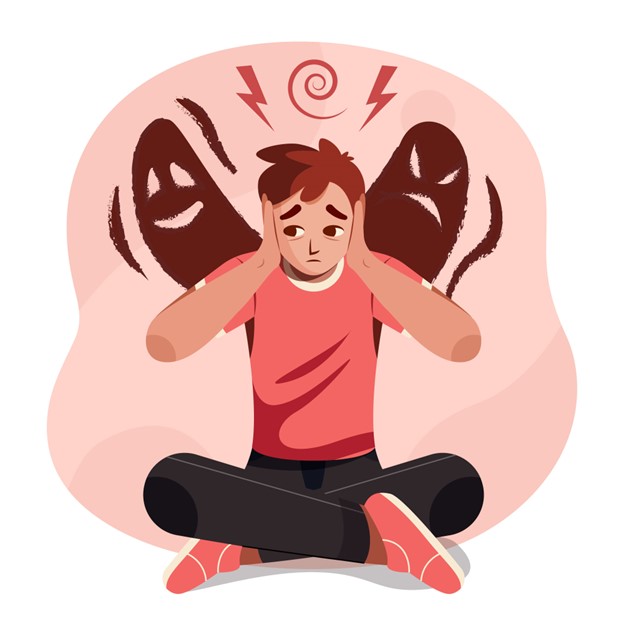
    Obsessive Compulsive Disorder

    OCD treatment refers to the various therapeutic approaches and interventions such as primarily psychotherapy, specifically Cognitive-Behavioral Therapy (CBT) with a focus on Exposure and Response Prevention (ERP). The OCD medication, such as Selective Serotonin Reuptake Inhibitors (SSRIs), may also be prescribed.

    OCD (Obsessive-Compulsive Disorder) treatment involves various approaches aimed at reducing the distressing obsessions and compulsions that characterize the condition. It is characterized by intrusive, distressing thoughts (obsessions) and repetitive, ritualistic behaviours (compulsions). Fortunately, there are various effective treatments available to help individuals manage their OCD symptoms and regain control of their lives.

    OCD Treatment

    The primary treatments for OCD include:

    1. Psychotherapy

    Psychotherapy, specifically Cognitive-Behavioral Therapy (CBT), is often the first line of treatment for OCD. Cognitive Behavioral Therapy (CBT) for OCD generally consists of two primary elements:

    • Exposure and Response Prevention (ERP): ERP is considered the gold standard for OCD treatment. It involves exposing individuals to their obsessions (usually through imagination or real-life situations) while preventing them from engaging in compulsive behaviours. Over time, this helps individuals reduce the anxiety associated with their obsessions and decrease compulsive responses.
    • Cognitive Restructuring: CBT also focuses on identifying and challenging irrational thoughts and beliefs that contribute to OCD symptoms. By changing thought patterns, individuals can develop healthier responses to their obsessions.

    2. OCD Treatment Medication

    Medications can be a valuable addition to OCD treatment, especially when used in conjunction with psychotherapy. Selective Serotonin Reuptake Inhibitors (SSRIs), such as fluoxetine (Prozac) and sertraline (Zoloft), are commonly prescribed for OCD.

    These medications help regulate serotonin levels in the brain, which can reduce obsessive thoughts and compulsive behaviours. In some cases, psychiatrists may also prescribe other medications, such as antipsychotics or benzodiazepines, to manage specific symptoms or provide short-term relief.

    > Consult a doctor and Order Medicine Online

    3. Lifestyle Modifications

    Incorporating healthy lifestyle changes can complement formal OCD treatments. These modifications include:

    • Regular Exercise: Physical activity has been shown to reduce anxiety and stress, which can help manage OCD symptoms.
    • Balanced Diet: Eating nutritious foods can support overall mental health. Avoiding excessive caffeine and alcohol can also benefit those with OCD.
    • Adequate Sleep: Quality sleep is essential for mental well-being. Establishing a consistent sleep schedule can help manage OCD symptoms.
    • Stress Reduction Techniques: Practicing relaxation techniques such as mindfulness meditation, deep breathing, and yoga can reduce anxiety and improve coping skills.

    4. Self-Help Strategies

    Individuals with OCD can also implement self-help strategies to manage their symptoms. These include:

    • Keeping a Journal: Recording obsessive thoughts and compulsions can help identify patterns and triggers, aiding in their management.
    • Setting Realistic Goals: Breaking down tasks into smaller, manageable steps can reduce the sense of being overwhelmed.
    • Gradual Exposure: Gradually exposing oneself to feared situations or objects can help desensitize the anxiety associated with them.
    • Self-Compassion: Being kind to oneself and acknowledging the challenges of living with OCD can reduce self-criticism.

    OCD Treatment without Medication

    OCD treatment without medication focuses on psychotherapy, particularly Cognitive-Behavioral Therapy (CBT). This approach involves Exposure and Response Prevention (ERP), where individuals confront their obsessions and gradually reduce compulsive behaviours.

    Therapy helps individuals develop coping strategies and challenge irrational thoughts. Support from therapists and support groups is crucial in this process. Additionally, adopting a healthy lifestyle with regular exercise, stress reduction techniques, and self-help strategies like journaling can enhance treatment efficacy. While medication can be helpful, non-medication approaches are often effective in managing OCD and improving overall quality of life.

    OCD Treatment at HomeOCD Treatment at Home

    OCD treatment at home can be a valuable supplement to professional therapy. Self-help strategies like journaling, maintaining a structured routine, and practising relaxation techniques, such as mindfulness and deep breathing, can help individuals manage OCD symptoms in their daily lives.

    Setting small, achievable goals and gradually facing fears through exposure exercises can also be done at home. Moreover, online support groups and educational resources can provide valuable insights and a sense of community. While home-based strategies are beneficial, it’s essential to consult a mental health professional to establish a comprehensive treatment plan tailored to individual needs and monitor progress effectively.

    Conclusion:

    Living with OCD can be challenging, but effective treatments are available to help individuals lead fulfilling lives. A combination of psychotherapy, medication, support groups, lifestyle modifications, and self-help strategies can provide the tools needed to manage and mitigate OCD symptoms.

    It’s important to remember that recovery is a journey, and seeking professional help and support from loved ones are crucial steps toward finding relief from OCD. With the right treatment and support, individuals with OCD can regain control of their lives and achieve improved mental well-being.

    Read: What are Generic Medicines?

    How to find substitute Generic Medicine?

    Finding substitute generic medicine can be a cost-effective way to manage healthcare expenses. To do so, start by consulting your healthcare provider or pharmacist, who can recommend generic equivalents for your prescribed medications. Check with your health insurance provider for a list of covered generic options.

    Online resources and mobile apps can also help you compare prices and find reputable pharmacies offering generic alternatives, ensuring you get the same quality treatment at a lower cost. Always consult with a healthcare professional before making any medication changes.

    FAQs on OCD Treatment

    Q1. What is OCD treatment?

    OCD treatment typically involves psychotherapy, particularly Cognitive-Behavioral Therapy (CBT) with a focus on Exposure and Response Prevention (ERP). In some cases, medication, lifestyle modifications, and support groups are also utilized to help individuals manage obsessive thoughts and compulsive behaviours, aiming for symptom reduction and improved daily functioning.

    Q2. What is the best treatment for OCD?

    The best treatment for OCD often involves a combination of psychotherapy, particularly Cognitive-Behavioral Therapy (CBT) with Exposure and Response Prevention (ERP), and medication, typically Selective Serotonin Reuptake Inhibitors (SSRIs). However, the ideal treatment plan may vary from person to person, and it’s essential to consult with a mental health professional to determine the most suitable approach for individual needs.

    Q3. Is medication always necessary for treating OCD?

    No, medication is not always necessary for treating OCD. Cognitive-behavioural therapy (CBT), particularly Exposure and Response Prevention (ERP), is a highly effective non-medication treatment option for OCD. Many individuals find relief through therapy alone, while medication may be considered in more severe cases or as an adjunct to therapy.

    Q4. Can OCD be completely cured with treatment?

    While OCD cannot always be completely cured, it can be effectively managed with treatment. Many individuals experience significant symptom reduction and improved quality of life through psychotherapy, medication, or a combination of both. Long-term management and support are often required to maintain symptom control.

    Related Links:

  • कॉग्निटिव बिहेवियरल थेरेपी – Cognitive Behavioural Therapy in Hindi

    कॉग्निटिव बिहेवियरल थेरेपी – Cognitive Behavioural Therapy in Hindi

    cognitive behavioural therapy in hindi

    कॉग्निटिव बिहेवियरल थेरेपी (CBT) एक व्यापक रूप से है अभ्यास और वैज्ञानिक रूप से आधारित मनोचिकित्सीय दृष्टिकोण जो संबोधित करता है उलझा हुआ हमारे विचारों, भावनाओं और व्यवहारों के बीच संबंध। इस समझ के आधार पर कि हमारी धारणाएँ हमारी भावनाओं और कार्यों को प्रभावित करती हैं, CBT व्यक्तियों को अस्वस्थ विचार पैटर्न और व्यवहारों को पहचानने और संशोधित करने के लिए उपकरणों से लैस करता है,को बढ़ावा सकारात्मक मानसिक और भावनात्मक कल्याण।

    कॉग्निटिव बिहेवियरल थेरेपी क्या है? – Cognitive Behavioural Therapy in Hindi

    CBT के मूल में यह विश्वास निहित है कि घटनाओं के बजाय घटनाओं की हमारी व्याख्याएं हमारी भावनात्मक प्रतिक्रियाओं को आकार देती हैं। विकृत या तर्कहीन विचार नकारात्मक भावनाओं और निष्क्रिय व्यवहार को जन्म दे सकते हैं।

    CBT इन परस्पर जुड़े घटकों को सुलझाने का प्रयास करता है, व्यक्तियों को उनकी संज्ञानात्मक प्रक्रियाओं में अंतर्दृष्टि प्राप्त करने में मदद करना और उन्हें स्वस्थ संज्ञानात्मक और व्यवहारिक पैटर्न बनाने के लिए सशक्त बनाना।

    कॉग्निटिव बिहेवियरल थेरेपी के उपयोग

    कॉग्निटिव बिहेवियरल थेरेपी (CBT) एक व्यापक रूप से प्रशंसित मनोचिकित्सीय दृष्टिकोण है जिसने कई मानसिक स्वास्थ्य चुनौतियों के समाधान में विविध अनुप्रयोग पाए हैं। इस विचार पर आधारित कि हमारे विचार, भावनाएं और कार्य आपस में जुड़े हुए हैं, CBT व्यक्तियों को उनके संज्ञानात्मक पैटर्न को समझने और नया आकार देने का अधिकार देता है, जिसके परिणामस्वरूप भावनात्मक कल्याण और अनुकूली व्यवहार में सुधार होता है।

    Cognitive Behavioural Therapy in Hindi

    कॉग्निटिव बिहेवियरल थेरेपी का उपयोग किया जाता है

    • एंग्जाइटी डिसऑर्डर: CBT विभिन्न एंग्जाइटी डिसऑर्डर ों के इलाज में अत्यधिक प्रभावी हैसामान्यीकृत एंग्जाइटी डिसऑर्डर , सामाजिक एंग्जाइटी डिसऑर्डर और विशिष्ट भय। तर्कहीन विचार पैटर्न को पहचानने और चुनौती देने से, व्यक्ति अत्यधिक चिंताओं को प्रबंधित करना और चिंता के लक्षणों को कम करना सीख सकते हैं।
    • डिप्रेशन: CBT ने निराशा और निराशा की भावनाओं को कायम रखने वाले नकारात्मक विचार चक्रों को संबोधित करके डिप्रेशन के इलाज में प्रभावकारिता साबित की है। नकारात्मक आत्म-धारणाओं को अधिक संतुलित और सकारात्मक धारणाओं से बदलकर, व्यक्ति डिप्रेशनग्रस्त लक्षणों से राहत का अनुभव कर सकते हैं।
    • ऑब्सेसिव-कम्पल्सिव डिसऑर्डर ( OCD): CBT, विशेष रूप से जोखिम और प्रतिक्रिया की रोकथाम, OCD के इलाज में आधारशिला है। ट्रिगर्स के क्रमिक संपर्क और बाध्यकारी रोकथाम के माध्यम सेव्यवहार, व्यक्ति जुनूनी विचारों और मजबूरियों पर नियंत्रण पा सकते हैं।
    • पोस्ट-ट्रॉमैटिक स्ट्रेस डिसऑर्डर (PTSD): संज्ञानात्मक पुनर्गठन और एक्सपोज़र थेरेपी जैसी CBT तकनीकों का उपयोग दर्दनाक अनुभवों और उनसे जुड़े संकट को दूर करने के लिए किया जाता है। यह व्यक्तियों को दर्दनाक यादों का सामना करने और संसाधित करने की शक्ति देता है, जिससे दैनिक जीवन पर उनका प्रभाव कम हो जाता है।
    • ईटिंग डिसऑर्डर : CBT का उपयोग विकृत शरीर की छवि, अस्वास्थ्यकर खान-पान की आदतों और एनोरेक्सिया नर्वोसा, बुलिमिया नर्वोसा और अत्यधिक खाने के डिसऑर्डर जैसे डिसऑर्डर ों से जुड़े आत्म-सम्मान के मुद्दों को संबोधित करने के लिए किया जाता है।
    • सब्सटांस एब्यूज एंड एडिक्शन: CBT व्यक्तियों को ट्रिगर की पहचान करने और नशे की लत में योगदान देने वाले विचार पैटर्न को संशोधित करने में मदद करता हैव्यवहार. यह व्यक्तियों को पुनरावृत्ति को रोकने के लिए मुकाबला करने की रणनीतियों से भी सुसज्जित करता है।
    • इंसोमनिया : इंसोमनिया के लिए CBT नींद की आदतों में सुधार, नींद की कठिनाइयों में योगदान करने वाले विचारों को संबोधित करने और बेहतर नींद स्वच्छता को बढ़ावा देने पर केंद्रित है।
    • एंगर मैनेजमेंट: क्रोध की समस्याओं से जूझ रहे व्यक्ति CBT तकनीकों से लाभ उठा सकते हैं जो ट्रिगर की पहचान करने, विचार पैटर्न का मूल्यांकन करने और क्रोध को प्रबंधित करने के स्वस्थ तरीके विकसित करने में मदद करते हैं।
    • स्ट्रेस मैनेजमेंट CBT व्यक्तियों को तनाव कारकों की पहचान करने, तनाव से संबंधित विकृत सोच को चुनौती देने और प्रभावी मुकाबला रणनीति विकसित करने के लिए व्यावहारिक उपकरणों से लैस करता है।
    • रिलेशनशिप समस्याएं CBT का उपयोग संचार कौशल में सुधार करने, रिश्तों में विकृत धारणाओं को संबोधित करने और व्यक्तियों को संघर्षों को अधिक रचनात्मक रूप से प्रबंधित करने में मदद करने के लिए किया जा सकता है।
    • सेल्फ-एस्टीम इन्हांसमेंट: नकारात्मक आत्म-धारणाओं को पहचानने और बदलने से, CBT बेहतर आत्म-सम्मान और आत्मविश्वास को बढ़ावा देता है।

    Cognitive Behavioural Therapy in Hindi

    कॉग्निटिव बिहेवियरल थेरेपी तकनीक

    CBT कई प्रकार की तकनीकों का उपयोग करता है जिसका उद्देश्य बेकार विचार प्रक्रियाओं का पुनर्गठन करना और संबंधित व्यवहारों को संशोधित करना है। कुछ प्रमुख CBT तकनीकों में शामिल हैं:

    • कॉग्निटिव रिस्ट्रक्चरिंग इस तकनीक में नकारात्मक या विकृत विचार पैटर्न को पहचानना और चुनौती देना शामिल है। व्यक्ति अतार्किक मान्यताओं को अधिक तर्कसंगत और संतुलित मान्यताओं से बदलना सीखते हैं, जिससे स्वस्थ भावनात्मक प्रतिक्रियाएँ प्राप्त होती हैं।
    • बिहेवियरल एक्टिवेशन अक्सर डिप्रेशन के मामलों में उपयोग की जाने वाली यह तकनीक व्यक्तियों को ऐसी गतिविधियों में संलग्न होने के लिए प्रोत्साहित करने पर केंद्रित होती है जो उन्हें खुशी और उपलब्धि की भावना प्रदान करती है। निष्क्रियता और अलगाव के चक्र को तोड़कर, व्यक्ति बेहतर मनोदशा और प्रेरणा का अनुभव कर सकते हैं।
    • एक्सपोज़र थेरेपी: मुख्य रूप से एंग्जाइटी डिसऑर्डर ों में उपयोग की जाने वाली, एक्सपोज़र थेरेपी धीरे-धीरे नियंत्रित तरीके से व्यक्तियों को भयभीत स्थितियों या उत्तेजनाओं से अवगत कराती है। समय के साथ, यह उन्हें उनकी चिंताओं के प्रति संवेदनशील बनाता है और उन्हें स्वस्थ मुकाबला तंत्र विकसित करने में मदद करता है।
    • थॉट रिकार्ड्स: विचार रिकॉर्ड में नकारात्मक विचारों को लिखना, संबंधित भावनाओं की पहचान करना और उन विचारों के पक्ष और विपक्ष में सबूतों का विश्लेषण करना शामिल है। यह प्रक्रिया व्यक्तियों को उनके सोच पैटर्न पर एक स्पष्ट परिप्रेक्ष्य प्राप्त करने में मदद करती है।
    • प्रॉब्लम सॉल्विंग स्किल:CBT व्यक्तियों को प्रभावी समस्या-समाधान कौशल से सुसज्जित करता है, जिससे वे व्यवस्थित और तर्कसंगत तरीके से चुनौतियों का सामना करने में सक्षम होते हैं। इससे असहायता और चिंता की भावनाओं को कम करने में मदद मिल सकती है।
    • रिलैक्सेशन टेकनीक: तनाव को प्रबंधित करने, भावनात्मक विनियमन में सुधार करने और आत्म-जागरूकता बढ़ाने के लिए गहरी सांस लेने, प्रगतिशील मांसपेशी छूट और दिमागीपन जैसी तकनीकों को CBT में एकीकृत किया गया है।
      Consult a doctor and Order Medicine Online

    Cognitive Behavioural Therapy in Hindi

    कॉग्निटिव बिहेवियरल थेरेपी के लाभ

    CBT अपनी साक्ष्य-आधारित प्रकृति और संरचित दृष्टिकोण के लिए जाना जाता है. यह व्यक्तियों को उनकी स्वयं की उपचार प्रक्रिया में सक्रिय रूप से भाग लेने के लिए व्यावहारिक उपकरण प्रदान करके सशक्त बनाता है। CBT के दौरान सीखी गई तकनीकें न केवल चिकित्सा सत्रों के दौरान लागू होती हैं, बल्कि दीर्घकालिक मानसिक कल्याण को बढ़ावा देते हुए दैनिक जीवन में भी एकीकृत की जा सकती हैं।

    Read: What are Generic Medicines?

    निष्कर्ष:

    कॉग्निटिव बिहेवियरल थेरेपी (CBT) मानसिक स्वास्थ्य उपचार के क्षेत्र में सशक्तिकरण और परिवर्तन के एक प्रतीक के रूप में कार्य करती है। विचारों, भावनाओं और व्यवहारों के बीच जटिल परस्पर क्रिया पर प्रकाश डालकर, CBT व्यक्तियों को आत्म-खोज, उपचार और व्यक्तिगत विकास के लिए एक रोडमैप प्रदान करता है। व्यावहारिक तकनीकों और साक्ष्य-आधारित रणनीतियों पर इसका जोर इसे मानसिक और भावनात्मक कल्याण को बढ़ाने में एक बहुमुखी और मूल्यवान उपकरण बनाता है, जो अंततः व्यक्तियों को जीवन जीने के अधिक पूर्ण और अनुकूल तरीकों की ओर मार्गदर्शन करता है।

    FAQs on Cognitive Behavioural Therapy in Hindi

    Q1. कॉग्निटिव बिहेवियरल थेरेपी (CBT) क्या है, और यह कैसे काम करती है?

    कॉग्निटिव बिहेवियरल थेरेपी (CBT) एक लक्ष्य-उन्मुख मनोचिकित्सा है जो विचारों, भावनाओं और व्यवहार के बीच संबंधों पर केंद्रित है।. इसका उद्देश्य व्यक्तियों को उन नकारात्मक विचार पैटर्न और व्यवहारों को पहचानने और संशोधित करने में मदद करना है जो संकट या मनोवैज्ञानिक कठिनाइयों में योगदान करते हैं।

    Q2. वे कौन से विशिष्ट क्षेत्र हैं जहां कॉग्निटिव बिहेवियरल थेरेपी का उपयोग किया जाता है?

    कॉग्निटिव बिहेवियरल थेरेपी (CBT) मनोवैज्ञानिक मुद्दों की एक विस्तृत श्रृंखला में कार्यरत है। इसका उपयोग आमतौर पर एंग्जाइटी डिसऑर्डर ों, डिप्रेशन,ऑब्सेसिव-कम्पल्सिव डिसऑर्डर ( OCD), अभिघातजन्य तनाव डिसऑर्डर (PTSD), और खाने के डिसऑर्डर के इलाज के लिए किया जाता है। नैदानिक सेटिंग्स से परे, CBT तकनीकें तनाव प्रबंधन, एंगर मैनेजमेंट, रिश्ते के मुद्दों, मादक द्रव्यों के सेवन और आत्म-सम्मान को बढ़ाने के लिए भी मूल्यवान हैं।

    Q3. कुछ क्या हैं? संयुक्त सत्रों में कॉग्निटिव बिहेवियरल थेरेपी (CBT) तकनीकों का उपयोग किया जाता है?

    कॉग्निटिव बिहेवियरल थेरेपी (CBT) परिवर्तन और विकास को सुविधाजनक बनाने के लिए कई तकनीकों का उपयोग करती है। कुछ सामान्य तकनीकों में संज्ञानात्मक पुनर्गठन, व्यवहार सक्रियण, एक्सपोज़र थेरेपी, विचार रिकॉर्ड, दिमागीपन और विश्राम, समस्या-समाधान कौशल, होमवर्क असाइनमेंट शामिल हैं
    Related Links:

  • ઇલેક્ટ્રોકોનવલ્સિવ થેરપી: વ્યાખ્યા, આડ અસરો, પ્રક્રિયા | Electroconvulsive Therapy in Gujarati

    ઇલેક્ટ્રોકોનવલ્સિવ થેરાપી (ECT), જેને ઇલેક્ટ્રોશોક થેરાપી તરીકે પણ ઓળખવામાં આવે છે, એક તબીબી પ્રક્રિયા છે જેમાં અમુક માનસિક બીમારીઓ, ખાસ કરીને ગંભીર ડિપ્રેશન અને સ્કિઝોફ્રેનિઆના કેટલાક સ્વરૂપોની સારવાર માટે મગજમાં નિયંત્રિત હુમલાને પ્રેરિત કરવાનો સમાવેશ થાય છે. તેના વિવાદાસ્પદ ઈતિહાસ હોવા છતાં, જેઓ અન્ય સારવારોને સારી રીતે પ્રતિસાદ આપતા નથી તેમના માટે ECT વર્ષોથી વધુ સુરક્ષિત અને વધુ નિયંત્રિત ઉપચારાત્મક વિકલ્પ બનવા માટે વિકસિત થયું છે.

    ઇલેક્ટ્રોકોનવલ્સિવ થેરાપી (ECT) સત્રો સામાન્ય રીતે એનેસ્થેસિયા હેઠળ સંચાલિત કરવામાં આવે છે, અને સ્નાયુઓમાં રાહત આપનારાઓનો ઉપયોગ હુમલા દરમિયાન થઈ શકે તેવા તીવ્ર સ્નાયુ સંકોચનને રોકવા માટે કરવામાં આવે છે. પ્રક્રિયા દરમિયાન, દર્દીની ખોપરી ઉપરની ચામડી પર ઇલેક્ટ્રોડ મૂકવામાં આવે છે, અને મગજમાંથી વિદ્યુત પ્રવાહ પસાર થાય છે, જે ટૂંકી જપ્તીનું કારણ બને છે જે લગભગ 20 થી 60 સેકન્ડ સુધી ચાલે છે. ચોક્કસ પદ્ધતિ કે જેના દ્વારા ECT તેની ઉપચારાત્મક અસરોનો ઉપયોગ કરે છે તે સંપૂર્ણ રીતે સમજી શકાયું નથી, પરંતુ તે મગજની સર્કિટરીમાં ચેતાપ્રેષક ફેરફારો અને ફેરફારોને સામેલ હોવાનું માનવામાં આવે છે.

    ઇલેક્ટ્રોકોનવલ્સિવ થેરાપી (ECT) સામાન્ય રીતે સારવારની શ્રેણીમાં આપવામાં આવે છે, જેમાં કેટલાક સત્રો થોડા અઠવાડિયામાં થાય છે. સારવાર માટે વ્યક્તિના પ્રતિભાવ અને તેમની સ્થિતિની ગંભીરતાને આધારે જરૂરી સત્રોની સંખ્યા બદલાય છે. કેટલાક કિસ્સાઓમાં, રીલેપ્સને રોકવા માટે જાળવણી ECT સત્રોની ભલામણ કરવામાં આવી શકે છે.

    ઇલેક્ટ્રોકોન્વલ્સિવ થેરાપી ઐતિહાસિક સંદર્ભ

    ઇલેક્ટ્રોકોન્વલ્સિવ થેરપી (ECT) એક જટિલ ઇતિહાસ ધરાવે છે જે 20મી સદીની શરૂઆતનો છે. તે સૌપ્રથમ 1930 ના દાયકામાં વિવિધ માનસિક વિકૃતિઓની સારવાર તરીકે રજૂ કરવામાં આવ્યું હતું. જો કે, તેના પ્રારંભિક ઉપયોગમાં સલામતીના પગલાં અને નૈતિક વિચારણાઓનો અભાવ હતો જે આધુનિક તબીબી વ્યવહારમાં પ્રમાણભૂત છે. લોકપ્રિય સંસ્કૃતિ અને મીડિયામાં ECT ને નકારાત્મક રીતે દર્શાવવામાં આવ્યું હતું, જે કલંકિત ધારણા તરફ દોરી જાય છે.

    > Consult a doctor and Order Medicine Online

    આધુનિક એડવાન્સમેન્ટ્સ

    દાયકાઓમાં, ECT સલામતી, વહીવટ અને દર્દીની સંભાળના સંદર્ભમાં નોંધપાત્ર રીતે વિકસિત થયું છે. મેડિકલ ટેક્નોલોજી, એનેસ્થેસિયા અને મોનિટરિંગ ટેક્નિક્સમાં એડવાન્સિસે ECT ને સુરક્ષિત અને વધુ નિયંત્રિત પ્રક્રિયામાં રૂપાંતરિત કર્યું છે. આજે, ECT પ્રશિક્ષિત વ્યાવસાયિકો દ્વારા વિશિષ્ટ તબીબી સેટિંગ્સમાં હાથ ધરવામાં આવે છે, અને દર્દીની સલામતી અને સુખાકારીની ખાતરી કરવા માટે કડક પ્રોટોકોલ છે.

    પ્રક્રિયા અને મિકેનિઝમ

    ઇલેક્ટ્રોકોનવલ્સિવ થેરાપી (ECT) સત્ર દરમિયાન, દર્દીને સામાન્ય એનેસ્થેટિક આપવામાં આવે છે તેની ખાતરી કરવા માટે કે તેઓ બેભાન છે અને કોઈ પીડા અનુભવતા નથી. વધુમાં, ઐતિહાસિક રીતે શારીરિક ઇજાઓનું કારણ બનેલા તીવ્ર આંચકીને રોકવા માટે સ્નાયુઓમાં રાહત આપનારાઓ આપવામાં આવે છે. ઇલેક્ટ્રોડ્સ દર્દીની ખોપરી ઉપરની ચામડી પર ચોક્કસ સ્થાનો પર મૂકવામાં આવે છે, સામાન્ય રીતે માથાની બંને બાજુએ, અને ટૂંકા ગાળા માટે કાળજીપૂર્વક નિયંત્રિત વિદ્યુત પ્રવાહ લાગુ કરવામાં આવે છે. આ ઉત્તેજના એક હુમલાને ઉત્તેજિત કરે છે જે લગભગ 20 થી 60 સેકન્ડ સુધી ચાલે છે.

    ચોક્કસ પદ્ધતિ કે જેના દ્વારા ECT તેની ઉપચારાત્મક અસરોનો ઉપયોગ કરે છે તે સંપૂર્ણપણે સમજી શકાયું નથી, પરંતુ કેટલાક સિદ્ધાંતો અસ્તિત્વમાં છે. એવું માનવામાં આવે છે કે પ્રેરિત જપ્તી મગજમાં ન્યુરોટ્રાન્સમીટર સ્તરોને અસર કરે છે, ખાસ કરીને સેરોટોનિન, નોરેપીનેફ્રાઇન અને ડોપામાઇન, જે મૂડ નિયમનમાં મહત્વપૂર્ણ ભૂમિકા ભજવે છે. ECT મગજની ન્યુરોપ્લાસ્ટીસીટીને પણ પ્રભાવિત કરી શકે છે, જે ન્યુરલ સર્કિટ અને કનેક્ટિવિટીમાં ફેરફાર તરફ દોરી જાય છે.

    ઇલેક્ટ્રોકોન્વલ્સિવ થેરાપી સંકેતો અને અસરકારકતા

    ECT નો ઉપયોગ મુખ્યત્વે ગંભીર ડિપ્રેસિવ ડિસઓર્ડરની સારવાર માટે થાય છે, ખાસ કરીને જ્યારે તેઓ આત્મહત્યાની વૃત્તિ, ગંભીર આંદોલન અથવા મનોવિકૃતિ જેવા લક્ષણો સાથે હોય. તે સારવાર-પ્રતિરોધક બાયપોલર ડિસઓર્ડર અને સ્કિઝોફ્રેનિઆના ચોક્કસ સ્વરૂપો ધરાવતી વ્યક્તિઓ માટે પણ ગણવામાં આવે છે. જ્યારે દવા અને મનોરોગ ચિકિત્સા સહિત અન્ય સારવાર વિકલ્પોએ નોંધપાત્ર રાહત આપી ન હોય ત્યારે સામાન્ય રીતે ECT ની ભલામણ કરવામાં આવે છે.

    સંશોધન સૂચવે છે કે ECT ગંભીર માનસિક લક્ષણોમાં ઝડપી સુધારો લાવી શકે છે. તે ખાસ કરીને એવા કિસ્સાઓમાં અસરકારક છે કે જ્યાં તાત્કાલિક હસ્તક્ષેપની જરૂર હોય અથવા જ્યારે વ્યક્તિઓ દવાઓની આડઅસરોને સહન કરવામાં અસમર્થ હોય.

    Read: What are Generic Medicines?

    ઇલેક્ટ્રોકોનવલ્સિવ થેરાપી ની આડ અસરો

    આધુનિક ECT પ્રક્રિયાઓ તેમના ઐતિહાસિક સમકક્ષો કરતાં વધુ સુરક્ષિત હોવા છતાં, તેઓ હજુ પણ અમુક આડઅસર પેદા કરી શકે છે. કામચલાઉ યાદશક્તિમાં ઘટાડો અને મૂંઝવણ સામાન્ય છે, ખાસ કરીને સારવાર પછી તરત જ. જો કે, જેમ જેમ દર્દી પ્રક્રિયામાંથી સાજો થાય છે તેમ તેમ આ આડઅસરોમાં સુધારો થતો જાય છે. વધુ ગંભીર આડઅસરો, જેમ કે કાર્ડિયોવેસ્ક્યુલર ગૂંચવણો અથવા કાયમી મેમરી ક્ષતિ, એનેસ્થેસિયા અને દેખરેખમાં પ્રગતિને કારણે દુર્લભ છે.

    નૈતિક અને સામાજિક ચિંતાઓ

    મીડિયામાં તેના ચિત્રણ, ઐતિહાસિક દુરુપયોગ અને માનસિક સ્વાસ્થ્ય સારવાર સાથે જોડાયેલા કલંકને કારણે નૈતિક ચિંતાઓએ ઐતિહાસિક રીતે ECTને ઘેરી લીધું છે. જો કે, સમકાલીન ECT પ્રથાઓ દર્દીની સલામતી, જાણકાર સંમતિ અને જોખમો અને લાભોનું સાવચેત મૂલ્યાંકનને પ્રાથમિકતા આપે છે. માનસિક સ્વાસ્થ્ય વ્યાવસાયિકો ખાતરી કરે છે કે દર્દીઓ તેમની સંમતિ આપતા પહેલા પ્રક્રિયાને સંપૂર્ણ રીતે સમજે છે.

    નિષ્કર્ષ:

    ઇલેક્ટ્રોકોન્વલ્સિવ થેરપી, જ્યારે ઐતિહાસિક રીતે વિવાદાસ્પદ છે, તે એક તબીબી પ્રક્રિયા તરીકે વિકસિત થઈ છે જે ગંભીર માનસિક સ્વાસ્થ્ય વિકૃતિઓથી પીડાતા વ્યક્તિઓને રાહત આપે છે. પ્રશિક્ષિત પ્રોફેશનલ્સના માર્ગદર્શન હેઠળ, આધુનિક ECT લક્ષણોમાં ઝડપી સુધારો અને અન્ય સારવાર માટે સારો પ્રતિસાદ ન આપતા લોકો માટે જીવનની ગુણવત્તામાં સુધારો પ્રદાન કરી શકે છે. મનોચિકિત્સા સંભાળ અને સંશોધનમાં ચાલી રહેલી પ્રગતિઓ ઉપચારાત્મક વિકલ્પ તરીકે ECT ની સમજ અને એપ્લિકેશનને આકાર આપવાનું ચાલુ રાખે છે.

    FAQs on Electroconvulsive Therapy

    Q1. ઇલેક્ટ્રોકોન્વલ્સિવ થેરાપી  શું છે?

    ઇલેક્ટ્રોકોનવલ્સિવ થેરાપી (ECT) એ ગંભીર માનસિક સ્વાસ્થ્ય સ્થિતિની સારવાર માટે વપરાતી તબીબી પ્રક્રિયા છે, ખાસ કરીને મેજર ડિપ્રેસિવ ડિસઓર્ડર, બાયપોલર ડિસઓર્ડર અને સ્કિઝોફ્રેનિઆના કેટલાક સ્વરૂપો. ECT દરમિયાન, મગજ પર નિયંત્રિત વિદ્યુત પ્રવાહો લાગુ કરવામાં આવે છે, જે સંક્ષિપ્ત હુમલાને પ્રેરિત કરે છે. અગવડતા ઘટાડવા અને શારીરિક આંચકી અટકાવવા માટે આ પ્રક્રિયા સામાન્ય રીતે સામાન્ય એનેસ્થેસિયા અને સ્નાયુઓમાં રાહત આપનારાઓ હેઠળ કરવામાં આવે છે. જ્યારે સારવારના અન્ય વિકલ્પો બિનઅસરકારક હોય અથવા બીમારીની ગંભીરતાને કારણે ઝડપી હસ્તક્ષેપ જરૂરી હોય ત્યારે ECT ગણવામાં આવે છે.

    Q2. ઇલેક્ટ્રોકોન્વલ્સિવ થેરાપી કેવી રીતે કામ કરે છે?

    ECT ની ક્રિયા કરવાની ચોક્કસ પદ્ધતિ સંપૂર્ણપણે સમજી શકાતી નથી, પરંતુ તે મગજની રસાયણશાસ્ત્ર અને ન્યુરલ પાથવેમાં ફેરફારોને સામેલ હોવાનું માનવામાં આવે છે. પ્રેરિત જપ્તી સેરોટોનિન અને ડોપામાઇન જેવા ન્યુરોટ્રાન્સમીટર સ્તરોને અસર કરે છે તેવું માનવામાં આવે છે, જે મૂડ નિયમનમાં મહત્વપૂર્ણ ભૂમિકા ભજવે છે. વધુમાં, ECT મગજની સર્કિટરી અને ન્યુરોપ્લાસ્ટીસીટીને પ્રભાવિત કરી શકે છે, જે ન્યુરલ કનેક્શન્સમાં ફેરફાર તરફ દોરી જાય છે. આ ફેરફારો ગંભીર માનસિક લક્ષણો પર ECT ની રોગનિવારક અસરોમાં ફાળો આપે છે તેવું માનવામાં આવે છે.

    Q3. કઈ પરિસ્થિતિઓની સારવાર માટે ECT નો ઉપયોગ કરવામાં આવે છે?

    ECT નો ઉપયોગ મુખ્યત્વે ગંભીર માનસિક સ્વાસ્થ્યની સ્થિતિની સારવાર માટે થાય છે જેણે અન્ય સારવારોને સારો પ્રતિસાદ આપ્યો નથી. આ પરિસ્થિતિઓમાં ગંભીર ડિપ્રેસિવ ડિસઓર્ડરનો સમાવેશ થાય છે, ખાસ કરીને જેઓ આત્મહત્યા, મનોવિકૃતિ અથવા આંદોલન જેવા લક્ષણો ધરાવે છે. સારવાર-પ્રતિરોધક બાયપોલર ડિસઓર્ડર અને ચોક્કસ પ્રકારના સ્કિઝોફ્રેનિઆ ધરાવતી વ્યક્તિઓ માટે પણ ECT ગણવામાં આવે છે. તે નક્કી કરવા માટે માનસિક સ્વાસ્થ્ય વ્યાવસાયિકો દરેક કેસનું કાળજીપૂર્વક મૂલ્યાંકન કરે છેવ્યક્તિના તબીબી ઇતિહાસના આધારે ECT એ યોગ્ય સારવાર વિકલ્પ છે, લક્ષણોની તીવ્રતા અને સારવારના લક્ષ્યો.

    Q4. ECT ની સંભવિત આડઅસરો અને જોખમો શું છે?

    ECT, કોઈપણ તબીબી પ્રક્રિયાની જેમ, સંભવિત જોખમો અને આડઅસરો ધરાવે છે. સામાન્ય આડઅસરોમાં ટૂંકા ગાળાની યાદશક્તિમાં ઘટાડો અને પ્રક્રિયા પછી તરત જ મૂંઝવણનો સમાવેશ થાય છે, જે સામાન્ય રીતે સારવાર પછીના દિવસો અથવા અઠવાડિયામાં ઉકેલાઈ જાય છે. વધુ ગંભીર આડઅસરો, જેમ કે કાર્ડિયોવેસ્ક્યુલર ગૂંચવણો, કાયમી યાદશક્તિમાં ક્ષતિ, અથવા સ્નાયુઓના સંકોચનને કારણે અસ્થિભંગ, દુર્લભ છે પરંતુ શક્ય છે. એનેસ્થેસિયા અને મોનિટરિંગ તકનીકોમાં પ્રગતિએ ગંભીર પ્રતિકૂળ ઘટનાઓનું જોખમ ઓછું કર્યું છે. સારવારની ભલામણ કરતા પહેલા તબીબી વ્યાવસાયિકો દ્વારા ECT ના લાભો અને જોખમોનું કાળજીપૂર્વક મૂલ્યાંકન કરવામાં આવે છે.

  • Cognitive Behavioural Therapy: Meaning, Definition, Uses, Techniques

    Cognitive Behavioural Therapy: Meaning, Definition, Uses, Techniques


    cognitive behavioural therapy

    Cognitive Behavioural Therapy (CBT) is a widely practised and scientifically grounded psychotherapeutic approach that addresses the complicated relationship between our thoughts, emotions, and behaviours. Grounded in the understanding that our perceptions influence our feelings and actions, CBT equips individuals with tools to identify and modify unhealthy thought patterns and behaviours, promoting positive mental and emotional well-being.

    What is Cognitive Behavioural Therapy?

    At the core of CBT lies the belief that our interpretations of events, rather than the events themselves, shape our emotional responses. Distorted or irrational thoughts can lead to negative emotions and dysfunctional behaviours. CBT seeks to untangle these interconnected components, helping individuals gain insight into their cognitive processes and empowering them to create healthier cognitive and behavioural patterns.

    > Consult a doctor and Order Medicine Online

    Uses of Cognitive Behaviour Therapy

    Cognitive Behaviour Therapy (CBT) is a widely acclaimed psychotherapeutic approach that has found diverse applications in addressing a multitude of mental health challenges. Grounded in the idea that our thoughts, feelings, and actions are interconnected, CBT empowers individuals to understand and reshape their cognitive patterns, resulting in improved emotional well-being and adaptive behaviours.

    Cognitive Behaviour Therapy is Used in

    • Anxiety Disorders: CBT is highly effective in treating various anxiety disorders such as generalised anxiety disorder, social anxiety disorder, and specific phobias. By identifying and challenging irrational thought patterns, individuals can learn to manage excessive worries and alleviate anxiety symptoms.
    • Depression: CBT has proven efficacy in treating depression by addressing negative thought cycles that perpetuate feelings of hopelessness and despair. By replacing negative self-perceptions with more balanced and positive ones, individuals can experience relief from depressive symptoms.
    • Obsessive-Compulsive Disorder (OCD): CBT, particularly exposure and response prevention, is a cornerstone in treating OCD. Through gradual exposure to triggers and preventing compulsive behaviours, individuals can gain control over obsessive thoughts and compulsions.
    • Post-Traumatic Stress Disorder (PTSD): CBT techniques like cognitive restructuring and exposure therapy are used to address traumatic experiences and their associated distress. This empowers individuals to confront and process traumatic memories, reducing their impact on daily life.
    • Eating Disorders: CBT is applied to address distorted body image, unhealthy eating habits, and self-esteem issues associated with disorders like anorexia nervosa, bulimia nervosa, and binge-eating disorder.
    • Substance Abuse and Addiction: CBT helps individuals identify triggers and modify thought patterns that contribute to addictive behaviours. It also equips individuals with coping strategies to prevent relapse.
    • Insomnia: CBT for insomnia focuses on improving sleep habits, addressing thoughts that contribute to sleep difficulties, and promoting better sleep hygiene.
    • Anger Management: Individuals struggling with anger issues can benefit from CBT techniques that help identify triggers, evaluate thought patterns, and develop healthier ways to manage anger.
    • Stress Management: CBT equips individuals with practical tools to identify stressors, challenge distorted thinking related to stress, and develop effective coping strategies.
    • Relationship Issues: CBT can be used to improve communication skills, address distorted perceptions in relationships, and help individuals navigate conflicts more constructively.
    • Self-Esteem Enhancement: By identifying and altering negative self-perceptions, CBT promotes improved self-esteem and self-confidence.

    Cognitive Behavioural Therapy Techniques

    CBT employs a range of techniques that aim to restructure dysfunctional thought processes and modify associated behaviours. Some key CBT techniques include:

    • Cognitive Restructuring: This technique involves identifying and challenging negative or distorted thought patterns. Individuals learn to replace irrational beliefs with more rational and balanced ones, leading to healthier emotional responses.
    • Behavioural Activation: Often employed in cases of depression, this technique focuses on encouraging individuals to engage in activities that bring them pleasure and a sense of accomplishment. By breaking the cycle of inactivity and isolation, individuals can experience improved mood and motivation.
    • Exposure Therapy: Primarily used in anxiety disorders, exposure therapy gradually exposes individuals to feared situations or stimuli in a controlled manner. Over time, this desensitizes them to their anxieties and helps them develop healthier coping mechanisms.
    • Thought Records: Thought records involve jotting down negative thoughts, identifying associated emotions, and analyzing the evidence for and against those thoughts. This process helps individuals gain a clearer perspective on their thinking patterns.
    • Problem-Solving Skills: CBT equips individuals with effective problem-solving skills, enabling them to approach challenges in a systematic and rational manner. This can help reduce feelings of helplessness and anxiety.
    • Relaxation Techniques: Techniques such as deep breathing, progressive muscle relaxation, and mindfulness are integrated into CBT to manage stress, improve emotional regulation, and increase self-awareness.

    Advantages of Cognitive Behavioural Therapy

    CBT stands out for its evidence-based nature and structured approach. It empowers individuals by providing them with practical tools to actively participate in their own healing process. The techniques learned during CBT are not only applicable during therapy sessions but can also be integrated into daily life, promoting long-term mental well-being.

    Conclusion:

    Cognitive Behavioural Therapy (CBT) serves as a beacon of empowerment and transformation in the realm of mental health treatment. By shining a light on the intricate interplay between thoughts, emotions, and behaviours, CBT provides individuals with a roadmap to self-discovery, healing, and personal growth. Its emphasis on practical techniques and evidence-based strategies makes it a versatile and valuable tool in enhancing mental and emotional well-being, ultimately guiding individuals toward more fulfilling and adaptive ways of living.

    Also Read: What is Generic Medicine?

    FAQs on Cognitive Behavioural Therapy (CBT)

    Q1. What is Cognitive Behavioural Therapy (CBT), and how does it work?

    Cognitive Behavioural Therapy (CBT) is a goal-oriented psychotherapy that focuses on the relationship between thoughts, emotions, and behaviours. It aims to help individuals identify and modify negative thought patterns and behaviours that contribute to distress or psychological difficulties.

    Q2. What are the specific areas where cognitive behaviour therapy is used?

    Cognitive Behaviour Therapy (CBT) is employed across a broad range of psychological issues. It is commonly used to treat anxiety disorders, depression, obsessive-compulsive disorder (OCD), post-traumatic stress disorder (PTSD), and eating disorders. Beyond clinical settings, CBT techniques are also valuable for stress management, anger management, relationship issues, substance abuse, and enhancing self-esteem.

    Q3. What are some joint cognitive behavioural therapy (CBT) techniques used in sessions?

    Cognitive Behavioural Therapy (CBT) employs several techniques to facilitate change and growth. Some common techniques include Cognitive Restructuring, Behavioural Activation, Exposure Therapy, Thought Records, Mindfulness and Relaxation, Problem-Solving Skills, and Homework Assignments.

    Related Links: