Category: Mental Health

  • Electroconvulsive Therapy: Definition, Side Effects, Procedure

    Electroconvulsive Therapy: Definition, Side Effects, Procedure

    Electroconvulsive Therapy

    Electroconvulsive Therapy (ECT), also known as electroshock therapy, is a medical procedure that involves inducing controlled seizures in the brain to treat certain mental illnesses, particularly severe depression and some forms of schizophrenia. Despite its controversial history, ECT has evolved over the years to become a safer and more controlled therapeutic option for individuals who do not respond well to other treatments.

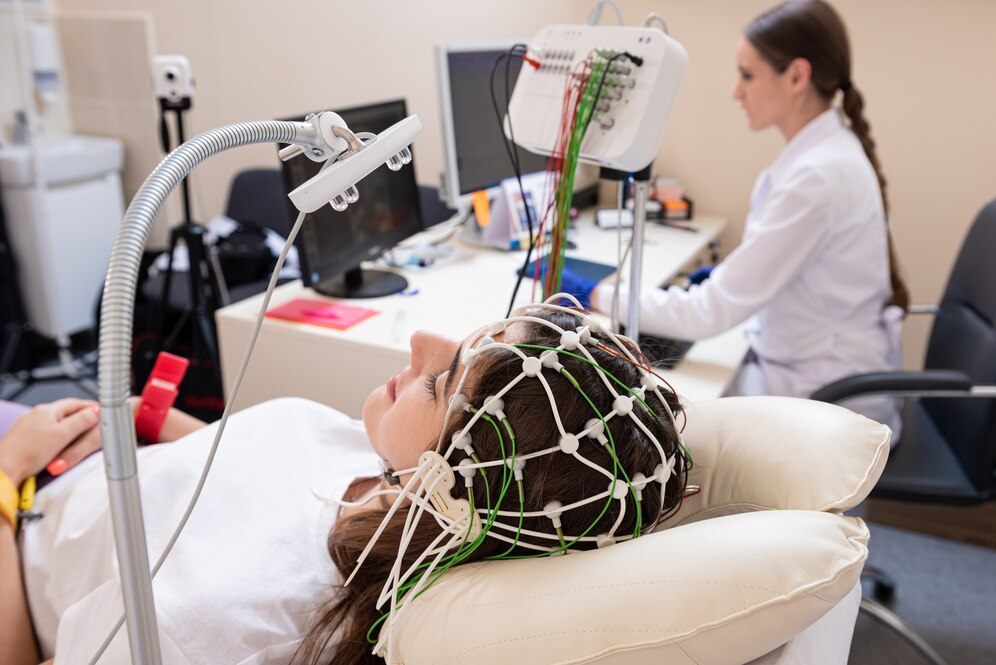
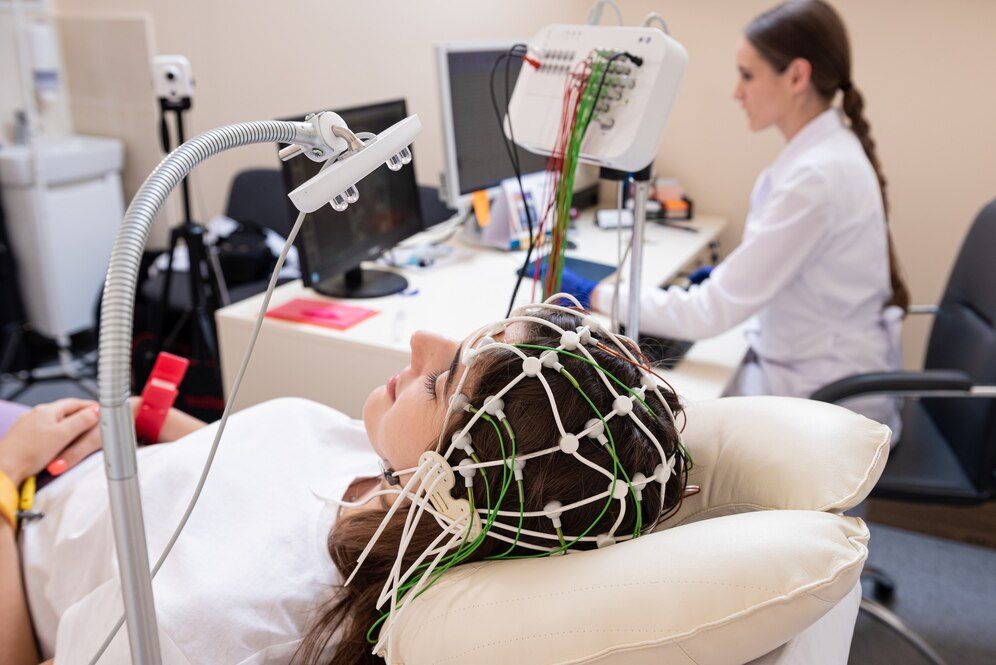
    Electroconvulsive Therapy (ECT) sessions are typically administered under anaesthesia, and muscle relaxants are used to prevent the intense muscle contractions that can occur during a seizure. During the procedure, electrodes are placed on the patient’s scalp, and an electrical current is passed through the brain, inducing a brief seizure that lasts for about 20 to 60 seconds. The specific mechanism through which ECT exerts its therapeutic effects is not fully understood, but it is believed to involve neurotransmitter changes and alterations in brain circuitry.

    ECT is usually administered in a series of treatments, with several sessions taking place over a few weeks. The number of sessions required varies depending on the individual’s response to treatment and the severity of their condition. In some cases, maintenance ECT sessions may be recommended to prevent relapse.

    Electroconvulsive Therapy

    Electroconvulsive Therapy (ECT) has a complex history that dates back to the early 20th century. It was first introduced in the 1930s as a treatment for various psychiatric disorders. However, its early use lacked the safety measures and ethical considerations that are standard in modern medical practice. ECT was portrayed negatively in popular culture and media, leading to a stigmatized perception.

    Read: What is Generic Medicine?

    Modern Advancements

    Over the decades, ECT has evolved significantly in terms of safety, administration, and patient care. Advances in medical technology, anaesthesia, and monitoring techniques have transformed ECT into a safer and more controlled procedure. Today, ECT is conducted in specialized medical settings by trained professionals, and stringent protocols are in place to ensure patient safety and well-being.

    Electroconvulsive Therapy Procedure and Mechanism

    During an Electroconvulsive Therapy (ECT) session, the patient is given a general anaesthetic to ensure they are unconscious and do not experience any pain. Additionally, muscle relaxants are administered to prevent the intense convulsions that historically caused physical injuries. Electrodes are placed on specific locations on the patient’s scalp, typically on both sides of the head, and a carefully controlled electrical current is applied for a brief period.

    This stimulation triggers a seizure that lasts for about 20 to 60 seconds. The exact mechanism by which ECT exerts its therapeutic effects is not fully understood, but several theories exist. It is believed that the induced seizure affects neurotransmitter levels in the brain, particularly serotonin, norepinephrine, and dopamine, which play vital roles in mood regulation. ECT may also influence the neuroplasticity of the brain, leading to changes in neural circuits and connectivity.

    Electroconvulsive Therapy Indications and Effectiveness

    ECT is primarily used to treat severe depressive disorders, especially when they are accompanied by symptoms such as suicidal tendencies, severe agitation, or psychosis. It is also considered for individuals with treatment-resistant bipolar disorder and certain forms of schizophrenia.

    ECT is usually recommended when other treatment options, including medication and psychotherapy, have not provided significant relief. Research suggests that ECT can lead to rapid improvements in severe psychiatric symptoms. It is particularly effective in cases where urgent intervention is needed or when individuals are unable to tolerate the side effects of medications.

    > Consult a doctor and Order Medicine Online

    Side Effects of Electroconvulsive Therapy

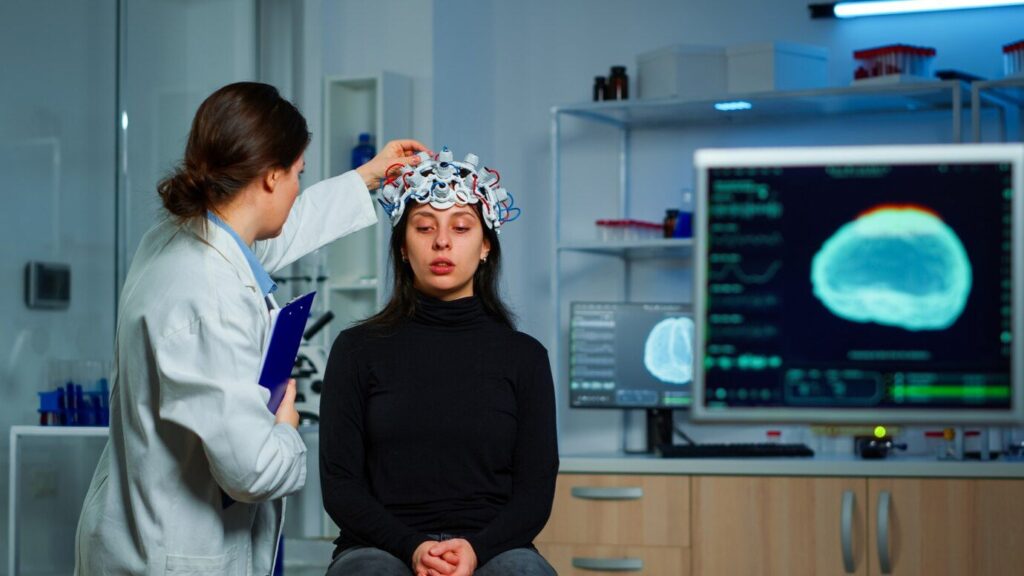
    While modern ECT procedures are safer than their historical counterparts, they can still cause certain side effects. Temporary memory loss and confusion are common, especially immediately following the treatment. However, these side effects tend to improve as the patient recovers from the procedure. More serious side effects, such as cardiovascular complications or permanent memory impairment, are rare due to advancements in anaesthesia and monitoring.
    Side Effects of Electroconvulsive Therapy

    Ethical and Societal Concerns

    Ethical concerns have historically surrounded ECT due to its portrayal in media, historical misuse, and the stigma attached to mental health treatments. However, contemporary ECT practices prioritize patient safety, informed consent, and a careful evaluation of risks and benefits. Mental health professionals ensure that patients fully understand the procedure before giving their consent.

    Conclusion:

    Electroconvulsive Therapy, while historically controversial, has evolved into a medical procedure that offers relief to individuals suffering from severe mental health disorders. Under the guidance of trained professionals, modern ECT can provide rapid symptom improvement and an improved quality of life for those who have not responded well to other treatments. The ongoing advancements in psychiatric care and research continue to shape the understanding and application of ECT as a therapeutic option.

    FAQs on Electroconvulsive Therapy

    Q1. What is Electroconvulsive Therapy?

    Electroconvulsive therapy (ECT) is a medical procedure used to treat severe mental health conditions, particularly major depressive disorder, bipolar disorder, and some forms of schizophrenia. During ECT, controlled electric currents are applied to the brain, inducing a brief seizure. The procedure is typically administered under general anaesthesia and muscle relaxants to minimize discomfort and prevent physical convulsions. ECT is considered when other treatment options have been ineffective or when rapid intervention is necessary due to the severity of the illness.

    Q2. How does electroconvulsive therapy work?

    The exact mechanism of action of ECT is not fully understood, but it is believed to involve changes in brain chemistry and neural pathways. The induced seizure is thought to impact neurotransmitter levels, such as serotonin and dopamine, which play a significant role in mood regulation. Additionally, ECT may influence brain circuitry and neuroplasticity, leading to alterations in neural connections. These changes are believed to contribute to the therapeutic effects of ECT on severe psychiatric symptoms.

    Q3. What conditions is ECT used to treat?

    ECT is primarily used to treat severe mental health conditions that have not responded well to other treatments. These conditions include severe depressive disorders, especially those with features like suicidality, psychosis, or agitation. ECT is also considered for individuals with treatment-resistant bipolar disorder and certain types of schizophrenia. Mental health professionals carefully assess each case to determine if ECT is an appropriate treatment option based on the individual’s medical history, symptom severity, and treatment goals.

    Q4. What are the potential side effects and risks of ECT?

    ECT, like any medical procedure, carries potential risks and side effects. Common side effects include short-term memory loss and confusion immediately after the procedure, which usually resolves in the days or weeks following treatment. More serious side effects, such as cardiovascular complications, permanent memory impairment, or fractures due to muscle contractions, are rare but possible. Advances in anaesthesia and monitoring techniques have minimized the risk of severe adverse events. The benefits and risks of ECT are carefully evaluated by medical professionals before recommending the treatment.

    Related Links:

  • Difference Between Anxiety and Depression: Symptoms, treatment, and more

    Difference Between Anxiety and Depression: Symptoms, treatment, and more

    Difference Between Anxiety and Depression

    In today’s fast-paced world, mental health issues such as anxiety and depression are prevalent. It is crucial to understand the difference between anxiety and depression in order to effectively manage and treat these conditions. This article will provide a comprehensive guide to understanding the symptoms and causes of anxiety and depression, the key differences between the two, and how they can coexist.

    Furthermore, it will explore various treatment options and self-help strategies for managing these mental health issues. Lastly, it will provide guidance on seeking professional help for anxiety and depression.

    Anxiety Symptoms and Causes

    Anxiety is a normal and often healthy emotion, characterized by feelings of worry, uneasiness, or fear. However, when these feelings persist and become overwhelming, they can interfere with daily activities, leading to a condition known as an anxiety disorder. Millions of people throughout the world suffer from anxiety disorders, which are among the most prevalent mental health problems.

    The symptoms of anxiety can manifest in various forms, including physical, emotional, and cognitive symptoms. Physically, a person experiencing anxiety might feel rapid heartbeats, shortness of breath, sweating, trembling, or gastrointestinal problems. Emotionally, they may experience feelings of fear, irritability, or excessive worry. Cognitively, anxiety can cause difficulty concentrating, racing thoughts, or a constant sense of impending doom.

    There are several factors that can contribute to the development of anxiety disorders. These may include genetic predisposition, brain chemistry, personality traits, and environmental factors. Stressful life events, such as moving, job loss, or traumatic experiences, can also trigger anxiety disorders in susceptible individuals.

    Depression Symptoms and Causes

    Conversely, depression is a mood illness marked by a lack of interest or pleasure in activities and enduring emotions of despair and hopelessness. Like anxiety, depression can have a detrimental impact on a person’s daily life, making it difficult to work, study, eat, sleep, or enjoy time with loved ones.

    The symptoms of depression can vary widely but generally include persistent feelings of sadness, emptiness, or hopelessness; loss of interest in activities once enjoyed; changes in appetite and weight; sleep issues, exhaustion or a lack of energy, trouble concentrating or making decisions, feelings of shame or worthlessness, and persistent thoughts of suicide or death.

    The causes of depression are complex and multifaceted, involving a combination of genetic, biochemical, environmental, and psychological factors. A family history of depression may increase one’s risk, as can imbalances in brain chemistry or hormonal changes. Stressful life events, such as the loss of a loved one, relationship difficulties, financial strain, or trauma, can also contribute to the onset of depression.

    Also Read: What are Generic Medicine?

    Anxiety vs Depression

    While there is some overlap in the symptoms of anxiety and depression, it is important to recognize the key differences between the two in order to seek appropriate treatment. The primary difference between anxiety and depression lies in the nature of the emotions experienced. Anxiety is characterized by excessive worry, fear, or nervousness, while depression is marked by persistent feelings of sadness, hopelessness, and a lack of interest in activities.

    Another key difference between anxiety and depression is the way in which these emotions affect a person’s daily life. Anxiety typically causes a heightened state of arousal, making it difficult to relax or concentrate. In contrast, depression often leads to a decreased level of energy, making it challenging to engage in everyday activities or find motivation.

    Finally, the thought patterns associated with anxiety and depression differ significantly. Stress is often characterized by racing thoughts and constant worry about the future, whereas depression is marked by persistent negative thoughts about oneself, one’s life, and the world in general.

    > Consult a doctor and Order Medicine Online

    How do Anxiety and Depression Coexist?

    It is not uncommon for individuals to experience both anxiety and depression concurrently. In fact, nearly half of those diagnosed with depression also have an anxiety disorder. This coexistence can make it difficult to differentiate between the two conditions, as symptoms may overlap and exacerbate one another.

    When anxiety and depression coexist, it can create a vicious cycle in which the symptoms of one condition worsen the symptoms of the other. For example, the constant worry and fear associated with anxiety can lead to feelings of hopelessness and despair, characteristic of depression. Conversely, the persistent sadness and lack of motivation experienced in depression can cause increased worry and nervousness, exacerbating anxiety.

    Diagnosing Anxiety and Depression

    In order to receive appropriate treatment, it is essential to obtain an accurate diagnosis of anxiety and depression. A mental health professional, such as a psychologist or psychiatrist, can evaluate an individual’s symptoms, medical history, and family history to determine the presence of an anxiety disorder, depressive disorder, or both.

    Diagnosing anxiety and depression typically involves the use of standardized questionnaires and clinical interviews to assess the severity, frequency, and duration of symptoms. In some cases, additional medical tests may be conducted to rule out underlying physical conditions that can contribute to symptoms of anxiety or depression.

    Anxiety and Depression Treatment

    Fortunately, various treatment options are available for individuals experiencing anxiety, depression, or both. These may include psychotherapy, medication, or a combination of both. The most effective treatment plan will depend on the specific needs and preferences of the individual.

    Psychotherapy, such as cognitive-behavioural therapy (CBT), has been proven effective in treating both anxiety and depression. CBT helps individuals identify and challenge negative thought patterns, develop coping skills, and improve overall mental well-being.

    Medication, including antidepressants and anti-anxiety medications, can also be beneficial in managing the symptoms of anxiety and depression. Selective serotonin reuptake inhibitors (SSRIs) are commonly prescribed for both conditions, as they can help to regulate mood and alleviate anxiety.

    In some cases, doctors may recommend combination treatments like Placida Tablet, which supports mood stabilization, reduces restlessness, and helps manage co-occurring symptoms of anxiety and depression

    It is important to work closely with a healthcare professional to find the most suitable medication and dosage for one’s individual needs.

    Anxiety and Depression

    In addition to seeking professional treatment, there are numerous self-help strategies that can help individuals manage their anxiety and depression. These may include:

    • Engaging in regular physical activity, can release endorphins and improve mood.
    • Practising relaxation techniques, such as deep breathing, meditation, or progressive muscle relaxation, to reduce stress and anxiety.
    • Establishing a regular sleep schedule and maintaining a healthy diet to promote overall well-being.
    • Participating in social activities and connecting with supportive friends and family members.
    • Setting realistic goals and breaking tasks into smaller, manageable steps to build a sense of accomplishment.
    • Seeking self-help resources, such as books, articles, or support groups, to gain insight and learn coping strategies.

    Seeking Professional Help for Anxiety and Depression

    If you or someone you know is struggling with anxiety, depression, or both, it is important to seek professional help. A mental health professional can provide a thorough assessment, accurate diagnosis, and tailored treatment plan to help individuals manage their symptoms and improve their overall quality of life.

    In certain cases, doctors may also prescribe medications like Modalert 100mg Tablet to help manage symptoms such as fatigue or excessive daytime sleepiness that can accompany anxiety disorders.

    To find a mental health professional, consider asking for recommendations from friends, family, or your primary care physician. You can also search for licensed therapists or psychiatrists in your area through online directories or mental health organizations.

    It is important to note that seeking professional help for anxiety and depression is not a sign of weakness or failure. It takes strength and courage to acknowledge and address mental health concerns, and seeking help is a crucial step towards healing and recovery.

    Watch Video: Difference Between Anxiety and Depression

    Conclusion:

    In conclusion, anxiety and depression are common mental health issues that can have a significant impact on one’s daily life. While they share some similarities, it is important to recognize the critical differences between the two in order to seek appropriate treatment. Treatment options for anxiety and depression may include psychotherapy, medication, or a combination of both, and there are also numerous self-help strategies that can be effective in managing symptoms.

    If you or someone you know is struggling with anxiety, depression, or both, it is important to seek professional help. Remember that there is no shame in seeking help, and with the right support and treatment, it is possible to overcome these mental health issues and improve overall well-being.

    Related Links:

    Call To Action:

    For access to more such interesting articles on healthcare, visit Medkart today!

  • How to Cure Depression? – Tips and Tricks

    How to Cure Depression? – Tips and Tricks

    How to Cure Depression

    This article sheds light on the potential role of homoeopathic medicine in combating stress and anxiety. It explores the possibility of managing and alleviating depression through homoeopathy, discussing its approach to holistic well-being. The article touches on how homoeopathic remedies may contribute to easing symptoms and promoting emotional balance, providing a comprehensive perspective on managing depression with alternative therapies.

    What is Depression?

    Depression is a widespread mental health disorder that affects millions of people across the globe. It is characterized by a persistent feeling of sadness, hopelessness, and a lack of interest or pleasure in activities. The symptoms of depression can vary from mild to severe and can interfere with an individual’s daily life, work, and relationships.

    The emergence of depression can be influenced by a number of variables. These include genetic predisposition, environmental factors, and personal experiences. Some common causes of depression include a family history of mental health issues, a history of abuse or trauma, chronic medical conditions, and substance abuse. Additionally, certain personality traits, such as low self-esteem and pessimism, can make an individual more susceptible to depression.

    Depression Symptoms

    Understanding the causes and symptoms of depression is an essential first step in finding the right treatment. By recognizing the signs of depression, individuals can seek help from mental health professionals and explore various treatment options to overcome this debilitating disorder.

    Can Recession be Cured?

    The question of whether or not depression can be cured is a complex one. While some people may experience a single episode of depression and fully recover, others may struggle with recurring episodes throughout their lives. The severity and duration of depressive episodes can also vary greatly from person to person.

    There is no one-size-fits-all cure for depression, but there are various treatments available that can help individuals manage their symptoms and improve their quality of life. These treatments may include a combination of psychotherapy, medication, and lifestyle changes. For some people, a single treatment may be effective, while others may require a more comprehensive approach.

    Ultimately, the goal of treatment is to help individuals achieve a state of remission, where they no longer experience depressive symptoms. However, even in remission, it is essential to maintain a proactive approach to mental health and continue implementing healthy habits to prevent relapse.

    Homoeopathic Medicine for Depression

    Homoeopathic medicine is a holistic approach to treating various health conditions, including depression. It involves the use of natural substances to stimulate the body’s self-healing abilities. Homoeopathic remedies are made from plants, minerals, and other organic materials, and they are administered in highly diluted forms to ensure safety and minimize side effects.

    The principle behind homoeopathy is the “law of similars,” which states that a substance that causes symptoms in a healthy person can, in small doses, help to treat those same symptoms in someone who is unwell. In the case of depression, homoeopathic practitioners may prescribe remedies that are believed to address the emotional and physical imbalances that contribute to the disorder.

    Some commonly used homoeopathic remedies for depression include Arsenicum album, Aurum metallicum, Ignatia amara, and Natrum muriaticum. Each of these remedies is selected based on the individual’s unique symptoms and emotional state.

    While there is still ongoing debate regarding the effectiveness of homoeopathy, some studies have suggested that it may be a valuable adjunctive therapy for individuals with depression. However, it is essential to consult with a qualified homoeopath and mental health professional before starting any homoeopathic treatment for depression.

    Depressive Medicines

    Pharmacological treatment is a common approach to managing depression, particularly in cases of moderate to severe depression. Medications for depression, also known as antidepressants such as MODALERT 100MG TABLET/Placida Tablet, work by altering the levels of certain chemicals in the brain called neurotransmitters, which are responsible for regulating mood, emotions, and other cognitive functions.

    There are several classes of antidepressants, including selective serotonin reuptake inhibitors (SSRIs), serotonin-norepinephrine reuptake inhibitors (SNRIs), tricyclic antidepressants (TCAs), and monoamine oxidase inhibitors (MAOIs). Each of these medications works in different ways to address the imbalances in the brain that contribute to depression.

    The pros of using major depressive disorder medication include rapid symptom relief, improved daily functioning, and a reduced risk of relapse. Additionally, these medications can be easily adjusted or combined to find the most effective treatment for each individual.

    However, there are also potential cons associated with antidepressant use. These can include side effects such as weight gain, insomnia, sexual dysfunction, and an increased risk of suicidal thoughts in some individuals. Additionally, some people may not respond to the initial medication prescribed and may require trial and error to find the most effective treatment.

    It is crucial to work closely with a healthcare provider when considering the use of medication for depression to weigh the potential benefits and risks and find the most appropriate treatment plan.

    Home Remedies for Curing Depression

    In addition to professional treatments, individuals with depression can benefit from incorporating self-help strategies into their daily lives. These strategies can help to manage symptoms, improve mood, and enhance overall well-being.

    One effective self-help strategy is engaging in regular physical activity. Exercise has been shown to have a positive impact on mood by releasing feel-good chemicals called endorphins, reducing stress, and promoting a sense of accomplishment.

    Another essential self-help strategy is maintaining a healthy diet. Consuming a balanced diet rich in fruits, vegetables, whole grains, lean proteins, and healthy fats can help to stabilize mood and support overall brain health.

    Practising good sleep hygiene is also crucial for overcoming depression. Establishing a consistent sleep schedule, creating a relaxing bedtime routine, and ensuring a sleep-conducive environment can help to promote restorative sleep and improve mood.

    Finally, seeking social support is a vital component of overcoming depression. Connecting with friends, family, or support groups can provide a sense of belonging and help individuals navigate the challenges of depression.

    > Consult a doctor and Order Medicine Online

    Depressant Drugs: Are They Effective?

    Depressant drugs, also known as central nervous system (CNS) depressants, are a class of medications that are used to treat various conditions, including anxiety, insomnia, and seizures. These drugs work by slowing down brain activity, which can help to reduce feelings of anxiety and promote relaxation.

    However, it is essential to note that depressant drugs are not typically prescribed for depression. In fact, they can sometimes worsen depressive symptoms due to their sedating effects. While these medications may be useful for managing anxiety or sleep disturbances, they should not be considered a primary treatment for depression.

    If you are struggling with depression, it is crucial to consult with a healthcare professional to discuss the most appropriate treatment options for your specific needs.

    How to Avoid Depression?

    Implementing certain lifestyle changes can help individuals to maintain mental health and prevent the onset of depression. These changes may include:

    • Engaging in regular physical activity: Exercise has been shown to improve mood, reduce stress, and promote overall well-being.
    • Eating a balanced diet: Consuming a nutrient-rich diet can support brain health and help to stabilize mood.
    • Prioritizing sleep: Ensuring adequate restorative sleep is crucial for maintaining mental health and preventing depression.
    • Managing stress: Learning healthy stress management techniques, such as deep breathing, meditation, or progressive muscle relaxation, can help to prevent the negative effects of stress on mental health.
    • Building a strong social support network: Connecting with friends, family, and support groups can provide a sense of belonging and help to buffer against the development of depression.

    By incorporating these lifestyle changes, individuals can take a proactive approach to maintaining mental health and minimizing the risk of depression.

    Also Read: What are Generic Medicine?

    Yoga for Anxiety and Depression

    Yoga is an ancient practice that combines physical postures, breath control, and meditation to promote overall health and well-being. In recent years, yoga has gained attention as a natural remedy for anxiety and depression.

    Research has shown that practising yoga can help to reduce the symptoms of depression by increasing the production of brain chemicals, such as serotonin and gamma-aminobutyric acid (GABA), which are associated with mood regulation. Additionally, yoga can help to lower levels of the stress hormone cortisol, which can contribute to anxiety and depression.

    Yoga also encourages mindfulness and self-awareness, which can help individuals to get a better understanding and manage their emotions. By cultivating a regular yoga practice, individuals can develop a greater sense of calm and inner peace, which can benefit their overall mental health.

    There are many different types of yoga, and it is essential to find a practice that resonates with your specific needs and preferences. Some styles of yoga that may be particularly beneficial for anxiety and depression include:

    • Hatha yoga: A gentle, slow-paced practice that focuses on breath control and relaxation.
    • Restorative yoga: A practice that utilizes props, such as blankets and bolsters, to support the body in passive postures that encourage deep relaxation and stress relief.
    • Yin yoga: A practice that involves holding poses for several minutes at a time to release tension and promote flexibility.

    If you are interested in using yoga as a natural remedy for anxiety and depression, it is essential to work with a qualified yoga instructor who can guide you through a safe and effective practice.

    Depression Treatment

    The most effective approach to treating depression may involve a combination of traditional and alternative treatments. By combining different modalities, individuals can address the physical, emotional, and spiritual aspects of their condition and create a holistic treatment plan that supports their overall well-being.

    For example, someone with depression may benefit from combining antidepressant medication with psychotherapy, such as cognitive-behavioural therapy (CBT), and incorporating self-help strategies, such as regular exercise and mindfulness practices.

    In addition, alternative treatments, such as homoeopathic medicine, acupuncture, or massage therapy, may also be incorporated into the treatment plan to provide additional support and address underlying imbalances.

    It is essential to work closely with a healthcare professional to find the right balance of treatments that work best for your individual needs and preferences.

    FAQs on Depression

    Q: Can depression be cured?

    The concept of a complete “cure” for depression is complex and varies for individuals. While some may achieve full remission of symptoms, others might experience ongoing management. Homoeopathic medicine offers an alternative approach that aims to address the underlying causes and provide relief from stress and anxiety associated with depression.

    Q: How can homoeopathic medicine assist in fighting stress and anxiety?

    A: Homeopathic medicine emphasizes a holistic approach to healing, considering physical, emotional, and mental aspects. It utilizes highly diluted substances to stimulate the body’s self-healing mechanisms. While scientific evidence on its efficacy is mixed, some individuals report positive effects on their mood, stress levels, and overall well-being through homoeopathic remedies.

    Q: Is homoeopathy a standalone solution for managing depression?

    A: Homeopathic medicine is not typically considered a standalone solution for managing depression. It is often used as a complementary or integrative approach alongside conventional treatments like therapy and medication. Consulting a qualified healthcare professional is crucial for a comprehensive treatment plan tailored to individual needs.

    Q: What role does holistic well-being play in depression management?

    A: Holistic well-being, as promoted by homoeopathy, recognizes the interconnectedness of physical, emotional, and mental health. Addressing all these aspects can contribute to better overall mental and emotional resilience, potentially aiding in managing stress, anxiety, and depression symptoms.

    Q: Are there any precautions or considerations when using homoeopathic remedies for depression?

    A: It’s important to consult a qualified homoeopathic practitioner or medical doctor before starting any new treatment regimen. Homoeopathic remedies should not replace prescribed medications or evidence-based therapies. Individual responses to homoeopathy can vary, so regular monitoring and open communication with healthcare providers is essential.

    Conclusion:

    Depression is a complex mental health disorder that can have a significant impact on an individual’s quality of life. While there is no one-size-fits-all cure for depression, there are various treatments available that can help individuals manage their symptoms and improve their overall well-being.

    By taking a holistic approach to treating depression, individuals can address the physical, emotional, and spiritual aspects of their condition and create a comprehensive treatment plan that supports their overall health and well-being.

    Whether you choose to incorporate traditional treatments, such as medication and psychotherapy, or alternative treatments, such as homoeopathic medicine and yoga, Working with a healthcare professional is crucial to determining the best course of action for your unique needs.

    With the right treatment and support, it is possible to overcome depression and achieve a state of mental and emotional balance and well-being.

    Related Links:

    Call To Action:

    For access to more such interesting articles on healthcare, visit Medkart today!

  • Obsessive Compulsive Disorder (OCD) Meaning and Definition of OCD in Psychology

    Obsessive Compulsive Disorder (OCD) is a mental health issue where people have troubling thoughts that won’t go away (obsessions) and do things repeatedly to feel better or safer (compulsions). We’ll talk about why this happens in our minds, how things like genetics and the environment can make it more likely, and the ways therapy, medicine, and lifestyle changes can make things better for those dealing with OCD.

    Obsessive Compulsive Disorder (OCD) is characterized by intrusive, unwanted thoughts (obsessions) and repetitive behaviours or rituals (compulsions) that are performed to alleviate the distress caused by these thoughts. The condition affects millions of people worldwide and has a significant impact on their quality of life, often causing disruptions in their relationships, work, and daily activities.

    OCD Meaning

    Understanding the meaning of “obsessed” in OCD is crucial to recognising the severity of the condition and differentiating it from everyday worries or anxieties. In the context of OCD, obsessions are persistent, distressing thoughts that are difficult to control or dismiss. These obsessions often lead to compulsions, which are repetitive behaviours or mental acts performed to neutralize the obsessive thoughts and reduce the anxiety they cause.

    The journey to understanding Obsessive Compulsive Disorder (OCD) involves exploring what causes the disorder, how it is diagnosed, and the psychological factors that contribute to the development of obsessions and compulsions. In this article, we will delve into the science behind OCD and provide insights into the disorder’s meaning, the impact it has on people’s lives, and the various treatment options available.

    What Causes OCD – Exploring the Psychological and Biological Factors

    The exact cause of OCD remains unclear, but it is believed to result from a combination of genetic, neurological, and environmental factors. Research has shown that individuals with a family history of OCD are more likely to develop the disorder, suggesting a genetic component. Additionally, studies have identified differences in brain structure and function in people with OCD, indicating a possible neurological basis for the condition.

    Environmental factors, such as traumatic events or significant life changes, may also play a role in the development of the disorder. These events can trigger the onset of OCD symptoms or exacerbate existing ones. Furthermore, psychological factors, such as personality traits and cognitive processes, can contribute to the development of obsessions and compulsions. For example, individuals with a tendency toward perfectionism, a heightened sense of responsibility, or a predisposition for negative thinking may be more susceptible to developing OCD.

    Read: What are Generic Medicines?

    OCD Diagnosis – How It Is Diagnosed and Common Misconceptions

    Diagnosing OCD can be a complex process, as the symptoms of the disorder can be similar to those of other mental health conditions, such as anxiety disorders or tic disorders. A thorough evaluation by a mental health professional is necessary to accurately diagnose OCD and rule out other potential causes of the symptoms. This evaluation typically involves a detailed interview, a review of the individual’s medical and psychiatric history, and the use of standardized assessment tools to measure the severity of the obsessions and compulsions.

    There are several common misconceptions about OCD diagnosis. One misconception is that individuals with OCD are always neat, clean, and orderly. While some people with the disorder do exhibit these characteristics, others may have completely different types of obsessions and compulsions. Another misconception is that OCD is simply a “quirky” personality trait or a harmless habit. In reality, OCD is a debilitating condition that can have a significant impact on an individual’s quality of life.

    > Consult a doctor and Order Medicine Online

    The Psychology of Obsession in OCD

    The obsession psychology in OCD is complex and involves various cognitive processes. Obsessions are typically triggered by intrusive thoughts, images, or urges that the individual perceives as threatening or distressing. These thoughts are often irrational and unrealistic but can cause intense anxiety and discomfort for the person experiencing them. To cope with the distress caused by these obsessions, the individual may engage in compulsions, which are repetitive behaviours or mental acts performed to neutralize the threat and reduce anxiety.

    Cognitive theories of OCD suggest that certain cognitive biases, such as inflated responsibility, overestimation of threat, and thought-action fusion, play a role in the development and maintenance of obsessions. These biases can lead to faulty interpretations of normal, everyday thoughts and experiences, causing the individual to perceive them as dangerous and in need of immediate action.

    Decoding the Meaning of OCD – How It Affects People’s Daily Lives

    The disorder meaning of OCD is not limited to the presence of obsessions and compulsions. It also encompasses the significant impact the condition has on people’s daily lives. Individuals with OCD often experience disruptions in their relationships, work, and daily activities due to the time-consuming nature of their compulsions and the anxiety caused by their obsessions.

    In addition to the practical consequences of the disorder, people with OCD may also struggle with feelings of shame, guilt, and isolation. They may worry that others will find out about their obsessions and compulsions or judge them negatively because of their condition. This may result in a decline in quality of life and social isolation.

    Common Types of OCD and Their Meanings

    OCD can manifest in various forms, with different types of obsessions and compulsions. Some common types of OCD include:

    • Contamination OCD: This type of OCD is characterized by an intense fear of germs, dirt, or contamination, leading to compulsive cleaning or washing behaviours.
    • Harm OCD: This form of OCD involves intrusive thoughts about harming oneself or others, often accompanied by compulsive checking or reassurance-seeking behaviours.
    • Symmetry and Orderliness OCD: Individuals with this type of OCD experience a strong need for symmetry, order, or precision, which can lead to compulsive arranging, organizing, or counting behaviours.
    • Religious or Scrupulosity OCD: This form of OCD is characterized by obsessions related to religious or moral issues, often accompanied by compulsive praying, confessing, or seeking reassurance from religious authorities.

    Understanding the different types of OCD and their meanings can help individuals and their loved ones better recognize the disorder’s symptoms and seek appropriate treatment and support.

    Treatment Options for OCD – Therapy, Medication, and Self-Help Techniques

    There are various treatment options available for individuals with OCD, including therapy, medication, and self-help techniques. Cognitive-behavioural therapy (CBT), specifically a form called exposure and response prevention (ERP), is considered the gold standard treatment for OCD. This type of therapy involves gradually exposing the individual to their feared thoughts or situations while preventing them from engaging in their compulsive behaviours. Over time, this helps to reduce the anxiety associated with the obsessions and decrease the need to perform compulsions.

    Medication, such as selective serotonin reuptake inhibitors (SSRIs), can also help manage OCD symptoms. These medications work by increasing the availability of serotonin in the brain, which is thought to help regulate mood and anxiety.

    In addition to therapy and medication, individuals with OCD can benefit from self-help techniques, such as mindfulness practices, relaxation exercises, and self-directed exposure exercises. These strategies can help to manage anxiety and promote healthier responses to obsessive thoughts.

    Coping Strategies for People with OCD and Their Loved Ones

    Support from loved ones is crucial for individuals coping with OCD. Some strategies that can help people with OCD and their family members include:

    • Educating oneself about the disorder and its treatment: Understanding the nature of OCD and the various treatment options available can help both individuals with the condition and their loved ones better navigate the recovery process.
    • Encouraging open communication: Talking openly about OCD symptoms and experiences can help to reduce feelings of shame and isolation and foster a supportive environment for recovery.
    • Establishing healthy boundaries: It is essential for loved ones to avoid enabling compulsive behaviours and instead encourage individual with OCD to face their fears and engage in treatment.
    • Seeking support: Joining a support group or seeking therapy for themselves can also be helpful for family members and loved ones who are struggling to cope with the impact of OCD on their lives.
    Conclusion – Breaking the Stigma and Promoting Understanding of OCD

    In conclusion, grasping OCD’s meaning is crucial. It’s a complex mental disorder significantly impacting life. Causes of obsessions and compulsions are not fully understood. Treatments include therapy, medication, and self-help techniques.

    Breaking the stigma is vital for access to support. Education and open communication are critical strategies for managing daily life. Support is essential for individuals and loved ones. With proper help, those with OCD can lead fulfilling, meaningful lives.

    If you or someone you know is struggling with OCD, please seek professional help and support. Remember that recovery is possible, and there is no shame in seeking help for mental health concerns.

    FAQs on Obsessive Compulsive Disorder (OCD)

    Q1. What is the OCD meaning?

    Obsessive Compulsive Disorder (OCD) is a mental health condition where a person has unwanted thoughts (obsessions) and feels the need to do certain actions over and over (compulsions) to ease anxiety.

    Q2. What are some common obsessions and compulsions in OCD?

    Common obsessions include fears of contamination, harm, or making a mistake. Compulsions may involve washing, checking, or repeating tasks.

    Q3. What causes OCD?

    OCD results from a mix of genetic, brain-related, and environmental factors. It might also develop after a stressful event.

    Q4. How is OCD diagnosed and treated?

    Diagnosis involves evaluating symptoms, thoughts, and behaviours. Treatment often includes therapy (like Cognitive Behavioral Therapy) and medications (like selective serotonin reuptake inhibitors).

    Q5. Can people with OCD lead normal lives?

    Yes, with proper treatment, many individuals with OCD can manage their symptoms effectively and lead fulfilling lives, pursuing their goals and enjoying daily activities.

    Related Links:

    Call To Action

    For access to more such interesting articles on healthcare, visit Medkart today!

  • માનસિક સ્વાસ્થ્ય શારીરિક સ્વાસ્થ્યને કેવી રીતે અસર કરી શકે છે? માનસિક સ્વાસ્થ્યનું સંચાલન કરવાની 5 રીતો.

    માનસિક સ્વાસ્થ્ય શારીરિક સ્વાસ્થ્યને કેવી રીતે અસર કરી શકે છે? માનસિક સ્વાસ્થ્યનું સંચાલન કરવાની 5 રીતો.

    માનસિક સ્વાસ્થ્ય શારીરિક સ્વાસ્થ્યને કેવી રીતે અસર કરી શકે છે

    મન’ અને ‘શરીર’ વચ્ચે ઘણો તફાવત છે. તેમ છતાં, માનસિક સ્વાસ્થ્ય અને શારીરિક સ્વાસ્થ્યને ધ્યાનમાં લેતી વખતે, બંનેને અલગ તરીકે જોઈ શકાય નહીં. ખરાબ માનસિક સ્વાસ્થ્ય વ્યક્તિના જીવનના પરિણામો પર પ્રતિકૂળ અસર કરે છે. માનસિક બીમારી ચિંતા અને ડિપ્રેશનથી લઈને ખાવાની વિકૃતિઓ અને સ્કિઝોફ્રેનિયા સુધી બદલાય છે, સમસ્યા અને ગંભીરતામાં ઘણો તફાવત છે. આપેલ કોઈપણ માનસિક વિકાર તમારા શરીરની યોગ્ય રીતે કામ કરવાની ક્ષમતાને અસર કરી શકે છે અને આયુષ્ય પણ ઘટાડી શકે છે.

    જ્યારે કોઈ વ્યક્તિ મનોવૈજ્ઞાનિક સમસ્યાઓથી પીડાય છે; તણાવ હોય, ચિંતા હોય કે ડિપ્રેશન હોય, મગજ શરીરને અલગ રીતે સિગ્નલ મોકલે છે. ઉદાહરણ તરીકે, તણાવપૂર્ણ પરિસ્થિતિઓમાં, કેટલાક હોર્મોનલ વિક્ષેપ થાય છે. આ એટલા માટે છે કારણ કે આપણું શરીર આપણા મગજના આદેશ પર ચાલે છે, જે આપણું માનસિક સ્વાસ્થ્ય છે.

    મગજમાં ચેતાપ્રેષકોની અનિયમિત પ્રવૃત્તિ માનસિક વિક્ષેપ દરમિયાન થાય છે જે ક્રોનિક થાક, હોર્મોનલ અસંતુલન, હૃદય રોગ, અસ્થમાનો હુમલો, બ્લડ પ્રેશરમાં વધારો, અનિદ્રા, સ્થૂળતા, દુખાવો અને પીડા પ્રત્યે સંવેદનશીલતામાં વધારો, વગેરેનું કારણ બની શકે છે. તેથી, માનસિક સ્વાસ્થ્યનું સંચાલન કરવું જરૂરી છે.
    તમારા માનસિક સ્વાસ્થ્યને વધુ સારી રીતે સંચાલિત કરવાની પાંચ રીતો અહીં છે:

    1. સક્રિય રહો

    સક્રિય જીવનશૈલી કેળવવી એ માનસિક રીતે સ્વસ્થ રહેવાની શ્રેષ્ઠ રીતોમાંની એક છે. વય-સંબંધિત જ્ઞાનાત્મક ઘટાડાને ઘટાડવા અને સુખાકારીને પ્રોત્સાહન આપવા માટે વ્યાયામ જરૂરી છે. ઉપરાંત, નિયમિત શારીરિક પ્રવૃત્તિ તમામ વય જૂથોમાં ડિપ્રેશન અને અસ્વસ્થતાના સ્તરને ઘટાડે છે. આ એટલા માટે છે કારણ કે કસરત એ એન્ડોર્ફિન્સ અને સેરોટોનિન જેવા સુખી મગજના રસાયણોને મુક્ત કરી શકે છે, જે તણાવ અને ચિંતાને દૂર કરી શકે છે. આમ, તમારા માટે યોગ્ય હોય તેવી યોજના અથવા વર્કઆઉટ પ્રકાર પસંદ કરો. આ એરોબિક અંતરાલ તાલીમ, અથવા વધુ જાગૃત અને હેતુ-સંચાલિત યોગાભ્યાસ અથવા વચ્ચે કંઈક હોઈ શકે છે. શું મહત્વનું છે કે તમે તેને વળગી રહો. 10-મિનિટનું ઝડપી ચાલવું પણ માનસિક સતર્કતા, જીવનશક્તિ અને આશાવાદી મૂડમાં વધારો કરે છે. નીચેના કાર્ય કરો:
    • દરરોજ 30 મિનિટ માટે કસરત કરો.
    • યોગ અને ધ્યાન કરો.
    • સ્થાનિક રમતગમત પ્રવૃત્તિઓમાં ભાગ લેવાનું શરૂ કરો.
    • સ્ક્રીન પર હંમેશા ચોંટેલા રહેવાની લાલચનો પ્રતિકાર કરો.

    માનસિક સ્વાસ્થ્ય શારીરિક સ્વાસ્થ્યને કેવી રીતે અસર કરી શકે છે?

    2. સારું પોષણ

    સારો આહાર આપણને માનસિક અને શારીરિક રીતે સ્વસ્થ રાખે છે. યોગ્ય પોષણ એ આપણને કેવું લાગે છે તેના પર અસર કરવા માટે એક આવશ્યક પરિબળ છે. તંદુરસ્ત આહાર એ સારા પ્રોટીન સ્તરો, આવશ્યક ચરબી, જટિલ કાર્બોહાઇડ્રેટ્સ, વિટામિન્સ, ખનિજો અને પાણીમાંથી એક છે. આપણે જે ખોરાક ખાઈએ છીએ તે ડિપ્રેશન અને અલ્ઝાઈમર સહિત વિવિધ માનસિક સ્વાસ્થ્ય સમસ્યાઓના વિકાસ, સારવાર અને નિવારણને અસર કરી શકે છે.

    મગજને આપણા શરીરની જેમ સ્વસ્થ રહેવા માટે પોષણની જરૂર હોય છે. હિપ્પોકેમ્પસ એ મગજનો વિસ્તાર છે જે ન્યુરોજેનેસિસ નામની પ્રક્રિયામાં નવા ન્યુરોન્સ ઉત્પન્ન કરે છે. સંશોધન દર્શાવે છે કે હિપ્પોકેમ્પલ ન્યુરોજેનેસિસ વ્યક્તિના મૂડ અને સમજશક્તિ સાથે સંબંધિત છે. તાણ અથવા ચરબી, ખાંડ અને આલ્કોહોલ વધુ હોય તેવા આહાર ન્યુરોજેનેસિસ ઘટાડી શકે છે. જેના કારણે કેટલીક માનસિક બીમારી થઈ શકે છે. એ પણ નોંધ્યું છે કે ભૂખ્યું મન ઝડપથી ગુસ્સે અથવા હતાશ થઈ શકે છે.
    નીચેના આહારમાં ફેરફાર કરો;
    • વિટામિન્સનું સેવન વધારવું, ખાસ કરીને વિટામિન ડી.વિટામિન ડી, મગજમાં રીસેપ્ટર્સ ધરાવે છે જે મૂડને વધારે છે અને ડિપ્રેશનને દૂર રાખે છે.
    • બધા સમય હાઇડ્રેટેડ રહો.
    • તમારા ભોજનમાં બદામ, આખા અનાજ, ફળો, શાકભાજી, બદામ, માછલી અને તંદુરસ્ત ચરબી, જેમ કે એવોકાડોસનો સમાવેશ કરવાનો પ્રયાસ કરો.
    • ભોજન છોડવાનું ટાળો,
    • અતિશય ખાંડયુક્ત ખોરાક ટાળો.

    3. પૂરતી ઊંઘ લો

    માનસિક અને શારીરિક સ્વાસ્થ્યની જાળવણીમાં ઊંઘ મુખ્ય ભૂમિકા ભજવે છે. ઊંઘ અને માનસિક સુખાકારી ગાઢ રીતે સંકળાયેલા છે – માનસિક સ્વાસ્થ્યની સ્થિતિ સાથે જીવવું એ અસર કરશે કે તમે કેટલી સારી રીતે ઊંઘો છો, અને ખરાબ ઊંઘ તમારા માનસિક સ્વાસ્થ્ય પર નકારાત્મક અસર કરશે. ઊંઘ એ આપણા સ્વાસ્થ્ય માટે ખાવું, પીવું અને શ્વાસ લેવા જેટલું જ મહત્વપૂર્ણ છે. તે આપણા શરીર અને મગજને પુનઃનિર્માણ કરવામાં અને આપણી યાદોને પુનઃસ્થાપિત કરવામાં અને જ્ઞાનની પ્રક્રિયા કરવામાં મદદ કરે છે.
    નબળી ઊંઘ શારીરિક સમસ્યાઓ સાથે સંકળાયેલી છે જેમ કે ચેડા થયેલ રોગપ્રતિકારક શક્તિ અને માનસિક સ્વાસ્થ્ય સમસ્યાઓ જેમ કે ચિંતા અને હતાશા. આવું એટલા માટે થાય છે કારણ કે ઊંઘની અછતને કારણે મગજના કોષો ધીમા પડી જાય છે અને કેટલાક હોર્મોનલ ફેરફારો થાય છે.
    નેશનલ સ્લીપ ફાઉન્ડેશન સૂચવે છે કે પુખ્ત વયના લોકોએ સ્વસ્થ રહેવા માટે દરરોજ રાત્રે સરેરાશ 7-9 કલાકની ઊંઘ લેવી જોઈએ. જો તમને રાત્રે પૂરતી ઊંઘ લેવામાં તકલીફ થતી હોય,
    • થોડી હળવાશની કસરત કરો.
    • યોગ્ય ઓશીકું અને મેટ્રિસિસનો ઉપયોગ કરવાનું શરૂ કરો.
    • સૂવાનો સમય દિનચર્યા સેટ કરો.
    • કેફીનનો વપરાશ ઓછો કરો.
    • સૂવાના સમયેમદદમદદ સ્ક્રીનનો ઉપયોગ કરશો નહીં.

    4. પ્રકૃતિ સાથે સમય વિતાવવો:

    મન પર કુદરતની હળવાશની અસર પડે છે. કુદરતની સુંદરતા અને નિર્મળતા શાંતિની ભાવના બનાવે છે, જે સામાન્ય રીતે વ્યસ્ત શહેરી વાતાવરણમાં જોવા મળતી નથી. સંશોધન બતાવે છે કે સુખદ વાતાવરણ તણાવને ઘટાડી શકે છે અને બદલામાં, શરીર પર તેની અસરોને ઘટાડી શકે છે. કોઈપણ ક્ષણે આપણે જે જોઈએ છીએ, સાંભળીએ છીએ અને અનુભવીએ છીએ તે બધું આપણા મૂડને અસર કરે છે અને આપણા નર્વસ, અંતઃસ્ત્રાવી અને રોગપ્રતિકારક તંત્રના કાર્યનું સંચાલન કરે છે.
    પ્રકૃતિમાં રહેવાથી, અથવા ફક્ત કુદરતી દ્રશ્યો જોવાથી, હતાશા, ચિંતા અને તણાવ ઓછો થાય છે અને હકારાત્મક લાગણીઓ વધે છે. કુદરતી વાતાવરણમાં સમય વિતાવવાથી આપણા સ્વાસ્થ્યને હકારાત્મક અસર થાય છે અને બ્લડ પ્રેશર, હૃદયના ધબકારા, સ્નાયુઓમાં તણાવ અને સ્ટ્રેસ હોર્મોન આઉટપુટમાં ઘટાડો થાય છે. તે લાંબા સમયથી માન્ય છે કે પ્રકૃતિમાં સમય વિતાવવો એ તણાવ અને માનસિક થાકને નિયમિતપણે ઘટાડવાની સૌથી શક્તિશાળી રીતોમાંની એક છે.
    નીચેની ભલામણ કરવામાં આવે છે;
    • બહાર જવું અને ઘાસ પર ખુલ્લા પગે ચાલવું. તે નર્વસ સિસ્ટમને નિયંત્રિત કરવામાં, રોગપ્રતિકારક શક્તિમાં સુધારો કરવામાં અને તણાવ અને ચિંતાની લાગણીઓને ઘટાડવામાં મદદ કરે છે.
    • દરરોજ 15 થી 20 મિનિટ માટે થોડો સૂર્યપ્રકાશ મેળવો.
    • કુદરતી, ખુલ્લા સ્થળોએ સપ્તાહાંત પસાર કરો.
    • રૂટિન લાઇફમાંથી થોડો વિરામ લો અને કુદરતની સુંદરતાને અન્વેષણ કરવા માટે મુસાફરી કરો.

    ways to find peace.

    5. મદદ માટે પૂછો

    મિત્રો અથવા સંબંધીઓ પાસેથી ટેકો અથવા મદદ માંગવી એ ખરાબ બાબત નથી. ઘણા લોકો હજુ પણ માને છે કે મદદ માંગવી એ નબળાઈ છે, પરંતુ તે એક શક્તિ છે. માનસિક રીતે સ્થિર રહેવાની એક નિર્ણાયક રીત એ છે કે તમારી લાગણીઓને સારી રીતે સમજવી અને મદદ માટે પૂછવું. જ્યારે તમે નિરાશ અથવા નિરાશા અનુભવો છો, ત્યારે કોઈ પ્રિય વ્યક્તિ સાથે વાત કરો કારણ કે તે વધુ નુકસાન અટકાવી શકે છે. બાબતોને ધ્યાનમાં રાખવાથી પરિસ્થિતિને અતિશયોક્તિ જ થશે. દરેક વ્યક્તિને જીવનમાં કોઈને કોઈ પ્રકારની સમસ્યાઓ હોય છે, પરંતુ પ્રિયજનો સાથે વાતચીત જીવનને સરળ બનાવી શકે છે.
    જો તમે કોઈની સાથે વાત કરી શકતા નથી અથવા વાત કર્યા પછી પણ વસ્તુઓ જેમ તેમ રહે છે, તો તમારે તમારા GP સાથે વાત કરવી જોઈએ.

    નિષ્કર્ષ

    વ્યક્તિગત સુખાકારી, આંતરવ્યક્તિત્વ સંબંધો, પારિવારિક બંધન અને સમુદાય અથવા સમાજમાં યોગદાન આપવાની ક્ષમતા સારા માનસિક સ્વાસ્થ્ય પર આધારિત છે. આમ, જીવનશૈલી અપનાવવી જે તમને સારું માનસિક સ્વાસ્થ્ય જાળવવામાં અને જીવનમાંથી નકારાત્મક પાસાઓને દૂર કરવામાં મદદ કરે તે જીવનને સફળતાપૂર્વક જીવવા માટે જરૂરી છે.

  • मानसिक स्वास्थ्य शारीरिक स्वास्थ्य को कैसे प्रभावित कर सकता है? 5 Ways to Improve Mental Health in Hindi

    मानसिक स्वास्थ्य शारीरिक स्वास्थ्य को कैसे प्रभावित कर सकता है? 5 Ways to Improve Mental Health in Hindi

    ‘मन’ और ‘शरीर’ में बहुत बड़ा अंतर है। हालाँकि, मानसिक स्वास्थ्य और शारीरिक स्वास्थ्य पर विचार करते समय, दोनों को अलग-अलग नहीं देखा जा सकता है। खराब मानसिक स्वास्थ्य व्यक्ति के जीवन के परिणामों पर प्रतिकूल प्रभाव डालता है। मानसिक बीमारी चिंता और अवसाद से लेकर खाने के विकार और सिज़ोफ्रेनिया तक भिन्न होती है, समस्या और गंभीरता में बहुत भिन्नता होती है। कोई भी मानसिक विकार आपके शरीर की ठीक से काम करने की क्षमता को प्रभावित कर सकता है और जीवन प्रत्याशा को भी कम कर सकता है।

    मानसिक स्वास्थ्यजब कोई व्यक्ति मनोवैज्ञानिक समस्याओं से ग्रस्त होता है; चाहे तनाव हो, चिंता हो या अवसाद हो, दिमाग शरीर को अलग तरह से संकेत भेजता है। उदाहरण के लिए, तनावपूर्ण स्थितियों में, कुछ हार्मोनल गड़बड़ी होती है। ऐसा इसलिए क्‍योंकि हमारा शरीर हमारे मस्तिष्‍क के आदेश पर चलता है, जो हमारा मानसिक स्‍वास्‍थ्‍य है।

    मस्तिष्क में न्यूरोट्रांसमीटर की अनियमित गतिविधि मानसिक विकारों के दौरान होती है जो पुरानी थकान, हार्मोनल असंतुलन, हृदय रोग, अस्थमा के दौरे, रक्तचाप में वृद्धि, अनिद्रा, मोटापा, दर्द और दर्द के प्रति संवेदनशीलता आदि का कारण बन सकती है। इसलिए, मानसिक स्वास्थ्य का प्रबंधन आवश्यक है।
    यहां आपके मानसिक स्वास्थ्य को बेहतर ढंग से प्रबंधित करने के पांच तरीके दिए गए हैं:

    1. सक्रिय रहें

    एक सक्रिय जीवनशैली विकसित करना मानसिक रूप से स्वस्थ रहने के सर्वोत्तम तरीकों में से एक है। उम्र से संबंधित संज्ञानात्मक गिरावट को कम करने और कल्याण को बढ़ावा देने के लिए व्यायाम आवश्यक है। साथ ही, नियमित शारीरिक गतिविधि सभी आयु समूहों में अवसाद और चिंता के स्तर को कम करती है। ऐसा इसलिए है क्योंकि व्यायाम से एंडोर्फिन और सेरोटोनिन जैसे फील-गुड ब्रेन केमिकल रिलीज होते हैं।जो तनाव और चिंता को दूर कर सकता है। इसलिए, एक योजना या कसरत प्रकार चुनें जो आपको सूट करे। यह एरोबिक अंतराल प्रशिक्षण हो सकता है, या अधिक ध्यान देने योग्य और उद्देश्य-संचालित योग अभ्यास, या बीच में कुछ हो सकता है। क्या मायने रखता है कि आप इससे चिपके रहते हैं। यहां तक कि 10 मिनट की ब्रिस्क वॉक से भी मानसिक सतर्कता, जीवन शक्ति और आशावादी मनोदशा बढ़ती है। निम्न कार्य करें:

    • प्रतिदिन 30 मिनट व्यायाम करें।
    • योग और ध्यान करें।
    • स्थानीय खेल गतिविधियों में भाग लेना शुरू करें।
    • हमेशा स्क्रीन से चिपके रहने के प्रलोभन का विरोध करें।

    2. अच्छा पोषण

    एक अच्छा आहार हमें मानसिक और शारीरिक रूप से स्वस्थ रखता है। हम कैसा महसूस करते हैं, इसे प्रभावित करने के लिए उचित पोषण एक आवश्यक कारक है। एक स्वस्थ आहार अच्छे प्रोटीन स्तर, आवश्यक वसा, जटिल कार्बोहाइड्रेट, विटामिन, खनिज और पानी में से एक है।हम जो भोजन करते हैं, वह अवसाद और अल्जाइमर सहित विभिन्न मानसिक स्वास्थ्य समस्याओं के विकास, उपचार और रोकथाम को प्रभावित कर सकता है।
    हमारे शरीर की तरह मस्तिष्क को भी स्वस्थ रहने के लिए पोषण की आवश्यकता होती है। हिप्पोकैम्पस मस्तिष्क का एक क्षेत्र है जो न्यूरोजेनेसिस नामक प्रक्रिया में नए न्यूरॉन्स पैदा करता है। अनुसंधान से पता चलता है कि हिप्पोकैम्पस न्यूरोजेनेसिस एक व्यक्ति की मनोदशा और अनुभूति से संबंधित है।तनाव या उच्च वसा, चीनी और शराब वाले आहार न्यूरोजेनेसिस को कम कर सकते हैं। जिससे कोई मानसिक रोग हो सकता है।यह भी देखा गया है कि एक भूखा मन जल्दी से क्रोधित या उदास हो सकता है।
    निम्नलिखित आहार परिवर्तन करें;

    • विटामिन, विशेष रूप से विटामिन डी का सेवन बढ़ाएँ। विटामिन डी के मस्तिष्क में रिसेप्टर्स होते हैं जो मूड को बढ़ाते हैं और अवसाद को दूर करते हैं।
    • हर समय हाइड्रेटेड रहें।
    • अपने भोजन में नट्स, साबुत अनाज, फल, सब्जियां, नट्स, मछली और स्वस्थ वसा जैसे एवोकाडो को शामिल करने का प्रयास करें।
    • भोजन छोड़ने से बचें,
    • उच्च चीनी वाले खाद्य पदार्थों से बचें।

    5 Ways to Improve Mental Health in Hindi

    3. पर्याप्त नींद लें

    नींद मानसिक और शारीरिक स्वास्थ्य को बनाए रखने में प्रमुख भूमिका निभाती है। नींद और मानसिक तंदुरूस्ती का आपस में गहरा संबंध है – मानसिक स्वास्थ्य की स्थिति के साथ रहने से यह प्रभावित होगा कि आप कितनी अच्छी तरह सोते हैं, और खराब नींद आपके मानसिक स्वास्थ्य पर नकारात्मक प्रभाव डालेगी। नींद हमारे स्वास्थ्य के लिए उतनी ही जरूरी है जितनी कि खाना, पीना और सांस लेना। यह हमारे शरीर और मस्तिष्क के पुनर्निर्माण में मदद करता है और हमारी यादों और प्रक्रिया ज्ञान को पुनर्स्थापित करता है।खराब नींद शारीरिक समस्याओं से जुड़ी होती है जैसे कि एक समझौता प्रतिरक्षा प्रणाली और मानसिक स्वास्थ्य समस्याएं जैसे चिंता और अवसाद। ऐसा इसलिए होता है क्योंकि नींद की कमी के कारण मस्तिष्क की कोशिकाएं धीमी हो जाती हैं और कुछ हार्मोनल परिवर्तन होते हैं।
    नेशनल स्लीप फाउंडेशन का सुझाव है कि वयस्कों को स्वस्थ रहने के लिए हर रात औसतन 7-9 घंटे की नींद लेनी चाहिए।अगर आपको रात में पर्याप्त नींद लेने में परेशानी हो रही है,

    • हल्का व्यायाम करें।
    • उचित तकिए और मेट्रिसेस का उपयोग करना शुरू करें।
    • सोने का एक रूटीन सेट करें।
    • कैफीन का सेवन कम करें।
    •  सोते समय स्क्रीन का उपयोग न करें।

    4. प्रकृति के साथ समय बिताना

    प्रकृति का मन पर शांत प्रभाव पड़ता है। प्रकृति की सुंदरता और शांति शांति की भावना पैदा करती है, जो आमतौर पर व्यस्त शहरी वातावरण में नहीं पाई जाती है। अनुसंधान से पता चलता है कि एक सुखद वातावरण तनाव को कम कर सकता है और बदले में शरीर पर इसके प्रभाव को कम कर सकता है। किसी भी समय हम जो कुछ भी देखते, सुनते और महसूस करते हैं, वह हमारे मूड को प्रभावित करता है और हमारे तंत्रिका, अंतःस्रावी और प्रतिरक्षा प्रणाली के कार्य को नियंत्रित करता है।

    प्रकृति में रहना, या केवल प्राकृतिक दृश्यों को देखना, अवसाद, चिंता और तनाव को कम करता है और सकारात्मक भावनाओं को बढ़ाता है। प्राकृतिक परिवेश में समय बिताने से हमारे स्वास्थ्य पर सकारात्मक प्रभाव पड़ता है और रक्तचाप, हृदय गति, मांसपेशियों में तनाव और तनाव हार्मोन उत्पादन में कमी आती है। यह लंबे समय से माना जाता है कि प्रकृति में समय बिताना तनाव और मानसिक थकान को नियमित रूप से कम करने के सबसे शक्तिशाली तरीकों में से एक है।

    निम्नलिखित की सिफारिश की जाती है;

    • बाहर जाकर घास पर नंगे पैर चलना। यह तंत्रिका तंत्र को विनियमित करने, प्रतिरक्षा में सुधार करने और तनाव और चिंता की भावनाओं को कम करने में मदद करता है।
    • प्रतिदिन 15 से 20 मिनट के लिए थोड़ी धूप लें।
    • सप्ताहांत प्राकृतिक, खुली जगहों पर बिताएं।
    • नियमित जीवन से छुट्टी लें और प्रकृति की सुंदरता का पता लगाने के लिए यात्रा करें।

    5 Ways to Improve Mental Health in Hindi

    5. मदद मांगें

    दोस्तों या रिश्तेदारों से समर्थन या मदद मांगना कोई बुरी बात नहीं है। बहुत से लोग अभी भी मानते हैं कि मदद मांगना एक कमजोरी है, लेकिन यह एक ताकत है। मानसिक रूप से स्थिर रहने का एक महत्वपूर्ण तरीका है अपनी भावनाओं को समझना और मदद माँगना। जब आप उदास या निराश महसूस करते हैं, तो अपने किसी प्रियजन से बात करें क्योंकि यह और नुकसान को रोक सकता है।बातों को ध्यान में रखने से ही स्थिति बढ़ेगी। जीवन में हर किसी को कोई न कोई समस्या होती है, लेकिन प्रियजनों के साथ संवाद जीवन को आसान बना सकता है।
    यदि आप किसी से बात नहीं कर सकते हैं या बात करने के बाद चीजें वैसी नहीं रहती हैं, तो आपको अपने जीपी से बात करनी चाहिए।

    निष्कर्ष:

    व्यक्तिगत भलाई, पारस्परिक संबंध, पारिवारिक बंधन और समुदाय या समाज में योगदान करने की क्षमता अच्छे मानसिक स्वास्थ्य पर निर्भर करती है। इस प्रकार, एक ऐसी जीवनशैली अपनाना जो आपको अच्छे मानसिक स्वास्थ्य को बनाए रखने और जीवन से नकारात्मक पहलुओं को खत्म करने में मदद करे, जीवन को सफलतापूर्वक जीने के लिए आवश्यक है।

    FAQs on 5 Ways to Improve Mental Health in Hindi

    Q1. क्या मानसिक और शारीरिक स्वास्थ्य एक-दूसरे से जुड़े होते हैं?

    हाँ, मानसिक और शारीरिक स्वास्थ्य आपस में जुड़े होते हैं। खराब मानसिक स्वास्थ्य का प्रभाव शारीरिक स्वास्थ्य पर पड़ता है, जैसे कि हार्मोनल असंतुलन, हृदय रोग, अस्थमा के दौरे, और मोटापा। इसलिए, दोनों को अलग-अलग नहीं देखा जा सकता है।

    Q2. तनावपूर्ण स्थिति में मानसिक स्वास्थ्य कैसे प्रभावित होता है?

    तनावपूर्ण स्थिति में दिमाग शरीर को अलग तरह से संकेत भेजता है, जिससे हार्मोनल गड़बड़ी होती है। यह शरीर की विभिन्न प्रक्रियाओं को प्रभावित कर सकता है, जैसे कि हृदय गति बढ़ना, रक्तचाप बढ़ना, और अनिद्रा होना।

    Q3. पर्याप्त नींद क्यों महत्वपूर्ण है?

    पर्याप्त नींद मानसिक और शारीरिक स्वास्थ्य को बनाए रखने में प्रमुख भूमिका निभाती है। यह मस्तिष्क और शरीर के पुनर्निर्माण में मदद करती है, प्रतिरक्षा प्रणाली को मजबूत बनाती है और मानसिक स्वास्थ्य समस्याओं जैसे चिंता और अवसाद को कम करती है।

    Q4. व्यायाम मानसिक स्वास्थ्य को कैसे बेहतर बनाता है?

    व्यायाम एंडोर्फिन और सेरोटोनिन जैसे फील-गुड ब्रेन केमिकल्स को रिलीज करता है, जो तनाव और चिंता को दूर करता है। नियमित शारीरिक गतिविधि सभी आयु समूहों में अवसाद और चिंता के स्तर को कम करती है और संज्ञानात्मक गिरावट को कम करती है।

    Related Links:

    ब्रेन स्टिमुलेशन थेरेपी क्या है?

    कॉग्निटिव बिहेवियरल थेरेपी

    इलेक्ट्रोकन्वल्सिव थेरेपी: परिभाषा, साइड इफ़ेक्ट , प्रक्रिया

    जेनिटल हर्पीस – कारण, हर्पिस के लक्षण

    मेडिकल कोडिंग – अर्थ, परिभाषा, महत्व, उदाहरण

    मेडिकल स्क्राइब क्या है? परिभाषा, अर्थ, मेडिकल स्क्राइब इंटरव्यू प्रश्न

  • How mental health can affect physical health? 5 ways to manage mental health.

    How mental health can affect physical health? 5 ways to manage mental health.

    5 ways to manage mental health.

    There is a vast difference between ‘mind’ and ‘body.’ Yet, when considering mental health and physical health, the two cannot be viewed as separate. Poor mental health has adverse effects on the outcomes of a person’s life. Mental illness varies from anxiety and depression to eating disorders and schizophrenia, varying greatly in problem and severity. Any given mental disorder may affect your body’s ability to work correctly and may even decrease life expectancy.

    When one is suffering from psychological issues; be it stress, anxiety, or depression, the brain sends signals to the body differently. For example, in stressful conditions, some hormonal disturbances occur. This is because our body runs on the command of our brain, which is our mental health.

    The irregular activity of neurotransmitters in the brain occurs during mental disturbances that can cause chronic fatigue, hormonal imbalance, heart disease, asthma attack, rise in blood pressure, insomnia, obesity, increased sensitivity to aches and pains, and so on. Thus, it is essential to manage mental health.

    Here are the five ways to manage your mental health better:

    1. Stay active

    Inculcating active lifestyle is one of the best ways to stay mentally healthy. Exercise is essential for reducing age-related cognitive decline and promoting well-being. Also, regular physical activity has proven to lower depression and anxiety levels in all age groups. This is because exercise can release happy brain chemicals such as endorphins and serotonin, which can relieve stress and anxiety. Thus, choose a plan or workout type that works for you. This can be aerobic interval training, or a more aware and purpose-driven yoga practice or something in between. What’s important is that you stick to it. Even a quick 10-minute fast burst of walking increases mental alertness, vitality, and an optimistic mood.

    Do the following:
    • Exercise every day for 30 minutes.
    • Do yoga and meditation.
    • Start participating in local sports activities.
    • Resist the temptation to stay glued to the screens all the time.

    2. Good nutrition

    A good diet keeps us mentally and physically healthy. Proper nutrition is an essential factor in influencing how we feel. A healthy diet is one of the good protein levels, essential fats, complex carbohydrates, vitamins, minerals, and water. The food we eat can affect the growth, treatment, and prevention of various mental health problems, including depression and Alzheimer’s.

    The brain needs nutrition to stay healthy like our body. The hippocampus is a brain region that, in a process called neurogenesis, produces new neurons. Research has shown that hippocampal neurogenesis is related to mood and cognition of an individual. Stress or diets high in fat, sugar, and alcohol can reduce neurogenesis. This may cause some mental illness. Even it is noted that a hungry mind can quickly get angry or frustrated.
    Make the following dietary changes;
    • Increase intake of vitamins, especially Vitamin D– vitamin D, has receptors in the brain that enhance mood and keep depression away.
    • Stay hydrated all the time.
    • Try to include nuts, whole grains, fruits, vegetables, nuts, fish, and healthy fats, like avocados, into your meals.
    • Avoid skipping meals,
    • Avoid excessive sugary foods.

    3. Get enough sleep

    Sleep plays a major role in the maintenance of mental and physical health. Sleep and mental wellbeing are closely linked- living with a mental health condition will affect how well you sleep, and bad sleep will negatively impact your mental health. Sleep is as important as eating, drinking, and respiring for our wellbeing. It helps our bodies and brains rebuild themselves and restore our memories and process knowledge.
    Weak sleep is associated with physical issues such as a compromised immune system and mental health problems such as anxiety and depression. This happens because sleep deprivation causes brain cells to slow down and causes some hormonal changes.
    The National Sleep Foundation suggests that adults should get an average of 7-9 hours of sleep every night to stay healthy.
    If you have trouble having enough night sleep,
    • Do some relaxation exercise.
    • Start using proper pillow and matrices.
    • Set a bedtime routine.
    • Reduce the caffeine consumption.
    • Don’t use screens at the bedside.

    4. Spending time with nature:

    Nature has relaxing effects on the mind. Nature’s beauty and serenity build a sense of calm, which one would not usually find in busy urban environments. Research shows that a pleasant environment can minimize stress and, in turn, its impacts on the body. Everything we see, hear, and feel at any given moment affects our mood and conducts our nervous, endocrine, and immune systems function.
    Being in nature, or just watching natural scenes, decreases frustration, anxiety, and tension and increases positive feelings. Spending time in the natural environment can positively affect our well-being and decrease blood pressure, heart rate, muscle tension, and stress hormone output. It has long been recognized that spending time in nature is also one of the most powerful ways to minimize stress and mental exhaustion regularly.
    The following is recommended;
    • Going out and walking barefoot on grass. It helps control the nervous system, improve immunity, and reduce stress and anxiety sensations.
    • Every day get some sunlight for 15 to 20 minutes.
    • Spend weekends at natural, open places.
    • Take some break from routine life and travel to explore the beauty of nature.

    5. Ask for a support

    Asking support or help from friends or relatives is not a bad thing at all. Many people still believe that asking for help is a weakness, but it is a strength. One of the crucial ways to stay mentally stable is to understand your feelings well and ask for assistance. When you feel low or depressed, talk with a loved one as it can prevent further damage. Keeping things in mind will only exaggerate the situation. Everyone has some kind of problems in life, but communication with loved ones can make life easier to deal with.
    If you cannot talk with anyone or even after talking things remain as it is, you should speak to your GP.

    Conclusion

    Personal wellbeing, interpersonal relationships, family bonding, and the ability to contribute to community or society are based on good mental health. Thus, adopting a lifestyle that helps you maintain good mental health and remove negative aspects from life are necessary to live life successfully.

  • Symptoms of Schizophrenia: A Guide to Psychopathology and Therapy

    Symptoms of Schizophrenia: A Guide to Psychopathology and Therapy

    symptoms of schizophreniaIntroduction to Schizophrenia and Its Symptoms

    Schizophrenia is a complex and debilitating mental health disorder that affects approximately 1% of the global population. It is Schizophrenia, characterized by a range of cognitive, emotional, and behavioral symptoms impacting daily functioning and quality of life, often faces misunderstanding and stigmatization, exacerbating challenges for individuals with the condition.

    Three main symptom categories—positive, negative, and cognitive—define schizophrenia. Positive symptoms refer to the presence of abnormal experiences or behaviors, whereas negative symptoms involve the absence or reduction of typical emotional and behavioral responses. Cognitive symptoms are related to problems with thinking and decision-making processes. This article will focus on understanding the positive symptoms of schizophrenia, as well as the psychopathology and therapeutic approaches for managing these symptoms.

    Defining Positive Symptoms of Schizophrenia

    Positive symptoms of schizophrenia are characterized by the presence of abnormal experiences or behaviors that are not typically observed in individuals without the disorder. These symptoms can manifest in various ways, such as delusions, hallucinations, disorganized speech, and disorganized or catatonic behavior. Positive symptoms are often the most noticeable and distressing aspects of schizophrenia, and they can significantly impair an individual’s ability to function in daily life.

    It is important to note that the severity and frequency of positive symptoms can vary widely among individuals with schizophrenia. Some may experience more severe and persistent symptoms, while others may have milder or intermittent symptoms. Additionally, the specific types of positive symptoms experienced can vary between individuals, making the presentation of schizophrenia unique for each person affected.

    Common Positive Symptoms of Schizophrenia

    1. Delusions

    Delusions are false beliefs that are not based in reality and are firmly held by the individual, despite evidence to the contrary. They are one of the most common positive symptoms of schizophrenia and can take various forms, such as:

    • Persecutory delusions: Belief that one is being targeted or persecuted by others, often resulting in feelings of fear and paranoia.
    • Grandiose delusions: Belief that one has special powers, abilities, or knowledge that others do not possess.
    • Referential delusions: Belief that events, objects, or people have special meaning or significance, specifically related to the individual.
    • Somatic delusions: Belief that one’s body is undergoing unusual or unnatural changes, such as the belief that one’s organs are rotting.

    2. Hallucinations

    Hallucinations are perceptual experiences that occur without any external stimuli. They can involve any of the senses, including auditory, visual, olfactory, gustatory, and tactile hallucinations. In schizophrenia, individuals often hear voices, which can be perceived as originating within their head or from external sources, leading to auditory hallucinations. These voices, whether threatening or benign, constitute the most prevalent type of hallucination in schizophrenia.

    3. Disorganized Speech and Behavior

    Individuals with schizophrenia may exhibit disorganized speech patterns, making it difficult for them to communicate effectively with others. This can include incoherent or nonsensical speech, rapid or slow speech, or frequent shifts in conversation topics. Disorganized behavior is also common and may manifest as unpredictable or purposeless actions, such as pacing, agitation, or inappropriate emotional responses.

    positive symptoms of schizophreniaPsychopathology of Schizophrenia

    Researchers believe that the psychopathology of schizophrenia remains not fully understood, but they posit it involves a combination of genetic, neurobiological, and environmental factors. Studies suggest that genetic factors significantly contribute to schizophrenia development, indicating that having a close relative with the disorder increases the risk of developing the condition. However, not all individuals with a genetic predisposition will develop schizophrenia, indicating that environmental factors also play a crucial role.

    Neurobiological factors, such as alterations in neurotransmitter systems (e.g., dopamine and glutamate) and brain structure abnormalities, have also been implicated in the psychopathology of schizophrenia. These abnormalities may contribute to the development of positive symptoms by disrupting the normal functioning of neural pathways involved in perception and cognition.

    Environmental factors, such as prenatal exposure to infections, maternal stress, or malnutrition, as well as childhood trauma, have also been linked to an increased risk of developing schizophrenia. These factors may interact with genetic and neurobiological vulnerabilities to contribute to the onset and progression of the disorder.

    Can Schizophrenia Be Cured?

    Currently, there is no known cure for the disease. However, the condition can be managed effectively through a combination of pharmacological and non-pharmacological therapies. Early detection and proper medication can significantly improve outcomes in schizophrenia. Psychiatrists may recommend medicines such as Placida Tablet to control symptoms like restlessness, mood swings, or severe anxiety that often accompany the condition.

    The primary goal of treatment is to reduce the severity and frequency of symptoms, improve daily functioning, and enhance overall quality of life for individuals living with the disorder.

    Therapeutic Approaches for Managing Positive Symptoms

    1. Pharmacological Management

    Pharmacological management of schizophrenia primarily involves the use of antipsychotic medications, which can help to alleviate positive symptoms by targeting the underlying neurotransmitter imbalances. Typical (or first-generation) antipsychotics and atypical (or second-generation) antipsychotics are the two primary groups of antipsychotic drugs. Both classes are effective in treating positive symptoms, but atypical antipsychotics are generally preferred due to their lower risk of side effects.

    It is important to note that antipsychotic medications can take several weeks to reach their full therapeutic effect, and finding the optimal medication and dosage may require a trial-and-error process. Additionally, individuals with schizophrenia may require ongoing medication management to maintain symptom control and prevent relapse.

    2. Non-pharmacological Therapy for Schizophrenia

    In addition to pharmacological treatment, non-pharmacological therapy for schizophrenia can play a vital role in the comprehensive management. Some of the most common non-pharmacological therapies for schizophrenia include:

    • Psychotherapy: Various forms of psychotherapy, such as cognitive-behavioral therapy (CBT) and family-focused therapy, can help individuals with schizophrenia develop coping strategies for managing their symptoms and improving their overall functioning.
    • Social skills training: Social skills training enhances an individual’s communication and interpersonal skills, addressing the negative impact that schizophrenia can have on these abilities.
    • Vocational rehabilitation: Vocational rehabilitation programs aim to help individuals with schizophrenia develop the necessary skills to obtain and maintain employment, thereby improving their overall quality of life.
    • Support groups: Support groups can provide a safe and supportive environment for individuals with schizophrenia to share their experiences, learn from others, and develop a sense of community.

    3. Tips for Supporting Individuals

    Family members, friends, and caregivers can play a crucial role in supporting individuals with schizophrenia throughout their treatment journey. Here are some pointers for offering efficient assistance:

    • Educate yourself: Understanding the disorder and its symptoms can help you better empathize with your loved one and provide appropriate support.
    • Encourage adherence to treatment: Encourage your loved one to follow their prescribed treatment plan, including attending therapy sessions and taking medications as directed.
    • Be patient and understanding: Recognize that managing schizophrenia can be challenging and that progress may be slow. Offer patience, encouragement, and understanding throughout the process.
    • Encourage: Encourage your loved one to openly express thoughts and feelings, and be prepared to listen without judgment, maintaining open lines of communication.
    • Establish a support network: Help your loved one build a strong support network, including mental health professionals, family members, friends, and support groups.

    schizophrenia treatmentConclusion and Future Perspective in Schizophrenia Treatment

    Understanding the positive symptoms of schizophrenia. Their underlying psychopathology and the available therapeutic approaches are crucial for effectively managing the disorder and improving the quality of life for affected individuals. Although there is currently no cure for schizophrenia, ongoing research and advancements in the field hold promise for the development of new and more effective treatments.

    By implementing a comprehensive treatment plan that includes both pharmacological and non-pharmacological therapies. Individuals with schizophrenia can experience significant improvements in their symptoms and overall functioning. Additionally, the support of family members, friends, and caregivers can play a vital role in promoting successful schizophrenia treatment outcomes.

    Moving forward, it is essential to continue investing in research to better understand the psychopathology of schizophrenia and develop more effective treatments. This includes exploring new pharmacological and non-pharmacological interventions, as well as investigating the potential of emerging technologies such as virtual reality and digital therapeutics.

    Ultimately, by working together to promote greater awareness, understanding, and support for individuals with schizophrenia, we can improve the lives of those affected by this complex and challenging disorder.