
Search results for: “all”

  • Top 7 Benefits of Telehealth Platforms for Primary Care

    Top 7 Benefits of Telehealth Platforms for Primary Care

    telehealth platforms for primary careTelehealth platforms represent a revolutionary advancement in the field of healthcare delivery, leveraging technology to facilitate remote access to medical services and information. At its core, telehealth encompasses a broad spectrum of services, ranging from virtual consultations with healthcare providers to remote monitoring of patient’s vital signs and symptoms.

    These platforms utilize various forms of communication technology, including video conferencing, mobile apps, secure messaging, and wearable devices, to connect patients with healthcare professionals. By transcending geographical barriers and overcoming traditional constraints associated with in-person healthcare visits, telehealth platforms offer unprecedented convenience and accessibility to individuals seeking medical care.


    All About Telehealth Platforms

    Telehealth platforms encompass a wide range of healthcare services, including primary care consultations, specialist referrals, mental health counseling, chronic disease management, medication management, and preventive care services. Patients can seek medical advice, receive diagnoses, discuss treatment options, and obtain prescriptions—all from the comfort of their homes or any location with internet access.

    The components of a typical telehealth platform often include:

    1. Virtual Consultations

    Patients can schedule appointments and conduct live video consultations with healthcare providers, replicating the experience of an in-person visit.

    2. Remote Monitoring

    Telehealth platforms enable the continuous monitoring of patients’ health parameters, such as blood pressure, blood glucose levels, heart rate, and activity levels, through connected devices and wearables. This allows healthcare providers to track patients’ progress remotely and intervene promptly if necessary.

    3. Secure Communication

    To ensure patient privacy and data security, telehealth platforms employ encrypted communication channels and adhere to strict regulatory standards, such as the Health Insurance Portability and Accountability Act (HIPAA) in the United States.

    4. Electronic Health Records (EHR) Integration

     Integration with electronic health record systems enables seamless documentation and sharing of patient information between healthcare providers, ensuring continuity of care.

    5. Patient Portals

     Patients can access their medical records, view test results, schedule appointments, and communicate with their healthcare team through secure online portals or mobile applications.

    Telehealth platforms offer numerous benefits to both patients and healthcare providers. Patients enjoy increased convenience, reduced travel time and expenses, timely access to care, and improved engagement in their healthcare journey. Healthcare providers benefit from enhanced efficiency, expanded reach, better patient outcomes, and reduced administrative burden.

    As technology continues to evolve and telehealth adoption grows, telehealth platforms are poised to play an increasingly integral role in modern healthcare delivery, transforming the way healthcare services are accessed and delivered across the globe.

    Top 7 Benefits of Telehealth Platforms for Primary Care

    1. Enhanced Accessibility

    Telehealth platforms transcend geographical barriers, enabling patients to access primary care services from the comfort of their homes. This is particularly beneficial for individuals residing in rural or underserved areas with limited access to healthcare facilities. By eliminating the need for in-person visits, telehealth ensures that patients can receive timely medical attention regardless of their location, thereby improving overall healthcare accessibility and equity.

    2. Convenience and Flexibility

     With telehealth, patients no longer need to contend with the inconvenience of scheduling appointments, commuting to healthcare facilities, and waiting in crowded waiting rooms. Telehealth platforms offer unparalleled convenience and flexibility, allowing patients to schedule virtual consultations at their convenience. This flexibility is especially valuable for individuals with busy schedules, mobility limitations, or chronic conditions that necessitate frequent follow-ups.

    Telehealth platforms

    3. Cost Savings

    Telehealth platforms have the potential to significantly reduce healthcare costs for both patients and providers. By minimizing the need for in-person visits, telehealth eliminates expenses associated with transportation, parking, and missed workdays. Additionally, telehealth consultations are often more time-efficient than traditional appointments, enabling providers to see more patients within a given timeframe and optimize their practice revenue.

    4. Improved Chronic Disease Management

    Telehealth plays a pivotal role in the effective management of chronic conditions such as diabetes, hypertension, and heart disease. Through remote monitoring tools and virtual check-ins, healthcare providers can closely monitor patients’ vital signs, medication adherence, and symptom progression. This proactive approach to chronic disease management not only enhances patient outcomes but also reduces the likelihood of costly hospitalizations and complications.

    5. Expanded Reach for Specialists

    Telehealth platforms facilitate collaboration and knowledge sharing among primary care providers and specialists, regardless of their geographical location. This enables primary care physicians to consult with specialists in real-time, seek second opinions, and access specialized expertise that may not be locally available. As a result, patients benefit from more comprehensive and coordinated care that is tailored to their unique needs.

    6. Patient Engagement and Empowerment

    Telehealth empowers patients to take an active role in managing their health by providing convenient access to medical advice, educational resources, and self-care tools. Through telehealth platforms, patients can engage in virtual consultations, access personalized treatment plans, and monitor their health metrics from the comfort of their homes. This fosters a sense of autonomy and empowerment, leading to improved health outcomes and patient satisfaction.

    7. Continuity of Care and Follow-up

    Telehealth platforms facilitate seamless communication and follow-up between patients and providers, ensuring continuity of care across the healthcare continuum. Following an initial consultation, patients can easily schedule follow-up appointments, receive medication refills, and seek medical advice as needed. This continuity of care is particularly valuable for individuals with chronic conditions or complex healthcare needs, as it reduces the risk of gaps in care and enhances care coordination.

    Conclusion:

    Telehealth platforms represent a paradigm shift in primary care, offering a multitude of benefits that enhance access, quality, and efficiency in healthcare delivery. As we look towards the future, further integration and optimization of telehealth services hold the potential to drive continued improvements in patient outcomes and healthcare accessibility. By embracing telehealth, we pave the way for a more patient-centered and resilient healthcare system that is equipped to meet the evolving needs of our communities.

    FAQs on Top 7 Benefits of Telehealth Platforms for Primary Care

    Q1. How does telehealth improve accessibility to primary care?

    Answer: Telehealth eliminates geographical barriers, allowing patients to access primary care services from any location with internet connectivity. This means individuals living in remote areas or with limited mobility can receive medical advice and treatment without the need for physical travel, ensuring equitable access to healthcare.

    Q2. Can telehealth platforms save time and costs for patients?

    Answer: Yes, telehealth platforms offer significant time and cost savings for patients. Avoiding commuting to a healthcare facility saves patients travel time and transportation expenses. Additionally, virtual appointments often require less waiting time, allowing patients to efficiently manage their schedules while receiving timely medical care.

    Q3. How does telehealth support continuity of care in primary care settings?

    Answer: Telehealth facilitates regular check-ups and follow-ups, enabling patients to maintain ongoing communication with their primary care providers. This ensures continuity of care by allowing for timely interventions, medication adjustments, and monitoring of chronic conditions. Moreover, telehealth enhances care coordination among healthcare providers, promoting a holistic approach to patient care.

    Q4. What are the benefits of telehealth platforms for improving health outcomes?

    Answer: Telehealth platforms contribute to improved health outcomes through early detection and intervention. By providing timely access to primary care services, telehealth enables healthcare providers to diagnose and treat medical conditions at an earlier stage, preventing complications and improving patient outcomes. Additionally, telehealth supports better management of chronic conditions by facilitating regular monitoring and proactive care strategies.

    Related Links:

    Normal Hemoglobin Level in Female

    Breast Cancer Treatment

    Healthy Lifestyle Choices

    How to eat Chia seeds?

    Binge Eating Disorder

    Nourishing Your Liver


  • What Causes Children’s Mental Health Issues? And How To Prevent It?

    What Causes Children’s Mental Health Issues? And How To Prevent It?

    causes of childrens mental health issuesChildren’s mental health issues have become a growing concern in today’s society. From anxiety and depression to behavioral disorders and attention deficits, the spectrum of challenges faced by children is vast and complex. Understanding the underlying causes of these issues and implementing effective prevention strategies is crucial for promoting the well-being of our younger generations.


    What Causes Children’s Mental Health Issues?

    Children’s mental health issues can stem from a variety of interconnected factors, spanning biological, environmental, psychological, and social domains. 

    1. Genetic and Biological Factors

     Genetics can play a significant role in predisposing children to mental health issues. Certain genetic variations and predispositions can increase susceptibility to conditions such as depression, anxiety disorders, bipolar disorder, and schizophrenia. For example, studies have shown that children with a family history of mental illness are at a higher risk of developing similar conditions themselves. Additionally, imbalances in brain chemistry, neurotransmitter function, and neural circuitry can contribute to the onset and manifestation of mental health disorders in children.

    2. Environmental Influences

    The environment in which a child grows and develops plays a critical role in shaping their mental health. Adverse childhood experiences (ACEs) such as trauma, abuse, neglect, or exposure to violence can have profound and long-lasting effects on a child’s psychological well-being. These experiences can disrupt normal development, leading to increased vulnerability to mental health issues later in life. Furthermore, socioeconomic factors, including poverty, housing instability, food insecurity, and lack of access to healthcare, can exacerbate stress and contribute to the development of mental health challenges in children.

    3. Psychological and Emotional Stressors

    Children are susceptible to various psychological and emotional stressors that can impact their mental health. High levels of academic pressure, bullying, social rejection or isolation, peer pressure, family conflicts, divorce, loss of a loved one, and exposure to chronic stress can all contribute to the development of mental health issues such as depression, anxiety, and post-traumatic stress disorder (PTSD). Additionally, unrealistic expectations from parents, caregivers, or societal norms can create undue pressure and negatively affect a child’s self-esteem and emotional well-being.

    4. Neurodevelopmental Factors

      Neurodevelopmental disorders such as autism spectrum disorder (ASD), attention-deficit/hyperactivity disorder (ADHD), and learning disabilities are characterized by atypical brain development and functioning. These conditions can significantly impact a child’s cognitive, social, and emotional functioning, leading to challenges in various areas of life. Children with neurodevelopmental disorders may experience difficulties with communication, social interaction, behavior regulation, attention, and academic performance, which can contribute to feelings of frustration, low self-esteem, and mental health issues if not properly addressed.

    5. Family Dynamics and Relationships

    Family dynamics and the quality of parent-child relationships can profoundly influence a child’s mental health. Children who grow up in nurturing, supportive, and emotionally responsive environments tend to have better psychological outcomes compared to those who experience family dysfunction, conflict, or instability. Positive parent-child relationships characterized by warmth, affection, effective communication, and consistent discipline can promote emotional security and resilience in children. Conversely, dysfunctional family dynamics, parental conflict, marital discord, parental substance abuse, or mental illness can increase a child’s risk of developing mental health issues.

    6. Social and Cultural Influences

    Social and cultural factors can also shape children’s mental health experiences. Cultural norms, beliefs, values, and attitudes toward mental health and help-seeking behavior can influence how children perceive and express their emotional distress. Stigma surrounding mental illness, discrimination, social marginalization, and lack of culturally sensitive mental health services can pose additional barriers to accessing care for children from diverse backgrounds. Furthermore, societal pressures related to body image, gender expectations, academic achievement, and social conformity can contribute to stress and mental health challenges in children.

    Mental Health Issues

    Prevention Strategies for Children’s Mental Health Issues

    Prevention strategies for children’s mental health issues encompass a broad range of approaches aimed at promoting healthy development, resilience, and well-being. Here’s an in-depth look at some key prevention strategies:

    1. Early Intervention and Screening

    Early intervention involves identifying and addressing mental health concerns in children as early as possible. Regular screenings for developmental delays, behavioral problems, and emotional disturbances can help detect issues at an early stage, allowing for timely intervention and support. Healthcare providers, educators, and parents play a crucial role in recognizing warning signs and seeking appropriate interventions.

    2. Promoting Resilience and Coping Skills

       Resilience denotes the capacity to rebound from adversity and flourish amidst challenges. Teaching children resilience-building skills equips them with the tools they need to cope effectively with stressors and setbacks. This includes teaching problem-solving skills, emotional regulation techniques, positive thinking patterns, and healthy coping mechanisms such as mindfulness, relaxation exercises, and engaging in hobbies and activities they enjoy.

    3. Creating Supportive Environments

    Creating supportive environments at home, school, and in the community is essential for promoting children’s mental health. Supportive environments are characterized by positive relationships, open communication, and a sense of safety and belonging. Parents, teachers, peers, and community members all play a role in creating environments that foster emotional well-being and resilience in children.

    4. Strengthening Family Relationships

       Strong and supportive family relationships serve as a protective factor against children’s mental health issues. Parents can promote positive parent-child relationships by providing love, support, and guidance, fostering open communication, setting clear boundaries, and being involved in their child’s life. Family therapy and parent training programs can also be beneficial in strengthening family relationships and addressing issues that may impact children’s mental health.

    Mental Health Issues

    5. Educating Parents and Caregivers

    Educating parents and caregivers about child development, positive parenting practices, and recognizing signs of mental health issues is essential for early intervention and prevention. Providing parenting classes, workshops, and support groups can help parents develop the knowledge and skills they need to support their children’s emotional and psychological well-being effectively. Parent education programs can also help reduce parental stress and improve parent-child relationships.

    6. Providing Access to Mental Health Services

    Ensuring access to mental health services and support resources is crucial for children who may be experiencing mental health challenges. This includes access to mental health professionals such as therapists, counselors, and psychiatrists, as well as community-based support programs and interventions. Schools can play a role in providing mental health services through school counselors, psychologists, and support groups.

    7. Addressing Bullying and Peer Relationships

    Bullying and peer relationships can have a significant impact on children’s mental health. Schools and communities can implement anti-bullying programs and initiatives to create safe and inclusive environments where children feel supported and valued. Teaching empathy, conflict resolution skills, and positive peer interaction can also help foster healthy peer relationships and reduce the risk of bullying.

    8. Reducing Stigma and Promoting Awareness

    Addressing stigma surrounding mental health issues is critical for promoting early intervention and support-seeking behaviors in children. Promoting awareness, challenging stereotypes, and fostering empathy and understanding can help reduce stigma and create a culture of acceptance and support for children facing mental health challenges. Schools, media, and community organizations can play a role in promoting mental health awareness and reducing stigma through education and advocacy efforts.

    Conclusion:

    Children’s mental health issues are influenced by a complex interplay of genetic, environmental, psychological, and social factors. By understanding the root causes of these issues and implementing effective prevention strategies, we can work towards promoting the mental health and well-being of children. Early intervention, resilience-building, supportive environments, access to services, and stigma reduction are key components of a comprehensive approach to preventing children’s mental health issues and fostering healthy development. As a society, it is our collective responsibility to prioritize the mental health needs of our younger generations and ensure that every child has the opportunity to thrive emotionally, psychologically, and socially.

    FAQs On What Causes Children’s Mental Health Issues? And How To Prevent It?

    Q1. What are the main causes of children’s mental health issues?

    Children’s mental health issues are caused by a combination of genetic, environmental, psychological, and neurodevelopmental factors. Genetics can predispose children to certain conditions, while adverse experiences such as trauma, abuse, and neglect play significant roles. Psychological stressors like academic pressure and social isolation also contribute to mental health challenges.

    Q2. How can early intervention help prevent mental health issues in children?

    Early intervention helps by identifying and addressing mental health concerns before they become severe, allowing for timely support and treatment. Regular screenings and early identification of behavioral and emotional issues can lead to better outcomes. Intervening early can reduce the long-term impact of mental health problems and promote healthier development.

    Q3. What role do parents play in preventing children’s mental health issues?

    Parents play a crucial role by creating a supportive and nurturing environment, fostering open communication, and modeling healthy coping mechanisms. Educating themselves on positive parenting practices and recognizing signs of mental health issues are vital steps. By being involved and supportive, parents can significantly contribute to their children’s emotional and psychological well-being.

    Related Links:

    9 Positive lifestyle changes for healthy life

    12 Healthy Sleep Habits for Adults

    Boost Your Gut Health

    Role of sleep and workout

    How to Cure Depression?

    Types of Cardio exercises


  • Sun Safety and Skin Cancer Prevention

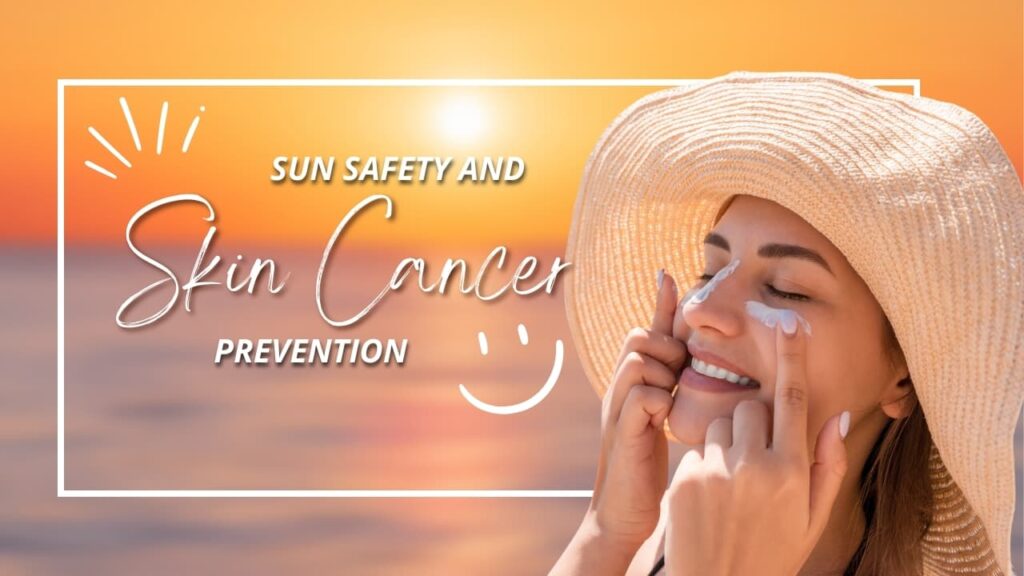
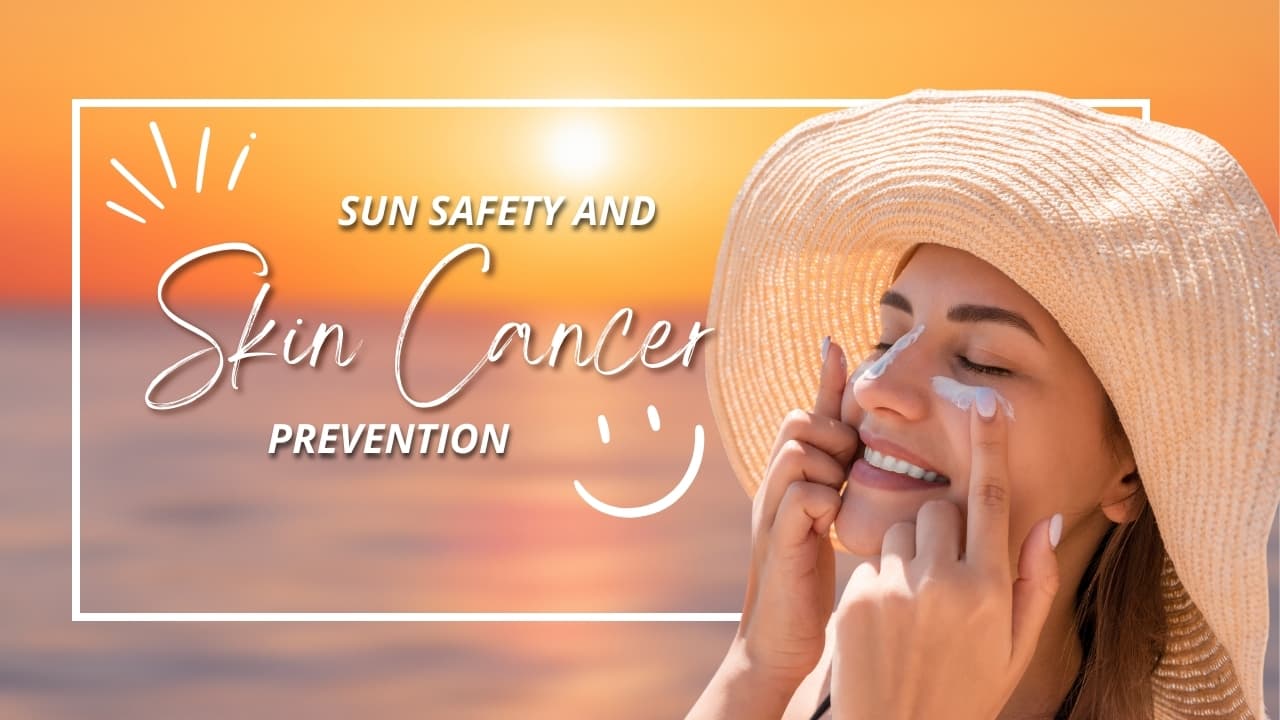
    Sun Safety and Skin Cancer Prevention

    how to prevent skin cancerThe warm embrace of the sun often beckons us outdoors, enticing us with its golden rays and promises of vitamin D. However, amidst this allure lies a potential danger: the risk of skin cancer. As summer approaches and outdoor activities become more appealing, it’s crucial to prioritize sun safety and educate ourselves on effective prevention measures. 

    Understanding Sun Exposure

    Before delving into prevention strategies, it’s essential to understand the dynamics of sun exposure. The sun emits ultraviolet (UV) radiation, consisting of UVA, UVB, and UVC rays. While UVC is largely absorbed by the ozone layer and doesn’t reach the Earth’s surface, UVA and UVB rays penetrate the atmosphere and can cause significant damage to the skin.

    UVA rays penetrate deep into the skin, contributing to premature aging, wrinkles, and suppression of the immune system. UVB rays primarily affect the outer layers of the skin, leading to sunburns and increasing the risk of skin cancer, including melanoma, the most deadly form of skin cancer.

    Skin Cancer: Types and Risk Factors

    Skin cancer occurs when skin cells undergo abnormal growth, typically triggered by UV radiation exposure. The three primary types of skin cancer are basal cell carcinoma (BCC), squamous cell carcinoma (SCC), and melanoma.

    Basal cell carcinoma and squamous cell carcinoma are more common and tend to develop on sun-exposed areas such as the face, ears, neck, and scalp. Although they are generally less aggressive than melanoma, early detection and treatment are crucial to prevent disfigurement and potential spread.

    Melanoma, while less common, is the most lethal form of skin cancer, with the potential to metastasize to other organs if not detected and treated early. It often manifests as an irregularly shaped mole with uneven borders, varying colors, and a diameter larger than a pencil eraser. Understanding the warning signs of melanoma through the ABCDE mnemonic (Asymmetry, Border irregularity, Color variation, Diameter larger than 6mm, Evolution or change in size, shape, or color) is vital for early detection.

    Risk factors for skin cancer include:

    1. Prolonged exposure to UV radiation, whether from the sun or tanning beds.
    2. Fair skin, light hair, and blue or green eyes, which are less equipped to handle UV exposure.
    3. Family history of skin cancer.
    4. Personal history of sunburns or excessive UV exposure.
    5. Weakened immune system due to medical conditions or medications.

    Sun safety

    Skin Cancer Prevention

    Skin cancer prevention is a vital aspect of maintaining skin health and reducing the risk of developing this potentially life-threatening condition. Skin cancer, including melanoma, basal cell carcinoma, and squamous cell carcinoma, is primarily caused by exposure to ultraviolet (UV) radiation from the sun and artificial sources like tanning beds. However, with the right preventive measures, you can significantly reduce your risk of developing skin cancer. 

    Sun Safety Practices

    Protecting yourself from the harmful effects of UV radiation is paramount for skin cancer prevention. Incorporating sun safety practices into your daily routine can significantly reduce your risk of skin cancer and premature aging. Here are some essential tips:

    1. Seek Shade

    Limit direct sun exposure, especially during peak hours between 10 a.m. and 4 p.m. When outdoors, find shelter under umbrellas, trees, or awnings to stay in the shade.

    2. Wear Protective Clothing

    Covering up with lightweight, long-sleeved shirts, pants, and wide-brimmed hats provides an additional barrier against UV radiation. Seek out clothing that has UPF (Ultraviolet Protection Factor) ratings for enhanced sun protection.

    3. Apply Broad-Spectrum Sunscreen

    Choose a broad-spectrum sunscreen with SPF (Sun Protection Factor) 30 or higher to protect against both UVA and UVB rays. Apply sunscreen generously to all exposed skin, including the face, neck, ears, and hands, at least 15 minutes before sun exposure. Reapply every two hours, or more often if you’re swimming or sweating.

    4. Protect Your Eyes

    Wear sunglasses that block 100% of UVA and UVB rays to protect your eyes from sun damage and reduce the risk of cataracts and macular degeneration.

    Sun safety

    5. Avoid Tanning Beds

    Tanning beds emit concentrated UV radiation, increasing the risk of skin cancer and premature aging. Opt for safer alternatives such as self-tanning lotions or spray tans for a sun-kissed glow.

    6. Perform Regular Skin Checks

    Conduct monthly self-examinations to monitor for any changes in moles, freckles, or skin growths. Use the ABCDE mnemonic (Asymmetry, Border irregularity, Color variation, Diameter larger than 6mm, Evolution or change in size, shape, or color) to identify suspicious lesions. If you notice any concerning changes or new growths, consult a dermatologist promptly for evaluation.

    7. Stay Hydrated

    Proper hydration is essential for maintaining skin health and resilience. Drink plenty of water to keep your skin hydrated, which can help minimize the risk of sun damage and promote faster recovery from sunburns.

    8. Be Mindful of Medications

    Some medications, such as certain antibiotics, diuretics, and acne treatments, can increase sensitivity to sunlight and heighten the risk of sunburn. Consult your healthcare provider or pharmacist for guidance on sun safety while taking these medications.

    9. Healthy Lifestyle Choices

    Adopting a healthy lifestyle can also contribute to skin cancer prevention. Consuming a well-rounded diet filled with fruits, vegetables, and antioxidants can enhance overall skin health. Additionally, avoiding tobacco products and excessive alcohol consumption can help reduce the risk of certain types of skin cancer.

    10. Regular Skin Cancer Screenings

     Routine skin cancer screenings by a dermatologist are crucial for early detection and treatment. Dermatologists can perform thorough skin examinations to identify suspicious lesions and recommend further evaluation or biopsy if necessary. Individuals with a family history of skin cancer or other risk factors may benefit from more frequent screenings.

    Skin Cancer Screening and Early Detection

    In addition to practicing sun safety, regular skin cancer screenings are essential for early detection and treatment. Dermatologists can perform thorough skin examinations to identify suspicious lesions and recommend further evaluation or biopsy if necessary. Individuals with a family history of skin cancer or other risk factors may benefit from more frequent screenings.

    For individuals who experience allergic reactions or skin sensitivity due to sun exposure, dermatologists may recommend antihistamines or anti-inflammatory treatments. In some cases, medications like Eqoq Tablet 10’s can help manage symptoms such as redness, itching, and rashes caused by UV-triggered skin responses.

    Conclusion:

    Prioritizing sun safety is crucial for protecting your skin from the harmful effects of UV radiation and reducing the risk of skin cancer. By incorporating sun-safe practices into your daily routine and staying vigilant about changes in your skin, you can enjoy the outdoors while safeguarding your skin health for years to come. Remember, prevention is key, and proactive measures today can lead to a lifetime of sun-safe enjoyment.

    FAQs on Sun Safety and Skin Cancer Prevention

    Q1. Why is sun protection important?

    Answer: Sun protection is crucial because exposure to ultraviolet (UV) radiation from the sun can damage the skin, leading to sunburns, premature aging, and an increased risk of skin cancer. By practicing sun safety measures such as wearing sunscreen, seeking shade, and wearing protective clothing, you can significantly reduce your risk of sun-related skin damage and maintain healthier skin in the long run.

    Q2. How often should I apply sunscreen?

    Answer: It’s recommended to apply sunscreen generously to all exposed skin, including the face, neck, ears, and hands, at least 15 minutes before sun exposure. Reapply sunscreen every two hours or more frequently if swimming or sweating, as water and sweat can reduce its effectiveness. Additionally, reapply sunscreen after toweling off or engaging in activities that may remove the sunscreen from your skin.

    Q3. What are the warning signs of skin cancer?

    Answer: The warning signs of skin cancer can vary depending on the type of cancer, but common signs include changes in the size, shape, color, or texture of moles, freckles, or skin lesions. It’s essential to be vigilant for any new growths or lesions that don’t heal, as well as existing moles or spots that exhibit characteristics such as asymmetry, irregular borders, uneven coloring, or enlargement. If you notice any concerning changes in your skin, consult a dermatologist for evaluation.

    Q4. Are tanning beds safe?

    Answer: No, tanning beds are not safe. Tanning beds emit concentrated ultraviolet (UV) radiation, which can damage the skin and increase the risk of skin cancer, including melanoma, the most deadly form of skin cancer. Using tanning beds also contributes to premature aging, including wrinkles, age spots, and loss of skin elasticity. It’s best to avoid tanning beds altogether and opt for safer alternatives such as sunless tanning products for a sun-kissed glow without the risk of UV exposure.

    Related Links:

    Neem Soap: Benefits and Uses

    Best Skin Whitening Treatment

    Sunscreen Stick Vs Lotion

    Skin Allergy

    Natural Hair Care

    Mahabringraj Oil

  • 12 Healthy Sleep Habits for Adults

    12 Healthy Sleep Habits for Adults

    healthy sleep habits for adultsSleep is a cornerstone of good health, affecting every aspect of our lives from cognitive function to physical health. Adequate sleep boosts memory, mood, and immune function while reducing the risk of chronic diseases like heart disease and diabetes. Despite its importance, many adults struggle with sleep issues such as insomnia, sleep apnea, and restless leg syndrome. In this blog, we’ll learn the importance of sleep and healthy sleep habits for adults. 

    Importance Of Sleep

    Sleep is a fundamental aspect of human health, integral to our physical, mental, and emotional well-being. Despite often being undervalued in our fast-paced society, adequate sleep is essential for maintaining optimal health and functioning.

    Physically, sleep plays a critical role in bodily restoration and repair. During sleep, the body heals tissues, builds muscle, and strengthens the immune system. It is also a crucial period for hormonal balance, affecting growth, appetite regulation, and stress response. Chronic sleep deprivation has been linked to an increased risk of numerous health issues, including heart disease, diabetes, obesity, and hypertension.

    Mentally, sleep is vital for cognitive processes such as memory consolidation, problem-solving, and learning. During sleep, particularly in the deep stages, the brain processes information from the day, forming new connections and retaining important data. Lack of sleep impairs attention, alertness, and reaction times, and it can significantly diminish cognitive performance and productivity.

    Emotionally, sleep profoundly affects mood regulation and mental health. Insufficient sleep can lead to irritability, anxiety, and depression. Studies have shown that sleep deprivation amplifies emotional reactions and reduces the ability to cope with stress. Moreover, it impacts decision-making and social interactions, making it harder to navigate daily challenges effectively.

    Sleep also helps maintain the body’s circadian rhythms, which govern our sleep-wake cycles and influence various bodily functions, including digestion, body temperature, and hormone release. Disruptions to these rhythms, often caused by irregular sleep patterns or exposure to artificial light, can lead to sleep disorders and other health problems.

    12 Healthy Sleep Habits for Adults

    Habit 1: Maintain a Consistent Sleep Schedule

    Keeping a regular sleep routine means going to bed and waking up at the same times daily, even on weekends. This consistency aids in synchronizing your body’s internal clock, also known as the circadian rhythm. When your sleep-wake cycle is in sync, you’ll find it easier to fall asleep and wake up naturally, leading to better overall sleep quality and daytime alertness.

    Healthy Sleep Habits

    Habit 2: Create a Relaxing Bedtime Routine

    Developing a calming bedtime routine can help signal to your body that it’s time to wind down. This might involve activities like reading a book, listening to calming music, or enjoying a warm bath. A consistent bedtime routine helps transition your mind and body from wakefulness to sleep. It reduces stress and anxiety, which are common barriers to falling asleep, and prepares your body for a restful night.

    Habit 3: Optimize Your Sleep Environment

    The quality of your sleep is significantly influenced by your sleep environment. A comfortable mattress, supportive pillows, and cozy bedding are essential. Keep your bedroom cool, dark, and quiet. Use blackout curtains to block out light, earplugs to reduce noise, or a white noise machine to create a soothing background sound. Ensure your bedroom is well-ventilated and free of clutter to create a peaceful atmosphere conducive to sleep.

    Habit 4: Limit Exposure to Blue Light Before Bed

    Blue light from electronic screens can interfere with the production of melatonin, the hormone that regulates sleep. Use blue light filters on your devices and try to turn off all screens at least an hour before bedtime. Instead, engage in relaxing activities like reading physical books or practicing mindfulness exercises. 

    Healthy Sleep Habits

    Habit 5: Be Mindful of Food and Drink Intake

    What and when you eat can significantly impact your sleep. Avoid large meals, caffeine, and alcohol close to bedtime. Opt for light snacks that promote sleep, such as those containing tryptophan (like turkey or nuts) or magnesium (like bananas or leafy greens). These foods can help facilitate the onset of sleep without causing discomfort.

    Habit 6: Get Regular Exercise

    Regular physical activity can improve sleep quality and help you fall asleep more quickly.Physical activity lowers stress and anxiety levels, both of which can disrupt sleep. While exercise is beneficial, vigorous workouts should be completed at least three hours before bedtime to avoid stimulating effects. Morning or early afternoon exercise is ideal for promoting better sleep.

    Habit 7: Manage Stress and Anxiety

    High levels of stress and anxiety pose substantial obstacles to achieving restful sleep. Techniques such as meditation, deep breathing exercises, and yoga can help manage these feelings. Practicing stress-reducing techniques regularly can lead to a calmer mind and better sleep patterns. Reducing stress and anxiety before bed can help you fall asleep faster and enjoy more restful sleep.

    Habit 8: Avoid Napping During the Day

    Napping, especially long or late-day naps, can interfere with your ability to fall asleep at night. If you need to nap, keep it short (20-30 minutes) and avoid napping late in the afternoon. This way, napping won’t significantly impact your nighttime sleep.

    Habit 9: Exposure to Natural Light

    Exposure to natural light during the day helps regulate your circadian rhythm by influencing melatonin production. Allocate time outdoors during daylight, especially in the morning hours. Keep curtains and blinds open to invite natural light indoors throughout the day. This helps keep your sleep-wake cycle in sync, promoting better sleep at night.

    Habit 10: Use Sleep Aids Wisely

    There are various sleep aids available, including over-the-counter medications, supplements like melatonin, and prescription drugs. Use sleep aids under a doctor’s supervision and be aware of potential side effects. Long-term reliance on sleep aids can lead to dependency and other health issues, so they should be used sparingly and only as a short-term solution.

    Habit 11: Keep a Sleep Diary

    A sleep diary can help you track your sleep patterns and identify issues that might be affecting your sleep quality. Note the time you go to bed, wake up, the number of awakenings during the night, and overall sleep quality. Reviewing this information can help you identify patterns and make informed adjustments to your sleep habits.

    Habit 12: Know When to Seek Professional Help

    Persistent insomnia, severe snoring, or symptoms of sleep disorders like sleep apnea are indicators that you might need to consult a sleep specialist. A qualified professional can diagnose and treat underlying sleep disorders. Expect a thorough evaluation, which may include a sleep study, to determine the best course of treatment. Seeking professional help can provide tailored solutions to improve your sleep.

    Consult a Doctor If Your Sleep Issues Persist

    If you’ve tried improving your sleep hygiene and still face excessive daytime sleepiness, you might be dealing with a sleep disorder like narcolepsy or shift work sleep disorder. In such cases, medications like Modalert 100mg Tablet or Placida Tablet are sometimes prescribed by healthcare professionals to help improve wakefulness.

    However, always consult a doctor before taking any medication, as these are not substitutes for good sleep habits but may be part of a larger treatment plan.

    Conclusion:

    Adopting these 12 healthy sleep habits can significantly improve your sleep quality and overall health. By maintaining a consistent sleep schedule, creating a relaxing bedtime routine, optimizing your sleep environment, and managing your diet, exercise, and stress levels, you can achieve better sleep. Remember, good sleep is vital for your long-term health and well-being. Start implementing these habits today to enjoy a healthier, more restful life.

    FAQs On 12 Healthy Sleep Habits for Adults

    Q1. Why is maintaining a consistent sleep schedule important?

    Answer: Maintaining a consistent sleep schedule helps regulate your body’s internal clock, known as the circadian rhythm. This regulation makes it easier to fall asleep and wake up naturally, improving overall sleep quality and ensuring you feel more refreshed during the day. Consistency in your sleep schedule also reduces the risk of sleep disorders and enhances cognitive and physical performance.

    Q2. How can I create an effective bedtime routine?

    Answer: An effective bedtime routine involves engaging in calming activities such as reading, listening to soothing music, or taking a warm bath. These activities help signal to your body that it’s time to wind down, reducing stress and preparing your mind and body for sleep. Consistently following a bedtime routine can improve the ease of falling asleep and enhance the overall quality of your sleep.

    Q3. What are the benefits of optimizing my sleep environment?

    Answer: Optimizing your sleep environment by keeping it cool, dark, and quiet can significantly improve your sleep quality. A comfortable mattress, supportive pillows, and blackout curtains help create a restful space that minimizes disturbances. A well-ventilated, clutter-free bedroom can also promote relaxation and better sleep, contributing to improved physical and mental health.

    Related Links:

    Understanding the Impact of Age Habits

    Healthy Lifestyle Choices You Need to Make Every Day

    How much Water should you drink every day?

    9 Positive lifestyle changes for healthy life

    Best Anti-Aging Wrinkle Creams Of 2024

    How to Reduce Face Fat?

  • ORS Powder: Composition, Uses and Benefits

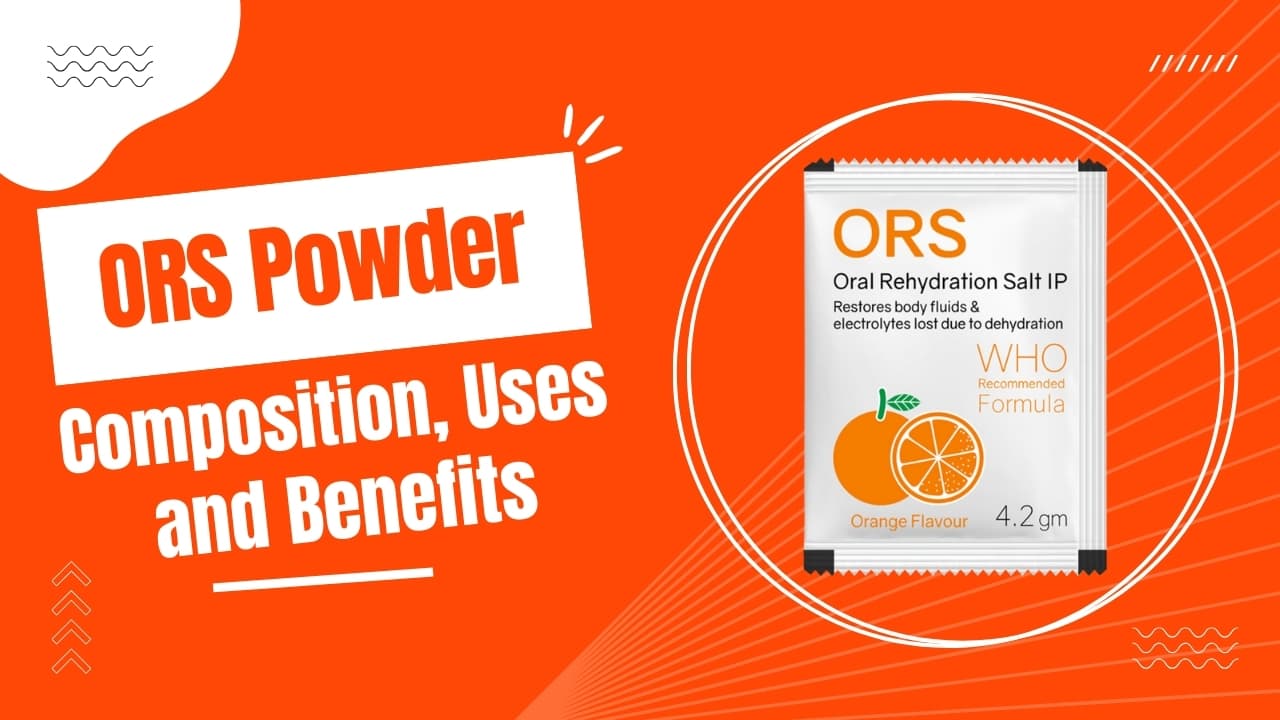
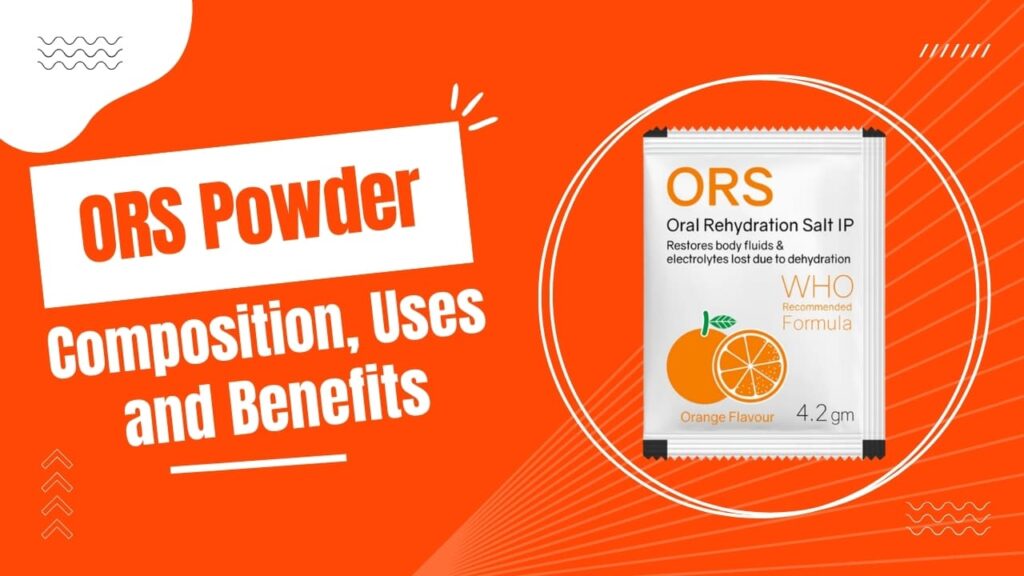
    ORS Powder: Composition, Uses and Benefits

    benefits of ors powder, uses of ors powder

    Understanding Oral Rehydration Solution (ORS)

    What is an ORS?

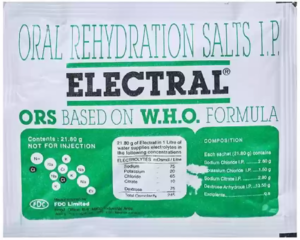
    One kind of replacement for water used to treat and prevent dehydration is a drinking solution, or ORS. Its precise composition of salts, sugar, and necessary minerals combines to restore the water loss.

    The Principal Ingredients in ORS Powder

    Typically, ORS powder is composed of a balanced mixture of potassium, sodium, glucose, citrate, and chloride. Every element is essential to replenishing fluids:
    1. The body uses sodium to hold onto liquids.
    2. Water and sodium are better absorbed in the intestines when glucose is present.
    3. The electrolyte equilibrium of the body is corrected by potassium.
    4. To keep fluid balance, chloride and salt work together.
    5. One symptom that is frequently linked to extreme dehydration is metabolic acidosis, which citrate helps to relieve.

    How ORS Operates

    The powder known as ORS, when combined with water, helps the intestines absorb more water and electrolytes. This rapid rehydration method is especially helpful for ailments including diarrhoea, vomiting, and strenuous exercise that results in profuse perspiration.

    Uses of ORS Powder

    Application in Medicine

    When ORS was first created, it was intended to help the World Health Organization (WHO) fight dehydration brought on by diarrheal illnesses, particularly in underdeveloped nations. It is still a vital intervention for treating the symptoms of dehydration in both adults and children.

    Performance in Athletics

    ORS powder is used by athletes and fitness enthusiasts to stay properly hydrated throughout demanding practice sessions and tournaments. The well-balanced mixture lessens the possibility of cramping and weariness by replenishing lost electrolytes and sustaining optimal Performance.

    Everyday Use

    Use of ORS in Daily Life ORS is not just for athletic or medical emergencies. It can be utilized in regular scenarios where dehydration is an issue, such hot weather, lengthy flights, or even the aftermath of a night out on the town.

    Benefits of ORS Powder

    Oral Rehydration Solution (ORS) powder, often hailed as a medical marvel, offers a multitude of benefits that have revolutionized the management of dehydration and diarrheal diseases worldwide. From its rapid rehydration properties to its cost-effectiveness and role in reducing morbidity and mortality, ORS powder stands as a cornerstone of modern healthcare. Let’s delve into the myriad benefits it offers:

    Quick Rehydration

    The capacity of ORS powder to facilitate quick rehydration is among its main advantages. In contrast to ordinary water, ORS has important sugars and salts that hasten the body’s absorption of liquids.

    Prevents and Manages Hydration Loss

    Dehydration is a condition that ORS is very good at treating and avoiding. People who work in hot areas or elderly persons are two examples of people who might not recognize they’re dehydrated and could benefit from it in particular.

    Enhances Physical Performance

    Maintaining hydration is essential for athletes to function at their best. By preserving the proper electrolyte balance, ORS powder lowers the chance of weariness and cramping during demanding exercise. Oral Rehydration Solution

    Challenges and Future Perspectives

    Restrictions

    ORS powder has many drawbacks despite its remarkable effectiveness. People with specific medical disorders, such as hypertension or kidney issues, might not be able to use it. A healthcare provider should always be consulted before beginning a new supplement regimen.

    New Developments in ORS Formulations

    ORS has a bright future because research is being done to make it more convenient and effective. Flavored powders, pre-mixed mixes, and even ORS products fortified with extra nutrients are examples of innovations.

    Use of  Greater Range

    The uses of ORS are growing outside of sports and medicine due to growing understanding of its advantages. Future wellness trends might use ORS in regular routines, much to how multivitamins are utilized now.
    Conclusion:
    ORS powder is an adaptable and powerful hydration management tool, perfect for fighting off a cold, training to the maximum, or just getting through a sweltering summer day. It is a useful tool for anyone who is concerned about their health because of its composition, which has been supported by science, and its many applications. You may choose your level of hydration more wisely if you are aware of the uses and advantages of ORS powder. For fitness enthusiasts seeking to enhance their performance or nutritionists counseling clients, ORS powder provides an effective and dependable means of maintaining proper hydration.

    FAQs On ORS Powder: Composition, Uses and Benefits

    1. What is ORS powder used for primarily?

    Answer : By replacing lost fluids and electrolytes, ORS powder is mainly used to prevent and treat dehydration.

    2. Does ORS powder work for athletes?

    Answer : Without a doubt. When engaging in strenuous physical activity, athletes frequently utilize ORS powder to stay hydrated and maintain electrolyte balance.

    3. Is ORS powder suitable for daily use?

    Answer : Yes, however it’s advisable to speak with a medical expert before implementing it into your regular regimen, particularly if you have any underlying medical issues.

    4. How rapidly is ORS effective?

    Answer : Within a few hours of ingestion, ORS typically begins to rapidly replenish the body’s fluids.

    5. Do adverse consequences exist?

    Answer :Though typically harmless, ORS powder may cause mild adverse effects in certain people, such as bloating or nausea. Never deviate from the prescribed dosage, and get medical advice if you have any negative side effects.
    Related Links:
  • Difference between Vaccinations and Immunizations – Medkart

    Difference between Vaccinations and Immunizations – Medkart

    vaccination vs immunizationDifference between Vaccinations and Immunizations: Understanding the distinction between vaccinations and immunizations is crucial for grasping their roles in public health. Although often used interchangeably, these terms represent different concepts. Vaccination refers to the act of introducing a vaccine into the body to produce immunity to a specific disease. Immunization, on the other hand, is the process by which an individual becomes protected against a disease, often through vaccination. Recognizing these differences is vital for public health, education, and clear communication about disease prevention strategies. 
    The Concept of Vaccination

    The concept of vaccination dates back to Edward Jenner’s pioneering work in the late 18th century. Jenner developed the first smallpox vaccine using material from cowpox sores, laying the foundation for modern vaccine development. Since then, vaccines have evolved significantly, leading to the eradication or control of numerous infectious diseases.

    Vaccinations and Immunizations

    How Vaccinations Work

    Vaccinations are a cornerstone of modern medicine, playing a crucial role in the prevention and control of infectious diseases. Understanding how vaccinations work involves delving into the biological mechanisms that enable the immune system to recognize and combat pathogens effectively. This process hinges on the introduction of antigens into the body and the subsequent immune response. 

    Types of Vaccines in vaccinations

    Vaccines come in various forms, each using different methods to safely introduce antigens and stimulate immunity. The main types include:

    1. Live-Attenuated Vaccines

    These vaccines contain a weakened form of the live virus or bacteria that cannot cause disease in healthy individuals. Examples include the measles, mumps, and rubella (MMR) vaccine, and the varicella (chickenpox) vaccine. Because they closely mimic a natural infection, they typically provide strong and long-lasting immunity with just one or two doses.

    1. Inactivated Vaccines

    In these vaccines, the virus or bacteria is killed or inactivated so it cannot cause disease. Examples include the polio vaccine and the hepatitis A vaccine. Multiple doses may be necessary to achieve and maintain immunity.

    1. Subunit, Recombinant, Conjugate, and Polysaccharide Vaccines

    These vaccines use specific pieces of the germ (like its protein, sugar, or capsid) to provoke an immune response. Examples include the human papillomavirus (HPV) vaccine and the meningococcal vaccine. They are less likely to cause side effects and are often effective with fewer doses.

    1. mRNA Vaccines

    These vaccines use messenger RNA to instruct cells to produce a protein that triggers an immune response. The mRNA from the vaccine does not stay in the body but is broken down after the protein is made. Examples of this include the COVID-19 vaccines developed by Pfizer-BioNTech and Moderna. These vaccines are a newer technology that has proven highly effective in preventing disease.

    Immune System Response

    Once the vaccine introduces antigens into the body, the immune system responds in several stages:

    1. Antigen Presentation

    Antigen-presenting cells (APCs), such as dendritic cells, engulf the vaccine’s antigens and display fragments of them on their surface.

    1. Activation of Helper T Cells

    The APCs then travel to the lymph nodes, where they present the antigen fragments to helper T cells. These cells play a crucial role in orchestrating the immune response by activating other immune cells.

    1. B Cell Activation and Antibody Production

    Helper T cells activate B cells, which then differentiate into plasma cells that produce antibodies. These antibodies are specific to the antigen and can neutralize the pathogen if encountered again.

    1. Formation of Memory Cells

    Some B and T cells become memory cells, which remain in the body long after the initial infection has been cleared. These cells “remember” the pathogen and can mount a rapid and robust response if the body is exposed to the same pathogen in the future.

    Administration of Vaccines

    Vaccines are administered through various methods to ensure they effectively stimulate the immune system:

    • Injection: Most common, administered intramuscularly, subcutaneously, or intradermally.
    • Oral: Some vaccines, like the rotavirus vaccine, are given orally.
    • Nasal Spray: The live attenuated influenza vaccine (LAIV) is an example of a vaccine administered via nasal spray.

    Vaccinations and Immunizations

    Examples of Common Vaccines

    MMR (Measles, Mumps, Rubella): A combination vaccine protecting against three diseases.

    Influenza: An annual vaccine adapting to prevalent flu strains.

    COVID-19 vaccines: Recent mRNA vaccines have shown significant efficacy in preventing severe illness.

    The Process of Immunization

    Natural Immunization

    Immunity can be acquired through natural infection, where the body fights off the pathogen and develops memory cells. There are two types of natural immunity:

    1. Active immunity: Developed after recovering from an infection.
    2. Passive immunity: Acquired through antibodies passed from mother to child or through antibody-containing blood products.

    Induced Immunization via Vaccination

    Vaccines stimulate the immune system to produce memory cells without causing the disease itself. This process mimics natural infection and prepares the immune system to respond more effectively if exposed to the pathogen in the future.

    Examples of Immunization Outcomes

    Herd immunity: When a significant portion of the population is immune, reducing the spread of disease.

    Reduction in disease prevalence: Successful immunization programs have led to a significant decrease in diseases like polio and measles.

    Differences Between Vaccination And Immunization


    Aspect Vaccination Immunization
    Definition The act of introducing a vaccine into the body to produce immunity to a specific disease. The process by which an individual becomes protected against a disease, often through vaccination.
    Process Involves administering a substance (vaccine) that contains antigens to stimulate the immune system. Involves the body’s development of immunity either through vaccination or natural infection.
    Purpose To expose the body to antigens in a controlled manner to stimulate an immune response without causing disease. To develop immunity and protection against a specific disease, resulting in the body’s ability to fight off infection.
    Components Vaccines can contain live-attenuated, inactivated, subunit, conjugate, or mRNA components. Immunity involves the production of antibodies and memory cells that recognize and combat pathogens.
    Outcome A step towards achieving immunization by preparing the immune system to recognize and fight the pathogen. The end result where the individual has developed the capability to resist or fight the disease.
    Example Receiving the MMR (measles, mumps, rubella) vaccine. Developing immunity to measles after vaccination or recovering from measles infection.
    Failure Scenarios Vaccination may not always lead to immunization if the vaccine is not effective or the individual is immunocompromised. Immunization may not be achieved if the immune response is inadequate or if boosters are not administered as needed.
    Duration The act of vaccination is immediate, occurring at the time of administration. Immunization can be long-term or lifelong, depending on the disease and type of vaccine.
    Examples of Administration Injection, oral, nasal spray. Immunization occurs internally as the body responds to the vaccine or natural infection.
    Significance A critical public health measure to initiate the process of immunity. The ultimate goal of vaccination and natural infection processes, leading to reduced disease prevalence.


    Conclusion

    Understanding the distinction between vaccination and immunization is crucial for effective disease prevention. Both play vital roles in public health by reducing disease prevalence and enhancing community protection. Supporting vaccination and immunization efforts is essential for global health. Public education and policy support are necessary to overcome challenges and ensure the continued success of immunization programs. By clearly distinguishing between vaccinations and immunizations, we can better appreciate their individual contributions to public health and work towards a healthier future for all.

    FAQs on Differences Between Vaccination And Immunization

    1. What is the difference between vaccination and immunization?

    Answer: Vaccination is the act of administering a vaccine to stimulate the body’s immune system to produce immunity to a specific disease. Immunization refers to the process by which an individual becomes protected against a disease, often as a result of vaccination. While vaccination is the method, immunization is the desired outcome of that method.

    2. Can someone be immunized without vaccination?

    Answer: Yes, immunization can occur naturally through infection when the body successfully fights off a pathogen and develops immunity. However, vaccination is a safer and controlled way to achieve immunization without the risk of contracting the actual disease, which can have severe health consequences.

    3. Why might a vaccination not result in immunization?

    Answer: A vaccination might not result in immunization due to factors like improper storage or handling of the vaccine, individual variations in immune response, or an immunocompromised status. Additionally, some vaccines require multiple doses or boosters to achieve and maintain effective immunity.

    Also Read:- Are generic available in vaccines? Types of vaccines

  • Is Cetaphil Oily Skin Cleanser right for you? – Buy Cetaphil Oily Skin Cleanser Online

    Is Cetaphil Oily Skin Cleanser right for you? – Buy Cetaphil Oily Skin Cleanser Online

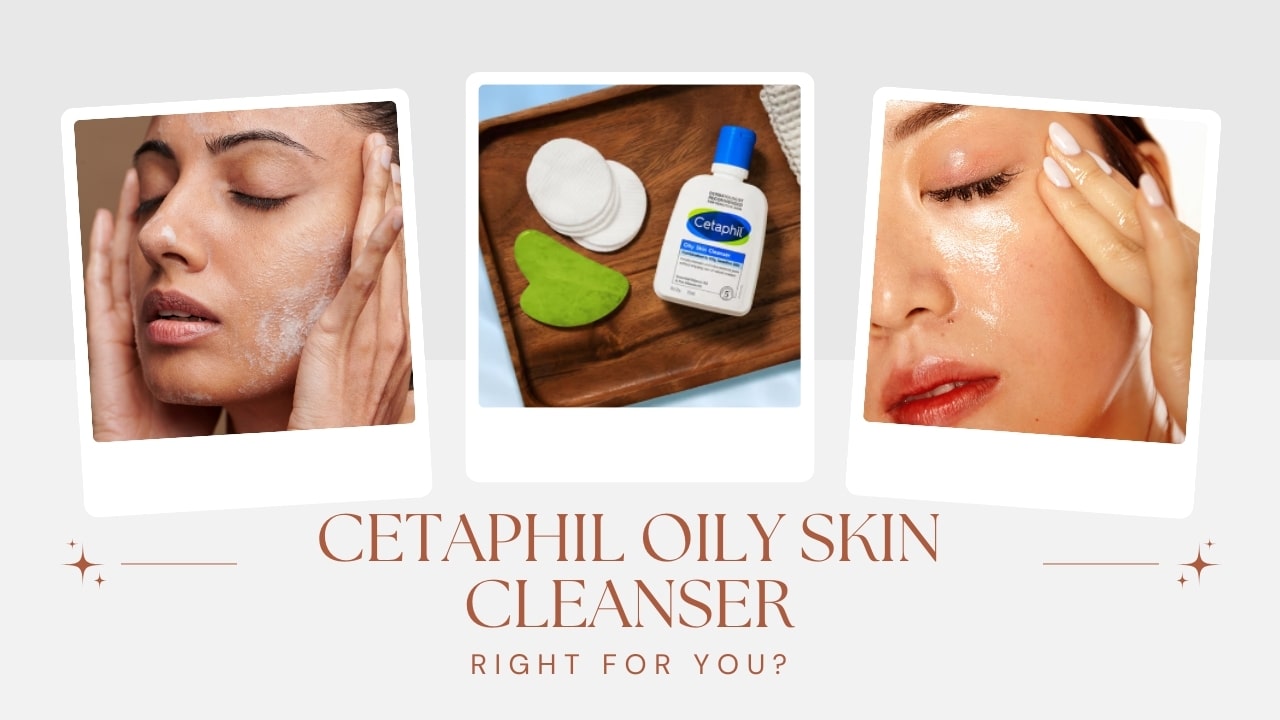
    cetaphil oily skin cleanserCetaphil Oily Skin Cleanser has gained popularity as a go-to product for those battling oily skin. Introducing the quest for the perfect skincare regimen often begins with selecting the ideal cleanser, especially for those with oily skin. Among the array of options, Cetaphil Oily Skin Cleanser emerges as a standout choice, renowned for its gentle yet effective formula. Designed to tackle excess oil without compromising skin hydration, this cleanser has garnered attention from skincare enthusiasts worldwide. However, the significance of choosing the right cleanser for oily skin extends beyond mere cosmetic concerns. It plays a pivotal role in managing oil production, preventing breakouts, and maintaining skin health. 
    Understanding Oily Skin

    Oily skin, a prevalent skin condition, manifests through an excess production of sebum, the body’s innate oil secretion. This excess oil can lead to a shiny complexion, enlarged pores, and a tendency to develop acne and blackheads. Oily skin often results from genetic predispositions, hormonal fluctuations, or environmental factors. Individuals with oily skin may experience challenges in managing shine throughout the day and maintaining a balanced complexion. Proper skincare, including regular cleansing and the use of oil-controlling products, is essential to manage oily skin and prevent associated concerns such as acne breakouts.

    What causes oily skin?

    Oily skin occurs when the sebaceous glands produce excess sebum, resulting in a shiny complexion and enlarged pores. Factors such as genetics, hormonal fluctuations, and environmental influences can contribute to this imbalance.

    Common issues faced by individuals with oily skin

    People with oily skin often struggle with acne breakouts, blackheads, and a greasy appearance throughout the day. Finding the right skincare routine is crucial to managing these concerns effectively.

    The importance of proper skincare routine for oily skin types

    A consistent skincare regimen tailored to oily skin can help regulate sebum production, minimize pore congestion, and maintain a healthy complexion. Cleansers play a pivotal role in this routine by removing excess oil, dirt, and impurities without stripping the skin’s natural moisture barrier.

    Cetaphil Oily Skin Cleanser

    Cetaphil Oily Skin Cleanser

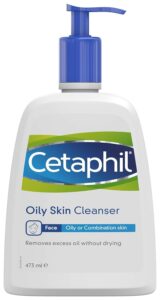
    Cetaphil Oily Skin Cleanser is a gentle yet effective solution tailored specifically for those with oily and acne-prone skin. Its carefully formulated, non-comedogenic formula ensures thorough cleansing without stripping the skin’s natural moisture barrier. The cleanser is designed to remove excess oil, dirt, and impurities, leaving the skin feeling refreshed and balanced. With key ingredients like Zinc Coceth Sulfate and Zinc Gluconate, it helps regulate sebum production and control acne-causing bacteria without causing irritation. Dermatologist-recommended and hypoallergenic, It is suitable for daily use, providing a clean canvas for other skincare products while addressing the unique needs of oily skin types.

    Key ingredients and their benefits for oily skin

    Cetaphil Oily Skin Cleanser boasts a gentle yet effective formula, enriched with key ingredients tailored to address the unique needs of oily skin. Zinc Coceth Sulfate and Zinc Gluconate are pivotal components known for their sebum-regulating properties, helping to control excess oil production and prevent acne breakouts. These ingredients work synergistically to cleanse the skin without stripping its natural moisture barrier, leaving it feeling refreshed and balanced. With its non-comedogenic formulation, Cetaphil Oily Skin Cleanser offers a reliable solution for those seeking to manage oiliness and maintain a clear, healthy complexion.

    How does it work?

    Cetaphil Oily Skin Cleanser works by effectively removing excess oil, dirt, and impurities from the skin without stripping away its natural moisture. Its gentle yet potent formula contains ingredients like Zinc Coceth Sulfate and Zinc Gluconate, which help regulate sebum production and combat acne-causing bacteria. The cleanser’s non-comedogenic properties ensure that it won’t clog pores or exacerbate breakouts, making it suitable for oily, acne-prone skin. By providing a thorough yet gentle cleansing experience, Cetaphil Oily Skin Cleanser leaves the skin feeling refreshed, balanced, and free from excess shine.

    Specific claims or features touted by the brand

    Cetaphil emphasizes its dermatologist-recommended formula, hypoallergenic properties, and soap-free formulation as key selling points. These attributes appeal to individuals seeking a gentle yet effective cleanser for oily skin.

    Cetaphil Oily Skin Cleanser

    Cetaphil Oily Skin Cleanser: Pros and Cons

    Pros:

    1. Gentle yet effective cleansing action, suitable for daily use.
    2. Non-comedogenic formula helps prevent pore congestion and acne breakouts.
    3. Dermatologist-recommended for oily, acne-prone, and sensitive skin types.
    4. Free from harsh ingredients like soap and fragrance, reducing the risk of irritation.
    5. Helps control excess oil production without stripping the skin’s natural moisture barrier.

    Cons:

    1. May not effectively remove heavy makeup or sunscreen residue.
    2. Some users report minimal lathering, requiring additional product for thorough cleansing.
    3. While fragrance-free, it may have a slight medicinal scent that some individuals find off-putting.
    4. Not specifically formulated to address dry patches or provide intense hydration.
    5. Limited availability of larger bottle sizes may require frequent repurchasing for daily use.

    Is Cetaphil Oily Skin Cleanser Right for You?

    Consider your skin type, specific concerns (e.g., acne, sensitivity), and personal preferences when selecting a cleanser. Look for ingredients that address your primary skincare goals without causing irritation or exacerbating existing issues. Individuals with oily, acne-prone, or sensitive skin are likely to benefit from Cetaphil Oily Skin Cleanser’s gentle yet effective formula. It’s also suitable for those seeking a fragrance-free, dermatologist-recommended option. If you have extremely dry skin or require heavy-duty makeup removal, you may find Cetaphil Oily Skin Cleanser less effective. In such cases, a hydrating cleanser or double cleansing method may be more appropriate.

    Expert Opinions and Dermatological Insights

    Dermatologists often recommend Cetaphil Oily Skin Cleanser for its gentle formulation and effectiveness in managing oily skin. Their expertise can provide valuable guidance in selecting the right products for your skincare routine. Dermatologists may tailor their recommendations based on individual factors such as skin type, sensitivity, and existing skin conditions. Consultation with a skincare professional can help you navigate the vast array of products available and identify the most suitable options for your unique needs.

    Tips for Optimal Results

    Start by using the cleanser twice daily, morning and evening, as part of your skincare regimen. Apply a modest quantity onto moistened skin, then cleanse thoroughly with tepid water. Follow up with a lightweight, non-comedogenic moisturizer to lock in hydration without clogging pores. Consider incorporating targeted treatments such as salicylic acid or benzoyl peroxide to address acne and congestion. Prevent eye contact and cease usage if any irritation arises. Patch testing is recommended, especially for individuals with sensitive or reactive skin.

    Conclusion:

    Cetaphil Oily Skin Cleanser offers a gentle yet effective solution for managing oily, acne-prone skin. Its dermatologist-recommended formula and non-comedogenic properties make it a suitable choice for many individuals seeking a reliable cleanser. However, it’s essential to consider your specific skincare needs and consult with a dermatologist if you have any concerns. By understanding your skin type and preferences, you can make an informed decision about whether Cetaphil Oily Skin Cleanser is right for you. Remember, skincare is a journey, and finding the perfect products may require some trial and error. Stay consistent, listen to your skin, and don’t hesitate to seek professional advice along the way.

    If you’re dealing with persistent skin issues related to autoimmune conditions like lupus or rheumatoid arthritis, it’s important to know that certain medications, such as EQOQ Tablet, may be prescribed to manage underlying inflammation that contributes to skin sensitivity. Always consult your dermatologist or physician before combining medical treatment with over-the-counter skincare products.

    FAQs on ‘Is Cetaphil Oily Skin Cleanser Right for You?’

    Q1. Can Cetaphil Oily Skin Cleanser effectively control excess oil without over drying the skin?

    Answer: Yes, Cetaphil Oily Skin Cleanser is formulated specifically for oily skin types and effectively removes excess oil and impurities while maintaining the skin’s natural moisture balance. Its gentle yet thorough cleansing action helps control shine without stripping the skin of essential oils, leaving it feeling clean and refreshed.

    Q2. Is Cetaphil Oily Skin Cleanser suitable for individuals with sensitive skin?

    Answer: Absolutely, Cetaphil Oily Skin Cleanser is dermatologist-recommended and designed with sensitive skin in mind. Its gentle, soap-free formula is hypoallergenic and free from harsh ingredients, making it suitable for those with sensitive or easily irritated skin. Users with sensitive skin often report that it soothes and calms inflammation without causing redness or discomfort.

    Q3. Will Cetaphil Oily Skin Cleanser effectively address acne concerns?

    Answer: Yes, Cetaphil Oily Skin Cleanser contains key ingredients such as Zinc Coceth Sulfate and Zinc Gluconate, known for their acne-fighting properties. By removing excess oil and impurities, it helps prevent pore congestion and reduces the likelihood of acne breakouts. Many users with acne-prone skin find that incorporating this cleanser into their skincare routine helps improve the overall clarity and texture of their skin.

    Related Links: 

    Which Is The Best Cream To Remove Pigmentation?

    What Is The Most Effective Brightening Cream

    Best Face Cream With Vitamin C

    Best Open Pores Treatment

    Sunscreen Stick Vs Lotion

    Pimple Treatment


  • Sunscreen Stick Vs Lotion: Which is Right for You?

    Sunscreen Stick Vs Lotion: Which is Right for You?

    sunscreen stick vs sunscreen lotion

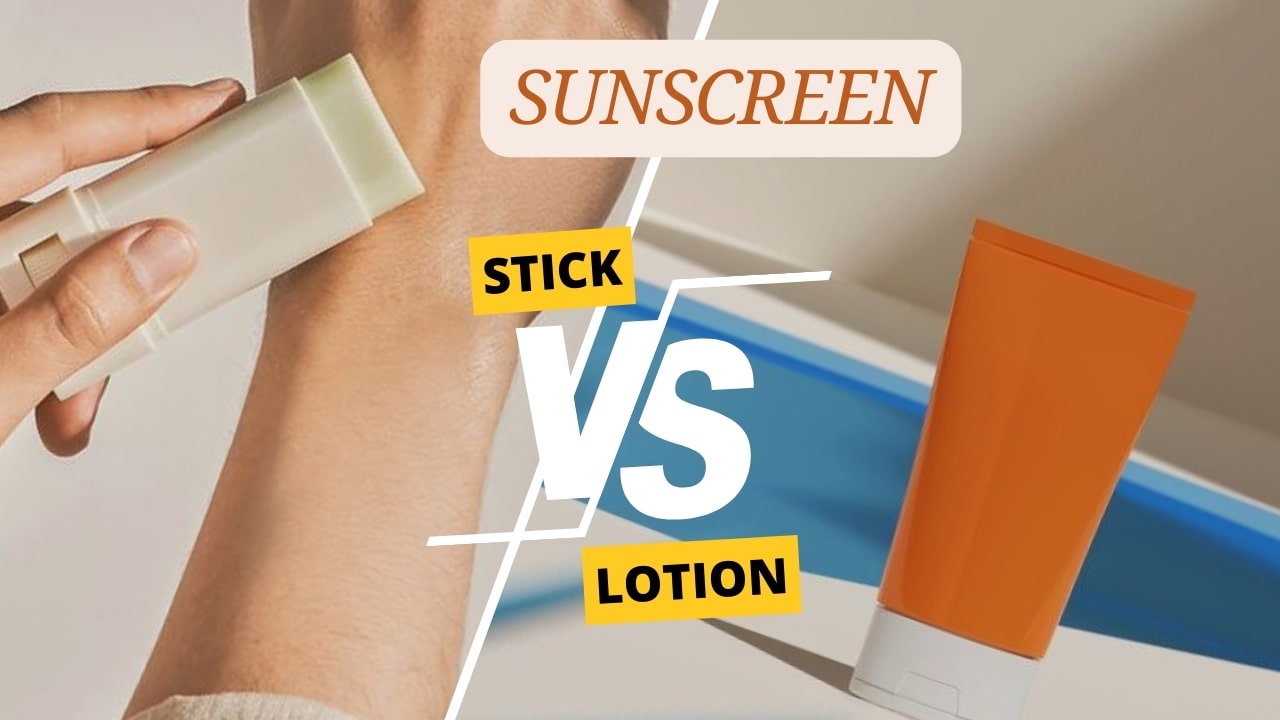
    Sunscreen Stick Vs Lotion – The scorching sun, while a source of warmth and light, can also pose a significant threat to our skin. With the rise in awareness of the dangers of UV radiation, sunscreen has become a non-negotiable part of skincare routines worldwide. However, the market offers an array of options, with sunscreen sticks and lotions being two popular choices. 

    Sunscreen Sticks

    Sunscreen sticks are solid formulations packaged in twist-up tubes, designed for targeted application on specific areas of the skin. Composed of active ingredients like zinc oxide and titanium dioxide, they offer convenience and portability, making them ideal for on-the-go use. Their mess-free application is particularly advantageous during outdoor activities. However, sunscreen sticks may pose challenges in achieving uniform coverage on larger body areas and can leave a waxy or greasy residue. Despite these limitations, they excel in precisely targeting facial areas, scars, or tattoos. Individuals with oily or acne-prone skin often favor sunscreen sticks for their non-greasy texture and ease of application. Overall, sunscreen sticks offer a convenient solution for quick touch-ups and targeted protection, complementing other forms of sun protection in your skincare routine.

    Advantages of Sunscreen Sticks

    1. Portability: Convenient twist-up tubes make sunscreen sticks easy to carry and apply on the go, fitting seamlessly into pockets or bags.   

    2. Mess-Free Application: Their solid formulation minimizes the risk of spills or leaks, making them ideal for outdoor activities and travel.

    3. Targeted Protection: Sunscreen sticks allow precise application, making it effortless to protect specific areas like the face, scars, or tattoos without spreading excess product.   

    4. Non-Greasy: With a lightweight texture, sunscreen sticks offer a non-greasy finish, making them suitable for individuals with oily or acne-prone skin.   

    5. Quick Touch-Ups: Perfect for quick touch-ups throughout the day, sunscreen sticks provide hassle-free reapplication without disrupting makeup or skincare routines.

    Limitations of Sunscreen Sticks

    1. Uneven Coverage: Due to their solid nature, sunscreen sticks may struggle to provide consistent coverage, particularly on larger areas of the body.

    2. Residue: Some users find that sunscreen sticks leave behind a waxy or greasy residue on the skin, which can feel uncomfortable and affect the application of other skincare products.

    3. Limited Application: While ideal for targeted areas like the face, scars, or tattoos, sunscreen sticks may not be practical for full-body coverage or hard-to-reach areas.

    4. Potential for Missed Spots: The solid form of sunscreen sticks makes it easier to miss spots during application, leaving areas of the skin vulnerable to sun damage.

    5. Less Hydration: Compared to lotions, sunscreen sticks often lack moisturizing ingredients, which may not be suitable for individuals with dry or sensitive skin.

    Suitable Skin Types And Scenarios For Sunscreen Sticks

    Sunscreen sticks offer unique benefits that make them particularly suitable for certain skin types and scenarios. Individuals with oily or acne-prone skin often prefer sunscreen sticks due to their non-greasy texture, which helps prevent clogged pores and breakouts. Additionally, their portability and mess-free application make them ideal for on-the-go use, making them a convenient option for outdoor activities such as hiking, swimming, or sports. Sunscreen sticks excel in targeted application, making them perfect for facial areas, scars, or tattoos that require precise coverage. Moreover, their solid formulation ensures minimal spillage, making them a preferred choice for travel or beach outings. Overall, sunscreen sticks are well-suited for those seeking quick and hassle-free sun protection, especially in scenarios where convenience and precise application are paramount.

    Sunscreen Stick Vs Lotion

    Sunscreen Lotions

    Sunscreen lotions are liquid or creamy formulations designed to provide broad-spectrum protection against harmful UV rays. Composed of active ingredients like zinc oxide and titanium dioxide, they offer versatility and ease of application. Their smooth texture allows for even coverage, making them ideal for all-over body use, including larger areas like arms, legs, and torso. Many sunscreen lotions also contain moisturizing ingredients, providing hydration while shielding the skin from the sun. However, they may require more time to apply compared to sunscreen sticks and can feel greasy or heavy on the skin, especially in hot and humid conditions. Despite these limitations, sunscreen lotions are well-suited for individuals with dry or sensitive skin and are essential for prolonged outdoor activities where full-body coverage is necessary.

    Advantages of Sunscreen Lotions

    1. Versatility: Suitable for all-over body application, providing comprehensive protection from UV radiation.

    2. Ease of Spreading: Smooth texture ensures effortless application, ensuring even coverage without leaving patches.

    3. Moisturization: Many lotions contain hydrating ingredients, nourishing the skin while offering sun protection.

    4. Customizable Coverage: Easily adjust the amount applied to meet individual needs, from a light layer for daily use to a thicker layer for extended outdoor activities.

    5. Compatibility: Suitable for various skin types, including dry and sensitive skin, due to their emollient-rich formulations.

    6. Long-lasting Protection: Provides enduring defense against harmful UVA and UVB rays, reducing the risk of sunburn, premature aging, and skin cancer.

    Limitations of Sunscreen Lotions

    1. Longer Application Time: Sunscreen lotions may require more time to apply compared to other forms, especially when covering larger areas of the body.

    2. Greasy Feel: In hot and humid conditions, sunscreen lotions can feel heavy or greasy on the skin, which may be uncomfortable for some individuals.

    3. Potential Staining: Some sunscreen lotions may leave white residue or stain clothing and fabrics, particularly those containing high levels of zinc oxide or titanium dioxide.

    4. Reapplication Challenges: Reapplying sunscreen lotions throughout the day, especially over makeup or other skincare products, can be cumbersome and may disrupt existing layers.

    5. Sensitivity: Certain individuals may experience skin irritation or allergic reactions to specific ingredients commonly found in sunscreen lotions, such as fragrances or preservatives.

    Suitable Skin Types And Scenarios For Sunscreen Lotions

    Sunscreen lotions are ideal for individuals with dry or sensitive skin due to their moisturizing properties, providing hydration while offering sun protection. They are particularly beneficial for beach days or prolonged outdoor activities where full-body coverage is necessary. Additionally, those who prefer a smooth, easy-to-spread texture will find sunscreen lotions favorable. However, individuals with oily or acne-prone skin may find some lotions too heavy or greasy, especially in hot and humid conditions. Overall, sunscreen lotions are versatile options suitable for various skin types and scenarios, offering comprehensive protection against harmful UV rays.

    Sunscreen Stick Vs Lotion

    Factors Influencing Choice

    Several factors should be considered when choosing between sunscreen sticks and lotions:

    Skin Type: Considerations for oily, dry, sensitive, or acne-prone skin.

    Activity Level: Assessing the need for water-resistant or sweat-proof formulas based on your lifestyle.

    Environmental Factors: Considering climate conditions and sun exposure intensity.

    Personal Preferences: Texture, scent, and ease of application are subjective factors to consider.

    Expert Recommendations: Insights from dermatologists or skincare specialists can help guide your decision.

    In making your decision, it’s essential to weigh the pros and cons outlined above and consider your individual needs and preferences. Experimenting with different products may be necessary to find the best fit for your skin type and lifestyle. Regardless of your choice, consistent sunscreen use is crucial for long-term skin health.

    Conclusion:

    Sunscreen plays a pivotal role in shielding our skin from the harmful effects of UV radiation, reducing the risk of sunburn, premature aging, and skin cancer. When deciding between sunscreen sticks and lotions, understanding their differences and considering your specific requirements is key. By prioritizing sun protection and making informed choices, you can safeguard your skin and enjoy the sun responsibly.

    FAQs on Sunscreen Stick Vs Lotion: Which is right for you?

    1. Can sunscreen sticks provide adequate protection for larger body areas?

    Answer: While sunscreen sticks offer convenience and targeted application, they may not provide as consistent coverage on larger body areas compared to lotions. It’s essential to ensure thorough application and reapplication to ensure comprehensive protection against UV rays.

    2. Are sunscreen lotions suitable for oily or acne-prone skin?

    Answer: Sunscreen lotions can be suitable for oily or acne-prone skin, depending on the formulation. Look for oil-free or non-comedogenic options to prevent clogging pores and minimize the risk of breakouts. However, individuals with very oily skin may find lotions too heavy, and sunscreen sticks may be a better alternative for targeted application.

    3. Which option is more convenient for reapplication throughout the day?

    Answer: Sunscreen sticks offer portability and mess-free application, making them convenient for quick touch-ups on the go. However, sunscreen lotions can also be easily reapplied throughout the day, especially if they come in travel-sized bottles. Ultimately, the choice depends on personal preference and lifestyle factors such as activity level and sun exposure duration.

    Related Links: 

    Skin Allergy

    Best Face Cream With Vitamin C And Suitable For All Skin Types

    Best Pimple Cream To Cure Acne

  • Neem Soap: Benefits and Uses for Skincare | Medkart

    Neem Soap: Benefits and Uses for Skincare | Medkart

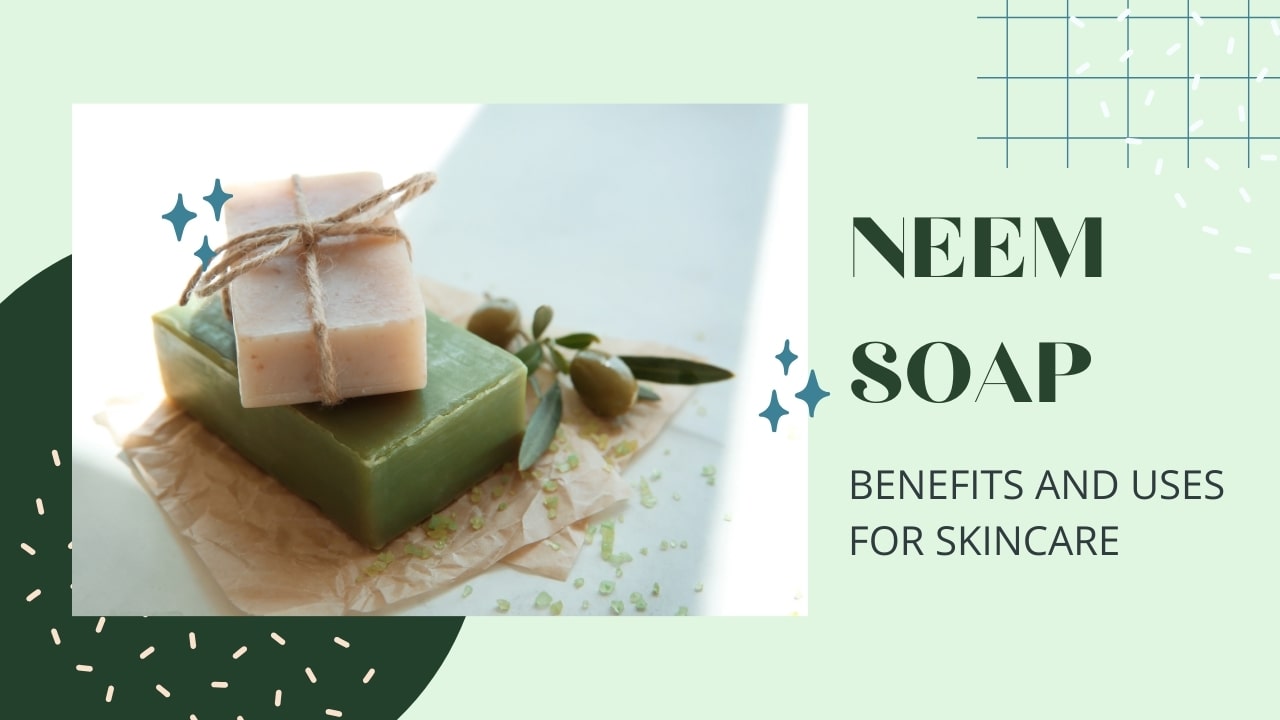
    uses of neem soap, benefits of neem soapAre you a skincare enthusiast trying to find safe, natural remedies? Should that be the case, you’re about to experience something truly wonderful. In the realm of skincare, neem soap has become a game-changer thanks to its many applications and advantages for a range of skin types. The definition of neem, its uses, how to choose the best kind, application advice, and safety measures will all be covered in this blog post. At the conclusion, you will possess all the necessary knowledge to integrate neem soap into your everyday skincare regimen for more radiant, healthier skin.

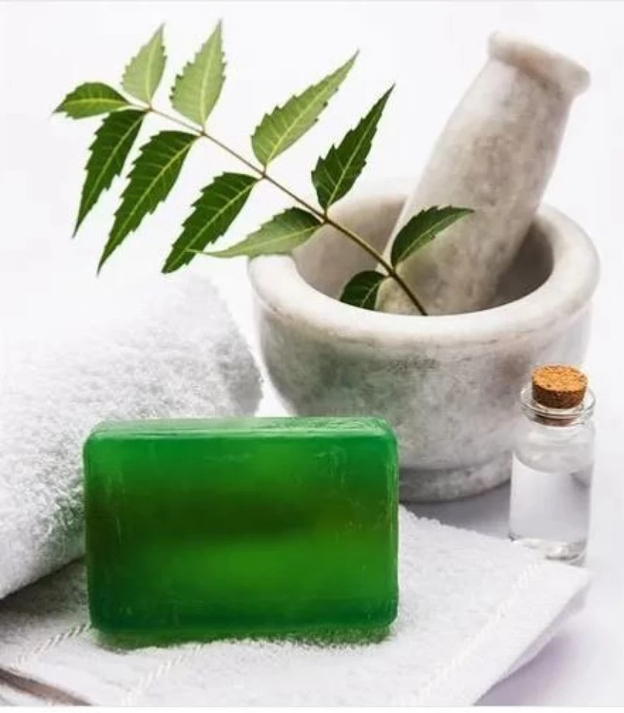

    What is Neem?

    The Indian subcontinent is home to the neem tree, scientifically known as Azadirachta indica. Because of its potent antibacterial, antifungal, and anti-inflammatory qualities, it has been utilized in traditional medicine for generations. The leaves and bark of the neem tree both contain medicinal substances that make the tree a useful tool for skincare and natural healing.

    Rich concentrations of bioactive chemicals such as nimbin, nimbidin, and a substance called make neem an outstanding plant. These substances support neem’s remarkable capacity to address a range of skin conditions. Neem can be quite helpful if you have acne, eczema, or just general dryness.

    In addition, neem is environmentally beneficial and sustainable. Because of its quick growth and low water requirements, this tree is a great option for anyone who are concerned about their environmental impact.

    Neem soap buy

    Benefits of using Neem Soap

    A variety of skin issues can be resolved by using neem soap, which has several advantages. The following are some key benefits:

    Properties that Are Antibacterial and Antifungal

    The power of neem soap for protection against bacteria and fungus is highly praised. For treating ailments like athlete’s foot, acne, and other fungal infections, it is very useful because of this. You can maintain clean, germ-free skin by using it on a regular basis.

    Beneficial and Regenerative Properties

    Occupied skin becomes less red and swollen as a result of neem’s anti-inflammatory qualities. Neem soap can be really helpful if you have sensitive skin or particular ailments like dermatitis. Even minor scrapes and bruises heal more quickly thanks to its healing qualities.

    Refreshing and hydrating

    Neem soap preserves moisture equilibrium in the skin, in contrast to many commercial soaps that can deplete your skin of its natural oils. Its high content of glycerides and fatty acids nourish and soften the skin. For people who have mixed or dry skin, this is quite helpful.

    Uses of Neem Soap for Skincare

    Using neem soap in diverse skincare regimes to suit different needs is possible due to its extreme versatility. You can include neem soap in your regular routine in the following ways:

    Regularly Used Face Wash

    Regularly cleansing your face with neem soap will help manage oil production, lessen acne, and maintain the youthful appearance of your skin. Your skin is free from dangerous microorganisms and pollutants thanks to its antibacterial qualities.

    Cleansing Body

    You can use neem soap as a body wash as well. It aids in the treatment and prevention of fungus infections, itching, and body acne. After each shower, your skin will feel refreshed and clean.

    Shave Soap

    Neem soap is beneficial for shaving for both men and women. Its calming qualities contribute to a smoother shave and softer skin by lessening irritation and razor burns.

    Benefits of neem

    How to Choose the Right Neem Soap

    Choosing the proper neem soap is essential to getting all of its advantages. Here are some pointers to help you:

    Analyze the contents.

    Verify the ingredient list to make sure that the neem soap actually contains neem leaf extract or pure neem oil. Steer clear of soaps that contain harmful chemicals or artificial perfumes that can irritate your skin.

    Take Into Consider Your Skin Type

    Choose neem soaps with additional components like aloe vera or tea tree oil if you have oily skin. If you have dry skin, choose neem soaps enhanced with hydrating ingredients such as coconut oil or shea butter.

    Read reviews :

    Customer testimonials might offer insightful information on how well the neem soap works. Look for evaluations from individuals who have relevant skin types and issues to your own.

    When choosing a neem soap, look for products that contain pure neem extract and are free from harsh chemicals and additives. Consider your specific skincare needs, such as dryness or acne, and choose a neem soap that is formulated to address those concerns. Opt for neem soaps that are certified organic and produced by reputable brands known for their commitment to quality and sustainability.

    Tips for Using Neem Soap Effectively

    The following advice will help you get the most out of your neem soap:

    Prioritize Patch Testing

    Conduct a patch test on a tiny section of your skin prior to using neem soap on your face or body. Identifying any allergic reactions or product sensitivities will be much easier with the use of this.

    Use  Lukewarm Water

    Use lukewarm water when using neem soap to wash your face and body. Lubrimate water helps preserve the moisture balance, but hot water can remove your skin of its natural oils.

    Relentless Use

    It’s important to be consistent. Frequent use of neem soap will enhance the texture and appearance of your skin. Include it in the routine you follow every day for skincare.

    Precautions and Potential Side Effects

    While most people can safely use neem soap, there are a few things you should know in advance:

    Reactions to Allergies

    Neem allergy responses are possible in certain individuals. Redness, itching, or swelling are examples of symptoms. If you see any of these indicators, discontinue use immediately.

    Consult a dermatologist.

    See a dermatologist if you have serious skin issues or if you have any doubts about using neem soap. Taking into account your skin type and problems, they can offer customized advise.

    Stay Out of Sensitive Areas

    Neem soap should not be applied to delicate regions like mucous membranes or the eyes. Rinse well with water if contact occurs.

    Conclusion

    Neem soap offers numerous benefits for skincare, including its antimicrobial, anti-inflammatory, and antioxidant properties. It can be used to cleanse, soothe, and moisturize the skin, making it a valuable addition to any skincare routine. As awareness of the benefits of natural skincare products grows, neem soap provides a safe and effective alternative to chemical-based products. Incorporating neem soap into your skincare routine can help promote healthy, radiant skin while minimizing the use of harsh chemicals and additives. Embrace the power of nature and discover the benefits of neem for your skin today.

    FAQs on Neem Soap: Benefits and Uses for Skincare

    1. Can any kind of skin type use neem soap?

    Answer : Sure, neem soap works well for all skin types in general, but you should always run a patch test beforehand.

    2. Do pimples respond well to neem soap?

    Answer : Indeed ! Acne can be effectively treated and prevented with neem soap thanks to its antibacterial qualities.

    3. For what purpose is neem soap intended?

    Answer : Include neem soap in your skincare routine every day for optimal benefits.

    The many advantages that neem soap provides can be yours if you adhere to these recommendations and include it in your routine. Bring on glowing, healthy skin and bid skin issues a fond farewell.

  • Natural Hair Care: Indigo Powder Benefits and Uses

    Natural Hair Care: Indigo Powder Benefits and Uses

    benefits of indigo powder, uses of indigo powderNatural Hair Care: Indigo Powder In recent years, there has been a significant shift towards embracing natural ingredients in hair care routines. From coconut oil to aloe vera, people are increasingly turning to nature’s remedies for healthier, more vibrant hair. Among these natural wonders is indigo powder, an ancient hair care ingredient with a rich history and a plethora of benefits.

    Details About Indigo Powder

    Indigo powder is derived from the leaves of the indigofera tinctoria plant, a species native to India and other parts of Asia. It has been used for centuries as a natural dye for fabrics and hair. Indigo has a long-standing history, dating back to ancient civilizations such as the Egyptians and the Mesopotamians, who used it for dyeing textiles. In India, indigo has cultural significance and is often associated with traditional practices like Ayurveda. The production of indigo powder involves harvesting the leaves of the indigofera tinctoria plant, drying and pulverizing them into a fine powder. This powder is then used in various hair care formulations.

    Benefits of Using Indigo Powder for Hair Care

    1. Natural Coloring Properties

    Indigo powder boasts remarkable natural coloring properties, standing out as one of its primary advantages. When applied to the hair, it can impart a deep, rich color, ranging from blue-black to dark brown, depending on the original hair color and the method of application.

    2. Hair Strengthening and Nourishing Effects

    Indigo powder is known for its ability to strengthen hair strands, making them less prone to breakage and split ends. It also contains nutrients that nourish the hair follicles, promoting healthier growth.

    3. Scalp Health Benefits

    Indigo powder has soothing properties that can help alleviate scalp irritation and inflammation. It can also regulate sebum production, keeping the scalp balanced and moisturized.

    Natural remedies work best when supported by good nutrition. Nurokind Gold Sachet offers a balanced mix of vitamins that may help improve scalp circulation and support healthy hair growth from within.

    4. Comparison with Synthetic Hair Dyes

    Unlike synthetic hair dyes, which often contain harsh chemicals like ammonia and parabens, indigo powder is free from harmful additives, making it a safer alternative for those with sensitive skin or allergies.

    Hair Nutrition Insight: While indigo powder nourishes hair externally, your strands also need internal support to grow strong and healthy. A daily multivitamin like Briq Capsule/Heam UP Syrup can help by providing essential nutrients that promote hair growth, strengthen roots, and improve scalp health from within.

    benefits of indigo powder for hair

    How to Use Indigo Powder for Hair Care

    Using indigo powder for hair care requires careful preparation and application to achieve desired results. Here’s a detailed guide on how to use indigo powder effectively:

    1. Preparing Indigo Powder for Application:

    • Start with high-quality indigo powder from a reputable source. Ensure that the powder is finely ground and free from any contaminants.
    • Measure out the desired amount of indigo powder based on the length and thickness of your hair. For shorter hair, you’ll need less powder, while longer or thicker hair may require more.
    • Place the indigo powder in a non-metallic bowl. Metal can react with the indigo and affect the color outcome.
    • Gradually add warm water to the indigo powder, stirring continuously until you achieve a smooth, lump-free paste. The consistency should be similar to that of yogurt or pancake batter.

    2. Application Methods:

    • Before applying indigo powder to your hair, it’s essential to conduct a patch test to check for any allergic reactions or sensitivities. Apply a small amount of the mixture to a small area of skin and wait for 24 hours to observe any adverse reactions.
    • Begin with clean, dry hair. Indigo powder works best on hair that is free from styling products and natural oils.
    • Separate your hair into segments using either clips or hair bands. This will ensure even coverage and make the application process more manageable.
    • Using gloved hands or a brush, apply the indigo paste to each section of hair, starting from the roots and working your way down to the tips. Make sure to saturate the hair thoroughly, massaging the paste into the strands to ensure even distribution.
    • Once all sections of hair are coated with the indigo paste, cover your hair with a shower cap or plastic wrap to keep it moist and prevent the paste from drying out.
    • Leave the indigo paste on your hair for the recommended amount of time, usually between 1 to 3 hours, depending on the desired intensity of color. You can also wrap your head with a warm towel or use a hair dryer on low heat to help the color develop more quickly.
    • Once the timer ticks down, rinse your hair generously with lukewarm water, ensuring a thorough cleanse until the water flows crystal clear. Avoid using shampoo immediately after rinsing, as it can strip away the color. You can condition your hair if desired.

    3. Tips for Achieving Desired Results:

    • For a darker color, leave the indigo paste on your hair for a longer period of time. Keep in mind that indigo powder tends to darken over time, so the color may continue to deepen in the days following application.
    • If you’re looking to cover gray hair, you may need to pre-treat your hair with henna before applying the indigo paste. This two-step process, known as the henna-indigo method, helps achieve a more vibrant and long-lasting color.
    • Experiment with different indigo powder mixtures to customize the shade to your liking. You can mix indigo powder with other natural ingredients such as henna, amla, or cassia to achieve various shades of brown or black.

    4. Safety Precautions:

    • Always wear gloves when handling indigo powder to avoid staining your hands.
    • Protect your clothing and surroundings from potential stains by wearing old clothes and covering surfaces with towels or newspapers.
    • Avoid contact with the eyes and mucous membranes when applying indigo powder. In the event of contact, promptly flush with abundant water.
    • Perform a strand test before applying indigo powder to your entire head to ensure that you achieve the desired color outcome and to check for any adverse reactions.

    By following these steps and precautions, you can effectively use indigo powder to color and nourish your hair, achieving beautiful, natural-looking results while promoting overall hair health.

    Indigo Powder: Sustainability and Ethical Considerations

    1. Environmental Impact

    The cultivation and production of indigo powder have a relatively low environmental impact compared to synthetic dyes. However, it’s essential to consider factors such as water usage and land management practices.

    2. Fair Trade Practices and Sourcing

    When purchasing indigo powder, look for brands that prioritize fair trade practices and sustainable sourcing methods. This ensures that farmers and workers are paid fair wages and that the product is produced ethically.

    3. Alternatives and Eco-Friendly Options

    In addition to indigo powder, there are other natural alternatives for coloring and conditioning the hair, such as herbal hair rinses and plant-based hair dyes. These options are often more eco-friendly and biodegradable than their synthetic counterparts.

    Addressing Myths about Indigo Powder

    One common misconception is that indigo powder is damaging to the hair. However, when used correctly and in combination with other natural ingredients, indigo powder can actually strengthen and nourish the hair, promoting healthier strands.

    Another myth is that indigo powder is difficult to use or messy. While it does require careful preparation and application, following proper techniques and precautions can minimize any potential mess and ensure a smooth application process.

    Additionally, some people believe that indigo powder only produces a blue-black color, but in reality, it can create a range of shades, from dark brown to black, depending on factors such as hair type and the method of application. 

    Conclusion

    Indigo powder is a versatile and natural ingredient with numerous benefits for hair care. From its coloring properties to its nourishing effects on the hair and scalp, indigo powder offers a safe and effective alternative to synthetic hair dyes. By exploring the world of indigo powder, individuals can embrace a more sustainable and ethical approach to hair care, while also celebrating the rich history and cultural significance of this ancient remedy. 

    If you’re looking for a more targeted treatment for hair loss alongside herbal care, you may consider Mintop Forte 2% Solution—a trusted solution for promoting hair regrowth.

    If you’re facing persistent hair thinning or scalp issues, a supplement like Geomax Plus 4G Tablet can support hair strength from within.

    FAQs On Natural Hair Care: All About Indigo Powder

    1. Is indigo powder safe to use on all hair types, including chemically treated hair?

    Answer: Yes, indigo powder is generally safe for all hair types, including chemically treated hair. However, it’s essential to perform a patch test before full application to check for any adverse reactions.

    2. How long does the color from indigo powder last, and does it cover gray hair effectively?

    Answer: The longevity of indigo powder color can vary depending on factors such as hair porosity and maintenance routine, but it typically lasts several weeks to months. When used in combination with henna, indigo powder can effectively cover gray hair and provide long-lasting color.

    3. Can indigo powder be used on its own, or does it need to be mixed with other ingredients like henna?

    Answer: Indigo powder can be used on its own for a blue-black color, but for varying shades of brown or black, it’s often mixed with henna or other natural ingredients like amla or cassia. Mixing indigo powder with henna can also enhance its conditioning properties and improve color adherence.

    Buy Medicine – Upto 85% Discount