Search results for: “all”

  • Latest Erectile Dysfunction Treatment

    Erectile dysfunction treatment refers to the medical and lifestyle interventions aimed at improving or restoring a man’s ability to achieve and sustain an erection sufficient for sexual intercourse. These erectile dysfunction treatments may include medications, therapy, lifestyle changes, or surgical procedures, depending on the specific needs and preferences of the individual.

    Erectile dysfunction, commonly known as ED, is a prevalent but often stigmatized issue that can significantly impact a man’s self-esteem, relationships, and overall quality of life.

    Before delving into the Treatment of Erectile dysfunction, it’s essential to grasp what this condition entails. Erectile dysfunction refers to the consistent or recurrent inability to achieve and maintain an erection sufficient for sexual intercourse. Occasional difficulty with erections is normal, but when it becomes a persistent problem, it can lead to anxiety, depression, and strained relationships.

    Erectile Dysfunction Treatment

    While erectile dysfunction can affect men of all ages, it is more common in older individuals due to factors like reduced blood flow and hormonal changes. However, it’s crucial to recognize that erectile dysfunction is not an inevitable part of ageing, and effective treatments are available regardless of age.

    > Consult a doctor and Order Medicine Online

    Lifestyle Changes as a First Step

    When confronted with ED, the initial approach often involves making lifestyle changes. These changes can address underlying causes and, in some cases, significantly improve erectile function without the need for medications or other interventions.

    • Diet and Exercise: A healthy diet that includes fruits, vegetables, whole grains, and lean proteins can promote cardiovascular health, which is closely linked to erectile function. Regular exercise can also enhance blood flow, helping to combat ED.
    • Stress Management: Chronic stress and anxiety can contribute to ED. Engaging in relaxation practices like meditation, yoga, or deep breathing exercises can play a pivotal role in alleviating stress levels, consequently fostering an enhancement in sexual performance.
    • Smoking and Alcohol: Quitting smoking and limiting alcohol intake can have a positive impact on erectile function. Both smoking and excessive alcohol consumption can impair blood flow, which is essential for achieving and maintaining an erection.
    • Weight Management: Maintaining a healthy weight can reduce the risk of ED. Obesity is associated with various health issues, including diabetes and high blood pressure, which can contribute to erectile dysfunction.
    • Sleep Hygiene: Ensuring you get adequate, restful sleep can also play a role in erectile function. Sleep is essential for overall health, and it can help regulate hormones and reduce stress.

    While lifestyle changes can be effective, they may not provide a complete solution for everyone. In such cases, medical interventions become a viable option.

    Medical Treatments for Erectile Dysfunction

    The key medical treatments for Erectile Dysfunction are as follows:

    • Oral Medications: The introduction of oral medications like sildenafil (Viagra), tadalafil (Cialis), and vardenafil (Levitra) revolutionized erectile dysfunction treatment. These medications function by enhancing blood circulation to the penile region, which in turn promotes the occurrence of an erection when aroused sexually. They are generally safe and effective, although they may have side effects for some individuals.
    • Penile Injections: For those who don’t respond well to oral medications, penile injections are another option. These injections deliver medication directly into the penis, resulting in a more rapid and reliable erection. While it may sound intimidating, most men find that the process is relatively painless and well-tolerated.
    • Penile Implants: In cases where other treatments are ineffective, or when physical factors severely limit erectile function, penile implants can provide a long-term solution. There exist two fundamental categories of penile prostheses: inflatable and malleable implants. These devices are surgically implanted into the penis and can be inflated or adjusted to achieve an erection.
    • Vacuum Erection Devices: A vacuum erection device (VED) is a non-invasive option that uses a vacuum to draw blood into the penis, creating an erection. A constriction ring is then placed at the base of the penis which helps in maintaining the erection. VEDs can be a suitable choice for men who want to avoid medications or surgical procedures.
    • Testosterone Replacement Therapy: In cases where low testosterone levels contribute to ED, testosterone replacement therapy (TRT) may be recommended. This treatment involves the administration of testosterone, typically through injections, gels, or patches, to raise hormone levels to normal ranges.

    Prescription Medications for ED

    One of the most common treatment options for erectile dysfunction is the use of oral medications called PDE5 inhibitors. These medications work by increasing blood flow to the penis, helping achieve and maintain an erection during sexual stimulation. Vigora 100mg Tablet/Tadacip 20mg Tablet is one such PDE5 inhibitor that is widely prescribed. It should be taken approximately 30 minutes before planned sexual activity and only under medical supervision, especially if you are taking other medications like nitrates.

    Conclusion:

    Erectile dysfunction treatment has come a long way, offering hope and effective solutions to men facing this common condition. From lifestyle changes to medications, injections, and advanced surgical options, there is a wide array of treatments available to restore confidence and intimacy.

    The key lies in recognizing the issue, seeking professional help, and being open to exploring the options that can best address individual needs. With the right approach and support, men can regain control of their sexual health and enjoy fulfilling relationships once again.

    Read: What are Generic Medicines?

    Why do generic and brand name drugs look different?

    Generic and brand name drugs may look different due to variations in their appearance, such as colour, shape, or packaging. However, this doesn’t affect their effectiveness or safety. The differences stem from trademark regulations that allow generic manufacturers to create distinct appearances for their products.

    These variations help patients and healthcare providers distinguish between different medications while ensuring that generics maintain the same active ingredients and therapeutic effects as their brand name counterparts, offering cost-effective alternatives.

    FAQs on Erectile Dysfunction Treatment

    Q1. What is erectile dysfunction treatment?

    Treatment of Erectile dysfunction refers to the various methods and therapies used to address the consistent or recurrent inability to achieve and maintain an erection sufficient for sexual intercourse in men. These treatments can range from lifestyle modifications and medications to more invasive options like surgery, depending on the underlying causes and individual preferences.

    Q2. Are oral medications like Viagra safe for the Treatment of Erectile dysfunction?

    Yes, oral medications like Viagra are generally safe and effective for many men with ED, but it’s essential to consult a healthcare professional for a proper evaluation and prescription.

    Q3. Is it possible to treat erectile dysfunction without medication or surgery?

    Yes, lifestyle changes such as a healthy diet, regular exercise, stress management, and adequate sleep can improve erectile function in some cases without the need for medication or surgery.

    Q4. What is the success rate of penile implants in treating severe erectile dysfunction?

    Penile implants have a high success rate, with most men reporting satisfaction and improved sexual function. They are typically recommended when other treatments have proven ineffective or when physical factors severely limit erectile function.

    Related Links:
  • Effective Balanitis Treatment: Medication, Cream and Top Antibiotic

    Effective Balanitis Treatment: Medication, Cream and Top Antibiotic

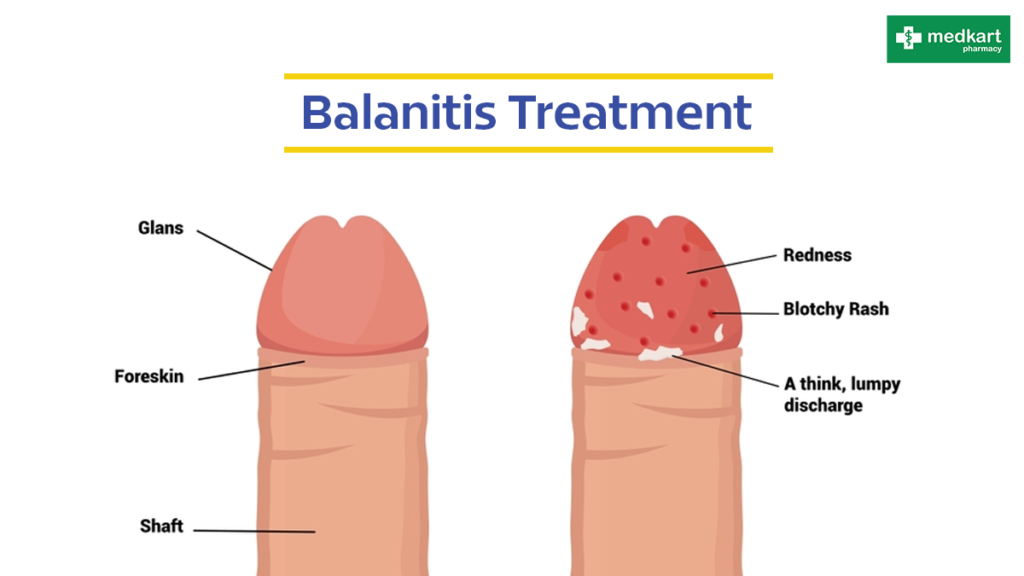
    Balanitis treatment refers to the medical care and interventions used to alleviate and manage the inflammation of the glans penis, a condition known as balanitis. It typically involves addressing the underlying causes of the inflammation, such as infections or irritation, through measures like improved hygiene practices, topical medications (such as antifungal or antibiotic creams), and, in severe cases, surgical procedures like circumcision.

    It can be a source of discomfort and anxiety. Fortunately, there are various balanitis treatment options available, including balanitis treatment cream, which can provide much-needed relief.

    Symptoms of Balanitis

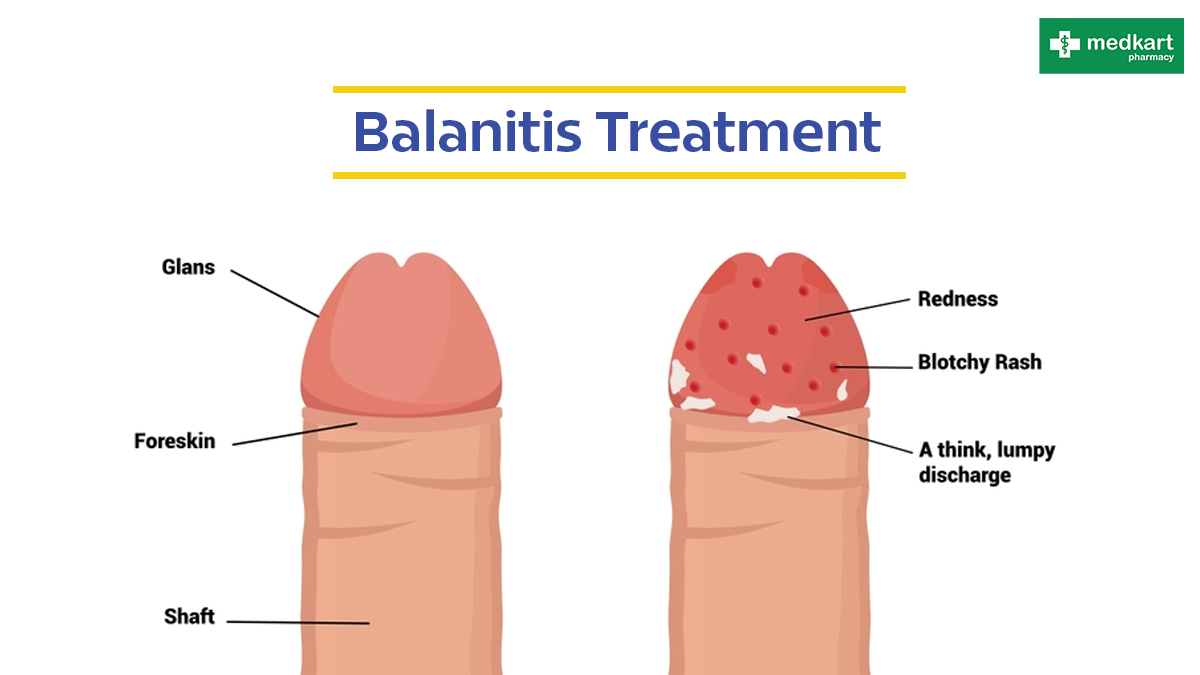
    To embark on the journey of balanitis treatment, it is crucial to comprehend the intricacies of this condition. Balanitis primarily affects the glans penis, leading to inflammation and discomfort. The symptoms of balanitis often include the following:

    • Redness and Swelling: The glans become red, swollen, and tender, causing discomfort and visual distress.
    • Itching and Irritation: Itchy sensations and persistent irritation in the affected area are common complaints among those with balanitis.
    • Pain and Discomfort: Balanitis can lead to pain, particularly during urination or sexual intercourse, disrupting daily life and intimacy.
    • Discharge: In some cases, balanitis may result in the discharge of pus or an unpleasant odour, further exacerbating discomfort.
    • Phimosis: In severe cases, balanitis can lead to a condition called phimosis, where the foreskin becomes too tight and cannot be pulled back over the glans.

    Balanitis Treatment image

    Root Causes of Balanitis

    The root causes of balanitis are diverse and may include:

    • Poor Hygiene: Inadequate genital hygiene can foster the accumulation of smegma, a mixture of dead skin cells and bodily oils, which can irritate the glans and contribute to balanitis development.
    • Infections: Bacterial or fungal infections, such as candidiasis or sexually transmitted infections (STIs), are common triggers of balanitis.
    • Allergic Reactions: Some individuals experience balanitis as an allergic reaction to substances like certain soaps, laundry detergents, or latex condoms.
    • Diabetes: Poorly managed diabetes can make individuals more susceptible to balanitis due to elevated blood sugar levels creating an environment conducive to fungal and bacterial growth.
    • Skin Conditions: Conditions like psoriasis or eczema can also lead to balanitis in certain cases.

    > Consult a Doctor and Medkart will help you Order Medicines Online

    Balanitis Treatment

    The encouraging news is that balanitis is indeed treatable, and it’s possible to find relief from its discomfort. The choice of treatment largely hinges on the underlying cause of balanitis:

    1. Hygiene and Lifestyle Changes

    For mild cases attributed to poor hygiene, improving genital hygiene practices is often the initial step towards recovery. Daily, gently wash the penis, ensuring thorough cleaning of the foreskin (if present). Additionally, it’s essential to avoid harsh soaps or irritants.

    2. Medications

    In instances where balanitis is the result of a fungal or bacterial infection, healthcare professionals may prescribe topical antifungal or antibiotic creams. These creams can effectively clear the infection and are often referred to as balanitis treatment cream

    3. Steroid Creams

    When inflammation is the primary culprit, steroid creams may be recommended to reduce swelling and alleviate discomfort.

    4. Diabetes Management:

    For individuals with diabetes, achieving and maintaining optimal blood sugar levels is paramount to preventing recurrent balanitis episodes.

    5. Circumcision:

    In severe or recurrent cases, a healthcare provider may suggest circumcision, a surgical procedure involving the removal of the foreskin. This can significantly reduce the risk of future balanitis occurrences.

    6. Allergen Identification and Avoidance

    If an allergic reaction is suspected as the cause of balanitis, pinpointing and avoiding the allergen is pivotal in preventing future episodes.

    Also Read: Balanitis Treatment in Hindi

    Best Antibiotic for Balanitis and Cream

    Balanitis cream, also known as topical balanitis treatment cream, treats balanitis by providing targeted relief from its symptoms and underlying causes, such as bacterial or fungal infections, irritation, and inflammation. Some common balanitis treatment creams include:

    1. Clotrimazole Cream

    Clotrimazole is an antifungal medication commonly used to treat balanitis caused by fungal infections. It works by inhibiting the growth of the fungus responsible for the condition.


    2. Miconazole Cream

    Miconazole is another antifungal agent often used in balanitis treatment. Like clotrimazole, it combats fungal infections and helps relieve itching and inflammation.


    3. Hydrocortisone Cream

    Hydrocortisone is a mild corticosteroid often included in balanitis creams to reduce inflammation and alleviate discomfort associated with balanitis. It is particularly useful when inflammation is a significant symptom.

    Typically, people apply these balanitis creams topically to the affected area, ensuring direct delivery of the medication to the inflamed glans penis. They are available by prescription or over-the-counter, depending on the severity of the condition and the specific formulation.

    Moreover, it’s important to use balanitis cream as directed by a healthcare professional, as they can accurately diagnose the underlying cause of balanitis and recommend the most appropriate treatment. This may include the use of balanitis cream in conjunction with other therapies for maximum effectiveness.

    Conclusion

    Balanitis is a treatable condition, and those affected need not endure unnecessary discomfort. By promptly seeking medical advice, individuals can embark on a journey toward relief. Whether the solution is a change in hygiene practices, a prescription for balanitis treatment cream, or other tailored treatments, the goal is to regain comfort and confidence. Remember that your health is a top priority, and addressing balanitis is a significant step in that direction.

    Definition of Generic Medicine

    Generic medicine refers to a pharmaceutical product that is equivalent to a brand-name or innovator drug in terms of active ingredients, dosage, safety, quality, and intended use. Manufacturers typically produce these medicines more affordably after the expiration of the innovator’s patent.

    Generic Medicines undergo rigorous testing to ensure their safety and effectiveness, providing consumers with cost-effective alternatives to brand-name medications while maintaining the same therapeutic benefits.

    Read: What are Generic Medicines?

    FAQs on Balanitis Treatment

    Q1. What is balanitis treatment?

    Balanitis treatment involves addressing inflammation of the glans penis. This is typically achieved through hygiene improvement, application of antifungal or antibiotic creams, or other medications prescribed by a healthcare professional.

    Q2. Can I treat balanitis at home?

    Proper cleaning can improve mild balanitis due to poor hygiene, but consult a doctor for persistent or severe cases.

    Q3. Is balanitis contagious?

    No, balanitis itself is not contagious, but the infections that can cause it may be, so practice safe intercourse.

    Q4. How long does it take for balanitis treatment to work?

    Treatment often shows improvement within a few days of starting, but complete resolution may take a week or more, depending on the cause and severity.

    Related Links:

  • Top Typhoid Home Remedies: Typhoid Fever Supportive Therapy and Treatment

    Top Typhoid Home Remedies: Typhoid Fever Supportive Therapy and Treatment

    Typhoid Fever Diagnosis

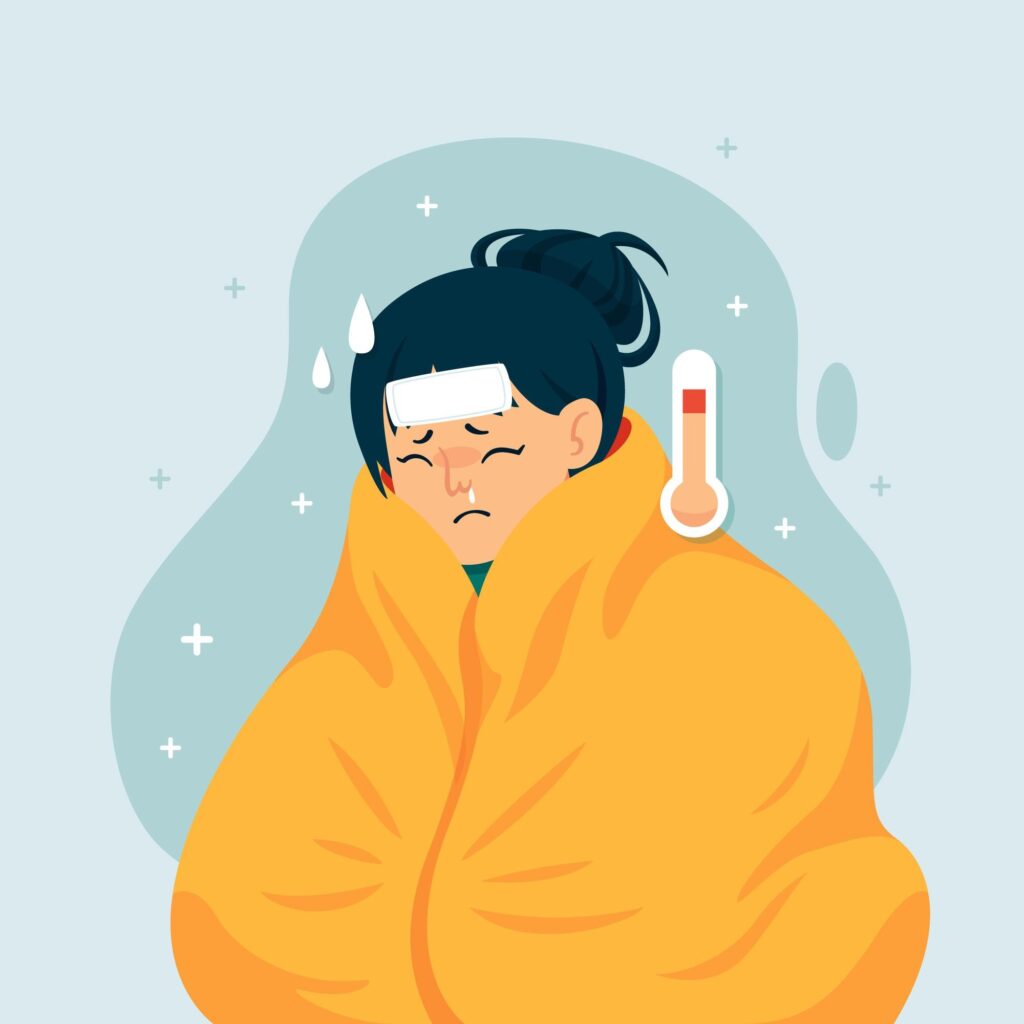
    Typhoid fever treatment involves a combination of antibiotics to target and eliminate the Salmonella Typhi bacteria, which cause the illness. Supportive care, including hydration, fever management, and proper nutrition, is also provided to alleviate symptoms and prevent complications.

    Completing the prescribed antibiotic course is essential for a full recovery. Typhoid fever is a serious infectious disease that primarily spreads through contaminated food and water. Without prompt and appropriate treatment, it can lead to severe complications and even prove fatal.

    Typhoid Fever Diagnosis

    The journey to effective treatment begins with a proper diagnosis. The symptoms of typhoid fever can be quite non-specific, often resembling other common infections. These symptoms may include a high fever, headache, abdominal pain, weakness, and a distinctive rose-coloured rash.

    Given the overlap with other illnesses, it’s crucial to consult a healthcare professional for accurate diagnosis. Diagnostic tests such as blood cultures and stool cultures are vital in confirming the presence of Salmonella Typhi in the body.

    Typhoid Fever Treatment

    Once diagnosed, the cornerstone of typhoid fever treatment is the administration of antibiotics. Antibiotics are highly effective in killing the Salmonella Typhi bacteria, reducing the severity of symptoms, and shortening the duration of the illness. Commonly prescribed antibiotics for typhoid fever include ciprofloxacin, ceftriaxone, and azithromycin.

    Effective medication for reducing pain & fever – RUMANIL TABLET and IBUGESIC PLUS SUSPENSION.

    The choice of antibiotic may depend on factors like the patient’s age, local antibiotic resistance patterns, and individual medical history. It is crucial to complete the full course of antibiotics as prescribed by a healthcare provider to ensure complete eradication of the bacteria.

    Typhoid Fever Treatment

    Typhoid Fever Supportive Therapy

    In addition to antibiotics, typhoid fever supportive therapy often includes supportive care aimed at managing symptoms and preventing complications. Some of the key elements of supportive care are as follows:

    • Hydration: Typhoid fever can lead to significant fluid loss due to diarrhoea and vomiting. Rehydration is essential to prevent dehydration. Patients may be encouraged to drink oral rehydration solutions or receive intravenous fluids.
    • Nutrition: Maintaining proper nutrition is vital for a speedy recovery. Patients are advised to follow a balanced diet that is gentle on the digestive system. Dietary restrictions may be recommended in some cases.
    • Fever Management: High fever is a hallmark symptom of typhoid fever and can be uncomfortable. Over-the-counter fever-reducing medications like acetaminophen (paracetamol) can help alleviate this symptom.
    • Rest: Adequate rest is crucial during the recovery period. It allows the body’s immune system to better combat the infection.

    Monitoring and Follow-up Care

    Throughout typhoid fever treatment, healthcare providers closely monitor patients. This includes tracking the response to antibiotics, assessing hydration levels, and promptly addressing any potential complications. Even after completing the antibiotic course and feeling better, it is essential to attend follow-up appointments to confirm that the infection has been completely cleared from the body.

    Read: What happens if we take Dolo 650 without Fever?

    How long does Typhoid Fever last after treatment?

    After receiving treatment, the duration of the illness can vary from person to person. In general, the course of typhoid fever after treatment typically follows a specific pattern:

    • Early Improvement: Within a few days of starting antibiotic treatment, most patients experience an improvement in their symptoms. Fever tends to subside, and other symptoms such as abdominal pain and weakness begin to lessen. This initial progress is an encouraging indication that the therapy is having a beneficial impact.
    • Full Recovery: The total duration of typhoid fever after treatment can range from about 7 to 14 days, depending on factors like the severity of the infection and the choice of antibiotics.Certain people might experience a swifter recuperation, whereas others might require an extended period for their recovery. It’s crucial to complete the full course of antibiotics as prescribed by a healthcare provider to ensure that the infection is completely eradicated from the body.
    • Follow-up: Even after recovery from acute typhoid symptoms, patients should attend follow-up appointments with their healthcare provider. These visits help ensure that the infection has been fully cleared and that there are no lingering complications.

    It’s important to note that while antibiotic treatment is highly effective in treating the acute phase of typhoid fever, individuals may continue to shed the bacteria in their stool for several weeks after recovery. This underscores the importance of maintaining good hygiene practices and following any additional guidance provided by healthcare professionals to prevent the spread of the disease to others.

    > Consult a Doctor and Medkart will help you Order Medicines Online

    Conclusion:

    Typhoid fever treatment combines antibiotics and supportive care to combat this potentially life-threatening illness effectively. Early diagnosis, appropriate antibiotics, and diligent monitoring are key to a successful recovery. Nevertheless, prevention through good hygiene practices and vaccination remains the most effective approach to safeguard yourself and your loved ones from this infectious threat.

    FAQs on Typhoid Fever Treatment

    Q1. What is typhoid fever treatment?

    Typhoid fever treatment typically involves a course of antibiotics to kill the Salmonella Typhi bacteria and supportive care to manage symptoms and prevent complications. Timely and complete antibiotic treatment is crucial for a full recovery.

    Q2. How long does typhoid fever treatment usually last?

    Typhoid fever treatment typically lasts for about 7 to 14 days, depending on the severity of the infection and the choice of antibiotics.

    Q3. Can I stop antibiotics once my symptoms improve?

    No, it’s essential to complete the full course of antibiotics as prescribed by your healthcare provider to ensure the complete eradication of the bacteria.

    Q4. Is supportive care necessary during typhoid fever treatment?

    Yes, supportive care, including hydration, fever management, and proper nutrition, is often needed to manage symptoms and prevent complications during typhoid fever treatment.

    Related Links:

  • Sinusitis Treatment: Home Remedies for Sinus Infection Treatment

    Sinusitis treatment involves a range of approaches to alleviate the symptoms and address the underlying causes of sinus inflammation and infection. This may include home remedies like steam inhalation and saline nasal rinses, over-the-counter medications such as decongestants and pain relievers, prescription drugs like antibiotics or corticosteroids for severe cases, and, in some instances, surgical procedures to improve sinus drainage or correct structural issues.

    The specific sinusitis treatment plan is determined based on the severity and duration of the condition. Sinusitis, also known as a sinus infection, occurs when the lining of the sinuses becomes inflamed.

    These small, air-filled cavities are located in the bones of the face and skull, and they are essential for draining mucus and facilitating airflow. When they become blocked due to inflammation, mucus accumulates, leading to infection and the unpleasant symptoms that come with it.

    Symptoms of Sinusitis

    Sinusitis can manifest in various ways, and its symptoms may range from mild to severe. Common symptoms of sinusitis include:

    1. Facial pain or pressure
    2. Nasal congestion
    3. Discolored nasal discharge
    4. Cough
    5. Headache
    6. Fatigue

    Sinusitis Treatment

    Sinusitis Treatment

    Let’s explore the various sinus infection treatment options available to alleviate these distressing symptoms.

    1. Home Remedies for Sinusitis Treatment

    For mild cases of sinusitis, home remedies can often provide relief. These include:

    • Steam inhalation: Inhaling steam can help soothe your sinuses and relieve congestion. You can achieve this by inclining over a vessel of warm water while ensconced under a cloth.
    • Nasal irrigation: Using a saline solution to flush out your nasal passages can help remove mucus and reduce congestion. Neti pots and saline nasal sprays are frequently used for this specific intent.
    • Hydration: Staying well-hydrated by drinking plenty of fluids can help keep mucus thin and easier to expel.
    • Rest: Getting adequate rest allows your body to heal more effectively and can help speed up your recovery.

    Home remedies are often the first line of defence against sinusitis, especially when the symptoms are mild. However, if your symptoms persist or worsen, it’s essential to consult a healthcare professional for further evaluation and treatment.

    Read: What are Generic Medicines?

    2. Over-the-Counter Medications

    Over-the-counter (OTC) medications can be effective in managing sinusitis symptoms. These include:

    • Decongestants: Oral decongestants like pseudoephedrine can help reduce nasal congestion by narrowing blood vessels in the nasal passages.
    • Antihistamines: These can be helpful if allergies are contributing to your sinusitis symptoms, as they can reduce allergic reactions and alleviate congestion.
    • Pain relievers: Non-prescription pain relievers like ibuprofen or acetaminophen can help reduce headache and facial pain associated with sinusitis.

    It’s important to follow the recommended dosages and consult a healthcare professional if you have any underlying medical conditions or are taking other medications to avoid potential interactions.

    3. Prescription Medications for Sinus Infection treatment

    In cases of severe or chronic sinusitis, a healthcare provider may prescribe specific medications to address the underlying infection and inflammation. These may include:

    • Antibiotics: If the sinusitis is caused by a bacterial infection, a course of antibiotics may be necessary to clear the infection.
    • Corticosteroids: These anti-inflammatory medications can be prescribed as nasal sprays or oral tablets to reduce inflammation in the nasal passages and sinuses.
    • Nasal corticosteroid sprays: These are often used to manage chronic sinusitis and can help reduce inflammation and control symptoms.
    • Immunotherapy: In cases where allergies contribute to chronic sinusitis, immunotherapy may be recommended to desensitize the immune system to specific allergens.

    Sinusitis Treatment

    4. Surgical Interventions

    When other treatments fail to provide relief, or if structural issues within the sinuses are causing recurrent infections, surgery may be necessary. Some common surgical options for sinus infection treatment include:

    • Endoscopic sinus surgery: This minimally invasive procedure involves the insertion of a thin, flexible tube with a camera (endoscope) into the nasal passages to remove blockages and improve drainage.
    • Balloon sinuplasty: This procedure uses a small, balloon-like device to open blocked sinus passages and is less invasive than traditional sinus surgery.
    • Sinus surgery: In more severe cases, traditional sinus surgery may be required to remove obstructions, correct structural issues, or open up the sinus cavities.

    It’s important to note that surgery is usually considered a last resort when other sinus infection treatments have been ineffective, and it should only be performed by an experienced ENT (ear, nose, and throat) surgeon.

    > Consult a doctor and Order Medicine Online

    Conclusion:

    Sinus infection treatment options vary depending on the severity and underlying cause of your sinus infection. While many cases can be managed effectively with home remedies and over-the-counter medications, it’s crucial to consult a healthcare professional if your symptoms persist, worsen, or if you have a history of chronic sinusitis.

    By seeking appropriate sinusitis treatment, you can find relief from the discomfort of sinusitis and improve your quality of life.

    Are generic drugs as safe as brand name drugs?

    Yes, generic drugs are generally as safe and effective as their brand-name counterparts. They contain the same active ingredients, are regulated by the same strict standards from health authorities, and must meet rigorous quality and safety criteria.

    The main difference is the price, as generic drugs are typically more affordable due to lower research and development costs. Patients can often save money without compromising on safety or effectiveness by opting for generic versions of their medications when available.

    FAQs on Sinusitis Treatment

    Q1: What is sinusitis treatment?

    Sinusitis treatment involves relieving symptoms and addressing the underlying cause, which may include home remedies, over-the-counter or prescription medications, and, in severe cases, surgical interventions to improve sinus drainage and reduce inflammation.

    Q2: What are the main over-the-counter medications for sinusitis treatment?

    Over-the-counter options include decongestants to relieve congestion, antihistamines for allergy-related symptoms, and pain relievers like ibuprofen or acetaminophen.

    Q3: When should I consider seeing a doctor for sinusitis treatment?

    Consult a doctor if your symptoms persist beyond 10 days, worsen, or if you have a history of chronic sinusitis, as you may need prescription medications or further evaluation.

    Q4: Are there surgical options for sinusitis treatment?

    Yes, surgical interventions like endoscopic sinus surgery or balloon sinuplasty may be considered in cases of recurrent or severe sinusitis when other treatments have failed.

    Related Links:

  • Best Acne Treatment: Type and Causes of Acne

    Acne treatment encompasses a range of methods and products designed to address and manage the various factors contributing to acne, a common skin condition. These treatments target causes like excess sebum production, clogged pores, bacterial infection, hormonal imbalances, and inflammation.

    The primary goals of acne treatment are to reduce breakouts, alleviate symptoms, prevent scarring, and ultimately achieve clear and healthy skin.

    Acne usually develops when hair follicles become blocked due to the accumulation of sebum and dead skin cells. These clogged pores create an ideal environment for bacteria to thrive, leading to inflammation and the development of pimples, blackheads, whiteheads, and sometimes even painful cysts.

    Causes for Acne

    Acne breakouts result from various factors:

    • Excess Sebum: Overactive sebaceous glands produce excess oil, which mixes with dead skin cells, leading to clogged hair follicles and pimples.
    • Clogged Pores: When hair follicles or pores become blocked by sebum and dead cells, they create a breeding ground for acne-causing bacteria.
    • Bacterial Infection: P. acnes bacteria multiply within clogged pores, causing inflammation and red, swollen pimples.
    • Hormonal Changes: Puberty, menstruation, pregnancy, and menopause trigger hormone fluctuations that stimulate sebaceous glands, increasing sebum production and acne risk.
    • Diet: While research continues, high-glycemic foods and dairy may worsen acne in some individuals.
    • Stress: Stress hormones like cortisol can boost sebum production and weaken the body’s ability to combat acne bacteria.
    • Genetics: Family history plays a role in skin type, oil production, and hormonal responses, influencing acne susceptibility.
    • Medications: Certain drugs, including corticosteroids, contraceptives, and anticonvulsants, may induce or worsen acne.
    • Cosmetic Products: Comedogenic cosmetics and skincare items can block pores, contributing to acne.
    • Environmental Factors: Pollution, humidity, and excessive sweating create favourable conditions for acne by clogging pores.

    Understanding these causes empowers you to take steps for acne treatment.

    Acne Treatment

    Acne Treatment

    When treating acne breakouts, the goal is to reduce inflammation, unclog pores, and prevent new blemishes from forming. Here are several typical remedies for acne that can provide assistance:

    • Topical Treatments: Over-the-counter creams and gels containing ingredients like benzoyl peroxide, salicylic acid, and alpha hydroxy acids can be effective in reducing mild to moderate acne.
    • Prescription Medications: In more severe cases, dermatologists may prescribe topical or oral antibiotics, retinoids, or hormonal therapies to manage acne.
    • Lifestyle Modifications: Adopting a skincare routine that includes gentle cleansing and moisturizing, avoiding excessive sun exposure, and maintaining a balanced diet can help prevent and manage acne.
    • Chemical Peels: Chemical peels can help improve skin texture and reduce the appearance of acne scars by removing the top layer of damaged skin.

    > Consult a doctor and Order Medicine Online

    Acne Scar Treatment

    One of the most challenging aspects of dealing with acne is the potential for scarring. Acne scars can persist long after the breakouts have cleared, impacting self-esteem and confidence. Fortunately, there are several effective acne scar treatment options available:

    • Microneedling: This minimally invasive procedure involves tiny needles that create controlled micro-injuries in the skin, stimulating collagen production and improving the appearance of scars.
    • Laser Therapy: Laser treatments can target specific areas of scarring, promoting collagen remodelling and reducing the appearance of scars.
    • Chemical Peels: As mentioned earlier, chemical peels can also help with mild to moderate acne scars by exfoliating the top layers of the skin.
    • Dermal Fillers: Injectable dermal fillers like hyaluronic acid can temporarily plump depressed acne scars, providing a smoother complexion.
    • Surgical Procedures: In some cases, surgical procedures such as punch excisions, subcision, or skin grafting may be recommended for more severe scarring.

    Read: What are Generic Medicines?

    Back Acne Treatment

    Back acne, or “bacne,” can be as distressing as facial acne but is often harder to reach and treat. To tackle back acne effectively, consider these strategies:

    • Topical Treatments: Use acne-fighting cleansers and creams specifically formulated for the body, containing ingredients like benzoyl peroxide or salicylic acid.
    • Exfoliation: Gently exfoliate your back with a scrub or exfoliating brush to help unclog pores and remove dead skin cells.
    • Clean Clothing: Wear loose-fitting clothing made of natural fabrics like cotton to allow your skin to breathe. Avoid tight, synthetic materials that can trap sweat and bacteria.
    • Shower After Sweating: If you exercise or sweat heavily, make sure to shower promptly and cleanse your back to prevent sweat and oils from clogging pores.
    • Prescription Medications: In severe cases, consult a dermatologist for prescription-strength treatments.

    Acne Treatment

    Conclusion:

    Acne treatment is not a one-size-fits-all solution, and finding the right approach may require some trial and error. Consult with a dermatologist to develop a personalized treatment plan tailored to your specific needs and skin type. Remember that clear skin is achievable with patience, consistency, and the right combination of treatments.

    Advantages of Generic Medicines

    Generic medicines offer several advantages. They are more affordable than brand-name drugs, making healthcare more accessible to a broader population. Despite the lower price, generic medications are required to meet the same quality and safety standards as their branded counterparts.

    Generics are equally effective and often have the same active ingredients, ensuring that patients receive the same therapeutic benefits. Additionally, the availability of generic options fosters competition in the pharmaceutical industry, which can further drive down drug costs and encourage innovation.

    FAQs on Acne Treatment

    Q1: What is acne treatment?

    Acne treatment involves addressing the underlying causes of acne, such as excess oil production, clogged pores, and bacteria, through various methods, including topical treatments, medications, and lifestyle adjustments. The goal is to reduce breakouts, inflammation, and the risk of scarring to achieve clearer, healthier skin.

    Q2: What are the common over-the-counter treatments for acne?

    Over-the-counter treatments often include products with ingredients like benzoyl peroxide, salicylic acid, and alpha hydroxy acids. These can help unclog pores, reduce inflammation, and manage mild to moderate acne.

    Q3: Can I use natural remedies like tea tree oil for acne treatment?

    Yes, natural remedies like tea tree oil may help. It has antibacterial effects that can combat acne-causing bacteria. However, it’s essential to dilute it properly and use it with caution to avoid skin irritation.

    Q4: For acne treatment, when should I see a dermatologist?

    Consider seeing a dermatologist if your acne is severe, persistent, or causing scarring. They can prescribe stronger medications, perform procedures, and provide personalised guidance for effective acne management.

    Related Links:

  • Best Rheumatoid Arthritis Treatment

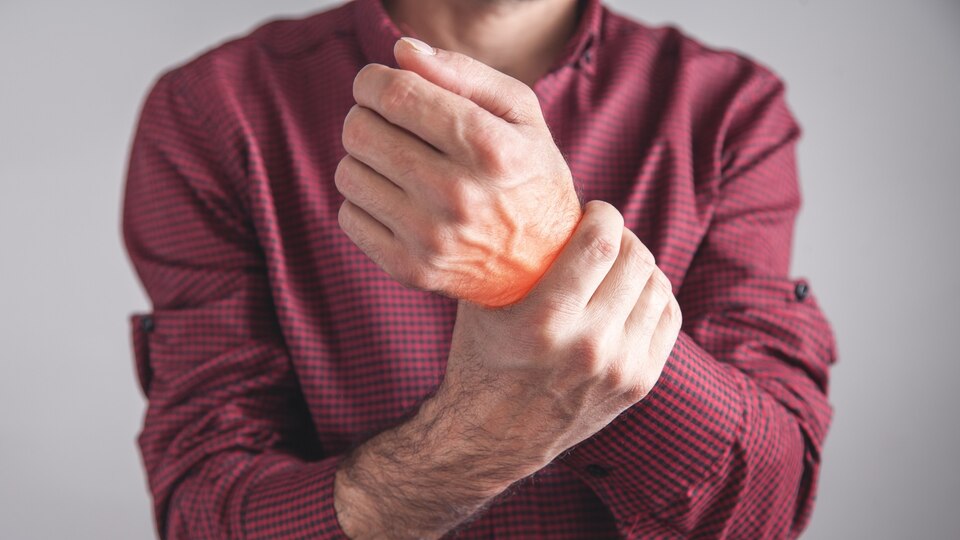
    rheumatoid arthritis treatmentRheumatoid arthritis treatment involves a comprehensive approach to manage the disease’s symptoms, reduce inflammation, and slow down joint damage. It typically includes medications such as disease-modifying antirheumatic drugs (DMARDs), lifestyle modifications, exercise, and in some cases, surgical interventions. Early diagnosis and individualized rheumatoid arthritis treatment plans are key to effective management.
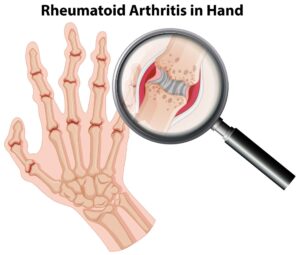
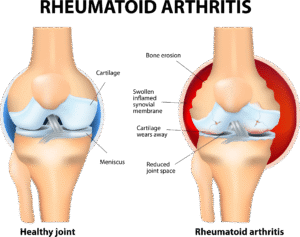
    RA is an autoimmune disorder that primarily affects the joints and causes inflammation, pain, and joint damage. Unlike osteoarthritis, which is primarily a result of wear and tear on the joints, RA is characterized by the body’s immune system mistakenly attacking healthy joint tissues. This chronic inflammatory condition often leads to joint deformities, loss of mobility, and decreased quality of life if left untreated.

    Rheumatoid Arthritis Treatment

    While there is no cure for RA, several rheumatoid arthritis treatment options are available to manage its symptoms, slow the progression of the disease, and improve the overall quality of life for individuals living with RA. These rheumatoid arthritis treatments can be broadly categorised into medications, lifestyle changes, and surgical interventions.

    1. Medication

    Disease-Modifying Antirheumatic Drugs (DMARDs): DMARDs are the cornerstone of rheumatoid arthritis treatment. They work to suppress the overactive immune system, reduce inflammation, and slow down the progression of joint damage. Common DMARDs include:

    • Methotrexate: Often the first-line choice, methotrexate is effective in managing RA symptoms and preventing joint damage.
    • Hydroxychloroquine: This medication is particularly useful for mild RA and is sometimes used in combination with other DMARDs.
    • Sulfasalazine: Another option for mild to moderate RA, sulfasalazine can help reduce inflammation and joint pain.

    Rheumatoid Arthritis Treatment

    • Biologic DMARDs: Biologics are a newer class of medications that target specific molecules in the immune system responsible for inflammation. These medications are often used when conventional DMARDs are ineffective or poorly tolerated. Examples of biologic DMARDs include:
    • Tumor Necrosis Factor (TNF) Inhibitors: Medications like adalimumab, etanercept, and infliximab are TNF inhibitors that have been successful in treating RA.
    • Interleukin-6 (IL-6) Inhibitors: Tocilizumab is an example of an IL-6 inhibitor that can be effective in RA treatment.
    • Janus Kinase (JAK) Inhibitors: Tofacitinib and baricitinib are JAK inhibitors that work to reduce inflammation in RA patients.
    • Corticosteroids: Short-term corticosteroids, such as prednisone, may be necessary during RA flares to rapidly control inflammation and pain. However, long-term use is typically avoided due to potential side effects.

    Read: What are Generic Medicines?

    2. Lifestyle Changes

    • Exercise: Regular physical activity can help maintain joint function, reduce stiffness, and improve overall well-being. Low-impact exercises like swimming, yoga, and tai chi are often recommended for individuals with RA.
    • Diet: While there is no specific RA diet, maintaining a healthy and balanced diet can support overall health. Omega-3 fatty acids in fish and anti-inflammatory foods like fruits, vegetables, and whole grains may benefit.
    • Rest: Adequate rest and sleep are essential for managing RA symptoms. Fatigue is a common symptom of RA, and getting enough rest can help reduce its impact.
    • Stress Management: High levels of stress can exacerbate RA symptoms. Techniques like meditation, deep breathing, and mindfulness can help manage stress and improve overall well-being.

    3. Surgical Interventions

    • Joint Surgery: In cases where joint damage is severe and pain is not adequately controlled with medications, surgical options may be considered. Joint surgeries can range from minimally invasive arthroscopy to full joint replacements (e.g., knee or hip replacement).
    • Synovectomy: This procedure involves the removal of the inflamed synovial tissue that lines the joint. It is usually performed to relieve pain and reduce inflammation.
    • Tendon Repair: RA can cause damage to tendons around the affected joints. To restore function, surgical repair may be necessary.

    > Consult a doctor and Order Medicine Online

    4. Complementary and Alternative Therapies

    Some individuals with RA find relief through complementary and alternative therapies, such as acupuncture, massage therapy, and dietary supplements. It’s essential to consult with a healthcare provider before trying any of these rheumatoid arthritis treatments, as their effectiveness can vary, and some may interact with RA medications.

    Rheumatoid Arthritis Treatment

    Conclusion:

    The journey of rheumatoid arthritis treatment has been marked by remarkable progress in recent years. From traditional DMARDs to innovative biologics and emerging therapies, there is newfound hope for individuals living with RA. Early diagnosis, personalized rheumatoid arthritis treatment plans, and a holistic approach to care are shaping the future of RA management.

    While challenges persist, the ongoing commitment to research and patient-centred care offers optimism for a brighter and more comfortable future for those affected by this autoimmune condition. As the medical community continues to push the boundaries of what is possible, individuals with rheumatoid arthritis can look forward to a better quality of life and improved treatment options for rheumatoid arthritis on the horizon.

    Difference Between Patent And Generic Medicine

    Patent medicines are brand-name drugs developed by pharmaceutical companies and protected by patents, allowing them exclusive rights to sell the drug for a specific period. They are usually more expensive due to research and development costs.

    In contrast, generic medicines are identical copies of patent medicines with the same active ingredients, quality, and efficacy, but they are produced and sold after the patent expires. Generics are typically more affordable since manufacturers do not bear the initial research expenses.

    FAQs on Rheumatoid Arthritis Treatment

    Q:1 What is rheumatoid arthritis treatment?

    Rheumatoid arthritis treatment aims to manage symptoms, slow joint damage, and reduce inflammation. It often involves medications like DMARDs and biologics, lifestyle changes, and, in severe cases, surgical interventions. Early diagnosis and a personalized approach are crucial for effective management.

    Q:2 Can I manage rheumatoid arthritis with over-the-counter pain relievers?

    Over-the-counter pain relievers may provide temporary relief, but for effective management, consult a healthcare provider for prescription medications like DMARDs or biologics.

    Q3: Is surgery the only option if my rheumatoid arthritis worsens?

    Surgery is considered when other treatments are ineffective. It’s important to explore various medications and therapies with your rheumatologist before considering surgical intervention.

    Related Links:

  • Melasma Treatment: Best Treatment for Melasma on Face

    Melasma Treatment: Best Treatment for Melasma on Face

    Melasma treatment refers to a set of medical or cosmetic procedures aimed at managing and reducing the appearance of melasma, a common skin condition characterized by the development of brown or greyish patches, usually on the face.

    The melasma treatment can include topical creams containing ingredients like hydroquinone, chemical peels, laser therapy, microneedling, and sun protection measures.

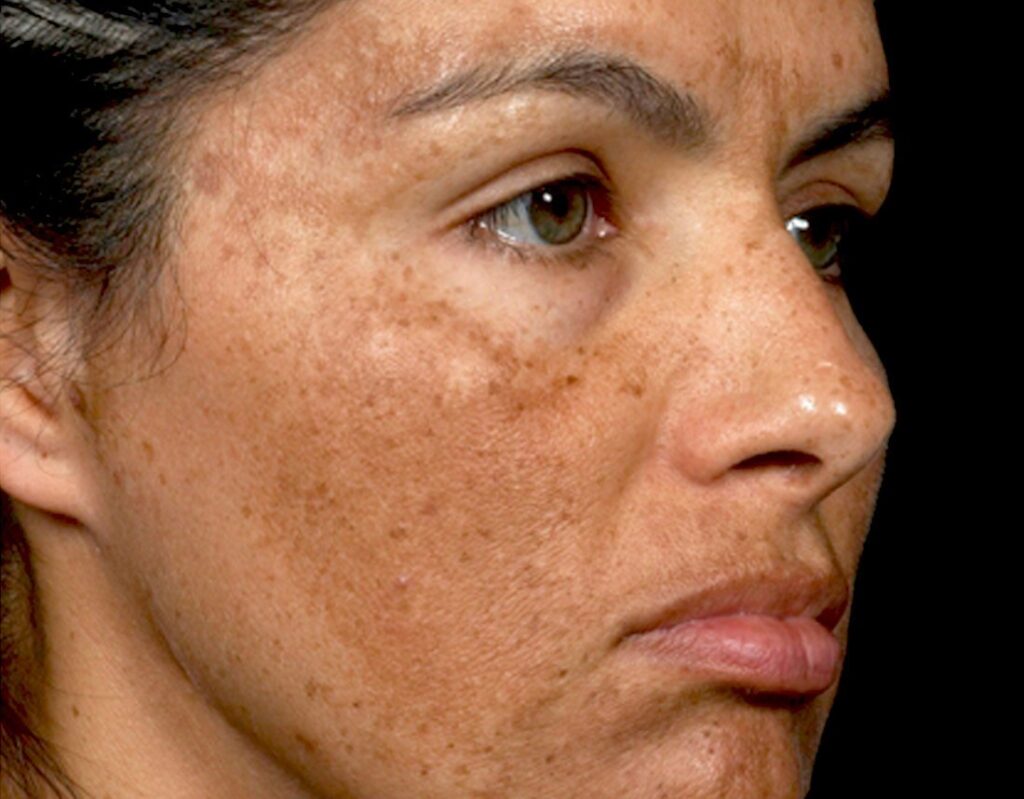
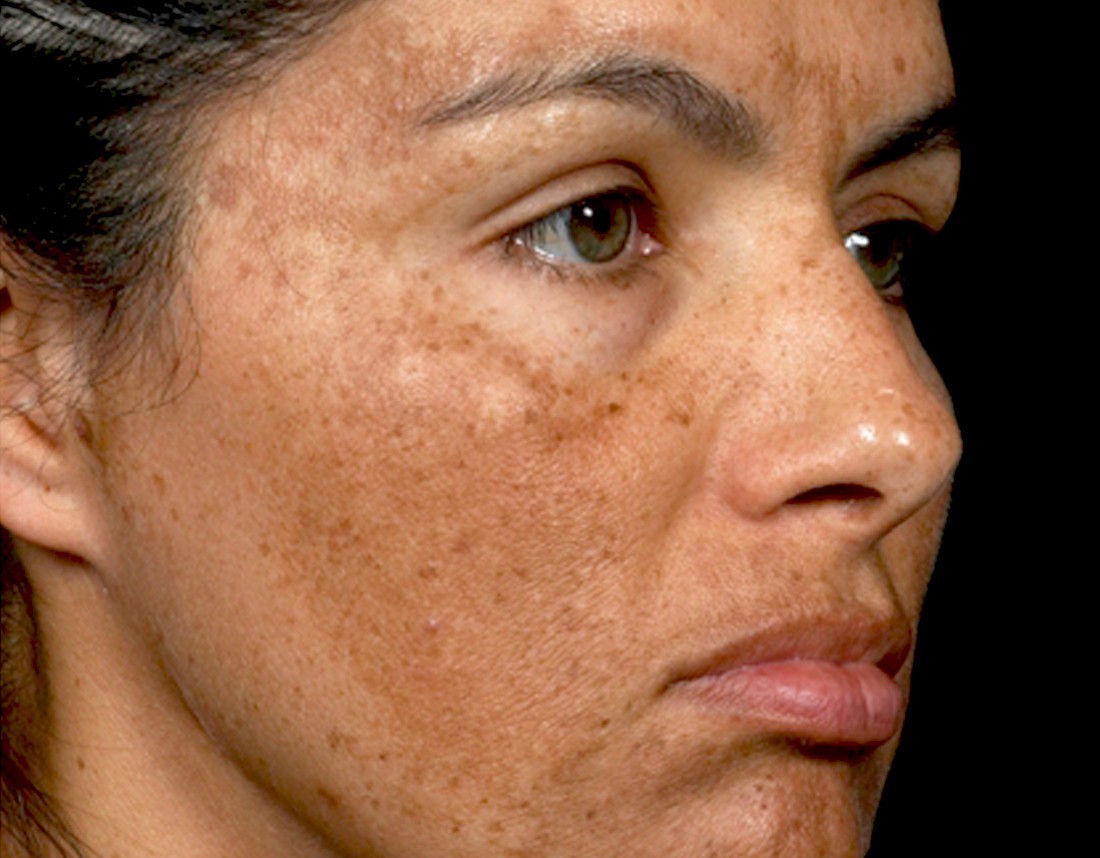
    Characterized by the development of brown or greyish patches on the face, melasma can be a source of self-consciousness and frustration. Melasma is a chronic skin condition that primarily affects the face, although it can occasionally appear on other sun-exposed areas of the body.

    It is characterized by the development of hyperpigmented patches, typically brown or greyish in colour, on the cheeks, forehead, nose, and upper lip. These patches can vary in size and shape, and they often have a symmetric pattern on both sides of the face.

    Melasma Symptoms

    While the exact cause of melasma remains elusive, several factors are believed to contribute to its development. Hormonal changes, such as those experienced during pregnancy or while taking birth control pills, are known to trigger melasma in some individuals.

    Additionally, excessive sun exposure is a significant factor, as ultraviolet (UV) rays can stimulate the production of melanin, the pigment responsible for skin colour. Genetics may also play a role, as melasma often runs in families.

    Melasma Treatment

    Melasma Treatment

    Melasma treatment, whether on the face or other areas of the body, shares common principles but may vary in approach due to differences in skin sensitivity and exposure. While the ultimate goal is to reduce hyperpigmentation caused by excess melanin production, treatment for melasma on the face often demands greater caution and precision.

    This is because facial skin is more delicate and prone to sun exposure, requiring a diligent focus on sun protection and specialized treatments like laser therapy and chemical peels to ensure the best results.

    In contrast, treating melasma on other body parts may involve less intensive methods. The good news is that there are various melasma treatment options available, and the choice of treatment depends on the severity of the condition, its underlying causes, and individual preferences.

    Read: What are Generic Medicines?

    Best Treatment for Melasma on Face

    Some of the best treatments for melasma on the face are discussed below:

    1. Melasma Treatment Cream:

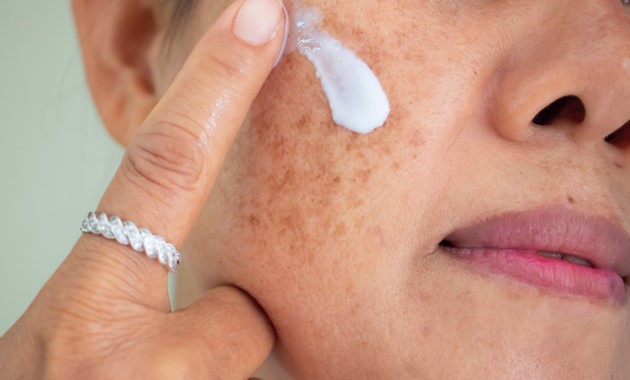
    One of the most common and accessible melasma treatment options is the use of melasma treatment cream. These prescription creams typically contain active ingredients like hydroquinone, tretinoin, corticosteroids, or a combination of these.

    Hydroquinone: This skin-lightening agent works by inhibiting melanin production, the pigment responsible for dark spots. It is often considered the gold standard in melasma treatment.

    Tyromax Cream is one such cream that contains Hydroquinone. Order now from Medkart!

    Tretinoin: Tretinoin, a derivative of vitamin A, helps improve skin texture and can be used alongside hydroquinone to enhance its effectiveness.

    Corticosteroids: These ingredients can help reduce inflammation and irritation associated with other melasma treatments.

    Melasma Treatment

    1. Chemical Peels:

    Chemical peels involve applying a chemical solution to the skin’s surface, which causes the top layers of skin to peel off. This process can effectively remove hyperpigmented skin and reveal a fresher, more even-toned complexion. Various types of chemical peels, such as glycolic acid or trichloroacetic acid (TCA) peels, can be used to target melasma.

    1. Laser Therapy:

    Laser treatments, such as intense pulsed light (IPL) and fractional laser, have become increasingly popular for melasma treatment. These devices emit specific wavelengths of light that target and break down melanin in the skin. Laser therapy can lead to significant improvements in melasma, but multiple sessions may be necessary for optimal results.

    1. Microneedling:

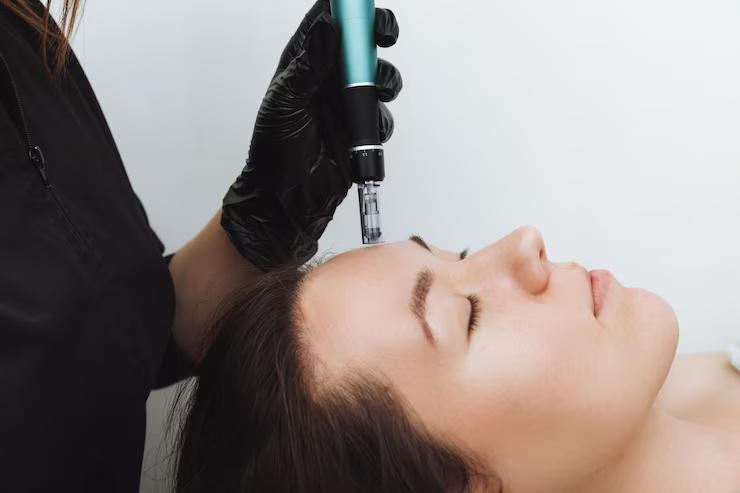
    Microneedling, which is a minimally invasive procedure, involves the use of tiny needles to create micro-injuries in the skin. This stimulates collagen production and helps improve the appearance of melasma over time. It is often combined with topical serums or platelet-rich plasma (PRP) to enhance results.

    Treatment for Melasma on Face

    1. Sun Protection:

    Prevention is a crucial aspect of melasma management. Wearing a broad-spectrum sunscreen with a high SPF is essential to protect the skin from further UV damage, which can exacerbate melasma. Sunscreen should be applied daily, even on cloudy days, and reapplied every two hours when outdoors.

    1. Topical Antioxidants:

    Incorporating topical antioxidants like vitamin C into your skincare routine can help protect the skin from UV damage and improve overall skin health. While not a standalone treatment for melasma, antioxidants can complement other therapies.

    > Consult a doctor and Order Medicine Online

    Conclusion:

    Melasma treatment is a multi-faceted journey that requires patience and dedication. While there may not be a one-size-fits-all solution, individuals with melasma have a range of treatment options at their disposal. Consulting with a dermatologist is the first step toward finding the most suitable treatment plan based on one’s unique circumstances. With the right approach and consistent care, melasma can be managed effectively, allowing individuals to regain confidence and enjoy healthier, more radiant skin.

    What is Generic Medicine?

    A generic medicine is a medication that contains the same active ingredients as a brand-name drug and is equivalent in terms of safety, quality, dosage and intended use. The main difference is that generic drugs are typically less expensive because they are not marketed under a brand name and are usually available once the patent for the brand-name drug has expired.

    Generic medicines must meet strict regulatory standards to ensure they are as effective and safe as their brand-name counterparts, making them a cost-effective alternative for many patients.

    FAQs on Melasma Treatment

    Q1: What is melasma treatment?

    Melasma treatment involves various approaches to reduce the appearance of brown or greyish patches on the skin, typically on the face. These methods can include topical creams, chemical peels, laser therapy, and strict sun protection measures.

    Q:2 Is melasma treatment permanent, or will the pigmentation return?

    Melasma treatment can effectively lighten pigmentation, but it may return if sun exposure is not adequately managed. Sunscreen and protective measures are crucial for long-lasting results.

    Q3: Are there over-the-counter creams for melasma treatment?

    While there are OTC skincare products claiming to treat melasma, prescription creams with ingredients like hydroquinone are generally more effective and should be recommended by a dermatologist.

    Q4: Can melasma be completely cured?

    Melasma can be managed and lightened, but it’s often chronic. Long-term maintenance, including sun protection and occasional touch-up treatments, may be necessary to prevent recurrence.

    Related Links:

  • Lipoma Treatment: Fatty Tumors, Lipoma Treatment without Surgery

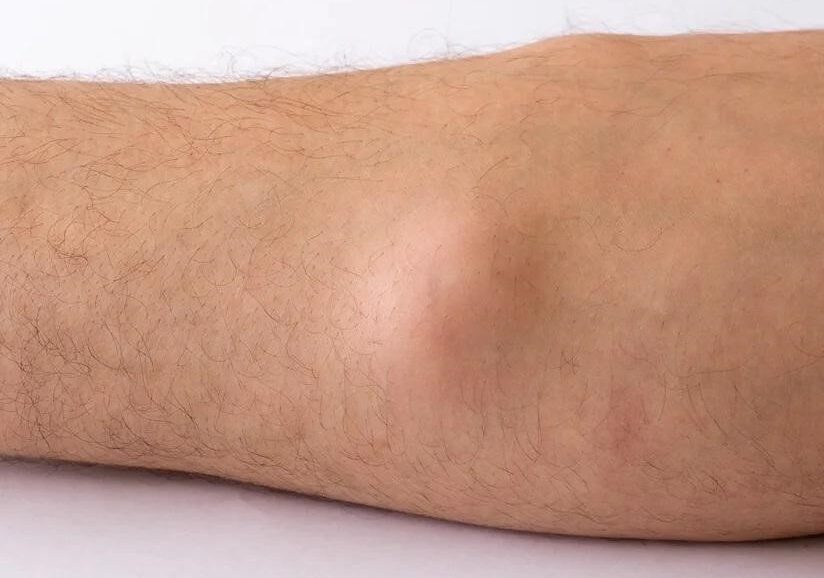
    Lipoma Treatment: Fatty Tumors, Lipoma Treatment without Surgery

    Lipoma treatment refers to the medical procedures and interventions aimed at managing or removing benign fatty tumours known as lipomas, typically found under the skin’s surface. Treatment options include surgical excision, non-surgical approaches like steroid injections and liposuction, or simply monitoring the lipoma if it is asymptomatic.

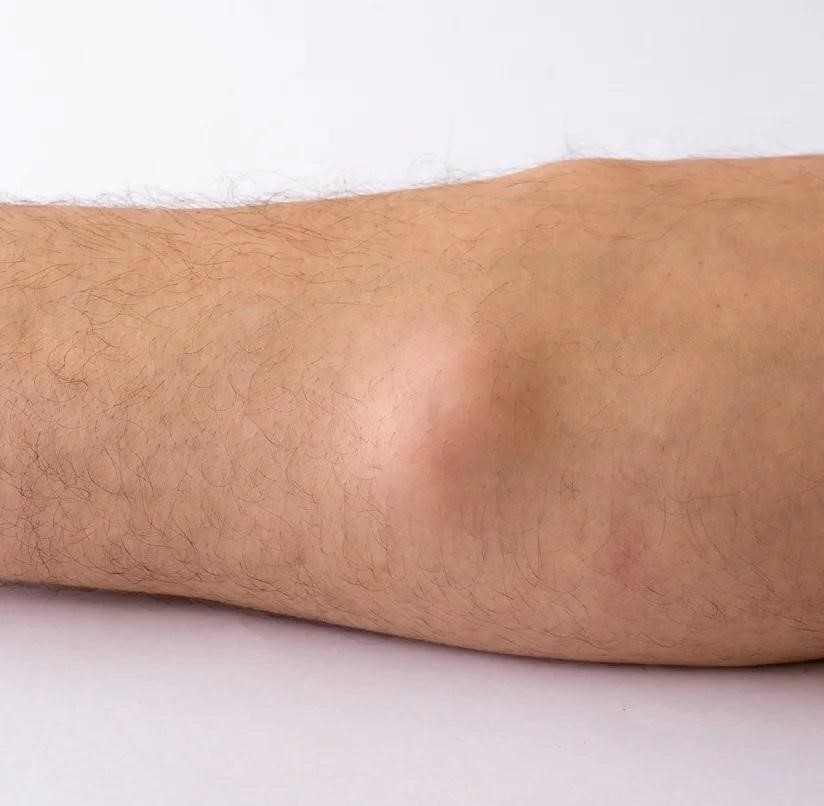
    Lipomas are benign, fatty lumps that develop beneath the skin’s surface, and while they are generally harmless, lipoma treatment may be sought for various reasons, including discomfort or cosmetic concerns. Lipoma treatment options vary, with surgical removal being the most common approach.

    Lipomas are slow-growing, non-cancerous tumours composed of fat cells. They typically appear as soft, rubbery lumps under the skin and can vary in size. These growths are usually painless and can develop anywhere on the body.

    Lipoma Treatment with Surgical

    Lipoma treatment through surgical removal, also known as excision, is the most common and effective method for addressing lipomas. It involves making a small incision over the lipoma, extracting the fatty tissue, and then suturing the incision. This procedure is typically performed in an outpatient setting under local anaesthesia, and recovery is usually quick.

    Surgical removal is often recommended when:

    • The lipoma is causing discomfort or pain.
    • The lipoma is growing rapidly.
    • The lipoma is in a location where it is cosmetically bothersome.
    • There is uncertainty about the diagnosis, and a biopsy is required.

    One of the significant advantages of surgical removal is that it provides a definitive solution, with a minimal risk of recurrence in most cases. However, it may leave a scar, which can be a concern for some patients.

    Lipoma Treatment image

    Lipoma Treatment without Surgery

    While surgical removal is the most common treatment for lipomas, it is not the only option. In fact, there are several non-surgical methods available for those looking to manage or eliminate lipomas without going under the knife.

    Liposuction: Liposuction is another option for lipoma treatment. This procedure involves making a small incision near the lipoma and using a thin tube (cannula) to remove the fatty tissue. Liposuction is particularly suitable for larger lipomas and offers the advantage of minimal scarring compared to traditional excision.

    Read: Lipoma Treatment in Hindi

    Advantages of liposuction for lipoma treatment

    The key benefits of liposuction for lipoma treatment include:

    • Reduced scarring.
    • Faster recovery compared to excision.
    • Effective removal of larger lipomas.
    • While liposuction can be an excellent choice for certain lipomas, it may not be suitable for all cases, such as those located near vital structures.

    1. Steroid Injections

    For individuals who prefer non-surgical options, steroid injections can be considered for lipoma treatment. In this approach, a healthcare provider injects a corticosteroid medication directly into the lipoma. The steroid can help shrink the lipoma over time.

    It’s important to note that steroid injections may not provide permanent results, and multiple sessions may be necessary to achieve the desired reduction in size. This method is often chosen when surgery is not a viable option due to factors like the lipoma’s location or the patient’s overall health.

    2. Laser Therapy

    Advancements in medical technology have introduced laser therapy as a non-invasive option for lipoma treatment. It uses focused laser energy to break down the fatty tissue within the lipoma, causing it to gradually shrink and be absorbed by the body.

    Laser therapy offers several advantages, including:

    • Minimal scarring.
    • Less pain and discomfort compared to surgery.
    • The potential for outpatient treatment.

    While this method is less invasive, it may require multiple sessions to achieve the desired results. Laser therapy is a promising option for individuals who prefer non-surgical approaches.

    3. Observation

    In some cases, especially when the lipoma is small, asymptomatic, or not causing cosmetic concerns, a “wait-and-see” approach may be appropriate. Your healthcare provider may recommend periodic monitoring to ensure the lipoma does not change in size or become symptomatic.

    Herbal Remedies – New Treatment for Lipoma

    For those who prefer natural alternatives, herbal remedies and supplements are also available for lipoma treatment. While scientific evidence on their effectiveness is limited, some individuals have reported positive results with herbs like turmeric, chickweed, and flaxseed oil. It’s essential to consult with a healthcare professional before trying any herbal remedies to ensure they are safe and suitable for your specific case.

    > Consult a Doctor and Medkart will help you Order Medicines Online

    1. Dietary Changes

    Some lipomas are associated with dietary factors. Making healthy dietary choices by reducing your intake of saturated fats and processed foods can potentially help prevent the development of lipomas or slow their growth. Incorporating more fruits, vegetables, and lean proteins into your diet can contribute to overall health and well-being.

    2. Weight Management

    Maintaining a healthy weight through regular exercise and a balanced diet may also be beneficial in managing lipomas. Obesity and lipoma development are often linked, so achieving and maintaining a healthy weight can reduce the risk of new lipomas forming and may even help shrink existing ones.

    Conclusion

    When it comes to lipoma treatment, there are several options to consider, ranging from surgical procedures like excision and liposuction to non-invasive methods like steroid injections and laser therapy. The choice of treatment should be based on various factors, including the lipoma’s size, location, and the patient’s preferences.

    It’s crucial to consult with a healthcare professional to evaluate your specific case and determine the most suitable approach for your lipoma treatment. Whether you choose surgical or non-surgical options, the goal is to provide relief from discomfort, improve cosmetic appearance, and ultimately ensure your well-being.

    How to find a substitute for Generic Medicine?

    To find substitute generic medicine, consult your healthcare provider or pharmacist. They can recommend cost-effective generic alternatives with the same active ingredients as brand-name medications. Additionally, you can research online or use pharmacy apps to compare prices and availability.

    Always ensure that the generic medicine is approved by regulatory authorities for safety and effectiveness. Discuss any concerns or potential side effects with your healthcare professional before making the switch.

    Read: What are Generic Medicines?

    FAQs on Lipoma Treatment without Surgery

    Q1. What is lipoma treatment?

    Lipoma treatment involves the removal or management of benign fatty lumps that develop beneath the skin. It can include surgical excision, non-surgical methods like steroid injections or liposuction, or observation when the lipoma is asymptomatic.

    Q2. Is surgical removal the only option for lipoma treatment?

    No, there are non-surgical options like steroid injections, liposuction, and laser therapy available for lipoma treatment.

    Q3. Are lipomas always a cause for concern?

    Lipomas are generally benign and not a serious health risk; however, treatment may be considered for cosmetic or discomfort-related reasons.

    Related Links:

  • What is IUI Treatment? Procedure, Side Effects, Success Rate

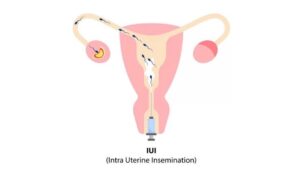
    IUI treatment (Intrauterine Insemination treatment) is a fertility procedure in which specially prepared sperm is directly placed into a woman’s uterus during her fertile period. This method is employed to enhance the chances of fertilization and pregnancy, making it a common choice for couples experiencing infertility, especially in cases of mild fertility issues, male infertility, or unexplained infertility.

    IUI treatment, often referred to as artificial insemination, is a fertility treatment that involves placing sperm directly into a woman’s uterus during her fertile window. This process aims to increase the chances of fertilization by bringing sperm closer to the egg. It offers a less invasive and more cost-effective option compared to more complex treatments like IVF (In Vitro Fertilization).

    IUI Treatment

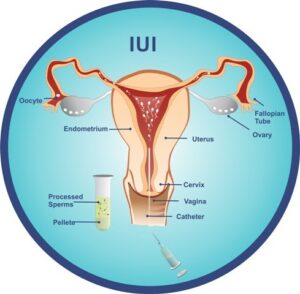
    IUI treatment is a relatively straightforward procedure that can be performed in a doctor’s office or fertility clinic. Here’s a step-by-step overview of what to expect:

    • Ovulation Monitoring: Before beginning the IUI treatment, your doctor will closely monitor your menstrual cycle to pinpoint the most fertile days. This often involves tracking hormone levels and conducting ultrasounds to determine when you are about to ovulate.
    • Sperm Preparation: On the day of the IUI procedure, the male partner will provide a semen sample. This sample is then processed in a lab to separate healthy sperm from the rest. The concentrated sperm sample is used for insemination.

    Read: What are Generic Medicines?

    • Insemination: Using a thin, flexible catheter, the doctor will insert the prepared sperm directly into the woman’s uterus. This process is painless and usually takes only a few minutes.
    • Rest and Observation: After the procedure, you will be advised to rest for a short period. There are usually no restrictions on normal daily activities following IUI.
    • Pregnancy Test: About two weeks after the procedure, a pregnancy test will be performed to determine whether the IUI treatment was successful.

    IUI Treatment

    IUI Treatment Medicine: Medications to Enhance Success

    IUI treatment often involves the use of medications to enhance the chances of success. The choice of medication may vary depending on the specific circumstances of the couple. Here are some commonly prescribed medications associated with IUI treatment:

    • Ovulation-Stimulating Medications: For women with irregular or infrequent ovulation, medications such as Clomiphene citrate or Letrozole may be prescribed to stimulate the ovaries and induce the release of eggs.
    • Follicle-Stimulating Hormone (FSH): In some cases, FSH injections may be administered to encourage the development of multiple follicles, increasing the chances of fertilization.
    • Human Chorionic Gonadotropin (hCG): This hormone is often used to trigger ovulation, ensuring that the eggs are released at the optimal time for IUI.
    • Progesterone: After the IUI procedure, progesterone supplements may be recommended to support the uterine lining, making it more receptive to implantation.

    > Consult a doctor and Order Medicine Online

    It’s essential to note that the choice and combination of medications will be tailored to each individual’s unique circumstances. Your fertility specialist will determine the most suitable approach based on your medical history and fertility evaluation.

    IUI Treatment

    Effectiveness of IUI Treatment

    The effectiveness of IUI treatment can vary depending on several factors, including the cause of infertility, the woman’s age, and the quality of the sperm. However, on average, the success rate of IUI treatment falls in the range of 10% to 20% per cycle. This means that, while IUI can be highly successful for some couples, it may require multiple cycles to achieve a pregnancy.

    IUI is often recommended as a first-line treatment for couples with specific infertility issues, especially when the cause is known to be related to sperm quality or mild ovulatory problems. However, for couples facing more complex fertility challenges, such as severe male infertility or tubal factor infertility, other assisted reproductive technologies like IVF may be more suitable.

    Conclusion:

    IUI treatment, along with the associated medications (commonly referred to as “IUI treatment medicine”), offers a promising path to parenthood for many couples struggling with infertility. Its relatively non-invasive nature, coupled with reasonable success rates, makes it an attractive option.

    Remember that each individual’s fertility journey is unique, and what works for one may not work for another. Stay informed, seek support, and most importantly, never lose sight of your dream of starting a family. With the advancements in fertility treatments, there is always hope on the horizon, and IUI treatment is undoubtedly one of the stars guiding the way.

    Advantages of Generic Medicines

    Generic medicines offer several advantages, including cost-effectiveness, as they are typically more affordable than brand-name counterparts. They undergo rigorous testing to ensure safety and efficacy, providing reliable alternatives. Moreover, their wide availability makes them accessible to a broader population.

    Generic drugs contribute to reducing overall healthcare costs, allowing patients to receive quality treatment without financial burden, and often have the same therapeutic benefits as brand-name medications.

    FAQs on IUI Treatment

    Q1. What is IUI treatment?

    IUI treatment, or Intrauterine Insemination, is a fertility procedure where carefully prepared sperm is placed directly into the uterus to enhance the chances of pregnancy. It is often used to address male infertility, unexplained fertility issues, or as a less invasive fertility treatment option.

    Q2. What is the Success Rate of IUI Treatment?

    The success rate of IUI treatment can vary depending on several factors, including the cause of infertility, the woman’s age, and the quality of sperm. On average, it falls in the range of 10% to 20% per cycle. Success rates may improve with multiple cycles.

    Q3. Is IUI Painful or Invasive?

    No, IUI is generally not painful or invasive. The procedure is relatively simple and painless, similar to a Pap smear. It is typically performed in a doctor’s office or fertility clinic, and patients can resume their daily activities immediately afterwards.

    Q4. How Many IUI Cycles are Recommended?

    The number of recommended IUI cycles varies from patient to patient. Some may achieve pregnancy in the first cycle, while others may require multiple attempts. Fertility specialists usually assess the individual’s response to treatment and adjust the plan accordingly, typically considering up to six cycles before exploring other options.

    Related Links:

  • Food Poisoning Treatment: Remedies for Food Poisoning

    Food Poisoning Treatment: Remedies for Food Poisoning

    Food poisoning treatment has the primary focus on alleviating symptoms, restoring hydration, and aiding the body’s natural recovery process. Whether it’s from undercooked meat, contaminated vegetables, or improperly stored leftovers, food poisoning can strike when you least expect it. Understanding food poisoning treatments is an essential step towards a quicker and more comfortable recovery.

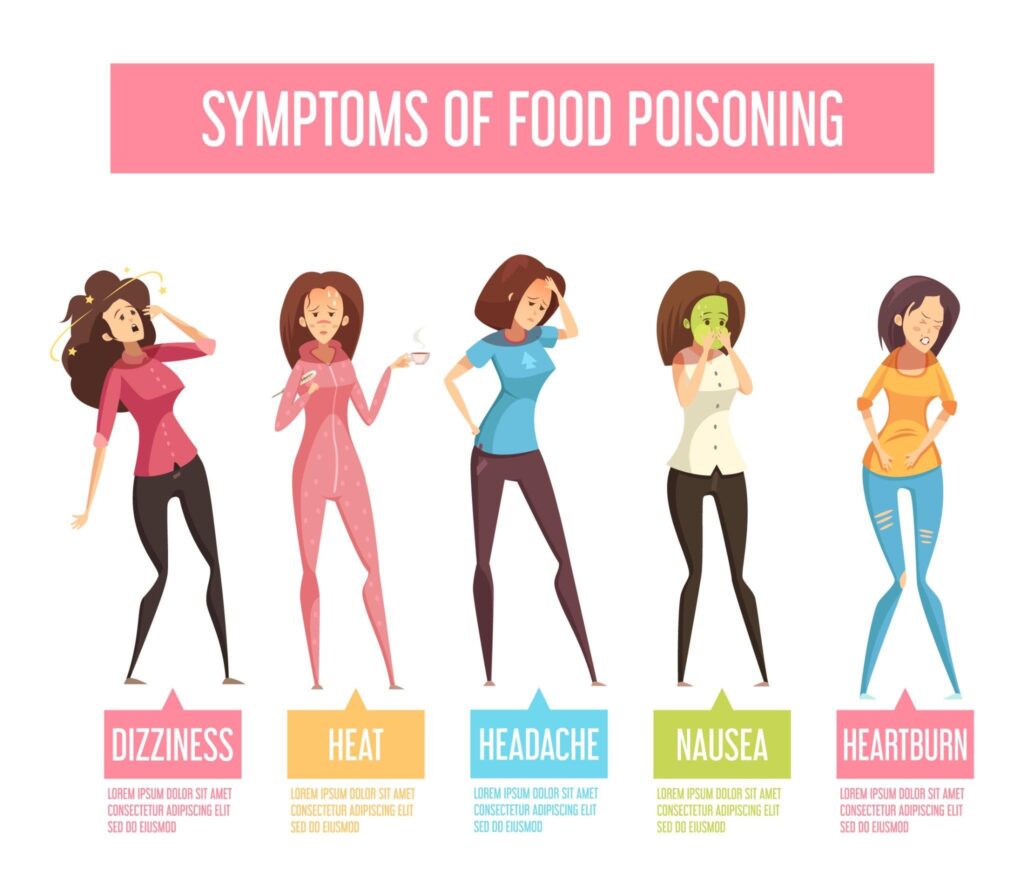
    Food poisoning, also known as foodborne illness, happens when you consume food or beverages contaminated with harmful bacteria, viruses, parasites, or chemical substances. These contaminants can disrupt the normal functioning of your digestive system, leading to a range of symptoms, including nausea, vomiting, diarrhea, abdominal pain, and fever.

    Food Poisoning Symptoms

    Identifying the symptoms is the first step in seeking appropriate food poisoning treatments. Symptoms can vary depending on the type of contaminant and the individual’s sensitivity, but common signs include:

    1. Nausea and vomiting
    2. Diarrhea
    3. Abdominal cramps and pain
    4. Fever
    5. Muscle aches
    6. Headache
    7. Fatigue

    These symptoms of Food Poisoning can appear within hours or days after consuming contaminated food or beverages and can last for a few hours to several days. In severe cases, especially when caused by certain bacteria like E. coli or Salmonella, food poisoning can lead to dehydration and require medical attention.

    Food Poisoning Treatment

    Food Poisoning Treatments

    • Stay Hydrated: One of the most critical aspects of food poisoning treatments is maintaining proper hydration. Frequent vomiting and diarrhea can lead to fluid loss, which can quickly lead to dehydration. To counter this, drink clear fluids such as water, oral rehydration solutions, and clear broths. Sip small amounts at a time to avoid overwhelming your stomach.
    • Rest: Your body needs time to heal, so get plenty of rest. Avoid strenuous activities and allow your immune system to focus on fighting off the infection as a treatment for food poisoning.
    • Electrolytes: As a part of food poisoning treatments in addition to staying hydrated, consider consuming foods or drinks rich in electrolytes like potassium and sodium. Sports drinks or coconut water can help replace lost electrolytes and maintain the body’s electrolyte balance.
    • BRAT Diet: The BRAT diet, which stands for bananas, rice, applesauce, and toast, can be helpful in easing gastrointestinal discomfort. These bland, easy-to-digest foods can provide necessary nutrients without further irritating your stomach.
    • Avoid Certain Foods: While you’re recovering, steer clear of fatty, spicy, and dairy-heavy foods, as they can exacerbate gastrointestinal symptoms. It’s best to avoid caffeine and alcohol as well.
    • Medications: Over-the-counter medications like loperamide (Imodium) can help reduce diarrhea symptoms, but it’s important to consult with a healthcare professional before using any medication, as some may not be suitable for your specific condition. Mild cases of food poisoning often improve with rest and hydration. However, if nausea and vomiting become severe, a doctor may recommend medications such as Avishal Tablet to control these symptoms and prevent fluid loss.
    • Antibiotics: In some cases, especially when the food poisoning is caused by a bacterial infection and is severe, a healthcare provider may prescribe antibiotics. These should only be used under medical maintenance.
    • Medical Attention: If your symptoms are severe, persist for more than a few days, or are accompanied by high fever, blood in your stool, or signs of dehydration (such as dark urine, dry mouth, or extreme thirst), seek medical attention promptly.

    Read: What are Generic Medicines?

    Remedies for Food Poisoning

    Prevention and Remedies of Food Poisoning

    While knowing how food poisoning treatments are important, prevention is always the best approach. Here are some tips to reduce your risk of foodborne illnesses:

    • Practice Safe Food Handling: Wash your hands and cooking utensils thoroughly, cook meat and poultry to safe temperatures, and refrigerate leftovers promptly.
    • Choose Safe Food Sources: Buy food from reputable sources and check expiration dates. Avoid consuming raw or undercooked eggs, seafood, and meat, especially if you have a weakened immune system.
    • Be Cautious with Leftovers: Reheat leftovers to a safe temperature (165°F or 74°C) before consuming them.
    • Mind Food Storage: Store perishable items in the refrigerator or freezer promptly and use them within recommended timeframes.
    • Pay Attention to Food Recalls: Stay informed about food recalls and avoid consuming products that have been recalled due to contamination concerns.

    Food Poisoning Treatment

    Conclusion:

    Food poisoning treatments are essential knowledge for anyone who wants to recover quickly and safely from this common ailment. While most cases of food poisoning can be managed at home with proper hydration, rest, and dietary adjustments, it’s crucial to seek medical attention if symptoms are severe or persist. The best approach to dealing with food poisoning is prevention, so practice safe food handling and make informed choices when it comes to your diet to minimize the risk of contamination. Remember, your health is your most valuable asset, and knowing how to handle food poisoning is just one step toward protecting it.

    > Consult a doctor and Order Medicine Online

    Examples Of Generic Medicines

    Generic medicines are identical in active ingredients, dosage, safety, and efficacy to their brand-name counterparts but typically cost significantly less. Examples include generic versions of well-known drugs like ibuprofen (generic for Advil), acetaminophen (generic for Tylenol), and simvastatin (generic for Zocor).

    These generic options offer accessible and affordable alternatives for individuals seeking to manage pain, fever, or various medical conditions while maintaining the same level of quality and effectiveness as their brand-name counterparts.

    FAQs on Food Poisoning Treatments

    Q1. What is food poisoning treatment?

    Food poisoning treatments involve measures to alleviate symptoms and promote recovery, including hydration, rest, and, in severe cases, medical intervention like antibiotics. The goal is to address the effects of ingesting contaminated food and restore the body to health.

    Q2. What should I do if I suspect I have food poisoning?

    If you suspect food poisoning, focus on staying hydrated by drinking clear fluids, rest, and avoiding spicy or fatty foods. If symptoms aggravate or persist, seek medical attention.

    Q3. Are antibiotics always necessary for food poisoning treatments?

    No, antibiotics are typically reserved for severe cases caused by specific bacteria. Most food poisoning cases resolve on their own with proper hydration and rest.

    Q4. Can over-the-counter medications help with food poisoning symptoms?

    Over-the-counter medications like loperamide (Imodium) may help alleviate diarrhea symptoms but should be used cautiously and with medical advice, as they may not be suitable for everyone.

    Related Links: