Tag: Health & Wellness

  • Top Home Remedies for Acidity – How to Cure Acidity at Home?

    Top Home Remedies for Acidity – How to Cure Acidity at Home?

    home remedies for acidity image

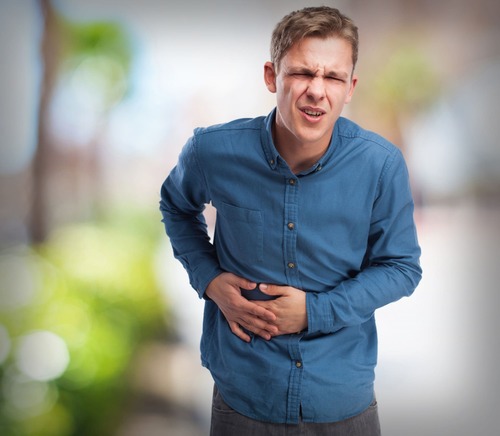
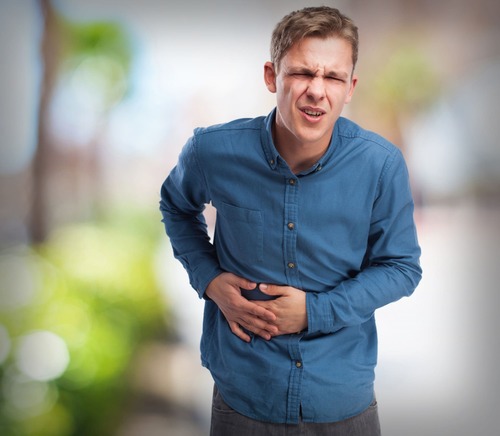
    Acidity, also known as indigestion or acid reflux, is a common digestive issue that affects a large portion of the global population. Whether it’s led to spicy foodstuff, stress, or a sick lifestyle, the flaming sensitivity in your chest and stomach is possibly uncommonly upset.

    While over-the-counter medications can help, many people choose home remedies for acidity on account of their unaffected and side-effect-free approach.

    In this blog, we’ll delve into effective home remedies for gastric and acidity, containing explanations of acid reflux during pregnancy, gas trouble remedies, and more. These remedies are easy to available, profitable, and can provide instant relief from acidity pain. let’s delve into it!

    What Causes Acidity?

    Before we explain the remedies, it’s a key point to learn the universal causes of acidity:

    • Overeating or Eating Too Quickly: Large food or consumption excessively fast can overwhelm your digestive structure.
    • Spicy, Oily, or Fried Foods: This can aggravate the stomach covering and cause acid management.
    • Excessive Caffeine or Alcohol: Both can ease the lower oesophagal sphincter (LES), causing stomach acid to rise.
    • Stress and Lack of Sleep: High-stress levels can increase stomach acid construction.
    • Pregnancy: Hormonal changes and pressure on the stomach can cause a burning sensation.
    • Certain Medications: Some drugs, like painkillers or medicines, can increase astringency.

    Acknowledging the root cause can ultimately help you prevent acidity.

    Acidity Symptoms: Recognizing the Signs of Acid Reflux and Heartburn

    Acidity happens when extreme stomach acid flows back into the neck, provoking discomfort. Common syndromes have:

    • Heartburn: A burning sensitivity in the chest or throat, repeatedly after consumption.
    • Sour or Bitter Taste: Acid reflux can leave a sour or bitter taste in the mouth.
    • Bloating: A sense of wholeness or deficiency in the stomach.
    • Nausea: An awkward feeling that grants permission causes one to vomit in serious cases
    • Burping or Belching: Frequent burping, generally with a sour taste.
    • Difficulty Swallowing: A perception of meat stuck in the throat or chest.
    • Indigestion: Discomfort or pain in the above belly
    • Regurgitation: Stomach acid or undigested feed soaring into the throat.

    If syndromes continue or damage, ask a healthcare professional to prevent and treat GERD (Gastroesophageal Reflux Disease). Lifestyle changes, such as avoiding cause meals and consuming tinier food, can help control acidity completely.

    Top Home Remedies for Acidity and Gas Problems

    Here are a few of the best impactful home remedies for acidity and gas trouble that you can try at home:

    1. Cold Milk

    • How It Helps: Milk balances stomach acid and softens the fiery feeling. It’s one of the best home remedies for acidity.
    • How to Use: Drink a cup of cold milk when you experience acidity syndromes. Avoid consuming excessive carbohydrates or sugar.

    2. Ginger Tea

    • How It Helps: Ginger has antipathetic-instigative characteristics that defeat indigestion and enhance metabolism.
    • How to use: Boil a narrow piece of ginger in water, strain it, and drink it warm.

    3. Apple Cider Vinegar

    • How It Helps: Despite its acidity, apple cider marinade balances stomach acid levels.
    • How to Use: Mix 1-2 teaspoons of apple cider marinade in a cup of water and drink before food consumption.

    4. Fennel Seeds (Saunf)

    • How It Helps: Fennel seeds cool the stomach covering and decrease gastric
      trouble.
    • How to Use: Chew a teaspoon of plant seeds following in position or time food or brew authority into a tea.

    5. Bananas

    • How It Helps: Bananas are rich in potassium and organic soluble bases that counterbalance stomach acid.
    • How to Use: Eat a ripe banana day-to-day to avoid tartness.

    6. Coconut Water

    • How It Helps: Coconut water is soluble and helps balance stomach acid.
    • How to Use: Drink a cup of healthy coconut water every day.

    7. Baking Soda

    • How It Helps: Baking soda acts as a natural antacid.
      How to Use: Mix 1 teaspoon of baking soda in a cup of water and drink it for instant acidity relief.

    8. Aloe Vera Juice

    • How It Helps: Aloe vera eases the digestive area and reduces infection.
    • How to Use: Drink a quarter drink of aloe vera extract before food.

    9. Buttermilk

    • How It Helps: Buttermilk controls lactic acid, normalising stomach acid levels.
    • How to Use: Drink a cup of buttermilk accompanying a pinch of black spice and cumin later in the food.

    10. Tulsi (Holy Basil) Leaves

    • How It Helps: Tulsi reduces stomach acid and raises metabolism.
    • How to Use: Chew 4-5 tulsi leaves regularly or boil them in water to make a drink.

    gas trouble remedies image

    Home Remedies for Acid Reflux During Pregnancy

    Pregnancy can usually provoke a burning sensation due to hormonal changes and pressure on the stomach. Here are a few harmless home remedies for acid reflux during pregnancy:

    1. Almonds

    • How It Helps: Almonds counteract stomach acid and support relaxation.
    • How to Use: Chew 4-5 saturated almonds every day.

    2. Papaya

    • How It Helps: Papaya holds enzymes that aid metabolism and decrease acidity.
    • How to Use: Eat a limited bowl of ripe fruit every day.

    3. Small, Frequent Meals

    • How It Helps: Eating tinier food reduces pressure on the stomach.
    • How to Use: Divide your food into 5-6 tinier portions during the whole day.

    4. Elevate Your Head While Sleeping

    • How It Helps: Elevating your head counters stomach acid from increasing.
    • How to Use: Use an extra cushion or a chunk cushion while asleep.

    Homeopathic Medicine for Acidity

    Acidity, accompanying syndromes like heartburn and bloating, can upset regular history. Homeopathy offers a moderate, natural approach to remedy. As a knowledgeable doctor, I usually recommend remedies for established individual symptoms:

    • Nux Vomica: Best for acidity from spicy foods, liquor, or stress.
    • Pulsatilla: Ideal for acidity and subsequently oily foods, accompanying an intense taste.
    • Robinia: Effective for extreme burning sensation and sour burps, especially every night.
    • Carbo Vegetabilis: Relieves bloating and a severe stomach ache.
    • Arsenicum Album: Helps burning pain and restlessness.
    • Lycopodium: For completeness after quantity food and evening spread-elevates.

    Homeopathy treats the root cause, but remedies are considered to be personalized. Consult a qualified homoeopath for tailored guidance. Pair these remedies with a healthful lifestyle for long-term relaxation.

    Note: Homeopathy complements but doesn’t change healing treatment for deep-rooted conditions.

    Lifestyle Changes to Prevent Acidity

    While home remedies can determine relaxation, making tiny lifestyle changes can help counter acidity in the long term:

    1. Avoid Trigger Foods

    Stay away from spicy, oiled, and deep-fried meals, in addition to citrus fruits and sparkling drinks.

    2. Eat Slowly and Mindfully

    Chew your foodstuff accurately and avoid overeating.

    3. Stay Hydrated

    Drink a quantity of water all the time of the day to reduce stomach acid.

    4. Exercise Regularly

    Light exercises like walking or yoga can boost digestion and decrease stress.

    5. Manage Stress

    Practice self-examination, deep respiratory, or care to decrease stress-linked acidity.

    6. Avoid Late-Night Meals

    Finish your feast slightly 2-3 hours before time for bed to prevent indigestion.

    When to See a Doctor

    While home remedies for acidity or gastric are useful for gentle cases, ask a doctor if you occur:

    • Frequent or serious acidity syndromes
    • Difficulty absorption
    • Unexplained heaviness loss
    • Persistent chest pain

    These are perhaps signs of a more crucial condition like GERD (Gastroesophageal Reflux Disease) or a stomach ulcer.

    Final Thoughts

    Acidity may be painful, but accompanying the right home remedies for gas troubles and acidity, you can discover remedies easily. From cold milk to ginger beverages and fennel seeds, these remedies are easy to keep and remarkably effective. For pregnant women, secure alternatives like almonds and fruit can help control acid reflux during pregnancy.

    Remember, prevention is key. By making small habits changes and preventing caused meals, You can manage acidity effectively with the right precautions and remedies. Try these instant home remedies for acidity and leave to that burning sensation!

    FAQs About Acidity

    1. What is the best home remedy for acidity?

    Cold milk, ginger drink, and baking soda are a few of the best home remedies for acidity.

    2. Are home remedies safe during pregnancy?

    Yes, remedies like almonds, papaya, and small food are harmless for acid reflux during pregnancy.

    3. How can I get instant relief from acidity?

    Baking soda mixed with water or a glass of cold milk can support instant acidity relief.

    4. What foods should I avoid to prevent acidity?

    Avoid spicy, oily, and sautéed meals, further hot beverages made from beans of a tree, alcohol, and sparkling drinks.
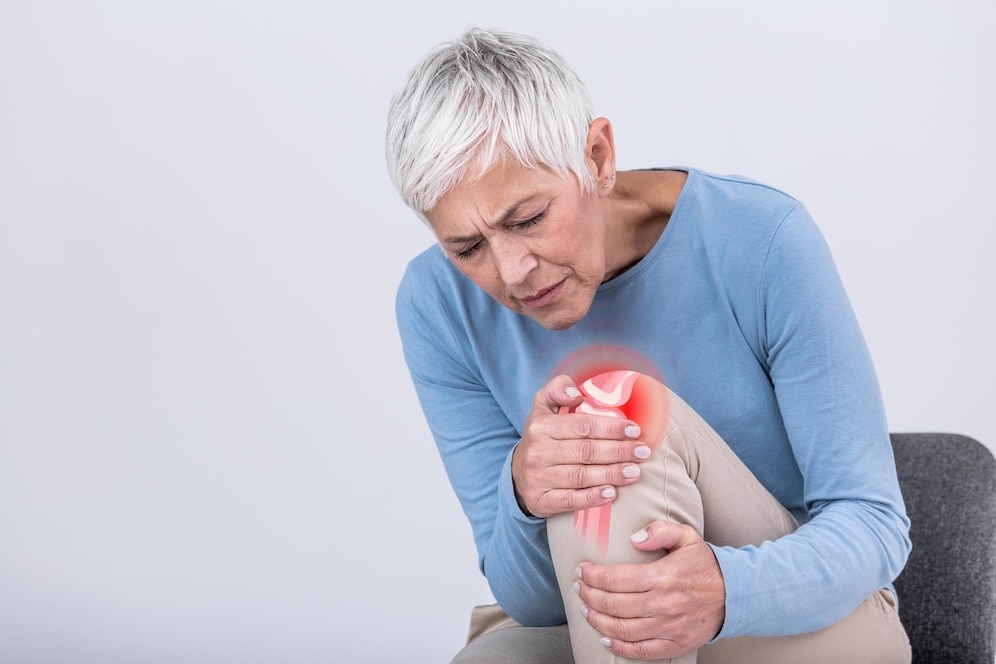
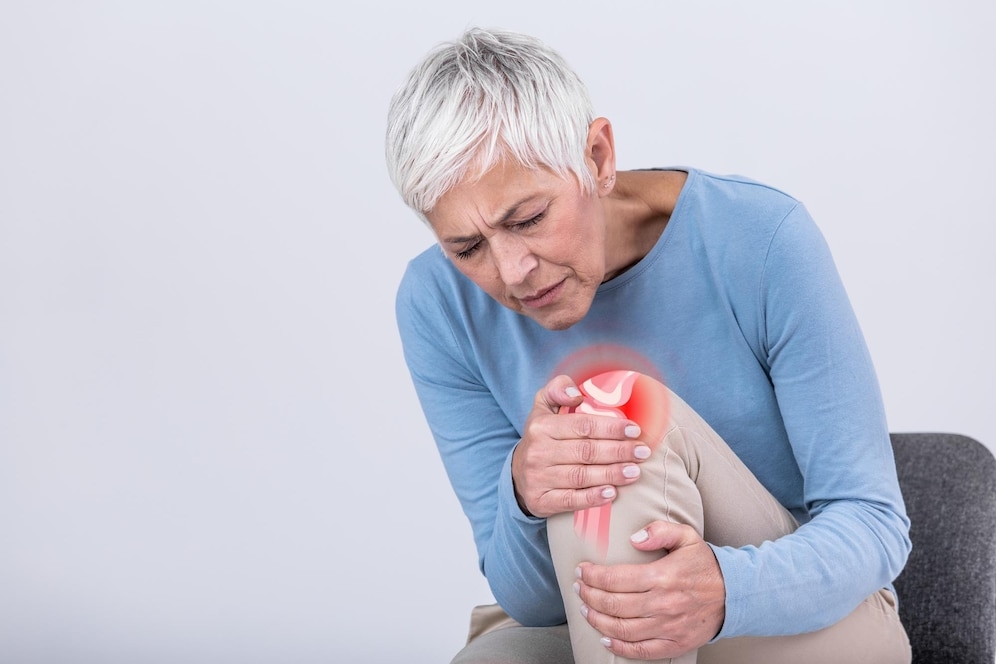
  • Is there a difference between joint pain and arthritis? | Joint pain vs Arthritis

    Is there a difference between joint pain and arthritis? | Joint pain vs Arthritis

    Joint pain vs arthritis

    Joint pain vs arthritis

    Many tend to use the terms joint pain and arthritis interchangeably. There is confusion among common people regarding their actual meaning. But, technically, there is a lot of difference between joint pain and arthritis. While joint pain can be a manifestation of arthritis, it is not the same as arthritis.

    Read on to better understand these two terms, define your condition, and learn more about joint pain relief and arthritis pain relief.

    Are arthritis and joint pain the same?

    Technically, no. There is a significant difference between joint pain and arthritis. Arthritis is an inflammatory condition that causes your joints to become red and swollen, which causes pain. Arthritis is characterised by underlying inflammation in the soft tissue called cartilage that lines your joints.

    Arthritis can be of several types—degenerative or osteoarthritis, inflammatory or rheumatoid arthritis, infectious arthritis, and metabolic arthritis. On the other hand, joint pain is an acute condition where you feel pain in a joint after it has been in use for a very long time, say, after a vigorous activity, accident, or fever. Though joint pain is a symptom of arthritis, not all forms of joint pain qualify as arthritis.

    As you age, your cartilage/soft tissues that line the joints wear down and start to age. The condition is marked with mild pain in the joints, with gradual progression to chronic pain, stiffness, and swelling of joints. If left untreated, the degeneration of joints may continue and worsen with time. Knowing the difference between joint pain and arthritis and taking conscious measures provides relief from joint pain and arthritis.

    The Three Most Common Types of Arthritis | Diagnosis – FAQ about Arthritis

    Read below to understand the causes of joint pain and understand the difference between joint pain and arthritis and the potential techniques for relief from joint pain and arthritis.

    Causes of arthritis vs causes of joint pain

    Just like there is a difference in the definition of joint pain and arthritis, there can be differences in their causes too.

    If you have been experiencing pain in your joints recently, the following can help you know if it is simply joint pain or an underlying condition such as arthritis.

    • If you have sudden joint pain following a vigorous workout or activity, chances are it is just simple joint pain and can be relieved by topical ointments.
    • If you experience sudden joint pain following an accident, it could be because of sudden shock. This type of joint pain can be a little intimidating as it can lead to joint degeneration and arthritis in the future.
    • If you have dengue or COVID-19, or any other fever, chances are you will experience joint pain for a few weeks until your fever subsides.

    Contrary to a normal joint pain, arthritis is a chronic condition that is caused as result of underlying diseases like diabetes, obesity, infections, old age or autoimmune disorders and may not respond to medication. Some of the common causes of arthritis are:

    Common causes of arthritis

    1. Old age: As you age, and due to continuous friction between the joints, the protective cartilage that cushions the ends of the bones within the joints wears down, resulting in the erosion or damage of the cartilage. The protective cartilage helps prevent shocks, reduce friction, and enable movement.
    2. Excess body weight: If you are overweight, your joints have to work extra to perform any function like walking, lifting weights, reaching for a distance, etc. This may put your joints in a state of wear and tear and lead to inflammation and pain.
    3. Autoimmune condition: A type of arthritis called rheumatoid arthritis is caused by your immune cells attacking your body. This leads to a buildup of uric acid in your joints and may affect other parts of the body like the eyes, lungs, heart, kidneys, nervous tissues, etc.
    4. Micro-organisms: Sometimes, arthritis can be caused by bacteria and viruses too. The most common of these is Staphylococcus aureus (staph), a bacterium that lives on healthy skin. Infectious arthritis can be caused by a fungus as well.

    Whatever the cause may be, knowing the difference between joint pain and arthritis and getting relief from them is the ultimate aim.

    Some other causes of joint pain that can be due to serious underlying issues are:

    • Sprain which occurs from minor injuries caused by accidents
    • Hypothyroidism which is when the thyroid gland fails to produce the required levels of thyroid hormone
    • Fibromyalgia, a generalised muscle soreness accompanied by sleep, fatigue and mood issues
    • Bone cancer or osteosarcoma (a common form)
    • Spondylitis, an inflammatory disease which can lead to fused bones in the vertebrae
    • Chronic muscular disorders or myopathies that lead to muscle weakness and inflammation
    • Lyme disease, a vector-borne, bacterial infection spread through ticks
    • Leukaemia or blood cancer caused by the increase in white blood cells
    • Bursitis caused by inflammation of the fluid-filled sacs that cushions the joints and bones
    • Rheumatic fever, an inflammatory condition that can result from strep throat when it hasn’t been treated properly
    • Rickets caused by vitamin D deficiency in children

    How to treat joint pain?

    Some of the common treatments for joint pain that may or may not be a result of arthritis are:

    • Topical ointments/creams
    • NSAIDs
    • Steroid drugs
    • Physiotherapy
    • Acupuncture
    • Yoga
    • Counterirritants
    • Joint repair/joint realignment
    • Joint replacement surgery

    Acute joint pain usually subsides within a few days to weeks, typically post the application of topical ointments, creams, physiotherapy, and medicines. However, if you have been experiencing joint pain for several weeks, feel it worsening over time or following an activity like walking, or feel no respite even after using medication and undergoing physiotherapy, you should consult with your doctor and undergo a proper diagnostic test to understand the underlying causes.

    For joint pain relief, doctors may prescribe analgesics or combination painkillers depending on the intensity and underlying cause.
    In cases of moderate to severe joint discomfort, medicines like Ultracet Tablet are often recommended to manage both pain and inflammation effectively. However, it’s important to take such medications under medical supervision to avoid dependency or side effects.

    How to treat arthritis?

    As opposed to acute joint pain, treating arthritis is time-consuming. If your pain does not subside by applying topical ointments, NSAIDs, and counterirritants, you may be suggested surgeries like joint repair, joint replacement or joint fusion to reduce friction and the pain resulting due to it.

    Conclusion

    Arthritis and joint pain can be a very long and difficult journey to come out of, but with the proper support and a good lifestyle with nutritious food and mild physical activity, you can get your relief from joint pain and arthritis pain.

    For more information on clinical conditions and to get access to generic medicines for various ailments at competitive prices, visit the Medkart website today!

    FAQs realated to Joint pain and arthritis

    1. Is my joint pain arthritis?

    Answer: If your joint pain does not subside for several days, seems to worsen as the day progresses, and does not respond to treatment measures, chances are that it could be arthritis. However, you must consult your doctor to confirm.

    2. How do I treat my joint pain?

    Answer: Joint pain can be treated by several methods like acupuncture, physiotherapy, NSAIDs, steroids, joint repair, and joint replacement surgery.

    3. What are the treatments for advanced-stage arthritis?

    Answer: In extreme cases of arthritis, your physician may recommend regular physiotherapy or joint replacement surgery to facilitate mobility.

  • What Is The Role Of Surgery In Arthritis Treatment? | Arthritis Treatment

    Introduction Arthritis Treatment

    Pain, stiffness, tenderness… Arthritis can leave you in a world of pain, which is why prompt detection and Arthritis Treatment are important for those with the condition.

    Arthritis is a degenerative condition that involves pain and inflammation in the joints. Globally, more than 350 million people have arthritis. Also, people with osteoarthritis have a 24% higher risk of getting the cardiovascular disease than those without it, which is why it is important to get Arthritis Treatment in time.What are the types of arthritis?

    There are various types of arthritis:

    • Osteoarthritis: When the cartilage wears out it can cause bones to rub together, leading to damage and inflammation. There are different Types Of Knee Surgery For Arthritis if the condition requires it
    • Rheumatoid arthritis: An auto-immune condition when the immune system attacks healthy joint tissue
    • Ankylosing spondylitis: Over time this inflammatory disease can cause some of the vertebrae to fuse resulting in a hunched posture
    • Septic arthritis: This infection in the joint usually occurs when there is a penetrating injury, such as an animal bite. Infants and older adults are most likely to develop the condition and knees are usually most affected
    • Thumb arthritis: This refers to cartilage wearing away from bones that form the joint at the base of the thumb (carpometacarpal or CMC joint). A CMC Joint Surgery or Thumb Arthritis Surgery is usually recommended for relief
    • Gout: Here, you have sudden but severe intolerable bouts of pain, swelling, and tenderness in the joints, most often the big toe
    • Juvenile idiopathic arthritis: otherwise known as juvenile rheumatoid arthritis, it usually shows up under the age of 16 and results in persistent joint pain and stiffness
    • Psoriatic arthritis: Can affect those with psoriasis (a disease that causes red silvery-scaled skin patches)
    • Reactive arthritis: Not very common, here the joint pain is triggered by an infection in another part of the body like the intestines or urinary tract

    What are the Symptoms of Arthritis

    The most common signs of arthritis, which may require arthritis treatment, are:

    • Pain
    • Inflammation
    • Stiffness
    • Tenderness
    • Swelling
    • Redness
    • Reduced range of motion

    Arthritis is diagnosed by:

    1. Physical exam
    2. Laboratory tests: Here, blood, urine, and joint fluid are analyzed.
    3. Imaging: X-rays, Computerized tomography, Magnetic resonance imaging, and Ultrasound are done to detect cartilage loss, and bone damage and track the progression of the disease.

    What does Arthritis Treatment involve?

    The main focus of Arthritis Treatment is to relieve symptoms and improve joint function. Some of the common treatments are:

    • Medications: These depend on the type of arthritis. Some of the more common and best Arthritis Medications for Arthritis Treatment are Nonsteroidal anti-inflammatory drugs (NSAIDs) such as ibuprofen; Creams and ointments containing menthol or capsaicin to reduce pain; Corticosteroids to slow joint damage; Disease-modifying antirheumatic drugs (DMARDs) to save the joints from permanent damage
    • Physical therapy: This is a helpful Arthritis Treatment for some types of arthritis though sometimes splints or braces may be recommended.
    • Surgery: There are different types of Arthritis Surgery for Arthritis Treatment including joint repair (where joint surfaces are smoothed and realigned to improve function); Joint replacement (where the damaged joint, usually in the knees or hips, is replaced with an artificial one); and Joint fusion (Arthritis Surgery for smaller joints, such as those in the wrist or ankle)

    Conclusion

    Unfortunately, there is no cure for arthritis, which is why getting timely

    Arthritis Treatment is important. Arthritis Treatment aims to limit pain and inflammation as well as preserve and improve joint function. Arthritis Treatment options usually include medicines, Arthritis Surgery, weight reduction, and physical therapy.

    If you have pain or swelling in the joints, contact your healthcare provider for the right arthritis treatment. Do read the blogs on the Medkart website to understand more about the prevention and treatment of arthritis.

    FAQ ralated arthritis

    1) Is arthritis a permanent disease?

    Early diagnosis and

    Arthritis Treatment is important to prevent or minimize permanent damage caused by arthritis. On account of the avascular nature of cartilage, once the damage has occurred, it cannot be cured permanently. But Arthritis Treatment and Arthritis Surgery will help relieve the pain.

    2) Why do people get arthritis?

    Arthritis is caused by joint inflammation. Arthritis is a disease that usually comes with age but sometimes it can be because of an injury or trauma.

    3) At what age does arthritis start?

    Between the ages of 40 and 60 is when people usually begin to show signs of arthritis. But then again, it depends on the type of arthritis. It’s more common in women. And getting the right Arthritis Treatment can do a long way in pain relief. 

  • Effective Home Remedies for Arthritis Treatment

    Effective Home Remedies for Arthritis Treatment

    Home Remedies for Arthritis Treatment image

    Arthritis Treatment – Arthritis is an inflammation of a single or multiple joints in the body. It has several types, each one having its causes and appropriate treatments. Osteoarthritis is the most common form. Other common ones may include gout, rheumatoid arthritis, and psoriatic arthritis.

    Rheumatoid arthritis is an autoimmune condition that cannot be cured with natural remedies. However, natural remedies for rheumatoid arthritis and other forms of arthritis can help in relieving the symptoms of joint pain and swelling to some extent. Since there are no side effects associated with home remedies for arthritis, you can try them at home.

    However, remember that home remedies for arthritis are not a replacement for medical treatment and must always be coupled with medicines to manage arthritis pain and stiffness better.

    Home Remedies for Arthritis Treatment

    Here are some of the most effective home remedies for arthritis and joint pain:

    1. Engage in light physical activity

    If you have arthritis, you might avoid moving your joints because of the discomfort it causes. However, inactivity or lack of movement over time has a damaging effect on the joints. It can result in muscle weakness and restricted joint movement.

    Light exercises and certain forms of light yoga are good home remedies for arthritis management. Mild stretching, walking, and swimming are a few simple exercises that can be done to strengthen your muscles and joints. Include them in your routine to naturally relieve joint pain and other arthritis symptoms.

    2. Use hot and cold compressions

    This home remedy for arthritis provides significant relief from the swelling of joints and arthritis pain. Hot compression is used for pain relief, loosening stiff joints, and relaxing muscles. You can use a heating pad or a warm towel for compression.

    Cold compressions in the form of ice packs are ideal for reducing swelling in joints. However, you should not use them simultaneously and give a gap of a few hours between sessions.

    3. Take a massage for arthritis

    Body massages are known for being a good home remedy for arthritis, especially osteoarthritis and knee pain. They help to lower stress hormones and release mood-enhancing hormones. They also reduce stiffness and joint pain and improve joint function.

    4. Maintain a healthy weight

    Arthritis primarily affects the weight-bearing joints of the body. Extra body weight puts additional strain on these joints, like your knees and hips. This aggravates the pain. Losing extra body weight is one of the best home remedies for arthritis.

    If you are overweight and suffer from arthritis, follow a healthy diet regime to maintain a healthy weight. This will help increase your mobility and reduce future damage to your bones.

    5. Use Omega-3 fatty acids

    ​Omega-3 fatty acids have been extensively researched for their ability to treat rheumatoid arthritis because they have anti-inflammatory properties. According to studies, people who consume more fatty fish or take fish oil supplements experience less morning stiffness and joint pain and rarely need medication.

    Thus, omega-3 fatty acids are suggested as a home remedy for arthritis. However, consult a doctor before adding a supplement to your diet to know if it will suit you.

    Omega-3 fatty acids best offer

    6. Add turmeric or curcumin supplements to your diet

    ​Studies have shown that turmeric has anti-inflammatory and anti-oxidative properties. Thus, it can be used as a natural remedy for joint pain. The active ingredient found in turmeric is a compound called curcumin, which may help reduce osteoarthritis pain without any side effects.

    Some studies have shown that curcumin intake treats morning stiffness increases walking time, and reduces joint swelling in arthritis patients. You can safely add turmeric to your diet. You may also take turmeric or curcumin supplements made with piperine, which helps the body absorb curcumin more effectively. Nevertheless, it is important to consult your doctor before adding a curcumin supplement to your diet.

    Conclusion

    Home remedies for arthritis are the safest way to reduce the symptoms related to pain and joint stiffness. However, you should not rely on them completely as they don’t cure the condition. A home remedy for joint pain should not replace medication but can be safely used as an adjunct therapy to improve your condition. Always consult an orthopaedic doctor before using any form of natural remedy and starting an exercise regime

    For your medical needs, visit India’s most reputable pharmacy, Medkart, which sells high-quality generic medications at affordable prices. Compare your medication prices and know more about your medicines on Medkart | Generic Medicines Online – Best Online Pharmacy App.

    Read: What are Generic Medicines?

    FAQs on Arthritis Treatment

    Q1. Which bones are first impacted by arthritis?

    The tiny joints in the fingers and toes are usually the first to be affected. The most prevalent symptom is stiffness, especially in the morning.

    Q2. Can arthritis go away naturally?

    No, arthritis cannot go away naturally, but it is manageable. You can try home remedies for arthritis to help ease discomfort, improve your range of motion, and prevent further harm.

    Q3. At what age does arthritis start?

    Arthritis mostly begins between the ages of 40 and 60. It affects women more than men. Although a complete cure is not possible, medications are available that help to suppress an overactive immune system and reduce joint pain and swelling.

    Related Links:

  • Are there different types of  arthritis?

    Are there different types of arthritis?

    If you’ve encountered an old person or if you are old, then you have probably heard about arthritis. If you haven’t, don’t worry. Here, we’ll discuss what arthritis is, its types, and how to manage it.

    What is arthritis?

    Arthritis is inflammation or swelling. It occurs within joints. It is not a single disease. It is a term for swelling and degeneration in the joints due to degeneration. In addition to joint degeneration, it can also cause severe joint pain and stiffness.

    Normally, arthritis damages the soft tissues surrounding the joint. This in turn causes pain during joint movement. The exact symptoms of arthritis differ based on its cause and type. It typically occurs with age but can result from trauma, poor lifestyle choices, etc.

    It is a progressive condition. So, the symptoms often start worsening over time. In the initial stages, it is mild and easily manageable through medications. But in severe cases, most arthritis patients need to undergo surgery for correction.

    different types of  arthritis image

    Different types of arthritis

    Arthritis is one of the most common bone and joint issues prevalent in today’s world. There are more than 100 documented types of arthritis. This is based on their causes and symptoms. Of these, 5 types of arthritis are the most common. Let’s discuss these types of arthritis and how they can affect you.

    The most common types of arthritis are:

    • Osteoarthritis (OA)

    It is also known as degenerative joint disease or “wear and tear” arthritis. It is the most common type of arthritis. It generally affects the hands, hips, and knees.

    It can also occur due to improperly managed fractures or trauma in the joint. During OA, the cartilage supporting the joint starts breaking down. This causes stress on the underlying bone.

    Its symptoms are joint pain, stiffness, and swelling, along with a severe inability to perform joint movements.

    • Rheumatoid Arthritis (RA)

    RA is an autoimmune condition. In this, your body’s immune system starts attacking the healthy joint tissues by error. This can further lead to painful inflammation of the joints.

    RA frequently affects multiple joints at the same time. Some of the most commonly affected joints from RA are the hands, wrists, and knees.

    It is signified by symptoms like chronic pain, joint instability, joint deformity, weakness, etc. In some cases, it can even spread to other organs like the lungs, heart, and eyes.

    • Childhood Arthritis

    Childhood or juvenile arthritis is another type of autoimmune disorder. Its exact cause is unknown. But due to its similarity to rheumatoid arthritis, it is also known as juvenile idiopathic arthritis (JIA) and juvenile rheumatoid arthritis.

    It causes severe pain in the joints, along with symptoms like joint swelling, fever, stiffness, rashes on the body, fatigue, loss of appetite, etc. If not managed properly, it can cause permanent damage to the joints, even making simple activities like walking difficult.

    • Psoriatic Arthritis

    Psoriatic arthritis is a combination of psoriasis and arthritis, i.e., patients have inflammation in their skin and joints. It is most commonly associated with patchy and scaly skin, with raised red and white inflamed areas.

    Normally, signs of psoriasis appear before signs of arthritis. It can affect virtually any joint, i.e., knee, spine, elbow, etc. It generally affects people between 30 to 40 years of age, but it can affect children too in some cases.

    • Gout

    Gout is an inflammatory type of arthritis. It is incurable. It occurs due to the deposition of uric acid crystals in the joints. If gout keeps recurring, it eventually leads to gouty arthritis, i.e., joint degeneration.

    It commonly affects only one joint at a time. It normally occurs in the feet (big toe joint, ankle, etc.) The symptoms of gout can get worse sometimes, called flares, and can recede sometimes on their own, called remission.

    You can manage it using medications and self-management strategies.

    How can arthritis be managed?

    You can manage arthritis by following the given tips:

    • Manage your lifestyle. Take your medicines as prescribed. Manage your stress levels. Try to improve your mood.

    • Be physically active. It will help with your symptoms. It will also boost your mood, and slow down joint degeneration. It will reduce further risk of chronic diseases.

    • Talk to your doctor. They will actively help you manage your pain and make sure you get the best treatment possible.

    • Don’t stress out your joints. Try to make sure you only perform light activities and maintain a healthy weight.

    With arthritis, it is very important to take proper care. If you have already been diagnosed, then you probably know how important it is to take control of the condition in time. Follow these steps to manage arthritis and lead a healthy life.

    Know more about your Medicines at Medkart, which is an online pharmacy platform that makes buying medicines convenient & cost-effective. To place your orders, download the app today!

    FAQs

    What is the most painful type of arthritis?

    Rheumatoid arthritis is the most painful type of arthritis. It affects the soft tissues and organs surrounding the joint. It causes inflammation there.

    Can arthritis be cured completely?

    There is no actual cure for arthritis. It occurs due to wear in the joints. But it can be effectively managed via medicines, physiotherapy, and in severe cases, surgery.

    What is the main cause of arthritis?

    Arthritis mainly occurs due to natural wear and tear in the joints. However, it can also occur due to autoimmune disorders and certain inflammatory conditions. The exact cause differs from patient to patient.

  • Gallbladder Stone Surgery: All you need to Know

    Gallbladder Stone Surgery: All you need to Know

    Gallbladder Stone Surgery

    Gallbladder Definition 

    The gallbladder is a little, pear-shaped organ that is situated beneath the liver in the upper right abdomen. Its main function is to store bile, a digestive fluid produced by the liver, which helps break down fats in the food we eat.

    Gallbladder stone surgery is a common procedure carried out to remove gallstones from the gallbladder. Gallstones are small, hard deposits that form in the gallbladder, which can cause severe pain and discomfort. This guide provides a comprehensive overview of the different parts of your gallbladder, how to prepare for surgery, what to expect during and after the procedure, and tips for a smooth recovery.

    Introduction to Gallbladder Stone Surgery

    Gallbladder stone surgery, also known as cholecystectomy, is a surgical procedure that removes the gallbladder or the gallstones from it. The gallbladder is a little, pear-shaped organ that is situated beneath the liver in the upper right abdomen. It stores bile, a digestive fluid produced by the liver, which helps break down fats in the food we eat. Gallstones form when the bile contains too much cholesterol or bilirubin, a waste product of red blood cells.

    Understanding the Parts of Gallbladder

    The fundus, body, and neck are all constituent elements of the gallbladder. The fundus is the rounded portion of the gallbladder, while the body is the main part of the organ. The neck is the narrow part that connects the gallbladder to the bile ducts, which are tubes that carry bile from the liver to the small intestine. The cystic duct is the tube that connects the gallbladder to the common bile duct, which carries bile to the small intestine.

    Understanding the different parts of gallbladder is important for managing issues that may arise, such as the formation of gallstones. In some cases, gallbladder stone surgery may be necessary to remove the gallbladder or gallstones. This surgical procedure, also known as cholecystectomy, can be performed using laparoscopic or open techniques, and involves removing the gallbladder or stones from it.

    If the gallbladder is removed, bile will still be produced by the liver, but it will no longer be stored in the gallbladder. Instead, it will flow directly from the liver to the small intestine through the common bile duct. While this can cause changes in digestion, most people are able to adjust to these changes and lead normal, healthy lives without a gallbladder.

    Regular check-ups and screenings are recommended for those at risk for gallbladder issues, such as individuals with a history of gallstones, obesity, or rapid weight loss. By understanding the different parts of gallbladder and its role in digestion, individuals can take steps to manage their digestive health and prevent complications related to gallbladder issues.

    Common Causes of Gallbladder Stones

    Gallstones can form when the bile contains too much cholesterol or bilirubin. Gallstone formation may also be influenced by the following additional factors:

    • Obesity

    • Rapid weight loss

    • A high-fat diet

    • Hormonal therapy

    • Family history of gallstones

    Symptoms of Gallbladder Stones

    Gallstones do not always cause symptoms, but when they do, they can be severe. Gallstones’ most typical signs and symptoms include:

    • Pain in the upper right abdomen

    • Nausea and vomiting

    • Fever and chills

    • Yellowing of the skin and eyes (jaundice)

    • Clay-colored stools

    • Dark urine

    Diagnosis of Gallbladder Stones

    To diagnose gallstones, your doctor may perform an ultrasound, CT scan, or MRI to look for the presence of stones in your gallbladder. They may also perform blood tests to check for signs of infection or inflammation.

    Types of Gallbladder Stone Surgery

    There are two main types of gallbladder stone surgery: open cholecystectomy and laparoscopic cholecystectomy. Open cholecystectomy involves making a large incision in the abdomen to remove the gallbladder. Laparoscopic cholecystectomy is a minimally invasive procedure that involves making several small incisions in the abdomen and using a tiny camera and surgical instruments to remove the gallbladder.

    Preparing for Gallbladder Stone Surgery

    Before your surgery, your doctor will give you instructions on how to prepare. This may include avoiding food and drink for several hours before the procedure, taking prescribed medications, and arranging for someone to drive you home after surgery. You will also need to discuss any existing medical conditions and medications with your doctor.

    What to Expect During Gallbladder Stone Surgery

    During the surgery, you will be given anesthesia to ensure that you are asleep and pain-free throughout the procedure. If you are having open cholecystectomy, the surgeon will make a large incision in your abdomen to remove the gallbladder. If you are having laparoscopic cholecystectomy, the surgeon will make several small incisions in your abdomen and use a tiny camera and surgical instruments to remove the gallbladder.

    Recovery from Gallbladder Stone Surgery

    After your surgery, you will need to rest and recover for several days before returning to your normal activities. Your doctor will give you instructions on how to care for your incision sites, such as keeping them clean and dry.Additionally, you can feel some discomfort and pain, which can be treated with painkillers. You should avoid heavy lifting and strenuous activity for several weeks after surgery.

    How to Sleep after Gallbladder Surgery

    Sleeping after gallbladder surgery can be challenging due to pain and discomfort. To make sleeping more comfortable, you can try sleeping on your back or side with pillows to support your incision sites. You should also avoid sleeping on your stomach and elevate your head slightly to reduce pressure on your abdomen.

    The Importance of Post-Operative Care

    Post-operative care is essential for a smooth recovery from gallbladder stone surgery. This may include following a special diet, taking prescribed medications, and attending follow-up appointments with your doctor. You should also avoid smoking and alcohol, as these can slow down the healing process and increase the risk of complications.

    Conclusion

    Gallbladder stone surgery is a common procedure that can help relieve the pain and discomfort caused by gallstones. Understanding the different parts of your gallbladder, how to prepare for surgery, what to expect during and after the procedure, and tips for a smooth recovery can help you feel more informed and prepared for the process. If you are experiencing symptoms of gallstones, it is important to seek medical attention as soon as possible to prevent potential complications.

    Call To Action

    Visit Medkart to get the best generic medicines at the lowest prices, today!

  • Non-Surgical Solutions: Treating Gallbladder Stones Without an Operation

    Non-Surgical Solutions: Treating Gallbladder Stones Without an Operation

    Gallbladder Stone Remove without Operation

    Gallstones are small, hard deposits that form in the gallbladder. They are made of cholesterol or bilirubin and can cause severe pain and discomfort. Gallstones are a common problem, affecting millions of people worldwide. Traditionally, surgery has been the main treatment option for gallstones, but there are now non-surgical solutions available. This article will explore the different non-surgical options for treating gallstones and provide advice on how to choose the right treatment for you.

    What are gallstones and how are they formed?

    Hard deposits called gallstones develop in the gallbladder, a little organ under the liver. They can range in size from being the size of a golf ball to a grain of sand. Gallstones are formed when there is an imbalance in the substances that make up bile, a fluid that helps digest fat. If there is too much cholesterol or bilirubin in the bile, it can harden and form stones.

    Gallstone development is potentially influenced by a number of risk factors. These include being overweight or obese, being female, having a family history of gallstones, and having certain medical conditions such as diabetes or Crohn’s disease. Gallstones can cause symptoms such as severe abdominal pain, nausea, vomiting, and fever.

    Conventional treatment options for gallstones

    The conventional treatment for gallstones is surgery, specifically cholecystectomy, which involves removing the gallbladder. This is a relatively safe and effective procedure, but it does involve risks such as bleeding, infection, and damage to nearby organs. Recovery time can also be lengthy, and there may be some dietary restrictions after surgery.

    For patients who are not suitable candidates for surgery, there are other conventional treatment options available. These include medications such as ursodiol, which can dissolve some types of gallstones, and lithotripsy, a procedure that uses shock waves to break up gallstones. These treatments are not as effective as surgery and may take longer to produce results.

    Gallbladder Stones Treatment Without Operation

    For people who cannot undergo surgery or prefer not to, there are non-surgical solutions available. These treatments aim to dissolve or break up the gallstones, allowing them to pass through the bile ducts and out of the body naturally. Gallbladder Stones Treatment without Operation include:

    ·  Oral bile acid therapy: This involves taking medication that dissolves cholesterol gallstones over time. The success rate is around 50%, but it can take several months to see results.

    · Shock wave lithotripsy: This uses sound waves to break up the gallstones into smaller pieces, which can then pass through the bile ducts. This treatment is most effective for smaller stones and has a success rate of around 70%.

    · Endoscopic retrograde cholangiopancreatography (ERCP): This involves inserting a small tube into the mouth and down into the small intestine, allowing doctors to see the bile ducts and remove any stones. This treatment is most effective for smaller stones and has a success rate of around 85%.

    Endoscopic retrograde cholangiopancreatography

    Home remedies for gallstone removal

    Some people may prefer gallbladder stone removal without surgery by trying home remedies for gallstone removal before turning to medical treatments. While there is little scientific evidence to support these remedies, some people find them helpful. Home remedies for gallstone removal include:

    · Apple cider vinegar: Some people believe that drinking apple cider vinegar can help dissolve gallstones. However, there is no empirical evidence to support this claim.

    · Lemon juice: Drinking lemon juice mixed with warm water is another popular home remedy for gallstones. Again, there is little scientific evidence to support this remedy.

    · Peppermint tea: Peppermint tea is thought to help stimulate bile flow and aid digestion, which may help prevent gallstones from forming.

    It is crucial to remember that home cures shouldn’t be used in place of professional care. If you are experiencing symptoms of gallstones, it is important to speak to your doctor and discuss your treatment options.

    Homeopathic medicine for gallbladder stone treatment

    Homeopathic medicine for gallbladder stones is a form of alternative medicine that uses natural remedies to treat a range of conditions, including gallstones. Some homoeopathic medicines for gallbladder stone treatment include:

    · Chelidonium: This remedy is often used for gallbladder pain and digestive issues.

    · Lycopodium: This remedy is often used for digestive issues, including gallbladder pain and bloating.

    · Nux vomica: This remedy is often used for digestive issues, including gallbladder pain and nausea.

    While there is little scientific evidence to support the use of homoeopathic remedies for gallstones, some people find them helpful. It is important to speak to a qualified homoeopathic practitioner before using any homeopathic remedies.

    Diet and lifestyle changes for preventing and managing gallstones

    Making changes to your diet and lifestyle can help prevent gallstones from forming and manage symptoms if you already have them. Some dietary and lifestyle changes that may be helpful include:

    · Eating a low-fat diet: Reducing your intake of fat and cholesterol can help prevent gallstones from forming.

    · Losing weight: If you are overweight or obese, losing weight can help reduce your risk of developing gallstones.

    · Exercising regularly: Regular exercise can help reduce your risk of developing gallstones and manage symptoms if you already have them.

    · Drinking plenty of water: Staying hydrated can help prevent gallstones from forming and aid in their elimination if you already have them.

    Success rates of non-surgical gallstone treatments

    The effectiveness of non-surgical gallstone treatments can vary depending on the individual patient and the severity of their condition. Home remedies and homoeopathic medicine may provide temporary relief from symptoms, but they are unlikely to actually remove the gallstones. Diet and lifestyle changes can be effective in preventing gallstones from forming, but they may be less effective for managing existing gallstones.

    Comparing non-surgical and surgical options for gallstone treatment

    When choosing a treatment option for gallstones, it is important to consider the pros and cons of both surgical and non-surgical options. Surgery is the most effective treatment for gallstones and can provide permanent relief from symptoms. However, it does involve some risks and may not be suitable for all patients. Non-surgical options may be less effective, but they are generally safer and less invasive.

    Choosing the right treatment option for you

    The best treatment option for gallstones will depend on several factors, including the severity of your symptoms, your overall health, and your personal preferences. Before making a decision, it is important to speak with your healthcare provider and discuss the risks and benefits of each treatment option. They can help you make an informed decision and provide guidance on how to manage your condition.

    Conclusion

    Gallstones can be a painful and uncomfortable condition, but there are several treatment options available. While surgery is the most effective treatment, there are non-surgical options that may be suitable for some patients. Home remedies, homeopathic medicine, and diet and lifestyle changes can all be effective in preventing and managing gallstones, but they may not be suitable for everyone. If you are experiencing symptoms of gallstones, speak with your healthcare provider to discuss your treatment options and find the best solution for you.

    Call To Action

     Visit Medkart to get the best generic medicines at the lowest prices, today!

  • What is the Difference Between Malaria and Dengue?

    What is the Difference Between Malaria and Dengue?

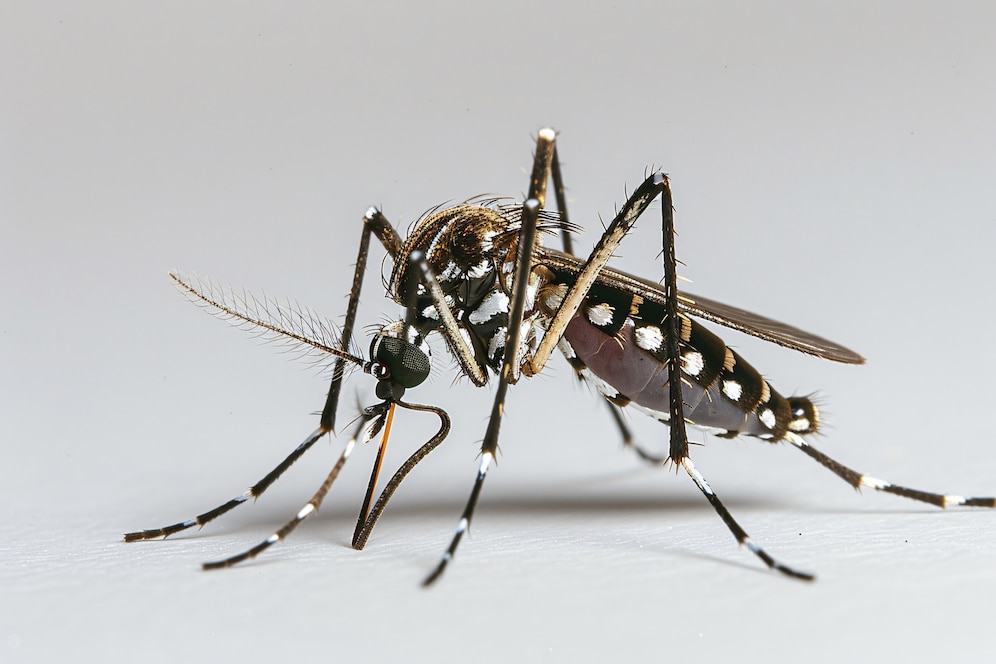
    Difference Between Malaria and Dengue

    Malaria and dengue fever are two of the most common mosquito-borne diseases worldwide. Both are prevalent in tropical regions, and since they share similar symptoms, they are often confused with each other. However, they are caused by different parasites and viruses and have unique treatments. In this article, we will explore the key differences between malaria and dengue to help you better understand and prevent these diseases.

    Introduction to Malaria and Dengue

    The deadly parasite Plasmodium, which infects female Anopheles mosquitoes, is the cause of malaria. It spreads through the bites of these insects. The disease is prevalent in Africa, Asia, and South America and is responsible for more than 400,000 deaths annually. Malaria can cause fever, headache, chills, and flu-like symptoms, which can progress to severe complications such as anemia, organ failure, and coma.

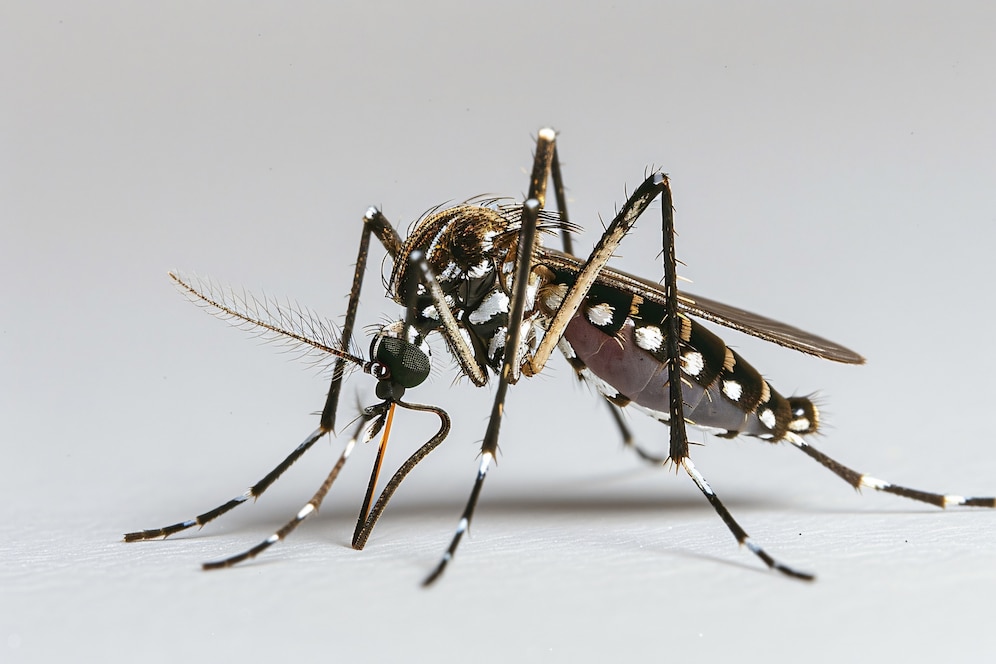
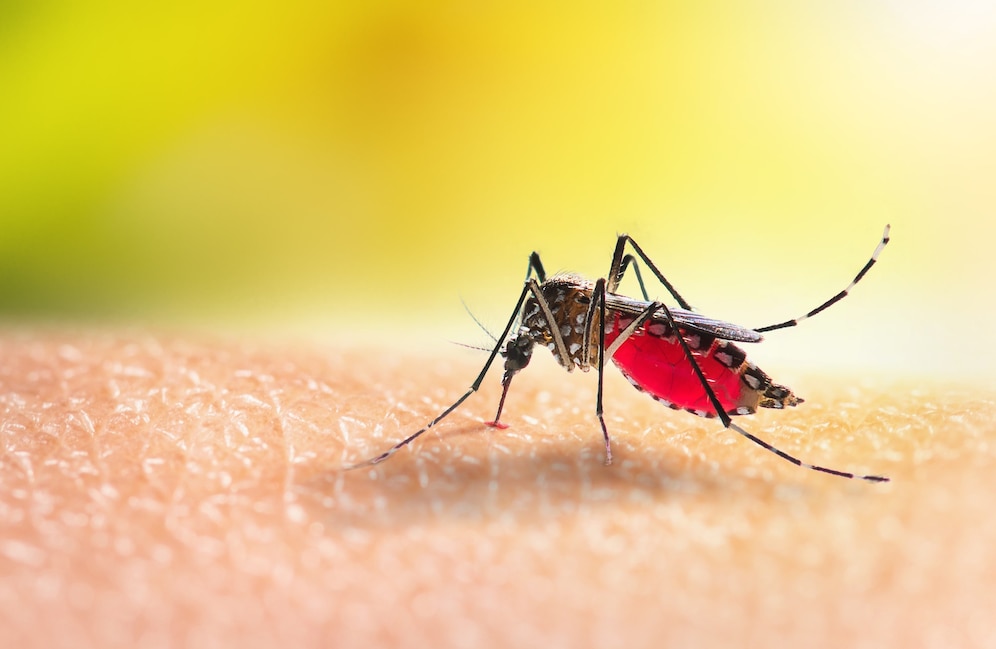
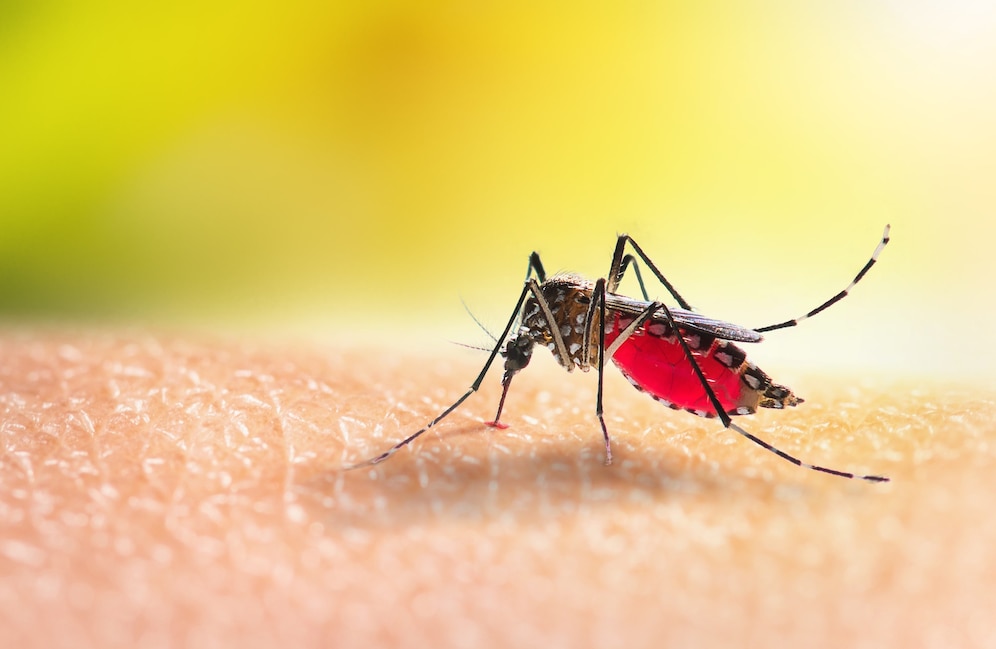
    On the other hand, dengue fever is caused by a virus transmitted through the bites of infected Aedes mosquitoes. The disease is widespread in tropical regions, including Southeast Asia, Latin America, and the Caribbean. Dengue fever can cause high fever, severe headache, joint pain, and a skin rash, which can progress to a potentially fatal condition called dengue hemorrhagic fever.

    Causes and Transmission of Malaria and Dengue

    As mentioned earlier, malaria is caused by the Plasmodium parasite, which can infect humans through the bites of infected female Anopheles mosquitoes. The parasite multiplies in the liver and then infects red blood cells, leading to the typical symptoms of malaria. Malaria can also be transmitted through blood transfusion, organ transplantation, or sharing of needles.

    On the other hand, dengue fever is caused by four different serotypes of the dengue virus, which are transmitted through the bites of infected Aedes mosquitoes. Once infected, the virus replicates in the human body and causes symptoms such as fever, headache, and joint pain. Unlike malaria, dengue fever is not directly transmitted from person to person, but it can be indirectly transmitted through blood transfusion or vertical transmission from mother to child.

    Symptoms of Malaria and Dengue

    Malaria and dengue fever share similar symptoms, such as fever, headache, and muscle pain. The two illnesses do differ in a few ways, though. Malaria typically causes cyclical fever, which occurs every 48 to 72 hours, depending on the type of parasite. The fever is usually accompanied by chills, sweating, and fatigue. In severe cases, malaria can cause seizures, confusion, and loss of consciousness.

    On the other hand, dengue fever usually begins with a sudden onset of high fever, which can last up to a week. The fever is often accompanied by severe headache, joint pain, and a skin rash. In some cases, dengue fever can progress to dengue hemorrhagic fever, which is characterized by bleeding from the nose, gums, or under the skin, and can lead to shock and death.

    Diagnosis and Treatment of Malaria and Dengue

    Diagnosis of malaria and dengue fever usually involves a combination of clinical examination, blood tests, and imaging studies. In the case of malaria, blood tests can detect the presence of the parasite and determine the type of parasite. In the case of dengue fever, blood tests can detect the presence of the dengue virus and determine the serotype.

    Treatment of malaria usually involves a combination of antimalarial drugs, such as chloroquine, artemisinin, and mefloquine. The choice of drug depends on the type of parasite and the severity of the disease. In severe cases, hospitalization may be required, and intravenous antimalarial drugs may be administered.

    Treatment of dengue fever is mainly supportive, as there is no specific antiviral therapy available. Patients are advised to rest, drink plenty of fluids, and avoid medications that can worsen bleeding. In severe cases, hospitalization may be required, and intravenous fluids and blood transfusions may be given.

    Prevention of Malaria and Dengue

    Prevention of malaria and dengue fever mainly involves avoiding mosquito bites. This can be done by combining various strategies, like:
    • Using mosquito repellents containing DEET or picaridin
    • Wearing long-sleeved clothing and pants
    • Sleeping under mosquito nets
    • Using screens on windows and doors
    • Removing standing water where mosquitoes breed

    In addition, travelers to areas with high malaria or dengue fever transmission are advised to take prophylactic medications, such as chloroquine or doxycycline for malaria, or a vaccine for dengue fever.

    Key Difference between Malaria and Dengue

    The key difference between malaria and dengue fever can be summarised as follows:

    • Malaria is caused by a parasite, while dengue fever is caused by a virus
    • Malaria is transmitted through the bites of infected Anopheles mosquitoes, while dengue fever is transmitted through the bites of infected Aedes mosquitoes
    • Malaria causes cyclical fever, while dengue fever causes sudden onset of high fever
    • Malaria can be treated with antimalarial drugs, while there is no specific antiviral therapy for dengue fever
    • Malaria can be prevented by taking prophylactic medications, while a vaccine is available for dengue fever

    Geographic Distribution of Malaria and Dengue

    Malaria and dengue fever have different geographic distributions. Malaria is prevalent in sub-Saharan Africa, South Asia, and parts of Latin America. In contrast, dengue fever is prevalent in Southeast Asia, Latin America, and the Caribbean. However, both diseases are spreading to new areas due to factors such as climate change, urbanization, and international travel.

    Public Health Concerns of Malaria and Dengue

    Dengue fever and malaria are serious global public health issues. Malaria is responsible for more than 400,000 deaths annually, mostly among young children in sub-Saharan Africa. In addition, malaria contributes to poverty and economic instability in endemic regions. Dengue fever, on the other hand, affects millions of people annually, and its incidence is increasing worldwide. Dengue hemorrhagic fever can lead to high morbidity and mortality, particularly among children.

    Conclusion and Final Thoughts

    Malaria and dengue fever are two of the most common mosquito-borne diseases worldwide. While they share some similarities, they are caused by different parasites and viruses and have unique treatments. Prevention of these diseases mainly involves avoiding mosquito bites and taking prophylactic medications when necessary. It is essential to raise awareness about these diseases and invest in research and control measures to reduce their burden on public health.

    Call To Action

     Visit Medkart to get the best generic medicines at the lowest prices, today!

  • All you need to know about Dengue: Types, Blood Test & Warning Signs

    All you need to know about Dengue: Types, Blood Test & Warning Signs

    Dengue

    Introduction to Dengue

    The dengue virus, which causes the viral ailment dengue, is mostly spread via the bite of an infected Aedes mosquito. This illness is prevalent in tropical and subtropical regions, affecting millions of people worldwide every year. The World Health Organization (WHO) estimates that around 390 million dengue infections occur each year, with approximately 96 million cases presenting clinical symptoms. With such staggering numbers, it is crucial for individuals living in or traveling to dengue-prone areas to be well-informed about the disease and the importance of getting a dengue test.

    Dengue has become a significant public health concern due to its rapid global spread and increasing incidence over the past few decades. Although dengue is not usually fatal, severe cases can lead to complications such as dengue hemorrhagic fever (DHF) and dengue shock syndrome (DSS), which can be life-threatening. Therefore, early diagnosis and proper medical care are essential in preventing the progression of the disease and reducing the risk of complications.

    This article aims to provide a comprehensive understanding of dengue, its causes, transmission, warning signs, and the importance of getting a dengue test. Additionally, it will discuss where to get a dengue test and the types of tests available for dengue diagnosis.

    Understanding Dengue: Types and Transmission

    There are four distinct types of dengue virus (DENV-1, DENV-2, DENV-3, and DENV-4), and infection with one type does not provide lifelong immunity against the other types. This means that a person can be infected with dengue multiple times in their lifetime, with each subsequent infection carrying a higher risk of developing severe complications.

    Dengue is primarily transmitted through the bite of an infected Aedes mosquito, particularly the Aedes aegypti and Aedes albopictus species. These mosquitoes are known to thrive in urban and semi-urban areas, breeding in stagnant water found in various containers such as flower pots, discarded tires, and water storage containers. The dengue virus is transmitted to humans when an infected mosquito bites a person, injecting the virus into the bloodstream.

    There is currently no specific antiviral treatment for dengue, and management of the disease mainly involves supportive care to alleviate symptoms and prevent complications. Vaccines are available for dengue prevention, but their effectiveness varies depending on the individual’s previous exposure to the virus and the specific dengue serotype involved.

    Dengue Warning Signs and Symptoms


    Dengue symptoms typically appear 4 to 10 days after being bitten by an infected mosquito. The illness usually begins suddenly and is characterized by high fever, severe headache, pain behind the eyes, muscle and joint pain, nausea, vomiting, and a skin rash. The rash typically appears 3 to 4 days after the onset of fever and may spread from the torso to the arms, legs, and face. In some cases, the symptoms can be mild and may be mistaken for the flu or another viral infection.

    Dengue hemorrhagic fever (DHF) is a severe form of the disease, which can occur when the body’s immune system overreacts to the virus, leading to increased vascular permeability and bleeding. DHF is characterized by symptoms such as persistent vomiting, severe abdominal pain, rapid breathing, bleeding gums, blood in vomit or stool, and cold, clammy skin. Dengue shock syndrome (DSS) is the most severe form of dengue and is characterized by a sudden drop in blood pressure, leading to shock and potentially fatal complications.

    Is Dengue Contagious?

    Dengue is not contagious and cannot be spread directly from person to person. The infection can only be transmitted through the bite of an infected mosquito. However, a person infected with dengue can serve as a source of the virus for uninfected mosquitoes. If an uninfected mosquito bites an infected person, it can pick up the virus and transmit it to another person during subsequent bites. Therefore, it is essential to take preventive measures against mosquito bites to reduce the risk of dengue transmission.

    How Dengue Spreads and Its Causes

    Dengue spreads primarily through the bite of infected Aedes mosquitoes, which are the main carriers of the dengue virus. These mosquitoes breed in stagnant water and can be found in both urban and rural environments. The spread of dengue is influenced by various factors, including climate, urbanization, population growth, and international travel.

    Climate plays a significant role in the spread of dengue, as warmer temperatures and increased rainfall create favorable conditions for mosquito breeding. Rapid urbanization and population growth also contribute to the spread of dengue, as overcrowded living conditions and inadequate sanitation can create more breeding sites for Aedes mosquitoes. International travel can introduce dengue to new areas, as infected travelers can serve as a source of the virus for local mosquito populations.

    Importance of Getting a Dengue Test

    Early diagnosis of dengue is crucial for several reasons. Firstly, it allows for timely medical intervention to alleviate symptoms and prevent complications. This is particularly important in cases of severe dengue, where prompt and appropriate treatment can significantly reduce the risk of fatal outcomes. Secondly, a confirmed dengue diagnosis can help inform public health authorities, enabling them to implement appropriate control measures to prevent the further spread of the disease.

    A dengue test can also help differentiate dengue from other illnesses with similar symptoms, such as influenza, chikungunya, or Zika virus infections. This is important because the management of these diseases may differ, and an accurate diagnosis can guide appropriate treatment and care.

    Where to Get a Dengue Test

    Dengue tests can be performed at hospitals, clinics, or laboratories that offer diagnostic services for infectious diseases. In some countries, public health facilities may offer dengue testing services for free or at a reduced cost. It is essential to consult a healthcare professional if you suspect that you or someone you know may have dengue, as they can provide guidance on the most appropriate course of action and the most suitable testing options.

    In some cases, rapid diagnostic tests for dengue may be available for use at home or in remote settings. These tests are designed to detect dengue-specific antibodies or viral components and can provide results within a few hours. However, their accuracy may be lower than laboratory-based tests, and it is essential to confirm the results with a healthcare professional.

    Dengue Diagnosis: Types of Tests

    Several types of tests are available for the diagnosis of dengue, each targeting different components of the infection process. These include:

    • Viral detection tests: These tests detect the presence of the dengue virus itself, either by identifying viral genetic material (through nucleic acid amplification tests such as polymerase chain reaction or PCR) or by detecting viral antigens (through enzyme-linked immunosorbent assays or ELISA). Viral detection tests are most effective during the early stages of infection when the virus is present in high concentrations.
    • Antibody tests: These tests detect the presence of antibodies produced by the immune system in response to dengue infection. Two types of antibodies are typically measured: IgM, which is produced during the initial stages of infection, and IgG, which is produced later and can persist for years. Antibody tests are most effective during the later stages of infection and can help confirm a previous exposure to dengue.
    • Platelet count and hematocrit tests: These tests are not specific for dengue but can provide supportive evidence for a dengue diagnosis. A low platelet count and an elevated hematocrit can be indicative of dengue hemorrhagic fever and should prompt further investigation.

    It is essential to consult a healthcare professional for guidance on the most appropriate testing options based on the individual’s symptoms, history of exposure, and the timing of the infection.

    Conclusion: Staying Informed and Protected Against Dengue

    Dengue is a significant global health concern, with millions of people affected each year. It is essential to be well-informed about the disease, its transmission, and the importance of getting a dengue test. Early diagnosis can help prevent complications, inform appropriate treatment, and contribute to the control of dengue transmission.

    Preventive measures against dengue include using insect repellent, wearing protective clothing, and sleeping under mosquito nets. Additionally, efforts should be made to eliminate mosquito breeding sites by disposing of stagnant water and maintaining a clean environment. Staying informed and protected against dengue is crucial in reducing the burden of the disease and its impact on global health.

    Call To Action


     Visit Medkart to get the best generic medicines at the lowest prices, today!

  • Malaria Life Cycle: Diagnosis, Stages and Mode of Transmission

    Malaria Life Cycle: Diagnosis, Stages and Mode of Transmission

    Introduction to Malaria

    Infected female Anopheles mosquitoes bite humans to spread the potentially fatal parasitic disease known as malaria. It is preventable and curable. Malaria occurs mostly in tropical and subtropical regions where the climate provides a suitable environment for malaria parasites to develop and multiply. The World Health Organisation (WHO) estimates that there were 229 million cases of malaria worldwide in 2019, with 409,000 deaths as a result.

    The fight against malaria is a global health priority, as it not only affects the health of millions of people but also has socio-economic consequences, especially in developing countries. This article aims to provide an in-depth understanding of the malaria life cycle, its stages, mode of transmission, the malaria mosquito name, diagnosis, prevention, control, treatment, and research and development.

    Understanding the Malaria Life Cycle

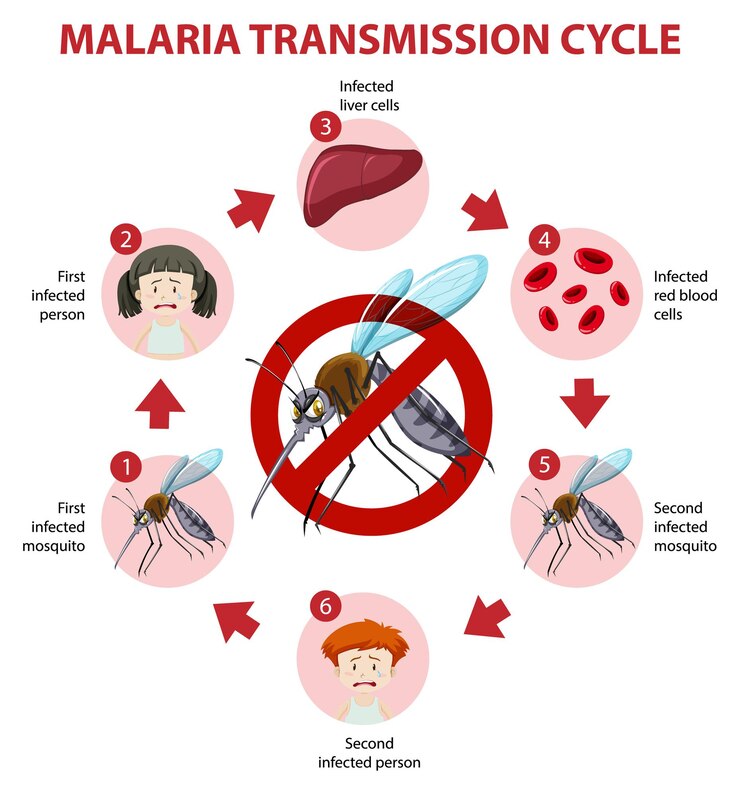
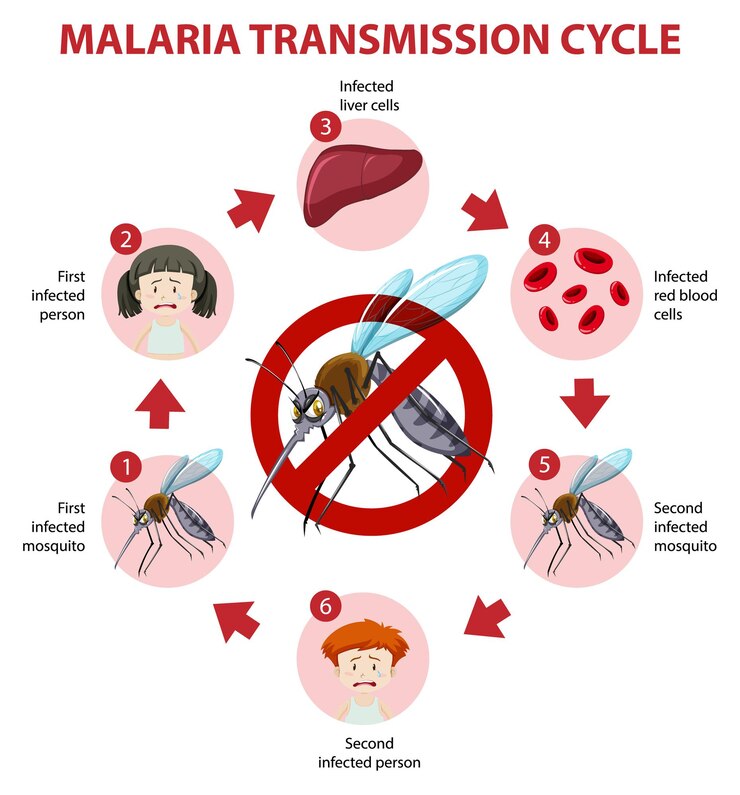
    The malaria life cycle is a complex process involving both the human host and the Anopheles mosquito vector. The cycle begins when an infected female Anopheles mosquito takes a blood meal from a human host, transmitting the malaria parasites (Plasmodium species) into the bloodstream. The liver is the next stop for the parasites, where they mature and reproduce. After maturation, the parasites enter the red blood cells, multiply again, and cause the blood cells to rupture. This release of new parasites leads to recurring fever and other symptoms associated with malaria.

    Understanding the malaria life cycle is crucial for developing effective prevention and treatment strategies. As the malaria parasites go through several stages during their life cycle, each stage presents a potential target for intervention. By targeting the different stages of the malaria life cycle, researchers can develop drugs and vaccines to interrupt the transmission of the disease and reduce its impact on human health.

    Stages of Malaria

    The stages of malaria are divided into three main stages: the exoerythrocytic stage, the erythrocytic stage, and the sexual stage.

    • Exoerythrocytic stage: This stage occurs in the human liver. When the malaria parasite enters the human bloodstream through a mosquito bite, it quickly travels to the liver and invades the liver cells. Here, the parasite multiplies asexually, forming thousands of new parasites called merozoites. This stage is asymptomatic and can last anywhere from 5 to 16 days, depending on the Plasmodium species.
    • Erythrocytic stage: The merozoites released from the liver cells enter the red blood cells and multiply, forming a structure called a schizont. The infected red blood cells eventually rupture, releasing more merozoites into the bloodstream, which can invade other red blood cells. This stage is responsible for the clinical symptoms of malaria, such as fever, chills, and anaemia.
    • Sexual stage: Some of the merozoites differentiate into sexual forms called gametocytes. When a female Anopheles mosquito bites an infected human, it ingests the gametocytes, which then mature into male and female gametes in the mosquito’s gut. The gametes fuse to form a zygote, which becomes an ookinete that penetrates the mosquito’s gut wall and forms an oocyst. The oocyst releases sporozoites, which migrate to the mosquito’s salivary glands, ready to be transmitted to another human host during the next blood meal.

    Malaria Life Cycle

    The Mode of Transmission of Malaria

    The main mode of transmission of malaria is through being bitten by an infected female Anopheles mosquito. The mosquito becomes infected when it feeds on a human carrying the malaria parasites. Once inside the mosquito, the parasites go through several stages of development before they are ready to be transmitted to another human host. It is important to note that malaria is not contagious and cannot be directly transmitted from person to person.

    There are other, less common modes of transmission of malaria, such as congenital malaria (from mother to infant during pregnancy or childbirth), transfusion malaria (through contaminated blood transfusions), and needle-stick injuries or contaminated needles. However, these modes of transmission are rare compared to mosquito-borne transmission.

    The Malaria Mosquito Name

    The Anopheles mosquito is responsible for transmitting malaria. There are over 400 species of Anopheles mosquitoes, but only about 30 of them are considered major vectors of malaria. Different species of Anopheles mosquitoes have different feeding and breeding habits, which can influence the transmission of the disease. The primary Anopheles species that transmit malaria include Anopheles gambiae, Anopheles funestus, Anopheles arabiensis, and Anopheles stephensi.

    Malaria Diagnosis

    Early and accurate diagnosis of malaria is essential for effective disease management and control. Malaria diagnosis is based on clinical symptoms, such as fever, chills, and headache, combined with laboratory confirmation. The gold standard for malaria diagnosis is a microscopic examination of blood samples, which allows the identification of the malaria parasites and the determination of the Plasmodium species.

    Rapid diagnostic tests (RDTs) are another method used for malaria diagnosis, especially in areas with limited access to microscopy. RDTs are easy to use, provide results within 20 minutes, and do not require electricity or specialized equipment. However, RDTs have some limitations, such as lower sensitivity compared to microscopy and the inability to differentiate between Plasmodium species.

    Polymerase chain reaction (PCR) and other molecular techniques can also be used for malaria diagnosis, but these methods are usually reserved for research purposes or for confirming difficult cases, as they are more complex and expensive compared to microscopy and RDTs.

    Malaria Research and Development

    Malaria research and development is an ongoing process that aims to improve existing interventions and develop new tools for malaria prevention, control, and treatment. Some of the main research fields are as follows:

    • Drug development: The emergence of drug-resistant malaria parasites necessitates the continuous development of new and effective antimalarial drugs.
    • Vaccine development: Although there is currently no licensed malaria vaccine, several candidates are in various stages of clinical trials. The most advanced candidate is the RTS,S/AS01 vaccine, which has shown partial protection against malaria in children.

    Malaria

    • Vector control: Research on novel vector control strategies, such as genetic modification of mosquitoes to reduce their ability to transmit malaria or the development of new insecticides with different modes of action, is essential for maintaining effective malaria control.
    • Diagnostics: The development of new and improved diagnostic tools, such as more sensitive and specific RDTs or point-of-care molecular tests, can help improve malaria case management and surveillance.

    Conclusion

    Understanding the malaria life cycle, from transmission to diagnosis, is essential for the effective prevention, control, and treatment of this life-threatening disease. The malaria life cycle is a complex process involving both the human host and the Anopheles mosquito vector, with each stage presenting potential targets for intervention. By combining a range of strategies, such as insecticide-treated mosquito nets, indoor residual spraying, antimalarial drugs, and health education, the global community can continue to make progress towards reducing the burden of malaria and ultimately achieving its eradication.

    Call To Action

     Visit Medkart to get the best generic medicines at the lowest prices, today!