Tag: hypertension

  • Different Types of Hypertension You Must know About | High Blood Pressure

    Different Types of Hypertension You Must know About | High Blood Pressure

    Types of Hypertension

    Introduction to High Blood Pressure (Hypertension)

    According to the World Health Organisation (WHO), approximately 220 million people in the country live with different types of hypertension. Hypertension or high blood pressure is a condition in which your blood pressure (BP) is higher than normal.

    This blog will take you through the various types of hypertension, which include primary and secondary hypertension. These can also have further subtypes. Let’s delve deeper into the types of high blood pressure.

    Different Types of Hypertension (High Blood Pressure)

    There are two main types of hypertension – primary or essential and secondary.

    1) Primary hypertension:

    When the cause of high blood pressure is unidentifiable, it is called primary or essential hypertension. This condition develops over the years. In India, one in four individuals has hypertension. Most of them have the primary type.

    A combination of various factors, such as smoking, alcoholism, stress, obesity/overweight, excessive salt intake, and a sedentary lifestyle, leads to hypertension. Lifestyle and food habit modification may help lower your BP and prevent possible risks and complications.

    2) Secondary hypertension:

    This type of hypertension occurs when there is an underlying cause behind elevated blood pressure. It accounts for only 10% of all types of hypertension in India. Some of the potential reasons for secondary hypertension include the following:

    • Renal artery stenosis (narrowing of the arteries of your kidney)
    • Adrenal gland tumours
    • Obstructive sleep apnea
    • Hormonal imbalance
    • Issues with the thyroid gland
    • Kidney disease
    • Congenital heart defects
    • Certain medications such as antidepressants, birth control pills, painkillers
    • Substance addiction involving amphetamines and cocaine

    Subtypes of Hypertension

    Other than primary and secondary high blood pressure, there are various other types of hypertension. These are different subtypes of hypertension based on the origin of the condition or the cause of development.

    Pulmonary hypertension: Pulmonary hypertension may be a subtype of primary or secondary hypertension depending upon the causes. It refers to high blood pressure in the pulmonary arteries that carry oxygen-deficient blood from the heart to the lungs. It is caused due to heart disease or lung disease. There are several types of pulmonary hypertension. These include:

    1) Pulmonary arterial hypertension:

    This is caused due to birth defects in the heart, heredity, use of certain drugs, and diseases, such as HIV, liver cirrhosis, and lupus.

    2) Pulmonary hypertension due to left-sided heart disease:

    This is caused by disease in the left-sided heart valve or failure of the left lower heart chamber.

    3) Pulmonary hypertension due to lung disease: 

    This occurs due to sleep apnea, scarring of lung tissue, and chronic obstructive pulmonary disease (COPD).

    4) Pulmonary hypertension due to a blood clot in the lung: 

    This occurs due to clotting disorders or blood clots in the lungs.

    5) Pulmonary hypertension due to other disorders: 

    This occurs due to inflammatory and metabolic disorders, kidney disease, tumours, and blood disorders.

    6) Resistant hypertension: 

    When your blood pressure is difficult to control, even with three types of high blood pressure medications and a diuretic, it is called resistant hypertension. According to the Journal of the Association of Physicians of India (JAPI), this type of hypertension affects one in five people with high blood pressure in India. It is a subtype of secondary hypertension with the cause yet to be identified. Once the underlying cause is evident, the condition may be reversed with multiple drugs.

    7) Malignant hypertension:

    When high BP happens to cause adverse effects on your organs, it indicates malignant hypertension. In this condition, your blood pressure ranges between or more than 180/120-130 mm Hg with multiple organ damage. It is one of the rarest types of hypertension. However, it could be a health emergency requiring immediate medical attention.

    8) Isolated systolic hypertension: 

    As per the Journal of Clinical Hypertension, isolated systolic hypertension or ISH is a subtype of primary hypertension that mainly affects young adults and the elderly. This type of hypertension occurs when your systolic blood pressure spikes above 140 mm Hg while your diastolic reading is below 90 mm Hg. Hardening of arteries with increasing age is one of the possible causes of ISH. Your doctor may prescribe different types of high blood pressure medications, such as diuretics, beta-blockers, and angiotensin-converting enzyme (ACE) inhibitors to treat ISH.

    The bottom line

    High blood pressure is infamous as a silent killer because its symptoms often go unnoticed. However, if diagnosed on time, all types of hypertension can be managed successfully with medications and lifestyle changes. So, see your doctor and get your BP checked once a month or as advised.

    Visit MedKart, India’s most trusted generic medicine online pharmacy, to Know more about your Medicines and order your medicines at the best prices.

    FAQs related Hypertension (High Blood Pressure)

    1. What is a normal blood pressure level?

    The American Heart Association (AHA) and the American College of Cardiology (ACC) have categorised blood pressure stages as mentioned below:

    Normal BP: A blood pressure of 120/80 mm Hg.

    Elevated BP: A systolic pressure between 120 and 129 mm Hg, and a diastolic reading below 80 mm Hg.

    Stage-1 hypertension: A systolic reading between 130 and 139 mm Hg, and a diastolic reading between 80 and 89 mm Hg.

    Stage-2 hypertension: A systolic reading o around 140 mm Hg, and a diastolic reading of 90 mm Hg or more.

    2. What are the symptoms of hypertension?

    The common symptoms of hypertension include:

    • Headaches in the morning
    • Nose bleeds
    • Irregular heartbeats
    • Changes in vision
    • Buzzing in the ears
    • Fatigue
    • Nausea
    • Vomiting
    • Confusion
    • Anxiety
    • Chest pain
    • Muscle tremors

    3. How can you prevent hypertension?

    Here are some preventive measures for hypertension:

    • Consume less salt (less than 5 g daily)
    • Eat more vegetables and fruits
    • Have a regular physical activity schedule
    • Avoid tobacco use
    • Lower alcohol intake
    • Consume fewer foods high in saturated fat
    • Decrease or eliminate trans fats from the diet

    Hypertension causes – What leads to sudden high blood pressure

  • What are some health risks of overweight and obesity?

    What are some health risks of overweight and obesity?

    Overview – Overweight and Obesity

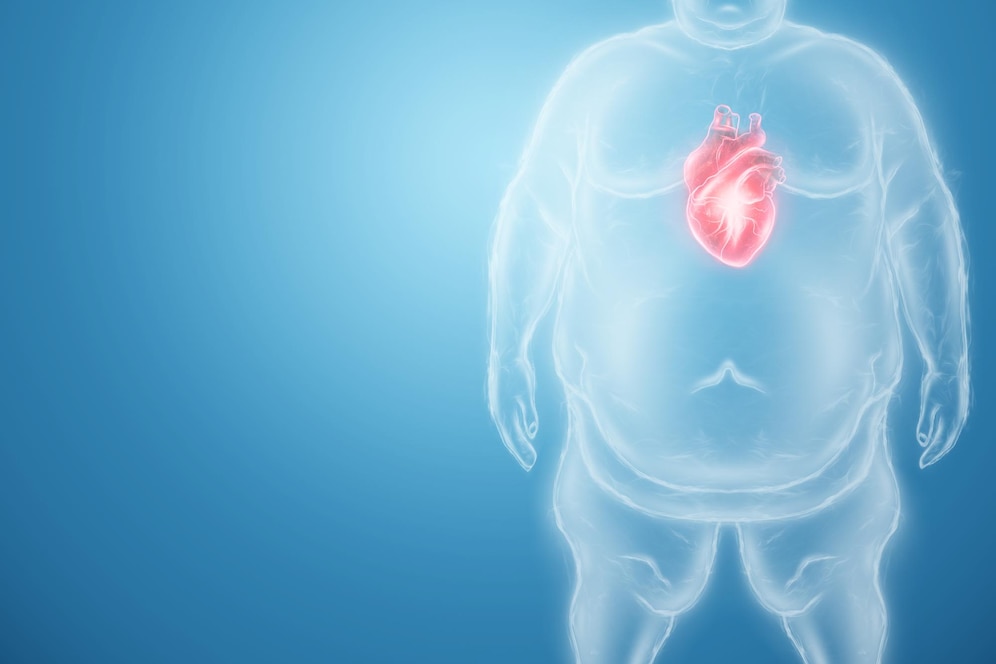
    Do you know that excess weight or obesity can put pressure on the vital organs of your body? Obesity strains your heart, lungs, kidneys, liver, and joints. The risk factors of obesity include chronic health conditions, such as type 2 diabetes, heart disease, kidney disease, stroke, osteoarthritis and some cancers.

    However, the good news is that not everyone with obesity has these conditions. Furthermore, maintaining a healthy body weight can help you manage these health conditions and lead a healthy life.

    Read this article to understand the risks of obesity in detail.

    Obesity image

    The 10 risk factors of obesity

    1. Type 2 diabetes:

    Excessive abdominal fat in people with obesity leads to the production of excess fatty acids. This makes the body less sensitive to insulin, which results in high blood glucose levels or type 2 diabetes. Diabetes is a major risk factor for obesity and leads to health conditions such as heart disease, kidney disease, nerve damage and eye problems.

    2. High blood pressure:

    Excess fat tissue increases the need for oxygen and nutrients in your body. Your heart needs to work harder to pump more blood through your body. This increase in blood circulation puts more pressure on the walls of the arteries. The added pressure leads to hypertension, which can damage your arteries and heart. High blood pressure increases the risk of kidney disease, heart disease and stroke.

    3. High cholesterol:

    Obesity causes a rise in LDL or bad cholesterol and triglyceride levels. It also affects how your body manages cholesterol. Triglycerides from fatty acids give rise to high cholesterol. High cholesterol and triglyceride levels narrow the arteries, block the blood flow and increase the chances of a heart attack.

    4. Heart disease:

    Heart disease refers to conditions that adversely affect your heart. Heart disease is a severe risk factor resulting from obesity. With time, the fat deposits accumulate in your arteries and narrow them. Narrowed arteries cause a blockage in blood flow to your heart and increase the risk of a heart attack. High blood pressure, high blood glucose and high cholesterol increase the risk of heart disease.

    5. Stroke:

    When the blood supply to your brain gets cut off due to a blocked artery in the brain, it leads to a stroke. High blood pressure, a risk factor for obesity, is the primary cause of a stroke. A stroke can cause paralysis, difficulty eating, swallowing, mobility, depression and changes in behaviour.

    6. Kidney disease:

    High blood pressure and diabetes are the primary causes of kidney disease. These health conditions are also risk factors for obesity. In the case of kidney disease, your kidneys get damaged and thus fail to filter your blood. Obesity increases the chances of kidney disease and speeds up its progress.

    7. Gallbladder disease:

    Gallbladder diseases, such as gallbladder stones or cholecystitis (i.e., inflammation of the gallbladder) are some other risk factors for obesity. Gallstones are caused by excess cholesterol in your bile. Bile is a fluid stored in the gallbladder. It helps remove waste from the liver.

    8. Sleep apnea:

    Sleep apnea is a condition where you may stop breathing for a short time during sleep. This occurs due to excess fat stored around your neck, which obstructs your airway and causes it to shrink. Having a small airway may lead to difficulty breathing at night. It also causes loud snoring. Sleep apnea is closely linked to heart disease.

    9. Osteoarthritis:

    Osteoarthritis is also a risk factor for obesity. It causes pain and swelling in the joints and affects your movement. Lack of mobility causes weight gain. Being overweight puts pressure on your knees, joints and cartilage, which increases your risk of osteoarthritis.

    10. Cancer

    Obesity increases your chances of developing cancers like those of the breast, uterus, kidneys, pancreas, oesophagus and colon. These occur due to inflammation caused by visceral fat or fat surrounding the vital organs.

    Summing up

    Being overweight increases the risk factors for obesity. Losing as little as five kilos from your body weight can help reduce your abdominal fat. This, in turn, will ease your blood pressure, control your blood glucose, cholesterol and triglyceride levels, stop sleep apnea and reduce the pressure on your joints. A regular exercise regimen, such as walking or cycling, and a balanced diet will help you achieve your healthy weight goals.

    For more informative articles on chronic health conditions, visit the Medkart website today!

    FAQs related to overweight and obesity?

    1. Can obesity be treated?

    Obesity is a chronic condition that develops over time. You will need consistent medical treatment and strict dietary and lifestyle changes to lose weight. However, these treatments have limited benefits. If you discontinue them, you may experience weight regain.

    2. Can obesity affect fertility?

    In women, obesity causes hormonal imbalances that affect their menstrual cycles, hamper their ovulation and cause infertility. Obesity also causes PCOS, in which the ovaries do not produce enough hormones, due to which the egg does not mature. This may lead to infertility.

    3. Do children have obesity if their parents have obesity problems?

    Children have a high chance of having obesity if their parents have it. Maintaining a healthy lifestyle and following a proper diet right from the beginning may help prevent excess weight gain in children.

  • How obesity leads to heart disease | Explained in 3 ways |FAQ

    How obesity leads to heart disease | Explained in 3 ways |FAQ

    obesity leads to heart disease

    What Is Obesity?

    Obesity is the accumulation of excess body fat. It is a condition in which a person gains a lot of weight, mostly because of fat accumulation, often for no evident reason. People with a body mass index (BMI) of 25 or more are considered overweight, and those with a BMI of 30 or more are considered obese.

    Obesity and Cardiovascular Diseases Overview

    The three ways in which obesity causes heart disease are described in the following.

    1.Increased Inflammation:

    Obesity causes low-level chronic inflammation throughout the body, in the heart and blood vessels. Chronic inflammation can increase the risk of heart disease by promoting plaque buildup in the arteries. This plaque can narrow the arteries and limit blood flow, thus increasing the risk of heart attack and stroke. Inflammation associated with obesity can also lead to stress, which damages cells and contributes to the development of heart disease.

    2.High Blood Pressure:

    Excess body weight stresses the heart and blood vessels, leading to elevated blood pressure. High blood pressure is a leading risk factor for heart disease, as it causes the heart to work harder to pump blood and can damage the blood vessels over time. Obesity also contributes to insulin resistance, increasing blood pressure and promoting heart disease. In addition, individuals with obesity are more likely to have added risk factors for heart disease, such as high cholesterol, which can compound the effects of high blood pressure.

    3.High Cholesterol:

    Obesity is associated with high levels of ‘bad’ low-density lipoprotein (LDL) cholesterol and low levels of ‘good’ high-density lipoprotein (HDL) cholesterol, which can contribute to plaque buildup in the arteries, narrow the arteries and limit blood flow. This increases the risk of heart attack and stroke. LDL cholesterol is the primary type of cholesterol that forms plaques in the arteries, whereas HDL cholesterol helps remove it. When the LDL cholesterol levels are high and HDL cholesterol levels are low, it increases the risk of heart disease. Obesity can also increase the production of a type of fat called triglycerides, which can further contribute to high cholesterol levels and increase the risk of heart disease.

    Obesity and Other Diseases

    In addition to the three abovementioned factors, obesity contributes to other risk factors for heart disease, such as type 2 diabetes, sleep apnea and physical inactivity. These conditions can further increase the risk of heart disease and make it more difficult to manage.

    Ischemic heart disease is a type of heart disease that occurs when the blood flow to the heart is restricted, usually due to plaque buildup in the coronary arteries. Obesity is a well-established risk factor for ischemic heart disease.

    Types of obesity and its complications | Obesity – Questions and Answers

    Rheumatic heart disease is a type of heart disease caused by rheumatic fever, a complication of streptococcal infections. However, obesity is a risk factor for streptococcal infections and other health conditions that can increase the risk of developing rheumatic heart disease.

    Congenital heart disease is a type of heart disease that is present at birth. Obesity has not been linked directly to the development of congenital heart disease. However, obesity can increase the risk of developing secondary heart problems in individuals with congenital heart disease, such as heart failure.

    Therefore, while obesity is not directly linked to rheumatic heart disease and congenital heart disease, it can increase the risk of other conditions contributing to its development and make it more difficult to manage.

    Therefore, individuals with congenital heart disease and rheumatic heart disease need to consult their healthcare provider to determine the best course of action for their needs.

    Symptoms of Heart Disease

    The symptoms of heart disease in individuals with obesity may vary but usually include the following:

    • Chest pain or discomfort: This may feel like pressure, fullness, squeezing or pain in the centre or left side of the chest.
    • Shortness of breath: This may occur during physical activity or even at rest and can be a sign of heart failure or other heart problems.
    • Fatigue: This can be a sign of heart disease, mainly if it occurs during physical activity or is accompanied by shortness of breath or chest discomfort.
    • Swelling in the legs, ankles and feet: This can be a sign of heart failure or other heart problems and may be more pronounced in individuals with obesity.
    • Rapid or irregular heartbeat: This can be a sign of arrhythmia or irregular heartbeat and can be a sign of heart disease.
    • Dizziness or lightheadedness: This can be a sign of heart disease, mainly if it occurs during physical activity or is accompanied by chest discomfort or shortness of breath.

    It is essential for individuals with obesity to be aware of these symptoms and to seek medical attention if they experience any of them.

    Obesity and excess weight are linked to a higher risk of cardiovascular illnesses. By maintaining a healthy weight, engaging in physical activity and following a heart-healthy diet, individuals can reduce their risk of developing heart disease and other obesity-related health problems.

    To read more informative articles on obesity and heart diseases and buy medicines at affordable rates, visit the Medkart website today!

    FAQs related Obesity and Heart Disease

    1. Does obesity always lead to heart disease?

    No, obesity does not always cause cardiac issues. However, it is one of the leading causes of cardiac diseases worldwide.

    2. How can I improve my cardiac health?

    Good sleep, a low-stress lifestyle, a healthy diet inclusive of fruits and vegetables, and regular exercise (at least 30 min every day for 5 days a week) are some of the many steps you can take to improve your cardiac health.

    3. Should we avoid fats to maintain a healthy body weight?

    No. Avoiding junk food, such as fried food, which is high in saturated fats, is necessary to maintain a healthy body weight. You can opt for healthier sources of fat, such as nuts and seeds.

  • High Blood Pressure(Hypertension) in Young | Reasons and Treatment

    High Blood Pressure(Hypertension) in Young | Reasons and Treatment

    High Blood Pressure in Young

    High Blood Pressure (Hypertension)

    Hypertension is a medical term used to describe high blood pressure. It is a common condition that affects millions of people around the world. It can affect people of all ages, including young adults and children.

    Many factors can contribute to hypertension, including lifestyle choices, genetics, and underlying health conditions. In some cases, it can be challenging to determine the causes of high blood pressure in young adults. However, treatments available can help lower blood pressure and reduce the risk of complications.

    What is hypertension and how does it affect young adults?

    The main difference between high blood pressure in young adults and older adults is that in the case of high blood pressure at a young age, diastolic BP (lower BP) is greater in contrast to systolic BP (upper BP), whereas in older adults, it is the opposite. Hypertension in young adults is frequently considered dangerous because it typically develops over time without warning signs.

    7 High blood pressure facts you should be aware about | Hypertension

    Symptoms of hypertension in young people

    Several symptoms can be seen due to hypertension in young adults, which can vary depending on the severity of the condition. In some cases, young people with hypertension may experience no symptoms. In other cases, the following symptoms may be present:

    • Headaches
    • Dizziness
    • Nausea or vomiting
    • Vision problems
    • Fatigue or weakness
    • Chest pain or tightness

    If you are experiencing any of these symptoms, it is essential to see your doctor so that they can properly diagnose and treat your condition.

    Generic Medicines in India and How to Identify Generics

    Causes of high blood pressure in young adults

    Causes of hypertension in young adults include the following:

    • Genetics: High blood pressure can be hereditary.
    • Obesity: Being obese or overweight can increase the risk of developing high blood pressure.
    • Poor diet: A diet low in fruits and vegetables and high in salt can lead to hypertension. Obesity and a high-calorie diet lead to artery narrowing, high blood pressure, and high blood sugar and cholesterol deposits.
    • Lack of exercise: A sedentary lifestyle (i.e., lack of movement) raises the risk of developing hypertension.
    • Substance abuse: Using illegal drugs, alcohol, and smoking tobacco can all increase the risk of developing high blood pressure.
    • Chronic stress: Long-term stress can cause blood pressure to rise.

    High blood pressure can be brought on by sleep apnea, a sleeping disorder in which your breathing repeatedly pauses and resumes.

    Disorders of the adrenal glands: The adrenal gland produces hormones that control bodily functions such as heart rate, metabolism, and stress management. Disorders of the adrenal gland, like primary aldosteronism (i.e., overproduction of aldosterone), lead to an imbalance of potassium levels in the body and causes hypertension.

    How is hypertension treated in the young?

    Young adults with hypertension should aim for similar treatments as other age groups. Hypertension in young adults can be treated in several ways, including lifestyle changes, medications, or a combination of both.

    Some of the lifestyle changes for hypertension in young adults include :

    • Maintaining a healthy diet that includes plenty of fruits, vegetables, and whole grains
    • Exercising regularly
    • Maintaining a healthy body weight
    • Limiting alcohol consumption
    • Quitting smoking
    • Reducing stress
    • Medication may be prescribed if lifestyle modifications are insufficient to control blood pressure. Drug classes frequently prescribed include beta-blockers, calcium channel blockers, ACE inhibitors, and diuretics.

    Conclusion

    Hypertension, or high blood pressure, can occur in people of any age, including young adults. However, the causes of hypertension in young patients can differ from those in older patients. It is important to check your blood pressure regularly if hypertension is a common lifestyle disease in your family. Also, avoid excess salt and processed food and maintain an active lifestyle. Working with your doctor to create a treatment plan that works for you is also important. Understanding the causes of high blood pressure in young adults is the first step toward managing the condition.

    Medkart pharmacy is India’s most trusted medicine store to buy generic medicines at competitive prices. Log on to Medkart for all your medicines today!

    FAQs related high blood pressure in young

    1. What are the symptoms of hypertension in young adults?

    The symptoms of hypertension in young adults can vary depending on the severity of the condition. In some cases, young people with hypertension may experience no symptoms. In other cases, symptoms such as headaches, dizziness, nausea or vomiting, vision problems, fatigue or weakness, and chest pain or tightness may be present.

    2. What are the reasons why young people are at risk for hypertension?

    There are many causes of high blood pressure in young adults. Genetic factors, increasing obesity due to poor lifestyle factors such as processed foods, and alcohol consumption put you at risk of hypertension.

    4. What are the complications of hypertension?

    In many cases, hypertension has no symptoms and is only discovered during a routine medical checkup. However, if left untreated, high blood pressure at a young age can lead to serious health complications such as heart disease, stroke, and kidney failure.

  • 10 Ways to Prevent High Blood Pressure (Hypertension) |Generic Medicine for Hypertension

    10 Ways to Prevent High Blood Pressure (Hypertension) |Generic Medicine for Hypertension

    Prevent High Blood Pressure

    Hypertension or high blood pressure is very common in the adult population. It can result in potentially fatal conditions like a heart attack or stroke. Since there are typically no symptoms, you may be unaware of the condition. However, the good news is that you can prevent hypertension by making healthy lifestyle changes. The preventive measures for hypertension are categorised into two types: Primary prevention of hypertension and Secondary prevention of hypertension. Let’s read further about the preventive measures for hypertension.

    Primary prevention of High Blood Pressure (hypertension)

    It involves making simple changes to your lifestyle and eating habits to prevent hypertension. The most effective strategies include:

    1) Physical activity:

    Regular physical activity, such as brisk walking, jogging, cycling, and swimming, can help lower your blood pressure and keep it under control. Aim to get at least 30 minutes of moderate-intensity exercise most days of the week.

    2) Maintaining a healthy diet:

    Eating a diet that is low in salt, fat, and cholesterol can help lower your blood pressure. Focus on eating fresh fruits and vegetables, whole grains, lean protein, and low-fat dairy products.

    3) Maintaining the right emotion:

    Every disorder has its roots in the mind. Likewise, in some cases, high blood pressure can be a psychosomatic disorder. Some common characteristics include aggressive behaviour and becoming upset, angry, or anxious when things do not go as planned. Try to control your emotions by practicing mindfulness, meditation, yoga, and breathing techniques. This will help prevent hypertension.

    4) Keeping your weight in check:

    Being overweight or obese can increase your risk of developing hypertension. Maintaining a healthy weight through diet and physical activity can help lower your risk.

    5) Getting proper sleep:

    Proper sleep every night can reduce the risk of hypertension, diabetes, heart disease, and stroke. Sleep helps prevent hypertension by relaxing your senses.

    6) Avoiding stress:

    Stress can wreak havoc on your health. Overall, it can increase your heart rate and your risk of developing hypertension. Practice mind relaxation techniques and meditation to avoid stress.

    7) Quitting smoking:

    Smoking is a major risk factor for developing hypertension, as well as other serious health problems. Quitting smoking can help prevent hypertension.

    8) Reducing alcohol intake:

    Drinking too much alcohol can cause your blood pressure to increase. Reduce your intake of alcohol to keep your blood pressure under control.

    9) Cutting back on salt intake and processed foods:

    The more salt you consume, the higher your blood pressure. Avoiding high-sodium packaged and processed foods helps maintain weight and prevent hypertension.

    10) Monitoring your blood pressure and heart health markers regularly:

    One of the most critical aspects of maintaining stable blood pressure is regular monitoring. At times, sudden stress can lead to spikes in our blood pressure. However, consistently high blood pressure is different from a one-time spike and should be monitored closely. Also, if you experience symptoms like neck pain, restlessness, or mild to moderate breathing issues, monitoring your blood pressure regularly could be life-saving.

    Secondary prevention of hypertension

    Secondary prevention of hypertension is for people who have been diagnosed with the condition. It involves taking antihypertensive medications to lower blood pressure levels and maintain them within the normal range. If you are hypertensive, you must take your medications exactly as prescribed and follow up with your doctor frequently to prevent the risk of complications, such as heart disease and kidney disease. In addition, follow the primary prevention strategies to maintain your blood pressure levels.

    Conclusion

    Hypertension is a serious condition and should not be taken lightly. Fortunately, you can take measures to prevent hypertension and reduce your risk of complications. Try to avoid the risk factors of high blood pressure, such as obesity, a sedentary lifestyle, unhealthy eating habits, drinking, smoking, and stress. Cut down on high-sodium and processed foods. Engage in moderate physical activity and get a good night’s sleep. If your blood pressure still does not improve, consult a doctor to prevent hypertension and take medications as prescribed.

    Visit Medkart Pharmacy, India’s most reputable pharmacy, for all of your medical needs.

    FAQs related to High Blood Pressure (Hypertension)

    1. What are the signs of hypertension?

    Hypertension may not lead to specific symptoms in some people and can go unnoticed. Some symptoms of severe hypertension may include:

    • Double vision or blurred vision
    • Lightheadedness/Fainting
    • Fatigue
    • Headache
    • Palpitations in the heart

    2. What are the stages of hypertension?

    To prevent hypertension, know these stages of hypertension:

    • Normal BP: Less than 120 (systolic) and 80 (diastolic)
    • Elevated BP: 120 to 129 (systolic) and below 80 (diastolic)
    • Stage 1 hypertension: 130 to 139 (systolic) or 80 to 89 (diastolic)
    • Stage 2 hypertension: 140 or higher (systolic) or 90 (diastolic)
    • Hypertensive crisis: A reading higher than 180 (systolic) and/or 120 (diastolic)

    3. At what time of the day is our blood pressure the highest?

    A person’s blood pressure typically starts to increase a few hours before they wake up. It peaks at around noon. Blood pressure typically drops in the late afternoon and evening.

  • Hypertension causes -What leads to sudden high blood pressure

    Hypertension causes -What leads to sudden high blood pressure
    Hypertension causes

    Introduction to High Blood Pressure

    What exactly is blood pressure? When the heart pumps blood, the blood exerts a force against the artery walls. You have high blood pressure when the force of blood against the walls of your blood vessels is considerably strong. Hypertension is the medical term for High blood pressure.

    Studies show that about 200 million people in India have hypertension, yet only 12% of people have their blood pressure under control. Needless to say, persistently high blood pressure can be damaging to the heart and other vital organs.

    Understanding the reasons for high blood pressure may help you maintain normal blood pressure levels and live a healthy lifestyle.

    Understanding blood pressure

    Here are some key pointers for you to better understand what

    • A normal blood pressure reading is typically less than 120/80 mmHg.
    • Hypertension is diagnosed when your blood pressure consistently measures 140/90 mmHg or higher.
    • Secondary hypertension is high blood pressure caused by an underlying medical condition or medication. Complications like kidney problems, adrenal gland tumors, sleep apnea, obesity, and some medications can lead to secondary hypertension.

    Causes of high blood pressure

    Some common causes of sudden high blood pressure include:

    • Stress: Physical or emotional stress can cause a temporary increase in blood pressure.
    • Caffeine: Consuming caffeine, such as coffee or tea, can temporarily increase blood pressure.
    • Alcohol: Drinking alcohol can also cause a temporary increase in blood pressure.
    • Tobacco use: Nicotine, the active ingredient in tobacco, can cause a temporary increase in blood pressure.
    • Certain medications: Some medications, such as decongestants, can raise blood pressure.
    • Illnesses: Certain illnesses, such as pneumonia, kidney disease, or adrenal gland tumors, can cause sudden increases in blood pressure.
    • Hormonal changes: Hormonal changes during pregnancy, menopause, or thyroid problems can cause sudden increases in blood pressure.

    Symptoms of high blood pressure

    Here are some common symptoms of high blood pressure:

    • Headaches
    • Dizziness or lightheadedness
    • Nausea or vomiting
    • Shortness of breath
    • Chest pain or discomfort
    • Visual disturbances, such as blurred vision
    • Ringing in the ears (tinnitus)
    • Fatigue or confusion
    • Nosebleeds
    • Flushing of the face

    Complications of sudden high blood pressure

    If left untreated, high blood pressure can lead to serious health problems, including:

    • Heart attack: High blood pressure can damage your blood vessels and increase your risk of a heart attack.
    • Stroke: High blood pressure can increase your risk of stroke, which occurs when a blood clot blocks the flow of blood to your brain.
    • Kidney disease: High blood pressure can damage your kidneys, leading to kidney disease or kidney failure.
    • Vision loss: High blood pressure can cause damage to the blood vessels in your eyes, leading to vision loss or blindness.

    Ways to manage and prevent high blood pressure

    Here are some tips for managing hypertension.

    1. Maintaining a healthy lifestyle:

    Adopting a healthy lifestyle can go a long way in managing and preventing high blood pressure. This includes eating a balanced diet rich in fruits and vegetables, exercising regularly, maintaining a healthy weight, and quitting smoking and excessive alcohol consumption.

    2. Monitoring blood pressure regularly:

    Regular monitoring of blood pressure can help detect any changes in BP levels and take appropriate precautionary measures. You can either monitor it at home with a BP monitoring device or get it checked by a doctor.

    3. Managing stress:

    Chronic stress can lead to high blood pressure. Thus, it is essential to manage it through meditation, deep breathing, and exercise.

    4. Taking prescribed medications:

    If lifestyle changes are not enough, medications prescribed by your doctor can help manage and prevent high blood pressure.

    Conclusion

    Sudden increases in blood pressure can be concerning and potentially dangerous.

    So, it is important to take care of your health by changing your lifestyle and food habits. Consulting a medical professional can also be beneficial in managing high blood pressure and avoiding potential health risks. Small changes in your daily routine, like exercising regularly, eating a balanced diet, and reducing stress, can help maintain healthy blood pressure levels. Taking control of your health today can ensure a healthy and happy tomorrow.

    Buying medicines is now simpler. With Medkart, you get the best prices and doorstep delivery! Visit Medkart today!

    FAQs related to hypertension

    1. What is hypertension?

    Hypertension is a medical condition characterized by consistently high blood pressure levels.

    2. What are the common causes of high blood pressure?

    The common causes of high blood pressure include stress, obesity, tobacco use, excessive alcohol consumption, and certain medications.

    3. How can hypertension be prevented and managed?

    Prevention and management of hypertension involve lifestyle changes such as regular exercise, a healthy diet, stress management, and medication as prescribed by a doctor.

    4. What is secondary hypertension?

    Secondary hypertension (high blood pressure) is high blood pressure caused by a medical condition.