Tag: Obesity

  • Heart Attack Testing- Are You at  Risk?

    Heart Attack Testing- Are You at Risk?

    Heart Attack Testing

    If you or your loved one experiences symptoms of a heart attack or suspect a heart condition, consulting your doctor is crucial. Lack of oxygen-rich blood supply for an extended duration can cause damage. Timely treatment can save the heart and give a second chance to live a healthy and an active life.

    Doctors use several blood tests for heart attack to establish if a heart attack has occurred, how much your heart is damaged, and the stage of the coronary artery disease you may have.

    These tests help doctors provide you with the necessary treatment and recommend lifestyle changes to help improve your heart condition and prevent a heart attack in the future.

    Here’s a list of blood tests for heart attack that doctors use to diagnose your heart condition and determine a heart attack.

    Tests for heart attack

    1. Cholesterol test or lipid panel test:

    This blood test for heart attack is part of a routine health check up. It helps check for fatty deposits in your arteries or narrowed arteries. Your doctor will recommend this test if you are overweight or have a family history of heart disease.

    This test checks for the following fats in your blood:

    • Total cholesterol (should be below 200 milligrams per deciliter (mg/dL) or 5.2 millimoles per litre (mmol/L)

    • Low-density lipoprotein (LDL) cholesterol (should be less than 130 mg/dL (3.4 mmol/L)

    • High-density lipoprotein (HDL) cholesterol (over 40 mg/dL (1.0 mmol/L in men and over 50 mg/dL (1.3 mmol/L in women)

    • Triglycerides (less than 150 mg/dL (1.7 mmol/L); non-HDL cholesterol

    2. C-reactive protein (CRP):

    This is a simple blood test that your doctor will advise to check for your risk of heart disease.

    CRP is a protein that the liver makes in response to injury or infection. A CRP level above 2.0 milligrams per litre (mg/L) indicates a higher risk of heart disease.

    3. Plasma ceramides test:

    This is a blood test for heart attack that measures the levels of ceramides in the blood. Ceramides play an important role in the growth and functioning of tissues.

    Higher levels of ceramides are indicative of a higher risk of cardiovascular disease.

    4. Natriuretic peptides:

    This test is ordered if you are diagnosed with heart failure. It helps check the severity of your condition and determine the plan of treatment.

    Also called B-type natriuretic peptide (BNP), it is a protein that the heart and blood vessels make to help the body eliminate fluids and move sodium into the urine. This is another effective blood test for heart attack.

    5. Troponin T:

    This blood test for heart attack is advised if you have chest pain or if your chest pain (angina) is getting worse, and to check for signs of a heart attack.

    Troponin T is a protein that is made in the heart muscle. Measuring troponin T using a high-sensitivity troponin T test can help diagnose a heart attack and determine the risk of heart disease. An increased level of troponin T is linked to a higher risk of heart disease.

    6. Cardiac enzyme test:

    This is another important blood test for heart attack. It is recommended if you have symptoms of a heart condition, such as chest pain, difficulty in breathing, dizziness or nausea.

    It measures specific biomarkers in the blood. It is also referred to as heart attack enzyme test. High levels of cardiac enzymes may indicate a heart attack or heart disease.

    Bonus tip: Managing high blood pressure is one of the most important steps in reducing your risk of heart attack. Medications like Prestel 40mg Tablet, which contain telmisartan, are commonly prescribed to help control hypertension and protect heart health when lifestyle changes alone aren’t enough.

    Other tests for heart disease

    • Electrocardiogram (ECG, EKG): This test helps record the heart’s electrical activity, rate, and rhythm.

    • Exercise cardiac stress test: It helps assess the heart’s response to physical stress.

    • Echocardiogram: It helps identify the area in the heart that has been damaged.

    • Nuclear stress test: This test helps determine the blood flow.

    • Cardiac CT scan: This test is used for calcium scoring and Coronary CT angiography to check for plaque buildup in coronary arteries

    • Coronary catheter angiography: This test helps evaluate if arteries are narrowed or blocked.

    Conclusion

    Regular cardiovascular screening is crucial as it helps detect risk factors in the early stages. Blood tests for heart attack help your doctor determine your heart condition and prescribe an ideal treatment. Consult your family physician at the earliest if you observe symptoms of a heart condition. Follow a balanced diet consisting of fruits, vegetables, whole grains, and healthy fats. Incorporate a fitness routine in your daily schedule. Keep a close watch on your blood glucose, cholesterol and blood pressure.

    One of the most important things your doctor would recommend is quitting smoking and reducing alcohol consumption.

    A prompt response can be critical when it comes to your health. For access to a vast number of generic medicines for different conditions at competitive prices, visit the Medkart website today!

    FAQs

    1. Is there a quick test for a heart attack?

    The Troponin blood test for heart attack is among the fastest tests for a suspected heart attack. Troponin is a protein released into the blood when the heart muscle is damaged.

    2. Can I get a heart attack test at home?

    Comprehensive home tests for a heart attack are yet to be popularised. Signs of a heart attack include pain or discomfort in one or both arms, back, neck, jaw, and shortness of breath. Breaking out in a cold sweat, nausea, or lightheadedness are other signs one may be experiencing. If you experience any of these symptoms, you should consult your physician immediately or get a blood test for heart attack.

    3. Can ECG rule out a heart attack?

    An ECG shows a heart attack in progress or if you had one earlier. The patterns on the ECG can help determine which part of the heart has been damaged by the attack.

  • Types of Obesity and its Complications – Defining Adult Overweight & Obesity

    Types of Obesity and its Complications – Defining Adult Overweight & Obesity

    Types of obesity based on BMI image

    Obesity is a chronic health condition. It is defined as the abnormal accumulation of fat that leads to several other health complications. Worldwide, obesity is considered an epidemic, with over 4.7 million deaths being recorded every year. Excessive calorie consumption can lead to obesity.

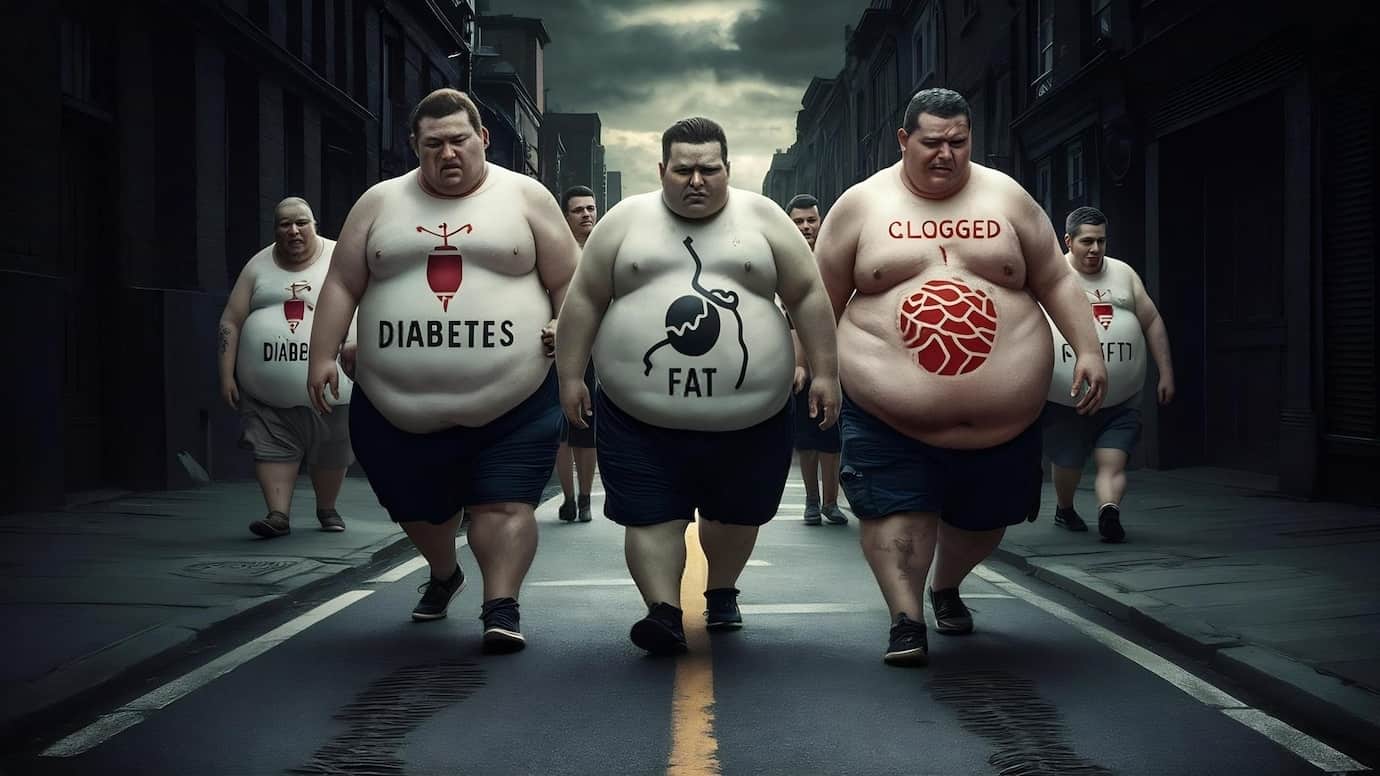
    Over time, it affects the vital organs in your body and gives rise to chronic health conditions like type 2 diabetes, high blood pressure, high cholesterol, heart disease, kidney disease, sleep apnea, and cancer.

    Types of Obesity (BMI Range)

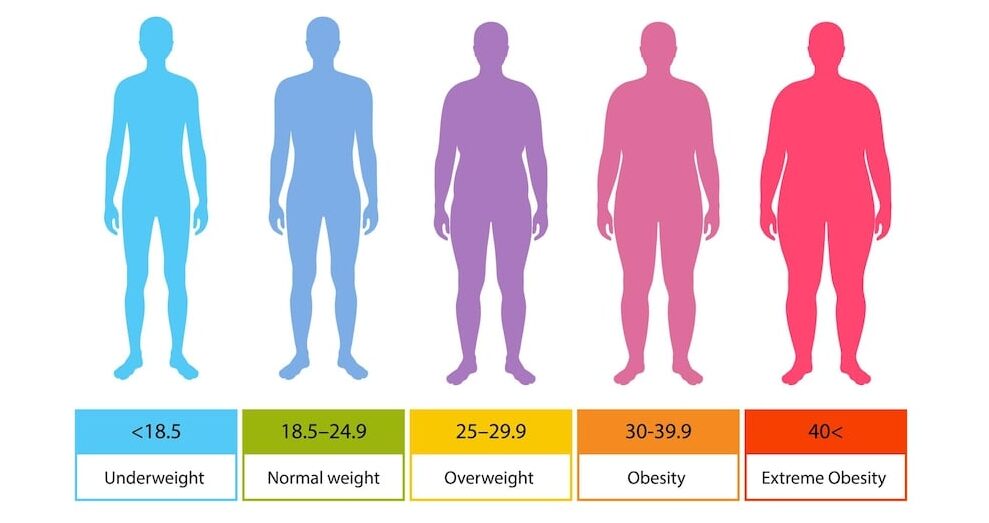
    Doctors measure Body Mass Index (BMI) to determine the types of obesity.

    BMI = weight (kg) divided by height (meters squared)

    • Optimal weight = BMI 18.5  to  24.9 kg/m2
    • Overweight = BMI 25  to  29.9 kg/m2
    • Obese = BMI 30 kg/m2 and above

    Types of obesity based on BMI

    There are three classes of obesity based on BMI. These are:

    • Class 1 Obesity = BMI 30 to 35 kg/m2
    • Class 2 Obesity = BMI 35 to 40 kg/m2
    • Class 3 Obesity = BMI 40 kg/m2 and above

    Class 3 obesity is also known as morbid or severe obesity. Three forms of obesity are based on the area of fat distribution.

    Types of Obesity image

    Types of obesity based on the area of fat distribution

    Peripheral obesity: Excessive fat accumulation in the hips, thighs and buttocks

    Central obesity: Excessive fat accumulation around the abdomen. It increases the risk factors of obesity, such as diabetes, high blood pressure, heart disease, kidney disease and some cancers. Combination obesity: Accumulation of excess fat in the peripheral and central regions.

    Obesity types that occur due to diseases

    Obesity is also classified based on its association with other diseases:

    Type 1 obesity

    This type of obesity is caused more commonly due to the excessive intake of calories and a lack of physical activity.

    Type 2 obesity

    This type of obesity is a result of diseases such as hypothyroidism (a condition characterised by an underactive thyroid), Cushing’s syndrome (a condition associated with high cortisol levels), polycystic ovary syndrome (an imbalance of female reproductive hormones) and insulinoma (a type of pancreatic tumour).

    Obesity based on the size and number of fat cells

    The types of obesity based on the characteristics of fat cells are:

    • Hypertrophic obesity: This type of obesity occurs due to the increase in the size of adipose cells (fat cells). It usually occurs in adults.
    • Hyperplastic obesity: This type of obesity occurs due to an increase in the number of fat cells. This type is predominant among children.

    Complications of obesity

    Different types of obesity increase the risk of several chronic diseases. These are:

    • Type 2 diabetes: Excess fat makes the body resistant to insulin, which leads to high blood sugar levels or type 2 diabetes.
    • Heart disease and stroke: Obesity raises blood sugar, blood pressure and cholesterol levels. It leads to narrowed or hardened arteries that block the blood flow and increase your risk of heart disease and stroke.
    • Sleep apnea: Excess fat makes your airways small. This causes your breathing to stop for short periods during sleep. Low blood oxygen can cause an irregular heartbeat.
    • Kidney disease: Obesity and type 2 diabetes, besides high blood pressure, directly impact your kidneys and put you at risk of kidney disease.
    • Liver disease: Excess fat build-up around the liver leads to liver damage or failure.
    • Gallbladder disease: Obesity increases your risk of gallstones due to high cholesterol levels in the bile.
    • Osteoarthritis: Excess weight due to obesity puts pressure on your joints, like knees, hips and ankles, and causes pain, swelling and stiffness.
    • Cancers: An accumulation of visceral fat around your vital organs increases your risk of developing cancer of the uterus, cervix, breast, ovary, colon, rectum, esophagus, gallbladder, kidney, liver, pancreas and prostate.
    • Infertility: Different types of obesity can lead to hormonal imbalances. It disrupts the menstrual cycle and ovulation and leads to reduced fertility.

    RelatedWhy is obesity considered as a lifestyle chronic disease? | Chronic Disease

    How to Treat obesity today

    The different types of obesity impact your overall health and quality of life. Consult your family physician for help with your diet and lifestyle habits to reduce your weight. Even a modest weight loss can help prevent the complications associated with the different types of obesity. For more informative articles on chronic health conditions, visit Medkart today! You can now upload your prescriptions to the website and have quality generic medicines delivered to your doorstep.

    sugar free ayurvedic product dicounts image

    Read: What are Generic Medicines?

    FAQs on Types of Obesity

    Q1. What are the treatment options for morbid obesity?

    A combination of physical activity, medical treatment, dietary changes, behavioral modifications and counselling is prescribed. Bariatric surgery is reserved for those who fail to achieve their weight loss goals despite several attempts.

    Q2. Can fad diets help me achieve my weight loss goals?

    Fad diets or crash diets impact your overall health. They cause nutritional deficiencies, dehydration, fatigue, nausea and weakness as they restrict certain food groups and nutrients. A balanced diet that includes all the food groups is a better and healthier option for losing weight.

    Q3. Will obesity pose a risk during pregnancy?

    Hypertension, gestational diabetes and blood clots due to obesity can cause complications during pregnancy. Obesity can also lead to preterm birth. Such babies are often born with short-term or long-term health conditions.

    Related Links:

  • Why is obesity considered as a lifestyle chronic disease ? |Chronic Disease

    Why is obesity considered as a lifestyle chronic disease ? |Chronic Disease

    what is obesityObesity – Lifestyle Chronic Disease

    Obesity is a complex condition that affects millions of people worldwide. This condition is caused by a combination of factors related to genetics, metabolism and the environment, and can lead to serious health problems if left untreated. But, by understanding what makes obesity a disease, you can take control of your health and work towards a healthier future.

    What Is Obesity and Why Is It Considered a Disease?

    Obesity is defined as an abnormal or excessive accumulation of fat that may impair health. Doctors use the Body Mass Index (BMI) to calculate body fat based on the height and weight of a person. If you have a BMI of 30 or higher, you are considered obese. Obesity is considered a disease due to the following reasons:

    Reasons why Obesity is considered a disease

    • Health problems: Obesity is a major risk factor for heart disease, stroke, type 2 diabetes and some forms of cancer.
    • Mental health impact: Studies have shown that people who are obese are more likely to suffer from depression, anxiety and low self-esteem.
    • Complex condition: Obesity is not only simply a result of overeating or a lack of physical activity. It is also influenced by a number of factors such as genetics, metabolism and the environment.

    Obesity Disease image

    Childhood Obesity: Understanding Obesity and its implications on Children

    Causes of Obesity (Lifestyle Condition)

    Some of the factors that lead to obesity include the following:

    • Genetics: Evidence shows that obesity can have genetic roots.
    • Metabolism issues: Some people may have a slower metabolism, which can make it difficult for them to burn calories effectively.
    • Unhealthy eating habits: Consuming an excessive amount of high-calorie foods and drinks can lead to weight gain.
    • Lack of physical activity: Leading a sedentary lifestyle can contribute to weight gain and increase the risk of obesity.
    • Environmental factors: The environment can play a role in the development of obesity. For example, the availability of unhealthy food options and the lack of time or place to exercise can contribute to weight gain.
    • Medications: Certain medications can lead to weight gain, such as some antidepressants and steroid medications.
    • Medical conditions: Some medical conditions, such as hypothyroidism, can slow metabolism and lead to weight gain.

    Symptoms of Obesity

    • Excess body fat: The most obvious symptom of obesity is the accumulation of excess body fat, especially around the waist and upper body.
    • Weight gain: A noticeable increase in body weight over time is a symptom of obesity.
    • Shortness of breath: Excess body fat can make it difficult to breathe, causing shortness of breath.
    • Fatigue: Obesity can cause a lack of energy and difficulty in staying active, resulting in fatigue.
    • Joint pain: Excess body weight can put pressure on the joints, causing pain and discomfort.
    • Type 2 diabetes: Obesity is a major risk factor for the development of type 2 diabetes.
    • High blood pressure: Obesity can increase the risk of developing high blood pressure, which can lead to heart disease and stroke.

    How to Control Obesity?

    Some of the lifestyle changes to control obesity are listed below:

    1. Healthy eating:

    Making changes to your diet is crucial in controlling obesity. Focus on eating whole, unprocessed foods and reducing your intake of high-fat and high-sugar foods.

    2. Increased physical activity:

    Regular exercise is an essential component of weight management. You should aim for at least 30 minutes of moderate-intensity physical activity, such as brisk walking, 5 days a week.

    3. Sleep:

    Getting enough sleep is important for maintaining a healthy weight. You should aim for 7 to 9 hours of sleep per night.

    4. Stress management:

    High levels of stress can lead to overeating and weight gain. You can try practicing stress-reduction techniques such as yoga, meditation or deep breathing.

    Although obesity is considered a disease because of its associated health problems requiring medical attention, it can be managed significantly with diet and weight loss, among other lifestyle changes. With more therapeutic options available now, obesity and its related conditions are easily manageable.

    Know more about my Medicines at Medkart, which is an online pharmacy platform that makes buying medicines easier and more convenient. Upload your prescriptions to the website, and Medkart will deliver quality generic medicines to your doorstep. To place your orders, download the app today!

    1. Why are people tentative about calling Obesity a disease?

    In general, obesity is considered a disease as it results in a condition that may add emphasis towards treatment with surgery or medications. However, obesity can be prevented by lifestyle changes, diet and exercise.

    2. What is morbid obesity?

    People with a BMI above 40 are considered to have morbid obesity. If someone’s BMI lies between 35 and 39.9, they may have a severe health condition and are considered morbidly obese.

    3. What are the common causes of childhood obesity?

    Lifestyle factors such as consuming too many calories from food and insufficient physical exercise are the main causes of childhood obesity.

  • What are some health risks of overweight and obesity?

    What are some health risks of overweight and obesity?

    Overview – Overweight and Obesity

    Do you know that excess weight or obesity can put pressure on the vital organs of your body? Obesity strains your heart, lungs, kidneys, liver, and joints. The risk factors of obesity include chronic health conditions, such as type 2 diabetes, heart disease, kidney disease, stroke, osteoarthritis and some cancers.

    However, the good news is that not everyone with obesity has these conditions. Furthermore, maintaining a healthy body weight can help you manage these health conditions and lead a healthy life.

    Read this article to understand the risks of obesity in detail.

    Obesity image

    The 10 risk factors of obesity

    1. Type 2 diabetes:

    Excessive abdominal fat in people with obesity leads to the production of excess fatty acids. This makes the body less sensitive to insulin, which results in high blood glucose levels or type 2 diabetes. Diabetes is a major risk factor for obesity and leads to health conditions such as heart disease, kidney disease, nerve damage and eye problems.

    2. High blood pressure:

    Excess fat tissue increases the need for oxygen and nutrients in your body. Your heart needs to work harder to pump more blood through your body. This increase in blood circulation puts more pressure on the walls of the arteries. The added pressure leads to hypertension, which can damage your arteries and heart. High blood pressure increases the risk of kidney disease, heart disease and stroke.

    3. High cholesterol:

    Obesity causes a rise in LDL or bad cholesterol and triglyceride levels. It also affects how your body manages cholesterol. Triglycerides from fatty acids give rise to high cholesterol. High cholesterol and triglyceride levels narrow the arteries, block the blood flow and increase the chances of a heart attack.

    4. Heart disease:

    Heart disease refers to conditions that adversely affect your heart. Heart disease is a severe risk factor resulting from obesity. With time, the fat deposits accumulate in your arteries and narrow them. Narrowed arteries cause a blockage in blood flow to your heart and increase the risk of a heart attack. High blood pressure, high blood glucose and high cholesterol increase the risk of heart disease.

    5. Stroke:

    When the blood supply to your brain gets cut off due to a blocked artery in the brain, it leads to a stroke. High blood pressure, a risk factor for obesity, is the primary cause of a stroke. A stroke can cause paralysis, difficulty eating, swallowing, mobility, depression and changes in behaviour.

    6. Kidney disease:

    High blood pressure and diabetes are the primary causes of kidney disease. These health conditions are also risk factors for obesity. In the case of kidney disease, your kidneys get damaged and thus fail to filter your blood. Obesity increases the chances of kidney disease and speeds up its progress.

    7. Gallbladder disease:

    Gallbladder diseases, such as gallbladder stones or cholecystitis (i.e., inflammation of the gallbladder) are some other risk factors for obesity. Gallstones are caused by excess cholesterol in your bile. Bile is a fluid stored in the gallbladder. It helps remove waste from the liver.

    8. Sleep apnea:

    Sleep apnea is a condition where you may stop breathing for a short time during sleep. This occurs due to excess fat stored around your neck, which obstructs your airway and causes it to shrink. Having a small airway may lead to difficulty breathing at night. It also causes loud snoring. Sleep apnea is closely linked to heart disease.

    9. Osteoarthritis:

    Osteoarthritis is also a risk factor for obesity. It causes pain and swelling in the joints and affects your movement. Lack of mobility causes weight gain. Being overweight puts pressure on your knees, joints and cartilage, which increases your risk of osteoarthritis.

    10. Cancer

    Obesity increases your chances of developing cancers like those of the breast, uterus, kidneys, pancreas, oesophagus and colon. These occur due to inflammation caused by visceral fat or fat surrounding the vital organs.

    Summing up

    Being overweight increases the risk factors for obesity. Losing as little as five kilos from your body weight can help reduce your abdominal fat. This, in turn, will ease your blood pressure, control your blood glucose, cholesterol and triglyceride levels, stop sleep apnea and reduce the pressure on your joints. A regular exercise regimen, such as walking or cycling, and a balanced diet will help you achieve your healthy weight goals.

    For more informative articles on chronic health conditions, visit the Medkart website today!

    FAQs related to overweight and obesity?

    1. Can obesity be treated?

    Obesity is a chronic condition that develops over time. You will need consistent medical treatment and strict dietary and lifestyle changes to lose weight. However, these treatments have limited benefits. If you discontinue them, you may experience weight regain.

    2. Can obesity affect fertility?

    In women, obesity causes hormonal imbalances that affect their menstrual cycles, hamper their ovulation and cause infertility. Obesity also causes PCOS, in which the ovaries do not produce enough hormones, due to which the egg does not mature. This may lead to infertility.

    3. Do children have obesity if their parents have obesity problems?

    Children have a high chance of having obesity if their parents have it. Maintaining a healthy lifestyle and following a proper diet right from the beginning may help prevent excess weight gain in children.

  • How obesity leads to heart disease | Explained in 3 ways |FAQ

    How obesity leads to heart disease | Explained in 3 ways |FAQ

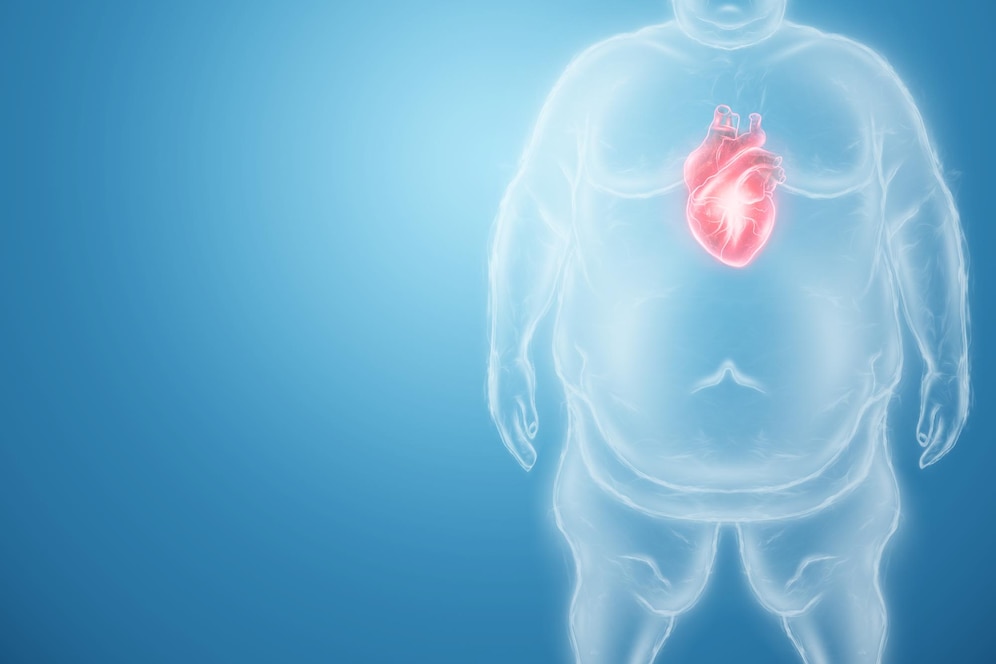
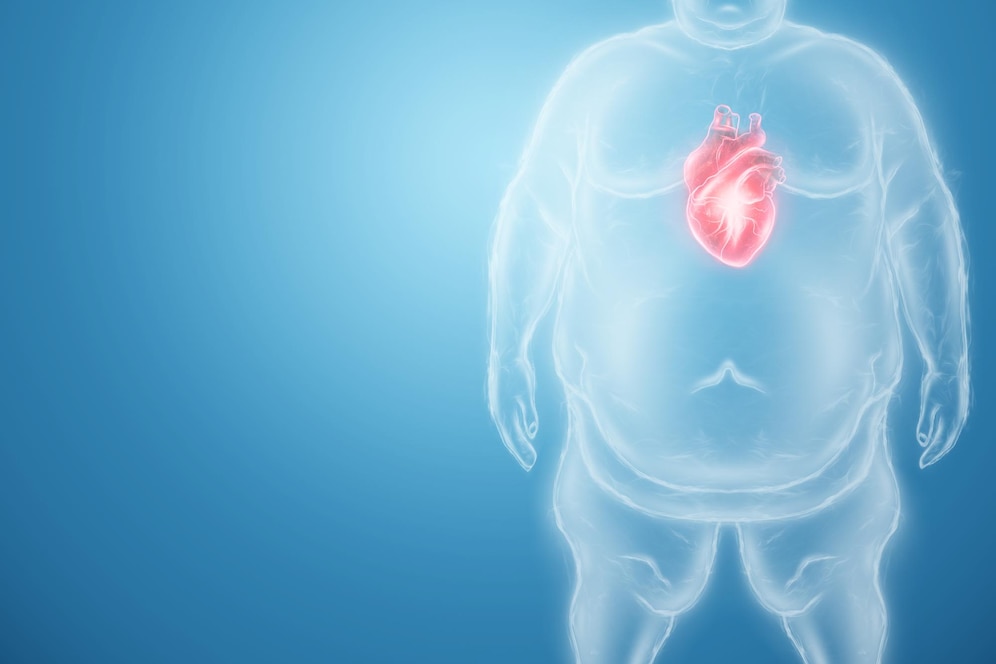
    obesity leads to heart disease

    What Is Obesity?

    Obesity is the accumulation of excess body fat. It is a condition in which a person gains a lot of weight, mostly because of fat accumulation, often for no evident reason. People with a body mass index (BMI) of 25 or more are considered overweight, and those with a BMI of 30 or more are considered obese.

    Obesity and Cardiovascular Diseases Overview

    The three ways in which obesity causes heart disease are described in the following.

    1.Increased Inflammation:

    Obesity causes low-level chronic inflammation throughout the body, in the heart and blood vessels. Chronic inflammation can increase the risk of heart disease by promoting plaque buildup in the arteries. This plaque can narrow the arteries and limit blood flow, thus increasing the risk of heart attack and stroke. Inflammation associated with obesity can also lead to stress, which damages cells and contributes to the development of heart disease.

    2.High Blood Pressure:

    Excess body weight stresses the heart and blood vessels, leading to elevated blood pressure. High blood pressure is a leading risk factor for heart disease, as it causes the heart to work harder to pump blood and can damage the blood vessels over time. Obesity also contributes to insulin resistance, increasing blood pressure and promoting heart disease. In addition, individuals with obesity are more likely to have added risk factors for heart disease, such as high cholesterol, which can compound the effects of high blood pressure.

    3.High Cholesterol:

    Obesity is associated with high levels of ‘bad’ low-density lipoprotein (LDL) cholesterol and low levels of ‘good’ high-density lipoprotein (HDL) cholesterol, which can contribute to plaque buildup in the arteries, narrow the arteries and limit blood flow. This increases the risk of heart attack and stroke. LDL cholesterol is the primary type of cholesterol that forms plaques in the arteries, whereas HDL cholesterol helps remove it. When the LDL cholesterol levels are high and HDL cholesterol levels are low, it increases the risk of heart disease. Obesity can also increase the production of a type of fat called triglycerides, which can further contribute to high cholesterol levels and increase the risk of heart disease.

    Obesity and Other Diseases

    In addition to the three abovementioned factors, obesity contributes to other risk factors for heart disease, such as type 2 diabetes, sleep apnea and physical inactivity. These conditions can further increase the risk of heart disease and make it more difficult to manage.

    Ischemic heart disease is a type of heart disease that occurs when the blood flow to the heart is restricted, usually due to plaque buildup in the coronary arteries. Obesity is a well-established risk factor for ischemic heart disease.

    Types of obesity and its complications | Obesity – Questions and Answers

    Rheumatic heart disease is a type of heart disease caused by rheumatic fever, a complication of streptococcal infections. However, obesity is a risk factor for streptococcal infections and other health conditions that can increase the risk of developing rheumatic heart disease.

    Congenital heart disease is a type of heart disease that is present at birth. Obesity has not been linked directly to the development of congenital heart disease. However, obesity can increase the risk of developing secondary heart problems in individuals with congenital heart disease, such as heart failure.

    Therefore, while obesity is not directly linked to rheumatic heart disease and congenital heart disease, it can increase the risk of other conditions contributing to its development and make it more difficult to manage.

    Therefore, individuals with congenital heart disease and rheumatic heart disease need to consult their healthcare provider to determine the best course of action for their needs.

    Symptoms of Heart Disease

    The symptoms of heart disease in individuals with obesity may vary but usually include the following:

    • Chest pain or discomfort: This may feel like pressure, fullness, squeezing or pain in the centre or left side of the chest.
    • Shortness of breath: This may occur during physical activity or even at rest and can be a sign of heart failure or other heart problems.
    • Fatigue: This can be a sign of heart disease, mainly if it occurs during physical activity or is accompanied by shortness of breath or chest discomfort.
    • Swelling in the legs, ankles and feet: This can be a sign of heart failure or other heart problems and may be more pronounced in individuals with obesity.
    • Rapid or irregular heartbeat: This can be a sign of arrhythmia or irregular heartbeat and can be a sign of heart disease.
    • Dizziness or lightheadedness: This can be a sign of heart disease, mainly if it occurs during physical activity or is accompanied by chest discomfort or shortness of breath.

    It is essential for individuals with obesity to be aware of these symptoms and to seek medical attention if they experience any of them.

    Obesity and excess weight are linked to a higher risk of cardiovascular illnesses. By maintaining a healthy weight, engaging in physical activity and following a heart-healthy diet, individuals can reduce their risk of developing heart disease and other obesity-related health problems.

    To read more informative articles on obesity and heart diseases and buy medicines at affordable rates, visit the Medkart website today!

    FAQs related Obesity and Heart Disease

    1. Does obesity always lead to heart disease?

    No, obesity does not always cause cardiac issues. However, it is one of the leading causes of cardiac diseases worldwide.

    2. How can I improve my cardiac health?

    Good sleep, a low-stress lifestyle, a healthy diet inclusive of fruits and vegetables, and regular exercise (at least 30 min every day for 5 days a week) are some of the many steps you can take to improve your cardiac health.

    3. Should we avoid fats to maintain a healthy body weight?

    No. Avoiding junk food, such as fried food, which is high in saturated fats, is necessary to maintain a healthy body weight. You can opt for healthier sources of fat, such as nuts and seeds.

  • Types, Causes and Treatment for Obesity

    Obesity can be defined as excessive body mass. It is a major cause of disabilities and has been linked to various illnesses and conditions, including osteoarthritis, type 2 diabetes, obstructive sleep apnea, certain types of cancer, and cardiovascular disease.

    Types of obesity

    Obesity in the general population is commonly classified by medical professionals using body mass index (BMI). BMI is calculated by dividing your body weight by your height. You are considered overweight if your BMI is between 25.0 and 29.9 kg/m².

    Three broad categories of obesity are:

    • Class I obesity with BMI 30 to <35 kg/m²

    • Class II obesity with BMI 35 to <40 kg/m²

    • Class III obesity with BMI 40+ kg/m²

    Causes of obesity

    Obesity can develop over time if you consume more calories than you use through regular exercise and daily activity. These extra calories accumulate over time and lead to weight gain. However, there are many other causes, such as:

    • Genetics: Genes affect how your body processes food. You are probably more likely to gain weight if your parents are obese.

    • Unhealthy eating habits: Consuming fast or processed foods that are rich in sugars, unhealthy fats, and low in nutrients.

    • Sedentary lifestyles: Lack of physical activity is one of the major causes of obesity, next to unhealthy eating habits.

    • Hormones: Polycystic ovary syndrome (PCOS) is a condition that disrupts the balance of female reproductive hormones in women, causing weight gain.

    • Hypothyroidism: It leads to a low metabolic rate and causes weight gain

    • Cushing syndrome: It causes high cortisol levels in the body, which cause an increase in appetite, leading to weight gain.

    • Certain medications: Steroids, anti-depressants, and birth control pills, for example, can increase your risk of weight gain.

    • Eating conditions such as binge eating and night eating syndrome.

    Diagnosis of obesity

    Healthcare professionals frequently use BMI to classify obesity in the general population. Despite its shortcomings, BMI is a simple indicator that can help you identify the health risks associated with obesity.

    Other precise methods of calculating body fat and body fat distribution include:

    • Skinfold thickness test: measures the distance between the underlying muscle and the fat layer.

    • Waist-to-hip measurements: the circumference of the waist is divided by the circumference of the hips to obtain a ratio. The ratio should be 0.8 or less for women and 1.0 or less for men.

    • Screening procedures like MRIs, CT scans, and ultrasounds: also determine the fat content in the body

    To diagnose the health risks associated with obesity, your doctor might also recommend a few tests, such as:

    • Blood tests to measure sugar and cholesterol levels

    • Liver function tests

    • A diabetes examination

    • Thyroid test

    • hormone screening, especially in women

    • Heart examinations, like an electrocardiogram (ECG or EKG)

    Precautions and treatment of obesity

    Treatment methods for obesity differ from person to person, focus on various issues, and are typically dependent on underlying medical conditions. Some lifestyle changes can help you lose weight in a healthy manner and significantly improve this complex disease. If you have a high BMI, you should prioritise your health by choosing a healthy lifestyle.

    Lifestyle changes

    • Eating a healthy diet: Discarding all processed and high-carb foods is important to lose weight. Focus on including proteins and healthy fats with minimal carbs when starting a weight loss journey.

    • Keeping track of calories: You must consume fewer calories than you burn to lose weight.

    • Exercise regime: Exercise is a crucial part of leading a healthy lifestyle. To get started with a healthy lifestyle, walk 5,000 steps or do 15 minutes of exercise each day to start. Include weight training to prevent the loss of muscle mass that occurs while dieting.

    Medications

    In some cases, medications are recommended to combat obesity. Remember that not everyone should take these medications. A few of them have adverse effects. You must also continue the diet and exercise changes mentioned above.

    Appetite suppressants like phentermine, diethylpropion, and semaglutide and medications for binge eating disorders like lisdexamfetamine dimesylate are usually recommended in some cases.

    Weight loss surgery

    If you are diagnosed with class III obesity, you may consider bariatric surgery. It is a drastic but incredibly effective way to lose significant amounts of weight over the long term. This procedure involves cutting the stomach to create a pouch that can only hold a small amount of food. This surgery is not recommended frequently and is only considered in certain exceptional conditions, which include:

    1. When your BMI is greater than 35

    2. When you have severe type 2 diabetes

    3. In certain cases in which dietary modifications haven’t worked

    Bariatric surgery includes sleeve gastrectomy, laparoscopic gastric band, and gastric bypass.

    Myths related to obesity

    Obesity is a disease of lethargic people.

    To some extent, obesity occurs due to poor lifestyle choices, but it is often a symptom or a cause of an underlying disease. Factors including stress, poor sleep quality, hormonal changes, and underlying health conditions like thyroid disease, medications, genetics, and others, have also been linked to an increase in obesity.

    Weight loss will cure obesity.

    Losing weight too quickly slows your metabolism and increases muscle loss. Additionally, it may result in nutrient deficiencies, sleep disorders, gallstones, and other health problems. One must always focus on fat loss rather than simply losing weight.

    Complications of obesity

    Various health issues, some of which can be fatal if untreated, have been connected to obesity:

    • Cardiovascular diseases like coronary artery disease, heart attack, and hypertension.

    • Type 2 diabetes

    • A fatty liver disease that can progress to cirrhosis

    • Chronic kidney disease

    • Gall bladder stones

    • Osteoarthritis

    • Chronic back pain

    • Some cancers like breast, endometrial, and colon cancers

    • Infertility

    • Psychological issues like depression

    Numerous diseases have obesity as a cause as well as a symptom. To manage this condition, lifestyle changes, surgical procedures, and occasionally medications are used.

    Medkart pharmacy is India’s most trusted medicine store where you can buy quality generic medicines at competitive prices. Don’t believe us; log on to Medkart | Generic Medicines Online – Best Online Pharmacy Appand compare the prices of your medicines.