
Prescription Required


Authentic Product

India's Leading Generic Pharmacy

Secure Payment

By BIOCON BIOPHARMACEUTICALS PRIVATE LIMITED
MRP
₹
574.83
₹488.61
15 % OFF

Check Delivery
--

Composition

Content Reviewed By:
Dr. Rajesh Sharma
, (MBBS)
Written By:
Ms. Priyanka Shah
, (B.Pharm)
Most side effects are temporary and resolve as your body adapts to the medication. However, if these effects persist or cause concern, it is important to seek medical advice. Common side effects associated with BASALOG VIAL 3 ML include:

General precautions and other conditions
Use under medical supervisionBasalog insulin should always be used as part of a comprehensive diabetes management plan that includes dietary advice, physical activity, and regular blood glucose monitoring.
BASALOG VIAL 3 ML is a man-made insulin that is very similar to human insulin. It has a long and steady (constant) effect on blood sugar levels, lasting an entire day. This makes it suitable for use once daily. It treats type 2 diabetes mellitus in adults and type 1 diabetes mellitus in adults and children.
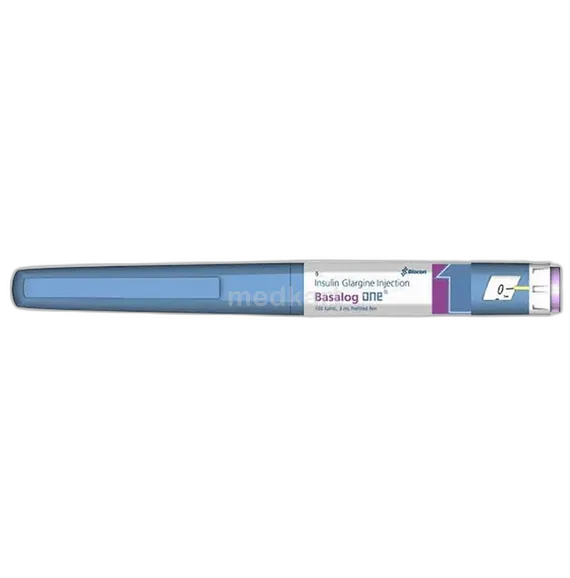
BASALOG VIAL 3 ML is injected under the skin (subcutaneously) with a pen-like device or an insulin syringe and needle. There are various areas on the body where insulin can be injected, such as the abdomen (stomach area), thighs (upper portion of legs), upper arms, hips, or buttocks. Your doctor will show you the area of your skin where you should inject it. Never inject it directly into a vein or a muscle. Before using BASALOG VIAL 3 ML, make sure the solution is colorless and free of particles. It should strictly be taken in the dose that has been prescribed to you. Follow your doctor’s instructions on administering BASALOG VIAL 3 ML correctly and monitor your blood sugar levels regularly.
BASALOG VIAL 3 ML is injected just below the skin (subcutaneously). Your doctor will train you on the correct method and the areas (abdomen or stomach, thighs, arms, hips, or buttocks) where you should inject it. It is advised that the injection site should be changed within the chosen skin area for every dose. For example, if you have been advised to inject it into the skin of your stomach, avoid puncturing the same point on your stomach every day. Instead, inject the needle at a site that is slightly away, say around 1cm, from the previous injection. You can also consider switching sides while injecting, like choosing the right side on one day and the left side on the next day. This way, you can reduce the complications associated with repeated injections in the same site, such as thickening of the fat tissue below the skin, known as lipodystrophy, irritation, pain, etc. After one to two weeks, you should move to another area of your body (e.g., from the stomach to the arms or thighs) as your doctor advises. Consult your doctor if you face any problems while injecting BASALOG VIAL 3 ML.
BASALOG VIAL 3 ML is long-acting and usually prescribed to be taken once daily. It can be taken at any time, but try to take it at the same time each day.
If you have accidentally taken more than the prescribed dose of BASALOG VIAL 3 ML, your blood sugar levels may become too low (hypoglycemia). This hypoglycemia may be mild or severe. Monitor your blood sugar levels more frequently for the next 24 hours. Mild episodes of hypoglycemia (with symptoms like anxiety, sweating, weakness, tremors, and fast heartbeat) can usually be corrected with the help of sugary foods such as sugary candy, fruit juice, and glucose. However, it is important to consult your doctor to decide on a further course of treatment. More severe episodes of hypoglycemia may even lead to a seizure (fit) or unconsciousness. This can be life-threatening, and the patient should be rushed to an emergency.
Keep this medication out of the reach of children in the container it came in. Store unopened vials and pens in the refrigerator, but do not freeze them. An unopened BASALOG VIAL 3 ML can be stored in the refrigerator until the date shown on the company's label. Moreover, never use BASALOG VIAL 3 ML that has been frozen or defrosted. If a refrigerator is unavailable, the vials can be stored at room temperature and away from direct sunlight and extreme heat. It should appear as a clear, colorless solution free from particles.
You should consult your doctor about the scenarios where you may need to adjust your insulin dose. For example, if you are ill, you should monitor your blood sugar levels more closely. You must tell your doctor about all the medicines you are taking because many medicines can affect how insulin acts, and you may need to modify your dose. Your eating habits may also affect your dose; for example, if you eat less someday, skip a meal, or eat more than usual. Your blood sugar level may alter depending on your exercise regime, alcohol consumption, or stress. Pregnant and breastfeeding mothers should consult their doctor before taking BASALOG VIAL 3 ML as they may need to change their dose.
Serious side effects are rare with BASALOG VIAL 3 ML. Sometimes, severe allergic reactions may be seen with it. This can lead to rash, hives, itching all over the body, trouble breathing (wheezing), fast heart rate, and low blood pressure. Get medical help right away if you develop any of these symptoms. Other side effects include severe hypoglycemia (low blood sugar levels), which can cause dizziness, sweating, anxiety, confusion, headache, blurred vision, slurred speech, shakiness, fast heartbeat, seizure (fit), and unconsciousness. Taking certain medicines such as TZDs (thiazolidinediones) may cause heart failure in some people, even if they have never had any heart problems before. Some people may also notice sudden weight gain and swelling (edema) of ankles or feet. Consult your doctor immediately if you notice any of these side effects.
Basalog insulin contains insulin glargine, a long-acting human insulin analogue used as basal insulin therapy in diabetes. After subcutaneous injection, it is slowly absorbed and provides a relatively steady level of insulin over about 24 hours in most patients. It lowers blood glucose by facilitating uptake of glucose into muscle and fat cells and by reducing glucose production by the liver. This helps control fasting and between-meal blood sugar levels when used as part of an overall diabetes management plan that includes diet, exercise, and, when needed, other antidiabetic medicines.
Basalog insulin is prescribed for the treatment of diabetes mellitus. In type 1 diabetes, it is used as part of a basal–bolus regimen, providing background insulin in combination with rapid- or short-acting insulin at meals. In type 2 diabetes, it is used when blood glucose is not adequately controlled with oral antidiabetic drugs, non-insulin injectables, and lifestyle measures alone. It helps improve glycaemic control and reduce the risk of long-term diabetes complications when used consistently and monitored appropriately.
Basalog insulin is administered by subcutaneous injection, typically once daily at the same time each day. The exact dose, injection timing, and injection site are determined individually by a healthcare professional based on blood glucose readings, type of diabetes, body weight, diet, physical activity, and other medications. It should not be injected into a vein or muscle, and it should not be used in an insulin pump unless the product information and your specialist specifically allow it. Patients should receive training on injection technique, site rotation, and safe disposal of needles and syringes or pen needles.
Basalog insulin is not appropriate for the initial treatment of diabetic ketoacidosis or other acute hyperglycaemic emergencies. DKA requires rapid-acting or short-acting insulin, usually given intravenously in a hospital setting, along with fluid and electrolyte replacement and close monitoring. Basalog may be part of the long-term insulin regimen after stabilization, but any changes to insulin therapy in this context must be directed by a specialist.
The most common side effect of Basalog insulin is hypoglycaemia, or low blood glucose. Symptoms may include sweating, shakiness, palpitations, hunger, headache, dizziness, blurred vision, confusion, irritability, or difficulty concentrating. Severe hypoglycaemia can cause seizures, loss of consciousness, or, rarely, serious complications if not treated promptly. Other possible side effects include injection-site reactions such as redness, swelling, itching, or pain, mild weight gain over time, and changes in fat distribution at injection sites (lipodystrophy or skin thickening). Allergic reactions are uncommon but can occur.
If you forget to take your usual dose of Basalog insulin, check your blood glucose and follow the instructions provided by your healthcare professional or in your diabetes action plan. Do not take a double dose to make up for the missed one. Depending on how much time has passed and your current blood glucose level, your doctor may advise you to take the dose as soon as you remember, to delay until the next scheduled dose, or to adjust other insulin doses. If you are unsure what to do, contact your healthcare provider for individualized advice and monitor your blood glucose more frequently.
Basalog insulin (insulin glargine) is generally not recommended to be mixed with other insulins or diluted in the same syringe, because mixing can change its absorption profile and reduce its long-acting, steady effect. It should be injected separately from other insulin preparations unless the approved product information and your healthcare professional specifically instruct otherwise. Always follow the instructions provided with your particular Basalog product and consult your doctor or diabetes nurse before altering how you administer your insulin.
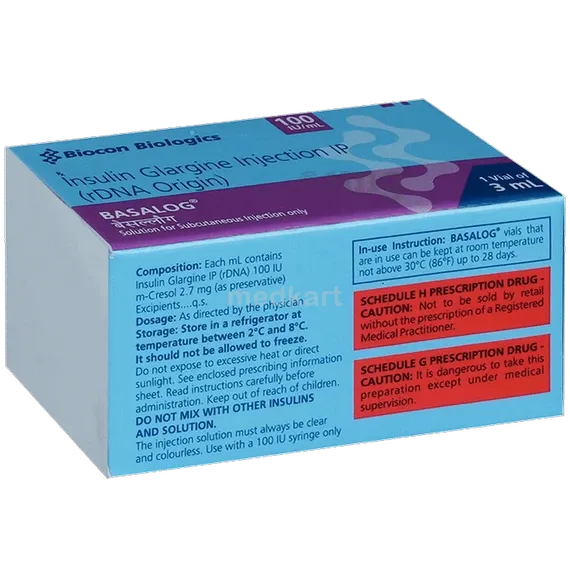
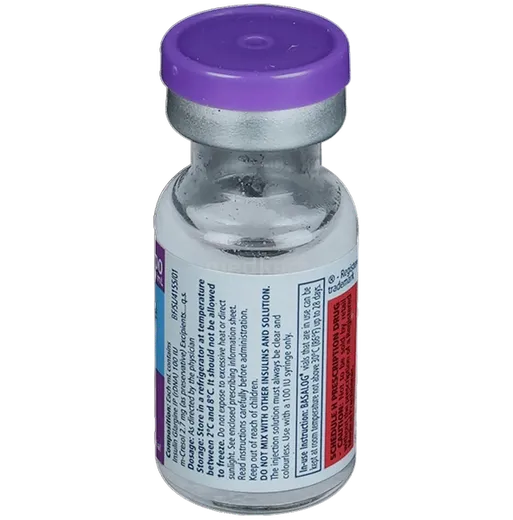
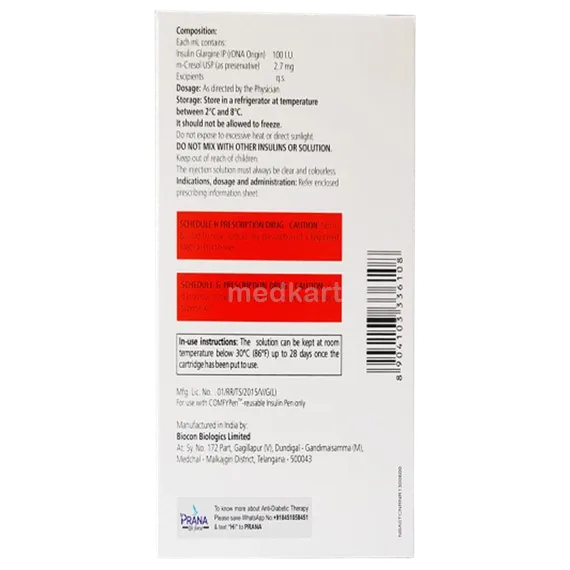
Unopened Basalog insulin vials or cartridges should be stored in a refrigerator at the temperature range specified in the package insert, usually between 2°C and 8°C, and must not be frozen. If insulin has been frozen, it should be discarded. Once in use, Basalog may typically be kept at room temperature for a limited period as stated in the product information, away from direct heat and light. Always keep the cap on pens or cartridges when not in use, and never use insulin that appears cloudy, discoloured, or contains particles if the product is supposed to be clear. Keep all insulin out of reach of children.
Weight gain can occur with Basalog insulin, as with other insulin therapies, particularly when glycaemic control improves and glucose loss in the urine decreases. Some patients may also increase calorie intake to prevent or treat hypoglycaemia, which can contribute to weight gain. To minimize this effect, follow a balanced meal plan, monitor portion sizes, and maintain regular physical activity as advised by your healthcare provider. Any significant or rapid weight changes should be discussed with your doctor, as they may indicate the need to adjust your insulin dose or overall treatment plan.
Basalog insulin should not be used by individuals with a known hypersensitivity to insulin glargine or any of the excipients in the formulation. It must not be used for the treatment of diabetic ketoacidosis or acute severe hyperglycaemia requiring rapid correction. Caution is required in patients with recurrent severe hypoglycaemia, hypoglycaemia unawareness, or significant liver, kidney, or heart disease, and dose adjustments may be necessary. Basalog should only be used during pregnancy or breastfeeding after a careful risk–benefit assessment by a healthcare professional. Always inform your doctor about all medical conditions and medications before starting Basalog.
When initiating Basalog insulin or switching from another basal insulin, close monitoring of blood glucose is essential, particularly during the first weeks. Your doctor may adjust the dose gradually based on fasting and pre-meal glucose readings and your overall clinical status. You should be educated on recognizing and managing hypoglycaemia, maintaining consistent meal patterns, and adjusting for physical activity. Any change in insulin type, strength, manufacturer, or injection device should be supervised by a healthcare professional, as even small differences can affect blood glucose control. Do not change your insulin regimen on your own without medical advice.
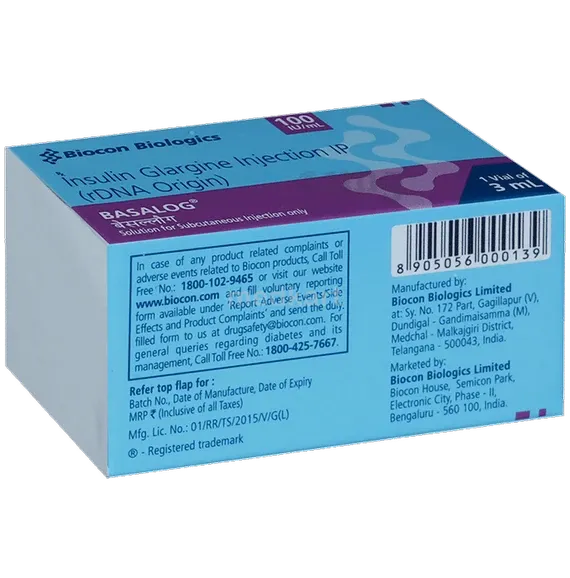
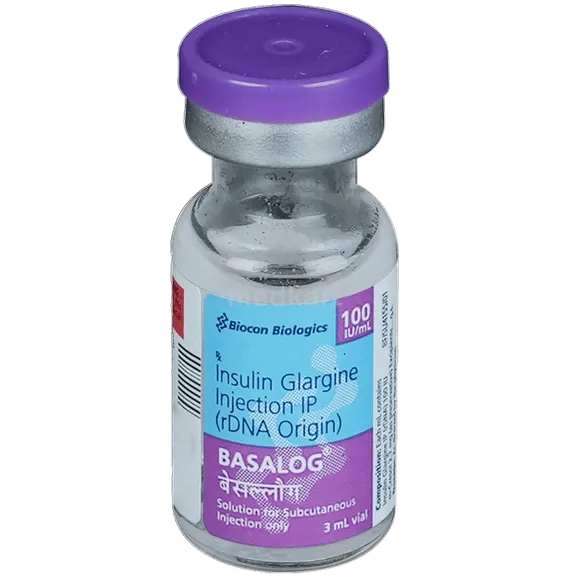
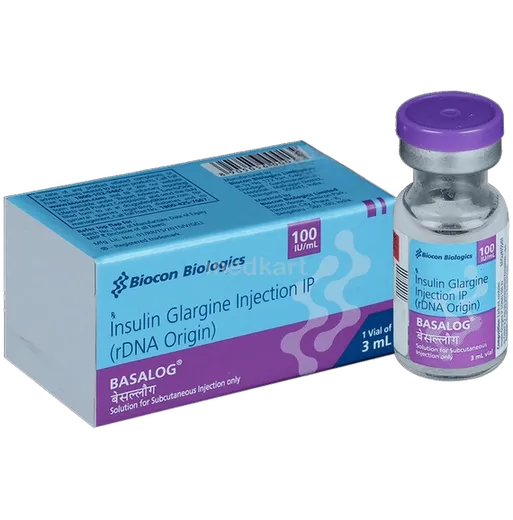
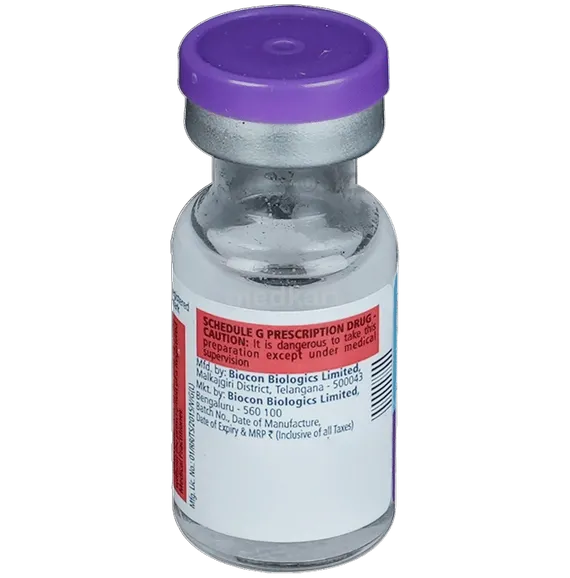
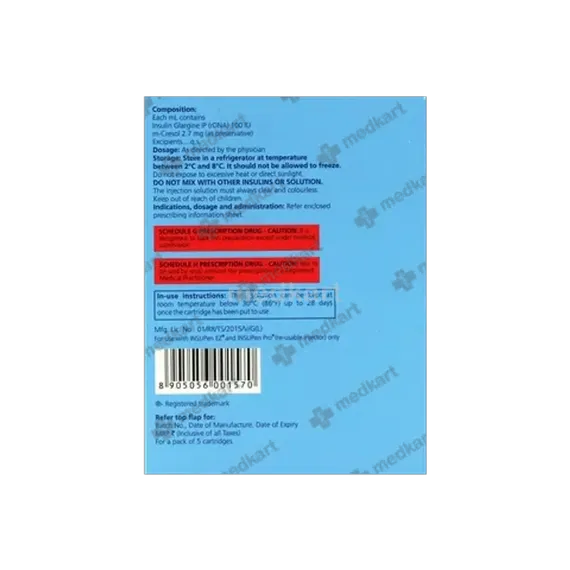
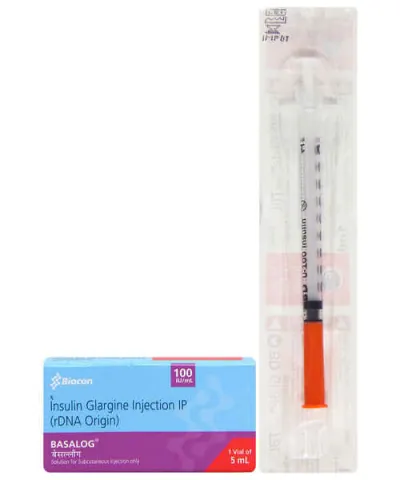
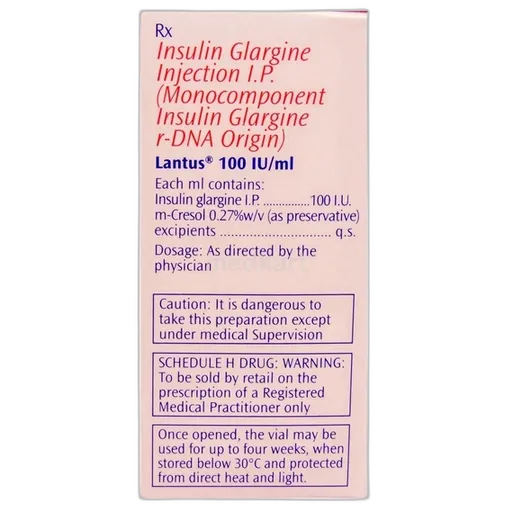
Basalog Vial 3 ML contains Insulin Glargine 100 IU.
Basalog Vial 3 ML is listed at Rs. 488.61 on Medkart. Prices can change — check the product page for the current price and pack size.
The dose of Basalog Vial 3 ML depends on your condition, age, weight and other medicines you take, so it must be decided by your doctor. Follow the dose and duration on your prescription and do not change it on your own.
A generic medicine is one with the same active composition as the branded product — for Basalog Vial 3 ML that is Insulin Glargine 100 IU. Medkart lists generic options by composition so you can compare. Ask your doctor or pharmacist before switching from Basalog Vial 3 ML.
Yes. Basalog Vial 3 ML requires a valid doctor's prescription.
Basalog Vial 3 ML is manufactured by Biocon Biopharmaceuticals Private Limited.
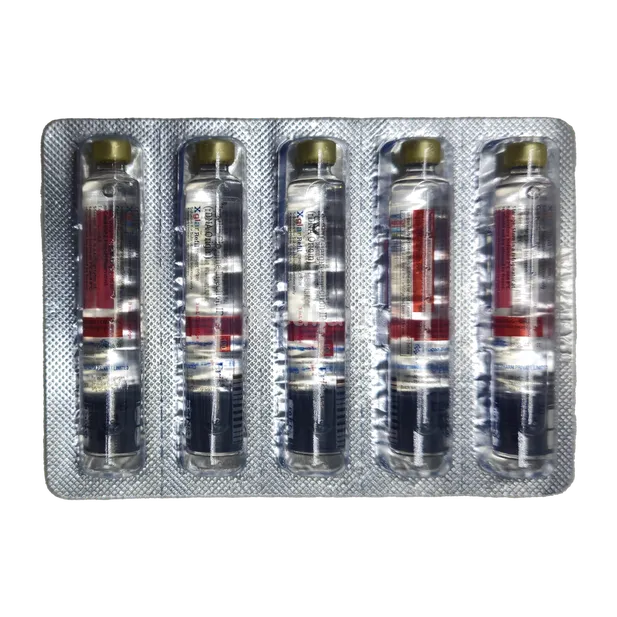
Basalog Vial 3 ML is supplied as a injection and is taken by the parenteral route.
Whether Basalog Vial 3 ML can be taken daily, and for how long, depends on your condition and must be decided by your doctor. Do not start, extend or repeat a course of Basalog Vial 3 ML on your own.
The timing of Basalog Vial 3 ML depends on the dose your doctor prescribes and on the other medicines you take. Follow the timing on your prescription or ask your pharmacist.
No. Basalog Vial 3 ML is a prescription medicine and should only be taken on a doctor's advice.
Best experience provided by medkart
khunti mihir devshi
•
Reviewed on 13-01-2024

(5/5)
It is very quickly & Fast process . Nice guidance
Dharmesh Patel
•
Reviewed on 26-01-2024
(5/5)
Best place best service best price u all should visit again and again We thank u for their setcices
Vijay Sharma
•
Reviewed on 12-12-2022
(5/5)
Good and cost effective medicines
Vishal Chaudhari
•
Reviewed on 15-02-2024
(5/5)
Super
Elvis
•
Reviewed on 25-01-2024
(5/5)
BIOCON BIOPHARMACEUTICALS PRIVATE LIMITED
Country of Origin -
India
MRP
₹
574.83
₹488.61
15 % OFF
Quick Links

Medkart's sole intention is to ensure that its consumers get information that is expert-reviewed, accurate and trustworthy. However, the information contained herein should NOT be used as a substitute for the advice of a qualified physician. The information provided here is for informational purposes only. This may not cover everything about particular health conditions, medicines, generic alternatives, all possible side effects, drug interactions, warnings, alerts, lab tests, etc. Please consult your doctor and discuss all your queries related to any disease or medicine. We intend to support, not replace, the doctor-patient relationship.
10 Lakh+
Happy customers
35000+
Pin-codes Covered
75 Lakh+
Orders Delivered

Authentic Products
All WHO-GMP Certified Medicines






©2025 Medkart Pharmacy. All Rights Reserved











 10's_1.webp)