
Prescription Required

Authentic Product

India's Leading Generic Pharmacy

Secure Payment

By LUPIN LIMITED
MRP
₹
651.95
₹554.16
15 % OFF

Check Delivery
--

Composition

Content Reviewed By:
Dr. Rajesh Sharma
, (MBBS)
Written By:
Ms. Priyanka Shah
, (B.Pharm)
Most side effects are temporary and resolve as your body adapts to BASUGINE PENFILL 3 ML. If these side effects persist or cause concern, please consult your doctor.

General precautions and interactions
Medical supervision requiredBasugine must be used exactly as prescribed, and patients should not switch between different insulin products or devices without medical supervision, as this may require dose adjustment.
BASUGINE PENFILL 3 ML is a man-made insulin that is very similar to human insulin. It has a long and steady (constant) effect on blood sugar levels, lasting an entire day. This makes it suitable for use once daily. It treats type 2 diabetes mellitus in adults and type 1 diabetes mellitus in adults and children.
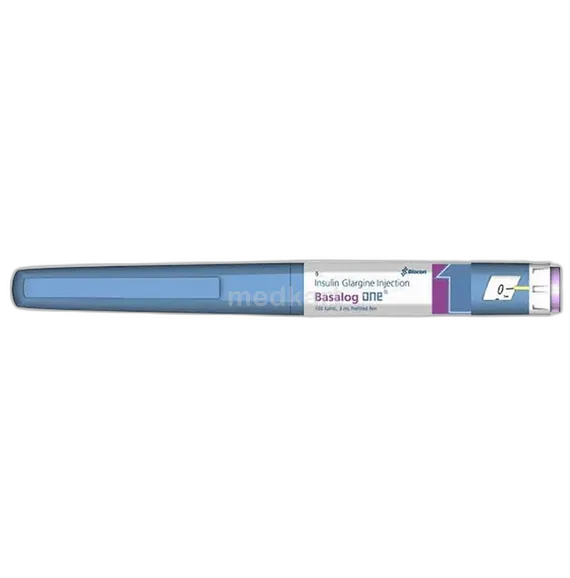
BASUGINE PENFILL 3 ML is injected under the skin (subcutaneously) with a pen-like device or an insulin syringe and needle. There are various areas on the body where insulin can be injected, such as the abdomen (stomach area), thighs (upper portion of legs), upper arms, hips, or buttocks. Your doctor will show you the area of your skin where you should inject it. Never inject it directly into a vein or a muscle. Before using BASUGINE PENFILL 3 ML, make sure the solution is colorless and free of particles. It should strictly be taken in the dose that has been prescribed to you. Follow your doctor’s instructions on administering BASUGINE PENFILL 3 ML correctly and monitor your blood sugar levels regularly.
BASUGINE PENFILL 3 ML is injected just below the skin (subcutaneously). Your doctor will train you on the correct method and the areas (abdomen or stomach, thighs, arms, hips, or buttocks) where you should inject it. It is advised that the injection site should be changed within the chosen skin area for every dose. For example, if you have been advised to inject it into the skin of your stomach, avoid puncturing the same point on your stomach every day. Instead, inject the needle at a site that is slightly away, say around 1cm, from the previous injection. You can also consider switching sides while injecting, like choosing the right side on one day and the left side on the next day. This way, you can reduce the complications associated with repeated injections in the same site, such as thickening of the fat tissue below the skin, known as lipodystrophy, irritation, pain, etc. After one to two weeks, you should move to another area of your body (e.g., from the stomach to the arms or thighs) as your doctor advises. Consult your doctor if you face any problems while injecting BASUGINE PENFILL 3 ML.
BASUGINE PENFILL 3 ML is long-acting and usually prescribed to be taken once daily. It can be taken at any time, but try to take it at the same time each day.
If you have accidentally taken more than the prescribed dose of BASUGINE PENFILL 3 ML, your blood sugar levels may become too low (hypoglycemia). This hypoglycemia may be mild or severe. Monitor your blood sugar levels more frequently for the next 24 hours. Mild episodes of hypoglycemia (with symptoms like anxiety, sweating, weakness, tremors, and fast heartbeat) can usually be corrected with the help of sugary foods such as sugary candy, fruit juice, and glucose. However, it is important to consult your doctor to decide on a further course of treatment. More severe episodes of hypoglycemia may even lead to a seizure (fit) or unconsciousness. This can be life-threatening, and the patient should be rushed to an emergency.
Keep this medication out of the reach of children in the container it came in. Store unopened vials and pens in the refrigerator, but do not freeze them. An unopened BASUGINE PENFILL 3 ML can be stored in the refrigerator until the date shown on the company's label. Moreover, never use BASUGINE PENFILL 3 ML that has been frozen or defrosted. If a refrigerator is unavailable, the vials can be stored at room temperature and away from direct sunlight and extreme heat. It should appear as a clear, colorless solution free from particles.
You should consult your doctor about the scenarios where you may need to adjust your insulin dose. For example, if you are ill, you should monitor your blood sugar levels more closely. You must tell your doctor about all the medicines you are taking because many medicines can affect how insulin acts, and you may need to modify your dose. Your eating habits may also affect your dose; for example, if you eat less someday, skip a meal, or eat more than usual. Your blood sugar level may alter depending on your exercise regime, alcohol consumption, or stress. Pregnant and breastfeeding mothers should consult their doctor before taking BASUGINE PENFILL 3 ML as they may need to change their dose.
Serious side effects are rare with BASUGINE PENFILL 3 ML. Sometimes, severe allergic reactions may be seen with it. This can lead to rash, hives, itching all over the body, trouble breathing (wheezing), fast heart rate, and low blood pressure. Get medical help right away if you develop any of these symptoms. Other side effects include severe hypoglycemia (low blood sugar levels), which can cause dizziness, sweating, anxiety, confusion, headache, blurred vision, slurred speech, shakiness, fast heartbeat, seizure (fit), and unconsciousness. Taking certain medicines such as TZDs (thiazolidinediones) may cause heart failure in some people, even if they have never had any heart problems before. Some people may also notice sudden weight gain and swelling (edema) of ankles or feet. Consult your doctor immediately if you notice any of these side effects.
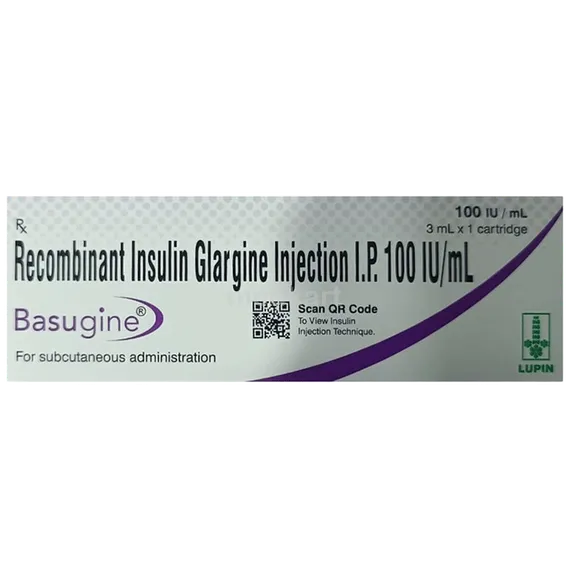
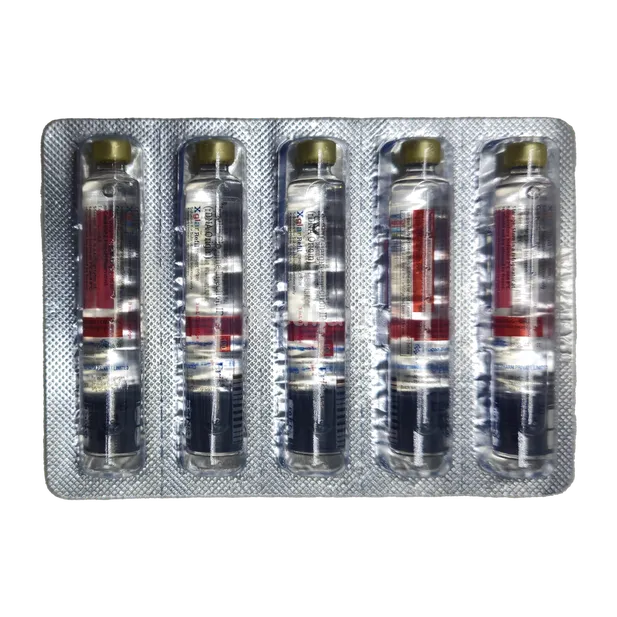
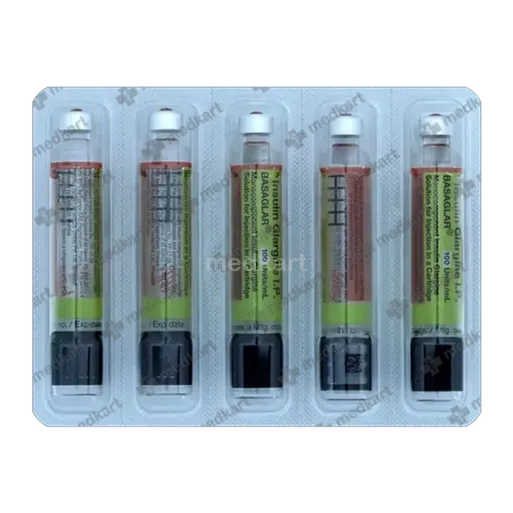
Basugine is a brand of long-acting insulin used to control blood glucose in people with diabetes mellitus. Its active ingredient is insulin glargine, a human insulin analogue designed to provide a steady basal insulin level over approximately 24 hours or longer in many patients. It is typically supplied as a 100 IU/mL solution in a cartridge or penfill for use with an insulin pen.
Basugine is prescribed for the management of diabetes mellitus in adults and children who require basal insulin. In type 1 diabetes, it is usually used in combination with rapid- or short-acting insulin to cover meals. In type 2 diabetes, it may be added when diet, exercise, and oral antidiabetic medicines do not provide adequate glycaemic control. It is not intended for the emergency treatment of diabetic ketoacidosis.
Basugine (insulin glargine) works by binding to insulin receptors and promoting glucose uptake into muscle and fat cells while inhibiting glucose production by the liver. Its modified structure causes it to be slowly released from the subcutaneous tissue, resulting in a prolonged, relatively peakless insulin profile. This provides basal insulin coverage throughout the day and night, helping to maintain more stable fasting and between-meal blood glucose levels.
Basugine is injected subcutaneously (under the skin), typically once daily at the same time each day. Common injection sites include the abdomen, thigh, or upper arm. The exact timing and regimen must be determined by a doctor based on individual needs. Patients should be trained in proper pen use, injection technique, and rotation of injection sites within the same region to reduce the risk of lipodystrophy. Basugine must never be injected into a vein or used in an insulin pump unless specifically directed by a specialist.
Dose adjustments for Basugine should always be guided by a healthcare professional. Some patients may be given a structured self-titration plan based on blood glucose readings, but this must be provided and supervised by a doctor or diabetes specialist. Do not change the dose, timing, or discontinue Basugine on your own, as this can lead to serious complications such as severe hypoglycaemia or uncontrolled hyperglycaemia.
The most common side effect of Basugine is hypoglycaemia (low blood sugar), which can present with symptoms such as sweating, tremor, palpitations, hunger, headache, dizziness, irritability, or confusion. Other possible side effects include injection-site reactions (redness, pain, itching, or swelling), lipodystrophy (thickening or thinning of the fat tissue at injection sites), mild fluid retention, and weight gain. Rarely, systemic allergic reactions may occur. Any severe or unusual symptoms should be reported to a doctor immediately.
If you forget to take a dose of Basugine, follow the instructions provided by your doctor or diabetes care team. In general, you should not take a double dose to make up for a missed one, as this increases the risk of hypoglycaemia. Depending on how much time has passed and your blood glucose readings, your doctor may advise you to take the dose as soon as you remember, skip it, or adjust subsequent doses. If you are unsure what to do, check your blood glucose and seek medical advice promptly.
Yes, Basugine is often used in combination with other antidiabetic therapies. In type 1 diabetes, it is combined with rapid- or short-acting insulin for meal coverage. In type 2 diabetes, it may be used alongside oral agents such as metformin, DPP-4 inhibitors, SGLT2 inhibitors, or others, as well as with GLP-1 receptor agonists, depending on the treatment plan. Because combining therapies can increase the risk of hypoglycaemia, any combination regimen must be prescribed and monitored by a doctor.
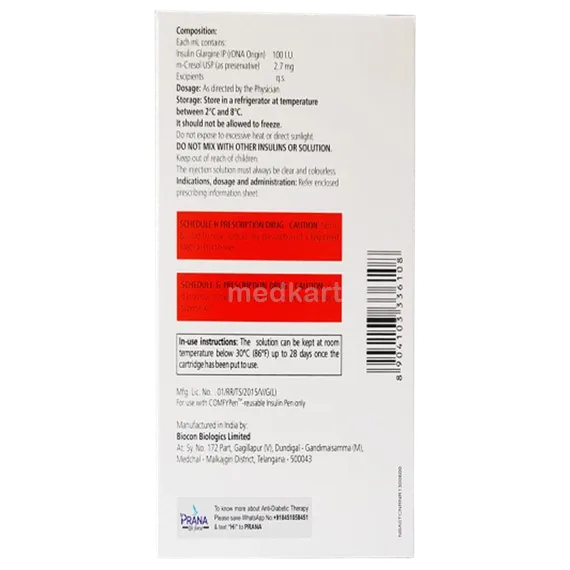
Unopened Basugine cartridges or penfills should be stored according to the manufacturer’s instructions, typically in a refrigerator at the recommended temperature range, and protected from freezing and direct heat or light. Do not use Basugine if it has been frozen or if the solution appears cloudy, coloured, or contains particles, as insulin glargine should be clear and colourless. Once in use, storage conditions and in-use shelf life follow the product’s official guidance; patients should check the package leaflet and follow their pharmacist’s or doctor’s advice. Needles should be discarded safely in a sharps container after each injection.
Basugine should not be used by individuals with a known hypersensitivity to insulin glargine or any component of the formulation. It must be used with particular caution in patients at high risk of hypoglycaemia, such as those with irregular meal patterns, intense physical activity, or certain endocrine disorders. Patients with significant kidney or liver impairment, elderly patients, and those taking medicines that affect blood glucose or mask hypoglycaemia symptoms require close monitoring and possible dose adjustments. Basugine is not suitable for the acute management of diabetic ketoacidosis, where short-acting insulin under close medical supervision is required.
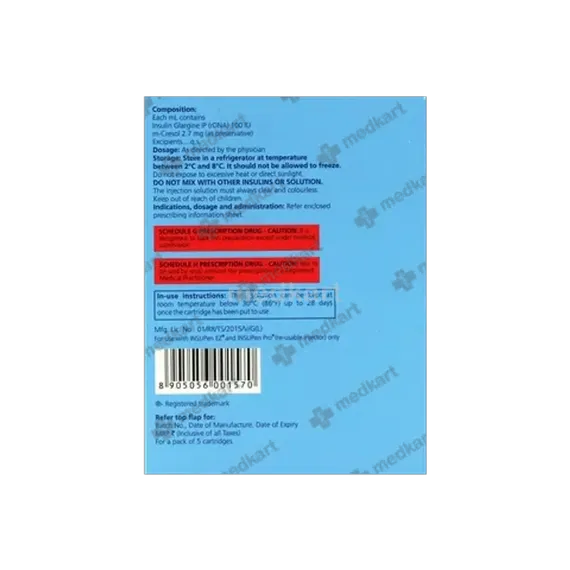
Basugine Penfill 3 ML contains Insulin Glargine 100 IU.
Basugine Penfill 3 ML is listed at Rs. 554.16 on Medkart. Prices can change — check the product page for the current price and pack size.
The dose of Basugine Penfill 3 ML depends on your condition, age, weight and other medicines you take, so it must be decided by your doctor. Follow the dose and duration on your prescription and do not change it on your own.
A generic medicine is one with the same active composition as the branded product — for Basugine Penfill 3 ML that is Insulin Glargine 100 IU. Medkart lists generic options by composition so you can compare. Ask your doctor or pharmacist before switching from Basugine Penfill 3 ML.
Yes. Basugine Penfill 3 ML requires a valid doctor's prescription.
Basugine Penfill 3 ML is manufactured by Lupin Limited.
Basugine Penfill 3 ML is supplied as a injection and is taken by the parenteral route.
Whether Basugine Penfill 3 ML can be taken daily, and for how long, depends on your condition and must be decided by your doctor. Do not start, extend or repeat a course of Basugine Penfill 3 ML on your own.
The timing of Basugine Penfill 3 ML depends on the dose your doctor prescribes and on the other medicines you take. Follow the timing on your prescription or ask your pharmacist.
No. Basugine Penfill 3 ML is a prescription medicine and should only be taken on a doctor's advice.


Best
Vishva Ukani
•
Reviewed on 07-01-2024

(5/5)
It is very quickly & Fast process . Nice guidance
Dharmesh Patel
•
Reviewed on 26-01-2024
(5/5)
Good series, satisfied customer
Sameer Jadhav
•
Reviewed on 06-01-2024
(5/5)
Great experience. Quality medicine at unbelievable prices.
BRANDON FRASER
•
Reviewed on 07-01-2024
(5/5)
Genuine handling person
Naresh Jangid
•
Reviewed on 30-03-2024
(5/5)
LUPIN LIMITED
Country of Origin -
India
MRP
₹
651.95
₹554.16
15 % OFF
Quick Links

Medkart's sole intention is to ensure that its consumers get information that is expert-reviewed, accurate and trustworthy. However, the information contained herein should NOT be used as a substitute for the advice of a qualified physician. The information provided here is for informational purposes only. This may not cover everything about particular health conditions, medicines, generic alternatives, all possible side effects, drug interactions, warnings, alerts, lab tests, etc. Please consult your doctor and discuss all your queries related to any disease or medicine. We intend to support, not replace, the doctor-patient relationship.
10 Lakh+
Happy customers
35000+
Pin-codes Covered
75 Lakh+
Orders Delivered

Authentic Products
All WHO-GMP Certified Medicines






©2025 Medkart Pharmacy. All Rights Reserved













 10's_1.webp)