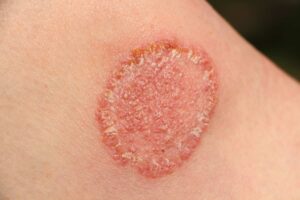
Category: Fungal Infection

  • Surzole Antifungal Cream: Usage Instructions & Benefits

    Dealing with itchy, uncomfortable fungal infections? Surzole Antifungal Cream is your go-to solution for fast, effective relief. Whether it’s athlete’s foot, ringworm, or jock itch, Surzole works hard to clear up infections and keep your skin healthy. Let’s explore how Surzole Antifungal Cream can help you get back to feeling comfortable and confident.

    What Is Surzole Antifungal Cream?

    Surzole Antifungal Cream is a topical treatment designed to tackle fungal skin infections. Its active ingredient, sertaconazole nitrate, is a powerful antifungal agent that targets and eliminates the root cause of infections. Surzole is especially effective for athlete’s foot (tinea pedis), but it can also be used for other fungal conditions like ringworm and jock itch.

    • Surzole Antifungal Cream contains sertaconazole nitrate, a potent antifungal agent.
    • It is effective for athlete’s foot, ringworm, and jock itch.
    • Surzole works by destroying fungal cells at the cellular level.

    How Surzole Antifungal Cream Works

    Surzole Antifungal Cream works by targeting and destroying the fungi responsible for infections. Sertaconazole nitrate alters the integrity of the fungal cell membrane, creating pores that cause leakage of the cell’s components. This disruption leads to the death of the fungal cells, effectively stopping the infection from spreading.

    • Surzole destroys fungal cells at the cellular level.
    • It prevents the growth and spread of fungi.
    • Surzole is effective against a range of fungal infections.

    Benefits of Surzole Antifungal Cream

    Surzole Antifungal Cream offers several benefits for those dealing with fungal infections. Its multi-faceted approach addresses both symptoms and underlying causes, providing effective relief.

    • Relieves itching, redness, and discomfort caused by fungal infections.
    • Helps clear up infections quickly and effectively.
    • Prevents the spread of infection to other areas of the skin.
    • Keeps the skin healthy and protected from future infections.

    How to Use Surzole Antifungal Cream

    Using Surzole Antifungal Cream is simple and straightforward. Follow these steps to get the best results:

    • Wash the affected area with mild soap and water, then pat it dry with a towel.
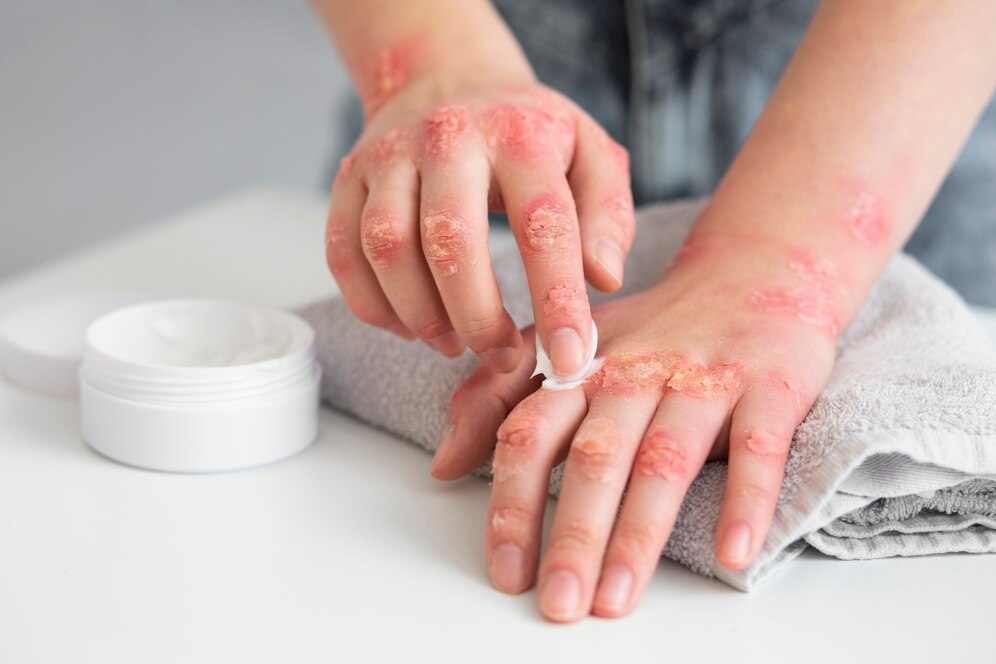
    • Take a small amount of Surzole Antifungal Cream on your fingertip and apply a thin layer directly to the affected skin.
    • Make sure to cover the entire affected area, even if it seems to have healed.
    • Apply the cream twice daily or as directed by your doctor, typically in the morning and evening.
    • Avoid sensitive areas like the eyes, mouth, or nose. If the cream comes into contact with these areas, rinse thoroughly with water.
    • Always wash your hands before and after applying the cream, especially if your hands are not affected by the infection, to prevent spreading the fungus.

    Safety and Precautions

    Surzole Antifungal Cream is generally safe when used as directed. However, there are some precautions to keep in mind to ensure optimal safety.

    • Consult a healthcare professional before using Surzole Antifungal Cream, especially for children, elderly patients, or those with underlying health conditions.
    • Do not use Surzole if you are allergic to sertaconazole or any of its ingredients.
    • Be aware of potential side effects, such as mild burning, stinging, or itching at the application site.
    • Seek medical advice if side effects persist or worsen.
    • Store Surzole Antifungal Cream in a cool, dry place, away from direct sunlight.

    Extra Tips for Faster Healing

    To boost the effectiveness of Surzole Antifungal Cream and prevent future infections, follow these lifestyle tips:

    • Keep the affected area clean and dry, especially between toes or skin folds.
    • Wear breathable, cotton clothing and avoid tight-fitting shoes.
    • Change socks and underwear daily, and wash them in hot water.
    • Avoid walking barefoot in public showers, pools, or locker rooms.
    • Do not share towels, shoes, or personal items with others.
    • Do not scratch the affected area, as this can spread the infection.
    • Use antifungal powder in shoes and socks to prevent reinfection.

    When to See a Doctor

    While Surzole Antifungal Cream can help manage many symptoms of fungal infections, it is important to see a doctor if your symptoms are severe, persistent, or accompanied by other concerning signs. A healthcare professional can provide additional treatment options and help you manage your health.

    By understanding the benefits and usage instructions for Surzole Antifungal Cream, you can support better management of fungal infections. For more information and trusted antifungal products, visit MedKart and explore solutions that work for your needs.

  • Viral Infections : Herpes Simplex, Warts, and Shingles

    Viral Infections : Herpes Simplex, Warts, and Shingles

    viral infectionsViral infections are among the most common health concerns across the globe. Although some viral infections can be quite mild and self-limiting, others may present as chronic, thereby requiring proper medical attention. Among such infections are herpes simplex, warts, and shingles – three viral infections affecting millions of people worldwide. This blog delves into the depth of these infections, including their causes, symptoms, treatment options, and potential complications.

    Herpes Simplex Virus (HSV)

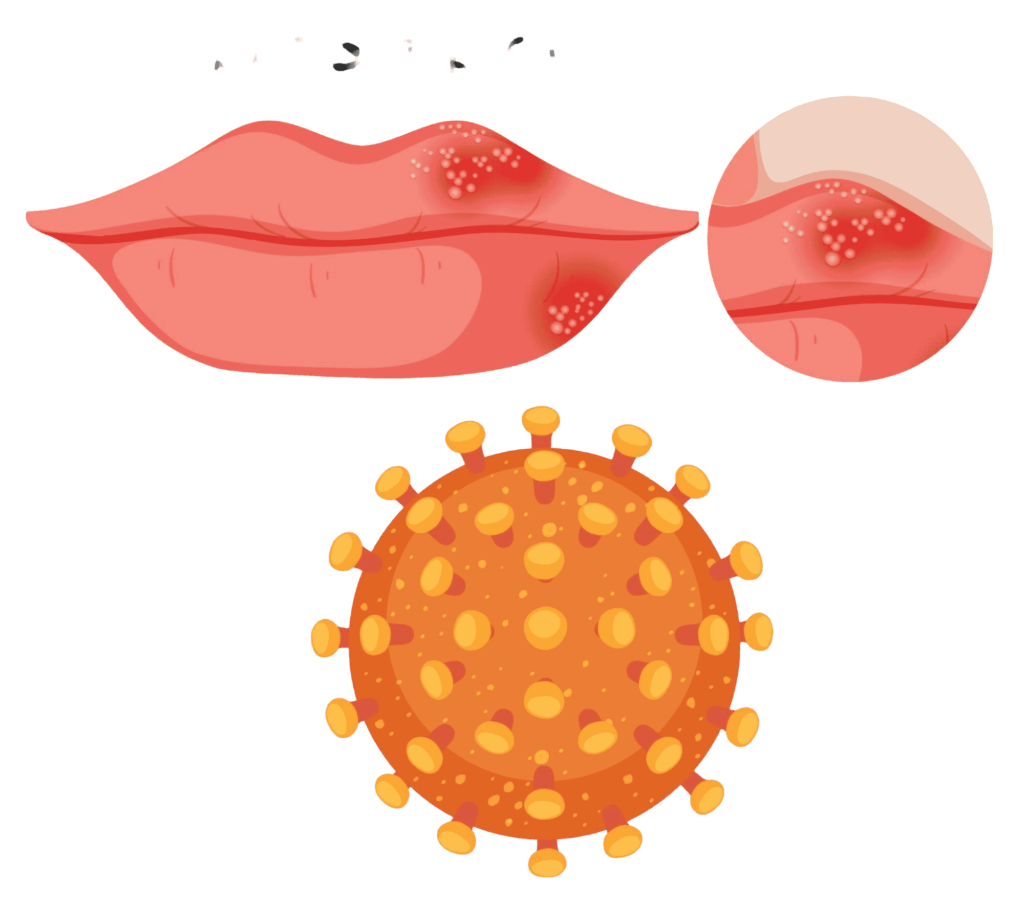
    Herpes simplex virus (HSV) is a viral infection that causes sores and blisters on the skin, mucous membranes, and sometimes internal organs. There are two main types of the herpes simplex virus: HSV-1 and HSV-2.

    • HSV-1 primarily causes oral herpes, leading to painful cold sores around the mouth and lips.
    • HSV-2 is usually associated with genital herpes, though HSV-1 can also cause genital outbreaks.

    herpes zoster

    Symptoms

    The symptoms of herpes simplex infections vary depending on the type of virus and location of the breakout. The most common viral infection symptoms include:

    1. Sores or blisters, which most of the times appear close to the mouth, mouth, genital region, and eyes.
    2. Pain or burning or itching sensations: Before the sores break out.
    3. Swollen lymph nodes due to the immune response the body has to the virus.

    Some people may also have fever, muscle aches, and fatigue during an outbreak.

    Treatment

    There is no cure for herpes simplex, but antiviral drugs can help control the symptoms and reduce the frequency of outbreaks. Some of the common antiviral drugs for herpes simplex are acyclovir, valacyclovir, and famciclovir.
    In the case of oral herpes, or HSV-1, antiviral medication reduces the severity and duration of outbreaks. In the case of genital herpes, or HSV-2, antiviral medications may reduce the shedding of the virus and the potential to transmit it to another person.
    Antiviral creams and ointments are also applied topically to provide relief from the pain and discomfort of herpes sores.

    Herpes Simplex Images

    • Herpes simplex pictures demonstrate small, fluid-filled blisters that break open and form painful ulcers.
    • Viral infection in mouth pictures often show the sores or blisters of cold sore caused by HSV-1 that appear on or around the lips.

    Warts

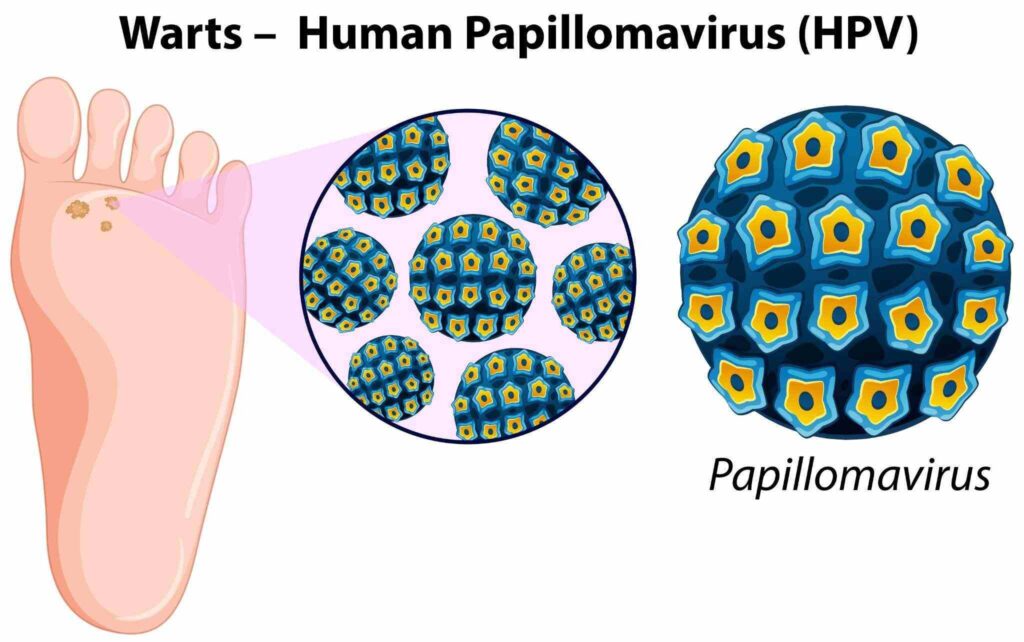
    Warts are benign epithelial growths that are due to human papillomavirus (HPV). Over 100 types of HPV are known, and it infects different parts of the body, leading to various types of warts.

    • Common warts are typically found on the hands and fingers.
    • Plantar warts appear on the soles of the feet.
    • Genital warts occur in the genital region.
    • Flat warts present as small, smooth growths, typically on the face or legs.

    Symptoms

    Warts are typically painless but may become uncomfortable or unsightly when they occur in areas that experience friction. Common symptoms include:

    • Elevated, papillated papules: These can be located on the skin and vary in size and shape.
    • Alterations in skin texture: Warts can be rough or smooth depending on the type
    • Pain/discomfort: Especially for plantar warts, which may cause pain when walking.

    Treatment

    Although warts can resolve on their own, medical treatment is required if the lesions are painful, spreading, or embarrassing. Several viral infection treatments are available, including

    • Topical treatments: Salicylic acid or freezing the wart can be bought in most drugstores over the counter.
    • Laser therapy: If the warts do not go away, a laser is used to burn out the tissue.
    • Surgical removal: Warts might need to be surgically removed.

    As the virus that causes warts is extremely contagious, proper hygiene and keeping hands away from touching warts is necessary to decrease the chance of infection spreading.

    Pictures of Warts

    Pictures of warts often showcase raised, rough bumps on the skin. Warts on the face are typically flat, small, and smooth in appearance, while plantar warts can be more calloused and painful.


    pictures of warts

    Shingles (Herpes Zoster)

    Shingles, also known as herpes zoster, is a viral infection caused by the reactivation of the chickenpox virus, varicella-zoster. It means that after a person has overcome chickenpox, the virus lies dormant in the nerve cells and reactivates later in life as shingles.
    Shingles mostly occurs in adults, especially those over 50 years of age. The pain and discomfort can be significant. The rash is often in the form of a band or strip of blisters on one side of the body.

    Symptoms

    The symptoms of shingles can be intense and varied between people. Common viral infection symptoms of shingles include:

    • Pain or tingling: Usually localized and sometimes preceding the rash by days.
    • Rash and blisters: The rash usually presents in a band-like distribution, often across the chest, back, or face.
    • Fever and fatigue: Many individuals have a mild fever, fatigue, and general unwellness.

    Sometimes, shingles can lead to complications, such as herpes zoster ophthalmicus, which affects the eye and can result in vision loss if not treated promptly.

    Treatment

    There is no cure for shingles, but antiviral drugs can be used to hasten recovery and reduce the severity of symptoms. Some common herpes zoster treatments are:

    • Acyclovir: It is one of the most commonly used antiviral drugs that can lessen the severity and duration of shingles.
    • Valacyclovir: This is another antiviral drug that works similarly to acyclovir but is easier to take.

    Pain management should be addressed, and drugs including corticosteroids or analgesics can be recommended to control the pain.
    For those at risk of developing shingles, the vaccines are provided to reduce the chance of getting the infection. The vaccine for the shingles virus, especially among those over 50, can reduce the chances of a person getting the infection by a great margin.

    Herpes Zoster Ophthalmicus

    This particular type of shingles impacts the eye and thus brings about pain, redness, and swelling. Lack of proper treatment leads to lifelong vision problems; this calls for early intervention.

    Shingles Pictures

    These shingles pictures usually have an appearance of a band of rash usually on the torso and sometimes on the face which may be very painful and aesthetically unpleasing.

    Herpes Zoster and Harpist Disease

    While harpist disease is a relatively rare condition that can be related to herpes zoster in some cases, it generally refers to a particular neurological problem associated with shingles. This disease may involve nerve damage that affects the skin’s sensation and can cause chronic pain after the rash has healed. This condition is more commonly known as postherpetic neuralgia (PHN), which is one of the most common complications of shingles.

    Viral Infection Of Mouth

    A viral infection in the mouth is typically caused by viruses such as herpes simplex virus (HSV), which leads to cold sores or oral herpes, or the human papillomavirus (HPV), which can cause warts in the mouth. Symptoms of viral infections in the mouth include painful sores, blisters, swelling, redness, and sometimes fever or a sore throat. The infection can be contagious, often spreading through direct contact. Treatment focuses on antiviral medications to manage symptoms and prevent outbreaks, while maintaining good oral hygiene is essential to reduce irritation and prevent further complications.

    Difference Between Viral And Bacterial Infection

    The main difference between viral and bacterial infections lies in their causes and treatment. Viruses are microscopic agents that require a host cell to reproduce and cause disease, and they cannot be treated with antibiotics. Examples include the flu, cold sores, and COVID-19. Bacteria, on the other hand, are single-celled organisms that can reproduce on their own and are often treated with antibiotics. While some bacteria are harmful and cause infections like strep throat or tuberculosis, many are beneficial and live in the body, aiding in processes like digestion. Proper diagnosis is essential for appropriate treatment.

    Conclusion

    Viral infections like herpes simplex, warts, and shingles are problematic. However, appropriate treatment minimizes symptoms of these conditions and prevents further infection from spreading. It’s essential to recognize the signs of these infections early, follow the recommended treatment protocols, and take steps to prevent further outbreaks or complications. Whether you are dealing with cold sores, warts, or the painful rash of shingles, professional medical care can help you navigate the road to recovery.

    FAQs On Viral Infections: Herpes Simplex, Warts, and Shingles

    1. What is the difference between herpes simplex and shingles?

    Herpes simplex by the HSV-1 or HSV-2 virus is the usually oral or genital sores. Shingles is, caused by the varicella-zoster virus it is a reactivation of the chickenpox virus in the body and produces severe rash on one side of the body. Both are virus infections but different in their own symptoms and origin.

    2. How do I not let warts spread?

    Avoid touching or scratching warts and cover them to prevent the spread of warts. Maintain good hygiene by washing hands often and avoid sharing personal items such as towels or razors. Infected areas should be treated with over-the-counter medications or by a healthcare provider for proper removal.

    3. Can shingles be treated with antiviral medications?

    Yes, antiviral drugs such as acyclovir or valacyclovir can be used to treat shingles. This reduces the severity and duration of the infection. Treatment should be initiated within 72 hours of the onset of the rash to prevent postherpetic neuralgia complications. Pain relievers are also prescribed for relief.

    Related Links:

  • Preventing Skin Infections: Tips for Healthy Skin

    Preventing Skin Infections: Tips for Healthy Skin

    how to prevent skin infection

    Our skin, the body’s largest organ, plays a critical role in protecting us from external threats. However, this vital barrier is also vulnerable to various infections caused by bacteria, viruses, fungi, and allergens. Maintaining healthy skin is essential not only for aesthetics but also for overall well-being. It’s important to know the types of skin infections, their causes, and effective strategies to prevent them, to address popular concerns such as skin allergies, fungal skin infections, and common skin diseases.
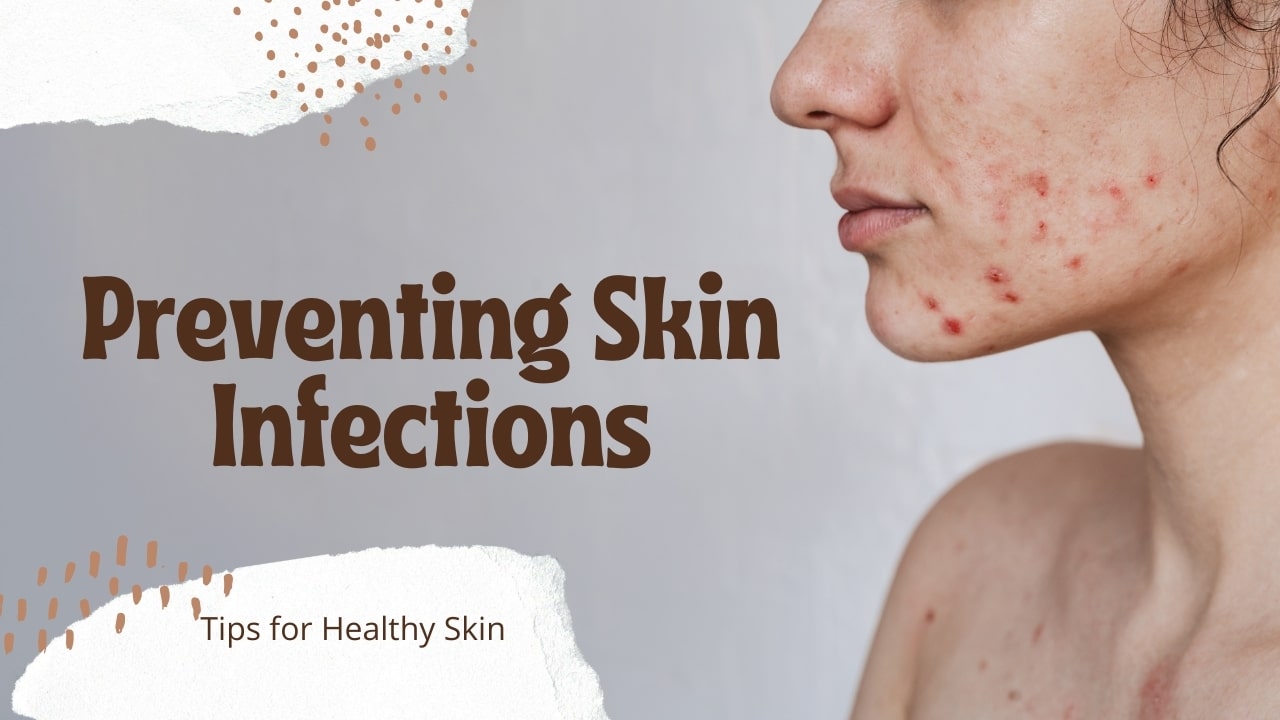
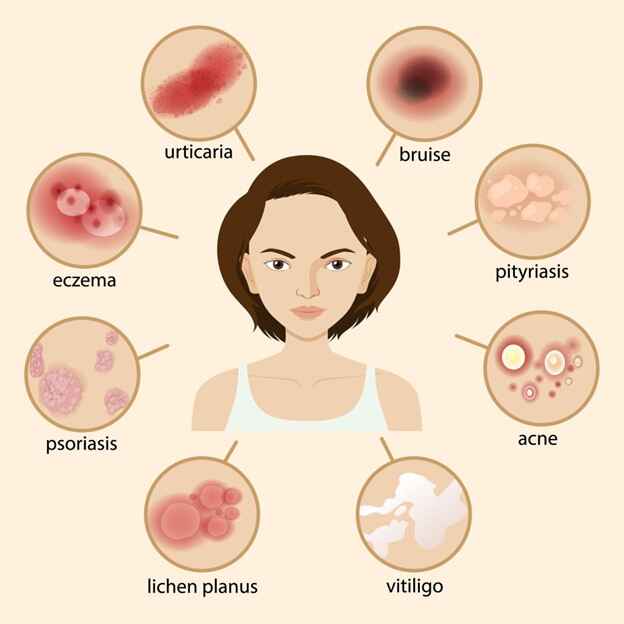
    Below is an image of types of skin infections with pictures

     types of skin infections with pictures

    Understanding Types of Skin Infections

    Skin infections can be broadly classified into four main categories :

    1. Bacterial Skin Infections

    Bacterial skin infections occur when bacteria enter the skin through cuts, scratches, or open wounds. Common examples include:

    • Impetigo : A contagious infection, often seen in children, characterized by red sores or blisters.
    • Cellulitis : A painful infection of deeper skin layers, causing redness and swelling.
    • Folliculitis : Inflammation of hair follicles, resulting in red, bumpy patches.

    Photos of bacterial skin infections often show redness, swelling, and pus-filled blisters. These symptoms require immediate medical attention.

    photos of bacterial skin infections

    2. Viral Skin Infections

    Viral infections are caused by viruses and can range from mild to severe. Examples include:

    • Warts: Caused by the human papillomavirus (HPV), warts are rough, raised bumps on the skin.
    • Herpes Simplex Virus (HSV): Known for causing cold sores or genital sores.
    • Chickenpox and Shingles: Resulting from the varicella-zoster virus, these conditions lead to itchy rashes and blisters.

    These infections are often contagious, highlighting the need for preventive measures like vaccination and hygiene practices.

    3. Fungal Skin Infections

    Fungi thrive in warm, moist environments, making areas like the feet and groin particularly vulnerable. Common fungal infections include:

    • Athlete’s Foot (Tinea Pedis) : Characterized by itching, burning, and peeling skin between the toes.
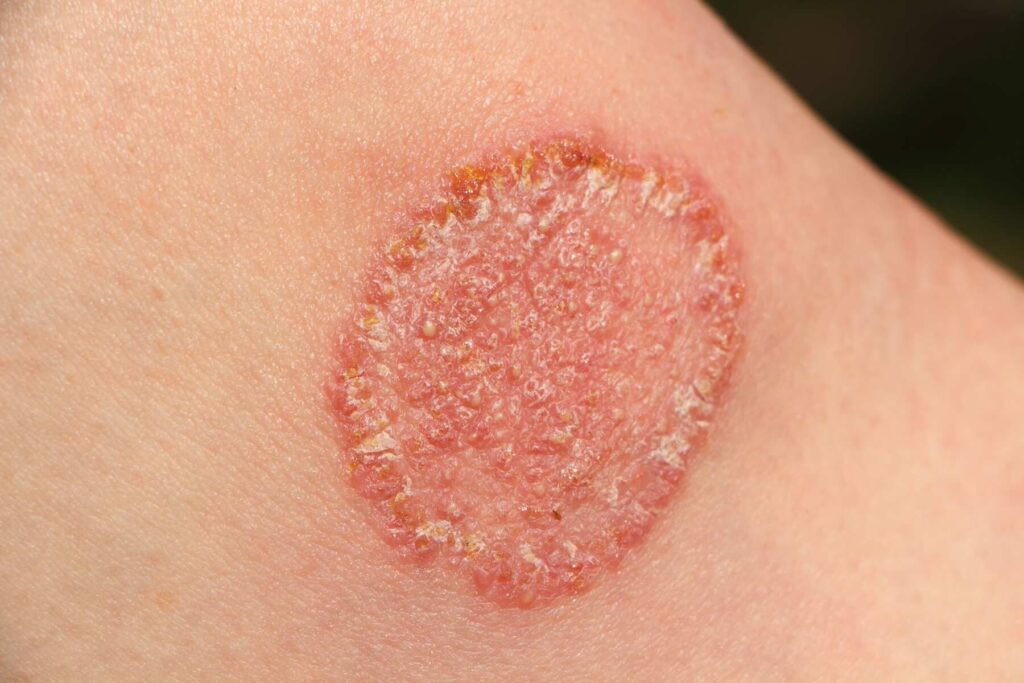
    • Ringworm (Tinea Corporis) : A circular, red, scaly rash with clear edges.
    • Candidiasis : A yeast infection that affects moist areas, such as the mouth or under the breasts.

    Regularly inspecting areas prone to moisture and maintaining cleanliness are key to preventing fungal skin infections.

    4. Allergic and Other Skin Conditions

    Allergic reactions can trigger skin issues ranging from mild irritation to severe rashes. Examples include:

    • Eczema (Atopic Dermatitis): A chronic condition leading to itchy, inflamed patches.
    • Contact Dermatitis: A reaction caused by allergens or irritants, such as cosmetics or poison ivy.
    • Hives (Urticaria): Raised, itchy welts often caused by food, medications, or environmental factors.

    Types of Skin Problems and Their Symptoms

    Understanding types of skin problems can help in identifying and addressing issues promptly. Below is a table summarizing some skin diseases names, their causes, and symptoms :

    Skin Disease Name Cause Symptoms
    Psoriasis Autoimmune Red, scaly patches
    Acne Bacterial/Hormonal Pimples, blackheads, cysts
    Scabies Parasitic Infestation Intense itching, rash
    Vitiligo Loss of pigment White patches on the skin

    Skin infections pictures can be helpful in visually recognizing these conditions, but always consult a dermatologist for an accurate diagnosis.

    types of skin infections with pictures

    Tips for Preventing Skin Infections

    Preventing skin infections is an essential part of maintaining overall health. Since your skin acts as a shield against harmful microbes, keeping it clean and healthy minimizes the risk of infections caused by bacteria, viruses, fungi, and allergens. Here’s an in-depth look at effective ways to protect your skin from infections and keep it functioning at its best.

    1. Prioritize Good Hygiene

    Hygiene is the cornerstone of preventing skin infections. Proper cleaning habits reduce the risk of bacteria and other microorganisms accumulating on your skin.

    • Wash Your Hands Frequently : Use soap and warm water to wash your hands for at least 20 seconds, especially after using the restroom, before eating, and after touching shared surfaces.
    • Shower Daily : Regular showers eliminate dirt, sweat, and bacteria. Shower within an hour after working out or having heavy sweating to avoid microbial multiplication.
    • Change your linen and towel frequently : Bacteria and fungi are left on damp or dirty fabric. Change your towels, pillowcases, and bedding regularly to limit exposure

    2. Keep your skin clean and dry

    Extra moisture in the skin makes a good setting for fungal infections like athlete’s foot and candidiasis.

    • Dry Thoroughly : Dry areas that are prone to moisture, such as between your toes, under your arms, and in skin folds, after bathing.
    • Wear Breathable Fabrics : Wear loose, moisture-wicking clothing made from cotton or synthetic materials designed to keep skin dry.
    • Avoid Prolonged Dampness : Change out of wet clothing or swimsuits as soon as possible to prevent fungal growth.

    3. Protect the Skin Barrier

    The skin barrier is one way to shield, and an impaired skin barrier increases infection.

    • Intact prevention : The importance is maintaining its integrity.
    • Moisturize regularly : Dry skin becomes prone to cracking for bacterial invasion. Use fragrance-free moisturizer daily to keep hydrated.
    • Use Sunscreen : Ultraviolet (UV) rays can weaken your skin’s defenses. Use broad-spectrum sunscreen with at least SPF 30 on exposed skin each day, even on cloudy days.
    • Avoid Over-Cleansing : Frequent washing or using harsh cleansers can strip your skin of its natural oils, compromising the protective barrier. Use gentle cleansers.

    4. Avoid Skin Injuries

    Open wounds are an entry route for bacteria and viruses. Take precautions for your skin against accidental injuries.

    • Be Careful with Sharp Instruments : While shaving or using tools, take your time to avoid cuts.
    • Wear Protective Clothing : Wearing gloves or proper clothing while gardening, cooking, or performing work that could cause scrapes or burns is advisable.
    • Treat minor injuries immediately : clean cuts and scrapes with soap and water, apply an antiseptic, and cover with a clean bandage to prevent infection.

    5. Manage Skin Allergies Proactively

    Allergic reactions can weaken the skin and lead to infections, especially if scratching occurs.

    • Identify Triggers : Common allergens include certain fabrics, fragrances, dyes, and cleaning products. Keep a diary to pinpoint and avoid irritants.
    • Perform Patch Tests : When using new skincare products or detergents, test them on a small patch of skin to check for allergic reactions before full use.
    • Use Hypoallergenic Products : Choose gentle, dermatologically tested products to minimize the risk of skin irritation.

    6. Healthy Lifestyle

    Your lifestyle goes a long way in supporting the immunity of your skin to disease.

    • Nutrient-Rich Diet : Eat foods rich in vitamins A, C, D, and E, along with zinc and omega-3 fatty acids, to help repair and defend your skin.
    • Hydrate : Drink plenty of water to keep your skin elastic and remove toxins.
    • Exercise Frequently : Exercise keeps the blood flow active, improving the transport of nutrients to skin and elimination of toxins.

    7. Do Not Share Personal Goods

    Microorganisms are quickly spread by sharing personal stuff. The following is to minimize the possibility:

    • Do Not Share Towel or Razor : These can be infected with bacteria and fungus. Use your own and regularly clean them.
    • Use Your Own Footwear : Avoid borrowing shoes, socks, or slippers to prevent fungal infections like athlete’s foot.
    • Carry Personal Items : If you’re visiting communal areas like gyms or pools, bring your own mat, towel, and toiletries.

    8. Be Mindful of Communal Environments

    Places like gyms, locker rooms, and swimming pools are breeding grounds for microbes.

    • Wear Foot Protection : Always wear flip-flops or shower shoes in communal areas to avoid fungal infections.
    • Clean Shared Equipment : Use disinfectant to clean gym equipment before and after use.
    • Do not Sit on Wet Surfaces : Have a clean towel or clothing barrier when sitting on public benches or chairs.

    9. Boost Your Immune System

    A strong immune system helps your body fight off infections effectively.

    • Get Enough Sleep : Aim for 7–9 hours of quality sleep each night to allow your body time to repair itself.
    • Reduce Stress : Chronic stress weakens the immune system. Practice mindfulness, yoga, or meditation to manage stress levels.
    • Stay Vaccinated : Vaccines like those for chickenpox or HPV can prevent certain viral skin infections.

    10. Know When to Seek Medical Help

    Despite your best efforts, some skin infections may still occur. Recognizing early signs of infection can prevent complications.

    • Watch for Symptoms : Redness, swelling, pain, warmth, and pus are common indicators of infection.
    • Seek Timely Treatment : If an infection worsens or spreads, consult a dermatologist or healthcare provider promptly.
    • Follow Medical Advice : Complete prescribed treatments, such as antibiotics or antifungal medications, to ensure full recovery.

    In cases where skin infections become chronic or cause severe inflammation, corticosteroids like Omnacortil Oral Solution may be prescribed to manage symptoms and reduce immune response. However, such medicines should be taken only under medical supervision.

    Also, in certain cases, infections are due to a weakened immune system or specific health conditions. EQOQ Tablet 10s can help support the immune response when recommended by a healthcare provider.

    Conclusion

    Skin infections are common but preventable with the right care and attention. By understanding the types of skin infections—whether viral, bacterial, or fungal—and adopting healthy habits, you can keep your skin radiant and infection-free.
    Preventing skin infections is about adopting consistent hygiene practices, protecting your skin barrier, and fostering a healthy lifestyle. By being proactive and attentive, you can minimize your risk and enjoy healthy, resilient skin. Your skin is your body’s first line of defense—give it the care it deserves !

    FAQs On Preventing Skin Infections: Tips for Healthy Skin

    1. How can I prevent skin infections caused by bacteria?

    Prevent bacterial skin infections by maintaining good hygiene, such as washing your hands regularly and keeping wounds clean and covered. Avoid sharing personal items like towels or razors, and treat cuts or scrapes promptly with antiseptic. Keeping your skin moisturized can also help maintain its natural barrier against bacteria.

    2. What steps can I take to avoid fungal skin infections?

    To prevent fungal infections, keep your skin clean and dry, especially in areas prone to moisture like between the toes or under skin folds. Wear breathable clothing and change out of sweaty or wet clothes promptly. Use antifungal powders or sprays in areas like your feet if you’re prone to fungal infections.

    3. How can I protect my skin if I have allergies or sensitive skin?

    Identify and avoid known allergens or irritants, such as certain fabrics, fragrances, or cleaning products. Use hypoallergenic, dermatologist-recommended skincare products and perform patch tests before trying anything new. Moisturize daily to strengthen your skin’s barrier and prevent cracking or irritation.

    Related Links : 

    Common Skin Infections
    Anti Allergy Medicine for Skin
    Home Remedies and Chickenpox Medication

  • Best Creams for fungal infection in private area – Buy Fungal Infection Creams Online

    Best Creams for fungal infection in private area – Buy Fungal Infection Creams Online

    best creams for fungal in private area image

    Which Cream Is Best For Fungal Infection In Private Area?

    Fungal infections in private areas can be uncomfortable, embarrassing, and even painful. However, they’re also quite common and treatable. With a plethora of creams available in the market, it’s crucial to make an informed decision about which one is best suited for your needs. 

    Fungal infections in private areas, commonly referred to as jock itch (tinea cruris) in men and yeast infection or vaginal thrush in women, are caused by the overgrowth of fungi in warm and moist areas of the body. These infections often lead to symptoms such as itching, redness, burning sensation, and sometimes even discharge. The most common fungi responsible for these infections are Candida albicans and dermatophytes.

    Causes of Fungal Infections in Private Areas

    1. Candida Overgrowth

    Candida, a type of yeast, is the most common cause of fungal infections in private areas. Candida naturally resides in the body, particularly in warm and moist areas like the genitals. However, factors such as weakened immune system, poor hygiene, or the use of antibiotics can disrupt the natural balance of microorganisms, leading to candida overgrowth and infection.

    2. Poor Hygiene

    Insufficient personal hygiene practices, such as not washing the genital area regularly or wearing tight-fitting, non-breathable underwear, can create an environment conducive to fungal growth. Sweat and moisture trapped in clothing can further exacerbate the problem, providing an ideal breeding ground for fungi.

    3. Weakened Immune System

    Individuals with compromised immune systems are more susceptible to fungal infections in private areas. Health conditions such as HIV/AIDS, diabetes, or receiving immunosuppressive therapy can compromise the body’s ability to fend off fungal overgrowth, heightening susceptibility to infections.

    4. Sexual Activity

    Engaging in sexual activity, particularly unprotected intercourse, can introduce fungi and bacteria into the genital area, leading to infections. Practices such as sharing sex toys or having multiple sexual partners can also contribute to the spread of fungal infections.

    5. Antibiotic Use

    Antibiotics can disrupt the balance of microorganisms in the body by killing both harmful and beneficial bacteria. This disruption can promote the overgrowth of fungi like Candida, increasing the likelihood of developing a fungal infection in private areas.

    6. High Blood Sugar Levels

    Individuals with uncontrolled diabetes often have elevated blood sugar levels, which can create an environment conducive to fungal growth. Excess glucose in bodily fluids, such as urine, can provide nourishment for fungi, leading to recurrent infections in the genital area.

    7. Warm and Humid Environment

    The genital area, particularly in India’s tropical climate, can become warm and humid, creating favorable conditions for fungal growth. Prolonged exposure to moisture, such as wearing wet clothing or staying in sweaty conditions, can increase the risk of developing a fungal infection.

    8. Tight Clothing

    Wearing tight-fitting clothing, especially synthetic materials that do not allow proper ventilation, can trap heat and moisture around the genital area. This creates an ideal environment for fungi to thrive and multiply, leading to infections.

    Fungal infections in private areas can be uncomfortable and disruptive to daily life, but understanding their underlying causes is essential for effective prevention and treatment. By maintaining good personal hygiene, wearing breathable clothing, and addressing underlying health conditions, individuals can reduce their risk of developing fungal infections in the genital area. Additionally, seeking prompt medical attention and using appropriate antifungal treatments can help alleviate symptoms and prevent recurrence.

    Key Considerations When Choosing a Cream

    1. Antifungal Ingredients

    Look for creams containing antifungal agents such as clotrimazole, miconazole, ketoconazole, or terbinafine. These ingredients effectively combat fungal overgrowth and relieve symptoms.

    2. Safety

    Ensure that the cream is safe for use in sensitive areas like the groin or genital region. Avoid creams containing harsh chemicals or irritants that may exacerbate the condition.

    3. Effectiveness

    Choose a cream with a proven track record of effectively treating fungal infections. Reading reviews or consulting healthcare professionals can help you gauge the cream’s efficacy.

    4. Formulation

    Creams come in various formulations, including creams, ointments, and powders. Consider your preference and the severity of your condition when selecting the formulation.

    5. Price

    While cost shouldn’t be the sole determining factor, consider the cream’s affordability, especially if you anticipate needing it for an extended period.

    Which Cream Is Best For Fungal Infection In Private Area?

    1. Candid B Cream

    Candid B contains beclomethasone and clotrimazole, making it effective against fungal infections and associated inflammation. It’s widely available in pharmacies across India and is known for its efficacy.

    Buy Candid B Cream – Buy (15% Discount)
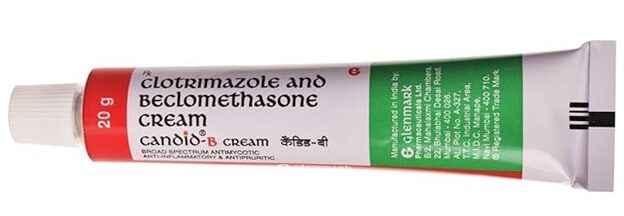
    Fungal Cream image

    2. Terbinaforce Plus Cream

    Terbinaforce Plus combines terbinafine and clobetasol, providing potent antifungal and anti-inflammatory properties. It’s particularly effective against stubborn fungal infections.

    Buy Terbinaforce Plus Cream – Buy (15% Discount)

    3. Zole F Cream

    Zole F Cream contains fluconazole and clobetasol, offering dual action against fungi and associated inflammation. It’s recommended for severe or recurrent fungal infections.

    Buy Zole F Cream – Buy (15% Discount)

    4. Ring Guard Cream

    Ring Guard is a popular over-the-counter cream containing clotrimazole and chlorhexidine. It effectively treats fungal infections while preventing secondary bacterial infections.

    Buy Ring Guard Cream – Buy (15% Discount)
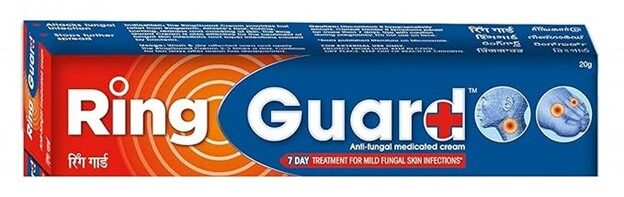
    Fungal ring guard Cream image

    5. Itch Guard Cream

    Itch Guard contains miconazole and menthol, providing relief from itching and discomfort associated with fungal infections. It’s suitable for mild to moderate cases.

    Buy Itch Guard Cream – Buy Online

    Besides creams, oral medications such as Vizylac Capsule can be effective in preventing infections in the private area. Antibiotics like Nole Tablet (a combination of Ofloxacin and Ornidazole) can also be effective in preventing or treating mixed infections in the private area, especially when bacterial involvement is suspected.

    Usage Tips for Fungal Infection Creams

    • Follow the instructions provided on the cream’s packaging or as directed by your healthcare provider.
    • Clean and dry the affected area before applying the cream to ensure optimal absorption.
    • Use the cream consistently for the prescribed duration, even if symptoms improve before completion.
    • Avoid tight-fitting clothing and maintain good hygiene to prevent recurrence of fungal infections.

    Conclusion

    Dealing with fungal infections in private areas can be challenging, but choosing the right cream can make a significant difference in your comfort and recovery. By considering factors such as antifungal ingredients, safety, effectiveness, formulation, and price, you can select a cream that suits your needs. Remember to consult a healthcare professional if you have any doubts or concerns about your condition. With the right cream and proper care, you can effectively treat fungal infections and restore comfort to your private areas.

    FAQs on Which Cream Is Best For Fungal Infection In Private Area?

    1. What are some common antifungal creams available for treating fungal infections in the private area?

    Some commonly used antifungal creams for treating fungal infections in the private area include Clotrimazole, Miconazole, and Terbinafine. These creams are readily available over-the-counter at pharmacies and are effective in treating various types of fungal infections.

    2. Which factors should I consider when choosing the best cream for a fungal infection in my private area?

    When selecting a cream for treating fungal infections in the private area, it’s essential to consider factors such as the specific type of infection, any underlying health conditions, and personal preferences. Consulting a healthcare professional for a proper diagnosis and recommendation can help determine the most suitable cream for your needs.

    3. How should I use antifungal creams to treat a fungal infection in my private area effectively?

    To effectively treat a fungal infection in the private area with antifungal creams, it’s important to clean and dry the affected area thoroughly before applying the cream. Follow the instructions provided by the manufacturer or healthcare provider regarding the frequency and duration of application. It’s also advisable to continue using the cream for the full course of treatment, even if symptoms improve, to prevent recurrence.

    4. Are there any natural or home remedies that can help alleviate fungal infections in the private area?

    While antifungal creams are the primary treatment for fungal infections in the genital area, some individuals may find relief from symptoms by practicing good hygiene, wearing breathable clothing, and keeping the affected area clean and dry. Additionally, certain natural remedies like tea tree oil or yogurt with probiotics may have antifungal properties, but their effectiveness can vary, and it’s essential to use them with caution. Consulting a healthcare professional is recommended for proper diagnosis and treatment of fungal infections.

    Related Links:

  • फंगल इन्फेक्शन ट्रीटमेंट: फंगल इन्फेक्शन के लिए घरेलू का इलाज, Fungal Infection Treatment in Hindi

    फंगल इन्फेक्शन ट्रीटमेंट: फंगल इन्फेक्शन के लिए घरेलू का इलाज, Fungal Infection Treatment in Hindi

    fungal infection treatment in hindi

    फंगल इन्फेक्शन ट्रीटमेंट में कई प्रकार के दृष्टिकोण और ट्रीटमेंट शामिल हैं जिनका उद्देश्य फंगल आक्रमणकारियों से निपटना है जो शरीर के विभिन्न हिस्सों को प्रभावित कर सकते हैं। फंगल इन्फेक्शन एक आम चिंता का विषय है जो दुनिया भर में लाखों लोगों को प्रभावित कर रहा है। फंगल इन्फेक्शन के दो सबसे प्रचलित रूप फंगल नाखून इन्फेक्शन और फंगल स्किन इन्फेक्शन हैं। ये स्थितियाँ असुविधाजनक और भद्दी दोनों हो सकती हैं, लेकिन अच्छी खबर यह है कि प्रभावी फंगल इन्फेक्शन ट्रीटमेंट ट्रीटमेंट उपलब्ध हैं।

    फंगल इन्फेक्शन का इलाज

    ट्रीटमेंट फंगल इन्फेक्शन का विकल्प कई कारकों पर निर्भर करता है, जिसमें इन्फेक्शन का प्रकार और गंभीरता, प्रभावित शरीर का हिस्सा और रोगी का समग्र स्वास्थ्य शामिल है। फंगल इन्फेक्शन के ट्रीटमेंट के सामान्य तरीके यहां दिए गए हैं:

    1. ट्रॉपिकल एंटीफंगल दवाएं

    एथलीट फुट और दाद जैसे सतही स्किन इन्फेक्शन के लिए, ओवर-द-काउंटर (OTC) एंटी फंगल क्रीम, मलहम और पाउडर प्रभावी हो सकते हैं। जब तक इन्फेक्शन ठीक न हो जाए, इन्हें निर्देशानुसार लगाएं।

    2. प्रिस्क्रिप्शन-स्ट्रेंथ ट्रॉपिकल दवाएं

    गंभीर या लगातार इन्फेक्शन के मामलों में, एक स्वास्थ्य सेवा प्रदाता मजबूत ट्रॉपिकल एंटीफंगल दवाएं लिख सकता है। ये आम तौर पर नाखून इन्फेक्शन के लिए आवश्यक होते हैं या जब OTC ट्रीटमेंट अप्रभावी होते हैं।

    3. ओरल एंटीफंगल दवाएं

    प्रणालीगत इन्फेक्शन या गंभीर मामलों के लिए, ओरल ऐंटिफंगल दवाएं अक्सर आवश्यक होती हैं। सामान्य ओरल एंटीफंगल में टेरबिनाफाइन, इट्राकोनाज़ोल और फ्लुकोनाज़ोल शामिल हैं। इन दवाओं के लिए कई हफ्तों या महीनों के ट्रीटमेंट की आवश्यकता हो सकती है।

    4. घरेलू ट्रीटमेंट

    कुछ लोग फंगल इन्फेक्शन के लिए चाय के पेड़ के तेल, सेब साइडर सिरका, या दही जैसे प्राकृतिक ट्रीटमेंट तलाशते हैं। हालांकि ये ट्रीटमेंट राहत प्रदान कर सकते हैं, लेकिन ये चिकित्सा ट्रीटमेंट का विकल्प नहीं हैं और इन्हें सावधानी के साथ इस्तेमाल किया जाना चाहिए।

    Also Read: Fungal Infection Treatment

    Fungal Infection Treatment image

    फंगल नाखून इन्फेक्शन ट्रीटमेंट

    फंगल नाखून इन्फेक्शन, जिसे ओनिकोमाइकोसिस भी कहा जाता है, तब होता है जब कवक नाखूनों पर आक्रमण करता है, जिससे फंगल इन्फेक्शन होता हैरंग बिगाड़ना, गाढ़ापन, और भंगुरता। यह स्थिति पैर के नाखूनों के साथ-साथ उंगलियों के नाखूनों को भी प्रभावित कर सकती है। आगे की जटिलताओं को रोकने के लिए फंगल इन्फेक्शन का शीघ्र ट्रीटमेंट आवश्यक है क्योंकि वे लगातार बने रह सकते हैं।

    1. ट्रॉपिकल एंटीफंगल दवाएं

    • हल्के फंगल नाखून इन्फेक्शन के इलाज के लिए ओवर-द-काउंटर (ओटीसी) ट्रॉपिकल एंटी फंगल क्रीम, मलहम और नेल लैकर्स उपलब्ध हैं।
    • अधिक गंभीर मामलों के लिए, प्रिस्क्रिप्शन-शक्ति वाली ट्रॉपिकल दवाएं आवश्यक हो सकती हैं, जिनके लिए अक्सर दीर्घकालिक उपयोग की आवश्यकता होती है।

    2. ओरल एंटीफंगल दवाएं

    • गंभीर या जिद्दी फंगल नाखून इन्फेक्शन के मामलों में, स्वास्थ्य देखभाल पेशेवर द्वारा निर्धारित ओरल एंटीफंगल दवाएं आवश्यक हो सकती हैं।
    • स्वस्थ नाखूनों के विकास को बढ़ावा देने के लिए ये दवाएं आमतौर पर कई महीनों तक ली जाती हैं।

    3. लेजर थेरेपी

    फंगल नाखून इन्फेक्शन के इलाज के लिए लेजर ट्रीटमेंट एक उभरता हुआ विकल्प है, जो फंगस को नष्ट करने के लिए एक गैर-आक्रामक दृष्टिकोण प्रदान करता है।

    4. सर्जिकल इंटरवेंशन

    चरम मामलों में, प्रभावित नाखून को शल्य चिकित्सा द्वारा हटाने पर विचार किया जा सकता है।

    फंगल स्किन इन्फेक्शन ट्रीटमेंट

    फंगल स्किन इन्फेक्शन में एथलीट फुट, दाद, जॉक खुजली और यीस्ट इन्फेक्शन सहित स्थितियों की एक विस्तृत श्रृंखला शामिल है। ये इन्फेक्शन आम तौर पर लाल, खुजलीदार चकत्ते के रूप में प्रकट होते हैं और शरीर के विभिन्न हिस्सों को प्रभावित कर सकते हैं।

    1. ट्रॉपिकल एंटी फंगल क्रीम

    • ओवर-द-काउंटर एंटीफंगल क्रीम और मलहम अधिकांश फंगल स्किन इन्फेक्शन के इलाज के लिए प्रभावी हैं।
    • इन उत्पादों में आमतौर पर माइकोनाज़ोल जैसे सक्रिय तत्व होते हैं,क्लोट्रिमेज़ोल, याटेरबिनाफाइन।

    2. प्रिस्क्रिप्शन दवाएं

    गंभीर या प्रतिरोधी फंगल स्किन इन्फेक्शन के लिए, एक स्वास्थ्य सेवा प्रदाता मजबूत ट्रॉपिकल दवाएं या ओरल एंटीफंगल दवाएं लिख सकता है।

    3. प्रभावित क्षेत्र को साफ और सूखा रखना

    अच्छी स्वच्छता प्रथाएं, जैसे कि संक्रमित क्षेत्र को साफ और सूखा रखना, पुनर्प्राप्ति प्रक्रिया में सहायता कर सकती है और पुनरावृत्ति को रोक सकती है।

    4. परेशान करने वाले पदार्थों से परहेज

    फंगल स्किन इन्फेक्शन वाले व्यक्तियों को कठोर साबुन का उपयोग करने या तंग, गैर-सांस लेने योग्य कपड़े पहनने से बचना चाहिए, क्योंकि इससे स्थिति बिगड़ सकती है।

    5. रोकथाम

    फंगल स्किन इन्फेक्शन के जोखिम को कम करने में अच्छी व्यक्तिगत स्वच्छता बनाए रखना, सांस लेने वाले कपड़े पहनना और व्यक्तिगत वस्तुओं को साझा करने से बचना शामिल है।Fungal skin Infection TreatmentConsult a Doctor and Medkart will help you Order Medicines Online
    निष्कर्ष

    फंगल इन्फेक्शन असुविधाजनक और भद्दा दोनों हो सकता है, लेकिन अच्छी खबर यह है कि फंगल नाखून और स्किन इन्फेक्शन के लिए प्रभावी ट्रीटमेंट उपलब्ध हैं। चाहे आप जिद्दी नाखून कवक या खुजली वाली स्किन के दाने से जूझ रहे हों, शीघ्र ट्रीटमेंट की मांग करना और अपने स्वास्थ्य सेवा प्रदाता की सिफारिशों का पालन करना एक सफल पुनर्प्राप्ति के लिए महत्वपूर्ण है।

    याद रखें कि रोकथाम अक्सर सबसे अच्छा तरीका होता है। अच्छी स्वच्छता प्रथाओं को बनाए रखना, सांस लेने वाले कपड़े पहनना और लॉकर रूम जैसे सामुदायिक क्षेत्रों में सतर्क रहने से फंगल इन्फेक्शन के जोखिम को कम करने में मदद मिल सकती है। यदि आपको संदेह है कि आपको फंगल इन्फेक्शन है, तो अपनी विशिष्ट स्थिति के अनुरूप उचित निदान और ट्रीटमेंट योजना के लिए स्वास्थ्य देखभाल पेशेवर से परामर्श लें। सही दृष्टिकोण के साथ, आप फंगल इन्फेक्शन की परेशानी से मुक्त होकर स्वस्थ नाखून और स्किन पुनः प्राप्त कर सकते हैं।
    Read: What are Generic Medicines?

    FAQs on Fungal Infection Treatment in Hindi

    Q1. फंगल इन्फेक्शन का इलाज क्या है?

    फंगल इन्फेक्शन ट्रीटमेंट विभिन्न प्रकार के कवक के कारण होने वाले फंगल इन्फेक्शन से निपटने के लिए नियोजित चिकित्सा हस्तक्षेप और ट्रीटमेंट को संदर्भित करता है। इन ट्रीटमेंटों में शरीर के विभिन्न हिस्सों में फंगल इन्फेक्शन को कम करने और खत्म करने के लिए ट्रॉपिकल या ओरल एंटीफंगल दवाएं, सर्जिकल हस्तक्षेप और निवारक उपाय शामिल हो सकते हैं।

    Q2. फंगल नाखून इन्फेक्शन का इलाज करने में आमतौर पर कितना समय लगता है?

    फंगल नाखून इन्फेक्शन जिद्दी हो सकता है और कई महीनों के ट्रीटमेंट की आवश्यकता हो सकती है, चाहे ट्रॉपिकल एंटीफंगल एजेंटों या ओरल दवाओं का उपयोग किया जाए। सफल समाधान के लिए निरंतरता और धैर्य महत्वपूर्ण हैं।

    Q3. क्या कोई प्राकृतिक ट्रीटमेंट है जो फंगल स्किन इन्फेक्शन में मदद कर सकता है?

    चाय के पेड़ का तेल या लहसुन जैसे कुछ प्राकृतिक ट्रीटमेंट हल्के फंगल स्किन इन्फेक्शन के लिए राहत दे सकते हैं, लेकिन वे निर्धारित एंटीफंगल ट्रीटमेंटों का विकल्प नहीं हैं, खासकर गंभीर इन्फेक्शन के लिए।

    Q4. क्या ओवर-द-काउंटर एंटीफंगल क्रीम सभी प्रकार के फंगल इन्फेक्शन का इलाज कर सकती हैं?

    ओवर-द-काउंटर एंटीफंगल क्रीम एथलीट फुट और दाद जैसे सतही स्किन इन्फेक्शन के लिए प्रभावी हैं। हालाँकि, अधिक गंभीर या नाखून इन्फेक्शनों को पूर्ण उन्मूलन के लिए अक्सर नुस्खे-शक्ति ट्रीटमेंट की आवश्यकता होती है।
    Related Links:

  • Fungal Infection Treatment: Home Remedies for Fungal Infections

    Fungal Infection Treatment: Home Remedies for Fungal Infections

    Fungal infection treatment encompasses a wide range of approaches and therapies aimed at combating fungal invaders that can affect various parts of the body. Fungal infections are a common concern affecting millions of people worldwide.

    Two of the most prevalent forms of fungal infections are fungal nail infections and fungal skin infections. These conditions can be both uncomfortable and unsightly, but the good news is that effective fungal infection treatment treatments are available.

    Fungal Infection Treatment

    Fungal Infection Treatment

    The choice of treatment for fungal infections depends on several factors, including the type and severity of the infection, the affected body part, and the patient’s overall health. Here are common approaches to fungal infection treatment:

    Topical Antifungal Medications: For superficial skin infections like athlete’s foot and ringworm, over-the-counter (OTC) antifungal creams, ointments, and powders can be effective. Apply these as directed until the infection clears.

    Prescription-Strength Topical Medications: In cases of severe or persistent infections, a healthcare provider may prescribe stronger topical antifungal medications. These are typically required for nail infections or when OTC treatments are ineffective.

    Oral Antifungal Medications: For systemic infections or severe cases, oral antifungal medications are often necessary. Common oral antifungals include terbinafine, itraconazole, and fluconazole. These medications may require several weeks or even months of treatment.

    Home Remedies: Some people explore natural remedies like tea tree oil, apple cider vinegar, or yoghurt for fungal infections. While these remedies may provide relief, they are not a substitute for medical treatment and should be used with caution.
    Read: What are Generic Medicines?

    Fungal Nail Infection Treatment

    Fungal nail infections, also known as onychomycosis, occur when fungi invade the nails, leading to discolouration, thickening, and brittleness. This condition can affect both the toenails as well as fingernails. Prompt fungal infection treatment is essential to prevent further complications as they can be persistent.

    Topical Antifungal Medications: Over-the-counter (OTC) topical antifungal creams, ointments, and nail lacquers are available to treat mild fungal nail infections. For more severe cases, prescription-strength topical medications may be necessary, often requiring long-term use.

    Oral Antifungal Medications: In cases of severe or stubborn fungal nail infections, oral antifungal medications prescribed by a healthcare professional may be necessary. These medications are typically taken for several months to promote the growth of healthy nails.

    Laser Therapy: Laser treatment is an emerging option for fungal nail infection treatment, offering a non-invasive approach to destroy the fungus.

    Surgical Intervention: In extreme cases, surgical removal of the affected nail may be considered.

    Fungal Infection Treatment

    Fungal Skin Infection Treatment

    Fungal skin infections encompass a wide range of conditions, including athlete’s foot, ringworm, jock itch, and yeast infections. These infections typically manifest as red, itchy rashes and can affect various parts of the body.

    Topical Antifungal Creams: Over-the-counter antifungal creams and ointments are effective for treating most fungal skin infections. These products usually contain active ingredients such as miconazole, clotrimazole, or terbinafine.

    Prescription Medications: For severe or resistant fungal skin infections, a healthcare provider may prescribe stronger topical medications or oral antifungal drugs.

    > Consult a doctor and Order Medicine Online

    Keeping the Affected Area Clean and Dry: Good hygiene practices, such as keeping the infected area clean and dry, can aid in the recovery process and prevent recurrence.

    Avoiding Irritating Substances: Individuals with fungal skin infections should avoid using harsh soaps or wearing tight, non-breathable clothing, as these can exacerbate the condition.

    Prevention: Reducing the risk of fungal skin infections involves maintaining good personal hygiene, wearing breathable clothing, and avoiding sharing personal items.

    Conclusion:

    Fungal infections can be both uncomfortable and unsightly, but the good news is that effective treatments are available for fungal nail and skin infections. Whether you’re dealing with a stubborn nail fungus or an itchy skin rash, seeking prompt treatment and following your healthcare provider’s recommendations are crucial for a successful recovery.

    Remember that prevention is often the best approach. Maintaining good hygiene practices, wearing breathable clothing, and being cautious in communal areas like locker rooms can help reduce your risk of fungal infections. If you suspect you have a fungal infection, consult a healthcare professional for a proper diagnosis and treatment plan tailored to your specific condition. With the right approach, you can regain healthy nails and skin, free from the discomfort of fungal infections.

    FAQs on Fungal Infection Treatment

    Q.1 What is fungal infection treatment?

    Fungal infection treatment refers to the medical interventions and remedies employed to combat fungal infections caused by various types of fungi. These treatments can include topical or oral antifungal medications, surgical interventions, and preventive measures to alleviate and eliminate fungal infections in different parts of the body.

    Q.2 How long does it typically take to treat a fungal nail infection?

    Fungal nail infections can be stubborn and may require several months of treatment, whether using topical antifungal agents or oral medications. Consistency and patience are key to successful resolution.

    Q.3 Are there any natural remedies that can help with fungal skin infections?

    Some natural remedies like tea tree oil or garlic may offer relief for mild fungal skin infections, but they are not a substitute for prescribed antifungal treatments, especially for severe infections.

    Q.4 Can over-the-counter antifungal creams treat all types of fungal infections?

    Over-the-counter antifungal creams are effective for superficial skin infections like athlete’s foot and ringworm. However, more severe or nail infections often require prescription-strength treatments for complete eradication.

    Related Links:

  • शरीर की फंकशन्स को नियंत्रित करने में समय पर भोजन करने की भूमिका

    जब से हम एक व्यस्त समाज में रहते हैं, हम काम, व्यक्तिगत और सामाजिक जीवन के साथ लगातार संघर्ष करते रहते हैं। और यह अक्सर सबसे मूल्यवान रिसोर्स- हमारे स्वास्थ्य – की उपेक्षा करता है क्योंकि हम दैनिक कामों और काम में फंस जाते हैं।

    भोजन छोड़ना या समय पर भोजन नहीं करना हमारे शरीर के सर्कैडियन साइकल को बंद कर देता है – जानवरों, पौधों और यहां तक कि कुछ बैक्टीरिया सहित जीवित जीवों में जैविक प्रफंकशन्स का एक प्राकृतिक, मोटे तौर पर 24 घंटे का साइकल, एक आंतरिक शरीर घड़ी द्वारा संचालित होता है और इसके द्वारा नियंत्रित होता है। बाहरी संकेत, जैसे सूरज की रोशनी और तापमान। चक्र के दौरान, शरीर सोने, खाने और हार्मोन बनाने जैसे कार्य करता है।

    यह हमारे शारीरिक प्रणालियों के हारमोनी में हस्तक्षेप कर सकता है। एक भरा हुआ पेट मिजाज को रोकता है और आपको अच्छी आत्माओं में रखता है। इसलिए, अपने जीवन को आसान और स्वस्थ बनाने के लिए अपने भोजन का समय निर्धारित करना महत्वपूर्ण है।

    एक स्वस्थ जीवन के लिए हमें प्रतिदिन तीन भोजन खाने की आवश्यकता होती है, वे हैं नाश्ता, दोपहर का भोजन और रात का खाना। हम सभी अपने भोजन में न्यूट्रीएंट से भरपूर होने की बात करते हैं लेकिन समय पर खाना खाने के महत्व को नजरअंदाज कर देते हैं। भोजन न करने या गलत समय पर खाने से बच्चों में स्वास्थ्य संबंधी समस्याएं और यहां तक कि पुरानी बीमारियां भी हो जाती हैं ।

    शरीर साइकल को नियमित करता है

    हमारे नियंत्रण में आने वाली ताकतें – उचित न्यूट्रिशन, एक स्वस्थ नींद का कार्यक्रम, और भोजन का नियमित समय – सभी को बनाए रखा जाना चाहिए। ये दिनचर्या शरीर को साएक्लिकल रिदम के अनुकूल बनाने में मदद करती हैं। इस प्रकार, शरीर को उचित क्रम में रखने के लिए एक सख्त खाने की समय-सारणी का पालन करना महत्वपूर्ण है।

    शरीर को डिटॉक्स करता है

    जब आप समय पर खाना खाते हैं तो आपके शरीर को कई तरह के न्यूट्रीएंट्स मिलते हैं। लिवर डिटॉक्सिफिकेशन करता है, जो एक महत्वपूर्ण कार्य है। जब आप 10 बजे या बाद में भोजन करते हैं तो यह आपके शरीर पर तनाव पैदा करता है, जो आपके बिस्तर पर जाने के काफी करीब होता है क्योंकि जब आप सोते हैं तो लिवर डिटॉक्स करता है। डिटॉक्सिफिकेशन प्रक्रिया को बाधित होने से बचाने के लिए आपको रात का खाना तुरंत खाना चाहिए।

    मेटाबॉलिज्म को बूस्ट करता है

    मेटाबॉलिज्म उन परिवर्तनों को संदर्भित करता है जो जीवित सेल या जीव के भीतर केमिकल रूप से होते हैं। सेल ग्रौथ, रीप्रॉडक्शन और स्वास्थ्य के लिए आवश्यक संसाधनों और ऊर्जा का प्रॉडक्शन मेटाबॉलिज्म परिवर्तनों द्वारा किया जाता है।

    आपका मेटाबॉलिज्म आपके खाने के समय से भी प्रभावित होता है। जब हम पहली बार उठते हैं तो हमारा मेटाबॉलिज्म अधिकतम होता है। उठने के दो घंटे बाद नाश्ता करने की सलाह दी जाती है। आपका शरीर केवल मेटाबॉलिज्म दर को बनाए रख सकता है यदि आप इसे अभी महसूस करते हैं। आपका मेटाबॉलिज्म दिन के दौरान धीमा हो जाता है।

    स्वस्थ खाने का शेड्यूल

    एक स्वस्थ भोजन कार्यक्रम आवश्यक है। एक भोजन को ठीक से पचने में 3-4 घंटे का समय लगता है। दो भोजन के बीच 4 घंटे से अधिक का अंतर न रखना आदर्श है। भोजन के बीच में फल और नमकीन का सेवन अवश्य करना चाहिए। नाश्ते, दोपहर के भोजन और रात के खाने के अंतराल में कम से कम दो स्नैक्स शामिल होने चाहिए।

    नाश्ते, दोपहर के भोजन और रात के खाने के लिए आदर्श समय

    एक्स्पर्ट्स जागने के दो घंटे के भीतर नाश्ता करने की सलाह देते हैं। यदि आप नहीं करते हैं तो आपका मेटाबॉलिज्म धीमा हो जाएगा। यह आपके मेटाबॉलिज्म और सामान्य स्वास्थ्य के लिए जितना बेहतर है, उतनी ही जल्दी आप जागने के बाद नाश्ता करें।

    12 से 2 बजे तक हमारी पाचन शक्ति चरम पर होती है। यहां, शरीर भोजन से सभी पोषक तत्वों को पचा लेगा, जो बाद में शरीर द्वारा अवशोषित कर लिए जाते हैं।

    दोपहर के भोजन और रात के खाने के बीच 4 घंटे का समय रखते हुए, रात का खाना 8 बजे तक खा लेना चाहिए। इसके अलावा, रात के खाने और सोने के समय के बीच 2 घंटे का समय होना चाहिए। यह अंतर बेहतर पाचन और आरामदायक नींद में सहायक होता है।

    खाने की नियमित आदतें बच्चों को बिना किसी बीमारी के डिवैलप होने में मदद करती हैं। यह बच्चों को उनके विकास के लिए महत्वपूर्ण कैल्शियम, विटामिन और अन्य मिनेरलस की पर्याप्त आपूर्ति रखने में सक्षम बनाता है। उदाहरण के लिए, विटामिन D की कमी से बच्चों में सूखा रोग हो सकता है । एक स्वस्थ भोजन न्यूट्रीएंट्स से भरा होता है और बच्चों को पूरे दिन एक्टिव रख सकता है। साथ ही, यह बच्चों को भूख की चिंता किए बिना स्कूल के काम पर ध्यान केंद्रित करने में मदद करता है।

    वयस्क क्रोनिक बीमारियाँ जैसे टाइप 2 डायबिटीज़, उच्च ब्लडप्रैशर, ऑस्टियोपोरोसिस, हृदय की स्थिति और अन्य प्रकार के कैंसर के उचित पोषण आहार के साथ होने की संभावना कम होती है। यह किसी के स्वास्थ्य के लिए खतरों को कम करता है जिससे बीमारी और मृत्यु हो सकती है। समय पर भोजन करने से शरीर को स्वस्थ रखने, शरीर के वजन को बनाए रखने में मदद मिल सकती है और आपको स्वास्थ्य संबंधी समस्याएं कम होंगी।

    निष्कर्ष

    आपके शरीर में एक अंतर्निर्मित बुद्धि है जो पूरे दिन आपके खाने को निर्देशित कर सकती है; हमें बस इतना करना है कि इसे सुनने की अपनी क्षमता को कल्टीवेट और फोर्टिफाए करें। हमारे पिछले ब्लॉग पोस्ट में, हमने भूख के विभिन्न रूपों और इसके लिए विभिन्न उपचारों का वर्णन किया था। हमारे शरीर नियमित भोजन के समय की सहायता से उन भरोसेमंद भूख संकेतों का निर्माण करते हैं, जिससे हमारे लिए उन्हें पहचानना और प्रतिक्रिया करना आसान हो जाता है जिससे हमारे शरीर को लाभ होता है।

    जैसे-जैसे हम अपनी भूख और परिपूर्णता के संकेतों को पहचानने की हमारी क्षमता में सुधार करेंगे, और हम दैनिक मामूली बदलावों को नोटिस करना शुरू कर देंगे। यह ठीक है अगर हम कुछ दिनों में अधिक बार और बड़े हिस्से में और कुछ दिनों में कम बार खाते हैं। स्वस्थ जीवन जीने के लिए भोजन के समय का पालन करना सबसे अच्छा है।

    संक्षेप: न्युट्रिशन की खुराक शामिल करना न भूलें

    आपके शरीर को स्वस्थ और वेल-नारिश्ड रखने के लिए विटामिन और सप्लीमेंट आवश्यक हैं। Medkart ब्रांड-नाम वाले प्रोडक्टस से जुड़ी उच्च लागतों का भुगतान किए बिना आपको आवश्यक विटामिन और सप्लीमेंट्स के साथ मदद करता है।

    जेनरिक सप्लीमेंट्स अपने ब्रांड-नाम विकल्पों के समान ही प्रभावी होते हैं लेकिन अधिक किफायती होते हैं। Medkart के साथ, आप स्वस्थ रहने और एक साथ पैसे बचाने के लिए आवश्यक विटामिन और सप्लीमेंट्स प्राप्त कर सकते हैं।

    जेनरिक सप्लीमेंट्स का लाभ उठाने के लिए www.medkart.in/blog पर जाएं और सही सप्लीमेंट्स खोजें जो आपके शरीर को फ्युल देने में मदद करें। वैकल्पिक रूप से, आप इसे हमारे iOS और एंड्रॉइड एप्लिकेशन के माध्यम से ऑर्डर कर सकते हैं।