Category: Health & Wellness

  • What are Brain Stimulation Therapy?

    Brain stimulation therapies encompass a range of medical interventions that involve directly modulating neural activity within the brain. These therapies hold significant promise in treating various neurological and psychiatric disorders by targeting specific brain regions or neural circuits. One prominent form of this therapy is deep brain stimulation therapy (DBS).

    Brain Stimulation Therapies

    Brain stimulation therapies are medical procedures designed to alter the activity of neural circuits within the brain. These therapies involve the application of controlled electrical, magnetic, or other forms of energy to specific brain regions, with the intention of either enhancing or inhibiting neuronal activity.

    > Consult a doctor and Order Medicine Online

    The goal is to alleviate symptoms and improve the overall functioning of individuals with neurological or psychiatric conditions. There are several types of brain stimulation therapies, each with its own mechanisms and applications:

    • Deep Brain Stimulation (DBS): Deep Brain Stimulation therapy involves the surgical implantation of a small device, often referred to as a neurostimulator or brain pacemaker, into precise areas of the brain. Electrical pulses generated by the neurostimulator regulate the abnormal patterns of neuronal firing associated with conditions like Parkinson’s disease, essential tremor, and dystonia.
    • Transcranial Magnetic Stimulation (TMS): TMS utilizes electromagnetic coils placed on the scalp to generate magnetic fields that can penetrate the skull and stimulate targeted brain regions. TMS is often used in the treatment of depression, offering a non-invasive alternative for individuals who don’t respond well to traditional antidepressant medications.
    • Transcranial Direct Current Stimulation (tDCS): tDCS involves applying a low electrical current to the scalp using electrodes. This technique is believed to modulate brain excitability and has been explored as a potential treatment for conditions like depression, anxiety, and even cognitive enhancement.
    • Vagus Nerve Stimulation (VNS): VNS involves the implantation of a device around the vagus nerve in the neck. The device delivers intermittent electrical signals to the nerve, which then travel to the brainstem and influence various brain regions. VNS has been approved for treating epilepsy and depression.
    • Electroconvulsive Therapy (ECT): ECT is a well-established therapy for severe depression and certain psychiatric disorders. It involves inducing controlled seizures through electrical currents delivered to the brain while the patient is under general anaesthesia.
    • Responsive Neurostimulation (RNS): RNS is a newer approach that involves implanting a device in the brain to monitor neural activity and deliver responsive electrical stimulation to prevent seizures in individuals with epilepsy.

    Deep Brain Stimulation Therapy for Parkinson’s Disease

    Deep Brain Stimulation therapy is a well-established brain stimulation technique used primarily to manage symptoms of Parkinson’s disease, a progressive neurological disorder characterized by motor impairments such as tremors, rigidity, and bradykinesia. This therapy is typically considered for individuals whose symptoms have become resistant to conventional medication or have resulted in significant motor fluctuations.

    Read: What are Generic Medicines?

    Deep Brain Stimulation therapy involves the surgical implantation of a small device, often referred to as a neurostimulator or brain pacemaker, into specific regions of the brain that control movement. These regions include the subthalamic nucleus, the globus pallidus, and the thalamus. The neurostimulator delivers electrical pulses to these brain areas, modulating their activity and thereby reducing the motor symptoms associated with Parkinson’s disease.

    How Does Deep Brain Stimulation Therapy Work for Parkinson’s Disease?

    In Parkinson’s disease, there is a disruption in the balance of neurotransmitters, particularly dopamine, which plays a crucial role in regulating movement. Deep Brain Stimulation therapy helps to restore this balance by altering the abnormal patterns of neuronal firing in the targeted brain regions. The electrical pulses from the neurostimulator effectively “override” the irregular activity, leading to improved motor control and reduced tremors, stiffness, and other symptoms.

    Deep brain stimulation therapy offers several advantages, such as adjustability of stimulation parameters post-implantation, reversibility, and the potential to significantly enhance the patient’s quality of life. It is important to note, however, that deep brain stimulation therapy does not cure Parkinson’s disease; rather, it provides symptomatic relief and can improve a patient’s ability to perform daily activities.

    Conclusion:

    Brain stimulation therapies, including deep brain stimulation therapy, represent a remarkable advancement in the treatment of neurological and psychiatric disorders. For individuals with Parkinson’s disease, Deep Brain Stimulation therapy has emerged as a valuable tool for managing motor symptoms that may not respond adequately to medication alone.

    As research in this field continues, it is likely that brain stimulation therapies will continue to evolve, offering hope to those living with complex neurological conditions.

    FAQs on Brain Stimulation Therapies

    Q.1 What is Brain Stimulation Therapy?

    Brain stimulation therapies are treatments that use electricity, magnets, or other methods to stimulate the brain and improve symptoms of mental and neurological disorders.

    Q.2 How do Brain Stimulation Therapies work?

    Brain stimulation therapies work by directly affecting the electrical activity of neurons in targeted brain regions. By introducing controlled electrical or magnetic stimuli, these therapies can either enhance or inhibit neural firing, aiming to restore balanced brain function. This modulation can help manage symptoms in conditions like Parkinson’s disease, depression, epilepsy, and more.

    Q.3 Which neurological disorders can benefit from brain stimulation therapies?

    Brain stimulation therapies have shown efficacy in treating a range of neurological disorders, including Parkinson’s disease, essential tremor, dystonia, epilepsy, and chronic pain syndromes. They are also being investigated for conditions like Alzheimer’s disease, obsessive-compulsive disorder (OCD), and traumatic brain injuries.

    Related Links:

  • Top 9 Ways to Prevent a Deadly Drug Interaction

    Top 9 Ways to Prevent a Deadly Drug Interaction

    Ways to Control Drug InteractionA deadly drug interaction occurs when two or more substances, such as medications, supplements, or even certain foods, interact in a way that results in severe or life-threatening consequences. These interactions can lead to unexpected side effects, diminished effectiveness of one or both substances or the creation of harmful compounds within the body.

    It’s essential to be aware of these interactions to prevent serious health risks. Preventing deadly drug interactions is crucial to ensure your health and well-being. Mixing certain medications or combining medications with certain foods, beverages, or supplements can lead to serious consequences.

    Best Ways to Control a Deadly Drug Interaction

    Here are the best 9 ways to prevent a deadly drug interaction:

    1. Communication with Healthcare Providers

    Always keep your healthcare providers informed about all the medications you’re taking, including prescription drugs, over-the-counter medications, herbal supplements, and vitamins. This helps them identify potential interactions and adjust their treatment plan accordingly.

    2. Pharmacist Consultation

    Consult your pharmacist when picking up new medications. They can provide valuable information about potential interactions and offer guidance on how to take your medications safely.

    3. Maintain a Medication List

    Keep an up-to-date list of all your medications, including dosage, frequency, and any special instructions. Share this list with your doctors, pharmacists, and caregivers.

    4. Research Interactions

    Use reputable sources or consult with healthcare professionals to research potential interactions between your medications. Be cautious of websites or sources that lack credibility.

    5. Read Labels and Instructions

    Carefully read the labels and instructions for all medications and supplements. Pay attention to warnings about potential interactions with other drugs, alcohol, or specific foods.

    6. Avoid Alcohol and Grapefruit Juice

    Alcohol can intensify the effects of certain medications and increase the risk of side effects. Grapefruit and grapefruit juice can interfere with the metabolism of many drugs, leading to potentially dangerous levels in your bloodstream.

    7. Be Cautious with Herbal Supplements

    Herbal supplements can interact with medications. Always inform your healthcare provider about any herbal supplements you’re taking to ensure there are no adverse interactions.

    8. Separate Timing of Medications

    Some medications need to be taken on an empty stomach, while others should be taken with food. Follow the instructions provided by your healthcare provider to avoid interactions caused by the timing of your medications.

    9. Educate Yourself

    Take the time to learn about the medications you’re prescribed. Understand their potential side effects, interactions, and contraindications. This empowers you to make informed decisions and ask relevant questions during medical appointments. Remember, preventing deadly drug interactions requires vigilance and an open line of communication with your healthcare team.

    If you ever suspect that you’re experiencing an adverse reaction due to a medication interaction, seek medical attention immediately. Your health and security should always be the top priority.

    Ways to Prevent a Deadly Drug Interaction

    > Consult a doctor and Order Medicine Online

    Deadly Drug Interactions in Emergency Medicine

    Emergency medicine presents unique challenges and requires swift and precise action to ensure patient safety and positive outcomes. Emergency medical professionals are often faced with time-sensitive decisions, and their knowledge of potential drug interactions can be critical in preventing harm. To mitigate deadly drug interactions in emergency medicine:

    • Prioritize Patient Assessment: Rapidly assess the patient’s medical history, including medications, allergies, and conditions, if possible.
    • Use Clinical Resources: Utilize drug interaction databases, clinical guidelines, and decision support tools to quickly identify potential interactions.
    • Consult Pharmacists: Involve pharmacists in the decision-making process, especially when dealing with complex cases or unfamiliar medications.
    • Monitor Closely: Regularly monitor the patient’s vital signs and response to treatment. Be prepared to adjust treatment plans if unexpected reactions occur.
    • Documentation: Thoroughly document all medications administered, including dosages, routes, and times. This record helps prevent duplication or unnecessary interactions.
    • Patient Education: Whenever possible, provide patients with information about the medications they’ve received, potential interactions, and what to watch for in terms of side effects.

    In the high-stress environment of emergency medicine, preventing it requires a combination of quick thinking, effective communication, and a solid foundation of medical knowledge. By fostering open dialogues between patients, healthcare providers, and pharmacists, potential risks can be unearthed and mitigated.

    Also Read: What is Generic Medicine?

    Equally crucial is the role of technology, offering valuable insights and real-time support. As we navigate a world of ever-evolving medical advancements, the commitment to preventing deadly drug interactions remains unwavering, ensuring that patient safety and well-being remain at the forefront of medical practice.

    FAQs on Prevent a Deadly Drug Interaction

    Q1: How can I prevent deadly drug interactions?

    To prevent deadly drug interactions, maintain an up-to-date list of all medications, including prescription drugs, supplements, and over-the-counter medications. Regularly communicate with your healthcare provider and pharmacist about your medication regimen. Avoid mixing alcohol with drugs and be cautious with herbal supplements.

    Q2: Can over-the-counter medications cause deadly interactions?

    Yes, over-the-counter medications can interact with other medications or medical conditions, leading to harmful effects. It’s important to inform your healthcare provider about all medications you’re taking, including over-the-counter ones. Some seemingly harmless OTC drugs can interact with prescription medications, exacerbating risks. Always read labels and consult with a pharmacist or healthcare professional if you’re unsure about potential interactions.

    Related Links:

  • Are Expired Drugs Still Safe to Take?

    Are Expired Drugs Still Safe: The topic of using expired drugs raises questions about their safety and effectiveness. Many people wonder whether medications past their expiration dates can still be taken without adverse effects. This article will explore the common concerns and considerations surrounding expired drugs to help individuals make informed decisions about their health and well-being.

    Is Expired Medicine Safe?

    The simple answer is that it’s not guaranteed that expired medicine is safe. Drug manufacturers are required by law to stamp an expiration date on their products. This date is determined through rigorous testing by the manufacturer to ensure the medication’s potency and safety up to that point. After the expiration date, the factory can no longer secure the drug’s efficacy or safety.

    > Consult a doctor and Order Medicine Online

    Factors Affecting Stability – How does a Medication degrade over time?

    Several factors influence how a medication degrades over time, potentially affecting its safety and potency. These factors include:

    • Storage Conditions: The way a medication is stored can significantly impact its stability. Exposure to heat, light, humidity, and temperature fluctuations can accelerate the breakdown of active ingredients, rendering the drug less effective or even harmful.
    • Drug Formulation: Different types of medications (tablets, liquids, creams, etc.) have varying rates of degradation. Liquid medications, for instance, might be more susceptible to degradation due to their composition.
    • Container Integrity: Properly sealed and airtight containers can help prevent moisture and oxygen from entering, which can extend a medication’s shelf life. Harmed or compromised packaging can accelerate the degradation process.
    • Active Ingredients: Some active ingredients degrade more quickly than others. This can impact the medication’s effectiveness and, in some cases, lead to potentially harmful breakdown products.

    Safety Considerations on Expired Drugs

    While it’s generally advised to avoid using expired drugs, there are certain situations where the risk might be lower:

    • Over-the-counter (OTC) Medications: Expired OTC medications, such as pain relievers or antacids, might have reduced effectiveness, but they’re less likely to cause harm compared to prescription medications.
    • Lifesaving Medications: In urgent situations, expired medications like EpiPens (used for severe allergic reactions) might still provide some level of relief, although their effectiveness is diminished.
    • Short-Term vs. Long-Term Expired: Medications that are just a few months past their expiration date are less likely to be significantly degraded compared to those expired for several years.

    Read: What is Generic Medicine?

    Consult a Healthcare Professional

    The best course of action when faced with expired medications is to consult a healthcare professional. Pharmacists and doctors can offer guidance based on the specific medication, its intended use, and the individual’s health condition. They can recommend proper disposal methods and alternative treatments if needed.

    Conclusion:

    In the debate about whether expired drugs are still safe to take, it’s essential to prioritize safety and consult professionals when in doubt. While some expired medications might not pose an immediate threat, their effectiveness cannot be guaranteed. Storing and using medications properly, and adhering to expiration dates, can help ensure optimal treatment outcomes and safeguard your health.

    FAQs on Is Expired Medicine Safe

    Q1. Can I still take medication after its expiration date?

    Expiration dates on medications are set by manufacturers based on their potency and safety testing. While some drugs might still be safe a short time after the expiration date, it’s generally recommended to avoid using them. Over time, medications can degrade and become less effective or potentially harmful. Consult a healthcare professional before taking expired drugs.

    Q2. Are there any situations where taking expired medication is acceptable?

    In rare cases, such as emergencies, expired medications might be better than no medication at all. For instance, expired EpiPens could offer some relief during a severe allergic reaction. However, it’s essential to understand that their effectiveness is compromised. Always seek medical advice and consider alternatives whenever possible.

    Q3. How should I dispose of expired medications?

    Proper disposal of expired medications is crucial to prevent accidental consumption or environmental contamination. Most medications can be disposed of in household trash, mixed with undesirable substances like coffee grounds or kitty litter to deter misuse. Some communities also have drug take-back programs that offer a safe way to dispose of medications. It’s generally not recommended to flush medications down the toilet or drain unless specifically instructed to do so by a healthcare professional or authorized program.

    Related Links:

  • Why do generic and brand name drugs look different?

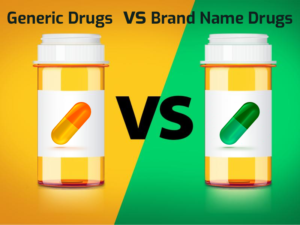
    Generic and brand medicines play a pivotal role in healthcare by providing patients with effective treatment options for various medical conditions. However, a notable difference often observed between these two types of medications is their appearance. Generic drugs and brand-name drugs can often look distinct from each other, raising questions about why this visual dissimilarity exists.

    Reason for Generic and Brand Medicines having a different look

    These two types of medicines often appear different due to a combination of factors related to their production, regulations, and marketing strategies. Here are the key reasons why these two types of drugs may have distinct appearances:

    • Regulatory Requirements: Generic drugs are required to demonstrate bioequivalence to their brand name counterparts. This means that they must have the same active ingredient, strength, dosage form, and route of administration as the brand name drug. However, they are not required to replicate the exact appearance, colour, or shape of the brand name drug. Regulatory agencies, such as the Central Drugs Standard Control Organisation(CDSCO), focus more on ensuring that the generic medicine performs in the same way as the brand name drug, rather than on its physical appearance.
    • Patents and Intellectual Property: Brand name drugs are often protected by patents that grant the original pharmaceutical company exclusive rights to produce and market the drug for a certain period. During this time, the brand name drug’s appearance is carefully crafted to reflect the company’s branding and image. Once the patent expires, other manufacturers can produce generic versions of the drug. While these generics must meet the same quality and efficacy standards, they can have different appearances as long as they meet regulatory requirements.

    "</p

    • Manufacturing Processes: Generic drug manufacturers may use different processes and formulations to create drugs with the same active ingredient as the brand name drug. These variations can lead to differences in the final product’s appearance, such as colour, shape, size, and markings. These changes do not affect the drug’s safety or effectiveness, as long as the generic drug meets bioequivalence standards.
    • Cost Considerations: One of the main advantages of generic drugs is their cost-effectiveness compared to brand name drugs. Generic medicine manufacturers often aim to minimize production costs, which can influence their choices in terms of appearance. They might opt for simpler and more cost-efficient production methods, which could result in variations in appearance.
    • Consumer Perception and Marketing: Brand name drugs often invest in elaborate branding and marketing efforts to establish a recognizable and appealing appearance. This can influence patients’ perceptions of the drug’s quality and efficacy. Generic drugs, on the other hand, might have a less distinct appearance to emphasize their focus on affordability and accessibility rather than branding.
    • Differences in Inactive Ingredients: While generic drugs must have the same active ingredient as the brand name drug, they might contain different inactive ingredients. These inactive components can affect the appearance, taste, texture, and overall presentation of the drug.

    > Consult a doctor and Order Medicine Online

    Generic vs Brand Name Medicines

    The differences in appearance between generic and brand-name medicines, often referred to as Generic vs brand-name medicines, are primarily driven by regulatory requirements, manufacturing processes, intellectual property considerations, cost factors, and marketing strategies. While these visual differences can sometimes lead to questions or concerns among patients, it’s important to recognize that generic medicines are rigorously tested and approved by regulatory agencies to ensure their safety, quality, and effectiveness.

    Read: What is Generic Medicine?

    FAQs on Generic and Brand Medicines

    Q1. Why do generic and brand name medicines have different appearances?

    Generic and brand medicines often have different appearances due to several factors. Generic drugs are developed and approved once the patent protection for the original brand-name drug expires. While both types of medications contain the same active ingredient, they might differ in inactive ingredients, formulations, and manufacturing processes.

    These variations are permissible as long as the generic medicine meets strict regulatory guidelines for safety, efficacy, and quality. Additionally, branding and marketing strategies influence the visual design of brand-name drugs, leading to differences in colour, shape, and packaging when compared to their generic counterparts.

    Q2. Are the visual differences between generic and brand medicines significant in terms of effectiveness?

    No, the visual differences between generic and brand medicines do not significantly impact their effectiveness. Regulatory agencies, such as the CDSCO, require generic drugs to demonstrate bioequivalence to the brand-name drugs, meaning they deliver the same therapeutic effect in the body. While generic drugs may have distinct appearances due to variations in inactive ingredients and manufacturing processes, these differences have no bearing on their safety, quality, or efficacy.

    Patients can trust that generic medicines, despite their visual dissimilarities, have undergone rigorous testing and approval processes to ensure their equivalence to brand-name medicines.

    Related Links:

  • Genital Herpes – Medication, Symptoms of Herpes Treatment

    Genital Herpes – Medication, Symptoms of Herpes Treatment

    Genital Herpes Treatment

    Genital herpes is a widely prevalent but often misunderstood sexually transmitted infection (STI) that affects millions of individuals worldwide. Despite its common occurrence, it remains a topic that carries stigma and misconceptions.

    Genital herpes is caused by the herpes simplex virus (HSV), primarily HSV-2 but occasionally HSV-1. This virus infects the genital and anal areas, leading to various symptoms that can significantly impact an individual’s life.

    Genital Herpes Symptoms

    It’s crucial to understand the common signs of this infection to seek proper medical attention, manage symptoms, and reduce the risk of transmission. Here’s a comprehensive overview of genital herpes symptoms:

    1. Painful Sores: The most recognizable symptom is the appearance of painful sores, small red bumps, or clusters of fluid-filled blisters in the genital or anal region.
    2. Itching and Burning: Many individuals experience itching, tingling, or a burning sensation before the sores develop.
    3. Flu-like Symptoms: During the initial outbreak, some may also suffer from flu-like symptoms such as fever, headache, muscle aches, and swollen lymph nodes.
    4. Painful Urination: Urinating when sores are present can be painful and uncomfortable.
    5. Vaginal Discharge: Women may notice an increase in vaginal discharge during an outbreak.
    6. Nerve Pain: After the sores have healed, some individuals may experience neuralgia, which is persistent nerve pain in the affected area.

    > Consult a doctor and Order Medicine Online

    Genital Herpes Treatment

    While there is no cure for genital herpes, effective genital herpes treatment options are available to manage symptoms, reduce the frequency and severity of outbreaks, and minimize the risk of transmitting the virus to sexual partners.

    The primary goal of genital herpes treatment is to enhance the quality of life, alleviate discomfort, and promote responsible sexual health practices. Here’s a comprehensive look at genital herpes treatment approaches:

    1. Episodic Treatment:

    Episodic treatment involves taking antiviral medication at the first signs of an outbreak or when symptoms are most pronounced. This approach helps reduce the severity and duration of the outbreak, providing relief from discomfort and pain.

    1. Suppressive Therapy:

    Suppressive therapy entails taking antiviral medication daily, even when no symptoms are present. This proactive approach helps minimize the frequency of outbreaks and significantly decreases the risk of viral shedding and transmission to sexual partners.

    1. Pain Management:

    Over-the-counter pain relievers, such as acetaminophen or ibuprofen, can help manage pain, fever, and discomfort associated with genital herpes outbreaks.

    1. Topical Creams:

    Topical creams containing ingredients like lidocaine can provide temporary relief from itching, burning, and pain caused by sores and ulcers. These creams are applied directly to the affected area.

    1. Hygiene and Self-Care:

    Maintaining good hygiene and keeping the affected area clean and dry can help prevent secondary infections and promote healing.

    1. Lifestyle Factors:

    A healthy lifestyle, including proper nutrition, stress management, regular exercise, and adequate sleep, can contribute to a stronger immune system and potentially reduce the frequency of outbreaks.

    Genital herpes treatment should be individualized, taking into account factors such as outbreak frequency, severity of symptoms, and the individual’s overall health. Genital herpes treatment, when combined with responsible sexual health practices, empowers individuals to lead fulfilling lives while minimizing the impact of the infection.

    Genital Herpes

    Genital Herpes Medication

    There is no cure for genital herpes but several medications are available to manage symptoms, alleviate discomfort, and reduce the risk of transmitting the virus to sexual partners.

    Tip for Women: Recurring genital herpes or frequent antiviral use may sometimes disrupt the balance of natural vaginal flora, increasing the risk of other infections. Many doctors recommend probiotic supplements like Vizylac Capsule to help restore healthy bacteria, boost immunity, and support overall vaginal health.

    Antiviral Medications:

    Antiviral drugs are the mainstay of genital herpes treatment. They work by inhibiting the replication of the herpes simplex virus, thereby controlling outbreaks and decreasing viral shedding – the process through which the virus can be transmitted to others. The most commonly prescribed antiviral medications for genital herpes include:

    Acyclovir: Acyclovir is one of the oldest and most widely used antiviral drugs for treating genital herpes. It is available in various forms, including oral tablets, topical creams, and intravenous injections. Acyclovir helps reduce the severity and duration of outbreaks.

    Valacyclovir: Valacyclovir is a prodrug of acyclovir, which means it gets converted into acyclovir in the body. Valacyclovir is known for its better bioavailability and convenient dosing. It is often preferred for both episodic treatment (treating individual outbreaks) and suppressive therapy (daily use to reduce outbreaks and transmission risk).

    Famciclovir: Similar to acyclovir and valacyclovir, famciclovir effectively controls genital herpes outbreaks. It can be used for both episodic and suppressive therapy, offering flexibility in treatment approaches.

    Read: What are Generic Medicines?

    Conclusion:

    Genital herpes is a manageable condition that, with the right treatment and responsible practices, can be integrated into a healthy and fulfilling life. Understanding its symptoms, treatment options, and the importance of awareness and open communication can empower individuals to navigate genital herpes with confidence and make informed decisions about their sexual health.

    FAQs on Genital Herpes

    Q1: What is Genital Herpes?

    Genital herpes is a sexually transmitted infection caused by the herpes simplex virus (HSV), specifically HSV-1 or HSV-2. It primarily affects the genital and anal areas, leading to symptoms such as painful sores, blisters, and ulcers.

    Q2: How is genital herpes transmitted?

    Genital herpes is mainly transmitted through sexual contact, including vaginal, anal, or oral sex, with an infected partner. The virus can be shed even when no visible symptoms are present, making it possible to transmit the infection unknowingly. Skin-to-skin contact in the genital area, including contact with the surrounding skin and mucous membranes, can also lead to transmission. Using condoms, practising safe sex, and avoiding sexual contact during outbreaks can help reduce the risk of transmission.

    Q3: Is there a cure for genital herpes?

    As of now, there is no cure for genital herpes. However, there are effective treatments available to manage the symptoms and reduce the frequency and severity of outbreaks. Antiviral medications like acyclovir, valacyclovir, and famciclovir are commonly prescribed to control outbreaks, alleviate discomfort, and decrease the risk of transmitting the virus to sexual partners.

  • Medical Conversion: Meaning, Significance, Medical Conversation Examples

    Medical Conversion: Meaning, Significance, Medical Conversation Examples

    In the realm of healthcare and medicine, precise measurements and conversions are crucial for accurate diagnosis, treatment, and research. Medical conversions play a pivotal role in this process, ensuring that medical professionals can effectively communicate and interpret measurements regardless of the unit system being used.

    Medical Conversions Meaning

    It refers to the process of converting measurements from one unit of measurement to another within the context of healthcare and medicine. The need for modifications arises due to the existence of multiple measurement systems, such as the metric system (SI units) and the imperial system, and the global nature of medical practices.

    The accurate interpretation of measurements is crucial to ensure proper patient care, accurate drug administration, and valid research outcomes.

    Significance of Medical Conversions

    The significance of Medical Conversation is evident in various aspects of healthcare:

    • Clinical Practice: Medical professionals need to convert measurements for patient assessment, diagnosis, and treatment. For instance, converting a patient’s weight from pounds to kilograms or height from inches to centimetres is essential for determining appropriate drug dosages and assessing growth.
    • Drug Administration: Medication dosages are often specified in one unit system, but healthcare providers might be accustomed to another system. Converting dosages accurately ensures that patients receive the correct amount of medication.
    • Laboratory Testing: Medical tests might yield results in different units. Converting these results ensures consistency and facilitates accurate interpretation by healthcare professionals.
    • Research and Publications: In medical research, global collaboration is common. Converting measurements to a universally understood unit system ensures the clarity and consistency of research findings.

    Medical Conversion Meaning

    Read: What are Generic Medicines?

    Medical Conversation Examples

    Here are some examples that highlight the practical applications of medical conversions:

    • Temperature Conversion: Converting a patient’s body temperature from Fahrenheit to Celsius or vice versa is vital for assessing fever or hypothermia accurately.
    • Weight Conversion: Converting a newborn’s weight from grams to pounds or an adult’s weight from kilograms to pounds is necessary for determining proper dosages and monitoring nutritional needs.
    • Height Conversion: Converting a person’s height from centimetres to feet and inches is crucial for clinical evaluations, such as assessing growth charts for children.
    • Blood Pressure Conversion: Converting blood pressure readings from millimetres of mercury (mmHg) to other units helps ensure consistency in patient records and research data.
    • Lab Results Conversion: Converting laboratory values such as blood glucose levels from milligrams per deciliter (mg/dL) to millimoles per litre (mmol/L) allows for better comparison and interpretation of results.

    Medical Conversion: Meaning

    Conclusion:

    Medical Conversation play a pivotal role in the accurate interpretation of measurements within the healthcare and medical field. They facilitate clear communication among healthcare professionals worldwide and contribute to improved patient care, effective drug administration, and reliable medical research. Understanding the meaning and examples of Medical Conversation underscores their importance in ensuring the precision and consistency of medical practices across different unit systems.

    > Consult a Doctor and Medkart will help you Order Medicines Online

    FAQs on Medical Conversions

    Q1: What is medical conversion?

    Medical conversions refer to the process of converting measurements from one unit of measurement to another within the context of healthcare and medicine.

    Q2: How many millilitres are there in a teaspoon?

    There are approximately 5 millilitres (ml) in a standard teaspoon.

    Q3: What are some common measurement systems used in medical conversion?

    Medical professionals often work with the metric system (SI units) and the imperial system. Converting between these systems is a common application of medical modifications.

    Q4: How does medical conversion impact medication dosages?

    Medication dosages might be specified in one unit system, but healthcare providers might use a different system. Accurate conversions ensure patients receive the correct dosage based on their weight and other factors.

    Related Links:

  • What is Medical Scribe? Definition, Meaning, Medical Scribe Interview Questions

    A Medical Scribe is a professional who works closely with healthcare providers, such as physicians, nurse practitioners, or physician assistants, to assist in the documentation and administrative aspects of patient care. The term “scribe” historically referred to a person who wrote down important information on behalf of others, and in the medical context, a medical scribe takes on a similar role by accurately recording patient interactions and medical details.

    The primary purpose of a medical scribe is to ensure comprehensive and accurate documentation of patient encounters, which includes recording medical histories, physical examinations, treatments, diagnoses, and other pertinent information. Handling the documentation process, enables healthcare providers to focus more on direct patient care and clinical decision-making.

    Medical Scribe Roles and Responsibilities

    Key aspects of the role of a medical scribe include:

    Accurate Documentation: It is responsible for accurately recording and transcribing the details of patient encounters, which include medical histories, physical examinations, treatments, prescriptions, and any other pertinent information. Their precise documentation contributes to maintaining comprehensive and up-to-date medical records.

    Electronic Health Records (EHRs): Scribes input patient data into electronic health record systems, ensuring that information is organized, accessible, and compliant with medical coding and terminology standards.

    Real-time Assistance: During patient appointments, medical scribes work in real-time, capturing important information as healthcare providers interact with patients. This immediate documentation ensures that nothing important is overlooked, contributing to the accuracy of patient records.

    Medical Terminology: Scribes are trained in medical terminology and abbreviations, which allows them to effectively transcribe complex medical information. This proficiency ensures that accurate and meaningful information is recorded in the patient’s medical record.

    Chart Review: Scribes may assist healthcare providers by reviewing past medical records and relevant patient history. This helps providers make informed decisions about treatment plans and care strategies.

    Time Management: By handling documentation and administrative tasks, medical scribes enable healthcare providers to optimize their time and dedicate more attention to patient-centred activities, ultimately enhancing patient outcomes and satisfaction.

    Confidentiality and Compliance: Scribes are well-versed in patient privacy laws and regulations, ensuring that patient information is managed securely and in accordance with legal and ethical standards.

    Read: What is Generic Medicine?

    What is a Medical Scribe?

    Medical scribes are commonly found in various healthcare settings, including hospitals, clinics, emergency departments, and speciality practices. They play a critical role in supporting healthcare providers, especially in the context of electronic health records, where accurate and timely documentation is essential. It’s important to clarify that it does not provide direct medical care, make diagnoses, or offer medical advice. Instead, their primary focus is on capturing and recording patient information to aid in the delivery of effective and comprehensive healthcare services. The presence of scribes contributes to improved workflow efficiency, reduced provider burnout, and overall enhanced patient care.

    Medical Scribe Interview Questions

    Certainly, here are a few frequently asked medical scribe interview questions:

    1. Why do you want to become a medical scribe?
    2. What experience do you have with medical terminology and abbreviations? Can you provide examples?
    3. How do you manage your time and prioritize tasks, especially in a fast-paced healthcare environment?
    4. Are you familiar with electronic health record (EHR) systems? Could you share your experience with using them?
    5. Tell us about a situation where you had to handle sensitive or confidential patient information. How did you ensure privacy?
    6. Can you describe your typing speed and accuracy when entering patient information?
    7. During a busy patient encounter, how would you ensure accurate documentation without disrupting the flow of the appointment?
    8. How comfortable are you adapting to different healthcare providers’ preferences for documentation styles?
    9. What strategies do you use to maintain patient confidentiality while accurately documenting information?
    10. How do you handle situations where there’s a potential conflict between accurately documenting information and ensuring a smooth patient-provider interaction?

    > Consult a doctor and Order Medicine Online

    In conclusion, a medical scribe serves as a vital bridge between healthcare providers and accurate documentation. This profession plays a significant role in easing the administrative burden on healthcare professionals, allowing them to dedicate more time to direct patient care and critical medical decision-making. By capturing intricate patient details, transcribing medical histories, and managing electronic health records, it contribute to the seamless flow of information in healthcare settings.

    Their adeptness in medical terminology, attention to detail, and commitment to patient confidentiality make them integral to maintaining comprehensive and up-to-date medical records. As the healthcare industry continues to evolve, the role of the medical scribe continues to gain importance in optimizing patient care, enhancing healthcare provider efficiency, and ensuring the highest standards of documentation accuracy.

    FAQs on Medical Scribe

    Q.1 What is a medical scribe?

    A medical scribe is a trained professional who works alongside healthcare providers, such as physicians, nurse practitioners, and physician assistants, to assist in documenting patient encounters and managing medical records. Their primary role involves accurately recording medical histories, physical examinations, diagnoses, treatments, and other important details during patient appointments.

    Q.2 What are the key responsibilities of a medical scribe?

    The main responsibilities of a medical scribe include accurately transcribing patient information into electronic health record (EHR) systems or other documentation platforms. They record medical histories, symptoms, physical exam findings, laboratory results, prescriptions, and treatment plans.

    Q.3 How does a medical scribe contribute to healthcare settings?

    It plays a crucial role in enhancing the efficiency and quality of patient care. By managing documentation and administrative tasks, they allow healthcare providers to spend more time interacting with patients and making well-informed medical decisions.

    Related Links:

  • How many Types of Injection – Uses and Injection Sites

    How many Types of Injection – Uses and Injection Sites

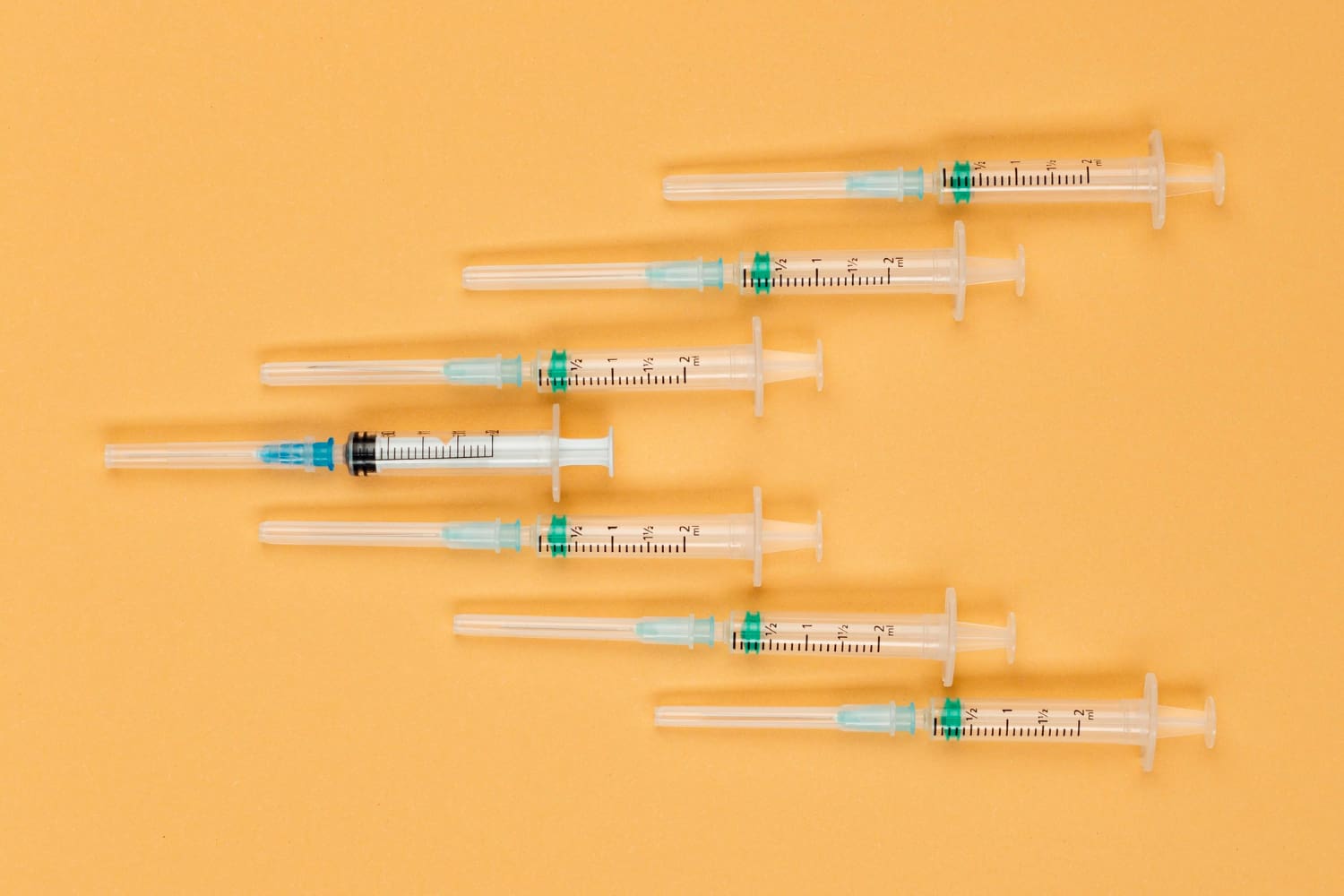
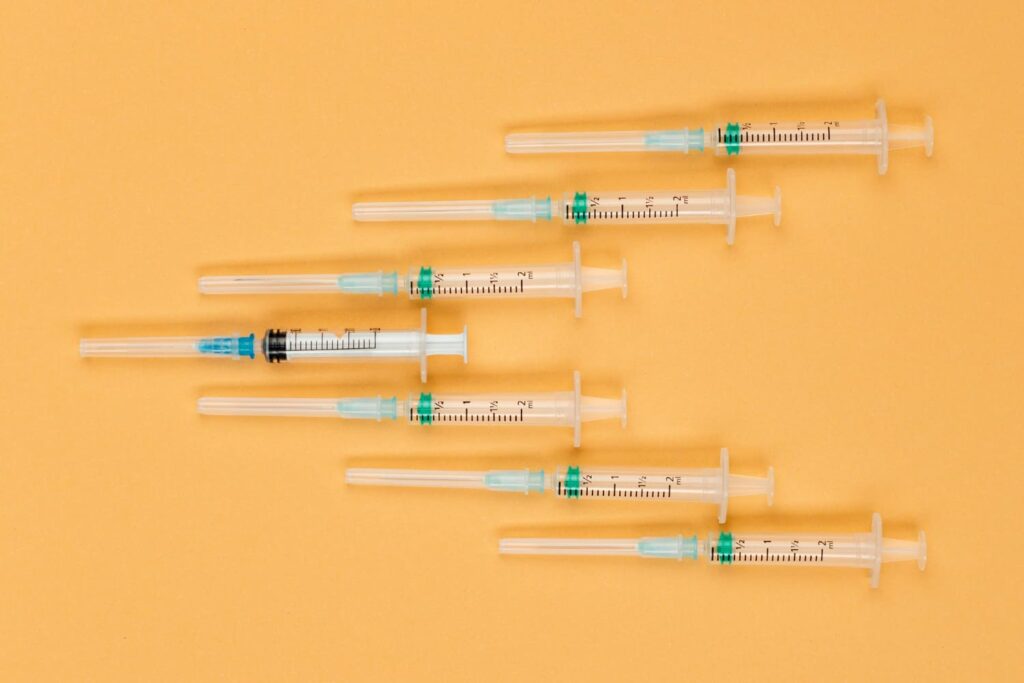
    Types of Injections image

    In the medical field, the capacity to precisely and effectively administer injections is essential. Knowing the many injectable kinds, their applications, and the proper injection sites is crucial for delivering top-notch patient care, regardless of experience level or interest level in the medical field. You can choose the most appropriate techniques for various clinical scenarios with more ease if you follow this thorough guide, which will take you through all you need to know about injection kinds.

    Understanding Different Types of Injections

    1. Subcutaneous Injections (IM)

    Intramuscular injections are injected directly into the muscle. Vaccinations, hormone therapy, and some rapidly absorbed medications are among their common use. The muscle provides a large surface area where medication can be rapidly absorbed for several therapies.

    2. Subcutaneous (SC) Injections

    are administered into the layer of tissue that lies between the muscle and the skin beneath the skin. Typically, these injections are used to give anticoagulants and insulin. Drug absorption occurs more slowly and at a longer rate because to the subcutaneous tissue.

    3. Injections given intravenously (IV)

    During intravenous injections, medicine is injected right into a vein. This technique is widely utilized for providing anesthetic, replacing fluids, and ensuring a prompt initiation of action in emergency situations.

    4. Intradermal (ID) Substances

    Just beneath the skin’s surface, intradermal injections are given. Tests for allergies and TB frequently employ this method. It’s perfect for diagnostics because of its sluggish absorption rate.

    5. Injections into the joints

    With intra-articular injections, medicine is injected right into the joint. Common uses for these include treating inflammatory diseases like arthritis and relieving pain. This technique works very well for targeted treatment because of its exact location.

    Types of Insulin Injections

    1. Fast-Acting Insulin

    It is recommended to take rapid-acting insulin either right before or right after meals. After eating, it helps regulate blood sugar rises. Insulin lispro and insulin aspart are two such. Managing Type 1 and gestational diabetes requires these kinds of care.

    2. Insulin with a Short Acting Chain

    While it takes longer to take effect than rapid-acting insulin, short-acting insulin has a longer half-life. It is often taken half an hour before eating. One typical example is regular insulin. It is frequently used with long-acting or intermediate-acting insulin.

    3. Insulin with an intermediate-acting molecule

    Overnight or for almost half a day, intermediate-acting insulin provides the necessary insulin. Insulin that acts quickly or briefly is frequently coupled with it. This is a popular usage for NPH (Neutral Protamine Hagedorn) insulin. Throughout the day, it aids in blood sugar regulation.

    4. Prolonged-Acting Insulin

    Long-acting insulin lasts longer and supplies a constant amount of insulin day and night. Examples of insulins are glargine and detemir. For people with chronic diabetes, these kinds are crucial for preserving basal insulin levels.

    Types of Insulin Injection

    Exploring Types of Injection Sites

    1. Intramuscular Points of Injection

    The gluteus maximus in the buttocks, the vastus lateralis in the thigh, and the deltoid muscle in the arm are common intramuscular injection sites. Each site has benefits and potential drawbacks, therefore therapy effectiveness depends on the selection made.

    2. Sites of Subcutaneous Injections

    Subcutaneous injections are frequently administered to the upper arm, thigh, and abdomen. The location selection may have an effect on patient comfort and absorption rate. Rotating sites is necessary to maintain constant absorption rates and prevent harm to the tissue.

    3. Areas of Intravenous Injections

    The veins in the arms—the basilic, cephalic, and median cubital veins in particular—are common locations for intravenous injections. The patient’s overall experience and the convenience of administration can both be impacted by the vein selection.

    4. Injectable Sites Intradermally

    For intradermal injections, especially for allergy and tuberculosis tests, the inner forearm is the ideal location. It is simple to keep an eye on reactions in this region. Accurate outcomes depend on using the right technique.

    5. Intra-articular Sites of Injection

    Intra-articular injection locations include the knees, shoulders, and hips. Depending on the joint being treated and the severity of the problem, a specific site may be chosen. For the greatest therapeutic result, positioning must be precise.

    Choosing the Best Injection Site

    1. Considerations for Factors

    A number of criteria need to be taken into account while selecting the optimal injection location, such as the kind of medication, the patient’s age, and their physical condition. For example, subcutaneous fat and muscular mass can affect the site preference.

    2. Patient Security and Comfort

    Safety and patient comfort should always come first. It is possible to improve the patient experience by making sure they are comfortable and explaining the operation to them. Infections and other issues can be avoided with careful practice and hygiene.

    3. Turning Points for Injection

    Rotating injection sites is important, particularly for individuals with diabetes who need injections frequently. This procedure guarantees steady drug absorption and helps avoid lipodystrophy. Effective management of site rotation can be aided by keeping a log.

    Wide Range of Insulin Injections image

    Consult a Doctor and Medkart will help you Order Medicines Online

    Conclusion

    For healthcare workers, knowing the different kinds of injections and where to administer them is essential. This information guarantees safe and efficient treatment administration in addition to improving patient care. You can make choices that are best for your patients by being aware of the subtle differences between each injection method and site.

    If you want to expand your knowledge, you might want to take advanced classes or look for mentorship from more seasoned professionals. Maintaining proficiency in these fundamental abilities requires constant learning and practice.

    FAQs on Types of Injections

    1. Which kind of injection is most popular?

    Answer: When administering immunizations or drugs that must be absorbed quickly, intramuscular injections are among the most popular.

    2. How can I pick the ideal injection location?

    Answer: A patient’s age, physical condition, and type of injection all play a role in selecting the best injection site. Constantly keep patient safety and comfort in mind.

    3. Why is rotating injection sites important?

    Answer: Injecting at different locations minimizes tissue bruising and guarantees uniform drug absorption. For individuals who need injections frequently, it’s very crucial. You can become much more proficient and give your patients better care if you can master these strategies. Always put the safety and comfort of your patients first, be informed, and never stop learning.

  • Medical Coding – Meaning, Definition, Importance, Medical Coding Examples

    Medical Coding – Meaning, Definition, Importance, Medical Coding Examples

    Medical CodingPrecise documentation is essential in the complex field of healthcare. A crucial part of this procedure is played by medical coding, which is sometimes regarded as the unsung hero of efficient medical procedures. In-depth explanations of medical coding’s significance, uses, and meaning are provided in this blog post, along with practical examples to help healthcare professionals and aspiring coders a like.

    What is Medical Coding ?

    The conversion of medical diagnoses, treatments, equipment, and services into universal medical alphanumeric codes is the fundamental process of medical coding. These codes are obtained from data found in medical records, including reports from radiologic tests, laboratory results, and doctor’s notes.

    The three main coding systems in use are HCPCS (Healthcare Common Procedure Coding System), CPT (Current Procedural Terminology), and ICD (International Classification of Diseases). In the context of healthcare, each has a distinct function and makes sure that every facet of patient care is carefully recorded.

    Medical Coding

    Why Medical Coding Matters ?

    Medical coding reduces complex medical information to a language that is easily understood by all. Accurate billing and effective patient care management are only two of the many reasons why this conversion is crucial. 

    Knowing coding entails knowing a critical facet of the healthcare system for medical professionals and students. The acquisition of specific expertise by aspiring coders opens doors to a multitude of job prospects in the medical industry.

    The ICD, CPT, and HCPCS Codes

    ICD codes are used to specify the patient’s diagnosis and state. While HCPCS codes include goods and services not covered by CPT, CPT codes relate to medical operations and services. Medical documentation is accurate and trustworthy because each code set guarantees thorough coverage of every facet of healthcare.

    Importance and Applications of Medical Coding

    Medical coding goes well beyond straightforward record-keeping. Its importance transcends the healthcare industry, promoting accuracy, efficiency, and transparency.

    1. Improving Medical Practice Operations

    Simplifying healthcare procedures is one of the main advantages of medical coding. Coding enables smooth communication between healthcare professionals, insurers, and patients by standardizing the terminology used throughout the medical industry. Better patient outcomes and more efficiently coordinated treatment are the results of this transparency.

    2. Making Sure Bills Are Correct

    In the billing process, accuracy in medical coding is essential. To process claims and calculate payout amounts, insurance firms rely on these codes. Claims denials and financial losses for healthcare providers can result from inaccurate or missing coding. Good coding is therefore essential to keeping medical facilities financially stable.

    3. Encouraging the Investigation and Progress

    In research and development, medical coding is equally essential. Researchers can detect patterns, monitor health crises, and assess the efficacy of therapeutic interventions through the examination of coded data. Medical research and public health programs will benefit greatly from this knowledge.

    4. Improving Medical Care

    Ultimately, medical coding promotes patient care. Accurate documentation guarantees that patients receive the right care after their initial therapy. Since all medical personnel involved in a patient’s care have access to the same precise information, it also helps prevent medical errors.

    Also Read:

    Medical Coding Examples

    Let’s look at a few actual cases to have an improved awareness of the effects of medical coding. These examples show how coding translates comprehensive medical data into clear, useful information.

    Example 1: Making a diabetes diagnosis

    Think about a patient who has been given a Type 2 diabetes diagnosis. E11.9 is the ICD code for this diagnosis. A multitude of details are contained in this one code, which shows that the patient has diabetes and is not experiencing any problems. It facilitates the prompt understanding of the patient’s state by healthcare professionals and the planning of suitable treatment.

    Example 2: Performing a Regular Audit

    A doctor may examine the patient physically, take blood samples, and talk about their overall health during a standard check-up. For the preventive check-up, the CPT codes may be 99395, and for the blood draw, 36415. These codes guarantee that the healthcare professional is paid fairly for the services they perform.

    Example 3: Giving the Influenza Vaccine

    Both the injection technique and the vaccine itself are used in the administration of the flu shot. The flu vaccine may have the HCPCS number Q2038 and the CPT code 90471 for administration. These codes make ensuring that healthcare practitioners are fairly compensated and assist in tracking vaccination rates.

    > Consult a Doctor and Medkart will help you Order Medicines Online

    Conclusion

    One essential component of contemporary healthcare is medical coding. It facilitates effective communication, proper invoicing, and improved patient care by converting complicated medical data into standardized codes. Knowing medical coding helps that healthcare systems run smoothly and opens up a world of options for medical professionals, aspiring coders, and students.

    Acquiring this ability will pay off whether your goal is to improve your healthcare practice or pursue a career in medical coding. Continue learning about the intriguing field of medical coding, be knowledgeable, and maintain your curiosity.

    Read: What are Generic Medicines?

    FAQs on Medical Coding

    1. In order to become a medical coder, what qualifications are required ?

    Answer : Most companies seek accreditation from accredited associations such as the American Academy of Professional Coders (AAPC) or the American Health Information Management Association (AHIMA). Understanding physiology and medical terminology well is also beneficial.

    2. To become skilled in medical coding, how long does it take ?

    Answer : Depending on their experience and level of commitment, different amounts of time are required. Usually taking six months to a year, certification programs are completed. Experience and on-going education are necessary for continuing skills.

    3. How may medical coders pursue a career in this field ?

    Answer : Healthcare facilities such as hospitals, clinics, and insurance companies have a great need for medical coders. Coders who gain expertise can go on to become compliance officers, auditors, or coding supervisors.

    Medical coding is an essential competency that keeps healthcare systems running smoothly. Learning it improves patient care’s general efficacy and efficiency while also providing access to profitable employment options.

    Related Links:

    Blog | Medkart Pharmacy - Generic Medicine Online

  • What are the Insulin Injection Sites? – Medkart Guide

    What are the Insulin Injection Sites? – Medkart Guide

    Insulin Injection

    For individuals with diabetes who require insulin injections, proper injection site rotation is crucial for maintaining effective treatment and avoiding potential complications. At Medkart, we recognize the significance of recording the injection site and promoting site rotation as part of the Medication Management System.

    Our newly introduced Insulin Site Rotation Label offers a convenient way to track and manage injection sites on a body map within the Medication Chart. This blog will discuss the importance of insulin rotation, and its advantages, and provide helpful tips for successful site rotation.

    Steps to use Medkart’s Insulin site rotation guide

    English:

    Step 1 – Get the insulin ready for injecting.

    Step 2 – Place the rotation guide such that centre of the circle is at the navel.

    Step 3 – Next, select the day of the month for the injection.

    Hindi:

    स्टेप 1 – इंजेक्शन के लिए इंसुलिन तैयार करें।

    स्टेप 2 – रोटेशन गाइड को ऐसे रखें की उसका केंद्र नाभि पर हो।

    स्टेप 3 – फिर, इंजेक्शन के लिए महीने का उचित दिन चुनें।

    Gujarati:

    સ્ટેપ 1 – ઇન્જેક્શન માટે ઇન્સ્યુલિન તૈયાર કરો.

    સ્ટેપ 2 – રોટેશન ગાઇડને એવી રીતે મૂકો કે જેથી તેનું કેન્દ્ર નાભિ પર હોય.

    સ્ટેપ 3 – પછી, ઈન્જેક્શન માટે મહિનાનો યોગ્ય દિવસ પસંદ કરો.

    > Consult a doctor and Order Medicine Online.

    Importance of Insulin Site Rotation

    Preventing Lipohypertrophy: Lipohypertrophy refers to the accumulation of fatty tissue at injection sites. Regularly injecting insulin in the same area can lead to this condition, which affects insulin absorption and blood glucose control. By rotating injection sites, you can reduce the risk of developing lipohypertrophy.

    Enhancing Insulin Absorption: Injection site rotation helps maintain consistent insulin absorption rates. Different areas of the body have varying rates of insulin absorption, and rotating sites ensure that insulin is delivered effectively, leading to more predictable blood glucose levels.

    Advantages of Insulin Site Rotation

    Improved Insulin Absorption: When injection sites are rotated, the body has a chance to recover from the previous injection. This allows for better insulin absorption, ensuring that the medication functions optimally and maintains glucose control.

    Reduced Risk of Complications: Lipohypertrophy not only affects insulin absorption but can also cause unpredictable blood glucose levels and insulin resistance. By practising proper site rotation, you minimize the risk of developing complications associated with lipohypertrophy.

    Increased Injection Site Options: Regularly rotating injection sites expand the available areas for administering injections. This offers more flexibility and comfort for patients, as they can choose different locations while still maintaining the effectiveness of their treatment.

    Read: What is Autism spectrum disorder?

    Tips for Successful Insulin Site Rotation

    Follow the Medkart Insulin Site Rotation Guide: Place the Medkart Insulin site rotation guide on your body, aligning the centre of the circle with your navel. This guide will help you accurately record and track the injection sites on the body map within your Medication Chart.

    Rotate Injection Sites and Areas: It is important to vary both the injection sites (such as the abdomen, thigh, buttock, or upper arm) and the specific areas within those sites. This helps distribute the impact of injections across different regions, reducing the risk of lipohypertrophy.

    Regularly Check for Lipohypertrophy: Stay vigilant and monitor your injection sites for any signs of lipohypertrophy, such as lumps, bumps, or changes in the skin’s texture. If you notice any anomalies, promptly contact your physician for evaluation and guidance.

    Conclusion:

    Insulin site rotation is an essential practice for diabetic patients who rely on insulin injections to manage their condition. By using the Medkart Insulin Site Rotation Guide and adhering to proper rotation techniques, you can promote effective insulin absorption, reduce the risk of complications like lipohypertrophy, and maintain predictable blood glucose levels. Remember to consult with your healthcare provider for personalized guidance on insulin injection site rotation. With careful management and adherence to best practices, you can ensure the success of your insulin therapy and lead a healthy life with diabetes.

    Also Read:

    FAQs on Insulin Injection Sites

    Q.1. How often to change the Insulin Pump Site?

    To maintain proper insulin delivery and minimize complications, it’s advisable to change insulin pump sites approximately every 2-3 days. Keep in mind that individual routines might differ.

    Q.2. Where can I put my Insulin Pump Site?

    You can position your insulin pump site in regions containing fatty tissue like the abdomen, thighs, or buttocks, ensuring rotation to prevent irritation.

    For access to more such interesting articles on healthcare, visit Medkart today!