

Category: Health & Wellness

  • How to cure Sinus Headache with Home Remedies and Medicines?

    How to cure Sinus Headache with Home Remedies and Medicines?

    sinus treatmentHow to Cure Sinus Headache? Sinus headaches are a common ailment that many people experience at some point in their lives. In this article, we’ll explore sinus headaches, their causes, and how to permanently cure them using home remedies and medicines. We will also discuss sinus surgery, chronic sinusitis, nasal spray treatment, and DIY options for sinus treatment at home.

    What is Sinus Headaches?

    Sinus headaches result from inflammation or congestion in the air-filled sinus cavities within the bones of the face. These cavities produce mucus that helps keep the nasal passages moist and free from bacteria. When the sinus cavities become inflamed or blocked, pressure can build up, leading to a sinus headache.

    Several factors can contribute to the development of a sinus headache, including allergies, infections, and environmental irritants. It is important to understand the symptoms and causes of the sinus to treat them effectively and prevent their recurrence.

    Symptoms of a Sinus Headache

    Sinus headache symptoms can vary depending on the severity of the inflammation and congestion in the sinus cavities. Some common symptoms include:

    • Headache or pressure in the cheekbones, eyes, or forehead
    • Nasal congestion or discharge
    • Fatigue or difficulty concentrating
    • Sensitivity to light or noise
    • Facial swelling or tenderness

    Sometimes, a sinus may be accompanied by other symptoms such as fever, cough, or sore throat. These additional symptoms may indicate the presence of a more serious infection or illness that requires medical attention.

    Causes of Sinus Headaches

    Several factors can contribute to the development of a sinus headache. These may include:

    • Allergies: Seasonal or year-round allergies can cause inflammation and congestion in the sinus cavities
    • Infections: Viral, bacterial, or fungal infections can lead to sinus inflammation and congestion
    • Environmental factors: Exposure to pollutants, smoke, or strong odours can irritate the sinuses and lead to inflammation
    • Nasal polyps or structural abnormalities: These can block the sinus passages and cause congestion and inflammation
    • Immune system disorders: Certain conditions, such as autoimmune disorders, can cause chronic sinus inflammation

    Understanding the underlying cause of a sinus headache is crucial for developing an effective treatment plan.

    Home Remedies for Sinus Headaches

    For those seeking to cure sinus permanently with home remedies, there are several options available. These remedies can provide temporary relief from sinus symptoms and may help to reduce inflammation and congestion.

    1. Warm compresses

    Applying a warm compress to the affected areas of the face can help alleviate pain and pressure associated with sinus headaches. A warm compress can be made by soaking a clean cloth in warm water and placing it over the forehead, cheeks, or eyes for several minutes.

    2. Steam inhalation

    Inhaling steam can help to moisten and soothe the nasal passages, which may help to relieve sinus congestion and pressure. To perform steam inhalation, fill a bowl with hot water and lean over it with a towel draped over the head to trap the steam. Take a few minutes to breathe in the steam.

    3. Saline nasal spray

    Using a saline nasal spray can help to flush out mucus and bacteria from the nasal passages, which may help to alleviate sinus congestion and reduce inflammation. Saline nasal sprays can be purchased over the counter or made at home using a mixture of salt and water.

    4. Hydration

    Staying well-hydrated can help to thin mucus in the sinuses and promote drainage, which may help to alleviate sinus headache symptoms. Drinking plenty of water, herbal tea, or clear broth can help to maintain hydration levels.

    5. Humidifiers

    Using a humidifier in the home can help to maintain moisture levels in the air, which may help to prevent sinus congestion and inflammation. Be sure to clean the humidifier regularly to prevent the growth of bacteria and mould.

    Medicines for Sinus Headache Relief

    There are several sinus medicines available that can help to relieve sinus headache symptoms. These medicines can be divided into two main categories: over-the-counter remedies and prescription medications.

    Over-the-counter Remedies for Sinus Pain

    Over-the-counter sinus medicines can help to provide temporary relief from sinus headache symptoms. Some common over-the-counter remedies include:

    • Pain relievers: Nonsteroidal anti-inflammatory drugs (NSAIDs) such as ibuprofen or aspirin can help to reduce pain and inflammation associated with sinus headaches.
    • Decongestants: Oral decongestants can help to relieve sinus congestion by narrowing blood vessels in the nasal passages. Nasal decongestant sprays provide short-term relief but should not be used for more than three days to prevent rebound congestion.
    • Antihistamines: These medications can help alleviate allergy-related sinus symptoms by blocking the action of histamine, a chemical involved in the allergic response.

    Sinus discomfort doesn’t always stay in the sinuses—it can trigger full-body fatigue. Rumanil Tablet and Ibugesic plus suspension are commonly used to address such minor aches.

    Prescription Medications for Sinus Headache Relief

    In some cases, a healthcare provider may prescribe medications to treat sinus symptoms. These may include:

    • Antibiotics: A bacterial sinus infection may be treated with antibiotics to relieve inflammation and congestion, prescribed by a healthcare provider.
    • Corticosteroids: These medications reduce inflammation in the sinus cavities and may be prescribed as a nasal spray or oral medication.
    • Antifungal medications: If a fungal infection is causing sinus inflammation and congestion, a healthcare provider may prescribe antifungal medications to treat the infection.

    It is important to follow the healthcare provider’s instructions for taking prescription medications and to complete the full course of treatment to ensure the best possible outcome.

    > Consult a Doctor, and Medkart will help you Order Medicines Online

    medicines for sinusWhen to Consider Sinus Surgery

    In some cases, sinus surgery may be necessary to treat chronic sinusitis or persistent sinus headaches that do not respond to other treatments. Sinus surgery may involve the removal of nasal polyps, the correction of structural abnormalities, or the widening of the sinus passages to promote drainage.

    Before sinus surgery, explore all treatment options and discuss the risks and benefits of the procedure with a healthcare provider.

    Chronic Sinusitis and Its Impact on Sinus Headaches

    Chronic sinusitis is a condition in which the sinuses remain inflamed and congested for an extended period, often lasting three months or longer. This condition can have a significant impact on an individual’s quality of life, leading to persistent sinus headaches, fatigue, and difficulty concentrating.

    The treatment of chronic sinusitis typically involves a combination of medications, home remedies, and lifestyle modifications. In some cases, sinus surgery may be necessary to address the underlying cause of the chronic inflammation and congestion.

    Frontal Sinus Treatment Options

    The frontal sinuses are located above the eyes and are one of the four sets of sinuses in the face. Inflammation and congestion in the frontal sinuses can cause sinus headaches, resulting in pain and pressure in the forehead.

    Treatment options for frontal sinus may include over-the-counter or prescription medications, home remedies, and lifestyle modifications. In some cases, sinus surgery may be necessary to address the underlying cause of the inflammation and congestion in the frontal sinuses.

    Nasal Spray for Sinus Headaches

    Nasal sprays can effectively treat sinus headaches by reducing congestion and inflammation in the nasal passages, providing relief from discomfort.

    There are several types of nasal sprays available, including:

    • Saline nasal sprays: As mentioned earlier, saline nasal sprays can help flush out mucus and bacteria from the nasal passages, which may help to alleviate sinus congestion and reduce inflammation.
    • Steroid nasal sprays: These prescription nasal sprays contain corticosteroids that can help to reduce inflammation in the sinus cavities, which may help to alleviate sinus headache symptoms.
    • Antihistamine nasal sprays: These prescription nasal sprays contain antihistamines that can help to alleviate allergy-related sinus headache symptoms.

    It is important to follow the instructions for using nasal sprays and to consult with a healthcare provider if symptoms do not improve or worsen after using the spray.

    Buy Nasal Sprays – Order Medicine

    Sinus Treatment at Home: DIY Remedies

    In addition to the home remedies mentioned earlier, several other DIY sinus treatments can help to alleviate sinus headache symptoms and promote healing. These may include:

    • Essential oils: Some essential oils, such as eucalyptus and peppermint, have anti-inflammatory and decongestant properties that may help to alleviate sinus headache symptoms. These oils can be added to a bowl of hot water for steam inhalation or used in a diffuser to create a soothing atmosphere.
    • Apple cider vinegar: Diluting a small amount of apple cider vinegar in water and sipping it throughout the day may help to thin mucus and promote sinus drainage, which may help alleviate sinus symptoms.
    • Herbal teas: Drinking herbal teas, such as ginger or chamomile, can help to soothe inflammation and promote relaxation, which may help to alleviate headache symptoms.

    sinus treatment at home

    Prevention of Sinus Headaches

    Preventing sinus involves addressing the underlying causes of sinus inflammation and congestion. Some strategies for preventing sinus headaches include:

    • Avoiding allergens: If allergies contribute to sinus headaches, reducing exposure to allergens is crucial for minimizing discomfort and managing symptoms. This may involve using air purifiers or hypoallergenic bedding and keeping windows closed during peak allergy seasons.
    • Practising good hygiene: Washing hands frequently and avoiding close contact with individuals who have colds or other respiratory infections can help to reduce the risk of developing sinus infections that can lead to sinus headaches.
    • Maintaining a healthy lifestyle: Eating a balanced diet, exercising regularly, and getting enough sleep can help support a healthy immune system and reduce the risk of developing sinus infections and headaches.

    Conclusion

    Sinus headaches can be a painful and debilitating condition, but there are numerous treatment options available to provide relief and promote healing. By understanding the causes and symptoms of sinus headaches, individuals can work with their healthcare providers to develop a comprehensive treatment plan that may involve home remedies, over-the-counter or prescription medications, or even sinus surgery in some cases. Furthermore, taking steps to prevent sinus by addressing underlying causes and maintaining a healthy lifestyle can help to reduce the frequency and severity of these headaches in the future.

    Read: What are Generic Medicines?

    FAQs on How to Cure Sinus Headache

    1. How to get rid of a sinus headache instantly?

    For quick relief from sinus headaches, try steam inhalation, warm compress, hydration, and consult a doctor before using pain relievers.

    2. How to cure Sinus Headache?

    To relieve a sinus headache, attempt steam inhalation, warm compresses, hydration, and use of OTC pain relievers with medical approval. Consult a healthcare provider for persistent symptoms.

    3. How to reduce Sinus Headache?

    To ease a sinus headache, you can try breathing in steam, placing warm clothes on your face, drinking enough water, and using over-the-counter pain relief after consulting a doctor. If the headache persists, it’s a good idea to talk to a healthcare professional.


  • Acid Reflux – Home Remedies for Acid Reflux

    Acid Reflux – Home Remedies for Acid Reflux

    Acid Reflux image

    Acid reflux, also known as gastroesophageal reflux (GERD), occurs when stomach acid flows back into the esophagus, causing irritation and discomfort. This backflow can be a result of a weakened lower esophageal sphincter (LES), which is responsible for keeping stomach contents in place. When this muscle is weakened, it allows stomach acid to seep into the esophagus, leading to the painful sensation known as heartburn.

    Gastroesophageal reflux disease, or GERD, is a chronic and more severe form of acid reflux. It is characterized by frequent episodes of acid reflux, which can cause damage to the esophagus and lead to complications such as esophagitis, esophageal ulcers, and even esophageal cancer. It is important to properly manage acid reflux and GERD to prevent these complications and maintain a healthy digestive system.

    The first step in managing acid reflux and GERD is understanding the causes and symptoms of these conditions. This knowledge will help individuals identify triggers and make informed decisions about their diet and lifestyle.

    એસિડ રિફ્લક્સ માટે કેટલીક જેનરિક દવાઓ શું છે?

    Causes of Acid Reflux

    There are numerous factors that can contribute to acid reflux, including both genetic and lifestyle factors. Some common causes of acid reflux include:

    • Hiatal hernia: This occurs when the upper part of the stomach bulges through the diaphragm, which can weaken the LES and cause acid reflux.
    • Obesity: Excess weight puts pressure on the abdomen, potentially forcing stomach acid into the esophagus.
    • Pregnancy: Hormonal changes and increased abdominal pressure during pregnancy can lead to acid reflux.
    • Diet: Consuming high-fat foods, spicy foods, caffeine, and alcohol can all contribute to acid reflux.
    • Smoking: Nicotine can weaken the LES, increasing the likelihood of acid reflux.

    Identifying the causes of acid reflux can help individuals determine the necessary steps to manage their symptoms effectively.

     Acid Reflux Symptoms

    People can experience different acid reflux symptoms, however, some frequent ones include:

    • Heartburn: A burning sensation in the chest, often accompanied by a sour taste in the mouth.
    • Regurgitation: The sensation of stomach contents or acid flowing back into the throat or mouth.
    • Dysphagia: Difficulty swallowing or a sensation of food being stuck in the throat.
    • Chest pain: A feeling of discomfort or pain that may occasionally be mistaken for a heart attack.
    • A persistent cough that is not brought on by a respiratory infection is referred to as chronic.

    Recognizing these symptoms can help individuals seek appropriate treatment and make necessary lifestyle changes to manage their acid reflux.

    Acid Reflux Foods to Avoid

    Managing acid reflux and GERD often begins with making changes to one’s diet. Understanding which foods trigger symptoms is crucial for effective management. Some common acid reflux foods to avoid include:

    • High-fat foods: Foods high in fat, such as fried foods, fast food, and fatty cuts of meat, can slow digestion and cause acid reflux.
    • Spicy foods: Spicy dishes, such as those containing chilli peppers, can irritate the esophagus and trigger acid reflux symptoms.
    • Citrus fruits: Oranges, grapefruits, and other citrus fruits are highly acidic and can exacerbate acid reflux symptoms.
    • Tomato-based products: Tomatoes and tomato-based sauces can cause acid reflux due to their acidity.
    • Garlic and onions: These pungent foods can trigger acid reflux in some individuals.
    • Chocolate: Chocolate contains compounds that can relax the LES, increasing the likelihood of acid reflux.
    • Peppermint: While often used to soothe an upset stomach, peppermint can actually worsen acid reflux by relaxing the LES.
    • Caffeine: Coffee, tea, and other caffeinated beverages can relax the LES and trigger acid reflux.

    Eliminating or reducing the consumption of these trigger foods can greatly improve acid reflux symptoms and overall digestive health.

    Foods to Eat for Acid Reflux and GERD

    While there are certain foods to avoid, there are also many foods that can help manage acid reflux and GERD. Some beneficial foods include:

    • Whole grains: Whole grains, such as oatmeal, brown rice, and whole wheat bread, can help absorb stomach acid and reduce acid reflux symptoms.
    • Lean proteins: Choose lean cuts of meat, such as chicken or turkey, and plant-based proteins like tofu to avoid excess fat that can trigger acid reflux.
    • Non-citrus fruits: Apples, bananas, and other non-citrus fruits can help neutralize stomach acid and soothe the digestive system.
    • Vegetables: Green vegetables, such as broccoli, asparagus, and leafy greens, can help reduce stomach acidity and minimize acid reflux symptoms.
    • Ginger: This root has natural anti-inflammatory properties and can help soothe the digestive system.

    Incorporating these foods into one’s diet can help manage acid reflux and GERD symptoms effectively.​

    Drinks to Avoid for Acid Reflux and GERD

    In addition to avoiding certain foods, it’s also important to consider what to drink for acid reflux. Some common drinks that can exacerbate symptoms include:

    • Alcoholic beverages: Alcohol can relax the LES and increase stomach acid production, leading to acid reflux.
    • Carbonated beverages: The bubbles in carbonated drinks can cause bloating and increase pressure on the LES, leading to acid reflux.
    • Caffeinated beverages: As mentioned earlier, caffeine can relax the LES and trigger acid reflux symptoms.
    • Citrus juices: The high acidity of citrus juices can worsen acid reflux symptoms.

    Choosing water, herbal teas, or non-citrus juices can help prevent acid reflux symptoms and maintain a healthy digestive system.

    Lifestyle Changes to Manage Acid Reflux and GERD

    In addition to dietary changes, making certain lifestyle adjustments can also help manage acid reflux and GERD. Some effective changes include:

    • Maintain a healthy weight: Losing excess weight can reduce pressure on the abdomen and LES, helping to prevent acid reflux.
    • Eat smaller meals: Consuming smaller, more frequent meals can help prevent the stomach from becoming too full and reduce the risk of acid reflux.
    • Avoid lying down after eating: Waiting at least two to three hours after eating before lying down can help prevent stomach acid from flowing back into the esophagus.
    • Elevate the head of the bed: Using a wedge pillow or elevating the head of the bed by six to eight inches can help prevent acid reflux during sleep.
    • Quit smoking: As mentioned earlier, nicotine can weaken the LES and contribute to acid reflux. Quitting smoking can help strengthen the LES and reduce symptoms.

    Implementing these lifestyle changes can significantly improve the management of acid reflux and GERD.

    Acid Reflux Medicine and Treatment

    In addition to making dietary and lifestyle changes, there are several natural remedies that can help manage acid reflux and GERD. Some effective options include:

    • ​Chewing gum: Chewing gum can increase saliva production and help neutralize stomach acid.
    • Aloe vera: Drinking aloe vera juice can help soothe the digestive system and reduce inflammation.
    • Slippery elm: This herb can be taken in supplement form or as a tea to coat and soothe the digestive tract.
    • Apple cider vinegar: While it may seem counterintuitive, some people find that taking a small amount of apple cider vinegar diluted in water can help balance stomach acid levels and reduce acid reflux symptoms.

    Before trying any natural remedy, it’s important to consult with a healthcare professional to ensure it’s safe and appropriate for individual needs.

    Also Read: What are Generic Medicine?

    Medications to Manage Acid Reflux and GERD

    For some individuals, lifestyle and dietary changes may not be enough to manage acid reflux and GERD symptoms effectively. In these cases, medications may be necessary. Some common medications used to treat acid reflux and GERD include:

    • Antacids: Over-the-counter antacids can help neutralize stomach acid and provide temporary relief from acid reflux symptoms.
    • H2 blockers: These medications work by reducing the production of stomach acid, which can help alleviate acid reflux symptoms.
    • Proton pump inhibitors (PPIs): PPIs are more potent than H2 blockers and can provide long-lasting relief by blocking the production of stomach acid.

    It’s important to consult with a healthcare professional before starting any new medication to ensure it’s appropriate for individual needs and to discuss potential side effects.

    Conclusion

    Managing acid reflux and GERD requires a multifaceted approach, including dietary changes, lifestyle modifications, natural remedies, and potential medications. By understanding the causes and symptoms of these conditions, individuals can make informed decisions about their treatment and effectively manage their symptoms.

    Living with acid reflux and GERD doesn’t have to be a constant struggle. With the right guidance and support, individuals can take control of their digestive health and enjoy a better quality of life.

    Related Links:

  • What is Allergy? – Testing, Types of Allergies and Symptoms

    What is Allergy? – Testing, Types of Allergies and Symptoms

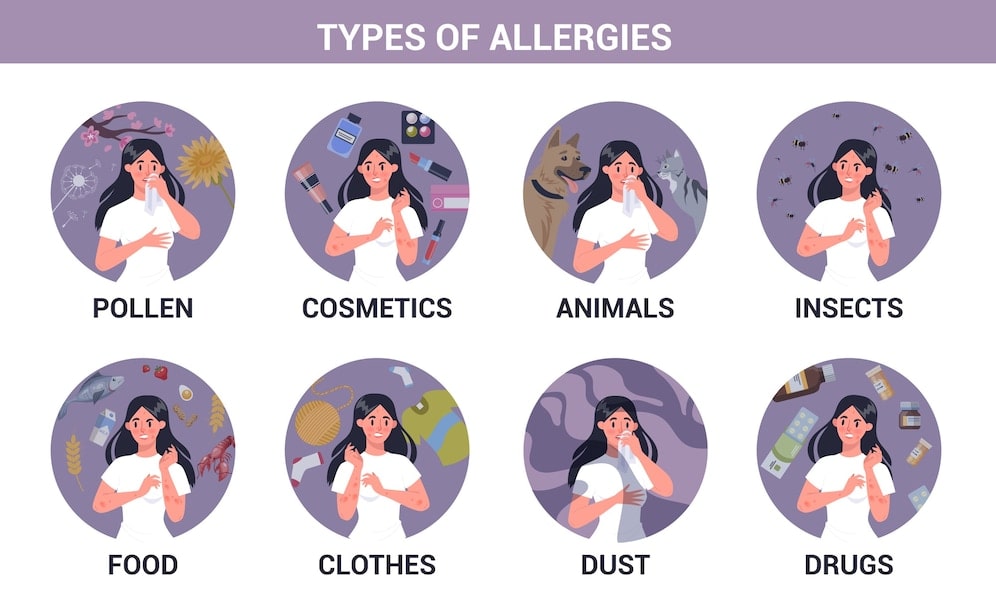
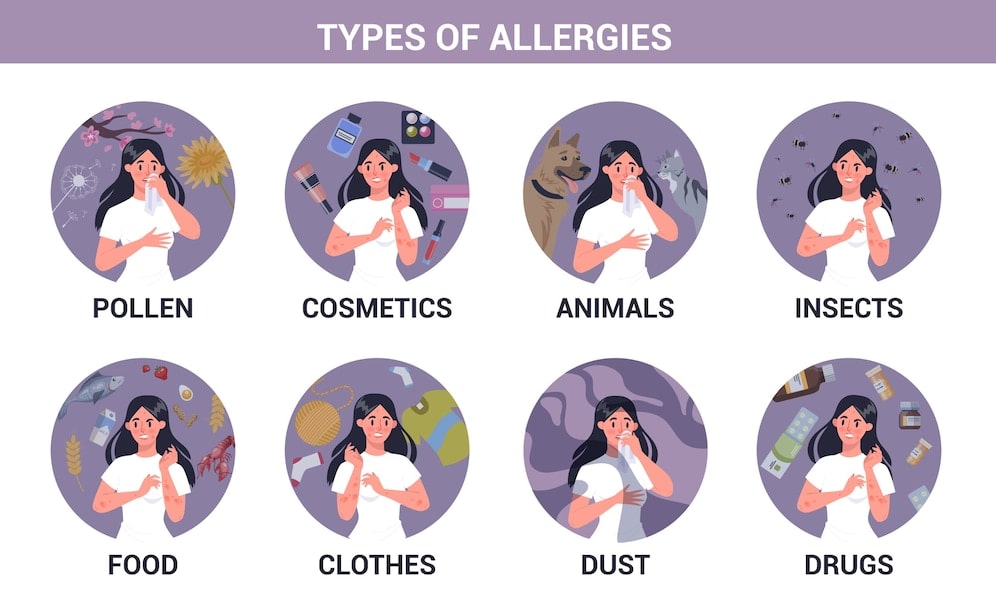
    Millions of individuals worldwide suffer from allergies, a widespread health problem. These hypersensitive reactions occur when the immune system overreacts to certain substances, known as allergens, which can include pollen, dust, pet dander, and food among others. Allergy types vary in severity and can manifest in various ways, such as skin rashes, respiratory issues, and digestive problems. This comprehensive guide focuses on two specific allergy types: eye and throat allergies. By understanding the symptoms, causes, and treatments related to these conditions, individuals can better manage their allergies and improve their overall quality of life.

    Allergies can be categorized into several different types based on the allergen, the affected body part, or the mechanism by which the immune system reacts. For example, food allergies involve an abnormal immune response to certain foods, while contact dermatitis occurs when the skin comes into direct contact with an allergen. In this article, the focus will be on allergy types that primarily affect the eyes and throat, as well as the various symptoms, treatments, and preventive measures that can help individuals manage these conditions.

    It is important to note that allergies can have a significant impact on daily life, causing discomfort, inconvenience, and even serious health complications in some cases. As such, gaining a thorough understanding of the different allergy types, their triggers, and their symptoms is crucial for those who suffer from these conditions. With the right knowledge and tools, individuals can effectively manage their allergies and enjoy a healthier, more comfortable existence.

    What are Eye Allergies?

    Eye allergies, also known as allergic conjunctivitis, are a common type of allergy that affects the eyes. They occur when the immune system overreacts to allergens in the environment, causing inflammation and irritation of the conjunctiva – the translucent layer that protects the inner surface of the eyelids and the white area of the eye. Common allergens that can cause eye allergies include pollen, dust mites, pet dander, and mold spores.

    There are two main types of eye allergies: seasonal allergic conjunctivitis (SAC) and perennial allergic conjunctivitis (PAC). SAC is the most common type and is typically triggered by pollen from trees, grasses, and weeds during the spring, summer, and fall seasons. PAC, on the other hand, occurs year-round and is usually caused by indoor allergens such as dust mites, pet dander, and mould.

    Eye allergies can affect people of all ages, although they are more common in children and young adults. Additionally, individuals with a family history of allergies or those who have other types of allergies, such as hay fever or asthma, are at an increased risk of developing eye allergies.

    Symptoms and Treatment for Eye Allergies

    The symptoms of eye allergies can vary in severity and may include itchiness, redness, swelling, tearing, and a burning sensation in the eyes. Some people may also experience sensitivity to light, blurred vision, or a gritty feeling in the eyes. In severe cases, eye allergies can interfere with daily activities and affect an individual’s quality of life.

    To diagnose eye allergies, a healthcare professional will typically examine the eyes and review the patient’s medical history, symptoms, and potential allergen exposure. In some cases, additional tests may be needed to confirm the diagnosis, such as a skin prick test, blood test, or conjunctival allergen challenge test.

    Treatment for eye allergies typically involves a combination of medication and self-care measures. Over-the-counter (OTC) or prescription antihistamine eye drops, mast cell stabilizers, or corticosteroid eye drops may be recommended to relieve symptoms and reduce inflammation. In addition to medication, individuals with eye allergies can take several steps to manage their condition, such as:

    • Avoiding allergens by staying indoors when pollen counts are high, using air purifiers, and regularly cleaning the home to reduce dust and pet dander
    • Applying a cold compress to the eyes to help alleviate itching and swelling
    • Wearing sunglasses to protect the eyes from pollen and other airborne allergens
    • Washing hands frequently and avoiding rubbing the eyes to prevent the spread of allergens

    Types of Allergy Coughs

    Allergy coughs are another common manifestation of allergies and can be caused by various allergens, such as pollen, dust, pet dander, and mould spores. These coughs occur when the immune system overreacts to allergens, leading to inflammation and irritation of the respiratory tract.

    There are several types of allergy coughs, including:

    Postnasal drip cough

    •  This type of cough occurs when excess mucus from the nasal passages drips down the back of the throat, irritating the airways and causing a cough reflex.

    Asthmatic cough

    • This cough is associated with allergic asthma and is triggered by allergens that cause inflammation and constriction of the airways, leading to coughing, wheezing, and shortness of breath.

    Chronic cough

    • This type of cough lasts for more than eight weeks and may be caused by a variety of factors, including allergies, asthma, or other respiratory conditions.
    • Several Medications like Ascoril D Plus Syrup are used to treat chronic cough.

    types of allergies

    Common Allergy Cough Symptoms

    Allergy cough symptoms can vary depending on the type of cough and the specific allergen involved. However, some common symptoms associated with allergy coughs include:

    • Persistent coughing, often worse at night or when lying down
    • Itchy, watery eyes
    • Sneezing
    • Runny or stuffy nose
    • Postnasal drip
    • Wheezing or shortness of breath (in cases of asthmatic cough)

    In some cases, allergy cough symptoms may be accompanied by other signs of an allergic reaction, such as skin rashes, digestive problems, or fatigue.

    Also Read: What are Generic Medicine?

    Allergy Test Names and How They Work

    To accurately diagnose and treat allergy types, healthcare professionals may recommend allergy testing. There are several types of allergy tests that can help identify specific allergens and determine the most appropriate treatment plan.

    Some common allergy test names and their methods include:

    • Skin prick test: Also known as a puncture or scratch test, this test involves placing a small amount of a suspected allergen on the skin and then pricking the skin with a needle to introduce the allergen into the body. If the individual is allergic to the substance, a red, itchy bump will form within 15-20 minutes.
    • Intradermal test: This test involves injecting a small amount of the suspected allergen into the skin. Similar to a skin prick test, if the individual is allergic to the substance, a red, itchy bump will form within a short period of time.
    • Patch test: This test applies a small amount of the suspected allergen to a patch, which is then placed on the skin for 48 hours to identify contact allergens, such as those causing contact dermatitis. If the individual is allergic to the substance, a skin reaction will occur at the site of the patch.
    • Blood test: Also known as a radioallergosorbent test (RAST), this test measures the amount of allergy-specific antibodies in the blood. The test can identify allergens that may be causing allergic reactions and can be useful for individuals who cannot undergo skin testing.

    Allergy tests are typically performed by healthcare professionals in a clinical setting, such as an allergist’s office. They are generally safe and well-tolerated, although some individuals may experience mild itching, swelling, or redness at the site of the test.

    What are Throat Allergies?

    Throat allergies, also known as allergic pharyngitis, occur when the immune system reacts to allergens in the environment, leading to inflammation and irritation of the throat. Common allergens that can cause throat allergies include pollen, dust mites, pet dander, and mold.

    Throat allergies can affect people of all ages, although they are more common in individuals with a history of allergies or asthma. Additionally, factors such as exposure to air pollution, smoking, or changes in weather can exacerbate throat allergies.

    > Consult a doctor and Order Medicine Online

    Symptoms and Treatment for Throat Allergies

    The symptoms of throat allergies can vary in severity and may include:

    • Sore throat
    • Itchy throat
    • Difficulty swallowing
    • Hoarseness or loss of voice
    • Coughing

    In some cases, individuals with throat allergies may also experience other symptoms, such as nasal congestion, sneezing, or itchy eyes.

    To diagnose throat allergies, a healthcare professional will typically examine the throat and review the patient’s medical history, symptoms, and potential allergen exposure. Additional tests, such as a skin prick test or blood test, may be necessary to confirm the diagnosis.

    Treatment for throat allergies typically involves a combination of medication and self-care measures. Over-the-counter antihistamines, decongestants, or nasal corticosteroids may be recommended to relieve symptoms and reduce inflammation.

    For symptomatic relief from throat discomfort associated with an allergic cold, Cheston Cold Tablet 10s is a commonly recommended medicine. It contains a combination of ingredients that help reduce sneezing, runny nose, and congestion caused by seasonal allergies or infections.

    In addition to medication, individuals with throat allergies can take several steps to manage their condition, such as:

    • Avoiding allergens by staying indoors when pollen counts are high, using air purifiers, and regularly cleaning the home to reduce dust and pet dander
    • Drinking plenty of fluids to soothe the throat and prevent dehydration
    • Gargling with warm salt water to alleviate soreness and irritation
    • Using a humidifier to add moisture to the air and reduce throat dryness

    Tips for Managing Allergies

    In addition to the specific treatments outlined above, there are several general tips that can help individuals manage their allergies and reduce the risk of allergic reactions. These include:

    • Identifying and avoiding allergens: By understanding the specific triggers that cause allergic reactions, individuals can take steps to avoid or minimize exposure to these substances.
    • Keeping a clean home: Regular cleaning, vacuuming, and dusting can help reduce the amount of allergens in the home and improve air quality.
    • Using air purifiers: Air purifiers can help filter out allergens and improve indoor air quality.
    • Monitoring pollen counts: By keeping track of local pollen counts, individuals can plan outdoor activities when pollen levels are lower and take preventive measures, such as wearing sunglasses and using nasal sprays.
    • Seeking medical help: Individuals with severe or chronic allergies may benefit from working with an allergist or other healthcare professional to develop a comprehensive treatment plan.

    Conclusion: How to Live with Allergies

    Allergies can be a frustrating and uncomfortable health issue, but with the right knowledge and tools, individuals can effectively manage their symptoms and improve their quality of life. Understanding the different types of allergies, their symptoms, and their triggers is the first step in developing an effective treatment plan.

    For individuals with eye allergies, treatment may involve medication, self-care measures, and avoidance of allergens such as pollen, dust, and pet dander. Those with allergy coughs may require medication to relieve symptoms and reduce inflammation, as well as preventive measures to avoid triggers such as air pollution and allergens in the home.

    For individuals with throat allergies, treatment may involve medication, self-care measures, and avoiding allergens such as pollen, dust, and mold. Additionally, drinking plenty of fluids and using a humidifier can help soothe the throat and reduce dryness.

    By following these tips and working with a healthcare professional as needed, individuals can effectively manage their allergies and live a healthier, more comfortable life.

    FAQs on Types of Allergy

    Q.1. How many Types of Allergy?

    Answer: There are several types of allergies, including food allergies, pollen allergies, pet allergies, drug allergies, and more. Each triggers specific symptoms and reactions.

    Q.2. How many Types of Skin Allergy?

    Answer: There are numerous types of skin allergies, including hives, eczema, contact dermatitis, and psoriasis, each displaying unique symptoms and triggers.

    Read: Skin Allergy

    Call To Action

    For access to more such interesting articles on healthcare, visit Medkart today!

  • Top Home Remedies for Acidity – How to Cure Acidity at Home?

    Top Home Remedies for Acidity – How to Cure Acidity at Home?

    home remedies for acidity image

    Acidity, also known as indigestion or acid reflux, is a common digestive issue that affects a large portion of the global population. Whether it’s led to spicy foodstuff, stress, or a sick lifestyle, the flaming sensitivity in your chest and stomach is possibly uncommonly upset.

    While over-the-counter medications can help, many people choose home remedies for acidity on account of their unaffected and side-effect-free approach.

    In this blog, we’ll delve into effective home remedies for gastric and acidity, containing explanations of acid reflux during pregnancy, gas trouble remedies, and more. These remedies are easy to available, profitable, and can provide instant relief from acidity pain. let’s delve into it!

    What Causes Acidity?

    Before we explain the remedies, it’s a key point to learn the universal causes of acidity:

    • Overeating or Eating Too Quickly: Large food or consumption excessively fast can overwhelm your digestive structure.
    • Spicy, Oily, or Fried Foods: This can aggravate the stomach covering and cause acid management.
    • Excessive Caffeine or Alcohol: Both can ease the lower oesophagal sphincter (LES), causing stomach acid to rise.
    • Stress and Lack of Sleep: High-stress levels can increase stomach acid construction.
    • Pregnancy: Hormonal changes and pressure on the stomach can cause a burning sensation.
    • Certain Medications: Some drugs, like painkillers or medicines, can increase astringency.

    Acknowledging the root cause can ultimately help you prevent acidity.

    Acidity Symptoms: Recognizing the Signs of Acid Reflux and Heartburn

    Acidity happens when extreme stomach acid flows back into the neck, provoking discomfort. Common syndromes have:

    • Heartburn: A burning sensitivity in the chest or throat, repeatedly after consumption.
    • Sour or Bitter Taste: Acid reflux can leave a sour or bitter taste in the mouth.
    • Bloating: A sense of wholeness or deficiency in the stomach.
    • Nausea: An awkward feeling that grants permission causes one to vomit in serious cases
    • Burping or Belching: Frequent burping, generally with a sour taste.
    • Difficulty Swallowing: A perception of meat stuck in the throat or chest.
    • Indigestion: Discomfort or pain in the above belly
    • Regurgitation: Stomach acid or undigested feed soaring into the throat.

    If syndromes continue or damage, ask a healthcare professional to prevent and treat GERD (Gastroesophageal Reflux Disease). Lifestyle changes, such as avoiding cause meals and consuming tinier food, can help control acidity completely.

    Top Home Remedies for Acidity and Gas Problems

    Here are a few of the best impactful home remedies for acidity and gas trouble that you can try at home:

    1. Cold Milk

    • How It Helps: Milk balances stomach acid and softens the fiery feeling. It’s one of the best home remedies for acidity.
    • How to Use: Drink a cup of cold milk when you experience acidity syndromes. Avoid consuming excessive carbohydrates or sugar.

    2. Ginger Tea

    • How It Helps: Ginger has antipathetic-instigative characteristics that defeat indigestion and enhance metabolism.
    • How to use: Boil a narrow piece of ginger in water, strain it, and drink it warm.

    3. Apple Cider Vinegar

    • How It Helps: Despite its acidity, apple cider marinade balances stomach acid levels.
    • How to Use: Mix 1-2 teaspoons of apple cider marinade in a cup of water and drink before food consumption.

    4. Fennel Seeds (Saunf)

    • How It Helps: Fennel seeds cool the stomach covering and decrease gastric
      trouble.
    • How to Use: Chew a teaspoon of plant seeds following in position or time food or brew authority into a tea.

    5. Bananas

    • How It Helps: Bananas are rich in potassium and organic soluble bases that counterbalance stomach acid.
    • How to Use: Eat a ripe banana day-to-day to avoid tartness.

    6. Coconut Water

    • How It Helps: Coconut water is soluble and helps balance stomach acid.
    • How to Use: Drink a cup of healthy coconut water every day.

    7. Baking Soda

    • How It Helps: Baking soda acts as a natural antacid.
      How to Use: Mix 1 teaspoon of baking soda in a cup of water and drink it for instant acidity relief.

    8. Aloe Vera Juice

    • How It Helps: Aloe vera eases the digestive area and reduces infection.
    • How to Use: Drink a quarter drink of aloe vera extract before food.

    9. Buttermilk

    • How It Helps: Buttermilk controls lactic acid, normalising stomach acid levels.
    • How to Use: Drink a cup of buttermilk accompanying a pinch of black spice and cumin later in the food.

    10. Tulsi (Holy Basil) Leaves

    • How It Helps: Tulsi reduces stomach acid and raises metabolism.
    • How to Use: Chew 4-5 tulsi leaves regularly or boil them in water to make a drink.

    gas trouble remedies image

    Home Remedies for Acid Reflux During Pregnancy

    Pregnancy can usually provoke a burning sensation due to hormonal changes and pressure on the stomach. Here are a few harmless home remedies for acid reflux during pregnancy:

    1. Almonds

    • How It Helps: Almonds counteract stomach acid and support relaxation.
    • How to Use: Chew 4-5 saturated almonds every day.

    2. Papaya

    • How It Helps: Papaya holds enzymes that aid metabolism and decrease acidity.
    • How to Use: Eat a limited bowl of ripe fruit every day.

    3. Small, Frequent Meals

    • How It Helps: Eating tinier food reduces pressure on the stomach.
    • How to Use: Divide your food into 5-6 tinier portions during the whole day.

    4. Elevate Your Head While Sleeping

    • How It Helps: Elevating your head counters stomach acid from increasing.
    • How to Use: Use an extra cushion or a chunk cushion while asleep.

    Homeopathic Medicine for Acidity

    Acidity, accompanying syndromes like heartburn and bloating, can upset regular history. Homeopathy offers a moderate, natural approach to remedy. As a knowledgeable doctor, I usually recommend remedies for established individual symptoms:

    • Nux Vomica: Best for acidity from spicy foods, liquor, or stress.
    • Pulsatilla: Ideal for acidity and subsequently oily foods, accompanying an intense taste.
    • Robinia: Effective for extreme burning sensation and sour burps, especially every night.
    • Carbo Vegetabilis: Relieves bloating and a severe stomach ache.
    • Arsenicum Album: Helps burning pain and restlessness.
    • Lycopodium: For completeness after quantity food and evening spread-elevates.

    Homeopathy treats the root cause, but remedies are considered to be personalized. Consult a qualified homoeopath for tailored guidance. Pair these remedies with a healthful lifestyle for long-term relaxation.

    Note: Homeopathy complements but doesn’t change healing treatment for deep-rooted conditions.

    Lifestyle Changes to Prevent Acidity

    While home remedies can determine relaxation, making tiny lifestyle changes can help counter acidity in the long term:

    1. Avoid Trigger Foods

    Stay away from spicy, oiled, and deep-fried meals, in addition to citrus fruits and sparkling drinks.

    2. Eat Slowly and Mindfully

    Chew your foodstuff accurately and avoid overeating.

    3. Stay Hydrated

    Drink a quantity of water all the time of the day to reduce stomach acid.

    4. Exercise Regularly

    Light exercises like walking or yoga can boost digestion and decrease stress.

    5. Manage Stress

    Practice self-examination, deep respiratory, or care to decrease stress-linked acidity.

    6. Avoid Late-Night Meals

    Finish your feast slightly 2-3 hours before time for bed to prevent indigestion.

    When to See a Doctor

    While home remedies for acidity or gastric are useful for gentle cases, ask a doctor if you occur:

    • Frequent or serious acidity syndromes
    • Difficulty absorption
    • Unexplained heaviness loss
    • Persistent chest pain

    These are perhaps signs of a more crucial condition like GERD (Gastroesophageal Reflux Disease) or a stomach ulcer.

    Final Thoughts

    Acidity may be painful, but accompanying the right home remedies for gas troubles and acidity, you can discover remedies easily. From cold milk to ginger beverages and fennel seeds, these remedies are easy to keep and remarkably effective. For pregnant women, secure alternatives like almonds and fruit can help control acid reflux during pregnancy.

    Remember, prevention is key. By making small habits changes and preventing caused meals, You can manage acidity effectively with the right precautions and remedies. Try these instant home remedies for acidity and leave to that burning sensation!

    FAQs About Acidity

    1. What is the best home remedy for acidity?

    Cold milk, ginger drink, and baking soda are a few of the best home remedies for acidity.

    2. Are home remedies safe during pregnancy?

    Yes, remedies like almonds, papaya, and small food are harmless for acid reflux during pregnancy.

    3. How can I get instant relief from acidity?

    Baking soda mixed with water or a glass of cold milk can support instant acidity relief.

    4. What foods should I avoid to prevent acidity?

    Avoid spicy, oily, and sautéed meals, further hot beverages made from beans of a tree, alcohol, and sparkling drinks.

  • Hemorrhagic Stroke Paralysis: Causes, Symptoms, Treatment

    Hemorrhagic Stroke Paralysis: Causes, Symptoms, Treatment

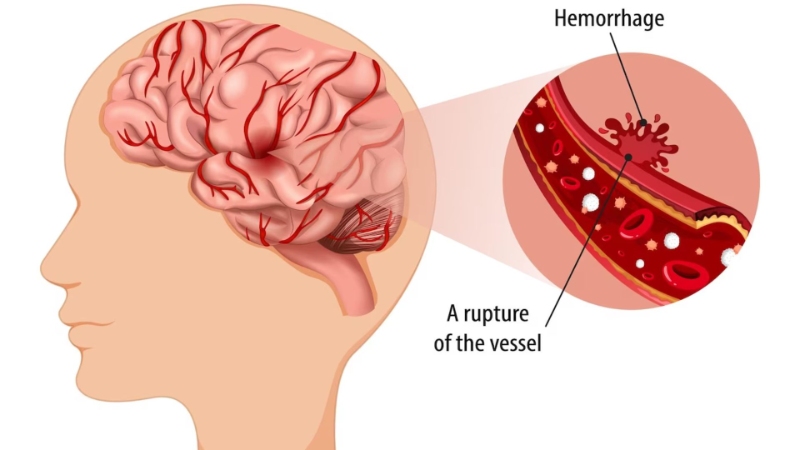
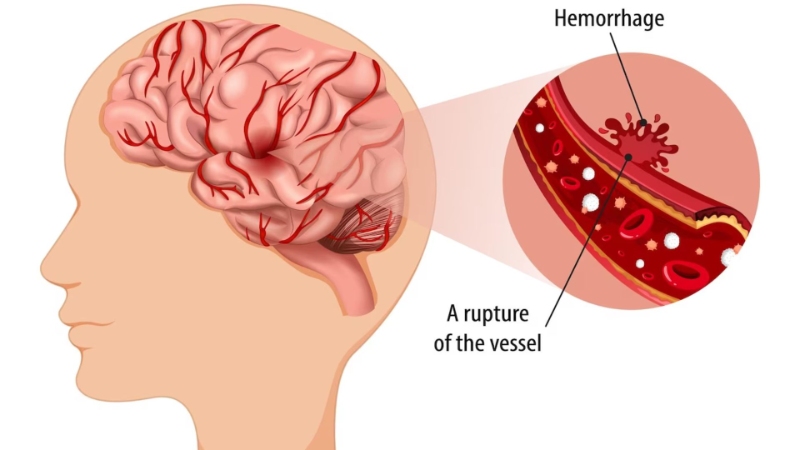
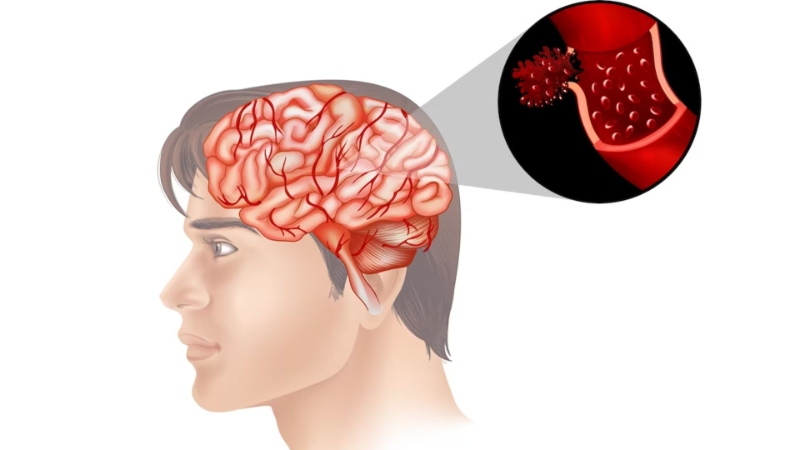
    Hemorrhagic stroke paralysis – A stroke, also known as a cerebrovascular accident, occurs when blood flow to the brain is interrupted, causing brain cells to die due to a lack of oxygen and nutrients. There are two main types of stroke: ischemic and hemorrhagic. Ischemic strokes are caused by a blockage in an artery supplying blood to the brain, while hemorrhagic strokes result from the rupture of a blood vessel in or around the brain.

    Stroke paralysis occurs when the brain’s nerve cells controlling muscles are damaged or destroyed as a result of the stroke. This damage can lead to various degrees of paralysis, ranging from mild weakness to complete loss of muscle function. Paralysis severity depends on the extent of brain damage and the specific area of the brain affected.

    What is Hemorrhagic Stroke Paralysis

    What is Hemorrhagic Stroke Paralysis?

    Hemorrhagic stroke paralysis refers to the paralysis that occurs as a result of a hemorrhagic stroke. A ruptured blood vessel can damage brain cells controlling muscle movement by leaking blood into the brain or surrounding tissues. This damage can cause paralysis on one or both sides of the body, depending on its location and severity.

    The paralysis experienced by an individual after a hemorrhagic stroke can be temporary or permanent. In some cases, the brain can recover and regain control over the paralyzed muscles, while in other cases, the damage may be too severe for any significant recovery to occur.

    Causes of Hemorrhagic Stroke

    Causes of Hemorrhagic Stroke

    Hemorrhagic strokes can be caused by various factors, including:

    1. High blood pressure: Chronic high blood pressure can weaken the walls of blood vessels, making them more susceptible to rupture and bleeding.
    2. Aneurysm: An aneurysm is a weakened, bulging area in a blood vessel that can rupture and cause a hemorrhagic stroke.
    3. Arteriovenous malformation (AVM): AVM is an abnormal tangle of blood vessels connecting arteries and veins, which can rupture and cause a hemorrhagic stroke.
    4. Blood vessel abnormalities: Some individuals are born with abnormalities that increase their risk of experiencing a hemorrhagic stroke.
    5. Blood-thinning medications: Blood-thinning medications like warfarin or aspirin increase the risk of bleeding in the brain. 

    Symptoms of Hemorrhagic Stroke

    The symptoms of hemorrhagic stroke paralysis can vary depending on the location and severity of the brain damage. Common symptoms include:

    1. Sudden weakness/numbness: This can occur on one or both sides of the body, including the face, arm, or leg.
    2. Difficulty speaking or understanding speech: Some individuals may experience slurred speech or difficulty understanding others.
    3. Vision problems: Hemorrhagic strokes can cause sudden vision loss, blurred vision, or double vision.
    4. Severe headache: A sudden, severe headache with no known cause is a common symptom of a hemorrhagic stroke.
    5. Loss of balance or coordination: Some individuals may experience difficulty walking, dizziness, or a sudden loss of balance.

    > Consult a doctor and Order Medicine Online

    Diagnoses and Treatment of Hemorrhagic Stroke

    Early diagnosis and treatment are crucial for improving the chances of recovery and minimizing the risk of long-term complications. The diagnostic process for hemorrhagic stroke paralysis typically involves a physical examination, medical history review, and imaging tests such as a computed tomography (CT) scan or magnetic resonance imaging (MRI) to determine the location and extent of the bleeding in the brain.

    Once a hemorrhagic stroke has been diagnosed, the primary goal of treatment is to stop the bleeding and minimize brain damage. This may involve medications to lower blood pressure and prevent seizures, as well as surgical interventions to repair damaged blood vessels or remove blood clots. In some cases, a ventriculostomy may be performed to drain excess fluid from the brain and relieve pressure.

    Rehabilitation is a critical component of hemorrhagic stroke treatment, as it can help individuals regain lost function and improve their quality of life. Rehabilitation may involve physical therapy, occupational therapy, and speech therapy, depending on the specific needs of the individual.

    Post-Stroke Care and Support

    Following a hemorrhagic stroke, individuals may require ongoing care and support to manage their symptoms and maximize their recovery. This can include regular check-ups with healthcare providers, medications to control blood pressure and prevent seizures, and support services such as home care or assisted living facilities.

    Family and caregivers aid recovery with emotional support, encouragement, and daily assistance, playing crucial roles in the process. It’s essential for caregivers to educate themselves about hemorrhagic stroke paralysis and the available resources to ensure they can provide the best possible care.

    Prevention

    Not all hemorrhagic stroke paralysis can be prevented, but lifestyle changes can reduce the risk of some cases. These include:

    • Managing blood pressure: Regular check-ups and prescribed medications can help keep blood pressure within a healthy range
    • Eating a healthy diet: Consuming a diet rich in fruits, vegetables, whole grains, and lean protein can help lower the risk of high blood pressure and other stroke risk factors.
    • Exercising regularly: Engaging in regular physical activity can help maintain a healthy weight and reduce the risk of high blood pressure, diabetes, and other stroke risk factors.
    • Not smoking: Smoking increases the risk of stroke by damaging blood vessels and increasing blood pressure. Quitting smoking can significantly reduce the risk of stroke.
    • Limiting alcohol consumption: Excessive alcohol consumption can increase blood pressure and the risk of stroke. It’s essential to limit alcohol intake to moderate levels – up to one drink per day for women and up to two drinks per day for men.

    Also Read: What are Generic Medicine?

    Recovery

    Recovery after hemorrhagic stroke paralysis varies highly based on brain damage severity and individual’s overall health. Some improve, others remain paralyzed, needing continuous care and support.

    Individuals and caregivers must maintain realistic recovery expectations and prepare for potential challenges that may arise during the process. By working closely with healthcare providers and rehabilitation specialists, individuals can maximize their chances of recovery and improve their quality of life.

    Conclusion:

    Hemorrhagic stroke paralysis can be a life-altering event, causing significant physical and emotional challenges for individuals and their families. By understanding the causes, symptoms, and treatments, individuals can navigate the recovery process, enabling informed decisions by both individuals and caregivers. Additionally, by adopting healthy lifestyle habits and working closely with healthcare providers, individuals can reduce their risk of experiencing a hemorrhagic stroke and improve their chances of recovery should a stroke occur.

    Related Links:

    For access to more such interesting articles on healthcare, visit Medkart today!

  • Binge Eating Disorder: Symptoms, Treatment, Definition and Health Risks

    Binge Eating Disorder: Symptoms, Treatment, Definition and Health Risks

    binge eating disorder treatmentBinge Eating Disorder (BED) is characterized by recurring episodes of consuming large amounts of food in a short period, often accompanied by a sense of loss of control. Symptoms include rapid consumption, discomfort after eating, and feelings of guilt. Treatment for BED may involve therapy, counseling, and support groups. It’s important to address the underlying emotional triggers and develop healthy eating patterns to manage this disorder effectively.

    Introduction to Eating Disorders

    Eating disorders are complex and serious mental health conditions that affect millions of individuals worldwide. They involve disturbances in eating habits and often result in severe consequences to an individual’s physical and emotional well-being. Eating disorders can be life-threatening, and it is crucial for anyone affected by them to seek professional help and support.

    The prevalence and impact of eating disorders cannot be underestimated. According to the National Eating Disorders Association (NEDA), approximately 30 million Americans will experience an eating disorder at some point in their lives. Eating disorders can affect people of all ages, genders, and ethnicities, and they carry the highest mortality rate of any mental health disorder.

    Awareness and understanding of eating disorders are essential for early intervention, prevention, and treatment. In this article, we will explore binge eating disorder, a type of eating disorder that is often misunderstood and underdiagnosed. We will discuss its types, symptoms, causes, and effective treatment options, as well as how to help someone who may be struggling with this condition.

    What is Binge Eating Disorder?

    Binge eating disorder is a severe and potentially life-threatening eating disorder characterized by recurrent episodes of eating large quantities of food, often quickly and to the point of discomfort. Individuals with binge eating disorder often feel a loss of control during these episodes and experience feelings of shame, guilt, and distress afterwards.

    Binge eating disorder is the most common eating disorder in the United States, affecting approximately 2.8 million people. It is more prevalent among women, but it affects a significant number of men as well. Binge eating disorder can develop at any age, but it is most common in late adolescence and early adulthood.

    Although binge eating disorder has only recently been recognized as a distinct condition in the Diagnostic and Statistical Manual of Mental Disorders (DSM-5), it has long been recognized as a serious and debilitating condition. It is often associated with other mental health conditions such as depression, anxiety, and substance abuse, and it can lead to severe physical health problems if left untreated.

    14 Healthy foods to add in your diet to make healthy diet | Types of Diets

    Types of Binge Eating Disorder

    There are several types of eating disorders, each with its unique characteristics and symptoms. Among the most prevalent eating problems are:

    • Anorexia Nervosa: Anorexia nervosa is characterized by extreme restriction of food intake, an intense fear of gaining weight, and a distorted body image. Individuals with anorexia often have a significantly low body weight and may engage in excessive exercise, vomiting, or the use of laxatives to prevent weight gain.
    • Bulimia Nervosa: Bulimia nervosa is characterized by recurrent episodes of binge eating followed by purging behaviors such as self-induced vomiting, excessive exercise, or the use of laxatives to compensate for the binge eating. Individuals with bulimia may maintain a normal body weight but often struggle with feelings of guilt, shame, and low self-esteem.
    • Binge Eating Disorder: As previously discussed, binge eating disorder involves recurrent episodes of eating large quantities of food in a short period, often accompanied by feelings of shame, guilt, and a loss of control.
    • Other Specified Feeding or Eating Disorders (OSFED): OSFED is a category for individuals who exhibit disordered eating behaviors and symptoms but do not meet the specific criteria for anorexia, bulimia, or binge eating disorder. Some examples of OSFED include atypical anorexia nervosa, purging disorder, and night eating syndrome.

    Anorexia Definition and Symptoms

    Anorexia nervosa is a potentially life-threatening eating disorder characterized by self-imposed starvation, an intense fear of weight gain, and a distorted body image. The term “anorexia” is derived from the Greek words “an” (without) and “orexis” (appetite), which reflect the core features of this disorder: a refusal to maintain a healthy body weight and a relentless pursuit of thinness.

    Anorexia nervosa symptoms can vary, but they generally include:

    • Severe restriction of food intake, leading to significantly low body weight
    • Intense fear of gaining weight or becoming fat, even when underweight
    • Distorted perception of one’s body weight, shape, or size
    • Denial of the seriousness of the low body weight
    • In females, the absence of menstrual periods (amenorrhea)

    Anorexia nervosa can have severe consequences on an individual’s physical and emotional health, including heart problems, osteoporosis, kidney damage, and an increased risk of suicide.

    Binge Eating Disorder Symptoms

    Binge eating disorder is characterized by recurrent episodes of eating large quantities of food in a short period, often to the point of discomfort. Symptoms of binge eating disorder include:

    • Eating unusually large amounts of food in a short period (within 2 hours)
    • Feeling a lack of control during binge episodes
    • Eating rapidly during binge episodes
    • Eating until uncomfortably full or beyond satiety
    • Eating large amounts of food even when not physically hungry
    • Eating alone or in secret due to embarrassment
    • Feeling shame, guilt, or distress after binge eating

    Binge eating disorder is often associated with other mental health conditions such as depression, anxiety, and substance abuse. It can also lead to severe physical health problems, including obesity, type 2 diabetes, cardiovascular disease, and certain types of cancer.

    Causes of Binge Eating Disorder

    The exact causes of binge eating disorder are not fully understood, but it is believed to be a complex interplay of genetic, biological, psychological, and environmental factors. Some potential contributing factors include:

    • Genetics: Research suggests that binge eating disorder may have a genetic component, with individuals who have a family history of eating disorders being at a higher risk of developing the condition.
    • Brain Chemistry: Imbalances in certain neurotransmitters, such as serotonin and dopamine, may contribute to the development of binge eating disorder. These chemicals play a role in regulating mood, appetite, and impulse control.
    • Psychological Factors: Individuals with binge eating disorder often struggle with low self-esteem, feelings of shame, and a negative body image. Emotional stress, depression, and anxiety can also trigger binge eating episodes.
    • Environmental Factors: Cultural pressures to conform to an idealized body shape and size, as well as exposure to dieting and weight loss messages, may contribute to the development of binge eating disorder. Additionally, traumatic events or a history of abuse may increase an individual’s risk of developing the condition.

    Health Risks Associated with Binge Eating Disorder

    Binge eating disorder can have severe consequences for an individual’s physical and emotional health. Some of the potential health risks associated with binge eating disorder include:

    • Cardiovascular Disease: Individuals with binge eating disorder may be at an increased risk of developing cardiovascular disease, due to factors such as high blood pressure, high cholesterol levels, and obesity.
    • Type 2 Diabetes: Binge eating disorder can contribute to the development of type 2 diabetes, as the condition is often associated with insulin resistance and obesity.
    • Gastrointestinal Problems: Binge eating large quantities of food can cause various gastrointestinal issues, such as acid reflux, constipation, and irritable bowel syndrome.
    • Depression, anxiety, and other mental health issues are frequently associated to binge eating disorder. The emotional distress associated with binge eating can create a vicious cycle, with individuals using food as a coping mechanism for negative emotions.

    Effective Treatment Options for Binge Eating Disorder

    There are various treatment options available for binge eating disorder, and the most effective approach often involves a combination of therapies. Among the most popular forms of treatment are:

    • Psychotherapy: Commonly referred to as talk therapy, is frequently an essential part of the treatment of binge eating disorders. Cognitive-behavioral therapy (CBT), interpersonal psychotherapy (IPT), and dialectical behavior therapy (DBT) are some of the most effective forms of psychotherapy for binge eating disorder.
    • Medication: Antidepressant and anti-anxiety medications may be prescribed to help manage the symptoms of binge eating disorder, particularly if the individual is struggling with co-occurring mental health conditions such as depression or anxiety.
    • Nutritional Counseling: A registered dietitian can help individuals with binge eating disorder develop a healthy relationship with food and learn how to eat in a balanced and nourishing way. Nutritional counseling may also involve developing meal plans and identifying triggers that may lead to binge eating episodes.
    • Support Groups: Support groups can provide a safe and supportive environment for individuals with binge eating disorder to share their experiences and receive encouragement and accountability from others who understand what they are going through.
    • Family Therapy: Family therapy can be beneficial for individuals with binge eating disorder who have strained relationships with family members or who may need additional support and understanding from loved ones.

    The most effective treatment approach for binge eating disorder will depend on the individual’s unique needs and circumstances. Seeking professional help and support is essential for managing binge eating disorder and reducing the risk of long-term health consequences.

    How to Help Someone with Binge Eating Disorder

    If you know someone who may be struggling with binge eating disorder, there are several ways you can offer support and encouragement:

    • Educate Yourself: Learn as much as you can about binge eating disorder to better understand what your loved one is going through. Avoid making assumptions or judgments, and be open and empathetic.
    • Encourage Professional Help: Encourage your loved one to seek professional help from a qualified mental health provider who specializes in eating disorders. Offer to help them research treatment options and provide emotional support throughout the process.
    • Be Supportive: Let your loved one know that you are there for them and that you care about their well-being. Avoid criticizing or shaming them for their behavior, and offer a listening ear without judgment.
    • Be Patient: Recovery from binge eating disorder can be a long and challenging process. Be patient and understanding, and offer continued support and encouragement even if progress is slow.

    Frequently asked Question for Binge eating disorder

    Q1: What is Binge Eating Disorder (BED)?

    Binge Eating Disorder (BED) is a mental health condition characterized by recurrent episodes of consuming excessive amounts of food within a discrete period, accompanied by a lack of control during these episodes.

    Q2: What are the common symptoms of BED?

    Common symptoms of Binge Eating Disorder include consuming large quantities of food rapidly, feeling distressed or guilty after bingeing, and eating even when not physically hungry.

    Q3: What causes Binge Eating Disorder?

    While the exact cause is not fully understood, factors such as genetics, psychological factors (stress, depression), and societal pressures may contribute to the development of BED.

    Q4: How is Binge Eating Disorder treated?

    Treatment for BED typically involves a combination of psychotherapy (such as cognitive-behavioral therapy), nutritional counseling, and support groups. Medications may also be considered in some cases.

    Q5: Can Binge Eating Disorder be prevented?

    There is no guaranteed way to prevent BED, but early intervention, fostering a healthy relationship with food, and addressing emotional and psychological triggers may help reduce the risk of developing this disorder.

    Conclusion

    Binge eating disorder is a serious and potentially life-threatening eating disorder that affects millions of individuals worldwide. It is often associated with other mental health conditions and can lead to severe physical health problems if left untreated. Early intervention and effective treatment are crucial for managing binge eating disorder and reducing the risk of long-term consequences.

    If you or someone you know is struggling with binge eating disorder, seek professional help and support. With the right treatment approach and support network, it is possible to manage binge eating disorder and achieve lasting recovery.

  • What happens if we take Dolo 650 without Fever? Side Effect, Dolo 650 Uses

    What happens if we take Dolo 650 without Fever? Side Effect, Dolo 650 Uses

    what is dolo 650 image

    In today’s fast-paced world, people often look for quick solutions to alleviate their discomforts. One such commonly used medication is Dolo 650, which is primarily prescribed for fever and pain relief. However, there is a growing concern among people about whether it is safe to take Dolo 650 when not experiencing a fever. This article aims to provide comprehensive information about Dolo and its uses, side effects, alternatives available in the market and what happens if we take Dolo 650 without fever.

    What is Dolo 650?

    Dolo 650 is a widely popular over-the-counter analgesic and antipyretic medication. It is primarily used to manage fever, headaches, and mild to moderate pain. Acetaminophen, usually referred to as paracetamol, is the primary component of Dolo 650. Paracetamol is a well-tolerated and effective drug used worldwide for its analgesic and antipyretic properties.

    Doctors often recommend Dolo 650 for temporary relief from conditions such as fever, headache, toothache, menstrual cramps, and musculoskeletal pain. The drug is known for its fast action and minimal side effects when taken as prescribed. However, it is essential to understand the composition and workings of Dolo 650 before exploring its usage in various situations.

    Composition

    As mentioned earlier, Dolo 650 composition is Paracetamol. The class of medications known as analgesics (pain relievers) and antipyretics (fever reducers) includes paracetamol. It functions by preventing the body from producing prostaglandins, which are responsible for inflammation and discomfort. Moreover, it acts on the hypothalamus, the part of the brain responsible for regulating body temperature, to reduce fever.

    Dolo 650 tablets contain 650 mg of Paracetamol, which is the maximum strength available for over-the-counter purchase. This makes it a potent medication for managing fever and pain. However, it is crucial to understand its various uses and potential side effects to ensure safe consumption.

    Uses

    Dolo 650 is a versatile medication with numerous applications. Doctors primarily prescribe it for the following conditions:

    • Fever: Dolo 650 acts as an antipyretic, effectively reducing fever by acting on the hypothalamus in the brain.
    • Headache: As an analgesic, Dolo 650 can provide relief from headaches, including tension headaches and migraines.
    • Toothache: The medication can alleviate the pain associated with toothaches, dental procedures, or gum infections.
    • Menstrual cramps: Dolo 650 can help relieve pain and discomfort during menstruation.
    • Musculoskeletal pain: It can provide relief from muscle aches, sprains, and other minor injuries.

    While Dolo 650 is an effective remedy for these conditions, it is essential to be aware of its potential side effects and the precautions to be taken while consuming it.

    Also Read: What is Generic Medicine?

    Side Effects

    Dolo 650 is generally considered safe when taken as prescribed. However, some people may experience negative effects, just like with any drug. The common Dolo 650 side effects include:

    • Nausea
    • Vomiting
    • Stomach pain
    • Allergic symptoms like hives, swelling, and rash

    In rare cases, severe side effects like liver damage, kidney problems, and blood disorders can occur. It is crucial to consult a doctor immediately if any of these side effects persist or worsen.

    Related Important Things to Know :

    What happens if we take Dolo 650 without fever?

    The primary purpose of Dolo 650 is to manage fever and pain. However, people often wonder if it is safe to take the medication without experiencing a fever. The answer to this question depends on the individual’s condition and the symptoms they are experiencing.

    In general, it is safe to take Dolo 650 for pain relief even if you do not have a fever. However, it is essential to follow the prescribed dosage and consult a doctor if the pain persists or worsens.

    Dolo 650 for Headache

    Headaches can be caused by various factors, including stress, tension, dehydration, and lack of sleep. Dolo 650 for headaches is an effective remedy due to its analgesic properties. It is safe to take the medication for headache relief, even in the absence of a fever.

    However, it is crucial to remember that Dolo 650 only temporarily relieves headaches and does not treat the underlying cause. If headaches persist or become more frequent, it is essential to consult a doctor for proper diagnosis and treatment.

    If your symptoms include a cold, cough, or nasal congestion along with a mild fever, a combination medicine like Cheston Cold Tablet may be more effective than Dolo 650 alone, as it helps target multiple symptoms at once. Always consult a doctor before switching or combining medications.

    > Consult a doctor and Order Medicine Online.

    Dosage and Precautions

    As with any medication, it is crucial to follow the prescribed dosage and precautions while consuming Dolo 650. The recommended dosage for adults and children above 12 years is one tablet every 4-6 hours, not exceeding four tablets in 24 hours.

    For children below 12 years, the dosage should be adjusted according to their weight and age, as a doctor prescribes. Some essential precautions to be taken while consuming Dolo 650 include:

    • Do not exceed the recommended dosage, as it can lead to severe side effects like liver damage.
    • Avoid consuming alcohol while taking Dolo 650, as it can increase the risk of liver damage.
    • Consult a doctor if you are pregnant, breastfeeding, or have pre-existing health conditions like liver or kidney problems.
    • Always inform your doctor about any other medications you are taking to avoid potential drug interactions.

    Generic Alternatives to Dolo 650

    While Dolo 650 is an effective and widely used medication for fever and pain relief, there are several alternatives available in the market. Some popular alternatives include:

    • Ibuprofen: A nonsteroidal anti-inflammatory drug (NSAID) used for pain relief, fever reduction, and inflammation management.
    • Naproxen: Another NSAID effective in managing pain, fever, and inflammation.
    • Aspirin: A salicylate drug often used for pain relief, fever reduction, and as an anti-inflammatory agent.

    It is essential to consult a doctor before switching to an alternative medication, as each drug has its unique properties, side effects, and interactions.

    Comparion of Dolo & Paracip image

    Conclusion

    Dolo 650 is an effective and widely used medication for managing fever and pain. It is generally safe to take Dolo 650 without experiencing a fever, especially for conditions like headaches, toothaches, and menstrual cramps. However, it is crucial to follow the recommended dosage and precautions while consuming the medication.

    Always consult a doctor before starting, changing, or stopping any medication, and seek medical advice if you experience any side effects or persistent pain. Remember that medications like Dolo 650 only provide temporary relief and do not treat the underlying cause of the pain or discomfort. It is essential to address the root cause to ensure overall health and well-being.

    Related Links:

  • Pathophysiology of Depression: Causes and Symptoms of Depression in Teens and Men

    Pathophysiology of Depression: Causes and Symptoms of Depression in Teens and Men

    Depression image

    This article delves into the pathophysiology of depression, exploring its underlying causes and manifestations in both teenagers and men. It examines the intricate interplay of biological, psychological, and environmental factors that contribute to the development of depression. Additionally, the article highlights the distinct symptoms and expressions of depression in these specific demographics, shedding light on potential variations in presentation and experiences.

    Introduction to Depression

    Depression is a complex and severe mood disorder that affects millions of people worldwide. It is characterised by enduring melancholy, pessimism, and a lack of interest in once-enjoyed activities. Depression can have a profound impact on a person’s physical and mental health, as well as their relationships and overall quality of life.

    The World Health Organization (WHO) estimates that over 264 million people globally suffer from depression, making it one of the leading causes of disability worldwide. Despite its prevalence, there is still much to learn about the underlying causes of depression, as well as how to effectively diagnose and treat it. In recent years, researchers have made significant strides in understanding the pathophysiology of depression in an effort to improve treatment options and outcomes for those affected by this debilitating condition.

    What is the Pathophysiology of Depression?

    The pathophysiology of depression refers to the complex biological, psychological, and social factors that contribute to the development of depressive symptoms. This includes alterations in brain chemistry, genetic predispositions, environmental triggers, and the interplay between these factors. By examining the pathophysiology of depression, researchers and mental health professionals can gain valuable insights into the root causes of the disorder and develop more targeted and effective treatments.

    One key aspect of the pathophysiology of depression involves changes in neurotransmitter levels in the brain. Neurotransmitters are chemical messengers that help transmit signals between nerve cells, playing a crucial role in regulating mood, cognition, and behavior. Imbalances in neurotransmitters such as serotonin, norepinephrine, and dopamine have been implicated in the development of depression, although the exact mechanisms remain unclear.

    In addition to neurotransmitter imbalances, alterations in brain structures and neural circuits have also been observed in individuals with depression. For example, studies have shown that the hippocampus, a region of the brain involved in memory and emotional regulation, is often smaller in people with depression compared to those without the disorder. Furthermore, abnormal activity in the prefrontal cortex, which plays a key role in decision-making and impulse control, has been linked to depressive symptoms.

    Symptoms of Depression in Teens

    Depression in teens can manifest in various ways, and recognizing the symptoms is essential for early intervention and treatment. Some common symptoms of depression in teens include:

    • Persistent feelings of sadness, hopelessness, or irritability
    • loss of enjoyment or interest in once-enjoyed activities
    • Fatigue or low energy levels
    • alterations in appetite or weight, whether they are gains or losses
    • Difficulty concentrating, remembering, or making decisions
    • sleep disorders including insomnia or excessive sleeping
    • Physical symptoms, such as headaches or stomachaches, that do not have a clear cause or do not improve with treatment
    • Social exclusion or separation from family and friends
    • Thoughts of death or suicide

    It is important to note that not all teens with depression will exhibit every symptom, and the severity and duration of symptoms can vary greatly between individuals. In some cases, depression in teens may present as irritability or anger rather than sadness, making it more difficult to recognize and diagnose the disorder.

    Symptoms of Depression in Men

    Depression in men can also manifest differently than it does in women, and understanding these differences can help facilitate early detection and treatment. Men may have the following symptoms of depression:

    • Feelings of sadness, hopelessness, or emptiness
    • loss of interest in previously favoured pastimes or activities
    • Fatigue or low energy levels
    • Difficulty concentrating, making decisions, or remembering things
    • Irritability, anger, or aggression
    • alterations in appetite or weight, whether they are gains or losses
    • sleep issues like excessive or incontinence sleeping
    • Physical symptoms, such as headaches, digestive problems, or pain, that do not have a clear cause or do not improve with treatment
    • acting in a dangerous manner, such as abusing drugs or driving carelessly
    • Thoughts of death or suicide

    As with teens, not all men with depression will exhibit every symptom, and the severity and duration of symptoms can vary greatly between individuals. Men may be more likely to externalize their emotions, leading to increased irritability and aggression, making it more challenging to recognize and diagnose depression in this population.

    The Prevalence of Depression in Teens and Men

    Everyone, regardless of age, gender, or background, is susceptible to depression, a prevalent mental health issue. However, certain populations, such as teens and men, may be at a higher risk for developing depression or experiencing unique challenges in accessing appropriate care and support.

    According to the National Institute of Mental Health (NIMH), approximately 3.2 million adolescents aged 12 to 17 in the United States experienced at least one major depressive episode in the past year. This represents nearly 13% of the adolescent population, with girls being more likely to experience depression than boys.

    In men, the lifetime prevalence of depression is estimated to be around 9%, although this number may be higher due to the underdiagnosis and underreporting of depression in this population. Men may be less likely to seek help for their depressive symptoms, often due to societal expectations and stigma surrounding mental health issues.

    Understanding the Causes of Depression in Teens and Men

    There is no single cause of depression, but rather a complex interplay of genetic, biological, psychological, and environmental factors that contribute to its development. Some potential causes of depression in teens and men include:

    • Genetic predisposition: Individuals with a family history of depression may be at a higher risk of developing the disorder themselves.
    • Biochemical imbalances: Changes in the levels of certain neurotransmitters in the brain, such as serotonin, dopamine, and norepinephrine, have been implicated in the development of depression.
    • Hormonal fluctuations: In teens, the hormonal changes that occur during puberty may contribute to the onset of depressive symptoms. In men, decreasing testosterone levels as they age may also play a role.
    • Stressful life events: Experiencing significant stressors, such as the loss of a loved one, a breakup, or financial difficulties, can trigger the onset of depression in some individuals.
    • Environmental factors: Exposure to violence, abuse, or neglect can increase the risk of developing depression in both teens and men.
    • Substance abuse: The use of drugs or alcohol can exacerbate depressive symptoms or contribute to the development of depression in some cases.

    It is important to note that the causes of depression can vary greatly between individuals, and what may contribute to the development of depression in one person may not have the same effect on another.

    The Role of Genetics in Depression

    Genetics play a significant role in the development of depression, with research suggesting that individuals with a family historyof the disorder may be at a higher risk of developing depression themselves. While there is no single gene responsible for depression, studies have identified several genes that may increase the likelihood of developing the disorder.

    One gene that has received significant attention in depression research is the serotonin transporter gene (5-HTT). The 5-HTT gene regulates the reuptake of serotonin in the brain, which is a key neurotransmitter involved in the regulation of mood, among other functions. Studies have shown that individuals with a variant of the 5-HTT gene that reduces serotonin uptake may be more susceptible to developing depression in response to stressful life events.

    Other genes that may be involved in the development of depression include those related to the hypothalamic-pituitary-adrenal (HPA) axis, which is involved in the body’s stress response, and those related to the functioning of the prefrontal cortex, which plays a key role in emotion regulation.

    While genetic factors can contribute to the development of depression, it is essential to recognize that genes alone do not determine whether an individual will develop the disorder. Environmental factors, such as stressful life events or substance abuse, can also play a significant role in triggering or exacerbating depressive symptoms.

    The Importance of Seeking Depression Counseling and Treatment

    Depression is a treatable condition, and seeking professional help is essential for managing symptoms and improving overall quality of life. Depression counseling can provide individuals with the tools and strategies needed to cope with the challenges of the disorder, while medication like Placida Tablet can help regulate neurotransmitter levels in the brain, reducing symptoms of depression.

    The type of treatment recommended for depression will depend on the severity and duration of symptoms, as well as individual factors such as age, gender, and medical history. For teens with depression, family therapy may be particularly effective, as it can help improve communication and address any family dynamics that may be contributing to the disorder.

    In men, group therapy or support groups may be particularly beneficial, as they can provide an opportunity to connect with others who may be experiencing similar challenges. It is important to note that seeking professional help for depression is not a sign of weakness, but rather a brave and important step towards improved mental health and wellbeing.

    Finding the Right Depression Doctor

    Finding the right depression doctor is an essential part of the treatment process, as it can help ensure that individuals receive appropriate and effective care. When searching for a depression doctor, it is important to consider factors such as their qualifications, experience, and approach to treatment.

    Some questions to ask when considering a depression doctor may include:

    • What is their background and training in treating depression?
    • What approach do they take to treatment, and what types of therapies do they offer?
    • What is their experience working with individuals who have similar symptoms or challenges?
    • What is their philosophy on medication, and how do they determine whether medication is necessary?
    • What is their availability and accessibility, and what types of support do they offer outside of scheduled appointments?

    By taking the time to find a depression doctor who is a good fit for their needs and preferences, individuals can improve their chances of achieving positive outcomes and managing their symptoms effectively.

    Depression Medication: MODALERT 100MG TABLET

    Coping Mechanisms for Depression

    In addition to seeking professional help, there are several coping mechanisms that can be helpful for managing symptoms of depression. These may include:

    • Engaging in regular exercise or physical activity
    • Practicing mindfulness or meditation
    • eating a balanced diet and getting enough sleep
    • Spending time in nature or engaging in other activities that promote relaxation and stress reduction
    • Connecting with others through social support or therapy
    • Finding ways to express creativity or engage in hobbies and interests
    • establishing realistic expectations and emphasising modest victories

    It is important to note that coping mechanisms alone may not be sufficient for managing severe or persistent symptoms of depression, and seeking professional help is still essential. However, incorporating healthy coping mechanisms into daily life can help improve overall wellbeing and reduce the impact of depressive symptoms.

    Conclusion

    Millions of individuals worldwide suffer from depression, a complex and difficult mental health illness. While much is still unknown about the underlying causes of depression, researchers and mental health professionals have made significant strides in understanding the pathophysiology of the disorder, as well as developing effective treatments and coping mechanisms.

    For teens and men, who may face unique challenges in accessing appropriate care and support, seeking professional help is essential for managing symptoms and improving overall quality of life. By working with a trusted depression doctor, individuals can access the tools and strategies needed to cope with the challenges of the disorder and achieve improved mental health and wellbeing.

    Call To Action

    For access to more such interesting articles on healthcare, visit Medkart today!

  • Types of Asthma : How to Recognize and Manage Your Symptoms

    Types of Asthma : How to Recognize and Manage Your Symptoms


    types of asthma

    A chronic respiratory condition called asthma affects millions of people worldwide. It is characterised by inflammation and narrowing of the airways, which can cause difficulty breathing, coughing, wheezing, and chest tightness. The severity of asthma varies from person to person, ranging from mild to life-threatening. Understanding the different types of asthma can help individuals recognize their symptoms and manage their condition more effectively.

    There are several types of asthma, each with its own unique set of triggers and symptoms. In general, asthma can be classified into allergic, non-allergic, occupational, exercise-induced, and cardiac asthma. By identifying the specific type of asthma one has, it becomes easier to determine the best course of action for treatment and prevention.

    This article will discuss the various types of asthma and their classifications, symptoms, and causes. Additionally, it will explore common asthma risk factors, tests for diagnosing asthma, and ways to manage symptoms. By understanding the complexities of asthma, individuals can take appropriate steps to ensure they maintain a high quality of life despite their condition.

    Asthma Classification and Symptoms

    Asthma classification is determined by the severity and frequency of symptoms, as well as how well a person responds to treatment. The Global Initiative for Asthma (GINA) classifies asthma into four categories: intermittent, mild persistent, moderate persistent, and severe persistent. Each classification is based on factors such as the frequency of symptoms, nighttime awakenings, and lung function tests.

    Symptoms of asthma can vary depending on the individual and the specific type of asthma they have. Common symptoms include shortness of breath, chest tightness or pain, coughing, wheezing, and difficulty breathing. These symptoms can be triggered by various factors, such as allergens, irritants, exercise, and even changes in weather.

    By understanding the classification of one’s asthma and being aware of their specific symptoms, individuals can work with their healthcare provider to develop a personalized treatment plan. This plan will often include medications, lifestyle changes, and preventive measures to help manage symptoms and reduce the risk of asthma attacks.

    Asthma Symptoms image

    Types of Asthma – Allergic, Non-Allergic, Occupational, and Exercise-Induced

    There are several different types of asthma, each with unique triggers and characteristics. The most common form of asthma is allergic asthma, which occurs when the immune system overreacts to allergens such as pollen, pet dander, and dust mites. This type of asthma is often associated with other allergic conditions, such as allergic rhinitis (hay fever) or atopic dermatitis (eczema).

    1. Non-allergic asthma, on the other hand, is triggered by factors other than allergens, such as respiratory infections, cold air, or exposure to irritants like smoke or strong odors. This type of asthma is more common in adults and may be more difficult to manage, as the triggers are often less obvious than those of allergic asthma.

    2. Occupational asthma is a form of asthma that is triggered by exposure to specific substances or conditions in the workplace. Common triggers include chemicals, dust, fumes, and animal proteins. This type of asthma can be difficult to diagnose, as symptoms may be similar to those of other types of asthma or may only occur when the individual is in the workplace.

    3. Exercise-induced asthma occurs when physical activity triggers asthma symptoms. This type of asthma is common in athletes and can be managed by using medication before exercise, warming up properly, and avoiding activities in cold or dry air.

    Understanding Cardiac Asthma and Its Causes

    Cardiac asthma is a term used to describe a condition that mimics asthma but is actually caused by heart failure. The symptoms of cardiac asthma, such as shortness of breath, wheezing, and coughing, can be very similar to those of bronchial asthma, making it difficult to distinguish between the two.

    The primary cause of cardiac asthma is the inability of the heart to pump blood efficiently, leading to fluid buildup in the lungs. This fluid buildup can cause the airways to narrow, resulting in the asthma-like symptoms. It is essential to distinguish cardiac asthma from other types of asthma, as the treatment for heart failure is different from that of bronchial asthma.

    Asthma Risk Factors and Triggers

    There are several risk factors and triggers for asthma, some of which are specific to the type of asthma one has. Common risk factors include a family history of asthma, a history of allergies or eczema, childhood respiratory infections, and exposure to tobacco smoke or other environmental pollutants.

    Asthma triggers can vary depending on the specific type of asthma an individual has. Some common triggers include allergens (such as pollen, dust mites, and pet dander), respiratory infections, cold air, exercise, and exposure to irritants (such as smoke, strong odors, or chemicals).

    Understanding one’s asthma risk factors and triggers can help individuals take preventive measures to reduce their risk of asthma attacks and improve their overall health.

    Tests for Diagnosing Asthma – Spirometry, Peak Flow, and Bronchial Challenge

    There are several tests that healthcare providers use to diagnose asthma and determine its severity. These tests can help to differentiate asthma from other respiratory conditions and ensure that an individual receives the appropriate treatment.

    Spirometry is a typical test for identifying asthma. It measures the amount of air an individual can inhale and exhale, as well as the speed at which they can do so. This test can help determine the severity of asthma and assess how well an individual is responding to treatment.

    Peak flow testing involves measuring the maximum speed at which an individual can exhale. This test is often used to monitor asthma symptoms and can help determine the effectiveness of treatment.

    Bronchial challenge tests involve exposing an individual to a specific substance that may trigger asthma symptoms. This test can help confirm an asthma diagnosis, particularly in cases where spirometry and peak flow tests are inconclusive.

    Is Asthma Curable? Exploring Homeopathic Medicines and Top Nebulizers for Effective Relief

    Causes of Bronchial Asthma and Its Treatment

    Bronchial asthma is a chronic respiratory condition that is caused by inflammation and narrowing of the airways. The exact cause of bronchial asthma is not fully understood, but it is believed to be a combination of genetic and environmental factors.

    Treatment for bronchial asthma typically involves a combination of medications, lifestyle changes, and preventive measures. Inhaled corticosteroids, long-acting beta-agonists, or leukotriene modifiers are examples of medications. Lifestyle changes may involve avoiding known triggers, maintaining a healthy weight, and managing stress.

    Preventive measures for bronchial asthma can include receiving allergy shots, using air purifiers, and regularly cleaning the home to reduce exposure to allergens and irritants.

    Is Asthma Contagious? Myth and Facts

    A common misconception about asthma is that it is contagious. Asthma is not an infections disease and cannot be transmitted from one person to another. However, respiratory infections, which can trigger asthma symptoms, are contagious. It is important to understand that while asthma itself is not contagious, individuals with asthma should take precautions to avoid respiratory infections that may worsen their condition.

    Managing Asthma Symptoms – Medication, Lifestyle Changes, and Preventive Measures

    Managing asthma symptoms involves a combination of medication, lifestyle changes, and preventive measures. Medications can help control inflammation and prevent asthma attacks, while lifestyle changes can help individuals avoid triggers and maintain overall health.

    Some common medications used to manage asthma symptoms include:

    • Inhaled corticosteroids: These medications help to reduce inflammation and prevent asthma attacks.
    • Long-acting beta-agonists: These medications help to relax the muscles around the airways, making it easier to breathe.
    • Leukotriene modifiers: These medications help to prevent inflammation and constriction of the airways.

    1. Lifestyle changes that can help manage asthma symptoms include:

    • Avoiding triggers: Individuals with asthma should identify their triggers and take steps to avoid them. Common triggers include allergens, respiratory infections, and irritants like smoke and air pollution.
    • Eating a healthy diet: A diet rich in fruits, vegetables, and whole grains may help reduce inflammation and improve overall health.
    • Maintaining a healthy weight: Obesity can worsen asthma symptoms, so it is important to maintain a healthy weight.
    • Getting regular exercise: Exercise can be a trigger for some individuals with asthma, but regular physical activity can also improve lung function and overall health.

    2. Preventive measures that can help manage asthma symptoms include:

    • Using air purifiers: Air purifiers can help remove allergens and irritants from the air, making it easier to breathe.
    • Getting allergy shots: Allergy shots can help reduce sensitivity to allergens and may help prevent asthma attacks.
    • Regularly cleaning the home: Regular cleaning can help reduce exposure to allergens and irritants.

    Conclusion

    In conclusion, millions of individuals around the world suffer from asthma, a chronic respiratory ailment. There are several types of asthma, each with unique triggers and symptoms. Understanding one’s asthma and taking appropriate steps to manage symptoms can improve overall health and quality of life.

    It is essential to seek medical help if one suspects they may have asthma. A healthcare provider can diagnose asthma, determine its severity, and develop a personalized treatment plan. With proper treatment and management, individuals with asthma can lead healthy and active lives.

    Remember, asthma can be a life-threatening condition if left untreated or unmanaged. If you think you have asthma or are experiencing asthma-like symptoms, seek medical help immediately.

  • How to Increase Platelet Count in Dengue? Diet for Dengue Treatment


    Increase Platelet Count In Dengue

    Dengue and Its Impact on Platelet Count

    Dengue fever is a mosquito-borne viral infection that has become a major global health concern. Dengue can lead to dengue hemorrhagic fever, a severe and potentially fatal complication. One of the main characteristics of dengue infection is the significant decrease in platelet count, which can result in life-threatening bleeding. Platelets are crucial for blood clotting and preventing excessive bleeding, so maintaining a healthy platelet count is essential during dengue treatment.

    To better understand the impact of dengue on platelet count, it is necessary to be aware of the normal range of platelets in the blood. A healthy platelet count ranges from 150,000 to 450,000 platelets per microliter of blood. In dengue patients, the platelet count can drop dramatically, sometimes to as low as 10,000 platelets per microliter. This can lead to dengue hemorrhagic fever (DHF) and dengue shock syndrome (DSS), which require immediate medical intervention.

    The severity of dengue and its impact on platelet count vary from person to person. Some individuals may experience only mild symptoms, while others may require hospitalization and intensive care. Early diagnosis and proper treatment are essential for improving the prognosis and reducing the risk of complications. This includes timely administration of dengue treatment foods that can help boost the patient’s platelet count and support recovery.

    The Importance of Proper Nutrition for Dengue Patients

    Proper nutrition plays a critical role in the recovery of dengue patients. A well-balanced diet consisting of dengue treatment foods can provide the necessary nutrients and energy needed to fight the infection and support the immune system. Dengue patients often experience a loss of appetite, nausea, and vomiting, making it difficult to consume adequate amounts of food. Therefore, it is essential to focus on nutrient-dense foods that are easy to digest and can help replenish the body’s resources.

    A dengue diet should be rich in vitamins, minerals, and antioxidants, which can help strengthen the immune system and support the body’s ability to repair damaged cells. Foods high in vitamin C, vitamin K, and B-complex vitamins are particularly beneficial for dengue patients, as they can help boost platelet production and promote overall health. Additionally, consuming protein-rich foods can support tissue repair and speed up recovery.

    It is also crucial to avoid foods and beverages that can worsen the symptoms of dengue or hinder the body’s healing process. These include processed foods, sugary drinks, and foods high in unhealthy fats. By focusing on a balanced diet of dengue treatment foods, patients can improve their chances of a faster and smoother recovery.

    Top Foods for Boosting Platelet Count in Dengue Patients


    Increase Platelet Count In DengueIncorporating specific foods into a dengue diet can help boost the patient’s platelet count and support recovery. Some of the top dengue treatment foods known to increase platelet count include:

    • Papaya: Papaya is considered one of the best foods for dengue patients due to its ability to boost platelet count. Papaya leaves, in particular, have been shown to possess compounds that can significantly increase platelet production.
    • Pomegranate: Pomegranate is rich in vitamins, minerals, and antioxidants, which can help strengthen the immune system and support platelet production. Consuming pomegranate juice or eating the seeds can provide the necessary nutrients for dengue patients.
    • Spinach: Spinach is an excellent source of vitamin K, which plays a crucial role in blood clotting and platelet formation. Including spinach in the dengue diet can help boost platelet count and promote overall health.
    • Kiwifruit: Kiwifruit is packed with vitamin C, which can help increase platelet count and support the immune system. Dengue patients can benefit from consuming kiwifruit regularly.
    • Lean protein sources: Protein-rich foods, such as lean meats, fish, eggs, and tofu, can support tissue repair and boost the production of platelets. Including these foods in a dengue diet can help speed up recovery.

    The Healing Properties of Papaya Leaves for Dengue Treatment

    Papaya leaves have gained significant attention as a potential dengue treatment due to their ability to boost platelet count. The leaves contain various bioactive compounds, including papain, chymopapain, and carpaine, which have been shown to possess anti-inflammatory, antioxidant, and immunomodulatory properties. These compounds can help reduce the severity of dengue symptoms and support the body’s natural healing process.

    Studies have shown that papaya leaf extract can significantly increase platelet count in dengue patients, reducing the risk of complications associated with low platelet count. Papaya leaves also contain high levels of vitamins and minerals that can support overall health and improve the patient’s immune response to the infection.

    In addition to boosting platelet count, papaya leaves have been found to possess anti-viral properties that can inhibit the replication of the dengue virus. This can help reduce the severity of the infection and support the body’s ability to recover from the illness.

    How to Make Papaya Leaf Juice for Dengue Platelet Count

    Papaya leaf juice is a popular and effective home remedy for dengue platelet count. Preparing papaya leaf juice is simple and can be done at home using fresh papaya leaves. Follow these steps to make papaya leaf juice for dengue platelet count:

    • Wash and clean 5-6 fresh papaya leaves thoroughly to remove any dirt or debris.
    • Remove the thick central vein and stems from the leaves.
    • Put the leaves in a blender after cutting them into small pieces.
    • Add a small amount of water to the blender and blend until a smooth paste is formed.
    • Strain the paste through a fine mesh strainer or cheesecloth to separate the juice from the pulp.
    • Store the papaya leaf juice in a sealed container and refrigerate until ready to use.

    Dengue patients can consume two tablespoons of papaya leaf juice twice a day for best results. It is essential to consult a healthcare professional before starting any home remedy or supplement, especially for dengue platelet count.

    Other Foods and Drinks for Dengue Treatment and Platelet Count Boosting

    In addition to the top foods mentioned earlier, several other foods and drinks can support dengue treatment and promote platelet count boosting. These include:

    • Beetroot: Beetroot is rich in iron, vitamins, and antioxidants, which can help increase platelet count and support overall health. Consuming beetroot juice or adding beetroot to salads and smoothies can provide the necessary nutrients for dengue patients.
    • Coconut water: Coconut water is a natural source of electrolytes, vitamins, and minerals that can help replenish the body’s resources and maintain hydration during dengue treatment. Drinking coconut water can also help alleviate symptoms such as nausea and vomiting.
    • Berries: Berries, such as strawberries, blueberries, and raspberries, are packed with antioxidants and vitamins that can support the immune system and boost platelet production. Including berries in the dengue diet can help improve the patient’s overall health.
    • Whole grains: Whole grains, such as brown rice, quinoa, and whole wheat bread, provide essential nutrients and fiber that can support digestion and overall health. Including whole grains in the dengue diet can help promote a faster recovery.
    • Green tea: Green tea is rich in antioxidants and has been shown to possess anti-viral properties that can help fight the dengue virus. Drinking green tea during dengue treatment can provide additional health benefits and support recovery.

    Foods and Drinks to Avoid During Dengue Treatment

    Certain foods and drinks can worsen the symptoms of dengue or hinder the body’s healing process. Dengue patients should avoid the following:

    • Processed and junk foods: Processed foods, such as chips, cookies, and fast food, can contribute to inflammation and weaken the immune system. It is essential to focus on nutrient-dense foods during dengue treatment.
    • Sugary drinks: Sugary drinks, such as soda and fruit juices with added sugar, can cause blood sugar fluctuations and contribute to inflammation. Opt for water, coconut water, or herbal teas instead.
    • Alcohol: Alcohol can impair the immune system and hinder the body’s ability to fight the dengue virus. Dengue patients should avoid alcohol consumption during treatment.
    • Caffeine: Caffeine can cause dehydration and interfere with the absorption of essential nutrients. Limit caffeine intake during dengue treatment.
    • Spicy and oily foods: Spicy and oily foods can cause digestive issues and worsen symptoms such as nausea and vomiting. Stick to mild, easy-to-digest foods during dengue treatment.

    The Role of Hydration in Dengue Treatment and Platelet Count Boosting

    Proper hydration is essential during dengue treatment, as it helps maintain the body’s electrolyte balance and supports overall health. Dengue patients often experience symptoms such as fever, vomiting, and diarrhea, which can lead to significant fluid loss and dehydration. Maintaining adequate fluid intake is crucial for preventing complications and promoting a faster recovery.

    Water is the best source of hydration, but dengue patients can also benefit from consuming other hydrating fluids, such as coconut water, herbal teas, and fruit-infused water. These fluids can help replenish lost electrolytes and provide additional nutrients that can support platelet count boosting and overall health.

    It is also important to avoid dehydration during dengue treatment. Dehydration symptoms include weariness, dry lips, and dark urine. Dengue patients should aim to drink at least eight glasses of fluid per day and increase their intake if they experience symptoms of dehydration.

    Dengue Diet Plan and Sample Menu

    A dengue diet plan should focus on nutrient-dense, easy-to-digest foods that can help support recovery and boost platelet count. Here is a sample menu for a dengue diet plan:

    • Breakfast: Oatmeal with sliced banana and almond milk, or a spinach and mushroom omelet with whole wheat toast
    • Snack: Pomegranate seeds with Greek yogurt, or a kiwifruit smoothie with almond milk and honey
    • Lunch: Grilled chicken breast with roasted vegetables and quinoa, or a papaya salad with shrimp and brown rice
    • Snack: Beetroot hummus with carrot sticks, or a berry and coconut water smoothie
    • Dinner: Baked salmon with sweet potato and green beans, or a tofu and vegetable stir-fry with brown rice
    • Snack: Papaya leaf juice, or a small handful of almonds

    Conclusion

    Dengue fever is a serious health condition that can have severe consequences if not properly diagnosed and treated. A critical component of dengue treatment is proper nutrition, which can help support recovery and boost platelet count. Incorporating dengue treatment foods, such as papaya leaves, pomegranate, spinach, kiwifruit, and lean protein sources, can provide the necessary nutrients and energy needed to fight the infection and support the immune system.

    In addition to specific foods, it is important to avoid certain foods and drinks that can worsen symptoms or hinder the body’s healing process. Proper hydration is also crucial during dengue treatment, as it helps maintain the body’s fluid and electrolyte balance.

    By following a well-balanced dengue diet plan, patients can improve their chances of a faster and smoother recovery. It is important to consult a healthcare professional before starting any new diet or supplement, especially during dengue treatment. With the power of dengue treatment foods and proper medical care, patients can overcome this challenging health condition and regain their health and vitality.

    FAQs on How to Increase Platelet Count in Dengue

    Q1. Can papaya leaf juice really increase platelet count in dengue patients?

    Yes, papaya leaf juice has been shown to increase platelet count in dengue patients. Papaya leaves contain bioactive compounds like papain and carpaine, which have been found to boost platelet production. Studies have demonstrated significant increases in platelet count in patients who consumed papaya leaf extract regularly.

    Q2. What are some key foods recommended in a dengue diet to help boost platelet count?

    Some key foods recommended in a dengue diet to help boost platelet count include papaya, pomegranate, spinach, kiwifruit, and other fruits rich in vitamin C. Additionally, incorporating foods like beetroot, coconut water, and whole grains can provide essential nutrients that support platelet production and overall health.

    Q3. Why is proper hydration important during dengue treatment?

    Proper hydration is essential during dengue treatment to maintain the body’s electrolyte balance and support overall health. Dengue patients often experience symptoms like fever, vomiting, and diarrhea, which can lead to significant fluid loss and dehydration. Adequate fluid intake can prevent complications and promote a faster recovery.

    Q3. Are there any foods that dengue patients should avoid?

    Yes, there are several foods and drinks that dengue patients should avoid, as they can worsen symptoms or hinder the body’s healing process. These include processed and junk foods, sugary drinks, alcohol, caffeine, spicy and oily foods. It is important to focus on nutrient-dense, easy-to-digest foods during dengue treatment.

    Related Links:

    Call To Action


     Visit Medkart to get the best generic medicines at the lowest prices, today!