
Category: Health & Wellness

  • What is Dengue Fever Recovery Phase? Dengue Recovery Symptoms, Home Remedies

    What is Dengue Fever Recovery Phase? Dengue Recovery Symptoms, Home Remedies

    What is Dengue Fever Recovery Phase | Dengue Recovery Symptoms, Home Remedies

    Dengue Fever Recovery Phase – Dengue fever is a mosquito-borne viral infection that has become a significant public health concern worldwide. In this comprehensive guide, the focus is on understanding dengue fever, the importance of the dengue vaccine, recognizing the symptoms, and exploring various home remedies and prevention tips. The aim is to provide valuable information to help individuals recover from dengue fever and prevent its recurrence.

    Understanding Dengue Fever

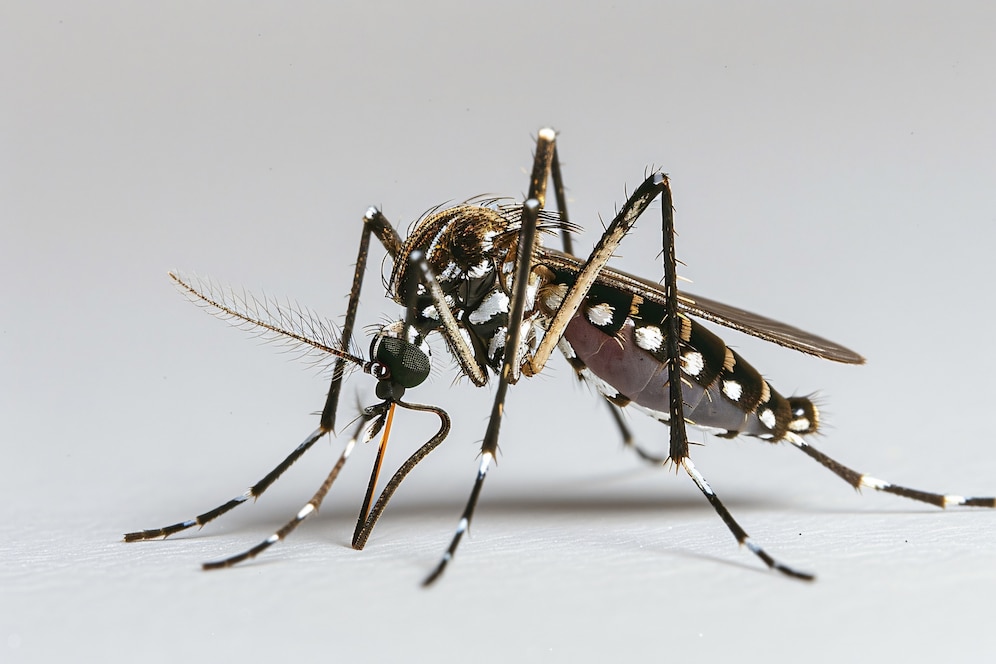
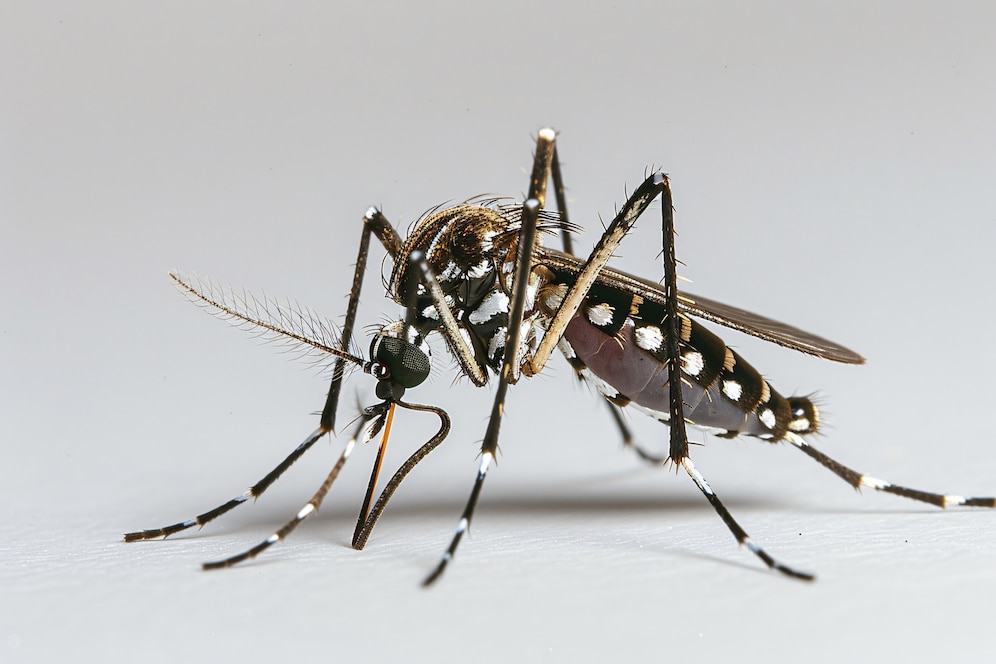
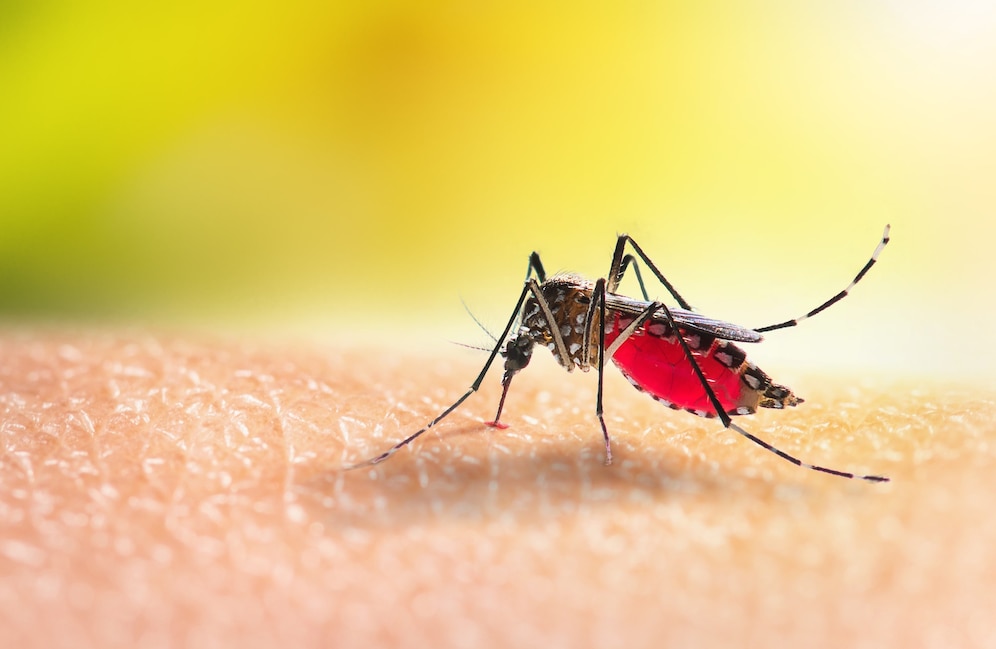
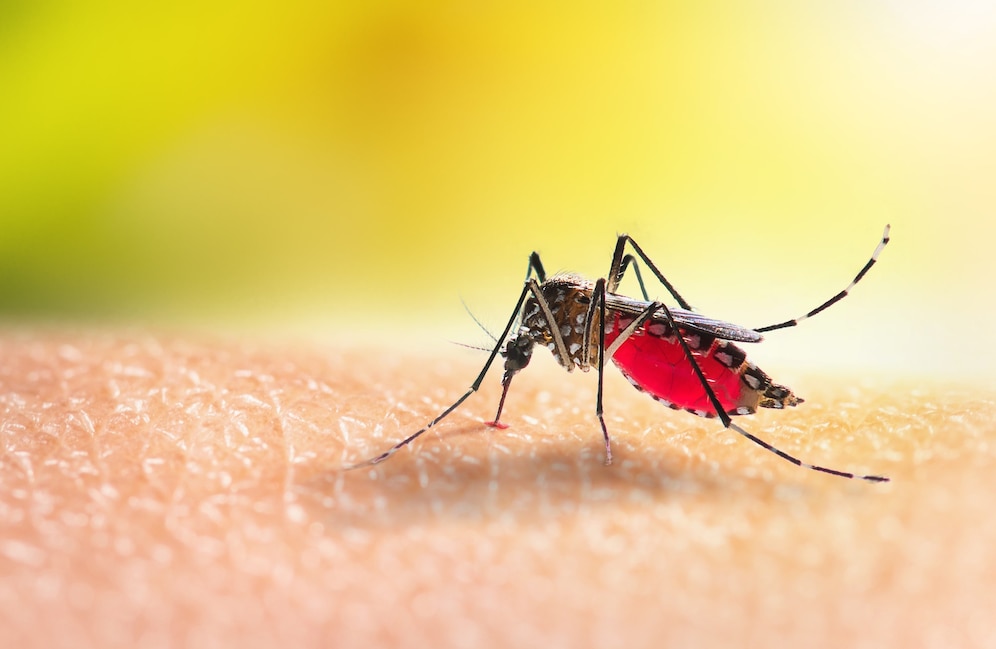
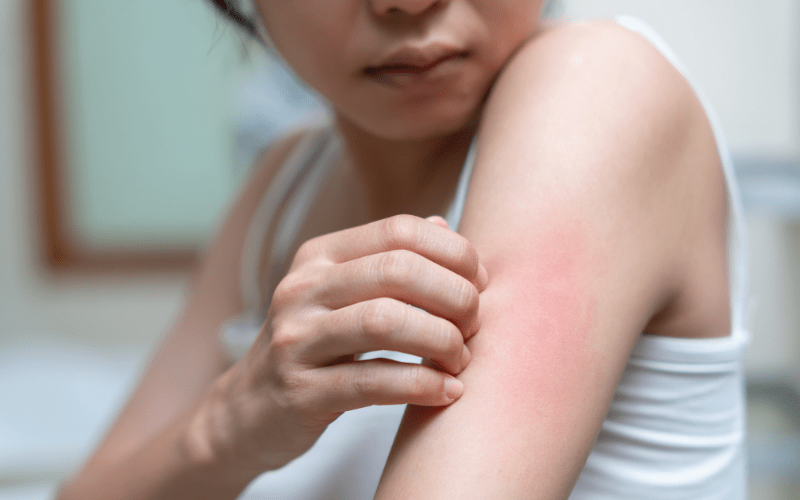
    Dengue fever is caused by the dengue virus, which is transmitted through the bite of infected Aedes mosquitoes. These mosquitoes are mostly found in tropical and subtropical regions, making dengue fever a significant health concern in these areas. The disease is characterized by symptoms such as high fever, severe headache, joint and muscle pain, and sometimes a rash.

    There are four distinct serotypes of the dengue virus (DENV-1, DENV-2, DENV-3, and DENV-4), and infection with one serotype provides immunity to that specific serotype for life. However, subsequent infections with other serotypes can lead to more severe forms of the disease, such as dengue hemorrhagic fever (DHF) and dengue shock syndrome (DSS). These severe forms can be life-threatening and require immediate medical attention.

    The World Health Organization (WHO) estimates that around 390 million dengue infections occur each year, with approximately 96 million cases resulting in clinical symptoms. To combat this growing health concern, researchers have been working on developing a dengue vaccine that can provide long-lasting protection against all four serotypes of the virus.

    Dengue Fever Recovery Phase

    The development of a dengue vaccine has been a challenging task for researchers due to the complex nature of the dengue virus and its interaction with the human immune system. In recent years, however, progress has been made with the approval of the first dengue vaccine, Dengvaxia, in several countries.

    Dengvaxia is a live attenuated tetravalent vaccine that provides protection against all four dengue serotypes. It is effective in reducing the risk of severe dengue and hospitalization in individuals aged 9-45 years living in endemic areas. However, the vaccine’s efficacy varies depending on the individual’s prior dengue exposure and the specific serotype involved.

    While the dengue vaccine is a significant step forward in dengue fever prevention, it is not a complete solution. The vaccine is not recommended for individuals who have not been previously exposed to dengue, as it may increase the risk of severe dengue in these individuals. Moreover, the vaccine does not provide complete protection against the disease, and other preventive measures, such as mosquito control and personal protective measures, still play a crucial role in reducing the risk of dengue infection.

    Recovery Phase of Dengue Symptoms

    Early recognition of dengue fever symptoms is essential to ensure timely and appropriate medical care. Dengue fever’s symptoms typically appear suddenly 4-10 days after the incubation period and last for 2-7 days. Among the symptoms of dengue fever are the following:

    • High fever (104°F or 40°C)
    • Severe headache
    • Pain behind the eyes
    • Joint and muscle pain
    • Nausea and vomiting
    • Swollen glands
    • Rash

    Effective medication for reducing pain & fever during Dengue – RUMANIL TABLET 

    In some cases, dengue fever can progress to more severe forms, such as dengue hemorrhagic fever (DHF) and dengue shock syndrome (DSS). The following are indicators of severe dengue:

    • Severe abdominal pain
    • Persistent vomiting
    • Rapid breathing
    • Bleeding gums
    • Blood in vomit
    • Fatigue and restlessness

    Immediate medical attention is crucial if any severe dengue warning signs are observed, as it can be life-threatening..

    Dengue Recovery Time

    The dengue recovery time varies depending on the severity of the illness and the individual’s immune response. In most cases, individuals with mild dengue fever begin to recover within a week after the onset of symptoms. However, the recovery process may take longer for those who experience more severe symptoms or complications.

    During the dengue recovery time, it is essential to get plenty of rest, stay well-hydrated, and maintain a healthy diet to support the immune system’s fight against the virus. It is also crucial to monitor for any signs of worsening symptoms or complications and seek medical attention as needed.

    Related:

    Home Remedies for Dengue Fever

    While there is no specific treatment for dengue fever, several home remedies can help alleviate the symptoms and support the body’s natural healing process. These remedies include:

    • Hydration: Maintaining proper hydration is critical during dengue fever, as dehydration can exacerbate symptoms and lead to complications. Drinking water, coconut water, or oral rehydration solutions can help replace lost fluids and electrolytes.
    • Papaya leaf extract: Papaya leaf extract has been used in traditional medicine for its potential benefits in treating dengue fever. Some studies suggest that it may help increase platelet count and reduce symptoms such as fatigue and weakness. To verify these effects, more study is required.
    • Cold compress: Applying a cold compress to the forehead can help alleviate headaches and fever associated with dengue fever. This can be done by soaking a cloth in cold water, wringing out the excess water, and applying it to the forehead for 10-15 minutes.

    Herbal Remedies for Dengue Fever

    In addition to the home remedies mentioned above, several herbal remedies have been traditionally used to help alleviate dengue fever symptoms. These include:

    • Giloy: Also known as Tinospora cordifolia, giloy is an Ayurvedic herb with immunomodulatory and antiviral properties. It is believed to help boost the immune system and reduce fever, joint pain, and fatigue associated with dengue fever.
    • Tulsi: Ocimum sanctum, commonly known as holy basil or tulsi, is another Ayurvedic herb with potential benefits in treating dengue fever. It is thought to have antiviral and anti-inflammatory properties that can help reduce fever and inflammation.
    • Neem: Azadirachta indica, or neem, is a medicinal plant with antiviral and immunomodulatory properties. Neem leaves are traditionally used to help alleviate dengue fever symptoms, such as fever, joint pain, and rash.

    It is essential to consult with a healthcare professional before using any herbal remedies to ensure their safety and effectiveness.

    Dengue Fever Recovery Phase

    Dengue Medicine Names

    While there is no specific antiviral medication for dengue fever, over-the-counter pain relievers and fever reducers, such as acetaminophen (paracetamol), can help alleviate symptoms. However, it is essential to avoid aspirin and nonsteroidal anti-inflammatory drugs (NSAIDs), such as ibuprofen and naproxen, as these medications can increase the risk of bleeding complications.

    Severe dengue cases may need hospitalization for IV fluid therapy, blood transfusion, or other supportive care measures.

    Dengue Tablets

    There are no specific dengue tablets or antiviral medications available to treat dengue fever. However, over-the-counter pain relievers and fever reducers, such as acetaminophen (paracetamol), can help alleviate symptoms. As mentioned earlier, it is crucial to avoid aspirin and nonsteroidal anti-inflammatory drugs (NSAIDs), such as ibuprofen and naproxen, as they can increase the risk of bleeding complications.

    > Consult a Doctor and Medkart will help you Order Medicines Online

    Tips for Dengue Fever Recovery Phase

    Preventing dengue fever is essential, as there is no specific treatment for the illness. Dengue fever prevention focuses on reducing the risk of mosquito bites and controlling mosquito populations. The following tips can help prevent dengue fever:

    • Use mosquito repellents: Apply mosquito repellents containing DEET, picaridin, or IR3535 on exposed skin and clothing to protect against mosquito bites.
    • Wear protective clothing: Wear long sleeves, long pants, and socks to minimize skin exposure and reduce the risk of mosquito bites.
    • Eliminate mosquito breeding sites: Regularly check for and remove standing water around the home, such as in flower pots, containers, and tires, as these can serve as mosquito breeding sites.
    • Install screens and bed nets: Use window screens and mosquito nets to prevent mosquitoes from entering the home and protect against mosquito bites while sleeping.
    • Stay informed: Stay updated on local dengue fever outbreaks and take extra precautions during periods of increased dengue transmission.

    Read: What are Generic Medicines?

    Conclusion:

    Dengue fever is a significant public health concern worldwide, and understanding the disease, recognizing its symptoms, and employing preventive measures are crucial to combating its spread. While the development of the dengue vaccine is a significant step forward in dengue fever prevention, it is essential to continue practising personal protective measures, such as using mosquito repellents and eliminating mosquito breeding sites. In addition, home remedies such as hydration, papaya leaf extract, and cold compresses can help alleviate symptoms and support the body’s natural healing process.

    It is important to note that If severe dengue warning signs appear, seek immediate medical attention. Hospitalization may be required for intravenous fluid therapy, blood transfusion, or other supportive care measures.

    In conclusion, by taking preventive measures, recognizing the symptoms, and seeking appropriate medical care, individuals can recover from dengue fever and prevent its recurrence. Together, we can work towards reducing the global burden of this mosquito-borne viral infection.

    Related Links:

    Call To Action:

    Visit Medkart to get the best generic medicines at the lowest prices, today!

  • How to Cure Genital Herpes with Effective Ointments and Vaccines

    How to Cure Genital Herpes with Effective Ointments and Vaccines

    Cure Genital Herpes

    Introduction to Gential Herpes

    A widespread and extremely contagious STI, genital herpes is brought on by the herpes simplex virus (HSV). The condition is characterised by the appearance of genital ulcers, which can cause significant discomfort and emotional distress. Although there is currently no cure for genital herpes, advancements in medical research have led to the development of effective treatment options, such as ointments and vaccines, to help manage the symptoms and prevent the spread of the virus.

    In the United States alone, an estimated one in six people between the ages of 14 and 49 have genital herpes. The condition is more prevalent among women, as they are more likely to contract the virus during sexual intercourse. It is important to note that many individuals with genital herpes may not experience any symptoms, which makes it even more crucial to practice safe sex and get regularly tested for STIs.

    Causes of genital herpes

    Genital herpes is primarily caused by two types of herpes simplex viruses: HSV-1 and HSV-2. HSV-1 is commonly associated with oral herpes, which causes cold sores around the mouth. However, it can also lead to genital infections when transmitted through oral sex. HSV-2 is the primary cause of genital herpes and is typically transmitted through sexual contact.

    The virus enters the body through small breaks in the skin, such as mucous membranes in the genitals or mouth. Once inside, it travels along nerve pathways and settles in nerve cells, where it can remain dormant for long periods. The virus can reactivate and cause recurrent outbreaks of genital ulcers, often triggered by factors such as stress, illness, or a weakened immune system.

    Symptoms of genital herpes

    The initial outbreak of genital herpes usually occurs within two weeks of exposure to the virus. The following symptoms, which range in severity from mild to severe:

    • Painful genital ulcers or blisters on the genitals, buttocks, or thighs
    • Around the affected area, there may be burning or itching
    • fever, aches in the muscles, and weariness that are similar to the flu
    • Swollen lymph nodes in the groin
    • Painful urination

    It is important to note that some individuals may not experience any symptoms or may have such mild symptoms that they remain unnoticed. However, even asymptomatic carriers can still transmit the virus to their sexual partners.

    Diagnosis of genital herpes through testing

    A timely and accurate diagnosis of genital herpes is essential to ensure appropriate treatment and prevent the spread of the virus. Healthcare professionals can diagnose the condition by performing a physical examination and taking a sample from the genital ulcers for laboratory testing. Additional tests, such as blood tests and viral cultures, may also be conducted to confirm the presence of the herpes simplex virus.

    In the absence of visible symptoms or if the herpes on skin is mild, a herpes test can still detect the presence of the virus in the body. Regular testing for STIs is recommended for sexually active individuals, especially those with multiple partners or who engage in high-risk sexual behaviors.

    Treatment options for genital herpes


    While there is no genital herpes cure, several treatment options can help manage the symptoms and reduce the frequency of outbreaks. Antiviral medications, such as acyclovir, valacyclovir, and famciclovir, are commonly prescribed to suppress the virus and alleviate the symptoms. These medications can be taken orally or applied topically as a herpes ointment.

    In addition to antiviral medications, individuals with genital herpes can also take steps to manage their symptoms at home. This may include keeping the affected area clean and dry, wearing loose-fitting clothing to reduce irritation, and applying over-the-counter pain-relieving creams or ointments to alleviate discomfort.

    Importance of early treatment for genital herpes

    Early treatment for genital herpes is crucial to minimize the severity and duration of symptoms, reduce the risk of complications, and prevent transmission of the virus to sexual partners. Antiviral drugs work best when used within 72 hours of the appearance of symptoms. Prompt treatment can also help reduce the frequency and severity of recurrent outbreaks.

    Individuals who experience frequent or severe outbreaks may benefit from suppressive therapy, which involves taking antiviral medications daily to prevent or reduce the frequency of outbreaks. This approach can also help decrease the risk of transmitting the virus to uninfected sexual partners.

    Topical ointments for genital herpes – effectiveness and side effects

    Topical ointments containing antiviral medications are an effective option for treating genital herpes. These ointments can provide relief from itching, pain, and discomfort caused by genital ulcers while also helping to speed up the healing process. Some commonly used topical antiviral ointments include acyclovir and penciclovir.

    While generally considered safe, topical herpes ointments may cause some side effects, such as skin irritation, redness, or swelling at the application site. It is important to follow the instructions provided by the healthcare professional and apply the ointment only to the affected areas as directed.

    Vaccines for genital herpes – current research and development

    In recent years, there has been significant progress in the development of vaccines for genital herpes. Several experimental vaccines are currently being researched and tested in clinical trials, with promising results. While there is no herpes vaccine currently available on the market, these advancements offer hope for a future solution to prevent and potentially cure genital herpes.

    It is important to stay informed about the latest developments in herpes vaccine research and clinical trials. In the meantime, practicing safe sex, getting regularly tested for STIs, and seeking prompt treatment for genital herpes remain the best strategies for preventing the spread of the virus and managing its symptoms.

    Preventing the spread of genital herpes

    Preventing the spread of genital herpes is essential to protect oneself and one’s sexual partners from this highly contagious STI. Some effective strategies for prevention include:

    • Practicing safe sex by using condoms and dental dams during sexual activities
    • Getting regularly tested for STIs, especially if sexually active with multiple partners or engaging in high-risk behaviors
    • Avoiding sexual contact during active outbreaks of genital herpes
    • Informing sexual partners about one’s genital herpes status and discussing strategies for prevention
    • Seeking prompt treatment for genital herpes to reduce the risk of transmission and manage symptoms

    Living with genital herpes – coping strategies and support

    Living with genital herpes can be challenging, both physically and emotionally. However, with proper management and support, individuals with genital herpes can lead healthy, fulfilling lives. Some coping strategies and resources to consider include:

    • Educating oneself about genital herpes, its symptoms, treatment options, and prevention strategies
    • Establishing a support network of friends, family, or support groups to discuss experiences and emotions related to genital herpes
    • Practicing stress management techniques, such as mindfulness, meditation, or exercise, as stress can trigger outbreaks
    • Communicating openly and honestly with sexual partners about one’s genital herpes status and taking necessary precautions to prevent transmission
    • Seeking professional help from a healthcare provider or therapist to address physical and emotional concerns related to genital herpes

    Conclusion – hope for a future cure

    While there is currently no genital herpes cure, the development of effective ointments and promising research on herpes vaccines offer hope for a future solution to this common and often distressing STI. In the meantime, individuals with genital herpes can take steps to manage their symptoms, prevent the spread of the virus, and maintain their overall well-being by seeking prompt treatment, practicing safe sex, and accessing support from healthcare professionals and support networks.

    Call To Action


     Visit Medkart to get the best generic medicines at the lowest prices, today!

  • The Facts About Chancroid: Its Causes and Implications for Your Health

    The Facts About Chancroid: Its Causes and Implications for Your Health

    Chancroid treatment Introduction to Chancroid 

    Chancroid is a sexually transmitted infection (STI) that is relatively rare in developed countries but more common in certain regions of Africa, Asia, and Latin America. This bacterial infection is characterized by painful genital sores and is caused by the bacterium Haemophilus ducreyi. It is important to be aware of the signs and symptoms of this infection, as well as its implications for your health and the public health sector. In this article, we will discuss what chancroid is, its causes, symptoms, diagnosis, complications, and treatment options. Additionally, we will explore chancroid’s meaning in the context of public health and compare it to other STIs.

    What is Chancroid and How is it Caused?

    Bacterial infection known as chancroid is spread via sexual contact. It is caused by the bacterium Haemophilus ducreyi, which is a gram-negative coccobacillus. This bacterium invades the skin and mucous membranes of the genital area, leading to the formation of painful ulcers known as chancres. Chancroid is highly contagious, and the transmission risk increases when there are open sores or breaks in the skin.

    The transmission of chancroid usually occurs through vaginal, anal, or oral sex with an infected person. It is important to note that the infection can also be spread through non-sexual contact if there is a break in the skin or mucous membrane, although this is less common. In some cases, the infection can be transmitted from mother to child during childbirth, resulting in neonatal chancroid.

    Symptoms of Chancroid

    Chancroid symptoms typically appear within 4-10 days after exposure to the bacterium. The primary symptom of chancroid is the presence of one or more painful genital ulcers or sores on the genitals, anus, or mouth. These sores are usually soft, irregularly shaped, and have a gray or yellowish-gray base with a red border. They may bleed or produce a fluid that can be contagious.

    Other symptoms may include:

    • Swollen lymph nodes in the groin region, which may be painful and may feel like lumps or bumps
    • Painful urination or defecation
    • Painful intercourse
    • In women, vaginal discharge, bleeding between periods, or pain during sex

    In addition to the genital ulcers, individuals with chancroid may also experience painful and enlarged lymph nodes, known as buboes, in the groin area. These swollen lymph nodes can sometimes rupture and produce pus. Other symptoms of chancroid may include pain during urination, pain during sexual intercourse, and a general feeling of discomfort in the genital area. It is important to seek medical attention if you suspect that you have chancroid, as early diagnosis and treatment can help prevent complications and further transmission of the infection.

    How is Chancroid Diagnosed?

    Diagnosing chancroid typically involves a combination of physical examination, laboratory tests, and assessment of the patient’s sexual history. During the physical examination, a healthcare provider will examine the genital sores and assess the presence of swollen lymph nodes in the groin area. They may also take a sample of the pus from the ulcer for laboratory testing.

    Laboratory tests for chancroid include the culture of Haemophilus ducreyi, polymerase chain reaction (PCR), and Gram staining. The culture of the bacterium is considered the gold standard for diagnosing chancroid, although it can be challenging due to the fastidious nature of the organism. PCR testing is a highly sensitive and specific method for detecting chancroid but may not be widely available. Gram staining can provide rapid results but has lower sensitivity and specificity compared to the other tests.

    It is important to rule out other STIs that can cause similar symptoms, such as syphilis and herpes. This may involve additional laboratory tests, such as serologic testing for syphilis and viral cultures or PCR for herpes.

    Complications and Implications for Public Health

    If left untreated, chancroid can lead to various complications, including the formation of abscesses in the genital area, scarring, and the spread of the infection to other parts of the body. In some cases, chancroid can also increase the risk of contracting other STIs, such as HIV. This is because the presence of genital ulcers can facilitate the entry of HIV and other pathogens into the body.

    From a public health perspective, chancroid is a significant concern because it is a highly contagious infection that can spread rapidly within communities. The presence of chancroid in a population can also serve as an indicator of risky sexual behaviors and inadequate access to healthcare services. Furthermore, chancroid can contribute to the overall burden of STIs and their associated health complications, which can strain healthcare systems and have long-term consequences for individuals and communities.

    Treatment Options for Chancroid

    The primary treatment for chancroid involves the use of antibiotics to target the Haemophilus ducreyi bacterium. The most commonly prescribed antibiotics for chancroid include azithromycin, ceftriaxone, ciprofloxacin, and erythromycin. The choice of antibiotic and the duration of treatment depend on the severity of the infection, the presence of complications, and the patient’s overall health status.

    In addition to antibiotic therapy, individuals with chancroid should also practise good hygiene and avoid sexual contact until the infection has been treated and the sores have healed. In some cases, patients with large or painful buboes may require additional interventions, such as needle aspiration or surgical drainage, to relieve pain and prevent complications.

    Preventing Chancroid

    Preventing chancroid involves adopting safe sexual practices, such as using condoms consistently and correctly during sexual activity. Regular STI testing and prompt treatment of infections can also help reduce the risk of chancroid transmission. It is important to discuss sexual health with your partner(s) and to seek medical attention if you suspect that you have been exposed to an STI.

    In some regions where chancroid is more prevalent, public health interventions such as STI education, condom distribution, and improved access to healthcare services can help reduce the incidence of chancroid and its associated complications.

    how to prevent chancroid

    Chancroid vs. Other Sexually Transmitted Infections

    While chancroid shares some similarities with other STIs, there are key differences that set it apart. For example, unlike syphilis and herpes, chancroid is caused by a bacterium and can be effectively treated with antibiotics. Additionally, chancroid typically presents with painful genital ulcers, while syphili s can cause painless sores, and herpes lesions are often described as burning or itching.

    Understanding the differences between chancroid and other STIs is essential for accurate diagnosis and appropriate treatment. It is important to consult with a healthcare provider if you suspect that you have an STI, as they can help determine the cause of your symptoms and recommend the best course of action.

    The Meaning of Chancroid in Public Health

    In the context of public health, chancroid serves as a reminder of the importance of safe sexual practices, STI education, and access to healthcare services. The presence of chancroid in a population can be indicative of underlying issues related to sexual health and healthcare access, and addressing these issues can help improve overall public health outcomes.

    Chancroid also highlights the need for continued research and development of new diagnostic tools and treatment options for STIs. By increasing our understanding of chancroid and other STIs, we can work towards more effective prevention and control measures, ultimately reducing the burden of these infections on individuals and communities.

    Conclusion

    A sexually transmitted infection called chancroid is brought on by the bacterium Haemophilus ducreyi. It is characterized by painful genital ulcers and can lead to various complications if left untreated. Understanding the causes, symptoms, diagnosis, and treatment options for chancroid is essential for maintaining sexual health and preventing the spread of this infection. By adopting safe sexual practices and seeking medical attention when necessary, individuals can minimize their risk of chancroid and contribute to the overall improvement of public health outcomes.

  • How to Cure Mouth Ulcers? Best Ointment for Mouth Ulcer

    How to Cure Mouth Ulcers? Best Ointment for Mouth Ulcer

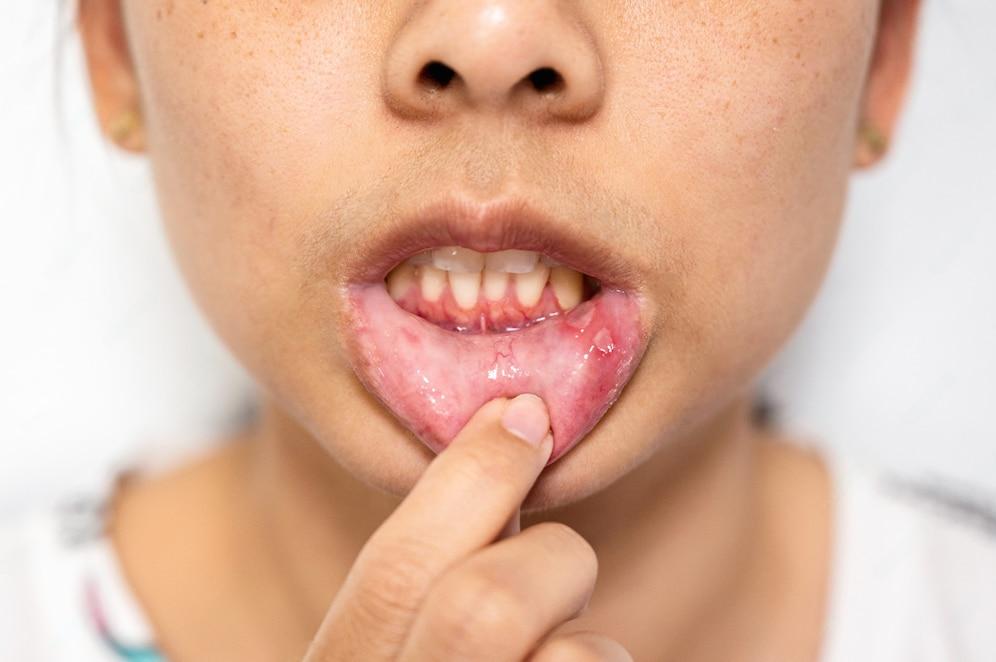
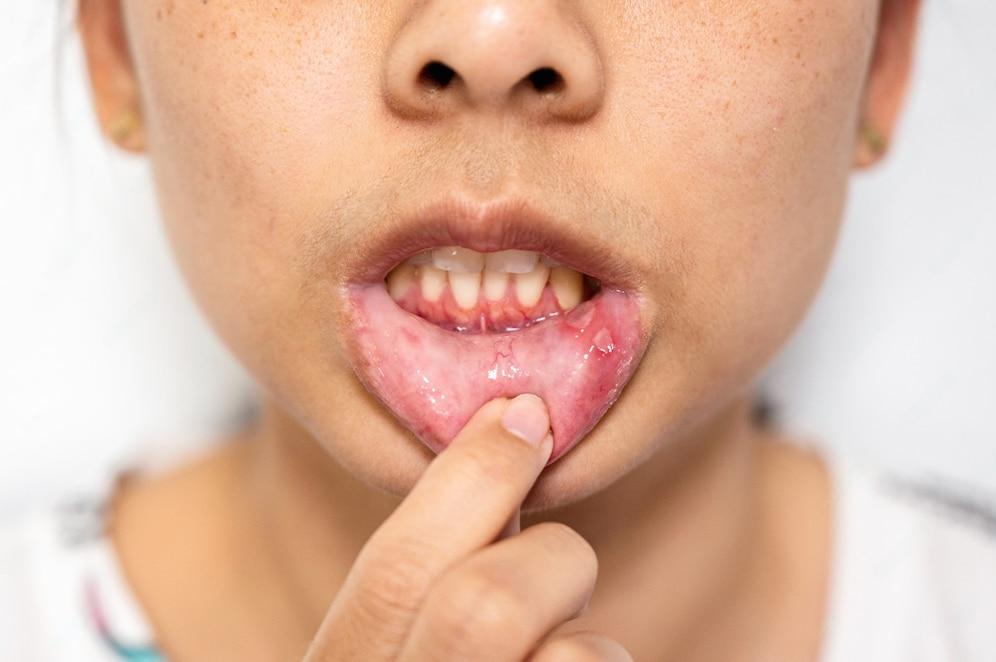
    Mouth ulcers (aphthous ulcers or canker sores) are small, painful sores in the lining of the mouth. They are usually harmless and often linked to minor injury, stress, certain foods, or vitamin deficiencies, and most heal on their own within about two weeks. See a doctor if an ulcer lasts longer than three weeks or keeps coming back. (Reference: Mouth ulcers, NHS.)

    Mouth Ulcers image Mouth ulcers, also known as canker sores, are painful lesions inside the mouth that make eating, sipping, and talking painful. If you are curious for advantageous medication for mouth ulcers, different mouth ulcer antibiotics, creams, and ointments can help remedy them. From antiseptic gels to medicines for mouth ulcer treatment. the right approach can help recover from mouth ulcers fast. If you’re awestruck by what method to cure mouth ulcers temporarily or by what method to cure mouth ulcers fast, this guide covers everything you need to know about effective mouth ulcer treatments.

    What are Mouth Ulcers?

    Mouth ulcers are injurious, painful sores that look inside the mouth, on the tongue, or simultaneously the paste line. They are probably incensed by miscellaneous conditions, containing stress, wounds, vitamin deficiencies, or illnesses. While most mouth ulcers heal inside one to two weeks, timely therapy can step up the medicinal process and lower discomfort.

    Common Causes of Mouth Ulcers

    Understanding what causes mouth ulcers can help in preventing and treating them perfectly. Some common provokes contain:
    • Injury or Trauma: Accidentally biting your cheek, handling a hard-fumed toothbrush, or absorbing hard food can stimulate ulcers.
    • Nutritional Deficiencies: Lack of essential vitamins like B12, iron, and folic acid can reinforce reappearing ulcers.
    • Stress and Hormonal Changes: Emotional stress and hormonal differences can decline safeguard, increasing the risk of ulcers.
    • Food Sensitivities: Spicy, acidic, or tangy food can upset the mouth covering, chief to ulcer improvement.
    • Underlying Medical Conditions: Conditions like stomach contamination, Crohn’s disease, and metallic mineral use disorders can cause endless mouth ulcers.
    • Bacterial or Viral Infections: Infections like herpes simplex virus (HSV) can provoke frightful sore in the audacity.

    Types of Mouth Ulcer Treatments

    Mouth ulcer treatment fluctuates based on the cause and severity of the condition. Standard medication options contain:
    1. Topical Gels & Ointments – These help defeat pain and inflammation while encouraging healing.
    2. Oral Medications – In severe cases, doctors grant permission to prescribe prescriptions to relieve symptoms.
    3. Antiseptic Mouthwashes – Help prevent diseases and advance curative.
    4. Home Remedies – Natural medications that offer a comforting remedy and boost restorative.
    5. Antibiotics for Mouth Ulcer Treatment – Used when ulcers are provoked by bacterial infections.
    Types of Mouth Ulcer Treatments image

    The Benefits of Using Mouth Ulcer Gels

    A fast-relaxation mouth ulcer gel or ointment offers various benefits, in the way that:
    • Pain relief – Ingredients like lidocaine and benzocaine numb the region for fast relief.
    • Faster restorative – Promotes tissue transformation and reduces soreness.
    • Prevents infection – Antiseptic components help safeguard against bacterial growth.
    • Long-lasting belongings – Gels comply well with the ulcer for expanded relaxation.
    • Easy use – Convenient and non-nosy treatment for recent relaxation.

    Factors to Consider When Choosing a Mouth Ulcer Gel

    Selecting best choice of ointment for mouth ulcers necessitates accurate awareness of various aspects:
    • Active ingredients – Look for antiseptic and pain-curing elements such as lidocaine, chlorhexidine, or choline salicylate.
    • Effectiveness – Choose a gel that supplies an instantaneous remedy and a long-lasting restorative.
    • Ease of use – A gel that stays available offers better results.
    • Suitability – Ensure the production is safe for kids and those accompanying allergies.
    • Doctor Recommendations – Consult a pharmacist or doctor for expert guidance.

    Home Remedies for Mouth Ulcers

    If you choose organic treatments, acknowledge these useful home remedies:
    1. Saltwater rinse – Reduces bacteria and speeds up healing.
    2. Honey treatment – Offers decontaminating and anti-inflammatory benefits.
    3. Coconut oil – Acts as an unrefined antiseptic and relieves irritation.
    4. Aloe vera gel – Provides calming relaxation and HIV in faster recovery.
    5. Turmeric paste – An organic antiseptic that helps reduce swelling and pain.
    6. Baking soda rinse – Helps compensate for acids and weaken irritation.
    7. Clove oil – Has organic pain remover and antimicrobial features to reduce pain and infection.
    8. Chamomile tea rinse – Contains anti-irritating compounds that encourage restorative.
    Home Remedies for Mouth Ulcers image

    Best Ointment for Mouth Ulcers

    The best remedy for mouth ulcers includes topical cures like:
    • Choline Salicylate Gel – Reduces redness and supplies pain relaxation.
    • Lidocaine Gel – Offers instant numbing to lower discomfort.
    • Chlorhexidine Gel – Prevents contamination and steps up healing.
    • Triamcinolone Acetonide Paste – Used for serious ulcers to decrease sore.
    • Benzocaine Gel – Numbs the damaged area and eases pain speedily.
    • Hydrocortisone Oral Paste – Reduces redness and pain in extreme cases.
    • Oralbase Protective Paste – Forms a securing coating over the sore, preventing further inflammation.
    Read: What are Generic Medicines?

    Antibiotic for Mouth Ulcer Treatment

    Severe or contaminated mouth ulcers may demand antibiotic medication. Some commonly recommended medicines contain:
    1. Tetracycline – Reduces bacterial infection and redness.
    2. Amoxicillin – Treats bacterial contaminations that cause or worsen ulcers.
    3. Doxycycline – Effective in treating repeated ulcers provoked by bacterial contamination.
    4. Metronidazole – Used when ulcers are linked to bacterial overgrowth.
    5. Erythromycin – Prescribed when bacterial contamination causes persistent sores.

    Other Tips for Managing Mouth Ulcers

    To prevent and treat mouth ulcers completely, follow these tips:
    1. Maintain oral sanitation by brushing and flossing day-to-day.
    2. Avoid spicy, acidic, and harsh cooking that can inflame ulcers.
    3. Stay hydrated and eat a diet rich in vitamins and minerals.
    4. Reduce stress through pleasure methods such as meditation.
    5. Use a soft-fumed toothbrush to prevent paste sensitivity.
    6. Avoid excessive use of caffeinated or alcoholic liquor.
    7. Apply ice or cold compresses to numb pain and decrease swelling.
    8. Rinse your mouth accompanying medicated mouthwashes to prevent infections.
    9. Avoid smoking and liquor drinking, that can delay restorative.
    10. Consider taking mineral B12, iron, and folic acid supplements if you have imperfections.

    Conclusion

    Mouth ulcers may be awful, but accompanying the right treatment, you can find fast relaxation. Whether you pick a mouth ulcer ointment, home remedies, or medicines, proper care assures speedy healing. If your ulcers persist for two weeks or commonly reappear, ask a healthcare professional for further evaluation. Explore Medkart Pharmacy’s selection of mouth ulcer medicines to find the best medicine for your needs. Related Links:
  • Healthy Diet and Exercise for improving health of Asthma patient

    Healthy Diet and Exercise for improving health of Asthma patient

    Healthy Diet and Exercise for Asthma patient

    ​Understanding Asthma

    Millions of individuals throughout the world suffer with asthma, a chronic respiratory disease. It is characterised by episodes of coughing, wheezing, and shortness of breath, caused by inflammation and narrowing of the airways. Asthma can be a debilitating condition, impacting daily life and overall quality of life for those who suffer from it. The severity of asthma symptoms can vary greatly from person to person, and while there is no cure for the condition, there are various treatment options available to help manage and control symptoms.

    The primary goal in treating asthma is to reduce the frequency and severity of symptoms, as well as improve overall lung function. This is typically achieved through a combination of medications, lifestyle changes, and avoidance of known triggers. Asthma triggers can vary greatly between individuals, and it is essential for those living with the condition to identify and minimise their exposure to these triggers as part of their overall treatment plan.

    In recent years, there has been a growing interest in the relationship between diet, exercise, and asthma control. This article will explore the connection between these factors, as well as provide guidance on creating an asthma-friendly lifestyle that incorporates proper nutrition and physical activity.

    Asthma Triggers

    Asthma triggers can be categorised into two main types: allergens and irritants. Allergens are substances that cause an allergic reaction in some people, while irritants are substances that can trigger asthma symptoms in both allergic and non-allergic individuals. Common allergens include pollen, mold spores, dust mites, and pet dander, while common irritants include tobacco smoke, air pollution, and strong odours.

    In addition to allergens and irritants, there are several other factors that can contribute to asthma symptoms, including infections, cold air, exercise, and even emotional stress. Identifying and avoiding these triggers is an important aspect of asthma management and can help to reduce the frequency and severity of symptoms.

    Diet and Asthma Control

    There is increasing evidence to suggest that diet plays a role in the development and severity of asthma symptoms. A diet rich in fruits, vegetables, whole grains, and lean protein sources has been associated with improved lung function and reduced asthma symptoms. This is likely due in part to the anti-inflammatory properties of many of these foods, which can help to reduce airway inflammation and improve overall lung health.

    Conversely, a diet high in processed foods, saturated fats, and sugars has been linked to increased inflammation and a higher risk of developing asthma. While more research is needed to fully understand the relationship between diet and asthma, there is enough evidence to support the recommendation of a healthy, balanced diet for those living with the condition.

    Worst Foods for Asthma Patients

    While it is important for asthma patients to focus on consuming a healthy diet that includes a variety of fruits, vegetables, whole grains, and lean protein sources, there are also certain foods that may be particularly detrimental to asthma control. Some of the worst foods for asthma patients include:

    • Processed foods: Foods high in additives, preservatives, and artificial ingredients can trigger asthma symptoms in some individuals. This may be due to the increased inflammation associated with consuming these foods, as well as the potential for certain additives to directly irritate the airways.
    • Dairy products: Some asthma patients may find that dairy products, particularly those high in fat, can exacerbate their symptoms. This may be due to the production of excess mucus associated with the consumption of dairy, which can lead to increased coughing and wheezing.
    • Sulfite-containing foods: Sulfites are a common food preservative, found in foods such as dried fruits, wine, and pickled vegetables. Some individuals with asthma may be sensitive to sulfites and experience a worsening of symptoms after consuming foods containing these preservatives.
    • Saturated fats: A diet high in saturated fats, such as those found in red meat and full-fat dairy products, has been associated with increased inflammation and a higher risk of asthma. Reducing consumption of these foods may help to improve asthma control in some individuals.
    • Sugary foods and beverages: Consuming excess sugar can contribute to increased inflammation, which may worsen asthma symptoms. Limiting the intake of sugary foods and beverages, such as soda and candy, can help to reduce inflammation and improve asthma control.

    Importance of Exercise for Asthma Patients

    While exercise has long been recognized as a potential trigger for asthma symptoms, it is also an important component of overall asthma management. Regular physical activity can help to improve lung function, reduce inflammation, and increase overall fitness levels. In fact, a sedentary lifestyle has been associated with a higher risk of developing asthma, as well as increased severity of symptoms in those who already have the condition.

    It is important for asthma patients to work with their healthcare provider to develop an appropriate exercise plan that takes into consideration their individual needs and limitations. This may involve starting with low-intensity activities, such as walking or swimming, and gradually increasing the intensity and duration of exercise as tolerated.

    Yoga for Asthma Control

    One form of exercise that has gained popularity among asthma patients is yoga. This ancient practice combines physical postures, breath control, and meditation to improve overall health and well-being. Several studies have shown that practicing yoga for asthma can help to improve lung function, reduce the frequency and severity of symptoms, and improve overall quality of life.

    Yoga may be particularly beneficial for asthma patients due to its emphasis on deep, controlled breathing. This can help to strengthen the respiratory muscles, increase lung capacity, and improve overall lung function. Additionally, the relaxation and stress-reduction aspects of yoga may help to alleviate the emotional stress that can sometimes trigger asthma symptoms.

    Other Exercises for Asthma Patients

    In addition to yoga, there are several other forms of exercise that can be beneficial for asthma patients. These include:

    Swimming: The warm, humid environment of an indoor pool can help to soothe the airways and reduce the risk of exercise-induced asthma symptoms. Swimming is also a low-impact activity that can help to improve cardiovascular fitness and overall strength.

    Walking: Walking is a low-intensity, low-impact activity that can be easily adapted to suit the individual needs and limitations of asthma patients. Regular walking can help to improve lung function, reduce inflammation, and increase overall fitness levels.

    Cycling: Cycling, either on a stationary bike or outdoors, is another low-impact exercise option for asthma patients. This activity can help to improve cardiovascular fitness, strengthen the muscles of the lower body, and improve overall endurance.

    Strength training: Incorporating strength training exercises into an overall fitness routine can help to improve muscle strength, increase bone density, and reduce the risk of injury. Strength training exercises can be adapted to suit the individual needs and limitations of asthma patients and should be performed under the guidance of a healthcare provider or fitness professional.

    Creating an Asthma-Friendly Exercise Routine

    When developing an exercise routine for an individual with asthma, there are several factors that should be considered to ensure a safe and effective program. These include:

    Consulting with a healthcare provider: Before beginning any exercise program, it is essential for asthma patients to consult with their healthcare provider to discuss their individual needs and limitations. This may involve undergoing a physical examination, lung function testing, and the development of an asthma action plan that includes guidance on managing exercise-induced symptoms.

    Choosing appropriate activities: Asthma patients should choose activities that they enjoy and that can be easily adapted to suit their individual needs and limitations. This may involve starting with low-intensity activities, such as walking or swimming, and gradually increasing the intensity and duration of exercise as tolerated.

    Warming up and cooling down: Proper warm-up and cool-down routines are essential for preventing exercise-induced asthma symptoms. Asthma patients should spend at least 5-10 minutes warming up with low-intensity activities, such as walking or gentle stretching, before gradually increasing the intensity of their chosen exercise. A similar cool-down routine should be followed after exercise to gradually return the body to its resting state.

    Monitoring symptoms: Asthma patients should closely monitor their symptoms during and after exercise, and be prepared to adjust their routine as needed to prevent exacerbations. This may involve using a peak flow meter to track lung function, as well as keeping a record of any symptoms experienced during exercise.

    Using appropriate medications: In some cases, asthma patients may need to use medications, such as short-acting bronchodilators, before exercise to prevent symptoms. It is important for individuals to work closely with their healthcare provider to determine the appropriate use of medications and ensure that they have a plan in place for managing symptoms during exercise.

    Finding the Right Balance Between Exercise and Diet

    While both diet and exercise can play an important role in managing asthma symptoms, it is essential to find the right balance between the two. For some individuals, a healthy diet alone may be enough to achieve good asthma control, while for others, regular exercise may be the key to improving lung function and reducing symptoms.

    It is important to remember that every individual with asthma is unique, and there is no one-size-fits-all approach to managing the condition. Working closely with a healthcare provider to develop an individualized treatment plan that takes into consideration lifestyle factors such as diet and exercise is essential for achieving optimal asthma control.

    Conclusion

    Millions of individuals throughout the world suffer with asthma, a chronic respiratory disease. While there is no cure for the condition, there are various treatment options available to help manage and control symptoms. In recent years, there has been growing interest in the relationship between diet, exercise, and asthma control.

    A healthy, balanced diet that includes a variety of fruits, vegetables, whole grains, and lean protein sources is important for overall lung health and asthma control. In addition, regular exercise can help to improve lung function, reduce inflammation, and increase overall fitness levels. Yoga and other low-impact exercises can be particularly beneficial for asthma patients.

    When developing an exercise routine for an individual with asthma, it is important to work closely with a healthcare provider to ensure that the program is safe and effective. By finding the right balance between diet and exercise, asthma patients can achieve optimal symptom control and improve their overall quality of life.

    Call To Action

    For access to more such interesting articles on healthcare, visit Medkart today!

  • ADHD in Children – Types, Symptoms, Treatment

    ADHD in Children – Types, Symptoms, Treatment

    ADHD in Children image
    Globally, a large number of youngsters suffer with Attention-Deficit/Hyperactivity Disorder, or ADHD. To properly assist and treat children with ADHD, parents and clinicians must have a thorough grasp of the disorder. By guiding you through its forms, symptoms, diagnosis, treatment options, and management measures, this blog article seeks to shed light on the numerous facets of ADHD in children.

    ADHD Full Form

    Let us first define ADHD before we go anymore. Attention-Deficit/Hyperactivity Disorder is known by its abbreviation, ADHD. This name encapsulates the main difficulties that people with this illness have, which include issues with impulsivity, hyperactivity, and sustained concentration.

    What is ADHD?

    The most common symptoms of ADHD, a developmental condition, are impulsivity, hyperactivity, and persistent patterns of inattention that impede development or functioning. Even though it is frequently diagnosed in children, ADHD can persist into maturity. Children diagnosed with ADHD may face difficulties in the classroom, difficulty socially with their peers, and display actions that are out of character for their age.

    ADHD in Children

    unknown to most, ADHD in children occurs frequently. Approximately 6.1 million children in the United States have been identified as having ADHD, according to the Centers for Disease Control and Prevention (CDC). The first step to supporting your patient or kid in leading a happy life is understanding this condition.

    Types of ADHD

    There is not a single treatment plan for ADHD. There are three primary varieties, each with unique traits:

    1. Inattentive Individual

    This kind kid usually has trouble paying attention. They could struggle to maintain concentrate, follow to directions, or plan activities. They could come out as careless in day-to-day tasks because they are frequently easily distracted.

    2. Impulsive-hyperactive type

    Although not always inattentive, this kind of behavior is marked by high levels of impulsivity and hyperactivity. Children may have trouble waiting their turn, be consistently nervously find it difficult to stay sitting, and talk excessively.

    3. Combination Type

    Both hyperactivity-impulsivity and inattentional symptoms are present in the mixed kind. This is the most prevalent type of ADHD, and it comes with a wide range of difficulties for those who have it.

    ADHD Symptoms

    Timely intervention for ADHD requires an understanding of its symptoms. Consider looking out for the following typical signs:

    1. Carelessness

    • Inability to focus during games or other duties
    • Repeated errors brought on by negligence in assignments or other tasks
    • Having trouble planning assignments and activities

    2. Over-reactivity

    • Erratic hand and foot tapping or fidgeting
    • Incapacity to stay seated when it is anticipated
    • Running or scaling in an unsuitable environment

    3. Leniency

    • cutting people off in games or chats
    • Waiting for their time is tough.
    • Before a question is fully asked, providing an answer

    ADHD Symptoms image

    ADHD Diagnosis

    ADHD diagnosis requires a thorough assessment by a medical specialist. This procedure consists of:

    1. Health History

    A comprehensive examination of the your kid’s medical history, family background, and developmental milestones is necessary. It is helpful to exclude other potential answers of the kid’s conduct by knowing the context of it.

    2. Behavior Evaluations

    Parents, teachers, and occasionally kids actually fill out standard surveys and behavior rating scales, which offer valuable information about the frequency and intensity of symptoms.

    3. Clinical Evaluation

    It is essential to have a clinical examination conducted by an ADHD-specialized physician, psychologist, or psychiatrist. This could entail conducting interviews and watching the child’s behavior in various contexts.

    ADHD Treatment in Children

    Behavioral therapy, medication, and educational activities are commonly used in the treatment of ADHD:

    1. Counseling for Behaviors

    The goal of behavioral treatment is to provide kids new behaviors and skills to help them control their symptoms. Commonly employed strategies include time management, organizing abilities, and encouragement from others.

    2. Prescription drugs

    The medication and substances are examples of stimulant drugs that are frequently administered to assist manage symptoms. When stimulants are ineffective or have negative side effects, non-stimulant drugs can also be employed.

    Educational Support 504 Plans or Individualized Education Programs (IEPs) can offer adjustments in the classroom, like more time for exams, a quiet area to work in, and breaks to control hyperactivity.

    ADHD Treatment in Children image

    Strategies for Managing ADHD in Children

    A comprehensive strategy is needed to manage ADHD. These are a few successful tactics:

    1. Customs and Organization

    Creating a regular daily schedule eases anxiety and enhances focus in children with ADHD by letting them know what to expect.

    2. Clear Expectations

    Children are better equipped to accept expectations when they are given clear, attainable guidelines for behavior and work.

    3. Inspiring Incentives

    When youngsters receive praise or tiny prizes for good behavior, it may encourage them to repeat similar actions.

    Impact of ADHD on Children’s Live


    A child’s life is impacted by ADHD in a number of ways, such as

    1. Academic Achievements

    Students with ADHD may find it difficult to stay focused during class, finish assignments, and obey directions.

    2. interpersonal connections

    Children who struggle with impulse control and hyperactivity may find it difficult to establish and sustain friendships.

    3. Dynamics of Families

    Family ties may be strained by the demands of controlling ADHD. Parents could feel worn out and frustrated, while siblings might feel ignored

    Supporting Children with ADHD in School

    When it comes to helping kids with ADHD, teachers and other school personnel are essential. Among the successful tactics are:

    1. Facilities for Classrooms

    Academic success for children can be facilitated by offering accommodations such special seats, visual aids, and adapted assignments.

    2. Working together

    It is ensured that all parties are collaborating to assist the child’s needs when parents, educators, and healthcare providers have regular communication.

    3. Social Skills Training

    Programs that teach social skills can aid children with ADHD in comprehending and navigating social situations more effectively..

    Hyperactive Child vs Hyperactive Behavior

    It’s critical to differentiate between a child who is merely acting hyperactively and one who has ADHD:

    1. Time and Predictability

    The symptoms of ADHD are widespread and persistent. They need to have a major influence on the child’s life and stay there for at least six months.

    2. Situational

    Children with attention deficit hyperactivity disorder (ADHD) exhibit symptoms in a variety of contexts, including social settings, schools, and homes.

    3. Level of severity

    Compared to typical children of the same age and developmental stage, the symptoms of ADHD are more severe.

    Conclusion

    Although children with ADHD present special challenges, parents and pediatricians can effectively support affected children if they have the necessary information and resources. Fostering a positive outcome requires an understanding of the types, symptoms, and available treatments. We can assist students with ADHD in realizing their full potential by putting management solutions for ADHD into practice and offering support in the classroom. See a healthcare provider about customized tactics for your child or patient if you’re in need of more direction.
    Never forget that children with ADHD can have a major improvement in their lives with early intervention and ongoing assistance.

  • Gallbladder Stone Surgery: All you need to Know

    Gallbladder Stone Surgery: All you need to Know

    Gallbladder Stone Surgery

    Gallbladder Definition 

    The gallbladder is a little, pear-shaped organ that is situated beneath the liver in the upper right abdomen. Its main function is to store bile, a digestive fluid produced by the liver, which helps break down fats in the food we eat.

    Gallbladder stone surgery is a common procedure carried out to remove gallstones from the gallbladder. Gallstones are small, hard deposits that form in the gallbladder, which can cause severe pain and discomfort. This guide provides a comprehensive overview of the different parts of your gallbladder, how to prepare for surgery, what to expect during and after the procedure, and tips for a smooth recovery.

    Introduction to Gallbladder Stone Surgery

    Gallbladder stone surgery, also known as cholecystectomy, is a surgical procedure that removes the gallbladder or the gallstones from it. The gallbladder is a little, pear-shaped organ that is situated beneath the liver in the upper right abdomen. It stores bile, a digestive fluid produced by the liver, which helps break down fats in the food we eat. Gallstones form when the bile contains too much cholesterol or bilirubin, a waste product of red blood cells.

    Understanding the Parts of Gallbladder

    The fundus, body, and neck are all constituent elements of the gallbladder. The fundus is the rounded portion of the gallbladder, while the body is the main part of the organ. The neck is the narrow part that connects the gallbladder to the bile ducts, which are tubes that carry bile from the liver to the small intestine. The cystic duct is the tube that connects the gallbladder to the common bile duct, which carries bile to the small intestine.

    Understanding the different parts of gallbladder is important for managing issues that may arise, such as the formation of gallstones. In some cases, gallbladder stone surgery may be necessary to remove the gallbladder or gallstones. This surgical procedure, also known as cholecystectomy, can be performed using laparoscopic or open techniques, and involves removing the gallbladder or stones from it.

    If the gallbladder is removed, bile will still be produced by the liver, but it will no longer be stored in the gallbladder. Instead, it will flow directly from the liver to the small intestine through the common bile duct. While this can cause changes in digestion, most people are able to adjust to these changes and lead normal, healthy lives without a gallbladder.

    Regular check-ups and screenings are recommended for those at risk for gallbladder issues, such as individuals with a history of gallstones, obesity, or rapid weight loss. By understanding the different parts of gallbladder and its role in digestion, individuals can take steps to manage their digestive health and prevent complications related to gallbladder issues.

    Common Causes of Gallbladder Stones

    Gallstones can form when the bile contains too much cholesterol or bilirubin. Gallstone formation may also be influenced by the following additional factors:

    • Obesity

    • Rapid weight loss

    • A high-fat diet

    • Hormonal therapy

    • Family history of gallstones

    Symptoms of Gallbladder Stones

    Gallstones do not always cause symptoms, but when they do, they can be severe. Gallstones’ most typical signs and symptoms include:

    • Pain in the upper right abdomen

    • Nausea and vomiting

    • Fever and chills

    • Yellowing of the skin and eyes (jaundice)

    • Clay-colored stools

    • Dark urine

    Diagnosis of Gallbladder Stones

    To diagnose gallstones, your doctor may perform an ultrasound, CT scan, or MRI to look for the presence of stones in your gallbladder. They may also perform blood tests to check for signs of infection or inflammation.

    Types of Gallbladder Stone Surgery

    There are two main types of gallbladder stone surgery: open cholecystectomy and laparoscopic cholecystectomy. Open cholecystectomy involves making a large incision in the abdomen to remove the gallbladder. Laparoscopic cholecystectomy is a minimally invasive procedure that involves making several small incisions in the abdomen and using a tiny camera and surgical instruments to remove the gallbladder.

    Preparing for Gallbladder Stone Surgery

    Before your surgery, your doctor will give you instructions on how to prepare. This may include avoiding food and drink for several hours before the procedure, taking prescribed medications, and arranging for someone to drive you home after surgery. You will also need to discuss any existing medical conditions and medications with your doctor.

    What to Expect During Gallbladder Stone Surgery

    During the surgery, you will be given anesthesia to ensure that you are asleep and pain-free throughout the procedure. If you are having open cholecystectomy, the surgeon will make a large incision in your abdomen to remove the gallbladder. If you are having laparoscopic cholecystectomy, the surgeon will make several small incisions in your abdomen and use a tiny camera and surgical instruments to remove the gallbladder.

    Recovery from Gallbladder Stone Surgery

    After your surgery, you will need to rest and recover for several days before returning to your normal activities. Your doctor will give you instructions on how to care for your incision sites, such as keeping them clean and dry.Additionally, you can feel some discomfort and pain, which can be treated with painkillers. You should avoid heavy lifting and strenuous activity for several weeks after surgery.

    How to Sleep after Gallbladder Surgery

    Sleeping after gallbladder surgery can be challenging due to pain and discomfort. To make sleeping more comfortable, you can try sleeping on your back or side with pillows to support your incision sites. You should also avoid sleeping on your stomach and elevate your head slightly to reduce pressure on your abdomen.

    The Importance of Post-Operative Care

    Post-operative care is essential for a smooth recovery from gallbladder stone surgery. This may include following a special diet, taking prescribed medications, and attending follow-up appointments with your doctor. You should also avoid smoking and alcohol, as these can slow down the healing process and increase the risk of complications.

    Conclusion

    Gallbladder stone surgery is a common procedure that can help relieve the pain and discomfort caused by gallstones. Understanding the different parts of your gallbladder, how to prepare for surgery, what to expect during and after the procedure, and tips for a smooth recovery can help you feel more informed and prepared for the process. If you are experiencing symptoms of gallstones, it is important to seek medical attention as soon as possible to prevent potential complications.

    Call To Action

    Visit Medkart to get the best generic medicines at the lowest prices, today!

  • Non-Surgical Solutions: Treating Gallbladder Stones Without an Operation

    Non-Surgical Solutions: Treating Gallbladder Stones Without an Operation

    Gallbladder Stone Remove without Operation

    Gallstones are small, hard deposits that form in the gallbladder. They are made of cholesterol or bilirubin and can cause severe pain and discomfort. Gallstones are a common problem, affecting millions of people worldwide. Traditionally, surgery has been the main treatment option for gallstones, but there are now non-surgical solutions available. This article will explore the different non-surgical options for treating gallstones and provide advice on how to choose the right treatment for you.

    What are gallstones and how are they formed?

    Hard deposits called gallstones develop in the gallbladder, a little organ under the liver. They can range in size from being the size of a golf ball to a grain of sand. Gallstones are formed when there is an imbalance in the substances that make up bile, a fluid that helps digest fat. If there is too much cholesterol or bilirubin in the bile, it can harden and form stones.

    Gallstone development is potentially influenced by a number of risk factors. These include being overweight or obese, being female, having a family history of gallstones, and having certain medical conditions such as diabetes or Crohn’s disease. Gallstones can cause symptoms such as severe abdominal pain, nausea, vomiting, and fever.

    Conventional treatment options for gallstones

    The conventional treatment for gallstones is surgery, specifically cholecystectomy, which involves removing the gallbladder. This is a relatively safe and effective procedure, but it does involve risks such as bleeding, infection, and damage to nearby organs. Recovery time can also be lengthy, and there may be some dietary restrictions after surgery.

    For patients who are not suitable candidates for surgery, there are other conventional treatment options available. These include medications such as ursodiol, which can dissolve some types of gallstones, and lithotripsy, a procedure that uses shock waves to break up gallstones. These treatments are not as effective as surgery and may take longer to produce results.

    Gallbladder Stones Treatment Without Operation

    For people who cannot undergo surgery or prefer not to, there are non-surgical solutions available. These treatments aim to dissolve or break up the gallstones, allowing them to pass through the bile ducts and out of the body naturally. Gallbladder Stones Treatment without Operation include:

    ·  Oral bile acid therapy: This involves taking medication that dissolves cholesterol gallstones over time. The success rate is around 50%, but it can take several months to see results.

    · Shock wave lithotripsy: This uses sound waves to break up the gallstones into smaller pieces, which can then pass through the bile ducts. This treatment is most effective for smaller stones and has a success rate of around 70%.

    · Endoscopic retrograde cholangiopancreatography (ERCP): This involves inserting a small tube into the mouth and down into the small intestine, allowing doctors to see the bile ducts and remove any stones. This treatment is most effective for smaller stones and has a success rate of around 85%.

    Endoscopic retrograde cholangiopancreatography

    Home remedies for gallstone removal

    Some people may prefer gallbladder stone removal without surgery by trying home remedies for gallstone removal before turning to medical treatments. While there is little scientific evidence to support these remedies, some people find them helpful. Home remedies for gallstone removal include:

    · Apple cider vinegar: Some people believe that drinking apple cider vinegar can help dissolve gallstones. However, there is no empirical evidence to support this claim.

    · Lemon juice: Drinking lemon juice mixed with warm water is another popular home remedy for gallstones. Again, there is little scientific evidence to support this remedy.

    · Peppermint tea: Peppermint tea is thought to help stimulate bile flow and aid digestion, which may help prevent gallstones from forming.

    It is crucial to remember that home cures shouldn’t be used in place of professional care. If you are experiencing symptoms of gallstones, it is important to speak to your doctor and discuss your treatment options.

    Homeopathic medicine for gallbladder stone treatment

    Homeopathic medicine for gallbladder stones is a form of alternative medicine that uses natural remedies to treat a range of conditions, including gallstones. Some homoeopathic medicines for gallbladder stone treatment include:

    · Chelidonium: This remedy is often used for gallbladder pain and digestive issues.

    · Lycopodium: This remedy is often used for digestive issues, including gallbladder pain and bloating.

    · Nux vomica: This remedy is often used for digestive issues, including gallbladder pain and nausea.

    While there is little scientific evidence to support the use of homoeopathic remedies for gallstones, some people find them helpful. It is important to speak to a qualified homoeopathic practitioner before using any homeopathic remedies.

    Diet and lifestyle changes for preventing and managing gallstones

    Making changes to your diet and lifestyle can help prevent gallstones from forming and manage symptoms if you already have them. Some dietary and lifestyle changes that may be helpful include:

    · Eating a low-fat diet: Reducing your intake of fat and cholesterol can help prevent gallstones from forming.

    · Losing weight: If you are overweight or obese, losing weight can help reduce your risk of developing gallstones.

    · Exercising regularly: Regular exercise can help reduce your risk of developing gallstones and manage symptoms if you already have them.

    · Drinking plenty of water: Staying hydrated can help prevent gallstones from forming and aid in their elimination if you already have them.

    Success rates of non-surgical gallstone treatments

    The effectiveness of non-surgical gallstone treatments can vary depending on the individual patient and the severity of their condition. Home remedies and homoeopathic medicine may provide temporary relief from symptoms, but they are unlikely to actually remove the gallstones. Diet and lifestyle changes can be effective in preventing gallstones from forming, but they may be less effective for managing existing gallstones.

    Comparing non-surgical and surgical options for gallstone treatment

    When choosing a treatment option for gallstones, it is important to consider the pros and cons of both surgical and non-surgical options. Surgery is the most effective treatment for gallstones and can provide permanent relief from symptoms. However, it does involve some risks and may not be suitable for all patients. Non-surgical options may be less effective, but they are generally safer and less invasive.

    Choosing the right treatment option for you

    The best treatment option for gallstones will depend on several factors, including the severity of your symptoms, your overall health, and your personal preferences. Before making a decision, it is important to speak with your healthcare provider and discuss the risks and benefits of each treatment option. They can help you make an informed decision and provide guidance on how to manage your condition.

    Conclusion

    Gallstones can be a painful and uncomfortable condition, but there are several treatment options available. While surgery is the most effective treatment, there are non-surgical options that may be suitable for some patients. Home remedies, homeopathic medicine, and diet and lifestyle changes can all be effective in preventing and managing gallstones, but they may not be suitable for everyone. If you are experiencing symptoms of gallstones, speak with your healthcare provider to discuss your treatment options and find the best solution for you.

    Call To Action

     Visit Medkart to get the best generic medicines at the lowest prices, today!

  • What is the Difference Between Malaria and Dengue?

    What is the Difference Between Malaria and Dengue?

    Difference Between Malaria and Dengue

    Malaria and dengue fever are two of the most common mosquito-borne diseases worldwide. Both are prevalent in tropical regions, and since they share similar symptoms, they are often confused with each other. However, they are caused by different parasites and viruses and have unique treatments. In this article, we will explore the key differences between malaria and dengue to help you better understand and prevent these diseases.

    Introduction to Malaria and Dengue

    The deadly parasite Plasmodium, which infects female Anopheles mosquitoes, is the cause of malaria. It spreads through the bites of these insects. The disease is prevalent in Africa, Asia, and South America and is responsible for more than 400,000 deaths annually. Malaria can cause fever, headache, chills, and flu-like symptoms, which can progress to severe complications such as anemia, organ failure, and coma.

    On the other hand, dengue fever is caused by a virus transmitted through the bites of infected Aedes mosquitoes. The disease is widespread in tropical regions, including Southeast Asia, Latin America, and the Caribbean. Dengue fever can cause high fever, severe headache, joint pain, and a skin rash, which can progress to a potentially fatal condition called dengue hemorrhagic fever.

    Causes and Transmission of Malaria and Dengue

    As mentioned earlier, malaria is caused by the Plasmodium parasite, which can infect humans through the bites of infected female Anopheles mosquitoes. The parasite multiplies in the liver and then infects red blood cells, leading to the typical symptoms of malaria. Malaria can also be transmitted through blood transfusion, organ transplantation, or sharing of needles.

    On the other hand, dengue fever is caused by four different serotypes of the dengue virus, which are transmitted through the bites of infected Aedes mosquitoes. Once infected, the virus replicates in the human body and causes symptoms such as fever, headache, and joint pain. Unlike malaria, dengue fever is not directly transmitted from person to person, but it can be indirectly transmitted through blood transfusion or vertical transmission from mother to child.

    Symptoms of Malaria and Dengue

    Malaria and dengue fever share similar symptoms, such as fever, headache, and muscle pain. The two illnesses do differ in a few ways, though. Malaria typically causes cyclical fever, which occurs every 48 to 72 hours, depending on the type of parasite. The fever is usually accompanied by chills, sweating, and fatigue. In severe cases, malaria can cause seizures, confusion, and loss of consciousness.

    On the other hand, dengue fever usually begins with a sudden onset of high fever, which can last up to a week. The fever is often accompanied by severe headache, joint pain, and a skin rash. In some cases, dengue fever can progress to dengue hemorrhagic fever, which is characterized by bleeding from the nose, gums, or under the skin, and can lead to shock and death.

    Diagnosis and Treatment of Malaria and Dengue

    Diagnosis of malaria and dengue fever usually involves a combination of clinical examination, blood tests, and imaging studies. In the case of malaria, blood tests can detect the presence of the parasite and determine the type of parasite. In the case of dengue fever, blood tests can detect the presence of the dengue virus and determine the serotype.

    Treatment of malaria usually involves a combination of antimalarial drugs, such as chloroquine, artemisinin, and mefloquine. The choice of drug depends on the type of parasite and the severity of the disease. In severe cases, hospitalization may be required, and intravenous antimalarial drugs may be administered.

    Treatment of dengue fever is mainly supportive, as there is no specific antiviral therapy available. Patients are advised to rest, drink plenty of fluids, and avoid medications that can worsen bleeding. In severe cases, hospitalization may be required, and intravenous fluids and blood transfusions may be given.

    Prevention of Malaria and Dengue

    Prevention of malaria and dengue fever mainly involves avoiding mosquito bites. This can be done by combining various strategies, like:
    • Using mosquito repellents containing DEET or picaridin
    • Wearing long-sleeved clothing and pants
    • Sleeping under mosquito nets
    • Using screens on windows and doors
    • Removing standing water where mosquitoes breed

    In addition, travelers to areas with high malaria or dengue fever transmission are advised to take prophylactic medications, such as chloroquine or doxycycline for malaria, or a vaccine for dengue fever.

    Key Difference between Malaria and Dengue

    The key difference between malaria and dengue fever can be summarised as follows:

    • Malaria is caused by a parasite, while dengue fever is caused by a virus
    • Malaria is transmitted through the bites of infected Anopheles mosquitoes, while dengue fever is transmitted through the bites of infected Aedes mosquitoes
    • Malaria causes cyclical fever, while dengue fever causes sudden onset of high fever
    • Malaria can be treated with antimalarial drugs, while there is no specific antiviral therapy for dengue fever
    • Malaria can be prevented by taking prophylactic medications, while a vaccine is available for dengue fever

    Geographic Distribution of Malaria and Dengue

    Malaria and dengue fever have different geographic distributions. Malaria is prevalent in sub-Saharan Africa, South Asia, and parts of Latin America. In contrast, dengue fever is prevalent in Southeast Asia, Latin America, and the Caribbean. However, both diseases are spreading to new areas due to factors such as climate change, urbanization, and international travel.

    Public Health Concerns of Malaria and Dengue

    Dengue fever and malaria are serious global public health issues. Malaria is responsible for more than 400,000 deaths annually, mostly among young children in sub-Saharan Africa. In addition, malaria contributes to poverty and economic instability in endemic regions. Dengue fever, on the other hand, affects millions of people annually, and its incidence is increasing worldwide. Dengue hemorrhagic fever can lead to high morbidity and mortality, particularly among children.

    Conclusion and Final Thoughts

    Malaria and dengue fever are two of the most common mosquito-borne diseases worldwide. While they share some similarities, they are caused by different parasites and viruses and have unique treatments. Prevention of these diseases mainly involves avoiding mosquito bites and taking prophylactic medications when necessary. It is essential to raise awareness about these diseases and invest in research and control measures to reduce their burden on public health.

    Call To Action

     Visit Medkart to get the best generic medicines at the lowest prices, today!

  • All you need to know about Dengue: Types, Blood Test & Warning Signs

    All you need to know about Dengue: Types, Blood Test & Warning Signs

    Dengue

    Introduction to Dengue

    The dengue virus, which causes the viral ailment dengue, is mostly spread via the bite of an infected Aedes mosquito. This illness is prevalent in tropical and subtropical regions, affecting millions of people worldwide every year. The World Health Organization (WHO) estimates that around 390 million dengue infections occur each year, with approximately 96 million cases presenting clinical symptoms. With such staggering numbers, it is crucial for individuals living in or traveling to dengue-prone areas to be well-informed about the disease and the importance of getting a dengue test.

    Dengue has become a significant public health concern due to its rapid global spread and increasing incidence over the past few decades. Although dengue is not usually fatal, severe cases can lead to complications such as dengue hemorrhagic fever (DHF) and dengue shock syndrome (DSS), which can be life-threatening. Therefore, early diagnosis and proper medical care are essential in preventing the progression of the disease and reducing the risk of complications.

    This article aims to provide a comprehensive understanding of dengue, its causes, transmission, warning signs, and the importance of getting a dengue test. Additionally, it will discuss where to get a dengue test and the types of tests available for dengue diagnosis.

    Understanding Dengue: Types and Transmission

    There are four distinct types of dengue virus (DENV-1, DENV-2, DENV-3, and DENV-4), and infection with one type does not provide lifelong immunity against the other types. This means that a person can be infected with dengue multiple times in their lifetime, with each subsequent infection carrying a higher risk of developing severe complications.

    Dengue is primarily transmitted through the bite of an infected Aedes mosquito, particularly the Aedes aegypti and Aedes albopictus species. These mosquitoes are known to thrive in urban and semi-urban areas, breeding in stagnant water found in various containers such as flower pots, discarded tires, and water storage containers. The dengue virus is transmitted to humans when an infected mosquito bites a person, injecting the virus into the bloodstream.

    There is currently no specific antiviral treatment for dengue, and management of the disease mainly involves supportive care to alleviate symptoms and prevent complications. Vaccines are available for dengue prevention, but their effectiveness varies depending on the individual’s previous exposure to the virus and the specific dengue serotype involved.

    Dengue Warning Signs and Symptoms


    Dengue symptoms typically appear 4 to 10 days after being bitten by an infected mosquito. The illness usually begins suddenly and is characterized by high fever, severe headache, pain behind the eyes, muscle and joint pain, nausea, vomiting, and a skin rash. The rash typically appears 3 to 4 days after the onset of fever and may spread from the torso to the arms, legs, and face. In some cases, the symptoms can be mild and may be mistaken for the flu or another viral infection.

    Dengue hemorrhagic fever (DHF) is a severe form of the disease, which can occur when the body’s immune system overreacts to the virus, leading to increased vascular permeability and bleeding. DHF is characterized by symptoms such as persistent vomiting, severe abdominal pain, rapid breathing, bleeding gums, blood in vomit or stool, and cold, clammy skin. Dengue shock syndrome (DSS) is the most severe form of dengue and is characterized by a sudden drop in blood pressure, leading to shock and potentially fatal complications.

    Is Dengue Contagious?

    Dengue is not contagious and cannot be spread directly from person to person. The infection can only be transmitted through the bite of an infected mosquito. However, a person infected with dengue can serve as a source of the virus for uninfected mosquitoes. If an uninfected mosquito bites an infected person, it can pick up the virus and transmit it to another person during subsequent bites. Therefore, it is essential to take preventive measures against mosquito bites to reduce the risk of dengue transmission.

    How Dengue Spreads and Its Causes

    Dengue spreads primarily through the bite of infected Aedes mosquitoes, which are the main carriers of the dengue virus. These mosquitoes breed in stagnant water and can be found in both urban and rural environments. The spread of dengue is influenced by various factors, including climate, urbanization, population growth, and international travel.

    Climate plays a significant role in the spread of dengue, as warmer temperatures and increased rainfall create favorable conditions for mosquito breeding. Rapid urbanization and population growth also contribute to the spread of dengue, as overcrowded living conditions and inadequate sanitation can create more breeding sites for Aedes mosquitoes. International travel can introduce dengue to new areas, as infected travelers can serve as a source of the virus for local mosquito populations.

    Importance of Getting a Dengue Test

    Early diagnosis of dengue is crucial for several reasons. Firstly, it allows for timely medical intervention to alleviate symptoms and prevent complications. This is particularly important in cases of severe dengue, where prompt and appropriate treatment can significantly reduce the risk of fatal outcomes. Secondly, a confirmed dengue diagnosis can help inform public health authorities, enabling them to implement appropriate control measures to prevent the further spread of the disease.

    A dengue test can also help differentiate dengue from other illnesses with similar symptoms, such as influenza, chikungunya, or Zika virus infections. This is important because the management of these diseases may differ, and an accurate diagnosis can guide appropriate treatment and care.

    Where to Get a Dengue Test

    Dengue tests can be performed at hospitals, clinics, or laboratories that offer diagnostic services for infectious diseases. In some countries, public health facilities may offer dengue testing services for free or at a reduced cost. It is essential to consult a healthcare professional if you suspect that you or someone you know may have dengue, as they can provide guidance on the most appropriate course of action and the most suitable testing options.

    In some cases, rapid diagnostic tests for dengue may be available for use at home or in remote settings. These tests are designed to detect dengue-specific antibodies or viral components and can provide results within a few hours. However, their accuracy may be lower than laboratory-based tests, and it is essential to confirm the results with a healthcare professional.

    Dengue Diagnosis: Types of Tests

    Several types of tests are available for the diagnosis of dengue, each targeting different components of the infection process. These include:

    • Viral detection tests: These tests detect the presence of the dengue virus itself, either by identifying viral genetic material (through nucleic acid amplification tests such as polymerase chain reaction or PCR) or by detecting viral antigens (through enzyme-linked immunosorbent assays or ELISA). Viral detection tests are most effective during the early stages of infection when the virus is present in high concentrations.
    • Antibody tests: These tests detect the presence of antibodies produced by the immune system in response to dengue infection. Two types of antibodies are typically measured: IgM, which is produced during the initial stages of infection, and IgG, which is produced later and can persist for years. Antibody tests are most effective during the later stages of infection and can help confirm a previous exposure to dengue.
    • Platelet count and hematocrit tests: These tests are not specific for dengue but can provide supportive evidence for a dengue diagnosis. A low platelet count and an elevated hematocrit can be indicative of dengue hemorrhagic fever and should prompt further investigation.

    It is essential to consult a healthcare professional for guidance on the most appropriate testing options based on the individual’s symptoms, history of exposure, and the timing of the infection.

    Conclusion: Staying Informed and Protected Against Dengue

    Dengue is a significant global health concern, with millions of people affected each year. It is essential to be well-informed about the disease, its transmission, and the importance of getting a dengue test. Early diagnosis can help prevent complications, inform appropriate treatment, and contribute to the control of dengue transmission.

    Preventive measures against dengue include using insect repellent, wearing protective clothing, and sleeping under mosquito nets. Additionally, efforts should be made to eliminate mosquito breeding sites by disposing of stagnant water and maintaining a clean environment. Staying informed and protected against dengue is crucial in reducing the burden of the disease and its impact on global health.

    Call To Action


     Visit Medkart to get the best generic medicines at the lowest prices, today!