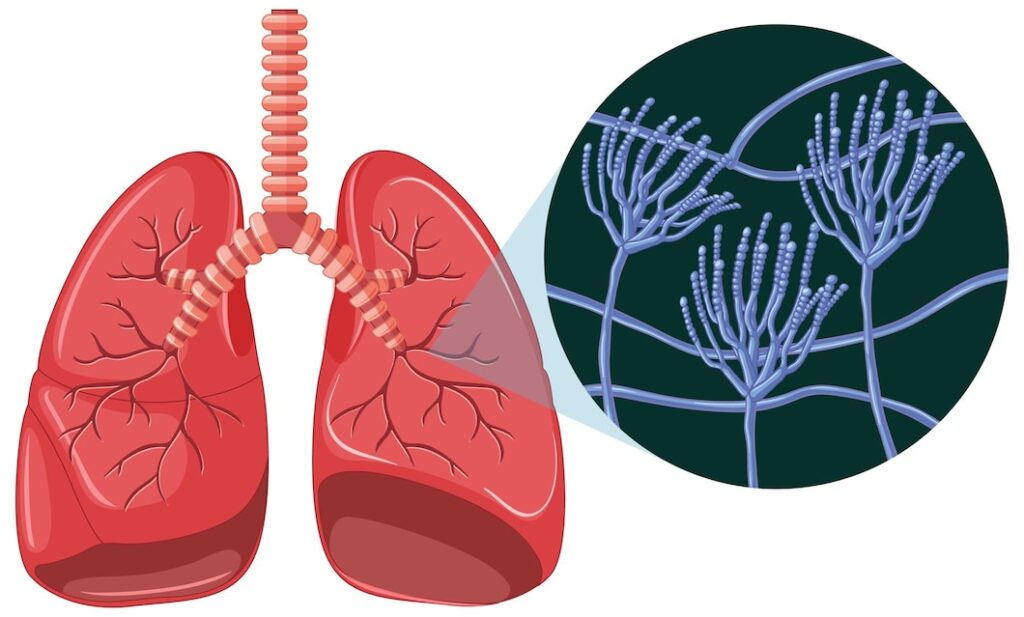
Category: Health & Wellness

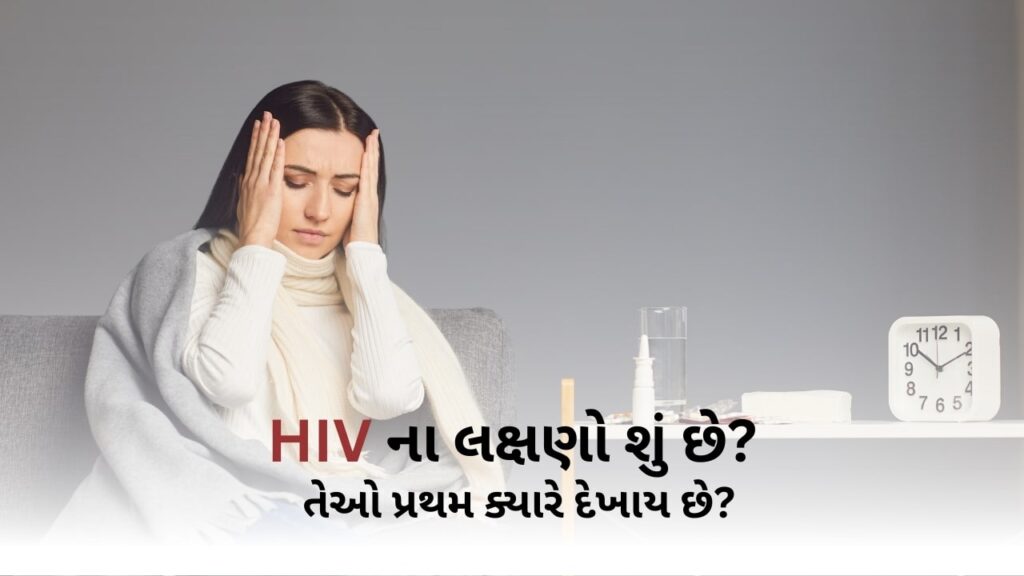
  • HIV ના લક્ષણો શું છે? તેઓ પ્રથમ  ક્યારે દેખાય છે?

    HIV ના લક્ષણો શું છે? તેઓ પ્રથમ ક્યારે દેખાય છે?

    HIV એ એક વાયરસ છે જે શરીરની રોગપ્રતિકારક શક્તિ પર અસર કરે છે. શરૂઆતમાં ફ્લૂ જેવા લક્ષણો (તાવ, ગળામાં દુખાવો, થાક, સોજેલી ગ્રંથિઓ) દેખાઈ શકે છે, પણ ઘણા લોકોમાં વર્ષો સુધી કોઈ લક્ષણ હોતું નથી. ચોક્કસ નિદાન માટે HIV ટેસ્ટ જ એકમાત્ર રસ્તો છે — શંકા હોય તો ડૉક્ટરની સલાહ લો. (સ્રોત: MedlinePlus, US NLM.)

    hiv symptoms in gujarati

    HIV અથવા હ્યુમન ઇમ્યુનોડેફિસિયન્સી વાયરસ શું છે?

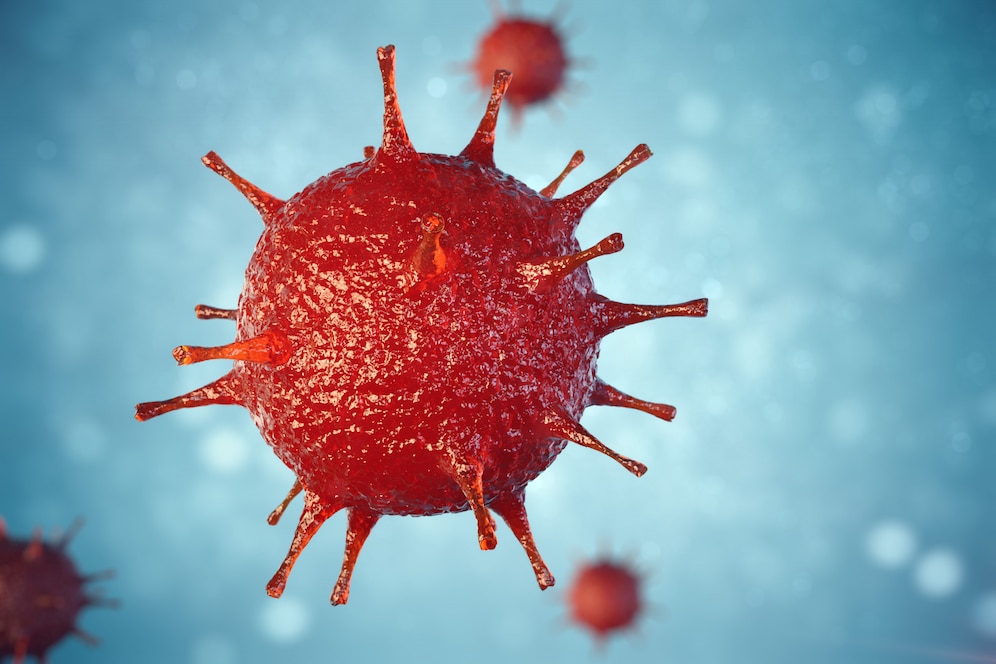
    હ્યુમન ઇમ્યુનોડેફિસિયન્સી વાયરસ (HIV) એ વિશ્વભરમાં લાખો લોકોને ચેપ લગાવ્યો છે. એચ.આય.વી સંક્રમણને કારણે રોગપ્રતિકારક શક્તિ સતત બગડે છે, જે આખરે હસ્તગત ઇમ્યુનોડેફિસિયન્સી સિન્ડ્રોમ (એઇડ્સ) તરફ દોરી જાય છે. HIV, RNA વાયરસનો એક પ્રકાર, શરીરમાં પ્રવેશવા પર, CD4 T લિમ્ફોસાઇટ્સ પર હુમલો કરે છે અને તેનો નાશ કરે છે. CD4 કોષો ચેપ સામે લડવામાં મદદ કરે છે. સરેરાશ CD4 કોષોની સંખ્યા 500-1500 કોષો/mm3 છે. જ્યારે CD4 કોષોની સંખ્યા 200 કોષો/mm3 ની નીચે ઘટે છે, ત્યારે તે AIDS સૂચવી શકે છે.

    એચ.આય.વી એક વ્યક્તિમાંથી બીજી વ્યક્તિમાં કેવી રીતે ફેલાય છે?

    • અસુરક્ષિત જાતીય સંભોગ • સંક્રમિત સોય, ચેપગ્રસ્ત સિરીંજ અને ભાગ્યે જ રક્ત તબદિલી દ્વારા સંક્રમિત લોહી • અંગ પ્રત્યારોપણ સગર્ભાવસ્થા, ડિલિવરી અથવા સ્તનપાન દરમિયાન માતાથી શિશુ

    એચ.આય.વી સંક્રમણ પર શરીર કેવી રીતે પ્રતિક્રિયા આપે છે?

    દરેક વ્યક્તિના શરીર પર વાયરસની વિવિધ અસર હોય છે. કેટલાક લોકોમાં કોઈ લક્ષણો ન હોઈ શકે. એચ.આય.વીના લક્ષણો ચેપના તબક્કાના આધારે બદલાય છે. એચ.આય.વીની હાજરી હંમેશા એઇડ્સના અસ્તિત્વને સૂચિત કરતી નથી.

    સ્ટેજ 1: તીવ્ર HIV ચેપ

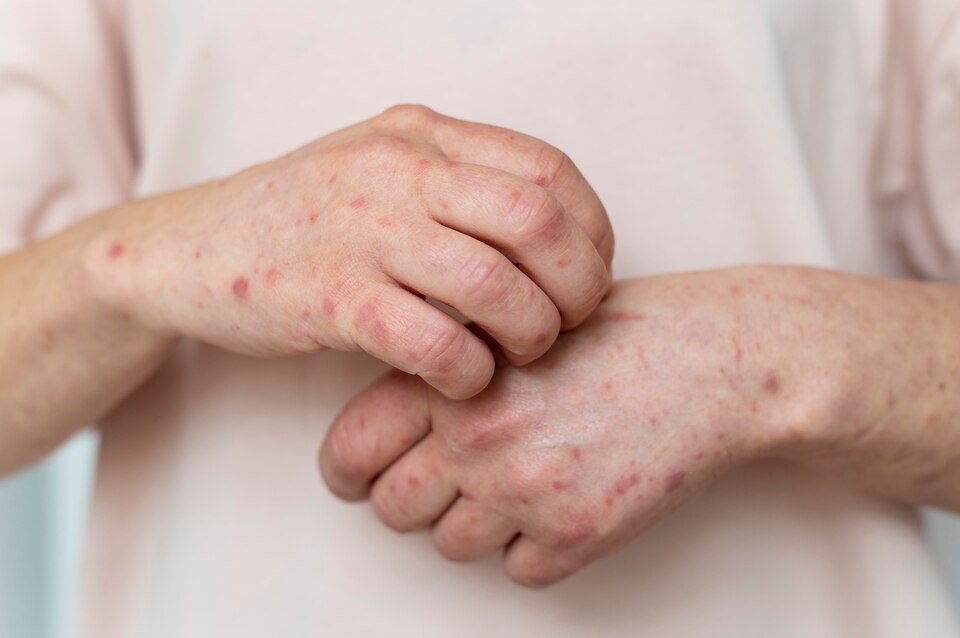
    આ સમય દરમિયાન, ચેપ ચેપી છે. ચેપના પ્રારંભિક 2 થી 4 અઠવાડિયામાં, HIV ના લક્ષણો ફ્લૂ જેવા લક્ષણો જેવા હોઈ શકે છે: • તાવ • થાક • શરીરમાં દુખાવો • સુકુ ગળું • ઠંડી લાગવી • મોઢાના ચાંદા • ફોલ્લીઓ • રાત્રે પરસેવો • સોજો ગ્રંથીઓ • ઉબકા • ઉલટી થવી

    સ્ટેજ 2: એસિમ્પટમેટિક સ્ટેજ

    પ્રારંભિક તબક્કા પછી, તમે વર્ષો સુધી HIV ના કોઈ લક્ષણો દેખાડી શકતા નથી. આ સમય દરમિયાન તમે સ્વસ્થ અનુભવી શકો છો. પરિણામે, તમે અજાણ હોઈ શકો છો કે તમને ચેપ લાગ્યો છે. આ તબક્કા દરમિયાન, જોકે, વાયરસ ગુણાકાર કરવાનું ચાલુ રાખશે અને રોગપ્રતિકારક શક્તિને નબળી પાડશે. જો સૂચિત એચ.આય.વી સારવાર પદ્ધતિનું પાલન કરવામાં આવે, તો તમે ક્યારેય સ્ટેજ 3 સુધી પહોંચી શકશો નહીં.

    સ્ટેજ 3: એક્વાયર્ડ ઇમ્યુનોડેફિસિયન્સી સિન્ડ્રોમ (AIDS)

    HIV ચેપ તમારી રોગપ્રતિકારક શક્તિને અસર કરે છે અને તમને તકવાદી ચેપ અથવા અન્ય ગંભીર બીમારીઓ માટે સંવેદનશીલ બનાવે છે. હાનિકારક બેક્ટેરિયા, ફૂગ અને વાયરસ વધુ વારંવાર અને ગંભીર ચેપનું કારણ બની શકે છે.

    આ તબક્કામાં HIV ના લક્ષણોમાં નીચેનાનો સમાવેશ થાય છે:

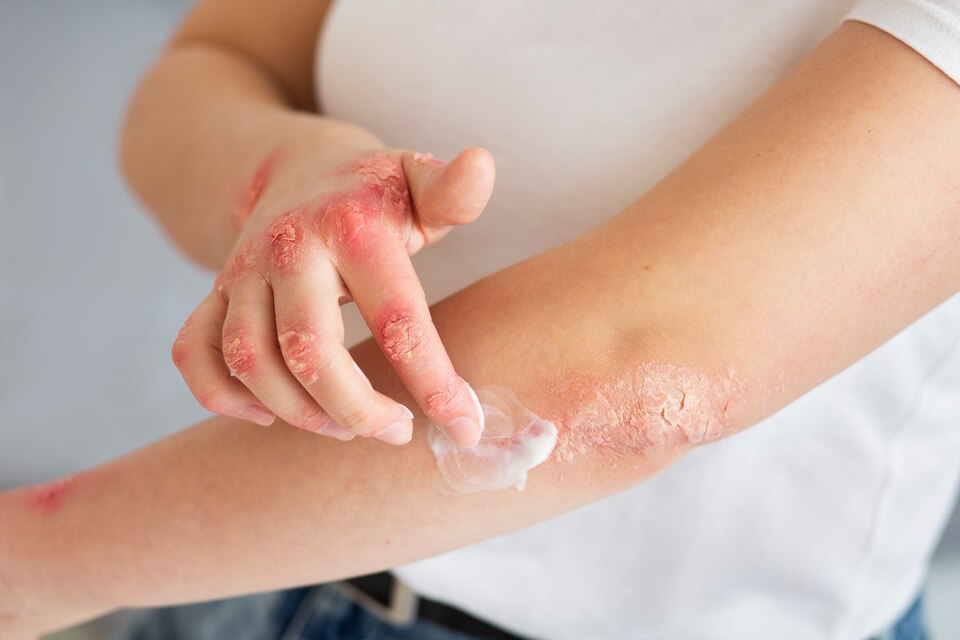
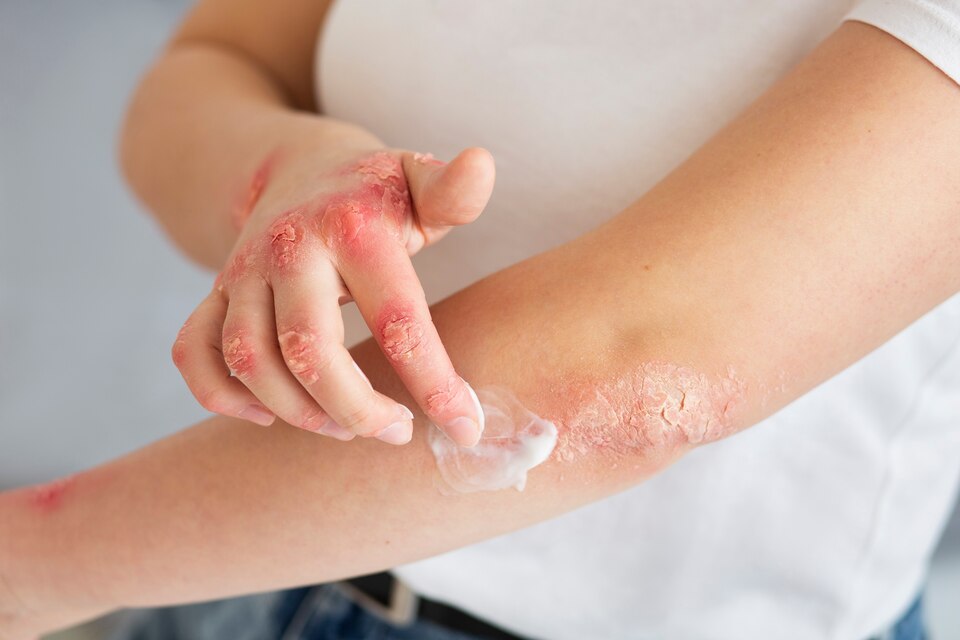
    • ઝડપી વજન ઘટાડવું, બેઝલાઇનથી 10% થી વધુ • તાવ જે એક મહિનાથી વધુ ચાલે છે • ઝાડા જે એક અઠવાડિયાથી વધુ ચાલે છે • રાત્રે પરસેવો • પુનરાવર્તિત ચેપ: બેક્ટેરિયલ, વાયરલ અને ફંગલ • ઉધરસ • મોઢાના ચાંદા • ઓરલ થ્રશ, અથવા મોઢામાં સફેદ ધબ્બા • જીભ પર સફેદ ધબ્બા • ત્વચાની સમસ્યાઓ: ત્વચા પર અથવા તેની નીચે લાલ, જાંબલી, કથ્થઈ અથવા ગુલાબી રંગના નિશાન, મસાઓ, ઇમ્પેટીગો (લાલ, ખંજવાળવાળા ચાંદા જે પીળા સ્કેબ્સ બનાવે છે), દાદર (જૂથમાં પીડાદાયક ફોલ્લીઓ) • યાદશક્તિ ગુમાવવી • હતાશા • ન્યુમોનિયા • જીવન માટે જોખમી પરિસ્થિતિઓ: ટ્યુબરક્યુલોસિસ, ક્રિપ્ટોકોકસ મેનિન્જાઇટિસ, ગંભીર બેક્ટેરિયલ ચેપ, કેન્સર ઘણા લોકો સમયસર અને યોગ્ય સારવાર સાથે આ તબક્કે આગળ વધતા નથી. એચ.આય.વી.ની દવા વિના, એઇડ્ઝ ધરાવતા લોકો સામાન્ય રીતે ત્રણ વર્ષ કે તેથી ઓછા જીવે છે. શું લિંગ વચ્ચે એચ.આય.વીના લક્ષણો અને ચિહ્નો વચ્ચે કોઈ તફાવત છે? જો કે એચ.આય.વીના મોટાભાગના લક્ષણો પુરુષો અને સ્ત્રીઓમાં સમાન હોય છે, કેટલાક લિંગ-વિશિષ્ટ હોય છે.

    સ્ત્રીઓમાં HIV ના લક્ષણો

    • લક્ષણો સ્થિતિના પછીના તબક્કામાં નોંધવામાં આવે છે. • માસિક ચક્રમાં ફેરફાર: હળવા અથવા વધુ રક્તસ્ત્રાવ, ચક્ર છોડો, ગંભીર PMS • પેટમાં દુખાવો • પેનિટ્રેટિવ સેક્સ દરમિયાન દુખાવો • યોનિમાંથી અસામાન્ય સ્રાવ

    પુરુષોમાં HIV ના લક્ષણો

    • ઘટાડો સેક્સ ડ્રાઈવ • શિશ્ન અને ગુદા પર અલ્સર • પેશાબ કરતી વખતે બર્નિંગ સનસનાટીભર્યા • પેટ અને પીઠનો દુખાવો • લોહીવાળું પેશાબ • સ્ખલન દરમિયાન દુખાવો

    HIV પરીક્ષણ

    આપેલ છે કે એચ.આય.વી.ના લક્ષણો ઘણા વર્ષો સુધી દેખાતા નથી, તમને ચેપ લાગ્યો છે કે કેમ તે નક્કી કરવા માટે એચ.આય.વી પરીક્ષણ એ એકમાત્ર રસ્તો છે. જો તમને એચ.આય.વી સંસર્ગની શંકા હોય, તો શક્ય તેટલી વહેલી તકે તબીબી સહાય મેળવો. પોસ્ટ-એક્સપોઝર પ્રોફીલેક્સિસ તમને નિદાન થતાં જ તરત જ શરૂ કરી શકાય છે. પરીક્ષણ માટે ચોક્કસ વિંડો સાથે વિવિધ પરીક્ષણો છે. તમારા ડૉક્ટર નક્કી કરશે કે તમારા માટે કયો ટેસ્ટ શ્રેષ્ઠ છે.

    HIV સાથે સ્વસ્થ કેવી રીતે જીવવું?

    માનવ શરીર HIV વાયરસને દૂર કરી શકતું નથી. સદનસીબે, એન્ટિ-રેટ્રોવાયરલ થેરાપી (ART) તમારા શરીરમાં વાયરલ લોડને ઘટાડી શકે છે. જો તમે આને તંદુરસ્ત જીવનશૈલી સાથે જોડશો તો તમે સ્વસ્થ રહી શકો છો. જો તમને HIV સંક્રમણના લક્ષણોનો અનુભવ થાય તો ડૉક્ટરની સલાહ લેવી જરૂરી છે. યોગ્ય દવા સાથે પ્રારંભિક પરામર્શ એચઆઇવી ચેપના આત્યંતિક પરિણામોને રોકવામાં પણ મદદ કરી શકે છે. દવાઓ ખરીદવી હવે સરળ થઈ ગઈ છે. મેડકાર્ટ સાથે, તમને શ્રેષ્ઠ કિંમતો અને ઘરના ઘર સુધી ડિલિવરી મળે છે! આજે જ મેડકાર્ટ ની મુલાકાત લો!

    FAQs

    1. શું એચઆઈવી ચેપગ્રસ્ત વ્યક્તિની આસપાસ રહેવાથી ફેલાય છે?

    ના, એવું થતું નથી. તમે વાઈરસ ધરાવતી વ્યક્તિ સાથે અસુરક્ષિત સંભોગ કરીને અથવા તેમની સાથે સોય વહેંચીને જ HIV વાયરસનો સંક્રમણ કરી શકો છો.

    2. એચ.આય.વી પોઝીટીવ હોવા સાથે હું કેવી રીતે વ્યવહાર કરી શકું?

    તમારા ડૉક્ટરની સલાહ અને દવાઓનું પાલન કરો. મિત્રો અને પરિવાર સાથે વાત કરો અને સ્વ-સહાય જૂથોમાં જોડાઓ.

    3. ચેપ પછી તરત જ HIV ના લક્ષણો વિકસે છે?

    ના, એચ.આય.વી ચેપ ઘણા વર્ષો સુધી ગુપ્ત રહી શકે છે. પરિણામે, ચેપ પછી તરત જ એચ.આય.વીના લક્ષણો વિકસી શકતા નથી.
  • 5 Ways to spot harmfulingredients on food labels | Read Food labels carefully

    5 Ways to spot harmfulingredients on food labels | Read Food labels carefully

    5 Ways to spot harmful ingredients on food labels

    Read Food labels carefully

    Not every food package you buy is healthy as it seems on the label. Yes, this is true; food items with labels such as “heart-healthy” and “all-natural,” are available in almost every supermarket, and it seems healthy on the first go. But in many cases, those front labels are to make their products sound better, which is not the case.

    Most of these dried, packaged foods are filled with salt, sugar, factory fats, artificial flavors, food coloring, and preservatives. When these are applied, and the essential nutrients required to protect your wellbeing are taken off. The food is nothing but the mess with all of the chemicals in it. Also, many companies do not directly label sugar as sugar or fat as fat. Instead, they surrender to cheap marketing gimmick of altering their names to sell more products.

    Examples of misleading food labels

    1.Trans-fat-free labels:

    In reality, a food that promises to be trans-fat-free may include a source of trans fat such as 0.5gms of hydrogenated or partially hydrogenated oil.

    2. Natural labels:

    This label can be deceptive because the term “natural” is not well-defined and can be used to describe a wide variety of ingredients, including those that are heavily processed.

    3. Gluten-free labels:

    While these labels are helpful for those with gluten intolerance or celiac disease, some gluten-free products may contain high amounts of sugar, salt, and fat.

    4. Organic labels:

    While organic foods may be grown without the use of synthetic pesticides or fertilizers, they can still be high in calories, sugar, or fat.

    5. Whole-grain labels:

    These labels can be misleading because some products that claim to be whole-grain may actually contain very little whole grain and may be high in refined flour and sugar.

    Thus, learning precisely about ingredient lists will make you understand what packaged food contains. However, the ingredients are described in a primarily descending order. The components that matter the most are the first two or three ingredients; after that, elements will appear in very tiny quantities at the bottom of the list.

    Now, when you go sprawling the supermarket the next time, check labels. Here are 5 top ways to spot harmful food packaging labels in the supermarket.

    5 Ways to spot harmful ingredients on food labels

    1. Whole grain/whole wheat on food label:

    Nowadays, people are looking for whole grain or whole wheat. But are they really whole grains? Or just a percentage of it? Whole grains foods usually have a refined grain, which is very harmful to our body as refined grains cause high sugar, blood pressure, belly fat, etc. Eating whole wheat bread can create havoc in the body if it has refined flour. But then, the question arises – how whole wheat can contain refined flour? It is illegal. Unfortunately, according to the Whole Grains Council, food can be labeled whole grain if it has at least 8 grams of whole grain, but it doesn’t mean 100% whole grain. That food may still be mostly refined fine flour.

    So, now onwards, when you pick bread, cereals, pasta, or cookies, check the first or second ingredient. It should be whole wheat, oats, rye, or another grain. If you see bran high up on the list of ingredients, this is a great option. But if it has “refined grain” or “enriched flour” or “bleached meal” as a first or second ingredient, then do not buy it. It is not healthy.

    2. Sodium Nitrite on food label

    Sodium nitrite acts as a preservative in many package foods. To prevent bacterial growth, food manufacturers add sodium nitrate to deliver meats, Salami, Ham, Hot dogs, Bacon, Sausage, Corned beef, any salted, cured or smoked meats, and so on.

    This drug has been linked with heart disease, atherosclerosis, high blood pressure, and cancer. It influences energy metabolism in the long run and reduces the body’s ability to digest carbohydrates, contributing to diabetes. So, avoid foods that have this ingredient.

    3. Spot the Hidden Sugar on food label

    To avoid sugar, we usually buy food packages which labeled as no added sugar or zero sugar. But they are more harmful than routine food with sugar. This is because we eat more as we think it’s okay, and certain types of sugars are detrimental to the body than the usual ones. Usually, sugar masquerades under different names when it comes to labeling the packages. So, instead of the word ‘sugar’ one should watch for ingredients like dextrose, fructose, galactose, glucose, lactose, levulose, maltose, sucrose, mannitol, sorbitol, xylitol, beet sugar, maize sugar, corn sweetener, high fructose maize syrup, invert sugar, isomaltose, maltodextrins, maple sugar, sorghum or turbinate sugar.

    You might even find more than one mentioned here. These are all just variations on low-nutrient, high-calorie added sugars. Eating foods with these ingredients can spike blood sugar too much and can be detrimental to health.

    Also, a food sweetened with “sugar alcohols” on the nutritional label can say 0 grams of sugar, ‘sugar-free’ or ‘no added sugar.’ However, sugar alcohols deserve special mention as they are acting like sugar only. There are several different varieties, including some of the most common: sorbitol, mannitol, and maltitol. In general, the body is not entirely consuming sugar alcohol, which means it will have less of an effect on blood sugar. That’s usually positive, but the side effects are intestinal pain, bloating, and gas. Also, to soft drinks, soda, frozen sweets, baked goods, chewing gum, and so on, artificial sweeteners such as aspartame, sucralose, and saccharin are added. Those are used to mimic sugar’s sweetness, but it does more harm than good. Artificial sweetener intake can interrupt your metabolic system and trick your brain to have more sweetness, which increases sugar cravings.

    4. Watch out for the kind of fat on food label

    Most foods contain fat, but we need to spot what kind of fat food packages have? Foods with trans fats or saturated fats are harmful. So, go for unsaturated such as monounsaturated and polyunsaturated fats that support health. Products with a high amount of bad fat or trans fats are crackers, popcorn, fries, bakery products such as muffins, cakes, pastries, doughnuts, etc. Hunt for the foods containing zero trans fats, but be careful, since zero trans-fat means a product containing less than 1 gram of trans fat per serving. When you eat several portions a day, these small quantities will add up.

    Nowadays, many companies do not show word trans-fat; instead, they use words like partially hydrogenated oil or vegetable oil or palm oil. Be aware of that as all these are primary sources of trans fat though it is derived naturally. Food that has used sunflower, grapeseed, olive oil, or nut oil or nut butter is always healthier. Thus, opt for less trans-fat and more unsaturated fats.

    5. Artificial colors on food label

    Artificial colors are used to improve the color of the food and make it look a lot more attractive. These colors contain various risks: some of them have been related to multiple health conditions, such as allergic reactions, nausea, asthma, skin rashes, hyperactivity, headaches, and are also associated with different types of cancers.

    Many packaged foods, such as candies, sweets, pet food, baked goods, cereals, and even medications, contain artificial colors. Natural food colors are always better than artificial ones. Even products labeled as all-natural include artificial colors. Before purchasing, read the label of the product to see if it contains artificial or natural colors.

    Conclusion:

    Now, you have enough information to know what to check before purchasing any food package. Instead of trusting front labels, check the ingredients list. After all, health matters the most. So, a little bit of hard work during shopping can go a long way.

  • Understanding and Treating Roseola in the Early Stages | Symptoms and Causes

    Understanding and Treating Roseola in the Early Stages | Symptoms and Causes

    Roseola treatmentUnderstanding Roseola

    Roseola is a viral infection that starts with an unexpectedly high temperature and progresses to a rose-coloured rash. Because it is the sixth condition that typically causes a rash in children, it was formerly referred to as the sixth disease.

    Most incidences of Roseola, a pediatric infection, happen before age two. Adults can contract this viral illness. However, it seldom does so later in life. Interestingly, no recognized causes exist.

    It is a minor and transient infection but remains a common chronic ailment among children. The body can cure the illness, much like a typical cold can. Your child’s body will be able to rid itself of the infection if you give them enough rest and water.

    Symptoms of Roseola

    It will probably take 1 to 2 weeks for symptoms of illness to show if your kid is exposed to someone with Roseola and contracts the virus. It is possible to contract Roseola while not displaying any symptoms.

    Roseola frequently begins with a high fever greater than 103 F. (39.4 C). It lasts 3 to 5 days and begins unexpectedly. Along with or before the fever, some children may also experience a sore throat, runny nose, or cough. Additionally, your child could develop enlarged lymph nodes in the neck.

    How to control fever?

    If the room is comfortable, have your child remove any additional layers of clothing. Wear or sleep in light cotton clothing. When necessary, open the windows or utilize the fan in the space. A child who has a fever shouldn’t be cold-spattered. It was once common, but it is now not recommended. This occurs because if the water is excessively cold, the blood vessels under the skin narrow (constrict). This lessens heat loss and can keep heat in the body’s deeper regions. Symptoms can become worse. Additionally, cold-sponging is uncomfortable for many kids and in that case, it is advisable to start Roseola fever rash treatment.

    Drinking water helps to avoid the body having too little fluid (dehydration). If a kid is not as agitated, you can find that they are more eager to enjoy a delicious drink. Therefore, giving them some paracetamol may be helpful if they are reluctant to drink. The youngster should be given beverages around 30 minutes later when their temperature has probably decreased. You will find Roseola’s medication to reduce fever.

    A rash frequently emerges when the fever subsides. Numerous little dots or patches make up a Roseola rash. These areas are frequently level. Other symptoms might appear like;

    • Swollen lymph nodes
    • Upset stomach or diarrhea
    • Runny nose
    • Slight cough
    • Sore throat

    The rash frequently begins on the chest, back, and belly before moving to the arms and neck. The legs and face might be affected. It is unlikely that the rash will itch or hurt. You can start the treatment for an itchy Roseola rash. Hours or days may pass during it. The rash can start without a fever.

    Roseola imageCauses of Roseola

    The same viral family that causes chickenpox and shingles also causes Roseola, a frequent pediatric ailment. Tiny fluid droplets released into the air when an infected person talks, coughs, laughs, or sneezes might spread this virus. Infected individuals typically experience this before showing symptoms.

    People who inhale the droplets or touch them and then touch their mouth or nose will spread the virus. To hamper the virus from spreading to others, older kids and adults should cover their mouths or noses when coughing or sneezing.

    ​Is it better to purchase a generic over a branded medicine

    Risk factors associated with Roseola

    In older infants, the risk of Roseola is greatest. Most frequently, it occurs between 6 and 15 months. The risk of contracting Roseola is greater in older newborns since they haven’t had enough time to create antibodies to numerous viruses. Antibodies acquired by moms during pregnancy protect newborns. But over time, this immunity wanes.

    A rapid fever can occasionally cause a seizure in a youngster with Roseola (febrile seizure). If this occurs, your child may temporarily lose consciousness, fall to the ground, and jerk arms and legs for a few seconds to minutes.

    Emergency attention should be sought if your child is having a seizure. Although terrifying, febrile seizures in otherwise healthy children are typically brief and rarely dangerous.

    Complications for a weak immune system

    Roseola is more dangerous for those with weakened immune systems. You can have a weakened immune system if you just had a bone marrow transplant. People with compromised immune systems are more susceptible to viral infections. They frequently experience consequences like pneumonia or encephalitis or even severe cases of Roseola. A possibly fatal brain inflammation is called encephalitis.

    Diagnosis for Roseola

    To identify whether your child has Roseola and to rule out other potential causes, your doctor will inspect their skin and talk to them about their symptoms. You can start the Roseola skin rash treatment by consulting a local doctor. A diagnosis is typically made based on the appearance of the recognizable rash, but it might need to be verified by checking for Roseola antibodies in a blood sample. Currently, no concrete Roseola rash treatment exists but medicines to relieve symptoms.

    How to prevent Roseola?

    No vaccination exists to protect against Roseola. You can protect other people by keeping a feverish youngster at home until the fever has subsided for 24 hours. The condition isn’t contagious, even if a Roseola rash is present.

    By the time they reach school age, most people have antibodies against Roseola, making them resistant to a subsequent infection. To stop the illness from spreading to anyone who isn’t immune, ensure that everyone in the family washes their hands frequently. Once you spot it, it is better to start Roseola treatment early.

    Where does Medkart come in?

    We have a range of generic medicines for Roseola, including antiviral medications such as acyclovir or valacyclovir. These medications are prescribed to reduce the severity of symptoms or to help shorten the duration of the illness. Ibuprofen or acetaminophen may also be prescribed to reduce fever and discomfort. For all such medicines, we have different generic alternatives.

    Moreover, topical creams or ointments containing anti-inflammatory or anti-itch ingredients may be prescribed to reduce the discomfort associated with the rash. Antihistamines may also be prescribed to reduce itching and help the rash heal faster.

    Medkart has 107 stores offering branded and generic medicines for Roseola and other diseases. Bring in your prescription and speak to our pharmacist to avail yourself of generic medicine and save money. Alternatively, you can check out our www.medkart.in/blog website and order generic medicines to treat Roseola.

    You can also check out Medkart iOS app and Medkart Android app to order medicines. Upload the prescription using these applications, and search for generic alternatives for treating Roseola symptoms. Once you choose the medicine, simply order it online and deliver it to your doorstep. 

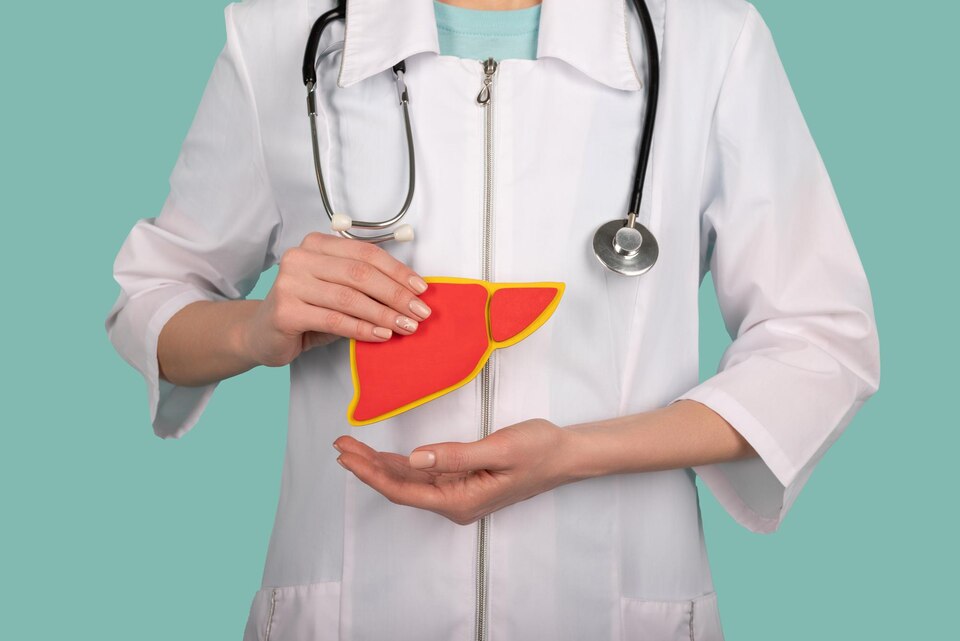
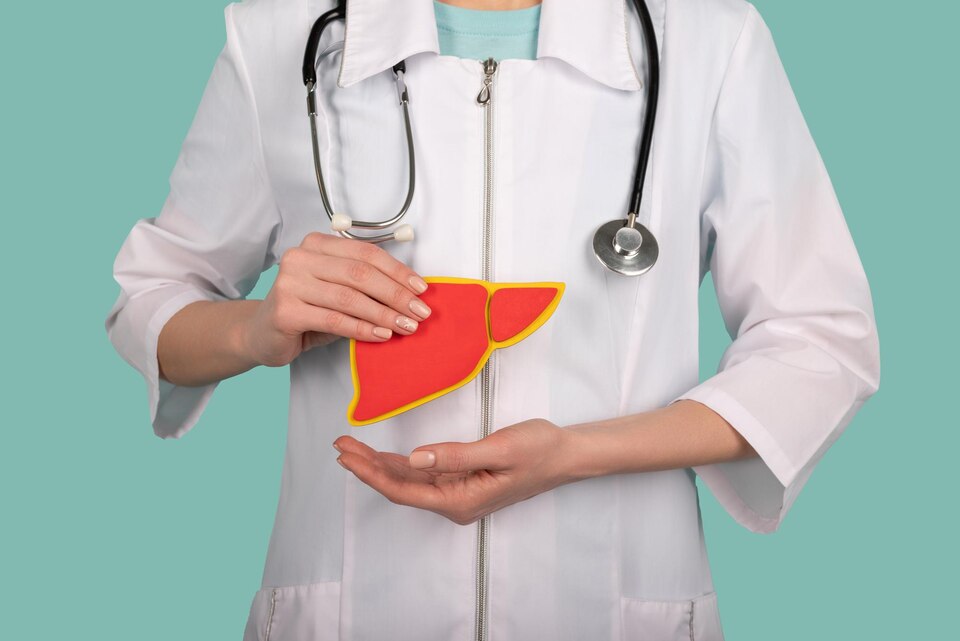
  • Nourishing Your Liver: Top 7 Foods Good for Liver Health

    Nourishing Your Liver: Top 7 Foods Good for Liver Health

    Healthy Liver

    As a vital organ in the body, the liver plays a crucial role in filtering toxins and waste products from the bloodstream, regulating hormones, and producing bile that helps digest fat. However, poor diet and lifestyle choices can take a toll on this important organ, leading to liver disease and other health problems. In this blog post, I will discuss the importance of liver healthy foods and how diet affects it, as well as the top 7 foods good for liver health, including leafy greens, berries, nuts and seeds, fatty fish, garlic, and turmeric.

    The Importance of Liver Health

    The liver is responsible for numerous functions that keep the body healthy. It helps remove harmful substances from the bloodstream, such as drugs, alcohol, and toxins from food. Additionally, it produces enzymes and proteins that are important for blood clotting, fighting infections, and regulating hormones. When the liver is damaged or not functioning properly, it can lead to a variety of health problems, including liver disease, autoimmune disorders, and even cancer. Therefore, it is crucial to take care of your liver and maintain its health through a healthy diet and lifestyle.

    How Diet Affects Liver Health

    The food you eat has a direct impact on your liver health. A diet high in processed foods, sugar, and unhealthy fats can cause inflammation and damage to the liver, leading to liver disease over time. On the other hand, a diet rich in whole foods, fiber, and nutrients can help support liver health and prevent disease. In particular, certain foods are known to be especially beneficial for liver health, as they contain compounds that help protect and regenerate liver cells.

    Top 7 Foods Good for Liver Health

    1. Leafy Greens

    What foods are good for liver repair? Here’s the first one Leafy greens, such as spinach, kale, and arugula, are packed with antioxidants and nutrients that help protect the liver from damage. They are also high in fiber, which helps promote healthy digestion and elimination of toxins from the body. Additionally, leafy greens contain chlorophyll, a compound that can help detoxify the liver and improve its function.

    2. Berries

    Berries, such as strawberries, blueberries, and raspberries, are rich in antioxidants and anti-inflammatory compounds that help protect the liver from damage. They also contain fiber, which helps regulate blood sugar levels and prevent the buildup of fat in the liver. Additionally, some studies have found that berries may help reduce the risk of liver cancer and other liver diseases.

    3. Nuts and Seeds

    Nuts and seeds, such as almonds, walnuts, and chia seeds, are a great source of healthy fats, fiber, and nutrients that help support liver health. They also contain antioxidants and anti-inflammatory compounds that can help reduce inflammation and oxidative stress in the liver. Additionally, some studies have found that nuts and seeds may help improve liver function and reduce the risk of liver disease.

    4. Fatty Fish

    Foods good for liver repair also includes Fatty fish, such as salmon, mackerel, and sardines, are rich in omega-3 fatty acids, which are essential for liver health. Omega-3s help reduce inflammation and improve liver function, as well as lower the risk of liver disease. Additionally, fatty fish are a good source of vitamin D, which is important for overall health and can help prevent liver damage.

    5. Garlic

    Garlic is a potent antioxidant and anti-inflammatory food that has numerous health benefits, including for the liver. It contains compounds that help protect the liver from damage and improve its function. Additionally, garlic can help lower cholesterol levels and reduce the risk of fatty liver disease.

    6. Turmeric

    For its therapeutic qualities, the spice turmeric has been used for centuries. It contains a compound called curcumin, which has powerful anti-inflammatory and antioxidant effects. Curcumin has been shown to help protect the liver from damage and improve its function, as well as reduce the risk of liver cancer and other liver diseases.

    top foods for good liverIncorporating These Foods into Your Diet

    Incorporating these foods good for liver nto your diet is easy and delicious. You can add leafy greens to your salads, smoothies, or stir-fries, snack on berries and nuts, and include fatty fish in your meals a few times a week. Garlic and turmeric can be added to soups, stews, and curries for extra flavor and health benefits. Additionally, it is important to avoid processed foods, sugar, and unhealthy fats, which can contribute to liver damage and disease.

    Other Lifestyle Changes for Liver Health

    In addition to these foods good for liver, there are other lifestyle changes you can make to support liver health. These include limiting alcohol consumption, quitting smoking, maintaining a healthy weight, and exercising regularly. Getting enough sleep and managing stress are also important for liver health, as stress and lack of sleep can contribute to liver damage and disease.

    Conclusion

    The liver is an important organ that plays a crucial role in keeping the body healthy. A healthy diet rich in liver healthy foods, such as leafy greens, berries, nuts and seeds, fatty fish, garlic, and turmeric, can help support liver health and prevent disease. Additionally, making lifestyle changes, such as limiting alcohol consumption and exercising regularly, can also help protect the liver and promote overall health. By taking care of your liver, you can enjoy optimal health and well-being for years to come.

  • How Serious is Latent Tuberculosis? -Symptoms, Risk Factors

    How Serious is Latent Tuberculosis? -Symptoms, Risk Factors

    Latent Tuberculosis

    Introduction to Latent Tuberculosis

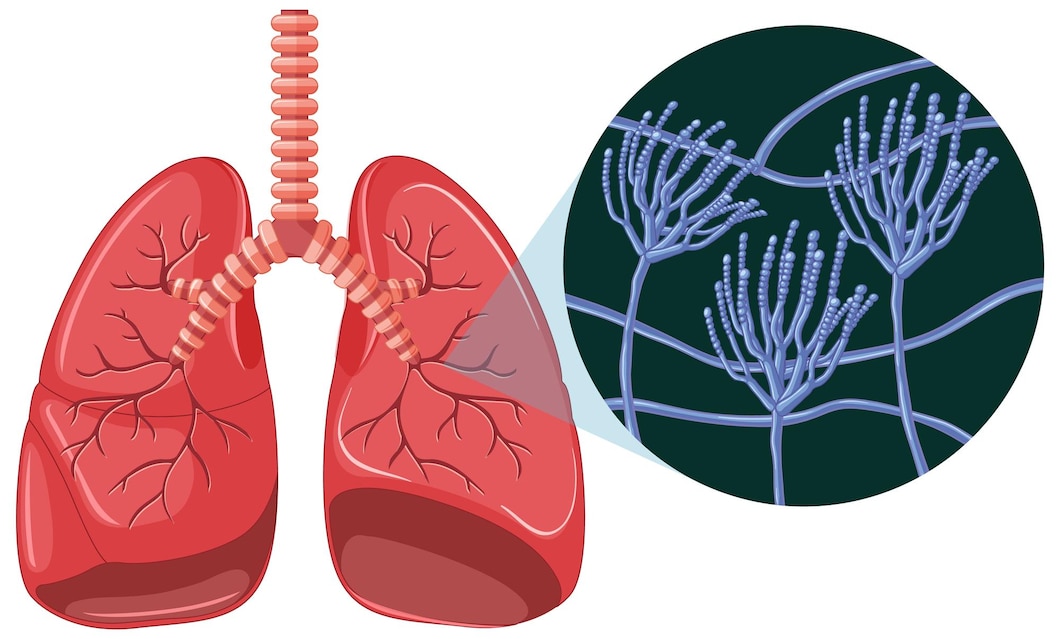
    Tuberculosis (TB) is a contagious and life-threatening infection that primarily affects the lungs. It can also impact other organs in the body, such as the brain, kidneys, and spine. This disease is caused by the bacterium Mycobacterium tuberculosis. While most people are familiar with active TB, there is another form of the disease that often goes unnoticed and undiscussed – latent tuberculosis. Latent tuberculosis is a condition where the TB bacteria are present in the body but are inactive, meaning the person infected does not exhibit any symptoms of the disease. However, the bacteria can become active later on, leading to the development of active TB.

    In this comprehensive guide, we will discuss the causes, symptoms, and risk factors of latent tuberculosis, as well as diagnosis, treatment options, and the effectiveness of the TB vaccine. Additionally, we will debunk myths and misconceptions about latent TB, compare it to active TB, and offer tips and advice for living with this condition. Lastly, we will emphasize the importance of early detection and treatment in combating this global health issue.

    Understanding Latent Tuberculosis – Causes, Symptoms, and Risk Factors

    Causes of Latent Tuberculosis

    Latent tuberculosis occurs when a person has been infected with TB bacteria, but their immune system is effectively keeping the bacteria under control. This means that the bacteria are present, but they are not replicating or causing any harm to the body. The bacteria can remain dormant for many years, and in some cases, a person may never develop active TB. However, if the immune system weakens, the bacteria can become active and cause active TB disease.

    Symptoms of Latent Tuberculosis

    People with latent tuberculosis do not exhibit any symptoms because the bacteria are inactive. They do not feel sick and cannot spread the bacteria to others. However, it is still essential to identify and treat latent TB, as the bacteria can become active later on and cause serious health issues.

    Risk Factors of Latent Tuberculosis

    • Several factors can increase the risk of developing latent tuberculosis. These include:
    • Close contact with someone who has active TB
    • Living or working in a region with high TB rates
    • Having a weakened immune system due to conditions such as HIV/AIDS, diabetes, or undergoing treatment for cancer
    • Taking medications that suppress the immune system, such as corticosteroids or TNF-alpha inhibitors

    Diagnosis and Testing for Latent Tuberculosis

    Diagnosis of Latent Tuberculosis

    Diagnosing latent tuberculosis can be challenging, as there are no visible symptoms. Health professionals typically rely on tests that detect the presence of TB bacteria or an immune response to the bacteria in the body.

    Testing for Latent Tuberculosis

    There are two primary tests used to detect latent tuberculosis:

    Tuberculin Skin Test (TST) – Also known as the Mantoux test, this test involves injecting a small amount of tuberculin (a protein derived from TB bacteria) into the skin on the forearm. If the person has been exposed to TB bacteria, a raised, hard bump will appear at the injection site within 48-72 hours, indicating a positive result.

    Interferon Gamma Release Assay (IGRA) – This blood test measures the immune system’s response to TB bacteria. It is more specific than the TST and can differentiate between TB infection and vaccination with the Bacille Calmette-Guérin (BCG) vaccine.

    Both tests have their advantages and limitations, and healthcare professionals may use one or both tests to determine if a person has latent tuberculosis.

    Latent Tuberculosis Treatment Options

    Treatment for latent tuberculosis aims to prevent the development of active TB by eliminating the dormant bacteria in the body. The decision to treat latent TB depends on the person’s risk factors and the likelihood of developing active TB. There are several treatment options available, including:

    • Isoniazid (INH) – This is the most common medication used to treat latent tuberculosis. The treatment typically lasts for 9 months, during which the patient takes the medication daily.
    • Rifampin (RIF) – This medication is an alternative to isoniazid and is taken daily for four months.
    • INH and Rifapentine – This combination therapy is taken once a week for 12 weeks under the direct supervision of a healthcare professional.

    Treatment duration and medication combinations may vary depending on the patient’s age, medical history, and other factors.

    TB Vaccine – How Effective is it?

    The Bacille Calmette-Guérin (BCG) vaccine is the only vaccine available for tuberculosis. It is derived from a weakened strain of Mycobacterium bovis, a bacterium closely related to Mycobacterium tuberculosis. The BCG vaccine is primarily used in countries with high TB rates to protect young children from severe forms of TB, such as TB meningitis and miliary TB.

    The effectiveness of the BCG vaccine in preventing TB varies widely. It has been shown to be more effective in children than in adults, and its efficacy tends to decline over time. The vaccine is not routinely recommended for use in countries with low TB rates, as the risk of side effects may outweigh the potential benefits.

    Myths and Misconceptions about Latent Tuberculosis

    There are many misconceptions surrounding latent tuberculosis. Some common myths include:

    Myth: Latent TB is not a serious condition.

    ·    Fact: While people with latent TB do not exhibit symptoms and cannot transmit the bacteria, the condition can potentially develop into active TB, which is a severe and life-threatening disease.

    Myth: Having latent TB means you are immune to future TB infections.

    ·    Fact: Having latent TB does not provide immunity against future infections. In fact, individuals with latent TB have an increased risk of developing active TB if exposed to the bacteria again.

    Myth: There is no treatment for latent TB.

    ·      Fact: There are several effective treatment options available for latent TB, which can significantly reduce the risk of developing active TB.

    Latent Tuberculosis vs Active Tuberculosis – What’s the Difference?

    Latent tuberculosis and active tuberculosis are two different stages of TB infection. The following are the main variations between the two:

    Symptoms: People with latent TB do not exhibit any symptoms, while those with active TB experience coughing, fever, weight loss, and other symptoms.

    Transmission: Latent TB is not contagious, whereas active TB can be transmitted through the air when an infected person coughs, sneezes, or talks.

    Treatment: Both latent and active TB can be treated with medication, but the treatment regimens and durations differ. Active TB typically requires a combination of medications taken over a longer period.

    Prevention and Control of Latent Tuberculosis

    Preventing the spread of tuberculosis is crucial in controlling the disease. Key strategies for preventing and controlling latent TB include:

    Identification and treatment: Early identification and treatment of individuals with latent TB can help prevent the development of active TB and reduce transmission.

    Education: Public awareness campaigns and educational programs can help people understand the risks associated with TB and the importance of early detection and treatment.

    Infection control: Implementing effective infection control measures in healthcare settings, including proper ventilation, personal protective equipment, and isolation of patients with active TB, can help prevent the spread of the bacteria.

    Vaccination: The BCG vaccine can help protect young children from severe forms of TB in countries with high TB rates.

    Living with Latent Tuberculosis – Tips and Advice

    Living with latent tuberculosis can be challenging, but with proper management and care, individuals can lead healthy, normal lives. Some tips and advice for living with latent TB include:

    Follow treatment recommendations: Adhering to the prescribed treatment regimen is crucial in preventing the development of active TB.

    Stay informed: Educate yourself about latent TB, its risk factors, and potential complications to better understand your condition and how to manage it.

    Maintain a healthy lifestyle: Eating a healthy diet, getting regular exercise, and managing stress can help boost your immune system and reduce the risk of developing active TB.

    Avoid exposure to TB: If you are at a higher risk of developing active TB, take precautions to avoid exposure to the bacteria. This may include avoiding close contact with people who have active TB, staying away from crowded indoor spaces, and wearing a mask in public places.

    Seek medical care if symptoms develop: If you begin to experience symptoms of TB, such as coughing, fever, or weight loss, seek medical attention immediately.

    Frequently Asked Question 

    Q1: What is latent tuberculosis (TB)?

    A1: Latent tuberculosis is a condition where an individual has been infected with the tuberculosis bacteria (Mycobacterium tuberculosis), but the bacteria are in an inactive state. This means the person does not feel sick and cannot spread TB to others.

    Q2: What are the symptoms of latent tuberculosis?

    A2: Unlike active tuberculosis, latent TB does not usually cause any symptoms. People with latent TB are generally not contagious and do not experience the typical cough, fever, weight loss, or fatigue associated with active TB.

    Q3: What are the risk factors for developing latent tuberculosis?

    A3: Risk factors for latent TB include close contact with someone who has active TB, living in or traveling to areas with high TB prevalence, having a weakened immune system (due to HIV, certain medications, or medical conditions), being a healthcare worker, or having recently immigrated from a country with high TB rates.

    Q4: How is latent tuberculosis diagnosed?

    A4: Latent TB is usually diagnosed through a tuberculin skin test (TST) or a blood test called an interferon-gamma release assay (IGRA). These tests determine if a person has been exposed to TB bacteria by measuring the immune response to TB proteins.

    Q5: Is latent tuberculosis a serious condition that requires treatment?

    A5: While latent TB does not cause immediate illness, it can progress to active TB in some cases, especially if the person’s immune system becomes weakened. Treatment for latent TB involves taking a course of antibiotics to prevent the bacteria from becoming active. It is important to treat latent TB to prevent the development of active disease and its potential complications.

    ​

    Conclusion – The Importance of Early Detection and Treatment of Latent Tuberculosis

    Latent tuberculosis is a significant global health issue that often goes undetected and untreated. While people with latent TB do not exhibit symptoms and cannot transmit the bacteria, the condition can potentially develop into active TB, which is a severe and life-threatening disease. Early detection and treatment of latent TB are crucial in preventing the development of active TB and reducing transmission.

    If you have been diagnosed with latent TB, it is essential to follow the prescribed treatment regimen and take steps to maintain a healthy lifestyle. Avoiding exposure to TB and seeking medical care if symptoms develop can also help prevent the development of active TB.

    In conclusion, while latent tuberculosis may not exhibit any visible symptoms, it is a serious condition that requires attention and care. By understanding the causes, symptoms, and risk factors of latent TB, seeking early diagnosis and treatment, and following preventive measures, we can work together to control and ultimately eradicate this global health issue.

    Call To Action

    For access to more such interesting articles on healthcare, visit Medkart today!

  • Glaucoma vs Cataract: Which Eye Condition Deserves More Attention?

    Glaucoma vs Cataract: Which Eye Condition Deserves More Attention?

    Glaucoma vs Cataract

    Introduction to Glaucoma and Cataract

    Vision is an essential aspect of human life, and maintaining the health of our eyes should be a priority. However, many people are unaware of common eye conditions that can significantly impact their vision, such as glaucoma and cataract. These eye conditions, although different, are often confused with each other due to the similarities in their symptoms, causes, and risk factors. In this article, we will explore the difference between glaucoma and cataract, their symptoms, causes, risk factors, diagnosis, treatment, prevention tips, and the impact of these conditions on daily life. Ultimately, we’ll determine which condition deserves more attention.

    Understanding the Difference between Glaucoma and Cataract

    Glaucoma and cataract are two distinct eye conditions, with the primary difference being the part of the eye that they affect. Glaucoma affects the optic nerve and is a group of eye conditions that can lead to vision loss through damage to the optic nerve, which is responsible for transmitting visual information from the eye to the brain. The most common form of glaucoma, known as open-angle glaucoma, is characterised by increased pressure within the eye due to a buildup of fluid. Loss of eyesight may result from this elevated pressure harming the optic nerve.

    On the other hand, cataract affects the eye’s lens, which is the clear, flexible structure responsible for focusing light on the retina to create images. Cataract occurs when the proteins in the lens clump together, causing cloudiness and impairing vision. Unlike glaucoma, which often develops gradually and without symptoms, cataract typically leads to a progressive and noticeable decline in vision quality. The primary difference between glaucoma and cataract is that glaucoma affects the optic nerve, whereas cataract affects the lens.

    Symptoms of Glaucoma and Cataract

    The symptoms of glaucoma and cataract can vary depending on the specific type of each condition. There may be no symptoms at all in the early stages of glaucoma. However, if the illness worsens, these signs and symptoms could appear:

    • Gradual loss of peripheral (side) vision
    • Tunnel vision in the advanced stages
    • Blurred or hazy vision
    • Eye pain or redness (Eye Drops for the eye pain & redness 👉 Andre I kul eye drops )
    • Severe headache and nausea, particularly in cases of acute angle-closure glaucoma

    In contrast, the symptoms of cataract tend to be more noticeable and can include:

    • Blurred, cloudy, or dim vision
    • identifying difficulties at night or in low light
    • Sensitivity to light and glare
    • Seeing halos around lights
    • prescription for glasses or contacts changing frequently

    While both conditions can cause vision difficulties, the primary difference between glaucoma and cataract symptoms is that glaucoma typically begins with peripheral vision loss, whereas cataract causes an overall decline in vision quality.

    Causes of Glaucoma and Cataract

    The causes of glaucoma and cataract are different, although both conditions can result from a combination of genetic, environmental, and lifestyle factors. Glaucoma is primarily caused by increased pressure within the eye, which can occur due to:

    • Blocked or impaired drainage of fluid within the eye (aqueous humor)
    • Overproduction of fluid within the eye
    • Decreased blood flow to the optic nerve

    Cataract, on the other hand, is primarily caused by the natural aging process, during which the proteins in the lens break down and clump together. Other factors that can contribute to the development of cataract include:

    • Prolonged exposure to ultraviolet (UV) light
    • Use of certain medications, such as corticosteroids
    • Previous eye injury or surgery

    Understanding the difference between glaucoma and cataract causes is essential for determining the appropriate course of treatment and prevention strategies for each condition.

    Risk Factors for Glaucoma and Cataract

    There are several risk factors for both glaucoma and cataract, with some overlap between the two conditions. Common risk factors for glaucoma include:

    • Age: The risk of glaucoma increases with age, particularly after age 60.
    • Family history: Having a family member with glaucoma increases your risk of developing the condition.
    • High intraocular pressure (IOP): Elevated IOP is a significant risk factor for glaucoma.
    • Race: People of African, Asian, or Hispanic descent have a higher risk of developing glaucoma.

    Risk factors for cataract include:

    • Age: The risk of cataract increases with age, particularly after age 60.
    • Family history: Having a family member with cataract increases your risk of developing the condition.
    • Smoking: Smokers are more likely to develop cataract than non-smokers.
    • Prolonged use of certain medications: Long-term use of corticosteroids or other medications can increase the risk of cataract.

    While there is some overlap in risk factors, the primary difference between glaucoma and cataract risk factors lies in the specific medical conditions and lifestyle factors that can contribute to each condition.

    Diagnosis and Treatment of Glaucoma and Cataract

    The diagnosis and treatment of glaucoma and cataract differ significantly. Usually, glaucoma is identified with a thorough eye examination, which could include:

    • Measuring intraocular pressure (IOP) with a tonometer
    • Inspecting the drainage angle of the eye with a gonioscope
    • Evaluating the optic nerve for damage through ophthalmoscopy
    • Assessing the visual field through perimetry testing

    Treatment for glaucoma primarily focuses on lowering IOP to prevent further optic nerve damage. This may involve the use of prescription eye drops, oral medications, laser treatment, or surgery.

    In contrast, cataract is diagnosed through a comprehensive eye exam, which may include:

    • Visual acuity testing to assess the sharpness of vision
    • Slit-lamp examination to inspect the lens and other structures of the eye
    • Retinal examination to evaluate the health of the retina

    Treatment for cataract primarily involves surgical removal of the cloudy lens and replacement with an artificial lens (intraocular lens, or IOL). This surgery is generally safe and effective, with a high success rate in improving vision.

    Prevention Tips for Glaucoma and Cataract

    While it may not be possible to completely prevent glaucoma or cataract, there are several steps that individuals can take to reduce their risk of developing these conditions. Some prevention tips for glaucoma include:

    • Regular eye exams: Glaucoma can be treated and detected early to help avoid vision loss.
    • Exercise: Regular physical activity can help lower intraocular pressure and improve overall health.
    • Maintain a healthy weight: Obesity is a risk factor for glaucoma, so maintaining a healthy weight can reduce the risk.
    • Quit smoking: Smoking can increase the risk of glaucoma, so quitting smoking can lower the risk.

    Prevention tips for cataract include:

    • Wear sunglasses: Protecting your eyes from UV light can reduce the risk of cataract.
    • Quit smoking: Smoking is a significant risk factor for cataract, so quitting smoking can lower the risk.
    • Eat a healthy diet: A diet rich in antioxidants and nutrients can reduce the risk of cataract.
    • Limit alcohol consumption: Excessive alcohol consumption can increase the risk of cataract, so limiting alcohol intake can reduce the risk.

    While there is some overlap in prevention tips for glaucoma and cataract, the emphasis is on maintaining a healthy lifestyle and protecting the eyes from environmental factors that can contribute to these conditions.

    Living with Glaucoma and Cataract

    Living with glaucoma or cataract can be challenging, particularly if the condition is advanced and has already caused significant vision loss. However, there are several strategies that individuals can use to adapt to these conditions and maintain their quality of life. For example, individuals with glaucoma can:

    • Use assistive devices: Devices such as magnifiers or telescopes can help compensate for vision loss.
    • Reduce glare: Glare can exacerbate vision difficulties, so reducing glare through proper lighting or anti-glare glasses can be helpful.
    • Practice stress reduction techniques: Stress can increase intraocular pressure, so practicing relaxation techniques such as meditation or deep breathing can be beneficial.

    Similarly, individuals with cataract can adapt to vision changes by:

    • Ensuring adequate lighting: Good lighting can help compensate for the cloudiness of the lens.
    • Using magnifiers: Magnifying glasses can help with reading or other close-up tasks.
    • Wearing glasses or contact lenses: Proper eyewear can help compensate for vision changes.

    Adapting to the changes caused by glaucoma or cataract can be challenging, but with the right strategies and support, individuals can maintain their independence and quality of life.

    Impact of Glaucoma and Cataract on Daily Life

    The impact of glaucoma and cataract on daily life can be significant, particularly if the condition is advanced and has already caused significant vision loss. Individuals with these conditions may experience difficulties with daily tasks such as reading, driving, or even recognizing faces. This can lead to a reduced quality of life and increased dependence on others for assistance.

    In addition to the physical impact, glaucoma and cataract can also have emotional and psychological effects. Individuals with these conditions may experience anxiety, depression, or other mental health concerns related to their vision loss.

    Conclusion: Which Condition Deserves More Attention?

    Both glaucoma and cataract are significant eye conditions that can impact an individual’s quality of life. However, the condition that deserves more attention may depend on several factors, such as the severity of the condition, the impact on daily life, and the effectiveness of available treatments. While cataract can cause a noticeable decline in vision quality, it is generally treatable with surgery and has a high success rate. In contrast, glaucoma can lead to irreversible vision loss, particularly if left untreated, and requires ongoing management to prevent further damage to the optic nerve.

    Ultimately, both conditions require attention and prompt treatment, particularly in the early stages. Regular eye exams and lifestyle modifications can help reduce the risk of developing these conditions and catch them early when treatment is most effective. If you are experiencing vision changes, consult with your eye doctor to determine the appropriate course of action and maintain your eye health.

    Call To Action

    For access to more such interesting articles on healthcare, visit Medkart today!

  • Early Stages of Cataracts: How to Recognize the Symptoms and Types

    Early Stages of Cataracts: How to Recognize the Symptoms and Types

    Early Stages of Cataracts

    Introduction to Cataracts

    Cataracts are a common age-related eye condition that affects millions of people worldwide. They happen when the eye’s natural lens becomes cloudy or opaque, which causes a progressive deterioration in vision quality. Although cataracts are often associated with older adults, they can develop at any age, even in young children. The good news is that cataract surgery is a highly effective treatment, and early detection can significantly improve the outcome. In this article, we will discuss the early stages of cataracts and the types. We will also explore the symptoms, causes, diagnosis, and treatment options for early cataracts, as well as the effectiveness of cataract eye drops and lifestyle changes to prevent or slow down the progression of this eye condition.

    What are Early Stages of Cataracts?

    The early stages of cataracts are the initial phase of the condition where the lens of the eye begins to become cloudy or less transparent. This stage is also known as the “incipient” stage, and it may not cause any noticeable vision problems. However, as the cataract continues to develop, the lens becomes more opaque, and the symptoms worsen. It is crucial to recognize the early signs of cataracts to seek appropriate treatment and maintain good eye health.

    Symptoms of Early Cataracts

    In the early stages of cataract development, the symptoms may be subtle and not immediately noticeable. Some common signs of early cataracts include:

    • Blurred or hazy vision: One of the first symptoms of early cataracts is a slight blurring or haziness in your vision. The inability to read, drive, or recognise faces may result from this.
    • Increased glare and sensitivity to light: As cataracts develop, the lens becomes less transparent, causing light to scatter within the eye. This can result in increased glare and sensitivity to bright lights, especially at night.
    • Difficulty seeing in low light conditions: Early cataracts may cause you to struggle with seeing clearly in dimly lit environments, such as reading in a dim room or navigating at night.
    • Changes in color perception: can cause colors to appear duller or less vibrant, making it difficult to distinguish between similar shades.
    • Frequent changes in eyeglass prescription: If you notice that your eyeglass prescription is changing more frequently than usual, it could be a sign of early.

    cataracts symptomsTypes of Cataracts – Immature Cataract, Complicated Cataract, Cataract Lens

    There are several types of cataract, and each has its unique characteristics and symptoms. Some common types  include:

    • Immature Cataract: In the early stages of cataract development, the lens is only partially opaque. This is called an immature cataract. The symptoms of an immature cataract are typically mild and may not significantly impact your daily activities.
    • Complicated Cataract: A complicated cataract is a type of cataract that develops as a result of another eye condition or disease, such as uveitis, glaucoma, or diabetic retinopathy. Complicated cataracts often develop more rapidly and may cause more severe vision problems than other types of cataracts.
    • Cataract Lens: A cataract lens refers to the cloudy lens within the eye that is causing the vision problems. There are different types of cataract lenses based on the location and severity of the lens opacification. These include nuclear cataracts (which affect the central part of the lens), cortical cataracts (which affect the outer edges of the lens), and posterior subcapsular cataracts (which develop at the back of the lens).

    ​Glaucoma vs Cataract: Which Eye Condition Deserves More Attention?​

    Causes of Early Cataracts

    There are several factors that can contribute to the development of early cataracts. Some common causes include:

    • Aging: As we age, the proteins in the lens of the eye can begin to break down, causing the lens to become less transparent and more susceptible to cataract formation.
    • Genetics: A family history of cataracts can increase your risk of developing the condition.
      Ultraviolet (UV) radiation exposure: Prolonged exposure to the sun’s UV rays can damage the proteins in the lens, leading to the development of cataracts.
    • Diabetes: People with diabetes are at a higher risk of developing cataracts due to high blood sugar levels, which can damage the lens of the eye.
    • Smoking: Cigarette smoke contains harmful chemicals that can damage the lens, increasing the risk of cataract development.
    • Eye injuries or surgeries: Trauma to the eye or previous eye surgeries can cause damage to the lens, making it more likely for cataracts to form.

    Diagnosis and Treatment Options for Early Cataracts

    If you suspect that you may have early cataracts, it is essential to consult an eye care professional for a comprehensive eye exam. During the examination, your eye doctor will assess your lens for signs of cataract development and determine the severity of the condition.

    In the early stages of cataracts, treatment may not be necessary, as the symptoms may be mild and not significantly impact your daily activities. However, your eye doctor may recommend certain lifestyle changes or specific eyeglass lenses to help improve your vision and reduce glare.

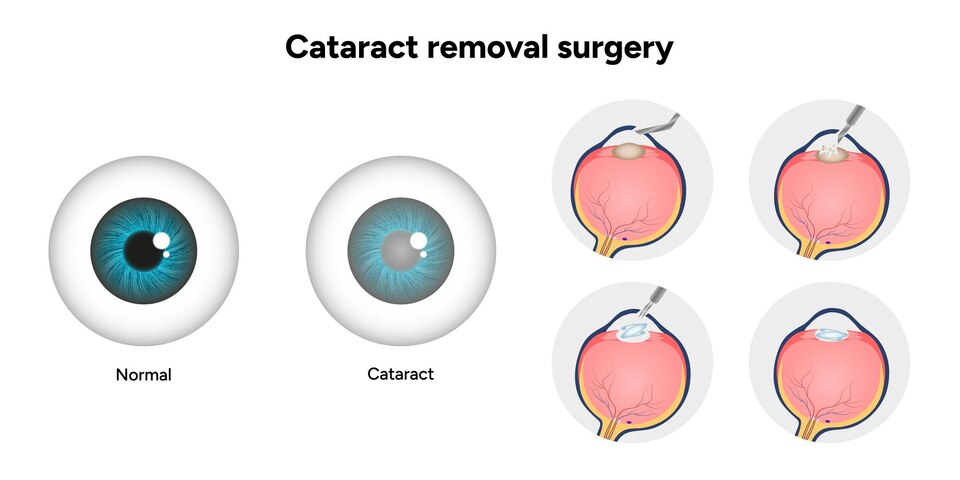
    If the cataract progresses and significantly impacts your vision, your eye doctor may recommend cataract surgery. This procedure involves removing the cloudy lens and replacing it with a clear, artificial lens called an intraocular lens (IOL). Cataract surgery is a highly effective treatment with a high success rate and a low risk of complications.

    cataracts treatmentPrevention of Early Cataracts

    While the development of cataracts is often a natural part of the aging process, there are steps you can take to reduce your risk and potentially slow down the progression of the condition:

    • Protect your eyes from UV exposure: Wearing sunglasses with 100% UV protection can help shield your eyes from harmful UV rays and reduce your risk of cataract development.
    • Manage diabetes: If you have diabetes, maintaining healthy blood sugar levels and regularly monitoring your eye health can help prevent cataract formation.
    • Quit smoking: Giving up smoking can significantly reduce your risk of cataract development and improve your overall health.
    • Eat a healthy diet: Consuming a diet rich in antioxidants, such as vitamins C and E, can help protect your eyes from damage and reduce your risk of cataracts.
    • Limit alcohol consumption: Excessive alcohol consumption can increase your risk of cataracts, so it’s essential to drink in moderation.

    Cataract Eye Drops and Their Effectiveness

    There are several over-the-counter cataract eye drops available that claim to dissolve or reduce the size of cataracts. These drops typically contain a compound called N-Acetylcarnosine (NAC), which is thought to have antioxidant properties that may help break down the proteins causing the lens opacity.

    However, the effectiveness of cataract eye drops is still a topic of debate among eye care professionals. While some studies have shown promising results, others have found little to no improvement in cataract size or vision after using these drops. As a result, cataract eye drops should not be considered a substitute for a comprehensive eye exam and professional treatment.

    Lifestyle Changes for Early Cataracts

    In addition to the prevention strategies mentioned earlier, making certain lifestyle changes can help improve your overall eye health and potentially slow down the progression of early cataracts:

    • Regular exercise: Engaging in regular physical activity can help improve overall health, reduce the risk of chronic diseases, and promote healthy blood circulation, which is essential for maintaining good eye health.
    • Sleep: Ensuring that you get enough quality sleep each night can help promote good eye health, as the eyes repair and regenerate during sleep.
    • Manage stress: Chronic stress can negatively impact your overall health, including your eyes. Practicing stress reduction techniques, such as meditation, deep breathing exercises, or yoga, can help reduce stress and promote good eye health.
    • Healthy diet: Consuming a diet rich in fruits, vegetables, and omega-3 fatty acids can help promote good eye health and reduce the risk of cataract development.
    • Regular eye exams: Regular comprehensive eye exams can help detect early signs of cataracts and other eye conditions, allowing for prompt treatment and better outcomes.

    Conclusion – Takeaway Tips for Early Cataracts

    In summary, early cataracts are the initial phase of cataract development, where the lens of the eye becomes cloudy or opaque, leading to a gradual decline in vision quality. Recognizing the symptoms and types of cataracts is crucial to seek appropriate treatment and maintain good eye health. While cataract surgery is a highly effective treatment for advanced cataracts, early stages of the condition may not require treatment, and certain lifestyle changes and prevention strategies can help slow down the progression of the condition. If you suspect you may have early cataracts, it is essential to consult an eye care professional for a comprehensive eye exam.

    Takeaway tips for early cataracts:

    • Recognize the symptoms of early cataracts, such as blurred vision, increased glare, and difficulty seeing in low-light conditions.
    • Understand the types, including immature, complicated, and cataract lenses.
    • Know the causes of early cataracts, such as aging, genetics, UV radiation exposure, diabetes, and smoking.
    • Seek professional diagnosis and treatment options, such as lifestyle changes or cataract surgery.
    • Practice prevention strategies, such as wearing sunglasses, managing diabetes, quitting smoking, eating a healthy diet, and limiting alcohol consumption.
    • Consider regular comprehensive eye exams to detect early signs of cataracts and other eye conditions.

    In conclusion, early detection and treatment of cataracts are essential for maintaining good eye health and quality of life. By understanding the symptoms, types, causes, and prevention strategies of early cataracts, individuals can take proactive steps to protect their eyes and potentially slow down the progression of this common eye condition.

    Also Read: Must follow Precautions for before and after of a laser cataract surgery

    Call To Action

    For access to more such interesting articles on healthcare, visit Medkart today!

  • What is good cholesterol? | HDL cholesterol range for Male and Female

    What is good cholesterol? | HDL cholesterol range for Male and Female

    cholesterol image

    About cholesterol

    Numerous compounds present in food perform various functions for your body. One of those is called cholesterol, which is a greasy component. It is also produced by your liver and is essential for your body’s functions. The increase in cholesterol beyond normal levels leads to heart-related disease.

    The body’s cholesterol level is assessed by measuring several types of cholesterols. They are total cholesterol, HDL cholesterol, LDL cholesterol, VLDL cholesterol, and triglyceride.

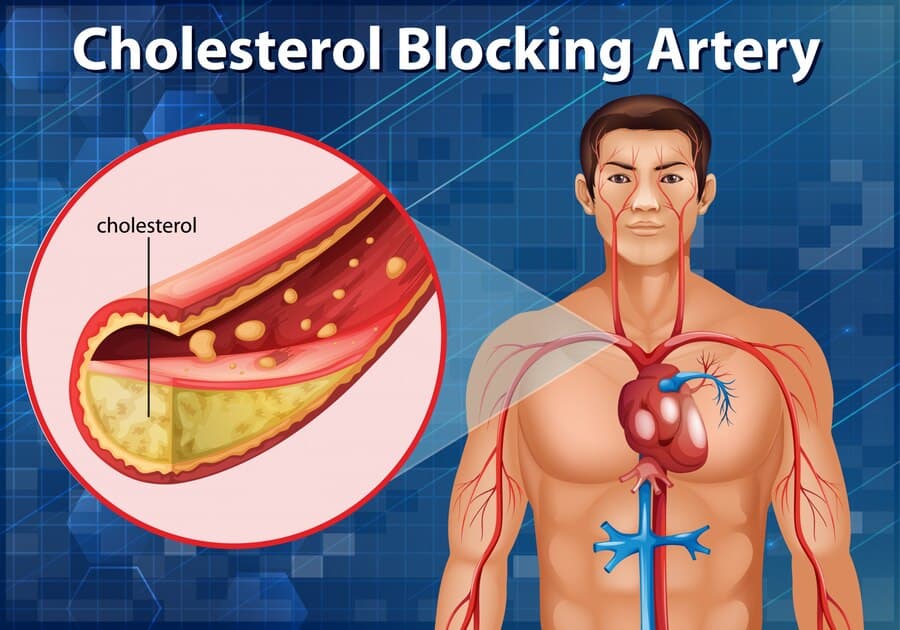
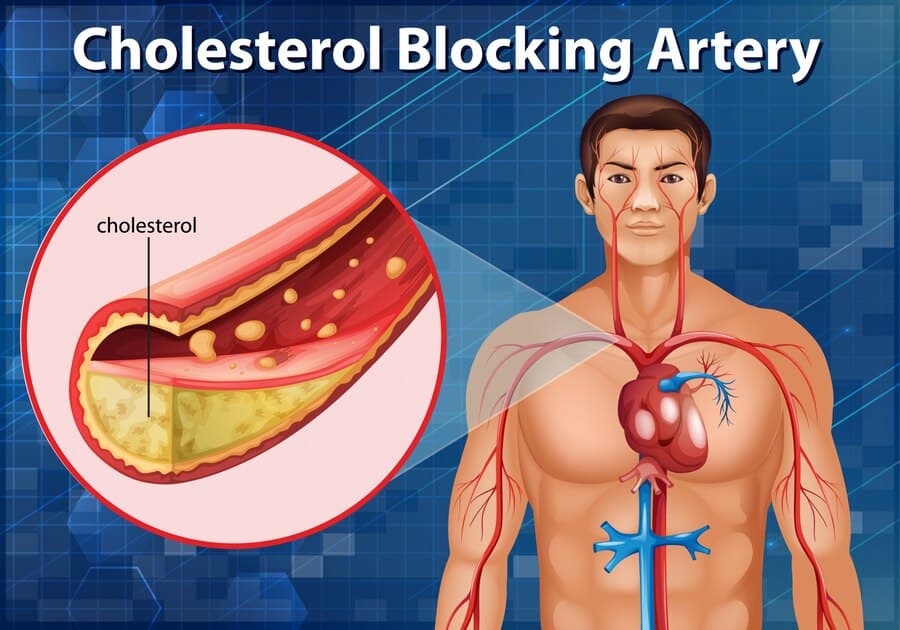
    If the levels of any of these are not normal, then it causes dyslipidemia. This condition can lead to atherosclerosis, which is the deposition of fat, cholesterol, and other substances in the blood vessels, narrowing and obstructing the blood flow.

    That brings us to the question – what do the different forms of cholesterol do?

    Types of Cholesterol

    First-what is total cholesterol, HDL cholesterol, LDL cholesterol, VLDL cholesterol and triglyceride?

    1. HDL Cholesterol: Also called “good cholesterol”, it transfers excess cholesterol from your bloodstream to your liver. This prevents cholesterol deposition in the arteries or blood vessels and keeps them clear.
    2. LDL Cholesterol: It is the “bad cholesterol” that aids in cholesterol deposition in the arteries, thus leading to the narrowing of arteries. When your arteries are narrowed, it can restrict blood flow, thus disrupting the blood supply to the heart muscles and initiating a heart attack.
    3. VLDL Cholesterol: It is also a “bad” cholesterol that contributes to fat deposition and narrowing of the arteries.
    4. Triglycerides: It is a type of fat that your body uses for producing energy at the cellular level.
    5. Total cholesterol: It is the total amount of cholesterol present in your blood. It is the sum of HDL + LDL + 20% triglycerides.

    How do I know my levels of good cholesterol?

    You can get your cholesterol levels checked by undergoing a lipid profile test. It is a simple blood test. You should be fasting for at least 8-12 hours before giving the blood sample for analysis.

    ​Top 8 medicines for treatment of High cholesterol | Generic Medicines list​

    What is considered a good HDL level?

    The cutoff for good cholesterol or HDL is different for males and females.

    Good HDL levels For males:

    • If your levels are more than 60 milligrams of cholesterol per deciliter (mg/dL) of blood, then you are in the heart-healthy zone.
    • If your levels are between 40-59 mg/dL of blood then you are at risk.
    • If your levels are less than 40 mg/dL of blood, then you are in the dangerous zone.

    Good HDL levels For females:

    • If your levels are more than 60 mg/dL of blood, then you are in the heart-healthy zone.
    • If your levels are between 50-59 mg/dL of blood, then you are at risk.
    • If your levels are less than 50 mg/dL of blood, then you are in the dangerous zone.

    How can I boost my HDL levels?

    You can boost your HDL levels by:

    1. Being physically active and going for regular exercise: Exercise increases good cholesterol levels in the body.
    2. Keeping your body weight in check: Maintaining a healthy weight keeps your HDL levels in the desired range.
    3. Decrease your alcohol intake: Excessive alcohol intake can increase triglycerides. It also leads to weight gain, leading to a fall in HDL.
    4. Avoiding tobacco and smoking: Smoking has a direct risk of causing heart disease. In addition to a lot of other things, it also causes a decrease in HDL levels.
    5. Avoiding and managing stress: Indulge in activities that help minimise stress. This helps in keeping the lipid profile within the normal range.
    6. Consuming foods to increase HDL levels: Eating more beans, legumes, and salmon fish, along with whole grains and nuts, will help increase your HDL levels naturally.

    How can I boost my HDL levels

    Are there any factors that decrease good cholesterol levels?

    Some medicines can bring your HDL levels down. They are the following:

    • Beta-blockers: A group of medicines prescribed for controlling blood pressure.
    • Certain steroidal and hormonal medicines used for contraception or other hormone-related disorders
    • Certain sedatives used for anxiety and sleep disorders
    • Uncontrolled diabetes can also lower your HDL levels

    Conclusion

    HDL or “good cholesterol” has a very important role in the management of blood cholesterol. It is the only form of cholesterol that works towards getting rid of extra cholesterol from the body, while all other types of cholesterol contribute towards increasing blood cholesterol and thus increasing the risk of future heart disease.

    You can boost your HDL cholesterol level and keep other cholesterol levels in check by leading a healthy lifestyle.

    At some point, the right medicines can be necessary for treating health conditions. For access to a vast range of generic medicines at the best prices, visit the Medkart website today!

    1. What are the risks of low HDL levels?

    HDL helps in transferring cholesterol molecules from your blood to the liver, where they are broken down and flushed out from the body. In the absence of HDL, cholesterol gets deposited in the arteries, which can lead to atherosclerosis, increasing the risk of heart disease.

    2. How can I increase my HDL levels?

    You can increase your HDL levels by

    • Being physically active,
    • Monitoring your weight and keeping it in the normal range,
    • Reducing your alcohol intake,
    • Giving up smoking and
    • Managing stress levels.

    3. What is a lipid profile test and when should I get it done?

    A lipid profile is a test where a group of entities forming the complete category of cholesterol in the body is measured.

    You should get it done after consulting your doctor as it depends on several factors like

    • Age: In case of old age, you should get it done more frequently.
    • Gender: Males should get it done more often than females, as they are at a higher risk.
    • n case of a family history of heart disease or pre-existing heart disease, you should get the test done more frequently.
  • Must follow Precautions for before and after of a laser cataract surgery

    Cataract Surgery image

    Introduction

    Cataract surgery is a common and effective procedure that helps restore vision in individuals suffering from cataracts. During the procedure, the eye’s clouded natural lens is removed, and a synthetic intraocular lens is put in its place. With advancements in technology and surgical techniques, cataract surgery has become safer and more efficient than ever before. However, taking proper precautions after cataract surgery is crucial in ensuring a smooth recovery and optimal results. This article will discuss the different types of cataract surgery, what to expect before and after the procedure, essential precautions to take, medications required, common complications, and follow-up appointments.

    What is Cataract Surgery?

    Cataract surgery is a procedure performed to remove the clouded lens of the eye, which can impair vision and cause other eye-related issues. The natural lens is made up of water and proteins, and over time, these proteins can clump together, creating a cloudy area known as a cataract. Cataracts can cause blurry vision, difficulty seeing at night, glare, and halos around lights. The only way to treat a cataract is through surgery.

    There are two main types of cataract surgery: phacoemulsification and extracapsular cataract extraction. Phacoemulsification is the most common type of cataract surgery and involves the use of ultrasound waves to break up the cloudy lens into smaller pieces, which are then removed through a small incision. Extracapsular cataract extraction involves making a larger incision and removing the entire lens in one piece.

    Laser Cataract Surgery

    Laser cataract surgery is an advanced form of cataract treatment that uses a femtosecond laser to make precise incisions in the eye. The laser is used to create a circular opening in the front of the lens capsule, allowing the surgeon to access the cataract. The laser also softens the cataract, making it easier to remove using ultrasound waves.

    Laser cataract surgery offers several advantages over traditional cataract surgery, such as increased precision, reduced risk of complications, and faster recovery time. However, it is not suitable for everyone and may not be covered by insurance, so it is essential to discuss the options with an eye doctor.

    Before and After Cataract Surgery: What to Expect

    Before cataract surgery, patients will undergo a thorough eye examination to determine the type and severity of the cataract and discuss the appropriate treatment options. The eye doctor will also measure the shape and size of the eye to select the correct intraocular lens. Patients may be advised to stop taking certain medications, such as blood thinners, before the surgery to reduce the risk of complications.

    After cataract surgery, patients will be given a protective shield to wear over the operated eye to prevent infection and injury. Vision might be blurry at first, but it will gradually improve over the next few days. Most patients can resume their regular activities within a day or two after surgery, but it is essential to follow the doctor’s instructions and take the necessary precautions to ensure a smooth recovery.

    Essential Precautions to Take After Cataract Surgery

    Proper care and precautions after cataract surgery are crucial in ensuring a successful recovery and preventing complications. Here are some essential precautions to take after cataract surgery:

    • Avoid rubbing or touching the operated eye. The eye may feel itchy or irritated after surgery, but it is essential to resist the urge to rub or touch it, as this can introduce bacteria and cause infection.
    • Wear the protective eye shield as instructed. The eye shield helps protect the eye from injury and infection and should be worn while sleeping and during any activities that pose a risk to the eye, such as vigorous exercise or outdoor activities.
    • Avoid heavy lifting and strenuous activities. Engaging in activities that increase pressure on the eyes can delay healing and increase the risk of complications. Patients should avoid heavy lifting, bending over, and strenuous exercise for at least a week after surgery.
    • Keep the eye clean and dry. It is essential to keep the operated eye clean and free from debris. Patients should avoid using eye makeup, swimming in pools or hot tubs, and exposing the eye to dust or dirt for at least a week after surgery.
    • Follow the prescribed medication regimen. Patients will be given prescription eye drops to use after cataract surgery to help prevent infection and reduce inflammation. It is crucial to follow the doctor’s instructions and use the eye drops as prescribed.

    Medications After Cataract Surgery

    After cataract surgery, patients will be prescribed several eye drops to help with the healing process and prevent infection. The eye drops typically include an antibiotic to prevent infection, a steroid to reduce inflammation, and a nonsteroidal anti-inflammatory drug (NSAID) to manage pain and swelling. It is essential to follow the doctor’s instructions and use the eye drops as prescribed to ensure a successful recovery.

    Cataract Surgery Steps

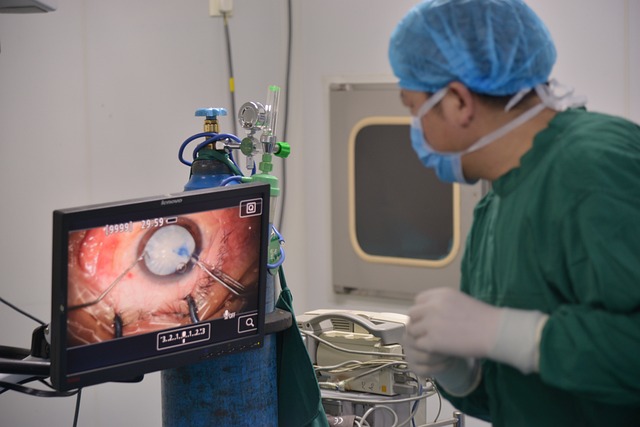
    Cataract surgery is typically performed as an outpatient procedure and takes about 30 minutes to complete. The surgery’s steps are as follows:

    • Administering anesthesia. Patients will be given local anesthesia to numb the eye and may also be given a sedative to help them relax.
    • Making the incision. The surgeon will make a small incision in the cornea using a scalpel or a laser.
    • Removing the cloudy lens. The surgeon will use an ultrasound probe to break up the cataract and remove the lens fragments through the incision.
    • Inserting the intraocular lens. The surgeon will insert the artificial lens into the empty lens capsule and position it correctly.
    • Closing the incision. The incision may be closed with stitches or left to heal on its own, depending on the surgeon’s preference and the patient’s specific needs.

    Common Complications After Cataract Surgery

    While cataract surgery is generally safe and effective, complications can occur. Among the frequent side effects following cataract surgery are:

    • Infection
    • Inflammation
    • increased eye pressure- Corneal or retinal swelling
    • Bleeding in the eye
    • Retinal detachment
    • Secondary cataract

    It is essential to contact the doctor immediately if any of these symptoms occur after cataract surgery. With prompt medical attention, most complications can be effectively treated.

    Follow-up Appointments After Cataract Surgery

    After cataract surgery, patients will need to attend follow-up appointments with the doctor to monitor the healing process and ensure that the eye is healing correctly. The doctor may check the eye pressure, examine the incision site, and evaluate the vision. Patients will also be advised on when to resume driving, work, and other activities.

    It is crucial to attend all follow-up appointments and notify the doctor if any unusual symptoms occur, such as increased pain, redness, or vision changes.

    Frequently Asked Questions

    Q1: What precautions should I take before laser cataract surgery?

    A1: Before laser cataract surgery, it’s important to follow these precautions:

    1. Medication Review: Inform your doctor about all medications you’re taking, including prescription and over-the-counter drugs, as some might need to be adjusted or temporarily stopped.

    2. Fasting: Follow the fasting guidelines provided by your surgeon. Typically, you’ll need to avoid food and drink for a certain period before the surgery.

    3. Eye Drops: Use the prescribed eye drops as directed to prepare your eye for surgery and reduce the risk of infection.

    4. Hygiene: Maintain good hygiene by washing your face and eyelids thoroughly on the day of surgery to minimize the risk of infection.

    5. Transportation: Arrange for someone to drive you to and from the surgical center, as your vision may be temporarily blurry after the procedure.

    Q2: What precautions should I take after laser cataract surgery?

    A2: After laser cataract surgery, follow these precautions:

    1. Eye Shield: Wear the protective eye shield provided by your surgeon, especially while sleeping, to prevent accidental rubbing or pressure on the treated eye.

    2. Medications: Use prescribed eye drops as instructed to aid healing and prevent infection. Follow the recommended schedule and dosage.

    3. Avoid Rubbing: Refrain from touching or rubbing your eyes, as this can disrupt the healing process and increase the risk of infection.

    4. Rest: Rest and limit physical activities for a few days post-surgery to allow your eye to heal properly.

    5. Follow-up Appointments: Attend all scheduled follow-up appointments with your surgeon to monitor your progress and address any concerns.

    Q3: Can I drive myself home after laser cataract surgery?

    A3: No, you should not drive yourself home after laser cataract surgery. Your vision might be blurry, and you may experience discomfort immediately after the procedure. It’s crucial to have someone accompany you to drive you home safely.

    Q4: When can I resume normal activities after laser cataract surgery?

    A4: You can usually resume normal, non-strenuous activities within a day or two after laser cataract surgery. However, it’s advisable to avoid strenuous activities, heavy lifting, and swimming for at least a week to allow your eye to heal properly.

    Q5: How can I prevent infection after laser cataract surgery?

    A5: To prevent infection after laser cataract surgery:

    1. Follow Medication Instructions: Use prescribed eye drops as directed by your surgeon to prevent infection and aid in healing.

    2. Avoid Touching: Refrain from touching your eye with dirty hands, and avoid rubbing your eye.

    3. Hygiene: Maintain good facial hygiene and wash your hands thoroughly before using eye drops.

    4. Protect from Dust and Water: Wear protective eyewear, such as sunglasses, to shield your eyes from dust and water, especially during the early stages of healing.

    5. Follow Surgeon’s Advice: Attend all follow-up appointments and adhere to any additional guidelines provided by your surgeon to minimize infection risk.

    Conclusion

    Cataract surgery is a common and effective procedure that helps restore vision in individuals suffering from cataracts. Taking proper precautions after cataract surgery is crucial in ensuring a smooth recovery and optimal results. Patients should avoid rubbing or touching the operated eye, wear the protective eye shield as instructed, avoid heavy lifting and strenuous activities, keep the eye clean and dry, and follow the prescribed medication regimen.

    It is also essential to attend all follow-up appointments and notify the doctor of any unusual symptoms. With proper care and precautions, cataract surgery can help restore clear vision and improve overall quality of life.

    Call To Action

    For access to more such interesting articles on healthcare, visit Medkart today!
  • જીવનશૈલીમાં ફેરફાર દ્વારા થાઇરોઇડ વિકૃતિઓનું સંચાલન કરી શકાય છે

    થાઇરોઇડ વિકૃતિઓ સમગ્ર વિશ્વમાં પ્રચલિત છે. તેઓ તમામ અંતઃસ્ત્રાવી પરિસ્થિતિઓનો નોંધપાત્ર ભાગ બનાવે છે. સંશોધન કહે છે કે થાઇરોઇડ રોગો ભારતમાં લગભગ 42 મિલિયન લોકોને અસર કરે છે. થાઇરોઇડ-સંબંધિત સ્વાસ્થ્ય સ્થિતિના સામાન્ય કારણો છે – જીવનશૈલી, આહાર, ખાવાની ટેવ, તણાવ, આયોડિનની ઉણપ, સ્વયંપ્રતિરક્ષા રોગો વગેરે.

    ​અભ્યાસો સૂચવે છે કે જીવનશૈલીમાં ફેરફાર કરવો, જેમ કે તંદુરસ્ત શરીરનું વજન જાળવવું, વ્યાયામ કરવું, યોગ્ય ખાવું અને સારી રીતે સૂવું, થાઇરોઇડ મેનેજમેન્ટમાં નિર્ણાયક ભૂમિકા ભજવે છે. જોકે થાઇરોઇડ વિકૃતિઓ ઘણીવાર આજીવન રહે છે, તમે દવાઓની સાથે તમારા આહાર અને જીવનશૈલીમાં ફેરફાર કરીને તેને નિયંત્રિત કરી શકો છો.

    થાઇરોઇડની સમસ્યાઓને દૂર રાખવા માટે તમે તમારી દિનચર્યામાં કયા ફેરફારોનો સમાવેશ કરી શકો છો તેના વિશે જાણવા માટે આગળ વાંચો. જો કે, આગળ વધતા પહેલા, ચાલો થાઈરોઈડ ગ્રંથિ વિશે વધુ જાણી લઈએ.

    થાઇરોઇડ ગ્રંથિ અને તેનું કાર્ય

    થાઇરોઇડ ગ્રંથિ એક બટરફ્લાય આકારની ગ્રંથિ છે જે તમારી ગરદનના પાયામાં બેસે છે. તે તમારી અંતઃસ્ત્રાવી પ્રણાલીનો નોંધપાત્ર ભાગ બનાવે છે અને ત્રણ મહત્વપૂર્ણ હોર્મોન્સ T3, T4 અને કેલ્સીટોનિન ઉત્પન્ન કરે છે. આ હોર્મોન્સ તમારા ચયાપચય અને અન્ય શારીરિક કાર્યોને નિયંત્રિત કરે છે.

    જ્યારે આ ગ્રંથિ આ હોર્મોન્સની ખૂબ ઓછી અથવા ખૂબ ઊંચી માત્રામાં સ્ત્રાવ કરે છે અને બળતરા અથવા વૃદ્ધિનો વિકાસ કરે છે, ત્યારે તે થાઇરોઇડ વિકૃતિઓ સૂચવી શકે છે.

    થાઇરોઇડ વિકૃતિઓ

    સૌથી સામાન્ય થાઇરોઇડ-સંબંધિત પરિસ્થિતિઓમાં નીચેનાનો સમાવેશ થાય છે:

    • હાઈપોથાઈરોડિઝમ: થાઈરોઈડ ગ્રંથિ સામાન્ય કરતાં ઓછા પ્રમાણમાં હોર્મોન્સ ઉત્પન્ન કરે છે

    • હાઈપરથાઈરોઈડિઝમ: થાઈરોઈડ ગ્રંથિ વધુ માત્રામાં હોર્મોન્સ છોડે છે

    • થાઇરોઇડ ગાંઠો: થાઇરોઇડ ગ્રંથિ પર બિન-કેન્સરયુક્ત વૃદ્ધિ

    • હાશિમોટોની થાઇરોઇડિટિસ: એક સ્વયંપ્રતિરક્ષા સ્થિતિ જે થાઇરોઇડ ગ્રંથિને નુકસાન પહોંચાડે છે જે હાઇપોથાઇરોડિઝમ અને ગોઇટર (વિસ્તૃત થાઇરોઇડ ગ્રંથિ) તરફ દોરી જાય છે.

    થાઇરોઇડ વિકૃતિઓના યોગ્ય વ્યવસ્થાપન માટે જીવનશૈલીમાં ફેરફાર

    1. તમારા તણાવના સ્તરને કાબૂમાં રાખો.

    તમારું થાઇરોઇડ તમારી મૂત્રપિંડ પાસેની ગ્રંથિ (તમારી કિડનીની ટોચ પર સ્થિત) સાથે એક ટીમ તરીકે કામ કરે છે. જ્યારે તમે તણાવમાં હોવ છો, ત્યારે મૂત્રપિંડ પાસેની ગ્રંથિ કોર્ટિસોલ, એક તણાવ હોર્મોન છોડે છે. જ્યારે તમારા લોહીમાં કોર્ટિસોલનું સ્તર વધે છે, ત્યારે તે થાઇરોઇડ હોર્મોનના સ્ત્રાવમાં દખલ કરે તેવી શક્યતા છે. આમ, થાઇરોઇડના વિકારોને દૂર રાખવા માટે, તમારા તણાવ અને ચિંતાના સ્તરને નિયંત્રિત કરવું મહત્વપૂર્ણ છે. યોગ, ધ્યાન અને સવાર કે સાંજની ચાલ જેવી પ્રવૃત્તિઓનો સમાવેશ કરવાથી મદદ મળી શકે છે.

    2. વધુ પડતી ખાંડ તમારી થાઈરોઈડ ગ્રંથિ પર કડવી હોઈ શકે છે.

    અતિશય ખાંડનું સેવન તમારા શરીરમાં બળતરા પેદા કરી શકે છે, જે આખરે T4 થી T3 ના રૂપાંતરને અસર કરે છે. તમારા ચયાપચયને શરૂ કરવા માટે, તમારા શરીરને T4, નિષ્ક્રિય હોર્મોન, T3 માં રૂપાંતરિત કરવાની જરૂર છે, જે સક્રિય છે. જ્યારે તમને બળતરા થાય છે, ત્યારે T4 થી T3 નું રૂપાંતર ધીમો પડી જાય છે. આ હાઇપોથાઇરોડિઝમના ચિહ્નો અને લક્ષણોને વધુ ખરાબ કરે છે. તેથી, તંદુરસ્ત થાઇરોઇડ ગ્રંથિની ખાતરી કરવા માટે તમારા ખાંડના સેવનમાં ઘટાડો કરો.

    3. એક સ્વસ્થ અને આયોડિનયુક્ત આહાર તમારા થાઈરોઈડ ગ્રંથિના કાર્યને જાળવવામાં મદદ કરી શકે છે

    તમારું થાઇરોઇડ કાર્ય મોટે ભાગે આયોડિન પર આધાર રાખે છે. જો તમારા આહારમાં પૂરતા પ્રમાણમાં આયોડિન ન હોય, તો તમને હાઈપોથાઈરોડિઝમ અથવા ગોઈટર થઈ શકે છે. તેથી, તમારે તમારા આહારમાં આયોડિનયુક્ત ખોરાકનો સમાવેશ કરવાની જરૂર છે. આમાં ડેરી ઉત્પાદનો, સીવીડ, ઝીંગા, ટુના વગેરેનો સમાવેશ થાય છે. જો કે, જો તમે હાઈપરથાઈરોઈડિઝમથી પીડાતા હો, તો તમને ઓછી આયોડિનયુક્ત આહાર સૂચવવામાં આવી શકે છે. તંદુરસ્ત વજન જાળવવા માટે, તાજા ફળો, શાકભાજી, આખા અનાજ અને દુર્બળ પ્રોટીન ખાઓ. જો તમે હાઇપોથાઇરોડિઝમથી પીડાતા હો, તો સોયા આધારિત ખોરાક ટાળો; કોબીજ, કોબીજ અને બ્રોકોલી જેવી શાકભાજી; અને સ્થિર અને પ્રોસેસ્ડ ખોરાક.

    4. શારીરિક તંદુરસ્તી એ સારા સ્વાસ્થ્યનો માર્ગ છે.

    શારીરિક તંદુરસ્તી એ તમારા સ્વાસ્થ્યને જાળવવાનું મહત્વનું પાસું છે. તેથી, તમને થાઇરોઇડની સમસ્યા હોય કે ન હોય, નિયમિત કસરત ફાયદાકારક બની શકે છે. તે તમારા સ્નાયુ સમૂહ, શક્તિ, રક્તવાહિની આરોગ્ય અને મૂડને સુધારવામાં મદદ કરે છે. જ્યારે થાઇરોઇડ-સંબંધિત સ્થિતિના લક્ષણોનું સંચાલન કરવાની વાત આવે છે, ત્યારે કાર્ડિયો કસરતો એ સૌથી સલામત શરત છે. જો કે, કોઈપણ ચોક્કસ વર્કઆઉટ શાસન શરૂ કરતા પહેલા તમારા ડૉક્ટરની સલાહ લેવાની ખાતરી કરો.

    સરવાળે

    જો તમને થાઇરોઇડ રોગ હોવાનું નિદાન થયું છે, જે એક લાંબી સ્થિતિ છે, તો ચિંતા કરશો નહીં. તમે તમારા લક્ષણોને નિયંત્રિત કરી શકો છો અને યોગ્ય દવાઓ અને જીવનશૈલીમાં ફેરફાર સાથે સ્વસ્થ અને સુખી જીવન જીવી શકો છો. તંદુરસ્ત આહારનું પાલન કરો, મધ્યસ્થતામાં પરંતુ નિયમિતપણે કસરત કરો અને તમારા તણાવના સ્તરને નિયંત્રિત કરો

    યોગ અને ધ્યાન સાથે. નિયમિતપણે તમારા ડૉક્ટરની સલાહ લો અને દરરોજ એક જ સમયે તમારી સૂચિત દવાઓ લો.

    તમારી થાઇરોઇડ દવાઓ ઓનલાઈન ઓર્ડર કરવા માટે, મેડકાર્ટની મુલાકાત લો, જે ભારતની અગ્રણી અને સૌથી વિશ્વસનીય ઓનલાઈન ફાર્મસી છે જે સ્પર્ધાત્મક ભાવે જેનરિક દવાઓનું વેચાણ કરે છે. મારી દવાઓ વિશે વધુ જાણવા માટે તેમની વેબસાઇટની મુલાકાત લો અને તમારા ઓર્ડર મેડકાર્ટ એપ પર આપો.

    વારંવાર પૂછાતા પ્રશ્નો

    1. જો તમને થાઇરોઇડ ડિસઓર્ડર હોય તો કયા ખોરાકથી દૂર રહેવું?

    જો તમે હાઇપોથાઇરોડિઝમથી પીડિત છો, તો તમારી થાઇરોઇડ ગ્રંથિની તંદુરસ્તીનું સંચાલન કરવા માટે, તમારે અમુક ખાદ્ય ઉત્પાદનોને ટાળવાની જરૂર છે. આમાં નીચેનાનો સમાવેશ થાય છે:

    • ક્રુસિફેરસ શાકભાજી

    • સોયા આધારિત ખોરાક

    • સ્થિર માંસ

    • પ્રોસેસ્ડ ખોરાક

    જો તમે હાઇપરથાઇરોઇડિઝમથી પીડાતા હોવ તો તમારે ઓછા આયોડિનવાળા આહારનું પાલન કરવું પડશે અને ખોરાક ટાળવો પડશે જેમ કે:

    • ચીઝ

    • દૂધ

    • ઈંડા

    • આયોડિનયુક્ત મીઠું

    • ખારા પાણીની માછલી

    2. જો તમને થાઈરોઈડ ડિસઓર્ડર હોય તો શું આલ્કોહોલ પીવાની સલાહ આપવામાં આવે છે?

    વધુ પડતા આલ્કોહોલનું સેવન તમારા થાઈરોઈડના કાર્યને ઘણી હદ સુધી અસર કરી શકે છે. તેથી, તેને ટાળવું અને જો જરૂરી હોય તો ક્યારેક-ક્યારેક માત્રામાં પીવું તે મુજબની છે.

    3. કઈ ગ્રંથિ થાઈરોઈડ ઉત્તેજક હોર્મોન (TSH) ઉત્પન્ન કરે છે?

    તમારી કફોત્પાદક ગ્રંથિ TSH ઉત્પન્ન કરે છે. નામ સૂચવે છે તેમ, તે તમારી થાઇરોઇડ ગ્રંથિને T4 અને T3 હોર્મોન્સ સ્ત્રાવ કરવા માટે ઉત્તેજિત કરે છે.