Category: Health & Wellness

  • Early Stages of Cataracts: How to Recognize the Symptoms and Types

    Early Stages of Cataracts: How to Recognize the Symptoms and Types

    Early Stages of Cataracts

    Introduction to Cataracts

    Cataracts are a common age-related eye condition that affects millions of people worldwide. They happen when the eye’s natural lens becomes cloudy or opaque, which causes a progressive deterioration in vision quality. Although cataracts are often associated with older adults, they can develop at any age, even in young children. The good news is that cataract surgery is a highly effective treatment, and early detection can significantly improve the outcome. In this article, we will discuss the early stages of cataracts and the types. We will also explore the symptoms, causes, diagnosis, and treatment options for early cataracts, as well as the effectiveness of cataract eye drops and lifestyle changes to prevent or slow down the progression of this eye condition.

    What are Early Stages of Cataracts?

    The early stages of cataracts are the initial phase of the condition where the lens of the eye begins to become cloudy or less transparent. This stage is also known as the “incipient” stage, and it may not cause any noticeable vision problems. However, as the cataract continues to develop, the lens becomes more opaque, and the symptoms worsen. It is crucial to recognize the early signs of cataracts to seek appropriate treatment and maintain good eye health.

    Symptoms of Early Cataracts

    In the early stages of cataract development, the symptoms may be subtle and not immediately noticeable. Some common signs of early cataracts include:

    • Blurred or hazy vision: One of the first symptoms of early cataracts is a slight blurring or haziness in your vision. The inability to read, drive, or recognise faces may result from this.
    • Increased glare and sensitivity to light: As cataracts develop, the lens becomes less transparent, causing light to scatter within the eye. This can result in increased glare and sensitivity to bright lights, especially at night.
    • Difficulty seeing in low light conditions: Early cataracts may cause you to struggle with seeing clearly in dimly lit environments, such as reading in a dim room or navigating at night.
    • Changes in color perception: can cause colors to appear duller or less vibrant, making it difficult to distinguish between similar shades.
    • Frequent changes in eyeglass prescription: If you notice that your eyeglass prescription is changing more frequently than usual, it could be a sign of early.
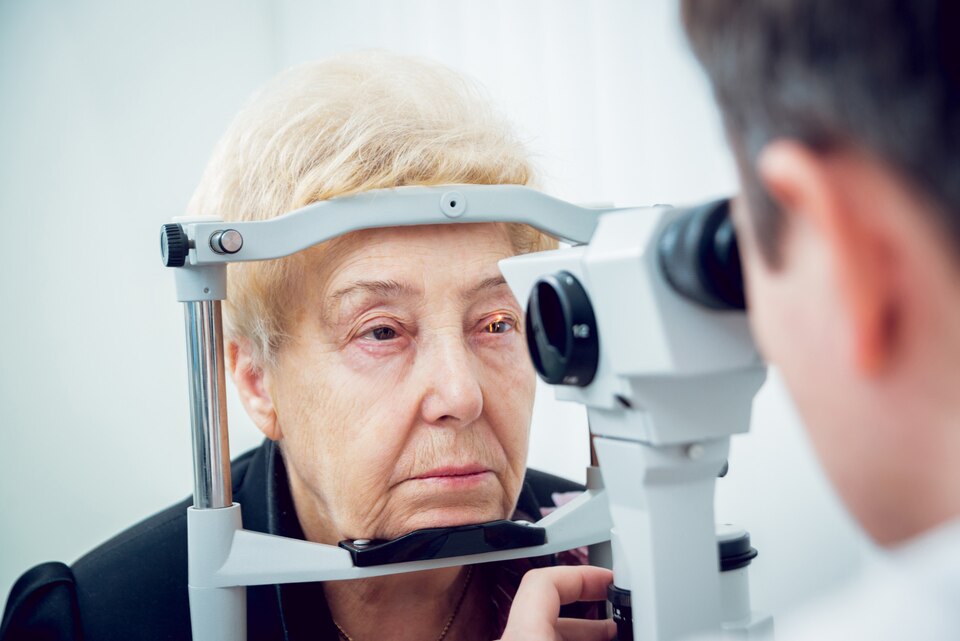
    cataracts symptomsTypes of Cataracts – Immature Cataract, Complicated Cataract, Cataract Lens

    There are several types of cataract, and each has its unique characteristics and symptoms. Some common types  include:

    • Immature Cataract: In the early stages of cataract development, the lens is only partially opaque. This is called an immature cataract. The symptoms of an immature cataract are typically mild and may not significantly impact your daily activities.
    • Complicated Cataract: A complicated cataract is a type of cataract that develops as a result of another eye condition or disease, such as uveitis, glaucoma, or diabetic retinopathy. Complicated cataracts often develop more rapidly and may cause more severe vision problems than other types of cataracts.
    • Cataract Lens: A cataract lens refers to the cloudy lens within the eye that is causing the vision problems. There are different types of cataract lenses based on the location and severity of the lens opacification. These include nuclear cataracts (which affect the central part of the lens), cortical cataracts (which affect the outer edges of the lens), and posterior subcapsular cataracts (which develop at the back of the lens).

    Glaucoma vs Cataract: Which Eye Condition Deserves More Attention?

    Causes of Early Cataracts

    There are several factors that can contribute to the development of early cataracts. Some common causes include:

    • Aging: As we age, the proteins in the lens of the eye can begin to break down, causing the lens to become less transparent and more susceptible to cataract formation.
    • Genetics: A family history of cataracts can increase your risk of developing the condition.
      Ultraviolet (UV) radiation exposure: Prolonged exposure to the sun’s UV rays can damage the proteins in the lens, leading to the development of cataracts.
    • Diabetes: People with diabetes are at a higher risk of developing cataracts due to high blood sugar levels, which can damage the lens of the eye.
    • Smoking: Cigarette smoke contains harmful chemicals that can damage the lens, increasing the risk of cataract development.
    • Eye injuries or surgeries: Trauma to the eye or previous eye surgeries can cause damage to the lens, making it more likely for cataracts to form.

    Diagnosis and Treatment Options for Early Cataracts

    If you suspect that you may have early cataracts, it is essential to consult an eye care professional for a comprehensive eye exam. During the examination, your eye doctor will assess your lens for signs of cataract development and determine the severity of the condition.

    In the early stages of cataracts, treatment may not be necessary, as the symptoms may be mild and not significantly impact your daily activities. However, your eye doctor may recommend certain lifestyle changes or specific eyeglass lenses to help improve your vision and reduce glare.

    If the cataract progresses and significantly impacts your vision, your eye doctor may recommend cataract surgery. This procedure involves removing the cloudy lens and replacing it with a clear, artificial lens called an intraocular lens (IOL). Cataract surgery is a highly effective treatment with a high success rate and a low risk of complications.
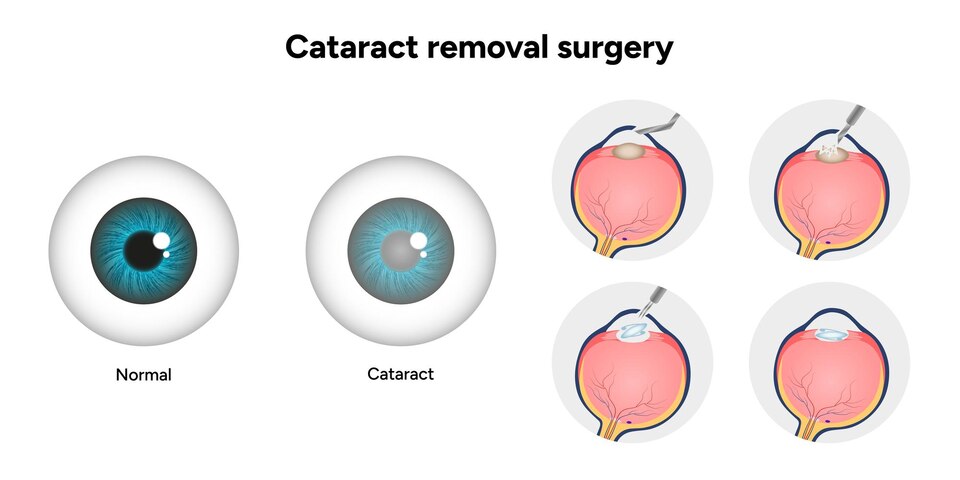
    cataracts treatmentPrevention of Early Cataracts

    While the development of cataracts is often a natural part of the aging process, there are steps you can take to reduce your risk and potentially slow down the progression of the condition:

    • Protect your eyes from UV exposure: Wearing sunglasses with 100% UV protection can help shield your eyes from harmful UV rays and reduce your risk of cataract development.
    • Manage diabetes: If you have diabetes, maintaining healthy blood sugar levels and regularly monitoring your eye health can help prevent cataract formation.
    • Quit smoking: Giving up smoking can significantly reduce your risk of cataract development and improve your overall health.
    • Eat a healthy diet: Consuming a diet rich in antioxidants, such as vitamins C and E, can help protect your eyes from damage and reduce your risk of cataracts.
    • Limit alcohol consumption: Excessive alcohol consumption can increase your risk of cataracts, so it’s essential to drink in moderation.

    Cataract Eye Drops and Their Effectiveness

    There are several over-the-counter cataract eye drops available that claim to dissolve or reduce the size of cataracts. These drops typically contain a compound called N-Acetylcarnosine (NAC), which is thought to have antioxidant properties that may help break down the proteins causing the lens opacity.

    However, the effectiveness of cataract eye drops is still a topic of debate among eye care professionals. While some studies have shown promising results, others have found little to no improvement in cataract size or vision after using these drops. As a result, cataract eye drops should not be considered a substitute for a comprehensive eye exam and professional treatment.

    Lifestyle Changes for Early Cataracts

    In addition to the prevention strategies mentioned earlier, making certain lifestyle changes can help improve your overall eye health and potentially slow down the progression of early cataracts:

    • Regular exercise: Engaging in regular physical activity can help improve overall health, reduce the risk of chronic diseases, and promote healthy blood circulation, which is essential for maintaining good eye health.
    • Sleep: Ensuring that you get enough quality sleep each night can help promote good eye health, as the eyes repair and regenerate during sleep.
    • Manage stress: Chronic stress can negatively impact your overall health, including your eyes. Practicing stress reduction techniques, such as meditation, deep breathing exercises, or yoga, can help reduce stress and promote good eye health.
    • Healthy diet: Consuming a diet rich in fruits, vegetables, and omega-3 fatty acids can help promote good eye health and reduce the risk of cataract development.
    • Regular eye exams: Regular comprehensive eye exams can help detect early signs of cataracts and other eye conditions, allowing for prompt treatment and better outcomes.

    Conclusion – Takeaway Tips for Early Cataracts

    In summary, early cataracts are the initial phase of cataract development, where the lens of the eye becomes cloudy or opaque, leading to a gradual decline in vision quality. Recognizing the symptoms and types of cataracts is crucial to seek appropriate treatment and maintain good eye health. While cataract surgery is a highly effective treatment for advanced cataracts, early stages of the condition may not require treatment, and certain lifestyle changes and prevention strategies can help slow down the progression of the condition. If you suspect you may have early cataracts, it is essential to consult an eye care professional for a comprehensive eye exam.

    Takeaway tips for early cataracts:

    • Recognize the symptoms of early cataracts, such as blurred vision, increased glare, and difficulty seeing in low-light conditions.
    • Understand the types, including immature, complicated, and cataract lenses.
    • Know the causes of early cataracts, such as aging, genetics, UV radiation exposure, diabetes, and smoking.
    • Seek professional diagnosis and treatment options, such as lifestyle changes or cataract surgery.
    • Practice prevention strategies, such as wearing sunglasses, managing diabetes, quitting smoking, eating a healthy diet, and limiting alcohol consumption.
    • Consider regular comprehensive eye exams to detect early signs of cataracts and other eye conditions.

    In conclusion, early detection and treatment of cataracts are essential for maintaining good eye health and quality of life. By understanding the symptoms, types, causes, and prevention strategies of early cataracts, individuals can take proactive steps to protect their eyes and potentially slow down the progression of this common eye condition.

    Also Read: Must follow Precautions for before and after of a laser cataract surgery

    Call To Action

    For access to more such interesting articles on healthcare, visit Medkart today!
  • What is good cholesterol? | HDL cholesterol range for Male and Female

    What is good cholesterol? | HDL cholesterol range for Male and Female

    cholesterol image

    About cholesterol

    Numerous compounds present in food perform various functions for your body. One of those is called cholesterol, which is a greasy component. It is also produced by your liver and is essential for your body’s functions. The increase in cholesterol beyond normal levels leads to heart-related disease.

    The body’s cholesterol level is assessed by measuring several types of cholesterols. They are total cholesterol, HDL cholesterol, LDL cholesterol, VLDL cholesterol, and triglyceride.

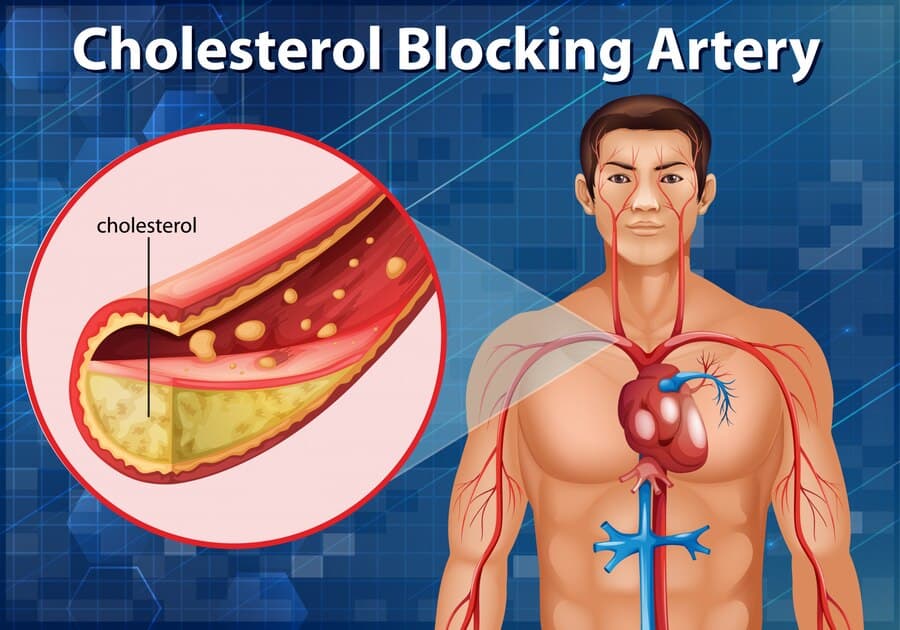
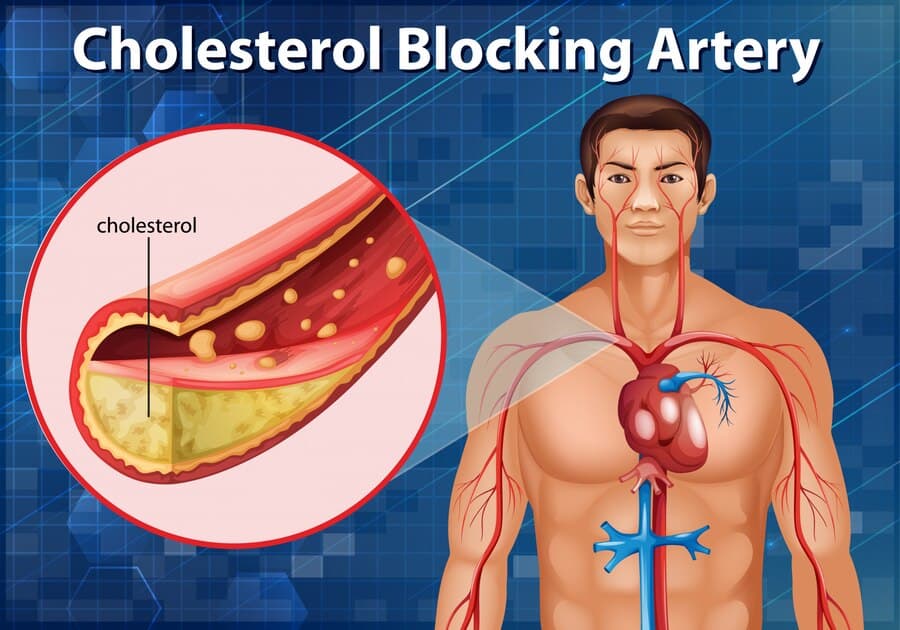
    If the levels of any of these are not normal, then it causes dyslipidemia. This condition can lead to atherosclerosis, which is the deposition of fat, cholesterol, and other substances in the blood vessels, narrowing and obstructing the blood flow.

    That brings us to the question – what do the different forms of cholesterol do?

    Types of Cholesterol

    First-what is total cholesterol, HDL cholesterol, LDL cholesterol, VLDL cholesterol and triglyceride?

    1. HDL Cholesterol: Also called “good cholesterol”, it transfers excess cholesterol from your bloodstream to your liver. This prevents cholesterol deposition in the arteries or blood vessels and keeps them clear.
    2. LDL Cholesterol: It is the “bad cholesterol” that aids in cholesterol deposition in the arteries, thus leading to the narrowing of arteries. When your arteries are narrowed, it can restrict blood flow, thus disrupting the blood supply to the heart muscles and initiating a heart attack.
    3. VLDL Cholesterol: It is also a “bad” cholesterol that contributes to fat deposition and narrowing of the arteries.
    4. Triglycerides: It is a type of fat that your body uses for producing energy at the cellular level.
    5. Total cholesterol: It is the total amount of cholesterol present in your blood. It is the sum of HDL + LDL + 20% triglycerides.

    How do I know my levels of good cholesterol?

    You can get your cholesterol levels checked by undergoing a lipid profile test. It is a simple blood test. You should be fasting for at least 8-12 hours before giving the blood sample for analysis.

    Top 8 medicines for treatment of High cholesterol | Generic Medicines list

    What is considered a good HDL level?

    The cutoff for good cholesterol or HDL is different for males and females.

    Good HDL levels For males:

    • If your levels are more than 60 milligrams of cholesterol per deciliter (mg/dL) of blood, then you are in the heart-healthy zone.
    • If your levels are between 40-59 mg/dL of blood then you are at risk.
    • If your levels are less than 40 mg/dL of blood, then you are in the dangerous zone.

    Good HDL levels For females:

    • If your levels are more than 60 mg/dL of blood, then you are in the heart-healthy zone.
    • If your levels are between 50-59 mg/dL of blood, then you are at risk.
    • If your levels are less than 50 mg/dL of blood, then you are in the dangerous zone.

    How can I boost my HDL levels?

    You can boost your HDL levels by:

    1. Being physically active and going for regular exercise: Exercise increases good cholesterol levels in the body.
    2. Keeping your body weight in check: Maintaining a healthy weight keeps your HDL levels in the desired range.
    3. Decrease your alcohol intake: Excessive alcohol intake can increase triglycerides. It also leads to weight gain, leading to a fall in HDL.
    4. Avoiding tobacco and smoking: Smoking has a direct risk of causing heart disease. In addition to a lot of other things, it also causes a decrease in HDL levels.
    5. Avoiding and managing stress: Indulge in activities that help minimise stress. This helps in keeping the lipid profile within the normal range.
    6. Consuming foods to increase HDL levels: Eating more beans, legumes, and salmon fish, along with whole grains and nuts, will help increase your HDL levels naturally.

    How can I boost my HDL levels

    Are there any factors that decrease good cholesterol levels?

    Some medicines can bring your HDL levels down. They are the following:

    • Beta-blockers: A group of medicines prescribed for controlling blood pressure.
    • Certain steroidal and hormonal medicines used for contraception or other hormone-related disorders
    • Certain sedatives used for anxiety and sleep disorders
    • Uncontrolled diabetes can also lower your HDL levels

    Conclusion

    HDL or “good cholesterol” has a very important role in the management of blood cholesterol. It is the only form of cholesterol that works towards getting rid of extra cholesterol from the body, while all other types of cholesterol contribute towards increasing blood cholesterol and thus increasing the risk of future heart disease.

    You can boost your HDL cholesterol level and keep other cholesterol levels in check by leading a healthy lifestyle.

    At some point, the right medicines can be necessary for treating health conditions. For access to a vast range of generic medicines at the best prices, visit the Medkart website today!

    1. What are the risks of low HDL levels?

    HDL helps in transferring cholesterol molecules from your blood to the liver, where they are broken down and flushed out from the body. In the absence of HDL, cholesterol gets deposited in the arteries, which can lead to atherosclerosis, increasing the risk of heart disease.

    2. How can I increase my HDL levels?

    You can increase your HDL levels by

    • Being physically active,
    • Monitoring your weight and keeping it in the normal range,
    • Reducing your alcohol intake,
    • Giving up smoking and
    • Managing stress levels.

    3. What is a lipid profile test and when should I get it done?

    A lipid profile is a test where a group of entities forming the complete category of cholesterol in the body is measured.

    You should get it done after consulting your doctor as it depends on several factors like

    • Age: In case of old age, you should get it done more frequently.
    • Gender: Males should get it done more often than females, as they are at a higher risk.
    • n case of a family history of heart disease or pre-existing heart disease, you should get the test done more frequently.
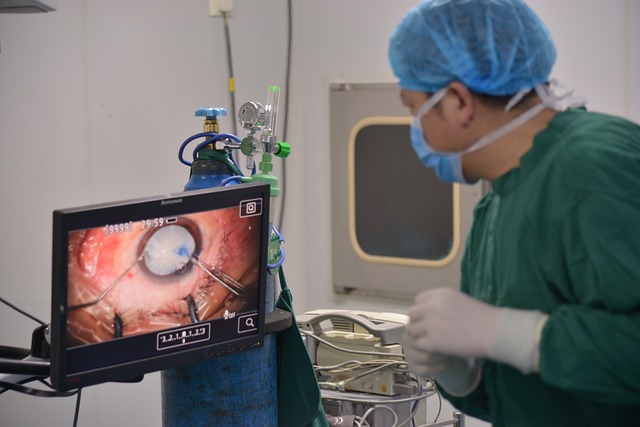
  • Must follow Precautions for before and after of a laser cataract surgery

    Cataract Surgery image

    Introduction

    Cataract surgery is a common and effective procedure that helps restore vision in individuals suffering from cataracts. During the procedure, the eye’s clouded natural lens is removed, and a synthetic intraocular lens is put in its place. With advancements in technology and surgical techniques, cataract surgery has become safer and more efficient than ever before. However, taking proper precautions after cataract surgery is crucial in ensuring a smooth recovery and optimal results. This article will discuss the different types of cataract surgery, what to expect before and after the procedure, essential precautions to take, medications required, common complications, and follow-up appointments.

    What is Cataract Surgery?

    Cataract surgery is a procedure performed to remove the clouded lens of the eye, which can impair vision and cause other eye-related issues. The natural lens is made up of water and proteins, and over time, these proteins can clump together, creating a cloudy area known as a cataract. Cataracts can cause blurry vision, difficulty seeing at night, glare, and halos around lights. The only way to treat a cataract is through surgery.

    There are two main types of cataract surgery: phacoemulsification and extracapsular cataract extraction. Phacoemulsification is the most common type of cataract surgery and involves the use of ultrasound waves to break up the cloudy lens into smaller pieces, which are then removed through a small incision. Extracapsular cataract extraction involves making a larger incision and removing the entire lens in one piece.

    Laser Cataract Surgery

    Laser cataract surgery is an advanced form of cataract treatment that uses a femtosecond laser to make precise incisions in the eye. The laser is used to create a circular opening in the front of the lens capsule, allowing the surgeon to access the cataract. The laser also softens the cataract, making it easier to remove using ultrasound waves.

    Laser cataract surgery offers several advantages over traditional cataract surgery, such as increased precision, reduced risk of complications, and faster recovery time. However, it is not suitable for everyone and may not be covered by insurance, so it is essential to discuss the options with an eye doctor.

    Before and After Cataract Surgery: What to Expect

    Before cataract surgery, patients will undergo a thorough eye examination to determine the type and severity of the cataract and discuss the appropriate treatment options. The eye doctor will also measure the shape and size of the eye to select the correct intraocular lens. Patients may be advised to stop taking certain medications, such as blood thinners, before the surgery to reduce the risk of complications.

    After cataract surgery, patients will be given a protective shield to wear over the operated eye to prevent infection and injury. Vision might be blurry at first, but it will gradually improve over the next few days. Most patients can resume their regular activities within a day or two after surgery, but it is essential to follow the doctor’s instructions and take the necessary precautions to ensure a smooth recovery.

    Essential Precautions to Take After Cataract Surgery

    Proper care and precautions after cataract surgery are crucial in ensuring a successful recovery and preventing complications. Here are some essential precautions to take after cataract surgery:

    • Avoid rubbing or touching the operated eye. The eye may feel itchy or irritated after surgery, but it is essential to resist the urge to rub or touch it, as this can introduce bacteria and cause infection.
    • Wear the protective eye shield as instructed. The eye shield helps protect the eye from injury and infection and should be worn while sleeping and during any activities that pose a risk to the eye, such as vigorous exercise or outdoor activities.
    • Avoid heavy lifting and strenuous activities. Engaging in activities that increase pressure on the eyes can delay healing and increase the risk of complications. Patients should avoid heavy lifting, bending over, and strenuous exercise for at least a week after surgery.
    • Keep the eye clean and dry. It is essential to keep the operated eye clean and free from debris. Patients should avoid using eye makeup, swimming in pools or hot tubs, and exposing the eye to dust or dirt for at least a week after surgery.
    • Follow the prescribed medication regimen. Patients will be given prescription eye drops to use after cataract surgery to help prevent infection and reduce inflammation. It is crucial to follow the doctor’s instructions and use the eye drops as prescribed.

    Medications After Cataract Surgery

    After cataract surgery, patients will be prescribed several eye drops to help with the healing process and prevent infection. The eye drops typically include an antibiotic to prevent infection, a steroid to reduce inflammation, and a nonsteroidal anti-inflammatory drug (NSAID) to manage pain and swelling. It is essential to follow the doctor’s instructions and use the eye drops as prescribed to ensure a successful recovery.

    Cataract Surgery Steps

    Cataract surgery is typically performed as an outpatient procedure and takes about 30 minutes to complete. The surgery’s steps are as follows:

    • Administering anesthesia. Patients will be given local anesthesia to numb the eye and may also be given a sedative to help them relax.
    • Making the incision. The surgeon will make a small incision in the cornea using a scalpel or a laser.
    • Removing the cloudy lens. The surgeon will use an ultrasound probe to break up the cataract and remove the lens fragments through the incision.
    • Inserting the intraocular lens. The surgeon will insert the artificial lens into the empty lens capsule and position it correctly.
    • Closing the incision. The incision may be closed with stitches or left to heal on its own, depending on the surgeon’s preference and the patient’s specific needs.

    Common Complications After Cataract Surgery

    While cataract surgery is generally safe and effective, complications can occur. Among the frequent side effects following cataract surgery are:

    • Infection
    • Inflammation
    • increased eye pressure- Corneal or retinal swelling
    • Bleeding in the eye
    • Retinal detachment
    • Secondary cataract

    It is essential to contact the doctor immediately if any of these symptoms occur after cataract surgery. With prompt medical attention, most complications can be effectively treated.

    Follow-up Appointments After Cataract Surgery

    After cataract surgery, patients will need to attend follow-up appointments with the doctor to monitor the healing process and ensure that the eye is healing correctly. The doctor may check the eye pressure, examine the incision site, and evaluate the vision. Patients will also be advised on when to resume driving, work, and other activities.

    It is crucial to attend all follow-up appointments and notify the doctor if any unusual symptoms occur, such as increased pain, redness, or vision changes.

    Frequently Asked Questions

    Q1: What precautions should I take before laser cataract surgery?

    A1: Before laser cataract surgery, it’s important to follow these precautions:

    1. Medication Review: Inform your doctor about all medications you’re taking, including prescription and over-the-counter drugs, as some might need to be adjusted or temporarily stopped.

    2. Fasting: Follow the fasting guidelines provided by your surgeon. Typically, you’ll need to avoid food and drink for a certain period before the surgery.

    3. Eye Drops: Use the prescribed eye drops as directed to prepare your eye for surgery and reduce the risk of infection.

    4. Hygiene: Maintain good hygiene by washing your face and eyelids thoroughly on the day of surgery to minimize the risk of infection.

    5. Transportation: Arrange for someone to drive you to and from the surgical center, as your vision may be temporarily blurry after the procedure.

    Q2: What precautions should I take after laser cataract surgery?

    A2: After laser cataract surgery, follow these precautions:

    1. Eye Shield: Wear the protective eye shield provided by your surgeon, especially while sleeping, to prevent accidental rubbing or pressure on the treated eye.

    2. Medications: Use prescribed eye drops as instructed to aid healing and prevent infection. Follow the recommended schedule and dosage.

    3. Avoid Rubbing: Refrain from touching or rubbing your eyes, as this can disrupt the healing process and increase the risk of infection.

    4. Rest: Rest and limit physical activities for a few days post-surgery to allow your eye to heal properly.

    5. Follow-up Appointments: Attend all scheduled follow-up appointments with your surgeon to monitor your progress and address any concerns.

    Q3: Can I drive myself home after laser cataract surgery?

    A3: No, you should not drive yourself home after laser cataract surgery. Your vision might be blurry, and you may experience discomfort immediately after the procedure. It’s crucial to have someone accompany you to drive you home safely.

    Q4: When can I resume normal activities after laser cataract surgery?

    A4: You can usually resume normal, non-strenuous activities within a day or two after laser cataract surgery. However, it’s advisable to avoid strenuous activities, heavy lifting, and swimming for at least a week to allow your eye to heal properly.

    Q5: How can I prevent infection after laser cataract surgery?

    A5: To prevent infection after laser cataract surgery:

    1. Follow Medication Instructions: Use prescribed eye drops as directed by your surgeon to prevent infection and aid in healing.

    2. Avoid Touching: Refrain from touching your eye with dirty hands, and avoid rubbing your eye.

    3. Hygiene: Maintain good facial hygiene and wash your hands thoroughly before using eye drops.

    4. Protect from Dust and Water: Wear protective eyewear, such as sunglasses, to shield your eyes from dust and water, especially during the early stages of healing.

    5. Follow Surgeon’s Advice: Attend all follow-up appointments and adhere to any additional guidelines provided by your surgeon to minimize infection risk.

    Conclusion

    Cataract surgery is a common and effective procedure that helps restore vision in individuals suffering from cataracts. Taking proper precautions after cataract surgery is crucial in ensuring a smooth recovery and optimal results. Patients should avoid rubbing or touching the operated eye, wear the protective eye shield as instructed, avoid heavy lifting and strenuous activities, keep the eye clean and dry, and follow the prescribed medication regimen.

    It is also essential to attend all follow-up appointments and notify the doctor of any unusual symptoms. With proper care and precautions, cataract surgery can help restore clear vision and improve overall quality of life.

    Call To Action

    For access to more such interesting articles on healthcare, visit Medkart today!
  • જીવનશૈલીમાં ફેરફાર દ્વારા થાઇરોઇડ વિકૃતિઓનું સંચાલન કરી શકાય છે

    થાઇરોઇડ વિકૃતિઓ સમગ્ર વિશ્વમાં પ્રચલિત છે. તેઓ તમામ અંતઃસ્ત્રાવી પરિસ્થિતિઓનો નોંધપાત્ર ભાગ બનાવે છે. સંશોધન કહે છે કે થાઇરોઇડ રોગો ભારતમાં લગભગ 42 મિલિયન લોકોને અસર કરે છે. થાઇરોઇડ-સંબંધિત સ્વાસ્થ્ય સ્થિતિના સામાન્ય કારણો છે – જીવનશૈલી, આહાર, ખાવાની ટેવ, તણાવ, આયોડિનની ઉણપ, સ્વયંપ્રતિરક્ષા રોગો વગેરે.

    ​અભ્યાસો સૂચવે છે કે જીવનશૈલીમાં ફેરફાર કરવો, જેમ કે તંદુરસ્ત શરીરનું વજન જાળવવું, વ્યાયામ કરવું, યોગ્ય ખાવું અને સારી રીતે સૂવું, થાઇરોઇડ મેનેજમેન્ટમાં નિર્ણાયક ભૂમિકા ભજવે છે. જોકે થાઇરોઇડ વિકૃતિઓ ઘણીવાર આજીવન રહે છે, તમે દવાઓની સાથે તમારા આહાર અને જીવનશૈલીમાં ફેરફાર કરીને તેને નિયંત્રિત કરી શકો છો.

    થાઇરોઇડની સમસ્યાઓને દૂર રાખવા માટે તમે તમારી દિનચર્યામાં કયા ફેરફારોનો સમાવેશ કરી શકો છો તેના વિશે જાણવા માટે આગળ વાંચો. જો કે, આગળ વધતા પહેલા, ચાલો થાઈરોઈડ ગ્રંથિ વિશે વધુ જાણી લઈએ.

    થાઇરોઇડ ગ્રંથિ અને તેનું કાર્ય

    થાઇરોઇડ ગ્રંથિ એક બટરફ્લાય આકારની ગ્રંથિ છે જે તમારી ગરદનના પાયામાં બેસે છે. તે તમારી અંતઃસ્ત્રાવી પ્રણાલીનો નોંધપાત્ર ભાગ બનાવે છે અને ત્રણ મહત્વપૂર્ણ હોર્મોન્સ T3, T4 અને કેલ્સીટોનિન ઉત્પન્ન કરે છે. આ હોર્મોન્સ તમારા ચયાપચય અને અન્ય શારીરિક કાર્યોને નિયંત્રિત કરે છે.

    જ્યારે આ ગ્રંથિ આ હોર્મોન્સની ખૂબ ઓછી અથવા ખૂબ ઊંચી માત્રામાં સ્ત્રાવ કરે છે અને બળતરા અથવા વૃદ્ધિનો વિકાસ કરે છે, ત્યારે તે થાઇરોઇડ વિકૃતિઓ સૂચવી શકે છે.

    થાઇરોઇડ વિકૃતિઓ

    સૌથી સામાન્ય થાઇરોઇડ-સંબંધિત પરિસ્થિતિઓમાં નીચેનાનો સમાવેશ થાય છે:

    • હાઈપોથાઈરોડિઝમ: થાઈરોઈડ ગ્રંથિ સામાન્ય કરતાં ઓછા પ્રમાણમાં હોર્મોન્સ ઉત્પન્ન કરે છે

    • હાઈપરથાઈરોઈડિઝમ: થાઈરોઈડ ગ્રંથિ વધુ માત્રામાં હોર્મોન્સ છોડે છે

    • થાઇરોઇડ ગાંઠો: થાઇરોઇડ ગ્રંથિ પર બિન-કેન્સરયુક્ત વૃદ્ધિ

    • હાશિમોટોની થાઇરોઇડિટિસ: એક સ્વયંપ્રતિરક્ષા સ્થિતિ જે થાઇરોઇડ ગ્રંથિને નુકસાન પહોંચાડે છે જે હાઇપોથાઇરોડિઝમ અને ગોઇટર (વિસ્તૃત થાઇરોઇડ ગ્રંથિ) તરફ દોરી જાય છે.

    થાઇરોઇડ વિકૃતિઓના યોગ્ય વ્યવસ્થાપન માટે જીવનશૈલીમાં ફેરફાર

    1. તમારા તણાવના સ્તરને કાબૂમાં રાખો.

    તમારું થાઇરોઇડ તમારી મૂત્રપિંડ પાસેની ગ્રંથિ (તમારી કિડનીની ટોચ પર સ્થિત) સાથે એક ટીમ તરીકે કામ કરે છે. જ્યારે તમે તણાવમાં હોવ છો, ત્યારે મૂત્રપિંડ પાસેની ગ્રંથિ કોર્ટિસોલ, એક તણાવ હોર્મોન છોડે છે. જ્યારે તમારા લોહીમાં કોર્ટિસોલનું સ્તર વધે છે, ત્યારે તે થાઇરોઇડ હોર્મોનના સ્ત્રાવમાં દખલ કરે તેવી શક્યતા છે. આમ, થાઇરોઇડના વિકારોને દૂર રાખવા માટે, તમારા તણાવ અને ચિંતાના સ્તરને નિયંત્રિત કરવું મહત્વપૂર્ણ છે. યોગ, ધ્યાન અને સવાર કે સાંજની ચાલ જેવી પ્રવૃત્તિઓનો સમાવેશ કરવાથી મદદ મળી શકે છે.

    2. વધુ પડતી ખાંડ તમારી થાઈરોઈડ ગ્રંથિ પર કડવી હોઈ શકે છે.

    અતિશય ખાંડનું સેવન તમારા શરીરમાં બળતરા પેદા કરી શકે છે, જે આખરે T4 થી T3 ના રૂપાંતરને અસર કરે છે. તમારા ચયાપચયને શરૂ કરવા માટે, તમારા શરીરને T4, નિષ્ક્રિય હોર્મોન, T3 માં રૂપાંતરિત કરવાની જરૂર છે, જે સક્રિય છે. જ્યારે તમને બળતરા થાય છે, ત્યારે T4 થી T3 નું રૂપાંતર ધીમો પડી જાય છે. આ હાઇપોથાઇરોડિઝમના ચિહ્નો અને લક્ષણોને વધુ ખરાબ કરે છે. તેથી, તંદુરસ્ત થાઇરોઇડ ગ્રંથિની ખાતરી કરવા માટે તમારા ખાંડના સેવનમાં ઘટાડો કરો.

    3. એક સ્વસ્થ અને આયોડિનયુક્ત આહાર તમારા થાઈરોઈડ ગ્રંથિના કાર્યને જાળવવામાં મદદ કરી શકે છે

    તમારું થાઇરોઇડ કાર્ય મોટે ભાગે આયોડિન પર આધાર રાખે છે. જો તમારા આહારમાં પૂરતા પ્રમાણમાં આયોડિન ન હોય, તો તમને હાઈપોથાઈરોડિઝમ અથવા ગોઈટર થઈ શકે છે. તેથી, તમારે તમારા આહારમાં આયોડિનયુક્ત ખોરાકનો સમાવેશ કરવાની જરૂર છે. આમાં ડેરી ઉત્પાદનો, સીવીડ, ઝીંગા, ટુના વગેરેનો સમાવેશ થાય છે. જો કે, જો તમે હાઈપરથાઈરોઈડિઝમથી પીડાતા હો, તો તમને ઓછી આયોડિનયુક્ત આહાર સૂચવવામાં આવી શકે છે. તંદુરસ્ત વજન જાળવવા માટે, તાજા ફળો, શાકભાજી, આખા અનાજ અને દુર્બળ પ્રોટીન ખાઓ. જો તમે હાઇપોથાઇરોડિઝમથી પીડાતા હો, તો સોયા આધારિત ખોરાક ટાળો; કોબીજ, કોબીજ અને બ્રોકોલી જેવી શાકભાજી; અને સ્થિર અને પ્રોસેસ્ડ ખોરાક.

    4. શારીરિક તંદુરસ્તી એ સારા સ્વાસ્થ્યનો માર્ગ છે.

    શારીરિક તંદુરસ્તી એ તમારા સ્વાસ્થ્યને જાળવવાનું મહત્વનું પાસું છે. તેથી, તમને થાઇરોઇડની સમસ્યા હોય કે ન હોય, નિયમિત કસરત ફાયદાકારક બની શકે છે. તે તમારા સ્નાયુ સમૂહ, શક્તિ, રક્તવાહિની આરોગ્ય અને મૂડને સુધારવામાં મદદ કરે છે. જ્યારે થાઇરોઇડ-સંબંધિત સ્થિતિના લક્ષણોનું સંચાલન કરવાની વાત આવે છે, ત્યારે કાર્ડિયો કસરતો એ સૌથી સલામત શરત છે. જો કે, કોઈપણ ચોક્કસ વર્કઆઉટ શાસન શરૂ કરતા પહેલા તમારા ડૉક્ટરની સલાહ લેવાની ખાતરી કરો.

    સરવાળે

    જો તમને થાઇરોઇડ રોગ હોવાનું નિદાન થયું છે, જે એક લાંબી સ્થિતિ છે, તો ચિંતા કરશો નહીં. તમે તમારા લક્ષણોને નિયંત્રિત કરી શકો છો અને યોગ્ય દવાઓ અને જીવનશૈલીમાં ફેરફાર સાથે સ્વસ્થ અને સુખી જીવન જીવી શકો છો. તંદુરસ્ત આહારનું પાલન કરો, મધ્યસ્થતામાં પરંતુ નિયમિતપણે કસરત કરો અને તમારા તણાવના સ્તરને નિયંત્રિત કરો

    યોગ અને ધ્યાન સાથે. નિયમિતપણે તમારા ડૉક્ટરની સલાહ લો અને દરરોજ એક જ સમયે તમારી સૂચિત દવાઓ લો.

    તમારી થાઇરોઇડ દવાઓ ઓનલાઈન ઓર્ડર કરવા માટે, મેડકાર્ટની મુલાકાત લો, જે ભારતની અગ્રણી અને સૌથી વિશ્વસનીય ઓનલાઈન ફાર્મસી છે જે સ્પર્ધાત્મક ભાવે જેનરિક દવાઓનું વેચાણ કરે છે. મારી દવાઓ વિશે વધુ જાણવા માટે તેમની વેબસાઇટની મુલાકાત લો અને તમારા ઓર્ડર મેડકાર્ટ એપ પર આપો.

    વારંવાર પૂછાતા પ્રશ્નો

    1. જો તમને થાઇરોઇડ ડિસઓર્ડર હોય તો કયા ખોરાકથી દૂર રહેવું?

    જો તમે હાઇપોથાઇરોડિઝમથી પીડિત છો, તો તમારી થાઇરોઇડ ગ્રંથિની તંદુરસ્તીનું સંચાલન કરવા માટે, તમારે અમુક ખાદ્ય ઉત્પાદનોને ટાળવાની જરૂર છે. આમાં નીચેનાનો સમાવેશ થાય છે:

    • ક્રુસિફેરસ શાકભાજી

    • સોયા આધારિત ખોરાક

    • સ્થિર માંસ

    • પ્રોસેસ્ડ ખોરાક

    જો તમે હાઇપરથાઇરોઇડિઝમથી પીડાતા હોવ તો તમારે ઓછા આયોડિનવાળા આહારનું પાલન કરવું પડશે અને ખોરાક ટાળવો પડશે જેમ કે:

    • ચીઝ

    • દૂધ

    • ઈંડા

    • આયોડિનયુક્ત મીઠું

    • ખારા પાણીની માછલી

    2. જો તમને થાઈરોઈડ ડિસઓર્ડર હોય તો શું આલ્કોહોલ પીવાની સલાહ આપવામાં આવે છે?

    વધુ પડતા આલ્કોહોલનું સેવન તમારા થાઈરોઈડના કાર્યને ઘણી હદ સુધી અસર કરી શકે છે. તેથી, તેને ટાળવું અને જો જરૂરી હોય તો ક્યારેક-ક્યારેક માત્રામાં પીવું તે મુજબની છે.

    3. કઈ ગ્રંથિ થાઈરોઈડ ઉત્તેજક હોર્મોન (TSH) ઉત્પન્ન કરે છે?

    તમારી કફોત્પાદક ગ્રંથિ TSH ઉત્પન્ન કરે છે. નામ સૂચવે છે તેમ, તે તમારી થાઇરોઇડ ગ્રંથિને T4 અને T3 હોર્મોન્સ સ્ત્રાવ કરવા માટે ઉત્તેજિત કરે છે.

  • The Differences Between Good and Bad Cholesterol | HDL vs LDL

    The Differences Between Good and Bad Cholesterol | HDL vs LDL

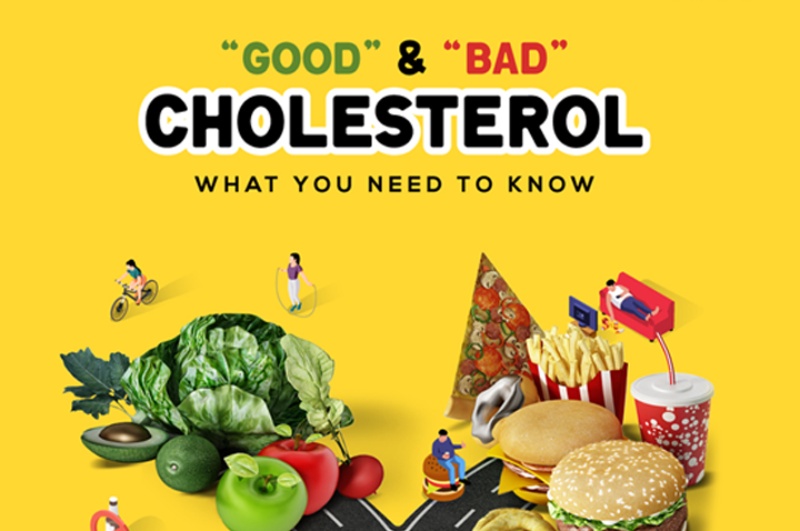
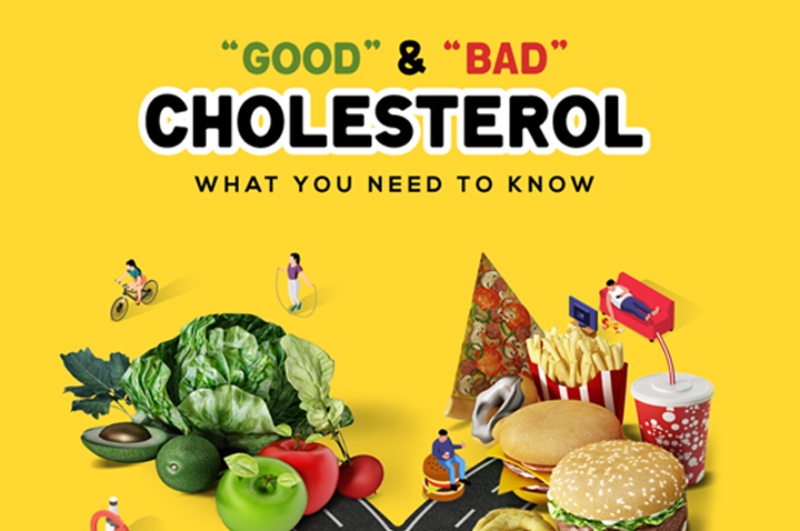
    differences-between-good-and-bad-cholesterol imageAbout Cholesterol ( HDL and LDL)

    Are you confused about good and bad cholesterol? You’re not alone. Cholesterol is a waxy, fat-like substance that’s found in all cells of the body, and it’s essential for many bodily functions.

    You might have heard how having high levels of cholesterol can cause heart disease, but this isn’t always true. In fact, cholesterol is vital to your body and helps it to function correctly.

    However, it can become a problem if you don’t have enough good cholesterol and have too much of bad cholesterol. Too much of bad cholesterol can lead to heart disease, stroke, and other health problems, while good cholesterol helps to remove bad cholesterol from the body.

    So what’s the difference between good and bad cholesterol? Keep reading to find out.

    The differences between good(HDL) and bad(LDL) cholesterol

    It’s clear that we need to lower bad cholesterol levels and increase good ones, but it’s not as simple as it sounds. Both good and bad cholesterol have very important roles in the body and cannot be ignored.

    The two most commonly discussed lipoproteins are low-density lipoprotein (LDL) and high-density lipoprotein (HDL). Both of these lipoproteins carry cholesterol throughout the body, and the amounts of each in your body will impact your risk for heart disease.

    1. Low-density lipoprotein (LDL)

    LDL is considered bad cholesterol because it can build up in arteries and lead to heart disease. It accumulates in the arteries and increases your risk for atherosclerosis, peripheral artery disease, and other related conditions.

    2. High-density lipoprotein (HDL)

    HDL is considered good cholesterol because it helps remove plaque from arteries. A healthy level of HDL can help you protect yourself from stroke and heart attack.

    This is because HDL helps carry the bad cholesterol away from the arteries and towards the liver. Once in the liver, LDL gets metabolised and processed into useful components that are absorbed and waste that gets rejected by the body.

    However, all LDL cholesterol cannot get eliminated by HDL. Only about 25% to 35% of LDL can be carried by good cholesterol. Therefore, as important as it is to consume good cholesterol foods to balance out your LDL levels, it is just as important to avoid LDL foods to prevent their storage in the body.

    3. Triglycerides

    There is also a third component of cholesterol that often gets ignored. Triglycerides are the most common type of fat in our bodies. All excess food gets stored in the form of triglycerides. This includes all unused calories from the food you consume, as well as the components of good and bad cholesterol in your diet.

    A high triglyceride concentration in your body, however, is often related to a high level of LDL in the body. This is because triglycerides often deposit as fatty build-ups in the arteries, increasing your risk for stroke, heart attack, and atherosclerosis.

    3 THINGS YOU SHOULD KNOW ABOUT CHOLESTEROL LEVELS IN YOUR BODY

    What are the levels of good and bad cholesterol to maintain?

    Despite an insight into good and bad cholesterol, it can be confusing to understand how to maintain a balance between the two.

    Most of the time, the cholesterol we hear about is total cholesterol, which is a sum of LDL, HDL, and triglycerides. The types of cholesterol that are most important to consider are both good and bad cholesterol. The ratio of LDL to HDL is a far better predictor for heart disease than total cholesterol alone.

    The cholesterol ratio is calculated by dividing the individual’s HDL level by their LDL level. If the ratio is 3 or higher, there is a lower risk of heart disease. If the ratio is less than 3, there is a higher risk. A ratio of 3:1 or lower is considered ideal.

    Conclusion

    There are a lot of myths surrounding cholesterol, which can make it difficult to understand and impede effective treatment.

    The most common misconceptions about cholesterol are that it is a simple, one-dimensional measurement that is either good or bad. In reality, cholesterol is a complicated mix of many different types of lipoproteins, each of which has different functions in the body. All of these lipoproteins carry cholesterol throughout the body, and the amounts of each in your body will impact your risk for heart disease.

    We hope this blog post has helped you learn more about good and bad cholesterol, and what you can do to keep your cholesterol in check.

    Know more about your Medicines at Medkart, which is an online pharmacy platform that makes buying medicines convenient & cost-effective. To place your orders, download the app today!

    FAQs related to good and bad cholesterol

    1. Is it better to have high HDL or low HDL?

    For HDL, it is considered better to have a higher level. As a standalone, HDL levels should be at least 40 mg/dL for males and 50 mg/dL for females.

    2. What should my LDL levels be?

    The lower your LDL levels, the lesser your risk for heart disease. An LDL level of less than 100 mg/dL is considered healthy. Couple it with high HDL, and your risk is even lower.

    3. How can I lower my LDL levels fast?

    You can lower your LDL levels by making adequate lifestyle changes. Eating good cholesterol foods, exercising, increasing fibre intake, eating more protein, etc, are some of the easiest ways to reduce your LDL levels.

  • Patients should have the right to choose their medicine brands |Choose Generic

    Patients should have the right to choose their medicine brands |Choose Generic

    know about generic medicinesDoes your doctor follow the Ethics of MCI (Medical Council of India), and write the generic name of drugs and not Brand names on the prescription? 


    99% of practicing doctors write brand names in illegible handwriting which is in clear violation of the code.

    Generic Prescription Mandate Under MCI Ethics

    On May 13, 2016, the Drugs Technical Advisory Board (DTAB) of the Union health ministry had turned down a proposal by the ministry to amend Rule 65 of the Drugs and Cosmetics Rules, 1945 to provide that the chemist may offer for supply a drug formulation containing the same ingredients but in generic or other cheaper brand name. 

    It felt that there is no guarantee that the bioavailability of the generic medicine so offered by the chemist will be the same as prescribed by the physician and the lack of same effectiveness of the generic medicine may lead to harmful effect on the patient.

    This, however, is in complete contradiction to the MCI Code of ethics which says “Every physician should, as far as possible, prescribe drugs with generic names and he / she shall ensure that there is a rational prescription and use of drugs”. 

    The FDCA however continues to approve drugs according to the generic names and their quality standards prescribed.

    How the US FDA Regulates Generics for Quality and Efficacy

    Globally, the US FDA notes: “Any generic drug modeled after a single, brand name drug must perform approximately the same in the body as the brand name drug. There will always be a slight, but not medically important, level of natural variability just as there is for one batch of brand name drug compared to the next batch of brand name product.

    This amount of difference would be expected and acceptable, whether for one batch of brand name drug tested against another batch of the same brand, or for a generic tested against a brand name drug.”

    All this are not coherent and forces us to believe that there are vested interests behind such decisions. A recent book “Dissenting Diagnostics” talks about the ill-practices and its origin in a profession which is portrayed closest to GOD.

    The Human Angle: 

    According to an official Government of Gujarat release: 

    • WHO says that 65% of the Indian population still lacks regular access to essential medicines.
    • Over 23% of the sick don’t seek treatment because they are not having enough money to spend
    • A World Bank study shows that as a result of single hospitalization 24% of people fall below poverty line. 
    • 74% of total private out of pocket expenses are on drugs.
    • Drug prices have risen sharply in recent decades

    Rajasthan High Court on the Right to Affordable Medicines

    High Court of Rajasthan has taken a note of the same and in it’s judgment supported the patients case: “No person and particularly, the have-nots cannot be made to suffer as they cannot afford the luxury of purchasing the branded medicines at much more cost than generic medicines.

    The right to obtain treatment is tacit of Article 21 of the Constitution of India and right to obtain treatment at affordable prices of medicines is one of the concomitant of the same. Not prescribing the medicines in generic names may in given facts tantamount to violation of Article 21 of the Constitution of India.

    The combination of drugs and life saving drugs which are available in generic names, have to be prescribed in generic names otherwise the action would amount to violation to right to life itself”
    But, ground reality is that the patients are being denied their RIGHT TO LIVE!! As they cannot afford expensive medicines in most cases but can easily afford the cheaper alternatives known as generics.

    It gives all the information needed to make a strong case for scrapping self regulation for doctors and making them responsible and accountable to their patients. Patients in the developed countries have the right to choose their brands as the doctors’ prescribe generic names so why not in India. 

    The Future of Ethical Prescriptions in India

    Framing rules for them to make sure patients are not shortchanged. France on the other hand took 7-10 years for this transition to happen which was particularly painful but rewarding in the end. The strong grip by the pharmaceutical companies on the entire chain from doctors to hospitals needs to end for the patient to benefit.

  • 6 Numbers You Must Know for a  Healthy Heart

    6 Numbers You Must Know for a Healthy Heart

    6 Numbers You Must Know for a Healthy Heart

    Overview

    Many people develop heart disease as they age. But did you know you can prevent heart disease, too? For an accurate understanding of your heart and to take better care, doctors suggest six numbers you need to track regularly. Do you know what these numbers are?

    Six numbers to know for a healthy heart

    LDL cholesterol

    Excess LDL (low-density lipoproteins) accumulate in the walls of your arteries in the form of plaque. This plaque causes the arteries to harden and narrow, which affects the blood flow to your heart. As the blood flow gets blocked, your heart does not receive enough oxygen. If the blood flow gets completely blocked, it leads to chest pain and increases your chances of a heart attack.

    Low LDL or bad cholesterol and a cardiac diet ensure a healthy heart. The ideal numbers for LDL are less than 100 mg/dL (milligrams per deciliter).

    HDL cholesterol

    HDL (high-density lipoproteins) is good cholesterol. It takes LDL to your liver, from where it is flushed out of your body and, thus, ensures a healthy heart.

    Higher levels of HDL lower the risk of heart disease. A heart-healthy diet will help you increase your HDL levels and reduce your LDL levels.

    The ideal numbers for HDL are:

    Desirable: 60 mg/dL or above

    Acceptable: 40 – 60 mg/dL

    Triglycerides

    Triglycerides are a type of fat found in your blood. Your body converts calories into triglycerides and stores them in your fat cells for energy. When you consume extra calories and do not burn them, it leads to a rise in triglycerides.

    High levels of triglycerides harden the walls of your arteries. This affects the blood flow to the heart and increases your risk of heart attack and heart disease.

    Desirable triglyceride numbers for a healthy heart are less than 150 mg/dL.

    Blood glucose

    Glucose comes from carbohydrates in the food you eat. Your body uses it for energy. However, when blood glucose levels increase, it affects every part of your body. It hardens your arteries and increases your risk of heart disease due to restricted blood flow to the heart.

    Maintaining normal blood glucose levels is crucial for a healthy heart.

    Desirable glucose numbers are:

    Before meals: 70 to 130 mg/dL

    After meals: Less than 180 mg/dL

    Blood pressure

    High blood pressure does not show symptoms but damages your body from within.

    High blood pressure, if left untreated, can cause stroke and heart attack. Knowing your blood pressure numbers will help you get the necessary medical treatment and make lifestyle changes to ensure a healthy heart.

    Your blood pressure consists of systolic (top number) and diastolic (bottom number) blood pressure. Ideal blood pressure numbers are below 130/80 mmHg (millimetres of mercury).

    Waist-to-hip ratio

    Abdominal obesity is a result of excessive fat around your stomach. It increases the risk of heart disease, diabetes and blood pressure. The waist-to-hip ratio helps you understand your abdominal obesity. It is calculated as waist measurement divided by hip measurement. Knowing your waist-to-hip ratio and following a cardiac diet is crucial for maintaining a healthy heart.

    Ideal waist-to-hip numbers are:

    >0.9 for men

    >0.85 for women

    Takeaway

    Annual health checks will help you stay aware of these numbers. If you are diagnosed with a health condition, such as diabetes, cholesterol or high blood pressure, your doctor will recommend these tests every three months. They will also prescribe an ideal treatment plan and advise you on a fitness regimen and heart-healthy diet. This will help manage your condition and improve your chances of a healthy heart.

    India’s trusted generic medical store, Medkart, brings quality generic medicines to your doorstep. With a click of a button, you can upload your prescriptions to place your order and save time and money.

    FAQs

    1. At what age should I begin screening for heart health?

    20 is the recommended age for checking cholesterol, blood pressure and waist circumference. You can start blood glucose screenings at around 45. If your numbers fall within the desirable range, you can repeat the tests every 2 to 3 years or as recommended by your doctor. If you are diagnosed with a health condition, your doctor will advise these tests every three months and then every six months after they are stabilized.

    2. How can I lower my triglycerides?

    To lower your triglyceride levels, avoid simple carbs, like sugary, fried foods, and switch to complex carbs, like whole grains and vegetables. Choose heart-healthy fats like olive oil and fish instead of trans fats and saturated fats. And most importantly, exercise at least 30 minutes a day, five days a week, quit smoking and limit your alcohol intake.

    3. What are the signs of heart disease?

    Chest pain, fatigue, difficulty breathing, dizziness, swelling in the legs, sweating, heartburn, and indigestion are signs of heart disease. Cholesterol, diabetes, high blood pressure, obesity, unhealthy diet and lack of exercise increase the risk of heart disease. Regular tests can help in timely diagnosis and treatment.

  • 5 Diseases that you can avoid by following a dental hygiene

    5 Diseases that you can avoid by following a dental hygiene

    Diseases that you can avoid by following a dental hygiene

    Importance of Oral Hygiene 

    People in India often neglect dental hygiene, as many of us don’t know how important it is to keep your teeth, tongue, and gums clean. The oral cavity of mouth is the primary point of entrance in the body. It is directly connected to the stomach and respiratory system, so avoidance of good hygiene in the mouth can cause sickness of these parts of the body.  Oral cleanliness is not only good for oral health but also overall health. The human oral cavity contains lots of microorganisms –good and bad. When one does not take care of his/her oral hygiene, these microbes, along with food or water, enter the body and create many diseases. Poor dental health means bleeding or inflammatory gums, tooth cavities, or loss. This means the oral cavity is contaminated with harmful microbes that ultimately responsible for overall well being. Here we will see what kind of diseases are results of avoidance of oral hygiene,

    Diseases you can avoid by following dental hygiene

    1. Cardiovascular disease:

    Gum disease or periodontitis results from poor oral care; this leads to the accumulation of bacteria responsible for cardiovascular disease. These microbes pass into the bloodstream and cause inflammation of blood vessels. As a result, blood flow into the heart impairs, and chances of heart attack increases. Also, the same bacterium causes gum diseases, is responsible for atherosclerosis as they build up plaque and harden arteries. Ultimately, it results in low blood flow and heart failure. Such damage is also accountable for hypertension or stroke.

    Endocarditis is the heart’s fatal condition, and it happens when infectious bacteria from other body parts come to the heart and accumulate in different parts of the heart. Microorganisms from the oral cavity can easily contaminate the inner lining of the heart chamber and put you at lethal risk. you can avoid cardio vascular disease by maintaining good oral hygiene.

    2.Respiratory infection:

    The mouth is directly connected to the respiratory tract.  So, poor oral health puts a person at risk of respiratory infection, especially bacterial pneumonia. When the oral cavity is contaminated, for example, having tooth caries or gum disease at that time, bacteria are being breathed from throat and mouth to the lung and cause bacterial pneumonia. Also, the chances of COPD, acute bronchitis, tonsillitis, and other respiratory infections increase.

    Research for the connection between oral hygiene and respiratory infection concluded that a person who does not maintain good dental hygiene practice is more prone to infections than others. People with existing lung disease can aggravate conditions if not take care of their mouths. you can avoid respiratory infections by maintaining good oral hygiene.

    3.Preterm birth:

    Low birth weight infants or premature babies are due to periodontal disease. Yes, the most common factor for toxicity is gum diseases. Very few people know about this fact. During pregnancy, a massive level of hormonal changes occurs. These changes are responsible for gingival changes and make gums vulnerable to infection.

    If during pregnancy, the mother does not take care of oral health, then bacteria responsible for gum disease go into the bloodstream and reach the cervical fluid. After that, toxins of these bacteria cross the placenta and cause fetal toxicity, which results in preterm or premature birth. Sometimes, if a mother’s immunity is low, then a chance of miscarriage is also there. So, one should not neglect oral health at this time. you can avoid pre-term birth by maintaining good oral hygiene.

    4Rheumatoid Arthritis:

    It is an inflammatory disease that is not limited to joints, but it spreads throughout the body. Numerous research studies have shown result that a person who has gingivitis (gum inflammation) or any gum disease is at a higher risk of arthritis.

    The oral bacteria which cause inflammation of gingival are also responsible for inflammation of joints. They travel via the blood to the joints and other parts of the body and develop a painful disease called rheumatoid arthritis. you can avoid rheumatoid arthritis by maintaining good oral hygiene.

    5Diabetes complication:

    A diabetic person is always vulnerable to infections. When one is suffering from diabetes, he should maintain good oral hygiene because he is more prone to gum diseases and, ultimately, other diseases. Also, infections of the oral cavity increase the risk of diabetes complications. It makes diabetes uncontrollable. When our body suffers from infection to fight against it, blood glucose levels usually rise, which makes diabetes unmanageable. Also, dental issues lead to less or limited food intake that again causes problems for diabetic patients.

    Other than these diseases, certain brain diseases such as dementia, Alzheimer’s, kidney disease, and cancer are results of poor oral care. So, now we all know how dangerous it can be if we avoid an oral hygiene practiceYou can avoid diabetes complications by maintaining good oral hygiene.

    ​Ways to ensure good oral health

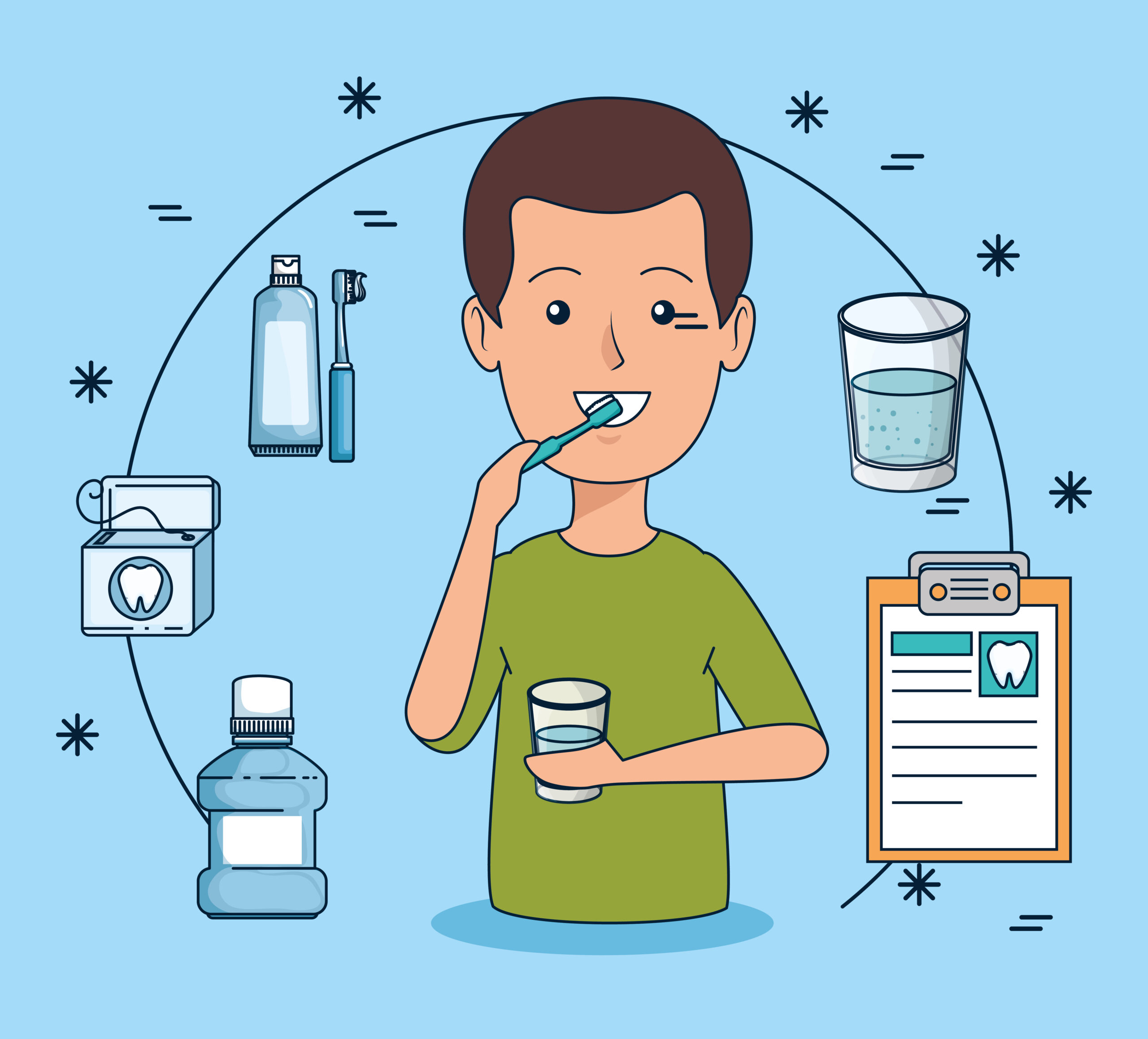
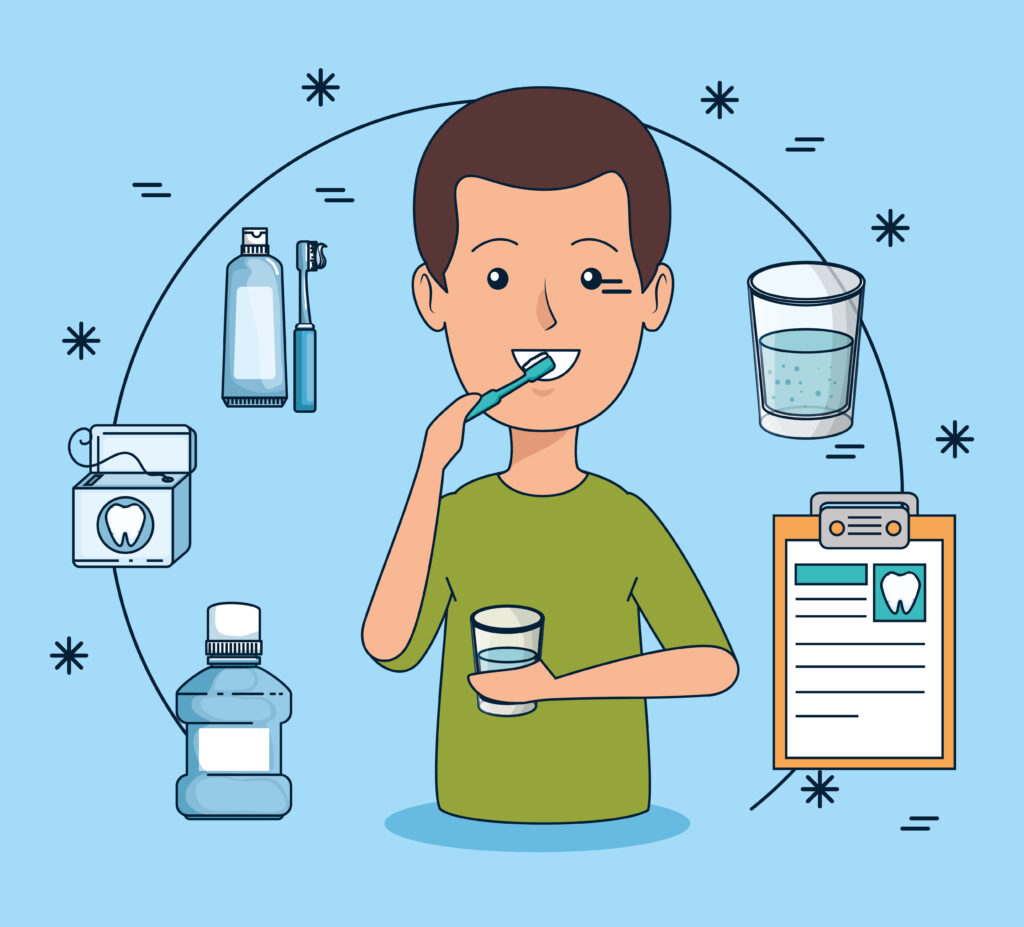
    • Brush twice a day and floss at least once a day.
    • Go for a dental check-up every six months.
    • Use mouthwash every day. Use a toothpaste and mouthwash that has good fluoride content.
    • Do not try any dental remedies at home; consult your dentist for any problems.
    • Limit consumption of sugar and opt for a healthy diet.
    • Ask your dentist brushing technique, Change your brush every three months, and never brush for more than 3 minutes or with too much pressure.

    1) Signs of poor oral hygiene

    Poor oral hygiene can lead to a variety of dental problems, such as gum disease, tooth decay, and bad breath. Here are some signs that may indicate poor oral hygiene:

    • Bad breath: This is often caused by bacteria that accumulate in the mouth due to poor oral hygiene.
    • Tooth decay: Cavities are a result of bacteria in the mouth that feed on sugar and produce acid, which erodes tooth enamel.
    • Gum disease: This is caused by bacteria that build up along the gum line, leading to inflammation and infection.
    • Yellow or discolored teeth: Poor oral hygiene can lead to the buildup of plaque, which can cause teeth to become discolored or yellow.
    • Bleeding or swollen gums: This is a common sign of gingivitis, an early stage of gum disease.
    • Tooth sensitivity: This can be caused by a variety of factors, including tooth decay and gum recession, both of which are often caused by poor oral hygiene.
    • Painful or loose teeth: This is a sign of advanced gum disease or tooth decay, which may require extensive dental treatment.

    2) Risk factors associated with poor oral hygiene

    • Several risk factors are associated with poor oral hygiene, including:
    • Poor brushing and flossing habits
    • High sugar or carbohydrate intake
    • Smoking and tobacco use
    • Aging and hormonal changes
    • Medications that reduce saliva flow or cause dry mouth
    • Genetics and family history
    • Poor access to dental care and limited knowledge about proper oral hygiene practices

    These risk factors can increase the likelihood of developing dental problems such as cavities, gum disease, and bad breath. It is important to maintain good oral hygiene habits and visit a dentist regularly to prevent these issues.

    3) Long-term effects of poor oral hygiene

    Poor oral hygiene can have several long-term effects on your dental health and overall well-being, including:

    • Gum disease: Untreated gum disease can progress and cause irreversible damage to the gums and bones that support teeth, leading to tooth loss.
    • Tooth decay: Cavities that are left untreated can grow and cause infection, which may require a root canal or extraction.
    • Bad breath: Chronic bad breath can negatively impact your social life and self-confidence.
    • Oral cancer: Poor oral hygiene has been linked to an increased risk of developing oral cancer.
    • Cardiovascular disease: The bacteria in the mouth can enter the bloodstream and contribute to the development of heart disease.
    • Respiratory infections: Poor oral hygiene can lead to the growth of bacteria that cause respiratory infections like pneumonia.
    • Diabetes: Gum disease can make it harder to control blood sugar levels in people with diabetes.

    Winding Up

    Please do not neglect your teeth and gums as they are the primary source of your well being. If you become irresponsible for your mouth, then you will end up in life with full of ailments. Keeping your oral health care is an investment of your overall health. Practicing some simple and regular dental care can keep a person away from unwanted diseases.

  • Understanding the Impact of Age Habits Leading To Chronic Illness and Precautions to Consider

    Understanding the Impact of Age Habits Leading To Chronic Illness and Precautions to Consider

    Age Habits Leading To Chronic Illness

    Age, genetics of the family, and gender make it extremely difficult for older persons to escape chronic illness. Almost 80% of older persons (aged 65 and above) have at most one ailment, and 68% have two or more. You likely have a parent or grandparent currently managing a condition, or you may be managing one yourself.

    Many studies have looked at the impact of lifestyle variables on overall life expectancy and the risk of chronic illnesses, including diabetes, cardiovascular disease, and cancer. Also, only some have examined the effects of lifestyle factors on disease-free life expectancy.

    All lifestyle-related decisions can impact our physical and mental well-being daily. This might include making healthy life choices, such as what we eat, how often we exercise, and even what we do for a living.

    Many people are unaware that a shift in one’s way of life is a major contributor to the rise of chronic illnesses as major killers. Let’s find out more about chronic diseases and their appropriate treatment.

    Common major lifestyle diseases

    1) Cardiovascular Diseases (CVDs)

    Cardiovascular diseases are a group of illnesses caused by long-term issues with the cardiovascular system (CVDs). More than 17 million people each year lose their lives to cardiovascular disease, making it the leading cause of mortality worldwide. This figure will likely be over 23 million annually by the year 2030. Risk factors for cardiovascular disorders such as hypertension, arteriosclerosis, heart attacks, and strokes may be affected by a person’s way of life.

    Cardiovascular disease can be diagnosed using various techniques, including electrocardiography (EKG), ultrasound, and angiography. Cardiovascular diseases can be treated in a variety of ways, such as through a healthy diet, exercise, medication, or surgery.

    Eating sensibly, avoiding cigarettes, exercising, and having blood pressure and cholesterol checked regularly.

    How to prevent Cardiovascular Diseases (CVDs)?

    Protecting your heart and blood arteries while you are young is the preferred approach of cardiologists and surgeons who treat CVD. Considering the onset of CVD may occur as early as infancy, protecting one’s future health requires proactive measures, such as engaging in healthy activity. The following recommendations will assist you in decreasing your probability of developing cardiovascular disease.

    a) Trim the fat and hold the salt: We should all try to reduce our intake of salt, saturated fats, and cholesterol. Eat many fruits and vegetables, lean meats, and whole grain foods instead.

    b) Keep your weight near recommended levels: Overweight people are at a higher risk for cardiovascular diseases. Maintain a healthy body mass index by adhering to the weight guidelines that apply to your height and build.

    c) Don’t smoke: Atherosclerosis and the risk of stroke and heart attack are made worse by smoking. Do not take up smoking if you are not a smoker. And, if you are, quitting is the ideal way to begin living a healthy life.

    d) Get moving: Your cardiovascular system will benefit from a regular workout routine in many ways. It’s a great approach to maintaining a healthy weight while helping you deal with the stresses of everyday life.

    e) Watch your Blood Pressure & Cholesterol: Regularly monitoring your blood pressure and cholesterol levels is recommended. It is best to run blood tests (lipid profile) if your family has a history of cardiovascular disease. Even at this early stage, starting a regimen to manage your cholesterol may be advisable.

    f) Relax: Increased risk of cardiovascular disease has been linked to emotional factors such as stress, aggression, hostility, and anger. Physical effects of stress, such as elevated blood pressure, or unhealthy coping mechanisms, such as smoking, drinking, or poor eating, may contribute to the increased risk. 

    2. Cancer

    Unchecked cell development is the underlying cause of cancer. Every year, cancer affects over a million individuals in the United States alone. Cancer is defined by the fast proliferation of aberrant cells in the affected organ or tissue and may spread to other organs or tissues. In a world where over 7 million people lose their lives to cancer yearly, studies have linked unhealthy lifestyles to at least 30 percent of cases.

    Cancer develops when cell division becomes unchecked. An increased risk of developing cancer is associated with the presence of certain ‘damaged’ genes. Environmental factors, including viruses, radioactivity, ultraviolet light, and tobacco can cause genital harm. The term “cancer” describes a broad spectrum of diseases. There are distinguishing features for each category.

    In most cases, a patient’s prognosis may be improved with early diagnosis and treatment of cancer. As discussed below, the risk of acquiring cancer may be lowered by taking preventative measures.

    How to prevent Cancer?

    If you’re concerned about acquiring cancer, you may take responsibility for five preventable risk factors.

    a) Do not smoke: Tobacco use is responsible for the deaths of about 13.50 lakh people annually in India. People who use tobacco are prone to mouth, throat, esophagus, pancreas, and colon cancers. Despite what we might hear, there is no safe form of tobacco.

    b)Safeguard your skin: Limit exposure to the damaging UV radiation that causes skin cancer. One can do so by protecting exposed areas of skin with sunscreen and clothing, even on cloudy days. Avoid sunbathing, and do not use tanning beds or sunlamps.

    c) Eat more vegetables and cut the fat: No diet guarantees one won’t get cancer. However, people who eat large amounts of saturated fat are more likely to get cancer of the colon and rectum. Studies suggest that people who eat fruits, vegetables, and foods high in fiber have a lower risk of some cancers.

    d) Stay active and maintain a healthy weight: Studies have shown that regular physical activity helps protect against some types of cancers. Exercising also helps prevent obesity, another risk factor for developing cancer. Teens should get at least 60 minutes of activity daily.

    e) Get regular medical checkups: Your doctor can answer questions about cancer risk factors, prevention, and treatments. They will also be able to advise you on self-examinations and when to begin regular cancer screening tests. When we make positive choices regarding these controllable risk factors, we can work towards a healthy future for ourselves.

    3) Diabetes

    Having diabetes hinders your body’s ability to convert nutrients into usable energy and slows your rate of physical development. When the body’s cells cannot take in glucose from the blood, a condition known as diabetes develops. Diabetes affects around 77 million individuals in India.

    There are 4 types of diabetes — Type 1 and Type 2, latent autoimmune diabetes in adults (LADA), and gestational.

    Type 1 diabetes is believed to be caused by an autoimmune response. Type- 2 is the most common diabetes worldwide and is caused by modifiable behavioral risk factors.

    How to prevent diabetes ?

    The disease cannot be cured, but it may be managed with diet, exercise, and medication. Managing modifiable risk factors for diabetes, such as food, activity, and weight, is the most effective method to prevent the disease.

    Type 1 diabetes cannot be avoided in its early stages. A person with diabetes can still live a normal life with the help of regular exercise, a balanced diet, and insulin injections.

    a) Maintain a healthy weight

    Get plenty of exercise and eat right on a regular basis. People who are overweight have a much lower risk of developing type 2 diabetes if they engage in regular physical activity and make healthy dietary choices.

    b) Reduce the amount of stress in your life

    For older women, stress has been proven to increase the chance of developing type 2 diabetes. Nonetheless, males are vulnerable as well. There is a correlation between stress and an increased chance of developing type 2 diabetes or experiencing a worsening of existing diabetes.

    General causes of lifestyle diseases

    a) Too little exercise

    One simplest but most effective ways to maintain good health is by moving around. Because of the prevalence of computers and the accepted norm of sedentary work environments, it can be challenging to get up and move around as much as we should during the workday.

    Simply put, this means that 41.3% of Indian adults are not getting the 150 minutes of moderate-intensity exercise per week that the World Health Organization (WHO) recommends. This has made us more likely to experience the negative health effects of a sedentary lifestyle, such as the increased risk of obesity, bone and muscle loss, and poor blood flow.

    b) Increased stress

    Many people nowadays suffer from stress and exhaustion because of their modern way of life. There are several contributing factors, chief among them the prevalence of always-on digital connections and the mounting demands for continuous productivity. Worldwide events, such as the epidemic and economic instability, have also become major causes of strain. As a result, our country is in the midst of what the American Psychological Association is calling a “national mental health crisis.”

    The Centers for Disease Control and Prevention estimate that half of all Americans will be treated for a mental health disorder over their lifetime, which has dire repercussions. Stress has been linked to numerous negative health outcomes, including cardiovascular disease, hypertension, and even diabetes if left unchecked for too long. You can confidently say that stress is an extremely underappreciated root of many health issues.

    c) Too little sleep

    Many professionals believe that chronic lack of sleep is another major problem. Aiming for seven or more hours of sleep every night is recommended for adults, as it is one of the most important factors that may contribute to good health. As a result, our minds and bodies are better able to recharge and rejuvenate overnight. However, as reported by the CDC, one-third of individuals may not be getting enough sleep.

    Many contemporary elements are to blame for this, including prolonged screen time, excessive coffee or alcohol use, unpredictable schedules at work, and stress. Conditions including obesity, diabetes, high blood pressure,heart disease and stroke may be made worse by a lack of quality sleep over time.
    Poor nutrition Without question, the food we consume directly impacts our health. Meals should ideally consist of extremely nutrient-dense, well-balanced, whole foods with the correct quantity of calories for metabolic health. Despite this goal, the pressures of our contemporary way of life might make it impossible to achieve.

    Unfortunately, only some have the time or expertise to eat all the time healthily. Instead, we often resort to eating on the go or selecting low-quality processed meals that are low in price but high in calories and nutritional value. Long-term, serious health consequences are possible. Poor diets are linked to various health problems, including obesity, cardiovascular disease, diabetes, and cancer, and may be responsible for as much as 22% of all adult deaths.

    Bottomline

    Lifestyle habits can significantly impact overall health and increase the risk of developing chronic illnesses. Healthy lifestyle choices, such as eating a balanced diet, exercising regularly, getting enough sleep, and avoiding smoking and excessive alcohol consumption, can help reduce the risk of developing chronic conditions.

    Adopt a regime of physical activity, sound sleeping, eating a healthy diet, and taking dietary supplements if needed. You can choose generic supplements for minerals and vitamins as well. For that, you can do any of the following.

    – visit www.medkart.in/blog, search for supplements that the doctor recommends (based on your blood tests), order those, and get them delivered to your doorstep

    – Download Medkart’s android app to order minerals and vitamin supplements online from mobile.

    – Download Medkart’s iOS app to order the same.

    These lifestyle factors can also increase the risk of developing mental health problems such as depression and anxiety. Therefore, people must be mindful of their lifestyle choices to reduce their risk of developing chronic illnesses.


  • Different Types of Hypertension You Must know About | High Blood Pressure

    Different Types of Hypertension You Must know About | High Blood Pressure

    Types of Hypertension

    Introduction to High Blood Pressure (Hypertension)

    According to the World Health Organisation (WHO), approximately 220 million people in the country live with different types of hypertension. Hypertension or high blood pressure is a condition in which your blood pressure (BP) is higher than normal.

    This blog will take you through the various types of hypertension, which include primary and secondary hypertension. These can also have further subtypes. Let’s delve deeper into the types of high blood pressure.

    Different Types of Hypertension (High Blood Pressure)

    There are two main types of hypertension – primary or essential and secondary.

    1) Primary hypertension:

    When the cause of high blood pressure is unidentifiable, it is called primary or essential hypertension. This condition develops over the years. In India, one in four individuals has hypertension. Most of them have the primary type.

    A combination of various factors, such as smoking, alcoholism, stress, obesity/overweight, excessive salt intake, and a sedentary lifestyle, leads to hypertension. Lifestyle and food habit modification may help lower your BP and prevent possible risks and complications.

    2) Secondary hypertension:

    This type of hypertension occurs when there is an underlying cause behind elevated blood pressure. It accounts for only 10% of all types of hypertension in India. Some of the potential reasons for secondary hypertension include the following:

    • Renal artery stenosis (narrowing of the arteries of your kidney)
    • Adrenal gland tumours
    • Obstructive sleep apnea
    • Hormonal imbalance
    • Issues with the thyroid gland
    • Kidney disease
    • Congenital heart defects
    • Certain medications such as antidepressants, birth control pills, painkillers
    • Substance addiction involving amphetamines and cocaine

    Subtypes of Hypertension

    Other than primary and secondary high blood pressure, there are various other types of hypertension. These are different subtypes of hypertension based on the origin of the condition or the cause of development.

    Pulmonary hypertension: Pulmonary hypertension may be a subtype of primary or secondary hypertension depending upon the causes. It refers to high blood pressure in the pulmonary arteries that carry oxygen-deficient blood from the heart to the lungs. It is caused due to heart disease or lung disease. There are several types of pulmonary hypertension. These include:

    1) Pulmonary arterial hypertension:

    This is caused due to birth defects in the heart, heredity, use of certain drugs, and diseases, such as HIV, liver cirrhosis, and lupus.

    2) Pulmonary hypertension due to left-sided heart disease:

    This is caused by disease in the left-sided heart valve or failure of the left lower heart chamber.

    3) Pulmonary hypertension due to lung disease: 

    This occurs due to sleep apnea, scarring of lung tissue, and chronic obstructive pulmonary disease (COPD).

    4) Pulmonary hypertension due to a blood clot in the lung: 

    This occurs due to clotting disorders or blood clots in the lungs.

    5) Pulmonary hypertension due to other disorders: 

    This occurs due to inflammatory and metabolic disorders, kidney disease, tumours, and blood disorders.

    6) Resistant hypertension: 

    When your blood pressure is difficult to control, even with three types of high blood pressure medications and a diuretic, it is called resistant hypertension. According to the Journal of the Association of Physicians of India (JAPI), this type of hypertension affects one in five people with high blood pressure in India. It is a subtype of secondary hypertension with the cause yet to be identified. Once the underlying cause is evident, the condition may be reversed with multiple drugs.

    7) Malignant hypertension:

    When high BP happens to cause adverse effects on your organs, it indicates malignant hypertension. In this condition, your blood pressure ranges between or more than 180/120-130 mm Hg with multiple organ damage. It is one of the rarest types of hypertension. However, it could be a health emergency requiring immediate medical attention.

    8) Isolated systolic hypertension: 

    As per the Journal of Clinical Hypertension, isolated systolic hypertension or ISH is a subtype of primary hypertension that mainly affects young adults and the elderly. This type of hypertension occurs when your systolic blood pressure spikes above 140 mm Hg while your diastolic reading is below 90 mm Hg. Hardening of arteries with increasing age is one of the possible causes of ISH. Your doctor may prescribe different types of high blood pressure medications, such as diuretics, beta-blockers, and angiotensin-converting enzyme (ACE) inhibitors to treat ISH.

    The bottom line

    High blood pressure is infamous as a silent killer because its symptoms often go unnoticed. However, if diagnosed on time, all types of hypertension can be managed successfully with medications and lifestyle changes. So, see your doctor and get your BP checked once a month or as advised.

    Visit MedKart, India’s most trusted generic medicine online pharmacy, to Know more about your Medicines and order your medicines at the best prices.

    FAQs related Hypertension (High Blood Pressure)

    1. What is a normal blood pressure level?

    The American Heart Association (AHA) and the American College of Cardiology (ACC) have categorised blood pressure stages as mentioned below:

    Normal BP: A blood pressure of 120/80 mm Hg.

    Elevated BP: A systolic pressure between 120 and 129 mm Hg, and a diastolic reading below 80 mm Hg.

    Stage-1 hypertension: A systolic reading between 130 and 139 mm Hg, and a diastolic reading between 80 and 89 mm Hg.

    Stage-2 hypertension: A systolic reading o around 140 mm Hg, and a diastolic reading of 90 mm Hg or more.

    2. What are the symptoms of hypertension?

    The common symptoms of hypertension include:

    • Headaches in the morning
    • Nose bleeds
    • Irregular heartbeats
    • Changes in vision
    • Buzzing in the ears
    • Fatigue
    • Nausea
    • Vomiting
    • Confusion
    • Anxiety
    • Chest pain
    • Muscle tremors

    3. How can you prevent hypertension?

    Here are some preventive measures for hypertension:

    • Consume less salt (less than 5 g daily)
    • Eat more vegetables and fruits
    • Have a regular physical activity schedule
    • Avoid tobacco use
    • Lower alcohol intake
    • Consume fewer foods high in saturated fat
    • Decrease or eliminate trans fats from the diet

    Hypertension causes – What leads to sudden high blood pressure