Category: Health & Wellness

  • The Differences Between Good and Bad Cholesterol | HDL vs LDL

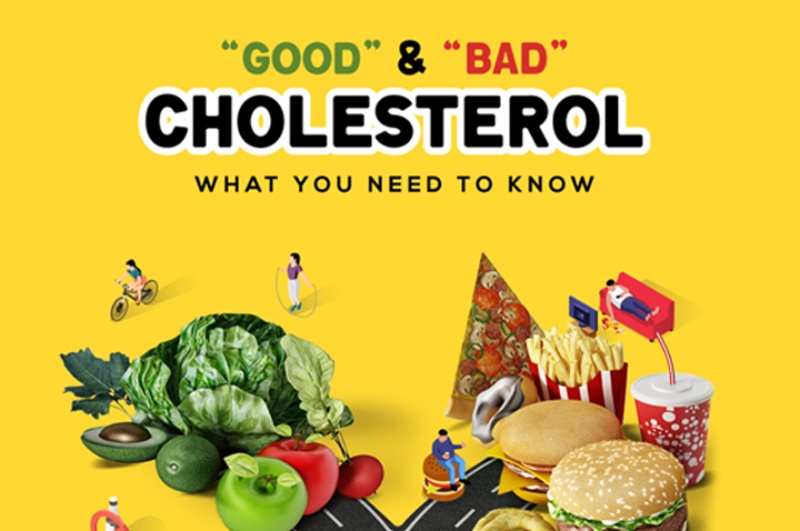
    The Differences Between Good and Bad Cholesterol | HDL vs LDL

    differences-between-good-and-bad-cholesterol imageAbout Cholesterol ( HDL and LDL)

    Are you confused about good and bad cholesterol? You’re not alone. Cholesterol is a waxy, fat-like substance that’s found in all cells of the body, and it’s essential for many bodily functions.

    You might have heard how having high levels of cholesterol can cause heart disease, but this isn’t always true. In fact, cholesterol is vital to your body and helps it to function correctly.

    However, it can become a problem if you don’t have enough good cholesterol and have too much of bad cholesterol. Too much of bad cholesterol can lead to heart disease, stroke, and other health problems, while good cholesterol helps to remove bad cholesterol from the body.

    So what’s the difference between good and bad cholesterol? Keep reading to find out.

    The differences between good(HDL) and bad(LDL) cholesterol

    It’s clear that we need to lower bad cholesterol levels and increase good ones, but it’s not as simple as it sounds. Both good and bad cholesterol have very important roles in the body and cannot be ignored.

    The two most commonly discussed lipoproteins are low-density lipoprotein (LDL) and high-density lipoprotein (HDL). Both of these lipoproteins carry cholesterol throughout the body, and the amounts of each in your body will impact your risk for heart disease.

    1. Low-density lipoprotein (LDL)

    LDL is considered bad cholesterol because it can build up in arteries and lead to heart disease. It accumulates in the arteries and increases your risk for atherosclerosis, peripheral artery disease, and other related conditions.

    2. High-density lipoprotein (HDL)

    HDL is considered good cholesterol because it helps remove plaque from arteries. A healthy level of HDL can help you protect yourself from stroke and heart attack.

    This is because HDL helps carry the bad cholesterol away from the arteries and towards the liver. Once in the liver, LDL gets metabolised and processed into useful components that are absorbed and waste that gets rejected by the body.

    However, all LDL cholesterol cannot get eliminated by HDL. Only about 25% to 35% of LDL can be carried by good cholesterol. Therefore, as important as it is to consume good cholesterol foods to balance out your LDL levels, it is just as important to avoid LDL foods to prevent their storage in the body.

    3. Triglycerides

    There is also a third component of cholesterol that often gets ignored. Triglycerides are the most common type of fat in our bodies. All excess food gets stored in the form of triglycerides. This includes all unused calories from the food you consume, as well as the components of good and bad cholesterol in your diet.

    A high triglyceride concentration in your body, however, is often related to a high level of LDL in the body. This is because triglycerides often deposit as fatty build-ups in the arteries, increasing your risk for stroke, heart attack, and atherosclerosis.

    ​3 THINGS YOU SHOULD KNOW ABOUT CHOLESTEROL LEVELS IN YOUR BODY​

    What are the levels of good and bad cholesterol to maintain?

    Despite an insight into good and bad cholesterol, it can be confusing to understand how to maintain a balance between the two.

    Most of the time, the cholesterol we hear about is total cholesterol, which is a sum of LDL, HDL, and triglycerides. The types of cholesterol that are most important to consider are both good and bad cholesterol. The ratio of LDL to HDL is a far better predictor for heart disease than total cholesterol alone.

    The cholesterol ratio is calculated by dividing the individual’s HDL level by their LDL level. If the ratio is 3 or higher, there is a lower risk of heart disease. If the ratio is less than 3, there is a higher risk. A ratio of 3:1 or lower is considered ideal.

    Conclusion

    There are a lot of myths surrounding cholesterol, which can make it difficult to understand and impede effective treatment.

    The most common misconceptions about cholesterol are that it is a simple, one-dimensional measurement that is either good or bad. In reality, cholesterol is a complicated mix of many different types of lipoproteins, each of which has different functions in the body. All of these lipoproteins carry cholesterol throughout the body, and the amounts of each in your body will impact your risk for heart disease.

    We hope this blog post has helped you learn more about good and bad cholesterol, and what you can do to keep your cholesterol in check.

    Know more about your Medicines at Medkart, which is an online pharmacy platform that makes buying medicines convenient & cost-effective. To place your orders, download the app today!

    FAQs related to good and bad cholesterol

    1. Is it better to have high HDL or low HDL?

    For HDL, it is considered better to have a higher level. As a standalone, HDL levels should be at least 40 mg/dL for males and 50 mg/dL for females.

    2. What should my LDL levels be?

    The lower your LDL levels, the lesser your risk for heart disease. An LDL level of less than 100 mg/dL is considered healthy. Couple it with high HDL, and your risk is even lower.

    3. How can I lower my LDL levels fast?

    You can lower your LDL levels by making adequate lifestyle changes. Eating good cholesterol foods, exercising, increasing fibre intake, eating more protein, etc, are some of the easiest ways to reduce your LDL levels.

  • Patients should have the right to choose their medicine brands |Choose Generic

    Patients should have the right to choose their medicine brands |Choose Generic

    know about generic medicinesDoes your doctor follow the Ethics of MCI (Medical Council of India), and write the generic name of drugs and not Brand names on the prescription? 

    99% of practicing doctors write brand names in illegible handwriting which is in clear violation of the code.

    Generic Prescription Mandate Under MCI Ethics

    On May 13, 2016, the Drugs Technical Advisory Board (DTAB) of the Union health ministry had turned down a proposal by the ministry to amend Rule 65 of the Drugs and Cosmetics Rules, 1945 to provide that the chemist may offer for supply a drug formulation containing the same ingredients but in generic or other cheaper brand name. 

    It felt that there is no guarantee that the bioavailability of the generic medicine so offered by the chemist will be the same as prescribed by the physician and the lack of same effectiveness of the generic medicine may lead to harmful effect on the patient.

    This, however, is in complete contradiction to the MCI Code of ethics which says “Every physician should, as far as possible, prescribe drugs with generic names and he / she shall ensure that there is a rational prescription and use of drugs”. 

    The FDCA however continues to approve drugs according to the generic names and their quality standards prescribed.

    How the US FDA Regulates Generics for Quality and Efficacy

    Globally, the US FDA notes: “Any generic drug modeled after a single, brand name drug must perform approximately the same in the body as the brand name drug. There will always be a slight, but not medically important, level of natural variability just as there is for one batch of brand name drug compared to the next batch of brand name product.

    This amount of difference would be expected and acceptable, whether for one batch of brand name drug tested against another batch of the same brand, or for a generic tested against a brand name drug.”

    All this are not coherent and forces us to believe that there are vested interests behind such decisions. A recent book “Dissenting Diagnostics” talks about the ill-practices and its origin in a profession which is portrayed closest to GOD.

    The Human Angle: 

    According to an official Government of Gujarat release: 

    • WHO says that 65% of the Indian population still lacks regular access to essential medicines.
    • Over 23% of the sick don’t seek treatment because they are not having enough money to spend
    • A World Bank study shows that as a result of single hospitalization 24% of people fall below poverty line. 
    • 74% of total private out of pocket expenses are on drugs.
    • Drug prices have risen sharply in recent decades

    Rajasthan High Court on the Right to Affordable Medicines

    High Court of Rajasthan has taken a note of the same and in it’s judgment supported the patients case: “No person and particularly, the have-nots cannot be made to suffer as they cannot afford the luxury of purchasing the branded medicines at much more cost than generic medicines.

    The right to obtain treatment is tacit of Article 21 of the Constitution of India and right to obtain treatment at affordable prices of medicines is one of the concomitant of the same. Not prescribing the medicines in generic names may in given facts tantamount to violation of Article 21 of the Constitution of India.

    The combination of drugs and life saving drugs which are available in generic names, have to be prescribed in generic names otherwise the action would amount to violation to right to life itself”
    But, ground reality is that the patients are being denied their RIGHT TO LIVE!! As they cannot afford expensive medicines in most cases but can easily afford the cheaper alternatives known as generics.

    It gives all the information needed to make a strong case for scrapping self regulation for doctors and making them responsible and accountable to their patients. Patients in the developed countries have the right to choose their brands as the doctors’ prescribe generic names so why not in India. 

    The Future of Ethical Prescriptions in India

    Framing rules for them to make sure patients are not shortchanged. France on the other hand took 7-10 years for this transition to happen which was particularly painful but rewarding in the end. The strong grip by the pharmaceutical companies on the entire chain from doctors to hospitals needs to end for the patient to benefit.

  • 6 Numbers You Must Know for a  Healthy Heart

    6 Numbers You Must Know for a Healthy Heart

    6 Numbers You Must Know for a Healthy Heart

    Overview

    Many people develop heart disease as they age. But did you know you can prevent heart disease, too? For an accurate understanding of your heart and to take better care, doctors suggest six numbers you need to track regularly. Do you know what these numbers are?

    Six numbers to know for a healthy heart

    LDL cholesterol

    Excess LDL (low-density lipoproteins) accumulate in the walls of your arteries in the form of plaque. This plaque causes the arteries to harden and narrow, which affects the blood flow to your heart. As the blood flow gets blocked, your heart does not receive enough oxygen. If the blood flow gets completely blocked, it leads to chest pain and increases your chances of a heart attack.

    Low LDL or bad cholesterol and a cardiac diet ensure a healthy heart. The ideal numbers for LDL are less than 100 mg/dL (milligrams per deciliter).

    HDL cholesterol

    HDL (high-density lipoproteins) is good cholesterol. It takes LDL to your liver, from where it is flushed out of your body and, thus, ensures a healthy heart.

    Higher levels of HDL lower the risk of heart disease. A heart-healthy diet will help you increase your HDL levels and reduce your LDL levels.

    The ideal numbers for HDL are:

    Desirable: 60 mg/dL or above

    Acceptable: 40 – 60 mg/dL

    Triglycerides

    Triglycerides are a type of fat found in your blood. Your body converts calories into triglycerides and stores them in your fat cells for energy. When you consume extra calories and do not burn them, it leads to a rise in triglycerides.

    High levels of triglycerides harden the walls of your arteries. This affects the blood flow to the heart and increases your risk of heart attack and heart disease.

    Desirable triglyceride numbers for a healthy heart are less than 150 mg/dL.

    Blood glucose

    Glucose comes from carbohydrates in the food you eat. Your body uses it for energy. However, when blood glucose levels increase, it affects every part of your body. It hardens your arteries and increases your risk of heart disease due to restricted blood flow to the heart.

    Maintaining normal blood glucose levels is crucial for a healthy heart.

    Desirable glucose numbers are:

    Before meals: 70 to 130 mg/dL

    After meals: Less than 180 mg/dL

    Blood pressure

    High blood pressure does not show symptoms but damages your body from within.

    High blood pressure, if left untreated, can cause stroke and heart attack. Knowing your blood pressure numbers will help you get the necessary medical treatment and make lifestyle changes to ensure a healthy heart.

    Your blood pressure consists of systolic (top number) and diastolic (bottom number) blood pressure. Ideal blood pressure numbers are below 130/80 mmHg (millimetres of mercury).

    Waist-to-hip ratio

    Abdominal obesity is a result of excessive fat around your stomach. It increases the risk of heart disease, diabetes and blood pressure. The waist-to-hip ratio helps you understand your abdominal obesity. It is calculated as waist measurement divided by hip measurement. Knowing your waist-to-hip ratio and following a cardiac diet is crucial for maintaining a healthy heart.

    Ideal waist-to-hip numbers are:

    >0.9 for men

    >0.85 for women

    Takeaway

    Annual health checks will help you stay aware of these numbers. If you are diagnosed with a health condition, such as diabetes, cholesterol or high blood pressure, your doctor will recommend these tests every three months. They will also prescribe an ideal treatment plan and advise you on a fitness regimen and heart-healthy diet. This will help manage your condition and improve your chances of a healthy heart.

    India’s trusted generic medical store, Medkart, brings quality generic medicines to your doorstep. With a click of a button, you can upload your prescriptions to place your order and save time and money.

    FAQs

    1. At what age should I begin screening for heart health?

    20 is the recommended age for checking cholesterol, blood pressure and waist circumference. You can start blood glucose screenings at around 45. If your numbers fall within the desirable range, you can repeat the tests every 2 to 3 years or as recommended by your doctor. If you are diagnosed with a health condition, your doctor will advise these tests every three months and then every six months after they are stabilized.

    2. How can I lower my triglycerides?

    To lower your triglyceride levels, avoid simple carbs, like sugary, fried foods, and switch to complex carbs, like whole grains and vegetables. Choose heart-healthy fats like olive oil and fish instead of trans fats and saturated fats. And most importantly, exercise at least 30 minutes a day, five days a week, quit smoking and limit your alcohol intake.

    3. What are the signs of heart disease?

    Chest pain, fatigue, difficulty breathing, dizziness, swelling in the legs, sweating, heartburn, and indigestion are signs of heart disease. Cholesterol, diabetes, high blood pressure, obesity, unhealthy diet and lack of exercise increase the risk of heart disease. Regular tests can help in timely diagnosis and treatment.

  • 5 Diseases that you can avoid by following a dental hygiene

    5 Diseases that you can avoid by following a dental hygiene

    Diseases that you can avoid by following a dental hygiene

    Importance of Oral Hygiene 

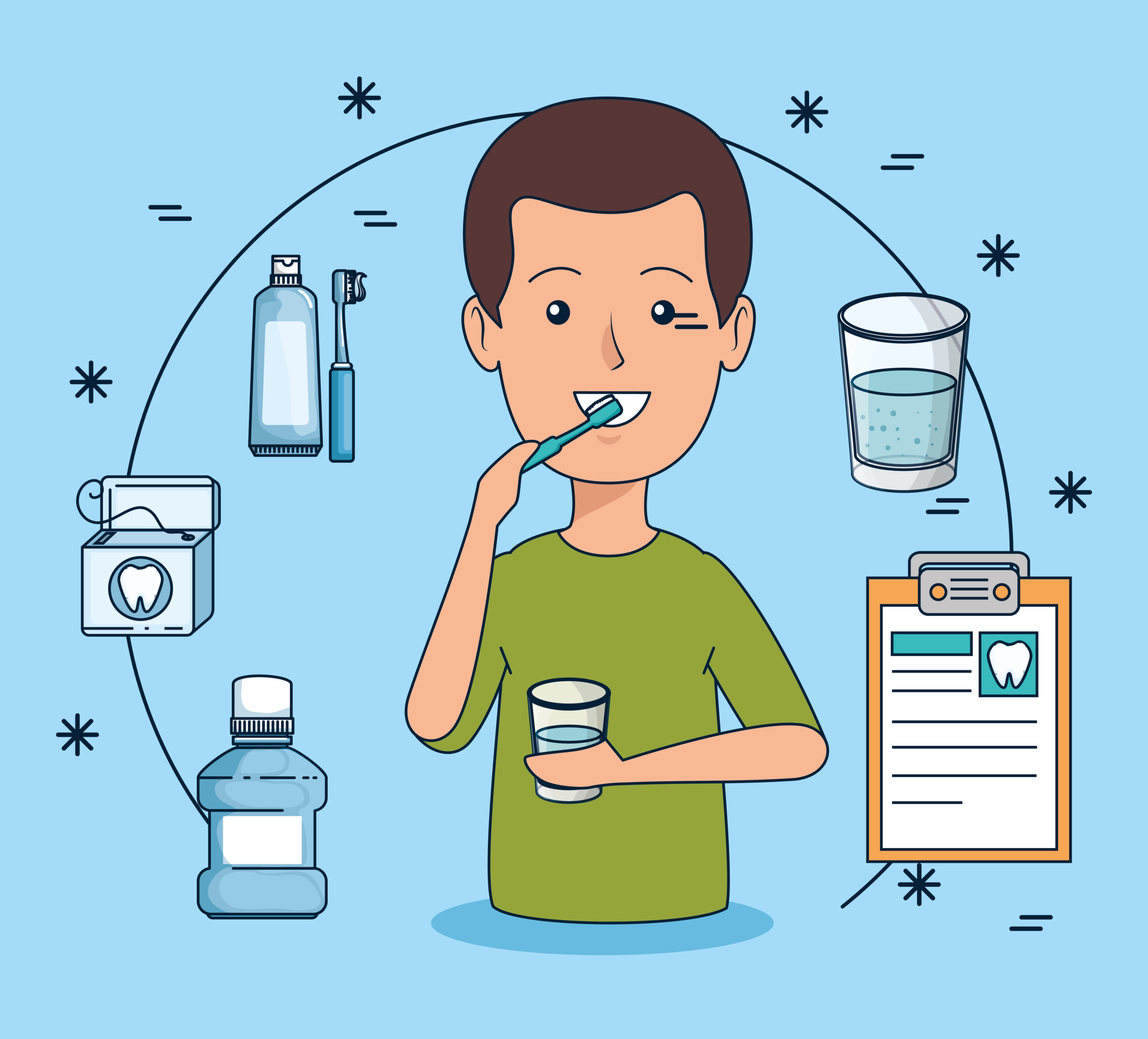
    People in India often neglect dental hygiene, as many of us don’t know how important it is to keep your teeth, tongue, and gums clean. The oral cavity of mouth is the primary point of entrance in the body. It is directly connected to the stomach and respiratory system, so avoidance of good hygiene in the mouth can cause sickness of these parts of the body.  Oral cleanliness is not only good for oral health but also overall health. The human oral cavity contains lots of microorganisms –good and bad. When one does not take care of his/her oral hygiene, these microbes, along with food or water, enter the body and create many diseases. Poor dental health means bleeding or inflammatory gums, tooth cavities, or loss. This means the oral cavity is contaminated with harmful microbes that ultimately responsible for overall well being. Here we will see what kind of diseases are results of avoidance of oral hygiene,

    Diseases you can avoid by following dental hygiene

    1. Cardiovascular disease:

    Gum disease or periodontitis results from poor oral care; this leads to the accumulation of bacteria responsible for cardiovascular disease. These microbes pass into the bloodstream and cause inflammation of blood vessels. As a result, blood flow into the heart impairs, and chances of heart attack increases. Also, the same bacterium causes gum diseases, is responsible for atherosclerosis as they build up plaque and harden arteries. Ultimately, it results in low blood flow and heart failure. Such damage is also accountable for hypertension or stroke.

    Endocarditis is the heart’s fatal condition, and it happens when infectious bacteria from other body parts come to the heart and accumulate in different parts of the heart. Microorganisms from the oral cavity can easily contaminate the inner lining of the heart chamber and put you at lethal risk. you can avoid cardio vascular disease by maintaining good oral hygiene.

    2.Respiratory infection:

    The mouth is directly connected to the respiratory tract.  So, poor oral health puts a person at risk of respiratory infection, especially bacterial pneumonia. When the oral cavity is contaminated, for example, having tooth caries or gum disease at that time, bacteria are being breathed from throat and mouth to the lung and cause bacterial pneumonia. Also, the chances of COPD, acute bronchitis, tonsillitis, and other respiratory infections increase.

    Research for the connection between oral hygiene and respiratory infection concluded that a person who does not maintain good dental hygiene practice is more prone to infections than others. People with existing lung disease can aggravate conditions if not take care of their mouths. you can avoid respiratory infections by maintaining good oral hygiene.

    3.Preterm birth:

    Low birth weight infants or premature babies are due to periodontal disease. Yes, the most common factor for toxicity is gum diseases. Very few people know about this fact. During pregnancy, a massive level of hormonal changes occurs. These changes are responsible for gingival changes and make gums vulnerable to infection.

    If during pregnancy, the mother does not take care of oral health, then bacteria responsible for gum disease go into the bloodstream and reach the cervical fluid. After that, toxins of these bacteria cross the placenta and cause fetal toxicity, which results in preterm or premature birth. Sometimes, if a mother’s immunity is low, then a chance of miscarriage is also there. So, one should not neglect oral health at this time. you can avoid pre-term birth by maintaining good oral hygiene.

    4. Rheumatoid Arthritis:

    It is an inflammatory disease that is not limited to joints, but it spreads throughout the body. Numerous research studies have shown result that a person who has gingivitis (gum inflammation) or any gum disease is at a higher risk of arthritis.

    The oral bacteria which cause inflammation of gingival are also responsible for inflammation of joints. They travel via the blood to the joints and other parts of the body and develop a painful disease called rheumatoid arthritis. you can avoid rheumatoid arthritis by maintaining good oral hygiene.

    5. Diabetes complication:

    A diabetic person is always vulnerable to infections. When one is suffering from diabetes, he should maintain good oral hygiene because he is more prone to gum diseases and, ultimately, other diseases. Also, infections of the oral cavity increase the risk of diabetes complications. It makes diabetes uncontrollable. When our body suffers from infection to fight against it, blood glucose levels usually rise, which makes diabetes unmanageable. Also, dental issues lead to less or limited food intake that again causes problems for diabetic patients.

    Other than these diseases, certain brain diseases such as dementia, Alzheimer’s, kidney disease, and cancer are results of poor oral care. So, now we all know how dangerous it can be if we avoid an oral hygiene practice. You can avoid diabetes complications by maintaining good oral hygiene.

    ​Ways to ensure good oral health

    • Brush twice a day and floss at least once a day.
    • Go for a dental check-up every six months.
    • Use mouthwash every day. Use a toothpaste and mouthwash that has good fluoride content.
    • Do not try any dental remedies at home; consult your dentist for any problems.
    • Limit consumption of sugar and opt for a healthy diet.
    • Ask your dentist brushing technique, Change your brush every three months, and never brush for more than 3 minutes or with too much pressure.

    1) Signs of poor oral hygiene

    Poor oral hygiene can lead to a variety of dental problems, such as gum disease, tooth decay, and bad breath. Here are some signs that may indicate poor oral hygiene:

    • Bad breath: This is often caused by bacteria that accumulate in the mouth due to poor oral hygiene.
    • Tooth decay: Cavities are a result of bacteria in the mouth that feed on sugar and produce acid, which erodes tooth enamel.
    • Gum disease: This is caused by bacteria that build up along the gum line, leading to inflammation and infection.
    • Yellow or discolored teeth: Poor oral hygiene can lead to the buildup of plaque, which can cause teeth to become discolored or yellow.
    • Bleeding or swollen gums: This is a common sign of gingivitis, an early stage of gum disease.
    • Tooth sensitivity: This can be caused by a variety of factors, including tooth decay and gum recession, both of which are often caused by poor oral hygiene.
    • Painful or loose teeth: This is a sign of advanced gum disease or tooth decay, which may require extensive dental treatment.

    2) Risk factors associated with poor oral hygiene

    • Several risk factors are associated with poor oral hygiene, including:
    • Poor brushing and flossing habits
    • High sugar or carbohydrate intake
    • Smoking and tobacco use
    • Aging and hormonal changes
    • Medications that reduce saliva flow or cause dry mouth
    • Genetics and family history
    • Poor access to dental care and limited knowledge about proper oral hygiene practices

    These risk factors can increase the likelihood of developing dental problems such as cavities, gum disease, and bad breath. It is important to maintain good oral hygiene habits and visit a dentist regularly to prevent these issues.

    3) Long-term effects of poor oral hygiene

    Poor oral hygiene can have several long-term effects on your dental health and overall well-being, including:

    • Gum disease: Untreated gum disease can progress and cause irreversible damage to the gums and bones that support teeth, leading to tooth loss.
    • Tooth decay: Cavities that are left untreated can grow and cause infection, which may require a root canal or extraction.
    • Bad breath: Chronic bad breath can negatively impact your social life and self-confidence.
    • Oral cancer: Poor oral hygiene has been linked to an increased risk of developing oral cancer.
    • Cardiovascular disease: The bacteria in the mouth can enter the bloodstream and contribute to the development of heart disease.
    • Respiratory infections: Poor oral hygiene can lead to the growth of bacteria that cause respiratory infections like pneumonia.
    • Diabetes: Gum disease can make it harder to control blood sugar levels in people with diabetes.

    Winding Up

    Please do not neglect your teeth and gums as they are the primary source of your well being. If you become irresponsible for your mouth, then you will end up in life with full of ailments. Keeping your oral health care is an investment of your overall health. Practicing some simple and regular dental care can keep a person away from unwanted diseases.

  • Understanding the Impact of Age Habits Leading To Chronic Illness and Precautions to Consider

    Understanding the Impact of Age Habits Leading To Chronic Illness and Precautions to Consider

    Age Habits Leading To Chronic Illness

    Age, genetics of the family, and gender make it extremely difficult for older persons to escape chronic illness. Almost 80% of older persons (aged 65 and above) have at most one ailment, and 68% have two or more. You likely have a parent or grandparent currently managing a condition, or you may be managing one yourself.

    Many studies have looked at the impact of lifestyle variables on overall life expectancy and the risk of chronic illnesses, including diabetes, cardiovascular disease, and cancer. Also, only some have examined the effects of lifestyle factors on disease-free life expectancy.

    All lifestyle-related decisions can impact our physical and mental well-being daily. This might include making healthy life choices, such as what we eat, how often we exercise, and even what we do for a living.

    Many people are unaware that a shift in one’s way of life is a major contributor to the rise of chronic illnesses as major killers. Let’s find out more about chronic diseases and their appropriate treatment.

    Common major lifestyle diseases

    1) Cardiovascular Diseases (CVDs)

    Cardiovascular diseases are a group of illnesses caused by long-term issues with the cardiovascular system (CVDs). More than 17 million people each year lose their lives to cardiovascular disease, making it the leading cause of mortality worldwide. This figure will likely be over 23 million annually by the year 2030. Risk factors for cardiovascular disorders such as hypertension, arteriosclerosis, heart attacks, and strokes may be affected by a person’s way of life.

    Cardiovascular disease can be diagnosed using various techniques, including electrocardiography (EKG), ultrasound, and angiography. Cardiovascular diseases can be treated in a variety of ways, such as through a healthy diet, exercise, medication, or surgery.

    Eating sensibly, avoiding cigarettes, exercising, and having blood pressure and cholesterol checked regularly.

    How to prevent Cardiovascular Diseases (CVDs)?

    Protecting your heart and blood arteries while you are young is the preferred approach of cardiologists and surgeons who treat CVD. Considering the onset of CVD may occur as early as infancy, protecting one’s future health requires proactive measures, such as engaging in healthy activity. The following recommendations will assist you in decreasing your probability of developing cardiovascular disease.

    a) Trim the fat and hold the salt: We should all try to reduce our intake of salt, saturated fats, and cholesterol. Eat many fruits and vegetables, lean meats, and whole grain foods instead.

    b) Keep your weight near recommended levels: Overweight people are at a higher risk for cardiovascular diseases. Maintain a healthy body mass index by adhering to the weight guidelines that apply to your height and build.

    c) Don’t smoke: Atherosclerosis and the risk of stroke and heart attack are made worse by smoking. Do not take up smoking if you are not a smoker. And, if you are, quitting is the ideal way to begin living a healthy life.

    d) Get moving: Your cardiovascular system will benefit from a regular workout routine in many ways. It’s a great approach to maintaining a healthy weight while helping you deal with the stresses of everyday life.

    e) Watch your Blood Pressure & Cholesterol: Regularly monitoring your blood pressure and cholesterol levels is recommended. It is best to run blood tests (lipid profile) if your family has a history of cardiovascular disease. Even at this early stage, starting a regimen to manage your cholesterol may be advisable.

    f) Relax: Increased risk of cardiovascular disease has been linked to emotional factors such as stress, aggression, hostility, and anger. Physical effects of stress, such as elevated blood pressure, or unhealthy coping mechanisms, such as smoking, drinking, or poor eating, may contribute to the increased risk. 

    2. Cancer

    Unchecked cell development is the underlying cause of cancer. Every year, cancer affects over a million individuals in the United States alone. Cancer is defined by the fast proliferation of aberrant cells in the affected organ or tissue and may spread to other organs or tissues. In a world where over 7 million people lose their lives to cancer yearly, studies have linked unhealthy lifestyles to at least 30 percent of cases.

    Cancer develops when cell division becomes unchecked. An increased risk of developing cancer is associated with the presence of certain ‘damaged’ genes. Environmental factors, including viruses, radioactivity, ultraviolet light, and tobacco can cause genital harm. The term “cancer” describes a broad spectrum of diseases. There are distinguishing features for each category.

    In most cases, a patient’s prognosis may be improved with early diagnosis and treatment of cancer. As discussed below, the risk of acquiring cancer may be lowered by taking preventative measures.

    How to prevent Cancer?

    If you’re concerned about acquiring cancer, you may take responsibility for five preventable risk factors.

    a) Do not smoke: Tobacco use is responsible for the deaths of about 13.50 lakh people annually in India. People who use tobacco are prone to mouth, throat, esophagus, pancreas, and colon cancers. Despite what we might hear, there is no safe form of tobacco.

    b)Safeguard your skin: Limit exposure to the damaging UV radiation that causes skin cancer. One can do so by protecting exposed areas of skin with sunscreen and clothing, even on cloudy days. Avoid sunbathing, and do not use tanning beds or sunlamps.

    c) Eat more vegetables and cut the fat: No diet guarantees one won’t get cancer. However, people who eat large amounts of saturated fat are more likely to get cancer of the colon and rectum. Studies suggest that people who eat fruits, vegetables, and foods high in fiber have a lower risk of some cancers.

    d) Stay active and maintain a healthy weight: Studies have shown that regular physical activity helps protect against some types of cancers. Exercising also helps prevent obesity, another risk factor for developing cancer. Teens should get at least 60 minutes of activity daily.

    e) Get regular medical checkups: Your doctor can answer questions about cancer risk factors, prevention, and treatments. They will also be able to advise you on self-examinations and when to begin regular cancer screening tests. When we make positive choices regarding these controllable risk factors, we can work towards a healthy future for ourselves.

    3) Diabetes

    Having diabetes hinders your body’s ability to convert nutrients into usable energy and slows your rate of physical development. When the body’s cells cannot take in glucose from the blood, a condition known as diabetes develops. Diabetes affects around 77 million individuals in India.

    There are 4 types of diabetes — Type 1 and Type 2, latent autoimmune diabetes in adults (LADA), and gestational.

    Type 1 diabetes is believed to be caused by an autoimmune response. Type- 2 is the most common diabetes worldwide and is caused by modifiable behavioral risk factors.

    How to prevent diabetes ?

    The disease cannot be cured, but it may be managed with diet, exercise, and medication. Managing modifiable risk factors for diabetes, such as food, activity, and weight, is the most effective method to prevent the disease.

    Type 1 diabetes cannot be avoided in its early stages. A person with diabetes can still live a normal life with the help of regular exercise, a balanced diet, and insulin injections.

    a) Maintain a healthy weight

    Get plenty of exercise and eat right on a regular basis. People who are overweight have a much lower risk of developing type 2 diabetes if they engage in regular physical activity and make healthy dietary choices.

    b) Reduce the amount of stress in your life

    For older women, stress has been proven to increase the chance of developing type 2 diabetes. Nonetheless, males are vulnerable as well. There is a correlation between stress and an increased chance of developing type 2 diabetes or experiencing a worsening of existing diabetes.

    General causes of lifestyle diseases

    a) Too little exercise

    One simplest but most effective ways to maintain good health is by moving around. Because of the prevalence of computers and the accepted norm of sedentary work environments, it can be challenging to get up and move around as much as we should during the workday.

    Simply put, this means that 41.3% of Indian adults are not getting the 150 minutes of moderate-intensity exercise per week that the World Health Organization (WHO) recommends. This has made us more likely to experience the negative health effects of a sedentary lifestyle, such as the increased risk of obesity, bone and muscle loss, and poor blood flow.

    b) Increased stress

    Many people nowadays suffer from stress and exhaustion because of their modern way of life. There are several contributing factors, chief among them the prevalence of always-on digital connections and the mounting demands for continuous productivity. Worldwide events, such as the epidemic and economic instability, have also become major causes of strain. As a result, our country is in the midst of what the American Psychological Association is calling a “national mental health crisis.”

    The Centers for Disease Control and Prevention estimate that half of all Americans will be treated for a mental health disorder over their lifetime, which has dire repercussions. Stress has been linked to numerous negative health outcomes, including cardiovascular disease, hypertension, and even diabetes if left unchecked for too long. You can confidently say that stress is an extremely underappreciated root of many health issues.

    c) Too little sleep

    Many professionals believe that chronic lack of sleep is another major problem. Aiming for seven or more hours of sleep every night is recommended for adults, as it is one of the most important factors that may contribute to good health. As a result, our minds and bodies are better able to recharge and rejuvenate overnight. However, as reported by the CDC, one-third of individuals may not be getting enough sleep.

    Many contemporary elements are to blame for this, including prolonged screen time, excessive coffee or alcohol use, unpredictable schedules at work, and stress. Conditions including obesity, diabetes, high blood pressure,heart disease and stroke may be made worse by a lack of quality sleep over time.
    Poor nutrition Without question, the food we consume directly impacts our health. Meals should ideally consist of extremely nutrient-dense, well-balanced, whole foods with the correct quantity of calories for metabolic health. Despite this goal, the pressures of our contemporary way of life might make it impossible to achieve.

    Unfortunately, only some have the time or expertise to eat all the time healthily. Instead, we often resort to eating on the go or selecting low-quality processed meals that are low in price but high in calories and nutritional value. Long-term, serious health consequences are possible. Poor diets are linked to various health problems, including obesity, cardiovascular disease, diabetes, and cancer, and may be responsible for as much as 22% of all adult deaths.

    Bottomline

    Lifestyle habits can significantly impact overall health and increase the risk of developing chronic illnesses. Healthy lifestyle choices, such as eating a balanced diet, exercising regularly, getting enough sleep, and avoiding smoking and excessive alcohol consumption, can help reduce the risk of developing chronic conditions.

    Adopt a regime of physical activity, sound sleeping, eating a healthy diet, and taking dietary supplements if needed. You can choose generic supplements for minerals and vitamins as well. For that, you can do any of the following.

    – visit www.medkart.in/blog, search for supplements that the doctor recommends (based on your blood tests), order those, and get them delivered to your doorstep

    – Download Medkart’s android app to order minerals and vitamin supplements online from mobile.

    – Download Medkart’s iOS app to order the same.

    These lifestyle factors can also increase the risk of developing mental health problems such as depression and anxiety. Therefore, people must be mindful of their lifestyle choices to reduce their risk of developing chronic illnesses.


  • Different Types of Hypertension You Must know About | High Blood Pressure

    Different Types of Hypertension You Must know About | High Blood Pressure

    Types of Hypertension

    Introduction to High Blood Pressure (Hypertension)

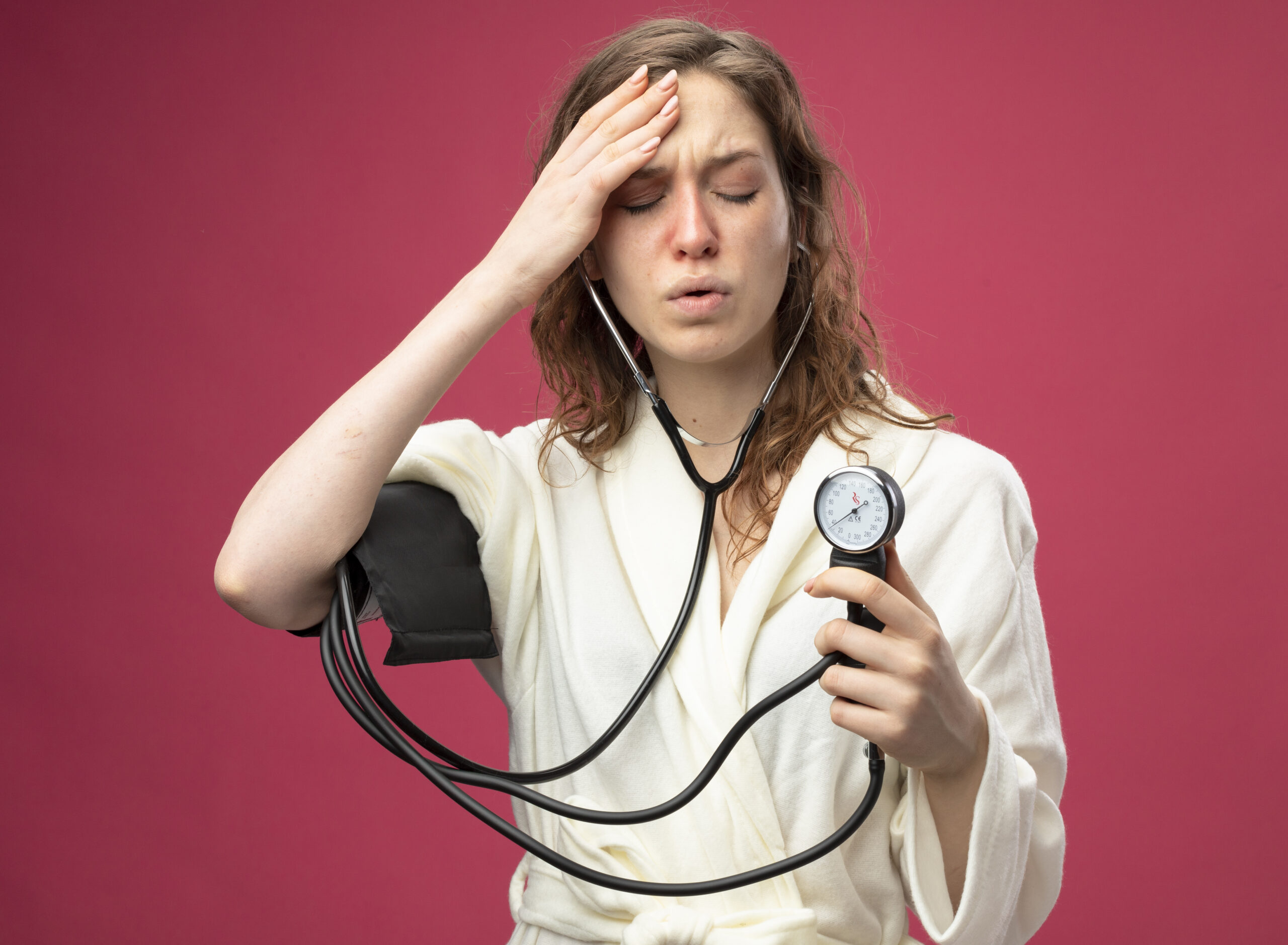
    According to the World Health Organisation (WHO), approximately 220 million people in the country live with different types of hypertension. Hypertension or high blood pressure is a condition in which your blood pressure (BP) is higher than normal.

    This blog will take you through the various types of hypertension, which include primary and secondary hypertension. These can also have further subtypes. Let’s delve deeper into the types of high blood pressure.

    Different Types of Hypertension (High Blood Pressure)

    There are two main types of hypertension – primary or essential and secondary.

    1) Primary hypertension:

    When the cause of high blood pressure is unidentifiable, it is called primary or essential hypertension. This condition develops over the years. In India, one in four individuals has hypertension. Most of them have the primary type.

    A combination of various factors, such as smoking, alcoholism, stress, obesity/overweight, excessive salt intake, and a sedentary lifestyle, leads to hypertension. Lifestyle and food habit modification may help lower your BP and prevent possible risks and complications.

    2) Secondary hypertension:

    This type of hypertension occurs when there is an underlying cause behind elevated blood pressure. It accounts for only 10% of all types of hypertension in India. Some of the potential reasons for secondary hypertension include the following:

    • Renal artery stenosis (narrowing of the arteries of your kidney)
    • Adrenal gland tumours
    • Obstructive sleep apnea
    • Hormonal imbalance
    • Issues with the thyroid gland
    • Kidney disease
    • Congenital heart defects
    • Certain medications such as antidepressants, birth control pills, painkillers
    • Substance addiction involving amphetamines and cocaine

    Subtypes of Hypertension

    Other than primary and secondary high blood pressure, there are various other types of hypertension. These are different subtypes of hypertension based on the origin of the condition or the cause of development.

    Pulmonary hypertension: Pulmonary hypertension may be a subtype of primary or secondary hypertension depending upon the causes. It refers to high blood pressure in the pulmonary arteries that carry oxygen-deficient blood from the heart to the lungs. It is caused due to heart disease or lung disease. There are several types of pulmonary hypertension. These include:

    1) Pulmonary arterial hypertension:

    This is caused due to birth defects in the heart, heredity, use of certain drugs, and diseases, such as HIV, liver cirrhosis, and lupus.

    2) Pulmonary hypertension due to left-sided heart disease:

    This is caused by disease in the left-sided heart valve or failure of the left lower heart chamber.

    3) Pulmonary hypertension due to lung disease: 

    This occurs due to sleep apnea, scarring of lung tissue, and chronic obstructive pulmonary disease (COPD).

    4) Pulmonary hypertension due to a blood clot in the lung: 

    This occurs due to clotting disorders or blood clots in the lungs.

    5) Pulmonary hypertension due to other disorders: 

    This occurs due to inflammatory and metabolic disorders, kidney disease, tumours, and blood disorders.

    6) Resistant hypertension: 

    When your blood pressure is difficult to control, even with three types of high blood pressure medications and a diuretic, it is called resistant hypertension. According to the Journal of the Association of Physicians of India (JAPI), this type of hypertension affects one in five people with high blood pressure in India. It is a subtype of secondary hypertension with the cause yet to be identified. Once the underlying cause is evident, the condition may be reversed with multiple drugs.

    7) Malignant hypertension:

    When high BP happens to cause adverse effects on your organs, it indicates malignant hypertension. In this condition, your blood pressure ranges between or more than 180/120-130 mm Hg with multiple organ damage. It is one of the rarest types of hypertension. However, it could be a health emergency requiring immediate medical attention.

    8) Isolated systolic hypertension: 

    As per the Journal of Clinical Hypertension, isolated systolic hypertension or ISH is a subtype of primary hypertension that mainly affects young adults and the elderly. This type of hypertension occurs when your systolic blood pressure spikes above 140 mm Hg while your diastolic reading is below 90 mm Hg. Hardening of arteries with increasing age is one of the possible causes of ISH. Your doctor may prescribe different types of high blood pressure medications, such as diuretics, beta-blockers, and angiotensin-converting enzyme (ACE) inhibitors to treat ISH.

    The bottom line

    High blood pressure is infamous as a silent killer because its symptoms often go unnoticed. However, if diagnosed on time, all types of hypertension can be managed successfully with medications and lifestyle changes. So, see your doctor and get your BP checked once a month or as advised.

    Visit MedKart, India’s most trusted generic medicine online pharmacy, to Know more about your Medicines and order your medicines at the best prices.

    FAQs related Hypertension (High Blood Pressure)

    1. What is a normal blood pressure level?

    The American Heart Association (AHA) and the American College of Cardiology (ACC) have categorised blood pressure stages as mentioned below:

    Normal BP: A blood pressure of 120/80 mm Hg.

    Elevated BP: A systolic pressure between 120 and 129 mm Hg, and a diastolic reading below 80 mm Hg.

    Stage-1 hypertension: A systolic reading between 130 and 139 mm Hg, and a diastolic reading between 80 and 89 mm Hg.

    Stage-2 hypertension: A systolic reading o around 140 mm Hg, and a diastolic reading of 90 mm Hg or more.

    2. What are the symptoms of hypertension?

    The common symptoms of hypertension include:

    • Headaches in the morning
    • Nose bleeds
    • Irregular heartbeats
    • Changes in vision
    • Buzzing in the ears
    • Fatigue
    • Nausea
    • Vomiting
    • Confusion
    • Anxiety
    • Chest pain
    • Muscle tremors

    3. How can you prevent hypertension?

    Here are some preventive measures for hypertension:

    • Consume less salt (less than 5 g daily)
    • Eat more vegetables and fruits
    • Have a regular physical activity schedule
    • Avoid tobacco use
    • Lower alcohol intake
    • Consume fewer foods high in saturated fat
    • Decrease or eliminate trans fats from the diet

    Hypertension causes – What leads to sudden high blood pressure

  • दवाई खरीदते समय फार्मासिस्ट की क्या भूमिका होती है?

    दवाई खरीदते समय फार्मासिस्ट की क्या भूमिका होती है?

    फार्मासिस्ट सप्लाइ चैन में अंतिम व्यक्ति होते हैं क्योंकि वे ही ग्राहकों को दवाई देते हैं। अधिकांश दवाई फार्मास्युटिकल कंपनियों द्वारा स्टैंडर्ड खुराक और पहले से पैक किए गए रूपों में प्रोड्यूस की जाती हैं, लेकिन एक स्टोर में फार्मासिस्ट ग्राहकों को सही जानकारी प्रदान करते हैं। वे ग्राहक जानकारी के लिए जिम्मेदार हैं क्योंकि वे दवाओं की- खुराक, कोम्पोज़ीशन, ब्रांड नाम आदि के बारे में ज्ञान साझा करते हैं। आपको अपने आसपास के क्षेत्र में कई जेनरिक दवा फार्मासिस्ट मिल जाएंगे जो नियमित रूप से सिरदर्द, समान्य सर्दी, शरीर में दर्द, आदि के लिए ओवर-द-काउंटर (OTC) दवाई प्रदान करते हैं।

    और जब डॉक्टर के प्रिस्क्रिप्शन की दवाओं की बात आती है, तो फार्मासिस्ट रोगियों और डॉक्टरों के बीच मिडिएटरके रूप में काम करते हैं, रोगियों को अवांछित या हानिकारक प्रभावों को कम करते हुए उनकी दवाओं का अधिकतम लाभ उठाने के लिए मार्गदर्शन करते हैं।

    फार्मासिस्ट की परिभाषा

    फार्मासिस्ट की परिभाषा

    दवाओं के उपयोग और एड्मिनिसट्रेशन में विशेषज्ञता रखने वाला एक स्वास्थ्य सेवा प्रदाता एक फार्मासिस्ट है। डॉक्टर का निर्देश मिलने के बाद वे मरीजों को अपना प्रिस्क्रिप्शन देते हैं। फार्मासिस्ट अच्छी तरह से समझते हैं कि दवाई शरीर और कार्य के साथ कैसे संपर्क करती हैं ताकि उन्हें लेने वाले रोगियों को सर्वोत्तम परिणाम मिल सकें।

    भारत में अधिकांश फ़ार्मासिस्ट कम्युनिटी फ़ार्मासिस्ट हैं जो ड्रग स्टोर, सुपरमार्केट, 

    बिग-बॉक्स रिटेलर्स और खुदकी फ़ार्मेसी में काम करते हैं, जिनमें वे भी शामिल हैं जो मेल-ऑर्डर सेवा प्रदान करते हैं। अन्य फार्मासिस्ट अस्पतालों और अन्य स्वास्थ्य सुविधाओं में आंतरिक रूप से रोगी देखभाल प्रदान करते हैं।

    फार्मासिस्ट रोगियों और अन्य मेडीकल पेशेवरों को यह समझने में मदद कर सकते हैं कि विशेष दवाई कैसे परस्पर क्रिया करती हैं या शरीर या दिमाग पर उनके नकारात्मक प्रभाव पड़ते हैं और यह सुनिश्चित करते हैं कि रोगियों को उनकी दवा मिले और उनकी चिंताओं का जवाब मिले। दुनिया भर के बाजार में जेनरिक मेडिसिन फार्मासिस्ट की मांग तेजी से बढ़ रही है।

    फार्मासिस्टों की जिम्मेदारियां

    मरीजों को अपनी दवाई देने से पहले, भारत में फार्मासिस्ट प्रिस्क्रिप्शन की जांच करते हैं। यह सुनिश्चित करता है कि रोगियों को उनकी स्वास्थ्य स्थिति के लिए उचित दवाई प्राप्त हों और इसका कोई नकारात्मक प्रभाव न हो। वैकल्पिक दवाई जो रोगी के लिए सहायक हो सकती हैं, उन्हें भी सुझाया जा सकता है।

    1.स्वास्थ्य और सुरक्षा सुनिश्चित करना

    ये एक्सपर्ट यह सुनिश्चित करने के लिए प्रत्येक रोगी के दवा इतिहास का विश्लेषण करते हैं कि वे सही दवाई दे रहे हैं। यह वेरिफाय करके कि रोगी ने अभी-अभी डॉक्टर को दिखाया है, वे यह भी सुनिश्चित करते हैं कि दवाई अप टू डेट हैं।

    2.डॉक्टरों से सलाह लें

    जब फार्मासिस्ट को दवाओं की पूरी समझ होती है, तो वे मरीजों को बेहतर तरीके से निर्देश दे सकते हैं। उन्हें डॉक्टरों के साथ वैकल्पिक दवाओं या खुराक प्रबंधन के बारे में परामर्श करना होगा। उन्हें यह भी सुनिश्चित करना होगा कि निर्धारित दवाई रोगियों को नकारात्मक रूप से प्रभावित न करें।

    3.एड्मिनिस्ट्रेटिव कार्य

    कई अन्य एड्मिनिस्ट्रेटिव कर्तव्यों के साथ, फार्मासिस्ट दवाओं की सप्लाइ करते हैं और रोगी डेटा को अप टू डेट रखते हैं। इसमें रोगी के स्वास्थ्य रिकॉर्ड को मैनेज करना, नियमित समय पर स्वास्थ्य परीक्षण करना और रोगियों को सहायता प्रदान करना शामिल है। वे स्वास्थ्य देखभाल कानूनों और विनियमों का पालन करके और खपत के लिए दवाओं को मिलाने, पैकेजिंग करने और लेबल लगाने (भोजन से पहले / बाद में, दिन में कितनी बार, आदि) द्वारा क्वालिटी, सुरक्षा और उचित निपटान सुनिश्चित करते हैं।

    4.रोगियों से परामर्श करें

    दवाओं के दुष्प्रभाव और दवाओं का हानिकारक इंटरैक्शन का प्रभाव भी संभव हैं। फ़ार्मेसी पेशेवर रोगियों को सलाह देते हैं कि उन्हें कब और कैसे दवाई लेनी चाहिए और दवाओं और भोजन या अल्कोहल के बीच संभावित खतरनाक इंटरैक्शन के बारे में चेतावनी देते हैं। वे संतुलित आहार बनाए रखने के लिए व्यायाम करने, आहार एक्सपर्ट से बात करने, या विटामिन जैसी गैर-प्रिस्क्रिप्शन वाली दवाई लेने की सलाह भी दे सकते हैं। डॉक्टर से परामर्श करने पर, वे किसी दवा की खुराक को एडजस्ट करने का प्रस्ताव भी दे सकते हैं।

    5.फार्मासिस्टों के स्किल

    फार्मासिस्ट की काफी डिमांड है। एक बार ठीक से योग्य होने के बाद, एक अस्पताल का फार्मासिस्ट अन्य स्वास्थ्य पेशेवरों को दवा के बारे में सिखा सकता है। मरीजों को भी इस ज्ञान से लाभ हो सकता है, विशेष रूप से वे जो उम्मीद कर रहे हैं, नर्सिंग कर रहे हैं, या जिन्हें पुरानी हृदय, लिवर, या अन्य बीमारियां हैं।

    अधिक कठिन परिस्थितियों को संभालने के लिए फार्मासिस्ट को रोगी के बारे में अधिक जानने के लिए अपने उत्कृष्ट संचार स्किल का उपयोग करना चाहिए। इन विवरणों को इकट्ठा करने के बाद, उन्हें सर्वोत्तम कार्रवाई के संबंध में एक जानकारीपूर्ण निष्कर्ष निकालना चाहिए।

    उनके कम्यूनिटी के प्रमुख सदस्य फार्मासिस्ट हैं। अपॉइंटमेंट के बिना, कोई व्यक्ति अपने पड़ोस की फार्मेसी में जा सकता है और भारत में किसी भी फार्मासिस्ट से प्रिस्क्रिप्शन और इसके नकारात्मक प्रभावों के बारे में पूछ सकता है।

    निष्कर्ष

    मेडकार्ट एक हेल्थकेयर प्लेटफॉर्म है जो भारत में लोगों को जेनरिक दवाओं के बारे में शिक्षित करता है। चाहे हमारी वेबसाइट हो या पूरे भारत में 100+ रिटेल आउटलेट, हम जेनरिक दवाओं, उनके उपयोग, दुष्प्रभावों और सावधानियों के बारे में जानकारी प्रदान करते हैं। आप हमारी वेबसाइट www.medkart.in/blogपर ऑनलाइन जेनरिक दवाई भी मंगवा सकते हैं, या एंडरोइड और iOS एप्लिकेशन का उपयोग कर सकते हैं ।

    फार्मासिस्ट हेल्थकेयर इकोसिस्टम में महत्वपूर्ण भूमिका निभाते हैं। दवा एक्सपर्टके रूप में, वे दवाओं के डिस्ट्रिब्यूशन, रोगी दवा के उपयोग की निगरानी और रोगियों, देखभाल करने वालों और स्वास्थ्य सेवा प्रदाताओं को दवा की जानकारी और शिक्षा प्रदान करने के लिए जिम्मेदार हैं। इसके मूल में, मेडकार्ट में हमारे फार्मासिस्ट रोगी के परिणामों में सुधार करने, सही दवा का उपयोग सुनिश्चित करने और जेनरिक दवाओं के माध्यम से निवारक देखभाल प्रदान करने के लिए स्वास्थ्य और कल्याण शिक्षा प्रदान करने के लिए अच्छी तरह से तैयार हैं।

  • बच्चों में कुछ सामान्य क्रॉनिक  बीमारियाँ कौन सी हैं?

    बच्चों में कुछ सामान्य क्रॉनिक बीमारियाँ कौन सी हैं?

    बच्चों में कुछ सामान्य क्रॉनिक बीमारियाँ

    बच्चों को बार-बार इन्फ़ैकशन और चोट संबंधी समस्याएं होने का खतरा होता है। लेकिन, कुछ क्रॉनिक बीमारियों की या तो हेरीडिटरी या एंविरोमेंटल जड़ें हो सकती हैं। अस्थमा, सिस्टिक फाइब्रोसिस, डायबिटीज, सेरेब्रल पाल्सी (CP) और ऑटिज्म स्पेक्ट्रम डिसऑर्डर (ASD) बच्चों को प्रभावित करने वाली सभी सामान्य क्रॉनिक बीमारियाँ हैं।

    पुराने स्वास्थ्य विकारों से पीड़ित बच्चे केवल कुछ सीमित गतिविधियों को ही करने में सक्षम हो सकते हैं, पुराने दर्द या परेशानी का अनुभव कर सकते हैं, और असामान्य ग्रोथ और डेव्लपमेंट प्रदर्शित कर सकते हैं। इसके अलावा, उन्हें क्रॉनिक बीमारियों के बिना बच्चों की तुलना में अधिक बार अस्पताल में भर्ती, डॉक्टर के दौरे और अन्य मेडिकल इंटरवेनशन की आवश्यकता होगी। गंभीर शारीरिक दुर्बलता में डीलेडलैड्ग्वेज स्किल्स, हाइपरएक्टिविटी, गति आदि शामिल हैं। अक्सर बच्चों को पढ़ाई-लिखाई और सामाजिक अवसरों से वंचित कर देते हैं।

    डेव्लपमेंट के विभिन्न चरणों में बच्चे क्रॉनिक स्वास्थ्य स्थितियों के प्रतिक्रियाओं में अलग होते हैं। बच्चों में कुछ क्रॉनिक स्थितियाँ बचपन में प्रकट होती हैं, जो किशोरावस्था की तुलना में उनके डेव्लपमेंट को अलग तरह से प्रभावित करती हैं। स्कूल जाने और साथियों के साथ सामाजिक रूप से बातचीत करने में असमर्थता बच्चों को सबसे ज्यादा प्रभावित कर सकती है।

    बड़े होने पर, बच्चों को स्वतंत्रता प्राप्त करने में असमर्थता के कारण संघर्ष करना पड़ सकता है यदि उन्हें अपनी रोजमर्रा की कई आवश्यकताओं के लिए माता-पिता और अन्य लोगों से समर्थन की आवश्यकता होती है। यह मांग करता है कि माता-पिता बच्चों के लिए आत्मनिर्भरता को बढ़ावा दें, जब वे किशोरावस्था के करीब हों।

    इस भाग में, हम कुछ प्रमुख क्रॉनिक बीमारियों पर चर्चा करेंगे जिनका सामना बच्चे बड़े होकर कर सकते हैं।

    दमा

    अस्थमा COPD से अलग है जिसको क्रॉनिक ऑब्सट्रक्टिव पल्मोनरी डिजीज कहा जाता है। यह लंग्स की बीमारियों का एक समूह है जो सांस लेने में कठिनाई करता है और एयरफ्लो को सीमित करता है। रिफ्रेक्ट्री(गंभीर) अस्थमा, एम्फ्यसेमा, और क्रोनिक ब्रोंकाइटिस सभी विकार हैं जो इस श्रेणी में आते हैं। अस्थमा रोगी शायद ही कभी क्रॉनिक ऑब्सट्रक्टिव पल्मोनरी डिजीज (COPD) और इसके विपरीत प्रगति करते हैं।

    पहले के एक रिसर्च में पारिवारिक स्ट्रक्चर और अस्थमा की घटनाओं के बीच एक संबंध दिखाया गया है, जिसमें पाया गया कि अस्थमा से पीड़ित बच्चों की क्रॉनिक बीमारियों के बिना बच्चों की तुलना में सिंगल-माता-पिता के घर में रहने की संभावना अधिक थी। माता-पिता का मानना है कि अस्थमा स्वास्थ्य से संबंधित जीवन की क्वालिटी (HRQOL) के “फ़िज़िकल” भागों को प्रभावित करता है, जैसे फ़िज़िकल सारांश पैमाने, शारीरिक कार्यप्रणाली और शरीर की परेशानी।

    अस्थमा बच्चों में होने वाली एक आम क्रॉनिक बीमारी है, और इसके लक्षण बच्चे की दैनिक गतिविधियों को नाकाम करने के लिए काफी गंभीर हो सकते हैं। बच्चों में अनियंत्रित अस्थमा, घातक अस्थमा के एपिसोड का कारण बन सकता है, जिसके लिए लगातार दवाओं की आवश्यकता होती है।

    जबकि बचपन का अस्थमा और बालिग अस्थमा अलग नहीं हैं, अस्थमा से पीड़ित बच्चों को कुछ विशेष समस्याओं का सामना करना पड़ता है। यह एक गंभीर बीमारी है जिसके कारण माता-पिता बार-बार ER जाते हैं, लंबे समय तक अस्पताल में रहते हैं, और सामाजिक जीवन से कटे रहते हैं।

    जैसी क्रॉनिक बीमारी का वर्तमान में कोई इलाज नहीं है, और लक्षण वयस्क होने तक बने रह सकते हैं। हालांकि, आप और आपका बच्चा उचित दवा की मदद से लक्षणों को दूर रख सकते हैं और फेफड़ों के डेव्लपमेंट को होने वाले नुकसान से बच सकते हैं।

    मोटापा और डायबिटीज

    हालांकि यह बच्चों में होने वाली क्रॉनिक बीमारियों में से एक नहीं हो सकता है, मोटापा कई अन्य बीमारियों को जन्म दे सकता है। बालिग और पीडिएट्रिक मोटापा कम्यूनिटी के लिए गंभीर स्वास्थ्य जोखिम पैदा करता है। अधिक वजन वाले और मोटे बच्चे बालिगों के रूप में अधिक वजन वाले रह सकते हैं, जिससे उन्हें विभिन्न स्वास्थ्य समस्याओं का खतरा होता है। स्वस्थ खान-पान रखना और नियमित रूप से व्यायाम करना डायबिटीज के डेव्लपमेंट से बचने के दो सबसे अच्छे तरीके हैं। इसलिए, मोटे बच्चों को नियमित रूप से डॉक्टर के पास ले जाना आदर्श है ताकि बीमारी के किसी भी लक्षण की पहचान की जा सके और जल्दी इलाज किया जा सके, कोंपलीकेशन के जोखिम को कम किया जा सके।

    स्रोत

    एक बाल रोग एक्सपर्ट निदान करने से पहले उनके ग्रोथ चार्ट, मोटापे के पारिवारिक इतिहास और डेव्लपमेंट को देखेंगे। आप इसका उपयोग यह देखने के लिए कर सकते हैं कि आपके बच्चे का वजन स्वस्थ है या खतरनाक रूप से अधिक है।

    सिस्टिक फाइब्रोसिस

    बच्चों में एक और क्रॉनिक बीमारी सिस्टिक फाइब्रोसिस है, जिसमें म्यूकस पैदा करने वाले अंग धीरे-धीरे प्रभावित होते हैं। बच्चों और युवा बालीगों को अपने रेस्पिरेटरि और डाइजेस्टीव सिस्टम की समस्याओं का सामना करना पड़ता है। सिस्टिक फाइब्रोसिस को ठीक नहीं किया जा सकता है और इसके लिए लक्षण-विशिष्ट दवाओं की आवश्यकता होती है। जिनैटिक डिस ऑर्डर, जैसे सिस्टिक फाइब्रोसिस, को एक दोषपूर्ण जीन सीकवेंस में वापस देखा जा सकता है। सिस्टिक फाइब्रोसिस वाले बच्चे प्रिनेटल जिनैटिक टेस्टिंग से लाभान्वित हो सकते हैं।

    जन्म के तुरंत बाद मल त्याग करने में असमर्थता पहला संकेत हो सकता है कि बच्चे को सिस्टिक फाइब्रोसिस (मेकोनियम) है। ऐसा तब होता है जब मेकोनियम इतना गाढ़ा हो जाता है कि यह इंटेस्टाइन्स को ब्लॉक कर देता है।

    जब बच्चा नियमित रूप से नहीं खा रहा है या विकसित नहीं हो रहा है, तो यह माता-पिता के लिए स्पष्ट हो सकता है। फैट के पाचन में कमी से बच्चे को मल त्याग करने में कठिनाई होगी क्योंकि वे बड़े, बदबूदार और चिकना होते हैं।

    एक्ज़ीमा

    एक्ज़िमा और परिवार की गतिशीलता के बीच एक कड़ी है क्योंकि एक्जिमा ने HRQOL के “फ़िज़िकल” और “साइकोसोश्ल” दोनों में नकारात्मक रूप से प्रभावित किया है।

    एक्ज़िमा के सबसे आम लक्षण, जैसे खुजली और दर्द, बच्चों को शारीरिक गतिविधियों और खेलों में भाग लेने से निरुत्साह कर सकते हैं, जो इस खोज के लिए जिम्मेदार हो सकते हैं। इस रिसर्च में भाग लेने वालों में आत्म-सम्मान की कमी पायी गई ।

    बचपन के एक्ज़िमा का मूल कारण अभी भी अज्ञात है, लेकिन त्वचा की बाधा का दरार इस स्थिति से जुड़ा हुआ है। इससे त्वचा सूख सकती है, जिससे जलन और सूजन की संभावना बढ़ जाती है।

    परिवार में एक्ज़िमा, एलर्जी, या अस्थमा के इतिहास वाले बच्चों को स्वयं स्थिति होने का अधिक खतरा होता है।CARD11 और FLG सहित कुछ जीन म्यूटेशन को भी एक्ज़िमा से जोड़ा गया है।

    एक्ज़िमा से पीड़ित बच्चे अपने रूप-रंग, ताने मारने, डराने-धमकाने या यहां तक कि साथियों द्वारा अस्वीकृति के बारे में टिप्पणियों का लक्ष्य होने की अधिक संभावना रखते हैं, जिसके परिणामस्वरूप अपमान की भावना और आत्मविश्वास की कमी हो सकती है। यह पाया गया कि लिंग से संबंधित अंतर था।

    माइग्रेन और गंभीर सिरदर्द

    बहुत से लोग बचपन में अपना पहला माइग्रेन अनुभव करते हैं। हालांकि, लगभग 28% टीनेज माइग्रेन से पीड़ित हैं, आमतौर पर लड़कों के लिए 7 से 10 के बीच और लड़कियों के लिए 10 से 13 के बीच शुरुआत होती है। बहुत से लोग जो माइग्रेन से पीड़ित होते हैं उनके परिवार में इस स्थिति का इतिहास होता है।

    गंभीर सिरदर्द एक बच्चे में माइग्रेन की विशेषता है जो अस्वस्थ दिखाई देता है और अक्सर फोटोफोबिया और नौषया के साथ होता है। इस तरह की क्रॉनिक बीमारी के लिए एक आदर्श उपचार नींद लेना, ओवर-द-काउंटर दवाई लेना और दर्द निवारक जैल लगाना है। कुछ रोगियों के सिरदर्द देर से बचपन और किशोरावस्था के दौरान क्रॉनिक माइग्रेन में विकसित होते हैं। एनवाएरोनमेंटल ट्रिगर्स की पहचान करना, प्रभावी दर्द से राहत देना और निवारक दवाओं का उपयोग करना उपचार प्रक्रिया का हिस्सा होना चाहिए।

    लगभग 10% स्कूली आयु वर्ग के बच्चे बाल पेडिऐट्रिक माइग्रेन से पीड़ित हैं, जो एक अक्षम बीमारी है। माइग्रेन, अन्य दर्द की समस्याओं की तरह, किसी की नींद, भावनाओं और स्पष्ट रूप से सोचने की क्षमता में व्यवधान पैदा कर सकता है, घर और कक्षा में काम पूरा करने की उनकी क्षमता को प्रभावित कर सकता है।

    एंटीपीलेप्टिक्स, एंटीडिप्रेसेंट, एंटीहिस्टामाइन, एंटीहाइपरटेंसिव ड्रग्स और फार्मास्यूटिकल्स के नए समूह सभी माइग्रेन एपिसोड को रोकने के लिए उपयोग किए जाते हैं। हालांकि, टीनेज आबादी पर नियंत्रित शोध की भारी कमी है। माइग्रेन रोगियों के लिए फूड अँड ड्रग एड्मिनिसट्रेशन (FDA) द्वारा अधिकृत दवाओं की उपलब्धता आगे के क्लिनिकल टेस्ट के परिणामों पर निर्भर करती है।

    बच्चों में सेरेब्रल पाल्सी

    सेरेब्रल पाल्सी से प्रभावित शिशु और बच्चे अक्सर मोटर कंट्रोल बनाए रखने के लिए संघर्ष करते हैं। यह जन्मजात विकलांगता या सेरेब्रल पाल्सी के कारण दर्दनाक मस्तिष्क की चोटों के कारण होता है। जैसा कि सबसे लगातार डिसऑर्डर बच्चों के मोटर स्किल्स को प्रभावित करता है, यह एक गंभीर मुद्दा है जिसके सामाजिक नतीजे हो सकते हैं।

    स्रोत

    बच्चों में सेरेब्रल पाल्सी जैसी क्रॉनिक बीमारी के लक्षण व्यापक रूप से भिन्न हो सकते हैं। सेरेब्रल पाल्सी के हल्के मामले कुछ बच्चों को चलना और दौड़ना सीखने से नहीं रोक सकते हैं; वे अपने आम तौर पर डेव्लपिंग साथियों की तुलना में बाद की उम्र में ऐसा कर सकते हैं। फिर भी, दूसरों को सेरेब्रल पाल्सी से निपटने के दौरान चलना सीखने के लिए वॉकर या लेग ब्रेसेस जैसी सहायता की आवश्यकता हो सकती है। सेरेब्रल पाल्सी वाले कुछ बच्चों को मोटर कंट्रोल के मुद्दों के कारण खाने और बात करने में परेशानी होती है।

    कम उम्र में होने वाली ब्रेन डैमेज विशिष्ट प्रकार के सेरेब्रल पाल्सी का निर्धारण कर सकती है जिसे एक बच्चा अनुभव करेगा। अपने सेरेब्रल पाल्सी के बच्चे के निदान को स्वास्थ्य सेवा प्रदाताओं, थेरेपिस्ट्स और शिक्षकों के साथ संवाद करना महत्वपूर्ण है। परिणामस्वरूप, आपके बच्चे को वह देखभाल मिल सकती है जिसकी उन्हें आवश्यकता है।

    जबकि सेरेब्रल पाल्सी से मोटर कंट्रोल प्रभावित होता है, यह कोग्निटिव इमपैरमेंट से अलग है। सेरेब्रल पाल्सी के साथ जीने की चुनौतियों के बावजूद एक बच्चे की बुद्धि चमक सकती है। अक्सर, माता-पिता को बार-बार परीक्षण करने और डॉक्टर से परामर्श करने की आवश्यकता होती है। सेरेब्रल पाल्सी के लक्षणों को बेहतर ढंग से मैनेज करने के लिए डॉक्टर कुछ नियमित दवाई लिख सकते हैं।

    ऑटिज़्म

    ऑटिज़्म स्पेक्ट्रम डिसऑर्डर बच्चों में प्रचलित है और अक्सर उनके पहले तीन वर्षों के दौरान होता है। यह एक बच्चे के नर्वस सिस्टम, कुल ग्रोथ और डेव्लपमेंट को प्रभावित कर सकता है, जिससे उनके लिए रोजमर्रा के कार्यों को करना मुश्किल हो जाता है।

    स्रोत

    अकेले रहना कुछ बच्चों में ऑटिज़्म स्पेक्ट्रम डिसऑर्डर का एक सामान्य लक्षण है। ऑटिस्टिक बच्चे भावनात्मक रूप से दूर होते हैं और यह नहीं समझते कि दूसरे बच्चे कैसा महसूस करते हैं। सामान्य व्यवहार उस बच्चे की दिनचर्या का हिस्सा हो सकता है जिसे ऑटिज़्म स्पेक्ट्रम डिसऑर्डर है।

    उन्हें खुद को अभिव्यक्त करने में भी परेशानी हो सकती है और अगर चीजें उनके अनुसार नहीं होती हैं तो वे अक्सर चिढ़ जाते हैं और क्रोधित हो जाते हैं। वे दूसरे बच्चों की तरह बात करना शुरू नहीं करेंगे, और जैसे-जैसे वे बड़े होंगे, वे दूसरे लोगों की आँखों में देखने से बच सकते हैं । कुल मिलाकर, ऑटिज़्म आत्म-सम्मान को प्रभावित कर सकता है और युवाओं के सामाजिक जीवन को नकारात्मक रूप से प्रभावित कर सकता है।

    ASD से पीड़ित एक युवा को दूसरों के साथ बातचीत करने का तरीका सीखने में कठिनाई हो सकती है। इसका एक कारण यह है कि ASD से पीड़ित बच्चे को अपने आसपास के अन्य लोगों की भावनाओं और भावों को पढ़ने में कठिनाई हो सकती है।

    एक ऑटिस्टिक बच्चा निम्नलिखित का अनुभव करेगा –

    ● शारीरिक संपर्क से दूर रहें

    ● अकेले खेलना पसंद करते हैं

    ● दैनिक आदतों में एडजस्ट करने के लिए प्रेरणा की कमी

    ASD को क्या ट्रिगर करता है, इस बारे में एक्स्पर्ट्स के बीच आम सहमति की कमी है। अक्सर, जिनैटिक फ़ैक्टर्स जिम्मेदार होते हैं । मस्तिष्क का सामान्य डेव्लपमेंट न्यूरोट्रांसमीटर और न्यूरोपैप्टाइड्स पर निर्भर करता है जो बच्चों की स्मृति, व्यवहार और मोटर गतिविधियों में महत्वपूर्ण भूमिका निभाते हैं। यह न्यूरॉन्स के प्रोलिफेरेशन, डिफरेन्शीएशन, सिनैप्टोजेनेसिस, एपोप्टोसिस और प्रूनिंग को भी प्रभावित करता है। नतीजतन, डॉक्टर सामान्य मस्तिष्क के डेव्लपमेंट को बाधित करने वाले न्यूरोट्रांसमीटर सिस्टम के साथ समस्याओं से ऑटिज़्म का निदान कर सकते हैं।

    इस विचार के साथ कुछ समस्याएँ हैं कि बच्चों को कम उम्र में ही बहुत सारे टीके लगवाए जा रहे हैं। इस तरह के टीकाकरण या तो एक इम्मेच्योर इम्यून सिस्टम को ओवर्लोड करते हैं या एक पैथोलॉजिक, ऑटिज़्म -इंड्युसिंग ऑटोइम्यून प्रतिक्रिया का कारण बनते हैं।

    लेकिन, ऐसा नहीं है क्योंकि टीकाकरण प्रतिरक्षा प्रणाली को कमजोर नहीं करता है। हालांकि एक बच्चे की प्रतिरक्षा अभी भी विकसित हो रही है, इसमें तुरंत ही विभिन्न प्रकार की सुरक्षात्मक प्रतिक्रियाओं को माउंट करने की क्षमता है।

    शुरुआत में कई टीके लगने से प्रतिरक्षा प्रणाली खराब नहीं होती है।टीकाकृत या गैर-टीकाकृत, एक बच्चा ASD के लिए अतिसंवेदनशील रहता है।

    ऑटिज़्म के लिए उपचार व्यक्ति के आधार पर अलग-अलग होते हैं और इसमें भाषण और व्यवहार संबंधी उपचार और अंतर्निहित चिकित्सा मुद्दों के लिए दवाई शामिल हो सकती हैं। ऑटिज़्म के लक्षणों के लिए जेनरिक दवाई खरीदना और लक्षणों को बिगड़ने से रोकना संभव है।

    आपके बच्चे की स्थिति और आवश्यकताएं निर्धारित करेंगी कि कौन से उपचार उनके लिए सबसे प्रभावी हैं, लेकिन आखिरकार, हर कोई आपके बच्चे को बेहतर महसूस करने और उन्हें बढ़ने और सीखने में मदद करना चाहता है।

    यहां कुछ प्रमुख कारण बताए गए हैं कि बच्चों में ASD क्यों हो सकता है-

    ● जन्म से पहले या बाद में पर्यावरण प्रदूषण से प्रभावित होना।

    ● स्थितियाँ (या इन्फ़ैकशन) जो नर्वस सिस्टम पर हमला करती हैं, घातक हो सकती हैं, जैसे मेनिन्जाइटिस और एन्सेफलाइटिस।

    ● प्रसूति संबंधी जटिलताओं।

    ● प्रसवपूर्व इन्फ़ैकशन

    निष्कर्ष

    बचपन के दौरान प्रचलित क्रॉनिक स्थितियाँ स्कूल-आयु वर्ग के बच्चों, माता-पिता और परिवारों के HRQOL को प्रभावित कर सकती हैं। हालाँकि, स्कूल-आयु वर्ग के बच्चों में HRQOL पर सबसे आम क्रॉनिक स्थितियों के बोझ के डीटेल्ड प्रोफाइल के बारे में अधिक जानकारी की आवश्यकता है, विशेष रूप से बड़े जनसंख्या स्तर पर।

    च्रोनिक स्थितियों का बच्चों, वे जो बड़े हो कर बनते हैं, उनके परिवारों और अगली पीढ़ी पर लंबे समय का प्रभाव पड़ता है। एड्मिनिस्ट्रेटिव डेटा पिछले स्वास्थ्य देखभाल इतिहास और बच्चे के परिणामों में भिन्नता की पहचान करके, हस्तक्षेपों की प्रभावशीलता या प्रथाओं में परिवर्तन, या लंबी अवधि के अनुवर्ती को सक्षम करने के लिए क्लिनिकल टेस्टिंग से जुड़ाव द्वारा सीधे क्लिनिकल ट्राइल्स को सूचित कर सकता है।

    ऐसे बच्चों के माता-पिता को कोस्ट-इफेक्टिव और मूल्यवान मेडिकल सेवाओं की तलाश करनी चाहिए। जबकि डॉक्टर का दौरा, सर्जरी और कुछ परीक्षण अपरिहार्य हैं, लागतों को प्रबंधित करना मुश्किल हो जाता है।

    लेकिन, जिसे नियंत्रित किया जा सकता है वह मेडिकल कोस्ट

    है। ब्रांडेड दवाओं के बजाय जेनरिक दवाई बेहतर विकल्प हैं। एक अध्ययन ने यूनाइटेड स्टेट्स ऑफ अम्रीका में 2020 में जेनरिक और बायोसिमिलर का उपयोग करके $338 बिलियन की बचत का सुझाव दिया।​

    मेडकार्ट कैसे मदद कर सकता है?

    मेडकार्ट “वॉक-इन और एक जेनरिक दवा मांगता है” नीति अपनाता है। आप ब्रांडेड दवा के प्रिस्क्रिप्शन ला सकते हैं, और हमारे फार्मासिस्ट जेनरिक विकल्पों की तलाश करेंगे।

    मेडकार्ट डिजिटल रूप से सर्वव्यापी है, जिससे आप वेबसाइट, मेडकार्ट एंड्रॉइड ऐप या मेडकार्ट iOS ऐप के माध्यम से ऑनलाइन जेनरिक दवाई खरीद सकते हैं। हमारा उद्देश्य आपके बच्चों में क्रॉनिक बीमारियों के इलाज के लिए ब्रांडेड दवाओं का जेनरिक विकल्प प्रदान करना और चिकित्सा खर्चों को कम करना है।

    क्रॉनिक बीमारी के लिए नियमित रूप से दवाई खरीदते समय आपके कई खर्चे होने तय हैं। जेनरिक विकल्पों का उपयोग करके इसे घटाकर 60%-90% करें।

    स्व-सेवा के लिए, आप इस तरह के अनुप्रयोगों के माध्यम से डाउनलोड कर सकते हैं, प्रिस्क्रिप्शन को अपलोड कर सकते हैं, जेनरिक की खोज कर सकते हैं और उन्हें ऑर्डर कर सकते हैं।

  • मोटापे और बच्चों पर इसके प्रभाव को समझना

    इक्कीसवीं सदी की सबसे कठिन सार्वजनिक स्वास्थ्य समस्या बचपन का मोटापा है। अब इसे वैश्विक महामारी स्वास्थ्य समस्या के रूप में पहचाना जाता है । मोटे बच्चों के बड़ों की तरह मोटे रहने की संभावना अधिक होती है और उन्हें कम उम्र में डायबिटीज और हृदय संबंधी समस्याओं जैसी क्रोनिक बीमारियों का खतरा होता है। बच्चों में मोटापा उच्च मृत्यु दर और रोगों की संख्या दर से जुड़ा हुआ है। वर्तमान परिस्थिति बचपन के मोटापे को रोकने के लिए एक बड़ा प्रीमियम रखती है।

    मोटे बच्चे वे होते हैं जिनका बॉडी मास इंडेक्स (BMI) उनके साथियों के 95% के बराबर या उससे अधिक होता है। BMI टूल का     उपयोग करके आपकी “वजन स्थिति” निर्धारित की जा सकती है । दुर्भाग्य से, बचपन का मोटापा खराब स्वास्थ्य का कारण बन सकता है जो बड़े होने तक रहता है।

    5-9 वर्ष की आयु के बच्चों में मोटे तौर पर 10.81% अधिक वजन होने और 10-19 आयु वर्ग के बड़े बचों में लगभग 6.23% होने की उम्मीद है। भारत में बच्चों के मोटापे के कारणों में शारीरिक गतिविधि की कमी, अनहेलथी खाने की आदतें, एक गतिहीन लाइफ़स्टाइल और जिनैटिक कारण शामिल हैं।

    कुपोषण और शारीरिक निष्क्रियता के कारण बच्चों में मोटापा एक आम क्रोनिक बीमारी है । इस समस्या का मुकाबला करने के लिए बच्चों को शारीरिक गतिविधियों में शामिल होने के लिए प्रोत्साहित किया जाना चाहिए और माता-पिता को अपने बच्चों को पौष्टिक भोजन देना चाहिए।

    बच्चों में मोटापे के कारण

    पारिवारिक इतिहास, साएकोलोजिकल मुद्दे और लाइफ़स्टाइल के विकल्प बचपन के मोटापे को प्रभावित करते हैं। अगर उनके माता-पिता या परिवार के अन्य सदस्य ऐसा करते हैं तो बच्चे अनहेलथी लाइफ़स्टाइल अपनाने के लिए अधिक प्रोन होते हैं। हालाँकि, बहुत अधिक खाने और पर्याप्त न चलने का अनहेलथी कॉम्बिनेशन बचपन के मोटापे के लिए प्राथमिक योगदान करता है।

    सुविधाजनक भोजन जैसे कैंड पास्ता, नमकीन स्नैक्स, और फ्रीजर के प्रवेश भी अनहेलथी वजन बढ़ने का कारण बन सकते हैं। क्योंकि उनके माता-पिता स्वस्थ भोजन नहीं चुन सकते या पका नहीं सकते, कुछ बच्चे मोटे हो जाते हैं। अन्य परिवारों को ताजा मांस, सब्जियां और फल खरीदना मुश्किल हो सकता है।

    बचपन के मोटापे में योगदान देने वाला एक अन्य कारक अपर्याप्त शारीरिक गतिविधि हो सकता है। जो लोग शारीरिक रूप से कम एक्टिव होते हैं, वे उम्र की परवाह किए बिना अक्सर वजन बढ़ाते हैं।

    कुछ बच्चों के मोटापे का कारण साएकोलोजिकल समस्याएं भी हो सकती हैं। अपनी बुरी भावनाओं से निपटने के लिए ऊब, चिंतित, या दुखी बच्चे और किशोर अधिक खा सकते हैं।

    बच्चे के मोटापे का निहितार्थ

    डायबिटिस प्रकार 2

    जब बच्चों में टाइप 2 डायबिटिस होता है, तो शरीर ग्लूकोज को एफ़िशिएन्ट्ली प्रोसेस नहीं करेगा। डायबिटिस रेनल की खराबी, नर्व डैमेज और नेत्र रोग का कारण बन सकता है। अधिक वजन वाले बच्चों और वयस्कों में टाइप 2 डायबिटिस होने की संभावना अधिक होती है। किसी के खान-पान और रहन-सहन के तरीके में बदलाव करके बीमारी का इलाज किया जा सकता है।

    दिल की बीमारी

    अत्यधिक कोलेस्ट्रॉल और ब्लडप्रैशर के कारण मोटे बच्चों को भविष्य में हृदय रोग होने की संभावना अधिक होती है। फैट और नमक से भरपूर भोजन ब्लडप्रैशर और कोलेस्ट्रॉल के स्तर को बढ़ा सकता है। हृदय रोग के दो संभावित दुष्प्रभाव हैं, जिनमें दिल का दौरा और स्ट्रोक शामिल हैं।

    जोड़ों का दर्द

    अधिक वजन होने के परिणामस्वरूप, आपका बच्चा जोड़ों में अकड़न, दर्द और गति की सीमित सीमा भी विकसित कर सकता है। कई बार वजन कम करने से जोड़ों की समस्या का समाधान किया जा सकता है।

    उच्च ब्लडप्रैशर

    खराब खान पान के कारण आपके बच्चे को इनमें से एक या दोनों बीमारियाँ हो सकती हैं। इन पदार्थों से आर्टरीस में प्लेग का निर्माण हो सकता है, जो जीवन में बाद में आर्टरीस को ब्लॉक और सख्त कर सकता है, जिसके परिणामस्वरूप संभवतः दिल का दौरा या स्ट्रोक हो सकता है।

    नींद विकार

    मोटे बच्चों और टीनेज में अत्यधिक खर्राटे और स्लीप एपनिया जैसे नींद संबंधी विकार होने की संभावना अधिक होती है। अतिरिक्त भार से उनकी गर्दन में वायुमार्ग ब्लॉक हो सकते हैं।

    लाइफ़स्टाइल में बदलाव जो बच्चों में मोटापे को सीमित कर सकते हैं

    शारीरिक गतिविधि

    शारीरिक गतिविधि आपके बच्चे की हड्डियों और मसल्स को मजबूत करने में मदद करेगी। यह उनके मूड को भी बढ़ाएगा। विशेषज्ञ बच्चों को हर हफ्ते 100 से 200 मिनट की मध्यम ज़ोरदार शारीरिक गतिविधि करने की सलाह देते हैं।

    स्वस्थ भोजन

    प्राथमिकता के तौर पर अपने बच्चे को फल, सब्जियां, साबुत अनाज, बीज, नट्स और लीन प्रोटीन जैसे संपूर्ण आहार दें। ताजे फल और सब्जियों पर जोर दें। तैयार भोजन, कुकीज़, क्रैकर्स, फास्ट फूड, और अन्य प्रोसेस्ड और सुविधाजनक खाने की वस्तुओं का सेवन कम करें जिसमें भारी कैलोरी, चीनी और फैट हो सकते हैं।

    क्वालिटी नींद

    नींद की कमी घ्रेलिन के लैवल को बढ़ाकर वजन बढ़ा सकती है, भूख को नियंत्रित करने वाला हार्मोन। नींद की कमी भी आपके बच्चे को दिन में व्यायाम करने से रोक सकती है और मीठे भोजन की उनकी इच्छा को बढ़ा सकती है, जो तेज ऊर्जा प्रदान करते हैं।

    स्क्रीन समय सीमित करें

    जब आप गतिहीन होते हैं और वीडियो और कंप्यूटर गेम खेलते हैं, TV देखते हैं, टेक्स्टिंग करते हैं और सोशल मीडिया पर स्क्रॉल करते हैं, तो स्वस्थ वजन बनाए रखना चुनौतीपूर्ण हो सकता है। WHO की सलाह है कि दो साल से कम उम्र के बच्चों को स्क्रीन टाइम नहीं देना चाहिए और दो साल से बड़े बच्चों को प्रतिदिन दो घंटे से ज्यादा नहीं मिलना चाहिए।

    मीठे पीने के पदार्थों को सीमित करें

    फलों का रस और सोडा आपके बच्चे को भर सकते हैं और उनके लिए उन खाद्य पदार्थों को खाना मुश्किल बना सकते हैं जो उन्हें भोजन के बीच में स्वस्थ और संतुष्ट रखेंगे क्योंकि वे कैलोरी से भरपूर, पोषक तत्वों में कम और भरने वाले होते हैं। अपने बच्चे को विटामिन और महत्वपूर्ण पोषक तत्वों से भरपूर स्वस्थ आहार दें।

    सारांश

    हालांकि बचपन के मोटापे की चुनौती का कोई निश्चित जवाब नहीं है, लेकिन सप्लिमेंट्स इस स्थिति के जोखिम और गंभीरता को कम करने में मदद कर सकते हैं। जबकि सप्लिमेंट्स समस्या का पूर्ण उत्तर नहीं हो सकते हैं, वे अनहेलथी खाद्य पदार्थों के सेवन को कम करने और बेहतर पोषण को बढ़ावा देने में मदद कर सकते हैं।

    हालांकि, यह याद रखना महत्वपूर्ण है कि स्वस्थ वजन बनाए रखने के लिए संतुलित आहार और नियमित व्यायाम आवश्यक है।

    इसके अतिरिक्त, माता-पिता को अपने बच्चे के आहार में कोई भी नया सप्लिमेंट्स शामिल करने से पहले हमेशा डॉक्टर से परामर्श करना चाहिए। सप्लिमेंट्स आहार के उपयोग से जुड़े संभावित लाभों और जोखिमों की समझ के साथ, माता-पिता सूचित निर्णय ले सकते हैं और सक्रिय रूप से अपने बच्चे के स्वास्थ्य को बढ़ावा दे सकते हैं।

    सप्लीमेंट्स के लिए, आप पूरे भारत में किसी भी मेडकार्ट स्टोर्स पर जा सकते हैं, और मोबाइल से ऑर्डर करने के लिए iOS या एंड्रॉइड ऐप डाउनलोड कर सकते हैं। इसके अलावा, आप www.medkart.in/blog से बच्चों के लिए जेनरिक सप्लीमेंट ऑनलाइन ऑर्डर कर सकते हैं

  • बच्चों में डायबिटिस के कारण क्या हैं और इसे कैसे मैनेज करें?

    डायबिटिस मेलिटस एक क्रोनिक मेडिकल डिसऑर्डर है जो शरीर के भोजन, विशेष रूप से शुगर (कार्बोहाइड्रेट) को एनर्जि में रूपांतरण को बाधित करता है। उच्च ब्लड शुगर के लैवल के कारण डायबिटिस जो पर्याप्त रूप से मैनेज नहीं किया जाता है, वह हृदय, ब्लड वेसेल्स, किडनी, आंखों और न्यूरोलोजिकल सिस्टम को लोंग टर्म नुकसान पहुंचा सकता है।

    डायबिटिस क्या है?

    डायबिटिस एक क्रोनिक मेटाबोलिक बीमारी है जो ब्लड ग्लूकोज (ब्लड शुगर) के ऊंचे लैवल की विशेषता है, जो या तो शरीर में अपर्याप्त इंसुलिन प्रॉडक्शन या शरीर की इंसुलिन का प्रभावी ढंग से उपयोग करने में असमर्थता का कारण होती है।

    इंसुलिन, पैंक्रियास द्वारा बनाया गया एक हार्मोन, आम तौर पर ब्लड शुगर के लैवल को नियंत्रित करता है। जब पैंक्रियास ठीक से काम नहीं करता है या जब शरीर उचित रूप से इंसुलिन का उपयोग नहीं करता है, तो डायबिटिस विकसित हो सकता है।

    टाइप 1 डायबिटिस

    जब पैंक्रियास पर्याप्त हार्मोन इंसुलिन उत्पन्न करने में विफल रहता है, तो टाइप 1 डायबिटिस विकसित होता है। यह शरीर को चीनी का उपयोग करने से रोकता है, जिससे यह खून में जमा हो जाता है। ये इनडाइजैस्टेबल शुगर, जिन्हें आमतौर पर ग्लूकोज के रूप में जाना जाता है, मूत्र के माध्यम से शरीर से बाहर निकल जाती हैं और पानी ले जाती हैं।

    हालाँकि टाइप 1 डायबिटिस किसी भी उम्र में आ सकता है, 5 और 6 की उम्र के बीच और फिर 11 और 13 की उम्र के बीच चरम समय होता है। डायबिटिस बच्चों में क्रोनिक बीमारियों में से एक है जहाँ पहले संकेत में वजन बढ़ना शामिल है, पेशाब की आवृत्ति में बढ़ाव, विशेष रूप से रात में और थकान।

    इससे पॉटी-ट्रैनड बच्चा फिर से बिलैवल गीला करना शुरू कर सकता है। अन्य संकेतों में भूख में बढ़ोतरी, अत्यधिक प्यास, थकान और वजन घटना शामिल हैं।

    डायबिटिस प्रकार 2

    टाइप 2 डायबिटिस से पीड़ित बच्चे वे होते हैं जो एनर्जि सोर्स के रूप में भोजन में ग्लूकोज (चीनी) का उपयोग करने के लिए संघर्ष करते हैं। हमारे खाने के बाद, भोजन में कार्ब्स से ग्लूकोज का उत्पादन होता है। ग्लूकोज के ब्लडप्रवाह में प्रवेश करते ही ब्लड शुगर का लैवल बढ़ जाता है। ऐसा होने पर पैंक्रियास ब्लड में इंसुलिन छोड़ता है। इंसुलिन पूरे शरीर में सेल्स को खोलने में सहायता करता है ताकि ग्लूकोज प्रवेश कर सके और सेल्स को आवश्यक एनर्जि प्रदान कर सके।

    पैंक्रियास टाइप 2 डायबिटिस में इंसुलिन बनाएगा, लेकिन सेल्स इस पर प्रतिक्रिया नहीं करेंगी। इंसुलिन प्रतिरोध ही इसका कारण है। ब्लड शुगर का लेवल तब बढ़ जाता है जब ग्लूकोज सेल्स में प्रवेश नहीं कर पाता है। पैंक्रियास तब अधिक इंसुलिन का प्रोड्यूस करने के लिए अधिक प्रयास करता है। अतिरिक्त इंसुलिन शुरू में शुगर के लैवल को विशिष्ट सीमा के भीतर रखता है। हालाँकि, पैंक्रियास समय के साथ नहीं रह सकता है, और ब्लड शुगर का लैवल उच्च बना रहता है। टाइप 2 डायबिटिस वाले व्यक्ति का ब्लड शुगर का लैवल लगातार ऊंचा हो सकता है।

    बच्चों में डायबिटिस के कारण

    वज़न

    जिन बच्चों का वजन अधिक होता है, उनमें इंसुलिन प्रतिरोध का खतरा अधिक होता है, खासकर अगर उनके पेट की चर्बी बहुत अधिक हो। टाइप 2 डायबिटिस के लिए एक प्रमुख जोखिम कारक इंसुलिन प्रतिरोध है।

    पैंक्रियास हार्मोन इंसुलिन का प्रोड्यूस करता है, जो ब्लड शुगर को ईंधन के रूप में उपयोग करने के लिए सेल्स में प्रवेश करने की अनुमति देने के लिए एक कुंजी के रूप में कार्य करता है। इन्हेरिटेन्स(पारिवारिक सदस्यों से विरासत में मिली विशेषताएं) या लाइफ़स्टाइल के कारण सेल्स सामान्य रूप से इंसुलिन पर प्रतिक्रिया करना बंद कर सकती हैं। ब्लड शुगर को प्रतिक्रिया करने और बढ़ाने के लिए, सेल्स को प्रेरित करने के लिए, पैंक्रियास अधिक इंसुलिन का प्रोड्यूस करता है।

    जब तक पर्याप्त इंसुलिन उत्पन्न होता है तब तक ब्लड शुगर का लैवल सामान्य रहता है। कई वर्षों के बाद भी, पैंक्रियास अंतत: संभल नहीं पाता है। ब्लड शुगर लैवल बढ़ना शुरू होता है, पहले खाने के बाद और फिर लगातार। टाइप 2 डायबिटिस अब ड्राइविंग सीट पर है।

    आयु

    बच्चों और टीनेज में टाइप 2 डायबिटिस आमतौर पर टीनेज के पहले कुछ वर्षों में पता चला है। एक व्याख्या यह है कि शरीर में यौवन के दौरान इंसुलिन का उपयोग करने में कठिन समय होता है, विशेष रूप से महिलाओं के लिए, जो टाइप 2 डायबिटिस प्राप्त करने के लिए लड़कों की तुलना में अधिक प्रवण होती हैं। इस कारण से आपके बच्चे को उनके स्वास्थ्य पर नियंत्रण रखने में मदद करना महत्वपूर्ण है।

    गतिविधि

    शारीरिक गतिविधि इंसुलिन का उपयोग करने और इंसुलिन प्रतिरोध को कम करने की शरीर की क्षमता में सुधार करके टाइप 2 डायबिटिस के जोखिम को कम कर सकती है। शारीरिक गतिविधि ब्लडप्रैशर को कम करके और मानसिक स्वास्थ्य को बढ़ाकर स्वास्थ्य को बढ़ाती है।

    बच्चों के डायबिटिस का इलाज

    बच्चों में टाइप 1 डायबिटिस का इलाज वयस्कों में टाइप 2 डायबिटिस के समान ही किया जाता है। डेव्लपमेंट और चिंताओं के लिए आपके बच्चे की व्यक्तिगत जरूरतों के आधार पर उपचार का तरीका बदल जाएगा। जो बच्चे ड्रग्स ले रहे हैं उन्हें हमेशा बड़ों की निगरानी में रखना चाहिए।

    हालांकि, दवा लेने से पहले ब्लड शुगर के लैवल को नियंत्रित करने के लिए खान पान और लाइफ़स्टाइल में संशोधन की कोशिश की जानी चाहिए। यदि आहार और व्यायाम अप्रभावी हैं तो आपके बच्चे के एंडोक्रिनोलॉजिस्ट यह तय करेंगे कि आपके बच्चे के लिए कौन सी दवा सबसे अच्छी है।

    आपके बच्चे की देखभाल करने वाले शिक्षकों, कोचेस और अन्य बड़े लोगों को उनके लक्षणों और प्रिस्क्रिप्शन की आवश्यकताओं के आधार पर आपके बच्चे के टाइप 2 डायबिटिस उपचार के बारे में सूचित करने की आवश्यकता हो सकती है। अपने बच्चे के पेडियेट्रिशियन के साथ एक स्ट्रैटेजी पर चर्चा करें जब वे स्कूल में हों या अन्यथा आपके साथ न हों।

    इंसुलिन

    आपके बच्चे को हर दिन कई बार इंसुलिन थेरेपी की आवश्यकता होगी। यह इंट्रावेनसली या इंसुलिन पेन का उपयोग करके प्रशासित किया जाता है। एक अन्य विकल्प एक इंसुलिन पंप है, एक छोटा गैजेट जिसे लगातार पहना जाता है। एक प्लास्टिक ट्यूब के जरिए शरीर को इंसुलिन दिया जाता है। इस बारे में अपने डॉक्टर से बात करें क्योंकि केवल कुछ बच्चे ही इंसुलिन पंप के लिए अच्छे उम्मीदवार होते हैं। आप बच्चों के डायबिटिस के लिए जेनरिक दवा भी खरीद सकते हैं।

    चीनी की निगरानी

    उतार-चढ़ाव का विश्लेषण करने के लिए आपको अपने बच्चे के ब्लड शुगर के लैवल की नियमित जांच करनी चाहिए। ऐसा करने के लिए, एक विशेष किट में आपके बच्चे के ब्लड की थोड़ी मात्रा का परीक्षण किया जाता है। लक्ष्य आपके डॉक्टर की लक्ष्य सीमा के भीतर उनके ब्लड शुगर के लैवल को बनाए रखना है।

    एक ब्लड शुगर का लैवल जो या तो बहुत कम होता है उसे हाइपोग्लाइसीमिया कहा जाता है। और अगर यह बहुत अधिक है, तो यह हाइपरग्लेसेमिया है। आपको उच्च और निम्न ब्लड शुगर के लैवल को समझने और नियंत्रित करने की आवश्यकता होगी। डॉक्टर से परामर्श करें जो आहार समायोजन के साथ दवाई लिख सकते हैं। अनुशंसित सीमा के भीतर ब्लड शुगर के लैवल को बनाए रखने के लिए अपने बच्चे द्वारा खाए जाने वाले खाद्य पदार्थों को उनकी शारीरिक गतिविधि और इंसुलिन के साथ सावधानी से संतुलित करें।

    अच्छी तरह से संतुलित आहार

    डायबिटिस के लिए कोई ओप्टिमम आहार नहीं है क्योंकि प्रत्येक व्यक्ति का शरीर विभिन्न भोजन और आहार के लिए अलग तरह से प्रतिक्रिया करता है। डॉक्टर अक्सर उच्च ग्लाइसेमिक इंडेक्स स्कोर वाले बच्चे के अतिरिक्त शुगर और कार्ब्स के सेवन को प्रतिबंधित करने की सलाह देते हैं यदि उन्हें टाइप 2 डायबिटिस (GI) है।

    कार्बोहाइड्रेट की खपत को मापने से यह सुनिश्चित करने में मदद मिलती है कि रोगी अपने आहार योजना की अनुशंसित कार्बोहाइड्रेट सेवन सीमा का पालन करता है। प्रत्येक व्यक्ति के लिए कोई आदर्श दैनिक कार्बोहाइड्रेट खपत नहीं है।

    सोचने के लिए एक अन्य महत्वपूर्ण कारक कार्बोहाइड्रेट का प्रकार है। GI गेज करता है कि एक विशिष्ट भोजन का सेवन करने के बाद ग्लूकोज कितनी जल्दी ब्लडस्ट्रीम में प्रवेश करता है। उच्च GI वाले खाद्य पदार्थ ब्लड शुगर के लैवल को कम GI वाले लोगों की तुलना में अधिक तेज़ी से बढ़ाते हैं।

    निष्कर्ष

    टाइप 2 डायबिटिस वाले बच्चों के लिए पूर्वानुमान लगाना मुश्किल है क्योंकि बच्चों में डायबिटिस की पहचान करना और उसे मैनेज करना अधिक कठिन हो सकता है।

    युवा लोगों में टाइप 2 डायबिटिस चिकित्सा में एक अपेक्षाकृत हाल की समस्या है। इसके कारणों, परिणामों और उपचार विकल्पों के बारे में जानने के लिए और भी बहुत कुछ है। भविष्य के शोध को बचपन में टाइप 2 डायबिटिस के डेव्लपमेंट के लोंग-टर्म प्रभावों की जांच करनी चाहिए।

    डायबिटिस के लिए दवाई

    जेनरिक दवाई बिना ब्रांड नाम या व्यापार नाम के प्रोड्यूस और डिस्ट्रीब्यूट की जाने वाली दवाई हैं। वे आम तौर पर एक बड़े पैमाने पर प्रॉडक्शन प्रक्रिया के माध्यम से बड़ी मात्रा में प्रोड्यूस होते हैं और फिर फार्मेसियों, ग्रॉसर्स और अन्य डिस्ट्रीब्यूटर्स को थोक में पैक और बेचे जाते हैं। डायबिटिस से पीड़ित बच्चों के लिए जेनरिक दवाई ब्लड शुगर (शुगर) के लैवल को नियंत्रित करने और लोंग-टर्म कोंप्लीकेशन्स के जोखिम को कम करने में मदद कर सकती हैं। ये दवाई आमतौर पर लाइफ़स्टाइल में बदलाव के साथ निर्धारित की जाती हैं, जैसे स्वस्थ भोजन और नियमित शारीरिक गतिविधि।

    डायबिटिस वाले बच्चों के लिए सबसे अधिक निर्धारित जेनरिक दवाओं में इंसुलिन, सल्फोनील्यूरिया, मेटफॉर्मिन, डाइपेप्टिडाइल-पेप्टिडेज़-4 (DPP-4) अवरोधक, ग्लूकागन-जैसे पेप्टाइड-1 (GLP-1) एगोनिस्ट और थियाज़ोलिडाइनायड्स (TZDs) शामिल हैं।

    इंसुलिन एक हार्मोन है जो शरीर को एनर्जि के लिए ग्लूकोज (चीनी) का उपयोग करने में मदद करता है। यह आमतौर पर एक इंजेक्शन के रूप में दिया जाता है और इसे अकेले या अन्य डायबिटिस दवाओं के कॉम्बिनेशन में इस्तेमाल किया जा सकता है। सल्फोनीलुरिया दवाई हैं जो पैंक्रियास को अधिक इंसुलिन का प्रोड्यूस करने के लिए उत्तेजित करती हैं।

    ● मेटफोर्मिन एक ऐसी दवा है जो शरीर को इंसुलिन का बेहतर उपयोग करने में मदद करती है और लीवर द्वारा प्रोड्यूस की गयी चीनी की मात्रा को कम करती है।

    ● DPP-4 इनहिबिटर और GLP-1 एगोनिस्ट नई दवाई हैं जो शरीर को इंसुलिन का बेहतर उपयोग करने और लिवर द्वारा प्रोड्यूस की गयी चीनी की मात्रा को कम करने में मदद करती हैं।

    ● TZDs दवाई हैं जो शरीर को इंसुलिन का अधिक प्रभावी ढंग से उपयोग करने में मदद करती हैं। बच्चे के डायबिटिस के प्रबंधन में मदद करने के लिए जेनरीक डायबिटिस दवाई एक प्रभावी और सस्ती तरीका हो सकती हैं।

    हालांकि, अपने बच्चे के लिए सबसे अच्छा विकल्प निर्धारित करने के लिए अपने डॉक्टर के साथ सभी उपचार विकल्पों पर चर्चा करना महत्वपूर्ण है।

    मेडकार्ट पर जेनरिक डायबिटिस की दवाई खरीदना

    डायबिटिस के लिए जेनरिक दवाइयाँ ख़रीदना प्रभावी उपचार प्राप्त करते हुए पैसे बचाने का एक शानदार तरीका हो सकता है। जेनरिक दवाई अनिवार्य रूप से उनके ब्रांडेड विकल्पों के समान ही होती हैं लेकिन लागत बहुत कम होती है। जेनरिक दवाई नाम-ब्रांड की दवाओं की तरह ही प्रभावी और सुरक्षित होती हैं और इनमें समान एक्टिव इंग्रिडिएंट्स होते हैं।

    एक बार जब आप अपनी मनचाही जेनरिक दवा तय कर लेते हैं, तो आप या तो इसे भारत में मेडकार्ट के 100+ स्टोरों में से किसी से भी प्राप्त कर सकते हैं या दवाओं को ऑनलाइन ऑर्डर कर सकते हैं।

    आप www.medkart.in/blog पर जा सकते हैं, प्रिस्क्रिप्शन अपलोड कर सकते हैं और डायबिटिस के लिए उपयुक्त जेनरिक दवाओं की खोज कर सकते हैं।

    इसके अलावा, आप चलते-फिरते डायबिटिस के लिए जेनरिक दवाई ऑर्डर करने के लिए मेडकार्ट एंड्रॉइड ऐप और मेडकार्ट iOS एप्लिकेशन डाउनलोड कर सकते हैं।

    अंत में, यह सुनिश्चित करना महत्वपूर्ण है कि आप अपनी जेनरिक दवा लेने के लिए अपने डॉक्टर के निर्देशों का पालन करें। प्रतिदिन एक साथ जेनरिक दवा लेना सुनिश्चित करें और निर्धारित खुराक के निर्देशों का ठीक से पालन करें।