Category: Health & Wellness

  • बीएमआई को बेहतर तरीके से प्रबंधित करने के 5 तरीके

    बीएमआई को बेहतर तरीके से प्रबंधित करने के 5 तरीके

    बीएमआई को बेहतर तरीके से प्रबंधित करने के 5 तरीके

    आपने एक शब्द जरूर सुना होगा जब कोई अच्छे स्वास्थ्य की बात करता है। लेकिन बीएमआई क्या है? और यह अच्छे स्वास्थ्य से कैसे संबंधित है? बीएमआई बॉडी मास इंडेक्स है, जो वजन और ऊंचाई के अनुपात को दर्शाता है। दूसरे शब्दों में, बीएमआई एक व्यक्ति के वजन को उसकी ऊंचाई के अनुसार मापने का एक उपकरण है।

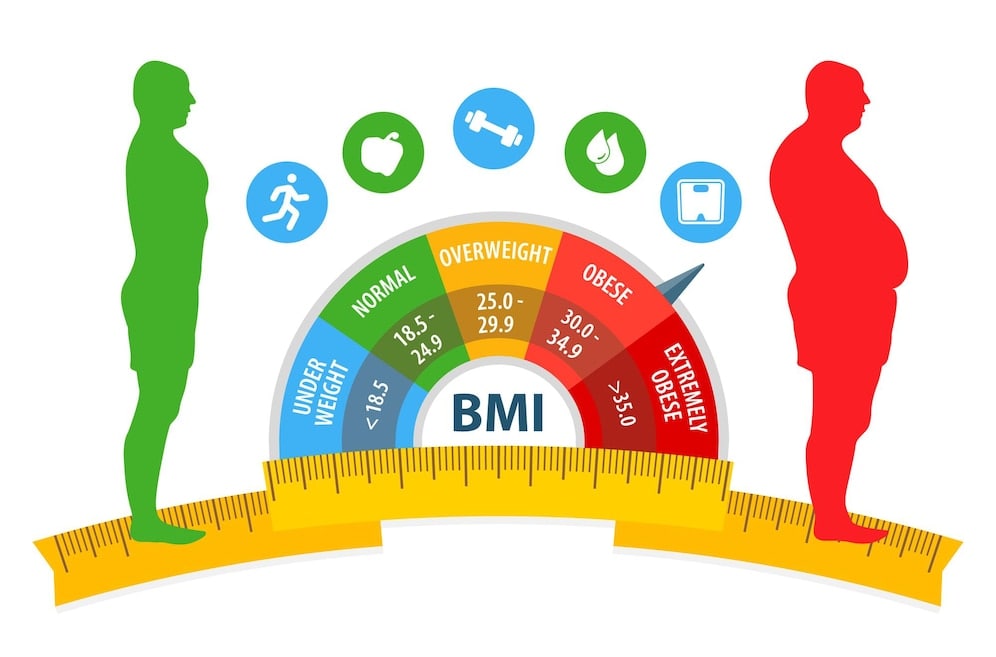
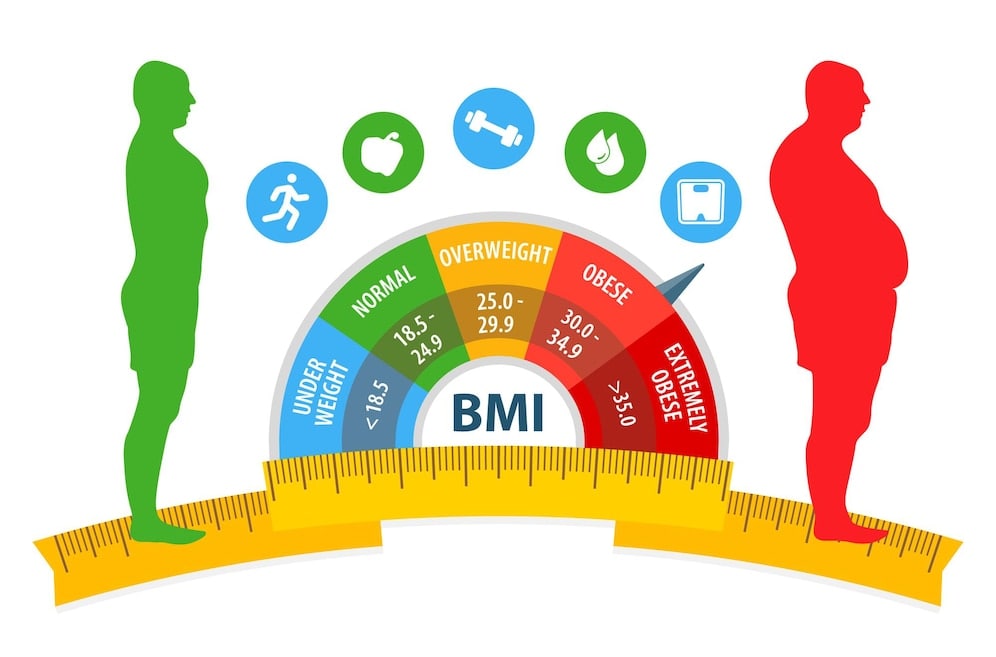
    बीएमआई वजन से ऊंचाई के लिए मुख्य सूचकांक है और एक व्यक्ति को कम वजन, स्वस्थ / मानक और अधिक वजन या मोटापे के रूप में वर्गीकृत करने में मदद करता है। राष्ट्रीय स्वास्थ्य संस्थान, अब बीएमआई के अनुसार वजन को भी परिभाषित करता है। बीएमआई की व्यापक रूप से स्वीकृत सामान्य सीमा 18 से 25 किग्रा/एम2 है। इससे नीचे को कम वजन और इससे ऊपर को अधिक वजन कहा जाता है। यदि बीएमआई 30 से अधिक है, तो व्यक्ति को मोटापे की श्रेणी में रखा जाता है।

    एक ओर, अधिक वजन या मोटापे से किडनी की समस्या, हृदय की समस्या, मधुमेह, उच्च रक्तचाप, गठिया, कोरोनरी धमनी रोग, स्ट्रोक आदि जैसी बीमारियों का खतरा बढ़ जाता है। दूसरी ओर, एक कम वजन वाले व्यक्ति में प्रतिरक्षा समारोह में कमी, विटामिन की कमी, एनीमिया, थकान, और सर्जरी, संक्रमण आदि के बाद जटिलताओं का खतरा होता है। इसलिए स्वस्थ जीवन जीने के लिए बीएमआई को मैनेज करना चाहिए।

    बीएमआई को प्रबंधित करने और इसे स्वस्थ सीमा के भीतर रखने के पांच तरीके यहां दिए गए हैं।

    1. व्यायाम करें

    स्वस्थ जीवन जीने के लिए व्यायाम एक आवश्यक गतिविधि है। आजकल, अधिकांश लोग डेस्क जॉब या यहां तक ​​कि घर से काम करने में शामिल हैं जो उन्हें एक गतिहीन जीवन जीने के लिए लंबे समय तक काम करने के लिए मजबूर करता है। कोई शारीरिक गतिविधि मोटापे की ओर नहीं ले जाती है जो स्वास्थ्य के लिए हानिकारक है। इस प्रकार, बीएमआई को प्रबंधित करने के लिए व्यायाम की आवश्यकता होती है क्योंकि व्यायाम अधिक वजन वाले लोगों में वसा को जला सकता है जबकि कम वजन वाले लोगों को ताकत और मांसपेशियों की वृद्धि देता है।

    • वजन बढ़ाने के लिए जिम ट्रेनर से सलाह लें यदि आपका वजन कम है क्योंकि वजन बढ़ाने के लिए विशिष्ट व्यायाम और भोजन के संयोजन की आवश्यकता होती है।

    • सप्ताह में कम से कम 3 या 4 बार व्यायाम करें।

    • लंबे समय तक बैठे रहने पर बार-बार हिलना-डुलना।

    • फ़ुटबॉल, तैराकी, मैराथन आदि जैसे खेलों में भाग लें।

    • व्यस्त दिनों में कम से कम 30 मिनट टहलें।

    2. अपने खाने की आदतों को बदलें

    भोजन की आदतें स्वास्थ्य में एक आवश्यक भूमिका निभाती हैं: भोजन का समय, प्रकार और आवृत्ति या भोजन शरीर में बहुत सी चीजों को बदल देता है। प्रोसेस्ड या जंक फूड का शरीर पर दीर्घकालिक प्रतिकूल प्रभाव पड़ता है। नमकीन, मीठा और वसायुक्त आहार का लगातार सेवन स्वास्थ्य को जोखिम में डालेगा और लोगों को मधुमेह, उच्च रक्तचाप, कोलेस्ट्रॉल आदि जैसी बीमारियों के प्रति संवेदनशील बना देगा।

    जब किसी व्यक्ति का भोजन कार्यक्रम अनियमित होता है और रात में भोजन करने के तुरंत बाद तैयार भोजन या जंक फूड खाने या सोने की प्रवृत्ति होती है। ये सभी अंततः बीएमआई को प्रभावित करते हैं। ऐसी आदतें या तो बीएमआई को बढ़ाती हैं या प्रतिरक्षा प्रणाली को कम करती हैं।

    स्नैक्स और भोजन के लिए नियमित शेड्यूल का पालन करने से बीएमआई कम होगा और आंतरिक बॉडी क्लॉक बनाए रखेगा। यह पाचन में भी मदद करता है और पाचन संबंधी समस्याओं को दूर रखता है।

    • भोजन योजना बनाएं और प्रतिदिन एक ही समय पर भोजन करें; अनुसूची का पालन करें।

    • प्रसंस्कृत/नमकीन/मीठा खाद्य पदार्थ, कार्बोनेटेड पेय का सेवन कम करें।

    • फलों, साबुत अनाज, और हरी सब्जियों का सेवन बढ़ाएँ। कम वजन वाले या जिन लोगों का बीएमआई कम है, उन्हें रोजाना के भोजन में सूखे मेवे, सब्जियां, प्रोटीन और साबुत अनाज शामिल करना चाहिए।

    • पेट भरने के लिए भोजन न करें; इसके बजाय, स्वस्थ खाने का विकल्प चुनें।

    3. अपना नाश्ता कभी न छोड़ें

    नाश्ता हर किसी को चाहिए – बच्चे हों या बड़े; हालाँकि, व्यस्त जीवन के कारण, हमने नाश्ता छोड़ना शुरू कर दिया है। लेकिन यह शरीर के लिए कितना हानिकारक है यह कोई नहीं जानता। नाश्ता पहला भारी भोजन है जो हम शरीर को देते हैं, जो हमारे शरीर को पूरे दिन काम करने के लिए ईंधन देता है। जब कोई नाश्ता छोड़ देता है, तो शरीर को लंबे समय तक काम करने की ऊर्जा नहीं मिलती है और व्यक्ति को थकान और भूख लगती है, जिससे बाद में अधिक भोजन और मीठे पेय का सेवन होता है। इस तरह यह बीएमआई बढ़ाता है।

    दिन के दौरान उपेक्षित शरीर के पोषक तत्वों को एक संतुलित नाश्ता प्रदान किया जाता है। जो लोग कम वजन के हैं या बीएमआई बढ़ाना चाहते हैं उन्हें नाश्ते में फल, सूखे मेवे, प्रोटीन शेक, साबुत अनाज और पौष्टिक भोजन शामिल करना चाहिए। इस प्रकार, बीएमआई को बेहतर ढंग से प्रबंधित करने के लिए, संतुलित नाश्ता एक महत्वपूर्ण भोजन के रूप में कार्य करता है और आपको इसे छोड़ना नहीं चाहिए।

    4. पर्याप्त नींद लें

    अगर आपको अच्छी नींद नहीं आती है तो कुछ भी काम नहीं करता है। भले ही आप पौष्टिक भोजन करते हैं और जोरदार व्यायाम करते हैं, यदि आप पर्याप्त नींद नहीं लेते हैं, तो आप स्वस्थ वजन या बीएमआई को प्रबंधित करने में विफल रहेंगे। नींद के दौरान, हमारे शरीर को दिन-प्रतिदिन की टूट-फूट से कोशिकाओं को ठीक करने और मरम्मत करने का मौका मिलता है। नींद की कमी शरीर में जैव रासायनिक परिवर्तन का कारण बनेगी जिससे आपको भोजन के बाद भूख और कम भरा हुआ महसूस होगा। साथ ही, नींद की कमी भूख और भूख को नियंत्रित करने वाले हार्मोन में बदलाव का कारण बनती है, जिससे अनावश्यक भोजन की लालसा पैदा होती है। तो अंत में, कम नींद आपको भूखा और मोटा बना देगी।

    हालाँकि, अत्यधिक नींद से ऊर्जा की हानि होगी और आप पतले होंगे लेकिन गलत तरीके से। जब आप दिन में सोते हैं और खुद को ईंधन नहीं देते हैं, तो शरीर शरीर की कोशिकाओं से ऊर्जा लेता है, जिससे मांसपेशियां पतली हो जाती हैं। नतीजतन, शरीर खनिजों और विटामिन खो देता है और प्रतिरक्षा को कम करके संक्रमण के जोखिम को बढ़ाता है। इसलिए बीएमआई को मैनेज करने और खुद को स्वस्थ रखने के लिए कम से कम 6-7 घंटे की अच्छी नींद लें। यह न केवल हार्मोन के नियमन में सहायक है बल्कि शरीर की मरम्मत तंत्र को भी मजबूत करता है।

    5. प्रभावी तनाव प्रबंधन सुनिश्चित करें

    तनाव अपरिहार्य है, इसलिए इसका प्रबंधन जरूरी हो गया है। अत्यधिक तनाव का शरीर पर हानिकारक प्रभाव पड़ता है क्योंकि तनाव हृदय गति से लेकर हार्मोन और पसीने तक शरीर के कई तंत्रों को बदल देता है। तनाव बीएमआई के प्रबंधन में बाधाओं में से एक है क्योंकि तनाव वजन घटाने या वजन बढ़ने का कारण बनता है- यह एक व्यक्ति से दूसरे व्यक्ति में भिन्न होता है। तनाव के दौरान, कुछ लोगों को भूख नहीं लगती है, और कुछ लोग मीठे, वसायुक्त भोजन के लिए तरसते हैं। यह तनाव हार्मोन के प्रभाव के कारण चयापचय को भी धीमा कर देता है और व्यक्ति को मोटा बना देता है। इसलिए बीएमआई को बेहतर तरीके से मैनेज करने के लिए स्ट्रेस मैनेजमेंट की जरूरत है।

    • योग और ध्यान का अभ्यास करें।

    • खेलकूद खेलें या कोई पसंदीदा गतिविधि करें।

    • आराम करने के लिए मजेदार फिल्में या कॉमेडी शो देखें।

    • विश्राम शरीर और सिर की मालिश करें।

    • अनावश्यक दैनिक तनाव को रोकने के लिए एक दिन की योजना बनाएं।

    टेकअवे

    एक स्वस्थ बीएमआई बनाए रखने के लिए व्यक्ति को जानबूझकर अपने जीने के तरीके में बदलाव करना चाहिए। बीएमआई को बेहतर ढंग से प्रबंधित करने और एक लंबा स्वस्थ जीवन जीने के लिए दैनिक व्यायाम, पौष्टिक भोजन, अनुशासनात्मक जीवन, उचित नींद और तनाव प्रबंधन महत्वपूर्ण कारक हैं।
  • Medicines are cheap, they are made expensive

    Medicines are cheap, they are made expensive

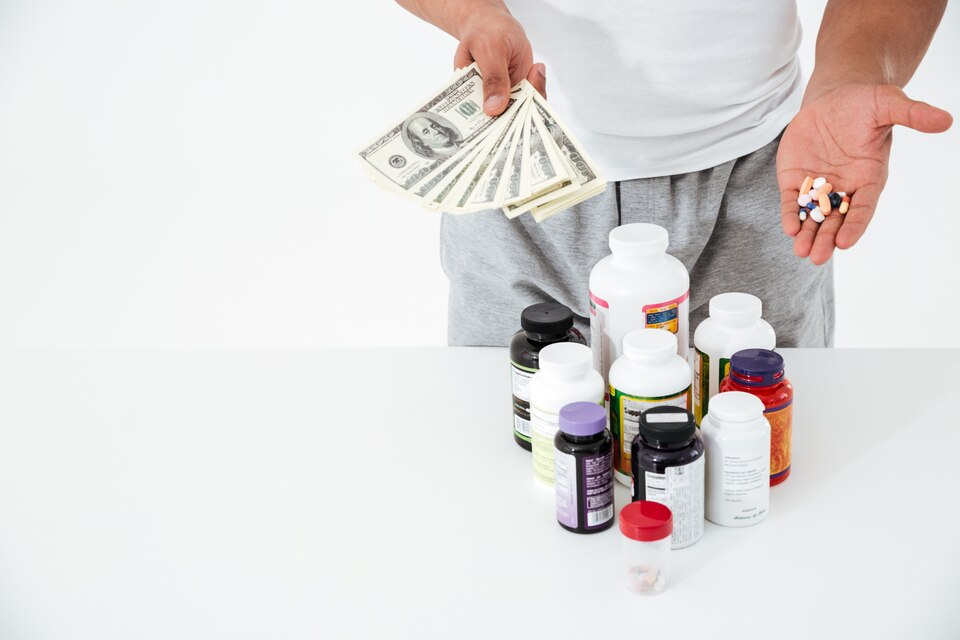
    affordable generic medicinesWhen was the last time you visited the pharmacy store and checked the MRP on medicines? Or, did you ever checked it? Most people ignore the MRP and do not even ask for cheaper alternatives out of fear of getting substandard ones.
    Well, the cost has nothing to do with the quality when it comes to medicines.

    Let me break down the cost and quality myth to you.

    Every India-made medicine has to follow the country’s quality standards. The cost of producing medicine, branded or otherwise, differ by a very negligible margin (that too, sometimes). Unfortunately, in India, there is no government capping in selling and cost price for all medicines (there is a capping based on the molecule/content). There are more than 600 molecules, and combining them into a single dosage will make to 1500+ commonly used ones wherein only 500 such molecules are under Drug (Price Control) Order where the price-cap is applicable.

    But then, most manufacturers find a workaround to do away with price capping.

    For example,

    Molecule A – 5 mg + Molecule B- 100 mg = Capped
    Now, making it
    A–6mg + B-99mg = Out of Capping zone

    It leads to medicine manufacturers taking full control over the selling price and leveraging their brand image to charge more. Again, ‘brand’ means they have incurred expenses in marketing and nurturing a network of medical representatives who gets their fair share out of it.

    Recently, 8600 companies have claimed ‘gifts to doctors’ under the tax deduction for marketing expenses – another reason why they have a high price as compared to generic medicines.

    Now, I’d want to draw your attention to the manufacturing cost.

    For instance, the manufacturing cost of a particular medicine in a branded company will be INR 5.20. On the other hand, a generic pharma company would make the same medicine at INR 4.75. The difference is about 5%-10% depending on the manufacturer.

    Considering these medicines to be out of the DPCO capping, big companies like Zydus, Cipla, etc. would beef up the price and sell it for INR 50. On the contrary, the generic manufacturer would sell it for a relatively meagre profit of INR 10.00.

    Therefore, medicines are not expensive. They are made in similar kinds of facilities and have an almost similar cost structure. Now, few of you may ask how to ensure that the non-branded medicines have the same quality as that of the branded ones? Well, quality and brand work differently in pharma space as compared to electronic or retail goods. Fortunately, the difference in margins between manufacturing a sub-standard and standard medicine is hardly 5% to 7% that is unlike other industries.

    Nowadays, plenty of generic pharma companies are also emphasizing on getting WHO-GMP certification to demonstrate their competitive eminence. It is something that even the branded pharma companies have. So technically, the quality is not compromised and nor is the cost of production compromised to a hefty margin.

    This brings us to question – Why are medicines expensive?

    Generic medicines do not boast a strong network like well-known companies because of various reasons.

    Primary reasons for a lesser selling cost by generic pharmaceuticals are –

    – No commissioning to medical representatives

    – Not allowing more cut to pharmacists as they are priced lower than branded ones

    – No gifting to doctors or hospitals as they could not afford it.

    The majority of branded companies are also running a business to produce generic medicines. Over 90% of such branded pharma companies use the same facility and quality standards to manufacture generic medicines. For instance, Cipla’s generic wing is one of the largest manufacturers in that space with a business worth more than 1500 crore rupees. On the contrary, their branded business is worth 6000 crore rupees.

    The medical practitioner / Doctors have the MCI guidelines to follow that mentions doctors can only the generic medicines. Unfortunately, they do not follow it. Instead, many doctors incentivize the brand and push only the branded medicines to earn a share from the medical representatives. They earn more from such channels by pushing the fear down on patients’ throat when anyone asks for generic medicines. These doctors are well aware of the patient’s emotions when they are most vulnerable. In worst cases, a doctor would deny taking the patient’s responsibility if one to replace prescribed medicines with the generic ones.

    Bottom Line:

    Patients and their loved ones often find themselves trapped and helpless when it comes to buying the medicines. They do not check the price, nor do they put any thoughts before buying, and that leads to doctors and pharma companies exploiting them more. A strong sense of awareness with this regard is the need of an hour. We, at Medkart, are available to answer all your queries and even help you understand these things better. Such awareness about the quality and pricing of the medicines can save you more than 200% on medicines, yearly.

  • NRX દવાઓ માટે પ્રિસ્ક્રિપ્શન શા માટે જરૂરી છે?

    પ્રિસ્ક્રિપ્શન દવાઓ, જેને પ્રિસ્ક્રિપ્શન-ઓન્લી અથવા પ્રિસ્ક્રિપ્શન દવાઓ તરીકે પણ ઓળખવામાં આવે છે, તે એવી દવાઓ છે જે ફક્ત લાઇસન્સ પ્રાપ્ત હેલ્થકેર પ્રદાતા પાસેથી માન્ય પ્રિસ્ક્રિપ્શન સાથે મેળવી શકાય છે. ભારતમાં, પ્રિસ્ક્રિપ્શન દવાઓને એવી દવાઓ તરીકે વર્ગીકૃત કરવામાં આવે છે જેમાં દુરુપયોગ અથવા વ્યસનની ઉચ્ચ સંભાવના હોય છે, અથવા દવાઓ કે જેનો ઉપયોગ ગંભીર અથવા જીવલેણ પરિસ્થિતિઓની સારવાર માટે થાય છે.

    પ્રિસ્ક્રિપ્શન દવાઓ માટે પ્રિસ્ક્રિપ્શન શા માટે જરૂરી છે તેનું મુખ્ય કારણ એ સુનિશ્ચિત કરવાનું છે કે તેનો સલામત અને યોગ્ય રીતે ઉપયોગ થાય છે. પ્રિસ્ક્રિપ્શન દવાઓની ગંભીર આડઅસર થઈ શકે છે, અને તે દરેક માટે યોગ્ય ન પણ હોય. આરોગ્યસંભાળ પ્રદાતા દર્દીના તબીબી ઇતિહાસ, વર્તમાન દવાઓ અને અન્ય પરિબળોનું મૂલ્યાંકન કરી શકે છે તે નક્કી કરવા માટે કે પ્રિસ્ક્રિપ્શન દવા તેમના માટે યોગ્ય છે કે કેમ અને દવાના તેમના ઉપયોગ પર દેખરેખ રાખવા માટે.

    પ્રિસ્ક્રિપ્શન દવાઓના સલામત ઉપયોગની ખાતરી કરવા ઉપરાંત, પ્રિસ્ક્રિપ્શનની આવશ્યકતા આ દવાઓના ગેરકાયદેસર વેચાણ અને વિતરણને રોકવામાં પણ મદદ કરે છે. પ્રિસ્ક્રિપ્શનની જરૂરિયાત વિના, લોકો માટે બિન-તબીબી હેતુઓ માટે પ્રિસ્ક્રિપ્શન દવાઓ મેળવવાનું સરળ બનશે, જેમ કે મનોરંજનના ઉપયોગ અથવા કાળા બજારમાં વેચવા. આ ડ્રગના દુરુપયોગ, ઓવરડોઝ અને અન્ય જાહેર આરોગ્ય સમસ્યાઓ સહિત નકારાત્મક પરિણામોની શ્રેણી તરફ દોરી શકે છે.

    મેડકાર્ટ પર તમે તમારું માન્ય પ્રિસ્ક્રિપ્શન લાવી શકો છો અને સસ્તી અસરકારક જેનરિક દવાઓ મેળવી શકો છો અને 85% સુધીનું ડિસ્કાઉન્ટ મેળવી શકો છો.

    વધુ જાણવા માટે જુઓ –  https://youtube.com/shorts/TKFv5Ls3CEA


  • 5 rules Diabetic patients must follow – Diabetes care guide

    5 rules Diabetic patients must follow – Diabetes care guide

    5 rules Diabetic patients must follow

    Rules for Diabetic patients for Healthy life

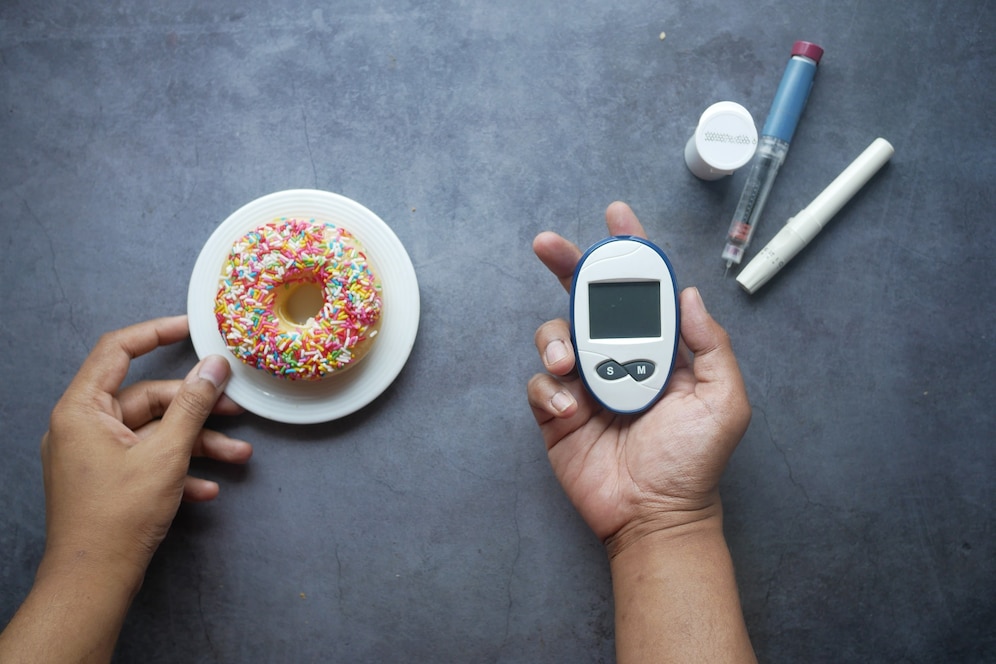
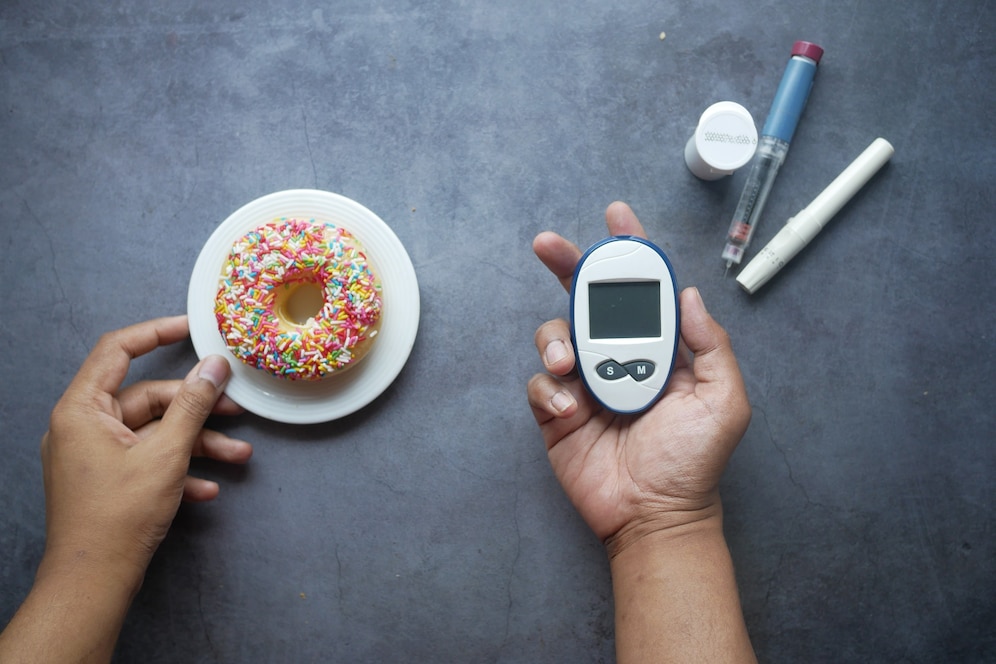
    Diabetes is a life-long and lethal disease that affects millions and millions of people throughout the country. In this 21st century, the indulgence of a digital and sedentary lifestyle has made this disease a part of human life. Most people believe that sugar is the only key reason for uncontrolled diabetes; if you say no to sugar, then you will get rid of this silent killer. However, it is not just about sugar. Many people say I don’t eat sugar still; my diabetes is not under control. But there are some rules which one has to follow if he/she has diabetes. Except for less sugar, many factors are there, which controls insulin levels in the human body, especially diabetic patients.

    CONTOUR PLUS DIABETES MACHINE ( 20 STRIP FREE ) – BUY

    Buy Generic Medicine for Diabetes – Buy Genric 

    Rules that shout not be broken:

    1. Never skip meals, especially breakfast:

    Skipping a meal is always dangerous for diabetes people as it disturbs the sugar level and makes a person hypoglycemic (low sugar level), especially when you are on insulin. This causes fatigue, dizziness, unconscious state, or blackout sometimes. So keeping sugar at the optimal level is very important.

    Have breakfast like a king. Breakfast is the first meal most people consume in a day. Skipping it has a significant role in all-day blood sugar spikes because it creates insulin resistance. This means when you eat food next time, your body will generate more insulin to control sugar. So, diabetic patients should not skip any meals, especially breakfast, as it regulates blood sugar levels. Have meals at regular intervals without skipping it.

    14 healthy foods to add in your diet to make healthy diet | Types of diet – Food List

    2. Maintain timing and type of food:

    The best way to regulate blood sugar levels in diabetic patients is by maintaining the type and time of food they take. When the daily meal routine is followed, blood sugar levels are better controlled. Every diabetic patient knows that he should not eat foods that have plain fat or carbohydrate or sugar. However, many of us don’t know that basic biscuit also contains these risky ingredients.

    • Eat food at the same time daily; it will help to keep blood sugar on the same level.
    • Instead of 2 or 3 meals, eat six meals a day. Many researches suggests that incorporating a six-meal pattern in daily lives is helpful instead of instead of three-meal. One need to ensure that the overall calories intact remain the same. It helps improving blood sugar control and plummets the hunger amongst those who are obese or having prediabetes and full-blown diabetes.
    • Do not eat processed, canned or sweet food.
    • Check to the label of every food packet though it claims best for diabetes. Sometimes simple cookie can have ingredients which can risk your life.
    • Incorporate fruits and green leafy vegetables.
    • Some sites show recipes for diabetic patients but eating any such food, inform your doctors about your diet.

    3. Don’t change or skip medicine time:

    Ant diabetic drugs are one of the key components of blood sugar management. So it is essential to take medication as per prescribed dosage and time. Most of the diabetic medicines are timed release, so it is necessary to take it on schedule. For example, if it is prescribed before a meal that means it will enhance insulin production to digest ingested sugar. If you change the time, then it will not reduce sugar and create complications. The dose and timing determined by your health professional will keep blood glucose level within range. So never change time intentionally. Try not to skip the medicine.
    • Make a pillbox.
    • Set a schedule so that it will become a habit, and you won’t forget it frequently.
    • Set reminders for medicines Keep medicine on the food table as it will remind you before or after a meal.

    Dr’s prescribe Sitamet 50/500mg Tablet for prediabetes, gestational diabetes, & type-2 diabetes.

    4. Never walk bare foot:

    The foot is the most ignorant part of the human body. No one generally cares for the foot. We often get foot injuries while walking. But diabetes patients cannot be neglected in their cases as they are more prone to infections. A small cut or wound takes time to heal and sometimes creates ulcer, which ultimately converts into gangrene due to high sugar level and lastly ends up in foot amputation. So for them, it is advisable not to walk barefoot even in the house. Diabetic people are more into foot surgery. So certain precautions should be taken.

    • Always wear footwear even in indoors.
    • Don’t step out on beach / in hot sand without protection don’t keep your foot wet.
    • Dry foot properly and moisturize. Excessive dryness can lead to the problem too.
    • Take care while trimming your nails.
    • Check your feet daily; if a cut, cracked skin, wound, or ulcer, you suspect then immediately consult your doctor

    5. Exercise regularly and stay away from stress:

    Physical activity is helpful to everyone. It keeps sugar at an optimal level and manages weight. Diabetic patients should incorporate exercise in a daily routine that not only controls insulin level but weight too. Also, it provides you more energy and regulates stress hormones.

    • Exercise daily for 30-40 min. or thrice a week is good enough.
    • Walking, swimming, dancing also helps a lot. Playing sports at a small or big level improves overall health.
    • Do yoga and Pranayama for stress management. As stress also plays a significant role as it directly affects glucose levels.
    However, specific rules are here to follow. Don’t do exercise at night as it could lower sugar while sleeping. Also, avoid exercising at an empty stomach. If you are on insulin, then schedule the time accordingly.

    Before you start any exercise, consult your doctor first, as certain activities are not recommended for diabetic people.

    Wrapping up,​

    Diabetes brings responsible living. So by taking care of all rules mentioned above and doctors’ advice will help one a lot in controlling this disease. So, don’t forget five important facts – Eating healthy and small frequent meals, daily exercise, stress management, scheduling meal and medicine time, take care of the foot, and most importantly, don’t skip breakfast.

  • Role of the company in learning & development of a pharmacist?

    The role of a company in the learning and development of a pharmacist can vary depending on the specific company and the resources it has available. Some possible ways in which a company might support the learning and development of its pharmacists include:

    Providing continuing education opportunities: Many companies offer their pharmacists the opportunity to participate in continuing education (CE) courses, either through in-house training or by reimbursing employees for courses taken through external providers.

    Offering professional development programs: Some companies offer professional development programs specifically designed to help pharmacists learn new skills and stay up-to-date on the latest developments in the field. These might include workshops, conferences, or online training programs.

    Providing opportunities for specialization: Some companies may offer pharmacists the opportunity to specialize in a particular area of practice, such as geriatric pharmacy or oncology pharmacy. This may involve additional training or certification, as well as ongoing learning and development in the specialized area.

    Encouraging research: Some companies may encourage pharmacists to engage in research, either as part of their job responsibilities or as a way to pursue their own interests. This may involve providing resources and support for pharmacists to conduct research, such as funding, mentorship, and access to data.

    Overall, the role of a company in supporting the learning and development of its pharmacists can be an important factor in helping pharmacists grow and succeed in their careers.

    Looking to be a hero of patients and a bright career in pharmacy with great for learning & development??? Visit www.medkart.in/blog and explore best opportunities and new openings in India’s top Generic pharmacy retail store.

    To know more watch – https://youtube.com/shorts/Kop2tfT1G4I

  • What does the future of retail pharmacy look like by 2030?

    It will likely depend on a variety of factors such as changes in healthcare policy, advances in technology, and shifts in consumer behavior. However, it is likely that retail pharmacy will continue to play an important role in providing access to medications and other healthcare products to the general public.

    One potential trend that could shape the future of retail pharmacy is the increasing use of technology and automation. For example, it is possible that pharmacies may use more automated dispensing systems to fill and dispense prescriptions, allowing pharmacists to focus on providing personalized care and consultation to patients. There may also be an increase in the use of telemedicine and other remote healthcare technologies, which could allow pharmacists to remotely monitor and manage patients’ medication regimens.

    Another trend that could impact the future of retail pharmacy is the growing emphasis on population health management and the prevention of chronic diseases. Pharmacists may be increasingly called upon to provide services such as screenings, immunizations, and lifestyle counseling to help prevent the onset of chronic conditions such as diabetes and heart disease.

    It is also possible that the role of retail pharmacy may change in response to shifts in the broader healthcare system. For example, as the cost of healthcare continues to rise, pharmacies may be asked to play a greater role in helping patients access and afford their medications. Additionally, as the healthcare industry continues to move towards value-based care models, pharmacies may be asked to demonstrate the value they provide in terms of improved patient outcomes and cost savings.

    Looking to start your own pharmacy??? Visit www.medkart.in/blog and be a partner of growth

    To know more watch – https://youtube.com/shorts/Kop2tfT1G4I

  • Whose responsibility is it to guide the patient about right brand for his medicines?

    It is generally the responsibility of the healthcare provider (such as a doctor or nurse practitioner) to recommend a specific medication to a patient based on their medical needs and any relevant contraindications or allergies. In some cases, the healthcare provider may have a preference for a specific brand of medication, but in most cases, they will consider a range of options and choose the one that is most appropriate for the patient.

    Once a specific medication has been prescribed, it is generally the responsibility of the pharmacist to dispense the medication and provide information to the patient about how to take it safely and effectively. This may include providing guidance on the correct dosage, potential side effects, and any necessary precautions or interactions with other medications.

    In some cases, the pharmacist may also be able to provide information about alternative brands or generic versions of the medication that may be available, and help the patient make an informed decision about which one to use. However, it is important to note that the pharmacist should not recommend a specific brand of medication without considering the patient’s individual needs and the recommendation of the prescribing healthcare provider.

    Ask the pharmacists at Medkart Pharmacy or visit www.medkart.in/blog and get support of skilled pharmacists for proper guidance for your medicines.

    To know more watch – https://youtu.be/Y-nHH4f6fGA

  • Are generics available for    common cold, fever, body ache    etc.?

    Are generics available for common cold, fever, body ache etc.?

    generics available for common cold, fever, body ache

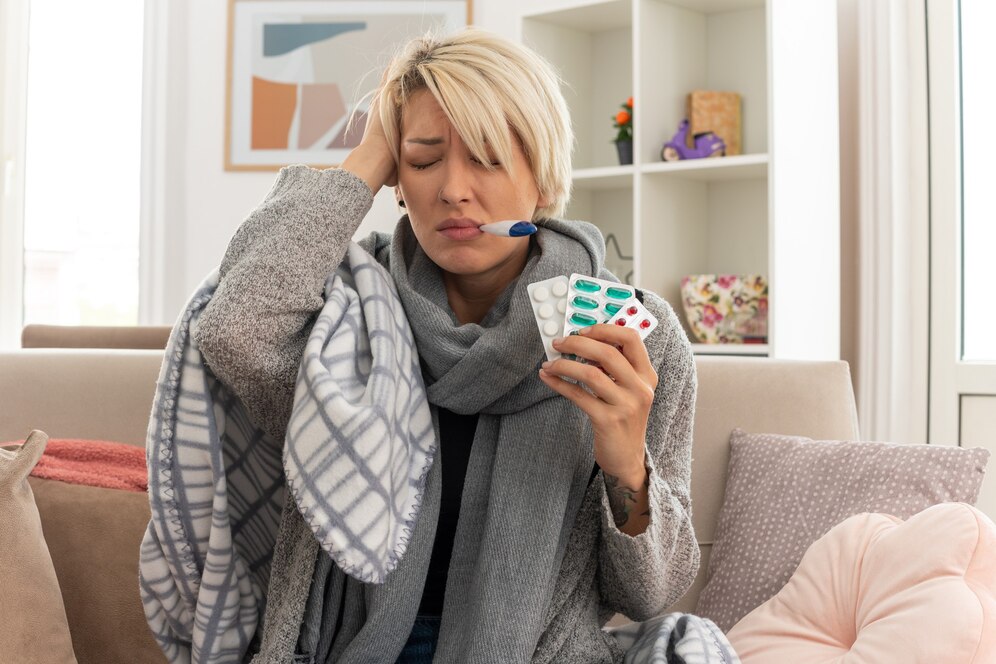
    Yes, there are a wide variety of generic medications available for the treatment of common conditions such as the common cold, fever, and body aches. These conditions are typically caused by viral infections and do not require treatment with antibiotics. Instead, they can be treated with over-the-counter (OTC) medications that can help to alleviate the symptoms.

    For the common cold, OTC medications such as decongestants, antihistamines, and pain relievers can be helpful in relieving symptoms such as congestion, sneezing, and headache. For fever and body aches, OTC pain relievers such as acetaminophen or ibuprofen can be effective in reducing fever and relieving muscle aches and pains. Looking for quality generics??? Find effective and cost-effective medicines at www.medkart.in/blog

    To know more watch – https://youtube.com/shorts/3fPk3iYF7Bw

  • શું ફાર્માસિસ્ટ માટે વાતચીત કૌશલ્ય મહત્વપૂર્ણ છે?

    હા, ફાર્માસિસ્ટ માટે કોમ્યુનિકેશન સ્કીલ્સ મહત્વપૂર્ણ છે. ફાર્માસિસ્ટ દર્દીઓ અને અન્ય હેલ્થકેર પ્રોફેશનલ્સને દવાઓ વિશે માહિતી અને સલાહ આપવા માટે જવાબદાર છે, અને તેઓ આ માહિતીને સ્પષ્ટ અને સચોટ રીતે સંચાર કરવામાં સક્ષમ હોવા જરૂરી છે.

    દર્દીઓ સાથે વિશ્વાસ અને તાલમેલ બનાવવા માટે અને દર્દીઓ તેમની દવાઓ કેવી રીતે સુરક્ષિત અને યોગ્ય રીતે લેવી તે સમજે છે તેની ખાતરી કરવા માટે અસરકારક સંચાર મહત્વપૂર્ણ છે. ફાર્માસિસ્ટ માટે દર્દીની સંભાળનું સંકલન કરવા અને દર્દીઓને સૌથી યોગ્ય સારવાર મળે તે સુનિશ્ચિત કરવા માટે આરોગ્યસંભાળ ટીમના અન્ય સભ્યો જેમ કે ડોકટરો, નર્સો અને અન્ય ફાર્માસિસ્ટ સાથે અસરકારક રીતે વાતચીત કરવામાં સક્ષમ હોવા પણ મહત્વપૂર્ણ છે.

    મૌખિક સંદેશાવ્યવહાર કૌશલ્ય ઉપરાંત, ફાર્માસિસ્ટ લેખિત સંદેશાવ્યવહારમાં પણ નિપુણ હોવા જોઈએ, કારણ કે તેમને પ્રિસ્ક્રિપ્શનો લખવાની, તબીબી રેકોર્ડ્સ ભરવા અથવા અહેવાલો તૈયાર કરવાની જરૂર પડી શકે છે. એકંદરે, દર્દીઓને ઉચ્ચ ગુણવત્તાની સંભાળ પૂરી પાડવા માટે ફાર્માસિસ્ટ માટે સારી સંચાર કૌશલ્ય આવશ્યક છે.

    શીખવા અને વિકાસ માટે ઉત્તમ સાથે ફાર્મસીમાં દર્દીઓનો હીરો અને ઉજ્જવળ કારકિર્દી બનવાનું છે??? www.medkart.in/blog ની મુલાકાત લો અને ભારતના ટોચના જેનરિક ફાર્મસી રિટેલ સ્ટોરમાં શ્રેષ્ઠ તકો અને નવા ઓપનિંગ્સનું અન્વેષણ કરો. 

    વધુ જાણવા માટે જુઓ- https://youtube.com/shorts/Kop2tfT1G4I 

  • Guide for Glaucoma | Types, Symptoms, Surgery and Medication

    Introduction to Glaucoma

    The optic nerve, which is essential for clear vision, is harmed by a series of eye diseases called glaucoma. An unusually high pressure in the eye frequently results in this injury.  Glaucoma has been called the “silent thief of sight” because it can cause vision loss without any noticeable symptoms until the disease has progressed quite far. It is one of the leading causes of blindness in the world, affecting millions of people. Early detection and intervention can stop or decrease the loss of vision. This article will provide a detailed exploration of the different types of glaucoma, their symptoms, as well as treatment options, including surgery and medication.


    The Different Types of Glaucoma

    Primary open-angle glaucoma (POAG) and angle-closure glaucoma (ACG) are the two most prevalent kinds of glaucoma. Other less common types include normal-tension glaucoma, congenital glaucoma, and secondary glaucoma.

    Primary Open-Angle (POAG):

    This is the most common form of glaucoma, accounting for around 90% of cases. It occurs when the eye’s drainage canals become partially blocked, causing a slow buildup of pressure in the eye. POAG develops gradually and is often painless, with no early warning signs.

    Angle-Closure  (ACG):

    This type of glaucoma, also known as closed-angle or narrow-angle glaucoma, occurs when the drainage angle in the eye narrows or becomes completely blocked. This can cause a sudden, painful increase in eye pressure. ACG can be either acute, with rapid onset and severe symptoms, or chronic, developing slowly over time.

    Normal-Tension:

    In this form of glaucoma, the optic nerve is damaged despite normal eye pressure. The exact cause is unknown, but factors such as reduced blood flow to the optic nerve may play a role.

    Congenital:

    This rare type of glaucoma is present at birth and is caused by an abnormal development of the eye’s drainage system. It can be inherited and usually requires prompt treatment to prevent vision loss.

    Secondary:

    This type of glaucoma develops as a result of another eye condition or disease, such as inflammation, injury, or tumor. The treatment for secondary glaucoma depends on the underlying cause.

    Symptoms of Glaucoma

    The symptoms of glaucoma can vary depending on the type and stage of the disease. In the early stages of primary open-angle glaucoma, there may be no noticeable symptoms at all. As the illness worsens, a person could go through:

    • Gradual loss of peripheral (side) vision, often in both eyes
    • Tunnel vision in the advanced stages

    Angle-closure glaucoma can have more noticeable symptoms, including:

    • Severe eye pain, often accompanied by nausea and vomiting
    • Sudden onset of blurred vision
    • Halos or rainbow-colored rings around lights
    • Reddening of the eye

    Normal-tension glaucoma and secondary glaucoma may present with similar symptoms to primary open-angle glaucoma, while congenital glaucoma can cause excessive tearing, sensitivity to light, and an enlarged, cloudy cornea in infants.

    Diagnosing: The Glaucoma Test

    Early detection of glaucoma is crucial for preventing vision loss. A comprehensive eye exam, including a glaucoma test, is the best way to diagnose the condition. The following tests may be performed during a glaucoma exam:

    • Tonometry: This examination gauges pressure within the eye. A small device called a tonometer is used to gently touch the surface of the eye, or a puff of air is blown onto the cornea.
    • Ophthalmoscopy: This examination allows the doctor to view the optic nerve and assess it for any signs of damage. The doctor will use a special magnifying lens and light to examine the back of the eye.
    • Gonioscopy: This test is used to examine the drainage angle of the eye, which is crucial for determining the type of glaucoma. A special contact lens with mirrors is placed on the eye to provide a clear view of the drainage angle.
    • Visual field test: This test evaluates the range of a person’s peripheral vision, which can be affected by glaucoma. The patient is asked to look straight ahead and indicate when they see a light in their peripheral vision.
    • Pachymetry: This test measures the thickness of the cornea, which can affect the accuracy of eye pressure readings. To take the measurement, a pachymeter is softly positioned on the cornea.

    Medications: An Overview of Glaucoma Drugs and Eye Drops

    The primary goal of glaucoma medications is to lower the pressure inside the eye, either by decreasing the amount of fluid produced or by improving the drainage. There are several different types of glaucoma eye drops and drugs available, including:

    • Prostaglandin analogs: These eye drops increase the outflow of fluid from the eye, effectively lowering eye pressure. Examples include latanoprost (Xalatan), bimatoprost (Lumigan), and travoprost (Travatan Z).
    • Beta-blockers: These medications reduce the production of fluid in the eye. Examples include timolol (Timoptic) and betaxolol (Betoptic).
    • Alpha-adrenergic agonists: These eye drops both reduce fluid production and increase drainage. Examples include brimonidine (Alphagan) and apraclonidine (Iopidine).
    • Rho kinase inhibitors: These newer glaucoma drugs lower eye pressure by improving fluid outflow through the trabecular meshwork, the eye’s main drainage channel. An example is netarsudil (Rhopressa).
    • Carbonic anhydrase inhibitors: These medications are available as eye drops or oral tablets and work by decreasing fluid production. Examples include dorzolamide (Trusopt) and acetazolamide (Diamox).
    • Miotic or cholinergic agents: These eye drops cause the pupil to constrict, which helps improve fluid drainage. An example is pilocarpine (Isopto Carpine).

    Non-Surgical Treatments for Glaucoma

    In addition to medications, there are several non-surgical treatments for glaucoma that can help lower eye pressure and preserve vision. These treatments may be used alone or in conjunction with glaucoma medications.

    • The treatment known as laser trabeculoplasty is used to treat open-angle glaucoma. A laser is used to create small burns in the trabecular meshwork, the eye’s drainage system, which helps improve fluid outflow.
    • Laser peripheral iridotomy: This procedure is used to treat angle-closure glaucoma. A laser is used to create a small hole in the iris, allowing fluid to flow more freely and reducing eye pressure.
    • Cyclophotocoagulation: This procedure is typically reserved for severe glaucoma cases that have not responded to other treatments. To lower eye pressure, a portion of the ciliary body—the portion of the eye that generates fluid—is destroyed using a laser.

    Glaucoma Surgery: Types and Procedures

    When medications and non-surgical treatments are not effective at controlling eyepressure, glaucoma surgery may be recommended. There are several types of glaucoma surgery, including:

    • The most frequent glaucoma operation is a trabeculectomy. In this procedure, a new drainage channel is created in the eye to allow fluid to flow out more easily. A small flap is made in the sclera (the white part of the eye), and a tiny tube is inserted to create a pathway for fluid to drain out.
    • ExPRESS shunt: This device is similar to a trabeculectomy but uses a small, permanent implant to create a pathway for fluid drainage rather than a flap.
    • Glaucoma drainage devices: These devices are also known as “tube shunts” or “aqueous shunts.” They are small tubes that are implanted in the eye to help drain excess fluid. The tube is connected to a small reservoir, which is implanted under the conjunctiva (the clear membrane that covers the white part of the eye).
    • Cyclophotocoagulation: This procedure can also be used as a surgical treatment for glaucoma. It involves using a laser to destroy a portion of the ciliary body, which reduces the amount of fluid produced by the eye.

    Post-Surgery Care and Recovery

    After glaucoma surgery, it is important to follow your doctor’s instructions for post-operative care. This may include:

    • using eye drops or other recommended drugs
    • Avoiding activities that may increase eye pressure, such as heavy lifting or bending over
    • Wearing an eye shield or patch to protect the eye
    • Avoiding getting water in the eye, including swimming or showering
    • Attending follow-up appointments with your doctor to monitor progress and check for any complications

    It may take several weeks or even months to fully recover from glaucoma surgery. During this time, it is important to be patient and take good care of your eyes.

    Also Read:- 

    Preventing Glaucoma: Tips for Maintaining Eye Health

    While not all cases of glaucoma can be prevented, there are several steps you can take to maintain good eye health and reduce your risk of developing the condition. These include:

    • Get regular eye exams: Regular eye exams are the best way to detect glaucoma early and prevent vision loss.
    • Know your family history: If you have a family history of glaucoma, you may be at higher risk for developing the condition. Be sure to inform your eye doctor so they can monitor your eye health more closely.
    • Maintain a healthy lifestyle: Eating a healthy diet, exercising regularly, and avoiding smoking can all help maintain good eye health.
    • Protect your eyes: Wear protective eyewear when playing sports or doing other activities that may cause eye injury. Also, be sure to wear sunglasses to protect your eyes from the sun’s harmful UV rays.

    Conclusion: Managing and Living with Glaucoma

    Glaucoma can be a serious condition that can lead to vision loss if left untreated. However, with early diagnosis and proper treatment, many people with glaucoma are able to maintain good vision and quality of life. It is important to work closely with your eye doctor to monitor your eye health and develop a treatment plan that is right for you.

    Whether you are living with glaucoma or simply want to maintain good eye health, following the tips outlined in this article can help keep your eyes healthy and prevent vision loss. Remember to get regular eye exams, know your family history, maintain a healthy lifestyle, and protect your eyes from injury and UV rays.

    If you have any concerns about your eye health or are experiencing symptoms of glaucoma, be sure to schedule an appointment with your eye doctor right away. Early detection and treatment are crucial for preventing vision loss and maintaining good eye health.

    Call To Action

    For access to more such interesting articles on healthcare, visit Medkart today!