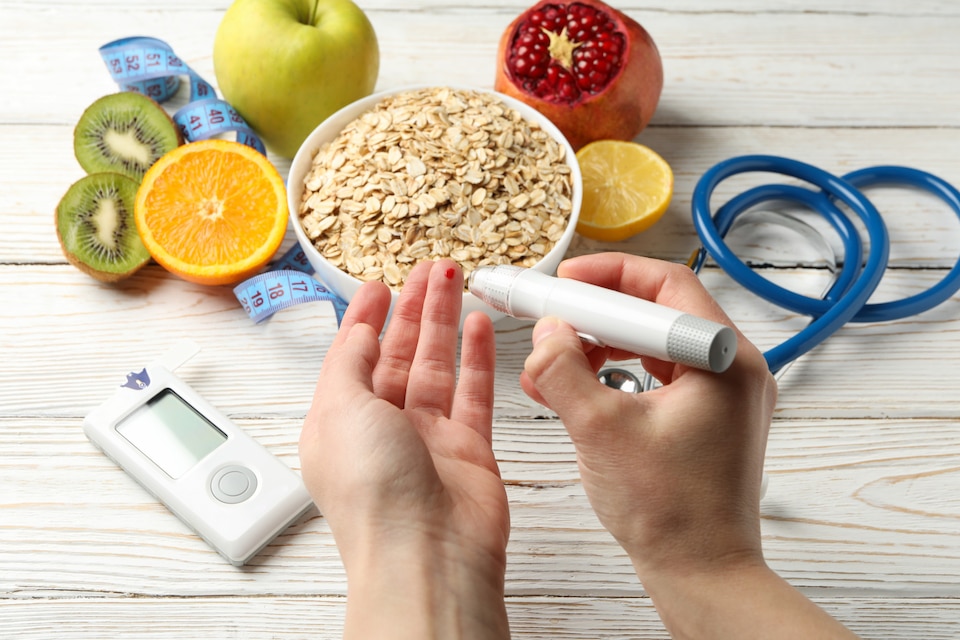
Category: Health & Wellness

  • 5 नियम जो मधुमेह रोगियों को नहीं तोड़ने चाहिए।

    5 नियम जो मधुमेह रोगियों को नहीं तोड़ने चाहिए।

    Diabetes rules to follow in hindiमधुमेह एक आजीवन और घातक बीमारी है जो पूरे देश में लाखों लोगों को प्रभावित करती है। इस 21वीं सदी में, एक डिजिटल और गतिहीन जीवन शैली के भोग ने इस बीमारी को मानव जीवन का हिस्सा बना दिया है। अधिकांश लोगों का मानना ​​है कि अनियंत्रित मधुमेह का एकमात्र प्रमुख कारण चीनी है; अगर आप चीनी को ना कह देंगे तो इस साइलेंट किलर से छुटकारा मिल जाएगा। हालाँकि, यह केवल चीनी के बारे में नहीं है। बहुत से लोग कहते हैं कि मैं अब भी चीनी नहीं खाता; मेरा मधुमेह नियंत्रण में नहीं है। लेकिन मधुमेह होने पर कुछ नियमों का पालन करना होता है। कम शुगर के अलावा भी कई कारक हैं, जो मानव शरीर में इंसुलिन के स्तर को नियंत्रित करते हैं, खासकर मधुमेह के रोगी।

    नियम जो कहते हैं कि टूटा नहीं जाना चाहिए:

    1. भोजन कभी न छोड़ें, खासकर नाश्ता:

    मधुमेह के लोगों के लिए भोजन छोड़ना हमेशा खतरनाक होता है क्योंकि यह शर्करा के स्तर को परेशान करता है और एक व्यक्ति को हाइपोग्लाइसेमिक (निम्न शर्करा स्तर) बनाता है, खासकर जब आप इंसुलिन पर हों। इससे थकान, चक्कर आना, बेहोशी की स्थिति या कभी-कभी बेहोशी हो जाती है। इसलिए चीनी को इष्टतम स्तर पर रखना बहुत महत्वपूर्ण है।

    राजा की तरह नाश्ता करें। नाश्ता पहला भोजन है जो अधिकांश लोग एक दिन में ग्रहण करते हैं। पूरे दिन ब्लड शुगर स्पाइक्स में इसे छोड़ने की महत्वपूर्ण भूमिका होती है क्योंकि यह इंसुलिन प्रतिरोध बनाता है। इसका मतलब है कि जब आप अगली बार खाना खाएंगे तो आपका शरीर शुगर को नियंत्रित करने के लिए अधिक इंसुलिन उत्पन्न करेगा। इसलिए, मधुमेह रोगियों को कोई भी भोजन, विशेष रूप से नाश्ता नहीं छोड़ना चाहिए, क्योंकि यह रक्त शर्करा के स्तर को नियंत्रित करता है। बिना स्किप किए नियमित अंतराल पर भोजन करें।

    2. खाने का समय और प्रकार बनाए रखें:

    मधुमेह रोगियों में रक्त शर्करा के स्तर को नियंत्रित करने का सबसे अच्छा तरीका उनके द्वारा लिए जाने वाले भोजन के प्रकार और समय को बनाए रखना है। जब दैनिक भोजन की दिनचर्या का पालन किया जाता है, तो रक्त शर्करा का स्तर बेहतर नियंत्रित होता है। प्रत्येक मधुमेह रोगी जानता है कि उसे ऐसे खाद्य पदार्थ नहीं खाने चाहिए जिनमें सादा वसा या कार्बोहाइड्रेट या चीनी हो। हालाँकि, हम में से बहुत से लोग यह नहीं जानते हैं कि बेसिक बिस्किट में भी ये जोखिम भरे तत्व होते हैं।

    • प्रतिदिन एक ही समय पर भोजन करें; यह रक्त शर्करा को समान स्तर पर रखने में मदद करेगा।
    • 2 या 3 बार भोजन करने के बजाय, दिन में छह बार भोजन करें। कई शोधों से पता चलता है कि दैनिक जीवन में छह-भोजन पैटर्न को शामिल करना तीन-भोजन के बजाय सहायक होता है। यह सुनिश्चित करने की आवश्यकता है कि समग्र कैलोरी बरकरार रहे। यह रक्त शर्करा नियंत्रण में सुधार करने में मदद करता है और उन लोगों में भूख को कम करता है जो मोटे हैं या पूर्व मधुमेह और पूर्ण विकसित मधुमेह हैं।
    • प्रोसेस्ड, डिब्बाबंद या मीठा खाना न खाएं।
    • हर खाने के पैकेट के लेबल की जांच करें, हालांकि यह मधुमेह के लिए सबसे अच्छा दावा करता है। कभी-कभी साधारण कुकी में ऐसे तत्व हो सकते हैं जो आपके जीवन को जोखिम में डाल सकते हैं।
    • फलों और हरी पत्तेदार सब्जियों को शामिल करें।
    • कुछ साइट मधुमेह के रोगियों के लिए रेसिपी दिखाती हैं लेकिन ऐसा कोई भी खाना खाने से अपने डॉक्टर को अपने आहार के बारे में सूचित करें।

    3. दवाई के समय में बदलाव या स्किप न करें:

    चींटी मधुमेह की दवाएं रक्त शर्करा प्रबंधन के प्रमुख घटकों में से एक हैं। इसलिए निर्धारित खुराक और समय के अनुसार दवा लेना आवश्यक है। मधुमेह की अधिकांश दवाएं समय पर जारी होती हैं, इसलिए इसे समय पर लेना आवश्यक है। उदाहरण के लिए, यदि इसे भोजन से पहले निर्धारित किया जाता है, तो इसका मतलब है कि यह अंतर्ग्रहण चीनी को पचाने के लिए इंसुलिन उत्पादन को बढ़ाएगा। यदि आप समय बदलते हैं, तो यह चीनी को कम नहीं करेगा और जटिलताएं पैदा करेगा। आपके स्वास्थ्य पेशेवर द्वारा निर्धारित खुराक और समय रक्त शर्करा के स्तर को सीमा के भीतर रखेंगे। इसलिए कभी भी जान बूझकर समय न बदलें। कोशिश करें कि दवा न छोड़ें।
    • एक पिलबॉक्स बनाएं।
    • एक समय निर्धारित करें ताकि यह एक आदत बन जाए और आप इसे बार-बार न भूलें।
    • दवाओं के लिए रिमाइंडर सेट करें खाने की मेज पर दवा रखें क्योंकि यह आपको भोजन से पहले या बाद में याद दिलाएगी।

    4. नंगे पैर कभी न चलें:

    पैर मानव शरीर का सबसे अज्ञानी अंग है। आमतौर पर पैर की परवाह कोई नहीं करता। चलते समय अक्सर हमारे पैरों में चोट लग जाती है। लेकिन मधुमेह रोगियों को उनके मामलों में उपेक्षित नहीं किया जा सकता है क्योंकि वे संक्रमण के प्रति अधिक संवेदनशील होते हैं। एक छोटा कट या घाव ठीक होने में समय लेता है और कभी-कभी अल्सर पैदा करता है, जो अंततः उच्च शर्करा स्तर के कारण गैंग्रीन में परिवर्तित हो जाता है और अंत में पैर विच्छेदन में समाप्त होता है। इसलिए इनके लिए सलाह दी जाती है कि घर में भी नंगे पांव न चलें। मधुमेह के लोग पैर की सर्जरी में अधिक होते हैं। इसलिए कुछ सावधानियां बरतनी चाहिए।

    • घर के अंदर भी हमेशा जूते-चप्पल ही पहनें।
    • बिना सुरक्षा के समुद्र तट/गर्म रेत में बाहर न निकलें, अपने पैरों को गीला न रखें।
    • पैरों को ठीक से सुखाएं और नम करें। ज्यादा रूखापन भी इस समस्या का कारण बन सकता है।
    • अपने नाखून काटते समय ध्यान रखें।
    • प्रतिदिन अपने पैरों की जाँच करें; यदि कट, फटी हुई त्वचा, घाव या अल्सर का संदेह हो, तो तुरंत अपने चिकित्सक से परामर्श करें

    5. नियमित व्यायाम करें और तनाव से दूर रहें:

    शारीरिक गतिविधि सभी के लिए सहायक है। यह शुगर को इष्टतम स्तर पर रखता है और वजन का प्रबंधन करता है। मधुमेह रोगियों को अपनी दिनचर्या में व्यायाम को शामिल करना चाहिए जो न केवल इंसुलिन स्तर बल्कि वजन को भी नियंत्रित करता है। साथ ही, यह आपको अधिक ऊर्जा प्रदान करता है और तनाव हार्मोन को नियंत्रित करता है।

    • रोजाना 30-40 मिनट व्यायाम करें। या सप्ताह में तीन बार पर्याप्त है।
    • टहलना, तैरना, नाचना भी बहुत मदद करता है। छोटे या बड़े स्तर पर खेल खेलने से समग्र स्वास्थ्य में सुधार होता है।
    • तनाव प्रबंधन के लिए योग और प्राणायाम करें। चूंकि तनाव भी महत्वपूर्ण भूमिका निभाता है क्योंकि यह सीधे ग्लूकोज के स्तर को प्रभावित करता है।
      हालांकि, विशिष्ट नियमों का पालन करने के लिए यहां हैं। रात को व्यायाम न करें क्योंकि इससे सोते समय शुगर कम हो सकती है। साथ ही खाली पेट व्यायाम करने से बचें। अगर आप इंसुलिन पर हैं तो उसी के अनुसार समय निर्धारित करें।

    कोई भी व्यायाम शुरू करने से पहले, पहले अपने चिकित्सक से परामर्श करें, क्योंकि मधुमेह के लोगों के लिए कुछ गतिविधियों की सिफारिश नहीं की जाती है।

    निष्कर्ष

    मधुमेह जिम्मेदार जीवन लाता है। इसलिए ऊपर बताए गए सभी नियमों का ध्यान रखने और डॉक्टरों की सलाह से इस बीमारी को नियंत्रित करने में काफी मदद मिलेगी। इसलिए, पांच महत्वपूर्ण तथ्यों को न भूलें – स्वस्थ और थोड़ा-थोड़ा बार-बार भोजन करना, दैनिक व्यायाम, तनाव प्रबंधन, भोजन और दवा का समय निर्धारित करना, पैरों की देखभाल करना और सबसे महत्वपूर्ण, नाश्ता छोड़ना नहीं।

  • 14 Healthy foods to add in your diet to make healthy diet | Types of Diets

    14 Healthy foods to add in your diet to make healthy diet | Types of Diets

    14 Healthy foods for healthy diet

    14 Healthy foods for healthy diet

    Time to time, humans are evolving, and so is their lifestyle. In today’s world, people are more into technology, which has made life sedentary. It has also got people more depending on technology, stress, and irregular or unhealthy food habits are reducing the efficiency of humans.

    People are not aware about choices they have for healthy foods to add in their diet by which they can make there diet more healthy. so here in this article we have added 14 healthy foods to make you diet healthy.

    So what is a healthy diet? Is it difficult to maintain it for an extended period? How can one eat by counting nutrition in a busy life? These are the questions that can trouble any health conscious newbie.
    Lets get started by addressing it.

    A healthy diet does not mean you have to calculate every bite you eat. A healthy diet means the proper amount of fruits, vegetables, whole grains, and little or no sweetened drinks or processed foods.

    A healthy diet is necessary for disease-free life, cognitive development, improvement in work efficiency, and maintains energy in the body. So, if you incorporate key ingredients in your diet, then you no need to spend extra time in calculating your nutrition.

    Here are those 14 Healthy food for healthy Diet:

    1. Sweet potato: Like the potato, sweet potato is a root vegetable with antioxidants, fibers, carbohydrates, sugar, protein, vitamins like beta-carotene/pro vitamin A, vitamin c, vitamin B6, vitamin E, and minerals like potassium, manganese. So sweet potato is a complete meal. One or half sweet potato can do wonders. However, people usually don’t find it healthy.Including sweet potato in a salad or curry can give you benefits. The best thing about this vegetable is baking/steaming/boiling or cooking does not reduce its nutrition; however, the best way to eat it either steamed or baked sweet potato.  Regular consumptions combat vitamin A deficiency as it is a rich source of pro vitamin A. Sweet potato has starch/carbohydrate, fibers, vit.B6, and manganese, which helps in energy production. Including it in the morning breakfast will provide energy to do work all day. Besides, it relieves constipation, improves skin health and immune system, energy booster, and blood purifier.
    2. Quinoa: Quinoa is the best source of protein; one can replace meat with quinoa as it contains all nine essential amino acids and energy. It is rich in fiber, vitamin E and B complex, magnesium, calcium, phosphorus, antioxidants, and iron. Quinoa is called the mother of all grains due to its supplements. Some doctors also recommend quinoa to patients who suffer from malnutrition as it provides all necessary supplements to the body. Quinoa can be used as topping on salad or fruit dish or in the soup. It can also be eaten by just boiling it as a complete meal or can be incorporate in other recipes or curries. The best part is one can eat it any time as breakfast, brunch lunch, or dinner. Owing to rich sources of amino acids, it plays a vital role in muscle growth and development, strengthening immunity, and reducing the risk of cholesterol and high BP. It also aids in digestion due to the high content of fibers. One cup of quinoa provides a good source of iron and improves hemoglobin and blood qualities while defeating iron deficiency anemia. Other than that, it improves bone density and insulin regulation, boosts defense mechanisms of the body to fight infections, and so on.
    3. Extra virgin olive oil: Extra virgin olive oil is called the healthiest fat on earth, the only fat that reduces the risk of heart disease. Out of all types of olive oil, extra virgin is the least refined oil. It is composed of vitamins E and K, antioxidants, saturated fats and  andmonounsaturated.One can cook veggies in this oil as extra virgin olive oil is heat resistant and does not damage its properties due to heat. Also, use it raw by drizzling over salads, pasta, sandwich, or steamed vegetables. Extra virgin olive oil lower oxidation of bad /LDL cholesterol and reduce the risk of heart disease and high BP by protecting blood vessels. It also acts as an anti-inflammatory substance. By reducing oxidative damage, it reduces the risk of cancer.
    4. Yogurt: Yogurt is an excellent source of protein, amino acids, minerals such as calcium, phosphorus, and vitamins like vit.B2 and vit.B12. Yogurt functions as a probiotic, which is very healthy for gut flora. Milk is being processed with bacteria to make yogurt healthy. So yogurt contains the nutrition of milk too, maybe beyond milk.One can have yogurt alone or mixing it with oats or barley to get its benefits. One bowl of yogurt contains calcium, vitamins, protein, and probiotics. Regular consumption of yogurt gives digestive benefits, improve bone dentistry, and keep osteoporosis at bay. It strengthens the immune system and increases a good cholesterol label in the body. It is a rich source of vitamin b12 so including yogurt in daily meals reduces the risk of B12 deficiency, which is common nowadays.
    5. Kiwi: Fruits and vegetables are always a healthy option to have. But kiwi is beyond fruit; one fruit contains all kinds of nutrition such as vitamin c, folate, vitamin k, fibers, calcium, phosphorus, beta carotene, potassium, and a trace of iron, vitamin A, E, and copper.Kiwi plays an essential role in wound healing and blood clotting via collagen production. It lowers blood pressure, eliminates the risk of kidney stones, removes free radicals from the body, and reduces the risk of cancer. Fibers relieve constipation, while folate and vitamin c help fight infection and benefits for pregnant women in the development of babies. Kiwi is beneficial in insomnia as it contains serotonin, which provides better sleep.
    6. Dark leafy greens: Spinach, kale, collard greens, and Swiss chard are excellent sources of vitamins, minerals, and fiber. They can be used in salads, sautéed, or added to soups for a nutrient boost.
    7. Berries: Blueberries, strawberries, raspberries, and blackberries are packed with antioxidants, fiber, and vitamin C. They make a tasty addition to smoothies, oatmeal, or as a topping for yogurt.
    8. Nuts and seeds: Almonds, walnuts, chia seeds, flaxseeds, and pumpkin seeds are rich in healthy fats, protein, and fiber. They can be eaten as a snack, added to trail mix, or used as a topping for salads or roasted vegetables.
    9. Whole grains: Brown rice, quinoa, oats, and whole wheat bread are high in fiber and provide sustained energy. They can be used as a base for grain bowls, mixed into salads, or as a side dish with protein and vegetables.
    10. Fatty fish: Salmon, trout, sardines, and herring are excellent sources of omega-3 fatty acids, which are beneficial for heart and brain health. Aim to include fatty fish in your diet at least twice a week by baking, grilling, or broiling them.
    11. Colorful vegetables: Bell peppers, carrots, sweet potatoes, broccoli, and tomatoes are packed with vitamins, minerals, and fiber. They can be roasted, stir-fried, or added to soups and stews for a nutrient-rich meal.
    12. Legumes: Beans, lentils, and chickpeas are rich in protein, fiber, and complex carbohydrates. They can be used in soups, stews, curries, or made into delicious plant-based burgers.
    13. Eggs: Eggs are a good source of protein, vitamins, and minerals. They can be boiled, poached, scrambled, or made into an omelet with plenty of vegetables for a healthy breakfast or snack.
    14. Avocado: Avocado is a healthy source of monounsaturated fats, fiber, and essential vitamins and minerals. It can be added to salads, sandwiches, or used as a spread on whole grain toast for a satisfying and nutritious meal. 


    ​Eat these foods to stay away from cholesterol – Healthy Foods​

    Types of Diet for Good Health 

    There are numerous types of diets that people follow for various reasons, including health, weight management, cultural, ethical, and personal preferences.

    Here are some common types of diets:

    Paleo Diet:

    Also known as the “caveman” or “hunter-gatherer” diet, the Paleo diet is based on the presumed diet of our ancestors from the Paleolithic era. It includes whole, unprocessed foods like lean meats, fish, eggs, nuts, seeds, fruits, vegetables, and excludes grains, dairy, legumes, processed foods, and added sugars.

    Dash Diet:

    The Dietary Approaches to Stop Hypertension (DASH) diet is specifically designed to lower blood pressure and reduce the risk of heart disease. It emphasizes a diet rich in fruits, vegetables, whole grains, lean protein, and low-fat dairy, while limiting sodium, added sugars, and saturated fats.

    Low-Fodmap Diet:

    This diet is commonly used to manage symptoms of irritable bowel syndrome (IBS) and involves avoiding certain types of carbohydrates (FODMAPs) that can trigger gut symptoms. It typically includes foods low in fermentable carbohydrates, such as certain fruits, vegetables, grains, and dairy.

    Flex Diet:

    The Flex Diet is a flexible approach to nutrition that emphasizes a balanced intake of whole, nutrient-dense foods while allowing for some flexibility in food choices and occasional treats. It focuses on mindful eating, portion control, and individualized nutrition.

    Mediterranean Diet:

    This diet is inspired by the traditional eating patterns of Mediterranean countries, such as Greece, Italy, and Spain. It emphasizes whole foods, including fruits, vegetables, whole grains, legumes, nuts, seeds, olive oil, fish, and moderate amounts of dairy, eggs, and poultry. It is known for being rich in healthy fats, fibre, antioxidants, and lean protein.

    The ketogenic diet:

    The ketogenic diet, often referred to as the keto diet, is a low-carb, high-fat diet that aims to shift the body into a state of ketosis, where it primarily uses fat for fuel instead of carbohydrates. The typical macronutrient ratio for a ketogenic diet is around 70-75% of calories from fat, 20-25% from protein, and 5-10% from carbohydrates.

    Here are some key principles of the ketogenic diet:

    Low-carb foods: The intake of carbohydrates is significantly reduced on a ketogenic diet. This means avoiding or limiting foods high in carbohydrates, such as bread, pasta, rice, potatoes, sugar, and most fruits.

    High-fat foods: Healthy fats are a primary source of energy in a ketogenic diet. This includes foods like avocados, nuts, seeds, coconut oil, olive oil, butter, ghee, and fatty cuts of meat.

    Moderate protein intake: Protein is important for maintaining muscle mass and overall health, but it should be consumed in moderation on a ketogenic diet to avoid excessive protein intake that could potentially be converted into glucose. Good sources of protein include meat, fish, eggs, dairy, and plant-based protein options like tofu and tempeh.

    Nutrient-dense vegetables: Non-starchy vegetables are typically encouraged on a ketogenic diet as they are low in carbs but high in fiber, vitamins, and minerals. Examples include leafy greens, broccoli, cauliflower, Brussels sprouts, and bell peppers.

    Adequate hydration: It’s important to stay hydrated on a ketogenic diet, as it can have a diuretic effect and increase fluid loss. Drinking water, herbal tea, and consuming electrolytes from natural sources like salt and potassium-rich foods can help maintain proper hydration.

    Monitoring ketone levels: Some people on a ketogenic diet may use urine strips or blood testing to monitor their ketone levels to ensure they are in a state of ketosis, where the body is using fat for fuel.

    Individualized approach: It’s important to note that a ketogenic diet may not be suitable for everyone, and it’s essential to consult with a healthcare professional or a registered dietitian before starting any new diet, especially if you have any health conditions or are taking medications.

    It’s important to note that while the ketogenic diet may be effective for some individuals in achieving specific health goals, it may not be appropriate for everyone. It’s essential to consider individual health status, personal preferences, and long-term sustainability when considering any dietary approach. Consulting with a healthcare professional or a registered dietitian is always recommended before making significant changes to your diet.

    Plant-Based Diet: 

    A plant-based diet is a dietary approach that emphasizes the consumption of plant-derived foods while minimizing or eliminating animal-derived foods. It is often associated with various health benefits, including improved heart health, weight management, and lower risk of chronic diseases. Here are some key principles of a plant-based diet:

    Whole, minimally processed plant foods: A plant-based diet focuses on consuming a variety of whole, minimally processed plant foods. This includes fruits, vegetables, whole grains, legumes, nuts, seeds, and plant-based protein sources such as tofu, tempeh, and seitan.

    Variety of fruits and vegetables: A wide range of fruits and vegetables should be included in a plant-based diet to ensure a diverse intake of essential vitamins, minerals, antioxidants, and dietary fiber.

    Plant-based protein sources: Protein can be obtained from a variety of plant-based sources, such as legumes (e.g., beans, lentils, chickpeas), nuts, seeds, tofu, tempeh, and plant-based protein powders.

    Healthy fats: Plant-based fats, such as those found in nuts, seeds, avocados, and plant-based oils like olive oil, can be included in a plant-based diet in moderation for their health benefits.

    Minimizing or eliminating animal-derived foods: While not always exclusive, a plant-based diet typically limits or eliminates animal-derived foods, such as meat, poultry, dairy, eggs, and fish. Some individuals may choose to include small amounts of these foods or opt for plant-based alternatives, such as plant-based milks, cheeses, and meat substitutes.

    Whole grains: Whole grains, such as brown rice, quinoa, oats, and whole wheat, are encouraged in a plant-based diet as a good source of fiber, B vitamins, and minerals.

    Nutrient adequacy: Ensuring adequate intake of essential nutrients, such as vitamin B12, vitamin D, iron, calcium, and omega-3 fatty acids, is important in a plant-based diet. These nutrients may require special attention or supplementation, especially for individuals following a strict plant-based or vegan diet.

    Minimally processed foods: Choosing minimally processed plant-based foods over heavily processed or refined foods is preferred in a plant-based diet to maximize nutrient intake and promote overall health.

    It’s important to note that a plant-based diet can be adapted to individual preferences and health needs, and it does not necessarily mean a complete elimination of all animal-derived foods. Consulting with a healthcare professional or a registered dietitian is recommended to ensure that a plant-based diet meets your individual nutritional requirements and health goals.

    If you often experience dry mouth or throat irritation, natural lozenges like Kushal Kanthil Tablets can be a handy addition to your wellness routine. Infused with traditional herbs, they help soothe the throat and refresh your breath, especially useful during seasonal changes or after meals.

    List of Healthy foods for healthy diet

    1. Sweet potato
    2. Quinoa
    3. Extra virgin olive oil
    4. Yogurt
    5. Kiwi
    6. Dark leafy greens
    7. Berries
    8. Nuts and seeds
    9. Whole grains
    10. Fatty fish
    11. Colorful vegetables
    12. Legumes
    13. Eggs
    14. Avocado
    • healthy foods to eat everyday
    • how to eat healthy food everyday?
    • top 10 healthy foods
    • 5 types of foods that you should eat daily
    • 12 foods you should eat everyday
    • top 5 healthy foods
    • healthy foods to lose weight
    • healthy food for healthy diet
    • how can i make my diet by adding more healthy food

    To wrap up,

    including all the ingredients mentioned above in daily life can provide you with rich blend of carbohydrate, protein, fat, amino acids, fibers, sugar, vitamins, and minerals. Regular intake of these nutritious foods keeps the risk of diseases at bay and improves the quality of life.

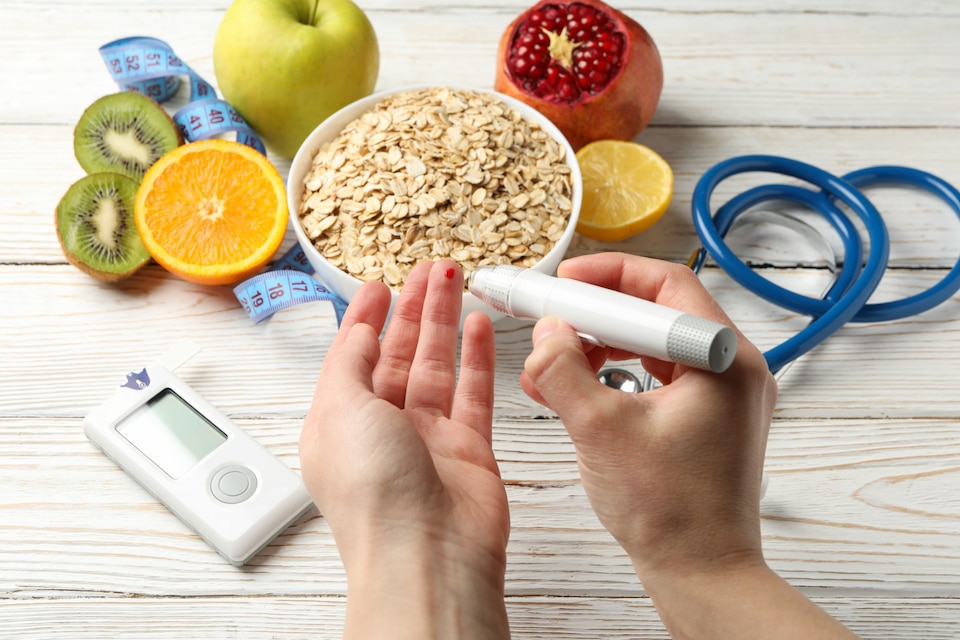
  • स्वस्थ जीवन जीने में नींद और कसरत  की भूमिका

    स्वस्थ जीवन जीने में नींद और कसरत की भूमिका

    benefits of sleeping hindiएक स्वस्थ जीवन जीना आसान लगता है, लेकिन इसके लिए आवश्यक अनुशासन और प्रतिबद्धता को देखते हुए यह उतना ही कठिन है। हर किसी को जीवन में चुनौतियों का सामना करना पड़ता है, और हमें हमेशा अपने मानसिक, भावनात्मक और शारीरिक स्वास्थ्य की देखभाल करने के लिए अधिक समय की आवश्यकता होती है। लेकिन हम उतने ही स्वस्थ हैं जितना हम होना चुनते हैं।



    नई उम्र की आदतें और जीवनशैली क्रोनिक बीमारियों का कारण बन रही है । इसलिए, शारीरिक और मानसिक स्वास्थ्य के लिए सही मात्रा में पानी का सेवन, नींद और स्वस्थ जीवनशैली व्यायाम आवश्यक है। इस लेख में, हम स्वस्थ जीवन जीने में नींद और कसरत की भूमिका के बारे में जानेंगे।

    सर्कडियन रिदम और नींद साइकल

    सर्कैडियन रिदम प्राकृतिक शरीर साइकल है जो मनुष्यों के सोने-जागने के पैटर्न को नियंत्रित करता है। इस ताल में हल्के-अंधेरे चक्र द्वारा नियंत्रित लगभग 24-घंटे के चक्र होते हैं। हाइपोथैलेमस में स्थित मस्तिष्क की मास्टर क्लॉक इस चक्र को नियंत्रित करती है। यह सर्कैडियन लय हमारे सोने-जागने के चक्र को भी प्रभावित करती है, जिससे यह प्रभावित होता है कि हम पूरे दिन कितना सतर्क और नींद महसूस करते हैं। एक स्वस्थ नींद चक्र समग्र शारीरिक और मानसिक स्वास्थ्य के लिए महत्वपूर्ण है, और इस लय में व्यवधान से नींद में कठिनाई हो सकती है और जीवन की गुणवत्ता में कमी आ सकती है।

    सर्कैडियन लय हमें दिन के दौरान जगाए रखती है और रात में सोती है, इसलिए हमारे शरीर के आवश्यक कार्य हो सकते हैं।

    यह लय मेलाटोनिन और कोर्टिसोल जैसे कुछ हार्मोन से जुड़ी होती है, जो हमारे शारीरिक और मानसिक स्वास्थ्य में महत्वपूर्ण भूमिका निभाते हैं। एक नियमित नींद कार्यक्रम का पालन करके, हम यह सुनिश्चित कर सकते हैं कि हमारा शरीर सही मात्रा में इन हार्मोनों का प्रोड्यूस करे, जिससे हमें पर्याप्त आराम मिल सके और दिन के दौरान सतर्क रहें।

    इसके अतिरिक्त, नियमित नींद हमारी इम्यूनिटी सिस्टम को बढ़ा सकती है और तनाव और चिंता से बेहतर तरीके से निपटने में हमारी मदद कर सकती है।

    इस तरह, रिदम रिस्टोरेटिव स्लीप का एक सुसंगत पैटर्न स्थापित करता है जो हमें अपनी प्रेरणा और फोकस बनाए रखने में सक्षम बनाता है। नींद के कई स्वास्थ्य लाभ आपको स्वस्थ जीवन जीने में मदद कर सकते हैं।

    पर्याप्त नींद लेने के फायदे

    १. सेलुलर रेस्टोरेशन

    हमारी सेल्स बढ़ती हैं और खुद की मरम्मत करती हैं। और जब हम सो रहे होते हैं, तो शरीर के मसल की मरम्मत, टिशूस को विकसित करने, हार्मोन जारी करने और प्रोटीन को सिंथेसाइज़िंग करने (जब हमारी सेल्स कार्य करने के लिए प्रोटीन बनाती हैं) सहित कार्य करती हैं।

    २. भावनात्मक रूप से अच्छा

    हमारी भावनात्मक भलाई नींद से काफी प्रभावित होती है। यह अच्छी नींद के सबसे अच्छे लाभों में से एक है क्योंकि यह हमारे दिमाग के उन क्षेत्रों में काम करता है जो भावनाओं को नियंत्रित करते हैं। जब हम सोते हैं तो वे विशेष रूप से कड़ी मेहनत करते हैं, सामान्य कामकाज बनाए रखते हैं और भावनात्मक स्थिरता को बढ़ावा देते हैं।

    जब हम नींद से वंचित होते हैं तो हम भावनात्मक रूप से अधिक प्रतिक्रिया करते हैं, क्रोधित या हीन महसूस करते हैं, या भय की प्रतिक्रिया प्रदर्शित करते हैं। क्योंकि हमारे मस्तिष्क में भावनात्मक केंद्र नई उत्तेजनाओं (लड़ाई या उड़ान) को समायोजित करने और समझने के लिए संघर्ष करता है। यह सब भावनात्मक रूप से खुद को खर्च कर सकता है।

    ३. इंसुलिन फंकशन

    इंसुलिन के लिए धन्यवाद, हमारी सेल्स ग्लूकोज (चीनी) को फ्युल के रूप में उपयोग करती हैं। हालांकि, अगर हमारे पास इंसुलिन प्रतिरोध है, तो हमारी सेल्स हार्मोन पर प्रतिक्रिया नहीं देंगी जैसा कि उन्हें करना चाहिए, जो ब्लड शुगर के लैवल को बढ़ाता है और हमें टाइप 2 मधुमेह के खतरे में डालता है। क्योंकि यह सेल नवीनीकरण और मरम्मत को सक्षम बनाता है, माना जाता है कि नींद हमें इंसुलिन प्रतिरोध से बचाने में मदद करती है। यह इंगित करता है कि वे नियमित रूप से काम करने की अधिक संभावना रखते हैं और ग्लूकोज को प्रभावी ढंग से ऊर्जा में परिवर्तित करने के लिए हमारे इंसुलिन हार्मोन के साथ सहयोग करते हैं।

    नींद की कमी गंभीर रूप से इंसुलिन के कार्य को प्रभावित कर सकती है और कोर्टिसोल जैसे अधिक तनाव हार्मोन का उत्पादन कर सकती है। और इससे ब्लड शुगर लेवल बढ़ सकता है। इसके अलावा, नींद की कमी भी भूख और लालसा में वृद्धि का कारण बन सकती है, जो मधुमेह के प्रभाव को और बढ़ा सकती है। इसलिए, स्वस्थ इंसुलिन कार्य को बनाए रखने के लिए हर रात पर्याप्त आरामदायक नींद लेना महत्वपूर्ण है।

    ४. इम्यूनिटी

    हमारे शरीर एंटीबॉडी का उत्पादन करते हैं और जब हम सोते हैं तो साइटोकिन्स छोड़ते हैं, जो हमारी प्रतिरक्षा प्रणाली को नियंत्रित करने के लिए महत्वपूर्ण हैं। नींद की कमी अक्सर अधिक गंभीर या लगातार बीमारियों या उच्च-तनाव के लैवल का परिणाम होती है क्योंकि जब हम बीमार होते हैं या बहुत अधिक तनाव में होते हैं तो हमें अतिरिक्त साइटोकिन्स की आवश्यकता होती है। यही कारण है कि जब हम बीमार होते हैं तो आमतौर पर हमें अतिरिक्त नींद की आवश्यकता होती है।

    जब आप सोते हैं, तो आपका शरीर संक्रमण और बीमारी से लड़ने के लिए आवश्यक हार्मोन और प्रोटीन का प्रोड्यूस करता है। अध्ययनों से पता चला है कि जो लोग पर्याप्त नींद नहीं लेते हैं उन्हें सर्दी या अन्य बीमारियां होने की संभावना अधिक होती है।

    इसके अतिरिक्त, जो लोग पर्याप्त नींद नहीं लेते हैं उनमें कुछ एंटीबॉडी के निम्न लैवल पाए गए हैं जो शरीर को संक्रमण से बचाने में मदद करते हैं। इसलिए, एक मजबूत इम्यून सिस्टम को बनाए रखने और बीमारी को रोकने के लिए पर्याप्त अच्छी गुणवत्ता वाली नींद लेना महत्वपूर्ण है।

    ५ . स्वस्थ दिल

    माना जाता है कि नींद की कमी हृदय रोग के लिए कई जोखिम फ़ैक्टर्स से जुड़ी होती है जैसे उच्च ब्लडप्रैशर, सूजन में बढ़ाव, कोर्टिसोल के लैवल में बढ़ाव, मोटापा और इंसुलिन प्रतिरोध।

    ६. वजन घटाने में मदद करता है

    वजन कम करने का सबसे बड़ा तरीका व्यायाम और स्वस्थ आहार है। वजन कम करने के लिए आपको फिजिकल एक्टिविटी शुरू करनी होगी। अतिरिक्त कैलोरी को उपयोगी एनर्जि में बदलना, जो आपको सांस लेने, बात करने, चलने, व्यायाम करने और सेलुलर संचालन करने के लिए आवश्यक है, अतिरिक्त वजन कम करने में आपकी सहायता करेगा।

    पर्याप्त नींद लेने से लेप्टिन और घ्रेलिन जैसे हार्मोन को नियंत्रित करने में मदद मिलती है, जो भूख और खाना खाने की क्षमता को नियंत्रित करते हैं। जब हम पर्याप्त नींद नहीं लेते हैं, तो हमारे शरीर में घ्रेलिन हार्मोन का अधिक प्रोड्यूस होता है, जिससे भूख बढ़ जाती है। नींद की कमी हमारे एनर्जि लैवल को नियंत्रित करने वाले हार्मोन को भी बाधित करती है, जिससे हमें जल्दी ऊर्जा बढ़ाने के लिए अस्वास्थ्यकर स्नैक्स तक पहुंचने की अधिक संभावना होती है।

    जो लोग पर्याप्त नींद लेते हैं उनके अधिक खाने की संभावना कम होती है और स्वस्थ भोजन विकल्प चुनने की संभावना अधिक होती है। नींद की अच्छी आदतें एनर्जि लैवल को बढ़ाकर, हार्मोन को नियंत्रित करके और खाने की इच्छा को कम करके वजन घटाने को बढ़ावा देने में मदद कर सकती हैं।

    कसरत के फायदे

    १. मसल और हड्डियों को मजबूत करता है

    आपकी हड्डियां और मसल अच्छी स्थिति में होनी चाहिए। 30 साल के बाद, आप आमतौर पर उम्र बढ़ने के साथ हड्डियों के डैन्सिटि और मसल को कम करना शुरू कर देते हैं। और इसके परिणामस्वरूप, 30 वर्ष से अधिक उम्र की बड़ी संख्या में महिलाओं की त्वचा ढीली हो जाती है, जोड़ों में दर्द और ऑस्टियोपोरोसिस हो जाता है। स्ट्रेन्थ ट्रेनिंग के माध्यम से अपनी हड्डियों के मिनरल डैन्सिटि को बढ़ाकर आप ऑस्टियोपोरोसिस को रोक सकते हैं। स्ट्रेन्थ ट्रेनिंग मसल्स की ताकत, मसल्स और मसल्स के धीरज को बढ़ाता है।

    २. तनाव कम करता है

    यदि आप तनावग्रस्त हैं, तो आपको व्यायाम करना चाहिए। तनाव न केवल रात में सोना मुश्किल बनाता है, बल्कि यह आपकी इम्यून सिस्टम को भी खराब करता है। व्यायाम का एक प्रमुख लाभ तनाव में कमी है। यदि आप चिंतित महसूस कर रहे हैं, तो टहलने या जॉगिंग के लिए जाएं; आपको मूड में फर्क नजर आएगा।

    ३. हाई ब्लड प्रेशर को कम करता है

    उच्च ब्लडप्रैशर (BP) के कारण दिल का दौरा, स्ट्रोक और मृत्यु भी हो सकती है। इसके अलावा, यह मुख्य रूप से अस्वास्थ्यकर खाने के पैटर्न, एक गतिहीन लाइफस्टाइल और हेरेडिटरी जीन के कारण होता है।

    उच्च ब्लडप्रैशर को कम करने के लिए नियमित व्यायाम सबसे प्रभावी तरीकों में से एक है। व्यायाम आपके हृदय को ऑक्सीजन का अधिक कुशलता से उपयोग करने में मदद करता है, इसलिए इसे ब्लड पंप करने के लिए अधिक मेहनत नहीं करनी पड़ती है। यह आपके हृदय प्रणाली और निम्न ब्लडप्रैशर पर तनाव को कम कर सकता है। व्यायाम आपको अपना वजन और तनाव प्रबंधित करने में भी मदद कर सकता है, ये दो फ़ैक्टर उच्च ब्लडप्रैशर में योगदान करते हैं।

    आपको प्रत्येक दिन कम से कम 30 मिनट की शारीरिक गतिविधि का लक्ष्य रखना चाहिए। एरोबिक व्यायाम के उदाहरण जो ब्लडप्रैशर को कम करने में मदद कर सकते हैं उनमें चलना, दौड़ना, तैरना और बाइक चलाना शामिल हैं। वेटलिफ्टिंग जैसे स्ट्रेन्थ ट्रेनिंग अभ्यास भी मदद कर सकते हैं।

    ४. कैंसर के खतरे को कम करता है

    मृत्यु का कारण बनने वाले मुख्य कारणों में से एक कैंसर है। यह दोषपूर्ण प्रोटीन का प्रोड्यूस करने वाले दोषपूर्ण जीन के परिणामस्वरूप होता है, जो अनियमित सेल विभाजन का कारण बनता है। जब सेल्स शरीर के अन्य अंगों में फैलती हैं तो यह हानिकारक हो जाती हैं। नियमित व्यायाम कैंसर के जोखिम को कम करता है और कैंसर का उपचार प्राप्त करने वालों को लाभ पहुंचाता है।

    ५. पीठ के निचले हिस्से के दर्द को कम करता है

    पूरी दुनिया में 540 मिलियन लोग कमर दर्द से पीड़ित हैं । और बार-बार व्यायाम ही इससे छुटकारा पाने का एकमात्र तरीका है। पीठ के निचले हिस्से की मसल्स और हड्डियों में खिंचाव लाने वाले व्यायाम फायदेमंद होते हैं। अध्ययनों के अनुसार, कम पीठ दर्द वाले 10 और 50 प्रतिशत लोगों को व्यायाम से राहत मिली। ऐसे वर्कआउट से बचें, जिसमें पीठ के निचले हिस्से को पूर्वकाल से पीछे की ओर लगातार स्थिति बदलने की आवश्यकता होती है।

    रीढ़ की हड्डी का समर्थन करने वाली मसल्स को मजबूत करके, फ्लैक्सिब्लिटी में बढ़ाव, और मुद्रा में सुधार करके व्यायाम कम पीठ दर्द को कम कर सकता है। कोर की मसल्स, जैसे पेट और पीठ की मसल्स को मजबूत करना, रीढ़ पर तनाव को कम करने और स्थिरता और समर्थन प्रदान करने में मदद कर सकता है। स्ट्रेचिंग से फ्लैक्सिब्लिटी में सुधार, रीढ़ पर दबाव कम करने और पीठ के निचले हिस्से में गति की सीमा बढ़ाने में मदद मिल सकती है। अच्छी मुद्रा बनाए रखने से रीढ़ पर दबाव भी कम हो सकता है और पीठ के निचले हिस्से में दर्द को रोकने में मदद मिल सकती है।

    ६. आपको फ्लैक्सिब्ल बनाता है

    जब आप व्यायाम करते हैं तो आपकी हड्डियाँ और मसल्स अधिक फ्लैक्सिब्ल होती हैं। कॉलेजिएट एथलीटों से जुड़े एक अध्ययन में, अमेरिकी रेसेयर्चेर्स ने पाया कि जो लोग योग का अभ्यास करते थे, वे उन लोगों की तुलना में अधिक फ्लैक्सिब्ल थे जो नहीं करते थे। व्यायाम के साथ वृद्ध व्यक्तियों की मसल्स और हड्डियों में गति की सीमा बढ़ाई जा सकती है। वृद्ध व्यक्तियों के लिए, केवल तीस मिनट का व्यायाम, प्रति सप्ताह तीन से पाँच दिन, फ्लैक्सिब्लिटी बढ़ा सकता है और कई स्वास्थ्य लाभ प्रदान कर सकता है।

    benefits of exercise in hindi

    निष्कर्ष

    अपने व्यस्त कार्यक्रम और बाहरी समय की कमी के कारण, बहुत से लोग एक गतिहीन जीवन शैली (जिसमें कम या कोई शारीरिक गतिविधि नहीं करना और अधिक बैठना शामिल है) का नेतृत्व करते हैं और व्यायाम के लिए पर्याप्त समय अलग नहीं रखते हैं। लेकिन नियमित रूप से शेड्यूल करना, कम से कम मामूली, व्यायाम विभिन्न स्वास्थ्य लाभ प्रदान करता है। व्यायाम और एक स्वस्थ जीवन शैली लंबे और सुखी जीवन की रास्ता है।

    नींद एक स्वस्थ जीवन शैली का एक अनिवार्य हिस्सा है। हर रात पर्याप्त नींद लेने से कोग्निटिव फंकशन में सुधार, तनाव कम करने, मानसिक और शारीरिक स्वास्थ्य को बढ़ावा देने और समग्र कल्याण में सुधार करने में मदद मिलती है। शरीर के एनर्जि लैवल को पुनर्स्थापित करें, अपने सर्वश्रेष्ठ खेल प्रदर्शन को अनलॉक करें, और अच्छी नींद के साथ पूरे दिन अपनी एकाग्रता में सुधार करें। पर्याप्त नींद न लेने से आपका शरीर रोजमर्रा की जिंदगी की मांगों का सामना करने में कम सक्षम हो जाता है। इससे मोटापा, डायबिटीज़ और हृदय रोग जैसी स्वास्थ्य समस्याएं हो सकती हैं। स्वस्थ जीवन शैली को बनाए रखने के लिए नियमित व्यायाम भी महत्वपूर्ण है। निरंतर व्यायाम तनाव को कम करने, एनर्जि और मूड को बढ़ावा देने और शारीरिक और मानसिक स्वास्थ्य में सुधार करने में मदद करता है। क्रोनिक स्वास्थ्य स्थितियों के विकास के जोखिम को कम करने के लिए व्यायाम को अपना दैनिक नियम बनाएं।

    स्वस्थ सप्लिमेंट्स के लिए मेडकार्ट चुनें

    स्वस्थ जीवन शैली को बढ़ावा देने में पूरक महत्वपूर्ण भूमिका निभा सकते हैं। वे आहार में मौजूद किसी भी पोषण संबंधी गैप को भरने में मदद कर सकते हैं और आवश्यक विटामिन, मिनेरल्स और अन्य कोम्पोनेंट्स प्रदान करने में मदद कर सकते हैं जो अकेले भोजन से प्राप्त नहीं किए जा सकते हैं।

    नियमित सप्लीमेंट्स भी अतिरिक्त ऊर्जा प्रदान कर सकते हैं और एक स्वस्थ प्रतिरक्षा प्रणाली का समर्थन करने में मदद कर सकते हैं। इसके अतिरिक्त, कुछ पूरक सूजन को कम करने, कोग्निटिव फंकशन में सुधार करने और कुछ क्रोनिक बीमारियों के जोखिम को कम करने में मदद कर सकते हैं।

    जेनरिक सप्लीमेंट्स खरीदने के लिए मेडकार्ट सही जगह है। हम हमेशा की मांग वाले जीवन के लिए आपके शरीर को फ्युल देने में मदद करने के लिए अपराजेय कीमतों पर उच्च-गुणवत्ता, लागत प्रभावी पूरक प्रदान करते हैं। सभी पूरक क्लिनिकली परीक्षण किए जाते हैं और WHO-GMP मानकों को पूरा करते हैं

    www.medkart.in/blog,Android और iOS एप्लिकेशन पर ऑनलाइन सप्लीमेंट्स ऑर्डर करें ताकि आपके दरवाजे पर डिलीवरी हो सके।

  • 5 Ways to prevent computer eye strain at home | Treatment for Dry eyes

    5 Ways to prevent computer eye strain at home | Treatment for Dry eyes

    5 Ways to prevent computer eye strain at home

    Dry Eyes Symptoms, & Treatment at home

    Everyone has started using digital objects such as mobile phones, laptops, television, and so on, from kids to elders, either for entertainment or work. Usage of the digital screen for extended periods has caused digital eye strain amongst people. In medical terminology, it’s known as Computer Vision Syndrome that occurs due to the contrast between text and the background, the glare, and flickering of digital screens.

    Purchase Best Eye Drops to Cure Eye Dryness – Buy

    All these cause strain on eyes and show symptoms of this can be eye twitching, red-eye, itching, headache, poor vision, neck pain, and tired eyes. So, in this digital era, where it is impossible to cut off or reduce the usage of digital screens on how to prevent eyes from computer damage?

    Long hours of screen time can deplete essential nutrients that support nerve and eye health. In such cases, neuroprotective supplements containing methylcobalamin and other B-complex vitamins may help in reducing nerve-related strain and improving visual comfort.

    If you’re looking for a trusted supplement, you can check out Nurewire Capsule 10’s, which supports nerve function and may assist in relieving symptoms associated with eye fatigue and digital strain.

    Diagnosis of eye dryness at home

    While a definitive diagnosis of eye dryness typically requires a comprehensive eye examination by a qualified eye care professional, there are some signs and self-assessment tests that you can do at home to help determine if you may be experiencing symptoms of eye dryness. However, it’s important to note that self-diagnosis should not replace professional medical evaluation and guidance. If you suspect you may have eye dryness, it’s recommended to consult with an eye care professional for an accurate diagnosis and appropriate treatment.

    Here are some self-assessment tests and signs that you can observe at home:

    1. Symptom assessment:

    Take note of your symptoms, such as dryness, burning, itching, redness, blurred vision, or discomfort in the eyes. Keep a record of the duration and severity of your symptoms.

    2. Blinking frequency:

    Observe your blinking pattern. If you notice that you are blinking less frequently than normal, especially during prolonged screen time or close-up tasks, it could be a sign of eye dryness. Blinking helps to spread tears across the surface of the eyes and keep them lubricated.

    3. Tear film quality:

    Observe the quality of your tears. If you notice that your tears are thin or watery, rather than having a normal consistency, it could indicate an issue with your tear film, which is responsible for keeping the eyes moist.

    4. Environmental factors:

    Take note of your surroundings and environmental factors that may contribute to eye dryness, such as dry or windy environments, exposure to smoke, or prolonged screen time without taking breaks.

    5. Relief with artificial tears:

    If you use over-the-counter artificial tears or lubricating eye drops and notice temporary relief of your eye dryness symptoms, it could be an indication that your symptoms are related to dry eyes.

    It’s important to keep in mind that these self-assessment tests and signs are not definitive diagnostic tools, and a proper diagnosis of eye dryness requires a comprehensive eye examination by an eye care professional. If you suspect you may have eye dryness or are experiencing persistent eye discomfort, it’s recommended to consult with a qualified eye care professional for evaluation, diagnosis, and appropriate treatment.

    Treatment of Dry Eyes at Home

    1. Adjust your computer level and posture:

    To prevent eye strain, a proper monitor set up, and a good posture is needed. For this, an appropriate work station set up is required that includes an ergonomically friendly chair to maintain good posture and proper height desk to adjust the computer level. Other adjustments to prevent eye strains are:

    • Adjust chair height to set your feet flat on the floor, and your knees slightly below or in line with your hips.
    • Set a computer 20 to 30 inches away from the face, and the center of screen 10 to 15 degrees below the eyes.

    Thus, arranging the work station this way reduces strain on the eyes and the neck while working.

    2. Use proper lighting:

    Our eyes are susceptible to light, so it must be right. Too much light can irritate the eyes, and dim lights can lead to eye strain. So, it is essential to adjust computer brightness and ambient light to prevent eye strain. According to your comfort level, adjust the contrast and brightness of the computer. HD computer display also helps to reduce eye strain as it makes the image crisp and sharp.

    Researchers have stated that if ambient lights are less bright than computer lights, it causes eye strain. However, too much ambient light on your computer displays will enhance illumination. So, one should keep computer brightness either equal to the surroundings or a little lower.

    Also, to prevent eye damage, use incandescent light instead of high-intensity bulbs at the workplace. The addition of dim light on either end of your screen can also help.

    Breaks and blinks are essential while working on a digital screen because when people are reading, watching, or playing on a screen, people blink less than half. As a result, the chances of dry eyes increased. If you wear contact lenses, then breaks are essential as lenses also contribute to dryness of the eye. What can be done for breaks?

    • Do frequent blinks as it also gives rest to the brain along with eyes
    • Take 10 minute breaks every couple hours
    • While working, find ways to just take of your eyes from the screen as many times as possible.
    • If you are too busy, just stand up and stretch yourself for few seconds can also reduce eye strain

    4. Use computer glasses

    Computer glasses or reflective lenses are very beneficial in eye protection as they are specifically designed to look at computer screens, unlike ordinary eyewear. Such glasses reduce the glare and filter the blue light transmission to eyes, which can help to prevent eye strain, blurry vision, headache, and so on. Photochromic or reflective lenses are also beneficial while working on computers; however, before using it, one should consult his or her eye specialist.
    If possible, try to avoid lenses as they make eyes drier, opt for glasses instead.

    5. Regular eye check up

    Even though you take measures to prevent eye problems, periodic visits to eye specialists are always considered beneficial. A regular visit to an ophthalmologist can detect minor damage and make you aware of your eye condition and give solutions. Sometimes doctors also recommend lubricants to people who work on computers for long hours. So regular check-ups keep you and your doctor updated with your eye conditions and maintains eye health.

    20-20-20 rules for eye dryness

    The “20-20-20 rule” is a simple guideline that can help reduce eye dryness and eye strain caused by staring at digital screens or other close-up tasks for extended periods of time. The rule suggests taking regular breaks to give your eyes a rest. Here’s how it works:

    • Every 20 minutes: Take a 20-second break: Look away from your screen or close-up task and focus on something in the distance for at least 20 seconds. This can help reduce eye strain and give your eyes a chance to relax.
    • Blinking: Blink frequently during your screen time. Blinking helps to moisten the eyes and reduce dryness. When staring at a screen, people tend to blink less frequently, which can result in dry eyes.
    • Distance: Maintain a distance of about 20 inches (50 centimeters) between your eyes and the screen. This can help reduce eye strain and decrease the amount of effort your eyes need to focus on the screen.

    In addition to following the 20-20-20 rule, you can also take other measures to prevent eye dryness, such as adjusting the brightness and contrast of your screen to reduce glare, positioning your screen at a slight downward angle to reduce eye exposure to air, using artificial tears or eye drops to lubricate your eyes, and ensuring that your work environment has adequate humidity levels.

    Remember to always consult with a qualified eye care professional if you are experiencing persistent eye dryness or discomfort for proper diagnosis and treatment.

    Symptoms of eye dryness

    Eye dryness, also known as dry eye syndrome or keratoconjunctivitis sicca, can manifest with various symptoms, which may vary in severity from person to person. Common symptoms of eye dryness may include:

    1. Dryness: Feeling of dryness or discomfort in the eyes, often described as a gritty or sandy sensation.
    2. Burning or stinging: Sensation of burning or stinging in the eyes, which can be aggravated by environmental factors such as dry air, wind, or smoke.
    3. Itching: Persistent itching or irritation in the eyes, which may lead to frequent rubbing of the eyes.
    4. Redness: Redness of the eyes, which may be caused by inflammation or irritation of the conjunctiva (the clear tissue that covers the white part of the eye) due to inadequate tear film.
    5. Blurred vision: Temporary or fluctuating blurred vision, especially during prolonged visual tasks like reading or using a computer, which may improve with blinking or eye rest.
    6. Foreign body sensation: Feeling as if there is something foreign or gritty in the eyes, even though nothing is present.
    7. Watery eyes: Paradoxically, dry eyes may also trigger excessive tearing as a protective response of the eyes to the dryness.
    8. Sensitivity to light: Increased sensitivity to light, also known as photophobia, which may cause discomfort in bright or glaring environments.
    9. Eye fatigue or discomfort: General discomfort or tiredness in the eyes, especially after prolonged periods of visual concentration or computer use.

    In case of discomfort, redness, swelling, and irritation, Andre I Kul eye drops is very effective

    It’s important to note that these symptoms can also be caused by other eye conditions or health issues, and a proper diagnosis by an eye care professional is essential for accurate identification and treatment of eye dryness or any underlying causes. If you are experiencing persistent eye discomfort or changes in vision, it’s best to consult with a qualified eye care professional for an evaluation and appropriate management.

    Impact of Screen Usage on the Body and Mind? – READ

    Wrapping up

    Eye strain is not a big deal for many people, but anyone who deals with it can tell you just how intrusive it is. If you have never felt it even after working for extended periods on computers, you are fortunate. However, still, it is necessary to be proactive not to get such symptoms. And if you are like us who always suffer from digital eye strain, follow the rules mentioned above. It would be best if you make a little effort and some tweaks to take care of your eye. Some quality adjustments, such as the use of HD computers, ergonomically friendly chairs, computer glasses, periodic eye check-ups, and rest, can make a significant difference in overall well-being.

    For eyestrain, some basic questions to ask include:

    1. What is likely causing my symptoms?
    2. What are other possible causes?
    3. Do I need any tests to confirm the diagnosis?
    4. What treatment approach do you recommend?
    5. What changes could I make to my work or home environment, including my computer desk, to help reduce symptoms?
    6. What other self-care measures might help me?
    7. Do I need to return for a follow-up appointment?

    What to expect from your doctor when asked for Dry Eyes

    Your eye specialist may ask a number of questions, such as:

    1. What are your symptoms?
    2. When did you first notice these symptoms?
    3. Have your symptoms changed over time?
    4. How severe is your discomfort?
    5. Do you use a computer? If so, how is it set up?
    6. Do you work in an air-conditioned environment, or does a fan or vent blow air around your face?
    7. How much time do you spend on digital devices each day?

  • What Is Irritable Bowel Syndrome? 5 Ways to manage the IBS

    What Is Irritable Bowel Syndrome? 5 Ways to manage the IBS

    What Is Irritable Bowel Syndrome?

    IBS- Irritated Bowel Syndrome is a common condition affecting the large intestine. IBS’s typical symptoms include cramps, stomach pain, bloating, vomiting, diarrhea, or constipation. Symptoms like bloating and gas typically disappear after bowel movements. IBS is a debilitating illness; you will have to treat for long periods.

    Irritated Bowel Syndrome can be classified into four categories. They are IBS with constipation or with diarrhea or with both known as IBS-C, IBS-D, and IBS-M, respectively. Forth is IBS-U, which is a subtype, and usually, symptoms are not frequent in it. Disorders such as anxiety, severe depression, and chronic fatigue syndrome are common in people with Irritated Bowel Syndrome.

    The causes are not clear; however certain factors for IBS include combinations of gut-brain axis issues, intestinal motility disorders, over stress, gut infections, bacterial overgrowth, neurotransmitters, genetic factors, and food sensitivity. Symptoms may be trigger due to over stress or intestinal disease.

    Irritated Bowel Syndrome has no cure, and it can be challenging, painful, and embarrassing to live with irritable bowel syndrome. Also, it may impact your living quality. Here are the five ways to cope up with the situation.

    Read in Hindi इर्रिटेड बाउल सिंड्रोम (IBS) क्या है? स्थिति को बेहतर ढंग से प्रबंधित करने के 5 तरीके

    Read in Gujarati – ઇરીટેબલ બોવેલ સિન્ડ્રોમ (IBS) શું છે? પરિસ્થિતિને વધુ સારી રીતે સંચાલિત કરવાની 5 રીતો

    Irritable Bowel Syndrome image

    Types of Irritable Bowel Syndrome (IBS)

    There are three main types of Irritable Bowel Syndrome (IBS):

    1. IBS with constipation (IBS-C): This type of IBS is characterized by hard, lumpy stools that are difficult to pass and infrequent bowel movements.
    2. IBS with diarrhea (IBS-D): This type of IBS is characterized by loose, watery stools and frequent bowel movements.
    3. IBS with mixed bowel habits (IBS-M): This type of IBS involves both constipation and diarrhea, with alternating bouts of both.

    It’s worth noting that some people with IBS don’t fit into any of these categories and may experience symptoms that don’t fit the traditional definitions of IBS-C, IBS-D, or IBS-M. In such cases, doctors may refer to it as “unclassified IBS” or “IBS-U.”

    Ways to manage the Irritable Bowel Syndrome (IBS)

    1. Change your diet and lifestyle:

    A few basic lifestyle and dietary changes will relieve your IBS symptoms. No specific Irritated Bowel Syndrome diet is available because what works for one person cannot work for another. The right nutritional modifications for you are based on your symptoms and reaction to other foods. Some food can trigger IBS; it may vary from person to person. However, some

    common food and drinks trigger IBS: high-fat foods, caffeine(tea, coffee, sodas/ soft drinks), excessive fibrous food, and some gas-causing foods like beans, cabbage, green onions, wine, and so on, milk products, alcohol, artificial sweeteners. However, many of these cannot be harmful to you.

    The way out is to keep a food diary and note which foods or drinks trigger IBS. According to research, a low FODMAP diet can improve Irritated Bowel Syndrome. A low FODMAP means having a meal with low Fermentable Oligosaccharides, Disaccharides, monosaccharides, and Polyols. These all are carbohydrates that have poor absorption in the small intestine, so they pass into the large intestine, where fermentation occurs by billions of bacteria, resulting in gas and bloating.

    The same way change in lifestyle is needed to improve gut health. A sedentary lifestyle is inevitable, but we can change for our betterment.

    Here is the list of changes that can help to manage Irritable Bowel Syndrome  (IBS).

    • Take 5 to 6 small meals instead of 2-3 large meals.
    • Stay hydrated always.
    • Take fibers but make sure not in the excessive amount; otherwise, IBS may worsen.
    • Keep a minimum of 2 to 3 hours of gap between meal and sleep.
    • Reduce the consumption of processed foods or packet foods.
    • Increase intake of probiotics such as yogurt

    2. Be physically active:

    IBS symptoms are frequently prevented from worsening by physical activity. Increasing the level of your workout can provide IBS relief. Training helps to boost regular bowel contractions and reduce stress, which alleviates specific Irritated Bowel Syndrome symptoms. Research-based studies have proved that moderate to vigorous exercise, e to 5 times a week, significantly improves abdominal pain, stools regarding problems.
    • Daily or minimum of 5 days per week exercise should be done.
    • Everyday 30 minutes of walking, cycling, swimming or jogging should be there.
    • Try to take stairs instead of a lift whenever you skip exercise.

    3. Reduce stress:

    Stress-induced thoughts and emotions can influence your belly and intestines. Stress-induced IBS leads to an imbalance between your brain and gut. The result is that sometimes stress and anxiety trigger intestinal activity. This causes diarrhea and churning of the stomach in some individuals. In other cases, the brain signals are inactive, and their intestines can slow, resulting in constipation, gas, and abdominal malaise. Chronic stress can lead to the imbalance and worsening of your intestinal bacteria. Thus, it is essential to manage stress to manage IBS which can eventually lead to intestinal infection, bleeding, or any colon issues.

    Here are some quick ways to manage the stress;

    • Do stress-relieving exercises such as meditation and yoga.
    • Do the physical activity as it can reduce stress by releasing endorphins responsible for giving a sense of calm and well being.
    • Sleep for 6 to 8 hours.
    • Take relaxation techniques such as acupressure, body massage, or head massage.

    4. Take medication:

    When changes in your diet, lifestyle, and stress do not relieve your symptoms, your health care provider may recommend you try medication. Also, certain trigger factors like hormones, infections, genetic factors, menstruation, or menopause cannot be altered or avoided. At that time, it is advisable to consult a doctor.

    Mostly fiber supplements, laxatives, anti-diarrheal, antidepressant, stress relievers, and so on are given as there is no any particular medicine for Irritated Bowel Syndrome. One medication may help some person but not to others. Therefore, talk with your doctor, discuss symptoms, trigger factors, and other problems to get medication if needed.

    5. Psychological intervention:

    Psychological therapy helps improve your symptoms if you still have problems with IBS after exploring all the above methods. Psychological intervention includes cognitive behavior therapy, gut hypnotherapy, and mindfulness training. All these methods are useful to improve your responses towards your gut. Mindful practice helps to build a consciousness of the mind and body and relax through concentration, which can lead to reducing IBS symptoms and through mental and physical feelings. Professionals in healthcare use CBT and psychodynamic treatment to treat IBS.

    CBT focuses on your ideas and actions, while psychodynamic therapy focuses on how you feel about your IBS symptoms. A therapist uses hypnosis during gut-related hypnotherapy to help you learn how to calm your colon and to regain control of your physiological response.

    Wrapping Up

    Irritated Bowel Syndrome is an incurable disorder, and no particular solution for everyone to deal with IBS is available. But you should be on your way to decreasing discomfort from Irritated Bowel Syndrome symptoms by combining diet, exercise, stress management, medicine, and psychological therapies.

    1) How to cure ibs permanently?

    Irritable Bowel Syndrome (IBS) cannot be cured, but symptoms can be managed through diet modifications, stress management, medications, probiotics, and exercise. Keeping track of trigger foods and avoiding them, practicing stress-reducing activities, and regular exercise can help alleviate symptoms. Consult with your healthcare provider for personalized treatment options.

    2) What causes irritable bowel syndrome?

    The exact cause of Irritable Bowel Syndrome (IBS) is not fully understood, but research suggests that it may be caused by a combination of factors including abnormalities in the nervous system, abnormal muscle contractions, inflammation in the gut, changes in gut bacteria, food intolerances, and psychological factors such as stress, anxiety, and depression. The exact cause of IBS can vary from person to person, and it is important to work with a healthcare provider to identify triggers and develop a personalized treatment plan.

    3) Irritable bowel syndrome foods to avoid?

    There is no one-size-fits-all list of foods to avoid with Irritable Bowel Syndrome (IBS), but some common trigger foods include: high-fat foods, spicy foods, caffeine, alcohol, carbonated drinks, artificial sweeteners, beans, lentils, broccoli, cabbage, onions, garlic, wheat, and dairy products. Keeping a food diary can help identify personal trigger foods.

    14 Healthy foods to add in your diet to make healthy diet | Types of Diets

    4) Irritable bowel syndrome symptoms

    The symptoms of Irritable Bowel Syndrome (IBS) vary from person to person but may include: abdominal pain, bloating, constipation, diarrhea, gas, and alternating bouts of constipation and diarrhea. Some people with IBS may also experience nausea, fatigue, backache, and sleep disturbances.

  • Monsoon season diet guide: 7 Foods to avoid in Monsoons

    Monsoon season diet guide: 7 Foods to avoid in Monsoons

    Monsoon season diet guide mage

    Avoid These 7 Foods in Monsoon

    The rainy season is beautifully fun, but it is also the time that you will be sick easily. The environment in monsoon makes us more vulnerable to cold or influenza. Our digestive system works relatively slow during monsoon, and the irony is – food craving is at peak around this time. If you want to stop seeing a doctor every other week, try avoiding these seven food items at all cost. so here we have listed 7 foods to avoid during rainy monsson season.

    1. Chaat

    ​Chaat sounds very tempting, especially in the rainy season. Pleasant weather and delicious food craving attract everyone to chaat or Panipuri or Bhelpuri stores. But wait! Don’t eat all that from the outside stall as there are high chances of water contamination. In this rainy weather, water contamination is all too normal. Monsoon makes water the breeding ground of germs and bacteria, and you don’t want to get a stomach infection during rain that can lead to jaundice or diarrhoea or typhoid. Surrendering to few moments of happiness and tempt may carry you to the hospital. Thus, a big no to street Chaat or Panipuri. Chaat, Panipuri, and Bhelpuri from outside stalls are some of the foods to avoid in monsoon season due to high chances of water contamination.

    2. Fried Foods

    Yeah, you read it right. Fried food is one of the food things to be avoided during this rainy season, and science supports this too. The intensely humid monsoon weather slows down our digestion. However, that pakoras, samosas, and kachori may appear tempting; they can cause gastronomic problems such as stomach distress, acidity, and bloating. Even extra salty food is harmful as it causes water retention.

    3. Leafy Vegetables

    It may seem illogical because we have been taught the value of consuming leafy vegetables throughout our lives. During the monsoon, however, they are better avoided.Leafy vegetables are a food to avoid in the monsoon season due to their vulnerability to germs and bacteria caused by grime and humidity. Those germs are not apparent to the naked eye and cause stomach or other infections. So, say no to spinach, cabbage, cauliflower, and other green leafy vegetables this season. The intake of these vegetables makes you more likely to get sick with your stomach. Instead, go for vegetables such as bottle/bitter or little gourd, tori, Indian squash, or tinda, and so on. Make sure all vegetables are washed and cooked thoroughly.

    4. Carbonated drinks

    Since fizzy beverages are one of the foods to avoid in monsoon season that lower our body’s minerals, and this eventually slows down enzyme activity. In monsoon, when the digestive system is already weak, such drinks can create havoc in the stomach. Instead of drinking carbonated beverages, keep hot water or Nimbu-Pani with you. If you want to have something outside, opt for green teas, ginger tea, or other hot beverages. It will help to boost the digestive system and keep you healthy.

    5. Dairy Products

    Yes, dairy products, especially milk and curd. You will say, how could milk, ever refreshing and one of the richest and easiest energy sources be harmful? Unfortunately, blame it on our sub-continent monsoon, it definitely can. Damp weather could suck the whole nutrients and make dairy die faster than usual. Milk can soon go bad and maybe dangerous rather than useful. If milk is too irresistible to you then make sure to drink it warm with the pinch of turmeric.It is one of the best “food to avoid in monsoon season” to prevent stomach infections.

    The same way, the curd is harmful, probably more than milk. Curd may increase the risk of cough and cold. Persons with asthma and sinuses should not eat curd during the monsoon season. Therefore, it is best to some dairy products in monsoon.

     6. Outside fresh food products

    Fresh fruits and fruit juice from outside should be avoided during the monsoon season as they may have been contaminated due to prolonged exposure to the air and the environment. Roadside vendors usually cut fruits well in advance, and this leads to contamination. Hence, it is advisable to avoid any fresh fruits or fruit juice from outside during the monsoon season. Instead, try to consume homemade fresh fruit products immediately after cutting. It is important not to leave cut fruits for too long at home as any prolonged air exposure can also cause contamination. Therefore, it is recommended to cut and consume fresh fruits immediately to avoid any infections during the monsoon season.

    7. Sea foods

    Monsoon is the season in which sea creatures and fish breed. This increases the chances of waterborne diseases and food poisoning, and ethically, it is better not to consume animals during their breeding time. Therefore, in monsoon, it is advisable to avoid infection-carrying seafood and meat products. It is also a good idea to avoid meat from street vendors, as the meat may not have been stored or cooked properly, leading to food poisoning. So, if you must eat non-vegetarian food during the monsoon, it is better to prepare it at home with proper hygiene and safety measures.

    14 foods to add in your diet to make healthy diet

    Wrapping up
    The most tempting food, particularly in the rainy season, is often the worst. Craving for different foods is at the peak, but one should not forget that along with food cravings, monsoon brings infections too. So, to keep oneself healthy, should not eat heavy meals, too much dairy products, leafy vegetables, fried and outside foods. Instead, opt for hot beverages, lukewarm water, homemade food, and food with spices.

    Frequently Asked Questions related to foods to avoid during monsoons 

    1) what type of food should we take in monsoon?

    During monsoon, it is advisable to consume hot and freshly cooked food that is easy to digest. Avoid raw and street foods. Opt for foods with antibacterial and anti-inflammatory properties such as turmeric, ginger, garlic, and pepper. Consume plenty of fruits and vegetables for their immune-boosting properties. Stay hydrated with warm beverages like herbal teas and soups. Ensure that you thoroughly wash and cook all your food items to prevent contamination.

    2) best healthy food to eat in rainy season

    In the rainy season, it’s essential to consume healthy and nutritious food that boosts immunity and digestion. Include warm and nourishing foods like soups, stews, and herbal teas in your diet. Incorporate fruits and vegetables rich in vitamin C, such as citrus fruits, bell peppers, and broccoli, to strengthen your immune system. Consume probiotic-rich foods like yogurt and fermented foods to maintain gut health. Stay hydrated with warm water, herbal teas, and coconut water. Avoid oily and fried foods and opt for light and easy-to-digest meals.

    3) what vegetables we can eat in rainy season?

    In India, there are several vegetables that are ideal to consume during the rainy season. These include bitter gourd (karela), bottle gourd (lauki), ridge gourd (tori), okra (bhindi), pumpkin (kaddu), spinach (palak), cauliflower (gobi), carrots (gajar), and green beans (fansi). Other vegetables like mushrooms (khumbh) and corn (makai) are also great options. Make sure to clean and cook them thoroughly to prevent any bacterial or fungal infections.

  • Want to improve your metabolism? Here’s what you need to do

    Want to improve your metabolism? Here’s what you need to do

    how to improve metabolismBefore jumping on how to improve metabolism, you need to understand what metabolism is and how it is essential for the body. Metabolism is a necessary chemical process of converting what we eat and drink into energy to maintain life in our bodies. Our bodies take up this energy to synthesize hormones, sugars, tissue and cell repair, reproduction, and cell growth. During rest also our bodies need the energy to do work such as blood circulation, breathing, digestion, cell repair, and so on.


    The minimum energy required by the body for these chemical processes is called the BMR, which varies from person to person. You may have encountered one or two people in your life who eat anything at any time and still not gain weight; this happens because their metabolic rate is high, and a person who has slow metabolism has a tendency to weight gain.

    Keeping a proper metabolic rate is essential so that we don’t invite metabolic disorders in our bodies and stay healthy. However, factors such as age, gender, and genetics cannot be changed, but there are some other ways to improve metabolism:

    1. Never skip a meal or breakfast:

    Breakfasts are considered nutritious and much more necessary than other meals. Skipping breakfast can be detrimental as it slows your metabolism down. When you don’t feed, the brain sends an energy-preserving message to the rest of the body to preserve the accumulated fat you want to remove. Eating within an hour of waking shines the metabolic thermogenesis, which covert the food into energy. Instead of eating two meals, eat 5 to 6 small meals will enhance metabolism and keep one energetic all day.

    In other words, when one eats meals at specified intervals, blood sugar levels will be maintained by the body; any decrease in your metabolism will cause your muscle to become fuel for energy, which leads to fatigue. Also, try to include protein in breakfast to kick start a day.  If you are busy and going to skip the meal, then keep some nuts or healthy food with you to maintain metabolism as it is rather than sending the body to starvation mode.

    2. Protein consumption:

    Protein is one of the great sources to get energy. When you consume protein more than other nutrients, you will feel fuller and prevent yourself from overeating. High intakes of protein increase metabolism, decrease appetite, and alter many hormones that regulate weight. Our body consumes more calories to digest protein than fat or carbohydrates.

    The cycle of insulin secretion into our bloodstream, which can improve metabolism, is also aided by protein. Thus, include protein sources such as fish, white chicken, tofu, nuts, boasts, eggs, and milk products with low-fat content in daily diet. However, the excessive protein could be harmful to the kidney, so one should not exceed the body’s protein level. Also, before taking any protein supplement, consult your doctor.

    3. Stay hydrated:

    All chemical reactions in your body depend on water, including metabolism. Water not only takes away toxins from the body but also increases the metabolic rate of the body while providing cells with nutrients and allowing them to eliminate toxins and metabolic waste. As hydration reduces, the body’s capacity for generating and absorbing energy is decreased.

    Dehydration leads to shrinkage of cells, which signals to the body to slow down the metabolic process, and eventually, few calories will burn. So, to improve metabolic rate, hydration is necessary. For that,

    • Drink a minimum of 2 to 2.5 L of water per day
    • Increase fluid intake
    • Never go out without water

    4. Include metabolism boosting food in diet:

    Food plays an important role in improving metabolism- it raises the level of energy and helps to enhance metabolism. Certain foods that boost metabolism:

    • Green vegetables: Go green to enhance the metabolic rate of body. Spinach, broccoli, bell pepper, beans improve the body’s metabolic rate and burn fat.
    • Dark chocolates: Dark chocolates are considered metabolic boosters as they contain monounsaturated fats. Chocolates, with more than 70% of cocoa, will keep the body active and healthy while a small chunk of dark chocolate per day considered beneficial for one’s well-being.
    • Fruits: Fruits like berries, orange, grapes, lemon metabolize fat faster and provide energy with weight loss.
    • Nuts and seeds: Nuts and seeds, such as almonds, walnut, and flaxseeds, are a great source of protein, and their daily consumption improves metabolism and provides energy.

    5. Sip some green tea:

    According to research, green tea can boost metabolism by 4 to 5% as green tea can convert stored fat into free fatty acids and induce fat burning. One should incorporate green tea in breakfast to improve metabolic rate. Also, green tea has antioxidants that prevent cell damage and improves the immune system.

    6. Be active:

    Exercise helps to increase metabolism. Perform the acute cardiac task for 30 minutes or more per day, and the metabolism can be spiked up to 2 hours after that. Perform resistant exercise 2-3 days a week to increase muscle weight and therefore boost the remaining metabolic rate to consume more calories 24/7!

    7. Take less stress and good sleep:

    Our bodies need sleep to maintain proper function and well-being. Sleep loss has a significant impact on metabolism. If one doesn’t get adequate sleep, hormones that regulate metabolism disturbs and slower the metabolism. As a result, weight gain occurs.

    Also, less sleep leads to stress, which again lowers the metabolism. Excessive stress causes accumulation of stress hormones, which slows the digestion process. According to research, in stress body feels hungry as it needs the energy to fight against stress. This leads to sugar craving and, eventually, unhealthy weight gain. So, to improve metabolism, stress management, and sound sleep is required. For that, one should practice some meditation, yoga, relaxation exercise, and so on.

    Conclusion:

    The metabolic rate always works according to age, gender, and genes. However, making small changes in lifestyle and combining the tips mentioned above into your daily routine can improve your metabolism and keep your body healthy. Having a higher metabolism can help with weight loss while giving you more energy.

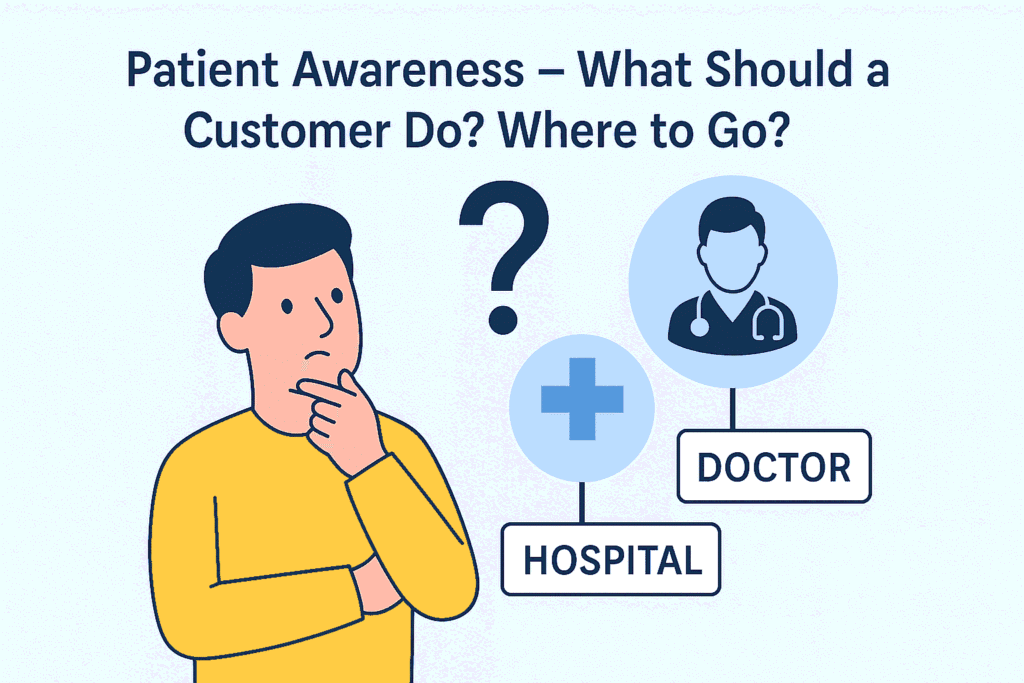
  • Patient awareness – what should a customer do? Where to go?

    Patient awareness – what should a customer do? Where to go?

    Patient awareness image

    In India, the pharmaceutical market turnover reached US$19.14 billion in FY19, with the top 5 pharma companies in India claiming the majority of the share. This means there are pharma giants who rule the market and command the prices which leads to medicinal poverty. Some people cannot afford costly medicines, and they don’t know that there are cheaper alternatives available. And here’s where awareness plays a crucial role.

    Medkart promotes the AAA philosophy<link to AAA philosophy blog> wherein the first A in the acronym is for the awareness. Why awareness? Let’s dig in further.

    Majority of the medicine buying is transactional in India, meaning buyers buy what the doctors prescribe. Unfortunately, most buyers are not aware of what doctors prescribe them and they are handed the expensive branded medicines in the prescription. It is their utter ignorance that leads them to not even question about the alternatives to doctors or pharma storekeepers. That’s when the exploitation starts, taking the buyers’ ignorance for granted and leveraging their lack of knowledge.

    At Medkart, we drive sales through awareness by educating people. Our sole goal is to create awareness amongst the buyer, even if they are not looking to buy generic. By doing so, we negate the transactional nature of medicine buying and make it more interesting for buyers similar to purchasing a pair of shoes or jeans. We promote healthy discussions on medicines on any of our stores and welcome them to gain knowledge. Being in the industry of over half a decade, we have all the information on pharmaceutical networks and how the doctors/hospitals lobby works at a higher level. In the end, customers end up paying more for the share that goes to doctors and hospitals. Remember, branded or generic, all these medicines are WHO-GMP standard ones, with most of them manufactured in the same facility. Still, the branded ones would cost you 10X of the generic. Meaning, you pay for the brand name, doctors, and pharma stores, and the manufacturers.

    As a solution to the medicine buying exploitation by the lobbies, we welcome people to come to Medkart with their prescriptions. No, we won’t sell you the medicines. We will show you the range of generic options boasting the same contents as your branded ones at much cheaper rates. We have helped over 3Lakhs of patients to save more than Rs.1100Cr. It is fascinating for us to have a conversation with the core buyers, understand their issues, and find better ways to address them. What is best is that we are also expanding our business line intending to spread our vision far and wide. This will enable us to tap into the right patients who are looking to save more on medicines.

    There is a section of society that puts a significant part of their hard-earned money into buying medicines. The least they want is the prescription from doctors suggesting them to buy branded ones. These people are also scared of trying anything else than doctors recommend, mainly out of fear of not experiencing its right effect or side effects. We are here to cater to that fear by providing them with the correct information without misguiding them.

    We are here, acknowledging the fact that a lot has gone wrong in the pharmaceutical ecosystem. With all-out might, we are just trying to correct whatever possible from our end. Everything begins with curiosity and awareness, and that’s when the greater transformation is possible. And we have just started.

  • Doctors in Govt. Hospitals can only prescribe Generics

    Doctors in Govt. Hospitals can only prescribe Generics

    Doctors in Govt. Hospitals can only prescribe Generics

    It has been around four years since the Central Government passed an amendment of the Drugs and Cosmetic Rules, 1945 that ensured that registered medical practitioners dispense only generic medicines. Now, this holds for all the practicing doctors, including the ones functioning privately. The amendment also states that failing prescribes generics would attract “strict disciplinary action” against the doctors.

    Unfortunately, the Union Ministry of Health and its regulatory arm Medical Council of India (MCI) cannot have failed to ensure that doctors write only generic medicines in their prescriptions.

    The Prime Minister visited Surat to inaugurate the hospital in 2017, where he mentioned that “the government will make arrangements to ensure all doctors only prescribe generic medicines.”
    The issue is that the branded medicines are made expensive <link back to blog 1>, and most Indians are not aware of it. Back then, the PM intended to benefit the crores of poor people by making it mandatory for doctors in government hospitals to only prescribe generics. It has been over three years since such an announcement and even passing the law. There aren’t many measures taken by the Health Ministry or MCI to ensure that the rule is followed correctly.
    There are instances of patients not being prescribed generics and thanks to their awareness, they chose to visit Pradhan Mantri Jann Aushadhi Kendra. The lack of tracing mechanism blends with the unpatrolled medical infrastructure, making it possible for those at the higher authority to exploit the buyers.
    We, at Medkart, are dealing with patients who are prescribed branded medicines by doctors. They also ask their doctors to see if they can prescribe generic ones, but the physicians caution them against taking generic medicines. Often, these medicines are expensive and unfortunately, patients have nowhere to go but to buy those medicines.
    We already mentioned how big pharma companies lure doctors with expensive gifts like cars, iPads, etc. so that they can recommend the medicines of a particular brand. Understand that the margin in branded drugs is enormous. This holds for the drug manufactured by big companies as they have a robust selling network and deeper pockets to spend more freely to drive sales.
    The typical catch for any pharmacist is to know which medicines do the doctors in the nearby vicinity recommend. If it’s the same brand that s/he suggests, it means that the doctor is getting commission from a particular pharma company. The cascading effect is that now the shop owners will also push a specific brand to customers and increase purchase.
    This is where Medkart works to differentiate itself from other medical stores by following the AAA philosophy <link it to the AAA blog>. The idea is to make users buy medicines only after creating awareness regarding what they buy. There is a stark difference between the branded medicine and generic ones and when customers see this, they want to know more about generic. But, at a broader level, the pharma lobby is pressurizing the decision-makers in the Health Ministry that ensures demand for generic is kept limited. The higher demand and generic promotion will flood PMBJP and may well run out of stock.
    You can get the generic medicines at the cost of one-tenth of the branded ones. While PMBJP has its roots in smaller cities, Medkart provides the right space for the people to get more knowledge of generics. On average, opting for generics has helped the nation to save 1,668 crores on medicine only under PMBJP. And, for us, there’s nothing more motivating than serving 3Lakhs+ customers so far and enabling Rs.1100Cr. of savings.
    This is the loss that the branded companies made and a much-needed victory for people who made some great savings. With time, more people are aware of generics and ways to gauge the quality of medicines. Our range of WHO-GMP standard medicines on store gives buyers some options in generics and a better alternative to expensive, branded medicines that can burn a hole in the pocket.

  • If you are finicky about the cloth you pick, why not the same with medicines?

    If you are finicky about the cloth you pick, why not the same with medicines?

    If you are finicky about the cloth you pick, why not the same with medicines

    Do you know your medicine? In India, no one tries to know the medicines thinking it is beyond their capability of understanding.

    There lies the loophole since people never try to understand their medicines, they will be exploited to pay more. The idea is to question the medicines just as you’d question the shopkeeper when buying a pair of jeans regarding its size, colour, length and inseam, waist, fading, etc. Did you ever try knowing your medicine?

    How should I know my medicine?

    We take the prescription and give it to the pharmacist without knowing about prescribed drugs. Do you know that your doctor is supposed to write name of the molecule (Generic) and not the brand names but he still chooses to write brand names? Do you know if there are any available substitutes? Have you questioned the doctor about your medicine? How would you know your medicine unless you make any effort to do so?

    Education is the key here. Currently, we in the transaction of medicines instead of applying knowledge while buying it. The transaction is simple… get ‘prescription’ and consumes ‘medicine’ – no questions asked. Education will open up avenues of understanding and greater awareness than simply buying medicines effortlessly or mindlessly.

    It is high time to convert that transaction into education. For that, you’ll need to ask questions not only to the doctors who prescribe medicines but also to the pharmacists who sell it. This will also stop random distribution by converting it into substitution via education. And it is not just about savings, it is about being aware of what you are consuming as well.

    Here is how you can education can replace the transaction when buying medicines. You can ask the following questions to doctors next time they prescribe you-

    • Can you write the names of the molecules?
    • Can I take Generic medicine instead of the branded one prescribed by you?
    • Does change in a company create any problem in the body?
    • Is there any substitute for this brand? If yes, then request the doctor to write it down.
    • Can change of brands from one generic to another generic make any difference in action?

    It is your right to question the doctor. Most doctors won’t say the right stuff because as it is not in their interests. There is a reason why branded medicines are expensive {link to TL1 – blog} and doctors have a role to play there.

    Once you are educated enough by reading things on the internet about generic medicines and also by asking doctors, you will use it to save your hard-earned money.

    Next time you go to buy medicines at a pharma store, ask your pharmacist the following-

    – Substitute for prescribed drug or low-priced drug which has the same content.

    – Whether the generic one will be available throughout the year in case of regular consumption.

    – To calculate your yearly savings if you change to generic medicines instead of branded ones.

    – Try enquiring about the company making/marketing it to know how to evaluate a company and pick up a better one.

    Not only doctors but even pharmacists are incentivised to misguide you to do away with changing the medicines and offering no substitutions. It is very much possible that a better company is available at a lower price but you are not aware of it.

    The thing is, just like every other commodity, you have choices to make even while buying medicines but it is just that you don’t know about it. Therefore, it is great to have a basic knowledge of it you can counter the sharks in the market to save yourself from getting hunted.

    The Bottom-line

    What we are trying to do is to get the facts right to the people for their good. It requires you to take actions that help you make the right choices while buying medicines. Do not treat medicines as something like ‘no questions asked’ commodity. Instead, explore the options just like how you’d do while buying a pair of jeans. You may have to hop the shops the same way you do to find shoes that fit your right.