

Category: Health & Wellness

  • World Cancer Day 2024: When is the World Cancer Day?

    World Cancer Day 2024: When is the World Cancer Day?

    world cancer day

    World Cancer Day is marked on February 4th of every year and people around the globe come together to observe it. This day is dedicated to raising awareness about cancer, promoting its prevention, detection, and treatment, and ultimately working towards a world where the burden of cancer is reduced.

    World Cancer Day is a powerful reminder of the need for collective action to tackle this global health challenge. Cancer is a leading cause of death worldwide, with millions of lives affected each year. It knows no boundaries, affecting people of all ages, races, and socioeconomic backgrounds.

    The disease takes a heavy toll not only on individuals but also on families, communities, and healthcare systems. World Cancer Day serves as a platform to highlight the global impact of cancer and emphasize the importance of concerted efforts to address it.

    World Cancer Day Theme 2024

    The theme for the 2022-2024 World Cancer Day campaign is “Close the Care Gap”. This theme focuses on addressing the disparities in cancer care that exist around the world. Individuals within specific geographic areas, diverse socioeconomic strata, and marginalized populations frequently encounter significant obstacles in obtaining high-quality cancer prevention, diagnosis, and treatment services.

    World Cancer Day

    2022: Understanding and Recognizing the Equity Gap

    This year focused on raising awareness about the inequities in cancer care and their impact on individuals and communities. It aimed to educate people about the different factors contributing to these disparities, such as:

    • Geographic location: People living in remote areas or developing countries often have limited access to healthcare facilities and trained professionals.
    • Socioeconomic status: Income, education, and insurance coverage can significantly impact access to preventative measures, screenings, and treatment options.
    • Discrimination: Certain groups may face discrimination based on race, ethnicity, gender, sexual orientation, or other factors, leading to delayed diagnoses and inadequate care.

    2023: Celebrating Progress and Enabling Access

    This year shifted the focus to celebrating the progress made in addressing the care gap and showcasing initiatives that are enabling more people to access the care they need. This included highlighting:

    • Increased access to screening and early detection programs: Early detection is crucial for successful treatment, and ensuring wider access to screenings can significantly improve outcomes.
    • Developments in affordable and accessible treatment options: Advancements in cancer research are leading to more effective and affordable treatment options, making them more accessible to individuals previously facing financial barriers.
    • Community-based initiatives: Local organizations and grassroots efforts play a vital role in providing support, education, and resources to underserved communities.

    2024: Together, We Challenge Those in Power

    This final year aims to amplify the call for action and hold government leaders accountable for closing the care gap. The campaign urges individuals and organizations to:

    • Advocate for policy changes: This includes advocating for increased funding for cancer research, healthcare infrastructure development, and programs that address the social determinants of health.
    • Hold leaders accountable: Demand transparency and action from policymakers to ensure equitable access to quality cancer care for all.
    • Raise awareness and educate others: Continue to spread awareness about the care gap and its impact, encouraging others to get involved in advocacy efforts.
    Key Takeaways:
    • Closing the care gap requires a multifaceted approach that addresses various factors contributing to the disparities.
    • Individual and collective action are crucial for holding leaders accountable and driving change.
    • World Cancer Day serves as a platform to unite individuals, organizations, and governments in the fight for a world where everyone has access to the cancer care they deserve.

    Understanding the theme and its different phases, we can effectively contribute to creating a more equitable and cancer-free world.

    Related:

    Raising Awareness – International Cancer Day

    World Cancer Day plays a crucial role in raising awareness about cancer and dispelling myths and misconceptions surrounding the disease. By fostering a better understanding of the risk factors, early warning signs, and available preventive measures, the global community can work together to reduce the incidence of cancer.

    Prevention is a key aspect of the battle against cancer. Promoting healthy lifestyle choices, such as regular exercise, a balanced diet, and avoiding tobacco and excessive alcohol consumption, can significantly reduce the risk of developing certain types of cancer. World Cancer Day serves as an opportunity to educate the public about these preventive measures and empower individuals to take control of their health.

    Supporting Cancer Research

    Scientific research is pivotal in advancing our understanding of cancer and developing new and improved treatments. On World Cancer Day, there is a heightened focus on supporting cancer research initiatives, raising funds for ongoing studies, and fostering collaboration among researchers and institutions. The ultimate goal is to discover innovative therapies, improve survival rates, and enhance the overall quality of life for individuals affected by cancer.

    While World Cancer Day is a designated day of awareness, the fight against cancer requires sustained efforts throughout the year. Individuals, communities, healthcare professionals, and policymakers must unite to take meaningful action. This includes advocating for policy changes, supporting cancer patients and survivors, and contributing to organizations dedicated to cancer research and support.

    > Consult a Doctor and Medkart will help you Order Medicines Online

    Conclusion:

    On February 4th of every year World Cancer Day is celebrated and serves as a powerful reminder that the global community must join forces to overcome the challenges posed by cancer. By raising awareness, promoting prevention, and closing the care gap, we can move closer to a world where cancer is not only treatable but ultimately preventable. On this day, let us commit to taking collective action to ensure that no one faces the burden of cancer alone, and together, we can strive for a cancer-free world.
    Read: What are Generic Medicines?

    Blog | Medkart Pharmacy - Generic Medicine Online

    Related Links:

  • Doctors must mention Reason while Prescribing Antibiotics – says Health Ministry

    Doctors must mention Reason while Prescribing Antibiotics – says Health Ministry

    reason for prescribing antibiotics

    Doctors must mention Reason while Prescribing Antibiotics – For many years, antibiotics have been our heroes, fighting off nasty bacteria like brave soldiers. But just like war can make things worse, using antibiotics too much has changed these miracle drugs into dangerous threats. In India, where lots of people get sick, doctors giving out antibiotics for everything has made the germs super strong, so the drugs don’t work anymore. Now, even a small cold could become a big problem, and new, unstoppable super-germs could take over!

    To stop this scary future, India has made a new rule: doctors have to explain why they give someone antibiotics. This helps them use these powerful weapons carefully, only when they’re really needed. It’s like a new strategy in the fight against germs, one that can keep these amazing drugs working for everyone.

    Statement by Health Ministry – Doctors Must Mention Reason While Prescribing Antibiotics

    The Indian Health Ministry’s intervention acts as a much-needed course correction. By requiring doctors to document the reason for every antibiotic prescription, it injects a dose of accountability. This compels healthcare professionals to critically assess each case, reserving these powerful weapons for when they truly matter. It’s a shift from a prescription-centric approach to a patient-centric one, ensuring antibiotics are wielded strategically, not reflexively. This move towards transparency holds further benefits.

    Patients, better informed about the rationale behind their prescriptions, become partners in their own healthcare. It disrupts the dynamic of unnecessary pressure on doctors to prescribe for viral infections like the common cold, fostering open communication and informed decision-making.

    But the responsibility doesn’t solely rest on doctors’ shoulders. We, the patients, must become active participants in this fight. It’s time to shed the “antibiotic for everything” mentality and understand that these drugs are not cure-alls for every sniffle or scratch. Trusting doctors’ expertise in determining when and what to prescribe, adhering to prescribed dosages, and avoiding self-medication are crucial steps in combating resistance.

    Doctors must mention Reason while Prescribing Antibiotics

    India’s New Prescribing Antibiotics Rule

    India’s new rule is a significant step, but it’s only the first dose in a long-term treatment plan. Continuous awareness campaigns, educational programs for both doctors and patients and stricter monitoring of antibiotic prescriptions are essential next steps. We need a multi-pronged approach, a united front against the rising tide of resistance.

    Let’s make India a champion of responsible antibiotic use, setting an example for the world to follow. Let’s choose informed decisions over quick fixes, knowledge over blind trust, and collective action over individual indulgence. Together, we can rewrite the narrative, ensuring that antibiotics remain potent weapons in our arsenal, not fuel for the future’s superbugs. This is a revolution, not just in medicine, but in our relationship with health itself. Let’s choose wisely, one prescription at a time.

    > Consult a Doctor and Medkart will help you Order Medicines Online

    State reason for prescribing antimicrobials, Health Ministry tells doctors

    India’s recent directive requiring doctors to document reasons for antibiotic prescriptions isn’t just about paperwork; it’s about rethinking how we fight infections. Here are some key considerations under the new mandate:

    1. Is it bacterial? Antibiotics target bacteria, not viruses. Differentiate between symptoms like fever, cough, and sore throat, which can be viral, and assess specific signs suggesting bacterial infection, like purulent discharge.
    2. Does it warrant antibiotics? Many acute infections, like upper respiratory tract infections, resolve on their own. Consider the severity and duration of symptoms before reaching for antibiotics.
    3. Narrow spectrum vs. broad spectrum: Choose a narrow-spectrum antibiotic that targets the most likely culprit to minimize collateral damage to good bacteria and reduce resistance risk.
    4. Local resistance patterns: Understand which bacteria are common in your area and their resistance profiles. Consult local antibiograms to guide your choice.
    5. Patient factors: Consider allergies, kidney function, and interactions with other medications when choosing and dosing antibiotics.
    6. Alternatives explored: Non-antibiotic strategies like pain relievers, hydration, and rest can be effective for viral infections. Discuss non-antibiotic options with patients before reaching for the stronger weapons.
    7. Duration matters: Prescribe the shortest effective course of treatment to minimize side effects and resistance development. Review and adjust based on response.
    8. Transparency and communication: Explain to patients why or why not an antibiotic is needed, fostering informed decision-making and reducing pressure for unnecessary prescriptions.

    By following these considerations, healthcare professionals can be strong stewards of antibiotics under the new mandate, safeguarding this precious resource for generations to come.
    Read: What are Generic Medicines?

    Conclusion:

    Remember, this fight against antibiotic resistance demands not just a policy change, but a change in mindset. We all have a role to play, and by acting responsibly, we can ensure that these precious drugs continue to be lifesavers, not harbingers of a bleak future. So, let’s join hands, share knowledge, and together, rewrite the prescription for a healthier tomorrow.

    Also, Read:

    FAQs on Doctors Must Mention Reason While Prescribing Antibiotics

    Q1. Why are doctors now explaining why they prescribe antibiotics?

    India’s new rule requires doctors to justify antibiotic prescriptions because overuse has created dangerous “superbugs” resistant to these drugs. Explaining the reason for each script ensures antibiotics are used wisely, only when truly needed, protecting this vital resource from future infections. It’s not just about paperwork, it’s about safeguarding our health for generations to come.

    Q2. Does this mean I won’t get antibiotics for my next cold?

    Not necessarily! If your doctor thinks your cold is caused by bacteria (not a virus), they’ll still prescribe antibiotics. But they’ll carefully choose the right one and only for as long as needed. This helps your body fight off the infection while protecting the effectiveness of antibiotics for later.

    Q3. How can I be part of the solution?

    Don’t pressure doctors for antibiotics if you suspect a viral infection like a cold. Trust their advice on non-antibiotic options like rest and fluids. And finish your whole course if prescribed, even if you feel better, to ensure the bacteria is truly gone.

    Related Links:

  • Acupuncture Treatment – Side Effects, Benefits of Acupuncture Treatment

    Acupuncture Treatment – Side Effects, Benefits of Acupuncture Treatment

    acupuncture treatment

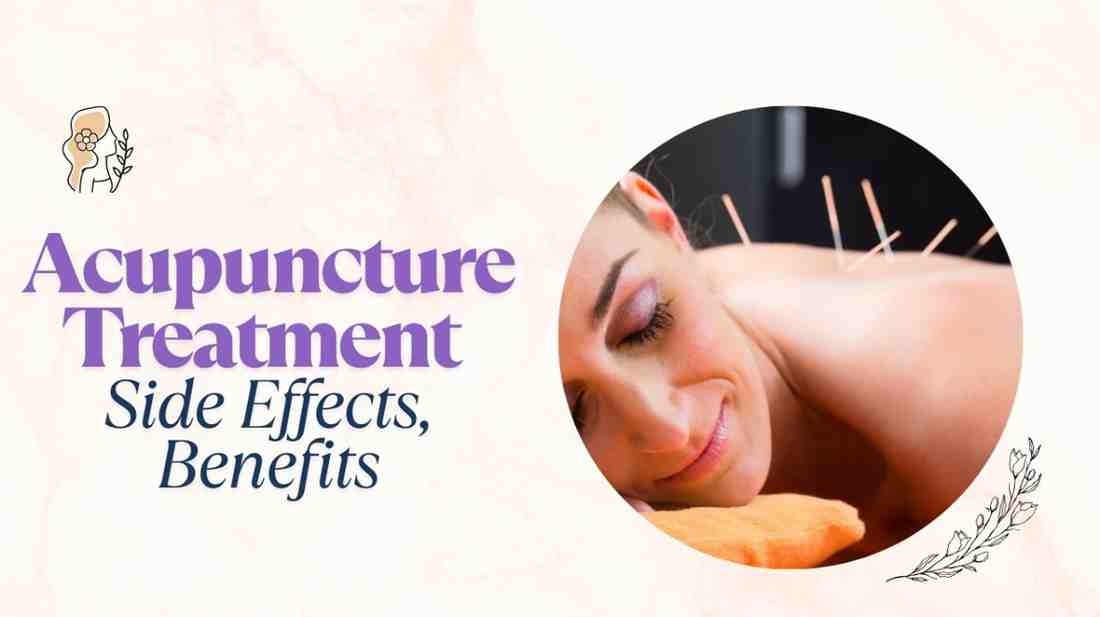
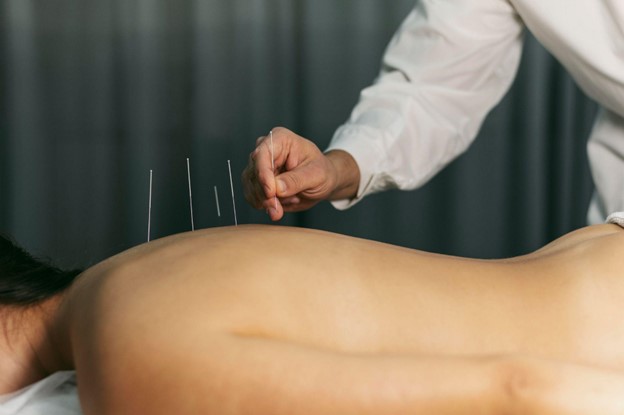
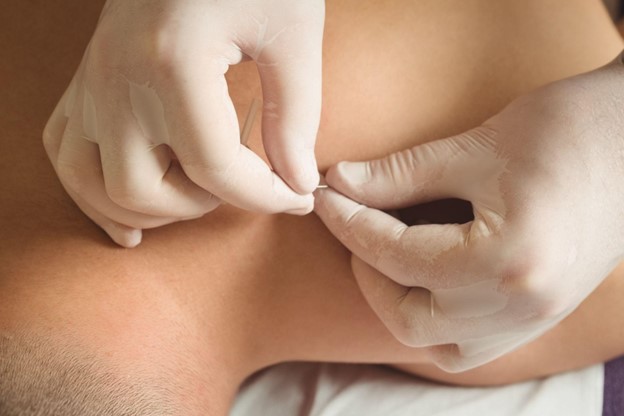
    Acupuncture Treatment – Acupuncture is a traditional Chinese healing art dating back over two millennia, involves the insertion of thin needles into specific points on the body to promote the flow of vital energy, known as Qi. Rooted in the belief that disruptions in this energy flow can lead to various health issues, acupuncture aims to restore balance by stimulating specific meridian points.

    The process is generally painless, with the fine needles causing minimal discomfort. Widely recognized for its versatility, acupuncture has been employed to alleviate a spectrum of conditions, ranging from chronic pain and stress to digestive disorders and women’s health issues. Its increasing popularity in the West has spurred scientific research, shedding light on potential mechanisms underlying its effectiveness.

    Acupuncture stands as a holistic approach, offering individuals a unique avenue for healing and well-being that integrates ancient wisdom with contemporary understanding.

    What is Acupuncture?

    Acupuncture is based on the belief that the body’s vital energy, Qi, flows through a network of meridians. The practitioner identifies specific points on these meridians, each associated with a particular organ or bodily function. By inserting thin needles into these points, the practitioner seeks to correct imbalances in Qi, restore energy flow, and alleviate various health issues.

    The needles used in acupuncture are extremely thin, typically causing minimal discomfort. The process is generally painless, and many individuals find the experience relaxing. Acupuncture sessions can last anywhere from 20 minutes to an hour, depending on the specific needs and conditions of the individual.

    Acupuncture Treatment

    Treatment of Acupuncture

    Acupuncture is renowned for its versatility in addressing a wide range of health conditions. While it should not replace conventional medical treatments for serious illnesses, acupuncture can complement standard care and provide relief for various issues, including:

    • Pain Management: Acupuncture is often sought for the alleviation of chronic pain conditions such as back pain, migraines, and arthritis.
    • Stress and Anxiety: Many individuals turn to acupuncture as a natural way to reduce stress, and anxiety, and promote relaxation.
    • Digestive Disorders: Acupuncture may help with digestive issues like irritable bowel syndrome (IBS) and indigestion.
    • Sleep Disorders: By promoting relaxation and balancing energy, acupuncture may contribute to improved sleep quality for those with insomnia or other sleep disorders.
    • Women’s Health: Acupuncture is commonly used to address menstrual disorders, fertility issues, and the symptoms of menopause.

    Benefits of Acupuncture Treatment

    As acupuncture gains popularity in the West, scientific research is increasingly exploring its mechanisms and efficacy. Numerous studies have been conducted to investigate acupuncture’s impact on various conditions, shedding light on its potential benefits.

    • Pain Relief: Research suggests that acupuncture may influence the release of endorphins, the body’s natural painkillers, providing effective pain relief.
    • Neurological Effects: Acupuncture has been shown to affect the central nervous system, modulating neurotransmitters and promoting a sense of well-being.
    • Inflammation Reduction: Some studies indicate that acupuncture may have anti-inflammatory effects, which could contribute to its efficacy in managing conditions involving inflammation.

    Also, Read:

    Side Effects of Acupuncture Treatment

    Acupuncture is generally considered safe, with minimal side effects when administered by trained practitioners. Common side effects may include temporary soreness, bruising, or bleeding at needle insertion sites. In rare cases, individuals may experience dizziness, fatigue, or mild pain during or after a session. Serious complications are extremely uncommon, but improper needle placement or unsterilized needles could lead to infection.

    Acupuncture Treatment

    It’s crucial to seek acupuncture from qualified professionals to mitigate potential risks. Pregnant individuals should inform their acupuncturist, as certain points are contraindicated. Overall, acupuncture’s side effects are typically mild and transient, emphasizing its safety in the hands of skilled practitioners.

    > Consult a Doctor and Medkart will help you Order Medicines Online

    Conclusion:

    Acupuncture continues to captivate individuals seeking holistic approaches to health and wellness. While its mechanisms are not fully understood from a Western medical perspective, the growing body of research and positive anecdotal evidence underscores its potential as a complementary therapy. As with any form of healthcare, individuals considering acupuncture should consult with qualified practitioners and, when necessary, integrate it into a comprehensive treatment plan in collaboration with conventional medicine.

    Whether seeking relief from pain, stress, or specific health conditions, acupuncture offers a time-tested, gentle approach to healing that resonates with both ancient wisdom and modern understanding.
    Read: What are Generic Medicines?

    FAQs on Acupuncture Treatment

    Q1. What is Acupuncture Treatment?

    Acupuncture treatment is a traditional Chinese therapeutic practice involving the insertion of thin needles into specific points on the body. The goal is to stimulate energy flow, known as Qi, and restore balance to address various health concerns. This ancient technique is widely used for pain management, stress reduction, and promoting overall well-being.

    Q2. Is acupuncture treatment painful?

    Acupuncture treatment is generally not painful. The needles used are extremely thin, causing minimal discomfort. Many people find the sessions relaxing and often report a sensation of warmth or mild tingling.

    Q3. How long does an acupuncture session last?

    The duration of an acupuncture session can vary, but it typically lasts between 20 minutes to an hour. The length depends on the specific condition being treated and the practitioner’s approach to individualized care.

    Q4. How many sessions are needed for noticeable results?

    The number of sessions required varies based on the individual’s health concerns. While some people experience relief after just one session, a series of sessions, usually spaced out initially, may be recommended for optimal and lasting results. The acupuncturist will tailor the treatment plan based on the individual’s response and the nature of the condition.

    Related Links:

  • Varicocele Treatment: Ayurveda, Home Remedies and Best Cure for Varicocele

    Varicocele Treatment: Ayurveda, Home Remedies and Best Cure for Varicocele


    varicocele treatment

    Varicocele treatment options vary based on the severity of symptoms and the impact on fertility. In cases where varicocele causes minimal discomfort and doesn’t affect fertility, a watchful waiting approach may be adopted. Lifestyle changes, such as wearing supportive underwear and avoiding prolonged periods of standing, can be recommended to alleviate symptoms. Medications, such as pain relievers and anti-inflammatories, may be prescribed to manage pain and reduce swelling. However, when varicocele significantly impacts fertility or causes persistent discomfort, surgical intervention may be considered.

    Varicocelectomy, the most common surgical procedure, involves tying off the dilated veins to redirect blood flow. Microsurgery, which uses a microscope for precise ligation of veins, is a minimally invasive option. Ultimately, the choice of varicocele treatment depends on individual circumstances, and consultation with a healthcare professional is essential to determine the most appropriate course of action.

    Causes of Varicocele Treatment

    Varicocele is a common condition characterized by the enlargement of veins within the scrotum. While it often doesn’t cause serious health problems, it can lead to discomfort and fertility issues in some cases. Fortunately, various treatment options are available to address varicocele and alleviate associated symptoms.

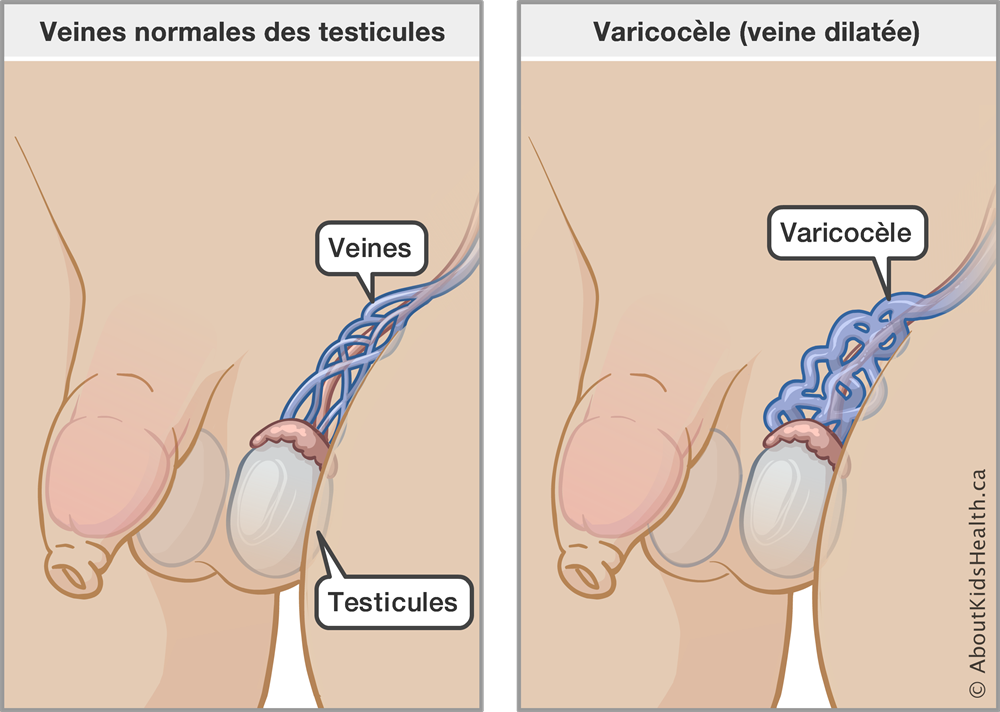
    Varicocele occurs when the veins in the spermatic cord, which supports the testicles, become dilated or enlarged. The exact cause is not always clear, but it is believed that issues with blood flow regulation or faulty valves within the veins may contribute to the condition.

    Varicocele Treatment

    Symptoms of Varicocele

    • Pain or Discomfort: Varicocele may cause a dull, aching pain in the scrotum, particularly after long periods of standing or physical activity.
    • Infertility: In some cases, varicocele can affect sperm production and quality, leading to male infertility.
    • Visible Swelling: The enlargement of veins may be visible or palpable, often described as feeling like a bag of worms.

    Varicocele Treatment

    The list of best treatments for varicocele is mentioned below:

    1. Observation

    Not all varicoceles require active treatment. In cases where the condition is asymptomatic and does not impact fertility, a watch-and-wait approach may be recommended.

    2. Lifestyle Changes

    Making certain lifestyle adjustments can help manage varicocele symptoms. These may include wearing supportive underwear, avoiding prolonged periods of standing, and practising regular exercise.

    3. Medication

    While there is no specific medication to cure varicocele, pain relievers may be prescribed to manage discomfort. Anti-inflammatory drugs can also help alleviate swelling.

    > Consult a Doctor and Medkart will help you Order Medicines Online

    4. Surgical Intervention

    • Varicocelectomy: This is the most common surgical procedure for treating varicocele. It involves tying off the dilated veins to redirect blood flow. The surgery can be done through an open procedure or using minimally invasive techniques such as laparoscopy or embolization.
    • Microsurgery: Using a microscope, a surgeon can precisely identify and ligate the dilated veins. Microsurgery is considered a highly effective and minimally invasive option.

    5. Assisted Reproductive Techniques (ART)

    In cases where varicocele is associated with male infertility, ART methods such as in vitro fertilization (IVF) or intrauterine insemination (IUI) may be considered.

    Cure for Varicocele – Considerations and Conclusion

    Before deciding on a treatment approach, it is essential to consider factors such as the severity of symptoms, impact on fertility, and the overall health of the individual. Consulting with a urologist or a reproductive specialist is crucial to assess the specific situation and determine the most suitable course of action.

    Varicocele treatment aims to relieve symptoms, improve fertility, and enhance overall quality of life. With advancements in surgical techniques and the availability of non-invasive options, individuals facing varicocele can explore various avenues for effective management and resolution of this common condition. Always consult with a healthcare professional to determine the most appropriate treatment plan based on individual circumstances.

    Also, Read:

    Varicocele Treatment in Ayurveda

    In Ayurveda, the traditional Indian system of medicine, the treatment of varicocele focuses on restoring the balance of the three doshas – Vata, Pitta, and Kapha – within the body. Ayurvedic practitioners often recommend a combination of dietary modifications, lifestyle changes, and herbal remedies to address varicocele symptoms.

    Herbs like Ashwagandha, Guggul, and Shatavari are commonly used for their purported anti-inflammatory and rejuvenating properties. Additionally, practices such as Panchakarma, a detoxification procedure, are sometimes employed to eliminate toxins believed to contribute to the condition. Ayurvedic treatments aim to not only alleviate pain and discomfort associated with varicocele but also enhance overall reproductive health.

    However, it’s crucial for individuals considering Ayurvedic varicocele treatment to consult with a qualified practitioner who can provide personalized guidance based on their specific health needs and the severity of the varicocele.

    Read: What are Generic Medicines?

    FAQs on Varicocele Treatment?

    Q1. What is varicocele treatment?

    Varicocele treatment options include lifestyle changes, medications for pain relief, and surgical interventions such as varicocelectomy or microsurgery. The choice of treatment depends on the severity of symptoms and their impact on fertility. Consulting with a healthcare professional is crucial for personalized guidance and decision-making.

    Q2. Can varicoceles be treated without surgery?

    Yes, lifestyle changes and medications can be effective in managing varicocele symptoms; however, surgical interventions may be necessary in cases of persistent discomfort or fertility issues.

    Q3. Is varicocele surgery a common procedure?

    Yes, varicocelectomy is a common surgical intervention for varicocele, involving the ligation of dilated veins to improve blood flow and alleviate symptoms.

    Q4. Can varicocele treatment improve fertility?

    Yes, addressing varicocele through surgery or other interventions can enhance fertility by improving sperm quality and count, but the extent of improvement varies for each individual.

    Related Links:

  • Tinnitus Treatment – Diagnosis and Best Treatment for Tinnitus

    Tinnitus Treatment – Diagnosis and Best Treatment for Tinnitus

    tinnitus treatment

    Tinnitus treatment involves a multifaceted approach aimed at managing the symptoms of persistent ringing, buzzing, or humming in the ears. While there is no universal cure for tinnitus, various strategies can help individuals cope with and alleviate its impact. Medical interventions may include the use of hearing aids for associated hearing loss, sound therapy to mask internal noise, and, in some cases, medications to address emotional distress.

    Holistic approaches, such as cognitive behavioural therapy (CBT) and mindfulness techniques, focus on changing thought patterns and reducing stress. Lifestyle adjustments, like maintaining a balanced diet and practising relaxation exercises, can contribute to overall well-being. Emerging technologies and ongoing research into neuromodulation and pharmacotherapy offer promise for future advancements in tinnitus treatment.

    Tinnitus Treatment

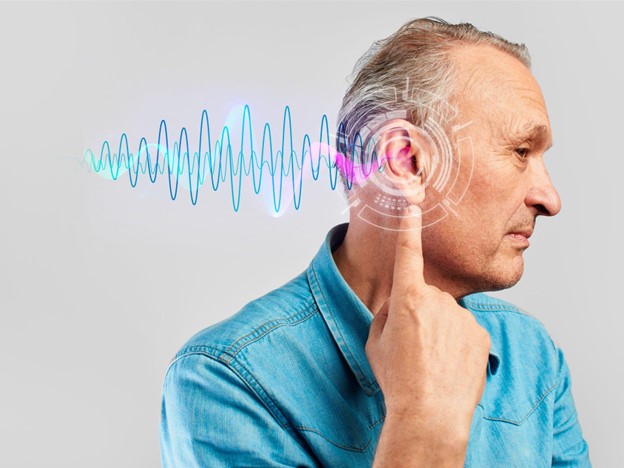
    Tinnitus, often described as a persistent ringing, buzzing, or humming sound in the ears, affects millions of people worldwide. This condition can significantly impact one’s quality of life, leading to stress, anxiety, and sleep disturbances. Tinnitus is not a disease but a symptom of an underlying issue, such as age-related hearing loss, exposure to loud noises, earwax blockage, or even certain medications.

    Tinnitus Treatment

    Medical Interventions

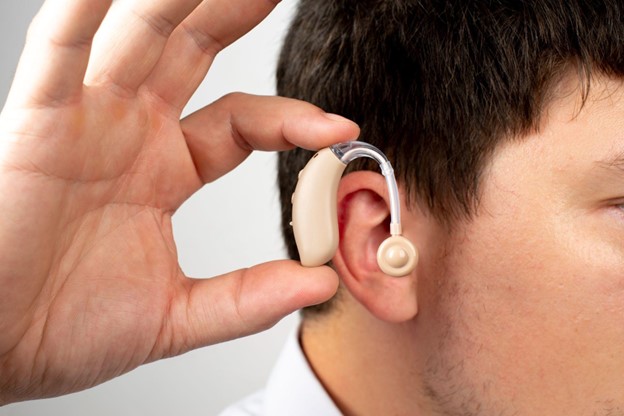
    • Hearing Aids: For individuals with tinnitus associated with hearing loss, hearing aids can be a game-changer. These devices amplify external sounds, making it easier for the brain to focus on them rather than the internal noise caused by tinnitus.
    • Sound Therapy: White noise machines, nature sounds, or specially designed tinnitus masking devices can help individuals habituate to the constant ringing. By introducing pleasant background sounds, the brain can learn to filter out or ignore the tinnitus noise over time.
    • Medications: In some cases, medications such as antidepressants or anti-anxiety drugs may be prescribed to alleviate the emotional toll of tinnitus. However, the effectiveness of medications varies from person to person, and potential side effects should be considered.

    > Consult a Doctor and Medkart will help you Order Medicines Online

    Holistic Approaches

    • Cognitive Behavioral Therapy (CBT): CBT can be beneficial in managing the psychological impact of tinnitus. By helping individuals change their thought patterns and reactions to sound, Cognitive Behavioral Therapy can reduce the distress associated with tinnitus.
    • Mindfulness and Relaxation Techniques: Stress and anxiety can exacerbate tinnitus symptoms. Mindfulness meditation, yoga, and deep-breathing exercises can promote relaxation and alleviate the emotional burden of tinnitus.
    • Dietary Changes: Some individuals report improvements in their tinnitus symptoms by making dietary adjustments. Cutting down on caffeine, alcohol, and salty foods, while ensuring a balanced diet rich in vitamins and minerals, may positively impact tinnitus.

    Emerging Technologies

    • Neuromodulation: Innovative techniques such as transcranial magnetic stimulation (TMS) and transcranial direct current stimulation (tDCS) are being explored for their potential to modulate the neural activity associated with tinnitus.
    • Pharmacotherapy and Clinical Trials: Ongoing research is focused on developing drugs specifically targeting the neural pathways involved in tinnitus. Participation in clinical trials may provide access to cutting-edge treatments.

    Tinnitus Treatment

    Tinnitus Home Treatment

    Tinnitus home treatment often involves adopting lifestyle changes and implementing simple yet effective strategies to alleviate symptoms. One commonly recommended approach is sound therapy, where individuals use background noise, such as a fan, soothing music, or nature sounds, to mask the persistent ringing in their ears.

    Additionally, practising relaxation techniques, such as deep-breathing exercises and mindfulness meditation, can help manage stress and reduce the perceived severity of tinnitus. Maintaining a healthy lifestyle through regular exercise, a balanced diet, and sufficient sleep can contribute to overall well-being and potentially improve tinnitus symptoms. While tinnitus home treatment may not provide a cure, they offer accessible and cost-effective ways for individuals to better cope with the challenges posed by tinnitus within the comfort of their own homes.

    Also, Read:

    Ayurvedic Treatment For Tinnitus

    Ayurvedic treatment for tinnitus is rooted in the ancient holistic healing system of Ayurveda, aiming to restore balance to the body and mind. Ayurveda views tinnitus as a manifestation of an underlying imbalance in the doshas, particularly Vata, and often recommends a combination of dietary modifications, herbal remedies, and lifestyle practices. Medicinal herbs such as Ashwagandha, Brahmi, and Ginkgo Biloba are commonly used to strengthen the nervous system and improve circulation to the ears.

    Ayurvedic therapies like Nasya (nasal administration of herbal oils), Shirodhara (pouring of warm oil on the forehead), and Panchakarma (detoxification procedures) may also be recommended to address imbalances and promote overall well-being. Additionally, adhering to a Vata-pacifying diet that includes warm, nourishing foods and avoiding excessive intake of cold or raw foods is often suggested. It’s important for individuals considering Ayurvedic treatment for tinnitus to consult with a qualified Ayurvedic practitioner who can tailor a holistic approach based on their unique constitution and specific imbalances.

    Conclusion:

    While tinnitus may not have a one-size-fits-all cure, the diverse range of treatment options offers hope for individuals seeking relief. Consulting with healthcare professionals and exploring a combination of medical, holistic, and emerging therapies can help individuals manage their symptoms effectively and enhance their overall quality of life. As research continues, the future holds promise for more advanced and tailored approaches to address the complex nature of tinnitus.

    Read: What are Generic Medicines?

    FAQs On Tinnitus Treatment

    Q1. What is Tinnitus Treatment?

    Tinnitus treatment involves managing persistent ear noises like ringing or buzzing. Strategies include sound therapy, medical interventions such as hearing aids, and holistic approaches like mindfulness and relaxation techniques. While there’s no universal cure, personalized combinations of these methods aim to alleviate symptoms and improve overall well-being.

    Q2. Can tinnitus be cured?

    Currently, there is no universal cure for tinnitus. However, various treatments aim to manage symptoms and improve quality of life.

    Q3. What are common tinnitus management strategies?

    Common strategies include sound therapy, such as white noise or nature sounds, medical interventions like hearing aids, and holistic approaches like mindfulness and relaxation techniques.

    Q4. Is medication effective in treating tinnitus?

    Medications may be prescribed to alleviate emotional distress associated with tinnitus, but their effectiveness varies.

    Related Links:

  • Stye Treatment – Best Medicine for a Stye and Home Remedies

    Stye Treatment – Best Medicine for a Stye and Home Remedies

    stye treatment

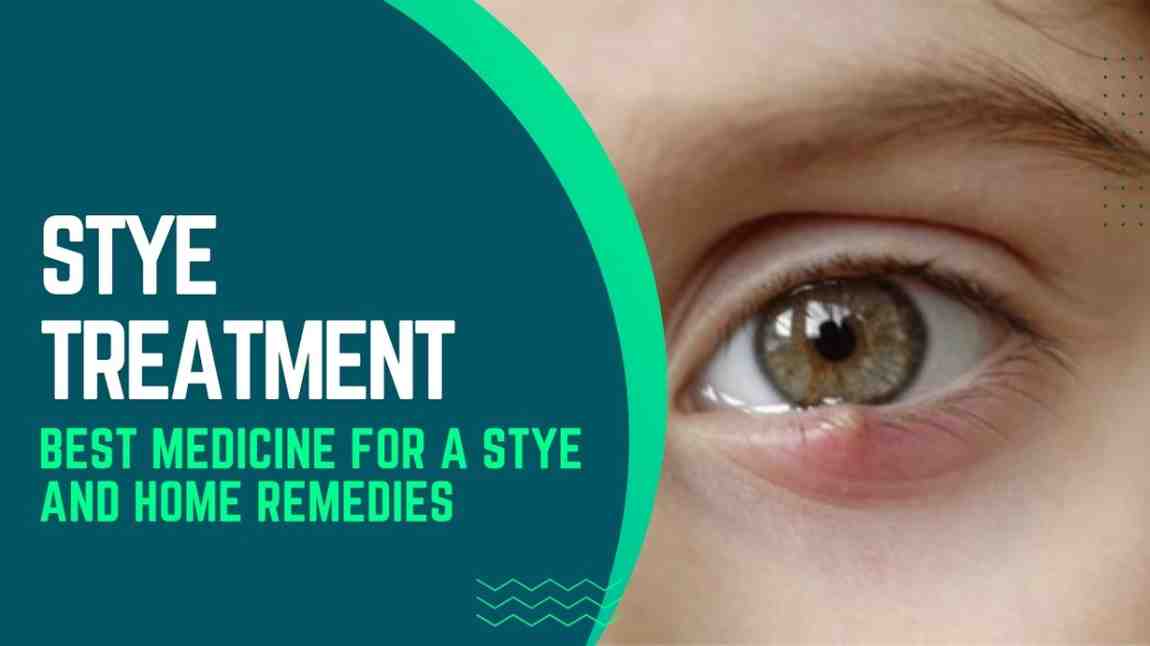
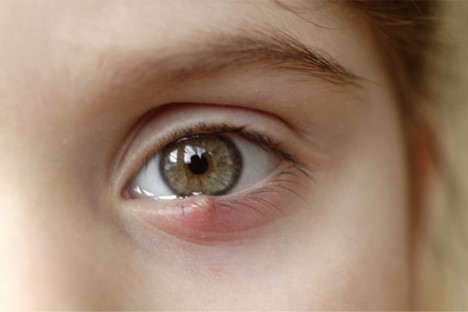
    Stye Treatment – A hordeolum, commonly referred to as a stye, represents a prevalent and frequently uncomfortable infection affecting the eyelid. It occurs when one or more oil glands at the base of an eyelash become blocked, leading to the development of a red, tender bump. While styes are generally harmless, they can be uncomfortable and aesthetically displeasing. In this blog post, we will explore the causes, symptoms, and various effective treatments for styes.

    Styes are typically caused by a bacterial infection, commonly Staphylococcus aureus. These bacteria are naturally present on the skin and can enter the oil glands through small cuts or abrasions. Other contributing factors to stye treatment include poor eyelid hygiene, using expired or contaminated cosmetics, and frequently rubbing the eyes with dirty hands.

    Symptoms of Styes

    Identifying a stye early on can help in implementing effective treatment. Common symptoms include:

    1. Redness and Swelling: The affected area of the eyelid becomes red and swollen.
    2. Pain: Styes are often tender and painful, especially when touched.
    3. Watering of the Eye: Excessive tearing may occur due to irritation.
    4. Blurred Vision: In some cases, vision may be temporarily affected.

    Stye Treatment

    Stye Treatment

    The best and most effective treatment of stye is mentioned below:

    • Warm Compresses: Applying a warm compress to the affected eye several times a day helps promote drainage and relieve pain. Soak a clean cloth in warm water and gently place it over the closed eye for 10-15 minutes.
    • Eyelid Hygiene: Keep the affected eye clean by using a mild, fragrance-free soap or baby shampoo to cleanse the eyelids. Be sure to wash your hands thoroughly before touching the infected area.
    • Avoid Squeezing: Resist the urge to squeeze or pop the stye, as this can lead to further infection or the formation of a more severe condition called a chalazion.
    • Antibiotic Ointments: Over-the-counter antibiotic ointments, such as bacitracin or erythromycin, can be applied to the eyelid to help eliminate bacterial infection. It’s crucial to follow the instructions provided and consult a healthcare professional if the condition persists.
    • Oral Antibiotics: In more severe cases, oral antibiotics may be prescribed by a doctor to combat the infection. This is usually reserved for styes that do not respond to topical treatments.
    • Pain Relievers: Over-the-counter pain relievers such as ibuprofen or acetaminophen are effective in alleviating pain and mitigating inflammation. Also, Andre, I kul eye drops is effective against eye discomfort, redness, swelling, and irritation.
    • Contact Lens Consideration: If you wear contact lenses, temporarily switch to glasses until the stye heals. Contact lenses may exacerbate the irritation and hinder the healing process.

    Also, Check:

    When to Seek Medical Attention for Stye Treatment

    While most styes can be effectively treated at home, it’s essential to consult a healthcare professional if:

    • The stye persists or worsens after a week of home treatment.
    • Vision is significantly affected.
    • The stye is recurrent or accompanied by other symptoms like fever.

    > Consult a Doctor and Medkart will help you Order Medicines Online

    Internal Stye Treatment

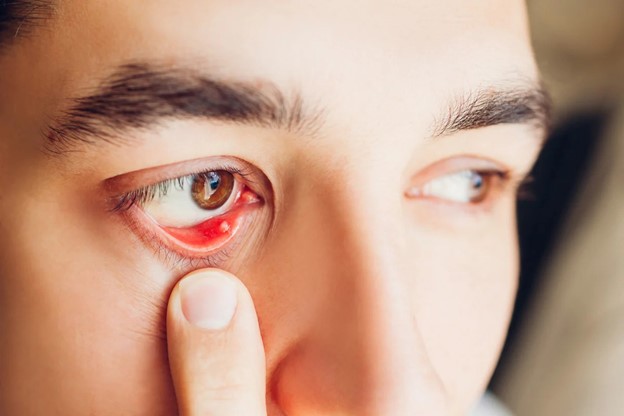
    While external styes are commonly visible on the eyelid, internal styes, also known as internal hordeolums, develop inside the eyelid. These can be more challenging to identify and treat due to their location. Similar to external styes, internal styes are primarily caused by a bacterial infection, often Staphylococcus aureus.

    • Avoid Eye Makeup: Refrain from using eye makeup until the internal stye has healed to prevent further irritation and contamination.
    • Topical Antibiotics: Your healthcare professional may recommend topical antibiotics in the form of ointments or drops to combat the bacterial infection. Follow the prescribed instructions carefully.
    • Oral Antibiotics: In more severe cases or if the internal stye does not respond to topical treatments, oral antibiotics may be prescribed to address the infection systemically.
    • Incision and Drainage (if necessary): In rare cases, a healthcare professional may need to perform a minor incision to drain the internal stye if it doesn’t respond to conservative treatments.
    • Pain Relief Medications: Over-the-counter pain relievers such as ibuprofen or acetaminophen can help manage pain and reduce inflammation.

    Stye Treatment

    Conclusion:

    Styes are common eye infections that can be managed effectively with proper hygiene and home treatments. By incorporating warm compresses, maintaining good eyelid hygiene, and using appropriate medications, individuals can relieve symptoms and facilitate the healing process. However, if the condition persists or worsens, seeking professional medical advice is crucial to prevent potential complications. Remember, early intervention and consistent care are key to a speedy recovery from styes.

    Read: What are Generic Medicines?

    FAQs on Stye Treatment

    Q1. What is Stye Treatment?

    Stye treatment typically involves warm compress application to reduce inflammation, maintaining good eyelid hygiene, and using over-the-counter or prescribed antibiotics to address bacterial infection. In more severe cases, oral antibiotics or professional drainage procedures may be recommended.

    Q2. Can I treat a stye at home?

    Yes, home treatment includes applying warm compresses, practising good eyelid hygiene, and using over-the-counter antibiotic ointments to alleviate symptoms.

    Q3. Should I pop or squeeze a stye?

    No, attempting to pop or squeeze a stye can worsen the infection and lead to complications. It’s best to apply warm compresses and seek professional advice if needed.

    Q4. When should I see a doctor for a stye?

    Consult a doctor if the stye persists after a week of home treatment, if vision is affected, or if the stye is accompanied by fever. Professional guidance ensures appropriate intervention if required.

    Related Links:

  • Stomach Ulcer Treatment – Natural and Home Remedies for Stomach Ulcer

    Stomach Ulcer Treatment – Natural and Home Remedies for Stomach Ulcer

    stomach ulcer treatment

    Stomach ulcer treatment typically involves a multifaceted approach aimed at relieving symptoms, promoting healing, and preventing recurrence. Medications play a central role, with proton pump inhibitors (PPIs) and H2 blockers effectively reducing stomach acid production. Antibiotics for stomach ulcer treatment may be prescribed in cases where Helicobacter pylori infection is identified. Antacids provide quick relief by neutralizing acid, while cytoprotective agents form a protective barrier over the ulcer.

    Lifestyle modifications, such as dietary changes to avoid trigger foods and the cessation of smoking, contribute to the healing process. Stress management through techniques like meditation or yoga is also recommended, as chronic stress can exacerbate symptoms. In severe cases or instances of complications, surgical intervention may be necessary.

    What are Stomach Ulcers?

    Gastric ulcers, commonly referred to as stomach ulcers, are characterized by the presence of open sores that form on the inner lining of the stomach. These ulcers can cause pain, discomfort, and various complications if left untreated. Stomach ulcers primarily result from the erosion of the stomach lining, often caused by the imbalance between stomach acid and the protective mucous layer.

    The major factors contributing to ulcer development include:

    • Helicobacter pylori (H. pylori) Infection: This bacterium is a common culprit behind stomach ulcers. It weakens the protective mucous layer, making the stomach more susceptible to damage from stomach acid.
    • Nonsteroidal Anti-Inflammatory Drugs (NSAIDs): Regular use of NSAIDs, such as aspirin and ibuprofen, can increase the risk of developing stomach ulcers by irritating the stomach lining.
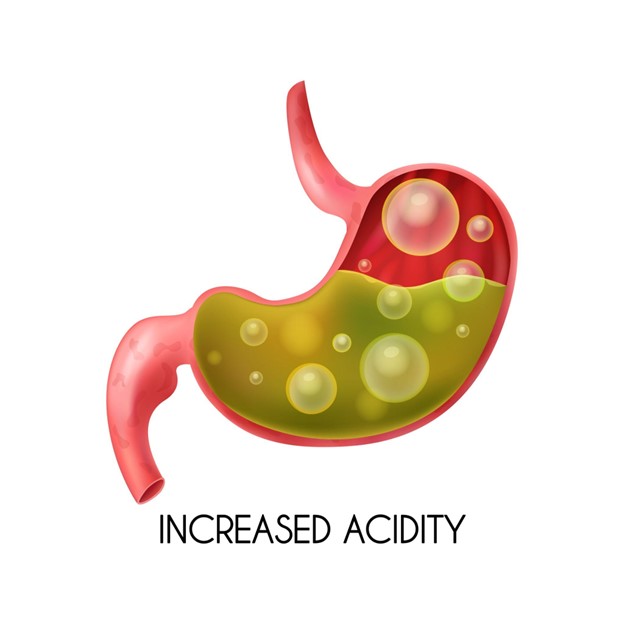
    • Excessive Stomach Acid Production: Conditions like hyperacidity can lead to an excess of stomach acid, contributing to the erosion of the stomach lining.

    Stomach Ulcer Treatment

    Stomach Ulcer Symptoms Treatment

    Recognizing the symptoms of stomach ulcers is crucial for timely intervention. Common signs include:

    1. Burning pain in the abdomen, often between meals or during the night.
    2. Nausea and vomiting.
    3. Indigestion and bloating.
    4. Dark or bloody stools.
    5. Unexplained weight loss.

    Stomach Ulcer Treatment

    Stomach Ulcer Treatment

    The features of the treatment of stomach ulcers are mentioned below:

    Medications:

    • Proton Pump Inhibitors (PPIs): These drugs reduce stomach acid production, promoting healing of the ulcer. Examples include omeprazole and lansoprazole.
    • H2 Blockers: Drugs like ranitidine and famotidine also help decrease stomach acid production.
    • Antibiotics: If H. pylori infection is identified, a combination of antibiotics is often prescribed to eradicate the bacteria.

    > Consult a Doctor and Medkart will help you Order Medicines Online

    Medicines like Misoprostol, especially in the form of Misoprost 200mcg Tablet, are also prescribed in certain cases to protect the stomach lining, particularly for patients at risk of NSAID-induced ulcers.

    Antacids: Over-the-counter antacids provide quick relief by neutralizing stomach acid. However, they do not promote ulcer healing and are typically used in conjunction with other medications.

    Cytoprotective Agents: Medications like sucralfate create a protective barrier over the ulcer, shielding it from the corrosive effects of stomach acid.

    Lifestyle Changes:

    • Dietary Modifications: Avoiding spicy foods, caffeine, and alcohol can help reduce stomach acid production.
    • Quitting Smoking: Smoking can delay ulcer healing and increase the risk of complications.

    Stress Management: Chronic stress can exacerbate stomach ulcer symptoms. Practising relaxation techniques like meditation or yoga may help manage stress levels.

    Surgery: In severe cases or if complications arise, surgery may be necessary to repair the ulcer or remove the affected portion of the stomach.

    Also, Read:

    Stomach Ulcer Treatment Diet

    Adopting a stomach ulcer treatment diet is essential for managing symptoms and promoting healing. Key dietary considerations include:

    • Avoiding Trigger Foods: Spicy foods, acidic fruits, caffeine, and alcohol can irritate the stomach lining. Limiting or avoiding these items can help reduce discomfort.
    • Opting for a Low-Acidity Diet: Choose foods that are less acidic to minimize stomach irritation. Choose lean proteins, opt for whole grains, and include non-citrus fruits in your dietary selection.
    • Incorporating Fiber-Rich Foods: High-fiber foods, such as fruits, vegetables, and whole grains, can help maintain a healthy digestive system and prevent constipation.
    • Including Probiotics: Probiotics, found in yoghurt and fermented foods, promote a healthy gut environment and may aid in the healing process.
    • Small, Frequent Meals: Eating smaller, more frequent meals throughout the day instead of large meals can help manage stomach acid levels and reduce irritation.
    • Hydration: Drinking plenty of water helps maintain mucous production, providing a protective barrier for the stomach lining.

    It’s crucial to note that individual responses to foods can vary, and individuals with stomach ulcers should consult with a healthcare professional or a registered dietitian to craft an individualized dietary regimen that caters to unique needs and preferences.

    Conclusion:

    Stomach Ulcer treatment is a combination of medications, lifestyle changes, and, in some cases, surgery. Early detection and intervention are essential for preventing complications and promoting optimal healing. If you suspect you have a stomach ulcer or experience persistent symptoms, consult a healthcare professional for a proper diagnosis and personalized treatment plan.

    Read: What are Generic Medicines?

    FAQs on Stomach Ulcer Treatment

    Q1. What is stomach ulcer treatment?

    Stomach ulcer treatment involves a combination of medications, such as proton pump inhibitors and antibiotics for H. pylori eradication. Implementing alterations to one’s lifestyle, encompassing dietary adjustments and effective stress management strategies assumes a pivotal role in overall well-being. In severe cases, surgery may be considered to address complications or non-responsive ulcers.

    Q2. Can stomach ulcers heal on their own without treatment?

    In some cases, small ulcers may heal without specific treatment. However, seeking medical advice is crucial to prevent complications and ensure effective management.

    Q3. What over-the-counter medications can help with stomach ulcer symptoms?

    Antacids, such as Tums or Maalox, provide quick relief by neutralizing stomach acid. However, they should be used in conjunction with prescribed medications for long-term ulcer healing.

    Q4. Is surgery always required for treating stomach ulcers?

    Surgery is not always necessary. Most ulcers can be effectively managed with medications, lifestyle changes, and when applicable treatment for underlying causes like H. pylori infection. Surgical intervention is generally reserved for instances of heightened severity or the emergence of complications.

    Related Links:


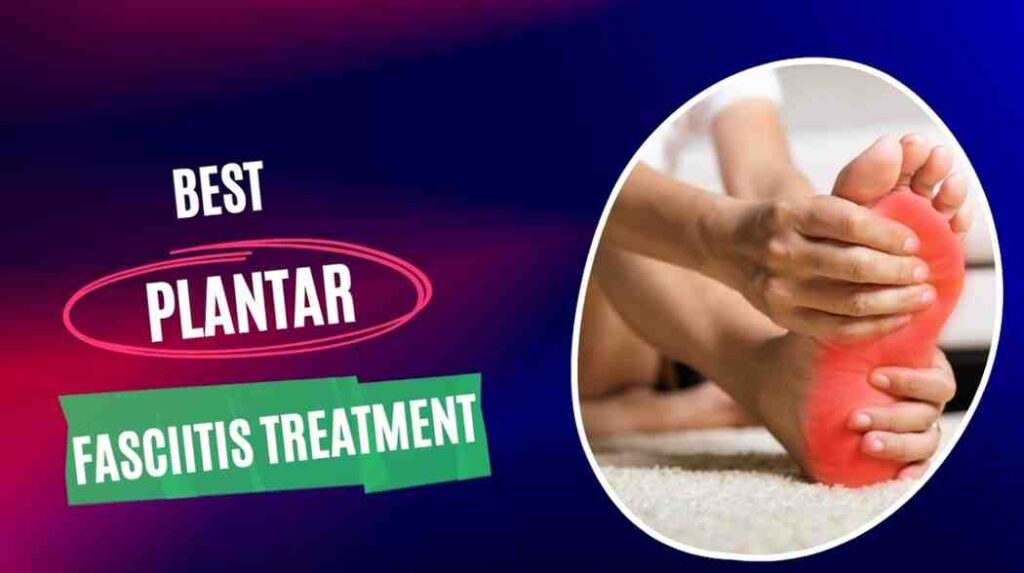
  • Best Plantar Fasciitis Treatment – Home Remedies and Exercises for Plantar Fasciitis

    Best Plantar Fasciitis Treatment – Home Remedies and Exercises for Plantar Fasciitis

    best plantar fasciitis treatment

    Plantar fasciitis, a prevalent foot ailment characterized by heel pain and inflammation, demands a multifaceted approach to treatment. Initial measures often involve rest, ice application, and the integration of stretching exercises to alleviate tension in the plantar fascia. Suitable footwear with proper arch support and cushioning are crucial in minimizing strain, while night splints can aid in preventing the tightening of the fascia during sleep.

    For more advanced cases, professional interventions like physical therapy, orthotics, and corticosteroid injections may be recommended. Shockwave therapy, a non-invasive procedure, has also shown promise in stimulating healing. Adopting preventive measures such as gradual exercise progression, maintaining a healthy weight, and proper warm-up routines can further contribute to long-term relief from plantar fasciitis. Seeking advice from healthcare professionals ensures a tailored treatment plan, facilitating a more effective and sustainable recovery.

    Plantar Fasciitis Treatment

    Before delving into treatment options, it’s essential to understand what plantar fasciitis is and how it develops. The plantar fascia is a thick band of tissue that connects the heel bone to the toes, providing support to the arch of the foot.

    When this tissue becomes strained or inflamed, it leads to plantar fasciitis. Common causes include overuse, improper footwear, high-impact activities, and underlying foot conditions.

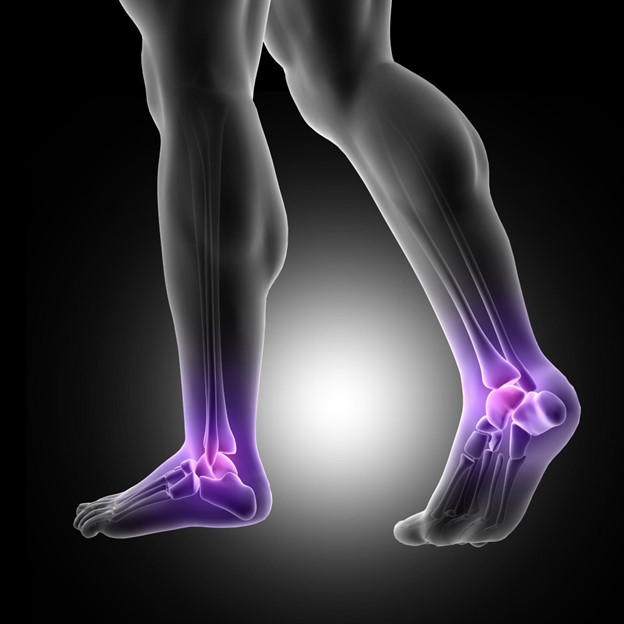
    Plantar Fasciitis image

    Best Exercises for Plantar Fasciitis Treatment

    The best exercises for plantar fasciitis treatment are mentioned below:

    Calf Stretches

    • Stand facing a wall with hands placed on it.
    • Extend one leg straight back while keeping the heel on the ground.
    • Bend the front knee, feeling a stretch in the calf of the extended leg.
    • Hold for 15-30 seconds and switch legs.

    Towel Stretch

    • Sit on the floor with your legs extended.
    • Loop a towel around the ball of one foot.
    • Gently pull the towel towards you, keeping the knee straight.
    • Hold for 15-30 seconds and repeat on the other foot.

    Toe Scrunches

    • Sit comfortably and place a small towel on the floor in front of you.
    • Use your toes to scrunch the towel towards you.
    • Repeat for 2-3 sets of 15 repetitions.

    Rolling Massage

    • Freeze a water bottle or a golf ball.
    • While seated, roll the frozen object under the arch of your foot for 5-10 minutes.
    • This helps reduce inflammation and soothes the affected area.

    Rolling Massage image

    Plantar Fasciitis Home Treatment

    The best home remedies for the plantar fasciitis treatment are mentioned below:

    Proper Footwear

    • Choose your shoes which has good arch support and cushioning.
    • Avoid high-heeled footwear and shoes lacking proper support to safeguard your feet.

    Icing

    • Apply an ice pack to the impacted region for a duration of 15-20 minutes at intervals of 2-3 hours.
    • Icing helps reduce inflammation and provides relief.

    Rest and Elevation

    • Rest your feet, especially after activities that exacerbate the pain.
    • Elevate your feet when possible to minimize swelling.

    Night Splints

    • Wear night splints to keep the foot in a dorsiflexed position while sleeping.
    • This helps stretch the plantar fascia during the night.

    Over-the-Counter Supports

    • Consider using arch supports or orthotic insoles to provide additional support to the foot.

    Other Approaches

    • Footwear: Wear supportive shoes with proper arch support and cushioning to minimize strain on the plantar fascia.
    • Night Splints: Night splints can be worn to keep the foot flexed, preventing the plantar fascia from tightening during sleep.

    Professional Interventions

    • Physical Therapy: A physical therapist can guide you through targeted exercises to strengthen the muscles supporting the foot and improve flexibility.
    • Orthotics: Custom-made or over-the-counter orthotic insoles can provide additional support and help distribute pressure evenly across the foot.
    • Medications: Nonsteroidal anti-inflammatory drugs (NSAIDs) may be recommended by a healthcare professional to alleviate pain and reduce inflammation.
    • Corticosteroid Injections: In severe cases, corticosteroid injections may be administered to reduce inflammation and provide short-term relief.
    • Shockwave Therapy: This non-invasive treatment involves using shockwaves to stimulate healing and reduce pain in the affected area.

    Preventive Measures for Plantar Fasciitis

    • Proper Warm-up: Always warm up before engaging in physical activities, especially high-impact exercises.
    • Gradual Progression: If starting a new exercise routine, progress gradually to avoid overloading the plantar fascia.
    • Maintain a Healthy Weight: Excess weight puts additional strain on the feet, contributing to plantar fasciitis.

    Consult a Doctor and Medkart will help you Order Medicines Online

    Conclusion

    In conclusion, plantar fasciitis can be a painful and debilitating condition, but with the right approach, many individuals can find relief through plantar fasciitis treatment exercises and home remedies. Incorporating these exercises into your routine and adopting healthy habits can contribute to the long-term well-being of your feet. If in doubt, always consult with a healthcare professional for personalized advice and treatment.

    Read: What are Generic Medicines?

    FAQs on Plantar Fasciitis Treatment

    Q1. What is Plantar Fasciitis Treatment?

    Plantar fasciitis treatment involves a combination of exercises, lifestyle modifications, and self-care measures to alleviate pain and promote healing in the inflamed plantar fascia. This may include stretching exercises, proper footwear, ice application, and, in some cases, the use of night splints or orthotic inserts.

    Q2. Can I treat plantar fasciitis at home?

    Yes, many cases of plantar fasciitis can be effectively managed at home. Simple exercises like calf stretches, toe scrunches, and rolling massages, along with lifestyle adjustments such as proper footwear and rest, can contribute to relief.

    Q3. How long does it take for plantar fasciitis to heal with exercises?

    The healing time varies, but consistent implementation of plantar fasciitis exercises may show improvement in a few weeks to a few months. It’s important to be patient and maintain a regular exercise routine for optimal results.

    Q4. Are there any immediate relief measures for plantar fasciitis?

    Yes, there are immediate relief measures. Applying ice to the affected area, wearing supportive footwear, and taking over-the-counter anti-inflammatory medications can help alleviate pain. However, for long-term relief, it’s advisable to incorporate a comprehensive treatment plan including exercises and lifestyle changes.

  • મેડિકલમાં BD નો અર્થ શું છે? – BD Meaning in Medical Term in Gujarati

    મેડિકલમાં BD નો અર્થ શું છે? – BD Meaning in Medical Term in Gujarati

    BD meaning in medical term in gujarati

    મેડિકલમાં બીડીનો અર્થ – દવાની જટિલ ભાષામાં, જ્યાં ચોકસાઇ અને સ્પષ્ટતા સર્વોચ્ચ મહત્વ ધરાવે છે, જરૂરી માહિતીને અસરકારક રીતે સંચાર કરવા માટે વિવિધ સંક્ષેપો અને સંક્ષિપ્ત શબ્દોનો ઉપયોગ કરવામાં આવે છે. આ પૈકી, સંક્ષેપ BD એક નોંધપાત્ર સ્થાન ધરાવે છે, જે ડોઝિંગ રેજીમેન્સ, સારવારના સમયપત્રક અને રોગનિવારક માર્ગદર્શિકા સંબંધિત સંક્ષિપ્ત દિશા પ્રદાન કરે છે.

    બી.ડી મેડિકલમાં સંપૂર્ણ ફોર્મ

    BD પૂર્ણ સ્વરૂપ લેટિન શબ્દસમૂહ “bis in die” પરથી ઉદ્દભવે છે, જેનો અંગ્રેજીમાં અનુવાદ “દિવસમાં બે વાર” થાય છે. તબીબી ભાષામાં, આ સંક્ષેપનો ઉપયોગ દર્દીની અસરકારક સંભાળમાં ફાળો આપતી દવાઓ અથવા સારવારની આવર્તનને દર્શાવવા માટે કરવામાં આવે છે.

    મેડિકલમાં બીડીનો અર્થ

    જ્યારે કોઈ હેલ્થકેર પ્રોફેશનલ દવા સૂચવે છે અને તેને “1 ટેબ્લેટ BD લો” તરીકે નિયુક્ત કરે છે, ત્યારે નિર્દેશ સૂચવે છે કે દર્દીએ સૂચવવામાં આવેલી દવાની એક ટેબ્લેટ દિવસમાં બે વખત લેવી જરૂરી છે, આદર્શ રીતે આશરે 12 કલાકના અંતરે. આવા સંક્ષેપનો ઉપયોગ કરવા પાછળનો ઉદ્દેશ્ય સ્પષ્ટ અને સંક્ષિપ્ત સૂચનો આપવાનો છે જે તબીબી પ્રેક્ટિશનરો અને દર્દીઓ બંને દ્વારા સરળતાથી સમજી શકાય છે, તેની ખાતરી કરીને દવાની ઇચ્છિત ઉપચારાત્મક અસર પ્રાપ્ત થાય છે.

    જ્યારેબી.ડીતબીબી દ્રષ્ટિએ ઐતિહાસિક રીતે વ્યાપકપણે માન્ય સંક્ષેપ છે, તાજેતરના વર્ષોમાં તેના ઉપયોગની તપાસમાં વધારો થયો છે. દર્દીઓ અથવા આરોગ્યસંભાળ પ્રદાતાઓ દ્વારા ખોટી અર્થઘટન અથવા મૂંઝવણની સંભવિતતાને લગતી ચિંતાઓ ઊભી થઈ છે. અસ્પષ્ટ સંક્ષિપ્ત શબ્દોથી ઉદ્દભવતી ભૂલોના જોખમે તબીબી સંચાર પ્રથાઓનું પુનઃમૂલ્યાંકન કર્યું છે. પરિણામે, હેલ્થકેર પ્રોફેશનલ્સને વધુ સ્પષ્ટ સૂચનાઓ આપવા માટે વધુને વધુ પ્રોત્સાહિત કરવામાં આવે છે, જેનાથી ગેરસમજ થવાની સંભાવના ઓછી થાય છે અને દર્દીની સલામતી વધે છે.

    Read: What are Generic Medicines?

    મેડિકલમાં BD નો અર્થ શું છે?

    બી.ડી તબીબી પ્રિસ્ક્રિપ્શનમાં

    બીડી જેવા સંક્ષિપ્ત શબ્દો પરની નિર્ભરતાને ઘટાડવાની ચળવળ દર્દીની સુખાકારીને પ્રાથમિકતા આપવા અને ટાળી શકાય તેવા જોખમોને ઘટાડવા માટે આરોગ્યસંભાળમાં વ્યાપક પ્રયાસો સાથે સંરેખિત કરે છે. ડોઝિંગ ફ્રિકવન્સી સંબંધિત ગેરસંચારનું પરિણામ ખોટી દવાઓના વહીવટમાં પરિણમી શકે છે, સારવારના પરિણામોને જોખમમાં મૂકે છે અથવા, આત્યંતિક કિસ્સામાં, દર્દીના સ્વાસ્થ્ય સાથે ચેડાં કરી શકે છે. સ્પષ્ટ સંદેશાવ્યવહાર વ્યૂહરચના અપનાવીને, તબીબી પ્રેક્ટિશનરો ભૂલ માટેના માર્જિનને ઘટાડવાનું અને ખાતરી કરે છે કે દર્દીઓને તેમને જરૂરી યોગ્ય કાળજી મળે છે.

    વધુમાં, આધુનિક ટેક્નોલોજી અને ઈલેક્ટ્રોનિક હેલ્થ રેકોર્ડ્સના આગમનથી મેડિકલ કોમ્યુનિકેશનને રિફાઈન કરવા માટે નવા રસ્તાઓ રજૂ થયા છે. ઇલેક્ટ્રોનિક પ્રિસ્ક્રાઇબિંગ સિસ્ટમ્સમાં ઘણીવાર બિલ્ટ-ઇન સેફગાર્ડ્સનો સમાવેશ થાય છે જે સંભવિત રૂપે અસ્પષ્ટ અથવા જોખમી સંક્ષેપોને ફ્લેગ કરે છે, જે પ્રિસ્ક્રિપ્શન પ્રક્રિયામાં સલામતીનું વધારાનું સ્તર ઉમેરે છે. આ પ્રગતિ ટેક્નોલોજી અને પુરાવા-આધારિત પ્રથાઓના સંકલન દ્વારા દર્દીની સંભાળને ઑપ્ટિમાઇઝ કરવા માટે તબીબી સમુદાયના સમર્પણને રેખાંકિત કરે છે.

    નિષ્કર્ષ:

    તબીબી પરિભાષામાં BD એ “bis in die” ના સંક્ષેપ તરીકે વપરાય છે, જે “દિવસમાં બે વાર” સૂચવે છે. લેટિનમાં મૂળ, આ સંક્ષેપનો ઉપયોગ દવાઓ અથવા સારવારની આવર્તન દર્શાવવા માટે થાય છે. ઐતિહાસિક રીતે પ્રચલિત હોવા છતાં, સંભવિત ખોટા અર્થઘટન વિશેની ચિંતાઓએ તબીબી સંદેશાવ્યવહારમાં વધુ સ્પષ્ટ સૂચનાઓ તરફ પાળીને પ્રોત્સાહન આપ્યું છે.

    ઉદ્દેશ્ય દર્દીની સલામતીને ઉત્તેજન આપવાનો, સારવારની અસરકારકતા વધારવાનો અને ડોઝની ભૂલોની સંભવિતતાને ઘટાડવાનો છે. જેમ જેમ દવાનો વિકાસ થતો જાય છે તેમ, ચોક્કસ અને અસ્પષ્ટ સંદેશાવ્યવહાર પર ભાર ઉચ્ચ-ગુણવત્તાવાળી આરોગ્યસંભાળ વિતરણનો પાયાનો પથ્થર છે.

    પ્તબીબી શરતો માં BD

    1. તબીબી પરિભાષામાં BD નો અર્થ શું છે?

    BD નો અર્થ “bis in die”, લેટિન શબ્દ છે જેનો અંગ્રેજીમાં અનુવાદ “દિવસમાં બે વાર” થાય છે.. તેનો ઉપયોગ સામાન્ય રીતે તબીબી સંદર્ભોમાં સૂચવવા માટે થાય છે કે દવા અથવા સારવાર દિવસમાં બે વખત લેવી અથવા સંચાલિત કરવી જોઈએ, ડોઝ વચ્ચે આશરે 12 કલાકના અંતરાલ સાથે.

    2. તબીબી પ્રિસ્ક્રિપ્શનમાં BD નો ઉપયોગ કેવી રીતે થાય છે?

    તબીબી પ્રિસ્ક્રિપ્શનોમાં,દવાના ડોઝિંગ આવર્તનને સ્પષ્ટ કરવા માટે BD નો સમાવેશ થાય છે. દાખલા તરીકે, જો કોઈ ડૉક્ટર “1 ટેબ્લેટ BD લો” ની સૂચના સાથે દવા લખે છે, તો તેનો અર્થ એ છે કે દર્દીએ દિવસમાં બે વાર દવાની એક ગોળી લેવી જોઈએ, ખાસ કરીને સવારે અને સાંજે.

    3. તબીબી સંદેશાવ્યવહારમાં BD અને સમાન સંક્ષિપ્ત શબ્દોનો ઉપયોગ ઘટાડવાની ચળવળ શા માટે છે?

    તબીબી સમુદાયમાં દવાઓની ભૂલોને રોકવા અને દર્દીની સલામતી સુધારવા માટે BD જેવા અસ્પષ્ટ સંક્ષિપ્ત શબ્દોનો ઉપયોગ ઘટાડવા માટે દબાણ કરવામાં આવ્યું છે. આ સંક્ષિપ્ત શબ્દોનો ખોટો અર્થઘટન અથવા મૂંઝવણ થઈ શકે છે, જે ખોટી માત્રા અને સંભવિત નુકસાનકારક પરિણામો તરફ દોરી જાય છે. પરિણામે, આરોગ્યસંભાળ પ્રદાતાઓને વધુ સ્પષ્ટ સૂચનાઓનો ઉપયોગ કરવા માટે પ્રોત્સાહિત કરવામાં આવે છે, જેમ કે દવાના વહીવટ માટેના વાસ્તવિક સમયનો ઉલ્લેખ કરવો, ચોક્કસ સમજ અને સુરક્ષિત દર્દીની સંભાળ સુનિશ્ચિત કરવા.

    Related Links:

  • શું છે મેડિકલમાં  MD નો ફુલ ફોર્મ? – MD Full Form in Gujarati

    શું છે મેડિકલમાં MD નો ફુલ ફોર્મ? – MD Full Form in Gujarati

    md full form in gujaratiમેડિકલમાં MD નો ફુલ ફોર્મ “ડૉક્ટર ઑફ મેડિસિન,” એક પ્રતિષ્ઠિત અને આવશ્યક તબીબી ડિગ્રી છે જે વર્ષોના સખત શિક્ષણ, તાલીમ અને સમર્પણની પરાકાષ્ઠા દર્શાવે છે. આ ડિગ્રી જ્ઞાન, કૌશલ્ય અને સત્તા ધરાવતી વ્યક્તિઓને તબીબી સંભાળ પૂરી પાડવા, બીમારીઓનું નિદાન કરવા અને દર્દીઓની સુખાકારીમાં યોગદાન આપવા માટે સક્ષમ બનાવે છે.

    મેડિકલમાં MD નો ફુલ ફોર્મ

    ડૉક્ટર ઑફ મેડિસિન એ તબીબી પરિભાષામાં એમડીનું પૂર્ણ સ્વરૂપ છે.MD ડિગ્રીને વૈશ્વિક સ્તરે દવાના ક્ષેત્રમાં નિપુણતાના પ્રતીક તરીકે ઓળખવામાં આવે છે.MD બનવાની સફરમાં વિવિધ તબક્કાઓનો સમાવેશ કરતી બહુપક્ષીય શૈક્ષણિક પ્રક્રિયાનો સમાવેશ થાય છે:

    1. પૂર્વ-તબીબી શિક્ષણ: મહત્વાકાંક્ષી ડોકટરો સામાન્ય રીતે બાયોલોજી, કેમિસ્ટ્રી અથવા બાયોકેમિસ્ટ્રી જેવા વિજ્ઞાન-સંબંધિત ક્ષેત્રમાં, સ્નાતકની ડિગ્રી પૂર્ણ કરીને શરૂઆત કરે છે. આ પાયાનું શિક્ષણ પછીના તબક્કામાં વધુ અદ્યતન તબીબી ખ્યાલો શીખવા માટેનો પાયો નાખે છે.
    1. મેડિકલ સ્કૂલ: તેમની અંડરગ્રેજ્યુએટ ડિગ્રી પૂર્ણ કર્યા પછી, તબીબી શાળામાં સ્વીકૃત વ્યક્તિઓ તબીબી વિજ્ઞાન અને ક્લિનિકલ કૌશલ્યો પર કેન્દ્રિત શિક્ષણના સઘન તબક્કામાં પ્રવેશ કરે છે. તબીબી શાળાના કાર્યક્રમો લંબાઈમાં બદલાય છે, પરંતુ તે સામાન્ય રીતે ચાર વર્ષ ચાલે છે. વિદ્યાર્થીઓ એનાટોમી અને ફિઝિયોલોજીથી લઈને ફાર્માકોલોજી અને મેડિકલ એથિક્સ સુધીના વિષયોનો અભ્યાસ કરે છે.
    1. ક્લિનિકલ પરિભ્રમણ: મેડિકલ સ્કૂલના પછીના વર્ષોમાં, વિદ્યાર્થીઓ ક્લિનિકલ પરિભ્રમણમાં પ્રવેશ કરે છે, જેને ક્લર્કશિપ તરીકે પણ ઓળખવામાં આવે છે. આ પરિભ્રમણ દરમિયાન, વિદ્યાર્થીઓ વિવિધ તબીબી વિશેષતાઓમાં અનુભવી ચિકિત્સકોની દેખરેખ હેઠળ કામ કરે છે, જેમ કે આંતરિક દવા, શસ્ત્રક્રિયા, બાળરોગ, પ્રસૂતિશાસ્ત્ર અને સ્ત્રીરોગવિજ્ઞાન, મનોરોગવિજ્ઞાન અને વધુ. આ પરિભ્રમણ વાસ્તવિક આરોગ્યસંભાળ સેટિંગ્સમાં મૂલ્યવાન અનુભવ પ્રદાન કરે છે.
    1. રેસીડેન્સી તાલીમ: તબીબી શાળામાંથી સ્નાતક થયા પછી, મહત્વાકાંક્ષી ડોકટરો રેસીડેન્સી તાલીમ કાર્યક્રમોમાં પ્રવેશ કરે છે. રેસીડેન્સી એ એક નિર્ણાયક તબક્કો છે જ્યાં સ્નાતકો ચોક્કસ તબીબી વિશેષતા પર ધ્યાન કેન્દ્રિત કરે છે, તેમની કુશળતાને વધારે છે અને તેમની ક્લિનિકલ કુશળતાને સન્માનિત કરે છે. પસંદગીની વિશેષતાના આધારે રહેઠાણ સામાન્ય રીતે ત્રણથી સાત વર્ષ સુધી ચાલે છે. આ સમય દરમિયાન, રહેવાસીઓ હોસ્પિટલો, ક્લિનિક્સ અને અન્ય તબીબી સેટિંગ્સમાં કામ કરે છે, દર્દીની સંભાળમાં વ્યવહારુ અનુભવ મેળવે છે.
    1. લાઇસન્સિંગ અને બોર્ડ પ્રમાણપત્ર: રેસીડેન્સી પૂર્ણ કર્યા પછી, ડોકટરોએ કાયદેસર રીતે દવાની પ્રેક્ટિસ કરવા માટે તબીબી લાઇસન્સ મેળવવું આવશ્યક છે. તેમની પાસે તેમની પસંદ કરેલી વિશેષતામાં બોર્ડ સર્ટિફિકેશન મેળવવાનો વિકલ્પ પણ છે, જેમાં તેમનું જ્ઞાન અને યોગ્યતા દર્શાવવા માટે વ્યાપક પરીક્ષાઓ પાસ કરવી સામેલ છે.
    1. સતત તબીબી શિક્ષણ: દવા એ સતત વિકસતું ક્ષેત્ર છે, જેમાં નવી શોધો અને તકનીકો નિયમિતપણે ઉભરી રહી છે. પરિણામે, MDs પરિષદો, સેમિનાર, સંશોધન અને તબીબી વિજ્ઞાન અને દર્દીની સંભાળમાં નવીનતમ પ્રગતિઓ સાથે અદ્યતન રહેવાની અન્ય તકો દ્વારા ચાલુ શિક્ષણમાં જોડાય છે.શું છે મેડિકલમાં MD નો ફુલ ફોર્મ?

    Read: What are Generic Medicines?

    ડોક્ટર ઓફ મેડિસિન (MD)

    MDs બીમારીઓનું નિદાન અને સારવાર કરીને, નિવારક સંભાળ પૂરી પાડીને, સંશોધન કરીને અને જાહેર આરોગ્યની હિમાયત કરીને સમાજમાં નિર્ણાયક ભૂમિકા ભજવે છે. તેઓ હોસ્પિટલો, ક્લિનિક્સ, સંશોધન સંસ્થાઓ, શૈક્ષણિક સંસ્થાઓ અને ખાનગી પ્રેક્ટિસ સહિત વિવિધ સેટિંગ્સમાં કામ કરે છે. MDs દર્દીઓને વ્યાપક અને કરુણાપૂર્ણ સંભાળ પહોંચાડવા માટે અન્ય હેલ્થકેર પ્રોફેશનલ્સ સાથે સહયોગ કરે છે.

    નિષ્કર્ષ:

    નિષ્કર્ષમાં,MD ડિગ્રી કુશળ અને જાણકાર તબીબી વ્યાવસાયિક બનવાની વ્યક્તિની સફરની પરાકાષ્ઠા દર્શાવે છે. તે આજીવન શિક્ષણ, નૈતિક તબીબી પ્રેક્ટિસ અને દર્દીઓની સુખાકારી માટે પ્રતિબદ્ધતા દર્શાવે છે. MDs તબીબી નવીનતામાં મોખરે છે અને સમગ્ર વિશ્વમાં વ્યક્તિઓ અને સમુદાયો માટે જીવનની ગુણવત્તા સુધારવામાં નોંધપાત્ર યોગદાન આપે છે.

    MD શું છે તેના પર વારંવાર પૂછાતા પ્રશ્નોમેડિકલમાં MD ફુલ ફોર્મ?

    પ્ર: શું છે મેડિકલમાં MD નો ફુલ ફોર્મ?

    આ મેડિકલમાં MD ફુલ ફોર્મ ડોક્ટર ઓફ મેડિસિન છે. તે એક વ્યાવસાયિક તબીબી ડિગ્રી છે જે તે વ્યક્તિઓને આપવામાં આવે છે જેમણે લાઇસન્સ પ્રાપ્ત તબીબી ડોકટરો બનવા માટે જરૂરી શિક્ષણ અને તાલીમ પૂર્ણ કરી છે. MDs ને તબીબી પરિસ્થિતિઓનું નિદાન અને સારવાર કરવા, દવાઓ લખવા અને દર્દીઓને તબીબી સંભાળ પૂરી પાડવા માટે અધિકૃત છે.

    પ્ર: વ્યક્તિ MD ડિગ્રી કેવી રીતે મેળવે છે?

    MD ડિગ્રી મેળવવા માટે, વ્યક્તિઓ સામાન્ય રીતે માળખાગત શૈક્ષણિક માર્ગને અનુસરે છે. આમાં સ્નાતકની ડિગ્રી પૂર્ણ કરવી, તબીબી શાળામાં હાજરી આપવી અને પછી ચોક્કસ તબીબી વિશેષતામાં રહેઠાણની તાલીમ લેવાનો સમાવેશ થાય છે. શૈક્ષણિક પ્રવાસમાં તબીબી વિજ્ઞાનમાં અભ્યાસક્રમ, ક્લિનિકલ પરિભ્રમણ અને અનુભવી ચિકિત્સકોની દેખરેખ હેઠળ હાથ પરની તાલીમનો સમાવેશ થાય છે.

    પ્ર: MD ડિગ્રી ધરાવતી વ્યક્તિઓ હેલ્થકેરમાં કઈ ભૂમિકા ભજવે છે?

    MD ડિગ્રી ધરાવનાર વ્યક્તિઓ, જેને મેડિકલ ડોકટરો અથવા ફિઝિશિયન તરીકે પણ ઓળખવામાં આવે છે, તેઓ આરોગ્યસંભાળની જોગવાઈમાં મોખરે છે. તેઓ તબીબી પરિસ્થિતિઓનું નિદાન અને સારવાર કરે છે, નિવારક સંભાળ પૂરી પાડે છે, લાંબી માંદગીનું સંચાલન કરે છે અને તબીબી પ્રક્રિયાઓ કરે છે. MDs ઘણીવાર પ્રાથમિક સંભાળ પ્રદાતાઓ તરીકે સેવા આપે છે અથવા સર્જરી, આંતરિક દવા, બાળરોગ અને વધુ જેવી વિવિધ તબીબી શાખાઓમાં નિષ્ણાત હોય છે.

    Related Links: